



Ted Schwerzler
-
Posts
5,149 -
Joined
-
Last visited
Content Type
Profiles
News
Minnesota Twins Videos
2026 Minnesota Twins Top Prospects Ranking
2022 Minnesota Twins Draft Picks
Minnesota Twins Free Agent & Trade Rumors, Notes, & Tidbits
Guides & Resources
2023 Minnesota Twins Draft Picks
The Minnesota Twins Players Project
2024 Minnesota Twins Draft Picks
2025 Minnesota Twins Draft Pick Tracker
2026 Minnesota Twins Draft Tracker: Picks & Bonuses
Forums
Blogs
Events
Store
Downloads
Gallery
Everything posted by Ted Schwerzler
-
This offseason the Minnesota Twins will unquestionably add a catcher to their organization. The 40-man roster currently boasts only one, and the free-agent landscape isn’t exactly appealing. So why not consider a trade with the Oakland Athletics? Image courtesy of Darren Yamashita-USA TODAY Sports Entering the offseason, only Ryan Jeffers appears as a catcher for the Twins on the 40-man roster. Willson Contreras is out there as a free agent, but it’s quite the cliff when considering the options behind him. The Twins already know they’ll need to replace the production lost when Carlos Correa opts out and signs elsewhere, so looking to make up ground alongside Jeffers could be beneficial. To what level the Twins show aggressiveness when grabbing another backstop will probably indicate plenty as to how Derek Falvey and Thad Levine see 2023 going for Jeffers. If they believe he can be healthy and truly break out, then a middling veteran could probably get the job done. If they want to push for more, someone like the Athletics Sean Murphy makes some sense. Murphy will not come cheap, even from a team like the Athletics where cheap is synonymous with the organization. He’s under team control through the 2025 season and just turned 28 years old. Murphy finished fourth in the American League Rookie of the Year voting in 2020, and grabbed a Gold Glove in 2021. His career 114 OPS+ is notable at the position, and his 120 OPS+ in 2022 was impressive with offense being down across the sport. Oakland could also be motivated to move Murphy as they have plenty of prospect depth behind the plate. Top prospect Tyler Soderstrom can play catcher, as does their 4th overall prospect Daniel Susac. Although Susac has yet to play above Single-A, Soderstrom made it to Triple-A this season as a 20-year-old. This is Murphy’s first season of arbitration eligibility, and he is projected to receive $3.5 million for 2023 per MLB Trade Rumors. That would be an absolute steal for a guy that has already produced 10.6 fWAR over his career and was worth a career-best 5.1 fWAR in 2022. One of the best players at the position, still under team control, coming available is something Minnesota will likely need to consider. Another aspect of the Twins front office leaning heavily into a splash at catcher could be the result of their own valuation of the position throughout the farm. Not only are there no other catchers currently on the 40-man, but it’s a position of weakness across the system as a whole. Andrew Bechtold is at Triple-A but not a highly-rated prospect, and despite the solid year for Chris Williams, he falls into the same boat. Both have spent most of their time playing corner infield positions in their careers. Making a move for Murphy would certainly hurt some of the depth within the Twins system, but it could satisfy a need the organization is dealing with as a whole. Jeffers is younger and under team control through the 2026 season, but allowing him more time to play second fiddle may not be the worst move. Maybe the Twins would prefer a situation where their top option isn't challenge, but like the situation when Garver was present, maybe there's benefit to a 1A and a 1B. With a lineup that could use punch, exploiting a position often without if could be beneficial. How the front office attacks the backup role should remain something of intrigue this winter. View full article
-
Do the Twins Want a Platoon Behind the Plate?
Ted Schwerzler replied to Ted Schwerzler 's topic in Twins Daily Front Page News
You aren't wrong. Narvaez is a very good defender. Solid framing numbers and a good vet. I don't think Castro is really worth considering at all. Barnhart was not a good framer last year at all.- 32 replies
-
- 1
-

-
- omar narvaez
- ryan jeffers
- (and 3 more)
-
The Minnesota Twins will soon be without the services of Carlos Correa. Once he opts out of his contract, there is little inclination that he will return for 2023 on a new deal. Needing to replace the production, could Minnesota look behind the plate? Image courtesy of Katie Stratman-USA TODAY Sports Despite what looked to be like a quality lineup on paper, the 2022 Minnesota Twins found themselves struggling to put runs on the board. This issue only worsened as the injuries mounted, but losing one of their best offensive players in Carlos Correa certainly isn’t going to help things. Needing to replace his presence and improve upon what returns, maybe the Twins look to make a splash behind the dish. Last spring, Derek Falvey and Thad Levine swung a deal that sent Mitch Garver to the Texas Rangers. Ultimately that made it possible to pivot from Josh Donaldson and land former slugger Gary Sanchez from New York. The hope was that a fresh start could bring better production. It flopped miserably as Sanchez posted a career-worst 89 OPS+. With Ryan Jeffers missing a substantial amount of the season due to injury, there was little offense from the catching position. As he returns in 2023, there remains plenty of promise in a bat that was his calling card when drafted. We have seen it produce in short bursts, and the front office is undoubtedly hoping 2023 is the breakout season. However, he needs someone to work alongside him, or potentially in front of him. Catcher doesn’t seem like a position the Twins will splurge on, and there are not a ton of options. Grabbing the best catcher available, Willson Contreras, could make some sense. There have been indications that the club would prefer a left-handed bat to platoon with Jeffers behind the plate, but the only free-agent options available are Omar Narvaez, Jason Castro, and Tucker Barnhart. Although Contreras is the same handedness as Jeffers, he would immediately represent a substantial upgrade at the position and give the Twins something similar to that of Garver’s Silver Slugger winning season. Contreras owns a career 115 OPS+ and has routinely launched 20 homers a season while producing a .349 career on-base percentage at a position that does not typically provide offensive production. Contreras is bucking the trend. The Twins signing Contreras would fulfill a need in the form of a big bat, and take them out of having to rotate in veteran retreads as they did with Sandy Leon a season ago. Contreras will be 32 next season, and he has spent a considerable amount of time behind the plate, but positional flexibility is something he has also shown over the course of his career with the Cubs. Ultimately it would seem like a longshot for the Twins to grab the top player on the market at a position, although it just happened eight months ago in the form of Correa. Contreras could help to soften that blow and bring stability to a position where the Twins haven’t had any since Joe Mauer moved to first base. View full article
-
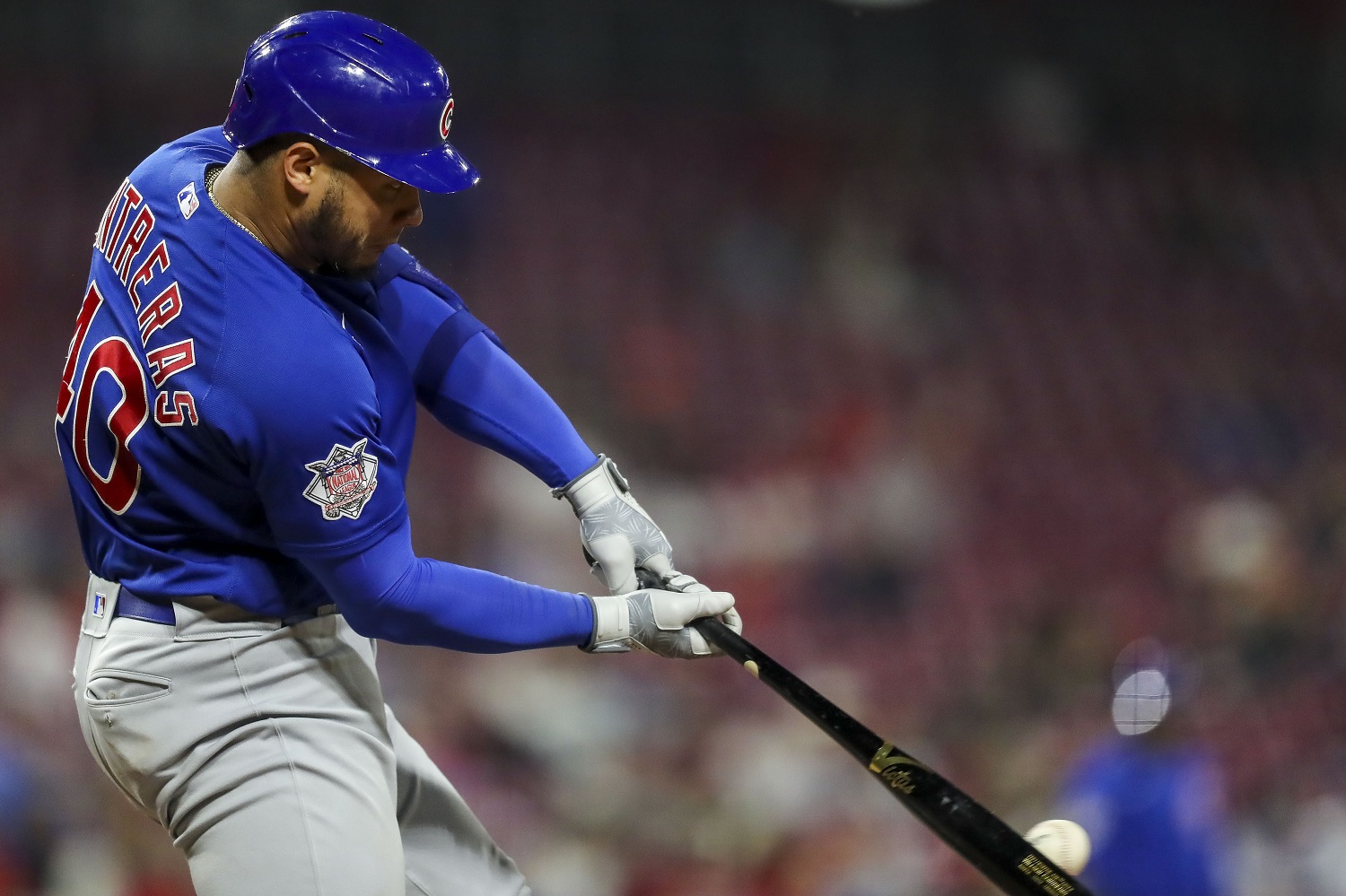 Despite what looked to be like a quality lineup on paper, the 2022 Minnesota Twins found themselves struggling to put runs on the board. This issue only worsened as the injuries mounted, but losing one of their best offensive players in Carlos Correa certainly isn’t going to help things. Needing to replace his presence and improve upon what returns, maybe the Twins look to make a splash behind the dish. Last spring, Derek Falvey and Thad Levine swung a deal that sent Mitch Garver to the Texas Rangers. Ultimately that made it possible to pivot from Josh Donaldson and land former slugger Gary Sanchez from New York. The hope was that a fresh start could bring better production. It flopped miserably as Sanchez posted a career-worst 89 OPS+. With Ryan Jeffers missing a substantial amount of the season due to injury, there was little offense from the catching position. As he returns in 2023, there remains plenty of promise in a bat that was his calling card when drafted. We have seen it produce in short bursts, and the front office is undoubtedly hoping 2023 is the breakout season. However, he needs someone to work alongside him, or potentially in front of him. Catcher doesn’t seem like a position the Twins will splurge on, and there are not a ton of options. Grabbing the best catcher available, Willson Contreras, could make some sense. There have been indications that the club would prefer a left-handed bat to platoon with Jeffers behind the plate, but the only free-agent options available are Omar Narvaez, Jason Castro, and Tucker Barnhart. Although Contreras is the same handedness as Jeffers, he would immediately represent a substantial upgrade at the position and give the Twins something similar to that of Garver’s Silver Slugger winning season. Contreras owns a career 115 OPS+ and has routinely launched 20 homers a season while producing a .349 career on-base percentage at a position that does not typically provide offensive production. Contreras is bucking the trend. The Twins signing Contreras would fulfill a need in the form of a big bat, and take them out of having to rotate in veteran retreads as they did with Sandy Leon a season ago. Contreras will be 32 next season, and he has spent a considerable amount of time behind the plate, but positional flexibility is something he has also shown over the course of his career with the Cubs. Ultimately it would seem like a longshot for the Twins to grab the top player on the market at a position, although it just happened eight months ago in the form of Correa. Contreras could help to soften that blow and bring stability to a position where the Twins haven’t had any since Joe Mauer moved to first base.
 -
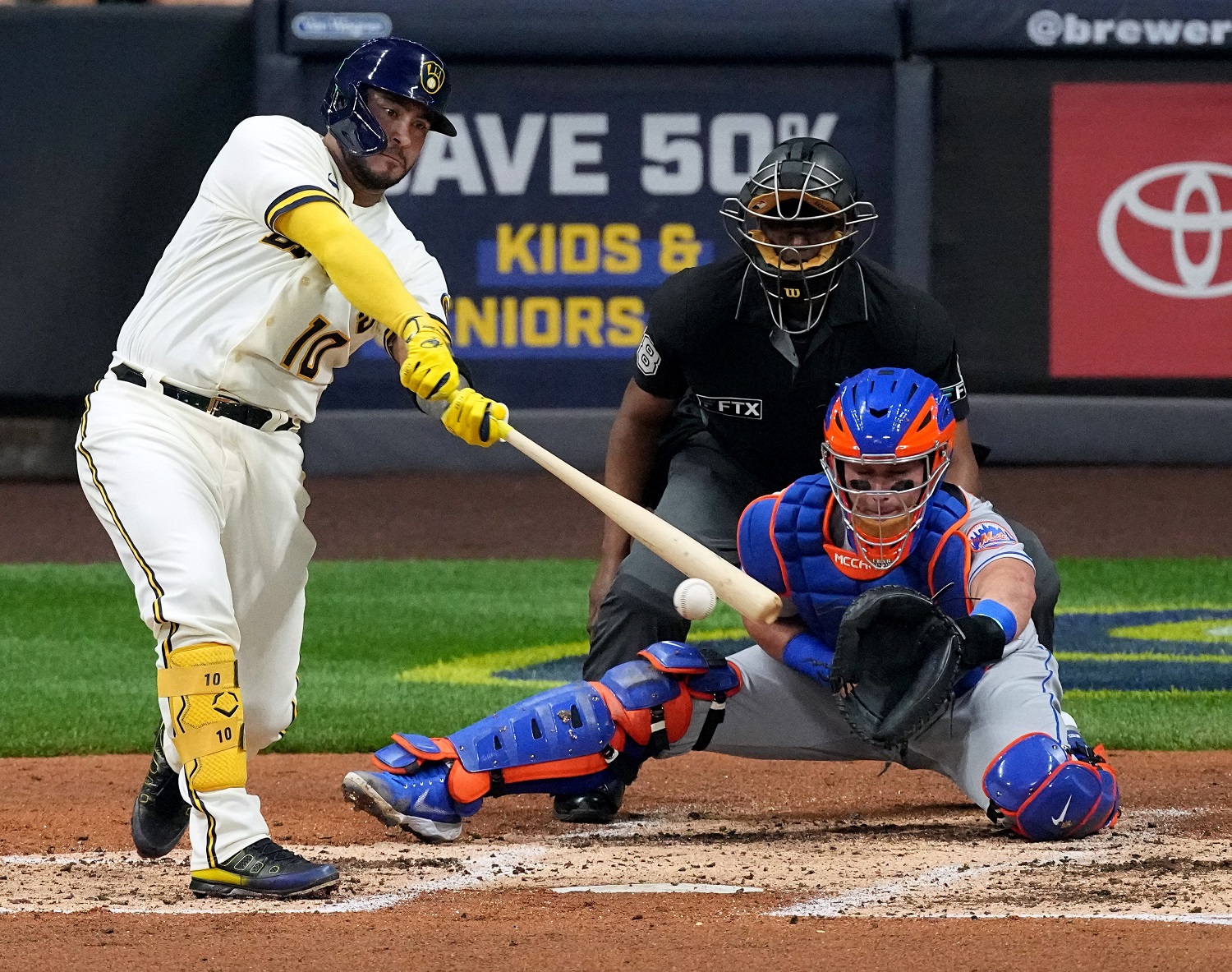 Gone is Mitch Garver. Gone is Gary Sanchez. Gone is Sandy Leon. Gone is Caleb Hamilton. The Minnesota Twins lone catcher on the 40-man roster entering free agency is Ryan Jeffers. He spent much of 2022 on the shelf after an injury, but he’s the early favorite to start the majority of games in 2023 for Rocco Baldelli. Jeffers was seen as more of a bat-only prospect that scouts wondered if he could stick behind the plate. The Twins scouting department felt otherwise, and thus far he’s impressed defensively. We’ve seen glimpses of the good bat, particularly the power, but nothing to substantiate certainty at this point. Looking at a position not often associated with offense, and one where the free agent market remains relatively bleak, Minnesota could be tempted into a platoon situation behind Jeffers. No one is looking for a left-handed thrower behind the plate, but the left-handed hitters currently available aren’t exactly sure things either. Given former Athletics back stop Stephen Vogt announced his retirement, there are just three lefty bats on the open market: Omar Narvaez Maybe the cream of this crop, Narvaez is soon-to-be 31 years old and owns a career 100 OPS+. His .597 OPS in 2022 was a career-worst, and despite an All-Star appearance with Milwaukee last season, he was both injured and ineffective. As one would expect, he has been a better hitter over the course of his career against right-handed pitching. Although not a significant power guy, Narvaez has ripped 47 of his 51 career dingers off of righties. Having made just $5 million last season and coming off a down year, his price should be easily attainable. Tucker Barnhart After spending eight seasons with the Cincinnati Reds, Barnhart joined the Detroit Tigers in 2022. He’s never been a great offensive player, and he’s topped double-digit home runs just twice in his nine-year career. The 64 OPS+ this season with Detroit was a career-worst, and the .267 SLG was truly unfathomable for a guy that played 94 games. His .705 career OPS against righties is well above the .580 OPS mark against lefties, however, and that could salvage some of his production. Jason Castro Not only does this seem unlikely from a return-to-Minnesota perspective, but Castro was contemplating retirement going into 2022 and then wound up having knee surgery ending his season. Castro played just 34 games this year for the Astros and in only 66 games during 2021. He had proven a solid track record of health when he signed with the Twins back in 2017, but it’s been downhill since, the 'normal' trajectory for catchers after they hit 30. The options at catcher are almost always relatively bleak, but limiting it to just free agents and focusing on a left-handed bat doesn’t paint a pretty picture either.
 -
It’s beyond safe to say that things didn’t go well for the 2022 Minnesota Twins at the catcher position. They traded the starter, wound up with an unhealthy up-and-comer, and not even a change of scenery could help a former Yankee. Now how do they get the most out of the position? How about a platoon? Image courtesy of MARK HOFFMAN/MILWAUKEE JOURNAL SENTINEL / USA TODAY NETWORK Gone is Mitch Garver. Gone is Gary Sanchez. Gone is Sandy Leon. Gone is Caleb Hamilton. The Minnesota Twins lone catcher on the 40-man roster entering free agency is Ryan Jeffers. He spent much of 2022 on the shelf after an injury, but he’s the early favorite to start the majority of games in 2023 for Rocco Baldelli. Jeffers was seen as more of a bat-only prospect that scouts wondered if he could stick behind the plate. The Twins scouting department felt otherwise, and thus far he’s impressed defensively. We’ve seen glimpses of the good bat, particularly the power, but nothing to substantiate certainty at this point. Looking at a position not often associated with offense, and one where the free agent market remains relatively bleak, Minnesota could be tempted into a platoon situation behind Jeffers. No one is looking for a left-handed thrower behind the plate, but the left-handed hitters currently available aren’t exactly sure things either. Given former Athletics back stop Stephen Vogt announced his retirement, there are just three lefty bats on the open market: Omar Narvaez Maybe the cream of this crop, Narvaez is soon-to-be 31 years old and owns a career 100 OPS+. His .597 OPS in 2022 was a career-worst, and despite an All-Star appearance with Milwaukee last season, he was both injured and ineffective. As one would expect, he has been a better hitter over the course of his career against right-handed pitching. Although not a significant power guy, Narvaez has ripped 47 of his 51 career dingers off of righties. Having made just $5 million last season and coming off a down year, his price should be easily attainable. Tucker Barnhart After spending eight seasons with the Cincinnati Reds, Barnhart joined the Detroit Tigers in 2022. He’s never been a great offensive player, and he’s topped double-digit home runs just twice in his nine-year career. The 64 OPS+ this season with Detroit was a career-worst, and the .267 SLG was truly unfathomable for a guy that played 94 games. His .705 career OPS against righties is well above the .580 OPS mark against lefties, however, and that could salvage some of his production. Jason Castro Not only does this seem unlikely from a return-to-Minnesota perspective, but Castro was contemplating retirement going into 2022 and then wound up having knee surgery ending his season. Castro played just 34 games this year for the Astros and in only 66 games during 2021. He had proven a solid track record of health when he signed with the Twins back in 2017, but it’s been downhill since, the 'normal' trajectory for catchers after they hit 30. The options at catcher are almost always relatively bleak, but limiting it to just free agents and focusing on a left-handed bat doesn’t paint a pretty picture either. View full article
-
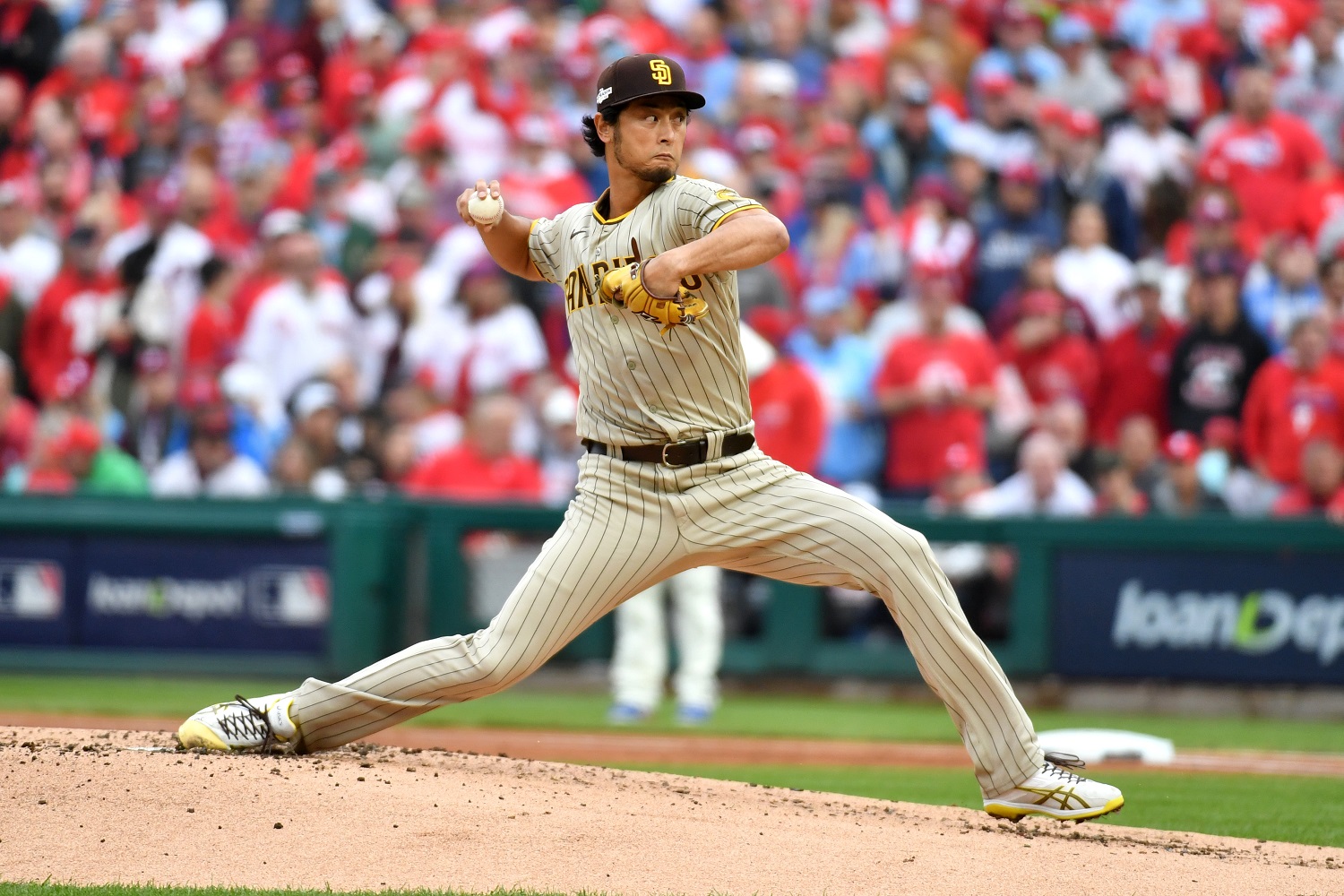 Derek Falvey and Thad Levine swung a deal with San Diego the day before Opening Day when they sent closer Taylor Rogers (and Brent Rooker) to the Bay Area in exchange for Chris Paddack and Emilio Pagan. The former looked the part of a strong asset until he underwent Tommy John surgery early in the year, while the latter was held onto through a season of ineffectiveness. I’d assume both parties still have each others’ numbers, and with the Twins needing high-end starting pitching, it makes sense to call a team with excess in that category. Truly it’s too bad that Joe Musgrove got paid this season with the Padres. Dating back to his time with the Pittsburgh Pirates, he should’ve been one of the most coveted arms in baseball. The stuff has always been amazing and he simply needed someone to unlock it. Regardless, I digress. Both Mike Clevinger and Sean Manaea will be free agents following the World Series. Both would represent an upgrade for the Twins, and either could’ve been a trade deadline target should the team have opted for it. Obviously Falvey has a substantial amount of familiarity with Clevinger due to their shared time in Cleveland, and he could be willing to reunite. Manaea was among the two pieces (alongside Frankie Montas) that Oakland was always expected to move, and they did so in early April. Money is the only thing necessary to negotiate terms with either of those two arms. Prospect capital could be used on either Yu Darvish or Blake Snell. San Diego’s depth this offseason won’t look like what it did over the summer, but maybe they’re still willing to part with one of their highly paid arms. Darvish is entering the final year of a deal he signed with the Chicago Cubs. In 2023 he’ll make $18 million, and Minnesota general manager Thad Levine is plenty familiar due to their time together with Texas. Darvish lost most of his first year with the Cubs to injuries, but has been great since then. Similar to Darvish, Snell will be entering the final year of a five-year deal he initially signed with Tampa Bay. Snell does have incentives tied to his contract, but the former Cy Young winner is set to make just $16.6 million in 2023. That number is likely well below what he’d get on the open market, and is someone the Twins could have interest in an extension with as he’ll be just 30-years-old next season. Although neither price tag will rival that of what top starters receive in 2023 on the open market, the dollar amount is enough that it should demand a prospect return. The Padres will be looking to reload following an NLCS exit in the postseason. They now have Juan Soto to lock up, and will return Fernando Tatis Jr. next season. Minnesota has ample opportunity to add top pitching talent this winter, and one of the questions they face is how they'd most like to do that. The farm system isn't loaded with elite prospects, but taking on salary could help to make quantity type trades more feasible. Money is also there to be spent, even if it's on a contract they didn't negotiate.
- 10 comments
-
- 2
-
-
- yu darvish
- blake snell
- (and 2 more)
-
The Minnesota Twins have a need for starting pitching entering the 2023 Major League Baseball season. If that feels like an evergreen statement, it’s because it is, but basically for every organization across the sport. For Minnesota, however, they need a frontline arm and they’ve never paid for one before. Image courtesy of Ken Blaze-USA TODAY Sports With Kenta Maeda returning to Rocco Baldelli’s starting rotation early next season, Minnesota should have a solid trio including former Cincinnati Reds, Sonny Gray and Tyler Mahle. They should get Chris Paddack back late in the summer, but will have 2022 Opening Day starter Joe Ryan until then. If Minnesota adds, and they need to, it must be an impact arm. We saw plenty of depth emerge with Minnesota blowing through a franchise-record 38 pitchers this season. Bailey Ober and Josh Winder showed up as expected. Cole Sands had his ups and downs, but Louie Varland and Simeon Woods Richardson emerged maybe more quickly than assumed. There are guys that have experience and will be called upon. Knowing the window paired with youth is now, the best arms available should be on the table. Unfortunately, Derek Falvey and Thad Levine have never shown a willingness to spend on starting pitching. Truthfully, Minnesota’s current front office has never spent on pitching at all. They’ve opted for reclamation projects in the bullpen, and largely looked to cut corners relying on coaching to get the best from those acquired. Lance Lynn begrudgingly agreed to a one-year deal in Minnesota following a standoff prior to his decision in 2018, and that was only for $12 million. The most this front office has ever paid in a single season was Jake Odorizzi during 2020, which was a $17.8 million qualifying offer that was worth less than half of the money due to a truncated season. In short, Falvey and Levine’s greatest expense for a pitcher on a deal they negotiated was Addison Reed’s $16.75 million in 2018. He owned a 4.50 ERA across 56 innings and never pitched again after his first season with the Twins. Maybe it’s that signing where the front office soured on paying for pitching. Maybe they didn’t like that Lynn clearly exhibited not wanting to be here after signing late in spring training. Perhaps it’s just been bad luck missing out on arms like Yu Darvish, Zack Wheeler, and Charlie Morton. Whatever it is, if paying for pitching isn’t ever going to happen, what are we doing here? Falvey was brought in to develop a pitching pipeline akin to what he was known for with Cleveland. The depth has started to rear its head, but you’d be hard-pressed to find a Twins prospect currently projected to be a Number One starter. That’s where the focus has to be, and thus far dollars haven't been allocated for one. Falvey and Levine have taken swings on the trade market when looking to foot the bill. Gray has the chops to be a frontline starter (and he has been in the past), and development (and now health) from Mahle could put him there as well. Maybe this duo sees another arm they like enough to trade for, and acquire dollars on the payroll rather than negotiating it themselves. Either way, it is worth wondering if a big payday for a starter will ever come under this regime. Terry Ryan’s $54 million pact with Ervin Santana is still looking to be topped, and now seems as good of a time as ever. View full article
-
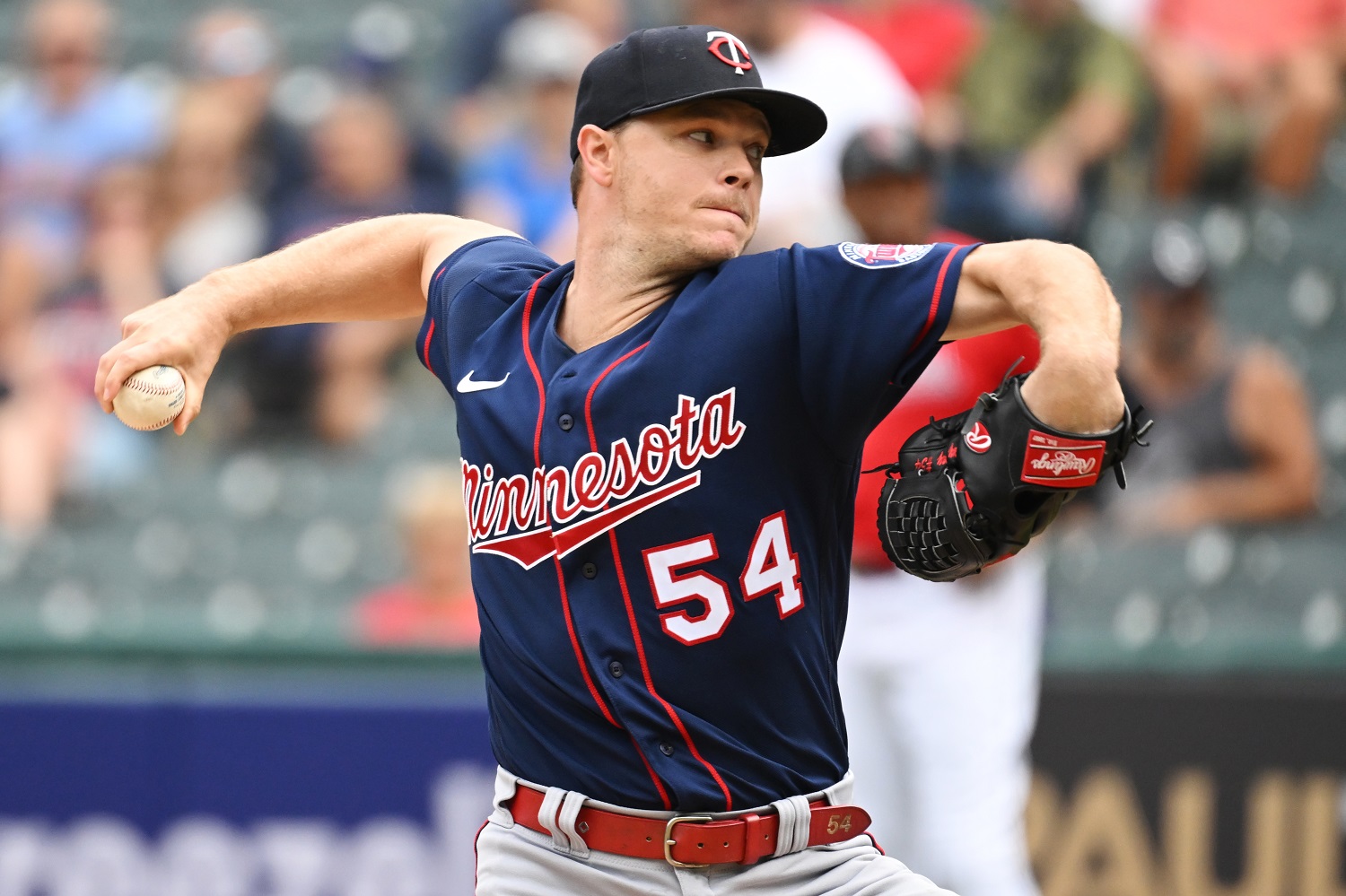 With Kenta Maeda returning to Rocco Baldelli’s starting rotation early next season, Minnesota should have a solid trio including former Cincinnati Reds, Sonny Gray and Tyler Mahle. They should get Chris Paddack back late in the summer, but will have 2022 Opening Day starter Joe Ryan until then. If Minnesota adds, and they need to, it must be an impact arm. We saw plenty of depth emerge with Minnesota blowing through a franchise-record 38 pitchers this season. Bailey Ober and Josh Winder showed up as expected. Cole Sands had his ups and downs, but Louie Varland and Simeon Woods Richardson emerged maybe more quickly than assumed. There are guys that have experience and will be called upon. Knowing the window paired with youth is now, the best arms available should be on the table. Unfortunately, Derek Falvey and Thad Levine have never shown a willingness to spend on starting pitching. Truthfully, Minnesota’s current front office has never spent on pitching at all. They’ve opted for reclamation projects in the bullpen, and largely looked to cut corners relying on coaching to get the best from those acquired. Lance Lynn begrudgingly agreed to a one-year deal in Minnesota following a standoff prior to his decision in 2018, and that was only for $12 million. The most this front office has ever paid in a single season was Jake Odorizzi during 2020, which was a $17.8 million qualifying offer that was worth less than half of the money due to a truncated season. In short, Falvey and Levine’s greatest expense for a pitcher on a deal they negotiated was Addison Reed’s $16.75 million in 2018. He owned a 4.50 ERA across 56 innings and never pitched again after his first season with the Twins. Maybe it’s that signing where the front office soured on paying for pitching. Maybe they didn’t like that Lynn clearly exhibited not wanting to be here after signing late in spring training. Perhaps it’s just been bad luck missing out on arms like Yu Darvish, Zack Wheeler, and Charlie Morton. Whatever it is, if paying for pitching isn’t ever going to happen, what are we doing here? Falvey was brought in to develop a pitching pipeline akin to what he was known for with Cleveland. The depth has started to rear its head, but you’d be hard-pressed to find a Twins prospect currently projected to be a Number One starter. That’s where the focus has to be, and thus far dollars haven't been allocated for one. Falvey and Levine have taken swings on the trade market when looking to foot the bill. Gray has the chops to be a frontline starter (and he has been in the past), and development (and now health) from Mahle could put him there as well. Maybe this duo sees another arm they like enough to trade for, and acquire dollars on the payroll rather than negotiating it themselves. Either way, it is worth wondering if a big payday for a starter will ever come under this regime. Terry Ryan’s $54 million pact with Ervin Santana is still looking to be topped, and now seems as good of a time as ever.
- 21 comments
-
- 1
-
-
- ervin santana
- addison reed
- (and 2 more)
-
No one in baseball spent more money this season than the New York Mets. It wasn’t enough to win Steve Cohen’s organization a division title, and they bowed out early in the postseason. Now a rotation exodus begins and the Minnesota Twins could be intrigued by a few names. Image courtesy of Darren Yamashita-USA TODAY Sports Only the Los Angeles Dodgers and Houston Astros won more games than the 101 victories recorded by the New York Mets this season. By fWAR, the Mets starters compiled the fifth-highest total across baseball. Their 3.61 ERA was also fifth while the 9.4 K/9 topped all of baseball. Facing plenty of change in 2023, Jacob deGrom is able to opt out of the final two years of his contract, and he could be joined by both Chris Bassitt and Taijuan Walker. To be fair, deGrom doesn’t seem like the type of pitcher Minnesota will target. He’s a true ace, that will get something over $35 million per year on a multi-year deal despite being 34 years old. The two-time Cy Young winner has not been healthy either of the past two seasons and spending big on an aging question mark doesn’t seem up the Twins' alley. It’s also fair to note that the likelihood of interest from the career Mets pitcher will probably be non-existent. The alternatives could certainly provide a bit more promise, however. Chris Bassitt will be 34 next season and has flown under the radar as one of baseball’s best pitchers since 2018. Drafted by the White Sox way back in 2011, Bassitt announced his presence in a limited 2015, before missing 2017 due to injury. Since 2018, Bassitt has posted a 3.29 ERA across nearly 600 innings. He gets punch outs, he avoids walks, and he keeps the ball in the yard. Individual accolades haven’t added up for Bassitt, with just a single All-Star appearance and twice generating Cy Young votes, but he’s been as consistent as they come. Health could be a concern, but Bassitt has largely remained available since returning to the mound in 2018. With a $19 million mutual option, he’ll obviously turn that down with the qualifying offer being north of that for 2023. Draft pick compensation could stymie his market some, but he shouldn’t have trouble finding a two-to-four-year deal making something north of $20 million in each of them. Walker is interesting in that he should be affordable, which benefits the Twins, but his addition may not raise the bar all that much. I’m not sure Derek Falvey or Thad Levine would be able to sell Walker surpassing the bar of Tyler Mahle, Sonny Gray, or Kenta Maeda. A former top prospect, he’s been solid when healthy, but rarely that, and never great. Since 2018 Walker has pitched for four organizations and even with a 3.78 ERA, he hasn’t topped 400 total innings and his 4.16 FIP is more reflective of his effectiveness. Walker at his best is lightyears ahead of either Dylan Bundy or Chris Archer, but at his worst, or even what could be projected, he may not represent much more than either of them at their best for the Twins in 2022. The trio of former Mets definitely represent options for Minnesota to consider, and they range in desirability and likelihood. There should probably only be a single option to pursue here, but it remains to be seen how the front office will act. Do you have any interest in adding any of these pitchers from the Mets? View full article
- 10 replies
-
- 1
-
-
- chris bassitt
- jacob degrom
- (and 3 more)
-
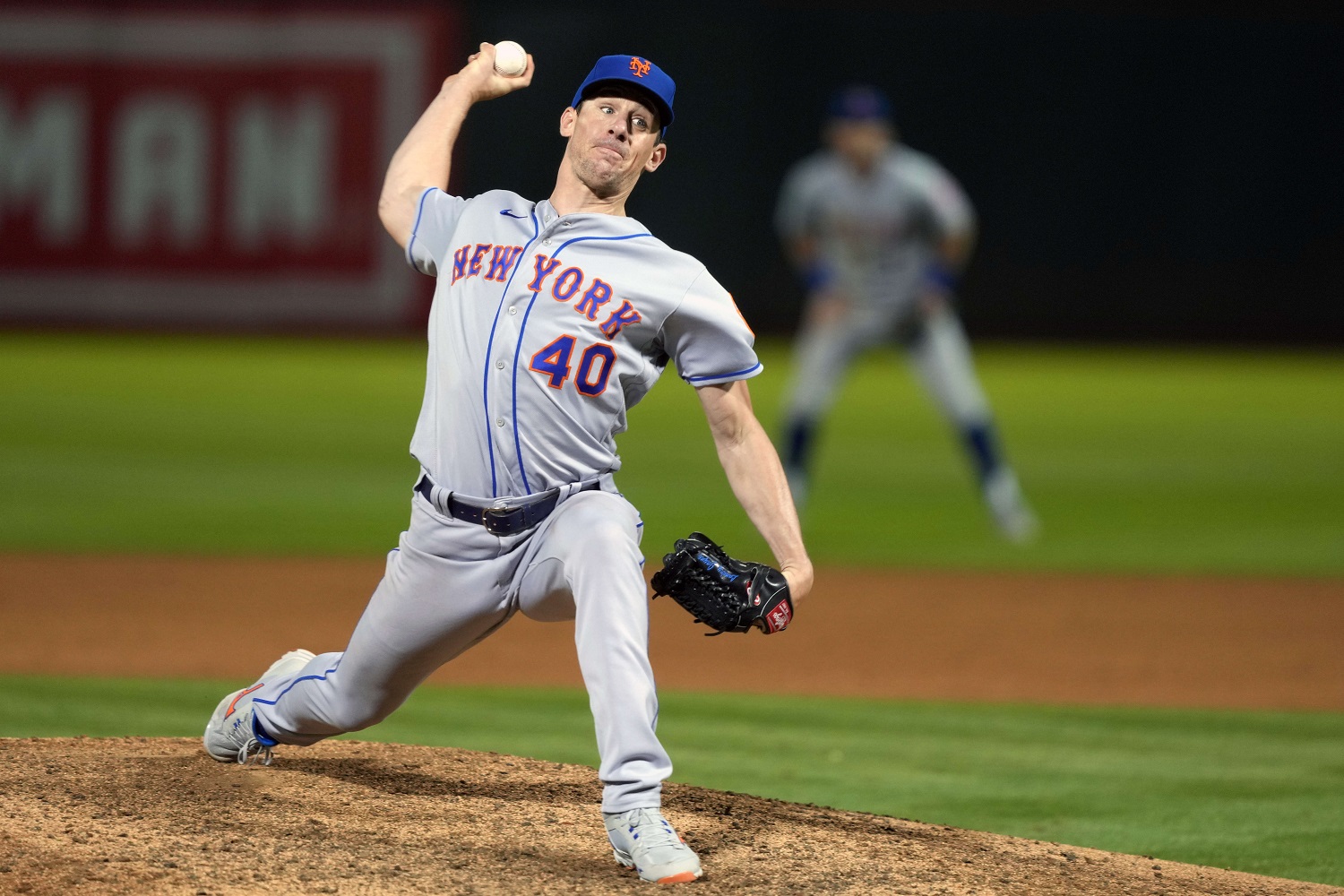 Only the Los Angeles Dodgers and Houston Astros won more games than the 101 victories recorded by the New York Mets this season. By fWAR, the Mets starters compiled the fifth-highest total across baseball. Their 3.61 ERA was also fifth while the 9.4 K/9 topped all of baseball. Facing plenty of change in 2023, Jacob deGrom is able to opt out of the final two years of his contract, and he could be joined by both Chris Bassitt and Taijuan Walker. To be fair, deGrom doesn’t seem like the type of pitcher Minnesota will target. He’s a true ace, that will get something over $35 million per year on a multi-year deal despite being 34 years old. The two-time Cy Young winner has not been healthy either of the past two seasons and spending big on an aging question mark doesn’t seem up the Twins' alley. It’s also fair to note that the likelihood of interest from the career Mets pitcher will probably be non-existent. The alternatives could certainly provide a bit more promise, however. Chris Bassitt will be 34 next season and has flown under the radar as one of baseball’s best pitchers since 2018. Drafted by the White Sox way back in 2011, Bassitt announced his presence in a limited 2015, before missing 2017 due to injury. Since 2018, Bassitt has posted a 3.29 ERA across nearly 600 innings. He gets punch outs, he avoids walks, and he keeps the ball in the yard. Individual accolades haven’t added up for Bassitt, with just a single All-Star appearance and twice generating Cy Young votes, but he’s been as consistent as they come. Health could be a concern, but Bassitt has largely remained available since returning to the mound in 2018. With a $19 million mutual option, he’ll obviously turn that down with the qualifying offer being north of that for 2023. Draft pick compensation could stymie his market some, but he shouldn’t have trouble finding a two-to-four-year deal making something north of $20 million in each of them. Walker is interesting in that he should be affordable, which benefits the Twins, but his addition may not raise the bar all that much. I’m not sure Derek Falvey or Thad Levine would be able to sell Walker surpassing the bar of Tyler Mahle, Sonny Gray, or Kenta Maeda. A former top prospect, he’s been solid when healthy, but rarely that, and never great. Since 2018 Walker has pitched for four organizations and even with a 3.78 ERA, he hasn’t topped 400 total innings and his 4.16 FIP is more reflective of his effectiveness. Walker at his best is lightyears ahead of either Dylan Bundy or Chris Archer, but at his worst, or even what could be projected, he may not represent much more than either of them at their best for the Twins in 2022. The trio of former Mets definitely represent options for Minnesota to consider, and they range in desirability and likelihood. There should probably only be a single option to pursue here, but it remains to be seen how the front office will act. Do you have any interest in adding any of these pitchers from the Mets?
- 10 comments
-
- 1
-
-
- chris bassitt
- jacob degrom
- (and 3 more)
-
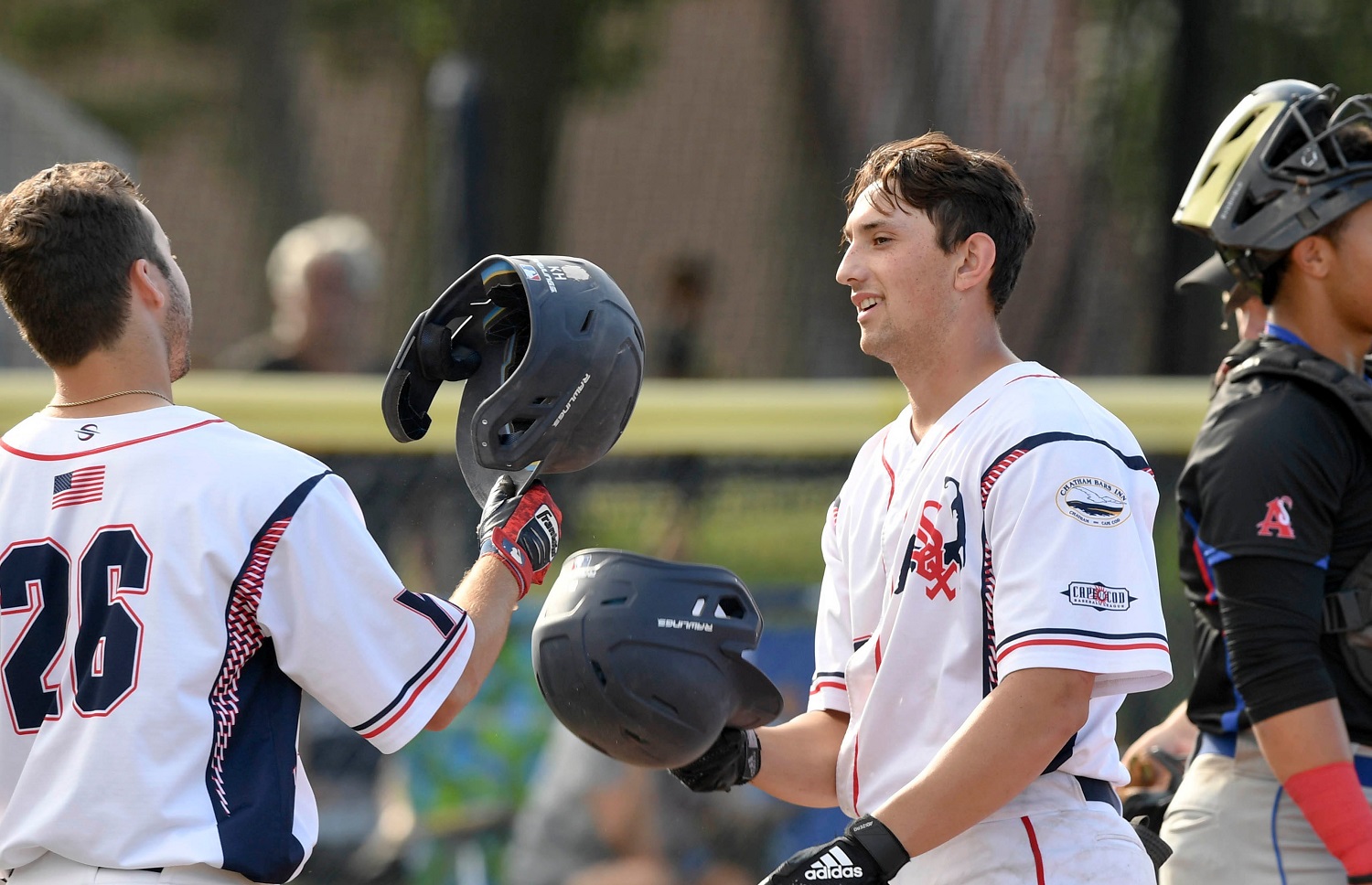 Brooks Lee came to the Twins as a shortstop prospect with plenty of promise. He may have some of the best bat-to-ball skills of any draftee in recent memory, and there’s plenty of indication that he can stick at shortstop. Needing to supplement a farm system that has seen plenty of graduations over the past year, a talent like Lee is the exact type of player you’d like to land. There is no denying that year one as a professional went anything but exceptional. Lee started in the Complex League but lasted just four games before outgrowing the competition. He then skipped Low-A Fort Myers entirely and went to High-A Cedar Rapids. In 25 games in Iowa, he posted an .848 OPS, and when the season ended, it was evident he could help Double-A Wichita during their postseason run. To say that the hype around him has increased would be putting it lightly. Joining a group of talented infield prospects such as Austin Martin and Royce Lewis, Lee provides plenty of promise. I caught up with the star prospect as he reflected on his 2022, what the offseason entails, and how 2023 may look. Twins Daily: Entering pro ball, what is the thing that most took you by surprise? Maybe something that was opposite of your expectations? Brooks Lee: I think what took me most by surprise was the speed of the game. It seemed like people still ran hard down to first base and did things that normally wouldn’t be done because of how long the season is. It was nice to see people still playing the game hard. TD: You had a wildly successful debut, what can you most attribute that to? BL: I think working hard and smarter has contributed to my success on the field. My confidence has stayed high, and I also really enjoy playing this game, which is necessary. It was a short debut of games for me, but I am excited to see what a full season has in store for me. Hoping to keep producing on offense and defense. TD: Although the time at Double-A was brief, what was the biggest difference you noticed between that level and Single-A? BL: The biggest difference from High-A to Double-A was the pitching. It seemed as if every team had some good flamethrowers who also executed their off-speed pitches wherever they wanted, and in any count. The starters had multiple pitches that they could manipulate very well with a very low error rate. I also thought pitches were in the zone more often which is helpful for me. TD: Now with exposure behind you, what are you most focused on for training this offseason? BL: I think the focus of the off-season will be about hitting pitches that had given me more trouble than others and continue trying to develop my speed and strength. The Twins have been very helpful in creating a plan for me to come back better than the year before. TD: How would you evaluate the production from this year? What is a weakness you’re trying to improve on? BL: I think I can continue to get better in all areas. For offense, I want to develop more power, and I’m sure that will come with seeing more professional pitching. Usually, my doubles come in bunches, but next year I would like to hit a lot more than I showed this summer. My speed is a weakness, so my first step will be critical in my development as a shortstop. TD: Thinking ahead to next season, what is something you want to accomplish in 2023? BL: As of right now, I haven’t thought of many goals for next year, but hitting well above .300 is always a goal. At the end of the year, no matter what level I am at, I will hopefully be looking forward to competing and winning a championship. TD: Ending on a light note, off the diamond, what are you doing to relax and unwind this offseason? BL: I don’t do much outside of baseball, but I always enjoy my off time with my girlfriend. She is at Cal Poly where I went, so it is nice to spend time with her and family. Being in San Luis Obispo is great, and I enjoy being by the water any chance I get. I don’t think there will be much time away from baseball, and I’m all good with that!
 -
The Minnesota Twins owned the 8th overall pick in the 2022 Major League Baseball draft. They were linked to a handful of players, but the expectation that Brooks Lee would be available to them was not high. It worked out on draft day and hasn’t stopped working since. Image courtesy of © Ron Schloerb/Cape Cod Times via Imagn Content Services, LLC Brooks Lee came to the Twins as a shortstop prospect with plenty of promise. He may have some of the best bat-to-ball skills of any draftee in recent memory, and there’s plenty of indication that he can stick at shortstop. Needing to supplement a farm system that has seen plenty of graduations over the past year, a talent like Lee is the exact type of player you’d like to land. There is no denying that year one as a professional went anything but exceptional. Lee started in the Complex League but lasted just four games before outgrowing the competition. He then skipped Low-A Fort Myers entirely and went to High-A Cedar Rapids. In 25 games in Iowa, he posted an .848 OPS, and when the season ended, it was evident he could help Double-A Wichita during their postseason run. To say that the hype around him has increased would be putting it lightly. Joining a group of talented infield prospects such as Austin Martin and Royce Lewis, Lee provides plenty of promise. I caught up with the star prospect as he reflected on his 2022, what the offseason entails, and how 2023 may look. Twins Daily: Entering pro ball, what is the thing that most took you by surprise? Maybe something that was opposite of your expectations? Brooks Lee: I think what took me most by surprise was the speed of the game. It seemed like people still ran hard down to first base and did things that normally wouldn’t be done because of how long the season is. It was nice to see people still playing the game hard. TD: You had a wildly successful debut, what can you most attribute that to? BL: I think working hard and smarter has contributed to my success on the field. My confidence has stayed high, and I also really enjoy playing this game, which is necessary. It was a short debut of games for me, but I am excited to see what a full season has in store for me. Hoping to keep producing on offense and defense. TD: Although the time at Double-A was brief, what was the biggest difference you noticed between that level and Single-A? BL: The biggest difference from High-A to Double-A was the pitching. It seemed as if every team had some good flamethrowers who also executed their off-speed pitches wherever they wanted, and in any count. The starters had multiple pitches that they could manipulate very well with a very low error rate. I also thought pitches were in the zone more often which is helpful for me. TD: Now with exposure behind you, what are you most focused on for training this offseason? BL: I think the focus of the off-season will be about hitting pitches that had given me more trouble than others and continue trying to develop my speed and strength. The Twins have been very helpful in creating a plan for me to come back better than the year before. TD: How would you evaluate the production from this year? What is a weakness you’re trying to improve on? BL: I think I can continue to get better in all areas. For offense, I want to develop more power, and I’m sure that will come with seeing more professional pitching. Usually, my doubles come in bunches, but next year I would like to hit a lot more than I showed this summer. My speed is a weakness, so my first step will be critical in my development as a shortstop. TD: Thinking ahead to next season, what is something you want to accomplish in 2023? BL: As of right now, I haven’t thought of many goals for next year, but hitting well above .300 is always a goal. At the end of the year, no matter what level I am at, I will hopefully be looking forward to competing and winning a championship. TD: Ending on a light note, off the diamond, what are you doing to relax and unwind this offseason? BL: I don’t do much outside of baseball, but I always enjoy my off time with my girlfriend. She is at Cal Poly where I went, so it is nice to spend time with her and family. Being in San Luis Obispo is great, and I enjoy being by the water any chance I get. I don’t think there will be much time away from baseball, and I’m all good with that! View full article
-
The Minnesota Twins have needed starting pitching virtually since the beginning of time. It’s been a refrain muttered by fans at least since Target Field opened its doors, and the Pohlad family opening up the pocketbook to make it happen has been a desire. With other free agent records having fallen, is this the time for the next one? Image courtesy of Brad Penner-USA TODAY Sports Derek Falvey and Thad Levine took over as the heads of Minnesota’s front office back in the fall of 2016. During their tenure, the two most notable free agent signings have been hitters. Josh Donaldson’s $100 million deal was the largest given to a free agent in franchise history, and Carlos Correa’s $35.1 million average annual value was the highest ever paid in a season to an infielder. On the Donaldson deal, Minnesota opted to part ways with the brash veteran just halfway through the deal. On the Correa pact, the Twins gave out a contract where the star shortstop could leave after just one season looking for the payday that never came a year ago. To date, the club has never truly spent substantially on a starting pitcher. There's a good reason that a deal hasn’t been reached, and it’s probably not for lack of trying. This front office targeted Zack Wheeler, Yu Darvish, and Charlie Morton in recent seasons. Anything offered to them would’ve been in rarified air for this franchise. In those scenarios though, the Twins were fighting against the lack of market or weather, and probably were not the highest offer. Finding an ace in free agency is a crapshoot. You’re dealing with an arm that was ultimately passed on by their former club, and they’ve probably been through a previous extension to this point. Realistically, 28-year-old pitchers that could be an ace for any team in baseball simply don’t show up in free agency. It’s a dice roll to decide if the caution flags are worth ignoring to bring in the new star. This offseason represents a familiar landscape. Justin Verlander is an aging superstar that probably wants continuity. Jacob deGrom has had injuries and is 34. Clayton Kershaw has a declining back and is also the same age as the Mets star. The cream of the most likely crop is probably limited to Chris Sale, Chris Bassitt, Carlos Rodon, and Mike Clevinger. The former White Sox ace (Sale) has thrown just 48 1/3 innings since 2019. He’s great, but hasn’t been healthy, wore out his welcome in Boston, and isn’t young. Rodon put up a healthy season with the Giants, but injuries have plagued him in the past. Clevinger wasn’t good in 2022 and hasn’t been healthy for years either. That leaves Bassitt, who may lack the top tier to be worthy of a substantial price tag. No matter what though, available pitching with this ceiling is going to get paid. Terry Ryan spent more handsomely on starting pitching than Falvey and Levine have to this point. The $54 million Minnesota gave to Ervin Santana back in 2014 still is significantly more than anything we’ve seen handed out in recent seasons. Knowing they need to add at the top of the rotation, it will be interesting to see how Minnesota’s front office opts for a step forward at a position they’ve yet to take one. With the landscape at starting pitcher being what it is, are you ready for the Twins to spend big now? If so, what name are you wanting them all in on? View full article
-
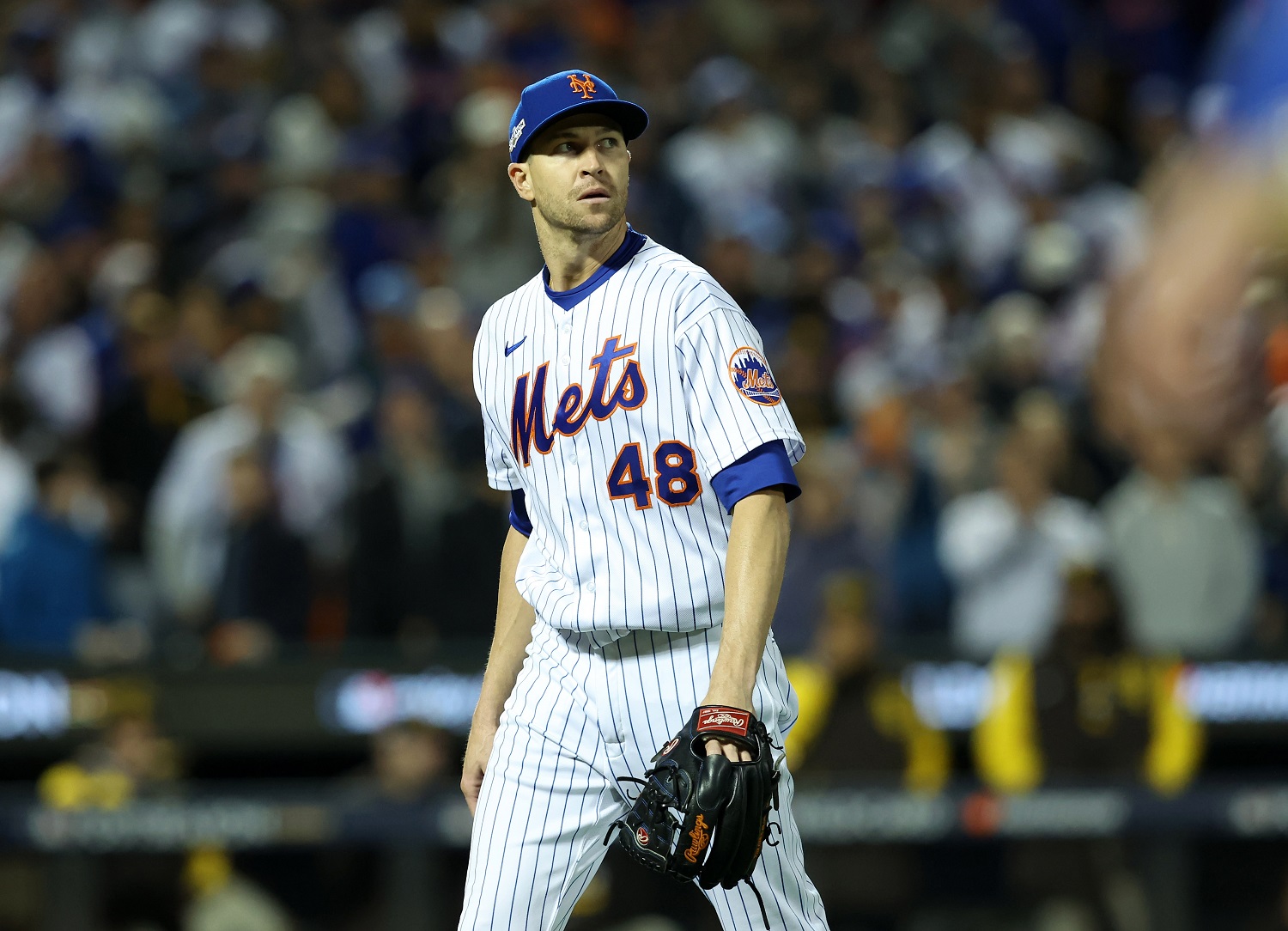 Derek Falvey and Thad Levine took over as the heads of Minnesota’s front office back in the fall of 2016. During their tenure, the two most notable free agent signings have been hitters. Josh Donaldson’s $100 million deal was the largest given to a free agent in franchise history, and Carlos Correa’s $35.1 million average annual value was the highest ever paid in a season to an infielder. On the Donaldson deal, Minnesota opted to part ways with the brash veteran just halfway through the deal. On the Correa pact, the Twins gave out a contract where the star shortstop could leave after just one season looking for the payday that never came a year ago. To date, the club has never truly spent substantially on a starting pitcher. There's a good reason that a deal hasn’t been reached, and it’s probably not for lack of trying. This front office targeted Zack Wheeler, Yu Darvish, and Charlie Morton in recent seasons. Anything offered to them would’ve been in rarified air for this franchise. In those scenarios though, the Twins were fighting against the lack of market or weather, and probably were not the highest offer. Finding an ace in free agency is a crapshoot. You’re dealing with an arm that was ultimately passed on by their former club, and they’ve probably been through a previous extension to this point. Realistically, 28-year-old pitchers that could be an ace for any team in baseball simply don’t show up in free agency. It’s a dice roll to decide if the caution flags are worth ignoring to bring in the new star. This offseason represents a familiar landscape. Justin Verlander is an aging superstar that probably wants continuity. Jacob deGrom has had injuries and is 34. Clayton Kershaw has a declining back and is also the same age as the Mets star. The cream of the most likely crop is probably limited to Chris Sale, Chris Bassitt, Carlos Rodon, and Mike Clevinger. The former White Sox ace (Sale) has thrown just 48 1/3 innings since 2019. He’s great, but hasn’t been healthy, wore out his welcome in Boston, and isn’t young. Rodon put up a healthy season with the Giants, but injuries have plagued him in the past. Clevinger wasn’t good in 2022 and hasn’t been healthy for years either. That leaves Bassitt, who may lack the top tier to be worthy of a substantial price tag. No matter what though, available pitching with this ceiling is going to get paid. Terry Ryan spent more handsomely on starting pitching than Falvey and Levine have to this point. The $54 million Minnesota gave to Ervin Santana back in 2014 still is significantly more than anything we’ve seen handed out in recent seasons. Knowing they need to add at the top of the rotation, it will be interesting to see how Minnesota’s front office opts for a step forward at a position they’ve yet to take one. With the landscape at starting pitcher being what it is, are you ready for the Twins to spend big now? If so, what name are you wanting them all in on?
- 38 comments
-
- 2
-
-
- ervin santana
- jacob degrom
- (and 3 more)
-
Prior to the 2022 Major League Baseball season the Minnesota Twins owned a rotation in desperate need of an overhaul. A bad 2021 team used 16 different starting pitchers, more than three rotations worth, and the year ahead had to be a drastic change. The front office immediately opted for more of the same. Image courtesy of Peter G. Aiken-USA TODAY Sports Going into 2021, manager Rocco Baldelli was strapped with ineffective veterans Matt Shoemaker and J.A. Happ. The latter posted mediocre numbers with the New York Yankees in a truncated 2020, and hadn’t truly been good since 2018. The former wouldn’t know a clean bill of health if a doctor prescribed it, and while decent when healthy, was nothing short of a trainwreck for the Twins. In total, Derek Falvey and Thad Levine’s constructed roster saw a record 35 pitchers brought to the mound. Short starts were a constant due to ineffectiveness, and team mascot Willians Astudillo made four different appearances on the bump. Fast forward to free agency 2022 and Dylan Bundy was the first acquisition made by Minnesota. Bundy’s lone good season came during the 2020 debacle, and despite being a former 4th overall pick, he’s never looked the part of a legit starting arm. It was a fine back-of-the-rotation edition, but ultimately he made 29 starts and far too often in big spots. Doubling down on more of the same, the Twins opted for Chris Archer who had recently had Thoracic Outlet surgery and repaired a hip labrum. His 19 1/3 innings dating back to 2019 should’ve never had him beginning 2022 in anyone’s starting rotation. Falvey told reporters recently Minnesota wanted to ease him along, but things never got better. The Twins President of Baseball Operations said, “Our hope was that if we started a little slow with him … to be able to unleash that a little more through the course of the year,” Falvey said. “And we were just never able to get there. Then when we had other injuries, as a result of the other guys going down … we then ultimately had to continue to lean on Chris at that stage to make those starts.” Despite using a club record 38 pitchers in 2022, again because of poor performances both in the rotation and bullpen, a positive caveat was discovered depth. Louie Varland followed up a 2021 Minor League Pitcher of the Year award by making it to the big leagues and grabbing his first game on the final day of the season. Simeon Woods Richardson, a piece acquired with Austin Martin from the Blue Jays when Minnesota sent out Jose Berrios, also took a turn in the majors. Add in the continued growth for Joe Ryan, Bailey Ober, and Josh Winder and you’ve got a solid set of depth starters. We won’t see Devin Smeltzer back in the organization next season as he opted to pursue opportunities elsewhere, but Cole Sands could continue to develop. There’s hope that Jordan Balazovic will return to form, and another big jump from Marco Raya, David Festa, or Blayne Enlow could put them in the conversation as well. In short, there are plenty of options to fill out the group. That puts pressure on Falvey and Levine to adequately allocate pitching funds this offseason. Whether on the open market or in trade, the time to bargain shop has come and gone. Kenta Maeda, Sonny Gray, and Tyler Mahle are all capable top-half rotation pieces. Chris Paddack could be that too, assuming he comes back well mid-summer. No one else brought in can even flirt with the notion of slotting in behind that group. Aces are few and far between in baseball. Rarely do they hit the open market, and it’s always a bit of a dice roll as to which will thrive in a new situation. Minnesota isn’t an ideal market, but money talks and it’s time for the front office to speak with it. Another throw-in starter being signed to anything but a camp invite deal should be cause for significant ire. It’s time to add big or stop asking to be taken seriously. View full article
-
 Going into 2021, manager Rocco Baldelli was strapped with ineffective veterans Matt Shoemaker and J.A. Happ. The latter posted mediocre numbers with the New York Yankees in a truncated 2020, and hadn’t truly been good since 2018. The former wouldn’t know a clean bill of health if a doctor prescribed it, and while decent when healthy, was nothing short of a trainwreck for the Twins. In total, Derek Falvey and Thad Levine’s constructed roster saw a record 35 pitchers brought to the mound. Short starts were a constant due to ineffectiveness, and team mascot Willians Astudillo made four different appearances on the bump. Fast forward to free agency 2022 and Dylan Bundy was the first acquisition made by Minnesota. Bundy’s lone good season came during the 2020 debacle, and despite being a former 4th overall pick, he’s never looked the part of a legit starting arm. It was a fine back-of-the-rotation edition, but ultimately he made 29 starts and far too often in big spots. Doubling down on more of the same, the Twins opted for Chris Archer who had recently had Thoracic Outlet surgery and repaired a hip labrum. His 19 1/3 innings dating back to 2019 should’ve never had him beginning 2022 in anyone’s starting rotation. Falvey told reporters recently Minnesota wanted to ease him along, but things never got better. The Twins President of Baseball Operations said, “Our hope was that if we started a little slow with him … to be able to unleash that a little more through the course of the year,” Falvey said. “And we were just never able to get there. Then when we had other injuries, as a result of the other guys going down … we then ultimately had to continue to lean on Chris at that stage to make those starts.” Despite using a club record 38 pitchers in 2022, again because of poor performances both in the rotation and bullpen, a positive caveat was discovered depth. Louie Varland followed up a 2021 Minor League Pitcher of the Year award by making it to the big leagues and grabbing his first game on the final day of the season. Simeon Woods Richardson, a piece acquired with Austin Martin from the Blue Jays when Minnesota sent out Jose Berrios, also took a turn in the majors. Add in the continued growth for Joe Ryan, Bailey Ober, and Josh Winder and you’ve got a solid set of depth starters. We won’t see Devin Smeltzer back in the organization next season as he opted to pursue opportunities elsewhere, but Cole Sands could continue to develop. There’s hope that Jordan Balazovic will return to form, and another big jump from Marco Raya, David Festa, or Blayne Enlow could put them in the conversation as well. In short, there are plenty of options to fill out the group. That puts pressure on Falvey and Levine to adequately allocate pitching funds this offseason. Whether on the open market or in trade, the time to bargain shop has come and gone. Kenta Maeda, Sonny Gray, and Tyler Mahle are all capable top-half rotation pieces. Chris Paddack could be that too, assuming he comes back well mid-summer. No one else brought in can even flirt with the notion of slotting in behind that group. Aces are few and far between in baseball. Rarely do they hit the open market, and it’s always a bit of a dice roll as to which will thrive in a new situation. Minnesota isn’t an ideal market, but money talks and it’s time for the front office to speak with it. Another throw-in starter being signed to anything but a camp invite deal should be cause for significant ire. It’s time to add big or stop asking to be taken seriously.
- 37 comments
-
- 6
-
-
- derek falvey
- thad levine
- (and 3 more)
-
The Minnesota Twins are entering the 2022 Major League Baseball offseason with somewhere between $45-65 million at their disposal just to reach last year’s payroll. With plenty of the roster penciled, how much of that can be ticketed for pitching, and who makes the most sense? Image courtesy of Stan Szeto-USA TODAY Sports Last season, there was hand-wringing virtually every time Rocco Baldelli took a stroll out to the mound. No matter the circumstance, it was often seen as a quick hook and undeserving for the starting pitcher to be lifted. At the end of the summer, I took a look at why short starts aren’t really just a Minnesota thing, and the greatest difference maker being the acquisition of better starters. You can expect Kenta Maeda, Sonny Gray, Tyler Mahle, and Joe Ryan all to be in Pete Maki’s Opening Day rotation for 2023. What they do from there though is where this discussion begins. After opting for the likes of Dylan Bundy and Chris Archer last season, there was very little upside to the back of Minnesota’s rotation. Ryan was named the Opening Day starter despite having made just five turns in the big leagues. Bailey Ober looked the part but had been an injury concern previously, and it didn’t take long for that to manifest again in 2022. Realistically speaking, Minnesota has no room for another middling type. It’s necessary for them to go get a top-of-the-rotation arm and use the likes of Josh Winder, Louie Varland, Simeon Woods Richardson, and others as depth. So, where could that lead them? Starting with the free agent market, there are more than a few names to rule out. I don’t foresee Minnesota as a landing spot for Jacob deGrom and Clayton Kershaw probably doesn’t ever want a new uniform. Justin Verlander has a player option, and Chris Sale continues to be unhealthy. The most logical option is probably Carlos Rodon, who the Twins were in on before he signed with the San Francisco Giants. Coming off another dominant season, and one of health, he’s in line for a payday and will have plenty of suitors. Both Noah Syndergaard and Nathan Eovaldi could fit the bill as well, though their effectiveness is questionable to varying degrees. Sean Manaea, Chris Bassitt, Tyler Anderson, and Mike Clevinger could all also be of intrigue. Looking at the trade landscape, a team Minnesota seems to matchup well with is the Miami Marlins. If they are open to moving Pablo Lopez, it’s hard to argue that Max Kepler wouldn’t be a fit there. Maybe the Diamondbacks are willing to part with Zac Gallen (who the Marlins once traded), or the Padres could be amenable to finding someone willing to take on Blake Snell’s contract. Merrill Kelly is another Arizona arm that should draw intrigue, and if Derek Falvey wants to gamble on an aging friend, Corey Kluber may be worth a shot. Realistically, the names above all provide differing levels of expected production. What the Twins will be tasked with is deciding who they think can surpass the bar set by Sonny Gray. Maeda is a question mark coming off of Tommy John surgery, but we’ve seen him throw at a very high level previously. Mahle looks the part of a breakout star waiting to happen, and it’s no doubt part of the reason he was targeted from the Reds. Ryan has been fine, but the numbers against quality opponents are reason for concern. If he’s the 5th starter though, the quality of the rotation goes up substantially. An overhaul at the back of the bullpen can help to supplement what the Twins want to do in 2023, but the more they can rely on their starters, the better the staff as a whole will be. Even if the Twins find a way to bring Carlos Correa back on a big-time contract, they’ll have money to spend on pitching, and doing so while so much of the nucleus is in a cost-controlled situation makes plenty of sense. Falvey was brought in to develop pitching, and while we haven’t seen it in droves, there are success stories. Paying for top starters is tough, so is acquiring them, but it may be more straightforward than waiting for the next breakout to come. View full article
-
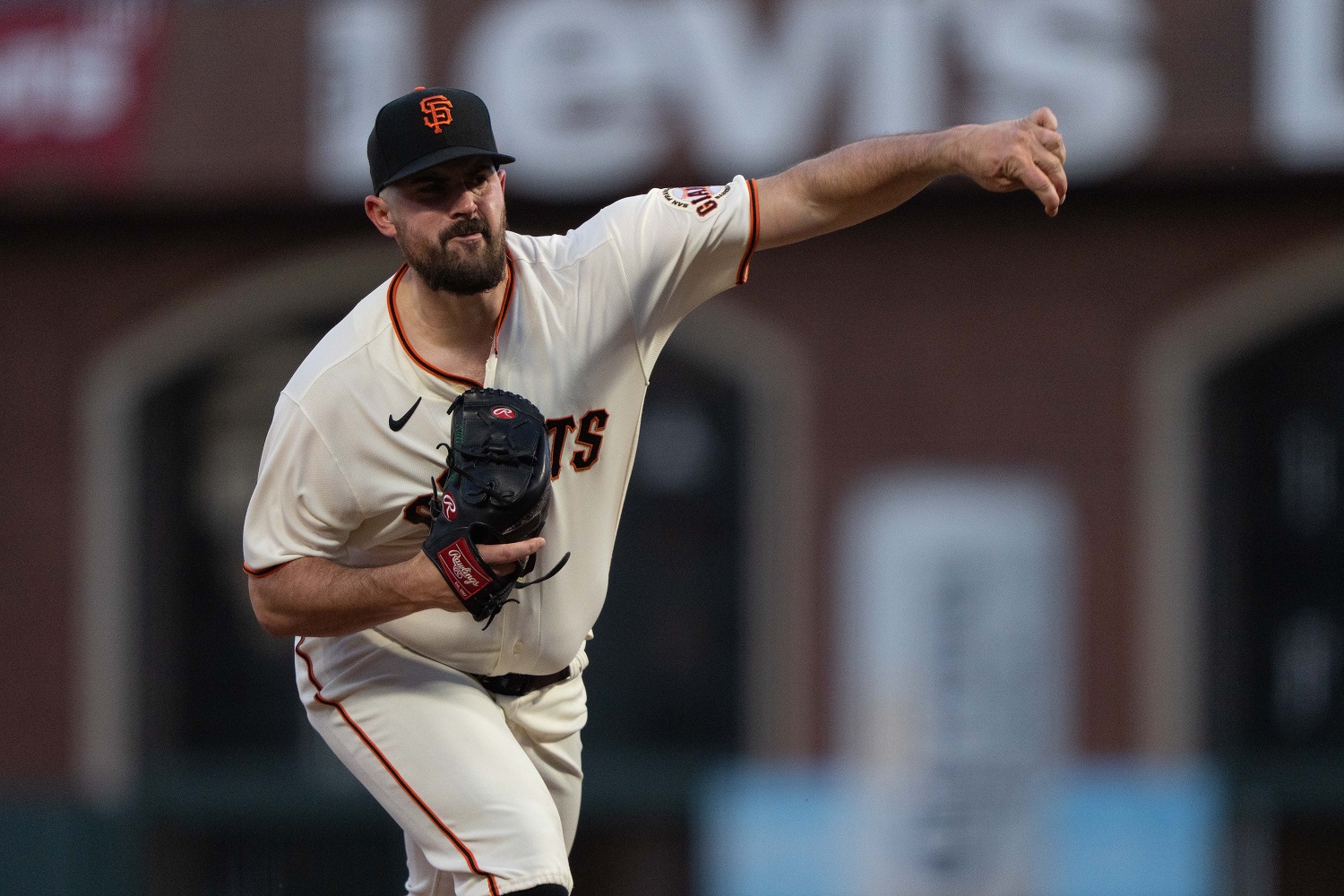 Last season, there was hand-wringing virtually every time Rocco Baldelli took a stroll out to the mound. No matter the circumstance, it was often seen as a quick hook and undeserving for the starting pitcher to be lifted. At the end of the summer, I took a look at why short starts aren’t really just a Minnesota thing, and the greatest difference maker being the acquisition of better starters. You can expect Kenta Maeda, Sonny Gray, Tyler Mahle, and Joe Ryan all to be in Pete Maki’s Opening Day rotation for 2023. What they do from there though is where this discussion begins. After opting for the likes of Dylan Bundy and Chris Archer last season, there was very little upside to the back of Minnesota’s rotation. Ryan was named the Opening Day starter despite having made just five turns in the big leagues. Bailey Ober looked the part but had been an injury concern previously, and it didn’t take long for that to manifest again in 2022. Realistically speaking, Minnesota has no room for another middling type. It’s necessary for them to go get a top-of-the-rotation arm and use the likes of Josh Winder, Louie Varland, Simeon Woods Richardson, and others as depth. So, where could that lead them? Starting with the free agent market, there are more than a few names to rule out. I don’t foresee Minnesota as a landing spot for Jacob deGrom and Clayton Kershaw probably doesn’t ever want a new uniform. Justin Verlander has a player option, and Chris Sale continues to be unhealthy. The most logical option is probably Carlos Rodon, who the Twins were in on before he signed with the San Francisco Giants. Coming off another dominant season, and one of health, he’s in line for a payday and will have plenty of suitors. Both Noah Syndergaard and Nathan Eovaldi could fit the bill as well, though their effectiveness is questionable to varying degrees. Sean Manaea, Chris Bassitt, Tyler Anderson, and Mike Clevinger could all also be of intrigue. Looking at the trade landscape, a team Minnesota seems to matchup well with is the Miami Marlins. If they are open to moving Pablo Lopez, it’s hard to argue that Max Kepler wouldn’t be a fit there. Maybe the Diamondbacks are willing to part with Zac Gallen (who the Marlins once traded), or the Padres could be amenable to finding someone willing to take on Blake Snell’s contract. Merrill Kelly is another Arizona arm that should draw intrigue, and if Derek Falvey wants to gamble on an aging friend, Corey Kluber may be worth a shot. Realistically, the names above all provide differing levels of expected production. What the Twins will be tasked with is deciding who they think can surpass the bar set by Sonny Gray. Maeda is a question mark coming off of Tommy John surgery, but we’ve seen him throw at a very high level previously. Mahle looks the part of a breakout star waiting to happen, and it’s no doubt part of the reason he was targeted from the Reds. Ryan has been fine, but the numbers against quality opponents are reason for concern. If he’s the 5th starter though, the quality of the rotation goes up substantially. An overhaul at the back of the bullpen can help to supplement what the Twins want to do in 2023, but the more they can rely on their starters, the better the staff as a whole will be. Even if the Twins find a way to bring Carlos Correa back on a big-time contract, they’ll have money to spend on pitching, and doing so while so much of the nucleus is in a cost-controlled situation makes plenty of sense. Falvey was brought in to develop pitching, and while we haven’t seen it in droves, there are success stories. Paying for top starters is tough, so is acquiring them, but it may be more straightforward than waiting for the next breakout to come.
- 52 comments
-
- 2
-
-
- carlos rodon
- pablo lopez
- (and 3 more)
-
Just prior to Opening Day 2022 the Minnesota Twins shuffled their roster when they got together with the San Diego Padres for a trade. Over the winter, these two could again match up as partners swapping assets. Image courtesy of © Eric Hartline-USA TODAY Sports Derek Falvey and Thad Levine swung a deal with San Diego the day before Opening Day when they sent closer Taylor Rogers (and Brent Rooker) to the Bay Area in exchange for Chris Paddack and Emilio Pagan. The former looked the part of a strong asset until he underwent Tommy John surgery early in the year, while the latter was held onto through a season of ineffectiveness. I’d assume both parties still have each others’ numbers, and with the Twins needing high-end starting pitching, it makes sense to call a team with excess in that category. Truly it’s too bad that Joe Musgrove got paid this season with the Padres. Dating back to his time with the Pittsburgh Pirates, he should’ve been one of the most coveted arms in baseball. The stuff has always been amazing and he simply needed someone to unlock it. Regardless, I digress. Both Mike Clevinger and Sean Manaea will be free agents following the World Series. Both would represent an upgrade for the Twins, and either could’ve been a trade deadline target should the team have opted for it. Obviously Falvey has a substantial amount of familiarity with Clevinger due to their shared time in Cleveland, and he could be willing to reunite. Manaea was among the two pieces (alongside Frankie Montas) that Oakland was always expected to move, and they did so in early April. Money is the only thing necessary to negotiate terms with either of those two arms. Prospect capital could be used on either Yu Darvish or Blake Snell. San Diego’s depth this offseason won’t look like what it did over the summer, but maybe they’re still willing to part with one of their highly paid arms. Darvish is entering the final year of a deal he signed with the Chicago Cubs. In 2023 he’ll make $18 million, and Minnesota general manager Thad Levine is plenty familiar due to their time together with Texas. Darvish lost most of his first year with the Cubs to injuries, but has been great since then. Similar to Darvish, Snell will be entering the final year of a five-year deal he initially signed with Tampa Bay. Snell does have incentives tied to his contract, but the former Cy Young winner is set to make just $16.6 million in 2023. That number is likely well below what he’d get on the open market, and is someone the Twins could have interest in an extension with as he’ll be just 30-years-old next season. Although neither price tag will rival that of what top starters receive in 2023 on the open market, the dollar amount is enough that it should demand a prospect return. The Padres will be looking to reload following an NLCS exit in the postseason. They now have Juan Soto to lock up, and will return Fernando Tatis Jr. next season. Minnesota has ample opportunity to add top pitching talent this winter, and one of the questions they face is how they'd most like to do that. The farm system isn't loaded with elite prospects, but taking on salary could help to make quantity type trades more feasible. Money is also there to be spent, even if it's on a contract they didn't negotiate. View full article
-
After the Minnesota Twins signed Carlos Correa to a three-year deal that included opt-outs after each of the first two, it became beyond clear it was a one-year pact for a guy who fell into their lap. How they handle things this offseason remains to be seen, but can they win with a stopgap option? Image courtesy of Vincent Carchietta-USA TODAY Sports Earlier this offseason I touched on a belief that the Minnesota Twins would open 2023 with Jose Iglesias as their starting shortstop. Even had I not been told from a front office source that “someone like Jose Iglesias” would be their eventual target, the fit just makes too much sense. Carlos Correa signed a $35.1 million deal with the Twins, giving him the largest average annual value for a Major League Baseball infielder. He’s going to get paid a boatload on a long-term deal this winter, and while the Twins should be in the running, their offer almost certainly will not be the largest. If they aren’t going to pay on the devil they know, then paying on the devil they don’t such as Trea Turner or Dansby Swanson makes even less sense. Entering the stopgap category, knowing that Royce Lewis will be back midseason, Austin Martin has shown well in the Arizona Fall League, and Brooks Lee was their first-round pick this past year, the options are whittled down even further. In this vein, the Twins should be expected to connect with a veteran who can do a bit of everything while not commanding a substantial price tag. Again, enter Jose Iglesias. After splitting time with the Los Angeles Angels and Boston Red Sox a season ago, Iglesias signed a one-year, $5 million deal with the Colorado Rockies for 2022. He will be 33 years old in 2023 and has played 1,096 games across his Major League career. Iglesias has familiarity with the AL Central division having spent a career-most five seasons with the Detroit Tigers, and he’s played 28 games at Target Field. Unlike Andrelton Simmons a year ago, Iglesias doesn’t represent a one-sided player for Derek Falvey and Thad Levine. Simmons was brought in to shore up the left side of an infield defense that was poor. Iglesias owns a decent .701 career OPS and his .279 batting average reflects an ability to get himself on base. He’s a far cry from the .956 OPS posted during the 2020 season, but there’s offensive ability here where Simmons had none. Iglesias is not an on-base stalwart without generating base hits, however. He owns just a .319 career OBP and his 502/173 K/BB suggests that while he may strike out a bit less, he’s certainly not choosy enough to draw free passes either. If there’s a redeeming quality to his game, it’s in the well-roundedness while also presenting cost certainty. Defensively, FanGraphs defensive runs saved (DRS) don’t view Iglesias particularly well. Last season he posted an abhorrent -22 mark in just shy of 1,000 innings. This season, in equivalent sample size, Iglesias tallied -4 DRS. Maybe Colorado’s shifting and positioning was more beneficial than that of the Angels or Red Sox, but it’s certainly a step forward year-over-year. By Statcast’s outs above average (OAA) metric, Iglesias has never been anything worse than average and his 14 OAA career high came as recently as 2019 with the Cincinnati Reds. Realistically, Iglesias should give Minnesota an opportunity to include a trusted veteran that isn’t a black hole in either facet of the game, while also not blocking Lewis from his eventual return. Iglesias can also play the hot corner and second base down the stretch, and his years of experience could benefit a Twins team looking for a silent leader that routinely does their job. It’d be hard to get excited about Iglesias as the alternative to Correa, but given what the worst-case scenario could be, this is far from it. View full article
-
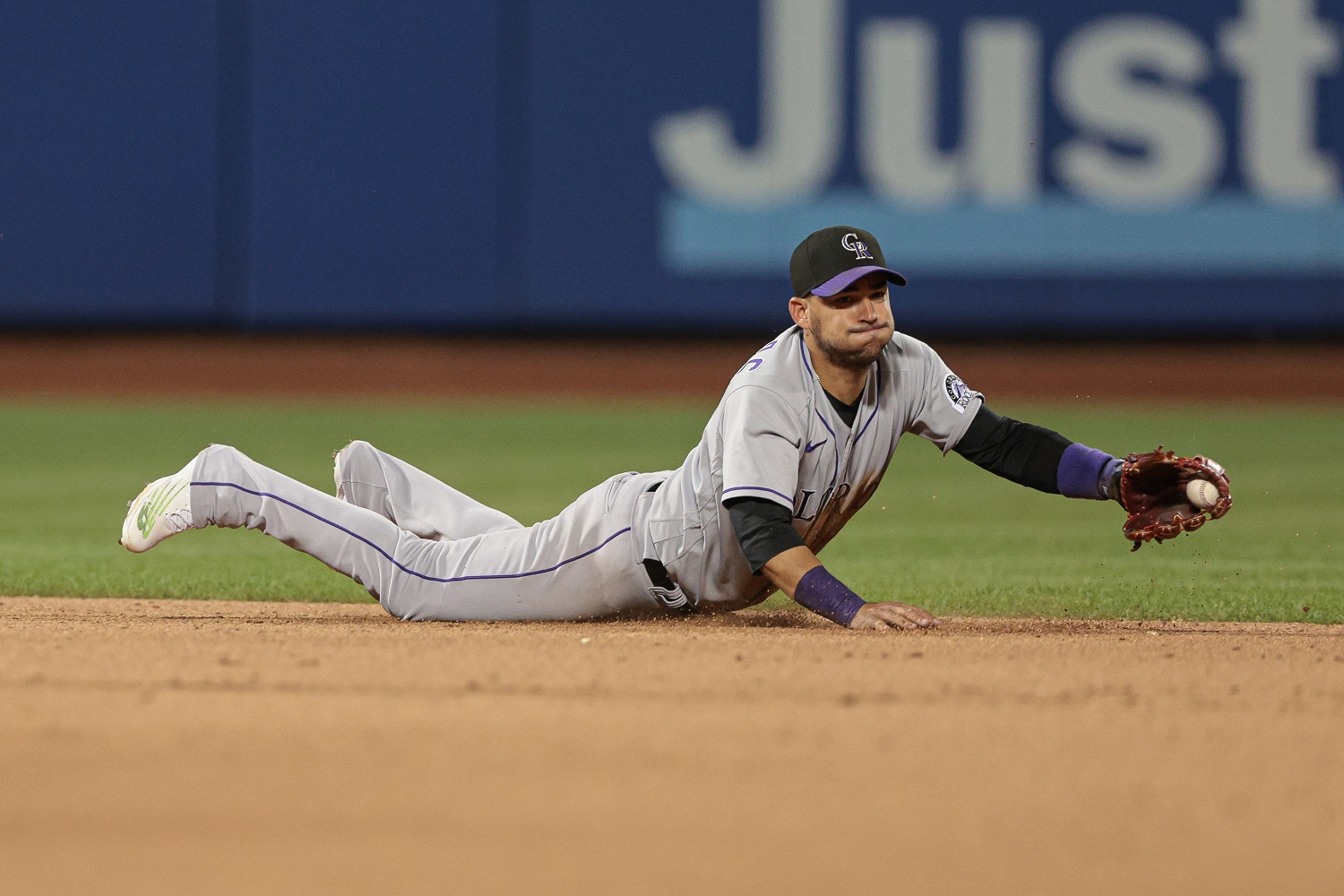 Earlier this offseason I touched on a belief that the Minnesota Twins would open 2023 with Jose Iglesias as their starting shortstop. Even had I not been told from a front office source that “someone like Jose Iglesias” would be their eventual target, the fit just makes too much sense. Carlos Correa signed a $35.1 million deal with the Twins, giving him the largest average annual value for a Major League Baseball infielder. He’s going to get paid a boatload on a long-term deal this winter, and while the Twins should be in the running, their offer almost certainly will not be the largest. If they aren’t going to pay on the devil they know, then paying on the devil they don’t such as Trea Turner or Dansby Swanson makes even less sense. Entering the stopgap category, knowing that Royce Lewis will be back midseason, Austin Martin has shown well in the Arizona Fall League, and Brooks Lee was their first-round pick this past year, the options are whittled down even further. In this vein, the Twins should be expected to connect with a veteran who can do a bit of everything while not commanding a substantial price tag. Again, enter Jose Iglesias. After splitting time with the Los Angeles Angels and Boston Red Sox a season ago, Iglesias signed a one-year, $5 million deal with the Colorado Rockies for 2022. He will be 33 years old in 2023 and has played 1,096 games across his Major League career. Iglesias has familiarity with the AL Central division having spent a career-most five seasons with the Detroit Tigers, and he’s played 28 games at Target Field. Unlike Andrelton Simmons a year ago, Iglesias doesn’t represent a one-sided player for Derek Falvey and Thad Levine. Simmons was brought in to shore up the left side of an infield defense that was poor. Iglesias owns a decent .701 career OPS and his .279 batting average reflects an ability to get himself on base. He’s a far cry from the .956 OPS posted during the 2020 season, but there’s offensive ability here where Simmons had none. Iglesias is not an on-base stalwart without generating base hits, however. He owns just a .319 career OBP and his 502/173 K/BB suggests that while he may strike out a bit less, he’s certainly not choosy enough to draw free passes either. If there’s a redeeming quality to his game, it’s in the well-roundedness while also presenting cost certainty. Defensively, FanGraphs defensive runs saved (DRS) don’t view Iglesias particularly well. Last season he posted an abhorrent -22 mark in just shy of 1,000 innings. This season, in equivalent sample size, Iglesias tallied -4 DRS. Maybe Colorado’s shifting and positioning was more beneficial than that of the Angels or Red Sox, but it’s certainly a step forward year-over-year. By Statcast’s outs above average (OAA) metric, Iglesias has never been anything worse than average and his 14 OAA career high came as recently as 2019 with the Cincinnati Reds. Realistically, Iglesias should give Minnesota an opportunity to include a trusted veteran that isn’t a black hole in either facet of the game, while also not blocking Lewis from his eventual return. Iglesias can also play the hot corner and second base down the stretch, and his years of experience could benefit a Twins team looking for a silent leader that routinely does their job. It’d be hard to get excited about Iglesias as the alternative to Correa, but given what the worst-case scenario could be, this is far from it.
- 42 comments
-
- 5
-
-
- jose iglesias
- carlos correa
- (and 3 more)
-
The Minnesota Twins are entering an offseason of extreme uncertainty when it comes to the shortstop position. After watching Carlos Correa fall into their laps this past spring, the Twins will need to decide where they go from here. Will any of the other top options be available to them? Image courtesy of Orlando Ramirez-USA TODAY Sports Late in spring training, Derek Falvey and Thad Levine were able to acquire Carlos Correa following a trade of Josh Donaldson and his contract to the New York Yankees. While the deal was technically for three years, it was always seen as a one-year pact given the sequential player options. Minnesota would be best positioned to pay Correa over a long-term agreement, but if that doesn’t work out, they’ll need to explore other options. Jermaine Palacios was probably the most veteran-ready internal candidate to hold the position for Minnesota until the return of Royce Lewis next summer. He was jettisoned off of the 40-man roster and claimed by the Detroit Tigers. That leaves Minnesota in limbo, and there’s a good bet the Opening Day shortstop isn’t currently employed by the organization. After flashing his talent in his brief time with the Twins, there are plenty of reasons to understand why the Twins may opt to wait for Lewis’ return. He’ll be coming off his second ACL surgery, and there were already questions about him sticking at the position, but he definitely looked the part in a limited sample. If the Twins want to sign a long-term answer at the position, and that they can’t find common ground with Correa, is there any reason to believe either Trea Turner or Dansby Swanson would even make it to them? Why wouldn’t their current clubs bring them back? Los Angeles allowed Corey Seager to leave a year ago. He got $325 million from the Texas Rangers after Turner was acquired at the 2021 deadline from the Washington Nationals. Turner has already been invested in when it comes to prospect capital, and paying him to stay for the long haul makes a good deal of sense. He’s much less of a sell to the fan base than a former Houston Astros talent in Correa, and there’s already been an acclimation process. Yes, the Dodgers have an elite farm system, but they don’t have a ready-made shortstop. Allowing Turner to continue manning the position, for an organization that already prints money, seems all too straightforward. There’s an easier argument to make for a team moving on in Swanson. He’s still young, but this is truly his first breakout season. His 115 OPS+ is not otherworldly, and he’s going to command a premium that could very well outweigh his production. Braden Shewmake and his .715 OPS at Triple-A is hardly a lock to replace production, but a top prospect looms for the Braves. Like Turner, if Atlanta wants to pay someone to play shortstop, the guy they already know makes sense. In both scenarios, things benefit the Twins in terms of retaining Correa. If both teams losing star shortstops bring them back, that’s two fewer teams willing to look at the open market. Correa seems unlikely to go to either organization, and both the Cubs and Giants continue to look like possible destinations. No matter what though, if Minnesota isn’t spending on Correa, then spending on anyone else at short makes little sense. Do you agree? View full article
-
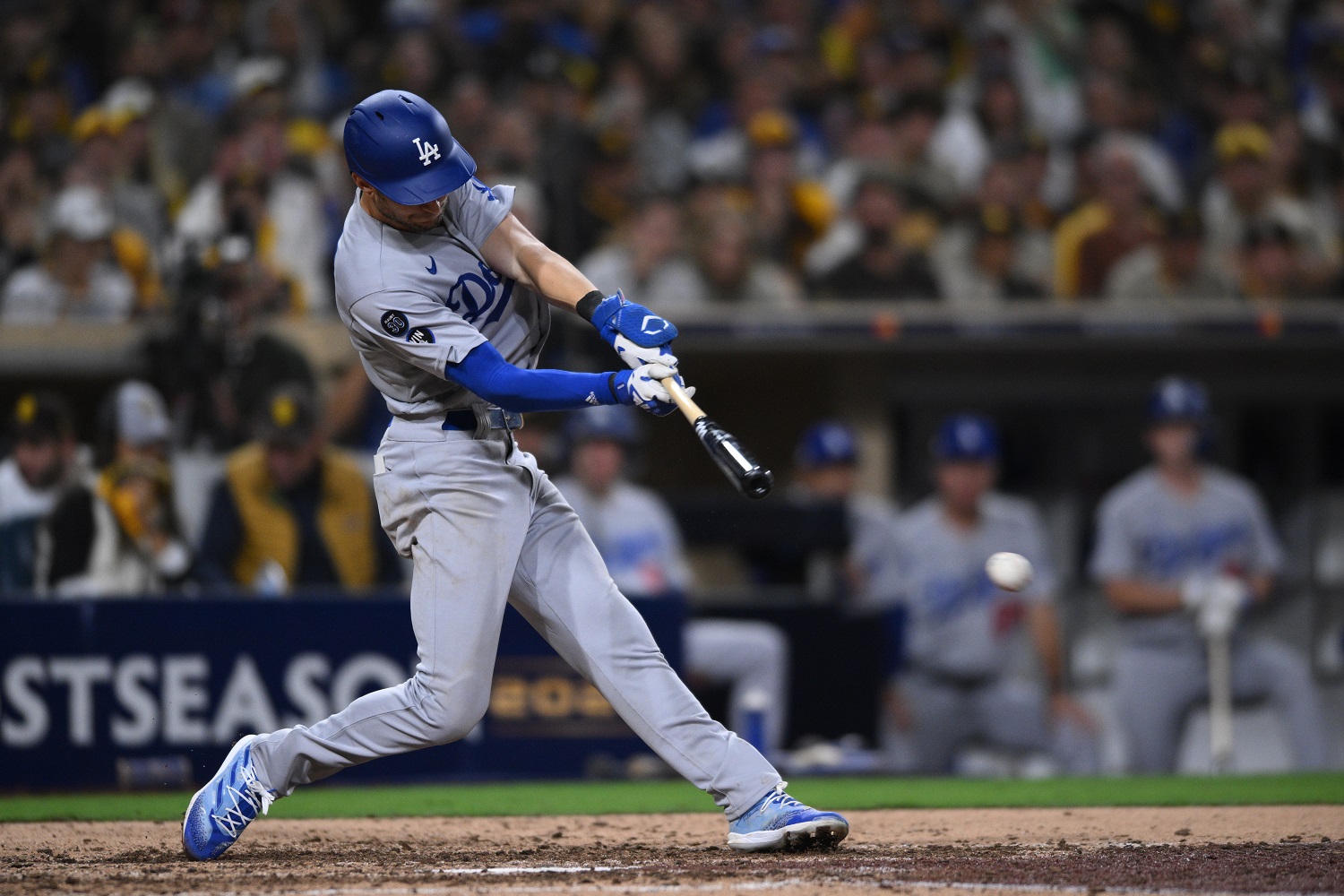 Late in spring training, Derek Falvey and Thad Levine were able to acquire Carlos Correa following a trade of Josh Donaldson and his contract to the New York Yankees. While the deal was technically for three years, it was always seen as a one-year pact given the sequential player options. Minnesota would be best positioned to pay Correa over a long-term agreement, but if that doesn’t work out, they’ll need to explore other options. Jermaine Palacios was probably the most veteran-ready internal candidate to hold the position for Minnesota until the return of Royce Lewis next summer. He was jettisoned off of the 40-man roster and claimed by the Detroit Tigers. That leaves Minnesota in limbo, and there’s a good bet the Opening Day shortstop isn’t currently employed by the organization. After flashing his talent in his brief time with the Twins, there are plenty of reasons to understand why the Twins may opt to wait for Lewis’ return. He’ll be coming off his second ACL surgery, and there were already questions about him sticking at the position, but he definitely looked the part in a limited sample. If the Twins want to sign a long-term answer at the position, and that they can’t find common ground with Correa, is there any reason to believe either Trea Turner or Dansby Swanson would even make it to them? Why wouldn’t their current clubs bring them back? Los Angeles allowed Corey Seager to leave a year ago. He got $325 million from the Texas Rangers after Turner was acquired at the 2021 deadline from the Washington Nationals. Turner has already been invested in when it comes to prospect capital, and paying him to stay for the long haul makes a good deal of sense. He’s much less of a sell to the fan base than a former Houston Astros talent in Correa, and there’s already been an acclimation process. Yes, the Dodgers have an elite farm system, but they don’t have a ready-made shortstop. Allowing Turner to continue manning the position, for an organization that already prints money, seems all too straightforward. There’s an easier argument to make for a team moving on in Swanson. He’s still young, but this is truly his first breakout season. His 115 OPS+ is not otherworldly, and he’s going to command a premium that could very well outweigh his production. Braden Shewmake and his .715 OPS at Triple-A is hardly a lock to replace production, but a top prospect looms for the Braves. Like Turner, if Atlanta wants to pay someone to play shortstop, the guy they already know makes sense. In both scenarios, things benefit the Twins in terms of retaining Correa. If both teams losing star shortstops bring them back, that’s two fewer teams willing to look at the open market. Correa seems unlikely to go to either organization, and both the Cubs and Giants continue to look like possible destinations. No matter what though, if Minnesota isn’t spending on Correa, then spending on anyone else at short makes little sense. Do you agree?
 -
There’s really no argument to make that the most important positions on a baseball diamond remain the shortstop and centerfielder. Both represent some of a team’s best talents, and their most impactful players. Throw in the starting pitcher and you have a trifecta of needs. For Minnesota, the shortstop position has been a black hole for nearly two decades. Image courtesy of Peter Aiken-USA TODAY Sports This offseason Derek Falvey and Thad Levine are faced with a decision as to how much money they will offer Carlos Correa to remain in a Twins uniform. It probably won’t be the most money he gets offered, and it’s ultimately unlikely that he returns to Minnesota. Even if he does though, he’d join Jorge Polanco and Pedro Florimon as the only shortstops to start consecutive Opening Day games since Cristian Guzman in 2004. Looking back at the list for Minnesota, it’s been a revolving door at one of baseball’s most important positions. Prior to Correa, it was Andrelton Simmons, Polanco, Eduardo Escobar, Danny Santana, Florimon, Jamey Carroll, Alexi Casilla, J.J. Hardy, Nick Punto, Adam Everett, Jason Bartlett, and Juan Castro. It’s a group that features zero superstars, and even fewer regular talents. Over the past two decades, Terry Ryan, Bill Smith, and Derek Falvey have all but punted on continuity for one of the most important positions on the diamond. Signing Correa to a long-term deal is the only way to snuff this scenario out. The Twins are faced with an interesting situation this offseason. Correa’s $35.1 million deal for 2022 was always looked at like a one-year agreement. Despite being a three-year contract, the player options following each of the first two years allowed the former Houston Astros superstar an opportunity to get paid. Yes, the Twins could’ve done that during the season, or immediately after, but his best bet was always to consult the open market. Yes, Royce Lewis looked the part of an eventual superstar, but we’re dealing with a very small sample size. Austin Martin doesn’t appear to be a long-term answer at shortstop, and while Brooks Lee might be, he certainly isn’t ready to take over the position on Opening Day in 2023. Again, we revert back to Correa as the lone answer for continuity going forward. As good teams go, so do their superstars. The Twins are again in a position to figure out where they turn. Another star starting pitching option is probably necessary, and if Correa isn’t the answer at shortstop, then someone else has to be. They shored up the centerfield position with Byron Buxton, even if he’s only available for a portion of the season. For the Minnesota fan, you have to be hoping an emergence of the next Guzman happens sooner rather than later. To be fair, Guzman was not a good player. He posted an 80 OPS+, well below league average offensively. He held down the position until someone else was available, however, and was a mainstay during a period in which baseball was evaluated differently. Now knowing how integral the up-the-middle positions are, it’s time for Falvey and Levine to get the spot right. If they aren’t going to pay Correa, there better be a rock-solid belief in one of the internal option's ability to be a multi-year starter into the foreseeable future. View full article
