



Ted Schwerzler
-
Posts
5,149 -
Joined
-
Last visited
Content Type
Profiles
News
Minnesota Twins Videos
2026 Minnesota Twins Top Prospects Ranking
2022 Minnesota Twins Draft Picks
Minnesota Twins Free Agent & Trade Rumors, Notes, & Tidbits
Guides & Resources
2023 Minnesota Twins Draft Picks
The Minnesota Twins Players Project
2024 Minnesota Twins Draft Picks
2025 Minnesota Twins Draft Pick Tracker
2026 Minnesota Twins Draft Tracker: Picks & Bonuses
Forums
Blogs
Events
Store
Downloads
Gallery
Everything posted by Ted Schwerzler
-
Way Too Early 2016 Twins Roster
Ted Schwerzler commented on Ted Schwerzler 's blog entry in Off The Baggy
This is the same reason I don't want the Twins signing a starting pitcher this spring. If you are in a position to win, which the 2016 Twins will be, nominal upgrades do nothing. Catcher is extremely thin throughout the farm, so if you're making a move, you bring in more than just a marginal upgrade. The Twins aren't going to sign Price, Cueto, etc, so you skip SP. Same principal with catcher, except they can't afford to skip it. Get a legitimate starter. -
Way Too Early 2016 Twins Roster
Ted Schwerzler commented on Ted Schwerzler 's blog entry in Off The Baggy
I don't believe the Twins do nothing, and I think you all understand that from my positioning in the piece. As far as Berrios comments, I could definitely see him start back at Triple-A and get to the big leagues by May. My reasoning for Meyer is that I think the Twins view this season as an outlier. Throw it away, give him a fresh slate, and let him go right away from the pen. I'm not sure I'd be quick to move on from Plouffe over say Arcia or Polanco. That said, he may very well have more value, and if that's what you need to get a trade done, you do it. -
Twins Didn't Ignore Regression, They Welcomed It
Ted Schwerzler posted a blog entry in Off The Baggy
It's been a tale of two season thus far for the Twins. After racing out to a 49-40 record prior to the All Star Break, Minnesota had positioned itself in the heart of the AL Wild Card race. Since then however, the club has gone 10-20, or completely in the tank. It's not at all fair to suggest it wasn't seen coming, and honestly, it may have even been welcomed. Going into the break, Kyle Gibson owned one of the best 15 ERA's in all of Major League Baseball. Forget that his FIP (fielding independent pitching) mark was north of 4.00, the Twins were happy with their former first rounder. Gibson though wasn't the only one, FIP suggested multiple Twins starters were in for some unpleasant surprises. That same fate seemed to be coming to a few bullpen pitchers as well, despite the output in relief already being lackluster. Timely hitting had been the name of the game for the offense. Joe Mauer was hanging his hat on a ridiculous batting average in high leverage situations. Torii Hunter had staved off the fact that he's 40 years old, and Brian Dozier was pushing past the best second basemen discussion and into the big league's best player. Then, as it has a way of doing, baseball normalized. The Twins own a -29 run differential (the only second place team in any division to be negative), and an ugly 21-36 record. Since the break, it hasn't been regression for one or two players, but rather an implosion across the board. Hunter has slashed just .162/.207/.308 since July 1, and he's been as much of a defensive liability as Oswaldo Arcia. Glen Perkins went from saving 28 straight games, to owning an 8.10 ERA in 11 games after the break. Mauer looked to be turning a corner with a respectable May, but has slashed just .243/.314/.346 since the break. Finally, the stud Dozier, he's become a home run or bust type in every sense of the term. Following his All Star Game blast off of Mark Melancon, Dozier has slashed .212/.276/.416 with six home runs. He's struck out 37 times while walking just 10 times in that span. At the trade deadline, the Twins began to see the writing on the wall. Rather than chasing after a team like the Blue Jay who had added David Price and Troy Tulowitzki, Terry Ryan held his cards and decided to play a truer window. Rather than deal assets for 2015 fixes, he made a move for a controllable reliever in Kevin Jepsen. Unfortunately, the bullpen has gone only further downhill. Next through the revolving door for the Twins was lefty specialist Ryan O'Rourke. After debuting relatively strong, his last 7 outings have been to the tune of an 18.90 ERA. A.J. Achter owns a 9.00 ERA, and Rule 5 pick J.R. Graham is being hidden in a stretch in which he owns an 11.57 ERA over his last six games. In fact, the last time Graham didn't give up a run in relief was on July 26. Add Perkins struggles in, and Neil Allen's relievers are nothing short of a debacle. Of course, with regression looming and so many indicators suggesting it, the obvious answer is that the Twins would be proactive in dealing with the situation. No, they didn't need to make any trades, but almost assuredly the organization would experiment from within. No, Terry Ryan and the Twins have instead welcomed the dumpster fire. In the outfield, Torii Hunter has ceded way to Shane Robinson. Robinson, a capable fourth outfielder (and nothing more) has started three of the Twins last six games. The career .239 hitter is currently deemed more deserving of innings than the number one prospect in baseball, Byron Buxton (who happens to be slashing .412/.444/.549 at Triple-A Rochester.) There's no point in showing distaste about Joe Mauer getting playing time. He's remained healthy and in the lineup this season, if not ultimately unproductive. What he been afforded though is a top of the lineup spot. Instead of batting 6th or lower, manager Paul Molitor continues to run Mauer out in the three hole on a nightly basis (despite his .260 average). For the Twins, the offense has been less of a problem in terms of regression than the pitching has been. With Phil Hughes now on the DL, Ervin Santana looking like he might as well go there, and Glen Perkins quite possibly needing a trip, there should be plenty of options chomping at the bit. Instead, Jose Berrios is continually looked over at Triple-A, Taylor Rogers isn't considered for the bullpen, and hurlers like Nick Burdi, Zack Jones, and J.T. Chargois aren't given the clearance to give it a try. Understandably, the Twins could make cases to hold each of those young players back if the circumstances were different. The reality is that while regression has set in heavily, Minnesota has chose to welcome it, rather than to address it and further the future avoidance of the problem. While Burdi and Jones have gone through tough stretches, Rogers hasn't been as sharp, and Berrios may have an innings limit, they will all be counted on at some point in 2016 (a few relatively early). The problem is that the Twins are opting to throw those prospects into the fire, rather than to integrate them in what amounts to a developmental period. Much like the handling of Aaron Hicks, the Twins forego an opportunity to use September, and instead bank on a strong spring training translating to immediate big league success. At it's core, 2015 should still be considered a resounding success for Minnesota no matter how it ends (the Twins would need to lose 33 of their final 40 to reach 90 losses, that isn't happening). What is problematic is the way internal operations are carried out. As 2016 rolls around and the Twins are in a position to win, will they know how to carry that out? Welcoming regression, continuing to bungle DL stints, and lacking the push to cure issues from within, some key matters remain a mystery. For more from Off The Baggy, click here. Follow @tlschwerz -
As August rushes towards completion, and the Minnesota Twins look to roster expansion in September, there's plenty of reasons to be glued into the Major League Baseball season. Despite looking like the playoffs are a longshot, the Twins have plenty of storylines left to monitor. With 2016 looking like the opening of an upcoming window of success, it's the end of this season that should pave the way. I'd hope to see Minnesota utilize roster expansion to get the feet of a few young players wet. There's no doubt contributions will be expected to come from fresh faces next year, and both Terry Ryan and Paul Molitor could remove the jitters ahead of time. Looking at how this season has played out, and what should be coming, it's time to take a way too early look at what the 2016 Opening Day roster could look like. To set some ground rules, I'm going to be operating with the understanding that no free agents (from outside the organization) will be included. With that in mind, here we go. Catchers (2) Kurt Suzuki, Chris Herrmann Kurt Suzuki will be back for the Twins in 2016, and there's a good chance he'll be the backup. He's been horrible behind the dish in 2015 and has slashed just .229/.288/.304 in 95 games. His receiving skills aren't good, and he's become a veteran relief option at best. I expect Chris Herrmann to be the most likely relief option. Josmil Pinto has not been behind the plate for months, and won't get the chance again until spring 2016. He's going to need to earn his way from Triple-A to start the year once again. I'd expect the Twins to address the backstop role in free agency. Matt Wieters could be a good fit depending on his price. With arm issues, he won't play everyday either, and Suzuki could provide a decent platoon partner. No matter what happens, catcher is a giant wildcard for Minnesota going forward. Infielders (6) Joe Mauer, Brian Dozier, Eduardo Escobar, Trevor Plouffe, Miguel Sano, Jorge Polanco Mauer is going to start at first base, whether that's warranted or not. Dozier has placed himself at the center of the discussion for the title of best second basemen in the big leagues. Trevor Plouffe should be someone the Twins look to offer an extension, but at the very least, he's going to get paid in arbitration. Sano will continue to mash and play sparingly in the field, and Eduardo Escobar can spell players all over the infield. For purposes of the exercise, Jorge Polanco will be the Twins opening day shortstop. Part of me likes that idea as he's hit .292/.341/.392 across 99 minor league games this season. His bat looks major league ready. The part that's concerning is his 27 errors across 91 games at short. His glove is ok, but his arm is concerning. He's best suited to play second base, and that isn't happening in Minnesota. I'd be more than ok with the Twins kicking the tires on a guy like Ian Desmond. His ugly 2015 season should drive down his negotiating power, and he has posted back to back to back 4.0 fWAR seasons prior to this year. Ideally, he'd provide the Twins with a good option until former first round pick Nick Gordon is ready. Outfielders (5) Aaron Hicks, Byron Buxton, Eddie Rosario, Torii Hunter, Oswaldo Arcia From left to right, the Twins might have the best defensive outfield in the big leagues. Between Rosario, Buxton, and Hicks, opposing teams will have an incredibly tough time finding any open grass. Rosario and Hicks have helped to pace the Twins offensively this season, and while Buxton struggled in his debut, things have turned since (he's batted .404/.440/.532 in 11 Triple-A games). Without being too harsh, I'd like to see Torii Hunter retire. He's still get some pop in his bat, but he's hit sub .130 since July 1st, and he looks every bit the part of a 40 year old. Leadership is a great quality, and I'm indifferent to whatever check the Twins want to cut him, but I want his spot going to someone else. If he wants to come back however, the Twins will allow it, and he could be the reason Max Kepler starts the season at Triple-A (even though that's not a bad thing anyways). Less of his doing than a product of a situation, Arcia likely gets one last shot with the Twins in 2016. He's out of options and needs to prove his worth. The power definitely can play, but showing no semblance of a plan at the plate has not gotten him in a good place this season (he's batting .107/.200/.167 since July 17). Out of all the roles on the Twins roster, outfield is the one that Minnesota least needs to look for outside help. Rotation (5) Phil Hughes, Ervin Santana, Kyle Gibson, Tommy Milone, Jose Berrios This is an incredibly hard area to decipher for the Twins with so many moving parts, but I feel good about this suggestion. Hughes and Santana are locks, with Gibson being likely included in that grouping as well. I went with Milone for the 4th spot because I think the Twins should keep him through arbitration, and I'm not sold on Ricky Nolasco being healthy. Should Nolasco return just fine from his ankle injury, he's going to be in the rotation. He has proven to be hurt more often than not, and is also a trade candidate if Minnesota wants to talk to the Padres over the winter. What happens with Nolasco could and will likely determine how the Twins approach Milone in arbitration. Berrios should debut in September, and while it will only be for a couple of starts, he should have a very real chance at breaking camp in the rotation. He owns a 3.18 ERA across 141.1 IP on the farm this year and owns what would be a rotation best, 9.1 K/9. The Twins number one pitching prospect would be a quality addition to the back end of the grouping. If the Twins do decide to target pitching in free agency or through a trade, the goal must be quality over quantity. With a stacked farm system, dealing some real assets for a top of the rotation pitcher wouldn't be a bad idea. As things stand, the Twins starting five are a grouping of 3-4 type guys that will experience ebbs and flows throughout the season. Bullpen (7) Kevin Jepsen, Glen Perkins, Trevor May, Alex Meyer, Tyler Duffey, Taylor Rogers, Nick Burdi Like the rotation, projecting bullpen turnover is incredibly tough. One thing is for sure though, for a group that's been so bad, they will undoubtedly have new names in the fold next season. Looking at who should be considered locks, I'd only go as far as saying to look for Jepsen, Perkins, and May. Jepsen came over at the deadline from the Rays, and the Twins didn't seek a guy with team control not to exercise it. Arbitration eligible for one more year, Jepsen will likely be retained by Minnesota. Perkins remains one of the best closers in the AL, even despite his rough stretch since the All Star Break. I think Trevor May has the makings of a starter, but he's also been a very capable reliever, and Minnesota is hurting a bit more there right now. Instead of making the bullpen up of retreads like Brian Duensing, Minnesota has an opportunity to give some young, fresh, arms some leash next season. Alex Meyer's 2015 has been a disaster, but starting in the pen next season could refresh his value. Duffey moves out of the rotation and should see more of a velocity spike, and I've thought Rogers looked like a bullpen lefty for a while now. I'll go out on a limb and suggest that the Twins give 2014 2nd round pick Burdi an early crack. His 11.5 K/9 would be a huge boost to a poor 2015 unit. Again, much like the rotation, if the Twins are going to target relief help this offseason quality has to be the focus. A lot of the names above are rather unproven, but the ceilings are also relatively high. For the Twins to block what they have created from within, it should only be with something considered a virtual "sure thing." There you have it. We're in August, and right now, that's where I see the Twins starting off 2015 when it comes to their active roster. The farm system is starting to spill over now, and that should only continue for years to come. For more from Off The Baggy, click here. Follow @tlschwerz
-
The Minnesota Twins dropped another tough game last night, and once again it came against the New York Yankees. After a great start to the season, and heading into the All Star Game strong, Minnesota has been a different team since the break. It was these Yankees that may have started the downward spiral (on July 25th at Target Field), but it's the Twins who don't seem to be leaving the rut any time soon. During the first half of the 2015 Major League Baseball season, it was pretty apparent that the Twins were playing outside and past expectations. This team wasn't a contender, and their secondary statistics suggested regression would be coming. For over 80 games though, Minnesota turned up a nose at all of those notions. Through the first half, Brian Dozier looked like a legitimate MVP candidate, Trevor Plouffe was one of the best third basemen in the big leagues, Torii Hunter looked ageless, Glen Perkins was the gold standard, and Joe Mauer seemingly was battling back to being his former self. It was a perfect storm of everything going right, all at the same time. Dozier's first half was indicative of him being arguably the best second basemen in all of baseball. In 88 games, he slashed .256/.328/.513. His on base percentage once again negated the relevance of his average, and his extra base hit numbers powered the way. With 19 home runs, 26 doubles, and 50 runs batted in, the Southern Miss product was on pace to do something special. Dozier's two infield teammates also paced Minnesota in the first half. Mauer's average (.271) wasn't ideal, but his slash (.271/.336/.387) helped the Twins in the middle of the lineup. His six home runs and 42 runs batted in also were a by product of a very strong high leverage batting average. Plouffe swung to a .259/.320/.449 slash line with 11 homers and 46 runs batted in, along with 22 doubles. Minnesota's third basemen was only overshadowed by a guy named Josh Donaldson. Then there was Torii Hunter. 40 years old, at the end of his career, and still getting it done. The Twins favorite slashed .257/.312/.444 across his first 80 games. Hunter added 14 homers, 15 doubles, and 49 runs batted in to help pace the offense. By all early indications, he had plenty left in the tank. Despite the Twins glaring issues in the bullpen, there was Glen Perkins. A failed starter, but two-time All Star closer, now looked like one of the best in the game. He was 28-28 in save opportunities, owned a 1.21 ERA, and was allowing opposing hitters to bat just .188/.217/.246 off of him. Dazzling probably doesn't do Perkins first half justice. As the calendar turned over to the second half however, it all came crashing down. Since the break, Dozier has slashed .220/.286/.431, effectively making his poor average a detriment. His six home runs have netted just 11 runs batted in, and he's doubled only five times in 27 games. Mauer has batted just .250/.316/.356 with two homers and nine RBI while Plouffe has watched a nice run of late bring up a paltry .225/.262/.500 slash line since the break. Without his seven home runs and 19 RBI, Plouffe's 26 game post All Star stretch would look even worse. Then, there's the fact that Torii's age has begun to show. He hasn't been a solid defensive player at any point for the Twins in 2015, but that was expected. His .172/.215/.322 slash with just four home runs and 11 RBI since the break would warrant a demotion for most younger players. To say he's gone in the tank is putting it nicely. As the bullpen has seemed to survive on shaky ground in the second half, it's been Perkins who has been arguably the worst. Despite the dazzling first half, he owns an 8.10 ERA in 10.0 post break innings. He's picked up only three saves, blown two, and lost three times. Opposing hitters are batting .383/.420/.702 off of him, and he's surrendered four home runs. When looking at the middle of the Twins lineup, and the heart of what the team needs to compete, it's been a blow up in every sense. Dozier, Plouffe, and Hunter have turned into home run or bust types, while Mauer has been even more of a shell of what once was. Adding in the fact that Perkins is no longer a guaranteed save only complicates the issue. As things stand, there is a rainbow through the storm that the Twins veterans have created. Miguel Sano (.292), Eddie Rosario (.279), and Aaron Hicks (.276) are pacing the Twins lineup. The youth movement has started, and 2016 was always seen as the opening of an upcoming window. While it's been the veterans failure to remain consistent that has cause the Twins biggest regression, it has been the youth's ability to succeed that has kept Minnesota relevant. For months leading up to the All Star Game, regression was a word Twins fans wanted to stop hearing about. The fact now is that the numbers have began to even out, and because they were so steeply skewed in Minnesota's favor, they are now going the opposite way equally as steep. The downturn has highlighted why the Twins were right to balk at making any big moves at the deadline. Playing well above their heads, remaining in contention for a wild card spot was unlikely. What has happened though is positive growth for 2016, a season in which the Twins should begin to "go for it." Curbing the post "break" downturn is something the Twins need to figure out however, and having the regression hit across the board at the same time is something that has to be avoided. Paul Molitor has done an incredible job in his first year as the Twins skipper, but if he wants to use this season's success as a kickstart for the years to come, focusing on the second half slide is priority number one. Mauer and Hunter are more done than they aren't, but Plouffe, Dozier, and Perkins are cornerstones for this organization, and getting 162 games worth of productivity is part of taking the next step. For more from Off The Baggy, click here. Follow @tlschwerz
-
By now, you know the story of the 2015 Minnesota Twins. Minnesota got off to an abysmal start, then something clicked, and the team burst onto the scene a year early. At the All-Star break, holding down a commanding lead for a wild card spot, the Twins looked to be in good position. Unfortunately, the bottom fell out and Paul Molitor's squad now finds themselves on the outside looking in. With a two weeks left in August, and the active roster expanding in September, things are about to get interesting.Right now, Minnesota is still in the hunt, but it's these next few series that will determine their 2015 fate. The current major league roster is far from optimal, but it also appears capable of pulling out some victories. With the AL East as their upcoming competition, the Twins need to stay focused through to the end of August. Ideally, roster optimization in August for the Twins would include both Byron Buxton and Jose Berrios in the big leagues. Both are more than capable of providing a boost, and would be a definite asset. Buxton is likely being held back to sometime around the end of the month due to service time, and Berrios has a ticking innings clock. Arguments for both sides can be compelling, but operating under the belief that the Twins aren't a playoff team, I'd wait until September 1st on both. The bullpen is really the only other place the Twins could be looking for a boost in the current month. Things have been in flux of late, and changes have been made. There're a few places that could be considered weak spots, but it's also hard to suggest the replacement arms would be a guaranteed upgrade. Ryan O'Rourke and A.J. Achter have both proven capable at times, while Brian Duensing and Kevin Jepsen have been better of late. Much like the offense, there's little to nothing to be changed here at the moment. As rosters expand in September, this is where the Twins have the most room to work through some exciting decisions. First and foremost, Buxton and Berrios need to be with the big league club. Buxton is slashing .404/.440/.532 in his first 11 Triple-A games, while Berrios owns a 2.25 ERA in his last 40.0 IP. Buxton should push Aaron Hicks to right field, rendering Torii Hunter a rotational bat and replacement fielder (his likely 2016 role). Berrios deserves a crack at the rotation, and giving him three starts to end 2015 would be extremely valuable going into spring training 2016. Outside of the top two, Minnesota has some other must-accommodate types. First and foremost, Max Kepler. The German prospect is batting over .330 at Double-A and has been arguably the best hitter in the system this season. Getting him reps at the MLB level prior to 2016 is an absolute must. Teammate Nick Burdi in Double-A could also be a consideration. The 2014 second- round pick has taken his lumps this year, but he owns a 2.05 ERA across his last 22.0 IP. Burdi should be a key part of the 2016 bullpen, and getting his feet wet now (as well as his strikeout punch) is a route the Twins should explore. Jorge Polanco and J.T. Chargois could also be options if the Twins want to open things up a bit further. Just one level down, Paul Molitor has a few guys at Triple-A that will need a look. James Beresford should be given a tip-of-the-cap-type shot for what he has put together this year. The Aussie is slashing .313/.346/.368 and he offers at least a better option than Doug Bernier down the stretch for the big club. Out of the bullpen, Mark Hamburger is an option. The Twins are well acquainted with Hamburger, and his 1.05 ERA since June 16 would seemingly bolster the Twins bullpen. For Rochester, Kennys Vargas has pushed himself and worked his way back to the highest level on the farm. He's slashed .316/.519/.421 in seven games since his return to Triple-A, and will be fighting for a 25-man spot to open 2016. On the opposite end of the spectrum, overlooking Oswaldo Arcia might not be a bad idea. He went on a nice home run-filled hot streak, but he's slashed just .100/.200/.157 across his last 21 games. The Twins need to make a decision on Arcia before the upcoming year, but it's gut check time for the powerful Venezuelan. Looking at what can be done, and how the Twins are positioned, the final few weeks of the season offer plenty of intrigue. At the forefront is a team which is competing for the first time in many years. Secondarilyy though, this is a team that has shown up a year early and offers the organization an opportunity to not rush decisions, and also time to evaluate players in meaningful competition. August shouldn't be a time of much turnover for the Twins, as roster optimization would still more than likely keep them out of the playoffs. September though is a period where the Twins can begin to position for 2016 and beyond, with there being little reason not to get the ball rolling. For more from Off The Baggy, click here. Follow @tlschwerz Click here to view the article
-
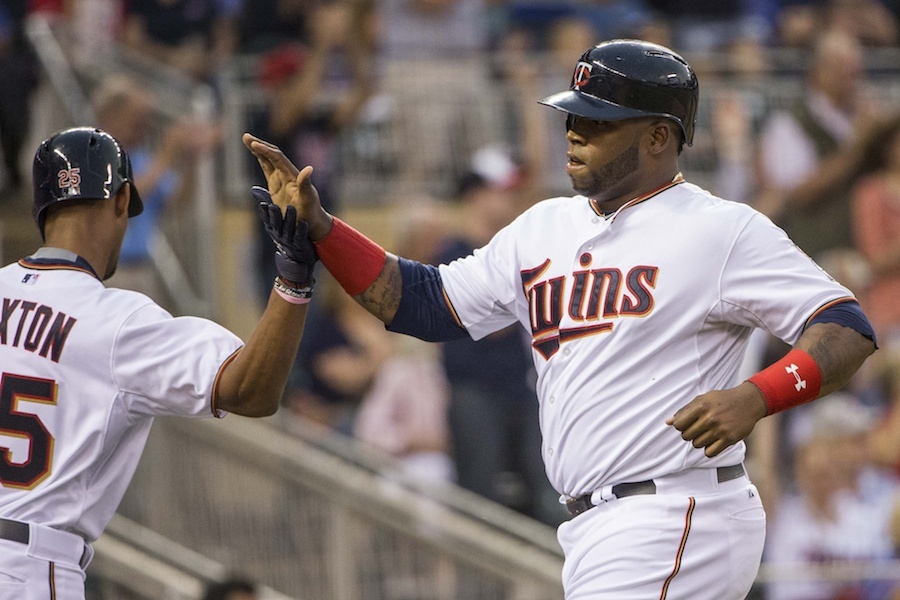 Right now, Minnesota is still in the hunt, but it's these next few series that will determine their 2015 fate. The current major league roster is far from optimal, but it also appears capable of pulling out some victories. With the AL East as their upcoming competition, the Twins need to stay focused through to the end of August. Ideally, roster optimization in August for the Twins would include both Byron Buxton and Jose Berrios in the big leagues. Both are more than capable of providing a boost, and would be a definite asset. Buxton is likely being held back to sometime around the end of the month due to service time, and Berrios has a ticking innings clock. Arguments for both sides can be compelling, but operating under the belief that the Twins aren't a playoff team, I'd wait until September 1st on both. The bullpen is really the only other place the Twins could be looking for a boost in the current month. Things have been in flux of late, and changes have been made. There're a few places that could be considered weak spots, but it's also hard to suggest the replacement arms would be a guaranteed upgrade. Ryan O'Rourke and A.J. Achter have both proven capable at times, while Brian Duensing and Kevin Jepsen have been better of late. Much like the offense, there's little to nothing to be changed here at the moment. As rosters expand in September, this is where the Twins have the most room to work through some exciting decisions. First and foremost, Buxton and Berrios need to be with the big league club. Buxton is slashing .404/.440/.532 in his first 11 Triple-A games, while Berrios owns a 2.25 ERA in his last 40.0 IP. Buxton should push Aaron Hicks to right field, rendering Torii Hunter a rotational bat and replacement fielder (his likely 2016 role). Berrios deserves a crack at the rotation, and giving him three starts to end 2015 would be extremely valuable going into spring training 2016. Outside of the top two, Minnesota has some other must-accommodate types. First and foremost, Max Kepler. The German prospect is batting over .330 at Double-A and has been arguably the best hitter in the system this season. Getting him reps at the MLB level prior to 2016 is an absolute must. Teammate Nick Burdi in Double-A could also be a consideration. The 2014 second- round pick has taken his lumps this year, but he owns a 2.05 ERA across his last 22.0 IP. Burdi should be a key part of the 2016 bullpen, and getting his feet wet now (as well as his strikeout punch) is a route the Twins should explore. Jorge Polanco and J.T. Chargois could also be options if the Twins want to open things up a bit further. Just one level down, Paul Molitor has a few guys at Triple-A that will need a look. James Beresford should be given a tip-of-the-cap-type shot for what he has put together this year. The Aussie is slashing .313/.346/.368 and he offers at least a better option than Doug Bernier down the stretch for the big club. Out of the bullpen, Mark Hamburger is an option. The Twins are well acquainted with Hamburger, and his 1.05 ERA since June 16 would seemingly bolster the Twins bullpen. For Rochester, Kennys Vargas has pushed himself and worked his way back to the highest level on the farm. He's slashed .316/.519/.421 in seven games since his return to Triple-A, and will be fighting for a 25-man spot to open 2016. On the opposite end of the spectrum, overlooking Oswaldo Arcia might not be a bad idea. He went on a nice home run-filled hot streak, but he's slashed just .100/.200/.157 across his last 21 games. The Twins need to make a decision on Arcia before the upcoming year, but it's gut check time for the powerful Venezuelan. Looking at what can be done, and how the Twins are positioned, the final few weeks of the season offer plenty of intrigue. At the forefront is a team which is competing for the first time in many years. Secondarilyy though, this is a team that has shown up a year early and offers the organization an opportunity to not rush decisions, and also time to evaluate players in meaningful competition. August shouldn't be a time of much turnover for the Twins, as roster optimization would still more than likely keep them out of the playoffs. September though is a period where the Twins can begin to position for 2016 and beyond, with there being little reason not to get the ball rolling. For more from Off The Baggy, click here. Follow @tlschwerz
 -
By now, you know the story of the 2015 Minnesota Twins. Minnesota got off to an abysmal start, then something clicked, and a team burst onto the scene a year early. Holding down a commanding lead of a Wild Card spot, the Twins looked to be in good position. Unfortunately, the bottom fell out, and Paul Molitor's squad now finds themselves on the outside looking in. With a few weeks left in August, and the active roster expanding in September, things are about to get interesting. Right now, Minnesota is still in the hunt, but it's the next few series that will determine their 2015 fate. The current major league roster is far from optimal, but it also appears capable of pulling out some victories. With the AL East as their upcoming competition, the Twins need to stay focused throughout the end of August. Ideally, roster optimization in August for the Twins would include both Byron Buxton and Jose Berrios in the big leagues. Both are more than capable of providing a boost, and would be a definite asset. Buxton is likely being held back to sometime around the end of the month due to service time, and Berrios has a ticking innings clock. Arguments for both sides are compelling, but operating under the belief that the Twins aren't a playoff team, I'd wait until September 1st on both. The bullpen is really the only other place the Twins could be looking for a boost in the current month. Things have been in flux of late, and changes have been made. There's a few places that could be considered weak spots, but it's also hard to suggest the replacement arms would be a guaranteed upgrade. Ryan O'Rourke and A.J. Achter have both proven capable at times, while Brian Duensing and Kevin Jepsen have been better of late. Much like the offense, there's little to nothing I'd change here at the moment. As rosters expand in September, this is where the Twins have the most room to operate through some exciting decisions. First and foremost, Buxton and Berrios need to be with the big league club. Buxton is slashing .404/.440/.532 in his first 11 Triple-A games, while Berrios owns a 2.25 ERA in his last 40.0 IP. Buxton should push Aaron Hicks to right field, rendering Torii Hunter a rotational bat and replacement fielder (his likely 2016 role). Berrios deserves a crack at the rotation, and giving him three starts to end 2015 would be extremely valuable going into spring training 2016. Outside of the top two, Minnesota has some other must accommodate types. First and foremost, Max Kepler. The German prospect is batting over .330 at Double-A and has been arguably the best hitter in the system this season. Getting him reps at the MLB level prior to 2016 is an absolute must. Teammate Nick Burdi could also be a consideration from Double-A. The 2014 second round pick has taken his lumps this year, but he owns a 2.05 ERA across his last 22.0 IP. Burdi should be a key part of the 2016 bullpen, and getting his feet wet now (as well as his strikeout punch) is a route the Twins should explore. Jorge Polanco and J.T. Chargois could also be options if the Twins want to open things up a bit further. Just one level down, Paul Molitor has a few guys at Triple-A that will need a look. James Beresford should be given a tip of the cap type shot for what he has put together this year. The Aussie is slashing .313/.346/.368 and he offers at least a better option than Doug Bernier down the stretch for the big club. Out of the bullpen, Mark Hamburger is an option. The Twins are well acquainted with Hamburger, and his 1.05 ERA since June 16 would seemingly bolster the Twins arms. For Rochester, Kennys Vargas has pushed himself and worked his way back to the highest level on the farm. He's slashed .316/.519/.421 in seven games since his return to Triple-A, and will be fighting for a 25 man spot to open 2016. On the opposite end of the spectrum, overlooking Oswaldo Arcia might not be a bad idea. He went on a nice home run-filled hot streak, but he's slashed just .100/.200/.157 across his last 21 games. The Twins need to make a decision on Arcia before the upcoming year, but it's gut check time for the powerful Venezuelan. Looking at what can be done, and how the Twins are positioned, the final few weeks of the season offer plenty of intrigue. At the forefront is a team who is competing for the first time in many years. Secondary though, is a team that has shown up a year early, and offers the organization an opportunity to not rush decisions, but also time to evaluate in meaningful competition. August shouldn't be a time of much turnover for the Twins, as roster optimization would still more than likely keep them out of the playoffs. September though is a period where the Twins can begin to position for 2016 and beyond, with their being little reason not to get the ball rolling. For more from Off The Baggy, click here. Follow @tlschwerz
-
Sano Is More Than A Superstar For Twins
Ted Schwerzler commented on Ted Schwerzler 's blog entry in Off The Baggy
My point is much simpler than you are trying to make it however. You don't compare Brian Dozier or Oswaldo Arcia as a measuring stick to Sano at any point in the minor league careers. Arcia and Dozier were nowhere near the same level of prospect. Sano has an incredibly small sample size yea, he also has an incredibly high ceiling that his success has only pushed higher. As far your comment about Arcia production being disregarded in relation to how he's handled, wait til September. He had a hot HR streak but struck out a ton and did little else. Now he can't hit his was out of a paper bag and is hurt. I wouldn't be surprised if he gets a shot in September because the Twins have to make a decision on him in 2016, but I wouldn't be shocked if he was looked over either. At its core though, Miguel Sano and Oswaldo Arcia shouldn't be compared in projecting past results or future success. -
Sano Is More Than A Superstar For Twins
Ted Schwerzler commented on Ted Schwerzler 's blog entry in Off The Baggy
Of course it doesn't. Comparing guys that were considered fringe level prospects to a top 5 prospect in MLB though probably isn't a great plan of action... -
July 2nd, 2015 is a day that will likely go down in the archives of the Minnesota Twins history books. With Minnesota looking to capitalize on some early-season, out-of-nowhere success that had them in the middle of a Wild Card race, the organization called on a 22-year-old prospect. Miguel Sano made his major league debut, and since, there's been no turning back. I was under the impression that Sano's power was real, that in and of itself was pretty evident. The expectation that he could have started the season with the Twins and clubbed 20+ home runs was a pretty fair assessment. He probably would have hit around the Mendoza Line, but the power was going to play. What he has done though, is something that makes him so much more than the Twins next superstar. To this point in the season, Sano owns a .284 average and has a .949 OPS. In just 34 games, he's crushed seven home runs (with one multi-home run game). Sano has accumulated 10 doubles, and has plated 25 runs. While he's struck out a healthy amount (47 times in 141 plate appearances), he's also walked a respectable amount (23). As a whole, Sano's production has equaled a 1.1 fWAR mark. That fraction of a season sample size is impressive, but it carries some real weight when given a full season look. Averaged out across 162 games, Miguel Sano's pace is as follows: .284 avg 81 runs 157 hits 48 doubles 33 home runs and 119 runs batted in. It all adds up to a 5.2 fWAR (or one of the top 25 best players in the game). Those numbers alone put Sano into another realm of stardom. Minnesota has not had a 30+ home run output since 2012 (Josh Willingham 35), and while Brian Dozier is on pace to join the club this season, it's Sano who profiles as a yearly producer. His 119 RBI would be the most since Justin Morneau plated 129 runs in 2008. Most impressively, it's not the numbers alone that elevate Sano for the Twins. Sano is a charismatic individual that has the personality to be the face of a franchise. With Joe Mauer stepping aside to usher in the next wave of youth, the Twins young stars will become the emulated ballplayers of the future. Sano's smile, personality, and approach to the game is everything Terry Ryan and the Twins could have possibly hoped for. As Miguel Sano continues to settle into the rigors of the big league lifestyle, he will only become more comfortable. What once looked like an exciting power hitting prospect, is rounding out to be one of the best young players in the game right before our eyes. What may make things even all that much more exciting for Twins fans is the fact that an even bigger name is preparing to break loose. His name, Byron Buxton. For more from Off The Baggy, click here. Follow @tlschwerz
-
Saying that the Twins got off to a slow start post All Star Break would be putting things lightly. It took seven straight series without a series win for the Twins to notch their first in the positive column. Now on the verge of getting things rolling though, what lies ahead for the Twins should dictate the end of their summer. As things stand, September should be a fun month for Minnesota fans regardless. I wouldn't be surprised to see Max Kepler, a couple of young relievers, Kennys Vargas, and potentially Oswaldo Arcia get looks when the rosters expand. If the Twins want more than just a glimpse at what 2016 will bring, it's the end of August that remains most important. Having now gotten back over .500, the Twins will head back out on the road following a weekend series with the Indians. Minnesota has an impressive 36-22 tally at Target Field, but is a putrid 21-34 on the road. They probably aren't going to catch the Blue Jays, but if they want to draw close on the Yankees or Angels, their hot streak is going to need to come now. To close out the month of August, Minnesota has a three game set with the Yankees, a four-gamer with the Orioles, and a three-gamer with the Rays all on the road. Ending the month is a three game home tilt with the Astros. Those four teams all have equal or better records than the Twins, and taking series from them would ensure Minnesota to climb in the standings. Heading into this season, a .500 record would have been something to be ecstatic about. Minnesota was still a year away, and putting things together ahead of time would be a great development. To this point, that has happened. The Twins have been in the Wild Card discussion, and while playing over their heads, they have continued to surprise. Recent weeks have cooled the fire in regards to just how hot the Twins were, but finishing strong should be the goal. The emergence of current rostered players like Miguel Sano (who's batting a team leading .295), and Aaron Hicks (owns a 2.2 fWAR), shows that the youth movement is starting to take effect. Throwing in great seasons by players such as Brian Dozier and Trevor Plouffe is simply further icing on the cake. No matter what happened in 2015 for the Twins, September should have been a month to look forward to. With a stacked farm system, the Twins had plenty of intriguing call-ups on the horizon. The fact that competitiveness has been achieved prior to that fun only substantiates what September can bring. 2016 was going to be a good year for Twins fans regardless, and 2015 has already been a success. If the Twins can get hot to close out August though, the narrative could end up taking on a whole different form. For more from Off The Baggy, click here. Follow @tlschwerz
-
Prior to the All-Star break, the Twins owned one of the best records in the American League. They were in the driver's seat for an American League wild card spot, and baseball was once again great in the Twins Cities. Since then, Minnesota is 6-16 and has yet to grab a series victory in seven tries. While that's no doubt disheartening, the numbers suggest it wasn't all that unexpected. You'd be hard pressed to find someone willing to argue that the Twins were as good as their first half record indicated they were. With almost all secondary statistics suggesting Paul Molitor's team was outplaying expectations, the eye test would seem to have corroborated those sentiments. What might be a more difficult task is finding someone willing to bet that everything would go up in flames at once. Unfortunately, the Twins have suffered through a perfect (or maybe imperfect) storm. Since the All-Star break, the Twins offense has gone in the tank. Aaron Hicks is pacing the club with a .285 average, and while he has been scorching hot (.313/.356/.482) since July 17, no one else has been. Joe Mauer has slumped (.244/.306/.33), Miguel Sano has struggled (.203/.325/.406), Torii Hunter has regressed (.209/.260/.403), and Brian Dozier has done nothing but hit home runs (.212/.272/.424 with 5 HR). Minnesota has scored around a full run less per game in their 21 games since the break than they had pre-ASG. While there's little doubt the offense has been definitively poor, it's been coupled with poor pitching as well. Prior to the All-Star break, the Twins were getting strong performances from Kyle Gibson, Mike Pelfrey and Tommy Milone, despite less than ideal FIP (fielding independent pitching) numbers. Before the break, the Twins owned a 4.25 ERA and surrendered just a .256 BAA. Since, those numbers have jumped to 6.05 (30th in MLB) and .291 BAA (28th in MLB). The bullpen has seen turnover with the inclusion of Kevin Jepsen (who has struggled), A.J. Achter (who looks like an AAAA type), and the switching roles of Blaine Boyer and Casey Fien. Glen Perkins has just two post All-Star saves after having 28 prior to the Game. He's also blown two chances, and lost another game. So, going forward, what do the Twins do and how do they fix it? On offense, things are somewhat tricky. Outside of some key position holes (shortstop and catcher), it would appear to be more of a shuffling situation. Joe Mauer could undoubtedly afford to be moved to fifth or sixth in the batting order, while Hicks looks like a solid one or two type. Sano, Hunter and Dozier have to hopefully break out of their slump soon, and Molitor is looking for ways to get them going. When it comes to inserting other players, those options seem limited. Only Oswaldo Arcia, Kennys Vargas, Max Kepler, and Jorge Polanco should be considered. Arcia has a handful of Triple-A homers, but has batted just .122/.195/.189 with 23 K and 5 BB since July 17. Max Kepler is hitting over .330 at Double-A, but the outfield is already crowded, and will only be more so with the looming addition of Byron Buxton. Polanco was recently sent back to Double-A after a three game stint with the Twins, and he's slashed just .233/.378/.333 across eight games. At this point, Vargas is seemingly starting to turn a corner. He's batted .324/.449/.648 with six home runs since July 18, and he seems to be itching to get back to the big leagues. At first base though he's a liability and the designated hitter role is no doubt covered by Sano. Like Kepler, Vargas is between a rock and a hard place. On the mound, things seem a bit more clear. Twins pitchers own a 20.68 ERA giving up 36 ER in the last turn through the rotation. While Phil Hughes and Ervin Santana are undoubtedly safe, next to no one else should be. Tyler Duffey was demoted after being shelled by the Blue Jays, and Mike Pelfrey should be next in line. Trevor May was never deserving of being pushed to the bullpen, but he's succeeded in the role. It is probably time to get him back in the rotation in a swap for Pelfrey. As with May, Pelfrey could see a velocity boost out of the pen and, as a guy who I believe would do well in the roll, revive his value. Then there's the empty spot for a start on August 15th. Down on the farm, the Twins number one pitching prospect Jose Berrios has kicked down the door. He's 3-1 with a 1.59 ERA and just a .200/.271/.333 line against across his last five Triple-A starts. He owns a 3.06 ERA across 22 starts spanning Double- and Triple-A in 2015, and he's struck out batters at a 9.0 K/9 clip. With the rotation in its current state, there's no reason for him not to be called up. Different pieces of the Twins have regressed toward the statistical means that the numbers had been calling for, but unfortunately it's all happened at the same time. Right now, Molitor and the Twins brass must play damage control and work to reverse course, one area at a time. The Twins ending around .500 would still make for a great season, but in order for that to happen, Minnesota needs to stop the bleeding and soon. For more from Off The Baggy, click here. Follow @tlschwerz Click here to view the article
-
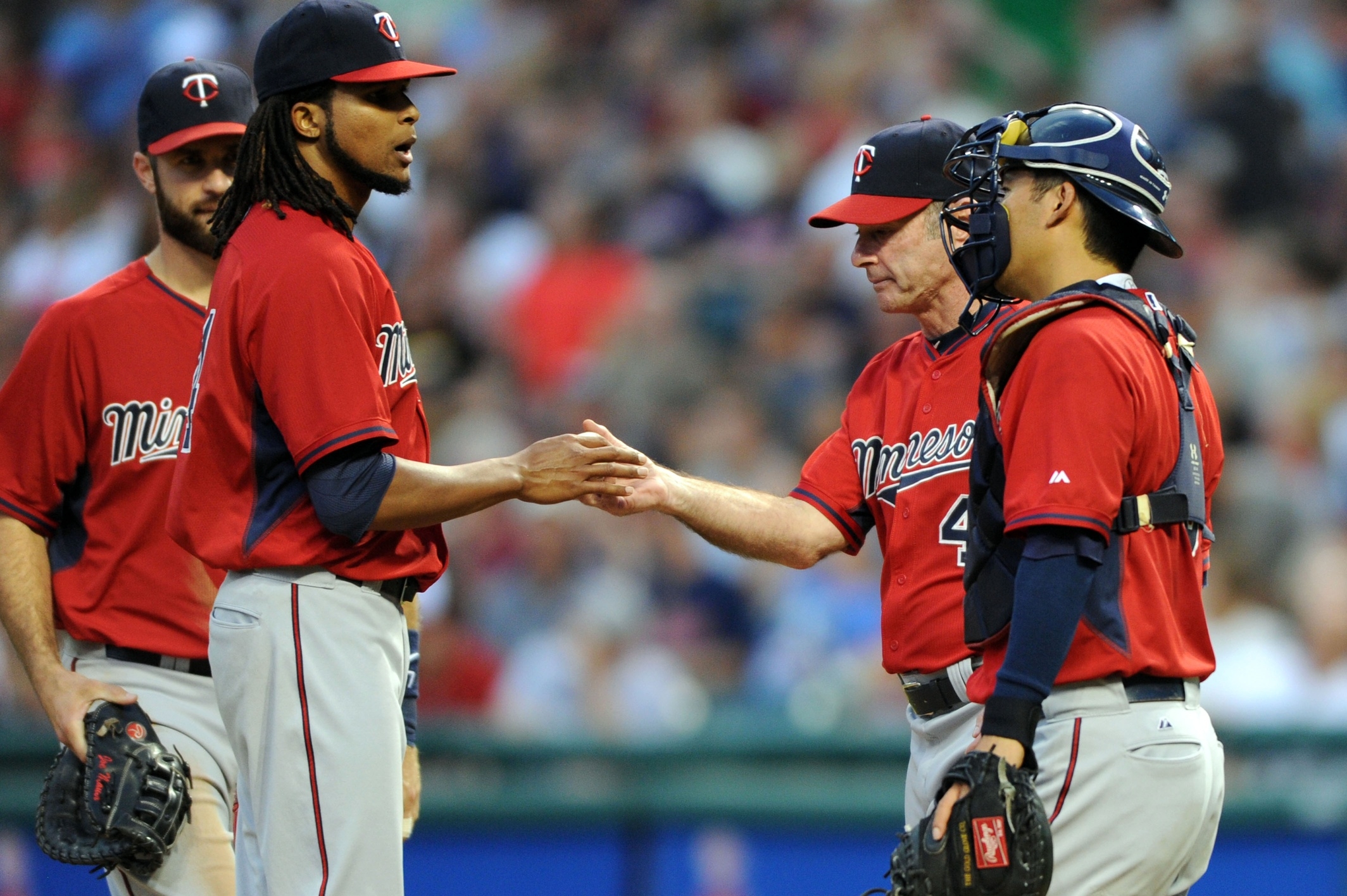 Prior to the All-Star break, the Twins owned one of the best records in the American League. They were in the driver's seat for an American League wild card spot, and baseball was once again great in the Twins Cities. Since then, Minnesota is 6-16 and has yet to grab a series victory in seven tries. While that's no doubt disheartening, the numbers suggest it wasn't all that unexpected. You'd be hard pressed to find someone willing to argue that the Twins were as good as their first half record indicated they were. With almost all secondary statistics suggesting Paul Molitor's team was outplaying expectations, the eye test would seem to have corroborated those sentiments. What might be a more difficult task is finding someone willing to bet that everything would go up in flames at once. Unfortunately, the Twins have suffered through a perfect (or maybe imperfect) storm. Since the All-Star break, the Twins offense has gone in the tank. Aaron Hicks is pacing the club with a .285 average, and while he has been scorching hot (.313/.356/.482) since July 17, no one else has been. Joe Mauer has slumped (.244/.306/.33), Miguel Sano has struggled (.203/.325/.406), Torii Hunter has regressed (.209/.260/.403), and Brian Dozier has done nothing but hit home runs (.212/.272/.424 with 5 HR). Minnesota has scored around a full run less per game in their 21 games since the break than they had pre-ASG. While there's little doubt the offense has been definitively poor, it's been coupled with poor pitching as well. Prior to the All-Star break, the Twins were getting strong performances from Kyle Gibson, Mike Pelfrey and Tommy Milone, despite less than ideal FIP (fielding independent pitching) numbers. Before the break, the Twins owned a 4.25 ERA and surrendered just a .256 BAA. Since, those numbers have jumped to 6.05 (30th in MLB) and .291 BAA (28th in MLB). The bullpen has seen turnover with the inclusion of Kevin Jepsen (who has struggled), A.J. Achter (who looks like an AAAA type), and the switching roles of Blaine Boyer and Casey Fien. Glen Perkins has just two post All-Star saves after having 28 prior to the Game. He's also blown two chances, and lost another game. So, going forward, what do the Twins do and how do they fix it? On offense, things are somewhat tricky. Outside of some key position holes (shortstop and catcher), it would appear to be more of a shuffling situation. Joe Mauer could undoubtedly afford to be moved to fifth or sixth in the batting order, while Hicks looks like a solid one or two type. Sano, Hunter and Dozier have to hopefully break out of their slump soon, and Molitor is looking for ways to get them going. When it comes to inserting other players, those options seem limited. Only Oswaldo Arcia, Kennys Vargas, Max Kepler, and Jorge Polanco should be considered. Arcia has a handful of Triple-A homers, but has batted just .122/.195/.189 with 23 K and 5 BB since July 17. Max Kepler is hitting over .330 at Double-A, but the outfield is already crowded, and will only be more so with the looming addition of Byron Buxton. Polanco was recently sent back to Double-A after a three game stint with the Twins, and he's slashed just .233/.378/.333 across eight games. At this point, Vargas is seemingly starting to turn a corner. He's batted .324/.449/.648 with six home runs since July 18, and he seems to be itching to get back to the big leagues. At first base though he's a liability and the designated hitter role is no doubt covered by Sano. Like Kepler, Vargas is between a rock and a hard place. On the mound, things seem a bit more clear. Twins pitchers own a 20.68 ERA giving up 36 ER in the last turn through the rotation. While Phil Hughes and Ervin Santana are undoubtedly safe, next to no one else should be. Tyler Duffey was demoted after being shelled by the Blue Jays, and Mike Pelfrey should be next in line. Trevor May was never deserving of being pushed to the bullpen, but he's succeeded in the role. It is probably time to get him back in the rotation in a swap for Pelfrey. As with May, Pelfrey could see a velocity boost out of the pen and, as a guy who I believe would do well in the roll, revive his value. Then there's the empty spot for a start on August 15th. Down on the farm, the Twins number one pitching prospect Jose Berrios has kicked down the door. He's 3-1 with a 1.59 ERA and just a .200/.271/.333 line against across his last five Triple-A starts. He owns a 3.06 ERA across 22 starts spanning Double- and Triple-A in 2015, and he's struck out batters at a 9.0 K/9 clip. With the rotation in its current state, there's no reason for him not to be called up. Different pieces of the Twins have regressed toward the statistical means that the numbers had been calling for, but unfortunately it's all happened at the same time. Right now, Molitor and the Twins brass must play damage control and work to reverse course, one area at a time. The Twins ending around .500 would still make for a great season, but in order for that to happen, Minnesota needs to stop the bleeding and soon. For more from Off The Baggy, click here. Follow @tlschwerz
 -
Sabermetrics Aren't For Everyone, But Are For Anyone
Ted Schwerzler posted a blog entry in Off The Baggy
As baseball evolves in time, one thing will always remain, and that is the fact that the sport is a thinking man's game. Regardless of what is going on in front of you, there's numerous outcomes to consider in any given instance prior to them taking place. A large portion (let's call it 90%) of the game remains simple at its core on the field, but that emerging 10% can often being explained by statistical analysis. Sabermetrics aren't for everyone, but there's no doubt they are for anyone. In a numbers driven sport, it's probably time for a wider variety of numbers to be given their due. Full disclosure, I don't consider myself a sabermetrics diehard. I understand their place, value, and use. I include them and credit certain values in my writing, and I believe they help to explain some of what your eye already sees on the field. I don't believe they are a be all, end all. They have a place, and far too often aren't given that. Recently, Mike Berardino of the Pioneer Press caught up with Twins catcher Kurt Suzuki in the name of sabermetrics. Suzuki is the poster child for such a discussion. He's roughly a replacement level catcher, and finding any and every advantage to improve his game and worth should be his constant goal. In his piece, Berardino asks Suzuki two questions that get somewhat appalling responses. Here is what was said: On what stats he likes: “Obviously the WHIP for the pitchers. I don’t know what the other stuff is. (Fielding Independent Pitching), I don’t know what that means. For hitters, I like the OPS. I think OPS is better than average. That has a lot to do with it.” On zero being replacement level: “I find that hard to believe. If you take a big-league guy and then you go get some guy from Double-A, you’re telling me that? Unless it’s a bench player, I don’t see that.” Addressing question one, Zuk keeps it simple. WHIP (walks and hits per inning pitched) is a valuable takeaway. It's pretty simply logic to understand that putting guys on base (no matter how it happens) isn't beneficial to a pitcher. What WHIP doesn't explain is what Suzuki decides to ignore. FIP (fielding independent pitching) has become one of the most important pitching numbers over the past couple of seasons. In understanding FIP, a pitcher is able to assess their performance in relation to being a sum of total parts. Knowing there are eight defenders playing into what happens on any given batted ball, a pitcher's effectiveness is quantified in relation to his ERA. FIP helps to tell a deeper story, whether or not hits are warranted, or a by-product of a bigger issue. Once again highlighting that there is no one number that does complete justice. Again staying in a relative comfort zone, Suzuki looks at OPS (like WHIP, OPS would not be considered a traditional sabermetric stat). OPS (on-base plus slugging) has gained relevance in recent years because of what it says about a batter. As seen in his teammate Brian Dozier, Suzuki understands that average alone is not a good measure of a player's value. Batting average is the quantifiable sum, but it's on-base percentage and slugging percentage that win games. Dozier for example has a paltry .248 AVG, but his .318 OBP and .495 SLG set him apart. He walks a considerable amount (though less than his career average, which is another issue altogether), and he finds ways to give the Twins runners. When he is hitting the ball, he also finds ways to snag extra bases, which drive his slugging percentage way up. A batter getting on base, and being further on the base paths is no doubt more valuable than a consistent singles hitter. The second question Suzuki addresses is just somewhat indicative of the problem as a whole. Sabermetrics are definitely not for everyone, but they are very much for anyone. Suzuki has decided to look past a level of understanding because he has chosen to discredit the metrics. Whether that's because they aren't kind to him, or for some other reason, remains unsolved. Replacement level being zero in and of itself should be a relatively easy numerical,value to grasp. If WAR (wins above replacement) calculates a positive or negative value, then 0 would serve as the statistical baseline. Plus or minus that number would then define a player's ability. Defining replacement level is somewhat difficult, but FanGraphs states: "One who costs no marginal resources to acquire. This is the type of player who would fill in for the starter in case of injuries, slumps, alien abductions, etc." At it's core, that definition is relatively self-explanatory. Working as an MLB player to increase your value, targeting areas of concern would no doubt be a good place to start. If WAR is a sum of all parts, understanding the underlying sabermetrics that make up the whole would be a good plan of action. At the end of the day, any amount of numbers can get to a point where the game becomes a chess match inundated by numerical values. At its core though, baseball is a chess match, and knowing how to utilize the numbers in your favor is something that no doubt is the difference in certain key situations. Sabermetrics aren't for everyone, but they are for anyone and should be comprehended by those looking to utilize their utmost value. For more from Off The Baggy, click here. Follow @tlschwerz -
The Minnesota Twins are a sub .500 baseball team for the first time since May. They have gone from Wild Card contender, to post All Star Game flop. In nearly every facet of the game, the Twins have normalized towards their projections, and it's caused an ugly domino effect. Thankfully though, in their most recent transaction, they show they get it. Today Byron Buxton was activated from the disabled list and them optioned to Triple-A Rochester. In activating Buxton, the Twins could have immediately called him up to Minnesota. They intelligently chose not to, and in doing so did themselves some favors along the way. There's little room to argue against the fact that the Twins offense has been horrible since the All Star Break. Could Byron Buxton, baseball's best prospect have provided a spark, maybe. He also may not have. Regardless, the Twins absolutely did the right thing today. Buxton had been on the disabled list for over six weeks (with an initially reported 4-6 week timeframe). He has played in just three rehab games at Triple-A Rochester (his first taste of the level), and he owns a .189/.231/.270 slash line across his first 11 big league games. As a whole, rushing him back immediately when cleared would seem a silly decision. Looking past the on field ramifications, something more important is at play here. The Twins are understanding of who they are and what they have going forward. In activating and optioning Buxton, they will save 17 days of service time (assuming he's recalled on September 1). In doing so, Minnesota could be better positioned to save millions down the road by gaining more team control, and avoiding Super 2 status for a potential superstar. Also, with the way transactions are handled, the Twins are offered flexibility. Because they optioned Buxton, the Twins must wait 10 days to recall him. By making the move today, Minnesota has plenty of time to let him play at Triple-A prior to the rosters expanding in September. Also, if the Twins recall Buxton within 20 days, the option will not count. Most importantly at play here is the saved service time. With the flexibility the move gives the Twins, they can allow Buxton to get ready and not be hurt financially by it. The lost (or potentially not) option is next to irrelevant. Options should be considered for players moving back and forth between the minors. For a guy like Buxton, dubbed the best prospect in baseball, being out of options would signify a greater problem altogether. Terry Ryan and the Twins are acknowledging their success, and also not negating their window. Competition this season wasn't expected, and even with the strong positioning early on, regression was always looming. In not dealing away assets at the deadline, and making key moves like this one, the Twins are poised to have all their chickens hatched and ready to go starting next season. Byron Buxton was already going to be the Twins opening day centerfielder in 2016 regardless, a move like this may have guaranteed he's there for a World Series challenging team in the early 2020's. For more from Off The Baggy, click here. Follow @tlschwerz
-
Prior to the All Star Break, the Twins owned one of the best record in the American League. They were in the drivers seat for an American League Wild Card spot, and baseball was once again great in the Twins Cities. Since then, Minnesota is 6-16 and has yet to grab a series victory in seven tries. While that's no doubt disheartening, the numbers suggest it wasn't all that unexpected. You'd be hard pressed to find someone willing to argue that the Twins were as good as their first half record. With almost all secondary statistics suggesting Paul Molitor's team was outplaying expectations, the eye test would seem to corroborate those sentiments. What might be a more difficult task is finding someone willing to bet that everything would go up in flames at once. Unfortunately, the Twins have suffered through a perfect (or maybe imperfect) storm. Since the All Star Break, the Twins offense has gone in the tank. Aaron Hicks is pacing the club with a .285 average, and while he has been scorching hot (.313/.356/.482 since July 17), no one else has been. Joe Mauer has slumped (.244/.306/.33), Miguel Sano has struggled (.203/.325/.406), Torii Hunter has regressed (.209/.260/.403), and Brian Dozier has done nothing but hit home runs (.212/.272/.424 with 5 HR). Minnesota has scored right around a full run less across their 21 games since the break. While there's little doubt the offense has been definitively poor, it's been coupled by poor pitching as well. Prior to the All Star Break, the Twins were getting strong performances from Kyle Gibson, Mike Pelfrey, and Tommy Milone despite less than ideal FIP (fielding independent pitching) numbers. Before the break, the Twins owned a 4.25 ERA and surrendered just a .256 BAA. Since, those numbers have jumped to 6.05 (30th in MLB) and .291 BAA (28th in MLB). The bullpen has seen turnover with the inclusion of Kevin Jepsen (who has struggled), A.J. Achter (who looks like an AAAA type), and the switching roles of Blaine Boyer and Casey Fien. Glen Perkins has just two post All Star saves after having 28 prior to the game. He's also blown two chances, and lost another game. So, going forward, what do the Twins do and how do they fix it? On offense, things are somewhat tricky. Outside of some key position holes (shortstop and catcher), it would appear to be more of a shuffling situation. Joe Mauer could undoubtedly afford to be moved to fifth or sixth in the batting order, while Hicks looks like a solid one or two type. Sano, Hunter, and Dozier have to hopefully break out of their slump soon, and Molitor is looking for ways to get them going. When it comes to inserting other players, those options seem limited. Only Oswaldo Arcia, Kennys Vargas, Max Kepler, and Jorge Polanco should be considered. Arcia has a handful of Triple-A homers, but has batted just .122/.195/.189 with 23 K and 5 BB since July 17. Max Kepler is hitting over .330 at Double-A, but the outfield is already crowded, and will only be more so with the looming addition of Byron Buxton. Polanco was recently sent back to Double-A after a three game stint with the Twins, and he's slashed just .233/.378/.333 across eight games. At this point, Vargas is starting to turn a corner. He's batted .324/.449/.648 with six home runs since July 18, and he seems to be itching to get back to the big leagues. At first though, he's a liability, and the designated hitter role is no doubt covered by Sano. Like Kepler, Vargas is in between a rock and a hard place. On the mound, things seem a bit more clear. Twins pitchers own a 20.68 ERA giving up 36 ER in the last turn through the rotation. While Phil Hughes and Ervin Santana are undoubtedly safe, next to no one else should be. Tyler Duffey was demoted after being shelled by the Blue Jays, and Mike Pelfrey should be next in line. Trevor May was never deserving of being pushed to the bullpen, but he's succeeded in the role. It is probably time to get him back in the rotation in a swap for Pelfrey. As with May, Pelfrey could see a velocity boost out of the pen, and as a guy I believe that would do well in the roll, revive his value. Then there's the empty spot for a start on August 15th. Down on the farm, the Twins number one pitching prospect Jose Berrios has kicked down the door. He's 3-1 with a 1.59 ERA and just a .200/.271/.333 line against across his last five Triple-A starts. He owns a 3.06 ERA across 22 starts spanning Double and Triple-A in 2015, and he's struck out batters at a 9/0 K/9 clip. With the rotation in its current state, there's no reason for him not to be called upon. Minnesota has no doubt regressed towards the statistical mean that the numbers had been calling for, but unfortunately it's all happened at the same time. Right now, Molitor and the Twins brass must play damage control and work to reverse the course one area at a time. The Twins ending around .500 would still make for a great season, but in order for that to happen, Minnesota needs to stop the bleeding and soon. For more from Off The Baggy, click here. Follow @tlschwerz
-
The calendar has flipped to August, the Minnesota Twins are now 51-51, just three games above .500, and the problems are mounting. Every indication suggests that the Twins did absolutely the right thing at the trade deadline. As they slip out of sole possession of a wild card spot, Terry Ryan has a new period of evaluation coming.For much of the season, the Twins were a team playing well above water. With an extremely impressive home record, while staving off regression, Minnesota distanced themselves from the pack. As it generally does, baseball has begun to shift back towards a statistical normalcy and the Twins have felt the squeeze. Since the All-Star break, Minnesota is just 5-11. In those 16 games, the Twins offense has scored an average of 3.4 runs per game while surrendering 5.2 runs per game. Their bullpen has all but imploded, most obviously on the back end: Glen Perkins owns an 11.12 ERA since the break. The Twins offense has gone in the tank, and the winning has hit the skids. In their last three losses, Minnesota has scored just one run in each contest. To say this was predictable is probably not unfair. Minnesota has a plethora of pitchers with inflated FIP (fielding independent pitching) marks and strong ERA's (in fact, acquired reliever Kevin Jepsen is among them). They have also seen a boost in the offense from unlikely sources such as Aaron Hicks (who had been incredibly hot), Eddie Rosario (who had been consistent), and Miguel Sano (who surprisingly had hit for average). At the root of the struggles though is that the Twins have watched it all come crashing down at the same time. Blaine Boyer (3.02 ERA 4.28 FIP, still some regression to come) and Casey Fien (4.19 ERA 4.14 FIP) have started to even out, J.R. Graham has been knocked around (9.00 ERA in his last 8.0 IP), and we already touched on Perkins' struggles. Joe Mauer (.255/.317/.327), Torii Hunter (.204/.246/.370), and Brian Dozier (.217/.299/.450) have all slumped since the break. Starting pitching hasn't been great, and Tommy Milone (7.98 ERA in 142. IP since ASG) is now headed to the DL. Terry Ryan is watching as each of the potential problem areas for the Twins rears its head at once. In that, he can find solace in knowing he did the absolutely right thing at the trade deadline. Fixing the bullpen, offense, and positions of need all at once without jumping the gun wasn't a realistic possibility. In a difficult test of patience, that is now paying dividends. Staying put for the most part (aside from dealing for Jepsen who provides team control going forward), allows the Twins to continue along a realistic path. Despite being in position to grab a wild card spot, the heat of the summer was sure to sort things out. Regardless of the big moves by the Blue Jays (both David Price and Troy Tulowitzki count as just that), the Twins were going to have to continue to defy their own odds. In not sacrificing the blueprint that has been laid out, the next few years remain incredibly bright for the Twins. As the 2015 major league baseball season rolls on, the Twins still have plenty to gain. Nowhere near out of the playoff race, call ups and seasoning can be provided to young and integral players in the midst of meaningful games. With Tyler Duffey paving the way and Jose Berrios likely soon to follow, Minnesota affords young arms a cup of coffee in the middle of real action. Miguel Sano, Hicks, Rosario, and even Byron Buxton can begin to settle into the highest level while competing for something on a nightly basis. In the end, it's the best outcome for everyone. Going forward, the Twins already had plenty of reason to be realistic playoff contenders immediately in 2016 and onward. Thanks to the decision to hold onto the farm, the Twins should take plenty of valuable lessons and developmental instances away from 2015 even if they don't end up in the playoffs. As 2016 rolls around, they should enter as one of the two best teams in the Central, and the final two months of 2015 baseball will serve as the launching pad for that growth. For more from Off The Baggy, click here. Follow @tlschwerz Click here to view the article
-
Struggles Have Highlighted Twins Correct Deadline Decisions
Ted Schwerzler posted an article in Twins
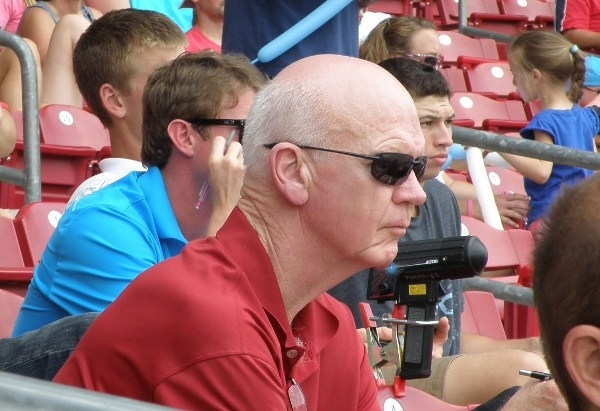 For much of the season, the Twins were a team playing well above water. With an extremely impressive home record, while staving off regression, Minnesota distanced themselves from the pack. As it generally does, baseball has begun to shift back towards a statistical normalcy and the Twins have felt the squeeze. Since the All-Star break, Minnesota is just 5-11. In those 16 games, the Twins offense has scored an average of 3.4 runs per game while surrendering 5.2 runs per game. Their bullpen has all but imploded, most obviously on the back end: Glen Perkins owns an 11.12 ERA since the break. The Twins offense has gone in the tank, and the winning has hit the skids. In their last three losses, Minnesota has scored just one run in each contest. To say this was predictable is probably not unfair. Minnesota has a plethora of pitchers with inflated FIP (fielding independent pitching) marks and strong ERA's (in fact, acquired reliever Kevin Jepsen is among them). They have also seen a boost in the offense from unlikely sources such as Aaron Hicks (who had been incredibly hot), Eddie Rosario (who had been consistent), and Miguel Sano (who surprisingly had hit for average). At the root of the struggles though is that the Twins have watched it all come crashing down at the same time. Blaine Boyer (3.02 ERA 4.28 FIP, still some regression to come) and Casey Fien (4.19 ERA 4.14 FIP) have started to even out, J.R. Graham has been knocked around (9.00 ERA in his last 8.0 IP), and we already touched on Perkins' struggles. Joe Mauer (.255/.317/.327), Torii Hunter (.204/.246/.370), and Brian Dozier (.217/.299/.450) have all slumped since the break. Starting pitching hasn't been great, and Tommy Milone (7.98 ERA in 142. IP since ASG) is now headed to the DL. Terry Ryan is watching as each of the potential problem areas for the Twins rears its head at once. In that, he can find solace in knowing he did the absolutely right thing at the trade deadline. Fixing the bullpen, offense, and positions of need all at once without jumping the gun wasn't a realistic possibility. In a difficult test of patience, that is now paying dividends. Staying put for the most part (aside from dealing for Jepsen who provides team control going forward), allows the Twins to continue along a realistic path. Despite being in position to grab a wild card spot, the heat of the summer was sure to sort things out. Regardless of the big moves by the Blue Jays (both David Price and Troy Tulowitzki count as just that), the Twins were going to have to continue to defy their own odds. In not sacrificing the blueprint that has been laid out, the next few years remain incredibly bright for the Twins. As the 2015 major league baseball season rolls on, the Twins still have plenty to gain. Nowhere near out of the playoff race, call ups and seasoning can be provided to young and integral players in the midst of meaningful games. With Tyler Duffey paving the way and Jose Berrios likely soon to follow, Minnesota affords young arms a cup of coffee in the middle of real action. Miguel Sano, Hicks, Rosario, and even Byron Buxton can begin to settle into the highest level while competing for something on a nightly basis. In the end, it's the best outcome for everyone. Going forward, the Twins already had plenty of reason to be realistic playoff contenders immediately in 2016 and onward. Thanks to the decision to hold onto the farm, the Twins should take plenty of valuable lessons and developmental instances away from 2015 even if they don't end up in the playoffs. As 2016 rolls around, they should enter as one of the two best teams in the Central, and the final two months of 2015 baseball will serve as the launching pad for that growth. For more from Off The Baggy, click here. Follow @tlschwerz
 -
It's the first week of August, the Twins have fallen out of a Wild Card spot, and they remain just one game over .500. Considering how the year started, that's a less than ideal scenario, but knowing how it was projected to end, they find themselves in a good spot. What's better is that with the way the final two months appear to be shaping up, there's even more reason to anticipate 2016. With plenty of baseball left, there's not much reason to write off the Twins. Sure, they aren't going to make the playoffs, but there's competitive and meaningful baseball taking place at Target Field in August and September, that's huge. Going forward though, it's the opportunities provided to manager Paul Molitor over the final two months that will bolster the Twins in 2016. I have been a championing the fact that Aaron Hicks has been ready for quite a while. The cornerstone of that argument has been the path he has recently been on. After being promoted too early from Double-A due to a stellar spring training a few years ago, it was his time in Double and Triple-A to end last year that showed he was a new player. Getting his feet wet slowly helped immensely, and that's where the Twins find themselves at once again. Miguel Sano has already spent over 25 games with the big league club. He's has held his own slashing .278/.411/.522 with five home runs and 12 extra base hits. Going forward, the next couple of months will be big for Sano to hit the ground running in 2016. Hitters have failed to get on ahead of him of late, allowing opposing pitchers to throw him offspeed stuff away and out of the zone. Sano has shown good plate discipline (38/21 K/BB), but being able to have more opportunities to swing away will only further his development. The time at the big league level will no doubt have Sano entering 2016 brimming with confidence. On the opposite end of the spectrum, Byron Buxton has taken his lumps with the Twins. He played just 11 games before hitting the DL with a thumb injury. In those games, he slashed .189/.231/.270. Buxton is being afforded a great opportunity however. With an upcoming rehab stint scheduled to take place at Triple-A Rochester, he will face pitchers more able to "pitch" and spin balls, than those at Double-A capable of blowing it by hitters. Likely spending September with the Twins, Buxton will then be able to work through some struggles to better prepare for the upcoming season. Then there's the benefit that comes with expanded rosters. At the end of August, Minnesota can utilize up to 40 roster spots, and while they won't be bringing that many players up, there's a few worthy inclusions. It would stand to reason that both Kennys Vargas and Oswaldo Arcia could be given another chance to end the season. Unlike the path Aaron Hicks took though in which he produced following a demotion in 2014, neither Vargas nor Arcia has been any good. Vargas is slashing .240/.363/.423 at Double-A Chattanooga. Arcia had a nice run of eight home runs, but owns a .232/.291/.420 slash line with 59 K and just 15 walks. More importantly in September will be the call ups that expect to figure prominently into the 2016 plans. With next season being the opening of the window in the "go for it" timespan, getting key cogs feet wet would make a lot of sense. Included amongst that group would almost have to be Jose Berrios and Max Kepler. Had Zack Jones, Nick Burdi, and Jake Reed not struggled this season, they may be included as well. Berrios has strung together a handful of nice starts at Triple-A and should be considered for the rotation in 2016. He owns a 2.00 ERA across his last 4 starts (27.0 IP) and should have a couple more under his belt before the end of August. A cup of coffee in the form of a spot start would make a ton of sense. With the outfield no doubt going to be shuffled in 2016 (Torii Hunter moving to a part time role and the likely spot cleared by Shane Robinson being a free agent), there's going to be a competition for final spots. Max Kepler has batted .330/.412/.540 in 82 games for Double-A Chattanooga and is clearly ready for his next challenge. There would be no better way to get him geared up for the MLB level than to include him in games at the end of this season. Kepler looks the part, and allowing him to prove it could be beneficial. Minnesota could also look at some lesser relief options. Guys like Logan Darnell, Michael Tonkin, Mark Hamburger, and A.J. Achter could all find their way to the big leagues. Each of them has pitched well for the most part in 2015, and could give the Twins some extended evaluation time at the big league level should they appear in September. At the end of the year, Minnesota looks poised to finish right where they ought to be. They will be somewhere around second or third in the division, and within a few games either way of the .500 mark. Sure, that's a far cry from how things started, but it's a significant improvement and exactly how you take the next step forward. Pushing forward players that could prove instrumental in a year is something the Twins have the opportunity to do, so the next two months still hold plenty of weight. For more from Off The Baggy, click here. Follow @tlschwerz
-
Struggles Have Highlighted Twins Correct Deadline Decision
Ted Schwerzler commented on Ted Schwerzler 's blog entry in Off The Baggy
While both are extremes, you're talking about a guy who's hitting sub .200 for well over the last month with 2 HR in that span at DOUBLE A. He's striking out at record MLB paces at DOUBLE A. Again, he's fun, but he's not close to MLB caliber right now. -
Struggles Have Highlighted Twins Correct Deadline Decision
Ted Schwerzler commented on Ted Schwerzler 's blog entry in Off The Baggy
No, it's not. To clarify your confusion, it's an understanding that while a bad bullpen is an issue, there are far more areas of concern than could have been addressed. Jepsen was acquired for relatively little and provides team control, or value going forward. -
Struggles Have Highlighted Twins Correct Deadline Decision
Ted Schwerzler commented on Ted Schwerzler 's blog entry in Off The Baggy
I can't really do the ABW thing anymore. It just screams I don't get baseball right away. He's fun, not realistic right now. -
Struggles Have Highlighted Twins Correct Deadline Decision
Ted Schwerzler commented on Ted Schwerzler 's blog entry in Off The Baggy
ABW has not done anything at Double-A for over a month. He has a better chance of beating Mike Hessman's MiLB career HR record than he does of being a good MLB level talent. -
Struggles Have Highlighted Twins Correct Deadline Decision
Ted Schwerzler posted a blog entry in Off The Baggy
The calendar has flipped to August, the Minnesota Twins are now 51-51 just three games above .500, and the problems are mounting. Every indication suggests that the Twins did absolutely the right thing at the trade deadline. As they slip out of sole possession of a wild card spot, Terry Ryan has a new period of evaluation coming. For much of the season, the Twins were a team playing well above water. With an extremely impressive home record, while staving off regression, Minnesota distanced themselves from the pack. As it generally does, baseball has begun to shift back towards a statistical normalcy and the Twins have felt the squeeze. Since the All Star Break, Minnesota is just 5-11. In those 16 games, the Twins offense has scored an average of 3.4 runs per game while surrendering 5.2 runs per game. Their bullpen has all but imploded, most obviously on the back end (Glen Perkins owns an 11.12 ERA since the break). The Twins offense has gone in the tank, and the winning has hit the skids. In their last three losses, Minnesota has scored just one run in each contest. To say this was predictable is probably not unfair. Minnesota has a plethora of pitchers with inflated FIP (fielding independent pitching) marks and strong ERA's (in fact, acquired reliever Kevin Jepsen is among them). They have also seen a boost in the offense from unlikely sources such as Aaron Hicks (who has been incredibly hot), Eddie Rosario (who's been consistent), and Miguel Sano (who surprisingly has hit for average). At the root of the struggles though is that the Twins have watched it all come crashing down at the same time. Blaine Boyer (3.02 ERA 4.28 FIP, still some regression to come) and Casey Fien (4.19 ERA 4.14 FIP) have started to even out, J.R. Graham has been knocked around (9.00 ERA in his last 8.0 IP), and we already touched on Perkins struggles. Joe Mauer (.255/.317/.327), Torii Hunter (.204/.246/.370), and Brian Dozier (.217/.299/.450) have all slumped since the break. Starting pitching hasn't been great, and Tommy Milone (7.98 ERA in 142. IP since ASG) is now headed to the DL. Terry Ryan is watching as each of the potential problem areas for the Twins rears it's head at once. In that, he can find solace in knowing he absolutely did the right thing at the trade deadline. Fixing the bullpen, offense, and need positions all at once without jumping the gun wasn't a realistic possibility. In a difficult test of patience, that is now paying dividends. Staying put for the most part (aside from dealing for Jepsen who provides team control going forward), allows the Twins to continue along a realistic path. Despite being in position to grab a Wild Card spot, the heat of the summer was sure to sort things out. Regardless of the big moves by the Blue Jays (both David Price and Troy Tulowitzki count as just that), the Twins were going to have to continue to defy their own odds. In not sacrificing the blueprint that has been laid out, the next few years remain incredibly bright for the Twins. As the 2015 Major League Baseball season rolls on, the Twins still have plenty to gain. Nowhere near out of the playoff race, call ups and seasoning can be provided to young and integral players in the midst of meaningful games. With Tyler Duffey paving the way and Jose Berrios likely soon to follow, Minnesota affords young arms a cup of coffee in the middle of real action. Miguel Sano, Hicks, Rosario, and even Byron Buxton can begin to settle into the highest level while competing for something on a nightly basis. In the end, it's the best outcome for everyone. Going forward, the Twins already had plenty of reason to be realistic playoff contenders immediately in 2016 and onward. Thanks to the decision to hold onto the farm, the Twins should take plenty of valuable lessons and developmental instances away from 2015 even if they don't end up in the playoffs. As 2016 rolls around, they should enter as one of the two best teams in the Central, and the final two months of 2015 baseball will serve as the launching pad for that growth. For more from Off The Baggy, click here. Follow @tlschwerz

