



John Bonnes
-
Posts
6,785 -
Joined
-
Last visited
-
Days Won
4
Content Type
Profiles
News
Minnesota Twins Videos
2026 Minnesota Twins Top Prospects Ranking
2022 Minnesota Twins Draft Picks
Minnesota Twins Free Agent & Trade Rumors, Notes, & Tidbits
Guides & Resources
2023 Minnesota Twins Draft Picks
The Minnesota Twins Players Project
2024 Minnesota Twins Draft Picks
2025 Minnesota Twins Draft Pick Tracker
2026 Minnesota Twins Draft Tracker: Picks & Bonuses
Forums
Blogs
Events
Store
Downloads
Gallery
Everything posted by John Bonnes
-

Article: Dozier's Expected Extension
John Bonnes replied to Cody Christie's topic in Twins Daily Front Page News
Aaron and John sample lot of beers at Lynlake Brewery, review Winter Meltdown talks with Minnesota Twins President Dave St. Peter and outfielder Jacque Jones, shift blame from John to Aaron for last week's lack of a podcast, speculate on the differences between Ron Gardenhire and Paul Molitor, wonder if the Twins will REALLY be the worst team in the American League, debate the Twins Opening Day Roster (hitters only), review Aaron's career as a point guard, talk scotch and answer mailbag questions. You can listen by downloading us from iTunes, Stitcher or find it at GleemanAndTheGeek.com. Or just click the Play button below. Click here to view the article -
Article: Center Of Attention
John Bonnes replied to Seth Stohs's topic in Twins Daily Front Page News
Seth, do you think the order of these options are the real order in the Twins minds? And is that based on conversations with the decision makers? Because I have to think that D is the 2nd option, considering it was the primary option last year - and worked. (Not that it matters because I don't think they get past A. Which I also think has a high likelihood of failing again. Can we PLEASE just let Hicks prove himself in AAA for more than a month at a time?)- 98 replies
-
- 4
-

-
- aaron hicks
- danny santana
- (and 3 more)
-
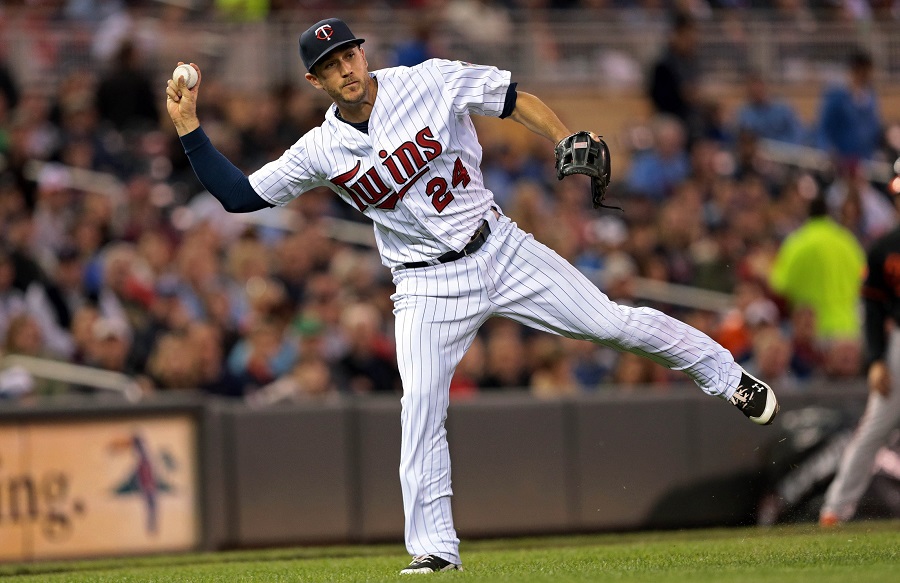
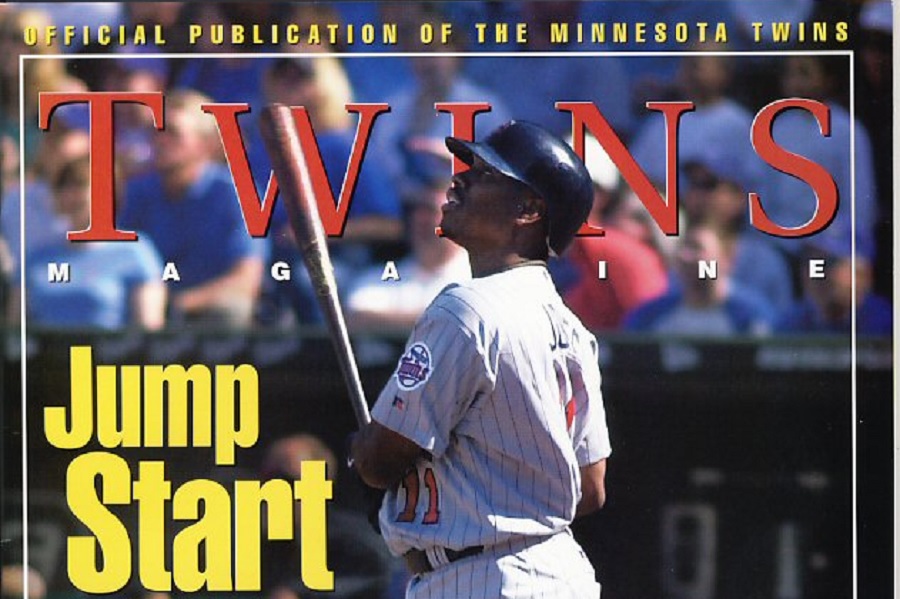
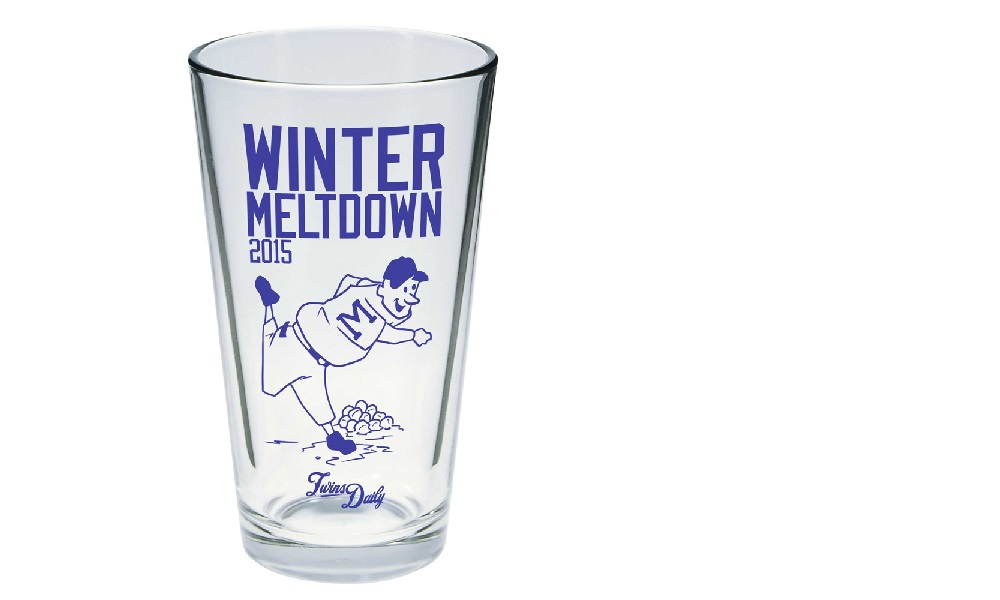 Jacque Jones, Tim Laudner and Twins President Dave St. Peter are on board and now you’re at the plate. Stop by the Twins Daily Store and nab tickets for $30. We've made extra tickets available this year, so we made it through the first day without selling out, but remaining tickets are limited, so please don’t delay. One last time, here are the details: January 24th, from 5-8, at Mason’s. Just walk the block from Target Field and TwinsFest and join us. Question & answers with Minnesota Twins President Dave St. Peter, Twins alum catcher and Jacque Jones! Two free beers from local craft brewery 612 Brew. Drink specials from Dobel Tequila and Three Olives Vodka. NEW: Raffle that include two Twins Opening Day tickets from Ticket King. The limited edition Twins Daily Winter Meltdown Pint Glass Tickets go on sale Tuesday RIGHT HERE. $25 on Tuesday only, $30 after. We'll see you next Saturday! ~~~ Leading off: Twins President Dave St. Peter. Batting second: Twins catcher (and current Fox Sports North analyst) Tim Laudner. And I’m thrilled to announce that Jacque Jones will be our #3 hitter at the Twins Daily Meltdown. Jones patrolled the outfield for Twins for the better part of seven seasons, including being an integral part of the teams that won three division championships from 2002 through 2004. He was the leadoff hitter for those teams, with a .782 OPS and 132 home runs with the Twins, all while playing exceptional corner outfield defense. That shouldn’t be a surprise, considering he played center field for most of his minor league career and as an All-American at USC. He also played with the US Olympic Baseball team in 1996 at Atlanta, winning a bronze medal with future Twins teammate Matt LeCroy. He was drafted that same year by the Twins in the second round. When he left the Twins following the 2005 season, he signed with the Chicago Cubs and played with them for two years. He also spent time with the Tigers, Marlins and Reds organization before returning to the Twins in 2010. As a result, he received loud standing ovations during his at-bats in the two exhibition games played prior to Target Field’s first official MLB game. St. Peter, Laudner and Jones are on board and now you’re at the plate. Stop by the Twins Daily Store tomorrow (Tuesday) morning at 8:00 AM to nab tickets at the one-day price of $25. While we’ve made extra tickets available this year, we sold out last year by noon, so please don’t delay. One last time, here are the details: January 24th, from 5-8, at Mason’s. Just walk the block from Target Field and TwinsFest and join us. Question & answers with Minnesota Twins President Dave St. Peter, Twins alum catcher and Jacque Jones! Two free beers from local craft brewery 612 Brew. Drink specials from Dobel Tequila and Three Olives Vodka. The limited edition Twins Daily Winter Meltdown Pint Glass Tickets go on sale Tuesday RIGHT HERE. $25 on Tuesday only, $30 after. We'll see you next Saturday!
 -
Aaron and John hang out at 612 Brew and talk about the Twins' arbitration settlements, whether to offer Trevor Plouffe a long-term deal, FanGraphs' unfavorable projections for the Twins in 2015, the art on 612's new beer cans, Byron Buxton compared to Carlos Gomez, the perfect setting for Aaron's bachelor party, David Price's record-breaking arbitration salary, and next weekend's "Winter Meltdown" event. You can listen by downloading us from iTunes, Stitcher or find it at GleemanAndTheGeek.com. Or just click the Play button below. Click here to view the article
-
Gleeman & the Geek, Ep 178: Arbitration, Extensions & Projections
John Bonnes posted an article in Twins
 http://traffic.libsyn.com/gleemangeek/Arbitration_Extensions_and_Projections.mp3
 -
Aaron and John meet at Mason's and ramble about Jacque Jones career and his upcoming appearance at the Twins Daily Winter Meltdown, Joe Mauer's contract, crying babies, a mailbag and meeting the in-laws. You can listen by downloading us from iTunes, Stitcher or find it at GleemanAndTheGeek.com. Or just click the Play button below. Click here to view the article
-
Gleeman & the Geek, Ep 177: Jacque Jones and Meeting the In-Laws
John Bonnes posted an article in Twins
 http://traffic.libsyn.com/gleemangeek/Ep_177_Jacque_Jones_and_Meeting_The_In-Laws.mp3
 -
Article: The Best 25 GMs In History: #25 Andy MacPhail
John Bonnes replied to Kevin's topic in Twins Daily Front Page News
:-) That's an interesting point. My sense is that, in general, the Twins trend towards the "smart and young" part of that equation, but eschew the "outside the organization" part. Gardy was certainly young. It might be that Macphail was an outlier outsider because, for the most part, when the Twins were under Griffith he was calling the shots and didn't have (or delegate to) younger up-an-comers. There was really nobody else to take that job. As for MacPhail, I guess I didn't recognize that he had done pretty well overall with the Cubs. And I guess I had never thought about how "farm-based" his philosophy was throughout the organizations. It certainly stayed in place with the Twins after he left.- 12 replies
-
- 1
-
-
- andy macphail
- general managers
- (and 1 more)
-
Article: Last Chance for Winter Meltdown Tickets
John Bonnes replied to John Bonnes's topic in Twins Daily Front Page News
It was a terrific event last year and led to some fantastic stories. FWIW, if you're going to Twinsfest, you need to make this a focal point of the weekend. It does not get any better than this. -
~~~ Buy tickets HERE ~~~ You will not be able to buy tickets at the door tomorrow (Saturday) so today is your last chance to gain admission to the Twins Daily Winter Meltdown. Jacque Jones and Twins President Dave St. Peter will be attending, there will be free beer, commemorative pint glasses, lots of Twins talk and it's a two-block walk from Twinsfest. If you do buy or have bought tickets, they'll be waiting for you at the door. Here, one last time, are the details:January 24th, from 5-8, at Mason’s. Just walk the block from Target Field and TwinsFest and join us.Question & answers with Minnesota Twins President Dave St. Peter, and Jacque Jones! We're sorry to announce that Tim Laudner will not be able to attend the Meltdown due to family obligations. Our community's thoughts are with Tim and his family.Two free beers from local craft brewery 612 Brew.Drink specials from Dobel Tequila and Three Olives Vodka.Raffle that include two Twins Opening Day tickets from Ticket King.The limited edition Twins Daily Winter Meltdown Pint GlassTickets go on sale Tuesday RIGHT HERE. $25 on Tuesday only, $30 after.We'll see you next Saturday!Jacque Jones, Tim Laudner and Twins President Dave St. Peter are on board and now you’re at the plate. Stop by the Twins Daily Store and nab tickets for $30. We've made extra tickets available this year, so we made it through the first day without selling out, but remaining tickets are limited, so please don’t delay. One last time, here are the details:January 24th, from 5-8, at Mason’s. Just walk the block from Target Field and TwinsFest and join us.Question & answers with Minnesota Twins President Dave St. Peter, Twins alum catcher and Jacque Jones!Two free beers from local craft brewery 612 Brew.Drink specials from Dobel Tequila and Three Olives Vodka.NEW: Raffle that include two Twins Opening Day tickets from Ticket King.The limited edition Twins Daily Winter Meltdown Pint GlassTickets go on sale Tuesday RIGHT HERE. $25 on Tuesday only, $30 after.We'll see you next Saturday! Download attachment: Jones_Jacqe_Curtain_GI_450.jpg ~~~ Leading off: Twins President Dave St. Peter. Batting second: Twins catcher (and current Fox Sports North analyst) Tim Laudner. And I’m thrilled to announce that Jacque Jones will be our #3 hitter at the Twins Daily Meltdown. Jones patrolled the outfield for Twins for the better part of seven seasons, including being an integral part of the teams that won three division championships from 2002 through 2004. He was the leadoff hitter for those teams, with a .782 OPS and 132 home runs with the Twins, all while playing exceptional corner outfield defense. That shouldn’t be a surprise, considering he played center field for most of his minor league career and as an All-American at USC. He also played with the US Olympic Baseball team in 1996 at Atlanta, winning a bronze medal with future Twins teammate Matt LeCroy. He was drafted that same year by the Twins in the second round. When he left the Twins following the 2005 season, he signed with the Chicago Cubs and played with them for two years. He also spent time with the Tigers, Marlins and Reds organization before returning to the Twins in 2010. As a result, he received loud standing ovations during his at-bats in the two exhibition games played prior to Target Field’s first official MLB game. Download attachment: Winter-Meltdown-2015-logo-plain_400.jpg St. Peter, Laudner and Jones are on board and now you’re at the plate. Stop by the Twins Daily Store tomorrow (Tuesday) morning at 8:00 AM to nab tickets at the one-day price of $25. While we’ve made extra tickets available this year, we sold out last year by noon, so please don’t delay. One last time, here are the details:January 24th, from 5-8, at Mason’s. Just walk the block from Target Field and TwinsFest and join us.Question & answers with Minnesota Twins President Dave St. Peter, Twins alum catcher and Jacque Jones!Two free beers from local craft brewery 612 Brew.Drink specials from Dobel Tequila and Three Olives Vodka.The limited edition Twins Daily Winter Meltdown Pint GlassTickets go on sale Tuesday RIGHT HERE. $25 on Tuesday only, $30 after.We'll see you next Saturday! Download attachment: Winter-Meltdown-2015-Pint-Glass_300.jpg Click here to view the article
-
Article: A New Metric for Shortstop Fielding
John Bonnes replied to Thrylos's topic in Twins Daily Front Page News
You're taking on a challenging task: to come up with a fielding measurement that uses numbers fairly accessible for the minors, and do one must work with a very limited set of data. One also must make a lot of assumptions about the noise that is inherent to such an approach. I think a lot of those assumptions are a little optimistic. That said, the results are encouraging. From a 10,000-foot level, it seems to identify (reputed) good vs (reputed) bad shortstops last year in MLB. My questions: 1. Have you done so for other years (to make sure this methodology didn't match your data as opposed to vice versa)? 2. Are the scores for a particular player fairly consistent from year to year? 3. If you take players whose defense has slipped do to age (say from their mid-20s to their early 30s), do you see a negative trend? Thank you for sharing this Thrylos. It does make me wonder, even with all the noise surrounding double plays: 1) are they an underutilized indicator of fielding2 2) is the ability to turn them an underappreciated (and potentially very impactful) skill, like pitch framing?- 18 replies
-
- 1
-
-
- jorge polanco
- engelb vielma
- (and 1 more)
-
And he's certainly willing to face the music. The questions he is asked at this are not softballs, and he also responds to questions on Twitter. To be honest, I find that kind of willingness to be honest and candid about themselves prevalent among most "baseball" people. They need to be to succeed. They usually aren't overly sensitive. Sometimes people around them are overly sensitive, thinking that they're protecting or sticking up for them, but in reality, the performers and decision-makers are pretty willing to talk candidly about their actions, provided the criticism and analysis isn't stilted.
-
The guest list for the Twins Daily Winter Meltdown continues to grow! We're very excited to announce that Tim Laudner will be joining us to talk about the 1987 World Series, catcher framing, moving from player to media, and maybe show off what a World Series ring looks like. Laudner is best known to Twins fans as being the starting catcher of the 1987 World Champion Twins. In that seven-game Championship series versus the Cardinals, he started every game, hitting .318 (with a .444 OBP).Laudner played nine seasons with the Twins, retiring towards the end of spring training in 1990. He also played high school football, where he was an all-state tight end, and high school baseball with Park Center, where he mostly pitched, including starting the semi-final state championship game in 1975. But in the summer of 1976 he converted to catcher and attended the University of Missouri. Three years later, he was drafted by the Twins and slugged 42 home runs in AA before getting called up to replace the injured Butch Wynegar in 1981. Laudner homered in both of his first two games with the Twins and went on to post double-digit home runs in four of his seasons and was named an All-Star in 1988. Since retirement he has worked as a project manager, run a Big League Baseball Camp and works as an analyst at Fox Sport North and Fox Sports Wisconsin. We're thrilled that he is interested in hanging out with the Twins Daily community and know you won't want to miss it, so here are the details: January 24th, from 5-8, at Mason's. Just walk the block from Target Field and TwinsFest and join us.Question & answers with Minnesota Twins President Dave St. Peter, Twins alum catcher and .... you'll need to wait until Monday to find out.Two free beers from local craft brewery 612 Brew. DrinkDrink specials from Dobel Tequila and Three Olives Vodka.The limited edition Twins Daily Winter Meltdown Pint GlassTickets go on sale Tuesday RIGHT HERE for $25! We sold out last year within hours. Plus the price goes up to $30 on Wednesday. PLEASE don't miss out.~~~ Wednesday morning update: Time for a Meltdown! (The good kind.) Last year, the 1st Annual Twins Daily Winter Meltdown featured Twins president Dave St. Peter, former Twins pitcher Scott Erickson and Miguel Sano documentarian Jon Paley. Over 200 people showed up and advance tickets sold out inside of four hours. As with seemingly everything this community does, the stories that came out of it were legendary. Let’s do that again. On Saturday the 24th, from 5:00 to 8:00, we’ll be throwing the 2nd Annual Twins Daily Winter Meltdown. You can walk over from TwinsFest because the event will be just a block away, at Mason’s Restaurant and Barre on 6th and Hennepin. Not only will you get to gather with Twins Daily writers and members and talk Hot Stove, but we’ll include: A Twins Daily Winter Meltdown Pint GlassTwo complimentary local craft beers from 612 BrewDrink specials on Dobel Tequila shots and Three Olives Naked Vodka drinks.Aaron Gleeman and John “Twins Geek” Bonnes interviewing three special Twins guests.We’ll announce two of the guests on Friday and Monday morning, but we can confirm that we’ll lead off with Twins President Dave St. Peter. St. Peter has served as President of the Twins since 2002, overseeing a decade of success, a move to Target Field and the recent struggles of the team. He has also made enormous efforts to engage Twins fans directly, including a very active (and popular) Twitter account. We really appreciate his support. Download attachment: Dave St. Peter.jpg And, you’ll be treated to some fantastic locally brewed beer from 612 Brew in Northeast Minneapolis. This is 612 Brew’s second year sponsoring our Meltdown and they have supported various Twins Daily and Gleeman and the Geek events for several years. They are some of the more creative brewers in the city, as their beer list details. Last year, the tricky part was getting tickets, and that could be true again. Tickets are $30, but because we want to reward those folks who stop by Twins Daily every day, they’ll be on sale for $25 the first day of the sale, TUESDAY (1/13). Even more importantly, last year they sold out by noon on the first day, so I HIGHLY RECOMMEND that you find a way to stop by TwinsDaily.com this Tuesday morning when they go on sale at 8AM at Twins Daily and get your tickets. Download attachment: Winter-Meltdown-2015-Pint-Glass_300.jpg Want to bring friends and family? Great. Mason’s is known for their fantastic food. Also, kids under 21 are absolutely welcome if they would like to meet or ask questions of our guests. (You’ll need ID to get any alcohol.) So please join us for our biggest event of the year. It’s easy, it’s affordable, it’s crazy fun and you’re going to be kicking yourself that weekend if you can’t be there. Stop by tomorrow for more news on our guests or follow us on Twitter and Facebook. Click here to view the article
-
Twins Catcher Tim Laudner Join Twins Daily’s 2015 Winter Meltdown
John Bonnes posted an article in Twins Daily
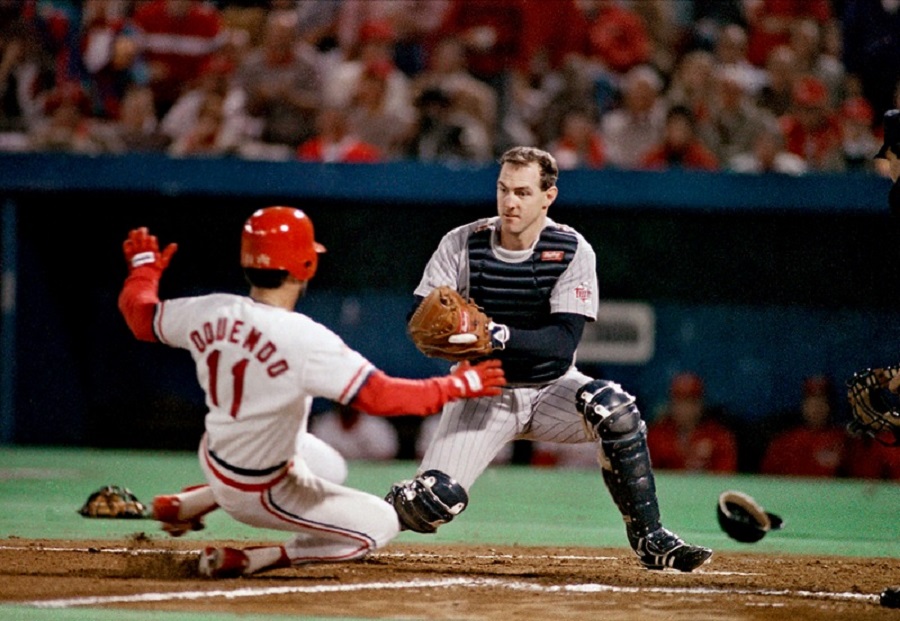 Laudner played nine seasons with the Twins, retiring towards the end of spring training in 1990. He also played high school football, where he was an all-state tight end, and high school baseball with Park Center, where he mostly pitched, including starting the semi-final state championship game in 1975. But in the summer of 1976 he converted to catcher and attended the University of Missouri. Three years later, he was drafted by the Twins and slugged 42 home runs in AA before getting called up to replace the injured Butch Wynegar in 1981. Laudner homered in both of his first two games with the Twins and went on to post double-digit home runs in four of his seasons and was named an All-Star in 1988. Since retirement he has worked as a project manager, run a Big League Baseball Camp and works as an analyst at Fox Sport North and Fox Sports Wisconsin. We're thrilled that he is interested in hanging out with the Twins Daily community and know you won't want to miss it, so here are the details: January 24th, from 5-8, at Mason's. Just walk the block from Target Field and TwinsFest and join us. Question & answers with Minnesota Twins President Dave St. Peter, Twins alum catcher and .... you'll need to wait until Monday to find out. Two free beers from local craft brewery 612 Brew. Drink Drink specials from Dobel Tequila and Three Olives Vodka. The limited edition Twins Daily Winter Meltdown Pint Glass Tickets go on sale Tuesday RIGHT HERE for $25! We sold out last year within hours. Plus the price goes up to $30 on Wednesday. PLEASE don't miss out. ~~~ Wednesday morning update: Time for a Meltdown! (The good kind.) Last year, the 1st Annual Twins Daily Winter Meltdown featured Twins president Dave St. Peter, former Twins pitcher Scott Erickson and Miguel Sano documentarian Jon Paley. Over 200 people showed up and advance tickets sold out inside of four hours. As with seemingly everything this community does, the stories that came out of it were legendary. Let’s do that again. On Saturday the 24th, from 5:00 to 8:00, we’ll be throwing the 2nd Annual Twins Daily Winter Meltdown. You can walk over from TwinsFest because the event will be just a block away, at Mason’s Restaurant and Barre on 6th and Hennepin. Not only will you get to gather with Twins Daily writers and members and talk Hot Stove, but we’ll include: A Twins Daily Winter Meltdown Pint Glass Two complimentary local craft beers from 612 Brew Drink specials on Dobel Tequila shots and Three Olives Naked Vodka drinks. Aaron Gleeman and John “Twins Geek” Bonnes interviewing three special Twins guests. We’ll announce two of the guests on Friday and Monday morning, but we can confirm that we’ll lead off with Twins President Dave St. Peter. St. Peter has served as President of the Twins since 2002, overseeing a decade of success, a move to Target Field and the recent struggles of the team. He has also made enormous efforts to engage Twins fans directly, including a very active (and popular) Twitter account. We really appreciate his support. And, you’ll be treated to some fantastic locally brewed beer from 612 Brew in Northeast Minneapolis. This is 612 Brew’s second year sponsoring our Meltdown and they have supported various Twins Daily and Gleeman and the Geek events for several years. They are some of the more creative brewers in the city, as their beer list details. Last year, the tricky part was getting tickets, and that could be true again. Tickets are $30, but because we want to reward those folks who stop by Twins Daily every day, they’ll be on sale for $25 the first day of the sale, TUESDAY (1/13). Even more importantly, last year they sold out by noon on the first day, so I HIGHLY RECOMMEND that you find a way to stop by TwinsDaily.com this Tuesday morning when they go on sale at 8AM at Twins Daily and get your tickets. Want to bring friends and family? Great. Mason’s is known for their fantastic food. Also, kids under 21 are absolutely welcome if they would like to meet or ask questions of our guests. (You’ll need ID to get any alcohol.) So please join us for our biggest event of the year. It’s easy, it’s affordable, it’s crazy fun and you’re going to be kicking yourself that weekend if you can’t be there. Stop by tomorrow for more news on our guests or follow us on Twitter and Facebook.
 -
I'll go Bad News Bears on the bit.... "Let him play! Let him play!" (Provided he feels up to it.)
-
Aaron and John meet at Stella’s and discuss: 1:00 – Free agents and MLB payrolls 7:00 – Phil Hughes Extension 21:00 – Tim Stauffer signing 36:00 – Ballpark effects 39:00 – Aaron’s Birthday 44:00 – Twins Daily Meltdown 46:00 – Farewell Chris Parmelee 52:00 – Twins catchers 55:00 – Going to Korea 59:00 – National Perception of the Twins 61:00 – Top 30 Tweeters 64:00 – Spring Training 68:15 – Aaron’s worst analogy ever 72:00 – Super Bowl WeekendYou can listen by downloading us from iTunes, Stitcher or find it at GleemanAndTheGeek.com. Or just click the Play button below. Click here to view the article
-
 You can listen by downloading us from iTunes, Stitcher or find it at GleemanAndTheGeek.com. Or just click the Play button below. http://traffic.libsyn.com/gleemangeek/Ep_176_Hughes_and_Stauffer.mp3
 -
Article: Projecting Payroll: 2015
John Bonnes replied to Jeremy Nygaard's topic in Twins Daily Front Page News
The extension to Dozier seems inevitable, right? I wonder how long they'll go. -
Those Twins fans hoping that the last spot in the Twins bullpen this year might go to a failed ex-starter may have gotten their wish today. It’s just that that failed ex-starter was with the Padres. The Minnesota Twins announced that they signed right-hander Tim Stauffer to a one-year, $2.2 milion contract today to compete for a bullpen spot. Stauffer is an ex-starter who was moved to the bullpen after suffering a couple of significant injuries while he served as a fringe starting pitcher in the Padres organization.In 2012, Stauffer had his elbow’s flexor tendon repaired and had undergone labrum surgery a few years earlier. He debuted way back in 2005 and was the third overall pick in 2003. This is his first team other than the Padres, who brought him back a few times. Last year Stauffer wasn’t a key cog in the Padres bullpen, rarely seeing high leverage innings unless they were in extra innings. But his stats as a reliever give hope that he has the potential for more. Last year he had 57 strikeouts and 19 walks in 56.1 innings, though he also posted a pretty mediocre 1.314WHIP. He also seemed to be helped by spacious Petco Park, giving up far fewer hits at home than on the road, but Target Field has a reputation as a pitcher-friendly park, too. He’s possibly better than he’s been used, and although he’s 31 years old, it’s a very affordable one-year deal and provides additional competition in a possibly already crowded bullpen. About the only people who should be opposed to this move are the other relievers in the Twins bullpen, unless the hope was that the Twins would sign a high-end reliever. Click here to view the article
-
 In 2012, Stauffer had his elbow’s flexor tendon repaired and had undergone labrum surgery a few years earlier. He debuted way back in 2005 and was the third overall pick in 2003. This is his first team other than the Padres, who brought him back a few times. Last year Stauffer wasn’t a key cog in the Padres bullpen, rarely seeing high leverage innings unless they were in extra innings. But his stats as a reliever give hope that he has the potential for more. Last year he had 57 strikeouts and 19 walks in 56.1 innings, though he also posted a pretty mediocre 1.314WHIP. He also seemed to be helped by spacious Petco Park, giving up far fewer hits at home than on the road, but Target Field has a reputation as a pitcher-friendly park, too. He’s possibly better than he’s been used, and although he’s 31 years old, it’s a very affordable one-year deal and provides additional competition in a possibly already crowded bullpen. About the only people who should be opposed to this move are the other relievers in the Twins bullpen, unless the hope was that the Twins would sign a high-end reliever.
 -
Aaron and John visit Mac’s Industrial Sports Bar and speculate on the Minnesota Twins remaining offseason plans, grill owner Michael Curry about how he bought his first bar, review the Twins new minor league coaching assignments, praise bad decisions on Christmas night, rank the Twins rotation versus the rest of the AL Central, eat WAY too much, anticipate Nick Punto’s return, encourage Aaron’s new foodie leanings and run through a mailbag.You can listen by downloading us from iTunes, Stitcher or find it at GleemanAndTheGeek.com. Or just click the Play button below. Click here to view the article
-
Article: Twins Extend Phil Hughes
John Bonnes replied to Seth Stohs's topic in Twins Daily Front Page News
I'm digesting this. I did not expect this. On the one hand, he's only 28 years old, and I'm firmly in the camp that thinks he is for real. Would I give a 5-year, $58 million contract to a guy to a guy like that? Yeah, I think I would. It's certainly favorable to the Santana deal, which seemed like a relative bargain. Would I rip up a fantastic contract to take on three extra years of risk? I'm a LOT more tentative about that. Even if he is for real, pitchers get hurt. But the last time Hughes missed much time for an injury was 2011 (shoulder) and has basically had a full load of starts four of the last five years. And again , he's just 28. OK, I like this deal - like it, don't love it. But that's from someone who is pretty skeptical about extensions. -
 You can listen by downloading us from iTunes, Stitcher or find it at GleemanAndTheGeek.com. Or just click the Play button below. http://traffic.libsyn.com/gleemangeek/Ep_175_Ranking_Rotations_and_Buying_Bars.mp3
 -
Aaron and John talk about the Twins signing Ervin Santana for $55 million, picking J.R. Graham in the Rule 5 draft, revisiting the Ricky Nolasco signing, using Harry's Razors for your holiday shopping, incident-free press conferences, full rotations, dropping Chris Parmelee and Chris Colabello, signing Shane Robinson, payroll debates, and Eduardo Escobar rumors.You can listen by downloading us from iTunes, Stitcher or find it at GleemanAndTheGeek.com. Or just click the Play button below. Click here to view the article
-
 You can listen by downloading us from iTunes, Stitcher or find it at GleemanAndTheGeek.com. Or just click the Play button below. http://traffic.libsyn.com/gleemangeek/Episode_174_Ervin_Santana.mp3


