



John Bonnes
-
Posts
6,785 -
Joined
-
Last visited
-
Days Won
4
Content Type
Profiles
News
Minnesota Twins Videos
2026 Minnesota Twins Top Prospects Ranking
2022 Minnesota Twins Draft Picks
Minnesota Twins Free Agent & Trade Rumors, Notes, & Tidbits
Guides & Resources
2023 Minnesota Twins Draft Picks
The Minnesota Twins Players Project
2024 Minnesota Twins Draft Picks
2025 Minnesota Twins Draft Pick Tracker
2026 Minnesota Twins Draft Tracker: Picks & Bonuses
Forums
Blogs
Events
Store
Downloads
Gallery
Everything posted by John Bonnes
-
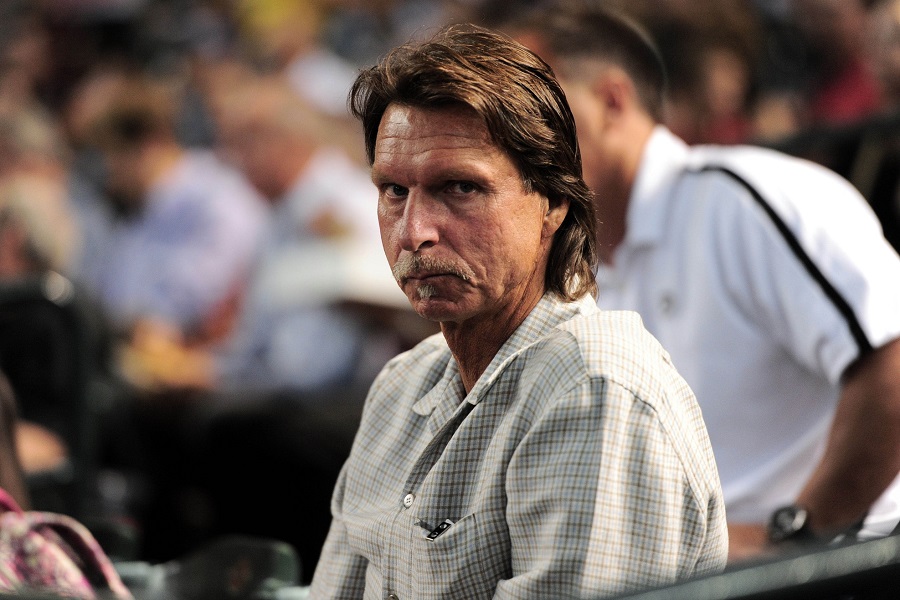 There weren't a lot of pitchers with high strikeout numbers. That surprised me because when one thinks of tall pitchers, one focuses on the best tall pitcher: Randy Johnson, who ranks second all-time in strikeouts. The pitchers were: Mike Smithson (6’ 8”), who debuted in 1982 as a 27-year-old, Randy Johnson (6’ 10”), who debuted in 1988 as a 24-year-old, Eric Hillman (6’ 10”), who debuted in 1992 as a 26-year-old, Mark Hendrickson (6’ 9”), who debuted in 2002 as a 28-year-old, Chris Young (6' 10"), who debuted in 2004 as a 25-year-old, Chris Volstad (6' 8"), who debuted in 2008 as a 21-year-old, Jeff Niemann (6' 9"), who debuted in 2008 as a 25-year-old and Doug Fister (6' 8"), who debuted in 2014 as a 25-year-old. Looking at their minor league records, Smithson, Hendrickson, Volstad and Hillman all had very mediocre strikeout rates, with the highest at 6.2. Fister’s was only 6.70, though he might end up being the second most valuable starting pitcher on this list. He was fairly effective when he debuted at 25 years old, but it wasn’t until he was traded to Detroit as a 27-year-old that he ratcheted up his control and started posting sub-4.00 ERAs. Meyer, on the other hand, has a 10.4 K/9 in his minor league career. That’s higher than even Randy Johnson had in the minors. The only other pitchers with a rate above mediocre are Chris Young (7.4 K/9) and Jeff Niemann (8.9 K/9). Young debuted as a 25-year-old, was decent as a 26-year-old, and looked like a future star as a 27-year-old. But his career was derailed shortly thereafter by multiple injuries and three surgeries, including facial reconstruction from a hit to the face and two independent shoulder surgeries. He is a great “what if?” (Thanks to Thrylos for helping research this.) But Meyer, who has been shut down each season due to a sore shoulder, reminds me most of Niemann. Niemann was drafted fourth overall and, as the Rays then were apt to do, signed to a major league contract. That’s significant because that meant he was on the 40-man roster and his three option years were needed as he worked his way through the minors. Niemann posted some outstanding numbers in the minors, but also suffered from shoulder and groin injuries, including an offseason shoulder surgery. He made a brief appearance in the majors in 2008 but was promoted to the club for good in 2009 as a 26-year-old, because he was out of options. He had a good rookie year and started well the next year, but faded badly as the season went on due to shoulder and back problems. The next two years were decent, but both were marred by injuries; he made just 31 starts over the two seasons. In his fifth year, he was battling for a job in spring training as a 30-year-old in the Rays rotation when they discovered that he had to undergo shoulder surgery. He hasn’t pitched in the minors or majors since. So to recap, Niemann was "rushed" to The Bigs as a 26-year-old. His career lasted a little over four years. He started less than 100 games. His overall record was 40-26 with a 4.08 ERA. Meyer and the Twins have a luxury that Niemann and the Rays did not; Meyer's demotion this year will only use the first of his three options. He won't need to be promoted for good until he is 28 years old. And as for caring for his shoulder, it's easier to limit and care for a pitcher who is out of he glare of the bright lights of The Show. It could also be, like Johnson, he's going to need some additional time to work through his control issues. Meyer posted a 4.4 BB/9 rate in Rochester last year, which is about 50% worse than average in the majors. At the beginning of this year, that rate is much worse, with a walk rate over 8 per nine innings. And, of course, it's likely to get worse in the majors. But he has three more years to work through those issues in Rochester if he needs them, without starting his service time clock. It may be that delaying his debut in the majors hurts his prospect ranking, but it's not clear that it hurts his long-term development. A look at other tall pitchers reveal that they often need extra time to harness their control and need to be cautious about with their workload to avoid injuries. Those areas should be the focus, not their age. if you would like to know more details about how this list of pitchers was assembled, see Part 1 of this story. Thanks to Thrylos, Hosken Bombo Disco, Jokin, 70charger & Kevin for their assistance in researching this study.
 -
 Aaron and John return to KFAN radio and talk about Trevor May's promising start, Joe Mauer's changed approach, Torii Hunter and Trevor Plouffe playing at extremes, Byron Buxton's timetable, Danny Santana turning back into a pumpkin, small crowds at Target Field, what to hope for with Ricky Nolasco, and bumper music choices. You can listen by downloading us from iTunes, Stitcher or find it at GleemanAndTheGeek.com. Or just click the Play button below. Click here to view the article
 -
 http://traffic.libsyn.com/gleemangeek/GATG_04192015_Final.mp3
 -
Five words: weekend baseball at Target Field. I've been waiting six months for those words and they're finally here. Now to scientifically determine which game to attend: Best Pitching Matchup Sometimes things just line up right - and then there is this series. Everything is off by a day, and it's the schedule makers fault. For some reason, the Indian's last series was just two games, so the rotations don't match up.For instance, if the baseball gods were smiling on us, we would get to see our ace, Phil Hughes, face the Indians ace (and 2015 Cy Young winner) Corey Kluber. But Kluber pitches Friday versus Mike Pelfrey and Hughes doesn't pitch until Saturday. The day after each of them take the mound, both teams will be starting 25-year-old prospects(1) whose questionable control(2) led to them being last minute demotions in spring training(3) but who have been recalled quickly due to other pitcher's injuries(4). Wouldn't that have been fun? But the Twins version, Trevor May, pitches on Sunday while his karmic Twin, Danny Salazar, pitches on Saturday. Winner: Saturday, I suppose, since it means I don't need to watch Mike Pelfrey on Friday or TJ House on Sunday. But mostly I want to just pout. Which Game Will Have The Best Weather? There is a 100% chance of rain for Sunday, so let's toss that one out. I'll take a Minnesota Summer Night over a Minnesota Summer Afternoon - but it's not summer. Winner: Saturday Afternoon Game With The Highest Percentage Of Hard Core Baseball People Saturday afternoon's game starts at 1:00 and the Wild playoff game starts at 2:00. I suspect that Hrbeks' and Town Hall Tap are going to be ROCKING. Winner: Tie between Friday and Sunday Game With Best Giveaway All three days the first 15,000 fans get a Twins magnet schedule. Anyone else need a bigger fridge for all of the magnet schedules they're accumulated over the years, or is that just me? It is. OK then. Winner: 3 way tie. Game With Most Fun Crowd If you haven't heard, there is a new bar at Target Field: Barrion on the lower level near the left field foul pole where a Twins Pro Shop used to be. (Don't remember that place? That's why it's now a bar.) Anyway, they have a couple of levels of standing room for watching the game, signature "Trinity" margaritas and a happy hour on Fridays if you get there between 4:30 and 5:30. Winner: Friday night Game With The Best Seats Sunday has the most availability and the best prices across the board, including SIX Champions Club tickets. Love those. Winner: Sunday. Game Most Likely To Feature High Stirrup Socks In case you missed it, new Twins reliever J.D. Graham wears his stirrups high to help his legally blind mom see him on the field. Now don't you feel bad about booing him at the home opener? Don't be too hard on yourself. You're just a bad person. Winner: Friday. Mike Pelfrey is starting that game, which would seem to suggest we're most likely to see the backend of the bullpen that game. Game Twins Are Most Likely To Win It's possible the Twins could be favored in two of the three games this weekend. How often can you say that? Hughes vs. Salazar on Saturday seems to be in the Twins favor, especially if Salazar struggles with his command like he did in spring training (but not in his last AAA start). But if the weather holds up, I'll go with Sunday, because TJ House had a truly miserable outing in his last start, giving up six runs in just 1.1 innings vs. Detroit, which was also a Sunday afternoon game. On the other hand, he's left-handed and posted a 3.35 ERA last year. Winner: Me, for being so optimistic. Most Likely To See A Twins Team Not In Last Place If the Twins win on Friday night, they pass the Indians for fourth place in the AL Central. Doesn't that sound like a round of bad idea Friday night shots just waiting to be downed? Winner: Friday The winner is: Friday night. Also, us, for having this option this early in the spring. We’ll see you at the ballpark. Click here to view the article
-
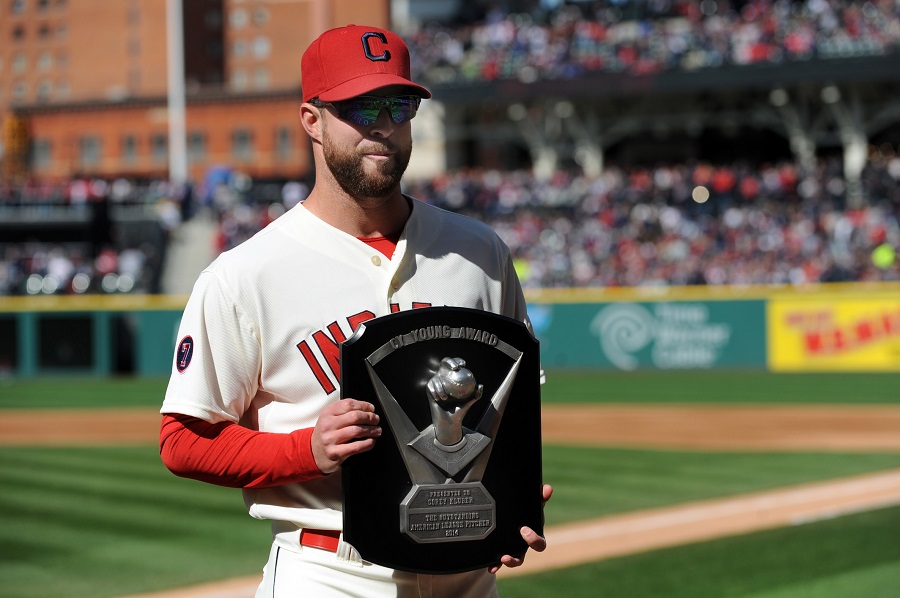 For instance, if the baseball gods were smiling on us, we would get to see our ace, Phil Hughes, face the Indians ace (and 2015 Cy Young winner) Corey Kluber. But Kluber pitches Friday versus Mike Pelfrey and Hughes doesn't pitch until Saturday. The day after each of them take the mound, both teams will be starting 25-year-old prospects(1) whose questionable control(2) led to them being last minute demotions in spring training(3) but who have been recalled quickly due to other pitcher's injuries(4). Wouldn't that have been fun? But the Twins version, Trevor May, pitches on Sunday while his karmic Twin, Danny Salazar, pitches on Saturday. Winner: Saturday, I suppose, since it means I don't need to watch Mike Pelfrey on Friday or TJ House on Sunday. But mostly I want to just pout. Which Game Will Have The Best Weather? There is a 100% chance of rain for Sunday, so let's toss that one out. I'll take a Minnesota Summer Night over a Minnesota Summer Afternoon - but it's not summer. Winner: Saturday Afternoon Game With The Highest Percentage Of Hard Core Baseball People Saturday afternoon's game starts at 1:00 and the Wild playoff game starts at 2:00. I suspect that Hrbeks' and Town Hall Tap are going to be ROCKING. Winner: Tie between Friday and Sunday Game With Best Giveaway All three days the first 15,000 fans get a Twins magnet schedule. Anyone else need a bigger fridge for all of the magnet schedules they're accumulated over the years, or is that just me? It is. OK then. Winner: 3 way tie. Game With Most Fun Crowd If you haven't heard, there is a new bar at Target Field: Barrion on the lower level near the left field foul pole where a Twins Pro Shop used to be. (Don't remember that place? That's why it's now a bar.) Anyway, they have a couple of levels of standing room for watching the game, signature "Trinity" margaritas and a happy hour on Fridays if you get there between 4:30 and 5:30. Winner: Friday night Game With The Best Seats Sunday has the most availability and the best prices across the board, including SIX Champions Club tickets. Love those. Winner: Sunday. Game Most Likely To Feature High Stirrup Socks In case you missed it, new Twins reliever J.D. Graham wears his stirrups high to help his legally blind mom see him on the field. Now don't you feel bad about booing him at the home opener? Don't be too hard on yourself. You're just a bad person. Winner: Friday. Mike Pelfrey is starting that game, which would seem to suggest we're most likely to see the backend of the bullpen that game. Game Twins Are Most Likely To Win It's possible the Twins could be favored in two of the three games this weekend. How often can you say that? Hughes vs. Salazar on Saturday seems to be in the Twins favor, especially if Salazar struggles with his command like he did in spring training (but not in his last AAA start). But if the weather holds up, I'll go with Sunday, because TJ House had a truly miserable outing in his last start, giving up six runs in just 1.1 innings vs. Detroit, which was also a Sunday afternoon game. On the other hand, he's left-handed and posted a 3.35 ERA last year. Winner: Me, for being so optimistic. Most Likely To See A Twins Team Not In Last Place If the Twins win on Friday night, they pass the Indians for fourth place in the AL Central. Doesn't that sound like a round of bad idea Friday night shots just waiting to be downed? Winner: Friday The winner is: Friday night. Also, us, for having this option this early in the spring. We’ll see you at the ballpark.
 -
What drives this site is the sense of community that can develop around sports, and nothing demonstrates that more than a playoff run. Tonight the Minnesota Wild begins their quest for a Stanley Cup by facing one of the NHL favorites, the St. Louis Blues. More are always welcome in the community, so stop by WildXtra.com and check out: The forums, duh. Your Twins Daily user id works there, by the way.A series of stories comparing the Wild and Blues, starting with the goaltenders.If you want to get to know the Wild players a bit better, check out their end of season grades.The Wild and Blues are so highly regarded you could be watching the Western Conference Finals two weeks early. Here is a short preview of the matchup. And there are matchups of all the other first round games, too.Then go back to the forums. Because community.The Wild have been one of the best stories in American professional sports this spring – and it could all come to a sudden tragic crash in true Minnesota fashion. Or it could be glorious. Risking that with others is what makes sports great. We’ll see you there. Click here to view the article
-
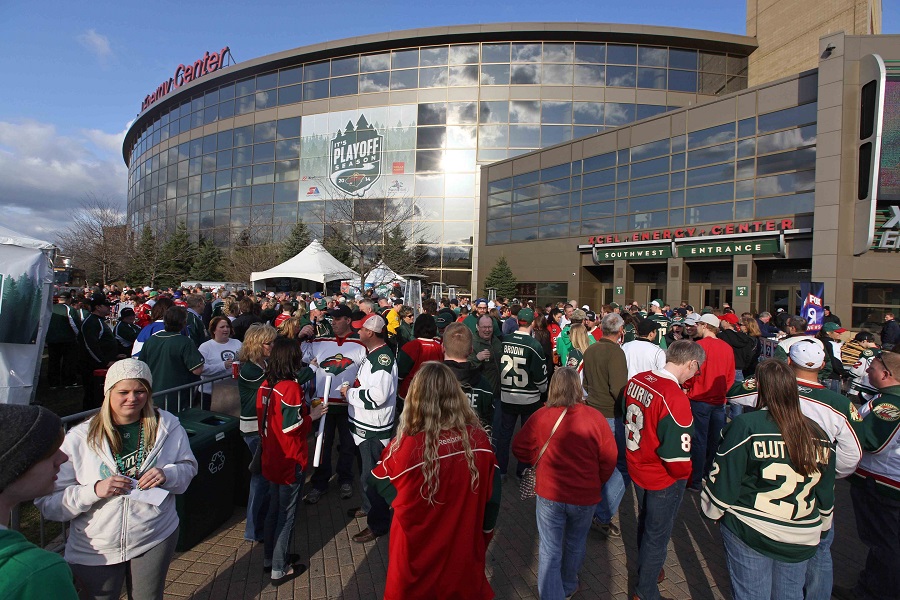 The forums, duh. Your Twins Daily user id works there, by the way. A series of stories comparing the Wild and Blues, starting with the goaltenders. If you want to get to know the Wild players a bit better, check out their end of season grades. The Wild and Blues are so highly regarded you could be watching the Western Conference Finals two weeks early. Here is a short preview of the matchup. And there are matchups of all the other first round games, too. Then go back to the forums. Because community. The Wild have been one of the best stories in American professional sports this spring – and it could all come to a sudden tragic crash in true Minnesota fashion. Or it could be glorious. Risking that with others is what makes sports great. We’ll see you there.
 -
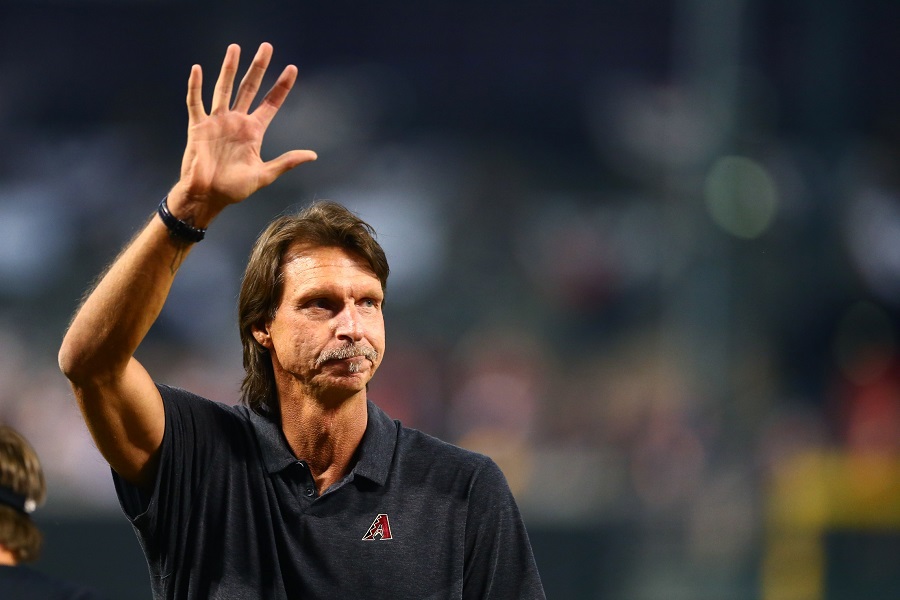 Meyer has a “different body type” in that he’s 6’ 9”. Tall pitchers are viewed as both blessed and cursed. Their height can result in more leverage, higher velocity and different angles to which the hitter must adjust. But they also tend to struggle with their mechanics and thus, their control, which Meyer did in the spring training start before he was sent down and again yesterday. Could this mean that taller pitchers tend to develop later than other pitchers? Since 1980, there are only eight 6'8" or taller pitchers who have had at least 30 major league starts and were primarily used as starting pitchers for their career. Here’s the list: Mike Smithson (6’ 8”) debuted in 1982 as a 27-year-old Randy Johnson (6’ 10”) debuted in 1988 as a 24-year-old Eric Hillman (6’ 10”) debuted in 1992 as a 26-year-old Mark Hendrickson (6’ 9”) debuted in 2002 as a 28-year-old Chris Young debuted in 20014 as a 25-year-old Chris Volstad debuted in 2008 as a 21-year-old Jeff Niemann debuted in 2008 as a 25-year-old Doug Fister debuted in 2014 as a 25-year-old The average age of those guys at their debut is a little over 25-years old. Of course, there are a lot of factors for when a player makes their debut beyond “Are they ready?” The rotation's relative strength, the hype of the prospect and how many options the prospect have can all play a part. We think of talk pitchers as strikeout machines, like Randy Johnson, whose career strikeout rate was 10.1 K/9. (Read that last statistic again.) Johnson’s not only in the Hall of Fame, he ranks second all time in strikeouts. But it’s worth noting that he was a late bloomer. Not only did he not debut until he was 24 years old, he was still posting walk rates in the majors over 6 BB/9(!) through his age 27 season. He didn’t become the ace everyone remembers until he was 28. And then he pitched until he was 45. “A lot of time to be really good” indeed. Johnson should also be given credit for transforming the way baseball treated tall pitchers. In the 88 years before he debuted, there had only been three pitchers with 30 or more starts who were 6’ 8”, and none that were taller. In the 26 years after, there have been seven. But they are not all strikeout machines. In fact, most of them are not. Part two will look at each of our tall pitchers a little more in-depth, looking for pitchers that also compare to Alex Meyer's minor league strikeout rate. Thanks to Thrylos, Hosken Bombo Disco, Jokin, 70charger & Kevin for their assistance in researching this study.
 -
Last month, when Twins pitching prospect Alex Meyer was taken off of the spring training roster, I asked Twins Manager Paul Molitor if the fact that Meyer is 25 years old and hasn’t reached the majors yet was a concern. “Not to me,” replied Molitor. “Just different people at different times. Sometimes different body types take a little longer to fix issues like [mechanics], too. He’s got a lot of time to be really good.”Meyer has a “different body type” in that he’s 6’ 9”. Tall pitchers are generally viewed as both a blessing and curse. Their height can result in more leverage, higher velocity and different angles to which the hitter must adjust. But they also tend to struggle with their mechanics and thus, their control, which Meyer did in the spring training start before he was sent down and again yesterday. Could this mean that taller pitchers tend to develop later than other pitchers? Since 1980, there are only eight 6'8" or taller pitchers who have had at least 30 major league starts and were primarily used as starting pitchers for their career. Here’s the list: Mike Smithson (6’ 8”) debuted in 1982 as a 27-year-oldRandy Johnson (6’ 10”) debuted in 1988 as a 24-year-oldEric Hillman (6’ 10”) debuted in 1992 as a 26-year-oldMark Hendrickson (6’ 9”) debuted in 2002 as a 28-year-oldChris Young debuted in 20014 as a 25-year-oldChris Volstad debuted in 2008 as a 21-year-oldJeff Niemann debuted in 2008 as a 25-year-oldDoug Fister debuted in 2014 as a 25-year-oldThe average age of those guys at their debut is a little over 25-years old. Of course, there are a lot of factors for when a player makes their debut beyond “Are they ready?” The rotation's relative strength, the hype of the prospect and how many options the prospect have can all play a part. We think of talk pitchers as strikeout machines, like Randy Johnson, whose career strikeout rate was 10.1 K/9. (Read that last statistic again.) Johnson’s not only in the Hall of Fame, he ranks second all time in strikeouts. But it’s worth noting that he was a late bloomer. Not only did he not debut until he was 24 years old, he was still posting walk rates in the majors over 6 BB/9(!) through his age 27 season. He didn’t become the ace everyone remembers until he was 28. And then he pitched until he was 45. “A lot of time to be really good” indeed. Johnson should also be given credit for transforming the way baseball treated tall pitchers. In the 88 years before he debuted, there had only been three pitchers with 30 or more starts who were 6’ 8”, and none that were taller. In the 26 years after, there have been seven. But they are not all strikeout machines. In fact, most of them are not. Part two will look at each of our tall pitchers a little more in-depth, looking for pitchers that also compare to Alex Meyer's minor league strikeout rate. Thanks to Thrylos, Hosken Bombo Disco, Jokin, 70charger & Kevin for their assistance in researching this study. Click here to view the article
-
Article: Twins Lose, Fans Boo, So Hope Remains
John Bonnes replied to John Bonnes's topic in Twins Daily Front Page News
I don't know. They might have thought that he could better handle the limited dimensions of right field in Target Field than he could in Comerica Park. They might have just had trouble reconciling what their own eyes saw with the Hunter they remembered. They might have recognized he wasn't a good fielder but thought he also wasn't a bad fielder. Or maybe they thought his arm and attitude would make up for his reduced range. And I don't think you're calling Ryan a liar. And it might be that Ryan was saying he thought Hunter was a good fielder but didn't truly believe it himself. But I think they thought Hunter was a better fielder than we have seen so far. -
Article: Twins Lose, Fans Boo, So Hope Remains
John Bonnes replied to John Bonnes's topic in Twins Daily Front Page News
That record is safe thanks to the teflon toilet bowl that was the Metrodome.... In 1982, the Metrodome opened with a lot of pomp and circumstance, drawing 52,279 excited fans. And thus, the Metrodome's golden era ended, because the next night they drew just 5,213. That's a different of over 47,000 fans, which is more than Target Field holds. (BTW, by the end of that week, Calvin Griffith has started a fire sale. He made three big trades by mid-May to dump veterans. Among them were Butch Wynegar and Roy Smalley.)- 136 replies
-
- 4
-

-
- paul molitor
- casey fien
- (and 3 more)
-
Article: Twins Lose, Fans Boo, So Hope Remains
John Bonnes replied to John Bonnes's topic in Twins Daily Front Page News
One more, regarding Molitor: It's obviously way too early to judge any manager in the first week of a season. That is obvious. But this team does not look prepared. And form the outside, it appears that he should get as much heat for the final roster decisions as Terry Ryan. There was a lot of talk in ST about how he and Ryan were on the same page with those.- 136 replies
-
- 5
-
-
- paul molitor
- casey fien
- (and 3 more)
-
Article: Twins Lose, Fans Boo, So Hope Remains
John Bonnes replied to John Bonnes's topic in Twins Daily Front Page News
A couple of replies to thoughts.... Terry Ryan sits down with the media before EVERY game, both in season and in spring training, to answer questions. He may have been wrong about this team, but this was not a lie. Nor was Hunter "just" a marketing ploy. They thought he had something left in the tank and they hoped he would help with the kids. Unfortunately, the primary kid I think they wanted to help - Hicks - is in Rochester. And Hunter either was not prepared enough (maybe due to it being a homecoming) or slumping or has got old fast. I will say this - I'm not sure they really understood his defensive shortcomings. I don't know if we'll ever know that. They're not going to trash him, and he's trying out there - he's just failing. They will tell you they are very suspicious of defensive metrics. This does feel like a crisis from the outside. It feels like they could be on a path where nobody's job is safe. It's very early on that path, but when a team is 1-6 and is playing even worse baseball than that represents, just about anything is in play. I will add some optimistic notes: - I don't believe this team is as bad as they are showing right now. - Trevor May showed some real resilience yesterday. - A really bad start could mean a lot of prospects a lot sooner than we planned. - If the Twins really wanted to fix the OF defense, they have a highly prized centerfielder in AA right now whose defense draws rave reviews. - The bullpen fixes could (and should) come quickly.- 136 replies
-
- 12
-
-
- paul molitor
- casey fien
- (and 3 more)
-
For the Twins, the good news was that the fans showed up. They filled Target Field. They overran every establishment in the warehouse district. They turned the Twins home opener into a state holiday. But there was even better news. They booed. It started as groans in the third inning and escalated to scattered heckles in the sixth as outfielders showed their (well known) defensive limitations. And when it got really ugly in the top of the eighth, Twins Territory booed. Lustily. Robustly. Disgustedly.That was a good sign for the Twins. It shows that maybe they haven’t completely lost their fans after four (plus one week) really crummy seasons. But it is a less good sign for the people at the top of that organization who might be facing a crisis in confidence that I never thought I’d see. This offseason, General Manager Terry Ryan and the Twins doled out three guaranteed contracts and raised expectations with talk of being competitive. But their biggest free agent signing, pitcher Ervin Santana, was caught taking performance-enhancing drugs. The reliever Ryan signed, Tim Stauffer, has a 8.10 ERA despite being limited to mop-up duties. And the beloved veteran leader Torii Hunter, who was brought back to shepherd immature talent, is hitting .130 and keeps being burned defensively. It gets worse. Ryan faces all these challenges with a rookie – not just at the big league level but at any level - manager whose team looks inept defensively and, anemic offensively, but at least they have a disastrous bullpen. Today the Twins lost their home opener by more runs than they had ever lost any other home opener. They are already six games back of the Royals in the AL Central - and they’ve only played seven games. But that general stuff isn’t why the fans booed. They booed because the infield failed to turn double plays to get Trevor May out of an inning. The booed because long fly balls to the gap kept falling just out of the reach of the outfielders and because relay throws dribbled untouched through the infield. And they booed watching reliever after reliever be thrown like so much dry oak onto a pyre. In case you’re wondering if it’s time to panic, it certainly is in regard to the Twins bullpen. They don’t have a single right-hander that rookie Manager Paul Molitor can (or should) trust right now, with the possible exception of Casey Fien who says his shoulder is healthy. Even he is not a sure thing, given last season’s late fade, underwhelming spring training and recent missed games. We’ll see. If he’s injured, we’ll also see just how much damage he does before the Twins shut him down. If Fien is healthy, one of the other three right-handers needs to be a sacrificial lamb for Michael Tonkin or Mark Hamburger or Ryan Pressly or Lester Oliveros or whoever. My best guess now would be Pressly, but far more interesting is which reliever (or two) they demote. The correct answer is “Blain Boyer” who offers little in terms of future impact or historical success. Tim Stauffer offers the latter and JR Graham the former, but both in limited doses, so I’m not sure there is a wrong answer here. The tougher problem (and probably less urgent) is what to do about the outfield defense. Oswaldo Arcia and Hunter are not strong defenders as Monday’s game showed, but the Twins had to know what they were getting with both of them, even if they didn’t want to publicly acknowledge it about Hunter. But the corner outfielders’ limitations are exacerbated by center-fielders who are too mediocre to help in the gaps. They’re further inflamed by substitutes who aren’t outfielders and might actually be worse defensively. If Arcia and Hunter can’t be moved around (and doing so would require pressing the panic button) then maybe this team needs to search for an elite defensive center fielder. Perhaps they can work out a way to get Peter Bourjos from the Cardinals. He can’t hit, but neither can Shane Robinson, and Bourjos can at least reach those bouncing balls in the gap before Hunter or Arcia, which didn’t happen today. And finally, there is the lineup. There are several guys who look lost in the tall weeds right now, but the biggest culprit is Hunter. Hunter has been batting cleanup and entered today’s game 0-11 with runners on base, partly because pitchers seem to recognize they don’t need to throw him strikes. Or maybe the culprit is whoever keeps writing Hunter into the lineup right behind Joe Mauer, who entered today with a .417 on-base percentage. There are several more areas that could be dissected; there are certainly several more that were obvious to the vocal fans at Target Field at Monday. It was also obvious that one inning after the boos rained down, the stadium was only one-third filled with an inning left to play. Beyond the twitter snark and blogger treatises and talk radio rants lies a barren, quiet place called Apathy. This Twins season seems to be hurtling toward that arid wasteland. The best news yesterday was that the Twins haven’t reached that destination. Yet. Click here to view the article
- 136 replies
-
- 6
-
-
- paul molitor
- casey fien
- (and 3 more)
-
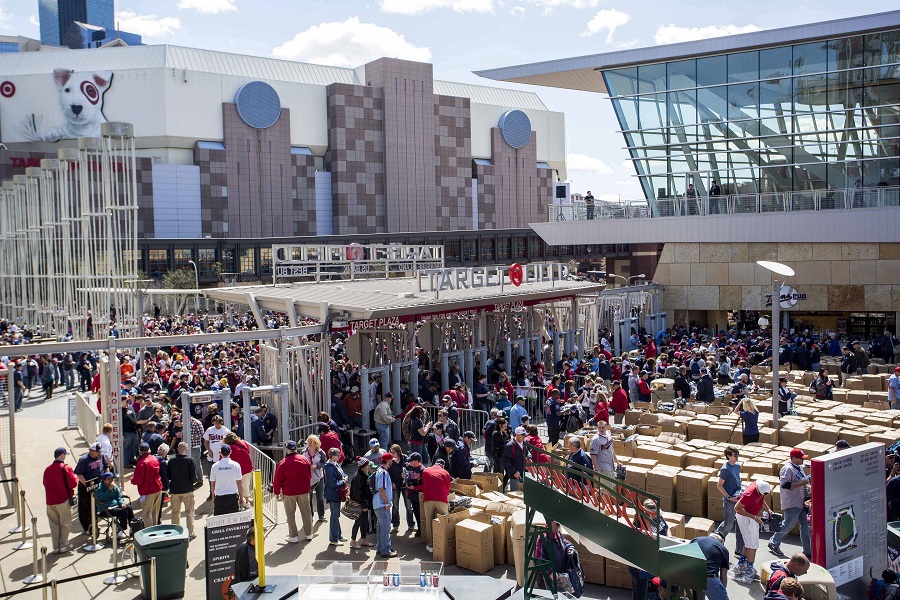 That was a good sign for the Twins. It shows that maybe they haven’t completely lost their fans after four (plus one week) really crummy seasons. But it is a less good sign for the people at the top of that organization who might be facing a crisis in confidence that I never thought I’d see. This offseason, General Manager Terry Ryan and the Twins doled out three guaranteed contracts and raised expectations with talk of being competitive. But their biggest free agent signing, pitcher Ervin Santana, was caught taking performance-enhancing drugs. The reliever Ryan signed, Tim Stauffer, has a 8.10 ERA despite being limited to mop-up duties. And the beloved veteran leader Torii Hunter, who was brought back to shepherd immature talent, is hitting .130 and keeps being burned defensively. It gets worse. Ryan faces all these challenges with a rookie – not just at the big league level but at any level - manager whose team looks inept defensively and, anemic offensively, but at least they have a disastrous bullpen. Today the Twins lost their home opener by more runs than they had ever lost any other home opener. They are already six games back of the Royals in the AL Central - and they’ve only played seven games. But that general stuff isn’t why the fans booed. They booed because the infield failed to turn double plays to get Trevor May out of an inning. The booed because long fly balls to the gap kept falling just out of the reach of the outfielders and because relay throws dribbled untouched through the infield. And they booed watching reliever after reliever be thrown like so much dry oak onto a pyre. In case you’re wondering if it’s time to panic, it certainly is in regard to the Twins bullpen. They don’t have a single right-hander that rookie Manager Paul Molitor can (or should) trust right now, with the possible exception of Casey Fien who says his shoulder is healthy. Even he is not a sure thing, given last season’s late fade, underwhelming spring training and recent missed games. We’ll see. If he’s injured, we’ll also see just how much damage he does before the Twins shut him down. If Fien is healthy, one of the other three right-handers needs to be a sacrificial lamb for Michael Tonkin or Mark Hamburger or Ryan Pressly or Lester Oliveros or whoever. My best guess now would be Pressly, but far more interesting is which reliever (or two) they demote. The correct answer is “Blain Boyer” who offers little in terms of future impact or historical success. Tim Stauffer offers the latter and JR Graham the former, but both in limited doses, so I’m not sure there is a wrong answer here. The tougher problem (and probably less urgent) is what to do about the outfield defense. Oswaldo Arcia and Hunter are not strong defenders as Monday’s game showed, but the Twins had to know what they were getting with both of them, even if they didn’t want to publicly acknowledge it about Hunter. But the corner outfielders’ limitations are exacerbated by center-fielders who are too mediocre to help in the gaps. They’re further inflamed by substitutes who aren’t outfielders and might actually be worse defensively. If Arcia and Hunter can’t be moved around (and doing so would require pressing the panic button) then maybe this team needs to search for an elite defensive center fielder. Perhaps they can work out a way to get Peter Bourjos from the Cardinals. He can’t hit, but neither can Shane Robinson, and Bourjos can at least reach those bouncing balls in the gap before Hunter or Arcia, which didn’t happen today. And finally, there is the lineup. There are several guys who look lost in the tall weeds right now, but the biggest culprit is Hunter. Hunter has been batting cleanup and entered today’s game 0-11 with runners on base, partly because pitchers seem to recognize they don’t need to throw him strikes. Or maybe the culprit is whoever keeps writing Hunter into the lineup right behind Joe Mauer, who entered today with a .417 on-base percentage. There are several more areas that could be dissected; there are certainly several more that were obvious to the vocal fans at Target Field at Monday. It was also obvious that one inning after the boos rained down, the stadium was only one-third filled with an inning left to play. Beyond the twitter snark and blogger treatises and talk radio rants lies a barren, quiet place called Apathy. This Twins season seems to be hurtling toward that arid wasteland. The best news yesterday was that the Twins haven’t reached that destination. Yet.
 -
Aaron and John talk about the Twins' rough opening week, Torii Hunter struggling in the cleanup spot, Trevor May joining the rotation, John's trip to Vegas, Blaine Boyer going as badly as expected, Harry's Razors giving listeners a nice discount, Gleeman Disciples' initiation rites, Paul Molitor's willingness to platoon, where the Twins' top 40 prospects can be found in the minors, and hanging out at Mason's Barre. You can listen by downloading us from iTunes, Stitcher or find it at GleemanAndTheGeek.com. Or just click the Play button below. Click here to view the article
-
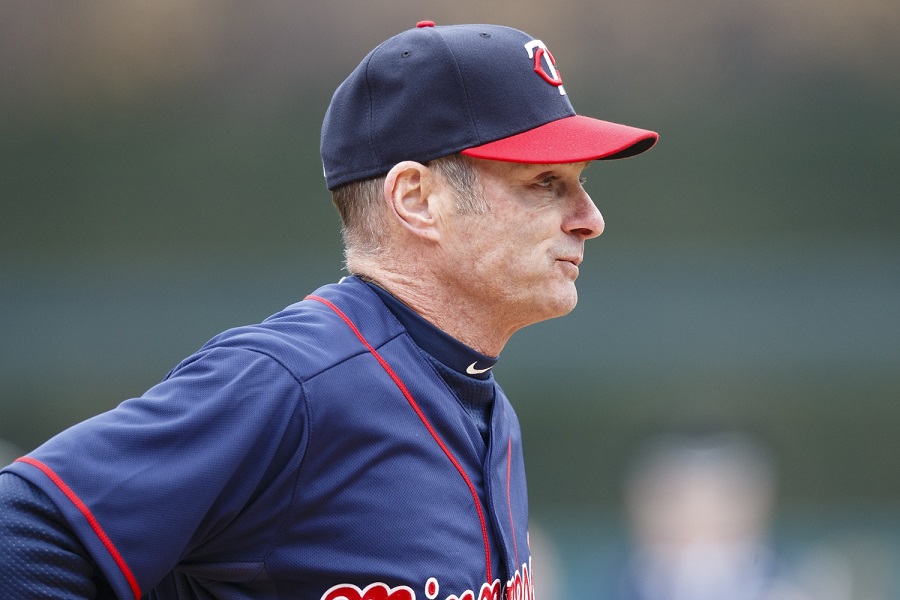 http://traffic.libsyn.com/gleemangeek/Ep_189_The_Opening_Week_Blues.mp3
 -
Happy Opening Day! The Home Opener will get all the attention (and attendance). But which Twins/Royals game is "The Ticket" this week? We’ll break it down….. Best Pitching Matchup Monday, beacuse it includes Trevor May and he’s so important to this season. After spending over $100M on free agent pitchers the last two years, the Twins need some help. The 25-year-old May could be a big part of the rotation for several years to come.Last year, we watched May come up and walk the ballpark in his first game, but he ratcheted up his control after that, walking 15 guys in 43.2 IP – versus 44 strikeouts. He also looked pretty good in limited time in spring training. But what you’ll really want to watch is how he pitches with runners on base. That was a significant issue: he was a different pitcher when pitching from the stretch. Last year he had a .241 batting average against when the bases were empty, but .421 batting average against when a runner was on. When the bases were empty, he struck out four times as many batters as he walked. But when a runner was on, he walked more than he struck out. He was also three times more likely to give up a home run with a runner on base. May can look unstoppable when he is working with a clean slate. But when runners get on base, his pace slows, his control loosens and he looks flustered. Is it mechanics? Confidence? Composure? A little of each? See for yourself. Winner: Monday. Which Game Has Been Immediately Preceded By Five Months Of Not Going To A Baseball Game? Trick question. The answer is: Winner: All of them (provided you only go to one of the games). Which Game Has The Best Tickets Available? Well, the home opener has been sold out for weeks, thanks in part to a sweet sweatshirt you can get. The good news is Ticket King still has home opener tickets available for as low as $120. The next two games are the targets of true bargain hunters. I see reasonable Target Field tickets for Wednesday, but I see a whole slew of tickets under $10 for Thursday. (And they’re even cheaper if you use Twins Daily’s secret discount code below.) Winner: Thursday Which Game Can I Expense? The home opener allows your client to miss work, brag to their friends and start happy hour early. Seems like it’s custom made to me. Winner: Monday What If I Work For A Living? Then Wednesday night’s 7:10 game is for you. Plus, you’ll get to watch Kyle Gibson, who may need to work for a living if he doesn’t do a better job than that 3.2 inning start last Wednesday at Detroit. Winner: Wednesday Which Game Will Have The Best Weather? Spring sprung just in time for this series and for the whole homestand. Opt for the third game, which starts at 12:10 PM, giving you lots of sunshine and Vitamin D. Winner: Thursday because Vitamin D is important. Best Game For The Family Not only is Wednesday’s game the only one outside of school hours, it will also give you a chance to talk up Jackie Robinson to your kids, since the Twins (and all of MLB) will be celebrating the 68th anniversary of his first game. If you really want to make an impression, use the off day on Tuesday to watch the movie 42. Winner: Wednesday What If I Want To See The World Make No Sense? The Royals are the American League pennant winners AND off to a 6-0 start this season. Those are both hard to believe. But the big surprise is what has driven their hot start: home runs. The Royals rank second in major league baseball with eight home runs this year. That is amazing because -- as well as last year’s AL Champs played -- their power was anemic. They Royals hit just 95 home runs last year. This year they’re on pace for 216. And it’s not like they added a bunch of sluggers. One could argue that their biggest power addition was Kendrys Morales. Yup, the same Kendrys Morales who hit one home run in his seven weeks with the Twins. So if you want to see a team continue to surprise us, I recommend…… Winner: Monday, because there is no way this lasts, right? There you have it: Monday's home opener wins with three votes, but you can’t go wrong when baseball, spring and good weather come together. We’ll see you at the ballpark. Click here to view the article
-
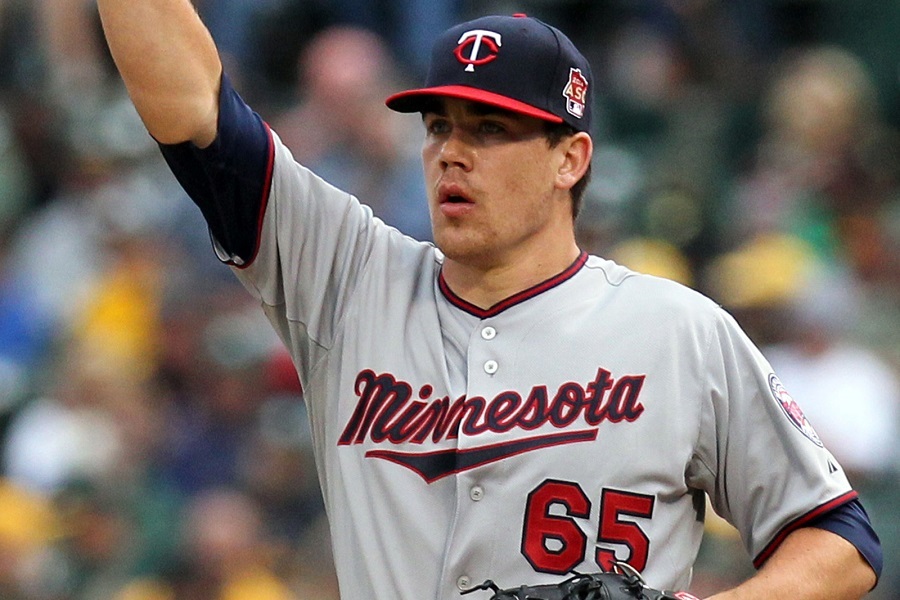 Last year, we watched May come up and walk the ballpark in his first game, but he ratcheted up his control after that, walking 15 guys in 43.2 IP – versus 44 strikeouts. He also looked pretty good in limited time in spring training. But what you’ll really want to watch is how he pitches with runners on base. That was a significant issue: he was a different pitcher when pitching from the stretch. Last year he had a .241 batting average against when the bases were empty, but .421 batting average against when a runner was on. When the bases were empty, he struck out four times as many batters as he walked. But when a runner was on, he walked more than he struck out. He was also three times more likely to give up a home run with a runner on base. May can look unstoppable when he is working with a clean slate. But when runners get on base, his pace slows, his control loosens and he looks flustered. Is it mechanics? Confidence? Composure? A little of each? See for yourself. Winner: Monday. Which Game Has Been Immediately Preceded By Five Months Of Not Going To A Baseball Game? Trick question. The answer is: Winner: All of them (provided you only go to one of the games). Which Game Has The Best Tickets Available? Well, the home opener has been sold out for weeks, thanks in part to a sweet sweatshirt you can get. The good news is Ticket King still has home opener tickets available for as low as $120. The next two games are the targets of true bargain hunters. I see reasonable Target Field tickets for Wednesday, but I see a whole slew of tickets under $10 for Thursday. (And they’re even cheaper if you use Twins Daily’s secret discount code below.) Winner: Thursday Which Game Can I Expense? The home opener allows your client to miss work, brag to their friends and start happy hour early. Seems like it’s custom made to me. Winner: Monday What If I Work For A Living? Then Wednesday night’s 7:10 game is for you. Plus, you’ll get to watch Kyle Gibson, who may need to work for a living if he doesn’t do a better job than that 3.2 inning start last Wednesday at Detroit. Winner: Wednesday Which Game Will Have The Best Weather? Spring sprung just in time for this series and for the whole homestand. Opt for the third game, which starts at 12:10 PM, giving you lots of sunshine and Vitamin D. Winner: Thursday because Vitamin D is important. Best Game For The Family Not only is Wednesday’s game the only one outside of school hours, it will also give you a chance to talk up Jackie Robinson to your kids, since the Twins (and all of MLB) will be celebrating the 68th anniversary of his first game. If you really want to make an impression, use the off day on Tuesday to watch the movie 42. Winner: Wednesday What If I Want To See The World Make No Sense? The Royals are the American League pennant winners AND off to a 6-0 start this season. Those are both hard to believe. But the big surprise is what has driven their hot start: home runs. The Royals rank second in major league baseball with eight home runs this year. That is amazing because -- as well as last year’s AL Champs played -- their power was anemic. They Royals hit just 95 home runs last year. This year they’re on pace for 216. And it’s not like they added a bunch of sluggers. One could argue that their biggest power addition was Kendrys Morales. Yup, the same Kendrys Morales who hit one home run in his seven weeks with the Twins. So if you want to see a team continue to surprise us, I recommend…… Winner: Monday, because there is no way this lasts, right? There you have it: Monday's home opener wins with three votes, but you can’t go wrong when baseball, spring and good weather come together. We’ll see you at the ballpark.
 -
Aaron and John talk about Ervin Santana being suspended for 80 games, over/under win totals for the Twins and other AL Central teams, laughing at a funeral, Josmil Pinto losing the backup catcher job, Mike Pelfrey getting his wish, Kyle Gibson needing to step up, and basically everyone outside of Minnesota predicting the Twins will stink again. You can listen by downloading us from iTunes, Stitcher or find it at GleemanAndTheGeek.com. Or just click the Play button below. Click here to view the article
-
 http://traffic.libsyn.com/gleemangeek/Episode_188_Santanas_Suspension_and_AL_Central_Over-Unders.mp3
 -
Pelfrey to the rotation, Thompson chosen over Thielbar. I'm officially worried about how Molitor (or his staff) chooses his pitchers. Maybe that "Gardy always does a good bullpen" was a little too true. And FWIW, I don't see a lot about legitimate products in which Stanozolol can be found. It was what also what nailed Olympic sprinter Ben Johnson back in 1988. I wonder just how long Santana has been using it.
-
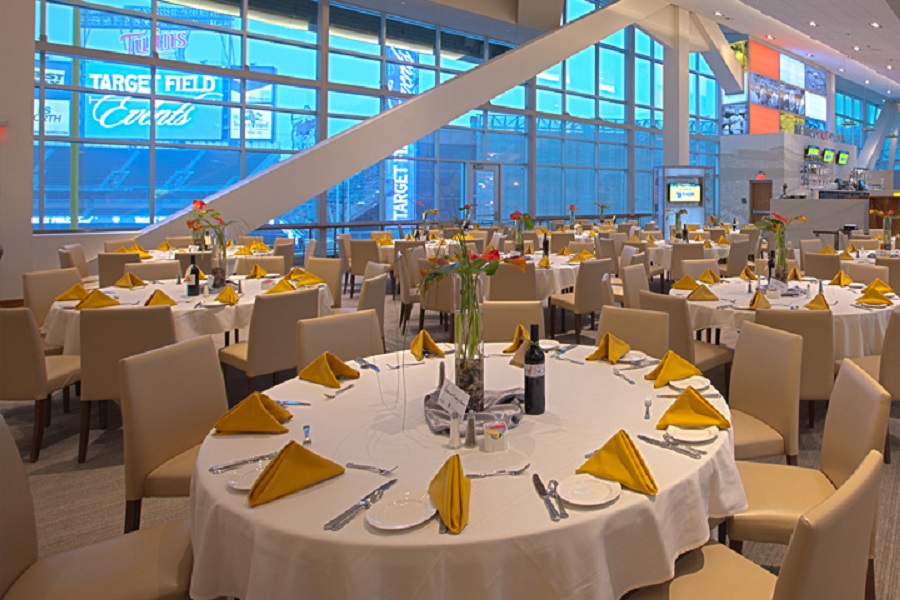 Enjoy a rich selection of appetizers in the beautiful Metropolitan Club at Target Field, and select a bottle of wine to take home from the "wall of wine." Bid on silent auction items including a suite for a Twins game, the opportunity to throw out the first pitch, batting practice passes, autographed Twins memorabilia and much more. Tix for Tots has been supplying free tickets to disadvantaged youth for events all over the Twin Cities since 2002. Partnering with the Twins, they've provided over 183,050 opportunities for kids to experience the excitement of Twins baseball (often for the first time). I hope you can join us, and help support the mission of Tix for Tots!
 -
Getting antsy for the baseball season to begin? Then join us Thursday night for a kick-off party at Target Field to raise money for Tix for Tots. John Bonnes, Star-Tribune Twins beat reporter Phil Miller, Twins Director of Corporate Communications and Broadcasting Kevin Smith and Rene Saarigianopoulos of Kare 11 will be talking baseball and answering questions.Enjoy a rich selection of appetizers in the beautiful Metropolitan Club at Target Field, and select a bottle of wine to take home from the "wall of wine." Bid on silent auction items including a suite for a Twins game, the opportunity to throw out the first pitch, batting practice passes, autographed Twins memorabilia and much more. Tix for Tots has been supplying free tickets to disadvantaged youth for events all over the Twin Cities since 2002. Partnering with the Twins, they've provided over 183,050 opportunities for kids to experience the excitement of Twins baseball (often for the first time). I hope you can join us, and help support the mission of Tix for Tots! Click here to view the article
-
Aaron and John talk and/or argue about nearly everything the Twins did in the past week, including demoting Alex Meyer, Trevor May, Aaron Hicks, and Eddie Rosario to Triple-A, choosing Tommy Milone for the rotation, moving an angry Mike Pelfrey to the bullpen, signing Brian Dozier to a $20 million contract, trusting spring training numbers, and what to drink at Mason's Barre. And then they give away a pair of 20-game Twins season tickets courtesy of the Minnesota Corn Growers Association. You can listen by downloading us from iTunes, Stitcher or find it at GleemanAndTheGeek.com. Or just click the Play button below. Click here to view the article
