



John Bonnes
-
Posts
6,785 -
Joined
-
Last visited
-
Days Won
4
Content Type
Profiles
News
Minnesota Twins Videos
2026 Minnesota Twins Top Prospects Ranking
2022 Minnesota Twins Draft Picks
Minnesota Twins Free Agent & Trade Rumors, Notes, & Tidbits
Guides & Resources
2023 Minnesota Twins Draft Picks
The Minnesota Twins Players Project
2024 Minnesota Twins Draft Picks
2025 Minnesota Twins Draft Pick Tracker
2026 Minnesota Twins Draft Tracker: Picks & Bonuses
Forums
Blogs
Events
Store
Downloads
Gallery
Everything posted by John Bonnes
-

Gleeman & The Geek, Ep 186: Stathead Molitor, Dad Gardy & Over/Unders
John Bonnes posted an article in Twins
 http://traffic.libsyn.com/gleemangeek/Ep_186_AL_Over-Unders.mp3
 -
I’ve been married to The Voice of Reason™ for nearly 25 years, and I can say with confidence that I’ve never called her “solid.” Because she’s from Philly. And I like my teeth. Wisely, I choose a lot prettier adjectives, but I have to tell you, it’s the substance beneath that veneer that has sustained 21 years of marriage. (And here’s the point in the story where I compare my betrothed to Eduardo Escobar. Hmm. That’s going to cost me a bicuspid. Can we keep the rest of this story between ourselves? We all agree? Ok, let’s go on.)Watching Eduardo Escobar play shortstop on Friday afternoon, it’s understandable why he does not excite a lot of people. He isn’t smooth. He is not stylish. You catch yourself holding your breath watching him … (I’m having coming up with a verb here. He doesn’t race. Stumble is too harsh. Let’s go with hustle, as it conveys both the cynical and positive connotations.) You catch yourself holding your breath watching him hustle towards the hole, field the ball, pivot and make the throw to first base. He looks like he is laboring. He does not inspire confidence. But he made the plays. Asked about Escobar’s defense after Friday’s game, manager Paul Molitor portrayed it as “solid.” “He made all the plays,” reflected Molitor. “That’s typical of what we expect out of him because he’s going to do that.” It’s expected because he made damn near all the plays last year, too. You might be surprised to hear that Eduardo Escobar’s shortstop UZR last year was +2.1 which means he saved approximately two runs more than the average shortstop over the 771 innings he played. Don’t trust the defensive metrics? Let’s do some old school scouting instead. Inside Edge counted 252 ground balls to Escobar last year that were “routine” meaning they are turned into outs 90-100% of the time. Escobar turned all but 6 into outs, or 97.6%. As you might expect, he was not as solid for the plays which are less routine, making a handful fewer outs than one might expect in those cases. Again, not flashy, but solid. His bat, on the other hand, has been eye-catching, especially this spring. He knocked in his 11th RBI on Saturday to lend further credence to the .721 OPS he put up last year over 465 plate appearances. You would think posting an OPS equivalent to Jose Reyes and Jimmy Rollins, while playing solid defense would cement a 26-year-old’s spot in the lineup. You would be wrong, because Escobar is being crowded out of an everyday spot in the lineup so Danny Santana, who filled in as a center fielder last year, can have his turn at shortstop. What isn’t as clear is why that is happening. Why not keep Santana in center field? The obvious reason is that Santana’s future is likely at shortstop, and so why not start that future that right now? But that raises the question: why not start that future last year? The easy answer is that center field was a disaster last year – but it doesn’t looks like a lot has changed. Just like last year, the Twins are throwing a lot of players at the problem in hope that one of them sticks. The other question it raises is: why not start that future, you know, in the future? By then, maybe Aaron Hicks has a track record in AAA that inspires some confidence. Maybe Byron Buxton is ready to take over center field for the next decade. Maybe Escobar has established himself as an everyday shortstop in the eyes of the league and becomes a much more valuable asset in a trade. Or, maybe, Escobar flames out. His doubters can point to last year’s 93 strikeouts (versus just 24 walks) as evidence that his success is far from assured, or that he’s ill-suited for the adjustment pitchers are likely to make this year. But that still is a solution, only now Hicks and Buxton (or Eddie Rosario?) have had more time to establish themselves in center field. In short, the Twins seem to be embracing a solution in search of a problem - except that the problem is fairly obvious. It hasn’t moved; it is where it was last year, in center field, not at shortstop. Escobar’s results should rank higher than whatever potential the Twins still see in their center field candidates. He may not be as stunningly beautiful as my lovely wife, but he’s dependable. Shouldn't that be the priority? Click here to view the article
- 41 replies
-
- 1
-

-
- eduardo escobar
- the voice of reason
- (and 1 more)
-
“Don’t wait for it to happen. Don’t even want it to happen. Just watch what does happen.” - Sean Connery as Jim Malone in The Untouchables The Twins schedule has necessitated keeping the clubhouse pretty crowded so far in spring training. But even if the schedule cooperates there are enough questions still unanswered that a padded roster would make sense.About the only question that seems to be answered is who the starting shortstop will be. Manager Paul Molitor says he still wants the competition between Danny Santana and Eduardo Escobar to play out, but all indications are that it will be Santana. Escobar has continued to hit well, but so has Santana and the Twins want his athleticism in the lineup. Furthermore, Molitor says he hasn’t considered moving Santana back to center field. This brings up the other positional battle that was supposed to sort itself out this spring. It hasn’t. “I don’t think anybody has really separated from the pack. We’ve got time to sort it out. I think it’s safe to say it’s wide open,” Terry Ryan summarized before today’s game. Molitor was even more blunt when asked if he had a better feel about what he was going to do about center field. “No,” he simply replied. The Twins keep giving the four candidates opportunities. Each has found himself starting in center field at least once over the last four days. Eddie Rosario started there on Thursday, but was relegated to corner spots Saturday and Sunday while Shane Robinson and Jordan Schafer got the starts in center. Hicks also received two starts, one on Friday and one on Saturday. Entering today, the one with the highest batting average was Robinson at .269 – but his career average in the majors is just .231 and he’s 30 years old. The fact that he’s still even in camp tells you all you need to know about the rest of the candidates. Of course, there are a lot of guys in camp, and that has something to do with the schedule. The Twins had a split-squad on Saturday and have three-hour bus drives on Sunday and Monday. Generally, those long trips have a minimal veteran presence, so it’s not too surprising that the Twins are keeping some warm bodies around. An extra body or two might be necessary for the final roster, too. One option the Twins have at least considered for center field is a platoon, but it doesn’t sound like they’re too excited about it. “That’s not ideal,” says Ryan. He added, “But if you have to, you have to.” If the Twins have to, they could try a platoon a couple of different ways. Half of the platoon could be Jordan Schafer, who bats left-handed and has a career on-base percentage of .328 against right-handers. I supposed it could also be Eddie Rosario, who also bats left-handed, but I presume the Twins would rather he play every day in the minors. The other side is more problematic. Robinson hits right-handed, though his performance against any pitcher with hands has been pretty anemic in the majors. But he would be the short side of the platoon and could also serve as a defensive late-inning specialist in either of the corners. Or the Twins could try Hicks, who is a switch-hitter but has really only hit southpaws. (And he has hit them well; he has a 758 OPS over 127 at-bats in his career.) But again, unless the Twins want him to acclimate himself to the majors or want Torii Hunter to mentor him, he would probably be better off playing every day in Rochester. The Twins also still have a question as to who will be their fifth starter, courtesy of Trevor Mays’ excellent outing yesterday. “I was impressed,” Ryan reflected today. “As was everybody that saw that.” But Ryan wasn’t sure what was in store for Mays, or even if he would have another start scheduled for this spring. If the Twins want to see more of him, they’re going to need to make a decision fairly soon since both May’s and Tommy Milone’s next turn in the rotation will be Thursday, and there is no split squad this time to help them out. Only one can get that start at JetBlue Park and whoever it is will need to be further stretched to close to 80 pitches. But of course, Mike Pelfrey is also in the discussion. Wait. Watch. Finally, a new question was raised, courtesy of Adam Jones' bat. Jones hit catcher Josmil Pinto in the head three times in one at-bat on his backswing and the backstop then came out of yesterday’s game. Molitor characterized Pinto as “dizzy” and Ryan used the term “groggy”, and today Pinto didn’t feel quite right. Ryan labeled the injury as “concussion-like symptoms” but said the CT scan was negative and they would need to wait a few days before they officially diagnosed it as a concussion. Either way, Pinto will be held out of baseball-related activities for a few days, which could open up the backup catcher roster spot for Chris Herrmann or Eric Fryer. More waiting and watching. The Twins would like to spend the last week playing their regulars, which really only gives them another week to make some final decisions. Molitor, Ryan and staff met for a 40-minute meeting yesterday to talk about how the roster might take shape. “We’re going to keep gathering information in the near term before we finalize what we want to do,” said Molitor. So there is still a little time left to wait. And to want. And to see what does happen. Both for their Twins and their fans. Twins 5, Marlins 3 The Twins beat the Marlins in Jupiter on Sunday, fueled by a potent top of the lineup. Phil Hughes started, went 4.2 innings, gave up three runs, walked two, struck out four, and then gave such an insightful and entertaining postgame interview that I may need to write it up word for word later this week.Tim Stauffer relieved Hughes in the fifth and ended the inning with one pitch. He gave up a couple of hits but no runs the next inning.Caleb Thielbar threw a couple of innings, got two strikeouts but walked one. Molitor was impressed with the depth of his curveball.Casey Fien closed it out.On the offensive side:Danny Santana led off, went 4-5 and darn near beat out the ground ball on which he was thrown out.Jordan Schafer hit second and had three hits with two RBI. Yes, mostly it was against right-handed pitchers, but he got a hit against southpaw swingman Brad Hand in the 8th.Eddie Rosario went 1-5, but hit the ball well.Trevor Plouffe also got a couple of hits and a walk, raising his batting average this spring to .200. He also was moved from third to first base late in the game. Molitor said he made that move to give Plouffe some experience over there. Click here to view the article
- 75 replies
-
- 4
-
-
- paul molitor
- terry ryan
- (and 3 more)
-
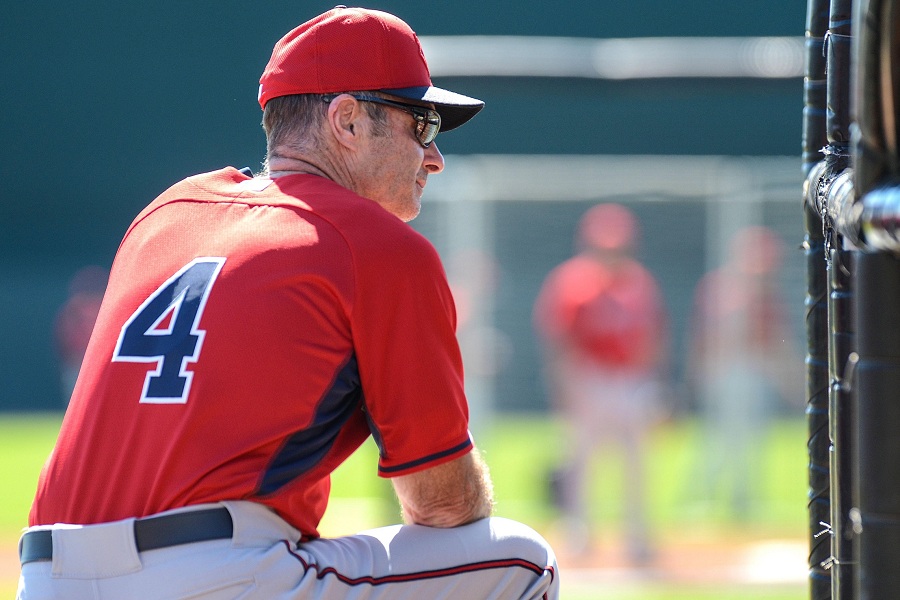 About the only question that seems to be answered is who the starting shortstop will be. Manager Paul Molitor says he still wants the competition between Danny Santana and Eduardo Escobar to play out, but all indications are that it will be Santana. Escobar has continued to hit well, but so has Santana and the Twins want his athleticism in the lineup. Furthermore, Molitor says he hasn’t considered moving Santana back to center field. This brings up the other positional battle that was supposed to sort itself out this spring. It hasn’t. “I don’t think anybody has really separated from the pack. We’ve got time to sort it out. I think it’s safe to say it’s wide open,” Terry Ryan summarized before today’s game. Molitor was even more blunt when asked if he had a better feel about what he was going to do about center field. “No,” he simply replied. The Twins keep giving the four candidates opportunities. Each has found himself starting in center field at least once over the last four days. Eddie Rosario started there on Thursday, but was relegated to corner spots Saturday and Sunday while Shane Robinson and Jordan Schafer got the starts in center. Hicks also received two starts, one on Friday and one on Saturday. Entering today, the one with the highest batting average was Robinson at .269 – but his career average in the majors is just .231 and he’s 30 years old. The fact that he’s still even in camp tells you all you need to know about the rest of the candidates. Of course, there are a lot of guys in camp, and that has something to do with the schedule. The Twins had a split-squad on Saturday and have three-hour bus drives on Sunday and Monday. Generally, those long trips have a minimal veteran presence, so it’s not too surprising that the Twins are keeping some warm bodies around. An extra body or two might be necessary for the final roster, too. One option the Twins have at least considered for center field is a platoon, but it doesn’t sound like they’re too excited about it. “That’s not ideal,” says Ryan. He added, “But if you have to, you have to.” If the Twins have to, they could try a platoon a couple of different ways. Half of the platoon could be Jordan Schafer, who bats left-handed and has a career on-base percentage of .328 against right-handers. I supposed it could also be Eddie Rosario, who also bats left-handed, but I presume the Twins would rather he play every day in the minors. The other side is more problematic. Robinson hits right-handed, though his performance against any pitcher with hands has been pretty anemic in the majors. But he would be the short side of the platoon and could also serve as a defensive late-inning specialist in either of the corners. Or the Twins could try Hicks, who is a switch-hitter but has really only hit southpaws. (And he has hit them well; he has a 758 OPS over 127 at-bats in his career.) But again, unless the Twins want him to acclimate himself to the majors or want Torii Hunter to mentor him, he would probably be better off playing every day in Rochester. The Twins also still have a question as to who will be their fifth starter, courtesy of Trevor Mays’ excellent outing yesterday. “I was impressed,” Ryan reflected today. “As was everybody that saw that.” But Ryan wasn’t sure what was in store for Mays, or even if he would have another start scheduled for this spring. If the Twins want to see more of him, they’re going to need to make a decision fairly soon since both May’s and Tommy Milone’s next turn in the rotation will be Thursday, and there is no split squad this time to help them out. Only one can get that start at JetBlue Park and whoever it is will need to be further stretched to close to 80 pitches. But of course, Mike Pelfrey is also in the discussion. Wait. Watch. Finally, a new question was raised, courtesy of Adam Jones' bat. Jones hit catcher Josmil Pinto in the head three times in one at-bat on his backswing and the backstop then came out of yesterday’s game. Molitor characterized Pinto as “dizzy” and Ryan used the term “groggy”, and today Pinto didn’t feel quite right. Ryan labeled the injury as “concussion-like symptoms” but said the CT scan was negative and they would need to wait a few days before they officially diagnosed it as a concussion. Either way, Pinto will be held out of baseball-related activities for a few days, which could open up the backup catcher roster spot for Chris Herrmann or Eric Fryer. More waiting and watching. The Twins would like to spend the last week playing their regulars, which really only gives them another week to make some final decisions. Molitor, Ryan and staff met for a 40-minute meeting yesterday to talk about how the roster might take shape. “We’re going to keep gathering information in the near term before we finalize what we want to do,” said Molitor. So there is still a little time left to wait. And to want. And to see what does happen. Both for their Twins and their fans. Twins 5, Marlins 3 The Twins beat the Marlins in Jupiter on Sunday, fueled by a potent top of the lineup. Phil Hughes started, went 4.2 innings, gave up three runs, walked two, struck out four, and then gave such an insightful and entertaining postgame interview that I may need to write it up word for word later this week. Tim Stauffer relieved Hughes in the fifth and ended the inning with one pitch. He gave up a couple of hits but no runs the next inning. Caleb Thielbar threw a couple of innings, got two strikeouts but walked one. Molitor was impressed with the depth of his curveball. Casey Fien closed it out. On the offensive side: Danny Santana led off, went 4-5 and darn near beat out the ground ball on which he was thrown out. Jordan Schafer hit second and had three hits with two RBI. Yes, mostly it was against right-handed pitchers, but he got a hit against southpaw swingman Brad Hand in the 8th. Eddie Rosario went 1-5, but hit the ball well. Trevor Plouffe also got a couple of hits and a walk, raising his batting average this spring to .200. He also was moved from third to first base late in the game. Molitor said he made that move to give Plouffe some experience over there.
 -
Giggle. Let's not fight it, OK? Let's embrace the schadenfreud. For years, small market wallet watchers have been predicting the Yankees were due for a fall as the Bronx Bombers relied more and more on free agents, big contracts and an aging roster as revenue sharing limits gained more and more teeth. Last year, we finally got a taste of what that will be like, and it was delicious. Vegas noticed too, and have picked the best team money can buy to finish fourth in the AL East. Ooh-ooh-ooh - and did I mention they also get to pay Alex Rodriguez $20M to strut around the locker room for the next three years? I'll say it again: giggle.Year In Review Like the fall of most empires, it wasn't a huge implosion, but a series of ever-widening cracks that led to deterioration. Vegas watched the Yankees offseason spending spree and set a number in the mid to high 80s to meet, but a lot of the big signings came up short. Biggest among them was (and continues to be) ace pitcher Masahiro Tanaka. Tananka dominated to the tune of a 2.77 ERA and more than a strikeout per inning, but there were too few of those innings - just 136 - because he was limited to 20 starts with a sore elbow. Worse, he still has pain that he's just (effectively) pitching through. So there is no guarantee that he'll be healthy for the duration of this year. Tanaka's status mirrored that of a lot of the team. The new slimmer CC Sabathia was limited to only eight starts, big free agent signee Carlos Beltran played in only 109 games, Mark Teixeira struggled with a wrist injury and of course A-Rod was suspended. The Yankees are counting on bounceback seasons from these guys, and if they stay healthy, the could get it, but here are their respective ages as of July 1: 34, 38, 35, 39. Their expected health is debatable. Add that all up, and the Yankees still finished over .500 with 84 wins, which is an accomplishment given that they were outscored on the year. With those results amid all their injuries, it may not be surprising that the Yankees had a pretty quiet offseason. They replaced free agent closer David Robertson by signing setup stud Andrew Miller, but other than that, the Yankees treated this offseason like a do-over. They let Hiroki Kuroda walk. He was their most durable and effective starting pitcher. The other two big departures are probably more about losing big names than impact players, but they're still losses: Ichiro Suzuki and Derek Jeter. Vegas Says “There are enough Yankees bobos betting money in New York that the number has to be higher than they deserve, and maybe they'll get lucky and keep people healthy. Still, I'm lowering last year's 86.5 line.” = 81.5. Beating Vegas I try not to bet on the Yankees for the same reason I try not to bet on the Twins; wishful thinking gets in the way. But if I had to bet, I'd bet the under. Practically, their run differential is more like a 77 win team than the 84 wins they tallied last year, and there is a lot more room for downside than upside given the age of this team. And karmically, it feels a lot like a franchise that just lost its identity, is floating through purgatory and is a lot closer to hell than heaven. . Click here to view the article
-
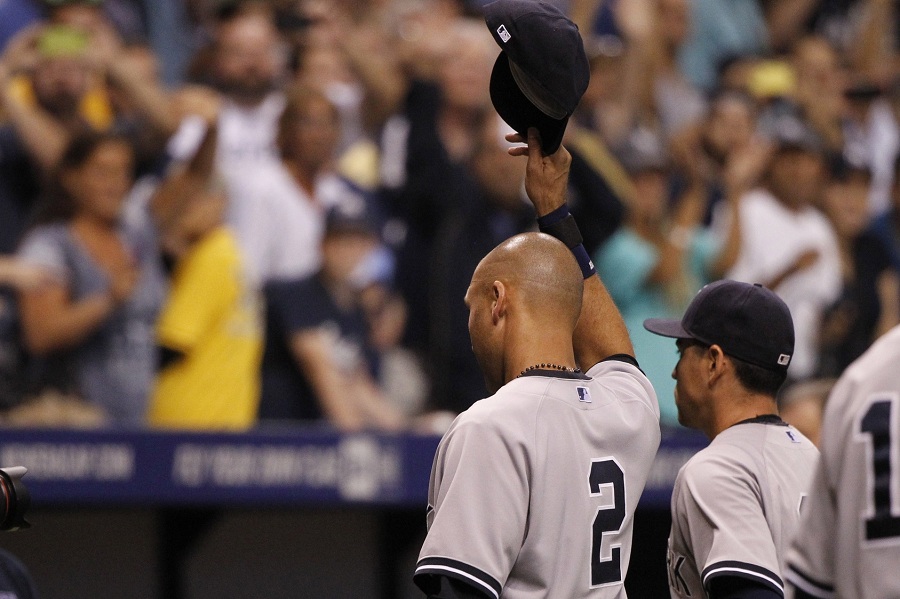 Year In Review Like the fall of most empires, it wasn't a huge implosion, but a series of ever-widening cracks that led to deterioration. Vegas watched the Yankees offseason spending spree and set a number in the mid to high 80s to meet, but a lot of the big signings came up short. Biggest among them was (and continues to be) ace pitcher Masahiro Tanaka. Tananka dominated to the tune of a 2.77 ERA and more than a strikeout per inning, but there were too few of those innings - just 136 - because he was limited to 20 starts with a sore elbow. Worse, he still has pain that he's just (effectively) pitching through. So there is no guarantee that he'll be healthy for the duration of this year. Tanaka's status mirrored that of a lot of the team. The new slimmer CC Sabathia was limited to only eight starts, big free agent signee Carlos Beltran played in only 109 games, Mark Teixeira struggled with a wrist injury and of course A-Rod was suspended. The Yankees are counting on bounceback seasons from these guys, and if they stay healthy, the could get it, but here are their respective ages as of July 1: 34, 38, 35, 39. Their expected health is debatable. Add that all up, and the Yankees still finished over .500 with 84 wins, which is an accomplishment given that they were outscored on the year. With those results amid all their injuries, it may not be surprising that the Yankees had a pretty quiet offseason. They replaced free agent closer David Robertson by signing setup stud Andrew Miller, but other than that, the Yankees treated this offseason like a do-over. They let Hiroki Kuroda walk. He was their most durable and effective starting pitcher. The other two big departures are probably more about losing big names than impact players, but they're still losses: Ichiro Suzuki and Derek Jeter. Vegas Says “There are enough Yankees bobos betting money in New York that the number has to be higher than they deserve, and maybe they'll get lucky and keep people healthy. Still, I'm lowering last year's 86.5 line.” = 81.5. Beating Vegas I try not to bet on the Yankees for the same reason I try not to bet on the Twins; wishful thinking gets in the way. But if I had to bet, I'd bet the under. Practically, their run differential is more like a 77 win team than the 84 wins they tallied last year, and there is a lot more room for downside than upside given the age of this team. And karmically, it feels a lot like a franchise that just lost its identity, is floating through purgatory and is a lot closer to hell than heaven. .
 -
Trevor May made the Twins decision-makers job a little tougher on Saturday afternoon. In his return to Grapefruit League action, he threw an efficient, fast-paced four innings, giving up zero hits, striking out three and walking zero. Manager Paul Molitor was impressed. “His first three innings were clean [with] nice variety [and he] commanded well.” Twins fans recognize that command is the key for May, and he knows it, too. That’s why this outing was so impressive. He threw only 12 balls among 42 pitches, and most of those in his last inning. He was so efficient he needed to go to the bullpen after to throw another 15 pitches so he can continue to build arm strength for the season.So why was he lifted? The Twins certainly wanted to get some innings for relievers Mark Hamburger, Aaron Thompson and AJ Achter, who are all competing for a bullpen role. But manager Paul Molitor added that May’s pitches were changing and elevating in the fourth inning. “Out of the stretch, he started elevating. He got the strikeout on the high fastball but his pitches were changing,” said Molitor. Whether the Twins were guarding against a negative impact to May’s confidence or his health isn’t clear. Both have been issues. May started spring training with the flu that was going around the Twins clubhouse, and that gave his candidacy for the fifth starter’s spot an early setback. Today’s game marked his return to an official Grapefruit League game; his last (reportedly impressive) start was on the minor league fields due to limited Grapefruit games and the Twins crowded rotation. The topic of May’s confidence came up in the pregame meeting with Terry Ryan, and Ryan says he sees a difference between May and the pitcher who took the mound last August and September. “For me, that experience that he got from August and September, looks to me like it’s been beneficial to him. He looks like he wants to fit in and belong. His body language is pretty good. His confidence level looks pretty high.” May also says he feels confidence is playing a part in how he is performing. “You gain confidence from a level of comfort, and having done it for a while and throwing to the hitters and in front of the crowd and stuff a few times, it’s easier to push that out of the way.” We’ll see if today’s effort earns May yet one more Grapefruit League start. He would be in line to pitch again on Thursday, though the Twins could juggle things a little, because they won’t have the luxury of a split squad game that day and Tommy Milone would also be in line to start. Milone pitched today in Fort Myers and also lasted four innings, but gave up five hits, two walks and four earned runs courtesy of a rocky second inning. Regardless of what plays out this week, in Terry Ryan’s mind, May looks like someone who can play a big role in the future. “I’m eagerly anxious to see him perform today, because we’re counting on this guy,” said Ryan before the game. From the glimpse we saw, that future looks a lot brighter now than it did last August. And maybe, just maybe, that future is now. Escobar Keeps Doing His Job – Whatever That Job Is Eduardo Escobar added an eleventh RBI to his spring training totals by driving in the game’s first run in the fifth inning. He was praised after the game by Molitor, just like he was praised after yesterday’s game when asked about Escobar’s production. Today Escobar played at second base, because “We want to get him prepared possibly to be a guy that will play around a little bit to get at-bats.” That sounds a lot like Escobar won’t be the Twins everyday shortstop unless something changes, and playing every day is one of the reasons Escobar thought he had such a good season last year. But regardless, he seems to be ready to embrace whichever role he has. “I come into the stadium ready to play. I’m here for Molitor. I’m ready for my chance,” stated Escobar. “When I have my opportunity, I play hard.” Roster Will Be Pitching Heavy Both Terry Ryan and Paul Molitor shared today that they expect the Twins to come north with a 12-man pitching staff, meaning they’ll break camp with seven relievers and four bench players. Asked about what the left-handed/right-handed makeup of that bullpen might be, Molitor was more guarded. But Ryan was fairly blunt that he just wants the seven best pitchers, regardless of role. “We might not go with a left, period, if we didn’t have to. We’re going to go with the best guys. Obviously we’ve got [Glen] Perkins, so he’s going to be a left, but whether or not we have any more lefties, that’s going to be up to how they end up responding here.” For what it’s worth, it sounds like Molitor is already including lefty Brian Duensing in one of the bullpen spots. But that doesn’t mean there can’t be others. One of the guys competing for the left-handed spot pitched today in Port Charlotte. Aaron Thompson threw two innings and Molitor noted that he continues to show that he has a good strikeout pitch against left-handers and enough pitches to be effective against right-handers. Click here to view the article
- 54 replies
-
- 2
-
-
- trevor may
- eduardo escobar
- (and 2 more)
-
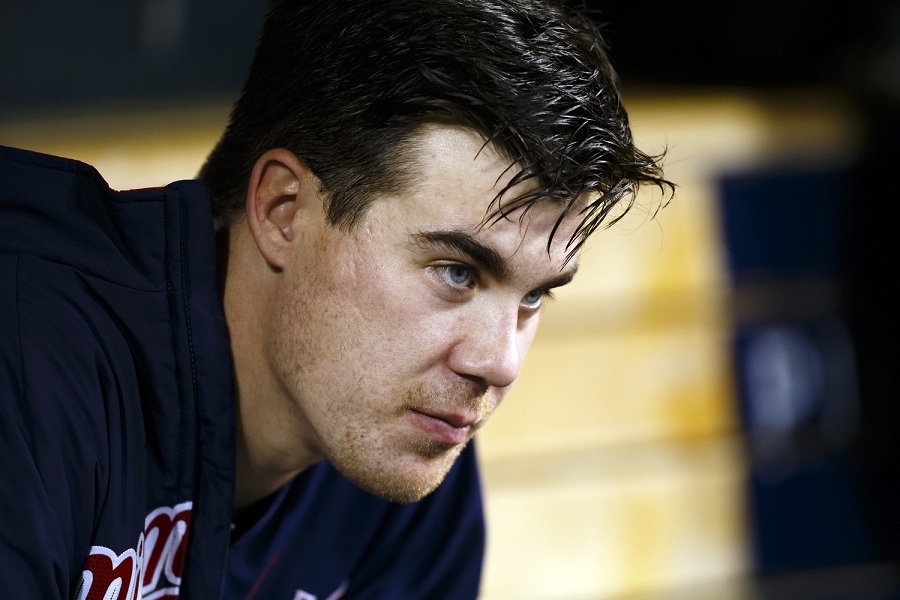 So why was he lifted? The Twins certainly wanted to get some innings for relievers Mark Hamburger, Aaron Thompson and AJ Achter, who are all competing for a bullpen role. But manager Paul Molitor added that May’s pitches were changing and elevating in the fourth inning. “Out of the stretch, he started elevating. He got the strikeout on the high fastball but his pitches were changing,” said Molitor. Whether the Twins were guarding against a negative impact to May’s confidence or his health isn’t clear. Both have been issues. May started spring training with the flu that was going around the Twins clubhouse, and that gave his candidacy for the fifth starter’s spot an early setback. Today’s game marked his return to an official Grapefruit League game; his last (reportedly impressive) start was on the minor league fields due to limited Grapefruit games and the Twins crowded rotation. The topic of May’s confidence came up in the pregame meeting with Terry Ryan, and Ryan says he sees a difference between May and the pitcher who took the mound last August and September. “For me, that experience that he got from August and September, looks to me like it’s been beneficial to him. He looks like he wants to fit in and belong. His body language is pretty good. His confidence level looks pretty high.” May also says he feels confidence is playing a part in how he is performing. “You gain confidence from a level of comfort, and having done it for a while and throwing to the hitters and in front of the crowd and stuff a few times, it’s easier to push that out of the way.” We’ll see if today’s effort earns May yet one more Grapefruit League start. He would be in line to pitch again on Thursday, though the Twins could juggle things a little, because they won’t have the luxury of a split squad game that day and Tommy Milone would also be in line to start. Milone pitched today in Fort Myers and also lasted four innings, but gave up five hits, two walks and four earned runs courtesy of a rocky second inning. Regardless of what plays out this week, in Terry Ryan’s mind, May looks like someone who can play a big role in the future. “I’m eagerly anxious to see him perform today, because we’re counting on this guy,” said Ryan before the game. From the glimpse we saw, that future looks a lot brighter now than it did last August. And maybe, just maybe, that future is now. Escobar Keeps Doing His Job – Whatever That Job Is Eduardo Escobar added an eleventh RBI to his spring training totals by driving in the game’s first run in the fifth inning. He was praised after the game by Molitor, just like he was praised after yesterday’s game when asked about Escobar’s production. Today Escobar played at second base, because “We want to get him prepared possibly to be a guy that will play around a little bit to get at-bats.” That sounds a lot like Escobar won’t be the Twins everyday shortstop unless something changes, and playing every day is one of the reasons Escobar thought he had such a good season last year. But regardless, he seems to be ready to embrace whichever role he has. “I come into the stadium ready to play. I’m here for Molitor. I’m ready for my chance,” stated Escobar. “When I have my opportunity, I play hard.” Roster Will Be Pitching Heavy Both Terry Ryan and Paul Molitor shared today that they expect the Twins to come north with a 12-man pitching staff, meaning they’ll break camp with seven relievers and four bench players. Asked about what the left-handed/right-handed makeup of that bullpen might be, Molitor was more guarded. But Ryan was fairly blunt that he just wants the seven best pitchers, regardless of role. “We might not go with a left, period, if we didn’t have to. We’re going to go with the best guys. Obviously we’ve got [Glen] Perkins, so he’s going to be a left, but whether or not we have any more lefties, that’s going to be up to how they end up responding here.” For what it’s worth, it sounds like Molitor is already including lefty Brian Duensing in one of the bullpen spots. But that doesn’t mean there can’t be others. One of the guys competing for the left-handed spot pitched today in Port Charlotte. Aaron Thompson threw two innings and Molitor noted that he continues to show that he has a good strikeout pitch against left-handers and enough pitches to be effective against right-handers.
 -
They've been the sabrmetric darling for years, and Vegas finally bought in last year - just in time for things to fall apart. Vegas noticed and further noticed the offseason in which the Rays looked like they were embracing a rebuilding philosophy. So how about this year?Year In Review Year after year, as free agent after free agent left the Rays, we would see stories about how the Rays successful run was over and a betting line that matched it. And year after year, that meant easy money for anyone betting the "over." Finally, last year, that was not such an easy call when a value of 88.5 was established, a higher number than even the World Series Champion Boston Red Sox had to beat. Sure enough, it all went to hell. Their pitching mostly held up, finishing with a 3.56 ERA. But the Rays finally ran out of patches for their lineup, scoring 88 runs fewer than the year before and sinking to last in the American League in runs scored. By midseason, they had traded away their ace, David Price. They finished with just 77 wins, their lowest total since 2007, when Rays were still preceded by "Devil." And then things got worse. The changes this offseason were probably more symbolic than impactful; they may not cost the Rays many wins this year, but the message is clear: their window of opportunity slammed shut. Both their GM, Andrew Friedman, and their manager, Joe Maddon, bailed on them for more promising (and - surprise - cash-rich) teams. (The lesson? It turns out that in the long run in MLB being richer is better than being smarter. And if you doubt it, just watch where the smart guys end up going.) There are also plenty of changes on the field. They turned over their starting shortstop, second baseman, catcher and two outfielders and replaced them with...well, mostly with patches and prospects for the next rebuild, which they hope to start sooner rather than later. Vegas Says "I won't make that mistake again. They're done. But they still have a pretty good pitching staff." - 78.5 wins. Beating Vegas On the one hand, this franchise has been underestimated for most of the last eight years by the betting public, so I can't blame anyone for betting the over. But two things lead me to the "under", one spiritual and one practical. Spiritually, it's hard to rally when hope has left the building. Sure, an organization can embrace a "last stand" mentality, but that usually requires a cause a little more noble than a third-place finish. If the Rays don't thrive immediately, there is going to be enormous pressure to continue to look at the future. The team already consists of more than their share of "stop gap" players, and that's the sort that are easily traded away for some future chits. And sooner or later, they're going to get around to wondering just what kind of return Evan Longoria and his technicolor contract can fetch. And practically, this looks like the worst team in the AL East. Personally, I don't think they're going to be all alone in that regard; one of the other four will likely unexpectedly flame out. But the worst team in a division can have quite a bit of room to sink below their Vegas total. So I'm not sure I would bet on it, but put me down for the "under". Click here to view the article
-
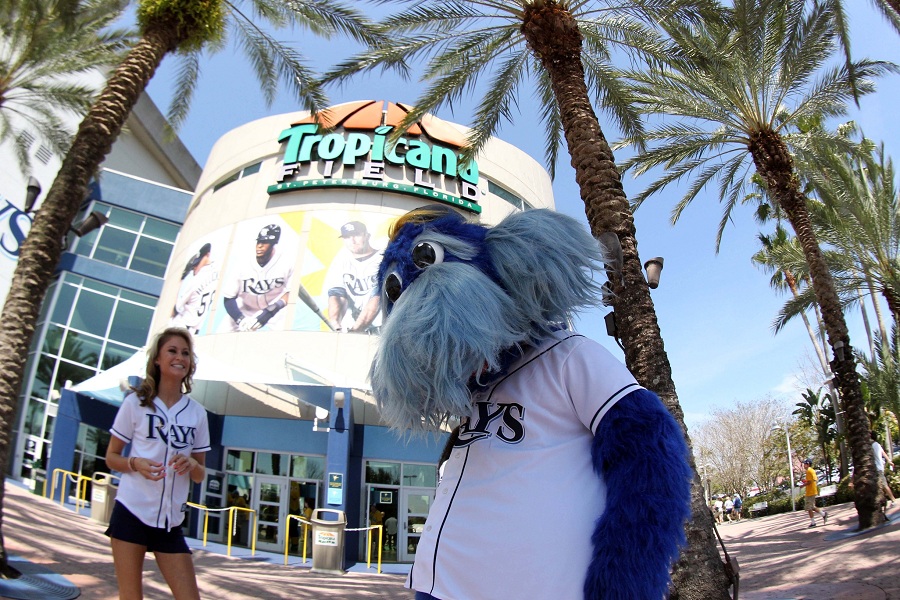 Year In Review Year after year, as free agent after free agent left the Rays, we would see stories about how the Rays successful run was over and a betting line that matched it. And year after year, that meant easy money for anyone betting the "over." Finally, last year, that was not such an easy call when a value of 88.5 was established, a higher number than even the World Series Champion Boston Red Sox had to beat. Sure enough, it all went to hell. Their pitching mostly held up, finishing with a 3.56 ERA. But the Rays finally ran out of patches for their lineup, scoring 88 runs fewer than the year before and sinking to last in the American League in runs scored. By midseason, they had traded away their ace, David Price. They finished with just 77 wins, their lowest total since 2007, when Rays were still preceded by "Devil." And then things got worse. The changes this offseason were probably more symbolic than impactful; they may not cost the Rays many wins this year, but the message is clear: their window of opportunity slammed shut. Both their GM, Andrew Friedman, and their manager, Joe Maddon, bailed on them for more promising (and - surprise - cash-rich) teams. (The lesson? It turns out that in the long run in MLB being richer is better than being smarter. And if you doubt it, just watch where the smart guys end up going.) There are also plenty of changes on the field. They turned over their starting shortstop, second baseman, catcher and two outfielders and replaced them with...well, mostly with patches and prospects for the next rebuild, which they hope to start sooner rather than later. Vegas Says "I won't make that mistake again. They're done. But they still have a pretty good pitching staff." - 78.5 wins. Beating Vegas On the one hand, this franchise has been underestimated for most of the last eight years by the betting public, so I can't blame anyone for betting the over. But two things lead me to the "under", one spiritual and one practical. Spiritually, it's hard to rally when hope has left the building. Sure, an organization can embrace a "last stand" mentality, but that usually requires a cause a little more noble than a third-place finish. If the Rays don't thrive immediately, there is going to be enormous pressure to continue to look at the future. The team already consists of more than their share of "stop gap" players, and that's the sort that are easily traded away for some future chits. And sooner or later, they're going to get around to wondering just what kind of return Evan Longoria and his technicolor contract can fetch. And practically, this looks like the worst team in the AL East. Personally, I don't think they're going to be all alone in that regard; one of the other four will likely unexpectedly flame out. But the worst team in a division can have quite a bit of room to sink below their Vegas total. So I'm not sure I would bet on it, but put me down for the "under".
 -
Article: Initial Thoughts From The Fort
John Bonnes replied to John Bonnes's topic in Twins Daily Front Page News
Thanks everyone. The beer shake will need to wait until the middle of the week, unfortunately, but I'm really looking forward to it. And Thrylos, it was good to meet you and thanks for the Summit tips. I'm going to update the story with those. I was surprised I didn't see it, because I saw ads for it.- 28 replies
-
- 1
-
-
- paul molitor
- alex meyer
- (and 1 more)
-
Article: Sorting Out The Bullpen
John Bonnes replied to Nick Nelson's topic in Twins Daily Front Page News
If the Twins don't want to put Stauffer in the bullpen, I wonder what their options are. Do they need to expose him to waivers? -
Not to be too harsh, but if you're reading this and have not made time to geek out at spring training, you might want to re-evaluate the path your life is following. I don't think I'm overstating this. This is a red flag. This is an intervention. This is a cathartic episode. Do you want to know if you should be going to spring training? Here's the litmus test: do you read Twins Daily? If you do, then you should be going to spring training.It's everything you want it to be. It's warm. It's having both road and away games within driving distance, every day. It is peeks of minor leaguers and up close access to major leaguers. It is watching Byron Buxton glide into a triple and Tom Kelly feeding fungoes and encouragement to Kenny Vargas about ten yards away. It is new ballparks. It's hot dogs on the grill, and cold beer on a grass lawn overlooking left field. It is mist off the Gulf and dew on the grass. And all of these are only tastes; let me get you the main course. It's an extra month of baseball at exactly the time at which you want an extra month of baseball. The human spirit needs baseball in March. (This truth is multiplied ten-fold for those who have experienced a Minnesota winter.) The spirit needs to unburden itself of the triple layer of fleece it is under and take flight. It needs to soak up a mixture of Vitamin D and Hope, more potent than anything Walter White could have cooked up. Spring training is fuel. It is depth. It is color. It is Mecca, worthy of a pilgrimage, and if that's how you need to frame it in your mind to overcome the stasis in which you're imprisoned, then start pilgriming. If you can't make it in the next two weeks, use that time to start booking next year's trip. Get that PTO on the office calendar and start researching flights or condos or whatever. Don't be the 98% who read this and put it off. Here's why: As you get older, you're going to start recognizing that life is shorter than you thought. And that's because it is. It certainly is for you. You're closer to your death than you have ever been and it's time you started taking that s*** seriously. Find a way to free yourself and get to spring training. This is why you are alive. ---- In manager Paul Molitor's postgame talk today, there was understandably a lot of talk about Alex Meyer, who was demoted to the minor league camp this morning. The issue that is mentioned by detractors regarding Meyer is his age, as he's already 25 years old. Molitor was asked if Meyer's age raised any concerns. "Not for me," replied Molitor. "Sometimes different body types take a little longer to fix issues like that. He's got a lot of time to be really good." The "body type" reference is likely in regard to Meyer's 6'9" frame. There was an interesting discussion in the forums in the story about Meyer's demotion where I wondered out loud if it takes taller pitches longer to gain a requisite level of consistency and control. So tonight I looked up Randy Johnson's career. Johnson didn't debut in the majors until he was .... 25 years old. His strikeout rate was rather pedestrian until he was 27. And he had a walk rate that was 6+ BB/9(!) in his 27 and 28-year-old seasons. He didn't really become the Big Unit until he was 29, at which point he had accumulated more than four years of service time. That comparison can be looked at either way. On the one hand, it might show how big guys blossom late. Or it might show that pitchers who could be elite need to be able to work their craft and make adjustments in the majors. But at the very least, it seems to demonstrate that age might not be a big concern for large pitchers. In fact, it makes me question why we ever thought it was. -------- An underrated aspect of any vacation: picking out the cheap sunglasses you're going to wear for the duration. Will you go for the Top Gun fighter, or Joel Goodson's Ray Bans, or maybe the sporty volleyball player wrap arounds? Who are you going to be this week? It's some of the best $20 you can spend on vacation. The ones I picked were labeled "Player". Damn straight. #47YearOldDad -------- I know you're waiting for the Hammond (now CenturyLink) Stadium beer report, so here goes: Bud products rule the most taps, and they aren't even the real craft brews like Goose Island or Red Hook; it's mostly Shocktop and Longboard. But the Twins have done a nice job finding room for a wide variety of other beers if you look. First, Yuengling Lager is everywhere (one of the underrated aspects of Florida) and also their Black & Tan is in the stands behind first base. Across the aisle from it, you can find a Fat Tire kiosk, and the right field line has a similar kiosk with English import ales. Leinie's is easily found in a few places and I heard that Summit Pilsner is available, though I didn't find it. But if you really want to find some local craft brews go to the bar next to the right field foul pole, where you'll find Blue Point, Sweet Water and Jai Alai IPA all on tap. Finally, I'd be remiss to not mention that a new stand down the right field foul line has beer milkshakes. They include three flavors and the Young's Double Chocolate Stout was recommended highly by a friend of Thrylos, so that is happening at some point this week, diet or no. Click here to view the article
- 28 replies
-
- 4
-
-
- paul molitor
- alex meyer
- (and 1 more)
-
 It's everything you want it to be. It's warm. It's having both road and away games within driving distance, every day. It is peeks of minor leaguers and up close access to major leaguers. It is watching Byron Buxton glide into a triple and Tom Kelly feeding fungoes and encouragement to Kenny Vargas about ten yards away. It is new ballparks. It's hot dogs on the grill, and cold beer on a grass lawn overlooking left field. It is mist off the Gulf and dew on the grass. And all of these are only tastes; let me get you the main course. It's an extra month of baseball at exactly the time at which you want an extra month of baseball. The human spirit needs baseball in March. (This truth is multiplied ten-fold for those who have experienced a Minnesota winter.) The spirit needs to unburden itself of the triple layer of fleece it is under and take flight. It needs to soak up a mixture of Vitamin D and Hope, more potent than anything Walter White could have cooked up. Spring training is fuel. It is depth. It is color. It is Mecca, worthy of a pilgrimage, and if that's how you need to frame it in your mind to overcome the stasis in which you're imprisoned, then start pilgriming. If you can't make it in the next two weeks, use that time to start booking next year's trip. Get that PTO on the office calendar and start researching flights or condos or whatever. Don't be the 98% who read this and put it off. Here's why: As you get older, you're going to start recognizing that life is shorter than you thought. And that's because it is. It certainly is for you. You're closer to your death than you have ever been and it's time you started taking that s*** seriously. Find a way to free yourself and get to spring training. This is why you are alive. ---- In manager Paul Molitor's postgame talk today, there was understandably a lot of talk about Alex Meyer, who was demoted to the minor league camp this morning. The issue that is mentioned by detractors regarding Meyer is his age, as he's already 25 years old. Molitor was asked if Meyer's age raised any concerns. "Not for me," replied Molitor. "Sometimes different body types take a little longer to fix issues like that. He's got a lot of time to be really good." The "body type" reference is likely in regard to Meyer's 6'9" frame. There was an interesting discussion in the forums in the story about Meyer's demotion where I wondered out loud if it takes taller pitches longer to gain a requisite level of consistency and control. So tonight I looked up Randy Johnson's career. Johnson didn't debut in the majors until he was .... 25 years old. His strikeout rate was rather pedestrian until he was 27. And he had a walk rate that was 6+ BB/9(!) in his 27 and 28-year-old seasons. He didn't really become the Big Unit until he was 29, at which point he had accumulated more than four years of service time. That comparison can be looked at either way. On the one hand, it might show how big guys blossom late. Or it might show that pitchers who could be elite need to be able to work their craft and make adjustments in the majors. But at the very least, it seems to demonstrate that age might not be a big concern for large pitchers. In fact, it makes me question why we ever thought it was. -------- An underrated aspect of any vacation: picking out the cheap sunglasses you're going to wear for the duration. Will you go for the Top Gun fighter, or Joel Goodson's Ray Bans, or maybe the sporty volleyball player wrap arounds? Who are you going to be this week? It's some of the best $20 you can spend on vacation. The ones I picked were labeled "Player". Damn straight. #47YearOldDad -------- I know you're waiting for the Hammond (now CenturyLink) Stadium beer report, so here goes: Bud products rule the most taps, and they aren't even the real craft brews like Goose Island or Red Hook; it's mostly Shocktop and Longboard. But the Twins have done a nice job finding room for a wide variety of other beers if you look. First, Yuengling Lager is everywhere (one of the underrated aspects of Florida) and also their Black & Tan is in the stands behind first base. Across the aisle from it, you can find a Fat Tire kiosk, and the right field line has a similar kiosk with English import ales. Leinie's is easily found in a few places and I heard that Summit Pilsner is available, though I didn't find it. But if you really want to find some local craft brews go to the bar next to the right field foul pole, where you'll find Blue Point, Sweet Water and Jai Alai IPA all on tap. Finally, I'd be remiss to not mention that a new stand down the right field foul line has beer milkshakes. They include three flavors and the Young's Double Chocolate Stout was recommended highly by a friend of Thrylos, so that is happening at some point this week, diet or no.
 -
Well, they'll have time together in Rochester this year for some of it to rub off....
-
Article: Alex Meyer's Wild Ride
John Bonnes replied to Nick Nelson's topic in Twins Daily Front Page News
Nick, I couldn't agree more about worrying about his age. My personal sense, not backed by stats, is that I worry about the age of hitters, not pitchers. But I wonder how valid that is. It would be interesting to see how the age of pitchers when they are introduced to the majors correlates with their future. I have't because I think that would include a lot of "noise" or be a prime candidate for the "correlation vs causation" argument; generally a good pitcher is a good pitcher early, so they tend to make it to the majors earlier. It would also be interesting to take a look at tall pitchers and see if they tend to develop later. It sure seems like it took Randy Johnson a long time to move from "curiosity" to "ace" but I wasn't paying as much attention to age at that point. Anyway, I guess my point remains: age is just a number for pitchers and shouldn't factor into the decision to rush a pitcher. I'm glad to hear from Seth that this is only his first option year. We might be impatient, but we have a lot of time to iron this stuff out. -
Aaron and John talk about Eddie Rosario's chance of stealing the center field job from Aaron Hicks, Mark Hamburger's case for a bullpen spot, another chance to win Twins season tickets from the Minnesota Corn Growers at MNFarmTeam.com, Spider-Man the internet repair guy, Joe Nathan being a mess, Kevin Correia finding a new home, eating salads at Mac's Industrial, getting into soccer, big spoons and little spoons, and AL Central cliches. You can listen by downloading us from iTunes, Stitcher or find it at GleemanAndTheGeek.com. Or just click the Play button below. Click here to view the article
-
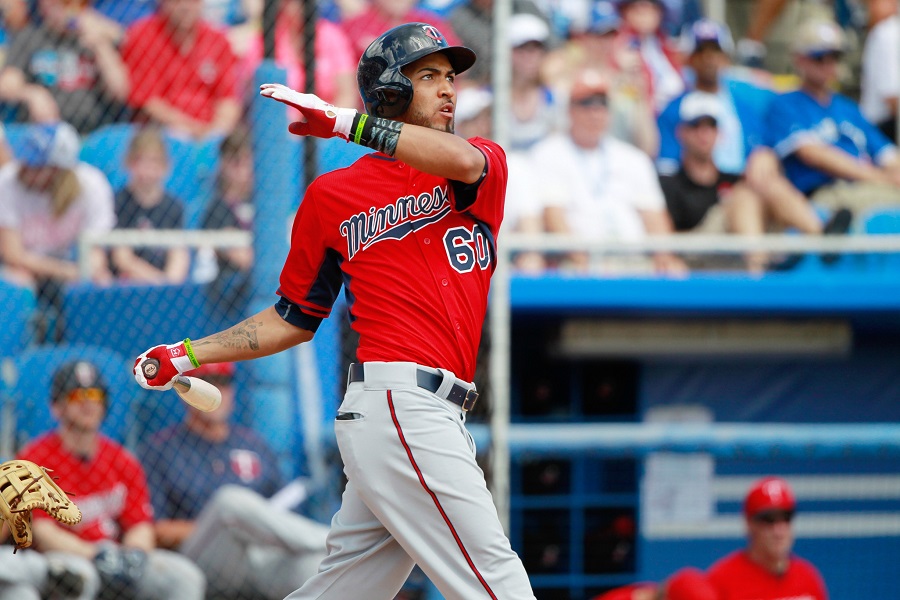 http://traffic.libsyn.com/gleemangeek/Ep_185_Rosario_and_the_Iron_Door.mp3
 -
In 1970, for the second straight year, the Twins won their division but were swept out of the playoffs by the Baltimore Orioles. It wasn't obvious at the time, but the team would not make another postseason appearance for 17 years. That doesn't mean they were bad.The Twins remained marginally competitive over the next decade or so, but injuries and age chipped away enough to lower them from elite to mediocre. Killebrew turned 35 in 1971 and would never again hit even 30 home runs in a season. Oliva hurt his knee on a shoestring catch in June 1971 and would never again garner MVP votes, which he had done for eight straight years. Killebrew departed the Twins after the 1974 season and retired a year later. A year after that, Oliva played his last major league game. Part 5 of a 12-part series that breaks Twins history into fun-sized chunks.You can find more here: Part 1 | Part 2 | Part 3 |Part 4 Rod Carew, however, bounced back from his 1970 injury and resumed his Hall of Fame career. He won batting titles every season from 1972 through 1978, except for 1976, when he missed it by two hits. He was an All-Star every year from his rookie year in 1967 through 1984. The clubhouse was handed to manager Frank Quilici who guided the team to nearly a .500 record from 1972 through 1975, but they never finished higher than third in the division, and never fewer than eight games back. The results took their toll on attendance. The Twins did not break the 1,000,000 attendance mark for the first time in 1971, but it wouldn’t be the last. The Twins didn’t reach that mark again until 1977, thanks to Carew’s stellar season, a new manager, and a “Lumber Company.” The manager was Gene Mauch, a veteran manager from the National League who also happened to be a former member of the St. Paul Saints and Minneapolis Millers. He took over the Twins in 1976, and, despite the midseason trade of Bert Blyleven, the Twins posted a winning record for the first time since 1970. The next year was even more exciting, and over 1,100,000 Twins fans watched it live. The Twins offense, known as the “Lumber Company,” scored 867 runs and featured career years from Larry Hisle (119 RBI) and Lyman Bostock (.336 batting average). That level of run support helped make a 20-game winner out of Dave Goltz, who posted a 3.36 ERA. On August 23, the Twins were 18 games above .500 and a game back of the Royals. A late season fade to fourth place and 84 wins didn’t diminish the return of interest to the franchise. That interest was further fueled by Carew’s remarkable 1977 season. He entered June hitting .365 but proceeded to gather hits in every June game save the one on the 18th. On July 1st he was hitting .411 and would keep his average above that level through July 10th, about the same time he was on the cover of Time magazine. He would not reach .400 again, but finished the year with a .388 average, eight hits shy of the magical mark. It would be the zenith of Carew’s career with the Twins. But things turned sharply downhill that offseason. Next up: Bottoming Out Click here to view the article
-
Twins Bite-Sized History: Gene Mauch, Rod Carew and the Lumber Company
John Bonnes posted an article in Twins
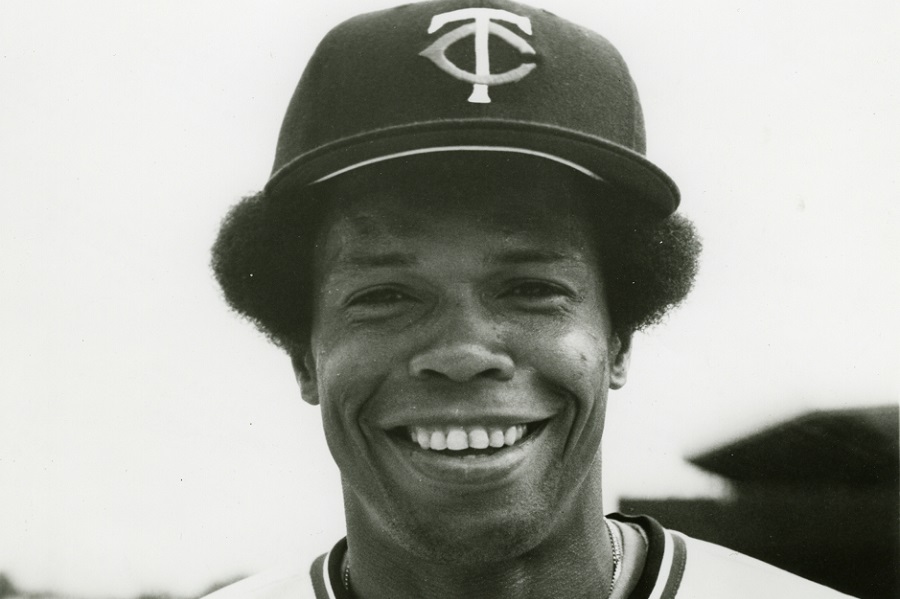 The Twins remained marginally competitive over the next decade or so, but injuries and age chipped away enough to lower them from elite to mediocre. Killebrew turned 35 in 1971 and would never again hit even 30 home runs in a season. Oliva hurt his knee on a shoestring catch in June 1971 and would never again garner MVP votes, which he had done for eight straight years. Killebrew departed the Twins after the 1974 season and retired a year later. A year after that, Oliva played his last major league game. Part 5 of a 12-part series that breaks Twins history into fun-sized chunks.You can find more here: Part 1 | Part 2 | Part 3 |Part 4 Rod Carew, however, bounced back from his 1970 injury and resumed his Hall of Fame career. He won batting titles every season from 1972 through 1978, except for 1976, when he missed it by two hits. He was an All-Star every year from his rookie year in 1967 through 1984. The clubhouse was handed to manager Frank Quilici who guided the team to nearly a .500 record from 1972 through 1975, but they never finished higher than third in the division, and never fewer than eight games back. The results took their toll on attendance. The Twins did not break the 1,000,000 attendance mark for the first time in 1971, but it wouldn’t be the last. The Twins didn’t reach that mark again until 1977, thanks to Carew’s stellar season, a new manager, and a “Lumber Company.” The manager was Gene Mauch, a veteran manager from the National League who also happened to be a former member of the St. Paul Saints and Minneapolis Millers. He took over the Twins in 1976, and, despite the midseason trade of Bert Blyleven, the Twins posted a winning record for the first time since 1970. The next year was even more exciting, and over 1,100,000 Twins fans watched it live. The Twins offense, known as the “Lumber Company,” scored 867 runs and featured career years from Larry Hisle (119 RBI) and Lyman Bostock (.336 batting average). That level of run support helped make a 20-game winner out of Dave Goltz, who posted a 3.36 ERA. On August 23, the Twins were 18 games above .500 and a game back of the Royals. A late season fade to fourth place and 84 wins didn’t diminish the return of interest to the franchise. That interest was further fueled by Carew’s remarkable 1977 season. He entered June hitting .365 but proceeded to gather hits in every June game save the one on the 18th. On July 1st he was hitting .411 and would keep his average above that level through July 10th, about the same time he was on the cover of Time magazine. He would not reach .400 again, but finished the year with a .388 average, eight hits shy of the magical mark. It would be the zenith of Carew’s career with the Twins. But things turned sharply downhill that offseason. Next up: Bottoming Out
 -
Thanks for letting me know guys. I think I know what the problem is.
-
Article: We Have A New (Soccer?) Website!
John Bonnes replied to John Bonnes's topic in Twins Daily Front Page News
And I had Wolves season tickets for years with a friend. They're coming soon, I promise. -
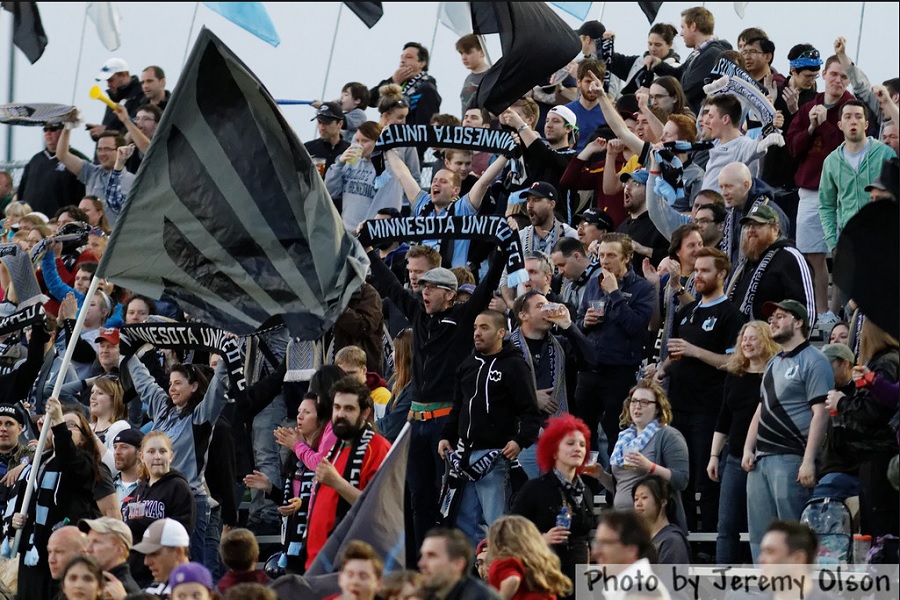
Why in the world would we launch a soccer website, especially before a basketball web site? There are three good reasons. The first is that soccer coverage in Minnesota has been mostly ignored by corporate media. (If there is one thing that gets a bunch of bloggers blood boiling, it’s seeing corporate media ignore something worthy.) The second is that the local soccer team, Minnesota United, has possibly the most fun and creative fangroup the Twin Cities has ever seen. Just stroll through this gallery of pictures by photographer Jeremy Olson (who is providing many of the pictures for the site) and tell me you don't want to be a part of this.But the biggest reason is that we have a lot of brilliant soccer writers locally that should be heard. I’m not overstating this. Several have nationally recognized blogs that have drawn thousands of regular readers. They are passionate, obsessive, analytical and entertaining. Seriously, they’re so good they’re going to make you like soccer. Jon Marthaler, who many of you know either from The Sportive Podcast or his satirical work at TwinkieTown or his SoccerCentric blog on the StarTribune.com, recognized the irony of these three facts. He has been bothering us for a couple of years to do something about it. At some point, it became less work to just appease him. Or that’s that I tell him. The truth is that we do this because we love people who love stuff, and these guys love this stuff. I think there is a good chance that you’re going to love this stuff too, even if you’re determined not to. That’s a good thing. Finding stuff to love is life’s work. So please swing by and let us know what you think about the new NorthernPitch.com. I think you’ll see why we felt it was important to add this to the MinnCentric sites. And maybe you’ll even fall in love. Click here to view the article
-
 But the biggest reason is that we have a lot of brilliant soccer writers locally that should be heard. I’m not overstating this. Several have nationally recognized blogs that have drawn thousands of regular readers. They are passionate, obsessive, analytical and entertaining. Seriously, they’re so good they’re going to make you like soccer. Jon Marthaler, who many of you know either from The Sportive Podcast or his satirical work at TwinkieTown or his SoccerCentric blog on the StarTribune.com, recognized the irony of these three facts. He has been bothering us for a couple of years to do something about it. At some point, it became less work to just appease him. Or that’s that I tell him. The truth is that we do this because we love people who love stuff, and these guys love this stuff. I think there is a good chance that you’re going to love this stuff too, even if you’re determined not to. That’s a good thing. Finding stuff to love is life’s work. So please swing by and let us know what you think about the new NorthernPitch.com. I think you’ll see why we felt it was important to add this to the MinnCentric sites. And maybe you’ll even fall in love.
 -
Aaron and John talk about whether the Twins should sign Brian Dozier to an extension, Paul Molitor's quotes about managing philosophies, chatting with Adam Czech of the Minnesota Corn Growers Association about a season ticket package giveaway contest for listeners, 612 Brew's new cans and where to get them, Mike Pelfrey as a starter only, and the difference between live radio and recorded podcasts with a drunk, show-crashing woman. You can listen by downloading us from iTunes, Stitcher or find it at GleemanAndTheGeek.com. Or just click the Play button below. Click here to view the article
