



Jeremy Nygaard
-
Posts
4,552 -
Joined
-
Last visited
Content Type
Profiles
News
Minnesota Twins Videos
2026 Minnesota Twins Top Prospects Ranking
2022 Minnesota Twins Draft Picks
Minnesota Twins Free Agent & Trade Rumors, Notes, & Tidbits
Guides & Resources
2023 Minnesota Twins Draft Picks
The Minnesota Twins Players Project
2024 Minnesota Twins Draft Picks
2025 Minnesota Twins Draft Pick Tracker
2026 Minnesota Twins Draft Tracker: Picks & Bonuses
Forums
Blogs
Events
Store
Downloads
Gallery
Everything posted by Jeremy Nygaard
-
 This is a no-brainer "yes" in my opinion. What's the worst-case scenario? He accepts and the Twins have a rotation piece locked in for $13,780,645? (My math: $17.8m / 186 calendar days x 144 (37 games and 5 off days means he'll be active for 144 days)). That amount of money certainly wouldn't hinder the Twins from making other moves and they'll know early about a second firm piece of their 2020 rotation. (Unlike this past year, the Twins will need a 5th starter during March and the early parts of April, so that is one downfall.) After the way he pitched this season, there's going to be a market for him. And coming unglued from pick compensation in early-June, plus serving a suspension, and needing to "rehab," the signing team isn't getting more than a couple months of him next season. So his choices are getting a multi-year deal and the signing team giving up a draft pick or taking $13 million and be free of the compensation when he hits the market after 2020 at age 31. This also seems like a no-brainer for Pineda.
- 59 replies
-
- 3
-

-
- minnesota twins
- michael pineda
- (and 1 more)
-
For the last time under the current rules, teams will be able to add as many as 15 players to their active bench once the calendar turns to September. Teams won't add that many, but we can certainly expect the bullpen shuttle to finally stop when rosters expand. Players like Devin Smeltzer, Lewis Thorpe, Kohl Stewart, Cody Stashak and Randy Dobnak will know where they'll spend the entirety of September relatively early in the month.There are other players currently on the 40-man that may receive the call as well. Will Willians Astudillo conveniently be brought back from his rehab on September 1st? Will Nick Gordon be recovered in time to finally experience his first major league clubhouse as a player? Today, we'll look at six players who are not currently on the 40-man roster who could help the Twins wrap up the AL Central pennant. While not all of these players - and perhaps most - will not join the team, they all offer something that could make an impact on the current team. RHP Brusdar Graterol - With Graterol, it's not a matter of if he joins the Twins, but when. After missing a few months earlier this year with a shoulder ailment, he has returned to Pensacola and pitched in three games, all relief appearances. In those games he's thrown five scoreless innings, allowing one hit and two walks while striking out four. Of the 64 bullets he's fired, 43 (67.2%) have been strikes. Most impressively and famously, Graterol threw a fastball 103.8 mph in his last outing. He joined the Red Wings on Monday. He spent 10 days in Pensacola after recovering from his injury. How long will he be in Rochester? OF Alejandro De Aza (pictured) - Before being placed on Rochester's injured list on Sunday with a hand contusion, De Aza slashed .333/.410/.588 (.998) in his 28 games with the Red Wings. De Aza, 35, has not played in the MLB since 2017, but does have postseason experience which could help in September. In 2014, De Aza went 7-for-21 with three doubles and three RBI for the Orioles, who fell to the Royals in the ALCS. De Aza would be limited to below-average defense in an outfield corner (or DH), but would provide both experience and depth in the form of a left-handed bat who hits righties well. OF Ian Miller - Miller came to the organization in August from Seattle in a minor-league trade. The potential value of adding Miller to the big-club comes exclusively from his legs. Over his seven minor league seasons, Miller is 240-for-289 (83%) on stolen base attempts. The Twins this year - without Byron Buxton - are 11-for-28 (39%). I'm not suggesting the Twins bring up Miller to have him steal a bunch of bases. But the lack of successful stolen bases suggests that the team doesn't have a ton of speed. And there's going to be an occasion (again!) where a game will hang in the balance with a runner on first with one out or nobody out... and we'd all prefer that runner (or pinch-runner) is someone actually fast, not someone that is fast compared to the TwinsDaily writing staff. (Jeremy's note: When TwinsDaily writers competed at the mascot race a few seasons back, I won. And it wasn't even close. Believe me, these other guys aren't fast. They made me look like The Freeze.) LHP Ryan O'Rourke - Since ROR last pitched the for the Twins in 2016, he's had Tommy John surgery and bounced around baseball, eventually recently bouncing back into the organization. O'Rourke has always been death to left-handed hitters and could be a very useful commodity in September. RHP Jorge Alcala - Along with Graterol, Alcala joined Rochester on Monday. Acquired in the Ryan Pressly deal last July, Alcala has been a less-heralded prospect than many and his results haven't done a lot to make people take notice. In 26 AA games (16 starts), Alcala went 5-7 with a 5.87 ERA. He allowed a WHIP of 1.47 and opponents hit .284 off of him. But since moving exclusively to the bullpen in late July, Alcala has been a different dude. In 10 2/3 innings, Alcala has allowed seven hits and two walks (0.84 WHIP) and has struck out seven. Like Graterol, he's pounded the strike zone - 106 strikes in 165 pitches (64.2%). Pre-season scouting reports had Alcala up to 98 mph as a starter. In short stints, he'll be over 100 mph. Combine that with an above-average slider... and this bullpen might be OK after all. C Wilin Rosario - Like De Aza, it's been a bit since Rosario was a major-league baseball player. After hitting 28 home runs and finishing fourth in NL Rookie of the Year voting as a 23-year-old in 2013 with Colorado, Rosario had three years that increasingly got worse before playing the last three years in Korea and Japan. Back in America in 2019, Rosario has hit .307/.347/.527 (.874) in 385 plate appearances. He's a liability behind the plate, but could play there in a pinch. While it's not likely for Rosario to come up with the pending addition of Willians Astudillo, Rosario would be a phone call away if any of the three catchers go down to injury. Click here to view the article
-
6 Potential Non-Roster September Call-ups Who Could Impact Games
Jeremy Nygaard posted an article in Twins
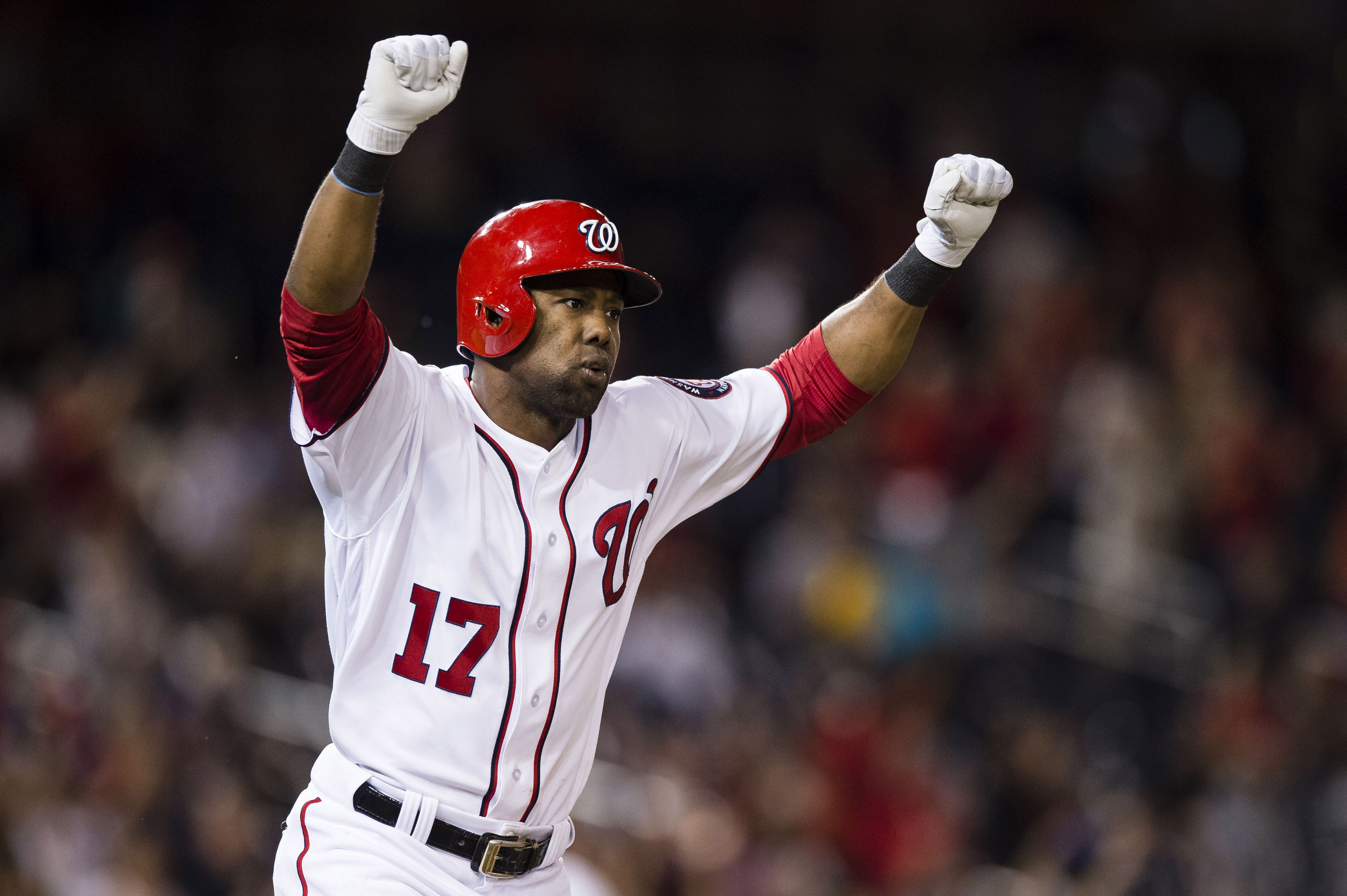 There are other players currently on the 40-man that may receive the call as well. Will Willians Astudillo conveniently be brought back from his rehab on September 1st? Will Nick Gordon be recovered in time to finally experience his first major league clubhouse as a player? Today, we'll look at six players who are not currently on the 40-man roster who could help the Twins wrap up the AL Central pennant. While not all of these players - and perhaps most - will not join the team, they all offer something that could make an impact on the current team. RHP Brusdar Graterol - With Graterol, it's not a matter of if he joins the Twins, but when. After missing a few months earlier this year with a shoulder ailment, he has returned to Pensacola and pitched in three games, all relief appearances. In those games he's thrown five scoreless innings, allowing one hit and two walks while striking out four. Of the 64 bullets he's fired, 43 (67.2%) have been strikes. Most impressively and famously, Graterol threw a fastball 103.8 mph in his last outing. He joined the Red Wings on Monday. He spent 10 days in Pensacola after recovering from his injury. How long will he be in Rochester? OF Alejandro De Aza (pictured) - Before being placed on Rochester's injured list on Sunday with a hand contusion, De Aza slashed .333/.410/.588 (.998) in his 28 games with the Red Wings. De Aza, 35, has not played in the MLB since 2017, but does have postseason experience which could help in September. In 2014, De Aza went 7-for-21 with three doubles and three RBI for the Orioles, who fell to the Royals in the ALCS. De Aza would be limited to below-average defense in an outfield corner (or DH), but would provide both experience and depth in the form of a left-handed bat who hits righties well. OF Ian Miller - Miller came to the organization in August from Seattle in a minor-league trade. The potential value of adding Miller to the big-club comes exclusively from his legs. Over his seven minor league seasons, Miller is 240-for-289 (83%) on stolen base attempts. The Twins this year - without Byron Buxton - are 11-for-28 (39%). I'm not suggesting the Twins bring up Miller to have him steal a bunch of bases. But the lack of successful stolen bases suggests that the team doesn't have a ton of speed. And there's going to be an occasion (again!) where a game will hang in the balance with a runner on first with one out or nobody out... and we'd all prefer that runner (or pinch-runner) is someone actually fast, not someone that is fast compared to the TwinsDaily writing staff. (Jeremy's note: When TwinsDaily writers competed at the mascot race a few seasons back, I won. And it wasn't even close. Believe me, these other guys aren't fast. They made me look like The Freeze.) LHP Ryan O'Rourke - Since ROR last pitched the for the Twins in 2016, he's had Tommy John surgery and bounced around baseball, eventually recently bouncing back into the organization. O'Rourke has always been death to left-handed hitters and could be a very useful commodity in September. RHP Jorge Alcala - Along with Graterol, Alcala joined Rochester on Monday. Acquired in the Ryan Pressly deal last July, Alcala has been a less-heralded prospect than many and his results haven't done a lot to make people take notice. In 26 AA games (16 starts), Alcala went 5-7 with a 5.87 ERA. He allowed a WHIP of 1.47 and opponents hit .284 off of him. But since moving exclusively to the bullpen in late July, Alcala has been a different dude. In 10 2/3 innings, Alcala has allowed seven hits and two walks (0.84 WHIP) and has struck out seven. Like Graterol, he's pounded the strike zone - 106 strikes in 165 pitches (64.2%). Pre-season scouting reports had Alcala up to 98 mph as a starter. In short stints, he'll be over 100 mph. Combine that with an above-average slider... and this bullpen might be OK after all. C Wilin Rosario - Like De Aza, it's been a bit since Rosario was a major-league baseball player. After hitting 28 home runs and finishing fourth in NL Rookie of the Year voting as a 23-year-old in 2013 with Colorado, Rosario had three years that increasingly got worse before playing the last three years in Korea and Japan. Back in America in 2019, Rosario has hit .307/.347/.527 (.874) in 385 plate appearances. He's a liability behind the plate, but could play there in a pinch. While it's not likely for Rosario to come up with the pending addition of Willians Astudillo, Rosario would be a phone call away if any of the three catchers go down to injury.
 -
Front Page: Across the Meadow: August 8
Jeremy Nygaard posted a topic in Twins Daily Front Page News
The Twins started a HUGE series against the Indians on Thursday night. We recorded a new podcast just before that series kicked off. In addition to previewing the Indians series, we also discussed Sam Dyson, the future of the rotation and bullpen, and what's going on with the lineup. We also dreamed about a future free agent signing.If you don't have time for all 69 minutes, at least make sure you listen to the discussion around the 45 minute mark. The topic: Did Trevor May really get a plaque for hitting 100 mph? As always, all of our podcasts are available here or you can download directly from iTunes here. Click here to view the article -
 If you don't have time for all 69 minutes, at least make sure you listen to the discussion around the 45 minute mark. The topic: Did Trevor May really get a plaque for hitting 100 mph? As always, all of our podcasts are available here or you can download directly from iTunes here.
 -
The deadline is upon us and the time to make a deal is closing fast. We all have great ideas to make the Twins franchise World Series champions for the first time since 1991. So you're the GM, what are you going to do? Have you missed the earlier parts of this series? Part 1: 2020 Part 2: Payroll Part 3: The Ammunition Part 4: The Sellers Part 5: Who Are We Getting? ********** The previous five articles linked above have led us to this place: willing to take on payroll, less willing to deal the best of our assets, but understanding the cost to do business in terms of adding controllable pieces. My wishlist (in no particular order): A controllable starting pitcher - Beyond Jose Berrios and the team holding an option on Martin Perez's contract for 2020, the other 60% of the rotation is on expiring contracts. While the current rotation has been durable and, at a minimum, capable, adding a quality starter to the stable would be a big step for this pennant race and next year. A relief pitcher - While a reliever with team control would be preferred, getting a rental would suffice. An elite pinch-runner - There will come a time between now and the end of the season that Nelson Cruz, Miguel Sano or Jason Castro will be the tying or go-ahead run on second base... and out of the dugout will trot Ehire Adrianza. Adding this piece would be ideal at the end of August, right before rosters expand... but that's not allowed anymore. So we shop in July! Holding on to my top six prospects - What? If I can accomplish the above tasks without moving any of Royce Lewis, Alex Kirilloff, Brusdar Graterol, Jordan Balazovic, Jhoan Duran or Trevor Larnach, I'd be ecstatic. It doesn't mean I won't do it. I'd just prefer not to. Without further adieu, my moves: Acquire SP Mike Minor from the Texas Rangers. It's not the most appealing name, but Minor has had the most productive 2019 season of all the pitchers rumored to be available. Why the Rangers? While the Rangers are playing .500 ball, it's not happening for them this year. And if they're honest with themselves, it's not happening next year either. Plus, GM Thad Levine used to work under Rangers GM Jon Daniels and they have a great relationship. How does Minor fit? Well, this does give the Twins six pitchers for five spots. At its simplest, someone is going to have to move to the bullpen. I'd suggest being more creative, limiting Michael Pineda's innings and using Martin Perez in more of a swing role. I'd also find a way to get Devin Smeltzer the occasional start. Plus, Minor is under contract for another year. Controllable starting pitcher, check. The cost? You skipped the previous two parts, didn't you? Minor isn't going to come cheap, unfortunately. I'm probably going to have to give up one of the prospects I don't want to. If Trevor Larnach is involved, the cost probably wouldn't be much more. But there's a chance the Twins get this done without Larnach. A package of A-ball players fits in really well with where Texas is as an organization. The package(s): Quantity: SS Wander Javier, RHP Blayne Enlow and RHP Luis Rijo for LHP Mike Minor. Quality: OF Trevor Larnach and RHP Griffin Jax for LHP Mike Minor and minor-league RP CD Pelham. Quick Take: Is the Stroman deal what the market is going to be? If so, maybe the Twins can get Minor for less. If not, maybe neither of these packages get it done. --- Acquire RP Ian Kennedy from the Kansas City Royals. Just like Minor, Kennedy is not the most appealing name. But he's been dang good as the Royals closer this year. Why the Royals? If you can convince them to deal to a division rival, this is a no-brainer. Kennedy is owed over $20m through the end of next year, and the Twins are in a position to take on salary. The combination of those two things drive down the cost in terms of prospects. How does Kennedy fit? Kennedy has 20 saves in 23 opportunities and has been equally as good against right- and left-handed hitters. I wouldn't "demote" Taylor Rogers, but I'd be more inclined to use Rogers in earlier high-leverage situations knowing Kennedy is more than capable of closing out games. Oh, and he continues to serve in that role through the upcoming back-to-back World Series championships. Reliever, check. The cost? Money, mostly. How much the Royals send over determines the level of prospect. The package: RHP Johan Quezada for RHRP Ian Kennedy and $5 million. Quick Take: The Royals pay just the rest of this year's salary (or maybe less) and in return get a flame throwing prospect who they will add to the 40-man roster this offseason. Bad teams having a closer is a luxury that the Royals are capitalizing on. --- Acquire OF Jarrod Dyson from the Arizona Diamondbacks. Yeah, we're doing it... Why the Diamondbacks? They're setting themselves up as sellers, but maybe shouldn't be. At any rate, I want the one of the fastest runners in baseball on my team. How does Dyson fit? He fits great as a fourth outfielder... on a team that doesn't really employ a fourth outfielder. If Buxton were to miss time, this is a pretty easy transition. Otherwise, he's a pinch-runner and fourth outfielder. The cost? Dyson is owed $1.2m over the course of the season. Now, about that 25-man spot he's going to need.... I'm trading 2B Jonathan Schoop. With Marwin Gonzalez and Ehire Adrianza capable of being the second baseman if something were to happen to Luis Arraez. The package: 2B Jonathan Schoop for OF Jarrod Dyson. (And whatever else, from either side, to make the deal work.) Quick Take: The Diamondbacks have played Ketel Marte at both 2B and CF, so this move forces him to CF full time. Both Dyson and Schoop are on expiring contracts. This changes Arizona's lineup (more pop, less speed) if they want to continue going for it. Or maybe they flip Schoop. --- You're in charge. What are you doing? Click here to view the article
- 26 replies
-
- 2
-
-
- ian kennedy
- jarrod dyson
- (and 2 more)
-
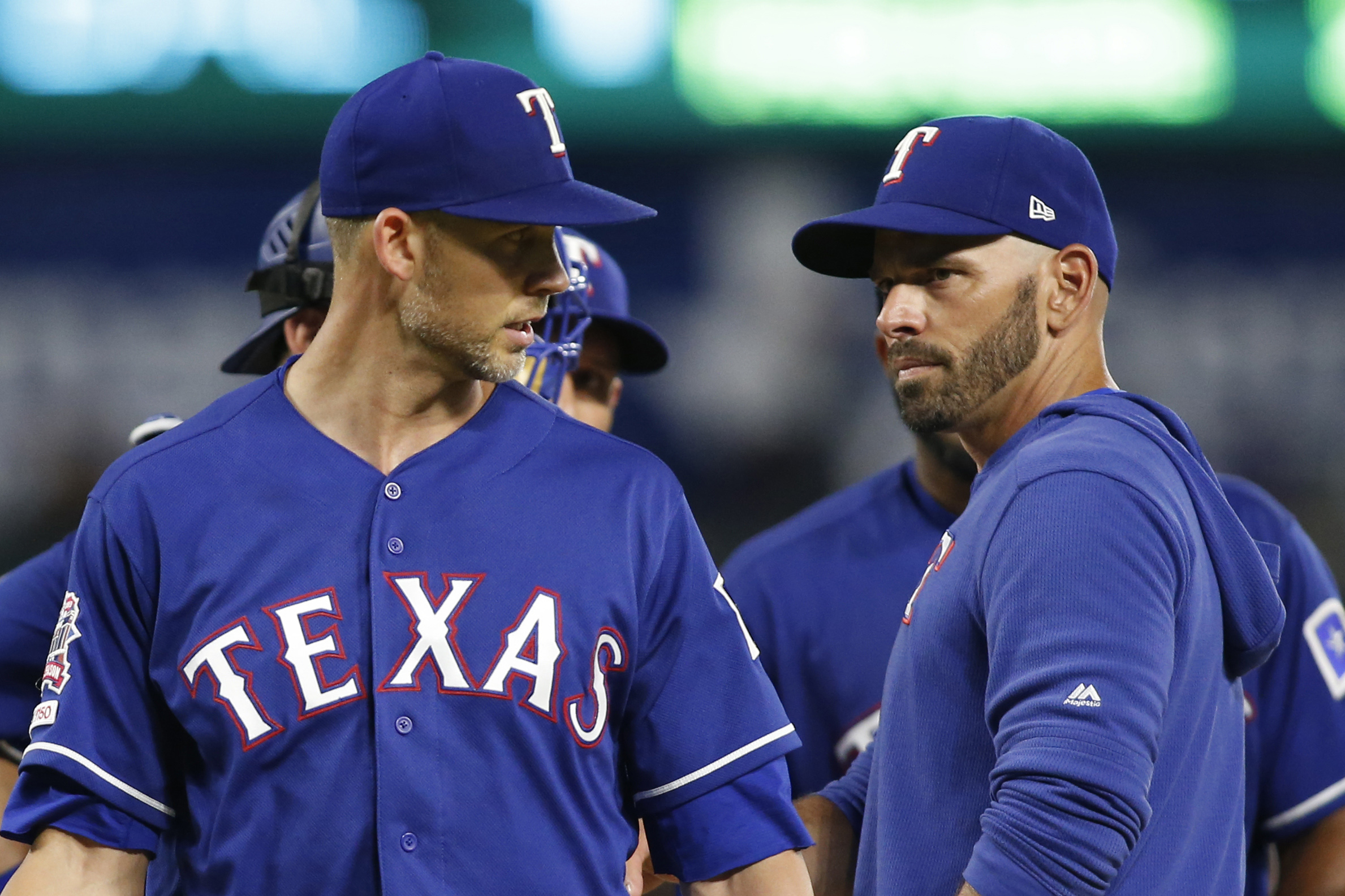 Have you missed the earlier parts of this series? Part 1: 2020 Part 2: Payroll Part 3: The Ammunition Part 4: The Sellers Part 5: Who Are We Getting? ********** The previous five articles linked above have led us to this place: willing to take on payroll, less willing to deal the best of our assets, but understanding the cost to do business in terms of adding controllable pieces. My wishlist (in no particular order): A controllable starting pitcher - Beyond Jose Berrios and the team holding an option on Martin Perez's contract for 2020, the other 60% of the rotation is on expiring contracts. While the current rotation has been durable and, at a minimum, capable, adding a quality starter to the stable would be a big step for this pennant race and next year. A relief pitcher - While a reliever with team control would be preferred, getting a rental would suffice. An elite pinch-runner - There will come a time between now and the end of the season that Nelson Cruz, Miguel Sano or Jason Castro will be the tying or go-ahead run on second base... and out of the dugout will trot Ehire Adrianza. Adding this piece would be ideal at the end of August, right before rosters expand... but that's not allowed anymore. So we shop in July! Holding on to my top six prospects - What? If I can accomplish the above tasks without moving any of Royce Lewis, Alex Kirilloff, Brusdar Graterol, Jordan Balazovic, Jhoan Duran or Trevor Larnach, I'd be ecstatic. It doesn't mean I won't do it. I'd just prefer not to. Without further adieu, my moves: Acquire SP Mike Minor from the Texas Rangers. It's not the most appealing name, but Minor has had the most productive 2019 season of all the pitchers rumored to be available. Why the Rangers? While the Rangers are playing .500 ball, it's not happening for them this year. And if they're honest with themselves, it's not happening next year either. Plus, GM Thad Levine used to work under Rangers GM Jon Daniels and they have a great relationship. How does Minor fit? Well, this does give the Twins six pitchers for five spots. At its simplest, someone is going to have to move to the bullpen. I'd suggest being more creative, limiting Michael Pineda's innings and using Martin Perez in more of a swing role. I'd also find a way to get Devin Smeltzer the occasional start. Plus, Minor is under contract for another year. Controllable starting pitcher, check. The cost? You skipped the previous two parts, didn't you? Minor isn't going to come cheap, unfortunately. I'm probably going to have to give up one of the prospects I don't want to. If Trevor Larnach is involved, the cost probably wouldn't be much more. But there's a chance the Twins get this done without Larnach. A package of A-ball players fits in really well with where Texas is as an organization. The package(s): Quantity: SS Wander Javier, RHP Blayne Enlow and RHP Luis Rijo for LHP Mike Minor. Quality: OF Trevor Larnach and RHP Griffin Jax for LHP Mike Minor and minor-league RP CD Pelham. Quick Take: Is the Stroman deal what the market is going to be? If so, maybe the Twins can get Minor for less. If not, maybe neither of these packages get it done. --- Acquire RP Ian Kennedy from the Kansas City Royals. Just like Minor, Kennedy is not the most appealing name. But he's been dang good as the Royals closer this year. Why the Royals? If you can convince them to deal to a division rival, this is a no-brainer. Kennedy is owed over $20m through the end of next year, and the Twins are in a position to take on salary. The combination of those two things drive down the cost in terms of prospects. How does Kennedy fit? Kennedy has 20 saves in 23 opportunities and has been equally as good against right- and left-handed hitters. I wouldn't "demote" Taylor Rogers, but I'd be more inclined to use Rogers in earlier high-leverage situations knowing Kennedy is more than capable of closing out games. Oh, and he continues to serve in that role through the upcoming back-to-back World Series championships. Reliever, check. The cost? Money, mostly. How much the Royals send over determines the level of prospect. The package: RHP Johan Quezada for RHRP Ian Kennedy and $5 million. Quick Take: The Royals pay just the rest of this year's salary (or maybe less) and in return get a flame throwing prospect who they will add to the 40-man roster this offseason. Bad teams having a closer is a luxury that the Royals are capitalizing on. --- Acquire OF Jarrod Dyson from the Arizona Diamondbacks. Yeah, we're doing it... Why the Diamondbacks? They're setting themselves up as sellers, but maybe shouldn't be. At any rate, I want the one of the fastest runners in baseball on my team. How does Dyson fit? He fits great as a fourth outfielder... on a team that doesn't really employ a fourth outfielder. If Buxton were to miss time, this is a pretty easy transition. Otherwise, he's a pinch-runner and fourth outfielder. The cost? Dyson is owed $1.2m over the course of the season. Now, about that 25-man spot he's going to need.... I'm trading 2B Jonathan Schoop. With Marwin Gonzalez and Ehire Adrianza capable of being the second baseman if something were to happen to Luis Arraez. The package: 2B Jonathan Schoop for OF Jarrod Dyson. (And whatever else, from either side, to make the deal work.) Quick Take: The Diamondbacks have played Ketel Marte at both 2B and CF, so this move forces him to CF full time. Both Dyson and Schoop are on expiring contracts. This changes Arizona's lineup (more pop, less speed) if they want to continue going for it. Or maybe they flip Schoop. --- You're in charge. What are you doing?
 -
Romo isn't going to be the only move. The last part of this series is my GM FOR A DAY article. Bring on the additions!
-
The most forward-thinking teams approach the deadline as buyers and sellers. If the Twins can make a move to improve their ball team both for now and the future by selling an expiring contract, they can't be closed-minded to it. I don't think Odorizzi goes, because he'll likely bring back a draft pick by being QO'd (or he'll be back on a 1-year deal), neither which would be bad. I also don't think Castro gets moved because they would be super thin with only Garver. But I wouldn't be shy in including Schoop or Gibson. Arraez/Marwin can take care of 2B and whoever comes back would slide into Gibson's spot in the rotation... but you'd still need to add to the bullpen.
-
The deadline is just a little over 48 hours away (or less, depending on when you’re first reading this). We know what the Twins are trying to do (add pitching, pitching and more pitching). With the recent addition of Sergio Romo, who will slot into a 7th- or 8th-inning role, the Twins still appear hopeful to add another arm or, ideally, two. As Romo is a rental, their focus has likely shifted to controllable arms. Have you missed the earlier parts of this series? Part 1: 2020 Part 2: Payroll Part 3: The Ammunition Part 4: The Sellers ********** At the top of the Twins - and every other team’s - wish list is a front-end starting pitcher who has team control. By adding one of these players, the Twins would take a current starter (probably Martin Perez) and move him to the bullpen for the remainder of the year. I’m also being more than generous lumping some of these guys into the “front-end” conversation. These guys are starters and would be inserted into the rotation if acquired. Zack Greinke, RHP, Arizona Diamondbacks. Turns 36 in October, 4.7 bWAR, 3.15 FIP, 8.2 K/9; owed a boatload of money over this season and the next two, also has a lot of deferred money he is owed and the Twins are on his no-trade list. Will he be a Twin? No, he won’t. But it would be really fun. Marcus Stroman, RHP, New York Mets. Turned 28 in May, 3.2 bWAR, 3.52 FIP, 7.1 K/9; owed ~$2.5 million over the rest of 2019 and will command around $14m in his last arbitration year before heading to free agency. Stroman would slot in perfectly behind Berrios despite not having overpowering stuff. He’s survived the AL East and performed heroically in the World Baseball Classic. The Mets traded for him Sunday afternoon, and appear to be keeping him rather than flipping him. Will he be a Twin? The Twins certainly had the pieces to deal with Toronto, but couldn't/didn't beat the Mets package. The Mets now have the most intriguing rental (Zach Wheeler), player with one year of control (Stroman) and player with two years of control (Syndergaard). Noah Syndergaard, RHP, New York Mets. Turns 27 in August, 1.2 bWAR, 3.64 FIP, 9.0 K/9; owed ~$2 million over the rest of the 2019 season and has two more years of arbitration left before heading to free agency. Syndergaard has not been as good this year as in the past, but the price is still incredibly high. The Padres and Braves sound like the most interested trade partners, with the Astros and Yankees showing interest as well. After adding Stroman, maybe the Mets are going for it. Will he be a Twin? We can dream, right? At this point, that’s what it is, despite having the ammunition to get it done. Matthew Boyd, LHP, Detroit Tigers. Turns 29 in February, 3.0 bWAR, 3.57 FIP, 12.0 K/9; owed ~$850,000 over the rest of the 2019 season and has three years of arbitration remaining. Not the youngest on this list, but is the one with the most team control, which makes him the most valuable. Will he be a Twin? Because he’s in the division, there is a very slim chance the Twins acquire Boyd. Trevor Bauer, RHP, Cleveland Indians. Turns 29 in January, 2.4 bWAR, 4.19 FIP, 10.6 K/9; owed ~$4.3 million over the rest of 2019 and will command around $18m in his last arbitration year before heading to free agency. Do the Indians move Bauer? And would they move him to the team they competing directly with for a playoff spot? Will he be a Twin? Extremely unlikely, despite his Sunday meltdown. Robbie Ray, LHP, Arizona Diamondbacks. Turns 28 in October, 1.1 bWAR, 4.27 FIP, 11.9 K/9; owed ~$2 million over the rest of 2019 and will command around $11m in his last arbitration year before heading to free agency. Ray is probably a step below many of the other available. Will he be a Twin? They’ve kicked the tires on Ray and the teams were able to match up on a deal last year. Will a team not in on the big names try to strike early? It’s possible. I don’t consider Ray to be one of their top choices, so I don’t see this being a match unless it happens very late in the process. Lance Lynn, RHP, Texas Rangers. Turned 32 in May; 5.0 bWAR, 2.94 FIP, 10.2 K/9; owed ~$3.1 million over the rest of the 2019 season and is under contract for two more years at $20.7m. Lynn has been an above-average pitcher for his entire career, except for his time with the Twins, when he couldn’t throw strikes. Will he be a Twin? It would be a nightmarish reunion for fans, especially if he doesn’t perform well. But he’s been really good this year, the cost wouldn’t be excessive and he would help with the playoff push. If he keeps playing like he has so far this year, all fans would get over his 2018 performance. Mike Leake, RHP, Seattle Mariners. Turns 32 in November, 2.0 bWAR, 4.71 FIP, 6.7 K/9; owed ~3.6 million over the rest of the 2019 season and acquiring team would be on the hook for $11m of his $15m contract in 2020 as well as a $5m buyout on a $18m mutual option in 2021. The Twins could afford to take on the $20 still owed to Leake and, in doing so, could avoid moving their better prospects. He’d also help fill a need in next year’s rotation… but is he an upgrade on anyone in the current rotation? That’s a big question. Will he be a Twin? If the Twins are convinced they’d be better with Leake in the rotation and Perez in the bullpen than with Perez in the rotation and a new acquisition in the bullpen, then this is a move I could certainly see the team making. Mike Minor, LHP, Texas Rangers. Turns 32 in December, 5.8 bWAR, 4.20 FIP, 9.1 K/9; owed ~$3.3 million over the rest of 2019 and under contract for $9,833,333 next season. Minor will be a free agent following the 2020 season. Despite how good he’s been this year - he’s been great - his track record isn’t. Will he be a Twin? There is definitely familiarity between Thad Levine and Rangers GM Jon Daniels. And though he’s been arguably the best pitcher who is available, the cost shouldn’t be as high as others. Next on the Twins list would be a controllable, dependable back-of-the-bullpen type. Shane Greene, RHP, Detroit Tigers. Turns 31 in November; 1.5 bWAR, 3.74 FIP, 10.0 K/9; owed ~$1.3 million over the rest of the 2019 season and will command around $8m in his last arbitration year before heading to free agency. Greene is having his best season by far and the Tigers are looking to cash in. Will he be a Twin? Fortunately, the Twins and Tigers don’t appear likely to connect on a trade, saving the Twins from trading for someone who has a very short track record despite being a relief pitcher for the last three seasons. Jake McGee, LHP, Colorado Rockies. Turns 33 in August; 0.8 bWAR, 4.92 FIP, 7.3 K/9; owed ~$2.8 million over the rest of the 2019 season with $11.5m more guaranteed over the next two years, including a likely-to-vest option for 2021, increasing the guarantee to $18.5m. McGee is not the same performer he was with Tampa Bay, but has dominated left-handed hitters this year (which he did not do last year). Will he be a Twin? There are better, less expensive options available currently. But if it gets close to the deadline and the Twins are still in the market for another left-handed option, they could do worse. Edwin Diaz, RHP, New York Mets. Turned 25 in March; 0.0 bWAR, 3.50 FIP, 14.0 K/9; owed ~$200,000 over the rest of the 2019 season and has three years of arbitration left before free agency. Diaz was the best reliever in baseball in 2018 and the Mets paid for it. He hasn’t been good this year, yet the Mets are still asking for a ton, as they should. Will he be a Twin? The cost will be super high. The Twins appear most interested in Diaz of all the potential Mets trade chips, but that still doesn’t make this move more likely. Kirby Yates, RHP, San Diego Padres. Turned 32 in March; 2.4 bWAR, 1.07 FIP, 14.7 K/9; owed ~$1 million over the rest of the 2019 season and will command around $7m in his last arbitration year before heading to free agency. The Padres turned a waiver-wire claim in Brad Hand into a Top 100 prospect in Francisco Mejia. They’re likely to try to do the same thing with Yates. Yates has been great, don’t get me wrong. But he’s a great example of how elite relievers don’t always take the path that begins with being a top prospect. Will he be a Twin? His price will be high, but if the Twins insist on moving big-time prospects for a controllable reliever, Yates is one of the better options. Felipe Vasquez, LHP, Pittsburgh Pirates. Turned 28 in July; 2.0 bWAR, 1.96 FIP, 14.1 K/9; owed ~$1.5 million over the rest of the 2019 season, with two more guaranteed years ($13.5m) before two team options ($10m each). Vasquez would certainly change the complexion of the bullpen, wouldn’t he? Will he be a Twin? Like Diaz, the cost will be extreme, which makes the likelihood of a trade small. Ian Kennedy, RHP, Kansas City Royals. Turns 35 in December; 0.9 bWAR, 2.16 FIP, 11.1 K/9; owed ~$5.5 million over the rest of the 2019 season and $16.5m in 2020. Kennedy’s career has been rejuvenated by a move to the bullpen. He’s walking less and striking out more hitters than ever before. Will he be a Twin? This is a move the team should make. With financial flexibility to take on salary, which would offset the need to part with top prospects, the Twins and Royals can match up nicely. That is, if the Royals are ok sending their closer to an in-division team. Ken Giles, RHP, Toronto Blue Jays. Turns 29 in September; 1.8 bWAR, 1.60 FIP; 14.9 K/9; owed ~$2.1 million over the rest of the 2019 season and will command around $10m in his last arbitration year before heading to free agency. Giles should be high on the priority list for the Twins and others. You can definitely find reasons to not like Giles - he’s basically a two-years-younger-version of Cody Allen. But there’s a lot to like too. Will he be a Twin? The Twins will go as far down this path as they can. Will it end with Giles in Minnesota? We’ll find out soon. We're getting down to it... who are the Twins going to add? Click here to view the article
-
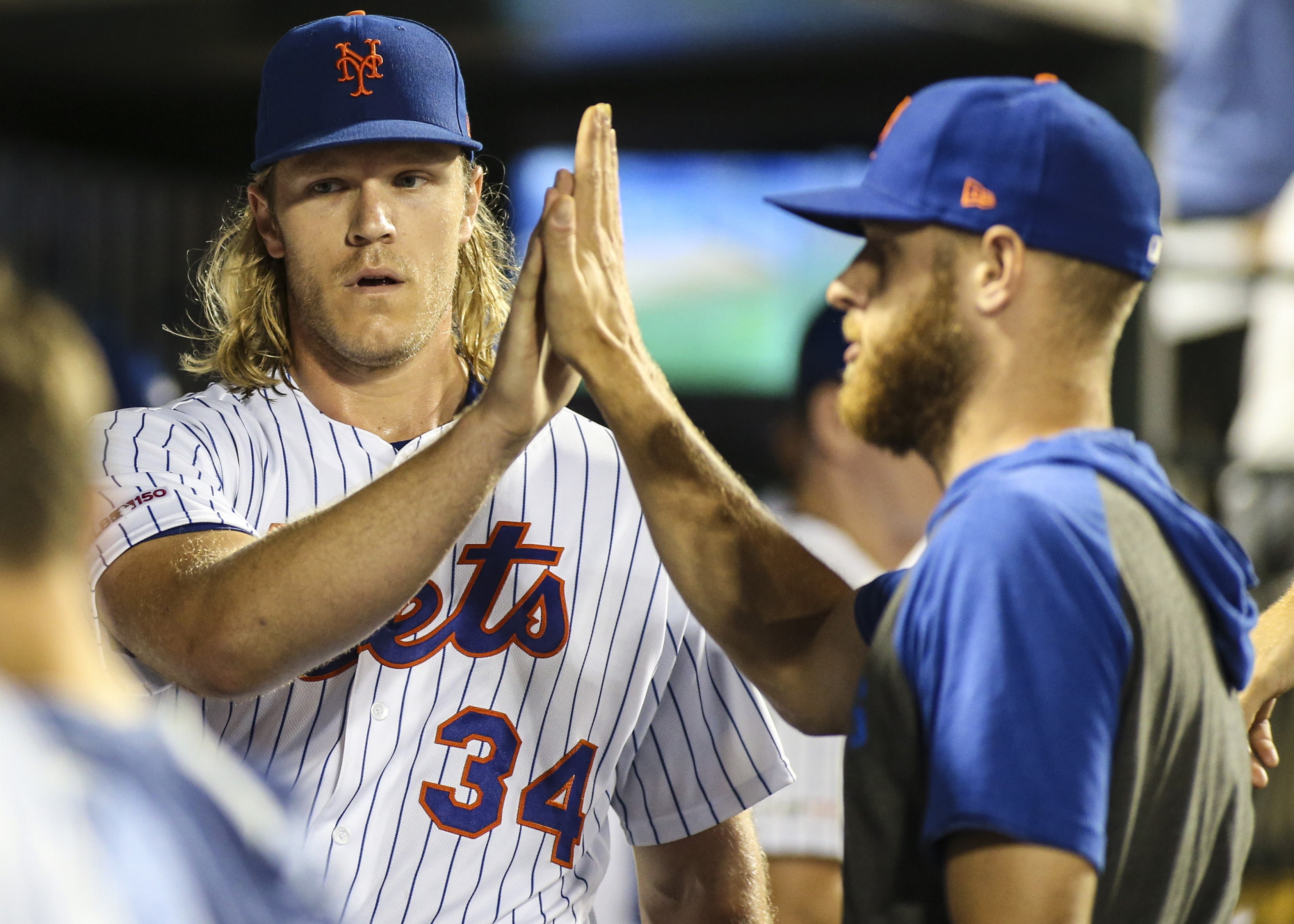 Have you missed the earlier parts of this series? Part 1: 2020 Part 2: Payroll Part 3: The Ammunition Part 4: The Sellers ********** At the top of the Twins - and every other team’s - wish list is a front-end starting pitcher who has team control. By adding one of these players, the Twins would take a current starter (probably Martin Perez) and move him to the bullpen for the remainder of the year. I’m also being more than generous lumping some of these guys into the “front-end” conversation. These guys are starters and would be inserted into the rotation if acquired. Zack Greinke, RHP, Arizona Diamondbacks. Turns 36 in October, 4.7 bWAR, 3.15 FIP, 8.2 K/9; owed a boatload of money over this season and the next two, also has a lot of deferred money he is owed and the Twins are on his no-trade list. Will he be a Twin? No, he won’t. But it would be really fun. Marcus Stroman, RHP, New York Mets. Turned 28 in May, 3.2 bWAR, 3.52 FIP, 7.1 K/9; owed ~$2.5 million over the rest of 2019 and will command around $14m in his last arbitration year before heading to free agency. Stroman would slot in perfectly behind Berrios despite not having overpowering stuff. He’s survived the AL East and performed heroically in the World Baseball Classic. The Mets traded for him Sunday afternoon, and appear to be keeping him rather than flipping him. Will he be a Twin? The Twins certainly had the pieces to deal with Toronto, but couldn't/didn't beat the Mets package. The Mets now have the most intriguing rental (Zach Wheeler), player with one year of control (Stroman) and player with two years of control (Syndergaard). Noah Syndergaard, RHP, New York Mets. Turns 27 in August, 1.2 bWAR, 3.64 FIP, 9.0 K/9; owed ~$2 million over the rest of the 2019 season and has two more years of arbitration left before heading to free agency. Syndergaard has not been as good this year as in the past, but the price is still incredibly high. The Padres and Braves sound like the most interested trade partners, with the Astros and Yankees showing interest as well. After adding Stroman, maybe the Mets are going for it. Will he be a Twin? We can dream, right? At this point, that’s what it is, despite having the ammunition to get it done. Matthew Boyd, LHP, Detroit Tigers. Turns 29 in February, 3.0 bWAR, 3.57 FIP, 12.0 K/9; owed ~$850,000 over the rest of the 2019 season and has three years of arbitration remaining. Not the youngest on this list, but is the one with the most team control, which makes him the most valuable. Will he be a Twin? Because he’s in the division, there is a very slim chance the Twins acquire Boyd. Trevor Bauer, RHP, Cleveland Indians. Turns 29 in January, 2.4 bWAR, 4.19 FIP, 10.6 K/9; owed ~$4.3 million over the rest of 2019 and will command around $18m in his last arbitration year before heading to free agency. Do the Indians move Bauer? And would they move him to the team they competing directly with for a playoff spot? Will he be a Twin? Extremely unlikely, despite his Sunday meltdown. Robbie Ray, LHP, Arizona Diamondbacks. Turns 28 in October, 1.1 bWAR, 4.27 FIP, 11.9 K/9; owed ~$2 million over the rest of 2019 and will command around $11m in his last arbitration year before heading to free agency. Ray is probably a step below many of the other available. Will he be a Twin? They’ve kicked the tires on Ray and the teams were able to match up on a deal last year. Will a team not in on the big names try to strike early? It’s possible. I don’t consider Ray to be one of their top choices, so I don’t see this being a match unless it happens very late in the process. Lance Lynn, RHP, Texas Rangers. Turned 32 in May; 5.0 bWAR, 2.94 FIP, 10.2 K/9; owed ~$3.1 million over the rest of the 2019 season and is under contract for two more years at $20.7m. Lynn has been an above-average pitcher for his entire career, except for his time with the Twins, when he couldn’t throw strikes. Will he be a Twin? It would be a nightmarish reunion for fans, especially if he doesn’t perform well. But he’s been really good this year, the cost wouldn’t be excessive and he would help with the playoff push. If he keeps playing like he has so far this year, all fans would get over his 2018 performance. Mike Leake, RHP, Seattle Mariners. Turns 32 in November, 2.0 bWAR, 4.71 FIP, 6.7 K/9; owed ~3.6 million over the rest of the 2019 season and acquiring team would be on the hook for $11m of his $15m contract in 2020 as well as a $5m buyout on a $18m mutual option in 2021. The Twins could afford to take on the $20 still owed to Leake and, in doing so, could avoid moving their better prospects. He’d also help fill a need in next year’s rotation… but is he an upgrade on anyone in the current rotation? That’s a big question. Will he be a Twin? If the Twins are convinced they’d be better with Leake in the rotation and Perez in the bullpen than with Perez in the rotation and a new acquisition in the bullpen, then this is a move I could certainly see the team making. Mike Minor, LHP, Texas Rangers. Turns 32 in December, 5.8 bWAR, 4.20 FIP, 9.1 K/9; owed ~$3.3 million over the rest of 2019 and under contract for $9,833,333 next season. Minor will be a free agent following the 2020 season. Despite how good he’s been this year - he’s been great - his track record isn’t. Will he be a Twin? There is definitely familiarity between Thad Levine and Rangers GM Jon Daniels. And though he’s been arguably the best pitcher who is available, the cost shouldn’t be as high as others. Next on the Twins list would be a controllable, dependable back-of-the-bullpen type. Shane Greene, RHP, Detroit Tigers. Turns 31 in November; 1.5 bWAR, 3.74 FIP, 10.0 K/9; owed ~$1.3 million over the rest of the 2019 season and will command around $8m in his last arbitration year before heading to free agency. Greene is having his best season by far and the Tigers are looking to cash in. Will he be a Twin? Fortunately, the Twins and Tigers don’t appear likely to connect on a trade, saving the Twins from trading for someone who has a very short track record despite being a relief pitcher for the last three seasons. Jake McGee, LHP, Colorado Rockies. Turns 33 in August; 0.8 bWAR, 4.92 FIP, 7.3 K/9; owed ~$2.8 million over the rest of the 2019 season with $11.5m more guaranteed over the next two years, including a likely-to-vest option for 2021, increasing the guarantee to $18.5m. McGee is not the same performer he was with Tampa Bay, but has dominated left-handed hitters this year (which he did not do last year). Will he be a Twin? There are better, less expensive options available currently. But if it gets close to the deadline and the Twins are still in the market for another left-handed option, they could do worse. Edwin Diaz, RHP, New York Mets. Turned 25 in March; 0.0 bWAR, 3.50 FIP, 14.0 K/9; owed ~$200,000 over the rest of the 2019 season and has three years of arbitration left before free agency. Diaz was the best reliever in baseball in 2018 and the Mets paid for it. He hasn’t been good this year, yet the Mets are still asking for a ton, as they should. Will he be a Twin? The cost will be super high. The Twins appear most interested in Diaz of all the potential Mets trade chips, but that still doesn’t make this move more likely. Kirby Yates, RHP, San Diego Padres. Turned 32 in March; 2.4 bWAR, 1.07 FIP, 14.7 K/9; owed ~$1 million over the rest of the 2019 season and will command around $7m in his last arbitration year before heading to free agency. The Padres turned a waiver-wire claim in Brad Hand into a Top 100 prospect in Francisco Mejia. They’re likely to try to do the same thing with Yates. Yates has been great, don’t get me wrong. But he’s a great example of how elite relievers don’t always take the path that begins with being a top prospect. Will he be a Twin? His price will be high, but if the Twins insist on moving big-time prospects for a controllable reliever, Yates is one of the better options. Felipe Vasquez, LHP, Pittsburgh Pirates. Turned 28 in July; 2.0 bWAR, 1.96 FIP, 14.1 K/9; owed ~$1.5 million over the rest of the 2019 season, with two more guaranteed years ($13.5m) before two team options ($10m each). Vasquez would certainly change the complexion of the bullpen, wouldn’t he? Will he be a Twin? Like Diaz, the cost will be extreme, which makes the likelihood of a trade small. Ian Kennedy, RHP, Kansas City Royals. Turns 35 in December; 0.9 bWAR, 2.16 FIP, 11.1 K/9; owed ~$5.5 million over the rest of the 2019 season and $16.5m in 2020. Kennedy’s career has been rejuvenated by a move to the bullpen. He’s walking less and striking out more hitters than ever before. Will he be a Twin? This is a move the team should make. With financial flexibility to take on salary, which would offset the need to part with top prospects, the Twins and Royals can match up nicely. That is, if the Royals are ok sending their closer to an in-division team. Ken Giles, RHP, Toronto Blue Jays. Turns 29 in September; 1.8 bWAR, 1.60 FIP; 14.9 K/9; owed ~$2.1 million over the rest of the 2019 season and will command around $10m in his last arbitration year before heading to free agency. Giles should be high on the priority list for the Twins and others. You can definitely find reasons to not like Giles - he’s basically a two-years-younger-version of Cody Allen. But there’s a lot to like too. Will he be a Twin? The Twins will go as far down this path as they can. Will it end with Giles in Minnesota? We’ll find out soon. We're getting down to it... who are the Twins going to add?
 -
The Twins made their first (biggish) move of the month on Saturday by acquiring Sergio Romo from the Marlins. Yet it’s still more than fair to believe that there are more dominoes to fall in the next handful of days. Phones around the league are ringing off the hook. Do people still say that in 2019? A more accurate description is probably, “cell phones are vibrating in everyone’s pockets.” When Falvey and Levine pull their phones out, who’s on the other end? Have you missed the earlier parts of this series? Part 1: 2020 Part 2: Payroll Part 3: The Ammunition ********** (Standings are through Saturday night and games backs are for a Wild Card spot.) THE SELLERS: Detroit Tigers (30-70, 26 games back): Expected to be aggressive sellers. SP Matt Boyd, CL Shane Greene and OF Nicholas Castellanos all seem likely to be on the move. While the Twins should show interest in the pitchers, the Tigers don’t seem entirely motivated to trade within the division. Baltimore Orioles (35-69, 23 games back): The Orioles are in the unenviable position of not only being really bad, but also not having many assets to move. OF Trey Mancini would generate interest with multiple years of control let. RP Mychal Givens has had a rough year. They’ve traded Andrew Cashner to Boston already. Kansas City Royals (39-67, 20 games back): Another division foe who possesses trade chips. The Royals have been active early, trading Martin Maldenado to the Cubs and Homer Bailey and Jake Diekman to the A’s in separate deals. INF/OF Whit Merrifield is appealing as a player and has a super team-friendly contract. OF Billy Hamilton still provides speed on the basepaths. (He’d be a perfect August 31 trade target, if that still existed.) SP Danny Duffy and RP Ian Kennedy are attainable and both should have a market. Toronto Blue Jays (40-66, 19 games back): SP Marcus Stroman and RP Ken Giles may be the top (and affordable) SP/RP combo. The Blue Jays are also expected to move 2B Eric Sogard and RP Daniel Hudson. Things will be definitely be busy for the next few days for Toronto, an organization who boasts some of the brightest young talent in the game. Miami Marlins (39-63, 15 games back): After hooking up for the Sergio Romo deal, there doesn’t seem to be a whole lot more in terms of trade chips unless Miami is considering shipping out any of their younger talent. Seattle Mariners (45-63, 15 games back): Jerry DiPoto will make moves, this we know. SP Mike Leake appears to be their biggest trade chip, but when it comes to DiPoto, forecasting anything is an act of futility. Chicago White Sox (46-56, 11 games back): The Twins have probably checked in on RP Alex Colome and RP Aaron Bummer. Beyond that, 1B Jose Abreu is the only other player with value they’d consider moving. Pittsburgh Pirates (46-58, 9 games back): Despite being aggressive buyers last season and having a disappointing 2019, the Pirates have an impressive young core to build around. CL Felipe Vasquez and OF Starling Marte could be had, but likely have very high price tags. It’s possible that Pittsburgh could look to flip their two additions from last year: SP Chris Archer and RP Keone Kela, but both would be moved for pennies on the dollar. New York Mets (49-55, 6 games back): SP Noah Syndergaard, SP Zack Wheeler and RP Edwin Diaz are probably the highest-end shopping trio any team has to sell at the deadline. And the Mets are going to want everything in return. Arizona Diamondbacks (53-52, 2.5 games back): Above .500 and great series from being a Wild Card team, they don’t really fit on this list. But all indications are that they are looking to sell. And sell they can. SP Zack Greinke, SP Robbie Ray, CL Greg Holland and RP Archie Bradley have all been rumored to be on the block. If the Diamondbacks do decide to trade their assets, they could definitely restock quickly. Texas Rangers (53-52, 5.5 games back): SP Mike Minor and SP Lance Lynn might not have the star power like the names the Mets have to offer, but the Rangers may very well have the two best (in 2019) pitchers in their stack of chips. Additionally, bounce-back OF/DH Hunter Pence, UTIL Danny Santana and a variety of bullpen arms all make the Rangers an attractive team to potentially do business with. Colorado Rockies (49-56, 6.5 games back): Admittedly haven’t heard much about the Rockies plans this deadline, but their idea a few seasons back to spend heavily on the bullpen didn’t work out. They have high-priced, underachieving relief pitchers they would probably like to part with and it has been reported they’d move OF Charlie Blackmon for the right (big) return. NOT SELLERS (BUT MAYBE SHOULD BE): Cincinnati Reds (47-55, 7 games back): The team has been on record saying they are more likely to add, which sounds like a terrible idea. That stance has softened recently and the teams should listen on offers for SP Tanner Roark, SP Alex Wood, 2B Scooter Gennett, OF Yasiel Puig and CL Raisel Iglesias. San Diego Padres (49-55, 6 games back): Though I don’t necessarily understand the idea of packaging top prospects like 2B Luis Urias and SP Cal Quantrill to get SP Noah Syndergaard when the team is not going to make the playoffs, A.J. Preller is a unique person who has a unique way of doing business. The Padres look like a team that can potentially compete with the Dodgers in the next couple of years and Syndergaard can help do that. So, too, could moving Kirby Yates and one of their young, valuable surplus outfielders (Franmil Reyes or Hunter Renfroe). San Francisco Giants (53-52, 2.5 games back): We’re all familiar with this situation: The Giants are bad and going to blow things up by moving SP Madison Bumgarner and RP Will Smith, along with other trade chips in their very good bullpen. But then they go on a three-week tear and look like the best team in baseball, shifting their focus to looking at ways to supplement what they have to make one last run in future Hall of Famer Bruce Bochy’s career. It's probably a bad idea. Which teams do you hope keep texting Falvey and Levine? Click here to view the article
-
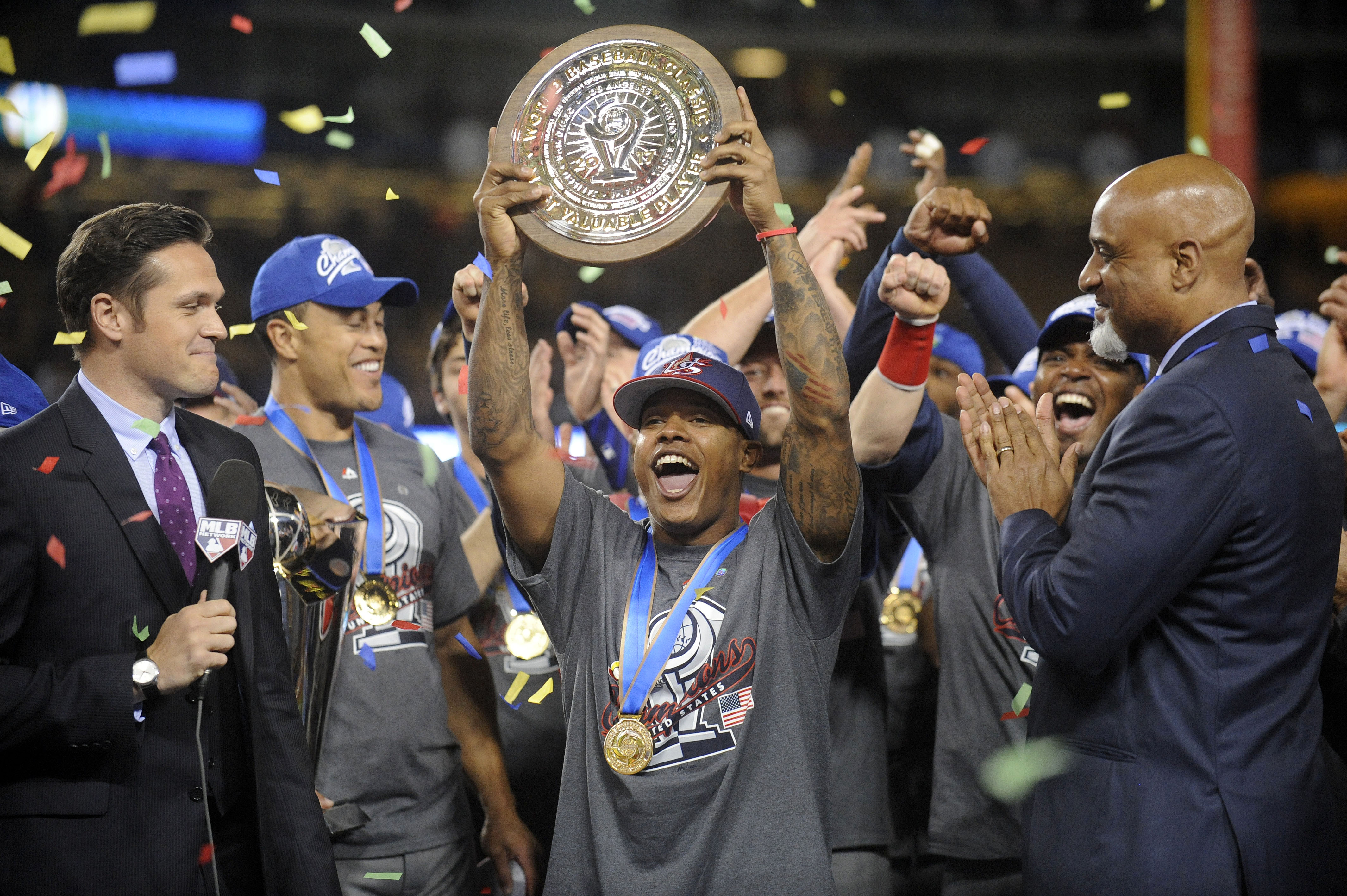 Have you missed the earlier parts of this series? Part 1: 2020 Part 2: Payroll Part 3: The Ammunition ********** (Standings are through Saturday night and games backs are for a Wild Card spot.) THE SELLERS: Detroit Tigers (30-70, 26 games back): Expected to be aggressive sellers. SP Matt Boyd, CL Shane Greene and OF Nicholas Castellanos all seem likely to be on the move. While the Twins should show interest in the pitchers, the Tigers don’t seem entirely motivated to trade within the division. Baltimore Orioles (35-69, 23 games back): The Orioles are in the unenviable position of not only being really bad, but also not having many assets to move. OF Trey Mancini would generate interest with multiple years of control let. RP Mychal Givens has had a rough year. They’ve traded Andrew Cashner to Boston already. Kansas City Royals (39-67, 20 games back): Another division foe who possesses trade chips. The Royals have been active early, trading Martin Maldenado to the Cubs and Homer Bailey and Jake Diekman to the A’s in separate deals. INF/OF Whit Merrifield is appealing as a player and has a super team-friendly contract. OF Billy Hamilton still provides speed on the basepaths. (He’d be a perfect August 31 trade target, if that still existed.) SP Danny Duffy and RP Ian Kennedy are attainable and both should have a market. Toronto Blue Jays (40-66, 19 games back): SP Marcus Stroman and RP Ken Giles may be the top (and affordable) SP/RP combo. The Blue Jays are also expected to move 2B Eric Sogard and RP Daniel Hudson. Things will be definitely be busy for the next few days for Toronto, an organization who boasts some of the brightest young talent in the game. Miami Marlins (39-63, 15 games back): After hooking up for the Sergio Romo deal, there doesn’t seem to be a whole lot more in terms of trade chips unless Miami is considering shipping out any of their younger talent. Seattle Mariners (45-63, 15 games back): Jerry DiPoto will make moves, this we know. SP Mike Leake appears to be their biggest trade chip, but when it comes to DiPoto, forecasting anything is an act of futility. Chicago White Sox (46-56, 11 games back): The Twins have probably checked in on RP Alex Colome and RP Aaron Bummer. Beyond that, 1B Jose Abreu is the only other player with value they’d consider moving. Pittsburgh Pirates (46-58, 9 games back): Despite being aggressive buyers last season and having a disappointing 2019, the Pirates have an impressive young core to build around. CL Felipe Vasquez and OF Starling Marte could be had, but likely have very high price tags. It’s possible that Pittsburgh could look to flip their two additions from last year: SP Chris Archer and RP Keone Kela, but both would be moved for pennies on the dollar. New York Mets (49-55, 6 games back): SP Noah Syndergaard, SP Zack Wheeler and RP Edwin Diaz are probably the highest-end shopping trio any team has to sell at the deadline. And the Mets are going to want everything in return. Arizona Diamondbacks (53-52, 2.5 games back): Above .500 and great series from being a Wild Card team, they don’t really fit on this list. But all indications are that they are looking to sell. And sell they can. SP Zack Greinke, SP Robbie Ray, CL Greg Holland and RP Archie Bradley have all been rumored to be on the block. If the Diamondbacks do decide to trade their assets, they could definitely restock quickly. Texas Rangers (53-52, 5.5 games back): SP Mike Minor and SP Lance Lynn might not have the star power like the names the Mets have to offer, but the Rangers may very well have the two best (in 2019) pitchers in their stack of chips. Additionally, bounce-back OF/DH Hunter Pence, UTIL Danny Santana and a variety of bullpen arms all make the Rangers an attractive team to potentially do business with. Colorado Rockies (49-56, 6.5 games back): Admittedly haven’t heard much about the Rockies plans this deadline, but their idea a few seasons back to spend heavily on the bullpen didn’t work out. They have high-priced, underachieving relief pitchers they would probably like to part with and it has been reported they’d move OF Charlie Blackmon for the right (big) return. NOT SELLERS (BUT MAYBE SHOULD BE): Cincinnati Reds (47-55, 7 games back): The team has been on record saying they are more likely to add, which sounds like a terrible idea. That stance has softened recently and the teams should listen on offers for SP Tanner Roark, SP Alex Wood, 2B Scooter Gennett, OF Yasiel Puig and CL Raisel Iglesias. San Diego Padres (49-55, 6 games back): Though I don’t necessarily understand the idea of packaging top prospects like 2B Luis Urias and SP Cal Quantrill to get SP Noah Syndergaard when the team is not going to make the playoffs, A.J. Preller is a unique person who has a unique way of doing business. The Padres look like a team that can potentially compete with the Dodgers in the next couple of years and Syndergaard can help do that. So, too, could moving Kirby Yates and one of their young, valuable surplus outfielders (Franmil Reyes or Hunter Renfroe). San Francisco Giants (53-52, 2.5 games back): We’re all familiar with this situation: The Giants are bad and going to blow things up by moving SP Madison Bumgarner and RP Will Smith, along with other trade chips in their very good bullpen. But then they go on a three-week tear and look like the best team in baseball, shifting their focus to looking at ways to supplement what they have to make one last run in future Hall of Famer Bruce Bochy’s career. It's probably a bad idea. Which teams do you hope keep texting Falvey and Levine?
 -
But rewind two years prior to that and replace either name with Berrios. Either way, though, prospects are a crap-shoot. There's a chance they turn into a Hall of Famer. There's also a chance they never make the league.
-
I'm not disagreeing on the *potential* need to move guys that Rule 5 eligible, but the forecast isn't the same as it was a year ago. I'm at two for sure and five that are pretty borderline. That much lower than at the beginning of the season. A bunch of pending free agents, plus existing 40-man spots... Jhoan Duran (has been ok, but oozes upside; definite add) Brusdar Graterol (hasn't pitched for two months; definite add) Wander Javier (has struggled, never stick on a big-league roster; probable add) Lewin Diaz (has had a great year; probable add) Gabriel Maciel (highest upside CF prospect; probable add) Griffin Jax (Military commitment clouds things; possible add) Jorge Alcala (prospect status has fallen a bit; possible add) Travis Blankenhorn (doubtful add) Luke Raley (out for the year; doubtful add) Jake Reed (we've always thought he should be added, has been bad; doubtful add)
-
40-man eligible guys don't have to be moved before the deadline, though. They'll have plenty of time to sort through that in November. At this point, I'm not super-concerned... because the guys that should need to be added haven't had great years. Javier is down, Jax is a question mark because of his military commitment.
-
They don't really have anyone at AAA. Cave has been Rochester's primary CF. Jimmy Kerrigan would be next, but he's not really considered a prospect. Aaron Whitefield is a Top 40-type prospect at AA, but is having a pretty brutal year. Maciel is the next in line, and doing well at high-A... ...but there's no one that can help this year.
-
The Trade Deadline is less than a week away. We spent a significant amount of time talking about bullpen targets. We also recap Tuesday's crazy game against the Yankees.If you're not interested in hearing about all the targets, but you were intrigued - one way or another - by all the talk last night about Ian Kennedy, fast forward to 43:09 where we start talking about how it just makes too much sense to make a deal with the Royals. As always, all of our podcasts are available here or you can download directly from iTunes here. Click here to view the article
-
 If you're not interested in hearing about all the targets, but you were intrigued - one way or another - by all the talk last night about Ian Kennedy, fast forward to 43:09 where we start talking about how it just makes too much sense to make a deal with the Royals. As always, all of our podcasts are available here or you can download directly from iTunes here.
 -
Two months ago, I looked at four names and an asset that might get moved to help the Twins make a World Series push. A lot has changed in two months. Some players have increased their values; others haven’t. The asset was a draft pick that the Twins turned into power-hitting prospect Matthew Wallner. Over the last week, we’ve looked at the Twins team from both a 2020 and payroll perspective. The Twins have plenty of options if they want to buy. But as we sit a little over a week until the deadline, the asking prices have been set very, very high.In May, I assumed the Twins would make Royce Lewis, Alex Kirilloff and Brusdar Graterol off-limits. I don’t think answering the phone and responding that anyone is untouchable is acceptable. That simply means you have to at least listen to any potential deal that would make your team better. Sure, you can say Lewis is untouchable. But what if the Padres offered Fernando Tatis Jr. for him straight up? You couldn’t say yes fast enough. (That’s just one of hundreds of examples.) Let’s start there. Royce Lewis has dropped a little in the eyes of evaluators. Keith Law dropped him to #34 on his midseason Top 50, citing both concerns offensively (a changed swing) and defensively (can’t stick at shortstop). Neither Law nor Baseball America considers him the best prospect in the organization anymore, though BA ranks him #21 overall. Of course, things can turn on a dime and have started to for Lewis, July has been good to the 20-year-old. He’s hitting over .300 and OPSing near .900 in the month. Alex Kirilloff has missed time with injuries but has continued to show the ability to hit and play right field adequately. Both Law (#15) and Baseball America (#17) rank him as one of the elite prospects in baseball. Kirilloff is plenty athletic and has defensive flexibility. If he remains in the organization, Kirilloff could see a move to the dirt and play first base. My personal opinion is that he would be passable in center, and if the Twins had interest in moving him, they would have showcased that ability occasionally in 2019. They haven’t. Brusdar Graterol has moved up 20 spots in Baseball America’s ratings (from #55 to #35) despite missing significant time this year with a shoulder ailment. He wasn’t going to show up in Law’s Top 50, as he wasn’t listed in his preseason Top 100. Both Jordan Balazovic and Trevor Larnach have improved their prospect stock throughout the first half of the season. Balazovic (#44) moved into Law’s Top 50 and BA’s top 100 (#98) and though Larnach didn’t make either list, it’s fair to assume he is just outside the Top 100. Fangraphs views them all a little less consistently than Law and Baseball America. They still view Royce Lewis one of the highest ceiling prospects in baseball (#2 overall) and have Kirilloff (#44), Graterol (#54), Larnach (#76) and Jhoan Duran (#99) in the Top 100. Balazovic is not. All of that is mentioned for two reasons: 1) It’s information that people are interested in. 2) It goes to show how differently people/publications and teams can view prospects. It also gives us a pretty good idea that the Twins have six prospects (one shortstop, two corner outfielders, and three pitchers) that are a cut above the rest. When it comes to potentially dealing any of these six, there shouldn’t be any consideration if the return is simply a rental. If the return is more significant - Thor, Stroman, Bauer - then maybe those conversations can last a little longer. Let’s look at some other pieces the Twins may consider moving and how they might be viewed in other organizations. The Twins have one of the best shortstops in baseball on a long-term, team-friendly deal in Jorge Polanco. They also have the emerging Luis Arraez, who fits best at second base. If Royce Lewis remains in the organization, everyone else who plays in the middle infield could easily be dealt. Wander Javier is a well-known name to prospect hounds - he cracked BA’s Top 100 before the 2018 season - but has dealt with injuries and an inability to hit. He’s hitting below .160 and has committed 10 errors in 36 games. He’s less headliner currently and more well-known lottery ticket. Those players have value… just not as much as we’d like Javier to have at this point. A shoo-in to be added to the 40-man in November before the season started, though that now appears to be far from a sure thing. The other obvious name is Nick Gordon, who is on the 40-man but hasn’t been able to make his MLB debut despite playing at AA or AAA since the beginning of the 2017 season. He’s showing the ability to hit (just shy of .290) and hit for a little power (29 extra base hits), but evaluators around the game appear to be only lukewarm about Gordon. Could a team with a dearth of middle infield prospects be willing to trade a rental for Gordon? Probably. But is Gordon more than just a part of a deal right now? Probably not. Does his value take a ding because he’s already on the 40-man and will be out of options after the 2021 season? Likely. The Twins also have Jose Miranda (mostly 3B, but some 2B), Yunior Severino (primarily 2B, but hurt) and Travis Blankenhorn (mostly 2B, but also some LF and 3B) in the middle levels of the organization. All provide nice depth, none of which project as anything more than future regulars. A very interesting note is that of the nine largest signing bonuses handed out by the Twins in the 2019 draft, six of them (Keoni Cavaco, Spencer Steer, Eduoard Julien, Seth Gray, Will Holland and Anthony Prato) project as infielders. Five of them were college players. There might not be a lot of high-end depth, but there is both quality and quantity in the organization. MIDDLE INFIELD RECAP: Best prospect: Royce Lewis Most likely to move: Nick Gordon Who has helped their stock the most this season: Travis Blankenhorn Who has hurt their stock the most this season: Wander Javier Though we haven’t seen them together in quite a while, the Twins offer one of the best outfield cores in baseball in Eddie Rosario, Byron Buxton and Max Kepler. They have high level prospects in Kirilloff and Larnach. They have nice depth pieces in Jake Cave and LaMonte Wade. Jaylin Davis has really emerged in AAA. But the real depth in the organization is in the corner outfield and first base. Kepler is locked in long-term. The Twins would like Rosario to be. CJ Cron is under control for one more year. Miguel Sano might eventually have to make the move from third base. Kirilloff will play right field or first base. Larnach is probably a left-fielder. Lewin Diaz has emerged and is a plus-defender at first base. Brent Rooker is the classic corner profile. Gabriel Maciel will get every chance to stay in center field, where he profiles best but is a high-ceiling dude who can rake, though he lacks power. Akil Baddoo is another non-traditional corner outfield option, who is out for the year after having Tommy John surgery. Masiel Urbina is far, far away but has looked like a good signing so far in his very young career. CORNER OUTFIELD/FIRST BASE RECAP: Best prospect: Alex Kirilloff Most likely to move: Trevor Larnach and Brent Rooker Who has helped their stock the most this season: Lewin Diaz Who has hurt their stock the most this season: Akil Baddoo Of course, baseball always coming down to pitching. The best teams have it. The worst teams don’t. And all teams are looking to add more. We’ve talked about the Twins Big Three and how they’d probably hope not to deal from it. But it’s not going to be as easy as just not trading pitching. The Twins have had eight young guys debut this season - including Lewis Thorpe, Devin Smeltzer and Sean Poppen - but don’t have a lot of other guys just banging on the door. They have, however, had a number of guys who have forced people to take notice. Randy Dobnak, now at AAA, has been a great story since signing as an undrafted free agent. Jorge Alcala, Griffin Jax and Edwar Colina are all at AA and have all shown either the ability or the potential to be future big leaguers. Blayne Enlow and Cole Sands are doing the same at high-A. But once you get further down than that - like Luis Rijo at Cedar Rapids, Tyler Benninghoff or Prelander Berroa at Elizabethton, or Miguel Rodriguez in the GCL - it’s almost exclusively hoping you hit on a project. STARTING PITCHERS RECAP: Best prospect: Brusdar Graterol Most likely to move: No one is safe Who has helped their stock the most this season: Jordan Balazovic Who has hurt their stock the most this season: Fernando Romero The other positions (catcher, relief pitchers and center field) just don’t have enough depth to comfortably project dealing from it. That doesn’t mean it won’t happen. The Twins could trade either of catchers Ryan Jeffers or Ben Rortvedt and be ok. They could deal an outfielder that projects to stay in center. They could move any of a number of guys that project solely as relief pitchers. But it’s all going to come down to finding a team where value aligns. And that’s going to be the extremely difficult part. We all have our favorites, but who do you think is most likely to be involved in a trade? Click here to view the article
-
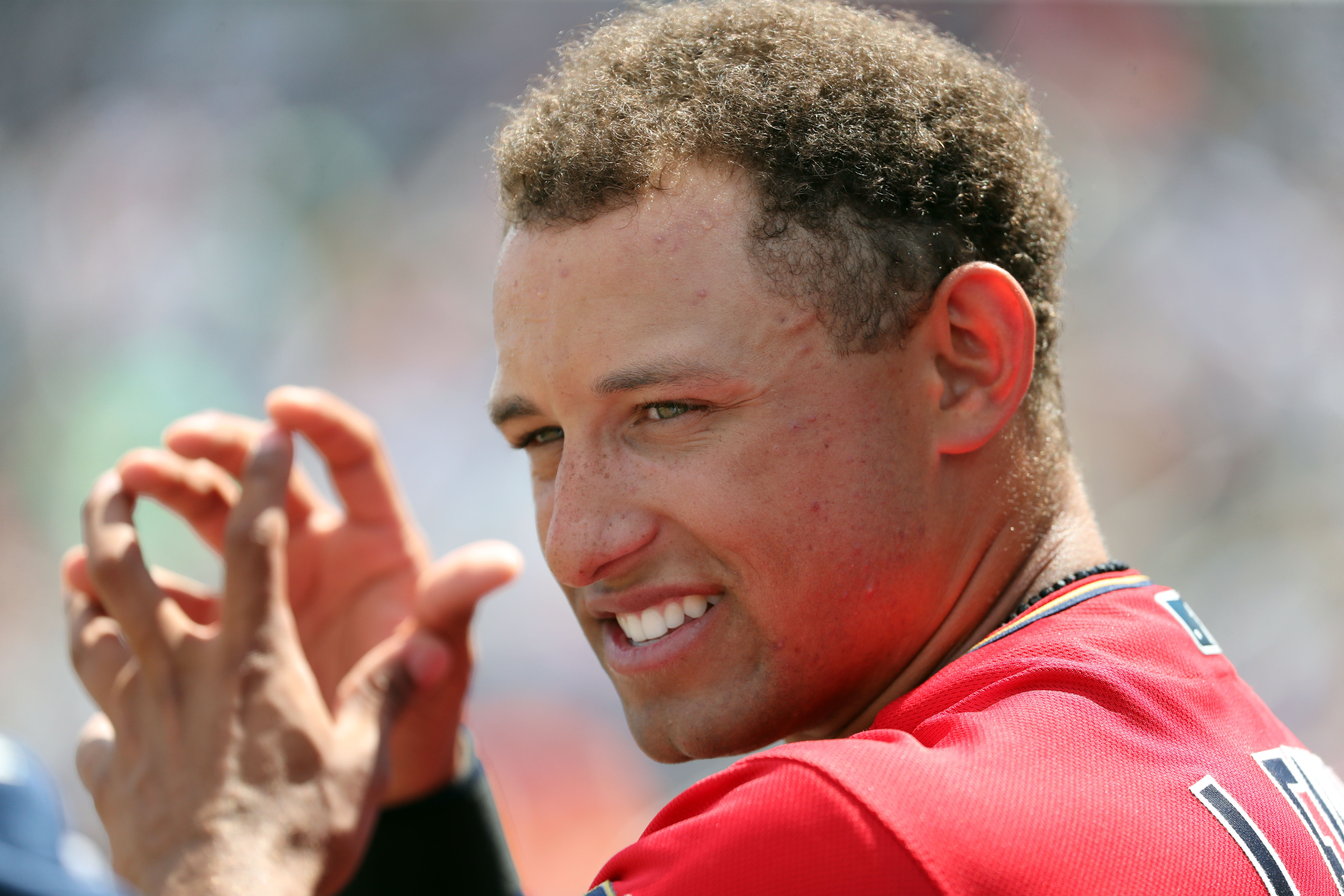 In May, I assumed the Twins would make Royce Lewis, Alex Kirilloff and Brusdar Graterol off-limits. I don’t think answering the phone and responding that anyone is untouchable is acceptable. That simply means you have to at least listen to any potential deal that would make your team better. Sure, you can say Lewis is untouchable. But what if the Padres offered Fernando Tatis Jr. for him straight up? You couldn’t say yes fast enough. (That’s just one of hundreds of examples.) Let’s start there. Royce Lewis has dropped a little in the eyes of evaluators. Keith Law dropped him to #34 on his midseason Top 50, citing both concerns offensively (a changed swing) and defensively (can’t stick at shortstop). Neither Law nor Baseball America considers him the best prospect in the organization anymore, though BA ranks him #21 overall. Of course, things can turn on a dime and have started to for Lewis, July has been good to the 20-year-old. He’s hitting over .300 and OPSing near .900 in the month. Alex Kirilloff has missed time with injuries but has continued to show the ability to hit and play right field adequately. Both Law (#15) and Baseball America (#17) rank him as one of the elite prospects in baseball. Kirilloff is plenty athletic and has defensive flexibility. If he remains in the organization, Kirilloff could see a move to the dirt and play first base. My personal opinion is that he would be passable in center, and if the Twins had interest in moving him, they would have showcased that ability occasionally in 2019. They haven’t. Brusdar Graterol has moved up 20 spots in Baseball America’s ratings (from #55 to #35) despite missing significant time this year with a shoulder ailment. He wasn’t going to show up in Law’s Top 50, as he wasn’t listed in his preseason Top 100. Both Jordan Balazovic and Trevor Larnach have improved their prospect stock throughout the first half of the season. Balazovic (#44) moved into Law’s Top 50 and BA’s top 100 (#98) and though Larnach didn’t make either list, it’s fair to assume he is just outside the Top 100. Fangraphs views them all a little less consistently than Law and Baseball America. They still view Royce Lewis one of the highest ceiling prospects in baseball (#2 overall) and have Kirilloff (#44), Graterol (#54), Larnach (#76) and Jhoan Duran (#99) in the Top 100. Balazovic is not. All of that is mentioned for two reasons: 1) It’s information that people are interested in. 2) It goes to show how differently people/publications and teams can view prospects. It also gives us a pretty good idea that the Twins have six prospects (one shortstop, two corner outfielders, and three pitchers) that are a cut above the rest. When it comes to potentially dealing any of these six, there shouldn’t be any consideration if the return is simply a rental. If the return is more significant - Thor, Stroman, Bauer - then maybe those conversations can last a little longer. Let’s look at some other pieces the Twins may consider moving and how they might be viewed in other organizations. The Twins have one of the best shortstops in baseball on a long-term, team-friendly deal in Jorge Polanco. They also have the emerging Luis Arraez, who fits best at second base. If Royce Lewis remains in the organization, everyone else who plays in the middle infield could easily be dealt. Wander Javier is a well-known name to prospect hounds - he cracked BA’s Top 100 before the 2018 season - but has dealt with injuries and an inability to hit. He’s hitting below .160 and has committed 10 errors in 36 games. He’s less headliner currently and more well-known lottery ticket. Those players have value… just not as much as we’d like Javier to have at this point. A shoo-in to be added to the 40-man in November before the season started, though that now appears to be far from a sure thing. The other obvious name is Nick Gordon, who is on the 40-man but hasn’t been able to make his MLB debut despite playing at AA or AAA since the beginning of the 2017 season. He’s showing the ability to hit (just shy of .290) and hit for a little power (29 extra base hits), but evaluators around the game appear to be only lukewarm about Gordon. Could a team with a dearth of middle infield prospects be willing to trade a rental for Gordon? Probably. But is Gordon more than just a part of a deal right now? Probably not. Does his value take a ding because he’s already on the 40-man and will be out of options after the 2021 season? Likely. The Twins also have Jose Miranda (mostly 3B, but some 2B), Yunior Severino (primarily 2B, but hurt) and Travis Blankenhorn (mostly 2B, but also some LF and 3B) in the middle levels of the organization. All provide nice depth, none of which project as anything more than future regulars. A very interesting note is that of the nine largest signing bonuses handed out by the Twins in the 2019 draft, six of them (Keoni Cavaco, Spencer Steer, Eduoard Julien, Seth Gray, Will Holland and Anthony Prato) project as infielders. Five of them were college players. There might not be a lot of high-end depth, but there is both quality and quantity in the organization. MIDDLE INFIELD RECAP: Best prospect: Royce Lewis Most likely to move: Nick Gordon Who has helped their stock the most this season: Travis Blankenhorn Who has hurt their stock the most this season: Wander Javier Though we haven’t seen them together in quite a while, the Twins offer one of the best outfield cores in baseball in Eddie Rosario, Byron Buxton and Max Kepler. They have high level prospects in Kirilloff and Larnach. They have nice depth pieces in Jake Cave and LaMonte Wade. Jaylin Davis has really emerged in AAA. But the real depth in the organization is in the corner outfield and first base. Kepler is locked in long-term. The Twins would like Rosario to be. CJ Cron is under control for one more year. Miguel Sano might eventually have to make the move from third base. Kirilloff will play right field or first base. Larnach is probably a left-fielder. Lewin Diaz has emerged and is a plus-defender at first base. Brent Rooker is the classic corner profile. Gabriel Maciel will get every chance to stay in center field, where he profiles best but is a high-ceiling dude who can rake, though he lacks power. Akil Baddoo is another non-traditional corner outfield option, who is out for the year after having Tommy John surgery. Masiel Urbina is far, far away but has looked like a good signing so far in his very young career. CORNER OUTFIELD/FIRST BASE RECAP: Best prospect: Alex Kirilloff Most likely to move: Trevor Larnach and Brent Rooker Who has helped their stock the most this season: Lewin Diaz Who has hurt their stock the most this season: Akil Baddoo Of course, baseball always coming down to pitching. The best teams have it. The worst teams don’t. And all teams are looking to add more. We’ve talked about the Twins Big Three and how they’d probably hope not to deal from it. But it’s not going to be as easy as just not trading pitching. The Twins have had eight young guys debut this season - including Lewis Thorpe, Devin Smeltzer and Sean Poppen - but don’t have a lot of other guys just banging on the door. They have, however, had a number of guys who have forced people to take notice. Randy Dobnak, now at AAA, has been a great story since signing as an undrafted free agent. Jorge Alcala, Griffin Jax and Edwar Colina are all at AA and have all shown either the ability or the potential to be future big leaguers. Blayne Enlow and Cole Sands are doing the same at high-A. But once you get further down than that - like Luis Rijo at Cedar Rapids, Tyler Benninghoff or Prelander Berroa at Elizabethton, or Miguel Rodriguez in the GCL - it’s almost exclusively hoping you hit on a project. STARTING PITCHERS RECAP: Best prospect: Brusdar Graterol Most likely to move: No one is safe Who has helped their stock the most this season: Jordan Balazovic Who has hurt their stock the most this season: Fernando Romero The other positions (catcher, relief pitchers and center field) just don’t have enough depth to comfortably project dealing from it. That doesn’t mean it won’t happen. The Twins could trade either of catchers Ryan Jeffers or Ben Rortvedt and be ok. They could deal an outfielder that projects to stay in center. They could move any of a number of guys that project solely as relief pitchers. But it’s all going to come down to finding a team where value aligns. And that’s going to be the extremely difficult part. We all have our favorites, but who do you think is most likely to be involved in a trade?
 -
Article: Let's Make A Deal, Part II: Payroll
Jeremy Nygaard replied to Jeremy Nygaard's topic in Twins Daily Front Page News
The '24 and '25 option have increased by $500k too because of his All-Star appearance. Can go up another $500k with another one too. But I agree: Non-issue. -
As the Twins navigate a rough stretch while privately considering how to upgrade the team in advance of the trade deadline, we fans continue to publically look at all the options. Bullpen help? Give me a couple. Upgrade in the rotation? We’ll take that too.On Wednesday, a series was introduced that will look at this trade deadline, but from the perspective of next year’s Opening Day. While it wasn’t meant to be a projection - we know that the team is going to make many moves between now and then - it was meant to see how things would look if they didn’t. Some brief conclusions: The lineup should be great. The bench could use some tweaks. The rotation has an engine, but no cars. The bullpen… well, there’s some work to do there. While we looked at how the team could look next year, we neglected to consider a very important part: the financial aspect. From here, we’ll start to narrow in on the deadline that is less than two weeks away: who could go, what teams could sell, what players the Twins could make a move on, and, finally, what I would do if I sat in the GM seat. ---- In regard to payroll, we’re only going to consider the 25-man roster. The same 25-man roster that was presented on Wednesday will be used. (Yes, that means Magill and Duffey instead of Littell and HIldenberger, even though the latter seems to be a more realistic pair to be difference-makers in next year’s bullpen.) (Edit: Magill was DFA'd Thursday afternoon.) Jake Odorizzi, Kyle Gibson, Michael Pineda, Jason Castro and Jonathan Schoop are all free agents, which removes $41,125,000, roughly one third of this season’s payroll. Here’s what we know right now: The Twins are likely, barring something unforeseen, to pick up DH Nelson Cruz’s $12m option. SP Martin Perez also has a team option and based on his innings projection, it will be increasing from $7.5m to $8m. The only players guaranteed a certain amount for next year are UTIL Marwin Gonzalez ($9m), RF Max Kepler ($6.25m) and SS Jorge Polanco ($3.83m). Going through arbitration will be 10 players. All of these figures are rough estimates. In their final years of arbitration are 1B C.J. Cron ($8.5m), RP Blake Parker ($2.7m), bSS Ehire Adrianza ($1.5m) and RP Trevor May ($1.6m), Entering their second-to-last round of arbitration are LF Eddie Rosario ($8.3m) and 3B Miguel Sano ($5.1m). CF Byron Buxton ($5.2m) and RP Taylor Rogers ($3.7m) all got a Super-2 bump last year but will have three more off-seasons of arbitration. SP Jose Berrios ($3.7m) and RP Tyler Duffey ($900k) will both receive their first arbitration raise. C Mitch Garver, bOF Jake Cave, RP Ryne Harper and RP Matt Magill all will slot in above the minimum but haven’t reached arbitration yet, so we’ll use $750k as placeholders for them. Rounding out the roster are players at or near the minimum. Though that figure hasn’t been released yet (it’s based on cost of living increase), we’ll use $570k as a placeholder. This will include 2B Luis Arraez, bC/3B Willians Astudillo, SP Devin Smeltzer, SP Lewis Thorpe, SP Sean Poppen and RP Fernando Romero. Before you get hung up on any of those figures - they admittedly may be way too high or way too low on any individual - the point of this exercise was to get an idea of what payroll would look like on Opening Day. The math works out to $86,700,000. (EDIT: We'd need to replace Magill's $750K with either Hildenberger or Littell, but the bottom line wouldn't change more than a couple hundred thousand dollars.) Though we don’t know what the team would be comfortable spending, it would not be out of the question to see a payroll approaching $135 million. That would allow the team to spend nearly $50 million between now and next March. The core of Rosario, Buxton, Rogers and Berrios will be even more expensive the following year, without the relief of over $40 million in expiring contracts. Cruz, Cron, Perez and Gonzalez figure to be the only pending free agents on a multi-million dollar deal. It’s not a certainty that the Twins wouldn’t be willing to take on players with more than just one year left on their contract, but at this point in time, it’s obvious that the team - would have said publicly that they aren’t interested in rentals - would have payroll both this year and next year to add impact players. Popular names on the trade market that have one more year of arbitration before free agency - think guys the Twins could easily take on from a payroll perspective without impacting their 2021 payroll - include starting pitchers Blue Jay Marcus Stroman, Diamondback Robbie Ray and Indian Trevor Bauer. Padres Kirby Yates and Robbie Erlin, Blue Jays Ken Giles and Aaron Sanchez, Diamondback Andrew Chafin, Gian Sam Dyson, Royals Ian Kennedy (expensive) and Jake Diekman, Tiger Shane Greene and Alex Colome of the White Sox are all relievers with one more year of control. Click here to view the article
- 53 replies
-
- 1
-
-
- trade deadline
- payroll
- (and 2 more)
-
 On Wednesday, a series was introduced that will look at this trade deadline, but from the perspective of next year’s Opening Day. While it wasn’t meant to be a projection - we know that the team is going to make many moves between now and then - it was meant to see how things would look if they didn’t. Some brief conclusions: The lineup should be great. The bench could use some tweaks. The rotation has an engine, but no cars. The bullpen… well, there’s some work to do there. While we looked at how the team could look next year, we neglected to consider a very important part: the financial aspect. From here, we’ll start to narrow in on the deadline that is less than two weeks away: who could go, what teams could sell, what players the Twins could make a move on, and, finally, what I would do if I sat in the GM seat. ---- In regard to payroll, we’re only going to consider the 25-man roster. The same 25-man roster that was presented on Wednesday will be used. (Yes, that means Magill and Duffey instead of Littell and HIldenberger, even though the latter seems to be a more realistic pair to be difference-makers in next year’s bullpen.) (Edit: Magill was DFA'd Thursday afternoon.) Jake Odorizzi, Kyle Gibson, Michael Pineda, Jason Castro and Jonathan Schoop are all free agents, which removes $41,125,000, roughly one third of this season’s payroll. Here’s what we know right now: The Twins are likely, barring something unforeseen, to pick up DH Nelson Cruz’s $12m option. SP Martin Perez also has a team option and based on his innings projection, it will be increasing from $7.5m to $8m. The only players guaranteed a certain amount for next year are UTIL Marwin Gonzalez ($9m), RF Max Kepler ($6.25m) and SS Jorge Polanco ($3.83m). Going through arbitration will be 10 players. All of these figures are rough estimates. In their final years of arbitration are 1B C.J. Cron ($8.5m), RP Blake Parker ($2.7m), bSS Ehire Adrianza ($1.5m) and RP Trevor May ($1.6m), Entering their second-to-last round of arbitration are LF Eddie Rosario ($8.3m) and 3B Miguel Sano ($5.1m). CF Byron Buxton ($5.2m) and RP Taylor Rogers ($3.7m) all got a Super-2 bump last year but will have three more off-seasons of arbitration. SP Jose Berrios ($3.7m) and RP Tyler Duffey ($900k) will both receive their first arbitration raise. C Mitch Garver, bOF Jake Cave, RP Ryne Harper and RP Matt Magill all will slot in above the minimum but haven’t reached arbitration yet, so we’ll use $750k as placeholders for them. Rounding out the roster are players at or near the minimum. Though that figure hasn’t been released yet (it’s based on cost of living increase), we’ll use $570k as a placeholder. This will include 2B Luis Arraez, bC/3B Willians Astudillo, SP Devin Smeltzer, SP Lewis Thorpe, SP Sean Poppen and RP Fernando Romero. Before you get hung up on any of those figures - they admittedly may be way too high or way too low on any individual - the point of this exercise was to get an idea of what payroll would look like on Opening Day. The math works out to $86,700,000. (EDIT: We'd need to replace Magill's $750K with either Hildenberger or Littell, but the bottom line wouldn't change more than a couple hundred thousand dollars.) Though we don’t know what the team would be comfortable spending, it would not be out of the question to see a payroll approaching $135 million. That would allow the team to spend nearly $50 million between now and next March. The core of Rosario, Buxton, Rogers and Berrios will be even more expensive the following year, without the relief of over $40 million in expiring contracts. Cruz, Cron, Perez and Gonzalez figure to be the only pending free agents on a multi-million dollar deal. It’s not a certainty that the Twins wouldn’t be willing to take on players with more than just one year left on their contract, but at this point in time, it’s obvious that the team - would have said publicly that they aren’t interested in rentals - would have payroll both this year and next year to add impact players. Popular names on the trade market that have one more year of arbitration before free agency - think guys the Twins could easily take on from a payroll perspective without impacting their 2021 payroll - include starting pitchers Blue Jay Marcus Stroman, Diamondback Robbie Ray and Indian Trevor Bauer. Padres Kirby Yates and Robbie Erlin, Blue Jays Ken Giles and Aaron Sanchez, Diamondback Andrew Chafin, Gian Sam Dyson, Royals Ian Kennedy (expensive) and Jake Diekman, Tiger Shane Greene and Alex Colome of the White Sox are all relievers with one more year of control.
 -
Article: Let's Make A Deal, Part I: 2020
Jeremy Nygaard replied to Jeremy Nygaard's topic in Twins Daily Front Page News
This is probably true. At this point, it would be an upset if Twins didnt QO Odorizzi.
