



Jeremy Nygaard
-
Posts
4,552 -
Joined
-
Last visited
Content Type
Profiles
News
Minnesota Twins Videos
2026 Minnesota Twins Top Prospects Ranking
2022 Minnesota Twins Draft Picks
Minnesota Twins Free Agent & Trade Rumors, Notes, & Tidbits
Guides & Resources
2023 Minnesota Twins Draft Picks
The Minnesota Twins Players Project
2024 Minnesota Twins Draft Picks
2025 Minnesota Twins Draft Pick Tracker
2026 Minnesota Twins Draft Tracker: Picks & Bonuses
Forums
Blogs
Events
Store
Downloads
Gallery
Everything posted by Jeremy Nygaard
-
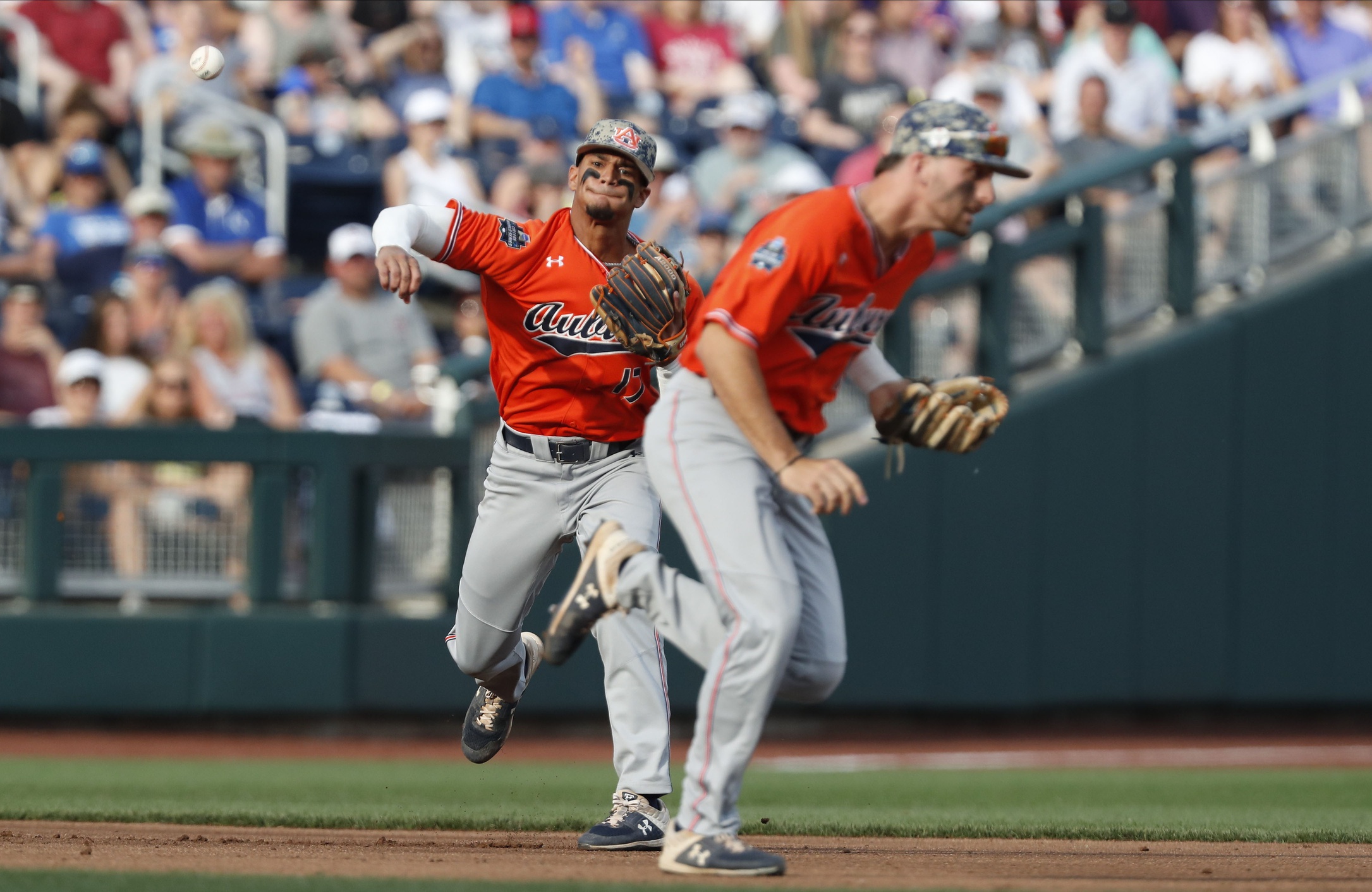 If you missed the first round rounds, you can view them here. A brief primer: We're taking 16 players with "prospect" or "rookie" status. Positions on each team included: Catcher, first base, second base, third base, shortstop, three outfielders, a bench player/hitter, three starting pitchers, three relief pitchers, and an extra pitcher. (Please note that comments under the picks were made by the person making the selection.) Round 5 Seth Stohs - Luis Rijo RH SP When the Twins acquired Rijo in July 2018, he had put up solid numbers and was known for his pitch ability. Then last summer in Cedar Rapids, he was pumping 96! I like that upside. Steve Lein - Akil Baddoo OF Though an injury cut short his 2019 season, Baddoo is an outfielder who can play center, gets on base, and was starting to show some pop. Ted Schwerzler - Griffin Jax RHP Jax isn’t going to be an ace, but he’s more than capable of being a safe and trustworthy arm. He’s performed at every level, and despite some hurdles in getting his baseball career to remain consistent, he’s been as reliable as it gets. Cody Christie - Wander Javier, SS Might as well complete my up-the-middle trifecta. Javier is coming off a rough transition to a full-season league, but he has too many tools not to be able to find success. Injuries have limited his time on the field, but more time and experience will showcase his full potential. Jeremy Nygaard - Will Holland, SS Holland struck out way too much in his pro debut, which came on the heels of a not-so-great junior season at Auburn. But his first two years there, plus a really good Cape performance in 2018, has me believing in both the power and the speed (16 home runs and 23 stolen bases in 2019 between Auburn and Elizabethton). If he can stick at shortstop, that’s just icing on the cake if he realizes his potential with the bat. Matt Braun - Gabriel Maciel, OF Outfielders kind of flew off the board quicker than I anticipated so I’m glad that I was able to snap Maciel. He could be the stereotypical leadoff hitter in the mold of Denard Span who sets the table for guys in the middle of the lineup. Round 6 Matt Braun - Yunior Severino, 2B Severino is a very interesting prospect in his own right. He was snatched up by the Twins after the Braves were busted for shady international practices and he has held his own in the lower level of the minors so far. He brings good upside in raw power that isn’t seen often in middle infielders and is one of the only switch-hitters in the entire system. Jeremy Nygaard - Zander Wiel, 1B/OF I’m not positive that Holland bats higher than sixth… but I know Wiel will bat third or fourth. I finally have my run-producing masher, who I assume will be my primary first baseman, though he does have some experience in the outfield. Cody Christie - Spencer Steer, 3B College experience, check. Power bat, check. Steer can help solidify the left side of the infield with Wander Javier playing up the middle. He will be a leader in the clubhouse and on the field. (Get to Know Spencer Steer here.) Ted Schwerzler - Trey Cabbage 1B The FSL wasn’t all that kind in Cabbage’s debut season there, but the 2015 4th round pick game into his power. He’s now 23 and will need to step up quickly, but he’s got the chops to play an athletic first base and drive the ball out of the yard. Steve Lein - Seth Gray 3B After being drafted in the 4th round last year Gray had a tale of two halves in his first season as a professional. In the months of June and July he hit a combined .201/.314/.373 in 134 at-bats with Elizabethton. Then he turned it on in August and September with a .270/.368/.520 line in his last 100 at-bats, including a promotion to Cedar Rapids for his final four games. Gray possesses a good amount of raw power, so I’m looking for that out of him in my lineup. Seth Stohs - Bailey Ober, RH SP I mean, just look at the numbers. The lanky right-hander pitched in 14 games last year and went 8-0 with a 0.69 ERA. In 78 2/3 innings, he struck out 100 batters and walked nine. He may not throw hard, but he’s doing something right. He knows himself as a pitcher and continued to learn throughout the 2019 season. Round 7 Seth Stohs - Sean Poppen, RH RP He’s mostly been a starter since the Twins drafted him out of Harvard. He’s had a little bit of big league time now out of the bullpen. As noted this offseason, I am a big believer in his upside as a reliever. He throws 97 and gets a ton of movement on his fastball and slider. Steve Lein - Josh Winder SP I’ll finish my rotation with Winder. He threw a ton of innings with the Kernels in 2019 and led the Midwest League with a 2.65 ERA and 0.98 WHIP. He can hit mid-90’s with his fastball and has a full repertoire of secondary offerings, with a few breaking balls showing promise. Ted Schwerzler - Cody Stashak RH RP The MLB debut in 2019 was about as good as it gets. In 25 innings Stashak mowed down opposing hitters and did so while limiting walks in an extremely impressive way. Relievers only have so much value, but I’m stoked to get him here. Cody Christie - Jorge Alcala RH SP I’m going with my best available player here and he happens to fill a need on my roster. Alcala struggled through parts of 2019, but his high ERA might not tell the full story. He has a fastball that can hit in the high 90s and a slider that helps him strikeout batters. If he doesn’t work in the rotation, he could be a tremendous bullpen option with his top two pitch options. Jeremy Nygaard - Chris Vallimont RHSP I thought hard about taking a pitcher instead of Wiel, but there were quite a few I liked and thought I’d get two of them (here and my next picks). I didn’t anticipate Seth kicking off a five-straight-pitchers run. All the pitchers that I considered here are gone, but I’m going to take the next pitcher on my list. Vallimont throws gas, is a little under the radar, and completes my rotation nicely. Matt Braun - Bryan Sammons, LHSP Jeremy taking Vallimont threw me into a fit of words that will not be repeated but I eventually got my bearings back and took Sammons. The walks were a bit high for him at AA this year but he brings great strikeout potential from the left side and rounds out my rotation quite nicely. Round 8 Matt Braun - Willie Joe Garry Jr., OF Garry Jr. and Maciel might make one of the most athletic outfields you can field using Twins minor leaguers. Garry Jr. is very young with a lot of development left but has as much upside as anyone else in the system. Hopefully people stop taking my guys as this continues. Jeremy Nygaard - Emmanuel Rodriguez OF The top “prospect” left on my list and also, having just turned 17, the youngest. Rodriguez will fit into a defensively-strong outfield, playing right field. He’ll also fit into the bottom third of the lineup where he can put his strong hitting skills on display, without pressure. Cody Christie - Tyler Wells, RH SP Wells was due back from Tommy John surgery in 2020 but his last action in 2018 saw him put up some strong numbers at High- and Double-A. He rounds out my rotation nicely and could wind up being one of my best pitchers if he can get back to where he was before surgery. Ted Schwerzler - Edouard Julien 3B Minnesota went with a pair of Auburn Tigers infielders in the 2019 draft. Julien initially decided to go back to school until the Twins convinced him otherwise. He had a bit of a down Sophomore year, but there’s plenty of pop in his bat and he’s got a chance to be a solid contributor on the diamond. Steve Lein - Mark Contreras OF Contreras had a rough season at the plate in 2019 overall, but I'm adding him for a different reason here: his elite defense. He won an MiLB gold glove award for his work in the outfield at all three spots. Seth Stohs - Derek Molina, RH RP Molina is a great athlete, and now that he is a full-time pitcher, he’s taking off. The right-hander split 2019 between Cedar Rapids and Ft. Myers and had 61 strikeouts and just 11 walks over 41 innings of work. MORE FROM TWINS DAILY — Latest Twins coverage from our writers — Recent Twins discussion in our forums — Follow Twins Daily via Twitter, Facebook or email
 -
 Watching the NFL draft over the last three days allowed for a semi-normal return to life. Looking forward to the 2020 MLB Draft, though, we see something far from normal. Already delayed to July, we may see a condensed five-round version of the traditional draft, a far cry from the 40 rounds we’ve come to expect. There’s also the possibility that the 2021 Draft may be shortened too. But what happens if there is no 2020 season? How will the 2021 draft order be determined?Let’s look at a few options: 1) Based on previous three years’ win total What might be the “simplest” idea in terms of calculating, the draft order could be ordered by reverse win totals over the previous three season. It would result in this order: 1 Tigers (58.33) 2 Orioles (58.67) t3 Marlins (65.67) t3 Royals (65.67) 5 White Sox (67.00) 6 Padres (69.00) 7 Reds (70.00) 8 Giants (71.33) 9 Blue Jays (72.00) 10 Rangers (74.33) 11 Pirates (75.33) 12 Phillies (75.67) 13 Angels (77.33) 14 Mets (77.67) 15 Mariners (78.33) 16 Rockies (83.00) 17 Braves (86.33) t18 D-backs (86.67) t18 Rays (86.67) 20 Cardinals (87.33) 21 Twins (88.00) 22 Athletics (89.67) t23 Brewers (90.33) t23 Cubs (90.33) 25 Nationals (90.67) 26 Red Sox (95.00) 27 Indians (95.33) 28 Yankees (98.00) 29 Dodgers (100.67) 30 Astros (103.67) Repeat. My preference (of the six ideas): 6. It’s too simple. Literally no one is doing anything right now, so there has to be a better idea than the most basic idea. 2) Basic lottery When the 1994 NHL season didn’t happen due to a lockout, the 1995 NHL Draft used a pretty basic lottery idea to determine draft order. MLB could employ a similar strategy. Teams would be weighted based on making the playoffs between 2017-2019, and first overall picks in the last four drafts (2017-2020). Teams that had not made the playoffs nor selected first overall received three lottery balls. If a team made the playoff once or had a first overall pick, they received two lottery balls. All other teams got one lottery ball. Three balls (13 teams): Angels, Blue Jays, Giants, Mariners, Marlins, Mets, Padres, Phillies, Pirates, Rangers, Reds, Royals, White Sox Two balls (5): Cardinals, D-backs, Orioles, Rays, Tigers One ball (12): Astros, Athletics, Braves, Brewers, Cubs, Dodgers, Indians, Nationals, Red Sox, Rockies, Twins, Yankees After a team had a ball drawn, they could not receive another pick. All odd-numbered rounds followed this same order. Even-numbered rounds were reversed, resulting in a snake-style draft. My preference (of the six ideas): 3. It’s a really good, workable idea. In fact, it worked the last time an idea like this was needed. 3) Complex lottery This would be similar to the previous idea, but would determine the Top 50 picks. There would be no competitive balance picks, though compensatory picks could be added after the Top 50. Round 2 would begin after the first 50 picks and the compensatory round and would use the first model to determine the order of selection for the remainder of the draft. The intrigue with this model is that teams could end up with between zero and five picks in the Top 50 selections. How many balls you end up with in the hopper would be determined as follows: -All teams get one (30 balls) -Teams that typically receive a Competitive Balance pick (teams who received shared revenue) get an additional ball. (14 balls) -Teams that drafted in the Top 10 over the last three seasons (excluding compensation picks) would receive another ball or balls. (30 balls; up to 3 per team) This would result in 74 balls, 24 of which would not be chosen. The top 20 picks would be protected (could not be traded or lost to free agent signings). If you have one or zero picks in the Top 50, your first pick is protected (cannot be lost due a free agent signing). Picks 21-50 (and their assigned pick value) could be traded. The reveal would definitely be televised and the hopper breakdown would look as follows: Five balls (1 team): Padres Four balls (6): Marlins, Orioles, Pirates, Reds, Royals, Tigers Three balls (5): Athletics, Blue Jays, Giants, Rockies, White Sox Two balls (12): Angels, Braves, Brewers, Cardinals, D-backs, Indians, Mariners, Mets, Phillies, Rangers, Rays, Twins One ball (6): Astros, Cubs, Dodgers, Nationals, Red Sox, Yankees The Twins would have a 2.7% chance of receiving the first pick. All teams chances to select first would be between 1.4% and 6.8%. That seems fair. My preference (of the six ideas): 2. I actually love this idea. A lot. 4) Based on three years’ spending pools Teams that had less success, lost players that resulted in draft compensation or are in a smaller market end up with larger draft pools. On the flip side, good teams, those who signed the best free agents or are in larger markets, end up with smaller draft pools. This idea takes the average of what teams spent in 2018 and 2019 with their bonus pools in 2020. Calculating the order this way would have similar results to the first idea, though this weighs recency a little heavier (as draft pools increase year-by-year -- until 2020). It would result in the following order: 1 Royals ($14,085,600) 2 Tigers ($13,219,633) 3 Orioles ($12,962,833) 4 Marlins ($12,322,500) 5 Padres ($12,148,843) 6 White Sox ($11,327,667) 7 Pirates ($11,146,000) 8 Giants ($11,009,767) 9 Rays ($10,837,800) 10 D-backs ($10,288,300) 11 Blue Jays ($9,917,700) 12 Rangers ($9,751,567) 13 Reds ($9,734,733) 14 Mariners ($9,430,533) 15 Mets ($9,213,579) 16 Indians ($9,010,388) 17 Rockies ($8,951,000) 18 Phillies ($8,619,167) 19 Cardinals ($8,468,033) 20 Angels ($8,267,200) 21 Braves ($7,720,200) 22 Cubs ($7,643,917) 23 Athletics ($7,631,333) 24 Red Sox ($7,526,900) 25 Twins ($7,464,900) 26 Brewers ($7,154,233) 27 Nationals ($7,031,793) 28 Dodgers ($6,888,980) 29 Yankees ($6,865,100) 30 Astros ($5,020,866) My preference (of the six ideas): 5. Gets the nod over option 1 due to the weight of recent results. 5) Organizational record Somehow combining both major- and minor-league records over a number of years may give a more accurate look at organizational talent. How you weigh wins at each level would make this a very complex exercise. My preference (of the six ideas): 4. It might be the best way… but would be very, very complicated. 6) Owner blind bid This is my favorite (and also the least likely) option. Create a TV event that includes all 30 owners and each owner takes a turn revealing a donation to a charity of their (or MLB's) (or by fan vote!) choice. (Bids would obviously have to be revealed to MLB prior to the live event.) Those donations are put in order, from greatest to least, and that’s the draft order. Want to call the owners cheap? This is your chance! Competitive Balance and compensatory picks would still be included and starting in round two, draft order would have to revert to using one of the other ideas. My preference (of the six ideas): 1. But it would NEVER happen. What do you think? Would you go with one of these options or is there a better idea out there? Click here to view the article
 -
 Let’s look at a few options: 1) Based on previous three years’ win total What might be the “simplest” idea in terms of calculating, the draft order could be ordered by reverse win totals over the previous three season. It would result in this order: 1 Tigers (58.33) 2 Orioles (58.67) t3 Marlins (65.67) t3 Royals (65.67) 5 White Sox (67.00) 6 Padres (69.00) 7 Reds (70.00) 8 Giants (71.33) 9 Blue Jays (72.00) 10 Rangers (74.33) 11 Pirates (75.33) 12 Phillies (75.67) 13 Angels (77.33) 14 Mets (77.67) 15 Mariners (78.33) 16 Rockies (83.00) 17 Braves (86.33) t18 D-backs (86.67) t18 Rays (86.67) 20 Cardinals (87.33) 21 Twins (88.00) 22 Athletics (89.67) t23 Brewers (90.33) t23 Cubs (90.33) 25 Nationals (90.67) 26 Red Sox (95.00) 27 Indians (95.33) 28 Yankees (98.00) 29 Dodgers (100.67) 30 Astros (103.67) Repeat. My preference (of the six ideas): 6. It’s too simple. Literally no one is doing anything right now, so there has to be a better idea than the most basic idea. 2) Basic lottery When the 1994 NHL season didn’t happen due to a lockout, the 1995 NHL Draft used a pretty basic lottery idea to determine draft order. MLB could employ a similar strategy. Teams would be weighted based on making the playoffs between 2017-2019, and first overall picks in the last four drafts (2017-2020). Teams that had not made the playoffs nor selected first overall received three lottery balls. If a team made the playoff once or had a first overall pick, they received two lottery balls. All other teams got one lottery ball. Three balls (13 teams): Angels, Blue Jays, Giants, Mariners, Marlins, Mets, Padres, Phillies, Pirates, Rangers, Reds, Royals, White Sox Two balls (5): Cardinals, D-backs, Orioles, Rays, Tigers One ball (12): Astros, Athletics, Braves, Brewers, Cubs, Dodgers, Indians, Nationals, Red Sox, Rockies, Twins, Yankees After a team had a ball drawn, they could not receive another pick. All odd-numbered rounds followed this same order. Even-numbered rounds were reversed, resulting in a snake-style draft. My preference (of the six ideas): 3. It’s a really good, workable idea. In fact, it worked the last time an idea like this was needed. 3) Complex lottery This would be similar to the previous idea, but would determine the Top 50 picks. There would be no competitive balance picks, though compensatory picks could be added after the Top 50. Round 2 would begin after the first 50 picks and the compensatory round and would use the first model to determine the order of selection for the remainder of the draft. The intrigue with this model is that teams could end up with between zero and five picks in the Top 50 selections. How many balls you end up with in the hopper would be determined as follows: -All teams get one (30 balls) -Teams that typically receive a Competitive Balance pick (teams who received shared revenue) get an additional ball. (14 balls) -Teams that drafted in the Top 10 over the last three seasons (excluding compensation picks) would receive another ball or balls. (30 balls; up to 3 per team) This would result in 74 balls, 24 of which would not be chosen. The top 20 picks would be protected (could not be traded or lost to free agent signings). If you have one or zero picks in the Top 50, your first pick is protected (cannot be lost due a free agent signing). Picks 21-50 (and their assigned pick value) could be traded. The reveal would definitely be televised and the hopper breakdown would look as follows: Five balls (1 team): Padres Four balls (6): Marlins, Orioles, Pirates, Reds, Royals, Tigers Three balls (5): Athletics, Blue Jays, Giants, Rockies, White Sox Two balls (12): Angels, Braves, Brewers, Cardinals, D-backs, Indians, Mariners, Mets, Phillies, Rangers, Rays, Twins One ball (6): Astros, Cubs, Dodgers, Nationals, Red Sox, Yankees The Twins would have a 2.7% chance of receiving the first pick. All teams chances to select first would be between 1.4% and 6.8%. That seems fair. My preference (of the six ideas): 2. I actually love this idea. A lot. 4) Based on three years’ spending pools Teams that had less success, lost players that resulted in draft compensation or are in a smaller market end up with larger draft pools. On the flip side, good teams, those who signed the best free agents or are in larger markets, end up with smaller draft pools. This idea takes the average of what teams spent in 2018 and 2019 with their bonus pools in 2020. Calculating the order this way would have similar results to the first idea, though this weighs recency a little heavier (as draft pools increase year-by-year -- until 2020). It would result in the following order: 1 Royals ($14,085,600) 2 Tigers ($13,219,633) 3 Orioles ($12,962,833) 4 Marlins ($12,322,500) 5 Padres ($12,148,843) 6 White Sox ($11,327,667) 7 Pirates ($11,146,000) 8 Giants ($11,009,767) 9 Rays ($10,837,800) 10 D-backs ($10,288,300) 11 Blue Jays ($9,917,700) 12 Rangers ($9,751,567) 13 Reds ($9,734,733) 14 Mariners ($9,430,533) 15 Mets ($9,213,579) 16 Indians ($9,010,388) 17 Rockies ($8,951,000) 18 Phillies ($8,619,167) 19 Cardinals ($8,468,033) 20 Angels ($8,267,200) 21 Braves ($7,720,200) 22 Cubs ($7,643,917) 23 Athletics ($7,631,333) 24 Red Sox ($7,526,900) 25 Twins ($7,464,900) 26 Brewers ($7,154,233) 27 Nationals ($7,031,793) 28 Dodgers ($6,888,980) 29 Yankees ($6,865,100) 30 Astros ($5,020,866) My preference (of the six ideas): 5. Gets the nod over option 1 due to the weight of recent results. 5) Organizational record Somehow combining both major- and minor-league records over a number of years may give a more accurate look at organizational talent. How you weigh wins at each level would make this a very complex exercise. My preference (of the six ideas): 4. It might be the best way… but would be very, very complicated. 6) Owner blind bid This is my favorite (and also the least likely) option. Create a TV event that includes all 30 owners and each owner takes a turn revealing a donation to a charity of their (or MLB's) (or by fan vote!) choice. (Bids would obviously have to be revealed to MLB prior to the live event.) Those donations are put in order, from greatest to least, and that’s the draft order. Want to call the owners cheap? This is your chance! Competitive Balance and compensatory picks would still be included and starting in round two, draft order would have to revert to using one of the other ideas. My preference (of the six ideas): 1. But it would NEVER happen. What do you think? Would you go with one of these options or is there a better idea out there?
 -
Over the span of just a couple of months in the summer of 2009, the Twins added the trio of Jorge Polanco, Max Kepler and Miguel Sano. In doing so, they shelled out just $4.675 million. On the cheap, the team added three players who have become big parts of the nucleus of the 2020 Twins and all have signed long-term extensions. The summer of 2009 was an outlier from a normal year on the International market, but let's take a look at the Twins activity recently.One of the biggest mysteries and also one of the best ways to add quality to a system is through International Free Agency. It’s one of the best because you look at some of the premier players in the game and they come from the Dominican Republic or Venezuela, countries where players are not subjected to the draft. But it’s a mystery in the sense that teams have only so much money to spend, yet only a few signings make headlines and you never seem to know if teams have more to spend or even who the players are. Putting this report together at any time of the year is going to be misleading. When the Twins release their media guide, it includes all the players they have signed - including players from the current signing period. But the signing period runs until the middle of next June, so they’ll continue to add players to the class. As of now, there are 15 players in this group. 2019-20 Signings (July 2, 2019 - June 15, 2020) Luis Blanco, RHP, Venezuela. (9/1/2000) Miguelangel Boadas, RHP, Venezuela. (12/7/2002) Gregory Duran, OF, Dominican Republic. (10/8/2002) Argenis Jimenez, OF, Venezuela. (4/21/2003) Yon Landaeta, P, Venezuela. (3/16/2000) Juan Nunez, P, Dominican Republic (12/7/2000) Ricardo Olivar, C, Venezuela (8/10/2001) Breilin Ramirez, INF, Dominican Republic (9/6/2002) Bonus: $400k Emmanuel Rodriguez, OF, Dominican Republic (2/28/2003) Bonus: $2.5 million Endy Rodriguez, INF, Dominican Republic (6/10/2003) Malfrin Sosa, OF, Dominican Republic (9/13/2002) Bonus: $900k Yonardy Sota, OF, Dominican Republic (1/31/2003) Bonus: $550k Amilcar Vasquez, C, Venezuela (12/26/2001) Carlos Velasquez, RHP, Venezuela (9/13/2001) Joseph Yabbour, RHP, Venezuela (7/9/2003) As you can see, all hail from Venezuela or the Dominican Republic. And there are definitely some names to remember. Emmanuel Rodriguez received the biggest bonus and will be the highest-ranked prospect on this list for at least a couple of seasons. Joseph Yabbour signed the day he turned 16 and will continue both the pipeline of hard-throwing prospects - he’s in the mid-90s already - and the family tradition, which includes the Escobars and Acunas. It is expected that every single one of these players will play exclusively in the Dominican Summer League this summer. 2018-19 Signings (July 2, 2018 - June 15, 2019) Hector Acevedo, C (11/20/1997): .183 (17-93 in 28 games), 26:12 K:BB, .296 OBP, .344 SLG (.640 OPS) Develson Aria, LHP (3/20/2001): 2-4, 5.25 ERA, 17 games (1 start), 39:27 K:BB in 36 innings Julio Bonilla, RHP (11/15/2000): 3-2, 3.20 ERA, 11 games (2 starts), 25:12 K:BB in 25.1 innings Yennier Cano, RHP (3/9/1994): 0-0, 4.2 ERA, 10 games, 15:14 K:BB in 15 innings. (Split time between GCL Twins and high-A Fort Myers.) Rubel Cespedes, INF (8/29/2000): .271 (45-166 in 42 games), 32:9 K:BB, .322 OBP, .404 SLG (.726 OPS) Oscar Corporan, RHP (10/4/2000): 0-0, 27.00 ERA, 2 games, 1:7 K:BB in 1.1 innings Rhodery Diaz, OF (9/12/2001): .319 (46-144 in 41 games), 26:18 K:BB, .406 OBP, .458 SLG (.864 OPS) Ricardo German, OF (8/17/2001): .208 (10-48 in 15 games), 22:5 K:BB, .278 OBP, .250 SLG (.528 OPS) Steve German, RHP (2/15/1999): 0-0, 5.40 ERA, 8 games, 12:9 K:BB in 10 innings Carlos Gutierrez, RHP (1/16/2000): 2-1, 5.73 ERA, 15 games (4 starts), 43:11 K:BB in 44 innings Jeury Lopez, INF (11/3/2001): .208 (26-125 in 39 games), 55:20 K:BB, .338 OBP, .248 SLG (.586 OPS) Jesus Medina, RHP (4/25/2002): 0-2, 7.13 ERA, 8 games (2 starts), 24:11 K:BB in 17.2 innings Jorge Mesa, INF (4/2/2002): .196 (11-56 in 17 games), 20:5 K:BB, .262 OBP, .393 SLG (.655 OPS) Erasmo Moreno, RHP (6/22/2002): 2-3, 3.35 ERA, 14 games (6 starts), 39:16 K:BB in 40.1 innings Anferny Olivo, C (1/12/2002): .197 (14-71 in 23 games), 20:13 K:BB, .329 OBP, .240 SLG (.569 OPS) Alexander Pena, INF (4/12/2002): .281 (41-146 in 20 games), 32:13 K:BB, .356 OBP, .411 SLG (.767 OPS) Elpidio Perez, LHP (11/11/1998): 1-1, 4.38 ERA, 6 games, 16:7 K:BB in 12.1 innings Juan Pichardo, LHP (6/25/1998): 4-1, 1.69 ERA, 14 games (11 starts), 65:9 K:BB in 58.2 innings Leyner Ponce, RHP (12/22/2000): 0-3, 4.11 ERA, 20 games, 34:13 K:BB in 30.2 innings Saul Puente, INF (7/21/2002): .206 (20-97 in 33 games), 43:10 K:BB, .287 OBP, .217 SLG (.504 OPS) Wilker Reyes, LHP (2/25/2002): 1-4, 5.67 ERA, 16 games (5 starts), 33:21 K:BB in 33.1 innings Jose Rodriguez, INF (2/17/2002): .221 (32-145 in 40 games), 22:12 K:BB, .285 OBP, .324 SLG (.609 OPS) Jose Rosario, INF (12/31/2001): .248 (28-113 in 42 games), 21:33 K:BB, .422 OBP, .283 SLG (.705 OPS) Misael Urbina, OF (4/26/2002): .279 (51-183 in 50 games), 14:23 K:BB, .382 OBP, .443 SLG (.825 OPS) Miguel Vallejo, OF (8/21/2001): .209 (23-110 in 32 games), 40:13 K:BB, .318 OBP, .309 SLG (.627 OPS) A much longer list, adding over 20 prospects in a signing period is very typical. With the exception of Yennier Cano, a Cuban, all of these players played in the DSL last summer. Misael Urbina, a center fielder, was the headliner of the group, receiving a reported bonus of $2.75 million. He also put up the most impressive stats. Though stats can sometimes be misleading, Urbina played in more games and hit for more power than any other first-year international player in the organization. He also took more walks than he struck out. In addition to age relative to the league, those are some of the biggest things to look at when considering DSL stats. A struggling 16-year-old should be viewed differently than a struggling 21-year-old. Things that stood out to me besides Urbina: Rhodery Diaz, a switch-hitter who played mostly left field and isn’t much younger than Urbina, put up similar numbers with higher slugging. There just aren’t many guys at this level hitting for much power. Jose Rosario is another switch-hitter, who played a lot of second base, and drew more walks than strikeouts. He didn’t hit for a lick of power (only three of his 28 hits went for extra bases) and had 15 stolen bases. When you have great plate discipline, you can learn to become very dangerous. Oh, and at 5-9, 150, there’s a decent chance he’ll get stronger. Without having any idea about pitchers’ stuff, I look most closely at K:BB. Despite being older, Juan Pichardo had a 65:9 K:BB ratio in just less than 60 innings. That’s quite impressive. Of course, all of these names - with one exception - are seven promotions from the big leagues. The vast majority will never make it past AA, but it’s still fun to follow. And dream. Click here to view the article
-
 One of the biggest mysteries and also one of the best ways to add quality to a system is through International Free Agency. It’s one of the best because you look at some of the premier players in the game and they come from the Dominican Republic or Venezuela, countries where players are not subjected to the draft. But it’s a mystery in the sense that teams have only so much money to spend, yet only a few signings make headlines and you never seem to know if teams have more to spend or even who the players are. Putting this report together at any time of the year is going to be misleading. When the Twins release their media guide, it includes all the players they have signed - including players from the current signing period. But the signing period runs until the middle of next June, so they’ll continue to add players to the class. As of now, there are 15 players in this group. 2019-20 Signings (July 2, 2019 - June 15, 2020) Luis Blanco, RHP, Venezuela. (9/1/2000) Miguelangel Boadas, RHP, Venezuela. (12/7/2002) Gregory Duran, OF, Dominican Republic. (10/8/2002) Argenis Jimenez, OF, Venezuela. (4/21/2003) Yon Landaeta, P, Venezuela. (3/16/2000) Juan Nunez, P, Dominican Republic (12/7/2000) Ricardo Olivar, C, Venezuela (8/10/2001) Breilin Ramirez, INF, Dominican Republic (9/6/2002) Bonus: $400k Emmanuel Rodriguez, OF, Dominican Republic (2/28/2003) Bonus: $2.5 million Endy Rodriguez, INF, Dominican Republic (6/10/2003) Malfrin Sosa, OF, Dominican Republic (9/13/2002) Bonus: $900k Yonardy Sota, OF, Dominican Republic (1/31/2003) Bonus: $550k Amilcar Vasquez, C, Venezuela (12/26/2001) Carlos Velasquez, RHP, Venezuela (9/13/2001) Joseph Yabbour, RHP, Venezuela (7/9/2003) As you can see, all hail from Venezuela or the Dominican Republic. And there are definitely some names to remember. Emmanuel Rodriguez received the biggest bonus and will be the highest-ranked prospect on this list for at least a couple of seasons. Joseph Yabbour signed the day he turned 16 and will continue both the pipeline of hard-throwing prospects - he’s in the mid-90s already - and the family tradition, which includes the Escobars and Acunas. It is expected that every single one of these players will play exclusively in the Dominican Summer League this summer. 2018-19 Signings (July 2, 2018 - June 15, 2019) Hector Acevedo, C (11/20/1997): .183 (17-93 in 28 games), 26:12 K:BB, .296 OBP, .344 SLG (.640 OPS) Develson Aria, LHP (3/20/2001): 2-4, 5.25 ERA, 17 games (1 start), 39:27 K:BB in 36 innings Julio Bonilla, RHP (11/15/2000): 3-2, 3.20 ERA, 11 games (2 starts), 25:12 K:BB in 25.1 innings Yennier Cano, RHP (3/9/1994): 0-0, 4.2 ERA, 10 games, 15:14 K:BB in 15 innings. (Split time between GCL Twins and high-A Fort Myers.) Rubel Cespedes, INF (8/29/2000): .271 (45-166 in 42 games), 32:9 K:BB, .322 OBP, .404 SLG (.726 OPS) Oscar Corporan, RHP (10/4/2000): 0-0, 27.00 ERA, 2 games, 1:7 K:BB in 1.1 innings Rhodery Diaz, OF (9/12/2001): .319 (46-144 in 41 games), 26:18 K:BB, .406 OBP, .458 SLG (.864 OPS) Ricardo German, OF (8/17/2001): .208 (10-48 in 15 games), 22:5 K:BB, .278 OBP, .250 SLG (.528 OPS) Steve German, RHP (2/15/1999): 0-0, 5.40 ERA, 8 games, 12:9 K:BB in 10 innings Carlos Gutierrez, RHP (1/16/2000): 2-1, 5.73 ERA, 15 games (4 starts), 43:11 K:BB in 44 innings Jeury Lopez, INF (11/3/2001): .208 (26-125 in 39 games), 55:20 K:BB, .338 OBP, .248 SLG (.586 OPS) Jesus Medina, RHP (4/25/2002): 0-2, 7.13 ERA, 8 games (2 starts), 24:11 K:BB in 17.2 innings Jorge Mesa, INF (4/2/2002): .196 (11-56 in 17 games), 20:5 K:BB, .262 OBP, .393 SLG (.655 OPS) Erasmo Moreno, RHP (6/22/2002): 2-3, 3.35 ERA, 14 games (6 starts), 39:16 K:BB in 40.1 innings Anferny Olivo, C (1/12/2002): .197 (14-71 in 23 games), 20:13 K:BB, .329 OBP, .240 SLG (.569 OPS) Alexander Pena, INF (4/12/2002): .281 (41-146 in 20 games), 32:13 K:BB, .356 OBP, .411 SLG (.767 OPS) Elpidio Perez, LHP (11/11/1998): 1-1, 4.38 ERA, 6 games, 16:7 K:BB in 12.1 innings Juan Pichardo, LHP (6/25/1998): 4-1, 1.69 ERA, 14 games (11 starts), 65:9 K:BB in 58.2 innings Leyner Ponce, RHP (12/22/2000): 0-3, 4.11 ERA, 20 games, 34:13 K:BB in 30.2 innings Saul Puente, INF (7/21/2002): .206 (20-97 in 33 games), 43:10 K:BB, .287 OBP, .217 SLG (.504 OPS) Wilker Reyes, LHP (2/25/2002): 1-4, 5.67 ERA, 16 games (5 starts), 33:21 K:BB in 33.1 innings Jose Rodriguez, INF (2/17/2002): .221 (32-145 in 40 games), 22:12 K:BB, .285 OBP, .324 SLG (.609 OPS) Jose Rosario, INF (12/31/2001): .248 (28-113 in 42 games), 21:33 K:BB, .422 OBP, .283 SLG (.705 OPS) Misael Urbina, OF (4/26/2002): .279 (51-183 in 50 games), 14:23 K:BB, .382 OBP, .443 SLG (.825 OPS) Miguel Vallejo, OF (8/21/2001): .209 (23-110 in 32 games), 40:13 K:BB, .318 OBP, .309 SLG (.627 OPS) A much longer list, adding over 20 prospects in a signing period is very typical. With the exception of Yennier Cano, a Cuban, all of these players played in the DSL last summer. Misael Urbina, a center fielder, was the headliner of the group, receiving a reported bonus of $2.75 million. He also put up the most impressive stats. Though stats can sometimes be misleading, Urbina played in more games and hit for more power than any other first-year international player in the organization. He also took more walks than he struck out. In addition to age relative to the league, those are some of the biggest things to look at when considering DSL stats. A struggling 16-year-old should be viewed differently than a struggling 21-year-old. Things that stood out to me besides Urbina: Rhodery Diaz, a switch-hitter who played mostly left field and isn’t much younger than Urbina, put up similar numbers with higher slugging. There just aren’t many guys at this level hitting for much power. Jose Rosario is another switch-hitter, who played a lot of second base, and drew more walks than strikeouts. He didn’t hit for a lick of power (only three of his 28 hits went for extra bases) and had 15 stolen bases. When you have great plate discipline, you can learn to become very dangerous. Oh, and at 5-9, 150, there’s a decent chance he’ll get stronger. Without having any idea about pitchers’ stuff, I look most closely at K:BB. Despite being older, Juan Pichardo had a 65:9 K:BB ratio in just less than 60 innings. That’s quite impressive. Of course, all of these names - with one exception - are seven promotions from the big leagues. The vast majority will never make it past AA, but it’s still fun to follow. And dream.
 -
A little over a week ago, Joel Sherman introduced a potential playoff expansion idea that commissioner Manfred may allegedly be considering. Our Matthew Lenz covered it here. That led me to do some thinking: What if the whole schedule and playoff system was completely destroyed and we started over from scratch?What could it look like? How could MLB promote more exciting baseball? Is 162 the right amount of games? Is the inclusion of reality TV a real thing? Is it logistically even possible? So I came up with an idea. It's a little crazy, (I think) more exciting, fewer games, includes weekly reality TV and (most likely) would be a logistical mess (in every aspect imaginable). But would be all sorts of entertaining. Oh, and it includes two new expansion teams. We need 32 teams for this to work. Phase 1 runs for 13.5 weeks and each team plays 27 three-games series. The phase runs from March 25 until June 27. Each team would play each division opponent for five series (15 games x 3 teams = 45 total games) and each league opponent in one three-game series (12 teams x 3 games = 36 games.) The first phase would be 81 total games. You would alternate home-field advantage (and the 41st home game) every other year. At the conclusion of Phase 1, each team would get a full week off, which includes all the All-Star Game festivities, and, potentially, the trade deadline. Phase 2 is where things start to get different. It will be exclusively five-game series for nine weeks, with those games all being played between Tuesday and Sunday. It's also the beginning of the "playoffs." Crazy, huh? Stay with me. Only the teams that finished Phase 1 in fourth place would play a best-of-five series in the first week, though. The other 12 teams in each league would match up with an opposing division and play a five-game series, with the games counting towards their overall record. In the second week of Phase 2, the two third-place teams with the worst record would play the fourth-place winners, with the fourth-place losers also facing off (all ties would be broken with head-to-head games, as everyone plays league opponents, initially, an odd amount of times). Non-playoff teams would play an interleague opponent. This is where Manfred can get his reality TV. The third-place team with the best record gets to choose which fourth-place winner they want to play. Depending on how far in advance MLB wants to do things, they could also announce all other weekly matchups. Teams all travel on Monday and all tickets go on sale Monday morning (which would help limit after-market sales, maybe). I have the whole bracket made up here, if you're interested. Essentially, over the nine-week phase you slowly introduce all the teams into a bracket-style tournament. Each week culminating with a primetime, Sunday Night two-hour show that reveals and previews the next week. Yes, Sunday Night baseball would probably have to go. Yes, Monday is probably now baseball-less. And, yes, you also don't know where or when your favorite team will be playing for the upcoming week until days in advance. (Though I imagine someone smarter than me could work out these kinks.) Over those nine weeks, no team will play more than 45 games. Some teams (if swept or sweep in best-of-five sets) could play as little as 27 games. (Though you could make those best-of-five series a regular five-game series if you really wanted to. Again, that's for someone smarter to decide.) Phase 3 would begin in early September - right in time to compete with the NFL - and the first two weeks would include all teams, all would have a chance to make what would eventually become a more traditional playoff look. All best-of-seven series over a ten-game stretch. (The four teams in each league that lose in both Weeks 1 and 2 would be eliminated and could enter an 8-team tournament to determine draft order.) If you look at the bracket, you'll notice a lot of "battle back" games starting at week 8; teams looking to re-enter for the chance to win the World Series. That would end after Week 11, when the four winners in each league enter the Division Series (week 12). The winners then play the Championship Series (week 13). The season would be capped off by the World Series (week 14) which would take place between October 17 and October 26. It would be a seismic shift. Fewer games. More intrigue. And fascinating to think about. Little changes are silly. Big, out-of-the-box changes, though, might just attract new fans, all while keeping the old ones. Click here to view the article
-
 What could it look like? How could MLB promote more exciting baseball? Is 162 the right amount of games? Is the inclusion of reality TV a real thing? Is it logistically even possible? So I came up with an idea. It's a little crazy, (I think) more exciting, fewer games, includes weekly reality TV and (most likely) would be a logistical mess (in every aspect imaginable). But would be all sorts of entertaining. Oh, and it includes two new expansion teams. We need 32 teams for this to work. Phase 1 runs for 13.5 weeks and each team plays 27 three-games series. The phase runs from March 25 until June 27. Each team would play each division opponent for five series (15 games x 3 teams = 45 total games) and each league opponent in one three-game series (12 teams x 3 games = 36 games.) The first phase would be 81 total games. You would alternate home-field advantage (and the 41st home game) every other year. At the conclusion of Phase 1, each team would get a full week off, which includes all the All-Star Game festivities, and, potentially, the trade deadline. Phase 2 is where things start to get different. It will be exclusively five-game series for nine weeks, with those games all being played between Tuesday and Sunday. It's also the beginning of the "playoffs." Crazy, huh? Stay with me. Only the teams that finished Phase 1 in fourth place would play a best-of-five series in the first week, though. The other 12 teams in each league would match up with an opposing division and play a five-game series, with the games counting towards their overall record. In the second week of Phase 2, the two third-place teams with the worst record would play the fourth-place winners, with the fourth-place losers also facing off (all ties would be broken with head-to-head games, as everyone plays league opponents, initially, an odd amount of times). Non-playoff teams would play an interleague opponent. This is where Manfred can get his reality TV. The third-place team with the best record gets to choose which fourth-place winner they want to play. Depending on how far in advance MLB wants to do things, they could also announce all other weekly matchups. Teams all travel on Monday and all tickets go on sale Monday morning (which would help limit after-market sales, maybe). I have the whole bracket made up here, if you're interested. Essentially, over the nine-week phase you slowly introduce all the teams into a bracket-style tournament. Each week culminating with a primetime, Sunday Night two-hour show that reveals and previews the next week. Yes, Sunday Night baseball would probably have to go. Yes, Monday is probably now baseball-less. And, yes, you also don't know where or when your favorite team will be playing for the upcoming week until days in advance. (Though I imagine someone smarter than me could work out these kinks.) Over those nine weeks, no team will play more than 45 games. Some teams (if swept or sweep in best-of-five sets) could play as little as 27 games. (Though you could make those best-of-five series a regular five-game series if you really wanted to. Again, that's for someone smarter to decide.) Phase 3 would begin in early September - right in time to compete with the NFL - and the first two weeks would include all teams, all would have a chance to make what would eventually become a more traditional playoff look. All best-of-seven series over a ten-game stretch. (The four teams in each league that lose in both Weeks 1 and 2 would be eliminated and could enter an 8-team tournament to determine draft order.) If you look at the bracket, you'll notice a lot of "battle back" games starting at week 8; teams looking to re-enter for the chance to win the World Series. That would end after Week 11, when the four winners in each league enter the Division Series (week 12). The winners then play the Championship Series (week 13). The season would be capped off by the World Series (week 14) which would take place between October 17 and October 26. It would be a seismic shift. Fewer games. More intrigue. And fascinating to think about. Little changes are silly. Big, out-of-the-box changes, though, might just attract new fans, all while keeping the old ones.
 -
The baseball world experienced a blockbuster on Tuesday night when it was announced that the Red Sox were moving OF Mookie Betts, P David Price and cash to the Dodgers. It has long been assumed that OF prospect Alex Verdugo would be a part of the return. But what else was Boston getting? And then in jumped the #MysteryTeam.If you haven’t had a lot of experience with the mystery team, it’s because the Twins - as long back as I can recall - have never turned out to be that team. But Doogie Wolfson was all over it. Not too much later, it was confirmed the Twins were sending pitching prospect Brusdar Graterol to the Red Sox. In return, they were getting P Kenta Maeda. Adding Maeda is a big deal on the field, but let’s look at three unique things off the field. ***Maeda signed an 8-year, $25 million deal with the Dodgers before the 2016 season. He has four years, at $3 million per year left on his incentive-laden contract. His incentives include: $150,000 for making Opening Day roster $1 million for starts 15 and 20. $1.5 million for starts 25, 30 and 32. $250,000 reaching the innings of 90, 100, 110, 120, 130, 140, 150, 160, 170, 180 and 190. $750,000 if he throws 200 innings. ***The fact that so much of Maeda’s earnings are tied to starts and innings has been a contentious point recently. The Dodgers tried to rework his deal, which he declined. The message to him was to “pitch better.” Maeda is definitely going to begin the season in the starting rotation, but someone is going to get squeezed if everyone is healthy when Michael Pineda and Rich Hill return from suspension and injury, respectively. We already know how Maeda would feel if it’s him. ***Maeda has some interesting “perks” in his deal which raise additional questions. His original contract gave him the right to wear #18. That’s currently worn by Silver Slugger catcher Mitch Garver. The Dodgers had to provide Maeda with four round-trip business-class airline tickets between Japan and LA annually. Can he fly out of MSP? There’s a $1 million assignment bonus. Do the Twins pay that? Allegedly. --- What we do know is that even if Maeda only has an average (by his standards) year, he will make nearly 30 starts and throw around 170 innings, triggering incentives that will earn him nearly $10 million total, which is still a steal in this market for a mid-rotation starter. All of the other stuff, though… stay tuned... Click here to view the article
- 16 replies
-
- 1
-

-
- kenta maeda
- brusdar graterol
- (and 3 more)
-
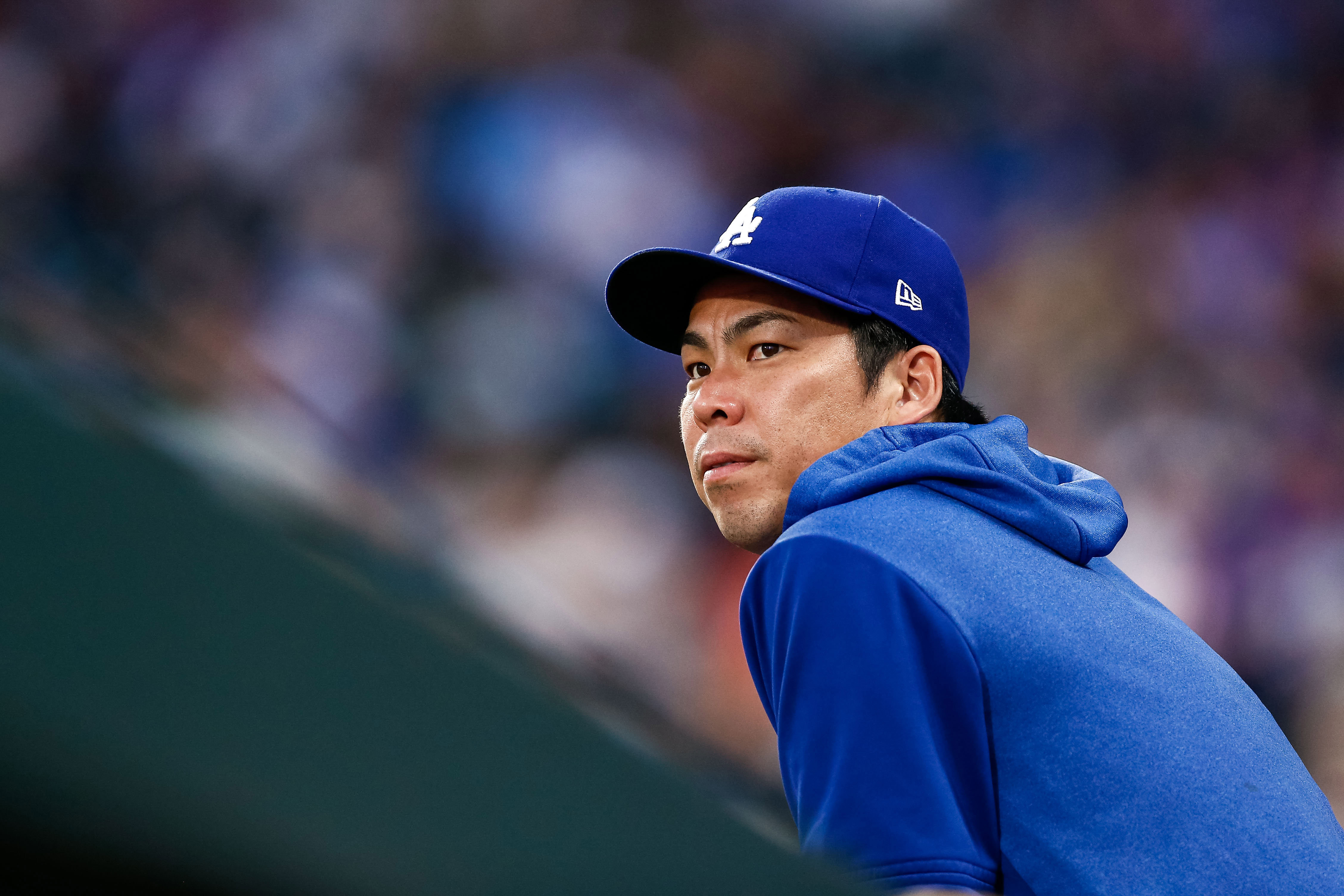 If you haven’t had a lot of experience with the mystery team, it’s because the Twins - as long back as I can recall - have never turned out to be that team. But Doogie Wolfson was all over it. Not too much later, it was confirmed the Twins were sending pitching prospect Brusdar Graterol to the Red Sox. In return, they were getting P Kenta Maeda. Adding Maeda is a big deal on the field, but let’s look at three unique things off the field. ***Maeda signed an 8-year, $25 million deal with the Dodgers before the 2016 season. He has four years, at $3 million per year left on his incentive-laden contract. His incentives include: $150,000 for making Opening Day roster $1 million for starts 15 and 20. $1.5 million for starts 25, 30 and 32. $250,000 reaching the innings of 90, 100, 110, 120, 130, 140, 150, 160, 170, 180 and 190. $750,000 if he throws 200 innings. ***The fact that so much of Maeda’s earnings are tied to starts and innings has been a contentious point recently. The Dodgers tried to rework his deal, which he declined. The message to him was to “pitch better.” Maeda is definitely going to begin the season in the starting rotation, but someone is going to get squeezed if everyone is healthy when Michael Pineda and Rich Hill return from suspension and injury, respectively. We already know how Maeda would feel if it’s him. ***Maeda has some interesting “perks” in his deal which raise additional questions. His original contract gave him the right to wear #18. That’s currently worn by Silver Slugger catcher Mitch Garver. The Dodgers had to provide Maeda with four round-trip business-class airline tickets between Japan and LA annually. Can he fly out of MSP? There’s a $1 million assignment bonus. Do the Twins pay that? Allegedly. --- What we do know is that even if Maeda only has an average (by his standards) year, he will make nearly 30 starts and throw around 170 innings, triggering incentives that will earn him nearly $10 million total, which is still a steal in this market for a mid-rotation starter. All of the other stuff, though… stay tuned...
 -
It's been a few months since John and Jeremy got together to record a new podcast. But we did on Wednesday night under unique circumstances: We're retiring Across the Meadow. John is moving to Montana as he took in job in the sports reporting business. That's a little bit too far to walk to record a show.We managed to cover a lot in our final 73 minutes. First and foremost, what signing Josh Donaldson means. We also discussed how the bullpen and rotation may look and if it makes sense to start dealing prospects. It was a fun ride while it lasted. Thanks for being a part of it! As always, all of our podcasts are available here or you can download directly from iTunes here. Wish John the best at @MillerJohnP. Click here to view the article
-
 We managed to cover a lot in our final 73 minutes. First and foremost, what signing Josh Donaldson means. We also discussed how the bullpen and rotation may look and if it makes sense to start dealing prospects. It was a fun ride while it lasted. Thanks for being a part of it! As always, all of our podcasts are available here or you can download directly from iTunes here. Wish John the best at @MillerJohnP.
 -
I was basing that on a 3/6/9/12 model plus buyouts. Maybe 5/7.5/10/15 (4/37.5) is more realistic.
-
You could literally add Gerrit Cole to this team in February or trade for Mookie Betts in July. Heck, you could do both. Finding a spot for either would be really easy. You could do neither and still make the playoffs.
-
Did you miss both the Lance Lynn signing two years ago and the Marwin Gonzalez signing last year? If you can look at my projected roster and not find a way to add a better player, then I must have put a really good team together. I think you're just arguing to argue at this point, which is a good place for me to stop.
-
One of the first things I say is that this is going to be a slow free agent market. Then I detail how I'd put together a team that should probably still win the AL Central in that slow market. Then I close by citing low payroll and the ability to continue shopping into Spring Training or add at the deadline. If anyone is so hellbent on adding Cole or Strasburg, is your plan just to wait them out and see what happens? While it's possible, I don't see either signing before the end of January. You can have a full team together and re-evaluate later. Then, maybe, you strike. Maybe it's a pitcher. Maybe it's a position player. The Twins have done this a lot under Falvey and Levine and it could totally happen again. I don't have the answer to who it would be... but it's certainly a possibility, as I alluded to.
-
Sure, Rortvedt could totally be that guy. We could see Jeffers/Rortvedt as the primary catchers in a few years with Garver getting time behind the dish and at first base. Regardless, I'm not interested in signing a catcher for multiple years... especially Grandal!
-
Though their age is similar, I just feel like Bumgarner has an older arm... if that makes any sense. I get Wheeler's history hasn't been free of injury... but I trust Wheeler five years from now more than Bumgarner. And I might be totally wrong!
-
Teams that have a lot of good major league players have less room on the end of their 40-man than teams that don't. (That's probably oversimplifying it.) Those spots become that much more precious for those teams and they have to decide how to use them. High upside guys? Close to ready guys? Specific skill-set guys? Currently, they have a lack of position players, that much is clear... they have a lot of swingmen-type pitchers. I don't know what they'll decide. Chalmers and Duran are high-ceiling pitchers, that I'm not willing to lose for nothing. Blankenhorn and Raley are guys that I think could help soon. Jax... it's nothing specific, I just think he has a chance to be special. I'm as curious as anyone (except Seth and JJ Cooper, probably) how the 40-man deadline plays out.
-
Castro is going to get multiple years. Ryan Jeffers is a year away and has consistently hit RHPs better than LHPS. He's the ideal Robin to Garver's Batman. Give me Vogt for one year over paying Castro for more than one. (Also give me Vogt for one year for less than Castro for one year.) So I'm going to go ahead and disagree with Castro being the better option, for a few reasons.
-
I just don't think it's realistic that the Twins sign either of these two. (But I'd be jacked if they did.)
-
In fairness, I've been "trade Rosario" since he debuted, though I came off that strong stance while he was cheaper. The Marlins are looking for outfielders, have a hitting coach that is familiar with Eddie, he's from Puerto Rico and the Twins/Marlins have matched up on a good trade for both teams very recently. There's a lot of reasons that this particular trade makes sense. (Plus it's my blueprint...)
-
Much has been made of Thad Levine’s quote last year where he said, “When (the window is open), we plan on striking.” So much, in fact, that the Twins fan base - one that’s always rabid for big moves only to be left mostly disappointed - expects this offseason to include a few of them. That’s how a team “strikes,” right? But let’s pump the brakes on that idea a little bit as I present to you my 2019-2020 Offseason Blueprint.The window is just opening and should be open for a while, I’m not adding anyone on a multi-year deal that isn’t going to help extend that window - Sorry, MadBum - but wouldn’t hesitate to add older guys on one-year deals. The next wave - Alex Kirilloff, Trevor Larnach, Royce Lewis and a herd of young pitchers - is going to be here faster than anyone expected. And I trust most of the core that’s here now more than the guys that would command big money in free agency. Of course, the pitching rotation has to be addressed. Re-sign P Jake Odorizzi to a 3-year/$42 million deal. First up, Jake Odorizzi’s decision. By offering Odorizzi the Qualifying Offer, the team has seemed to identify him as someone they view as part of their core, or at least someone that could be part of their core. Accepting the offer is a simple way to guarantee $17.8 million in his pocket. It’s also a terrible way to guarantee future earnings, which is why I think Odorizzi says “no thanks” and searches for a three- or four-year deal. With draft pick compensation attached, I think that deal comes from the Twins. Something in the range of 3-years/$42 million sounds reasonable (could the Twins front-load his deal?) and I could see added language for a vesting fourth year included. A three-year pact lines up his free agency with the end of arbitration (at least for now) for all of Jose Berrios, Byron Buxton and Taylor Rogers. Add INF Travis Blankenhorn, P Dakota Chalmers, P Jhoan Duran, P Griffin Jax and OF Luke Raley to the 40-man roster. Five may be too heavy, but I view Duran and Chalmers as locks. Non-tender 1B C.J. Cron. Outright P Ryne Harper. Though the team has money to spend, committing in excess of $7 million on Cron is not something I’m comfortable with. I wouldn’t rule out bringing him back, but opening up a spot at first base gives the Twins more flexibility, whether that be for a different first baseman or moving Miguel Sano to first base and adding a third baseman. Harper doesn't need to be outrighted at the same time, but I found a need for a 40-man spot later in the offseason and he's the odd-man out. Extend CF Byron Buxton (4 yrs/$32m) and LRP Taylor Rogers (4 yrs/$24m) Though signing guys to extensions shouldn’t be the biggest news of the offseason, it should be a telltale sign of how the Twins view things going forward. The club needs to establish their core and lock them up. So far, they have done so with only Jorge Polanco and Max Kepler. I’ve never been a huge proponent of extending pitchers, so though I’d approach Jose Berrios about an extension, I wouldn’t put him in the extend-or-trade category. Byron Buxton and Taylor Rogers wouldn’t fit in that category either, but both should be pursued to sign contracts into their free agent years. The reasons are two-fold: These are core guys that can help extend the window. Both players, especially Buxton, could have their costs skyrocket. Locking them in at a set-cost helps establish a long-term plan for a team so aware of their financials. Eddie Rosario, and to a lesser extent, Miguel Sano, could both fall into the extend-or-trade category. Both have two years of control left. Both have clear ability, but obvious flaws in their game. There are prospects who will be ready soon that could replace Rosario’s production at a fraction of the cost. I fully expect Rosario to be traded this off-season, which we’ll look at later. If the Twins can hash out deals with Byron Buxton (4 yrs/$32m spread evenly, with two options), Taylor Rogers (4 yrs/$24m spread evenly, with an option), that would put in place two more important pieces of their core through 2023. Sign P Zack Wheeler to a 5-year/$95 million deal. (If you swing and miss, sign P Rick Porcello to a 1-year/$9 million deal.) Re-sign P Michael Pineda to a 1-year/$8 million deal. Re-sign RP Sergio Romo to a 1-year/$3 million deal. Sign C Stephen Vogt to a 1-year/$5 million deal. I anticipate the free agent market being slow. The big fish are all represented by Scott Boras, which means they aren’t coming off the board until very, very late. That’s likely to slow down the market for everyone else. Even with the assumed return of Jake Odorizzi, the rotation is still two starters short. As much fun as Gerrit Cole and Stephen Strasburg would be, they are going to require 6- or 7-year deals. Zack Wheeler might require a fifth year and the Twins should be willing to go that length. A five-year pact for $19 million annually is doable with the way the extensions have been formatted. If the Twins shoot their shot on Wheeler and miss, I wouldn’t look at any other longer-term deals. I’d shift my focus from signing one of the group of Michael Pineda (yeah, I would), Rick Porcello, Cole Hamels, Alex Wood and Homer Bailey to signing two of them. One-year deals with a team option preferable. While rolling with one-year deals on questionable starters during the clear window of contention seems counterintuitive, the moves that have been made previously have all ensured the window should stay open for, at a minimum, four more years. Making a long-term commitment to anyone - especially pitchers - comes with great risks as the results seem to decline rapidly on the wrong side of the 30… the age where most pitchers first hit free-agency. In addition to adding to the rotation, I loved what Romo brought to the bullpen and adding Vogt fills the backup catcher void, adds a good platoon partner for Garver and gives the team a tad more flexibility as he's played both 1B and LF periodically. Trade LF Eddie Rosario, P Blayne Enlow, INF Jose Miranda and P Luis Rijo to Miami for LP Caleb Smith and P Jose Urena. On the trade fronts, it’s simple: Zero in on controllable arms that can help for multiple years. Whether a sign of things to come or not, the Twins held on to their closer-to-the-majors pitching prospects, instead showing a willingness to trade on-the-cusp hitters and pitchers at the lower levels. There should be willingness to move Rosario and Sano if it can help accomplish the goal of moving the team both further into contention and to keep the window of opportunity open longer. In this particular trade, the Twins would be getting back a lefty for their rotation in Smith, who's controllable for four more seasons, and Urena, who could used in either a starting or relief role and who has two years remaining before free agency. That leaves a full 40-man roster and a 26-man/Opening Day roster that looks like this: Download attachment: 20pr.JPG Granted, Michael Pineda won’t count against either roster for the first six weeks of the season, that spot will be used on another young bullpen arm (such as Fernando Romero or Devin Smeltzer). Other things to consider: Marwin Gonzalez, Miguel Sano and Mitch Garver will split the shared at first base. Marwin Gonzalez and Jake Cave will be the primary left-fielders until Alex Kirilloff comes up (which he would, if I were in charge, in June). As you can see in the table above, Opening Day payroll is south of $120 million. By all forecasts, this is on the low end. This would allow the team to either (or both) shop free agents all the way until spring training (like they have done the last two years) and/or add payroll at the trade deadline. Additionally, the Twins would enter 2021 with around $58 million committed to a core of Wheeler*, Odorizzi, Rogers, Buxton, Kepler and Polanco. *Obviously, as previously stated, if the Twins miss on Wheeler and replace him with Porcello, payroll drops into the $106 million range, which allows additional flexibility when needed. The possible ways the Twins organization navigates the waters of this off-season are endless. But the reality is simple: the team needs to make moves that keep them competitive for the next half dozen years without sacrificing the payroll flexibility that they’ve established since Falvey and Levine took over. Check out these other Offseason Blueprints: Building a Bullpenner Hooking a Big Fish Making Big Betts ~~~ What would your blueprint look like for the Twins this winter? Download your copy of the Offseason Handbook and use it to construct a champion. Share your vision for discussion in our Create a Blueprint forum thread. Meanwhile, stay tuned to TD as our writers will be formulating offseason plans from different perspectives all week long. Click here to view the article
-
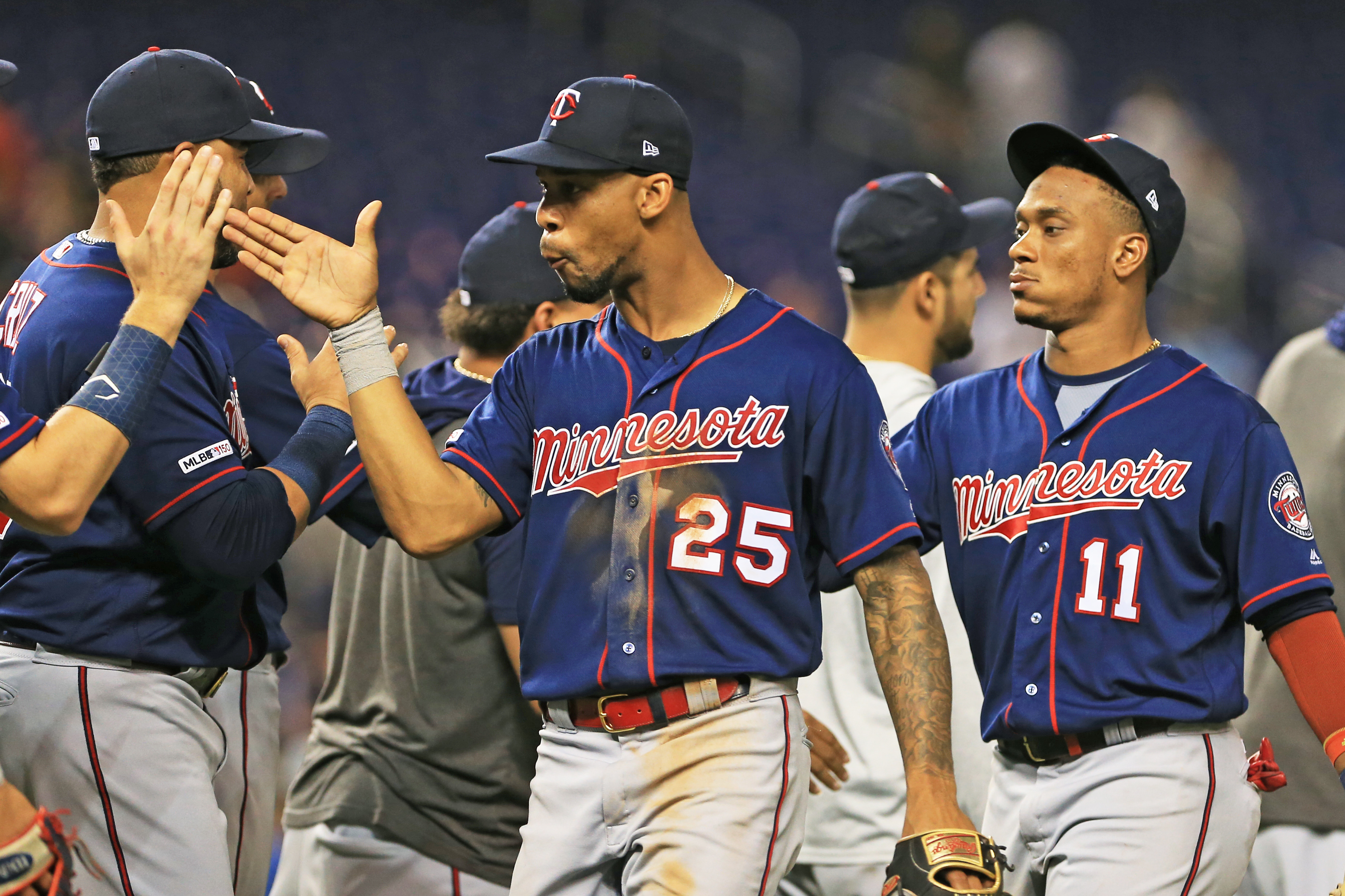 The window is just opening and should be open for a while, I’m not adding anyone on a multi-year deal that isn’t going to help extend that window - Sorry, MadBum - but wouldn’t hesitate to add older guys on one-year deals. The next wave - Alex Kirilloff, Trevor Larnach, Royce Lewis and a herd of young pitchers - is going to be here faster than anyone expected. And I trust most of the core that’s here now more than the guys that would command big money in free agency. Of course, the pitching rotation has to be addressed. Re-sign P Jake Odorizzi to a 3-year/$42 million deal. First up, Jake Odorizzi’s decision. By offering Odorizzi the Qualifying Offer, the team has seemed to identify him as someone they view as part of their core, or at least someone that could be part of their core. Accepting the offer is a simple way to guarantee $17.8 million in his pocket. It’s also a terrible way to guarantee future earnings, which is why I think Odorizzi says “no thanks” and searches for a three- or four-year deal. With draft pick compensation attached, I think that deal comes from the Twins. Something in the range of 3-years/$42 million sounds reasonable (could the Twins front-load his deal?) and I could see added language for a vesting fourth year included. A three-year pact lines up his free agency with the end of arbitration (at least for now) for all of Jose Berrios, Byron Buxton and Taylor Rogers. Add INF Travis Blankenhorn, P Dakota Chalmers, P Jhoan Duran, P Griffin Jax and OF Luke Raley to the 40-man roster. Five may be too heavy, but I view Duran and Chalmers as locks. Non-tender 1B C.J. Cron. Outright P Ryne Harper. Though the team has money to spend, committing in excess of $7 million on Cron is not something I’m comfortable with. I wouldn’t rule out bringing him back, but opening up a spot at first base gives the Twins more flexibility, whether that be for a different first baseman or moving Miguel Sano to first base and adding a third baseman. Harper doesn't need to be outrighted at the same time, but I found a need for a 40-man spot later in the offseason and he's the odd-man out. Extend CF Byron Buxton (4 yrs/$32m) and LRP Taylor Rogers (4 yrs/$24m) Though signing guys to extensions shouldn’t be the biggest news of the offseason, it should be a telltale sign of how the Twins view things going forward. The club needs to establish their core and lock them up. So far, they have done so with only Jorge Polanco and Max Kepler. I’ve never been a huge proponent of extending pitchers, so though I’d approach Jose Berrios about an extension, I wouldn’t put him in the extend-or-trade category. Byron Buxton and Taylor Rogers wouldn’t fit in that category either, but both should be pursued to sign contracts into their free agent years. The reasons are two-fold: These are core guys that can help extend the window. Both players, especially Buxton, could have their costs skyrocket. Locking them in at a set-cost helps establish a long-term plan for a team so aware of their financials. Eddie Rosario, and to a lesser extent, Miguel Sano, could both fall into the extend-or-trade category. Both have two years of control left. Both have clear ability, but obvious flaws in their game. There are prospects who will be ready soon that could replace Rosario’s production at a fraction of the cost. I fully expect Rosario to be traded this off-season, which we’ll look at later. If the Twins can hash out deals with Byron Buxton (4 yrs/$32m spread evenly, with two options), Taylor Rogers (4 yrs/$24m spread evenly, with an option), that would put in place two more important pieces of their core through 2023. Sign P Zack Wheeler to a 5-year/$95 million deal. (If you swing and miss, sign P Rick Porcello to a 1-year/$9 million deal.) Re-sign P Michael Pineda to a 1-year/$8 million deal. Re-sign RP Sergio Romo to a 1-year/$3 million deal. Sign C Stephen Vogt to a 1-year/$5 million deal. I anticipate the free agent market being slow. The big fish are all represented by Scott Boras, which means they aren’t coming off the board until very, very late. That’s likely to slow down the market for everyone else. Even with the assumed return of Jake Odorizzi, the rotation is still two starters short. As much fun as Gerrit Cole and Stephen Strasburg would be, they are going to require 6- or 7-year deals. Zack Wheeler might require a fifth year and the Twins should be willing to go that length. A five-year pact for $19 million annually is doable with the way the extensions have been formatted. If the Twins shoot their shot on Wheeler and miss, I wouldn’t look at any other longer-term deals. I’d shift my focus from signing one of the group of Michael Pineda (yeah, I would), Rick Porcello, Cole Hamels, Alex Wood and Homer Bailey to signing two of them. One-year deals with a team option preferable. While rolling with one-year deals on questionable starters during the clear window of contention seems counterintuitive, the moves that have been made previously have all ensured the window should stay open for, at a minimum, four more years. Making a long-term commitment to anyone - especially pitchers - comes with great risks as the results seem to decline rapidly on the wrong side of the 30… the age where most pitchers first hit free-agency. In addition to adding to the rotation, I loved what Romo brought to the bullpen and adding Vogt fills the backup catcher void, adds a good platoon partner for Garver and gives the team a tad more flexibility as he's played both 1B and LF periodically. Trade LF Eddie Rosario, P Blayne Enlow, INF Jose Miranda and P Luis Rijo to Miami for LP Caleb Smith and P Jose Urena. On the trade fronts, it’s simple: Zero in on controllable arms that can help for multiple years. Whether a sign of things to come or not, the Twins held on to their closer-to-the-majors pitching prospects, instead showing a willingness to trade on-the-cusp hitters and pitchers at the lower levels. There should be willingness to move Rosario and Sano if it can help accomplish the goal of moving the team both further into contention and to keep the window of opportunity open longer. In this particular trade, the Twins would be getting back a lefty for their rotation in Smith, who's controllable for four more seasons, and Urena, who could used in either a starting or relief role and who has two years remaining before free agency. That leaves a full 40-man roster and a 26-man/Opening Day roster that looks like this: Granted, Michael Pineda won’t count against either roster for the first six weeks of the season, that spot will be used on another young bullpen arm (such as Fernando Romero or Devin Smeltzer). Other things to consider: Marwin Gonzalez, Miguel Sano and Mitch Garver will split the shared at first base. Marwin Gonzalez and Jake Cave will be the primary left-fielders until Alex Kirilloff comes up (which he would, if I were in charge, in June). As you can see in the table above, Opening Day payroll is south of $120 million. By all forecasts, this is on the low end. This would allow the team to either (or both) shop free agents all the way until spring training (like they have done the last two years) and/or add payroll at the trade deadline. Additionally, the Twins would enter 2021 with around $58 million committed to a core of Wheeler*, Odorizzi, Rogers, Buxton, Kepler and Polanco. *Obviously, as previously stated, if the Twins miss on Wheeler and replace him with Porcello, payroll drops into the $106 million range, which allows additional flexibility when needed. The possible ways the Twins organization navigates the waters of this off-season are endless. But the reality is simple: the team needs to make moves that keep them competitive for the next half dozen years without sacrificing the payroll flexibility that they’ve established since Falvey and Levine took over. Check out these other Offseason Blueprints: Building a Bullpenner Hooking a Big Fish Making Big Betts ~~~ What would your blueprint look like for the Twins this winter? Download your copy of the Offseason Handbook and use it to construct a champion. Share your vision for discussion in our Create a Blueprint forum thread. Meanwhile, stay tuned to TD as our writers will be formulating offseason plans from different perspectives all week long.
 -
I was operating under his remaining suspension (37 games), not the original length, so 15 may be accurate.
-
The JDA has been adjusted since then, but I can't find specific verbiage either way. He would be eligible for Spring Training and would get up to 12 days in the minors.
