



Cody Christie
-
Posts
7,794 -
Joined
-
Last visited
-
Days Won
5
Content Type
Profiles
News
Minnesota Twins Videos
2026 Minnesota Twins Top Prospects Ranking
2022 Minnesota Twins Draft Picks
Minnesota Twins Free Agent & Trade Rumors, Notes, & Tidbits
Guides & Resources
2023 Minnesota Twins Draft Picks
The Minnesota Twins Players Project
2024 Minnesota Twins Draft Picks
2025 Minnesota Twins Draft Pick Tracker
2026 Minnesota Twins Draft Tracker: Picks & Bonuses
Forums
Blogs
Events
Store
Downloads
Gallery
Everything posted by Cody Christie
-

How Khadim Diaw is Changing His Catching Trajectory
Cody Christie posted an article in Minor Leagues
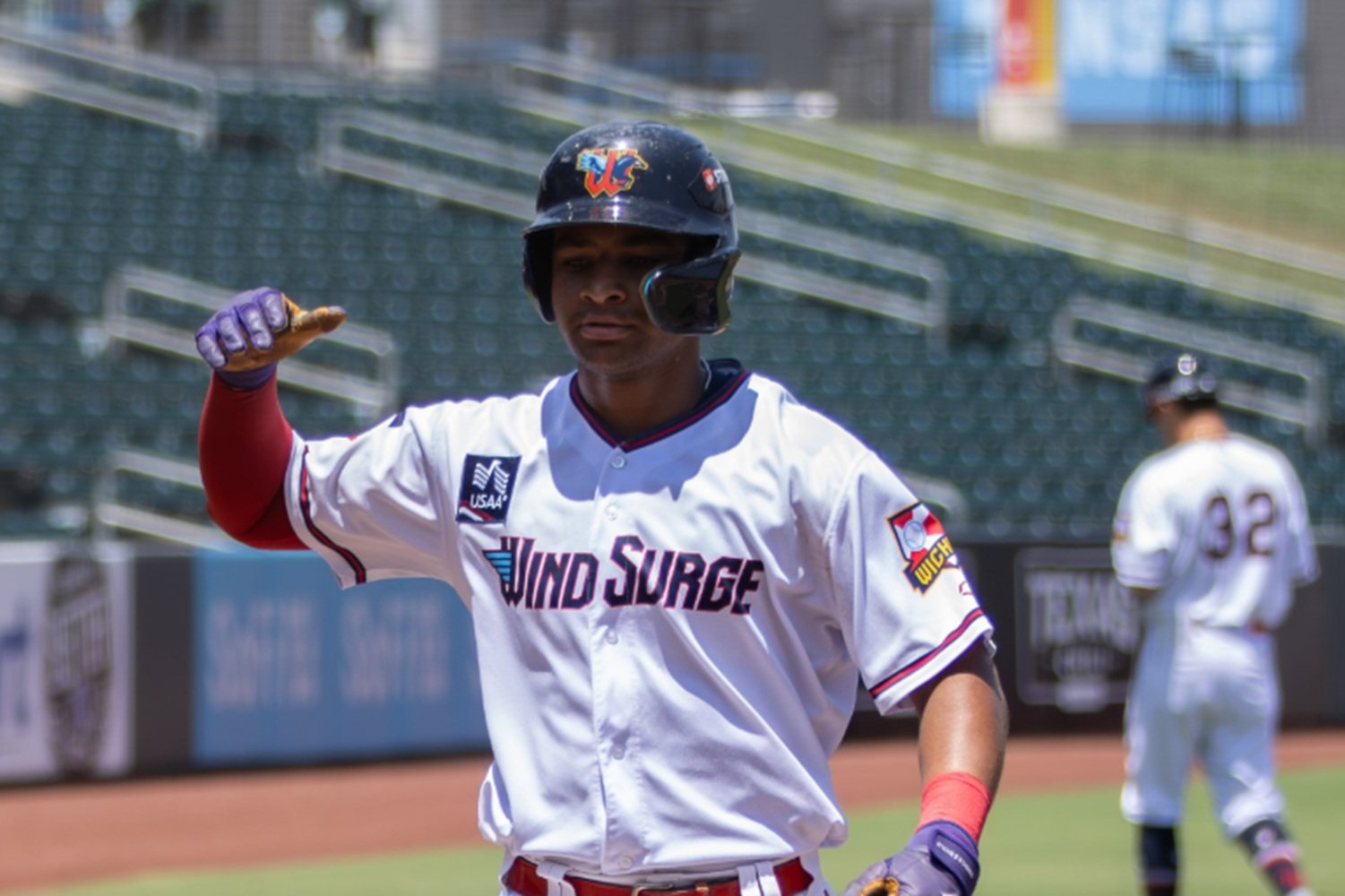 There is a temptation to look at a catcher’s defensive development through one statistic. For Khadim Diaw, that statistic does not tell the entire story. The Minnesota Twins catching prospect has allowed 123 stolen bases this season while throwing out just 10 runners. That eight-percent caught-stealing rate is difficult to overlook, particularly for a player whose long-term future could be tied to his ability to remain behind the plate. But within the Twins organization, there is a much different evaluation of Diaw's defensive progress. On a recent episode of Inside Twins, Twins Director of Player Development Drew MacPhail offered significant praise for the work Diaw has done behind the plate this season. “He’s made even more strides defensively,” MacPhail said. “He came in pretty raw and he’s grading now as one of our best receivers in the system.” That is a noteworthy development for a player who entered professional baseball with plenty of offensive intrigue but needed considerable refinement defensively. Diaw is showing that refinement. The Defensive Transformation Diaw was never viewed as a finished product when the Twins selected him in the third round of the 2024 MLB Draft. His athleticism was one of his most intriguing traits. He moves well for a catcher and possesses enough athletic ability to spend time in the outfield, giving the organization some flexibility in how it deploys him. But catching is still the priority. The Twins have invested considerable time into making Diaw a better receiver and improving the physical tools that come with playing the position. That includes his throwing arm. “I think a big thing as well has been working on his arm strength,” MacPhail said. “He’s done a really nice job of that with both our pitching coordinator and our catching coordinator, Tucker Frawley, to being on an offseason program to work on his arm strength.” The stolen-base numbers suggest there is still work to be done. But receiving is about far more than controlling the running game. Framing, presentation, blocking, preparation and working with a pitching staff all contribute to a catcher’s defensive value. Diaw appears to be making meaningful progress in those areas. The Bat Has Continued to Play Diaw is not simply surviving his first exposure to Double-A pitching. He is thriving against it. Diaw began the 2026 season with High-A Cedar Rapids, where he hit .300/.405/.454 with an .859 OPS and a 127 wRC+. That earned him a promotion to Wichita. The move up the organizational ladder did not cause his offensive production to disappear. Through his first 40 games with the Wind Surge, Diaw posted a .312/.432/.422 line over that stretch in one of the most challenging environments of his professional career, producing a 128 wRC+. Andrew Cresci, the hitting coach at Double-A Wichita, also praised Diaw's preparation and attention to detail. “Double-A is probably the biggest jump they'll make until they go to the big leagues, just in terms of the quality of the pitching,” Cresci said. “He did an excellent job. The guy is a perfectionist in his attention to detail. I can definitely appreciate his work in the cage and his preparation.” Perhaps even more encouraging was his plate discipline. Diaw drew 23 walks while striking out just 18 times. That is a remarkable ratio for a young catcher adjusting to Double-A pitching. Diaw has always possessed an advanced understanding of the strike zone. He posted an 11.8% walk rate in 2025, and his ability to get on base has continued into his second professional season. There is another number that has helped him reach base, too. He gets hit. A lot. Diaw was hit by a pitch 18 times during his first full professional season. Through 98 games in 2026, he has already been plunked 19 times, including 11 times at Double-A. Some of that is likely a byproduct of his willingness to work deep into counts and his aggressive approach to getting on base. But there is a bigger point here. When Diaw is healthy and in the lineup, he has consistently hit. Finding More Power The question has never necessarily been whether Diaw can hit. It has been how much damage he can create. Diaw is likely always going to be a hit-over-power offensive player. His approach is built around contact, controlling the strike zone and doing damage early in counts rather than selling out for power. Still, the Twins have seen signs that there could be more pop coming. Diaw made swing changes during his second professional season, including adjustments designed to unlock more power to his pull side. His Pull% has increased by 6.4% this season His power numbers have dipped since his promotion to Double-A (his slugging percentage dropped 30 points), but some of the underlying contact metrics have moved in the right direction. He had a 17-game hit streak from July 11 to August 8th that was the longest in the Texas League this season. In the streak, he batted .373 (25-for-67) with 12 runs scored, 2 home runs and 6 RBI. Diaw fell one game short of the franchise record for the longest streak. A player who already has the ability to make consistent contact, avoid strikeouts and draw walks becomes considerably more interesting if he can add even modest additional power. The goal isn't necessarily to turn Diaw into a 25-home-run catcher. It is to make pitchers pay more often when they enter the strike zone. A Catcher Worth Watching There are still legitimate questions surrounding Diaw. The stolen-base numbers cannot simply be ignored. His arm strength needs to continue developing, and the offensive power remains more projection than certainty. But his trajectory is changing. Diaw entered professional baseball as an athletic catcher with an advanced offensive approach who needed significant defensive development. Now, the Twins believe he is one of their better receivers. His offensive profile makes the development even more intriguing. A catcher who can hit for average, control the strike zone, avoid strikeouts and consistently reach base already has a foundation. If the swing changes continue to produce better contact quality and more power, his offensive ceiling rises. Ultimately, Diaw's trajectory will depend on whether the defensive improvements continue to catch up with his offensive ability. The Twins clearly believe that process is moving in the right direction. And if the work behind the plate eventually matches what the organization already sees from his bat, Diaw could become much more than another piece of catching depth. He could become a legitimate part of Minnesota's long-term catching picture. What stands out about Diaw in 2026? Leave a comment and start the discussion.
 -
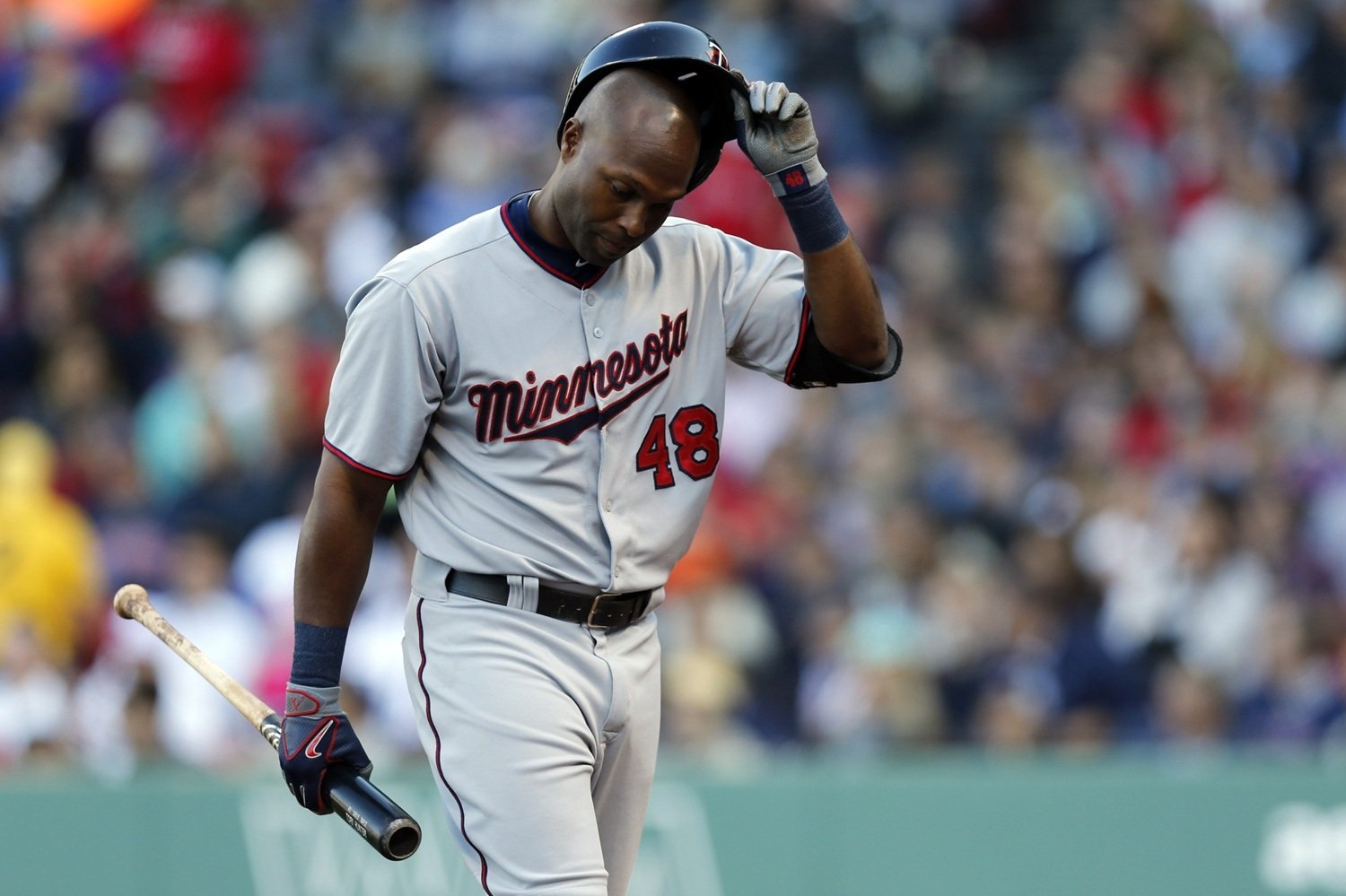 Torii Hunter had one final decision to make in the winter of 2014. After spending the first 11 seasons of his career with the Minnesota Twins, Hunter had already established himself as one of the most important players of his generation. He had left Minnesota as a free agent following the 2007 season, built an All-Star-caliber career with the Los Angeles Angels and Detroit Tigers, and reached the postseason multiple times. At age 39, though, Hunter had to decide where he wanted to play his final season. The Twins wanted him back. So did the Kansas City Royals, who were coming off a trip to the World Series. Looking back more than a decade later, Hunter still wonders what might have happened if he had chosen differently. Hunter recently appeared on the To The Majors podcast with Kevin Pillar and Cody Allen, where he revealed just how seriously he considered joining Kansas City. “I had a decision to make, and guess what the decision was: should I go to the Royals, or should I go to the Twins?” Hunter said. On paper, the Royals certainly presented an appealing option. Kansas City had just reached the World Series in 2014 and had a young core that looked capable of competing for years. Eric Hosmer, Mike Moustakas and Lorenzo Cain were emerging stars, while Alex Gordon remained one of the game's better two-way outfielders. Still, the Twins found a way to make their pitch more personal. One Last Chapter in Minnesota Hunter's relationship with the Twins was complicated. Minnesota drafted him in the first round of the 1993 MLB Draft, and he eventually became one of the most recognizable players in franchise history. But after the 2007 season, the Twins allowed him to leave in free agency. Hunter signed with the Angels and continued to thrive. When the opportunity came to return to Minnesota seven years later, there was understandably some hesitation. Hunter mentioned in the podcast that his wife didn't want to go back to Minnesota after the way his first tenure ended. Hunter also had a legitimate chance to join a Royals team that had just played for a championship. Then Mike Herman, who was part of the Twins' communications staff during Hunter's original Twins tenure, gave Hunter another reason to come home. He told Hunter that one more season with Minnesota could help cement his legacy among the franchise's all-time leaders. That argument worked. “He was like, ‘Hey, come back, and you’ve got an opportunity to be in the top five in every category with the Twins, and you’ll go down in history or whatever. And we love you,’” Hunter recalled. The Twins weren't simply selling him on another season of baseball. They were selling him on the chance to finish his career where it started. Hunter ultimately chose Minnesota. And while the 2015 Twins didn't reach the postseason, Hunter had a productive final season. He hit .286 with 22 doubles, 22 home runs and 81 RBIs while providing the veteran presence expected from a player entering his age-40 season. More importantly, he got the ending he wanted. Hunter retired as a Twin. The Part That Still Bugs Him There was just one problem. The Twins came remarkably close to making the postseason that year. Minnesota entered the final weekend of the 2015 season with a chance to secure an American League Wild Card spot. The Royals were also waiting at Target Field, having already established themselves as one of the American League's best teams. Then everything fell apart for the Twins. Kansas City swept Minnesota. The Royals secured the top seed in the American League, while the Twins watched their postseason hopes disappear. Kansas City eventually went all the way, defeating the New York Mets in the World Series. And that is where Hunter's alternate-history question comes into play. “If I would have chose the Royals, would I have won my World Series?” Hunter said. It's an understandable question. Hunter reached the postseason eight times during his career but never won a championship. He had plenty of opportunities, including multiple playoff runs with the Angels and Tigers, but a World Series ring remained missing from his résumé. Had he signed with Kansas City, Hunter could have been part of the team that finally broke through. Instead, he spent his final season chasing the Twins' playoff dream. And that dream ended at the hands of the very team he could have joined. The Right Decision for the Wrong Outcome? There is no way to know whether Hunter would have won a championship with Kansas City. Baseball doesn't work that way. One player doesn't guarantee a World Series, and an alternate decision can create an entirely different series of events. But from the Twins' perspective, Hunter's story is still significant. Minnesota wasn't the obvious baseball choice in that winter. The Royals had just reached the World Series, while the Twins were coming off a 92-loss season in 2014. Yet, the Twins had something Kansas City couldn't offer. They could give Hunter the opportunity to finish his career where it began. Hunter took that opportunity. He got to play in the new Target Field, a stadium that had been little more than a plan when he left Minnesota. He got to return to the clubhouse, reconnect with the organization, and officially retire as a member of the Twins. More than a decade later, Hunter can still wonder about the alternate ending. For Twins fans, though, there is something fitting about how it actually played out. Hunter started his career in Minnesota. He became a star in Minnesota. He left, built a borderline Hall of Fame-caliber résumé elsewhere and then came back for one final season. And when he walked away from the game, he did so wearing a Twins uniform. The World Series ring never came. But Hunter's place in Twins history was secure. What stands out about Hunter’s decision? Would the Twins have been better or worse without him in 2015? Leave a comment and start the discussion,
 -
Image courtesy of Greg M. Cooper USA TODAY Sports Torii Hunter had one final decision to make in the winter of 2014. After spending the first 11 seasons of his career with the Minnesota Twins, Hunter had already established himself as one of the most important players of his generation. He had left Minnesota as a free agent following the 2007 season, built an All-Star-caliber career with the Los Angeles Angels and Detroit Tigers, and reached the postseason multiple times. At age 39, though, Hunter had to decide where he wanted to play his final season. The Twins wanted him back. So did the Kansas City Royals, who were coming off a trip to the World Series. Looking back more than a decade later, Hunter still wonders what might have happened if he had chosen differently. Hunter recently appeared on the To The Majors podcast with Kevin Pillar and Cody Allen, where he revealed just how seriously he considered joining Kansas City. “I had a decision to make, and guess what the decision was: should I go to the Royals, or should I go to the Twins?” Hunter said. On paper, the Royals certainly presented an appealing option. Kansas City had just reached the World Series in 2014 and had a young core that looked capable of competing for years. Eric Hosmer, Mike Moustakas and Lorenzo Cain were emerging stars, while Alex Gordon remained one of the game's better two-way outfielders. Still, the Twins found a way to make their pitch more personal. One Last Chapter in Minnesota Hunter's relationship with the Twins was complicated. Minnesota drafted him in the first round of the 1993 MLB Draft, and he eventually became one of the most recognizable players in franchise history. But after the 2007 season, the Twins allowed him to leave in free agency. Hunter signed with the Angels and continued to thrive. When the opportunity came to return to Minnesota seven years later, there was understandably some hesitation. Hunter mentioned in the podcast that his wife didn't want to go back to Minnesota after the way his first tenure ended. Hunter also had a legitimate chance to join a Royals team that had just played for a championship. Then Mike Herman, who was part of the Twins' communications staff during Hunter's original Twins tenure, gave Hunter another reason to come home. He told Hunter that one more season with Minnesota could help cement his legacy among the franchise's all-time leaders. That argument worked. “He was like, ‘Hey, come back, and you’ve got an opportunity to be in the top five in every category with the Twins, and you’ll go down in history or whatever. And we love you,’” Hunter recalled. The Twins weren't simply selling him on another season of baseball. They were selling him on the chance to finish his career where it started. Hunter ultimately chose Minnesota. And while the 2015 Twins didn't reach the postseason, Hunter had a productive final season. He hit .286 with 22 doubles, 22 home runs and 81 RBIs while providing the veteran presence expected from a player entering his age-40 season. More importantly, he got the ending he wanted. Hunter retired as a Twin. The Part That Still Bugs Him There was just one problem. The Twins came remarkably close to making the postseason that year. Minnesota entered the final weekend of the 2015 season with a chance to secure an American League Wild Card spot. The Royals were also waiting at Target Field, having already established themselves as one of the American League's best teams. Then everything fell apart for the Twins. Kansas City swept Minnesota. The Royals secured the top seed in the American League, while the Twins watched their postseason hopes disappear. Kansas City eventually went all the way, defeating the New York Mets in the World Series. And that is where Hunter's alternate-history question comes into play. “If I would have chose the Royals, would I have won my World Series?” Hunter said. It's an understandable question. Hunter reached the postseason eight times during his career but never won a championship. He had plenty of opportunities, including multiple playoff runs with the Angels and Tigers, but a World Series ring remained missing from his résumé. Had he signed with Kansas City, Hunter could have been part of the team that finally broke through. Instead, he spent his final season chasing the Twins' playoff dream. And that dream ended at the hands of the very team he could have joined. The Right Decision for the Wrong Outcome? There is no way to know whether Hunter would have won a championship with Kansas City. Baseball doesn't work that way. One player doesn't guarantee a World Series, and an alternate decision can create an entirely different series of events. But from the Twins' perspective, Hunter's story is still significant. Minnesota wasn't the obvious baseball choice in that winter. The Royals had just reached the World Series, while the Twins were coming off a 92-loss season in 2014. Yet, the Twins had something Kansas City couldn't offer. They could give Hunter the opportunity to finish his career where it began. Hunter took that opportunity. He got to play in the new Target Field, a stadium that had been little more than a plan when he left Minnesota. He got to return to the clubhouse, reconnect with the organization, and officially retire as a member of the Twins. More than a decade later, Hunter can still wonder about the alternate ending. For Twins fans, though, there is something fitting about how it actually played out. Hunter started his career in Minnesota. He became a star in Minnesota. He left, built a borderline Hall of Fame-caliber résumé elsewhere and then came back for one final season. And when he walked away from the game, he did so wearing a Twins uniform. The World Series ring never came. But Hunter's place in Twins history was secure. What stands out about Hunter’s decision? Would the Twins have been better or worse without him in 2015? Leave a comment and start the discussion, View full article
-
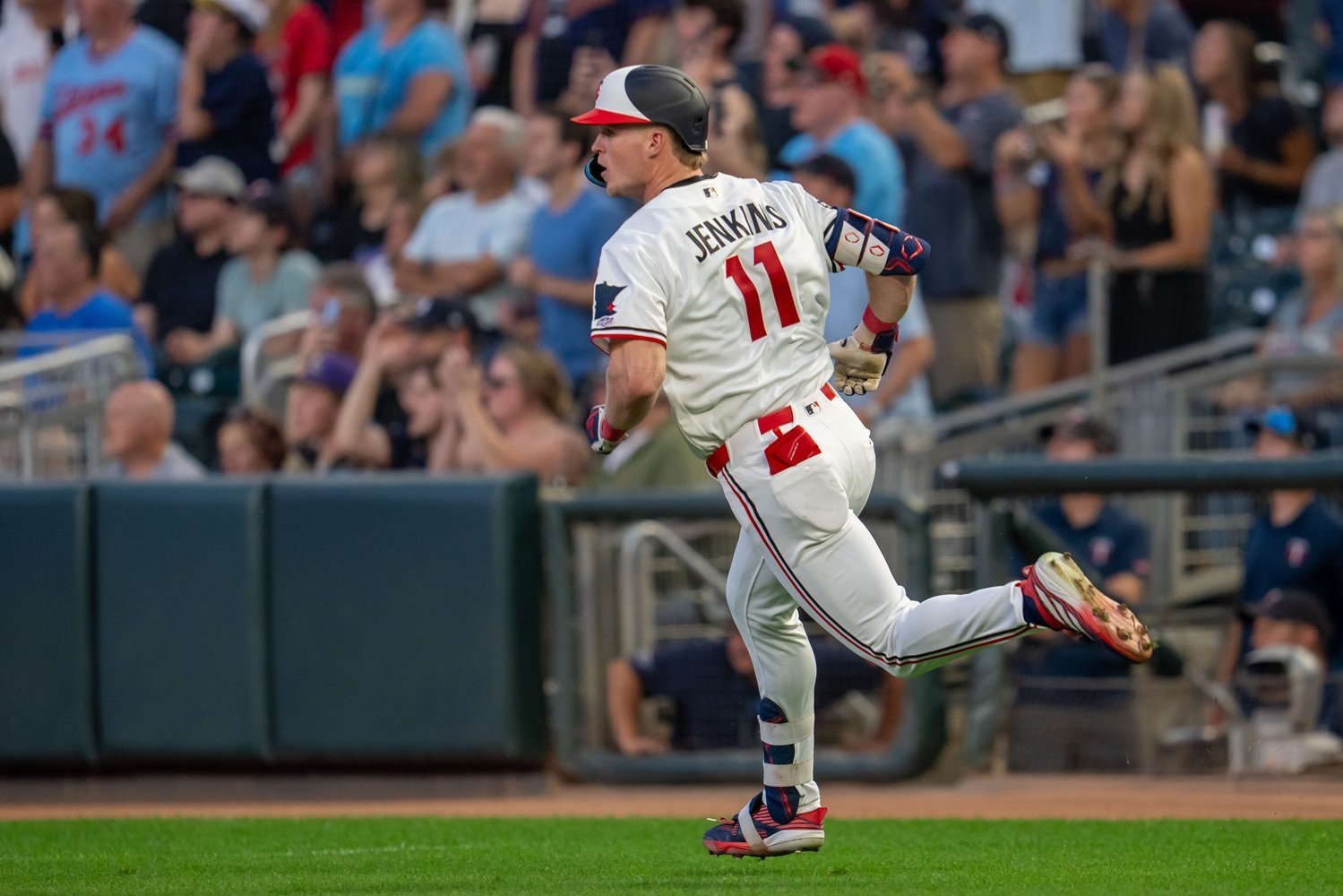 Not every prospect can live up to the hype. That's always been true in baseball, but it feels even more relevant in the modern game. Today, every at-bat can be watched, every swing can be dissected, and nearly every performance can be tracked in real time. A prospect can go from an unknown quantity to a household name in a matter of months. The Minnesota Twins have had their share of highly touted prospects in the Target Field era over the past decade and a half. Some became stars. Others became solid big leaguers. Some never came close to reaching the expectations placed upon them. For this list, I'm looking at the Twins' top prospects as they were viewed at the time, rather than how their careers ultimately unfolded. This isn't a ranking of the best big-league players. It is an attempt to put each prospect's hype into historical context. The rankings below are based primarily on each player's peak standing on major prospect lists. Honorable Mentions OF Trevor Larnach: Larnach was one of the organization's premier prospects after being selected 20th overall in 2018. His combination of power and patience made him one of the more intriguing bats in the system, but injuries and inconsistency prevented him from reaching the same prospect heights as those on this list. SS Nick Gordon: The fifth overall pick in 2014, Gordon immediately became one of the more recognizable names in the Twins' system. His prospect stock fluctuated as he moved through the minors, but his draft pedigree and shortstop potential earned him consideration. RHP Kyle Gibson: Gibson was one of the Twins' top pitching prospects after being selected in the first round of the 2009 draft. Much of his prospect hype came during the early part of the following decade as he moved quickly through the Minnesota farm system. 10. OF Max Kepler Peak Ranking: #30 by Baseball America (2016) Kepler doesn't immediately jump off the page when discussing the Twins' all-time prospect rankings, but his placement here is a testament to how much depth Minnesota has had in its farm system. The German outfielder was an international signing who steadily climbed through the organization. By 2016, Baseball America viewed him as the No. 30 prospect in baseball. Kepler's combination of size, athleticism, defensive ability and emerging power made him one of the more intriguing young players in the organization. He jumped up national rankings after posting a .947 OPS at Double-A as a 22 year old. He wasn't viewed as a future superstar on the level of some players higher on this list, but he was considered a legitimate top-30 prospect in the sport. 9. OF Aaron Hicks Peak Ranking: #19 by Baseball America (2010) Hicks was one of the first Twins prospects of this era to generate significant national attention. Selected 14th overall in the 2008 draft, Hicks developed a reputation as an athletic center fielder with impressive tools. His speed, defensive ability and switch-hitting potential gave scouts plenty to dream on. By 2010, Baseball America ranked him No. 19 overall. That ranking reflected the belief that Hicks could become an impact two-way center fielder. He eventually reached the majors with Minnesota before finding his best success later in his career with the Yankees. 8. SS Austin Martin Peak Ranking: #19 by Baseball America (2021) Martin arrived in Minnesota with plenty of prospect pedigree. The Twins acquired him from Toronto as part of the return for José Berríos at the 2021 trade deadline. He had been selected fifth overall by the Blue Jays in 2020 and entered the Twins' organization as a player with a strong offensive reputation based on his college experience. Baseball America ranked Martin as the No. 19 prospect in baseball in 2021. The former Vanderbilt standout's combination of contact ability, plate discipline and athleticism made him an intriguing prospect, even as questions about his ultimate defensive home remained. 7. OF Emmanuel Rodriguez Peak Ranking: #17 by Baseball Prospectus (2025) Rodriguez represents one of the more recent additions to this list. The Twins signed him as an international free agent in 2019, and his offensive potential quickly made him one of the organization's most exciting prospects. His combination of raw power, plate discipline and athleticism allowed him to climb national prospect rankings despite some questions about his long-term defensive home. By 2025, Baseball Prospectus ranked Rodriguez No. 17 overall. There was legitimate belief that Rodriguez possessed some of the best offensive upside in the Twins' system. However injuries have slowed his development and he has yet to debut. 6. RHP José Berríos Peak Ranking: #17 by Baseball Prospectus (2016) Berríos was one of the most highly regarded pitching prospects in the Twins system during the early 2010s. Minnesota selected him 32nd overall in 2012, and he quickly began climbing prospect rankings. His fastball, breaking ball and athletic delivery gave scouts the ingredients of a potential frontline starter. By 2016, Baseball Prospectus ranked Berríos No. 17 overall. Unlike some names on this list, Berríos ultimately came relatively close to meeting his prospect expectations. He became a durable major-league starter and earned multiple All-Star selections after establishing himself in Minnesota. 5. OF Alex Kirilloff Peak Ranking: #9 by MLB Pipeline (2019) Kirilloff was viewed as one of the best pure hitters in the minor leagues. The Twins selected him 15th overall in 2016, and he immediately began making a name for himself. After missing significant time with an elbow injury, Kirilloff returned to the field and quickly reminded everyone why Minnesota had been so excited about his offensive potential with a .970 OPS in 2018. By 2019, MLB Pipeline ranked him ninth overall. Kirilloff's combination of hitting ability, power and offensive polish made him look like a potential middle-of-the-order cornerstone. He was one of the rare Twins prospects who entered the top 10 nationally before reaching the majors. Unfortunately, injuries forced him to retire early. 4. SS Royce Lewis Peak Ranking: #5 by MLB Pipeline (2019) The Twins selected Lewis first overall in 2017, and the expectations were enormous from the beginning. His athleticism immediately stood out. Lewis had plus speed, impressive defensive tools and the potential to develop into a dynamic offensive player. As he moved through the minors, his tools continued to make him one of the most exciting prospects in baseball. MLB Pipeline ranked Lewis No. 5 overall in 2019. At that point, the Twins had a potential franchise shortstop developing in their system. Injuries would dramatically alter his development path, but that doesn't change how highly he was regarded before reaching the majors. 3. 3B Miguel Sanó Peak Ranking: #4 by MLB Pipeline (2014) Few Twins prospects generated as much excitement as Sanó. Signed out of the Dominican Republic, Sanó quickly became known for his enormous raw power. His physical tools were impossible to ignore, and scouts believed he had the potential to become one of baseball's most dangerous power hitters. MLB Pipeline ranked him No. 4 overall in 2014. There were questions about his strikeout rate and defensive home, but the offensive upside was so significant that those concerns didn't prevent Sanó from reaching the top tier of the prospect rankings. For a period of time, Sanó looked like the potential centerpiece of the next great Twins lineup. 2. OF Walker Jenkins Peak Ranking: #3 by MLB Pipeline (2025) Jenkins doesn't have the longest track record on this list, but his prospect pedigree is undeniable. The Twins selected Jenkins fifth overall in 2023, and he immediately began showing why Minnesota believed he could become a cornerstone player. His combination of hitting ability, power, athleticism and defensive potential gave him one of the highest ceilings in the organization. By 2025, MLB Pipeline ranked Jenkins No. 3 overall. More importantly, it wasn't based on one loud tool. Jenkins' profile was remarkably well-rounded, giving evaluators confidence that he could become an impact major-league player. The hype surrounding Jenkins has been enormous, and it puts him in rare company in Twins history. 1. OF Byron Buxton Peak Ranking: #1 by Baseball America, Baseball Prospectus and MLB Pipeline (2014) There is really only one choice for the top spot. Buxton wasn't simply one of the best prospects in Twins history. He was considered the best prospect in all of baseball. The Twins selected him second overall in 2012, and his combination of elite speed, center-field defense, athleticism and emerging offensive ability quickly pushed him toward the top of every prospect ranking. In 2014, all three major prospect publications agreed: Baseball America, Baseball Prospectus and MLB Pipeline ranked Buxton No. 1 overall. That's an extraordinary level of consensus. Prospect rankings can vary significantly from one publication to another. One evaluator might love a player's power while another questions the hit tool. Buxton didn't have that problem. Across the industry, there was widespread belief that he possessed the tools to become a franchise-changing player. He eventually became an All-Star and one of the most dynamic players in the sport, even if injuries prevented him from reaching the consistent superstar production many envisioned. And that is ultimately what makes this exercise interesting. The question isn't who had the best Twins career. It's who generated the most excitement before their career had been written. By that standard, Buxton’s unanimous No. 1 ranking remains the benchmark. Walker Jenkins came close to reaching that level before his major-league debut, and he will still be considered a prospect this winter. There’s a chance he could move up this list before next season, but it’s already difficult to ignore what he has accomplished throughout his professional career. How would you rank the prospects of the Target Field era? Leave a comment and start the discussion.
- 23 comments
-
- 5
-

-

-
- byron buxton
- walker jenkins
- (and 8 more)
-
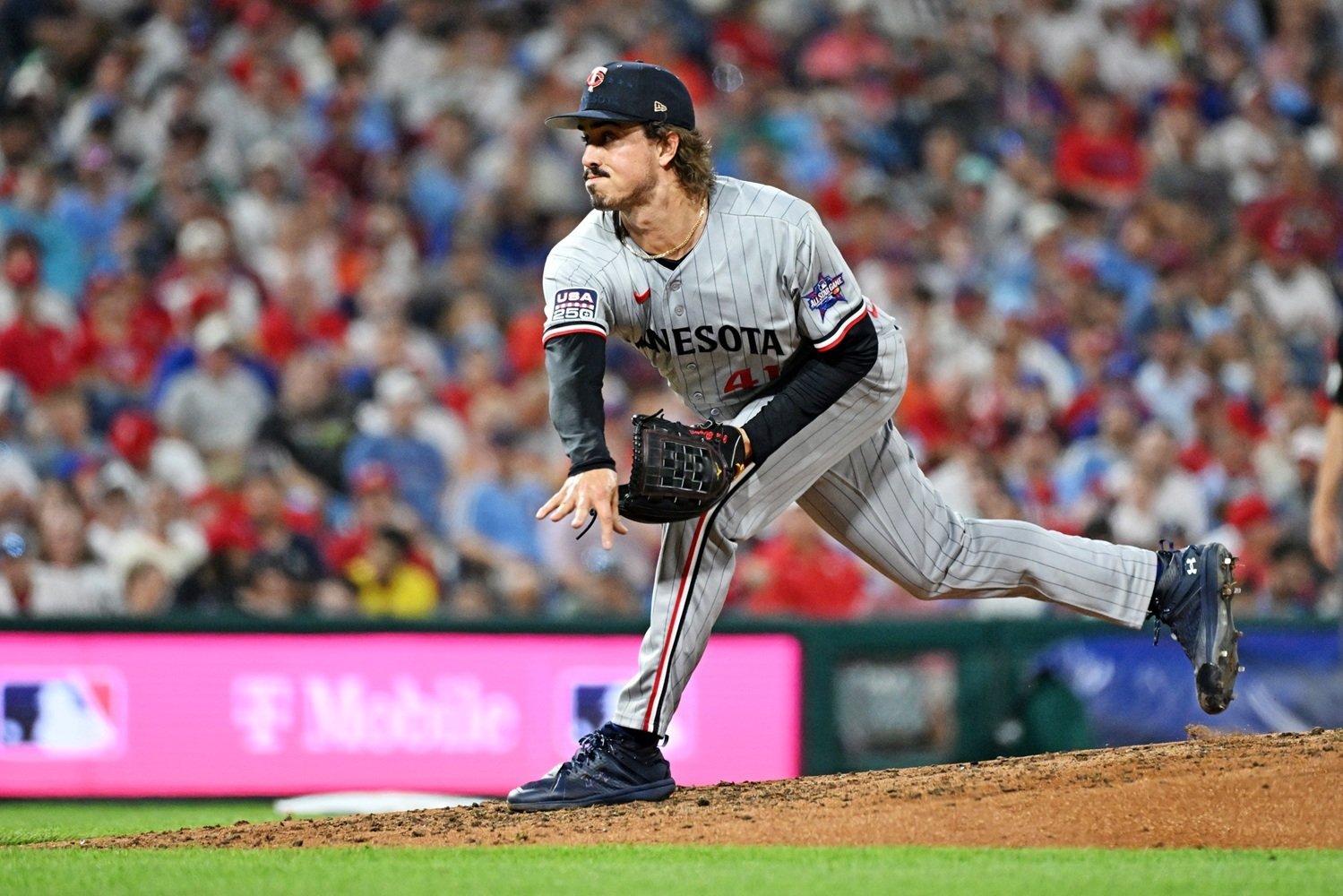 Joe Ryan’s return to the Minnesota Twins’ rotation may be close. After completing a three-inning rehab start with Triple-A St. Paul on Tuesday night, Ryan appears to have put himself in position to potentially make his return to the Twins before the middle of September. Manager Derek Shelton acknowledged Wednesday that the possibility of Ryan starting during the team’s upcoming road trip to Chicago and Detroit is being discussed. “I think it’s on the table,” Shelton said. “I wouldn’t say 50-50, one way or another, but I don’t think it’s completely off the table.” That represents a significant step forward for a pitcher the Twins have been without since early August. Ryan threw 42 pitches during Tuesday’s outing in Omaha, with 29 of those pitches finding the strike zone. He then added roughly 10 additional pitches in the bullpen. If everything continues to progress as planned, Ryan could be stretched beyond 60 pitches and potentially work four or five innings in his next appearance. Before that happens, Ryan is expected to throw a bullpen session this weekend, most likely while the Twins are in Chicago. His next competitive outing would then likely come either with St. Paul or with Minnesota a couple of days later. That timeline could put a Major League return firmly within reach. The Velocity Question One of the most notable aspects of Ryan’s rehab appearance was his fastball velocity. Ryan sat around 91-92 mph with his fastball in Omaha, well below his 93.4 mph average for the season. On the surface, that could be viewed as a potential concern for a pitcher whose margin for error is already relatively small. Neither Ryan nor Shelton seemed particularly worried about the radar gun, however. The conditions in Omaha were extremely hot, and Ryan acknowledged that he wasn't trying to reach back for the same kind of velocity he would during a regular-season Major League start. More importantly, he came away encouraged by the overall quality of his pitches. That will be the bigger takeaway as Ryan continues building back toward a full workload. After all, velocity wasn't the only issue Ryan was dealing with before landing on the injured list. A Tale of Two Seasons Ryan's first half was everything the Twins could have hoped for. He looked like a legitimate frontline starter, posting an ERA below 3.00 and earning his second career All-Star selection. Then something changed after the All-Star break. Ryan lost all three of his starts following the break and allowed 17 runs over his final 15 1/3 innings. His strikeout numbers also dropped considerably, with just 10 strikeouts against his final 73 batters faced. His final start before the injured list provided another clue. Ryan's four-seam fastball averaged just 92.1 mph that day, his lowest average in a start since early May and more than a mile per hour below his season average. An Important Addition for September Minnesota's postseason chances may be slim, but Ryan's return still carries plenty of importance. The Twins need to determine what their rotation looks like moving forward, and getting Ryan back on the mound would provide valuable information heading into the offseason. The immediate goal isn't necessarily to see Ryan return and suddenly become the first-half ace he was. It's to see the fastball tick back up, watch his delivery become more consistent and allow him to rebuild the foundation that made him so effective before the All-Star break. And if Ryan continues moving in the right direction, his return to the Twins' rotation may not have to wait as long as initially anticipated.
 -
Joe Ryan’s return to the Minnesota Twins’ rotation may be close. After completing a three-inning rehab start with Triple-A St. Paul on Tuesday night, Ryan appears to have put himself in position to potentially make his return to the Twins before the middle of September. Manager Derek Shelton acknowledged Wednesday that the possibility of Ryan starting during the team’s upcoming road trip to Chicago and Detroit is being discussed. “I think it’s on the table,” Shelton said. “I wouldn’t say 50-50, one way or another, but I don’t think it’s completely off the table.” That represents a significant step forward for a pitcher the Twins have been without since early August. Ryan threw 42 pitches during Tuesday’s outing in Omaha, with 29 of those pitches finding the strike zone. He then added roughly 10 additional pitches in the bullpen. If everything continues to progress as planned, Ryan could be stretched beyond 60 pitches and potentially work four or five innings in his next appearance. Before that happens, Ryan is expected to throw a bullpen session this weekend, most likely while the Twins are in Chicago. His next competitive outing would then likely come either with St. Paul or with Minnesota a couple of days later. That timeline could put a Major League return firmly within reach. The Velocity Question One of the most notable aspects of Ryan’s rehab appearance was his fastball velocity. Ryan sat around 91-92 mph with his fastball in Omaha, well below his 93.4 mph average for the season. On the surface, that could be viewed as a potential concern for a pitcher whose margin for error is already relatively small. Neither Ryan nor Shelton seemed particularly worried about the radar gun, however. The conditions in Omaha were extremely hot, and Ryan acknowledged that he wasn't trying to reach back for the same kind of velocity he would during a regular-season Major League start. More importantly, he came away encouraged by the overall quality of his pitches. That will be the bigger takeaway as Ryan continues building back toward a full workload. After all, velocity wasn't the only issue Ryan was dealing with before landing on the injured list. A Tale of Two Seasons Ryan's first half was everything the Twins could have hoped for. He looked like a legitimate frontline starter, posting an ERA below 3.00 and earning his second career All-Star selection. Then something changed after the All-Star break. Ryan lost all three of his starts following the break and allowed 17 runs over his final 15 1/3 innings. His strikeout numbers also dropped considerably, with just 10 strikeouts against his final 73 batters faced. His final start before the injured list provided another clue. Ryan's four-seam fastball averaged just 92.1 mph that day, his lowest average in a start since early May and more than a mile per hour below his season average. An Important Addition for September Minnesota's postseason chances may be slim, but Ryan's return still carries plenty of importance. The Twins need to determine what their rotation looks like moving forward, and getting Ryan back on the mound would provide valuable information heading into the offseason. The immediate goal isn't necessarily to see Ryan return and suddenly become the first-half ace he was. It's to see the fastball tick back up, watch his delivery become more consistent and allow him to rebuild the foundation that made him so effective before the All-Star break. And if Ryan continues moving in the right direction, his return to the Twins' rotation may not have to wait as long as initially anticipated. View full rumor
-
Twins Farm System Finally Having an International Renaissance
Cody Christie posted an article in Minor Leagues
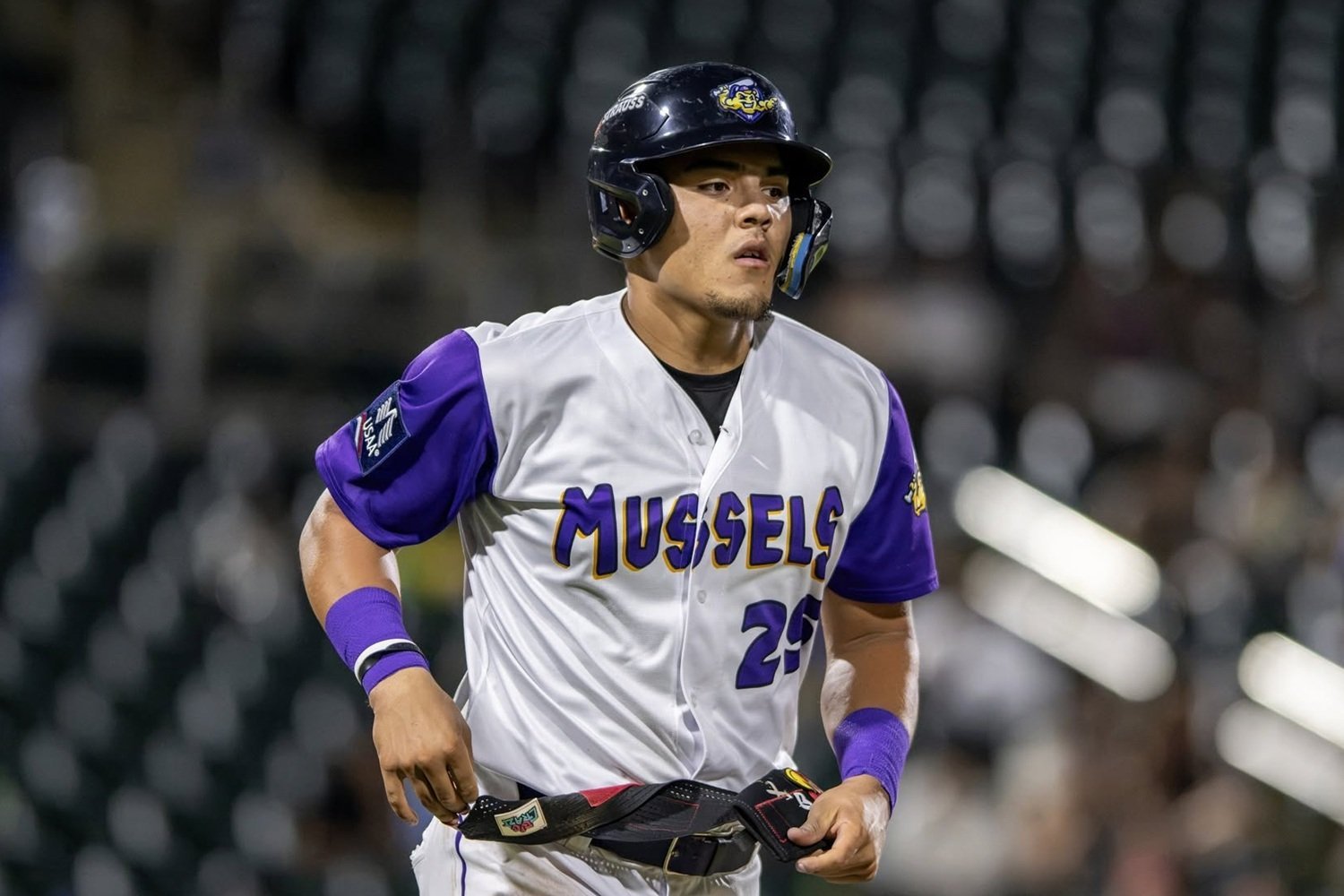 For much of the past decade, the Minnesota Twins haven't exactly been known for developing waves of international position-player talent. There have been individual successes, of course. But compared to some of baseball's better organizations in the international market, the Twins haven't consistently produced prospects who climb through the system and eventually become significant pieces at the major-league level. That could be changing. The Twins have revamped their international operations, and the results are beginning to show up throughout the minor leagues. There are still plenty of questions surrounding these players, but the organization is developing an intriguing collection of athletic position players with offensive upside and defensive versatility. On a recent episode of Inside Twins, Twins Director of Player Development Drew MacPhail discussed some of the changes happening within the organization's player-development system. “The international group does a fantastic job scouting to toolsyness and prioritizing defense as well and kind of projecting out what they might look like as a major leaguer. Defense is a big part of that and I’d give a lot of credit to our PD group. We have really solid basic training at the complexes and put a huge emphasis on the importance of defense as well." MacPhail believes the organization is starting to see the benefits of that approach. “We are starting to see the fruits of that labor of these athletic players that are very routine oriented, have really solid swings, they have twitch, and can play defense.” Several of those players are already putting together impressive seasons. Here are four players who are among the organization’s top ranked position players. OF Yasser Mercedes – Cedar Rapids Kernels .251/.341/.458 (.799), 18 HR, 26 2B, 49 SB, 106 wRC+, 27.9 K%, 11.2 BB% Mercedes has been around longer than most of the names on this list, entering his fifth professional season after signing with the Twins for $1.7 million in January 2022. At the time, Minnesota was betting on an intriguing collection of raw offensive tools from one of the more highly regarded outfielders in that year's international class. His development hasn't been perfectly linear. Mercedes impressed during his first season in the Dominican Summer League before experiencing some struggles in his first taste of stateside baseball. He eventually found his offensive footing again in the Florida Complex League, but moving into the Florida State League exposed some significant swing-and-miss issues. This season has been different. Mercedes opened 2026 by taking a major step forward against FSL pitching. His performance earned him a promotion to High-A Cedar Rapids in May, where he's continued to show a combination of power and speed. The 49 stolen bases stand out, but so do the 18 home runs and 26 doubles. The strikeout rate remains something to monitor, but Mercedes is finally showing the offensive impact the Twins hoped to see when they signed him. At 23 years old, he's also beginning to enter an important stage of his development. OF/3B Luis Fragoza – Cedar Rapids Kernels .311/.404/.551 (.954), 14 HR, 22 2B, 21 SB, 148 wRC+, 26.5 K%, 9.1 BB% If there's one international prospect who has seemingly come out of nowhere this season, it's Fragoza. MacPhail specifically identified him as the clear breakout prospect in the organization during 2026, and the numbers make it easy to understand why. Fragoza signed for just $77,500 during the 2024 international signing period. That was a relatively small investment compared to the seven-figure bonuses given to some of the Twins' other signees that year, including Daiber De Los Santos and Eduardo Beltre. But bonus size doesn't determine where a player eventually ends up. Fragoza posted a respectable .784 OPS during his first professional season in the Dominican Summer League. He struggled to find the same consistency after moving to the Florida Complex League in 2025. The Twins sent him back to the FCL to begin 2026, but he didn't stay there for long. After quickly establishing himself offensively, Fragoza earned a promotion to full-season Fort Myers. He continued to rake with the Mighty Mussels before moving up to Cedar Rapids, where he has remained one of the organization's more productive young hitters. A .954 OPS and 148 wRC+ are difficult to overlook. The versatility also adds to his appeal. Fragoza has experience at both third base and shortstop while bringing enough athleticism to contribute on the bases. There are still questions about how his offensive game will translate as he climbs the ladder, but this has been an impressive breakout campaign. OF Yovanny Duran – Fort Myers Mighty Mussels .273/.408/.419 (.827), 5 HR, 10 2B, 4 3B, 43 SB, 120 wRC+, 23.9 K%, 18.0 BB% Duran represents another example of the Twins getting encouraging returns from their international investment. Minnesota handed out 13 bonuses of at least six figures during the 2025 international signing period, with Santiago Leon and Carlos Taveras leading the way with seven-figure bonuses. Duran received a $277,500 bonus. He's quickly shown why the Twins were willing to make that investment. After a solid debut in the Dominican Summer League, Duran moved stateside and continued producing in the Florida Complex League. He finished sixth in the league with a .943 OPS, just behind Jhomnardo Reyes, who was eventually traded to Baltimore as part of the deal that brought Dean Kremer to Minnesota. Duran has continued that progression with Fort Myers. The .827 OPS doesn't jump off the page quite like Fragoza's does, but the underlying profile is intriguing. Duran has already stolen 43 bases, owns an 18% walk rate and has produced a 120 wRC+. That's a pretty good combination for a young player still learning how to handle professional pitching. His ability to get on base is particularly encouraging. Duran isn't relying solely on batting average to create offensive value, and his speed gives him another avenue to impact games. There's still plenty of development ahead, but he's quickly becoming one of the more interesting players from the Twins' 2025 international class. 3B/SS Enmanuel Merlo – DSL Twins .311/.422/.429 (.851), 3 HR, 6 2B, 3 3B, 5 SB, 115 wRC+, 17.7 K%, 15.1 BB% Merlo is the youngest and least-developed player on this list, but he's also one of the most significant investments the Twins made during the 2026 international signing period. Minnesota entered the signing period with one of baseball's larger international bonus pools, and Merlo received the biggest chunk of that money. The Twins ultimately gave him a bonus of nearly $1.5 million, making him one of 13 players who received at least six figures from Minnesota's 2026 class. His professional career is only beginning. Merlo has spent his first season with the Twins' Dominican Summer League club, where he has already shown an intriguing combination of plate discipline and offensive ability. His .311 batting average is impressive, but the .422 on-base percentage might be even more encouraging. He's also struck out in just 17.7% of his plate appearances while walking 15.1% of the time. For a teenager beginning his professional career, that's an encouraging foundation. There will be plenty of challenges ahead as Merlo eventually moves to the United States and begins facing more advanced pitching. His defensive home also remains something to watch as he develops at third base and shortstop. But the early returns are promising. The Next Wave The Twins aren't suddenly going to become an international-development powerhouse because four prospects are having strong seasons. That's not how player development works. These players are still far away from making their major-league debuts, and there are countless hurdles between the Dominican Summer League and Target Field. Injuries happen. Hitters stop hitting. Pitchers adjust. Defensive limitations become more apparent. Prospects who look like future stars at 18 or 19 sometimes never make it past Double-A. That's why the Twins need to continue building depth rather than relying on any individual player. Still, something appears to be changing. The Twins are finally starting to see some of the fruits of their changes to international scouting and player development. The organization is emphasizing athleticism, defensive ability, swing quality and long-term projection when identifying these players. But for an organization that has been searching for more consistent international success, having this many intriguing players at different stages of development is a very good place to start. What stands out about this group of prospects? Have the Twins solved some of their issues with developing international prospects? Leave a comment and start the discussion.
- 19 comments
-
- 7
-
-
- yasser mercedes
- luis fragoza
- (and 2 more)
-
Image courtesy of William Parmeter (photo of Luis Fragoza) For much of the past decade, the Minnesota Twins haven't exactly been known for developing waves of international position-player talent. There have been individual successes, of course. But compared to some of baseball's better organizations in the international market, the Twins haven't consistently produced prospects who climb through the system and eventually become significant pieces at the major-league level. That could be changing. The Twins have revamped their international operations, and the results are beginning to show up throughout the minor leagues. There are still plenty of questions surrounding these players, but the organization is developing an intriguing collection of athletic position players with offensive upside and defensive versatility. On a recent episode of Inside Twins, Twins Director of Player Development Drew MacPhail discussed some of the changes happening within the organization's player-development system. “The international group does a fantastic job scouting to toolsyness and prioritizing defense as well and kind of projecting out what they might look like as a major leaguer. Defense is a big part of that and I’d give a lot of credit to our PD group. We have really solid basic training at the complexes and put a huge emphasis on the importance of defense as well." MacPhail believes the organization is starting to see the benefits of that approach. “We are starting to see the fruits of that labor of these athletic players that are very routine oriented, have really solid swings, they have twitch, and can play defense.” Several of those players are already putting together impressive seasons. Here are four players who are among the organization’s top ranked position players. OF Yasser Mercedes – Cedar Rapids Kernels .251/.341/.458 (.799), 18 HR, 26 2B, 49 SB, 106 wRC+, 27.9 K%, 11.2 BB% Mercedes has been around longer than most of the names on this list, entering his fifth professional season after signing with the Twins for $1.7 million in January 2022. At the time, Minnesota was betting on an intriguing collection of raw offensive tools from one of the more highly regarded outfielders in that year's international class. His development hasn't been perfectly linear. Mercedes impressed during his first season in the Dominican Summer League before experiencing some struggles in his first taste of stateside baseball. He eventually found his offensive footing again in the Florida Complex League, but moving into the Florida State League exposed some significant swing-and-miss issues. This season has been different. Mercedes opened 2026 by taking a major step forward against FSL pitching. His performance earned him a promotion to High-A Cedar Rapids in May, where he's continued to show a combination of power and speed. The 49 stolen bases stand out, but so do the 18 home runs and 26 doubles. The strikeout rate remains something to monitor, but Mercedes is finally showing the offensive impact the Twins hoped to see when they signed him. At 23 years old, he's also beginning to enter an important stage of his development. OF/3B Luis Fragoza – Cedar Rapids Kernels .311/.404/.551 (.954), 14 HR, 22 2B, 21 SB, 148 wRC+, 26.5 K%, 9.1 BB% If there's one international prospect who has seemingly come out of nowhere this season, it's Fragoza. MacPhail specifically identified him as the clear breakout prospect in the organization during 2026, and the numbers make it easy to understand why. Fragoza signed for just $77,500 during the 2024 international signing period. That was a relatively small investment compared to the seven-figure bonuses given to some of the Twins' other signees that year, including Daiber De Los Santos and Eduardo Beltre. But bonus size doesn't determine where a player eventually ends up. Fragoza posted a respectable .784 OPS during his first professional season in the Dominican Summer League. He struggled to find the same consistency after moving to the Florida Complex League in 2025. The Twins sent him back to the FCL to begin 2026, but he didn't stay there for long. After quickly establishing himself offensively, Fragoza earned a promotion to full-season Fort Myers. He continued to rake with the Mighty Mussels before moving up to Cedar Rapids, where he has remained one of the organization's more productive young hitters. A .954 OPS and 148 wRC+ are difficult to overlook. The versatility also adds to his appeal. Fragoza has experience at both third base and shortstop while bringing enough athleticism to contribute on the bases. There are still questions about how his offensive game will translate as he climbs the ladder, but this has been an impressive breakout campaign. OF Yovanny Duran – Fort Myers Mighty Mussels .273/.408/.419 (.827), 5 HR, 10 2B, 4 3B, 43 SB, 120 wRC+, 23.9 K%, 18.0 BB% Duran represents another example of the Twins getting encouraging returns from their international investment. Minnesota handed out 13 bonuses of at least six figures during the 2025 international signing period, with Santiago Leon and Carlos Taveras leading the way with seven-figure bonuses. Duran received a $277,500 bonus. He's quickly shown why the Twins were willing to make that investment. After a solid debut in the Dominican Summer League, Duran moved stateside and continued producing in the Florida Complex League. He finished sixth in the league with a .943 OPS, just behind Jhomnardo Reyes, who was eventually traded to Baltimore as part of the deal that brought Dean Kremer to Minnesota. Duran has continued that progression with Fort Myers. The .827 OPS doesn't jump off the page quite like Fragoza's does, but the underlying profile is intriguing. Duran has already stolen 43 bases, owns an 18% walk rate and has produced a 120 wRC+. That's a pretty good combination for a young player still learning how to handle professional pitching. His ability to get on base is particularly encouraging. Duran isn't relying solely on batting average to create offensive value, and his speed gives him another avenue to impact games. There's still plenty of development ahead, but he's quickly becoming one of the more interesting players from the Twins' 2025 international class. 3B/SS Enmanuel Merlo – DSL Twins .311/.422/.429 (.851), 3 HR, 6 2B, 3 3B, 5 SB, 115 wRC+, 17.7 K%, 15.1 BB% Merlo is the youngest and least-developed player on this list, but he's also one of the most significant investments the Twins made during the 2026 international signing period. Minnesota entered the signing period with one of baseball's larger international bonus pools, and Merlo received the biggest chunk of that money. The Twins ultimately gave him a bonus of nearly $1.5 million, making him one of 13 players who received at least six figures from Minnesota's 2026 class. His professional career is only beginning. Merlo has spent his first season with the Twins' Dominican Summer League club, where he has already shown an intriguing combination of plate discipline and offensive ability. His .311 batting average is impressive, but the .422 on-base percentage might be even more encouraging. He's also struck out in just 17.7% of his plate appearances while walking 15.1% of the time. For a teenager beginning his professional career, that's an encouraging foundation. There will be plenty of challenges ahead as Merlo eventually moves to the United States and begins facing more advanced pitching. His defensive home also remains something to watch as he develops at third base and shortstop. But the early returns are promising. The Next Wave The Twins aren't suddenly going to become an international-development powerhouse because four prospects are having strong seasons. That's not how player development works. These players are still far away from making their major-league debuts, and there are countless hurdles between the Dominican Summer League and Target Field. Injuries happen. Hitters stop hitting. Pitchers adjust. Defensive limitations become more apparent. Prospects who look like future stars at 18 or 19 sometimes never make it past Double-A. That's why the Twins need to continue building depth rather than relying on any individual player. Still, something appears to be changing. The Twins are finally starting to see some of the fruits of their changes to international scouting and player development. The organization is emphasizing athleticism, defensive ability, swing quality and long-term projection when identifying these players. But for an organization that has been searching for more consistent international success, having this many intriguing players at different stages of development is a very good place to start. What stands out about this group of prospects? Have the Twins solved some of their issues with developing international prospects? Leave a comment and start the discussion. View full article
-
Who Deserves the Blame for Another Second-Half Collapse by the Twins?
Cody Christie posted an article in Twins
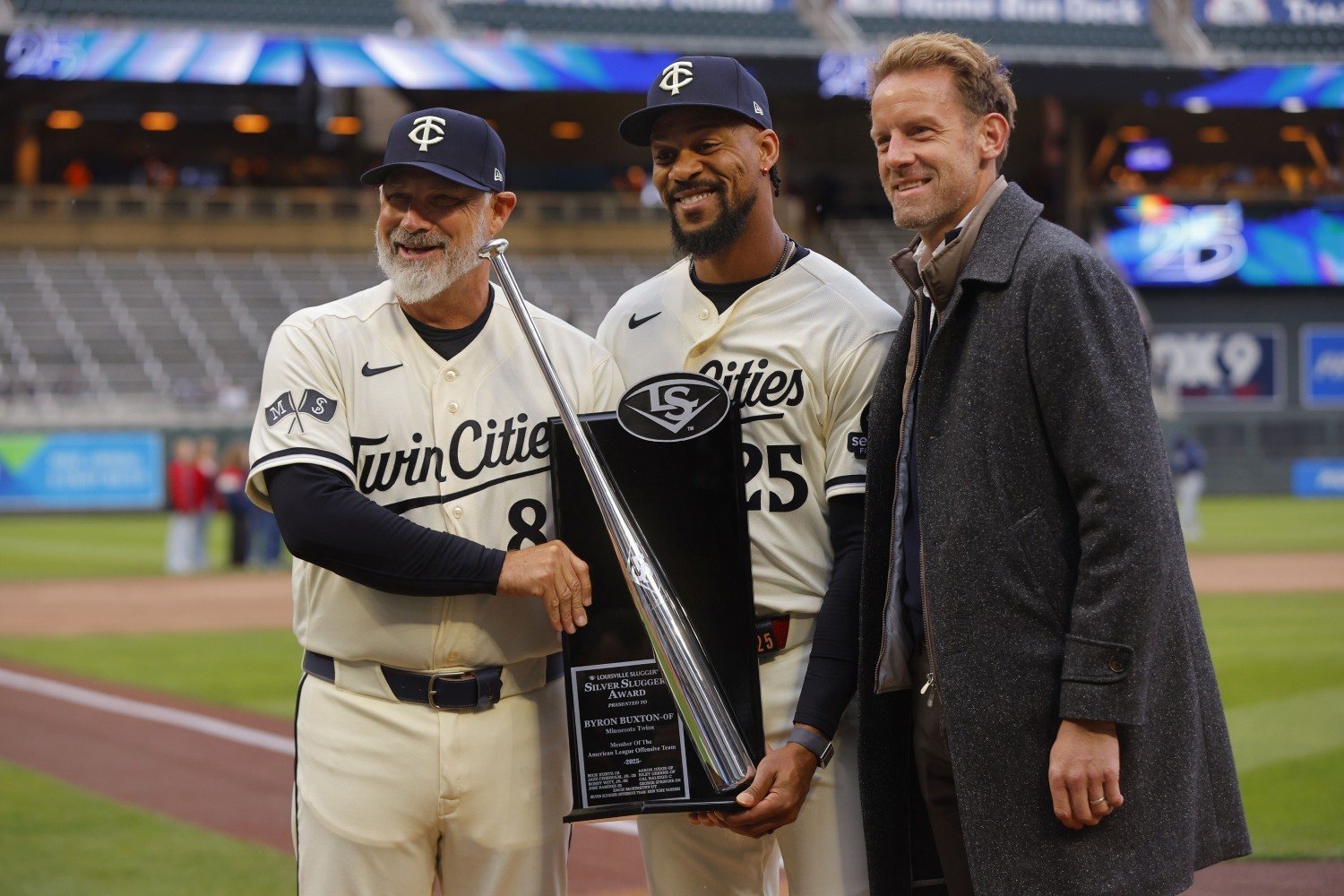 For the second consecutive season, the Minnesota Twins are entering September with more questions than answers. There was a point this summer when the Twins looked like a legitimate postseason contender. On July 28, Minnesota was 54-54 and just a half-game out of the American League's final Wild Card spot. General manager Jeremy Zoll publicly stated that the organization intended to be a buyer at the Trade Deadline, and ownership followed through by adding A.J. Minter, Dean Kremer and Jeff Hoffman. Then August happened. The Twins went 10-17 during the month, dropping to 66-72 heading into September. They remain within striking distance of a crowded Wild Card race, but the margin for error has nearly disappeared. This is not the first time Minnesota has watched a season go sideways during the second half. That makes it fair to ask a difficult question: Who deserves the blame? The answer isn't one person. Tom Pohlad Ownership deserves a significant portion of the blame because the roster's limitations ultimately fall on the people responsible for funding and building it. To be fair, Pohlad has done something previous ownership groups have been reluctant to do. He has publicly acknowledged that simply being competitive isn't good enough, and he committed to increasing payroll again in 2027. He also approved more than $8 million in prorated salary at this year's Trade Deadline. That is important progress. But Minnesota still entered the season with too many holes for a team expecting to contend. The bullpen needed significant help. The rotation could have used more depth. The lineup had areas that could have been upgraded. The front office did address the bullpen at the trade deadline, but the additions haven't magically transformed the roster into a postseason-caliber team. It was too little, too late. Pohlad can't control what happens on the field. He can control whether the organization has enough resources to build a roster capable of surviving injuries, slumps and the long grind of a 162-game season. For years, Twins fans have been told that the organization wants to contend. Eventually, those words have to be supported by a roster that leaves fewer excuses. Jeremy Zoll Zoll deserves blame, too, although this is where things get more complicated. This is his first season truly operating as the person in charge of baseball operations, and there were signs that he understood what the team needed. He identified the bullpen as an area worth improving and followed through at the deadline. The problem is that the Twins' issues were bigger than three additions. Minnesota entered the stretch run needing everything to go right. Instead, injuries piled up and several important players failed to provide consistent production. Byron Buxton is now back on the injured list with a right hip impingement, his third IL stint of the season. Joe Ryan missed much of the second half with a glute injury, and performed poorly when on the field. Zoll deserves credit for being aggressive enough to add talent. But the responsibility of a general manager goes beyond making a few deadline moves. The roster construction matters. When a team falls from .500 and into a 66-72 record in the span of a little more than a month, the front office has to examine whether it built a roster with enough depth and enough impact talent to withstand adversity. Derek Shelton Shelton will naturally receive plenty of criticism when a team collapses. Managers always do. There have certainly been decisions worth questioning throughout the season. Bullpen usage, lineup construction and individual matchup decisions will be debated, especially when losses pile up. But blaming Shelton for everything would be taking the easy way out. A manager can put players in advantageous positions. He cannot make them execute. The Twins have scored 652 runs this season, but they have also allowed 685. Their -33 run differential is a much better representation of their overall performance than their record alone. There is a limit to how much a manager can fix with strategy when the roster isn't performing consistently. Shelton deserves scrutiny, but this collapse shouldn't become an excuse to avoid examining the larger organizational problems. The Players Ultimately, the players have to accept the largest share of the blame because they are the ones playing the games. That's especially true after a month like August. The Twins didn't simply lose a few close games. They went 8-17, and the club spent much of the month struggling to string together quality performances. There are some clear players that have fallen short of expectations. Entering the season, ZiPS projected Matt Wallner to be the batter with the second highest fWAR, but he struggled enough (-0.8 fWAR) that Minnesota sent him to Triple-A. Royce Lewis has also had an up-and-down year (literally and figuratively). He is only 0.2 fWAR from hitting his ZiPS projection, but has a below average wRC+ and has posted a .633 OPS over his last 23 games. Pablo Lopez and his 2.6 projected fWAR never made a pitch this season. Bailey Ober was expected to have the third highest fWAR among starters (2.0 fWAR), but has struggled with velocity and sits at 1.2 fWAR. Simeon Woods Richardson was the biggest disappointment among starters. He was projected at a 1.8 fWAR and left the Twins with a -0.4 fWAR. Too many players have taken turns disappearing from games offensively. Too many pitchers have struggled to string together quality outings. Too many mistakes have turned manageable games into losses. At some point, the players have to be accountable for that. The Real Answer So, who deserves the blame? Probably everyone. Pohlad deserves blame for an organization that still hasn't provided enough financial resources to build a deep, star-powered roster. Zoll deserves blame for a roster construction that has exposed too many weaknesses and hasn't produced enough impact talent at the major-league level. Shelton deserves blame for the decisions that haven't worked during the team's collapse. And the players deserve the most immediate blame because they are the ones who have failed to consistently execute. But this is bigger than one bad month. The Twins are a below .500 team. A postseason berth remains mathematically possible, but Minnesota has spent another season turning September into an exercise in scoreboard watching and hoping. That's the part that should concern the organization most. When the same organization keeps finding itself asking what went wrong after another promising season fades away, the answer probably isn't sitting in one office, one dugout or one locker. It's the entire structure. The Twins have spent plenty of time talking about building a sustainable contender. Now they have to prove they know how to actually do it. Who deserves the most blame? Leave a comment and start the discussion.
- 164 comments
-
- 4
-
-

-

-
- derek shelton
- jeremy zoll
- (and 5 more)
-
Image courtesy of © Bruce Kluckhohn-Imagn Images For the second consecutive season, the Minnesota Twins are entering September with more questions than answers. There was a point this summer when the Twins looked like a legitimate postseason contender. On July 28, Minnesota was 54-54 and just a half-game out of the American League's final Wild Card spot. General manager Jeremy Zoll publicly stated that the organization intended to be a buyer at the Trade Deadline, and ownership followed through by adding A.J. Minter, Dean Kremer and Jeff Hoffman. Then August happened. The Twins went 10-17 during the month, dropping to 66-72 heading into September. They remain within striking distance of a crowded Wild Card race, but the margin for error has nearly disappeared. This is not the first time Minnesota has watched a season go sideways during the second half. That makes it fair to ask a difficult question: Who deserves the blame? The answer isn't one person. Tom Pohlad Ownership deserves a significant portion of the blame because the roster's limitations ultimately fall on the people responsible for funding and building it. To be fair, Pohlad has done something previous ownership groups have been reluctant to do. He has publicly acknowledged that simply being competitive isn't good enough, and he committed to increasing payroll again in 2027. He also approved more than $8 million in prorated salary at this year's Trade Deadline. That is important progress. But Minnesota still entered the season with too many holes for a team expecting to contend. The bullpen needed significant help. The rotation could have used more depth. The lineup had areas that could have been upgraded. The front office did address the bullpen at the trade deadline, but the additions haven't magically transformed the roster into a postseason-caliber team. It was too little, too late. Pohlad can't control what happens on the field. He can control whether the organization has enough resources to build a roster capable of surviving injuries, slumps and the long grind of a 162-game season. For years, Twins fans have been told that the organization wants to contend. Eventually, those words have to be supported by a roster that leaves fewer excuses. Jeremy Zoll Zoll deserves blame, too, although this is where things get more complicated. This is his first season truly operating as the person in charge of baseball operations, and there were signs that he understood what the team needed. He identified the bullpen as an area worth improving and followed through at the deadline. The problem is that the Twins' issues were bigger than three additions. Minnesota entered the stretch run needing everything to go right. Instead, injuries piled up and several important players failed to provide consistent production. Byron Buxton is now back on the injured list with a right hip impingement, his third IL stint of the season. Joe Ryan missed much of the second half with a glute injury, and performed poorly when on the field. Zoll deserves credit for being aggressive enough to add talent. But the responsibility of a general manager goes beyond making a few deadline moves. The roster construction matters. When a team falls from .500 and into a 66-72 record in the span of a little more than a month, the front office has to examine whether it built a roster with enough depth and enough impact talent to withstand adversity. Derek Shelton Shelton will naturally receive plenty of criticism when a team collapses. Managers always do. There have certainly been decisions worth questioning throughout the season. Bullpen usage, lineup construction and individual matchup decisions will be debated, especially when losses pile up. But blaming Shelton for everything would be taking the easy way out. A manager can put players in advantageous positions. He cannot make them execute. The Twins have scored 652 runs this season, but they have also allowed 685. Their -33 run differential is a much better representation of their overall performance than their record alone. There is a limit to how much a manager can fix with strategy when the roster isn't performing consistently. Shelton deserves scrutiny, but this collapse shouldn't become an excuse to avoid examining the larger organizational problems. The Players Ultimately, the players have to accept the largest share of the blame because they are the ones playing the games. That's especially true after a month like August. The Twins didn't simply lose a few close games. They went 8-17, and the club spent much of the month struggling to string together quality performances. There are some clear players that have fallen short of expectations. Entering the season, ZiPS projected Matt Wallner to be the batter with the second highest fWAR, but he struggled enough (-0.8 fWAR) that Minnesota sent him to Triple-A. Royce Lewis has also had an up-and-down year (literally and figuratively). He is only 0.2 fWAR from hitting his ZiPS projection, but has a below average wRC+ and has posted a .633 OPS over his last 23 games. Pablo Lopez and his 2.6 projected fWAR never made a pitch this season. Bailey Ober was expected to have the third highest fWAR among starters (2.0 fWAR), but has struggled with velocity and sits at 1.2 fWAR. Simeon Woods Richardson was the biggest disappointment among starters. He was projected at a 1.8 fWAR and left the Twins with a -0.4 fWAR. Too many players have taken turns disappearing from games offensively. Too many pitchers have struggled to string together quality outings. Too many mistakes have turned manageable games into losses. At some point, the players have to be accountable for that. The Real Answer So, who deserves the blame? Probably everyone. Pohlad deserves blame for an organization that still hasn't provided enough financial resources to build a deep, star-powered roster. Zoll deserves blame for a roster construction that has exposed too many weaknesses and hasn't produced enough impact talent at the major-league level. Shelton deserves blame for the decisions that haven't worked during the team's collapse. And the players deserve the most immediate blame because they are the ones who have failed to consistently execute. But this is bigger than one bad month. The Twins are a below .500 team. A postseason berth remains mathematically possible, but Minnesota has spent another season turning September into an exercise in scoreboard watching and hoping. That's the part that should concern the organization most. When the same organization keeps finding itself asking what went wrong after another promising season fades away, the answer probably isn't sitting in one office, one dugout or one locker. It's the entire structure. The Twins have spent plenty of time talking about building a sustainable contender. Now they have to prove they know how to actually do it. Who deserves the most blame? Leave a comment and start the discussion. View full article
-
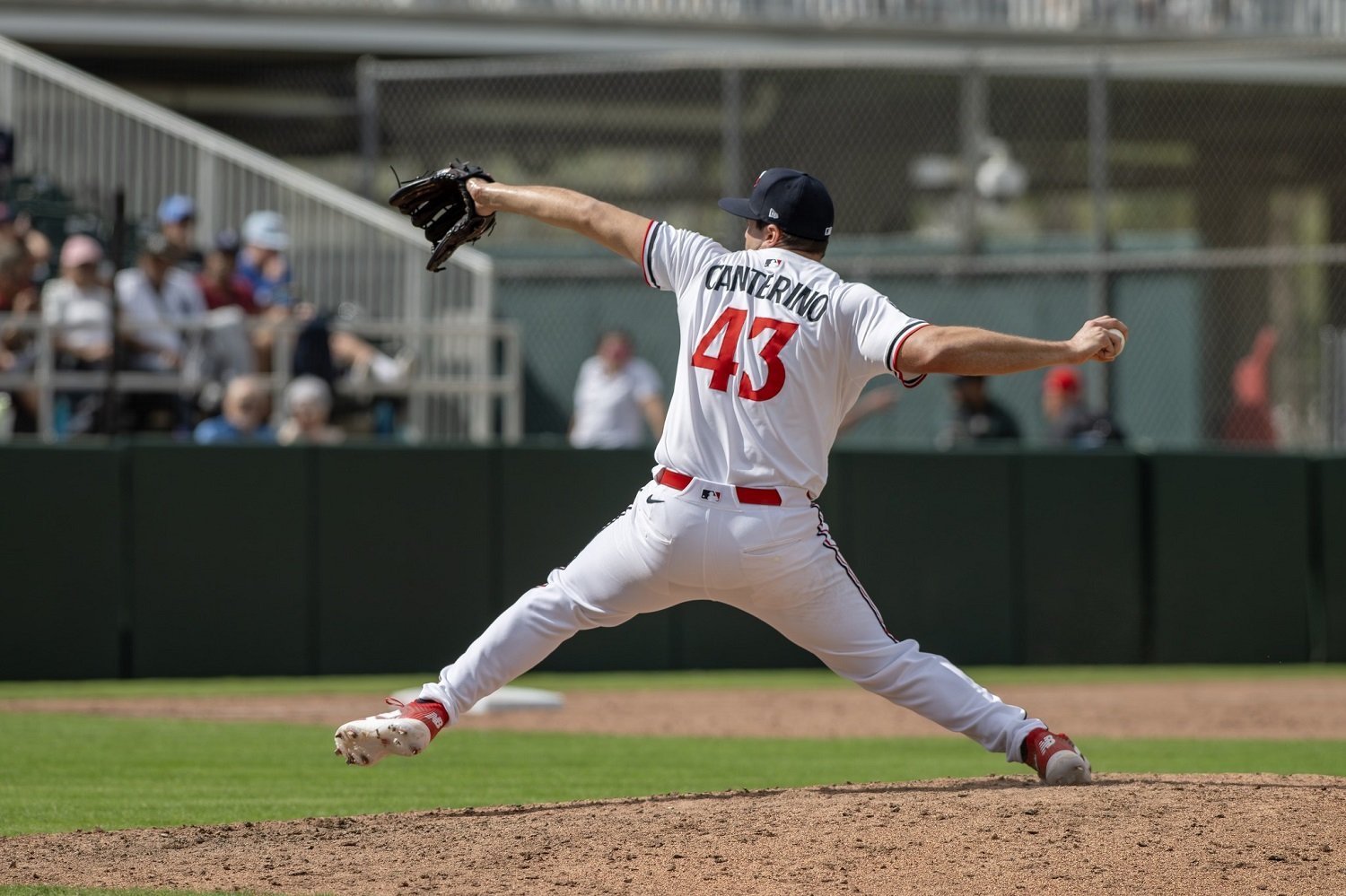 There was a time when Matt Canterino looked like one of the highest-ceiling pitching prospects in the Minnesota Twins organization. Now, the biggest question is much simpler: Can he stay on a mound? The Twins announced Tuesday that Canterino will begin a rehabilitation assignment with the High-A Cedar Rapids Kernels. When he takes the ball, it will mark his first professional inning since July 30, 2022, bringing an end to a wait that has stretched for more than four years. For a pitcher whose career has been defined by long stretches away from competition, simply seeing Canterino appear in a game will be significant. For the Twins, there is still a reason to pay attention. A Long Road Back Canterino was selected by Minnesota in the second round of the 2019 MLB Draft, 54th overall, out of Rice. His combination of a mid-90s fastball, sharp slider and ability to attack hitters made him one of the organization's most intriguing pitching prospects. The results backed up the scouting reports. Across 85 minor league innings, Canterino owns a 1.48 ERA with 130 strikeouts, 35 walks and only 38 hits allowed. His 0.86 WHIP is equally impressive. Those numbers came across parts of three minor league seasons, but injuries repeatedly interrupted whatever momentum he built. His 2022 season offered perhaps the clearest glimpse of what he could become. Canterino posted a 1.95 ERA with 54 strikeouts in 37 innings for Double-A Wichita, dominating hitters before elbow problems eventually forced him from the mound. That season ultimately ended with Tommy John surgery in August 2022. He would not pitch in 2023. Then came another setback. Canterino suffered a right rotator cuff injury during Spring Training in 2024 and missed the entire season. The Twins had hoped to gradually bring him back and even considered moving him into a bullpen role to better manage his workload. Instead, another shoulder problem emerged during Spring Training in 2025, leading to surgery in March. At that point, the timeline became even more uncertain with Twins trainer Nick Paparesta saying the recovery could be more than 12 months. The Twins released Canterino in April 2025 after designating him for assignment, but the story didn't end there. Just eight days later, Minnesota re-signed him to a two-year minor league contract. The organization gave Canterino another opportunity to continue rehabbing with the team, and that decision has now brought him to this moment. That investment is about to become tangible. Pitching in a game is different from throwing bullpen sessions. Hitters swing. Adrenaline changes the environment. Mechanics are tested under pressure. Most importantly, Canterino will finally have the opportunity to measure his stuff against professional hitters again. What Can the Twins Expect? There is no reason to expect Canterino to immediately resemble the pitcher who overwhelmed Double-A hitters four years ago. He will have to rebuild his workload. The Twins will have to monitor his velocity, command and recovery between appearances. There will almost certainly be limitations during the early stages of this assignment. But there is still something intriguing about the possibility. Canterino's career minor league numbers are not the result of a handful of dominant outings. He made 26 appearances and 25 starts while producing a 1.48 ERA and 130 strikeouts over 85 innings. His strikeout ability has always been the calling card, and his arsenal has given him the potential to work either as a starter or out of the bullpen. The bullpen route may eventually make the most sense. It could allow Minnesota to leverage his fastball and slider in shorter bursts while limiting some of the workload that has contributed to his injury history. But there is no need to make that decision right now. For the moment, Canterino just needs to pitch. That sounds incredibly simple, especially for someone who was once viewed as one of the organization's brightest arms. Yet it represents the biggest accomplishment of his professional career to this point. Four years after his last competitive inning, Canterino is finally getting another chance. The prospect rankings, projections and future role can come later. First, he gets to pitch. What stands out about Canterino's professional journey? Leave a comment and start the discussion.
 -
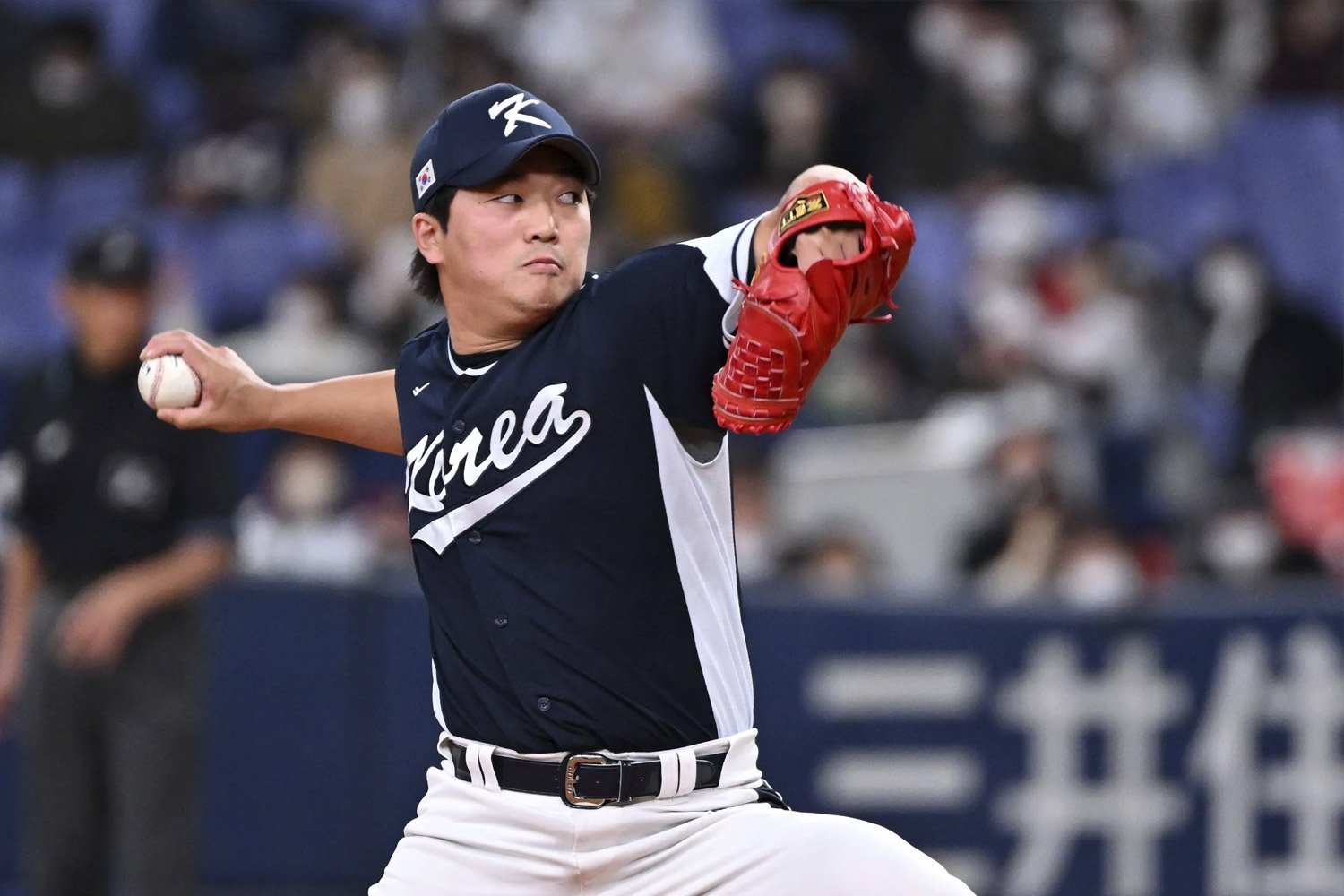 Woo-Suk Go’s time with the Minnesota Twins is over, and the right-hander is heading back to familiar territory. After going unclaimed on waivers following his designation for assignment last Friday, Go elected free agency rather than accept an outright assignment to Triple-A St. Paul. According to Yoo Jee-ho of Yonhap News Agency, Go has agreed to return to the Korea Baseball Organization and sign with the LG Twins. “An official with the LG Twins of the Korea Baseball Organization (KBO) said Tuesday the 28-year-old pitcher is on his way back to Seoul and could sign his deal before the end of the day,” Yoo reported. It marks the end of a strange few months for Go, who arrived in Minnesota with some intriguing upside but never found his footing with the organization. Go spent the first seven seasons of his professional career with the KBO’s LG Twins. He emerged as one of the league’s better late-inning options, recording at least 30 saves three times. His best season came in 2022, when he converted 42 saves. That success earned Go an opportunity in Major League Baseball. The San Diego Padres signed him in January 2024, but his stay in the organization was short-lived. He was traded to the Miami Marlins as part of the package that brought Luis Arraez to San Diego. After being designated for assignment by Miami in May 2024, Go exercised his right to reject a minor-league assignment and became a free agent. He bounced around the American baseball landscape before eventually landing with Detroit. The Tigers gave him an opportunity in Triple-A Toledo, where Go looked like an interesting relief option. That performance ultimately caught Minnesota's attention. The Twins acquired Go from Detroit in a minor trade at the beginning of July. Across 27 2/3 innings with Toledo, he had posted a 2.60 ERA while striking out 29% of opposing hitters. Minnesota decided to give him his first opportunity in the majors. It did not go particularly well. Go appeared in four games for the Twins, allowing four earned runs on eight hits in four innings. Two of those hits left the ballpark. He struck out five and walked two, finishing his brief MLB stint with a 9.00 ERA. The Twins optioned Go to St. Paul in late July, but things quickly went sideways. In what would have been his Saints debut, Go was ejected after umpires determined he had an illegal substance in his glove. He initially received a 10-game suspension, which was reduced to eight games following an appeal. Unfortunately, his struggles continued after the suspension. Go posted a 12.54 ERA across eight appearances, allowing 13 earned runs and issuing 11 walks over just 9 1/3 innings. At one point, he walked 10 hitters across four innings over a three-game stretch. Overall, Go posted a 3.91 ERA across 50 2/3 innings between the Detroit and Minnesota systems. The Twins gave Go his first taste of the majors, but the organization ultimately decided it was time to move in another direction. Now, Go gets an opportunity to reset his career where it began. The LG Twins were his team for seven seasons before his MLB journey began. After stops with several organizations in the United States, Go is heading back to Seoul looking to rediscover the pitcher who once dominated the ninth inning in the KBO. For Minnesota, it was a short experiment that never quite worked. For Go, the return home could provide a chance to get his career back on track.
 -
Woo-Suk Go’s time with the Minnesota Twins is over, and the right-hander is heading back to familiar territory. After going unclaimed on waivers following his designation for assignment last Friday, Go elected free agency rather than accept an outright assignment to Triple-A St. Paul. According to Yoo Jee-ho of Yonhap News Agency, Go has agreed to return to the Korea Baseball Organization and sign with the LG Twins. “An official with the LG Twins of the Korea Baseball Organization (KBO) said Tuesday the 28-year-old pitcher is on his way back to Seoul and could sign his deal before the end of the day,” Yoo reported. It marks the end of a strange few months for Go, who arrived in Minnesota with some intriguing upside but never found his footing with the organization. Go spent the first seven seasons of his professional career with the KBO’s LG Twins. He emerged as one of the league’s better late-inning options, recording at least 30 saves three times. His best season came in 2022, when he converted 42 saves. That success earned Go an opportunity in Major League Baseball. The San Diego Padres signed him in January 2024, but his stay in the organization was short-lived. He was traded to the Miami Marlins as part of the package that brought Luis Arraez to San Diego. After being designated for assignment by Miami in May 2024, Go exercised his right to reject a minor-league assignment and became a free agent. He bounced around the American baseball landscape before eventually landing with Detroit. The Tigers gave him an opportunity in Triple-A Toledo, where Go looked like an interesting relief option. That performance ultimately caught Minnesota's attention. The Twins acquired Go from Detroit in a minor trade at the beginning of July. Across 27 2/3 innings with Toledo, he had posted a 2.60 ERA while striking out 29% of opposing hitters. Minnesota decided to give him his first opportunity in the majors. It did not go particularly well. Go appeared in four games for the Twins, allowing four earned runs on eight hits in four innings. Two of those hits left the ballpark. He struck out five and walked two, finishing his brief MLB stint with a 9.00 ERA. The Twins optioned Go to St. Paul in late July, but things quickly went sideways. In what would have been his Saints debut, Go was ejected after umpires determined he had an illegal substance in his glove. He initially received a 10-game suspension, which was reduced to eight games following an appeal. Unfortunately, his struggles continued after the suspension. Go posted a 12.54 ERA across eight appearances, allowing 13 earned runs and issuing 11 walks over just 9 1/3 innings. At one point, he walked 10 hitters across four innings over a three-game stretch. Overall, Go posted a 3.91 ERA across 50 2/3 innings between the Detroit and Minnesota systems. The Twins gave Go his first taste of the majors, but the organization ultimately decided it was time to move in another direction. Now, Go gets an opportunity to reset his career where it began. The LG Twins were his team for seven seasons before his MLB journey began. After stops with several organizations in the United States, Go is heading back to Seoul looking to rediscover the pitcher who once dominated the ninth inning in the KBO. For Minnesota, it was a short experiment that never quite worked. For Go, the return home could provide a chance to get his career back on track. View full rumor
-
Image courtesy of William Parmeter There was a time when Matt Canterino looked like one of the highest ceiling pitching prospects in the Minnesota Twins organization. Now, the biggest question is much simpler: Can he stay on a mound? The Twins announced Tuesday that Canterino will begin a rehabilitation assignment with the High-A Cedar Rapids Kernels. When he takes the ball, it will mark his first professional inning since July 30, 2022, bringing an end to a wait that has stretched for more than four years. For a pitcher whose career has been defined by long stretches away from competition, simply seeing Canterino appear in a game will be significant. And for the Twins, there is still a reason to pay attention. A Long Road Back Canterino was selected by Minnesota in the second round of the 2019 MLB Draft, 54th overall, out of Rice. His combination of a mid-90s fastball, sharp slider and ability to attack hitters made him one of the organization's most intriguing pitching prospects. The results backed up the scouting reports. Across 85 minor league innings, Canterino owns a 1.48 ERA with 130 strikeouts, 35 walks and only 38 hits allowed. His 0.86 WHIP is equally impressive. Those numbers came across parts of three minor league seasons, but injuries repeatedly interrupted whatever momentum he built. His 2022 season offered perhaps the clearest glimpse of what he could become. Canterino posted a 1.95 ERA with 54 strikeouts in 37 innings for Double-A Wichita, dominating hitters before elbow problems eventually forced him from the mound. That season ultimately ended with Tommy John surgery in August 2022. He would not pitch in 2023. Then came another setback. Canterino suffered a right rotator cuff injury during Spring Training in 2024 and missed the entire season. The Twins had hoped to gradually bring him back and even considered moving him into a bullpen role to better manage his workload. Instead, another shoulder problem emerged during Spring Training in 2025, leading to surgery in March. At that point, the timeline became even more uncertain with Twins trainer Nick Paparesta saying the recovery could be more than 12 months. The Twins released Canterino in April 2025 after designating him for assignment, but the story didn't end there. Just eight days later, Minnesota re-signed him to a two-year minor league contract. The organization gave Canterino another opportunity to continue rehabbing with the team, and that decision has now brought him to this moment. That investment is about to become tangible. Pitching in a game is different from throwing bullpen sessions. Hitters swing. Adrenaline changes the environment. Mechanics are tested under pressure. Most importantly, Canterino will finally have the opportunity to measure his stuff against professional hitters again. What Can the Twins Expect? There is no reason to expect Canterino to immediately resemble the pitcher who overwhelmed Double-A hitters four years ago. He will have to rebuild his workload. The Twins will have to monitor his velocity, command and recovery between appearances. There will almost certainly be limitations during the early stages of this assignment. But there is still something intriguing about the possibility. Canterino's career minor league numbers are not the result of a handful of dominant outings. He made 26 appearances and 25 starts while producing a 1.48 ERA and 130 strikeouts over 85 innings. His strikeout ability has always been the calling card, and his arsenal has given him the potential to work either as a starter or out of the bullpen. The bullpen route may eventually make the most sense. It could allow Minnesota to leverage his fastball and slider in shorter bursts while limiting some of the workload that has contributed to his injury history. But there is no need to make that decision right now. For the moment, Canterino just needs to pitch. That sounds incredibly simple, especially for someone who was once viewed as one of the organization's brightest arms. Yet it represents the biggest accomplishment of his professional career to this point. Four years after his last competitive inning, Canterino is finally getting another chance. The prospect rankings, projections and future role can come later. First, he gets to pitch. What stands out about Canterino's professional journey? Leave a comment and start the discussion. View full article
-
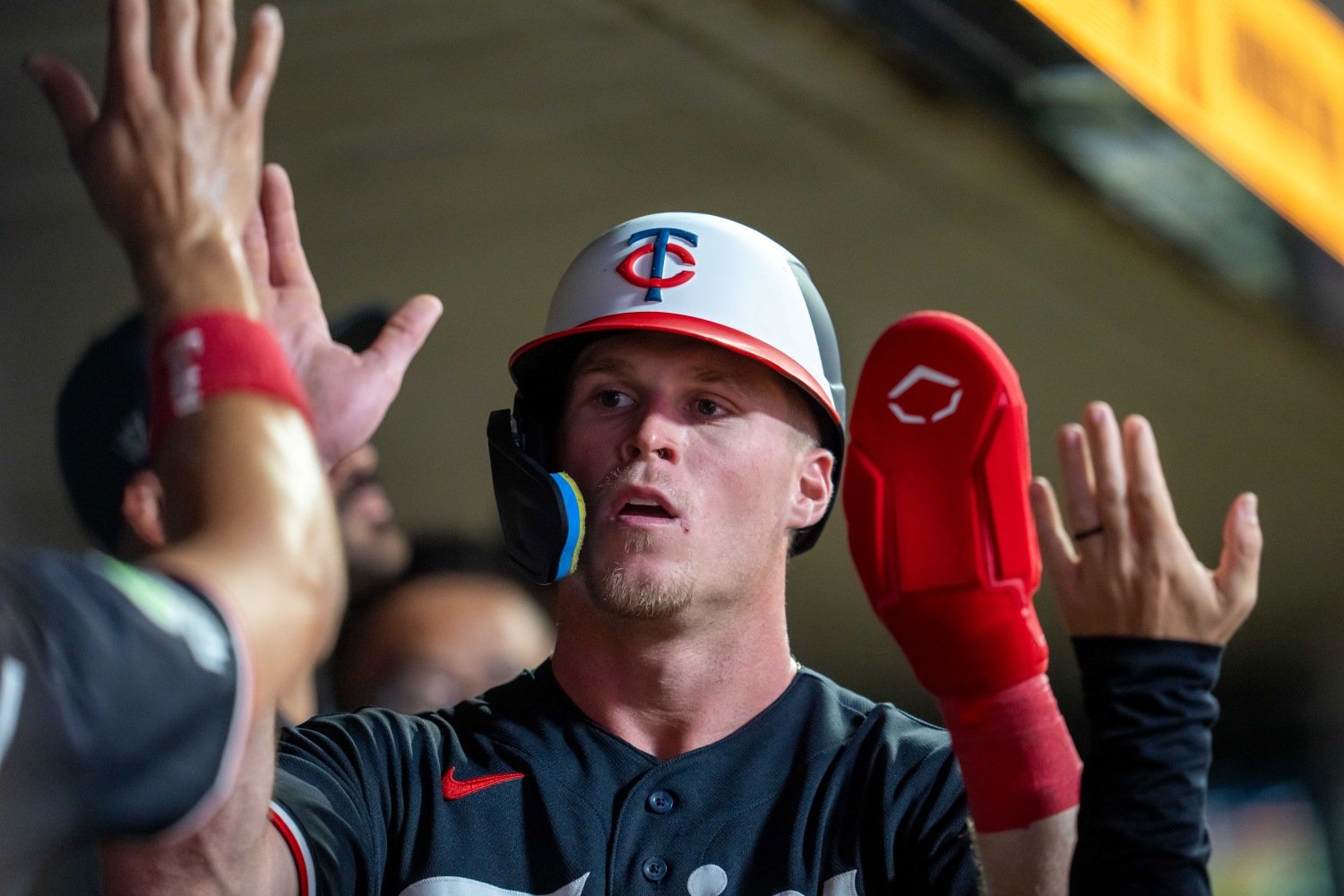 Walker Jenkins’s first handful of games in the big leagues have gone about as well as the Minnesota Twins could have hoped. The 21-year-old has shown the strong hit tool that made him one of baseball’s top prospects. He's looked comfortable at the plate, played solid defense, and even shown enough athleticism to steal his first base. There haven’t been many signs that the moment has been too big for him. That doesn’t mean Jenkins has answered every question. September will provide a larger sample size and more opportunities for opposing pitchers to adjust to him. The Twins will also get a better idea of where Jenkins fits into their long-term plans. There are still some questions surrounding the former first-round pick, and these five will be worth watching closely over the final month. Can Jenkins Stick in Center Field? There is already an argument to be made that Byron Buxton should eventually move to a corner outfield spot. That doesn’t mean Jenkins will push Buxton out of center field immediately. At his peak, Buxton was one of the best defensive center fielders in baseball. Jenkins won't match that version of Buxton. But Minnesota has to think about what its best defensive alignment looks like for 2027 and beyond. Jenkins has the athleticism to handle center field and has looked comfortable there early in his big-league career. If he proves that he can be an above-average defender at the position, the Twins will have an interesting decision to make. A healthy Buxton moving to a corner could extend his career, while allowing Jenkins to take over center field for the long term. September won't answer this question definitively, but every inning Jenkins plays in center will give the Twins more information. Can Jenkins Show His Power Potential? This might be the biggest offensive question surrounding Jenkins. He showed flashes of above-average power during his hot stretch at Triple-A before receiving his promotion. There were stretches wherein Jenkins looked capable of doing damage against upper-level pitching. Now, he has to show it against big-league pitching. Jenkins's ability to make consistent contact was never the primary concern. His hit tool has long been viewed as one of his greatest strengths. The question has been whether enough of that contact will turn into extra-base damage. His first month in the majors will provide a glimpse of that answer. If Jenkins can combine his ability to control the strike zone with more authoritative contact, his offensive ceiling becomes significantly higher. The Twins don't need him to become a 40-home run hitter, but adding consistent gap power and home-run production would make him a much more complete offensive player. Can Jenkins Pull the Ball More Regularly? There is something familiar about Jenkins's swing. For Twins fans who watched Joe Mauer throughout his career, there are times when Jenkins's left-handed swing looks remarkably similar. Both players have the ability to stay on the baseball and use the opposite field. That approach worked extremely well for Mauer. But Jenkins might need to pull the ball more often if he wants to tap into his power potential. At Triple-A this season, Jenkins pulled the ball 39.5% of the time. That's down from 47.6% in 2025. A player doesn't necessarily need to become pull-heavy, but Jenkins has enough strength to do more damage when he gets the ball out in front. That could be one of the easiest ways for him to unlock more power without dramatically changing his overall approach. The Twins don't want to take away the all-fields approach that makes Jenkins such a talented hitter. They just want to see more of those well-struck balls find the pull side. Can Jenkins Hit Fewer Ground Balls? The other side of the power equation is Jenkins's launch angle. His ground-ball rate at Triple-A was 45.1% this season, up from 41.3% last year. At the same time, his average launch angle dropped from 14.9 degrees in 2025 to 12.4 degrees this season. He's hit the ball on the ground very frequently since coming to the majors. That's important, because ground balls are rarely going to turn into extra-base hits. Jenkins doesn't need to sell out for launch angle, and there is always a danger in trying to artificially create more loft. His ability to make contact is a major part of what makes him special. Still, finding a better balance could unlock another part of his offensive game. If Jenkins can keep his line-drive approach while reducing some of the ground-ball contact, more of his hard-hit balls could turn into doubles and home runs. That's something to monitor throughout September. Can Jenkins End the Year Healthy? Perhaps the most important question doesn't have anything to do with statistics. Jenkins has been limited by injuries in every professional season. That's made his journey to the majors a little more complicated than it otherwise might have been. Now that he is finally here, the Twins would love nothing more than to see him finish the season healthy. September represents an opportunity for Jenkins to get his first extended taste of big-league baseball while also building toward the offseason. If he can stay on the field and finish strong, he'll enter spring training with a chance to claim a spot in Minnesota's Opening Day lineup. He could even enter 2027 as an early frontrunner for American League Rookie of the Year. That's a long way down the road, but Jenkins' talent makes the possibility worth considering. September is Just the Beginning It's important not to read too much into a small sample size at the end of a season. Jenkins reached the major leagues at 21 years old. He's going to have stretches where he looks like one of the best young hitters in baseball, and there will be other nights when veteran pitchers make him look like a rookie. Both are part of the process. The Twins aren't expecting Jenkins to answer every question during the final month of the season. They simply want to see how his tools translate against major-league competition and give him an opportunity to experience what life in the big leagues is like. Still, he will be under the microscope. Every at-bat, every ball hit in the field and every game he finishes healthy will provide another piece of information for Minnesota's front office. Jenkins has already shown why he was considered one of baseball's elite prospects. Now, September gives him a chance to show the Twins why he can be an important part of their next contender. How will Jenkins answer these questions in the season’s final month? Leave a comment and start the discussion.
 -
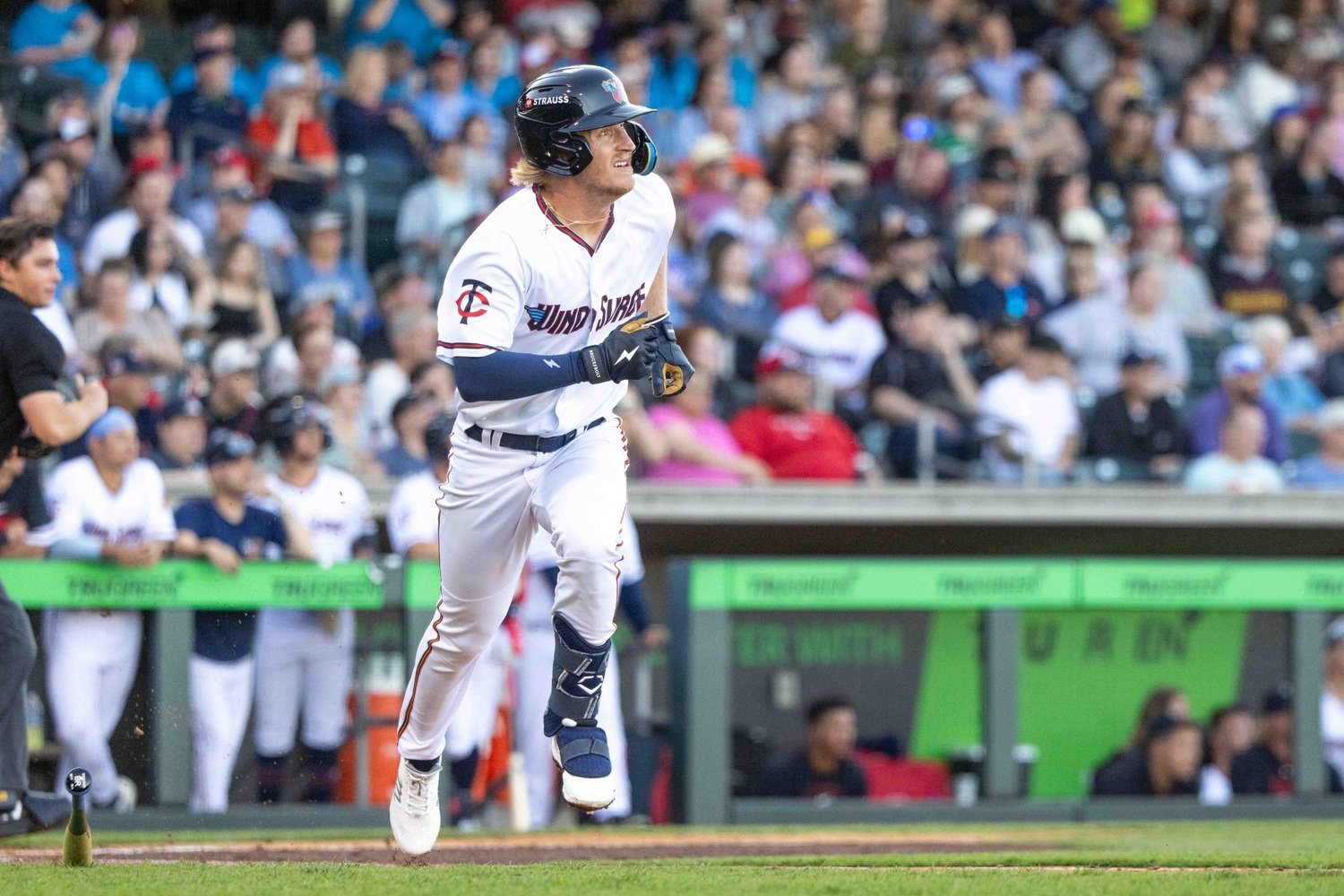 For years, Ben Ross has been one of those players sitting just outside the spotlight. He wasn't a high-profile draft pick. He wasn't a consensus top prospect. He didn't fly through the Twins' minor-league system. Instead, Ross spent the better part of four seasons working through the organization's developmental ladder, learning how to turn a collection of interesting tools into a legitimate professional skill set. Now, he finally gets the opportunity he has been working toward. The Twins are calling Ross up for September, giving the 25-year-old his first chance to see what he can do at the Major League level. It's a fitting reward for a player who has quietly raised his prospect stock during the 2026 season. Ross's journey to Minneapolis has been a long one. Ross wasn't heavily recruited coming out of high school in Springfield, Ohio. That led him to Division II Notre Dame College, where he quickly became one of the best players in program history. He became the first two-time All-American in school history and finished his college career as the school's all-time leader in batting average, on-base percentage, slugging percentage and home runs. The Twins selected him in the fifth round of the 2022 MLB Draft with the 144th overall pick. He signed for $220,000, well below the pick's $398,500 assigned slot value. He made his professional debut that summer, playing 22 games for Fort Myers and two games in the Florida Complex League. He hit .241/.354/.422 (.775) with three home runs and six stolen bases in 24 games. It wasn't a dominant debut, but there were signs of the tools he’d show in future years. In his first full pro season, Ross spent most of 2023 with the Cedar Rapids Kernels, and this was the first season when his power potential really became noticeable. He hit .240/.322/.455 with 19 home runs, 25 doubles and 117 wRC+ in 103 games. He also showed his defensive versatility, seeing time at shortstop, third base, first base and all three outfield positions. Minnesota promoted him to Double-A Wichita in September, but the jump was difficult. Ross went 7-for-31 in 10 games and finished with a .531 OPS across a small sample size. The organization had seen enough to know there was something worth developing, though. He would spend the next two seasons trying to figure out Double-A pitching. That development wasn't linear. Ross spent the entire 2024 regular season with Wichita and struggled to make consistent contact. He hit .212/.284/.341 with 11 home runs, 18 doubles, a 73 wRC+ and 20 stolen bases in 123 games. His 136 strikeouts and 29.7 K% were a significant concern. When the Switch Flipped and Ben Ross Became a Legit Prospect There was, however, an encouraging finish to the year. Ross played in the Arizona Fall League and hit .281/.390/.427 (.817) with eight extra-base hits in 24 games. That didn't erase the struggles from the regular season, but it offered a glimpse of the offensive adjustments that would eventually become important in his development. Ross looked to build off his AFL numbers and returned to Wichita in 2025. However, the overall numbers still weren't particularly impressive. He hit .219/.308/.363 (.671) with 14 home runs, 17 doubles, an 85 wRC+ and 18 stolen bases in 120 games. His OPS improved from .626 to .671, but he was still searching for consistency at the plate. Defensively, though, Ross continued to build his versatility. He played 65 games at shortstop, 26 at third base and 27 in center field. That flexibility was becoming a significant part of his value. Then came 2026. Ross started the season back at Wichita, where he was over a year older than the average age of the competition in the Texas League. This time, he didn't look like the same hitter. In 16 games, he hit .424/.528/.797 (1.324) with five home runs, seven doubles and eight steals. The Twins promoted him to Triple-A St. Paul on April 24. Ross has combined to hit .275/.380/.510 with 20 home runs, 71 RBI and 20 stolen bases in 2026. At Triple-A, he has continued to show improved plate discipline (13.4 BB%) and more impact in his contact profile. Baseball America recently noted that Ross's average exit velocity jumped from 85.1 mph in 2025 to 88.5 mph this season, while his 90th-percentile exit velocity increased from 100.9 mph to 103 mph. That's a meaningful development for a player whose offensive game once appeared more dependent on his speed and versatility. What Can Ben Ross Bring to the Twins Roster? Ross isn't being called up because the Twins expect him to suddenly become an everyday player. That's not really the point. His value comes from what he can do when the lineup needs flexibility. Ross has experience at shortstop, second base, third base and center field. That could be particularly useful for a Twins team dealing with injuries and trying to navigate the final month of a disappointing season. Minnesota has already turned to young players such as Kaelen Culpepper and Walker Jenkins this month. Jenkins' promotion was followed by Byron Buxton returning to the injured list, while Minnesota has dealt with other position-player injuries throughout the season. Ross gives manager Derek Shelton another right-handed option who doesn't have to be locked into one position. He can give players a day off. He can enter late in a game without creating a defensive problem. He can run. He can cover the middle infield. He can play the outfield. And, perhaps most importantly, he has demonstrated enough offensive growth to make the Twins believe there could be more there. That makes this September opportunity about more than simply filling out a roster. Ross has spent years proving he belongs. Now, he'll get a chance to prove it against Major League pitching. For a player who wasn't heavily recruited out of high school, came from a Division II program and spent multiple seasons fighting through Double-A, that's quite a journey. And the Twins are finally giving him the next step. What stands out about Ross? Can he fit into the team’s plans for 2027? Leave a comment and start the discussion.
 -
Image courtesy of Ed Bailey (photo of Ben Ross) For years, Ben Ross has been one of those players sitting just outside the spotlight. He wasn't a high-profile draft pick. He wasn't a consensus top prospect. He didn't fly through the Twins' minor-league system. Instead, Ross spent the better part of four seasons working through the organization's developmental ladder, learning how to turn a collection of interesting tools into a legitimate professional skill set. Now, he finally gets the opportunity he has been working toward. The Twins are calling Ross up for September, giving the 25-year-old his first chance to see what he can do at the Major League level. It's a fitting reward for a player who has quietly raised his prospect stock during the 2026 season. Ross's journey to Minneapolis has been a long one. Ross wasn't heavily recruited coming out of high school in Springfield, Ohio. That led him to Division II Notre Dame College, where he quickly became one of the best players in program history. He became the first two-time All-American in school history and finished his college career as the school's all-time leader in batting average, on-base percentage, slugging percentage and home runs. The Twins selected him in the fifth round of the 2022 MLB Draft with the 144th overall pick. He signed for $220,000, well below the pick's $398,500 assigned slot value. He made his professional debut that summer, playing 22 games for Fort Myers and two games in the Florida Complex League. He hit .241/.354/.422 (.775) with three home runs and six stolen bases in 24 games. It wasn't a dominant debut, but there were signs of the tools he’d show in future years. In his first full pro season, Ross spent most of 2023 with the Cedar Rapids Kernels, and this was the first season when his power potential really became noticeable. He hit .240/.322/.455 with 19 home runs, 25 doubles and 117 wRC+ in 103 games. He also showed his defensive versatility, seeing time at shortstop, third base, first base and all three outfield positions. Minnesota promoted him to Double-A Wichita in September, but the jump was difficult. Ross went 7-for-31 in 10 games and finished with a .531 OPS across a small sample size. The organization had seen enough to know there was something worth developing, though. He would spend the next two seasons trying to figure out Double-A pitching. That development wasn't linear. Ross spent the entire 2024 regular season with Wichita and struggled to make consistent contact. He hit .212/.284/.341 with 11 home runs, 18 doubles, a 73 wRC+ and 20 stolen bases in 123 games. His 136 strikeouts and 29.7 K% were a significant concern. When the Switch Flipped and Ben Ross Became a Legit Prospect There was, however, an encouraging finish to the year. Ross played in the Arizona Fall League and hit .281/.390/.427 (.817) with eight extra-base hits in 24 games. That didn't erase the struggles from the regular season, but it offered a glimpse of the offensive adjustments that would eventually become important in his development. Ross looked to build off his AFL numbers and returned to Wichita in 2025. However, the overall numbers still weren't particularly impressive. He hit .219/.308/.363 (.671) with 14 home runs, 17 doubles, an 85 wRC+ and 18 stolen bases in 120 games. His OPS improved from .626 to .671, but he was still searching for consistency at the plate. Defensively, though, Ross continued to build his versatility. He played 65 games at shortstop, 26 at third base and 27 in center field. That flexibility was becoming a significant part of his value. Then came 2026. Ross started the season back at Wichita, where he was over a year older than the average age of the competition in the Texas League. This time, he didn't look like the same hitter. In 16 games, he hit .424/.528/.797 (1.324) with five home runs, seven doubles and eight steals. The Twins promoted him to Triple-A St. Paul on April 24. Ross has combined to hit .275/.380/.510 with 20 home runs, 71 RBI and 20 stolen bases in 2026. At Triple-A, he has continued to show improved plate discipline (13.4 BB%) and more impact in his contact profile. Baseball America recently noted that Ross's average exit velocity jumped from 85.1 mph in 2025 to 88.5 mph this season, while his 90th-percentile exit velocity increased from 100.9 mph to 103 mph. That's a meaningful development for a player whose offensive game once appeared more dependent on his speed and versatility. What Can Ben Ross Bring to the Twins Roster? Ross isn't being called up because the Twins expect him to suddenly become an everyday player. That's not really the point. His value comes from what he can do when the lineup needs flexibility. Ross has experience at shortstop, second base, third base and center field. That could be particularly useful for a Twins team dealing with injuries and trying to navigate the final month of a disappointing season. Minnesota has already turned to young players such as Kaelen Culpepper and Walker Jenkins this month. Jenkins' promotion was followed by Byron Buxton returning to the injured list, while Minnesota has dealt with other position-player injuries throughout the season. Ross gives manager Derek Shelton another right-handed option who doesn't have to be locked into one position. He can give players a day off. He can enter late in a game without creating a defensive problem. He can run. He can cover the middle infield. He can play the outfield. And, perhaps most importantly, he has demonstrated enough offensive growth to make the Twins believe there could be more there. That makes this September opportunity about more than simply filling out a roster. Ross has spent years proving he belongs. Now, he'll get a chance to prove it against Major League pitching. For a player who wasn't heavily recruited out of high school, came from a Division II program and spent multiple seasons fighting through Double-A, that's quite a journey. And the Twins are finally giving him the next step. What stands out about Ross? Can he fit into the team’s plans for 2027? Leave a comment and start the discussion. View full article
-
Walker Jenkins’ first handful of games in the big leagues have gone about as well as the Minnesota Twins could have hoped. The 21-year-old has shown the strong hit tool that made him one of baseball’s top prospects. He has looked comfortable at the plate, played solid defense, and even shown enough athleticism to steal his first base. There haven’t been many signs that the moment has been too big for him. That doesn’t mean Jenkins has answered every question. September will provide a larger sample size and more opportunities for opposing pitchers to adjust to him. The Twins will also get a better idea of where Jenkins fits into their long-term plans. There are still some questions surrounding the former first-round pick, and these five will be worth watching closely over the final month. Can Jenkins Stick in Center Field? There is already an argument to be made that Byron Buxton should eventually move to a corner outfield spot. That doesn’t mean Jenkins is going to push Buxton out of center field immediately. Buxton at his peak has been one of the best defensive center fielders in baseball. Jenkins isn’t going to match that version of Buxton. But Minnesota has to think about what its best defensive alignment looks like for 2027 and beyond. Jenkins has the athleticism to handle center field, and he has looked comfortable there early in his big-league career. If he can prove that he can be an above-average defender at the position, the Twins will have an interesting decision to make. A healthy Buxton moving to a corner could extend his career while allowing Jenkins to take over center field for the long term. September won't answer this question definitively, but every inning Jenkins plays in center will give the Twins more information. Can Jenkins Show His Power Potential? This might be the biggest offensive question surrounding Jenkins. The power has always been in there. He showed flashes of it during his hot stretch at Triple-A before receiving his promotion. There were stretches where Jenkins looked capable of doing damage against upper-level pitching. Now he has to show it against big-league pitching. Jenkins' ability to make consistent contact was never the primary concern. His hit tool has long been viewed as one of his greatest strengths. The question has been whether enough of that contact will turn into extra-base damage. His first month in the majors will provide a glimpse of that answer. If Jenkins can combine his ability to control the strike zone with more authoritative contact, his offensive ceiling becomes significantly higher. The Twins don't need him to become a 40-home-run hitter, but adding consistent gap power and home-run production would make him a much more complete offensive player. Can Jenkins Pull the Ball More Regularly? There is something familiar about Jenkins' swing. For Twins fans who watched Joe Mauer throughout his career, there are times when Jenkins' left-handed swing looks remarkably similar. Both players have the ability to stay on the baseball and use the opposite field. That approach worked extremely well for Mauer. But Jenkins might need to pull the ball more often if he wants to tap into his power potential. At Triple-A this season, Jenkins pulled the ball 39.5% of the time. That's down from 47.6% in 2025. A player doesn't necessarily need to become pull-heavy, but Jenkins has enough strength to do more damage when he gets the ball out in front. That could be one of the easiest ways for him to unlock more power without dramatically changing his overall approach. The Twins don't want to take away the all-fields approach that makes Jenkins such a talented hitter. They just want to see more of those well-struck balls find the pull side. Can Jenkins Hit Fewer Ground Balls? The other side of the power equation is Jenkins' launch angle. His ground-ball rate at Triple-A was 45.1% this season, up from 41.3% last year. At the same time, his average launch angle dropped from 14.9 degrees in 2025 to 12.4 degrees this season. That's important because ground balls are rarely going to turn into extra-base hits. Jenkins doesn't need to sell out for launch angle, and there is always a danger in trying to artificially create more loft. His ability to make contact is a major part of what makes him special. Still, finding a better balance could unlock another part of his offensive game. If Jenkins can keep his line-drive approach while reducing some of the ground-ball contact, more of his hard-hit balls could turn into doubles and home runs. That's something to monitor throughout September. Can Jenkins End the Year Healthy? Perhaps the most important question doesn't have anything to do with statistics. Jenkins has been limited by injuries in every professional season. That's made his journey to the majors a little more complicated than it otherwise might have been. Now that he is finally here, the Twins would love nothing more than to see him finish the season healthy. September represents an opportunity for Jenkins to get his first extended taste of big-league baseball while also building toward the offseason. If he can stay on the field and finish strong, he'll enter spring training with a chance to claim a spot in Minnesota's Opening Day lineup. He could even enter 2027 as an early frontrunner for American League Rookie of the Year. That's a long way down the road, but Jenkins' talent makes the possibility worth considering. September is Just the Beginning It's important not to read too much into a small sample size at the end of a season. Jenkins reached the major leagues at 21 years old. He's going to have stretches where he looks like one of the best young hitters in baseball, and there will be other nights when veteran pitchers make him look like a rookie. Both are part of the process. The Twins aren't expecting Jenkins to answer every question during the final month of the season. They simply want to see how his tools translate against major-league competition and give him an opportunity to experience what life in the big leagues is like. Still, he will be under the microscope. Every at-bat, every ball hit in the field and every game he finishes healthy will provide another piece of information for Minnesota's front office. Jenkins has already shown why he was considered one of baseball's elite prospects. Now, September gives him a chance to show the Twins why he can be an important part of their next contender. How will Jenkins answer these questions in the season’s final month? Leave a comment and start the discussion. View full article
-
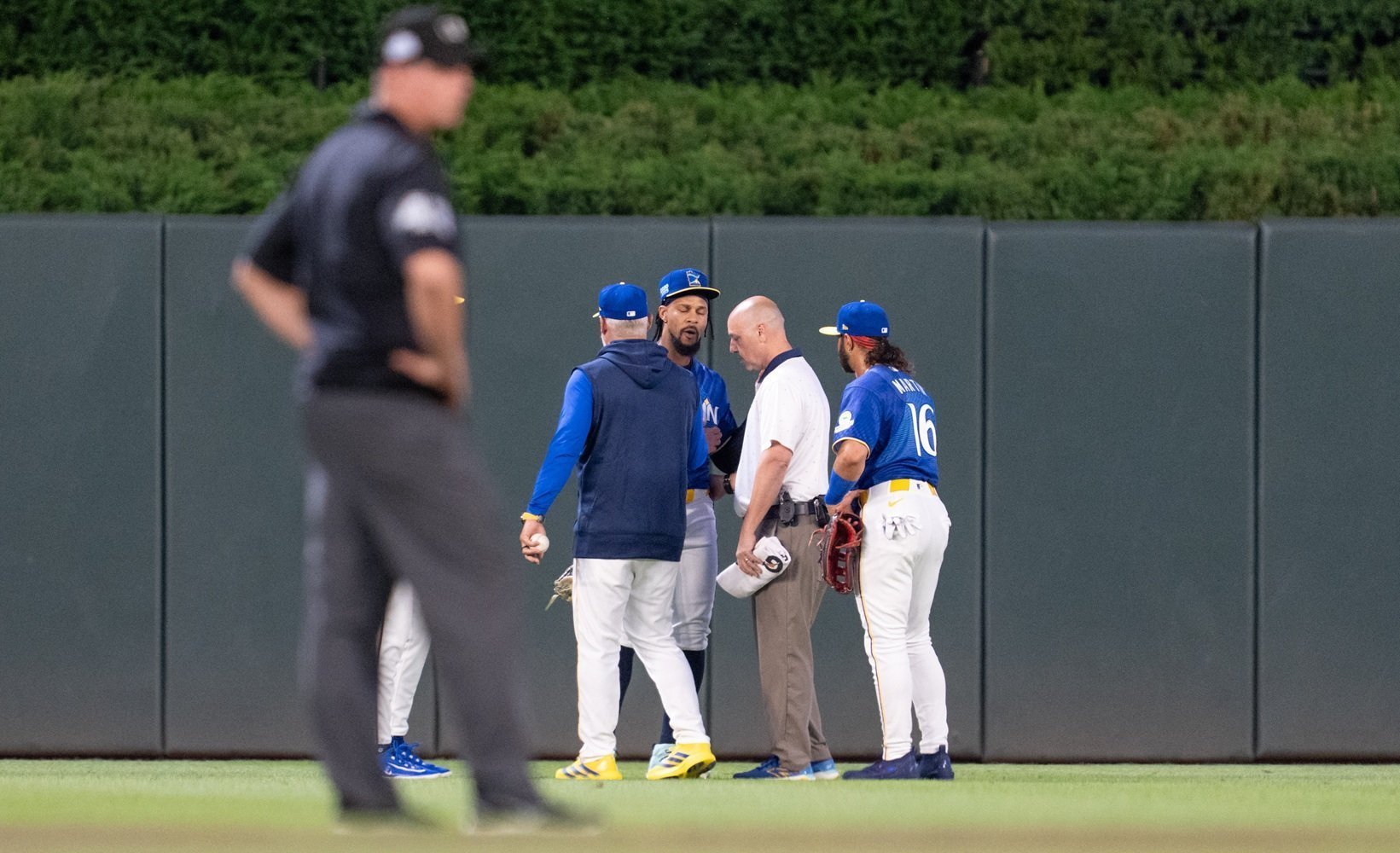 The Minnesota Twins have spent much of the 2026 season trying to keep Byron Buxton on the field. Once again, they have been unable to do it. Buxton was placed on the 10-day injured list over the weekend with a right hip impingement, marking his third IL stint of the season related to hip issues. Minnesota made the move ahead of Sunday's game against the Chicago White Sox, calling up outfielder Gabriel Gonzalez from Triple-A St. Paul. At this point, the problem isn't simply that Buxton is missing games. The bigger concern is that the issue could follow him into the offseason and require surgery. Buxton hinted Wednesday that he would eventually need to work with the Twins' training staff to develop a plan for addressing his hip during the offseason. General manager Jeremy Zoll took that possibility a step further Friday, telling reporters that a surgical procedure remains on the table. “(It’s) definitely a potential option as we sort through everything,” Zoll said. “It would be some type of hip procedure, but not at that point right now. … (We) just need to see how these symptoms progress over this next stretch, and then we’ll continue to assess options.” That doesn't mean Buxton is headed for surgery. The Twins aren't at that point yet, and there is still time for the symptoms to improve. But the fact that surgery has entered the conversation is significant. Buxton has dealt with his share of physical setbacks throughout his career, and the Twins have become increasingly careful about managing his workload. This season was supposed to provide another opportunity for the veteran to put together a lengthy stretch of games. Instead, the hip has continued to interrupt his season. Manager Derek Shelton's comments Sunday reflected the frustration surrounding the situation. “We can’t just magically snap our fingers and all of a sudden it’s the Jetsons and he’s healthy,” Shelton said. “If he could, it would be a lot cooler that way … in terms of it just automatically getting better. We just need to give it time.” Unfortunately for the Twins, time has been a difficult solution with Buxton's hip. The three-time All-Star has still produced when he's been available, hitting .254 with 25 home runs and 46 RBIs across 93 games. He was on pace to reach 100 games for the third consecutive season, something he has accomplished only four times in his 12-year career. That availability matters as much as the production. Minnesota's offense has relied heavily on Buxton's power and ability to change a game with one swing. His presence in the lineup also impacts how opposing pitchers approach the rest of the order. When he's healthy, the Twins are a different team. That's why the next few weeks could be important beyond simply determining whether Buxton returns this season. The Twins need to learn whether rest and rehabilitation can get him back to full strength or whether a more permanent solution is necessary. For a Twins team trying to figure out what comes next, finding a way to get its best players consistently onto the field remains one of the biggest challenges. And right now, Buxton's hip is at the center of that conversation.
 -
The Minnesota Twins have spent much of the 2026 season trying to keep Byron Buxton on the field. Once again, they have been unable to do it. Buxton was placed on the 10-day injured list over the weekend with a right hip impingement, marking his third IL stint of the season related to hip issues. Minnesota made the move ahead of Sunday's game against the Chicago White Sox, calling up outfielder Gabriel Gonzalez from Triple-A St. Paul. At this point, the problem isn't simply that Buxton is missing games. The bigger concern is that the issue could follow him into the offseason and require surgery. Buxton hinted Wednesday that he would eventually need to work with the Twins' training staff to develop a plan for addressing his hip during the offseason. General manager Jeremy Zoll took that possibility a step further Friday, telling reporters that a surgical procedure remains on the table. “(It’s) definitely a potential option as we sort through everything,” Zoll said. “It would be some type of hip procedure, but not at that point right now. … (We) just need to see how these symptoms progress over this next stretch, and then we’ll continue to assess options.” That doesn't mean Buxton is headed for surgery. The Twins aren't at that point yet, and there is still time for the symptoms to improve. But the fact that surgery has entered the conversation is significant. Buxton has dealt with his share of physical setbacks throughout his career, and the Twins have become increasingly careful about managing his workload. This season was supposed to provide another opportunity for the veteran to put together a lengthy stretch of games. Instead, the hip has continued to interrupt his season. Manager Derek Shelton's comments Sunday reflected the frustration surrounding the situation. “We can’t just magically snap our fingers and all of a sudden it’s the Jetsons and he’s healthy,” Shelton said. “If he could, it would be a lot cooler that way … in terms of it just automatically getting better. We just need to give it time.” Unfortunately for the Twins, time has been a difficult solution with Buxton's hip. The three-time All-Star has still produced when he's been available, hitting .254 with 25 home runs and 46 RBIs across 93 games. He was on pace to reach 100 games for the third consecutive season, something he has accomplished only four times in his 12-year career. That availability matters as much as the production. Minnesota's offense has relied heavily on Buxton's power and ability to change a game with one swing. His presence in the lineup also impacts how opposing pitchers approach the rest of the order. When he's healthy, the Twins are a different team. That's why the next few weeks could be important beyond simply determining whether Buxton returns this season. The Twins need to learn whether rest and rehabilitation can get him back to full strength or whether a more permanent solution is necessary. For a Twins team trying to figure out what comes next, finding a way to get its best players consistently onto the field remains one of the biggest challenges. And right now, Buxton's hip is at the center of that conversation. View full rumor
-
Twins Prospect Hot Sheet: Vahn Lackey Discovers His Power Stroke
Cody Christie posted an article in Minor Leagues
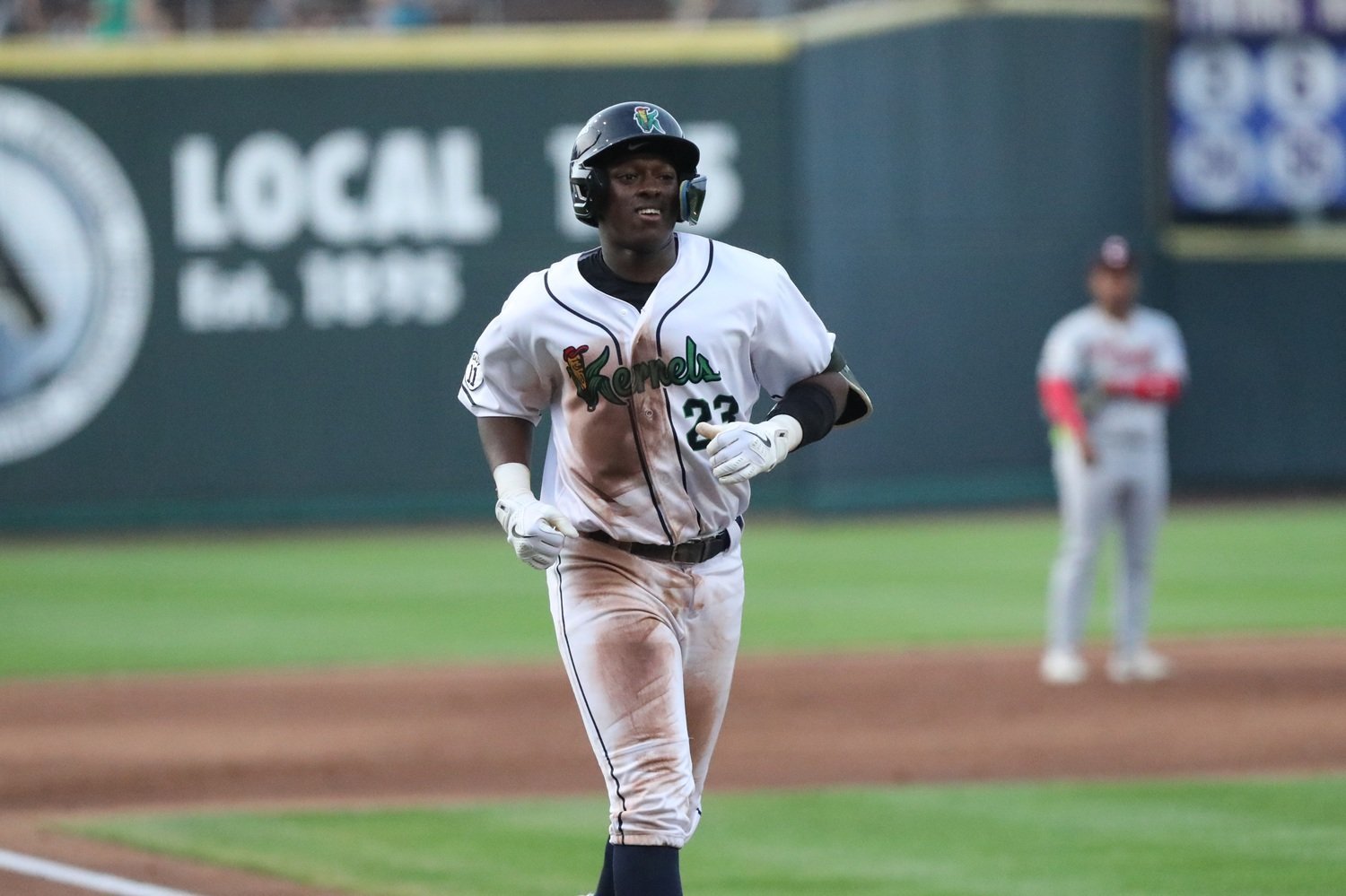 The calendar is about to flip to September, which means the final opportunities are arriving for prospects across the Minnesota Twins organization. The regular season is winding down, and every at-bat can carry a little more weight for players hoping to finish the year on a strong note. For some prospects, September is about continuing to build momentum. For others, it can be a chance to force their way into the organization's plans for next season. This week's Hot Sheet features three hitters doing just that, including Minnesota's first-round pick from the 2026 MLB Draft. C Vahn Lackey — Fort Myers Mighty Mussels/Cedar Rapids Kernels How He Got Here: Vahn Lackey wasn't always viewed as an obvious future first-round pick. The Georgia high school catcher was a late bloomer and didn't receive his first NCAA Division I offers until his senior year in 2023. He also didn't generate much buzz among scouts because he participated in relatively few showcase events. That all changed during his time at Georgia Tech. Lackey improved dramatically each season with the Yellow Jackets and emerged as the top catching prospect in the 2026 MLB Draft. He hit .397/.519/.772 as a junior, putting himself firmly in the first-round conversation. The Twins ultimately selected Lackey No. 3 overall, making him their highest draft pick since Royce Lewis in 2017. He signed for nearly $9.5 million and quickly got to work in professional baseball, making his debut with Single-A Fort Myers. Hitting the Hot Button: Lackey is already showing signs that his power will translate to professional baseball. He played five games between Low-A Fort Myers and Cedar Rapids, going 5-for-15 (.333) with two home runs, five RBI, 11 walks, a .615 on-base percentage and a 1.348 OPS. The power surge is especially encouraging considering the overall approach Lackey has shown since making his professional debut. He owns a 145 wRC+ in 20 games, along with a 23.7 BB% and a 20.4 K%. The Twins knew Lackey could hit when they selected him third overall. Seeing him already make an impact against professional pitching, while also showing the ability to drive the ball over the fence, only adds to the excitement surrounding his future. INF Ramiro Dominguez — Cedar Rapids Kernels How He Got Here: The Twins signed Ramiro Dominguez as a 17-year-old for $10,000 during the 2024 international signing period. He made his professional debut later that year in the Dominican Summer League, batting .272/.336/.376 (.712) with a 91 wRC+. Dominguez took a noticeable step forward after coming stateside in 2025. His walk rate increased by more than three percentage points while his strikeout rate dropped by nearly five percentage points. His OPS also jumped 68 points, and he finished the season with a 128 wRC+. That improvement helped establish Dominguez as an intriguing middle-infield prospect, but his defensive home remains an important part of his development. Hitting the Hot Button: Dominguez made quite an impression in his first game with Cedar Rapids, hitting two home runs Thursday night, including a grand slam, in his High-A debut. The power came after he played 90 games with Fort Myers, where he slashed .237/.349/.391 with a .352 wOBA and a 101 wRC+. Those numbers don't jump off the page, but his ability to get on base has remained one of the more intriguing parts of his offensive profile. Defensively, Dominguez has undergone an interesting transition. He played primarily second base during his first two professional seasons, but the Twins have used him almost exclusively at shortstop this year. If Dominguez can prove he belongs at shortstop, it could give the organization more patience with some of his offensive shortcomings. A middle infielder capable of playing shortstop doesn't need to produce like a middle-of-the-order hitter to provide value. OF Kala'i Rosario — St. Paul Saints How He Got Here: Kala'i Rosario entered the 2020 Draft as the top prospect in Hawaii, but the shortened five-round draft forced him to wait until the fifth round before the Twins selected him. Rosario has provided plenty of reasons for optimism throughout his professional career. He won Midwest League MVP honors and then tied for the Arizona Fall League lead in home runs in 2023, creating significant expectations heading into the following season. An elbow injury cost him roughly two months in 2024 and slowed some of his momentum. Rosario did make up for some of that lost development time with another stint in the Arizona Fall League. Last season, he spent the entire year at Double-A and continued to demonstrate his offensive upside, posting an .844 OPS and a 131 wRC+ over 130 games. Hitting the Hot Button: Rosario has already spent two separate stretches at Triple-A this season when the Saints needed additional outfield depth. The Twins promoted him back to St. Paul on August 5, giving him another opportunity to prove he belongs closer to the majors. He's making the most of it. Over his last 11 games, Rosario has gone 9-for-39 with four home runs and two doubles, producing a .590 SLG and an .875 OPS. The power has always been one of his biggest calling cards, and this recent stretch is another reminder of what he can do when he's locked in. There is also an important offseason decision approaching. Minnesota will need to determine whether Rosario deserves a spot on the 40-man roster this winter because he will once again be Rule 5 eligible. No team selected him when he was exposed last offseason, but the situation could look different this time around. Rosario is now closer to the majors, has more Triple-A experience and continues to show legitimate power. The final weeks of the minor league season don't provide much time for prospects to change their long-term outlook, but they can still leave a lasting impression. Lackey is already showing why he is one of baseball’s top catching prospects. Dominguez is trying to establish himself as a legitimate shortstop while providing more offensive impact. Rosario is attempting to make the case that his power can finally translate into a major-league opportunity. September will bring plenty of attention to Minnesota's big-league roster, but these are the types of performances worth watching throughout the organization's farm system. With the offseason approaching, every hot streak can help shape what comes next. What stands out about this trio and their recent hot stretch? Leave a comment and start the discussion.
- 16 comments
-
- 2
-
-
- vahn lackey
- kalai rosario
- (and 1 more)
-
Image courtesy of Malamut Photography (photo of Vahn Lackey) The calendar is about to flip to September, which means the final opportunities are arriving for prospects across the Minnesota Twins organization. The regular season is winding down, and every at-bat can carry a little more weight for players hoping to finish the year on a strong note. For some prospects, September is about continuing to build momentum. For others, it can be a chance to force their way into the organization's plans for next season. This week's Hot Sheet features three hitters doing just that, including Minnesota's first-round pick from the 2026 MLB Draft. C Vahn Lackey — Fort Myers Mighty Mussels/Cedar Rapids Kernels How He Got Here: Vahn Lackey wasn't always viewed as an obvious future first-round pick. The Georgia high school catcher was a late bloomer and didn't receive his first NCAA Division I offers until his senior year in 2023. He also didn't generate much buzz among scouts because he participated in relatively few showcase events. That all changed during his time at Georgia Tech. Lackey improved dramatically each season with the Yellow Jackets and emerged as the top catching prospect in the 2026 MLB Draft. He hit .397/.519/.772 as a junior, putting himself firmly in the first-round conversation. The Twins ultimately selected Lackey No. 3 overall, making him their highest draft pick since Royce Lewis in 2017. He signed for nearly $9.5 million and quickly got to work in professional baseball, making his debut with Single-A Fort Myers. Hitting the Hot Button: Lackey is already showing signs that his power will translate to professional baseball. He played five games between Low-A Fort Myers and Cedar Rapids, going 5-for-15 (.333) with two home runs, five RBI, 11 walks, a .615 on-base percentage and a 1.348 OPS. The power surge is especially encouraging considering the overall approach Lackey has shown since making his professional debut. He owns a 145 wRC+ in 20 games, along with a 23.7 BB% and a 20.4 K%. The Twins knew Lackey could hit when they selected him third overall. Seeing him already make an impact against professional pitching, while also showing the ability to drive the ball over the fence, only adds to the excitement surrounding his future. INF Ramiro Dominguez — Cedar Rapids Kernels How He Got Here: The Twins signed Ramiro Dominguez as a 17-year-old for $10,000 during the 2024 international signing period. He made his professional debut later that year in the Dominican Summer League, batting .272/.336/.376 (.712) with a 91 wRC+. Dominguez took a noticeable step forward after coming stateside in 2025. His walk rate increased by more than three percentage points while his strikeout rate dropped by nearly five percentage points. His OPS also jumped 68 points, and he finished the season with a 128 wRC+. That improvement helped establish Dominguez as an intriguing middle-infield prospect, but his defensive home remains an important part of his development. Hitting the Hot Button: Dominguez made quite an impression in his first game with Cedar Rapids, hitting two home runs Thursday night, including a grand slam, in his High-A debut. The power came after he played 90 games with Fort Myers, where he slashed .237/.349/.391 with a .352 wOBA and a 101 wRC+. Those numbers don't jump off the page, but his ability to get on base has remained one of the more intriguing parts of his offensive profile. Defensively, Dominguez has undergone an interesting transition. He played primarily second base during his first two professional seasons, but the Twins have used him almost exclusively at shortstop this year. If Dominguez can prove he belongs at shortstop, it could give the organization more patience with some of his offensive shortcomings. A middle infielder capable of playing shortstop doesn't need to produce like a middle-of-the-order hitter to provide value. OF Kala'i Rosario — St. Paul Saints How He Got Here: Kala'i Rosario entered the 2020 Draft as the top prospect in Hawaii, but the shortened five-round draft forced him to wait until the fifth round before the Twins selected him. Rosario has provided plenty of reasons for optimism throughout his professional career. He won Midwest League MVP honors and then tied for the Arizona Fall League lead in home runs in 2023, creating significant expectations heading into the following season. An elbow injury cost him roughly two months in 2024 and slowed some of his momentum. Rosario did make up for some of that lost development time with another stint in the Arizona Fall League. Last season, he spent the entire year at Double-A and continued to demonstrate his offensive upside, posting an .844 OPS and a 131 wRC+ over 130 games. Hitting the Hot Button: Rosario has already spent two separate stretches at Triple-A this season when the Saints needed additional outfield depth. The Twins promoted him back to St. Paul on August 5, giving him another opportunity to prove he belongs closer to the majors. He's making the most of it. Over his last 11 games, Rosario has gone 9-for-39 with four home runs and two doubles, producing a .590 SLG and an .875 OPS. The power has always been one of his biggest calling cards, and this recent stretch is another reminder of what he can do when he's locked in. There is also an important offseason decision approaching. Minnesota will need to determine whether Rosario deserves a spot on the 40-man roster this winter because he will once again be Rule 5 eligible. No team selected him when he was exposed last offseason, but the situation could look different this time around. Rosario is now closer to the majors, has more Triple-A experience and continues to show legitimate power. The final weeks of the minor league season don't provide much time for prospects to change their long-term outlook, but they can still leave a lasting impression. Lackey is already showing why he is one of baseball’s top catching prospects. Dominguez is trying to establish himself as a legitimate shortstop while providing more offensive impact. Rosario is attempting to make the case that his power can finally translate into a major-league opportunity. September will bring plenty of attention to Minnesota's big-league roster, but these are the types of performances worth watching throughout the organization's farm system. With the offseason approaching, every hot streak can help shape what comes next. What stands out about this trio and their recent hot stretch? Leave a comment and start the discussion. View full article
-
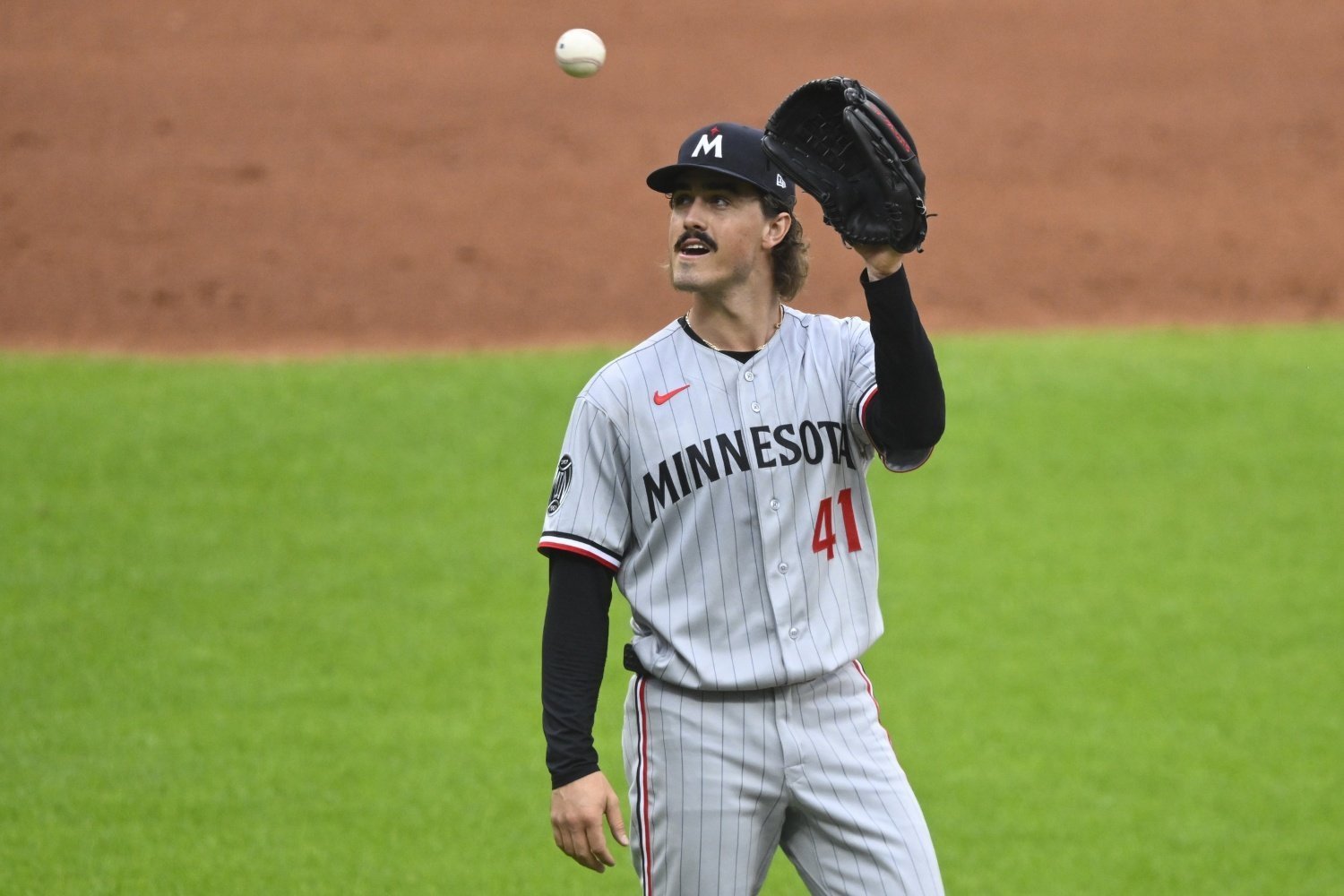 Joe Ryan is finally getting closer to a return, but the most important part of Tuesday’s rehab start in Omaha won’t necessarily be the results. It will be how he feels. Ryan is scheduled to pitch for Triple-A St. Paul as they begin a road series in Omaha after receiving the all-clear following a brief bullpen session Sunday morning. The right-hander has been on the 15-day injured list since Aug. 6 with a mild left glute strain. That injury is likely the cause for Ryan’s second half struggles, but it also gives the Twins an opportunity to reset one of their most important players before the final month of the season. The right-hander had struggled through three starts following the All-Star break and acknowledged that he was having difficulty repeating his delivery. That was the bigger concern. Ryan wasn't simply getting hit harder than usual. Something didn't look right. His mechanics weren't as consistent, his velocity dipped and the results quickly followed. Now, he believes he's moving in the right direction. "Facing hitters was the biggest one, right?" Ryan told reporters after Wednesday's live batting practice. "I haven't done that in a second, and then I haven't really done that feeling like I have control over my body and not compensating for a couple, a little bit longer than that. So good to just get out there and feel a little bit more free." That feeling of freedom might be the most important statistic for Ryan right now. A Dramatic Second-Half Turn Ryan looked like an ace during the first half of the season. He posted a sub-3.00 ERA and earned his second All-Star selection, continuing to establish himself as one of the most reliable pieces of Minnesota's rotation. Then the calendar flipped. Ryan has allowed 17 runs over his last 15 1/3 innings. He has struck out just 10 of his last 73 opponents. The Twins lost all three of his starts following the All-Star break. His fastball told part of the story. Ryan's four-seam fastball averaged just 92.1 mph in his final start before landing on the injured list. That's his lowest average in a start since early May and more than a full mile per hour below his 93.4 mph season average. For a pitcher who relies heavily on command and deception, even a small decline in velocity can make a significant difference. When that velocity drop comes alongside trouble repeating a delivery, it becomes much easier to understand why Ryan wasn't producing the same results. Another Test for Ryan There have been a few warning signs surrounding Ryan's health this season. He missed time during Spring Training because of lower back discomfort. In May, he exited a start after just one-third of an inning because of elbow pain. Six days later, he returned to pitch one of his best games of the season. His most recent start before going on the injured list was also pushed back three days because of what was described as arm fatigue. None of those situations necessarily point to one major problem. But taken together, they make Ryan's current recovery more important than simply getting him through a minor-league outing. The Twins need to know that Ryan's body is allowing him to execute the delivery he has used so effectively throughout his career. Tuesday's game in Omaha should provide that opportunity. The results won't matter nearly as much as the process. Can Ryan repeat his delivery? Does his fastball have its usual life? Can he attack hitters without compensating for his lower body? Most importantly, does he finish the outing feeling like himself? Ryan appears to be making progress, and his comments after facing live hitters suggest he finally feels more in control of his body. That's encouraging. Now, the Twins need to see that feeling translate to the mound in Omaha.
 -
Joe Ryan is finally getting closer to a return, but the most important part of Tuesday’s rehab start in Omaha won’t necessarily be the results. It will be how he feels. Ryan is scheduled to pitch for Triple-A St. Paul as they begin a road series in Omaha after receiving the all-clear following a brief bullpen session Sunday morning. The right-hander has been on the 15-day injured list since Aug. 6 with a mild left glute strain. That injury is likely the cause for Ryan’s second half struggles, but it also gives the Twins an opportunity to reset one of their most important players before the final month of the season. The right-hander had struggled through three starts following the All-Star break and acknowledged that he was having difficulty repeating his delivery. That was the bigger concern. Ryan wasn't simply getting hit harder than usual. Something didn't look right. His mechanics weren't as consistent, his velocity dipped and the results quickly followed. Now, he believes he's moving in the right direction. "Facing hitters was the biggest one, right?" Ryan told reporters after Wednesday's live batting practice. "I haven't done that in a second, and then I haven't really done that feeling like I have control over my body and not compensating for a couple, a little bit longer than that. So good to just get out there and feel a little bit more free." That feeling of freedom might be the most important statistic for Ryan right now. A Dramatic Second-Half Turn Ryan looked like an ace during the first half of the season. He posted a sub-3.00 ERA and earned his second All-Star selection, continuing to establish himself as one of the most reliable pieces of Minnesota's rotation. Then the calendar flipped. Ryan has allowed 17 runs over his last 15 1/3 innings. He has struck out just 10 of his last 73 opponents. The Twins lost all three of his starts following the All-Star break. His fastball told part of the story. Ryan's four-seam fastball averaged just 92.1 mph in his final start before landing on the injured list. That's his lowest average in a start since early May and more than a full mile per hour below his 93.4 mph season average. For a pitcher who relies heavily on command and deception, even a small decline in velocity can make a significant difference. When that velocity drop comes alongside trouble repeating a delivery, it becomes much easier to understand why Ryan wasn't producing the same results. Another Test for Ryan There have been a few warning signs surrounding Ryan's health this season. He missed time during Spring Training because of lower back discomfort. In May, he exited a start after just one-third of an inning because of elbow pain. Six days later, he returned to pitch one of his best games of the season. His most recent start before going on the injured list was also pushed back three days because of what was described as arm fatigue. None of those situations necessarily point to one major problem. But taken together, they make Ryan's current recovery more important than simply getting him through a minor-league outing. The Twins need to know that Ryan's body is allowing him to execute the delivery he has used so effectively throughout his career. Tuesday's game in Omaha should provide that opportunity. The results won't matter nearly as much as the process. Can Ryan repeat his delivery? Does his fastball have its usual life? Can he attack hitters without compensating for his lower body? Most importantly, does he finish the outing feeling like himself? Ryan appears to be making progress, and his comments after facing live hitters suggest he finally feels more in control of his body. That's encouraging. Now, the Twins need to see that feeling translate to the mound in Omaha. View full rumor
-
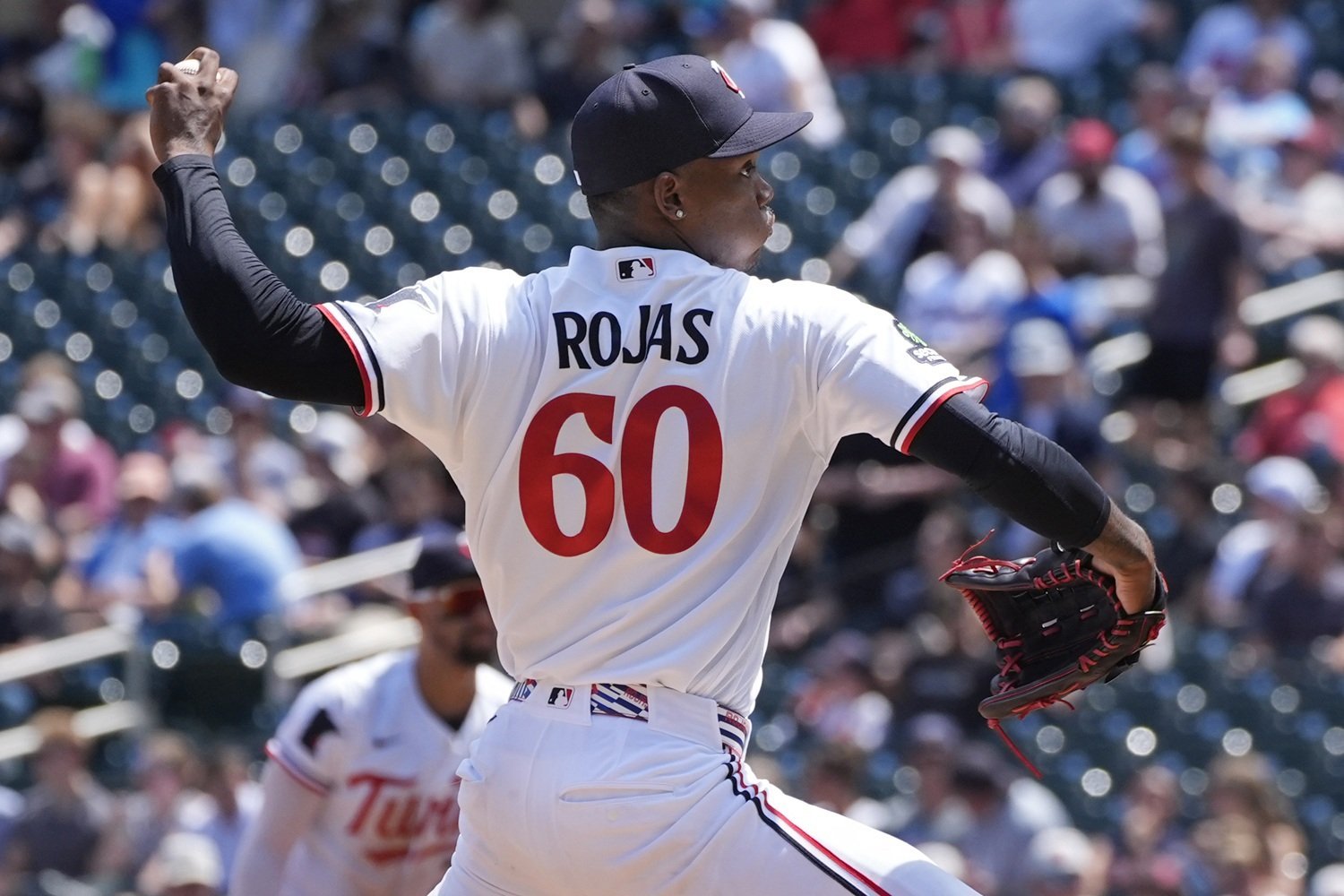 The Minnesota Twins have spent much of the season searching for answers on the pitching staff. Injuries and inconsistency have forced the organization to move pitchers between the rotation, bullpen, and minor leagues, creating plenty of roster movement along the way. Kendry Rojas could soon give the Twins another option. Rojas suffered a mild right oblique strain on August 21 during a start for the St. Paul Saints. He exited after just two innings, creating some concern about whether the injury would end his season. However, general manager Jeremy Zoll provided encouraging news over the weekend. Rojas could throw a bullpen session as early as this week, with the Twins hopeful that he can return to game action by the middle of September. There is one significant change coming, though. The organization doesn't expect him to have enough time to build back up as a starting pitcher. “Where we're at calendar-wise, not expecting to be able to stretch him back out at this point,” Zoll said. “If he does get back into game action, it'll probably be a two-inning outing for his first go, and we'll go from there.” That could still be valuable for the Twins. Rojas Has Already Shown Enough Rojas has made a strong first impression during his first taste of the major leagues. Across 12 appearances, including four starts, he has posted a 3.34 ERA with 34 strikeouts over 29 2/3 innings. His 26.2% strikeout rate is particularly encouraging. Rojas has shown the ability to miss bats against major-league hitters, and Minnesota has already demonstrated its willingness to use him in different roles. The biggest concern has been his control. Rojas has issued 22 walks in his limited major-league sample, resulting in a 16.9% walk rate. That's a number the Twins will want to see improve, especially if he's going to work in shorter outings where free passes can quickly create problems. Still, the walk issues haven't been nearly as pronounced throughout his minor-league career (8.3 BB% in 2026). That gives Minnesota some reason to believe the major-league number isn't necessarily representative of what Rojas will become. More importantly, the Twins have already seen that he can provide length. Another Multi-Inning Option Rojas returned to Triple-A following the trade deadline after Minnesota acquired Jeff Hoffman and added A.J. Minter to its pitching staff. Those additions created some difficult roster decisions, and Rojas ultimately went back to St. Paul. He resumed working as a starter, but that role is unlikely to continue if he makes it back to Minnesota this season. Instead, Rojas could become another multi-inning weapon for a pitching staff that has needed plenty of them. That type of role would also allow Minnesota to manage his workload carefully. Rather than immediately asking him to handle a starter's workload after an oblique injury, the Twins can ease him back into competition while still getting meaningful innings from his arm. September rosters aren't what they used to be, but every healthy arm can matter during the final weeks of a season. The key will be making sure the oblique injury doesn't linger. Rojas has already shown he can handle multiple innings in the majors. If his oblique cooperates, the Twins could see what he looks like in shorter outings where he can amp up his velocity.

