



Cody Christie
-
Posts
7,794 -
Joined
-
Last visited
-
Days Won
5
Content Type
Profiles
News
Minnesota Twins Videos
2026 Minnesota Twins Top Prospects Ranking
2022 Minnesota Twins Draft Picks
Minnesota Twins Free Agent & Trade Rumors, Notes, & Tidbits
Guides & Resources
2023 Minnesota Twins Draft Picks
The Minnesota Twins Players Project
2024 Minnesota Twins Draft Picks
2025 Minnesota Twins Draft Pick Tracker
2026 Minnesota Twins Draft Tracker: Picks & Bonuses
Forums
Blogs
Events
Store
Downloads
Gallery
Everything posted by Cody Christie
-

Twins’ Reliance on ABS Could Make Field of Dreams Game Unique Challenge
Cody Christie posted an article in Twins
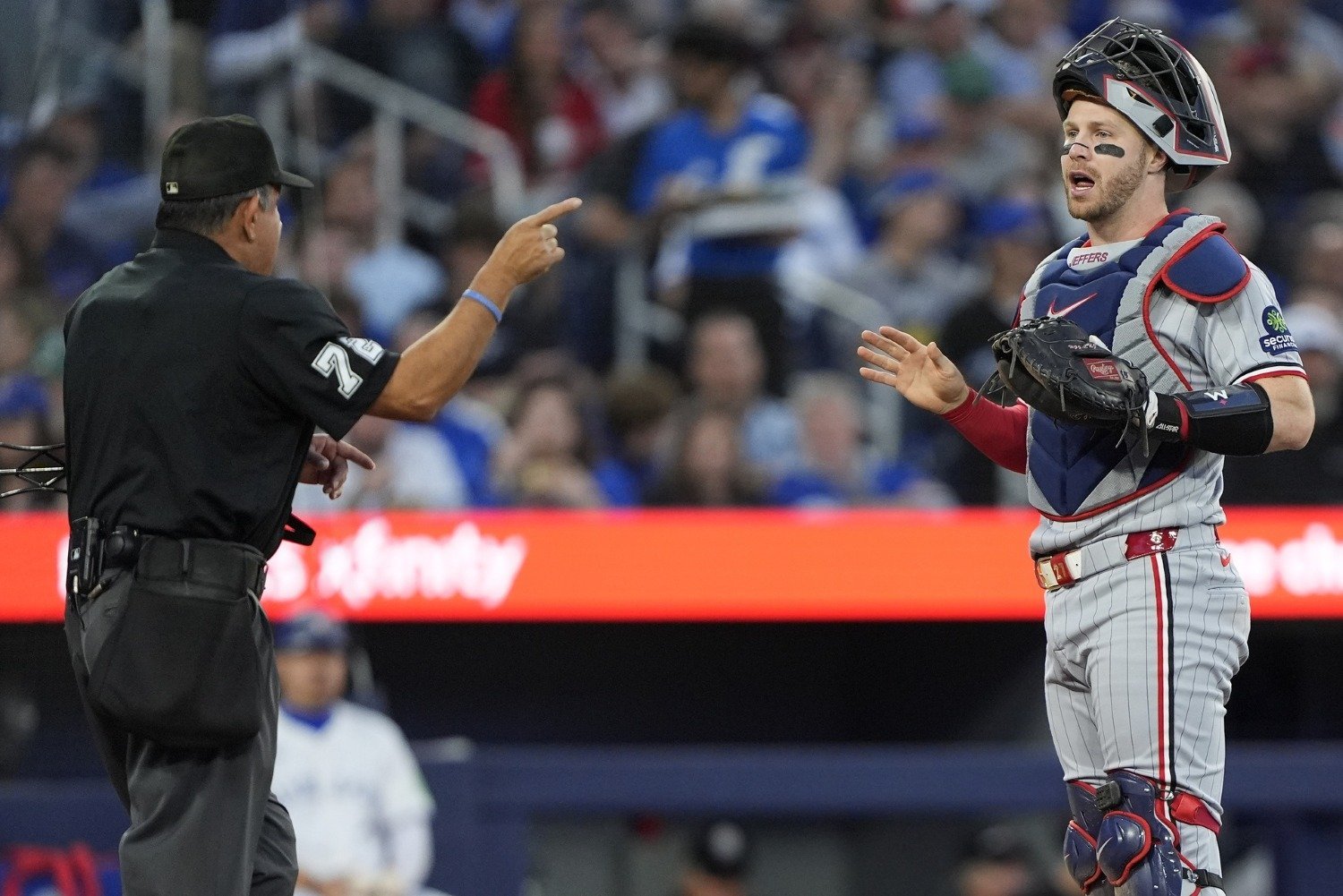 The Minnesota Twins are heading to one of baseball’s most recognizable settings this week, but the distinctive site will come with a rule change that could have a bigger impact on them than their opponent. The Twins will face the Philadelphia Phillies on Thursday night at the Field of Dreams site in Dyersville, Iowa. The matchup brings plenty of attention because of the unique venue, but Minnesota will also have to adjust to playing without one of the tools it has leaned on throughout the 2026 season. Major League Baseball’s Automated Ball-Strike system will not be available for the game. That means neither team will have the opportunity to challenge ball-and-strike calls, creating a significant departure from the way games have been played throughout the regular season. For the Twins, that is more than just an interesting wrinkle. Minnesota has been one of the most aggressive teams in baseball when it comes to using the ABS challenge system. The Twins have frequently relied on their ability to challenge borderline pitches, both at the plate and behind it, to turn questionable calls into favorable ones. In fact, FanGraphs crunched the numbers and the Twins have benefited more than any other team when it comes to ABS. On the offensive side, the Twins have made 143 challenges this season, the second-most in baseball behind only the New York Mets. Luke Keaschall leads the team with 12 challenges won, but he’s also been wrong 13 times (48.0 Won%). Austin Martin is second on the team with 10 challenges won in 19 attempts (53 Won%). Trevor Larnach has only challenged 12 pitches, but his 4.4 overturns versus expected leads the team. On defense, Minnesota has been even more active. The Twins lead MLB with 189 challenges from the field and have won 115 of those challenges. Victor Caratini ranks third in baseball with 61 challenges on the defensive side with a 65.0 Won%. He also ranks fifth overall in overturns versus expected (12.6). Ryan Jeffers has gone 38-for-63 in challenges for a 60.0 Won%. That makes Thursday’s game a particularly interesting adjustment for Minnesota. Instead, Minnesota will have to live with borderline calls. That could put additional emphasis on the way the Twins approach the strike zone throughout the game. Pitchers will need to understand that they might not get a call overturned if a borderline pitch goes against them, while hitters will need to be even more disciplined when dealing with pitches near the edges of the zone. Interestingly, the Phillies aren't nearly as dependent on the challenge system. Philadelphia entered Sunday with the fewest catcher-initiated challenges in baseball at 96. J.T. Realmuto has gone 41-for-59 (69.0 Won%) and Rafael Marchan has gone 18-for-33 (55 Won%). The Phillies have also been highly successful when they do decide to challenge, ranking second in the majors in overturn rate. So, while both teams will be playing without ABS, the change could represent a much bigger adjustment for Minnesota. There is also an element of unpredictability that comes with playing at the Field of Dreams site. This isn't a typical regular-season environment, and the absence of ABS adds another variable to a game that already comes with plenty of them. MLB is giving both teams an extra position player for the contest, adding to another rule change to the game. For the Twins, though, the biggest adjustment might happen before the first pitch. They have spent an entire season taking advantage of the ABS system. Now, they'll have to play a game without it. That doesn't necessarily mean the lack of challenges will decide the outcome. But considering how frequently Minnesota has used the system (and how successful the Twins have been when doing so) it is a wrinkle worth watching closely. At a venue built around nostalgia, the Twins will get a brief return to baseball without one of the more modern additions to the game. And for a team that has embraced ABS more than almost anyone, that could make Thursday night's matchup a little more challenging (pun intended) than expected. Should Twins fans worry about there being no ABS for one game? Leave a comment and start the discussion.
 -
Image courtesy of © Matt Marton-Imagn Images The Minnesota Twins are in a tricky position as they try to remain on the fringes of the American League playoff race. Every roster decision carries additional weight, especially when it involves a young pitcher who could help the team in multiple roles. Zebby Matthews currently occupies one of the five spots in Minnesota's starting rotation. But there is a growing argument that his best opportunity to help the Twins down the stretch might come in the bullpen. The question isn't necessarily whether Matthews can move to the bullpen. The Twins could make that decision at any point. The bigger question is whether they should make it now. His body might be starting to provide the answer. Matthews Can't Escape His Foot Problems Matthews' ongoing foot issues continue to complicate his season, and there doesn't appear to be an easy solution. After taking the mound to warm up for the sixth inning on Friday, Matthews exited his start when the blister on his right foot began bleeding. It was the same issue that ended his July 4 outing at Yankee Stadium. "That mound in New York was rock-hard because of how hot it was, and he ripped it open," Derek Shelton said. "We're trying to laser it to get it to the point where it's manageable. It's manageable, but the wear and tear of multiple pitches rips it off." The Twins have attempted to find solutions. Matthews is wearing a pitching toe, an application designed to protect the shoe from wearing through as he drags his foot across the dirt. Unfortunately, the problem keeps returning. Matthews summed up his frustration simply: "We keep covering it, and it keeps ripping." That is a difficult problem for a starting pitcher. Matthews has to take the mound every fifth day, leaving very little time for the injury to heal completely. Instead, he has been forced to pitch through it and hope he can make it through his outing. At some point, the Twins have to consider whether repeatedly asking him to pitch every fifth day is doing more harm than good. When Can the Twins Make the Move? The good news for Minnesota is that there are several paths to moving Matthews into the bullpen. The simplest could come when Joe Ryan returns from his glute strain. Ryan's return could open the door for Matthews to transition into a relief role without forcing the Twins to completely reshape their rotation. There are no guarantees Ryan, who reportedly played catch on flat ground earlier this week, will immediately be ready to take on a full workload, but his return would give Minnesota another established starting option. There are other possibilities, too. Minnesota could use Matthews and Connor Prielipp in a piggyback arrangement. One pitcher could handle the first few innings before handing the ball to the other, allowing the Twins to manage both workloads while reducing the pressure on Matthews to consistently complete five or six innings. The Twins could also simply decide that Matthews' stuff plays better in shorter bursts and move him into a traditional relief role. From a roster standpoint, the Twins have options. When Should the Twins Make the Move? This is where things get more complicated. Matthews' arsenal makes a bullpen transition intriguing even without the foot problems. He has been significantly better the first time through a lineup, allowing a .780 OPS, compared to a .854 OPS the second time batters see him. That's not unusual for a young starting pitcher, but it highlights why his stuff could become more dangerous in a relief role. He also has the type of fastball that could benefit from a little extra velocity. Matthews' four-seam fastball averages 95.2 mph. If a move to the bullpen allows him to push that number higher, even by a couple of ticks, it could make his entire arsenal more effective. That could be especially important considering he's allowed a .505 slugging percentage this season. His slider provides another reason to be intrigued. Matthews throws the pitch more than 20% of the time, and it has produced a 34.5% whiff rate. That's the kind of pitch that could become a major weapon when Matthews doesn't have to worry about conserving it for a longer outing. He has used six pitches this season. As a starter, that versatility is valuable. As a reliever, it might be unnecessary. The Twins could ask Matthews to simplify his approach. Throw his best fastball. Throw his best slider. Mix in whatever else is necessary. Attack hitters knowing he doesn't have to face the same lineup three times. That could turn Matthews into a very different pitcher. And potentially a very effective one. Is It Already Too Late? This is where the playoff race enters the equation. The Twins aren't in a position where they can casually sacrifice innings. Every game matters, and the rotation still needs dependable arms. If Ryan returns healthy, the decision becomes easier. If Ryan isn't ready, Minnesota may need Matthews to remain stretched out. If Ryan struggles after returning, the Twins might also decide they can't afford to remove another starting option from the rotation. But the foot injury changes the equation. If Matthews continues to rip open the same injury every time he takes the mound, the Twins need to ask whether keeping him in the rotation is actually helping the team. There is little value in having Matthews available as a starter if he can't consistently get through his outings. A healthy Matthews throwing two or three high-quality innings out of the bullpen could ultimately provide more value than an injured Matthews trying to grind through five innings every fifth day. That might be the most important consideration of all. Minnesota has already had to ask a lot from Matthews this season because of its pitching injuries. Now, with the playoff race tightening and his foot refusing to cooperate, the Twins need to determine whether continuing to use him as a starter is the best for the player and the team. With Matthews scheduled to start today's series finale against Baltimore, we may have a clearer idea of the best path forward. When should the Twins move Zebby Matthews to the bullpen? Is it already too late? Leave a comment and start the discussion. View full article
-
Zebby Matthews’ Foot Injury Could Force Twins Into a Bullpen Decision
Cody Christie posted an article in Twins
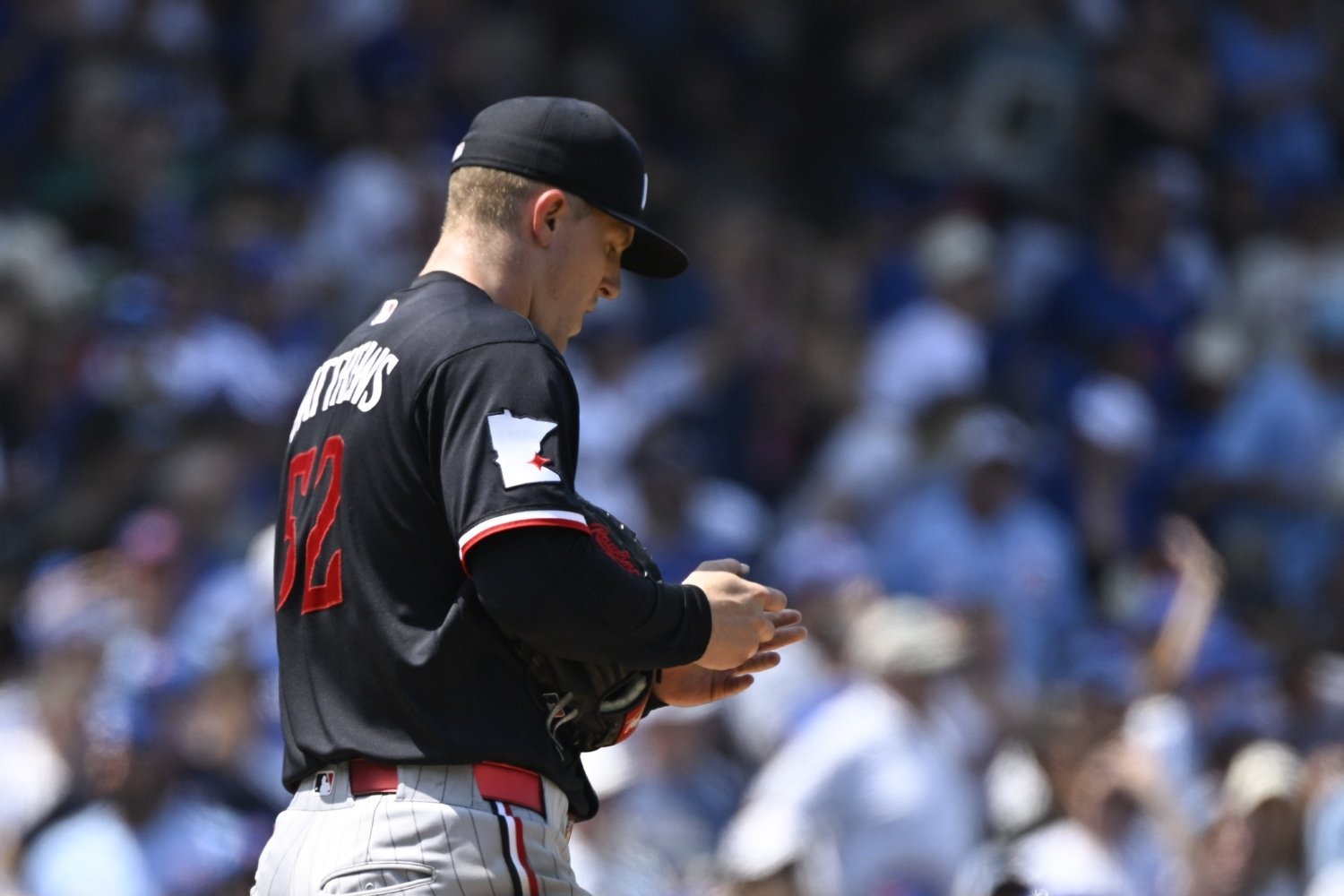 The Minnesota Twins are in a tricky position as they try to remain on the fringes of the American League playoff race. Every roster decision carries additional weight, especially when it involves a young pitcher who could help the team in multiple roles. Zebby Matthews currently occupies one of the five spots in Minnesota's starting rotation. But there is a growing argument that his best opportunity to help the Twins down the stretch might come in the bullpen. The question isn't necessarily whether Matthews can move to the bullpen. The Twins could make that decision at any point. The bigger question is whether they should make it now. His body might be starting to provide the answer. Matthews Can't Escape His Foot Problems Matthews' ongoing foot issues continue to complicate his season, and there doesn't appear to be an easy solution. After taking the mound to warm up for the sixth inning on Friday, Matthews exited his start when the blister on his right foot began bleeding. It was the same issue that ended his July 4 outing at Yankee Stadium. "That mound in New York was rock-hard because of how hot it was, and he ripped it open," Derek Shelton said. "We're trying to laser it to get it to the point where it's manageable. It's manageable, but the wear and tear of multiple pitches rips it off." The Twins have attempted to find solutions. Matthews is wearing a pitching toe, an application designed to protect the shoe from wearing through as he drags his foot across the dirt. Unfortunately, the problem keeps returning. Matthews summed up his frustration simply: "We keep covering it, and it keeps ripping." That is a difficult problem for a starting pitcher. Matthews has to take the mound every fifth day, leaving very little time for the injury to heal completely. Instead, he has been forced to pitch through it and hope he can make it through his outing. At some point, the Twins have to consider whether repeatedly asking him to pitch every fifth day is doing more harm than good. When Can the Twins Make the Move? The good news for Minnesota is that there are several paths to moving Matthews into the bullpen. The simplest could come when Joe Ryan returns from his glute strain. Ryan's return could open the door for Matthews to transition into a relief role without forcing the Twins to completely reshape their rotation. There are no guarantees Ryan, who reportedly played catch on flat ground earlier this week, will immediately be ready to take on a full workload, but his return would give Minnesota another established starting option. There are other possibilities, too. Minnesota could use Matthews and Connor Prielipp in a piggyback arrangement. One pitcher could handle the first few innings before handing the ball to the other, allowing the Twins to manage both workloads while reducing the pressure on Matthews to consistently complete five or six innings. The Twins could also simply decide that Matthews' stuff plays better in shorter bursts and move him into a traditional relief role. From a roster standpoint, the Twins have options. When Should the Twins Make the Move? This is where things get more complicated. Matthews' arsenal makes a bullpen transition intriguing even without the foot problems. He has been significantly better the first time through a lineup, allowing a .780 OPS, compared to a .854 OPS the second time batters see him. That's not unusual for a young starting pitcher, but it highlights why his stuff could become more dangerous in a relief role. He also has the type of fastball that could benefit from a little extra velocity. Matthews' four-seam fastball averages 95.2 mph. If a move to the bullpen allows him to push that number higher, even by a couple of ticks, it could make his entire arsenal more effective. That could be especially important considering he's allowed a .505 slugging percentage this season. His slider provides another reason to be intrigued. Matthews throws the pitch more than 20% of the time, and it has produced a 34.5% whiff rate. That's the kind of pitch that could become a major weapon when Matthews doesn't have to worry about conserving it for a longer outing. He has used six pitches this season. As a starter, that versatility is valuable. As a reliever, it might be unnecessary. The Twins could ask Matthews to simplify his approach. Throw his best fastball. Throw his best slider. Mix in whatever else is necessary. Attack hitters knowing he doesn't have to face the same lineup three times. That could turn Matthews into a very different pitcher. And potentially a very effective one. Is It Already Too Late? This is where the playoff race enters the equation. The Twins aren't in a position where they can casually sacrifice innings. Every game matters, and the rotation still needs dependable arms. If Ryan returns healthy, the decision becomes easier. If Ryan isn't ready, Minnesota may need Matthews to remain stretched out. If Ryan struggles after returning, the Twins might also decide they can't afford to remove another starting option from the rotation. But the foot injury changes the equation. If Matthews continues to rip open the same injury every time he takes the mound, the Twins need to ask whether keeping him in the rotation is actually helping the team. There is little value in having Matthews available as a starter if he can't consistently get through his outings. A healthy Matthews throwing two or three high-quality innings out of the bullpen could ultimately provide more value than an injured Matthews trying to grind through five innings every fifth day. That might be the most important consideration of all. Minnesota has already had to ask a lot from Matthews this season because of its pitching injuries. Now, with the playoff race tightening and his foot refusing to cooperate, the Twins need to determine whether continuing to use him as a starter is the best for the player and the team. With Matthews scheduled to start today's series finale against Baltimore, we may have a clearer idea of the best path forward. When should the Twins move Zebby Matthews to the bullpen? Is it already too late? Leave a comment and start the discussion.
 -
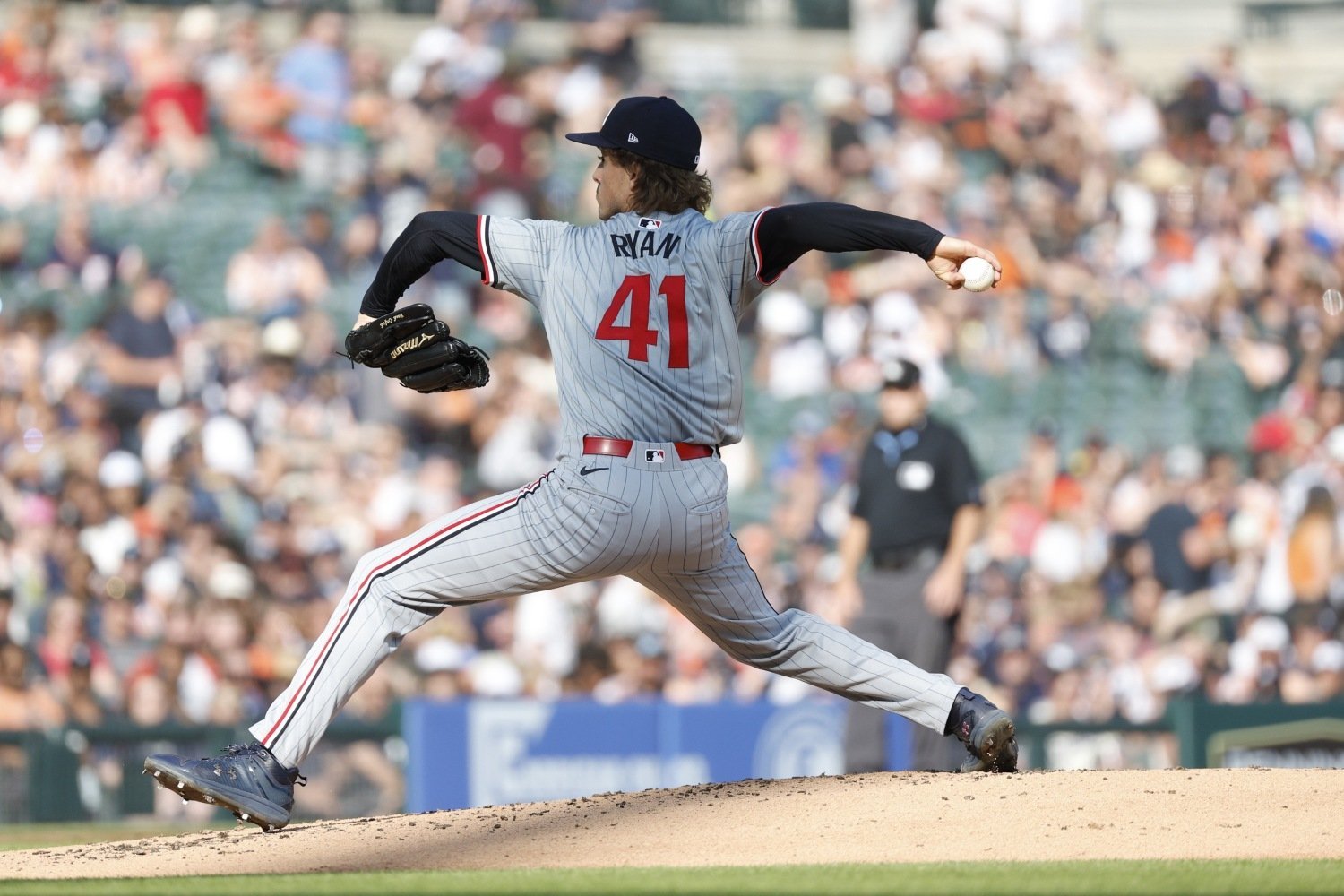 The Minnesota Twins received an encouraging update on Joe Ryan’s recovery Monday, but there is still plenty of work to be done before their All-Star right-hander is ready to return to the mound. Ryan, who is on the injured list with a mild left glute strain, played catch on flat ground Monday. It was a small step, but it was an important one for a pitcher who has been dealing with physical issues that have impacted both his mechanics and his results since the All-Star break. Twins manager Derek Shelton said Ryan’s throwing session was a positive development. “I had a brief but very good conversation with him,” Shelton said. “I think we’re going to just have to see how it continues to progress. But the fact that he’s out there throwing is a very encouraging sign. It was flat ground, but he was still playing catch.” Ryan is not eligible to return from the injured list until August 20, but the Twins don't appear interested in treating that date as a target. Instead, the organization wants to see how Ryan responds as he progresses through his throwing program. Twins general manager Jeremy Zoll echoed Shelton’s optimism while emphasizing the importance of taking a measured approach. “We want to make sure we don't try to push him along, and end up on this spiral or hamster wheel,” Zoll said. “We're trying to thread the needle on not having him down too long, so it doesn't require too long of a buildup (to return). But we also want to make sure everything is resolved.” That last part is especially important. Ryan hasn't simply been dealing with the glute strain. He has also experienced tightness in his back, and the combination disrupted his mechanics. Once those mechanics became compromised, his performance took a significant downturn. Ryan went 0-3 with a 9.39 ERA across three starts following the All-Star break before landing on the injured list. The Twins don't want to see him return simply because he is technically healthy enough to pitch. They need him to feel like himself again. “We have to start with that to make sure he feels like that's resolved before being able to progress,” Zoll said. “Obviously these things work all in conjunction. If you feel off physically, it can impact you mechanically and performance-wise. ... First and foremost, we want to get him feeling symptom free to be able to progress.” That approach makes sense for a pitcher Minnesota cannot afford to get wrong. Ryan is one of the most important pieces of the Twins' rotation, and his importance only increases as the club tries to remain in the American League playoff picture. Minnesota has already made additions to its pitching staff, but replacing a healthy version of Ryan over the long term is not something the organization can realistically expect to do. The good news is that Monday's throwing session represents progress. The bad news is that it is only one step. Ryan still needs to progress to throwing off a mound, build his workload back up and demonstrate that the physical issues that disrupted his mechanics have been resolved. The Twins will need to balance urgency with patience, particularly with the season entering its most important stretch. If the Twins are going to stay in the playoff hunt, they need their All-Star starter back. More importantly, they need him back healthy and pitching like the version of Joe Ryan they know he can be. Monday provided a reason for optimism, but the next few weeks will determine whether that optimism turns into a meaningful return.
 -
The Minnesota Twins received an encouraging update on Joe Ryan’s recovery Monday, but there is still plenty of work to be done before their All-Star right-hander is ready to return to the mound. Ryan, who is on the injured list with a mild left glute strain, played catch on flat ground Monday. It was a small step, but it was an important one for a pitcher who has been dealing with physical issues that have impacted both his mechanics and his results since the All-Star break. Twins manager Derek Shelton said Ryan’s throwing session was a positive development. “I had a brief but very good conversation with him,” Shelton said. “I think we’re going to just have to see how it continues to progress. But the fact that he’s out there throwing is a very encouraging sign. It was flat ground, but he was still playing catch.” Ryan is not eligible to return from the injured list until August 20, but the Twins don't appear interested in treating that date as a target. Instead, the organization wants to see how Ryan responds as he progresses through his throwing program. Twins general manager Jeremy Zoll echoed Shelton’s optimism while emphasizing the importance of taking a measured approach. “We want to make sure we don't try to push him along, and end up on this spiral or hamster wheel,” Zoll said. “We're trying to thread the needle on not having him down too long, so it doesn't require too long of a buildup (to return). But we also want to make sure everything is resolved.” That last part is especially important. Ryan hasn't simply been dealing with the glute strain. He has also experienced tightness in his back, and the combination disrupted his mechanics. Once those mechanics became compromised, his performance took a significant downturn. Ryan went 0-3 with a 9.39 ERA across three starts following the All-Star break before landing on the injured list. The Twins don't want to see him return simply because he is technically healthy enough to pitch. They need him to feel like himself again. “We have to start with that to make sure he feels like that's resolved before being able to progress,” Zoll said. “Obviously these things work all in conjunction. If you feel off physically, it can impact you mechanically and performance-wise. ... First and foremost, we want to get him feeling symptom free to be able to progress.” That approach makes sense for a pitcher Minnesota cannot afford to get wrong. Ryan is one of the most important pieces of the Twins' rotation, and his importance only increases as the club tries to remain in the American League playoff picture. Minnesota has already made additions to its pitching staff, but replacing a healthy version of Ryan over the long term is not something the organization can realistically expect to do. The good news is that Monday's throwing session represents progress. The bad news is that it is only one step. Ryan still needs to progress to throwing off a mound, build his workload back up and demonstrate that the physical issues that disrupted his mechanics have been resolved. The Twins will need to balance urgency with patience, particularly with the season entering its most important stretch. If the Twins are going to stay in the playoff hunt, they need their All-Star starter back. More importantly, they need him back healthy and pitching like the version of Joe Ryan they know he can be. Monday provided a reason for optimism, but the next few weeks will determine whether that optimism turns into a meaningful return. View full rumor
-
Here are the ways to watch the Saints tonight in their Field of Dreams game.
-
Minnesota's New Bullpen Hierarchy: Where All the New Pieces Fit
Cody Christie posted an article in Twins
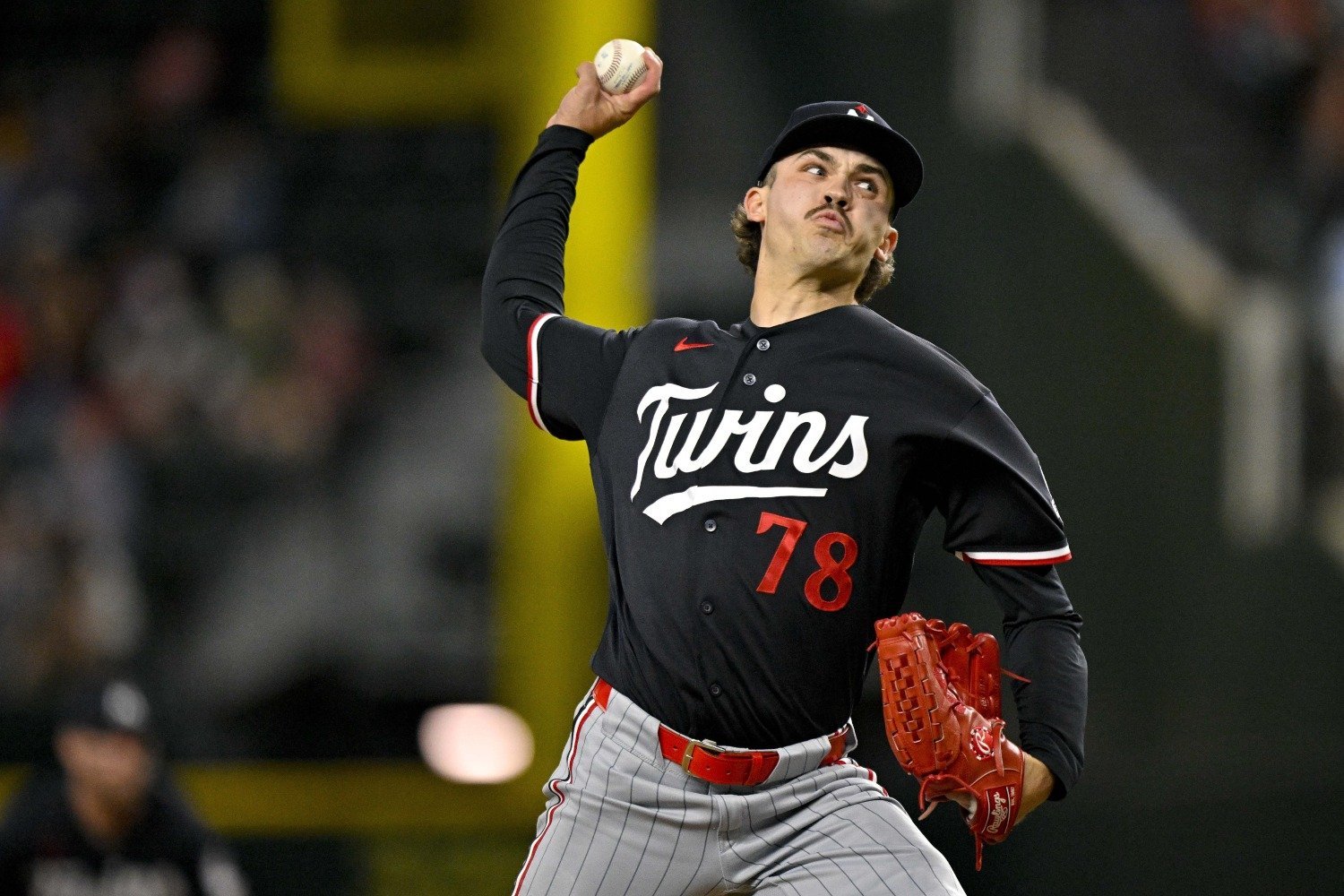 A few weeks ago, the Twins' bullpen looked like one of the biggest obstacles standing between them and a postseason berth. The front office recognized that reality and addressed it aggressively, adding three veteran relievers to reshape a unit that had carried too much uncertainty throughout the first half. The result is a bullpen that barely resembles the group Minnesota broke camp with in March. Jeff Hoffman, A.J. Minter, and Tommy Nance have joined a relief corps that already featured breakout closer Yoendrys Gómez and emerging right-hander Andrew Morris. Instead of searching for answers every night, manager Derek Shelton now has multiple ways to navigate the game's biggest moments. If Minnesota is going to stay in the playoff race over the final two months, this bullpen has to become one of the club's biggest strengths. Closer: Yoendrys Gómez Gómez earned the right to keep the ninth inning. After arriving in Minnesota, the Twins made subtle mechanical adjustments that unlocked another level for the right-hander. He rewarded them with a 1.93 ERA while stabilizing a bullpen that desperately needed someone capable of finishing games. His 21.0% strikeout rate and 11.4% walk rate aren't overwhelming, but he consistently made the biggest pitches when the Twins needed them. There are still reasons to wonder how sustainable his production will be. Gómez owns a 4.50 FIP, a 5.24 expected ERA, and opponents have produced a 43.5% hard-hit rate against him. Those numbers suggest he's benefited from some favorable outcomes. That doesn't mean Minnesota should make a change. Closers are often as much about confidence as pure stuff, and Gómez has earned that confidence. If regression comes, the Twins now have another elite option waiting in the wings. Until then, Gómez should continue handling the ninth. Back-Up Closer: Andrew Morris Ironically, the deadline additions may have created an even better role for Morris. Instead of asking him to handle traditional setup duties every night, the Twins can now use him as a versatile weapon capable of entering whenever the game begins to tilt. If a starter exits early, Morris can finish an inning. If the biggest rally comes in the sixth, he can erase it before handing the game to Hoffman or Gomez. That flexibility should only increase his value. Long term, Morris still looks like a potential closer. For now, though, this role allows him to impact games without the pressure of owning one specific inning. It could become the perfect bridge toward eventually handling the ninth himself. Left-Handed Fireman: A.J. Minter Minnesota spent much of the first half searching for a dependable left-handed reliever capable of neutralizing the opposition's biggest bats. Minter checks every box. He arrived from the Mets with a 2.35 ERA over 23 innings, although his 4.01 FIP suggests some regression could follow. Even so, his track record speaks for itself. Left-handed hitters own just a .614 OPS against him during his career, and he has struck out 30.3% of the lefties he's faced. That makes him an ideal fireman. Rather than saving him for a predetermined inning, Minter can be deployed whenever an opponent's toughest left-handed hitters threaten to swing the game. Whether that's escaping a seventh-inning jam or protecting a one-run lead in the eighth, Minter gives Minnesota a matchup weapon it simply didn't possess earlier this season. Right-Handed Fireman: Jeff Hoffman The trade deadline gave Minnesota exactly what every contender wants: another pitcher capable of getting the game's biggest outs. Hoffman's ERA with Toronto over the last two seasons sits north of 4.00, but the underlying metrics paint a completely different picture. His 3.33 expected ERA and .211 expected batting average suggest he has pitched much better than the traditional numbers indicate. Even more impressive is how dominant his arsenal remains. His Chase Rate, Whiff Rate, and strikeout rate all rank among the top two percent of pitchers in baseball. Few relievers miss bats at his level. Keeping Gómez in the closer's role could actually maximize Hoffman's value. Instead of waiting for save situations, Shelton can deploy Hoffman whenever the heart of the opposing lineup is due up. Whether that's the seventh, eighth, or ninth inning becomes irrelevant if he's facing the most dangerous hitters. In Friday's victory, Hoffman faced the heart of the order in the seventh leaving the final two innings for Morris and Gomez. That's often how playoff bullpens operate. Middle-Inning Options: Tommy Nance, Travis Adams, Kody Funderburk, Taylor Rogers Nance technically qualifies as one of Minnesota's deadline additions, even though his acquisition came before the deadline frenzy began. He's not in the same class as Hoffman or Minter, but he doesn't have to be. His job is providing quality innings and protecting the late-inning trio from overuse. That's something the Twins lacked for much of the season. The supporting cast has also started trending in the right direction. Adams, Funderburk, and Rogers all found another gear during July after inconsistent first halves. Their improvements coincided with the bullpen's turnaround. Since July 1, Minnesota ranks 10th in Major League Baseball in bullpen ERA and ninth in Win Probability Added, evidence that the entire relief corps has begun pitching at a much higher level. Reinforcements: Zebby Matthews, Connor Prielipp, Kendry Rojas The bullpen may not be finished evolving. Matthews, Prielipp, and Rojas all remain part of Minnesota's starting pitching depth, but September often changes priorities. As innings become more valuable and workloads begin to mount, converting one or more of those arms into relief roles could make plenty of sense. We've seen contenders follow that blueprint before. Power stuff often plays even better in one- or two-inning bursts, and all three pitchers have the type of arsenal that could immediately translate to high-leverage relief work. If the Twins reach October, don't be surprised if at least one member of this group becomes another important bullpen piece. A Bullpen Built for the Stretch Run Minnesota didn't just add talent at the trade deadline—it added structure. Gomez remains the closer. Hoffman and Minter give Shelton two legitimate firemen capable of putting out rallies before they become game-changing. Morris can float wherever he's needed most, while Nance and the rest of the middle relief group provide the depth that was missing for much of the first half. No bullpen is ever finished. Injuries happen, workloads pile up, and September always introduces new wrinkles. But compared to the group that left Fort Myers in March, this version is deeper, more experienced, and significantly better equipped for meaningful baseball. If the Twins are still playing in October, this bullpen makeover will be one of the biggest reasons why. What stands out about the new bullpen hierarchy? Leave a comment and start the discussion.
- 42 comments
-
- 9
-

-
- yoendrys gomez
- andrew morris
- (and 8 more)
-
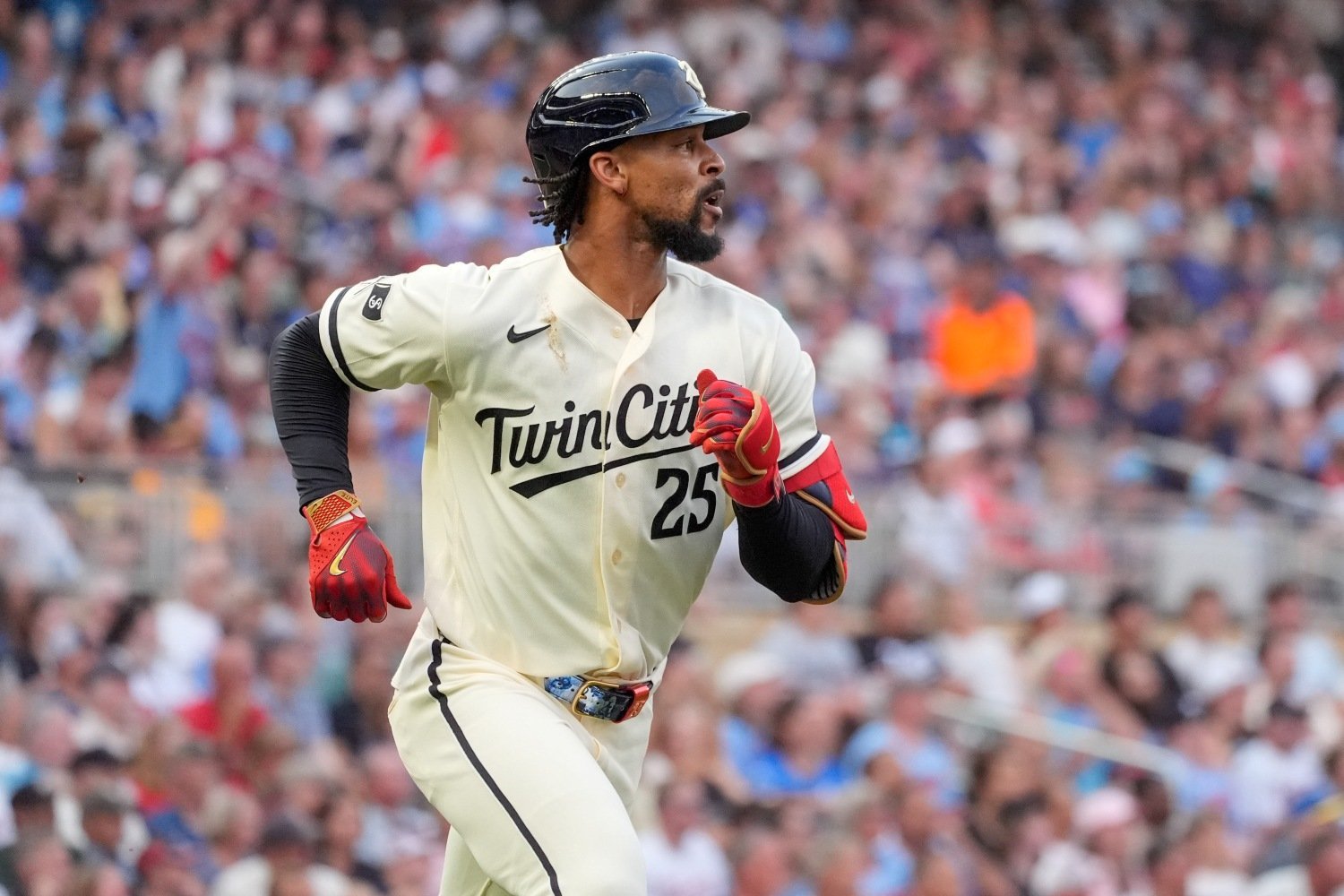 Byron Buxton is getting closer to a return, and the Minnesota Twins could have their star back in the lineup before the end of the week. Buxton made meaningful progress Monday as he works his way back from a right hip impingement. Before the Twins faced the Orioles, he took batting practice on the field for the first time since landing on the injured list. He also ran the bases, giving the team another opportunity to see how his hip responds to baseball activities. The next checkpoint comes Tuesday. If Buxton arrives at the ballpark feeling good after Monday's workload, there may not be much left for him to accomplish before returning to the active roster. The Twins do not currently expect him to need a Minor League rehab assignment. "The plan is to see how he comes in tomorrow,” said general manager Jeremy Zoll. “We're just trying to get a sense of how he's recovering from all of the activities, and then hopeful for activation within the next few days." Running Is the Biggest Test Buxton wasn't pushing himself to full speed during Monday's running work, but he did make his way around all three bases. The goal was less about testing his top-end speed and more about seeing how the hip responded to the various movements required during a game. That includes something as simple as slowing down or coming to a stop. Buxton said he has been paying particular attention to those movements because they were among the actions that caused problems when the hip issue first surfaced in May. Being able to run without discomfort will be one of the biggest indicators that he's ready to return. He took time off around the All-Star break to rest the injury, but it didn't work.The Twins placed Buxton on the injured list again after the issue resurfaced. This time, he received an injection in the joint and stepped away from all baseball activities for more than a week. That extended shutdown was designed to give the injury a chance to settle down rather than having Buxton immediately try to play through it again. Both the player and organization are hoping the additional recovery time will allow him to return at full strength for the remainder of the season. Twins Need His Bat Minnesota's offense has had difficulty putting together consistent production during the second half of the season. The Twins have needed more length throughout the lineup, and there are few additions that could provide a bigger boost than getting Buxton back. The timing of his potential return is still somewhat up in the air. The Twins are scheduled to participate in the Field of Dreams game Thursday, which would make for a memorable setting for Buxton's return. However, bringing him back for that game could mean pushing the timeline more than necessary. If he responds well to Tuesday's workout and continues progressing without any setbacks, a return sometime this weekend appears to be a more realistic possibility. For now, the Twins are simply waiting to see how Buxton's body responds. Monday represented a significant step forward. Tuesday could determine just how many steps remain.
 -
Byron Buxton is getting closer to a return, and the Minnesota Twins could have their star back in the lineup before the end of the week. Buxton made meaningful progress Monday as he works his way back from a right hip impingement. Before the Twins faced the Orioles, he took batting practice on the field for the first time since landing on the injured list. He also ran the bases, giving the team another opportunity to see how his hip responds to baseball activities. The next checkpoint comes Tuesday. If Buxton arrives at the ballpark feeling good after Monday's workload, there may not be much left for him to accomplish before returning to the active roster. The Twins do not currently expect him to need a Minor League rehab assignment. "The plan is to see how he comes in tomorrow,” said general manager Jeremy Zoll. “We're just trying to get a sense of how he's recovering from all of the activities, and then hopeful for activation within the next few days." Running Is the Biggest Test Buxton wasn't pushing himself to full speed during Monday's running work, but he did make his way around all three bases. The goal was less about testing his top-end speed and more about seeing how the hip responded to the various movements required during a game. That includes something as simple as slowing down or coming to a stop. Buxton said he has been paying particular attention to those movements because they were among the actions that caused problems when the hip issue first surfaced in May. Being able to run without discomfort will be one of the biggest indicators that he's ready to return. He took time off around the All-Star break to rest the injury, but it didn't work.The Twins placed Buxton on the injured list again after the issue resurfaced. This time, he received an injection in the joint and stepped away from all baseball activities for more than a week. That extended shutdown was designed to give the injury a chance to settle down rather than having Buxton immediately try to play through it again. Both the player and organization are hoping the additional recovery time will allow him to return at full strength for the remainder of the season. Twins Need His Bat Minnesota's offense has had difficulty putting together consistent production during the second half of the season. The Twins have needed more length throughout the lineup, and there are few additions that could provide a bigger boost than getting Buxton back. The timing of his potential return is still somewhat up in the air. The Twins are scheduled to participate in the Field of Dreams game Thursday, which would make for a memorable setting for Buxton's return. However, bringing him back for that game could mean pushing the timeline more than necessary. If he responds well to Tuesday's workout and continues progressing without any setbacks, a return sometime this weekend appears to be a more realistic possibility. For now, the Twins are simply waiting to see how Buxton's body responds. Monday represented a significant step forward. Tuesday could determine just how many steps remain. View full rumor
-
Image courtesy of Rob Thompson, St. Paul Saints The minor league season is entering its final few weeks, and the clock is ticking for the Minnesota Twins. With September approaching, the organization will soon have to determine which prospects have done enough to earn a promotion or potentially contribute at the big-league level. The timing is especially important with questions remaining on the Twins' roster. A strong finish won't guarantee a call-up, but it can certainly change the conversation as Minnesota looks toward the final weeks of the season and beyond. Here's a look at three Twins prospects who are hitting the hot button at the right time. RHP Ryan Gallagher – St. Paul Saints How He Got Here: Gallagher had originally put himself on the prospect map at Santa Barbara, where he earned Big West Conference Freshman of the Year honors in 2022. His sophomore season never happened, however, as Tommy John surgery forced him to miss the entire campaign. Gallagher returned stronger than ever. He posted a 2.22 ERA while leading all Division I pitchers with a remarkable 0.84 WHIP. That performance was enough for the Cubs to select him in the sixth round of the 2024 MLB Draft. He earned a promotion from High-A to Double-A during his first full professional season before the Cubs included him in the deal that sent Willi Castro to Chicago. Gallagher finished the 2025 season with Double-A Wichita and continued working his way through the Twins' system in 2026. Hitting the Hot Button: Gallagher delivered one of his best starts of the season Wednesday against Louisville. He allowed just one run on three hits over six innings, walking one batter while striking out a season-high nine. It was the type of outing that shows why the Twins remain intrigued by his potential. The transition to Triple-A hasn't been easy. After earning a promotion at the end of April, Gallagher posted a 7.44 ERA while allowing opponents to produce a .944 OPS across his first 13 appearances at the level. Those numbers weren't exactly screaming for another promotion. Lately, though, things have started to click. Over his last four starts, Gallagher owns a 2.49 ERA while holding opponents to a .578 OPS. The strikeout-heavy performance against Louisville is another encouraging sign that the right-hander is beginning to find his footing against more advanced hitters. There is still work to do, but Gallagher's recent stretch is exactly what the Twins want to see from a young pitcher adjusting to Triple-A. OF Walker Jenkins – St. Paul Saints How He Got Here: There aren't many prospects in the Twins organization who have generated as much excitement (or frustration over missed time) as Jenkins. Minnesota selected the North Carolina high school product fifth overall in the 2023 MLB Draft. He is currently Twins Daily’s No. 1 prospect and a consensus top-20 prospect overall in baseball. When Jenkins has been on the field, he's largely looked the part. During his age-21 season, he reached Triple-A and owns a career .863 OPS in the minor leagues. The biggest obstacle has been keeping him on the field. Even with those interruptions, Jenkins still produced at the upper levels of the organization. Last season, he posted a 135 wRC+, ranking third among Twins minor leaguers with at least 350 plate appearances. Hitting the Hot Button: Now Jenkins is healthy, and he's starting to look like the prospect Twins fans have been waiting to see. Jenkins played in six games for St. Paul last week, going 10-for-28 (.357) with a double, a triple, two home runs, and two RBI. He also recorded his first professional two-homer game Thursday against Louisville. That performance came during an impressive stretch since his return from injury on June 23. Over 32 games during that span, Jenkins is hitting .297/.357/.516 with 17 extra-base hits. That's a .873 OPS while facing the most advanced pitching he's encountered in the minor leagues. The power is showing up. The extra-base hits are piling up. Most importantly, Jenkins is getting consistent playing time. He should be in a Twins uniform in the coming weeks. RHP Merit Jones – Fort Myers Mighty Mussels/Cedar Rapids Kernels How He Got Here: Jones took a considerably different route to the Twins organization. Minnesota selected the right-hander in the 14th round of the 2025 MLB Draft out of the University of Utah. His collegiate numbers weren't particularly eye-popping, as he finished his three seasons with a 6.73 ERA and 1.72 WHIP. But there were signs of something more. Jones played in the MLB Draft League during the summer he was drafted and posted a 2.14 ERA with a 0.81 WHIP over 21 innings. Minnesota sent Jones to Fort Myers to begin the 2026 season. He has since turned that opportunity into one of the more impressive pitching performances in the organization's lower levels. Hitting the Hot Button: Jones was named the Florida State League Pitcher of the Month for July. He posted a ridiculous 0.73 ERA with 30 strikeouts over 24 2/3 innings. Across six appearances, including three starts, Jones went 3-0 while allowing just two earned runs. He led the league in innings pitched, ERA, and wins. He also ranked second in strikeouts and strikeouts per nine innings, posting a 10.95 K/9. And the scoreless streak was even more impressive. Jones didn't allow an earned run during his final four appearances of the month, covering 18 innings. During that stretch, he went 16 consecutive innings without allowing any run, earned or unearned. Jones continued the run into August. Including his August 2 outing, he went 19 innings between earned runs allowed, the fourth-longest streak in modern franchise history. For a 14th-round pick who entered the season with plenty to prove, that's quite a way to introduce yourself. The Twins will have to make some decisions soon. The minor league season is winding down, and there are only so many games remaining for prospects to continue building their cases. Gallagher is showing that he can handle the challenges of Triple-A after a difficult introduction to the level. Jones has been one of the most dominant pitchers in the lower levels of the organization. Then there's Jenkins. He might be the most important prospect in the entire organization, and his recent performance suggests that his next challenge should come at Target Field rather than CHS Field. Jenkins has already demonstrated that he can hit. Now he's demonstrating that he can stay on the field and produce consistently. The Twins may not need to wait much longer. When will Walker Jenkins make his big-league debut? Leave a comment and start the discussion. View full article
-
Twins Prospect Hot Sheet: Walker Jenkins’ Imminent MLB Debut
Cody Christie posted an article in Minor Leagues
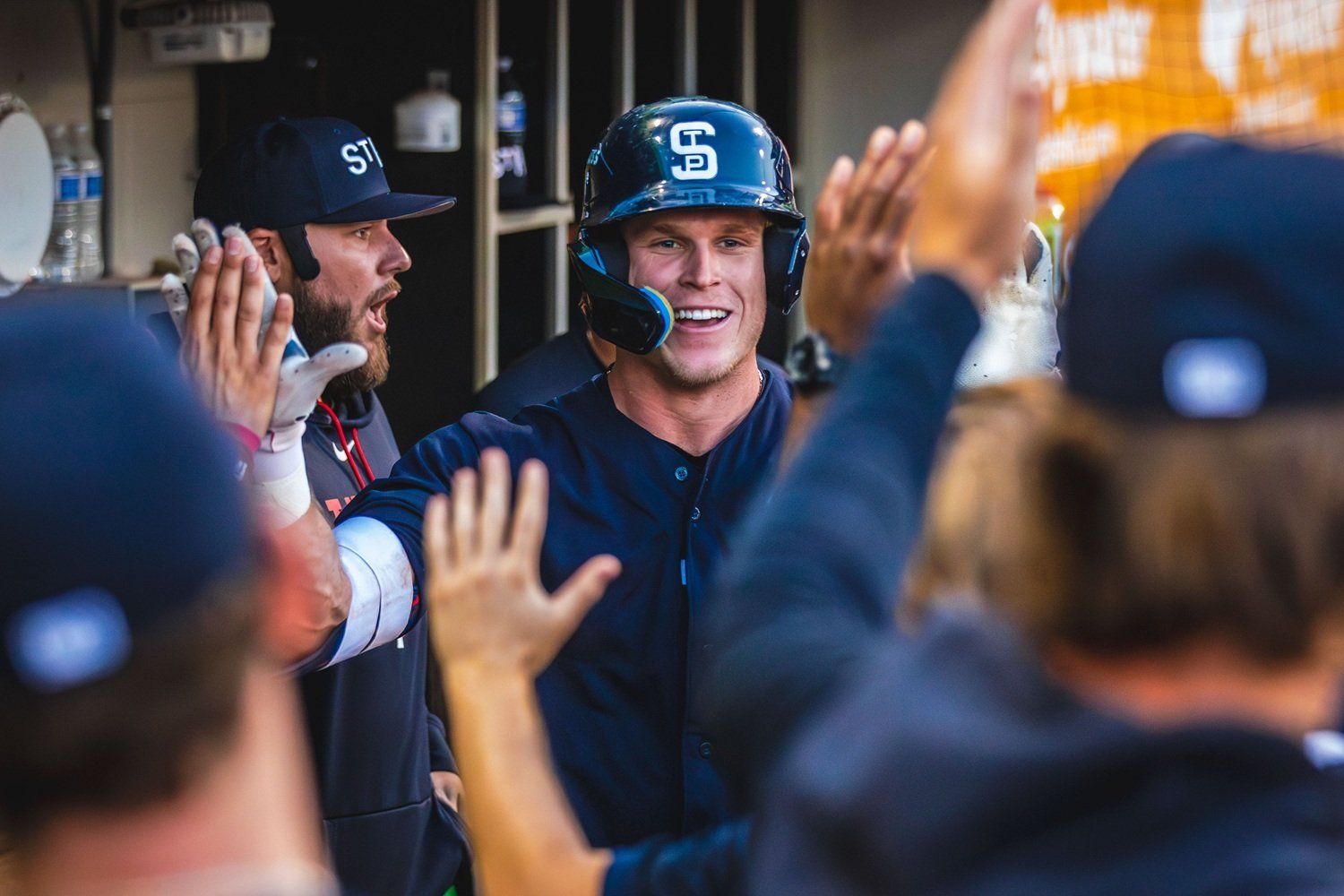 The minor league season is entering its final few weeks, and the clock is ticking for the Minnesota Twins. With September approaching, the organization will soon have to determine which prospects have done enough to earn a promotion or potentially contribute at the big-league level. The timing is especially important with questions remaining on the Twins' roster. A strong finish won't guarantee a call-up, but it can certainly change the conversation as Minnesota looks toward the final weeks of the season and beyond. Here's a look at three Twins prospects who are hitting the hot button at the right time. RHP Ryan Gallagher – St. Paul Saints How He Got Here: Gallagher had originally put himself on the prospect map at Santa Barbara, where he earned Big West Conference Freshman of the Year honors in 2022. His sophomore season never happened, however, as Tommy John surgery forced him to miss the entire campaign. Gallagher returned stronger than ever. He posted a 2.22 ERA while leading all Division I pitchers with a remarkable 0.84 WHIP. That performance was enough for the Cubs to select him in the sixth round of the 2024 MLB Draft. He earned a promotion from High-A to Double-A during his first full professional season before the Cubs included him in the deal that sent Willi Castro to Chicago. Gallagher finished the 2025 season with Double-A Wichita and continued working his way through the Twins' system in 2026. Hitting the Hot Button: Gallagher delivered one of his best starts of the season Wednesday against Louisville. He allowed just one run on three hits over six innings, walking one batter while striking out a season-high nine. It was the type of outing that shows why the Twins remain intrigued by his potential. The transition to Triple-A hasn't been easy. After earning a promotion at the end of April, Gallagher posted a 7.44 ERA while allowing opponents to produce a .944 OPS across his first 13 appearances at the level. Those numbers weren't exactly screaming for another promotion. Lately, though, things have started to click. Over his last four starts, Gallagher owns a 2.49 ERA while holding opponents to a .578 OPS. The strikeout-heavy performance against Louisville is another encouraging sign that the right-hander is beginning to find his footing against more advanced hitters. There is still work to do, but Gallagher's recent stretch is exactly what the Twins want to see from a young pitcher adjusting to Triple-A. OF Walker Jenkins – St. Paul Saints How He Got Here: There aren't many prospects in the Twins organization who have generated as much excitement (or frustration over missed time) as Jenkins. Minnesota selected the North Carolina high school product fifth overall in the 2023 MLB Draft. He is currently Twins Daily’s No. 1 prospect and a consensus top-20 prospect overall in baseball. When Jenkins has been on the field, he's largely looked the part. During his age-21 season, he reached Triple-A and owns a career .863 OPS in the minor leagues. The biggest obstacle has been keeping him on the field. Even with those interruptions, Jenkins still produced at the upper levels of the organization. Last season, he posted a 135 wRC+, ranking third among Twins minor leaguers with at least 350 plate appearances. Hitting the Hot Button: Now Jenkins is healthy, and he's starting to look like the prospect Twins fans have been waiting to see. Jenkins played in six games for St. Paul last week, going 10-for-28 (.357) with a double, a triple, two home runs, and two RBI. He also recorded his first professional two-homer game Thursday against Louisville. That performance came during an impressive stretch since his return from injury on June 23. Over 32 games during that span, Jenkins is hitting .297/.357/.516 with 17 extra-base hits. That's a .873 OPS while facing the most advanced pitching he's encountered in the minor leagues. The power is showing up. The extra-base hits are piling up. Most importantly, Jenkins is getting consistent playing time. He should be in a Twins uniform in the coming weeks. RHP Merit Jones – Fort Myers Mighty Mussels/Cedar Rapids Kernels How He Got Here: Jones took a considerably different route to the Twins organization. Minnesota selected the right-hander in the 14th round of the 2025 MLB Draft out of the University of Utah. His collegiate numbers weren't particularly eye-popping, as he finished his three seasons with a 6.73 ERA and 1.72 WHIP. But there were signs of something more. Jones played in the MLB Draft League during the summer he was drafted and posted a 2.14 ERA with a 0.81 WHIP over 21 innings. Minnesota sent Jones to Fort Myers to begin the 2026 season. He has since turned that opportunity into one of the more impressive pitching performances in the organization's lower levels. Hitting the Hot Button: Jones was named the Florida State League Pitcher of the Month for July. He posted a ridiculous 0.73 ERA with 30 strikeouts over 24 2/3 innings. Across six appearances, including three starts, Jones went 3-0 while allowing just two earned runs. He led the league in innings pitched, ERA, and wins. He also ranked second in strikeouts and strikeouts per nine innings, posting a 10.95 K/9. And the scoreless streak was even more impressive. Jones didn't allow an earned run during his final four appearances of the month, covering 18 innings. During that stretch, he went 16 consecutive innings without allowing any run, earned or unearned. Jones continued the run into August. Including his August 2 outing, he went 19 innings between earned runs allowed, the fourth-longest streak in modern franchise history. For a 14th-round pick who entered the season with plenty to prove, that's quite a way to introduce yourself. The Twins will have to make some decisions soon. The minor league season is winding down, and there are only so many games remaining for prospects to continue building their cases. Gallagher is showing that he can handle the challenges of Triple-A after a difficult introduction to the level. Jones has been one of the most dominant pitchers in the lower levels of the organization. Then there's Jenkins. He might be the most important prospect in the entire organization, and his recent performance suggests that his next challenge should come at Target Field rather than CHS Field. Jenkins has already demonstrated that he can hit. Now he's demonstrating that he can stay on the field and produce consistently. The Twins may not need to wait much longer. When will Walker Jenkins make his big-league debut? Leave a comment and start the discussion.
- 13 comments
-
- 9
-
-
- walker jenkins
- merit jones
- (and 1 more)
-
Walker JenkinsVahn LackeyMarek HoustonKaelen CulpepperRiley QuickEmmanuel RodriguezHendry MendezEduardo TaitCharlee SotoGabriel GonzalezKhadim DiawCarson TinneyBrandon WinokurBrett RenfrowQuentin YoungRyan GallagherJason ReitzJames EllwangerEthan WachsmannCJ Culpepper
-
Walker JenkinsVahn LackeyMarek HoustonKaelen CulpepperRiley QuickEmmanuel RodriguezHendry MendezEduardo TaitCharlee SotoGabriel GonzalezKhadim DiawCarson TinneyBrandon WinokurBrett RenfrowQuentin YoungRyan GallagherJason ReitzJames EllwangerEthan WachsmannCJ Culpepper
-
Image courtesy of © Bryon Houlgrave/The Register / USA TODAY NETWORK For one night, baseball will once again trade packed ballparks for rows of Iowa corn. On August 13, the Minnesota Twins and Philadelphia Phillies will meet in the long-awaited return of MLB's Field of Dreams Game, marking the event's first appearance since 2022. Hosted at the legendary movie site in Dyersville, Iowa, the nationally televised matchup brings together two contenders in one of Major League Baseball's signature showcase events. The game will be streamed live on Netflix, and it promises to be much more than nine innings. From throwback uniforms and Hall of Fame appearances to a celebration of one of baseball's most beloved films, here's everything fans need to know before first pitch. Baseball Returns to a Legendary Setting The Field of Dreams Game is being played for just the third time after a four-year absence. The inaugural contest in 2021 instantly became one of the most memorable regular-season games in recent history when the Chicago White Sox walked off the New York Yankees, 9-8, on Tim Anderson's dramatic home run. A year later, the Chicago Cubs and Cincinnati Reds met in the second edition (Chicago won 4-2) before the event was paused while the Dyersville complex underwent expansion and construction. Now, the Twins and Phillies become the latest clubs to take center stage in baseball's most cinematic setting. While the game is inspired by the famous baseball diamond featured in the movie, the teams will actually play in a specially constructed Major League stadium adjacent to the original field. Why the Site Means So Much Released in 1989, Field of Dreams has become one of the defining baseball movies ever made. Starring Kevin Costner, Ray Liotta, James Earl Jones, and Amy Madigan, the film follows Iowa farmer Ray Kinsella after he hears the now-famous message, "If you build it, he will come." Adapted from W.P. Kinsella's novel Shoeless Joe, the movie earned an Academy Award nomination for Best Picture and was added to the National Film Registry in 2017. Few sporting events blend baseball history and pop culture quite like the Field of Dreams Game, making it one of MLB's premier annual showcases whenever it's held. More Than Just One Game The festivities extend well beyond Thursday night's matchup. More than 25 members of the Baseball Hall of Fame are expected to attend, creating one of the largest gatherings of Hall of Famers since Yankee Stadium's farewell festivities during the 2008 All-Star Game. The site will also host a High School All-American Game on Wednesday, with Twins legend Torii Hunter and Hall of Famer Jim Thome serving as managers. Fans hoping to experience the venue before the major league game can also catch Triple-A baseball earlier in the week. The St. Paul Saints will face the Iowa Cubs in Dyersville at 6:30 on Tuesday, August 11th. This gives Twins fans another opportunity to see the unique ballpark while several of the organization's top prospects are in action. A First for the Twins Although Minnesota has played regular-season games away from traditional MLB stadiums before, this marks the franchise's first appearance in one of Major League Baseball's specialty showcase games. The Twins' only previous neutral-site regular-season experience came in 2018 when they played Cleveland in San Juan, Puerto Rico. This time, however, the spotlight is much brighter. Minnesota will briefly leave a Target Field homestand to face a Phillies club that features familiar faces, including former Twins Jhoan Duran and Luis Arraez, adding another layer of intrigue to an already unique matchup. How to Watch Unlike the previous two editions, which aired nationally on Fox, the 2026 Field of Dreams Game will stream exclusively on Netflix. First pitch is scheduled for 6:30 p.m. CT on Thursday, August 13. The game will not be available live on Twins.TV, but fans can still listen through the Twins Radio Network, including 830 AM and 102.9 FM. Throwback Uniforms Take Center Stage Both teams will celebrate their history with vintage-inspired uniforms designed specifically for the event. Minnesota's look pays tribute to the franchise's inaugural 1961 season after arriving from Washington. The Twins will wear classic white pinstripes featuring the original blue-and-red "Twins" script across the chest, paired with a navy cap showcasing the vintage TC logo. Philadelphia will counter with uniforms inspired by the club's 1939-41 road design. The gray jerseys feature red and navy trim, a retro "Phillies" script, navy caps with a red block "P," and a commemorative sleeve patch honoring baseball's centennial celebration as it was recognized in 1939. A Showcase Worth Waiting For MLB has experimented with games at Little League parks, historic stadiums, and even racetracks, but none have captured the imagination quite like the Field of Dreams Game. After several years away, the event returns with a compelling matchup, a nostalgic backdrop, and one of the sport's most recognizable settings. Whether it's the cornfield entrance, the vintage uniforms, or the atmosphere surrounding one of baseball's most cherished films, the Twins will be part of an event that extends far beyond the standings. For Minnesota, it's another regular-season game. For baseball, it's a celebration of the sport's past—and a reminder that some places still make the game feel timeless. View full article
-
If You Build It: Everything to Know About the Twins' Field of Dreams Game
Cody Christie posted an article in Twins
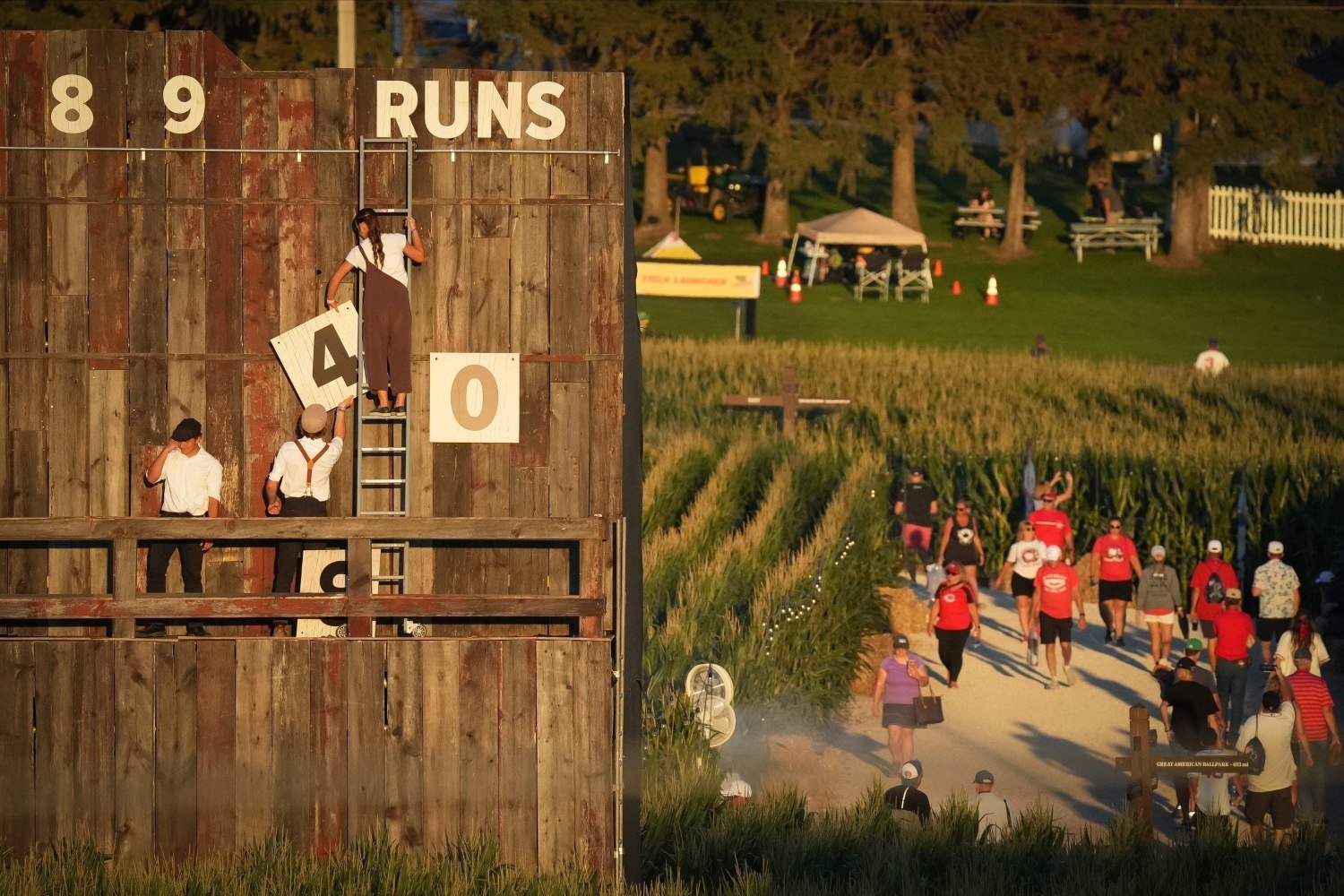 For one night, baseball will once again trade packed ballparks for rows of Iowa corn. On August 13, the Minnesota Twins and Philadelphia Phillies will meet in the long-awaited return of MLB's Field of Dreams Game, marking the event's first appearance since 2022. Hosted at the legendary movie site in Dyersville, Iowa, the nationally televised matchup brings together two contenders in one of Major League Baseball's signature showcase events. The game will be streamed live on Netflix, and it promises to be much more than nine innings. From throwback uniforms and Hall of Fame appearances to a celebration of one of baseball's most beloved films, here's everything fans need to know before first pitch. Baseball Returns to a Legendary Setting The Field of Dreams Game is being played for just the third time after a four-year absence. The inaugural contest in 2021 instantly became one of the most memorable regular-season games in recent history when the Chicago White Sox walked off the New York Yankees, 9-8, on Tim Anderson's dramatic home run. A year later, the Chicago Cubs and Cincinnati Reds met in the second edition (Chicago won 4-2) before the event was paused while the Dyersville complex underwent expansion and construction. Now, the Twins and Phillies become the latest clubs to take center stage in baseball's most cinematic setting. While the game is inspired by the famous baseball diamond featured in the movie, the teams will actually play in a specially constructed Major League stadium adjacent to the original field. Why the Site Means So Much Released in 1989, Field of Dreams has become one of the defining baseball movies ever made. Starring Kevin Costner, Ray Liotta, James Earl Jones, and Amy Madigan, the film follows Iowa farmer Ray Kinsella after he hears the now-famous message, "If you build it, he will come." Adapted from W.P. Kinsella's novel Shoeless Joe, the movie earned an Academy Award nomination for Best Picture and was added to the National Film Registry in 2017. Few sporting events blend baseball history and pop culture quite like the Field of Dreams Game, making it one of MLB's premier annual showcases whenever it's held. More Than Just One Game The festivities extend well beyond Thursday night's matchup. More than 25 members of the Baseball Hall of Fame are expected to attend, creating one of the largest gatherings of Hall of Famers since Yankee Stadium's farewell festivities during the 2008 All-Star Game. The site will also host a High School All-American Game on Wednesday, with Twins legend Torii Hunter and Hall of Famer Jim Thome serving as managers. Fans hoping to experience the venue before the major league game can also catch Triple-A baseball earlier in the week. The St. Paul Saints will face the Iowa Cubs in Dyersville at 6:30 on Tuesday, August 11th. This gives Twins fans another opportunity to see the unique ballpark while several of the organization's top prospects are in action. A First for the Twins Although Minnesota has played regular-season games away from traditional MLB stadiums before, this marks the franchise's first appearance in one of Major League Baseball's specialty showcase games. The Twins' only previous neutral-site regular-season experience came in 2018 when they played Cleveland in San Juan, Puerto Rico. This time, however, the spotlight is much brighter. Minnesota will briefly leave a Target Field homestand to face a Phillies club that features familiar faces, including former Twins Jhoan Duran and Luis Arraez, adding another layer of intrigue to an already unique matchup. How to Watch Unlike the previous two editions, which aired nationally on Fox, the 2026 Field of Dreams Game will stream exclusively on Netflix. First pitch is scheduled for 6:30 p.m. CT on Thursday, August 13. The game will not be available live on Twins.TV, but fans can still listen through the Twins Radio Network, including 830 AM and 102.9 FM. Throwback Uniforms Take Center Stage Both teams will celebrate their history with vintage-inspired uniforms designed specifically for the event. Minnesota's look pays tribute to the franchise's inaugural 1961 season after arriving from Washington. The Twins will wear classic white pinstripes featuring the original blue-and-red "Twins" script across the chest, paired with a navy cap showcasing the vintage TC logo. Philadelphia will counter with uniforms inspired by the club's 1939-41 road design. The gray jerseys feature red and navy trim, a retro "Phillies" script, navy caps with a red block "P," and a commemorative sleeve patch honoring baseball's centennial celebration as it was recognized in 1939. A Showcase Worth Waiting For MLB has experimented with games at Little League parks, historic stadiums, and even racetracks, but none have captured the imagination quite like the Field of Dreams Game. After several years away, the event returns with a compelling matchup, a nostalgic backdrop, and one of the sport's most recognizable settings. Whether it's the cornfield entrance, the vintage uniforms, or the atmosphere surrounding one of baseball's most cherished films, the Twins will be part of an event that extends far beyond the standings. For Minnesota, it's another regular-season game. For baseball, it's a celebration of the sport's past—and a reminder that some places still make the game feel timeless.
 -
Inside the Twins' Farm System After the 2026 Trade Deadline
Cody Christie posted an article in Minor Leagues
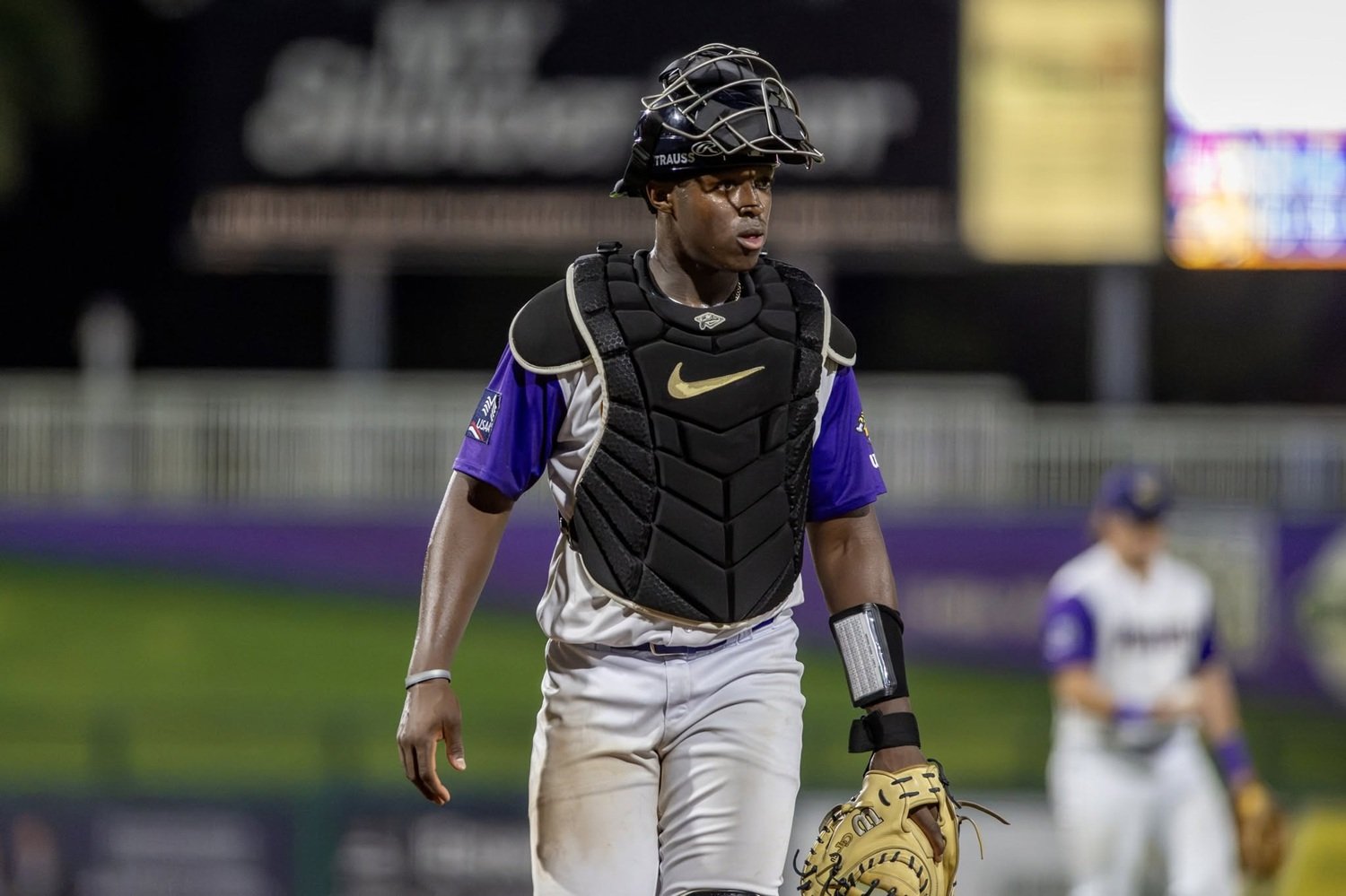 The Minnesota Twins entered the 2026 MLB Trade Deadline in an unusual position. They were close enough to the playoff race to justify adding talent, yet still sitting below .500 as the deadline arrived. That balancing act forced the front office to weigh immediate upgrades against the long-term value of one of baseball's strongest farm systems. Ultimately, the Twins resisted the temptation to move their premier prospects. They added to the major league roster without sacrificing the organization's biggest building blocks, preserving a pipeline that could help the club both in September and for years to come. With the deadline now behind them, Minnesota's system remains one of the deepest in baseball, featuring impact talent at nearly every level. Top Prospects Stay In Place An argument certainly could have been made for the Twins to push even harder at the deadline. With a playoff berth still within reach, dealing from organizational depth for another established major leaguer wouldn't have been unreasonable. At the same time, it's difficult to justify moving elite prospects when the club entered the deadline under .500. Minnesota's front office chose to preserve its long-term outlook, and the organization's upper levels still feature multiple players who could contribute in the majors before this season ends. That combination of present help and future upside is exactly why the Twins have been so reluctant to empty the system. Triple-A: The Next Wave Is Almost Here No level better illustrates Minnesota's organizational depth than Triple-A St. Paul has had this year. Kaelen Culpepper was promoted this weekend and immediately handed the starting shortstop role. Walker Jenkins continues knocking on the door of the major leagues. Both have little left to prove in the minors, and it wouldn't be surprising if Jenkins joins Culpepper over the next few weeks should an opportunity present itself. Emmanuel Rodriguez is also working his way back after a thumb injury. Had he remained healthy throughout the season, there's a legitimate chance he would have been the first callup among the top prospects earlier this year. His combination of patience and power still gives him one of the highest ceilings in the organization. The outfield picture has become especially interesting because Hendry Mendez and Gabriel Gonzalez have trended in opposite directions. Last season, Gonzalez looked like one of baseball's breakout prospects, climbing from High-A to Triple-A as a 21-year-old while posting a .909 OPS. This year has been much more challenging, as he's produced a .709 OPS and struggled to build on that breakout campaign. Meanwhile, Mendez has quietly continued his ascent. After opening the season in Double-A, he earned a promotion and has thrived in St. Paul. Across 51 Triple-A games, he's slashing .307/.396/.444 with an .840 OPS, further strengthening his case as a legitimate major league option. On the pitching side, Ryan Gallagher dominated in a brief Double-A stint before encountering more adversity after reaching Triple-A. Through his first stretch with the Saints, he's posted a 6.38 ERA and 1.63 WHIP. That adjustment period isn't uncommon for young pitchers, and the Twins will likely give him plenty of runway to work through it. Double-A: Draft Success Already Paying Off The Twins' 2025 draft class continues to look increasingly impressive. Marek Houston has enjoyed a phenomenal first full professional season while rapidly climbing national prospect rankings. Questions about his offensive upside followed him on draft day, but he's quickly begun answering those concerns. His elite defense at shortstop has remained intact, and his bat has taken significant steps forward (132 wRC+), giving Minnesota another legitimate top-100 caliber prospect. Riley Quick has been nearly as impressive. Another member of that 2025 class, Quick has climbed aggressively through the system and now has a strong argument as the organization's top pitching prospect. In 16 starts, he has a 4.00 ERA, 4.57 FIP, and 34.2 K%. His rapid development has significantly strengthened Minnesota's future rotation outlook. The rest of Wichita's lineup has provided encouraging signs as well. Khadim Diaw mashed High-A pitching, posting an .859 OPS before arriving in Double-A. While the power production has cooled and his OPS has fallen 81 points, he's still reaching base at nearly a 42% clip, demonstrating the advanced plate discipline that continues to make him an intriguing prospect. Brandon Winokur also appears to be putting everything together. After inconsistent production over the previous year, he's raised his OPS to .789—nearly 100 points higher than last season—and has begun looking much more like the player the Twins envisioned when they drafted him. High-A: Patience Required Not every top prospect develops in a straight line. Eduardo Tait has experienced both highs and lows during his first full season. Through 92 games, he's hitting .228/.290/.442 with a .732 OPS. The power remains encouraging for a teenage catcher, but questions continue surrounding both his overall offensive consistency and whether he'll ultimately remain behind the plate. Those concerns shouldn't overshadow his age. The 19-year-old is still a teenager competing against older competition, leaving plenty of time for continued development. Unfortunately, injuries continue to define Charlee Soto's professional career. Wrist soreness surfaced while Soto was rehabbing from the August 2025 surgery that removed a partially detached bone spur from his elbow. The wrist issue sidelined him for the first two months of 2026 before another, more significant injury occurred during his rehab assignment. The talent remains undeniable. Soto won't turn 21 until the end of August, but he's thrown only 15 2/3 innings since the beginning of the 2025 season after logging 74 innings during his promising professional debut in 2024. For now, simply getting healthy remains the priority. Low-A: The Future Is Just Beginning The Twins' newest wave of talent has started arriving. First-round pick Vahn Lackey and supplemental first-round selection Carson Tinney have both begun their professional careers in Low-A. It's far too early to draw meaningful conclusions from only a handful of games, but both players possess significant upside and immediately become important pieces of the organization's future. Quentin Young remains one of the system's biggest boom-or-bust prospects. The 19-year-old has posted a .669 OPS across 84 games, but the raw power that made him such an intriguing draft pick continues to stand out. He's also been consistently facing older competition throughout the season, making patience an important part of his developmental timeline. The System Still Gives Minnesota Options The trade deadline often reshapes a farm system, but Minnesota largely emerged with its prospect depth intact. Several of the organization's best players are nearing the major leagues, while another wave of high-upside talent continues developing throughout the lower minors. That's exactly the position teams hope to maintain: enough prospect capital to supplement the big-league roster today without sacrificing tomorrow. The Twins didn't make the blockbuster move that would have emptied their farm system for immediate help. Instead, they preserved one of baseball's deepest pipelines, leaving themselves positioned to compete this season while maintaining the talent necessary to sustain success well beyond 2026. What stands out about Minnesota’s current farm system? Leave a comment and start the discussion.
- 14 comments
-
- 4
-
-
- walker jenkins
- kaelen culpepper
- (and 8 more)
-
How the Tarik Skubal Trade Impacts Joe Ryan’s Potential Market This Winter
Cody Christie posted an article in Twins
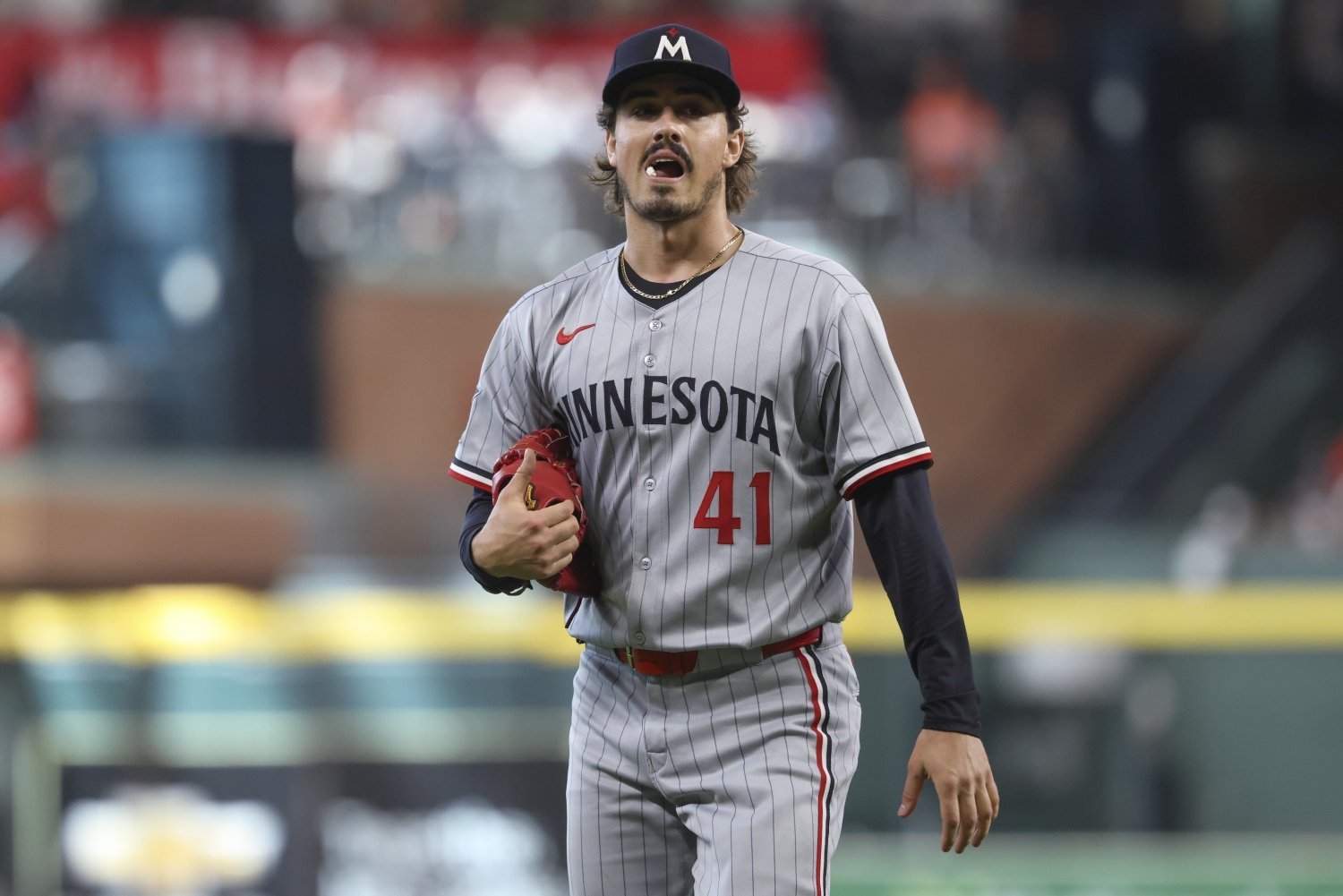 The Detroit Tigers may have helped shape the Minnesota Twins' offseason plans without even picking up the phone. Last Saturday night's blockbuster sent Tarik Skubal to the Los Angeles Dodgers, ending one of the biggest trade sagas of the summer. While the Twins were never expected to be involved, the deal established an important benchmark for another American League ace: Joe Ryan. Minnesota wasn't expected to move Ryan before Monday's trade deadline, nor should they have. The Twins spent the deadline reinforcing their roster by adding three relievers (Jeff Hoffman , Tommy Nance, A.J. Minter) and a back-end starter (Dean Kremer). Those moves signal a front office focused on making the postseason, not taking a step backward. Trading a two-time All-Star who anchored the rotation would undermine everything they have done to improve the club. Unfortunately, Ryan's recent performance only strengthened the argument for waiting. After another outstanding first half, Ryan struggled in his first three starts after the All-Star break and then was put on the IL with a mild glute strain. He also has a well-documented history of posting weaker numbers after the break. In the first half, Ryan has pitched like one of baseball's elite starters, posting a 3.17 ERA, 1.00 WHIP, and allowing opponents just a .632 OPS. After the All-Star break, those numbers have slipped considerably, with a 5.00 ERA, 1.22 WHIP, and a .779 OPS allowed. It's easy to understand why rival clubs would try to discount his value if he were made available today. That doesn't mean his long-term value has disappeared. If anything, the Skubal trade offers a glimpse into what the Twins could reasonably expect this winter, if Ryan finishes the season healthy, resets over the offseason, and allows interested clubs to evaluate his complete body of work instead of a stretch of second-half struggles. The Dodgers sent Detroit outfielder Zyhir Hope (MLB Pipeline's No. 25 prospect), right-hander River Ryan (No. 68), and right-hander Brady Smith, the organization's No. 17 prospect before the trade. While that package may have felt lighter than expected for one of baseball's best pitchers, it also reflected today's market for frontline starters on expiring contracts. Teams have become increasingly hesitant to surrender overwhelming prospect hauls, even for elite talent. But Skubal's return still featured multiple premium prospects, and it provides a useful starting point for evaluating pitchers with similar value. Ryan's value could still change significantly over the final two months of the season. He'll likely need to show that his recent struggles are merely a temporary setback rather than a larger concern. Unlike Skubal, who will make only a handful of starts for the Dodgers before reaching free agency, Ryan could enter the offseason with his value trending back toward its peak. Minnesota could also follow the blueprint that clubs like the Brewers have used in recent years by dealing a frontline starter during the winter, when more teams have the financial flexibility and prospect capital to engage. One potential complication is the looming threat of a player lockout, which could freeze transactions and create a shortened offseason, leaving less time for a blockbuster deal to develop. Minnesota has consistently viewed Ryan as a foundational piece of its rotation, and nothing about the organization's recent actions suggests that opinion has changed. A healthy Ryan gives the Twins a far better chance to contend. This winter, however, the conversation could look very different. With a full offseason for clubs to assess their rotations, greater financial flexibility across the league, and a healthier version of Ryan entering another year of control, the Twins would be negotiating from a position of strength rather than urgency. The Skubal trade may ultimately serve less as a missed opportunity and more as an early indicator of the type of return Minnesota could pursue if it ever decides the timing is right. For now, the Twins' priority is chasing a playoff berth, hopefully with a recovered Ryan leading their rotation in September and October. If trade discussions ever become serious, this offseason appears to be when his market will reach its peak. Did the Skubal trade establish a realistic benchmark for Ryan, or would Minnesota need an even bigger return to justify dealing a two-time All-Star?
 -
Image courtesy of © Jerome Miron-Imagn Images A few weeks ago, the Twins' bullpen looked like one of the biggest obstacles standing between them and a postseason berth. The front office recognized that reality and attacked it aggressively, adding three veteran relievers to reshape a unit that had carried too much uncertainty throughout the first half. The result is a bullpen that barely resembles the group Minnesota broke camp with in March. Jeff Hoffman, A.J. Minter, and Tommy Nance have joined a relief corps that already featured breakout closer Yoendrys Gomez and emerging right-hander Andrew Morris. Instead of searching for answers every night, manager Derek Shelton now has multiple ways to navigate the game's biggest moments. If Minnesota is going to stay in the playoff race over the final two months, this bullpen has to become one of the club's biggest strengths. Closer: Yoendrys Gomez Gomez earned the right to keep the ninth inning. After arriving in Minnesota, the Twins made subtle mechanical adjustments that unlocked another level for the right-hander. He rewarded them with a 1.93 ERA while stabilizing a bullpen that desperately needed someone capable of finishing games. His 21.0% strikeout rate and 11.4% walk rate aren't overwhelming, but he consistently made the biggest pitches when the Twins needed them. There are still reasons to wonder how sustainable his production will be. Gomez owns a 4.50 FIP, a 5.24 expected ERA, and opponents have produced a 43.5% hard-hit rate against him. Those numbers suggest he's benefited from some favorable outcomes. That doesn't mean Minnesota should make a change. Closers are often as much about confidence as pure stuff, and Gomez has earned that confidence. If regression comes, the Twins now have another elite option waiting in the wings. Until then, Gomez should continue handling the ninth. Backup Closer: Jeff Hoffman The trade deadline gave Minnesota exactly what every contender wants: another pitcher capable of getting the game's biggest outs. Hoffman's ERA with Toronto over the last two seasons sits north of 4.00, but the underlying metrics paint a completely different picture. His 3.33 expected ERA and .211 expected batting average suggest he has pitched much better than the traditional numbers indicate. Even more impressive is how dominant his arsenal remains. His Chase Rate, Whiff Rate, and strikeout rate all rank among the top two percent of pitchers in baseball. Few relievers miss bats at his level. Keeping Gomez in the closer's role could actually maximize Hoffman's value. Instead of waiting for save situations, Shelton can deploy Hoffman whenever the heart of the opposing lineup is due up. Whether that's the seventh, eighth, or ninth inning becomes irrelevant if he's facing the most dangerous hitters. That's often how playoff bullpens operate. Left-Handed Fireman: A.J. Minter Minnesota spent much of the first half searching for a dependable left-handed reliever capable of neutralizing the opposition's biggest bats. Minter checks every box. He arrived from the Mets with a 2.35 ERA over 23 innings, although his 4.01 FIP suggests some regression could follow. Even so, his track record speaks for itself. Left-handed hitters own just a .614 OPS against him during his career, and he has struck out 30.3% of the lefties he's faced. That makes him an ideal fireman. Rather than saving him for a predetermined inning, Minter can be deployed whenever an opponent's toughest left-handed hitters threaten to swing the game. Whether that's escaping a seventh-inning jam or protecting a one-run lead in the eighth, Minter gives Minnesota a matchup weapon it simply didn't possess earlier this season. Right-Handed Fireman: Andrew Morris Ironically, the deadline additions may have created an even better role for Morris. Instead of asking him to handle traditional setup duties every night, the Twins can now use him as a versatile weapon capable of entering whenever the game begins to tilt. If a starter exits early, Morris can finish an inning. If the biggest rally comes in the sixth, he can erase it before handing the game to Hoffman or Gomez. That flexibility should only increase his value. Long term, Morris still looks like a potential closer. For now, though, this role allows him to impact games without the pressure of owning one specific inning. It could become the perfect bridge toward eventually handling the ninth himself. Middle-Inning Options: Tommy Nance, Travis Adams, Kody Funderburk, Taylor Rogers Nance technically qualifies as one of Minnesota's deadline additions, even though his acquisition came before the deadline frenzy began. He's not in the same class as Hoffman or Minter, but he doesn't have to be. His job is providing quality innings and protecting the late-inning trio from overuse. That's something the Twins lacked for much of the season. The supporting cast has also started trending in the right direction. Travis Adams, Kody Funderburk, and Taylor Rogers all found another gear during July after inconsistent first halves. Their improvements coincided with the bullpen's turnaround. Since July 1, Minnesota ranks 10th in Major League Baseball in bullpen ERA and ninth in Win Probability Added, evidence that the entire relief corps has begun pitching at a much higher level. Reinforcements: Zebby Matthews, Connor Prielipp, Kendry Rojas The bullpen may not be finished evolving. Matthews, Prielipp, and Rojas all remain part of Minnesota's starting pitching depth, but September often changes priorities. As innings become more valuable and workloads begin to mount, converting one or more of those arms into relief roles could make plenty of sense. We've seen contenders follow that blueprint before. Power stuff often plays even better in one- or two-inning bursts, and all three pitchers have the type of arsenal that could immediately translate to high-leverage relief work. If the Twins reach October, don't be surprised if at least one member of this group becomes another important bullpen piece. A Bullpen Built for the Stretch Run Minnesota didn't just add talent at the trade deadline—it added structure. Gomez remains the closer. Hoffman and Minter give Shelton two legitimate firemen capable of putting out rallies before they become game-changing. Morris can float wherever he's needed most, while Nance and the rest of the middle relief group provide the depth that was missing for much of the first half. No bullpen is ever finished. Injuries happen, workloads pile up, and September always introduces new wrinkles. But compared to the group that left Fort Myers in March, this version is deeper, more experienced, and significantly better equipped for meaningful baseball. If the Twins are still playing in October, this bullpen makeover will be one of the biggest reasons why. What stands out about the new bullpen hierarchy? Leave a comment and start the discussion. View full article
-
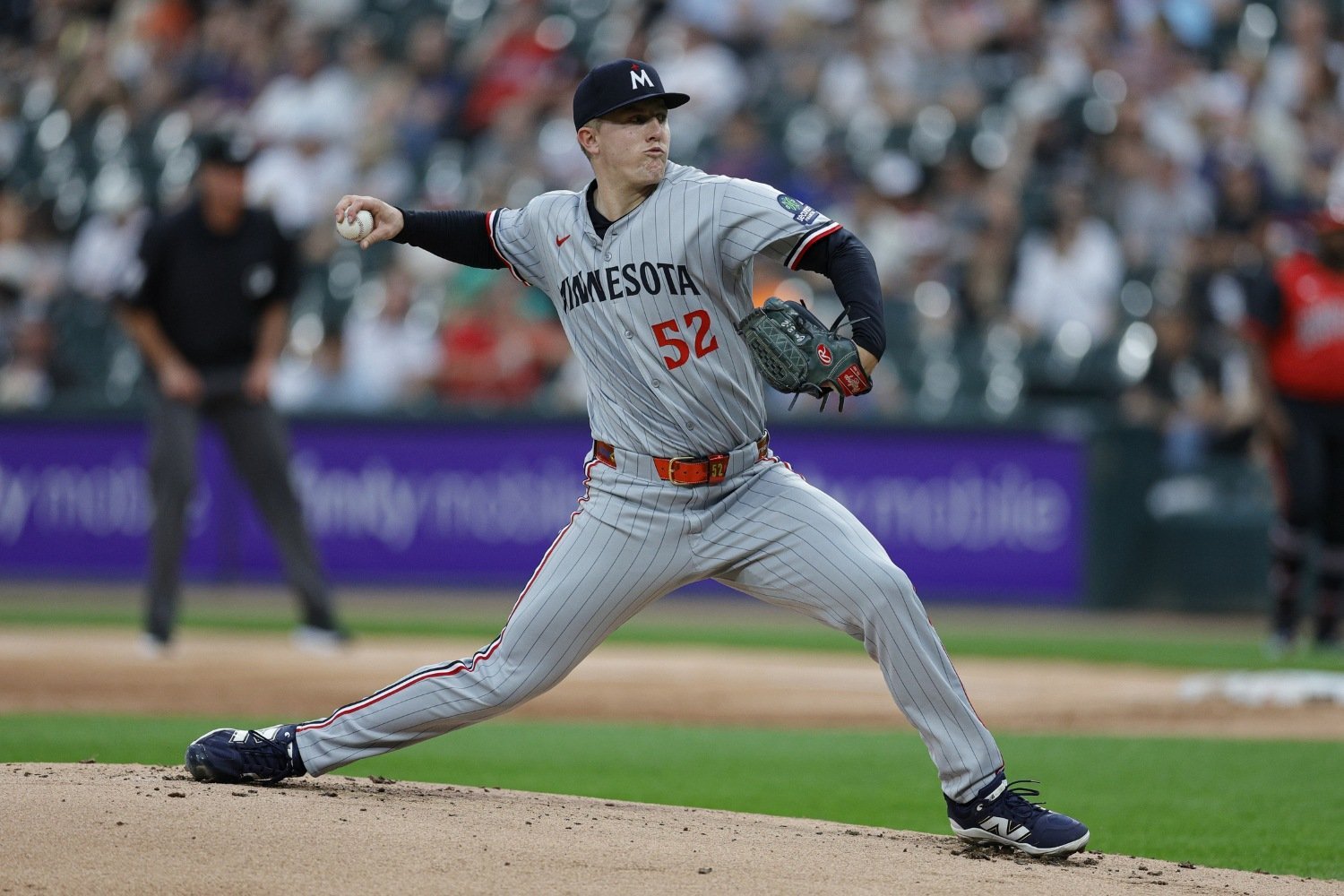 The Minnesota Twins made all the rumored moves official. Minnesota announced Friday that it has selected the contract of top prospect Kaelen Culpepper while also recalling right-handed pitcher Zebby Matthews from Triple-A St. Paul. To make room on the active roster, infielder Tristan Gray has been optioned. The Twins also placed right-hander Joe Ryan on the 15-day injured list with a mild left glute strain. His IL stint can be backdated to Wednesday, meaning he would be eligible to return on August 20, although that’s an off day for the Twins. Culpepper's promotion gives the Twins another opportunity to see one of their most highly regarded young players at the major-league level. The former first-round pick has continued to work his way toward becoming a regular contributor in Minnesota, and his debut comes at a time when the club is trying to keep pace in the American League playoff race. The move also required Minnesota to clear a spot on its 40-man roster. Right-handed reliever Taylor Rashi was designated for assignment to make room for Culpepper. Minnesota acquired Rashi from the Arizona Diamondbacks in a cash transaction in June after Arizona had designated him for assignment. At the time, the Twins were searching for additional bullpen options, but Rashi never made a major-league appearance for the organization. He instead spent his time with Triple-A St. Paul, where he logged 17 innings and posted a 4.76 ERA. Rashi struck out 28.7% of the batters he faced while walking 11.3%. The Twins have added several other bullpen options since acquiring Rashi, making his path to the majors even more difficult. Minnesota acquired Jeff Hoffman, Tommy Nance and A.J. Minter in separate moves during the deadline period, significantly changing the makeup of its relief corps. Ryan Lands on Injured List The bigger concern for Minnesota is what Ryan's absence means for the rotation. Manager Derek Shelton told reporters that Ryan would be placed on the injured list after being diagnosed with a mild left glute strain. The Twins had also sent Ryan for testing on his back earlier this week, but the glute issue appears to be the primary culprit. The timing is unfortunate for a pitcher who had been one of Minnesota's best performers during the first half. Ryan earned his second career All-Star selection. Since returning from the break, however, something has clearly been off. His first start of the second half was particularly rough. Ryan surrendered an MLB-record six home runs against a Cleveland lineup that was the AL’s worst home run hitting team. The Twins subsequently pushed his next start back because of arm fatigue. Across his last three starts, Ryan has allowed 17 runs over 15 1/3 innings while striking out just 10 of the 73 hitters he has faced. Minnesota has lost each of those three games. His velocity has also dipped. Ryan's four-seam fastball averaged just 92.1 mph in Tuesday's start at Kauffman Stadium. That was his lowest average in a start since early May and well below his 93.4 mph average for the season. Matthews Gets Another Opportunity With Ryan unavailable, the Twins will turn back to Matthews. The right-hander has been recalled from St. Paul and is scheduled to start Friday's series opener against the Milwaukee Brewers. Matthews had recently been pushed out of Minnesota's starting rotation following the club's acquisition of Dean Kremer from Baltimore. Among the Twins' regular starters, Matthews had posted the weakest results, carrying a 5.22 ERA across 81 innings. His final start before being optioned was actually one of his better performances of the season. Matthews struck out a career-high 10 batters in a 5-3 victory over Seattle, although he still allowed three runs over five innings and surrendered his 16th home run of the season. Now, he'll have another opportunity to show that he can turn those encouraging peripherals into better overall results. For a Twins team trying to remain in the postseason picture, Ryan's health will obviously be the biggest factor. But Matthews has an important opportunity in front of him, while Culpepper gets another chance to establish himself in the majors. It's another significant roster shuffle for a Minnesota club that has undergone plenty of changes over the past several weeks.
 -
The Minnesota Twins made all the rumored moves official. Minnesota announced Friday that it has selected the contract of top prospect Kaelen Culpepper while also recalling right-handed pitcher Zebby Matthews from Triple-A St. Paul. To make room on the active roster, infielder Tristan Gray has been optioned. The Twins also placed right-hander Joe Ryan on the 15-day injured list with a mild left glute strain. His IL stint can be backdated to Wednesday, meaning he would be eligible to return on August 20, although that’s an off day for the Twins. Culpepper's promotion gives the Twins another opportunity to see one of their most highly regarded young players at the major-league level. The former first-round pick has continued to work his way toward becoming a regular contributor in Minnesota, and his debut comes at a time when the club is trying to keep pace in the American League playoff race. The move also required Minnesota to clear a spot on its 40-man roster. Right-handed reliever Taylor Rashi was designated for assignment to make room for Culpepper. Minnesota acquired Rashi from the Arizona Diamondbacks in a cash transaction in June after Arizona had designated him for assignment. At the time, the Twins were searching for additional bullpen options, but Rashi never made a major-league appearance for the organization. He instead spent his time with Triple-A St. Paul, where he logged 17 innings and posted a 4.76 ERA. Rashi struck out 28.7% of the batters he faced while walking 11.3%. The Twins have added several other bullpen options since acquiring Rashi, making his path to the majors even more difficult. Minnesota acquired Jeff Hoffman, Tommy Nance and A.J. Minter in separate moves during the deadline period, significantly changing the makeup of its relief corps. Ryan Lands on Injured List The bigger concern for Minnesota is what Ryan's absence means for the rotation. Manager Derek Shelton told reporters that Ryan would be placed on the injured list after being diagnosed with a mild left glute strain. The Twins had also sent Ryan for testing on his back earlier this week, but the glute issue appears to be the primary culprit. The timing is unfortunate for a pitcher who had been one of Minnesota's best performers during the first half. Ryan earned his second career All-Star selection. Since returning from the break, however, something has clearly been off. His first start of the second half was particularly rough. Ryan surrendered an MLB-record six home runs against a Cleveland lineup that was the AL’s worst home run hitting team. The Twins subsequently pushed his next start back because of arm fatigue. Across his last three starts, Ryan has allowed 17 runs over 15 1/3 innings while striking out just 10 of the 73 hitters he has faced. Minnesota has lost each of those three games. His velocity has also dipped. Ryan's four-seam fastball averaged just 92.1 mph in Tuesday's start at Kauffman Stadium. That was his lowest average in a start since early May and well below his 93.4 mph average for the season. Matthews Gets Another Opportunity With Ryan unavailable, the Twins will turn back to Matthews. The right-hander has been recalled from St. Paul and is scheduled to start Friday's series opener against the Milwaukee Brewers. Matthews had recently been pushed out of Minnesota's starting rotation following the club's acquisition of Dean Kremer from Baltimore. Among the Twins' regular starters, Matthews had posted the weakest results, carrying a 5.22 ERA across 81 innings. His final start before being optioned was actually one of his better performances of the season. Matthews struck out a career-high 10 batters in a 5-3 victory over Seattle, although he still allowed three runs over five innings and surrendered his 16th home run of the season. Now, he'll have another opportunity to show that he can turn those encouraging peripherals into better overall results. For a Twins team trying to remain in the postseason picture, Ryan's health will obviously be the biggest factor. But Matthews has an important opportunity in front of him, while Culpepper gets another chance to establish himself in the majors. It's another significant roster shuffle for a Minnesota club that has undergone plenty of changes over the past several weeks. View full rumor
-
Image courtesy of Ed Bailey, Wichita Wind Surge (Photo of Kaelen Culpepper) The Minnesota Twins didn’t have to wait long to find out what they had in Kaelen Culpepper. Selected 21st overall in the 2024 MLB Draft, Culpepper entered professional baseball with plenty of questions about where he would ultimately play defensively, but there was considerably less uncertainty about his offensive foundation. He had already shown at Kansas State that he could make consistent contact, control the strike zone, and provide enough power to make opposing pitchers pay. Two years into his professional career, Culpepper has continued checking boxes. The 23-year-old has moved quickly through the Twins' system, reaching Triple-A after just 59 games at Double-A to close out the 2025 season. He has dealt with an injury setback along the way, but his overall performance has kept him near the top of Minnesota's prospect rankings. Now, with another strong season in St. Paul, Culpepper is set to make his big-league debut. A First-Round Pick With Plenty of Experience Culpepper wasn't a player who suddenly emerged during his draft year. He stepped into a prominent role at Kansas State immediately, spending his first two collegiate seasons at third base before moving over to shortstop as a junior. That final season proved to be a memorable one. After leading the U.S. collegiate national team in batting the previous summer, Culpepper returned to Manhattan and posted a .328/.419/.574 (.993) slash line with a 127 wRC+. That performance made him the first position player in Kansas State history to be selected in the first round. The Twins ultimately grabbed him late in the first round, 21st overall, a selection that may have surprised some observers at the time. Culpepper didn't need long to make the organization feel good about the decision. His first full professional season took him all the way to Double-A, while he also earned a spot in the Futures Game. Between Cedar Rapids and Wichita, he slashed .289/.375/.469 (.844) with 20 home runs, 25 steals, and a 133 wRC+ across 517 plate appearances. He showed a combination of offensive skills that helped accelerate his prospect stock. The Bat Has Continued to Develop One of the most appealing aspects of Culpepper's profile has remained the same since his college days: He puts the bat on the baseball. Culpepper carried that contact-oriented approach into professional baseball. He has consistently kept his strikeout totals manageable, posting a 17.6% strikeout rate across his first three minor-league seasons. In 2026, that figure rose a little to 18.7%. He also isn't locked into trying to pull everything. Culpepper's bat speed allows him to drive the ball to all parts of the field, and he has shown an ability to handle fastballs particularly well. He has a 45.5% hard hit percentage and a 45.0 Pull%, down 3.6% compared to 2025. His in-zone contact skills give him a strong offensive floor, while his developing power provides another dimension to the profile. There is still some room for improvement. Culpepper can become too aggressive against breaking balls and other softer offerings outside the strike zone. In 2026, he improved his O-Swing% by nearly two percent. He also put the ball on the ground roughly half the time in 2025. However, he has a 43.9% groundball rate this year, resulting in more flyballs. The power is already there, though. His 20/20 season in 2025 wasn't a fluke, and he has continued to show the ability to turn his bat speed into home run power, particularly when he gets the opportunity to pull the baseball. Another Strong Season in St. Paul Culpepper began 2026 at Triple-A St. Paul, and he hasn't looked out of place against the highest level of competition in the Twins' system. Through 74 games, he has produced a 116 wRC+ with 14 home runs and 17 stolen bases. His .845 OPS has come with success against both right- and left-handed pitching, giving Minnesota another reason to believe his offensive game can translate to the majors. His season hasn't been completely smooth. A glute injury sidelined Culpepper in mid-June, and his first attempt to return lasted only two games before he was placed back on the injured list. When he finally returned to the Saints' lineup in late July, he wasn't immediately back to his previous level. That changed quickly. Culpepper has started to heat up again in August, going 7-for-21 with four extra-base hits over his first five games of the month. Getting back into an offensive rhythm at this point in the season is particularly important as the Twins evaluate whether he's ready for his next challenge. Where Does He Play? The biggest question surrounding Culpepper's long-term outlook isn't necessarily his bat; it's his defensive home. Culpepper has spent the majority of his professional career at shortstop, and there's plenty to like about his work there. His arm strength is good enough for the position, and he has developed into a capable defender at a premium spot. The question is whether his range will ultimately hold up at shortstop in the majors. Culpepper doesn't possess the quickest first step, and that lack of initial burst can limit his ability to cover ground. That's why the Twins have continued giving him opportunities elsewhere. He has experience at second and third base, and those reps are likely to remain valuable as he progresses. For now, though, shortstop remains the most obvious path. Minnesota has a need at the position, and Culpepper has spent enough time there to make the organization comfortable with giving him an extended look. His versatility only makes him more valuable, especially for a team that has spent the past several seasons searching for consistency on the left side of the infield. Culpepper has established himself as one of the organization's best young players. Now he needs to turn his Triple-A success into major-league consistency. If the bat continues to produce and the defensive questions don't become too significant, the Twins may have found their next everyday shortstop. What stands out about Culpepper’s time in the minors? Leave a comment and start the discussion. View full article
-
Minnesota Twins Prospect Retrospective: Kaelen Culpepper
Cody Christie posted an article in Minor Leagues
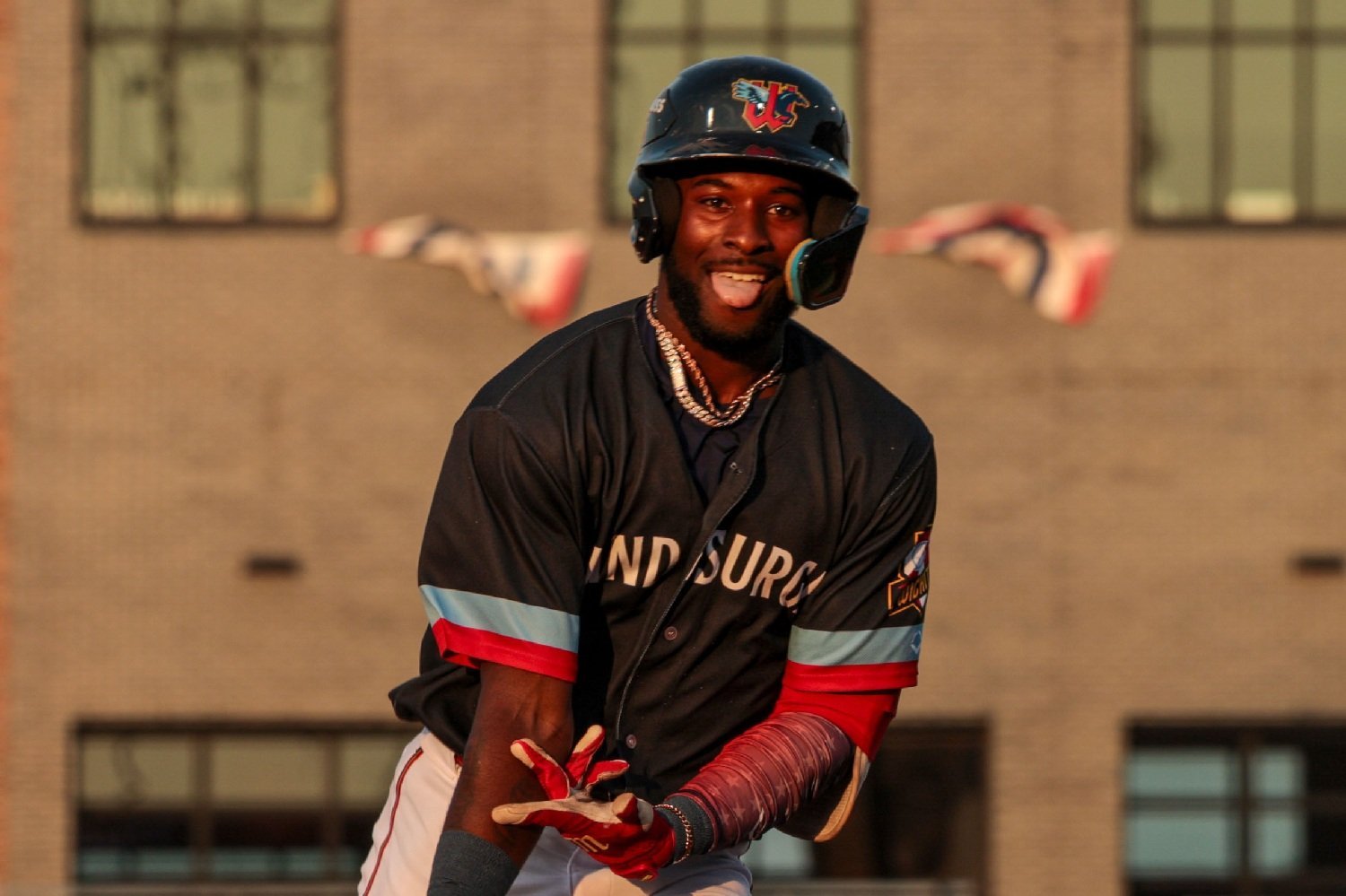 The Minnesota Twins didn’t have to wait long to find out what they had in Kaelen Culpepper. Selected 21st overall in the 2024 MLB Draft, Culpepper entered professional baseball with plenty of questions about where he would ultimately play defensively, but there was considerably less uncertainty about his offensive foundation. He had already shown at Kansas State that he could make consistent contact, control the strike zone, and provide enough power to make opposing pitchers pay. Two years into his professional career, Culpepper has continued checking boxes. The 23-year-old has moved quickly through the Twins' system, reaching Triple-A after just 59 games at Double-A to close out the 2025 season. He has dealt with an injury setback along the way, but his overall performance has kept him near the top of Minnesota's prospect rankings. Now, with another strong season in St. Paul, Culpepper is set to make his big-league debut. A First-Round Pick With Plenty of Experience Culpepper wasn't a player who suddenly emerged during his draft year. He stepped into a prominent role at Kansas State immediately, spending his first two collegiate seasons at third base before moving over to shortstop as a junior. That final season proved to be a memorable one. After leading the U.S. collegiate national team in batting the previous summer, Culpepper returned to Manhattan and posted a .328/.419/.574 (.993) slash line with a 127 wRC+. That performance made him the first position player in Kansas State history to be selected in the first round. The Twins ultimately grabbed him late in the first round, 21st overall, a selection that may have surprised some observers at the time. Culpepper didn't need long to make the organization feel good about the decision. His first full professional season took him all the way to Double-A, while he also earned a spot in the Futures Game. Between Cedar Rapids and Wichita, he slashed .289/.375/.469 (.844) with 20 home runs, 25 steals, and a 133 wRC+ across 517 plate appearances. He showed a combination of offensive skills that helped accelerate his prospect stock. The Bat Has Continued to Develop One of the most appealing aspects of Culpepper's profile has remained the same since his college days: He puts the bat on the baseball. Culpepper carried that contact-oriented approach into professional baseball. He has consistently kept his strikeout totals manageable, posting a 17.6% strikeout rate across his first three minor-league seasons. In 2026, that figure rose a little to 18.7%. He also isn't locked into trying to pull everything. Culpepper's bat speed allows him to drive the ball to all parts of the field, and he has shown an ability to handle fastballs particularly well. He has a 45.5% hard hit percentage and a 45.0 Pull%, down 3.6% compared to 2025. His in-zone contact skills give him a strong offensive floor, while his developing power provides another dimension to the profile. There is still some room for improvement. Culpepper can become too aggressive against breaking balls and other softer offerings outside the strike zone. In 2026, he improved his O-Swing% by nearly two percent. He also put the ball on the ground roughly half the time in 2025. However, he has a 43.9% groundball rate this year, resulting in more flyballs. The power is already there, though. His 20/20 season in 2025 wasn't a fluke, and he has continued to show the ability to turn his bat speed into home run power, particularly when he gets the opportunity to pull the baseball. Another Strong Season in St. Paul Culpepper began 2026 at Triple-A St. Paul, and he hasn't looked out of place against the highest level of competition in the Twins' system. Through 74 games, he has produced a 116 wRC+ with 14 home runs and 17 stolen bases. His .845 OPS has come with success against both right- and left-handed pitching, giving Minnesota another reason to believe his offensive game can translate to the majors. His season hasn't been completely smooth. A glute injury sidelined Culpepper in mid-June, and his first attempt to return lasted only two games before he was placed back on the injured list. When he finally returned to the Saints' lineup in late July, he wasn't immediately back to his previous level. That changed quickly. Culpepper has started to heat up again in August, going 7-for-21 with four extra-base hits over his first five games of the month. Getting back into an offensive rhythm at this point in the season is particularly important as the Twins evaluate whether he's ready for his next challenge. Where Does He Play? The biggest question surrounding Culpepper's long-term outlook isn't necessarily his bat; it's his defensive home. Culpepper has spent the majority of his professional career at shortstop, and there's plenty to like about his work there. His arm strength is good enough for the position, and he has developed into a capable defender at a premium spot. The question is whether his range will ultimately hold up at shortstop in the majors. Culpepper doesn't possess the quickest first step, and that lack of initial burst can limit his ability to cover ground. That's why the Twins have continued giving him opportunities elsewhere. He has experience at second and third base, and those reps are likely to remain valuable as he progresses. For now, though, shortstop remains the most obvious path. Minnesota has a need at the position, and Culpepper has spent enough time there to make the organization comfortable with giving him an extended look. His versatility only makes him more valuable, especially for a team that has spent the past several seasons searching for consistency on the left side of the infield. Culpepper has established himself as one of the organization's best young players. Now he needs to turn his Triple-A success into major-league consistency. If the bat continues to produce and the defensive questions don't become too significant, the Twins may have found their next everyday shortstop. What stands out about Culpepper’s time in the minors? Leave a comment and start the discussion.
 -
Image courtesy of Rob Thompson, St. Paul Saints The wait is finally over. Jamie Cameron of Limestone Pipeline is reporting that the Minnesota Twins are calling up top prospect Kaelen Culpepper, giving one of the organization's brightest young talents his first opportunity in the major leagues. After months of speculation and an impressive first full season at Triple-A St. Paul, the 2024 first-round pick has officially earned the promotion. Culpepper has an .845 OPS with 14 home runs (31 extra-bae hits), a 116 wRC+, and 17 SB in 74 games at Triple-A. Few prospects have generated as much excitement this season as Culpepper. Entering the year, he was viewed as one of the Twins' cornerstone prospects after being named the organization's Minor League Player of the Year in 2025. Culpepper’s 2025 season reads like the blueprint for a breakout. Between Cedar Rapids and Wichita, he slashed .289/.375/.469 (.844) with 20 home runs, 25 steals, and a 133 wRC+ across 517 plate appearances. He wasted little time proving he was ready for the next challenge, continuing to produce against Triple-A pitching while showing the well-rounded game that made him a first-round selection out of Kansas State. The timing makes plenty of sense. Shortstop has been one of Minnesota's biggest question marks throughout the season, and Culpepper's strong performance left the front office with fewer and fewer reasons to keep him in St. Paul. Also, Minnesota’s offense has sputtered coming out of the All-Star break. It makes sense for Culpepper to get an opportunity with two left-handed starters scheduled in a pivotal series against Milwaukee this weekend. Culpepper's rise through the organization has been remarkably quick. Drafted 21st overall in 2024, he impressed during his first full professional season by climbing from High-A to Double-A while displaying legitimate 20-home run power and the ability to impact games on the bases. His power tool was one of his biggest question marks when he was drafted, and he's developed into one of the organization's best hitters. That success carried into 2026, where he continued to establish himself as a consensus top-100 prospect. Now comes the next test. Prospect promotions rarely solve every problem overnight, and the Twins won't expect Culpepper to immediately carry the offense. However, he brings energy, upside, and a skill set that has been missing from Minnesota's middle infield. His athleticism should strengthen the defense, while his offensive profile gives him the potential to become an everyday contributor from the moment he steps onto the field. For a Twins club looking to gain every possible edge during the stretch run, Culpepper's arrival could provide exactly the spark it has been searching for. The organization's future has officially arrived, and beginning tonight, Twins fans will finally get to watch one of baseball's most exciting young infielders take the next step in his career. What are realistic expectations for Culpepper in his debut? Leave a comment and start the discussion. View full article
-
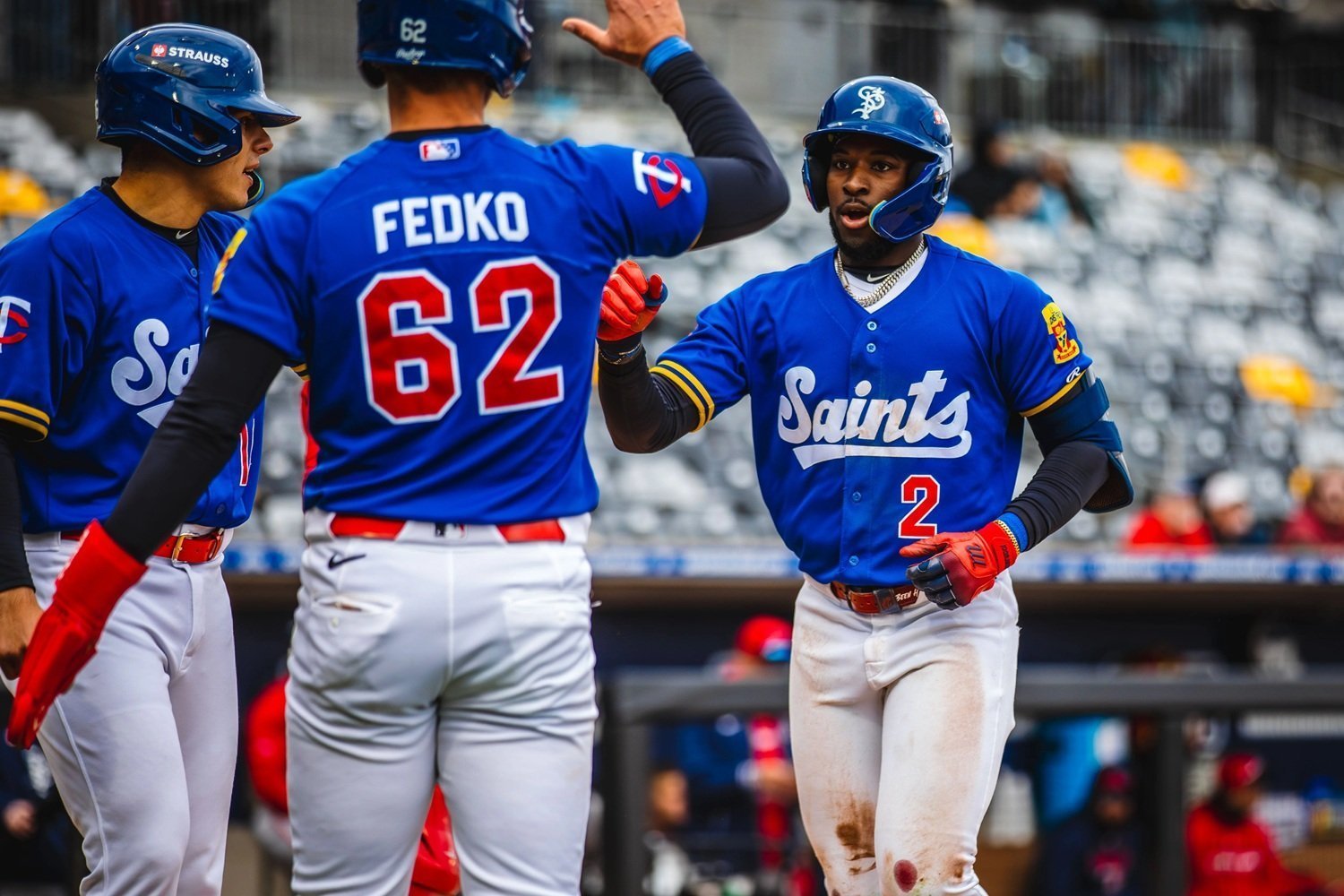 The wait is finally over. Jamie Cameron of Limestone Pipeline is reporting that the Minnesota Twins are calling up top prospect Kaelen Culpepper, giving one of the organization's brightest young talents his first opportunity in the major leagues. After months of speculation and an impressive first full season at Triple-A St. Paul, the 2024 first-round pick has officially earned the promotion. Culpepper has an .845 OPS with 14 home runs (31 extra-bae hits), a 116 wRC+, and 17 SB in 74 games at Triple-A. Few prospects have generated as much excitement this season as Culpepper. Entering the year, he was viewed as one of the Twins' cornerstone prospects after being named the organization's Minor League Player of the Year in 2025. Culpepper’s 2025 season reads like the blueprint for a breakout. Between Cedar Rapids and Wichita, he slashed .289/.375/.469 (.844) with 20 home runs, 25 steals, and a 133 wRC+ across 517 plate appearances. He wasted little time proving he was ready for the next challenge, continuing to produce against Triple-A pitching while showing the well-rounded game that made him a first-round selection out of Kansas State. The timing makes plenty of sense. Shortstop has been one of Minnesota's biggest question marks throughout the season, and Culpepper's strong performance left the front office with fewer and fewer reasons to keep him in St. Paul. Also, Minnesota’s offense has sputtered coming out of the All-Star break. It makes sense for Culpepper to get an opportunity with two left-handed starters scheduled in a pivotal series against Milwaukee this weekend. Culpepper's rise through the organization has been remarkably quick. Drafted 21st overall in 2024, he impressed during his first full professional season by climbing from High-A to Double-A while displaying legitimate 20-home run power and the ability to impact games on the bases. His power tool was one of his biggest question marks when he was drafted, and he's developed into one of the organization's best hitters. That success carried into 2026, where he continued to establish himself as a consensus top-100 prospect. Now comes the next test. Prospect promotions rarely solve every problem overnight, and the Twins won't expect Culpepper to immediately carry the offense. However, he brings energy, upside, and a skill set that has been missing from Minnesota's middle infield. His athleticism should strengthen the defense, while his offensive profile gives him the potential to become an everyday contributor from the moment he steps onto the field. For a Twins club looking to gain every possible edge during the stretch run, Culpepper's arrival could provide exactly the spark it has been searching for. The organization's future has officially arrived, and beginning tonight, Twins fans will finally get to watch one of baseball's most exciting young infielders take the next step in his career. What are realistic expectations for Culpepper in his debut? Leave a comment and start the discussion.
 -
Image courtesy of Rafael Suanes-Imagn Images The Minnesota Twins and Toronto Blue Jays don't make blockbuster trades every season, but when they do business together, the deals tend to reshape both organizations. Over the last six years, the clubs have completed three significant trades involving established major leaguers and premium prospects. Each transaction reflected where the two franchises stood competitively at the time, but they also revealed something deeper. Toronto has repeatedly targeted Minnesota's ability to develop pitching, while the Twins have shown confidence in their ability to identify overlooked talent elsewhere. That raises an interesting question. Does Toronto trust Minnesota's pitching pipeline even more than Twins fans do? Or should the Twins begin wondering if they're consistently giving away the best arm in these deals? With another major trade now complete, it's worth revisiting how each swap has unfolded. 2021: José Berríos for Austin Martin and Simeon Woods Richardson The first deal between the clubs remains one of the defining trades of the Derek Falvey era. Minnesota capitalized on a seller's market by moving José Berríos at the 2021 trade deadline, acquiring two highly ranked prospects (at the time) in Austin Martin and Simeon Woods Richardson. Toronto immediately committed to Berríos, signing him to a long-term extension before he reached free agency. His tenure with the Blue Jays has featured stretches of ace-level production mixed with frustrating inconsistency with a 102 ERA+ and a 4.36 FIP. Earlier this season, he underwent Tommy John surgery and is out until 2027. The Twins never received the star power many envisioned from their return. Martin's elite hit tool never translated into the impact bat scouts projected because the expected power never arrived with a 95 OPS+ and 0.7 rWAR over 243 games. Rather than becoming an everyday cornerstone, he has settled into the role of a versatile major league contributor capable of filling multiple positions. Woods Richardson looked like he could become a dependable middle-of-the-rotation starter after flashing encouraging signs during parts of 2024 and 2025 (104 ERA+, 4.30 FIP). Everything unraveled during the opening months of 2026 as posted a -0.8 rWAR in 15 games. Minnesota designated him for assignment, Toronto claimed him, passed him through waivers, and returned him to the minor leagues. Looking back, neither side produced the overwhelming winner many expected immediately after the trade. 2025: Louis Varland and Ty France for Kendry Rojas and Alan Roden The second deadline deal has become much more complicated. Toronto aggressively pursued Louis Varland leading into the 2025 trade deadline. Minnesota had little reason to move a controllable pitcher capable of starting or relieving for several more seasons, making the eventual deal somewhat surprising. The Twins believed they were acquiring two players ready to contribute. Alan Roden arrived with a reputation as one of Toronto's most polished hitting prospects and someone capable of stepping into the major league lineup immediately. Kendry Rojas offered something Minnesota covets: a young left-hander with swing-and-miss stuff and legitimate upside if he can stay healthy. Both players have helped the Twins during the 2026 season and still possess room for additional growth. The problem is what happened on the other side. Varland hasn't simply become a quality reliever. He's emerged as arguably the best closer in the American League. Through 51 appearances, he has a 1.11 ERA with a 32.9 K% and 7.2 BB%. His electric fastball and fearless approach have allowed him to dominate late innings while anchoring Toronto's bullpen. Minnesota may have questioned Varland's long-term upside. Toronto never hesitated to embrace him as a high-leverage weapon, and the results have been spectacular. Even if Roden and Rojas become productive major leaguers, watching Varland develop into one of baseball's premier relievers has made this trade increasingly difficult for Twins fans to accept. 2026: Jeff Hoffman and cash for Dasan Hill, John Klein, Dameury Pena, and international bonus pool money This year's deadline continued the growing connection between the two front offices. Minnesota entered August needing bullpen help as much as any contender. Jeff Hoffman immediately addressed that weakness, giving the Twins a proven late-inning reliever who remains under team control through next season. That extra year of control dramatically increased Toronto's asking price. The centerpiece of the package is Dasan Hill, one of the more fascinating pitching prospects in the organization. His future remains difficult to project. He has the raw ingredients to develop into a quality starting pitcher, but many evaluators believe his electric arsenal could eventually play even better in a high-leverage bullpen role. He also carries enough risk that he could never fully reach either ceiling. John Klein profiles more as organizational pitching depth today, although Toronto's continued interest in Minnesota arms naturally invites curiosity about whether its player development group sees another level. Dameury Peña remains several years away but offers intriguing athleticism and offensive upside in the lower minors. Unlike the previous two deals, this trade will require years before anyone can confidently judge the outcome. A Fascinating Organizational Trend Viewed together, these trades reveal a clear pattern. Toronto has repeatedly targeted pitchers developed by Minnesota. Berríos was already an established front-line starter, but the Blue Jays also prioritized Varland and have now added Hill and Klein to their system. Even Woods Richardson returned to the organization after Minnesota moved on. That suggests Toronto's evaluators consistently value the pitching talent coming through the Twins organization. Minnesota, meanwhile, has often preferred acquiring position players or younger, projectable talent while trusting its own player development staff to maximize those returns. Neither philosophy is inherently right or wrong. But the Varland trade serves as a reminder that sometimes the pitcher leaving Minnesota ultimately becomes the most valuable asset involved. Perhaps Toronto truly sees something unique in Minnesota's pitching pipeline. Or perhaps these repeated deals simply reflect two organizations with similar competitive windows that value players differently. The next time these front offices pick up the phone near the trade deadline, Twins fans may pay closer attention than ever. After all, history suggests Toronto usually knows exactly which Minnesota pitcher it wants. What stands out about these three trades? Who has been the winner? Leave a comment and start the discussion. View full article

