



Cody Schoenmann
-
Posts
768 -
Joined
-
Last visited
-
Days Won
1
Content Type
Profiles
News
Minnesota Twins Videos
2026 Minnesota Twins Top Prospects Ranking
2022 Minnesota Twins Draft Picks
Minnesota Twins Free Agent & Trade Rumors, Notes, & Tidbits
Guides & Resources
2023 Minnesota Twins Draft Picks
The Minnesota Twins Players Project
2024 Minnesota Twins Draft Picks
2025 Minnesota Twins Draft Pick Tracker
2026 Minnesota Twins Draft Tracker: Picks & Bonuses
Forums
Blogs
Events
Store
Downloads
Gallery
Everything posted by Cody Schoenmann
-

5 Relievers Minnesota Twins Could Sign to Minor-League Contracts
Cody Schoenmann posted an article in Twins
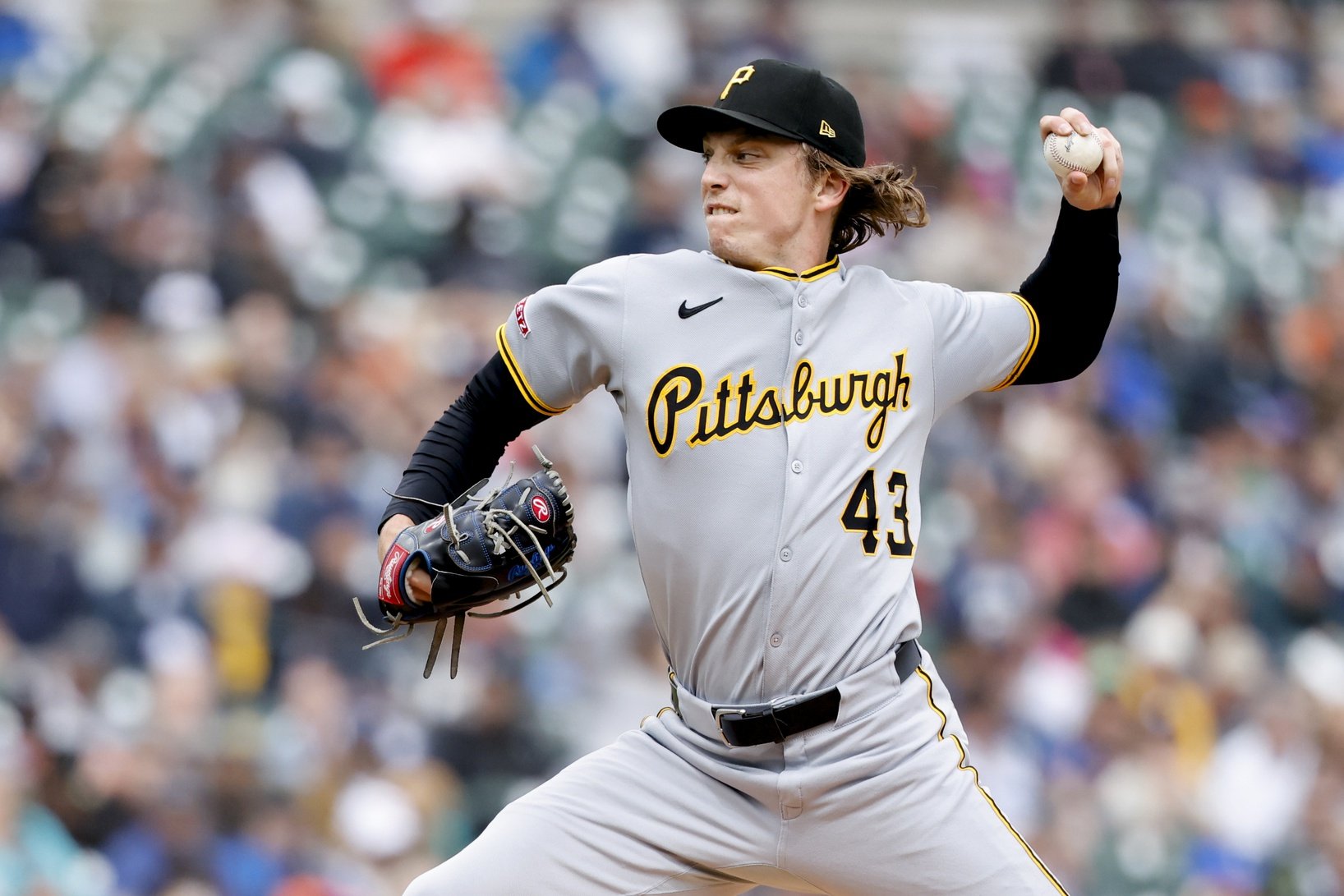 Following Minnesota outrighting veteran relievers Michael Tonkin, Thomas Hatch, Génesis Cabrera, and Anthony Misiewicz off the 40-man roster, declining Justin Topa’s $2 million team option, and losing Cody Laweryson off waivers to the Los Angeles Angels last week, only two relievers can be penciled in as anticipated members of the club’s Opening Day bullpen: Cole Sands and Kody Funderburk. Topa remains in the organization and could still be a member of Minnesota’s bullpen at a more team-friendly rate, which MLB Trade Rumors projects to settle at $1.7 million. Young arms like Travis Adams, Pierson Ohl, Marco Raya, and Connor Prielipp could quickly become high-leverage relievers early next season. Still, the unit is entering the offseason with little depth or experience. Minnesota’s front office will need to acquire multiple veterans to fill out the eight-pitcher unit. Yet, given that the front office is expected to operate under significant spending restrictions, they might be unable to sign any sought-after veterans on the free-agent market. That being the case, team decision-makers could scour the minor-league free agent market for relievers this winter. Which arms should they pursue? Let’s take a look. Justin Yeager Drafted in the no-longer-existent 33rd round of the 2019 MLB Amateur Draft, Yeager spent his first three seasons of affiliated ball in the Atlanta Braves minor league system before being traded to the Milwaukee Brewers alongside All-Star catcher William Contreras and reliever Joel Payamps in December 2022. The righty excelled with Milwaukee's Double- and Triple-A team, generating a combined 2.85 ERA, 3.33 FIP, and 108-to-47 strikeout to walk ratio over 110 ⅔ innings pitched. However, the Brewers never rewarded the now-27-year-old with a 40-man roster spot, leading him to elect minor-league free agency this offseason. Yeager worked exclusively as a reliever in Milwaukee’s minor league system, sporting two fastball variations (four-seam and cutter) that top out at 94 MPH and a plus sweeper. If Minnesota signed Yeager, he would mix in with the collective of Adams, Ohl, Raya, and Prielipp as young arms competing for bullpen spots. The SIU-Carbondale product excels at suppressing hard contact and missing barrels, a skillset the front office would be wise to seek out when pursuing bullpen acquisitions. Given his success in the highly respected Brewers minor league system, Minnesota would be wise to pursue the 27-year-old right-handed reliever. Ryder Ryan Drafted by the Cleveland Baseball Club in the now-extinct 30th round of the 2016 MLB Amateur Draft, Ryan has been a minor-league journeyman over the course of his nine-season career, jumping between Cleveland, New York (Mets), Texas, Seattle, and Pittsburgh minor league systems. The now 30-year-old has also made major league appearances for the Mariners and Pirates, netting a 5.40 ERA and 4.71 FIP over 21 ⅓ innings pitched. Ryan has operated exclusively as a reliever in the minors and majors, primarily using a slider and two fastball variations (four-seam and sinker) over the course of his career. The right-handed arm altered his slider into more of a sweeper last season, resulting in the pitch developing more effective horizontal movement. Given Minnesota’s proclivity for pursuing relievers who possess Ryan’s arsenal, there is reason to believe team decision-makers could sign him to a minor-league deal this winter, with an opportunity for the veteran to make his first Opening Day 26-man roster. Ryan Borucki The next pitcher on this list comes in the form of another former Pirate. Borucki, 31, is entering his ninth major league season, having previously pitched for the Blue Jays, Mariners, and the aforementioned Pirates. Despite Jon Heyman incorrectly reporting Borucki had signed a one-year deal with the Twins late last January, the soft-tossing lefty began last season with Pittsburgh, netting a 5.28 ERA and 4.34 FIP over 30 ⅔ innings pitched for the Pirates. Pittsburgh released the southpaw in mid-August. However, he quickly signed a minor-league deal with Toronto one week later, generating 0.00 ERA and 3.60 FIP over 4 ⅓ innings pitched for the AL East-winning Blue Jays. The veteran was later released by Toronto, entering free agency for the second consecutive offseason. Primarily throwing a slider and sinker, Borucki’s arsenal is similar to Funderburk’s. Still, Minnesota would be smart to round out its bullpen with veteran arms, with Borucki being one of the more realistic options. Collin Snider Like Borucki, Snider has multiple seasons of major league experience, and also pitched for Seattle. Yet, like Borucki, he is not expected to net a major league deal this winter, after posting a lackluster 5.47 ERA and 3.70 FIP over 26 ⅓ innings for the Mariners in 2025. Leaning heavily on a sweeper/fastball mix (again, a pitch combination Minnesota’s front office adores), the right-handed reliever broke out with Seattle in 2024, generating a 1.94 ERA, 3.94 FIP, and a 47-to-13 strikeout to walk ratio over 41 2/3 innings pitched. Pitching like one of the most effective relievers in baseball, Snider made the Mariners' 2025 Opening Day 26-man roster. Unfortunately, his production quickly diminished, resulting in him being designated for assignment on July 30 after posting a 5.70 ERA and 3.70 FIP over 26 1/3 innings pitched. Snider remained in the Mariners organization for the rest of the season. However, after struggling mightily in Triple-A (8.06 ERA and 8.21 FIP over 25 2/3 innings pitched) and not being part of the club's magical postseason run, the now 30-year-old has entered minor-league free agency, hoping to return to the majors with a different organization. A possible explanation for the stark season-over-season contrast in Snider's performance could be that he suffered a right forearm flexor strain in early June, sidelining him for over a month. That said, his 2024 campaign could be an outlier, given that he also struggled in 2022 and 2023 with Kansas City. Still, the former Mariner is an interesting buy-low veteran candidate that Twins decision-makers could take a flier on, with intentions of guiding him back to being the above-average reliever he was with Seattle in 2024. Parker Mushinski Mushinski, 29, pitched in part of three seasons for the Houston Astros from 2022 to 2024, generating a 4.05 ERA and 4.31 FIP over 33 innings pitched. The soft-tossing lefty was unable to find a solidified role in Houston's bullpen, resulting in him electing minor-league free agency after the 2024 season and signing with the Cleveland Guardians last offseason. Unfortunately, the Texas Tech product didn't reach the majors last season. However, he performed exceptionally well in Triple-A Columbus, netting a 3.78 ERA, 3.42 FIP, and a 40-to-19 strikeout to walk ratio over 50 innings pitched. Sporting a four-seam fastball that hovers around 93 MPH, an above-average curve, and an adequate cutter and sweeper, Mushinski possesses the diverse arsenal and plus stuff necessary to succeed in a major league bullpen in 2026. Again, Minnesota already has its number one left-handed relief option on its 26-man roster in Funderburk. Yet, given that Mushinski prefers to attack hitters vertically (as opposed to Funderburk operating east-to-west with his sinker and cutter), the 29-year-old would function as a viable complementary southpaw to Funderburk, unlike Borucki and his previously redundant skillset. Arsenal aside, Muchinski also possesses the skill necessary to usurp Funderburk on the organizational depth chart, based on results alone. Do any of these names do anything for you? Are there any overlooked relievers on the market this offseason who strike your fancy? Sound off in the comments section.
- 21 comments
-
- 5
-

-
- justin yeager
- ryder ryan
- (and 3 more)
-
C: Ryan Jeffers ($6.60M) 1B: Rhys Hoskins ($8M) 2B: Luke Keaschall ($0.80M) 3B: Royce Lewis ($3.00M) SS: Brooks Lee ($0.80M) LF: Alan Roden ($0.80M) CF: Byron Buxton ($15.00M) RF: Matt Wallner ($0.80M) DH: Miguel Andujar ($6M) 4th OF: James Outman ($0.80M) Utility: Kody Clemens ($1.1M) Utility: Austin Martin ($0.80M) Backup C: James McCann ($1.5M) POS: Add Dead Money Here ($0.00M) SP1: Pablo Lopez ($21.75M) SP2: Joe Ryan ($5.80M) SP3: Bailey Ober ($4.60M) SP4: Simeon Woods Richardson ($0.80M) SP5: Taj Bradley ($0.80M) RP: Tyler Kinley ($2.5M) RP: Kody Funderburk ($0.80M) RP: Cole Sands ($1.30M) RP: Pierson Ohl ($0.80M) RP: Travis Adams ($0.80M) RP: Connor Prielipp ($0.80M) RP: Marco Raya ($0.80M) RP: Ryder Ryan ($0.80M) POS: Add Dead Money Here ($0.00M) Payroll is 19.68% under budget
-
- 1
-
-
Following Minnesota outrighting veteran relievers Michael Tonkin, Thomas Hatch, Génesis Cabrera, and Anthony Misiewicz off the 40-man roster, declining Justin Topa’s $2 million team option, and losing Cody Laweryson off waivers to the Los Angeles Angels last week, only two relievers can be penciled in as anticipated members of the club’s Opening Day bullpen: Cole Sands and Kody Funderburk. Topa remains in the organization and could still be a member of Minnesota’s bullpen at a more team-friendly rate, which MLB Trade Rumors projects to settle at $1.7 million. Young arms like Travis Adams, Pierson Ohl, Marco Raya, and Connor Prielipp could quickly become high-leverage relievers early next season. Still, the unit is entering the offseason with little depth or experience. Minnesota’s front office will need to acquire multiple veterans to fill out the eight-pitcher unit. Yet, given that the front office is expected to operate under significant spending restrictions, they might be unable to sign any sought-after veterans on the free-agent market. That being the case, team decision-makers could scour the minor-league free agent market for relievers this winter. Which arms should they pursue? Let’s take a look. Justin Yeager Drafted in the no-longer-existent 33rd round of the 2019 MLB Amateur Draft, Yeager spent his first three seasons in affiliated ball in the Atlanta Braves minor league system before being traded to the Milwaukee Brewers alongside All-Star catcher William Contreras and reliever Joel Payamps in December 2022. The righty excelled with Milwaukee's Double- and Triple-A team, generating a combined 2.85 ERA, 3.33 FIP, and 108-to-47 strikeout to walk ratio over 110 ⅔ innings pitched. However, the Brewers never rewarded the now-27-year-old with a 40-man roster spot, leading him to elect minor-league free agency this offseason. Yeager worked exclusively as a reliever in Milwaukee’s minor league system, sporting two fastball variations (four-seam and cutter) that top out at 94 MPH and a plus sweeper. If Minnesota signed Yeager, he would mix in with the collective of Adams, Ohl, Raya, and Prielipp as young arms competing for bullpen spots. The SIU-Carbondale product excels at suppressing hard contact and missing barrels, a skillset the front office would be wise to seek out when pursuing bullpen acquisitions. Given his success in the highly respected Brewers minor league system, Minnesota would be wise to pursue the 27-year-old right-handed reliever. Ryder Ryan Drafted by the Cleveland Baseball Club in the now-extinct 30th round of the 2016 MLB Amateur Draft, Ryan has been a minor-league journeyman over the course of his nine-season career, jumping between Cleveland, New York (Mets), Texas, Seattle, and Pittsburgh minor league systems. The now 30-year-old has also made major league appearances for the Mariners and Pirates, netting a 5.40 ERA and 4.71 FIP over 21 ⅓ innings pitched. Ryan has operated exclusively as a reliever in the minors and majors, primarily using a slider and two fastball variations (four-seam and sinker) over the course of his career. The right-handed arm altered his slider into more of a sweeper last season, resulting in the pitch developing more effective horizontal movement. Given Minnesota’s proclivity for pursuing relievers who possess Ryan’s arsenal, there is reason to believe team decision-makers could sign him to a minor-league deal this winter, with an opportunity for the veteran to make his first Opening Day 26-man roster. Ryan Borucki The next pitcher on this list comes in the form of another former Pirate. Borucki, 31, is entering his ninth 1 major league season, having previously pitched for the Blue Jays, Mariners, and the aforementioned Pirates. Despite Jon Heyman incorrectly reporting Borucki had signed a one-year deal with the Twins late last January, the soft-tossing lefty began last season with Pittsburgh, netting a 5.28 ERA and 4.34 FIP over 30 ⅔ innings pitched for the Pirates. Pittsburgh released the southpaw in mid-August. However, he quickly signed a minor-league deal with Toronto one week later, generating 0.00 ERA and 3.60 FIP over 4 ⅓ innings pitched for the AL East-winning Blue Jays. The veteran was later released by Toronto, entering free agency for the second consecutive offseason. Primarily throwing a slider and sinker, Borucki’s arsenal is similar to Funderburk’s. Still, Minnesota would be smart to round out its bullpen with veteran arms, with Borucki being one of the more realistic options. Collin Snider Like Borucki, Snider has multiple seasons of major league experience, and also pitched for Seattle. Yet, like Borucki, he is not expected to net a major league deal this winter, after posting a lackluster 5.47 ERA and 3.70 FIP over 26 ⅓ innings for the Mariners in 2025. Leaning heavily on a sweeper/fastball mix (again, a pitch combination Minnesota’s front office adores), the right-handed reliever broke out with Seattle in 2024, generating a 1.94 ERA, 3.94 FIP, and a 47-to-13 strikeout to walk ratio over 41 2/3 innings pitched. Pitching like one of the most effective relievers in baseball, Snider made the Mariners' 2025 Opening Day 26-man roster. Unfortunately, his production quickly diminished, resulting in him being designated for assignment on July 30 after posting a 5.70 ERA and 3.70 FIP over 26 1/3 innings pitched. Snider remained in the Mariners organization for the rest of the season. However, after struggling mightily in Triple-A (8.06 ERA and 8.21 FIP over 25 2/3 innings pitched) and not being part of the club's magical postseason run, the now 30-year-old has entered minor-league free agency, hoping to return to the majors with a different organization. A possible explanation for the stark season-over-season contrast in Snider's performance could be that he suffered a right forearm flexor strain in early June, sidelining him for over a month. That said, his 2024 campaign could be an outlier, given that he also struggled in 2022 and 2023 with Kansas City. Still, the former Mariner is an interesting buy-low veteran candidate that Twins decision-makers could take a flier on, with intentions of guiding him back to being the above-average reliever he was with Seattle in 2024. Parker Mushinski Mushinski, 29, pitched in part of three seasons for the Houston Astros from 2022 to 2024, generating a 4.05 ERA and 4.31 FIP over 33 innings pitched. The soft-tossing lefty was unable to find a solidified role in Houston's bullpen, resulting in him electing minor-league free agency after the 2024 season and signing with the Cleveland Guardians last offseason. Unfortunately, the Texas Tech product didn't reach the majors last season. However, he performed exceptionally well in Triple-A Columbus, netting a 3.78 ERA, 3.42 FIP, and a 40-to-19 strikeout to walk ratio over 50 innings pitched. Sporting a four-seam fastball that hovers around 93 MPH, an above-average curve, and an adequate cutter and sweeper, Mushinski possesses the diverse arsenal and plus stuff necessary to succeed in a major league bullpen in 2026. Again, Minnesota already has its number one left-handed relief option on its 26-man roster in Funderburk. Yet, given that Mushinski prefers to attack hitters vertically (as opposed to Funderburk operating east-to-west with his sinker and cutter), the 29-year-old would function as a viable complementary southpaw to Funderburk, unlike Borucki and his previously redundant skillset. Arsenal aside, Muchinski also possesses the skill necessary to usurp Funderburk on the organizational depth chart, based on results alone. View full article
-
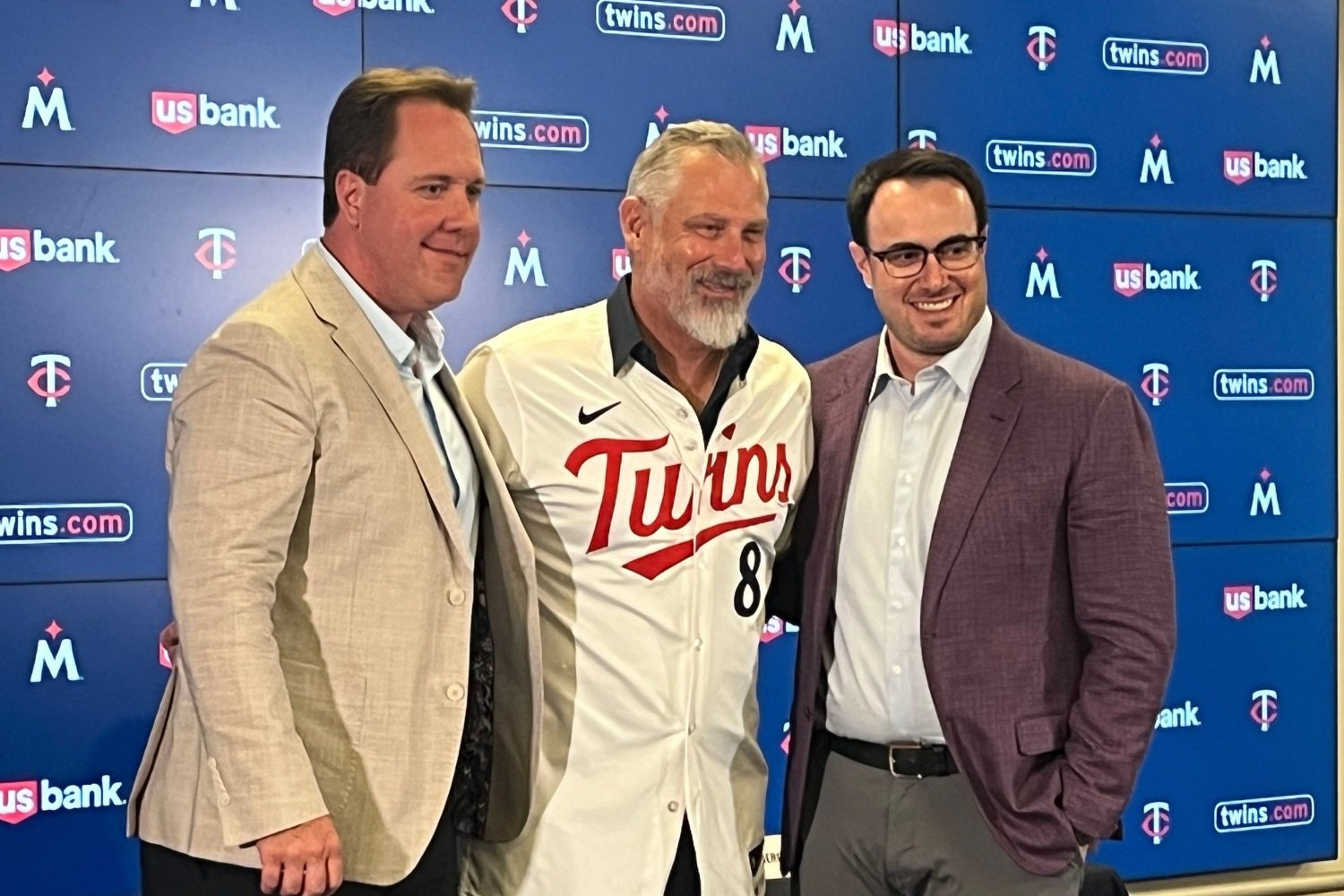 Charisma is timeless. Attractive personalities move mountains and change ballclubs. Of course, charisma is a subjective term. What charms one person can give another the ick. Yet, those who have that "it factor" (whatever “it” may be) tend to get what they strive for, regardless of controversy, affiliation, or moral compass (or lack thereof). Initially deemed an uninspiring hire by a stagnant front office, new Minnesota Twins manager Derek Shelton has shifted much of the fanbase's perception of him from negative or neutral to positive in less than two weeks since being hired as Rocco Baldelli's successor. The Twins' public relations team has played a role in maximizing Shelton's public appearances, assisting the former Pittsburgh Pirates skipper in building as much cultural cachet in Twins Territory as possible. Still, positive public perception can't be manufactured; it must be earned. Shelton has done just that, showcasing a sense of humor and personability that no Twins manager has possessed since Ron Gardenhire left the organization in 2014. Obviously, having a charismatic personality isn't an absolute prerequisite for finding success, especially as an MLB manager. Gardenhire's successor, Paul Molitor, led the club to the postseason in 2017. Baldelli and his milquetoast demeanor guided the club to three postseason appearances in seven seasons, ending the organization's 18-game postseason losing streak in 2023. However, despite their respective successes as managers, Molitor and (more specifically) Baldelli were never able to store much goodwill with large sections of Twins Territory. Molitor never earned it as a manager, as his tenure with the Twins was short-lived and largely unsuccessful. The driving factor behind Baldelli's inability to become a beloved figure was his being impersonal and unrelatable. Whether during times of success or despair, those who follow the Twins longed for Baldelli to exhibit any sense of personality. Unfortunately, the club's former skipper consistently failed to take advantage of opportunities to showcase his personality, even in controlled environments. Instead, he elected to act in a manner seemingly molded by a third-party organization's public relations department, rather than acting in a natural manner. The faults of Baldelli’s robotic demeanor reached a boiling point when he flubbed a farewell for Willi Castro (before being chastised by an enraged Griffin Jax) the day before this season’s trade deadline. It is vital to be honest with ourselves. Expecting corporate soldiers to display a profound sense of authenticity is a fool's errand. Still, if Baldelli possessed even an ounce of public-facing charm or allure, it should have oozed out at some point over his seven-year tenure as Twins manager. Unfortunately, it never did. The result of Baldelli failing to earn the affection of Twins Territory was a talented baseball mind (and overall good person) taking the brunt of anger from one of baseball's most disillusioned fan bases. He was the target of much of Twins fans' collective angst simply because he was an accessible figure whose face was seen during every game—unlike those of the Pohlad family. Still, he didn't do himself any favors by being a closed-off figure who answered questions as if he was managing a Facebook-operated multi-level marketing scheme, rather than a baseball club. Whether it be cracking jokes about Derek Falvey's job title, playfully bantering with Patrick Reusse about the color of his beard, or taking courtside photos with Falvey at a Minnesota Timberwolves game, Shelton has exuded more personality in his first two weeks as Twins manager than Baldelli did over seven seasons—seemingly without trying. Shelton is charismatic in a way that doesn’t feel manufactured. He's witty—a vital characteristic in hard, challenging times. Unfortunately, difficult times could be a common theme for the 2026 Twins. Still, given Shelton's disarming personality and strong sense of humor, Twins Territory could feel a sense of kinship to the club's manager it hasn't known since Gardenhire left the office. Hopefully, the same qualities that endear the fanbase to Shelton will resonate with the players, creating a sense of optimism about the club's on-field results that has been missing since the team's dramatic 2024 collapse.
 -
Charisma is timeless. Attractive personalities move mountains and change ballclubs. Now, charisma is a subjective term. What charms one person can give another the ick. Yet, those who have that "it factor" (whatever “it” may be) tend to get what they strive for, regardless of controversy, affiliation, or moral compass (or lack thereof). Initially deemed an uninspiring hire by a stagnant front office, new Minnesota Twins manager Derek Shelton has shifted much of the fanbase's perception of him from negative or neutral to positive in less than two weeks since being hired as Rocco Baldelli's successor. The Twins' public relations team has played a role in maximizing Shelton's public appearances, assisting the former Pittsburgh Pirates skipper in building as much cultural cachet in Twins Territory as possible. Still, positive public perception can't be manufactured; it must be earned. Shelton has done just that, showcasing a sense of humor and personability that no Twins manager has possessed since Ron Gardenhire left the organization in 2014. Obviously, having a charismatic personality isn't an absolute prerequisite for finding success, especially as an MLB manager. Gardenhire's successor, Paul Molitor, led the club to the postseason in 2017. Baldelli and his milquetoast demeanor guided the club to three postseason appearances in seven seasons, ending the organization's 18-game postseason losing streak in 2023. However, despite their respective successes as managers, Molitor and (more specifically) Baldelli were never able to store much goodwill with large sections of Twins Territory. Molitor never earned it as a manager, as his tenure with the Twins was short-lived and largely unsuccessful. The driving factor behind Baldelli's inability to become a beloved figure was him being impersonal and unrelatable. Whether during times of success or despair, those who follow the Twins longed for Baldelli to exhibit any sense of personality. Unfortunately, the club's former skipper consistently failed to take advantage of opportunities to showcase his personality, even in controlled environments. Instead, he elected to act in a manner seemingly molded by a third-party organization's public relations rather than acting in a natural manner. The faults of Baldelli’s robotic demeanor reached a boiling point when he flubbed a farewell send off for Willi Castro before being chastised by an enraged Griffin Jax the day before last season’s trade deadline. ture reaching a boiling point It is vital to be honest with ourselves. Expecting corporate soldiers to ever display a profound sense of authenticity is a fool's errand. Still, if Baldelli possessed even an ounce of public-facing charm or allure, it should have oozed out at some point over his seven-year tenure as Twins manager. Unfortunately, it never did. The result of Baldelli failing to earn the affection of Twins Territory was a talented baseball mind (and overall good person) taking the brunt of anger from one of baseball's most disillusioned fan bases. He was the target of much of Twins fans' collective angst simply because he was an accessible figure whose face was seen during every game, unlike the Pohlad family. Still, he didn't do himself any favors by being a closed-off figure who answered questions as if he was managing a Facebook operated multi-level marketing scheme rather than a baseball club. Whether it be cracking jokes about Derek Falvey's job title, playfully bantering with Patrick Reusse about the color of his beard (although, Shelton's response to Reusse was admittedly a little stale) , or taking courtside photos with Falvey at a Minnesota Timberwolves game, Shelton has exuded more personality in his first two weeks as Twins manager than Baldelli did over seven seasons—seemingly without trying. Shelton is charismatic in a way that doesn’t feel manufactured. He's witty—a vital characteristic in hard, challenging times. Unfortunately, difficult times could be a common theme for Shelton and the 2026 Twins. Still, given Shelton's disarming personality and strong sense of humor, Twins Territory could feel a sense of kinship to the club's manager it hasn't known since Gardenhire left the office in 2014. Hopefully, the same qualities that endear the fanbase to Shelton will resonate with the players, creating a sense of optimism about the club's on-field results that has been missing since the team's dramatic 2024 collapse. View full article
-
Image courtesy of © Matt Blewett-Imagn Images With just two relievers penciled in for Opening Day, the Minnesota Twins face a familiar offseason challenge: how do you rebuild a bullpen on a budget? Following Minnesota outrighting veteran relievers Michael Tonkin, Thomas Hatch, Génesis Cabrera, and Anthony Misiewicz off the 40-man roster, declining Justin Topa’s $2 million team option, and losing Cody Laweryson off waivers to the Los Angeles Angels, only two relievers can be penciled in as anticipated members of the club’s Opening Day bullpen: Cole Sands and Kody Funderburk. Young, inexperienced right-handed arms Travis Adams, Pierson Ohl, and Marco Raya are strong candidates to inherit three of the open spots entering next season. Still, with the bullpen thin on depth and experience, Twins decision-makers will need to acquire multiple veterans to fill out the eight-pitcher unit. What veterans could they bring in to help bolster first-time bullpen coach LaTroy Hawkins’s group? Let’s take a look. Tyler Kinley Selected with the 13th pick of the 2017 Rule 5 Draft, Kinley pitched 3 ⅓ innings over four games for the 2018 Minnesota Twins, generating an uninspiring 24.30 ERA and 12.15 FIP over that stretch. Unsurprisingly, the then-27-year-old was returned to the Miami Marlins, where he spent one-and-a-half seasons before being traded to the Colorado Rockies. Given his home ballpark and the overall ineptitude of the organization he pitched for, the hard-tossing righty surprisingly mustered moderate success during his time in Denver, generating a 5.05 ERA, 4.26 FIP, and a 261-to-110 strikeout-to-walk ratio in 246 innings pitched over five seasons. The now 34-year-old was rewarded for his services by being traded to the Atlanta Braves during the 2025 trade deadline, where he generated an eye-popping 0.72 ERA, 2.74 FIP, and a 17% K-BB rate over 25 innings pitched. Atlanta declined Kinley’s $5.5 million team option earlier this month, making the wily veteran a free agent this winter. Throwing his plus slider 64% of the time while using his four-seam fastball as his primary secondary pitch (a combination Twins decision-makers often seek out in relievers), Kinley excelled with Atlanta last season by suppressing hard contact and missing bats. The former Twin likely won’t pitch like one of the best relievers in baseball next season as he did with Atlanta in 2025, yet he should be able to immediately insert himself as a high-leverage right-handed arm at a price tag hovering around $2-3 million. Given how thin Minnesota’s bullpen is currently constructed, Kinley would be the favorite to receive the bulk of save opportunities if he returned to the Twins. Hoby Milner Signed to a one-year, $2.5 million contract by the Texas Rangers last December, Milner performed admirably for the playoff-missing Rangers, posting a 3.84 ERA, 3.81 FIP, and a 58-to-21 strikeout-to-walk ratio over 70 ⅓ innings pitched. Interestingly, Minnesota was in on Milner before he signed with Texas last offseason, signaling that the Twins could again pursue the soft-tossing lefty this winter. As noted earlier, fellow southpaw Funderburk is slated to be part of Minnesota’s Opening Day bullpen, meaning Milner would be the club’s second left-handed option. Traditionally, Twins decision-makers have shied away from carrying two lefties in the bullpen, yet given Milner’s strong performance last season, the club would be pursuing the 34-year-old based on skill rather than handedness. Milner, like Kinley, would immediately step in as one of Minnesota’s most experienced relievers, likely receiving high-leverage opportunities early next season. Sporting a sweeper-sinker mix, the former Brewer is more effective against same-handed hitters, evidenced by allowing a .224 wOBA to left-handed hitters compared to a .353 wOBA to right-handed hitters in 2025. Still, the established veteran can hold his own against hitters from either side while generating a high number of ground balls, an archetype the current bullpen is missing. Milner should net another one-year deal in the $2-3 million range, a price tag even the salary-restricted Twins could afford. Shawn Armstrong Speaking of relievers who pitched for the 2025 Rangers, the final reliever on this list is Armstrong. Sporting three fastball variations (four-seam, sinker, and cutter) and a near-elite sweeper, Armstrong pitched like one of the AL’s most effective late-inning arms in 2025, recording a 2.31 ERA, 3.07 FIP, and a 74-to-20 strikeout-to-walk ratio over 74 innings pitched for Texas. The now-35-year-old broke out with the Tampa Bay Rays in 2023, generating a 1.38 ERA over 52 innings pitched. Yet, his 2025 campaign, where he also netted nine saves, was arguably his most impressive. Given his strong performance last season, the veteran will be one of the more expensive relievers on the market, likely commanding a one-to-two-year deal worth $5-6 million annually. That being the case, he is the least likely of the listed candidates for Minnesota to pursue this offseason. Still, if Twins decision-makers were to take a modest, high-upside swing in the free-agent reliever market this winter, Armstrong is the most plausible candidate for them to invest in. If signed, Armstrong would step in as the club’s closer heading into 2026, potentially serving as a mentor for the aforementioned inexperienced right-handers Adams, Ohl, and Raya. Also, if Minnesota falls out of contention come the 2026 trade deadline, the front office could trade Armstrong, netting a return package similar to what they received for Brock Stewart or Danny Coulombe last July. Regardless, Minnesota needs to address the bullpen in some capacity this offseason. Signing elite late-inning arms like Edwin Díaz or Robert Suarez is an unrealistic proposition given the club’s current self-imposed spending limitations. Yet, there is reason to believe the front office could unearth strong value in veteran arms like Kinley, Milner, Armstrong, or others. View full article
-
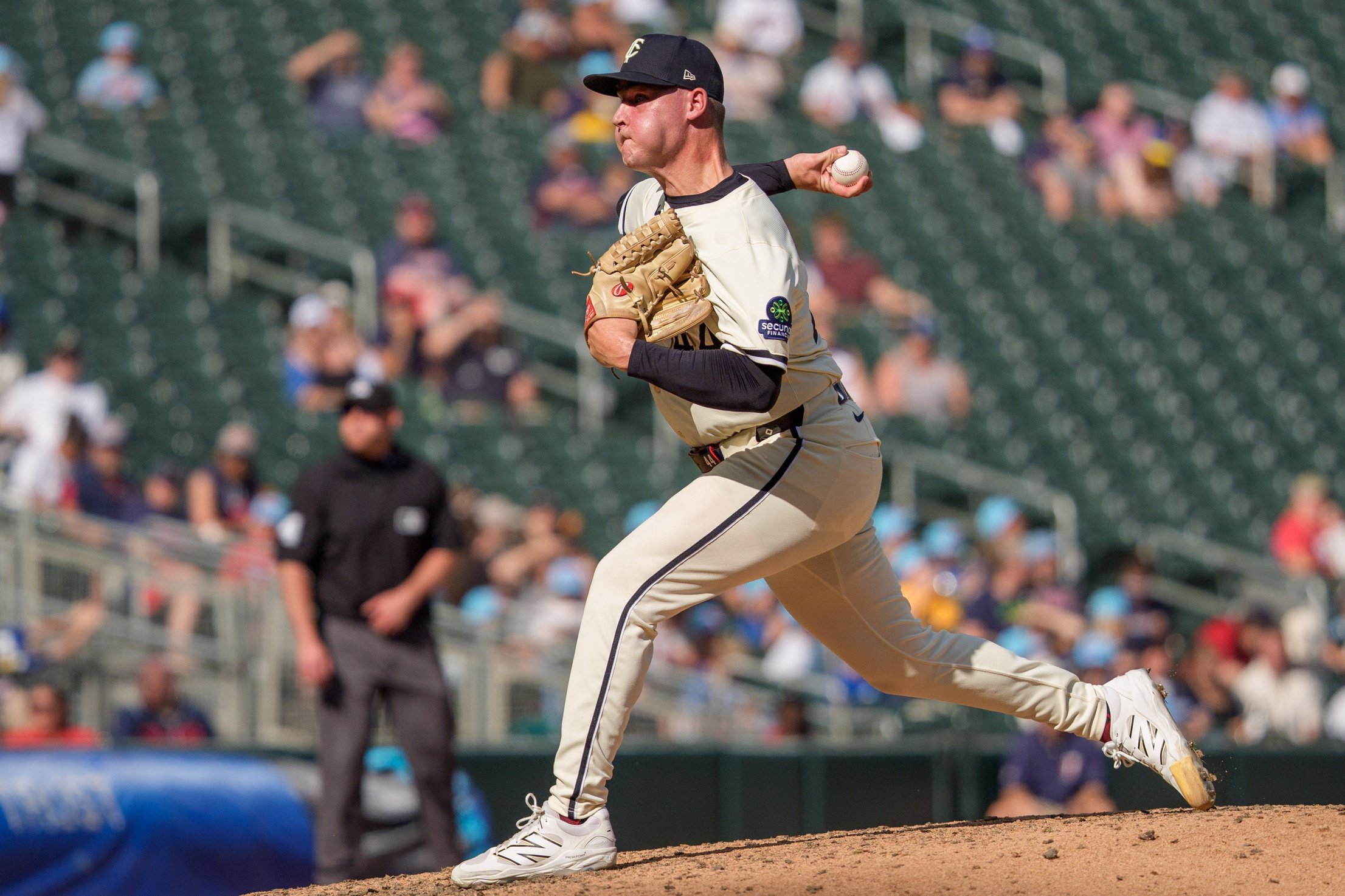 With just two relievers penciled in for Opening Day, the Minnesota Twins face a familiar offseason challenge: how do you rebuild a bullpen on a budget? Following Minnesota outrighting veteran relievers Michael Tonkin, Thomas Hatch, Génesis Cabrera, and Anthony Misiewicz off the 40-man roster, declining Justin Topa’s $2 million team option, and losing Cody Laweryson off waivers to the Los Angeles Angels, only two relievers can be penciled in as anticipated members of the club’s Opening Day bullpen: Cole Sands and Kody Funderburk. Young, inexperienced right-handed arms Travis Adams, Pierson Ohl, and Marco Raya are strong candidates to inherit three of the open spots entering next season. Still, with the bullpen thin on depth and experience, Twins decision-makers will need to acquire multiple veterans to fill out the eight-pitcher unit. What veterans could they bring in to help bolster first-time bullpen coach LaTroy Hawkins’s group? Let’s take a look. Tyler Kinley Selected with the 13th pick of the 2017 Rule 5 Draft, Kinley pitched 3 ⅓ innings over four games for the 2018 Minnesota Twins, generating an uninspiring 24.30 ERA and 12.15 FIP over that stretch. Unsurprisingly, the then-27-year-old was returned to the Miami Marlins, where he spent one-and-a-half seasons before being traded to the Colorado Rockies. Given his home ballpark and the overall ineptitude of the organization he pitched for, the hard-tossing righty surprisingly mustered moderate success during his time in Denver, generating a 5.05 ERA, 4.26 FIP, and a 261-to-110 strikeout-to-walk ratio in 246 innings pitched over five seasons. The now 34-year-old was rewarded for his services by being traded to the Atlanta Braves during the 2025 trade deadline, where he generated an eye-popping 0.72 ERA, 2.74 FIP, and a 17% K-BB rate over 25 innings pitched. Atlanta declined Kinley’s $5.5 million team option earlier this month, making the wily veteran a free agent this winter. Throwing his plus slider 64% of the time while using his four-seam fastball as his primary secondary pitch (a combination Twins decision-makers often seek out in relievers), Kinley excelled with Atlanta last season by suppressing hard contact and missing bats. The former Twin likely won’t pitch like one of the best relievers in baseball next season as he did with Atlanta in 2025, yet he should be able to immediately insert himself as a high-leverage right-handed arm at a price tag hovering around $2-3 million. Given how thin Minnesota’s bullpen is currently constructed, Kinley would be the favorite to receive the bulk of save opportunities if he returned to the Twins. Hoby Milner Signed to a one-year, $2.5 million contract by the Texas Rangers last December, Milner performed admirably for the playoff-missing Rangers, posting a 3.84 ERA, 3.81 FIP, and a 58-to-21 strikeout-to-walk ratio over 70 ⅓ innings pitched. Interestingly, Minnesota was in on Milner before he signed with Texas last offseason, signaling that the Twins could again pursue the soft-tossing lefty this winter. As noted earlier, fellow southpaw Funderburk is slated to be part of Minnesota’s Opening Day bullpen, meaning Milner would be the club’s second left-handed option. Traditionally, Twins decision-makers have shied away from carrying two lefties in the bullpen, yet given Milner’s strong performance last season, the club would be pursuing the 34-year-old based on skill rather than handedness. Milner, like Kinley, would immediately step in as one of Minnesota’s most experienced relievers, likely receiving high-leverage opportunities early next season. Sporting a sweeper-sinker mix, the former Brewer is more effective against same-handed hitters, evidenced by allowing a .224 wOBA to left-handed hitters compared to a .353 wOBA to right-handed hitters in 2025. Still, the established veteran can hold his own against hitters from either side while generating a high number of ground balls, an archetype the current bullpen is missing. Milner should net another one-year deal in the $2-3 million range, a price tag even the salary-restricted Twins could afford. Shawn Armstrong Speaking of relievers who pitched for the 2025 Rangers, the final reliever on this list is Armstrong. Sporting three fastball variations (four-seam, sinker, and cutter) and a near-elite sweeper, Armstrong pitched like one of the AL’s most effective late-inning arms in 2025, recording a 2.31 ERA, 3.07 FIP, and a 74-to-20 strikeout-to-walk ratio over 74 innings pitched for Texas. The now-35-year-old broke out with the Tampa Bay Rays in 2023, generating a 1.38 ERA over 52 innings pitched. Yet, his 2025 campaign, where he also netted nine saves, was arguably his most impressive. Given his strong performance last season, the veteran will be one of the more expensive relievers on the market, likely commanding a one-to-two-year deal worth $5-6 million annually. That being the case, he is the least likely of the listed candidates for Minnesota to pursue this offseason. Still, if Twins decision-makers were to take a modest, high-upside swing in the free-agent reliever market this winter, Armstrong is the most plausible candidate for them to invest in. If signed, Armstrong would step in as the club’s closer heading into 2026, potentially serving as a mentor for the aforementioned inexperienced right-handers Adams, Ohl, and Raya. Also, if Minnesota falls out of contention come the 2026 trade deadline, the front office could trade Armstrong, netting a return package similar to what they received for Brock Stewart or Danny Coulombe last July. Regardless, Minnesota needs to address the bullpen in some capacity this offseason. Signing elite late-inning arms like Edwin Díaz or Robert Suarez is an unrealistic proposition given the club’s current self-imposed spending limitations. Yet, there is reason to believe the front office could unearth strong value in veteran arms like Kinley, Milner, Armstrong, or others.
- 34 comments
-
- 7
-
-
- tyler kinley
- hoby milner
- (and 2 more)
-
Payroll constraints aside, I'd love to see the Twins bring in Andujar, even if he doesn't play much 1B. But yes, France, Lowe, and most realistic free agent 1B options are uninspiring, I agree.
- 64 replies
-
- 3
-
-
- kody clemens
- ty france
- (and 2 more)
-
By "strong-side" I meant that Andujar would net more time at 1B than Clemens, including against right-handed pitching. That said, I get what you mean.
-
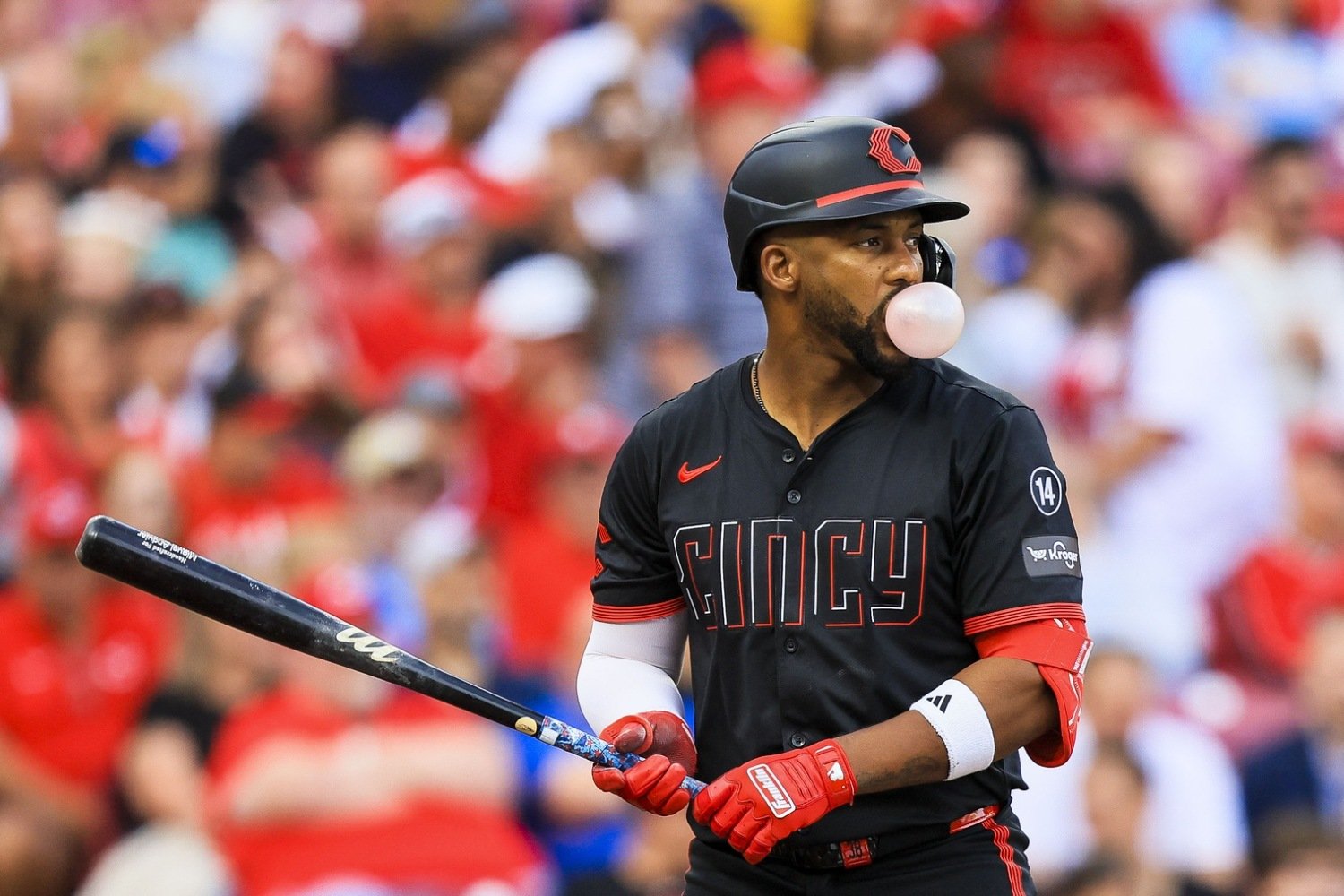 Entering the offseason, the Minnesota Twins don't have a viable full-time first base option on their 40-man roster or in the high minors. Yes, Kody Clemens spent significant time at the position after Ty France was traded to the Toronto Blue Jays at the trade deadline last season. Even in his best season, though, Clemens didn't deliver the caliber of offensive production good teams need from the least demanding defensive position on the diamond. Fellow 40-man roster occupants Jose Miranda, Edouard Julien, and Mickey Gasper have patrolled the position for Minnesota at various times over the last two years, but none of them are serious candidates to start there in 2026. Indeed, all three could be out of the organization by Opening Day. Kyler Fedko spent significant time at first base in Triple A last season, and could be rewarded for his breakout campaign with a 40-man roster spot later this month to protect him from the Rule 5 Draft. He's a fringy, unproven option, though. Still, don't expect the team to pursue any of the more expensive free-agent first basemen, like Josh Naylor or Ryan O'Hearn—let alone All-Star slugger Pete Alonso. Minnesota's front office will yet again be sifting through the bargain bin, attempting to find a cheap, productive veteran first baseman in a similar vein as Carlos Santana and Ty France of seasons past. Whom should they pursue? Let's take a look. Ty France Hey! I just mentioned this guy. Also, did you know Twins first basemen have won the last two AL Gold Glove Awards at the position? Crazy, right? Regardless, Minnesota could consider reuniting with the almost World Series-winning veteran, even though the club traded him to the Toronto Blue Jays just over three months ago. Signed to a non-guaranteed one-year, $1-million contract last February, France outperformed his deal while with the Twins, hitting .251/.320/.357 with six home runs and a 92 wRC+ over 387 plate appearances. The 31-year-old was below-average at the plate. Yet, given his relative competence at bat (compared to some of the in-house options) and aforementioned defensive skills, he still provided value. France is a better first baseman than Clemens in the field, and can outhit him, at least against left-handed pitchers. Given his familiarity with the organization and the fact that he should be available at a similarly low cost, the Twins could enter a second consecutive season with France penciled in as the primary first baseman. Miguel Andujar Despite notching only 13 innings at first base last season, Andujar made two starts at the position late last season for the playoff-contending Cincinnati Reds, signaling the 30-year-old veteran could be transitioning toward spending more time at first next season. Coming off an impressive 2025 campaign wherein he hit .318/.352/.470 with 10 home runs and a 125 wRC+ over 341 plate appearances between the West Sacramento Athletics and the Reds, Andujar would be a more expensive signee than France. Yet, given his offensive prowess from the right side of the plate, he could be well worth the extra few million dollars. The bat-first veteran could also mix in at third base, both corner outfield spots, and designated hitter, making him a more useful player than most potential free-agent first-base options. He's not good anywhere, but he can take up each of those positions when needed—and he'd be most needed at first in Minnesota, anyway. Obviously, those who follow the team should expect a significant defensive drop-off at the position, given how well Santana and France performed. Andujar could produce at a defensive rate on par with Clemens, while being a more effective hitter. Whereas France would probably come aboard as the short side of a platoon, Andujar could get a more substantial share in a tandem with Clemens. Nathaniel Lowe Lowe technically isn't a free agent yet, but he's a non-tender candidate. Cut by the Nationals in August and scooped up by the Red Sox at the end of the year, Lowe was freely available talent less than three months ago, but he'd be in line for an eight-figure salary via arbitration if tendered a contract. There's no chance Boston will pay that coming off last season, wherein Lowe hit .228/.307/.381 with 18 home runs and a 91 wRC+ over 609 plate appearances. Yet, given the state Minnesota's front office finds itself in, Lowe will likely be one of the more attractive, affordable options to patrol the position if he does land on the market. Lowe would likely ask for a one-year deal in the $3-4 million range, similar to Andujar. Being a left-handed bat, Lowe doesn't mesh with Clemens as neatly as France or Andujar would. Yet, given that Lowe is a better hitter and defender than Clemens, the Twins could turn him into a platoon-proof option at the position, transitioning Clemens back into the utility role he served before becoming the primary first baseman after last season's trade deadline. The Twins have to make some kind of foray into the market to upgrade their offense. First base is an easy place to hunt for competent hitters. Be it one of these three or another under-the-radar guy, Derek Falvey and Jeremy Zoll will surely be on the lookout for a stopgap slugger as they build out their 2026 team as economically as possible.
- 64 comments
-
- 2
-
-
- kody clemens
- ty france
- (and 3 more)
-
Entering the offseason, the Minnesota Twins don't have a viable full-time first base option on their 40-man roster or in the high minors. Yes, Kody Clemens spent significant time at the position after Ty France was traded to the Toronto Blue Jays at the trade deadline last season. Yet, given his inability to hit at the major league level the past four seasons, there is reason to believe the 29-year-old could be designated for assignment early next season. Fellow 40-man roster occupants José Miranda, Edouard Julien, and Mickey Gasper have patrolled the position for Minnesota in recent seasons. Yet, given their longstanding offensive and defensive ineptitude, there is reason to believe the aforementioned trio could soon be non-tendered, leaving the organization later this month. Kyler Fedko spent significant time at first base in Triple-A last season and could be rewarded a 40-man roster spot later this month to protect him from the Rule 5 Draft. Still, he is not a viable first base option. Times are dire at first base for your beloved Twins. Given the front office likely operating under significant spending restrictions this winter, there is reason to believe team decision-makers won't be able to afford any of the more expensive free agent first basemen like Josh Naylor, Ryan O'Hearn, or even secondary market options like Paul Goldschmidt or Rhys Hoskins. That being the case, Minnesota's front office will yet again be sifting through the bargain bin, attempting to find a cheap, productive veteran first baseman in a similar vein as Carlos Santana and Ty France of seasons past. Who should they pursue? Let's take a look. Ty France Hey! I just mentioned this guy. Also, did you know Twins' first baseman have won the previous two AL Gold Glove Awards at the position? Crazy, right!? Regardless, Minnesota could consider reuniting with the almost World Series-winning veteran, even though the club traded him to the Toronto Blue Jays just over three months ago. Signed to a non-guaranteed one-year, $1 million contract last February, France outperformed his deal while with the Twins, hitting .251/.320/.357 with six home runs and a 92 wRC+ over 387 plate appearances. Now, the 31-year-old did perform below league-average at the plate. Yet, given his relative competency and previously mentioned superb defense, he still provided value to Minnesota. France is a better first baseman than Clemens at the plate and in the field. Given his familiarity with the organization and the fact that he signed at a similar rate (if not a minor league contract), the Twins could enter a second consecutive season with France penciled in as the primary first baseman. Miguel Andujar Despite netting only 13 innings played at first base last season, Andujar made two starts at the position late last season for the playoff-contending Cincinnati Reds, signaling the 30-year-old veteran could be transitioning toward spending more time at first base next season. Coming off an impressive 2025 campaign wherein he hit .318/.352/.470 with 10 home runs and a 125 wRC+ over 341 plate appearances between the West Sacramento Athletics and Reds last season, acquiring Andujar would be a more expensive transaction than France. Yet, given his offensive prowess from the right side of the plate, team decision-makers would be wise to shell out the $3-4 million necessary to sign the once highly-touted New York Yankees prospect. The bat-first veteran could also mix in at third base, both corner outfield spots, and designated hitter, making him a more useful player than most potential free agent first base options. Yet, given the club's lack of depth at first base, specifically, there is reason to believe Andujar could set a career-high in innings played at first base with Minnesota. Obviously, those who follow the team should expect a significant defensive drop-off at the position, given how well Santana and France performed at first base the previous two seasons. Yet, there is reason to believe Andujar could produce at a defensive rate on par with Clemens, while being a more effective hitter. That being the case, Minnesota should consider signing the nine-year veteran, with intentions of making him the strong-side platoon partner at first base alongside Clemens. Nathaniel Lowe Lowe technically isn't a free agent. Yet, given that the Boston Red Sox will likely cut ties with Lowe, the veteran first baseman is projected to be a free agent later this month. Now, the reason Boston is set to decline the 30-year-old's $13.5 million option is due to his lackluster performance last season, wherein he hit .228/.307/.381 with 18 home runs and a 91 wRC+ over 609 plate appearances between the Washington Nationals and Boston. Yet, given the state Minnesota's front office finds itself in, Lowe will likely be one of the more attractive, affordable options to patrol the position for the Twins next season. Lowe would likely ask for a one-year deal in the $3-4 million range, similar to Andujar. Yet, given his strong performance with the Texas Rangers in 2024, acquiring the former World Series-winning first baseman at that rate could prove to be a bargain for Minnesota. Being a left-handed bat, there is risk of partnering Lowe with Clemens becoming a redundant decision. Yet, given that Lowe is a better hitter and defender than Clemens, the Twins could turn him into a platoon-proof option at the position, transitioning Clemens back into the utility role he served before becoming the primary first baseman after last season's trade deadline. View full article
-
Why Minnesota Twins Should Retain Pete Maki as Pitching Coach
Cody Schoenmann posted an article in Twins
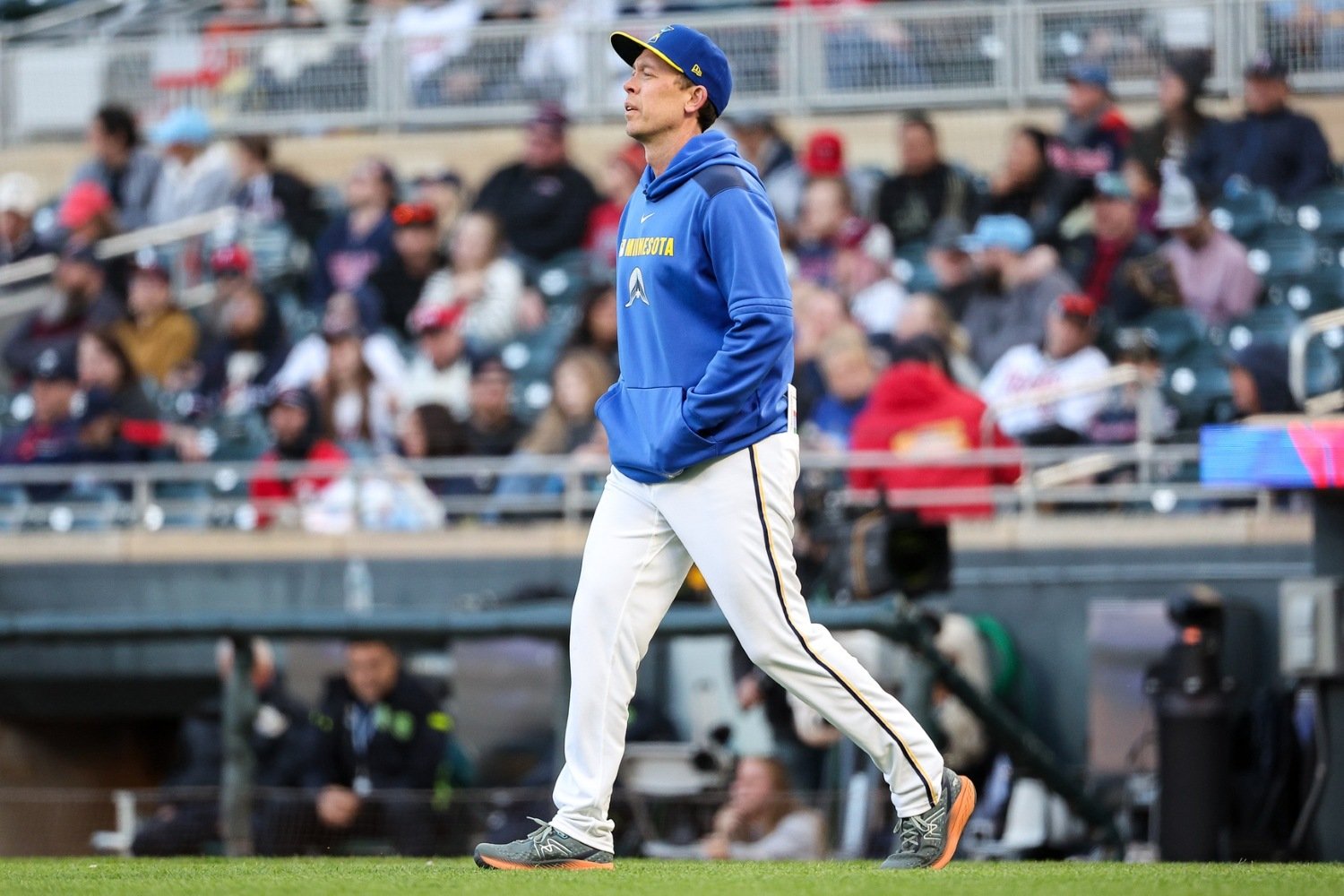 Hiring Derek Shelton (a candidate with meaningful ties to and prior experience with the Minnesota Twins) to succeed Rocco Baldelli as manager indicates that team decision-makers don't believe a significant overhaul of philosophy or messaging is needed for the club to return to postseason contention. On the surface, remaining static after enduring what were two of the most emotionally draining seasons in team history (for off- and on-field reasons) feels misguided. Yet, given the club's recent success (after all, 2023 and the first half of 2024 weren't that long ago) and its sound approach to roster building, the Twins could still contend for the AL Central title in 2026, if they overhaul their bullpen and add one or more above-average bats over the offseason. Given that the front office could face significant spending restrictions this winter, roster improvement attempts won't manifest through spending in free agency. Yet, given the club's knack for creative roster building, various high-impact, budget-conscious trades could occur in the next handful of months. As mentioned earlier, Minnesota's offensive approach needs a significant overhaul. Hiring a new hitting coach and bringing in new personnel to revive what has become one of baseball's most stagnant lineups will be a daunting task. By contrast, the Twins' pitching staff performed like one of the AL's best units, a standard they have set for themselves since Pete Maki took over as full-time pitching coach on Jul. 1, 2022. Since that date, Minnesota's pitching staff boasts the following rankings among the 15 AL teams: 2nd in fWAR 3rd in FIP 4th in xERA 3rd in SIERA 2nd in strikeout rate and K-BB% Minnesota has fielded a top-three pitching staff on the junior circuit for the last three and a half years, from both a results and an underlying statistical perspective, since Maki took over for Wes Johnson. Minnesota's front office and Maki reached this standard by implementing modern research and development practices, plus acquiring and maximizing pitching talent. Maki has been able to take talented arms like Pablo López, Sonny Gray, Joe Ryan, Jhoan Duran and others, and draw out star-caliber contributions while keeping them fairly healthy. Even in one of the worst seasons in contemporary Twins history, wherein they parted ways with high-leverage relievers Duran, Griffin Jax, Louis Varland, Brock Stewart, and Danny Coulombe at the trade deadline, Maki guided Minnesota to fielding the AL's sixth-best pitching staff, according to fWAR. Yes, the unit experienced a significant drop-off post-deadline, ranking 14th out of 15 in fWAR. We have to make some allowances, though: the bullpen was gutted and the team had given up on the season. Given the unit's results and the organization's sound pitching development and research systems, Maki deserves to be retained as the club's pitching coach under Shelton. He and his colleagues have done more good than harm with a bunch of talented hurlers, even if it became a motley crew at the end of 2025.
 -
Hiring Derek Shelton (a candidate with meaningful ties to and prior experience with the Minnesota Twins) to succeed Rocco Baldelli as manager indicates that team decision-makers don't believe a significant overhaul of philosophy or messaging is needed for the club to return to postseason contention. On the surface, remaining static after enduring what were two of the most emotionally draining seasons in team history (for off- and on-field reasons) feels like a misguided approach. Yet, given the club's recent success (Yes, 2023 and the first half of 2024 weren't that long ago) and its sound approach to roster building, which many successful major league clubs mimic, there is reason to believe the Twins could contend for the AL Central title in 2026 if they overhaul their bullpen and add one-or-more above-average bats over the offseason. Now, given that team decision-makers are expected to operate under significant spending restrictions this winter, roster improvement attempts won't manifest through spending in free agency. Yet, given the club's knack for creative roster building, various high-impact, low-monetary-cost trades could occur in the next handful of months. As mentioned earlier, Minnesota's lineup and offensive approach need a significant overhaul, meaning Shelton and team decision-makers would be wise to dismiss Matt Borgschulte as hitting coach. Hiring a new hitting coach and bringing in new personnel to revive what has become one of baseball's most stagnant lineups will be a daunting task. Yet, much of that burden should be buffered by the Twins' pitching staff performing like one of the AL's best units, a standard they have set for themselves since Pete Maki took over as full-time pitching coach on Jul. 1, 2022. Since Jul. 1, 2022, Minnesota's pitching staff possesses the following rankings amongst the 15 AL teams: 2nd in fWAR 3rd in FIP 4th in xERA 3rd in SIERA 2nd in strikeout rate and K-BB% Are some of these metrics confusing and convoluted? Yes, however, they share an overarching point: Minnesota has fielded a top-three AL pitching staff from both a results and projections perspective since Maki took over as full-time pitching coach three-and-a-half seasons ago. Minnesota's front office and Maki reached this standard by implementing modern research and development practices while acquiring and maximizing starting rotation and bullpen talent. That being the case, Maki has been able to take talented arms like Pablo López, Sonny Gray, Joe Ryan, Jhoan Durán, and others, and maximize their potential through utilizing these resources and methods. Even in one of the most emotionally draining seasons in contemporary Twins history, wherein team decision-makers parted ways with high-leverage relievers Jhoan Durán, Griffin Jax, Louis Varland, Brock Stewart, and Danny Coulombe at the 2025 Trade Deadline, Maki still guided Minnesota toward fielding the AL's sixth-best pitching staff, according to fWAR. Yes, the unit experienced a significant drop-off post-deadline, ranking 14th out of 15 AL teams in fWAR. Yet, little blame should be placed on Maki for that result, given the bullpen was gutted and the team had given up on the season. Given the unit's results over the previous three-and-a-half seasons and the organization's sound pitching development and research systems, Maki deserves to be retained as the club's pitching coach under Shelton. With frontline starting pitchers Pablo López and Joe Ryan expected to return next season alongside Bailey Ober, Simeon Woods Richardson, and Taj Bradley to round out the rotation, there is reason to believe Minnesota could again possess one of the AL's most effective starting rotations early next season. Again, the bullpen needs to be reconstructed. Yet, Maki has garnered enough goodwill to oversee that process in 2026. View full article
-
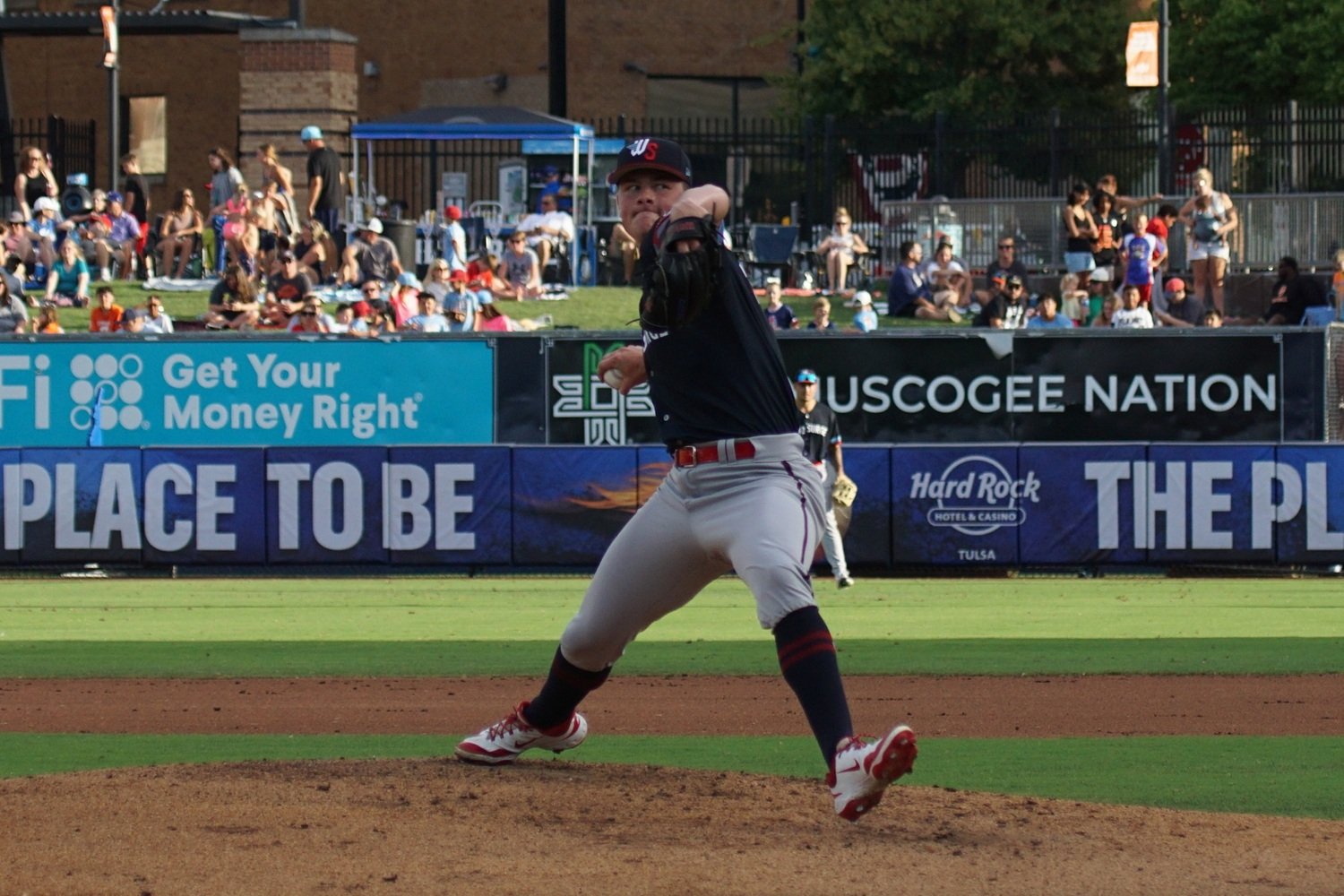 As the Nov. 19 deadline for MLB teams to finalize their 40-man rosters nears, the Minnesota Twins are expected to add an unusually high number of prospects to their 40-man roster, protecting them from Rule 5 Draft eligibility. Most Twins pundits agree the following five prospects will be rewarded for their development with places on the reserve list: Andrew Morris, RHP Connor Prielipp, LHP Kendry Rojas, LHP Gabriel Gonzalez, OF Hendry Mendez, OF Right-handed starting pitching prospect C.J. Culpepper is also a near-lock to be added. However, there is some chance that Twins decision-makers will risk losing the 23-year-old starting pitching prospect, given that he hasn't pitched above Double A and battled through arm injuries over the last two seasons. Regardless, Minnesota is almost guaranteed to protect the six aforementioned players come mid-November. Right now, the Twins' 40-man roster is full, but the organization will soon have one open spot when veteran catcher Christian Vázquez enters free agency upon the World Series' conclusion. They'll also likely non-tender Génesis Cabrera, Anthony Misiewicz, and Thomas Hatch, creating four of the six spots necessary to add Morris, Prielipp, Rojas, Gonzalez, Mendez, and Culpepper. Clearing the final two spots won't be complicated, as Minnesota's front office could justifiably part ways (through non-tendering or designating for assignment) with Ryan Kreidler, Carson McCusker, DaShawn Keirsey Jr., Edouard Julien, Jose Miranda, Ryan Fitzgerald, Mickey Gasper, Jhonny Pereda, Michael Tonkin, Justin Topa, and/or Trevor Larnach to create further 40-man roster room. In fact, given how Minnesota's 40-man roster transformed after the organization elected to purge its 26-man roster at this summer's trade deadline, a few previously unexpected minor leaguers could be awarded 40-man roster spots. Given their strong 2025 performances, right-handed hitting corner outfielders Kala'i Rosario and Kyler Fedko are the players most likely to join Morris, Prielipp, Rojas, Gonzalez, Mendez, and Culpepper. Another improbable addition could be right-handed starting pitching prospect John Klein. Signed by the Twins as an undrafted free agent out of Iowa Central Community College following the 2022 MLB Draft, Klein progressed from beginning the 2023 season in the Florida Complex League to finishing his 2025 campaign at Triple-A St. Paul. Despite posting a Halloween-appropriate 6.66 ERA over 25 2/3 innings pitched for the Saints, the 23-year-old's underlying metrics tell a much more encouraging story: he had a 3.30 FIP and 28.2% strikeout rate over the same stretch. The driving factor behind his surface-level Triple-A struggles was his inability to suppress baserunners. He ran an untenable 11.1% walk rate. The native Minnesotan has posted alarmingly high walk rates throughout his minor-league career, which is the main reason he never reached the same prospect status as fellow right-handed pitching prospects Morris and Culpepper. Klein probably won't succeed as a starting pitcher at the major-league level. However, with his fastball (which sits around 95-96 MPH), improved slider, and adequate changeup, he could consistently get major-league hitters out in a minimized role. Minnesota had the 11th-worst bullpen in baseball for the final two months of the season, after parting ways with Jhoan Duran, Griffin Jax, Brock Stewart, Louis Varland, and Danny Coulombe at the deadline. Cole Sands, Kody Funderburk, Topa, and Tonkin (if the club retains the latter two) are the only veteran relievers expected to possess bullpen spots entering next season. Four (potentially six) bullpen spots will be up for grabs come Spring Training, and with decision-makers forced to operate under significant spending restrictions, there's a wide-open lane for promotions from within. That being the case, Minnesota could elect to add Klein to the 40-man roster, protecting him from being poached during the Rule 5 Draft with intentions of converting him into a short reliever. If that occurs, Klein would compete with fellow young, right-handed arms Travis Adams, Marco Raya, Pierson Ohl, and Cody Laweryson for mid-leverage relief roles. Given Klein's ascension and Adams, Raya, and Ohl's corresponding struggles at Triple-A and in the majors last season, Klein could outperform multiple members of that quartet, earning his first Opening Day roster spot at 23 years old.
 -
Image courtesy of Ed Bailey, Wichita Wind Surge As the Nov. 19 deadline for MLB teams to finalize their 40-man rosters nears, the Minnesota Twins are expected to add an unusually high number of prospects to their 40-man roster, protecting them from Rule 5 Draft eligibility. Most Twins pundits agree the following five prospects will be rewarded for their development with places on the reserve list: Andrew Morris, RHP Connor Prielipp, LHP Kendry Rojas, LHP Gabriel Gonzalez, OF Hendry Mendez, OF Right-handed starting pitching prospect C.J. Culpepper is also a near-lock to be added. However, there is some chance that Twins decision-makers will risk losing the 23-year-old starting pitching prospect, given that he hasn't pitched above Double A and battled through arm injuries over the last two seasons. Regardless, Minnesota is almost guaranteed to protect the six aforementioned players come mid-November. Right now, the Twins' 40-man roster is full, but the organization will soon have one open spot when veteran catcher Christian Vázquez enters free agency upon the World Series' conclusion. They'll also likely non-tender Génesis Cabrera, Anthony Misiewicz, and Thomas Hatch, creating four of the six spots necessary to add Morris, Prielipp, Rojas, Gonzalez, Mendez, and Culpepper. Clearing the final two spots won't be complicated, as Minnesota's front office could justifiably part ways (through non-tendering or designating for assignment) with Ryan Kreidler, Carson McCusker, DaShawn Keirsey Jr., Edouard Julien, Jose Miranda, Ryan Fitzgerald, Mickey Gasper, Jhonny Pereda, Michael Tonkin, Justin Topa, and/or Trevor Larnach to create further 40-man roster room. In fact, given how Minnesota's 40-man roster transformed after the organization elected to purge its 26-man roster at this summer's trade deadline, a few previously unexpected minor leaguers could be awarded 40-man roster spots. Given their strong 2025 performances, right-handed hitting corner outfielders Kala'i Rosario and Kyler Fedko are the players most likely to join Morris, Prielipp, Rojas, Gonzalez, Mendez, and Culpepper. Another improbable addition could be right-handed starting pitching prospect John Klein. Signed by the Twins as an undrafted free agent out of Iowa Central Community College following the 2022 MLB Draft, Klein progressed from beginning the 2023 season in the Florida Complex League to finishing his 2025 campaign at Triple-A St. Paul. Despite posting a Halloween-appropriate 6.66 ERA over 25 2/3 innings pitched for the Saints, the 23-year-old's underlying metrics tell a much more encouraging story: he had a 3.30 FIP and 28.2% strikeout rate over the same stretch. The driving factor behind his surface-level Triple-A struggles was his inability to suppress baserunners. He ran an untenable 11.1% walk rate. The native Minnesotan has posted alarmingly high walk rates throughout his minor-league career, which is the main reason he never reached the same prospect status as fellow right-handed pitching prospects Morris and Culpepper. Klein probably won't succeed as a starting pitcher at the major-league level. However, with his fastball (which sits around 95-96 MPH), improved slider, and adequate changeup, he could consistently get major-league hitters out in a minimized role. Minnesota had the 11th-worst bullpen in baseball for the final two months of the season, after parting ways with Jhoan Duran, Griffin Jax, Brock Stewart, Louis Varland, and Danny Coulombe at the deadline. Cole Sands, Kody Funderburk, Topa, and Tonkin (if the club retains the latter two) are the only veteran relievers expected to possess bullpen spots entering next season. Four (potentially six) bullpen spots will be up for grabs come Spring Training, and with decision-makers forced to operate under significant spending restrictions, there's a wide-open lane for promotions from within. That being the case, Minnesota could elect to add Klein to the 40-man roster, protecting him from being poached during the Rule 5 Draft with intentions of converting him into a short reliever. If that occurs, Klein would compete with fellow young, right-handed arms Travis Adams, Marco Raya, Pierson Ohl, and Cody Laweryson for mid-leverage relief roles. Given Klein's ascension and Adams, Raya, and Ohl's corresponding struggles at Triple-A and in the majors last season, Klein could outperform multiple members of that quartet, earning his first Opening Day roster spot at 23 years old. View full article
-
Is This the Offseason Rhys Hoskins Finally Signs With Minnesota Twins?
Cody Schoenmann posted an article in Twins
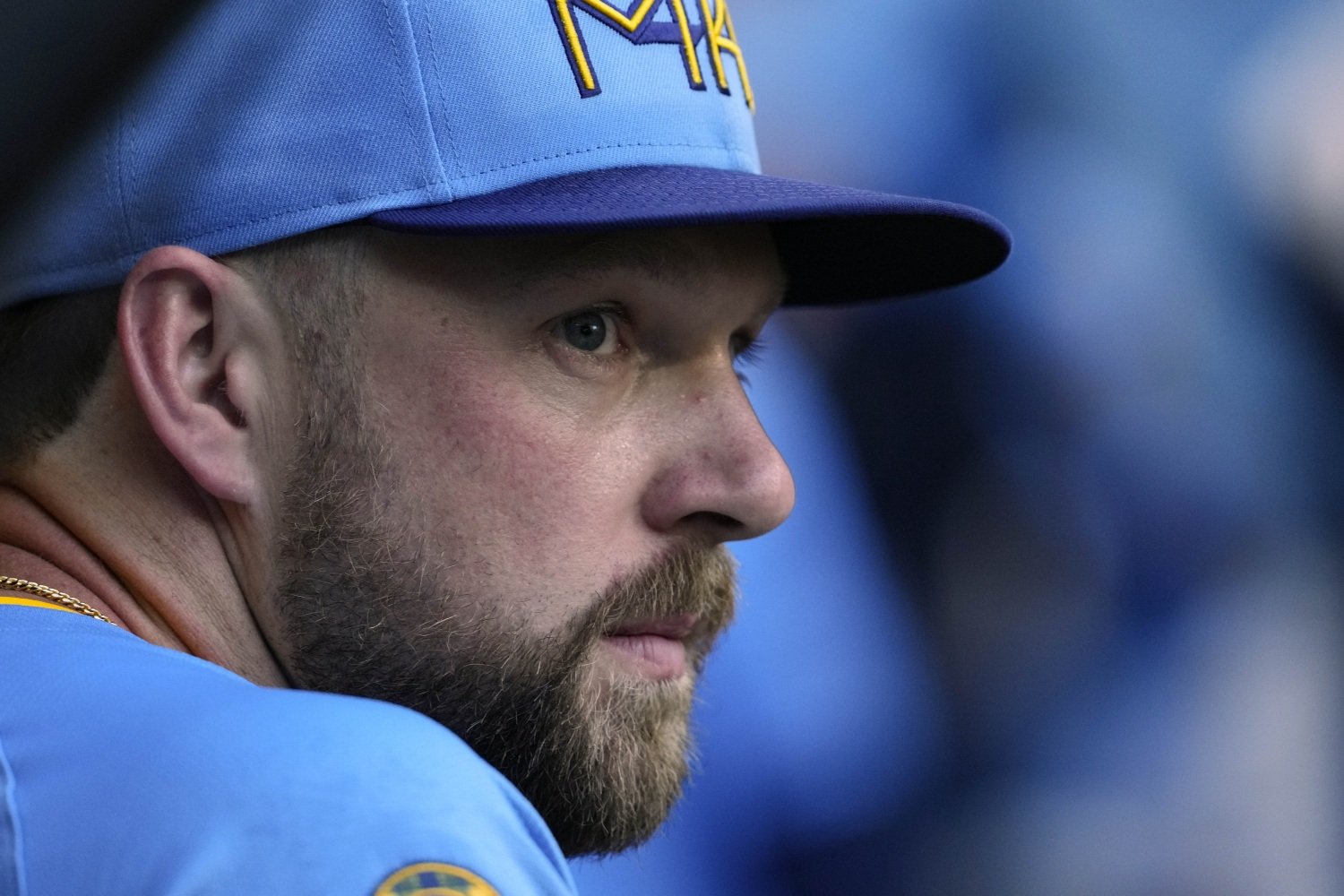 As MLB's offseason nears, those who follow the Minnesota Twins have received little to no information on what the club's self-imposed salary ceiling will be entering the 2026 MLB regular season. Will it hover around $140 million, like it did entering the 2025 season? Will it drop down to $130 million, similar to 2024? Or, will it plummet to unforeseen levels of voluntary poverty, settling around $80-100 million? Admittedly, every outcome is undesirable, given that ownership has steadily decreased the club's payroll following its record-breaking $164 million figure in 2023. Yet, given that the club's baseline 2026 payroll sits around $95 million, there is reason to hold out some hope that the Pohlad family and yet-to-be-announced limited partners will greenlight some spending flexibility. Team decision-makers could possess $15-20 million to spend, even if payroll is reduced to an uninspiring $110-115 million entering next season. Even if it's less than that, though, they can create room to spend by making trades—one the first, most obvious place toward which they might direct those resources is first base. As part of the 2025 trade deadline fire sale (wherein the club traded 11 players from its 26-man roster), the Twins dealt primary first baseman Ty France. They installed Kody Clemens as their primary first baseman, handing the left-handed journeyman hitter the majority of starts at the position over the final two months of the season. Clemens struggled in his altered role, hitting .207/.264/.379 with a 75 wRC+ over 183 plate appearances. Yet, with no other option at the position in the majors or high minors, the 29-year-old enters the offseason as the club's de facto first base option for 2026. Given his late-season struggles and overall offensive ineptitude over his career, Clemens is a fringe major leaguer who could be designated for assignment early next season. The front office needs to acquire another viable first baseman this offseason. No option is more appealing than impending free agent Rhys Hoskins. Signed to a two-year, $34-million contract by the Milwaukee Brewers two offseasons ago, Hoskins performed at a league-average rate over two seasons in Milwaukee, netting a 105 wRC+ over a combined 845 plate appearances. In his first six seasons in the majors, the former Philadelphia Phillie established himself as one of the league's premier power hitters, slugging 148 home runs over that stretch. Hoskins continued his power-hitting tendencies in his first season in Milwaukee, hitting 26 home runs over 517 plate appearances in 2024. Unfortunately, he then missed 72 games this season, after suffering a Grade 2 left thumb sprain in early July. He hit only 12 home runs over 328 plate appearances, and was replaced by surprise star Andrew Vaughn while on the injured list. After leaving Hoskins off their NLDS and NLCS rosters in favor of Vaughn and backup first baseman Jake Bauers, Milwaukee will decline Hoskins's $18-million mutual option for next season. The 32-year-old will enter free agency without a robust market. The Twins should make a concerted effort to sign the injury-riddled slugger, particularly given the significant drop-off in affordable options at the position after Hoskins. Despite Hoskins's injury-riddled 2025 campaign, Minnesota would likely need to spend between $8-10 million to secure his services. Signing Hoskins to a contract in this range would likely consume a significant portion of the club's resources this winter—but that's the best way they can improve under their financial circumstances. If Minnesota signed Hoskins, he would become the club's primary first baseman, while mixing in at designated hitter. The former Brewer would instantly become a cog in the middle of Minnesota's lineup, alongside plus hitters Byron Buxton, Luke Keaschall, Ryan Jeffers, and Royce Lewis. Hoskins wouldn't make the Twins' lineup one of the AL's best. However, his addition would make Minnesota's lineup respectable and provide the club the opportunity to score runs at a more efficient and consistent rate than last season, potentially helping the club return to postseason relevancy in 2026.
 -
As MLB's offseason nears, those who follow the Minnesota Twins have received little to no information on what the club's self-imposed salary ceiling will be entering the 2026 MLB regular season. Will it hover around $140 million like it did entering the 2025 season? Will it drop down to $130 million, similar to 2024? Or, will it plummet to unforeseen levels of depravity, settling around $80-100 million? Admittedly, every outcome is undesirable given that ownership has steadily decreased the club's payroll following its record-breaking $164 million figure in 2023. Yet, given that the club's baseline 2026 payroll sits around $95 million, there is reason to believe the Pohlad family and yet-to-be-announced limited partners will greenlight some spending flexibility. That being the case, team decision-makers could possess between $15-20 million to spend, even if payroll is reduced to an uninspiring $110-115 million entering next season. Again, having a payroll hovering around $110-115 million in 2026 would be an act of negligence given the broader context of the league. However, $15-20 million would be a significant amount of money for the front office to spend in attempting to patch holes on Minnesota's alarmingly thin 26-man roster, with first base being the position most in need of immediate reinforcement. Following the 2025 Trade Deadline mass exodus, wherein the club traded 11 players from its 26-man roster, Twins decision-makers elected to part ways with primary first baseman Ty France. In response, the club converted Kody Clemens into its primary first baseman, handing the left-handed hitting career journeyman the majority of starts at the position over the final two months of the season. Roger's son struggled in his newfound role, hitting .207/.264/.379 with a 75 wRC+ over 183 plate appearances. Yet, with no other option at the position in the majors or high minors, the 29-year-old enters the offseason as the club's only first base option for 2026. Given his late-season struggles at the plate and overall offensive ineptitude over his career, Clemens is a fringe major leaguer who could be designated for assignment early next season. That being the case, Twins decision-makers must acquire another viable first base option this offseason. Interestingly, no option is more appealing than impending free agent Rhys Hoskins. Signed to a two-year, $34 million contract by the Milwaukee Brewers two offseasons ago, Hoskins performed at a league-average rate over two seasons in Milwaukee, netting a 105 wRC+ over a combined 845 plate appearances. In his first six seasons in the majors, the former Philadelphia Phillie established himself as one of the league's premier power hitters, slugging 148 home runs over that stretch. Hoskins continued his power-hitting tendencies in his first season in Milwaukee, hitting 26 home runs over 517 plate appearances in 2024. Unfortunately, the right-handed hitting first baseman/designated hitter missed 72 games this past season after suffering a Grade 2 left thumb sprain in early July, resulting in him hitting only 12 home runs over 328 plate appearances. During his extended absence, Hoskins was replaced by Andrew Vaughn as Milwaukee's primary first baseman. After being left off the NLDS and NLCS roster in favor of Vaughn and backup first baseman Jake Bauers, Milwaukee will decline Hoskins's $18 million mutual option for next season, meaning the now 32-year-old will enter free agency at a depreciated rate. A necessary development for the salary-strapped Twins, team decision-makers should make a concerted effort to sign the injury-riddled slugger, particularly given the significant drop off in affordable options at the position after Hoskins. Despite suffering an injury-riddled 2025 campaign, the hard-hitting first baseman/designated hitter should have an active market this offseason, meaning Minnesota would likely need to spend between $8-10 million to acquire Hoskins's services. Signing Hoskins to a contract in this range would likely consume a significant portion of the club's spending resources this winter. Yet, given that the 32-year-old still possesses an All-Star caliber power-hitting bat, while demonstrating respectable defense at first base, Twins decision-makers would be wise to make him their primary free agent target this offseason. If Minnesota signed Hoskins, he would become the club's primary first baseman, while mixing in at designated hitter. The former Brewer would instantly become a cog atop Minnesota's lineup alongside plus hitters Byron Buxton, Luke Keaschall, Ryan Jeffers, and Royce Lewis. Now, Hoskins wouldn't make the Twins' lineup one of the AL's best. However, his addition would make Minnesota's lineup respectable and provide the club the opportunity to score runs more at a more efficient and consistent rate than last season, potentially helping the club return to postseason relevancy in 2026. View full article
-
I deny any allegations and will also be suing Twins Daily (and Sweet Louis Hennessy) for defamation.
-
Hiring Shelton would functionally be the same thing as hiring Jayce Tingler. There’s very little that separates them from Baldelli from a philosophy or personality perspective. The Twins need a new voice and presence. Also, i’m worried Suzuki would be too soft on the players and try to hug them all the time. Google “Kurt Suzuki hug” for more information.
- 21 replies
-
- 5
-

-
-
- derek shelton
- james rowson
- (and 6 more)
-
Image courtesy of © Bruce Kluckhohn-Imagn Images Over three weeks after the Minnesota Twins (somewhat) surprisingly fired long-term manager Rocco Baldelli, team decision-makers have begun formally interviewing candidates for the position. The following names head the club's initial list of expected interviewees: Derek Shelton, James Rowson, Nick Punto, Vance Wilson, and Ramón Vázquez. Among the five aforementioned names, reputable sources have also floated former Twins players Torii Hunter, Kurt Suzuki, and Nelson Cruz as possible interview candidates. Of the eight total names listed, only two candidates (Wilson and Vázquez) have not been previously employed by Minnesota, signaling a concerning question: Are Twins decision-makers doing their due diligence in attempting to find Baldelli's successor? To preface, many of the names listed are desirable candidates. There's nothing blatantly off-putting about Rowson, Punto, Hunter, or Cruz from a strategy or personality perspective. Suzuki and Shelton (for different reasons) are the only two truly undesirable names to be tied to the club so far. Yet, given that six of the eight names listed have ties to the Twins organization as former players or coaches, there is reason to believe those in charge of the managerial search aren't casting a wide-enough net. Now, it's impossible to know if club decision-makers are trying to tap into nostalgia and are motivated to hire a manager whose name alone would elicit a positive reaction from the fanbase. Naturally, nobody in a position of power within the organization would admit that. Yet, given that a majority of the names publicly announced as managerial candidates have significant ties to the organization (and are embraced by the fanbase), there is reason to believe the club is placing greater emphasis on familiarity than merit, which would be a dire mistake. MLB's managerial talent pool is incredibly rich. Up-and-coming names like Cleveland Guardians associate manager Craig Albernaz, Detroit Tigers bench coach George Lombard, Chicago Cubs bench coach Ryan Flaherty, and many others have been some of the hottest names during this hiring cycle. Minnesota's managerial opening is one of the league's most undesirable. That being the case, some of the league's most highly-touted candidates may not be interested in interviewing for the position. However, given that major league clubs often hire new managers before November and the significant number of names tied to the Twins, there is reason to believe one of Shelton, Rowson, Punto, Wilson, Vázquez, or a recently retired former Twins player will be the club's next manager. Now, it's impossible to know who is and isn't going to be a successful major-league manager. Many factors outside of a manager's control dictate their ability to succeed. Yet, the reason names like Albernaz, Lombard, Flaherty, and others are among the most appealing managerial candidates this hiring cycle is because they own a considerable number of the same traits (skilled preparators, strategists, communicators, etc.) and have been employed by the same franchises as many of the league's most successful contemporary managers. These candidates have rightfully become the most sought-after names in baseball. Yet, Minnesota is neglecting to (openly) express interest in any of them besides Wilson and Vázquez. Despite the Pohlad family still owning the team, Minnesota is entering a new era of baseball in various ways. Given the expected continuation of significant payroll limitations, Twins decision-makers will need to become more like fellow small-market teams like Milwaukee and Cleveland if they want to return to postseason relevancy in the near future. Milwaukee and Cleveland find success through having two of the savviest front offices and coaching staffs in the league working in unison with one another. There is reason to believe Minnesota's front office is savvy enough to mold a contender with limited spending resources. The club possesses one of the AL's strongest starting rotations alongside a top-five farm system in baseball. Yet, if the club's next manager is unable to work in unison with the front office or lacks the traits necessary to lift a team like Cleveland's Stephen Vogt or Milwaukee's Pat Murphy, Minnesota won't be able to return to relevancy any time soon. That being the case, team decision-makers must emphasize hiring a well-respected, external candidate with recent success with a different organization, like Vázquez or Wilson, over hiring someone because they used to be on Baldelli's staff or were a Gardenhire era fan-favorite who could generate short-lived nostalgia points with a fanbase that becomes increasingly more frustrated. View full article
- 21 replies
-
- 1
-
-
- derek shelton
- james rowson
- (and 6 more)
-
Please, Minnesota Twins, Do Not Surrender to Familiarity or Nostalgia
Cody Schoenmann posted an article in Twins
 Over three weeks after the Minnesota Twins (somewhat) surprisingly fired long-term manager Rocco Baldelli, team decision-makers have begun formally interviewing candidates for the position. The following names head the club's initial list of expected interviewees: Derek Shelton, James Rowson, Nick Punto, Vance Wilson, and Ramón Vázquez. Among the five aforementioned names, reputable sources have also floated former Twins players Torii Hunter, Kurt Suzuki, and Nelson Cruz as possible interview candidates. Of the eight total names listed, only two candidates (Wilson and Vázquez) have not been previously employed by Minnesota, signaling a concerning question: Are Twins decision-makers doing their due diligence in attempting to find Baldelli's successor? To preface, many of the names listed are desirable candidates. There's nothing blatantly off-putting about Rowson, Punto, Hunter, or Cruz from a strategy or personality perspective. Suzuki and Shelton (for different reasons) are the only two truly undesirable names to be tied to the club so far. Yet, given that six of the eight names listed have ties to the Twins organization as former players or coaches, there is reason to believe those in charge of the managerial search aren't casting a wide-enough net. Now, it's impossible to know if club decision-makers are trying to tap into nostalgia and are motivated to hire a manager whose name alone would elicit a positive reaction from the fanbase. Naturally, nobody in a position of power within the organization would admit that. Yet, given that a majority of the names publicly announced as managerial candidates have significant ties to the organization (and are embraced by the fanbase), there is reason to believe the club is placing greater emphasis on familiarity than merit, which would be a dire mistake. MLB's managerial talent pool is incredibly rich. Up-and-coming names like Cleveland Guardians associate manager Craig Albernaz, Detroit Tigers bench coach George Lombard, Chicago Cubs bench coach Ryan Flaherty, and many others have been some of the hottest names during this hiring cycle. Minnesota's managerial opening is one of the league's most undesirable. That being the case, some of the league's most highly-touted candidates may not be interested in interviewing for the position. However, given that major league clubs often hire new managers before November and the significant number of names tied to the Twins, there is reason to believe one of Shelton, Rowson, Punto, Wilson, Vázquez, or a recently retired former Twins player will be the club's next manager. Now, it's impossible to know who is and isn't going to be a successful major-league manager. Many factors outside of a manager's control dictate their ability to succeed. Yet, the reason names like Albernaz, Lombard, Flaherty, and others are among the most appealing managerial candidates this hiring cycle is because they own a considerable number of the same traits (skilled preparators, strategists, communicators, etc.) and have been employed by the same franchises as many of the league's most successful contemporary managers. These candidates have rightfully become the most sought-after names in baseball. Yet, Minnesota is neglecting to (openly) express interest in any of them besides Wilson and Vázquez. Despite the Pohlad family still owning the team, Minnesota is entering a new era of baseball in various ways. Given the expected continuation of significant payroll limitations, Twins decision-makers will need to become more like fellow small-market teams like Milwaukee and Cleveland if they want to return to postseason relevancy in the near future. Milwaukee and Cleveland find success through having two of the savviest front offices and coaching staffs in the league working in unison with one another. There is reason to believe Minnesota's front office is savvy enough to mold a contender with limited spending resources. The club possesses one of the AL's strongest starting rotations alongside a top-five farm system in baseball. Yet, if the club's next manager is unable to work in unison with the front office or lacks the traits necessary to lift a team like Cleveland's Stephen Vogt or Milwaukee's Pat Murphy, Minnesota won't be able to return to relevancy any time soon. That being the case, team decision-makers must emphasize hiring a well-respected, external candidate with recent success with a different organization, like Vázquez or Wilson, over hiring someone because they used to be on Baldelli's staff or were a Gardenhire era fan-favorite who could generate short-lived nostalgia points with a fanbase that becomes increasingly more frustrated.
- 21 comments
-
- 9
-
-

-
- derek shelton
- james rowson
- (and 6 more)
-
Source: Pohlad Family Reduced Payroll to End Racism
Cody Schoenmann posted an article in Just For Fun
 Upon the conclusion of the Minnesota Twins’ 2023 campaign (wherein the club cathartically ended its 19-year postseason losing streak), President of Baseball Operations Derek Falvey indicated that the club would undergo significant spending cuts. At ownership's direction, the front office ended up slashing the team’s payroll by more than $30 million. It was a gut punch, neutering any semblance of optimism Twins Territory felt on the club’s ability to progress further into the postseason in 2024 and contend for a World Series. Yet, what if I told you some things were Bigger Than Baseball? What if the Pohlad family made a sacrifice for the greater good? And if so, would that change your outlook on them as a billionaire, ruling-class family? Let's take a look. Now, we here at Twins Daily don’t enjoy speculating. We don’t dabble with the unknown. In fact, we condemn the act of doing so wholeheartedly. Yet, when presented with groundbreaking but unconfirmed information, we—as licensed journalists with degrees—must report on what we are told, in the name of transparency. That being the case, sources close to the Pohlad family informed Twins Daily that the wealthy family was presented the once-in-a-lifetime offer to end racism at the expense of cutting payroll, hours after losing the ALDS-deciding Game 4 to the Houston Astros on Oct. 11, 2023. After hours of deliberation, the family privately accepted the deal, with the stipulation that they wouldn’t be allowed to inform the public for two years. Finally, that gag order has ended. Those who perambulate the friendly confines of Target Field frequently may have noticed the attention-grabbing “End Racism” sign that occupied a significant portion of the right field padding, shown below: This message resided at this location for multiple seasons, including during the club’s celebrated 2023 run. However, the message ceased to exist the following season, with no explanation behind its removal. Reasonably, many speculated that the club elected to shy away from its corporate activism ambitions in favor of netting more profit by filling the space with advertisements. However, sources confirm the Pohlad family elected to remove the signage upon the deal’s agreement, stating that having a sign advocating for something that no longer exists to go away would be “out of touch" and “disrespectful” to fans of the club. “The Pohlads and I are over the moon to finally make this announcement,” an anonymous spokesperson close to the family said. “I mean, before October 2023, racism was running rampant. Every time I opened Twitter, I saw five different slurs before I even started scrolling. "But now, you go online or you walk outside, and it feels like everyone is getting along. I mean, I saw a group of Black and white teenagers happily riding Lime scooters outside Target Field last night. These inclusionary acts wouldn't be happening if the Pohlad family hadn't made the near-impossible decision to end racism for $30 million two years ago.” When asked who or what, exactly, made this offer to the Pohlad family, the spokesperson demurred. "We can't provide specifics, but just know it was a very powerful force," the attorney said. "This may come as a shock, but the family had just greenlit increasing the club's payroll to $200 million for 2024. When the offer to permanently end racism reached the family's desk, there was no way they were going to turn it down, and Derek obviously agreed with the decision. In effect, it was a $70-million cost, but so be it. Everyone involved should be celebrated for their sacrifice, really." That doesn't mean the team's payroll will surge again anytime soon. The spokesperson warned that nefarious forces in various courses have attempted to restart racism several times, so the Pohlads might have to keep payroll down for the foreseeable future to maintain the current utopia. Twins fans, meanwhile, have some amends-making to do. After all, they wrongly accused a family of heroes of being greedy robber barons. "If fans want to begin the apology process, they should strongly consider investing in a MyTwins membership and purchasing 2026 season tickets," the spokesperson said. Twins Daily would like to formally apologize to the Pohlad family for constantly attacking their character and desire to fund a winning baseball organization. Twins Daily and its writers are more than happy to watch Kody Clemens be the full-time first baseman, as long as it means the people of Twins Territory are judged by the content of their character, not the color of their skin. Some things really are Bigger Than Baseball. This article was paid for by the Pohlad Family Foundation, in conjunction with Legacy Partner in Racism Elimination Paul Dolan.
 -
Upon the conclusion of the Minnesota Twins’ 2023 campaign, wherein the club cathartically ended its 19-year-long postseason game losing streak, President of Baseball Operations Derek Falvey announced that the club would be undergoing significant spending cuts, slashing the team’s payroll by more than $30 million. Falvey’s announcement functioned as a widespread gut punch, neutering any semblance of optimism Twins Territory felt on the club’s ability to progress further into the postseason in 2024 and contend for a World Series. Yet, what if I told you some things were Bigger Than Baseball? What if the Pohlad family made a sacrifice for the greater good? And if so, would that change your outlook on them as a billionaire, ruling-class family? Let's take a look. Now, we here at Twins Daily don’t enjoy speculating. We don’t dabble with the unknown. In fact, we condemn the act of doing so wholeheartedly. Yet, when presented with groundbreaking but unconfirmed information, we, as licensed journalists with degrees, must report on what we are told in the name of transparency. That being the case, sources close to the Pohlad family informed Twins Daily that the wealthy family was presented the near-impossible-to-make offer to end racism at the expense of cutting payroll hours after losing the ALDS-deciding Game 4 to the Houston Astros on Oct. 11. After hours of deliberation, the family privately accepted the deal, with the stipulation that they wouldn’t be allowed to inform the public for two years. Finally, that timeframe has ended. Those who peruse the friendly confines of Target Field frequently may have noticed that the attention-grabbing “End Racism” sign that occupied a significant portion of the right field padding, shown below: This message resided at this location for multiple seasons, including during the club’s celebrated 2023 run. However, the message ceased to exist the following season, with no explanation behind its removal. Reasonably, many speculated that the club elected to shy away from its corporate activism ambitions in favor of netting more profit by filling the space with advertisements. However, sources confirm the Pohlad family elected to remove the signage upon the deal’s agreement, stating that having a sign advocating for something that no longer exists to go away would be “out of touch" and “disrespectful” to fans of the club. “The Pohlads and I are over the moon to finally make this announcement,” an anonymous spokesperson close to the family said. “I mean, before October 2023, racism was running rampant,” The enthusiastic spokesperson proclaimed. “I mean s**t, every time I opened Twitter, I saw five different slurs before I even started scrolling,” they said while noticeably shaken. “But now you go online or you walk outside and it feels like everyone is getting along. I mean, I saw a group of Black and white teenagers happily riding Lime scooters outside Target Field last night. These inclusionary acts wouldn't be happening if the Pohlad family hadn't made the near-impossible decision to end racism for $30 million two years ago.” When asked who or what exactly made this offer to the Pohlad family, the spokesperson proclaimed, "We can't provide specifics, but just know it was a very powerful force." They continued, "This may come as a shock, but the family had just greenlit increasing the club's payroll to $200 million for 2024. But when the offer to permanently end racism for $30 million reached the family's desk, there was no way they were going to turn it down, and Derek obviously agreed with the decision. Everyone involved should be celebrated for their sacrifice, really." "This doesn't mean payroll is going to increase anytime soon, however," the anonymous source emphasized. “Many forces, both private and public, have attempted to start racism again. That being the case, the Pohlads have been forced to continue digging deep into their pocketbooks, for the greater good, of course.” The anonymous source continued, “This is why fanbases shouldn’t jump to conclusions and be hypercritical without knowing all of the facts. Just think, Twins fans have been endlessly slandering this family for two years; meanwhile, they ended racism at a price point cheaper than Carlos Correa’s average annual value. The fanbase should be ashamed of their unjust criticism." The anonymous spokesperson concluded, "If fans want to begin the apology process, they should strongly consider investing in a MyTwins membership and purchasing 2026 season tickets." Twins Daily would like to formally apologize to the Pohlad family for constantly attacking their character and desire to fund a winning baseball organization. Twins Daily and its writers are more than happy to watch Kody Clemens be the full-time first baseman as long as it means the people of Twins Territory are judged by the content of their character, not the color of their skin. Some things really are Bigger Than Baseball. This article was paid for by the Pohlad Family Foundation View full article
-
 Look, it's hard to build a strong case that the Twins' open managerial job is one of the league's most appealing. There's confusion about the direction of ownership and the front office. Still, there are only so many of these gigs, and the Twins take great pride in making their uniformed personnel feel appreciated and supported. Though they'll have to make a good impression on someone to land their own top target, it's worth at least listing out and considering the hottest available names on the market. Ryan Flaherty Jumping between three organizations as a utility player from 2012 to 2019, Flaherty quickly entered the coaching ranks, becoming a scout and development coach for the San Diego Padres immediately after retiring. The 39-year-old would stay in San Diego as the club's bench coach from 2020 through 2023 before taking the same position with the Chicago Cubs in 2024. Flaherty developed into manager Craig Counsell's right-hand man over the last two seasons, and with the club demonstrating significant growth and success in 2025, the former major-leaguer has become arguably the top young candidate for a first-time managerial job. With a similar profile to what Baldelli held when hired by the Derek Falvey-led Twins front office before the 2019 season, Flaherty would provide a similar presence. Like any new manager, Flaherty would likely gut the Twins' current coaching staff and bring along his preferred bench coach, hitting and pitching coach, and assistants. The former utility could poach fellow members of Chicago's coaching staff, such as highly touted third base coach Quintin Berry and assistant pitching coach Casey Jacobson, promoting them to elevated roles with Minnesota. While we are in the speculation phase of the hiring process, Flaherty is a name to monitor as interviews approach. George Lombard Last week, Twins Daily's finest Tom Froemming published a YouTube video, declaring Lombard as his preferred pick as Minnesota's next manager. Froemming's pro-Lombard propaganda was effective, and I am firmly convinced that the current Detroit Tigers' bench coach would be an excellent managerial hire for Minnesota. However, there's a real risk that the 50-year-old bench coach could accept an offer from a more attractive managerial opening, especially considering his extensive ties to the similarly skipperless Atlanta Braves. Regardless, if Minnesota is lucky enough to net an interview with Lombard, they would be wise to make a significant effort in recruiting him. Referred to as a "hard-ass" who understands how to connect with players while holding them accountable, Lombard's strict approach would likely be embraced by much of Twins Territory, given how much the fan base soured on Baldelli's passive, hands-off public persona. Like Flaherty, Lombard would likely bring a notable number of his current staff members with him to Minnesota, which would be a welcome development given how well Detroit performed for most of the 2025 season. Given his extensive connections throughout the league, there is reason to believe the Tigers' bench coach would assemble a well-versed staff comprising coaches and assistants from various organizations and levels. Lombard is arguably the most desirable candidate. Craig Albernaz The first non-former major leaguer listed, Albernaz has emerged as one of the more alluring recent candidates, reportedly turning down managerial offers from the Chicago White Sox and Miami Marlins last offseason. The 42-year-old gained popularity and buzz while serving as Cleveland Guardians manager Stephen Vogt's second-in-command the prior two seasons, guiding the club to consecutive AL Central titles. After losing in the Wild Card round to the previously mentioned Tigers, the Guardians' bench coach (unlike Flaherty and Lombard) could immediately interview for Minnesota's managerial opening. Given the high-demand nature of the associate manager's (yes, he is technically an associate manager, not a bench coach; my apologies for the lack of pedantry) services, it wouldn't be surprising if Albernaz soon interviews with Minnesota. Albernaz could receive an offer from a more attractive organization like Baltimore or San Francisco, no longer making him an option for the Twins. Yet, if Twins decision-makers proactively pursue Albernaz, there is reason to believe he could become Minnesota's next manager, especially given his familiarity with winning in the AL Central. Like Lombard, Albernaz is known for his strict yet approachable nature. He has also been celebrated as one of the more skilled player development coaches at the major-league level. Albernaz could be perceived as the top candidate to become the Twins' next manager. Like Flaherty, Albernaz is employed by one of the more analytically inclined organizations in baseball. In return, the 42-year-old could help guide the club in implementing more modern, advanced concepts on the field, with the long-term goal of returning to postseason contender status following two consecutive disappointing seasons under the now-exiled Baldelli. Who ya got? If not one of these highly visible options, where would you turn if you were the Twins? Join the discussion below.
- 43 comments
-
- 6
-
-
- rocco baldelli
- ryan flaherty
- (and 2 more)
-
Image courtesy of © Ron Chenoy-Imagn Images Look, it's hard to build a strong case that the Twins' open managerial job is one of the league's most appealing. There's confusion about the direction of ownership and the front office. Still, there are only so many of these gigs, and the Twins take great pride in making their uniformed personnel feel appreciated and supported. Though they'll have to make a good impression on someone to land their own top target, it's worth at least listing out and considering the hottest available names on the market. Ryan Flaherty Jumping between three organizations as a utility player from 2012 to 2019, Flaherty quickly entered the coaching ranks, becoming a scout and development coach for the San Diego Padres immediately after retiring. The 39-year-old would stay in San Diego as the club's bench coach from 2020 through 2023 before taking the same position with the Chicago Cubs in 2024. Flaherty developed into manager Craig Counsell's right-hand man over the last two seasons, and with the club demonstrating significant growth and success in 2025, the former major-leaguer has become arguably the top young candidate for a first-time managerial job. With a similar profile to what Baldelli held when hired by the Derek Falvey-led Twins front office before the 2019 season, Flaherty would provide a similar presence. Like any new manager, Flaherty would likely gut the Twins' current coaching staff and bring along his preferred bench coach, hitting and pitching coach, and assistants. The former utility could poach fellow members of Chicago's coaching staff, such as highly touted third base coach Quintin Berry and assistant pitching coach Casey Jacobson, promoting them to elevated roles with Minnesota. While we are in the speculation phase of the hiring process, Flaherty is a name to monitor as interviews approach. George Lombard Last week, Twins Daily's finest Tom Froemming published a YouTube video, declaring Lombard as his preferred pick as Minnesota's next manager. Froemming's pro-Lombard propaganda was effective, and I am firmly convinced that the current Detroit Tigers' bench coach would be an excellent managerial hire for Minnesota. However, there's a real risk that the 50-year-old bench coach could accept an offer from a more attractive managerial opening, especially considering his extensive ties to the similarly skipperless Atlanta Braves. Regardless, if Minnesota is lucky enough to net an interview with Lombard, they would be wise to make a significant effort in recruiting him. Referred to as a "hard-ass" who understands how to connect with players while holding them accountable, Lombard's strict approach would likely be embraced by much of Twins Territory, given how much the fan base soured on Baldelli's passive, hands-off public persona. Like Flaherty, Lombard would likely bring a notable number of his current staff members with him to Minnesota, which would be a welcome development given how well Detroit performed for most of the 2025 season. Given his extensive connections throughout the league, there is reason to believe the Tigers' bench coach would assemble a well-versed staff comprising coaches and assistants from various organizations and levels. Lombard is arguably the most desirable candidate. Craig Albernaz The first non-former major leaguer listed, Albernaz has emerged as one of the more alluring recent candidates, reportedly turning down managerial offers from the Chicago White Sox and Miami Marlins last offseason. The 42-year-old gained popularity and buzz while serving as Cleveland Guardians manager Stephen Vogt's second-in-command the prior two seasons, guiding the club to consecutive AL Central titles. After losing in the Wild Card round to the previously mentioned Tigers, the Guardians' bench coach (unlike Flaherty and Lombard) could immediately interview for Minnesota's managerial opening. Given the high-demand nature of the associate manager's (yes, he is technically an associate manager, not a bench coach; my apologies for the lack of pedantry) services, it wouldn't be surprising if Albernaz soon interviews with Minnesota. Albernaz could receive an offer from a more attractive organization like Baltimore or San Francisco, no longer making him an option for the Twins. Yet, if Twins decision-makers proactively pursue Albernaz, there is reason to believe he could become Minnesota's next manager, especially given his familiarity with winning in the AL Central. Like Lombard, Albernaz is known for his strict yet approachable nature. He has also been celebrated as one of the more skilled player development coaches at the major-league level. Albernaz could be perceived as the top candidate to become the Twins' next manager. Like Flaherty, Albernaz is employed by one of the more analytically inclined organizations in baseball. In return, the 42-year-old could help guide the club in implementing more modern, advanced concepts on the field, with the long-term goal of returning to postseason contender status following two consecutive disappointing seasons under the now-exiled Baldelli. Who ya got? If not one of these highly visible options, where would you turn if you were the Twins? Join the discussion below. View full article


