



Seth Stohs
-
Posts
25,909 -
Joined
-
Last visited
-
Days Won
109
Content Type
Profiles
News
Minnesota Twins Videos
2026 Minnesota Twins Top Prospects Ranking
2022 Minnesota Twins Draft Picks
Minnesota Twins Free Agent & Trade Rumors, Notes, & Tidbits
Guides & Resources
2023 Minnesota Twins Draft Picks
The Minnesota Twins Players Project
2024 Minnesota Twins Draft Picks
2025 Minnesota Twins Draft Pick Tracker
2026 Minnesota Twins Draft Tracker: Picks & Bonuses
Forums
Blogs
Events
Store
Downloads
Gallery
Everything posted by Seth Stohs
-
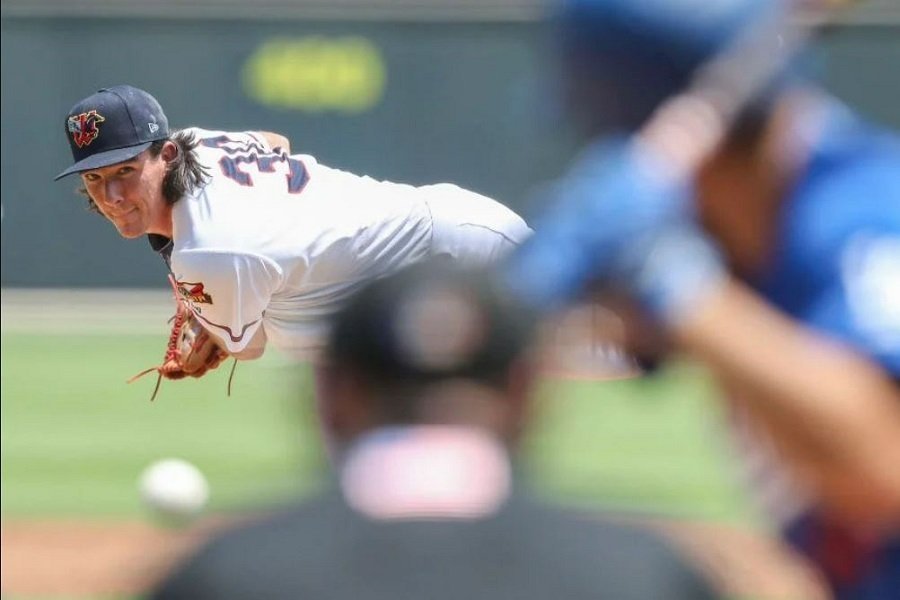 Kody Funderburk was a four-year letterman at Queen Creek High School in Arizona. Yet, he received just one offer to play baseball in college, and that went away after a rough junior season. Central Arizona Community College, in Coolidge, Arizona, was one option. However, Funderburk stayed close to home and went to Mesa Community College. As a freshman, he went 8-4 in 15 games (13 starts) on the mound. At the plate, he hit .324 with four home runs. As a sophomore, he only made eight appearances (three starts) and pitched 12 2/3 innings. However, he hit .400/.504/.651, with eight homers and 55 RBI. He was named First Team All-Conference, All-Region, and All-American. Because of the success, he opted to go to Dallas Baptist University. He had played well during their sophomore showcase the year before. “It was really hard to pass up. They're known for their offensive production. I was getting recruited as a first baseman, so it was right up my alley. The field was beautiful. It was right in the middle of Dallas. Downtown was 20 minutes away. The campus was gorgeous, but at the same time, midweeks, we were playing Big 12 schools all the time. Even on weekends, we played teams like Clemson and Texas Tech. Also, I got to stay in a warm-weather state.” He certainly didn’t slow down at the plate. In 63 games, he hit .304/.429/.584, with 19 doubles, 13 home runs, and 58 RBI. He also continued to pitch. He pitched in 15 games (14 starts) and went 1-3 with a 6.84 ERA and a 1.72 WHIP. In 50 innings, he had 53 strikeouts, but he also walked 31 batters. That slugging success and mound struggle led, unexpectedly, to this moment: “With the 454th overall pick in the June 2018 MLB Draft, the Minnesota Twins use their 15th round pick to select Funderburk, Kody, left-handed pitcher.” So, Kody, why did the Twins draft you as a pitcher and not as a hitter? “During the draft process, some teams wanted me to hit. Some wanted me to pitch. Some said they may be willing to do both and eventually play into one. The Twins scout I talked to was Trevor Brown. I feel like I only talked to him twice: when I met him, and then the night before the draft, he called me. There was really no inclination of what the Twins wanted [me to do]. It was just on Day 3 when I heard my name called, and they said, 'Left-handed pitcher,' I knew I was a pitcher. I knew it was a possibility, but I thought with how my year went pitching-wise and how my year went hitting-wise and my past production as a hitter. I thought for sure I’d be drafted as a first baseman. I guess it’s a testament to the Twins' pitching development, taking a guy with horrible numbers like that and turning him into a big-leaguer. “All my friends and family are like, “How the heck are you a pitcher?” "I didn’t pitch that well. Honestly, I feel like I was training so much on the hitting side of things. Whenever scheduling conflicted, I always erred on the side of hitting. So I never really felt like I got to practice (pitching), really, until I got into pro ball. But with Covid, I got a whole year of developing pitching-wise. I really feel like it was pure rest. I didn’t get to practice much.” Asked what he saw when he scouted Dallas Baptist in 2018, Brown said, “Yes, Kody was a good college hitter and wasn’t as polished back then on the mound. But our group thought there was still a lot of untapped ceiling on the mound. It wasn’t a real comfortable at-bat for guys, and I just thought Kody needed innings and could be just scratching the surface of what he could be as a pitcher.” As you would expect, Brown transferred the credit to two other places. “So much of what he is today is due to Kody and our player development. Kody’s worked as hard as anyone to get in the position he’s in and deserves so much of the credit.” Peter Larson joined the Twins organization after four seasons at Fordham University. In 2019, he was the minor-league rehab pitching coach. In 2020, he was supposed to be the pitching coach in Cedar Rapids (Low A), but then the season was canceled. In 2021, he was the Low-A Fort Myers pitching coach. In 2022, he was a pitching coach for Double-A Wichita and moved to Triple-A for the 2023 season. In other words, he has spent a lot of time working with Funderburk over the past two years. Larson and Funderburk are on the same page about what has helped the lefty succeed. Larson spoke of the work done during the lost Covid season. “Kody really took off after the Covid shutdown. Changed his workouts and body, and really came in ready to go for 2022.” Funderburk acknowledged, “I lost 30 to 40 pounds, which cleaned up my mechanics and helped me move a lot better. I threw pretty much a year of bullpens, and that really helped. It was kind of gritty. I was out at public parks by myself, throwing into a Jugs net. I feel like, along with all those other things, it taught me a work ethic and a discipline that I learned by myself.” “He really turned a corner middle-to-late in the 2022 season and hasn’t looked back," Larson added. "I think Kody knows himself at a really high level currently. He understands his strengths and weaknesses and knows when and where to use his pitches.” Funderburk mentioned it in the interview, but Larson also spoke to some pitch suggestions they worked on together. “His pitch mix changed throughout 2022. We suggested adding a sinker to have something hard running arm-side. We also wanted to add bigger movement to his slider. This gave him a new look and when executed, tough on both hitters but specifically left-handed hitters. In 2023, he continued to fine-tune that same mix with the main goal of attacking the strike zone more consistently.” Scouts, minor-league coaches, and player-development personnel don’t get the credit they so often deserve. For them, the “glory” comes when a player with whom they’ve worked develops and gets a chance in the big leagues. Larson noted, “It’s a blast to see anyone achieve their goals of making it to the big leagues. But seeing a guy like Kody put in the work and push through was really special. There might have been points in his career where he thought the big leagues seemed so far away, but his buy-in on training and trusting the process helped make his dream come true. For one final thought, let’s get back to Kody Funderburk, Hitter. Hey Kody, in your heart of hearts, do you believe that you could hit? “In the big leagues? I don’t know—maybe even a Low-A game. But even in Low A, you have guys [who] throw 100 with wipe-out stuff. As much as I want to say, ‘Yes, I can still hit,’ the stuff in the big leagues and young guys in the minor leagues, it’s pretty ridiculous what guys can learn. It’s no wonder it's so hard to hit, and I’m thankful I’m on the other end of it and making guys feel that way.” Indeed, it is fair to ask what the Twins saw in Funderburk on the mound when he was so dominant at the plate. You can do that. And then you and I need to step back and say, Hey, the Twins were right. Trevor Brown saw uncomfortable at-bats and maybe a guy who just needed innings. Peter Larson, Cibney Bello, and several other pitching coaches and coordinators deserve credit for working with Funderburk and making him a big-leaguer. The ultimate credit belongs to Kody Funderburk himself. He may have had questions, but he went to work and made it happen. And he saw the fruits of all that work become worthwhile when he made his big-league debut in 2023. And, with that work ethic, the goal will now be to stick in the big leagues and get a lot of batters out for years to come. One final thing... check out this YouTube video... "Fundy" figured it out first!
- 7 comments
-
- 10
-

-

-
- kody funderburk
- trevor brown
- (and 1 more)
-
I don't think the price of doing business changed all that much. I mean, I wasn't expecting $700 million either, but Ohtani's always been the exception. Yomamoto was always going to get around $250 million. He's got the Yankees and Mets fighting over him. Soto was always going to get Trout-like money to $500 million. Other contracts have been in line with where they have been, for the most part. Pagan, after his 2023 season, got what other relievers of that ilk get. Gray got what we expected. So did Lynn, Gibson, and others. Oh, and I say all that cuz I don't go to any/many games. I don't plan on it either. As long as I can find most of their games on TV, it won't bother me... But I understand that is a frustration for those that do go to a lot of games.
-
Seems like the finances of baseball are pretty good... Cuz the Dodgers wouldn't pay him that kind of money (and Betts, and Freeman and others) if they weren't going to make it. Ohtani's been on a team with a $400 million player (Trout) and a $300 million player (Rendon), and they kept adding players each year and never got to the playoffs. Love watching teams spend crazily for two reasons, 1.) cuz the players deserve it, and 2.) it guarantees the team nothing.
-
Ohtani to the Blue Jays? Nope, Dodgers
Seth Stohs replied to Cory Engelhardt's topic in Other Baseball
Sounds like it's official. MLB Trade Rumors has it... Haven't had one of the big-name reporters verify yet... Where does this rank among free agent surprises in MLB history. -
It's not ideal, but it's not like it doesn't happen. It's probably much more likely with catchers... and there are usually three catchers on rookie league rosters and each catches maybe twice a week, so I wouldn't worry about it too much. However, he was available in the minor-league Rule 5 draft, so the odds of him being a big leaguer aren't real high. But it's always good to have catchers, and there are always exceptions. I mean, Brian Buscher was a minor-league Rule 5 pick! :)
- 33 replies
-
- 3
-
-
- rafael marcano
- rafael escalante
- (and 5 more)
-
Pretty sure he was mentioned in there quite a lot! ;-) Here are some of those mentions... These are the articles that he was tagged in, but obviously we could only tag five players per article, so he was probably mentioned in like 4-5 times this many articles. A google search for "Twins Daily" "Yoyner Fajardo" brings back a ton of articles.
- 33 replies
-
- 2
-
-
- rafael marcano
- rafael escalante
- (and 5 more)
-
He began his 2023 season with the Wichita Wind Surge, but Kody Funderburk’s campaign ended on the first Minnesota Twins team roster to win a playoff game in nearly 20 years. We asked the southpaw to reflect on that journey, with a particular focus on his time in the majors. Image courtesy of Matt Blewett-USA TODAY Sports By August 28th in many Minnesota summers, sports fans are excited about the Vikings and Gophers football seasons. Students are excited about the upcoming school year, starting right after Labor Day. However, in 2023, the Twins were well on their way to running away with the American League Central title. The pitching staff was one of the best in baseball. After a rough first half, the Twins’ offense was one of the best in the league in the second half. Things just felt different. Across the river in St Paul, players were enjoying their typical Monday off day. When minor-league baseball re-aligned before the 2021 season, teams began playing six-game series. Mondays are either travel days, or a regular day off. The Saints had completed a six-game split in Omaha and were back home on Sunday night. On Tuesday, they were beginning a new set against Columbus. Kody Funderburk had been pitching very well for the Saints all season. In 37 games, he was 4-1, with five saves and a 2.60 ERA. In 52 Triple-A innings, he had just 15 walks and an impressive 75 strikeouts. However, no one knew if he would be called up to the Twins. He acknowledges that he was never a big pitching prospect. He was a 15th-round pick back in 2018. He had solid numbers working his way through the system, primarily as a starting pitcher. In Low A, he posted a 4.68 ERA in 50 innings. In High A, he posted a 2.96 ERA over 48 2/3 innings. He spent a lot of time at Double A, where he went a combined 14-5 with a 2.55 ERA in 137 2/3 innings. He made 17 starts at that level, but midway through the 2022 season, he was moved full-time to the bullpen. Despite those excellent numbers, including strikeouts, he wasn’t added to the 40-man roster and went unselected in the Rule 5 draft the past two years. Funderburk began the 2023 season with five games and nine innings in Wichita. He had a 1.00 ERA, and quickly moved up to the Saints. He pitched great, but did the Twins think he could help them down the stretch? “In my head, I was just trying to keep the same mentality," said Funderburk of his thinking at the time. "The only way I’m going to guarantee (more) opportunities is to continue doing well.” So, after sleeping in a bit on the off day, Funderburk and his wife had made plans to go to The Great Minnesota Get Together (aka, the State Fair). They began to get ready in the early afternoon. “Around 3:00, I looked at my phone and had five missed calls from Toby (Gardenhire)," Funderburk recalled. "I thought, ‘This is probably the call I want it to be,’ because I really only talk to Toby around the field and in the clubhouse.” Funderburk called his manager to see what was going on. It was The Call. “(Gardenhire) said, ‘Congratulations, you’re going to the big leagues. We think it’s for the Tuesday game. Let me get back to you.” At this point, Funderburk, his wife, a couple of teammates, and their wives were excited for the 26-year-old lefty. Just a few minutes later, the phone rang. It was Gardenhire again. “He said, 'Actually, it’s for the game tonight, and you need to get over there as fast as you can.'” Twins games during the week begin 30 minutes earlier than their 7:10 PM start times on weekends. “My wife and I scrambled and got ready really quick.," Funderburk said. "Got things together. Got over to the field.” Upon entering the home clubhouse at Target Field, Funderburk walked into manager Rocco Baldelli’s office. His message to the lefty? “Be ready to pitch." Kenta Maeda made the start. After a scoreless first inning, he gave up four runs in the second. Fortunately, the Twins put up a six-spot in the bottom of that inning. The big hit was a Royce Lewis grand slam. Maeda gave up single runs in the top of the third and the fourth. However, Matt Wallner hit a solo home run in the bottom of the third. A three-run Jorge Polanco blast in the fourth provided insurance. So, as the fifth inning began, the Twins had a 10-6 lead, but Maeda’s day was done. Funderburk found himself jogging in from the bullpen, set to make his big-league debut. “With it being so quick (from getting the call to getting to the stadium and then into the game), it just kind of ripped the Band-Aid off. I really only had a couple of hours. “I was just thinking I just have to trust my stuff. It has worked in Triple A. Hopefully, it works now.” It certainly worked that night. Funderburk showed his stuff, and his work during PFPs (Pitchers' Fielding Practice). The first batter he faced was veteran lefty Kole Calhoun. He grounded out to the mound. Next up was Ramon Laureano. Funderburk got him on a called third strike. Andres Gimenez was next, and grounded back to the mound for the third out—a one-two-three inning in his major-league debut. Next, Funderburk needed to be ready to keep pitching. He was asked to work the sixth inning as well. He struck out both Will Brennan and Gabriel Arias to start the inning. Bo Naylor then popped out to shortstop Carlos Correa for the third out of the inning. Two perfect frames. Who could ask for anything more? Rocco Baldelli and Pete Maki didn’t. They turned the game over to Josh Winder, who faced nine batters and got nine outs. Funderburk was the winning pitcher in his major-league debut. Winder recorded his first career save. Following the game, Bally Sports North’s Audra Martin interviewed Funderburk and Royce Lewis. When she asked Lewis to describe Funderburk’s debut, he implored the crowd, “Give it up for Fundy!” And the crowd did just that. “That was pretty special. You guys have talked to Royce a bunch. He is a special, special guy—an incredible, incredible talent on the field. The grand slam stretch was absolutely unbelievable. (He has) some of the best talent I have ever seen, but also, to go with it, he is a plus-plus person," Funderburk said. Be ready to pitch. The next night, the Twins went into extra innings, and in the 10th inning, with two runners on base, Funderburk was called on to face Calhoun again. This time, Calhoun won the battle, hitting a three-run home run. “That maybe was my big-league moment, my 'Welcome to the big leagues, Rookie!' But you’ve got to learn through it. It gives me confidence that Rocco trusted me in those spots and thought I could handle it enough. And what happened happened." Funderburk was charged with one run on the homer. The other two runs were inherited runners. Then came September. Counting October 1st, he pitched nine more games and 9 2/3 innings. He gave up zero runs, and did not allow another inherited runner to score, either. He gave up five hits and five walks--too many free passes, but he also had 16 strikeouts. If you like Win Probability Added (WPA), Funderburk had games of 0.110, 0.214, and 0.325, showing that he was put into challenging situations late in games and came through. “I knew my role coming in there at the end of the year was to help that last month, whatever way that meant," Funderburk said. "If it meant pitching in the fifth inning of a blowout game or in the eighth inning like I did in Texas of a real close game. Whatever role it was, I knew down the stretch I was going to take whatever opportunity.” He learned much from Dallas Keuchel in St. Paul and in his time with the Twins. After the Calhoun homer, Emilio Pagan approached him, put his arm around him, and said, “'Hey man, I hope you give up a bunch more, because you’ll be pitching for a long time up here.'” “T-Bar (Caleb Thielbar) is just a great model for how I should be," Funderburk said of the primary southpaw in the Twins pen. "He’s a lock-down, left-handed, high-leverage guy for the late innings. Just to watch him go about his work.” “The guy I mostly hung out with and really talked to was Louie Varland. Great teammates. I really like Louie as a person and as a player," Funderburk went on. "He’s like Royce. Great player. Great person. We talked about a lot of things.” This was Funderburk’s sixth season in the organization. He’s been a part of a lot of good teams and seen how the organization develops players and people. He also fully understands the narrative behind the 0-for-18 playoff streak, and he noted that being a part of the pennant chase and the playoff run was meaningful. The players knew it, and they felt they had something special. Getting the first win against Toronto (and then winning that series) was special. He wasn’t on the roster for the Astros series, but noted that just being around the atmosphere was something he’ll never forget. It was only a month, but Funderburk experienced a lot in his short time in the big leagues. It's all stuff he can draw from in the future. In Part 2 of this story (and video), we'll discuss Kody Funderburk's pitching journey that led him from an unlikely prospect to the big leagues. View full article
-
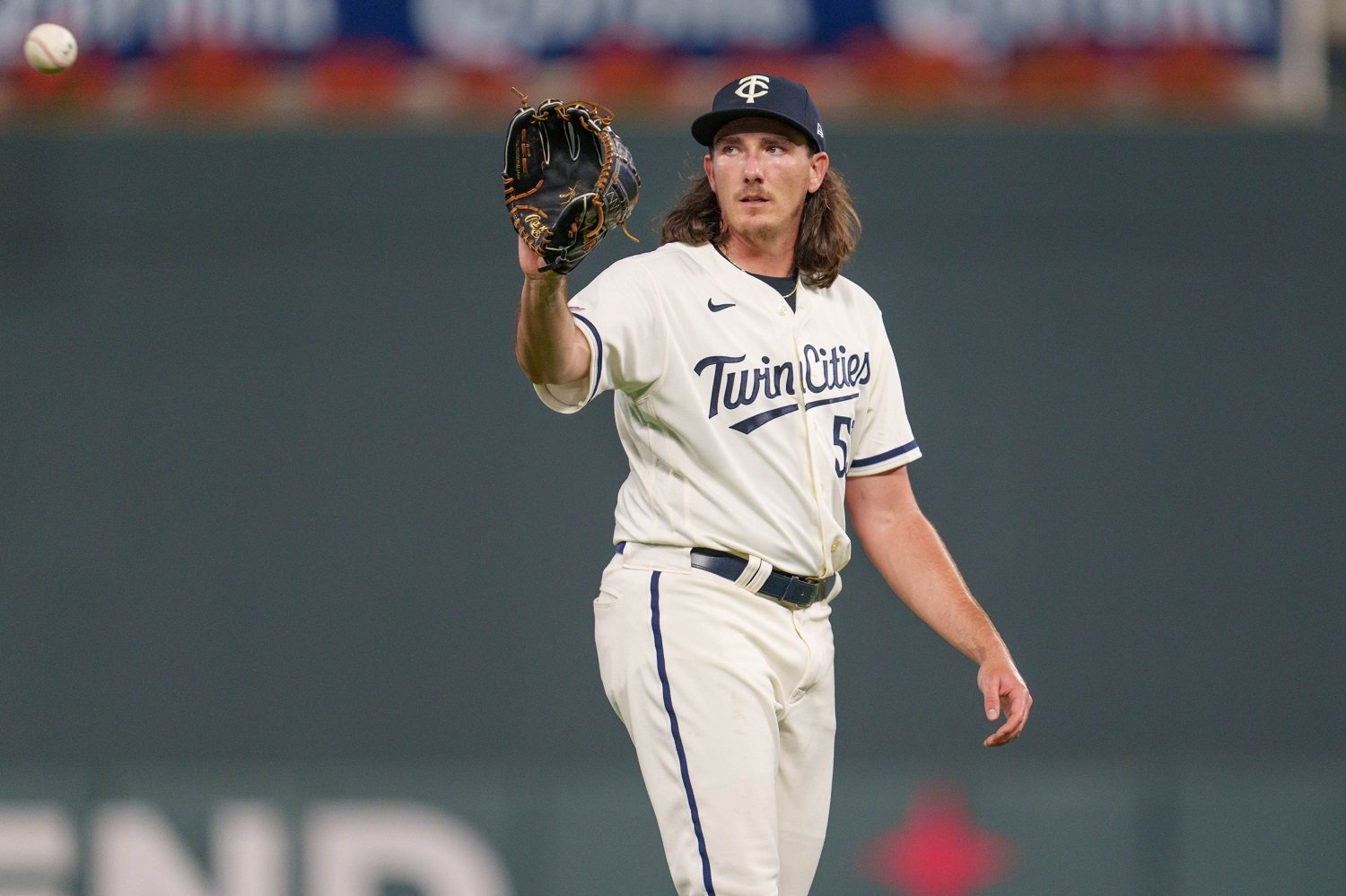 By August 28th in many Minnesota summers, sports fans are excited about the Vikings and Gophers football seasons. Students are excited about the upcoming school year, starting right after Labor Day. However, in 2023, the Twins were well on their way to running away with the American League Central title. The pitching staff was one of the best in baseball. After a rough first half, the Twins’ offense was one of the best in the league in the second half. Things just felt different. Across the river in St Paul, players were enjoying their typical Monday off day. When minor-league baseball re-aligned before the 2021 season, teams began playing six-game series. Mondays are either travel days, or a regular day off. The Saints had completed a six-game split in Omaha and were back home on Sunday night. On Tuesday, they were beginning a new set against Columbus. Kody Funderburk had been pitching very well for the Saints all season. In 37 games, he was 4-1, with five saves and a 2.60 ERA. In 52 Triple-A innings, he had just 15 walks and an impressive 75 strikeouts. However, no one knew if he would be called up to the Twins. He acknowledges that he was never a big pitching prospect. He was a 15th-round pick back in 2018. He had solid numbers working his way through the system, primarily as a starting pitcher. In Low A, he posted a 4.68 ERA in 50 innings. In High A, he posted a 2.96 ERA over 48 2/3 innings. He spent a lot of time at Double A, where he went a combined 14-5 with a 2.55 ERA in 137 2/3 innings. He made 17 starts at that level, but midway through the 2022 season, he was moved full-time to the bullpen. Despite those excellent numbers, including strikeouts, he wasn’t added to the 40-man roster and went unselected in the Rule 5 draft the past two years. Funderburk began the 2023 season with five games and nine innings in Wichita. He had a 1.00 ERA, and quickly moved up to the Saints. He pitched great, but did the Twins think he could help them down the stretch? “In my head, I was just trying to keep the same mentality," said Funderburk of his thinking at the time. "The only way I’m going to guarantee (more) opportunities is to continue doing well.” So, after sleeping in a bit on the off day, Funderburk and his wife had made plans to go to The Great Minnesota Get Together (aka, the State Fair). They began to get ready in the early afternoon. “Around 3:00, I looked at my phone and had five missed calls from Toby (Gardenhire)," Funderburk recalled. "I thought, ‘This is probably the call I want it to be,’ because I really only talk to Toby around the field and in the clubhouse.” Funderburk called his manager to see what was going on. It was The Call. “(Gardenhire) said, ‘Congratulations, you’re going to the big leagues. We think it’s for the Tuesday game. Let me get back to you.” At this point, Funderburk, his wife, a couple of teammates, and their wives were excited for the 26-year-old lefty. Just a few minutes later, the phone rang. It was Gardenhire again. “He said, 'Actually, it’s for the game tonight, and you need to get over there as fast as you can.'” Twins games during the week begin 30 minutes earlier than their 7:10 PM start times on weekends. “My wife and I scrambled and got ready really quick.," Funderburk said. "Got things together. Got over to the field.” Upon entering the home clubhouse at Target Field, Funderburk walked into manager Rocco Baldelli’s office. His message to the lefty? “Be ready to pitch." Kenta Maeda made the start. After a scoreless first inning, he gave up four runs in the second. Fortunately, the Twins put up a six-spot in the bottom of that inning. The big hit was a Royce Lewis grand slam. Maeda gave up single runs in the top of the third and the fourth. However, Matt Wallner hit a solo home run in the bottom of the third. A three-run Jorge Polanco blast in the fourth provided insurance. So, as the fifth inning began, the Twins had a 10-6 lead, but Maeda’s day was done. Funderburk found himself jogging in from the bullpen, set to make his big-league debut. “With it being so quick (from getting the call to getting to the stadium and then into the game), it just kind of ripped the Band-Aid off. I really only had a couple of hours. “I was just thinking I just have to trust my stuff. It has worked in Triple A. Hopefully, it works now.” It certainly worked that night. Funderburk showed his stuff, and his work during PFPs (Pitchers' Fielding Practice). The first batter he faced was veteran lefty Kole Calhoun. He grounded out to the mound. Next up was Ramon Laureano. Funderburk got him on a called third strike. Andres Gimenez was next, and grounded back to the mound for the third out—a one-two-three inning in his major-league debut. Next, Funderburk needed to be ready to keep pitching. He was asked to work the sixth inning as well. He struck out both Will Brennan and Gabriel Arias to start the inning. Bo Naylor then popped out to shortstop Carlos Correa for the third out of the inning. Two perfect frames. Who could ask for anything more? Rocco Baldelli and Pete Maki didn’t. They turned the game over to Josh Winder, who faced nine batters and got nine outs. Funderburk was the winning pitcher in his major-league debut. Winder recorded his first career save. Following the game, Bally Sports North’s Audra Martin interviewed Funderburk and Royce Lewis. When she asked Lewis to describe Funderburk’s debut, he implored the crowd, “Give it up for Fundy!” And the crowd did just that. “That was pretty special. You guys have talked to Royce a bunch. He is a special, special guy—an incredible, incredible talent on the field. The grand slam stretch was absolutely unbelievable. (He has) some of the best talent I have ever seen, but also, to go with it, he is a plus-plus person," Funderburk said. Be ready to pitch. The next night, the Twins went into extra innings, and in the 10th inning, with two runners on base, Funderburk was called on to face Calhoun again. This time, Calhoun won the battle, hitting a three-run home run. “That maybe was my big-league moment, my 'Welcome to the big leagues, Rookie!' But you’ve got to learn through it. It gives me confidence that Rocco trusted me in those spots and thought I could handle it enough. And what happened happened." Funderburk was charged with one run on the homer. The other two runs were inherited runners. Then came September. Counting October 1st, he pitched nine more games and 9 2/3 innings. He gave up zero runs, and did not allow another inherited runner to score, either. He gave up five hits and five walks--too many free passes, but he also had 16 strikeouts. If you like Win Probability Added (WPA), Funderburk had games of 0.110, 0.214, and 0.325, showing that he was put into challenging situations late in games and came through. “I knew my role coming in there at the end of the year was to help that last month, whatever way that meant," Funderburk said. "If it meant pitching in the fifth inning of a blowout game or in the eighth inning like I did in Texas of a real close game. Whatever role it was, I knew down the stretch I was going to take whatever opportunity.” He learned much from Dallas Keuchel in St. Paul and in his time with the Twins. After the Calhoun homer, Emilio Pagan approached him, put his arm around him, and said, “'Hey man, I hope you give up a bunch more, because you’ll be pitching for a long time up here.'” “T-Bar (Caleb Thielbar) is just a great model for how I should be," Funderburk said of the primary southpaw in the Twins pen. "He’s a lock-down, left-handed, high-leverage guy for the late innings. Just to watch him go about his work.” “The guy I mostly hung out with and really talked to was Louie Varland. Great teammates. I really like Louie as a person and as a player," Funderburk went on. "He’s like Royce. Great player. Great person. We talked about a lot of things.” This was Funderburk’s sixth season in the organization. He’s been a part of a lot of good teams and seen how the organization develops players and people. He also fully understands the narrative behind the 0-for-18 playoff streak, and he noted that being a part of the pennant chase and the playoff run was meaningful. The players knew it, and they felt they had something special. Getting the first win against Toronto (and then winning that series) was special. He wasn’t on the roster for the Astros series, but noted that just being around the atmosphere was something he’ll never forget. It was only a month, but Funderburk experienced a lot in his short time in the big leagues. It's all stuff he can draw from in the future. In Part 2 of this story (and video), we'll discuss Kody Funderburk's pitching journey that led him from an unlikely prospect to the big leagues.
- 8 comments
-
- 6
-
-
- kody funderburk
- toby gardenhire
- (and 3 more)
-
Left-hander Kody Funderburk made his big-league debut for the Minnesota Twins and became a key part of the team's bullpen in September of 2023. It's always fun to see a prospect work his way through the organization and get an opportunity and then contribute down the stretch, but Funderburk's story is interesting. A Day 3 draft pick as a pitcher after putting up monster offensive numbers in his college years. The Twins scouting department saw something and that belief paid off. Funderburk helped in 2023, and he could help the Twins out of the bullpen for years to come. Recently, we chatted with the southpaw about his baseball story from his youth days in Little League to the big leagues. View full video
-
Left-hander Kody Funderburk made his big-league debut for the Minnesota Twins and became a key part of the team's bullpen in September of 2023. It's always fun to see a prospect work his way through the organization and get an opportunity and then contribute down the stretch, but Funderburk's story is interesting. A Day 3 draft pick as a pitcher after putting up monster offensive numbers in his college years. The Twins scouting department saw something and that belief paid off. Funderburk helped in 2023, and he could help the Twins out of the bullpen for years to come. Recently, we chatted with the southpaw about his baseball story from his youth days in Little League to the big leagues.
-
Each year on the final day of the Baseball Winter Meetings, the Rule 5 draft is held. The Twins entered the draft with 36 players on their 40-man roster. In theory, they could have selected four players. Instead, they selected none. In the minor-league portion, they added four players without losing anyone. Image courtesy of Nathan Ray Seebeck-USA TODAY Sports The last time the Minnesota Twins made a Rule 5 pick was in 2017. That year, they drafted right-handed reliever Tyler Kinley. Kinley made the roster but was returned to the Marlins early in the season. That trend continued on Wednesday when the Twins passed on the opportunity to add players to their 40-man roster for $100,000. There had been some thought that the Twins might be looking at potential relief pitchers with their pick, but they ultimately opted not to. Fortunately for the team, they also didn't lose any players. Only 10 players were selected in the MLB phase. There were certainly concerns that the team could lose outfielder DaShawn Keirsey, Jr., infielder Anthony Prato, catcher and first baseman Chris Williams, or even right-hander Miguel Gonzalez. They had protected catcher Jair Camargo, infielder Yunior Severino, Utilityman Austin Martin, and outfielder Emmanuel Rodriguez. In the minor-league phase of the Rule 5 draft, however, the Twins were fairly busy. They added four players and lost none. The club selected left-handed pitcher Rafael Marcano from the Phillies. The 23-year-old pitched for High-A Jersey Shore in 2023. Twenty of his 23 appearances came as a starter. He went 5-6 with a 3.95 ERA and a 1.36 WHIP. In 93 1/3 innings, he had 97 strikeouts and 42 walks. In the second round, the Twins selected catcher Rafael Escalante from the Pirates Complex League roster. Escalante is a 22-year-old who has also played first and third base in his career. In the FCL in 2023, he hit .256/.409/.367, with four doubles and two homers. He had 23 walks to go with 15 strikeouts. Infielder Angel Del Rosario was their third-round pick in the minor-league portion. The 20-year-old played 57 games in Low A and eight games in High A in the Blue Jays organization. Combined, he hit .267/.342/.403, with nine doubles, two triples, and five home runs. He also had 25 stolen bases. In 236 plate appearances, he had 70 strikeouts and 19 walks. The Twins also selected right-handed pitcher Sheldon Reed from the Cubs organization. At High-A South Bend, he went 6-3 with a 3.38 ERA and a 1.22 WHIP. In 53 1/3 innings over 40 relief appearances, he had 63 strikeouts and 26 walks. A year ago, the Twins drafted four players in the minor-league Rule 5 draft... Can you remember them? RHP Seth Nordlin and OF Armani Smith were released around midseason. Yohander Martinez missed some time with injury, but he's still in the organization. In the "pleasant surprise" department, Yoyner Fajardo played in 123 games and hit .305/.375/.446 (.820) with 23 doubles, eight triples, nine homers, and 50 stolen bases. Now that the Rule 5 draft is complete, we can expect to hear about a bunch of minor-league signings across all of baseball. Teams want to delay those signings so that they don't have to worry about losing those players in the Rule 5 draft. View full article
-
Twins Pass in MLB Rule 5 Draft, Add Four Players in Minor League Portion
Seth Stohs posted an article in Twins
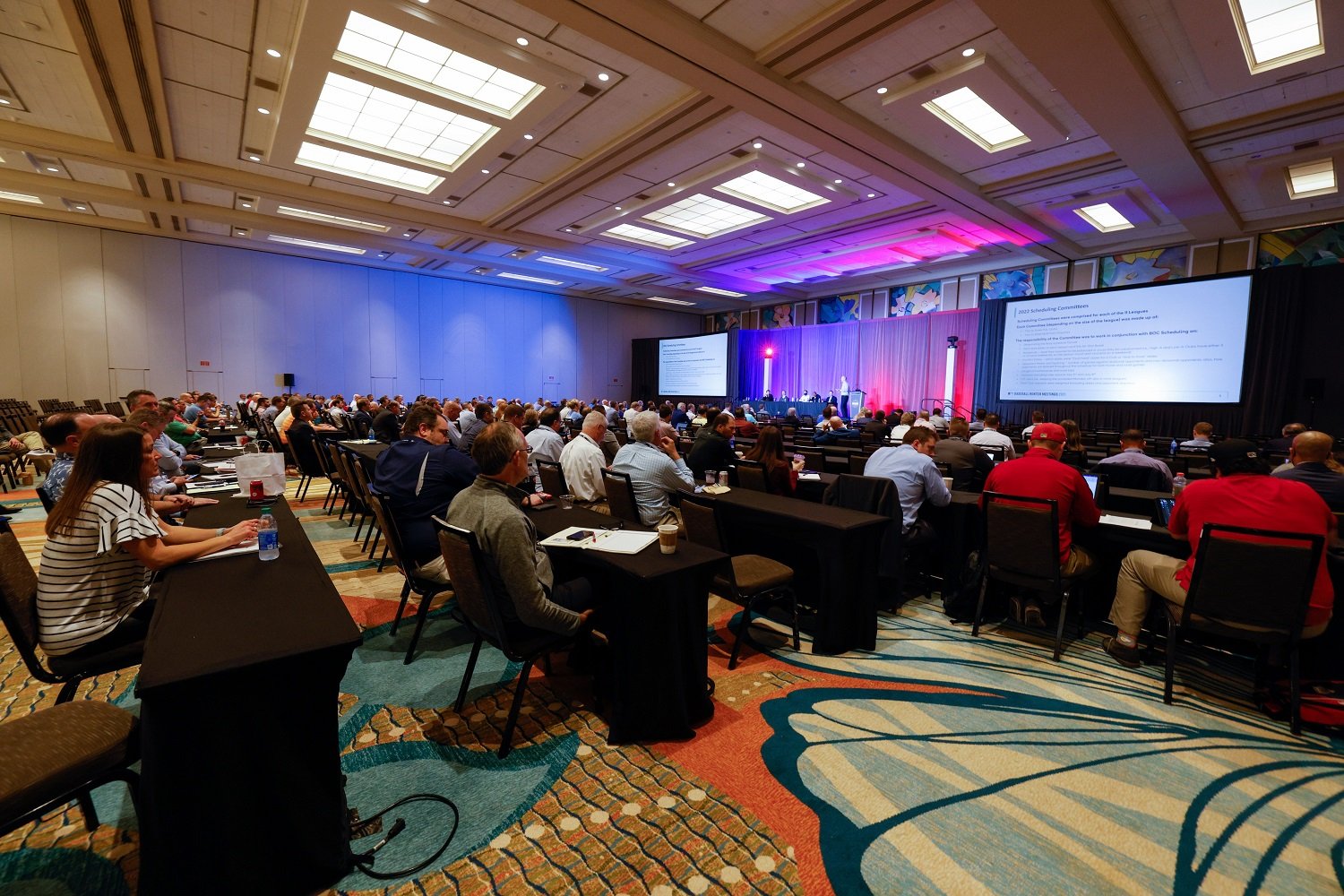 The last time the Minnesota Twins made a Rule 5 pick was in 2017. That year, they drafted right-handed reliever Tyler Kinley. Kinley made the roster but was returned to the Marlins early in the season. That trend continued on Wednesday when the Twins passed on the opportunity to add players to their 40-man roster for $100,000. There had been some thought that the Twins might be looking at potential relief pitchers with their pick, but they ultimately opted not to. Fortunately for the team, they also didn't lose any players. Only 10 players were selected in the MLB phase. There were certainly concerns that the team could lose outfielder DaShawn Keirsey, Jr., infielder Anthony Prato, catcher and first baseman Chris Williams, or even right-hander Miguel Gonzalez. They had protected catcher Jair Camargo, infielder Yunior Severino, Utilityman Austin Martin, and outfielder Emmanuel Rodriguez. In the minor-league phase of the Rule 5 draft, however, the Twins were fairly busy. They added four players and lost none. The club selected left-handed pitcher Rafael Marcano from the Phillies. The 23-year-old pitched for High-A Jersey Shore in 2023. Twenty of his 23 appearances came as a starter. He went 5-6 with a 3.95 ERA and a 1.36 WHIP. In 93 1/3 innings, he had 97 strikeouts and 42 walks. In the second round, the Twins selected catcher Rafael Escalante from the Pirates Complex League roster. Escalante is a 22-year-old who has also played first and third base in his career. In the FCL in 2023, he hit .256/.409/.367, with four doubles and two homers. He had 23 walks to go with 15 strikeouts. Infielder Angel Del Rosario was their third-round pick in the minor-league portion. The 20-year-old played 57 games in Low A and eight games in High A in the Blue Jays organization. Combined, he hit .267/.342/.403, with nine doubles, two triples, and five home runs. He also had 25 stolen bases. In 236 plate appearances, he had 70 strikeouts and 19 walks. The Twins also selected right-handed pitcher Sheldon Reed from the Cubs organization. At High-A South Bend, he went 6-3 with a 3.38 ERA and a 1.22 WHIP. In 53 1/3 innings over 40 relief appearances, he had 63 strikeouts and 26 walks. A year ago, the Twins drafted four players in the minor-league Rule 5 draft... Can you remember them? RHP Seth Nordlin and OF Armani Smith were released around midseason. Yohander Martinez missed some time with injury, but he's still in the organization. In the "pleasant surprise" department, Yoyner Fajardo played in 123 games and hit .305/.375/.446 (.820) with 23 doubles, eight triples, nine homers, and 50 stolen bases. Now that the Rule 5 draft is complete, we can expect to hear about a bunch of minor-league signings across all of baseball. Teams want to delay those signings so that they don't have to worry about losing those players in the Rule 5 draft.
- 33 comments
-
- 12
-
-
- rafael marcano
- rafael escalante
- (and 5 more)
-
The Twins Daily Table Setter - December 6, 2023
Seth Stohs replied to Lou Hennessy's topic in Twins Daily Front Page News
The Twins have the 21st pick. Then they'll have another pick around 32-35ish (for Gray)... -
Twins Minor League Transactions (2023-24)
Seth Stohs replied to Seth Stohs's topic in Twins Minor League Talk
Andrew Bechtold signed with the Toronto Blue Jays... Sounds like he's going to be a pitcher full-time at this point. -
Greatest Twins Teams of All Time: Honorable Mentions
Seth Stohs replied to Matt Braun's topic in Twins Daily Front Page News
And Tom Kelly hasn't forgiven Allan Anderson since he asked not to pitch on the final day of the season, knowing Teddy Higuera of the Brewers was percentage points behind him.- 13 replies
-
- 2
-
-
- 2004 twins
- 2009 twins
- (and 5 more)
-
Twins Minor League Transactions (2023-24)
Seth Stohs replied to Seth Stohs's topic in Twins Minor League Talk
2B Kamron Willman was released. He joined the organization in the middle of the season out of one of the independent leagues, played for Ft. Myers. And while we heard the work was being done, the Twins have officially signed LHP Jovani Moran and RHP Ronny Henriquez to minor-league deals. -
Cory Lewis made his professional debut in 2023. It went well. He was named the Jim Rantz Minor League Pitcher of the Year by the Twins, and the Twins Daily Minor League Starting Pitcher of the Year. In the newest Twins Spotlight, we chatted with the right-hander about a ton of topics including his unique pitch mix. Image courtesy of Twins Spotlight Video of Cory Lewis showing his knuckeball grip. Cory Lewis grew up in Huntington Beach, California, and went to Marina High School. If Lewis were to make it to the big leagues, he would be the eight player from that school to do so. Maybe you remember first-round picks like Marc Newfield or Daric Barton. Craig Wilson was a second-round pick and spent seven seasons in the big leagues. Recent Brewers acquisition Jake Bauers went to Marina. The player from Marina High School with the longest big-league career has some Twins ties. Pat Corning was the Twins shortstop when Ken Griffey Jr.robbed Laura Ingalls Wilder’s husband of a home run off of Randy Johnson in a one game playoff. You remember, the Twins manager at that time was Pete Crow-Armstrong’s mom’s son Billy Heywood. (Let me know if you got all that. Kevin Elster went to Marina High. He spent parts of 13 seasons in the big leagues, his most memorable with the Mets. Lewis spent four seasons on the Marina varsity team. Along with pitching, he played a lot of first base as well. He had a strong sophomore season and that summer is when he committed to play at UC-Santa Barbara. He loved the school’s location. Not only was it close to the beach, but it was close to home, and his parents were able to make most of his games. In addition, he really appreciated the coaching staff. When he got on campus as a freshman in 2019, his eyes were opened. In Fall Ball, he learned that he had a lot of work to do. First and foremost, after going through the conditioning and seeing the other players, he knew he had to get himself into much better shape. The plan was for Lewis to be redshirted in 2020. Lewis said, “The biggest thing was that I needed to put in a lot more work. When I got there, I was a little out of shape, a little on the heavier side, velo was down. Everything was bad when I got there. Having that time during Covid to reset and get my body in the right shape, I think that really helped me my sophomore and junior year.” He continued by saying he “was lucky to have a good support system at Santa Barbara. I was able to get on a really good lifting program. I think the biggest thing was watching what I eat, cutting out the soda, taking nutrition a lot more seriously.” He had a strong support system. That is especially true of his parents, his brothers and his girlfriend. His younger of two older brothers, Chad, was the fourth-round pick of the Oakland A’s in 2010 out of Marina High School. He was always willing to talk to Cory about things like the draft process, minor-league ball, things to look out for, etc. His oldest brother, Troy, was someone who was a great listener and always there for him. He came into his sophomore season in much better shape. Series that year were four-game series, with single games on Friday and Sunday, and a doubleheader on Saturdays. He slotted in as the Sunday starter early in the season. He went 7-4 with a 3.38 ERA. As a junior in 2023, he took over as the team’s Friday night starter. Michael McGreevy and Rodney Boone were no longer in school after being drafted in 2021. He took it as a challenge, to “be that ace the team needed and set the tone for the weekend.” He responded by making 16 starts and going 9-1 with a 3.57 ERA. He had to wait until Day 2, the ninth round before hearing his name called by the Twins. He quickly signed in Fort Myers but spent the rest of that season working with coaches, training staff and others. They used the technology, video and analytics, to set a baseline for his current pitches. He began the 2023 season in Fort Myers. He made nine starts and went 4-3 with a 2.75 ERA and a 1.04 WHIP. In 39 1/3 innings, he walked 15 and struck out 55 batters. He moved up to Cedar Rapids and continued to pitch great. In 13 starts, he went 5-1 with a 2.32 ERA and a 1.07 WHIP. In 62 innings, he had 18 walks and 63 strikeouts. I’ll do the math for you. Overall, he went 9-4 with a 2.49 ERA and a 1.06 WHIP. He threw 101 1/3 innings and had 118 strikeouts with just 33 walks. Clearly those were the kinds of numbers that made him the easy choice for Twins minor league pitcher of the year. Let’s talk a little bit about his pitches. Here are some notes on his five-pitch mix. Four-Seam Fastball In mid-January, Lewis was one of many Twins pitching prospects to head to Fort Myers for a velocity camp. In college, his fastball typically sat between 88 and 92. He said, “Everyone wants to throw harder. My focus was to be in the 92-94 range, and I had several games like that. Now I just need to be consistent.” As you can see, he actually grips his four-seam fastball on the opposite threads are most pitchers do. However, he is able to get good ride on the pitch. Change Up Lewis has a very loose-grip on his changeup. The lone pressure on the ball is from the ring finger which he said “does most of the work.” That pitch tends to drop straight down. Curveball Lewis uses a spike-curveball grip. The pointer finger is bent and its nails almost dig into the ball. Slider The slider is a pitch he added during his junior season. It is similar to a cutter but has more depth. Knuckleball When Phil Niekro and Tim Wakefield threw knuckleballs, that is essentially al they threw. Sure, maybe a fastball here and there (at about 72 mph), but not many. Just floating 52 mph knucklers. First things first, Cory Lewis throws a knuckleball, but he isn't a typical knuckle ball pitcher. He is a pitcher who throws a knuckleball. For Lewis, his knuckleball is one pitch from his five-pitch repertoire. In fact, most games, he only throws the pitch around 12% of the time. The other thing that makes the Lewis knuckler so intriguing is the fact that he throws it 82-85 mph. That is a very high-velocity knuckleball. Even through it's thrown that hard, he is able to keep the pitch's RPM around 150. In fact, in his playoff start, he threw on knuckleball at 88 mph. "It's been the same since I started throwing it. Even in college, it was probably 80 to 83 mph. For it to be 88 is kind of crazy." He recalled that the hitter swung awkwardly at the pitch which was up in the zone. After missing the pitch, the batter looked out at him with a "What was THAT?" look. Who are recent knuckleball pitches in the big leagues. You'd be hard-pressed to name some from the past decade or so? Late in the 2023 season, the San Diego Padres called up right-hander Matt Waldron. He throws a knuckleball about 27.0% of the time at an average of 76.6 mph). Waldrop threw a low-90s fastball about 44% of the time, a 80 mph slider 16% of the time, and a cutter about 13% of the time. Similar, yet Cory Lewis remains unique with his pitch mix. please feel free to discuss Lewis, his background, his stuff and project his future in the comments below. Who knows? Maybe he'll even answer some of your questions. View full article
-
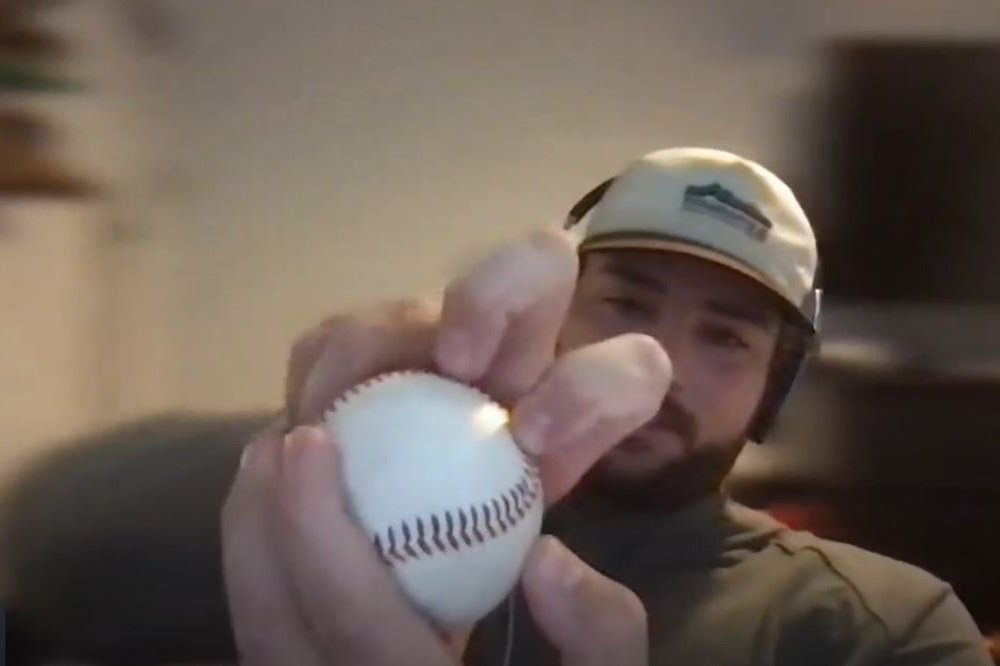 Cory Lewis grew up in Huntington Beach, California, and went to Marina High School. If Lewis were to make it to the big leagues, he would be the eight player from that school to do so. Maybe you remember first-round picks like Marc Newfield or Daric Barton. Craig Wilson was a second-round pick and spent seven seasons in the big leagues. Recent Brewers acquisition Jake Bauers went to Marina. The player from Marina High School with the longest big-league career has some Twins ties. Pat Corning was the Twins shortstop when Ken Griffey Jr.robbed Laura Ingalls Wilder’s husband of a home run off of Randy Johnson in a one game playoff. You remember, the Twins manager at that time was Pete Crow-Armstrong’s mom’s son Billy Heywood. (Let me know if you got all that. Kevin Elster went to Marina High. He spent parts of 13 seasons in the big leagues, his most memorable with the Mets. Lewis spent four seasons on the Marina varsity team. Along with pitching, he played a lot of first base as well. He had a strong sophomore season and that summer is when he committed to play at UC-Santa Barbara. He loved the school’s location. Not only was it close to the beach, but it was close to home, and his parents were able to make most of his games. In addition, he really appreciated the coaching staff. When he got on campus as a freshman in 2019, his eyes were opened. In Fall Ball, he learned that he had a lot of work to do. First and foremost, after going through the conditioning and seeing the other players, he knew he had to get himself into much better shape. The plan was for Lewis to be redshirted in 2020. Lewis said, “The biggest thing was that I needed to put in a lot more work. When I got there, I was a little out of shape, a little on the heavier side, velo was down. Everything was bad when I got there. Having that time during Covid to reset and get my body in the right shape, I think that really helped me my sophomore and junior year.” He continued by saying he “was lucky to have a good support system at Santa Barbara. I was able to get on a really good lifting program. I think the biggest thing was watching what I eat, cutting out the soda, taking nutrition a lot more seriously.” He had a strong support system. That is especially true of his parents, his brothers and his girlfriend. His younger of two older brothers, Chad, was the fourth-round pick of the Oakland A’s in 2010 out of Marina High School. He was always willing to talk to Cory about things like the draft process, minor-league ball, things to look out for, etc. His oldest brother, Troy, was someone who was a great listener and always there for him. He came into his sophomore season in much better shape. Series that year were four-game series, with single games on Friday and Sunday, and a doubleheader on Saturdays. He slotted in as the Sunday starter early in the season. He went 7-4 with a 3.38 ERA. As a junior in 2023, he took over as the team’s Friday night starter. Michael McGreevy and Rodney Boone were no longer in school after being drafted in 2021. He took it as a challenge, to “be that ace the team needed and set the tone for the weekend.” He responded by making 16 starts and going 9-1 with a 3.57 ERA. He had to wait until Day 2, the ninth round before hearing his name called by the Twins. He quickly signed in Fort Myers but spent the rest of that season working with coaches, training staff and others. They used the technology, video and analytics, to set a baseline for his current pitches. He began the 2023 season in Fort Myers. He made nine starts and went 4-3 with a 2.75 ERA and a 1.04 WHIP. In 39 1/3 innings, he walked 15 and struck out 55 batters. He moved up to Cedar Rapids and continued to pitch great. In 13 starts, he went 5-1 with a 2.32 ERA and a 1.07 WHIP. In 62 innings, he had 18 walks and 63 strikeouts. I’ll do the math for you. Overall, he went 9-4 with a 2.49 ERA and a 1.06 WHIP. He threw 101 1/3 innings and had 118 strikeouts with just 33 walks. Clearly those were the kinds of numbers that made him the easy choice for Twins minor league pitcher of the year. Let’s talk a little bit about his pitches. Here are some notes on his five-pitch mix. Four-Seam Fastball In mid-January, Lewis was one of many Twins pitching prospects to head to Fort Myers for a velocity camp. In college, his fastball typically sat between 88 and 92. He said, “Everyone wants to throw harder. My focus was to be in the 92-94 range, and I had several games like that. Now I just need to be consistent.” As you can see, he actually grips his four-seam fastball on the opposite threads are most pitchers do. However, he is able to get good ride on the pitch. Change Up Lewis has a very loose-grip on his changeup. The lone pressure on the ball is from the ring finger which he said “does most of the work.” That pitch tends to drop straight down. Curveball Lewis uses a spike-curveball grip. The pointer finger is bent and its nails almost dig into the ball. Slider The slider is a pitch he added during his junior season. It is similar to a cutter but has more depth. Knuckleball When Phil Niekro and Tim Wakefield threw knuckleballs, that is essentially al they threw. Sure, maybe a fastball here and there (at about 72 mph), but not many. Just floating 52 mph knucklers. First things first, Cory Lewis throws a knuckleball, but he isn't a typical knuckle ball pitcher. He is a pitcher who throws a knuckleball. For Lewis, his knuckleball is one pitch from his five-pitch repertoire. In fact, most games, he only throws the pitch around 12% of the time. The other thing that makes the Lewis knuckler so intriguing is the fact that he throws it 82-85 mph. That is a very high-velocity knuckleball. Even through it's thrown that hard, he is able to keep the pitch's RPM around 150. In fact, in his playoff start, he threw on knuckleball at 88 mph. "It's been the same since I started throwing it. Even in college, it was probably 80 to 83 mph. For it to be 88 is kind of crazy." He recalled that the hitter swung awkwardly at the pitch which was up in the zone. After missing the pitch, the batter looked out at him with a "What was THAT?" look. Who are recent knuckleball pitches in the big leagues. You'd be hard-pressed to name some from the past decade or so? Late in the 2023 season, the San Diego Padres called up right-hander Matt Waldron. He throws a knuckleball about 27.0% of the time at an average of 76.6 mph). Waldrop threw a low-90s fastball about 44% of the time, a 80 mph slider 16% of the time, and a cutter about 13% of the time. Similar, yet Cory Lewis remains unique with his pitch mix. please feel free to discuss Lewis, his background, his stuff and project his future in the comments below. Who knows? Maybe he'll even answer some of your questions.
-
Cory Lewis was the Twins 9th round pick in 2022 out of UC-Santa Barbara. He made his professional debut in 2023 in Fort Myers and after a couple of months moved up to Cedar Rapids. Overall, he went 9-4 with a 2.49 ERA and a 1.06 WHIP. In 101 1/3 innings, he had 118 strikeouts and 33 walks. He then helped the Kernels to the Midwest League championship. After the season, Twins Daily named him the Twins Minor League Starting Pitcher of the Year, and he was also named the Jim Rantz Award recipient as Twins best minor league pitcher. In this conversation, we get to find out all about Lewis's ball-playing career, starting when he was very young. He was a star in high school, committed to Santa Barbara early, and put in some hard work to finally get to be an impact starter in college. Find out about his draft experience, his early time in the organization, and all about his 2023 season. Learn about his five pitches, which you may have heard includes a knuckleball. View full video
-
Cory Lewis was the Twins 9th round pick in 2022 out of UC-Santa Barbara. He made his professional debut in 2023 in Fort Myers and after a couple of months moved up to Cedar Rapids. Overall, he went 9-4 with a 2.49 ERA and a 1.06 WHIP. In 101 1/3 innings, he had 118 strikeouts and 33 walks. He then helped the Kernels to the Midwest League championship. After the season, Twins Daily named him the Twins Minor League Starting Pitcher of the Year, and he was also named the Jim Rantz Award recipient as Twins best minor league pitcher. In this conversation, we get to find out all about Lewis's ball-playing career, starting when he was very young. He was a star in high school, committed to Santa Barbara early, and put in some hard work to finally get to be an impact starter in college. Find out about his draft experience, his early time in the organization, and all about his 2023 season. Learn about his five pitches, which you may have heard includes a knuckleball.
-
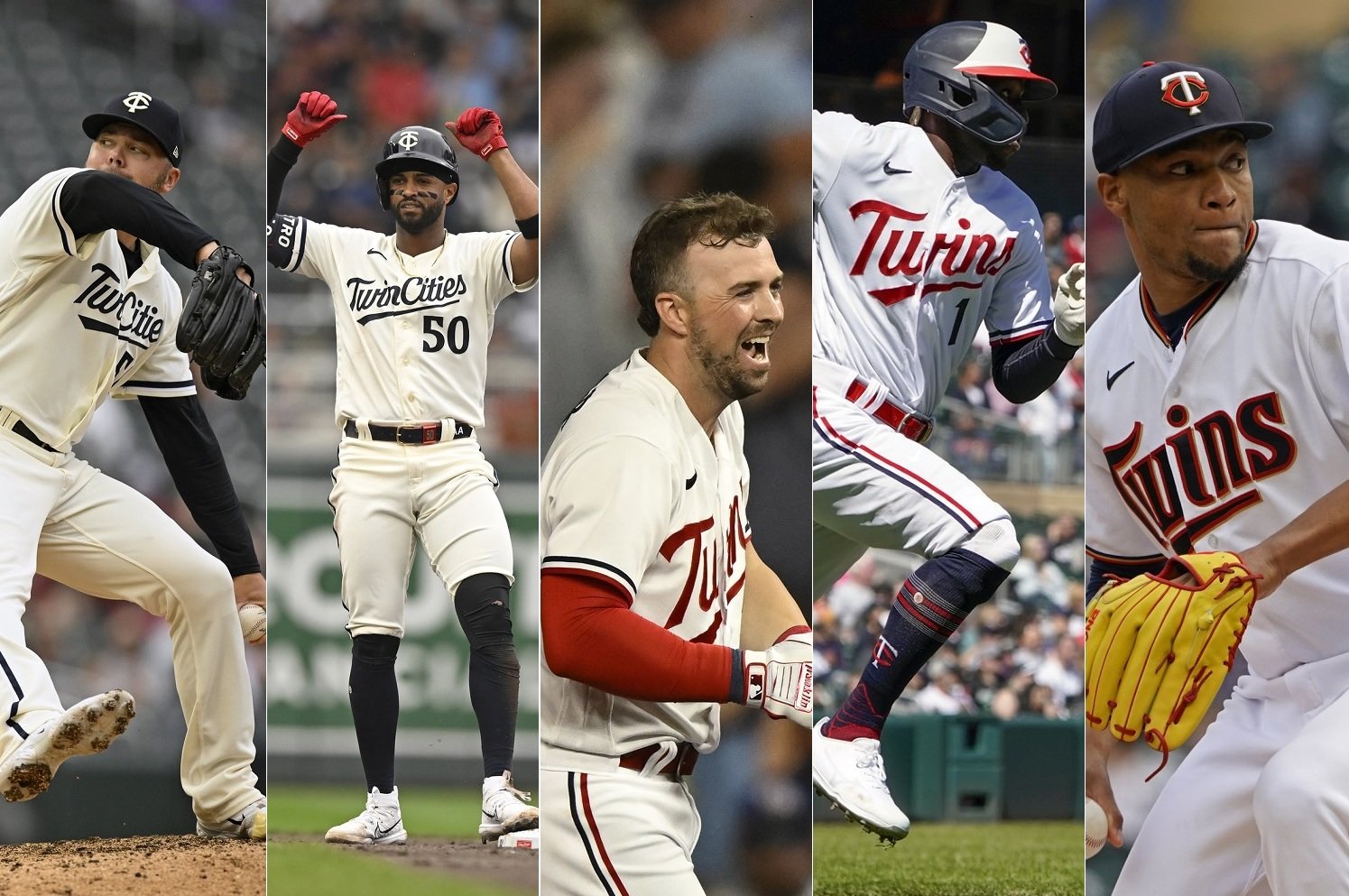 Article Update (7:40 pm): On Friday night, the Twins announced that they have tendered 2024 contracts to all seven arbitration-eligible players. It was also announced the Jovani Moran is expected to be having Tommy John surgery in the near future and miss the 2024 season. The Twins are trying to get him to sign a two-year minor league deal. In addition, the Twins did not tender a 2024 contract to RHP Ronny Henriquez. With Moran and Henriquez coming off of the 40-man roster, the roster is now at 36 players. There are 17 pitchers, three catchers, eight infielders and eight outfielders. ----------------------------------------------------------------------------------------------------- When the offseason began, the Minnesota Twins had nine players on their roster that were arbitration-eligible. Since then, the Twins made quick decisions on two of them. Soon after their playoff run concluded, Jordan Luplow and Jose De Leon were designated for assignment and became free agents. That leaves seven players that the Twins still need to make decisions about their 2024 status. Below, I will run through these seven players and make some notes on each. Several of them may involve answering some difficult questions. A few are pretty easy decisions. Please feel free to ask questions and discuss these decisions in the Forum below. Also, generally-speaking not many pre-arbitration players are non-tendered, but it has happened. We aren't going to try to project which, if any, of those players will be non-tendered on Friday. (Players sorted by MLB Trade Rumors Projections) 2B/OF Nick Gordon Service Time: 2.136 (two years, 136 days, Super 2) Arbitration Year: 1 of 4 Age in 2024: 28 MLB Trade Rumors Projected 2024 Salary: $1.0 million Deadline Decision: Tendered 2023 Season: If this decision had to be made after Gordon’s 2022 breakout season, it would have been simple. However, Gordon’s 2023 season started out very slow, but just when he started playing well, he broke his leg and was out the remainder of the season. However, he was an impressive teammate and cheerleader for the team in October! Potential 2024 Role: Gordon can play second base and performed well in left field and centerfield over the previous year. In a pinch, he can play shortstop and third base as well. He could be the left-handed side of platoons or a more traditional utility player, capable of playing at least five positions if needed. With the emergence of Edouard Julien, Matt Wallner and Royce Lewis, and the likes of Austin Martin and Brooks Lee potentially ready in the near future, playing time may be more and more limited. Biggest Question Marks: Gordon has had several injuries in his career. And while his 2022 season was just as good as Willi Castro’s 2023 season, Castro is the better defensive player at each spot on the field. Gordon is also out of options, so he couldn’t be sent to the minor leagues by the Twins without going through waivers. Prediction: The dollars are low and Gordon should have value to teams, including the Twins. I would predict that he will be tendered a 2024 contract, although I would think that the Twins front office might be looking to trade him to a team looking for a solid utility option. A trade could happen before Friday’s deadline, or anytime after Friday (assuming he is tendered). RHP Jorge Alcala Service Time: 4.014 (four years, 14 days) Arbitration Year: 2 of 3 Age in 2024: 28 MLB Trade Rumors Projected 2024 Salary: $1.0 million Deadline Decision: Tendered 2023 Season: After pitching just twice in 2022, Alcala made the 2023 opening day roster. However, after 10 games and 15 innings, he went on the Injured List in mid-May and didn’t return until the final game of the season. However, in that game, he was displaying a fastball between 97 and 99 and a sharp slider. Potential 2024 Role: The “potential” for Alcala has been the same each of the past five offseasons. When healthy, he has a big fastball and quality secondaries that are inconsistent but have big… potential. He has the potential and talent to be the top set up man, joining Griffin Jax and Brock Stewart in getting the ball to Jhoan Duran. I’d like to see what he can do in a fully healthy season. Biggest Question Mark: Health. That’s it. Yeah, he can work on pitches too and become more consistent, but the only way to do that is to stay healthy and get the innings. Prediction: This should be a very easy decision. The Twins should absolutely tender him a contract. If it’s $1 million, that’s fine. A year ago, he avoided arbitration by agreeing to a one-year, $790,000 deal, just $70K over league minimum. With his limited pitching the last couple of seasons, I would think he would happily sign a one-year, $900,000 deal, or something in that range. Sure, the team can still look to trade him if someone sends a quality prospect. However, Alcala hasn’t been optioned in the past, so he’s got three years worth of options remaining which might allow him to work on things and get innings if he’s not with the Twins. 1B Alex Kirilloff Service Time: 2.141 (two years, 141 days, Super 2) Arbitration Year: 1 of 4 Age in 2024: 26 MLB Trade Rumors Projected 2024 Salary: $1.7 million Deadline Decision: Tendered 2023 Season: Because of ongoing wrist pain, Kirilloff’s 2022 season ended after just 45 games. He had a surgery which involved shaving bones in his wrist to help alleviate the pain. The Twins brought him back slowly early in the 2023 season. He missed some time, but generally speaking, his wrist was not an issue. He played in 88 games and posted a .793 OPS with 14 doubles and 11 homers. He struggled in the playoffs and was removed from the roster in the ALDS series against the Astros due to a shoulder injury. He had surgery shortly after the Twins playoff run came to an end. Potential 2024 Role: When healthy, Kirilloff will be the primary first baseman. While his surgery turned out to be much more minor than feared, he could still miss some time early in the season. When he’s healthy, he is potentially an All Star bat. Can he still reach that level? Biggest Question Mark: That is the question. He will get healthy in time, though that has certainly become his biggest issue so far. He was pretty strictly platooned in 2023 due to some horrific numbers versus southpaws. Can he put up decent-enough numbers against same-siders to be an everyday player? Prediction: Easy decision. He will be tendered a contract. Can they negotiate a deal with him and his agent (Boras) to sign a deal for below the projection? Maybe. C Ryan Jeffers Service Time: 3.089 (three years, 89 days) Arbitration Year: 1 of 3 Age in 2024: 27 MLB Trade Rumors Projected 2024 Salary: $2.3 million Deadline Decision: Tendered 2023 Season: After hitting a combined .203/.277/.384 (.661) in 152 games between 2021 and 2022, the Twins brought in veteran backstop Christian Vazquez on a three-year deal. Early in the season, Vazquez was playing approximately two out of three games. However, Jeffers started playing much better behind the plate and at the plate. In 96 games, he hit .276/.369/.490 (.858) with 15 doubles and 14 home runs. His OPS+ was 134! The Twins played six playoff games in 2023. Jeffers caught all six of them. Potential 2024 Role: Aside from “normal” catcher bumps, bruises and pain, Vazquez and Jeffers remained healthy throughout the 2023 season. The two should continue to split time, with Jeffers getting the start in two out of three games. If he’s hitting like he did in 2023, he could get more DH opportunities too. Biggest Question Mark: He’s a catcher. That alone comes with inherent risks of injury. That shouldn’t be a consideration in this discussion. So the big question for Jeffers in 2024 will be if he can replicate his 2023 success as opposed to revert to his 2021 and 2022 levels. Prediction: Another easy decision. In fact, these two sides should spend time this offseason working on a four or five year deal to keep him in a Twins uniform for a long time. LHP Caleb Thielbar Service Time: 5.131 (five years, 131 days) Arbitration Year: 3 of 3 Age in 2024: 37 MLB Trade Rumors Projected 2024 Salary: $3.0 million Deadline Decision: Tendered 2023 Season: Since returning to the Twins before the 2020 season, Thielbar has been remarkably consistent, and remarkably effective as a setup man for the Twins. 2023 was the first time in his career that he missed significant time due to injury. He strained his oblique, probably came back too quickly, strained it again and then took longer to return the second time. So, he only pitched in 36 games, but in his 30 2/3 innings, he had 36 strikeouts and just six walks. For the first time since his 2013 rookie season, he had a WHIP of under 1.00. Potential 2024 Role: More of the same from Thielbar. Yes, he will be 37, but he hasn’t lost velocity, and his curveball continues to be a great pitch. He should continue to get crucial spots anywhere from the sixth through ninth innings. He can also continue to be a mentor in the bullpen. Biggest Question Mark: Can he stay healthy throughout most of the season? And obviously can he remain effective for another year? And on some level, how much longer does he want to continue pitching? Prediction: Sure, there are questions, but this is another easy decision for the Twins’ brass. Thielbar will be tendered a contract for 2024. And I would like to see the two sides come together and discuss a longer-term deal. Maybe it’s a series of options. $3 million for 2024, then an option for 2025 at $3 million that vests with 50 innings. If he is between 40 and 49 2/3 innings in 2024, the option vests at $2.5 million. If he’s under 40 innings, there could be a club option at $2 million but if they decline it, there could be a player option at $1.5 million. And, of course, Thielbar would have the right to retire at any point. The lawyers could get involved to creatively work through a one-year deal with a couple of options that would keep Thielbar pitching for his hometown team until he retires. UT Willi Castro Service Time: 4.017 (4 years, 17 days) Arbitration Year: 1 of 2 Age in 2024: 27 MLB Trade Rumors Projected 2024 Salary: $3.2 million Deadline Decision: Tendered 2023 Season: Following the 2022 season, Castro had accumulated just over three years of service time with the Tigers. He was projected to make $1.7 million in his first year of arbitration, so Detroit non-tendered him. The Twins pursued him aggressively and he quickly signed a minor-league deal with the Twins in which he would make $1.8 million if he was with the Twins all season. Because of injuries and more, Castro made the Twins Opening Day roster, and after not playing for the first several games, he found a way to spend the entire season as a very valuable role player with the Twins. He was fantastic defensively at three infield positions. He did a nice job filling in left and center field as well. In his parts of four seasons with the Tigers, he accumulated 0.4 bWAR. In 124 games with the Twins in 2023, Castro ranked third among Twins hitters with 2.6 bWAR. He played strong defense. He hit .257/.339/.411 (.750) with 32 extra base hits. He stole 33 bases in 38 attempts, an element the Twins haven’t had for a long time. Potential 2024 Role: His role in 2024 should be very similar to what it was in 2023. He can play three to five times per week all over the diamond. The fact that he is a switch hitter allows him to give guys off at different spots regardless of that day’s starting pitcher. Biggest Question Mark: He was well worth the $1.8 million in 2023, and we can all picture him continuing to be valuable, but his 2023 production was significantly better than it had been the two previous seasons when he played over 110 games. Won’t the real Willi Castro please stand up? And, how does the front office see the combination of Castro and Gordon in the organization? Can they both be on the roster and provide value? Castro is a year younger. Prediction: This is really the first one where I’ve had to think about how much I buy into Willi Castro’s 2023 season. That said, I think the Twins will tender him a contract, try to come up with a little lower than projected number, and use his switch-hitting and defensive versatility in 2024. IF Kyle Farmer Service Time: 5.129 (five years, 129 days) Arbitration Year: 3 or 3 Age in 2024: 33 MLB Trade Rumors Projected 2024 Salary: $6.6 million Deadline Decision: Tendered 2023 Season: Farmer came to the Twins after the 2022 season from the Cincinnati Reds in exchange for RH RP Casey Legumina. At the time, he was technically the Twins starting shortstop. As you all know, after a long and winding road, Carlos Correa came back to the Twins which meant it was back to the bench for Farmer. That said, Rocco Baldelli kept his bench active all season. Farmer got extended time at second base early in the season when Jorge Polanco was out. He got quite a bit of time at third base in between the Jose Miranda demotion and the return of Royce Lewis. And late in the year, he played shortstop most every day when Correa was resting his plantar fasciitis. In between, he was a platoon player, often splitting time with, and mentoring, Edouard Julien at second base. Solid defense around the infield. Fantastic leader and teammate. Generally mashes left-handed pitching. Took a fastball to the mouth and went through multiple surgeries. Potential 2024 Role: It would be the same general role for Farmer in 2024. Depending on how the right side of the infield shakes out this offseason, he could platoon at first and/or second base. He can pinch hit, DH, and even be that emergency catcher. Depending on health, it is likely his playing time would decrease. Biggest Question Mark: Payroll. Just what will the Twins payroll be in 2024. We know it’s going to drop, so can the Twins afford to pay a utility player over $6 million? Unfortunately that is the reality because my sense is that everyone associated with the Twins would love to bring Farmer back. Prediction: This is by far the most difficult decision for the Twins front office. As noted, if payroll remained the same, he would very likely be tendered, but with payroll down, we can’t assume that. We know his value to a big-league roster. You would hate to non-tender him and lose him for nothing. So, I don’t think they’ll do that. I do think that they will try hard to trade him for something over the next 24-36 hours, but if they can’t before Friday’s deadline, I would guess that they will tender him a contract and continue to try to deal him throughout the offseason. There are quick glimpses at the seven remaining arbitration-eligible cases that the Twins front office have to make decisions on before Friday evening. Will they tender all seven? How many do you think they will, or they should tender? Could they be looking to make a trade or two, either of these players or of some pre-arbitration players to make additional room on the roster? How many of these players should be considered for multi-year contract extensions? Feel free to discuss below. And again, check back over the next couple of days to find out what the Twins decided to do.
- 73 comments
-
- 18
-
-
- kyle farmer
- caleb thielbar
- (and 5 more)
-
Twins fans rightfully are excited about having high-quality pitchers and pitcher depth. However, what makes that even more exciting is that they have done so while continuing to get strong performances from young hitters too. The Twins could always draft or sign and then develop position players. Consider the names drafted and signed under the regimes of Mike Radcliff and Terry Ryan. It’s a Who’s Who of Twins hitters. Hunter. Mientkiewicz. Jones. Cuddyer. Morneau. Mauer. Kubel. Span. Buxton. Sano. Kepler. Polanco. And with many of the same people in the scouting department, we are again seeing emerging, talented position players. Many have debuted in recent years to varying success (and opportunity). Royce Lewis, Edouard Julien, and Matt Wallner were keys to the Twins second-half success. Meanwhile, players like Ryan Jeffers, Alex Kirilloff, Trevor Larnach, Jose Miranda, and Nick Gordon have helped the Twins win over the past couple of seasons. While there are finally more pitchers in the Twins system to be excited about, there continue to be solid-hitting prospects around the diamond. Let’s take a look at some of the depth around the field that can be found in the Twins organization: Catchers The Twins have two catchers on the big-league roster, Ryan Jeffers and Christian Vazquez. Jeffers will not be eligible for free agency for three more years. Vazquez has two years remaining on his three-year deal. Jair Camargo was added to the Twins 40-man roster since the end of the World Series. The burly backstop showed his powerful arm and his power with the bat for the St. Paul Saints in 2023. He will likely return to the Saints to start the 2024 season and be the guy called up if there is a need. Chris Williams, who is not on the 40-man roster, has become one of Twins most prominent power prospects the past two years with the Saints. He can catch, but he’s got enough bat to be a DH or get time at first base if needed. Patrick Winkel was the primary catcher with the Double-A Wind Surge. He is arguably the best defensive backstop prospect, but he can also hit with extra-base power. Noah Cardenas spent the entire season at Cedar Rapids. He can hit and get on base at a strong clip while playing well behind the plate. Andrew Cossetti may have as much power potential and offensive prowess as any of these catching prospects. He split his first professional season between Ft. Myers and the High-A Kernels. He ended the season representing the Twins in the Arizona Fall League. View full article
-
Organizational Depth: A Look at Hitters Throughout the Twins System
Seth Stohs posted an article in Caretakers
 The Twins could always draft or sign and then develop position players. Consider the names drafted and signed under the regimes of Mike Radcliff and Terry Ryan. It’s a Who’s Who of Twins hitters. Hunter. Mientkiewicz. Jones. Cuddyer. Morneau. Mauer. Kubel. Span. Buxton. Sano. Kepler. Polanco. And with many of the same people in the scouting department, we are again seeing emerging, talented position players. Many have debuted in recent years to varying success (and opportunity). Royce Lewis, Edouard Julien, and Matt Wallner were keys to the Twins second-half success. Meanwhile, players like Ryan Jeffers, Alex Kirilloff, Trevor Larnach, Jose Miranda, and Nick Gordon have helped the Twins win over the past couple of seasons. While there are finally more pitchers in the Twins system to be excited about, there continue to be solid-hitting prospects around the diamond. Let’s take a look at some of the depth around the field that can be found in the Twins organization: Catchers The Twins have two catchers on the big-league roster, Ryan Jeffers and Christian Vazquez. Jeffers will not be eligible for free agency for three more years. Vazquez has two years remaining on his three-year deal. Jair Camargo was added to the Twins 40-man roster since the end of the World Series. The burly backstop showed his powerful arm and his power with the bat for the St. Paul Saints in 2023. He will likely return to the Saints to start the 2024 season and be the guy called up if there is a need. Chris Williams, who is not on the 40-man roster, has become one of Twins most prominent power prospects the past two years with the Saints. He can catch, but he’s got enough bat to be a DH or get time at first base if needed. Patrick Winkel was the primary catcher with the Double-A Wind Surge. He is arguably the best defensive backstop prospect, but he can also hit with extra-base power. Noah Cardenas spent the entire season at Cedar Rapids. He can hit and get on base at a strong clip while playing well behind the plate. Andrew Cossetti may have as much power potential and offensive prowess as any of these catching prospects. He split his first professional season between Ft. Myers and the High-A Kernels. He ended the season representing the Twins in the Arizona Fall League.
- 6 comments
-
- 3
-
-
- austin martin
- brooks lee
- (and 3 more)
