



Seth Stohs
-
Posts
25,870 -
Joined
-
Last visited
-
Days Won
109
Content Type
Profiles
News
Minnesota Twins Videos
2026 Minnesota Twins Top Prospects Ranking
2022 Minnesota Twins Draft Picks
Minnesota Twins Free Agent & Trade Rumors, Notes, & Tidbits
Guides & Resources
2023 Minnesota Twins Draft Picks
The Minnesota Twins Players Project
2024 Minnesota Twins Draft Picks
2025 Minnesota Twins Draft Pick Tracker
2026 Minnesota Twins Draft Tracker: Picks & Bonuses
Forums
Blogs
Events
Store
Downloads
Gallery
Everything posted by Seth Stohs
-
 Since last Friday when the Minnesota Twins announced they were adding seven players to their 40-man roster, there has been a lot of debate. Who was added? Who shouldn't have been added? Who could be lost in next month's Rule 5 draft? I thought I'd take a look at who the Twins chose to add in recent years, but I'll also look at who the Twins have lost in recent Rule 5 drafts.Last week, the Twins lost AJ Achter and Josmil Pinto on waivers. They then added seven players to their 40-man roster. They added OF Adam Brett Walker, RHP JT Chargois and Yorman Landa, and LHP Taylor Rogers, Pat Dean, Mason Melotakis and Randy Rosario. November 2014 Adds One year ago, the Twins added a couple of players who came up in 2015 and really contributed. They added Miguel Sano and Eddie Rosario as position players. They also added RHP Alex Meyer and LHP Jason Wheeler. Rosario was a surprise add to the 25-man roster in May. Maybe it was supposed to be short-term, but he stayed up all year and filled out the stat line nicely offensively and defensively. Sano came up on July 1st and played so well the local media named him the Twins MVP. He finished third recently in AL Rookie of the Year voting while Eddie Rosario finished sixth. 2015 was a frustrating season for Meyer and Wheeler. Meyer came into the season with expectations from fans and media that he would be up quickly and be a top of the rotation starter. After nine starts in AAA, he was moved to the bullpen and continued to struggle. He did make two (not-so-good) appearances with the Twins. It's important to remember that 2015 was his first of three option years and patience is good. Wheeler began the year in Rochester despite only a handful of starts a year earlier in AA. He struggled mightily as well and was sent back to AA. He was outrighted from the 40-man roster in September, but he was named MVP of the Southern League championship series for Chattanooga. The Twins lost LHP Sean Gilmartin to the Mets in the Rule 5. They added RHP JR Graham. November 2013 Adds The Twins added four players; LHP Logan Darnell, DH Kennys Vargas, OF Max Kepler and IF Jorge Polanco. Darnell was the easiest choice of the group. He came up to the big leagues in May to make a couple of starts and pitched in six games for the Twins right away in 2014. He was moved to the bullpen in Rochester in 2015, but in August he started again and pitched as well as he ever has. He was called up for September, but came down with pneumonia. He's still got a role with the Twins, either as a lefty reliever or long reliever. It was a surprise when Kennys Vargas was called up from AA New Britain in August of 2014 following the Josh Willingham trade, but he added nine homers in the middle of the Twins lineup. He as the Opening Day DH for the Twins in 2015 and it was a tough year for him as well. He spent more time in the minors, was even sent down to AA for a stretch in early July. He ended the minor league season strong and came back to the Twins for September. Kepler and Polanco were two players who were highly debated. Many didn't understand why the Twins would protect these two since they had only just completed their season in Cedar Rapids. However, both were easy choices for the Twins. Polanco has had a few cups of coffee with the Twins in the last couple of years and remains a prospect. Kepler saw his tools become skills as he put together a great 2015 season in Chattanooga and debuted with the Twins in September. The Twins didn't add or lose anyone in the 2013 Rule 5 draft. November 2012 Adds There were only a couple of givens to be added in 2012, but the Twins added eight players to their 40-man roster. Former first-round picks, Aaron Hicks (2008) and Kyle Gibson (2009) were the obvious choices. Hicks finally had his breakout season in the minors that year in New Britain. At the time he was added, however, the Twins had not yet traded Ben Revere and Denard Span. That would happen about three weeks later at the Winter Meetings. Gibson was coming off of Tommy John surgery. He debuted in 2013 with ten starts and has been in the Twins rotation the last two full seasons. The Twins also added Danny Santana who, as we all know, has all the tools and athleticism. He came up as the surprise of 2014, playing centerf ield and getting Rookie of the Year votes. As we know, his 2015 season was full of frustrations. Santana is interesting for 2016 as he is now out of options. Likewise Michael Tonkin was added at this time so he is also out of options. He's made about two dozen flights between Rochester and Minnesota since. Caleb Thielbar was a bit of a surprise at the time. He had pitched well at three levels that year after signing with the Twins late in 2011 from the St. Paul Saints. He was the Twins rookie of the year in 2013, and they let him go in 2015. Josmil Pinto was also added. He could have become a minor league free agent following the World Series. The Twins signed him to a minor league deal before that could happen and then added him at this time. He sure showed promise in his September debut that year. Unfortunately poor defense and now concussions have stunted his growth. He was claimed by San Diego last week. BJ Hermsen was the Twins minor league pitcher of the year in 2012 after a fantastic season in Ft. Myers. He was outrighted about a year later. He became a minor league free agent last year but re-signed with the Twins. He underwent Tommy John surgery this spring and is now a free agent again. Tim Wood was a hard-throwing righthander who the Twins had signed to a minor league deal earlier in the month. They added him to the 40-man roster. Unfortunately, he spent most of the 2013 season injured and the team let him go. In the Rule 5 draft, the Twins added RHP Ryan Pressly and lost no one. November 2011 Adds In 2011, the Twins added just three players to the 40-man roster, OF Oswaldo Arcia, RHP Carlos Gutierrez and LHP Tyler Robertson. Arcia was the easy choice as he had crushed minor league pitching for a couple of years. He's had an up-and-down ride in the big leagues. Two years ago, he hit 20 homers for the Twins. Last year, in AAA, he hit under .200. 2016 is a huge year for him as he is out of options. Carlos Gutierrez was a hard-throwing righty, drafted by the Twins in the first round out of Miami. They attempted to have him start, but that didn't work. He preferred the bullpen and had just two pitches. That said, he didn't make it as a reliever either. He is out of baseball now. Tyler Robertson was a lefty, a third-round pick out of high school. He had a terrific season in Beloit which put him on the map as a starter. He debuted with the Twins as a reliever and struck out the side in his first appearance. He made the Opening Day roster for the Twins in 2013 but just two games into the season, he was let go. The Twins added Terry Doyle in the Rule 5 draft, but they sent him back to the White Sox. He has pitched all over since, including some time in Japan. November 2010 Adds The Twins added some young talent in this round of transactions. They added RHP David Bromberg, coming off a couple of seasons in which he led his league in strikeouts. They added three outfielders as well: Chris Parmelee, Joe Benson and Rene Tosoni. Bromberg had a tough 2011 and was removed from the 40-man roster the following year. Benson has as many tools as anyone, but after a September call-up in 2011, he never got back to the Twins. He has played for several organizations in recent years. Tosoni hit a couple of long homers into the bleachers in right-centerfield, but he was unable to do it consistently. He spent parts of a couple of years with the Twins, but has spent the last two years playing indpendent league ball and for Team Canada. Parmelee had a great September debut, but after that, he struggled to find success with the Twins. First base was taken. He played in the outfield. His bat was very inconsistent. There were times he looked like he could take off. Other times, he struggled really badly. The Twins let him go and he surfaced with the Orioles this season. The Twins added Scott Diamond in the Rule 5 and didn't lose anyone. November 2009 Adds The Twins added seven players at this time. The easy choice was 3B Danny Valencia. It wasn't long before he came up and had a strong rookie season. It wasn't long after that that he was sent back to AAA and later traded to the Red Sox. He's played for the Orioles, Blue Jays and now the A's in recent years and has found his niche as a LHP crusher. Deolis Guerra was another easy choice. He came in the Johan Santana trade and struggled, in large part due to being pushed way too fast by the Mets, but he was young and had a chance. He got to AAA and had some months where it looked like he might get called up. He re-signed a couple of minor league deals with the Twins, but last year he signed with the Pirates. He pitched well and earned a promotion to the Pirates for awhile. Alex Burnett was a mid-round high school pick who signed. He was a surprise Opening Day roster add in 2010 and certainly showed flashes of what could be. He spent a couple of years with the Twins before joining the DFA cycle with the Cubs and Blue Jays and other teams. He is out of professional baseball now and works with kids on pitching in California. Rob Delaney was a non-drafted free agent out of college, but he dominated the lower levels of the minor leagues and continued to pitch well as he moved up the ladder. The Twins added him, but then they gave him just one game in the big leagues before giving up on him. He pitched briefly with the Rays in 2011. Estarlin de los Santos fits the Danny Santana mold. A young shortstop (he had just spent an injury-plagued year in Ft. Myers), but he had immense talent, speed, range, big arm, same type of hitter. However, he struggled that year and the Twins removed him from their roster after the season. He remained in the organization through the 2012 season but never got above AA. Loek Van Mil was known as the tallest pitcher in pro baseball history at 7-1. You'll remember the photos of him with 5-3 shortstop Chris Cates. He was added because he has just added some velocity and had decent control. However, he was still a project. He was traded to the Angels in the Brian Fuentes trade and spent time in other organizations. He pitched in Japan in 2014. The Twins signed him late in the 2015 season to a minor league deal. He pitched in a couple of games in September after call-ups. What's interesting is that he is now 31 years old and is throwing in the upper-90s. He may just get a shot with the Twins. That's as far back as I'll go at this time, but that's been a fun list to review. As you can tell, there were some obvious selections in most of those years. There are a lot of guys who have made it, and there are a bunch that never met their perceived potential. Some got cups of coffee and some never got above AA. Real quickly, before losing Sean Gilmartin to the Mets in the 2014 Rule 5 draft, the Twins had not had a player selected in the Rule 5 draft since LHP Jose Lugo in 2008. He was later returned. Interestingly (for me at least), they lost three players in 2007's Rule 5 draft. RHP Tim Lahey was the first pick in that Rule 5 draft. He was a big guy who had just been converted from catcher to the mound but threw really hard. He was taken by the Cubs, then claimed by the Phillies before being returned to the Twins before the season started. RA Dickey was taken later in the draft by Seattle. The Twins had just signed him to a minor league deal, so he was eligible to be taken. The Twins and Ms worked out a deal so Dickey could remain with the Mariners. The Twins got a Low-A catcher named Jair Fernandez who looked like he had some potential. A year later, the Twins waited until after the Rule 5 draft to announce they had again signed Dickey to a minor league contract. Finally, they lost outfielder Garrett Guzman to the Nationals. He spent 2008 in the Nationals minor league system before spending two years playing independent league ball. A year earlier, 2006, the Twins lost RHPs Kevin Cameron (Padres) and Levale Speigner (Nationals) in the Rule 5. Both spent time in the big leagues with those teams. In 2004, RHP Angel Garcia was the first overall pick of the Rule 5 draft, but he was returned to the Twins before the season started. Of course, the Twins also drafted RHP Jared Camp from Cleveland with the first overall pick in that 1999 Rule 5 draft. Johan Santana was selected by Florida with the 2nd pick that year and the two were traded for each other. That story is always fun to tell. So, we make a huge deal out of the Rule 5 draft, and for the players added, it is a big deal. First, it eliminates one obstacle on the way to the big leagues, and second, it is a big financial boost for them. As you can see, there are occasionally Rule 5 picks that help a big league roster for awhile, but for the most part, there aren't a lot of players selected. Like my article from Monday on those great Twins teams, this article was also fun to research as a reminder of a lot of names that I've "covered" over the last dozen years of following the Twins minor leagues. I hope you've enjoyed this as well. Click here to view the article
 -
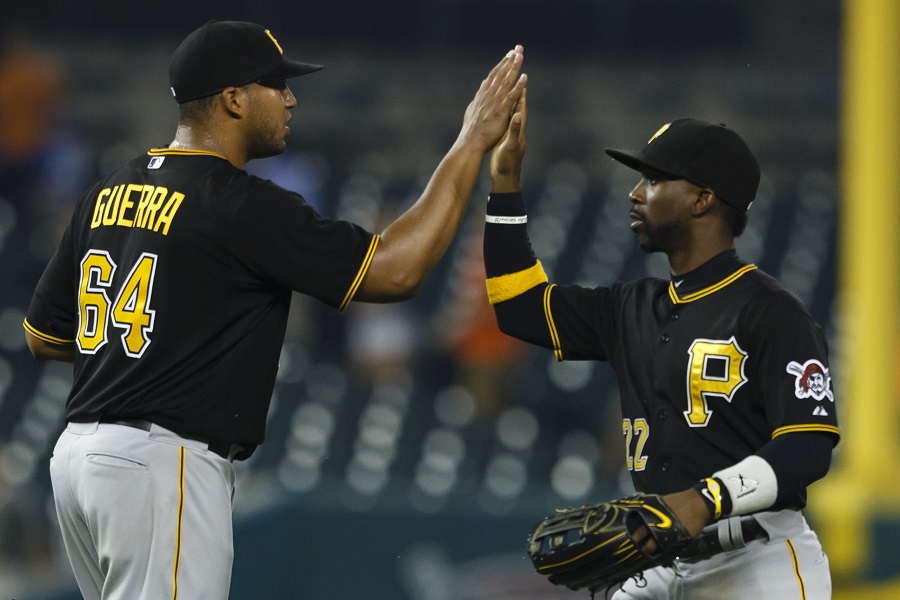 Last week, the Twins lost AJ Achter and Josmil Pinto on waivers. They then added seven players to their 40-man roster. They added OF Adam Brett Walker, RHP JT Chargois and Yorman Landa, and LHP Taylor Rogers, Pat Dean, Mason Melotakis and Randy Rosario. November 2014 Adds One year ago, the Twins added a couple of players who came up in 2015 and really contributed. They added Miguel Sano and Eddie Rosario as position players. They also added RHP Alex Meyer and LHP Jason Wheeler. Rosario was a surprise add to the 25-man roster in May. Maybe it was supposed to be short-term, but he stayed up all year and filled out the stat line nicely offensively and defensively. Sano came up on July 1st and played so well the local media named him the Twins MVP. He finished third recently in AL Rookie of the Year voting while Eddie Rosario finished sixth. 2015 was a frustrating season for Meyer and Wheeler. Meyer came into the season with expectations from fans and media that he would be up quickly and be a top of the rotation starter. After nine starts in AAA, he was moved to the bullpen and continued to struggle. He did make two (not-so-good) appearances with the Twins. It's important to remember that 2015 was his first of three option years and patience is good. Wheeler began the year in Rochester despite only a handful of starts a year earlier in AA. He struggled mightily as well and was sent back to AA. He was outrighted from the 40-man roster in September, but he was named MVP of the Southern League championship series for Chattanooga. The Twins lost LHP Sean Gilmartin to the Mets in the Rule 5. They added RHP JR Graham. November 2013 Adds The Twins added four players; LHP Logan Darnell, DH Kennys Vargas, OF Max Kepler and IF Jorge Polanco. Darnell was the easiest choice of the group. He came up to the big leagues in May to make a couple of starts and pitched in six games for the Twins right away in 2014. He was moved to the bullpen in Rochester in 2015, but in August he started again and pitched as well as he ever has. He was called up for September, but came down with pneumonia. He's still got a role with the Twins, either as a lefty reliever or long reliever. It was a surprise when Kennys Vargas was called up from AA New Britain in August of 2014 following the Josh Willingham trade, but he added nine homers in the middle of the Twins lineup. He as the Opening Day DH for the Twins in 2015 and it was a tough year for him as well. He spent more time in the minors, was even sent down to AA for a stretch in early July. He ended the minor league season strong and came back to the Twins for September. Kepler and Polanco were two players who were highly debated. Many didn't understand why the Twins would protect these two since they had only just completed their season in Cedar Rapids. However, both were easy choices for the Twins. Polanco has had a few cups of coffee with the Twins in the last couple of years and remains a prospect. Kepler saw his tools become skills as he put together a great 2015 season in Chattanooga and debuted with the Twins in September. The Twins didn't add or lose anyone in the 2013 Rule 5 draft. November 2012 Adds There were only a couple of givens to be added in 2012, but the Twins added eight players to their 40-man roster. Former first-round picks, Aaron Hicks (2008) and Kyle Gibson (2009) were the obvious choices. Hicks finally had his breakout season in the minors that year in New Britain. At the time he was added, however, the Twins had not yet traded Ben Revere and Denard Span. That would happen about three weeks later at the Winter Meetings. Gibson was coming off of Tommy John surgery. He debuted in 2013 with ten starts and has been in the Twins rotation the last two full seasons. The Twins also added Danny Santana who, as we all know, has all the tools and athleticism. He came up as the surprise of 2014, playing centerf ield and getting Rookie of the Year votes. As we know, his 2015 season was full of frustrations. Santana is interesting for 2016 as he is now out of options. Likewise Michael Tonkin was added at this time so he is also out of options. He's made about two dozen flights between Rochester and Minnesota since. Caleb Thielbar was a bit of a surprise at the time. He had pitched well at three levels that year after signing with the Twins late in 2011 from the St. Paul Saints. He was the Twins rookie of the year in 2013, and they let him go in 2015. Josmil Pinto was also added. He could have become a minor league free agent following the World Series. The Twins signed him to a minor league deal before that could happen and then added him at this time. He sure showed promise in his September debut that year. Unfortunately poor defense and now concussions have stunted his growth. He was claimed by San Diego last week. BJ Hermsen was the Twins minor league pitcher of the year in 2012 after a fantastic season in Ft. Myers. He was outrighted about a year later. He became a minor league free agent last year but re-signed with the Twins. He underwent Tommy John surgery this spring and is now a free agent again. Tim Wood was a hard-throwing righthander who the Twins had signed to a minor league deal earlier in the month. They added him to the 40-man roster. Unfortunately, he spent most of the 2013 season injured and the team let him go. In the Rule 5 draft, the Twins added RHP Ryan Pressly and lost no one. November 2011 Adds In 2011, the Twins added just three players to the 40-man roster, OF Oswaldo Arcia, RHP Carlos Gutierrez and LHP Tyler Robertson. Arcia was the easy choice as he had crushed minor league pitching for a couple of years. He's had an up-and-down ride in the big leagues. Two years ago, he hit 20 homers for the Twins. Last year, in AAA, he hit under .200. 2016 is a huge year for him as he is out of options. Carlos Gutierrez was a hard-throwing righty, drafted by the Twins in the first round out of Miami. They attempted to have him start, but that didn't work. He preferred the bullpen and had just two pitches. That said, he didn't make it as a reliever either. He is out of baseball now. Tyler Robertson was a lefty, a third-round pick out of high school. He had a terrific season in Beloit which put him on the map as a starter. He debuted with the Twins as a reliever and struck out the side in his first appearance. He made the Opening Day roster for the Twins in 2013 but just two games into the season, he was let go. The Twins added Terry Doyle in the Rule 5 draft, but they sent him back to the White Sox. He has pitched all over since, including some time in Japan. November 2010 Adds The Twins added some young talent in this round of transactions. They added RHP David Bromberg, coming off a couple of seasons in which he led his league in strikeouts. They added three outfielders as well: Chris Parmelee, Joe Benson and Rene Tosoni. Bromberg had a tough 2011 and was removed from the 40-man roster the following year. Benson has as many tools as anyone, but after a September call-up in 2011, he never got back to the Twins. He has played for several organizations in recent years. Tosoni hit a couple of long homers into the bleachers in right-centerfield, but he was unable to do it consistently. He spent parts of a couple of years with the Twins, but has spent the last two years playing indpendent league ball and for Team Canada. Parmelee had a great September debut, but after that, he struggled to find success with the Twins. First base was taken. He played in the outfield. His bat was very inconsistent. There were times he looked like he could take off. Other times, he struggled really badly. The Twins let him go and he surfaced with the Orioles this season. The Twins added Scott Diamond in the Rule 5 and didn't lose anyone. November 2009 Adds The Twins added seven players at this time. The easy choice was 3B Danny Valencia. It wasn't long before he came up and had a strong rookie season. It wasn't long after that that he was sent back to AAA and later traded to the Red Sox. He's played for the Orioles, Blue Jays and now the A's in recent years and has found his niche as a LHP crusher. Deolis Guerra was another easy choice. He came in the Johan Santana trade and struggled, in large part due to being pushed way too fast by the Mets, but he was young and had a chance. He got to AAA and had some months where it looked like he might get called up. He re-signed a couple of minor league deals with the Twins, but last year he signed with the Pirates. He pitched well and earned a promotion to the Pirates for awhile. Alex Burnett was a mid-round high school pick who signed. He was a surprise Opening Day roster add in 2010 and certainly showed flashes of what could be. He spent a couple of years with the Twins before joining the DFA cycle with the Cubs and Blue Jays and other teams. He is out of professional baseball now and works with kids on pitching in California. Rob Delaney was a non-drafted free agent out of college, but he dominated the lower levels of the minor leagues and continued to pitch well as he moved up the ladder. The Twins added him, but then they gave him just one game in the big leagues before giving up on him. He pitched briefly with the Rays in 2011. Estarlin de los Santos fits the Danny Santana mold. A young shortstop (he had just spent an injury-plagued year in Ft. Myers), but he had immense talent, speed, range, big arm, same type of hitter. However, he struggled that year and the Twins removed him from their roster after the season. He remained in the organization through the 2012 season but never got above AA. Loek Van Mil was known as the tallest pitcher in pro baseball history at 7-1. You'll remember the photos of him with 5-3 shortstop Chris Cates. He was added because he has just added some velocity and had decent control. However, he was still a project. He was traded to the Angels in the Brian Fuentes trade and spent time in other organizations. He pitched in Japan in 2014. The Twins signed him late in the 2015 season to a minor league deal. He pitched in a couple of games in September after call-ups. What's interesting is that he is now 31 years old and is throwing in the upper-90s. He may just get a shot with the Twins. That's as far back as I'll go at this time, but that's been a fun list to review. As you can tell, there were some obvious selections in most of those years. There are a lot of guys who have made it, and there are a bunch that never met their perceived potential. Some got cups of coffee and some never got above AA. Real quickly, before losing Sean Gilmartin to the Mets in the 2014 Rule 5 draft, the Twins had not had a player selected in the Rule 5 draft since LHP Jose Lugo in 2008. He was later returned. Interestingly (for me at least), they lost three players in 2007's Rule 5 draft. RHP Tim Lahey was the first pick in that Rule 5 draft. He was a big guy who had just been converted from catcher to the mound but threw really hard. He was taken by the Cubs, then claimed by the Phillies before being returned to the Twins before the season started. RA Dickey was taken later in the draft by Seattle. The Twins had just signed him to a minor league deal, so he was eligible to be taken. The Twins and Ms worked out a deal so Dickey could remain with the Mariners. The Twins got a Low-A catcher named Jair Fernandez who looked like he had some potential. A year later, the Twins waited until after the Rule 5 draft to announce they had again signed Dickey to a minor league contract. Finally, they lost outfielder Garrett Guzman to the Nationals. He spent 2008 in the Nationals minor league system before spending two years playing independent league ball. A year earlier, 2006, the Twins lost RHPs Kevin Cameron (Padres) and Levale Speigner (Nationals) in the Rule 5. Both spent time in the big leagues with those teams. In 2004, RHP Angel Garcia was the first overall pick of the Rule 5 draft, but he was returned to the Twins before the season started. Of course, the Twins also drafted RHP Jared Camp from Cleveland with the first overall pick in that 1999 Rule 5 draft. Johan Santana was selected by Florida with the 2nd pick that year and the two were traded for each other. That story is always fun to tell. So, we make a huge deal out of the Rule 5 draft, and for the players added, it is a big deal. First, it eliminates one obstacle on the way to the big leagues, and second, it is a big financial boost for them. As you can see, there are occasionally Rule 5 picks that help a big league roster for awhile, but for the most part, there aren't a lot of players selected. Like my article from Monday on those great Twins teams, this article was also fun to research as a reminder of a lot of names that I've "covered" over the last dozen years of following the Twins minor leagues. I hope you've enjoyed this as well.
 -
One Twins player made the list of Rule 5 Names to Remember at Baseball America... http://www.baseballamerica.com/minors/2015-rule-5-draft-preview-names-remember/
-
That's very true... The Twins in those years were good, especially if the starter could get through 7. There was always a strong back end of the bullpen.
- 64 replies
-
- 1
-

-
- trevor may
- glen perkins
- (and 2 more)
-
Fall Sets Up Big Future For Twins Prospects
Seth Stohs commented on Ted Schwerzler 's blog entry in Off The Baggy
AFL stats mean about as much as spring training stats, but it's always much more fun to see the Twins players do well. I would like to see Turner and Garver both play in Chattanooga next season and split time pretty evenly. -
...or both?
-
I should have added the 1969/70 teams. I did an article 4-5 years ago, comparing the 1965, 1969, 1970, 1987, 1991 teams. I think I came out of that thinking that the 1969 team was probably the best team of all time.
- 9 replies
-
- 1
-
-
- kirby puckett
- kent hrbek
- (and 3 more)
-
The 2016 Minnesota Twins roster should be comprised of a roster intended to win. After taking a big step forward in 2015, the playoffs are certainly the goal for 2016. We so often hear that the team is still young, still building. While it is absolutely true that the team will continue to add players from the minor leagues and give them more prominent roles in 2016, the team is not too young for anything. Note: Sometimes you write an article with a plan for where it's going to go. Honestly, I wrote this one simply because I was curious. I don't know if there are any great answers in the information below, but 1.) it's interesting, and 2.) Hey, it's fun to read all of the names from those great Twins teams.Consider the 2015 World Series champion Kansas City Royals. Their core players were all between 25 and 31. Ironically, those are generally considered the years of a player’s prime. Yordano Ventura was in his age-24 season. Salvador Perez, Erik Hosmer and Kelvin Herrera were 25. Mike Moustakus was 26. Alcides Escobar was 28. Lorenzo Cain, Johnny Cueto, Greg Holland and Wade Davis were 29. Old man Alex Gordon was 31. Those guys were their core players. They were complemented by some veterans who filled holes. They added 34-year-old Ben Zobrist at the trade deadline. The signed 34-year-old Alex Rios and 32-year-old Kendrys Morales before the season. Jeremy Guthrie, Jason Vargas, and Chris Young all were well past 40 and made starts. The key point is that the core players were all in their prime. I thought it would be kind of fun to see the ages of some of the best teams in Twins history. 1965 World Series Runners-Up They did not have a single hitter on the roster who was above their age-30 season. Earl Battey, Jerry Kindall and Bob Allison were 30. Harmon Killebrew, Mudcat Grant and Jim Perry were all 29. Don Mincher, Rich Rollins and Jimmie Hall were 27. Tony Oliva and Jim Kaat were both 26. Zoilo Versailles, the league’s MVP that year, was just 25. Their bullpen consisted of a couple of older guys; Al Worthington was 36 and Johnny Klipstein was 37. Camilo Pascual was the old man of the rotation at 31. 1987 World Series Champions Roy Smalley was the primary DH much of the season. He was 34. We all remember that Don Baylor was added as a bench bat and DH late in the season. He was 38. The only other hitter on the roster that was over 29 was backup catcher Sal Butera. Dan Gladden and Tim Laudner were both 29. Gary Gaetti was 28. Kent Hrbek, Steve Lombardozzi, Kirby Puckett and Frank Viola were all 27. Tom Brunasky was 26. Greg Gagne was just 25. Even bench guys Randy Bush (28) and All Newman (27) were young yet. Of course, the Twins also were led on the mound by 36-year-old Bert Blyleven. Jeff Reardon was 31. Bullpen guys Juan Berenguer and George Frazier were both 32. 1991 World Series Champions A lot of the core of that 1987 team was still around in 1991. Of course, this team generally wasn’t as young because of it. In fact, compared to other teams on this list, the 1991 team was rather old. Dan Gladden was now 33. Puckett and Hrbek were 31. Recently acquired Brian Harper, Mike Pagliurulo and Chili Davis were all 31. Greg Gagne was 29. Scott Leius was 25, and Rookie of the Year Chuck Knoblauch was just 22. The team did have a 36-year-old Jack Morris at the top of the rotation. He was joined by 27-year-old Kevin Tapani and 23-year-old Scott Erickson. The bullpen was a mixed bag. Rick Aguilera was 29. He was set up by 37-year-old Terry Leach, 33-year-old Steve Bedrosian, 30-year-old Carl Willis, and 25-year-old lefty Mark Guthrie. 2002 Twins ALCS Participating Team The team that saved baseball in Minnesota, right? There are probably a lot of readers here who don’t remember the 1965 World Series team (I wasn’t born for another 10 years). Many of you probably don’t even remember the 1987 and 1991 teams. But most readers will remember that 2002 team. In 2001, a group of youngsters competed most of the year before falling short. And then there was an offseason of scary contraction talk. Ron Gardenhire took over as manager and this team easily won the division and followed that with a playoff series win against the A’s. They fell in the ALCS to the eventual World Champion Angels. Again, no players in the regular lineup were over the age of 21. Corey Koskie was the old man at age 29. Doug Mientkiewicz was 28. Jacque ones was 27. Torii Hunter, Dustin Mohr and David Ortiz were all 26. Bobby Kielty and AJ Pierzynski were 25. Cristian Guzman was 24, and his double play partner was 22-year-old Luis Rivas. As seems to be case, the Twins had to have an upper-30s starter. Rick Reed was 37. Brad Radke was 29. Eric Milton and Joe Mays were both in their age 26 seasons. Eddie Guardado was the closer at age 31. Vulture Tony Fiore was 30, and LaTroy Hawkins was 29. JC Romero was 26. Mike Jackson, who was 37 at that time, was credited by several in the bullpen for his leadership skills. 2006 Team Yes, the team lost in the playoffs, but they won 96 games in the regular season. That is the most wins by a Twins team in the last 45 years. In my opinion, it’s the best, most talented Twins team of my life time. Luis Castillo and Torii Hunter were both 30. Lew Ford was 29. Nick Punto and Michael Cuddyer were both 28. Jason Bartlett didn’t start the season at shortstop (Juan Castro did). He was 26. Justin Morneau was the AL MVP in his age 25 season. Jason Kubel was just 24. Joe Mauer had one of his best seasons, and he was just 23. Johan Santana was 27 and won his second AL Cy Young Award. Carlos Silva was also 27. Brad Radke was already 33. It was his final season. Boof Bonser and Scott Baker were 24 and made important starts down the stretch. Francisco Liriano was the best pitcher in baseball for ab out six weeks, until he needed Tommy John surgery. Matt Garza was just 22, one year after being the team’s top pick, and he made ten starts for the team late in the year. Joe Nathan was 31 years old. Dennys Reyes posted a sub-1.00 ERA at age 29. Juan Rincon and Matt Guerrier were both 27. Jesse Crain was just 24. THE 2016 ROSTER What we’ve found is that the best teams in Twins history have been primarily comprised of players before they turned 30 or 31. There were generally a few older players, but they were role players. It’s all about the core players. The 2016 team has a good mix of older players, guys in their prime and some really, really young players. How will they come together? Obviously there is no way to know that. Here is a roster projection with 2016 ages: Catcher: Kurt Suzuki (32), John Ryan Murphy (25) First Base: Joe Mauer (33) Second Base: Brian Dozier (29) Third Base: Trevor Plouffe (30), Miguel Sano (23) Shortstop: Eduardo Escobar (27) Left Field: Eddie Rosario (24) Center Field: Byron Buxton (22) Right Field: Oswaldo Arcia (25) Designated Hitter: Byung-Ho Park (29) Others who could see time: Kennys Vargas (25), Danny Santana (25), Max Kepler (23), Jorge Polanco (22). The starters, however, are not as young as the hitters, on a whole. (includes a lot of names, but guys who may have some chance of seeing time with the Twins in 2016) Starting Pitchers: Ervin Santana (33), Ricky Nolasco (33), Phil Hughes (30), Tommy Milone (29), Kyle Gibson (28), Trevor May (26), Tyler Duffey (25), Taylor Rogers (25), JO Berrios (22). Bullpen Options: Glen Perkins (33), Kevin Jepsen (31), Loek Van Mil (31), Ryan O’Rourke (28), Ryan Pressly (27), Logan Darnell (27), Pat Dean (27), Michael Tonkin (26), JR Graham (26), Stephen Pryor (26), Alex Meyer (26), JT Chargois (25), Taylor Rogers (25), Zack Jones (25), Corey Williams (25), Nick Burdi (23), Jake Reed (23). The 2016 team will have a roster with a couple of cores of players. There are five to six guys in that 29 through 31 age group. There are also several players now in that 21 to 25 age group who are just debuting. Obviously building a championship-caliber team is about much more than just players’ ages. There has to be talent. Consider that Royals team that’s been to the World Series the last two years. Guys like Hosmer, Cain, Moustakus and Hochevar too awhile to develop into what they now are. Alex Gordon had to switch positions to become the player he has become the last few years. The Royals haven’t been afraid to let starters go after they turn 31 (guys like Ervin Santana and James Shields), and they still have won. One thing you will notice in some of those great Twins teams is that they weren’t afraid to promote talent quickly. Chuck Knoblauch was drafted in 1989. Played in AA in 1990, and was the Opening Day second baseman in 1991. Scott Erickson debuted in 1990, a year after he was drafted in the third round out of college. Matt Garza was the Twins top pick in 2005. He pitched at four levels in 2006, including the Twins. In other words, if they believe guys like Sano, Buxton, Kepler, or Burdi are ready, there is no reason to wait. Likewise, guys like Taylor Rogers or JT Chargois, who will be 25 in 2016, should get up soon too. Who knows? Maybe we will see Tyler Jay in a Twins uniform by season’s end. Click here to view the article
- 9 replies
-
- 3
-
-
- kirby puckett
- kent hrbek
- (and 3 more)
-
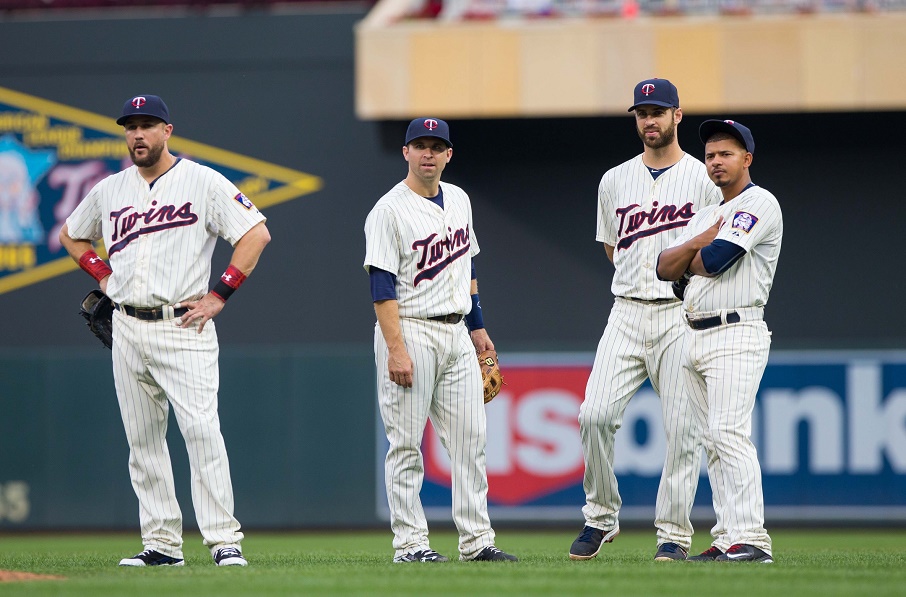 Consider the 2015 World Series champion Kansas City Royals. Their core players were all between 25 and 31. Ironically, those are generally considered the years of a player’s prime. Yordano Ventura was in his age-24 season. Salvador Perez, Erik Hosmer and Kelvin Herrera were 25. Mike Moustakus was 26. Alcides Escobar was 28. Lorenzo Cain, Johnny Cueto, Greg Holland and Wade Davis were 29. Old man Alex Gordon was 31. Those guys were their core players. They were complemented by some veterans who filled holes. They added 34-year-old Ben Zobrist at the trade deadline. The signed 34-year-old Alex Rios and 32-year-old Kendrys Morales before the season. Jeremy Guthrie, Jason Vargas, and Chris Young all were well past 40 and made starts. The key point is that the core players were all in their prime. I thought it would be kind of fun to see the ages of some of the best teams in Twins history. 1965 World Series Runners-Up They did not have a single hitter on the roster who was above their age-30 season. Earl Battey, Jerry Kindall and Bob Allison were 30. Harmon Killebrew, Mudcat Grant and Jim Perry were all 29. Don Mincher, Rich Rollins and Jimmie Hall were 27. Tony Oliva and Jim Kaat were both 26. Zoilo Versailles, the league’s MVP that year, was just 25. Their bullpen consisted of a couple of older guys; Al Worthington was 36 and Johnny Klipstein was 37. Camilo Pascual was the old man of the rotation at 31. 1987 World Series Champions Roy Smalley was the primary DH much of the season. He was 34. We all remember that Don Baylor was added as a bench bat and DH late in the season. He was 38. The only other hitter on the roster that was over 29 was backup catcher Sal Butera. Dan Gladden and Tim Laudner were both 29. Gary Gaetti was 28. Kent Hrbek, Steve Lombardozzi, Kirby Puckett and Frank Viola were all 27. Tom Brunasky was 26. Greg Gagne was just 25. Even bench guys Randy Bush (28) and All Newman (27) were young yet. Of course, the Twins also were led on the mound by 36-year-old Bert Blyleven. Jeff Reardon was 31. Bullpen guys Juan Berenguer and George Frazier were both 32. 1991 World Series Champions A lot of the core of that 1987 team was still around in 1991. Of course, this team generally wasn’t as young because of it. In fact, compared to other teams on this list, the 1991 team was rather old. Dan Gladden was now 33. Puckett and Hrbek were 31. Recently acquired Brian Harper, Mike Pagliurulo and Chili Davis were all 31. Greg Gagne was 29. Scott Leius was 25, and Rookie of the Year Chuck Knoblauch was just 22. The team did have a 36-year-old Jack Morris at the top of the rotation. He was joined by 27-year-old Kevin Tapani and 23-year-old Scott Erickson. The bullpen was a mixed bag. Rick Aguilera was 29. He was set up by 37-year-old Terry Leach, 33-year-old Steve Bedrosian, 30-year-old Carl Willis, and 25-year-old lefty Mark Guthrie. 2002 Twins ALCS Participating Team The team that saved baseball in Minnesota, right? There are probably a lot of readers here who don’t remember the 1965 World Series team (I wasn’t born for another 10 years). Many of you probably don’t even remember the 1987 and 1991 teams. But most readers will remember that 2002 team. In 2001, a group of youngsters competed most of the year before falling short. And then there was an offseason of scary contraction talk. Ron Gardenhire took over as manager and this team easily won the division and followed that with a playoff series win against the A’s. They fell in the ALCS to the eventual World Champion Angels. Again, no players in the regular lineup were over the age of 21. Corey Koskie was the old man at age 29. Doug Mientkiewicz was 28. Jacque ones was 27. Torii Hunter, Dustin Mohr and David Ortiz were all 26. Bobby Kielty and AJ Pierzynski were 25. Cristian Guzman was 24, and his double play partner was 22-year-old Luis Rivas. As seems to be case, the Twins had to have an upper-30s starter. Rick Reed was 37. Brad Radke was 29. Eric Milton and Joe Mays were both in their age 26 seasons. Eddie Guardado was the closer at age 31. Vulture Tony Fiore was 30, and LaTroy Hawkins was 29. JC Romero was 26. Mike Jackson, who was 37 at that time, was credited by several in the bullpen for his leadership skills. 2006 Team Yes, the team lost in the playoffs, but they won 96 games in the regular season. That is the most wins by a Twins team in the last 45 years. In my opinion, it’s the best, most talented Twins team of my life time. Luis Castillo and Torii Hunter were both 30. Lew Ford was 29. Nick Punto and Michael Cuddyer were both 28. Jason Bartlett didn’t start the season at shortstop (Juan Castro did). He was 26. Justin Morneau was the AL MVP in his age 25 season. Jason Kubel was just 24. Joe Mauer had one of his best seasons, and he was just 23. Johan Santana was 27 and won his second AL Cy Young Award. Carlos Silva was also 27. Brad Radke was already 33. It was his final season. Boof Bonser and Scott Baker were 24 and made important starts down the stretch. Francisco Liriano was the best pitcher in baseball for ab out six weeks, until he needed Tommy John surgery. Matt Garza was just 22, one year after being the team’s top pick, and he made ten starts for the team late in the year. Joe Nathan was 31 years old. Dennys Reyes posted a sub-1.00 ERA at age 29. Juan Rincon and Matt Guerrier were both 27. Jesse Crain was just 24. THE 2016 ROSTER What we’ve found is that the best teams in Twins history have been primarily comprised of players before they turned 30 or 31. There were generally a few older players, but they were role players. It’s all about the core players. The 2016 team has a good mix of older players, guys in their prime and some really, really young players. How will they come together? Obviously there is no way to know that. Here is a roster projection with 2016 ages: Catcher: Kurt Suzuki (32), John Ryan Murphy (25) First Base: Joe Mauer (33) Second Base: Brian Dozier (29) Third Base: Trevor Plouffe (30), Miguel Sano (23) Shortstop: Eduardo Escobar (27) Left Field: Eddie Rosario (24) Center Field: Byron Buxton (22) Right Field: Oswaldo Arcia (25) Designated Hitter: Byung-Ho Park (29) Others who could see time: Kennys Vargas (25), Danny Santana (25), Max Kepler (23), Jorge Polanco (22). The starters, however, are not as young as the hitters, on a whole. (includes a lot of names, but guys who may have some chance of seeing time with the Twins in 2016) Starting Pitchers: Ervin Santana (33), Ricky Nolasco (33), Phil Hughes (30), Tommy Milone (29), Kyle Gibson (28), Trevor May (26), Tyler Duffey (25), Taylor Rogers (25), JO Berrios (22). Bullpen Options: Glen Perkins (33), Kevin Jepsen (31), Loek Van Mil (31), Ryan O’Rourke (28), Ryan Pressly (27), Logan Darnell (27), Pat Dean (27), Michael Tonkin (26), JR Graham (26), Stephen Pryor (26), Alex Meyer (26), JT Chargois (25), Taylor Rogers (25), Zack Jones (25), Corey Williams (25), Nick Burdi (23), Jake Reed (23). The 2016 team will have a roster with a couple of cores of players. There are five to six guys in that 29 through 31 age group. There are also several players now in that 21 to 25 age group who are just debuting. Obviously building a championship-caliber team is about much more than just players’ ages. There has to be talent. Consider that Royals team that’s been to the World Series the last two years. Guys like Hosmer, Cain, Moustakus and Hochevar too awhile to develop into what they now are. Alex Gordon had to switch positions to become the player he has become the last few years. The Royals haven’t been afraid to let starters go after they turn 31 (guys like Ervin Santana and James Shields), and they still have won. One thing you will notice in some of those great Twins teams is that they weren’t afraid to promote talent quickly. Chuck Knoblauch was drafted in 1989. Played in AA in 1990, and was the Opening Day second baseman in 1991. Scott Erickson debuted in 1990, a year after he was drafted in the third round out of college. Matt Garza was the Twins top pick in 2005. He pitched at four levels in 2006, including the Twins. In other words, if they believe guys like Sano, Buxton, Kepler, or Burdi are ready, there is no reason to wait. Likewise, guys like Taylor Rogers or JT Chargois, who will be 25 in 2016, should get up soon too. Who knows? Maybe we will see Tyler Jay in a Twins uniform by season’s end.
 -
My thoughts... 50% = 50/50 that they'll get drafted. Jose Abreu - 0% Jason Adam - 0% Nick Anderson - 1% Luke Bard - 25% DJ Baxendale - 25% Omar Bencomo - 0% Edgar Corcino - 10% Sam Gibbons - 15% Miguel Gonzalez - 0% Niko Goodrum - 20% Bryan Haar - 0% Travis Harrison - 25% DJ Hicks - 10% David Hurlbut - 20% Cole Johnson - 15% Zack Jones - 50% Felix Jorge - 40% Marcus Knecht - 0% Brett Lee - 20% Kuo-Hua Lo - 5% Joe Maloney - 0% Aderlin Mejia - 0% Heiker Meneses - 0% Levi Michael - 48% Alex Muren - 30% Carlos Paulino - 0% Greg Peavey - 0% Michael Quesada - 0% Dereck Rodriguez - 20% Jairo Rodriguez - 0% Reynaldo Rodriguez - 2% Dan Runzler - 5% Tim Shibuya - 0% Matt Summers - 20% Todd Van Steensel - 0% Logan Wade - 0% Jason Wheeler - 30% Stephen Wickens - 3% Corey Williams - 46% Alex Wimmers - 20% Jones, Williams, Michaels and Jorge are the four that have some chance. I have Jones the highest at 50/50.
-
I assume anyone over 50% means that you assume they will be drafted. If that is correct, it looks like you think that the wins will lose like 7-8 players in the Rule 5 draft... Ummm...
-
1.) They can still sign free agents. 2.) they will need to sign BH Park. 3.) Minor League FA have nothing to do with the 40 man roster.
-
Wimmers has been back for two full seasons after TJ surgery. At this point, it won't be about medicals, at least not any more than any other player transaction would be.
-
Maybe one some teams... Terry Ryan isn't going to do that. I think that all the angst over Dean is a bit much... The Twins think he's worth protecting. That's the story. That's it. It's not some conspiracy or something.
-
Article: Predicting The Twins 40 Man Roster Additions
Seth Stohs replied to Seth Stohs's topic in Twins Daily Front Page News
Well, the interesting thing is that I had heard about Rosario being added and I was just curious how that was possible... but either way... that was a good call. -
OK, sure... but some of those have zero chance of getting selected. In fact, I would say Dereck Rodriguez has a significantly better chance of being selected in the Rule 5 than Reynaldo. The guys I see as at-risk are Zack Jones, Corey Williams, Levi Michael and Felix Jorge.
- 179 replies
-
- 2
-
-
- adam brett walker
- taylor rogers
- (and 2 more)
-
He was a good prospect and he turned it on again last August when he was put back in the starting rotation in Rochester. Pitched remarkably well. CAn be better. As a relieer, could be even better.
- 179 replies
-
- 1
-
-
- adam brett walker
- taylor rogers
- (and 2 more)
-
Article: Predicting The Twins 40 Man Roster Additions
Seth Stohs replied to Seth Stohs's topic in Twins Daily Front Page News
I would expect it will be. I'd think Rosario will spend all of 2016 in Ft. Myers. And all of 2017 in Chattanooga... Kind of the same thing that Kepler did... and what Polanco would have done as well (although he had his MLB cups of coffee and a little Rochester time this year). -
something to remember... The Twins will likely sign a few free agents. They have to have a few guys on the roster right now who can be DFAd to make room for those free agents. The guys who were just added today can't be DFAd until sometime in spring training. In other words, if they sign Neal Cotts/Matt Thornton/whoever, they'd likely DFA someone else.
- 179 replies
-
- 1
-
-
- adam brett walker
- taylor rogers
- (and 2 more)
-
Article: Predicting The Twins 40 Man Roster Additions
Seth Stohs replied to Seth Stohs's topic in Twins Daily Front Page News
I'm sure they have no interest in Rosario working out of the bullpen any time soon. -
I like this line: That's a big part of it too... the system is deep and though none of the guys left off the 40 man have real high ceilings (though we may feel differently about Jorge in a year from now), there is a lot of talent and that means some tough decisions.
-
plus, I'm betting no one looks back on this next October to check... Ha!
- 179 replies
-
- 5
-
-
- adam brett walker
- taylor rogers
- (and 2 more)
-
someone can find the specifics online somewhere, but basically players that are eligible for the MLB Rule 5 this year had to be protected on the AAA roster last year, and on the AA roster the year before. I think those rosters are 38. The main difference is that players selected in the minor league Rule 5 draft don't have to be offered back, and they don't have to play at any certain level. Guys like Goodrum, Wimmers, Harrison, Bard, etc. will almost certainly be on the AAA roster/reserve.
-
He's far enough... the question with him may be, if he's a utility infielder, can he play SS or 3B? He did in college, but as a pro, he's been mainly at 2B.
- 179 replies
-
- 1
-
-
- adam brett walker
- taylor rogers
- (and 2 more)
-
Tweeted this a bit ago... these are just estimates, but should still be close:
- 179 replies
-
- 4
-
-
- adam brett walker
- taylor rogers
- (and 2 more)
