



Seth Stohs
-
Posts
25,870 -
Joined
-
Last visited
-
Days Won
109
Content Type
Profiles
News
Minnesota Twins Videos
2026 Minnesota Twins Top Prospects Ranking
2022 Minnesota Twins Draft Picks
Minnesota Twins Free Agent & Trade Rumors, Notes, & Tidbits
Guides & Resources
2023 Minnesota Twins Draft Picks
The Minnesota Twins Players Project
2024 Minnesota Twins Draft Picks
2025 Minnesota Twins Draft Pick Tracker
2026 Minnesota Twins Draft Tracker: Picks & Bonuses
Forums
Blogs
Events
Store
Downloads
Gallery
Everything posted by Seth Stohs
-
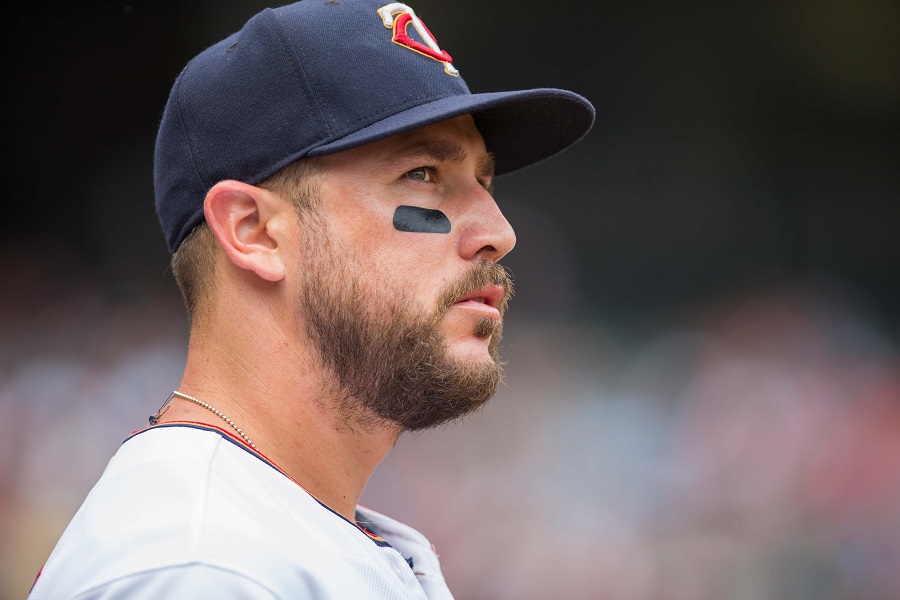 Here are a few of the misconceptions that I’ve noted in recent days. Expectations Should Be Lowered For Park Based On His Contract Should they be lowered? No. Will some lower them? Certainly. In my opinion, he is the same player whether he signed for $3 million a year, as he did, or would haive signed for $8-10 mllion a year, which was rumored. He is the same player. He will go through the same struggles as he adjusts to life in the States, playing with a new team, playing in a new league. It’s like expecting Joe Mauer would suddenly become an even better player because he signed a huge contract at age 27. Expectations based on contract are hardly ever fair. The Twins Low-Balled Park That was the first reaction of some Twins fans. It was also the reaction of many in Korea who thought he would make more coming to MLB. That showed in yesterday’s press conference when two members of Korean media started with questions about the contract. The reality is that the Twins worked within the current rules set up for players who are posted from Korea. Even Park’s agent, Alan Nero from Octagon, said that they played by the rules. He was a better player than Jung Ho Kang who signed a year earlier after putting up great numbers in Korea, and he got a little bit more than him. Was the contract fair? That could be debated. Is any contract fair when one party is negotiating solely with one other party? But that’s not the Twins fault. If anything is to blame, blame the system. We Have a Good Idea of How Productive Park Will Be Like any player, or especially any free agent, we have no idea how productive Byung Ho Park will be for the Twins in 2016 and beyond. Can we compare his stats in the KBO to the stats of Jung Ho Kang’s numbers in the KBO and then consider Kang’s number in MLB last year and assume that Park’s will be a little better than that? Sure, we can do that. Does it mean anything? Maybe, but probably not. Park could come in and put up the types of numbers that Jose Abreu did in his rookie season for the White Sox two years ago. He could run away with rookie of the year votes. He could become a fixture in the middle of a strong Twins lineup. Who knows? He could hit 40 home runs every year. Or, he could hit .185, strike out 210 times a year, and really struggle in the adjustment. I hope people are already over the misconception that we can compare Park coming to the Twins with Tsuyoshi Nishioka coming to the Twins half a decade ago. However, it is fair to say that Nishioka’s resume in Japan (in the NPB which is generally considered a better, more talented league than the KBO) was almost as impressive as Park’s in Korea. Nishioka was an All-Star, a batting champ, a gold glove winner. He had a ton of accolades. Park has been an MVP, a gold glove winner, a home run champion and more. I think this signing will be great, but clearly, time will tell. The Twins Have To Trade Trevor Plouffe Terry Ryan surprised several people yesterday at the news conference when he flatly said that he would keep the rest of the lineup intact. He said Plouffe would be his third baseman, and Miguel Sano would move to the outfield. Most have been working under an assumption that the Twins would deal Plouffe for pitching (or other talent) and clear the way for Miguel Sano to play third base. There is this thought that Miguel Sano can’t play in the outfield. He’s too big. Not fast enough. Hasn’t played the position in his life. Of those three things, only the last one is probably true. Yes, he weighed in at 268 pounds at the end of the season. Yes, that is a number that he and the Twins will need to watch closely as he moves forward. It’s likely a weight that will hold him back as he ages. But for 2016, he is a great athlete. He can get going. There are many slower outfielders out there. I mean, Oswaldo Arcia and Josh Willingham come to mind. Michael Cuddyer was not any faster than Miguel Sano is, and he was able to handle right field. The phrase “once he gets going” would likely be uttered a lot. His size isn’t the concern at this time. The fact that he hasn’t played in the outfield is a concern, but that is a concern whether he weighs 268 or 208. It will be an adjustment. He is talented and knows the game enough to catch fly balls. That’s the easy part of the position. But positioning, playing the ball off the wall, knowing where to throw, hitting the cut-off man, adjusting for slices, playing the ball hit directly over your head. Those are not easy. However, there have been a lot of infielders that have moved out to the outfield. Chipper Jones moved from third base to left field. Miguel Cabrera came up for the Marlins as a 20 year old in 2013 and played left field, a position he hadn’t played before on a World Series champion team. Last year, the Cubs played Kris Bryant in the outfield in 16 games, and Kyle Schwarber was an outfielder in the playoffs. These guys weren’t great (or even good) outfielders defensively, but it does show that winning teams can make these types of decisions. The best example, from a positive perspective, might be the Royals Alex Gordon. He was a questionable third baseman who was pushed to left field and has become a multiple Gold Glove winner. The idea of a Rosario, Buxton, Hicks outfield was very exciting for Twins fans (and Twins pitchers), but it's likely that two very good outfielders will be in the outfield. Ryan also said that the offense was a problem in 2015, and I think we would all agree, so trading Plouffe isn’t a great plan. I think we can all agree with that. The team does need to score runs and having Plouffe and Sano in a lineup gives it a better chance to do so. Plouffe Won’t Be Traded I have to add this one as well. While I believe that the Twins won’t be actively looking to deal Trevor Plouffe during the Winter Meetings next week, I don’t believe that they won’t listen to anyone who is interested. If a great package of players that can help the Twins win in 2016 and beyond is offered, it could happen. Terry Ryan shouldn’t trade Trevor Plouffe just to make room at third base for Miguel Sano. However, if he gets an offer that he can’t refuse, well, he shouldn’t refuse it. Some have even said that because of the contract that Park signed, and the fact that it was less than assumed, the Twins no longer have to trade Plouffe. The Park and Plouffe contracts are not restraining the Twins if they’re both around. They can still go out and sign a reliever or two and address other needs with both on the roster. The idea of trading Plouffe is about opening up third base for Sano and adding arms, not about money. The Winter Meetings should be interesting for Twins fans. How will it all play out? Well, I guess we’ll find out.
 -
 I think the second point of the article is to say that things are changing, and that's a good thing. There have been changes in recent years that hopefully will help this situation continue to improve.
- 42 replies
-
- 1
-

-
- joe benson
- carlos gomez
- (and 2 more)
-
Yes... the TV feed would do little to help them mechanically. They have video from the dugout areas usually.
- 42 replies
-
- 3
-
-
- joe benson
- carlos gomez
- (and 2 more)
-
This is awesome!! As I was reading that, I kept thinking of names... The whole "pitch to contact" philosophy seemed to come out of the success of Brad Radke, who was tremendous during his career by simply throwing a lot of strikes and a great changeup. So, Rick Anderson and the organization's philosophy on pitching seemed to be based on that success story, rather than saying "that's what worked for him, but it may not work for Pitcher X or Pitcher Y." You look at Paul Molitor, Joe Mauer and Justin Morneau. They all have very quiet swings, and found a ton of success. But it can't be cookie cutter. I get that those are good guys to emulate and pattern yourself after, but only if it works. Cuddyer kind of took off when he added the leg kick. One of the best ever, Kirby Puckett, took off with the leg kick. Cookie-cutter is never good.
- 42 replies
-
- 8
-
-
- joe benson
- carlos gomez
- (and 2 more)
-
Article: Get To Know: LHP Randy Rosario
Seth Stohs replied to Seth Stohs's topic in Twins Daily Front Page News
It was an e-mail Q&A, and he does speak English. I wouldn't ask him to do an interview via e-mail in his second language. In person, sure. LA Sports Management represents Rosario... and several other Twins minor leaguers. They helped facilitate the request (and maybe future requests...). -
Article: Twins Have Deal With Byung Ho Park
Seth Stohs replied to Seth Stohs's topic in Twins Daily Front Page News
Correct on all counts... And I consider Japan the superior of the two leagues, though that gap may be getting smaller too. -
Article: To Tender Or Not To Tender
Seth Stohs replied to Seth Stohs's topic in Twins Daily Front Page News
Beresford is a minor league free agent again. -
Article: Twins Have Deal With Byung Ho Park
Seth Stohs posted a topic in Twins Daily Front Page News
The Twins have reached agreement on a contract with Korean 1B/DH Byung Ho Park, according to multiple sources. Jon Heyman of CBS Sports first reported the deal and Ken Rosenthal of FOX Sports followed up with the specifics: four years, $12 million. The contract also includes a $6.5 million team option for 2020.If you're surprised by how low that number is, you're not alone. Five years ago, the Twins signed Tsuyoshi Nishioka to a similar three-year, $9.25 million deal despite his being a far less accomplished player in Japan. Last year, the Pirates signed fellow Korean Jung Ho Kang to a four-year deal worth $11 million, so Park's commitment is only a shade bigger even though Kang paved the way with a highly successful rookie year in Pittsburgh. Of course, the Twins also will pay a $12.85 million posting fee to Nexen, Park's club in Korea, so the total investment here is more substantial than either of the aforementioned examples (Nishioka's posting fee was $5.3 million, Kang's was $5 million). Still, if Park's production translates to the major leagues as the Twins are hoping, he could prove to be a tremendous value. Park is 29, so this contract will lock him up through through his age 32 season. With the big power bat now officially locked in, the Twins will turn their attention to other matters, including a potential Trevor Plouffe trade that would open up third base for Miguel Sano. The Winter Meetings get underway in Nashville next Monday. UPDATE: Here are the specifics of the deal: 2016: $2.75M 2017: $2.75M 2018: $3.00M 2019: $3.00M 2010: Club option for $6.5M with a $0.5M buyout. Max Deal would be 5 years, $18M. Click here to view the article -
Article: Get To Know: LHP Randy Rosario
Seth Stohs replied to Seth Stohs's topic in Twins Daily Front Page News
Stuff-wise, I think it's a good, fair comp. Of course, comps are always with really good players, so they're probably not really all that fair in the big picture, but that is the type of upside he has.- 8 replies
-
- 1
-
-
- randy rosario
- francisco liriano
- (and 1 more)
-
Article: To Tender Or Not To Tender
Seth Stohs replied to Seth Stohs's topic in Twins Daily Front Page News
I will agree with this. I don't like any of the three-year reliever types. I just don't think they make any sense. If Fien is healthy and popping 93-94 like he was when he was on, that's a very solid 7th inning guy in front of Perkins, Jepsen and probably May. -
Article: To Tender Or Not To Tender
Seth Stohs replied to Seth Stohs's topic in Twins Daily Front Page News
I think you go year-to-year with Escobar for at least another year. See where he is after a year as the guy at shortstop. See where Engelb Vielma is at the end of 2016. See where Nick Gordon is. I do think that Escobar is a decent extension consideration. If the dollars are low enough so that you feel like if he is "just the utility guy" he isn't way overpaid. But I think Escobar is a guy that they will and should want to keep around for awhile.- 68 replies
-
- 6
-
-
- trevor plouffe
- kevin jepsen
- (and 3 more)
-
By Wednesday night at 11:00 p.m., the Twins – and every other MLB organization – will need to decide whether or not to offer arbitration to their eligible players. The Twins have six players who are eligible for arbitration. Some of the decisions are easy. Some may not be quite so straightforward. Players with three years of MLB service time, but less than six years of MLB service time, are eligible for arbitration. There are also Super-2 arbitration players with nearly three years of service time. Teams can either tender them a contract for 2016, or decline to offer them arbitration, making them a free agent before next week’s Winter Meetings.Below, we’ll take a look at the six arbitration-eligible Twins players and discuss the options. In the Twins Daily Offseason Handbook, we went more in-depth on these players, so pick up a copy for yourelf today. TREVOR PLOUFFE The Twins third baseman had the best season of his career in 2015 when he hit .244/.307/.435 with 22 homers and 86 RBI. It was his best, most consistent season of his career. He also was healthy for the first time throughout the season. And, his defense continues to get stronger. The 29-year-old made $4.8 million in 2015 and is in line for a big raise in 2016. Will he remain with the Twins? We shall see. But he has earned the contract and tendering him a contract won't affect his trade value at all. Arbitration Projections: Twins Daily: $8.0M MLB Trade Rumors: $7.7M Percent Chance Twins Will Offer Arbitration: 100% KEVIN JEPSEN Kevin Jepsen has been a solid, unspectacular, middle reliever since debuting in the big leagues in September of 2008. In 2014 for the Angels, he posted a 2.63 ERA in 74 games (65 innings). He pitched in 46 game for the Rays to start the 2015 season, posting a 2.81 ERA, before being traded to the Twins at the July trade deadline. In 29 games for the Twins, he posted a 1.61 ERA. In 28 innings, he gave up 18 hits, walked seven and struck out 25. He stepped up when Glen Perkins was hurt and recorded 10 saves. After making $3.0 million in 2015, he will get a significant raise for 2016, even more thanks to the saves. He is also a possible candidate for a multi-year contract. Arbitration Projections: Twins Daily: $6.0M MLB Trade Rumors: $6.0M Percent Chance Twins Will Offer Arbitration: 100% TOMMY MILONE Milone came to the Twins late in the 2014 season and was hurt. In the offseason, he had a benign tumor removed from his neck. Fully healthy in 2015, he pitched pretty well, posting a 3.92 ERA over 128.2 innings in the big leagues. That said, he also spent a month in Rochester where he was unhittable. The 28-year-old made about $2.8 million in 2014 and will be in line for a raise. Like Plouffe, Milone is a guy who could be traded this offseason. Arbitration Projections: Twins Daily: $5.5M MLB Trade Rumors: $4.5M Percent Chance Twins Will Offer Arbitration: 90% CASEY FIEN To look at Fien’s 2015 numbers, you could say that it was pretty well in line with his 2013 and 2014 seasons when he was a solid seventh and eighth inning guy for the Twins. However, in 2015, he fought shoulder injuries throughout the season and his performance was quite inconsistent. The 32-year-old came to the Twins on a minor league deal before the 2012 season. His walk rate has decreased each year, but his strikeout rate has dropped from 10.6 to 7.2 to 5.8 over the last three seasons. Some of that can be attributed to the injuries. If healthy, Fien is a solid seventh inning guy. Arbitration Projections: Twins Daily: $2.5M MLB Trade Rumors: $2.2M Percent Chance Twins Will Offer Arbitration: 51% EDUARDO ESCOBAR Escobar came to the Twins in a July 2012 trade from the White Sox (for Francisco Liriano). He was already with the White Sox as a utility man at age 23. That is something he has since had to overcome. In 2014, he became the starter after Pedro Florimon struggled for six weeks. He responded to playing every day by hitting .275/.315/.406 (.721). Last year, the Twins chose to give the shortstop job to Danny Santana and stick with him. Escobar played all around the diamond, as a utility man, until around the All-Star game. One he took over the job, he was one of baseball’s best shortstops. Overall, he hit .262/.309/.445 (.754) with 31 doubles, four triples and 12 homers while playing solid defense. Escobar should be handed the Twins shortstop job in 2016 and let him run with it. This is his first year of arbitration. Arbitration Projections: Twins Daily: $2.5M MLB Trade Rumors: $1.8M Percent Chance Twins Will Offer Arbitration: 100% EDUARDO NUNEZ The Twins acquired Nunez from the Yankees before the 2014 season in exchange for LHP Miguel Sulburan. He hit .250 with a .654 OPS in 2014. The Twins offered him arbitration and they agreed at just over $1 million. Nunez played in just 72 games but played well in a utility role. He hit .282/.327/.431 (.758) with four homers. He also played around the diamond and pinch hit. With Escobar the likely starter, and Danny Santana being out of options, Nunez would be a 2nd utility infielder which makes this decision a little bit more difficult. Arbitration Projections: Twins Daily: $2.0M MLB Trade Rumors: $1.8M Percent Chance Twins Will Offer Arbitration: 60% So, if you’re the GM of the Twins, what do you do? Which players do you offer arbitration and which do you non-tender? And, more important, why? Click here to view the article
- 68 replies
-
- 1
-
-
- trevor plouffe
- kevin jepsen
- (and 3 more)
-
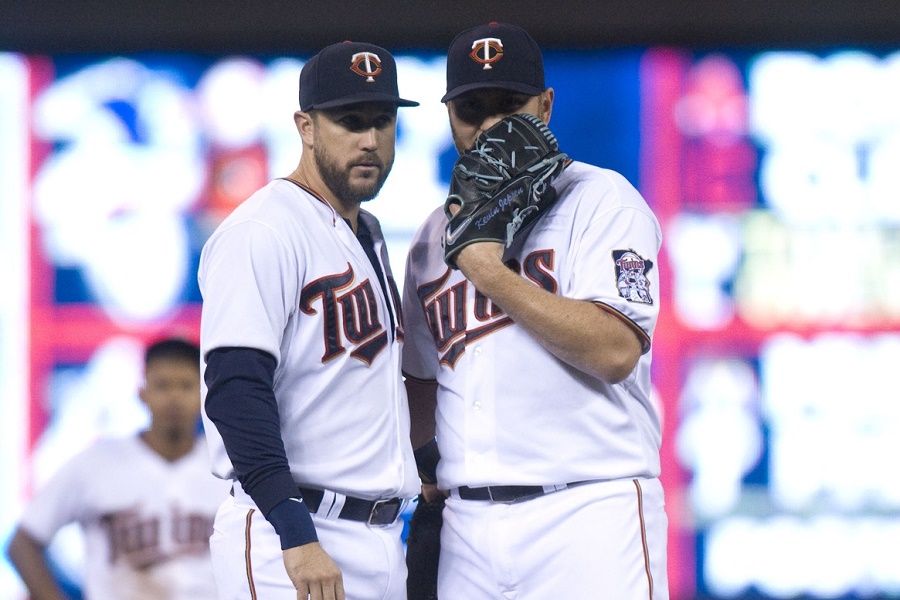 Below, we’ll take a look at the six arbitration-eligible Twins players and discuss the options. In the Twins Daily Offseason Handbook, we went more in-depth on these players, so pick up a copy for yourelf today. TREVOR PLOUFFE The Twins third baseman had the best season of his career in 2015 when he hit .244/.307/.435 with 22 homers and 86 RBI. It was his best, most consistent season of his career. He also was healthy for the first time throughout the season. And, his defense continues to get stronger. The 29-year-old made $4.8 million in 2015 and is in line for a big raise in 2016. Will he remain with the Twins? We shall see. But he has earned the contract and tendering him a contract won't affect his trade value at all. Arbitration Projections: Twins Daily: $8.0M MLB Trade Rumors: $7.7M Percent Chance Twins Will Offer Arbitration: 100% KEVIN JEPSEN Kevin Jepsen has been a solid, unspectacular, middle reliever since debuting in the big leagues in September of 2008. In 2014 for the Angels, he posted a 2.63 ERA in 74 games (65 innings). He pitched in 46 game for the Rays to start the 2015 season, posting a 2.81 ERA, before being traded to the Twins at the July trade deadline. In 29 games for the Twins, he posted a 1.61 ERA. In 28 innings, he gave up 18 hits, walked seven and struck out 25. He stepped up when Glen Perkins was hurt and recorded 10 saves. After making $3.0 million in 2015, he will get a significant raise for 2016, even more thanks to the saves. He is also a possible candidate for a multi-year contract. Arbitration Projections: Twins Daily: $6.0M MLB Trade Rumors: $6.0M Percent Chance Twins Will Offer Arbitration: 100% TOMMY MILONE Milone came to the Twins late in the 2014 season and was hurt. In the offseason, he had a benign tumor removed from his neck. Fully healthy in 2015, he pitched pretty well, posting a 3.92 ERA over 128.2 innings in the big leagues. That said, he also spent a month in Rochester where he was unhittable. The 28-year-old made about $2.8 million in 2014 and will be in line for a raise. Like Plouffe, Milone is a guy who could be traded this offseason. Arbitration Projections: Twins Daily: $5.5M MLB Trade Rumors: $4.5M Percent Chance Twins Will Offer Arbitration: 90% CASEY FIEN To look at Fien’s 2015 numbers, you could say that it was pretty well in line with his 2013 and 2014 seasons when he was a solid seventh and eighth inning guy for the Twins. However, in 2015, he fought shoulder injuries throughout the season and his performance was quite inconsistent. The 32-year-old came to the Twins on a minor league deal before the 2012 season. His walk rate has decreased each year, but his strikeout rate has dropped from 10.6 to 7.2 to 5.8 over the last three seasons. Some of that can be attributed to the injuries. If healthy, Fien is a solid seventh inning guy. Arbitration Projections: Twins Daily: $2.5M MLB Trade Rumors: $2.2M Percent Chance Twins Will Offer Arbitration: 51% EDUARDO ESCOBAR Escobar came to the Twins in a July 2012 trade from the White Sox (for Francisco Liriano). He was already with the White Sox as a utility man at age 23. That is something he has since had to overcome. In 2014, he became the starter after Pedro Florimon struggled for six weeks. He responded to playing every day by hitting .275/.315/.406 (.721). Last year, the Twins chose to give the shortstop job to Danny Santana and stick with him. Escobar played all around the diamond, as a utility man, until around the All-Star game. One he took over the job, he was one of baseball’s best shortstops. Overall, he hit .262/.309/.445 (.754) with 31 doubles, four triples and 12 homers while playing solid defense. Escobar should be handed the Twins shortstop job in 2016 and let him run with it. This is his first year of arbitration. Arbitration Projections: Twins Daily: $2.5M MLB Trade Rumors: $1.8M Percent Chance Twins Will Offer Arbitration: 100% EDUARDO NUNEZ The Twins acquired Nunez from the Yankees before the 2014 season in exchange for LHP Miguel Sulburan. He hit .250 with a .654 OPS in 2014. The Twins offered him arbitration and they agreed at just over $1 million. Nunez played in just 72 games but played well in a utility role. He hit .282/.327/.431 (.758) with four homers. He also played around the diamond and pinch hit. With Escobar the likely starter, and Danny Santana being out of options, Nunez would be a 2nd utility infielder which makes this decision a little bit more difficult. Arbitration Projections: Twins Daily: $2.0M MLB Trade Rumors: $1.8M Percent Chance Twins Will Offer Arbitration: 60% So, if you’re the GM of the Twins, what do you do? Which players do you offer arbitration and which do you non-tender? And, more important, why?
 -
Last week, the Twins announced seven new additions to their 40-man roster. There were some predictable names announced, but there were a couple of surprises. Arguably the player added who was least-known was left-hander Randy Rosario. Today, we get a chance to learn a little more about him in the following Q&A. The 21-year-old from the Dominican Republic signed with the Twins in 2010. He worked his way up the system. He began the 2014 season in Cedar Rapids, but after just three games, he hurt his elbow and needed the Tommy John surgery. He missed the rest of the 2014 season. He rehabbed and returned to the mound for the Kernels in early July. We would like to thank Randy Rosario for taking time to respond to our questions. We would also like to thank his agency, LA Sports Management, for helping to facilitate the interview and for translating. You can follow them on Twitter (@LASportsMgmt) for news on Randy Rosario and many other Twins prospects. Seth Stohs (SS): Growing up, who were some of your role models in the game of baseball? Randy Rosario (Spanish): Siempre quise ser como David Ortiz porque yo soy zurdo también. Randy Rosario (English): I always wanted to be like David Ortiz because I'm a lefty too. SS: Tell me a little bit about your youth baseball in the Dominican Republic. Did you play Little League? Did you play other positions besides pitcher? Randy Rosario (Spanish): Yo comencé como todos los dominicanos jugando en la calle y una vez un señor me vio y me invitó al play y después comencé a jugar pelota. Y jugué outfield primero. Randy Rosario (English): I began like every Dominican, playing in the streets, and one time a man saw me and invited me to play in his field and from then on I started playing a lot of baseball! I played outfield first. SS: When did you start hearing from professional, MLB teams and what was it that caused you to decide to sign with the Twins? Randy Rosario (Spanish): La primera vez que comencé a escuchar sobre eso fue cuando Boston contrató a un pitcher asiático y ahí decidí que quería jugar como profesional algún dia. Randy Rosario (English): The first time I started hearing about that was when Boston signed an Asian pitcher, and from there, I decided that I wanted to play professionally one day. SS: What was the adjustment like for you when you moved from the Dominican to Ft. Myers? What were the biggest challenges? Randy Rosario (Spanish): Solo tuve inconvenientes con la comida y el idioma. Me sentí frustrado cuando llegue allí sin saber demasiado, por eso le dediqué tiempo y aprendí. Randy Rosario (English): I mainly had issues with the food and the language. It was frustrating when I arrived without knowing enough and that's why I dedicated the time and learned. SS: How frustrated were you when you had the elbow injury and had to miss time? What was the rehab like? Randy Rosario (Spanish): Pensé que mi carrera se había terminado y que nunca más iba a volver a lanzar Randy Rosario (English): I thought that my career was over and that I was never going to pitch again. SS: What was the highlight of your 2015 season? What did it mean to get back on the mound in Cedar Rapids this year? Randy Rosario (Spanish): ¡Fue maravilloso después de mi primera salida porque todos me felicitaron por haber regresado!! Y me sentí muy bien en el montículo después de haber estado afuera durante todo el año 2014. Randy Rosario (English): It was great after my first outing because everyone congratulated me for coming back! I felt very good on the mound especially after being out all of 2014. SS: What type of pitcher do you think you are and can be? What were your keys to your success on the mound? Randy Rosario (Spanish): Creo que puedo ser como Francisco Liriano. Por lo menos eso es lo que dicen muchos managers y entrenadores de las ligas menores cuando me ven lanzando. Tengo la esperanza de ser tan bueno o quizá mejor si me esmero. Randy Rosario (English): I think I can be like Francisco Liriano, at least that's what many coaches and managers tell me in the minor leagues once they see me pitch. I hope to be as good or hopefully even better with hard work. SS: How did you find out about making the 40-man roster and what does that mean to you? Randy Rosario (Spanish): ¡No recuerdo exactamente, pero cuando me dijeron que estaba en el róster de los 40, me sentí muy emocionado y me sentí muy bien!! Y para mí al igual que para todo jugador de Liga Menor, ese es uno de los sueños que quieres lograr y gracias a Dios estoy ahí ahora. Randy Rosario (English): I can't recall but when they told me I felt very emotional and I felt really good! And for me and for every minor leaguer, that is one of your dreams you want to achieve and thank God that's where I am now. SS: Are there certain areas of your game or preparation that you’d like to focus on during this offseason, looking to 2016? Randy Rosario (Spanish): Sí, tengo a mi entrenador aquí y siempre estoy hablando con él sobre prepararme para la temporada que viene y ya comenzamos a trabajar para estar listos para eso. Randy Rosario (English): Yes, I have my trainer here and I'm always talking with him about being ready for the season, and we have been working to be ready for that. SS: What are some of your goals for the 2016 season? Are there certain statistics that you will focus on? Randy Rosario (Spanish): Mi primera meta es mantenerme sano y mantenerme lo más fuerte que sea posible. Quiero tirar más de 100 inings este año. ¡Esa es otra meta! Randy Rosario (English): My first goal is to remain healthy and be as strong as I can be. I want to throw more than 100 innings this year. That is another goal! SS: What would it mean to you and your family to be able to reach the major leagues and put that uniform on for the first time? Randy Rosario (Spanish): ¡Ese es el sueño de mi familia y el mío!! Estar allí y que todos ellos puedan verme por televisión. Randy Rosario (English): That is the dream of my family and mine! Being there and for everyone to be able to see me on TV. SS: Away from baseball, what do you enjoy doing in your free time? Randy Rosario (Spanish): Me gusta mucho jugar al playstation, siempre hago eso cuando tengo tiempo libre. Randy Rosario (English): I love playing PlayStation, I always do that when I have free time. We would like to thank Randy Rosario for taking time to respond to our questions. Click here to view the article
- 8 replies
-
- 1
-
-
- randy rosario
- francisco liriano
- (and 1 more)
-
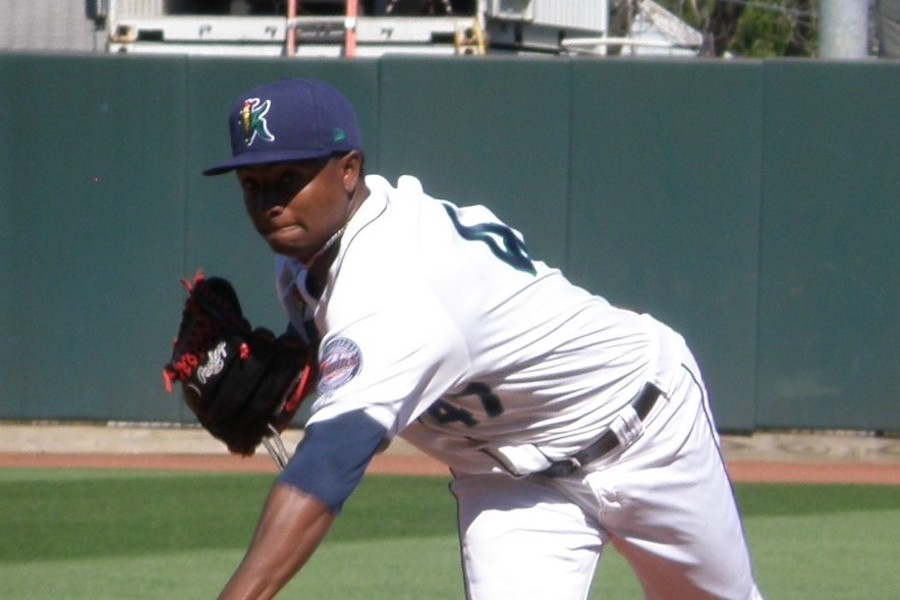 . The 21-year-old from the Dominican Republic signed with the Twins in 2010. He worked his way up the system. He began the 2014 season in Cedar Rapids, but after just three games, he hurt his elbow and needed the Tommy John surgery. He missed the rest of the 2014 season. He rehabbed and returned to the mound for the Kernels in early July. We would like to thank Randy Rosario for taking time to respond to our questions. We would also like to thank his agency, LA Sports Management, for helping to facilitate the interview and for translating. You can follow them on Twitter (@LASportsMgmt) for news on Randy Rosario and many other Twins prospects. Seth Stohs (SS): Growing up, who were some of your role models in the game of baseball? Randy Rosario (Spanish): Siempre quise ser como David Ortiz porque yo soy zurdo también. Randy Rosario (English): I always wanted to be like David Ortiz because I'm a lefty too. SS: Tell me a little bit about your youth baseball in the Dominican Republic. Did you play Little League? Did you play other positions besides pitcher? Randy Rosario (Spanish): Yo comencé como todos los dominicanos jugando en la calle y una vez un señor me vio y me invitó al play y después comencé a jugar pelota. Y jugué outfield primero. Randy Rosario (English): I began like every Dominican, playing in the streets, and one time a man saw me and invited me to play in his field and from then on I started playing a lot of baseball! I played outfield first. SS: When did you start hearing from professional, MLB teams and what was it that caused you to decide to sign with the Twins? Randy Rosario (Spanish): La primera vez que comencé a escuchar sobre eso fue cuando Boston contrató a un pitcher asiático y ahí decidí que quería jugar como profesional algún dia. Randy Rosario (English): The first time I started hearing about that was when Boston signed an Asian pitcher, and from there, I decided that I wanted to play professionally one day. SS: What was the adjustment like for you when you moved from the Dominican to Ft. Myers? What were the biggest challenges? Randy Rosario (Spanish): Solo tuve inconvenientes con la comida y el idioma. Me sentí frustrado cuando llegue allí sin saber demasiado, por eso le dediqué tiempo y aprendí. Randy Rosario (English): I mainly had issues with the food and the language. It was frustrating when I arrived without knowing enough and that's why I dedicated the time and learned. SS: How frustrated were you when you had the elbow injury and had to miss time? What was the rehab like? Randy Rosario (Spanish): Pensé que mi carrera se había terminado y que nunca más iba a volver a lanzar Randy Rosario (English): I thought that my career was over and that I was never going to pitch again. SS: What was the highlight of your 2015 season? What did it mean to get back on the mound in Cedar Rapids this year? Randy Rosario (Spanish): ¡Fue maravilloso después de mi primera salida porque todos me felicitaron por haber regresado!! Y me sentí muy bien en el montículo después de haber estado afuera durante todo el año 2014. Randy Rosario (English): It was great after my first outing because everyone congratulated me for coming back! I felt very good on the mound especially after being out all of 2014. SS: What type of pitcher do you think you are and can be? What were your keys to your success on the mound? Randy Rosario (Spanish): Creo que puedo ser como Francisco Liriano. Por lo menos eso es lo que dicen muchos managers y entrenadores de las ligas menores cuando me ven lanzando. Tengo la esperanza de ser tan bueno o quizá mejor si me esmero. Randy Rosario (English): I think I can be like Francisco Liriano, at least that's what many coaches and managers tell me in the minor leagues once they see me pitch. I hope to be as good or hopefully even better with hard work. SS: How did you find out about making the 40-man roster and what does that mean to you? Randy Rosario (Spanish): ¡No recuerdo exactamente, pero cuando me dijeron que estaba en el róster de los 40, me sentí muy emocionado y me sentí muy bien!! Y para mí al igual que para todo jugador de Liga Menor, ese es uno de los sueños que quieres lograr y gracias a Dios estoy ahí ahora. Randy Rosario (English): I can't recall but when they told me I felt very emotional and I felt really good! And for me and for every minor leaguer, that is one of your dreams you want to achieve and thank God that's where I am now. SS: Are there certain areas of your game or preparation that you’d like to focus on during this offseason, looking to 2016? Randy Rosario (Spanish): Sí, tengo a mi entrenador aquí y siempre estoy hablando con él sobre prepararme para la temporada que viene y ya comenzamos a trabajar para estar listos para eso. Randy Rosario (English): Yes, I have my trainer here and I'm always talking with him about being ready for the season, and we have been working to be ready for that. SS: What are some of your goals for the 2016 season? Are there certain statistics that you will focus on? Randy Rosario (Spanish): Mi primera meta es mantenerme sano y mantenerme lo más fuerte que sea posible. Quiero tirar más de 100 inings este año. ¡Esa es otra meta! Randy Rosario (English): My first goal is to remain healthy and be as strong as I can be. I want to throw more than 100 innings this year. That is another goal! SS: What would it mean to you and your family to be able to reach the major leagues and put that uniform on for the first time? Randy Rosario (Spanish): ¡Ese es el sueño de mi familia y el mío!! Estar allí y que todos ellos puedan verme por televisión. Randy Rosario (English): That is the dream of my family and mine! Being there and for everyone to be able to see me on TV. SS: Away from baseball, what do you enjoy doing in your free time? Randy Rosario (Spanish): Me gusta mucho jugar al playstation, siempre hago eso cuando tengo tiempo libre. Randy Rosario (English): I love playing PlayStation, I always do that when I have free time. We would like to thank Randy Rosario for taking time to respond to our questions.
 -
Are you on twitter, facebook, instagram or periscope? Those pictures are all over the place.
- 12 replies
-
- 1
-
-
- jose berrios
- francisco lindor
- (and 1 more)
-
2015 was a big year for JO Berrios. He was the Twins Daily (and the Twins) Minor League Starting Pitcher of the Year for the second straight season. However, like so many members of the Twins organization, Berrios also does a lot off the field to contribute to his community. He has organized a pretty neat event in his hometown of Bayamon, in Puerto Rico, for December.Last month on social media, Berrios sent out a challenge to fellow young Puerto Ricans Francisco Lindor and Javier Baez. The two young future stars accepted the challenge. On December 12th and 13th, there will be clinics for teenagers between 14 and 16 years old. On December 19th and 20th, there will be a series of games. According to Berrios, "The idea came out during a training session with my staff, brainstorming about what can we do to help keep teenagers away from the streets." Cleveland shortstop Francisco Lindor recently finished second in American League Rookie of the Year voting (behind fellow Puerto Rican Carlos Correa). He has a tremendous combination of great defense and offense. Javier Baez debuted with the Cubs in 2014 and came up late in the 2015 season again. When Addison Russell was hurt in the playoffs, Baez was thrown into the spotlight and into the lineup. Berrios said the trio has been close for a long time. “We played Little League since (we were) 5 to 6 years old. We are friends. We are family.” Berrios feels that it is important to use his celebrity to help others is important. He takes his role as a role model seriously, as seriously as his offseason workouts. He wanted to do something to help others. “Not only being role models, but we want to be able to help those in need.” Berrios set up a Go Fund Me account today and hopes to generate $30,000 for Fundacion Lake Makina. Asked what his foundation would use any raised money for, he said there were three things at this time. “The money will be distributed as follows: 1.) Hogar Foriadores de Esperanza, 2.) The Spina Bifida Association, and 3.) the Luis Rodriguez Olmo family. Luis was a famous catcher. He is now diagnosed with Alzheimer’s and his family has made public their financial situation in order to take care of him. We want to help them. And any special case we understand needs help, we will do our best.” The Hogar Foriadores de Esperanza is “a homeless kids home” in Bayamon. Spina Bifida I the most common permanently disabling birth defect in the United States. It happens when a baby is in the womb and the spinal column does not close all the way. Every day, about eight babies born in the United States have Spina Bifida or a similar birth defect of the brain and spine. It is a defect that is very personal to Javier Baez. In April, his 21-year-old sister Noely, passed away from Spina Bifida. Twins fans are very excited to see Berrios reach the big leagues. Most fans wanted to see him late in the 2015 season, but they will have to wait until 2016. Berrios said, “2016 will be my year.” But it is impressive that a 21-year-old with so much in front of him is willing to take a step back in an effort to help those less fortunate. “I’m praying to God to be able to help more kids through the years. That is one of my fuels to keep pushing the game. In the future, (I want to) do something in Minnesota too, with my teammates,” Berrios continued, “In addition to pursuing a World Series championship.” Again, if you are interested and able to contribute, you can go to the Go Fund Me account here. Click here to view the article
- 12 replies
-
- 1
-
-
- jose berrios
- francisco lindor
- (and 1 more)
-
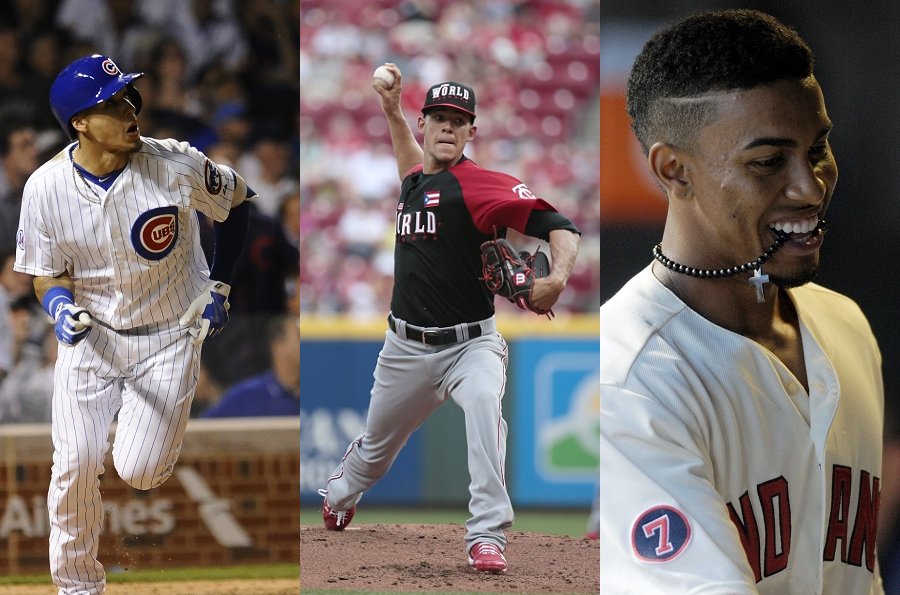 Last month on social media, Berrios sent out a challenge to fellow young Puerto Ricans Francisco Lindor and Javier Baez. The two young future stars accepted the challenge. On December 12th and 13th, there will be clinics for teenagers between 14 and 16 years old. On December 19th and 20th, there will be a series of games. According to Berrios, "The idea came out during a training session with my staff, brainstorming about what can we do to help keep teenagers away from the streets." Cleveland shortstop Francisco Lindor recently finished second in American League Rookie of the Year voting (behind fellow Puerto Rican Carlos Correa). He has a tremendous combination of great defense and offense. Javier Baez debuted with the Cubs in 2014 and came up late in the 2015 season again. When Addison Russell was hurt in the playoffs, Baez was thrown into the spotlight and into the lineup. Berrios said the trio has been close for a long time. “We played Little League since (we were) 5 to 6 years old. We are friends. We are family.” Berrios feels that it is important to use his celebrity to help others is important. He takes his role as a role model seriously, as seriously as his offseason workouts. He wanted to do something to help others. “Not only being role models, but we want to be able to help those in need.” Berrios set up a Go Fund Me account today and hopes to generate $30,000 for Fundacion Lake Makina. Asked what his foundation would use any raised money for, he said there were three things at this time. “The money will be distributed as follows: 1.) Hogar Foriadores de Esperanza, 2.) The Spina Bifida Association, and 3.) the Luis Rodriguez Olmo family. Luis was a famous catcher. He is now diagnosed with Alzheimer’s and his family has made public their financial situation in order to take care of him. We want to help them. And any special case we understand needs help, we will do our best.” The Hogar Foriadores de Esperanza is “a homeless kids home” in Bayamon. Spina Bifida I the most common permanently disabling birth defect in the United States. It happens when a baby is in the womb and the spinal column does not close all the way. Every day, about eight babies born in the United States have Spina Bifida or a similar birth defect of the brain and spine. It is a defect that is very personal to Javier Baez. In April, his 21-year-old sister Noely, passed away from Spina Bifida. Twins fans are very excited to see Berrios reach the big leagues. Most fans wanted to see him late in the 2015 season, but they will have to wait until 2016. Berrios said, “2016 will be my year.” But it is impressive that a 21-year-old with so much in front of him is willing to take a step back in an effort to help those less fortunate. “I’m praying to God to be able to help more kids through the years. That is one of my fuels to keep pushing the game. In the future, (I want to) do something in Minnesota too, with my teammates,” Berrios continued, “In addition to pursuing a World Series championship.” Again, if you are interested and able to contribute, you can go to the Go Fund Me account here.
 -
Article: Looking Back: Twins 40-Man Roster Additions
Seth Stohs replied to Seth Stohs's topic in Twins Daily Front Page News
I've read this before... somewhere... -
In July of 2014, the Minnesota Twins signed an outfielder from South Africa named Rowan Ebersohn. He is a stocky 5-10 and about 200 pounds. The Twins have signed a couple of other minor leaguers from South Africa. He spent the 2015 season in the Gulf Coast League making adjustments to life in a new country as well as plenty of baseball to learn. He held his own and looks forward to the 2016 season.Recently, Twins Daily had the opportunity to ask Ebersohn some questions so that our readers can get to know him. Seth Stohs (SS): Tell me a little bit about your youth baseball in South Africa. Did you play Little League or other formal leagues? Rowan Ebersohn (RE): The only formal leagues we played in was at baseball club level which were restricted to regional areas as financial costs limited inter-regional competitions. The annual South African National Baseball Championship comprised seven South African Provincial teams of age groups U12’s, U15’s and U18’s with the Senior Championship scheduled for the week prior to the Junior Championship. Little League World Series participation was always a dream of young players but financially there was no funding available to provide for Junior teams to tour. (SS): MLB has a camp in Cape Town that you attended. What is that atmosphere? Is it games, or skills, or a little of everything? (RE): I was fortunate enough to be selected to attend two MLB Academy Camps with one being in Cape Town and one in Durban. The atmosphere within the entire academy was that of “baseball heaven”, firstly by being exposed to direct contact with MLB players/coaches and secondly be given the opportunity to absorb all the knowledge they offered. The MLB Academy was split up into two parts with specific skills being developed in your position followed by the last three days playing games. (SS): As an amateur, how much contact did you have with MLB teams and what was it that caused you to decide to sign with the Twins? (RE): From the age of 13, I was “noticed” by MLB scouts while participating in the annual National Baseball Championships. Every year the scouts attended the Championships and made a point of establishing how much I improved and developed. From the age of 13 up and until 16, I was seen as a pitcher with the first MLB Academy held in Cape Town, having been selected to attend as a pitcher. It was only during the Durban MLB Academy my father and provincial coaches convinced the selectors to put me down as a positional player and more specifically as a batter. All of the interest was no longer with pitching but with batting power. Signing with the Twins came about by having regular contact with Glen Godwin from the Twins organization during our National Championships followed by extensive research done on all of the interested MLB organizations regarding their farm system. It was obvious that the Twins organization offered the most attractive farming system for new signings and the choice was easily made. It was also valuable to talk with fellow South African players I played with on a regular basis that signed with the Twins. Hein Robb and Callan Pearce offered a lot of valuable information to assist in the choices to be made. (SS): What was the adjustment like for you last spring moving from South Africa to Florida? What were the biggest challenges? (RE): The adjustment moving from South Africa to Florida was meant to be difficult with people saying I would become “home sick” and I would be exposed to players/coaches of other nationalities. None of this posed any issues as I was too busy to think about anything else but baseball. I was living my dream and that made it so easy to adapt and enjoy every single moment of my time in Florida. The only challenge I faced was to adapt to the exceptionally high level of baseball being played in the GCL. Back home in South Africa one or two pitchers had the capability to reach 90 mph with off-speed stuff not being too difficult to cope with. Playing in the GCL league I had to adapt very quickly to pitches approaching 95 mph with the off-speed pitches being very difficult to contend with. There were periods where I doubted myself as not being good enough but towards the end of the season became more and more confident and started making decent contact. (SS): What was the highlight of your 2015 season, your first year in the Twins organization? (RE): Without a doubt the highlight of my first season at the Twins was being coached by the calibre of coaches running our GCL side and being involved in a team with so many different characters. Every single “at-bat” was a highlight I treasured. (SS): What type of hitter do you think you are and can be? What were your keys to your success at the plate? (RE): I’d like to think of myself as a well-rounded hitter, by being able to make contact in a pressure situation and to be able to drive the ball in the gap with power to score needed RBIs. Some of my success came from being patient at the plate and picking a good pitch to hit in the strike zone. (SS): Have you played in any international tournaments in a South Africa uniform. If so, what’s it like to play for your country? (RE): I was privileged to play for the South African U18 side when we hosted a five-game series tournament against the Great Britain National U18 side. Playing in a Junior South African team against another National team is such a rare occurrence the moment was actually overwhelming. We ended up beating the Great Britain side 5–0 and apart from being signed by the Twins was without doubt the proudest moment of my life. Being selected into the last World Baseball Classic South African National training squad was my only other taste of National participation. (SS): Away from baseball, what do you enjoy doing in your free time? (RE): Any free time away from baseball is a scarce commodity and spend that time with my family and friends. Downtime is taken up by fishing and spending time with the family on the game farm. (SS): Are there certain areas of your game or preparation that you’d like to focus on during this offseason, looking to 2016? (RE): I would like to focus on all the areas that I can in order to give myself a better chance to make a bigger impact at the professional level. I will take a lot of time to work on speed and power as these are the most important aspects to my game. (SS): Growing up, who were some of your role models in the game of baseball? (RE): When I was growing up I learned of, spoke to and even played against Nick Dempsey who played professional baseball in the USA. That started my dream of following in his footsteps and making baseball my career. The achievements of South African batter Ian Holness formed a huge part of my drive to become recognized as a batter and became a role model in the way he batted for South Africa in the 1998 Baseball World Cup and the 2000 Olympics. More recently Gift Ngoepe made me realize that dreams are possible to play professional baseball. (SS): What are some of your goals for the 2016 season? Are there certain statistics that you will focus on? (RE): My goals for the 2016 season would be to be one of the top hitters in the side and to bat higher up in the order during the season. I’m looking to hit for a higher average and raise my power numbers up to a decent number . (SS): What would it mean to you and your family to be able to reach the major leagues and put that uniform on for the first time? (RE): My family’s dream of me being signed as a professional baseball player has already being achieved and whatever the future brings is now up to me. However putting on the major league shirt for the first time would without doubt bring about an event so memorable it will be carried forward in history and never be forgotten in generations to come. Personally, to me it would mean that I am privileged enough to be accepted into a select group of athletes that have worked so hard at attaining that dream that the only goal left is to work even harder to make that dream last as long as possible. (SS): Are there certain people that you feel helped you get to this point in your career? (RE): Firstly, the total support and sacrifice made by my parents to give my brother and me the opportunity to become the baseball players we are today. Secondly my eldest brother whose baseball career was cut short through injury and spent many an hour developing my swing into what it is today. And lastly taking invaluable advice from every single coach involved in my life and using what worked. (SS): Favorite Baseball Movie? (RE): 42 We would really like to thank Rowan Ebersohn for taking time to respond to our questions so thoroughly. Feel free to comment or ask questions below. Click here to view the article
- 6 replies
-
- 1
-
-
- rowan ebersohn
- hein robb
- (and 1 more)
-
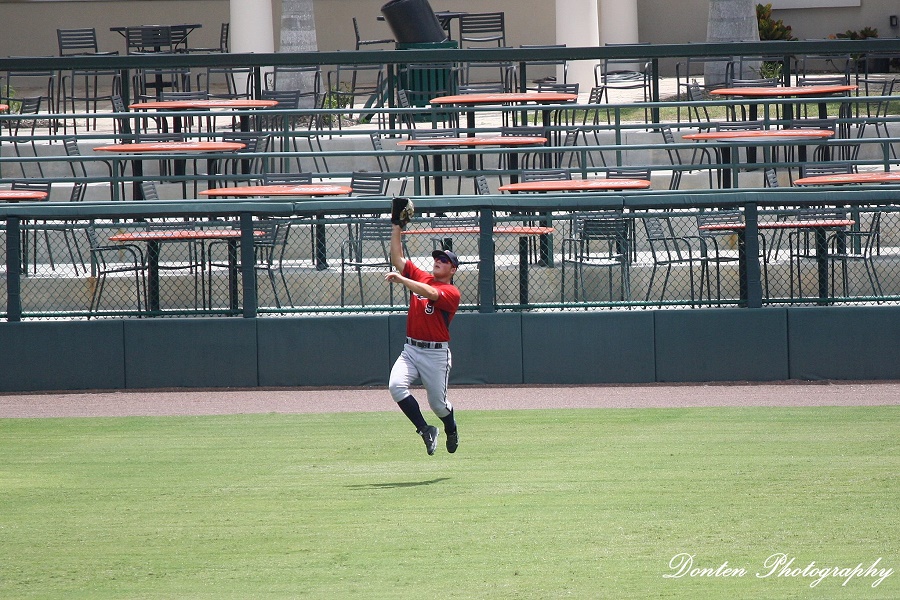 Recently, Twins Daily had the opportunity to ask Ebersohn some questions so that our readers can get to know him. Seth Stohs (SS): Tell me a little bit about your youth baseball in South Africa. Did you play Little League or other formal leagues? Rowan Ebersohn (RE): The only formal leagues we played in was at baseball club level which were restricted to regional areas as financial costs limited inter-regional competitions. The annual South African National Baseball Championship comprised seven South African Provincial teams of age groups U12’s, U15’s and U18’s with the Senior Championship scheduled for the week prior to the Junior Championship. Little League World Series participation was always a dream of young players but financially there was no funding available to provide for Junior teams to tour. (SS): MLB has a camp in Cape Town that you attended. What is that atmosphere? Is it games, or skills, or a little of everything? (RE): I was fortunate enough to be selected to attend two MLB Academy Camps with one being in Cape Town and one in Durban. The atmosphere within the entire academy was that of “baseball heaven”, firstly by being exposed to direct contact with MLB players/coaches and secondly be given the opportunity to absorb all the knowledge they offered. The MLB Academy was split up into two parts with specific skills being developed in your position followed by the last three days playing games. (SS): As an amateur, how much contact did you have with MLB teams and what was it that caused you to decide to sign with the Twins? (RE): From the age of 13, I was “noticed” by MLB scouts while participating in the annual National Baseball Championships. Every year the scouts attended the Championships and made a point of establishing how much I improved and developed. From the age of 13 up and until 16, I was seen as a pitcher with the first MLB Academy held in Cape Town, having been selected to attend as a pitcher. It was only during the Durban MLB Academy my father and provincial coaches convinced the selectors to put me down as a positional player and more specifically as a batter. All of the interest was no longer with pitching but with batting power. Signing with the Twins came about by having regular contact with Glen Godwin from the Twins organization during our National Championships followed by extensive research done on all of the interested MLB organizations regarding their farm system. It was obvious that the Twins organization offered the most attractive farming system for new signings and the choice was easily made. It was also valuable to talk with fellow South African players I played with on a regular basis that signed with the Twins. Hein Robb and Callan Pearce offered a lot of valuable information to assist in the choices to be made. (SS): What was the adjustment like for you last spring moving from South Africa to Florida? What were the biggest challenges? (RE): The adjustment moving from South Africa to Florida was meant to be difficult with people saying I would become “home sick” and I would be exposed to players/coaches of other nationalities. None of this posed any issues as I was too busy to think about anything else but baseball. I was living my dream and that made it so easy to adapt and enjoy every single moment of my time in Florida. The only challenge I faced was to adapt to the exceptionally high level of baseball being played in the GCL. Back home in South Africa one or two pitchers had the capability to reach 90 mph with off-speed stuff not being too difficult to cope with. Playing in the GCL league I had to adapt very quickly to pitches approaching 95 mph with the off-speed pitches being very difficult to contend with. There were periods where I doubted myself as not being good enough but towards the end of the season became more and more confident and started making decent contact. (SS): What was the highlight of your 2015 season, your first year in the Twins organization? (RE): Without a doubt the highlight of my first season at the Twins was being coached by the calibre of coaches running our GCL side and being involved in a team with so many different characters. Every single “at-bat” was a highlight I treasured. (SS): What type of hitter do you think you are and can be? What were your keys to your success at the plate? (RE): I’d like to think of myself as a well-rounded hitter, by being able to make contact in a pressure situation and to be able to drive the ball in the gap with power to score needed RBIs. Some of my success came from being patient at the plate and picking a good pitch to hit in the strike zone. (SS): Have you played in any international tournaments in a South Africa uniform. If so, what’s it like to play for your country? (RE): I was privileged to play for the South African U18 side when we hosted a five-game series tournament against the Great Britain National U18 side. Playing in a Junior South African team against another National team is such a rare occurrence the moment was actually overwhelming. We ended up beating the Great Britain side 5–0 and apart from being signed by the Twins was without doubt the proudest moment of my life. Being selected into the last World Baseball Classic South African National training squad was my only other taste of National participation. (SS): Away from baseball, what do you enjoy doing in your free time? (RE): Any free time away from baseball is a scarce commodity and spend that time with my family and friends. Downtime is taken up by fishing and spending time with the family on the game farm. (SS): Are there certain areas of your game or preparation that you’d like to focus on during this offseason, looking to 2016? (RE): I would like to focus on all the areas that I can in order to give myself a better chance to make a bigger impact at the professional level. I will take a lot of time to work on speed and power as these are the most important aspects to my game. (SS): Growing up, who were some of your role models in the game of baseball? (RE): When I was growing up I learned of, spoke to and even played against Nick Dempsey who played professional baseball in the USA. That started my dream of following in his footsteps and making baseball my career. The achievements of South African batter Ian Holness formed a huge part of my drive to become recognized as a batter and became a role model in the way he batted for South Africa in the 1998 Baseball World Cup and the 2000 Olympics. More recently Gift Ngoepe made me realize that dreams are possible to play professional baseball. (SS): What are some of your goals for the 2016 season? Are there certain statistics that you will focus on? (RE): My goals for the 2016 season would be to be one of the top hitters in the side and to bat higher up in the order during the season. I’m looking to hit for a higher average and raise my power numbers up to a decent number . (SS): What would it mean to you and your family to be able to reach the major leagues and put that uniform on for the first time? (RE): My family’s dream of me being signed as a professional baseball player has already being achieved and whatever the future brings is now up to me. However putting on the major league shirt for the first time would without doubt bring about an event so memorable it will be carried forward in history and never be forgotten in generations to come. Personally, to me it would mean that I am privileged enough to be accepted into a select group of athletes that have worked so hard at attaining that dream that the only goal left is to work even harder to make that dream last as long as possible. (SS): Are there certain people that you feel helped you get to this point in your career? (RE): Firstly, the total support and sacrifice made by my parents to give my brother and me the opportunity to become the baseball players we are today. Secondly my eldest brother whose baseball career was cut short through injury and spent many an hour developing my swing into what it is today. And lastly taking invaluable advice from every single coach involved in my life and using what worked. (SS): Favorite Baseball Movie? (RE): 42 We would really like to thank Rowan Ebersohn for taking time to respond to our questions so thoroughly. Feel free to comment or ask questions below.
 -
Article: Looking Back: Twins 40-Man Roster Additions
Seth Stohs replied to Seth Stohs's topic in Twins Daily Front Page News
The Twins have all the medicals... No question.Those issues are no longer of any concern. He's been fine since he came back at the end of the 2014 season. -
Article: Looking Back: Twins 40-Man Roster Additions
Seth Stohs replied to Seth Stohs's topic in Twins Daily Front Page News
Interesting also that his "injuries" have not been really baseball injuries... He had an aneurysm in his shoulder and blood clots in his leg after that. He hasn't had any "pitcher injuries." There may be other issues that are involved too. We just aren't privy to everything. -
Article: Looking Back: Twins 40-Man Roster Additions
Seth Stohs replied to Seth Stohs's topic in Twins Daily Front Page News
yes, FOR ROCHESTER would have been appropriate there. -
Yeah, like any sport... there has to be some experience gained, but it's all about youth...
