



Seth Stohs
-
Posts
25,912 -
Joined
-
Last visited
-
Days Won
109
Content Type
Profiles
News
Minnesota Twins Videos
2026 Minnesota Twins Top Prospects Ranking
2022 Minnesota Twins Draft Picks
Minnesota Twins Free Agent & Trade Rumors, Notes, & Tidbits
Guides & Resources
2023 Minnesota Twins Draft Picks
The Minnesota Twins Players Project
2024 Minnesota Twins Draft Picks
2025 Minnesota Twins Draft Pick Tracker
2026 Minnesota Twins Draft Tracker: Picks & Bonuses
Forums
Blogs
Events
Store
Downloads
Gallery
Everything posted by Seth Stohs
-
Bringing Back The Band... And That's Just Fine
Seth Stohs replied to Seth Stohs's topic in Twins Daily Front Page News
How much do you think those salaries are?? Three of the most respected team-first players in the game of baseball... want to be here... it's an absolute no-brainer.- 81 replies
-
- 2
-

-
- michael cuddyer
- torii hunter
- (and 3 more)
-
Bringing Back The Band... And That's Just Fine
Seth Stohs replied to Seth Stohs's topic in Twins Daily Front Page News
Molitor, who played in some World Series... These guys are in baseball operations. They're not coach. They're there to help as needed, on or off the field. They all want to be involved in teh business side.- 81 replies
-
- 1
-
-
- michael cuddyer
- torii hunter
- (and 3 more)
-
On Monday morning, the Minnesota Twins made it official that Michael Cuddyer, Torii Hunter and LaTroy Hawkins were coming back to the organization. No, they aren’t going to come out of retirement. Though all three could probably still contribute in some way on the field, they are going to attempt to help the Twins off the field and in the front office. I’m not sure when the “bringing back the gang” saying became a negative thing. I believe it was when the Twins decided to bring back Jason Kubel and Matt Guerrier on minor league deals before the 2014 season. Both were veterans who had solid MLB careers but were both coming off of injuries. The Twins took a chance on both, hoping they might be back at 100% and able to contribute. In both cases, it really didn’t work. A year later, the Twins brought Torii Hunter back for one more season. He had his ups and downs on the field that season, but few can question the impact he had in the clubhouse, even if you struggle to believe in the value of veteran leadership. The negative tone some chose to take for such signings went to a ridiculous level in the last year or so. When the Twins were looking to hire a manager, some didn’t want Paul Molitor. Maybe those people were right, but if the reasoning was because of his previous time with the Twins, then that just isn’t right. Even worse, Chip Hale was also considered a candidate early in the process. Some didn’t like that because he played for the Twins, about 20 years ago. Or, when the Twins were looking for a pitching coach two years ago, some said that Frank Viola shouldn’t be considered because he played for the organization, 25 years ago. Forget that he helped develop the likes of Matt Harvey, Jacob DeGrom, Noah Syndergaard, Steven Matz and the like. How about when the Twins were looking for a new GM (which became a new GM and Chief Baseball Operator)? I remember reading somewhere that the Twins probably shouldn’t consider someone like Randy Bush because he played for the Twins for several years in the 1980s and was on two championship teams. It would be Bringing Back The Gang, right? Again, ignore the fact that he hasn’t played in the organization for 25 years, and he’s not only coached in college but has been an assistant GM with the Cubs since long before the Theo Epstein reign began. Image courtesy of Brad Rempel, USA Today On Monday morning, the Minnesota Twins made it official that Michael Cuddyer, Torii Hunter and LaTroy Hawkins were coming back to the organization. No, they aren’t going to come out of retirement. Though all three could probably still contribute in some way on the field, they are going to attempt to help the Twins off the field and in the front office. I’m not sure when the “bringing back the gang” saying became a negative thing. I believe it was when the Twins decided to bring back Jason Kubel and Matt Guerrier on minor league deals before the 2014 season. Both were veterans who had solid MLB careers but were both coming off of injuries. The Twins took a chance on both, hoping they might be back at 100% and able to contribute. In both cases, it really didn’t work. A year later, the Twins brought Torii Hunter back for one more season. He had his ups and downs on the field that season, but few can question the impact he had in the clubhouse, even if you struggle to believe in the value of veteran leadership. The negative tone some chose to take for such signings went to a ridiculous level in the last year or so. When the Twins were looking to hire a manager, some didn’t want Paul Molitor. Maybe those people were right, but if the reasoning was because of his previous time with the Twins, then that just isn’t right. Even worse, Chip Hale was also considered a candidate early in the process. Some didn’t like that because he played for the Twins, about 20 years ago. Or, when the Twins were looking for a pitching coach two years ago, some said that Frank Viola shouldn’t be considered because he played for the organization, 25 years ago. Forget that he helped develop the likes of Matt Harvey, Jacob DeGrom, Noah Syndergaard, Steven Matz and the like. How about when the Twins were looking for a new GM (which became a new GM and Chief Baseball Operator)? I remember reading somewhere that the Twins probably shouldn’t consider someone like Randy Bush because he played for the Twins for several years in the 1980s and was on two championship teams. It would be Bringing Back The Gang, right? Again, ignore the fact that he hasn’t played in the organization for 25 years, and he’s not only coached in college but has been an assistant GM with the Cubs since long before the Theo Epstein reign began. All Major League organizations bring back players in an “assistant” type of role. The Twins have done that for guys like Rod Carew, Kent Hrbek and Tony Oliva. They represent the organization at events like Twins Fest. They may show up for a while at spring training and other special events. That is a wonderful thing and something current players should appreciate. Last spring training, LaTroy Hawkins, Torii Hunter and Rick Aguilera each spent time in big league spring training. With today’s announcement, Cuddyer, Hunter and Hawkins will do that. They’ll be at spring training. They’ll help Paul Molitor with instruction, if asked. They’ll also be there to lend an ear to the players at camp. They’ll share stories. They’ll share things they learned in their careers. But they’ll do much more in their roles as special assistants. As Derek Falvey noted in his introductory comments of Monday’s press conference, “Each guy will play a meaningful role in our baseball operation moving forward. That spans across baseball operations, decisions that we make on a day-to-day, but also in player development, amateur scouting, how we transition players to the major leagues, and ultimately how we impact our culture here in Minnesota to get to where we want to be as a team.” In their introductory press conference earlier in the month, Thad Levine indicated that long-time Rangers players Michael Young and Darren Oliver hold similar roles in that organization. It isn’t just a token title, but a role where their input will be valued. Likewise in the Cleveland organization, former players such as Travis Hafner have a similar role. But one thing was clear from the press conference on Monday afternoon, the Twins had a great culture at the turn of the century and through those division-winning years. As Michael Cuddyer noted, it was a based on a “belief in teammates and self.” Cuddyer noted that it was a culture of team-first, and a culture of winning, throughout the organization, that helped lead to their MLB success. He exemplified the unselfishness of those teams with his willingness to play anywhere on the diamond that he was needed. “That is a culture that is established with rookie ball. Professional baseball is a system set up for self-promotion. I think a lot of the players buy into that. When I was coming up through the minor leagues we wanted to win the Eastern League. We wanted to win the Florida State League. We wanted to play that extra week or two weeks of the minor league season. When I would go down on rehab after a few years of being in the big leagues, I didn’t see that anymore. I would see more guys saying, 'I can’t wait to go home,' or 'I better get called up.' I-I-I-I… I think that’s a culture that can get put back into it, but it has to start in the lower minor league levels, the culture of We are going to win. We move up to the Florida State League, we’re going to win there too. We get called up to the Southern League, we’re going to win there too. When we move up to the International League, we’re going to win there too. And you know what, when we move up to the big leagues, we’re going to win there too. That’s a culture that needs to be developed again.” For what it’s worth, the Twins have seemingly developed a culture of winning in the minor leagues. In 2016, the Twins had a winning percentage of .542 for their four full-season affiliates. That was good for fifth place among big league organizations. If you want to take that out to the past four seasons, the Twins four, full-season affiliates have combined to go 1,225-1,020, a 54.6% winning percentage, third best in baseball over that stretch. Add to that, the Twins have been 1st, 3rd and 3rd in FIP (fielding independent pitching) the last three years. Brad Steil has certainly led the Twins organization and minor league system in the right direction. It also speaks well of the young talent that Terry Ryan was able to bring in to the organization. It’s that culture of winning and togetherness that brings these guys back to the organization. Cuddyer was the Twins first-round pick in 1997 out of high school in Norfolk, Virginia. He remained in the organization through the 2011 season. He played in 1,139 games in a Twins uniform. He hit a combined .272/.343/.451 (.794) with 239 doubles and 141 home runs for the Twins. He went to one All-Star Game as a Twins player (his final season). He went to Colorado where he went to another All-Star Game and won the 2013 batting title with a .331 average. He played in the 2015 World Series for the Mets. Injuries and a desire to spend more time with his family are the reasons he decided to retire following that season. LaTroy Hawkins was the Twins seventh-round pick in 1991 out of high school in Gary, Indiana. He was in the Twins organization through the 2003 season. He spent 21 seasons in the big leagues and only nine pitchers in MLB history pitched in more games than Hawkins’ 1,042. For the Twins, he struggled as a starter, and he struggled as a closer. Late in his time in the organization, he moved to a set up role, and his career took off. Torii Hunter was the Twins first-round pick in 1993 out of high school in Little Rock, Arkansas. He stayed in the organization through the 2007 season. He took a huge money deal to play five years for the Angels and then two years with the Tigers. He returned to the organization for the 2015 season. In all, he hit .268/.321/.462 (.783) with 281 doubles and 215 homer runs in 1,373 games over 12 years with the Twins. All three experienced a lot of frustrations in their careers (injuries, struggles, demotions, etc.), and all three experienced longevity and a lot of successes in their careers. All three were and are greatly respected by their peers. All three of them give credit to the Minnesota Twins organization for who they were on and off the field. So when the Twins called offering these positions, it was an easy choice for each. Cuddyer said, “There was really only one team that I saw myself ever being affiliated with again at this level in this early stage of my retirement, and that was the Twins. When this opportunity came about, I was excited to get join back in the organization. The organization made such a huge impact to me, a huge impact to myself and my family. This was the organization I wanted to be affiliate if I was going to do anything other than be with my family.” Hunter added “When I came back to retire, I was here to stay for life. The reason why I am here is because of the passion I have for this organization, the love that I have for this organization. And also wanting this organization to be a championship ball club and have a great atmosphere. That’s what I’m here for. It’s not work for me. It’s something I want to do. It’s a passion for me. Hawkins noted that he had several other similar offers, but “Once the Twins offer came, there wasn’t any other place I wanted to be. Home. Where it all started. I was very excited when I got the call about possibly joining the Twins family again.” Chief Baseball Operator Derek Falvey called it a perfect match. He said, “It became so clear that these three wanted to embed themselves in our baseball culture and be a part of the solution and actively work. There’s really no area of baseball operations that these guys aren’t going to hit. And they’re going to be resources for Thad (Levine), for me, and for the rest of the guys here to play a meaningful role in what we’re building. (It wasn’t specifically) about getting former Twins players. We want good people, people who care about the development of where we’re going as an organization. It helps greatly when you have three guys who care as deeply as these three do about the team, so this was a perfect match as we started to work down that path.” Bringing Back the Band doesn’t have to have the negative connotation that some seem to put on it. This is a case where the organization should be thrilled to bring back these three guys. They have represented the Twins organization well. They have always been appreciative of what the organization did for them and their families. All three are well known for giving back to their communities, and now are excited to give back to the Twins organization. It’s exciting that they aren’t going to be just “token” special assistants and want to be active. It’ll be interesting to see and hear how that will play out over the coming years. View full article
- 81 replies
-
- 8
-
-
- michael cuddyer
- torii hunter
- (and 3 more)
-
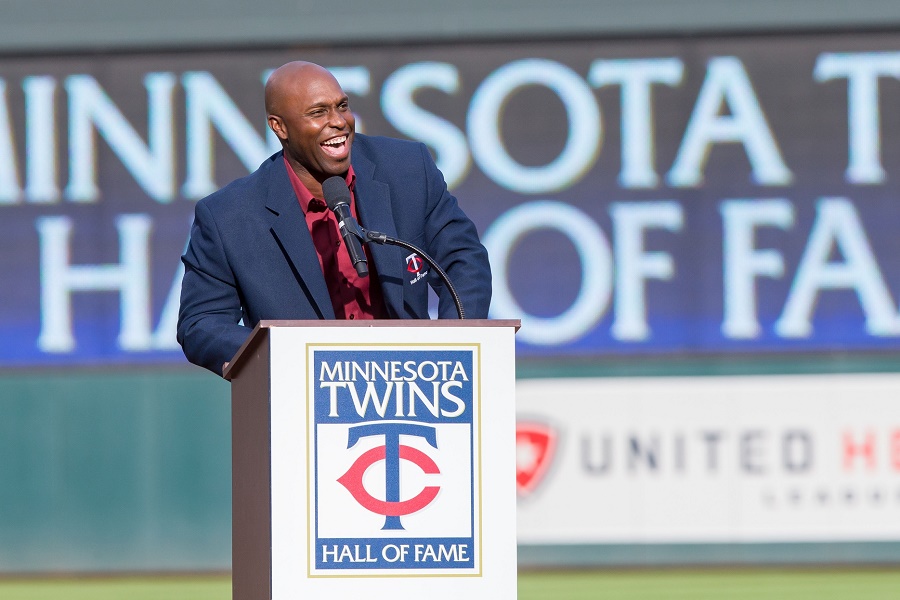 All Major League organizations bring back players in an “assistant” type of role. The Twins have done that for guys like Rod Carew, Kent Hrbek and Tony Oliva. They represent the organization at events like Twins Fest. They may show up for a while at spring training and other special events. That is a wonderful thing and something current players should appreciate. Last spring training, LaTroy Hawkins, Torii Hunter and Rick Aguilera each spent time in big league spring training. With today’s announcement, Cuddyer, Hunter and Hawkins will do that. They’ll be at spring training. They’ll help Paul Molitor with instruction, if asked. They’ll also be there to lend an ear to the players at camp. They’ll share stories. They’ll share things they learned in their careers. But they’ll do much more in their roles as special assistants. As Derek Falvey noted in his introductory comments of Monday’s press conference, “Each guy will play a meaningful role in our baseball operation moving forward. That spans across baseball operations, decisions that we make on a day-to-day, but also in player development, amateur scouting, how we transition players to the major leagues, and ultimately how we impact our culture here in Minnesota to get to where we want to be as a team.” In their introductory press conference earlier in the month, Thad Levine indicated that long-time Rangers players Michael Young and Darren Oliver hold similar roles in that organization. It isn’t just a token title, but a role where their input will be valued. Likewise in the Cleveland organization, former players such as Travis Hafner have a similar role. But one thing was clear from the press conference on Monday afternoon, the Twins had a great culture at the turn of the century and through those division-winning years. As Michael Cuddyer noted, it was a based on a “belief in teammates and self.” Cuddyer noted that it was a culture of team-first, and a culture of winning, throughout the organization, that helped lead to their MLB success. He exemplified the unselfishness of those teams with his willingness to play anywhere on the diamond that he was needed. “That is a culture that is established with rookie ball. Professional baseball is a system set up for self-promotion. I think a lot of the players buy into that. When I was coming up through the minor leagues we wanted to win the Eastern League. We wanted to win the Florida State League. We wanted to play that extra week or two weeks of the minor league season. When I would go down on rehab after a few years of being in the big leagues, I didn’t see that anymore. I would see more guys saying, 'I can’t wait to go home,' or 'I better get called up.' I-I-I-I… I think that’s a culture that can get put back into it, but it has to start in the lower minor league levels, the culture of We are going to win. We move up to the Florida State League, we’re going to win there too. We get called up to the Southern League, we’re going to win there too. When we move up to the International League, we’re going to win there too. And you know what, when we move up to the big leagues, we’re going to win there too. That’s a culture that needs to be developed again.” For what it’s worth, the Twins have seemingly developed a culture of winning in the minor leagues. In 2016, the Twins had a winning percentage of .542 for their four full-season affiliates. That was good for fifth place among big league organizations. If you want to take that out to the past four seasons, the Twins four, full-season affiliates have combined to go 1,225-1,020, a 54.6% winning percentage, third best in baseball over that stretch. Add to that, the Twins have been 1st, 3rd and 3rd in FIP (fielding independent pitching) the last three years. Brad Steil has certainly led the Twins organization and minor league system in the right direction. It also speaks well of the young talent that Terry Ryan was able to bring in to the organization. It’s that culture of winning and togetherness that brings these guys back to the organization. Cuddyer was the Twins first-round pick in 1997 out of high school in Norfolk, Virginia. He remained in the organization through the 2011 season. He played in 1,139 games in a Twins uniform. He hit a combined .272/.343/.451 (.794) with 239 doubles and 141 home runs for the Twins. He went to one All-Star Game as a Twins player (his final season). He went to Colorado where he went to another All-Star Game and won the 2013 batting title with a .331 average. He played in the 2015 World Series for the Mets. Injuries and a desire to spend more time with his family are the reasons he decided to retire following that season. LaTroy Hawkins was the Twins seventh-round pick in 1991 out of high school in Gary, Indiana. He was in the Twins organization through the 2003 season. He spent 21 seasons in the big leagues and only nine pitchers in MLB history pitched in more games than Hawkins’ 1,042. For the Twins, he struggled as a starter, and he struggled as a closer. Late in his time in the organization, he moved to a set up role, and his career took off. Torii Hunter was the Twins first-round pick in 1993 out of high school in Little Rock, Arkansas. He stayed in the organization through the 2007 season. He took a huge money deal to play five years for the Angels and then two years with the Tigers. He returned to the organization for the 2015 season. In all, he hit .268/.321/.462 (.783) with 281 doubles and 215 homer runs in 1,373 games over 12 years with the Twins. All three experienced a lot of frustrations in their careers (injuries, struggles, demotions, etc.), and all three experienced longevity and a lot of successes in their careers. All three were and are greatly respected by their peers. All three of them give credit to the Minnesota Twins organization for who they were on and off the field. So when the Twins called offering these positions, it was an easy choice for each. Cuddyer said, “There was really only one team that I saw myself ever being affiliated with again at this level in this early stage of my retirement, and that was the Twins. When this opportunity came about, I was excited to get join back in the organization. The organization made such a huge impact to me, a huge impact to myself and my family. This was the organization I wanted to be affiliate if I was going to do anything other than be with my family.” Hunter added “When I came back to retire, I was here to stay for life. The reason why I am here is because of the passion I have for this organization, the love that I have for this organization. And also wanting this organization to be a championship ball club and have a great atmosphere. That’s what I’m here for. It’s not work for me. It’s something I want to do. It’s a passion for me. Hawkins noted that he had several other similar offers, but “Once the Twins offer came, there wasn’t any other place I wanted to be. Home. Where it all started. I was very excited when I got the call about possibly joining the Twins family again.” Chief Baseball Operator Derek Falvey called it a perfect match. He said, “It became so clear that these three wanted to embed themselves in our baseball culture and be a part of the solution and actively work. There’s really no area of baseball operations that these guys aren’t going to hit. And they’re going to be resources for Thad (Levine), for me, and for the rest of the guys here to play a meaningful role in what we’re building. (It wasn’t specifically) about getting former Twins players. We want good people, people who care about the development of where we’re going as an organization. It helps greatly when you have three guys who care as deeply as these three do about the team, so this was a perfect match as we started to work down that path.” Bringing Back the Band doesn’t have to have the negative connotation that some seem to put on it. This is a case where the organization should be thrilled to bring back these three guys. They have represented the Twins organization well. They have always been appreciative of what the organization did for them and their families. All three are well known for giving back to their communities, and now are excited to give back to the Twins organization. It’s exciting that they aren’t going to be just “token” special assistants and want to be active. It’ll be interesting to see and hear how that will play out over the coming years.
-
I was in on the press conference. These guys will go to spring training. They'll visit minor leaguers. They'll be available as ears for players to talk to. But all three former players emphasized that they are very much interested in learning about things in the front office, being part of discussions on player development, scouting, decision-making. They aren't just the typical special assistant jobs like Hrbek has. They are going to be involved in the business side. They are all very smart guys with a lot of history in other organizations, a lot of successes and a lot of failures. They all talked about the culture that they played in, in the minors and to the big leagues, and how it's changed. They want badly to be part of helping to turn things around. Falvey said that they will be involved, and they're happy to have them around.
-
From the press release: TWINS HIRE MICHAEL CUDDYER, LATROY HAWKINS AND TORII HUNTER AS SPECIAL ASSISTANTS Minneapolis/St. Paul, MN – The Minnesota Twins announced today that they have hired former Twins Michael Cuddyer, LaTroy Hawkins and Torii Hunter as Special Assistants to Baseball Operations. Cuddyer, 37, was drafted by the Twins in the first round of the 1997 First-Year Player Draft and played 15 seasons in the major leagues, including 11 seasons with the Twins from 2001-11. He also played three seasons in Colorado and one with New York-NL, winning the NL batting title for the Rockies with a .331 batting average in 2013. The former outfielder played a key role on six different Twins AL Central Division championship teams. The two-time All-Star (2011 with Twins and 2013 with Rockies) played 1,139 career games in a Twins uniform, hitting 141 home runs with 580 RBI. Cuddyer’s responsibilities will include, but not are limited to, helping position player development by focusing on transition programs and teaching an understanding of major league expectations, environment, and culture. He will also be involved in the amateur draft process and throughout the year as a resource for player acquisitions. Hawkins, 44, was drafted by the Twins in the seventh round of the 1991 First-Year Player Draft and played 21 seasons in the major leagues with 11 different teams, recording at least one save against all 30 teams – one of 13 relievers to ever do so. He pitched nine seasons in Minnesota from 1995-2003, appearing in 366 games. The Gary, Indiana native ranks 10th on baseball’s all-time list in games, appearing in 1,042 over his 21-year career. Hawkins’ responsibilities will include, but are not limited to, contributing to the development of our organizational pitching philosophies used in the selection and development of all players. Additionally, he will contribute to the amateur scouting process and trade deadline preparation meetings. Hunter, 41, was drafted by the Twins in the first round of the 1993 First-Year Player Draft and played 19 seasons in the major leagues, including 12 for Minnesota from 1997-2007 and again in 2015. Additionally, he played five seasons in Los Angeles-AL and two in Detroit. He was named to five All-Star teams, earned nine Rawlings Gold Glove Awards and two Louisville Slugger Silver Slugger Awards. Torii was inducted into the Twins Hall of Fame in 2016 and ranks among the Twins top 10 in multiple categories, including games (1,373), hits (1,343), doubles (281), home runs (214) and RBI (792). Hunter’s responsibilities will include, but not limited to, emphasizing heavy focus on organizational culture and major league environment, and spending time with the major league team and baseball operations decision making staff. He will also be involved with the amateur draft process, scouting, minor leagues and trade deadline preparation. All three special assistants will ultimately be responsible for serving as a resource for players and coaches in the mental and fundamental aspects of the game. In their role as Special Assistants, Cuddyer, Hunter and Hawkins will participate in Spring Training, instructional programs, and visit all minor league affiliates throughout the season. They will work alongside the Baseball Operations staff and uniform personnel to ensure development in player understanding of culture, talent evaluation and organizational vision. In addition, all three will play a part in supporting the Twins community efforts, being involved in charities and community work throughout Twins Territory.
-
The difference between a solid AAA pitcher, a AAAA pitcher and a back of the rotation MLB pitcher is so minute. But this is a good deal for him. He likely would have make $60-100,000 in MiLB in 2017. Maybe he gets some cups of coffee. Here, he's guaranteed #900,000. Kind of hard to say no to that.
-
Dozier Trade Talk Heating Up?
Seth Stohs replied to Nick Nelson's topic in Twins Daily Front Page News
Two things... 1.) Can't help but wondering if MLB's statement that the Dodgers need to start paying their hundreds of millions of dollars of debt will play into this. 2.) Dave Mona said that Dozier was on the Sports Huddle this morning, and when asked, Dozier said that he still hasn't talked to Falvey and Levine. Another indication that they are trying very hard to trade him. Or maybe not. -
I asked Dan a little bit about how many players from other countries a KBO team can have. He responded: "KBO teams are allowed to have three foreign players per team. One must be a position player. So most teams go two pitchers and one bat. It used to be only two foreign players but KBO increased it a few years ago."
-
Hopefully everyone had a happy Thanksgiving, and maybe even a long weekend from work. We are back here with our weekly Twins Winter League Report. We waited until Sunday this week so that we would have the complete weekend of games in Australia, including Sunday afternoon games (Saturday evening in the States). In some other Winter League and International news, Mike Berardino wrote that Miguel Sano would not be playing in the Dominican Winter League. Instead, he will be working out in the hopes of playing in the WBC. While not Winter League news "Dan KBO" tweeted that lefty Pat Dean has signed with the KIA Tigers in the KBO for 2017. The deal is believed to be for $900,000. Image courtesy of Rick Osentoski, USA Today Hopefully everyone had a happy Thanksgiving, and maybe even a long weekend from work. We are back here with our weekly Twins Winter League Report. We waited until Sunday this week so that we would have the complete weekend of games in Australia, including Sunday afternoon games (Saturday evening in the States). In some other Winter League and International news, Mike Berardino wrote that Miguel Sano would not be playing in the Dominican Winter League. Instead, he will be working out in the hopes of playing in the WBC. While not Winter League news "Dan KBO" tweeted that lefty Pat Dean has signed with the KIA Tigers in the KBO for 2017. The deal is believed to be for $900,000. Here is the update on how Twins players performed during the past week in the Winter Leagues. Several US players have returned home after their predetermined stint in the Winter Leagues. Niko Goodrum and Ryan O'Rourke returned to the United States from Venezuela. Daniel Palka played a couple of games last week before returning home from the Dominican Republic. AUSTRALIAN BASEBALL LEAGUE Aaron Whitefield and his Brisbane Bandits played four games in Perth. In six total games since our last report, he has gone 11-25 (.440) with three doubles and five stolen bases. In eight total games this season, he is hitting .433/.469/.567 (1.035). At Perth over the weekend, he had a 3-5 game with two doubles and two stolen bases. And in his final game of the weekend, he went 5-6 with a double and three stolen bases. PUERTO RICAN WINTER LEAGUE No longer a Twins pitcher (and he hasn't been for a decade), JC Romero threw a scoreless inning on Saturday night. He has yet to give up a run in 11 outings so far. Juan Centeno played in four games during the week. He went 3-9 (.333) with two doubles, two walks and a hit by pitch. He is now hitting .200/.308/.267 (.576) with three doubles. Kennys Vargas is now hitting .180/.305/.300 (.605) with three doubles and a homer. In three games this past week, he went 2-10 (.200) with a double and three walks. JJ Fernandez played in four games last week. He went 2-7 with two walks and a double. In 17 total games, he is now hitting .229/.315/.396 (.711). Lean Marrero and Nelson Molina did not play. Dereck Rodriguez did not pitch. DOMINICAN WINTER LEAGUE Daniel Palka played his final two games in the Dominican last week. He went 0-7 with five strikeouts before returning to the States. Overall in 22 games, he hit .188/.258/.338 (.596) with three doubles and three home runs. He walked eight times and struck out 30 times. Leonardo Reginnato went a combined 0-7 in his three games played this week. That puts his overall numbers at .150/.209/.150 (.359) in 14 games. Confesor Lara threw four innings in four games this past week. He did not allow a run despite giving up six hits in the week. He struck out one. In 13 total games, he has given up just two earned runs (1.38 ERA, 0.92 WHIP). Opponents have hit just .152 off of him. Jorge Polanco made his season debut in the Dominican. He played in three games this week and went 3-11 (.283) with a triple. He walked twice and struck out twice. The Twins signed Nik Turley last month to a minor league contract. He has spent time with several major league organizations, including being on the Yankees 40-man roster a couple of years ago. He last pitched for Somerset in the independent Atlantic League. He made his first start in the Dominican this week. He went 2.1 innings. He gave up three runs (one earned) on four hits and a walk. He struck out one. VENEZUELAN WINTER LEAGUE With free agents and players heading home, Luis Arraez is the only Twins player currently playing in Venezuela. He played in five games this week and went 7-22 (.318) with two walks. He had just one three-hit game. In 35 games, he is now hitting .376/.408/.511 (.919) with seven doubles and six triples. In about 155 plate appearances, he has just nine walks, and seven strikeouts. Please feel free to discuss any information on these players in the comments below. View full article
- 3 replies
-
- 1
-
-
- miguel sano
- jorge polanco
- (and 3 more)
-
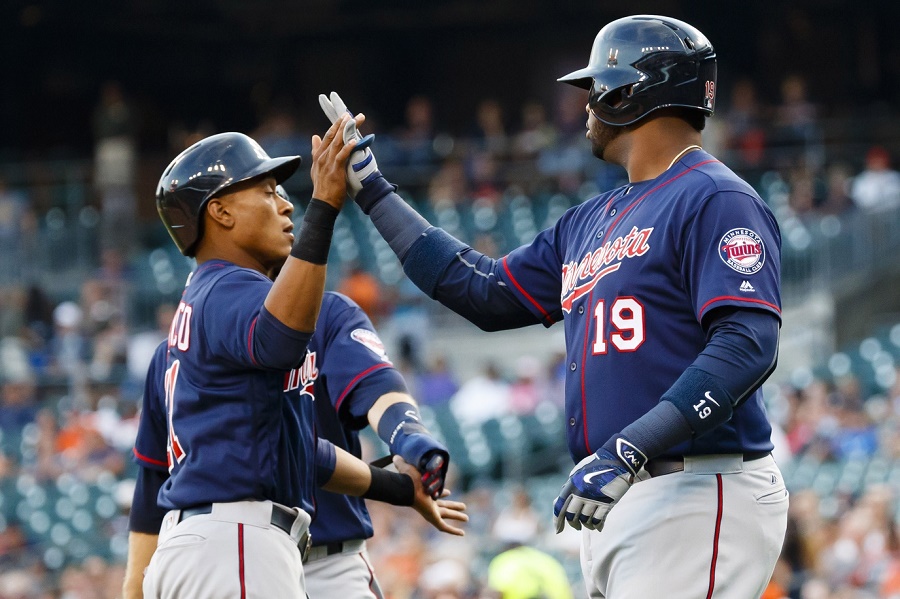 Here is the update on how Twins players performed during the past week in the Winter Leagues. Several US players have returned home after their predetermined stint in the Winter Leagues. Niko Goodrum and Ryan O'Rourke returned to the United States from Venezuela. Daniel Palka played a couple of games last week before returning home from the Dominican Republic. AUSTRALIAN BASEBALL LEAGUE Aaron Whitefield and his Brisbane Bandits played four games in Perth. In six total games since our last report, he has gone 11-25 (.440) with three doubles and five stolen bases. In eight total games this season, he is hitting .433/.469/.567 (1.035). At Perth over the weekend, he had a 3-5 game with two doubles and two stolen bases. And in his final game of the weekend, he went 5-6 with a double and three stolen bases. PUERTO RICAN WINTER LEAGUE No longer a Twins pitcher (and he hasn't been for a decade), JC Romero threw a scoreless inning on Saturday night. He has yet to give up a run in 11 outings so far. Juan Centeno played in four games during the week. He went 3-9 (.333) with two doubles, two walks and a hit by pitch. He is now hitting .200/.308/.267 (.576) with three doubles. Kennys Vargas is now hitting .180/.305/.300 (.605) with three doubles and a homer. In three games this past week, he went 2-10 (.200) with a double and three walks. JJ Fernandez played in four games last week. He went 2-7 with two walks and a double. In 17 total games, he is now hitting .229/.315/.396 (.711). Lean Marrero and Nelson Molina did not play. Dereck Rodriguez did not pitch. DOMINICAN WINTER LEAGUE Daniel Palka played his final two games in the Dominican last week. He went 0-7 with five strikeouts before returning to the States. Overall in 22 games, he hit .188/.258/.338 (.596) with three doubles and three home runs. He walked eight times and struck out 30 times. Leonardo Reginnato went a combined 0-7 in his three games played this week. That puts his overall numbers at .150/.209/.150 (.359) in 14 games. Confesor Lara threw four innings in four games this past week. He did not allow a run despite giving up six hits in the week. He struck out one. In 13 total games, he has given up just two earned runs (1.38 ERA, 0.92 WHIP). Opponents have hit just .152 off of him. Jorge Polanco made his season debut in the Dominican. He played in three games this week and went 3-11 (.283) with a triple. He walked twice and struck out twice. The Twins signed Nik Turley last month to a minor league contract. He has spent time with several major league organizations, including being on the Yankees 40-man roster a couple of years ago. He last pitched for Somerset in the independent Atlantic League. He made his first start in the Dominican this week. He went 2.1 innings. He gave up three runs (one earned) on four hits and a walk. He struck out one. VENEZUELAN WINTER LEAGUE With free agents and players heading home, Luis Arraez is the only Twins player currently playing in Venezuela. He played in five games this week and went 7-22 (.318) with two walks. He had just one three-hit game. In 35 games, he is now hitting .376/.408/.511 (.919) with seven doubles and six triples. In about 155 plate appearances, he has just nine walks, and seven strikeouts. Please feel free to discuss any information on these players in the comments below.
-
Per Dan KBO (on Twitter), Twins pitcher Pat Dean has signed with the KIA Tigers in the KBO (Korean Baseball Organization). Dean was the Twins 3rd round pick in 2010 out of Boston College. He quickly got to AA and then spent about four years at that level. He had a terrific 2015 in Rochester and was placed on the 40-man roster. He was promoted to the Twins by the end of April and made a few starts. Overall, he went 1-6 with a 6.28 ERA with the big league club. His one win came in a late May start in Seattle, beating Felix Hernandez. Best Wishes, Pat! If you happen to know Korean, here is more on the story: http://www.tigers.co.kr/news/news_view.asp?seq=321958
-
Patrick Reusse's annual Thanksgiving Day Turkey of the Year Award (I believe called The Herschel) was announced just after midnight. As always, there were a lot of great choices and the "Winner" was certainly very deserving. Please be sure to read the article. http://www.startribune.com/patrick-reusse-s-2016-turkey-of-the-year-in-making-the-selection-it-s-go-bigly-or-go-home/402813536/ But it got me thinking... if YOU had to vote for the 2016 Twins Turkey of the Year, who would the candidates be and who would you vote? Jim Pohlad - I mean, if only for uttering "Total System Failure"... or uttering that the next GM should be "lovable." Terry Ryan - I mean, he lost his job and took the fall, right? Paul Molitor - He wa sthe manager of the worst team in Twins history after being in playoff contention in 2015 until the season's final weekend. A Player - But which one? There are a few guys that clearly it wouldn't be, but there are several for whom it might make sense. Maybe Miguel Sano - try to come into camp in shape and, hey, maybe at least try to be a decent outfielder. A Thing - Like "Injuries." Perkins, Hughes, Gibson, Sano, Santana (Ervin and Danny), Park, Escobar, What do you think? I put a twitter poll out here, so be sure to vote:
-
20-year-old Shane Carrier was the eighth round pick of the Minnesota Twins in 2016 out of Fullerton College in California. In college, he hit .387 with 12 homers and 59 RBI. Following the draft, he was assigned to Elizabethton where he hit .275 with 14 doubles, six homers and 29 RBI. Carrier has a lot of power and is certainly one to watch over the coming years. He was kind enough to take some time to answer our questions. Image courtesy of Robert Kell, Elizabethton Twins 20-year-old Shane Carrier was the eighth round pick of the Minnesota Twins in 2016 out of Fullerton College in California. In college, he hit .387 with 12 homers and 59 RBI. Following the draft, he was assigned to Elizabethton where he hit .275 with 14 doubles, six homers and 29 RBI. Carrier has a lot of power and is certainly one to watch over the coming years. He was kind enough to take some time to answer our questions. Please continue to learn more about Twins outfield prospect Shane Carrier. Seth Stohs (SS): Growing up in Southern California, which was your favorite team and who were some of your favorite players? Shane Carrier (SC): I was actually a Diamondbacks fan growing up. The first baseball moment that I remember was the walk-off hit against the Yankees in Game 7 of the 2001 World Series. I always love watching certain players hit. Some of my favorites are Matt Holliday, Giancarlo Stanton, Paul Goldschmidt, and Justin Upton.SS: Drafted by the Twins in the eighth round... is that about where you thought you might be selected before the draft? SC: I honestly did not know what to expect. Before the season started I was just a Juco player fighting to continue his baseball career. I just did my best to put in the work and I figured the rest would take care of itself.SS: How difficult was the decision for you to sign, knowing you had other options in front of you too? SC: Playing professional baseball is something I have worked for my entire baseball career. It was a dream come true and it was an opportunity that I couldn't pass up.SS: What was the biggest adjustment you had to make, going from college to the pro game? On or off the field? SC: I would say the biggest adjustment is taking care of your body. In college we only played about three times a week. Making the adjustment from that to playing almost every day was a challenge.SS: In these early stages of your career, what would you say are your biggest strengths as a player? SC: I love to hit, so I would like to say offense is my biggest strength.SS: What were some of your focuses at Instructs? What are the things that you feel you need to improve over the offseason and going forward? SC: At Instructs I was trying to develop every part of my game. I tried to take in as much information as possible and challenge myself to apply everything that I learned. This offseason I'm also trying to develop every part of my game. Speed and agility is a major part of my game that I am focusing on this offseason.SS: What were some of the highlights of your high school and amateur career? (What other sports or activities did you participate in?) SC: Living in SoCal we play baseball year round, so I really didn't have the opportunity to play any other sports in high school.SS: How did you feel about your first professional baseball season? How did you enjoy your time in Elizabethton? SC: I had an awesome experience this season. Elizabethton was a blast and it was a nice change of pace compared to where I live.SS: What are some of your plans for the offseason? Baseball training, but also what do you enjoy doing away from the game of baseball? SC: During the offseason I spend a lot of time training. I love being in the weight room and in the cages. Besides baseball I love to fish and golf. I am also a huge hockey fan so I plan on going to a lot of Ducks games this offseason.SS: Who are some of the coaches and others who have helped you get to this point in your career? SC: I would say the coach that taught me how to grind and challenge myself was my high school coach, Joe Hoggatt. His passion for the game impacts his players in a way that can't be described. The coaching staff at Fullerton College probably impacted me the most. The head coach, Nick Fuscardo, welcomed me with open arms when I decided to come play at Fullerton after being out in Texas for my first semester of college. One of our assistants, Jason Smith, taught us all how to be students of the game and play loose. He always preached about handling adversity and to always find a way to keep moving forward. I'd say our hitting coach, Mitch Levier, had the biggest impact on my physical game. Most college coaches force their hitters to hit one way, but Mitch let us all have the freedom to be who we are. He worked with what we had and taught us a professional approach to hitting.SS: Favorite baseball movie? SC: Without a doubt, Bull Durham.Thank you to Shane Carrier for taking time to answer our questions. Please feel free to ask questions in the comments section below. View full article
-
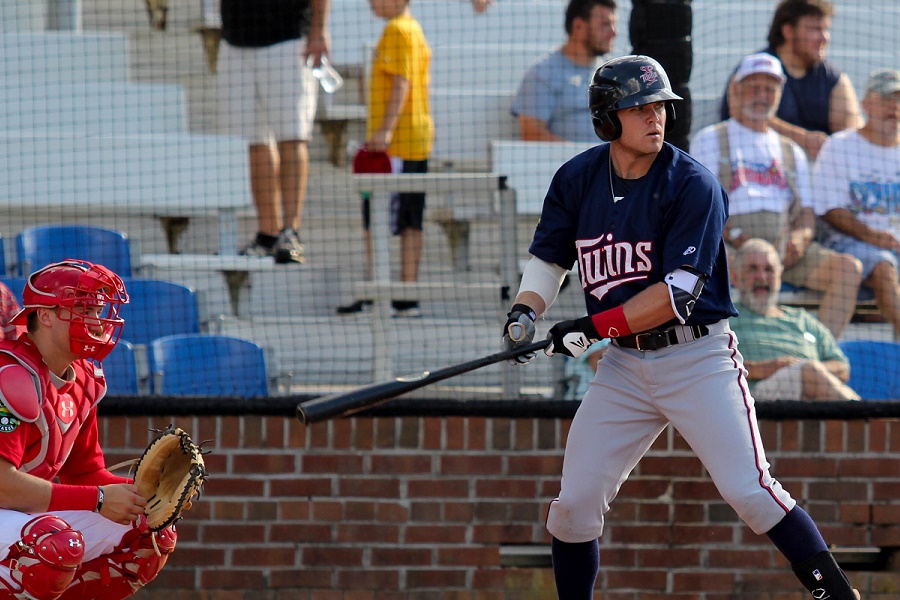 Please continue to learn more about Twins outfield prospect Shane Carrier. Seth Stohs (SS): Growing up in Southern California, which was your favorite team and who were some of your favorite players? Shane Carrier (SC): I was actually a Diamondbacks fan growing up. The first baseball moment that I remember was the walk-off hit against the Yankees in Game 7 of the 2001 World Series. I always love watching certain players hit. Some of my favorites are Matt Holliday, Giancarlo Stanton, Paul Goldschmidt, and Justin Upton. SS: Drafted by the Twins in the eighth round... is that about where you thought you might be selected before the draft? SC: I honestly did not know what to expect. Before the season started I was just a Juco player fighting to continue his baseball career. I just did my best to put in the work and I figured the rest would take care of itself. SS: How difficult was the decision for you to sign, knowing you had other options in front of you too? SC: Playing professional baseball is something I have worked for my entire baseball career. It was a dream come true and it was an opportunity that I couldn't pass up. SS: What was the biggest adjustment you had to make, going from college to the pro game? On or off the field? SC: I would say the biggest adjustment is taking care of your body. In college we only played about three times a week. Making the adjustment from that to playing almost every day was a challenge. SS: In these early stages of your career, what would you say are your biggest strengths as a player? SC: I love to hit, so I would like to say offense is my biggest strength. SS: What were some of your focuses at Instructs? What are the things that you feel you need to improve over the offseason and going forward? SC: At Instructs I was trying to develop every part of my game. I tried to take in as much information as possible and challenge myself to apply everything that I learned. This offseason I'm also trying to develop every part of my game. Speed and agility is a major part of my game that I am focusing on this offseason. SS: What were some of the highlights of your high school and amateur career? (What other sports or activities did you participate in?) SC: Living in SoCal we play baseball year round, so I really didn't have the opportunity to play any other sports in high school. SS: How did you feel about your first professional baseball season? How did you enjoy your time in Elizabethton? SC: I had an awesome experience this season. Elizabethton was a blast and it was a nice change of pace compared to where I live. SS: What are some of your plans for the offseason? Baseball training, but also what do you enjoy doing away from the game of baseball? SC: During the offseason I spend a lot of time training. I love being in the weight room and in the cages. Besides baseball I love to fish and golf. I am also a huge hockey fan so I plan on going to a lot of Ducks games this offseason. SS: Who are some of the coaches and others who have helped you get to this point in your career? SC: I would say the coach that taught me how to grind and challenge myself was my high school coach, Joe Hoggatt. His passion for the game impacts his players in a way that can't be described. The coaching staff at Fullerton College probably impacted me the most. The head coach, Nick Fuscardo, welcomed me with open arms when I decided to come play at Fullerton after being out in Texas for my first semester of college. One of our assistants, Jason Smith, taught us all how to be students of the game and play loose. He always preached about handling adversity and to always find a way to keep moving forward. I'd say our hitting coach, Mitch Levier, had the biggest impact on my physical game. Most college coaches force their hitters to hit one way, but Mitch let us all have the freedom to be who we are. He worked with what we had and taught us a professional approach to hitting. SS: Favorite baseball movie? SC: Without a doubt, Bull Durham. Thank you to Shane Carrier for taking time to answer our questions. Please feel free to ask questions in the comments section below.
-
REPORT: Twins To Sign Jason Castro
Seth Stohs replied to Parker Hageman's topic in Twins Daily Front Page News
Can't hit a lick (.222, .211, .210 last three years), but he does seem to take walks and shows a little pop in the bat. But, goes to show teams will pay for defense, and in theory, Castro should get lots of borderline balls called strikes which should help the pitchers.- 223 replies
-
- 1
-
-
- jason castro
- free agent
- (and 1 more)
-
Falvey Has Seen The Value Of Patience
Seth Stohs replied to Seth Stohs's topic in Twins Daily Front Page News
All that is true, but it should in no way affect the development of the pitching prospect. All that 'rest-of-staff' stuff has to be figured out independent of it.- 19 replies
-
- 1
-
-
- derek falvey
- carlos carrasco
- (and 2 more)
-
Since Derek Falvey has taken the reins in his new job as Minnesota Twins Chief Baseball Operator, he has been asked many questions from local media and fans. As you would expect coming off a 100+ loss season, he’s been asked about his pitching philosophy and on player development. He has been consistent in his responses, as he should be. When asked about pitching, he talks about finding it in any way possible, through the draft, player development, free agency and other means. When talking about player development and players struggling early in their careers, he discusses the need for patience. He talked about how it’s not at all unusual for players to come up and struggle for a while before figuring it out. Jose Berrios came up through the Twins minor league system and dominated in the lower levels and in the upper levels. Finally given an opportunity to pitch in the big leagues in 2016, he struggled mightily. Some fans chose to question if he really was a prospect. Some questioned if the Twins were capable of developing a front line starter. A few even chose to give up on the idea of Berrios as a big league starter. Image courtesy of Ken Blaze, USA Today Since Derek Falvey has taken the reins in his new job as Minnesota Twins Chief Baseball Operator, he has been asked many questions from local media and fans. As you would expect coming off a 100+ loss season, he’s been asked about his pitching philosophy and on player development. He has been consistent in his responses, as he should be. When asked about pitching, he talks about finding it in any way possible, through the draft, player development, free agency and other means. When talking about player development and players struggling early in their careers, he discusses the need for patience. He talked about how it’s not at all unusual for players to come up and struggle for a while before figuring it out. Jose Berrios came up through the Twins minor league system and dominated in the lower levels and in the upper levels. Finally given an opportunity to pitch in the big leagues in 2016, he struggled mightily. Some fans chose to question if he really was a prospect. Some questioned if the Twins were capable of developing a front line starter. A few even chose to give up on the idea of Berrios as a big league starter. Through his years with Cleveland, Derek Falvey was able to witness one of the best examples out there of why being patient, particularly with pitchers with great stuff, can be very important. At the 2009 July trade deadline, Cleveland dealt veteran lefty Cliff Lee to the Phillies in exchange for four players including Carlos Carrasco. Carrasco was originally signed by the Phillies in November of 2003 out of Venezuela. He gradually worked his way up. Before 2007, Baseball America ranked him the #41 prospect in baseball. Before 2008, he was ranked 54th. Before the 2009 season, he was ranked #52 by Baseball America. He was a consensus Top 100 pitching prospect. He was named to the Futures Game in 2006, 2007 and 2008. In short, the pre-MLB prospect status of Carlos Carrasco was very similar to that of Berrios. Like Berrios, Carrasco struggled in his first big league showing. He was called up by Cleveland in September and went 0-4 with an 8.87 ERA in five starts. In 22.1 innings he walked 11, struck out just 11 and gave up six home runs. He was 22 years old. He spent most of the next season back in AAA. He did make seven starts for Cleveland and performed admirably, going 2-2 with a 3.83 ERA in seven starts. He made 21 starts in 2011 and went 8-9 with an ERA of 4.62. In late July, after giving up a home run, he gave up another home run. The next batter, Billy Butler, had a Carrasco pitch sail over his head. Carrasco was immediately ejected. While appealing his suspension, he made one more start, a quality start against Boston. He didn’t pitch the rest of the season. Not because of a suspension. That had to wait. In September, Carrasco had Tommy John surgery and missed the entire 2012 season. His 2013 season began with his suspension. In his first start back, he hit Kevin Youklis, earning another suspension. By July, he had given up 29 earned runs in 28.1 innings. Cleveland decided to DFA him, removing him from the 40-man roster and optioned him to AAA. He began the 2014 season by making four starts for Cleveland. He was 0-3 with a 6.95 ERA. Out of options, he went to the bullpen where he began to pitching very well. Well enough, in fact, that he ended the season by making two starts. Overall on the season, his ERA was 2.55. That earned him a four year, $22 million deal with two options years. In 2015, he was 14-12 with a 3.53 ERA. In 2016, he was 11-8 with a 3.32 ERA before a liner up the middle broke a bone his in hand and he missed the World Series run. Of course, we don’t want to wait four or five years for Berrios or other pitching prospects to take off in their careers. But it is a great reminder that pitching in the big leagues is not easy, and even some al-star caliber pitchers took a long time to reach that level. Patience, they say, is a virtue. Derek Falvey is going to need it. Thad Levine is going to need it. Twins fans will also need it. View full article
- 19 replies
-
- 1
-
-
- derek falvey
- carlos carrasco
- (and 2 more)
-
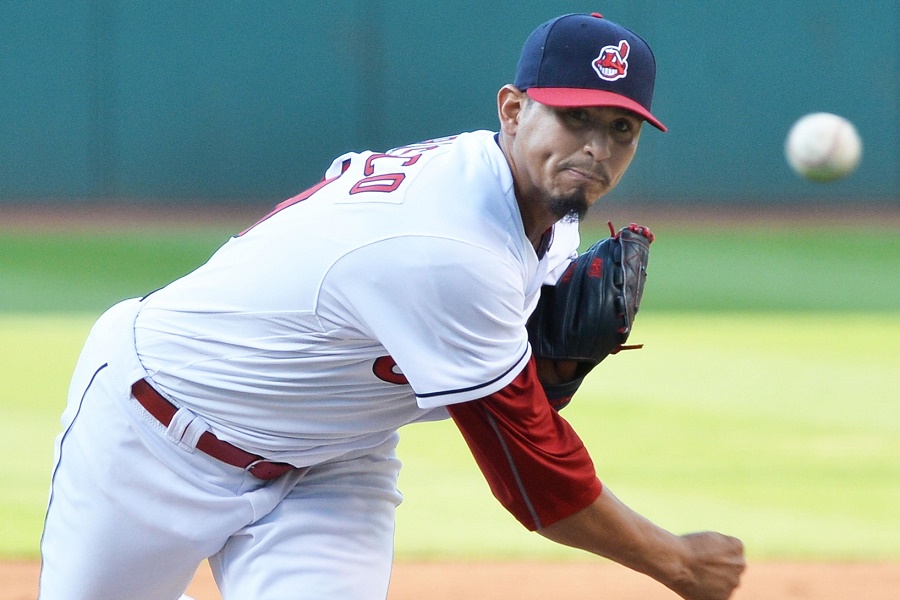 Through his years with Cleveland, Derek Falvey was able to witness one of the best examples out there of why being patient, particularly with pitchers with great stuff, can be very important. At the 2009 July trade deadline, Cleveland dealt veteran lefty Cliff Lee to the Phillies in exchange for four players including Carlos Carrasco. Carrasco was originally signed by the Phillies in November of 2003 out of Venezuela. He gradually worked his way up. Before 2007, Baseball America ranked him the #41 prospect in baseball. Before 2008, he was ranked 54th. Before the 2009 season, he was ranked #52 by Baseball America. He was a consensus Top 100 pitching prospect. He was named to the Futures Game in 2006, 2007 and 2008. In short, the pre-MLB prospect status of Carlos Carrasco was very similar to that of Berrios. Like Berrios, Carrasco struggled in his first big league showing. He was called up by Cleveland in September and went 0-4 with an 8.87 ERA in five starts. In 22.1 innings he walked 11, struck out just 11 and gave up six home runs. He was 22 years old. He spent most of the next season back in AAA. He did make seven starts for Cleveland and performed admirably, going 2-2 with a 3.83 ERA in seven starts. He made 21 starts in 2011 and went 8-9 with an ERA of 4.62. In late July, after giving up a home run, he gave up another home run. The next batter, Billy Butler, had a Carrasco pitch sail over his head. Carrasco was immediately ejected. While appealing his suspension, he made one more start, a quality start against Boston. He didn’t pitch the rest of the season. Not because of a suspension. That had to wait. In September, Carrasco had Tommy John surgery and missed the entire 2012 season. His 2013 season began with his suspension. In his first start back, he hit Kevin Youklis, earning another suspension. By July, he had given up 29 earned runs in 28.1 innings. Cleveland decided to DFA him, removing him from the 40-man roster and optioned him to AAA. He began the 2014 season by making four starts for Cleveland. He was 0-3 with a 6.95 ERA. Out of options, he went to the bullpen where he began to pitching very well. Well enough, in fact, that he ended the season by making two starts. Overall on the season, his ERA was 2.55. That earned him a four year, $22 million deal with two options years. In 2015, he was 14-12 with a 3.53 ERA. In 2016, he was 11-8 with a 3.32 ERA before a liner up the middle broke a bone his in hand and he missed the World Series run. Of course, we don’t want to wait four or five years for Berrios or other pitching prospects to take off in their careers. But it is a great reminder that pitching in the big leagues is not easy, and even some al-star caliber pitchers took a long time to reach that level. Patience, they say, is a virtue. Derek Falvey is going to need it. Thad Levine is going to need it. Twins fans will also need it.
-
2016 Twins Minor League Free Agents
Seth Stohs replied to Seth Stohs's topic in Twins Minor League Talk
It appears that Wilfredo Tovar is signing (maybe has signed) with the Cardinals: -
A year ago, we did a Get To Know Q&A with Travis Blankenhorn. It was just months after being the Twins third round draft pick, and he had just completed his first pro season in Elizabethton. Today, we catch up with the young infielder after he completed his first full season in pro ball. It was an interesting season for him. He went to his first spring training and his first extended spring training. He switched positions, moving from third base to second base. He returned to Elizabethton and raked. In 34 games, he hit .297 (.900) with seven doubles, a triple and nine home runs. He finished in Cedar Rapids where he played 25 more regular season games and hit .286 (.774) with five doubles, two triples and a homer. He also played well for the Kernels in their playoff run. He went back to the Florida Instructional League. In my postseason preliminary Top 50 Twins Prospect Ranking, I placed Blankenhorn as the Twins #7 prospect. He is now home enjoying his offseason and working toward a strong 2017 season. Image courtesy of Seth Stohs A year ago, we did a Get To Know Q&A with Travis Blankenhorn. It was just months after being the Twins third round draft pick, and he had just completed his first pro season in Elizabethton. Today, we catch up with the young infielder after he completed his first full season in pro ball. It was an interesting season for him. He went to his first spring training and his first extended spring training. He switched positions, moving from third base to second base. He returned to Elizabethton and raked. In 34 games, he hit .297 (.900) with seven doubles, a triple and nine home runs. He finished in Cedar Rapids where he played 25 more regular season games and hit .286 (.774) with five doubles, two triples and a homer. He also played well for the Kernels in their playoff run. He went back to the Florida Instructional League. In my postseason preliminary Top 50 Twins Prospect Ranking, I placed Blankenhorn as the Twins #7 prospect. He is now home enjoying his offseason and working toward a strong 2017 season. Today we are happy to share the following Q&A with Twins infield prospect Travis Blankenhorn. ----------------------------------------------------------------------------- Seth Stohs (SS): Your season has been done for a couple of months. Have you had a chance to reflect on your season? In doing so, what are your thoughts on your first full season as a professional baseball player? Travis Blankenhorn (TB): I would say that my first full season was pretty much what I thought it would be, a lot of hard work, but also a lot fun. I am really looking forward to getting back after it in spring training here soon.SS: Do you follow other professional or college sports teams throughout the offseason? TB: I like to root for Kentucky basketball this time of the year since that’s where I was committed to go. And I try to get to some Sixers games since they are my favorite NBA team.SS: You made the transition to second base. How would you describe the move to the other side of the diamond for you? TB: A lot of the time with the coaches, Ramon Borrego, Sam Perlozzo, and Jake Mauer all worked with me and helped me greatly and that made the transition for me go smoother.SS: What was the transition from the Appalachian League to the Midwest League for you? Difference in pitching, ballparks, atmosphere, etc? TB: The Appalachian League was great to me, but the Midwest League was an exciting experience. The pitchers were more experienced, the crowds were larger, and the ballparks provided an awesome atmosphere to play in.SS: You got to play in the Midwest League playoffs… What was that experience like? TB: It was a good feeling, and I was happy for the team that we were given the opportunity to play in the playoffs.SS: Were there specific things you were working on in Instructs this year? TB: I worked on my game at second base and third base too. Just trying to become the most versatile player I could be. Also, working with the coaches on putting together good at-bats.SS: You’ve been home for a couple of months. What have you been able to do to get away from baseball? TB: I went hunting and have been spending time with family and friends.SS: At what point do you not only start thinking about the 2017 season, but when do your workouts and preparation begin? Do you think you’ll do anything new or different after going through a full season? TB: I never stopped thinking about next season. I took about two weeks off to rest and have been working hard to have my body ready for a successful 2017 season.SS: Did you learn anything about yourself, or did anything surprise you about working through a full season? TB: I knew it was going to be a grind through a long season, but having good teammates, friends, my family and coaches made the season go by fast.SS: There are probably some high school baseball players reading this. What would one piece of advice be that you would share with them, or share with a 14-year-old Travis? TB: It is all about sacrifice and commitment, and you have to be willing be 100% dedicated.Thank you so much to Travis Blankenhorn for taking time to answer these questions. Feel free to discuss below. View full article
-
Catching Up With Twins Infield Prospect Travis Blankenhorn
Seth Stohs posted an article in Minor Leagues
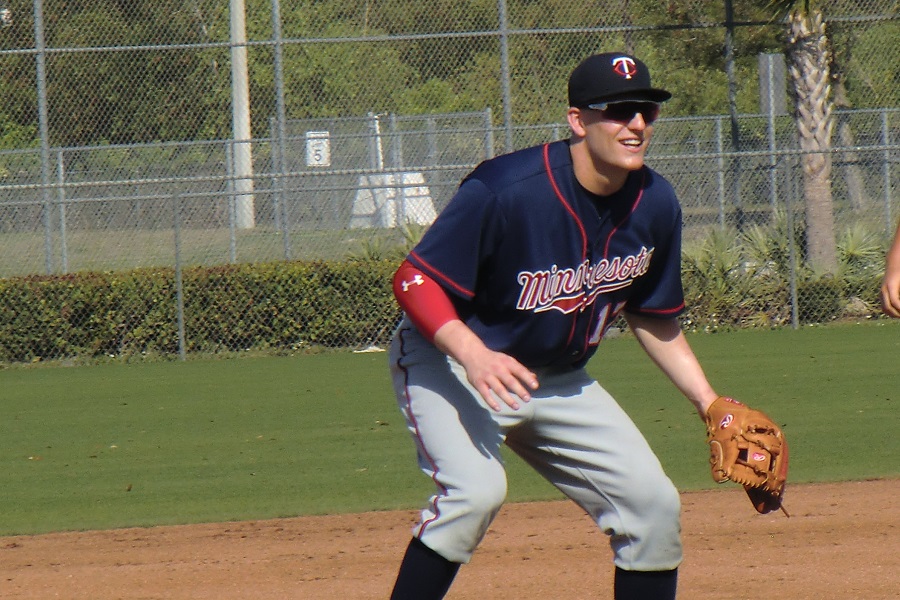 Today we are happy to share the following Q&A with Twins infield prospect Travis Blankenhorn. ----------------------------------------------------------------------------- Seth Stohs (SS): Your season has been done for a couple of months. Have you had a chance to reflect on your season? In doing so, what are your thoughts on your first full season as a professional baseball player? Travis Blankenhorn (TB): I would say that my first full season was pretty much what I thought it would be, a lot of hard work, but also a lot fun. I am really looking forward to getting back after it in spring training here soon. SS: Do you follow other professional or college sports teams throughout the offseason? TB: I like to root for Kentucky basketball this time of the year since that’s where I was committed to go. And I try to get to some Sixers games since they are my favorite NBA team. SS: You made the transition to second base. How would you describe the move to the other side of the diamond for you? TB: A lot of the time with the coaches, Ramon Borrego, Sam Perlozzo, and Jake Mauer all worked with me and helped me greatly and that made the transition for me go smoother. SS: What was the transition from the Appalachian League to the Midwest League for you? Difference in pitching, ballparks, atmosphere, etc? TB: The Appalachian League was great to me, but the Midwest League was an exciting experience. The pitchers were more experienced, the crowds were larger, and the ballparks provided an awesome atmosphere to play in. SS: You got to play in the Midwest League playoffs… What was that experience like? TB: It was a good feeling, and I was happy for the team that we were given the opportunity to play in the playoffs. SS: Were there specific things you were working on in Instructs this year? TB: I worked on my game at second base and third base too. Just trying to become the most versatile player I could be. Also, working with the coaches on putting together good at-bats. SS: You’ve been home for a couple of months. What have you been able to do to get away from baseball? TB: I went hunting and have been spending time with family and friends. SS: At what point do you not only start thinking about the 2017 season, but when do your workouts and preparation begin? Do you think you’ll do anything new or different after going through a full season? TB: I never stopped thinking about next season. I took about two weeks off to rest and have been working hard to have my body ready for a successful 2017 season. SS: Did you learn anything about yourself, or did anything surprise you about working through a full season? TB: I knew it was going to be a grind through a long season, but having good teammates, friends, my family and coaches made the season go by fast. SS: There are probably some high school baseball players reading this. What would one piece of advice be that you would share with them, or share with a 14-year-old Travis? TB: It is all about sacrifice and commitment, and you have to be willing be 100% dedicated. Thank you so much to Travis Blankenhorn for taking time to answer these questions. Feel free to discuss below.
-
Drew Muren is the older brother of Twins minor leaguer Alex Muren (who missed the 2016 season with Thoracic Outlet Syndrome). Drew was the Fargo-Moorhead Redhawks leadoff hitter and centerfielder the previous two seasons.
-
FanGraphs today post their top 24 Twins prospects rankings. Lots that I would disagree with, but it's a fun list, and it contains some interesting charts about likelihood for success and more names. Check it out here: http://www.fangraphs.com/blogs/top-24-prospects-minnesota-twins/
-
Twins Add Six Players To 40-Man Roster
Seth Stohs replied to Seth Stohs's topic in Twins Daily Front Page News
While I agree that he's definitely a regression candidate, Grossman's approach at the plate compared to Santana's are night and day. Because of that, Grossman can be alright. He takes a lot of pitches, earns a lot of walks. HE also can hit right-handed making hi ma platoon candidate. I don't see much value for Santana at this point. Maybe he goes elsewhere, and if so, I hope he does well. I personally expect both will come off the 40-man roster when free agents are signed yet this offseason, so probably much ado about nothing.
