



Seth Stohs
-
Posts
25,909 -
Joined
-
Last visited
-
Days Won
109
Content Type
Profiles
News
Minnesota Twins Videos
2026 Minnesota Twins Top Prospects Ranking
2022 Minnesota Twins Draft Picks
Minnesota Twins Free Agent & Trade Rumors, Notes, & Tidbits
Guides & Resources
2023 Minnesota Twins Draft Picks
The Minnesota Twins Players Project
2024 Minnesota Twins Draft Picks
2025 Minnesota Twins Draft Pick Tracker
2026 Minnesota Twins Draft Tracker: Picks & Bonuses
Forums
Blogs
Events
Store
Downloads
Gallery
Everything posted by Seth Stohs
-
Twins Daily 2021 Top Prospects: #5 RHP Jhoan Duran
Seth Stohs replied to Seth Stohs's topic in Twins Minor League Talk
We can go right to the source... https://twitter.com/morsecode/status/1227622175471001601 -
Brian Dozier Announces Retirement
Seth Stohs replied to Seth Stohs's topic in Twins Daily Front Page News
I doubt it... in fact, he said he was hoping to just quietly retired without anyone really knowing, but Dustin put this press conference together and I think it's great.- 31 replies
-
- 1
-

-
- brian dozier
- ron gardenhire
- (and 1 more)
-
Twins Daily 2021 Top Prospects: #5 RHP Jhoan Duran
Seth Stohs replied to Seth Stohs's topic in Twins Minor League Talk
He throws 5 pitches, but the two are plus pitches and the other three are more average and still in progress... how they develop further may be the biggest thing to tell us what his future is. -
He’s tall. He’s strong. He throws a triple-digit fastball. He has as many as five pitches, including one with a cool nickname. There are a lot of reasons to like the potential of Twins pitching prospect Jhoan Duran, Twins Daily’s #5 prospect heading into the 2021 season.Age: 23 (DOB: 1-8-1998) 2020 Stats: Pitched at the Twins alternate site in St. Paul. ETA: 2021 2020 Ranking: #6 National Top 100 Rankings BA: NR |MLB: NR | ATH: 83 |BP: NR What’s To Like Before becoming the Twins bench coach before the 2020 season, Mike Bell spent eight years as the Vice President of Player Development for the Arizona Diamondbacks. In July of 2018, the Twins sent infielder Eduardo Escobar to Arizona in exchange for three players including Jhoan Duran. A year ago, I was talking to Bell about Duran. “It was a painful trade, being on that side of it, watching him go. I was definitely in the room. I think it was a good trade for both teams. Escy’s a very good player, and a good teammate. I’ll tell you what, Duran is an incredible talent. I think he’s going to do a lot of good things here in the organization. I’m super-excited to reconnect with him.” Bell noted, “When we saw him, he had a real heavy sinker. We took some baby steps with him. We knew the kind of talent he was, so we were playing it pretty safe with him in rookie ball. We saw a fastball up to 99 with heavy sink, and he is around the strike zone with command.” Duran has continued to develop. A year ago, he was added to the 40-man roster, and he spent the 2020 season at the Twins alternate training site in St. Paul. When he pitched in some intrasquad games ahead of the start of the regular season, he impressed fans and coachesalike. Duran is an intimidating presence on the mound. He stands 6-5 and is a very-strong 230 pounds. He is blessed with a fastball that sits in the upper-90s and frequently hits triple-digits. As he said a year ago in a Twins Fest interview, he likes his fastball but he is very comfortable with his sinker as well, a pitch that is sometimes called a “splinker.” (combination split-finger fastball and sinker) Whatever it is called, it has the potential to be a big pitch for him as it can sink and fade in on a right-handed batter as seen below. What’s Left To Work On At this stage, it is really just about refining his stuff and getting to the big leagues and gaining confidence in it. The third pitch, whether it’s a slow curveball, a slider or a change up will likely determine whether he can remain a starter or will need to be a reliever. That’s a question for every starter, especially guys that throw as hard as Duran. He has generally shown good control in the minor leagues, but he will need to sharpen his command to find success in the big leagues. What’s Next Duran ended the 2019 season with a handful of starts at Double-A Pensacola. He then impressed during his time in St. Paul in 2020. He will again head to big league spring training. While he may technically be competing with Randy Dobnak and others for the Twins fifth starter role, he will likely start the season with the Saints. The Twins could even justify sending him to Double-A Wichita for another partial season if needed since he missed game-innings in 2020. . Assuming he continues to impress and make improvements, it is very likely he will make his MLB debut in 2021. Because of the lack of innings in 2020, he could be on a pitch and innings limit in 2021, so it’s possible he could debut out of the Twins bullpen late in the season too. This kind of arm warrants patience and caution. Yesterday, Cody asked if you think Balazovic should be the Twins top pitching prospect? After reading today's profile, what do you think? Is it Balazovic or Duran? Leave a COMMENT and start the discussion. Twins Daily 2021 Top 20 Prospects Honorable Mentions 20. Bailey Ober, RHP 19. Jose Miranda, INF 18. Alerick Soularie, OF 17. Ben Rortvedt, C 16. Edwar Colina, RHP 15. Cole Sands, RHP 14. Misael Urbina, OF 13. Matt Wallner, OF 12. Brent Rooker, OF/1B 11. Gilberto Celestino, OF 10. Blayne Enlow, RHP 9. Matt Canterino, RHP 8. Aaron Sabato, 1B 7. Keoni Cavaco, SS 6. Jordan Balazovic, RHP 5. Jhoan Duran, RHP Stop by on Monday for prospect #4! MORE FROM TWINS DAILY — Latest Twins coverage from our writers — Recent Twins discussion in our forums — Follow Twins Daily via Twitter, Facebook or email Click here to view the article
-
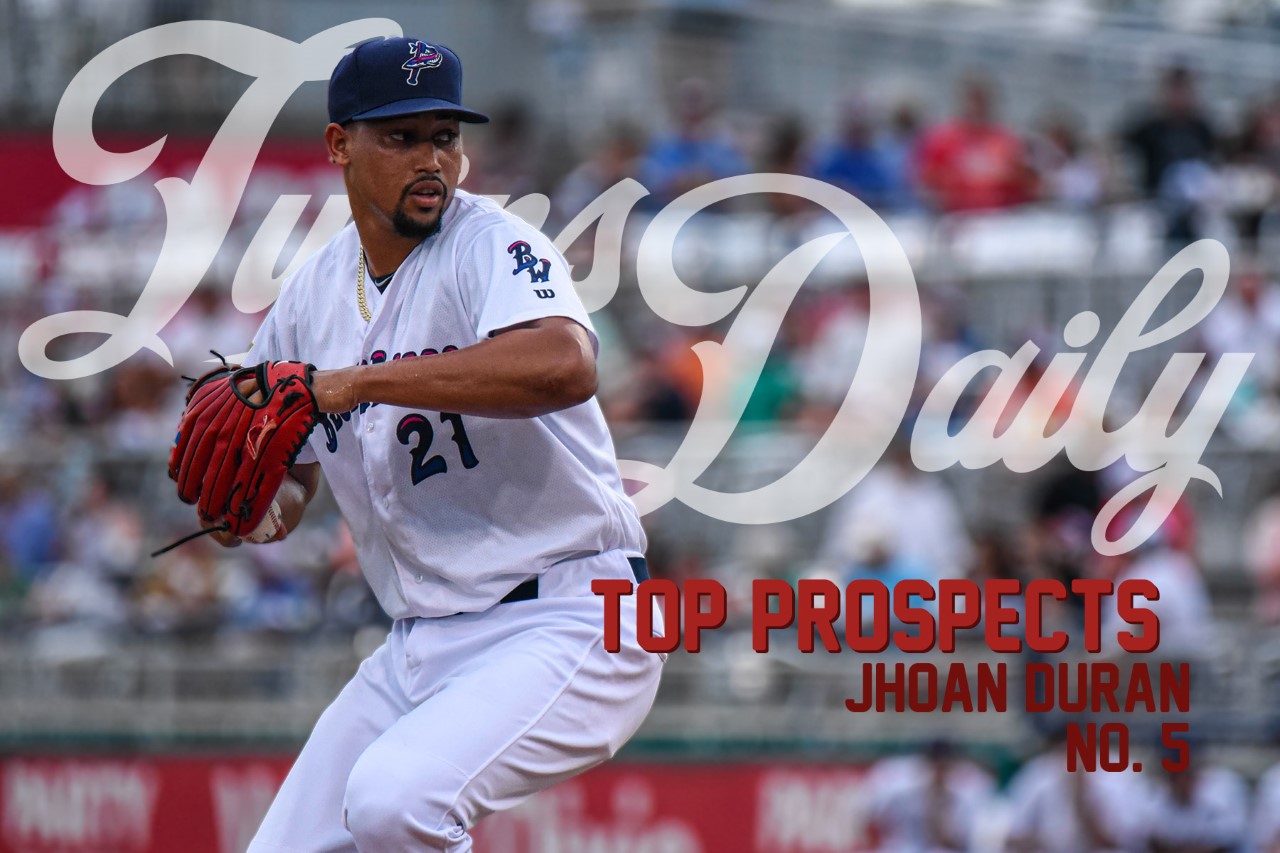 Age: 23 (DOB: 1-8-1998) 2020 Stats: Pitched at the Twins alternate site in St. Paul. ETA: 2021 2020 Ranking: #6 National Top 100 Rankings BA: NR |MLB: NR | ATH: 83 |BP: NR What’s To Like Before becoming the Twins bench coach before the 2020 season, Mike Bell spent eight years as the Vice President of Player Development for the Arizona Diamondbacks. In July of 2018, the Twins sent infielder Eduardo Escobar to Arizona in exchange for three players including Jhoan Duran. A year ago, I was talking to Bell about Duran. “It was a painful trade, being on that side of it, watching him go. I was definitely in the room. I think it was a good trade for both teams. Escy’s a very good player, and a good teammate. I’ll tell you what, Duran is an incredible talent. I think he’s going to do a lot of good things here in the organization. I’m super-excited to reconnect with him.” Bell noted, “When we saw him, he had a real heavy sinker. We took some baby steps with him. We knew the kind of talent he was, so we were playing it pretty safe with him in rookie ball. We saw a fastball up to 99 with heavy sink, and he is around the strike zone with command.” Duran has continued to develop. A year ago, he was added to the 40-man roster, and he spent the 2020 season at the Twins alternate training site in St. Paul. When he pitched in some intrasquad games ahead of the start of the regular season, he impressed fans and coaches alike. Duran is an intimidating presence on the mound. He stands 6-5 and is a very-strong 230 pounds. He is blessed with a fastball that sits in the upper-90s and frequently hits triple-digits. As he said a year ago in a Twins Fest interview, he likes his fastball but he is very comfortable with his sinker as well, a pitch that is sometimes called a “splinker.” (combination split-finger fastball and sinker) Whatever it is called, it has the potential to be a big pitch for him as it can sink and fade in on a right-handed batter as seen below. https://twitter.com/Nashwalker9/status/1334375496218456065 The third pitch will be the key to the trajectory of his career. He has a really solid breaking ball that will just need to be cleaned up. He has a sharp slider but also occasionally will throw a slower curveball. If even one of those pitches can become an average pitch, he could be a starter for a long time. https://twitter.com/TFTwins/status/1165073773604823040 What’s Left To Work On At this stage, it is really just about refining his stuff and getting to the big leagues and gaining confidence in it. The third pitch, whether it’s a slow curveball, a slider or a change up will likely determine whether he can remain a starter or will need to be a reliever. That’s a question for every starter, especially guys that throw as hard as Duran. He has generally shown good control in the minor leagues, but he will need to sharpen his command to find success in the big leagues. What’s Next Duran ended the 2019 season with a handful of starts at Double-A Pensacola. He then impressed during his time in St. Paul in 2020. He will again head to big league spring training. While he may technically be competing with Randy Dobnak and others for the Twins fifth starter role, he will likely start the season with the Saints. The Twins could even justify sending him to Double-A Wichita for another partial season if needed since he missed game-innings in 2020. . Assuming he continues to impress and make improvements, it is very likely he will make his MLB debut in 2021. Because of the lack of innings in 2020, he could be on a pitch and innings limit in 2021, so it’s possible he could debut out of the Twins bullpen late in the season too. This kind of arm warrants patience and caution. Yesterday, Cody asked if you think Balazovic should be the Twins top pitching prospect? After reading today's profile, what do you think? Is it Balazovic or Duran? Leave a COMMENT and start the discussion. Twins Daily 2021 Top 20 Prospects Honorable Mentions 20. Bailey Ober, RHP 19. Jose Miranda, INF 18. Alerick Soularie, OF 17. Ben Rortvedt, C 16. Edwar Colina, RHP 15. Cole Sands, RHP 14. Misael Urbina, OF 13. Matt Wallner, OF 12. Brent Rooker, OF/1B 11. Gilberto Celestino, OF 10. Blayne Enlow, RHP 9. Matt Canterino, RHP 8. Aaron Sabato, 1B 7. Keoni Cavaco, SS 6. Jordan Balazovic, RHP 5. Jhoan Duran, RHP Stop by on Monday for prospect #4! MORE FROM TWINS DAILY — Latest Twins coverage from our writers — Recent Twins discussion in our forums — Follow Twins Daily via Twitter, Facebook or email
 -
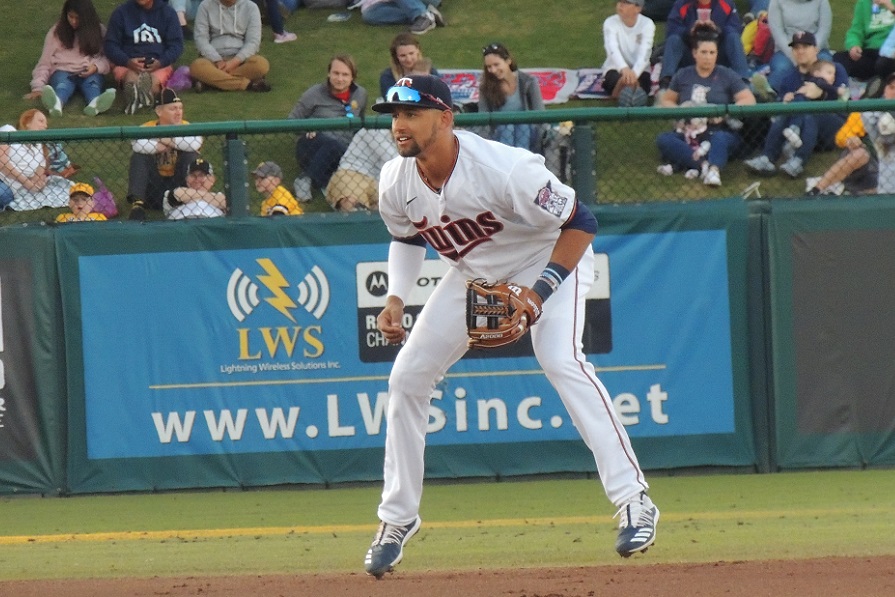 Royce Lewis was the Twins top pick in the 2017, the #1 overall pick out of JSerra Catholic High School. He had a strong pro debut that year in the GCL and at Cedar Rapids. He began the 2018 season on an immensely-talented Kernels team. Shortly after the All Star break, he was promoted to Ft. Myers where he helped the MIracle to a Florida State League title. In 2019, he split the season between Ft. Myers and Double-A Pensacola. Following the season, he went to the Arizona Fall League where he was named the league's MVP. Lewis has been the Twins Daily Twins Top Prospect the past three years, and you'll find out next week if he retains that title. This week, he was named as a Non-Roster invite to Twins spring training for the third time. He has been a frequent guest on podcasts and was a guest in December on a Twins Spotlight discussing the impact Torii Hunter has had on him and our other guests that night (Jacque Jones, Niko Guardado). Check that out here. Join us live at 5:30 tonight to watch, and participate by sending your questions. We'll cover a ton of topics and take your questions as well. ------------------------------------------------------------------- Please watch LIVE at 5:30 pm (central time) Thursday night on the Twins Daily Twitter, Facebook or YouTube pages live. Also feel free to ask questions in the comments below or on those platforms during the show and we'll ask them. Subscribe to the Twins Daily podcast on Libsyn, Apple iTunes or anywhere you download podcasts. Here is the YouTube link where you can watch the show. For More on Royce Lewis: Follow Royce on Instagram at @roycelewis. You can also follow his YouTube page. Previous Episodes Click here to see more previous episodes of Twins Spotlight. Episode 13: Edwar Colina Episode 14: Tyler Wells Episode 15: Sawyer Gipson-Long Episode 16: Adam Bray Episode 17: Chris Vallimont Episode 18: Ben Gross Episode 19: Regi Grace Episode 20: Louie Varland Episode 21: Max Smith Episode 22: Zander Wiel Episode 23: Blayne Enlow Episode 24: Royce Lewis
 -
Our Rankings: Seth: 6 Nick: 6 Tom: 6 Cody: 6
-
On Thursday morning, former Twins infielder Brian Dozier announced his retirement from baseball. Dozier spent the first seven of his nine MLB seasons with the Twins and was a great representative of the organization on and off the field. "I'm done. I'm hanging 'em up." That's what Brian Dozier told media members on Thursday morning. In addition, his former Twins managers Ron Gardenhire and Paul Molitor, as well as former GM Terry Ryan were on the call. Eduardo Escobar called in briefly from Arizona, on the practice field. Josh Willingham called in as well. It wasn't easy, but Dozier said that he did talk to a lot of players this offseason who have retired and that decision. "Tough decision. Many prayers went into this, especially after last season. I kind of made up my mind a couple of months ago." He had opportunities to play after the Mets released him last year, but he noted: "I told my wife, 'This COVID thing is the worst thing that ever happened to us because I got to be home and wake my daughter up every single morning. I love doing this. There is nothing in baseball that has given me this happiness and joy.'" He talked to some teams this past offseason, but he decided that he was ready to be done playing. "My wife? She wanted me to play until I was 50!" he joked. ---------------------------------------------- Brian Dozier joined the Twins organization in June of 2009 after the Twins drafted him as a 'senior sign' out of Southern Mississippi in the draft. He was coming off an injury and after five GCL games moved up to Elizabethton. In 2010, he split the season between Beloit and Ft. Myers, but 2011 was his breakout year as a prospect. He began the season with 49 games in Ft. Myers before jumping to New Britain for the final 78 games. Combined, he hit .320/.399/.491 (.890) with 33 doubles, 12 triples and nine home runs. He also stole 24 bases. The Twins, and Twins Daily, named him the Twins minor league hitter/player of the year. He debuted with the Twins in May of 2012, just a week before his 25th birthday. He played in 84 game and hit .234 (.603) with 11 doubles and six homers. However, he was sent down and did not receive a September call up. Dozier looks back at it now and says, "I thought I would, but it was the best thing that happened to me because it made me work even harder." That offseason, he worked a lot with Paul Molitor on moving to second base. He also gives a lol of credit to Tom Brunansky for working with him offensively. He was the Twins starting second baseman on Opening Day 2013 and remained in that role until he was traded to the Dodgers at the deadline in 2018. In between, he become one of the more prolific power hitters in Twins history. He hit 18 home runs in 2013, a record for Twins second baseman at the time. He then broke that record with 23 homers in 2014 in 2015. He made the All Star team that season. In 2016, he became just the fourth second baseman to hit 40 homers. He hit 42 total home runs that season. In 2017, he came back with 34 homers. In addition, he won a Gold Glove Award. Since the Twins traded him, he has had his struggles. He hit just .182 in 47 games for the 2018 Dodgers, but he provided nine doubles and five home runs. He played in the World Series. In 2019, he hit .238 with 20 doubles and 20 homers for the Nationals team that went on the win the World Series. And he danced... and sang... usually shirtless. He played in seven games for the Mets in 2020. In seven seasons with the Twins, Dozier played in 955 games. He hit .248/.325/.447 (.772) with 202 doubles, 167 home runs, 593 runs scored and 491 RBI. He had four straight 20 double, 20 homer seasons. But Dozier was fantastic on and off the field. From the Twins press release< "Dozier’s hustle on the field was matched by an electric personality off it that inspired camaraderie across the organization and the sport. Among other honors, he was the recipient of the 2013 Mike Augustin “Media Good Guy” Award by the Twin Cities Chapter of the BBWAA, the Twins’ 2014 Heart and Hustle Award by the MLB Players Alumni Association, the 2015 Carl R. Pohlad Award for Twins Outstanding Community Service and the 2016-17 Bob Allison Award for Twins leadership." On Thursday, he is retiring. The 33-year-old lives in Hattiesburg, Mississippi with his wife and two young kids. His daughter Reese is two years old, and his son Rip was born in mid-December. He will keep busy. He plans to travel a lot and visit friends from the organizations he's played in. He said he's had a real estate companies for years. He also has an investment company. He golfs and hopes to play in several tournaments. "I play the piano every day, but other than that, no music for me. One of the biggest things that I look forward to is hunting more. Not necessarily hunting. I loved planting food plots in the summertime when I was in high school, and I haven't been able to do that. I'm looking forward to that. I'm heading to my hunting camp in a couple of weeks to plant some corn. I'm looking forward to that. Haven't been able to do that in about 15 years. A lot of hunting. A lot of golf. But most than that, being a full-time dad." Comments from the press conference: Eduardo Escobar: "I want to say Congrats, man. Thank you so much. You're the best. I love you. You know how much I respect you. You taught me to play this game the right way, and that's why I'm still playing today. You are the best. God bless you and your family!" Ron Gardenhire: "I got to watch you first-hand in that dugout, watch you grow up and break into the big leagues. Handled everything so easily. One of the nicest people I've ever been around in my life.... Of course, after I left he started hitting bombs into the seats. He waited..." Paul Molitor: "I remember a trip out there in Double-A, and the week I watched your team, you were the best player on the field no matter who else was playing. You did it all. You made teammates better. You carried yourself tremendously well for where you were at in your career." Molitor: "I was very fortunate to have the opportunity to manage you." Molitor: "In addition to your performance, how you took care of your teammates, and made everybody better. You were never selfish. You understood the humility that it takes to be successful." Terry Ryan: "I followed you from Elizabethton to Beloit to Ft. Myers and you didn't hit a home run. So I'm thinking, well, we've got a shortstop here that has no power, and he's not really a burner, and all of a sudden you're hitting second base and hitting 42 home runs. Brian, I couldn't be more proud of the things you've accomplished and provided to the Twins organization. You went on the win a World Series. You had an outstanding career, and you were a great person involved in the Twins organization, and I was just happy to be a small part of it." Brian Dozier: "The people that I played for, they demanded you play the game the right way. I'm telling you, I've gotten to see other places throughout my career, but it was a blessing playing for Minnesota who takes it above and beyond, and it starts with Terry Ryan. You carry yourself the right way not only on the field but off it. It wasn't something they just suggested. It was demanded." Brian Dozier: "It sucks to say, but I kind of fell out of love with playing the game, but I always loved baseball." Brian Dozier: "Right now, I might possibly pursue managing in the big leagues the next couple of years. I've learned a lot from all the managers I played for, and my wife and I have talked about it. The playing side I kind of fell out of love with, but I fell in love with possibly pursuing [managing]." Brian Dozier to Twins Fans: "I tell people all the time, and my wife and I talk about it all the time, that (Minnesota) is my second home. It always will be. I said a farewell back in 2018 when I got traded, but I do want them to know that it's like family. Not just the people in the clubhouse, managers, general managers, and everybody in the stadium. There are so many people throughout the years that we have become close with. It's some of the best fans in baseball. It really is a special place to play." Brian Dozier on current Twins: "I've watched them from afar. It is tremendous for me just to sit there and watch them and see what they've become. Polanco. Max. Rosario, Sano... It is a joy for me to see for me. They'll continue to get better which is scary. I still talk to a lot of them. It really is a joy for me to sit back and watch them." View full article
- 31 replies
-
- 3
-
-
- brian dozier
- ron gardenhire
- (and 1 more)
-
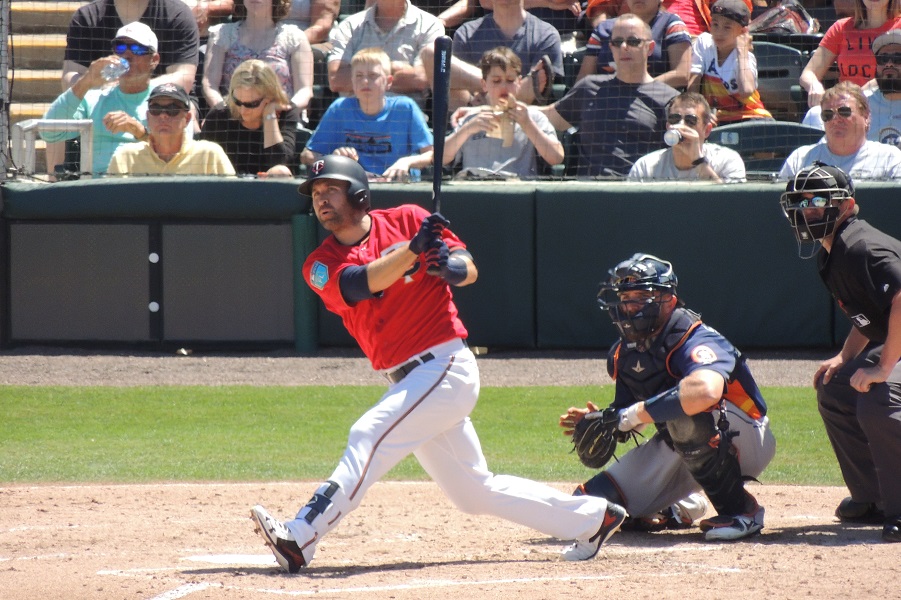 "I'm done. I'm hanging 'em up." That's what Brian Dozier told media members on Thursday morning. In addition, his former Twins managers Ron Gardenhire and Paul Molitor, as well as former GM Terry Ryan were on the call. Eduardo Escobar called in briefly from Arizona, on the practice field. Josh Willingham called in as well. It wasn't easy, but Dozier said that he did talk to a lot of players this offseason who have retired and that decision. "Tough decision. Many prayers went into this, especially after last season. I kind of made up my mind a couple of months ago." He had opportunities to play after the Mets released him last year, but he noted: "I told my wife, 'This COVID thing is the worst thing that ever happened to us because I got to be home and wake my daughter up every single morning. I love doing this. There is nothing in baseball that has given me this happiness and joy.'" He talked to some teams this past offseason, but he decided that he was ready to be done playing. "My wife? She wanted me to play until I was 50!" he joked. ---------------------------------------------- Brian Dozier joined the Twins organization in June of 2009 after the Twins drafted him as a 'senior sign' out of Southern Mississippi in the draft. He was coming off an injury and after five GCL games moved up to Elizabethton. In 2010, he split the season between Beloit and Ft. Myers, but 2011 was his breakout year as a prospect. He began the season with 49 games in Ft. Myers before jumping to New Britain for the final 78 games. Combined, he hit .320/.399/.491 (.890) with 33 doubles, 12 triples and nine home runs. He also stole 24 bases. The Twins, and Twins Daily, named him the Twins minor league hitter/player of the year. He debuted with the Twins in May of 2012, just a week before his 25th birthday. He played in 84 game and hit .234 (.603) with 11 doubles and six homers. However, he was sent down and did not receive a September call up. Dozier looks back at it now and says, "I thought I would, but it was the best thing that happened to me because it made me work even harder." That offseason, he worked a lot with Paul Molitor on moving to second base. He also gives a lol of credit to Tom Brunansky for working with him offensively. He was the Twins starting second baseman on Opening Day 2013 and remained in that role until he was traded to the Dodgers at the deadline in 2018. In between, he become one of the more prolific power hitters in Twins history. He hit 18 home runs in 2013, a record for Twins second baseman at the time. He then broke that record with 23 homers in 2014 in 2015. He made the All Star team that season. In 2016, he became just the fourth second baseman to hit 40 homers. He hit 42 total home runs that season. In 2017, he came back with 34 homers. In addition, he won a Gold Glove Award. Since the Twins traded him, he has had his struggles. He hit just .182 in 47 games for the 2018 Dodgers, but he provided nine doubles and five home runs. He played in the World Series. In 2019, he hit .238 with 20 doubles and 20 homers for the Nationals team that went on the win the World Series. And he danced... and sang... usually shirtless. He played in seven games for the Mets in 2020. In seven seasons with the Twins, Dozier played in 955 games. He hit .248/.325/.447 (.772) with 202 doubles, 167 home runs, 593 runs scored and 491 RBI. He had four straight 20 double, 20 homer seasons. But Dozier was fantastic on and off the field. From the Twins press release< "Dozier’s hustle on the field was matched by an electric personality off it that inspired camaraderie across the organization and the sport. Among other honors, he was the recipient of the 2013 Mike Augustin “Media Good Guy” Award by the Twin Cities Chapter of the BBWAA, the Twins’ 2014 Heart and Hustle Award by the MLB Players Alumni Association, the 2015 Carl R. Pohlad Award for Twins Outstanding Community Service and the 2016-17 Bob Allison Award for Twins leadership." On Thursday, he is retiring. The 33-year-old lives in Hattiesburg, Mississippi with his wife and two young kids. His daughter Reese is two years old, and his son Rip was born in mid-December. He will keep busy. He plans to travel a lot and visit friends from the organizations he's played in. He said he's had a real estate companies for years. He also has an investment company. He golfs and hopes to play in several tournaments. "I play the piano every day, but other than that, no music for me. One of the biggest things that I look forward to is hunting more. Not necessarily hunting. I loved planting food plots in the summertime when I was in high school, and I haven't been able to do that. I'm looking forward to that. I'm heading to my hunting camp in a couple of weeks to plant some corn. I'm looking forward to that. Haven't been able to do that in about 15 years. A lot of hunting. A lot of golf. But most than that, being a full-time dad." Comments from the press conference: Eduardo Escobar: "I want to say Congrats, man. Thank you so much. You're the best. I love you. You know how much I respect you. You taught me to play this game the right way, and that's why I'm still playing today. You are the best. God bless you and your family!" Ron Gardenhire: "I got to watch you first-hand in that dugout, watch you grow up and break into the big leagues. Handled everything so easily. One of the nicest people I've ever been around in my life.... Of course, after I left he started hitting bombs into the seats. He waited..." Paul Molitor: "I remember a trip out there in Double-A, and the week I watched your team, you were the best player on the field no matter who else was playing. You did it all. You made teammates better. You carried yourself tremendously well for where you were at in your career." Molitor: "I was very fortunate to have the opportunity to manage you." Molitor: "In addition to your performance, how you took care of your teammates, and made everybody better. You were never selfish. You understood the humility that it takes to be successful." Terry Ryan: "I followed you from Elizabethton to Beloit to Ft. Myers and you didn't hit a home run. So I'm thinking, well, we've got a shortstop here that has no power, and he's not really a burner, and all of a sudden you're hitting second base and hitting 42 home runs. Brian, I couldn't be more proud of the things you've accomplished and provided to the Twins organization. You went on the win a World Series. You had an outstanding career, and you were a great person involved in the Twins organization, and I was just happy to be a small part of it." Brian Dozier: "The people that I played for, they demanded you play the game the right way. I'm telling you, I've gotten to see other places throughout my career, but it was a blessing playing for Minnesota who takes it above and beyond, and it starts with Terry Ryan. You carry yourself the right way not only on the field but off it. It wasn't something they just suggested. It was demanded." Brian Dozier: "It sucks to say, but I kind of fell out of love with playing the game, but I always loved baseball." Brian Dozier: "Right now, I might possibly pursue managing in the big leagues the next couple of years. I've learned a lot from all the managers I played for, and my wife and I have talked about it. The playing side I kind of fell out of love with, but I fell in love with possibly pursuing [managing]." Brian Dozier to Twins Fans: "I tell people all the time, and my wife and I talk about it all the time, that (Minnesota) is my second home. It always will be. I said a farewell back in 2018 when I got traded, but I do want them to know that it's like family. Not just the people in the clubhouse, managers, general managers, and everybody in the stadium. There are so many people throughout the years that we have become close with. It's some of the best fans in baseball. It really is a special place to play." Brian Dozier on current Twins: "I've watched them from afar. It is tremendous for me just to sit there and watch them and see what they've become. Polanco. Max. Rosario, Sano... It is a joy for me to see for me. They'll continue to get better which is scary. I still talk to a lot of them. It really is a joy for me to sit back and watch them."
 -
On Thursday night (5:30 central time), Seth will be chatting with Twins minor league shortstop prospect prospect Royce Lewis on a new episode of Twins Spotlight. The discussion was live on the Twins Daily social media platforms, Twitter, Facebook or YouTube pages. Royce Lewis was the Twins top pick in the 2017, the #1 overall pick out of JSerra Catholic High School. He had a strong pro debut that year in the GCL and at Cedar Rapids. He began the 2018 season on an immensely-talented Kernels team. Shortly after the All Star break, he was promoted to Ft. Myers where he helped the MIracle to a Florida State League title. In 2019, he split the season between Ft. Myers and Double-A Pensacola. Following the season, he went to the Arizona Fall League where he was named the league's MVP. Lewis has been the Twins Daily Twins Top Prospect the past three years, and you'll find out next week if he retains that title. This week, he was named as a Non-Roster invite to Twins spring training for the third time. He has been a frequent guest on podcasts and was a guest in December on a Twins Spotlight discussing the impact Torii Hunter has had on him and our other guests that night (Jacque Jones, Niko Guardado). Check that out here. Join us live at 5:30 tonight to watch, and participate by sending your questions. We'll cover a ton of topics and take your questions as well. ------------------------------------------------------------------- Please watch LIVE at 5:30 pm (central time) Thursday night on the Twins Daily Twitter, Facebook or YouTube pages live. Also feel free to ask questions in the comments below or on those platforms during the show and we'll ask them. Subscribe to the Twins Daily podcast on Libsyn, Apple iTunes or anywhere you download podcasts. Here is the YouTube link where you can watch the show. For More on Royce Lewis: Follow Royce on Instagram at @roycelewis. You can also follow his YouTube page. Previous Episodes Click here to see more previous episodes of Twins Spotlight. Episode 13: Edwar Colina Episode 14: Tyler Wells Episode 15: Sawyer Gipson-Long Episode 16: Adam Bray Episode 17: Chris Vallimont Episode 18: Ben Gross Episode 19: Regi Grace Episode 20: Louie Varland Episode 21: Max Smith Episode 22: Zander Wiel Episode 23: Blayne Enlow Episode 24: Royce Lewis View full article
-
The Minnesota Twins announced this morning that bench coach Mike Bell had surgery in late January after being diagnosed with kidney cancer. He is expected to miss spring training but is optimistic that he will return to the team after recovery. With Twins pitchers and catchers set to report to spring training in Ft. Myers on Thursday, manager Rocco Baldelli addressed the media on Wednesday morning to inform them that bench coach Mike Bell will miss spring training after being diagnosed with kidney cancer. Bell wasn't feeling well in mid-January, and when he went to the hospital, a growth was found on his kidney. On January 28th, the growth was removed surgically. He is out of the hospital and home with his family for his recovery. Baldelli said, "He's doing very well. I've been talking to him a lot." He added, "The situation is obviously serious, but Mike has handled this with great courage. As I said, he's recovering, doing great and looking forward to the next part of his recovery." From their discussions it is clear that Bell is where he needs to be, at home with his family, but that he is encouraged and hopeful to return to the team when he is ready. In the meantime, it sounds as though he will be given some work that he can do from home. For the time being, there will not be any staff adjustments, at least until they know a more definitive timeline. "We'll give Mike some tasks that he will take care of at home. During spring training, I'm sure he'll be watching all of our games and helping us in a lot of ways from home." The team has been talking to him about things like the roster, his opinion on players in the organization but also free agents. "He's been very eager. I know with everything going on, he's had his attention focused elsewhere. But I think the ability to talk some baseball and have some fun and get the competitive juices flowing have been good for him, and I know he looks forward to it. For now, that's a start." According to Derek Falvey, Bell will address the media in the next weeks. "He's really encouraged. His doctors are really encouraged. We're just excited for the time he can get back, but in the meantime, we are here to support him and his family." Baldelli pointed out that people throughout the organization have been supportive. "Our players, the staff, the organization have come behind Mike in every way. Guys were very eager to connect with Mike, talk to Mike, and I know on Mike's end how much that has helped him, helped his family. This has been an emotional time for everybody, but ultimately it comes down to just supporting Mike through this and getting him back to health, and ultimately getting back to where he wants to be and he's really looking forward to getting strong and getting back to things on the baseball side as well." We certainly wish Mike Bell the best through his recovery. We hope he is able to return to the team soon. Feel free to extend your well wishes to Mike Bell in the Comments below. View full article
-
Mike Bell Diagnosed with Kidney Cancer, Will Miss Spring Training
Seth Stohs posted an article in Twins
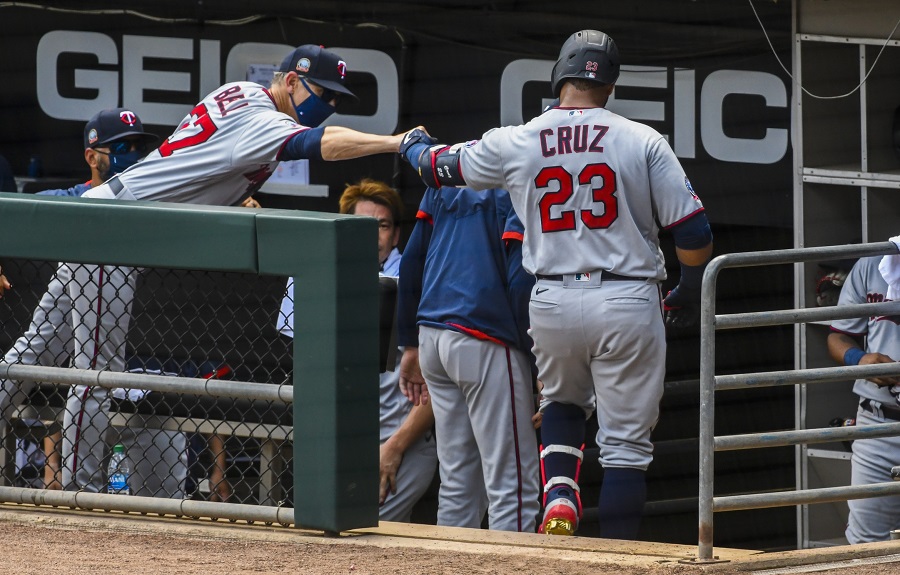 With Twins pitchers and catchers set to report to spring training in Ft. Myers on Thursday, manager Rocco Baldelli addressed the media on Wednesday morning to inform them that bench coach Mike Bell will miss spring training after being diagnosed with kidney cancer. Bell wasn't feeling well in mid-January, and when he went to the hospital, a growth was found on his kidney. On January 28th, the growth was removed surgically. He is out of the hospital and home with his family for his recovery. Baldelli said, "He's doing very well. I've been talking to him a lot." He added, "The situation is obviously serious, but Mike has handled this with great courage. As I said, he's recovering, doing great and looking forward to the next part of his recovery." From their discussions it is clear that Bell is where he needs to be, at home with his family, but that he is encouraged and hopeful to return to the team when he is ready. In the meantime, it sounds as though he will be given some work that he can do from home. For the time being, there will not be any staff adjustments, at least until they know a more definitive timeline. "We'll give Mike some tasks that he will take care of at home. During spring training, I'm sure he'll be watching all of our games and helping us in a lot of ways from home." The team has been talking to him about things like the roster, his opinion on players in the organization but also free agents. "He's been very eager. I know with everything going on, he's had his attention focused elsewhere. But I think the ability to talk some baseball and have some fun and get the competitive juices flowing have been good for him, and I know he looks forward to it. For now, that's a start." According to Derek Falvey, Bell will address the media in the next weeks. "He's really encouraged. His doctors are really encouraged. We're just excited for the time he can get back, but in the meantime, we are here to support him and his family." Baldelli pointed out that people throughout the organization have been supportive. "Our players, the staff, the organization have come behind Mike in every way. Guys were very eager to connect with Mike, talk to Mike, and I know on Mike's end how much that has helped him, helped his family. This has been an emotional time for everybody, but ultimately it comes down to just supporting Mike through this and getting him back to health, and ultimately getting back to where he wants to be and he's really looking forward to getting strong and getting back to things on the baseball side as well." We certainly wish Mike Bell the best through his recovery. We hope he is able to return to the team soon. Feel free to extend your well wishes to Mike Bell in the Comments below.
 -
Twins Daily 2021 Top Prospects: #7 SS Keoni Cavaco
Seth Stohs replied to Tom Froemming's topic in Twins Minor League Talk
Our Rankings: Seth: 10 Nick: 7 Tom: 9 Cody: 7 https://twitter.com/SethTweets/status/1361906859511267328 -
On Wednesday night (5:30 central time), Seth will be chatting with Twins minor league right-handed pitching prospect Blayne Enlow on a new episode of Twins Spotlight. The discussion was live on the Twins Daily social media platforms, Twitter, Facebook or YouTube pages. Blayne Enlow was the Twins third-round pick in 2017 out of high school in Louisiana. He had a scholarship to pitch at LSU, but the Twins were able to agree to terms with him. Enlow has worked his way up the organizational ladder. In 2019, he began the season with eight starts in Cedar Rapids before finishing the season in Ft. Myers. Combined, he went 8-7 with a 3.82 ERA. Enlow ranked as the #10 Twins prospect by Twins Daily last week. Join us live at 5:30 tonight to watch, and participate by sending your questions. We'll cover a ton of topics from his youth ball, getting drafted, his development and more. ------------------------------------------------------------------- Please watch LIVE at 5:30 pm (central time) Wednesday night on the Twins Daily Twitter, Facebook or YouTube pages live. Also feel free to ask questions in the comments below or on those platforms during the show and we'll ask them. Subscribe to the Twins Daily podcast on Libsyn, Apple iTunes or anywhere you download podcasts. Here is the YouTube link where you can watch the show. For More on Blayne Enlow: Follow Blayne on Instagram at @blayne_enlow. Follow Blayne on Twitter at @blayneenlow22. Previous Episodes Click here to see more previous episodes of Twins Spotlight. Episode 13: Edwar Colina Episode 14: Tyler Wells Episode 15: Sawyer Gipson-Long Episode 16: Adam Bray Episode 17: Chris Vallimont Episode 18: Ben Gross Episode 19: Regi Grace Episode 20: Louie Varland Episode 21: Max Smith Episode 22: Zander Wiel Episode 23: Blayne Enlow View full article
-
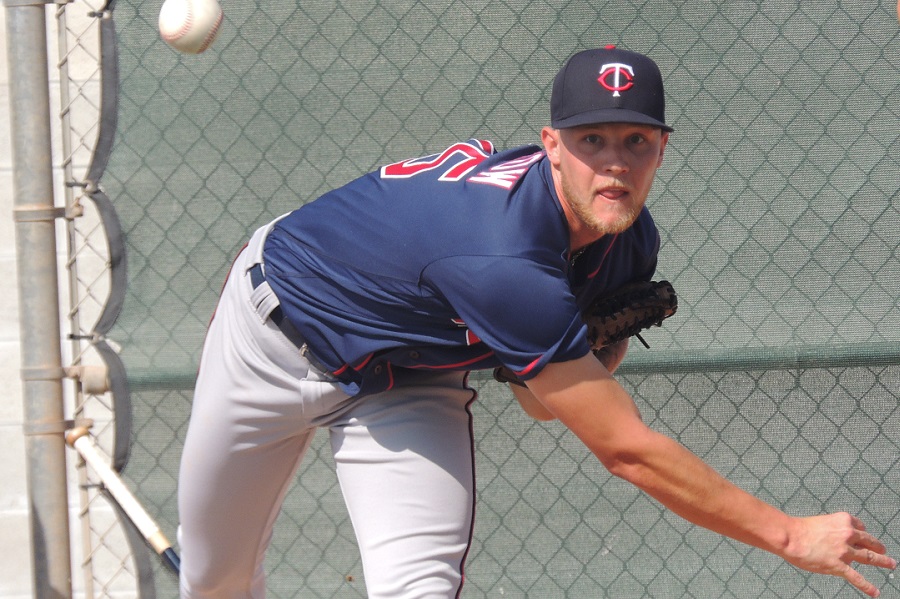 Blayne Enlow was the Twins third-round pick in 2017 out of high school in Louisiana. He had a scholarship to pitch at LSU, but the Twins were able to agree to terms with him. Enlow has worked his way up the organizational ladder. In 2019, he began the season with eight starts in Cedar Rapids before finishing the season in Ft. Myers. Combined, he went 8-7 with a 3.82 ERA. Enlow ranked as the #10 Twins prospect by Twins Daily last week. Join us live at 5:30 tonight to watch, and participate by sending your questions. We'll cover a ton of topics from his youth ball, getting drafted, his development and more. ------------------------------------------------------------------- Please watch LIVE at 5:30 pm (central time) Wednesday night on the Twins Daily Twitter, Facebook or YouTube pages live. Also feel free to ask questions in the comments below or on those platforms during the show and we'll ask them. Subscribe to the Twins Daily podcast on Libsyn, Apple iTunes or anywhere you download podcasts. Here is the YouTube link where you can watch the show. For More on Blayne Enlow: Follow Blayne on Instagram at @blayne_enlow. Follow Blayne on Twitter at @blayneenlow22. Previous Episodes Click here to see more previous episodes of Twins Spotlight. Episode 13: Edwar Colina Episode 14: Tyler Wells Episode 15: Sawyer Gipson-Long Episode 16: Adam Bray Episode 17: Chris Vallimont Episode 18: Ben Gross Episode 19: Regi Grace Episode 20: Louie Varland Episode 21: Max Smith Episode 22: Zander Wiel Episode 23: Blayne Enlow
 -
Twins Daily 2021 Top Prospects: #8 Aaron Sabato
Seth Stohs replied to Seth Stohs's topic in Twins Minor League Talk
Corrected... thank you! -
Twins Daily 2021 Top Prospects: #8 Aaron Sabato
Seth Stohs replied to Seth Stohs's topic in Twins Minor League Talk
Our rankings: Seth: 11 Nick: 12 Tom: 9 Cody: 7 -
Twins Announce Non-Roster Invites
Seth Stohs replied to Seth Stohs's topic in Twins Daily Front Page News
Ian Hamilton has cleared waivers and will remain with the Twins. He has been invited to spring training, so I added him back to the above.- 24 replies
-
- 3
-
-
- royce lewis
- trevor larnach
- (and 1 more)
-
On Tuesday night (6:00 central time), Seth will be chatting with Twins minor league first base prospect Zander Wiel on a new episode of Twins Spotlight. The discussion was live on the Twins Daily social media platforms, Twitter, Facebook or YouTube pages. Zander Wiel grew up in Murfreesboro, Tennessee. Like fellow Blackman High School graduate David Price, he then headed northwest on highway 24 to Nashville where he went to Vanderbilt. He had a terrific career that included a College World Series championship in 2014 and a runner up in 2015. He was the Twins 12th round pick in 2015 and went to Elizabethton. He led the Midwest League in RBI in 2016. He moved up to Ft. Myers in 2017. In 2018, he hit well in Double-A Chattanooga before finishing the season with 15 games in Rochester. In 2019, he had a terrific season for the Red Wings. In 126 games, he hit .254/.320/.514 (.834) with 40 doubles, five triples and 24 RBI. He was invited to big league spring training in 2020 and was getting a lot of playing time in games when the pandemic cut things short. He worked at the alternate site in St. Paul throughout the 2020 season. On Monday, he was among players invited to big-league spring training. Join us live at 6:00 tonight to watch, and participate by sending your questions. We'll cover a ton of topics from his youth ball, Vanderbilt, draft, development, his '2020 season' and heading to Ft. Myers for spring training and more. ------------------------------------------------------------------- Please watch LIVE at 6:00 pm (central time) Tuesday night on the Twins Daily Twitter, Facebook or YouTube pages live. Also feel free to ask questions in the comments below or on those platforms during the show and we'll ask them. Subscribe to the Twins Daily podcast on Libsyn, Apple iTunes or anywhere you download podcasts. Here is the YouTube link where you can watch the show. For More on Zander Wiel: Follow Zander on Instagram at @zwiel43. Follow Zander on Twitter at @Zander_Wiel. Previous Episodes Click here to see more previous episodes of Twins Spotlight. Episode 13: Edwar Colina Episode 14: Tyler Wells Episode 15: Sawyer Gipson-Long Episode 16: Adam Bray Episode 17: Chris Vallimont Episode 18: Ben Gross Episode 19: Regi Grace Episode 20: Louie Varland Episode 21: Max Smith Episode 22: Zander Wiel View full article
-
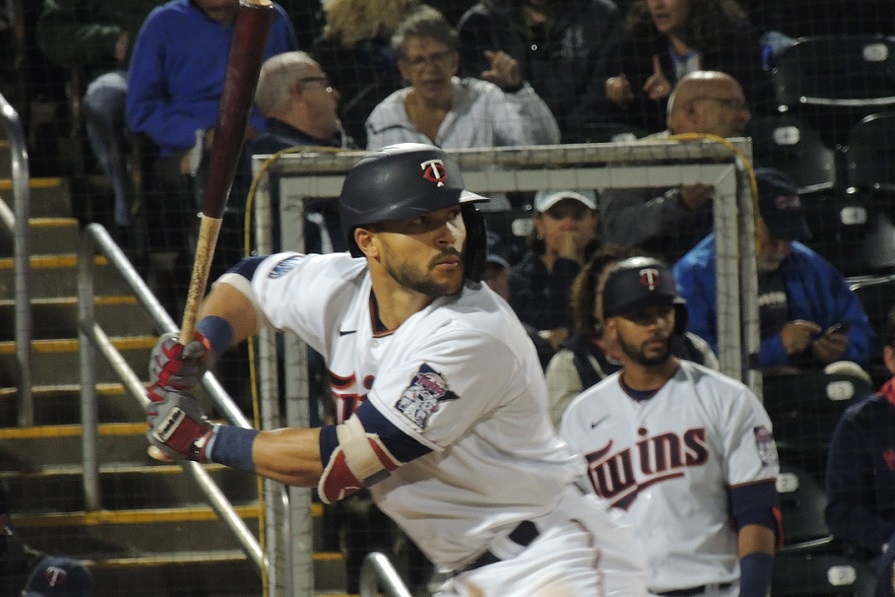 Zander Wiel grew up in Murfreesboro, Tennessee. Like fellow Blackman High School graduate David Price, he then headed northwest on highway 24 to Nashville where he went to Vanderbilt. He had a terrific career that included a College World Series championship in 2014 and a runner up in 2015. He was the Twins 12th round pick in 2015 and went to Elizabethton. He led the Midwest League in RBI in 2016. He moved up to Ft. Myers in 2017. In 2018, he hit well in Double-A Chattanooga before finishing the season with 15 games in Rochester. In 2019, he had a terrific season for the Red Wings. In 126 games, he hit .254/.320/.514 (.834) with 40 doubles, five triples and 24 RBI. He was invited to big league spring training in 2020 and was getting a lot of playing time in games when the pandemic cut things short. He worked at the alternate site in St. Paul throughout the 2020 season. On Monday, he was among players invited to big-league spring training. Join us live at 6:00 tonight to watch, and participate by sending your questions. We'll cover a ton of topics from his youth ball, Vanderbilt, draft, development, his '2020 season' and heading to Ft. Myers for spring training and more. ------------------------------------------------------------------- Please watch LIVE at 6:00 pm (central time) Tuesday night on the Twins Daily Twitter, Facebook or YouTube pages live. Also feel free to ask questions in the comments below or on those platforms during the show and we'll ask them. Subscribe to the Twins Daily podcast on Libsyn, Apple iTunes or anywhere you download podcasts. Here is the YouTube link where you can watch the show. For More on Zander Wiel: Follow Zander on Instagram at @zwiel43. Follow Zander on Twitter at @Zander_Wiel. Previous Episodes Click here to see more previous episodes of Twins Spotlight. Episode 13: Edwar Colina Episode 14: Tyler Wells Episode 15: Sawyer Gipson-Long Episode 16: Adam Bray Episode 17: Chris Vallimont Episode 18: Ben Gross Episode 19: Regi Grace Episode 20: Louie Varland Episode 21: Max Smith Episode 22: Zander Wiel
 -
Twins Daily 2021 Top Prospects: #8 Aaron Sabato
Seth Stohs posted a topic in Twins Minor League Talk
The 2019 Minnesota Twins set the MLB record for most home runs in a single season and won 101 games. That gave them the 27th overall pick in the 2020 draft and they selected another big college bat, 1B Aaron Sabato, a future Bomba Squad member. He debuts in our rankings as the #8 Twins Prospect.Age: 21 (DOB: 6-4-1999) 2020 Stats (UNC): .292/.478/.708 (1.185), 6-2B, 7-HR (in 19 games) ETA: 2023 2020 Ranking: NR National Top 100 Rankings BA: NR |MLB: NR | ATH: NR |BP: NR What’s To Like Shortly after the Twins selected Aaron Sabato last June, Scouting Director Sean Johnson said, "We thought he was the best offensive player left on the board from every standpoint possible. Going back to his season last year, if you look at him analytically, he lined up with some of the guys who went at the very top of the board." A quick look at the stats of Sabato and top overall pick Spencer Torkelson in 2019 and the shortened 2020 season, shows that the two put up very similar numbers. Those were Sabato’s freshman and sophomore seasons at North Carolina compared to Torkelson’s sophomore and junior seasons at Arizona State. Torkelson: 74 games, .349/.480/.719 (1.199) with 21 doubles, 29 homers. Sabato: 83 games, .332/.459/.708 (1.158) with 31 doubles, 25 homers. So while there is a lot more that goes into scouting than just these offensive numbers, it certainly illustrates the offensive firepower of Sabato. He fits into the mold of recent Twins draft picks such as Brent Rooker, Ryan Jeffers and Matt Wallner. Sabato pointed out a few days later that he feels that his hitting philosophies closely match the Twins hitting philosophies. He recalled a conversation with Twins minor league hitting coordinator Donegal Fergus. “We want you to swing at strikes. We want you to take balls, and we want you to hit the ball a long way and do it at a high rate without striking out and walking a ton. For me, that’s what I base my hitting about. I’m trying to do the most damage on every pitch, but also be disciplined enough to take my walks and spit on the good pitches.” He continued, “Right there, (I realized) that I was in a pretty good spot with the organization that had just drafted me.” Sabato may not possess all of the baseball tools, but he has a plus hitting tool, and plus-plus power potential. What’s Left To Work On Sure, Sabato will have to adjust to the pro ball game, even offensively. But really, it’s about that continued development and improvement, and this year, it’s about just getting at bats again. Sabato is not a speed guy, so don’t expect him to be stealing a lot of bases. Defensively, there have been assumptions made that he will be limited to first base, and he will need to improve there as well. It is possible that he ultimately will be a Designated Hitter, but the Twins will work hard with him at first base. What’s Next Sabato gets to make his actual professional debut. Sure, he went to the Twins instructional league in October, but 2021 will be his debut. Because of the missed time, it will be interesting to see where he starts the 2021 season when it begins in May. Because he hasn’t played in an official game, they could start him in Low-A Ft. Myers and get some at bats under his belt. It’s also possible that he will jump straight up to High-A Cedar Rapids. While the general belief is that Sabato has a very advanced bat, the Twins have the luxury of being patient with him. He will be given time to work on the other aspects of his game. Twins 2021 Top 20 Prospects Honorable Mentions 20. Bailey Ober, RHP 19. José Miranda, 3B/2B 18. Alerick Soularie, UTIL 17. Ben Rortvedt, C 16. Edwar Colina, RHP 15. Cole Sands, RHP 14. Misael Urbina, OF 13. Matt Wallner, OF 12. Brent Rooker, OF/1B 11. Gilberto Celestino, OF 10. Blayne Enlow, RHP 9. Matt Canterino, RHP 8. Aaron Sabato, 1B 7. Coming tomorrow! Click here to view the article -
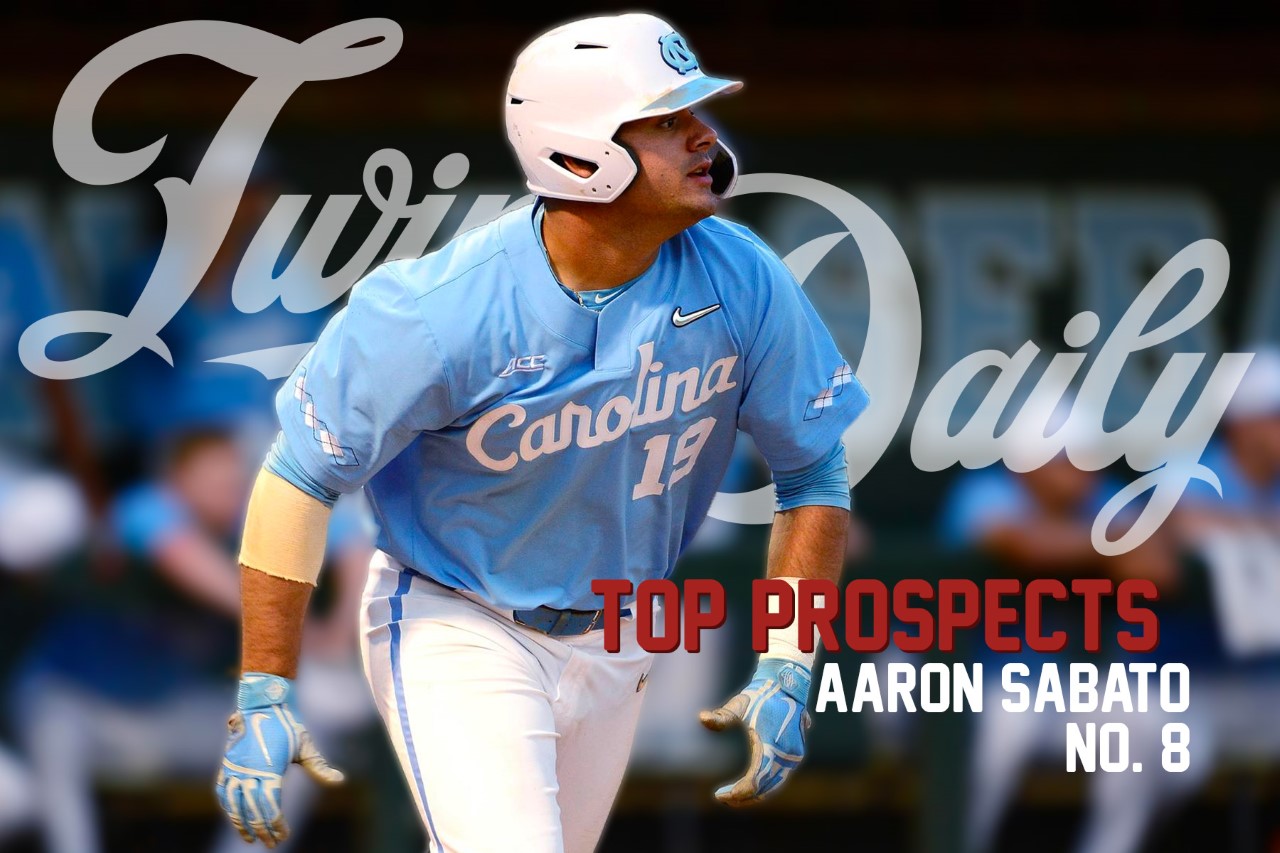 Age: 21 (DOB: 6-4-1999) 2020 Stats (UNC): .292/.478/.708 (1.185), 6-2B, 7-HR (in 19 games) ETA: 2023 2020 Ranking: NR National Top 100 Rankings BA: NR |MLB: NR | ATH: NR |BP: NR What’s To Like Shortly after the Twins selected Aaron Sabato last June, Scouting Director Sean Johnson said, "We thought he was the best offensive player left on the board from every standpoint possible. Going back to his season last year, if you look at him analytically, he lined up with some of the guys who went at the very top of the board." A quick look at the stats of Sabato and top overall pick Spencer Torkelson in 2019 and the shortened 2020 season, shows that the two put up very similar numbers. Those were Sabato’s freshman and sophomore seasons at North Carolina compared to Torkelson’s sophomore and junior seasons at Arizona State. Torkelson: 74 games, .349/.480/.719 (1.199) with 21 doubles, 29 homers. Sabato: 83 games, .332/.459/.708 (1.158) with 31 doubles, 25 homers. So while there is a lot more that goes into scouting than just these offensive numbers, it certainly illustrates the offensive firepower of Sabato. He fits into the mold of recent Twins draft picks such as Brent Rooker, Ryan Jeffers and Matt Wallner. Sabato pointed out a few days later that he feels that his hitting philosophies closely match the Twins hitting philosophies. He recalled a conversation with Twins minor league hitting coordinator Donegal Fergus. “We want you to swing at strikes. We want you to take balls, and we want you to hit the ball a long way and do it at a high rate without striking out and walking a ton. For me, that’s what I base my hitting about. I’m trying to do the most damage on every pitch, but also be disciplined enough to take my walks and spit on the good pitches.” He continued, “Right there, (I realized) that I was in a pretty good spot with the organization that had just drafted me.” Sabato may not possess all of the baseball tools, but he has a plus hitting tool, and plus-plus power potential. What’s Left To Work On Sure, Sabato will have to adjust to the pro ball game, even offensively. But really, it’s about that continued development and improvement, and this year, it’s about just getting at bats again. Sabato is not a speed guy, so don’t expect him to be stealing a lot of bases. Defensively, there have been assumptions made that he will be limited to first base, and he will need to improve there as well. It is possible that he ultimately will be a Designated Hitter, but the Twins will work hard with him at first base. What’s Next Sabato gets to make his actual professional debut. Sure, he went to the Twins instructional league in October, but 2021 will be his debut. Because of the missed time, it will be interesting to see where he starts the 2021 season when it begins in May. Because he hasn’t played in an official game, they could start him in Low-A Ft. Myers and get some at bats under his belt. It’s also possible that he will jump straight up to High-A Cedar Rapids. While the general belief is that Sabato has a very advanced bat, the Twins have the luxury of being patient with him. He will be given time to work on the other aspects of his game. Twins 2021 Top 20 Prospects Honorable Mentions 20. Bailey Ober, RHP 19. José Miranda, 3B/2B 18. Alerick Soularie, UTIL 17. Ben Rortvedt, C 16. Edwar Colina, RHP 15. Cole Sands, RHP 14. Misael Urbina, OF 13. Matt Wallner, OF 12. Brent Rooker, OF/1B 11. Gilberto Celestino, OF 10. Blayne Enlow, RHP 9. Matt Canterino, RHP 8. Aaron Sabato, 1B 7. Coming tomorrow!
 -
Twins Announce Non-Roster Invites
Seth Stohs replied to Seth Stohs's topic in Twins Daily Front Page News
Every team signs a bunch of minor league free agents. Obviously that varies based on needs and organizational depth and such. Every year there are a few that get called up, and if you can have success with any of them, it's great. Caleb Thielbar last year being just one example. I don't think anyone would/should expect an All Star from a minor league signing, but they are important. They also fill up AAA rosters so that the prospects don't have to get rushed.- 24 replies
-
- 4
-
-
- royce lewis
- trevor larnach
- (and 1 more)
-
Twins Announce Non-Roster Invites
Seth Stohs replied to Seth Stohs's topic in Twins Daily Front Page News
Dan is not playing professionally anymore. I believe he recently got married and has moved on. He was a nice catching prospect, very athletic. -
Twins Announce Non-Roster Invites
Seth Stohs replied to Seth Stohs's topic in Twins Daily Front Page News
No word on Ian Hamilton yet... Hopefully he does clear and sticks!- 24 replies
-
- 2
-
-
- royce lewis
- trevor larnach
- (and 1 more)
