



Seth Stohs
-
Posts
25,909 -
Joined
-
Last visited
-
Days Won
109
Content Type
Profiles
News
Minnesota Twins Videos
2026 Minnesota Twins Top Prospects Ranking
2022 Minnesota Twins Draft Picks
Minnesota Twins Free Agent & Trade Rumors, Notes, & Tidbits
Guides & Resources
2023 Minnesota Twins Draft Picks
The Minnesota Twins Players Project
2024 Minnesota Twins Draft Picks
2025 Minnesota Twins Draft Pick Tracker
2026 Minnesota Twins Draft Tracker: Picks & Bonuses
Forums
Blogs
Events
Store
Downloads
Gallery
Everything posted by Seth Stohs
-
Twins Daily 2021 Top Prospects: #2 SS Royce Lewis
Seth Stohs replied to Seth Stohs's topic in Twins Minor League Talk
Our Rankings: Seth: #1 Nick: #2 Tom: #1 Cody: #2 -
There's really no reason to be worried about it at this point. They've given no reason, but they've said all teh same things they said with Albers and Albers has now arrived. I'm sure it's just a 'visa' issue...
-
Twins Daily 2021 Top Prospects: #2 SS Royce Lewis
Seth Stohs replied to Seth Stohs's topic in Twins Minor League Talk
Also of note... Buxton is really, really good... if Lewis becomes that good, that will be fantastic... But yes, I get the injury thing. -
https://twitter.com/BringerOfRain20/status/1364315547354161152
-
Getting Geeky Part 1: Sabrmetrics vs Money
Seth Stohs replied to John Bonnes's topic in Twins Daily Front Page News
Early from like the SethSpeaks dot Net days? That would be fun to read once in awhile. -
 Keoni Cavaco was set to go to San Diego State University to play baseball, but instead the Twins made him their first-round draft pick in 2019. He signed with the Twins and spent that summer playing in the GCL. Unfortunately, the 2020 season was lost, but he was invited to Twins Instructional League last fall. We'll talk to him about what has kept him busy, what he's been working on, a little on his youth ball days and much more. Join us live at 9:00 tonight to watch, and participate by sending your questions. We'll cover a ton of topics and take your questions as well. ------------------------------------------------------------------- Please watch LIVE at 9:00 pm (central time) Tuesday night on the Twins Daily Twitter, Facebook or YouTube pages live. Also feel free to ask questions in the comments below or on those platforms during the show and we'll ask them. Subscribe to the Twins Daily podcast on Libsyn, Apple iTunes or anywhere you download podcasts. Here is the YouTube link where you can watch the show. For more on Keoni Cavaco: Follow Keoni on Instagram at @keoooonni. Follow Keoni on Twitter at @keoni__cavaco21. Previous Episodes Click here to see more previous episodes of Twins Spotlight. Episode 13: Edwar Colina Episode 14: Tyler Wells Episode 15: Sawyer Gipson-Long Episode 16: Adam Bray Episode 17: Chris Vallimont Episode 18: Ben Gross Episode 19: Regi Grace Episode 20: Louie Varland Episode 21: Max Smith Episode 22: Zander Wiel Episode 23: Blayne Enlow Episode 24: Royce Lewis Episode 25: Trey Cabbage Episode 26: Keoni Cavaco
 -
Royce Lewis has been the Twins Daily choice for the Twins #1 prospect each of the past three years. This year, he drops to #2 on the list, but his ceiling remains very high. He's got all the tools and the intangibles including a willingness to learn.Age: 21 (DOB: 6-5-1999) 2020 Stats: Played at the Twins alternate site in St. Paul. ETA: 2022 2020 Ranking: #1 National Top 100 Rankings BA: 29 |MLB: 17 | ATH: 46 |BP: 31 |ESPN: 15|FG: 23 What’s To Like Royce Lewis remains the best athlete in the Twins minor leagues. Even after adding 20 pounds of muscle an offseason ago, he was able to maintain his speed. He also has a ton of power potential. Missing out on 600 plate appearances in 2020 didn’t help, so he will just need to get as many reps and plate appearances as possible in 2021. The same can be said on defense where he has the tools and range and arm, but he needs more reps. Consistency will be important for him. He can make all the plays, but sometimes he misses the routine plays. What’s Next As mentioned, after a missed 2020 season, Lewis just needs to get reps. He needs to get a lot of plate appearances. He needs to get a lot of reps at shortstop. Sure, he got work in St. Paul last summer, but it’s hard to replicate in-game experiences and opportunities. In my opinion, I think it would be wise to have him play a game a week in center field, and maybe a game a week at third base. Lewis could be big-league ready by midseason, and there may be a need at another position at that time. Wouldn’t hurt to get some time and experience at those other spots for just-in-case. The Twins, with their moves this offseason, have shown that they value versatility. It is very possible that we could see Lewis debut in 2021. Their signing of Andrelton Simmons to just a one-year contract indicates that the team would like to see Lewis ready to take the shortstop job in 2022. Lewis says he’s looking forward to learning from Simmons. Lewis at 4:38:30 mark discusses his thoughts on the Twins signing of Simmons. And many years down the line, maybe a career in TV. He was an excellent guest on a Twins Spotlight episode last week, spending about 45 minutes answering questions from listeners. Click here to view the article
-
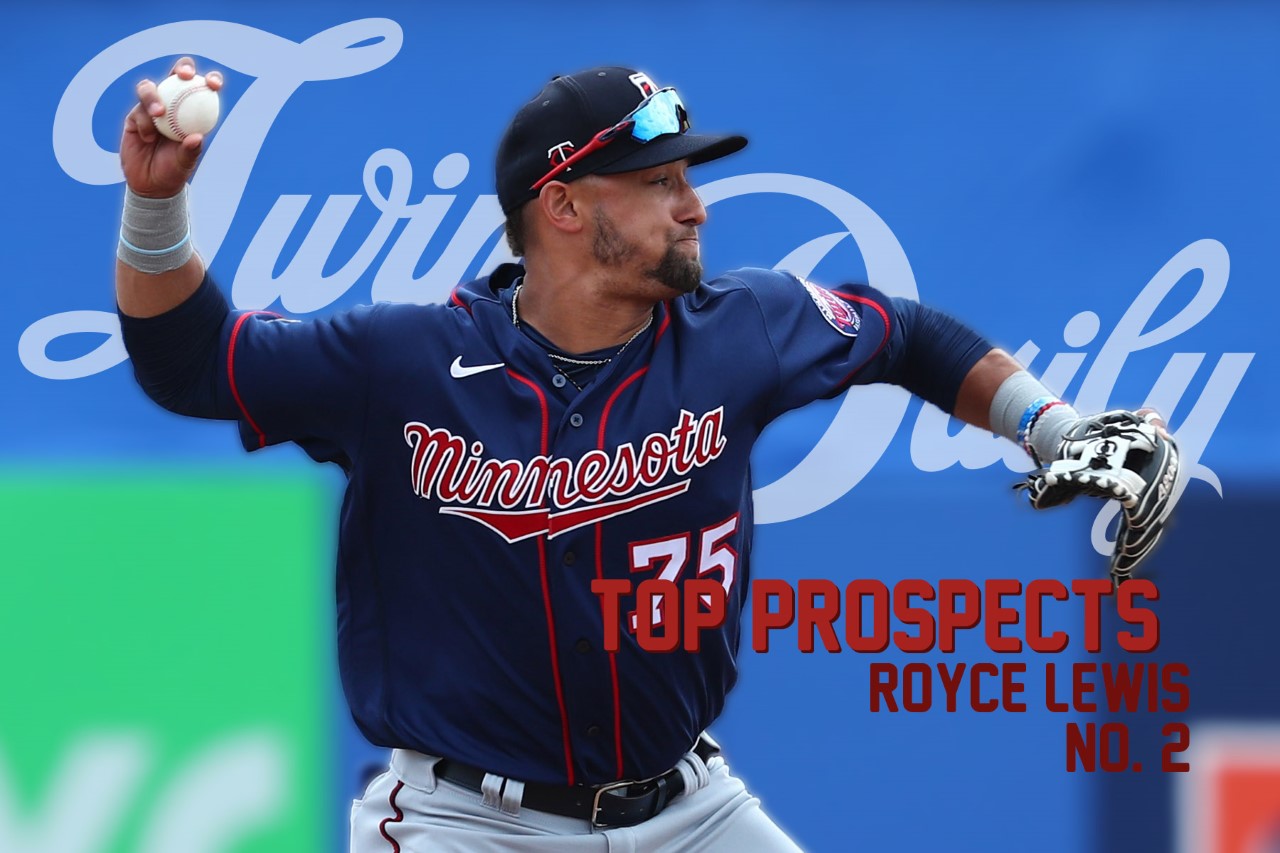 Age: 21 (DOB: 6-5-1999) 2020 Stats: Played at the Twins alternate site in St. Paul. ETA: 2022 2020 Ranking: #1 National Top 100 Rankings BA: 29 |MLB: 17 | ATH: 46 |BP: 31 |ESPN: 15 |FG: 23 What’s To Like Royce Lewis remains the best athlete in the Twins minor leagues. Even after adding 20 pounds of muscle an offseason ago, he was able to maintain his speed. He also has a ton of power potential. https://twitter.com/JSerraLionsBB/status/1295555822722772992 Here is a home run last summer at Target Field off of former MLB pitcher Casey Lawrence. On the bases, he has good instincts and the great speed to take extra bases. https://twitter.com/matthew_btwins/status/1162790622207438848 Defensively, there are questions, but at shortstop he has quickness and range, and he’s got a strong arm. He also could provide versatility and help the Twins at a number of positions. He played a lot of third base in high school and has plenty of arm to play there. He could play second base. A lot of experts think he would be a plus-plus defensive centerfielder because of his speed and instincts. The Twins continued to play him exclusively at shortstop last summer in St. Paul. https://twitter.com/MLBPipeline/status/1237488440935157769 What’s Left To Work On 2019 was a tough season offensively for Lewis. Between Ft. Myers and Pensacola, he hit just .236 and had an on-base percentage just shy of .300. He struck out three times more often than he walked. While few question his power potential, he will have to work on controlling the strike zone better. At times he gets a little pull-happy and should find more hits by using the right side of the diamond as well. There are questions about his leg kick still and if he can be a solid all-around hitter with it. And you can see from the video below that there was a lot of movement with his hands in early 2019. You can also see the bat speed and power potential. https://twitter.com/Twins/status/1234196371886018565 Missing out on 600 plate appearances in 2020 didn’t help, so he will just need to get as many reps and plate appearances as possible in 2021. The same can be said on defense where he has the tools and range and arm, but he needs more reps. Consistency will be important for him. He can make all the plays, but sometimes he misses the routine plays. What’s Next As mentioned, after a missed 2020 season, Lewis just needs to get reps. He needs to get a lot of plate appearances. He needs to get a lot of reps at shortstop. Sure, he got work in St. Paul last summer, but it’s hard to replicate in-game experiences and opportunities. In my opinion, I think it would be wise to have him play a game a week in center field, and maybe a game a week at third base. Lewis could be big-league ready by midseason, and there may be a need at another position at that time. Wouldn’t hurt to get some time and experience at those other spots for just-in-case. The Twins, with their moves this offseason, have shown that they value versatility. It is very possible that we could see Lewis debut in 2021. Their signing of Andrelton Simmons to just a one-year contract indicates that the team would like to see Lewis ready to take the shortstop job in 2022. Lewis says he’s looking forward to learning from Simmons. Lewis at 4:38:30 mark discusses his thoughts on the Twins signing of Simmons. And many years down the line, maybe a career in TV. He was an excellent guest on a Twins Spotlight episode last week, spending about 45 minutes answering questions from listeners.
 -
Twins Daily 2021 Top Prospects: #3 Trevor Larnach
Seth Stohs replied to Tom Froemming's topic in Twins Minor League Talk
Our Rankings: Seth: 3 Nick: 4 Tom: 3 Cody: 3 -
-
-
On Tuesday night (9:00 central time), Seth will be chatting with Twins minor league shortstop prospect Keoni Cavaco on a new episode of Twins Spotlight. The discussion was live on the Twins Daily social media platforms, Twitter, Facebook or YouTube pages. Keoni Cavaco was set to go to San Diego State University to play baseball, but instead the Twins made him their first-round draft pick in 2019. He signed with the Twins and spent that summer playing in the GCL. Unfortunately, the 2020 season was lost, but he was invited to Twins Instructional League last fall. We'll talk to him about what has kept him busy, what he's been working on, a little on his youth ball days and much more. Join us live at 9:00 tonight to watch, and participate by sending your questions. We'll cover a ton of topics and take your questions as well. ------------------------------------------------------------------- Please watch LIVE at 9:00 pm (central time) Tuesday night on the Twins Daily Twitter, Facebook or YouTube pages live. Also feel free to ask questions in the comments below or on those platforms during the show and we'll ask them. Subscribe to the Twins Daily podcast on Libsyn, Apple iTunes or anywhere you download podcasts. Here is the YouTube link where you can watch the show. For more on Keoni Cavaco: Follow Keoni on Instagram at @keoooonni. Follow Keoni on Twitter at @keoni__cavaco21. Previous Episodes Click here to see more previous episodes of Twins Spotlight. Episode 13: Edwar Colina Episode 14: Tyler Wells Episode 15: Sawyer Gipson-Long Episode 16: Adam Bray Episode 17: Chris Vallimont Episode 18: Ben Gross Episode 19: Regi Grace Episode 20: Louie Varland Episode 21: Max Smith Episode 22: Zander Wiel Episode 23: Blayne Enlow Episode 24: Royce Lewis Episode 25: Trey Cabbage Episode 26: Keoni Cavaco View full article
-
Twins Daily 2021 Top Prospects: #4 C Ryan Jeffers
Seth Stohs replied to Cody Christie's topic in Twins Minor League Talk
Our rankings: Seth: 5 Nick: 3 Tom: 4 Cody: 4 -
On Monday night (6:00 central time), Seth will be chatting with Twins minor league outfield prospect Trey Cabbage on a new episode of Twins Spotlight. The discussion was live on the Twins Daily social media platforms, Twitter, Facebook or YouTube pages. Trey Cabbage was the Twins fourth round draft pick back in 2015 out of high school in Tennessee. He was a three-sport star at Grainger High School and had a scholarship offer to the University of Tennessee but signed with the Twins. The 23-year-old hit a combined 15 home runs and 20 doubles between Cedar Rapids and Ft. Myers in 99 games in 2019. Cabbage has a ton of power potential that was just showing up before the lost 2020 season. We will catch up with Cabbage on what he was able to do in 2020, what he's been working on this offseason, his amateur years, his development and much more. Join us live at 6:00 tonight to watch, and participate by sending your questions. We'll cover a ton of topics and take your questions as well. ------------------------------------------------------------------- Please watch LIVE at 6:00 pm (central time) Monday night on the Twins Daily Twitter, Facebook or YouTube pages live. Also feel free to ask questions in the comments below or on those platforms during the show and we'll ask them. Subscribe to the Twins Daily podcast on Libsyn, Apple iTunes or anywhere you download podcasts. Here is the YouTube link where you can watch the show. For more on Trey Cabbage: Follow Trey on Instagram at @treycabz. Follow Trey on Twitter at @treycabz. Previous Episodes Click here to see more previous episodes of Twins Spotlight. Episode 13: Edwar Colina Episode 14: Tyler Wells Episode 15: Sawyer Gipson-Long Episode 16: Adam Bray Episode 17: Chris Vallimont Episode 18: Ben Gross Episode 19: Regi Grace Episode 20: Louie Varland Episode 21: Max Smith Episode 22: Zander Wiel Episode 23: Blayne Enlow Episode 24: Royce Lewis Episode 25: Trey Cabbage View full article
-
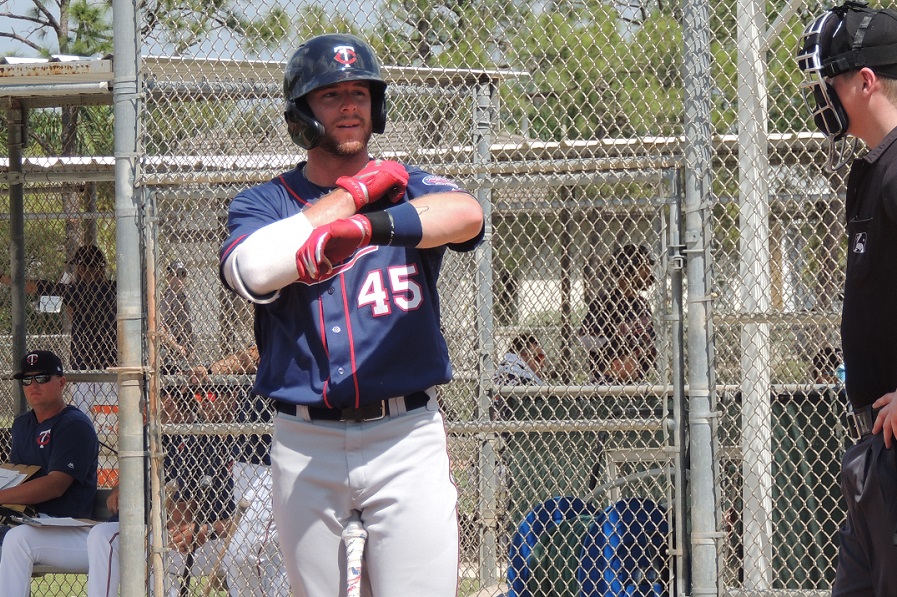 Trey Cabbage was the Twins fourth round draft pick back in 2015 out of high school in Tennessee. He was a three-sport star at Grainger High School and had a scholarship offer to the University of Tennessee but signed with the Twins. The 23-year-old hit a combined 15 home runs and 20 doubles between Cedar Rapids and Ft. Myers in 99 games in 2019. Cabbage has a ton of power potential that was just showing up before the lost 2020 season. We will catch up with Cabbage on what he was able to do in 2020, what he's been working on this offseason, his amateur years, his development and much more. Join us live at 6:00 tonight to watch, and participate by sending your questions. We'll cover a ton of topics and take your questions as well. ------------------------------------------------------------------- Please watch LIVE at 6:00 pm (central time) Monday night on the Twins Daily Twitter, Facebook or YouTube pages live. Also feel free to ask questions in the comments below or on those platforms during the show and we'll ask them. Subscribe to the Twins Daily podcast on Libsyn, Apple iTunes or anywhere you download podcasts. Here is the YouTube link where you can watch the show. For more on Trey Cabbage: Follow Trey on Instagram at @treycabz. Follow Trey on Twitter at @treycabz. Previous Episodes Click here to see more previous episodes of Twins Spotlight. Episode 13: Edwar Colina Episode 14: Tyler Wells Episode 15: Sawyer Gipson-Long Episode 16: Adam Bray Episode 17: Chris Vallimont Episode 18: Ben Gross Episode 19: Regi Grace Episode 20: Louie Varland Episode 21: Max Smith Episode 22: Zander Wiel Episode 23: Blayne Enlow Episode 24: Royce Lewis Episode 25: Trey Cabbage
 -
-
-
-
-
Reusse: Modern Game Unkind to Dozier, Plouffe
Seth Stohs replied to Seth Stohs's topic in Minnesota Twins Talk
It absolutely is how it should be, and it totally makes sense. What doesn't make sense is that wasn't always the thinking. -
I thought that Patrick Reusse wrote an interesting article, something I know I have been thinking for the last few years. https://www.startribune.com/why-modern-baseball-is-unkind-to-thirty-somethings-like-brian-dozier-trevor-plouffe/600024936/ It used to be the players were given contracts based one what they have done. Now, it's all about projection. In the older days, Dozier would have been given a nice extension, but with the new front office and their analytical staff, they projected what was to come. Trevor Plouffe explains it as well in the story.
-
https://www.startribune.com/heading-into-spring-training-twins-have-an-outfield-opening-for-sweet-swinging-alex-kirilloff/600025554/ Phil Miller penned a terrific article on Alex Kirilloff, his background, personality and the upcoming season.
-
Since joining the Twins, Derek Falvey and Rocco Baldelli have frequently discussed the importance of relationships and communication. One of the most important relationships on the baseball field is between the pitchers and catchers. That may prove more difficult in 2021, at least during the early days of spring training.Pitchers and catchers reported to Twins spring training on Thursday and held their first official workout on Friday. Things at CenturyLink Sports Complex are a little different this year due to COVID restrictions and limitations. Normally at this time of year, big league spring training is taking place in the stadium, on Tom Kelly Field and on the adjacent Rick Stelmaszek Field. At the same time, back fields are often occupied by minor leaguers who have arrived at camp early. This year, minor league spring training is not set to start until April 1st. There will be up to 75 players at Twins spring training. While some are yet to arrive for various reasons from travel issues, visa issues or COVID issues, the team is utilizing all of the fields and the bullpens. Things are very spread out. In previous years, all spring training participants crammed into the clubhouse at Hammond Stadium. This year, only the hitters will be in the Hammond Stadium clubhouse while the pitchers are in the minor league clubhouse across the parking lot. Rocco Baldelli noted, “This has been one of the most difficult parts of COVID, being at the ballpark and preparing for games. Just the personal aspect of what we do. Spending time with your fellow players and fellow coaches. We want our guys in the same space, but we can’t have our pitchers and our catchers in the same space right now. It’s a very difficult thing.” It is different, and it has to be. Early days of spring training are not only about getting players ready physically, but about getting to know each other, especially new teammates. It can be especially important for pitchers and catchers. On Saturday, Mitch Garver talked about watching a lot of video this offseason on his swing. But did he watch any video, especially his at bats against some of his new teammates like Hansel Robles, Alex Colome and J.A. Happ? “Yes, I have watched all of my at-bats against all of them already. That was like the first thing I did when we signed them. I was trying to reinforce some of the things I remembered.” That’s part of ‘getting to know’ the new pitchers that he will be working with this year. The other is just building a relationship, a friendship, a trust with each other. A lot of that can happen when they are in the same clubhouse, eating breakfast together or just sitting at their lockers. Garver noted, “This year’s different. The pitchers’ locker room is across on the minor league side so it’s really hard for us to build relationships with them.” The only time that the pitchers and catchers are able to talk to each other is if and when they work bullpens. “I caught Colome’s flatground today, and we just introduced ourselves for a second. But if you’re not catching their bullpen, you don’t see those guys and you won’t see them for I don’t know how long. I haven’t met Happ yet. Robles has been busy every time I’ve walked by so it’s not like I can walk up to their locker and say, ‘Hey, what’s up? How’s it going?’ I have to be around them and interact with them just in order to meet them.” Baldelli acknowledged that it is a topic that was often discussed as spring training plans were being made. “This was something we had specifically talked about. We know that we are going to have to make some adjustments and do some things that we don’t think are ideal. We want our pitchers and catchers to spend as much time with each other as they can.” Over the course of spring training, the team will make adjustments to the arrangements and some of those introductions and conversations will be able to happen. Until then, the players will have to make the best of their opportunities to talk. Garver said, “Maybe it’ll just slow down the process a little bit and you have to be a little bit more cognizant of who you’re around and when you do see them around, just go introduce yourself, kind of talk some things over but yeah, it’s definitely been different for sure.” The manager certainly understands. “The relationship aspect of this is very important. That is not lost upon us. We’re going to do everything we can as we move forward to enhance that, and frankly, just spend more time with each other, if we can.” On Saturday morning, the Twins announced that J.A. Happ tested positive for COVID, and while he is asymptomatic, it will delay his arrival to spring training. Baldelli said, “I think coming into camp we knew the odds were that there would be some positive tests. In some small way at the beginning of camp when he comes in, will he be a little behind initially? Probably so. That being said, I don't foresee this being a long-term issue of any kind. J.A. is one, a guy who needs to know what he needs to do to get ready for a season,” No question there will be more challenges throughout spring training. Adjustments will need to be made. But they’re not all bad… We’ve got carts!! Baldelli noted, “So we’re a little more spread out. We’re using carts significantly more, kind of old school, like we used to see all the time. Carts going in different directions. So that’s helping us transport everything that we need to.” He later added, “A lot of coaches pride themselves on walking. You know, I’m going to walk 400 yards from here to there. I’m going to take the cart most of the time. I think right now You’re going to see them zipping around all over the place.” Click here to view the article
-
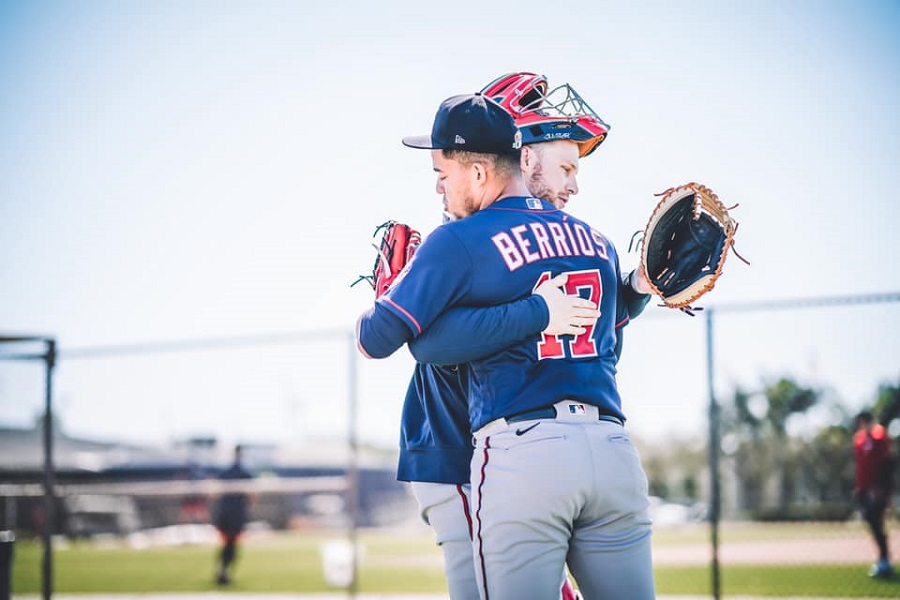 Pitchers and catchers reported to Twins spring training on Thursday and held their first official workout on Friday. Things at CenturyLink Sports Complex are a little different this year due to COVID restrictions and limitations. Normally at this time of year, big league spring training is taking place in the stadium, on Tom Kelly Field and on the adjacent Rick Stelmaszek Field. At the same time, back fields are often occupied by minor leaguers who have arrived at camp early. This year, minor league spring training is not set to start until April 1st. There will be up to 75 players at Twins spring training. While some are yet to arrive for various reasons from travel issues, visa issues or COVID issues, the team is utilizing all of the fields and the bullpens. Things are very spread out. In previous years, all spring training participants crammed into the clubhouse at Hammond Stadium. This year, only the hitters will be in the Hammond Stadium clubhouse while the pitchers are in the minor league clubhouse across the parking lot. Rocco Baldelli noted, “This has been one of the most difficult parts of COVID, being at the ballpark and preparing for games. Just the personal aspect of what we do. Spending time with your fellow players and fellow coaches. We want our guys in the same space, but we can’t have our pitchers and our catchers in the same space right now. It’s a very difficult thing.” It is different, and it has to be. Early days of spring training are not only about getting players ready physically, but about getting to know each other, especially new teammates. It can be especially important for pitchers and catchers. On Saturday, Mitch Garver talked about watching a lot of video this offseason on his swing. But did he watch any video, especially his at bats against some of his new teammates like Hansel Robles, Alex Colome and J.A. Happ? “Yes, I have watched all of my at-bats against all of them already. That was like the first thing I did when we signed them. I was trying to reinforce some of the things I remembered.” That’s part of ‘getting to know’ the new pitchers that he will be working with this year. The other is just building a relationship, a friendship, a trust with each other. A lot of that can happen when they are in the same clubhouse, eating breakfast together or just sitting at their lockers. Garver noted, “This year’s different. The pitchers’ locker room is across on the minor league side so it’s really hard for us to build relationships with them.” The only time that the pitchers and catchers are able to talk to each other is if and when they work bullpens. “I caught Colome’s flatground today, and we just introduced ourselves for a second. But if you’re not catching their bullpen, you don’t see those guys and you won’t see them for I don’t know how long. I haven’t met Happ yet. Robles has been busy every time I’ve walked by so it’s not like I can walk up to their locker and say, ‘Hey, what’s up? How’s it going?’ I have to be around them and interact with them just in order to meet them.” Baldelli acknowledged that it is a topic that was often discussed as spring training plans were being made. “This was something we had specifically talked about. We know that we are going to have to make some adjustments and do some things that we don’t think are ideal. We want our pitchers and catchers to spend as much time with each other as they can.” Over the course of spring training, the team will make adjustments to the arrangements and some of those introductions and conversations will be able to happen. Until then, the players will have to make the best of their opportunities to talk. Garver said, “Maybe it’ll just slow down the process a little bit and you have to be a little bit more cognizant of who you’re around and when you do see them around, just go introduce yourself, kind of talk some things over but yeah, it’s definitely been different for sure.” The manager certainly understands. “The relationship aspect of this is very important. That is not lost upon us. We’re going to do everything we can as we move forward to enhance that, and frankly, just spend more time with each other, if we can.” On Saturday morning, the Twins announced that J.A. Happ tested positive for COVID, and while he is asymptomatic, it will delay his arrival to spring training. Baldelli said, “I think coming into camp we knew the odds were that there would be some positive tests. In some small way at the beginning of camp when he comes in, will he be a little behind initially? Probably so. That being said, I don't foresee this being a long-term issue of any kind. J.A. is one, a guy who needs to know what he needs to do to get ready for a season,” No question there will be more challenges throughout spring training. Adjustments will need to be made. But they’re not all bad… We’ve got carts!! Baldelli noted, “So we’re a little more spread out. We’re using carts significantly more, kind of old school, like we used to see all the time. Carts going in different directions. So that’s helping us transport everything that we need to.” He later added, “A lot of coaches pride themselves on walking. You know, I’m going to walk 400 yards from here to there. I’m going to take the cart most of the time. I think right now You’re going to see them zipping around all over the place.”
 -
Twins Daily 2021 Top Prospects: #5 RHP Jhoan Duran
Seth Stohs replied to Seth Stohs's topic in Twins Minor League Talk
Our rankings: Seth: 4 Nick: 5 Tom: 5 Cody: 5


