



Matthew Taylor
-
Posts
973 -
Joined
-
Last visited
Content Type
Profiles
News
Minnesota Twins Videos
2026 Minnesota Twins Top Prospects Ranking
2022 Minnesota Twins Draft Picks
Minnesota Twins Free Agent & Trade Rumors, Notes, & Tidbits
Guides & Resources
2023 Minnesota Twins Draft Picks
The Minnesota Twins Players Project
2024 Minnesota Twins Draft Picks
2025 Minnesota Twins Draft Pick Tracker
2026 Minnesota Twins Draft Tracker: Picks & Bonuses
Forums
Blogs
Events
Store
Downloads
Gallery
Everything posted by Matthew Taylor
-
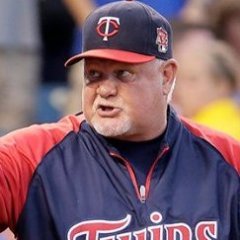 Haha I appreciate the feedback. Meant it in the informal way, "particularly impressive or remarkable"
 -
All indications are that MLB will not prorate suspensions, so Pineda will serve the same suspension in a 65 game season that he would serve in a 162 game season. Definitely not a great situation for Pineda or the Twins.
-
Rob Manfred and Tony Clark met face-to-face earlier this week and appear to have made major progress on getting a season rolling in the ballpark of 60 games. A season so short will hardly resemble a real baseball season, but it might just be the most exciting season we’ve ever seen.One of the beautiful things about the game of baseball is the length of the season. Any team can get hot for 40 or 50 games, but over 162 games? You can’t fake that. It’s for that reason that teams don’t “sneak” into the postseason in baseball, and for that reason that the best teams almost always make it. The 162-game season separates the contenders from the pretenders and rewards a process-oriented mindset over anything. By reducing the number of games it plays in 2020 to a meager 60-70 games, the very essence of how a baseball season looks and feels will be drastically altered. What was a marathon will become a sprint, and what was process-oriented thinking will turn into results-oriented thinking. It’s not going to be real baseball. It’s not going to be pure baseball. But it’s going to be epic. Remember the final 60 game stretch of the 2019 Minnesota Twins season? When the Twins were even with the Indians after surrendering an 11 game lead and every game was must watch television? Remember how you couldn’t miss a game, let alone a pitch? Now imagine that feeling for an entire season. That’s what the 2020 season is going to be like. A 60-game season will mean that each game is worth roughly 3 games from a regular season. In a normal season, a win or loss on a given day would have a very minimal impact on your overall outlook as a club. In a 60-game season, though? Each and every game will carry enormous weight. Every pitching change, pinch hit appearance and walk-off will hold huge implications. Love a good underdog? A shorter season will mean that every team will have a realistic shot at making the playoffs. As mentioned earlier, any team can get hot for 40 or 50 games, and any team can make the playoffs in a 60-game season. Combine that with an expanded playoff field, and expect there to be a 30-way mad dash for the postseason. For die-hard baseball fans, a 162-game season is something pure and something that we have all grown accustomed to loving. For the casual fan, though, the season is too long. Because of the lack of importance on a game-to-game basis, too many people tune out of baseball during the regular season and hop in during the postseason where games hold more weight. A 60-game season where each game holds the utmost of importance, though, figures to draw more viewers, bring in more casual fans, and attract a new audience to the game we love most. No, a 60-game season is not ideal and no, it shouldn’t be adapted as the new norm. For the 2020 season, though, when we’re all starving for baseball after 8 long months without it, a shortened season will bring the fireworks. Get your popcorn ready! Are you excited about the prospect of a 60(ish) game season? Will you be inclined to watch more games in a 60-game season than you would in a 162-game season? Leave a comment below and start the conversation! MORE FROM TWINS DAILY — Latest Twins coverage from our writers — Recent Twins discussion in our forums — Follow Twins Daily via Twitter, Facebook or email Click here to view the article
-
60(ish) Games Isn't a Real Season...but It's Going to Be Epic
Matthew Taylor posted an article in Twins
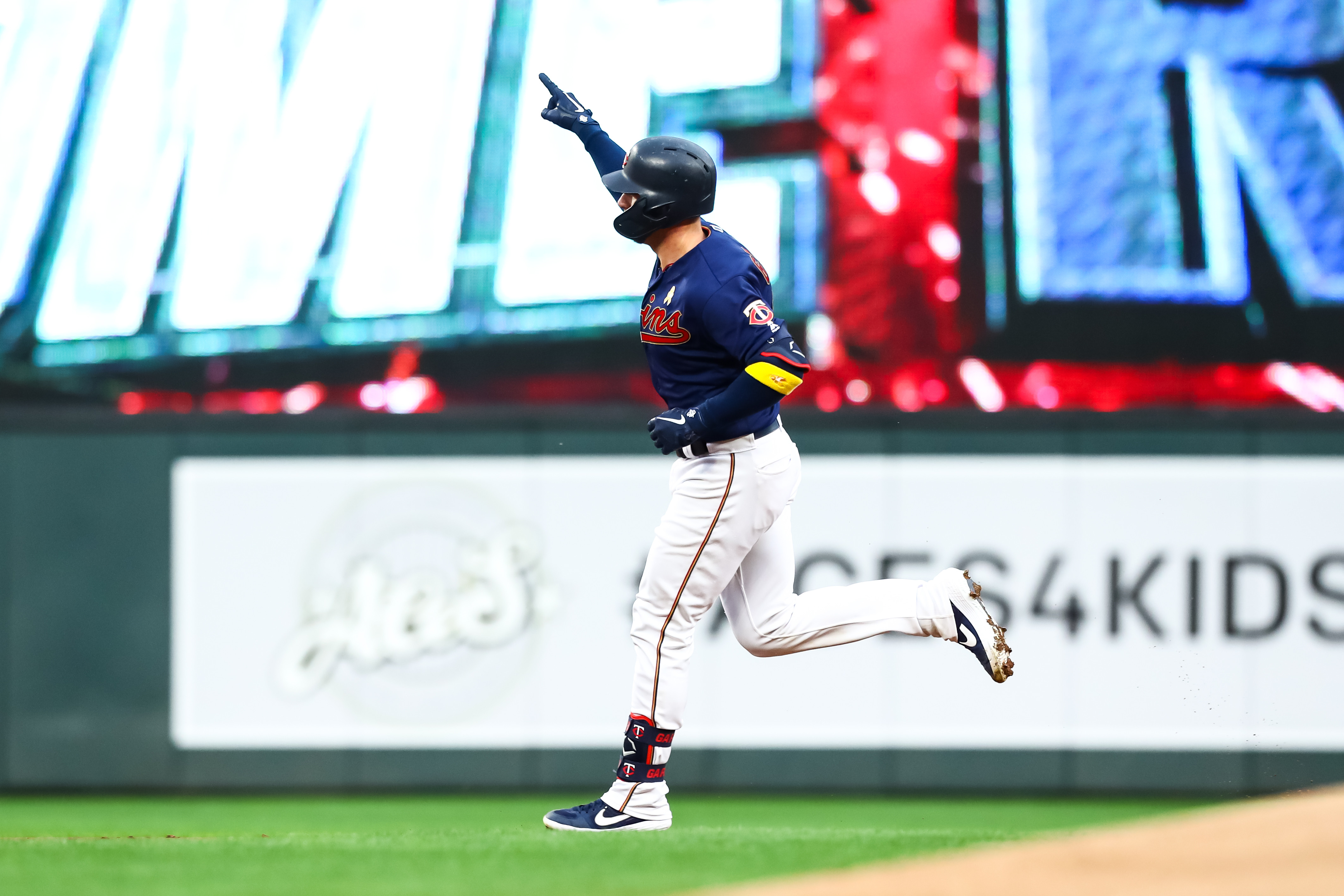 One of the beautiful things about the game of baseball is the length of the season. Any team can get hot for 40 or 50 games, but over 162 games? You can’t fake that. It’s for that reason that teams don’t “sneak” into the postseason in baseball, and for that reason that the best teams almost always make it. The 162-game season separates the contenders from the pretenders and rewards a process-oriented mindset over anything. By reducing the number of games it plays in 2020 to a meager 60-70 games, the very essence of how a baseball season looks and feels will be drastically altered. What was a marathon will become a sprint, and what was process-oriented thinking will turn into results-oriented thinking. It’s not going to be real baseball. It’s not going to be pure baseball. But it’s going to be epic. Remember the final 60 game stretch of the 2019 Minnesota Twins season? When the Twins were even with the Indians after surrendering an 11 game lead and every game was must watch television? Remember how you couldn’t miss a game, let alone a pitch? Now imagine that feeling for an entire season. That’s what the 2020 season is going to be like. A 60-game season will mean that each game is worth roughly 3 games from a regular season. In a normal season, a win or loss on a given day would have a very minimal impact on your overall outlook as a club. In a 60-game season, though? Each and every game will carry enormous weight. Every pitching change, pinch hit appearance and walk-off will hold huge implications. Love a good underdog? A shorter season will mean that every team will have a realistic shot at making the playoffs. As mentioned earlier, any team can get hot for 40 or 50 games, and any team can make the playoffs in a 60-game season. Combine that with an expanded playoff field, and expect there to be a 30-way mad dash for the postseason. For die-hard baseball fans, a 162-game season is something pure and something that we have all grown accustomed to loving. For the casual fan, though, the season is too long. Because of the lack of importance on a game-to-game basis, too many people tune out of baseball during the regular season and hop in during the postseason where games hold more weight. A 60-game season where each game holds the utmost of importance, though, figures to draw more viewers, bring in more casual fans, and attract a new audience to the game we love most. No, a 60-game season is not ideal and no, it shouldn’t be adapted as the new norm. For the 2020 season, though, when we’re all starving for baseball after 8 long months without it, a shortened season will bring the fireworks. Get your popcorn ready! Are you excited about the prospect of a 60(ish) game season? Will you be inclined to watch more games in a 60-game season than you would in a 162-game season? Leave a comment below and start the conversation! MORE FROM TWINS DAILY — Latest Twins coverage from our writers — Recent Twins discussion in our forums — Follow Twins Daily via Twitter, Facebook or email
 -
On Sunday evening, ESPN aired its latest 30 for 30 documentary, ‘Long Gone Summer’, recapping the Summer of 1998 when Sammy Sosa and Mark McGwire captured the nation with their home run race. What were the Twins up to during the “Long Gone Summer”?The 1998 season was another season filled with disappointment as the Minnesota Twins completed their 6th straight losing season, finishing 70-92, 4th in the American League Central. The season began with the Minnesota Twins trading away their disgruntled superstar, Chuck Knoblauch, and ended with the retirement of hall of famer and future manager, Paul Molitor. The 1998 season provided few moments to remember but let’s walk through them. The Knoblauch Trade After growing disgruntled with the Minnesota Twins and demanding a trade, his request was finally granted on February 6 when Chuck Knoblauch was dealt to the New York Yankees in exchange for Christian Guzmán and Eric Milton. The trade ended up being a great one for the Twins, as Knoblauch struggled in pinstripes while Guzmán and Milton went on to become all-stars. Matt Lawton’s Breakout While 1998 was not kind to many Twins hitters, Matt Lawton was able to use the season as his breakout. In his second full season with the Twins, Lawton posted a .864 OPS while slugging 21 home runs. Lawton went on to make his first all-star appearances just two years later, but 1998 might serve as the best season of the outfielder’s career. The David Wells Perfect Game Arguably the most memorable moment of the 1998 season that involved the Minnesota Twins was one that they were on the losing end of, the David Wells perfect game. On May 17, 1998, David Wells pitched 9 perfect innings with 11 strikeouts in a 4-0 win over the Twins. This was just the 13th perfect game in MLB history and the second one against the Twins. How the Minnesota Twins Contributed to the ‘Long Gone Summer’ The Minnesota Twins faced the St. Louis Cardinals and the Chicago Cubs each three times. Both Mark McGwire and Sammy Sosa hit one of their record-breaking home runs against the Twins in 1998. Sosa’s home run represented his 20th of the ‘98 season and was hit off LaTroy Hawkins on June 8th at the Metrodome. McGwire’s home run represented his 36th and was hit off of Mike Trombley on June 27th at the Metrodome. Combined, Mark McGwire and Sammy Sosa hit 136 home runs in the 1998 season. In the same season, the entire Minnesota Twins team hit 115 home runs. It’s a good thing the Bomba Squad would be coming 20 years later.. What memories do you have from the 1998 season? What did you think of ‘Long Gone Summer’? Leave a comment below and start the conversation! MORE FROM TWINS DAILY — Latest Twins coverage from our writers — Recent Twins discussion in our forums — Follow Twins Daily via Twitter, Facebook or email Click here to view the article
-
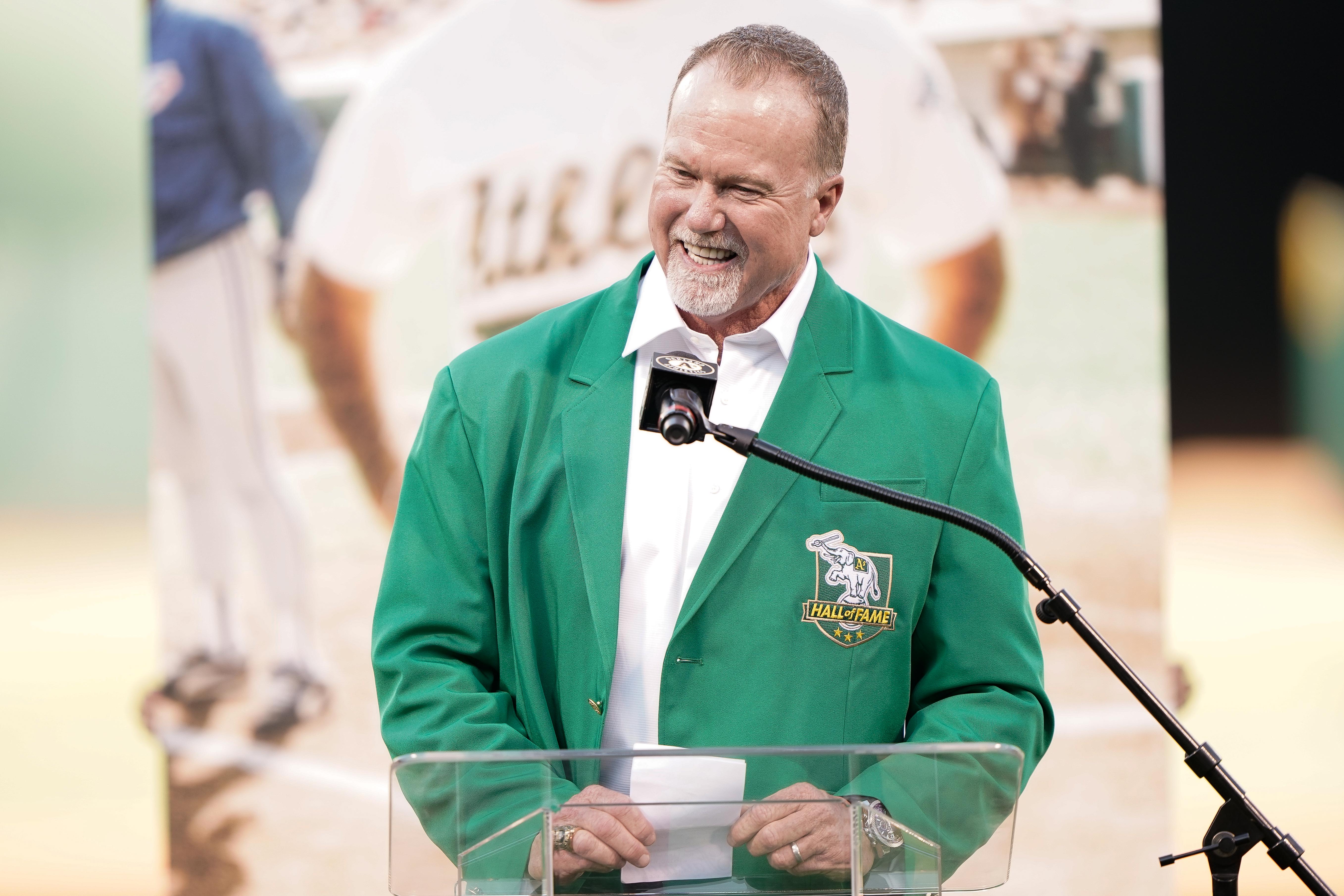 The 1998 season was another season filled with disappointment as the Minnesota Twins completed their 6th straight losing season, finishing 70-92, 4th in the American League Central. The season began with the Minnesota Twins trading away their disgruntled superstar, Chuck Knoblauch, and ended with the retirement of hall of famer and future manager, Paul Molitor. The 1998 season provided few moments to remember but let’s walk through them. The Knoblauch Trade After growing disgruntled with the Minnesota Twins and demanding a trade, his request was finally granted on February 6 when Chuck Knoblauch was dealt to the New York Yankees in exchange for Christian Guzmán and Eric Milton. The trade ended up being a great one for the Twins, as Knoblauch struggled in pinstripes while Guzmán and Milton went on to become all-stars. Matt Lawton’s Breakout While 1998 was not kind to many Twins hitters, Matt Lawton was able to use the season as his breakout. In his second full season with the Twins, Lawton posted a .864 OPS while slugging 21 home runs. Lawton went on to make his first all-star appearances just two years later, but 1998 might serve as the best season of the outfielder’s career. The David Wells Perfect Game Arguably the most memorable moment of the 1998 season that involved the Minnesota Twins was one that they were on the losing end of, the David Wells perfect game. On May 17, 1998, David Wells pitched 9 perfect innings with 11 strikeouts in a 4-0 win over the Twins. This was just the 13th perfect game in MLB history and the second one against the Twins. How the Minnesota Twins Contributed to the ‘Long Gone Summer’ The Minnesota Twins faced the St. Louis Cardinals and the Chicago Cubs each three times. Both Mark McGwire and Sammy Sosa hit one of their record-breaking home runs against the Twins in 1998. Sosa’s home run represented his 20th of the ‘98 season and was hit off LaTroy Hawkins on June 8th at the Metrodome. McGwire’s home run represented his 36th and was hit off of Mike Trombley on June 27th at the Metrodome. Combined, Mark McGwire and Sammy Sosa hit 136 home runs in the 1998 season. In the same season, the entire Minnesota Twins team hit 115 home runs. It’s a good thing the Bomba Squad would be coming 20 years later.. What memories do you have from the 1998 season? What did you think of ‘Long Gone Summer’? Leave a comment below and start the conversation! MORE FROM TWINS DAILY — Latest Twins coverage from our writers — Recent Twins discussion in our forums — Follow Twins Daily via Twitter, Facebook or email
 -
Let’s Go LG Twins: Getting Into the KBO
Matthew Taylor replied to Tom Froemming's topic in Twins Daily Front Page News
Really nice write up, Tom. I really want to get into the KBO, but I just can't do it. -
I really like the pick. As others have mentioned, with the shortened draft I'd like to take as safe of a pick as possible. While no pick in the MLB Draft is safe, I feel like this dude has such a dangerous bat that he's making the big leagues no matter what. Buy your season tickets in the bleachers now, because the bombas won't stop any time soon.
- 51 replies
-
- 3
-

-
- minnesota twins draft pick
- twins draft
- (and 2 more)
-
A Cy Young Award winner, a 583 career home run hitter, the 2018 NL MVP and the future GOAT. What do these four players have in common? The Twins passed on each of them in the first round of the draft. In honor of the MLB Draft tonight, let’s look back at four players the Twins could have had in the draft but passed on.In this exercise of “What could have been”, we’ll be looking back at drafts from the past to see which players the Minnesota Twins reasonably could have drafted. To define ‘reasonably’, we’ll be looking at players who were taken within three picks following the Minnesota Twins first round selection. Using these parameters will give a realistic look at who the Twins were probably considering and could have had at the time. 1982 Draft Minnesota Twins selected: Bryan Oelkers (4th Overall) Could have selected: Dwight Gooden (Selected 5th Overall) Coming out of Pattonville High School in Missouri, the Minnesota Twins selected left-handed pitcher Bryan Oelkers with the fourth overall pick in 1982. Pretty much immediately, the draft pick looked like a flop as Oelkers struggled from the get go in a Twins uniform. Oelkers only pitched one season for the Twins, throwing a total of 34.1 innings with a 8.65 ERA. What makes the Oelker pick sting even more is that with the pick directly following the left-hander, the New York Mets drafted Dr. K himself, Dwight “Doc” Gooden. Gooden won the Rookie of the Year award in 1984 before winning the Cy Young in 1985 with one of the greatest single season pitching performances in baseball history. In 1985, Gooden won the pitching triple crown, highlighted by his 1.53 ERA. The second-lowest ERA for a starting pitcher in the expansion era. Substance abuse and addiction ultimately derailed his career and kept him out of the Hall, but at his peak, he was one of the greatest pitchers of all time. 1984 Draft Minnesota Twins selected: Jay Bell (8th Overall) Could have selected: Mark McGwire (Selected 10th Overall) Even though he never played a game for the Minnesota Twins, Jay Bell still played a big role in the history of the Minnesota Twins franchise. Bell was the center-piece of the trade that brought Bert Blyleven back to the Minnesota Twins in 1985. While that deal in and of itself validated the Twins taking Bell with the eighth overall pick, one can’t help but look just two spots down the draft order to see who they could have taken, Big Mac himself. While steroid use will forever put Mark McGwire’s legacy into question, it’s impossible to ignore the impact that McGwire had in his time with Oakland and St. Louis. McGwire was awarded Rookie of the Year in 1987, was a 12-time all-star and a World Series Champion. McGwire’s 583 career home runs stands as the 11th most of all time. 2009 Draft Minnesota Twins selected: Kyle Gibson (22nd Overall) Could have selected: Mike Trout (Selected 25th Overall) Mike Trout could have been a Minnesota Twin. Yes, you read that right. When the Minnesota Twins were selecting 22nd in the 2009 MLB draft Mike Trout was on the board and available to be drafted. Obviously, the Twins went in a different direction and took Mizzou baseball standout, Kyle Gibson. What should be made clear with the Twins selection of Gibson was that it was not a poor pick at the time. Prior to Gibson’s forearm stress fracture, Gibson was ranked fourth on Baseball America’s draft list. Additionally, Keith Law had Gibson slotted as the 10th overall pick in his final 2009 mock draft. Gibson was highly thought of as a potential top of the rotation arm. Trout, on the other hand, wasn’t quite the top draft prospect that you would imagine. Trout was thought to be lacking in power and seen as more of a contact-type hitter with limited upside. Obviously, the pick didn’t work out for the Twins. Gibson had an OK but disappointing tenure with the Twins in his seven seasons, tossing a 4.52 ERA over 1,000 innings. Trout on the other hand, is well on his way to becoming the greatest baseball player of all time. Although he is only 28-years-old, Mike Trout already ranks 56th in career WAR. 2010 Draft Minnesota Twins selected: Alex Wimmers (21st Overall) Could have selected: Christian Yelich (Selected 23rd Overall) Arguably the most glaring miss on an abysmal draft resume for Bill Smith, Alex Wimmers was a complete zero for the Minnesota Twins after being selected 21st overall in the 2010 MLB Draft. Wimmers pitched a total of 24.2 innings with the Minnesota Twins before being waived and out of the Majors in 2017. Just two selections following Wimmers, the Miami (then Florida) Marlins selected outfielder Christian Yelich. Yelich had a slow start to his MLB career prompting a trade to the Milwaukee Brewers in 2018. Since being sent to Milwaukee, though, Yelich has turned into one of the best players in baseball. Yelich has earned top-two MVP finishes in each of his seasons in Milwaukee, winning the award in 2018. Yelich is still only 28-years-old, with prime years still ahead of him. That the Twins drafted Wimmers over Yelich will bite the Twins for years to come. Which MLB draft miss stings the most to you as a Twins fan? How differently could history have played out if the Twins would have nabbed any of the players listed above? Leave a comment below and start the conversation! MORE FROM TWINS DAILY — Latest Twins coverage from our writers — Recent Twins discussion in our forums — Follow Twins Daily via Twitter, Facebook or email Click here to view the article
-
A Cy Young Award winner, a 583 career home run hitter, the 2018 NL MVP and the future GOAT. What do these four players have in common? The Twins passed on each of them in the first round of the draft. In honor of the MLB Draft tonight, let’s look back at four players the Twins could have had in the draft but passed on.In this exercise of “What could have been”, we’ll be looking back at drafts from the past to see which players the Minnesota Twins reasonably could have drafted. To define ‘reasonably’, we’ll be looking at players who were taken within three picks following the Minnesota Twins first round selection. Using these parameters will give a realistic look at who the Twins were probably considering and could have had at the time. 1982 Draft Minnesota Twins selected: Bryan Oelkers (4th Overall) Could have selected: Dwight Gooden (Selected 5th Overall) Coming out of Pattonville High School in Missouri, the Minnesota Twins selected left-handed pitcher Bryan Oelkers with the fourth overall pick in 1982. Pretty much immediately, the draft pick looked like a flop as Oelkers struggled from the get go in a Twins uniform. Oelkers only pitched one season for the Twins, throwing a total of 34.1 innings with a 8.65 ERA. What makes the Oelker pick sting even more is that with the pick directly following the left-hander, the New York Mets drafted Dr. K himself, Dwight “Doc” Gooden. Gooden won the Rookie of the Year award in 1984 before winning the Cy Young in 1985 with one of the greatest single season pitching performances in baseball history. In 1985, Gooden won the pitching triple crown, highlighted by his 1.53 ERA. The second-lowest ERA for a starting pitcher in the expansion era. Substance abuse and addiction ultimately derailed his career and kept him out of the Hall, but at his peak, he was one of the greatest pitchers of all time. 1984 Draft Minnesota Twins selected: Jay Bell (8th Overall) Could have selected: Mark McGwire (Selected 10th Overall) Even though he never played a game for the Minnesota Twins, Jay Bell still played a big role in the history of the Minnesota Twins franchise. Bell was the center-piece of the trade that brought Bert Blyleven back to the Minnesota Twins in 1985. While that deal in and of itself validated the Twins taking Bell with the eighth overall pick, one can’t help but look just two spots down the draft order to see who they could have taken, Big Mac himself. While steroid use will forever put Mark McGwire’s legacy into question, it’s impossible to ignore the impact that McGwire had in his time with Oakland and St. Louis. McGwire was awarded Rookie of the Year in 1987, was a 12-time all-star and a World Series Champion. McGwire’s 583 career home runs stands as the 11th most of all time. 2009 Draft Minnesota Twins selected: Kyle Gibson (22nd Overall) Could have selected: Mike Trout (Selected 25th Overall) Mike Trout could have been a Minnesota Twin. Yes, you read that right. When the Minnesota Twins were selecting 22nd in the 2009 MLB draft Mike Trout was on the board and available to be drafted. Obviously, the Twins went in a different direction and took Mizzou baseball standout, Kyle Gibson. What should be made clear with the Twins selection of Gibson was that it was not a poor pick at the time. Prior to Gibson’s forearm stress fracture, Gibson was ranked fourth on Baseball America’s draft list. Additionally, Keith Law had Gibson slotted as the 10th overall pick in his final 2009 mock draft. Gibson was highly thought of as a potential top of the rotation arm. Trout, on the other hand, wasn’t quite the top draft prospect that you would imagine. Trout was thought to be lacking in power and seen as more of a contact-type hitter with limited upside. Obviously, the pick didn’t work out for the Twins. Gibson had an OK but disappointing tenure with the Twins in his seven seasons, tossing a 4.52 ERA over 1,000 innings. Trout on the other hand, is well on his way to becoming the greatest baseball player of all time. Although he is only 28-years-old, Mike Trout already ranks 56th in career WAR. 2010 Draft Minnesota Twins selected: Alex Wimmers (21st Overall) Could have selected: Christian Yelich (Selected 23rd Overall) Arguably the most glaring miss on an abysmal draft resume for Bill Smith, Alex Wimmers was a complete zero for the Minnesota Twins after being selected 21st overall in the 2010 MLB Draft. Wimmers pitched a total of 24.2 innings with the Minnesota Twins before being waived and out of the Majors in 2017. Just two selections following Wimmers, the Miami (then Florida) Marlins selected outfielder Christian Yelich. Yelich had a slow start to his MLB career prompting a trade to the Milwaukee Brewers in 2018. Since being sent to Milwaukee, though, Yelich has turned into one of the best players in baseball. Yelich has earned top-two MVP finishes in each of his seasons in Milwaukee, winning the award in 2018. Yelich is still only 28-years-old, with prime years still ahead of him. That the Twins drafted Wimmers over Yelich will bite the Twins for years to come. Which MLB draft miss stings the most to you as a Twins fan? How differently could history have played out if the Twins would have nabbed any of the players listed above? Leave a comment below and start the conversation! MORE FROM TWINS DAILY — Latest Twins coverage from our writers — Recent Twins discussion in our forums — Follow Twins Daily via Twitter, Facebook or email Click here to view the article
-
Mike Trout and 3 Other Stars the Twins Passed On in the MLB Draft
Matthew Taylor posted an article in Twins
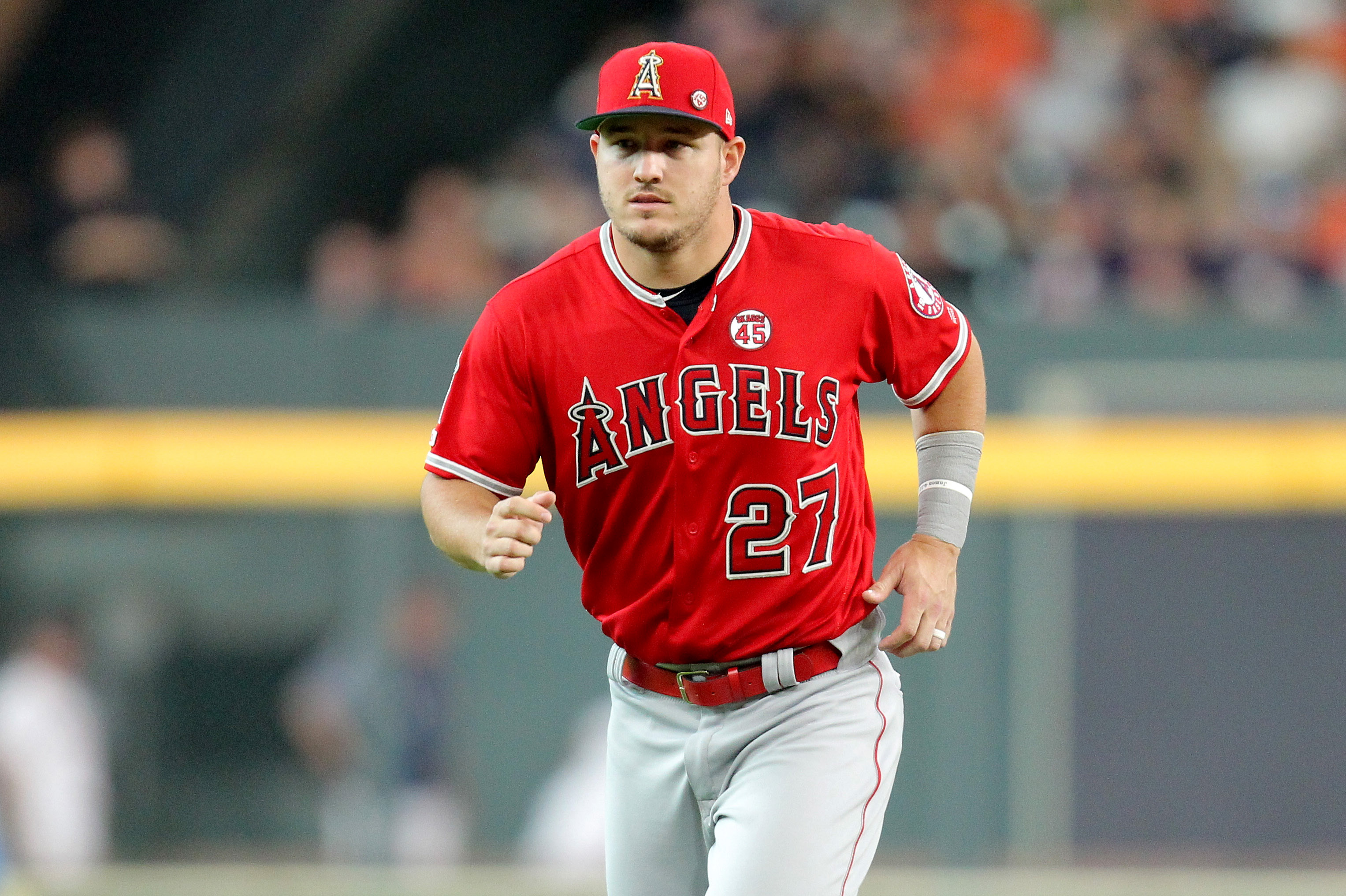 In this exercise of “What could have been”, we’ll be looking back at drafts from the past to see which players the Minnesota Twins reasonably could have drafted. To define ‘reasonably’, we’ll be looking at players who were taken within three picks following the Minnesota Twins first round selection. Using these parameters will give a realistic look at who the Twins were probably considering and could have had at the time. 1982 Draft Minnesota Twins selected: Bryan Oelkers (4th Overall) Could have selected: Dwight Gooden (Selected 5th Overall) Coming out of Pattonville High School in Missouri, the Minnesota Twins selected left-handed pitcher Bryan Oelkers with the fourth overall pick in 1982. Pretty much immediately, the draft pick looked like a flop as Oelkers struggled from the get go in a Twins uniform. Oelkers only pitched one season for the Twins, throwing a total of 34.1 innings with a 8.65 ERA. What makes the Oelker pick sting even more is that with the pick directly following the left-hander, the New York Mets drafted Dr. K himself, Dwight “Doc” Gooden. Gooden won the Rookie of the Year award in 1984 before winning the Cy Young in 1985 with one of the greatest single season pitching performances in baseball history. In 1985, Gooden won the pitching triple crown, highlighted by his 1.53 ERA. The second-lowest ERA for a starting pitcher in the expansion era. Substance abuse and addiction ultimately derailed his career and kept him out of the Hall, but at his peak, he was one of the greatest pitchers of all time. 1984 Draft Minnesota Twins selected: Jay Bell (8th Overall) Could have selected: Mark McGwire (Selected 10th Overall) Even though he never played a game for the Minnesota Twins, Jay Bell still played a big role in the history of the Minnesota Twins franchise. Bell was the center-piece of the trade that brought Bert Blyleven back to the Minnesota Twins in 1985. While that deal in and of itself validated the Twins taking Bell with the eighth overall pick, one can’t help but look just two spots down the draft order to see who they could have taken, Big Mac himself. While steroid use will forever put Mark McGwire’s legacy into question, it’s impossible to ignore the impact that McGwire had in his time with Oakland and St. Louis. McGwire was awarded Rookie of the Year in 1987, was a 12-time all-star and a World Series Champion. McGwire’s 583 career home runs stands as the 11th most of all time. 2009 Draft Minnesota Twins selected: Kyle Gibson (22nd Overall) Could have selected: Mike Trout (Selected 25th Overall) Mike Trout could have been a Minnesota Twin. Yes, you read that right. When the Minnesota Twins were selecting 22nd in the 2009 MLB draft Mike Trout was on the board and available to be drafted. Obviously, the Twins went in a different direction and took Mizzou baseball standout, Kyle Gibson. What should be made clear with the Twins selection of Gibson was that it was not a poor pick at the time. Prior to Gibson’s forearm stress fracture, Gibson was ranked fourth on Baseball America’s draft list. Additionally, Keith Law had Gibson slotted as the 10th overall pick in his final 2009 mock draft. Gibson was highly thought of as a potential top of the rotation arm. Trout, on the other hand, wasn’t quite the top draft prospect that you would imagine. Trout was thought to be lacking in power and seen as more of a contact-type hitter with limited upside. Obviously, the pick didn’t work out for the Twins. Gibson had an OK but disappointing tenure with the Twins in his seven seasons, tossing a 4.52 ERA over 1,000 innings. Trout on the other hand, is well on his way to becoming the greatest baseball player of all time. Although he is only 28-years-old, Mike Trout already ranks 56th in career WAR. 2010 Draft Minnesota Twins selected: Alex Wimmers (21st Overall) Could have selected: Christian Yelich (Selected 23rd Overall) Arguably the most glaring miss on an abysmal draft resume for Bill Smith, Alex Wimmers was a complete zero for the Minnesota Twins after being selected 21st overall in the 2010 MLB Draft. Wimmers pitched a total of 24.2 innings with the Minnesota Twins before being waived and out of the Majors in 2017. Just two selections following Wimmers, the Miami (then Florida) Marlins selected outfielder Christian Yelich. Yelich had a slow start to his MLB career prompting a trade to the Milwaukee Brewers in 2018. Since being sent to Milwaukee, though, Yelich has turned into one of the best players in baseball. Yelich has earned top-two MVP finishes in each of his seasons in Milwaukee, winning the award in 2018. Yelich is still only 28-years-old, with prime years still ahead of him. That the Twins drafted Wimmers over Yelich will bite the Twins for years to come. Which MLB draft miss stings the most to you as a Twins fan? How differently could history have played out if the Twins would have nabbed any of the players listed above? Leave a comment below and start the conversation! MORE FROM TWINS DAILY — Latest Twins coverage from our writers — Recent Twins discussion in our forums — Follow Twins Daily via Twitter, Facebook or email
 -
This makes my head hurt.
-
Harnisch was probably the better overall player. He has more career WAR than Jones. Threw Jones in there because of his 2000 season when he finished 5th in Cy Young voting. Also because of his ties to the Twins. Harnisch is another example.
-
The MLB draft is quickly approaching and the Minnesota Twins are slotted to select 27th. In preparing for the much anticipated event, let’s take a look at how the 27th pick in the MLB draft has performed historically.Since the first MLB amateur draft was held in 1965, there have been 55 players selected with the 27th overall pick. Of those 55 players, 56% of them played in the majors. Overall, the number 27 pick in the MLB draft has produced a combined bWAR of 122.8, which ranks as the lowest combined bWAR of any single draft position of the first 30 picks. Further, the number 27 draft position has produced an average of 4.0 bWAR per major leaguer which also ranks last among draft positions in the 1st round. Download attachment: war.png Minnesota Twins and the 27th Overall Pick The Minnesota Twins have twice had the 27th overall pick in the amateur draft. In 1991 the Twins selected first baseman, Scott Stahoviak. Stahoviak joined the Minnesota Twins big league club in 1993, and over his 5-year tenure with the Twins played in 334 games, posting a career .256 batting average with 27 home runs. In 2008 with the 27th pick, the Twins selected right handed pitcher Carlos Gutiérrez. While an intriguing prospect, Gutiérrez struggled as he worked his way through the Twins minor league system, posting a 4.59 ERA in AAA. Gutiérrez never made it to the majors, instead being released to waivers where he was claimed by the Cubs, playing in their minor league system for one season before retiring in 2013. Top 3 Players Drafted with the Number 27 Pick 1. Vida Blue 1969-1986 3.27 career ERA 44.9 career bWAR 6x All-Star, 1971 AL MVP, 1971 AL Cy Young Vida Blue had a long 17-year career in the major leagues, highlighted by his time in the Bay Area where he played nine seasons with the Oakland Athletics (and won three rings) and six seasons with the San Francisco Giants. Blue was consistently a top-flight pitcher during his career, earning 6 all-star bids and 5 top-10 Cy Young finishes. Blue’s best season was in 1971 when he pitched 312 innings and led baseball with a minuscule 1.82 ERA. His performance was enough to win him the AL MVP and Cy Young Award in the same season, a feat that has only been done nine other times in MLB history. 2. Rick Porcello 2009-current 4.36 career ERA 19.7 career bWAR 2016 AL Cy Young Porcello joined the Detroit Tigers in 2009 as a top-25 prospect, expected to form a dynamic pitching duo with teammate Justin Verlander. While Porcello certainly didn’t live up to his top-prospect billing in Detroit, he was a solid pitcher with the Tigers — consistently putting up 170+ IP with an ERA hovering around 4.00. In 2014, Porcello was traded to the Boston Red Sox in a trade centered around Yoenis Céspedes. Porcello peaked in his second year with the Red Sox in 2016 when he won 22 games with a 3.15 ERA and was voted the AL Cy Young winner. Porcello went on to win a World Series with Boston in 2018 before his contract ran out after the 2019 season. Porcello was signed this offseason with the New York Mets. 3. Todd Jones 1993-2008 3.97 career ERA 10.3 career bWAR 1x All-Star Another Tiger, Todd Jones had an astonishingly effective 16-year career as a relief pitcher in the majors. Jones had his best season in 2000 when he saved a league high 42 games with a 3.52 ERA for the Tigers. Jones was voted an American League All-Star and ended the season fifth in Cy Young voting. In his 16 year career, Jones played for 8 different teams, even making a pit stop in Minnesota in 2001 after he was traded for pitcher, Mark Redman. Jones pitched a total of 19.1 innings for the Minnesota Twins, posting a 3.26 ERA and saving two games. What are your thoughts on the history of the 27th pick? Are you confident that the Twins will come away with a difference-maker with their first round selection next week? Leave a comment below and start the conversation! MORE FROM TWINS DAILY — Latest Twins coverage from our writers — Recent Twins discussion in our forums — Follow Twins Daily via Twitter, Facebook or email Click here to view the article
-
 Since the first MLB amateur draft was held in 1965, there have been 55 players selected with the 27th overall pick. Of those 55 players, 56% of them played in the majors. Overall, the number 27 pick in the MLB draft has produced a combined bWAR of 122.8, which ranks as the lowest combined bWAR of any single draft position of the first 30 picks. Further, the number 27 draft position has produced an average of 4.0 bWAR per major leaguer which also ranks last among draft positions in the 1st round. Minnesota Twins and the 27th Overall Pick The Minnesota Twins have twice had the 27th overall pick in the amateur draft. In 1991 the Twins selected first baseman, Scott Stahoviak. Stahoviak joined the Minnesota Twins big league club in 1993, and over his 5-year tenure with the Twins played in 334 games, posting a career .256 batting average with 27 home runs. In 2008 with the 27th pick, the Twins selected right handed pitcher Carlos Gutiérrez. While an intriguing prospect, Gutiérrez struggled as he worked his way through the Twins minor league system, posting a 4.59 ERA in AAA. Gutiérrez never made it to the majors, instead being released to waivers where he was claimed by the Cubs, playing in their minor league system for one season before retiring in 2013. Top 3 Players Drafted with the Number 27 Pick 1. Vida Blue 1969-1986 3.27 career ERA 44.9 career bWAR 6x All-Star, 1971 AL MVP, 1971 AL Cy Young Vida Blue had a long 17-year career in the major leagues, highlighted by his time in the Bay Area where he played nine seasons with the Oakland Athletics (and won three rings) and six seasons with the San Francisco Giants. Blue was consistently a top-flight pitcher during his career, earning 6 all-star bids and 5 top-10 Cy Young finishes. Blue’s best season was in 1971 when he pitched 312 innings and led baseball with a minuscule 1.82 ERA. His performance was enough to win him the AL MVP and Cy Young Award in the same season, a feat that has only been done nine other times in MLB history. 2. Rick Porcello 2009-current 4.36 career ERA 19.7 career bWAR 2016 AL Cy Young Porcello joined the Detroit Tigers in 2009 as a top-25 prospect, expected to form a dynamic pitching duo with teammate Justin Verlander. While Porcello certainly didn’t live up to his top-prospect billing in Detroit, he was a solid pitcher with the Tigers — consistently putting up 170+ IP with an ERA hovering around 4.00. In 2014, Porcello was traded to the Boston Red Sox in a trade centered around Yoenis Céspedes. Porcello peaked in his second year with the Red Sox in 2016 when he won 22 games with a 3.15 ERA and was voted the AL Cy Young winner. Porcello went on to win a World Series with Boston in 2018 before his contract ran out after the 2019 season. Porcello was signed this offseason with the New York Mets. 3. Todd Jones 1993-2008 3.97 career ERA 10.3 career bWAR 1x All-Star Another Tiger, Todd Jones had an astonishingly effective 16-year career as a relief pitcher in the majors. Jones had his best season in 2000 when he saved a league high 42 games with a 3.52 ERA for the Tigers. Jones was voted an American League All-Star and ended the season fifth in Cy Young voting. In his 16 year career, Jones played for 8 different teams, even making a pit stop in Minnesota in 2001 after he was traded for pitcher, Mark Redman. Jones pitched a total of 19.1 innings for the Minnesota Twins, posting a 3.26 ERA and saving two games. What are your thoughts on the history of the 27th pick? Are you confident that the Twins will come away with a difference-maker with their first round selection next week? Leave a comment below and start the conversation! MORE FROM TWINS DAILY — Latest Twins coverage from our writers — Recent Twins discussion in our forums — Follow Twins Daily via Twitter, Facebook or email
 -
The 2010 season will forever hold a special place in the hearts of Minnesota Twins fans, as it was the year that outdoor baseball finally returned to Minnesota. Target Field became home, and the Twins threw quite the housewarming party.We're running a 20-part series in which we look back at each Minnesota Twins season of the 2000s. A rotation of different writers will highlight key moments, unearth forgotten details, and share nostalgic tales from the past two decades leading up to the present. This installment covers the 2010 season. Team Record: 94-68 Finish: 1st Place in AL Central All-Stars: Joe Mauer ( C ), Justin Morneau (1B) Awards: Joe Mauer (Gold Glove & Silver Slugger, C) Ron Gardenhire (AL Manager of the Year), Francisco Liriano (AL Comeback Player of the Year) Playoffs: Lost to NYY 3-0 in ALDS Season Overview This was a special time in Twins history. It marked the team's 50th season since coming to Minnesota, it was the first year of outdoor baseball since 1981, and it was quite the successful campaign on the field. To better dive into the 2010 season for the Minnesota Twins, let’s break things down month by month and follow along with the inaugural journey of the Target Field era Twins. OffseasonIn addition to packing up their things and moving to Target Field, the Twins made plenty of moves to keep busy in the offseason heading into 2010. The first of these was extending the reigning MVP Joe Mauer with an eight-year, $184 million contract in March, making him the highest-paid Twins player in team history. Out of free agency, the Twins signed Orlando Hudson at second and veteran Jim Thome to be their designated hitter. He would go on to hit for an OPS of 1.039 in 2010 and take on a huge leadership role for the Twins. Finally, the Twins parted ways with Carlos Gómez, trading him to Milwaukee for shortstop J.J. Hardy in efforts to shore up a position of perpetual instability. April/MayThe Twins came out of the gates strong in the opening two months of the 2010 season, providing Twins fans with an entertaining product to go along with their shiny new stadium. By the end of May, the Twins were 31-20, and held a 4 1/2 game lead in the American League Central. On the mound, the Twins were led by Francisco Liriano who bounced back from a dreadful 2009 to show signs of his previous form. With his fastball back up in the mid-90s, Liriano posted a stellar 3.29 ERA through the first two months, highlighted by an April 27th performance against the Tigers where he pitched eight innings, allowing just four hits and striking out 10. June/JulyAfter a hot start, the Twins hit a bit of a rough patch in June and July, posting just a 27-26 record over this time span and surrendering their lead in the AL Central. On July 15th, the Twins found themselves 4 1/2 games back of the White Sox, the largest division deficit they would face all season. One contributor to the mid-season swoon was the concussion suffered by Justin Morneau on July 7th in Toronto. At the time of his injury, Morneau was the leading MVP candidate, as he was hitting .345 with 18 homers and a 1.055 OPS. Morneau wouldn’t play another game for the 2010 Twins after suffering the injury, and would never again be quite the same player. Trade DeadlineThe 2010 season featured one of the more infamous deadline deals in team history when the Twins traded away catcher and top-100 prospect Wilson Ramos for Nationals closer Matt Capps. The move was born from general manager Bill Smith's compulsion to install an "established closer" in the absence of Joe Nathan, who went down with Tommy John surgery in the spring. At the time of the trade, Capps was pitching well as the Nationals closer, with a 2.74 ERA and 26 saves in 30 chances. This was an uncharacteristically win-now move for the Twins, who traditionally never traded away top prospects for established veterans. Capps pitched well for the Twins for the remainder of the season, but many still question the short-sighted thinking with the trade, especially given value gap between a top catching prospect and an aging, good-not-great relief pitcher. August/SeptemberAfter a mid-season dip in performance, the Minnesota Twins absolutely dominated the post-deadline portion of their schedule, going 37-22 over the final two months. Heading into August, the Twins were in second place in the American League Central, but when all was said and done Minnesota won the division by six games. A big reason for their success in the Central in 2010 was how much they dominated the White Sox. In 18 games, the Twins went 13-5 against Chicago, accounting for their entire division lead at the end of the season. A mid-September sweeping at U.S. Cellular Field was essentially the nail in the coffin. The Twins ended the season 94-68, earning the No. 2 seed in the American League and an ALDS matchup with (once again) the New York Yankees. OctoberDifferent year, same result for the Twins as they rematched the Yankees in the ALDS, and again were swept 3-0. There was some optimism surrounding this year’s showdown, as the Twins had home-field advantage plus some arm talent, with Liriano and 17-game winner Carl Pavano slated to start Games 1 and 2. Unfortunately for the Twins, David was still no match for Goliath, thanks to powerful New York bats that pushed across six, five and six runs in Games 1, 2 and 3 respectively. An exciting season that ushered in outdoor baseball and a division title once again ended in disappointment at the hands of the Bronx Bombers. Team MVP: Joe Mauer ( C ) Other Contenders: Justin Morneau (1B), Jim Thome (DH), Francisco Liriano (SP), Carl Pavano (SP) The 2010 season was just another year at the office for Mauer, who slashed .327/.402/.469 while nabbing his third Gold Glove and fourth Silver Slugger awards from the catching position. Additionally, Mauer led the Twins in fWAR with 5.7 and hit a career-high 43 doubles. The “what could have been” winner of the Team MVP, though, was Morneau, who trailed Mauer by just 0.7 fWAR for the team lead despite only playing in 81 games. 3 Most Pivotal Games July 18th: Won vs. Chicago White Sox, 7-6 Heading into the final game of a pivotal four-game series against the Chicago White Sox, the Twins found themselves 2 1/2 games back of the division lead. After trailing 6-3 into the bottom of the ninth inning, it was looking apparent that Minnesota would fall and lose more ground to the Sox. The Twins batters had other plans, though, as they put together three walks and three singles to push across four runs in the bottom of the ninth inning to win the game. The hero? Delmon Young, whose walk-off single scored Nick Punto and Michael Cuddyer to trim the Twins’ divisional deficit to 1 1/2 games. August 17th: Won vs. Chicago White Sox, 7-6 Better known as the Jim Thome Game, Minnesota fans can’t forget the enormity of this contest, and the implications it had on Target Field's legacy and on the 2010 season. Heading into the first of a three-game series against the White Sox, the Twins held a three-game lead in the division. After a Capps blown save in the ninth inning forced extras, Thome came up to the plate in the bottom of the 10th inning and blasted the first ever walk-off home run at Target Field. The homer expanded a division lead that Minnesota would not relinquish. October 6th: Lost vs. New York Yankees, 6-4 Game 1 of the ALDS started about as well as anyone could have hoped, as the Twins jumped out to an early 3-0 lead and Liriano was dealing. This was looking like as good of a chance as any for the Twins to finally slay the Yankees. Things flipped in the sixth inning, though, when New York got run-scoring hits from Robinson Canó, Curtis Granderson and Jorge Posada before Mark Teixeira all but ended the game with a two-run blast in the seventh. There’s no telling how differently this series would have played out had the Twins held on to take Game 1. Unforgettable Highlights Joe Mauer's Extension While the Twins made big splashes in the offseason by signing Thome and Hudson and trading for Hardy, the biggest move of the winter was extending Mauer. Prior to the extension, there was plenty of talk about whether the Twins’ front office would have what it took to finally pony up and pay Mauer, or if he would potentially walk and join a team like the Yankees. Alas, the Twins made it happen, with the richest contract for a catcher in major-league history. Whether or not the contract extension was worth it in the end is still debated by many, but the extension was uncharted territory for the Twins’ brass and marked a momentous occasion. At Last, Outdoor Baseball! Thirty-eight thousand, one hundred and forty-five Twins fans packed into Target Field on April 12th to take in the team's first outdoor home game in almost 30 years. Pavano took the mound against Boston and pitched six excellent innings, allowing only one earned run. In the seventh, Jason Kubel hit the first home run in Target Field’s history, and Jon Rauch closed out the game as the Twins beat the Red Sox 5-2. Thome Passes Killebrew On July 3rd, Thome hit two home runs in a losing effort at Target Field against the Tampa Bay Rays. The two homers tied and then propelled him ahead of Harmon Killebrew for 10th on the all-time home run list. Win No. 4,000 Somewhat poetically, the Twins earned their 4,000th win in their 50th season in Minnesota. They checked off this milestone on September 12th against the White Sox in a winning effort by starting pitcher Kevin Slowey. One Detail You Probably Forgot The Twins drafted Matt Fox with a first round pick in the 2004 MLB draft. As a highly touted talent, Fox battled injuries for the early part of his career. Fox reached the Twins as a September call-up in 2010. He made one start for the Twins, pitching 5 2/3 innings while allowing 2 earned runs. Following the start, Fox was designated for assignment, and picked up by the Red Sox where he appeared in three games of relief before being DFA’ed again. He never appeared in the MLB again following his four appearances in the 2010 season. Fun Fact Unsurprisingly, the 2010 season still holds the record as the highest fan attendance in a season in Twins history. Over the course of the season, Target Field brought a total of 3,223,640 fans out to the ballpark. For context, this was about one million more fans than the 2019 season, which posted a total attendance for the season of 2,294,152. ~~~ Previous Installments: The 2000 SeasonThe 2001 SeasonThe 2002 SeasonThe 2003 SeasonThe 2004 SeasonThe 2005 SeasonThe 2006 SeasonThe 2007 SeasonThe 2008 SeasonThe 2009 Season Click here to view the article
-
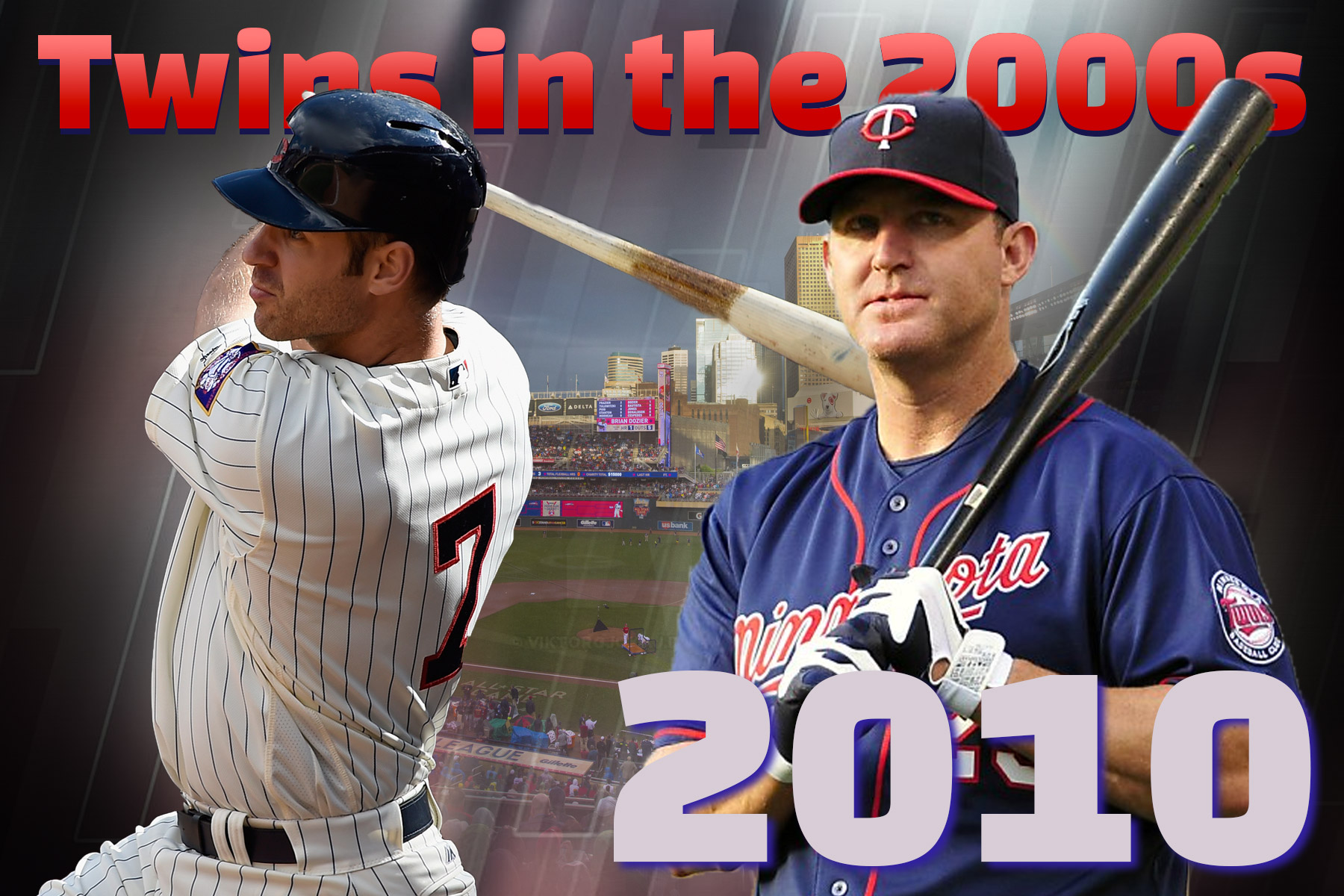 We're running a 20-part series in which we look back at each Minnesota Twins season of the 2000s. A rotation of different writers will highlight key moments, unearth forgotten details, and share nostalgic tales from the past two decades leading up to the present. This installment covers the 2010 season. Team Record: 94-68 Finish: 1st Place in AL Central All-Stars: Joe Mauer ( C ), Justin Morneau (1B) Awards: Joe Mauer (Gold Glove & Silver Slugger, C) Ron Gardenhire (AL Manager of the Year), Francisco Liriano (AL Comeback Player of the Year) Playoffs: Lost to NYY 3-0 in ALDS Season Overview This was a special time in Twins history. It marked the team's 50th season since coming to Minnesota, it was the first year of outdoor baseball since 1981, and it was quite the successful campaign on the field. To better dive into the 2010 season for the Minnesota Twins, let’s break things down month by month and follow along with the inaugural journey of the Target Field era Twins. Offseason In addition to packing up their things and moving to Target Field, the Twins made plenty of moves to keep busy in the offseason heading into 2010. The first of these was extending the reigning MVP Joe Mauer with an eight-year, $184 million contract in March, making him the highest-paid Twins player in team history. Out of free agency, the Twins signed Orlando Hudson at second and veteran Jim Thome to be their designated hitter. He would go on to hit for an OPS of 1.039 in 2010 and take on a huge leadership role for the Twins. Finally, the Twins parted ways with Carlos Gómez, trading him to Milwaukee for shortstop J.J. Hardy in efforts to shore up a position of perpetual instability. April/May The Twins came out of the gates strong in the opening two months of the 2010 season, providing Twins fans with an entertaining product to go along with their shiny new stadium. By the end of May, the Twins were 31-20, and held a 4 1/2 game lead in the American League Central. On the mound, the Twins were led by Francisco Liriano who bounced back from a dreadful 2009 to show signs of his previous form. With his fastball back up in the mid-90s, Liriano posted a stellar 3.29 ERA through the first two months, highlighted by an April 27th performance against the Tigers where he pitched eight innings, allowing just four hits and striking out 10. June/July After a hot start, the Twins hit a bit of a rough patch in June and July, posting just a 27-26 record over this time span and surrendering their lead in the AL Central. On July 15th, the Twins found themselves 4 1/2 games back of the White Sox, the largest division deficit they would face all season. One contributor to the mid-season swoon was the concussion suffered by Justin Morneau on July 7th in Toronto. At the time of his injury, Morneau was the leading MVP candidate, as he was hitting .345 with 18 homers and a 1.055 OPS. Morneau wouldn’t play another game for the 2010 Twins after suffering the injury, and would never again be quite the same player. Trade Deadline The 2010 season featured one of the more infamous deadline deals in team history when the Twins traded away catcher and top-100 prospect Wilson Ramos for Nationals closer Matt Capps. The move was born from general manager Bill Smith's compulsion to install an "established closer" in the absence of Joe Nathan, who went down with Tommy John surgery in the spring. At the time of the trade, Capps was pitching well as the Nationals closer, with a 2.74 ERA and 26 saves in 30 chances. This was an uncharacteristically win-now move for the Twins, who traditionally never traded away top prospects for established veterans. Capps pitched well for the Twins for the remainder of the season, but many still question the short-sighted thinking with the trade, especially given value gap between a top catching prospect and an aging, good-not-great relief pitcher. August/September After a mid-season dip in performance, the Minnesota Twins absolutely dominated the post-deadline portion of their schedule, going 37-22 over the final two months. Heading into August, the Twins were in second place in the American League Central, but when all was said and done Minnesota won the division by six games. A big reason for their success in the Central in 2010 was how much they dominated the White Sox. In 18 games, the Twins went 13-5 against Chicago, accounting for their entire division lead at the end of the season. A mid-September sweeping at U.S. Cellular Field was essentially the nail in the coffin. The Twins ended the season 94-68, earning the No. 2 seed in the American League and an ALDS matchup with (once again) the New York Yankees. October Different year, same result for the Twins as they rematched the Yankees in the ALDS, and again were swept 3-0. There was some optimism surrounding this year’s showdown, as the Twins had home-field advantage plus some arm talent, with Liriano and 17-game winner Carl Pavano slated to start Games 1 and 2. Unfortunately for the Twins, David was still no match for Goliath, thanks to powerful New York bats that pushed across six, five and six runs in Games 1, 2 and 3 respectively. An exciting season that ushered in outdoor baseball and a division title once again ended in disappointment at the hands of the Bronx Bombers. Team MVP: Joe Mauer ( C ) Other Contenders: Justin Morneau (1B), Jim Thome (DH), Francisco Liriano (SP), Carl Pavano (SP) The 2010 season was just another year at the office for Mauer, who slashed .327/.402/.469 while nabbing his third Gold Glove and fourth Silver Slugger awards from the catching position. Additionally, Mauer led the Twins in fWAR with 5.7 and hit a career-high 43 doubles. The “what could have been” winner of the Team MVP, though, was Morneau, who trailed Mauer by just 0.7 fWAR for the team lead despite only playing in 81 games. 3 Most Pivotal Games July 18th: Won vs. Chicago White Sox, 7-6 Heading into the final game of a pivotal four-game series against the Chicago White Sox, the Twins found themselves 2 1/2 games back of the division lead. After trailing 6-3 into the bottom of the ninth inning, it was looking apparent that Minnesota would fall and lose more ground to the Sox. The Twins batters had other plans, though, as they put together three walks and three singles to push across four runs in the bottom of the ninth inning to win the game. The hero? Delmon Young, whose walk-off single scored Nick Punto and Michael Cuddyer to trim the Twins’ divisional deficit to 1 1/2 games. August 17th: Won vs. Chicago White Sox, 7-6 Better known as the Jim Thome Game, Minnesota fans can’t forget the enormity of this contest, and the implications it had on Target Field's legacy and on the 2010 season. Heading into the first of a three-game series against the White Sox, the Twins held a three-game lead in the division. After a Capps blown save in the ninth inning forced extras, Thome came up to the plate in the bottom of the 10th inning and blasted the first ever walk-off home run at Target Field. The homer expanded a division lead that Minnesota would not relinquish. October 6th: Lost vs. New York Yankees, 6-4 Game 1 of the ALDS started about as well as anyone could have hoped, as the Twins jumped out to an early 3-0 lead and Liriano was dealing. This was looking like as good of a chance as any for the Twins to finally slay the Yankees. Things flipped in the sixth inning, though, when New York got run-scoring hits from Robinson Canó, Curtis Granderson and Jorge Posada before Mark Teixeira all but ended the game with a two-run blast in the seventh. There’s no telling how differently this series would have played out had the Twins held on to take Game 1. Unforgettable Highlights Joe Mauer's Extension While the Twins made big splashes in the offseason by signing Thome and Hudson and trading for Hardy, the biggest move of the winter was extending Mauer. Prior to the extension, there was plenty of talk about whether the Twins’ front office would have what it took to finally pony up and pay Mauer, or if he would potentially walk and join a team like the Yankees. Alas, the Twins made it happen, with the richest contract for a catcher in major-league history. Whether or not the contract extension was worth it in the end is still debated by many, but the extension was uncharted territory for the Twins’ brass and marked a momentous occasion. At Last, Outdoor Baseball! Thirty-eight thousand, one hundred and forty-five Twins fans packed into Target Field on April 12th to take in the team's first outdoor home game in almost 30 years. Pavano took the mound against Boston and pitched six excellent innings, allowing only one earned run. In the seventh, Jason Kubel hit the first home run in Target Field’s history, and Jon Rauch closed out the game as the Twins beat the Red Sox 5-2. Thome Passes Killebrew On July 3rd, Thome hit two home runs in a losing effort at Target Field against the Tampa Bay Rays. The two homers tied and then propelled him ahead of Harmon Killebrew for 10th on the all-time home run list. Win No. 4,000 Somewhat poetically, the Twins earned their 4,000th win in their 50th season in Minnesota. They checked off this milestone on September 12th against the White Sox in a winning effort by starting pitcher Kevin Slowey. One Detail You Probably Forgot The Twins drafted Matt Fox with a first round pick in the 2004 MLB draft. As a highly touted talent, Fox battled injuries for the early part of his career. Fox reached the Twins as a September call-up in 2010. He made one start for the Twins, pitching 5 2/3 innings while allowing 2 earned runs. Following the start, Fox was designated for assignment, and picked up by the Red Sox where he appeared in three games of relief before being DFA’ed again. He never appeared in the MLB again following his four appearances in the 2010 season. Fun Fact Unsurprisingly, the 2010 season still holds the record as the highest fan attendance in a season in Twins history. Over the course of the season, Target Field brought a total of 3,223,640 fans out to the ballpark. For context, this was about one million more fans than the 2019 season, which posted a total attendance for the season of 2,294,152. ~~~ Previous Installments: The 2000 Season The 2001 Season The 2002 Season The 2003 Season The 2004 Season The 2005 Season The 2006 Season The 2007 Season The 2008 Season The 2009 Season
 -
Coming off a disappointing season, the 2006 Minnesota Twins looked to get back to their winning ways. They would do just that by notching their third division title in four seasons. It was anything but a typical division-winning season, though.We're running a 20-part series in which we look back at each Minnesota Twins season of the 2000s. A rotation of different writers will highlight key moments, unearth forgotten details, and share nostalgic tales from the past two decades leading up to the present. This installment covers the 2006 season. Team Record: 96-66 Finish: 1st Place in AL Central All-Stars: Johan Santana (SP), Francisco Liriano (SP), and Joe Mauer ( C ) Awards: Justin Morneau (AL MVP; Silver Slugger, 1B), Johan Santana (AL Cy Young), Joe Mauer (Gold Glove, C), Torii Hunter (Gold Glove, CF) Playoffs: Lost to OAK 3-0 in ALDS Season Overview The Minnesota Twins 2006 season started about as poorly as one could have imagined. The team’s rough early going culminated on June 7th, when Justin Morneau was benched for poor performance (.236 BA), the Twins lost to the Seattle Mariners on a walk-off home run, and Minnesota’s record dipped to 25-33, 11 1/2 games back in the AL Central. While June 7th was the lowest point of the season for the Twins, it was also the turning point. Following that walk-off loss, the Twins won 21 of their next 23 games and turned around their year completely. The contrast in numbers from before and after June 7th is staggering. Download attachment: twins06split.png Several different players sparked a historic turnaround for the 2006 Twins. Let’s dive into a few: Justin MorneauDownload attachment: morneau06split.png After getting benched on June 7th, Morneau's season took a complete 180. His first two months went so poorly that Morneau won the MVP award despite not being voted in as an All-Star – just the eighth time in the expansion era that this has happened. Francisco LirianoDownload attachment: liriano06split.png Liriano moved into a starting pitching role for the Twins in the end of May, and by the beginning of June cemented himself as a clear-cut superstar. From his first start on May 19th through July 28th, Liriano pitched like the best player in baseball. Unfortunately, he was sent to the injured list on August 11th with elbow soreness. After attempting to rehab for a month and making one appearance in September, he was tabbed for Tommy John surgery. Thus, one of the most promising young pitching careers of the 2000s was derailed. For my money, Liriano remains the greatest injury-related "what if" in Twins history. Brad RadkeDownload attachment: radke06split.png Radke had an abysmal start to the 2006 season, allowing four or more earned runs in seven of his first eight starts. He managed to turn the tide at the same time as his teammates though, notching quality starts in 10 of 12 starts from June 14th through August 13th. What makes Radke’s midseason turnaround even more impressive is that he did it with a torn labrum, which he dealt with for the entirety of the 2006 season. This ended up being Radke's last rodeo, as he retired following his gritty yet ineffective start in Game 3 of the ALDS in a loss against Oakland. BullpenDownload attachment: bullpen06split.png While the bullpen was great for the entirety of 2006, they really turned it up and were lights-out after June 7th. From June 8th through the end of the season, the Twins’ bullpen led the majors with its ERA, which was more than a half-run better than the second-place team during that time. Leading the way down the stretch for the bullpen was the trio of Dennys Reyes, Joe Nathan and Juan Rincón, who each threw 50+ innings and posted ERAs of 0.89, 1.58 and 2.91 respectively. While these players all turned it on midway through the season, others were more or less phenomenal from start to finish, like Joe Mauer – who became the first AL catcher to win a batting title with his .347 average – and the superstar pitcher I chose as team MVP, who I'll cover shortly.. Other key contributors included: Nick Punto, who took over at third base after the ill-advised Tony Batista experiment fizzled, providing scrappy stability with this .290 average and outstanding defense.Jason Bartlett, who himself unseated an unworthy veteran starter on the left side of the infield (shortstop Juan Castro) and batted .309 in 99 games.Michael Cuddyer, who settled in as a full-time right fielder and finally enjoyed his breakout season with 24 home runs and 109 RBIs. Meanwhile, his neighbor in the outfield Torii Hunter was customarily excellent, with an .831 OPS, 31 homers, 98 RBIs, and another Gold Glove.Boof Bonser, who slotted in as a solid mid-rotation starter and – alongside monster performances from Liriano and Nathan – briefly made the 2003 A.J. Pierzynski trade look like even more of a lopsided steal than it's remembered as today.The incredible turnaround led to the Twins erasing a 10 1/2 game division deficit as late as August 7th, and clinching the Central title on the last day of the regular season, despite not having led the division at any point all year — the first time this has ever happened in MLB history. By winning the AL Central, the Twins avoided another playoff matchup against the first-place Yankees, and instead secured a bid against the third-seeded Oakland Athletics. Despite holding home field advantage, the Twins were swept in three games by the A’s, and the spectacular regular-season turnaround ended in playoff disappointment for Minnesota. Team MVP: Johan Santana (SP) Other Contenders: Justin Morneau (1B), Joe Mauer ©, Joe Nathan (RP), Francisco Liriano (SP) Despite Morneau winning the American League MVP, I believe that Santana was the team MVP. Santana unanimously earned the American League Cy Young award as well as the pitching triple crown, leading the American League in wins (19), strikeouts (245) and ERA (2.77). Santana was worth 6.7 fWAR for the Minnesota Twins, 2.9 wins better than Morneau. While Morneau certainly helped fuel the team's second-half surge, Santana was outstanding all season for the Twins, leading them to a 27-7 record in his starts as the steady force in a rotation that lost its energizing young fireballer to a sudden elbow injury and its elder statesman to a gradually deteriorating shoulder. While Morneau was voted league MVP, there's a pretty strong argument to be made that he was – at best – the Twins' third-most valuable player behind Santana and Mauer. In fact, it's rather difficult to argue otherwise, without a huge over-reliance on stats like HR and RBI, and a belief that production in August is somehow more important than production in April. 3 Most Pivotal Games July 2nd: Won vs. Milwaukee Brewers, 8-0 Heading into this contest, the Twins were riding a nine-game winning streak, with their newly-found “second ace” ready to take the hill. Liriano gave his best game as a Minnesota Twin, and one of the better pitching performances in recent Twins history, tossing eight shutout innings, allowing just 3 hits and striking out 12 batters. This pushed the Twins' winning streak to 10 games, and fired up a hometown crowd that was really starting to believe in a potential division comeback for the Twins. September 10th: Won vs. Detroit Tigers, 12-1 Minnesota headed into the final game of its final season series against the division-leading Tigers facing a three-game deficit. Drop this game, and the Twins would split the series and fall to four games out. Win the game, and they would take the series 3-1, cutting the division deficit down to two. The Twins left little room for drama, scoring 12 runs and riding an 11-strikeout performance from Santana. October 3rd: Lost vs. Oakland Athletics, 3-2 The Metrodome was rocking in Game 1 of the ALDS as the Twins trotted out Santana, hoping to take a 1-0 series lead. Santana pitched a gem, allowing just two earned runs in eight innings. Unfortunately for the Twins, their offense couldn’t get anything going all game as they managed just two runs on five hits. A two-homer game from Frank Thomas – now tormenting the Twins in a new uniform – proved decisive. While this didn’t end their season, losing Game 1 with their ace on the mound was incredibly deflating for the Twins, and was the beginning of the end for their postseason run. Unforgettable Highlights Loss of a Legend While not a "highlight" by any definition, the 2006 Twins season began with a sad moment in franchise history when, on March 6th, news came out that Hall of Famer Kirby Puckett had died. The season was one filled with memories of Puckett, from tribute videos to jersey patches. Target Field Bill Passes After years of clamoring for a new stadium, Twins fans finally got their wish on May 26th, when Governor Tim Pawlenty signed legislation approving the construction of Target Field in front of the Metrodome crowd. This was a momentous occasion, as outdoor baseball would finally return to Minnesota and any lingering threat of the team's relocation evaporated. Birth of the “Piranhas” A large part of the identity of the mid-2000s Twins teams was the “piranhas” — a term coined by White Sox manager Ozzie Guillén in 2006, describing the division rival's propensity for trotting out scrappy players who hit bloop singles, ran out grounders and grinded their way to hits and runs. To (politely) quote the White Sox manager, “Mauer? Fine, yeah, a good hitter, but worry about the little [guys], they’re on base all the time.” Kubel Walks Off Red Sox with a Grand Salami After a pitching duel for the ages that featured Santana and Curt Schilling both spinning eight-inning, one-run gems, the Twins and Red Sox found themselves in an extra-inning marathon. After Boston scored a run in the top of the 12th inning, the Twins proceeded to load the bases in the bottom of the 12th for Jason Kubel, who blasted a walk-off grand slam against Red Sox pitcher Julián Tavárez and won the game for the Twins. Watch the home run and hear the recollection from Kubel in the video below: Going Streaking In a 20-game span from June 11th through July 3rd, the Twins went 19-1. Despite the run of wins, they only gained 2 1/2 games in the division as the Tigers went on a 17-4 run during the same time span. In a rare change of pace, the 2006 AL Central was home to multiple excellent teams playing extremely well and blasting into the postseason. Liriano Outduels Clemens The showdown between Liriano and Houston's Roger Clemens on June 22nd drew much hype – the rookie sensation (5-1 with a 1.50 ERA in six starts since joining the Twins' rotation) facing off against the grizzled all-time pitching great, still remarkably effective at age 43. Clemens allowed two runs on six hits in five innings. Liriano allowed two runs on four hits in eight innings, and took the W. This series-clinching victory sent the league a message: Liriano was for real, and so were the Twins, in the midst of the 19-1 streak cited above. Final Day Drama Heading into the final day of the regular season, the Twins and Tigers were tied for the division lead. Minnesota took care of business by beating the White Sox, 5-1. After their win, the Twins (and their fans) shifted to scoreboard-watching and cheered on the last-place Royals, who completed a series sweep of Detroit in a 12-inning affair. The Royals victory secured a division title for the Twins, their third in four seasons. One Detail You Probably Forgot Following the Royals’ improbable series-ending sweep of the Tigers, which made Minnesota's division championship possible, Hunter sent four bottles of champagne to Kansas City's Mike Sweeney, as a thank you gesture. This was a violation of baseball rules, and the commissioner’s office informed the teams of this, forcing Sweeney to send back the (unopened) bottles of champagne. Fun Fact On May 27th, Rincón entered a game against the Seattle Mariners with the bases loaded and nobody out in the 8th inning. Rincón was able to escape the inning with just one pitch, inducing a triple-play from Kenji Johjima. ~~~ Previous Installments: The 2000 SeasonThe 2001 SeasonThe 2002 SeasonThe 2003 SeasonThe 2004 SeasonThe 2005 Season Click here to view the article
-
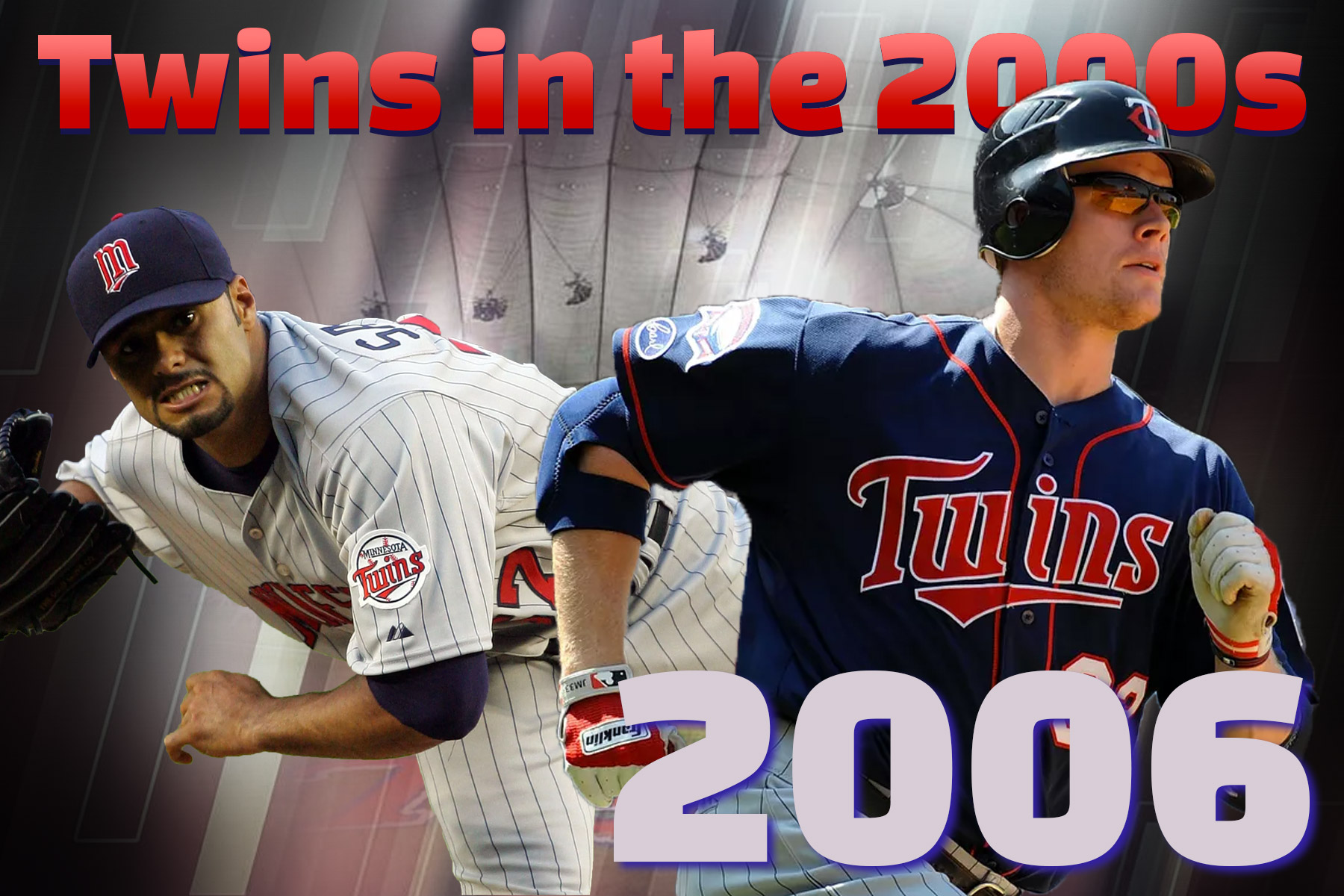 We're running a 20-part series in which we look back at each Minnesota Twins season of the 2000s. A rotation of different writers will highlight key moments, unearth forgotten details, and share nostalgic tales from the past two decades leading up to the present. This installment covers the 2006 season. Team Record: 96-66 Finish: 1st Place in AL Central All-Stars: Johan Santana (SP), Francisco Liriano (SP), and Joe Mauer ( C ) Awards: Justin Morneau (AL MVP; Silver Slugger, 1B), Johan Santana (AL Cy Young), Joe Mauer (Gold Glove, C), Torii Hunter (Gold Glove, CF) Playoffs: Lost to OAK 3-0 in ALDS Season Overview The Minnesota Twins 2006 season started about as poorly as one could have imagined. The team’s rough early going culminated on June 7th, when Justin Morneau was benched for poor performance (.236 BA), the Twins lost to the Seattle Mariners on a walk-off home run, and Minnesota’s record dipped to 25-33, 11 1/2 games back in the AL Central. While June 7th was the lowest point of the season for the Twins, it was also the turning point. Following that walk-off loss, the Twins won 21 of their next 23 games and turned around their year completely. The contrast in numbers from before and after June 7th is staggering. Several different players sparked a historic turnaround for the 2006 Twins. Let’s dive into a few: Justin Morneau After getting benched on June 7th, Morneau's season took a complete 180. His first two months went so poorly that Morneau won the MVP award despite not being voted in as an All-Star – just the eighth time in the expansion era that this has happened. Francisco Liriano Liriano moved into a starting pitching role for the Twins in the end of May, and by the beginning of June cemented himself as a clear-cut superstar. From his first start on May 19th through July 28th, Liriano pitched like the best player in baseball. Unfortunately, he was sent to the injured list on August 11th with elbow soreness. After attempting to rehab for a month and making one appearance in September, he was tabbed for Tommy John surgery. Thus, one of the most promising young pitching careers of the 2000s was derailed. For my money, Liriano remains the greatest injury-related "what if" in Twins history. Brad Radke Radke had an abysmal start to the 2006 season, allowing four or more earned runs in seven of his first eight starts. He managed to turn the tide at the same time as his teammates though, notching quality starts in 10 of 12 starts from June 14th through August 13th. What makes Radke’s midseason turnaround even more impressive is that he did it with a torn labrum, which he dealt with for the entirety of the 2006 season. This ended up being Radke's last rodeo, as he retired following his gritty yet ineffective start in Game 3 of the ALDS in a loss against Oakland. Bullpen While the bullpen was great for the entirety of 2006, they really turned it up and were lights-out after June 7th. From June 8th through the end of the season, the Twins’ bullpen led the majors with its ERA, which was more than a half-run better than the second-place team during that time. Leading the way down the stretch for the bullpen was the trio of Dennys Reyes, Joe Nathan and Juan Rincón, who each threw 50+ innings and posted ERAs of 0.89, 1.58 and 2.91 respectively. While these players all turned it on midway through the season, others were more or less phenomenal from start to finish, like Joe Mauer – who became the first AL catcher to win a batting title with his .347 average – and the superstar pitcher I chose as team MVP, who I'll cover shortly.. Other key contributors included: Nick Punto, who took over at third base after the ill-advised Tony Batista experiment fizzled, providing scrappy stability with this .290 average and outstanding defense. Jason Bartlett, who himself unseated an unworthy veteran starter on the left side of the infield (shortstop Juan Castro) and batted .309 in 99 games. Michael Cuddyer, who settled in as a full-time right fielder and finally enjoyed his breakout season with 24 home runs and 109 RBIs. Meanwhile, his neighbor in the outfield Torii Hunter was customarily excellent, with an .831 OPS, 31 homers, 98 RBIs, and another Gold Glove. Boof Bonser, who slotted in as a solid mid-rotation starter and – alongside monster performances from Liriano and Nathan – briefly made the 2003 A.J. Pierzynski trade look like even more of a lopsided steal than it's remembered as today. The incredible turnaround led to the Twins erasing a 10 1/2 game division deficit as late as August 7th, and clinching the Central title on the last day of the regular season, despite not having led the division at any point all year — the first time this has ever happened in MLB history. By winning the AL Central, the Twins avoided another playoff matchup against the first-place Yankees, and instead secured a bid against the third-seeded Oakland Athletics. Despite holding home field advantage, the Twins were swept in three games by the A’s, and the spectacular regular-season turnaround ended in playoff disappointment for Minnesota. Team MVP: Johan Santana (SP) Other Contenders: Justin Morneau (1B), Joe Mauer ©, Joe Nathan (RP), Francisco Liriano (SP) Despite Morneau winning the American League MVP, I believe that Santana was the team MVP. Santana unanimously earned the American League Cy Young award as well as the pitching triple crown, leading the American League in wins (19), strikeouts (245) and ERA (2.77). Santana was worth 6.7 fWAR for the Minnesota Twins, 2.9 wins better than Morneau. While Morneau certainly helped fuel the team's second-half surge, Santana was outstanding all season for the Twins, leading them to a 27-7 record in his starts as the steady force in a rotation that lost its energizing young fireballer to a sudden elbow injury and its elder statesman to a gradually deteriorating shoulder. While Morneau was voted league MVP, there's a pretty strong argument to be made that he was – at best – the Twins' third-most valuable player behind Santana and Mauer. In fact, it's rather difficult to argue otherwise, without a huge over-reliance on stats like HR and RBI, and a belief that production in August is somehow more important than production in April. 3 Most Pivotal Games July 2nd: Won vs. Milwaukee Brewers, 8-0 Heading into this contest, the Twins were riding a nine-game winning streak, with their newly-found “second ace” ready to take the hill. Liriano gave his best game as a Minnesota Twin, and one of the better pitching performances in recent Twins history, tossing eight shutout innings, allowing just 3 hits and striking out 12 batters. This pushed the Twins' winning streak to 10 games, and fired up a hometown crowd that was really starting to believe in a potential division comeback for the Twins. September 10th: Won vs. Detroit Tigers, 12-1 Minnesota headed into the final game of its final season series against the division-leading Tigers facing a three-game deficit. Drop this game, and the Twins would split the series and fall to four games out. Win the game, and they would take the series 3-1, cutting the division deficit down to two. The Twins left little room for drama, scoring 12 runs and riding an 11-strikeout performance from Santana. October 3rd: Lost vs. Oakland Athletics, 3-2 The Metrodome was rocking in Game 1 of the ALDS as the Twins trotted out Santana, hoping to take a 1-0 series lead. Santana pitched a gem, allowing just two earned runs in eight innings. Unfortunately for the Twins, their offense couldn’t get anything going all game as they managed just two runs on five hits. A two-homer game from Frank Thomas – now tormenting the Twins in a new uniform – proved decisive. While this didn’t end their season, losing Game 1 with their ace on the mound was incredibly deflating for the Twins, and was the beginning of the end for their postseason run. Unforgettable Highlights Loss of a Legend While not a "highlight" by any definition, the 2006 Twins season began with a sad moment in franchise history when, on March 6th, news came out that Hall of Famer Kirby Puckett had died. The season was one filled with memories of Puckett, from tribute videos to jersey patches. Target Field Bill Passes After years of clamoring for a new stadium, Twins fans finally got their wish on May 26th, when Governor Tim Pawlenty signed legislation approving the construction of Target Field in front of the Metrodome crowd. This was a momentous occasion, as outdoor baseball would finally return to Minnesota and any lingering threat of the team's relocation evaporated. Birth of the “Piranhas” A large part of the identity of the mid-2000s Twins teams was the “piranhas” — a term coined by White Sox manager Ozzie Guillén in 2006, describing the division rival's propensity for trotting out scrappy players who hit bloop singles, ran out grounders and grinded their way to hits and runs. To (politely) quote the White Sox manager, “Mauer? Fine, yeah, a good hitter, but worry about the little [guys], they’re on base all the time.” Kubel Walks Off Red Sox with a Grand Salami After a pitching duel for the ages that featured Santana and Curt Schilling both spinning eight-inning, one-run gems, the Twins and Red Sox found themselves in an extra-inning marathon. After Boston scored a run in the top of the 12th inning, the Twins proceeded to load the bases in the bottom of the 12th for Jason Kubel, who blasted a walk-off grand slam against Red Sox pitcher Julián Tavárez and won the game for the Twins. Watch the home run and hear the recollection from Kubel in the video below: Going Streaking In a 20-game span from June 11th through July 3rd, the Twins went 19-1. Despite the run of wins, they only gained 2 1/2 games in the division as the Tigers went on a 17-4 run during the same time span. In a rare change of pace, the 2006 AL Central was home to multiple excellent teams playing extremely well and blasting into the postseason. Liriano Outduels Clemens The showdown between Liriano and Houston's Roger Clemens on June 22nd drew much hype – the rookie sensation (5-1 with a 1.50 ERA in six starts since joining the Twins' rotation) facing off against the grizzled all-time pitching great, still remarkably effective at age 43. Clemens allowed two runs on six hits in five innings. Liriano allowed two runs on four hits in eight innings, and took the W. This series-clinching victory sent the league a message: Liriano was for real, and so were the Twins, in the midst of the 19-1 streak cited above. Final Day Drama Heading into the final day of the regular season, the Twins and Tigers were tied for the division lead. Minnesota took care of business by beating the White Sox, 5-1. After their win, the Twins (and their fans) shifted to scoreboard-watching and cheered on the last-place Royals, who completed a series sweep of Detroit in a 12-inning affair. The Royals victory secured a division title for the Twins, their third in four seasons. One Detail You Probably Forgot Following the Royals’ improbable series-ending sweep of the Tigers, which made Minnesota's division championship possible, Hunter sent four bottles of champagne to Kansas City's Mike Sweeney, as a thank you gesture. This was a violation of baseball rules, and the commissioner’s office informed the teams of this, forcing Sweeney to send back the (unopened) bottles of champagne. Fun Fact On May 27th, Rincón entered a game against the Seattle Mariners with the bases loaded and nobody out in the 8th inning. Rincón was able to escape the inning with just one pitch, inducing a triple-play from Kenji Johjima. ~~~ Previous Installments: The 2000 Season The 2001 Season The 2002 Season The 2003 Season The 2004 Season The 2005 Season
 -
BOOK IT!
-
Another great one that I considered!
-
Last Sunday marked the end of the wildly successful docuseries, The Last Dance, which chronicled the career of Michael Jordan. Earlier today, ESPN announced a new docuseries coming in 2021 highlighting the career of Tom Brady. The Minnesota Twins have several subjects of their own that would make for intriguing docuseries.Below are four ideas for Twins-related docuseries that would be must-watch television every week: Minnesota Made: The Career of Joe Mauer Minnesota born turned Minnesota star, Joe Mauer embodies everything there is about the land of 10,000 lakes. There would be so much to chronicle in a docuseries about Joe Mauer. As a high school athlete at Cretin-Derham Hall, Joe was the only athlete ever selected by USA Today as the High School Player of the Year in two sports. He famously only struck out once in high school, and turned down a Florida State University scholarship to play quarterback in order to be selected first overall by his hometown team, the Minnesota Twins. The docuseries would then highlight the incredible career of Mauer, the six all-star seasons, the 3 batting titles and the MVP. It would detail Mauer’s struggle with injuries, his switch to first base, and end with his touching farewell to Target Field in 2018. The docuseries could lay the foundation for Mauer’s Hall of Fame hopes and talk about the legacy that Mauer will leave behind as one of the greatest Twins players of all time. Mauer is definitely not the most exciting interview or the most infectious personality, but he was in the lives of Minnesotans for so long, that a detail of his life would certainly be a must watch. Katching Kirby: Chronicling the life, death and career of a Twins legend The life and career of Kirby Puckett is one of the most curious of any sports figure that we have ever seen. Standing at just 5-foot-8, Kirby Puckett captured the hearts of Twins fans with his outstanding play, infectious personality and his fearlessness in the big moments. A docuseries about Kirby Puckett would go into detail on his playing career with the Twins. It would detail his ten consecutive all-star appearances, his leadership prowess, and of course his jaw dropping postseason moments. A Kirby docuseries would dive into his glaucoma diagnosis and sudden retirement. Also discussed would be Kirby’s unfortunate domestic assault allegations and his tragic death. The life and career of Kirby Puckett was filled with the highest of highs and the lowest of lows, which would make a docuseries so enthralling. Coming to Minnesota: The Story of the Twins in the 60s Many Minnesota Twins fans today weren’t around for the Minnesota Twins teams of the 1960s, so a docuseries diving into the Minnesota Twins teams of the 1960s would definitely be one that would pique the interest of fans. The docuseries would certainly highlight the franchise moving from Washington to Minnesota and the first season at Metropolitan Stadium. The Minnesota Twins boasted some of the best teams in their history in the 1960s, with the 1965 team making the World Series, the 1967 team adding Rod Carew, and the 1969 team winning 97 games. The docuseries would explore the lives of hall of farmers Harmon Killebrew, Tony Oliva and Rod Carew, as well as explore the MVP race of 1965 between Tony Oliva and Zoilo Versalles. While many people weren’t around to watch them live, the 1960s Twins were full of exciting moments, and a docuseries of that decade would be must-see TV. Seven Days in October: A Seven Part Series on the Seven Game ‘91 Classic A few weeks ago I wrote about the top 10 moments of the 1991 World Series, and it truly brought to light just how incredible of a series that was. For my money, the 1991 World Series was the greatest World Series ever played. The ‘91 classic featured three games going into extra innings, three walk off wins, and five games decided by a single run. Similar to how ESPN produced a 30 for 30 called “Four Days in October”, about the Red Sox and Yankees 2004 ALCS matchup, I can envision a seven-part docuseries with each episode documenting a game of the epic Series. An episode about Hrbek pulling Gant off the bag, an episode about Kirby’s catch, an episode about Morris’s 10 inning classic. The series practically writes itself, and I know I would be there for every episode. Which of the docuseries described above would you enjoy watching the most? Which other Twins-related docuseries would be intriguing? Leave a comment below and start the conversation. MORE FROM TWINS DAILY — Latest Twins coverage from our writers — Recent Twins discussion in our forums — Follow Twins Daily via Twitter, Facebook or email Click here to view the article
-
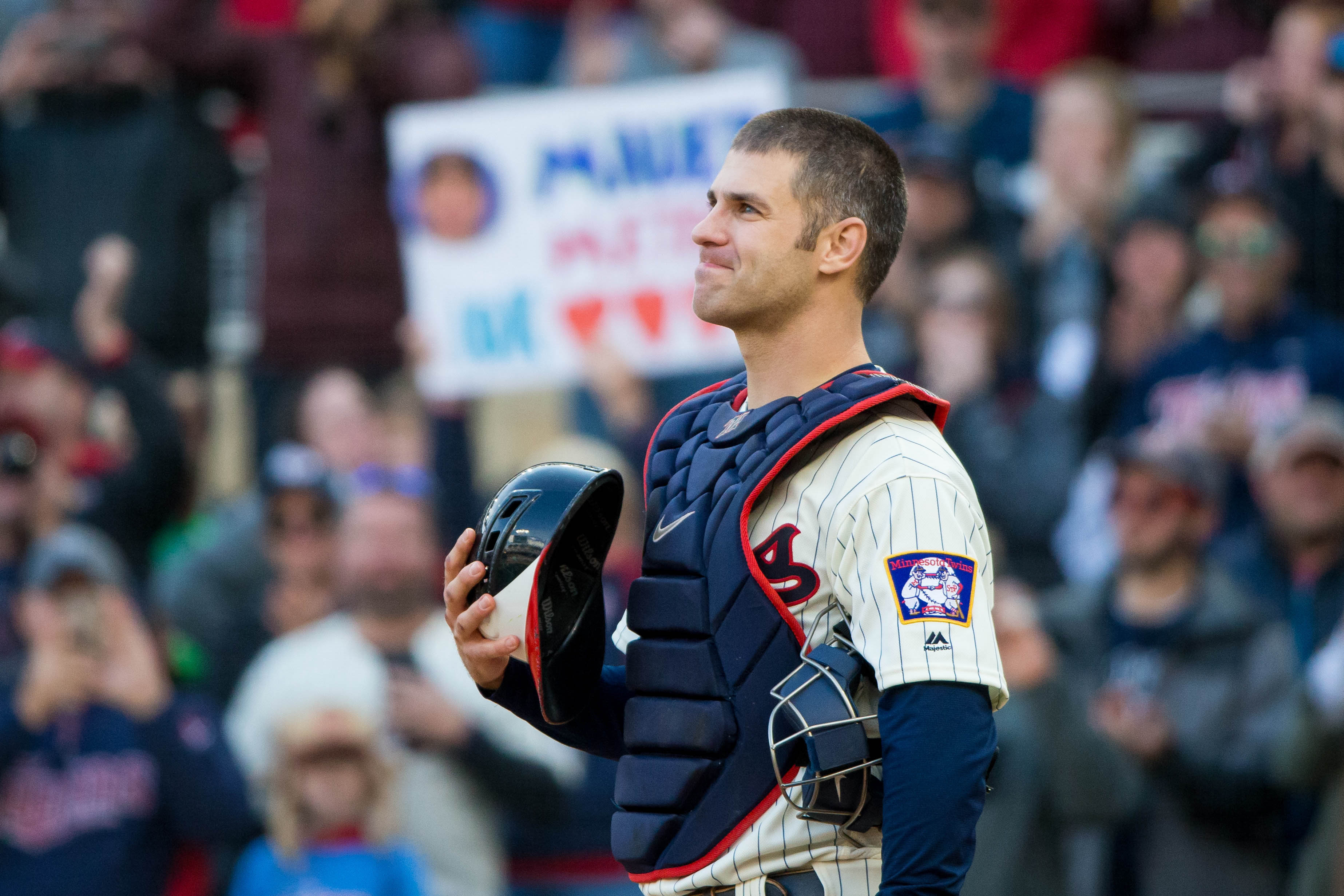 Below are four ideas for Twins-related docuseries that would be must-watch television every week: Minnesota Made: The Career of Joe Mauer Minnesota born turned Minnesota star, Joe Mauer embodies everything there is about the land of 10,000 lakes. There would be so much to chronicle in a docuseries about Joe Mauer. As a high school athlete at Cretin-Derham Hall, Joe was the only athlete ever selected by USA Today as the High School Player of the Year in two sports. He famously only struck out once in high school, and turned down a Florida State University scholarship to play quarterback in order to be selected first overall by his hometown team, the Minnesota Twins. The docuseries would then highlight the incredible career of Mauer, the six all-star seasons, the 3 batting titles and the MVP. It would detail Mauer’s struggle with injuries, his switch to first base, and end with his touching farewell to Target Field in 2018. The docuseries could lay the foundation for Mauer’s Hall of Fame hopes and talk about the legacy that Mauer will leave behind as one of the greatest Twins players of all time. Mauer is definitely not the most exciting interview or the most infectious personality, but he was in the lives of Minnesotans for so long, that a detail of his life would certainly be a must watch. Katching Kirby: Chronicling the life, death and career of a Twins legend The life and career of Kirby Puckett is one of the most curious of any sports figure that we have ever seen. Standing at just 5-foot-8, Kirby Puckett captured the hearts of Twins fans with his outstanding play, infectious personality and his fearlessness in the big moments. A docuseries about Kirby Puckett would go into detail on his playing career with the Twins. It would detail his ten consecutive all-star appearances, his leadership prowess, and of course his jaw dropping postseason moments. A Kirby docuseries would dive into his glaucoma diagnosis and sudden retirement. Also discussed would be Kirby’s unfortunate domestic assault allegations and his tragic death. The life and career of Kirby Puckett was filled with the highest of highs and the lowest of lows, which would make a docuseries so enthralling. Coming to Minnesota: The Story of the Twins in the 60s Many Minnesota Twins fans today weren’t around for the Minnesota Twins teams of the 1960s, so a docuseries diving into the Minnesota Twins teams of the 1960s would definitely be one that would pique the interest of fans. The docuseries would certainly highlight the franchise moving from Washington to Minnesota and the first season at Metropolitan Stadium. The Minnesota Twins boasted some of the best teams in their history in the 1960s, with the 1965 team making the World Series, the 1967 team adding Rod Carew, and the 1969 team winning 97 games. The docuseries would explore the lives of hall of farmers Harmon Killebrew, Tony Oliva and Rod Carew, as well as explore the MVP race of 1965 between Tony Oliva and Zoilo Versalles. While many people weren’t around to watch them live, the 1960s Twins were full of exciting moments, and a docuseries of that decade would be must-see TV. Seven Days in October: A Seven Part Series on the Seven Game ‘91 Classic A few weeks ago I wrote about the top 10 moments of the 1991 World Series, and it truly brought to light just how incredible of a series that was. For my money, the 1991 World Series was the greatest World Series ever played. The ‘91 classic featured three games going into extra innings, three walk off wins, and five games decided by a single run. Similar to how ESPN produced a 30 for 30 called “Four Days in October”, about the Red Sox and Yankees 2004 ALCS matchup, I can envision a seven-part docuseries with each episode documenting a game of the epic Series. An episode about Hrbek pulling Gant off the bag, an episode about Kirby’s catch, an episode about Morris’s 10 inning classic. The series practically writes itself, and I know I would be there for every episode. Which of the docuseries described above would you enjoy watching the most? Which other Twins-related docuseries would be intriguing? Leave a comment below and start the conversation. MORE FROM TWINS DAILY — Latest Twins coverage from our writers — Recent Twins discussion in our forums — Follow Twins Daily via Twitter, Facebook or email
 -
Wednesday night marked the finale of the long anticipated “all-winners” season of Survivor. As I was watching last night’s finale, I couldn’t help but think to myself, which current Minnesota Twins player would make the best Survivor contestant? Let's figure it out.If you’re not a Survivor fanatic like I am, let me quickly run through how the smash hit reality show works. The game starts with 18-20 castaways, divided into two tribes. Over the course of 39 days, the players work to provide food, fire and shelter for themselves. Additionally, the players compete in challenges where they can win rewards or immunities. Throughout the 39 days, they players use social and interpersonal skills to form bonds and avoid being voted out by their fellow contestants in a voting ritual called tribal council. The game proceeds until all contestants have been voted out and only one “sole survivor” remains. In order to figure out which Minnesota Twins player would make the best Survivor contestant, we’ll lay out the attributes that the ideal Survivor contestant must possess. These attributes will be laid out in the form of a tribal council. The three worst performing players in each attribute will be voted out in that tribal council. Starting off our “season” of Survivor will be the 18 best current Minnesota Twins players, according to 2019 fWAR. The 18 players will be split into two tribes of 9, the pitchers and the batters. Let’s begin Survivor: Twins at War! Our castaways (18): Josh Donaldson, José Berríos, Max Kepler, Nelson Cruz, Jake Odorizzi, Jorge Polanco, Mitch Garver, Homer Bailey, Miguel Sanó, Byron Buxton, Kenta Maeda, Michael Pineda, Luis Arráez, Taylor Rogers, Eddie Rosario, Tyler Duffey, Trevor May, Rich Hill Tribal Council #1 (Batter Tribe): An ideal Survivor contestant must be in good physical condition. Criterion: Sprint speed The physical aspect of Survivor is critical to the success of a contestant. The physical part of the game wins challenges which win reward and immunity challenges that would get our players far in our game. The criterion used to determine physical condition in the case of our game will be sprint speed. The strongest physical players in our game are Byron Buxton (30.3 ft/s) and Jorge Polanco (28.2). In Survivor, it’s typically the weakest players who get voted out first. In Survivor: Twins at War, the weakest players who the batter tribe will vote out will be Nelson Cruz (25.3), Josh Donaldson (25.8), and Mitch Garver (26.3). Nelson, Josh, Mitch...the tribe has spoken. Remaining castaways (15): José Berríos, Max Kepler, Jake Odorizzi, Jorge Polanco, Homer Bailey, Miguel Sanó, Byron Buxton, Kenta Maeda, Michael Pineda, Luis Arráez, Taylor Rogers, Eddie Rosario, Tyler Duffey, Trevor May, Rich Hill Tribal Council #2 (Pitcher Tribe): An ideal Survivor contestant must have good luck. Criterion: HR/FB% While many parts of Survivor have to do with skill, there is still a large part of Survivor that is luck. Whether it’s the randomness of a hidden immunity idol or a timely tribe swap, luck plays a huge factor in who advances in the game. The criterion used in Survivor: Twins at War will be for the pitchers tribe and will be HR/FB%. HR/FB ratio is typically a good determinant of which pitchers are lucky. A low HR/FB % means that a large number of fly balls that a pitcher surrendered stayed in the ballpark, which is typically determined more by luck than skill. In our game of Survivor, the lucky will advance. The luckiest contestants on the pitcher tribe in 2019 were Jake Odorizzi and José Berríos who posted an 8.80 and and 12 HR/FB% respectively. Our unluckiest contestants, and the next players voted out will be Rich Hill (22.2), Tyler Duffey (16.3) and Taylor Rogers (15.4). Rich, Tyler, Taylor...the tribe has spoken. Remaining castaways (12): José Berríos, Max Kepler, Jake Odorizzi, Jorge Polanco, Homer Bailey, Miguel Sanó, Byron Buxton, Kenta Maeda, Michael Pineda, Luis Arráez, Eddie Rosario, Trevor May Tribal Council #3 (Batter Tribe): An ideal Survivor contestant must be patient. Criteria: Pitches per plate appearance Another essential attribute that an ideal survivor contestant must possess is patience. In Survivor, one can’t play too hard too fast or they will be seen as a threat. As a result, players need to be patient and wait until the perfect time to make a big move. In Survivor: Twins at War, patience will be determined by pitches per plate appearance. The strongest remaining players on our batter tribe that possess this quality are Miguel Sanó (4.34) and Luis Arráez (4.06). The least patient remaining players on the batter tribe and who will be voted out will be Byron Buxton (3.5), Eddie Rosario (3.51) and Max Kepler (3.62). Byron, Eddie, Max...the tribe has spoken. Remaining castaways (9): José Berríos, Jake Odorizzi, Jorge Polanco, Homer Bailey, Miguel Sanó, Kenta Maeda, Michael Pineda, Luis Arráez, Trevor May Tribal Council #4 (Pitcher Tribe): An ideal Survivor contestant must be versatile. Criteria: # of pitches in arsenal In the game of Survivor, players can’t play with just one style of play but must be versatile in how they play the game. Players need to be honest, sly, trustworthy and deceiving all at the same time. In the Twins at War, versatility will be determined by the number of pitches in the arsenal of our pitcher tribe. Trevor May, Homer Bailey and Kenta Maeda each are versatile with 5 pitches in their arsenal, while Michael Pineda, José Berríos and Jake Odorizzi lack versatility with just 4 pitches in their arsenal. Michael, José, Jake...the tribe has spoken. Remaining castaways (6): Jorge Polanco, Homer Bailey, Miguel Sanó, Kenta Maeda, Luis Arráez, Trevor May Tribal Council #5 (Merged Tribes): An ideal Survivor contestant must have experience. Criteria: Service time Survivor just had an all-winners season of Survivor and it was the best-played season in Survivor history. The season showed that experience absolutely matters in Survivor. In order to measure experience in Twins Survivor, we will use service time. Homer Bailey is the leader in this department with 11 years of experience while Arráez (.121), Polanco (3.024), and Maeda (4) all fall short. Luis, Jorge, Kenta...the tribe has spoken. Remaining castaways (3): Homer Bailey, Miguel Sanó, Trevor May Final Tribal Council: An ideal Survivor contestant must be able to make social connections. Criterion: Career number of teammates More than anything else, Survivor is a social game. In the game of survivor, a player must be able to make strong connections with the players in his tribe and succeed at forming bonds with as many different players as he can. In the Twins at War, this will be determined by the career number of teammates that a player has had. The remaining player who has connected with the most players in his career will be able to make the most connections and garner the most jury votes en route to a Survivor victory. In 3rd place is Miguel Sanó who has made 140 career connections. In 2nd place is Trevor May who has made 141 career connections. And with 368 career connections, your winner of Survivor: Twins at War is……….Homer Bailey! Congratulations, Homer! What do you think about how Survivor: Twins at War played out? Do you think Homer Bailey would make for the best Survivor contestant? Leave a comment and start the conversation! MORE FROM TWINS DAILY — Latest Twins coverage from our writers — Recent Twins discussion in our forums — Follow Twins Daily via Twitter, Facebook or email Click here to view the article
-
Which Minnesota Twins Player Would Make the Best Survivor Contestant?
Matthew Taylor posted an article in Twins
 If you’re not a Survivor fanatic like I am, let me quickly run through how the smash hit reality show works. The game starts with 18-20 castaways, divided into two tribes. Over the course of 39 days, the players work to provide food, fire and shelter for themselves. Additionally, the players compete in challenges where they can win rewards or immunities. Throughout the 39 days, they players use social and interpersonal skills to form bonds and avoid being voted out by their fellow contestants in a voting ritual called tribal council. The game proceeds until all contestants have been voted out and only one “sole survivor” remains. In order to figure out which Minnesota Twins player would make the best Survivor contestant, we’ll lay out the attributes that the ideal Survivor contestant must possess. These attributes will be laid out in the form of a tribal council. The three worst performing players in each attribute will be voted out in that tribal council. Starting off our “season” of Survivor will be the 18 best current Minnesota Twins players, according to 2019 fWAR. The 18 players will be split into two tribes of 9, the pitchers and the batters. Let’s begin Survivor: Twins at War! Our castaways (18): Josh Donaldson, José Berríos, Max Kepler, Nelson Cruz, Jake Odorizzi, Jorge Polanco, Mitch Garver, Homer Bailey, Miguel Sanó, Byron Buxton, Kenta Maeda, Michael Pineda, Luis Arráez, Taylor Rogers, Eddie Rosario, Tyler Duffey, Trevor May, Rich Hill Tribal Council #1 (Batter Tribe): An ideal Survivor contestant must be in good physical condition. Criterion: Sprint speed The physical aspect of Survivor is critical to the success of a contestant. The physical part of the game wins challenges which win reward and immunity challenges that would get our players far in our game. The criterion used to determine physical condition in the case of our game will be sprint speed. The strongest physical players in our game are Byron Buxton (30.3 ft/s) and Jorge Polanco (28.2). In Survivor, it’s typically the weakest players who get voted out first. In Survivor: Twins at War, the weakest players who the batter tribe will vote out will be Nelson Cruz (25.3), Josh Donaldson (25.8), and Mitch Garver (26.3). Nelson, Josh, Mitch...the tribe has spoken. Remaining castaways (15): José Berríos, Max Kepler, Jake Odorizzi, Jorge Polanco, Homer Bailey, Miguel Sanó, Byron Buxton, Kenta Maeda, Michael Pineda, Luis Arráez, Taylor Rogers, Eddie Rosario, Tyler Duffey, Trevor May, Rich Hill Tribal Council #2 (Pitcher Tribe): An ideal Survivor contestant must have good luck. Criterion: HR/FB% While many parts of Survivor have to do with skill, there is still a large part of Survivor that is luck. Whether it’s the randomness of a hidden immunity idol or a timely tribe swap, luck plays a huge factor in who advances in the game. The criterion used in Survivor: Twins at War will be for the pitchers tribe and will be HR/FB%. HR/FB ratio is typically a good determinant of which pitchers are lucky. A low HR/FB % means that a large number of fly balls that a pitcher surrendered stayed in the ballpark, which is typically determined more by luck than skill. In our game of Survivor, the lucky will advance. The luckiest contestants on the pitcher tribe in 2019 were Jake Odorizzi and José Berríos who posted an 8.80 and and 12 HR/FB% respectively. Our unluckiest contestants, and the next players voted out will be Rich Hill (22.2), Tyler Duffey (16.3) and Taylor Rogers (15.4). Rich, Tyler, Taylor...the tribe has spoken. Remaining castaways (12): José Berríos, Max Kepler, Jake Odorizzi, Jorge Polanco, Homer Bailey, Miguel Sanó, Byron Buxton, Kenta Maeda, Michael Pineda, Luis Arráez, Eddie Rosario, Trevor May Tribal Council #3 (Batter Tribe): An ideal Survivor contestant must be patient. Criteria: Pitches per plate appearance Another essential attribute that an ideal survivor contestant must possess is patience. In Survivor, one can’t play too hard too fast or they will be seen as a threat. As a result, players need to be patient and wait until the perfect time to make a big move. In Survivor: Twins at War, patience will be determined by pitches per plate appearance. The strongest remaining players on our batter tribe that possess this quality are Miguel Sanó (4.34) and Luis Arráez (4.06). The least patient remaining players on the batter tribe and who will be voted out will be Byron Buxton (3.5), Eddie Rosario (3.51) and Max Kepler (3.62). Byron, Eddie, Max...the tribe has spoken. Remaining castaways (9): José Berríos, Jake Odorizzi, Jorge Polanco, Homer Bailey, Miguel Sanó, Kenta Maeda, Michael Pineda, Luis Arráez, Trevor May Tribal Council #4 (Pitcher Tribe): An ideal Survivor contestant must be versatile. Criteria: # of pitches in arsenal In the game of Survivor, players can’t play with just one style of play but must be versatile in how they play the game. Players need to be honest, sly, trustworthy and deceiving all at the same time. In the Twins at War, versatility will be determined by the number of pitches in the arsenal of our pitcher tribe. Trevor May, Homer Bailey and Kenta Maeda each are versatile with 5 pitches in their arsenal, while Michael Pineda, José Berríos and Jake Odorizzi lack versatility with just 4 pitches in their arsenal. Michael, José, Jake...the tribe has spoken. Remaining castaways (6): Jorge Polanco, Homer Bailey, Miguel Sanó, Kenta Maeda, Luis Arráez, Trevor May Tribal Council #5 (Merged Tribes): An ideal Survivor contestant must have experience. Criteria: Service time Survivor just had an all-winners season of Survivor and it was the best-played season in Survivor history. The season showed that experience absolutely matters in Survivor. In order to measure experience in Twins Survivor, we will use service time. Homer Bailey is the leader in this department with 11 years of experience while Arráez (.121), Polanco (3.024), and Maeda (4) all fall short. Luis, Jorge, Kenta...the tribe has spoken. Remaining castaways (3): Homer Bailey, Miguel Sanó, Trevor May Final Tribal Council: An ideal Survivor contestant must be able to make social connections. Criterion: Career number of teammates More than anything else, Survivor is a social game. In the game of survivor, a player must be able to make strong connections with the players in his tribe and succeed at forming bonds with as many different players as he can. In the Twins at War, this will be determined by the career number of teammates that a player has had. The remaining player who has connected with the most players in his career will be able to make the most connections and garner the most jury votes en route to a Survivor victory. In 3rd place is Miguel Sanó who has made 140 career connections. In 2nd place is Trevor May who has made 141 career connections. And with 368 career connections, your winner of Survivor: Twins at War is……….Homer Bailey! Congratulations, Homer! What do you think about how Survivor: Twins at War played out? Do you think Homer Bailey would make for the best Survivor contestant? Leave a comment and start the conversation! MORE FROM TWINS DAILY — Latest Twins coverage from our writers — Recent Twins discussion in our forums — Follow Twins Daily via Twitter, Facebook or email

