



Nash Walker
-
Posts
898 -
Joined
-
Last visited
-
Days Won
1
Content Type
Profiles
News
Minnesota Twins Videos
2026 Minnesota Twins Top Prospects Ranking
2022 Minnesota Twins Draft Picks
Minnesota Twins Free Agent & Trade Rumors, Notes, & Tidbits
Guides & Resources
2023 Minnesota Twins Draft Picks
The Minnesota Twins Players Project
2024 Minnesota Twins Draft Picks
2025 Minnesota Twins Draft Pick Tracker
2026 Minnesota Twins Draft Tracker: Picks & Bonuses
Forums
Blogs
Events
Store
Downloads
Gallery
Everything posted by Nash Walker
-
Which Player Do You Love to Hate?
Nash Walker replied to Tom Froemming's topic in Twins Daily Front Page News
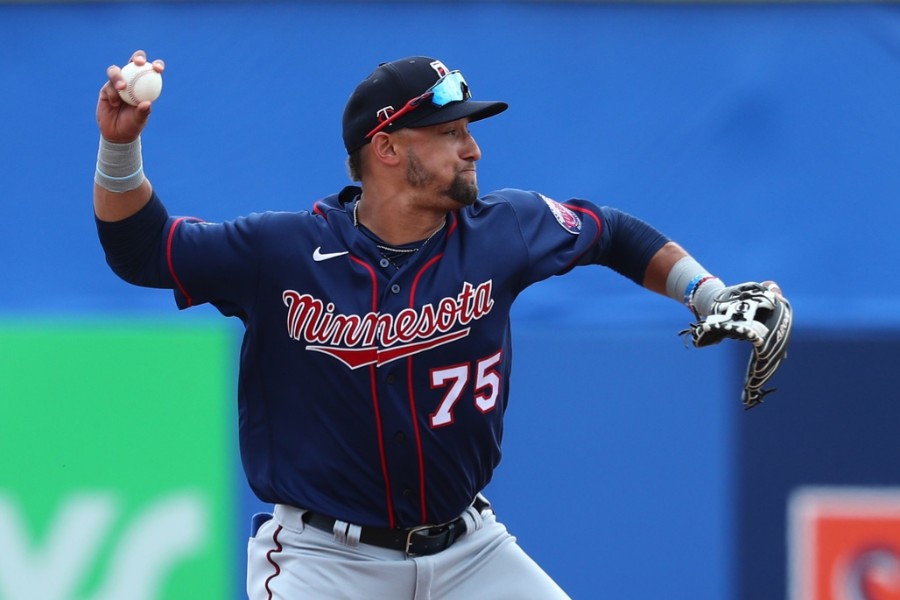
Current pick: Yoán Moncada. He will be a Twins nemesis for many years and I’m already starting to hate him. White Sox filth. Makes me sick. -
Really interesting, Matt. As I read Swing Kings I do wonder about players like Carew. Could he have hit more homers? Did he want to? It doesn’t really sound like it here. Baseball was certainly different, but I can’t help but think of the power numbers that were ignored for Carew in favor of hitting the ball on the ground. Luis Arráez may face a similar dilemma. Or is it a dilemma? I’m still learning!
-
Great stuff, Thiéres. I like your list. I would put Nathan over Aguilera because Joe was legitimately the second best closer in baseball to only Mariano Rivera from 2004 to 2009. The World Series certainly helps Aggie, and he's a legend too. Dougie Corbett was amazing on some terrible teams. Glad you mentioned him.
-
In principal, the Pirates should remain in the central. This construction is tailoring mostly to travel required. I hear you though.
-
MLB is frantically looking for ways to start the 2020 season. As states begin to re-open and the curves flatten, their latest proposal feels realistic, viable, and quite fun.There are hopes and there are realities. The reality is that there likely won’t be any fans in attendance for a good while. That much is known. Our hope as baseball fans is that the coronavirus won’t wipe out the 2020 season altogether. We need hope. It’s time to get our hopes up. Why? Because we love this game and we love this team. The criticized (and for good reason) Arizona plan is sliding away. The cream has risen to the top: MLB wants to play in their own ballparks. While ambitious, by limiting travel as much as possible, this idea is more than just another “good try.” So how would they re-arrange the league to tailor this? Three divisions, 10 teams per division, all based on geography. The AL Central demands much less travel than other divisions, and in this scenario, the NL Central (plus the Atlanta Braves) would join the Twins in a highly competitive and compelling division. Here are three reasons why you should love this plan as a Twins fan. 1. Baseball is back, baby. These last few months of destruction from the virus will never be erased or forgotten. Baseball won’t save lives, nor will it bring back those we have tragically lost. It can, however, help us heal with the game we love. I miss baseball every day. Waking up on a summer day and knowing the Twins are playing that night is a feeling I will further appreciate for the rest of my life. We will also get to watch Mike Trout. 2. The Twins’ “little brother” narrative will eradicate 101 wins and a division title helped the Twins force themselves back into the category of “playoff contenders,” but the fact remains: the AL Central is weak. To be the best, you have to beat the best. The Twins went 32-37 against winning teams last year. We know the Twins are great, but a losing record against good teams and an embarrassing playoff sweep didn’t help their perception. Now imagine winning a division over the defending NL Central and 11-time World Series champion St.Louis Cardinals. Okay, impressive. Now add in the defeat of Freddie Freeman’s Atlanta Braves, the NL East champions. How about defeating the 2016 World Series champion Chicago Cubs, who still field perhaps the best trio in baseball in Kris Bryant, Javier Báez, and Anthony Rizzo? Oh, and the Cleveland Indians, whom the Twins stole the AL Central crown from after three years of dominance, would remain a rival in this outline. They still remain contenders with two MVP candidates in Francisco Lindor and José Ramírez and the terrifying duo of Mike Clevinger and Shane Bieber in their rotation. The Milwaukee Brewers, the Cardinals, the Braves, and the Twins represent the division with the most playoff teams from 2019. The Cubs and Indians were eliminated in the last two weeks of September. This division is loaded with winners. Beating the “revamped” White Sox would be fun too. Yuck. 3. The 2020 Twins are special The 2019 Twins proved to us that they can win. More than that, they proved to us that they are a well oiled machine with depth that can hang with anyone. The Twins’ longest losing streak in 2019 was four games. They set the all-time home run record. Nelson Cruz posted the second highest OPS in the American League (1.031) behind only Trout. Josh Donaldson, a borderline Hall of Famer, is their new third baseman. Rich Hill might be healthy come July. The breathtaking athleticism that is Byron Buxton will be poised for more. That’s just scratching the surface of the talent on this roster. This team can play, and they’ll be ready to win on opening day. I must admit, this would be wacky. No fans and outlandish divisions in a shortened season is far from ideal. I understand that sentiment. I also understand that if we want baseball back, we have to embrace it wholeheartedly. It’s time to buy back in. The Twins will be back this summer. Will you be ready to ride with them on an unprecedented and unfamiliar journey? I know I’ll be. MORE FROM TWINS DAILY — Latest Twins coverage from our writers — Recent Twins discussion in our forums — Follow Twins Daily via Twitter, Facebook or email Click here to view the article
-
 There are hopes and there are realities. The reality is that there likely won’t be any fans in attendance for a good while. That much is known. Our hope as baseball fans is that the coronavirus won’t wipe out the 2020 season altogether. We need hope. It’s time to get our hopes up. Why? Because we love this game and we love this team. https://twitter.com/CGasparino/status/1255538606212612096?s=20 The criticized (and for good reason) Arizona plan is sliding away. The cream has risen to the top: MLB wants to play in their own ballparks. While ambitious, by limiting travel as much as possible, this idea is more than just another “good try.” So how would they re-arrange the league to tailor this? Three divisions, 10 teams per division, all based on geography. The AL Central demands much less travel than other divisions, and in this scenario, the NL Central (plus the Atlanta Braves) would join the Twins in a highly competitive and compelling division. Here are three reasons why you should love this plan as a Twins fan. 1. Baseball is back, baby. These last few months of destruction from the virus will never be erased or forgotten. Baseball won’t save lives, nor will it bring back those we have tragically lost. It can, however, help us heal with the game we love. I miss baseball every day. Waking up on a summer day and knowing the Twins are playing that night is a feeling I will further appreciate for the rest of my life. We will also get to watch Mike Trout. 2. The Twins’ “little brother” narrative will eradicate 101 wins and a division title helped the Twins force themselves back into the category of “playoff contenders,” but the fact remains: the AL Central is weak. To be the best, you have to beat the best. The Twins went 32-37 against winning teams last year. We know the Twins are great, but a losing record against good teams and an embarrassing playoff sweep didn’t help their perception. Now imagine winning a division over the defending NL Central and 11-time World Series champion St.Louis Cardinals. Okay, impressive. Now add in the defeat of Freddie Freeman’s Atlanta Braves, the NL East champions. How about defeating the 2016 World Series champion Chicago Cubs, who still field perhaps the best trio in baseball in Kris Bryant, Javier Báez, and Anthony Rizzo? Oh, and the Cleveland Indians, whom the Twins stole the AL Central crown from after three years of dominance, would remain a rival in this outline. They still remain contenders with two MVP candidates in Francisco Lindor and José Ramírez and the terrifying duo of Mike Clevinger and Shane Bieber in their rotation. The Milwaukee Brewers, the Cardinals, the Braves, and the Twins represent the division with the most playoff teams from 2019. The Cubs and Indians were eliminated in the last two weeks of September. This division is loaded with winners. Beating the “revamped” White Sox would be fun too. Yuck. 3. The 2020 Twins are special The 2019 Twins proved to us that they can win. More than that, they proved to us that they are a well oiled machine with depth that can hang with anyone. The Twins’ longest losing streak in 2019 was four games. They set the all-time home run record. Nelson Cruz posted the second highest OPS in the American League (1.031) behind only Trout. Josh Donaldson, a borderline Hall of Famer, is their new third baseman. Rich Hill might be healthy come July. The breathtaking athleticism that is Byron Buxton will be poised for more. That’s just scratching the surface of the talent on this roster. This team can play, and they’ll be ready to win on opening day. I must admit, this would be wacky. No fans and outlandish divisions in a shortened season is far from ideal. I understand that sentiment. I also understand that if we want baseball back, we have to embrace it wholeheartedly. It’s time to buy back in. The Twins will be back this summer. Will you be ready to ride with them on an unprecedented and unfamiliar journey? I know I’ll be. https://twitter.com/Nashwalker9/status/1217982761115385856?s=20 MORE FROM TWINS DAILY — Latest Twins coverage from our writers — Recent Twins discussion in our forums — Follow Twins Daily via Twitter, Facebook or email
 -
Comparing Twins' Top Prospects to MLB Stars
Nash Walker replied to Nash Walker's topic in Twins Daily Front Page News
Thanks Doc! Appreciate your support. -
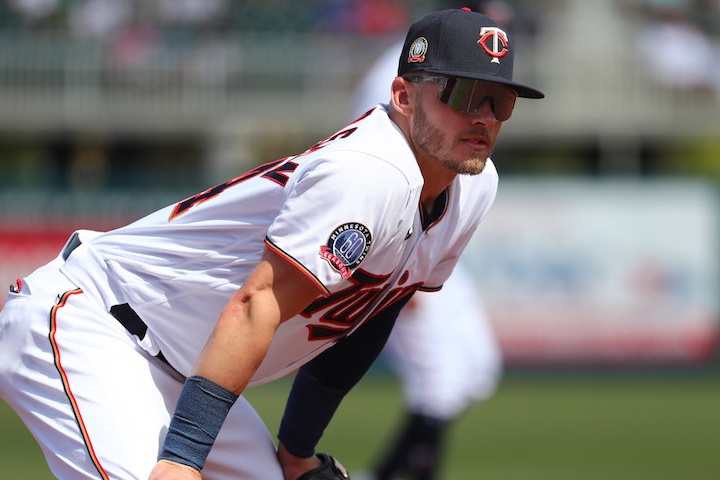
Let’s dream a bit. Why not? These are top prospects for a reason. Using size, handedness, ability, and intangibles, who could the Twins’ young bucks develop to be?1. SS Royce Lewis Top Comp: SS/2B Javier Báez, Chicago Cubs Back in 2013, when Byron Buxton and Miguel Sanó were ranked as the No.1 and No.3 prospects in baseball, Báez wasn’t far back at No.9. Lewis is now the No.9 prospect in baseball at the same age and the same position. Both Lewis and Báez are lauded for their athleticism. Let’s compare their age-19 seasons in the minors: Báez had a much better age-20 season in 2013 than Lewis did in 2020, but their profiles were almost identical. Lewis walked at a 6.7% rate last year, and Báez walked at a 6.9% rate in his age-20 season. Báez struck out more than Lewis, but only by 3.7%. Lewis’ MVP campaign in the Arizona Fall League looked a lot like Báez’s numbers in his full 2013 season. Báez has become a superstar in the league with elite power and defense. While the jury remains out on Lewis’ future at shortstop, Báez was similarly criticized for his defense and was almost moved to third base in the minors. Lewis gained 25 pounds this offseason and his power looked Báez-esque in Fort Myers: 2. OF/1B Alex Kirilloff Top Comp: DH/LF J.D. Martinez, Boston Red Sox Martinez, like Josh Donaldson, is a hitting guru. He reshaped his swing after a brutal start to his career in Houston and is now one of the best hitters in baseball. In 2018, Kirilloff led the minors in hits, doubles, and total bases. He ranked second to only Vladimir Guerrero Jr. in home runs. Both Kirilloff and Martinez hit and hit for power. Kirilloff owns a .317 average in the minors and Martinez has hit .317 since 2018. They do, however, have a difference. Martinez hits from the right side and Kirilloff slugs from the left. Kirilloff could also follow the DH path if Nelson Cruz departs and the Twins want his bat in the lineup. The pure hit tool is uncanny and this comparison just feels right. We’d be elated if it became true. 3. SP Jhoan Duran Top Comp: SP Walker Buehler, Los Angeles Dodgers Duran is much bigger than Buehler, but their profiles are very comparable. Both players have big time fastballs that frequently reach the upper 90s. Both have hard-biting sliders and developing secondary stuff. Duran has his trademarked splinker and generally gets good sink on his fastball. Lining up MLB numbers with results at High-A is ill-advised, but let’s do it anyway. Duran posted a 3.23 ERA in Fort Myers last year with 11 strikeouts per nine. Buehler had a 3.26 ERA with 10.6 strikeouts per nine last year for the Dodgers. Many believe Duran could have a future in the bullpen, but Buehler has shown us that a Cy Young caliber starter can be made with middling secondary stuff. 4. OF Trevor Larnach Top Comp: OF Michael Conforto, New York Mets Hailing from the same school at Oregon State University, Larnach and Conforto look like spitting images of one another. In 2015, Conforto split time between High-A and Double-A and hit .297 with an .854 OPS and 12 homers. Last year, between High-A and Double-A, Larnach hit .309 with an .842 OPS and 13 homers. Both were in their age-22 season. Conforto has been a top 10-15 outfielder in the league since 2017. He ranks 9th among qualified outfielders in homers (88), 11th in RBI (242), 9th in OPS (.855), and 12th in bWAR (9.7) during that span. I think the Twins would happily take that same production from their own big left-handed masher in Larnach. 5. Jordan Balazovic Top Comp: RHP Aaron Nola, Philadelphia Phillies Taken two picks after the Twins selected Nick Gordon in the 2014 Draft, Nola has the fourth most bWAR (18.5) among starting pitchers since 2017. He relies on a mid-90s fastball, similiar to Balazovic, and struck out a hefty 10.2 per nine last year. Unlike Balazovic, Nola was a seasoned college pitcher at LSU when drafted. Balazovic and Nola both have outstanding command of their pitches. Now ranked as the No.76 prospect in baseball, Balazovic is picking up steam and hopes to put up similar numbers to Nola in his first three years in the majors. The potential is there, and these two look a lot alike. What do you think? Who are the best comps for the Twins top 5 prospects? MORE FROM TWINS DAILY — Latest Twins coverage from our writers — Recent Twins discussion in our forums — Follow Twins Daily via Twitter, Facebook or email Click here to view the article
-
 1. SS Royce Lewis Top Comp: SS/2B Javier Báez, Chicago Cubs Back in 2013, when Byron Buxton and Miguel Sanó were ranked as the No.1 and No.3 prospects in baseball, Báez wasn’t far back at No.9. Lewis is now the No.9 prospect in baseball at the same age and the same position. Both Lewis and Báez are lauded for their athleticism. Let’s compare their age-19 seasons in the minors: Báez had a much better age-20 season in 2013 than Lewis did in 2020, but their profiles were almost identical. Lewis walked at a 6.7% rate last year, and Báez walked at a 6.9% rate in his age-20 season. Báez struck out more than Lewis, but only by 3.7%. Lewis’ MVP campaign in the Arizona Fall League looked a lot like Báez’s numbers in his full 2013 season. Báez has become a superstar in the league with elite power and defense. While the jury remains out on Lewis’ future at shortstop, Báez was similarly criticized for his defense and was almost moved to third base in the minors. Lewis gained 25 pounds this offseason and his power looked Báez-esque in Fort Myers: https://twitter.com/TwinsTakes_com/status/1237475615575605250?s=20 2. OF/1B Alex Kirilloff Top Comp: DH/LF J.D. Martinez, Boston Red Sox Martinez, like Josh Donaldson, is a hitting guru. He reshaped his swing after a brutal start to his career in Houston and is now one of the best hitters in baseball. In 2018, Kirilloff led the minors in hits, doubles, and total bases. He ranked second to only Vladimir Guerrero Jr. in home runs. Both Kirilloff and Martinez hit and hit for power. Kirilloff owns a .317 average in the minors and Martinez has hit .317 since 2018. They do, however, have a difference. Martinez hits from the right side and Kirilloff slugs from the left. Kirilloff could also follow the DH path if Nelson Cruz departs and the Twins want his bat in the lineup. The pure hit tool is uncanny and this comparison just feels right. We’d be elated if it became true. 3. SP Jhoan Duran Top Comp: SP Walker Buehler, Los Angeles Dodgers Duran is much bigger than Buehler, but their profiles are very comparable. Both players have big time fastballs that frequently reach the upper 90s. Both have hard-biting sliders and developing secondary stuff. Duran has his trademarked splinker and generally gets good sink on his fastball. Lining up MLB numbers with results at High-A is ill-advised, but let’s do it anyway. Duran posted a 3.23 ERA in Fort Myers last year with 11 strikeouts per nine. Buehler had a 3.26 ERA with 10.6 strikeouts per nine last year for the Dodgers. Many believe Duran could have a future in the bullpen, but Buehler has shown us that a Cy Young caliber starter can be made with middling secondary stuff. 4. OF Trevor Larnach Top Comp: OF Michael Conforto, New York Mets Hailing from the same school at Oregon State University, Larnach and Conforto look like spitting images of one another. In 2015, Conforto split time between High-A and Double-A and hit .297 with an .854 OPS and 12 homers. Last year, between High-A and Double-A, Larnach hit .309 with an .842 OPS and 13 homers. Both were in their age-22 season. Conforto has been a top 10-15 outfielder in the league since 2017. He ranks 9th among qualified outfielders in homers (88), 11th in RBI (242), 9th in OPS (.855), and 12th in bWAR (9.7) during that span. I think the Twins would happily take that same production from their own big left-handed masher in Larnach. 5. Jordan Balazovic Top Comp: RHP Aaron Nola, Philadelphia Phillies Taken two picks after the Twins selected Nick Gordon in the 2014 Draft, Nola has the fourth most bWAR (18.5) among starting pitchers since 2017. He relies on a mid-90s fastball, similiar to Balazovic, and struck out a hefty 10.2 per nine last year. Unlike Balazovic, Nola was a seasoned college pitcher at LSU when drafted. Balazovic and Nola both have outstanding command of their pitches. Now ranked as the No.76 prospect in baseball, Balazovic is picking up steam and hopes to put up similar numbers to Nola in his first three years in the majors. The potential is there, and these two look a lot alike. What do you think? Who are the best comps for the Twins top 5 prospects? MORE FROM TWINS DAILY — Latest Twins coverage from our writers — Recent Twins discussion in our forums — Follow Twins Daily via Twitter, Facebook or email
 -
Cole Sands: A Twins Pitching Prospect With Promise
Nash Walker replied to Nash Walker's topic in Twins Daily Front Page News
Good question. I couldn't find anything from a google search. I will say his fastballs carry up nicely from videos I've watched. -
Jordan Balazovic and Jhoan Duran are extraordinarily talented, as documented, but the Twins have an under-the-radar arm that should excite you just as much. Special thanks to the 2020 Minnesota Twins Prospect Handbook for information and guidance in this article.The Astros drafted Sands in the 22nd round of the 2015 draft but his heart seemed set on pitching for Florida State in his hometown. You have to look deeper at his college numbers to fully appreciate them. In his first four starts for the Seminoles, Sands posted a tremendous 1.84 ERA in 14 ⅔ innings. His next six starts were not as pearly. He allowed 15 runs in 19 innings (7.11 ERA). He finished the season with a respectable 4.13 ERA but walks were an issue and strikeouts were few and far between. Sands finished his freshman year with a less-than-stellar 1.52 strikeout-to-walk ratio. Sands flashed his formidable upside that summer in the Cape Cod League by striking out 18 in 14 innings. He allowed only seven hits and two runs (1.29 ERA). That wouldn’t exactly carry into his sophomore season at Florida State. His ERA jumped to 5.40 the following spring, but he boosted his strikeout-to-walk ratio (2.48), and his strikeouts (7.8) and walks (3.1) per nine rates were much improved. It was again a tale of multiple streaks for Sands. Here is how his sophomore season broke down: First 7 starts: 3.38 ERA Next 7 starts: 8.81 ERA Last 4 starts: 3.52 ERA Sands was a beast in the 2017 ACC Tournament, shutting down 15 straight Duke hitters and sending the 'Noles to the championship. He pitched three scoreless innings in the final and helped Florida State to Omaha. You can start to see the trend here. Sands has always had the ability, but struggled to consistently utilize his stuff in college. His junior season was no different. He started 4-0, dazzling and dominating to a sterling 2.45 ERA with 31 punchies and only five walks in 22 innings. In the two appearances after that, he allowed 14 runs, more than double as many as his first four starts combined (6). Of course, he bounced back with two consecutive seven inning quality starts against a great Louisville team and a winning Georgia Tech club. He threw over 100 pitches six times, including five consecutive starts in March and April. When the Twins drafted him in the fifth round of that draft, they elected to rest his arm and save his pro debut for 2019. And what a debut it was. Sands was excellent in his first start for Cedar Rapids, pitching five scoreless innings with eight strikeouts. In three starts from April 19th to May 5th, Sands produced a 1.05 ERA and struck out 16 in 17 innings. He stymied hitters with a mid-90s fastball and a well-commanded curveball. He pitched very well against lefties all year long, holding them to a .621 OPS. His splits suggest that his changeup is indeed a quality pitch, and he can use it to get lefties out consistently. Sands made it to Fort Myers by June and further impressed there. He finished with a 2.25 ERA for the Miracle and opponents hit .199 off him. He struck out 53 and walked seven in 52 innings. The Twins sent him a message by moving him to Pensacola before the conclusion of the season. He struck out six in his lone four-inning start for the Blue Wahoos. He was likely set to spend much of the 2020 season in Pensacola’s rotation with quick ascension still in the cards. Sands’ fastball command has certainly developed over the years. His strikeout-to-walk ratio has skyrocketed since joining the Twins organization. His walk rate fell below 2.0 per nine last year and his WHIP (1.027) was lower than any of his three seasons at Florida State. His ground-ball rate was just 40%, which would’ve ranked as the 15th lowest in MLB last year. If you look closely, you can see the Twins stamp on him. Throwing up in the zone, pushing for fastball velocity, walking fewer batters and supressing home runs are all points of focus for pitching coach Wes Johnson and company. The Twins walked only 2.8 per nine last year, down from 3.6 in 2018. They struck out one batter per inning, an increase from 8.6 strikeouts per nine in 2018. They allowed an equal number of homers in 2019 as 2018 (198), but the league hit 1,191 more home runs. Sands is an exciting young pitcher with plenty of upside. Maintaining his fastball command, upping his velocity, and further blossoming his curveball and changeup will be important moving forward. Furthermore, with a somewhat violent delivery, avoiding elbow and shoulder complications will be vital. Sands missed some time during his junior year with biceps tendonitis. Nevertheless, there is a shining glimmer of a front-of-the-rotation starter here in the budding right-hander. MORE FROM TWINS DAILY — Latest Twins coverage from our writers — Recent Twins discussion in our forums — Follow Twins Daily via Twitter, Facebook or email Click here to view the article
-
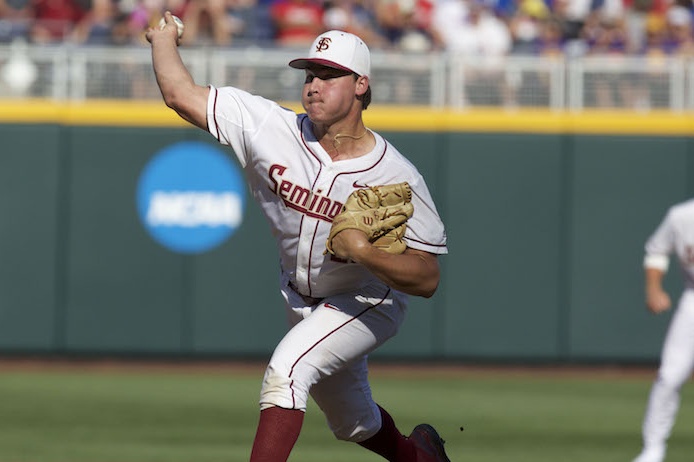 The Astros drafted Sands in the 22nd round of the 2015 draft but his heart seemed set on pitching for Florida State in his hometown. You have to look deeper at his college numbers to fully appreciate them. In his first four starts for the Seminoles, Sands posted a tremendous 1.84 ERA in 14 ⅔ innings. His next six starts were not as pearly. He allowed 15 runs in 19 innings (7.11 ERA). He finished the season with a respectable 4.13 ERA but walks were an issue and strikeouts were few and far between. Sands finished his freshman year with a less-than-stellar 1.52 strikeout-to-walk ratio. Sands flashed his formidable upside that summer in the Cape Cod League by striking out 18 in 14 innings. He allowed only seven hits and two runs (1.29 ERA). That wouldn’t exactly carry into his sophomore season at Florida State. His ERA jumped to 5.40 the following spring, but he boosted his strikeout-to-walk ratio (2.48), and his strikeouts (7.8) and walks (3.1) per nine rates were much improved. It was again a tale of multiple streaks for Sands. Here is how his sophomore season broke down: First 7 starts: 3.38 ERA Next 7 starts: 8.81 ERA Last 4 starts: 3.52 ERA Sands was a beast in the 2017 ACC Tournament, shutting down 15 straight Duke hitters and sending the 'Noles to the championship. He pitched three scoreless innings in the final and helped Florida State to Omaha. You can start to see the trend here. Sands has always had the ability, but struggled to consistently utilize his stuff in college. His junior season was no different. He started 4-0, dazzling and dominating to a sterling 2.45 ERA with 31 punchies and only five walks in 22 innings. In the two appearances after that, he allowed 14 runs, more than double as many as his first four starts combined (6). Of course, he bounced back with two consecutive seven inning quality starts against a great Louisville team and a winning Georgia Tech club. He threw over 100 pitches six times, including five consecutive starts in March and April. When the Twins drafted him in the fifth round of that draft, they elected to rest his arm and save his pro debut for 2019. And what a debut it was. Sands was excellent in his first start for Cedar Rapids, pitching five scoreless innings with eight strikeouts. In three starts from April 19th to May 5th, Sands produced a 1.05 ERA and struck out 16 in 17 innings. He stymied hitters with a mid-90s fastball and a well-commanded curveball. He pitched very well against lefties all year long, holding them to a .621 OPS. His splits suggest that his changeup is indeed a quality pitch, and he can use it to get lefties out consistently. Sands made it to Fort Myers by June and further impressed there. He finished with a 2.25 ERA for the Miracle and opponents hit .199 off him. He struck out 53 and walked seven in 52 innings. The Twins sent him a message by moving him to Pensacola before the conclusion of the season. He struck out six in his lone four-inning start for the Blue Wahoos. He was likely set to spend much of the 2020 season in Pensacola’s rotation with quick ascension still in the cards. https://twitter.com/Nashwalker9/status/1250501028983836674?s=20 Sands’ fastball command has certainly developed over the years. His strikeout-to-walk ratio has skyrocketed since joining the Twins organization. His walk rate fell below 2.0 per nine last year and his WHIP (1.027) was lower than any of his three seasons at Florida State. His ground-ball rate was just 40%, which would’ve ranked as the 15th lowest in MLB last year. If you look closely, you can see the Twins stamp on him. Throwing up in the zone, pushing for fastball velocity, walking fewer batters and supressing home runs are all points of focus for pitching coach Wes Johnson and company. The Twins walked only 2.8 per nine last year, down from 3.6 in 2018. They struck out one batter per inning, an increase from 8.6 strikeouts per nine in 2018. They allowed an equal number of homers in 2019 as 2018 (198), but the league hit 1,191 more home runs. Sands is an exciting young pitcher with plenty of upside. Maintaining his fastball command, upping his velocity, and further blossoming his curveball and changeup will be important moving forward. Furthermore, with a somewhat violent delivery, avoiding elbow and shoulder complications will be vital. Sands missed some time during his junior year with biceps tendonitis. Nevertheless, there is a shining glimmer of a front-of-the-rotation starter here in the budding right-hander. MORE FROM TWINS DAILY — Latest Twins coverage from our writers — Recent Twins discussion in our forums — Follow Twins Daily via Twitter, Facebook or email
 -
You're Going To Love Watching Baseball This Year
Nash Walker replied to John Bonnes's topic in Twins Daily Front Page News
Hell yeah John! -
Nick, I think your points are very well taken and I hear you. I have trouble jumping to this conclusion on April 12th (and I’m glad you tweeted that as well). We can’t give up hope. There is a definite balance of hope and reality and I think for right now, I’ll continue to believe that we can get a 100+ game season of regular divisions with no fans. Call it a pipe dream, that’s fine, but I’m unwilling to jump to hopelessness.
-
The top five Twins hitters in history seem to be fairly straightforward, with a few marginal quibbles. The best starting pitcher debate, however, is riddled with more questions and maybe more heat. How much is a great stretch worth over many years of consistent production? I tried to find a balance.Here are my five, ranked: 5. Jim Kaat Games started for Minnesota: 422 No has started more games for the Twins than Jim “Kitty” Kaat. He pitched 200 or more innings in 10 seasons for Minnesota, a team record. He ranks second to only Bert Blyleven in strikeouts (1,824). Before being dropped to waivers after a poor start to the 1973 season, Kaat had racked up almost 3,000 innings pitched and a 3.28 ERA for the Twins. He was an above average pitcher in 11 of his 12 full seasons in Minnesota. On average, he was 12% better than the typical pitcher during this stretch. Kaat started games two, five and seven in the 1965 World Series against the Dodgers. He threw a complete game with only one earned run in game two and allowed five runs in 5 ⅓ combined innings in games five and seven. Kaat’s banner season was in 1966 when he led the American League in wins (25) and innings pitched (304 ⅔). He also paced the AL in walks per nine (1.6) and strikeout-to-walk ratio (3.73). Kaat produced 31.7 WAR in 422 starts for the Twins, ranking fourth. He is a Twins great for his counting numbers, but his ERA+ of 112 ties him with Dave Goltz and Jim Merritt for ninth best in team history. We now get to hear his great analysis on a periodic basis on FSN North with Dick Bremer. 4. Frank Viola Games started for Minnesota: 259 Viola produced a wide variety of seasons for the Twins. In his first two years in the big leagues, he posted a brutal 5.38 ERA. He broke out in 1984 with a 3.21 ERA and the sixth most Cy Young votes in the American League. He regressed a bit in 1985 and was almost exactly a league average pitcher for the next two years (101 ERA+). He ended up clicking in his age-27 season, and at the perfect time in Twins history. Viola was a complete star on the 1987 World Series team, pitching to a 2.90 ERA and once again finishing sixth in the Cy Young race. A newly developed changeup helped him turn the corner and get righties out consistently. The Twins went 4-1 in Viola starts that postseason and turned to him in game seven of the World Series. He threw eight sparkling innings, striking out seven, allowing only two runs, and helping the Twins capture their first title at the Metrodome. He was named the World Series MVP. Now on top of the world, Viola rode the momentum into his first and only Cy Young award in 1988. In those two seasons combined, Viola led baseball with a 157 ERA+ and tied for first with Dave Stewart in wins (41). From 1984 to 1988, Viola was the league’s outright leader in wins (93). The man dubbed as “Sweet Music” was traded to the Mets during the 1989 season for Rick Aguilera, Kevin Tapani, Tim Drummond, David West, and Jack Savage. He currently ranks fifth among Twins pitchers in WAR (27). 3. Brad Radke Games started for Minnesota: 377 Much less dominant or electric than your typical elite arm, Radke put together a great career with a mediocre fastball. His command and consistency remain underappreciated in a time full of high 90s heat and hard sweeping sliders. From 1996 to 2001, only three pitchers threw 210 or more innings in every season: Greg Maddux, Tom Glavine, and Radke. During that span, a few things became clear for Twins fans on a yearly basis: Radke was going to start at least 30 games with an ERA firmly below league average. In fact, Radke’s only two seasons where he posted an ERA above league average were his rookie year in 1995 and his injury-shortened campaign in 2002. Because of this consistent production, Radke ranks second to Blyleven in WAR (45.4) and third to Blyleven and Kaat in innings pitched for the franchise (2,451). He pitched 180 innings or more in 10 of his 12 seasons and never played without wearing a Twins uniform. Radke’s consistency didn’t wear out in October. He pitched in six postseason games and posted a 3.60 ERA in 35 innings. In usual Radke fashion, he struck out 17 and walked just eight. Radke led the league in walks per nine (1.0) and the American League in strikeout to walk ratio (5.27) in 2001. Radke threw strikes and manufactured outs like clockwork. His durability caught up to him and he retired after his age-33 season in 2006. He's truly a Twins legend and one that isn’t mentioned nearly enough. 2. Johan Santana Games started for Minnesota: 175 By beginning his career as a reliever (thanks, Terry) and signing with the Mets in 2008, Santana barely reaches the top 10 for games started in the Twins’ record books. That’s about the only stat where Santana isn’t ranked in the top five among Twins pitchers with at least 100 starts for the club. He leads the franchise in ERA (3.11), WHIP (1.039), strikeouts per nine (9.6), strikeout-to-walk ratio (4.30), opponent batting average (.216), opponent OPS (.631), and win percentage (.679). Santana’s potent four-season stretch from 2004 to 2007 was truly outstanding. He led the American League in almost every category. Wins (70), ERA (2.89), strikeout rate (27.4%), you name it, Johan probably led in it. He won the Cy Young Award in 2004 and again in 2006. He finished third in 2005 and fifth in 2007. Santana pitched to a 1.35 ERA with 20 strikeouts and five walks in 20 playoff innings between 2004 and 2006. The Twins scored a combined nine runs in those three games. Santana’s career was cut short due to a major shoulder injury, but his pure dominance as a Twin was Hall of Fame worthy in itself. In his first four seasons for the Twins, Santana started in only 35% of his appearances and averaged under 100 innings pitched. “What if?” is a key question for Johan. What if he stayed healthy into his 30s? What if he remained a Twin? What if he would’ve been a true starter earlier in his career? Nevertheless, he was a true joy to watch and an incredible pitcher in his prime in Minnesota. 1. Bert Blyleven Games started for Minnesota: 345 Blyleven’s Twins career is split into two parts. In the first part, he pitched six full seasons from 1970-1975 and posted an incredible 2.78 ERA in 1,611 ⅓ innings. Blyleven ranked behind only fellow Hall of Famers Tom Seaver and Jim Palmer in ERA+ (133) and strikeout rate (20.3%) during that span. In 1973, Blyleven led baseball in FIP (2.32) and ushered the American League in strikeout-to-walk ratio (3.85), ERA+ (156), and WAR (9.7). The right-hander was traded to the Rangers for a package that included Roy Smalley at the 1976 deadline. Blyleven bounced around from Texas, Pittsburgh and Cleveland before the Indians traded him back to Minnesota in 1985. Blyleven picked up right where he left off for the Twins, posting a 3.00 ERA and finishing third in the American League Cy Young race to finish the season. He started 120 more games for the Twins after the trade and, while no longer elite, remained a solid pitcher with an ERA+ above league average (103). Blyleven was a key cog during the 1987 World Series run, going 2-0 in a sweep over the Tigers in the ALCS and posting a 2.77 ERA in his two World Series starts. Any way you cut it, Blyleven simply has the fullest resume. He leads all Twins starters in WAR (49.1) and strikeouts (2,031), contributed toward a championship, and put together a dominant six season stretch where he was a top three pitcher in baseball. For those reasons and more, he resides in the Hall of Fame and is circled as the top starting pitcher in club history. What do you think? Who are the five best starting pitchers in Twins history? MORE FROM TWINS DAILY — Latest Twins coverage from our writers — Recent Twins discussion in our forums — Follow Twins Daily via Twitter, Facebook or email Click here to view the article
-
Who Are the Top 5 Starting Pitchers in Minnesota Twins History?
Nash Walker posted an article in Twins
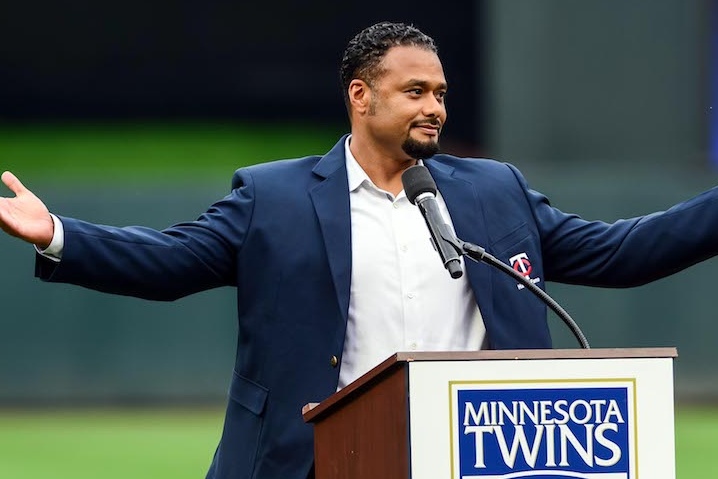 Here are my five, ranked: 5. Jim Kaat Games started for Minnesota: 422 No has started more games for the Twins than Jim “Kitty” Kaat. He pitched 200 or more innings in 10 seasons for Minnesota, a team record. He ranks second to only Bert Blyleven in strikeouts (1,824). Before being dropped to waivers after a poor start to the 1973 season, Kaat had racked up almost 3,000 innings pitched and a 3.28 ERA for the Twins. He was an above average pitcher in 11 of his 12 full seasons in Minnesota. On average, he was 12% better than the typical pitcher during this stretch. Kaat started games two, five and seven in the 1965 World Series against the Dodgers. He threw a complete game with only one earned run in game two and allowed five runs in 5 ⅓ combined innings in games five and seven. Kaat’s banner season was in 1966 when he led the American League in wins (25) and innings pitched (304 ⅔). He also paced the AL in walks per nine (1.6) and strikeout-to-walk ratio (3.73). Kaat produced 31.7 WAR in 422 starts for the Twins, ranking fourth. He is a Twins great for his counting numbers, but his ERA+ of 112 ties him with Dave Goltz and Jim Merritt for ninth best in team history. We now get to hear his great analysis on a periodic basis on FSN North with Dick Bremer. 4. Frank Viola Games started for Minnesota: 259 Viola produced a wide variety of seasons for the Twins. In his first two years in the big leagues, he posted a brutal 5.38 ERA. He broke out in 1984 with a 3.21 ERA and the sixth most Cy Young votes in the American League. He regressed a bit in 1985 and was almost exactly a league average pitcher for the next two years (101 ERA+). He ended up clicking in his age-27 season, and at the perfect time in Twins history. Viola was a complete star on the 1987 World Series team, pitching to a 2.90 ERA and once again finishing sixth in the Cy Young race. A newly developed changeup helped him turn the corner and get righties out consistently. The Twins went 4-1 in Viola starts that postseason and turned to him in game seven of the World Series. He threw eight sparkling innings, striking out seven, allowing only two runs, and helping the Twins capture their first title at the Metrodome. He was named the World Series MVP. Now on top of the world, Viola rode the momentum into his first and only Cy Young award in 1988. In those two seasons combined, Viola led baseball with a 157 ERA+ and tied for first with Dave Stewart in wins (41). From 1984 to 1988, Viola was the league’s outright leader in wins (93). The man dubbed as “Sweet Music” was traded to the Mets during the 1989 season for Rick Aguilera, Kevin Tapani, Tim Drummond, David West, and Jack Savage. He currently ranks fifth among Twins pitchers in WAR (27). 3. Brad Radke Games started for Minnesota: 377 Much less dominant or electric than your typical elite arm, Radke put together a great career with a mediocre fastball. His command and consistency remain underappreciated in a time full of high 90s heat and hard sweeping sliders. From 1996 to 2001, only three pitchers threw 210 or more innings in every season: Greg Maddux, Tom Glavine, and Radke. During that span, a few things became clear for Twins fans on a yearly basis: Radke was going to start at least 30 games with an ERA firmly below league average. In fact, Radke’s only two seasons where he posted an ERA above league average were his rookie year in 1995 and his injury-shortened campaign in 2002. Because of this consistent production, Radke ranks second to Blyleven in WAR (45.4) and third to Blyleven and Kaat in innings pitched for the franchise (2,451). He pitched 180 innings or more in 10 of his 12 seasons and never played without wearing a Twins uniform. Radke’s consistency didn’t wear out in October. He pitched in six postseason games and posted a 3.60 ERA in 35 innings. In usual Radke fashion, he struck out 17 and walked just eight. Radke led the league in walks per nine (1.0) and the American League in strikeout to walk ratio (5.27) in 2001. Radke threw strikes and manufactured outs like clockwork. His durability caught up to him and he retired after his age-33 season in 2006. He's truly a Twins legend and one that isn’t mentioned nearly enough. 2. Johan Santana Games started for Minnesota: 175 By beginning his career as a reliever (thanks, Terry) and signing with the Mets in 2008, Santana barely reaches the top 10 for games started in the Twins’ record books. That’s about the only stat where Santana isn’t ranked in the top five among Twins pitchers with at least 100 starts for the club. He leads the franchise in ERA (3.11), WHIP (1.039), strikeouts per nine (9.6), strikeout-to-walk ratio (4.30), opponent batting average (.216), opponent OPS (.631), and win percentage (.679). Santana’s potent four-season stretch from 2004 to 2007 was truly outstanding. He led the American League in almost every category. Wins (70), ERA (2.89), strikeout rate (27.4%), you name it, Johan probably led in it. He won the Cy Young Award in 2004 and again in 2006. He finished third in 2005 and fifth in 2007. Santana pitched to a 1.35 ERA with 20 strikeouts and five walks in 20 playoff innings between 2004 and 2006. The Twins scored a combined nine runs in those three games. Santana’s career was cut short due to a major shoulder injury, but his pure dominance as a Twin was Hall of Fame worthy in itself. In his first four seasons for the Twins, Santana started in only 35% of his appearances and averaged under 100 innings pitched. “What if?” is a key question for Johan. What if he stayed healthy into his 30s? What if he remained a Twin? What if he would’ve been a true starter earlier in his career? Nevertheless, he was a true joy to watch and an incredible pitcher in his prime in Minnesota. 1. Bert Blyleven Games started for Minnesota: 345 Blyleven’s Twins career is split into two parts. In the first part, he pitched six full seasons from 1970-1975 and posted an incredible 2.78 ERA in 1,611 ⅓ innings. Blyleven ranked behind only fellow Hall of Famers Tom Seaver and Jim Palmer in ERA+ (133) and strikeout rate (20.3%) during that span. In 1973, Blyleven led baseball in FIP (2.32) and ushered the American League in strikeout-to-walk ratio (3.85), ERA+ (156), and WAR (9.7). The right-hander was traded to the Rangers for a package that included Roy Smalley at the 1976 deadline. Blyleven bounced around from Texas, Pittsburgh and Cleveland before the Indians traded him back to Minnesota in 1985. Blyleven picked up right where he left off for the Twins, posting a 3.00 ERA and finishing third in the American League Cy Young race to finish the season. He started 120 more games for the Twins after the trade and, while no longer elite, remained a solid pitcher with an ERA+ above league average (103). Blyleven was a key cog during the 1987 World Series run, going 2-0 in a sweep over the Tigers in the ALCS and posting a 2.77 ERA in his two World Series starts. Any way you cut it, Blyleven simply has the fullest resume. He leads all Twins starters in WAR (49.1) and strikeouts (2,031), contributed toward a championship, and put together a dominant six season stretch where he was a top three pitcher in baseball. For those reasons and more, he resides in the Hall of Fame and is circled as the top starting pitcher in club history. What do you think? Who are the five best starting pitchers in Twins history? MORE FROM TWINS DAILY — Latest Twins coverage from our writers — Recent Twins discussion in our forums — Follow Twins Daily via Twitter, Facebook or email
 -
Great work brother. I think 1 and 2 could go either way. Carew hit. 400 until like August and Joe hit the 28 bombs with an insane slash line. Geez, Harmon could be #1 too.
-
Before the Twins’ facility in Fort Myers was shut down due to concerns over the coronavirus, Trevor Larnach and Alex Kirilloff were putting on a show.Kirilloff stays hot MLB Pipeline ranked Kirilloff as the No.10 prospect in baseball heading into the 2019 season. The 6-foot-2 inch lefty struggled with a wrist injury for most of the summer. He still mashed righties (.302 BA, .816 OPS) but struggled to hit lefties (.244 BA, .634 OPS), or for much power. For the first three months of the season, Kirilloff hit .272/.337/.381 with only four homers in 67 games. Perhaps finally healthy in August, Kirilloff looked like his usual self. He hit .311/.351/.500 with five homers and five doubles in 26 games. He continued to mash in the playoffs, hitting .381/.435/1.000 with a home run in four straight games. When healthy, Kirilloff’s ability to hit and hit for power is as impactful as any. Those qualities look major league ready. He dominated spring training by hitting .429/.455/.810 with two homers and two doubles in 10 games. Now entering his age-23 season, Kirilloff was likely set to spend most of his season at Triple-A Rochester. Kirilloff has shown remarkable upside with what projects to be average defense in the outfield or at first base. His debut in Minnesota is moving tantalizingly closer. Keith Law recently ranked him as the No.9 prospect in baseball. In his breakout 2018, Kirilloff hit .348/.392/.578 with 20 homers in 130 games between Cedar Rapids and Fort Myers. He tied super-prospect Vladimir Guerrero Jr. for the fourth most home runs in the minors and ranked fourth among players who played at least 100 games in OPS (.970). He led the minors in hits (178), doubles (44), and total bases (296) and ranked second in RBI (101) behind Nate Lowe (102). Larnach continues meteoric rise Larnach won the National Championship at Oregon State after hitting .348/.463/.652 with 19 homers and 19 doubles in 2018. The Twins made him the 20th pick of the following draft and he hasn’t missed a beat since. He made his professional debut shortly after the draft and hit .303/.390/.500 between Elizabethton and Cedar Rapids. The Twins have been rather aggressive with Larnach’s ascension. He started 2019 at High-A Fort Myers after only 24 games in Cedar Rapids. That wouldn’t be the end of his climb. He hit .316/.382/.459 in the pitching friendly Florida State League and the Twins deemed him ready for more. He joined top prospects Royce Lewis and Kirilloff in Pensacola at Double-A to finish the season and posted an identical OPS (.842) as he did in Fort Myers. Larnach was awarded as the Twins’ Minor League Player of the Year. He was invited to spring training and of course, resumed raking. He hit .333/.467/.708 with three home runs, five walks, and just three strikeouts in 30 plate appearances. Every strong quality has a negative externality. Larnach sprays the ball all over the field, but because of this, has been knocked for a lack of pull power. He seemed to put that to rest this spring. He hit an absolute moonshot to right at Hammond Stadium against the Tampa Bay Rays on March 6th (I was there). The power should develop, and Larnach, standing at 6-foot-4 inches and weighing 225 pounds, has rested most doubts when they surface. The future is bright So who is the better prospect? Well, it won’t matter unless a trade opportunity pops up. If the Twins were to pull the trigger on a blockbuster deal for, say, a frontline starting pitcher, one could speculate that Larnach or Kirilloff will be part of the package heading out. They’re both left-handed corner outfield bats with high floors and underrated ceilings. The Twins are in a good position to either pair them in their lineup, or trade one for a piece that could help bring them to the World Series. The 2020 season may be not happen. That would be a major blow to a special Twins team. However, Larnach and Kirilloff gave us a glimpse of what we may see for the next several years. The duo combined to hit .378/.462/.756 with five home runs, two doubles and 10 RBI in 45 spring training at-bats. The pair is a big reason why the Twins have the No.7 farm system in all of baseball via MLB Pipeline. MORE FROM TWINS DAILY — Latest Twins coverage from our writers — Recent Twins discussion in our forums — Follow Twins Daily via Twitter, Facebook or email Click here to view the article
-
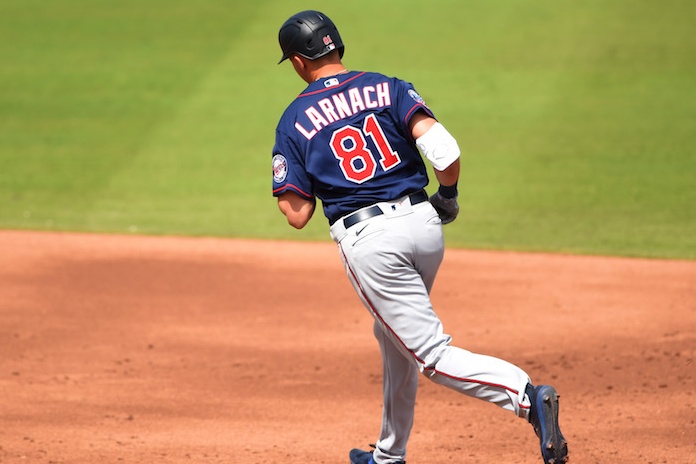 Kirilloff stays hot MLB Pipeline ranked Kirilloff as the No.10 prospect in baseball heading into the 2019 season. The 6-foot-2 inch lefty struggled with a wrist injury for most of the summer. He still mashed righties (.302 BA, .816 OPS) but struggled to hit lefties (.244 BA, .634 OPS), or for much power. For the first three months of the season, Kirilloff hit .272/.337/.381 with only four homers in 67 games. Perhaps finally healthy in August, Kirilloff looked like his usual self. He hit .311/.351/.500 with five homers and five doubles in 26 games. He continued to mash in the playoffs, hitting .381/.435/1.000 with a home run in four straight games. When healthy, Kirilloff’s ability to hit and hit for power is as impactful as any. Those qualities look major league ready. He dominated spring training by hitting .429/.455/.810 with two homers and two doubles in 10 games. Now entering his age-23 season, Kirilloff was likely set to spend most of his season at Triple-A Rochester. Kirilloff has shown remarkable upside with what projects to be average defense in the outfield or at first base. His debut in Minnesota is moving tantalizingly closer. Keith Law recently ranked him as the No.9 prospect in baseball. https://twitter.com/dohyoungpark/status/1095705138302464005?s=20 In his breakout 2018, Kirilloff hit .348/.392/.578 with 20 homers in 130 games between Cedar Rapids and Fort Myers. He tied super-prospect Vladimir Guerrero Jr. for the fourth most home runs in the minors and ranked fourth among players who played at least 100 games in OPS (.970). He led the minors in hits (178), doubles (44), and total bases (296) and ranked second in RBI (101) behind Nate Lowe (102). Larnach continues meteoric rise Larnach won the National Championship at Oregon State after hitting .348/.463/.652 with 19 homers and 19 doubles in 2018. The Twins made him the 20th pick of the following draft and he hasn’t missed a beat since. He made his professional debut shortly after the draft and hit .303/.390/.500 between Elizabethton and Cedar Rapids. The Twins have been rather aggressive with Larnach’s ascension. He started 2019 at High-A Fort Myers after only 24 games in Cedar Rapids. That wouldn’t be the end of his climb. He hit .316/.382/.459 in the pitching friendly Florida State League and the Twins deemed him ready for more. He joined top prospects Royce Lewis and Kirilloff in Pensacola at Double-A to finish the season and posted an identical OPS (.842) as he did in Fort Myers. Larnach was awarded as the Twins’ Minor League Player of the Year. He was invited to spring training and of course, resumed raking. He hit .333/.467/.708 with three home runs, five walks, and just three strikeouts in 30 plate appearances. Every strong quality has a negative externality. Larnach sprays the ball all over the field, but because of this, has been knocked for a lack of pull power. He seemed to put that to rest this spring. He hit an absolute moonshot to right at Hammond Stadium against the Tampa Bay Rays on March 6th (I was there). The power should develop, and Larnach, standing at 6-foot-4 inches and weighing 225 pounds, has rested most doubts when they surface. https://twitter.com/MLBPipeline/status/1232452454043635714?s=20 The future is bright So who is the better prospect? Well, it won’t matter unless a trade opportunity pops up. If the Twins were to pull the trigger on a blockbuster deal for, say, a frontline starting pitcher, one could speculate that Larnach or Kirilloff will be part of the package heading out. They’re both left-handed corner outfield bats with high floors and underrated ceilings. The Twins are in a good position to either pair them in their lineup, or trade one for a piece that could help bring them to the World Series. The 2020 season may be not happen. That would be a major blow to a special Twins team. However, Larnach and Kirilloff gave us a glimpse of what we may see for the next several years. The duo combined to hit .378/.462/.756 with five home runs, two doubles and 10 RBI in 45 spring training at-bats. The pair is a big reason why the Twins have the No.7 farm system in all of baseball via MLB Pipeline. MORE FROM TWINS DAILY — Latest Twins coverage from our writers — Recent Twins discussion in our forums — Follow Twins Daily via Twitter, Facebook or email
 -
Love this and especially the last paragraph.
-
There seems to be hope between MLB and the MLBPA that there will be a season in 2020. At this point, with millions of Americans on lockdown and or staying home to combat COVID-19, there is still the real fear of a cancelled season. How would that impact the Twins?Thad Levine and Derek Falvey went out this offseason looking for “impact” players to add to a 101-win, division winning club from 2019. It began with courting free agent starting pitchers and finished with the signing of Josh Donaldson and trade for Kenta Maeda. The general focus was on veterans that can help right now. Tyler Clippard, 35, was inked for one season. Sergio Romo, 37, is set to return on a one-year deal with a club option. Alex Avila, 33, replaced a slightly younger Jason Castro. Donaldson, 34, signed the largest contract in franchise history. Maeda, who turns 32 in April, has pitched in 24 postseason games. Homer Bailey could’ve just signed his last major league contract as he nears his 34th birthday. The outstanding 40-year-old Rich Hill says he signed with the Twins because he believes he can help them win the World Series right now. Those pieces, added to a roster that contains soon-to-be fellow 40-year-old Nelson Cruz, suggest that the Twins have built themselves for this October. MLB and the MLBPA have agreed that if there is any form of a season in 2020 that players will be granted a full year of service time. For example, if only, say, 60 games are played, Cruz, Clippard, Avila, Hill, Bailey, Jake Odorizzi, Marwin González, Trevor May, and Ehire Adrianza will still become free agents after the season. But what happens if the season is cancelled? Well, the same thing. Ken Rosenthal reported that the agreement says players will receive the same amount of service time they gained in 2019 in the event of a cancelled 2020 season. So that list of Twins free agents will still hit the market next winter. The core will be mostly intact, but the supplementary pieces will have a chance to test the market. You don’t have to look far to see how this hurts the Twins. This is perhaps the best lineup they’ve ever assembled. After hitting a major league record 307 home runs a season ago, they added another premier slugger and star in Donaldson. The 2019 bullpen ranked first in fWAR (4.8) after the All-Star break and brought aboard Clippard, who has pitched well against both righties and lefties for 13 years. The rotation, while still the weakness of this loaded roster, figures to be solid once again with All-Stars José Berríos and Odorizzi welcoming Maeda into the mix. The stars have aligned. A cancelled season would be catastrophic to the economy, popularity and growth of baseball. It would also strip a peaking Twins team of their chance to bring the World Series trophy back to Minneapolis. The Twins are set up to have sustained success for hopefully many years, but the 2020 club is special right now. The window is open, and with the improving White Sox coming soon, now is the best time for that special run. Let’s hope the Twins get the opportunity to do it. MORE FROM TWINS DAILY — Latest Twins coverage from our writers — Recent Twins discussion in our forums — Follow Twins Daily via Twitter, Facebook or email Click here to view the article
-
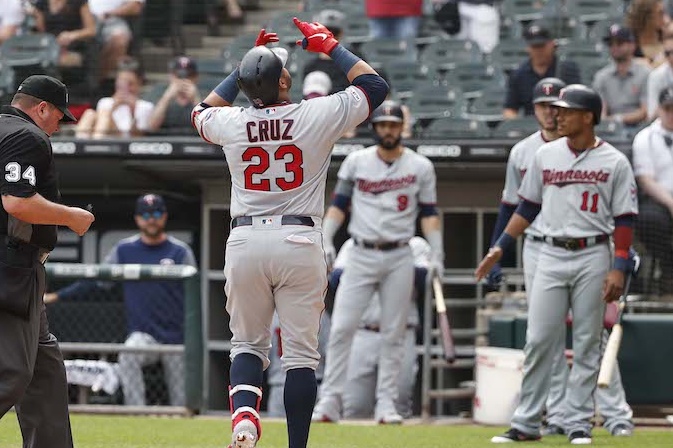 Thad Levine and Derek Falvey went out this offseason looking for “impact” players to add to a 101-win, division winning club from 2019. It began with courting free agent starting pitchers and finished with the signing of Josh Donaldson and trade for Kenta Maeda. The general focus was on veterans that can help right now. Tyler Clippard, 35, was inked for one season. Sergio Romo, 37, is set to return on a one-year deal with a club option. Alex Avila, 33, replaced a slightly younger Jason Castro. Donaldson, 34, signed the largest contract in franchise history. Maeda, who turns 32 in April, has pitched in 24 postseason games. Homer Bailey could’ve just signed his last major league contract as he nears his 34th birthday. The outstanding 40-year-old Rich Hill says he signed with the Twins because he believes he can help them win the World Series right now. Those pieces, added to a roster that contains soon-to-be fellow 40-year-old Nelson Cruz, suggest that the Twins have built themselves for this October. MLB and the MLBPA have agreed that if there is any form of a season in 2020 that players will be granted a full year of service time. For example, if only, say, 60 games are played, Cruz, Clippard, Avila, Hill, Bailey, Jake Odorizzi, Marwin González, Trevor May, and Ehire Adrianza will still become free agents after the season. But what happens if the season is cancelled? Well, the same thing. Ken Rosenthal reported that the agreement says players will receive the same amount of service time they gained in 2019 in the event of a cancelled 2020 season. So that list of Twins free agents will still hit the market next winter. The core will be mostly intact, but the supplementary pieces will have a chance to test the market. You don’t have to look far to see how this hurts the Twins. This is perhaps the best lineup they’ve ever assembled. After hitting a major league record 307 home runs a season ago, they added another premier slugger and star in Donaldson. The 2019 bullpen ranked first in fWAR (4.8) after the All-Star break and brought aboard Clippard, who has pitched well against both righties and lefties for 13 years. The rotation, while still the weakness of this loaded roster, figures to be solid once again with All-Stars José Berríos and Odorizzi welcoming Maeda into the mix. The stars have aligned. A cancelled season would be catastrophic to the economy, popularity and growth of baseball. It would also strip a peaking Twins team of their chance to bring the World Series trophy back to Minneapolis. The Twins are set up to have sustained success for hopefully many years, but the 2020 club is special right now. The window is open, and with the improving White Sox coming soon, now is the best time for that special run. Let’s hope the Twins get the opportunity to do it. MORE FROM TWINS DAILY — Latest Twins coverage from our writers — Recent Twins discussion in our forums — Follow Twins Daily via Twitter, Facebook or email
 -
Any G.O.A.T discussion is difficult when comparing across eras. The ball, game and strategies vary from decade to decade, and even year to year. With this in mind, who are the five best Twins hitters of all time? *All-time Twins rankings are with a minimum of 3,000 plate appearances for the club* My rankings:5. Joe Mauer Seasons with Minnesota: 15 Batting line: .306/.388/.439 Drafted first overall in 2001, Mauer, the hometown kid, had high expectations entering the big leagues. He certainly delivered. From 2004 to 2010, Mauer hit a ridiculous .327/.407/.481 with 81 home runs in 836 games. He won the MVP Award in 2009 after leading baseball in batting average (.365), on-base percentage (.444), slugging percentage (.587), and OPS (1.031). His OPS+ of 171 ranks fourth all-time in Twins history and is tied with Buster Posey for the fourth best season ever by a catcher. Mauer’s patience and hit tool were nearly unforeseen, and especially for a catcher. He finished his career with less than 100 more strikeouts (1,034) than walks (939), and his .388 on-base percentage ranks third behind Rod Carew and Chuck Knoblauch. His final five years are exaggerated because of the massive contract and switch to first base, but Mauer still hit .278/.359/.388 and was an above-average hitter with an OPS+ of 105. Mauer didn’t really get the supporting cast to bring a World Series to Minnesota, but Phil Cuzzi didn’t help either. 4. Tony Oliva Seasons with Minnesota: 15 (1962-1976) Batting line: .304/.353/.476 “Tony O” spent his entire career with the Twins. Oliva won Rookie of the Year in the Twins’ inaugural season after hitting .323/.359/.557 with 32 homers. Oliva led the league in batting average, hits, runs, doubles, and total bases. He wouldn’t surpass the 30 homer threshold for the rest of his career, but still ranks fourth in Twins history in home runs (220). Oliva won the batting title again in 1964, 1965, and 1971. In his eight year stretch of consecutive All-Star appearances from 1964-1971, Oliva hit .313/.360/.507 with an average OPS+ of 140. He received MVP votes in all eight seasons and ranks just behind Killebrew in offensive WAR among Twins during that span (37.4). A contact king, Oliva walked at just a 6.5% rate and struck out in 9.9% of his plate appearances in his heyday. In 13 postseason games, Oliva hit .314/.340/.588 with 3 homers. 3. Kirby Puckett Seasons with Minnesota: 12 Batting line: .318/.360/.477 Puck entered the league in 1984 and displayed little to no power. He hit .292/.325/.363 with just four home runs in his first 289 games. In 1986, Kirby burst out with 31 homers and a .903 OPS and was voted into his first of 10 consecutive All-Star Games. From 1987 to 1991, Puckett hit .330/.368/.492 with 88 home runs in 772 games. He was far-and-away the Twins’ leader in offensive WAR (26.1) and RBI (474) during that span. Puckett, while a consistently great hitter, is best known for his postseason heroics. In over 100 playoff plate appearances, Puckett hit .309/.361/.536 with 10 extra-base hits and 16 RBI. Kirby hit .357 to help the Twins secure their first World Series in 1987. On October 6, 1991, Puckett went 3-for-4 in an elimination Game 6 against Atlanta in the World Series. Oh, and he also hit the biggest home run in franchise history in that same game. 2. Harmon Killebrew Seasons with Minnesota: 14 (1961-1974) Batting line: .260/.383/.518 Killer’s power was video-game like. He hit over 40 home runs in seven seasons and ranks 12th all-time with 573 in his career. In his first season after the Washington Senators became the Minnesota Twins in 1961, Killebrew hit .288/.405/.606 with 46 home runs. No one in baseball hit more homers during the 1960s than Killer (393). Killebrew owns the 4th highest on-base percentage in Twins history (.383) because of his immense hitting ability and strong 16% walk rate. Killer led the league in walks four times and was intentionally walked more than any Twin ever (152). Killebrew leads Twins history in slugging percentage (.518), OPS (.901), homers (475), and RBI (1,325). In 1969, Killer appeared in all 162 games and hit .276/.427/.584 with 49 home runs. He won the MVP award and barely saw any strikes in an ALCS sweep at the hands of Baltimore. Here are the highest OPS+ seasons in Twins history: 1. Rod Carew - 1977 (178) 2. Harmon Killebrew - 1969 (177) 3. Harmon Killebrew - 1967 (173) 4. Joe Mauer - 2009 (171) 5. Nelson Cruz - 2019 (166) 6. Bob Allison - 1964 (163) 7. Harmon Killebrew - 1961 (162) 8. Harmon Killebrew - 1970 (159) T-9. Harmon Killebrew - 1966 (157) T-9. Rod Carew - 1975 (157) 1. Rod Carew Seasons with Minnesota: 12 (1967-1978) Batting line: .334/.393/.448 Rodney Cline won the batting title seven times and hit over .300 in 15 of his 19 seasons. Carew is the Twins’ all-time leader in average (.334), on-base percentage (.393), and offensive WAR (63.8). In his prime from 1972 to 1978, Carew dominated baseball with a .350 average. The 38 point difference between Carew and the second-placed Pete Rose was more than that of Rose and the 20th-ranked Reggie Jackson. Carew’s banner season was his MVP campaign in 1977. In his age-31 and second to last season in Minnesota, Carew hit .388/.449/.570 and led the league in hits, runs, batting average, on-base percentage, triples, OPS and WAR. Carew finished his career with 3,053 hits, including 445 doubles, 112 triples and 92 home runs. Unfortunately, he never appeared in a World Series and hit just .220/.291/.300 in 14 career postseason games. Carew was inducted into the Hall of Fame in 1991 after receiving 401 of 443 votes on the first ballot. Here are the top 10 offensive WAR seasons in Twins history: 1. Carew - 1977 (8.9) 2. Carew - 1974 (8.3) 3. Killebrew - 1969 (7.9) 4. Mauer - 2009 (7.7) T-5. Carew - 1975 (7.5) T-5. Knoblauch - 1996 (7.5) 7. Killebrew - 1967 (7.3) T-8. Puckett - 1988 (7.1) T-8. Killebrew - 1966 (7.1) 10. Carew - 1979 (7.0) What do you think? Who are the the five best Twins hitters ever? Comment below! MORE FROM TWINS DAILY — Latest Twins coverage from our writers — Recent Twins discussion in our forums — Follow Twins Daily via Twitter, Facebook or email Click here to view the article
-
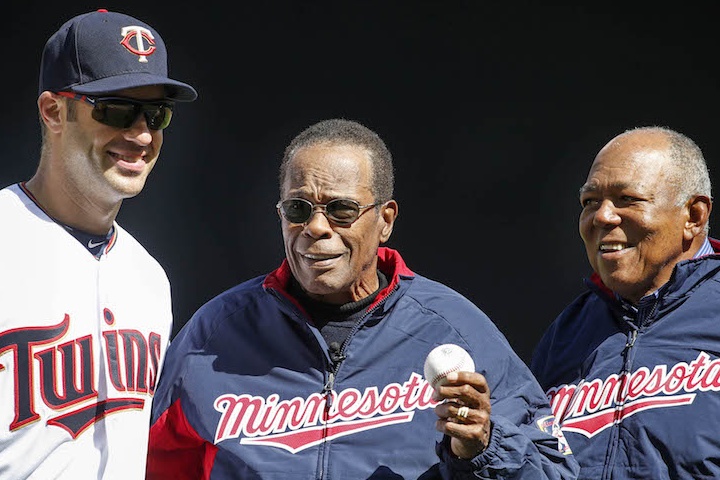 5. Joe Mauer Seasons with Minnesota: 15 Batting line: .306/.388/.439 Drafted first overall in 2001, Mauer, the hometown kid, had high expectations entering the big leagues. He certainly delivered. From 2004 to 2010, Mauer hit a ridiculous .327/.407/.481 with 81 home runs in 836 games. He won the MVP Award in 2009 after leading baseball in batting average (.365), on-base percentage (.444), slugging percentage (.587), and OPS (1.031). His OPS+ of 171 ranks fourth all-time in Twins history and is tied with Buster Posey for the fourth best season ever by a catcher. Mauer’s patience and hit tool were nearly unforeseen, and especially for a catcher. He finished his career with less than 100 more strikeouts (1,034) than walks (939), and his .388 on-base percentage ranks third behind Rod Carew and Chuck Knoblauch. His final five years are exaggerated because of the massive contract and switch to first base, but Mauer still hit .278/.359/.388 and was an above-average hitter with an OPS+ of 105. Mauer didn’t really get the supporting cast to bring a World Series to Minnesota, but Phil Cuzzi didn’t help either. 4. Tony Oliva Seasons with Minnesota: 15 (1962-1976) Batting line: .304/.353/.476 “Tony O” spent his entire career with the Twins. Oliva won Rookie of the Year in the Twins’ inaugural season after hitting .323/.359/.557 with 32 homers. Oliva led the league in batting average, hits, runs, doubles, and total bases. He wouldn’t surpass the 30 homer threshold for the rest of his career, but still ranks fourth in Twins history in home runs (220). Oliva won the batting title again in 1964, 1965, and 1971. In his eight year stretch of consecutive All-Star appearances from 1964-1971, Oliva hit .313/.360/.507 with an average OPS+ of 140. He received MVP votes in all eight seasons and ranks just behind Killebrew in offensive WAR among Twins during that span (37.4). A contact king, Oliva walked at just a 6.5% rate and struck out in 9.9% of his plate appearances in his heyday. In 13 postseason games, Oliva hit .314/.340/.588 with 3 homers. 3. Kirby Puckett Seasons with Minnesota: 12 Batting line: .318/.360/.477 Puck entered the league in 1984 and displayed little to no power. He hit .292/.325/.363 with just four home runs in his first 289 games. In 1986, Kirby burst out with 31 homers and a .903 OPS and was voted into his first of 10 consecutive All-Star Games. From 1987 to 1991, Puckett hit .330/.368/.492 with 88 home runs in 772 games. He was far-and-away the Twins’ leader in offensive WAR (26.1) and RBI (474) during that span. Puckett, while a consistently great hitter, is best known for his postseason heroics. In over 100 playoff plate appearances, Puckett hit .309/.361/.536 with 10 extra-base hits and 16 RBI. Kirby hit .357 to help the Twins secure their first World Series in 1987. On October 6, 1991, Puckett went 3-for-4 in an elimination Game 6 against Atlanta in the World Series. Oh, and he also hit the biggest home run in franchise history in that same game. 2. Harmon Killebrew Seasons with Minnesota: 14 (1961-1974) Batting line: .260/.383/.518 Killer’s power was video-game like. He hit over 40 home runs in seven seasons and ranks 12th all-time with 573 in his career. In his first season after the Washington Senators became the Minnesota Twins in 1961, Killebrew hit .288/.405/.606 with 46 home runs. No one in baseball hit more homers during the 1960s than Killer (393). Killebrew owns the 4th highest on-base percentage in Twins history (.383) because of his immense hitting ability and strong 16% walk rate. Killer led the league in walks four times and was intentionally walked more than any Twin ever (152). Killebrew leads Twins history in slugging percentage (.518), OPS (.901), homers (475), and RBI (1,325). In 1969, Killer appeared in all 162 games and hit .276/.427/.584 with 49 home runs. He won the MVP award and barely saw any strikes in an ALCS sweep at the hands of Baltimore. Here are the highest OPS+ seasons in Twins history: 1. Rod Carew - 1977 (178) 2. Harmon Killebrew - 1969 (177) 3. Harmon Killebrew - 1967 (173) 4. Joe Mauer - 2009 (171) 5. Nelson Cruz - 2019 (166) 6. Bob Allison - 1964 (163) 7. Harmon Killebrew - 1961 (162) 8. Harmon Killebrew - 1970 (159) T-9. Harmon Killebrew - 1966 (157) T-9. Rod Carew - 1975 (157) 1. Rod Carew Seasons with Minnesota: 12 (1967-1978) Batting line: .334/.393/.448 Rodney Cline won the batting title seven times and hit over .300 in 15 of his 19 seasons. Carew is the Twins’ all-time leader in average (.334), on-base percentage (.393), and offensive WAR (63.8). In his prime from 1972 to 1978, Carew dominated baseball with a .350 average. The 38 point difference between Carew and the second-placed Pete Rose was more than that of Rose and the 20th-ranked Reggie Jackson. Carew’s banner season was his MVP campaign in 1977. In his age-31 and second to last season in Minnesota, Carew hit .388/.449/.570 and led the league in hits, runs, batting average, on-base percentage, triples, OPS and WAR. Carew finished his career with 3,053 hits, including 445 doubles, 112 triples and 92 home runs. Unfortunately, he never appeared in a World Series and hit just .220/.291/.300 in 14 career postseason games. Carew was inducted into the Hall of Fame in 1991 after receiving 401 of 443 votes on the first ballot. Here are the top 10 offensive WAR seasons in Twins history: 1. Carew - 1977 (8.9) 2. Carew - 1974 (8.3) 3. Killebrew - 1969 (7.9) 4. Mauer - 2009 (7.7) T-5. Carew - 1975 (7.5) T-5. Knoblauch - 1996 (7.5) 7. Killebrew - 1967 (7.3) T-8. Puckett - 1988 (7.1) T-8. Killebrew - 1966 (7.1) 10. Carew - 1979 (7.0) What do you think? Who are the the five best Twins hitters ever? Comment below! MORE FROM TWINS DAILY — Latest Twins coverage from our writers — Recent Twins discussion in our forums — Follow Twins Daily via Twitter, Facebook or email
 -
In the midst of a pandemic, physical appearance is inconsequential. Maybe you need a light hearted read, or a spirited debate. All Twins are handsome, but who takes the cake? Disclaimer: Rocco Baldelli was ranked as the most handsome manager in baseball, but this list is strictly for Twins players.26. Willians Astudillo The good news: Astudillo makes the 26-man roster here. More good news: he is the 26th most stunning man on the roster. 25. Kenta Maeda Kenta is docked for his non-committal beard, but a strong smile (not pictured) helps him slot in just ahead of La Tortuga. 24. Jorge Polanco My 2019 Twins MVP. Polo enters camp with a light scruff and a slightly terrifying stare. 23. Matt Wisler Talk about terrifying stare. Wisler has a nice set of choppers and looks quite good in red, white and navy. 22. Tyler Clippard Clean cut goatee, sporty glasses help the Twins’ new addition add some swag at No.22. 21. Zack Littell A volumous flurry of red facial hair and lukewarm blue eyes push Littell just outside the top 20. 20. Randy Dobnak The Dobber scurries past his sports glasses foe Clippard with patchy, yet engaging handlebars. 19. Luis Arráez Baby-faced Luis sparkles with earrings and a soft-feeling gaze. 18. Alex Avila A tougher rank, Avila is your friendly neighbor who voluntarily plows your driveway and trims your grass. 17. Mitch Garver Just beating out his catching partner, the silver slugger impresses less with the beard but wins with his glare and jawline. 16. Taylor Rogers Perhaps I am influenced by his riveting voice and aura, but T-Rog is his own version of handsome. 15. Trevor May How ‘bout them eyebrows? Trevor gets massive bonus ticks for managing his bushy tails. 14. Jake Odorizzi Odo has constructed ways to complement his solid look. A plausible complexion is riveting enough to crack the top 15. 13. Eddie Rosario Rosito clearly employs a maestro as his barber. The hair slices in his left eyebrow and immoral stubbles are vigorous. 12. Tyler Duffey A good-looking side smile, ice blue eyes, and a finish just outside of the top 10. 11. Josh Donaldson I can appreciate a scruffy look, and Josh's certainly fits his personality. 10. Homer Bailey Homer “the horse” has a defined jaw line and deep brown eyes. 9. Ehire Adrianza AD, like Arráez, sports a strong pair of earrings and a dancing smile. 8. Cody Stashak Fighting for a spot in the Twins’ bullpen, Stashak doesn’t have to fight hard here to crack the top 8 with a nice little goatee and outstanding jaw. 7. Marwin Gonzalez This is where the smiles really shine through, and Margo has a strong one with this pretty pup. 6. Nelson Cruz King Nellie has the sharpest and simplest beard on the club. His laugh vaults him toward the top of the list. 5. Sergio Romo Nastiest slider in baseball? Yes. Nastiest smile in baseball? Quite the opposite. 4. Miguel Sano His new “SANO” necklace isn’t shown here, but his impressive teeth and King Nellie-like beard are. 3. José Berríos José entered photo day with a half-committal beard, but his inviting and kind watch is lovable. 2. Byron Buxton A phenomenal handlebar-goatee crossover lands Buck in the top 2. Plus, the hanging cross earring is the sign of a winner. 1. Max Kepler Kepler looks like the next contestant on ABC’s The Bachelor. Who was snubbed too low? Who was overrated? Comment below! MORE FROM TWINS DAILY — Latest Twins coverage from our writers — Recent Twins discussion in our forums — Follow Twins Daily via Twitter, Facebook or email Click here to view the article

