Tom Froemming
-
Posts
5,260 -
Joined
-
Last visited
-
Days Won
22
Content Type
Profiles
News
Minnesota Twins Videos
2026 Minnesota Twins Top Prospects Ranking
2022 Minnesota Twins Draft Picks
Minnesota Twins Free Agent & Trade Rumors, Notes, & Tidbits
Guides & Resources
2023 Minnesota Twins Draft Picks
The Minnesota Twins Players Project
2024 Minnesota Twins Draft Picks
2025 Minnesota Twins Draft Pick Tracker
2026 Minnesota Twins Draft Tracker: Picks & Bonuses
Forums
Blogs
Events
Store
Downloads
Gallery
Everything posted by Tom Froemming
-
 Mark Contreras has gone from organizational afterthought to on the doorsteps of the big leagues in a matter of months. He got things started for the Saints tonight in a big 8-0 victory. TRANSACTIONS Twins recall RHP Beau Burrows and select Juan Minaya from St. Paul. Cedar Rapids activates Andrew Cabezas from the 7-day IL. Matt Wallner sent to FCL Twins for a rehab assignment. SAINTS SENTINEL St. Paul 8, Columbus 0 Box Score Matt Shoemaker: 5.0 IP, 2 H, 0 R, 4 BB, 3 K Multi-hit games: Mark Contreras (2-for-3, HR), Drew Stankiewicz (2-for-4) HR: Mark Contreras (10), Brent Rooker (19) The Twins drafted Mark Contreras as a senior out of UC Riverside and signed to a $10,000 bonus in 2017. After a poor 2019 in which he hit .186/.271/.328 (.599 OPS) in 411 plate appearances, it felt like he was among the players who could least afford a lost 2020 season. Having those numbers represent his most-recent performance for such a long time is not good for a ballplayer’s resume. Contreras, who turned 26 earlier this year, put those numbers behind him with a strong start to this season in Wichita. Now, it’s easy to wonder if this is that same guy from 2019. Did the Twins sign another Mark Contreras and I just missed it? Contreras had a six-game cameo with the St. Paul in late-May, went back down to Double-A for a single game, but returned to the Saints on June 3. From that point to coming into today, Contreras hit .265/.341/.590 (.931 OPS). Tonight, Contreras hit his 10th homer in just 34 games for St. Paul, matching the total he hit in 112 games back in 2019. What an incredible turnaround. After Matt Shoemaker delivered five clean innings (yes, he’s still around), Jonvani Moran Followed with 2 2/3 innings of shutout ball in his Triple-A debut, striking out five of the 10 batters he faced. Kyle Barraclough finished off the shutout by recording the final four outs, two of them on strikeouts. WIND SURGE WISDOM Wichita 8, Tulsa 7 (10 innings) Box Score Chris Vallimont: 3.1 IP, 7 H, 5 R, 3 BB, 7 K Multi-hit games: BJ Boyd (3-for-4, BB, SB) HR: None And you thought the end of the Twins game was unbelievable ... Tulsa led this game 7-1 heading into the bottom of the sixth inning but they snatched defeat from the jaws of victory, or something. Jordan Gore delivered 1-2-3 innings in both the ninth and 10th, managing to strand the extra innings bonus runner. He picked up his first-career Double-A victory. KERNELS NUGGETS South Bend 7, Cedar Rapids 3 Box Score Andrew Cabezas: 1.2 IP, 2 H, 2 R, 1 BB, 2 K Multi-hit games: Gabriel Maciel (2-for-2, 2 BB), Kyle Schmidt (2-for-3, BB) HR: Wander Javier (9) Tyler Watson did an amazing job stabilizing this game for the Kernels, delivering five shutout innings of two-hit ball while striking out nine batters out of the bullpen. Unfortunately, the bats couldn’t grab the lead and the rest of the bullpen stumbled, giving up five runs in the bottom of the eighth. MUSSEL MATTERS Fort Myers 7, Jupiter 5 Box Score Orlando Rodriguez: 7 IP, 7 H, 1 R, 1 BB, 6 K Multi-hit games: Will Holland (2-for-3, 2B, HR, BB, SB), Charles Mack (2-for-4, 2B), Ruben Santana (2-for-2, 2 BB) HR: Will Holland (5) Speaking of good stories, Orlando Rodriguez had a successful debut in the org. He had been pitching for Schaumburg in the independent Frontier League and this was his third year in indy ball. He went seven innings and threw 62 of his 93 pitches for strikes (66.7%). Will Holland was the star of this game, hitting a two-run double and a two-out home run. He also drew a walk and stole a base, his sixth steal of the season. COMPLEX CHRONICLES FCL Red Sox 15, FCL Twins 2 Box Score Donny Breek: 0.2 IP, 0 H, 5 R (1 ER), 2 BB, 1 K Multi-hit games: None HR: None The Twins gave up eight runs in the top of the first inning. There were three hit batsmen, three walks, an error and a grand slam. Basically an entire Twingo card worth of action. TWINS DAILY MINOR LEAGUE PLAYERS OF THE DAY Pitcher: Orlando Rodriguez, Fort Myers Hitter: Will Holland, Fort Myers PROSPECT SUMMARY Take note that we have finished our midseason update, so there is a new list! Here is a look at how the Twins Daily Midseason Top 20 Prospects performed: #1 – Royce Lewis (Rehab) – Out for season (torn ACL) #2 – Jhoan Duran (St. Paul) – Injured List (elbow strain) #3 – Jordan Balazovic (Wichita) – DNP #4 – Matt Canterino (Cedar Rapids) – Injured List (right elbow strain) #5 – Jose Miranda (St. Paul) – 1-for-5, 2B, 2 RBI #6 – Keoni Cavaco (Fort Myers) – DNP #7 – Gilberto Celestino (Minnesota) – DNP #8 – Josh Winder (St. Paul) – DNP #9 – Aaron Sabato (Fort Myers) – 1-for-4, 2 RBI, K #10 – Matt Wallner (Cedar Rapids - with FCL Twins on a rehab assignment) – 0-for-2 #11 – Blayne Enlow (Cedar Rapids) – Out for Season (Tommy John surgery) #12 – Bailey Ober (Minnesota) – DNP #13 – Cole Sands (Wichita) – DNP #14 – Brent Rooker (St. Paul) – 1-for-3, HR, 2 R, 3 RBI, 2 K #15 – Misael Urbina (Fort Myers) – 0-for-2, BB, R #16 – Spencer Steer (Wichita) – 1-for-4, BB, R #17 – Wander Javier (Cedar Rapids) – 1-for-4, HR, R, RBI, K #18 – Alerick Soularie (Complex) – N/A (foot injury) #19 – Edwar Colina (Rehab) – Injured List (elbow) #20 – Chris Vallimont (Wichita) – 3.1 IP, 7 H, 5 R, 3 BB, 7 K SUNDAY’S PROBABLE STARTERS Columbus at St. Paul, 2:05 pm CT: Andrew Albers Tulsa at Wichita, 1:05 pm CT: Austin Schulfer Cedar Rapids at South Bend, 1:05 pm CT: TBD Jupiter at Fort Myers, 11 am CT: Zarion Sharpe View full article
 -
 TRANSACTIONS Twins recall RHP Beau Burrows and select Juan Minaya from St. Paul. Cedar Rapids activates Andrew Cabezas from the 7-day IL. Matt Wallner sent to FCL Twins for a rehab assignment. SAINTS SENTINEL St. Paul 8, Columbus 0 Box Score Matt Shoemaker: 5.0 IP, 2 H, 0 R, 4 BB, 3 K Multi-hit games: Mark Contreras (2-for-3, HR), Drew Stankiewicz (2-for-4) HR: Mark Contreras (10), Brent Rooker (19) The Twins drafted Mark Contreras as a senior out of UC Riverside and signed to a $10,000 bonus in 2017. After a poor 2019 in which he hit .186/.271/.328 (.599 OPS) in 411 plate appearances, it felt like he was among the players who could least afford a lost 2020 season. Having those numbers represent his most-recent performance for such a long time is not good for a ballplayer’s resume. Contreras, who turned 26 earlier this year, put those numbers behind him with a strong start to this season in Wichita. Now, it’s easy to wonder if this is that same guy from 2019. Did the Twins sign another Mark Contreras and I just missed it? Contreras had a six-game cameo with the St. Paul in late-May, went back down to Double-A for a single game, but returned to the Saints on June 3. From that point to coming into today, Contreras hit .265/.341/.590 (.931 OPS). Tonight, Contreras hit his 10th homer in just 34 games for St. Paul, matching the total he hit in 112 games back in 2019. What an incredible turnaround. After Matt Shoemaker delivered five clean innings (yes, he’s still around), Jonvani Moran Followed with 2 2/3 innings of shutout ball in his Triple-A debut, striking out five of the 10 batters he faced. Kyle Barraclough finished off the shutout by recording the final four outs, two of them on strikeouts. WIND SURGE WISDOM Wichita 8, Tulsa 7 (10 innings) Box Score Chris Vallimont: 3.1 IP, 7 H, 5 R, 3 BB, 7 K Multi-hit games: BJ Boyd (3-for-4, BB, SB) HR: None And you thought the end of the Twins game was unbelievable ... Tulsa led this game 7-1 heading into the bottom of the sixth inning but they snatched defeat from the jaws of victory, or something. Jordan Gore delivered 1-2-3 innings in both the ninth and 10th, managing to strand the extra innings bonus runner. He picked up his first-career Double-A victory. KERNELS NUGGETS South Bend 7, Cedar Rapids 3 Box Score Andrew Cabezas: 1.2 IP, 2 H, 2 R, 1 BB, 2 K Multi-hit games: Gabriel Maciel (2-for-2, 2 BB), Kyle Schmidt (2-for-3, BB) HR: Wander Javier (9) Tyler Watson did an amazing job stabilizing this game for the Kernels, delivering five shutout innings of two-hit ball while striking out nine batters out of the bullpen. Unfortunately, the bats couldn’t grab the lead and the rest of the bullpen stumbled, giving up five runs in the bottom of the eighth. MUSSEL MATTERS Fort Myers 7, Jupiter 5 Box Score Orlando Rodriguez: 7 IP, 7 H, 1 R, 1 BB, 6 K Multi-hit games: Will Holland (2-for-3, 2B, HR, BB, SB), Charles Mack (2-for-4, 2B), Ruben Santana (2-for-2, 2 BB) HR: Will Holland (5) Speaking of good stories, Orlando Rodriguez had a successful debut in the org. He had been pitching for Schaumburg in the independent Frontier League and this was his third year in indy ball. He went seven innings and threw 62 of his 93 pitches for strikes (66.7%). Will Holland was the star of this game, hitting a two-run double and a two-out home run. He also drew a walk and stole a base, his sixth steal of the season. COMPLEX CHRONICLES FCL Red Sox 15, FCL Twins 2 Box Score Donny Breek: 0.2 IP, 0 H, 5 R (1 ER), 2 BB, 1 K Multi-hit games: None HR: None The Twins gave up eight runs in the top of the first inning. There were three hit batsmen, three walks, an error and a grand slam. Basically an entire Twingo card worth of action. TWINS DAILY MINOR LEAGUE PLAYERS OF THE DAY Pitcher: Orlando Rodriguez, Fort Myers Hitter: Will Holland, Fort Myers PROSPECT SUMMARY Take note that we have finished our midseason update, so there is a new list! Here is a look at how the Twins Daily Midseason Top 20 Prospects performed: #1 – Royce Lewis (Rehab) – Out for season (torn ACL) #2 – Jhoan Duran (St. Paul) – Injured List (elbow strain) #3 – Jordan Balazovic (Wichita) – DNP #4 – Matt Canterino (Cedar Rapids) – Injured List (right elbow strain) #5 – Jose Miranda (St. Paul) – 1-for-5, 2B, 2 RBI #6 – Keoni Cavaco (Fort Myers) – DNP #7 – Gilberto Celestino (Minnesota) – DNP #8 – Josh Winder (St. Paul) – DNP #9 – Aaron Sabato (Fort Myers) – 1-for-4, 2 RBI, K #10 – Matt Wallner (Cedar Rapids - with FCL Twins on a rehab assignment) – 0-for-2 #11 – Blayne Enlow (Cedar Rapids) – Out for Season (Tommy John surgery) #12 – Bailey Ober (Minnesota) – DNP #13 – Cole Sands (Wichita) – DNP #14 – Brent Rooker (St. Paul) – 1-for-3, HR, 2 R, 3 RBI, 2 K #15 – Misael Urbina (Fort Myers) – 0-for-2, BB, R #16 – Spencer Steer (Wichita) – 1-for-4, BB, R #17 – Wander Javier (Cedar Rapids) – 1-for-4, HR, R, RBI, K #18 – Alerick Soularie (Complex) – N/A (foot injury) #19 – Edwar Colina (Rehab) – Injured List (elbow) #20 – Chris Vallimont (Wichita) – 3.1 IP, 7 H, 5 R, 3 BB, 7 K SUNDAY’S PROBABLE STARTERS Columbus at St. Paul, 2:05 pm CT: Andrew Albers Tulsa at Wichita, 1:05 pm CT: Austin Schulfer Cedar Rapids at South Bend, 1:05 pm CT: TBD Jupiter at Fort Myers, 11 am CT: Zarion Sharpe
 -
The Twins (Still) Have a Velocity Problem
Tom Froemming replied to Tom Froemming's topic in Twins Daily Front Page News
% of pitches 96+ mph the past three years 2021: Twins 4.5, MLB 8.8 2020: Twins 3.8, MLB 7.8 2019: Twins 3.2, MLB 7.4 -
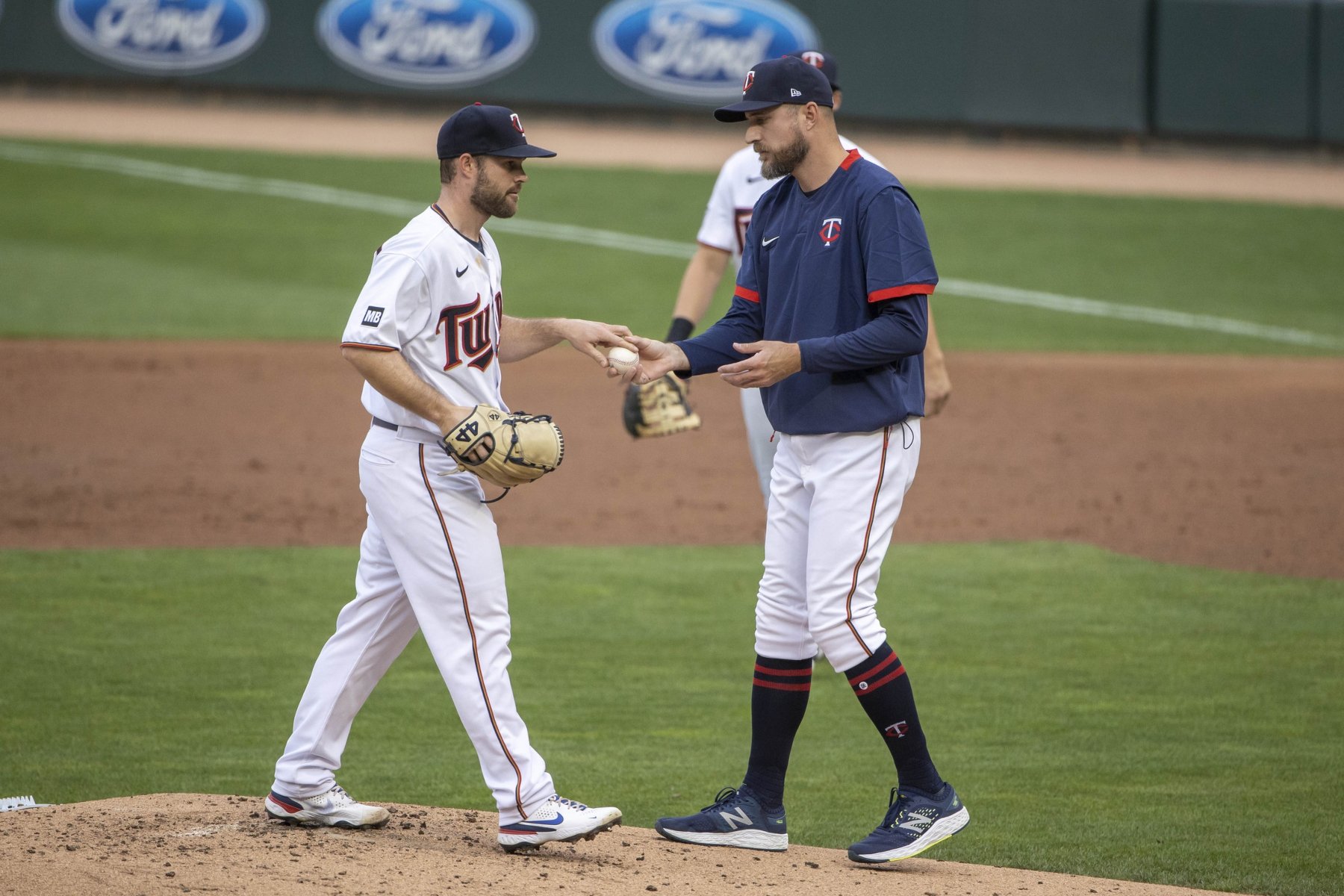 I talked about velocity in the video below, starting at Josh Winder’s Futures Game outing that led me down this trail and ending with a stat that the team ranks dead last in the league in. It’s worth pointing out that throwing hard doesn’t guarantee success. Guys like Kyle Hendricks, Zack Greinke, Adam Wainwright, Hyun-Jin Ryu and Wade Miley rarely (if ever) crack 90 mph and they’re still effective starting pitchers. There are also flamethrowers who stink at pitching. On average, however, lower-velo pitches are hit and hit harder more often. If it seems like the Twins are throwing harder these days, you’re right. Unfortunately, they’re just not advancing enough to keep pace with the rest of the league. The Twins have had 23 pitchers appear for them in 2021 (excluding Willians Astudillo’s three innings) and just five of them have thrown a pitch in excess of 96 mph. Twins pitchers have combined to hit that benchmark a grand total of 595 times. There are eight pitchers who’ve eclipsed that mark all on their own. Pitches 96+ mph Zack Wheeler 960 Sandy Alcantara 784 Brandon Woodruff 763 Gerrit Cole 760 Luis Castillo 730 Jacob deGrom 697 Frankie Montas 649 Nathan Eovaldi 610 Minnesota Twins 595 Taking a look at the team level, it’s pretty striking how much the Twins and White Sox are at opposite ends of the spectrum in terms of pitcher velocity. The vast majority of Chicago pitchers have reached 96 mph and they’ve tallied more than four times as many 96+ mph pitches than the Twins this year. Twins White Sox Pitchers 23 19 # to 96+ mph 5 15 % to 96 mph 21.7% 78.9% Pitches 13,206 13,048 # 96+ mph 595 2,527 % 96+ mph 4.5% 19.4% Not surprisingly, the Twins rank near the bottom of the league in several pitching categories. They’re 21st in K%, 24th in swinging-strike rate and 27th in FIP. Meanwhile, the White Sox are second, first and fourth in those categories. Help is on the way ... hopefully. In addition to Winder, who I mentioned earlier, the Twins also have hard-throwers like Jhoan Duran and Matt Canterino (among others) in the minors. They took triple-digit teen Chase Petty with their first pick in the draft. He’s years away from contributing to the big club, of course, but I still found it encouraging to see the front office appear to make velocity a priority with that pick. We won’t have to wait much longer to find out if velo is made a point of emphasis for the Twins at the trade deadline. Here’s hoping they add some gas to the staff. MORE FROM TWINS DAILY — Latest Twins coverage from our writers — Recent Twins discussion in our forums — Follow Twins Daily via Twitter, Facebook or email
 -
Change is slow, apparently. The Minnesota Twins have had a reputation of building soft-tossing pitching staffs for decades. Unfortunately, this issue still plagues the 2021 version of the club. I talked about velocity in the video below, starting at Josh Winder’s Futures Game outing that led me down this trail and ending with a stat that the team ranks dead last in the league in. It’s worth pointing out that throwing hard doesn’t guarantee success. Guys like Kyle Hendricks, Zack Greinke, Adam Wainwright, Hyun-Jin Ryu and Wade Miley rarely (if ever) crack 90 mph and they’re still effective starting pitchers. There are also flamethrowers who stink at pitching. On average, however, lower-velo pitches are hit and hit harder more often. If it seems like the Twins are throwing harder these days, you’re right. Unfortunately, they’re just not advancing enough to keep pace with the rest of the league. The Twins have had 23 pitchers appear for them in 2021 (excluding Willians Astudillo’s three innings) and just five of them have thrown a pitch in excess of 96 mph. Twins pitchers have combined to hit that benchmark a grand total of 595 times. There are eight pitchers who’ve eclipsed that mark all on their own. Pitches 96+ mph Zack Wheeler 960 Sandy Alcantara 784 Brandon Woodruff 763 Gerrit Cole 760 Luis Castillo 730 Jacob deGrom 697 Frankie Montas 649 Nathan Eovaldi 610 Minnesota Twins 595 Taking a look at the team level, it’s pretty striking how much the Twins and White Sox are at opposite ends of the spectrum in terms of pitcher velocity. The vast majority of Chicago pitchers have reached 96 mph and they’ve tallied more than four times as many 96+ mph pitches than the Twins this year. Twins White Sox Pitchers 23 19 # to 96+ mph 5 15 % to 96 mph 21.7% 78.9% Pitches 13,206 13,048 # 96+ mph 595 2,527 % 96+ mph 4.5% 19.4% Not surprisingly, the Twins rank near the bottom of the league in several pitching categories. They’re 21st in K%, 24th in swinging-strike rate and 27th in FIP. Meanwhile, the White Sox are second, first and fourth in those categories. Help is on the way ... hopefully. In addition to Winder, who I mentioned earlier, the Twins also have hard-throwers like Jhoan Duran and Matt Canterino (among others) in the minors. They took triple-digit teen Chase Petty with their first pick in the draft. He’s years away from contributing to the big club, of course, but I still found it encouraging to see the front office appear to make velocity a priority with that pick. We won’t have to wait much longer to find out if velo is made a point of emphasis for the Twins at the trade deadline. Here’s hoping they add some gas to the staff. MORE FROM TWINS DAILY — Latest Twins coverage from our writers — Recent Twins discussion in our forums — Follow Twins Daily via Twitter, Facebook or email View full article
-
Here's the coverage MLB Network provided ICYMI
-
Minor League Report (7/10): Jordy Blaze Does it Again
Tom Froemming replied to Matt Braun's topic in Twins Minor League Talk
Here's Balazovic's entire start crammed into less than 10 minutes: -
Minor League Report (7/8): Wander Walks it Off
Tom Froemming replied to Ted Schwerzler 's topic in Twins Minor League Talk
Here's a highlight of the Wander Javier walk-off homer and the nice at-bat that led up to it:- 13 replies
-
- 3
-

-
- minnesota twins
- st paul saints
- (and 3 more)
-
Looking toward the future on how things might end up, here are the guys still contributing to these totals: Twins: Tyler Watson, Jhoan Duran, Gabriel Maciel, Ernie De La Trinidad, Jorge Alcala, Gilberto Celestino, Luis Rijo, Devin Smeltzer and Chris Valimont. Their Trade Partners: Huascar Ynoa, Lewin Diaz, Jaylin Davis, Kai-Wei Teng and Prelander Berroa. I think I spent plenty of time qualifying things in the article and saying the book isn't closed, but I still very much stand by the headline. I think it's difficult to be inspired by what this front office has achieved in these deals, even when considering what's to come. I suppose that may say more about how high I currently am on Ynoa and how concerned I am about Duran's future role than anything.
-
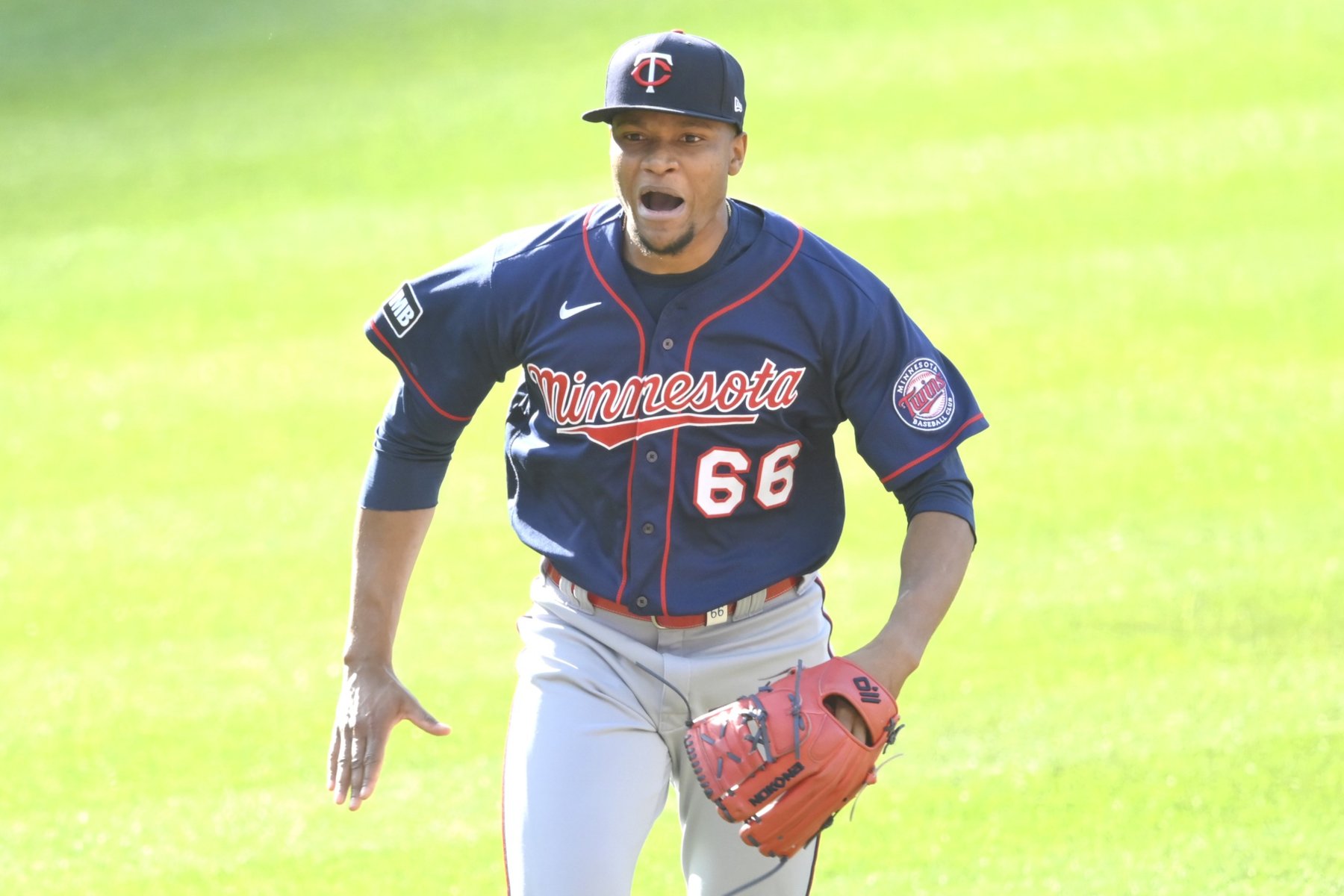 I recently wrote about how I’ve lost faith in this front office and this exercise didn’t make me feel any better. To be fair, there’s still a lot yet to be determined from some of these trades. The Twins have quite a few of the players acquired in these deadline deals still in their system. Still, I think there are some things we can take away from revisiting these deals. We’re going to be using FanGraphs’ version of WAR to evaluate these deals. That seemed like the most direct way to put a number on these things, but no matter how you want to look at it I think you’re going to come to the same conclusion. It’s not very close. Well, at least for now. Here’s a breakdown on how the Twins made out from the 2017 trade deadline. Additions Subtractions Jaime Garcia 0.2 Huascar Ynoa 0.7 Anthony Recker 0.0 Gabriel Moya 0.0 John Ryan Murphy 1.0 Zack Littell 0.0 Jaime Garcia 0.3 Dietrich Enns -0.1 Tyler Watson 0.0 Brandon Kintzler 0.3 2017 TOTALS TWINS 0.1 TRADE PARTNERS 2.3 Let’s take a look at 2018.The Twins didn’t get much here, and only have Tyler Watson left from this group. Watson has a 2.45 ERA this year but it’s as a 24-year-old in High-A. Huascar Ynoa has a 3.02 ERA in the big leagues at 23. Things already don’t look good for the Twins here, but Ynoa figures to be in Atlanta’s rotation for years to come. Yes, John Ryan Murphy really did provide some value (almost all of it on defense) as a backup catcher during the two-plus years of team control he had after the deal. Additions Subtractions Jhoan Duran 0.0 Eduardo Escobar 1.0 Gabriel Maciel 0.0 Ernie De La Trinidad 0.0 Jorge Alcala -0.1 Ryan Pressly 2.5 Gilberto Celestino -0.4 Chase De Jong 0.0 Zach Duke 0.1 Ryan Costello 0.0 Tyler Austin 0.3 Lance Lynn 2.0 Luis Rijo 0.0 Logan Forsythe 0.4 Brian Dozier -0.2 Devin Smeltzer 0.7 Luke Raley 0.0 Dakota Chalmers 0.0 Fernando Rodney -0.1 2018 TOTALS TWINS 0.9 TRADE PARTNERS 5.3 The Escobar and Pressly figures are only from their years of control that were traded at the time. Credit to their current organizations for signing them to extensions, but anything they’ve done during those additional seasons shouldn’t be factored into these trade evaluations. Lance Lynn, man. He flipped his K:BB ratio from 1.61 with the Twins to 4.36. The Twins are way behind so far, but Jhoan Duran and Co. could eventually swing things the other direction. Still, being three years removed from this trade deadline and having seen very little materialize on the big club is a bit of a letdown. If there's one prospect acquired who you'd hope would be on his way to becoming an established major leaguer by now it's Jorge Alcala. He turns 26 later this month and has been worth -0.4 fWAR so far this season. He actually has a worse FIP than Alex Colomé this year. Alcala ranks 171st among the 177 qualified relievers in FIP this year. Yikes. Onward to the 2019 deadline. Additions Subtractions Sergio Romo 0.5 Lewin Diaz -0.3 Chris Vallimont 0.0 Sam Dyson -0.2 Jaylin Davis -0.6 Kai-Wei Teng 0.0 Prelander Berroa 0.0 2019 TOTAL TWINS 0.3 TRADE PARTNERS -0.9 The same logic that applied to Escobar and Pressly applies here with Romo. This only accounts for 2019. He became a free agent after that season and signed a deal to return to Minnesota, so his performance that year was not included. The Twins actually come out ahead, so far, but that Sam Dyson trade could really end up biting them. I’ve always thought that trade with the Marlins was pretty clever. The Twins front office managed to buy for now and later. Romo pitched well and Chris Vallimont is looking quite intriguing in Double-A. He cracked Twins Daily’s top-20 prospects in our most recent update. Lewin Diaz could end up being a nice piece for Miami but it’s not like the Twins need another left-handed bat or first baseman. And that’s it. The Twins didn’t make any moves leading up to last year’s trade deadline. Let’s tally up the damage. GRAND TOTAL TWINS 1.3 TRADE PARTNERS 6.7 Things don’t look great. Sure, the Twins have some prospects that will hopefully improve upon their current mark, but Ynoa and the prospects dealt at the 2019 deadline could also tip the scales the other direction. MORE FROM TWINS DAILY — Latest Twins coverage from our writers — Recent Twins discussion in our forums — Follow Twins Daily via Twitter, Facebook or email
 -
Derek Falvey, Thad Levine and the rest of the Minnesota Twins front office are going to be busy these next few weeks. Here’s hoping they’ve learned lessons from their previous trade deadline decisions. I recently wrote about how I’ve lost faith in this front office and this exercise didn’t make me feel any better. To be fair, there’s still a lot yet to be determined from some of these trades. The Twins have quite a few of the players acquired in these deadline deals still in their system. Still, I think there are some things we can take away from revisiting these deals. We’re going to be using FanGraphs’ version of WAR to evaluate these deals. That seemed like the most direct way to put a number on these things, but no matter how you want to look at it I think you’re going to come to the same conclusion. It’s not very close. Well, at least for now. Here’s a breakdown on how the Twins made out from the 2017 trade deadline. Additions Subtractions Jaime Garcia 0.2 Huascar Ynoa 0.7 Anthony Recker 0.0 Gabriel Moya 0.0 John Ryan Murphy 1.0 Zack Littell 0.0 Jaime Garcia 0.3 Dietrich Enns -0.1 Tyler Watson 0.0 Brandon Kintzler 0.3 2017 TOTALS TWINS 0.1 TRADE PARTNERS 2.3 Let’s take a look at 2018.The Twins didn’t get much here, and only have Tyler Watson left from this group. Watson has a 2.45 ERA this year but it’s as a 24-year-old in High-A. Huascar Ynoa has a 3.02 ERA in the big leagues at 23. Things already don’t look good for the Twins here, but Ynoa figures to be in Atlanta’s rotation for years to come. Yes, John Ryan Murphy really did provide some value (almost all of it on defense) as a backup catcher during the two-plus years of team control he had after the deal. Additions Subtractions Jhoan Duran 0.0 Eduardo Escobar 1.0 Gabriel Maciel 0.0 Ernie De La Trinidad 0.0 Jorge Alcala -0.1 Ryan Pressly 2.5 Gilberto Celestino -0.4 Chase De Jong 0.0 Zach Duke 0.1 Ryan Costello 0.0 Tyler Austin 0.3 Lance Lynn 2.0 Luis Rijo 0.0 Logan Forsythe 0.4 Brian Dozier -0.2 Devin Smeltzer 0.7 Luke Raley 0.0 Dakota Chalmers 0.0 Fernando Rodney -0.1 2018 TOTALS TWINS 0.9 TRADE PARTNERS 5.3 The Escobar and Pressly figures are only from their years of control that were traded at the time. Credit to their current organizations for signing them to extensions, but anything they’ve done during those additional seasons shouldn’t be factored into these trade evaluations. Lance Lynn, man. He flipped his K:BB ratio from 1.61 with the Twins to 4.36. The Twins are way behind so far, but Jhoan Duran and Co. could eventually swing things the other direction. Still, being three years removed from this trade deadline and having seen very little materialize on the big club is a bit of a letdown. If there's one prospect acquired who you'd hope would be on his way to becoming an established major leaguer by now it's Jorge Alcala. He turns 26 later this month and has been worth -0.4 fWAR so far this season. He actually has a worse FIP than Alex Colomé this year. Alcala ranks 171st among the 177 qualified relievers in FIP this year. Yikes. Onward to the 2019 deadline. Additions Subtractions Sergio Romo 0.5 Lewin Diaz -0.3 Chris Vallimont 0.0 Sam Dyson -0.2 Jaylin Davis -0.6 Kai-Wei Teng 0.0 Prelander Berroa 0.0 2019 TOTAL TWINS 0.3 TRADE PARTNERS -0.9 The same logic that applied to Escobar and Pressly applies here with Romo. This only accounts for 2019. He became a free agent after that season and signed a deal to return to Minnesota, so his performance that year was not included. The Twins actually come out ahead, so far, but that Sam Dyson trade could really end up biting them. I’ve always thought that trade with the Marlins was pretty clever. The Twins front office managed to buy for now and later. Romo pitched well and Chris Vallimont is looking quite intriguing in Double-A. He cracked Twins Daily’s top-20 prospects in our most recent update. Lewin Diaz could end up being a nice piece for Miami but it’s not like the Twins need another left-handed bat or first baseman. And that’s it. The Twins didn’t make any moves leading up to last year’s trade deadline. Let’s tally up the damage. GRAND TOTAL TWINS 1.3 TRADE PARTNERS 6.7 Things don’t look great. Sure, the Twins have some prospects that will hopefully improve upon their current mark, but Ynoa and the prospects dealt at the 2019 deadline could also tip the scales the other direction. MORE FROM TWINS DAILY — Latest Twins coverage from our writers — Recent Twins discussion in our forums — Follow Twins Daily via Twitter, Facebook or email View full article
-
There are significant obstacles that may prevent the Minnesota Twins from taking full advantage of being sellers at this year’s trade deadline. League-wide needs, recent rule changes and the economic state of the game could result in a difficult market to navigate. No matter what the Twins do this month the goal has to be to inject more pitching into this organization. Ideally, those arms would be relatively close to major-league ready. The team already has enviable payroll flexibility going forward, but moving any salary off the books that would later be reinvested in pitching would also be a plus. That’s all going to be much easier said than done. Everybody Needs Pitching Great news for the potential José Berríos market, right? Well, this one goes both ways. Yes, acquiring MLB pitchers will come at a high cost, but so could acquiring pitching prospects. I expect all pitching to come at a premium relative to bats. Part of the aftermath of the mostly lost 2020 season is a great innings insecurity across the game. Starting pitchers shouldering less of the load also plays a part in this issue, certainly, but it’s something that stretches across every level of pro ball right now. There seem to be more innings than pitchers to cover them. I think teams willing to accept trade packages revolving around hitters will be able to acquire demonstrably more talent than their counterparts who are honed in on arms. Prying Away Prospects in the High Minors Will Be Difficult It’s always easier to stomach a trade when you can expect the pieces coming back to contribute before too long. Unfortunately, I suspect changes to MLB’s transaction rules will result in prospects on the verge of the majors being very difficult to acquire. July 30 is the only trade deadline. There’s not another opportunity to add talent after that deadline, unlike previous seasons. The August waiver trade period was eliminated. With this being the case, I expect contenders will want to maintain maximum insurance in the event of injuries. Contending teams are going to come into negotiations pushing their lower-level prospects hard. On the plus side, that could create a situation in which a team that scouts really well could absolutely fleece another club by acquiring a diamond in the rough for a middling major league contributor. The lower minors are where the highest upside players are, but those guys are also the riskiest. They’re also not cracking the major league roster anytime soon. Owners Will Be Hesitant About Adding 2022 Payroll So it may be difficult to pry away pitchers who are close to MLB ready, but what about dumping some salary to create space for free agents this winter? Even if we ignore the fact that signing impact pitching is pretty difficult (right, Thad?), I could see shedding salary being a challenge. Stadiums filling back up is good for the bottom line, but we’re shifting from health and safety protocols to labor relations as the primary threat to MLB’s economic health. The current collective bargaining agreement expires Dec. 1. If there’s a stoppage of any kind for any reason it’s more than likely to be followed by a significant drop in gate revenue. Attendance dipped 20% from 1994 to ‘95. Certain ownership groups are always wary of taking on multi-year contracts but this could add more incentive to play it close to the vest. The combination of lost revenues from the last two years with the uncertainty heading into next year might mean rental players on expiring contracts will be especially attractive. Bad news if the Twins are looking to move some of the $51.5 million owed to Josh Donaldson the next three seasons. But ... This is all speculation. I mean, what do I know? Again, these are assumptions I’m making. Everything laid out above makes logical sense to me. These are considerations I’d be making if I was running a team. Part of this might be influenced by what I’m referring to as “2021 Twins brain.” It’s a disorder brought on by previous trauma in which you automatically assume any possible scenario will work out poorly for the Twins. What are your thoughts? Does this seem like a good time to be sellers to you? MORE FROM TWINS DAILY — Latest Twins coverage from our writers — Recent Twins discussion in our forums — Follow Twins Daily via Twitter, Facebook or email View full article
-
MLB Trade Deadline: Will This Market Work Against the Twins' Agenda?
Tom Froemming posted an article in Twins
 No matter what the Twins do this month the goal has to be to inject more pitching into this organization. Ideally, those arms would be relatively close to major-league ready. The team already has enviable payroll flexibility going forward, but moving any salary off the books that would later be reinvested in pitching would also be a plus. That’s all going to be much easier said than done. Everybody Needs Pitching Great news for the potential José Berríos market, right? Well, this one goes both ways. Yes, acquiring MLB pitchers will come at a high cost, but so could acquiring pitching prospects. I expect all pitching to come at a premium relative to bats. Part of the aftermath of the mostly lost 2020 season is a great innings insecurity across the game. Starting pitchers shouldering less of the load also plays a part in this issue, certainly, but it’s something that stretches across every level of pro ball right now. There seem to be more innings than pitchers to cover them. I think teams willing to accept trade packages revolving around hitters will be able to acquire demonstrably more talent than their counterparts who are honed in on arms. Prying Away Prospects in the High Minors Will Be Difficult It’s always easier to stomach a trade when you can expect the pieces coming back to contribute before too long. Unfortunately, I suspect changes to MLB’s transaction rules will result in prospects on the verge of the majors being very difficult to acquire. July 30 is the only trade deadline. There’s not another opportunity to add talent after that deadline, unlike previous seasons. The August waiver trade period was eliminated. With this being the case, I expect contenders will want to maintain maximum insurance in the event of injuries. Contending teams are going to come into negotiations pushing their lower-level prospects hard. On the plus side, that could create a situation in which a team that scouts really well could absolutely fleece another club by acquiring a diamond in the rough for a middling major league contributor. The lower minors are where the highest upside players are, but those guys are also the riskiest. They’re also not cracking the major league roster anytime soon. Owners Will Be Hesitant About Adding 2022 Payroll So it may be difficult to pry away pitchers who are close to MLB ready, but what about dumping some salary to create space for free agents this winter? Even if we ignore the fact that signing impact pitching is pretty difficult (right, Thad?), I could see shedding salary being a challenge. Stadiums filling back up is good for the bottom line, but we’re shifting from health and safety protocols to labor relations as the primary threat to MLB’s economic health. The current collective bargaining agreement expires Dec. 1. If there’s a stoppage of any kind for any reason it’s more than likely to be followed by a significant drop in gate revenue. Attendance dipped 20% from 1994 to ‘95. Certain ownership groups are always wary of taking on multi-year contracts but this could add more incentive to play it close to the vest. The combination of lost revenues from the last two years with the uncertainty heading into next year might mean rental players on expiring contracts will be especially attractive. Bad news if the Twins are looking to move some of the $51.5 million owed to Josh Donaldson the next three seasons. But ... This is all speculation. I mean, what do I know? Again, these are assumptions I’m making. Everything laid out above makes logical sense to me. These are considerations I’d be making if I was running a team. Part of this might be influenced by what I’m referring to as “2021 Twins brain.” It’s a disorder brought on by previous trauma in which you automatically assume any possible scenario will work out poorly for the Twins. What are your thoughts? Does this seem like a good time to be sellers to you? MORE FROM TWINS DAILY — Latest Twins coverage from our writers — Recent Twins discussion in our forums — Follow Twins Daily via Twitter, Facebook or email
 -
I'd agree, but there's no telling whether or not they'll actually reinvest any money saved. Maybe, but in that SNY article it's mentioned that the Mets are also believed to be interested in Kris Bryant, so I wouldn't be surprised if it's the other way around.
-
Josh Donaldson's loud June -- both on and off the field -- appears to have caught the attention of a National League contender. It was reported Friday that the New York Mets have expressed interest in the Bringer Of Rain. Here is a link to Andy Martino’s report on SNY. His specific wording: “The team has engaged in very preliminary talks with the Minnesota Twins, who might trade Josh Donaldson. Those conversations have not yet progressed, but Donaldson is a possibility for the Mets.” I include that because sometimes these things can get overblown in headlines/Tweets/any other shortened communication. There most definitely does not sound like there’s anything concrete and chances seem very good these talks don’t progress too far. The Mets have been devastated by injuries this season, resulting in Jonthan Villar spending the most time of anyone at third base. He’s currently on the IL, leaving Luis Guillorme to man the hot corner for the most part. J.D. Davis, their Opening Day third baseman, is on the 60-day IL with a finger injury but is currently on a minor league rehab assignment. Donaldson is coming off a white-hot June in which he hit .275/.354/.638 (.992 OPS). He’s also played in 63 of the team’s 79 games this year. The Twins have also seen their fair share of injuries, of course, but third base actually seems like a solid position to deal from. Luis Arraez has looked capable there, Miguel Sanó will still make sporadic appearances at his old position, Willians Astudillo is still around and José Miranda is having an outstanding season down on the farm. So what may be the hold up? Money. Donaldson is still owed nearly $11 million for this season and guaranteed $51.5 million more over the next three years. As Martino points out, the Mets are less than $10 million away from MLB’s luxury tax. With that being the case, it seems likely the Twins will be asked to cover some of Donaldson’s contract in the event of a trade. Still, if you would have asked me earlier this season if trading Donaldson at the deadline was going to be a possibility for the Twins, I would have been pessimistic. He's still a very productive player, but given he's 35 and owed as much money as he is means there's a small window of teams that may be interested. The folks at Baseball Trade Values still haven't quite nailed their valuations, but it's the best resource we have available for now. They have Donaldson pegged as having negative trade value, -$19.7 million. Aaron Gleeman recently ranked Donaldson as the 11th-most valuable trade asst on the Twins over at The Athletic. Donaldson's performance landed him a spot on MLB.com's June 2021 All-Star team, but his back-and-fourth with Lucas Giolito somewhat overshadowed that performance. That "pesty" behavior led Twins Daily's Cody Christie to ask if Donaldson is among the least likable Twins players. Regardless of whether or not he's been a distraction to the team, it seems to make a lot of sense for the Twins to look to move on from any aging players with high salaries. I can certainly see the motivation behind a deal for both sides of this potential trade, but it also seems easy enough for the Mets to simply wait for Davis' return. The 28-year-old is a career .274/.353/.457 hitter and is already five-games deep into his rehab assignment. That, combined with the money concerns, leads me to believe if the two sides eventually come to an agreement there will be an underwhelming return for the Twins. Would it even be worth it? Well, that probably depends on what you think of the 2022 Minnesota Twins. We're going to find out where the organization stands by the end of this month. MORE FROM TWINS DAILY — Latest Twins coverage from our writers — Recent Twins discussion in our forums — Follow Twins Daily via Twitter, Facebook or email View full article
-
Josh Donaldson Trade Rumor: Twins, Mets In “Very Preliminary Talks”
Tom Froemming posted an article in Twins
 Here is a link to Andy Martino’s report on SNY. His specific wording: “The team has engaged in very preliminary talks with the Minnesota Twins, who might trade Josh Donaldson. Those conversations have not yet progressed, but Donaldson is a possibility for the Mets.” I include that because sometimes these things can get overblown in headlines/Tweets/any other shortened communication. There most definitely does not sound like there’s anything concrete and chances seem very good these talks don’t progress too far. The Mets have been devastated by injuries this season, resulting in Jonthan Villar spending the most time of anyone at third base. He’s currently on the IL, leaving Luis Guillorme to man the hot corner for the most part. J.D. Davis, their Opening Day third baseman, is on the 60-day IL with a finger injury but is currently on a minor league rehab assignment. Donaldson is coming off a white-hot June in which he hit .275/.354/.638 (.992 OPS). He’s also played in 63 of the team’s 79 games this year. The Twins have also seen their fair share of injuries, of course, but third base actually seems like a solid position to deal from. Luis Arraez has looked capable there, Miguel Sanó will still make sporadic appearances at his old position, Willians Astudillo is still around and José Miranda is having an outstanding season down on the farm. So what may be the hold up? Money. Donaldson is still owed nearly $11 million for this season and guaranteed $51.5 million more over the next three years. As Martino points out, the Mets are less than $10 million away from MLB’s luxury tax. With that being the case, it seems likely the Twins will be asked to cover some of Donaldson’s contract in the event of a trade. Still, if you would have asked me earlier this season if trading Donaldson at the deadline was going to be a possibility for the Twins, I would have been pessimistic. He's still a very productive player, but given he's 35 and owed as much money as he is means there's a small window of teams that may be interested. The folks at Baseball Trade Values still haven't quite nailed their valuations, but it's the best resource we have available for now. They have Donaldson pegged as having negative trade value, -$19.7 million. Aaron Gleeman recently ranked Donaldson as the 11th-most valuable trade asst on the Twins over at The Athletic. Donaldson's performance landed him a spot on MLB.com's June 2021 All-Star team, but his back-and-fourth with Lucas Giolito somewhat overshadowed that performance. That "pesty" behavior led Twins Daily's Cody Christie to ask if Donaldson is among the least likable Twins players. Regardless of whether or not he's been a distraction to the team, it seems to make a lot of sense for the Twins to look to move on from any aging players with high salaries. I can certainly see the motivation behind a deal for both sides of this potential trade, but it also seems easy enough for the Mets to simply wait for Davis' return. The 28-year-old is a career .274/.353/.457 hitter and is already five-games deep into his rehab assignment. That, combined with the money concerns, leads me to believe if the two sides eventually come to an agreement there will be an underwhelming return for the Twins. Would it even be worth it? Well, that probably depends on what you think of the 2022 Minnesota Twins. We're going to find out where the organization stands by the end of this month. MORE FROM TWINS DAILY — Latest Twins coverage from our writers — Recent Twins discussion in our forums — Follow Twins Daily via Twitter, Facebook or email
 -
Josh Donaldson hit a home run off Lucas Giolito and said to his teammates as he crossed home plate "hands not sticky anymore!" That did not sit well with Giolito. Here's a quick video rundown of the situation: Donaldson had threatened to release video evidence that pitchers had been using illegal grip substances prior to MLB's crackdown on sticky stuff. He's been one of the only hitters speaking up against pitchers using questionable tactics to improve their spin rates. Giolito is among the pitchers who've seen their spin rates plummet since MLB started checking pitchers' caps and gloves after each inning. He only gave up one more run in this outing, putting together a quality start, and was quick to point out the White Sox won and the Twins are in last place. Ouch. MORE FROM TWINS DAILY — Latest Twins coverage from our writers — Recent Twins discussion in our forums — Follow Twins Daily via Twitter, Facebook or email View full article
-
Josh Donaldson on Lucas Giolito: "Hands Not Sticky Anymore!"
Tom Froemming posted an article in Twins
 Here's a quick video rundown of the situation: Donaldson had threatened to release video evidence that pitchers had been using illegal grip substances prior to MLB's crackdown on sticky stuff. He's been one of the only hitters speaking up against pitchers using questionable tactics to improve their spin rates. Giolito is among the pitchers who've seen their spin rates plummet since MLB started checking pitchers' caps and gloves after each inning. He only gave up one more run in this outing, putting together a quality start, and was quick to point out the White Sox won and the Twins are in last place. Ouch. MORE FROM TWINS DAILY — Latest Twins coverage from our writers — Recent Twins discussion in our forums — Follow Twins Daily via Twitter, Facebook or email
 -
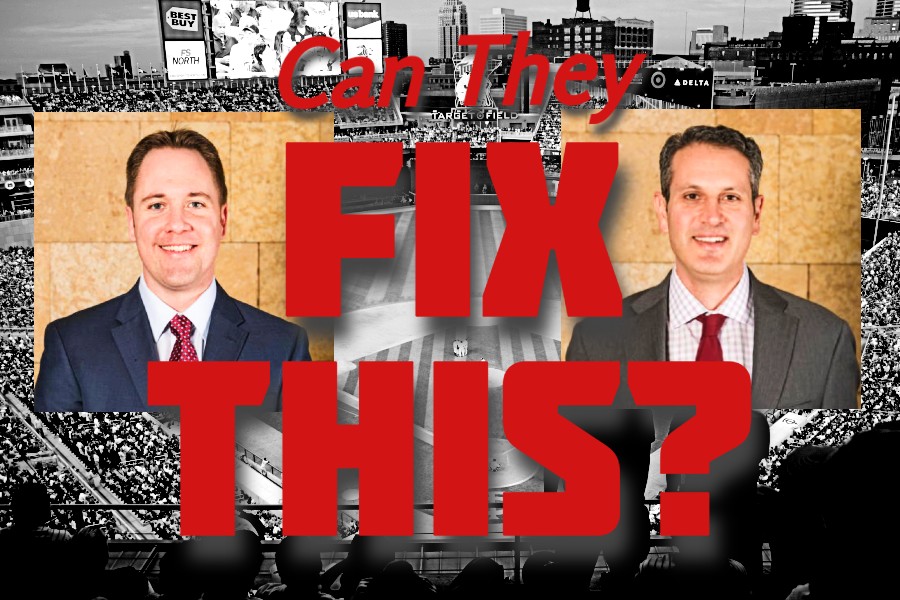
Minnesota Twins front office leaders Derek Falvey and Thad Levine arrived in the Fall of 2016 and the team’s success shortly followed. Can less than three months of losing baseball erase the goodwill they’ve built up over multiple seasons? Yep. Falvey took over a 100-loss team and turned it into a 100-win team just three seasons later. Even with this poor start to the 2021 season, the team’s record under his regime is 331-288, a .535 winning percentage. That might not jump off the page — it’s an 87-win pace — but keep in mind how bad things were before that. In the six seasons prior to Falvey taking over, the Twins posted a 407-565 record. That’s a .419 winning percentage, or a 68-win pace. So that’s it, right? Case closed, Falvey has been great for the Minnesota Twins. Well ... How much of the Twins’ success can be attributed to this front office? That’s a really tricky question to try to answer. If we look at advancements in systems and technology, the Twins are definitely in a much better place than they were in 2016. So is basically every other team in baseball. Has this Falvey and Levine-led front office been better than one could expect from a “replacement-level” front office? I think this is a better concept to ponder, as opposed to just comparing them to their direct predecessors. Would the Twins have been any more or less successful under another set of front office leaders? Would the organization be any better or worse setup for future success had it been under different leadership? Do we think Falvey and Levine are better than whoever the current up-and-coming front office stars/future GM types are available right now? This may seem like a weird way to frame the conversation, but why not? It’s just like the players, there are only so many of these jobs. The overall team success has been there (well, prior to this season) but this front office has not delivered a pitching pipeline nor impact pitching through free agency. About a month ago, Aaron Gleeman of The Athletic took a look back at every Falvey-Levine era free agent signing. It wasn’t inspiring. Their record in trades isn’t looking so great, either. Falvey and Levine are also no longer the new kids. The Twins have been an incredibly loyal organization, there’s been remarkable consistency in their front office over the past several decades. That’s admirable, but it’s not the way things work elsewhere. Levine is already in the top half of the most-tenured general managers in baseball, ranking 13th. Here are those who have held their positions longer than Thad. Among the GMs with a longer tenure, seven of them have held their role a mere 15 more months (or less) than Thad has. Just five active general managers have held their positions for six years or more. There’s a lot of turnover. Things are a little more difficult to measure with Falvey. Front office structure seems to be getting more and more complex with new titles and job roles seeming to be invented each season. Heck, Falvey himself was promoted from the title Executive Vice President and Chief Baseball Officer to President of Baseball Operations back in November of 2019. I always feel slimy about calling anyone’s job into question. These are people with lives and families. This is how they earn a living. But after having months of bad baseball and being able to ponder about these things I keep coming back to the notion there are only 30 of these jobs. You must perform. Some may criticize that as too extreme of a “what have you done for me lately” mentality but you tell me, what have they done? The team’s winning percentage since they took over is nice, but it’s difficult to say how much credit they really deserve for that and (sorry, yes, this does have to come up in every conversation) it’s not like it resulted in any postseason success. This team has the potential to bounce back next year and still have another window of contention, but it’s going to take a good trade deadline followed by a good offseason. Do I trust this front office to deliver in both of those areas? Thinking about that is what led me to write this, and I encourage you to consider that same question and let me know your thoughts. Personally, I do not trust them to deliver anymore. I’ve lost faith in this front office. Call that fickle if you’d like, you’re probably right. What can I say? This is what a lost summer can do to a baseball fan. SEE ALSO Injuries Don’t Excuse How Bad This Twins Team Has Been | Tom Froemming How Much Can The Twins Spend This Offseason? | John Bonnes Revisiting the Shaun Anderson Trade | Cody Pirkl Do the 2021 Twins Have the Worst Pitching Staff in Team History? | Cody Christie There's No Easy Way Out of This for the Minnesota Twins | Tom Froemming View full article
-
On the Minnesota Twins Front Office, Faith and Being Fickle
Tom Froemming posted an article in Twins
 Falvey took over a 100-loss team and turned it into a 100-win team just three seasons later. Even with this poor start to the 2021 season, the team’s record under his regime is 331-288, a .535 winning percentage. That might not jump off the page — it’s an 87-win pace — but keep in mind how bad things were before that. In the six seasons prior to Falvey taking over, the Twins posted a 407-565 record. That’s a .419 winning percentage, or a 68-win pace. So that’s it, right? Case closed, Falvey has been great for the Minnesota Twins. Well ... How much of the Twins’ success can be attributed to this front office? That’s a really tricky question to try to answer. If we look at advancements in systems and technology, the Twins are definitely in a much better place than they were in 2016. So is basically every other team in baseball. Has this Falvey and Levine-led front office been better than one could expect from a “replacement-level” front office? I think this is a better concept to ponder, as opposed to just comparing them to their direct predecessors. Would the Twins have been any more or less successful under another set of front office leaders? Would the organization be any better or worse setup for future success had it been under different leadership? Do we think Falvey and Levine are better than whoever the current up-and-coming front office stars/future GM types are available right now? This may seem like a weird way to frame the conversation, but why not? It’s just like the players, there are only so many of these jobs. The overall team success has been there (well, prior to this season) but this front office has not delivered a pitching pipeline nor impact pitching through free agency. About a month ago, Aaron Gleeman of The Athletic took a look back at every Falvey-Levine era free agent signing. It wasn’t inspiring. Their record in trades isn’t looking so great, either. Falvey and Levine are also no longer the new kids. The Twins have been an incredibly loyal organization, there’s been remarkable consistency in their front office over the past several decades. That’s admirable, but it’s not the way things work elsewhere. Levine is already in the top half of the most-tenured general managers in baseball, ranking 13th. Here are those who have held their positions longer than Thad. Among the GMs with a longer tenure, seven of them have held their role a mere 15 more months (or less) than Thad has. Just five active general managers have held their positions for six years or more. There’s a lot of turnover. Things are a little more difficult to measure with Falvey. Front office structure seems to be getting more and more complex with new titles and job roles seeming to be invented each season. Heck, Falvey himself was promoted from the title Executive Vice President and Chief Baseball Officer to President of Baseball Operations back in November of 2019. I always feel slimy about calling anyone’s job into question. These are people with lives and families. This is how they earn a living. But after having months of bad baseball and being able to ponder about these things I keep coming back to the notion there are only 30 of these jobs. You must perform. Some may criticize that as too extreme of a “what have you done for me lately” mentality but you tell me, what have they done? The team’s winning percentage since they took over is nice, but it’s difficult to say how much credit they really deserve for that and (sorry, yes, this does have to come up in every conversation) it’s not like it resulted in any postseason success. This team has the potential to bounce back next year and still have another window of contention, but it’s going to take a good trade deadline followed by a good offseason. Do I trust this front office to deliver in both of those areas? Thinking about that is what led me to write this, and I encourage you to consider that same question and let me know your thoughts. Personally, I do not trust them to deliver anymore. I’ve lost faith in this front office. Call that fickle if you’d like, you’re probably right. What can I say? This is what a lost summer can do to a baseball fan. SEE ALSO Injuries Don’t Excuse How Bad This Twins Team Has Been | Tom Froemming How Much Can The Twins Spend This Offseason? | John Bonnes Revisiting the Shaun Anderson Trade | Cody Pirkl Do the 2021 Twins Have the Worst Pitching Staff in Team History? | Cody Christie There's No Easy Way Out of This for the Minnesota Twins | Tom Froemming
 -
The Minnesota Twins have a bad bullpen. Whenever that’s the case, it’s challenging for a manager to navigate things a game. All you can do is look for good decision-making processes and hope the players perform. I don’t think Rocco Baldelli had a good night in the 6-4 loss to Houston yesterday evening. Before we get into the things I have a problem with, I want to point out that I do like the idea of bringing in some high-leverage relievers earlier in close games. Reserving your top guys only for the eighth and ninth innings is often a good recipe to ensure you won’t end up needing those guys when it gets to that point of the game. I didn’t have any problem with Rocco Baldelli’s decision to go to Taylor Rogers when he did, I just didn’t like the way that it went down in the bigger picture. Let’s break this thing down. A lot of the decision-making process was explained by Baldelli in his postgame press conference, which is available here, and is also available in this Tweet thread from The Athletic’s Aaron Gleeman. Rogers only threw three pitches … For me, the only reliever you should be pulling after he throws fewer than 10 pitches is a guy you don’t trust at all. Use the bottom guy in your bullpen to get the final out of an inning? Sure, go ahead and put in somebody else you trust more for the next frame. Rogers is not the guy you waste for one batter. … and was pulled because the Twins were trailing ... Rogers took over for him in the seventh inning with two outs and the Twins down a run. Rocco said Rogers would have stayed out for the eighth inning if the Twins would have scored a run (or multiple runs) the next half inning. I guess I don’t mind that logic as long as you feel there’s a decent chance you’re going to score that next half inning. If you’ve got the big boppers coming up and the opposing starting pitcher is reeling, alright. This was not the case. Due up for the Twins in the bottom of the seventh: Nick Gordon, Andrelton Simmons and Gilberto Celestino. The result: Strikeout, flyout, strikeout. … which resulted in the game being handed over to Shoemaker. If you needlessly deploy a reliever for an abnormally short appearance but still have plenty of other options, fine. I still don’t like it, but fine. Unfortunately, that wasn’t the case here. Baldelli went to the newly-bullpened Matt Shoemaker for the eighth and ninth innings because he was concerned about the length the bullpen could provide in the event things went into extra innings. That in itself isn’t unusual, it's the kind of thing managers are thinking about all the time, but it tells us that Rocco knew things were going to be a bit tight in terms of coverage. The one big benefit of having Shoemaker in the bullpen should be you don’t have to be as concerned about length anymore. He had last pitched June 4 and only threw 38 pitches over a third of an inning. Whether or not he could keep you in a ballgame should certainly be questioned, sure, but in terms of length Shoemaker should have been expected to be able to throw 80+ pitches if you really needed him to. Baldelli should have been expecting the bullpen to cover several innings Bailey Ober started this game for the Twins. He went five innings, which I think was as long as Rocco could have expected him to go coming into this one. Ober only threw 73 pitches, but I’m sure the Twins are being extra careful with him since he didn’t pitch in competitive games last year and had a previous single-season career high of 78 2/3 innings pitched. If you’re not expecting your starter to go deep and know you have some relievers who are unavailable, why are you burning Rogers for a three-pitch outing? And Rocco didn’t have any regrets over his decisions This one may get me the most. It’s one thing to make decisions that don’t go your way, look back with the benefit of hindsight and admit you would have liked to do things differently. Instead, Rocco said “there’s really nothing that we would do differently.” Uh, okay ... Why does this matter? The Twins aren’t going anywhere in 2021, so what’s the big deal with one more loss? They played a mostly solid game (certainly by 2021 Twins standards) against a good Houston team. Why break out the microscope and nitpick like this? The rest of this season is all about evaluation. That includes the manager. It’s difficult to pin the struggles of this Twins team on anything or anyone in particular (I'd lean more toward the front office, but let's save that for another discussion). A lot has gone wrong. They have dealt with a ridiculous amount of injuries, but so have most other teams in the league this season. You can find more on that in another article I wrote recently. It’s also worth pointing out again that it’s tough for any manager to navigate a short or flat-out bad bullpen. It’s like having an arm tied behind your back. If Alex Colomé was a dependable bullpen arm right now this all would have been much easier for Rocco. Sometimes you can push all the right buttons, have the perfect process and things don’t turn out your way. That’s not what happened last night. See Also Here's some analysis on how Bailey Ober has pitched so far in his brief time with the Twins. I went digging into the info at Baseball Savant and FanGraphs and came away with some observations you might find interesting. View full article
-
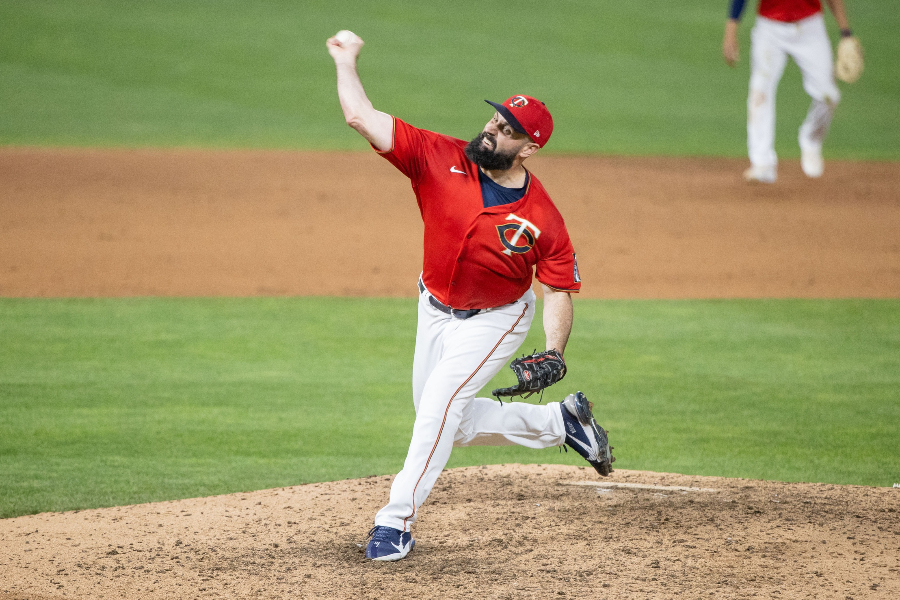 Before we get into the things I have a problem with, I want to point out that I do like the idea of bringing in some high-leverage relievers earlier in close games. Reserving your top guys only for the eighth and ninth innings is often a good recipe to ensure you won’t end up needing those guys when it gets to that point of the game. I didn’t have any problem with Rocco Baldelli’s decision to go to Taylor Rogers when he did, I just didn’t like the way that it went down in the bigger picture. Let’s break this thing down. A lot of the decision-making process was explained by Baldelli in his postgame press conference, which is available here, and is also available in this Tweet thread from The Athletic’s Aaron Gleeman. Rogers only threw three pitches … For me, the only reliever you should be pulling after he throws fewer than 10 pitches is a guy you don’t trust at all. Use the bottom guy in your bullpen to get the final out of an inning? Sure, go ahead and put in somebody else you trust more for the next frame. Rogers is not the guy you waste for one batter. … and was pulled because the Twins were trailing ... Rogers took over for him in the seventh inning with two outs and the Twins down a run. Rocco said Rogers would have stayed out for the eighth inning if the Twins would have scored a run (or multiple runs) the next half inning. I guess I don’t mind that logic as long as you feel there’s a decent chance you’re going to score that next half inning. If you’ve got the big boppers coming up and the opposing starting pitcher is reeling, alright. This was not the case. Due up for the Twins in the bottom of the seventh: Nick Gordon, Andrelton Simmons and Gilberto Celestino. The result: Strikeout, flyout, strikeout. … which resulted in the game being handed over to Shoemaker. If you needlessly deploy a reliever for an abnormally short appearance but still have plenty of other options, fine. I still don’t like it, but fine. Unfortunately, that wasn’t the case here. Baldelli went to the newly-bullpened Matt Shoemaker for the eighth and ninth innings because he was concerned about the length the bullpen could provide in the event things went into extra innings. That in itself isn’t unusual, it's the kind of thing managers are thinking about all the time, but it tells us that Rocco knew things were going to be a bit tight in terms of coverage. The one big benefit of having Shoemaker in the bullpen should be you don’t have to be as concerned about length anymore. He had last pitched June 4 and only threw 38 pitches over a third of an inning. Whether or not he could keep you in a ballgame should certainly be questioned, sure, but in terms of length Shoemaker should have been expected to be able to throw 80+ pitches if you really needed him to. Baldelli should have been expecting the bullpen to cover several innings Bailey Ober started this game for the Twins. He went five innings, which I think was as long as Rocco could have expected him to go coming into this one. Ober only threw 73 pitches, but I’m sure the Twins are being extra careful with him since he didn’t pitch in competitive games last year and had a previous single-season career high of 78 2/3 innings pitched. If you’re not expecting your starter to go deep and know you have some relievers who are unavailable, why are you burning Rogers for a three-pitch outing? And Rocco didn’t have any regrets over his decisions This one may get me the most. It’s one thing to make decisions that don’t go your way, look back with the benefit of hindsight and admit you would have liked to do things differently. Instead, Rocco said “there’s really nothing that we would do differently.” Uh, okay ... Why does this matter? The Twins aren’t going anywhere in 2021, so what’s the big deal with one more loss? They played a mostly solid game (certainly by 2021 Twins standards) against a good Houston team. Why break out the microscope and nitpick like this? The rest of this season is all about evaluation. That includes the manager. It’s difficult to pin the struggles of this Twins team on anything or anyone in particular (I'd lean more toward the front office, but let's save that for another discussion). A lot has gone wrong. They have dealt with a ridiculous amount of injuries, but so have most other teams in the league this season. You can find more on that in another article I wrote recently. It’s also worth pointing out again that it’s tough for any manager to navigate a short or flat-out bad bullpen. It’s like having an arm tied behind your back. If Alex Colomé was a dependable bullpen arm right now this all would have been much easier for Rocco. Sometimes you can push all the right buttons, have the perfect process and things don’t turn out your way. That’s not what happened last night. See Also Here's some analysis on how Bailey Ober has pitched so far in his brief time with the Twins. I went digging into the info at Baseball Savant and FanGraphs and came away with some observations you might find interesting.
 -
That's correct. Those are all full-season stats in those. I'm going to add a clarification right now.
-
Yes, stays on the COVID-19 and concussion IL are included in these numbers.
-
The 2021 Minnesota Twins have been one of the most disappointing teams in franchise history but it’s all due to injuries, right? While this team has had to navigate through a lot of their players being unavailable, so have most other teams in the league. Let's dig into the numbers. The Twins haven’t been the most injured team in baseball. They’re not even in the top five. In fact, they’re barely even in the top 10. If you’re interested in looking at the data, it’s available at spotrac. In terms of number of players who have been or are currently on the Injured List, the Twins are tied for 10th in baseball. Here’s a look at the rankings: TEAM PLAYERS 1. Giants 26 2. Blue Jays 25 3. Padres 23 4. Mariners 22 5(t). Astros 21 5(t). Rays 21 7(t). Dodgers 20 7(t). Brewers 20 7(t). Cubs 20 10(t). Mets 19 10(t). Twins 19 Change the metric to days spent on the IL and the Twins are even lower down on the list. They rank 23rd at 360 days. There are four teams with more than 700 combined days on the IL. And you know what? It hasn’t prevented any of them from having winning seasons. Two of the top four teams are in first place (the Rays and Giants) and the other two have winning records ( the Padres and Blue Jays). TEAM Days 1. Padres 943 2. Rays 748 3. Giants 732 4. Blue Jays 718 ... ... 23. Twins 370 Switch the focus to dollars spent on IL players and the Twins are 21st at just over $6.2 million. And, again, the top-four teams in terms of dollars spent on IL players all have winning records (the Astros, Mets, Yankees and Dodgers). Even right now, with the Twins having 11 players currently on the IL, the team isn’t in the top five. Yes, the Twins have had a ton of injuries, but almost every team in the league has been dealing with similar situations this season. The health of this team isn’t a "get out of jail free" card for those who were in charge of building and managing a winning Twins club in 2021. The Twins played their 60th game last night, which is as many as they played last season. With that in mind, let’s take a look at the team’s number of players and days on the IL from the past five seasons. These are full-season numbers, so the 2017-19 data represents the full 162-game season. TWINS PLAYERS DAYS 2021 19 360 2020 14 389 2019 19 629 2018 18 1,052 2017 15 1,026 And now that same information for the entire league. MLB PLAYERS DAYS 2021 488 14,350 2020 456 13,313 2019 574 49,279 2018 585 34,126 2017 530 31,300 We’re less than 40% through the season. This is pretty crazy. Why? Consequences from last year’s mostly lost season, probably. That sounds like an easy explanation, but I’m not smart enough to find anything better than that (hint, hint: looking for some help here from all you lovely people of the Twins Daily community). If we go back further and compare this era to previous ones, I found the explanation Patrick Reusse offered up interesting. This may have been said with tongue in cheek — sometimes the tone of Reusse’s Tweets can be tough to gauge — but this seems like a legit reason to me. Some people may read that Tweet as "old man mad at new technology" but I think he has a point. In prior eras, the training staff didn’t have much to go on. They had to depend on players self reporting accurately, and they’re almost always going to push to stay on the field. That’s not to say it was necessarily better in the good ‘ol days. Just different. I would just like to see the best players on the field as close to 100% as much as possible. Can’t somebody just go into the settings and turn injuries off? Are things going to keep getting even more extreme going forward? Again, I’m not smart enough to figure that out. Hopefully the 2020 hangover is to blame and things deescalate next season. View full article