



Tom Froemming
-
Posts
5,260 -
Joined
-
Last visited
-
Days Won
22
Content Type
Profiles
News
Minnesota Twins Videos
2026 Minnesota Twins Top Prospects Ranking
2022 Minnesota Twins Draft Picks
Minnesota Twins Free Agent & Trade Rumors, Notes, & Tidbits
Guides & Resources
2023 Minnesota Twins Draft Picks
The Minnesota Twins Players Project
2024 Minnesota Twins Draft Picks
2025 Minnesota Twins Draft Pick Tracker
2026 Minnesota Twins Draft Tracker: Picks & Bonuses
Forums
Blogs
Events
Store
Downloads
Gallery
Everything posted by Tom Froemming
-
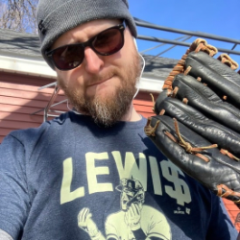 Ha! Nobody knew I was out there 10 years ago. I made myself very difficult to find because I couldn't stick to one topic or one site for very long. Speaking of days gone by, this feature reminds me a bit of a project from back in 2008. I put together a comprehensive list of all the active Minnesota Sports blogs I could find. I think I got up to something like 80 blogs listed on it at one point. It was kind of a big deal. OK, that's not true at all, but it did make the Aaron Gleeman Link-O-Rama.
- 21 replies
-
- 1
-

-
- miguel sano
- max kepler
- (and 3 more)
-
YES! This is music to my ears. That's a great article idea. I'd tackle it myself, but I've actually never been to TwinsFest either. Gets me every time. Target Field needs to find a way to incorporate that song into every game. Would be great filler in between innings or something like that.
-
Me: Hello!?!? Amazon? I'd like to have two copies of the book He's Just Not That Into You sent to the offices at Target Field ... Is this damn thing even on? Alexa: That's now how this works. That's now how any of this works.
-
Thank you, the plan is to do these each and every week for the foreseeable future. Glad you liked it. Yes, the plan is for this to be a regular feature whether the news cycle is a slow trickle or flowing like a raging river. I'm hoping this will actually be even more valuable to readers once things start to pick up. During the season, there's so much going on here that a lot of great stuff slips through the cracks.
- 21 replies
-
- 1
-
-
- miguel sano
- max kepler
- (and 3 more)
-
Welcome to the first edition of Twins Weekly. This feature intends to help readers discover anything they may have missed, encourage prospective writers to get active and provide readers an opportunity to offer up requests for content. And let’s have some fun, too. Here goes nothin’ ...Before we get down to business, let’s crank up the old This Week In Baseball theme song to set the mood. Ah, doesn’t get any better than that. Leading off we’re going to take a quick look back at all the articles from the front page in the order they were published. When Twins Daily is really rolling, articles fall of the first page pretty quickly. Here's a second chance to catch anything you may have missed. This edition of Twins Weekly covers Friday, Dec. 29-Thursday, Jan. 4. On Miguel Sano, Al Franken and Believing in Heroes - Tom Froemming The Twins Almanac for Dec 31-Jan 6 - Matt Johnson Five Twins Players’ Resolutions - Cody Christie Gleeman & The Geek, Ep 349: Duke & Sano - John Bonnes The Top 20 Minnesota Twins Assets: Part 3 (6-10) - Nick Nelson Join Twins Daily At The Diamond Awards! - John Bonnes Will Max Kepler Take the Next Step in 2018? - Tom Froemming The Top 20 Minnesota Twins Assets: Part 4 (1-5) - Nick Nelson Eddie Rosario and the Battle for Plate Discipline - Jamie Cameron Three Prospects To Watch In 2018 - Cody Christie A Look Back: 2011 Twins Minor League Hitter of the Year, Brian Dozier - Seth Stohs What If Miguel Sano Is Really Kyle Schwarber?- Ted Schwerzler Three-Bagger: Darvish Meeting, Sano Fallout, Ice Cold Stove - Cody Christie Community Content You may have noticed there was a debut on the front page this week, Jamie Cameron wrote a great review of Eddie Rosario's progress at the plate. Below are some additional items of note from both the blog area and forums. I've pulled excerpts from each piece in an attempt to hook you in. A New Year for the Twins: Call your shot now! By dougkoebernick “One year ago, I seriously doubt that anyone would have made a New Year's prediction that said the Twins would be in the playoffs in 2017 (if you did let all of us know!). Now here we are on December 31, 2017 and all the avid readers of Twins Daily are looking forward to 2018. What is everyone thinking? What are your hopes and dreams for the new year?” Happy New Years to the 2018 WS Champions By mikelink45 “It is a time to reflect, speculate, lie and hope. We are all equal, we can all sign the big star, we know the next great player is about to be called up from the minors, and we are all undefeated. So, until spring training ends, I nominate the Twins as the 2018 World Series champions. I can revisit that prediction many times in the next few months and like most New Years resolutions and predictions it will be hard to remember anyway.” Ridiculously Premature Enthusiasm for Kernels' 2018 By SD Buhr “Even as the 2017 was winding down, I found myself taking mental inventory of which members of the playoff-bound Kernels might be starting 2018 in Cedar Rapids, as well. Then I started looking at the talent that was on the field for Elizabethton's Appalachian League champion club and projecting a few that were likely to get their first exposure to full-season minor league ball with the Kernels in 2018 All of that informal mental note-making left me feeling pretty optimistic that the Twins would send a pretty competitive group to Cedar Rapids this spring. The Kernels have qualified for the Midwest League postseason in each of the five seasons that Cedar Rapids has been affiliated with the Twins and it was fine to feel pretty good about that streak continuing in 2018.” Baseball Adventure By Luke Albrecht “And here I am, over two months in. We've both got jobs and an apartment in the second city, Santiago de los Caballeros. We've made some friends and are starting to get the hang of things down here. On one of my first nights here I got to watch the last game of the World Series while sharing drinks with the local guys at the corner shop. Most importantly, I've been to over 15 games at 2 of the 6 stadiums. I've seen all of the teams and a really interesting array of prospects, big league regulars, and has- beens. Plenty of future, current and former twins as well. I've also gotten to know a lot more about Dominican culture and it's people at the games.” Mauer’s Future By Lenzy2108 “It's no secret that Joe Mauer is entering the final year of his eight-year, $184 million contract extension signed in 2010. It's also not a secret that Mauer isn't the player he was in 2009 or in the years leading up to that MVP season. What does seem to be a secret, is what thoughts "Falvine" have on Mauer's future past the 2018 season. As a new, "lets try this out", blogger I don't yet have the insider access to pose this question to the Twins FO myself, but Twins Daily has given me a platform to provide what I see are the three options for Joe in 2019 in no particular order.” Diving Into Twins 2018 ZiPS By Ted Schwerzler “Today, Dan Szymborski released the 2018 Minnesota Twins ZiPS projections via Fangraphs. If you aren't familiar with ZiPS, it is simply a projection system (similar to Steamer, KATOH, PECOTA, etc) that attempts to look at potential production for an upcoming season … Rather than dive deeply into the bulk of the projections themselves, I'd like to point out a few key areas of note, as well as adding some commentary.” Community Casting Below are podcast episodes that Twins Daily members have shared either in the blog area or forums. Baseball is Good Ep. 29 (scroll down) By Cory Engelhardt "I had my 29th episode last night. Chad Matthews was my guest last night. He is a HUGE baseball fan who lives in Michigan. We talked MLB, the hall of fame ballot, the AL Central, the future outlook for the Detroit Tigers with Ron Gardenhire at the helm, and how he plans a baseball trip every summer with his son. Please give is a listen!" Midwest Swing ft. Matt Trueblood (scroll down) By Brandon Warne "Matt Trueblood came on to talk Chicago Cubs, Yu Darvish and a bunch of other stuff." T&L Supershow Ep. 52 By Twins and Losses "Happy New Year! We're back with a brand new episode to ring in the new year. This week Dan and Panda talk about TV shows, Dan's complaints with Star Wars fans, and the terrible news regarding Miguel Sano." Calling All Bloggers!!! One of the biggest obstacles to overcome when writing is figuring out just what the heck to write about. Well, here’s a topic to consider … Which Twins player is going to break out in 2018 and why? There’s been plenty of talk about who the Twins might add this offseason, but what about the guys already in the organization? Who’s your pick to click in 2018? This could be anyone from prospects to guys who’ve been around for years. Use stats, use narratives or just listen to your gut. The method is your choice, and there are no wrong answers. Just to be clear, this is simply an idea I'm throwing out there to consider. You can post a blog about whatever topic you'd like. If you're interested in being a regular writer for the site, the blog section is how you get your foot in the door. The only reason you're reading my words right now is because I started my own blog at Twins Daily. Calling All Readers!!! If there's anything you'd love to read about next week, please let us know in the comments. That's all I have for now. Have a wonderful weekend everyone. Click here to view the article
- 21 replies
-
- 5
-
-
- miguel sano
- max kepler
- (and 3 more)
-
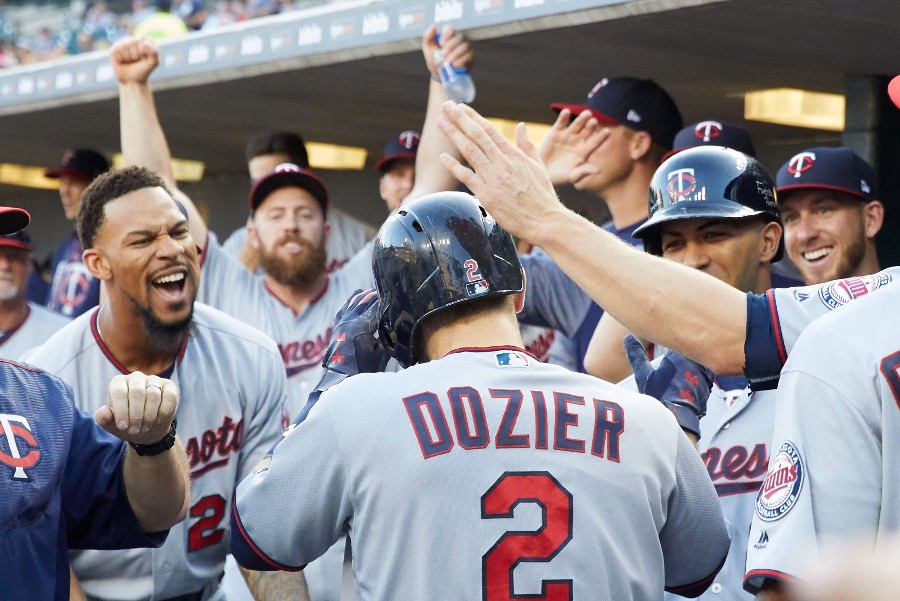 Before we get down to business, let’s crank up the old This Week In Baseball theme song to set the mood. Ah, doesn’t get any better than that. Leading off we’re going to take a quick look back at all the articles from the front page in the order they were published. When Twins Daily is really rolling, articles fall of the first page pretty quickly. Here's a second chance to catch anything you may have missed. This edition of Twins Weekly covers Friday, Dec. 29-Thursday, Jan. 4. On Miguel Sano, Al Franken and Believing in Heroes - Tom Froemming The Twins Almanac for Dec 31-Jan 6 - Matt Johnson Five Twins Players’ Resolutions - Cody Christie Gleeman & The Geek, Ep 349: Duke & Sano - John Bonnes The Top 20 Minnesota Twins Assets: Part 3 (6-10) - Nick Nelson Join Twins Daily At The Diamond Awards! - John Bonnes Will Max Kepler Take the Next Step in 2018? - Tom Froemming The Top 20 Minnesota Twins Assets: Part 4 (1-5) - Nick Nelson Eddie Rosario and the Battle for Plate Discipline - Jamie Cameron Three Prospects To Watch In 2018 - Cody Christie A Look Back: 2011 Twins Minor League Hitter of the Year, Brian Dozier - Seth Stohs What If Miguel Sano Is Really Kyle Schwarber? - Ted Schwerzler Three-Bagger: Darvish Meeting, Sano Fallout, Ice Cold Stove - Cody Christie Community Content You may have noticed there was a debut on the front page this week, Jamie Cameron wrote a great review of Eddie Rosario's progress at the plate. Below are some additional items of note from both the blog area and forums. I've pulled excerpts from each piece in an attempt to hook you in. A New Year for the Twins: Call your shot now! By dougkoebernick “One year ago, I seriously doubt that anyone would have made a New Year's prediction that said the Twins would be in the playoffs in 2017 (if you did let all of us know!). Now here we are on December 31, 2017 and all the avid readers of Twins Daily are looking forward to 2018. What is everyone thinking? What are your hopes and dreams for the new year?” Happy New Years to the 2018 WS Champions By mikelink45 “It is a time to reflect, speculate, lie and hope. We are all equal, we can all sign the big star, we know the next great player is about to be called up from the minors, and we are all undefeated. So, until spring training ends, I nominate the Twins as the 2018 World Series champions. I can revisit that prediction many times in the next few months and like most New Years resolutions and predictions it will be hard to remember anyway.” Ridiculously Premature Enthusiasm for Kernels' 2018 By SD Buhr “Even as the 2017 was winding down, I found myself taking mental inventory of which members of the playoff-bound Kernels might be starting 2018 in Cedar Rapids, as well. Then I started looking at the talent that was on the field for Elizabethton's Appalachian League champion club and projecting a few that were likely to get their first exposure to full-season minor league ball with the Kernels in 2018 All of that informal mental note-making left me feeling pretty optimistic that the Twins would send a pretty competitive group to Cedar Rapids this spring. The Kernels have qualified for the Midwest League postseason in each of the five seasons that Cedar Rapids has been affiliated with the Twins and it was fine to feel pretty good about that streak continuing in 2018.” Baseball Adventure By Luke Albrecht “And here I am, over two months in. We've both got jobs and an apartment in the second city, Santiago de los Caballeros. We've made some friends and are starting to get the hang of things down here. On one of my first nights here I got to watch the last game of the World Series while sharing drinks with the local guys at the corner shop. Most importantly, I've been to over 15 games at 2 of the 6 stadiums. I've seen all of the teams and a really interesting array of prospects, big league regulars, and has- beens. Plenty of future, current and former twins as well. I've also gotten to know a lot more about Dominican culture and it's people at the games.” Mauer’s Future By Lenzy2108 “It's no secret that Joe Mauer is entering the final year of his eight-year, $184 million contract extension signed in 2010. It's also not a secret that Mauer isn't the player he was in 2009 or in the years leading up to that MVP season. What does seem to be a secret, is what thoughts "Falvine" have on Mauer's future past the 2018 season. As a new, "lets try this out", blogger I don't yet have the insider access to pose this question to the Twins FO myself, but Twins Daily has given me a platform to provide what I see are the three options for Joe in 2019 in no particular order.” Diving Into Twins 2018 ZiPS By Ted Schwerzler “Today, Dan Szymborski released the 2018 Minnesota Twins ZiPS projections via Fangraphs. If you aren't familiar with ZiPS, it is simply a projection system (similar to Steamer, KATOH, PECOTA, etc) that attempts to look at potential production for an upcoming season … Rather than dive deeply into the bulk of the projections themselves, I'd like to point out a few key areas of note, as well as adding some commentary.” Community Casting Below are podcast episodes that Twins Daily members have shared either in the blog area or forums. Baseball is Good Ep. 29 (scroll down) By Cory Engelhardt "I had my 29th episode last night. Chad Matthews was my guest last night. He is a HUGE baseball fan who lives in Michigan. We talked MLB, the hall of fame ballot, the AL Central, the future outlook for the Detroit Tigers with Ron Gardenhire at the helm, and how he plans a baseball trip every summer with his son. Please give is a listen!" Midwest Swing ft. Matt Trueblood (scroll down) By Brandon Warne "Matt Trueblood came on to talk Chicago Cubs, Yu Darvish and a bunch of other stuff." T&L Supershow Ep. 52 By Twins and Losses "Happy New Year! We're back with a brand new episode to ring in the new year. This week Dan and Panda talk about TV shows, Dan's complaints with Star Wars fans, and the terrible news regarding Miguel Sano." Calling All Bloggers!!! One of the biggest obstacles to overcome when writing is figuring out just what the heck to write about. Well, here’s a topic to consider … Which Twins player is going to break out in 2018 and why? There’s been plenty of talk about who the Twins might add this offseason, but what about the guys already in the organization? Who’s your pick to click in 2018? This could be anyone from prospects to guys who’ve been around for years. Use stats, use narratives or just listen to your gut. The method is your choice, and there are no wrong answers. Just to be clear, this is simply an idea I'm throwing out there to consider. You can post a blog about whatever topic you'd like. If you're interested in being a regular writer for the site, the blog section is how you get your foot in the door. The only reason you're reading my words right now is because I started my own blog at Twins Daily. Calling All Readers!!! If there's anything you'd love to read about next week, please let us know in the comments. That's all I have for now. Have a wonderful weekend everyone.
 -
There were a few times I noticed missing data on Baseball Savant/Statcast, but I would have never been searching for data on pop ups. Thanks for adding that. The infield fly ball rates came from FanGraphs, which gets that from Baseball Info Solutions. Assuming that's more trustworthy data, maybe this is a better way to compare those five hitters? Outfield fly ball percent (FB%-IFFB%) Kyle Seager 46.6 (51.6-5.0) Matt Carpenter 46.0 (50.8-4.8) Justin Turner 44.7 (47.8-3.1) Aaron Judge 37.0 (43.2-6.2) Max Kepler 28.0 (39.5-11.5)
-
I'd agree that over thinking things during game situations is usually a very bad thing for a baseball player. But I sure hope Max is thinking about this kind of stuff and putting in work to make adjustments in the offseason so things come naturally once it's game time. The guys who've invested a lot of thought into this kind of stuff and revolutionized the way they think about hitting are making loads of money right now. Justin Turner was waived, non-tendered and barely hanging on. Thanks in large part to an overhaul in his approach, he signed a $64 million deal last offseason. J.D. Martinez was released by the Astros at one point, now he's the biggest bat on the free agent market. If I was Max Kepler, that kind of stuff would certainly catch my attention.
-
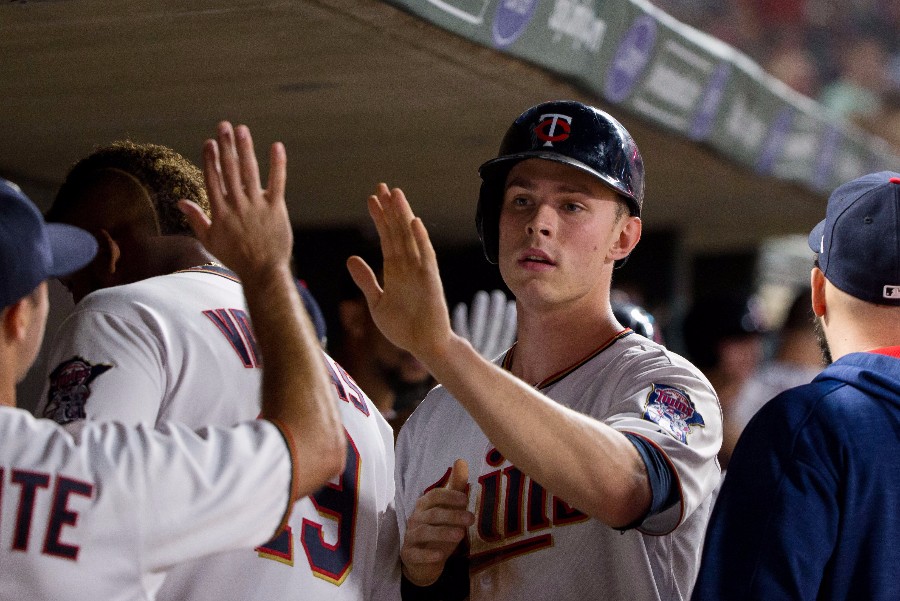 Kepler passes the eye test, but take a glance at the numbers and you see a guy with an OPS+ of just 95. So what’s been missing? Digging deep into the numbers is the only way I have of trying to find answers, so here we go ... Low BABIP Over the 2016 and ‘17 seasons, Kepler had just a .269 batting average on balls in play. That’s seriously suppressed his offensive output. It’s the ninth-worst BABIP among 131 qualified hitters over that stretch. The FanGraphs glossary entry on BABIP is a great resource, and points out two things that would suggest there are reasons to be optimistic about Max turning things around. The average BABIP for hitters is around .300, and you need about 800 balls in play before a hitter’s BABIP stabilizes. Max is approaching that mark, but according to Baseball Savant he’s put 668 balls in play as a big leaguer. A lot of people associate a a low BABIP with bad luck, but I’m not one to automatically make that assumption. There can be concrete reasons behind why a player struggles to post a respectable BABIP. For example, anyone who consistently makes weak contact or doesn’t run well. But does that describe Max? Exit Velocity and Sprint Speed In that same two-year stretch, Kepler had an average exit velocity of 88.7 mph. That’s solid, ranking 121st out of a sample of 355 hitters (top 34.1 percent). So it's not like he's just making a bunch of weak contact. Kepler spent a lot of his time in the minors in center field, but is he really that athletic? Statcast’s sprint speed data would certainly suggest so. Kepler had an average sprint speed of 28.2 mph in 2017, which ranks 63rd among the 333 players who had a minimum of 25 opportunities to be tracked for that metric (top 18.9 percent). If Kepler is consistently hitting the ball hard and runs well, then what’s with that alarming BABIP? Maybe it really is just bad luck, or … Launch Angle Over the 2016 and ‘17 seasons, Kepler’s average launch angle was just 10.7 degrees. That ranked 201st out of the 335 hitters who had a minimum of 250 balls in play (in the bottom 40 percent). The good news is that rate has been on the rise. In 2016, Kepler’s average launch angle of 8.3 degrees was worse than 78.2 percent of hitters. He jumped up to 12.7 degrees last season, which only trailed 43 percent of hitters. Basically, he went from terribly below average to slightly above average in that metric. Despite that improvement, Kepler’s overall numbers stayed pretty much the same. What gives? I do think Max may have been a bit unlucky in 2017, but one thing that didn’t help him was an infield fly ball rate that jumped from eight percent to 11.5. What About Those Platoon Issues? There’s no denying Kepler’s performance against lefties is a concern. Over his career with the Twins, he’s hit just .176/.242/.279 (.520) against port-siders. Something to keep in mind is he’s only had 271 plate appearances against southpaws. In his last full minor league season, Max hit .319/.390/.473 (.863) against lefties. Yes, hitting Southern League pitching is a whole lot different than major league pitching, but it's still pretty early to cast a final judgement on his ability to hit same-sided pitching. It’s easy to forget that 2017 was only Kepler’s age 24 season. Things could click any day now. He’s still trying to figure things out and find some consistency. Here’s a look at his OPS by month in 2017: Put it all together, and I see a guy who’s on the verge of a breakout. What do you think? Am I just seeing something I hope is there? Or is a Max Kepler breakout inevitable? It wasn't only two seasons ago when Max Kepler was featured on the cover of the Minnesota Twins Prospect Handbook. To read more about players like Kepler still in the Twins farm system, pick up a copy of the 2018 Minnesota Twins Prospect Handbook.
 -
Sometimes what's logical is also incorrect. For example ... Kyle Seager Avg. Launch Angle: 20.3 degrees IFFB rate: 5.0 percent Matt Carpenter Avg. Launch Angle: 21.6 degrees IFFB rate: 4.8 percent Justin Turner Avg Launch Angle: 18.4 degrees IFFB rate: 3.1 percent Aaron Judge Avg. Launch Angle: 15.8 degrees IFFB rate: 6.2 percent And compare those guys to Max Kepler ... Avg. Launch Angle: 12.7 degrees IFFB rate: 11.5 percent Those four other guys are putting the ball in the air a ton more often than Max, and yet most of them hit half as many infield flies as Kepler. That's illogical, but it's a fact.
-
Max Kepler would be the most exciting young player on a lot of other teams, but in terms of up and coming Twins, he was somewhat left behind in 2017. It was a great bounce-back season for the team, but for the most part Kepler stayed stagnant. What’s been holding him back?Kepler passes the eye test, but take a glance at the numbers and you see a guy with an OPS+ of just 95. So what’s been missing? Digging deep into the numbers is the only way I have of trying to find answers, so here we go ... Low BABIP Over the 2016 and ‘17 seasons, Kepler had just a .269 batting average on balls in play. That’s seriously suppressed his offensive output. It’s the ninth-worst BABIP among 131 qualified hitters over that stretch. The FanGraphs glossary entry on BABIP is a great resource, and points out two things that would suggest there are reasons to be optimistic about Max turning things around. The average BABIP for hitters is around .300, and you need about 800 balls in play before a hitter’s BABIP stabilizes. Max is approaching that mark, but according to Baseball Savant he’s put 668 balls in play as a big leaguer. A lot of people associate a a low BABIP with bad luck, but I’m not one to automatically make that assumption. There can be concrete reasons behind why a player struggles to post a respectable BABIP. For example, anyone who consistently makes weak contact or doesn’t run well. But does that describe Max? Exit Velocity and Sprint Speed In that same two-year stretch, Kepler had an average exit velocity of 88.7 mph. That’s solid, ranking 121st out of a sample of 355 hitters (top 34.1 percent). So it's not like he's just making a bunch of weak contact. Kepler spent a lot of his time in the minors in center field, but is he really that athletic? Statcast’s sprint speed data would certainly suggest so. Kepler had an average sprint speed of 28.2 mph in 2017, which ranks 63rd among the 333 players who had a minimum of 25 opportunities to be tracked for that metric (top 18.9 percent). If Kepler is consistently hitting the ball hard and runs well, then what’s with that alarming BABIP? Maybe it really is just bad luck, or … Launch Angle Over the 2016 and ‘17 seasons, Kepler’s average launch angle was just 10.7 degrees. That ranked 201st out of the 335 hitters who had a minimum of 250 balls in play (in the bottom 40 percent). The good news is that rate has been on the rise. In 2016, Kepler’s average launch angle of 8.3 degrees was worse than 78.2 percent of hitters. He jumped up to 12.7 degrees last season, which only trailed 43 percent of hitters. Basically, he went from terribly below average to slightly above average in that metric. Despite that improvement, Kepler’s overall numbers stayed pretty much the same. What gives? I do think Max may have been a bit unlucky in 2017, but one thing that didn’t help him was an infield fly ball rate that jumped from eight percent to 11.5. What About Those Platoon Issues? There’s no denying Kepler’s performance against lefties is a concern. Over his career with the Twins, he’s hit just .176/.242/.279 (.520) against port-siders. Something to keep in mind is he’s only had 271 plate appearances against southpaws. In his last full minor league season, Max hit .319/.390/.473 (.863) against lefties. Yes, hitting Southern League pitching is a whole lot different than major league pitching, but it's still pretty early to cast a final judgement on his ability to hit same-sided pitching. It’s easy to forget that 2017 was only Kepler’s age 24 season. Things could click any day now. He’s still trying to figure things out and find some consistency. Here’s a look at his OPS by month in 2017: Download attachment: KeplerGraph.png Put it all together, and I see a guy who’s on the verge of a breakout. What do you think? Am I just seeing something I hope is there? Or is a Max Kepler breakout inevitable? It wasn't only two seasons ago when Max Kepler was featured on the cover of the Minnesota Twins Prospect Handbook. To read more about players like Kepler still in the Twins farm system, pick up a copy of the 2018 Minnesota Twins Prospect Handbook. Click here to view the article
-
Article: The Twins Almanac for Dec 31-Jan 6
Tom Froemming replied to Matt Johnson's topic in Twins Daily Front Page News
Love this. Twins/Minnesota baseball history is not my strong suit, so I appreciate stuff like this and what you do on the Twins Almanac Twitter account. -
I just wanted to jump in first and say I’d appreciate it if everyone would please read the entire article before commenting. These are complicated things to try and write about. I did my best, but I feel like there are some things that could be very easily misunderstood if taken out of context. I’ve shared my feelings and made my points. If you don’t agree with them, that’s okay. Also, it would be great if we would try to keep the conversation on the topic of believing in heroes/looking up to people in today’s climate. The Sano situation is obviously relevant to this discussion, but there are already a number of threads in which you can discuss the specifics of that story if you wish to do so. Thank you.
- 27 replies
-
- 2
-
-
- miguel sano
- betsy bissen
- (and 2 more)
-
Maybe it’s appropriate that hero is a four-letter word. Investing in heroes or looking up to powerful men seems to be a foolish thing to do these days. Regardless, I’m still a believer there’s overwhelmingly more good in this world than bad. I wrote an article about that feeling for the Twins Prospect Handbook that I’d like to share.Spend two months thinking about a bunch of minor leaguers who’ve made major sacrifices to chase their dreams and you can’t help but develop a bit of a soft spot. In other words, to quote Moneyball, “It’s hard not to be romantic about baseball.” Right when I was getting wrapped up in some of those feelings, the Al Franken accusations came out. Just like that, I was reminded how admiration can be so dangerous. The article below was included in the Twins Prospect Handbook (which is available in paperback here and as a pdf here). I wrote it in one sitting on Nov. 21. I wanted to make sure to point that out because this was not written in response to the Sano situation, or any of the reactions to it. I also just wanted to make it clear that I’m not comparing the things Sano is accused of doing to the things Franken is accused of doing. I mention them together as it relates to the disappointment they’ve caused, not the severity of the accusations. The article as it appears in the handbook is below (with a few links added). It’s not the wisest business decision to give away something in the book for free, but I felt like this was something worthy of discussion at this time. Athletes As Heroes? Sure, Why Not? Believing in a hero is an increasingly difficult thing to do these days. It seems there’s a never-ending news cycle of stories regarding people we hold in high esteem doing bad things that shatter their public image. Entertainers, artists, politicians, CEOs, religious leaders, athletes – we see this happening everywhere and it’s nothing new. While it may be for the best that we acknowledge we’re all human, and worshiping our heroes was probably always a bad idea, it’s a shame that these developments have created a culture of universal distrust. Things weren’t always this muddy. There was a time in America when things were more black and white, for better or worse. There was a hero and there was a villain. Maybe the hero wasn’t always perfect, but he abided by his code. He did what was right for the simple reason that it was the right thing to do. There’s perhaps no better an icon that represented those ideals than the American cowboy. Much of what the prototypical cowboy character was constructed from was all a myth, but that imagery captured the imagination of Americans for decades. Who are the American folk heroes of today’s age? I’m not talking about the capital “H” type of heroes. The first responders or people like Todd Blyleven, Bert’s son and a former minor leaguer, who put himself in the way of danger to save others during the music festival massacre in Las Vegas this October. No, those are True Heroes, and lucky for the rest of us they’re still around. But in popular culture we seem to have taken a sharp turn away from more relatable, real-life people as our heroes. The cowboys were replaced by superheroes sometime around 1940, but that genre has exploded off the pages of comic books and into the box office in recent years. Also, the line between good and evil is also often blurred, even in superhero stories. But aren’t there any everyday people we can look to for inspiration? Who are the American folk heroes of 2017? Why not minor league baseball players? Hear me out. A lot of people will immediately reject the notion of athletes being heroes. I get it. , the message was ahead of its time. “Just because I dunk a basketball doesn’t mean I should raise your kids,” Barkley said. While I agree with that sentiment – that we shouldn’t look up to athletes based solely on their abilities – it’s a shame it feels almost inappropriate to look up to someone who happens to be an athlete. Like you’d be judged for it. Following prospects, just like searching for heroes, can often feel like a fool’s errand. Only a small percentage of these players will one day grace Target Field. To some people, that’s a good enough reason to completely dismiss the minor leagues. But those who deem only major leaguers worthy of their attention or only superheroes worthy of their admiration are missing out. This book focuses on young men who are chasing their dreams. Some of them are just teenagers who’ve left behind their families and everything they’ve ever known to prove they have what it takes to make it here. What’s more American than that? Some others have graduated from prestigious universities and turned their backs on more gainful employment to pursue a life in baseball for as long as they can. The vast majority of the players in this book make less than minimum wage on average. Even a lot of the guys who didn’t get a college education could be making more money if they gave up their baseball dreams and just worked a regular day job instead. During the season, they work hours and endure travel that would drive lesser man to tears. Days off are few and far between and there really is no offseason. These guys may decompress and get to spend the winters back at home if they choose, but I promise you none of them are just hanging around until spring training. All for the love of the game. If you’re reading this book, you probably have some sense of how things work, but most people assume the typical professional athlete is a pampered millionaire. Sure, there may be a few “bonus babies” in the minor leagues who already have seven figures in the bank, but they’re few and far between. And even they’re not taking private jets from city to city or riding in limousines to the ballpark. Royce Lewis, the No. 1 pick of the 2017 Draft, reportedly put his entire $6.7 million bonus into a trust fund, was living off his minor league salary of roughly $850 a month and living at the team’s dorm-like complex in Fort Myers this season. These are all young men, so that means there’s a real good chance they’ve all done a thing or two that their mothers wouldn’t be proud of. Maybe some of these players even have some character flaws that would be less than desirable, I don’t know. But what I can tell you with confidence is that the majority of them are worthy of your admiration. Bad guys don’t tend to stick around in the minor leagues for long. Most of these players stay out of trouble and give back to their communities – both their hometowns and the cities they pass through on their way up the ranks. A few of them even sprung into action during an emergency situation last spring. Rochester Red Wings manager Mike Quade was involved in a nasty car accident down in Florida during spring training last season. Among the first people to respond to those involved in the wreck were four young men: Twins minor leaguers Caleb Hamilton, Dane Hutcheon, Ben Rortvedt and Austin Tribby. The group checked in on passengers of the other cars involved and even assisted Quade’s girlfriend, who had been injured, out of their car and to safety. We know that story thanks to some great reporting by Phil Miller of the Star Tribune. There are plenty of other feel-good stories. Pitcher Griffin Jax is an active member of the military who used his brief leave of absence from the Air Force to chase his baseball dreams in Cedar Rapids. I’m sure there are plenty of other accounts from the young men in this book that would make Twins fans proud that haven’t been widely disseminated. It could be argued the players in this book have superhuman abilities (if you can throw or hit a 90 mph fastball, you’ve got superpowers in my book). In some ways, these players are just like the rest of us; but their pursuit of Major League dreams hearkens back to an earlier time in our country’s history. These days it’s easy to wonder if there even is such a thing as the American Dream anymore. Well, these ballplayers are living proof that ideal is alive and well. For more information on the Twins Prospect Handbook, Seth provided many more details in this article announcing its release. Click here to view the article
- 27 replies
-
- 1
-
-
- miguel sano
- betsy bissen
- (and 2 more)
-
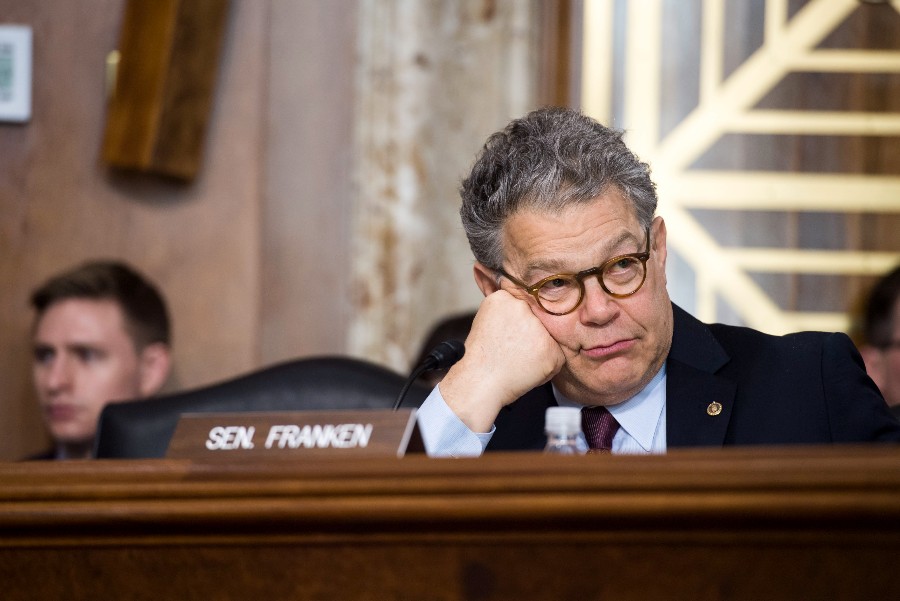 Spend two months thinking about a bunch of minor leaguers who’ve made major sacrifices to chase their dreams and you can’t help but develop a bit of a soft spot. In other words, to quote Moneyball, “It’s hard not to be romantic about baseball.” Right when I was getting wrapped up in some of those feelings, the Al Franken accusations came out. Just like that, I was reminded how admiration can be so dangerous. The article below was included in the Twins Prospect Handbook (which is available in paperback here and as a pdf here). I wrote it in one sitting on Nov. 21. I wanted to make sure to point that out because this was not written in response to the Sano situation, or any of the reactions to it. I also just wanted to make it clear that I’m not comparing the things Sano is accused of doing to the things Franken is accused of doing. I mention them together as it relates to the disappointment they’ve caused, not the severity of the accusations. The article as it appears in the handbook is below (with a few links added). It’s not the wisest business decision to give away something in the book for free, but I felt like this was something worthy of discussion at this time. Athletes As Heroes? Sure, Why Not? Believing in a hero is an increasingly difficult thing to do these days. It seems there’s a never-ending news cycle of stories regarding people we hold in high esteem doing bad things that shatter their public image. Entertainers, artists, politicians, CEOs, religious leaders, athletes – we see this happening everywhere and it’s nothing new. While it may be for the best that we acknowledge we’re all human, and worshiping our heroes was probably always a bad idea, it’s a shame that these developments have created a culture of universal distrust. Things weren’t always this muddy. There was a time in America when things were more black and white, for better or worse. There was a hero and there was a villain. Maybe the hero wasn’t always perfect, but he abided by his code. He did what was right for the simple reason that it was the right thing to do. There’s perhaps no better an icon that represented those ideals than the American cowboy. Much of what the prototypical cowboy character was constructed from was all a myth, but that imagery captured the imagination of Americans for decades. Who are the American folk heroes of today’s age? I’m not talking about the capital “H” type of heroes. The first responders or people like Todd Blyleven, Bert’s son and a former minor leaguer, who put himself in the way of danger to save others during the music festival massacre in Las Vegas this October. No, those are True Heroes, and lucky for the rest of us they’re still around. But in popular culture we seem to have taken a sharp turn away from more relatable, real-life people as our heroes. The cowboys were replaced by superheroes sometime around 1940, but that genre has exploded off the pages of comic books and into the box office in recent years. Also, the line between good and evil is also often blurred, even in superhero stories. But aren’t there any everyday people we can look to for inspiration? Who are the American folk heroes of 2017? Why not minor league baseball players? Hear me out. A lot of people will immediately reject the notion of athletes being heroes. I get it. , the message was ahead of its time. “Just because I dunk a basketball doesn’t mean I should raise your kids,” Barkley said. While I agree with that sentiment – that we shouldn’t look up to athletes based solely on their abilities – it’s a shame it feels almost inappropriate to look up to someone who happens to be an athlete. Like you’d be judged for it.Following prospects, just like searching for heroes, can often feel like a fool’s errand. Only a small percentage of these players will one day grace Target Field. To some people, that’s a good enough reason to completely dismiss the minor leagues. But those who deem only major leaguers worthy of their attention or only superheroes worthy of their admiration are missing out. This book focuses on young men who are chasing their dreams. Some of them are just teenagers who’ve left behind their families and everything they’ve ever known to prove they have what it takes to make it here. What’s more American than that? Some others have graduated from prestigious universities and turned their backs on more gainful employment to pursue a life in baseball for as long as they can. The vast majority of the players in this book make less than minimum wage on average. Even a lot of the guys who didn’t get a college education could be making more money if they gave up their baseball dreams and just worked a regular day job instead. During the season, they work hours and endure travel that would drive lesser man to tears. Days off are few and far between and there really is no offseason. These guys may decompress and get to spend the winters back at home if they choose, but I promise you none of them are just hanging around until spring training. All for the love of the game. If you’re reading this book, you probably have some sense of how things work, but most people assume the typical professional athlete is a pampered millionaire. Sure, there may be a few “bonus babies” in the minor leagues who already have seven figures in the bank, but they’re few and far between. And even they’re not taking private jets from city to city or riding in limousines to the ballpark. Royce Lewis, the No. 1 pick of the 2017 Draft, reportedly put his entire $6.7 million bonus into a trust fund, was living off his minor league salary of roughly $850 a month and living at the team’s dorm-like complex in Fort Myers this season. These are all young men, so that means there’s a real good chance they’ve all done a thing or two that their mothers wouldn’t be proud of. Maybe some of these players even have some character flaws that would be less than desirable, I don’t know. But what I can tell you with confidence is that the majority of them are worthy of your admiration. Bad guys don’t tend to stick around in the minor leagues for long. Most of these players stay out of trouble and give back to their communities – both their hometowns and the cities they pass through on their way up the ranks. A few of them even sprung into action during an emergency situation last spring. Rochester Red Wings manager Mike Quade was involved in a nasty car accident down in Florida during spring training last season. Among the first people to respond to those involved in the wreck were four young men: Twins minor leaguers Caleb Hamilton, Dane Hutcheon, Ben Rortvedt and Austin Tribby. The group checked in on passengers of the other cars involved and even assisted Quade’s girlfriend, who had been injured, out of their car and to safety. We know that story thanks to some great reporting by Phil Miller of the Star Tribune. There are plenty of other feel-good stories. Pitcher Griffin Jax is an active member of the military who used his brief leave of absence from the Air Force to chase his baseball dreams in Cedar Rapids. I’m sure there are plenty of other accounts from the young men in this book that would make Twins fans proud that haven’t been widely disseminated. It could be argued the players in this book have superhuman abilities (if you can throw or hit a 90 mph fastball, you’ve got superpowers in my book). In some ways, these players are just like the rest of us; but their pursuit of Major League dreams hearkens back to an earlier time in our country’s history. These days it’s easy to wonder if there even is such a thing as the American Dream anymore. Well, these ballplayers are living proof that ideal is alive and well. For more information on the Twins Prospect Handbook, Seth provided many more details in this article announcing its release.
 -
No offense, but how about we get Brandon's Zone Coverage articles and Ted's Off the Baggy articles out of the blog section and added to the "Twins Blogosphere" feed instead? If the blog section is intended for harvesting new voices/writers for Twins Daily, it just doesn't make sense for them to be in there. Don't get me wrong, I definitely think there should be an opportunity for link sharing/promotion to other great Twins content, but would that fit better in the forums? While we're on that topic, I think Puckett's Pond needs to get added to that blogosphere feed, as well.
-
You and I have very different definitions of what shouting into the void means. It looks like right now the Twins Daily blog section articles get hundreds of views. Some of the more provocative ones have thousands of views. Put those exact same articles on some random blogspot site and they get maybe 10 if they're lucky. If you put a bunch of thought and hard work into something, you absolutely want some kind of reward. Of course. If that's not going to be money, you at least want an audience, that's totally understandable. I just think you're underselling the platform a bit.
-
He would boot either Robbie Grossman or Kennys Vargas off the roster. Are we sure those guys aren't good in the clubhouse? I'm pretty sure I've seen Mike Berardino write positive things about Grossman being a good clubhouse guy. Vargas is the team barber and I would have to imagine he has strong bonds with fellow Puerto Rico products Berrios and Rosario. He also spent a lot of time in the minors with Sano, Buxton, Polanco and Kepler, so I would assume all those guys are bonded to some degree. If you're signing Napoli to get a jerk off your roster, I'd be fine with that. And just to be clear, I am in no way qualified to speculate on who is/is not good in the clubhouse.
-
When viewed individually, it's easy to see the logic behind all the moves the Twins have made this offseason. These are smart, low-risk investments in guys who should help the team improve next season. If you zoom out and judge the offseason as a whole, however, I can’t help but be unimpressed. Yes, it's important to keep in mind that we’re looking at an incomplete picture, but that doesn’t mean we can’t take stock of what’s happened so far and try to speculate about which direction the team might be headed.Every team in baseball has to do a little re-tooling each offseason, but as it stands right now, the Twins will have a number of big decisions to make at the end of 2018. Joe Mauer, Brian Dozier and Eduardo Escobar are all due to become free agents while Ervin Santana has a $14 million option. It seems like an easy decision for the team to pick up that option today, but a lot can change in a year. The front office has taken some small measures to shore things up beyond this year, signing Michael Pineda to a two-year deal and securing a modest 2019 team option in Fernando Rodney’s contract, but the fact remains that not much is certain beyond 2018. Who knows if Pineda can regain his old form, and even though Rodney’s in tremendous shape, it seems like you’re asking a lot to expect a guy to be a big contributor in what would be his age 42 season in 2019. What I see right now is a team that is trying to give itself a chance in 2018, but one that is also falling behind other contenders in the American League. At the same time, they've done virtually nothing to increase their odds of improving beyond next season. I think everybody (myself included) is hoping the team can land Yu Darvish, but would that move even make sense? It’s hard to answer that question. He certainly makes the team better, but how much would he really improve their chances of going deep into the playoffs? Is that worth giving him a potentially disastrous deal? Even if it doesn’t make the most sense from a purely baseball operations standpoint, I believe that it would be in the team’s best interest to make a big splash. I've been thinking this for a long time now. But what happens if the Twins fail to land that big fish they're after? If there’s one thing the Twins have, it’s flexibility. There is very little money tied up beyond next season, and the farm system is as healthy as it’s been in years. If the front office fails to sign Darvish or trade for a top-end pitcher who’s controllable for the future, then what? I figure they’ve got three options … 1. Lower their aim. Darvish is an awfully high target. If the Twins can’t keep up with the competition, they could always turn to the other top-tier free agents that are still available: Jake Arrieta, Alex Cobb and Lance Lynn. The same thing could be said about the trade market. If the Twins can’t land a big fish (Gerrit Cole and Chris Archer seem to be the two guys most talked about), they could pivot to pitchers in the next tier down like Jake Odorizzi and Dan Straily. Both of those guys have some future control (Odorizzi through 2020 and Straily 2021) and would help improve the depth of the rotation. 2. Go into sell mode. They could always revisit the idea of trading Dozier, Ervin or whoever else has value for pieces who are more likely to help in 2019/20. This would obviously make the Twins worse in 2018, but is it inconceivable that they could still be competitive? There are plenty of infield variations the Twins could assemble between Jorge Polanco, Escobar, Ehire Adrianza and even Nick Gordon. They could add a veteran free agent on a one-year or minor league deal into that mix for added security. In the rotation, maybe Trevor May could pick up the slack or they could catch lighting in a bottle with one of the rookies like Stephen Gonsalves or Fernando Romero. My point is I don’t think the Twins would be completely hopeless in 2018 without Dozier and/or Ervin. It would be a huge blow, and turn this upcoming season into more of a building year, but it’s likely the return in those trades could improve the outlook for the near future. 3. Keep building for 2018, but maintain future flexibility. I hate the idea of staying in the middle ground, but this is actually starting to make a lot of sense to me. There are a lot of players rumored to be floating around on the trade market who will be free agents at this time next season. On the downside, those guys are only going to help you out in 2018. On the plus side, they’re not going to be nearly as costly to trade for as a guy like Cole or Archer. Which players am I talking about? Pie In The Sky: Josh Donaldson, Manny Machado and Cole Hamels (who has an option for 2019). More Realistic Targets: Andrew McCutchen, Nelson Cruz, Patrick Corbin, Brad Brach and Kelvin Herrera. I’d have a really difficult time seeing the Twins pursuing any of those pie in the sky guys, but it’s always important to keep in mind that we still really don’t know this front office. What if asking prices drop and/or this group doesn’t value one of its prospects like the rest of the market does? It could happen, but let's move on to more realistic options. Cutch and Cruz are both lefty killers and patient hitters who could really push this offense to the next level. You’d be potentially creating some playing time issues by adding one of these guys. Getting Cruz would certainly mean Robbie Grossman and/or Kennys Vargas would be gone and you’d be counting on Miguel Sano being able to play third base every day. McCutchen would allow for some more flexibility, making it possible to form some kind of a corner outfield/DH platoon. The only left-handed starter penciled in to the Twins rotation at this point is Adalberto Mejia, so Corbin could help even things out in that regard. He’s also pretty good. Corbin posted a 4.08 FIP and 2.54 K:BB for Arizona last season. Those marks were better than Ervin, Cobb and Lynn all posted last season. Brach has a 2.74 ERA, 1.13 WHIP and 9.5 K/9 as a right-handed setup man for the Orioles over the past four years. They lost closer Zach Britton to an injury. On one hand, they may opt to keep Brach to fill that opening, but on the other hand, Baltimore’s chances at being competitive seem pretty bleak. Herrera is coming off his worst year with the Royals, but he would represent a high-octane option for the Twins bullpen. Could moving him back into a setup role result in a return to form? Adding these one-year commitment guys would cost you some mid-level prospects that would hurt the system. They would also create further havoc for next offseason, but if this front office is as good as a lot of us here think, they should be able to play jazz. Why can't they just make it up as they go every offseason? Committing big money to aging players rarely works out. Plus, this plan builds in further flexibility. If the Twins got off to a bad start and were out of contention by the deadline, they’d have a bunch of the most attractive rental pieces to market. At the same time, if the young players like Gonsalves, Romero or any number of the relievers that are still in the system emerge, you've got some built-in turnover to create openings in 2019. Assuming the Twins lose out on Yu Darvish, what should they do? Feel free to offer up any other options I haven't detailed here. I'm sure there are a lot more than three directions they could go. Click here to view the article
- 107 replies
-
- 6
-
-
- brian dozier
- joe mauer
- (and 3 more)
-
 Every team in baseball has to do a little re-tooling each offseason, but as it stands right now, the Twins will have a number of big decisions to make at the end of 2018. Joe Mauer, Brian Dozier and Eduardo Escobar are all due to become free agents while Ervin Santana has a $14 million option. It seems like an easy decision for the team to pick up that option today, but a lot can change in a year. The front office has taken some small measures to shore things up beyond this year, signing Michael Pineda to a two-year deal and securing a modest 2019 team option in Fernando Rodney’s contract, but the fact remains that not much is certain beyond 2018. Who knows if Pineda can regain his old form, and even though Rodney’s in tremendous shape, it seems like you’re asking a lot to expect a guy to be a big contributor in what would be his age 42 season in 2019. What I see right now is a team that is trying to give itself a chance in 2018, but one that is also falling behind other contenders in the American League. At the same time, they've done virtually nothing to increase their odds of improving beyond next season. I think everybody (myself included) is hoping the team can land Yu Darvish, but would that move even make sense? It’s hard to answer that question. He certainly makes the team better, but how much would he really improve their chances of going deep into the playoffs? Is that worth giving him a potentially disastrous deal? Even if it doesn’t make the most sense from a purely baseball operations standpoint, I believe that it would be in the team’s best interest to make a big splash. I've been thinking this for a long time now. But what happens if the Twins fail to land that big fish they're after? If there’s one thing the Twins have, it’s flexibility. There is very little money tied up beyond next season, and the farm system is as healthy as it’s been in years. If the front office fails to sign Darvish or trade for a top-end pitcher who’s controllable for the future, then what? I figure they’ve got three options … 1. Lower their aim. Darvish is an awfully high target. If the Twins can’t keep up with the competition, they could always turn to the other top-tier free agents that are still available: Jake Arrieta, Alex Cobb and Lance Lynn. The same thing could be said about the trade market. If the Twins can’t land a big fish (Gerrit Cole and Chris Archer seem to be the two guys most talked about), they could pivot to pitchers in the next tier down like Jake Odorizzi and Dan Straily. Both of those guys have some future control (Odorizzi through 2020 and Straily 2021) and would help improve the depth of the rotation. 2. Go into sell mode. They could always revisit the idea of trading Dozier, Ervin or whoever else has value for pieces who are more likely to help in 2019/20. This would obviously make the Twins worse in 2018, but is it inconceivable that they could still be competitive? There are plenty of infield variations the Twins could assemble between Jorge Polanco, Escobar, Ehire Adrianza and even Nick Gordon. They could add a veteran free agent on a one-year or minor league deal into that mix for added security. In the rotation, maybe Trevor May could pick up the slack or they could catch lighting in a bottle with one of the rookies like Stephen Gonsalves or Fernando Romero. My point is I don’t think the Twins would be completely hopeless in 2018 without Dozier and/or Ervin. It would be a huge blow, and turn this upcoming season into more of a building year, but it’s likely the return in those trades could improve the outlook for the near future. 3. Keep building for 2018, but maintain future flexibility. I hate the idea of staying in the middle ground, but this is actually starting to make a lot of sense to me. There are a lot of players rumored to be floating around on the trade market who will be free agents at this time next season. On the downside, those guys are only going to help you out in 2018. On the plus side, they’re not going to be nearly as costly to trade for as a guy like Cole or Archer. Which players am I talking about? Pie In The Sky: Josh Donaldson, Manny Machado and Cole Hamels (who has an option for 2019). More Realistic Targets: Andrew McCutchen, Nelson Cruz, Patrick Corbin, Brad Brach and Kelvin Herrera. I’d have a really difficult time seeing the Twins pursuing any of those pie in the sky guys, but it’s always important to keep in mind that we still really don’t know this front office. What if asking prices drop and/or this group doesn’t value one of its prospects like the rest of the market does? It could happen, but let's move on to more realistic options. Cutch and Cruz are both lefty killers and patient hitters who could really push this offense to the next level. You’d be potentially creating some playing time issues by adding one of these guys. Getting Cruz would certainly mean Robbie Grossman and/or Kennys Vargas would be gone and you’d be counting on Miguel Sano being able to play third base every day. McCutchen would allow for some more flexibility, making it possible to form some kind of a corner outfield/DH platoon. The only left-handed starter penciled in to the Twins rotation at this point is Adalberto Mejia, so Corbin could help even things out in that regard. He’s also pretty good. Corbin posted a 4.08 FIP and 2.54 K:BB for Arizona last season. Those marks were better than Ervin, Cobb and Lynn all posted last season. Brach has a 2.74 ERA, 1.13 WHIP and 9.5 K/9 as a right-handed setup man for the Orioles over the past four years. They lost closer Zach Britton to an injury. On one hand, they may opt to keep Brach to fill that opening, but on the other hand, Baltimore’s chances at being competitive seem pretty bleak. Herrera is coming off his worst year with the Royals, but he would represent a high-octane option for the Twins bullpen. Could moving him back into a setup role result in a return to form? Adding these one-year commitment guys would cost you some mid-level prospects that would hurt the system. They would also create further havoc for next offseason, but if this front office is as good as a lot of us here think, they should be able to play jazz. Why can't they just make it up as they go every offseason? Committing big money to aging players rarely works out. Plus, this plan builds in further flexibility. If the Twins got off to a bad start and were out of contention by the deadline, they’d have a bunch of the most attractive rental pieces to market. At the same time, if the young players like Gonsalves, Romero or any number of the relievers that are still in the system emerge, you've got some built-in turnover to create openings in 2019. Assuming the Twins lose out on Yu Darvish, what should they do? Feel free to offer up any other options I haven't detailed here. I'm sure there are a lot more than three directions they could go.
 -
These were some really well-thought out responses. I would've guessed the same thing as you on this item, but I'm constantly surprised by my numbers (so I tend not to look at them). My article on the Duke signing, which was basically the same thing anybody can find at any Twins site right now (except the sweet release point info), looks like it has almost as many views as all five of my Prospect Spotlight Series articles ... combined. Those were pretty in-depth pieces on guys who don't get a ton of ink outside of Twins Daily. I thought people might like those, considering it was some different content in the dead of winter, but I guess I was wrong. Altogether, it looks like I got about 3,000 views off those six articles (Duke + the five prospect spotlights) combined. In other words, I'll get $1 per article. I'm not complaining, just wanted to be real transparent for anybody out there who heard you can get paid for writing here and got dollar signs in their eyes. And the whole part about beating the beat writers on the gamers ... I'm gonna die trying! That's my white whale.
-
Also, no more making reference to things like the "eventual end of Twins Daily." You're going to give me a panic attack.
- 146 replies
-
- 11
-
-
I was just saying that in general it's much easier to get attention and, more importantly, start a conversation in the forums than the blog area. I don't believe you're ever notified when someone comments on a blog post/responds to your comments. Also, unlike the regular articles on the site, I don't believe blog posts get their own thread in the forums. So that combination of things makes it very difficult to gain much traction in that area.
-
1) Correct, I'm just talking about bringing in new baseball fans. The Twins being successful again is going to bring a lot of casual fans back who maybe haven't even been paying much attention to the team the past five years that TD has been around. How are those new fans going to find their way here? 2) Yes, it seems Google adds some extra weight to those sites affiliated with bigger networks. And that school example you gave is perfect; these are things a lot of companies obsess over and spend lots of money on. I've seen some of that in my professional life as well.
-
One last thing, from a writer's perspective, I see the value in wanting to beef up the blog activity, but there is great content and conversations being created in the forums. I think getting more people to write blogs would be great, but just getting more people active on the site -- resisted and commenting -- would be equally as valuable.
