



Steven Buhr
-
Posts
1,682 -
Joined
-
Last visited
Content Type
Profiles
News
Minnesota Twins Videos
2026 Minnesota Twins Top Prospects Ranking
2022 Minnesota Twins Draft Picks
Minnesota Twins Free Agent & Trade Rumors, Notes, & Tidbits
Guides & Resources
2023 Minnesota Twins Draft Picks
The Minnesota Twins Players Project
2024 Minnesota Twins Draft Picks
2025 Minnesota Twins Draft Pick Tracker
2026 Minnesota Twins Draft Tracker: Picks & Bonuses
Forums
Blogs
Events
Store
Downloads
Gallery
Everything posted by Steven Buhr
-
Make a list of the top three things you think are wrong with professional baseball today. In fact, make it five things, if you wish. A year from now, the landscape regarding those issues is likely to be quite different than it is today. Things may be better, from your point of view, or they may be worse. I take that back. Unless you’re a major league ballplayer, they’re almost certainly going to be worse.Major League Baseball and the players’ union (MLBPA) are about to begin hammering out a new Collective Bargaining Agreement (CBA) and the result is likely to have a direct or indirect effect on just about every aspect of professional baseball that any of us care about in the least. Yes, this is going to be that big. http://knuckleballsblog.com/blog/wp-content/uploads/2015/12/mlb-and-union600-600x412.jpg The thing is, we already know which side is going to win. It will be the players. We just don’t know the final score, yet. There will also be more than one loser. It won’t be just the owners, though they will certainly be losers, some of them much more than others (that would be you, Minnesota Twins). Owners/operators of some minor league teams are also possible losers (some of them potentially big losers). Minor league players will be losers (as they always are in these CBAs). Amateur ballplayers, in the United States and elsewhere, will be losers. On the other hand, I’ve looked into my crystal ball and the future looks very, very bright – if you’re Mike Trout. In fact, the future also looks pretty good if you’re swimming anywhere in the top half of the MLB player talent pool. For the rest of us, though, it could be a very bumpy ride. In the early 2000s, estimates placed the percentage of MLB revenues paid out in Major League salaries at about 55%. Current estimates have been reported at something close to 43%. The players are clearly going to want to see those numbers project closer to 50% in the new CBA and they have enough leverage this time to get what they want. You always want to be cautious about speaking ill of the dead, but the former head of the players union, Michael Weiner, who passed away in 2013, arguably gave away the farm to Bud Selig and the owners in his first, and only, CBA negotiation back in 2011. In his defense, he wasn’t exactly dealt a strong hand going into those negotiations. Players’ reputations were continuing to be tarnished by the image among fans that they had all built their careers on performance enhancing drugs, making it certain that any work stoppage resulting from a failed CBA negotiation would be blamed on the players. Regardless of the reasons, though, the final result was a contract in which the owners got most everything they wanted. Current MLBPA Executive Director Tony Clark, the first former player to lead the union, should carry a much stronger bargaining position into this round of negotiations. As a group, baseball’s owners are making money by the boatload, thanks to incredible increases in local television revenues in many markets. That’s a double-edged sword, however, when it comes to negotiating a new CBA. It makes it impossible for baseball to contend that they can’t afford to give a bigger share of the financial pie to the players, yet those revenues are anything but evenly distributed. As a result, increasing salaries across the board would adversely affect the competitiveness of teams who have not been able to cash in on the local TV bonanza (see: Twins, Minnesota). On top of that, the owners with those huge TV deals stand to lose a lot of money in the event of a strike or lockout that results in games not being played, as do owners who rely on revenue sharing from those teams. Wide public awareness of the enormous revenues also makes it likely that ownership will be viewed by fans as being primarily at fault for any such work stoppage, should it occur. The result is a players’ union with a very strong negotiating position and plenty of motivation to take advantage of it. Here’s how the union could attempt to go about increasing the share of revenues that go to players’ salaries: Significantly increase the minimum salary for Major League players The minimum player's salary was $507,500 in 2015. That may not immediately increase to $1 million in 2017, but it won't be surprising if it's closer to that number than where it currently sits. This is important to the union because significantly increasing the minimum would potentially result in fewer players signing early team-friendly extensions that buy out arbitration years and, in some cases, free agency years. These extensions are viewed by the union as a drag on average player salaries. Elimination of the Qualifying Offer/draft pick compensation system for teams that stand to lose free agents Despite changes that have been made to lessen the market-dampening effect for many free agents, the players still hate this system. It’s seen as being particularly hard on the union’s “upper-middle class” of players – those who aren’t in the elite category, but for whom having to settle for merely $15 million or so on a one year contract is “unfair.” Significantly reducing the number of years a player is “under team control” This refers to the total number of years that a club can restrict a player’s ability to shop his services to the highest bidder on the free agent market. It consists of a three-year (usually) period of essential “serfdom,” during which the player has no alternative but to accept whatever salary (subject to the Major League minimum) the team offers and another three-year period of years during which the team must decide whether to offer the player binding arbitration or grant him unconditional release. The result is a total of six years (in most cases) of team control before a player can become a free agent, meaning that currently a player who makes his MLB debut on or after turning 24 years old will be at least 30 by the time he’s eligible to file for free agency if his team exercises every year of control they have over the player. In combination with the increased minimum salary, reducing the number of years of team control could make it far more likely that players would forego the additional security of an early team-friendly contract extension, in favor of playing out their arbitration years to reach free agency as soon as possible. It could also make it much more likely that young superstars hit free agency right at their peak, in terms of productivity, rather than somewhere at the beginning of the downside of that curve. More time off for players The MLB schedule is a gauntlet. Between the day games after night games and, perhaps worse, the night games followed by cross-country overnight travel to begin another series the next day, the 162-game schedule is more than merely grueling and players want more than the three or so days off each month they currently get. The problem is that, with the extra postseason games resulting from the Wild Card era, the season already is starting and finishing during time periods where no sane person should be trying to play meaningful baseball in many northern big league cities. One idea often floated to address this problem is to cut the schedule back to the 154 game levels that existed before the leagues expanded from eight to ten teams in the early 1960s. This would result in each team losing four home dates, however, and that would cut into revenues, not only with regard to attendance, but also in programming for those local TV partners that are shelling out big bucks to show the games. Another possibility would be to expand active rosters. If you have 27 players, for example, instead of 25, it would be easier to give everyone an extra day off occasionally. It probably sounds better in theory than it would work in practice, however. Still, it would increase union membership by 8%, so don’t be shocked if the union pushes the idea pretty hard. In a worst case scenario, it gives them something they can “give up” when it comes time to finding a way to allow the owners to save some face. Each of these would have the net effect of increasing the share of MLB revenues that go into the pockets of the players, collectively. Since the owners really cannot afford a work stoppage, if the MLBPA is willing to play hardball, we shouldn't bet money against the players' chances of getting some version of these changes. All of them. What the owners will get Of course, the owners won’t just cave on those issues while getting nothing in return – and that’s where things can turn bad for the rest of us. The owners might get more drug testing. After all, the union has gone down this path already, so what’s the big deal about going a bit further? On the other hand, this “give” doesn’t put even a dime in the pockets of the owners, so they aren’t likely to push too hard for it. The owners want an international draft, to further dampen costs of acquiring new talent. Since giving in on this issue costs the union membership absolutely nothing, they may posture about how unfair it is, but they will capitulate to the owners. If the owners want further restrictions on bonuses paid to players subject to the draft, both foreign and domestic, the union can give on that issue, too. Again, it doesn’t cost their membership anything, so why not? Of course, at a time when fewer parents are allowing their sons to play football, giving MLB an ideal opportunity to come up with ways to attract kids back to baseball, this is exactly the time when MLB should be adopting a system that encourages the best athletes in this country and around the world to choose baseball as a potential career over other sports, not discourage it. But that might cost money and owners, by the time this subject gets addressed at the negotiating table, are probably going to be ticked off about the extra money they’re having to shell out to players already in the big leagues, so we shouldn't expect logic to win the day. Indirect side effects on the rest of us Unfortunately, none of the ownership "wins" are going to even come close to making up for the money the owners are going to lose to their players in this deal, so they’re going to end up looking elsewhere to recoup some of those bucks. This is where minor league players, teams and fans should start feeling nervous. Minor league players, you can forget about seeing your pay go up to anything close to a living wage. Consider yourselves lucky if they don’t lower your base pay. After all, neither the union nor the owners are looking out for your interests in this negotiation. You might find yourself with less competition for that low paying minor league roster spot you’ve got, though. The number of minor league teams with MLB affiliations hasn’t changed significantly in decades. The current working agreement between MLB and MiLB assures owners of current affiliated minor league teams of having a MLB affiliation every year, but that agreement expires after 2020. Renegotiation of that agreement is just one of many things that is waiting for the completion of the new CBA. If owners decide they have been terribly abused under the new CBA, it shouldn't be too surprising to see them propose elimination of some affiliated minor leagues. That would mean fewer communities with affiliated minor league teams, fewer jobs for minor league staff, fewer spots for minor league players and fewer games for minor league fans to attend. Is this a Doomsday scenario that can’t possibly happen? Maybe. But neither MLB nor the players' union has ever been shy about screwing over minor leaguers in CBA negotiations. After all, minor league teams and players are not represented in those negotiating sessions, making it easy for both sides to sacrifice minor league interests if it means getting something of even moderate value in return. It's not unlikely that minor league baseball could look a little bit different in 2021 than it does today if Major League owners determine it's in their best financial interests to impose significant changes. A year from now, we’ll likely know a lot more about the changes coming for professional baseball going forward. Unless you happen to be a big league ballplayer today, you have a right to feel very uneasy about those changes. (This article was originally posted at Knuckleballsblog.com) Click here to view the article
-
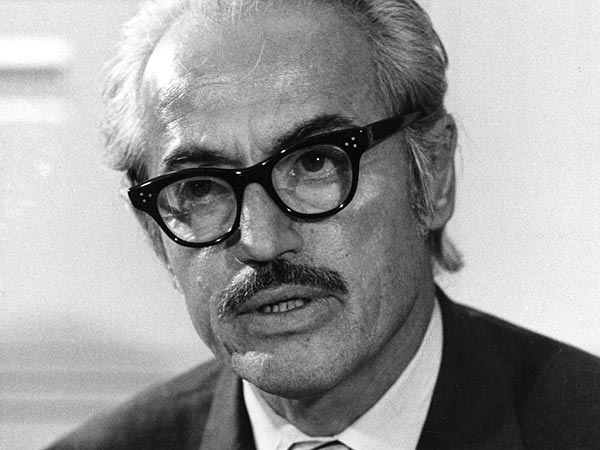 Major League Baseball and the players’ union (MLBPA) are about to begin hammering out a new Collective Bargaining Agreement (CBA) and the result is likely to have a direct or indirect effect on just about every aspect of professional baseball that any of us care about in the least. Yes, this is going to be that big. http://knuckleballsblog.com/blog/wp-content/uploads/2015/12/mlb-and-union600-600x412.jpg The thing is, we already know which side is going to win. It will be the players. We just don’t know the final score, yet. There will also be more than one loser. It won’t be just the owners, though they will certainly be losers, some of them much more than others (that would be you, Minnesota Twins). Owners/operators of some minor league teams are also possible losers (some of them potentially big losers). Minor league players will be losers (as they always are in these CBAs). Amateur ballplayers, in the United States and elsewhere, will be losers. On the other hand, I’ve looked into my crystal ball and the future looks very, very bright – if you’re Mike Trout. In fact, the future also looks pretty good if you’re swimming anywhere in the top half of the MLB player talent pool. For the rest of us, though, it could be a very bumpy ride. In the early 2000s, estimates placed the percentage of MLB revenues paid out in Major League salaries at about 55%. Current estimates have been reported at something close to 43%. The players are clearly going to want to see those numbers project closer to 50% in the new CBA and they have enough leverage this time to get what they want. You always want to be cautious about speaking ill of the dead, but the former head of the players union, Michael Weiner, who passed away in 2013, arguably gave away the farm to Bud Selig and the owners in his first, and only, CBA negotiation back in 2011. In his defense, he wasn’t exactly dealt a strong hand going into those negotiations. Players’ reputations were continuing to be tarnished by the image among fans that they had all built their careers on performance enhancing drugs, making it certain that any work stoppage resulting from a failed CBA negotiation would be blamed on the players. Regardless of the reasons, though, the final result was a contract in which the owners got most everything they wanted. Current MLBPA Executive Director Tony Clark, the first former player to lead the union, should carry a much stronger bargaining position into this round of negotiations. As a group, baseball’s owners are making money by the boatload, thanks to incredible increases in local television revenues in many markets. That’s a double-edged sword, however, when it comes to negotiating a new CBA. It makes it impossible for baseball to contend that they can’t afford to give a bigger share of the financial pie to the players, yet those revenues are anything but evenly distributed. As a result, increasing salaries across the board would adversely affect the competitiveness of teams who have not been able to cash in on the local TV bonanza (see: Twins, Minnesota). On top of that, the owners with those huge TV deals stand to lose a lot of money in the event of a strike or lockout that results in games not being played, as do owners who rely on revenue sharing from those teams. Wide public awareness of the enormous revenues also makes it likely that ownership will be viewed by fans as being primarily at fault for any such work stoppage, should it occur. The result is a players’ union with a very strong negotiating position and plenty of motivation to take advantage of it. Here’s how the union could attempt to go about increasing the share of revenues that go to players’ salaries: Significantly increase the minimum salary for Major League players The minimum player's salary was $507,500 in 2015. That may not immediately increase to $1 million in 2017, but it won't be surprising if it's closer to that number than where it currently sits. This is important to the union because significantly increasing the minimum would potentially result in fewer players signing early team-friendly extensions that buy out arbitration years and, in some cases, free agency years. These extensions are viewed by the union as a drag on average player salaries. Elimination of the Qualifying Offer/draft pick compensation system for teams that stand to lose free agents Despite changes that have been made to lessen the market-dampening effect for many free agents, the players still hate this system. It’s seen as being particularly hard on the union’s “upper-middle class” of players – those who aren’t in the elite category, but for whom having to settle for merely $15 million or so on a one year contract is “unfair.” Significantly reducing the number of years a player is “under team control” This refers to the total number of years that a club can restrict a player’s ability to shop his services to the highest bidder on the free agent market. It consists of a three-year (usually) period of essential “serfdom,” during which the player has no alternative but to accept whatever salary (subject to the Major League minimum) the team offers and another three-year period of years during which the team must decide whether to offer the player binding arbitration or grant him unconditional release. The result is a total of six years (in most cases) of team control before a player can become a free agent, meaning that currently a player who makes his MLB debut on or after turning 24 years old will be at least 30 by the time he’s eligible to file for free agency if his team exercises every year of control they have over the player. In combination with the increased minimum salary, reducing the number of years of team control could make it far more likely that players would forego the additional security of an early team-friendly contract extension, in favor of playing out their arbitration years to reach free agency as soon as possible. It could also make it much more likely that young superstars hit free agency right at their peak, in terms of productivity, rather than somewhere at the beginning of the downside of that curve. More time off for players The MLB schedule is a gauntlet. Between the day games after night games and, perhaps worse, the night games followed by cross-country overnight travel to begin another series the next day, the 162-game schedule is more than merely grueling and players want more than the three or so days off each month they currently get. The problem is that, with the extra postseason games resulting from the Wild Card era, the season already is starting and finishing during time periods where no sane person should be trying to play meaningful baseball in many northern big league cities. One idea often floated to address this problem is to cut the schedule back to the 154 game levels that existed before the leagues expanded from eight to ten teams in the early 1960s. This would result in each team losing four home dates, however, and that would cut into revenues, not only with regard to attendance, but also in programming for those local TV partners that are shelling out big bucks to show the games. Another possibility would be to expand active rosters. If you have 27 players, for example, instead of 25, it would be easier to give everyone an extra day off occasionally. It probably sounds better in theory than it would work in practice, however. Still, it would increase union membership by 8%, so don’t be shocked if the union pushes the idea pretty hard. In a worst case scenario, it gives them something they can “give up” when it comes time to finding a way to allow the owners to save some face. Each of these would have the net effect of increasing the share of MLB revenues that go into the pockets of the players, collectively. Since the owners really cannot afford a work stoppage, if the MLBPA is willing to play hardball, we shouldn't bet money against the players' chances of getting some version of these changes. All of them. What the owners will get Of course, the owners won’t just cave on those issues while getting nothing in return – and that’s where things can turn bad for the rest of us. The owners might get more drug testing. After all, the union has gone down this path already, so what’s the big deal about going a bit further? On the other hand, this “give” doesn’t put even a dime in the pockets of the owners, so they aren’t likely to push too hard for it. The owners want an international draft, to further dampen costs of acquiring new talent. Since giving in on this issue costs the union membership absolutely nothing, they may posture about how unfair it is, but they will capitulate to the owners. If the owners want further restrictions on bonuses paid to players subject to the draft, both foreign and domestic, the union can give on that issue, too. Again, it doesn’t cost their membership anything, so why not? Of course, at a time when fewer parents are allowing their sons to play football, giving MLB an ideal opportunity to come up with ways to attract kids back to baseball, this is exactly the time when MLB should be adopting a system that encourages the best athletes in this country and around the world to choose baseball as a potential career over other sports, not discourage it. But that might cost money and owners, by the time this subject gets addressed at the negotiating table, are probably going to be ticked off about the extra money they’re having to shell out to players already in the big leagues, so we shouldn't expect logic to win the day. Indirect side effects on the rest of us Unfortunately, none of the ownership "wins" are going to even come close to making up for the money the owners are going to lose to their players in this deal, so they’re going to end up looking elsewhere to recoup some of those bucks. This is where minor league players, teams and fans should start feeling nervous. Minor league players, you can forget about seeing your pay go up to anything close to a living wage. Consider yourselves lucky if they don’t lower your base pay. After all, neither the union nor the owners are looking out for your interests in this negotiation. You might find yourself with less competition for that low paying minor league roster spot you’ve got, though. The number of minor league teams with MLB affiliations hasn’t changed significantly in decades. The current working agreement between MLB and MiLB assures owners of current affiliated minor league teams of having a MLB affiliation every year, but that agreement expires after 2020. Renegotiation of that agreement is just one of many things that is waiting for the completion of the new CBA. If owners decide they have been terribly abused under the new CBA, it shouldn't be too surprising to see them propose elimination of some affiliated minor leagues. That would mean fewer communities with affiliated minor league teams, fewer jobs for minor league staff, fewer spots for minor league players and fewer games for minor league fans to attend. Is this a Doomsday scenario that can’t possibly happen? Maybe. But neither MLB nor the players' union has ever been shy about screwing over minor leaguers in CBA negotiations. After all, minor league teams and players are not represented in those negotiating sessions, making it easy for both sides to sacrifice minor league interests if it means getting something of even moderate value in return. It's not unlikely that minor league baseball could look a little bit different in 2021 than it does today if Major League owners determine it's in their best financial interests to impose significant changes. A year from now, we’ll likely know a lot more about the changes coming for professional baseball going forward. Unless you happen to be a big league ballplayer today, you have a right to feel very uneasy about those changes. (This article was originally posted at Knuckleballsblog.com)
 -
Seeing Into the Future (and not liking it much)
Steven Buhr posted a blog entry in SD Buhr/Jim Crikket
Make a list of the top three things you think are wrong with professional baseball today. In fact, make it five things, if you wish. A year from now, the landscape regarding those issues is likely to be quite different than it is today. Things may be better, from your point of view, or they may be worse. I take that back. Unless you’re a Major League ballplayer, they’re almost certainly going to be worse. (This article was originally posted at Knuckleballsblog.com) Major League Baseball and the players’ union (MLBPA) are about to begin hammering out a new Collective Bargaining Agreement (CBA) and the result is likely to have a direct or indirect effect on just about every aspect of professional baseball that any of us care about in the least. Yes, this is going to be that big. http://knuckleballsblog.com/blog/wp-content/uploads/2015/12/mlb-and-union600-600x412.jpg The thing is, we already know which side is going to win. It will be the players. We just don’t know the final score, yet. There will also be more than one loser. It won’t be just the owners, though they will certainly be losers, some of them much more than others (that would be you, Minnesota Twins). Owners/operators of some minor league teams are also possible losers (some of them potentially big losers). Minor league players will be losers (as they always are in these CBAs). Amateur ballplayers, in the United States and elsewhere, will be losers. On the other hand, I’ve looked into my crystal ball and the future looks very, very bright – if you’re Mike Trout. In fact, the future also looks pretty good if you’re swimming anywhere in the top half of the MLB player talent pool. For the rest of us, though, it could be a very bumpy ride. In the early 2000s, estimates placed the percentage of MLB revenues paid out in Major League salaries at about 55%. Current estimates have been reported at something close to 43%. The players are clearly going to want to see those numbers project closer to 50% in the new CBA and they have enough leverage this time to get what they want. You always want to be cautious about speaking ill of the dead, but the former head of the players union, Michael Weiner, who passed away in 2013, arguably gave away the farm to Bud Selig and the owners in his first, and only, CBA negotiation back in 2011. In his defense, he wasn’t exactly dealt a strong hand going into those negotiations. Players’ reputations were continuing to be tarnished by the image among fans that they had all built their careers on Performance Enhancing Drugs, making it certain that any work stoppage resulting from a failed CBA negotiation would be blamed on the players. Regardless of the reasons, though, the final result was a contract in which the owners got most everything they wanted. Current MLBPA Executive Director Tony Clark, the first former player to lead the union, should carry a much stronger bargaining position into this round of negotiations. As a group, baseball’s owners are making money by the boatload, thanks to incredible increases in local television revenues in many markets. That’s a double-edged sword, however, when it comes to negotiating a new CBA. It makes it impossible for baseball to contend that they can’t afford to give a bigger share of the financial pie to the players, yet those revenues are anything but evenly distributed. As a result, increasing salaries across the board would adversely affect the competitiveness of teams who have not been able to cash in on the local TV bonanza (see: Twins, Minnesota). On top of that, the owners with those huge TV deals stand to lose a lot of money in the event of a strike or lockout that results in games not being played, as do owners who rely on revenue sharing from those teams. Wide public awareness of the enormous revenues also makes it likely that ownership will be viewed by fans as being primarily at fault for any such work stoppage, should it occur. The result is a players’ union with a very strong negotiating position and plenty of motivation to take advantage of it. Here’s how the union could attempt to go about increasing the share of revenues that go to players’ salaries: Significantly increase the minimum salary for Major League players The minimum player's salary was $507,500 in 2015. That may not immediately increase to $1 million in 2017, but it won't be surprising if it's closer to that number than where it currently sits. This is important to the union because significantly increasing the minimum would potentially result in fewer players signing early team-friendly extensions that buy out arbitration years and, in some cases, free agency years. These extensions are viewed by the union as a drag on average player salaries. Elimination of the Qualifying Offer/draft pick compensation system for teams that stand to lose free agents Despite changes that have been made to lessen the market-dampening effect for many free agents, the players still hate this system. It’s seen as being particularly hard on the union’s “upper-middle class” of players – those who aren’t in the elite category, but for whom having to settle for merely $15 million or so on a one year contract is “unfair.” Significantly reducing the number of years a player is “under team control” This refers to the total number of years that a club can restrict a player’s ability to shop his services to the highest bidder on the free agent market. It consists of a three-year (usually) period of essential “serfdom,” during which the player has no alternative but to accept whatever salary (subject to the Major League minimum) the team offers and another three-year period of years during which the team must decide whether to offer the player binding arbitration or grant him unconditional release. The result is a total of six years (in most cases) of team control before a player can become a free agent, meaning that currently a player who makes his MLB debut on or after turning 24 years old will be at least 30 by the time he’s eligible to file for free agency if his team exercises every year of control they have over the player. In combination with the increased minimum salary, reducing the number of years of team control could make it far more likely that players would forego the additional security of an early team-friendly contract extension, in favor of playing out their arbitration years to reach free agency as soon as possible. It could also make it much more likely that young superstars hit free agency right at their peak, in terms of productivity, rather than somewhere at the beginning of the downside of that curve. More time off for players The MLB schedule is a gauntlet. Between the day games after night games and, perhaps worse, the night games followed by cross-country overnight travel to begin another series the next day, the 162-game schedule is more than merely grueling and players want more than the three or so days off each month they currently get. The problem is that, with the extra postseason games resulting from the Wild Card era, the season already is starting and finishing during time periods where no sane person should be trying to play meaningful baseball in many northern big league cities. One idea often floated to address this problem is to cut the schedule back to the 154 game levels that existed before the leagues expanded from eight to ten teams in the early 1960s. This would result in each team losing four home dates, however, and that would cut into revenues, not only with regard to attendance, but also in programming for those local TV partners that are shelling out big bucks to show the games. Another possibility would be to expand active rosters. If you have 27 players, for example, instead of 25, it would be easier to give everyone an extra day off occasionally. It probably sounds better in theory than it would work in practice, however. Still, it would increase union membership by 8%, so don’t be shocked if the union pushes the idea pretty hard. In a worst case scenario, it gives them something they can “give up” when it comes time to finding a way to allow the owners to save some face. Each of these would have the net effect of increasing the share of MLB revenues that go into the pockets of the players, collectively. Since the owners really cannot afford a work stoppage, if the MLBPA is willing to play hardball, we shouldn't bet money against the players' chances of getting some version of these changes. All of them. What the owners will get Of course, the owners won’t just cave on those issues while getting nothing in return – and that’s where things can turn bad for the rest of us. The owners might get more drug testing. After all, the union has gone down this path already, so what’s the big deal about going a bit further? On the other hand, this “give” doesn’t put even a dime in the pockets of the owners, so they aren’t likely to push too hard for it. The owners want an international draft, to further dampen costs of acquiring new talent. Since giving in on this issue costs the union membership absolutely nothing, they may posture about how unfair it is, but they will capitulate to the owners. If the owners want further restrictions on bonuses paid to players subject to the draft, both foreign and domestic, the union can give on that issue, too. Again, it doesn’t cost their membership anything, so why not? Of course, at a time when fewer parents are allowing their sons to play football, giving MLB an ideal opportunity to come up with ways to attract kids back to baseball, this is exactly the time when MLB should be adopting a system that encourages the best athletes in this country and around the world to choose baseball as a potential career over other sports, not discourage it. But that might cost money and owners, by the time this subject gets addressed at the negotiating table, are probably going to be ticked off about the extra money they’re having to shell out to players already in the big leagues, so we shouldn't expect logic to win the day. Indirect side effects on the rest of us Unfortunately, none of the ownership "wins" are going to even come close to making up for the money the owners are going to lose to their players in this deal, so they’re going to end up looking elsewhere to recoup some of those bucks. This is where minor league players, teams and fans should start feeling nervous. Minor league players, you can forget about seeing your pay go up to anything close to a living wage. Consider yourselves lucky if they don’t lower your base pay. After all, neither the union nor the owners are looking out for your interests in this negotiation. You might find yourself with less competition for that low paying minor league roster spot you’ve got, though. The number of minor league teams with MLB affiliations hasn’t changed significantly in decades. The current working agreement between MLB and MiLB assures owners of current affiliated minor league teams of having a MLB affiliation every year, but that agreement expires after 2020. Renegotiation of that agreement is just one of many things that is waiting for the completion of the new CBA. If owners decide they have been terribly abused under the new CBA, it shouldn't be too surprising to see them propose elimination of some affiliated minor leagues. That would mean fewer communities with affiliated minor league teams, fewer jobs for minor league staff, fewer spots for minor league players and fewer games for minor league fans to attend. Is this a Doomsday scenario that can’t possibly happen? Maybe. But neither MLB nor the players' union has ever been shy about screwing over minor leaguers in CBA negotiations. After all, minor league teams and players are not represented in those negotiating sessions, making it easy for both sides to sacrifice minor league interests if it means getting something of even moderate value in return. It's not unlikely that minor league baseball could look a little bit different in 2021 than it does today if Major League owners determine it's in their best financial interests to impose significant changes. A year from now, we’ll likely know a lot more about the changes coming for professional baseball going forward. Unless you happen to be a big league ballplayer today, you have a right to feel very uneasy about those changes. -
Today, I want to revisit something I wrote in a prior post. The subject (as so many things written by so many people has been) was centered around what the Twins should do with regard to Miguel Sano and Byron Buxton. Maybe you take them aside and say, “Guys, if you’re healthy in April, you’re going to be Minnesota Twins. You may perform like Kennys Vargas or you may look more like Aaron Hicks, but you’re going to stay in Minnesota. You will not be sent back to the minors. From this point forward, you are Major League baseball players. Now get to work and act like it.” The thing is, you can’t wait until spring training to make this decision. It wouldn’t be fair to Trevor Plouffe. If Sano is going to step in as your primary third baseman, Plouffe needs to spend some time this winter learning to play left field. Maybe he and Joe Mauer could learn together. For that matter, I’d tell Sano to go out there and shag some fly balls, too, because I’m not convinced the Twins won’t discover they’re better off defensively with Sano in the outfield and Plouffe at the hot corner. What's that? You say you're one of the five or so people who have read everything I've posted this offseason and you don't recall reading any of that? Well, you're absolutely correct. I offered those recommendations in October - of 2014. http://knuckleballsblog.com/blog/wp-content/uploads/2015/12/Buxton2015-600x400.jpgByron Buxton (Photo: SD Buhr)That just demonstrates that I'm never wrong with my ideas, just occasionally ahead of the curve! Eventually, conventional wisdom (and that of the Twins' front office) comes around to my way of thinking. They really should just listen to me in the first place, right? So was I prescient or premature? Based on the reactions I received to these suggestions 14 months ago, most would say I was premature - that it was simply too soon for Sano and Buxton to be plugged into the Twins starting lineup right out of the gate in 2015. Maybe. But, with the benefit of hindsight, I'd say I'd still like to have seen what kind of results the Twins would have had if they had benefited from a full season of Sano-Buxton, rather than half a season of Sano and only enough Buxton to show eventual flashes of his potential at the end of the season. Of course, based on the reactions we see to the Twins trading Aaron Hicks and their statements concerning plans to use Sano in the outfield in 2016, a lot of fans would say I was neither prescient nor premature, but I was simply wrong then and wrong now. I've been critical of front office decisions with some regularity over the past few years (but then, who hasn't?), but I'm on board with both the trade of Hicks to fill a definite need at catcher and the plan to give Sano a look in the outfield. Maybe Hicks will become another Carlos Gomez, emerging as an All-Star performer in another organization's outfield after escaping Minnesota. But, for me, Buxton remains far more likely to become that All-Star outfielder and he's not going to reach that level by spending more time in Rochester. He needs to be told he's the Opening Day centerfielder and neither he nor the Twins should waffle from that decision, even if he opens the year a little slow. He won't disappoint. http://knuckleballsblog.com/blog/wp-content/uploads/2015/04/SanoST15-600x400.jpgAs a minor leaguer in spring training, Miguel Sano wore no. 24. Will he replace the player currently wearing that jersey with the Twins? (photo: SD Buhr)A lot of people make a big deal of Sano's size, doubting that a guy weighing in at nearly 270 pounds has any business playing the outfield. Ordinarily, I might agree. But Miguel Sano is not your ordinary 270-pound athlete. If he can learn to take at least decent routes to fly balls and, obviously, catch the balls he gets to, I think he'll impress us. Of course, it's not a given that he'll be able to do those things. We have nothing to go on, positive or negative, to judge at this point whether he can do those things. But anyone thinking he'll be another plodding outfielder in the mold of Young, Willingham or Arcia are, I believe, going to be proven wrong. As I wrote a year ago, it wouldn't hurt for Plouffe (and perhaps even Mauer) to shag some fly balls, as well. If it does turn out that Sano simply can't field the position, there will be a need for Plan B. If Byung Ho Park transitions well from Korea to the American League, the Twins are going to need to find another way to keep the bats of both Park and Sano in the lineup every day. It seems unlikely that MLB will grant manager Paul Molitor special dispensation to use two designated hitters. There's a lot of uncertainty in all of this, but there are two things we and the Twins do know - Trevor Plouffe can play a solid third base and Joe Mauer can do the same at first base. We don't know if Sano and Park can do the same. I suspect we'll all know a lot more about who is capable of doing what by June, but for now, I'm okay with what the Twins appear to be planning to do - let the guys who have demonstrated an ability to play infield defense do so and bet on Sano's athleticism being good enough to fill the third outfield spot along with Eddie Rosario and Byron Buxton. General Manager Terry Ryan has a few things left to do this offseason to finalize his roster and if he gets overwhelmed with an offer for Plouffe, he can accept it. However, based on what we're seeing of the third base market, that seems unlikely to happen and he shouldn't give Plouffe away for a handful of magic beans. But I have no problem with him betting on Buxton and Sano making him look smart a year from now. After all, not many people have gone wrong betting on the ability of those two men to do just about anything on a baseball field. (This article originally appeared at Knuckleballsblog.com) Click here to view the article
-
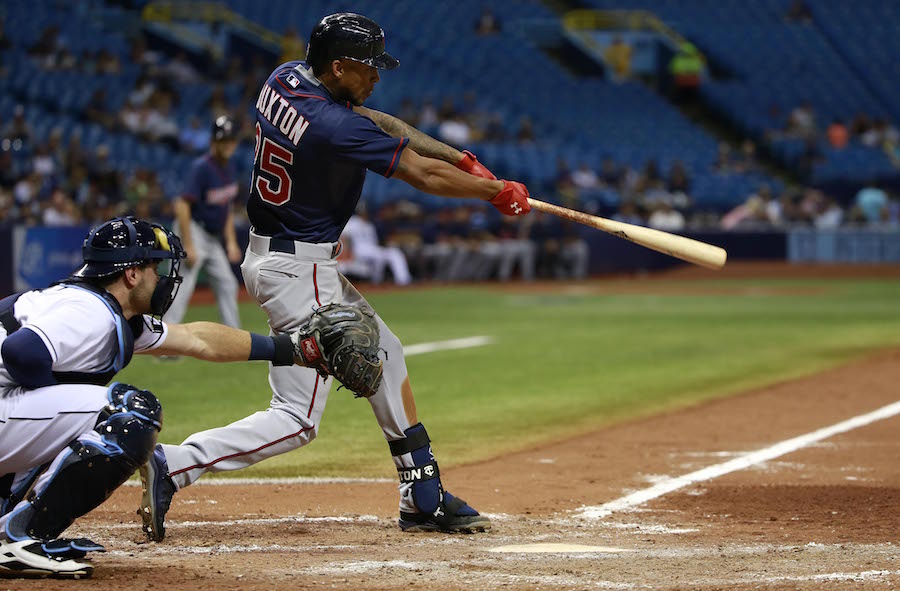 Maybe you take them aside and say, “Guys, if you’re healthy in April, you’re going to be Minnesota Twins. You may perform like Kennys Vargas or you may look more like Aaron Hicks, but you’re going to stay in Minnesota. You will not be sent back to the minors. From this point forward, you are Major League baseball players. Now get to work and act like it.” The thing is, you can’t wait until spring training to make this decision. It wouldn’t be fair to Trevor Plouffe. If Sano is going to step in as your primary third baseman, Plouffe needs to spend some time this winter learning to play left field. Maybe he and Joe Mauer could learn together. For that matter, I’d tell Sano to go out there and shag some fly balls, too, because I’m not convinced the Twins won’t discover they’re better off defensively with Sano in the outfield and Plouffe at the hot corner.What's that? You say you're one of the five or so people who have read everything I've posted this offseason and you don't recall reading any of that? Well, you're absolutely correct. I offered those recommendations in October - of 2014. http://knuckleballsblog.com/blog/wp-content/uploads/2015/12/Buxton2015-600x400.jpg Byron Buxton (Photo: SD Buhr) That just demonstrates that I'm never wrong with my ideas, just occasionally ahead of the curve! Eventually, conventional wisdom (and that of the Twins' front office) comes around to my way of thinking. They really should just listen to me in the first place, right? So was I prescient or premature? Based on the reactions I received to these suggestions 14 months ago, most would say I was premature - that it was simply too soon for Sano and Buxton to be plugged into the Twins starting lineup right out of the gate in 2015. Maybe. But, with the benefit of hindsight, I'd say I'd still like to have seen what kind of results the Twins would have had if they had benefited from a full season of Sano-Buxton, rather than half a season of Sano and only enough Buxton to show eventual flashes of his potential at the end of the season. Of course, based on the reactions we see to the Twins trading Aaron Hicks and their statements concerning plans to use Sano in the outfield in 2016, a lot of fans would say I was neither prescient nor premature, but I was simply wrong then and wrong now. I've been critical of front office decisions with some regularity over the past few years (but then, who hasn't?), but I'm on board with both the trade of Hicks to fill a definite need at catcher and the plan to give Sano a look in the outfield. Maybe Hicks will become another Carlos Gomez, emerging as an All-Star performer in another organization's outfield after escaping Minnesota. But, for me, Buxton remains far more likely to become that All-Star outfielder and he's not going to reach that level by spending more time in Rochester. He needs to be told he's the Opening Day centerfielder and neither he nor the Twins should waffle from that decision, even if he opens the year a little slow. He won't disappoint. http://knuckleballsblog.com/blog/wp-content/uploads/2015/04/SanoST15-600x400.jpg As a minor leaguer in spring training, Miguel Sano wore no. 24. Will he replace the player currently wearing that jersey with the Twins? (photo: SD Buhr) A lot of people make a big deal of Sano's size, doubting that a guy weighing in at nearly 270 pounds has any business playing the outfield. Ordinarily, I might agree. But Miguel Sano is not your ordinary 270-pound athlete. If he can learn to take at least decent routes to fly balls and, obviously, catch the balls he gets to, I think he'll impress us. Of course, it's not a given that he'll be able to do those things. We have nothing to go on, positive or negative, to judge at this point whether he can do those things. But anyone thinking he'll be another plodding outfielder in the mold of Young, Willingham or Arcia are, I believe, going to be proven wrong. As I wrote a year ago, it wouldn't hurt for Plouffe (and perhaps even Mauer) to shag some fly balls, as well. If it does turn out that Sano simply can't field the position, there will be a need for Plan B. If Byung Ho Park transitions well from Korea to the American League, the Twins are going to need to find another way to keep the bats of both Park and Sano in the lineup every day. It seems unlikely that MLB will grant manager Paul Molitor special dispensation to use two designated hitters. There's a lot of uncertainty in all of this, but there are two things we and the Twins do know - Trevor Plouffe can play a solid third base and Joe Mauer can do the same at first base. We don't know if Sano and Park can do the same. I suspect we'll all know a lot more about who is capable of doing what by June, but for now, I'm okay with what the Twins appear to be planning to do - let the guys who have demonstrated an ability to play infield defense do so and bet on Sano's athleticism being good enough to fill the third outfield spot along with Eddie Rosario and Byron Buxton. General Manager Terry Ryan has a few things left to do this offseason to finalize his roster and if he gets overwhelmed with an offer for Plouffe, he can accept it. However, based on what we're seeing of the third base market, that seems unlikely to happen and he shouldn't give Plouffe away for a handful of magic beans. But I have no problem with him betting on Buxton and Sano making him look smart a year from now. After all, not many people have gone wrong betting on the ability of those two men to do just about anything on a baseball field. (This article originally appeared at Knuckleballsblog.com)
 -
Today, I want to revisit something I wrote in a prior post. The subject (as so many things written by so many people has been) was centered around what the Twins should do with regard to Miguel Sano and Byron Buxton. Maybe you take them aside and say, “Guys, if you’re healthy in April, you’re going to be Minnesota Twins. You may perform like Kennys Vargas or you may look more like Aaron Hicks, but you’re going to stay in Minnesota. You will not be sent back to the minors. From this point forward, you are Major League baseball players. Now get to work and act like it.” The thing is, you can’t wait until spring training to make this decision. It wouldn’t be fair to Trevor Plouffe. If Sano is going to step in as your primary third baseman, Plouffe needs to spend some time this winter learning to play left field. Maybe he and Joe Mauer could learn together. For that matter, I’d tell Sano to go out there and shag some fly balls, too, because I’m not convinced the Twins won’t discover they’re better off defensively with Sano in the outfield and Plouffe at the hot corner. What's that? You say you're one of the five or so people who have read everything I've posted this offseason and you don't recall reading any of that? Well, you're absolutely correct. I offered those recommendations in October - of 2014. http://knuckleballsblog.com/blog/wp-content/uploads/2015/12/Buxton2015-600x400.jpg Byron Buxton (Photo: SD Buhr) That just demonstrates that I'm never wrong with my ideas, just occasionally ahead of the curve! Eventually, conventional wisdom (and that of the Twins' front office) comes around to my way of thinking. They really should just listen to me in the first place, right? (This article originally appeared at Knuckleballsblog.com) So was I prescient or premature? Based on the reactions I received to these suggestions 14 months ago, most would say I was premature - that it was simply too soon for Sano and Buxton to be plugged into the Twins starting lineup right out of the gate in 2015. Maybe. But, with the benefit of hindsight, I'd say I'd still like to have seen what kind of results the Twins would have had if they had benefited from a full season of Sano-Buxton, rather than half a season of Sano and only enough Buxton to show eventual flashes of his potential at the end of the season. Of course, based on the reactions we see to the Twins trading Aaron Hicks and their statements concerning plans to use Sano in the outfield in 2016, a lot of fans would say I was neither prescient nor premature, but I was simply wrong then and wrong now. I've been critical of front office decisions with some regularity over the past few years (but then, who hasn't?), but I'm on board with both the trade of Hicks to fill a definite need at catcher and the plan to give Sano a look in the outfield. Maybe Hicks will become another Carlos Gomez, emerging as an All-Star performer in another organization's outfield after escaping Minnesota. But, for me, Buxton remains far more likely to become that All-Star outfielder and he's not going to reach that level by spending more time in Rochester. He needs to be told he's the Opening Day centerfielder and neither he nor the Twins should waffle from that decision, even if he opens the year a little slow. He won't disappoint. http://knuckleballsblog.com/blog/wp-content/uploads/2015/04/SanoST15-600x400.jpg As a minor leaguer in spring training, Miguel Sano wore no. 24. Will he replace the player currently wearing that jersey with the Twins? (photo: SD Buhr) A lot of people make a big deal of Sano's size, doubting that a guy weighing in at nearly 270 pounds has any business playing the outfield. Ordinarily, I might agree. But Miguel Sano is not your ordinary 270-pound athlete. If he can learn to take at least decent routes to fly balls and, obviously, catch the balls he gets to, I think he'll impress us. Of course, it's not a given that he'll be able to do those things. We have nothing to go on, positive or negative, to judge at this point whether he can do those things. But anyone thinking he'll be another plodding outfielder in the mold of Young, Willingham or Arcia are, I believe, going to be proven wrong. As I wrote a year ago, it wouldn't hurt for Plouffe (and perhaps even Mauer) to shag some fly balls, as well. If it does turn out that Sano simply can't field the position, there will be a need for Plan B. If Byung Ho Park transitions well from Korea to the American League, the Twins are going to need to find another way to keep the bats of both Park and Sano in the lineup every day. It seems unlikely that MLB will grant manager Paul Molitor special dispensation to use two designated hitters. There's a lot of uncertainty in all of this, but there are two things we and the Twins do know - Trevor Plouffe can play a solid third base and Joe Mauer can do the same at first base. We don't know if Sano and Park can do the same. I suspect we'll all know a lot more about who is capable of doing what by June, but for now, I'm okay with what the Twins appear to be planning to do - let the guys who have demonstrated an ability to play infield defense do so and bet on Sano's athleticism being good enough to fill the third outfield spot along with Eddie Rosario and Byron Buxton. General Manager Terry Ryan has a few things left to do this offseason to finalize his roster and if he gets overwhelmed with an offer for Plouffe, he can accept it. However, based on what we're seeing of the third base market, that seems unlikely to happen and he shouldn't give Plouffe away for a handful of magic beans. But I have no problem with him betting on Buxton and Sano making him look smart a year from now. After all, not many people have gone wrong betting on the ability of those two men to do just about anything on a baseball field.
-
The Minnesota Twins held a press conference Wednesday morning to introduce their newest addition to the family, Korean slugger Byung Ho Park. The hope is that Park can approach the level of production he showed in Korea and, if so, join potential stars Miguel Sano and Byron Buxton as cornerstones in a Twins everyday lineup being built to contend for the postseason for years to come. By now, everyone knows how he came to be a member of the Twins.His Korean team posted him, the Twins won the bidding for the exclusive rights to negotiate with him, they came to an agreement on a multi-year deal and, on Wednesday, he and the Twins’ brass spoke to the media about the whole thing. http://knuckleballsblog.com/blog/wp-content/uploads/2015/12/Park-press-conference.jpg The assembled media asked a lot of good questions. How will Park adjust to facing better pitchers who throw better breaking balls and faster fastballs? How will he adjust to being a full-time designated hitter? What kind of fielder is he, in the event he needs to use his glove more frequently than is currently envisioned? How will he adjust to living and working in the United States? The media got very few good answers to those questions, however. That’s not the fault of Park, GM Terry Ryan or anyone else on that dais, really. The fact is, there are no good answers to most of the questions, yet. Park will need to answer those questions on the field, in the clubhouse and out and about in the greater Twins Territory community. Ryan told the media that he feels his team needs to add offense and that he expects Park to replace Torii Hunter’s offensive production. My goodness, I certainly hope he can do better than that. After all, while Hunter made significant critical contributions to the turnaround of the 2015 Twins, not a lot of those contributions were with his bat. If Park doesn’t exceed Hunter’s 2015 production, he may well be getting acquainted with upstate New York or south central Tennessee at some point. It sounds like expectations are measured, which is good. Everyone with the club has indicated they expect Park to struggle a little bit as he adjusts to major league pitching, but that he is also expected to successfully make those adjustments. I wonder how well those limited expectations will be remembered when the strikeouts come, especially if wins don’t come as quickly for this team as we think they should. I’m looking forward to a full season of Park and Miguel Sano in the lineup. That’s a lot of long-ball potential that wasn’t there on Opening Day, 2015. It’s also a lot of strikeout potential, of course. Ryan was asked if he expects to make more roster moves, obviously alluding to the possibility of trading incumbent third baseman Trevor Plouffe. His response seemed unequivocal, stating that he did not expect to make additional changes to the regular lineup. “We’re going to go with what we’ve got,” he said. He added, “We’re going to move Sano to the outfield.” Things change, of course. Baseball’s Winter Meetings are coming up and it’s reasonable to expect that Ryan will get some inquiries about the availability of some of his players, including Plouffe. Maybe his unambiguous statements today are just part of a posture he’s taking to send a message to his peers that they should not expect to get Plouffe (or anyone) for peanuts. But, to me, he certainly sounded and looked like a man who believes his everyday lineup is just about set in stone. The additional power is good. It’s very good. I just don’t think it’s so good that it will, by itself, push the Twins over hump and propel them into the postseason. I believe that this team also needs more hitters who can get on base and contribute some extra-base hits with regularity. For that to happen, Miguel Sano cannot afford a sophomore slump. He needs to not only continue to pepper the outfield bleachers with 400-foot home run balls, he needs to continue adding 30 or 40 doubles and get on base 38% of the time. In short, he needs to be a fixture in the cleanup spot for the Twins that strikes fear into the minds of opposing pitchers and catchers. He needs to be that guy right out of the gate in 2016. Byron Buxton also needs to arrive in 2016. And by “arrive,” I mean he needs to, as Nuke LaLoosh put it, announce his presence with authority. If Buxton and Sano take control of the leadoff and cleanup spots, respectively, on Opening Day and both show the talent they have demonstrated at every minor league level (and that Sano demonstrated in half a season with the Twins this year), it will allow the rest of the lineup to easily fall into place. http://knuckleballsblog.com/blog/wp-content/uploads/2015/12/Buxton2015b-1414936-429x600.jpgByron Buxton (Photo: S D Buhr)Mauer and Dozier become the everyday number 2 and 3 hitters. Plouffe, Park and either Rosario or Arcia (whichever claims the third outfield spot) easily slot into the 5-7 spots, while Escobar and the catcher du jour, Suzuki or Murphy, pull up the rear. In that scenario, the Twins lineup has become much “longer,” to use the buzzword currently in favor that describes a team with dangerous hitters even far down the batting order. It also allows guys like Dozier, Mauer, Plouffe and Rosario to successfully fill roles they are most suited to fill, rather than try to be something they aren't. Yes, I would have defensive concerns with any outfield that includes both Sano and Arcia in the corners. That’s a disaster waiting to happen, but I’m pretty confident that Rosario will be the winner of that battle this spring, so I’m not too concerned about it. But if Buxton can’t be Buxton at the top of that order or if Sano struggles to make consistent hard contact at cleanup, suddenly your “long” lineup isn’t really so long and you’ve got some guys hitting in spots they really aren’t best-suited for. Your leadoff hitter needs to work the count, hit for average, draw walks, find some gaps and cause all sorts of anxiety for pitchers, catchers and defenses on the basepaths. Your cleanup hitter needs to consistently drive in runs. He needs to hit home runs in bunches. He needs to be able to do more than make pitchers pay for mistakes. He needs to hit a pitcher’s best pitch for extra bases. He needs to avoid striking out so often that opposing teams don’t worry about seeing him step into the on-deck circle. If Buxton isn’t an effective leadoff man, someone else has to do that job and there is nobody currently on this roster that you could honestly say, “leadoff is his best spot.” The same is true of Sano at cleanup. Yes, Dozier could lead off. Mauer and Escobar could do it, too. But all three of those players have holes in their offensive games that make them much better suited to hit someplace other than at the top of the Twins’ order. It’s possible that Park will turn out to be a legitimate cleanup spot alternative to Sano. If so, that’s a bonus. But right now, the best the Twins show me is a few guys who could serve that role if they absolutely had to. That’s not good enough. If you have to slide Dozier and Mauer up a spot in the order and/or do the same with Plouffe and Rosario, not to mention Escobar and your catcher, suddenly that lineup doesn’t look so “long,” after all. You no longer have a lineup set up to challenge the Kansas City Royals in the American League Central Division, much less make a deep postseason run. I know that I’ve totally ignored the pitching situation and, obviously, that’s very important, too. I also am aware that the Twins will be likely be a better team with Buxton in center field every day, regardless of what he does with his bat. But for the Twins to become the team we all want them to be, they need Byron Buxton to be an All-Star level leadoff hitter, they need Sano to be a beast in the cleanup spot and they need those things to happen closer to April than September. They also need Park to quickly make whatever adjustments need to be made to allow him to be a significant contributor to a big league contender. No pressure, guys. Just become great and do it now. (This article was originally published at Knuckleballsblog.com) Click here to view the article
-
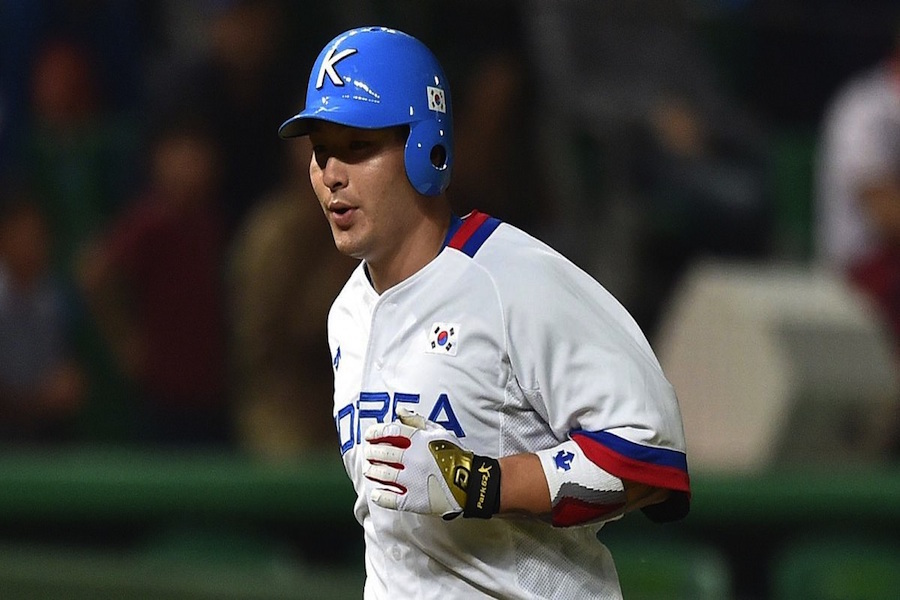 His Korean team posted him, the Twins won the bidding for the exclusive rights to negotiate with him, they came to an agreement on a multi-year deal and, on Wednesday, he and the Twins’ brass spoke to the media about the whole thing. http://knuckleballsblog.com/blog/wp-content/uploads/2015/12/Park-press-conference.jpg The assembled media asked a lot of good questions. How will Park adjust to facing better pitchers who throw better breaking balls and faster fastballs? How will he adjust to being a full-time designated hitter? What kind of fielder is he, in the event he needs to use his glove more frequently than is currently envisioned? How will he adjust to living and working in the United States? The media got very few good answers to those questions, however. That’s not the fault of Park, GM Terry Ryan or anyone else on that dais, really. The fact is, there are no good answers to most of the questions, yet. Park will need to answer those questions on the field, in the clubhouse and out and about in the greater Twins Territory community. Ryan told the media that he feels his team needs to add offense and that he expects Park to replace Torii Hunter’s offensive production. My goodness, I certainly hope he can do better than that. After all, while Hunter made significant critical contributions to the turnaround of the 2015 Twins, not a lot of those contributions were with his bat. If Park doesn’t exceed Hunter’s 2015 production, he may well be getting acquainted with upstate New York or south central Tennessee at some point. It sounds like expectations are measured, which is good. Everyone with the club has indicated they expect Park to struggle a little bit as he adjusts to major league pitching, but that he is also expected to successfully make those adjustments. I wonder how well those limited expectations will be remembered when the strikeouts come, especially if wins don’t come as quickly for this team as we think they should. I’m looking forward to a full season of Park and Miguel Sano in the lineup. That’s a lot of long-ball potential that wasn’t there on Opening Day, 2015. It’s also a lot of strikeout potential, of course. Ryan was asked if he expects to make more roster moves, obviously alluding to the possibility of trading incumbent third baseman Trevor Plouffe. His response seemed unequivocal, stating that he did not expect to make additional changes to the regular lineup. “We’re going to go with what we’ve got,” he said. He added, “We’re going to move Sano to the outfield.” Things change, of course. Baseball’s Winter Meetings are coming up and it’s reasonable to expect that Ryan will get some inquiries about the availability of some of his players, including Plouffe. Maybe his unambiguous statements today are just part of a posture he’s taking to send a message to his peers that they should not expect to get Plouffe (or anyone) for peanuts. But, to me, he certainly sounded and looked like a man who believes his everyday lineup is just about set in stone. The additional power is good. It’s very good. I just don’t think it’s so good that it will, by itself, push the Twins over hump and propel them into the postseason. I believe that this team also needs more hitters who can get on base and contribute some extra-base hits with regularity. For that to happen, Miguel Sano cannot afford a sophomore slump. He needs to not only continue to pepper the outfield bleachers with 400-foot home run balls, he needs to continue adding 30 or 40 doubles and get on base 38% of the time. In short, he needs to be a fixture in the cleanup spot for the Twins that strikes fear into the minds of opposing pitchers and catchers. He needs to be that guy right out of the gate in 2016. Byron Buxton also needs to arrive in 2016. And by “arrive,” I mean he needs to, as Nuke LaLoosh put it, announce his presence with authority. If Buxton and Sano take control of the leadoff and cleanup spots, respectively, on Opening Day and both show the talent they have demonstrated at every minor league level (and that Sano demonstrated in half a season with the Twins this year), it will allow the rest of the lineup to easily fall into place. http://knuckleballsblog.com/blog/wp-content/uploads/2015/12/Buxton2015b-1414936-429x600.jpg Byron Buxton (Photo: S D Buhr) Mauer and Dozier become the everyday number 2 and 3 hitters. Plouffe, Park and either Rosario or Arcia (whichever claims the third outfield spot) easily slot into the 5-7 spots, while Escobar and the catcher du jour, Suzuki or Murphy, pull up the rear. In that scenario, the Twins lineup has become much “longer,” to use the buzzword currently in favor that describes a team with dangerous hitters even far down the batting order. It also allows guys like Dozier, Mauer, Plouffe and Rosario to successfully fill roles they are most suited to fill, rather than try to be something they aren't. Yes, I would have defensive concerns with any outfield that includes both Sano and Arcia in the corners. That’s a disaster waiting to happen, but I’m pretty confident that Rosario will be the winner of that battle this spring, so I’m not too concerned about it. But if Buxton can’t be Buxton at the top of that order or if Sano struggles to make consistent hard contact at cleanup, suddenly your “long” lineup isn’t really so long and you’ve got some guys hitting in spots they really aren’t best-suited for. Your leadoff hitter needs to work the count, hit for average, draw walks, find some gaps and cause all sorts of anxiety for pitchers, catchers and defenses on the basepaths. Your cleanup hitter needs to consistently drive in runs. He needs to hit home runs in bunches. He needs to be able to do more than make pitchers pay for mistakes. He needs to hit a pitcher’s best pitch for extra bases. He needs to avoid striking out so often that opposing teams don’t worry about seeing him step into the on-deck circle. If Buxton isn’t an effective leadoff man, someone else has to do that job and there is nobody currently on this roster that you could honestly say, “leadoff is his best spot.” The same is true of Sano at cleanup. Yes, Dozier could lead off. Mauer and Escobar could do it, too. But all three of those players have holes in their offensive games that make them much better suited to hit someplace other than at the top of the Twins’ order. It’s possible that Park will turn out to be a legitimate cleanup spot alternative to Sano. If so, that’s a bonus. But right now, the best the Twins show me is a few guys who could serve that role if they absolutely had to. That’s not good enough. If you have to slide Dozier and Mauer up a spot in the order and/or do the same with Plouffe and Rosario, not to mention Escobar and your catcher, suddenly that lineup doesn’t look so “long,” after all. You no longer have a lineup set up to challenge the Kansas City Royals in the American League Central Division, much less make a deep postseason run. I know that I’ve totally ignored the pitching situation and, obviously, that’s very important, too. I also am aware that the Twins will be likely be a better team with Buxton in center field every day, regardless of what he does with his bat. But for the Twins to become the team we all want them to be, they need Byron Buxton to be an All-Star level leadoff hitter, they need Sano to be a beast in the cleanup spot and they need those things to happen closer to April than September. They also need Park to quickly make whatever adjustments need to be made to allow him to be a significant contributor to a big league contender. No pressure, guys. Just become great and do it now. (This article was originally published at Knuckleballsblog.com)
 -
In 2015, Twins outfield prospect Max Kepler had his long-awaited breakout season, primarily with the Class AA Chattanooga Lookouts. He was the Southern League Player of the Year and, immediately after his Lookouts team won the Southern League Championship, Kepler was on his way to join the Twins for the remainder of the 2015 season. Kepler had an injury-plagued season in 2013, not being able to even join the Cedar Rapids Kernels until mid-June due to an arm injury.http://knuckleballsblog.com/blog/wp-content/uploads/2015/11/Kepler2015a-600x400.jpgMax KeplerIn 2014, he made progress with the Fort Myers Miracle, but still wasn’t wowing the supposed “experts.” He had a very good stint in the Arizona Fall League in 2014, however, setting the stage for his outstanding 2015 season. This has led to some conjecture as to what his role might/could/should be in 2016. The topic became the subject of a Twitter exchange I participated in on Monday but making a thoughtful argument on a matter like this in 140 character bytes is all but impossible. Fortunately, I have a blog that has no such limit. I don’t recall how the topic was originally raised, but in essence, I believe the question of Kepler perhaps being utilized as the Twins’ fourth outfielder in 2016 was posed. The immediate reaction, from informed persons with considerable experience and knowledge on such matters, was that Kepler would not and should not open the season with the Twins if he’s not going to be one of the three starting outfielders. In that case, he should begin the year on the farm where he’ll be an everyday player, preparing for a possible mid-season promotion. This is a reasoned and logical view. It’s a view I would have shared a year ago. It’s a view I wouldn’t necessarily criticize the Twins’ front office for taking this spring, either. But I don’t necessarily agree it would be the correct approach in 2016. I don’t think we can rely too much on one very impressive season out of Kepler (or any prospect) and we can’t assume that he’s going to pick up in March right where he left off in September, though he will get an opportunity to impress coaches and the front office during the Twins’ spring training. He may struggle against what passes for big league pitching in the initial spring training games and, if so, the only decision to be made will be whether he opens 2016 in Rochester or back in Chattanooga. Just for the sake of argument, though, let’s assume he opens strong and is successful against the March versions of Major League pitching he faces, but not to the extent that he forces his way into one of the top three outfield spots with the Twins. Now, what do you do? Option one, of course, is that you still send him to the minors where he’ll play every day. Option two is that you bring him north to Minnesota to open the season as the Twins’ fourth outfielder. http://knuckleballsblog.com/blog/wp-content/uploads/2015/11/Kepler2015d-1414939-474x600.jpgMax KeplerWith a prospect of his caliber, conventional wisdom is that you don’t want him rotting on the big league team’s bench. You want him honing his craft in the upper minors by getting daily looks at quality pitching (though, clearly, not MLB-level “quality”). I’m not prepared to just blindly follow conventional wisdom, in this case, however. It may be conventional, but I’m not convinced it’s wise. As things currently stand, the Twins’ starting outfield is likely to be some three-man combination of the following four players: Eddie Rosario, Oswaldo Arcia, Byron Buxton and Miguel Sano. If Trevor Plouffe remains the Twins’ starting third baseman on Opening Day, it’s quite possible that all four of the aforementioned men are with the Twins, making Arcia the likely “fourth outfielder.” But, again, for the sake of argument, let’s assume Plouffe, Rosario or Arcia is not with the organization, Buxton struggles in spring training or the Sano-as-outfielder experiment goes bust. In our “what if” scenario, then, the Twins are left with the choice of adding a replacement level fourth outfielder in the Shane Robinson mold or making Keper that fourth outfielder. If the Twins were still in the midst of a run of 95-loss season futility, Kepler would be farmed out. If you have little hope of competing for the postseason, you give your top prospects all kinds of time to develop in the minors, even if they might make your big league club marginally better. You’re planning and playing for the future, when you can contend. But the Twins of 2016 are no longer rebuilding. To my mind, every roster decision they make coming out of spring training should answer only one question – who gives us the best chance to win games at the MLB level? I simply don’t buy the argument that Kepler’s development would be damaged by being the Twins’ fourth outfielder, as opposed to being a regular in Rochester if – BIG IF – he demonstrates that he is not overwhelmed by big league pitching. Given the likely composition of the Twins’ starting outfield (and the fact that Paul Molitor, not Ron Gardenhire, is the Twins’ manager), Kepler would not rot on the bench. Most starting outfielders get one game off each week, either entirely off or where they serve as the designated hitter. That would potentially give Kepler three starts every week. At worst, he would start twice and pinch hit a time or two. Together, Shane Robinson and Jordan Schafer averaged over ten plate appearances per week for the Twins in 2015 and they were not the only reserves who saw time in the Twins outfield. Reynaldo Rodriguez led the Red Wings, playing in 132 of Rochester’s 140 games in 2015. He averaged about 25 plate appearances per week. If you subscribe to the “promote Kepler at mid-season” philosophy, he’s not going to come anywhere close to that number, anyway. If the Twins can find a dozen plate appearances for Kepler each week at the big league level and if he demonstrates he is not overmatched in those opportunities, I would rather he learn to hit MLB pitching in the Major Leagues, not simply continue to show a proficiency for hitting good minor league pitching. But that’s not really the point, anyway. The point is that these Twins should be doing absolutely everything within their power to win major league games. They found out in 2015 just how important every single win is and that a win in September is no more important than a win in April. http://knuckleballsblog.com/blog/wp-content/uploads/2014/10/Kepler2-600x400.jpgMax Kepler, in Arizona Fall League (2014)For that reason, if the Twins believe that Max Kepler’s presence, whether it’s his defense, his baserunning, his pinch-hitting or his ability to ably fill in as a starting outfielder two or three times a week, is likely to result in more wins over the course of the season than whoever else they might alternatively utilize in that role, then that’s all that really matters. You keep Kepler in April, period, even if that means Kepler doesn’t reach his full potential as a big leaguer for another year. The Twins – and their fans – need to stop thinking like an organization still “waiting until next year.” Next year is now and the Twins need to begin acting like they plan to compete with the Kansas City Royals for dominance of the American League Central Division and do so beginning in 2016. That means you bring your best 25 players to Minnesota with you in April. If that includes Max Kepler (and/or Byron Buxton and/or Jose Berrios), then so be it (All photos above of Max Kepler by S D Buhr) (This article was originally posted at Knuckleballsblog.com) Click here to view the article
-
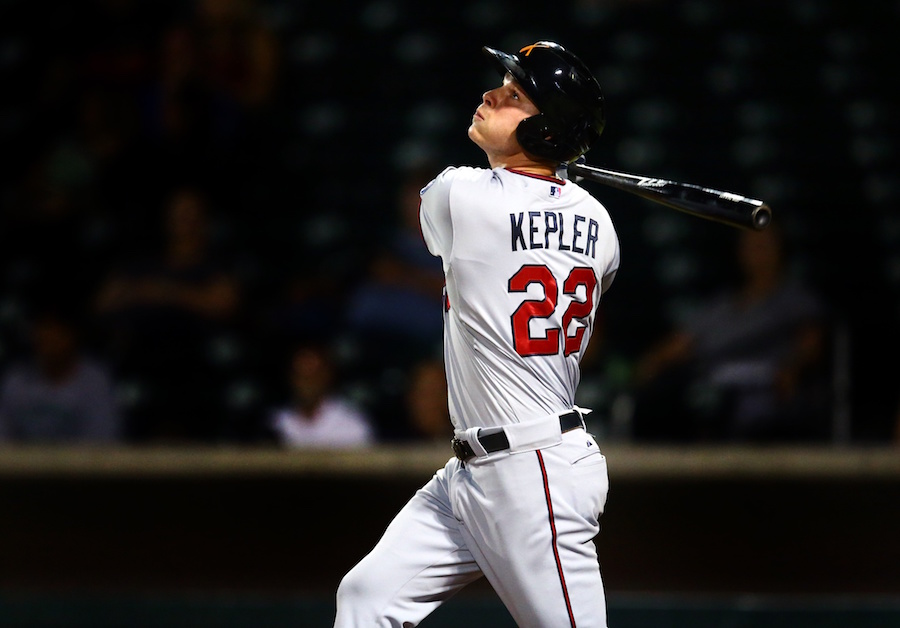 Kepler had an injury-plagued season in 2013, not being able to even join the Cedar Rapids Kernels until mid-June due to an arm injury. http://knuckleballsblog.com/blog/wp-content/uploads/2015/11/Kepler2015a-600x400.jpg Max Kepler In 2014, he made progress with the Fort Myers Miracle, but still wasn’t wowing the supposed “experts.” He had a very good stint in the Arizona Fall League in 2014, however, setting the stage for his outstanding 2015 season. This has led to some conjecture as to what his role might/could/should be in 2016. The topic became the subject of a Twitter exchange I participated in on Monday but making a thoughtful argument on a matter like this in 140 character bytes is all but impossible. Fortunately, I have a blog that has no such limit. I don’t recall how the topic was originally raised, but in essence, I believe the question of Kepler perhaps being utilized as the Twins’ fourth outfielder in 2016 was posed. The immediate reaction, from informed persons with considerable experience and knowledge on such matters, was that Kepler would not and should not open the season with the Twins if he’s not going to be one of the three starting outfielders. In that case, he should begin the year on the farm where he’ll be an everyday player, preparing for a possible mid-season promotion. This is a reasoned and logical view. It’s a view I would have shared a year ago. It’s a view I wouldn’t necessarily criticize the Twins’ front office for taking this spring, either. But I don’t necessarily agree it would be the correct approach in 2016. I don’t think we can rely too much on one very impressive season out of Kepler (or any prospect) and we can’t assume that he’s going to pick up in March right where he left off in September, though he will get an opportunity to impress coaches and the front office during the Twins’ spring training. He may struggle against what passes for big league pitching in the initial spring training games and, if so, the only decision to be made will be whether he opens 2016 in Rochester or back in Chattanooga. Just for the sake of argument, though, let’s assume he opens strong and is successful against the March versions of Major League pitching he faces, but not to the extent that he forces his way into one of the top three outfield spots with the Twins. Now, what do you do? Option one, of course, is that you still send him to the minors where he’ll play every day. Option two is that you bring him north to Minnesota to open the season as the Twins’ fourth outfielder. http://knuckleballsblog.com/blog/wp-content/uploads/2015/11/Kepler2015d-1414939-474x600.jpg Max Kepler With a prospect of his caliber, conventional wisdom is that you don’t want him rotting on the big league team’s bench. You want him honing his craft in the upper minors by getting daily looks at quality pitching (though, clearly, not MLB-level “quality”). I’m not prepared to just blindly follow conventional wisdom, in this case, however. It may be conventional, but I’m not convinced it’s wise. As things currently stand, the Twins’ starting outfield is likely to be some three-man combination of the following four players: Eddie Rosario, Oswaldo Arcia, Byron Buxton and Miguel Sano. If Trevor Plouffe remains the Twins’ starting third baseman on Opening Day, it’s quite possible that all four of the aforementioned men are with the Twins, making Arcia the likely “fourth outfielder.” But, again, for the sake of argument, let’s assume Plouffe, Rosario or Arcia is not with the organization, Buxton struggles in spring training or the Sano-as-outfielder experiment goes bust. In our “what if” scenario, then, the Twins are left with the choice of adding a replacement level fourth outfielder in the Shane Robinson mold or making Keper that fourth outfielder. If the Twins were still in the midst of a run of 95-loss season futility, Kepler would be farmed out. If you have little hope of competing for the postseason, you give your top prospects all kinds of time to develop in the minors, even if they might make your big league club marginally better. You’re planning and playing for the future, when you can contend. But the Twins of 2016 are no longer rebuilding. To my mind, every roster decision they make coming out of spring training should answer only one question – who gives us the best chance to win games at the MLB level? I simply don’t buy the argument that Kepler’s development would be damaged by being the Twins’ fourth outfielder, as opposed to being a regular in Rochester if – BIG IF – he demonstrates that he is not overwhelmed by big league pitching. Given the likely composition of the Twins’ starting outfield (and the fact that Paul Molitor, not Ron Gardenhire, is the Twins’ manager), Kepler would not rot on the bench. Most starting outfielders get one game off each week, either entirely off or where they serve as the designated hitter. That would potentially give Kepler three starts every week. At worst, he would start twice and pinch hit a time or two. Together, Shane Robinson and Jordan Schafer averaged over ten plate appearances per week for the Twins in 2015 and they were not the only reserves who saw time in the Twins outfield. Reynaldo Rodriguez led the Red Wings, playing in 132 of Rochester’s 140 games in 2015. He averaged about 25 plate appearances per week. If you subscribe to the “promote Kepler at mid-season” philosophy, he’s not going to come anywhere close to that number, anyway. If the Twins can find a dozen plate appearances for Kepler each week at the big league level and if he demonstrates he is not overmatched in those opportunities, I would rather he learn to hit MLB pitching in the Major Leagues, not simply continue to show a proficiency for hitting good minor league pitching. But that’s not really the point, anyway. The point is that these Twins should be doing absolutely everything within their power to win major league games. They found out in 2015 just how important every single win is and that a win in September is no more important than a win in April. http://knuckleballsblog.com/blog/wp-content/uploads/2014/10/Kepler2-600x400.jpg Max Kepler, in Arizona Fall League (2014) For that reason, if the Twins believe that Max Kepler’s presence, whether it’s his defense, his baserunning, his pinch-hitting or his ability to ably fill in as a starting outfielder two or three times a week, is likely to result in more wins over the course of the season than whoever else they might alternatively utilize in that role, then that’s all that really matters. You keep Kepler in April, period, even if that means Kepler doesn’t reach his full potential as a big leaguer for another year. The Twins – and their fans – need to stop thinking like an organization still “waiting until next year.” Next year is now and the Twins need to begin acting like they plan to compete with the Kansas City Royals for dominance of the American League Central Division and do so beginning in 2016. That means you bring your best 25 players to Minnesota with you in April. If that includes Max Kepler (and/or Byron Buxton and/or Jose Berrios), then so be it (All photos above of Max Kepler by S D Buhr) (This article was originally posted at Knuckleballsblog.com)
 -
The Minnesota Twins held a press conference Wednesday morning to introduce their newest addition to the family, Korean slugger Byung Ho Park. The hope is that Park can approach the level of production he showed in Korea and, if so, join potential stars Miguel Sano and Byron Buxton as cornerstones in a Twins everyday lineup being built to contend for the postseason for years to come. http://knuckleballsblog.com/blog/wp-content/uploads/2015/12/Park-press-conference.jpg By now, everyone knows how he came to be a member of the Twins. His Korean team posted him, the Twins won the bidding for the exclusive rights to negotiate with him, they came to an agreement on a multi-year deal and, on Wednesday, he and the Twins’ brass spoke to the media about the whole thing. The assembled media asked a lot of good questions. How will park adjust to facing better pitchers who throw better breaking balls and faster fastballs? How will he adjust to being a full-time designated hitter? What kind of fielder is he, in the event he needs to use his glove more frequently than is currently envisioned? How will he adjust to living and working in the United States? The media got very few good answers to those questions, however. That’s not the fault of Park, GM Terry Ryan or anyone else on that dias, really. The fact is, there are no good answers to most of the questions, yet. Park will need to answer those questions on the field, in the clubhouse and out and about in the greater Twins Territory community. (This article was originally published at Knuckleballsblog.com) Ryan told the media that he feels his team needs to add offense and that he expects Park to replace Torii Hunter’s offensive production. My goodness, I certainly hope he can do better than that. After all, while Hunter made significant critical contributions to the turnaround of the 2015 Twins, not a lot of those contributions were with his bat. If Park doesn’t exceed Hunter’s 2015 production, he may well be getting acquainted with upstate New York or south central Tennessee at some point. It sounds like expectations are measured, which is good. Everyone with the club has indicated they expect Park to struggle a little bit as he adjusts to Major League pitching, but that he is also expected to successfully make those adjustments. I wonder how well those limited expectations will be remembered when the strikeouts come, especially if wins don’t come as quickly for this team as we think they should. I’m looking forward to a full season of Park and Miguel Sano in the lineup. That’s a lot of long-ball potential that wasn’t there on Opening Day, 2015. It’s also a lot of strikeout potential, of course. Ryan was asked if he expects to make more roster moves, obviously alluding to the possibility of trading incumbent third baseman Trevor Plouffe. His response seemed unequivocal, stating that he did not expect to make additional changes to the regular lineup. “We’re going to go with what we’ve got,” he said. He added, “We’re going to move Sano to the outfield.” Things change, of course. Baseball’s Winter Meetings are coming up and it’s reasonable to expect that Ryan will get some inquiries about the availability of some of his players, including Plouffe. Maybe his unambiguous statements today are just part of a posture he’s taking to send a message to his peers that they should not expect to get Plouffe (or anyone) for peanuts. But, to me, he certainly sounded and looked like a man who believes his everyday lineup is just about set in stone. The additional power is good. It’s very good. I just don’t think it’s so good that it will, by itself, push the Twins over hump and propel them into the postseason. I believe that this team also needs more hitters who can get on base and contribute some extra-base hits with regularity. For that to happen, Miguel Sano cannot afford a sophomore slump. He needs to not only continue to pepper the outfield bleachers with 400-foot home run balls, he needs to continue adding 30 or 40 doubles and get on base 38% of the time. In short, he needs to be a fixture in the cleanup spot for the Twins that strikes fear into the minds of opposing pitchers and catchers. He needs to be that guy right out of the gate in 2016. Byron Buxton also needs to arrive in 2016. And by “arrive,” I mean he needs to, as Nuke LaLoosh put it, announce his presence with authority. If Buxton and Sano take control of the leadoff and cleanup spots, respectively, on Opening Day and both show the talent they have demonstrated at every minor league level (and that Sano demonstrated in half a season with the Twins this year), it will allow the rest of the lineup to easily fall into place. http://knuckleballsblog.com/blog/wp-content/uploads/2015/12/Buxton2015b-1414936-429x600.jpg Byron Buxton (Photo: S D Buhr) Mauer and Dozier become the everyday number 2 and 3 hitters. Plouffe, Park and either Rosario or Arcia (whichever claims the third outfield spot) easily slot into the 5-7 spots, while Escobar and the catcher du jour, Suzuki or Murphy, pull up the rear. In that scenario, the Twins lineup has become much “longer,” to use the buzzword currently in favor that describes a team with dangerous hitters even far down the batting order. It also allows guys like Dozier, Mauer, Plouffe and Rosario to successfully fill roles they are most suited to fill, rather than try to be something they aren't. Yes, I would have defensive concerns with any outfield that includes both Sano and Arcia in the corners. That’s a disaster waiting to happen, but I’m pretty confident that Rosario will be the winner of that battle this spring, so I’m not too concerned about it. But if Buxton can’t be Buxton at the top of that order or if Sano struggles to make consistent hard contact at cleanup, suddenly your “long” lineup isn’t really so long and you’ve got some guys hitting in spots they really aren’t best-suited for. Your leadoff hitter needs to work the count, hit for average, draw walks, find some gaps and cause all sorts of anxiety for pitchers, catchers and defenses on the basepaths. Your cleanup hitter needs to consistently drive in runs. He needs to hit home runs in bunches. He needs to be able to do more than make pitchers pay for mistakes. He needs to hit a pitcher’s best pitch for extra bases. He needs to avoid striking out so often that opposing teams don’t worry about seeing him step into the on-deck circle. If Buxton isn’t an effective leadoff man, someone else has to do that job and there is nobody currently on this roster that you could honestly say, “leadoff is his best spot.” The same is true of Sano at cleanup. Yes, Dozier could lead off. Mauer and Escobar could do it, too. But all three of those players have holes in their offensive games that make them much better suited to hit someplace other than at the top of the Twins’ order. It’s possible that Park will turn out to be a legitimate cleanup spot alternative to Sano. If so, that’s a bonus. But right now, the best the Twins show me is a few guys who could serve that role if they absolutely had to. That’s not good enough. If you have to slide Dozier and Mauer up a spot in the order and/or do the same with Plouffe and Rosario, not to mention Escobar and your catcher, suddenly that lineup doesn’t look so “long,” after all. You no longer have a lineup set up to challenge the Kansas City Royals in the American League Central Division, much less make a deep postseason run. I know that I’ve totally ignored the pitching situation and, obviously, that’s very important, too. I also am aware that the Twins will be likely be a better team with Buxton in centerfield every day, regardless of what he does with his bat. But for the Twins to become the team we all want them to be, they need Byron Buxton to be an All-Star level leadoff hitter, they need Sano to be a beast in the cleanup spot and they need those things to happen closer to April than September. They also need Park to quickly make whatever adjustments need to be made to allow him to be a significant contributor to a big league contender. No pressure, guys. Just become great and do it now.
-
In 2015, Twins outfield prospect Max Kepler had his long-awaited breakout season, primarily with the Class AA Chattanooga Lookouts. He was the Southern League Player of the Year and, immediately after his Lookouts team won the Southern League Championship, Kepler was on his way to join the Twins for the remainder of the 2016 season. http://knuckleballsblog.com/blog/wp-content/uploads/2015/11/Kepler2015a-600x400.jpg Max Kepler Kepler had an injury-plagued season in 2013, not being able to even join the Cedar Rapids Kernels until mid-June due to an arm injury. In 2014, he made progress with the Fort Myers Miracle, but still wasn’t wowing the supposed “experts.” He had a very good stint in the Arizona Fall League in 2014, however, setting the stage for his outstanding 2015 season. This has led to some conjecture as to what his role might/could/should be in 2016. The topic became the subject of a Twitter exchange I participated in on Monday but making a thoughtful argument on a matter like this in 140 character bites is all but impossible. Fortunately, I have a blog that has no such limit. (This article was originally posted at Knuckleballsblog.com) I don’t recall how the topic was originally raised, but in essence, I believe the question of Kepler perhaps being utilized as the Twins’ fourth outfielder in 2016 was posed. The immediate reaction, from informed persons with considerable experience and knowledge on such matters, was that Kepler would not and should not open the season with the Twins if he’s not going to be one of the three starting outfielders. In that case, he should begin the year on the farm where he’ll be an everyday player, preparing for a possible mid-season promotion. This is a reasoned and logical view. It’s a view I would have shared a year ago. It’s a view I wouldn’t necessarily criticize the Twins’ front office for taking this spring, either. But I don’t necessarily agree it would be the correct approach in 2016. I don’t think we can rely too much on one very impressive season out of Kepler (or any prospect) and we can’t assume that he’s going to pick up in March right where he left off in Septermber, though he will get an opportunity to impress coaches and the front office during the Twins’ spring training. He may struggle against what passes for big league pitching in the initial spring training games and, if so, the only decision to be made will be whether he opens 2016 in Rochester or back in Chattanooga. Just for the sake of argument, though, let’s assume he opens strong and is successful against the March versions of Major League pitching he faces, but not to the extent that he forces his way into one of the top three outfield spots with the Twins. Now, what do you do? Option one, of course, is that you still send him to the minors where he’ll play every day. Option two is that you bring him north to Minnesota to open the season as the Twins’ fourth outfielder. http://knuckleballsblog.com/blog/wp-content/uploads/2015/11/Kepler2015d-1414939-474x600.jpg Max Kepler With a prospect of his caliber, conventional wisdom is that you don’t want him rotting on the big league team’s bench. You want him honing his craft in the upper minors by getting daily looks at quality pitching (though, clearly, not MLB level “quality”). I’m not prepared to just blindly follow conventional wisdom, in this case, however. It may be conventional, but I’m not convinced it’s wise. As things currently stand, the Twins’ starting outfield is likely to be some three-man combination of the following four players: Eddie Rosario, Oswaldo Arcia, Byron Buxton and Miguel Sano. If Trevor Plouffe remains the Twins’ starting third baseman on Opening Day, it’s quite possible that all four of the aforementioned men are with the Twins, making Arcia the likely “fourth outfielder.” But, again, for the sake of argument, let’s assume Plouffe, Rosario or Arcia is not with the organization, Buxton struggles in spring training or the Sano-as-outfielder experiment goes bust. In our “what if” scenario, then, the Twins are left with the choice of adding a replacement level fourth outfielder in the Shane Robinson mold or making Keper that fourth outfielder. If the Twins were still in the midst of a run of 95-loss season futility, Kepler would be farmed out. If you have little hope of competing for the postseason, you give your top prospects all kinds of time to develop in the minors, even if they might make your big league club marginally better. You’re planning and playing for the future, when you can contend. But the Twins of 2016 are no longer rebuilding. To my mind, every roster decision they make coming out of spring training should answer only one question – who gives us the best chance to win games at the MLB level? I simply don’t buy the argument that Kepler’s development would be damaged by being the Twins’ fourth outfielder, as opposed to being a regular in Rochester if – BIG IF – he demonstrates that he is not overwhelmed by big league pitching. Given the likely composition of the Twins’ starting outfield (and the fact that Paul Molitor, not Ron Gardenhire, is the Twins’ manager), Kepler would not rot on the bench. Most starting outfielders get one game off each week, either entirely off or where they serve as the designated hitter. That would potentially give Kepler three starts every week. At worst, he would start twice and pinch hit a time or two. Together, Shane Robinson and Jordan Schafer averaged over ten plate appearances per week for the Twins in 2015 and they were not the only reserves who saw time in the Twins outfield. Reynaldo Rodriguez led the Red Wings, playing in 132 of Rochester’s 140 games in 2015. He averaged about 25 plate appearances per week. If you subscribe to the “promote Kepler at mid-season” philosophy, he’s not going to come anywhere close to that number, anyway. If the Twins can find a dozen plate appearances for Kepler each week at the big league level and if he demonstrates he is not overmatched in those opportunities, I would rather he learn to hit MLB pitching in the Major Leagues, not simply continue to show a proficiency for hitting good minor league pitching. But that’s not really the point, anyway. The point is that these Twins should be doing absolutely everything within their power to win Major League games. They found out in 2015 just how important every single win is and that a win in September is no more important than a win in April. http://knuckleballsblog.com/blog/wp-content/uploads/2014/10/Kepler2-600x400.jpg Max Kepler, in Arizona Fall League (2014) For that reason, if the Twins believe that Max Kepler’s presence, whether it’s his defense, his baserunning, his pinch-hitting or his ability to ably fill in as a starting outfielder two or three times a week, is likely to result in more wins over the course of the season than whoever else they might alternatively utilize in that role, then that’s all that really matters. You keep Kepler in April, period, even if that means Kepler doesn’t reach his full potential as a big leaguer for another year. The Twins – and their fans – need to stop thinking like an organization still “waiting until next year.” Next year is now and the Twins should need to begin acting like they plan to compete with the Kansas City Royals for dominance of the American League Central Division and do so beginning in 2016. That means you bring your best 25 players to Minnesota with you in April. If that includes Max Kepler (and/or Byron Buxton and/or Jose Berrios), then so be it (All photos above of Max Kepler by S D Buhr)
-
Last week, Minnesota Twins General Manager Terry Ryan went back-to-back-to-back, making three deals in three days in an effort to improve his club, winning the bidding for the right to negotiate with Korean slugging first baseman/DH Byung-ho Park, trading backup catcher Chris Herrmann for a prospect, which cleared the way for catcher John Ryan Murphy to be added via trade. http://knuckleballsblog.com/blog/wp-content/uploads/2015/09/Ryan2015-600x399.jpgAfter one or two more roster adjustments, Terry Ryan should R-E-L-A-X. (Photo: SD Buhr)(This article was originally posted at Knuckleballsblog.com) It has been almost a week since the last of those deals was announced, so the question has become, “Now what?” I felt the catching situation was the most glaring need that had to be addressed this offseason and Ryan & Co. appear to have resolved that situation with the addition of Murphy. Now, where should the GM turn his focus? Given the state of the Twins the past four offseasons, it seems odd to say it, but I think Ryan's offseason work should be about done already. Let’s take a position-by-position look at where the Twins stand right at this moment, with some thoughts as to how they could still be improved. Between incumbent catcher Kurt Suzuki and the newly-acquired Murphy, the position appears to be set. If Ryan could find a taker for Suzuki, they could just hand the starting job to Murphy and look for another backup, but that seems highly unlikely. Joe Mauer is at first base and isn’t going anywhere. The Twins added another first baseman in Park, which was surprising to most of us, so the odds are stacked high against seeing another one added. Kennys Vargas remains on the periphery of the 1B/DH mix and now we’re seeing reports that he could make a good sized payday in Korea or Japan if the Twins are willing to sell his contract. Brian Dozier will play second base. If the Twins get an offer they can’t refuse for Dozier, Jorge Polanco would likely get his shot at a permanent promotion to the big leagues. It's hard to imagine the Twins adding someone else to the mix. James Beresford performed well in Rochester, but he's a minor league free agent again this year and is at least an even bet to sign elsewhere after the Twins didn't even give him a look in September. Eduardo Escobar did everything anyone could ask of him at shortstop in 2015 and appears to have given the Twins the stability they’ve lacked at the position since the ill-advised trade of J.J. Hardy to the Orioles. The Twins will also have Danny Santana around as a utility player, should Escobar falter. It’s unlikely the Twins will go looking for another shortstop. Everyone seems to think that third base is already crowded. Trevor Plouffe is still manning the hot corner, but is looking over his shoulder at the hulking figure of Miguel Sano. This has led many to recommend that the Twins trade Plouffe this offseason and hand the position to Sano. While that might make sense, providing that Ryan could get fair value for Plouffe on the market (I’m not all that certain would be the case, but it’s possible), making that deal would mean putting all of the club’s third base “eggs” in the Sano basket. That makes me nervous. Maybe Sano can play third base competently every day, but that’s hardly a certainty. If Plouffe is sent packing, Ryan had better have a reliable Plan B ready to step into the position. With Plouffe gone, who would that be? There are few internal options that manager Paul Molitor could plug in. Do we want to see Eduardo Núñez as the Twins’ starting third baseman? Polanco and Santana have rarely played the position, even in minor league ball, but maybe one or both could do it. Could a Plouffe trade be followed by the acquisition of a stop-gap type? Conceivably, yes. The Twins Daily Offseason Handbookprojects 37-year-old Juan Uribe to sign a one-year deal for $3 million. That sounds a little high, to me, for Uribe, but if it’s in that neighborhood, it wouldn’t be a bad price for this particular situation. http://knuckleballsblog.com/blog/wp-content/uploads/2015/11/PlouffeST2015-600x400.jpgTrevor Plouffe in a Twins uniform, where he should stay, at least for now (Photo: SD Buhr)Unless Ryan is really wowed by an offer for Plouffe, however, I think he’s better off keeping the status quo. Let’s see how Sano handles the position (and how he handles his sophomore season at the plate) before running the risk of turning the third sack back into the black hole it was between the departure of Corey Koskie and the arrival of Plouffe. Likewise, the outfield appears pretty full, even with the departure of Aaron Hicks to the Yankees in the Murphy deal. Eddie Rosario will be in one corner and the Twins are hoping Byron Buxton claims center field right out of spring training. They’ve expressed their intention to teach Sano how to play a corner outfield spot, especially now that Park seems likely to get most of the DH at-bats. Oswaldo Arcia is another internal outfield option, but the Twins won’t (or shouldn’t, anyway) consider any option that results in Arcia and Sano sharing the same outfield, no matter how good the man in center field is. Max Kepler earned the opportunity to impress coaches and the front office enough in spring training to claim an Opening Day roster spot, but I suspect they'll start him in Rochester, especially if the alternative is a fourth-outfielder role with the Twins. And then there’s the pitching staff. The predominant theory seems to be that the Twins have plenty of internal options to fill out their rotation, but need to look to the free agent and/or trade market to improve their bullpen. I disagree. Not that the bullpen wasn’t bad (it was), but I disagree with that approach to fixing it. I would prefer to fix the bullpen by improving the rotation even more. There are four pitchers that you have to figure should be locks to open in the Twins’ rotation. Ervin Santana, Tyler Duffey, Kyle Gibson and Phil Hughes will, unless traded or injured before then, open the year as Twins starters. Trevor May, Alex Meyer, Tommy Milone, Jose Berrios and Ricky Nolasco all have starter pedigrees, in the minors and/or Major Leagues, and any of the five could earn the Twins’ fifth rotation spot. But if the Twins are set on being more than just a borderline contender in the American League Central Division, you have to ask yourself whether they could do better than any of those five pitchers in that final rotation opening. Now, I’m a Zack Greinke fan from way back. After the 2010 season, I advocated here for the Twins to engineer a trade with the Royals to acquire Greinke. Five years later, I’d still love to have him at the top of the Twins’ rotation, but the Twins are not going to shell out the $25+ million per year over 5+ years that is being projected as being what it will take to sign the free agent - alas, nor should they. Likewise, you can pretty much rule out names like Price, Cueto, Samardzija and Zimmerman, all of which are likely to garner $100+ million/5+ year deals on the open market. That’s an awful big commitment to make to pitchers who, in each case, come with some significant question marks about their abilities to perform at “ace” levels for the next half-decade. Only Price, in my view, is worth that kind of money. Unfortunately, he won’t be had for that kind of money – it will likely take over $200 million to get him. Ouch. Berrios is a future Twins starter. May and Meyer could very well be future rotation fixtures, as well. The big unknown, in each case, is the definite arrival time of that future. We just don’t know. It could be April, 2016, and if it is, for just one of those pitchers, then the rotation question is asked and answered. http://knuckleballsblog.com/blog/wp-content/uploads/2015/11/MayST15a-600x400.jpgTrevor May - Bullpen or rotation in 2015? Answer: yes (Photo: SD BUhr)However, like the situation with Sano as a full-time third baseman, relying on any of the five possible fifth starters currently on the roster to be good enough to help propel the Twins into an elite-level team in 2016 is pretty risky. If Ryan decides to take that risk, it’s fine with me, but I wouldn’t mind seeing the Twins take a one-year flyer on Doug Fister, who certainly will be looking for a make-good contract to rebuild his value with an eye on trying free agency again next year. Two years ago, Fister was traded to Washington after 2 ½ successful years in a Tigers uniform. Had he been a free agent a year ago after notching a 2.31 ERA over 25 starts for the Nationals, he’d have undoubtedly been near the top of every team’s free agent starting pitcher wish-list. But he was Washington property for another year and he did not live up to expectations in 2015, to put it mildly. He lost his starting rotation spot as the dysfunctional Nationals faltered and he finished the season working out of the bullpen. Could a return to the familiar AL Central spur a revival of Fister’s starting career? I don’t know, but I wouldn’t mind if the Twins spent $10-15 million or so to find out. At that price, they can afford the risk. If it works out, he’s more than just another fifth starter. If it doesn’t work, all they’ve lost is a few bucks and they move on with whoever is looking the best from among the internal options. With a rotation of Santana, Duffey, Gibson, Hughes and Fister, you are left with a lot of pretty strong options to improve your bullpen. Glen Perkins and Kevin Jepsen will be there. You have to be concerned with the way Perkins pitched the last half of 2015 and I’m not certain Jepsen is really as good as he looked after being acquired from the Rays, but those two will be cornerstones of the 2016 relief corps, if they’re healthy. Now, just for fun, plug the following five arms into the bullpen: Trevor May, Alex Meyer, Tommy Milone, Jose Berrios and Ricky Nolasco. http://knuckleballsblog.com/blog/wp-content/uploads/2015/11/BerriosOlivaST2015-600x400.jpgJose Berrios and Tony Oliva chatted during a spring training game in March. They should be able to have chats like this at Target Field in 2016 (Photo: SD Buhr)Yes, that leaves just Perkins and Milone as lefty arms, so I’d like to see Logan Darnell make the team, meaning Nolasco is cut loose or one of Meyer/Berrios is kept in Rochester to stay stretched out in case there’s an early hole to plug in the rotation. No team survives a season without running 7-10 pitchers through their rotation during the year and all five of these guys could work their way into starting roles either by their own performance or attrition among those who open the year as starters. But the point remains that the Twins have pitching that is capable of bolstering their bullpen and I’d spend $10-15 million to take a chance on Fister improving the rotation. Then, as the dominoes fall, quality internal pitchers are pushed to the bullpen. To me, that’s preferable to making multi-year commitments to one or more of the flavor-of-the-month relief arms available in free agency when the Twins have guys like Nick Burdi, Jake Reed, J.T. Chargois, Taylor Rogers, Zach Jones, Alex Wimmers and Mason Melotakis (to name just a few), any of which could become high-quality internal bullpen options before 2016 is over. Even 2015 top draft pick Tyler Jay, who will be given an opportunity to work in a minor league rotation somewhere to start the season, could be called on for a big league relief role, if needed at some point. The best free agent bullpen arms will command large, multi-year deals, which the Twins should not invest in, and the next tier on the open market are no more likely to provide consistent quality relief innings than the Twins’ own internal options. The bottom line, for me, is that Terry Ryan can get Park signed, make a deal with Fister, then go on vacation, as far as I’m concerned. If he can get someone to take Nolasco’s contract off his hands, terrific, but otherwise, I’d be content to head to spring training with that roster. Click here to view the article
-
 http://knuckleballsblog.com/blog/wp-content/uploads/2015/09/Ryan2015-600x399.jpg After one or two more roster adjustments, Terry Ryan should R-E-L-A-X. (Photo: SD Buhr) (This article was originally posted at Knuckleballsblog.com) It has been almost a week since the last of those deals was announced, so the question has become, “Now what?” I felt the catching situation was the most glaring need that had to be addressed this offseason and Ryan & Co. appear to have resolved that situation with the addition of Murphy. Now, where should the GM turn his focus? Given the state of the Twins the past four offseasons, it seems odd to say it, but I think Ryan's offseason work should be about done already. Let’s take a position-by-position look at where the Twins stand right at this moment, with some thoughts as to how they could still be improved. Between incumbent catcher Kurt Suzuki and the newly-acquired Murphy, the position appears to be set. If Ryan could find a taker for Suzuki, they could just hand the starting job to Murphy and look for another backup, but that seems highly unlikely. Joe Mauer is at first base and isn’t going anywhere. The Twins added another first baseman in Park, which was surprising to most of us, so the odds are stacked high against seeing another one added. Kennys Vargas remains on the periphery of the 1B/DH mix and now we’re seeing reports that he could make a good sized payday in Korea or Japan if the Twins are willing to sell his contract. Brian Dozier will play second base. If the Twins get an offer they can’t refuse for Dozier, Jorge Polanco would likely get his shot at a permanent promotion to the big leagues. It's hard to imagine the Twins adding someone else to the mix. James Beresford performed well in Rochester, but he's a minor league free agent again this year and is at least an even bet to sign elsewhere after the Twins didn't even give him a look in September. Eduardo Escobar did everything anyone could ask of him at shortstop in 2015 and appears to have given the Twins the stability they’ve lacked at the position since the ill-advised trade of J.J. Hardy to the Orioles. The Twins will also have Danny Santana around as a utility player, should Escobar falter. It’s unlikely the Twins will go looking for another shortstop. Everyone seems to think that third base is already crowded. Trevor Plouffe is still manning the hot corner, but is looking over his shoulder at the hulking figure of Miguel Sano. This has led many to recommend that the Twins trade Plouffe this offseason and hand the position to Sano. While that might make sense, providing that Ryan could get fair value for Plouffe on the market (I’m not all that certain would be the case, but it’s possible), making that deal would mean putting all of the club’s third base “eggs” in the Sano basket. That makes me nervous. Maybe Sano can play third base competently every day, but that’s hardly a certainty. If Plouffe is sent packing, Ryan had better have a reliable Plan B ready to step into the position. With Plouffe gone, who would that be? There are few internal options that manager Paul Molitor could plug in. Do we want to see Eduardo Núñez as the Twins’ starting third baseman? Polanco and Santana have rarely played the position, even in minor league ball, but maybe one or both could do it. Could a Plouffe trade be followed by the acquisition of a stop-gap type? Conceivably, yes. The Twins Daily Offseason Handbook projects 37-year-old Juan Uribe to sign a one-year deal for $3 million. That sounds a little high, to me, for Uribe, but if it’s in that neighborhood, it wouldn’t be a bad price for this particular situation. http://knuckleballsblog.com/blog/wp-content/uploads/2015/11/PlouffeST2015-600x400.jpg Trevor Plouffe in a Twins uniform, where he should stay, at least for now (Photo: SD Buhr) Unless Ryan is really wowed by an offer for Plouffe, however, I think he’s better off keeping the status quo. Let’s see how Sano handles the position (and how he handles his sophomore season at the plate) before running the risk of turning the third sack back into the black hole it was between the departure of Corey Koskie and the arrival of Plouffe. Likewise, the outfield appears pretty full, even with the departure of Aaron Hicks to the Yankees in the Murphy deal. Eddie Rosario will be in one corner and the Twins are hoping Byron Buxton claims center field right out of spring training. They’ve expressed their intention to teach Sano how to play a corner outfield spot, especially now that Park seems likely to get most of the DH at-bats. Oswaldo Arcia is another internal outfield option, but the Twins won’t (or shouldn’t, anyway) consider any option that results in Arcia and Sano sharing the same outfield, no matter how good the man in center field is. Max Kepler earned the opportunity to impress coaches and the front office enough in spring training to claim an Opening Day roster spot, but I suspect they'll start him in Rochester, especially if the alternative is a fourth-outfielder role with the Twins. And then there’s the pitching staff. The predominant theory seems to be that the Twins have plenty of internal options to fill out their rotation, but need to look to the free agent and/or trade market to improve their bullpen. I disagree. Not that the bullpen wasn’t bad (it was), but I disagree with that approach to fixing it. I would prefer to fix the bullpen by improving the rotation even more. There are four pitchers that you have to figure should be locks to open in the Twins’ rotation. Ervin Santana, Tyler Duffey, Kyle Gibson and Phil Hughes will, unless traded or injured before then, open the year as Twins starters. Trevor May, Alex Meyer, Tommy Milone, Jose Berrios and Ricky Nolasco all have starter pedigrees, in the minors and/or Major Leagues, and any of the five could earn the Twins’ fifth rotation spot. But if the Twins are set on being more than just a borderline contender in the American League Central Division, you have to ask yourself whether they could do better than any of those five pitchers in that final rotation opening. Now, I’m a Zack Greinke fan from way back. After the 2010 season, I advocated here for the Twins to engineer a trade with the Royals to acquire Greinke. Five years later, I’d still love to have him at the top of the Twins’ rotation, but the Twins are not going to shell out the $25+ million per year over 5+ years that is being projected as being what it will take to sign the free agent - alas, nor should they. Likewise, you can pretty much rule out names like Price, Cueto, Samardzija and Zimmerman, all of which are likely to garner $100+ million/5+ year deals on the open market. That’s an awful big commitment to make to pitchers who, in each case, come with some significant question marks about their abilities to perform at “ace” levels for the next half-decade. Only Price, in my view, is worth that kind of money. Unfortunately, he won’t be had for that kind of money – it will likely take over $200 million to get him. Ouch. Berrios is a future Twins starter. May and Meyer could very well be future rotation fixtures, as well. The big unknown, in each case, is the definite arrival time of that future. We just don’t know. It could be April, 2016, and if it is, for just one of those pitchers, then the rotation question is asked and answered. http://knuckleballsblog.com/blog/wp-content/uploads/2015/11/MayST15a-600x400.jpg Trevor May - Bullpen or rotation in 2015? Answer: yes (Photo: SD BUhr) However, like the situation with Sano as a full-time third baseman, relying on any of the five possible fifth starters currently on the roster to be good enough to help propel the Twins into an elite-level team in 2016 is pretty risky. If Ryan decides to take that risk, it’s fine with me, but I wouldn’t mind seeing the Twins take a one-year flyer on Doug Fister, who certainly will be looking for a make-good contract to rebuild his value with an eye on trying free agency again next year. Two years ago, Fister was traded to Washington after 2 ½ successful years in a Tigers uniform. Had he been a free agent a year ago after notching a 2.31 ERA over 25 starts for the Nationals, he’d have undoubtedly been near the top of every team’s free agent starting pitcher wish-list. But he was Washington property for another year and he did not live up to expectations in 2015, to put it mildly. He lost his starting rotation spot as the dysfunctional Nationals faltered and he finished the season working out of the bullpen. Could a return to the familiar AL Central spur a revival of Fister’s starting career? I don’t know, but I wouldn’t mind if the Twins spent $10-15 million or so to find out. At that price, they can afford the risk. If it works out, he’s more than just another fifth starter. If it doesn’t work, all they’ve lost is a few bucks and they move on with whoever is looking the best from among the internal options. With a rotation of Santana, Duffey, Gibson, Hughes and Fister, you are left with a lot of pretty strong options to improve your bullpen. Glen Perkins and Kevin Jepsen will be there. You have to be concerned with the way Perkins pitched the last half of 2015 and I’m not certain Jepsen is really as good as he looked after being acquired from the Rays, but those two will be cornerstones of the 2016 relief corps, if they’re healthy. Now, just for fun, plug the following five arms into the bullpen: Trevor May, Alex Meyer, Tommy Milone, Jose Berrios and Ricky Nolasco. http://knuckleballsblog.com/blog/wp-content/uploads/2015/11/BerriosOlivaST2015-600x400.jpg Jose Berrios and Tony Oliva chatted during a spring training game in March. They should be able to have chats like this at Target Field in 2016 (Photo: SD Buhr) Yes, that leaves just Perkins and Milone as lefty arms, so I’d like to see Logan Darnell make the team, meaning Nolasco is cut loose or one of Meyer/Berrios is kept in Rochester to stay stretched out in case there’s an early hole to plug in the rotation. No team survives a season without running 7-10 pitchers through their rotation during the year and all five of these guys could work their way into starting roles either by their own performance or attrition among those who open the year as starters. But the point remains that the Twins have pitching that is capable of bolstering their bullpen and I’d spend $10-15 million to take a chance on Fister improving the rotation. Then, as the dominoes fall, quality internal pitchers are pushed to the bullpen. To me, that’s preferable to making multi-year commitments to one or more of the flavor-of-the-month relief arms available in free agency when the Twins have guys like Nick Burdi, Jake Reed, J.T. Chargois, Taylor Rogers, Zach Jones, Alex Wimmers and Mason Melotakis (to name just a few), any of which could become high-quality internal bullpen options before 2016 is over. Even 2015 top draft pick Tyler Jay, who will be given an opportunity to work in a minor league rotation somewhere to start the season, could be called on for a big league relief role, if needed at some point. The best free agent bullpen arms will command large, multi-year deals, which the Twins should not invest in, and the next tier on the open market are no more likely to provide consistent quality relief innings than the Twins’ own internal options. The bottom line, for me, is that Terry Ryan can get Park signed, make a deal with Fister, then go on vacation, as far as I’m concerned. If he can get someone to take Nolasco’s contract off his hands, terrific, but otherwise, I’d be content to head to spring training with that roster.
 -
Last week, Minnesota Twins General Manager Terry Ryan went back-to-back-to-back making three deals in three days in an effort to improve his club, winning the bidding for the right to negotiate with Korean slugging first baseman/DH Byung-ho Park, trading backup catcher Chris Herrmann for a prospect, which cleared the way for catcher John Ryan Murphy to be added via trade. http://knuckleballsblog.com/blog/wp-content/uploads/2015/09/Ryan2015-600x399.jpg After one or two more roster adjustments, Terry Ryan should R-E-L-A-X. (Photo: SD Buhr) (This article was originally posted at Knuckleballsblog.com) It has been almost a week since the last of those deals was announced, so the question has become, “Now what?” I felt the catching situation was the most glaring need that had to be addressed this offseason and Ryan & Co. appear to have resolved that situation with the addition of Murphy. Now, where should the GM turn his focus? Given the state of the Twins the past four offseasons, it seems odd to say it, but I think Ryan's offseason work should be about done already. Let’s take a position-by-position look at where the Twins stand right at this moment, with some thoughts as to how they could still be improved. Between incumbent catcher Kurt Suzuki and the newly-acquired Murphy, the position appears to be set. If Ryan could find a taker for Suzuki, they could just hand the starting job to Murphy and look for another backup, but that seems highly unlikely. Joe Mauer is at first base and isn’t going anywhere. The Twins added another first baseman in Park, which was surprising to most of us, so the odds are stacked high against seeing another one added. Kennys Vargas remains on the periphery of the 1B/DH mix and now we’re seeing reports that he could make a good sized payday in Korea or Japan if the Twins are willing to sell his contract. Brian Dozier will play second base. If the Twins get an offer they can’t refuse for Dozier, Jorge Polanco would likely get his shot at a permanent promotion to the big leagues. It's hard to imagine the Twins adding someone else to the mix. James Beresford performed well in Rochester, but he's a minor league free agent again this year and is at least an even bet to sign elsewhere after the Twins didn't even give him a look in September. Eduardo Escobar did everything anyone could ask of him at shortstop in 2015 and appears to have given the Twins the stability they’ve lacked at the position since the ill-advised trade of J.J. Hardy to the Orioles. The Twins will also have Danny Santana around as a utility player, should Escobar falter. It’s unlikely the Twins will go looking for another shortstop. Everyone seems to think that third base is already crowded. Trevor Plouffe is still manning the hot corner, but is looking over his shoulder at the hulking figure of Miguel Sano. This has led many to recommend that the Twins trade Plouffe this offseason and hand the position to Sano. While that might make sense, providing that Ryan could get fair value for Plouffe on the market (I’m not all that certain would be the case, but it’s possible), making that deal would mean putting all of the club’s third base “eggs” in the Sano basket. That makes me nervous. Maybe Sano can play third base competently every day, but that’s hardly a certainty. If Plouffe is sent packing, Ryan had better have a reliable Plan B ready to step into the position. With Plouffe gone, who would that be? There are few internal options that manager Paul Molitor could plug in. Do we want to see Eduardo Núñez as the Twins’ starting third baseman? Polanco and Santana have rarely played the position, even in minor league ball, but maybe one or both could do it. Could a Plouffe trade be followed by the acquisition of a stop-gap type? Conceivably, yes. The Twins Daily Offseason Handbook projects 37-year-old Juan Uribe to sign a one-year deal for $3 million. That sounds a little high, to me, for Uribe, but if it’s in that neighborhood, it wouldn’t be a bad price for this particular situation. http://knuckleballsblog.com/blog/wp-content/uploads/2015/11/PlouffeST2015-600x400.jpg Trevor Plouffe in a Twins uniform, where he should stay, at least for now (Photo: SD Buhr) Unless Ryan is really wowed by an offer for Plouffe, however, I think he’s better off keeping the status quo. Let’s see how Sano handles the position (and how he handles his sophomore season at the plate) before running the risk of turning the third sack back into the black hole it was between the departure of Corey Koskie and the arrival of Plouffe. Likewise, the outfield appears pretty full, even with the departure of Aaron Hicks to the Yankees in the Murphy deal. Eddie Rosario will be in one corner and the Twins are hoping Byron Buxton claims centerfield right out of spring training. They’ve expressed their intention to teach Sano to play a corner outfield spot, especially now that Park seems likely to get most of the DH at-bats. Oswaldo Arcia is another internal outfield option, but the Twins won’t (or shouldn’t, anyway) consider any option that results in Arcia and Sano sharing the same outfield, no matter how good the man in centerfield is. Max Kepler earned the opportunity to impress coaches and the front office enough in spring training to claim an Opening Day roster spot, but I suspect they'll start him in Rochester, especially if the alternative is a fourth-outfielder role with the Twins. And then there’s the pitching staff. The predominant theory seems to be that the Twins have plenty of internal options to fill out their rotation, but need to look to the free agent and/or trade market to improve their bullpen. I disagree. Not that the bullpen wasn’t bad (it was), but I disagree with that approach to fixing it. I would prefer to fix the bullpen by improving the rotation even more. There are four pitchers that you have to figure should be locks to open in the Twins’ rotation. Ervin Santana, Tyler Duffey, Kyle Gibson and Phil Hughes will, unless traded or injured before then, open the year as Twins starters. Trevor May, Alex Meyer, Tommy Milone, Jose Berrios and Ricky Nolasco all have starter pedigrees, in the minors and/or Major Leagues, and any of the five could earn the Twins’ fifth rotation spot. But if the Twins are set on being more than just a borderline contender in the American League Central Division, you have to ask yourself whether they could do better than those five pitchers in that final rotation opening. Now, I’m a Zack Greinke fan from way back. After the 2010 season, I advocated here for the Twins to engineer a trade with the Royals to acquire Greinke. Five years later, I’d still love to have him at the top of the Twins’ rotation, but the Twins are not going to shell out the $25+ million per year over 5+ years that is being projected as being what it will take to sign the free agent - alas, nor should they. Likewise, you can pretty much rule out names like Price, Cueto, Samardzija and Zimmerman, all of which are likely to garner $100+ million/5+ year deals on the open market. That’s an awful big commitment to make to pitchers who, in each case, come with some significant question marks about their abilities to perform at “ace” levels for the next half-decade. Only Price, in my view, is worth that kind of money. Unfortunately, he won’t be had for that kind of money – it will likely take over $200 million to get him. Ouch. Berrios is a future Twins starter. May and Meyer could very well be future rotation fixtures, as well. The big unknown, in each case, is the definite arrival time of that future. We just don’t know. It could be April, 2016, and if it is, for just one of those pitchers, then the rotation question is asked and answered. http://knuckleballsblog.com/blog/wp-content/uploads/2015/11/MayST15a-600x400.jpg Trevor May - Bullpen or rotation in 2015? Answer: yes (Photo: SD BUhr) However, like the situation with Sano as a full time third baseman, relying on any of the five possible fifth starters currently on the roster to be good enough to help propel the Twins into an elite-level team in 2016 is pretty risky. If Ryan decides to take that risk, it’s fine with me, but I wouldn’t mind seeing the Twins take a one-year flyer on Doug Fister, who certainly will be looking for a make-good contract to rebuild his value with an eye on trying free agency again next year. Two years ago, Fister was traded to Washington after 2 ½ successful years in a Tigers uniform. Had he been a free agent a year ago after notching a 2.31 ERA over 25 starts for the Nationals, he’d have undoubtedly been near the top of every team’s free agent starting pitcher wish-list. But he was Washington property for another year and he did not live up to expectations in 2015, to put it mildly. He lost his starting rotation spot as the dysfunctional Nationals faltered and he finished the season working out of the bullpen. Could a return to the familiar AL Central spur a revival of Fister’s starting career? I don’t know, but I wouldn’t mind if the Twins spent $10-15 million or so to find out. At that price, they can afford the risk. If it works out, he’s more than just another fifth starter. If it doesn’t work, all they’ve lost is a few bucks and they move on with whoever is looking the best from among the internal options. With a rotation of Santana, Duffey, Gibson, Hughes and Fister, you are left with a lot of pretty strong options to improve your bullpen. Glen Perkins and Kevin Jepsen will be there. You have to be concerned with the way Perkins pitched the last half of 2015 and I’m not certain Jepsen is really as good as he looked after being acquired from the Rays, but those two will be cornerstones of the 2016 relief corps, if they’re healthy. Now, just for fun, plug the following five arms into the bullpen: Trevor May, Alex Meyer, Tommy Milone, Jose Berrios and Ricky Nolasco. http://knuckleballsblog.com/blog/wp-content/uploads/2015/11/BerriosOlivaST2015-600x400.jpg Jose Berrios and Tony Oliva chatted during a spring training game in March. They should be able to have chats like this at Target Field in 2016 (Photo: SD Buhr) Yes, that leaves just Perkins and Milone as lefty arms, so I’d like to see Logan Darnell make the team, meaning Nolasco is cut loose or one of Meyer/Berrios is kept in Rochester to stay stretched out in case there’s an early hole to plug in the rotation. No team survives a season without running 7-10 pitchers through their rotation during the year and all five of these guys could work their way into starting roles either by their own performance or attrition among those who open the year as starters. But the point remains that the Twins have pitching that is capable of bolstering their bullpen and I’d spend $10-15 million to take a chance on Fister improving the rotation. Then, as the dominoes fall, quality internal pitchers are pushed to the bullpen. To me, that’s preferable to making multi-year commitments to one or more of the flavor-of-the-month relief arms available in free agency when the Twins have guys like Nick Burdi, Jake Reed, J.T. Chargois, Taylor Rogers, Zach Jones, Alex Wimmers and Mason Melotakis (to name just a few), any of which could become high-quality internal bullpen options before 2016 is over. Even 2015 top draft pick Tyler Jay, who will be given an opportunity to work in a minor league rotation somewhere to start the season, could be called on for a big league relief role, if needed at some point. The best free agent bullpen arms will command large, multi-year deals, which the Twins should not invest in, and the next tier on the open market are no more likely to provide consistent quality relief innings than the Twins’ own internal options. The bottom line, for me, is that Terry Ryan can get Park signed, make a deal with Fister, then go on vacation, as far as I’m concerned. If he can get someone to take Nolasco’s contract off his hands, terrific, but otherwise, I’d be content to head to spring training with that roster.
-
Here we are in the final week of the 2015 MLB season and the Twins are still in contention for a playoff spot. All things considered, that’s pretty incredible. Virtually none of us expected this when the season began.Hoped for it? Sure. We all hope for it. We’ve hoped for it for the past four years, too, but show me someone who went on record in April that the Twins would have a .500 record locked down and still be pushing for a wild card berth, then I’ll believe someone actually expected this to happen. The Twins front office, their manager and coaching staff, and particularly the players, deserve a lot of credit for putting the team in this unlikely circumstance. Twins fans should all appreciate the hard work that has produced the most encouraging Twins season in at least five years. And yet… It’s really hard for me not to play a little “what if?” game. If the Twins are not able to overcome both the Astros and Angels to capture the coveted final American League wild card spot, they’ll almost certainly finish within a couple of games of doing so. A couple of games. That makes it pretty easy to go back and look for opportunities that were lost to turn enough losses into wins to put the Twins in the playoffs. The easy part is looking at late game leads that were blown by failed relief pitching, by a late error, by a base running mistake or by failing to capitalize on runners in scoring position. Those examples are easy to come by. Then again, you can say that about literally every team that finishes just short of the postseason, every year. Similarly, though to a lesser extent, fans of any team that falls just short can come up with strategic managing/coaching decisions that failed and, ultimately, led to enough losses to make a difference. Not every decision made by a team’s manager is going to work and when a decision ends up in a loss, second-guessing is easy and, with Paul Molitor in his first season as a manager at any level, there have been plenty of second-guess-worthy decisions to choose from if you want to find a couple of games that could have had better outcomes. And then there’s the front office. On August 3, I wrote about my disappointment with the lack of results from the Twins at the non-waiver trade deadline. To demonstrate that none of us are above being second-guessed, I obviously undervalued the addition of Kevin Jepsen at that time. Despite being underwhelmed with the Jepsen trade, my biggest problem wasn’t the trade itself or the prospects that were given up for the reliever. My problem with it was that it was the only deal made. It seemed to me that either General Manager Terry Ryan should have acquired more help for his manager to take in to the final two months of the season than just an additional bullpen arm or he shouldn’t have bothered going out to get even that much. Clearly, Jepsen has been a life-saver in light of the free-fall we’ve seen from closer Glen Perkins. Without Jepsen, the Twins would have almost certainly been eliminated before now, so kudos to the front office for that deal. I was wrong about Jepsen. http://knuckleballsblog.com/blog/wp-content/uploads/2015/09/Ryan2015-600x399.jpgTerry Ryan must feel it's lonely at the top at times (Photo: SD Buhr)I’m still playing coulda-shoulda-woulda, however, on the question of whether there might not have been one or two other deals that “coulda-shoulda” been made in July that “woulda” made more than a couple of games’ difference in the Twins fortunes this year. It’s an impossible question to answer, of course. And, to be fair, you can’t just throw out a name and say, “If the Twins had gone out and gotten this guy, they’d be playoff bound by now.” There’s no way to know that. The primary positions most people talked about upgrading were shortstop and catcher. But would any of the shortstops available at the time done better at solidifying the position than Eduardo Escobar has? That’s a debate we could have, but it’s certainly not a given that any addition would have been a net-gain over Escobar for the Twins in the win column. Kurt Suzuki has struggled to control opponents’ running games, but catching is about so much more than throw-out rates that I think it’s impossible to say whether a change at the starting catcher position would have had a positive effect on the team over the final two months. We simply don’t know what effects that would have had on the effectiveness of the pitching staff. Could the Twins have added a starting pitcher at the deadline? Sure. But you have to ask who would have been the likely odd man out of the rotation to make room for a newcomer. It doesn’t take much imagination to consider that it might have been rookie Tyler Duffey. The same Tyler Duffey who has been arguably the most consistent starter in the rotation over the final two months. If the Twins end up falling short of the playoffs this week, it will be almost impossible for us not to ask, “what if?” I know I’ll do plenty of that. Sure, we can pretty much all agree that this Twins roster doesn’t look like it’s built for a deep playoff run this season anyway. With the young talent in the pipeline, maybe 2016 or 2017 will be more likely seasons for legitimate title contention. But, as Twins fans have learned, you can’t for granted any opportunity you get to qualify for the postseason. You can’t assume other opportunities are just around the corner. Stuff happens and that stuff isn’t always good stuff. So I’ll continue to ask, “what if?” I’ll continue to maintain that more help should have been brought on in July; that Molitor was not given the tools to make a legitimate playoff run this season. I’ll also acknowledge, however, that it wouldn’t have been easy and that there’s no assurance that any such additional “help” would have necessarily improved the results. I’m smart enough to know that any additional “help” that would have been brought in might have actually ended up resulting in fewer wins, rather than more (see: Nationals, Washington). In the end, I’m glad it was Terry Ryan making those decisions in July, rather than me. Ryan may not have done everything right and he’s certainly accustomed to second-guessing from people like me. It all goes with the GM job. And we are still paying attention to the Twins during the final two series of the season. I’d almost forgotten how much fun that is. (This article was originally posted at Knuckleballsblog.com) Click here to view the article
-
 Hoped for it? Sure. We all hope for it. We’ve hoped for it for the past four years, too, but show me someone who went on record in April that the Twins would have a .500 record locked down and still be pushing for a wild card berth, then I’ll believe someone actually expected this to happen. The Twins front office, their manager and coaching staff, and particularly the players, deserve a lot of credit for putting the team in this unlikely circumstance. Twins fans should all appreciate the hard work that has produced the most encouraging Twins season in at least five years. And yet… It’s really hard for me not to play a little “what if?” game. If the Twins are not able to overcome both the Astros and Angels to capture the coveted final American League wild card spot, they’ll almost certainly finish within a couple of games of doing so. A couple of games. That makes it pretty easy to go back and look for opportunities that were lost to turn enough losses into wins to put the Twins in the playoffs. The easy part is looking at late game leads that were blown by failed relief pitching, by a late error, by a base running mistake or by failing to capitalize on runners in scoring position. Those examples are easy to come by. Then again, you can say that about literally every team that finishes just short of the postseason, every year. Similarly, though to a lesser extent, fans of any team that falls just short can come up with strategic managing/coaching decisions that failed and, ultimately, led to enough losses to make a difference. Not every decision made by a team’s manager is going to work and when a decision ends up in a loss, second-guessing is easy and, with Paul Molitor in his first season as a manager at any level, there have been plenty of second-guess-worthy decisions to choose from if you want to find a couple of games that could have had better outcomes. And then there’s the front office. On August 3, I wrote about my disappointment with the lack of results from the Twins at the non-waiver trade deadline. To demonstrate that none of us are above being second-guessed, I obviously undervalued the addition of Kevin Jepsen at that time. Despite being underwhelmed with the Jepsen trade, my biggest problem wasn’t the trade itself or the prospects that were given up for the reliever. My problem with it was that it was the only deal made. It seemed to me that either General Manager Terry Ryan should have acquired more help for his manager to take in to the final two months of the season than just an additional bullpen arm or he shouldn’t have bothered going out to get even that much. Clearly, Jepsen has been a life-saver in light of the free-fall we’ve seen from closer Glen Perkins. Without Jepsen, the Twins would have almost certainly been eliminated before now, so kudos to the front office for that deal. I was wrong about Jepsen. http://knuckleballsblog.com/blog/wp-content/uploads/2015/09/Ryan2015-600x399.jpg Terry Ryan must feel it's lonely at the top at times (Photo: SD Buhr) I’m still playing coulda-shoulda-woulda, however, on the question of whether there might not have been one or two other deals that “coulda-shoulda” been made in July that “woulda” made more than a couple of games’ difference in the Twins fortunes this year. It’s an impossible question to answer, of course. And, to be fair, you can’t just throw out a name and say, “If the Twins had gone out and gotten this guy, they’d be playoff bound by now.” There’s no way to know that. The primary positions most people talked about upgrading were shortstop and catcher. But would any of the shortstops available at the time done better at solidifying the position than Eduardo Escobar has? That’s a debate we could have, but it’s certainly not a given that any addition would have been a net-gain over Escobar for the Twins in the win column. Kurt Suzuki has struggled to control opponents’ running games, but catching is about so much more than throw-out rates that I think it’s impossible to say whether a change at the starting catcher position would have had a positive effect on the team over the final two months. We simply don’t know what effects that would have had on the effectiveness of the pitching staff. Could the Twins have added a starting pitcher at the deadline? Sure. But you have to ask who would have been the likely odd man out of the rotation to make room for a newcomer. It doesn’t take much imagination to consider that it might have been rookie Tyler Duffey. The same Tyler Duffey who has been arguably the most consistent starter in the rotation over the final two months. If the Twins end up falling short of the playoffs this week, it will be almost impossible for us not to ask, “what if?” I know I’ll do plenty of that. Sure, we can pretty much all agree that this Twins roster doesn’t look like it’s built for a deep playoff run this season anyway. With the young talent in the pipeline, maybe 2016 or 2017 will be more likely seasons for legitimate title contention. But, as Twins fans have learned, you can’t for granted any opportunity you get to qualify for the postseason. You can’t assume other opportunities are just around the corner. Stuff happens and that stuff isn’t always good stuff. So I’ll continue to ask, “what if?” I’ll continue to maintain that more help should have been brought on in July; that Molitor was not given the tools to make a legitimate playoff run this season. I’ll also acknowledge, however, that it wouldn’t have been easy and that there’s no assurance that any such additional “help” would have necessarily improved the results. I’m smart enough to know that any additional “help” that would have been brought in might have actually ended up resulting in fewer wins, rather than more (see: Nationals, Washington). In the end, I’m glad it was Terry Ryan making those decisions in July, rather than me. Ryan may not have done everything right and he’s certainly accustomed to second-guessing from people like me. It all goes with the GM job. And we are still paying attention to the Twins during the final two series of the season. I’d almost forgotten how much fun that is. (This article was originally posted at Knuckleballsblog.com)
 -
Here we are in the final week of the 2015 MLB season and the Twins are still in contention for a playoff spot. All things considered, that’s pretty incredible. Virtually none of us expected this when the season began. http://knuckleballsblog.com/blog/wp-content/uploads/2015/09/what-if-600x304.jpg Hoped for it? Sure. We all hope for it. We’ve hoped for it for the past four years, too, but show me someone who went on record in April that the Twins would have a .500 record locked down and still be pushing for a wild card berth, then I’ll believe someone actually expected this to happen. (This article was originally posted at Knuckleballsblog.com) The Twins front office, their manager and coaching staff, and particularly the players, deserve a lot of credit for putting the team in this unlikely circumstance. Twins fans should all appreciate the hard work that has produced the most encouraging Twins season in at least five years. And yet… It’s really hard for me not to play a little “what if?” game. If the Twins are not able to overcome both the Astros and Angels to capture the coveted final American League wild card spot, they’ll almost certainly finish within a couple of games of doing so. A couple of games. That makes it pretty easy to go back and look for opportunities that were lost to turn enough losses into wins to put the Twins in the playoffs. The easy part is looking at late game leads that were blown by a failed relief pitching, by a late error, by a baserunning mistake or by failing to capitalize on runners in scoring position. Those examples are easy to come by. Then again, you can say that about literally every team that finishes just short of the postseason, every year. Similarly, though to a lesser extent, fans of any team that falls just short can come up with strategic managing/coaching decisions that failed and, ultimately, led to enough losses to make a difference. Not every decision made by a team’s manager is going to work and when a decision ends up in a loss, second-guessing is easy and, with Paul Molitor in his first season as a manager at any level, there have been plenty of second-guess-worthy decisions to choose from if you want to find a couple of games that could have had better outcomes. And then there’s the front office. On August 3, I wrote about my disappointment with the lack of results from the Twins at the non-waiver trade deadline. To demonstrate that none of us are above being second-guessed, I obviously undervalued the addition of Kevin Jepsen at that time. Despite being underwhelmed with the Jepsen trade, my biggest problem wasn’t the trade itself or the prospects that were given up for the reliever. My problem with it was that it was the only deal made. It seemed to me that either General Manager Terry Ryan should have acquired more help for his manager to take in to the final two months of the season than just an additional bullpen arm or he shouldn’t have bothered going out to get even that much. Clearly, Jepsen has been a life-saver in light of the free-fall we’ve seen from closer Glen Perkins. Without Jepsen, the Twins would have almost certainly been eliminated before now, so kudos to the front office for that deal. I was wrong about Jepsen. http://knuckleballsblog.com/blog/wp-content/uploads/2015/09/Ryan2015-600x399.jpg Terry Ryan must feel it's lonely at the top at times (Photo: SD Buhr) I’m still playing coulda-shoulda-woulda, however, on the question of whether there might not have been one or two other deals that “coulda-shoulda” been made in July that “woulda” made more than a couple games’ difference in the Twins fortunes this year. It’s an impossible question to answer, of course. And, to be fair, you can’t just throw out a name and say, “if the Twins had gone out and gotten this guy, they’d be playoff bound by now.” There’s no way to know that. The primary positions most people talked about upgrading were shortstop and catcher. But would any of the shortstops available at the time done better at solidifying the position than Eduardo Escobar has? That’s a debate we could have, but it’s certainly not a given that any addition would have been a net-gain over Escobar for the Twins in the win column. Kurt Suzuki has struggled to control opponents’ running games, but catching is about so much more than throw-out rates that I think it’s impossible to say whether a change at the starting catcher position would have had a positive effect on the team over the final two months. We simply don’t know what effects that would have had on the effectiveness of the pitching staff. Could the Twins have added a starting pitcher at the deadline? Sure. But you have to ask who would have been the likely odd man out of the rotation to make room for a newcomer. It doesn’t take much imagination to consider that it might have been rookie Tyler Duffey. The same Tyler Duffey who has been arguably the most consistent starter in the rotation over the final two months. If the Twins end up falling short of the playoffs this week, it will be almost impossible for us not to ask, “what if?” I know I’ll do plenty of that. Sure, we can pretty much all agree that this Twins roster doesn’t look like it’s built for a deep playoff run this season, anyway. With the young talent in the pipeline, maybe 2016 or 2017 will be more likely seasons for legitimate title contention. But, as Twins fans have learned, you can’t for granted any opportunity you get to qualify for the postseason. You can’t assume other opportunities are just around the corner. Stuff happens and that stuff isn’t always good stuff. So I’ll continue to ask, “what if?” I’ll continue to maintain that more help should have been brought on in July; that Molitor was not given the tools to make a legitimate playoff run this season. I’ll also acknowledge, however, that it wouldn’t have been easy and that there’s no assurance that any such additional “help” would have necessarily improved the results. I’m smart enough to know that any additional “help” that would have been brought in might have actually ended up resulting in fewer wins, rather than more (see: Nationals, Washington). In the end, I’m glad it was Terry Ryan making those decisions in July, rather than me. Ryan may not have done everything right and he’s certainly accustomed to second-guessing from people like me. It all goes with the GM job. And we are still paying attention to the Twins during the final two series of the season. I’d almost forgotten how much fun that is.
-
If you go to the web site of the baseball program at the University of South Carolina-Aiken, you’ll find a link listing all of the Pacer ballplayers who are playing professional baseball. Well, not quite all of them.Cedar Rapids Kernels infielder Sean Miller spent three years in a Pacers uniform and he’s now played for two minor league teams, but South Carolina-Aiken’s webmaster hasn’t updated the list since last September and Miller just wrapped up his college career this past spring. Miller, the first of the Minnesota Twins’ 2015 draft class to suit up for the Kernels this season (Chris Paul joined Cedar Rapids later), was a “young junior,” to use Kernels manager Jake Mauer’s words. He was just 20 years old throughout his junior year of college and won’t turn 21 until after the current season ends. That may have been one factor that the Twins found attractive about Miller, whom they selected in the 10th round of the 2015 draft. The Twins sent the middle infielder to their Appalachian League affiliate in Elizabethton, Tennessee, just about a four hour drive north of his college campus in Aiken, immediately after signing him to a contract that included a reported $125,000 bonus. It was a short stay for Miller in Tennessee. On July 11, he was promoted to the Kernels. The quick promotion caught Miller a bit by surprise. “Actually, it did. Kind of a lot,” Miller admitted. “Because I was only in Etown for two or three weeks, I guess. I played in 12 or 13 games (it was officially 11 games). So it was definitely surprising, but it was really exciting. “I was playing good defense there and I was hitting okay. I was hitting balls hard but I didn’t have a great average or numbers, like that.” Short as it was, Miller said he enjoyed getting his first taste of professional ball in Elizabethton. “It was exactly what I was expecting. It was awesome to get a chance to play and be on your own and just get the whole experience of it.” In truth, Miller was hitting just .209 in Elizabethton when he was promoted to Cedar Rapids. But his numbers since joining the Kernels have been much more encouraging. He’s not showing a lot of power, but he carried a .303 batting average with the Kernels through this past weekend. “Sean’s put the ball in play and gives us a little bit of speed that, obviously with (Tanner) English gone, we’ve been lacking a little bit,” Mauer said of Miller. Miller played high school ball in Maryland for his father, Steve Miller, who had his own five-year minor league career after being the 13th round pick of the San Francisco Giants in the 1983 June amateur draft. Having a dad with that kind of background comes with both advantages and disadvantages. "It’s always hard with him being your dad,” Miller conceded. “You don’t want to listen to him, but you have to because you know he’s been there. He’s been through the same stuff you’re going through. “It’s definitely (a battle), always arguing about something, but you’ve just got to realize that he knows more than you do.” http://knuckleballsblog.com/blog/wp-content/uploads/2015/08/Miller2015a.jpgSean Miller (Photo: SD Buhr)The elder Miller has made two trips to see his son in his first minor league season, one to Tennessee and the other to Cedar Rapids. The Kernels infielder said his dad’s advice has remained on the practical side from the beginning. “He always kind of told me it’s not as glamorous as everyone makes it out to be. It’s more of a job than a game now. And it’s kind of how he described it. He was pretty right on it.” Miller is finding that to be true as he nears the end of a year that began in the Peach Belt Conference and is concluding in the Class A Midwest League. He’s found there’s a pretty significant difference in the quality of the pitchers he’s now facing. “It’s definitely a lot better, more consistent” Miller acknowledged. “Night in, night out, you face guys that are definitely a lot better. Position players, too. A lot of the outfielders, if they get a chance, they’re going to run it down and catch it. They’re not going to allow a hit there. It takes some getting used to.” As you’d expect, Miller is happy with the success he’s had thus far with the Kernels. “Definitely,” he confirmed. “I’m just trying to come in every day and have fun and just play ball.” So far, Miller has found the biggest challenge in pro ball to be just maintaining an even keel over the course of a long season. http://knuckleballsblog.com/blog/wp-content/uploads/2015/08/Miller2015c.jpgSean Miller (Photo: SD Buhr)“I think getting too high, sometimes you have a good game and you’re kind of up here,” Miller said, lifting his hand toward the top of his head. “And you come up the next night and go 0 for 4 or something like that. I mean it sucks, but you’ve got to find a happy medium there and kind of stay consistent with your attitude. Can’t get too excited when you have a good game and can’t get too upset about a bad game.” His manager concurs, but feels the Miller is off to a good start. “He’s handled himself good,” Mauer added, of Miller. “He needs to learn what it takes to play every day and maintain his strength. It’s going to be a big offseason for him to get bigger and stronger and continue to improve his speed, but he’s been very good for us. “He’s been doing a pretty nice job in the middle of the infield, mostly just shortstop is all that he’s played. He’s learning how to play second and handled himself pretty good there.” Off the field, you are likely to find Miller on a golf course. “I like to play golf,” he said. “I haven’t really got a chance to play too much, lately, but hopefully I’ll get a chance in the offseason.” Miller said he’ll make South Carolina his primary home once the season ends. “I’ll be back and forth between Maryland and South Carolina, but I just kind of wanted to get started and be on my own a little bit.” (This article was originally posted at Knuckleballsblog.com) Click here to view the article
-
 Cedar Rapids Kernels infielder Sean Miller spent three years in a Pacers uniform and he’s now played for two minor league teams, but South Carolina-Aiken’s webmaster hasn’t updated the list since last September and Miller just wrapped up his college career this past spring. Miller, the first of the Minnesota Twins’ 2015 draft class to suit up for the Kernels this season (Chris Paul joined Cedar Rapids later), was a “young junior,” to use Kernels manager Jake Mauer’s words. He was just 20 years old throughout his junior year of college and won’t turn 21 until after the current season ends. That may have been one factor that the Twins found attractive about Miller, whom they selected in the 10th round of the 2015 draft. The Twins sent the middle infielder to their Appalachian League affiliate in Elizabethton, Tennessee, just about a four hour drive north of his college campus in Aiken, immediately after signing him to a contract that included a reported $125,000 bonus. It was a short stay for Miller in Tennessee. On July 11, he was promoted to the Kernels. The quick promotion caught Miller a bit by surprise. “Actually, it did. Kind of a lot,” Miller admitted. “Because I was only in Etown for two or three weeks, I guess. I played in 12 or 13 games (it was officially 11 games). So it was definitely surprising, but it was really exciting. “I was playing good defense there and I was hitting okay. I was hitting balls hard but I didn’t have a great average or numbers, like that.” Short as it was, Miller said he enjoyed getting his first taste of professional ball in Elizabethton. “It was exactly what I was expecting. It was awesome to get a chance to play and be on your own and just get the whole experience of it.” In truth, Miller was hitting just .209 in Elizabethton when he was promoted to Cedar Rapids. But his numbers since joining the Kernels have been much more encouraging. He’s not showing a lot of power, but he carried a .303 batting average with the Kernels through this past weekend. “Sean’s put the ball in play and gives us a little bit of speed that, obviously with (Tanner) English gone, we’ve been lacking a little bit,” Mauer said of Miller. Miller played high school ball in Maryland for his father, Steve Miller, who had his own five-year minor league career after being the 13th round pick of the San Francisco Giants in the 1983 June amateur draft. Having a dad with that kind of background comes with both advantages and disadvantages. "It’s always hard with him being your dad,” Miller conceded. “You don’t want to listen to him, but you have to because you know he’s been there. He’s been through the same stuff you’re going through. “It’s definitely (a battle), always arguing about something, but you’ve just got to realize that he knows more than you do.” http://knuckleballsblog.com/blog/wp-content/uploads/2015/08/Miller2015a.jpg Sean Miller (Photo: SD Buhr) The elder Miller has made two trips to see his son in his first minor league season, one to Tennessee and the other to Cedar Rapids. The Kernels infielder said his dad’s advice has remained on the practical side from the beginning. “He always kind of told me it’s not as glamorous as everyone makes it out to be. It’s more of a job than a game now. And it’s kind of how he described it. He was pretty right on it.” Miller is finding that to be true as he nears the end of a year that began in the Peach Belt Conference and is concluding in the Class A Midwest League. He’s found there’s a pretty significant difference in the quality of the pitchers he’s now facing. “It’s definitely a lot better, more consistent” Miller acknowledged. “Night in, night out, you face guys that are definitely a lot better. Position players, too. A lot of the outfielders, if they get a chance, they’re going to run it down and catch it. They’re not going to allow a hit there. It takes some getting used to.” As you’d expect, Miller is happy with the success he’s had thus far with the Kernels. “Definitely,” he confirmed. “I’m just trying to come in every day and have fun and just play ball.” So far, Miller has found the biggest challenge in pro ball to be just maintaining an even keel over the course of a long season. http://knuckleballsblog.com/blog/wp-content/uploads/2015/08/Miller2015c.jpg Sean Miller (Photo: SD Buhr) “I think getting too high, sometimes you have a good game and you’re kind of up here,” Miller said, lifting his hand toward the top of his head. “And you come up the next night and go 0 for 4 or something like that. I mean it sucks, but you’ve got to find a happy medium there and kind of stay consistent with your attitude. Can’t get too excited when you have a good game and can’t get too upset about a bad game.” His manager concurs, but feels the Miller is off to a good start. “He’s handled himself good,” Mauer added, of Miller. “He needs to learn what it takes to play every day and maintain his strength. It’s going to be a big offseason for him to get bigger and stronger and continue to improve his speed, but he’s been very good for us. “He’s been doing a pretty nice job in the middle of the infield, mostly just shortstop is all that he’s played. He’s learning how to play second and handled himself pretty good there.” Off the field, you are likely to find Miller on a golf course. “I like to play golf,” he said. “I haven’t really got a chance to play too much, lately, but hopefully I’ll get a chance in the offseason.” Miller said he’ll make South Carolina his primary home once the season ends. “I’ll be back and forth between Maryland and South Carolina, but I just kind of wanted to get started and be on my own a little bit.” (This article was originally posted at Knuckleballsblog.com)
 -
If you go to the web site of the baseball program at the University of South Carolina-Aiken, you’ll find a link listing all of the Pacer ballplayers who are playing professional baseball. Well, not quite all of them. http://knuckleballsblog.com/blog/wp-content/uploads/2015/08/Miller2015b.jpg Sean Miller (Photo: SD Buhr) Cedar Rapids Kernels infielder Sean Miller spent three years in a Pacers uniform and he’s now played for two minor league teams, but South Carolina-Aiken’s webmaster hasn’t updated the list since last September and Miller just wrapped up his college career this past spring. (This article was originally posted at Knuckleballsblog.com) Miller, the first of the Minnesota Twins’ 2015 draft class to suit up for the Kernels this season (Chris Paul joined Cedar Rapids later), was a “young junior,” to use Kernels manager Jake Mauer’s words. He was just 20 years old throughout his junior year of college and won’t turn 21 until after the current season ends. That may have been one factor that the Twins found attractive about Miller, whom they selected in the 10th round of the 2015 draft. The Twins sent the middle infielder to their Appalachian League affiliate in Elizabethton, Tennessee, just about a four hour drive north of his college campus in Aiken, immediately after signing him to a contract that included a reported $125,000 bonus. It was a short stay for Miller in Tennessee. On July 11, he was promoted to the Kernels. The quick promotion caught Miller a bit by surprise. “Actually, it did. Kind of a lot,” Miller admitted. “Because I was only in Etown for two or three weeks, I guess. I played in 12 or 13 games (it was officially 11 games). So it was definitely surprising, but it was really exciting. “I was playing good defense there and I was hitting okay. I was hitting balls hard but I didn’t have a great average or numbers, like that.” Short as it was, Miller said he enjoyed getting his first taste of professional ball in Elizabethton. “It was exactly what I was expecting. It was awesome to get a chance to play and be on your own and just get the whole experience of it.” In truth, Miller was hitting just .209 in Elizabethton when he was promoted to Cedar Rapids. But his numbers since joining the Kernels have been much more encouraging. He’s not showing a lot of power, but he carried a .303 batting average with the Kernels through this past weekend. “Sean’s put the ball in play and gives us a little bit of speed that, obviously with (Tanner) English gone, we’ve been lacking a little bit,” Mauer said of Miller. Miller played high school ball in Maryland for his father, Steve Miller, who had his own five-year minor league career after being the 13th round pick of the San Francisco Giants in the 1983 June Amateur Draft. Having a dad with that kind of background comes with both advantages and disadvantages. "It’s always hard with him being your dad,” Miller conceded. “You don’t want to listen to him, but you have to because you know he’s been there. He’s been through the same stuff you’re going through. “It’s definitely (a battle), always arguing about something, but you’ve just got to realize that he knows more than you do.” http://knuckleballsblog.com/blog/wp-content/uploads/2015/08/Miller2015a.jpg Sean Miller (Photo: SD Buhr) The elder Miller has made two trips to see his son in his first minor league season, one to Tennessee and the other to Cedar Rapids. The Kernels infielder said his dad’s advice has remained on the practical side from the beginning. “He always kind of told me it’s not as glamorous as everyone makes it out to be. It’s more of a job than a game now. And it’s kind of how he described it. He was pretty right on it.” Miller is finding that to be true as he nears the end of a year that began in the Peach Belt Conference and is concluding in the Class A Midwest League. He’s found there’s a pretty significant difference in the quality of the pitchers he’s now facing. “It’s definitely a lot better, more consistent” Miller acknowledged. “Night in, night out, you face guys that are definitely a lot better. Position players, too. A lot of the outfielders, if they get a chance, they’re going to run it down and catch it. They’re not going to allow a hit there. It takes some getting used to.” As you’d expect, Miller is happy with the success he’s had thus far with the Kernels. “Definitely,” he confirmed. “I’m just trying to come in every day and have fun and just play ball.” So far, Miller has found the biggest challenge in pro ball to be just maintaining an even keel over the course of a long season. http://knuckleballsblog.com/blog/wp-content/uploads/2015/08/Miller2015c.jpg Sean Miller (Photo: SD Buhr) “I think getting too high, sometimes you have a good game and you’re kind of up here,” Miller said, lifting his hand toward the top of his head. “And you come up the next night and go 0 for 4 or something like that. I mean it sucks, but you’ve got to find a happy medium there and kind of stay consistent with your attitude. Can’t get too excited when you have a good game and can’t get too upset about a bad game.” His manager concurs, but feels the Miller is off to a good start. “He’s handled himself good,” Mauer added, of Miller. “He needs to learn what it takes to play every day and maintain his strength. It’s going to be a big offseason for him to get bigger and stronger and continue to improve his speed, but he’s been very good for us. “He’s been doing a pretty nice job in the middle of the infield, mostly just shortstop is all that he’s played. He’s learning how to play second and handled himself pretty good there.” Off the field, you are likely to find Miller on a golf course. “I like to play golf,” he said. “I haven’t really got a chance to play too much, lately, but hopefully I’ll get a chance in the offseason.” Miller said he’ll make South Carolina his primary home once the season ends. “I’ll be back and forth between Maryland and South Carolina, but I just kind of wanted to get started and be on my own a little bit.”
-
Every minor leaguer's goal entering the season is to develop his game to the point where he earns a promotion to the next higher level in the system. Sometimes, that call comes when a player has dominated play within their league. Other times, circumstances align to create an opportunity for players to move up the organizational ladder, at least temporarily.Such circumstances allowed Cedar Rapids Kernels third baseman TJ White and catcher/first baseman Brett Doe to spend a few weeks each in the middle of this summer wearing the uniform of the Fort Myers Miracle, the Minnesota Twins’ Class High-A affiliate, one level above the Class A Kernels. White and Doe both got their promotion opportunities in part due to the misfortune of others, as the Miracle began to rack up injuries among their early-season regulars at the corner infield positions. Both players had been holding their own in the Midwest League when their calls came, but both were also aware that their stays in Fort Myers might be short-lived. "Yeah, Jake pretty much let us know,” White recalled last week. “He said it could be four to five days, it could be two weeks or it could be the whole season. So we were looking to just go play and have fun with it.” For Doe, who wasn’t on the Kernels' original roster out of spring training, it wasn’t the first time this season that he’s lived with uncertainty concerning how long he’d be on a roster. "That’s kind of what I came up here (to Cedar Rapids) with, when (Jorge) Fernandez got hurt,” Doe recounted. “Once I got up here, it took me about a month and a half to unpack my bag, to actually unpack everything. So when I got there (to Fort Myers), I didn’t unpack.” At least players in a situation like what Doe and White found themselves in don’t have to try to find a short-term place to live during their time with the Miracle. Fort Myers doesn’t have a host family program similar to what exists in Cedar Rapids, but they do have an on-site Players Academy with dormitory-like housing. http://knuckleballsblog.com/blog/wp-content/uploads/2015/08/White2015a900.jpgTJ White (Photo: SD Buhr)"We both stayed at the Academy,” confirmed White. “They set it up pretty much that way. We could have found a place to live, but with our situation, the Academy was a lot easier for us. "It’s nice. They’ve got the pool tables and ping-pong tables and everything. And they feed us, so it’s not bad.” The food and lodging might be nice, but maybe the biggest benefit to having even a temporary promotion to the next higher level of minor league ball is the exposure the players got to the class High-A game. Both Doe and White noticed significant differences in the quality of the game played in the Florida State League. "For me, we see the same velocity and stuff like that up there, but guys have a plan to get you out and they can execute that plan a little bit better,” observed Doe. “They didn’t miss as many spots – not saying guys here miss spots, but you just didn’t get as many pitches to hit. When you’re up there, I felt like, you can’t miss that pitch. If you get a pitch to hit, you can’t miss it.” "We kind of talked about it jokingly, because guys can locate their off-speed (pitches) so much more, which makes it so much more dangerous,” White agreed. “You might not see a fastball again after that first pitch, because they can control it so much better. Here, you’ll probably most likely get another fastball or two before the end of the at-bat.” Doe, who is attempting to learn the catching trade this season, after primarily being an infielder at the college level, didn’t get much time behind the plate in Fort Myers. But he’s not complaining. http://knuckleballsblog.com/blog/wp-content/uploads/2015/08/Doe2015d.jpgBrett Doe (Photo: SD Buhr)"I was first base, every game,” he said. “I worked with the bullpen, to stay sharp for me, catching. But once the game rolled around, I was at first base pretty much every day, which was nice. I went from being a third-string catcher here (in Cedar Rapids) at the beginning of the year to playing first base every day at High-A." The experience did cement one thing in to the minds of both players. They want to earn spots on the Fort Myers roster full time next season and getting some time there this year gives them some idea of what they need to do to make that happen. “For next year, yeah I think it did,” White confirmed. “Just showed us a little bit, gave us a little taste of it and hopefully, we’ll both be starting there next year. I think that’s our plan. But just seeing the pitchers and a little bigger ballpark, so we kind of know how to approach that, as well.” "That and then just us playing, what is it today, 122 games?” added Doe. “We’ve learned a lot from that, too. We’ve learned a lot in our first full season - how to get through and be ready for next season.” Enduring the number of games in a full minor league season is no small factor for a player’s development, as White pointed out. "Last year, me and Brett both only played about 15 games, I think, all season. So this year we’re grinding through, but it’s gone well so far. On the subject of “grinding through,” the Kernels clinched their playoff spot in June by finishing second in the MWL’s Western Division during the first half of the season. The two players talked some about whether that’s made it harder or easier to maintain focus, as a team, in the season’s final few weeks. “I think as far as preparation, it can be tempting for us to sit back, as a team, and kind of be like, ‘we’re in the playoffs,’” conceded Doe. “But once the lights come on and the game starts, no one is thinking, ‘we’re in the playoffs so we don’t have to play hard.’” Doe, White and their Kernels team mates are already getting the message from their manager, Jake Mauer, that now is not the time to ease up on the throttle. "Jake kind of told us, ‘hey, we want to finish strong. All these games are going to be close.’ He said they’re going to be close ballgames and we want to be hot rolling into playoffs, not kind of stumbling in getting started.” While both Doe and White would obviously prefer to have finished out their 2015 season in Fort Myers, returning to Cedar Rapids does bring with it one benefit. While the Kernels are preparing for postseason play, the Miracle are on the verge of elimination from playoff contention. So, while those on the Miracle roster will likely be playing their final game of the season on September 6, Doe and White will be with the Kernels as they begin their quest for MWL championship rings on September 8. Click here to view the article
-
 Such circumstances allowed Cedar Rapids Kernels third baseman TJ White and catcher/first baseman Brett Doe to spend a few weeks each in the middle of this summer wearing the uniform of the Fort Myers Miracle, the Minnesota Twins’ Class High-A affiliate, one level above the Class A Kernels. White and Doe both got their promotion opportunities in part due to the misfortune of others, as the Miracle began to rack up injuries among their early-season regulars at the corner infield positions. Both players had been holding their own in the Midwest League when their calls came, but both were also aware that their stays in Fort Myers might be short-lived. "Yeah, Jake pretty much let us know,” White recalled last week. “He said it could be four to five days, it could be two weeks or it could be the whole season. So we were looking to just go play and have fun with it.” For Doe, who wasn’t on the Kernels' original roster out of spring training, it wasn’t the first time this season that he’s lived with uncertainty concerning how long he’d be on a roster. "That’s kind of what I came up here (to Cedar Rapids) with, when (Jorge) Fernandez got hurt,” Doe recounted. “Once I got up here, it took me about a month and a half to unpack my bag, to actually unpack everything. So when I got there (to Fort Myers), I didn’t unpack.” At least players in a situation like what Doe and White found themselves in don’t have to try to find a short-term place to live during their time with the Miracle. Fort Myers doesn’t have a host family program similar to what exists in Cedar Rapids, but they do have an on-site Players Academy with dormitory-like housing. http://knuckleballsblog.com/blog/wp-content/uploads/2015/08/White2015a900.jpg TJ White (Photo: SD Buhr) "We both stayed at the Academy,” confirmed White. “They set it up pretty much that way. We could have found a place to live, but with our situation, the Academy was a lot easier for us. "It’s nice. They’ve got the pool tables and ping-pong tables and everything. And they feed us, so it’s not bad.” The food and lodging might be nice, but maybe the biggest benefit to having even a temporary promotion to the next higher level of minor league ball is the exposure the players got to the class High-A game. Both Doe and White noticed significant differences in the quality of the game played in the Florida State League. "For me, we see the same velocity and stuff like that up there, but guys have a plan to get you out and they can execute that plan a little bit better,” observed Doe. “They didn’t miss as many spots – not saying guys here miss spots, but you just didn’t get as many pitches to hit. When you’re up there, I felt like, you can’t miss that pitch. If you get a pitch to hit, you can’t miss it.” "We kind of talked about it jokingly, because guys can locate their off-speed (pitches) so much more, which makes it so much more dangerous,” White agreed. “You might not see a fastball again after that first pitch, because they can control it so much better. Here, you’ll probably most likely get another fastball or two before the end of the at-bat.” Doe, who is attempting to learn the catching trade this season, after primarily being an infielder at the college level, didn’t get much time behind the plate in Fort Myers. But he’s not complaining. http://knuckleballsblog.com/blog/wp-content/uploads/2015/08/Doe2015d.jpg Brett Doe (Photo: SD Buhr) "I was first base, every game,” he said. “I worked with the bullpen, to stay sharp for me, catching. But once the game rolled around, I was at first base pretty much every day, which was nice. I went from being a third-string catcher here (in Cedar Rapids) at the beginning of the year to playing first base every day at High-A." The experience did cement one thing in to the minds of both players. They want to earn spots on the Fort Myers roster full time next season and getting some time there this year gives them some idea of what they need to do to make that happen. “For next year, yeah I think it did,” White confirmed. “Just showed us a little bit, gave us a little taste of it and hopefully, we’ll both be starting there next year. I think that’s our plan. But just seeing the pitchers and a little bigger ballpark, so we kind of know how to approach that, as well.” "That and then just us playing, what is it today, 122 games?” added Doe. “We’ve learned a lot from that, too. We’ve learned a lot in our first full season - how to get through and be ready for next season.” Enduring the number of games in a full minor league season is no small factor for a player’s development, as White pointed out. "Last year, me and Brett both only played about 15 games, I think, all season. So this year we’re grinding through, but it’s gone well so far. On the subject of “grinding through,” the Kernels clinched their playoff spot in June by finishing second in the MWL’s Western Division during the first half of the season. The two players talked some about whether that’s made it harder or easier to maintain focus, as a team, in the season’s final few weeks. “I think as far as preparation, it can be tempting for us to sit back, as a team, and kind of be like, ‘we’re in the playoffs,’” conceded Doe. “But once the lights come on and the game starts, no one is thinking, ‘we’re in the playoffs so we don’t have to play hard.’” Doe, White and their Kernels team mates are already getting the message from their manager, Jake Mauer, that now is not the time to ease up on the throttle. "Jake kind of told us, ‘hey, we want to finish strong. All these games are going to be close.’ He said they’re going to be close ballgames and we want to be hot rolling into playoffs, not kind of stumbling in getting started.” While both Doe and White would obviously prefer to have finished out their 2015 season in Fort Myers, returning to Cedar Rapids does bring with it one benefit. While the Kernels are preparing for postseason play, the Miracle are on the verge of elimination from playoff contention. So, while those on the Miracle roster will likely be playing their final game of the season on September 6, Doe and White will be with the Kernels as they begin their quest for MWL championship rings on September 8.
 -
Every minor leaguer's goal entering the season is to develop his game to the point where he earns a promotion to the next higher level in the system. Sometimes, that call comes when a player has dominated play within their league. Other times, circumstances align to create an opportunity for players to move up the organizational ladder, at least temporarily. Such circumstances allowed Cedar Rapids Kernels third baseman TJ White and catcher/first baseman Brett Doe to spend a few weeks each in the middle of this summer wearing the uniform of the Fort Myers Miracle, the Minnesota Twins’ Class high-A affiliate, one level above the Class A Kernels. http://knuckleballsblog.com/blog/wp-content/uploads/2015/08/DoeWhite2015900.jpg Brett Doe and TJ White (Photo: SD Buhr) White and Doe both got their promotion opportunities in part due to some misfortune of others, as the Miracle began to rack up injuries among their early-season regulars at the corner infield positions. Both players had been holding their own in the Midwest League when their calls came, but both were also aware that their stays in Fort Myers might be short-lived. "Yeah, Jake pretty much let us know,” White recalled last week. “He said it could be four to five days, it could be two weeks or it could be the whole the season. So we were looking to just go play and have fun with it.” For Doe, who wasn’t on the Kernels' original roster out of spring training, it wasn’t the first time this season that he’s lived with uncertainty concerning how long he’d be on a roster. "That’s kind of what I came up here (to Cedar Rapids) with, when (Jorge) Fernandez got hurt,” Doe recounted. “Once I got up here, it took me about a month and a half to unpack my bag, to actually unpack everything. So when I got there (to Fort Myers), I didn’t unpack.” At least players in a situation like what Doe and White found themselves in don’t have to try to find a short-term place to live during their time with the Miracle. Fort Myers doesn’t have a host family program similar to what exists in Cedar Rapids, but they do have an on-site Players Academy with dormitory-like housing. http://knuckleballsblog.com/blog/wp-content/uploads/2015/08/White2015a900.jpg TJ White (Photo: SD Buhr) "We both stayed at the Academy,” confirmed White. “They set it up pretty much that way. We could have found a place to live, but with our situation, the Academy was a lot easier for us. "It’s nice. They’ve got the pool tables and ping-pong tables and everything. And they feed us, so it’s not bad.” The food and lodging might be nice, but maybe the biggest benefit to having even a temporary promotion to the next higher level of minor league ball is the exposure the players got to the Class high-A game. Both Doe and White noticed significant differences in the quality of the game played in the Florida State League. "For me, we see the same velocity and stuff like that up there, but guys have a plan to get you out and they can execute that plan a little bit better,” observed Doe. “They didn’t miss as many spots – not saying guys here miss spots, but you just didn’t get as many pitches to hit. When you’re up there, I felt like, you can’t miss that pitch. If you get a pitch to hit, you can’t miss it.” "We kind of talked about it jokingly, because guys can locate their off-speed (pitches) so much more, which makes it so much more dangerous,” White agreed. “You might not see a fastball again after that first pitch, because they can control it so much better. Here, you’ll probably most likely get another fastball or two before the end of the at-bat.” Doe, who is attempting to learn the catching trade this season, after primarily being an infielder at the college level, didn’t get much time behind the plate in Fort Myers. But he’s not complaining. http://knuckleballsblog.com/blog/wp-content/uploads/2015/08/Doe2015d.jpg Brett Doe (Photo: SD Buhr) "I was first base, every game,” he said. “I worked with the bullpen, to stay sharp for me, catching. But once the game rolled around, I was at first base pretty much every day, which was nice. I went from being a third string catcher here (in Cedar Rapids) at the beginning of the year to playing first base every day at high-A." The experience did cement one thing in to the minds of both players. They want to earn spots on the Fort Myers roster full time next season and getting some time there this year gives them some idea what they need to do to make that happen. “For next year, yeah I think it did,” White confirmed. “Just showed us a little bit, gave us a little taste of it and hopefully, we’ll both be starting there next year. I think that’s our plan. But just seeing the pitchers and a little bigger ballpark, so we kind of know how to approach that, as well.” "That and then just us playing, what is it today, 122 games?” added Doe. “We’ve learned a lot from that, too. We’ve learned a lot in our first full season - how to get through and be ready for next season.” Enduring the number of games in a full minor league season is no small factor for a player’s development, as White pointed out. "Last year, me and Brett both only played about 15 games, I think, all season. So this year we’re grinding through, but it’s gone well so far. On the subject of “grinding through,” the Kernels clinched their playoff spot in June by finishing second in the MWL’s Western Division during the first half of the season. The two players talked some about whether that’s made it harder or easier to maintain focus, as a team, in the season’s final few weeks. “I think as far as preparation, it can be tempting for us to sit back, as a team, and kind of be like, ‘we’re in the playoffs,’” conceded Doe. “But once the lights come on and the game starts, no one is thinking, ‘we’re in the playoffs so we don’t have to play hard.’” Doe, White and their Kernels team mates are already getting the message from their manager, Jake Mauer, that now is not the time to ease up on the throttle. "Jake kind of told us, ‘hey, we want to finish strong. All these games are going to be close.’ He said they’re going to be close ballgames and we want to be hot rolling into playoffs, not kind of stumbling in getting started.” While both Doe and White would obviously prefer to have finished out their 2015 season in Fort Myers, returning to Cedar Rapids does bring with it one benefit. While the Kernels are preparing for postseason play, the Miracle are on the verge of elimination from playoff contention. So, while those on the Miracle roster will likely be playing their final game of the season on September 6, Doe and White will be with the Kernels as they begin their quest for MWL championship rings on September 8.
-
We’ve reached the end of the Dog Days of Summer, that period that stretches from 20 days before Sirius (the Dog Star) is precisely in conjunction with the sun until 20 days after those bodies are in alignment.Those 40 or so days are typically the most cruelly hot of the summer and, coincidentally or not, the days when young professional baseball players often hit the proverbial “wall” during their first full season of pro ball. Players who are accustomed to playing anywhere from 40 to 70 games in a summer find themselves having already eclipsed that mark by mid-June, with another 70 yet to play on the schedule. It’s when bats become heavier in a hitter’s hands and pitchers often lose velocity or some sharpness to their breaking ball due to a “tired arm.” http://knuckleballsblog.com/blog/wp-content/uploads/2015/08/DogDays-300x140.pngThe Dog Days of SummerThen again, the Dog Days of Summer really is a Northern Hemisphere phenomenon, so Cedar Rapids Kernels pitcher Sam Gibbons, who hails from Geelong, Victoria, in Australia, may well be immune to the Dog Day effects. After a shaky start to his season, the 21-year-old Aussie didn’t really begin to hit his stride until the second week of July. As Gibbons toed the rubber in Kane County on July 12 to begin his seventh start after joining the Kernels at the end of May, he shouldered an unimpressive 5.34 ERA after giving up 21 runs (19 of them earned) in his first six starts for Cedar Rapids. The right hander gave up one run in the fourth inning of what would become a no-decision start against the Cougars that night and, from there, ran his scoreless inning streak up to 28 consecutive innings before giving up a pair of runs (one earned) in an 8-2 win over Bowling Green on Saturday night before a near-capacity home crowd. Included in that stretch was a nine inning complete game shutout on the road at Kane County on August 1. It has been the only complete game shutout twirled by a Kernels pitcher this season and only the Kernels’ second complete game this year. (Mat Batts lost a 1-0 decision despite throwing a complete seven-inning game in the nightcap of a doubleheader at Peoria in May.) Finishing the complete game meant Gibbons threw a few more pitches than normal. “Last year, we were generally around the 80-90 (pitches) mark,” Gibbons explained, “but very rarely would we go over 85. Throwing 110 pitches (in the complete game), I was feeling it the last inning, but there’s no way I was going to give in.” After that extended outing, Gibbons knew he was destined for a shorter night in his next start on Saturday. “I think I was on some sort of pitch count (Saturday), but I was cruising through the middle three through six innings pretty well and then got two outs in the seventh. Then things got a bit sticky. But, you know, things happen. It’s OK and we ended up winning, so that’s the main thing.” How has Gibbons gotten stronger as the summer heat has been at its most oppressive? “You know, I wish I could bottle it and pass it around to other guys,” said Kernels pitching coach Henry Bonilla. For his part, Gibbons said he does feel like he’s getting stronger, but doesn’t think his workload this season has been all that unusually heavy. “The thing is, I pitch in the ABL (Australian Baseball League) every year, so I have at least 30 innings before I get to spring training on my belt,” Gibbons explained.” So I’m pretty used to having a fairly deep workload.” We may not know what to credit for Gibbons’ improvement through the past several weeks, but he knew exactly who to blame for the scoreless streak coming to an end on Saturday. “I spoke to my mom (after the game) and I told her it was all her fault for making me aware of it,” Gibbons related, with a smile. Blaming mom? Wow. That's harsh. “I had to blame someone,” a laughing Gibbons reasoned. Typically, Gibbons likes to take a bit of time off in the fall after the season winds up, but things didn’t work out that way for him this past offseason. “My plan last year was to play after Christmas and the New Year,” he recounted. “Then I was asked to play on the under-23 Australian Team. so I went in November last year. That kind of interrupted things but any chance you get to play for your country is a great opportunity, so I definitely wanted to do that.” http://knuckleballsblog.com/blog/wp-content/uploads/2015/08/Gibbons2015d.jpgSam Gibbons shows off his form, as well as Saturday's "Jimmy Buffet Night" Kernels jersey (Photo: SD Buhr)Perhaps taking the extra off-season work into account, the parent Minnesota Twins held Gibbons back in extended spring training when the Kernels came north to start the season, then promoted him to Cedar Rapids on May 28. He made his Kernels debut May 31. His first four starts after arriving were not pretty, surrendering 16 runs in 20 innings of work covering that initial stretch. “Obviously, I had a bit of a shaky start, but things are coming good now,” Gibbons understated. “I think after the first month, I was struggling with fastball command a bit, and not being able to throw off-speed pitches in fastball counts, where I have been now. I’ve been attacking guys, but attacking with my off-speed pitches, which is something I’ve never been able to do, really. “So, having command and just having faith that if I make a bad pitch, that I’m going to come back and make a better pitch to get weak contact or a swing and a miss. I feel that fastball command, knowing I can throw a fastball wherever I want and when I want is something that is pretty big and that will progress you through the ranks.” Bonilla, his pitching coach, agrees. “He just came up and he’s been a strike thrower,” the coach observed. “He’s always been a strike thrower, he’s going to throw it over and I think that’s to his credit and also to his detriment. He didn’t really locate. He just said basically, ‘somebody’s going to hit a ball at a guy. If I throw a strike, I’ll be OK.’ “It worked for a while with some of the younger hitters that don’t really drive the ball, but some of these guys are prospects, they can hit the ball, or some of them are grown men. Some are 24- 25 year old men that can hit the ball far. He’s learned that the hard way. “The first couple outings he got kind of hit around. To his credit, he’s allowed himself to change. He’s going to the corners a little bit more, he’s attacking down in the zone, being more aggressive by not throwing so many strikes. He’s throwing ‘quality misses,’ is what we call it.” According to Bonilla, a lot of Gibbons' improvement has come from his mentality, as much as any improvement he’s shown with his mechanics or pitch selection. “He’s trusting it,” Bonilla said. “I think one of the biggest things for him is his confidence. He’s out there confident that he can make pitches. He does it and he does it with a purpose with all of his pitches.” The coach also conceded that sometimes a little early failure greases the skids a bit for quicker improvement. “It’s hard to go away from success on the field,” he explained. “If a (hitter) is hitting .300 and we’re telling him, ‘hey, it’s not going to work when you get to the big leagues,’ he’s going to be like, ‘well, I’m hitting .300.’ If a (pitcher) is getting outs here, he’s like, ‘what do you mean it’s not going to work?’ “So it’s hard for them to get themselves out of immediate success and look at four years down the future. To their credit, the ones that do are the ones that kind of take their lumps early, but you can see them kind of turn it around and stay with it and go good. And he’s one of those guys that’s been doing that. So he’s done a great job, I’m very happy with him.” Gibbons was signed by the Twins as a 17-year-old in July, 2011, but continued to play in his home country for a while and didn’t make his first appearance for a Twins affiliate in the States until the following year. “Our school (in Australia) works a bit differently, so I was actually halfway through my senior year of high school, so it was a bit different to how things are out here. It was a big thing for my mom to make sure that I finished high school.” There’s that “blame mom” thing again. How dare she do something like wanting him to finish high school before moving thousands of miles away to play baseball for a living? “I look back on it and I wanted to get over here as soon as possible,” Gibbons recalled, “but it was a slight decision, finishing high school at least.” In the end, mom won out - as moms are prone to doing. “So, I made sure I did that (finish high school) and then came over the following (extended spring training). The Twins don’t tend to like to bring Aussies over here for spring training their first year,” he explained. “Trying to wet their feet a bit, I guess, by just coming to extended and seeing how things work and then their second year, bring them over for spring training.” http://knuckleballsblog.com/blog/wp-content/uploads/2015/08/Gibbons2015a.jpgSam Gibbons (Photo: SD Buhr)Gibbons played two years for the Twins Gulf Coast League team in Fort Myers, then moved up to Elizabethton for the 2014 short season, where he teamed with many of the same guys he’s sharing the Kernels clubhouse with this season. That’s not an insignificant factor in his recent success, according to the pitcher. “I feel that the (catchers) we have on our team, they really take notice of what pitches you have and what works well for the situation. Having (Brett) Doe, Navi (Brian Navarreto) and (Alex) Real behind there, it’s pretty good,” Gibbons offered. “All three of the catchers on this team now were in E-town last year and the majority of our pitching group is the same from last year, so everyone has a good idea of what we throw and when you want to throw it.” All three Kernels catchers have been successful at controlling the opponents’ running games. Navarreto, for example, has thrown out over half of the runners attempting to steal off of him. That’s a factor Gibbons appreciates. “Having Navi behind the plate the last couple of outings has been exceptional. We’ve played together for three years now, so he’s known me pretty well. I’m pretty lucky to have him behind there pitch calling and his defensive work is immaculate.” Gibbons doesn’t appear to be exactly a high-maintenance pitcher for his catchers to have to deal with. If you find him sitting alone for a couple of hours before each start, he's probably watching a movie or listening to music, not focused on envisioning every pitch that's about to come out of his hand. “No, no, not at all,” he admitted.” I don’t really do that until I’m out on the mound going, ‘OK, let’s go and see how this goes.’” As the season winds down, Gibbons stands to play a critical role in the postseason for the Kernels. He’s thrown just over 64 innings since joining Cedar Rapids, so there shouldn’t be any concerns about the front office limiting his work just when the team needs him the most in the playoffs. When his year in Cedar Rapids wraps up, Gibbons will be headed back “down under” for the offseason. For him, that means beach time. “Back home, I live about 15 minutes from the beach,” he said. “I’m always going down there with buddies or just hanging out and kicking back. I play club ball sometimes or I practice and train with my brother. (Club ball) is like a mens’ league sort of thing that I just go down and I have some fun with my brother and my buddies that I grew up playing with.” He’s going to take a bit more time off this year before starting the real training for his 2016 season. “Definitely take off a fair chunk of the offseason and come back in mid-January at some point, I guess,” Gibbons said of his plans. “Play a bit of ABL and get a couple of starts before spring training. “I have to be in contact with (Twins farm director Brad Steil). Henry (Bonilla) and I will sit down before the season finishes and see where the innings are at and see what they want - a pitch count or innings limit sort of restriction.” Those limits will then be communicated to Gibbons’ ABL coaching staff. “They’re happy to have me pitch whatever that is,” he added. It’s good that the ABL coaches are so easy to work with. At least that’s one less thing Gibbons should have to blame his mom for. (This article was originally posted at Knuckleballsblog.com) Click here to view the article

