Ted Schwerzler
-
Posts
5,149 -
Joined
-
Last visited
Content Type
Profiles
News
Minnesota Twins Videos
2026 Minnesota Twins Top Prospects Ranking
2022 Minnesota Twins Draft Picks
Minnesota Twins Free Agent & Trade Rumors, Notes, & Tidbits
Guides & Resources
2023 Minnesota Twins Draft Picks
The Minnesota Twins Players Project
2024 Minnesota Twins Draft Picks
2025 Minnesota Twins Draft Pick Tracker
2026 Minnesota Twins Draft Tracker: Picks & Bonuses
Forums
Blogs
Events
Store
Downloads
Gallery
Everything posted by Ted Schwerzler
-
After yesterday’s swap acquired a shortstop, the Minnesota Twins continued dealing and today nabbed their Opening Day starter. Sonny Gray comes from the Reds and immediately slots in as Minnesota’s best pitcher. It was again a two-for-one deal, and this one builds on the big league rotation. There’s been no denying that the Twins needed significant help in the starting rotation. Dylan Bundy, Joe Ryan, and Bailey Ober are the only current locks, and two of those three have less than an entire season of Major League experience under their belt. Pitching will always come at a substantial cost, and we saw that here in Minnesota needing to part with the 2021 26th overall pick, Chase Petty. Gray has become less of an extreme ground-ball-inducing pitcher than he was early in his career, but he continues to hover right around 50%. He gives up hard contact less than 30% of the time, and his whiff rates are workable. Gray now operates with an average fastball around 93 mph while mixing a slider and curveball. After leaving the Yankees, Gray signed a four-year deal for $38 million with Cincinnati. He’s on the books for 2022 at $10.166 million and has a $12 million team option for 2023. The option is almost certain to be picked up, and he’d pair with Kenta Maeda to form a solid one-two punch once the former staff ace returns from injury. Minnesota also grabbed Francis Peguero in the deal. He’s a 24-year-old right-handed pitcher outside of the Reds top 30 prospects. Peguero had been in their system since he was a teenager and made his stateside debut in 2018 at the age of 20. Last season, Peguero pitched at High-A Dayton and owned a 4.96 ERA. He’s worked 74 games for 103 innings and operated solely as a reliever. Looking at his track record, Peguero has some things Minnesota can work with. A high K/9 is paired with low home run and walk rates. Giving up contact too often has been troublesome, and he presents a project for the Twins development staff. Chase Petty, last season’s 1st round pick for Minnesota, is going to the Reds. He’s a hard thrower and had arguably the best velocity of anyone in the 2021 draft. Debuting in the Florida Complex League, Petty got in just five innings following his prep season. Soon-to-be 19-years-old, Petty has a ton of development ahead of him. Refinement of pitches and continued command adjustments will always be part of the process when selecting a prep arm. For Cincinnati, Petty’s path is not unlike one they may soon be cashing in on. Hunter Greene, taken in the same draft as Royce Lewis, had similar attributes when selected. Greene was praised for his triple-digit fastball, as was Petty, and there may be parallels in how their new prospect is brought along. Knowing how barren the starting pitching market had gotten in free agency, it seemed inevitable Minnesota would acquire an arm via trade. Depth was a need in the rotation, but so too was a top-tier arm. Cautious in what to expect or maybe more, what needed to be given up, this seems like a significant win for Derek Falvey. Petty has a high ceiling, but there’s nothing more volatile than a prep arm. Getting a starter of Gray’s caliber for what likely amounts to two seasons and not dipping into other areas of the farm system is great negotiating. The front office still has work to do, and there’s money to be spent, but this move should be seen as a significant come-up. MORE FROM TWINS DAILY — Latest Twins coverage from our writers — Recent Twins discussion in our forums — Follow Twins Daily via Twitter, Facebook, or email View full article
-
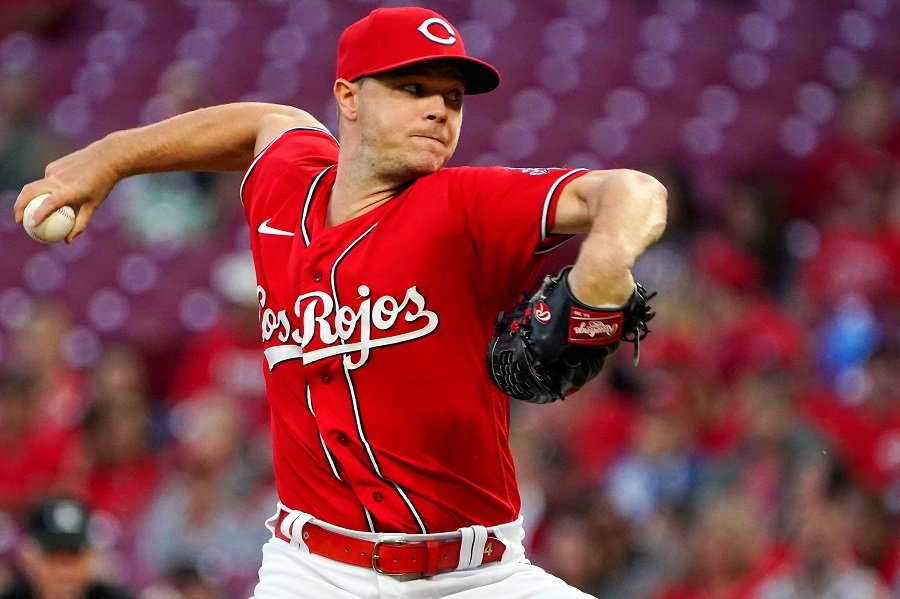 There’s been no denying that the Twins needed significant help in the starting rotation. Dylan Bundy, Joe Ryan, and Bailey Ober are the only current locks, and two of those three have less than an entire season of Major League experience under their belt. Pitching will always come at a substantial cost, and we saw that here in Minnesota needing to part with the 2021 26th overall pick, Chase Petty. Gray has become less of an extreme ground-ball-inducing pitcher than he was early in his career, but he continues to hover right around 50%. He gives up hard contact less than 30% of the time, and his whiff rates are workable. Gray now operates with an average fastball around 93 mph while mixing a slider and curveball. After leaving the Yankees, Gray signed a four-year deal for $38 million with Cincinnati. He’s on the books for 2022 at $10.166 million and has a $12 million team option for 2023. The option is almost certain to be picked up, and he’d pair with Kenta Maeda to form a solid one-two punch once the former staff ace returns from injury. Minnesota also grabbed Francis Peguero in the deal. He’s a 24-year-old right-handed pitcher outside of the Reds top 30 prospects. Peguero had been in their system since he was a teenager and made his stateside debut in 2018 at the age of 20. Last season, Peguero pitched at High-A Dayton and owned a 4.96 ERA. He’s worked 74 games for 103 innings and operated solely as a reliever. Looking at his track record, Peguero has some things Minnesota can work with. A high K/9 is paired with low home run and walk rates. Giving up contact too often has been troublesome, and he presents a project for the Twins development staff. Chase Petty, last season’s 1st round pick for Minnesota, is going to the Reds. He’s a hard thrower and had arguably the best velocity of anyone in the 2021 draft. Debuting in the Florida Complex League, Petty got in just five innings following his prep season. Soon-to-be 19-years-old, Petty has a ton of development ahead of him. Refinement of pitches and continued command adjustments will always be part of the process when selecting a prep arm. For Cincinnati, Petty’s path is not unlike one they may soon be cashing in on. Hunter Greene, taken in the same draft as Royce Lewis, had similar attributes when selected. Greene was praised for his triple-digit fastball, as was Petty, and there may be parallels in how their new prospect is brought along. Knowing how barren the starting pitching market had gotten in free agency, it seemed inevitable Minnesota would acquire an arm via trade. Depth was a need in the rotation, but so too was a top-tier arm. Cautious in what to expect or maybe more, what needed to be given up, this seems like a significant win for Derek Falvey. Petty has a high ceiling, but there’s nothing more volatile than a prep arm. Getting a starter of Gray’s caliber for what likely amounts to two seasons and not dipping into other areas of the farm system is great negotiating. The front office still has work to do, and there’s money to be spent, but this move should be seen as a significant come-up. MORE FROM TWINS DAILY — Latest Twins coverage from our writers — Recent Twins discussion in our forums — Follow Twins Daily via Twitter, Facebook, or email
- 26 comments
-
- 10
-

-
- sonny gray
- chase petty
- (and 1 more)
-
This offseason, the Minnesota Twins have always been expected to be active on the trade market, but the moves were assumed to be for pitching. After swapping Mitch Garver for Isiah Kiner-Falefa, we now have a whole new angle to figure out in terms of roster construction. Up to this point, the Twins most significant deficiency was starting pitching, with their greatest asset being a potent lineup. Needing a shortstop, Derek Falvey opted to part with one of his best bats in favor of a strong glove at an integral position. Let’s break down the path forward on a position-by-position basis. Catcher There’s very little argument to be made against Mitch Garver being among the best offensive catchers in baseball. He owns a career .835 OPS, with an .894 mark since 2019. Since his debut in 2017, no catcher in baseball has posted a higher OPS. Defensively Garver was always a work in progress. Initially somewhat of a rough receiver, he worked himself to the point of being a successful framer, and in 2021 his 50.5% strike rate ranked 5th in baseball. Working against Garver has been health. In 2020 he appeared in just 23 games and posted a .511 OPS while battling a muscle injury. He played in only 68 games last season after being struck with a foul tip in the groin. It’s hardly fair to tie the second situation to future injury potential, but it is worth noting he recently turned 31-years-old and may benefit from less time behind the plate. Moving off a player like Garver suggests the front office has significant belief in the alternative, which at this point is Ryan Jeffers. A .791 OPS and 119 OPS+ quantified an impressive 26 game debut in 2020. When drafted, Jeffers was thought to be a bat-first player, and there were concerns about whether he could stick behind the dish. Minnesota nabbed him in the second round suggesting a firm belief he would. Last season Jeffers generated a 49.2% strike rate, slightly behind Garver. Of the two, though, he’s still a better defender. Jeffers and Garver provide a level of redundancy when paired together in that they’re both right-handed. There’s no platoon advantage, and Jeffers’ assumed production is higher than a traditional backup. ZiPS doesn’t like Jeffers much this year, projecting just a .671 OPS, but if there’s anything close to what was seen in 2020, he’ll surpass that level with ease. At just 24-years-old Jeffers goes into the season as Minnesota’s clear starter while being backed up by Ben Rortvedt. Rortvedt posted a .750 OPS at Triple-A last year but owned just a .510 OPS in 39 Major League games. He’s got a big arm and brings a solid defensive profile with little ability to contribute offensively. If Rortvedt can get to even a .600 OPS and stay there, a long career in the vein of a Drew Butera type seems plausible. Shortstop Needing a replacement for Andrelton Simmons, the Twins went out and got...Andrelton Simmons, kind of. Isiah Kiner-Falefa is a Gold Glove defender that doesn’t hit. A converted catcher, Kiner-Falefa owns a career .670 OPS in 392 Major League games. He’ll be 27-years-old and is under team control for each of the next two seasons. Among qualified shortstops last season, Kiner-Falefa ranked behind only Carlos Correa (20), and Simmons (15) in Defensive Runs Saved (DRS) with 10. Last season was the first year in which he’s primarily played shortstop, but he’s been a defensive asset at third base and second base as well. Statcast’s outs above average had Kiner-Falefa with a -7 mark in 2021, but it’s clear the advanced fielding metrics are generally favorable for him. There was always the thought that Minnesota could opt to move Jorge Polanco back on the other side of the diamond, but both health and production suggested that wasn’t wise. After a breakout in 2021, Polanco’s home appears to now be cemented at second base, and that means Luis Arraez is a utility man at best. With this configuration, it’s also more challenging to see where Jose Miranda fits into the picture at any point in the immediate future. Knowing that pitching can benefit significantly from solid defense, it’s clear the front office is attempting to run it back, with that being the calling card of the infield's most demanding position. Starting Pitcher Team control always comes at a cost, and while Garver has that too, he’s older and has an injury history working against him. Still, though, it’s good to see that Kiner-Falefa’s roster status wasn’t enough for Garver on his own. Texas also sent Ronny Henriquez to Minnesota. Henriquez is a 21-year-old right-handed pitcher that sat in the middle of the Rangers top 30 prospects. Making it to Double-A last season, Henriquez put up substantial strikeout numbers and has a 10.9 K/9 in just over 230 minor league innings. His command has also been sharp, with a walk rate of just 2.3 BB/9. Last season the major bugaboo for Henriquez was the long ball, giving up 17 of them in just 93 and 2/3 innings. He’s still at least a year away from the majors, but this is another arm the Twins staff can go to work on. All in all, there are a few takeaways from this deal. First and foremost, it’s that defense remains a priority for Minnesota. Kiner-Falefa can remain at shortstop if Royce Lewis isn’t going to take over, and he has the positional flexibility to move as well. Garver’s bat will sorely be missed, but it’s a clear indication of a big-time belief in Jeffers. The pitching holes probably won’t all be patched up in 2022, and this is a way to help while also looking towards the future. MORE FROM TWINS DAILY — Latest Twins coverage from our writers — Recent Twins discussion in our forums — Follow Twins Daily via Twitter, Facebook, or email View full article
- 57 replies
-
- 1
-
-
- mitch garver
- ronny henriquez
- (and 1 more)
-
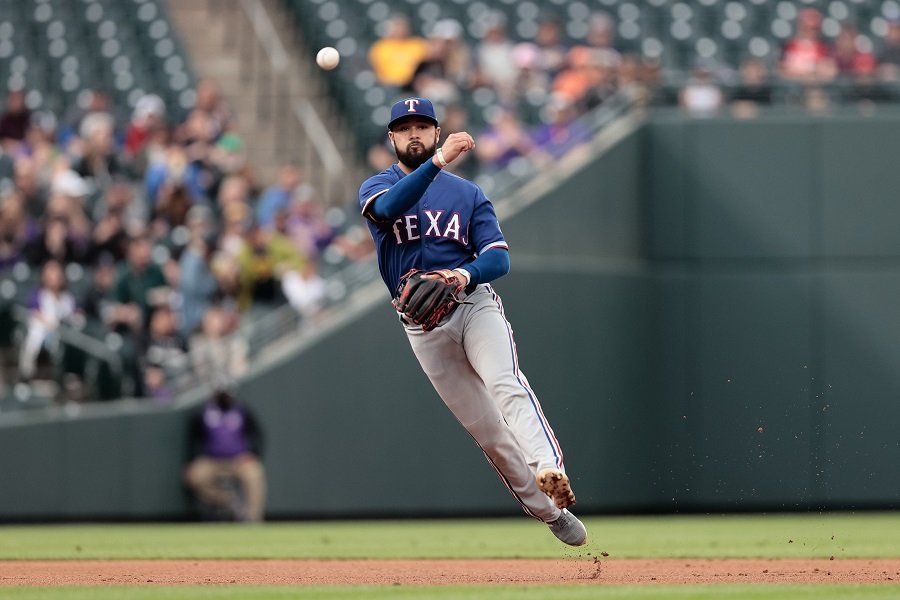 Up to this point, the Twins most significant deficiency was starting pitching, with their greatest asset being a potent lineup. Needing a shortstop, Derek Falvey opted to part with one of his best bats in favor of a strong glove at an integral position. Let’s break down the path forward on a position-by-position basis. Catcher There’s very little argument to be made against Mitch Garver being among the best offensive catchers in baseball. He owns a career .835 OPS, with an .894 mark since 2019. Since his debut in 2017, no catcher in baseball has posted a higher OPS. Defensively Garver was always a work in progress. Initially somewhat of a rough receiver, he worked himself to the point of being a successful framer, and in 2021 his 50.5% strike rate ranked 5th in baseball. Working against Garver has been health. In 2020 he appeared in just 23 games and posted a .511 OPS while battling a muscle injury. He played in only 68 games last season after being struck with a foul tip in the groin. It’s hardly fair to tie the second situation to future injury potential, but it is worth noting he recently turned 31-years-old and may benefit from less time behind the plate. Moving off a player like Garver suggests the front office has significant belief in the alternative, which at this point is Ryan Jeffers. A .791 OPS and 119 OPS+ quantified an impressive 26 game debut in 2020. When drafted, Jeffers was thought to be a bat-first player, and there were concerns about whether he could stick behind the dish. Minnesota nabbed him in the second round suggesting a firm belief he would. Last season Jeffers generated a 49.2% strike rate, slightly behind Garver. Of the two, though, he’s still a better defender. Jeffers and Garver provide a level of redundancy when paired together in that they’re both right-handed. There’s no platoon advantage, and Jeffers’ assumed production is higher than a traditional backup. ZiPS doesn’t like Jeffers much this year, projecting just a .671 OPS, but if there’s anything close to what was seen in 2020, he’ll surpass that level with ease. At just 24-years-old Jeffers goes into the season as Minnesota’s clear starter while being backed up by Ben Rortvedt. Rortvedt posted a .750 OPS at Triple-A last year but owned just a .510 OPS in 39 Major League games. He’s got a big arm and brings a solid defensive profile with little ability to contribute offensively. If Rortvedt can get to even a .600 OPS and stay there, a long career in the vein of a Drew Butera type seems plausible. Shortstop Needing a replacement for Andrelton Simmons, the Twins went out and got...Andrelton Simmons, kind of. Isiah Kiner-Falefa is a Gold Glove defender that doesn’t hit. A converted catcher, Kiner-Falefa owns a career .670 OPS in 392 Major League games. He’ll be 27-years-old and is under team control for each of the next two seasons. Among qualified shortstops last season, Kiner-Falefa ranked behind only Carlos Correa (20), and Simmons (15) in Defensive Runs Saved (DRS) with 10. Last season was the first year in which he’s primarily played shortstop, but he’s been a defensive asset at third base and second base as well. Statcast’s outs above average had Kiner-Falefa with a -7 mark in 2021, but it’s clear the advanced fielding metrics are generally favorable for him. There was always the thought that Minnesota could opt to move Jorge Polanco back on the other side of the diamond, but both health and production suggested that wasn’t wise. After a breakout in 2021, Polanco’s home appears to now be cemented at second base, and that means Luis Arraez is a utility man at best. With this configuration, it’s also more challenging to see where Jose Miranda fits into the picture at any point in the immediate future. Knowing that pitching can benefit significantly from solid defense, it’s clear the front office is attempting to run it back, with that being the calling card of the infield's most demanding position. Starting Pitcher Team control always comes at a cost, and while Garver has that too, he’s older and has an injury history working against him. Still, though, it’s good to see that Kiner-Falefa’s roster status wasn’t enough for Garver on his own. Texas also sent Ronny Henriquez to Minnesota. Henriquez is a 21-year-old right-handed pitcher that sat in the middle of the Rangers top 30 prospects. Making it to Double-A last season, Henriquez put up substantial strikeout numbers and has a 10.9 K/9 in just over 230 minor league innings. His command has also been sharp, with a walk rate of just 2.3 BB/9. Last season the major bugaboo for Henriquez was the long ball, giving up 17 of them in just 93 and 2/3 innings. He’s still at least a year away from the majors, but this is another arm the Twins staff can go to work on. All in all, there are a few takeaways from this deal. First and foremost, it’s that defense remains a priority for Minnesota. Kiner-Falefa can remain at shortstop if Royce Lewis isn’t going to take over, and he has the positional flexibility to move as well. Garver’s bat will sorely be missed, but it’s a clear indication of a big-time belief in Jeffers. The pitching holes probably won’t all be patched up in 2022, and this is a way to help while also looking towards the future. MORE FROM TWINS DAILY — Latest Twins coverage from our writers — Recent Twins discussion in our forums — Follow Twins Daily via Twitter, Facebook, or email
- 57 comments
-
- 7
-
-
- mitch garver
- ronny henriquez
- (and 1 more)
-
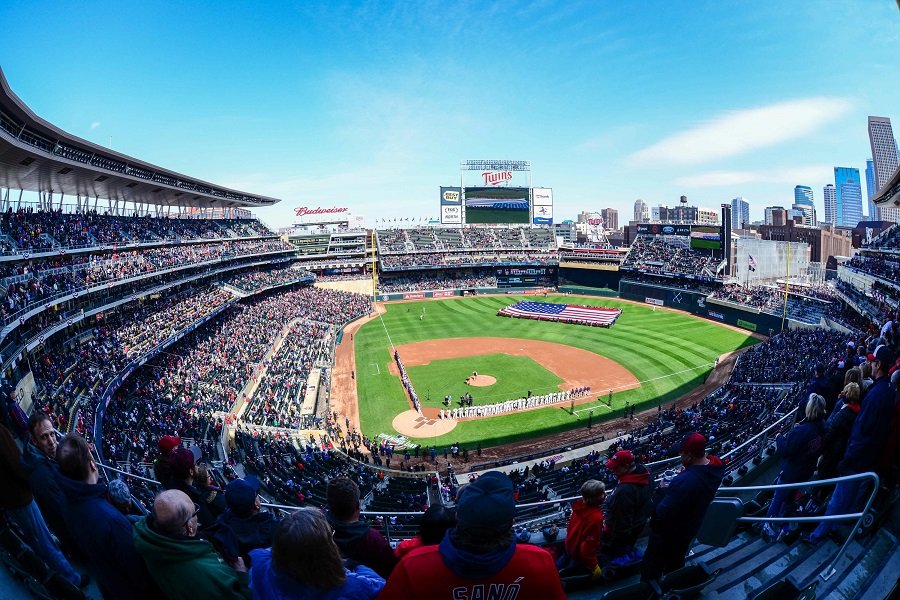 While there’s still a significant amount of legal semantics to figure out, and the Collective Bargaining Agreement (CBA) needs to be ratified, the season has been salvaged. Despite MLB Commissioner Rob Manfred suggesting that February 28 was the deadline in which a deal needed to be agreed upon to avoid canceling regular-season games, the two sides worked tirelessly to hammer out a deal. The calendar has flipped to March, and multiple sessions have been hammered out, but we now have resolution. The reality is that MLB was looking at a third straight season in which baseball would be anything as we’ve known it. Following a 60-game season in 2020 and then a Covid-influenced year during 2021, the best hope for normalcy lay on the back of 2022. We don’t have Spring Training on time, and it will be a sprint to Opening Day, but a full 162-game schedule should be on the books. A point of contention late in the negotiations was that of an International Draft. Very little is known about the parameters as the sides still have until July 25 to agree on its inception, but it would remove the signing bonuses and put players into a draft system. Jeremy Nygaard recently wrote up some of what has been reported thus far. If the MLBPA decides against an International Draft, as a large contingent of players have been against for decades, they would then forfeit the remove of a qualified offer being tied to draft pick compensation. Multiple sources put in incredibly long hours to keep us abreast of the negations. Still, it’s going to be an absolute feeding frenzy from here regarding transactions. Hundreds of players still need to be signed with multiple organizations looking at trades to solidify their 2022 rosters. As players report to Arizona and Florida for Spring Training, the activity will be like we saw in the lockout lead-up and then multiplied. With the ratification of this CBA, free agency begins tonight! Make sure to check back to Twins Daily often as the excitement and speed in which players are signed should be nothing like we've ever seen before. There’s no denying this has been an incredibly frustrating offseason for baseball fans, but it appears we’ve now weathered the storm and are ready for a return to action. As Twins Daily has continued to keep you informed all offseason and through this lockout, make sure to stay engaged and check back through free agency and Spring Training with both getting underway. The only thing left is, Play Ball! What We Know 12 teams make the postseason and how it works Universal DH is implemented A full 162 game schedule with pay, including 9-inning DH'ers to make up missed games. Free agency will start tonight Players can report to Spring Training tomorrow, mandatory by March 13 The qualifying offer being removed is tied to the acceptance of an International Draft A breakdown of the economics The final vote was substantially in favor of acceptance, despite the union board being so against it Regular doubleheaders and extra-inning rules return Ratification is set to happen at 5pm CT during an owners call The regular season calendar will be extended by three days with 3/4 DH'ers making up the others. Spring Training will last 3 and 1/2 weeks starting around April 20 Pitch clock and shift changes can be implemented starting in 2023 A six-pick draft lottery will be held with the 18 teams not making the postseason Rule changes will be a discussed process between players and the league Arbitration numbers will be exchanged at the end of March with hearings during the season Players can only be optioned 5 times per season. Draft is 20 rounds Additional year of service time granted to top Rookie of the Year finishers The Rule 5 Draft is cancelled this year A 4th tier has been added to the CBT to prevent runaway spending Additional MLB Draft implications for top draft eligible players Salary increases for 40-man players at Triple-A One of the pending grievances against MLB was dropped Rules can be changed during a single offseason Players can benefit from promotional opportunities with betting companies Teams will play every other Major League team each year starting in 2023 MORE FROM TWINS DAILY — Latest Twins coverage from our writers — Recent Twins discussion in our forums — Follow Twins Daily via Twitter, Facebook , or email
 -
We have baseball! Or, we don’t have a lockout! Or, both, eventually. Today Major League Baseball (MLB) and the Major League Baseball Players Association (MLBPA) reached an agreement on the parameters of a deal to put a new CBA in place. Baseball is back for 2022. While there’s still a significant amount of legal semantics to figure out, and the Collective Bargaining Agreement (CBA) needs to be ratified, the season has been salvaged. Despite MLB Commissioner Rob Manfred suggesting that February 28 was the deadline in which a deal needed to be agreed upon to avoid canceling regular-season games, the two sides worked tirelessly to hammer out a deal. The calendar has flipped to March, and multiple sessions have been hammered out, but we now have resolution. The reality is that MLB was looking at a third straight season in which baseball would be anything as we’ve known it. Following a 60-game season in 2020 and then a Covid-influenced year during 2021, the best hope for normalcy lay on the back of 2022. We don’t have Spring Training on time, and it will be a sprint to Opening Day, but a full 162-game schedule should be on the books. A point of contention late in the negotiations was that of an International Draft. Very little is known about the parameters as the sides still have until July 25 to agree on its inception, but it would remove the signing bonuses and put players into a draft system. Jeremy Nygaard recently wrote up some of what has been reported thus far. If the MLBPA decides against an International Draft, as a large contingent of players have been against for decades, they would then forfeit the remove of a qualified offer being tied to draft pick compensation. Multiple sources put in incredibly long hours to keep us abreast of the negations. Still, it’s going to be an absolute feeding frenzy from here regarding transactions. Hundreds of players still need to be signed with multiple organizations looking at trades to solidify their 2022 rosters. As players report to Arizona and Florida for Spring Training, the activity will be like we saw in the lockout lead-up and then multiplied. With the ratification of this CBA, free agency begins tonight! Make sure to check back to Twins Daily often as the excitement and speed in which players are signed should be nothing like we've ever seen before. There’s no denying this has been an incredibly frustrating offseason for baseball fans, but it appears we’ve now weathered the storm and are ready for a return to action. As Twins Daily has continued to keep you informed all offseason and through this lockout, make sure to stay engaged and check back through free agency and Spring Training with both getting underway. The only thing left is, Play Ball! What We Know 12 teams make the postseason and how it works Universal DH is implemented A full 162 game schedule with pay, including 9-inning DH'ers to make up missed games. Free agency will start tonight Players can report to Spring Training tomorrow, mandatory by March 13 The qualifying offer being removed is tied to the acceptance of an International Draft A breakdown of the economics The final vote was substantially in favor of acceptance, despite the union board being so against it Regular doubleheaders and extra-inning rules return Ratification is set to happen at 5pm CT during an owners call The regular season calendar will be extended by three days with 3/4 DH'ers making up the others. Spring Training will last 3 and 1/2 weeks starting around April 20 Pitch clock and shift changes can be implemented starting in 2023 A six-pick draft lottery will be held with the 18 teams not making the postseason Rule changes will be a discussed process between players and the league Arbitration numbers will be exchanged at the end of March with hearings during the season Players can only be optioned 5 times per season. Draft is 20 rounds Additional year of service time granted to top Rookie of the Year finishers The Rule 5 Draft is cancelled this year A 4th tier has been added to the CBT to prevent runaway spending Additional MLB Draft implications for top draft eligible players Salary increases for 40-man players at Triple-A One of the pending grievances against MLB was dropped Rules can be changed during a single offseason Players can benefit from promotional opportunities with betting companies Teams will play every other Major League team each year starting in 2023 MORE FROM TWINS DAILY — Latest Twins coverage from our writers — Recent Twins discussion in our forums — Follow Twins Daily via Twitter, Facebook , or email View full article
-
Which Twins Surpass Their 2021 Numbers?
Ted Schwerzler posted a topic in Twins Daily Front Page News
Although we don’t yet have baseball in 2022, it’s more than fair to assume an entire season will not be lost. When Major League Baseball decides to lift the lockout, and we get back to action, how do a few Minnesota Twins respond in relation to their 2021 production? There’s no denying that the 2021 club failed to meet expectations. Coming off two-straight American League Central Division championships, the thought was that the club would contend for a third. Unfortunately, they wound up as cellar-dwellers instead, and 2022 stands as an opportunity to right the ship. All was not lost individually, though, as a handful of solid performances were tallied. Looking at a few key guys, here are some expectations in relation to where they finished a season ago: Byron Buxton OVER 4.2 fWAR Of the numbers below, this one gets the most tricky when considering lost games. WAR is a compiling stat, and the less runway a player has, the more difficult it becomes to accumulate. That said, Buxton played at an MVP level last season and posted a 4.2 fWAR in just 61 games. I’d be relatively shocked if the regular season isn’t something like 120 games, and he should blow by that number. Buxton’s performance wasn’t a fluke last season, and his injuries have gotten to the point where they may be. Whatever the season length is, give me a full year of health for the newly-extended centerfielder and watch this all-encompassing stat be gaudy. Miguel Sano OVER .778 OPS Suggesting the slugging first basemen had an awful start would be putting things lightly. He tallied a .675 OPS through the first two months of the season, and it seemed like his bat couldn’t catch up to a fastball. After June 1, a period of 97 games, Sano turned things around to the tune of an .817 OPS. From July 1 onward, that OPS rose to .824. It’s not as though Sano will all of a sudden stop striking out, but he remains a relatively disciplined hitter within the zone. If he can shed even a month of the slump, we have seen him streak through in recent years, an above-average .800 OPS should be well within his reach. Trevor Larnach and Alex Kirilloff OVER .750 OPS Two of the best hitting prospects Minnesota has seen in a long time; both flopped in their rookie seasons. Larnach was demoted with a .672 OPS, and Kirilloff wound up needing surgery after owning just a .722 OPS. The former dealt with an ankle problem that no doubt impacted his base in the box, and the latter was sapped of his power after playing through a nagging wrist that had previously been a problem in his career. Both tore up the minors when healthy, and their advanced eye combined with a strong approach at the plate bore plenty of fruit. I’d be far from shocked if we don’t see a substantial turnaround from both given a clean bill of health. Joe Ryan and Bailey Ober UNDER 4.00 ERA Projection systems seem to like Ryan quite a bit, and if that’s the case, he stands to improve upon the 4.05 ERA from his first five big league starts. Ryan will likely surrender his fair share of longballs without much velocity on his fastball. The ability to miss bats and stinginess of allowing walks can’t be overstated, and that proved to be a recipe for success last season. Ober gave up a hefty amount of dingers on the flip side, but a handful came in droves. Like Ryan, Ober limits free passes while mowing down the competition, and the impact of that combination is significant. Neither should be expected to be aces, but something in the mid-to-high threes from an ERA standpoint seems logical. If we were dealing with a traditional season and counting stats were easier to evaluate, Jorge Polanco and Jorge Alcala make sense in this space. As much as Polanco has broken out from an offensive standpoint, a repeat of his 33-home run performance seems unlikely. It’s not as though he hasn’t previously displayed that power, but the big number would prove hard to replicate. I like Alcala to pick up plenty of save opportunities in the bullpen. Minnesota has had multiple guys shine in the closer role over the past handful of years, and a double-digit tally for the blossoming Dominican seems pretty fair. What do you think? Are there any rebound candidates I missed? MORE FROM TWINS DAILY — Latest Twins coverage from our writers — Recent Twins discussion in our forums — Follow Twins Daily via Twitter, Facebook or email View full article -
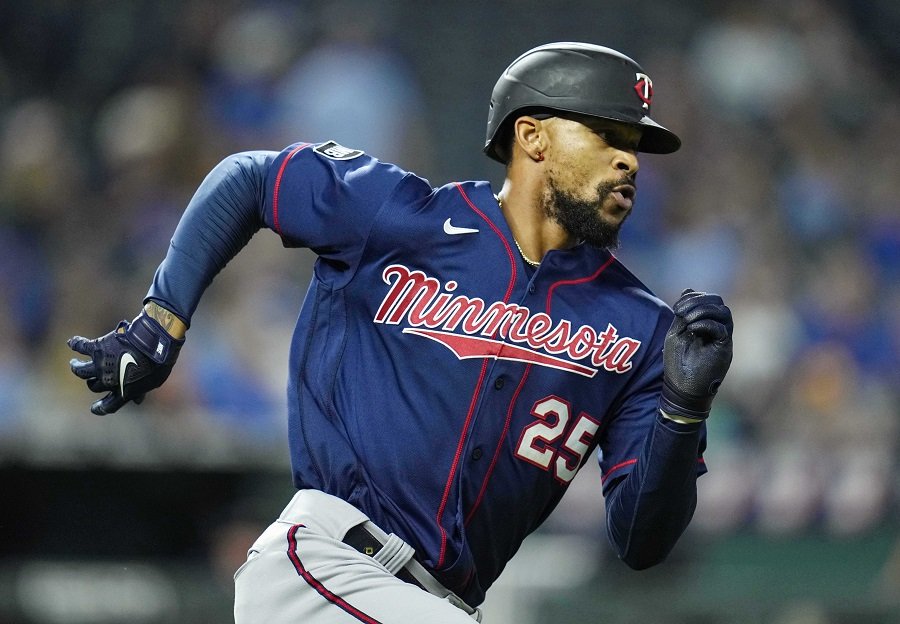 There’s no denying that the 2021 club failed to meet expectations. Coming off two-straight American League Central Division championships, the thought was that the club would contend for a third. Unfortunately, they wound up as cellar-dwellers instead, and 2022 stands as an opportunity to right the ship. All was not lost individually, though, as a handful of solid performances were tallied. Looking at a few key guys, here are some expectations in relation to where they finished a season ago: Byron Buxton OVER 4.2 fWAR Of the numbers below, this one gets the most tricky when considering lost games. WAR is a compiling stat, and the less runway a player has, the more difficult it becomes to accumulate. That said, Buxton played at an MVP level last season and posted a 4.2 fWAR in just 61 games. I’d be relatively shocked if the regular season isn’t something like 120 games, and he should blow by that number. Buxton’s performance wasn’t a fluke last season, and his injuries have gotten to the point where they may be. Whatever the season length is, give me a full year of health for the newly-extended centerfielder and watch this all-encompassing stat be gaudy. Miguel Sano OVER .778 OPS Suggesting the slugging first basemen had an awful start would be putting things lightly. He tallied a .675 OPS through the first two months of the season, and it seemed like his bat couldn’t catch up to a fastball. After June 1, a period of 97 games, Sano turned things around to the tune of an .817 OPS. From July 1 onward, that OPS rose to .824. It’s not as though Sano will all of a sudden stop striking out, but he remains a relatively disciplined hitter within the zone. If he can shed even a month of the slump, we have seen him streak through in recent years, an above-average .800 OPS should be well within his reach. Trevor Larnach and Alex Kirilloff OVER .750 OPS Two of the best hitting prospects Minnesota has seen in a long time; both flopped in their rookie seasons. Larnach was demoted with a .672 OPS, and Kirilloff wound up needing surgery after owning just a .722 OPS. The former dealt with an ankle problem that no doubt impacted his base in the box, and the latter was sapped of his power after playing through a nagging wrist that had previously been a problem in his career. Both tore up the minors when healthy, and their advanced eye combined with a strong approach at the plate bore plenty of fruit. I’d be far from shocked if we don’t see a substantial turnaround from both given a clean bill of health. Joe Ryan and Bailey Ober UNDER 4.00 ERA Projection systems seem to like Ryan quite a bit, and if that’s the case, he stands to improve upon the 4.05 ERA from his first five big league starts. Ryan will likely surrender his fair share of longballs without much velocity on his fastball. The ability to miss bats and stinginess of allowing walks can’t be overstated, and that proved to be a recipe for success last season. Ober gave up a hefty amount of dingers on the flip side, but a handful came in droves. Like Ryan, Ober limits free passes while mowing down the competition, and the impact of that combination is significant. Neither should be expected to be aces, but something in the mid-to-high threes from an ERA standpoint seems logical. If we were dealing with a traditional season and counting stats were easier to evaluate, Jorge Polanco and Jorge Alcala make sense in this space. As much as Polanco has broken out from an offensive standpoint, a repeat of his 33-home run performance seems unlikely. It’s not as though he hasn’t previously displayed that power, but the big number would prove hard to replicate. I like Alcala to pick up plenty of save opportunities in the bullpen. Minnesota has had multiple guys shine in the closer role over the past handful of years, and a double-digit tally for the blossoming Dominican seems pretty fair. What do you think? Are there any rebound candidates I missed? MORE FROM TWINS DAILY — Latest Twins coverage from our writers — Recent Twins discussion in our forums — Follow Twins Daily via Twitter, Facebook or email
- 12 comments
-
- 3
-
-
- byron buxton
- miguel sano
- (and 3 more)
-
We have now heard plenty through the lockout and the Collective Bargaining Agreement (CBA) that owners are unmoved by missing April baseball. It doesn’t seem to hurt their bottom line, and it may actually help it. How does that relate directly to the Twins? The financial impact of the lockout and CBA issues have primarily been the most contentious points. Players are looking to secure stronger futures for the next generation, while owners are looking to stretch their return on investment even further. We’ve been fed the notion that losses were substantial in 2020, and potentially even 2021, due to Covid, but I’m guessing the reality lies closer to a decrease in revenues. With the assumption that these astute business people are not operating castle appreciating organizations in the red, they’re likely seeing this round of negotiating as a way to recoup some of those revenues. That would’ve been the case in 2020 when just a 60-game prorated portion of salaries was paid. MLB Commissioner Rob Manfred imposed that season instead of the league agreeing with the union to the longest season possible. It’s no secret that owners rake in their largest payouts from the postseason, and so a blueprint of reduced regular-season games would always stand to benefit those at the top. Specifically for 2022, I wondered what the Minnesota Twins would be pocketing due to this shutdown. As of now, owners are arguing that canceled games will result in lost pay for players or no back pay on their salaries. Baseball-Reference and Spotrac currently have the Pohlad’s doling out an estimated $85 million for 2022. A traditional MLB calendar is defined as 186 days long, with 172 required for a full year of service. That regular-season calendar was set to begin on March 31, 2022. At this point, Rob Manfred has canceled the first two series of the season, and it seems a good bet more are coming. At $85 million, the Pohlad’s save roughly $456k per day wiped off the calendar. Seven days into the canceled action, they’ve already been able to pocket $3.198 million. We’re getting to a point where the month of April looks to be in jeopardy as a whole. In that scenario, 31 calendar days will have been torn up, a savings of $14.16 million. What we’re getting at here is undoubtedly a logical assessment of what we’ve been told. The group of owners dug in on monetary issues may definitely be looking at the first month as an opportunity to cut losses. Most organizations have not filled out their rosters and have more to spend in doing so, but that significant reduction in costs would undoubtedly help them lick the wounds suggested in previous seasons. Assuming reports of rebates being unnecessary to Regional Sports Networks (RSN) if less than 25 games are canceled, it’s a perfect storm. The sentiment that ownership is primarily out to maximize profits has been there for quite some time. As bad of a figurehead as Rob Manfred is, he’s representative of the wishes his owners are pursuing. Right now, it certainly looks plausible that the group is going for the least amount of action they need to pay for, with the most significant amount they earn on. As fans, we all lose, and some have even funded this venture by offering interest on dollars paid for season tickets or Spring Training games that were never going to occur. It’s certainly possible none of this is desired, and it’s all just a byproduct of a nasty work stoppage instituted by the league. Maybe the union will negotiate back pay for the players. Right now, though, I’d be against any owner going on record with their intentions, and we’re left to connect the dots. MORE FROM TWINS DAILY — Latest Twins coverage from our writers — Recent Twins discussion in our forums — Follow Twins Daily via Twitter, Facebook or email View full article
-
 The financial impact of the lockout and CBA issues have primarily been the most contentious points. Players are looking to secure stronger futures for the next generation, while owners are looking to stretch their return on investment even further. We’ve been fed the notion that losses were substantial in 2020, and potentially even 2021, due to Covid, but I’m guessing the reality lies closer to a decrease in revenues. With the assumption that these astute business people are not operating castle appreciating organizations in the red, they’re likely seeing this round of negotiating as a way to recoup some of those revenues. That would’ve been the case in 2020 when just a 60-game prorated portion of salaries was paid. MLB Commissioner Rob Manfred imposed that season instead of the league agreeing with the union to the longest season possible. It’s no secret that owners rake in their largest payouts from the postseason, and so a blueprint of reduced regular-season games would always stand to benefit those at the top. Specifically for 2022, I wondered what the Minnesota Twins would be pocketing due to this shutdown. As of now, owners are arguing that canceled games will result in lost pay for players or no back pay on their salaries. Baseball-Reference and Spotrac currently have the Pohlad’s doling out an estimated $85 million for 2022. A traditional MLB calendar is defined as 186 days long, with 172 required for a full year of service. That regular-season calendar was set to begin on March 31, 2022. At this point, Rob Manfred has canceled the first two series of the season, and it seems a good bet more are coming. At $85 million, the Pohlad’s save roughly $456k per day wiped off the calendar. Seven days into the canceled action, they’ve already been able to pocket $3.198 million. We’re getting to a point where the month of April looks to be in jeopardy as a whole. In that scenario, 31 calendar days will have been torn up, a savings of $14.16 million. What we’re getting at here is undoubtedly a logical assessment of what we’ve been told. The group of owners dug in on monetary issues may definitely be looking at the first month as an opportunity to cut losses. Most organizations have not filled out their rosters and have more to spend in doing so, but that significant reduction in costs would undoubtedly help them lick the wounds suggested in previous seasons. Assuming reports of rebates being unnecessary to Regional Sports Networks (RSN) if less than 25 games are canceled, it’s a perfect storm. The sentiment that ownership is primarily out to maximize profits has been there for quite some time. As bad of a figurehead as Rob Manfred is, he’s representative of the wishes his owners are pursuing. Right now, it certainly looks plausible that the group is going for the least amount of action they need to pay for, with the most significant amount they earn on. As fans, we all lose, and some have even funded this venture by offering interest on dollars paid for season tickets or Spring Training games that were never going to occur. It’s certainly possible none of this is desired, and it’s all just a byproduct of a nasty work stoppage instituted by the league. Maybe the union will negotiate back pay for the players. Right now, though, I’d be against any owner going on record with their intentions, and we’re left to connect the dots. MORE FROM TWINS DAILY — Latest Twins coverage from our writers — Recent Twins discussion in our forums — Follow Twins Daily via Twitter, Facebook or email
 -
 From a straightforward and surface standpoint, of course, not having Major League Baseball around is disheartening. Sure, there’s college baseball, and soon the minor leagues will kick off, but it hardly feels like spring with reports circulating from Arizona and Florida. That’s through the eyes of a purist, though. You, here, the reader at Twins Daily, likely falls in that camp as well. Does baseball being missed spell catastrophe for the sport? In wondering this, it comes with the assumption that there are essentially three factions of fans. First and foremost, the diehards will be there whenever the sport returns. You’ll consume your favorite team, watch the vast majority of their games, and pour over stats as they trudge on towards the postseason. The next group would be comprised of casual fans. You probably have a favorite t-shirt or cap and find yourself having a passing rooting interest in a team. Going to the ballpark is more a summer activity than a necessity, but you’ll hardly balk at a ballgame being turned on. You’ll find yourself more interested in September and October, but the season is probably too long to keep up with anyways. Then the final group is likely the one Major League Baseball is failing to capture most, those that aren’t presently fans. Whether that be the next generation that is more into other sports or those that find this one less than compelling. It’s in this group, though, that I found myself wondering, how much does a lockout actually impact the desire to consume? Of course, there not being Major League Baseball at all right now presents a significant roadblock for anyone. That said, the person not interested in the game likely isn’t chomping at the bit to watch Spring Training action or be invested during April (also likely why the owners are willing to sacrifice those games). That group is also likely unmoved by much of what is happening in the sport. Whether they know there’s a lockout or not, they certainly don’t care about the financial impact. More importantly, though, it’s worth questioning whether they care about proposed tweaks to the game. Will larger bases and pitch clocks shave off 10 minutes regularly enough to draw new eyes in? Will banning the shift lead to double-digit run production that suddenly makes the sport a football game? At the end of the day, I’m not sure how much baseball being non-existent directly correlates to the loss or growth of the sport. Consumers were different following the 1994/95 strike, and steroids along with the home run chase provided a path back before there was social media and the internet. Now though, baseball is still trying to compete with different iterations of itself in growing the game, but failing to realize the avenues to new fans are unaffected. The next generation of consumers finds viral excitement on social media, through streaming services, and because of content creators. Major League Baseball failing to tap into those markets adequately seems far more detrimental than a lockout or three-hour affair. It makes sense for the players to get as much right in this Collective Bargaining Agreement (CBA) as they can and then for Major League Baseball to work in different directions with hopes of expanding its product. I’m not so sure they relate as directly as we may assume. Do you agree or disagree? MORE FROM TWINS DAILY — Latest Twins coverage from our writers — Recent Twins discussion in our forums — Follow Twins Daily via Twitter, Facebook or email
 -
For weeks we’ve heard doomsday talk of how baseball may never rebound from the loss of interest currently created by this lockout. As owners seem intent on shelving the game, I wondered whether missed baseball actually has the impact we’re being fed? From a straightforward and surface standpoint, of course, not having Major League Baseball around is disheartening. Sure, there’s college baseball, and soon the minor leagues will kick off, but it hardly feels like spring with reports circulating from Arizona and Florida. That’s through the eyes of a purist, though. You, here, the reader at Twins Daily, likely falls in that camp as well. Does baseball being missed spell catastrophe for the sport? In wondering this, it comes with the assumption that there are essentially three factions of fans. First and foremost, the diehards will be there whenever the sport returns. You’ll consume your favorite team, watch the vast majority of their games, and pour over stats as they trudge on towards the postseason. The next group would be comprised of casual fans. You probably have a favorite t-shirt or cap and find yourself having a passing rooting interest in a team. Going to the ballpark is more a summer activity than a necessity, but you’ll hardly balk at a ballgame being turned on. You’ll find yourself more interested in September and October, but the season is probably too long to keep up with anyways. Then the final group is likely the one Major League Baseball is failing to capture most, those that aren’t presently fans. Whether that be the next generation that is more into other sports or those that find this one less than compelling. It’s in this group, though, that I found myself wondering, how much does a lockout actually impact the desire to consume? Of course, there not being Major League Baseball at all right now presents a significant roadblock for anyone. That said, the person not interested in the game likely isn’t chomping at the bit to watch Spring Training action or be invested during April (also likely why the owners are willing to sacrifice those games). That group is also likely unmoved by much of what is happening in the sport. Whether they know there’s a lockout or not, they certainly don’t care about the financial impact. More importantly, though, it’s worth questioning whether they care about proposed tweaks to the game. Will larger bases and pitch clocks shave off 10 minutes regularly enough to draw new eyes in? Will banning the shift lead to double-digit run production that suddenly makes the sport a football game? At the end of the day, I’m not sure how much baseball being non-existent directly correlates to the loss or growth of the sport. Consumers were different following the 1994/95 strike, and steroids along with the home run chase provided a path back before there was social media and the internet. Now though, baseball is still trying to compete with different iterations of itself in growing the game, but failing to realize the avenues to new fans are unaffected. The next generation of consumers finds viral excitement on social media, through streaming services, and because of content creators. Major League Baseball failing to tap into those markets adequately seems far more detrimental than a lockout or three-hour affair. It makes sense for the players to get as much right in this Collective Bargaining Agreement (CBA) as they can and then for Major League Baseball to work in different directions with hopes of expanding its product. I’m not so sure they relate as directly as we may assume. Do you agree or disagree? MORE FROM TWINS DAILY — Latest Twins coverage from our writers — Recent Twins discussion in our forums — Follow Twins Daily via Twitter, Facebook or email View full article
-
 The Twins drafted Bailey Ober in the 12th round of the 2017 Major League Baseball draft. He was taken from the College of Charleston and went to Elizabethton as a 21-year-old. After posting a 3.21 and 3.84 ERA, respectively, in each of his first two professional seasons, 2019 saw a massive leap. Compiling a 0.69 ERA across 78 2/3 inning from Rookie-ball to Double-A, Ober had announced his presence. At 6’9”, it’s pretty hard not to notice Ober, and while he doesn’t reach triple-digits, that frame allows his fastball to get on hitters quickly. He had a track record of high strikeout rates with few walks in the minors. Despite not being invited to the Twins alternate site during the 2020 minor league shutdown, Ober continued to put in work. Dominating quickly at Triple-A in 2021, he earned a big-league promotion after just 7 innings. Looking back at Ober’s track record before his promotion, there is no evidence of sustained innings. He had never pitched more than his 2019 total and had the entire 2020 season without games. What that suggests is that Minnesota would be willing to allow an opportunity for an arm they feel is ready, even if it’s not battle-tested or proven through longevity. Right now, the Twins have no less than two open rotation spots. Whether they’re filled externally or not, it’s a good bet that someone will emerge and turn heads sooner than expected. Although not a 12th rounder, my bet this season is Florida State product, Cole Sands. Arguably the most significant thing working against Sands at the moment is his recent inclusion to the Twins 40-man roster. Subject to the lockout, he cannot get the season going with other minor leaguers currently down in Fort Myers. However, Sands substantiated a strong 2019 and worthy draft position with an even greater step forward last season. Following 75 innings of work at Florida State in 2018, Sands didn’t debut professionally until 2019. He posted a 2.68 ERA and made starts from Low Single-A to Double-A. A 10.0 K/9 was paired with a 1.8 BB/9 and a 1.027 WHIP. The production looked every bit the reason why he was targeted so early in the draft. Getting back to professional games following the 2020 shutdown, Sands spent all of 2021 at Double-A Wichita. His 2.46 ERA solidified the strong debut and again was combined with a double-digit strikeout rate. He did allow an alarming number of walks at 3.9 BB/9, but the missed bats and lack of hard contact allowed him to keep opposing lineups at bay. Sands should begin at Triple-A St. Paul this year, and he could be knocking at the Major League door quickly. While the development may not be as surprising as that of Ober, this is still a guy that’s a borderline top-20 prospect for Minnesota on most national lists. He’s not going to be an ace, but a strong contributor in the middle of a rotation exists here. Ober turned in 20 starts to the tune of a 4.19 ERA in his rookie season with Minnesota, and seeing Sands do that or better might not be a crazy thought. MORE FROM TWINS DAILY — Latest Twins coverage from our writers — Recent Twins discussion in our forums — Follow Twins Daily via Twitter, Facebook, or email
 -
Last season the Minnesota Twins went through starting pitchers at an alarming rate, and it wasn't until the emergence of Bailey Ober that they found an unlikely source to stick. The numbers were all great, but the expectations never made headlines. Who follows that path in 2022? The Twins drafted Bailey Ober in the 12th round of the 2017 Major League Baseball draft. He was taken from the College of Charleston and went to Elizabethton as a 21-year-old. After posting a 3.21 and 3.84 ERA, respectively, in each of his first two professional seasons, 2019 saw a massive leap. Compiling a 0.69 ERA across 78 2/3 inning from Rookie-ball to Double-A, Ober had announced his presence. At 6’9”, it’s pretty hard not to notice Ober, and while he doesn’t reach triple-digits, that frame allows his fastball to get on hitters quickly. He had a track record of high strikeout rates with few walks in the minors. Despite not being invited to the Twins alternate site during the 2020 minor league shutdown, Ober continued to put in work. Dominating quickly at Triple-A in 2021, he earned a big-league promotion after just 7 innings. Looking back at Ober’s track record before his promotion, there is no evidence of sustained innings. He had never pitched more than his 2019 total and had the entire 2020 season without games. What that suggests is that Minnesota would be willing to allow an opportunity for an arm they feel is ready, even if it’s not battle-tested or proven through longevity. Right now, the Twins have no less than two open rotation spots. Whether they’re filled externally or not, it’s a good bet that someone will emerge and turn heads sooner than expected. Although not a 12th rounder, my bet this season is Florida State product, Cole Sands. Arguably the most significant thing working against Sands at the moment is his recent inclusion to the Twins 40-man roster. Subject to the lockout, he cannot get the season going with other minor leaguers currently down in Fort Myers. However, Sands substantiated a strong 2019 and worthy draft position with an even greater step forward last season. Following 75 innings of work at Florida State in 2018, Sands didn’t debut professionally until 2019. He posted a 2.68 ERA and made starts from Low Single-A to Double-A. A 10.0 K/9 was paired with a 1.8 BB/9 and a 1.027 WHIP. The production looked every bit the reason why he was targeted so early in the draft. Getting back to professional games following the 2020 shutdown, Sands spent all of 2021 at Double-A Wichita. His 2.46 ERA solidified the strong debut and again was combined with a double-digit strikeout rate. He did allow an alarming number of walks at 3.9 BB/9, but the missed bats and lack of hard contact allowed him to keep opposing lineups at bay. Sands should begin at Triple-A St. Paul this year, and he could be knocking at the Major League door quickly. While the development may not be as surprising as that of Ober, this is still a guy that’s a borderline top-20 prospect for Minnesota on most national lists. He’s not going to be an ace, but a strong contributor in the middle of a rotation exists here. Ober turned in 20 starts to the tune of a 4.19 ERA in his rookie season with Minnesota, and seeing Sands do that or better might not be a crazy thought. MORE FROM TWINS DAILY — Latest Twins coverage from our writers — Recent Twins discussion in our forums — Follow Twins Daily via Twitter, Facebook, or email View full article
-
Right now Major League Baseball may be as low as it’s ever been. Back during the 1994 and 1995 strike I was just five years old, way too young to be bothered by what was taking place. At this point in my life, it’s anything but. After Rob Manfred’s address yesterday I could produce nothing more than apathy. The Minnesota Twins have long been my favorite team. Major League Baseball has been among my most invested interests for the majority of my life. Because of just thirty owners and their puppet, Opening Day is cancelled with no end in sight. As Manfred stepped up to the podium, made that announcement while laughing, and then suggesting it was a both sides issue (hint: it’s not) emptiness set in. Manfred has done very little to distance himself from the notion that he’s an awful commissioner. Obviously, he’s in a position to represent the interests of the owners, but each opportunity for him to provide a galvanizing rallying cry or momentum, he chomps on his own foot. Manfred comes across like a sleazy businessman with little desire to actually enjoy the sport he oversees. There isn’t a jovial attitude and there’s certainly nothing redeeming about him in connecting with the fans. For months those connected to the league have attempted spewing a stance that players are needed to move things forward. Despite delays, lack of negotiating, and bad faith bargaining, it’s consistently been a blame game from the league with the only intention being the greatest win. Instead, we the fans, now all lose. Opening Day is supposed to be a highlight of Spring. We get through the final days of winter with baseball action in Arizona or Florida. It’s the eight month calendar that creates drama on a daily basis through the lens of a wonderful sport. Not only do we not have that calendar to look forward to at this point, but we also have no clue when Rob Manfred and the league will work towards getting things back on track. I’ll rebound from this; it’s necessary for the union to remain steadfast for change. Baseball will return, maybe in June, or maybe next year, but it will return. I’ll continue to write and enjoy the sport from afar. Right now though, it all feels a bit empty and hollow with one man and one group so carelessly and ruthlessly denying us normalcy on the diamond. Most times it’s hard not to be romantic about baseball, but right now is not most times. For more from Off The Baggy, click here. Follow @tlschwerz
- 8 comments
-
- 4
-
-
- rob manfred
- lockout
- (and 1 more)
-
Today, after hours of negotiation early into the morning Tuesday, Major League Baseball presented their best offer. It was formally rejected by the union a half hour prior to the league’s deadline and the lockout continues. The next step would be for Rob Manfred and the league to impose a cancellation of regular season games. At this point, on March 1, 2022, there’s simply not enough of a runway for the season to commence as scheduled. No further talks are scheduled and both sides are set to leave Jupiter, Florida. The players remain divided on what the league deems as fair from a pre-arbitration bonus pool and luxury tax threshold while the league suggests it has made their best offer. Owners no doubt have a monetary value placed on games they’re willing to miss and now we’re likely to see that game of chicken come into play. It was announced that a 12 team postseason had been agreed upon, but without a ratification of the CBA it’s worth wondering if that returns to negotiation. $100 million could be at stake when it comes to expansion of regular season games, and that’s where ownership has the most to gain financially. Players have been bracing for canceled games, and while some can handle the economic impact more than others, it will be worth watching whether the union remains as united as they have been to this point. Look for future bargaining sessions to be on the calendar, but it’s anyone’s guess as to when those take place. After a week of serious and contentious discussions, it would be far from shocking if both sides withdrew from the table for some fresh air. The commissioner will make an address shortly. Regular season games are cancelled: The earliest a deal could come together would be Thursday: The MLBPA responds Here’s some of what MLB sought to add in the final negotiations prior to cancellation. MORE FROM TWINS DAILY — Latest Twins coverage from our writers — Recent Twins discussion in our forums — Follow Twins Daily via Twitter, Facebook, or email View full article
-
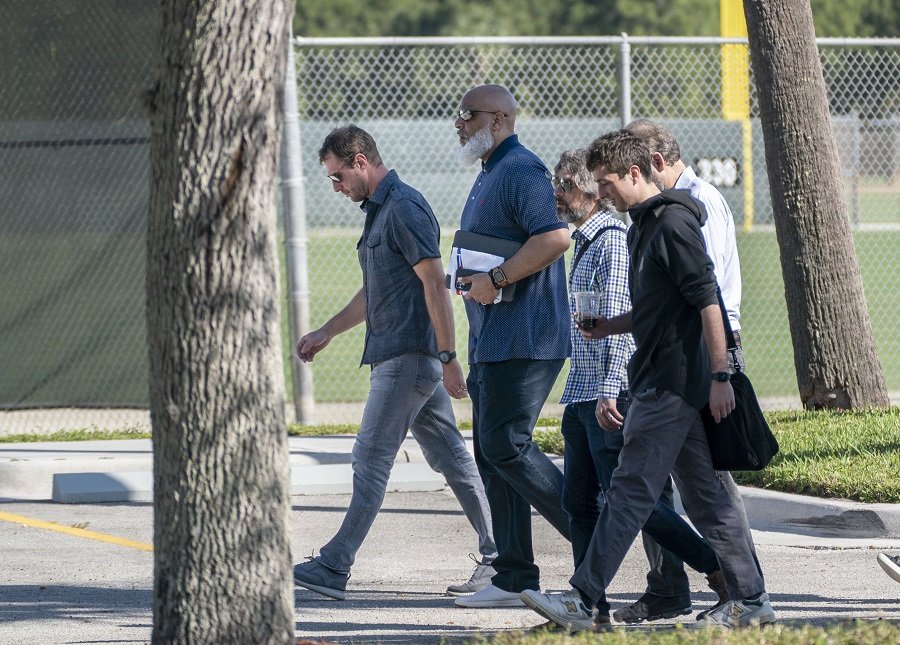 The next step would be for Rob Manfred and the league to impose a cancellation of regular season games. At this point, on March 1, 2022, there’s simply not enough of a runway for the season to commence as scheduled. No further talks are scheduled and both sides are set to leave Jupiter, Florida. The players remain divided on what the league deems as fair from a pre-arbitration bonus pool and luxury tax threshold while the league suggests it has made their best offer. Owners no doubt have a monetary value placed on games they’re willing to miss and now we’re likely to see that game of chicken come into play. It was announced that a 12 team postseason had been agreed upon, but without a ratification of the CBA it’s worth wondering if that returns to negotiation. $100 million could be at stake when it comes to expansion of regular season games, and that’s where ownership has the most to gain financially. Players have been bracing for canceled games, and while some can handle the economic impact more than others, it will be worth watching whether the union remains as united as they have been to this point. Look for future bargaining sessions to be on the calendar, but it’s anyone’s guess as to when those take place. After a week of serious and contentious discussions, it would be far from shocking if both sides withdrew from the table for some fresh air. The commissioner will make an address shortly. Regular season games are cancelled: The earliest a deal could come together would be Thursday: The MLBPA responds Here’s some of what MLB sought to add in the final negotiations prior to cancellation. MORE FROM TWINS DAILY — Latest Twins coverage from our writers — Recent Twins discussion in our forums — Follow Twins Daily via Twitter, Facebook, or email
 -
They could, but that would look weak for them and they don’t have that much foresight either.
-
Please do. It will legitimize my lack of sleep.
-
Has Miguel Sano Met Expectations?
Ted Schwerzler replied to Ted Schwerzler 's topic in Twins Daily Front Page News
Love that you point this out. So many are quick to suggest Sano’s strikeouts are a reflection of a power guy that chases. When he loses his swing, he’s still incredibly disciplined, but the bat can’t get to the ball. -
Has Miguel Sano Met Expectations?
Ted Schwerzler replied to Ted Schwerzler 's topic in Twins Daily Front Page News
Fair assessment. He flashes elite talent, then goes in the tank, and settles somewhere in between. The perception would likely be infinitely better if he never touched a .900 OPS or a .700 OPS -
Over a decade ago, the Minnesota Twins signed Miguel Sano to a contract with a $3.15 million bonus. He immediately was among the most exciting prospects in the system, and now all these years later, has he lived up to expectations? Sano played his first professional game for Minnesota at the age of 17. He appeared in both the Dominican Summer League and Gulf Coast League during that same season. Sano had plenty of controversy during his signing period, and the story has been told through a documentary. However, he did nothing to cause questions of his talent, as his first pro season resulted in an .870 OPS. He made his Major League debut five years later at 22. Up until that point, he’d topped out as the 4th best prospect in baseball, ranked as such by MLB Pipeline ahead of the 2014 season. He was coming off a .992 OPS split between High-A and Double-A, punctuated by a whopping 35 homers. Now seven years into his big-league career, it’s worth wondering if he’s lived up to expectations? Initially signed as a shortstop with projection for growth and maturation, there was never really any belief he’d stay at that spot. More a corner player with power potential, the hope was that athleticism would continue translating. Quickly moved to third base, Sano has played the edges of the dirt for the duration of his career (we’ll give Terry Ryan a pass on the right-field experiment). Offensive prowess comes first at those spots and has been the cornerstone of Sano’s game. Removing the identifier of a top-10 prospect across all of baseball, Sano has been worth 9.5 fWAR across his career. Fangraphs estimates his value as worth $75.6 million which compares favorably to career earnings just north of $22 million. Production-wise, Sano has been above average, posting an .819 OPS and 119 OPS+. In over 600 games, he’s clubbed 161 homers and 123 doubles. His lone All-Star appearance came in 2017, just two years after finishing third in the American League Rookie of the Year vote. He’s participated in a Home Run Derby and has twice topped a .900 OPS in a single season. With just one guaranteed year left on his deal, the chapter could turn quickly, but it’s worth questioning where Sano lands, given the lofty expectations for him as a prospect. The context of his positioning in 2014 is also interesting. Minnesota Twins outfielder Byron Buxton was baseball’s best prospect. Those immediately following Sano include Archie Bradley, Taijuan Walker, Javier Baez, Carlos Correa, Kris Bryant, and Francisco Lindor. To say the list was stacked is putting it lightly. Where, as Twins fans, do you feel Sano falls on this spectrum? He’s been a regular, and while streaky, an offensive asset. He’s made an All-Star team, but he’s certainly not a generational talent by any means. Is this what you’d have signed up for when the hoopla began with his initial courting? MORE FROM TWINS DAILY — Latest Twins coverage from our writers — Recent Twins discussion in our forums — Follow Twins Daily via Twitter, Facebook, or email View full article
-
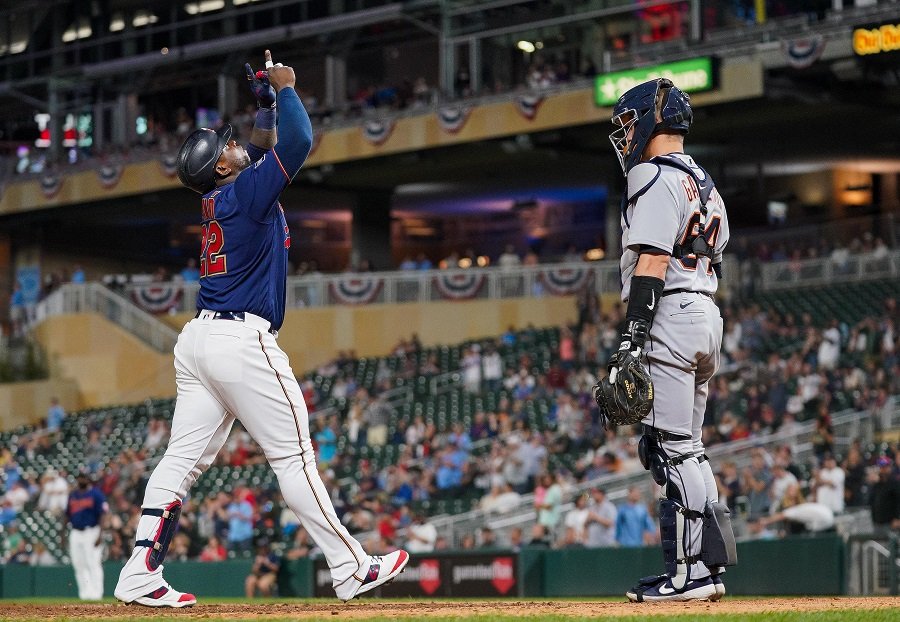 Sano played his first professional game for Minnesota at the age of 17. He appeared in both the Dominican Summer League and Gulf Coast League during that same season. Sano had plenty of controversy during his signing period, and the story has been told through a documentary. However, he did nothing to cause questions of his talent, as his first pro season resulted in an .870 OPS. He made his Major League debut five years later at 22. Up until that point, he’d topped out as the 4th best prospect in baseball, ranked as such by MLB Pipeline ahead of the 2014 season. He was coming off a .992 OPS split between High-A and Double-A, punctuated by a whopping 35 homers. Now seven years into his big-league career, it’s worth wondering if he’s lived up to expectations? Initially signed as a shortstop with projection for growth and maturation, there was never really any belief he’d stay at that spot. More a corner player with power potential, the hope was that athleticism would continue translating. Quickly moved to third base, Sano has played the edges of the dirt for the duration of his career (we’ll give Terry Ryan a pass on the right-field experiment). Offensive prowess comes first at those spots and has been the cornerstone of Sano’s game. Removing the identifier of a top-10 prospect across all of baseball, Sano has been worth 9.5 fWAR across his career. Fangraphs estimates his value as worth $75.6 million which compares favorably to career earnings just north of $22 million. Production-wise, Sano has been above average, posting an .819 OPS and 119 OPS+. In over 600 games, he’s clubbed 161 homers and 123 doubles. His lone All-Star appearance came in 2017, just two years after finishing third in the American League Rookie of the Year vote. He’s participated in a Home Run Derby and has twice topped a .900 OPS in a single season. With just one guaranteed year left on his deal, the chapter could turn quickly, but it’s worth questioning where Sano lands, given the lofty expectations for him as a prospect. The context of his positioning in 2014 is also interesting. Minnesota Twins outfielder Byron Buxton was baseball’s best prospect. Those immediately following Sano include Archie Bradley, Taijuan Walker, Javier Baez, Carlos Correa, Kris Bryant, and Francisco Lindor. To say the list was stacked is putting it lightly. Where, as Twins fans, do you feel Sano falls on this spectrum? He’s been a regular, and while streaky, an offensive asset. He’s made an All-Star team, but he’s certainly not a generational talent by any means. Is this what you’d have signed up for when the hoopla began with his initial courting? MORE FROM TWINS DAILY — Latest Twins coverage from our writers — Recent Twins discussion in our forums — Follow Twins Daily via Twitter, Facebook, or email
 -
I can assure you I wasn’t 3 cups of coffee in at 2am and just 4.5 hours of sleep down for your hopes to drop.
-
Over 17 hours and 13 separate meetings commenced from Monday, February 28 into the early hours of Tuesday, March 1. Major League Baseball (MLB) and the Major League Baseball Players Association (MLBPA) have made significant progress on a new Collective Bargaining Agreement (CBA). The deadline to avoid cancellation of regular season games has been pushed to 5pm on Tuesday. A deal looks to be close. Check back often for updates as we have them. Continue to check back as this article will be updated with any new news or updates, or even when the title gets changed to Baseball is Back! ------------------------------------------ Following the 11th discussion of the day, with MLB lead negotiator Dan Halem as the centerpiece for the league, Bob Nightengale has officially sounded the alarm. We have more movement than we’ve had in months, and baseball may soon be back. The players have agreed to an expanded postseason situation that adds two teams, less than the league’s desire for a total of 14. The league has also agreed to a Competitive Balance Tax (CBT) structure similar to the previous Collective Bargaining Agreement (CBA), which sunset following the expiration of that deal. We don’t yet have an announcement of “Play Ball” by Commissioner Rob Manfred, but also are trending away from the cancellation of up to a month’s worth of games that was suggested earlier in the day. We are about to turn the page on February, and Spring Training games have been cancelled, but the hope would be that this is where the tide turns. It appears numbers continue needing to be exchanged regarding the pre-arbitration bonus pool. Something in the $20-$40 million range could make sense with the players conceding on two addition Postseason teams. There's a path forward but no agreed upon figure at this point. No matter what official updates trickle out, or how much is agreed to in principle, the CBA doesn't become legal until ratified. From the league's vantage point that requires "yes" votes from 23 of the 30 owners. Opposition from just eight organizations could hold up the sport. Although the February 28th deadline has past on the East Coast, it's still alive and well everywhere else. Rob Manfred and MLB looks to be desiring a resolution yet tonight. Lots of work being done by both sides following the 42 day waiting period imposed by the league after December 2. No sleep til Brooklyn! Or at least until MLB has a deal done it seems. A 12th meeting took place with four members, including Dick Monfort, from the owners contingent heading over to the union side. Things are progressing, but as Nightengale notes, there's still plenty to iron out. The 12th meeting between the league and players was easily the longest of the night. Lots of moving pieces right now. Is 13 lucky or unlucky? We've reached the next meeting and now the discussion has evolved to bring in rule changes such as shift restrictions. At this point it seems the sides are making these conversations comprehensive. The luxury tax is also rising something like $20 million at this stage, which is a multiple of 20 over what the league proposed in their last deal. Nearing 2am central time, Jeff Passan noted no deal would be coming in the wee hours of the morning. Major League Baseball has pushed back the deadline in which regular season games would be cancelled to 5pm eastern time, March 1. With enough of a framework in place, a deal appears imminent soon. A few more details surrounding the parameters of the current proposal have emerged. The union has also dropped the desire to increase the Super 2 class. Here’s some industry perspective to start off deadline day 2.0. We don’t have a deal yet, but maybe, possibly? The players have bent quite a bit regarding the Super 2 eligibility and that could wind up being a point of contention today. More than rule changes, this has an opportunity to blow things up today. Here's some context on how the expanded postseason would work. It's going to water down regular season competition regardless, but it's good to note that there will be an emphasis put on the winningest records. No in person meetings have taken place between the sides in the first two hours today, but that doesn’t necessarily mean there hasn’t been dialogue. We’re roughly three and a half hours shy of the newly imposed deadline by MLB early this morning. The league continues to push for a 14 team postseason, but this would water down the impact of the regular season. Players don’t want that as it would lessen the incentive to compete through spending in the offseason. The additional two teams are also a future bargaining chip. According to New York Post’s Andrew Marchand the difference in revenue from ESPN comes out to little more than $500k per team. That should be a pretty insignificant amount. The first movement of the day has commenced! The first proposal of the day has happened. Less than three hours until MLB’s new deadline. This is opinion, but the union lowering their ask on the bonus pool at this juncture seems more about gaining additional funds than it does closing the gap. This is a positive step towards resolution in my mind. And now it may all be for nothing? Or posturing? Or tempting how far we can push tiredness? The league may now be done negotiating. Three hours from the deadline…where do we go from here? Certainly sounds like the owners aren’t up for another late night and it’s in the union’s court at this point. Maybe a take it or leave it offer. Less than three hours until Rob Manfred’s newly imposed deadline and all progress from yesterday appears lost. The union may need to stand strong in the face of cancelled games to force action. MLB pitcher Alex Wood couldn’t be more spot on with regards to how the conversation has changed today. Reporters have blitzed towards a deal being likely last night and early into the morning. With the deadline remaining in tact and a “final offer” being presented, it’s an opportunity for the leave to place blame on the players should a bad deal be turned down. Some details on the proposal from the union have emerged. The difference on the minimum salary is negligible at this point, that should not be a sticking point. These points are where the league is at however, and the ball is now in the players court. And now this. Things went south...in a hurry. And now after over a week of meetings in Florida, this is where we are... Stay tuned for more updates as they happen! MORE FROM TWINS DAILY — Latest Twins coverage from our writers — Recent Twins discussion in our forums — Follow Twins Daily via Twitter, Facebook , or email View full article