Jamie Cameron
-
Posts
1,349 -
Joined
-
Last visited
-
Days Won
4
Content Type
Profiles
Minnesota Twins News, Rumors & Analysis
Minnesota Twins Videos
2026 Minnesota Twins Top Prospect Rankings
2022 Minnesota Twins Draft Picks & Signing Bonuses
Minnesota Twins Trade & Free Agent Rumors
Minnesota Twins Fan Guides & Resources
2023 Minnesota Twins Draft Picks & Signing Bonuses
The Minnesota Twins Players Project
2024 Minnesota Twins Draft Picks & Signing Bonuses
2025 Minnesota Twins Draft Picks & Signing Bonuses
2026 Minnesota Twins Draft Picks & Signing Bonuses
Forums
Blogs
Events
Store
Downloads
Gallery
Everything posted by Jamie Cameron
-
 While the MLB lockout continues to stagnate the offseason, minor-league players are preparing to travel to Florida and Arizona to begin preparation for their upcoming seasons. In this series, I’ll look at some of the Twins' notable picks from the early rounds of the 2021 draft. I’ll dig into scouting reports and storylines to look for ahead of the 2022 season. Next up, David Festa, a right-handed pitcher out of Seton Hall University Scouting Grades: Unavailable Signing and Scouting The Twins selected right-handed pitcher David Festa with their thirteenth-round pick in the 2021 draft (399th overall) out of Seton Hal University. Festa signed for a $125,000 bonus. Prior to the 2021 draft, Festa was ranked as the #474 prospect by Baseball America in their annual pre-draft top 500 rankings. BA described Festa as ‘having some sneaky projectability’ due to being 6’6 and 185 lbs pre-draft. Early in his final season at Seton Hall, Festa’s fastball was sitting at 88-92 mph, before jumping to 90-94 mph with a peak of 96 mph at the end of the season. After working with him briefly at the end of the 2021 season, the Twins already had Festa’s fastball sitting at 97 mph. Festa’s best secondary pitch prior to the draft was his changeup which sits 81-84 mph and shows good fade. Festa can locate his changeup at any point in the count. Pre-draft scouting reports point to the lack of a plus breaking pitch being the clear area of need for Festa moving forward, Prior to the draft, he was throwing both a slider and a curveball. It’s possible Festa’s long-term role may be in the bullpen, where his plus fastball would play even more. That will depend on how he’s able to leverage his changeup and develop a more potent breaking pitch in 2022. Seizing the Moment ‘It’s definitely been a great atmosphere,’ says Festa, who has been preparing for the 2022 season in Fort Myers several weeks ahead of schedule. When speaking to Twins Daily’s Seth Stohs, Festa emphasized the importance of preparing for the 2021 season in warm conditions, having coaches available to him in Fort Myers, and being able to lean into his lifting program. Jersey Boy "Seton-Hall prep, where I went to high school, was an incredibly competitive high-school program’" Festa reflects on some of his formative baseball experiences. He speaks highly of both the talent he played with and the amount of preparation and work ethic required to develop and perform at a high level. "We had a Vanderbilt commit, a Stanford commit, a Tulane commit, so it was a lot of talent on one high school team." Festa was originally committed as a shortstop in high school. He only began pitching his senior year after going through a significant growth spurt and playing in tournaments where teams would often run out of pitching. What a decision that would turn out to be for the New Jersey native. Draft Day and Transitioning to the Twins "I didn’t want to get too caught up (in where I would be selected), I just wanted to get the opportunity." The through-line in listening to Festa speak about his experiences in baseball and his opportunity with the Twins is his level of focus. He has a quiet, steely determination evident in his answers and the level of gratitude he has for the chance in front of him. Festa pitched 72 innings at Seton Hall in 2021, before pitching at both Rookie ball and Fort Myers to round out his first season as a professional. ‘For the most part, it was a build-up,’ says Festa of his throwing routine after his collegiate season was finished. The Twins gave incoming pitchers around a month before getting them into longer outings in games. "It was crazy how well we all got along," says Festa of other 2021 draftee pitchers he had the opportunity to connect with in his first season. He names his keys to success as attacking the strike zone and maximizing his changeup, for which he utilizes a circle-change grip. "The main thing was to do what’s right for my body,’ says Festa of pushing his fastball velocity to 97 mph. He speaks warmly of the impact the coaches at Fort Myers have had on maximizing his velocity, in addition to data and tools at his disposal since beginning his pro career. Festa, his plus fastball, and quality changeup, will be an intriguing prospect to track in 2022. Likely to Start At: Fort Myers (Low-A) Conclusion: Festa is an intriguing arm as a late-round pick in the 2021 draft. His fastball will play at any level. His speed of progression and overall ceiling will likely depend on his ability to continue to develop his secondary pitches to be increasingly effective, particularly a quality-breaking pitch. Who is the most intriguing of the five draft picks discussed so far? What are your thoughts on David Festa ahead of the 2022 season? Previous Prospect Previews Twins Prospect Preview: Chase Petty Twins Prospect Preview: Noah Miller Twins Prospect Preview: Steven Hajjar Twins Prospect Preview: Cade Povich Twins Prospect Preview: Christian Encarnacion-Strand Twins Prospect Preview: Pierson Ohl
-
 While the MLB lockout continues to stagnate the offseason, minor-league players are preparing to travel to Florida and Arizona to begin preparation for their seasons. In this series, I’ll look at some of the Twins' notable picks from the early rounds of the 2021 draft. I’ll dig into scouting reports and storylines to look for ahead of the 2022 season. Next up, Pierson Ohl, a right-handed pitcher out of Grand Canyon University. Scouting Grades: Unavailable Signing and Scouting The Twins selected right-handed pitcher Pierson Ohl with their 14th-round pick in the 2021 draft (429th overall) out of Grand Canyon University. Ohl signed for a slot bonus of $100,000. Prior to the 2021 draft, Baseball America described Ohl as ‘the textbook example of a pitcher thriving on pitchability to compensate for a below-average fastball’. Ohl pitched extremely well in his three seasons at Grand Canyon, compiling a 2.60 ERA and a 10-2 record in his junior year. His pre-draft scouting report cited a fastball that operated in the high 80s and low 90s, with plus command. Additionally, Ohl carries a curveball and an above-average changeup which serves as his best secondary offering. High School and College Ball "I didn’t realize how far this game would take me in life," the affable, well-spoken SoCal native explains, speaking from his brothers' dorm room (also a pitcher at Grand Canyon University). Throughout his Twins Spotlight interview with Twins Daily’s Seth Stohs, there’s a genuine love of the game and appreciation for his circumstances which Ohl effuses. Growing up in talent-rich Southern California, Ohl was frank about his beginnings in baseball. "That wasn’t me," he said of SoCal prospects throwing mid-90s fastballs in high school. Ohl speaks admiringly of the coaching staff at Grand Canyon, including former big leaguer Andy Stankiewicz. "They are developing men, not just baseball players." An approach that combines baseball and personal development, comes across as important to Ohl, one of seven siblings who values his family connections deeply. The Transition to the Twins "As a junior, you’re getting excited," says Ohl of the build-up to the 2021 draft, in which his name was circulating among MLB teams. Ohl described feelings of disappointment at not being drafted on day two, ahead of being taken by the Twins in the 14th round. Indeed, the Twins appear to have snuck their pick of Ohl ahead of the Yankees and Orioles, who had told the righty they would be drafting him later in the 14th round. On Data and Technology "To be flying out (to spring training) for an MLB organization like the Twins, I don’t think it gets any better than that," says Ohl of forthcoming minor-league camp in Fort Myers. Ohl speaks highly of his initial time working with Twins pitching coordinators who helped him understand his profile and skill-set as a pitcher. "I learned that my fastball has plus-plus carry." Ohl continues to reflect on the need to transition his fastball from the bottom of the zone to the top, to take advantage of its profile (an organizational tendency of the Twins). "It’s a change for me, but the numbers show that guys with that kind of profile are successful up there." Listening to Ohl speak about his short time with the organization last summer, it’s easy to come away convinced he will be successful. He’s quick to soak in anything which will maximize his skillset and espouses the kind of self-discipline which should help him learn and grow quickly in his first minor-league season. Likely to Start At: Ft. Myers Mighty Mussels Conclusion: Ohl is a pitcher with a proven track record in three years of college baseball. He’s exactly the type of pitcher the Twins development staff will savor, a hard worker with a plus-plus fastball with carry open to the approach of the organization. Ohl will be a prospect to keep an eye on in 2022. Who is the most intriguing of the five draft picks discussed so far? What are your thoughts on Pierson Ohl ahead of the 2022 season? Previous Prospect Previews Twins Prospect Preview: Chase Petty Twins Prospect Preview: Noah Miller Twins Prospect Preview: Steven Hajjar Twins Prospect Preview: Cade Povich Twins Prospect Preview: Christian Encarnacion-Strand
-
Pierson Ohl was selected by the Twins in the 14th round of the 2021 draft. Read up on his profile, his successful college pitching career, and how he has embraced the organizational approach of the Twins in his short time as a professional player. Image courtesy of Thieres Rabelo Pierson Ohl was selected by the Twins in the 14th round of the 2021 draft. Read up on his profile, his successful college pitching career, and how he has embraced the organizational approach of the Twins in his short time as a professional player. While the MLB lockout continues to stagnate the offseason, minor-league players are preparing to travel to Florida and Arizona to begin preparation for their seasons. In this series, I’ll look at some of the Twins' notable picks from the early rounds of the 2021 draft. I’ll dig into scouting reports and storylines to look for ahead of the 2022 season. Next up, Pierson Ohl, a right-handed pitcher out of Grand Canyon University. Scouting Grades: Unavailable Signing and Scouting The Twins selected right-handed pitcher Pierson Ohl with their 14th-round pick in the 2021 draft (429th overall) out of Grand Canyon University. Ohl signed for a slot bonus of $100,000. Prior to the 2021 draft, Baseball America described Ohl as ‘the textbook example of a pitcher thriving on pitchability to compensate for a below-average fastball’. Ohl pitched extremely well in his three seasons at Grand Canyon, compiling a 2.60 ERA and a 10-2 record in his junior year. His pre-draft scouting report cited a fastball that operated in the high 80s and low 90s, with plus command. Additionally, Ohl carries a curveball and an above-average changeup which serves as his best secondary offering. High School and College Ball "I didn’t realize how far this game would take me in life," the affable, well-spoken SoCal native explains, speaking from his brothers' dorm room (also a pitcher at Grand Canyon University). Throughout his Twins Spotlight interview with Twins Daily’s Seth Stohs, there’s a genuine love of the game and appreciation for his circumstances which Ohl effuses. Growing up in talent-rich Southern California, Ohl was frank about his beginnings in baseball. "That wasn’t me," he said of SoCal prospects throwing mid-90s fastballs in high school. Ohl speaks admiringly of the coaching staff at Grand Canyon, including former big leaguer Andy Stankiewicz. "They are developing men, not just baseball players." An approach that combines baseball and personal development, comes across as important to Ohl, one of seven siblings who values his family connections deeply. The Transition to the Twins "As a junior, you’re getting excited," says Ohl of the build-up to the 2021 draft, in which his name was circulating among MLB teams. Ohl described feelings of disappointment at not being drafted on day two, ahead of being taken by the Twins in the 14th round. Indeed, the Twins appear to have snuck their pick of Ohl ahead of the Yankees and Orioles, who had told the righty they would be drafting him later in the 14th round. On Data and Technology "To be flying out (to spring training) for an MLB organization like the Twins, I don’t think it gets any better than that," says Ohl of forthcoming minor-league camp in Fort Myers. Ohl speaks highly of his initial time working with Twins pitching coordinators who helped him understand his profile and skill-set as a pitcher. "I learned that my fastball has plus-plus carry." Ohl continues to reflect on the need to transition his fastball from the bottom of the zone to the top, to take advantage of its profile (an organizational tendency of the Twins). "It’s a change for me, but the numbers show that guys with that kind of profile are successful up there." Listening to Ohl speak about his short time with the organization last summer, it’s easy to come away convinced he will be successful. He’s quick to soak in anything which will maximize his skillset and espouses the kind of self-discipline which should help him learn and grow quickly in his first minor-league season. Likely to Start At: Ft. Myers Mighty Mussels Conclusion: Ohl is a pitcher with a proven track record in three years of college baseball. He’s exactly the type of pitcher the Twins development staff will savor, a hard worker with a plus-plus fastball with carry open to the approach of the organization. Ohl will be a prospect to keep an eye on in 2022. Who is the most intriguing of the five draft picks discussed so far? What are your thoughts on Pierson Ohl ahead of the 2022 season? Previous Prospect Previews Twins Prospect Preview: Chase Petty Twins Prospect Preview: Noah Miller Twins Prospect Preview: Steven Hajjar Twins Prospect Preview: Cade Povich Twins Prospect Preview: Christian Encarnacion-Strand View full article
-
2022 Prospect Previews: Christian Encarnacion-Strand
Jamie Cameron posted an article in Minor Leagues
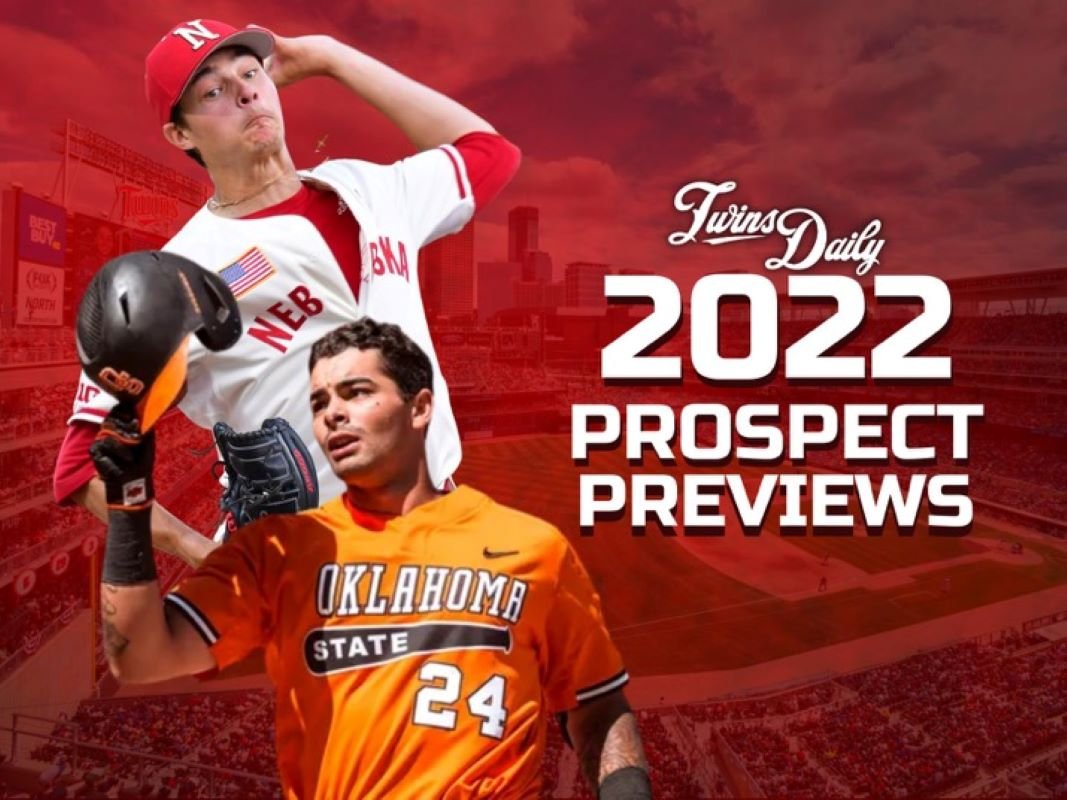 While the MLB lockout continues to stagnate the offseason, minor-league players are preparing to travel to Florida and Arizona to begin preparation for their seasons. In this series, I’ll look at some of the Twins' notable picks from the early rounds of the 2021 draft. I’ll dig into scouting reports and storylines to look for ahead of the 2022 season. Next up, Christian Encarnacion-Strand, a right-handed corner infield out of Oklahoma State University. Scouting Grades: Hit: 50 | Power: 55 | Run: 50 | Arm: 55 | Field: 50 | Overall: 45 (grades courtesy of Baseball America) Signing and Scouting The Twins selected right-handed hitter Christian Encarnacion-Strand with their fourth-round pick in the 2021 draft (128th overall) out of Oklahoma State University. Encarnacion-Strand signed for an exact slot bonus of $442,000. Encarnacion-Strand was ranked as the 93rd overall prospect coming into the draft by Baseball America. MLB.com ranked him at 208 overall. Encarnacion-Strand was just the second hitter taken by the Twins with their first five picks. MLB.com’s lower pre-draft rankings were due to scouts citing an unconventional load and uphill bat-path which would leave him vulnerable to high velocity and plus breaking pitches. Baseball America, meanwhile, thought highly of Encarnacion-Strand, suggesting his bat-speed is more than enough to catch up to high-velocity fastballs. Make of the conflicting scouting reports what you will. What is undeniable is that Encarnacion-Strand has mashed anywhere he has played, ever. In two seasons at Yavapai Junior College in Arizona he hit 33 home runs in 81 games. After transferring to Oklahoma State, he immediately became their best hitter, winning the Big 12 Newcomer of the Year Award. He ended the season in the top five in the conference in batting average (.362), slugging percentage (.665), and home runs (15). Encarnacion-Strand stands at 6’0 and 225 pounds. His overall hitting skill set is strong, with excellent bat speed, the ability to drive the ball to all fields, and solid plate discipline. What somewhat limits his ceiling as a prospect is the lack of a defensive home with upside. Encarnacion-Strand has a good arm and hands but pre-draft scouting reports suggested he would be a fringy third-baseman defensively. Still, that’s a challenge the Twins can work on developing a solution to further down the road. Encarnacion-Strand made his professional debut in 2021 and guess what? He absolutely raked. In 22 games at Fort Myers (not a hitters paradise) he hit .391/.424/.598 with four home runs and 52 total bases, although he did strike out 26 times. Of all the prospects drafted by the Twins in 2021, Encarnacion-Strand has the best power tool and had arguably the best pro-debut (although an argument could be made for Cade Povich). Likely to Start At: Fort Myers Mighty Mussels (A) or Cedar Rapids (A+) Conclusion: Encarnacion-Strand began his professional career with a 20 game hit streak and managed hits in 21 of his 22 games at Fort Myers. He’s certainly a prospect to watch for the Twins this year. While his defensive home is uncertain, a bat with 25 home run power plus ought to render that an afterthought. If Encarnacion-Strand carries his 2021 start into 2022, he could be knocking on the door of top 100 prospect lists by the end of the season. Who is the most intriguing of the four draft picks discussed so far? What are your thoughts on Christian Encarnacion-Strand ahead of the 2022 season? Previous Prospect Previews Twins Prospect Preview: Chase Petty Twins Prospect Preview: Noah Miller Twins Prospect Preview: Steven Hajjar Twins Prospect Preview: Cade Povich
-
No player the Twins drafted in 2021 made a stronger first impression than Christian Encarnacion-Strand. Read up on the Oklahoma State slugger, his profile, and what 2022 has in store. Image courtesy of Thieres Rabelo No player the Twins drafted in 2021 made a stronger first impression than Christian Encarnacion-Strand. Read up on the Oklahoma State slugger, his profile, and what 2022 has in store. While the MLB lockout continues to stagnate the offseason, minor-league players are preparing to travel to Florida and Arizona to begin preparation for their seasons. In this series, I’ll look at some of the Twins' notable picks from the early rounds of the 2021 draft. I’ll dig into scouting reports and storylines to look for ahead of the 2022 season. Next up, Christian Encarnacion-Strand, a right-handed corner infield out of Oklahoma State University. Scouting Grades: Hit: 50 | Power: 55 | Run: 50 | Arm: 55 | Field: 50 | Overall: 45 (grades courtesy of Baseball America) Signing and Scouting The Twins selected right-handed hitter Christian Encarnacion-Strand with their fourth-round pick in the 2021 draft (128th overall) out of Oklahoma State University. Encarnacion-Strand signed for an exact slot bonus of $442,000. Encarnacion-Strand was ranked as the 93rd overall prospect coming into the draft by Baseball America. MLB.com ranked him at 208 overall. Encarnacion-Strand was just the second hitter taken by the Twins with their first five picks. MLB.com’s lower pre-draft rankings were due to scouts citing an unconventional load and uphill bat-path which would leave him vulnerable to high velocity and plus breaking pitches. Baseball America, meanwhile, thought highly of Encarnacion-Strand, suggesting his bat-speed is more than enough to catch up to high-velocity fastballs. Make of the conflicting scouting reports what you will. What is undeniable is that Encarnacion-Strand has mashed anywhere he has played, ever. In two seasons at Yavapai Junior College in Arizona he hit 33 home runs in 81 games. After transferring to Oklahoma State, he immediately became their best hitter, winning the Big 12 Newcomer of the Year Award. He ended the season in the top five in the conference in batting average (.362), slugging percentage (.665), and home runs (15). Encarnacion-Strand stands at 6’0 and 225 pounds. His overall hitting skill set is strong, with excellent bat speed, the ability to drive the ball to all fields, and solid plate discipline. What somewhat limits his ceiling as a prospect is the lack of a defensive home with upside. Encarnacion-Strand has a good arm and hands but pre-draft scouting reports suggested he would be a fringy third-baseman defensively. Still, that’s a challenge the Twins can work on developing a solution to further down the road. Encarnacion-Strand made his professional debut in 2021 and guess what? He absolutely raked. In 22 games at Fort Myers (not a hitters paradise) he hit .391/.424/.598 with four home runs and 52 total bases, although he did strike out 26 times. Of all the prospects drafted by the Twins in 2021, Encarnacion-Strand has the best power tool and had arguably the best pro-debut (although an argument could be made for Cade Povich). Likely to Start At: Fort Myers Mighty Mussels (A) or Cedar Rapids (A+) Conclusion: Encarnacion-Strand began his professional career with a 20 game hit streak and managed hits in 21 of his 22 games at Fort Myers. He’s certainly a prospect to watch for the Twins this year. While his defensive home is uncertain, a bat with 25 home run power plus ought to render that an afterthought. If Encarnacion-Strand carries his 2021 start into 2022, he could be knocking on the door of top 100 prospect lists by the end of the season. Who is the most intriguing of the four draft picks discussed so far? What are your thoughts on Christian Encarnacion-Strand ahead of the 2022 season? Previous Prospect Previews Twins Prospect Preview: Chase Petty Twins Prospect Preview: Noah Miller Twins Prospect Preview: Steven Hajjar Twins Prospect Preview: Cade Povich View full article
-
2022 Prospect Previews: Cade Povich
Jamie Cameron replied to Jamie Cameron's topic in Twins Minor League Talk
Really appreciate it! One more profile to come next week, maybe saving the most exciting for last. -
2022 Prospect Previews: Cade Povich
Jamie Cameron replied to Jamie Cameron's topic in Twins Minor League Talk
'Rice their pitchers' is a brilliant line I'm going to have to use in the future lol! -
2022 Prospect Previews: Cade Povich
Jamie Cameron replied to Jamie Cameron's topic in Twins Minor League Talk
I like him a ton, too Doc. I think he's going to impress and move quickly in 2022. Thanks for reading. -
2022 Prospect Previews: Steven Hajjar
Jamie Cameron replied to Jamie Cameron's topic in Twins Minor League Talk
Very possibly. Depends on consistency of the velocity and control. I said 55 as a floor as I don't have any evidence to know what his velo and command is, if that makes sense. Thanks for reading!- 14 replies
-
- 1
-

-
- steven hajjar
- chase petty
- (and 2 more)
-
In a new series at Twins Daily, JD Cameron looks at some of the Twins' early draft picks from 2021, what attracted the Twins to them, and storylines to watch for in 2022. Next up, the 98th overall pick, Cade Povich. Image courtesy of Thieres Rabelo In a new series at Twins Daily, JD Cameron looks at some of the Twins' early draft picks from 2021, what attracted the Twins to them, and storylines to watch for in 2022. Next up, the 98th overall pick, Cade Povich. While the MLB lockout continues to stagnate the offseason, minor-league players are preparing to travel to Florida and Arizona to begin preparation for their seasons. In this series, I’ll look at some of the Twins' notable picks from the early rounds of the 2021 draft. I’ll dig into scouting reports and storylines to look for ahead of the 2022 season. Next up, Cade Povich, a left-handed pitcher drafted out of the University of Nebraska. Scouting Grades: Unavailable The Twins selected left-handed pitcher Cade Povich with their third-round pick in the 2021 draft (98th overall) out of the University of Nebraska. Povich signed for a $500,000 bonus, slightly shy of the $593,000 slot value. Povich was not ranked in the MLB.com pre-draft process and was ranked #276 by Baseball America. One note on pre-draft rankings as several readers have alluded to them in the comments on previous entries in this series: outside of elite talents, don’t put too much stock in pre-draft rankings. Thirty of the recently released top 100 prospects at Baseball America were not drafted, at all, so take the pre-draft rankings for what they are worth. Povich was the second of two college left-handed pitchers selected by the Twins in the early rounds (behind Steven Hajjar in the second round). Povich, similarly to Hajjar, has a solid floor with which to become an MLB starting pitcher and adds another left-handed starting pitching prospect to a system bereft of them until the 2021 draft. Povich is 6’3 and 185 pounds had plenty of success in his time at Nebraska. He managed a 2.82 ERA in his final season, walking 19 and striking out 79 in 73 1/3 innings. Povich’s fastball operated between 89-93 mph in 2021, with questions about the consistency of its velocity similar to those posed by Hajjar’s in his final season at Michigan. Adding velocity for Povich should come easily as he fills out. Early reports from his time with the Twins suggest his fastball was already sitting in the 93-95 mph range. Early Success Povich impressed in his 2021 professional debut. He started three games and pitched in four between rookie ball and low A Fort Myers. When he moved to the Mighty Mussels he was particularly impressive, striking out 16 batters in eight innings of work as a starter and surrendering just a lone earned run. Povich’s impressive debut and added velocity led Baseball America to suggest he could move most quickly through the Twins system if he gets off to a fast start in 2022. In terms of his arsenal, Povich has used up to a five-pitch mix before, including a four-seamer, cutter, changeup, curveball, and slider. Povich’s curveball is his best secondary pitch and has an impressive 12-6 spin. When speaking with Twins Daily’s Seth Stohs, Povich mentioned he modeled his curveball after Clayton Kershaw's. Povich also boasts strong command and the ability to throw strikes, which, in combination with increased velocity will be important as his fastball doesn’t carry a ton of spin. In an additional sneaky skill, Povich has an excellent pickoff move, nabbing six batters in the 2021 college baseball season Likely to Start At: Fort Myers Mighty Mussels (A) (with the ability to move quickly to Cedar Rapids A+). Conclusion Povich has a similar profile to Hajjar. He is a high-floor left-handed starting pitcher whose growing frame and increased velocity should allow him to move quickie through the Twins system. If Povich rises to meet his ceiling, he profiles as a middle rotation starter. Who is the most intriguing of the four draft picks discussed so far? What are your thoughts on Cade Povich ahead of the 2022 season? Previous Prospect Previews Twins Prospect Preview: Chase Petty Twins Prospect Preview: Noah Miller Twins Prospect Preview: Steven Hajjar View full article
-
 While the MLB lockout continues to stagnate the offseason, minor-league players are preparing to travel to Florida and Arizona to begin preparation for their seasons. In this series, I’ll look at some of the Twins' notable picks from the early rounds of the 2021 draft. I’ll dig into scouting reports and storylines to look for ahead of the 2022 season. Next up, Cade Povich, a left-handed pitcher drafted out of the University of Nebraska. Scouting Grades: Unavailable The Twins selected left-handed pitcher Cade Povich with their third-round pick in the 2021 draft (98th overall) out of the University of Nebraska. Povich signed for a $500,000 bonus, slightly shy of the $593,000 slot value. Povich was not ranked in the MLB.com pre-draft process and was ranked #276 by Baseball America. One note on pre-draft rankings as several readers have alluded to them in the comments on previous entries in this series: outside of elite talents, don’t put too much stock in pre-draft rankings. Thirty of the recently released top 100 prospects at Baseball America were not drafted, at all, so take the pre-draft rankings for what they are worth. Povich was the second of two college left-handed pitchers selected by the Twins in the early rounds (behind Steven Hajjar in the second round). Povich, similarly to Hajjar, has a solid floor with which to become an MLB starting pitcher and adds another left-handed starting pitching prospect to a system bereft of them until the 2021 draft. Povich is 6’3 and 185 pounds had plenty of success in his time at Nebraska. He managed a 2.82 ERA in his final season, walking 19 and striking out 79 in 73 1/3 innings. Povich’s fastball operated between 89-93 mph in 2021, with questions about the consistency of its velocity similar to those posed by Hajjar’s in his final season at Michigan. Adding velocity for Povich should come easily as he fills out. Early reports from his time with the Twins suggest his fastball was already sitting in the 93-95 mph range. Early Success Povich impressed in his 2021 professional debut. He started three games and pitched in four between rookie ball and low A Fort Myers. When he moved to the Mighty Mussels he was particularly impressive, striking out 16 batters in eight innings of work as a starter and surrendering just a lone earned run. Povich’s impressive debut and added velocity led Baseball America to suggest he could move most quickly through the Twins system if he gets off to a fast start in 2022. In terms of his arsenal, Povich has used up to a five-pitch mix before, including a four-seamer, cutter, changeup, curveball, and slider. Povich’s curveball is his best secondary pitch and has an impressive 12-6 spin. When speaking with Twins Daily’s Seth Stohs, Povich mentioned he modeled his curveball after Clayton Kershaw's. Povich also boasts strong command and the ability to throw strikes, which, in combination with increased velocity will be important as his fastball doesn’t carry a ton of spin. In an additional sneaky skill, Povich has an excellent pickoff move, nabbing six batters in the 2021 college baseball season Likely to Start At: Fort Myers Mighty Mussels (A) (with the ability to move quickly to Cedar Rapids A+). Conclusion Povich has a similar profile to Hajjar. He is a high-floor left-handed starting pitcher whose growing frame and increased velocity should allow him to move quickie through the Twins system. If Povich rises to meet his ceiling, he profiles as a middle rotation starter. Who is the most intriguing of the four draft picks discussed so far? What are your thoughts on Cade Povich ahead of the 2022 season? Previous Prospect Previews Twins Prospect Preview: Chase Petty Twins Prospect Preview: Noah Miller Twins Prospect Preview: Steven Hajjar
-
2022 Prospect Previews: Steven Hajjar
Jamie Cameron replied to Jamie Cameron's topic in Twins Minor League Talk
Good questions. The weight is from pre-draft reporting so while I cant speak precisely to what it is, if I had to guess I'd say 240 is more accurate. I'd also add that the timing of this series is a little challenging. A lot of outlets have released top overall prospect list (top 100s) without having released team specific lists yet, so weights and heights may change, in addition to scouting grades. The overall grade isn't usually just an average/sum/composite of the input grades (if that makes sense). I think when thinking about, the question which helps me consume it is 'what is the most likely outcome for a pitcher or hitter with these inputs'. I'd add that the scouting grades were also pre-draft, so those will need to be updated. Fastball, for example, would be 55 if he's hitting 97 mph with control.- 14 replies
-
- 1
-
-
- steven hajjar
- chase petty
- (and 2 more)
-
2022 Prospect Previews: Steven Hajjar
Jamie Cameron replied to Jamie Cameron's topic in Twins Minor League Talk
Great point and I agree. I think the Twins know they have the skill of adding velocity in the bank so secondaries are important to them. Appreciate you reading and taking the time to comment! -
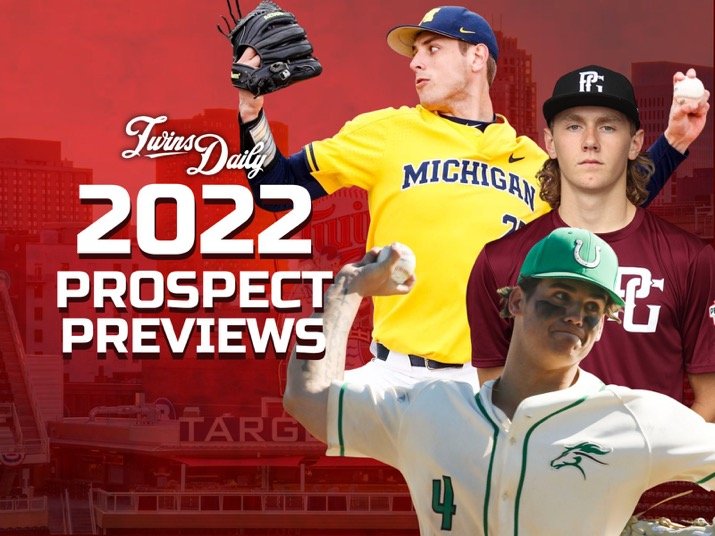 While the MLB lockout continues to stagnate the offseason, minor-league players are preparing to travel to Florida and Arizona to begin preparation for their seasons. In this series, I’ll look at some of the Twins' notable picks from the early rounds of the 2021 draft. I’ll dig into scouting reports and storylines to look for ahead of the 2022 season. Next up, Steven Hajjar, a left-handed pitcher drafted out of the University of Michigan. Scouting Grades: Fastball: 50 | Curveball: 50 | Changeup: 60 | Control: 50 | Overall: 45 (grades courtesy of MLB.com) Signing and Scouting The Twins selected left-handed pitcher Steven Hajjar with their second-round pick in the 2021 draft (61st overall) out of the University of Michigan. Hajjar signed for the exact slot-bonus of $1.13 million. Coming into the draft, Hajjar was ranked as the #60 overall prospect by Baseball America and #100 overall by MLB.com. Hajjar was the first of two college left-handed pitchers selected by the Twins in the early rounds (ahead of Cade Povich in the third round). Hajjar, in line with other early picks outside the Twins first, has a strong all-around skill set and provides a solid floor as a prospect for the organization, who are continuing to add and develop a stable of pitching talent. It’s notable that Hajjar and Povich are the only left-handed starting pitchers who would feature in most evaluators' top Twins prospects lists. At 6’5 and 215 pounds. the 21-year-old southpaw has a prototypical starting-pitcher's body, while still being a little on the lanky side. Interestingly, Hajjar had a significant draft pedigree from his high-school career, when his fastball was already in the low 90s and he had more projectability. Despite not being able to establish his previous velocity (mid-90s fastball) in his final year at Michigan, he had an excellent season. Hajjar put together a 3.09 ERA over 81 innings, striking out 110 and walking 29 batters. In terms of his arsenal, Hajjar has a four-pitch mix led by a fastball that sits around 91 mph. Knowing the tendencies of the Twins, it's likely they feel they can re-up Hajjar’s fastball velocity to the 93-95 mph range, which would be of significant impact. Indeed, reports from Twins instructs in Florida has Hajjar’s fastball clocked at 97 mph when working with the organization coaching staff after he was drafted. If this increase sticks, it will alter Hajjar’s ceiling and possibly his trajectory as a prospect. Hajjar’s fastball does not have a lot of spin but good vertical movement. One would imagine the organization will encourage the establishment of his fastball up in the strike zone when he makes his professional debut. Hajjar has an excellent changeup that sits in the low 80s and falls away late in its plane. He has a slow 12-6 curveball and a slider he used more intermittently. It’s possible the Twins encourage him to ditch one of his breaking pitches in favor of refining the other, particularly given the quality of his changeup. Likely to Start At: Fort Myers Mighty Mussels (A) (with the ability to move quickly to Cedar Rapids (A+) Hajjar has a strong floor as a rare left-handed starting pitcher in the Twins organization due to his size, excellent college career, and already well-developed pitching arsenal. Ultimately, his end-game will probably depend on the consistency with which he can increase his velocity as he develops, with the ceiling of a mid-rotation starter. Who is the most intriguing of the three draft picks discussed so far? What are your thoughts on Steven Hajjar ahead of his professional debut with the Twins? Previous Prospect Previews Twins Prospect Preview: Chase Petty Twins Prospect Preview: Noah Miller
-
In a new series at Twins Daily, JD Cameron looks at some of the Twins' early draft picks from 2021, what attracted the Twins to them, and storylines to watch for in 2022. Next up, number 61 overall pick, Steven Hajjar. Image courtesy of Thieres Rabelo In a new series at Twins Daily, JD Cameron looks at some of the Twins' early draft picks from 2021, what attracted the Twins to them, and storylines to watch for in 2022. Next up, number 61 overall pick, Steven Hajjar. While the MLB lockout continues to stagnate the offseason, minor-league players are preparing to travel to Florida and Arizona to begin preparation for their seasons. In this series, I’ll look at some of the Twins' notable picks from the early rounds of the 2021 draft. I’ll dig into scouting reports and storylines to look for ahead of the 2022 season. Next up, Steven Hajjar, a left-handed pitcher drafted out of the University of Michigan. Scouting Grades: Fastball: 50 | Curveball: 50 | Changeup: 60 | Control: 50 | Overall: 45 (grades courtesy of MLB.com) Signing and Scouting The Twins selected left-handed pitcher Steven Hajjar with their second-round pick in the 2021 draft (61st overall) out of the University of Michigan. Hajjar signed for the exact slot-bonus of $1.13 million. Coming into the draft, Hajjar was ranked as the #60 overall prospect by Baseball America and #100 overall by MLB.com. Hajjar was the first of two college left-handed pitchers selected by the Twins in the early rounds (ahead of Cade Povich in the third round). Hajjar, in line with other early picks outside the Twins first, has a strong all-around skill set and provides a solid floor as a prospect for the organization, who are continuing to add and develop a stable of pitching talent. It’s notable that Hajjar and Povich are the only left-handed starting pitchers who would feature in most evaluators' top Twins prospects lists. At 6’5 and 215 pounds. the 21-year-old southpaw has a prototypical starting-pitcher's body, while still being a little on the lanky side. Interestingly, Hajjar had a significant draft pedigree from his high-school career, when his fastball was already in the low 90s and he had more projectability. Despite not being able to establish his previous velocity (mid-90s fastball) in his final year at Michigan, he had an excellent season. Hajjar put together a 3.09 ERA over 81 innings, striking out 110 and walking 29 batters. In terms of his arsenal, Hajjar has a four-pitch mix led by a fastball that sits around 91 mph. Knowing the tendencies of the Twins, it's likely they feel they can re-up Hajjar’s fastball velocity to the 93-95 mph range, which would be of significant impact. Indeed, reports from Twins instructs in Florida has Hajjar’s fastball clocked at 97 mph when working with the organization coaching staff after he was drafted. If this increase sticks, it will alter Hajjar’s ceiling and possibly his trajectory as a prospect. Hajjar’s fastball does not have a lot of spin but good vertical movement. One would imagine the organization will encourage the establishment of his fastball up in the strike zone when he makes his professional debut. Hajjar has an excellent changeup that sits in the low 80s and falls away late in its plane. He has a slow 12-6 curveball and a slider he used more intermittently. It’s possible the Twins encourage him to ditch one of his breaking pitches in favor of refining the other, particularly given the quality of his changeup. Likely to Start At: Fort Myers Mighty Mussels (A) (with the ability to move quickly to Cedar Rapids (A+) Hajjar has a strong floor as a rare left-handed starting pitcher in the Twins organization due to his size, excellent college career, and already well-developed pitching arsenal. Ultimately, his end-game will probably depend on the consistency with which he can increase his velocity as he develops, with the ceiling of a mid-rotation starter. Who is the most intriguing of the three draft picks discussed so far? What are your thoughts on Steven Hajjar ahead of his professional debut with the Twins? Previous Prospect Previews Twins Prospect Preview: Chase Petty Twins Prospect Preview: Noah Miller View full article
- 14 replies
-
- 1
-
-
- steven hajjar
- chase petty
- (and 2 more)
-
2022 Prospect Previews: Noah Miller
Jamie Cameron replied to Jamie Cameron's topic in Twins Minor League Talk
Agree that he's a relatively safe pick. I think a utility guy is the floor for sure, which isn't a bad outcome for a pick in a comp round. All the scouting reports seems pretty confident he will stick at SS. If he doesn't, both fielding and arm are plus for him.- 12 replies
-
- 3
-
-
- noah miller
- chase petty
- (and 1 more)
-
2022 Prospect Previews: Noah Miller
Jamie Cameron replied to Jamie Cameron's topic in Twins Minor League Talk
I agree I think he'll stick at low A for a good long while. He showed flashes of really strong offensive output in some of his first handful of gains. Also agree that adding a little power will go a long way to increase his upside and value to the org.- 12 replies
-
- 1
-
-
- noah miller
- chase petty
- (and 1 more)
-
2022 Prospect Previews: Noah Miller
Jamie Cameron replied to Jamie Cameron's topic in Twins Minor League Talk
I think the comment about offensive upside is a fair concern. I think it will depend how his power grows, or not, because his hit tool is really solid. RE him being a reach, it's so tough when you are also juggling factors like the overall bonus pool etc. In this case, it's a guy for whom they really relied on in-person looks. I'd also add that he had consistent placing across a few different pre-draft rankings, which is something I look for as a source of confidence when trying to evaluate draft picks. Thanks for reading!- 12 replies
-
- 2
-
-
- noah miller
- chase petty
- (and 1 more)
-
2022 Prospect Previews: Noah Miller
Jamie Cameron replied to Jamie Cameron's topic in Twins Minor League Talk
All indicators seem to point to that. Would massively increase his long-term value if he sticks, too.- 12 replies
-
- 4
-
-
- noah miller
- chase petty
- (and 1 more)
-
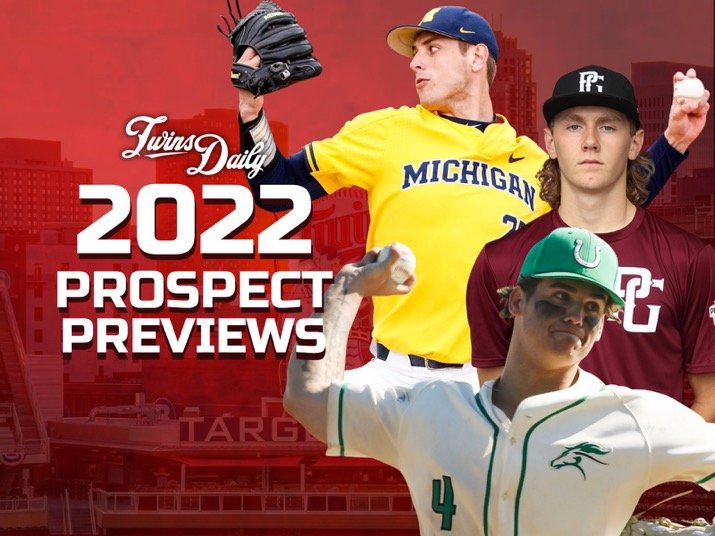 While the MLB lockout continues to stagnate the offseason, minor-league players are preparing to travel to Florida and Arizona to begin preparation for their seasons. In this series, I’ll look at some of the Twins' notable picks from the early rounds of the 2021 draft. I’ll dig into scouting reports and storylines to look for ahead of the 2022 season. Next up, Noah Miller, a high school shortstop from Wisconsin. Scouting Grades: Hit: 55 | Power: 45 | Run: 50 | Arm: 55 | Field: 55 | Overall: 45 (grades courtesy of MLB.com) Signing and Scouting The Twins selected switch-hitting shortstop Noah Miller with their supplemental first-round pick in the 2021 draft (36th overall) out of Ozaukee High School in Fredonia, WI. He signed for a $1.7 million bonus, convincing him to renege on his commitment to Alabama. Miller was ranked as the #74 overall prospect by Baseball America and #62 overall by MLB.com. Miller is the second high school shortstop the Twins have drafted in the first round in recent seasons, following helium prospect Keoni Cavaco, selected at #13 overall in the 2019 draft. The younger brother of Cleveland Guardians’ infielder Owen Miller, who made his MLB debut in 2021, Noah has a solid floor, due to a strong all-around game. At 6’0 and 180 pounds, Miller is an excellent athlete and infielder. Baseball America described his defense as ‘elite’ heading into the 2021 draft. Miller joins an increasing wealth of high school baseball talent from Wisconsin that has produced players like Gavin Lux, Jared Kelenic, and Twins catcher Ben Rortvedt in recent seasons. Offensively, Miller has a line-drive swing and shows the ability to hit the ball the other way, though with little power currently. He has an effective approach at the plate and good control of the strike zone (drawing nine walks in his first 84 professionals at-bats). Miller is an above-average runner with an above-average arm, which evaluators believe will give him the ability to play shortstop at the major-league level. While Miller doesn’t have one stand-out tool or skill-set, his strong all-around game makes him a lower variance prospect than Chase Petty. His first full season against professional pitching will be telling and a good indicator of whether Miller’s ceiling is every day starting shortstop, or more of a utility role. Quiet Excellence Miller is a prospect who won’t receive much fanfare initially, despite having MLB bloodlines. The absence of a loud tool from his arsenal and the likelihood he will move relatively slowly through the Twins minor league system will see to that. He is, however, not a prospect to sleep on. His overall athleticism was highlighted by Seth Stohs in his excellent piece this summer on the Miller family. Noah Miller finished his high school basketball career by casually breaking the all-time point scoring record. Miller benefited from being in close geographical proximity to the Twins, across the border in Wisconsin. With the 2021 draft delayed, the Twins scouting and development personnel had opportunities to get additional looks at Miller. On draft day, the Twins were attracted to several elements of Miller’s profile; his effortless defense (his favorite player is Brandon Crawford), infield clock, and a smooth compact swing from both sides of the plate. The Twins feel like he has the ability to add power to his swing as he grows and fills out. Ultimately, they believe they took a prospect beyond his years in Noah Miller. Likely to Start At: Fort Myers Mighty Mussels (A) Miller has a higher floor than most high school shortstop products. He has the defensive instincts to stick at the big-league level. How he handles his first full season of professional pitching will go a long way to determining if he can reach his ceiling as an everyday MLB shortstop. Twins Prospect Preview: Chase Petty
- 12 comments
-
- 3
-
-
- noah miller
- chase petty
- (and 1 more)
-
In a new series at Twins Daily, JD Cameron looks at some of the Twins early draft picks from 2021, what attracted the Twins to them, and storylines to watch for in 2022. Next up, number 36 overall pick, Noah Miller. Image courtesy of Thieres Rabelo In a new series at Twins Daily, JD Cameron looks at some of the Twins early draft picks from 2021, what attracted the Twins to them, and storylines to watch for in 2022. Next up, number 36 overall pick, Noah Miller. While the MLB lockout continues to stagnate the offseason, minor-league players are preparing to travel to Florida and Arizona to begin preparation for their seasons. In this series, I’ll look at some of the Twins' notable picks from the early rounds of the 2021 draft. I’ll dig into scouting reports and storylines to look for ahead of the 2022 season. Next up, Noah Miller, a high school shortstop from Wisconsin. Scouting Grades: Hit: 55 | Power: 45 | Run: 50 | Arm: 55 | Field: 55 | Overall: 45 (grades courtesy of MLB.com) Signing and Scouting The Twins selected switch-hitting shortstop Noah Miller with their supplemental first-round pick in the 2021 draft (36th overall) out of Ozaukee High School in Fredonia, WI. He signed for a $1.7 million bonus, convincing him to renege on his commitment to Alabama. Miller was ranked as the #74 overall prospect by Baseball America and #62 overall by MLB.com. Miller is the second high school shortstop the Twins have drafted in the first round in recent seasons, following helium prospect Keoni Cavaco, selected at #13 overall in the 2019 draft. The younger brother of Cleveland Guardians’ infielder Owen Miller, who made his MLB debut in 2021, Noah has a solid floor, due to a strong all-around game. At 6’0 and 180 pounds, Miller is an excellent athlete and infielder. Baseball America described his defense as ‘elite’ heading into the 2021 draft. Miller joins an increasing wealth of high school baseball talent from Wisconsin that has produced players like Gavin Lux, Jared Kelenic, and Twins catcher Ben Rortvedt in recent seasons. Offensively, Miller has a line-drive swing and shows the ability to hit the ball the other way, though with little power currently. He has an effective approach at the plate and good control of the strike zone (drawing nine walks in his first 84 professionals at-bats). Miller is an above-average runner with an above-average arm, which evaluators believe will give him the ability to play shortstop at the major-league level. While Miller doesn’t have one stand-out tool or skill-set, his strong all-around game makes him a lower variance prospect than Chase Petty. His first full season against professional pitching will be telling and a good indicator of whether Miller’s ceiling is every day starting shortstop, or more of a utility role. Quiet Excellence Miller is a prospect who won’t receive much fanfare initially, despite having MLB bloodlines. The absence of a loud tool from his arsenal and the likelihood he will move relatively slowly through the Twins minor league system will see to that. He is, however, not a prospect to sleep on. His overall athleticism was highlighted by Seth Stohs in his excellent piece this summer on the Miller family. Noah Miller finished his high school basketball career by casually breaking the all-time point scoring record. Miller benefited from being in close geographical proximity to the Twins, across the border in Wisconsin. With the 2021 draft delayed, the Twins scouting and development personnel had opportunities to get additional looks at Miller. On draft day, the Twins were attracted to several elements of Miller’s profile; his effortless defense (his favorite player is Brandon Crawford), infield clock, and a smooth compact swing from both sides of the plate. The Twins feel like he has the ability to add power to his swing as he grows and fills out. Ultimately, they believe they took a prospect beyond his years in Noah Miller. Likely to Start At: Fort Myers Mighty Mussels (A) Miller has a higher floor than most high school shortstop products. He has the defensive instincts to stick at the big-league level. How he handles his first full season of professional pitching will go a long way to determining if he can reach his ceiling as an everyday MLB shortstop. Twins Prospect Preview: Chase Petty View full article
- 12 replies
-
- 2
-
-
- noah miller
- chase petty
- (and 1 more)
-
2022 Prospect Previews: Chase Petty
Jamie Cameron replied to Jamie Cameron's topic in Twins Minor League Talk
He's incredibly charismatic, I agree. Thanks for that feedback. I will add it in moving forwards. In Petty's case: 6'1, 190lbs at the time of drafting I believe. I would guess thise could have changed slightly as he's so young still. -
2022 Prospect Previews: Chase Petty
Jamie Cameron replied to Jamie Cameron's topic in Twins Minor League Talk
The reason Greene was so high is he came out as a two-way prospect. In addition to his 100+ fastball he was a SS with a loud power tool, so I think that's the difference. Also, perhaps a bit more of a sustainable delivery coming into his draft. -
2022 Prospect Previews: Chase Petty
Jamie Cameron replied to Jamie Cameron's topic in Twins Minor League Talk
Sounds like a great approach to me! -
2022 Prospect Previews: Chase Petty
Jamie Cameron replied to Jamie Cameron's topic in Twins Minor League Talk
Lot's of good points. Two things I'll say in response: 1) Some of the reading I did was around mechanical control and a tendency to 'yank' his fastball, so that will be something to monitor. It'll play against anyone with that velo, but you're also right, he'll have to be able to spot in quickly. 2) I'm really interested to see how he moves/how the Twins move him. Prep RHP as a 'player type' tend to move through minor league levels incredibly slowly, the Twins have also shown more aggression in their placements/moving prospects in recent seasons, so not sure how that'll get reconciled.