Sam Caulder
-
Posts
650 -
Joined
-
Last visited
Content Type
Profiles
News
Minnesota Twins Videos
2026 Minnesota Twins Top Prospects Ranking
2022 Minnesota Twins Draft Picks
Minnesota Twins Free Agent & Trade Rumors, Notes, & Tidbits
Guides & Resources
2023 Minnesota Twins Draft Picks
The Minnesota Twins Players Project
2024 Minnesota Twins Draft Picks
2025 Minnesota Twins Draft Pick Tracker
2026 Minnesota Twins Draft Tracker: Picks & Bonuses
Forums
Blogs
Events
Store
Downloads
Gallery
Everything posted by Sam Caulder
-
Connor Prielipp already possessed one of the best sliders in the organization. Now he may have an even better breaking ball.
-
Image courtesy of Jesse Johnson-Imagn Images Mick Abel has been on the injured list since April 20, but it appears his return may finally be right around the corner. According to recent reports, Abel was expected to travel with the Twins to Arizona this weekend, and the timing could line up perfectly. Minnesota has yet to announce a starter for Sunday's game, which just so happens to align with Abel's turn in the rotation. If that ends up being the case, it would be a significant boost for a pitching staff that's currently dealing with injuries. With Bailey Ober and Kendry Rojas both also on the shelf, the Twins have been forced to lean heavily on their organizational depth over the last few weeks. Beyond simply getting another arm back, though, Abel's return would bring back one of the most intriguing young starters in the organization. In fact, in his final two starts before landing on the injured list, Abel looked every bit the part of a future frontline starter. Facing the Tigers and Red Sox, he tossed 13 scoreless innings while allowing just eight hits and three walks. He struck out 16 batters during that span and consistently overpowered hitters from start to finish. For Twins fans, it was the first real glimpse of what Abel could become if everything clicks. And a huge reason for that optimism is his fastball. Quite frankly, I think Abel's four-seam fastball has the potential to become one of the best pitches in all of baseball. That's a bold statement, but the underlying numbers make a very strong case. During those final two starts before his injury, Abel generated a remarkable 38.5 percent whiff rate on his four-seam fastball. Even when looking at his full-season sample, the pitch owns a 33.8 percent whiff rate. That's an absurd number. Technically, Abel doesn't qualify for league leaderboards because he hasn't thrown enough innings, but among all eligible pitchers, that 33.8 percent whiff rate would rank second in the league (behind only Jacob Misiorowski). The pitch also owns a 118 Stuff+ rating, placing it comfortably among the best fastballs in baseball. So why is it so effective? A lot of it starts with Abel's arm slot. Despite standing at 6-foot-5, Abel releases the baseball from a relatively low arm angle. The delivery is very similar to Joe Ryan's in that regard, and it creates a flatter approach angle as the ball enters the strike zone. Many pitchers create a steeper downhill plane, but with how much induced vertical break Abel generates, it fools hitters up in the zone. That’s often led to swings underneath the ball, and the bat-tracking data supports exactly that. Time and time again, opposing hitters are getting under Abel's fastball rather than squaring it up. Even when they make contact, they're frequently missing the ideal contact point. The lower arm slot also creates additional horizontal movement. Because of the way the ball comes out of his hand, his fastball features more natural tail than a traditional over-the-top delivery. That same movement profile carries over to the rest of his arsenal as well, allowing his breaking pitches to generate additional side-to-side action. It's a unique combination of traits that makes his entire pitch mix play up. Then there's the physical component. Abel is already throwing around 95 MPH, but the radar gun doesn't tell the whole story. Thanks to his long frame and impressive mechanics, he's generating nearly seven feet of extension toward home plate. That means the ball is being released significantly closer to the hitter than average. As a result, his 95 MPH fastball effectively plays much harder. To hitters, it can look more like 98 or 99 MPH. When you combine that type of perceived velocity with the shape of the pitch, you're talking about a very difficult fastball to handle. Of course, it's not perfect yet. When Abel is pounding it at the top of the strike zone, it becomes incredibly difficult to do damage against. That's where the shape, approach angle, and velocity all work together at their best. The problem is that he hasn't consistently lived in that area. There have been plenty of occasions where he's left fastballs lower in the zone, and those mistakes have been hit hard. Ideally, his fastball and secondary pitches should be attacking completely different planes. The fastball should be missing bats up, while everything else is meant to work underneath it. That's an adjustment that should come with continued experience. It's also worth noting that Abel has been unlucky in his small sample this season. Opposing hitters own a .386 batting average on balls in play against him, an extremely high number that almost certainly isn't sustainable over the long run. As that figure begins to normalize, some of the results should start moving in his favor as well. Still, the biggest takeaway isn't bad luck. It's the ceiling. Abel's fastball received a 65-grade evaluation when he was selected in the first round out of high school in 2020, and it's easy to understand why scouts were so excited about the pitch. The velocity, movement profile, extension, and bat-missing ability are all there. When a pitcher has the ability to dominate hitters with a fastball alone, it changes the entire equation. Those are the kinds of arms that develop into frontline starters. Mick Abel isn't there yet, but the ingredients are obvious. If he can stay healthy and continue refining the command of that four-seamer, the Twins may have a legitimate future ace returning to their rotation sooner rather than later. View full article
-
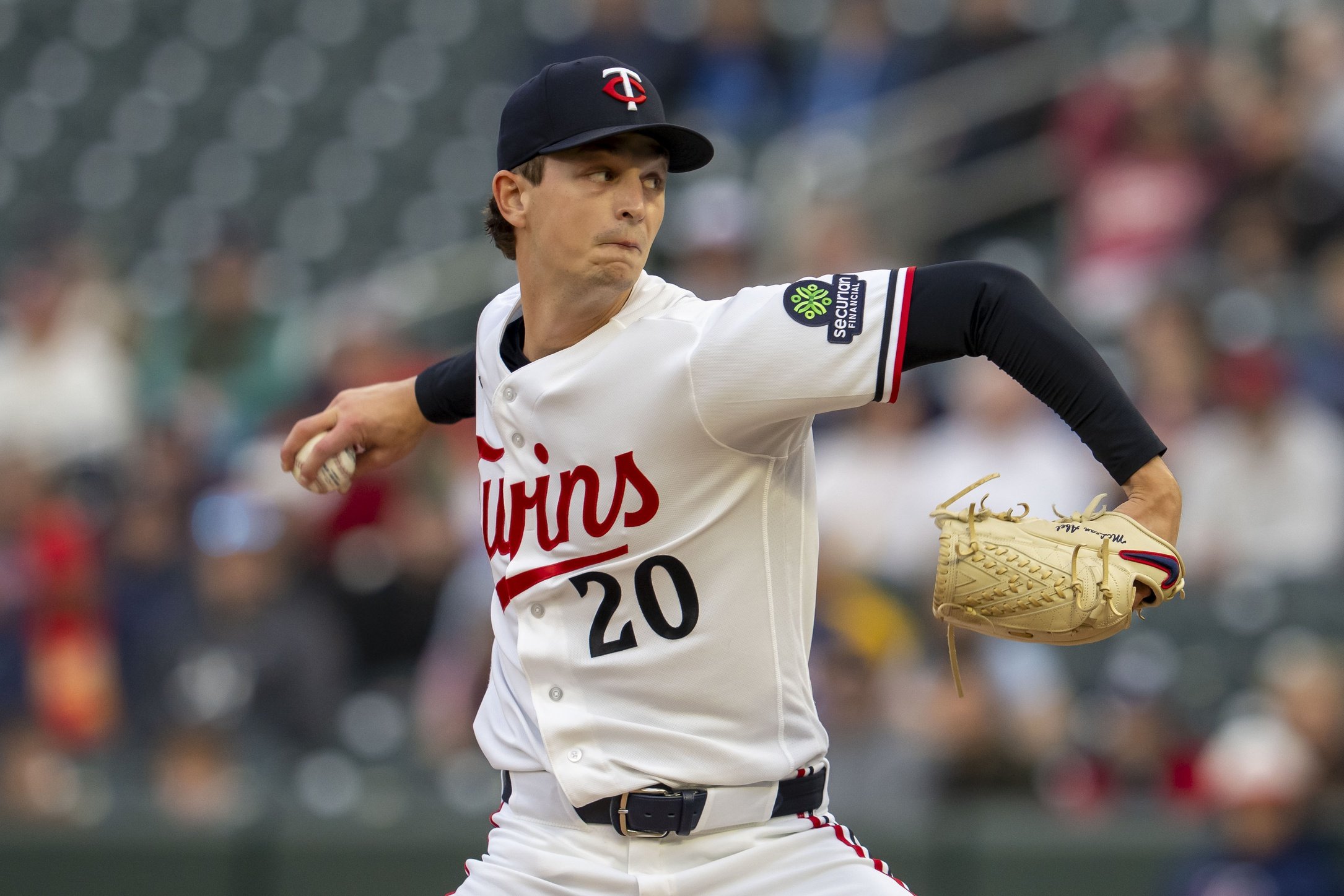 Mick Abel has been on the injured list since April 20, but it appears his return may finally be right around the corner. According to recent reports, Abel was expected to travel with the Twins to Arizona this weekend, and the timing could line up perfectly. Minnesota has yet to announce a starter for Sunday's game, which just so happens to align with Abel's turn in the rotation. If that ends up being the case, it would be a significant boost for a pitching staff that's currently dealing with injuries. With Bailey Ober and Kendry Rojas both also on the shelf, the Twins have been forced to lean heavily on their organizational depth over the last few weeks. Beyond simply getting another arm back, though, Abel's return would bring back one of the most intriguing young starters in the organization. In fact, in his final two starts before landing on the injured list, Abel looked every bit the part of a future frontline starter. Facing the Tigers and Red Sox, he tossed 13 scoreless innings while allowing just eight hits and three walks. He struck out 16 batters during that span and consistently overpowered hitters from start to finish. For Twins fans, it was the first real glimpse of what Abel could become if everything clicks. And a huge reason for that optimism is his fastball. Quite frankly, I think Abel's four-seam fastball has the potential to become one of the best pitches in all of baseball. That's a bold statement, but the underlying numbers make a very strong case. During those final two starts before his injury, Abel generated a remarkable 38.5 percent whiff rate on his four-seam fastball. Even when looking at his full-season sample, the pitch owns a 33.8 percent whiff rate. That's an absurd number. Technically, Abel doesn't qualify for league leaderboards because he hasn't thrown enough innings, but among all eligible pitchers, that 33.8 percent whiff rate would rank second in the league (behind only Jacob Misiorowski). The pitch also owns a 118 Stuff+ rating, placing it comfortably among the best fastballs in baseball. So why is it so effective? A lot of it starts with Abel's arm slot. Despite standing at 6-foot-5, Abel releases the baseball from a relatively low arm angle. The delivery is very similar to Joe Ryan's in that regard, and it creates a flatter approach angle as the ball enters the strike zone. Many pitchers create a steeper downhill plane, but with how much induced vertical break Abel generates, it fools hitters up in the zone. That’s often led to swings underneath the ball, and the bat-tracking data supports exactly that. Time and time again, opposing hitters are getting under Abel's fastball rather than squaring it up. Even when they make contact, they're frequently missing the ideal contact point. The lower arm slot also creates additional horizontal movement. Because of the way the ball comes out of his hand, his fastball features more natural tail than a traditional over-the-top delivery. That same movement profile carries over to the rest of his arsenal as well, allowing his breaking pitches to generate additional side-to-side action. It's a unique combination of traits that makes his entire pitch mix play up. Then there's the physical component. Abel is already throwing around 95 MPH, but the radar gun doesn't tell the whole story. Thanks to his long frame and impressive mechanics, he's generating nearly seven feet of extension toward home plate. That means the ball is being released significantly closer to the hitter than average. As a result, his 95 MPH fastball effectively plays much harder. To hitters, it can look more like 98 or 99 MPH. When you combine that type of perceived velocity with the shape of the pitch, you're talking about a very difficult fastball to handle. Of course, it's not perfect yet. When Abel is pounding it at the top of the strike zone, it becomes incredibly difficult to do damage against. That's where the shape, approach angle, and velocity all work together at their best. The problem is that he hasn't consistently lived in that area. There have been plenty of occasions where he's left fastballs lower in the zone, and those mistakes have been hit hard. Ideally, his fastball and secondary pitches should be attacking completely different planes. The fastball should be missing bats up, while everything else is meant to work underneath it. That's an adjustment that should come with continued experience. It's also worth noting that Abel has been unlucky in his small sample this season. Opposing hitters own a .386 batting average on balls in play against him, an extremely high number that almost certainly isn't sustainable over the long run. As that figure begins to normalize, some of the results should start moving in his favor as well. Still, the biggest takeaway isn't bad luck. It's the ceiling. Abel's fastball received a 65-grade evaluation when he was selected in the first round out of high school in 2020, and it's easy to understand why scouts were so excited about the pitch. The velocity, movement profile, extension, and bat-missing ability are all there. When a pitcher has the ability to dominate hitters with a fastball alone, it changes the entire equation. Those are the kinds of arms that develop into frontline starters. Mick Abel isn't there yet, but the ingredients are obvious. If he can stay healthy and continue refining the command of that four-seamer, the Twins may have a legitimate future ace returning to their rotation sooner rather than later.
 -
With a return potentially right around the corner, it's worth revisiting why there's so much excitement surrounding Mick Abel. View full video
-
With a return potentially right around the corner, it's worth revisiting why there's so much excitement surrounding Mick Abel.
-
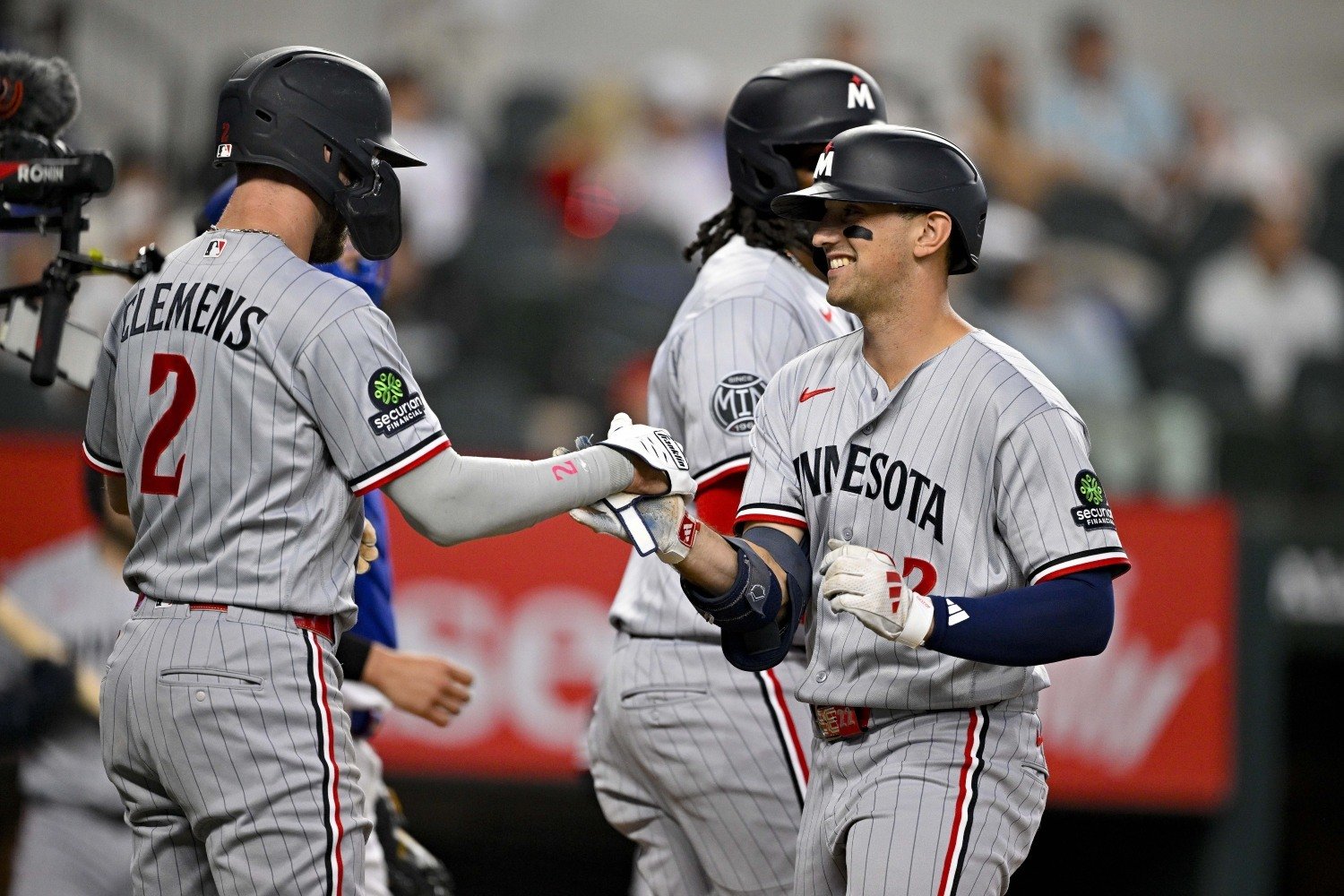 Box Score SP: Joe Ryan - 5 IP, 3 H, 0 R, 2 BB, 7 K (97 pitches, 67 strikes (69% strikes)) Home Runs: Brooks Lee, Trevor Larnach, Ryan Kreidler Top 3 WPA: Brooks Lee (0.20), Joe Ryan (0.15), Josh Bell (0.11) Win Probability Chart The Twins entered Thursday afternoon’s series finale against the Rangers looking to complete a three-game sweep and make it four straight wins. With Joe Ryan on the mound and the offense swinging hot bats, the Twins delivered one of their more complete performances of the season, rolling to a 9-3 victory and securing the sweep in Texas. EARLY OFFENSIVE EXPLOSION PUT THE RANGERS IN A HOLE The Twins wasted no time jumping on Rangers starter Jack Leiter. Trevor Larnach opened the game by lining the very first pitch into center field for a single, and after Kody Clemens followed with a base hit of his own, Minnesota quickly put pressure on the young right-hander. Royce Lewis struck out swinging for the second out of the inning, but Josh Bell continued his torrid stretch by ripping a two-strike changeup into right field to score Larnach and give the Twins a 1-0 lead. The big blow came moments later. After Leiter used his changeup to punch out both Byron Buxton and Lewis earlier in the frame, Brooks Lee got a changeup that stayed over the plate and didn't miss it. Lee crushed it 104 MPH over the wall in right field for a three-run homer, extending Minnesota's lead to 4-0 before Joe Ryan even took the mound. The Twins sent eight hitters to the plate in the inning, forcing Leiter to throw 28 pitches and immediately placing the Rangers in catch-up mode. LARNACH STAYS RED HOT Minnesota's offense cooled briefly over the next couple innings, but Trevor Larnach made sure the lead continued to grow. After Luke Keaschall worked a two-out walk in the fourth inning and swiped second base, Larnach stepped in and capped off an eight-pitch at-bat by launching a two-run homer to center field. Initially, it looked like Alejandro Osuna might have a chance to bring it back, but the ball carried just over the wall, giving the Twins a commanding 6-0 advantage. An inning later, he added another RBI with a bloop single to left field that scored Victor Caratini and pushed the lead to 7-0. Larnach finished the afternoon with three hits, including the homer, continuing what has been one of the hottest stretches of his season. JOE RYAN BENDS BUT DOESN'T BREAK While the offense provided plenty of support, Joe Ryan had to work harder than usual to keep the Rangers off the board. Texas put multiple runners on base in both the second and third innings, forcing Ryan to navigate traffic throughout much of his outing. His pitch count climbed quickly, reaching 65 pitches through three innings and 83 through four. Still, whenever the Rangers threatened, Ryan found a way to make the big pitch. He struck out Joc Pederson three times, froze Kyle Higashioka with a front-door sweeper, and worked around several baserunners to complete five scoreless innings. It wasn't his most efficient start, as he needed 97 pitches to record 15 outs, but he generated 13 whiffs, threw 69% of his pitches for strikes, and most importantly, left the game without allowing a run. BULLPEN WEATHERS A BRIEF STORM The only real blemish on the afternoon came in the sixth inning. Justin Lawrence entered in relief and immediately surrendered a solo homer to Wyatt Langford on the first pitch he threw. Two batters later, Ezequiel Duran added another solo shot, trimming the lead to 7-2. Any thoughts of a Rangers comeback were short-lived. Taylor Rogers worked around trouble in the seventh before Andrew Morris entered and promptly induced a 6-4-3 double play to erase a potential rally. Eric Orze escaped a two-on situation in the eighth, and Cody Laweryson closed things out in the ninth despite allowing a late solo homer. TWINS ADD INSURANCE AND FINISH THE SWEEP The Twins made sure Texas never got any closer. Ryan Kreidler provided the biggest insurance of the day in the eighth inning, turning on a middle-middle cutter and driving a two-run homer. The blast extended the lead to 9-2 and effectively put the game out of reach. Caratini added three hits in the victory, Keaschall reached base four times, and Bell continued his impressive series with another multi-hit performance. Even with Royce Lewis enduring a difficult afternoon that included four strikeouts, the Twins' lineup produced 15 hits and consistently applied pressure throughout the game. By the time the final out settled into Keaschall’s glove at second base, Minnesota had completed the series sweep and continued its recent surge. After a pair of disappointing divisional series against the Royals and Tigers, the Twins responded exactly how they needed to, taking five of six games against the Cardinals and Rangers. At 36-40, Minnesota remains within striking distance in the American League Central and will carry some much-needed momentum into the weekend. What’s Next? The Twins travel to Phoenix, Arizona to take on the Diamondbacks in a three-game weekend series, starting Friday night. Connor Prielipp is set to throw for the good guys, and right-hander Mike Soroka is the probable starter for the Diamondbacks. First pitch is set for 8:45 PM on Apple TV. Postgame Interviews Coming Soon! Bullpen Availability Chart
- 40 comments
-
- 5
-

-
- game recap
- joe ryan
- (and 3 more)
-
Image courtesy of © Jerome Miron-Imagn Images Box Score SP: Joe Ryan - 5 IP, 3 H, 0 R, 2 BB, 7 K (97 pitches, 67 strikes (69% strikes)) Home Runs: Brooks Lee, Trevor Larnach, Ryan Kreidler Top 3 WPA: Brooks Lee (0.20), Joe Ryan (0.15), Josh Bell (0.11) Win Probability Chart The Twins entered Thursday afternoon’s series finale against the Rangers looking to complete a three-game sweep and make it four straight wins. With Joe Ryan on the mound and the offense swinging hot bats, the Twins delivered one of their more complete performances of the season, rolling to a 9-3 victory and securing the sweep in Texas. EARLY OFFENSIVE EXPLOSION PUT THE RANGERS IN A HOLE The Twins wasted no time jumping on Rangers starter Jack Leiter. Trevor Larnach opened the game by lining the very first pitch into center field for a single, and after Kody Clemens followed with a base hit of his own, Minnesota quickly put pressure on the young right-hander. Royce Lewis struck out swinging for the second out of the inning, but Josh Bell continued his torrid stretch by ripping a two-strike changeup into right field to score Larnach and give the Twins a 1-0 lead. The big blow came moments later. After Leiter used his changeup to punch out both Byron Buxton and Lewis earlier in the frame, Brooks Lee got a changeup that stayed over the plate and didn't miss it. Lee crushed it 104 MPH over the wall in right field for a three-run homer, extending Minnesota's lead to 4-0 before Joe Ryan even took the mound. The Twins sent eight hitters to the plate in the inning, forcing Leiter to throw 28 pitches and immediately placing the Rangers in catch-up mode. LARNACH STAYS RED HOT Minnesota's offense cooled briefly over the next couple innings, but Trevor Larnach made sure the lead continued to grow. After Luke Keaschall worked a two-out walk in the fourth inning and swiped second base, Larnach stepped in and capped off an eight-pitch at-bat by launching a two-run homer to center field. Initially, it looked like Alejandro Osuna might have a chance to bring it back, but the ball carried just over the wall, giving the Twins a commanding 6-0 advantage. An inning later, he added another RBI with a bloop single to left field that scored Victor Caratini and pushed the lead to 7-0. Larnach finished the afternoon with three hits, including the homer, continuing what has been one of the hottest stretches of his season. JOE RYAN BENDS BUT DOESN'T BREAK While the offense provided plenty of support, Joe Ryan had to work harder than usual to keep the Rangers off the board. Texas put multiple runners on base in both the second and third innings, forcing Ryan to navigate traffic throughout much of his outing. His pitch count climbed quickly, reaching 65 pitches through three innings and 83 through four. Still, whenever the Rangers threatened, Ryan found a way to make the big pitch. He struck out Joc Pederson three times, froze Kyle Higashioka with a front-door sweeper, and worked around several baserunners to complete five scoreless innings. It wasn't his most efficient start, as he needed 97 pitches to record 15 outs, but he generated 13 whiffs, threw 69% of his pitches for strikes, and most importantly, left the game without allowing a run. BULLPEN WEATHERS A BRIEF STORM The only real blemish on the afternoon came in the sixth inning. Justin Lawrence entered in relief and immediately surrendered a solo homer to Wyatt Langford on the first pitch he threw. Two batters later, Ezequiel Duran added another solo shot, trimming the lead to 7-2. Any thoughts of a Rangers comeback were short-lived. Taylor Rogers worked around trouble in the seventh before Andrew Morris entered and promptly induced a 6-4-3 double play to erase a potential rally. Eric Orze escaped a two-on situation in the eighth, and Cody Laweryson closed things out in the ninth despite allowing a late solo homer. TWINS ADD INSURANCE AND FINISH THE SWEEP The Twins made sure Texas never got any closer. Ryan Kreidler provided the biggest insurance of the day in the eighth inning, turning on a middle-middle cutter and driving a two-run homer. The blast extended the lead to 9-2 and effectively put the game out of reach. Caratini added three hits in the victory, Keaschall reached base four times, and Bell continued his impressive series with another multi-hit performance. Even with Royce Lewis enduring a difficult afternoon that included four strikeouts, the Twins' lineup produced 15 hits and consistently applied pressure throughout the game. By the time the final out settled into Keaschall’s glove at second base, Minnesota had completed the series sweep and continued its recent surge. After a pair of disappointing divisional series against the Royals and Tigers, the Twins responded exactly how they needed to, taking five of six games against the Cardinals and Rangers. At 36-40, Minnesota remains within striking distance in the American League Central and will carry some much-needed momentum into the weekend. What’s Next? The Twins travel to Phoenix, Arizona to take on the Diamondbacks in a three-game weekend series, starting Friday night. Connor Prielipp is set to throw for the good guys, and right-hander Mike Soroka is the probable starter for the Diamondbacks. First pitch is set for 8:45 PM on Apple TV. Postgame Interviews Coming Soon! Bullpen Availability Chart View full article
-
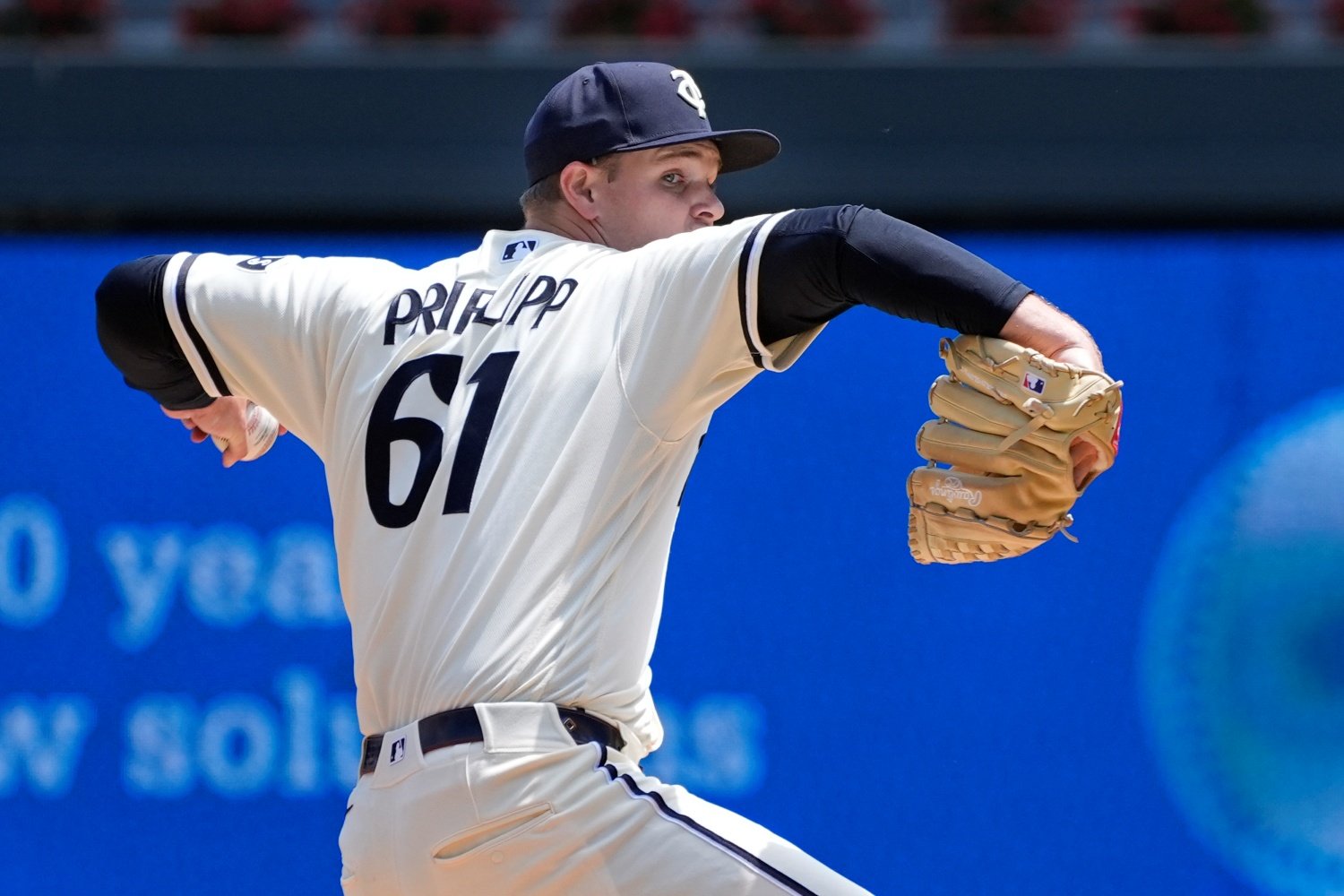 There are few pitchers in the Twins' organization whose raw stuff can match Connor Prielipp's. Ever since his freshman season at the University of Alabama, it was obvious the left-hander possessed the upside of a frontline major-league starter. Injuries altered that path considerably, but now that he's finally healthy and pitching in the big leagues, we're getting a better look at what his arsenal actually looks like against major-league hitters. And thanks to Statcast's new swing timing data, we're also getting a better idea of which pitches are working, and which ones aren't. At first glance, Prielipp's overall whiff rate doesn't look particularly impressive. His 22.2% mark would rank in just the 28th percentile among major-league pitchers, hardly the profile of a dominant swing-and-miss arm. But part of being a young pitcher is figuring out what plays at the highest level. The pitches that made you successful in college or the minor leagues aren't always the ones that generate the best results at the highest possible level of competition. For Prielipp, that learning process has been fascinating to watch unfold. Let's start with the fastball. Coming through the minors, Prielipp's fastball-slider combination was viewed as the foundation of his arsenal. The slider earned 70-grade projections from scouts, while the fastball's velocity and characteristics gave hitters plenty to think about. While the slider has largely held up, the fastball has been a different story. Interestingly enough, the swing timing data isn't entirely negative. Hitters have been late against Prielipp's four-seamer at times, suggesting the pitch still has enough life to disrupt timing. The problem is what happens when they actually connect. Opposing hitters own a .558 slugging percentage on fastballs put in play, and the pitch has generated just a 14% whiff rate. That's the lowest mark among his entire arsenal. Hitters aren't consistently missing the pitch, and when they do make contact, they're doing damage. That's shown up in the batted-ball profile as well. A significant portion of the hard contact Prielipp has allowed this season has come against the fastball, which has tended to play more as a fly-ball pitch than a true bat-misser. It needs to be that, too, because based on the way hitters are centering the ball on the barrel (in the left-hand image), they're going to hit it hard when they connect. (Centering the ball on the barrel controls exit velocity more than lining it up vertically or timing it perfectly.) The good news is that Prielipp hasn't relied on the fastball as a put-away pitch. That's where the breaking balls come in. His slider remains a weapon. Hitters are whiffing on roughly 28% of their swings against the pitch, and the swing timing data paints a pretty clear picture of why. Opposing hitters are frequently early and have given some ugly swings, off in multiple dimensions. It's still every bit the plus pitch scouts thought it could be. But oddly enough, it may not even be his best breaking ball anymore. That distinction belongs to the curveball. Added to his arsenal ahead of the 2026 season, the curveball has quickly emerged as one of the most effective pitches he throws. Hitters are whiffing on 34.4% of their swings against it, making it his best swing-and-miss offering by a comfortable margin. The swing timing data is even more encouraging. Unlike the fastball (which hitters occasionally square up despite being late) or the slider (which they're often way off on, but which they also meet perfectly surprisngly often), opposing hitters look completely uncomfortable against the curveball. They're frequently committing too early, swinging over the top of it, and generating exactly the kind of ugly swings pitchers love to see. Quite frankly, it's been a better pitch than the slider, which is saying something. The underlying characteristics help explain why. Prielipp's curveball is averaging nearly 3,200 RPMs of spin, a truly elite number. Not only is it generating more whiffs, but Prielipp has increasingly trusted it in put-away counts as the season has progressed. That evolution has become evident in his pitch usage. Early in the season, Prielipp leaned heavily on the slider. In his first couple of starts, he threw it more than 50% of the time, while the curveball accounted for less than 10% of his pitches. Those numbers have since gradually converged. In his most recent start, he threw only one more slider than curveball, and it’s hard to imagine that’s a coincidence. Pitchers adjust based on results, and right now the results are telling Prielipp that his curveball deserves a larger role. None of this means the fastball can't improve, nor does it mean the slider has taken a step back. Both pitches have shown flashes of being highly effective major league offerings. But if the swing timing data is telling us anything, it's that Prielipp may have discovered something even better. If he can consistently throw the curve for strikes (or for convincing strike-to-ball chases), it might be the most lethal arrow in his quiver. He was already a fascinating pitcher with a fastball-slider combination capable of overpowering hitters. Now he's pairing those pitches with a curveball that has quickly become one of the nastiest offerings in his arsenal. And if that pitch continues to perform the way it has so far, the path to becoming a frontline starter becomes a whole lot easier to envision.
 -
Image courtesy of © Bruce Kluckhohn-Imagn Images There are few pitchers in the Twins' organization whose raw stuff can match Connor Prielipp's. Ever since his freshman season at the University of Alabama, it was obvious the left-hander possessed the upside of a frontline major-league starter. Injuries altered that path considerably, but now that he's finally healthy and pitching in the big leagues, we're getting a better look at what his arsenal actually looks like against major-league hitters. And thanks to Statcast's new swing timing data, we're also getting a better idea of which pitches are working, and which ones aren't. At first glance, Prielipp's overall whiff rate doesn't look particularly impressive. His 22.2% mark would rank in just the 28th percentile among major-league pitchers, hardly the profile of a dominant swing-and-miss arm. But part of being a young pitcher is figuring out what plays at the highest level. The pitches that made you successful in college or the minor leagues aren't always the ones that generate the best results at the highest possible level of competition. For Prielipp, that learning process has been fascinating to watch unfold. Let's start with the fastball. Coming through the minors, Prielipp's fastball-slider combination was viewed as the foundation of his arsenal. The slider earned 70-grade projections from scouts, while the fastball's velocity and characteristics gave hitters plenty to think about. While the slider has largely held up, the fastball has been a different story. Interestingly enough, the swing timing data isn't entirely negative. Hitters have been late against Prielipp's four-seamer at times, suggesting the pitch still has enough life to disrupt timing. The problem is what happens when they actually connect. Opposing hitters own a .558 slugging percentage on fastballs put in play, and the pitch has generated just a 14% whiff rate. That's the lowest mark among his entire arsenal. Hitters aren't consistently missing the pitch, and when they do make contact, they're doing damage. That's shown up in the batted-ball profile as well. A significant portion of the hard contact Prielipp has allowed this season has come against the fastball, which has tended to play more as a fly-ball pitch than a true bat-misser. It needs to be that, too, because based on the way hitters are centering the ball on the barrel (in the left-hand image), they're going to hit it hard when they connect. (Centering the ball on the barrel controls exit velocity more than lining it up vertically or timing it perfectly.) The good news is that Prielipp hasn't relied on the fastball as a put-away pitch. That's where the breaking balls come in. His slider remains a weapon. Hitters are whiffing on roughly 28% of their swings against the pitch, and the swing timing data paints a pretty clear picture of why. Opposing hitters are frequently early and have given some ugly swings, off in multiple dimensions. It's still every bit the plus pitch scouts thought it could be. But oddly enough, it may not even be his best breaking ball anymore. That distinction belongs to the curveball. Added to his arsenal ahead of the 2026 season, the curveball has quickly emerged as one of the most effective pitches he throws. Hitters are whiffing on 34.4% of their swings against it, making it his best swing-and-miss offering by a comfortable margin. The swing timing data is even more encouraging. Unlike the fastball (which hitters occasionally square up despite being late) or the slider (which they're often way off on, but which they also meet perfectly surprisngly often), opposing hitters look completely uncomfortable against the curveball. They're frequently committing too early, swinging over the top of it, and generating exactly the kind of ugly swings pitchers love to see. Quite frankly, it's been a better pitch than the slider, which is saying something. The underlying characteristics help explain why. Prielipp's curveball is averaging nearly 3,200 RPMs of spin, a truly elite number. Not only is it generating more whiffs, but Prielipp has increasingly trusted it in put-away counts as the season has progressed. That evolution has become evident in his pitch usage. Early in the season, Prielipp leaned heavily on the slider. In his first couple of starts, he threw it more than 50% of the time, while the curveball accounted for less than 10% of his pitches. Those numbers have since gradually converged. In his most recent start, he threw only one more slider than curveball, and it’s hard to imagine that’s a coincidence. Pitchers adjust based on results, and right now the results are telling Prielipp that his curveball deserves a larger role. None of this means the fastball can't improve, nor does it mean the slider has taken a step back. Both pitches have shown flashes of being highly effective major league offerings. But if the swing timing data is telling us anything, it's that Prielipp may have discovered something even better. If he can consistently throw the curve for strikes (or for convincing strike-to-ball chases), it might be the most lethal arrow in his quiver. He was already a fascinating pitcher with a fastball-slider combination capable of overpowering hitters. Now he's pairing those pitches with a curveball that has quickly become one of the nastiest offerings in his arsenal. And if that pitch continues to perform the way it has so far, the path to becoming a frontline starter becomes a whole lot easier to envision. View full article
-
Walker JenkinsKaelen CulpepperEmmanuel RodriguezHendry MendezEduardo TaitMarek HoustonRiley QuickGabriel GonzalezKendry RojasDasan HillBrandon WinokurCharlee SotoQuentin YoungRyan GallagherBilly AmickJames EllwangerCJ CulpepperKhadim DiawKyler FedkoJohn Klein
-
Walker JenkinsKaelen CulpepperEmmanuel RodriguezHendry MendezEduardo TaitMarek HoustonRiley QuickGabriel GonzalezKendry RojasDasan HillBrandon WinokurCharlee SotoQuentin YoungRyan GallagherBilly AmickJames EllwangerCJ CulpepperKhadim DiawKyler FedkoJohn Klein
-
Pablo López, Taj Bradley, Mick Abel, and more. Here's an early prediction for how the Twins' 2027 starting rotation could shake out. View full video
-
Pablo López, Taj Bradley, Mick Abel, and more. Here's an early prediction for how the Twins' 2027 starting rotation could shake out.
-
Assuming this is in regard to Lopez, had it been Tommy John surgery, I'd agree. But he only had to have internal brace surgery, which is a quicker recovery timeline. It's not 100% certain he'll be ready, but all of the early reports suggest he should be.
- 36 replies
-
- 3
-
-
- connor prielipp
- pablo lopez
- (and 8 more)
-
Marek Houston's breakout season is accelerating a roster puzzle that the Twins may have to solve much earlier than anticipated. View full video
-
Marek Houston's breakout season is accelerating a roster puzzle that the Twins may have to solve much earlier than anticipated.
-
It was all part of the plan
-
Image courtesy of © Bruce Kluckhohn-Imagn Images The Minnesota Twins have no shortage of pitching depth, and that's a great problem to have—especially when situations like the one they're dealing with right now pop up. At the moment, the Twins essentially have two starting rotations: a healthy one and an injured one. Their current major-league rotation consists of Joe Ryan, Taj Bradley, Connor Prielipp, Zebby Matthews, and Mike Paredes. Despite some inconsistencies, that group has managed to keep the Twins afloat while the organization waits for reinforcements. Those reinforcements are significant, too. Pablo López, Mick Abel, Bailey Ober, David Festa, and Kendry Rojas are all currently on the injured list. Assuming they return fully healthy, that's five additional starting pitching options already in the organization. Add those names to the current group, and suddenly you're looking at 10 pitchers who could realistically make a case for a rotation spot in 2027, before considering any more young arms who progress to readiness for the bigs or the possibility that the club takes a starter with the No. 3 overall pick in next month's MLB Draft. Having too many options is a good problem to have, but 10 starters fighting for five or six rotation spots feels a little excessive. So, what moves or decisions could the Twins make to clear up the picture? And more importantly, what could their 2027 starting rotation actually look like? The first place to start is with the pitchers who may ultimately fit better in hybrid roles. Festa and Paredes have both given us reasons to remain intrigued. But if we're projecting forward, each may ultimately provide more value as a long reliever or spot starter, rather than full-time rotation pieces. For Festa, the stuff is intriguing, but he hasn't consistently worked deep into games. The same can be said for Paredes, who has largely been developed as a length reliever. Both pitchers have averaged fewer than five innings per start, neither has an extensive major-league track record as a starter, and both have seen their numbers worsen significantly once opposing lineups get a second or third look at them. That's not necessarily a knock on either pitcher. Plenty of valuable arms have carved out successful careers in bullpen roles. But for the sake of this exercise, let's move Festa and Paredes out of the rotation conversation and into bullpen roles. That brings us down from 10 names to eight. I still believe Joe Ryan will not be a member of the Twins by the start of next season. Ryan has been outstanding this year. In fact, that's part of the reason why moving him makes so much sense. The Twins entered the season with expectations of competing, but if they ultimately fall short, Ryan could become one of the most valuable starting pitchers available on the trade market. He's performing at an extremely high level. Contenders would line up for his services, and Minnesota has enough pitching depth behind him to at least entertain the possibility. Surely, such a deal would bring back a potential starter, too, so that player could go into the mix for the moment when injuries force the team to turn to its store of prospect arms. Bailey Ober is another name worth discussing. If the Twins decide to make additional trades, Ober could certainly generate interest. He's proven he can be a reliable major-league starter despite lackluster velocity, and teams are always looking for affordable pitching. That said, given his current injury situation and the uncertainty that comes with it, I'd lean toward him remaining with the organization through the start of 2027 in what would be a contract year for him. Matthews has had an up-and-down professional career. At times, he's looked like a potential mid-rotation starter with excellent control of the strike zone and swing-and-miss ability. At other times, he's struggled to put hitters away consistently and has been prone to giving up damaging contact. Because of that, he feels like another pitcher who could attract interest from other organizations. A team looking to buy low on upside might view Matthews as an ideal trade target. Still, if I'm making a prediction today, I think he sticks around. That brings us to the actual projection. If I had to guess what the Twins' 2027 starting rotation looks like right now, I don't think it'll be a traditional five-man group. Given the injury history throughout this staff and the direction major-league pitching continues to trend, a six-man rotation feels increasingly likely. And if that's the route the Twins take, here's how I see it shaping up. López would headline the group. Assuming he's healthy—and all indications suggest he should be—he remains the most accomplished starter in the organization and the obvious choice to lead the staff. Behind him, Bradley slots in as the No. 2 starter. Bradley's power arsenal and ability to miss bats give him frontline upside, and he's already shown stretches where he looks capable of dominating major-league hitters. Another offseason of development could take him to that full-on frontline starter. Abel would follow. He has flashed the raw stuff to become a major factor in the rotation if he can stay healthy and continue refining his command. Prielipp comes next. Injuries have always been the biggest question mark, but the talent has never been in doubt. Few pitchers in the organization possess his combination of stuff and upside, and he would give opposing teams a different look from the left side in the middle of the rotation. Ober would occupy the fifth spot, giving the rotation a unit different look from the harder-throwing arms ahead of him. And finally, Matthews rounds out the six-man unit. When he's right, Matthews has shown enough to justify continued opportunities as a starter, and the Twins may ultimately decide his upside is worth betting on. That leaves Rojas as the odd man out in my book (for now). What makes this group particularly interesting is the variety it offers. You have power arms and control specialists. You have different pitch mixes, different release points, and different ways of attacking hitters. And perhaps most importantly, you'd still have additional depth waiting in the wings. Festa, Rojas, and Paredes could all serve as bullpen weapons, spot starters, or emergency rotation options when injuries inevitably arise. Because if there's one thing we've learned over the past few years, it's that you can never have too much pitching. The Twins may soon find themselves in a situation where they have more viable starters than available rotation spots. And while that could force some difficult decisions, it's ultimately the kind of problem every organization would love to have. That's how I see the Twins' 2027 rotation shaping up right now. But what do you think? Which names would you keep, and which ones would you move? Let me know in the comments! View full article
- 36 replies
-
- 1
-
-
- connor prielipp
- pablo lopez
- (and 8 more)
-
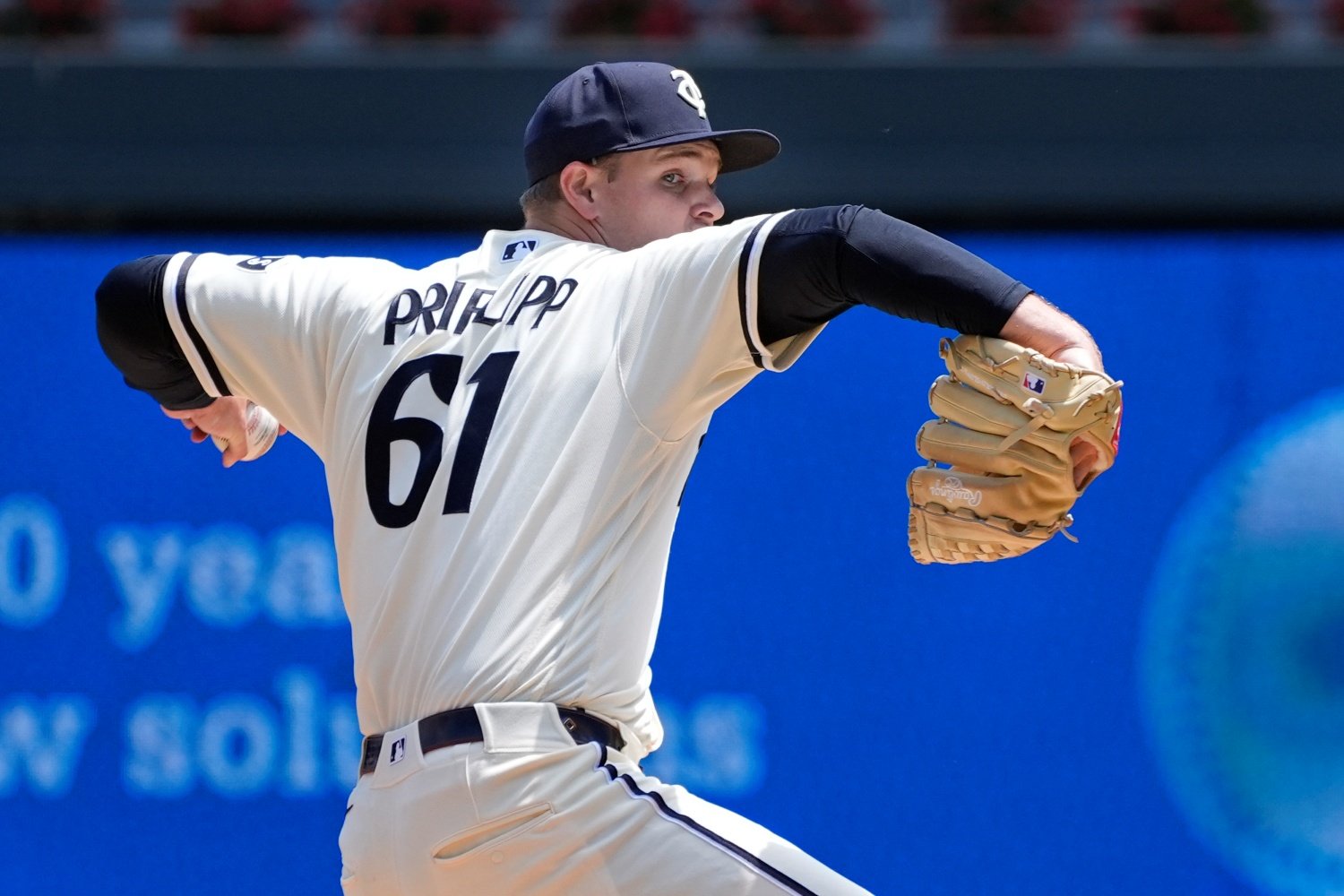 The Minnesota Twins have no shortage of pitching depth, and that's a great problem to have—especially when situations like the one they're dealing with right now pop up. At the moment, the Twins essentially have two starting rotations: a healthy one and an injured one. Their current major-league rotation consists of Joe Ryan, Taj Bradley, Connor Prielipp, Zebby Matthews, and Mike Paredes. Despite some inconsistencies, that group has managed to keep the Twins afloat while the organization waits for reinforcements. Those reinforcements are significant, too. Pablo López, Mick Abel, Bailey Ober, David Festa, and Kendry Rojas are all currently on the injured list. Assuming they return fully healthy, that's five additional starting pitching options already in the organization. Add those names to the current group, and suddenly you're looking at 10 pitchers who could realistically make a case for a rotation spot in 2027, before considering any more young arms who progress to readiness for the bigs or the possibility that the club takes a starter with the No. 3 overall pick in next month's MLB Draft. Having too many options is a good problem to have, but 10 starters fighting for five or six rotation spots feels a little excessive. So, what moves or decisions could the Twins make to clear up the picture? And more importantly, what could their 2027 starting rotation actually look like? The first place to start is with the pitchers who may ultimately fit better in hybrid roles. Festa and Paredes have both given us reasons to remain intrigued. But if we're projecting forward, each may ultimately provide more value as a long reliever or spot starter, rather than full-time rotation pieces. For Festa, the stuff is intriguing, but he hasn't consistently worked deep into games. The same can be said for Paredes, who has largely been developed as a length reliever. Both pitchers have averaged fewer than five innings per start, neither has an extensive major-league track record as a starter, and both have seen their numbers worsen significantly once opposing lineups get a second or third look at them. That's not necessarily a knock on either pitcher. Plenty of valuable arms have carved out successful careers in bullpen roles. But for the sake of this exercise, let's move Festa and Paredes out of the rotation conversation and into bullpen roles. That brings us down from 10 names to eight. I still believe Joe Ryan will not be a member of the Twins by the start of next season. Ryan has been outstanding this year. In fact, that's part of the reason why moving him makes so much sense. The Twins entered the season with expectations of competing, but if they ultimately fall short, Ryan could become one of the most valuable starting pitchers available on the trade market. He's performing at an extremely high level. Contenders would line up for his services, and Minnesota has enough pitching depth behind him to at least entertain the possibility. Surely, such a deal would bring back a potential starter, too, so that player could go into the mix for the moment when injuries force the team to turn to its store of prospect arms. Bailey Ober is another name worth discussing. If the Twins decide to make additional trades, Ober could certainly generate interest. He's proven he can be a reliable major-league starter despite lackluster velocity, and teams are always looking for affordable pitching. That said, given his current injury situation and the uncertainty that comes with it, I'd lean toward him remaining with the organization through the start of 2027 in what would be a contract year for him. Matthews has had an up-and-down professional career. At times, he's looked like a potential mid-rotation starter with excellent control of the strike zone and swing-and-miss ability. At other times, he's struggled to put hitters away consistently and has been prone to giving up damaging contact. Because of that, he feels like another pitcher who could attract interest from other organizations. A team looking to buy low on upside might view Matthews as an ideal trade target. Still, if I'm making a prediction today, I think he sticks around. That brings us to the actual projection. If I had to guess what the Twins' 2027 starting rotation looks like right now, I don't think it'll be a traditional five-man group. Given the injury history throughout this staff and the direction major-league pitching continues to trend, a six-man rotation feels increasingly likely. And if that's the route the Twins take, here's how I see it shaping up. López would headline the group. Assuming he's healthy—and all indications suggest he should be—he remains the most accomplished starter in the organization and the obvious choice to lead the staff. Behind him, Bradley slots in as the No. 2 starter. Bradley's power arsenal and ability to miss bats give him frontline upside, and he's already shown stretches where he looks capable of dominating major-league hitters. Another offseason of development could take him to that full-on frontline starter. Abel would follow. He has flashed the raw stuff to become a major factor in the rotation if he can stay healthy and continue refining his command. Prielipp comes next. Injuries have always been the biggest question mark, but the talent has never been in doubt. Few pitchers in the organization possess his combination of stuff and upside, and he would give opposing teams a different look from the left side in the middle of the rotation. Ober would occupy the fifth spot, giving the rotation a unit different look from the harder-throwing arms ahead of him. And finally, Matthews rounds out the six-man unit. When he's right, Matthews has shown enough to justify continued opportunities as a starter, and the Twins may ultimately decide his upside is worth betting on. That leaves Rojas as the odd man out in my book (for now). What makes this group particularly interesting is the variety it offers. You have power arms and control specialists. You have different pitch mixes, different release points, and different ways of attacking hitters. And perhaps most importantly, you'd still have additional depth waiting in the wings. Festa, Rojas, and Paredes could all serve as bullpen weapons, spot starters, or emergency rotation options when injuries inevitably arise. Because if there's one thing we've learned over the past few years, it's that you can never have too much pitching. The Twins may soon find themselves in a situation where they have more viable starters than available rotation spots. And while that could force some difficult decisions, it's ultimately the kind of problem every organization would love to have. That's how I see the Twins' 2027 rotation shaping up right now. But what do you think? Which names would you keep, and which ones would you move? Let me know in the comments!
- 36 comments
-
- 5
-
-
- connor prielipp
- pablo lopez
- (and 8 more)
-
Image courtesy of William Parmeter Marek Houston, the Twins' first-round pick in the 2025 MLB Draft, has been on an absolute heater so far this season. Through 248 plate appearances with High-A Cedar Rapids, Houston is hitting .326 with a .394 on-base percentage. He's added 18 extra-base hits and 20 stolen bases, showcasing the well-rounded skill set that made him such an intriguing prospect. The production itself is impressive, but what's arguably even more encouraging is how much his overall approach has improved over the last several weeks. At the beginning of the year, strikeouts were the biggest blemish on an otherwise strong offensive profile. In April, Houston posted a 23.8% strikeout rate. That's not an awful numberwhere, especially in today's game, wherein strikeouts are more common than ever before. However, for a 22-year-old hitter in High-A, you'd ideally like to see the bat-to-ball skills a little further along. Fortunately for the Twins, that's exactly what's happened. Since May 1, Houston's strikeout rate has plummeted to just 15.4%, a dramatic improvement in a relatively short amount of time. And it's not as though he's simply become more aggressive in an effort to put the ball in play. His zone contact rate has increased, his whiff rate has dropped significantly, and at the same time, he's continued to show patience at the plate and work quality at-bats. That's an encouraging combination. Rather than trying to force things offensively, it appears Houston is simply trusting his swing more. He's been quicker to attack pitches he can handle, and the result has been both better contact quality and more consistent production. For a player whose offensive ceiling was viewed as one of the bigger questions entering pro ball, these are exactly the kinds of developments the Twins were hoping to see. Of course, Houston's value as a prospect extends far beyond what he does in the batter's box. In fact, his glove is what initially made him one of the most highly regarded college players in last year's draft class. Houston entered the draft with a 60-grade fielding tool, and his defense was further along than his bat when the Twins selected him. That reputation has only been reinforced during his first full professional season. He makes difficult plays look routine, and his combination of range, instincts, and arm strength makes it easy to project him as a long-term shortstop at the major league level. That's a valuable trait in today's game, especially as more organizations continue to prioritize athleticism and run prevention on the infield. The reason all of this is worth bringing up is that it naturally leads to an interesting question: How soon could Marek Houston force his way into the Twins' lineup? Most public prospect outlets currently list Houston's MLB ETA as 2028. On paper, that's a reasonable timeline for a player who’s currently in High-A. But if he continues to perform at this level while moving through the system, there's a strong argument that timeline could—and I’d argue should—be accelerated. The Twins' infield projects to be a crowded group over the next few years, which is one reason Houston isn't typically discussed as an option in the next 12-16 months. However, the defensive component of his game is what could ultimately separate him from the rest of the pack. As I mentioned earlier, Houston projects as a true shortstop long-term. While Brooks Lee has made the transition to third base, fellow shortstop prospect Kaelen Culpepper should be up comfortably before Houston. On the surface, that might create a bit of roster crunch. The good news is that defensive versatility has become a major priority within the Twins organization. In addition to third base, Lee has already demonstrated the ability to handle second base as well, and Culpepper's athleticism has allowed him to bounce between multiple infield positions. Both Luke Keaschall and Royce Lewis can also move around, and that flexibility could make it significantly easier for Houston to slide directly into a shortstop role if and when he's ready. Still, his bat remains the biggest question mark. Houston's recent offensive surge has certainly helped answer some concerns, but he'll still need to prove he can continue producing as he climbs the ladder and faces more advanced pitching. Success in Double-A and Triple-A will ultimately carry far more weight than what he's doing in High-A right now. But if the bat-to-ball strides prove real and his defense remains as advertised, it's not difficult to envision a scenario where Houston is pushing for a major league opportunity at some point in 2027. And if that happens, the Twins could suddenly find themselves with an extremely interesting infield configuration. You could envision a group featuring Culpepper at third base, Houston at shortstop, Lee at second base, Luke Keaschall at first base, and Royce Lewis serving as the primary designated hitter. Of course, one of the advantages of having so many athletic infielders is that nobody would need to be locked into a single position. The versatility throughout the group would allow Minnesota to rotate players around the diamond, manage workloads, and keep everyone fresh over the course of a long season. It's the kind of roster challenge every organization wants to have. Having too many talented players competing for playing time is a far better problem than not having enough. The Twins may find themselves dealing with exactly that situation within the next 12 to 18 months, and with every passing week, Marek Houston is making that future outlook a little more complicated. Considering how well he's playing, that's a very good thing. View full article
-
Marek Houston is Creating a Very Good Problem for the Twins
Sam Caulder posted an article in Minor Leagues
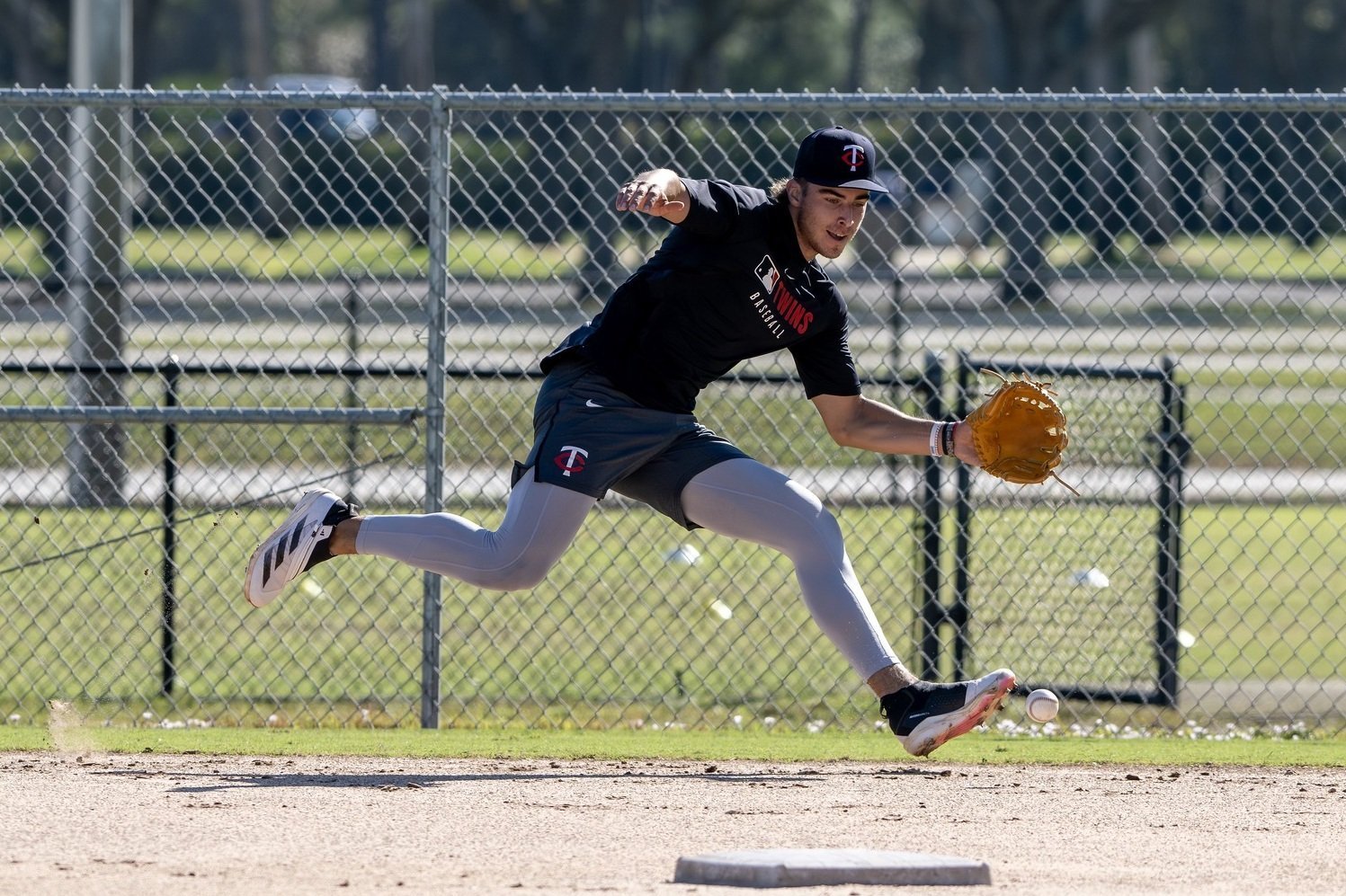 Marek Houston, the Twins' first-round pick in the 2025 MLB Draft, has been on an absolute heater so far this season. Through 248 plate appearances with High-A Cedar Rapids, Houston is hitting .326 with a .394 on-base percentage. He's added 18 extra-base hits and 20 stolen bases, showcasing the well-rounded skill set that made him such an intriguing prospect. The production itself is impressive, but what's arguably even more encouraging is how much his overall approach has improved over the last several weeks. At the beginning of the year, strikeouts were the biggest blemish on an otherwise strong offensive profile. In April, Houston posted a 23.8% strikeout rate. That's not an awful numberwhere, especially in today's game, wherein strikeouts are more common than ever before. However, for a 22-year-old hitter in High-A, you'd ideally like to see the bat-to-ball skills a little further along. Fortunately for the Twins, that's exactly what's happened. Since May 1, Houston's strikeout rate has plummeted to just 15.4%, a dramatic improvement in a relatively short amount of time. And it's not as though he's simply become more aggressive in an effort to put the ball in play. His zone contact rate has increased, his whiff rate has dropped significantly, and at the same time, he's continued to show patience at the plate and work quality at-bats. That's an encouraging combination. Rather than trying to force things offensively, it appears Houston is simply trusting his swing more. He's been quicker to attack pitches he can handle, and the result has been both better contact quality and more consistent production. For a player whose offensive ceiling was viewed as one of the bigger questions entering pro ball, these are exactly the kinds of developments the Twins were hoping to see. Of course, Houston's value as a prospect extends far beyond what he does in the batter's box. In fact, his glove is what initially made him one of the most highly regarded college players in last year's draft class. Houston entered the draft with a 60-grade fielding tool, and his defense was further along than his bat when the Twins selected him. That reputation has only been reinforced during his first full professional season. He makes difficult plays look routine, and his combination of range, instincts, and arm strength makes it easy to project him as a long-term shortstop at the major league level. That's a valuable trait in today's game, especially as more organizations continue to prioritize athleticism and run prevention on the infield. The reason all of this is worth bringing up is that it naturally leads to an interesting question: How soon could Marek Houston force his way into the Twins' lineup? Most public prospect outlets currently list Houston's MLB ETA as 2028. On paper, that's a reasonable timeline for a player who’s currently in High-A. But if he continues to perform at this level while moving through the system, there's a strong argument that timeline could—and I’d argue should—be accelerated. The Twins' infield projects to be a crowded group over the next few years, which is one reason Houston isn't typically discussed as an option in the next 12-16 months. However, the defensive component of his game is what could ultimately separate him from the rest of the pack. As I mentioned earlier, Houston projects as a true shortstop long-term. While Brooks Lee has made the transition to third base, fellow shortstop prospect Kaelen Culpepper should be up comfortably before Houston. On the surface, that might create a bit of roster crunch. The good news is that defensive versatility has become a major priority within the Twins organization. In addition to third base, Lee has already demonstrated the ability to handle second base as well, and Culpepper's athleticism has allowed him to bounce between multiple infield positions. Both Luke Keaschall and Royce Lewis can also move around, and that flexibility could make it significantly easier for Houston to slide directly into a shortstop role if and when he's ready. Still, his bat remains the biggest question mark. Houston's recent offensive surge has certainly helped answer some concerns, but he'll still need to prove he can continue producing as he climbs the ladder and faces more advanced pitching. Success in Double-A and Triple-A will ultimately carry far more weight than what he's doing in High-A right now. But if the bat-to-ball strides prove real and his defense remains as advertised, it's not difficult to envision a scenario where Houston is pushing for a major league opportunity at some point in 2027. And if that happens, the Twins could suddenly find themselves with an extremely interesting infield configuration. You could envision a group featuring Culpepper at third base, Houston at shortstop, Lee at second base, Luke Keaschall at first base, and Royce Lewis serving as the primary designated hitter. Of course, one of the advantages of having so many athletic infielders is that nobody would need to be locked into a single position. The versatility throughout the group would allow Minnesota to rotate players around the diamond, manage workloads, and keep everyone fresh over the course of a long season. It's the kind of roster challenge every organization wants to have. Having too many talented players competing for playing time is a far better problem than not having enough. The Twins may find themselves dealing with exactly that situation within the next 12 to 18 months, and with every passing week, Marek Houston is making that future outlook a little more complicated. Considering how well he's playing, that's a very good thing.
 -
After a miserable start to the season, Royce Lewis is suddenly red-hot. Here's what has changed since his brief stint in Triple-A. View full video
-
After a miserable start to the season, Royce Lewis is suddenly red-hot. Here's what has changed since his brief stint in Triple-A.
-
The Twins have every reason to be patient with Riley Quick. He keeps giving them reasons not to be. View full video
-
The Twins have every reason to be patient with Riley Quick. He keeps giving them reasons not to be.