



Sam Caulder
-
Posts
650 -
Joined
-
Last visited
Content Type
Profiles
News
Minnesota Twins Videos
2026 Minnesota Twins Top Prospects Ranking
2022 Minnesota Twins Draft Picks
Minnesota Twins Free Agent & Trade Rumors, Notes, & Tidbits
Guides & Resources
2023 Minnesota Twins Draft Picks
The Minnesota Twins Players Project
2024 Minnesota Twins Draft Picks
2025 Minnesota Twins Draft Pick Tracker
2026 Minnesota Twins Draft Tracker: Picks & Bonuses
Forums
Blogs
Events
Store
Downloads
Gallery
Everything posted by Sam Caulder
-
Image courtesy of © Jordan Johnson-Imagn Images We had a first this weekend. Luke Keaschall, who had spent basically his entire major-league career playing second base, was penciled into the lineup as the Twins' starting right fielder. Meanwhile, Kody Clemens handled the starts at second base, as the two kind of flip-flopped. If you've been paying close attention over the last few months, it wasn't a huge surprise. Keaschall’s eight errors at second base this season are the second-most, behind only Nasim Nuñez of the Nationals, and there have been misplays and non-plays beyond those. His performance there essentially compelled a change. Additionally, it felt like Derek Shelton and the Twins had been preparing for this possibility since spring training, when Keaschall started getting a fair amount of work in the corner outfield. At the time, it looked like they were simply adding another position to his résumé. Now, it looks like they were laying the groundwork for something they always knew could become a legitimate option. Whenever an infielder moves to the outfield, though, there's almost always going to be a learning curve. It's one thing to shag fly balls during batting practice. It's another to do it under the lights in a major-league game, especially with runners on base. The encouraging part is that the Twins already know that. Shelton acknowledged it before Friday's game. "I think it's going to be a work in progress, I think we're aware of that, and there's probably going to be some growing pains with it," he said. That's exactly the right mindset to have. There are going to be some tough moments as Keaschall gets comfortable in right field, and you could argue we saw one of those on Saturday. Rockies outfielder Jake McCarthy ripped a ball off the right field wall, and Keaschall didn't play it particularly well, allowing the ball to get past him. McCarthy was able to take an extra base, and the misplay ultimately led to a run crossing the plate later in the inning. M3k2MnlfWGw0TUFRPT1fQlFFRVZGTUZWMVlBRGxNQlZ3QUhBbE1DQUZoUlZnUUFWZ05SVlFFSFZBUlhCUUFE.mp4 Obviously, Target Field offers a new right fielder some unique challenges. But Keaschall got that play wrong in every way. He got too close to the wall, especially on a ball he clearly didn't read well. Had it hit off the limestone overhang, it would have caromed even farther beyond his reach. As it was, it hit about 15 feet up on the wall, above the padding, which made for a sharp bounce of its own. Keaschall had initially gone back uncertainly, then turned his shoulders toward the foul pole, forcing him to pivot again as the ball bounced past on his other side. If he's in position to collect the ball quickly, that's a double, not a triple. It certainly wasn't his finest defensive moment. In fact, McCarthy also beat Keaschall on Friday night, with a double that could have been caught—although he played this one much better, all things considered. MTZOVllfWGw0TUFRPT1fVlZkVFZRRlhVZ1lBV3dFR0F3QUhDRlFGQUFBQ0JsSUFDZ01OVlFCUkJGWldVZ1pl.mp4 On both plays, it's the same error. Misreading either the initial trajectory off the bat or the likely spin and wind influences that would act on the ball, Keaschall turned the wrong way. See this? This isn't good. This loss of visual contact with the ball (not to check on the wall or make up ground, but because he'd turned the wrong way and needed to swing around) happened on both plays, and was a problem both times. As is made clear by the closeness of the ensuing play, McCarthy hit that ball hard enough that it should have been possible to hold him to a single, even for an outfielder not quite fast or familiar enough to charge back and stab it before it short-hopped the wall. That Keaschall was still circling the wagons when he fielded the rebound slowed down his release. But we've also seen some positives. Keaschall made a really nice sliding catch in that same Saturday loss, and outside of McCarthy playing wall ball, he's actually looked pretty comfortable in right field. He's moved around well, looked athletic, and hasn't appeared completely overwhelmed by the position change. On two other plays (easier ones, admittedly), he even negotiated successfully with the wall. That shouldn't come as a huge surprise, either, especially when you hear what Twins first base coach Grady Sizemore had to say. Sizemore, who was a three-time All-Star and one of the better defensive outfielders while he was playing, offered a pretty interesting perspective. "Honestly, I think the best outfielders are former infielders. I think for an infielder, it's probably going to be an easy transition. You’re going to have more time; you’re going to have a little bit of—you’re just [farther] away. Your reaction, you don’t have to be as immediate. You can be a hair late or have an extra step to get the right read or the right direction." Those are some pretty telling words coming from someone who made a career out of playing the outfield at an elite level. But even with that, we also have to acknowledge that there will be bumps in the road. Second base doesn't exactly require a rocket launcher for an arm, but Keaschall's average arm strength of 76 MPH leaves quite a bit to be desired. In my opinion, that's going to be the biggest question mark throughout this entire transition. Most major-league right fielders have above-average throwing arms; it's one of the defining traits of the position. Keaschall simply doesn't. If runners begin taking extra bases because they know his arm isn't much of a threat, that's something the Twins will have to weigh moving forward. But despite that concern, I still find myself thinking this experiment has a legitimate chance to work. The biggest reason is Keaschall's overall athletic profile. He's described himself as a "tight athlete," and I think that's a really interesting way to look at his game. There's a difference between being twitchy and being tight. A twitchy athlete relies on explosive first-step quickness. They're able to go from zero to one hundred almost instantly without losing dexterity at their extremities, which is incredibly valuable in the middle infield, where reaction time is everything. A tight athlete is a little different. They might be equally explosive, but the control of that explosiveness is more confined to their core. They need a bit more margin for error when it comes to great feats of hand-eye coordination. That profile feels like a better fit in the outfield. There's a little more time to react. Keaschall's straight-line speed should allow him to track baseballs down in the gaps, and when he gets to balls, he should be better able to do what's needed with them. There's no need to rush an exchange or contort your body to get the ball out immediately. You're freer (and, again, have more time) to move your glove late to get it around the ball, and an outfielder's glove is itself bigger than a middle infielder's. The arm strength is still going to be worth watching, because that can’t magically improve overnight. (Most players throw harder from the outfield than on the infield, because the throws must be longer and the proper technique therefore involves taking a hair longer to load up and fire. Relatively speaking, though, Keaschall won't throw harder as a right fielder than as a second baseman.) But outside of that, Keaschall might actually be a natural fit in right field. There are almost certainly going to be rough patches along the way. There will probably be another misplay or two before everything starts feeling comfortable. That's part of learning a brand-new position at the highest level. Still, when I look at Keaschall's overall athletic traits, I honestly think they line up more with a corner outfielder than they do with a full-time second baseman. And it's not like this has to be a permanent move, either. If there's one thing we've learned about the Twins this year, it's that they value defensive versatility. Keaschall can still move around the diamond. He can still play second base when the matchup calls for it. Maybe this experiment ends up sticking for years, or maybe it doesn't. But I applaud Derek Shelton and the Twins' coaching staff for being willing to find out. Sometimes, the only way to discover what a player can become is by giving him the opportunity to try something new. View full article
-
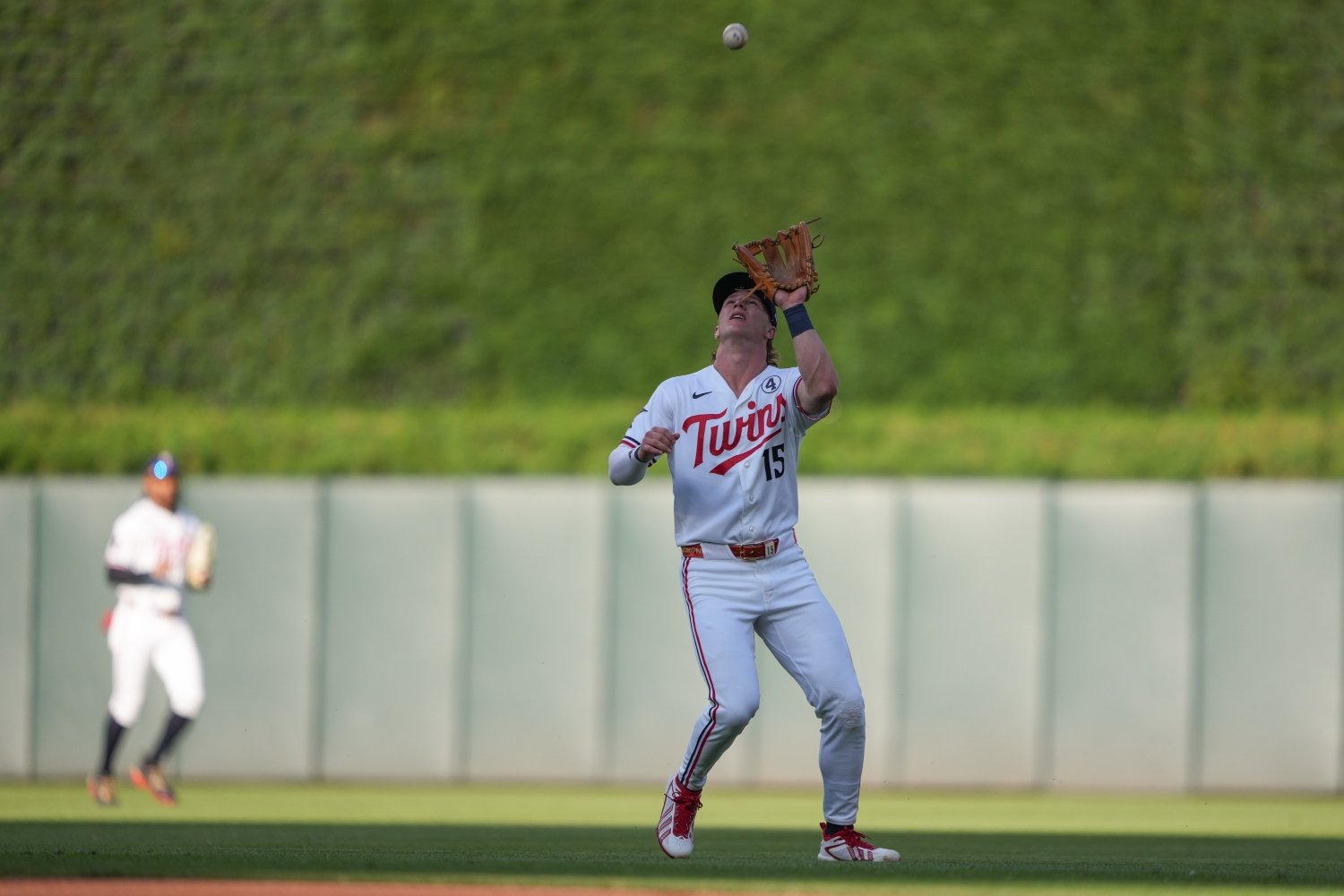 We had a first this weekend. Luke Keaschall, who had spent basically his entire major-league career playing second base, was penciled into the lineup as the Twins' starting right fielder. Meanwhile, Kody Clemens handled the starts at second base, as the two kind of flip-flopped. If you've been paying close attention over the last few months, it wasn't a huge surprise. Keaschall’s eight errors at second base this season are the second-most, behind only Nasim Nuñez of the Nationals, and there have been misplays and non-plays beyond those. His performance there essentially compelled a change. Additionally, it felt like Derek Shelton and the Twins had been preparing for this possibility since spring training, when Keaschall started getting a fair amount of work in the corner outfield. At the time, it looked like they were simply adding another position to his résumé. Now, it looks like they were laying the groundwork for something they always knew could become a legitimate option. Whenever an infielder moves to the outfield, though, there's almost always going to be a learning curve. It's one thing to shag fly balls during batting practice. It's another to do it under the lights in a major-league game, especially with runners on base. The encouraging part is that the Twins already know that. Shelton acknowledged it before Friday's game. "I think it's going to be a work in progress, I think we're aware of that, and there's probably going to be some growing pains with it," he said. That's exactly the right mindset to have. There are going to be some tough moments as Keaschall gets comfortable in right field, and you could argue we saw one of those on Saturday. Rockies outfielder Jake McCarthy ripped a ball off the right field wall, and Keaschall didn't play it particularly well, allowing the ball to get past him. McCarthy was able to take an extra base, and the misplay ultimately led to a run crossing the plate later in the inning. M3k2MnlfWGw0TUFRPT1fQlFFRVZGTUZWMVlBRGxNQlZ3QUhBbE1DQUZoUlZnUUFWZ05SVlFFSFZBUlhCUUFE.mp4 Obviously, Target Field offers a new right fielder some unique challenges. But Keaschall got that play wrong in every way. He got too close to the wall, especially on a ball he clearly didn't read well. Had it hit off the limestone overhang, it would have caromed even farther beyond his reach. As it was, it hit about 15 feet up on the wall, above the padding, which made for a sharp bounce of its own. Keaschall had initially gone back uncertainly, then turned his shoulders toward the foul pole, forcing him to pivot again as the ball bounced past on his other side. If he's in position to collect the ball quickly, that's a double, not a triple. It certainly wasn't his finest defensive moment. In fact, McCarthy also beat Keaschall on Friday night, with a double that could have been caught—although he played this one much better, all things considered. MTZOVllfWGw0TUFRPT1fVlZkVFZRRlhVZ1lBV3dFR0F3QUhDRlFGQUFBQ0JsSUFDZ01OVlFCUkJGWldVZ1pl.mp4 On both plays, it's the same error. Misreading either the initial trajectory off the bat or the likely spin and wind influences that would act on the ball, Keaschall turned the wrong way. See this? This isn't good. This loss of visual contact with the ball (not to check on the wall or make up ground, but because he'd turned the wrong way and needed to swing around) happened on both plays, and was a problem both times. As is made clear by the closeness of the ensuing play, McCarthy hit that ball hard enough that it should have been possible to hold him to a single, even for an outfielder not quite fast or familiar enough to charge back and stab it before it short-hopped the wall. That Keaschall was still circling the wagons when he fielded the rebound slowed down his release. But we've also seen some positives. Keaschall made a really nice sliding catch in that same Saturday loss, and outside of McCarthy playing wall ball, he's actually looked pretty comfortable in right field. He's moved around well, looked athletic, and hasn't appeared completely overwhelmed by the position change. On two other plays (easier ones, admittedly), he even negotiated successfully with the wall. That shouldn't come as a huge surprise, either, especially when you hear what Twins first base coach Grady Sizemore had to say. Sizemore, who was a three-time All-Star and one of the better defensive outfielders while he was playing, offered a pretty interesting perspective. "Honestly, I think the best outfielders are former infielders. I think for an infielder, it's probably going to be an easy transition. You’re going to have more time; you’re going to have a little bit of—you’re just [farther] away. Your reaction, you don’t have to be as immediate. You can be a hair late or have an extra step to get the right read or the right direction." Those are some pretty telling words coming from someone who made a career out of playing the outfield at an elite level. But even with that, we also have to acknowledge that there will be bumps in the road. Second base doesn't exactly require a rocket launcher for an arm, but Keaschall's average arm strength of 76 MPH leaves quite a bit to be desired. In my opinion, that's going to be the biggest question mark throughout this entire transition. Most major-league right fielders have above-average throwing arms; it's one of the defining traits of the position. Keaschall simply doesn't. If runners begin taking extra bases because they know his arm isn't much of a threat, that's something the Twins will have to weigh moving forward. But despite that concern, I still find myself thinking this experiment has a legitimate chance to work. The biggest reason is Keaschall's overall athletic profile. He's described himself as a "tight athlete," and I think that's a really interesting way to look at his game. There's a difference between being twitchy and being tight. A twitchy athlete relies on explosive first-step quickness. They're able to go from zero to one hundred almost instantly without losing dexterity at their extremities, which is incredibly valuable in the middle infield, where reaction time is everything. A tight athlete is a little different. They might be equally explosive, but the control of that explosiveness is more confined to their core. They need a bit more margin for error when it comes to great feats of hand-eye coordination. That profile feels like a better fit in the outfield. There's a little more time to react. Keaschall's straight-line speed should allow him to track baseballs down in the gaps, and when he gets to balls, he should be better able to do what's needed with them. There's no need to rush an exchange or contort your body to get the ball out immediately. You're freer (and, again, have more time) to move your glove late to get it around the ball, and an outfielder's glove is itself bigger than a middle infielder's. The arm strength is still going to be worth watching, because that can’t magically improve overnight. (Most players throw harder from the outfield than on the infield, because the throws must be longer and the proper technique therefore involves taking a hair longer to load up and fire. Relatively speaking, though, Keaschall won't throw harder as a right fielder than as a second baseman.) But outside of that, Keaschall might actually be a natural fit in right field. There are almost certainly going to be rough patches along the way. There will probably be another misplay or two before everything starts feeling comfortable. That's part of learning a brand-new position at the highest level. Still, when I look at Keaschall's overall athletic traits, I honestly think they line up more with a corner outfielder than they do with a full-time second baseman. And it's not like this has to be a permanent move, either. If there's one thing we've learned about the Twins this year, it's that they value defensive versatility. Keaschall can still move around the diamond. He can still play second base when the matchup calls for it. Maybe this experiment ends up sticking for years, or maybe it doesn't. But I applaud Derek Shelton and the Twins' coaching staff for being willing to find out. Sometimes, the only way to discover what a player can become is by giving him the opportunity to try something new.
 -
Austin Martin has seen his OPS cut in half over the last month and a half. Is it just a slump, or is a reset in Triple-A becoming a real possibility? View full video
-
Austin Martin has seen his OPS cut in half over the last month and a half. Is it just a slump, or is a reset in Triple-A becoming a real possibility?
-
Byron Buxton and Joe Ryan are once again at the center of trade speculation, but they may be just two of several Twins who could be on the move this summer. View full video
-
Byron Buxton and Joe Ryan are once again at the center of trade speculation, but they may be just two of several Twins who could be on the move this summer.
- 2 comments
-
- 1
-

-
- dc analysis
- byron buxton
- (and 1 more)
-
Image courtesy of © Jesse Johnson-Imagn Images We're already counting down the days until the MLB Trade Deadline on August 3, but there's still a lot of uncertainty surrounding what exactly the Minnesota Twins should do. Depending on who you ask, you'll get a completely different answer. A lot of people think the Twins should be sellers once again. At the same time, there's still a sizable group that believes Minnesota should be an aggressive buyer, especially considering how underwhelming the AL Central has been this season. This time of year always makes things difficult. We're just over halfway through the season, but the standings remain incredibly tight. It's hard to know exactly where teams stand when one good week can completely change the outlook of a division race. There's still time for the Twins to gain some clarity, but the pressure is about to ramp up in a hurry. So, what should the Twins do at this year's trade deadline? And what would each path mean for the rest of the roster? A lot of that answer, obviously, depends on where they sit in about two weeks. The Twins currently own a 39-44 record, but they're still only 4.5 games behind in the AL Central. That's close enough to keep hope alive, but far enough back that another rough stretch could all but end any realistic postseason aspirations. The next 12 games should tell us a lot. Minnesota has three-game series coming up against the Rockies, Astros, Yankees and Guardians. If they somehow manage to go 8-4 during that stretch, the conversation around this team could look drastically different than it does today. On the flip side, if they go 4-8, the front office may not have much of a choice. Regardless of what happens over the next couple weeks, though, I still think the likeliest outcome is that the Twins end up as sellers. If that's the route they take, several names should immediately jump to the top of the trade market. Ryan Jeffers, Josh Bell, Trevor Larnach, and Kody Clemens all make a lot of sense. Larnach, in particular, feels like someone who should be moved regardless of where the Twins are in the standings. Minnesota simply has too many young corner outfielders knocking on the door in Triple-A, and eventually they're going to need everyday opportunities. Beyond that, all four players represent guys who are either in the prime of their careers or short-term pieces that probably aren't going to move the needle much for the Twins beyond this season. If those four players are traded, though, the lineup would suddenly look dramatically different. Four of the five hitters that typically occupy the top of Minnesota's lineup would be gone. The Twins would need a new catcher, a new primary left fielder, a designated hitter, and someone capable of filling the many different roles Clemens has handled this season. That creates opportunities for younger players. Alan Roden feels like one of the biggest beneficiaries. He has the defensive versatility to play either corner outfield spot, and his offensive production at Triple-A has looked more than deserving of a promotion. This would also be the perfect opportunity to finally see exactly what Aaron Sabato can offer at the major league level. The former first-round pick from the 2020 MLB Draft may never become the Twins' long-term answer at first base (and realistically probably won't), but when a player has produced 35 extra-base hits and a .927 OPS in Triple-A, it's worth finding out if there's something there before completely moving on. Catcher probably wouldn't change much immediately. Jeffers is already sidelined with a fractured hamate bone, so the Twins have already begun adjusting behind the plate without him. The biggest winners, however, would likely be the organization's wave of outfield prospects. Assuming he returns healthy, Emmanuel Rodriguez should receive even more opportunities down the stretch if the Twins pivot toward evaluating young talent. Walker Jenkins, Hendry Mendez, and Gabriel Gonzalez could all benefit as well, especially if multiple outfield spots suddenly become available over the final two months of the season. Of course, the Twins probably wouldn't stop at trading only four players. Taylor Rogers is another obvious candidate. He's an experienced left-handed reliever, and contenders are always looking to add bullpen help in July. Even Yoendrys Gomez could generate interest despite arriving less than two months ago. The Twins showed at last year's deadline that they aren't afraid to aggressively move relievers, so it wouldn't be surprising to see them take a similar approach again if they decide to sell. Then there are the two names everyone always talks about. Byron Buxton and Joe Ryan have been connected to trade rumors for what feels like years now. Buxton's situation is a little different because he owns a no-trade clause. If the Twins agreed to a deal, he would still have the ability to veto it. Ryan doesn't have that luxury. So how far out of the playoff picture would Minnesota need to be before seriously considering moving one of them? Or even both? And if they did, what kind of return could they realistically expect? The answer is probably a massive one. Both players have multiple years of team control remaining, both are among the best in baseball at their respective positions, and both would instantly become one of the most sought-after players available at the deadline. The Twins wouldn't simply be acquiring prospects in return. A trade involving Ryan or Buxton could realistically bring back major league-ready talent, along with one or more premium prospects capable of impacting the organization's future. I've been pretty vocal about my belief that the Twins should trade Joe Ryan–I don't necessarily feel that same way about Byron Buxton. But there's no denying the type of return either would command. That's what makes the trade deadline so fascinating every single year. It's one of the most exciting times on the baseball calendar. Unfortunately for Twins fans, that excitement probably won't come from adding talent this summer. Instead, there's a very real chance the roster we see today looks nothing like the one we'll be watching just a little over a month from now. View full article
- 96 replies
-
- 1
-

-
- josh bell
- kody clemens
- (and 6 more)
-
The Twins Could Look Completely Different After the Trade Deadline
Sam Caulder posted an article in Twins
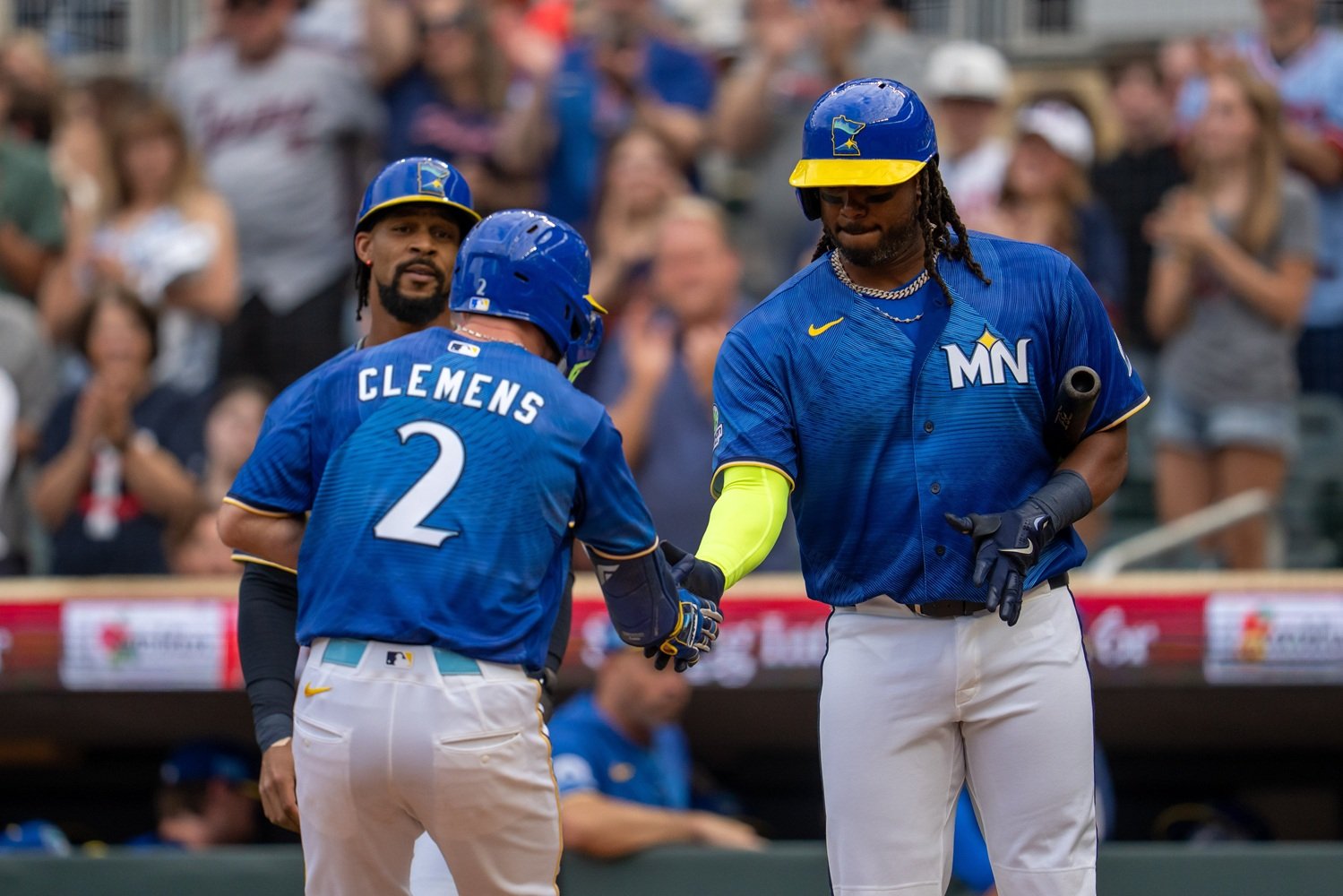 We're already counting down the days until the MLB Trade Deadline on August 3, but there's still a lot of uncertainty surrounding what exactly the Minnesota Twins should do. Depending on who you ask, you'll get a completely different answer. A lot of people think the Twins should be sellers once again. At the same time, there's still a sizable group that believes Minnesota should be an aggressive buyer, especially considering how underwhelming the AL Central has been this season. This time of year always makes things difficult. We're just over halfway through the season, but the standings remain incredibly tight. It's hard to know exactly where teams stand when one good week can completely change the outlook of a division race. There's still time for the Twins to gain some clarity, but the pressure is about to ramp up in a hurry. So, what should the Twins do at this year's trade deadline? And what would each path mean for the rest of the roster? A lot of that answer, obviously, depends on where they sit in about two weeks. The Twins currently own a 39-44 record, but they're still only 4.5 games behind in the AL Central. That's close enough to keep hope alive, but far enough back that another rough stretch could all but end any realistic postseason aspirations. The next 12 games should tell us a lot. Minnesota has three-game series coming up against the Rockies, Astros, Yankees and Guardians. If they somehow manage to go 8-4 during that stretch, the conversation around this team could look drastically different than it does today. On the flip side, if they go 4-8, the front office may not have much of a choice. Regardless of what happens over the next couple weeks, though, I still think the likeliest outcome is that the Twins end up as sellers. If that's the route they take, several names should immediately jump to the top of the trade market. Ryan Jeffers, Josh Bell, Trevor Larnach, and Kody Clemens all make a lot of sense. Larnach, in particular, feels like someone who should be moved regardless of where the Twins are in the standings. Minnesota simply has too many young corner outfielders knocking on the door in Triple-A, and eventually they're going to need everyday opportunities. Beyond that, all four players represent guys who are either in the prime of their careers or short-term pieces that probably aren't going to move the needle much for the Twins beyond this season. If those four players are traded, though, the lineup would suddenly look dramatically different. Four of the five hitters that typically occupy the top of Minnesota's lineup would be gone. The Twins would need a new catcher, a new primary left fielder, a designated hitter, and someone capable of filling the many different roles Clemens has handled this season. That creates opportunities for younger players. Alan Roden feels like one of the biggest beneficiaries. He has the defensive versatility to play either corner outfield spot, and his offensive production at Triple-A has looked more than deserving of a promotion. This would also be the perfect opportunity to finally see exactly what Aaron Sabato can offer at the major league level. The former first-round pick from the 2020 MLB Draft may never become the Twins' long-term answer at first base (and realistically probably won't), but when a player has produced 35 extra-base hits and a .927 OPS in Triple-A, it's worth finding out if there's something there before completely moving on. Catcher probably wouldn't change much immediately. Jeffers is already sidelined with a fractured hamate bone, so the Twins have already begun adjusting behind the plate without him. The biggest winners, however, would likely be the organization's wave of outfield prospects. Assuming he returns healthy, Emmanuel Rodriguez should receive even more opportunities down the stretch if the Twins pivot toward evaluating young talent. Walker Jenkins, Hendry Mendez, and Gabriel Gonzalez could all benefit as well, especially if multiple outfield spots suddenly become available over the final two months of the season. Of course, the Twins probably wouldn't stop at trading only four players. Taylor Rogers is another obvious candidate. He's an experienced left-handed reliever, and contenders are always looking to add bullpen help in July. Even Yoendrys Gomez could generate interest despite arriving less than two months ago. The Twins showed at last year's deadline that they aren't afraid to aggressively move relievers, so it wouldn't be surprising to see them take a similar approach again if they decide to sell. Then there are the two names everyone always talks about. Byron Buxton and Joe Ryan have been connected to trade rumors for what feels like years now. Buxton's situation is a little different because he owns a no-trade clause. If the Twins agreed to a deal, he would still have the ability to veto it. Ryan doesn't have that luxury. So how far out of the playoff picture would Minnesota need to be before seriously considering moving one of them? Or even both? And if they did, what kind of return could they realistically expect? The answer is probably a massive one. Both players have multiple years of team control remaining, both are among the best in baseball at their respective positions, and both would instantly become one of the most sought-after players available at the deadline. The Twins wouldn't simply be acquiring prospects in return. A trade involving Ryan or Buxton could realistically bring back major league-ready talent, along with one or more premium prospects capable of impacting the organization's future. I've been pretty vocal about my belief that the Twins should trade Joe Ryan–I don't necessarily feel that same way about Byron Buxton. But there's no denying the type of return either would command. That's what makes the trade deadline so fascinating every single year. It's one of the most exciting times on the baseball calendar. Unfortunately for Twins fans, that excitement probably won't come from adding talent this summer. Instead, there's a very real chance the roster we see today looks nothing like the one we'll be watching just a little over a month from now.
- 96 comments
-
- 6
-
-
- josh bell
- kody clemens
- (and 6 more)
-
Hendry Mendez continues to excel against Triple-A pitching while showcasing one of the most advanced offensive profiles in the Twins' farm system. Just how high is his ceiling at the major league level? View full video
-
Hendry Mendez continues to excel against Triple-A pitching while showcasing one of the most advanced offensive profiles in the Twins' farm system. Just how high is his ceiling at the major league level?
-
Image courtesy of © Nathan Ray Seebeck-Imagn Images It blows my mind. Hendry Mendez still doesn't get enough recognition for just how good he actually is. When people talk about the Twins' farm system, the conversation usually starts with names like Walker Jenkins and Kaelen Culpepper. Those are tremendous prospects, and they deservedly get a lot of attention. But somehow, Mendez continues to fly under the radar, despite doing nothing but produce and thrive wherever he's sent. Since earning a promotion to Triple-A earlier this season, Mendez has been one of the most impressive hitters in the entire organization. Through his first 130 plate appearances with the St. Paul Saints, the 22-year-old is hitting .330 with an absurd .438 on-base percentage. He's added eight extra-base hits, three stolen bases, and more walks than strikeouts. That’s elite production at the highest level of the minors, and yet he’s not even mentioned as a potential Top-100 prospect. I think it's time that that changes. The ceiling outcome for Hendry Mendez isn't that he becomes a useful big leaguer or settles in as a complementary piece. However improbable it might feel, the ceiling outcome is that Mendez is simply a star for the Twins. For starters, it's important to remember just how young he is. Mendez is doing all of this at 22 years old. It would be one thing if he were a 26- or 27-year-old beating up on Triple-A pitching. There have been plenty of older players who put up gaudy numbers at that level. But most 22-year-olds aren't even in Triple-A yet, let alone hitting .330. Some regression is likely coming, but the underlying numbers still paint an extremely encouraging picture. His expected batting average sits at .291, which is lower than his actual mark but still highly impressive for a player his age facing advanced pitching. The biggest reason for that success is that Mendez is an incredibly disciplined hitter. He’s chasing just 19 percent of pitches outside the strike zone. That's an elite mark, and one that speaks volumes about his approach. Young hitters often get themselves into trouble by expanding the zone and helping pitchers out. Mendez does the exact opposite; he forces pitchers to come after him. And when they do, he makes them pay. He's currently sporting a 51% hard-hit rate, which is an outstanding number. The ball is coming off his bat with authority, and he's consistently making quality contact. The interesting part, however, is that it hasn't translated into as much extra-base damage as you might expect, and I think that's one of the reasons Mendez doesn't get talked about quite as much as some of the Twins' other top prospects. He doesn't have Emmanuel Rodriguez-type power. Mendez hit 11 home runs across 118 games last season. This year, he has eight homers through his first 52 games. Over a full 162-game season, that's roughly a 20-home run pace. For a corner outfielder, that's solid. But it's not necessarily the kind of power production that makes you stand out. Still, I think there's another level available here. Despite how hard Mendez is hitting the baseball, a significant portion of that contact is resulting in singles. The primary reason is that he hits a ton of ground balls. More than half of the balls Mendez puts in play—54%, to be precise—are hit on the ground. Ground balls can certainly find holes, especially for a hitter with his bat-to-ball skills, but they aren't typically the best path to unlocking power. It's difficult to drive the ball into the gap when you're pounding it into the dirt. And even when Mendez does elevate the baseball, he's not consistently hitting the type of fly balls that generate significant damage. His pulled fly-ball rate sits at just 5.5%. That's a notable number, because pulled fly balls are one of the easiest ways for hitters to create extra-base production. When players pull the ball in the air, that's where a large percentage of doubles and home runs come from. When you're not doing that very often, the power output naturally lags behind. To be perfectly clear, I don't think the Twins should try to completely overhaul Mendez's approach. The last thing anyone wants is to take a hitter who’s producing at a high level and start tinkering too much. His plate discipline is excellent, his contact quality is excellent, and his ability to control the strike zone is excellent. Those are traits worth preserving. But I do think there's room for some natural growth. Mendez is plenty strong enough to produce more power than he currently does. If he can turn some of those ground balls into line drives and fly balls, the extra-base production could take a significant step forward. It doesn't need to be a dramatic change. Even a modest increase in his launch angle could unlock another level offensively, which would say a lot considering where he’s already at. That's a really exciting possibility, which is why I firmly believe Mendez has the upside of a future star. Rodriguez and Jenkins receive most of the attention when discussing Twins outfield prospects, and for good reason--they're exceptional talents. But at the exact same level, Mendez has out-produced both of them so far this season. Whether that continues remains to be seen, but the performance deserves recognition. It's unclear when he'll make his major-league debut, or whether that opportunity comes later this season or sometime in 2027. The good news for Mendez is that he's already on the 40-man roster, meaning he won't have to clear another hurdle before getting his chance. He feels like the type of hitter who would hit the ground running the moment that opportunity arrives. His discipline is advanced, his approach is advanced, and he hits the ball hard. And because of those traits, whenever the time inevitably comes, Hendry Mendez has the ceiling of a star. View full article
-
The Twins' Next Star Outfielder Might Not Be Who You Think
Sam Caulder posted an article in Minor Leagues
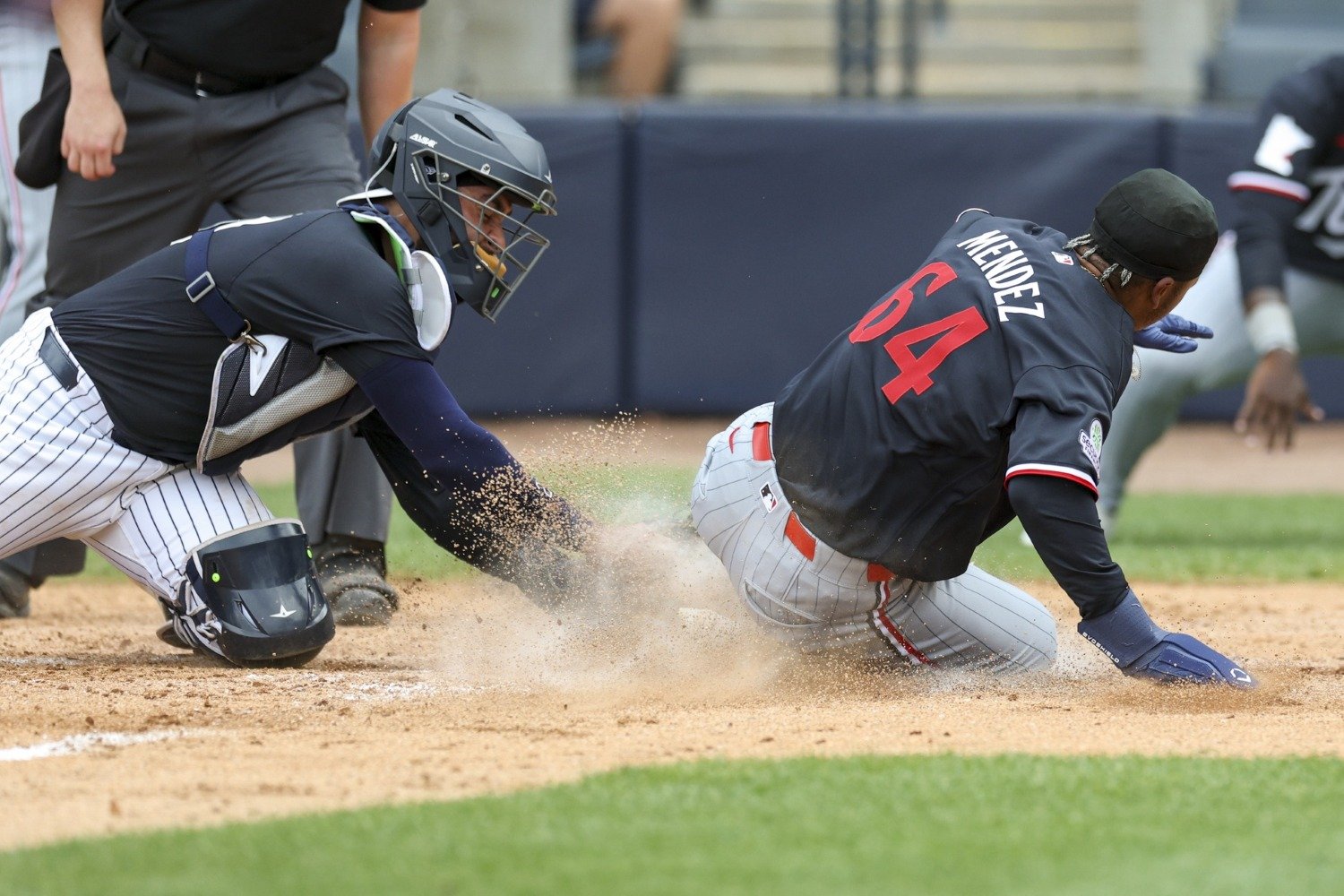 It blows my mind. Hendry Mendez still doesn't get enough recognition for just how good he actually is. When people talk about the Twins' farm system, the conversation usually starts with names like Walker Jenkins and Kaelen Culpepper. Those are tremendous prospects, and they deservedly get a lot of attention. But somehow, Mendez continues to fly under the radar, despite doing nothing but produce and thrive wherever he's sent. Since earning a promotion to Triple-A earlier this season, Mendez has been one of the most impressive hitters in the entire organization. Through his first 130 plate appearances with the St. Paul Saints, the 22-year-old is hitting .330 with an absurd .438 on-base percentage. He's added eight extra-base hits, three stolen bases, and more walks than strikeouts. That’s elite production at the highest level of the minors, and yet he’s not even mentioned as a potential Top-100 prospect. I think it's time that that changes. The ceiling outcome for Hendry Mendez isn't that he becomes a useful big leaguer or settles in as a complementary piece. However improbable it might feel, the ceiling outcome is that Mendez is simply a star for the Twins. For starters, it's important to remember just how young he is. Mendez is doing all of this at 22 years old. It would be one thing if he were a 26- or 27-year-old beating up on Triple-A pitching. There have been plenty of older players who put up gaudy numbers at that level. But most 22-year-olds aren't even in Triple-A yet, let alone hitting .330. Some regression is likely coming, but the underlying numbers still paint an extremely encouraging picture. His expected batting average sits at .291, which is lower than his actual mark but still highly impressive for a player his age facing advanced pitching. The biggest reason for that success is that Mendez is an incredibly disciplined hitter. He’s chasing just 19 percent of pitches outside the strike zone. That's an elite mark, and one that speaks volumes about his approach. Young hitters often get themselves into trouble by expanding the zone and helping pitchers out. Mendez does the exact opposite; he forces pitchers to come after him. And when they do, he makes them pay. He's currently sporting a 51% hard-hit rate, which is an outstanding number. The ball is coming off his bat with authority, and he's consistently making quality contact. The interesting part, however, is that it hasn't translated into as much extra-base damage as you might expect, and I think that's one of the reasons Mendez doesn't get talked about quite as much as some of the Twins' other top prospects. He doesn't have Emmanuel Rodriguez-type power. Mendez hit 11 home runs across 118 games last season. This year, he has eight homers through his first 52 games. Over a full 162-game season, that's roughly a 20-home run pace. For a corner outfielder, that's solid. But it's not necessarily the kind of power production that makes you stand out. Still, I think there's another level available here. Despite how hard Mendez is hitting the baseball, a significant portion of that contact is resulting in singles. The primary reason is that he hits a ton of ground balls. More than half of the balls Mendez puts in play—54%, to be precise—are hit on the ground. Ground balls can certainly find holes, especially for a hitter with his bat-to-ball skills, but they aren't typically the best path to unlocking power. It's difficult to drive the ball into the gap when you're pounding it into the dirt. And even when Mendez does elevate the baseball, he's not consistently hitting the type of fly balls that generate significant damage. His pulled fly-ball rate sits at just 5.5%. That's a notable number, because pulled fly balls are one of the easiest ways for hitters to create extra-base production. When players pull the ball in the air, that's where a large percentage of doubles and home runs come from. When you're not doing that very often, the power output naturally lags behind. To be perfectly clear, I don't think the Twins should try to completely overhaul Mendez's approach. The last thing anyone wants is to take a hitter who’s producing at a high level and start tinkering too much. His plate discipline is excellent, his contact quality is excellent, and his ability to control the strike zone is excellent. Those are traits worth preserving. But I do think there's room for some natural growth. Mendez is plenty strong enough to produce more power than he currently does. If he can turn some of those ground balls into line drives and fly balls, the extra-base production could take a significant step forward. It doesn't need to be a dramatic change. Even a modest increase in his launch angle could unlock another level offensively, which would say a lot considering where he’s already at. That's a really exciting possibility, which is why I firmly believe Mendez has the upside of a future star. Rodriguez and Jenkins receive most of the attention when discussing Twins outfield prospects, and for good reason--they're exceptional talents. But at the exact same level, Mendez has out-produced both of them so far this season. Whether that continues remains to be seen, but the performance deserves recognition. It's unclear when he'll make his major-league debut, or whether that opportunity comes later this season or sometime in 2027. The good news for Mendez is that he's already on the 40-man roster, meaning he won't have to clear another hurdle before getting his chance. He feels like the type of hitter who would hit the ground running the moment that opportunity arrives. His discipline is advanced, his approach is advanced, and he hits the ball hard. And because of those traits, whenever the time inevitably comes, Hendry Mendez has the ceiling of a star.
 -
A career year, one season of team control remaining, and a wave of outfield prospects on the way might just make Trevor Larnach the Twins' most obvious trade candidate. View full video
-
A career year, one season of team control remaining, and a wave of outfield prospects on the way might just make Trevor Larnach the Twins' most obvious trade candidate.
-
Brooks Lee has taken a major step forward in 2026. The numbers suggest his future might be clearer from one side of the plate than the other. View full video
-
Brooks Lee has taken a major step forward in 2026. The numbers suggest his future might be clearer from one side of the plate than the other.
-
 There's a lot of talk right now about what the Twins should—or shouldn't—do at this summer's trade deadline. Of course, last summer's fire sale left a sour taste in the mouths of Twins fans. Watching the front office move multiple veterans while the team drifted out of contention wasn't exactly fun, and it's understandable why many fans would prefer to avoid a repeat of that experience. The reality, though, is that another selling deadline is more likely than any other path. The Twins currently sit five games below .500 and own a 19-27 record against teams with winning records. There's still time to climb back into the race, but the margin for error is shrinking, and this team hasn't consistently shown that it's capable of beating quality opponents. Even if they don't become full-on sellers, it's very clear that moves have to be made. I think the easiest move to make this summer is trading Trevor Larnach. Moving Larnach makes sense for several reasons. The first is that he's in the middle of the best season of his major-league career. Entering Tuesday night’s game, Larnach is hitting .280/.377/.425. Both the batting average and the on-base percentage would be new career highs. While the power output hasn't quite lined up with previous years, there's still plenty to like about what he's done offensively. His strikeout rate is notably lower than it has been in previous years. He's controlling the strike zone better than ever, by sitting on fastballs and making sure he's on time when they come. Larnach is playing really good baseball, and that's part of why the Twins should consider trading him. It's important to acknowledge that he’s 29 years old. He's very much in the prime of his career right now, and if the Twins aren't a truly competitive team, that's not necessarily the type of player profile that makes the most sense to keep around. If the organization believes they can earn a Wild Card spot or even win the AL Central, then you're not trading Larnach, and essentially everything I say from here on out can be disregarded. But if the Twins are still trying to figure out what the next great team looks like, then maximizing the value of players in their prime should be a priority. There's also the contract aspect. Larnach has one more year of arbitration eligibility remaining before he reaches free agency. That means the Twins still have some team control left, which increases his value on the trade market. If they were to wait beyond this summer, they'd be dealing with a player entering a contract year. Naturally, that's going to reduce the return compared to what they could get now. For someone who's currently having the best season of his career, this may very well be the moment when his value is at its highest. Then there's the roster construction side of things. If the Twins did decide to trade Larnach, there would be no shortage of candidates to step up in his absence. Emmanuel Rodriguez has been on the minds of Twins fans for months. He's currently working his way back from injury, but assuming he's healthy later this summer, there's a very good chance he gets an opportunity to see major-league action. Left field would be one of the easiest pathways to getting his bat into the lineup. Alan Roden recently returned from his own injured list stint and has been red-hot at Triple-A. At one point during spring training, it looked like he had a legitimate chance to earn an Opening Day roster spot before ultimately falling short. He's done nothing but continue hitting since then; it feels like he's earned an opportunity. You also have Walker Jenkins, the organization's top prospect, waiting in the wings. Jenkins could easily force his way into the conversation before the season is over, and frankly, it would be nice to see him do so. Staying on the field will be the biggest obstacle, but health permitting, he should earn an opportunity. Hendry Mendez is another intriguing option. While he doesn't receive quite as much attention as Rodriguez or Jenkins, he's continued to put himself on the radar and could make his major-league debut during the second half. And let's not forget about Matt Wallner. Wallner's name has surfaced in trade conversations as well, but as things currently stand, he's still on the 40-man roster and remains another option. He certainly has less trade value than Larnach right now, and there's more team control remaining, so of the two, it makes more sense to move Larnach if the team is in sell mode this summer. That's five names that could immediately become part of the equation if the Twins decide to move on from Larnach. Even during a career year, he simply isn't producing at a level that makes him completely irreplaceable. He's a good player, but he's also playing a position where the Twins have an abundance of young talent waiting for opportunities. They can barely find playing time for all the outfielders they have in St. Paul, especially after the promotion of Kala'i Rosario. They need to ease the logjam somehow, at some point. In a different set of circumstances, the Twins might be looking at that group and discussing which prospect could be moved to acquire immediate help for a playoff run. But with the team sitting below .500, the more logical approach may be creating opportunities for those players, rather than blocking them. Keeping Larnach around while simultaneously trying to find at-bats for Rodriguez, Jenkins, Mendez, and Roden becomes increasingly difficult, making Larnach one of the organization's clearest trade candidates. There are contending teams around baseball that could use corner outfield help. Larnach is productive, affordable, and under team control beyond this season. That's a profile that should generate legitimate interest. Whether the Twins ultimately buy, sell, or try to walk the line somewhere in between, I think it's in their best interest to explore a Larnach trade. A month from now, if the Twins are sitting two or three games above .500 and firmly in the playoff picture, I'd probably have a change of heart. But as things stand today, trading Trevor Larnach this summer feels about as easy as it gets.
 -
Image courtesy of © Mark J. Rebilas-Imagn Images There's a lot of talk right now about what the Twins should—or shouldn't—do at this summer's trade deadline. Of course, last summer's fire sale left a sour taste in the mouths of Twins fans. Watching the front office move multiple veterans while the team drifted out of contention wasn't exactly fun, and it's understandable why many fans would prefer to avoid a repeat of that experience. The reality, though, is that another selling deadline is more likely than any other path. The Twins currently sit five games below .500 and own a 19-27 record against teams with winning records. There's still time to climb back into the race, but the margin for error is shrinking, and this team hasn't consistently shown that it's capable of beating quality opponents. Even if they don't become full-on sellers, it's very clear that moves have to be made. I think the easiest move to make this summer is trading Trevor Larnach. Moving Larnach makes sense for several reasons. The first is that he's in the middle of the best season of his major-league career. Entering Tuesday night’s game, Larnach is hitting .280/.377/.425. Both the batting average and the on-base percentage would be new career highs. While the power output hasn't quite lined up with previous years, there's still plenty to like about what he's done offensively. His strikeout rate is notably lower than it has been in previous years. He's controlling the strike zone better than ever, by sitting on fastballs and making sure he's on time when they come. Larnach is playing really good baseball, and that's part of why the Twins should consider trading him. It's important to acknowledge that he’s 29 years old. He's very much in the prime of his career right now, and if the Twins aren't a truly competitive team, that's not necessarily the type of player profile that makes the most sense to keep around. If the organization believes they can earn a Wild Card spot or even win the AL Central, then you're not trading Larnach, and essentially everything I say from here on out can be disregarded. But if the Twins are still trying to figure out what the next great team looks like, then maximizing the value of players in their prime should be a priority. There's also the contract aspect. Larnach has one more year of arbitration eligibility remaining before he reaches free agency. That means the Twins still have some team control left, which increases his value on the trade market. If they were to wait beyond this summer, they'd be dealing with a player entering a contract year. Naturally, that's going to reduce the return compared to what they could get now. For someone who's currently having the best season of his career, this may very well be the moment when his value is at its highest. Then there's the roster construction side of things. If the Twins did decide to trade Larnach, there would be no shortage of candidates to step up in his absence. Emmanuel Rodriguez has been on the minds of Twins fans for months. He's currently working his way back from injury, but assuming he's healthy later this summer, there's a very good chance he gets an opportunity to see major-league action. Left field would be one of the easiest pathways to getting his bat into the lineup. Alan Roden recently returned from his own injured list stint and has been red-hot at Triple-A. At one point during spring training, it looked like he had a legitimate chance to earn an Opening Day roster spot before ultimately falling short. He's done nothing but continue hitting since then; it feels like he's earned an opportunity. You also have Walker Jenkins, the organization's top prospect, waiting in the wings. Jenkins could easily force his way into the conversation before the season is over, and frankly, it would be nice to see him do so. Staying on the field will be the biggest obstacle, but health permitting, he should earn an opportunity. Hendry Mendez is another intriguing option. While he doesn't receive quite as much attention as Rodriguez or Jenkins, he's continued to put himself on the radar and could make his major-league debut during the second half. And let's not forget about Matt Wallner. Wallner's name has surfaced in trade conversations as well, but as things currently stand, he's still on the 40-man roster and remains another option. He certainly has less trade value than Larnach right now, and there's more team control remaining, so of the two, it makes more sense to move Larnach if the team is in sell mode this summer. That's five names that could immediately become part of the equation if the Twins decide to move on from Larnach. Even during a career year, he simply isn't producing at a level that makes him completely irreplaceable. He's a good player, but he's also playing a position where the Twins have an abundance of young talent waiting for opportunities. They can barely find playing time for all the outfielders they have in St. Paul, especially after the promotion of Kala'i Rosario. They need to ease the logjam somehow, at some point. In a different set of circumstances, the Twins might be looking at that group and discussing which prospect could be moved to acquire immediate help for a playoff run. But with the team sitting below .500, the more logical approach may be creating opportunities for those players, rather than blocking them. Keeping Larnach around while simultaneously trying to find at-bats for Rodriguez, Jenkins, Mendez, and Roden becomes increasingly difficult, making Larnach one of the organization's clearest trade candidates. There are contending teams around baseball that could use corner outfield help. Larnach is productive, affordable, and under team control beyond this season. That's a profile that should generate legitimate interest. Whether the Twins ultimately buy, sell, or try to walk the line somewhere in between, I think it's in their best interest to explore a Larnach trade. A month from now, if the Twins are sitting two or three games above .500 and firmly in the playoff picture, I'd probably have a change of heart. But as things stand today, trading Trevor Larnach this summer feels about as easy as it gets. View full article
-
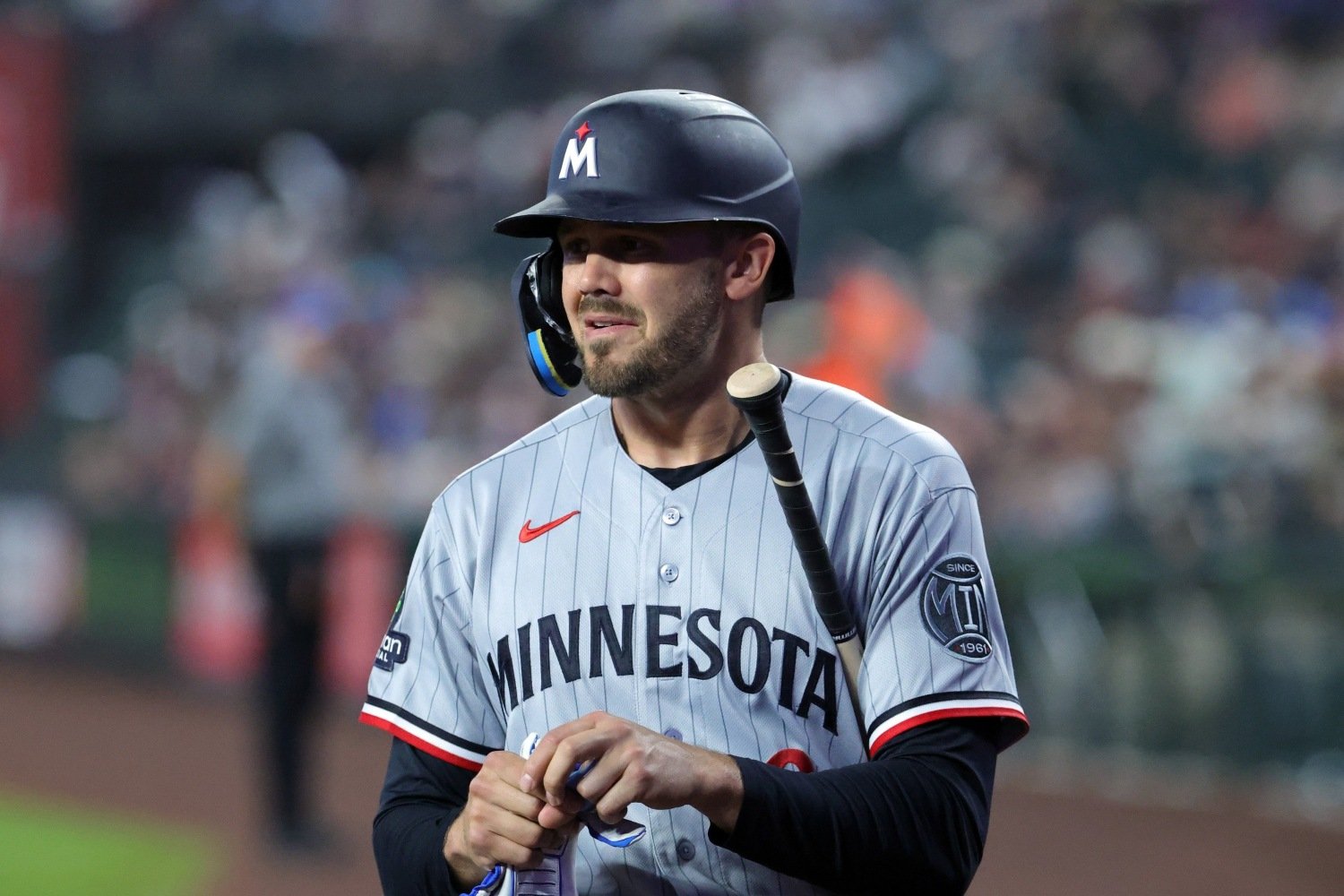
Image courtesy of © Jordan Johnson-Imagn Images Brooks Lee is currently having the best season of his major-league career. Entering Tuesday night's game, the Twins infielder is hitting .238 with a .293 on-base percentage. On the surface, those numbers don't exactly jump off the page. If you looked at the stat line without any additional context, you probably wouldn't think much of it. But there's more to Lee's season than his batting average. The biggest difference has been the power. Lee already has 12 home runs this season and is on pace to finish the year with a career-high 25. His slugging average has jumped more than 50 points from where it sat a season ago, and for the first time since arriving in the big leagues, it feels like he's beginning to establish himself as a legitimate major-league hitter. That doesn't mean everything is perfect. There are still parts of Lee's offensive profile that could be improved, adjusted, or refined moving forward. One of those adjustments, in my opinion, should be abandoning switch-hitting and becoming a full-time left-handed hitter. Now, before you immediately disagree and close the tab, hear me out. Switch-hitting works for a lot of players. There are plenty of hitters throughout baseball history who have built successful careers by hitting from both sides of the plate. If you think Lee should continue switch-hitting, that's completely fair. But I think there's at least a conversation to be had. The first thing worth acknowledging is that the historical data doesn't necessarily support my argument. Over the course of his major-league career, Lee has actually been a better hitter from the right side of the plate. As a right-handed hitter, he's posted a .249 batting average. As a left-handed hitter, that number drops to .228. His career on-base percentage is also 11 points higher from the right side. So yes, if we're looking strictly at career batting average and OBP, I'm not exactly building a great case. But the 2026 version of Lee has looked very different. This season, the numbers have essentially flipped. Lee has been a better hitter from the left side of the plate, and it hasn't been particularly close. His batting average is 36 points higher as a left-handed hitter, and his OPS is 119 points higher. He's also striking out less from the left side, which is something that's been true throughout his major-league career. When Lee bats left-handed this season, he owns a 107 wRC+, meaning he's been comfortably above league average offensively. From the right side, however, he owns an 80 wRC+. That's a pretty substantial difference. Of course, there’s a reasonable counterargument here: we're talking about roughly three months of data. That's not nothing, but it also isn't enough to completely ignore everything we've seen previously. There's a very real possibility that I'm overreacting to a relatively small sample that happens to run contrary to his historical production. But perhaps it's also possible that we're seeing something more meaningful. Even when you zoom out and look at Lee's entire major-league career, there are signs that his left-handed swing might be the more impactful version. Despite having a higher batting average and on-base percentage from the right side, Lee's career OPS is actually higher as a left-handed hitter. He hits for considerably more power from the left side of the plate, but as I mentioned earlier, he strikes out less as a left-handed hitter, too. I'd also argue he's been a bit unlucky. As a right-handed hitter, Lee owns a career .286 BABIP. That's a perfectly normal number. It doesn't scream bad luck, nor does it suggest he's been unusually fortunate. As a left-handed hitter, however, his BABIP sits at just .238. While BABIP isn't perfect, it can give you a pretty good idea about whether a hitter's results accurately reflect the quality of contact he's producing. A .238 BABIP would suggest Lee has likely been on the wrong side of some batted-ball luck as a left-handed hitter, meaning there's a good chance his production should look even better than it already does. We're finally seeing the first legitimate offensive breakthrough of Lee's major-league career, and much of that success has come from one side of the plate. Matt Trueblood wrote about this earlier today, in a way, when he noted that Lee has made two different adjustments this year: one to become a more competent actual hitter, and one merely to wait out more at-bats and draw some walks. Guess which side's adjustment is which. Again, this isn't meant to be an indictment of switch-hitting in general. For players who can effectively do it, switch-hitting provides a significant advantage. Being able to maintain the platoon edge almost every time you step into the batter's box is a valuable skill. But not every hitter benefits equally from it. Some players ultimately find more success by focusing on one swing, rather than maintaining two. A recent example is Cedric Mullins. Mullins entered professional baseball as a switch-hitter but decided to become a full-time left-handed hitter before the 2021 season. That year, he broke out massively, hitting .291 while becoming an All-Star and one of the few players in baseball to produce a 30-homer, 30-steal season. Giving up switch-hitting isn't all that uncommon. Tucker Barnhart did it recently, too. A couple big-leaguers elect to stop switch-hitting every decade. Now, to be clear, I'm not suggesting Lee is suddenly going to become a 30-30 player if he gives up switch-hitting, and I certainly wouldn't recommend looking too closely at how Mullins's career has unfolded since then. But his story does illustrate an important point: some hitters benefit from simplifying things. Sometimes one swing is better than two. Whether Lee ultimately makes that change is another question entirely. It's not something that the Twins would seriously consider until the offseason, but as Lee continues to take steps forward offensively, I think it's a discussion worth having. The historical numbers may not fully support it yet, and the sample size may still be relatively small. But between the power production, the improved strikeout rates, the stronger underlying results, and what appears to be some poor luck from the left side, there's enough evidence to at least wonder. If Lee's offensive breakout is just beginning, perhaps the next step is committing to the side of the plate that appears to bring out the best version of his bat. View full article
-
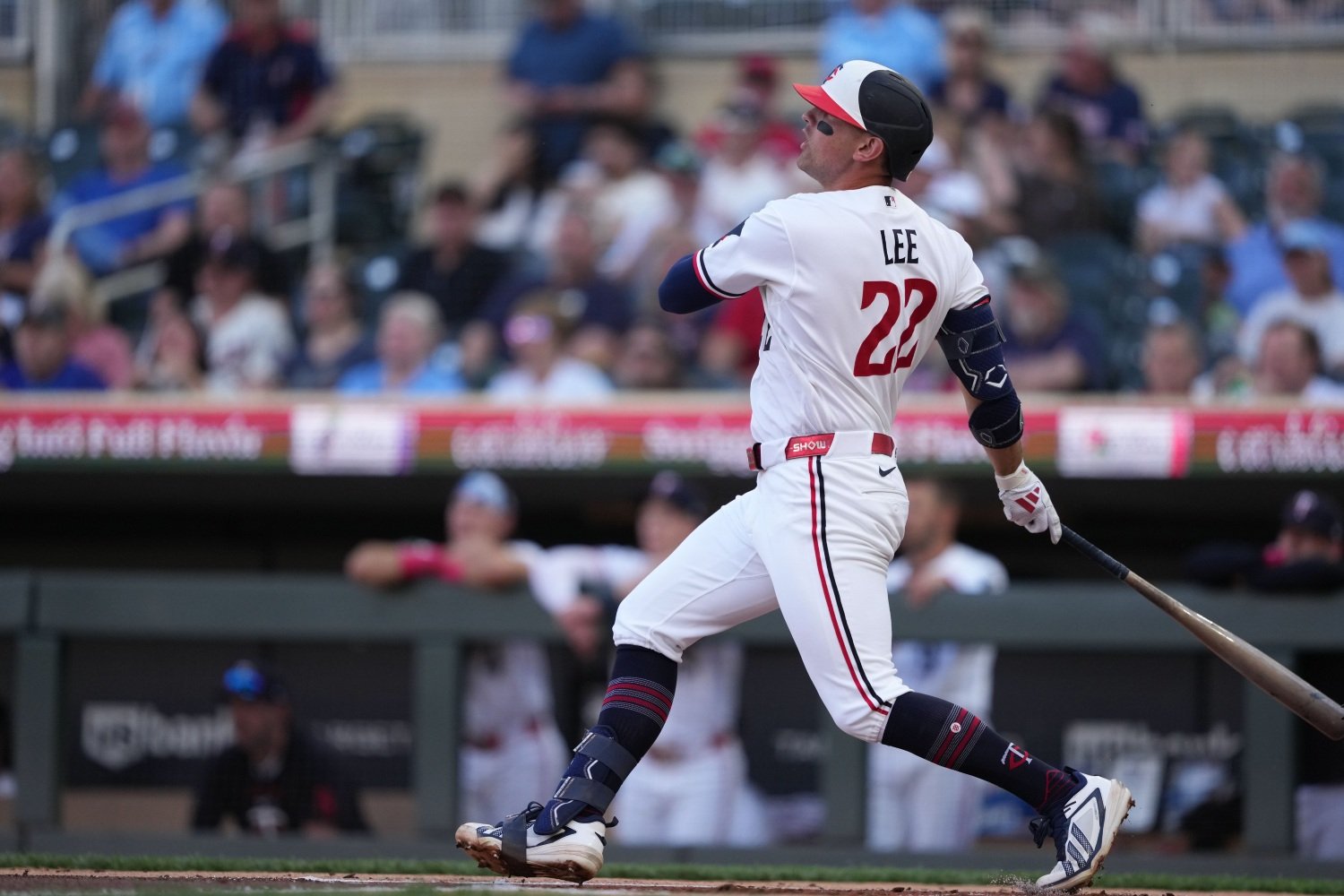 Brooks Lee is currently having the best season of his major-league career. Entering Tuesday night's game, the Twins infielder is hitting .238 with a .293 on-base percentage. On the surface, those numbers don't exactly jump off the page. If you looked at the stat line without any additional context, you probably wouldn't think much of it. But there's more to Lee's season than his batting average. The biggest difference has been the power. Lee already has 12 home runs this season and is on pace to finish the year with a career-high 25. His slugging average has jumped more than 50 points from where it sat a season ago, and for the first time since arriving in the big leagues, it feels like he's beginning to establish himself as a legitimate major-league hitter. That doesn't mean everything is perfect. There are still parts of Lee's offensive profile that could be improved, adjusted, or refined moving forward. One of those adjustments, in my opinion, should be abandoning switch-hitting and becoming a full-time left-handed hitter. Now, before you immediately disagree and close the tab, hear me out. Switch-hitting works for a lot of players. There are plenty of hitters throughout baseball history who have built successful careers by hitting from both sides of the plate. If you think Lee should continue switch-hitting, that's completely fair. But I think there's at least a conversation to be had. The first thing worth acknowledging is that the historical data doesn't necessarily support my argument. Over the course of his major-league career, Lee has actually been a better hitter from the right side of the plate. As a right-handed hitter, he's posted a .249 batting average. As a left-handed hitter, that number drops to .228. His career on-base percentage is also 11 points higher from the right side. So yes, if we're looking strictly at career batting average and OBP, I'm not exactly building a great case. But the 2026 version of Lee has looked very different. This season, the numbers have essentially flipped. Lee has been a better hitter from the left side of the plate, and it hasn't been particularly close. His batting average is 36 points higher as a left-handed hitter, and his OPS is 119 points higher. He's also striking out less from the left side, which is something that's been true throughout his major-league career. When Lee bats left-handed this season, he owns a 107 wRC+, meaning he's been comfortably above league average offensively. From the right side, however, he owns an 80 wRC+. That's a pretty substantial difference. Of course, there’s a reasonable counterargument here: we're talking about roughly three months of data. That's not nothing, but it also isn't enough to completely ignore everything we've seen previously. There's a very real possibility that I'm overreacting to a relatively small sample that happens to run contrary to his historical production. But perhaps it's also possible that we're seeing something more meaningful. Even when you zoom out and look at Lee's entire major-league career, there are signs that his left-handed swing might be the more impactful version. Despite having a higher batting average and on-base percentage from the right side, Lee's career OPS is actually higher as a left-handed hitter. He hits for considerably more power from the left side of the plate, but as I mentioned earlier, he strikes out less as a left-handed hitter, too. I'd also argue he's been a bit unlucky. As a right-handed hitter, Lee owns a career .286 BABIP. That's a perfectly normal number. It doesn't scream bad luck, nor does it suggest he's been unusually fortunate. As a left-handed hitter, however, his BABIP sits at just .238. While BABIP isn't perfect, it can give you a pretty good idea about whether a hitter's results accurately reflect the quality of contact he's producing. A .238 BABIP would suggest Lee has likely been on the wrong side of some batted-ball luck as a left-handed hitter, meaning there's a good chance his production should look even better than it already does. We're finally seeing the first legitimate offensive breakthrough of Lee's major-league career, and much of that success has come from one side of the plate. Matt Trueblood wrote about this earlier today, in a way, when he noted that Lee has made two different adjustments this year: one to become a more competent actual hitter, and one merely to wait out more at-bats and draw some walks. Guess which side's adjustment is which. Again, this isn't meant to be an indictment of switch-hitting in general. For players who can effectively do it, switch-hitting provides a significant advantage. Being able to maintain the platoon edge almost every time you step into the batter's box is a valuable skill. But not every hitter benefits equally from it. Some players ultimately find more success by focusing on one swing, rather than maintaining two. A recent example is Cedric Mullins. Mullins entered professional baseball as a switch-hitter but decided to become a full-time left-handed hitter before the 2021 season. That year, he broke out massively, hitting .291 while becoming an All-Star and one of the few players in baseball to produce a 30-homer, 30-steal season. Giving up switch-hitting isn't all that uncommon. Tucker Barnhart did it recently, too. A couple big-leaguers elect to stop switch-hitting every decade. Now, to be clear, I'm not suggesting Lee is suddenly going to become a 30-30 player if he gives up switch-hitting, and I certainly wouldn't recommend looking too closely at how Mullins's career has unfolded since then. But his story does illustrate an important point: some hitters benefit from simplifying things. Sometimes one swing is better than two. Whether Lee ultimately makes that change is another question entirely. It's not something that the Twins would seriously consider until the offseason, but as Lee continues to take steps forward offensively, I think it's a discussion worth having. The historical numbers may not fully support it yet, and the sample size may still be relatively small. But between the power production, the improved strikeout rates, the stronger underlying results, and what appears to be some poor luck from the left side, there's enough evidence to at least wonder. If Lee's offensive breakout is just beginning, perhaps the next step is committing to the side of the plate that appears to bring out the best version of his bat.
 -
Joe Ryan has been one of the best arms in baseball this season. With his Cy Young odds continuing to climb, what are the chances he could bring home the award? View full video
-
Joe Ryan has been one of the best arms in baseball this season. With his Cy Young odds continuing to climb, what are the chances he could bring home the award?
-
Image courtesy of Jerome Miron-Imagn Images Joe Ryan is currently in the midst of a career year. Through 87 ⅓ innings this season, the Twins right-hander owns a 2.99 ERA along with an even 1.00 WHIP. He's been one of the best starting pitchers in the American League, and it feels like he's only getting better as the season goes on. Ever since Ryan's May 3rd start against Boston, when he was pulled after just nine pitches, he's been on an absolute heater. Across his last eight starts, Ryan has allowed just 13 earned runs over 48 ⅔ innings. During that span, he's struck out 59 batters while issuing only eight walks. The underlying numbers are just as impressive. Ryan's 30.3% strikeout rate over those eight starts ranks third among all American League starters, trailing only Logan Gilbert and Reid Detmers. He's missing bats at an elite rate, limiting free passes, and consistently giving the Twins quality innings every time he takes the mound. At some point, it becomes impossible to ignore. And it's time we give Ryan the respect he deserves. Coming into this season, the general consensus surrounding Ryan was that he was a very good pitcher. A strong No. 2 starter on a playoff-caliber team, but not necessarily an ace. The fact of the matter is that Joe Ryan is an ace, and the rest of the baseball world seems to be catching on as well. According to FanDuel Sportsbook, Ryan currently owns the fifth-best odds to win the American League Cy Young Award. Only three Twins pitchers have ever won a Cy Young Award: Jim Perry in 1970, Frank Viola in 1988, and Johan Santana in both 2004 and 2006. It's been two decades since a Twins pitcher last took home the honor. But if Ryan continues throwing the ball the way he has recently, he's going to build a very strong case. Looking at the four names currently ahead of him in the betting odds, it's easy to understand why they're there. Cam Schlittler sits as the current frontrunner, followed by Dylan Cease, Drew Rasmussen, and Jacob deGrom. All four are having excellent seasons and deserve to be part of the conversation. That doesn't mean Ryan can't pass them, though. Cease's odds are boosted in large part by his American League-leading 110 strikeouts. Rasmussen has built his case around a sparkling 2.59 ERA. Both numbers are incredibly impressive. Still, I'd be willing to bet there's at least some regression coming. Cease's 36% strikeout rate is an absurd number to maintain over a full season, while Rasmussen's ERA is sitting at a level that's difficult for almost any pitcher to sustain for six months. That doesn't mean either pitcher is going to suddenly fall off a cliff. But the gap between their current numbers and Ryan's may not be nearly as large by the end of September as it appears today. The toughest pitcher for Ryan to overcome will likely be Schlittler. The Yankees right-hander has been phenomenal, posting a 1.71 ERA while racking up 109 strikeouts. Even if those numbers come back to earth a bit, they'll still likely remain among the best in the American League. Schlittler is going to be tough to catch. But at the same time, if Ryan's last eight starts are any indication of what we'll get for the rest of the season, he's pitching as well as anyone in baseball. He's working deep into games, he’s posting gaudy strikeout and very low walk totals, and consistently putting the Twins in position to win. Three textbook characteristics of an ace. What also deserves mentioning is the team context involved in all of this. If the race ends up neck-and-neck, would voters give the edge to the pitcher playing for the better team? Paul Skenes won the National League Cy Young Award last season despite pitching for a Pirates team that won just 71 games, so team success certainly isn't a deciding factor. But if Ryan and Schlittler, for example, finish with nearly identical numbers and the Yankees win 20 more games than the Twins, would that influence some voters? Maybe, maybe not. It's impossible to know until ballots are submitted. But there's also another wrinkle worth considering. What if Ryan gets traded this summer? His value is likely at an all-time high right now. If a contending team is willing to pay the price associated with acquiring a true frontline starter, his Cy Young outlook could change dramatically for any number of reasons. For one, Ryan has historically been better at Target Field than he has on the road. A move to a less pitcher-friendly environment could negatively impact his numbers over the final few months of the season. There's also the possibility that he gets traded out of the American League altogether. If that happened, he'd suddenly find himself competing against National League candidates like Jacob Misiorowski, Cristopher Sánchez, Skenes, and several others. That would create an entirely different set of obstacles. History isn't particularly favorable to pitchers changing teams in the middle of a Cy Young campaign. Only one pitcher has ever won a Cy Young Award during a season in which he was traded–that was Rick Sutcliffe in 1984, going from the Cleveland Indians to the Chicago Cubs. So could it happen? Sure. But if Joe Ryan is going to win a Cy Young Award this season, I think his path is much cleaner as a member of the Twins than it would be elsewhere. Either way, there's still roughly three-and-a-half months of baseball remaining before any individual awards are handed out. A lot can change between now and then. But with the way he's pitched over the last two months, Joe Ryan absolutely belongs in Cy Young conversations. And if he keeps this up, the Twins could have their first Cy Young winner in 20 years. View full article
-
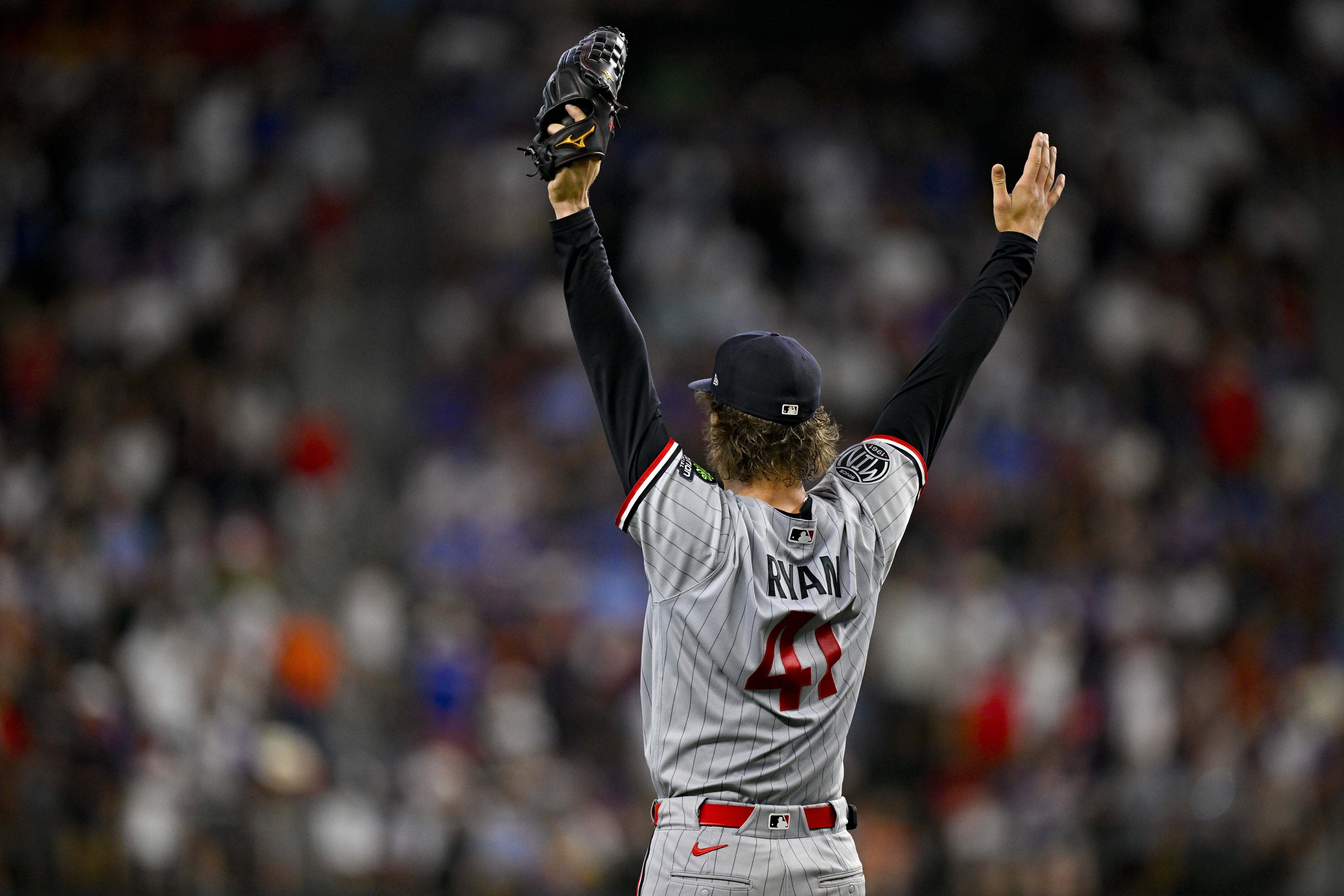 Joe Ryan is currently in the midst of a career year. Through 87 ⅓ innings this season, the Twins right-hander owns a 2.99 ERA along with an even 1.00 WHIP. He's been one of the best starting pitchers in the American League, and it feels like he's only getting better as the season goes on. Ever since Ryan's May 3rd start against Boston, when he was pulled after just nine pitches, he's been on an absolute heater. Across his last eight starts, Ryan has allowed just 13 earned runs over 48 ⅔ innings. During that span, he's struck out 59 batters while issuing only eight walks. The underlying numbers are just as impressive. Ryan's 30.3% strikeout rate over those eight starts ranks third among all American League starters, trailing only Logan Gilbert and Reid Detmers. He's missing bats at an elite rate, limiting free passes, and consistently giving the Twins quality innings every time he takes the mound. At some point, it becomes impossible to ignore. And it's time we give Ryan the respect he deserves. Coming into this season, the general consensus surrounding Ryan was that he was a very good pitcher. A strong No. 2 starter on a playoff-caliber team, but not necessarily an ace. The fact of the matter is that Joe Ryan is an ace, and the rest of the baseball world seems to be catching on as well. According to FanDuel Sportsbook, Ryan currently owns the fifth-best odds to win the American League Cy Young Award. Only three Twins pitchers have ever won a Cy Young Award: Jim Perry in 1970, Frank Viola in 1988, and Johan Santana in both 2004 and 2006. It's been two decades since a Twins pitcher last took home the honor. But if Ryan continues throwing the ball the way he has recently, he's going to build a very strong case. Looking at the four names currently ahead of him in the betting odds, it's easy to understand why they're there. Cam Schlittler sits as the current frontrunner, followed by Dylan Cease, Drew Rasmussen, and Jacob deGrom. All four are having excellent seasons and deserve to be part of the conversation. That doesn't mean Ryan can't pass them, though. Cease's odds are boosted in large part by his American League-leading 110 strikeouts. Rasmussen has built his case around a sparkling 2.59 ERA. Both numbers are incredibly impressive. Still, I'd be willing to bet there's at least some regression coming. Cease's 36% strikeout rate is an absurd number to maintain over a full season, while Rasmussen's ERA is sitting at a level that's difficult for almost any pitcher to sustain for six months. That doesn't mean either pitcher is going to suddenly fall off a cliff. But the gap between their current numbers and Ryan's may not be nearly as large by the end of September as it appears today. The toughest pitcher for Ryan to overcome will likely be Schlittler. The Yankees right-hander has been phenomenal, posting a 1.71 ERA while racking up 109 strikeouts. Even if those numbers come back to earth a bit, they'll still likely remain among the best in the American League. Schlittler is going to be tough to catch. But at the same time, if Ryan's last eight starts are any indication of what we'll get for the rest of the season, he's pitching as well as anyone in baseball. He's working deep into games, he’s posting gaudy strikeout and very low walk totals, and consistently putting the Twins in position to win. Three textbook characteristics of an ace. What also deserves mentioning is the team context involved in all of this. If the race ends up neck-and-neck, would voters give the edge to the pitcher playing for the better team? Paul Skenes won the National League Cy Young Award last season despite pitching for a Pirates team that won just 71 games, so team success certainly isn't a deciding factor. But if Ryan and Schlittler, for example, finish with nearly identical numbers and the Yankees win 20 more games than the Twins, would that influence some voters? Maybe, maybe not. It's impossible to know until ballots are submitted. But there's also another wrinkle worth considering. What if Ryan gets traded this summer? His value is likely at an all-time high right now. If a contending team is willing to pay the price associated with acquiring a true frontline starter, his Cy Young outlook could change dramatically for any number of reasons. For one, Ryan has historically been better at Target Field than he has on the road. A move to a less pitcher-friendly environment could negatively impact his numbers over the final few months of the season. There's also the possibility that he gets traded out of the American League altogether. If that happened, he'd suddenly find himself competing against National League candidates like Jacob Misiorowski, Cristopher Sánchez, Skenes, and several others. That would create an entirely different set of obstacles. History isn't particularly favorable to pitchers changing teams in the middle of a Cy Young campaign. Only one pitcher has ever won a Cy Young Award during a season in which he was traded–that was Rick Sutcliffe in 1984, going from the Cleveland Indians to the Chicago Cubs. So could it happen? Sure. But if Joe Ryan is going to win a Cy Young Award this season, I think his path is much cleaner as a member of the Twins than it would be elsewhere. Either way, there's still roughly three-and-a-half months of baseball remaining before any individual awards are handed out. A lot can change between now and then. But with the way he's pitched over the last two months, Joe Ryan absolutely belongs in Cy Young conversations. And if he keeps this up, the Twins could have their first Cy Young winner in 20 years.
 -
Connor Prielipp already possessed one of the best sliders in the organization. Now he may have an even better breaking ball. View full video


