



Sam Caulder
-
Posts
650 -
Joined
-
Last visited
Content Type
Profiles
News
Minnesota Twins Videos
2026 Minnesota Twins Top Prospects Ranking
2022 Minnesota Twins Draft Picks
Minnesota Twins Free Agent & Trade Rumors, Notes, & Tidbits
Guides & Resources
2023 Minnesota Twins Draft Picks
The Minnesota Twins Players Project
2024 Minnesota Twins Draft Picks
2025 Minnesota Twins Draft Pick Tracker
2026 Minnesota Twins Draft Tracker: Picks & Bonuses
Forums
Blogs
Events
Store
Downloads
Gallery
Everything posted by Sam Caulder
-
Vahn Lackey has the talent to move quickly through the Twins' farm system, but several factors will determine when he reaches Minnesota. View full video
-
Vahn Lackey has the talent to move quickly through the Twins' farm system, but several factors will determine when he reaches Minnesota.
-
The Twins' Biggest Surprises at the All-Star Break
Sam Caulder replied to Sam Caulder's topic in Twins Daily Front Page News
For sure, I didn't even bother putting him in here because I thought that was just a given lol- 40 replies
-
- 4
-

-

-
- luke keaschall
- taj bradley
- (and 1 more)
-
The Twins' Biggest Surprises at the All-Star Break
Sam Caulder replied to Sam Caulder's topic in Twins Daily Front Page News
I'm certainly not a Keaschall hater, which is why he's on the list. Would you disagree that he hasn't lived up to expectations this year? -
Image courtesy of © Matt Blewett-Imagn Images The All-Star break is officially upon us, which makes this a great time to zoom out and look at this Twins team as a whole. We're 97 games into the season, and it's been a year filled with plenty of highs and lows. While we all expected guys like Byron Buxton and Joe Ryan to be among the Twins' best players entering the season, I wanted to focus on some of the more surprising performances we've seen. I've got two pleasant surprises, and two disappointments. There are going to be plenty of players I don't mention, so don't get mad at me if I leave out your favorite player who's having a great season—or the guy you can't stand who's underperforming. I should also note that I won't be including players who were acquired or moved into significant roles midway through the year. Guys like Yoendrys Gómez and Simeon Woods Richardson won't be making this list. With that out of the way, let's start with the positives. The first good surprise has been Taj Bradley. Bradley's first stint as a Twin last summer didn't exactly leave fans feeling overly confident heading into 2026. There were certainly flashes, but there were also inconsistencies that made it difficult to know exactly what the Twins had. Through 18 starts this season, though, I've been really impressed. Bradley owns a 3.59 ERA across 102 2/3 innings while piling up 118 strikeouts, which currently ranks tied for 15th in all of baseball. The strikeout numbers have been especially encouraging because they're backed up by noticeably better swing-and-miss stuff. His cutter and splitter have both taken meaningful steps forward, giving him legitimate weapons beyond his electric fastball. Speaking of that fastball, it's averaging 97 MPH, allowing him to challenge hitters even when they know it's coming. Has everything been perfect? Of course not. There have still been stretches where his command has disappeared, and he'll occasionally run up his pitch count because of it. But overall, Bradley has looked every bit like a No. 2 starter for a large portion of this season, and perhaps the most encouraging part is that he's still only 25 years old. There's still plenty of room for him to grow as a pitcher, and if he continues refining his command while maintaining this level of stuff, the best very well could still be ahead of him. The second positive surprise, in my opinion, has to be Kody Clemens. When the season began, I don't think many people expected Clemens to become one of the Twins' most valuable position players. But here we are, 60% of the season down, and he's been one of the more consistent bright spots in the lineup. He's currently sporting an OPS just shy of .800, while trailing only Byron Buxton for the most extra-base hits on the team. Beyond the offensive production, Clemens has provided value all over the diamond. He's played quality defense at multiple positions, giving Derek Shelton flexibility with his lineup on almost a nightly basis. The underlying numbers make his season look even more impressive. Clemens ranks in the 93rd percentile in average exit velocity, while posting an 81st-percentile barrel rate. He's consistently hitting the baseball hard; those aren't the types of metrics you normally see from a player who was viewed as more of a depth piece entering the year. Clemens's expected batting average sits roughly 15 points higher than his actual batting average. So as productive as he's already been, there's an argument to be made that he's actually deserved even better results. It's certainly possible that Clemens gets moved over the next few weeks if the Twins decide to sell at the deadline. But if Tom Pohlad believes this team can make a run, Clemens is the kind of player who helps you win baseball games. Now, let's move to the negative column. We'll start with Luke Keaschall. Before everyone races to the comments, yes—I know he's been swinging the bat better over the last couple of months. But we're evaluating the season as a whole. Coming into the year, there were some high expectations for Keaschall. He was leading off on Opening Day and looked like someone who could quickly establish himself as a fixture near the top of the lineup. Instead, he enters the All-Star break hitting .258 with a .696 OPS. While he’s not known for his power production, his quality of contact has been abysmal. Keaschall ranks in the 11th percentile or worse in average exit velocity, hard-hit rate, and barrel rate among major-league hitters. That's simply not the type of contact profile you want to see from someone expected to be a key contributor offensively. To his credit, he still puts the bat on the ball well, and he doesn't chase pitches very often. Those are valuable traits. But when the quality of contact is this poor, it becomes much more difficult to consistently produce. Again, he was batting leadoff on Opening Day. Now he's hitting ninth almost every day. Considering the expectations surrounding him entering the season, a sub-.700 OPS through 97 games isn't where I or you hoped for Keaschall to be. The other disappointment has been the Twins' defense as a whole. I don't think anybody entered the season expecting Minnesota to be the best defensive team in baseball, but I also don't think anyone expected things to be this rough. The team currently owns the third-worst defensive efficiency rating in baseball while posting an ugly -28 Defensive Runs Saved, the second-worst mark in the majors. The left side of the infield has been an issue for much of the season. Tristan Gray struggled there, while Brooks Lee and Royce Lewis both had their share of defensive problems before eventually changing positions. Keaschall also had a difficult time at second base before making the move to the outfield. To the Twins' credit, though, they haven't been stubborn about it. Derek Shelton and the coaching staff have shown a willingness to move players around the diamond in an effort to maximize their chances of succeeding defensively. They recognized certain alignments weren't working and have tried to adjust instead of simply hoping things would improve. That doesn't erase the defensive struggles we've seen over the first 97 games, but it does show they're actively trying to fix the problem. Like I said at the beginning, there have been plenty of surprising performances this season—both good and bad—that I didn't mention here. But in my opinion, these are the four that have stood out the most. Now I'm curious to hear from you. What has been your biggest surprise from the Twins so far this season? Let me know in the comments. View full article
-
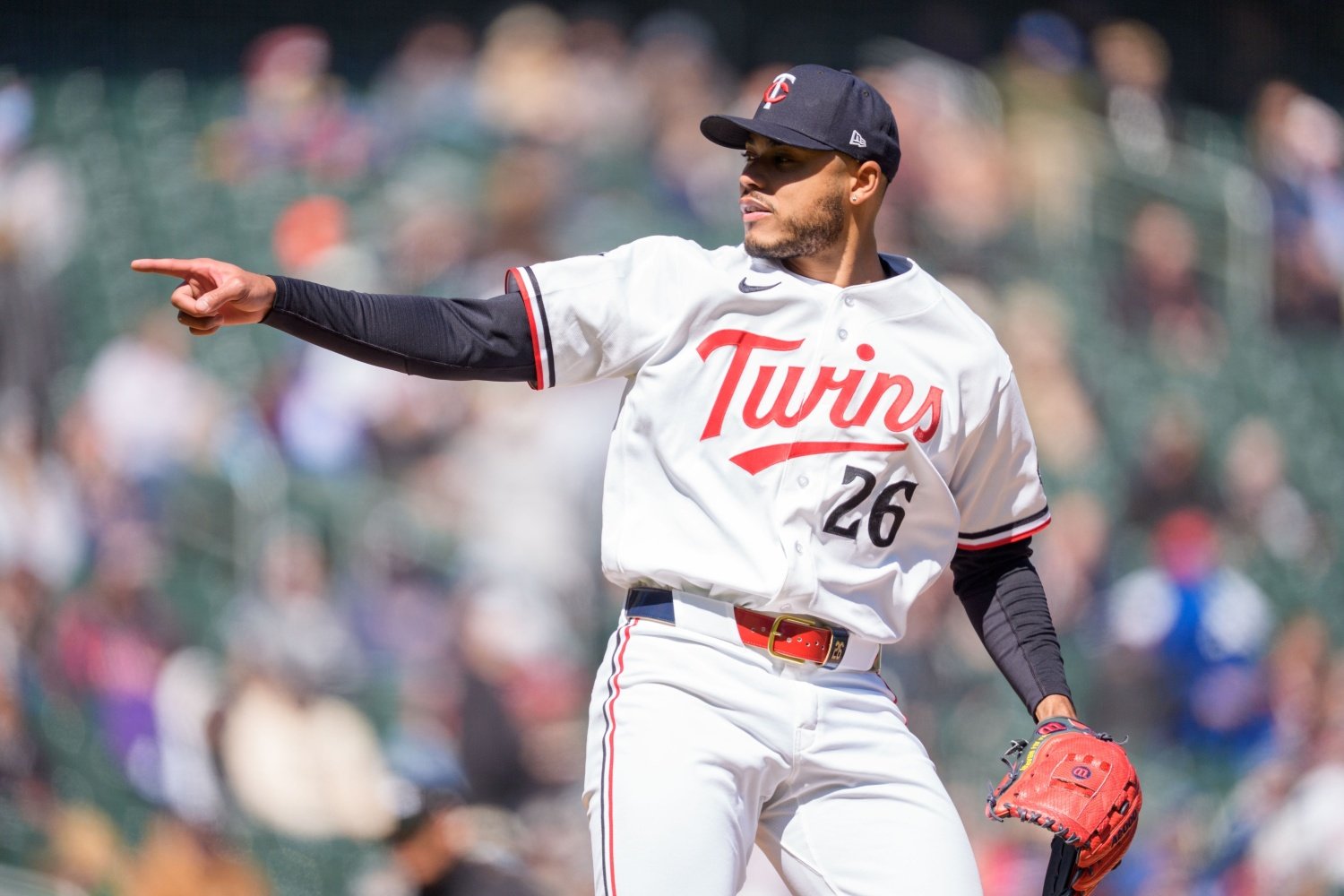 The All-Star break is officially upon us, which makes this a great time to zoom out and look at this Twins team as a whole. We're 97 games into the season, and it's been a year filled with plenty of highs and lows. While we all expected guys like Byron Buxton and Joe Ryan to be among the Twins' best players entering the season, I wanted to focus on some of the more surprising performances we've seen. I've got two pleasant surprises, and two disappointments. There are going to be plenty of players I don't mention, so don't get mad at me if I leave out your favorite player who's having a great season—or the guy you can't stand who's underperforming. I should also note that I won't be including players who were acquired or moved into significant roles midway through the year. Guys like Yoendrys Gómez and Simeon Woods Richardson won't be making this list. With that out of the way, let's start with the positives. The first good surprise has been Taj Bradley. Bradley's first stint as a Twin last summer didn't exactly leave fans feeling overly confident heading into 2026. There were certainly flashes, but there were also inconsistencies that made it difficult to know exactly what the Twins had. Through 18 starts this season, though, I've been really impressed. Bradley owns a 3.59 ERA across 102 2/3 innings while piling up 118 strikeouts, which currently ranks tied for 15th in all of baseball. The strikeout numbers have been especially encouraging because they're backed up by noticeably better swing-and-miss stuff. His cutter and splitter have both taken meaningful steps forward, giving him legitimate weapons beyond his electric fastball. Speaking of that fastball, it's averaging 97 MPH, allowing him to challenge hitters even when they know it's coming. Has everything been perfect? Of course not. There have still been stretches where his command has disappeared, and he'll occasionally run up his pitch count because of it. But overall, Bradley has looked every bit like a No. 2 starter for a large portion of this season, and perhaps the most encouraging part is that he's still only 25 years old. There's still plenty of room for him to grow as a pitcher, and if he continues refining his command while maintaining this level of stuff, the best very well could still be ahead of him. The second positive surprise, in my opinion, has to be Kody Clemens. When the season began, I don't think many people expected Clemens to become one of the Twins' most valuable position players. But here we are, 60% of the season down, and he's been one of the more consistent bright spots in the lineup. He's currently sporting an OPS just shy of .800, while trailing only Byron Buxton for the most extra-base hits on the team. Beyond the offensive production, Clemens has provided value all over the diamond. He's played quality defense at multiple positions, giving Derek Shelton flexibility with his lineup on almost a nightly basis. The underlying numbers make his season look even more impressive. Clemens ranks in the 93rd percentile in average exit velocity, while posting an 81st-percentile barrel rate. He's consistently hitting the baseball hard; those aren't the types of metrics you normally see from a player who was viewed as more of a depth piece entering the year. Clemens's expected batting average sits roughly 15 points higher than his actual batting average. So as productive as he's already been, there's an argument to be made that he's actually deserved even better results. It's certainly possible that Clemens gets moved over the next few weeks if the Twins decide to sell at the deadline. But if Tom Pohlad believes this team can make a run, Clemens is the kind of player who helps you win baseball games. Now, let's move to the negative column. We'll start with Luke Keaschall. Before everyone races to the comments, yes—I know he's been swinging the bat better over the last couple of months. But we're evaluating the season as a whole. Coming into the year, there were some high expectations for Keaschall. He was leading off on Opening Day and looked like someone who could quickly establish himself as a fixture near the top of the lineup. Instead, he enters the All-Star break hitting .258 with a .696 OPS. While he’s not known for his power production, his quality of contact has been abysmal. Keaschall ranks in the 11th percentile or worse in average exit velocity, hard-hit rate, and barrel rate among major-league hitters. That's simply not the type of contact profile you want to see from someone expected to be a key contributor offensively. To his credit, he still puts the bat on the ball well, and he doesn't chase pitches very often. Those are valuable traits. But when the quality of contact is this poor, it becomes much more difficult to consistently produce. Again, he was batting leadoff on Opening Day. Now he's hitting ninth almost every day. Considering the expectations surrounding him entering the season, a sub-.700 OPS through 97 games isn't where I or you hoped for Keaschall to be. The other disappointment has been the Twins' defense as a whole. I don't think anybody entered the season expecting Minnesota to be the best defensive team in baseball, but I also don't think anyone expected things to be this rough. The team currently owns the third-worst defensive efficiency rating in baseball while posting an ugly -28 Defensive Runs Saved, the second-worst mark in the majors. The left side of the infield has been an issue for much of the season. Tristan Gray struggled there, while Brooks Lee and Royce Lewis both had their share of defensive problems before eventually changing positions. Keaschall also had a difficult time at second base before making the move to the outfield. To the Twins' credit, though, they haven't been stubborn about it. Derek Shelton and the coaching staff have shown a willingness to move players around the diamond in an effort to maximize their chances of succeeding defensively. They recognized certain alignments weren't working and have tried to adjust instead of simply hoping things would improve. That doesn't erase the defensive struggles we've seen over the first 97 games, but it does show they're actively trying to fix the problem. Like I said at the beginning, there have been plenty of surprising performances this season—both good and bad—that I didn't mention here. But in my opinion, these are the four that have stood out the most. Now I'm curious to hear from you. What has been your biggest surprise from the Twins so far this season? Let me know in the comments.
- 40 comments
-
- 6
-
-
- luke keaschall
- taj bradley
- (and 1 more)
-
Image courtesy of © Jerome Miron-Imagn Images The Twins have already had a handful of prospects get the call this year. We've seen Andrew Morris, Kendry Rojas, Connor Prielipp, John Klein, and Marco Raya make their major-league debuts so far this season. We've also seen a pair of outfielders get their first taste of the big leagues. Gabriel Gonzalez was up for an entire weekend before heading back to Triple-A, while Kyler Fedko got a slightly longer but less fruitful audition. But if you think the prospect promotions are going to slow down, think again. The Twins currently sit at 48-49, and there's a pretty good chance they'll be moving some established major-league pieces over the next few weeks. If that happens, it impacts a lot of the organizational depth in the process. Even while you're chasing a playoff spot, if you're a team like the Twins, the second half becomes about evaluating talent. It's about figuring out who can help you moving forward; who deserves a spot on next year's roster; and who might force their way into the team's long-term plans. So who else could make their debut between now and the end of September? I think there's a handful of names worth keeping an eye on. Some are among the organization's very best prospects, while others have quietly played their way into the conversation. Let's start with the obvious one. While a lot of people expect Walker Jenkins to make his major-league debut this season, I don't share that belief. I talked about this earlier this month, but I still think the Twins should slow-play him. Jenkins is obviously one of the best prospects in baseball, but there's no reason to rush him. Unless they reach a point where they feel he'd make a difference in a push for the playoffs, I'd rather see the organization stay patient. I'm sticking with my prediction: Walker Jenkins will not debut in 2026. That said, I'd be surprised if we didn't see Kaelen Culpepper before the season comes to a close. It feels like we've been waiting on this promotion for about two months now. He's currently sporting an .868 OPS with the St. Paul Saints, and he checks just about every box you'd want to see from a young position player. He hits the ball hard, he gets on base, he can steal a base, and he plays quality defense all over the infield. There's really not much left for him to prove in Triple-A. He just has to get healthy; you can't debut in MLB from the Triple-A injured list. The same goes for Emmanuel Rodríguez, who would already have gotten a look if he weren't hurt. Kaelen may not even be the only Culpepper making his debut this year. Pitcher C.J. Culpepper has quietly built a very compelling case himself. The 24-year-old has posted a 3.13 ERA across 20 relief appearances with the Saints, while striking out 23.2% of opposing batters. As is the case with any prospect, there are still some things to clean up. His 13.0% walk rate certainly isn't ideal, and command has been an issue at times. But he consistently finds ways to work himself out of trouble. That's an underrated skill for a reliever. Not every outing is going to be clean. Good bullpen arms are often the ones who can strand inherited runners or escape jams after putting themselves in difficult situations. Culpepper has shown an ability to do exactly that. If the Twins don't add external help to the bullpen and try to roll with what they have in-house, I think he'll be one of the first names considered for an opportunity. The final player I'm willing to confidently predict will make his major league debut this season is Ben Ross. Unless you're a Twins Daily denizen who loves the minor league reports and lives in the forums, Ross has come out of nowhere this year. He's already 25 years old, and if you pull up most prospect rankings, his name isn't exactly going to jump off the page. But sometimes good baseball players force the issue; Ross has done exactly that. He's a versatile defender who can move all over the diamond. He can play shortstop, third base, and center field, giving the Twins plenty of flexibility. That kind of versatility becomes incredibly valuable over the course of a long season. The role Tristan Gray is playing for the Twins right now could just as easily go to Ross, if an injury compelled the Twins to try it. And it's not like he'd be getting called up simply because of his defensive versatility. Since being promoted to Triple-A, Ross has posted an .846 OPS. If the Twins eventually fall out of the AL Central race, he could be worth a look in September, even if it means jettisoning Gray. If they stay in the race and more injuries strike, that's another path open. Culpepper, Culpepper and Ross seem like they fit specific things the team either needs now or might need in the near future. If they get and/or stay healthy, and if circumstances warrant in one way or another, they could be the next three guys we see come through the Twins' homegrown pipeline. Jenkins and Rodríguez are bigger names, but might be longer shots to show up in the bigs right now. But what do YOU think? Who do you think gets the call before the end of the season? Let us know in the comments! View full article
-
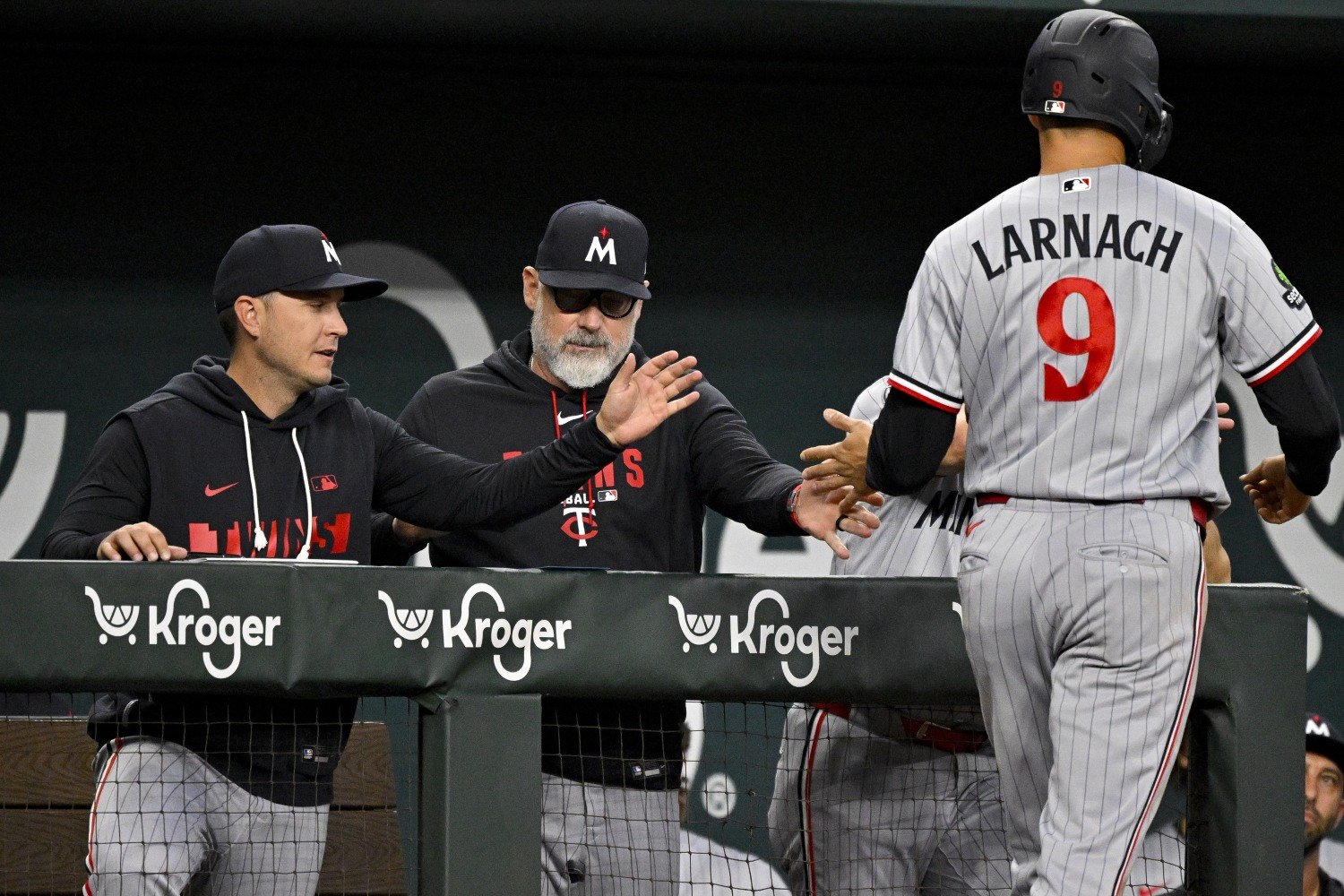 The Twins have already had a handful of prospects get the call this year. We've seen Andrew Morris, Kendry Rojas, Connor Prielipp, John Klein, and Marco Raya make their major-league debuts so far this season. We've also seen a pair of outfielders get their first taste of the big leagues. Gabriel Gonzalez was up for an entire weekend before heading back to Triple-A, while Kyler Fedko got a slightly longer but less fruitful audition. But if you think the prospect promotions are going to slow down, think again. The Twins currently sit at 48-49, and there's a pretty good chance they'll be moving some established major-league pieces over the next few weeks. If that happens, it impacts a lot of the organizational depth in the process. Even while you're chasing a playoff spot, if you're a team like the Twins, the second half becomes about evaluating talent. It's about figuring out who can help you moving forward; who deserves a spot on next year's roster; and who might force their way into the team's long-term plans. So who else could make their debut between now and the end of September? I think there's a handful of names worth keeping an eye on. Some are among the organization's very best prospects, while others have quietly played their way into the conversation. Let's start with the obvious one. While a lot of people expect Walker Jenkins to make his major-league debut this season, I don't share that belief. I talked about this earlier this month, but I still think the Twins should slow-play him. Jenkins is obviously one of the best prospects in baseball, but there's no reason to rush him. Unless they reach a point where they feel he'd make a difference in a push for the playoffs, I'd rather see the organization stay patient. I'm sticking with my prediction: Walker Jenkins will not debut in 2026. That said, I'd be surprised if we didn't see Kaelen Culpepper before the season comes to a close. It feels like we've been waiting on this promotion for about two months now. He's currently sporting an .868 OPS with the St. Paul Saints, and he checks just about every box you'd want to see from a young position player. He hits the ball hard, he gets on base, he can steal a base, and he plays quality defense all over the infield. There's really not much left for him to prove in Triple-A. He just has to get healthy; you can't debut in MLB from the Triple-A injured list. The same goes for Emmanuel Rodríguez, who would already have gotten a look if he weren't hurt. Kaelen may not even be the only Culpepper making his debut this year. Pitcher C.J. Culpepper has quietly built a very compelling case himself. The 24-year-old has posted a 3.13 ERA across 20 relief appearances with the Saints, while striking out 23.2% of opposing batters. As is the case with any prospect, there are still some things to clean up. His 13.0% walk rate certainly isn't ideal, and command has been an issue at times. But he consistently finds ways to work himself out of trouble. That's an underrated skill for a reliever. Not every outing is going to be clean. Good bullpen arms are often the ones who can strand inherited runners or escape jams after putting themselves in difficult situations. Culpepper has shown an ability to do exactly that. If the Twins don't add external help to the bullpen and try to roll with what they have in-house, I think he'll be one of the first names considered for an opportunity. The final player I'm willing to confidently predict will make his major league debut this season is Ben Ross. Unless you're a Twins Daily denizen who loves the minor league reports and lives in the forums, Ross has come out of nowhere this year. He's already 25 years old, and if you pull up most prospect rankings, his name isn't exactly going to jump off the page. But sometimes good baseball players force the issue; Ross has done exactly that. He's a versatile defender who can move all over the diamond. He can play shortstop, third base, and center field, giving the Twins plenty of flexibility. That kind of versatility becomes incredibly valuable over the course of a long season. The role Tristan Gray is playing for the Twins right now could just as easily go to Ross, if an injury compelled the Twins to try it. And it's not like he'd be getting called up simply because of his defensive versatility. Since being promoted to Triple-A, Ross has posted an .846 OPS. If the Twins eventually fall out of the AL Central race, he could be worth a look in September, even if it means jettisoning Gray. If they stay in the race and more injuries strike, that's another path open. Culpepper, Culpepper and Ross seem like they fit specific things the team either needs now or might need in the near future. If they get and/or stay healthy, and if circumstances warrant in one way or another, they could be the next three guys we see come through the Twins' homegrown pipeline. Jenkins and Rodríguez are bigger names, but might be longer shots to show up in the bigs right now. But what do YOU think? Who do you think gets the call before the end of the season? Let us know in the comments!
- 36 comments
-
- 5
-
-
- cj culpepper
- kaelen culpepper
- (and 3 more)
-
Not Everything Has Gone Wrong in the Twins' Bullpen
Sam Caulder replied to Sam Caulder's topic in Twins Daily Front Page News
I'm certainly not denying that not everything has gone right, I think we both know that's far from reality. The point of this piece is just to hopefully spread some optimism about the future and acknowledge that despite all of the bad, there's been a little bit of good as well. -
BREAKING: Twins Select Vahn Lackey at Pick #3 in the 2026 MLB Draft
Sam Caulder posted an article in MLB Draft
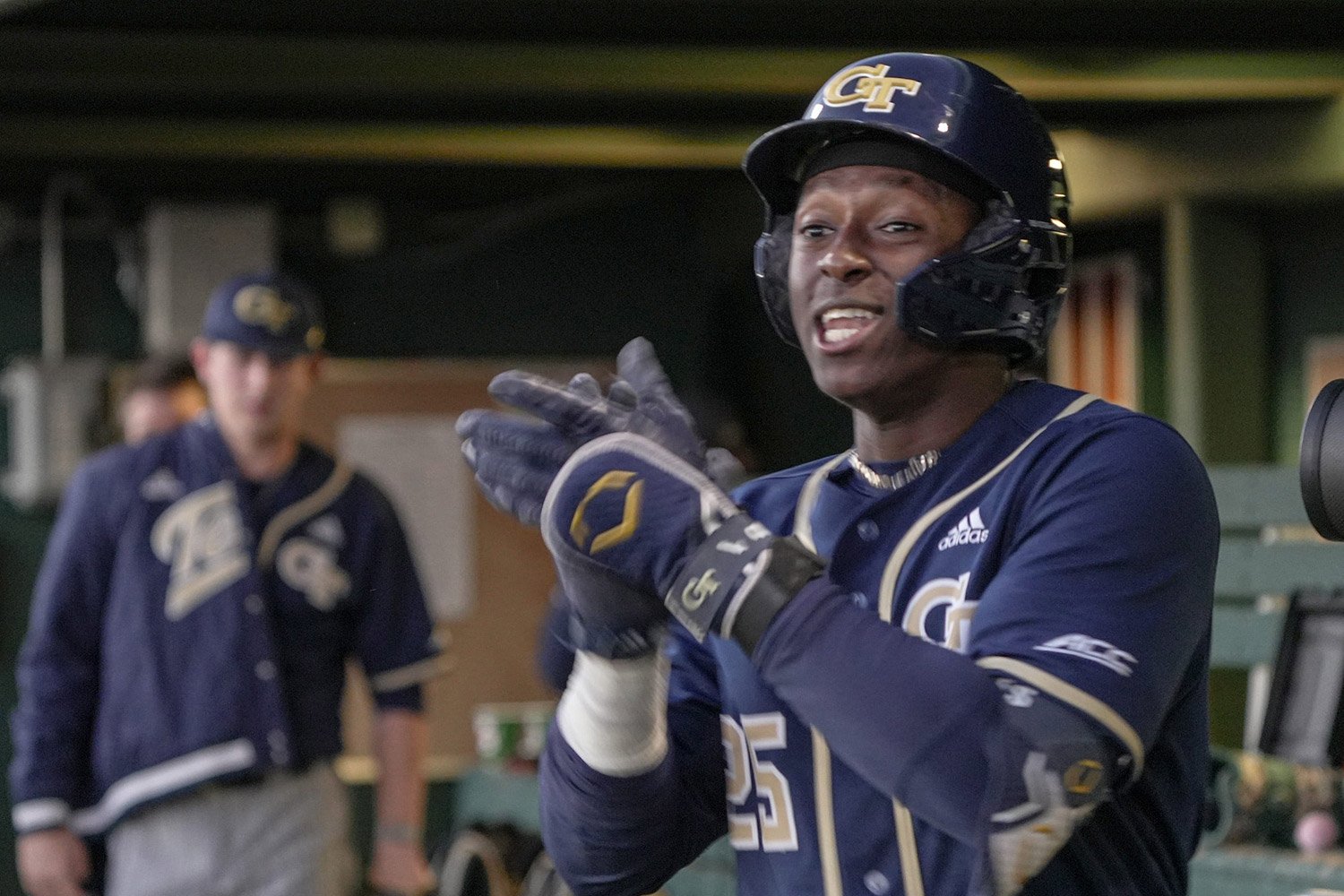 The Twins selected Vahn Lackey with the third overall pick in the 2026 MLB Draft. Lackey is a catcher from Georgia Tech. Slot value for the pick is $9,740,100. Lackey was ranked #2 on our MLB Draft Consensus Board. In 2026, Lackey slashed .397/.519/.772 (1.291) with 20 home runs (39 extra-base hits) while walking 17.7% of the time, and only striking out at a 13.4% clip. He also posted an outrageous 170 wRC+, showcasing just how well-rounded of a hitter he is. Here’s what our write-up of Lackey by Jamie Cameron from our MLB Draft Consensus Board said of Lackey. Every draft cycle seems to produce 2-3 first-round catchers, most of whom have warts offensively, defensively, or both. Georgia Tech's Vahn Lackey may be the most complete college catcher in recent seasons and has a case to make as college baseball’s most improved player in 2026. Lackey entered 2026 viewed as an excellent defensive catcher, with athleticism uncommon for the position, in addition to having strong bat-to-ball skills. He’s continued to look excellent behind the plate, with good receiving and blocking skills, an excellent arm, and strong pop and transfer times. He has all the ingredients to be a plus defensive catcher. Offensively, his power has taken a step forward. After hitting 6 home runs in 60 games in 2025, he managed 20 in 61 games in 2026, with more walks than strikeouts, adding a high on-base floor to his profile. Lackey ended 2026 hitting .397/.519/.772 with 39 extra base hits, a 17.7 BB%, a 13.4 K%, and 15 steals (94%). Simply put, he’s one of the most complete profiles in this draft class. Lackey becomes the Twins’ first catcher selected in round one since Joe Mauer in 2001. Given the fact that Roch Cholowsky and Grady Emerson went with the first two picks, this was a no-brainer for the Twins. Lackey will immediately become one of Minnesota’s top prospects, giving the team a pair of elite catching prospects along with Eduardo Tait. Jeremy Zoll's first draft is off to a promising start. What do you think of the pick? Add your thoughts in the comments.
 -
Image courtesy of © Ken Ruinard / USA Today Network South Carolina / USA TODAY NETWORK via Imagn Images The Twins selected Vahn Lackey with the third overall pick in the 2026 MLB Draft. Lackey is a catcher from Georgia Tech. Slot value for the pick is $9,740,100. Lackey was ranked #2 on our MLB Draft Consensus Board. In 2026, Lackey slashed .397/.519/.772 (1.291) with 20 home runs (39 extra-base hits) while walking 17.7% of the time, and only striking out at a 13.4% clip. He also posted an outrageous 170 wRC+, showcasing just how well-rounded of a hitter he is. Here’s what our write-up of Lackey by Jamie Cameron from our MLB Draft Consensus Board said of Lackey. Every draft cycle seems to produce 2-3 first-round catchers, most of whom have warts offensively, defensively, or both. Georgia Tech's Vahn Lackey may be the most complete college catcher in recent seasons and has a case to make as college baseball’s most improved player in 2026. Lackey entered 2026 viewed as an excellent defensive catcher, with athleticism uncommon for the position, in addition to having strong bat-to-ball skills. He’s continued to look excellent behind the plate, with good receiving and blocking skills, an excellent arm, and strong pop and transfer times. He has all the ingredients to be a plus defensive catcher. Offensively, his power has taken a step forward. After hitting 6 home runs in 60 games in 2025, he managed 20 in 61 games in 2026, with more walks than strikeouts, adding a high on-base floor to his profile. Lackey ended 2026 hitting .397/.519/.772 with 39 extra base hits, a 17.7 BB%, a 13.4 K%, and 15 steals (94%). Simply put, he’s one of the most complete profiles in this draft class. Lackey becomes the Twins’ first catcher selected in round one since Joe Mauer in 2001. Given the fact that Roch Cholowsky and Grady Emerson went with the first two picks, this was a no-brainer for the Twins. Lackey will immediately become one of Minnesota’s top prospects, giving the team a pair of elite catching prospects along with Eduardo Tait. Jeremy Zoll's first draft is off to a promising start. What do you think of the pick? Add your thoughts in the comments. View full article
-
Image courtesy of © Jesse Johnson-Imagn Images The Twins’ bullpen has caught a lot of grief this season, and rightfully so. As a unit, Minnesota’s relievers have simply not been good enough. They’re tied with the Royals for the highest bullpen ERA in baseball at 5.24, while their 1.54 WHIP ranks second-to-last in the league. It’s been an incredibly frustrating group to watch, especially in close games. It seems like every time the Twins have built a late lead, there’s been a feeling of uncertainty about whether it would actually hold. None of this should come as a huge surprise, either. At last season’s trade deadline, the Twins dealt away several of their top late-inning relievers, and it was pretty obvious that the bullpen was going to be one of the biggest question marks entering 2026. Sure enough, it has been. But even with the overall state of the Twins’ late-game pitching, there have been a couple of bright spots that have really stood out. In a bullpen that has struggled to find consistency, two pitchers have quietly given Minnesota reasons to feel optimistic about the future. The first would be the Twins’ new closer, Yoendrys Gómez. Since being acquired by Minnesota back in early May, Gómez has been awesome. Across 25.1 innings, he's posted a sparkling 1.78 ERA with a WHIP below 1.00, while striking out 24 hitters against just nine walks. Those are exactly the kinds of numbers the Twins desperately needed from the back end of their bullpen. Has he gotten a little help along the way? Maybe–his 3.04 FIP suggests he's probably benefited from some favorable luck on balls in play, and it's fair to wonder if his ERA will climb a bit over time. But even then, a 3.04 FIP is still a respectable number for a late-inning reliever. He's missing enough bats, limiting baserunners, and consistently putting the Twins in position to close out games. Whether his ERA stays below 2.00 or not almost feels beside the point. He's looked every bit like someone capable of handling the ninth inning. The other bright spot has been someone most fans probably didn't see coming at the start of the season–it’s rookie Andrew Morris. Morris became the first Twins prospect to make his major league debut this season, and he's been very impressive since arriving. Through his first 42 innings in the big leagues, Morris owns a 3.64 ERA with 44 strikeouts compared to just 13 walks. On the surface, a 3.64 ERA is certainly solid, but it doesn't exactly jump off the page. The underlying numbers, however, tell a much different story. Unlike Gómez, whose ERA has outperformed some of his expected metrics, Morris' advanced numbers suggest he may actually deserve even better results than he's gotten. Both his expected ERA and FIP sit below 3.00, indicating he's pitched more like one of the better relievers in baseball than his ERA alone would suggest. And perhaps even more impressive is how he's generating weak contact. Morris has, quite literally, been one of the best pitchers in Major League Baseball at preventing hitters from squaring the baseball up. His barrel rate and average exit velocity allowed both rank in the 90th percentile or better among qualified major league pitchers. His hard-hit rate is also comfortably above league average. That's an impressive combination for any pitcher, let alone a rookie making his first trip through the major leagues. He's keeping the ball on the ground, he's attacking hitters in the strike zone, and when opponents do make contact, they're rarely doing much damage with it. That's a recipe that tends to translate well over the long haul. It's hard not to be impressed by what we've seen from both Gómez and Morris this season. They've each stepped into meaningful bullpen roles and produced in a year where reliable relief pitching has been hard to find for Minnesota. But perhaps the best part isn't even what they've done this year; it's how long the Twins could have them. Both Gómez and Morris will still have five years of team control remaining after this season. They'll each have two more years before becoming arbitration-eligible, followed by three seasons of arbitration before they can eventually reach free agency. If everything continues to trend in the right direction, the Twins may have two key bullpen pieces under club control through the 2031 season. Considering how volatile relief pitching can be, having two younger arms emerge at the same time is a pretty significant development. The bullpen as a whole still has plenty of work to do. The ERA and WHIP are too high, and blown leads have happened far too often. Those issues aren't going away because of two good individual performances. But despite all of the frustration surrounding the Twins' bullpen this season, Andrew Morris and Yoendrys Gómez have been two genuinely good stories. Both have looked like legitimate late-inning options, and both appear to have the talent to stick around for a long time. For a bullpen that's spent most of the season searching for answers, that's a pretty encouraging place to start. Hopefully, Morris and Gómez remain staples of this unit for several years to come. View full article
-
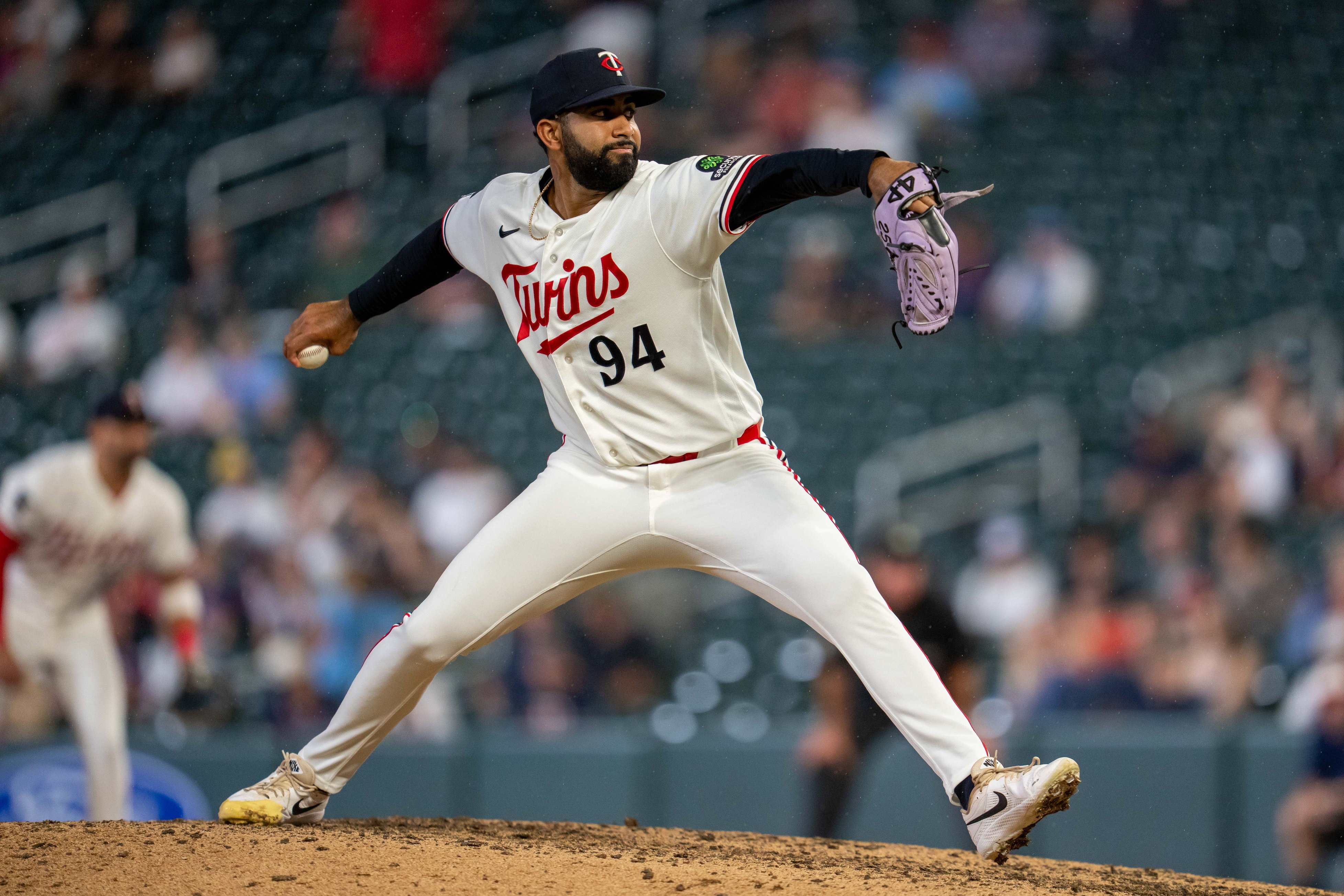 The Twins’ bullpen has caught a lot of grief this season, and rightfully so. As a unit, Minnesota’s relievers have simply not been good enough. They’re tied with the Royals for the highest bullpen ERA in baseball at 5.24, while their 1.54 WHIP ranks second-to-last in the league. It’s been an incredibly frustrating group to watch, especially in close games. It seems like every time the Twins have built a late lead, there’s been a feeling of uncertainty about whether it would actually hold. None of this should come as a huge surprise, either. At last season’s trade deadline, the Twins dealt away several of their top late-inning relievers, and it was pretty obvious that the bullpen was going to be one of the biggest question marks entering 2026. Sure enough, it has been. But even with the overall state of the Twins’ late-game pitching, there have been a couple of bright spots that have really stood out. In a bullpen that has struggled to find consistency, two pitchers have quietly given Minnesota reasons to feel optimistic about the future. The first would be the Twins’ new closer, Yoendrys Gómez. Since being acquired by Minnesota back in early May, Gómez has been awesome. Across 25.1 innings, he's posted a sparkling 1.78 ERA with a WHIP below 1.00, while striking out 24 hitters against just nine walks. Those are exactly the kinds of numbers the Twins desperately needed from the back end of their bullpen. Has he gotten a little help along the way? Maybe–his 3.04 FIP suggests he's probably benefited from some favorable luck on balls in play, and it's fair to wonder if his ERA will climb a bit over time. But even then, a 3.04 FIP is still a respectable number for a late-inning reliever. He's missing enough bats, limiting baserunners, and consistently putting the Twins in position to close out games. Whether his ERA stays below 2.00 or not almost feels beside the point. He's looked every bit like someone capable of handling the ninth inning. The other bright spot has been someone most fans probably didn't see coming at the start of the season–it’s rookie Andrew Morris. Morris became the first Twins prospect to make his major league debut this season, and he's been very impressive since arriving. Through his first 42 innings in the big leagues, Morris owns a 3.64 ERA with 44 strikeouts compared to just 13 walks. On the surface, a 3.64 ERA is certainly solid, but it doesn't exactly jump off the page. The underlying numbers, however, tell a much different story. Unlike Gómez, whose ERA has outperformed some of his expected metrics, Morris' advanced numbers suggest he may actually deserve even better results than he's gotten. Both his expected ERA and FIP sit below 3.00, indicating he's pitched more like one of the better relievers in baseball than his ERA alone would suggest. And perhaps even more impressive is how he's generating weak contact. Morris has, quite literally, been one of the best pitchers in Major League Baseball at preventing hitters from squaring the baseball up. His barrel rate and average exit velocity allowed both rank in the 90th percentile or better among qualified major league pitchers. His hard-hit rate is also comfortably above league average. That's an impressive combination for any pitcher, let alone a rookie making his first trip through the major leagues. He's keeping the ball on the ground, he's attacking hitters in the strike zone, and when opponents do make contact, they're rarely doing much damage with it. That's a recipe that tends to translate well over the long haul. It's hard not to be impressed by what we've seen from both Gómez and Morris this season. They've each stepped into meaningful bullpen roles and produced in a year where reliable relief pitching has been hard to find for Minnesota. But perhaps the best part isn't even what they've done this year; it's how long the Twins could have them. Both Gómez and Morris will still have five years of team control remaining after this season. They'll each have two more years before becoming arbitration-eligible, followed by three seasons of arbitration before they can eventually reach free agency. If everything continues to trend in the right direction, the Twins may have two key bullpen pieces under club control through the 2031 season. Considering how volatile relief pitching can be, having two younger arms emerge at the same time is a pretty significant development. The bullpen as a whole still has plenty of work to do. The ERA and WHIP are too high, and blown leads have happened far too often. Those issues aren't going away because of two good individual performances. But despite all of the frustration surrounding the Twins' bullpen this season, Andrew Morris and Yoendrys Gómez have been two genuinely good stories. Both have looked like legitimate late-inning options, and both appear to have the talent to stick around for a long time. For a bullpen that's spent most of the season searching for answers, that's a pretty encouraging place to start. Hopefully, Morris and Gómez remain staples of this unit for several years to come.
 -
The Twins have several players who make sense as trade candidates. Ryan Jeffers might be one of the most obvious names, and one of the biggest mistakes they could make moving. View full video
-
The Twins have several players who make sense as trade candidates. Ryan Jeffers might be one of the most obvious names, and one of the biggest mistakes they could make moving.
-
Trading Ryan Jeffers Would Be the Wrong Move for the Twins
Sam Caulder replied to Sam Caulder's topic in Minnesota Twins Talk
It would be so cool if I was, though -
Trading Ryan Jeffers Would Be the Wrong Move for the Twins
Sam Caulder replied to Sam Caulder's topic in Minnesota Twins Talk
I'm thinking of switching from Claude to ChatGPT, not sure yet though. Any recommendations? -
Image courtesy of © Mark J. Rebilas-Imagn Images It feels like the writing is on the wall for Tristan Gray. When the Twins acquired Gray from the Red Sox this winter, the expectations weren't particularly high. He wasn't viewed as a player who was going to dramatically change the roster or suddenly become an everyday contributor. If everything broke right, the best-case scenario was probably that he'd earn an Opening Day roster spot as a depth infielder capable of filling in around the diamond. And that's exactly what happened. Not only did Gray make the Opening Day roster, but for a little while, it actually looked like the Twins may have stumbled onto a hidden gem. Through May 5 (albeit in a very small sample of just 61 plate appearances), Gray was hitting .273 with three home runs and a 112 wRC+. For a player who was expected to simply provide depth, that kind of production was more than enough to catch people's attention. It wasn't just the numbers, either. Gray delivered in several big moments early in the season, including a grand slam in the Twins' home opener that put the game on ice. He came through when the team needed him, and suddenly there was real excitement surrounding a player whom hardly anyone expected much from just a few weeks earlier. At the same time, Brooks Lee was enduring a miserable start to the season. With Lee struggling to find any consistency at the plate, there was a legitimate argument to be made that Gray had earned a larger role. In fact, for a brief stretch, there was a reasonable case that he should take over as the Twins' primary shortstop. It's funny how quickly things can change over the course of a baseball season. Since May 6, it's been almost nothing but downhill. Over that stretch, Gray is hitting just .202 with a .510 OPS. His wRC+ has plummeted from a comfortably above-average mark all the way to a dreadful 39, and the underlying numbers don't paint a much prettier picture, either. He's making very little hard contact, which makes it incredibly difficult to produce consistently even when he does put the ball in play. Unfortunately, he isn't putting the ball in play nearly enough. On the season, Gray owns a strikeout rate of 31.8%, an alarmingly high number that has made it nearly impossible for him to sustain any offensive success. He's not making enough contact, and when he does make contact, he's not doing enough damage with it. To make matters worse, he isn't offsetting those strikeouts by drawing walks, either. His on-base ability has been minimal, leaving him without another avenue to contribute offensively. Just to be blunt, there's really nothing Gray is doing particularly well at the plate right now. Unfortunately for both him and the Twins, the blemishes don't stop there. If Gray were providing elite defense, perhaps you could live with some of the offensive shortcomings. Plenty of utility infielders have carved out long major-league careers by providing defensive value despite light bats. That hasn't been the case here. Gray currently grades out at -5 runs, and he's shown very little range in the infield throughout the season. Too many balls that should be converted into outs have found their way through the infield. Despite not being an everyday player, Gray is tied for the most errors among all Twins fielders with eight. When you're struggling offensively and not providing much value defensively, it becomes incredibly difficult to justify a roster spot. At this point, nothing about Gray's profile suggests he's a major league-quality player. Luckily for him, though, baseball has a funny way of opening unexpected doors. For what feels like most of the season at this point, shortstop Kaelen Culpepper has looked like he was on the verge of receiving his first call to the major leagues. The Twins' No. 2 prospect has continued to impress at Triple-A, and many fans have been anxiously waiting for the organization to give him an opportunity. Culpepper's glute has had other plans, however. He already spent a couple of weeks on the injured list in June because of the issue, and earlier this week, he landed back on the IL after the injury flared up again. It's an unfortunate development all around. It's obviously not ideal for Culpepper, who now has to put his major-league debut on hold while he works his way back. It's not ideal for Twins fans who have been eager to see one of the organization's top prospects finally arrive in Minnesota. And, somewhat ironically, it's probably the best thing that could’ve happened to Tristan Gray. With Culpepper sidelined, the Twins probably have quite as much urgency to make a change at shortstop. Gray will likely stick around a little longer, simply because the player many expected to replace him isn't currently available. But if Gray plans to remain in the major leagues beyond Culpepper's return, things are going to have to change—and they'll have to change drastically. The Twins can only wait so long for his offense to rebound. They can only overlook so many strikeouts, so many weakly hit balls, and so many defensive mistakes before deciding they need a different option. For a brief moment earlier this season, Gray looked like one of the best stories on the roster. He exceeded expectations, delivered some memorable moments, and even forced his way into conversations about earning a larger role. But baseball seasons are long, and early-season success only buys you so much time. Eventually, you have to keep producing, and right now, Tristan Gray simply isn't. His roster spot has been given a temporary lifeline because of circumstances outside of his control, but temporary is the key word. You might be able to delay the inevitable, but you can't stop it. View full article
-
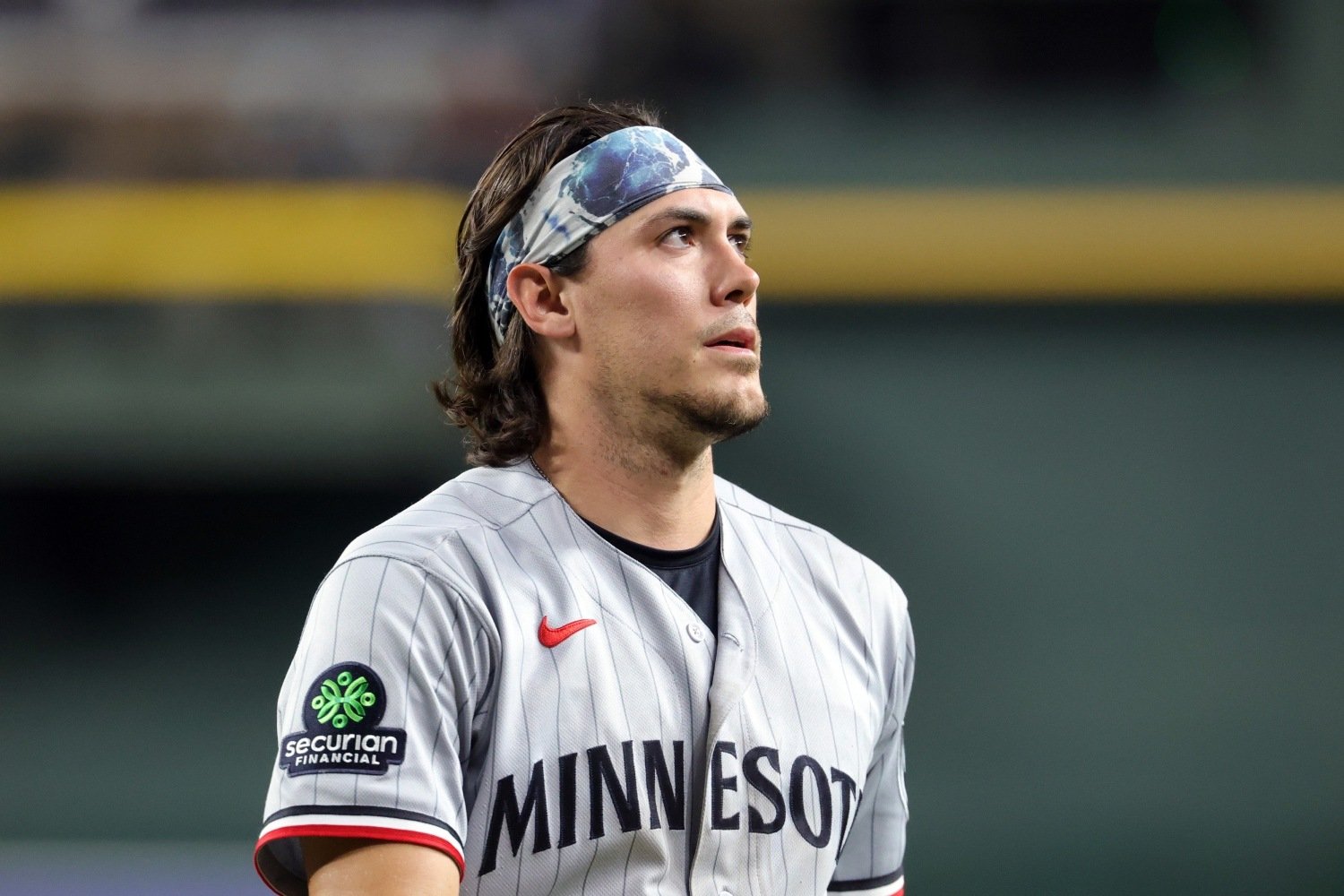 It feels like the writing is on the wall for Tristan Gray. When the Twins acquired Gray from the Red Sox this winter, the expectations weren't particularly high. He wasn't viewed as a player who was going to dramatically change the roster or suddenly become an everyday contributor. If everything broke right, the best-case scenario was probably that he'd earn an Opening Day roster spot as a depth infielder capable of filling in around the diamond. And that's exactly what happened. Not only did Gray make the Opening Day roster, but for a little while, it actually looked like the Twins may have stumbled onto a hidden gem. Through May 5 (albeit in a very small sample of just 61 plate appearances), Gray was hitting .273 with three home runs and a 112 wRC+. For a player who was expected to simply provide depth, that kind of production was more than enough to catch people's attention. It wasn't just the numbers, either. Gray delivered in several big moments early in the season, including a grand slam in the Twins' home opener that put the game on ice. He came through when the team needed him, and suddenly there was real excitement surrounding a player whom hardly anyone expected much from just a few weeks earlier. At the same time, Brooks Lee was enduring a miserable start to the season. With Lee struggling to find any consistency at the plate, there was a legitimate argument to be made that Gray had earned a larger role. In fact, for a brief stretch, there was a reasonable case that he should take over as the Twins' primary shortstop. It's funny how quickly things can change over the course of a baseball season. Since May 6, it's been almost nothing but downhill. Over that stretch, Gray is hitting just .202 with a .510 OPS. His wRC+ has plummeted from a comfortably above-average mark all the way to a dreadful 39, and the underlying numbers don't paint a much prettier picture, either. He's making very little hard contact, which makes it incredibly difficult to produce consistently even when he does put the ball in play. Unfortunately, he isn't putting the ball in play nearly enough. On the season, Gray owns a strikeout rate of 31.8%, an alarmingly high number that has made it nearly impossible for him to sustain any offensive success. He's not making enough contact, and when he does make contact, he's not doing enough damage with it. To make matters worse, he isn't offsetting those strikeouts by drawing walks, either. His on-base ability has been minimal, leaving him without another avenue to contribute offensively. Just to be blunt, there's really nothing Gray is doing particularly well at the plate right now. Unfortunately for both him and the Twins, the blemishes don't stop there. If Gray were providing elite defense, perhaps you could live with some of the offensive shortcomings. Plenty of utility infielders have carved out long major-league careers by providing defensive value despite light bats. That hasn't been the case here. Gray currently grades out at -5 runs, and he's shown very little range in the infield throughout the season. Too many balls that should be converted into outs have found their way through the infield. Despite not being an everyday player, Gray is tied for the most errors among all Twins fielders with eight. When you're struggling offensively and not providing much value defensively, it becomes incredibly difficult to justify a roster spot. At this point, nothing about Gray's profile suggests he's a major league-quality player. Luckily for him, though, baseball has a funny way of opening unexpected doors. For what feels like most of the season at this point, shortstop Kaelen Culpepper has looked like he was on the verge of receiving his first call to the major leagues. The Twins' No. 2 prospect has continued to impress at Triple-A, and many fans have been anxiously waiting for the organization to give him an opportunity. Culpepper's glute has had other plans, however. He already spent a couple of weeks on the injured list in June because of the issue, and earlier this week, he landed back on the IL after the injury flared up again. It's an unfortunate development all around. It's obviously not ideal for Culpepper, who now has to put his major-league debut on hold while he works his way back. It's not ideal for Twins fans who have been eager to see one of the organization's top prospects finally arrive in Minnesota. And, somewhat ironically, it's probably the best thing that could’ve happened to Tristan Gray. With Culpepper sidelined, the Twins probably have quite as much urgency to make a change at shortstop. Gray will likely stick around a little longer, simply because the player many expected to replace him isn't currently available. But if Gray plans to remain in the major leagues beyond Culpepper's return, things are going to have to change—and they'll have to change drastically. The Twins can only wait so long for his offense to rebound. They can only overlook so many strikeouts, so many weakly hit balls, and so many defensive mistakes before deciding they need a different option. For a brief moment earlier this season, Gray looked like one of the best stories on the roster. He exceeded expectations, delivered some memorable moments, and even forced his way into conversations about earning a larger role. But baseball seasons are long, and early-season success only buys you so much time. Eventually, you have to keep producing, and right now, Tristan Gray simply isn't. His roster spot has been given a temporary lifeline because of circumstances outside of his control, but temporary is the key word. You might be able to delay the inevitable, but you can't stop it.
 -
Image courtesy of © Jordan Johnson-Imagn Images The Twins are probably going to be active over the next few weeks, and regardless of whether they believe they can still make a run at the AL Central or not, roster moves are coming. Names like Trevor Larnach, Kody Clemens, Josh Bell, and a handful of others have all surfaced as potential trade candidates. One of those "others" is Ryan Jeffers. It makes sense, on the surface. Jeffers is set to become a free agent after the season. If the Twins have already decided he isn't part of their long-term plans, then the logical move would be to see what kind of return they can get, rather than letting him walk for nothing in free agency. But I think trading Jeffers would be a huge mistake, for a few reasons. Before landing on the injured list in May, Jeffers wasn't just having a good season. He was quite literally one of the best hitters in Major League Baseball. Through 37 games, Jeffers was hitting .295 with an outstanding .408 on-base percentage, while posting an even 1-to-1 strikeout-to-walk ratio. That's incredibly difficult to do, especially for a catcher, and it reflected just how complete his offensive game had become. The underlying data backed it up, too. His quality of contact had reached career-best levels, and perhaps even more importantly, his bat-to-ball skills continued to improve. It was shaping up to be the best version of Jeffers we'd ever seen. But then came the injury. Jeffers suffered a fractured hamate bone in his left hand and has spent the last couple of months on the injured list. Whether it's simply the effects of a lengthy layoff or the process of getting back into game rhythm, it's reasonable to expect his production to take a step back after he returns. Because of that, it's entirely possible Jeffers won't look like the same hitter during the second half of the season. Ironically, though, that might actually work in the Twins' favor. If Jeffers’ production declines, his value in free agency may take a hit as well. Instead of pricing himself into a contract the Twins aren't comfortable matching, a quieter finish to the season could make him significantly more affordable this winter. Of course, his value goes beyond what he can do at the plate. One of the more underrated developments this season was what Jeffers brought behind the plate through the ABS challenge system. While he's never been known as an elite defensive catcher, Jeffers quickly became one of the more valuable catchers in baseball when it came to challenging balls and strikes. Those successful challenges created extra strikes for Twins pitchers and erased bad calls that otherwise would've extended at-bats. It's a small part of the game, but one that absolutely provides value over the course of a season. For a catcher who has never consistently thrown out runners at a high rate or been viewed as an elite blocker, adding another tangible defensive strength is significant. It's another reason why his overall value may be greater than the traditional numbers suggest. Then there's the organizational picture. Even though the Twins still have Victor Caratini under contract for another year, their catching pipeline isn't close to being major league-ready. Eduardo Tait has tremendous upside, but he's still only 19 years old and is currently playing at High-A. Enrique Jimenez is at that same level, while Khadim Diaw's long-term future behind the plate remains uncertain, especially given his frighteningly low caught-stealing rates. There are talented catchers in the system; they're just not close enough to make an impact at the major-league level anytime soon. That could change this weekend, if the Twins use their third overall pick in the MLB Draft on Georgia Tech catcher Vahn Lackey. He's been heavily connected to Minnesota throughout the pre-draft process and certainly fits the type of player they could target. But even if Lackey becomes the selection, that doesn't suddenly solve the major league catching situation. College catchers still need time to develop. Whether it's Tait, Lackey, or someone else, the Twins are going to need somebody to bridge the gap between the present and the next generation. To me, Jeffers is the obvious choice, because what's the alternative? If you trade Jeffers now, you're probably turning around this offseason and spending money on another catcher, anyway. Why not keep the player who already knows the organization, has a strong track record of offensive production, and has built relationships with the pitching staff? That continuity matters, especially for a team that's likely going to lean on young starters and young position players over the next several seasons. Even if the Twins don't believe 2026 is shaping up to be a competitive year, I don't think Jeffers should be available at this trade deadline. He gives the Twins value immediately. He provides leadership inside the clubhouse, he’s helped stabilize a young pitching staff, and perhaps most importantly, he allows the organization to be patient with its next wave of catching prospects instead of forcing one of them to the majors before they're truly ready. There are certainly players the Twins should consider moving over the next few weeks, but Jeffers shouldn't be one of them. If I'm running this front office, he’s going nowhere this summer. View full article
-
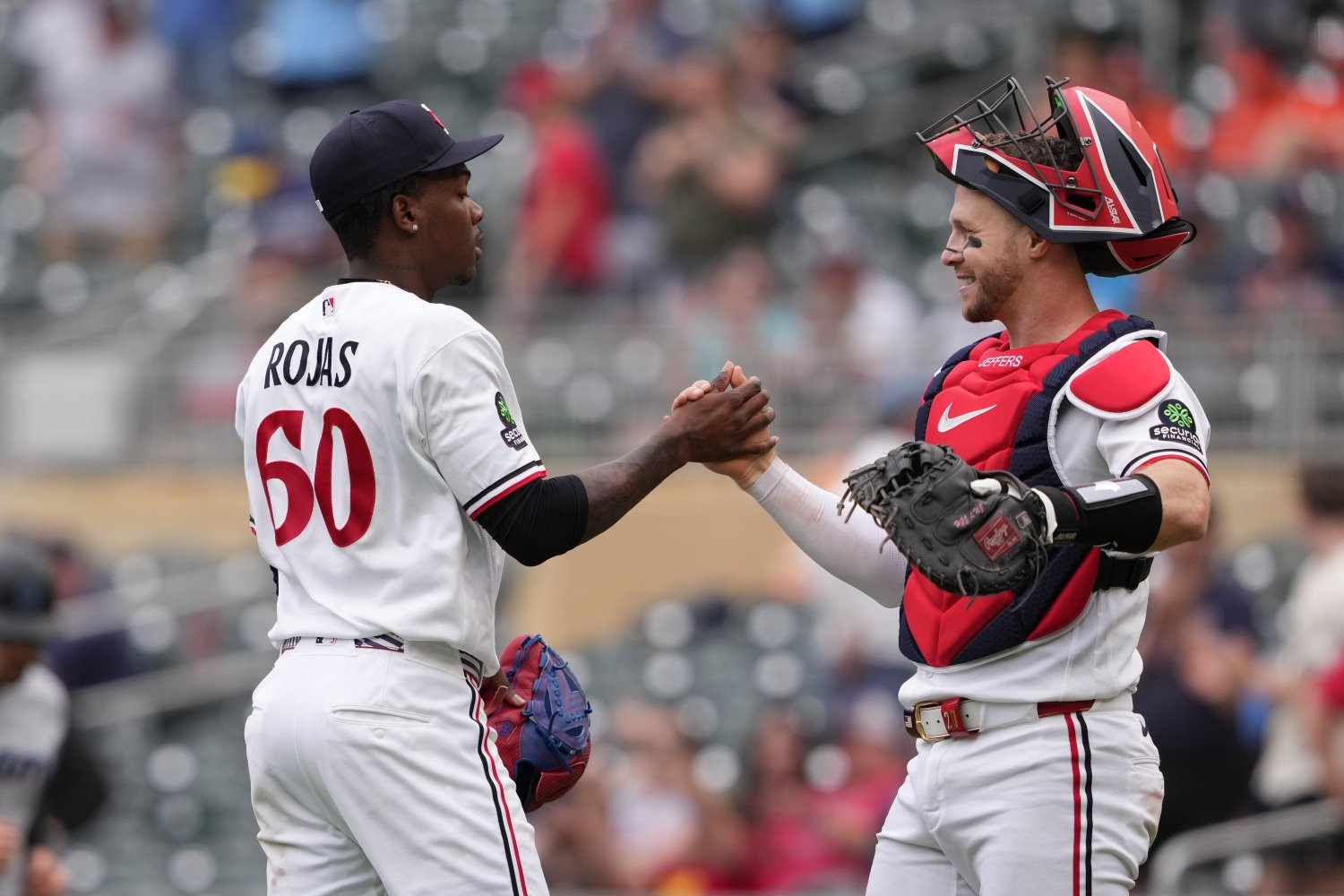 The Twins are probably going to be active over the next few weeks, and regardless of whether they believe they can still make a run at the AL Central or not, roster moves are coming. Names like Trevor Larnach, Kody Clemens, Josh Bell, and a handful of others have all surfaced as potential trade candidates. One of those "others" is Ryan Jeffers. It makes sense, on the surface. Jeffers is set to become a free agent after the season. If the Twins have already decided he isn't part of their long-term plans, then the logical move would be to see what kind of return they can get, rather than letting him walk for nothing in free agency. But I think trading Jeffers would be a huge mistake, for a few reasons. Before landing on the injured list in May, Jeffers wasn't just having a good season. He was quite literally one of the best hitters in Major League Baseball. Through 37 games, Jeffers was hitting .295 with an outstanding .408 on-base percentage, while posting an even 1-to-1 strikeout-to-walk ratio. That's incredibly difficult to do, especially for a catcher, and it reflected just how complete his offensive game had become. The underlying data backed it up, too. His quality of contact had reached career-best levels, and perhaps even more importantly, his bat-to-ball skills continued to improve. It was shaping up to be the best version of Jeffers we'd ever seen. But then came the injury. Jeffers suffered a fractured hamate bone in his left hand and has spent the last couple of months on the injured list. Whether it's simply the effects of a lengthy layoff or the process of getting back into game rhythm, it's reasonable to expect his production to take a step back after he returns. Because of that, it's entirely possible Jeffers won't look like the same hitter during the second half of the season. Ironically, though, that might actually work in the Twins' favor. If Jeffers’ production declines, his value in free agency may take a hit as well. Instead of pricing himself into a contract the Twins aren't comfortable matching, a quieter finish to the season could make him significantly more affordable this winter. Of course, his value goes beyond what he can do at the plate. One of the more underrated developments this season was what Jeffers brought behind the plate through the ABS challenge system. While he's never been known as an elite defensive catcher, Jeffers quickly became one of the more valuable catchers in baseball when it came to challenging balls and strikes. Those successful challenges created extra strikes for Twins pitchers and erased bad calls that otherwise would've extended at-bats. It's a small part of the game, but one that absolutely provides value over the course of a season. For a catcher who has never consistently thrown out runners at a high rate or been viewed as an elite blocker, adding another tangible defensive strength is significant. It's another reason why his overall value may be greater than the traditional numbers suggest. Then there's the organizational picture. Even though the Twins still have Victor Caratini under contract for another year, their catching pipeline isn't close to being major league-ready. Eduardo Tait has tremendous upside, but he's still only 19 years old and is currently playing at High-A. Enrique Jimenez is at that same level, while Khadim Diaw's long-term future behind the plate remains uncertain, especially given his frighteningly low caught-stealing rates. There are talented catchers in the system; they're just not close enough to make an impact at the major-league level anytime soon. That could change this weekend, if the Twins use their third overall pick in the MLB Draft on Georgia Tech catcher Vahn Lackey. He's been heavily connected to Minnesota throughout the pre-draft process and certainly fits the type of player they could target. But even if Lackey becomes the selection, that doesn't suddenly solve the major league catching situation. College catchers still need time to develop. Whether it's Tait, Lackey, or someone else, the Twins are going to need somebody to bridge the gap between the present and the next generation. To me, Jeffers is the obvious choice, because what's the alternative? If you trade Jeffers now, you're probably turning around this offseason and spending money on another catcher, anyway. Why not keep the player who already knows the organization, has a strong track record of offensive production, and has built relationships with the pitching staff? That continuity matters, especially for a team that's likely going to lean on young starters and young position players over the next several seasons. Even if the Twins don't believe 2026 is shaping up to be a competitive year, I don't think Jeffers should be available at this trade deadline. He gives the Twins value immediately. He provides leadership inside the clubhouse, he’s helped stabilize a young pitching staff, and perhaps most importantly, he allows the organization to be patient with its next wave of catching prospects instead of forcing one of them to the majors before they're truly ready. There are certainly players the Twins should consider moving over the next few weeks, but Jeffers shouldn't be one of them. If I'm running this front office, he’s going nowhere this summer.
 -
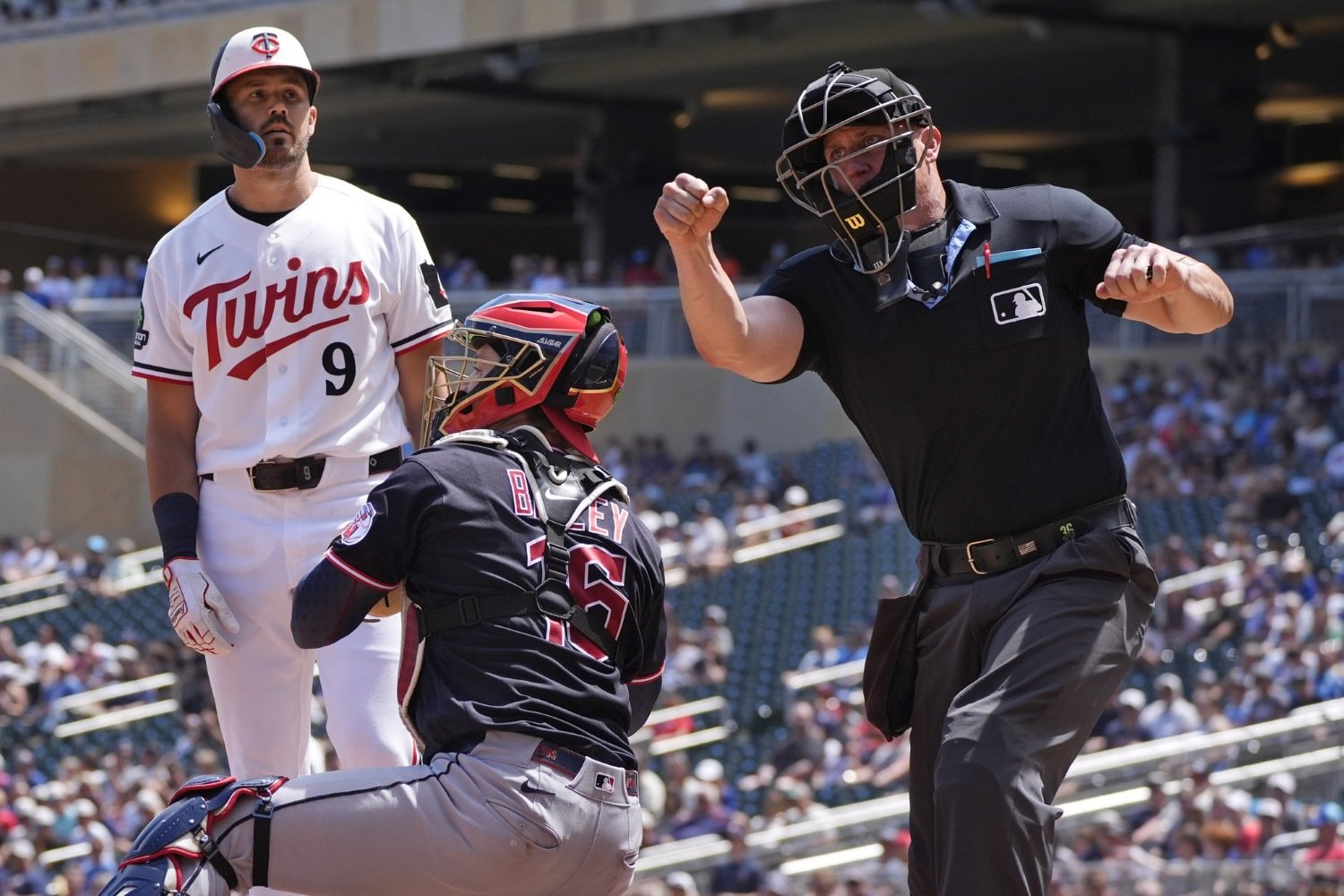 Box Score SP: Bailey Ober - 5 IP, 3 H, 1 R, 1 BB, 5 K (74 pitches, 48 strikes (65% strikes)) Home Runs: Royce Lewis Bottom 3 WPA: Kendry Rojas (-0.29), Trevor Larnach (-0.18), Alex Jackson (-0.15) Win Probability Chart The Twins entered Thursday afternoon's series finale against the Guardians with a chance to complete a three-game sweep and climb back to .500 for the first time since April 22. A victory also would have pulled Minnesota even with Cleveland in the AL Central standings. Instead, the Guardians spoiled the opportunity. Despite a strong return from Bailey Ober and a brief fifth-inning rally, Cleveland used three home runs and a pair of late insurance runs to hand the Twins a 5-2 loss. Minnesota saw its four-game winning streak come to an end, but still walked away with a successful series after taking two of three from its division rival. BAILEY OBER RETURNS WITH A STRONG FIVE INNINGS Making his first start since May 30, Ober looked sharp from the opening pitch. The right-hander retired the Guardians in order in the first inning and needed just 15 pitches to navigate the frame. Outside of one mistake in the second, he consistently worked ahead in counts and generated plenty of weak contact. That lone mistake came against Gabriel Arias, who jumped on a first-pitch fastball and launched it into the bullpen for a solo homer, giving Cleveland an early 1-0 lead. Other than that swing, Ober was in complete control. He struck out four batters over five innings while allowing just three hits and one walk, throwing 51 of his 74 pitches for strikes. Through four innings, he had needed only 51 pitches, and even after working around a two-on jam in the fifth, he exited having allowed just the lone run. With Ober making his first appearance since returning from the injured list, the Twins elected to lift him after five innings despite the modest pitch count. It was exactly the kind of outing Minnesota hoped to see from one of its key starters. GAVIN WILLIAMS DOMINATES THE TWINS' OFFENSE Unfortunately for the Twins, Cleveland starter Gavin Williams was just as impressive. Williams retired the first 12 Minnesota hitters he faced, striking out six over the first four innings while keeping the Twins completely off balance. Through four innings, Minnesota had yet to put a runner on base and had little answer for his upper-90s fastball and sharp breaking ball. The perfect game finally disappeared in the fifth, when Royce Lewis dumped a two-strike bloop single into shallow right-center. That proved to be the spark the Twins desperately needed. Alan Roden followed with a walk, and then Williams plunked Luke Keaschall, suddenly loading the bases with one out. Tristan Gray came through, shooting a ground ball past Travis Bazzana at second base to score Lewis and tie the game at 1-1. The Twins had a chance for much more. With the bases still loaded, Alex Jackson hit a ground ball that resulted in Roden being thrown out at the plate, and Trevor Larnach struck out to end the inning. Minnesota managed to erase the deficit, but leaving additional runs on the table would prove costly. CLEVELAND RESPONDS IMMEDIATELY The tie lasted less than one half-inning. Kendry Rojas, who had been recalled earlier in the day, entered in relief of Ober to begin the sixth. After recording the first out, Chase DeLauter turned on a fastball up in the zone and pulled it into the right-field seats for a go-ahead solo homer, putting the Guardians back in front 2-1. An inning later, Cleveland created more separation. Rojas issued back-to-back one-out walks to Patrick Bailey and Steven Kwan before Rocchio lined a ball over Brooks Lee's head into left field. Both runners scored easily, stretching the Guardians' lead to three. Lewis answered immediately in the bottom half of the inning. The third baseman crushed a 2-0 sweeper into the seats for his ninth home run of the season, cutting the deficit to 4-2 and briefly giving the Twins some life. But Minnesota's offense was unable to build on the momentum, managing just one baserunner over the final two innings. GO MAKES HIS MAJOR LEAGUE DEBUT Minnesota also received a memorable moment in the ninth inning when Woo-Suk Go made both his Twins and major league debut. The outing began on a sour note as Patrick Bailey connected on a solo home run to push Cleveland's lead to 5-2. However, Go settled in nicely afterward, winning a 10-pitch battle against Steven Kwan for his first career major league strikeout before retiring Bazzana to end the inning. It wasn't the debut he'd envisioned, but finishing the inning with his first big-league strikeout gave the rookie something positive to build on. Cade Smith then closed the door in the ninth, retiring the Twins in order to secure the victory for Cleveland. Minnesota's offense never found much consistency against Williams and the Guardians' bullpen, finishing with just four hits while striking out 13 times. Lewis accounted for half of those hits with a single and a solo homer, while Gray drove in the Twins' other run. The loss prevented Minnesota from reaching .500 and drawing even with Cleveland in the division standings, but after winning the first two games of the series and extending its recent stretch of strong baseball, the Twins still leave the matchup with momentum as they head into their next series. What’s Next? The Twins continue their homestand tomorrow with the start of a three-game weekend series against the Los Angeles Angels. Zebby Matthews will take the mound for the good guys, and the Angels have not yet announced who he’ll be facing off against. First pitch is set for 7:10 PM. Postgame Interviews Coming Soon! Bullpen Availability Chart
- 23 comments
-
- 6
-
-
- game recap
- bailey ober
- (and 3 more)
-
Image courtesy of © Bruce Kluckhohn-Imagn Images Box Score SP: Bailey Ober - 5 IP, 3 H, 1 R, 1 BB, 5 K (74 pitches, 48 strikes (65% strikes)) Home Runs: Royce Lewis Bottom 3 WPA: Kendry Rojas (-0.29), Trevor Larnach (-0.18), Alex Jackson (-0.15) Win Probability Chart The Twins entered Thursday afternoon's series finale against the Guardians with a chance to complete a three-game sweep and climb back to .500 for the first time since April 22. A victory also would have pulled Minnesota even with Cleveland in the AL Central standings. Instead, the Guardians spoiled the opportunity. Despite a strong return from Bailey Ober and a brief fifth-inning rally, Cleveland used three home runs and a pair of late insurance runs to hand the Twins a 5-2 loss. Minnesota saw its four-game winning streak come to an end, but still walked away with a successful series after taking two of three from its division rival. BAILEY OBER RETURNS WITH A STRONG FIVE INNINGS Making his first start since May 30, Ober looked sharp from the opening pitch. The right-hander retired the Guardians in order in the first inning and needed just 15 pitches to navigate the frame. Outside of one mistake in the second, he consistently worked ahead in counts and generated plenty of weak contact. That lone mistake came against Gabriel Arias, who jumped on a first-pitch fastball and launched it into the bullpen for a solo homer, giving Cleveland an early 1-0 lead. Other than that swing, Ober was in complete control. He struck out four batters over five innings while allowing just three hits and one walk, throwing 51 of his 74 pitches for strikes. Through four innings, he had needed only 51 pitches, and even after working around a two-on jam in the fifth, he exited having allowed just the lone run. With Ober making his first appearance since returning from the injured list, the Twins elected to lift him after five innings despite the modest pitch count. It was exactly the kind of outing Minnesota hoped to see from one of its key starters. GAVIN WILLIAMS DOMINATES THE TWINS' OFFENSE Unfortunately for the Twins, Cleveland starter Gavin Williams was just as impressive. Williams retired the first 12 Minnesota hitters he faced, striking out six over the first four innings while keeping the Twins completely off balance. Through four innings, Minnesota had yet to put a runner on base and had little answer for his upper-90s fastball and sharp breaking ball. The perfect game finally disappeared in the fifth, when Royce Lewis dumped a two-strike bloop single into shallow right-center. That proved to be the spark the Twins desperately needed. Alan Roden followed with a walk, and then Williams plunked Luke Keaschall, suddenly loading the bases with one out. Tristan Gray came through, shooting a ground ball past Travis Bazzana at second base to score Lewis and tie the game at 1-1. The Twins had a chance for much more. With the bases still loaded, Alex Jackson hit a ground ball that resulted in Roden being thrown out at the plate, and Trevor Larnach struck out to end the inning. Minnesota managed to erase the deficit, but leaving additional runs on the table would prove costly. CLEVELAND RESPONDS IMMEDIATELY The tie lasted less than one half-inning. Kendry Rojas, who had been recalled earlier in the day, entered in relief of Ober to begin the sixth. After recording the first out, Chase DeLauter turned on a fastball up in the zone and pulled it into the right-field seats for a go-ahead solo homer, putting the Guardians back in front 2-1. An inning later, Cleveland created more separation. Rojas issued back-to-back one-out walks to Patrick Bailey and Steven Kwan before Rocchio lined a ball over Brooks Lee's head into left field. Both runners scored easily, stretching the Guardians' lead to three. Lewis answered immediately in the bottom half of the inning. The third baseman crushed a 2-0 sweeper into the seats for his ninth home run of the season, cutting the deficit to 4-2 and briefly giving the Twins some life. But Minnesota's offense was unable to build on the momentum, managing just one baserunner over the final two innings. GO MAKES HIS MAJOR LEAGUE DEBUT Minnesota also received a memorable moment in the ninth inning when Woo-Suk Go made both his Twins and major league debut. The outing began on a sour note as Patrick Bailey connected on a solo home run to push Cleveland's lead to 5-2. However, Go settled in nicely afterward, winning a 10-pitch battle against Steven Kwan for his first career major league strikeout before retiring Bazzana to end the inning. It wasn't the debut he'd envisioned, but finishing the inning with his first big-league strikeout gave the rookie something positive to build on. Cade Smith then closed the door in the ninth, retiring the Twins in order to secure the victory for Cleveland. Minnesota's offense never found much consistency against Williams and the Guardians' bullpen, finishing with just four hits while striking out 13 times. Lewis accounted for half of those hits with a single and a solo homer, while Gray drove in the Twins' other run. The loss prevented Minnesota from reaching .500 and drawing even with Cleveland in the division standings, but after winning the first two games of the series and extending its recent stretch of strong baseball, the Twins still leave the matchup with momentum as they head into their next series. What’s Next? The Twins continue their homestand tomorrow with the start of a three-game weekend series against the Los Angeles Angels. Zebby Matthews will take the mound for the good guys, and the Angels have not yet announced who he’ll be facing off against. First pitch is set for 7:10 PM. Postgame Interviews Coming Soon! Bullpen Availability Chart View full article
-
Taj Bradley tied his career high in a start against the Astros, posting 11 strikeouts. There's still one adjustment that could take his game to another level. View full video
-
Taj Bradley tied his career high in a start against the Astros, posting 11 strikeouts. There's still one adjustment that could take his game to another level.


