



Ray Stuedemann
-
Posts
25 -
Joined
-
Last visited
Ray Stuedemann's Achievements




-
 mikelink45 reacted to an article:
Old Friends the Minnesota Twins Could Bring Back in 2027
mikelink45 reacted to an article:
Old Friends the Minnesota Twins Could Bring Back in 2027
-
Image courtesy of William Liang-Imagn Images Every offseason brings change, but sometimes, the best way to fix a team’s weaknesses is by looking back. As the Twins head into the 2027 offseason, a few familiar faces could make sense, as the team looks to fill holes from the 2026 roster. Of course, nostalgia alone isn’t enough. The numbers must back it up, whether that means a former Twin still has the bat, arm, or underlying metrics to contribute. Here are a few “old friends” who are 2027 free agents, and whom the Twins could therefore consider bringing back. Ty France – 1B, San Diego Padres After a disappointing 2025 campaign offensively, he still won a Gold Glove for his first base play for the Twins and Blue Jays. The offseason didn’t present a ton of opportunity for France, as he signed a minor-league deal with the team that initially drafted him. The 32-year-old has had a resurgence this year, slashing .295/.363/.502 in 500 plate appearances while clobbering 21 home runs, a career high. France could be the primary first baseman for the Twins in 2027, as well as another right-handed bat to plug into the middle of their lineup. While France will have suitors this offseason, the Twins should at least put in an offer, given the revolving door they had at first base in 2026 and how popular France was in the clubhouse during his brief stint with the team. Luis Arraez – 2B, Philadelphia Phillies This season was a tale of two teams for Arraez, as his first half with the Giants led to a trade to the contending Phillies. He slashed .324/.360/.440 in 464 plate appearances for San Francisco, compared to .278/.309/.369 in 191 plate appearances for Philadelphia. The main development for Arraez this season was his defense. The 29-year-old spoke out this offseason about wanting to return to second base, and he backed it up, posting the highest Outs Above Average of his career (12). It was a nice return to form for Arraez offensively, given his 101 OPS+ with the Padres the season before, a career-low mark. He could be an option for the Twins to add at second base. Is it the most realistic option? Certainly not, given the Twins' infield depth, plethora of left-handed bats, and young players penciled into roles for 2027 already. Still, with the uncertainty surrounding Royce Lewis’s place on the Twins, an infielder could (and should) be added, so why not Arraez? Isiah Kiner-Falefa – UTIL, Boston Red Sox This one is stretching a bit, as Kiner-Falefa was a Twin for not even two days (in the offseason, at that) before being traded to the Yankees. He’s bounced around since then, spending time with the Blue Jays, Pirates, and now the Red Sox. His offensive ability isn’t great, as he slashed .242/.322/.311 in 183 plate appearances in Boston this year. Kiner-Falefa’s career OPS+ is 81, so he wouldn’t be brought in to provide meaningful at-bats at the top of the order. The 31-year-old could still provide value as a defense-first utility man off the bench, though. He appeared at all four infield spots, though he spent most of his time at second base. The Twins could have a player such as Ryan Kreidler or Ben Ross fill the utility infield role, but Kiner-Falefa is still a plus defender, posting 8 OAA in 2026, and he could contribute as a fill-in player for Culpepper at short and whoever's playing second base. Brusdar Graterol – RHP, Los Angeles Dodgers Injuries have been the roadblock of late for Graterol, who went to the Dodgers in the Kenta Maeda trade back in 2020. After posting a 1.4-fWAR season in 2023, the 28-year-old has only thrown 7 1/3 big-league innings since 2024, missing all of the last two seasons and undergoing back surgery in June. Still, when he is healthy, Graterol is effective. His career ERA is 2.78 (3.20 FIP), with a WHIP of 1.04. Graterol should not be relied on to provide any kind of consistency for a team in 2027, but if the Twins were to sign him to a minor-league deal, he would be a low-risk, high-upside signing that teams with budgets such as the Twins are always searching for. Other relievers (such as David Bednar or Bryan Abreu) would be surer things, but if Graterol is healthy and performing as he has before, he could be a very productive player. Steven Okert – LHP, Houston Astros Okert has become a completely different pitcher since he departed Minnesota after the 2024 season. The 35-year-old signed with the Astros and hasn’t looked back, posting a 2.58 ERA (2.99 FIP) in 139 1/3 innings in Houston over the two seasons he's pitched there. His slider has been his best pitch—almost the only one, but good enough to allow him to thrive without much of a complement. He isn’t just a platoon pitcher, either. His OPS allowed to right-handed batters is only slightly higher (.591) than his OPS allowed to lefties (.545). There may be some cause for concern given his home/road splits (0.97 ERA at home, 3.52 on the road), but the need for a left-handed arm is there for the Twins. Taylor Rogers and A.J. Minter are both headed out the door. Okert would be another trusted veteran arm for Derek Shelton and the new pitching coach (whoever that may be) to utilize in the bullpen, alongside Jeff Hoffman, Andrew Morris, Yoendrys Gómez, and others. Beyond the five above, there are a few other names who are possibilities but might not make sense. The Twins may have a need at catcher. Mitch Garver and Christian Vázquez could be cheap, low-risk options, although it's hard to imagine either being excited about a reunion—or fans being happy about one, either. Gary Sánchez could be a major-league backup option, though. Tyler Austin and Lamonte Wade Jr. could provide some first-base depth, while veteran starters such as Tyler Mahle and Martín Pérez could be options to add some depth to the starting rotation. Caleb Thielbar would be another familiar, low-cost bullpen option, if he doesn’t retire, but his numbers were not great in his age-39 season (4.70 FIP in 50 innings). None of these names would be major additions, but each could provide some depth—and maybe some upside, if the right opportunity presents itself. The Twins don’t need to bring back every former player purely based on nostalgia, but there are certainly names here who could help the team in 2027. None of them should be out of the Twins’ price range, especially with the Pohlads insisting they will invest in the team’s payroll. Nevertheless, the Twins have lots of decisions to make about the 2027 roster, and a reunion or two could boost the on-field play, as well as fan sentiment. The best offseason moves aren’t always the biggest names on the market, but rather, cheaper players who can fill a role for a team that needs it. Besides, who doesn’t love a reunion? What are your thoughts? Could any of these names be contributors for the 2027 Twins? View full article
-
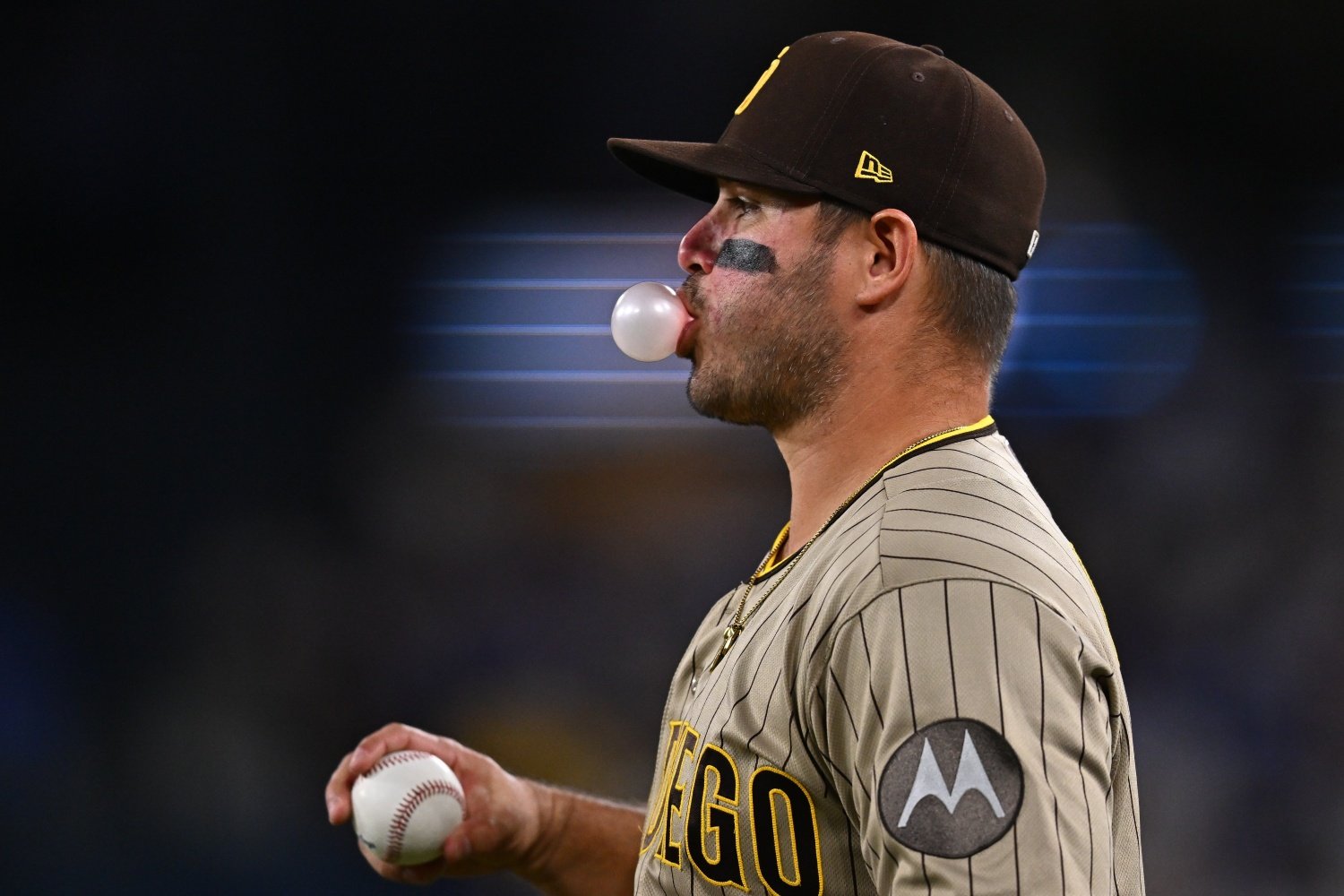 Every offseason brings change, but sometimes, the best way to fix a team’s weaknesses is by looking back. As the Twins head into the 2027 offseason, a few familiar faces could make sense, as the team looks to fill holes from the 2026 roster. Of course, nostalgia alone isn’t enough. The numbers must back it up, whether that means a former Twin still has the bat, arm, or underlying metrics to contribute. Here are a few “old friends” who are 2027 free agents, and whom the Twins could therefore consider bringing back. Ty France – 1B, San Diego Padres After a disappointing 2025 campaign offensively, he still won a Gold Glove for his first base play for the Twins and Blue Jays. The offseason didn’t present a ton of opportunity for France, as he signed a minor-league deal with the team that initially drafted him. The 32-year-old has had a resurgence this year, slashing .295/.363/.502 in 500 plate appearances while clobbering 21 home runs, a career high. France could be the primary first baseman for the Twins in 2027, as well as another right-handed bat to plug into the middle of their lineup. While France will have suitors this offseason, the Twins should at least put in an offer, given the revolving door they had at first base in 2026 and how popular France was in the clubhouse during his brief stint with the team. Luis Arraez – 2B, Philadelphia Phillies This season was a tale of two teams for Arraez, as his first half with the Giants led to a trade to the contending Phillies. He slashed .324/.360/.440 in 464 plate appearances for San Francisco, compared to .278/.309/.369 in 191 plate appearances for Philadelphia. The main development for Arraez this season was his defense. The 29-year-old spoke out this offseason about wanting to return to second base, and he backed it up, posting the highest Outs Above Average of his career (12). It was a nice return to form for Arraez offensively, given his 101 OPS+ with the Padres the season before, a career-low mark. He could be an option for the Twins to add at second base. Is it the most realistic option? Certainly not, given the Twins' infield depth, plethora of left-handed bats, and young players penciled into roles for 2027 already. Still, with the uncertainty surrounding Royce Lewis’s place on the Twins, an infielder could (and should) be added, so why not Arraez? Isiah Kiner-Falefa – UTIL, Boston Red Sox This one is stretching a bit, as Kiner-Falefa was a Twin for not even two days (in the offseason, at that) before being traded to the Yankees. He’s bounced around since then, spending time with the Blue Jays, Pirates, and now the Red Sox. His offensive ability isn’t great, as he slashed .242/.322/.311 in 183 plate appearances in Boston this year. Kiner-Falefa’s career OPS+ is 81, so he wouldn’t be brought in to provide meaningful at-bats at the top of the order. The 31-year-old could still provide value as a defense-first utility man off the bench, though. He appeared at all four infield spots, though he spent most of his time at second base. The Twins could have a player such as Ryan Kreidler or Ben Ross fill the utility infield role, but Kiner-Falefa is still a plus defender, posting 8 OAA in 2026, and he could contribute as a fill-in player for Culpepper at short and whoever's playing second base. Brusdar Graterol – RHP, Los Angeles Dodgers Injuries have been the roadblock of late for Graterol, who went to the Dodgers in the Kenta Maeda trade back in 2020. After posting a 1.4-fWAR season in 2023, the 28-year-old has only thrown 7 1/3 big-league innings since 2024, missing all of the last two seasons and undergoing back surgery in June. Still, when he is healthy, Graterol is effective. His career ERA is 2.78 (3.20 FIP), with a WHIP of 1.04. Graterol should not be relied on to provide any kind of consistency for a team in 2027, but if the Twins were to sign him to a minor-league deal, he would be a low-risk, high-upside signing that teams with budgets such as the Twins are always searching for. Other relievers (such as David Bednar or Bryan Abreu) would be surer things, but if Graterol is healthy and performing as he has before, he could be a very productive player. Steven Okert – LHP, Houston Astros Okert has become a completely different pitcher since he departed Minnesota after the 2024 season. The 35-year-old signed with the Astros and hasn’t looked back, posting a 2.58 ERA (2.99 FIP) in 139 1/3 innings in Houston over the two seasons he's pitched there. His slider has been his best pitch—almost the only one, but good enough to allow him to thrive without much of a complement. He isn’t just a platoon pitcher, either. His OPS allowed to right-handed batters is only slightly higher (.591) than his OPS allowed to lefties (.545). There may be some cause for concern given his home/road splits (0.97 ERA at home, 3.52 on the road), but the need for a left-handed arm is there for the Twins. Taylor Rogers and A.J. Minter are both headed out the door. Okert would be another trusted veteran arm for Derek Shelton and the new pitching coach (whoever that may be) to utilize in the bullpen, alongside Jeff Hoffman, Andrew Morris, Yoendrys Gómez, and others. Beyond the five above, there are a few other names who are possibilities but might not make sense. The Twins may have a need at catcher. Mitch Garver and Christian Vázquez could be cheap, low-risk options, although it's hard to imagine either being excited about a reunion—or fans being happy about one, either. Gary Sánchez could be a major-league backup option, though. Tyler Austin and Lamonte Wade Jr. could provide some first-base depth, while veteran starters such as Tyler Mahle and Martín Pérez could be options to add some depth to the starting rotation. Caleb Thielbar would be another familiar, low-cost bullpen option, if he doesn’t retire, but his numbers were not great in his age-39 season (4.70 FIP in 50 innings). None of these names would be major additions, but each could provide some depth—and maybe some upside, if the right opportunity presents itself. The Twins don’t need to bring back every former player purely based on nostalgia, but there are certainly names here who could help the team in 2027. None of them should be out of the Twins’ price range, especially with the Pohlads insisting they will invest in the team’s payroll. Nevertheless, the Twins have lots of decisions to make about the 2027 roster, and a reunion or two could boost the on-field play, as well as fan sentiment. The best offseason moves aren’t always the biggest names on the market, but rather, cheaper players who can fill a role for a team that needs it. Besides, who doesn’t love a reunion? What are your thoughts? Could any of these names be contributors for the 2027 Twins?
- 1 comment
-
- 1
-
-
- ty france
- luis arraez
- (and 3 more)
-
 C-Gangster reacted to an article:
Can the Twins Still Count on Andrew Morris and Yoendrys Gómez?
C-Gangster reacted to an article:
Can the Twins Still Count on Andrew Morris and Yoendrys Gómez?
-
Ray Stuedemann reacted to a post in a topic:
Can the Twins Still Count on Andrew Morris and Yoendrys Gómez?
-
 Ray Stuedemann reacted to a post in a topic:
Can the Twins Still Count on Andrew Morris and Yoendrys Gómez?
Ray Stuedemann reacted to a post in a topic:
Can the Twins Still Count on Andrew Morris and Yoendrys Gómez?
-
Ray Stuedemann reacted to a post in a topic:
Can the Twins Still Count on Andrew Morris and Yoendrys Gómez?
-
Image courtesy of D. Ross Cameron-Imagn Images As the Minnesota Twins look toward next season, their bullpen is beginning to present more questions than answers. Andrew Morris and Yoendrys Gómez both have shown stretches of great play this season, but their recent struggles have raised concerns about whether the Twins can rely on either pitcher for a significant bullpen role in 2027. Those struggles could influence how aggressively the Twins look to add to the bullpen, whether through free agency or the trade market. The bullpen was a topic of conversation for much of the past offseason. The Twins didn’t spend a lot to make it significantly better, adding only veteran Taylor Rogers on a major-league deal. The bullpen was still lacking at the deadline, which led to the acquisitions of Jeff Hoffman and A.J. Minter. While Hoffman will be back, relief pitching remains a topic of conversation heading into 2027 for a team that carries forward strong starting pitching depth and a relatively well-set position player group. On the relief side, the biggest question will be whether the Twins can count on Morris and Gómez in higher leverage roles, and those questions are extremely valid. Morris, a fourth-round pick by the Twins in 2022, made his debut earlier this season and pitched well up until the end of July, earning a 3.12 ERA (2.92 FIP) in 52 innings over that span. He stuck out 23.4% of the batters he faced while walking 7.3% of batters. Those numbers have flipped since the calendar turned to August, as Morris has a 6.97 ERA (3.68 FIP) in 20 ⅔ innings since then. The 25-year-old has a diminished strikeout rate, 17.3%, and a heightened walk rate, 11.2%, during this period. Morris’ strong point is his fastball, worth 9 runs so far this year. However, his breaking and off-speed pitches have both been bad, worth -1 and -2 run respectively, so that will be something that needs to be addressed to turn around his performance. Gómez, on the other hand, was not good for the Rays, pitching to a 6.23 ERA (7.25 FIP) in 17 ⅓ innings before being designated for assignment. The Twins acquired him for cash considerations on May 7th, and from that day until the end of July, Gómez was arguably the best reliever in the Twins bullpen, emerging as the primary closer. He posted a 1.67 ERA (3.09 FIP) in 32 ⅓ innings, converting every save attempt. The 26-year-old was striking out 24.1% of the batters he faced, which is encouraging but a walk rate of 11.3% allowed for a lot of baserunners in the middle months of the season. Since August 1st, his ERA rocketed up to 7.71 (4.14 FIP). Gómez is still striking out a ton of batters as his strikeout rate remained the same. However, he was already issuing a lot of free passes, and his walk rate has climbed significantly, up to 17.7%, leading to him being demoted the bullpen pecking order. A key weakness of Gómez’s arsenal, unlike Morris, is his fastball; it is currently worth -4 runs and his most used pitch, with opposing hitters slugging .450 off it this season. With both Gómez and Morris struggling to maintain their earlier success, the Twins may have to reconsider where the two fit into their bullpen hierarchy going forward. How much should the Twins let these last two months impact their bullpen planning? For starters, it should mean bumping these two down the hierarchy of relievers, at least for the start of the 2027 season. Both players have shined at points, but their inconsistencies down the stretch can’t go unnoticed. Hoffman should be the bullpen’s highest-leverage arm in 2027, and with the pending departures of Minter and Rogers the Twins should add at least one high-end arm via free agency. David Bednar, Jonathan Loáisiga, and Bryan Abreu could be right-handed options the Twins look to sign, especially Abreu, given their rumored interest at the trade deadline. If the Twins are looking to replace the left-handedness lost in Rogers and Minter specifically, they could take a look at old friend Steven Okert, Gregory Soto, or Brock Burke. Of course, at that point they could also just resign Minter. He has been very solid for the Twins, putting together a 2.49 ERA (4.39 FIP) in 21 ⅔ innings for Minnesota so far. While it's smart to ratchet down their role leverage, Morris and Gómez can absolutely be important pieces of the Twins in 2027. What matters is what version of these players are going to show up. For Morris, the Twins will need to see if he can find a more reliable secondary pitch. For Gómez, the biggest focus will be limiting the free passes and figuring out how to get more out of his fastball, which has been a challenge for him in previous stops. There's a reason he's already pitched for five different teams in the majors at age 26. Neither pitcher should be written off because of two difficult months, especially considering how effective they were beforehand. However, the Twins cannot enter 2027 assuming that either Morris or Gómez will automatically return to viability is a closer or setup man. If both can make necessary adjustments, they could give the Twins two important internal, late-inning options for the bullpen. Regardless, Minnesota will need to make an addition or two this offseason to prevent the bullpen from persisting as the question mark it has been since the 2025 trade deadline. View full article
-
Can the Twins Still Count on Andrew Morris and Yoendrys Gómez?
Ray Stuedemann posted an article in Twins
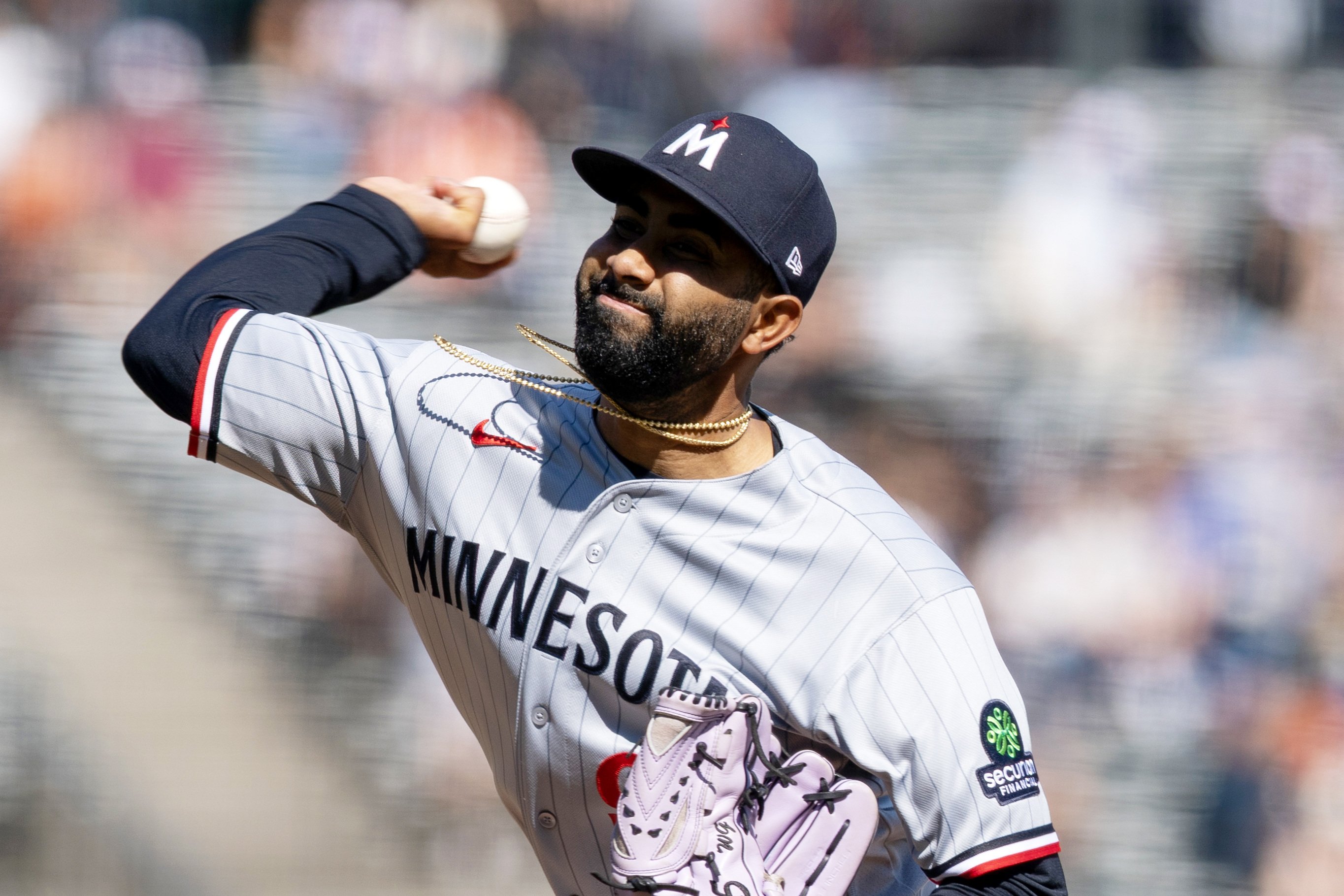 As the Minnesota Twins look toward next season, their bullpen is beginning to present more questions than answers. Andrew Morris and Yoendrys Gómez both have shown stretches of great play this season, but their recent struggles have raised concerns about whether the Twins can rely on either pitcher for a significant bullpen role in 2027. Those struggles could influence how aggressively the Twins look to add to the bullpen, whether through free agency or the trade market. The bullpen was a topic of conversation for much of the past offseason. The Twins didn’t spend a lot to make it significantly better, adding only veteran Taylor Rogers on a major-league deal. The bullpen was still lacking at the deadline, which led to the acquisitions of Jeff Hoffman and A.J. Minter. While Hoffman will be back, relief pitching remains a topic of conversation heading into 2027 for a team that carries forward strong starting pitching depth and a relatively well-set position player group. On the relief side, the biggest question will be whether the Twins can count on Morris and Gómez in higher leverage roles, and those questions are extremely valid. Morris, a fourth-round pick by the Twins in 2022, made his debut earlier this season and pitched well up until the end of July, earning a 3.12 ERA (2.92 FIP) in 52 innings over that span. He stuck out 23.4% of the batters he faced while walking 7.3% of batters. Those numbers have flipped since the calendar turned to August, as Morris has a 6.97 ERA (3.68 FIP) in 20 ⅔ innings since then. The 25-year-old has a diminished strikeout rate, 17.3%, and a heightened walk rate, 11.2%, during this period. Morris’ strong point is his fastball, worth 9 runs so far this year. However, his breaking and off-speed pitches have both been bad, worth -1 and -2 run respectively, so that will be something that needs to be addressed to turn around his performance. Gómez, on the other hand, was not good for the Rays, pitching to a 6.23 ERA (7.25 FIP) in 17 ⅓ innings before being designated for assignment. The Twins acquired him for cash considerations on May 7th, and from that day until the end of July, Gómez was arguably the best reliever in the Twins bullpen, emerging as the primary closer. He posted a 1.67 ERA (3.09 FIP) in 32 ⅓ innings, converting every save attempt. The 26-year-old was striking out 24.1% of the batters he faced, which is encouraging but a walk rate of 11.3% allowed for a lot of baserunners in the middle months of the season. Since August 1st, his ERA rocketed up to 7.71 (4.14 FIP). Gómez is still striking out a ton of batters as his strikeout rate remained the same. However, he was already issuing a lot of free passes, and his walk rate has climbed significantly, up to 17.7%, leading to him being demoted the bullpen pecking order. A key weakness of Gómez’s arsenal, unlike Morris, is his fastball; it is currently worth -4 runs and his most used pitch, with opposing hitters slugging .450 off it this season. With both Gómez and Morris struggling to maintain their earlier success, the Twins may have to reconsider where the two fit into their bullpen hierarchy going forward. How much should the Twins let these last two months impact their bullpen planning? For starters, it should mean bumping these two down the hierarchy of relievers, at least for the start of the 2027 season. Both players have shined at points, but their inconsistencies down the stretch can’t go unnoticed. Hoffman should be the bullpen’s highest-leverage arm in 2027, and with the pending departures of Minter and Rogers the Twins should add at least one high-end arm via free agency. David Bednar, Jonathan Loáisiga, and Bryan Abreu could be right-handed options the Twins look to sign, especially Abreu, given their rumored interest at the trade deadline. If the Twins are looking to replace the left-handedness lost in Rogers and Minter specifically, they could take a look at old friend Steven Okert, Gregory Soto, or Brock Burke. Of course, at that point they could also just resign Minter. He has been very solid for the Twins, putting together a 2.49 ERA (4.39 FIP) in 21 ⅔ innings for Minnesota so far. While it's smart to ratchet down their role leverage, Morris and Gómez can absolutely be important pieces of the Twins in 2027. What matters is what version of these players are going to show up. For Morris, the Twins will need to see if he can find a more reliable secondary pitch. For Gómez, the biggest focus will be limiting the free passes and figuring out how to get more out of his fastball, which has been a challenge for him in previous stops. There's a reason he's already pitched for five different teams in the majors at age 26. Neither pitcher should be written off because of two difficult months, especially considering how effective they were beforehand. However, the Twins cannot enter 2027 assuming that either Morris or Gómez will automatically return to viability is a closer or setup man. If both can make necessary adjustments, they could give the Twins two important internal, late-inning options for the bullpen. Regardless, Minnesota will need to make an addition or two this offseason to prevent the bullpen from persisting as the question mark it has been since the 2025 trade deadline.
 -
DannySD reacted to an article:
Should the Twins Bring Back Josh Bell for 2027?
-
Mia Bednar reacted to an article:
Should the Twins Bring Back Josh Bell for 2027?
-
Ray Stuedemann reacted to a post in a topic:
Should the Twins Bring Back Josh Bell for 2027?
-
Ray Stuedemann reacted to a post in a topic:
Should the Twins Bring Back Josh Bell for 2027?
-
Image courtesy of Kiyoshi Mio-Imagn Images Josh Bell has provided the Minnesota Twins with a steady presence in the middle of their lineup throughout the 2026 season, but with the offseason approaching, the organization will have to decide whether he's done enough to earn another year in Minnesota. He's been a solid hitter, slashing .254/.316/.419 with 20 home runs in 605 plate appearances, primarily from the designated hitter spot. He struggled early in the season with a 73 wRC+ through the end of May. Since June 1, though, Bell has a 125 wRC+, with 15 of his 20 homers and a sturdy .281/.345/.471 line. He's famous for being good for just half of each season, but this is a 381-plate appearance stretch over which he's been very good. Replacing that kind of production wouldn't be easy. However, Bell's value is tied entirely to his offense. He barely played first base this season, only appearing in 141 innings at the position while it has been held down primarily by Royce Lewis, Kody Clemens, and Victor Caratini. As a designated hitter, his full-season line is pretty much average, relative to the league's performance at that spot (.241/.325/.414), so to believe he actively makes you better, he would have to be the good version of himself from the last few months. More importantly, retaining a full-time DH may limit the Twins’ flexibility in an unwelcome way. Byron Buxton will be coming off hip surgery, which may mean he needs time to ramp up to full-time center field duties—or that he never returns to them. The outfield is crowded even without Buxton, with Emannuel Rodríguez, Walker Jenkins, and Luke Keaschall projected to start there in 2027. Keaschall has struggled defensively at every spot the sport has invented. Some time at designated hitter for Keaschall may be best next year to get the most out of him. Between Keaschall, Buxton, Hendry Mendez, Gabriel González and Aaron Sabato, at the moment, the team has no shortage of bat-first or bat-only players. Bell would have to be shoehorned in, at the expense of someone else. The other aspect Bell brings is a veteran presence. While it may seem like that doesn’t matter much, Derek Shelton has raved about Bell, specifically citing the stability he brings to the clubhouse. With what should be a younger Twins team next year, that may be what Minnesota requires, with the uncertainty around Buxton’s start date and Ryan Jeffers headed elsewhere via free agency. Bell’s experience could be extremely valuable to younger players such as Rodríguez, Jenkins, and Kaelen Culpepper. Bell’s contract has a $10-million mutual option for 2027, with a $1.25-million buyout attached. Virtually all mutual options are declined by one side; this one is more likely to turned down by the team. The 2027 version of the Minnesota Twins should be focused on playing their young players as much as possible. Bell may be a better bat then most of the Twins’ younger talent right now, but if they're going to spend what it requires to keep him, they should do so on a player who more ineluctably (and more flexibly) upgrades the lineup. View full article
-
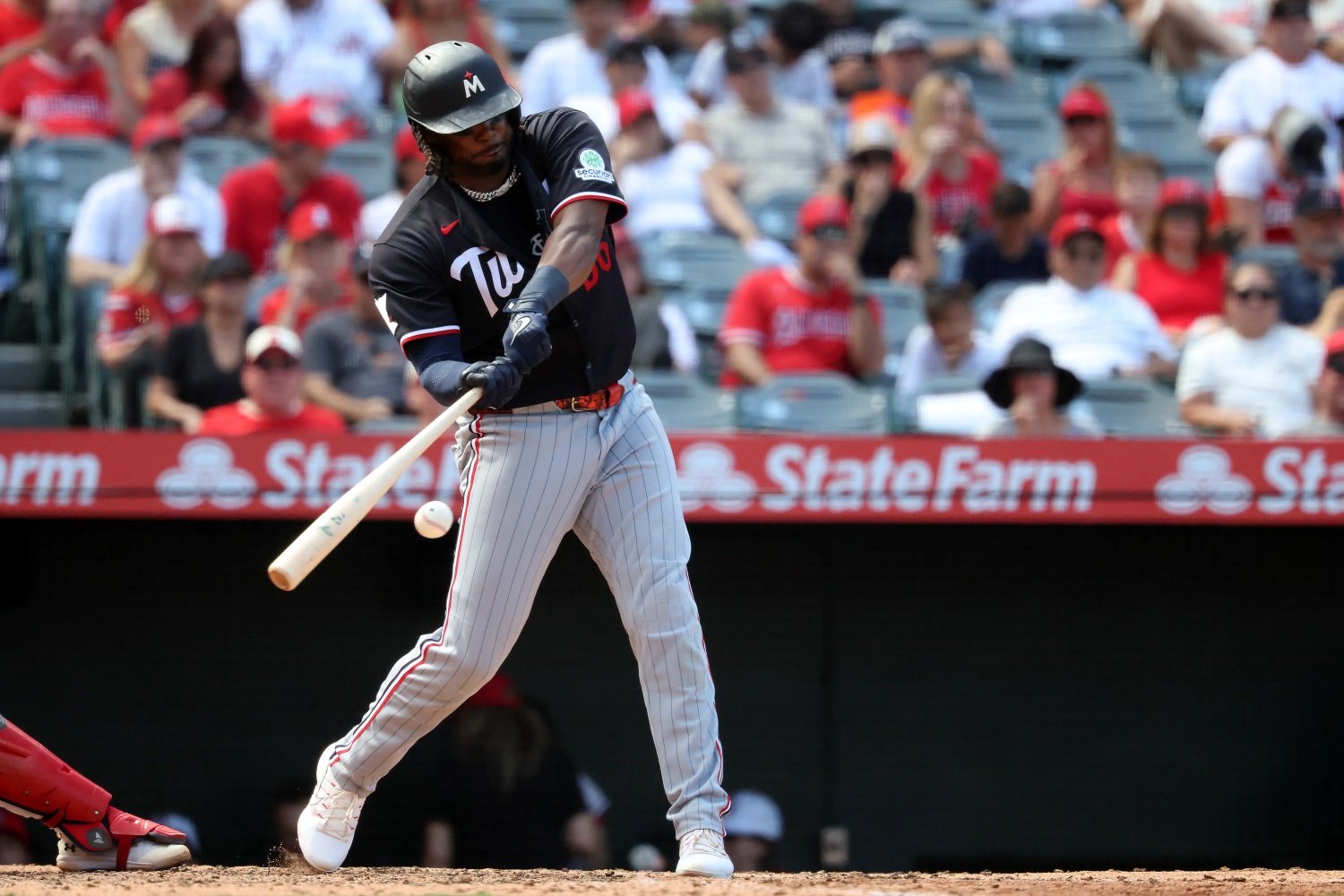 Josh Bell has provided the Minnesota Twins with a steady presence in the middle of their lineup throughout the 2026 season, but with the offseason approaching, the organization will have to decide whether he's done enough to earn another year in Minnesota. He's been a solid hitter, slashing .254/.316/.419 with 20 home runs in 605 plate appearances, primarily from the designated hitter spot. He struggled early in the season with a 73 wRC+ through the end of May. Since June 1, though, Bell has a 125 wRC+, with 15 of his 20 homers and a sturdy .281/.345/.471 line. He's famous for being good for just half of each season, but this is a 381-plate appearance stretch over which he's been very good. Replacing that kind of production wouldn't be easy. However, Bell's value is tied entirely to his offense. He barely played first base this season, only appearing in 141 innings at the position while it has been held down primarily by Royce Lewis, Kody Clemens, and Victor Caratini. As a designated hitter, his full-season line is pretty much average, relative to the league's performance at that spot (.241/.325/.414), so to believe he actively makes you better, he would have to be the good version of himself from the last few months. More importantly, retaining a full-time DH may limit the Twins’ flexibility in an unwelcome way. Byron Buxton will be coming off hip surgery, which may mean he needs time to ramp up to full-time center field duties—or that he never returns to them. The outfield is crowded even without Buxton, with Emannuel Rodríguez, Walker Jenkins, and Luke Keaschall projected to start there in 2027. Keaschall has struggled defensively at every spot the sport has invented. Some time at designated hitter for Keaschall may be best next year to get the most out of him. Between Keaschall, Buxton, Hendry Mendez, Gabriel González and Aaron Sabato, at the moment, the team has no shortage of bat-first or bat-only players. Bell would have to be shoehorned in, at the expense of someone else. The other aspect Bell brings is a veteran presence. While it may seem like that doesn’t matter much, Derek Shelton has raved about Bell, specifically citing the stability he brings to the clubhouse. With what should be a younger Twins team next year, that may be what Minnesota requires, with the uncertainty around Buxton’s start date and Ryan Jeffers headed elsewhere via free agency. Bell’s experience could be extremely valuable to younger players such as Rodríguez, Jenkins, and Kaelen Culpepper. Bell’s contract has a $10-million mutual option for 2027, with a $1.25-million buyout attached. Virtually all mutual options are declined by one side; this one is more likely to turned down by the team. The 2027 version of the Minnesota Twins should be focused on playing their young players as much as possible. Bell may be a better bat then most of the Twins’ younger talent right now, but if they're going to spend what it requires to keep him, they should do so on a player who more ineluctably (and more flexibly) upgrades the lineup.
 -
Ray Stuedemann reacted to a post in a topic:
One Year Later, Who Would You Rather Have: Griffin Jax or Taj Bradley?
-
nclahammer reacted to an article:
One Year Later, Who Would You Rather Have: Griffin Jax or Taj Bradley?
-
glunn reacted to a post in a topic:
One Year Later, Who Would You Rather Have: Griffin Jax or Taj Bradley?
-
Mortimerkenny21 reacted to an article:
One Year Later, Who Would You Rather Have: Griffin Jax or Taj Bradley?
-
LA Vikes Fan reacted to an article:
One Year Later, Who Would You Rather Have: Griffin Jax or Taj Bradley?
-
Patzky reacted to an article:
One Year Later, Who Would You Rather Have: Griffin Jax or Taj Bradley?
-
DJL44 reacted to an article:
One Year Later, Who Would You Rather Have: Griffin Jax or Taj Bradley?
-
Image courtesy of © Jonathan Dyer-Imagn Images In a straight one-for-one trade made at the deadline last year, the Twins acquired Taj Bradley for Griffin Jax, who was a reliever at the time. Since then, Bradley has become one of the Twins’ better arms, while Jax has made the transition from reliever to starter. As the deadline inches closer, it's a good time to reexamine that trade and answer the question: Who would you rather have? 2026 Performance Bradley's uneven but exciting performance has been especially welcome, given the injuries in the rotation. He made six starts in his initial half-season with the Twins, pitching to a 6.61 ERA (4.73 FIP) in 31 1/3 innings, but 2026 has been a whole different experience. Currently worth 1.6 fWAR (second on the team among pitchers, behind only Joe Ryan), Bradley has made 17 starts this year, with a 3.67 ERA (3.80 FIP). He’s striking out 27.8% of batters, the second-highest mark of his career. When batters do make contact, they do damage, but you can miss enough bats to work around that shortcoming; Bradley is doing so this season. Bradley has thrown his fastball, cutter, and splitter well this year. All three boast a positive run value, according to Statcast. His curveball hasn’t been great, with a -7 run value, and opposing hitters are slugging .568 on it. Again, though, he's been able to outpitch his weaknesses so far. Jax, on the other hand, had well-documented struggles early in the year as a reliever. His FIP was way up at 7.56, despite an xFIP of 4.58, and his walk rate was up to 15.9%. He was giving up lots of home runs, and opposing hitters had a .413 wOBA against him. He lasted only nine innings as a reliever before transitioning to a starting role. Since then, though, Jax has pitched to a 2.89 ERA (3.99 FIP) in 56 innings, while striking out 26.1% of the batters he faces. His walk rate has plummeted to 6.8%, and batters have just a .297 wOBA against him.. As for his pitch mix, Jax has been effective with his three most-used pitches: sweeper, changeup, and sinker, all of which have a positive run value. His fastball has been his worst pitch by far (-5 run value); his curveball and cutter haven’t been thrown nearly as much as the other four. There were rumblings, even back to the time when he was a Twin, about Jax wanting to convert into a starting role. Now that he has done it with the Rays, the change has brought positive outcomes for both Tampa Bay and Jax himself. Here's hoping that will lead to a big payday soon. Jax is a good pitcher. The Twins (and their fans) knew this when he was traded away. Team Control Control of a player can be crucial in evaluating a would-you-rather situation like this one. Bradley is currently in the pre-arbitration phase and will be arbitration-eligible for the first time this fall. He won’t be a free agent until November 2029. As for Jax, he avoided arbitration this year by signing a one-year deal with the Rays. The 31-year-old has one more year of arbitration before becoming a free agent. Bradley being younger and having more years of control is certainly a win for the Twins, as he looks like a potential front-of-the-rotation starter. Even if Jax is one, too, he's sooner out the door. And then there's the money. Salaries Talking about the Twins always means money must be part of the conversation. Current salaries once again favor Bradley in this comparison. Bradley’s salary is $802,050 in 2026, while Jax is making $3.6 million. In the end, the Twins saved money by dealing Jax for Bradley, and while they didn't make the robust investment in restocking their bullpen for which fans might have fairly hoped, it's easy to guess that the extra few million made a difference for them somewhere along the way. Bradley and Jax have been linked ever since last year's trade deadline, and they'll continue to be compared for as long as they remain with their current clubs. Every strong outing from Bradley or dominant appearance from Jax will inevitably reignite the debate over which team came out ahead. One year later, both organizations have reasons to be satisfied, but the long-term verdict is still pending. Bradley has given the Twins a young, cost-controlled starter with years of team control remaining, while Jax has transitioned into a good starter for a win-now Rays team steaming toward a division title. For now, there may not be a definitive winner—only two teams that addressed different needs in different ways. All things considered, who would you rather have right now? Have the Twins clearly fleeced the Rays, or will Jax yet prove to be so valuable that Minnesota should have retained him, converted him to this new role, and extended him? Weigh in! View full article
-
One Year Later, Who Would You Rather Have: Griffin Jax or Taj Bradley?
Ray Stuedemann posted an article in Twins
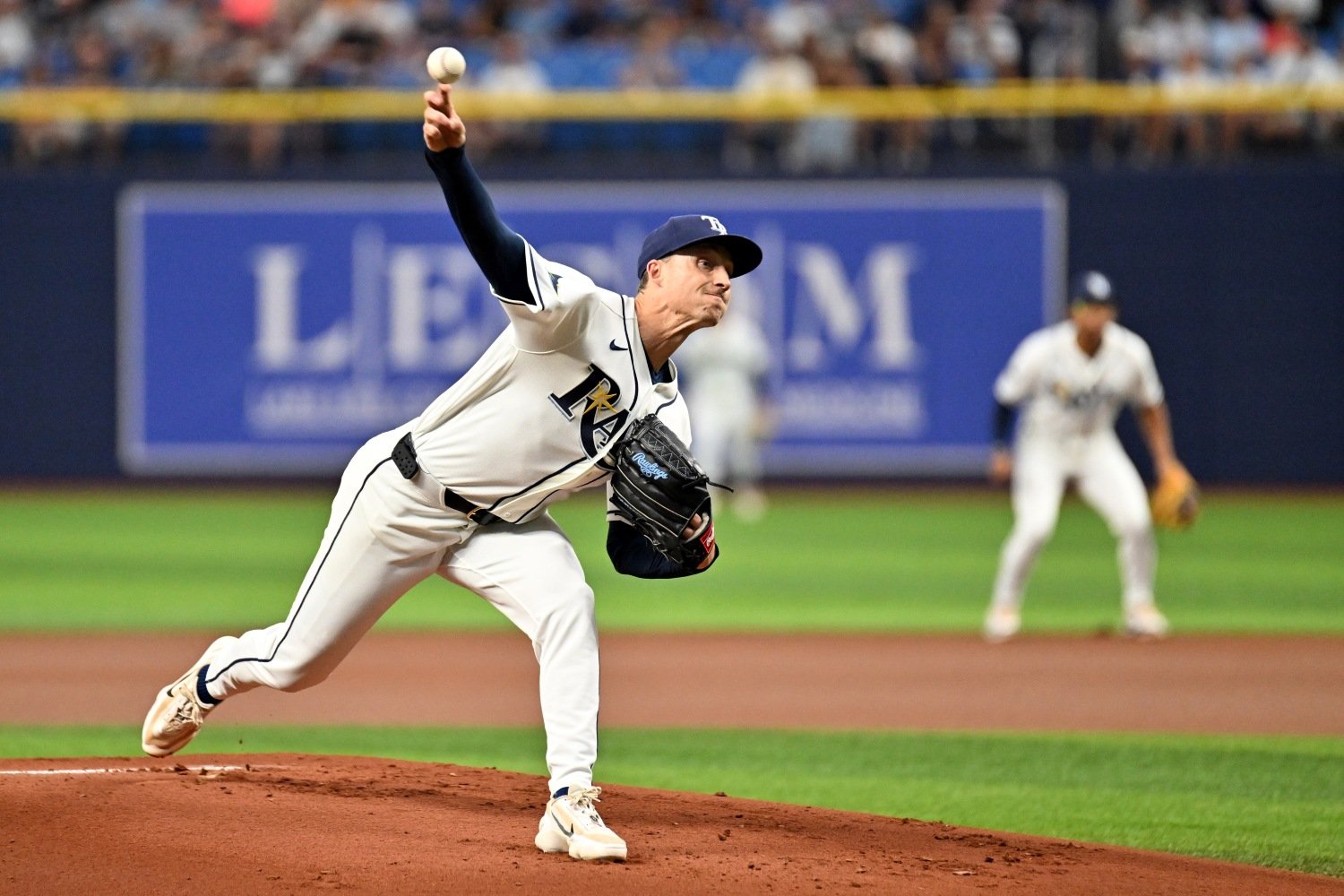 In a straight one-for-one trade made at the deadline last year, the Twins acquired Taj Bradley for Griffin Jax, who was a reliever at the time. Since then, Bradley has become one of the Twins’ better arms, while Jax has made the transition from reliever to starter. As the deadline inches closer, it's a good time to reexamine that trade and answer the question: Who would you rather have? 2026 Performance Bradley's uneven but exciting performance has been especially welcome, given the injuries in the rotation. He made six starts in his initial half-season with the Twins, pitching to a 6.61 ERA (4.73 FIP) in 31 1/3 innings, but 2026 has been a whole different experience. Currently worth 1.6 fWAR (second on the team among pitchers, behind only Joe Ryan), Bradley has made 17 starts this year, with a 3.67 ERA (3.80 FIP). He’s striking out 27.8% of batters, the second-highest mark of his career. When batters do make contact, they do damage, but you can miss enough bats to work around that shortcoming; Bradley is doing so this season. Bradley has thrown his fastball, cutter, and splitter well this year. All three boast a positive run value, according to Statcast. His curveball hasn’t been great, with a -7 run value, and opposing hitters are slugging .568 on it. Again, though, he's been able to outpitch his weaknesses so far. Jax, on the other hand, had well-documented struggles early in the year as a reliever. His FIP was way up at 7.56, despite an xFIP of 4.58, and his walk rate was up to 15.9%. He was giving up lots of home runs, and opposing hitters had a .413 wOBA against him. He lasted only nine innings as a reliever before transitioning to a starting role. Since then, though, Jax has pitched to a 2.89 ERA (3.99 FIP) in 56 innings, while striking out 26.1% of the batters he faces. His walk rate has plummeted to 6.8%, and batters have just a .297 wOBA against him.. As for his pitch mix, Jax has been effective with his three most-used pitches: sweeper, changeup, and sinker, all of which have a positive run value. His fastball has been his worst pitch by far (-5 run value); his curveball and cutter haven’t been thrown nearly as much as the other four. There were rumblings, even back to the time when he was a Twin, about Jax wanting to convert into a starting role. Now that he has done it with the Rays, the change has brought positive outcomes for both Tampa Bay and Jax himself. Here's hoping that will lead to a big payday soon. Jax is a good pitcher. The Twins (and their fans) knew this when he was traded away. Team Control Control of a player can be crucial in evaluating a would-you-rather situation like this one. Bradley is currently in the pre-arbitration phase and will be arbitration-eligible for the first time this fall. He won’t be a free agent until November 2029. As for Jax, he avoided arbitration this year by signing a one-year deal with the Rays. The 31-year-old has one more year of arbitration before becoming a free agent. Bradley being younger and having more years of control is certainly a win for the Twins, as he looks like a potential front-of-the-rotation starter. Even if Jax is one, too, he's sooner out the door. And then there's the money. Salaries Talking about the Twins always means money must be part of the conversation. Current salaries once again favor Bradley in this comparison. Bradley’s salary is $802,050 in 2026, while Jax is making $3.6 million. In the end, the Twins saved money by dealing Jax for Bradley, and while they didn't make the robust investment in restocking their bullpen for which fans might have fairly hoped, it's easy to guess that the extra few million made a difference for them somewhere along the way. Bradley and Jax have been linked ever since last year's trade deadline, and they'll continue to be compared for as long as they remain with their current clubs. Every strong outing from Bradley or dominant appearance from Jax will inevitably reignite the debate over which team came out ahead. One year later, both organizations have reasons to be satisfied, but the long-term verdict is still pending. Bradley has given the Twins a young, cost-controlled starter with years of team control remaining, while Jax has transitioned into a good starter for a win-now Rays team steaming toward a division title. For now, there may not be a definitive winner—only two teams that addressed different needs in different ways. All things considered, who would you rather have right now? Have the Twins clearly fleeced the Rays, or will Jax yet prove to be so valuable that Minnesota should have retained him, converted him to this new role, and extended him? Weigh in!
 -
Image courtesy of © David Dermer-Imagn Images The AL Central has been widely regarded as a poor overall division in the past. 2021 through 2023 saw the division champion be the only team above .500, while 2024 and 2025 had four and three teams respectively. The Guardians are the hottest as of late, winning three out of the last four division championships and have established themselves as the team to beat in the division, despite significantly better efforts from the Tigers and Royals in recent years. Now, shifting focus to 2026, the Guardians lead the way in the standings once again. The other clubs trail behind, searching for consistency in a wide-open American League this year. With the season beginning to take shape with the summer months upon us, here is how the A.L. Central teams stack up so far this year, and maybe a thing of two the Twins can learn from their competitors. No. 1 - Cleveland Guardians (34-26) Pythagorean Record- 31-29 (+3) RS/G – 4.08, RA/G – 3.98 The Guardians currently lead the division by two games. While two-time All-Star Steven Kwan (71 OPS+) is struggling, young players such as Travis Bazzana, Brayan Rocchio, Chase DeLauter, and Angel Martinez have all stepped up, each with above average OPS marks. Cleveland made a notable trade already as well, acquiring Patrick Bailey from San Francisco for his defensive ability behind the plate. Gavin Williams (3.07 ERA, 3.31 FIP) and Parker Messick (2.24 ERA, 3.03 FIP) are the key arms in the rotation, while the ever-reliable Cade Smith leads MLB in saves with a 2.70 ERA (1.19 FIP). Cleveland has something that the Twins currently don’t: young hitters performing at the MLB level. Bazzana, Rocchio, DeLauter, and Martinez have provided energy into a Cleveland lineup that desperately needed it, and the Twins could use that from Kaelen Culpepper, Walker Jenkins, Gabriel Gonzalez, and more of their in the lower ranks. Nevertheless, expect Cleveland to be in the hunt for the division title once again if they aren’t already leading come the later months. No. 2 – Chicago White Sox (31-27) Pythagorean Record – 30-28 (+1) RS/G – 4.71, RA/G – 4.59 One of the great surprises in baseball this year, the White Sox currently hold the second wild card spot. Free agent signee Munetaka Murakami leads the way with a .947 OPS, good for fifth in the league. The slugger is in the 93rd percentile or above in xSLG, average exit velocity, barrel percentage, hard hit percentage, and walk percentage, while being in the 5th percentile in strikeout rate. Murakami is a Three True Outcome hitter and the deal he signed this past offseason is only looking better as the season progresses. However, Murakami could miss the next four-to-six weeks with a hamstring injury. Miguel Vargas’ presence as an offensive contributor has been welcomed as well after a few down years, rocking a 133 OPS+ going into Friday’s action. The Twins could learn something from Murakami and the White Sox in that it is okay to spend a little money in free agency and take a chance. Players such as Josh Bell and Victor Caratini are pretty known commodities at this point in their careers, and a bat like Murakami would be nice to slot in at first base daily. On the pitching side, Davis Martin is off to a great start with a 2.00 ERA (2.30 FIP) over 67 2/3 innings of work while striking out 71. These excellent results are largely due to three pitches: his changeup, sinker, and slider, each of which have a run value of 4. Left-handed reliever Bryan Hudson (1.37 ERA, 2.57 FIP) and 26-year-old starter Sean Burke (3.90 ERA, 3.40 FIP) have been good as well. The White Sox could be a formidable force by the end of the year; however, they’ll likely need to work on their walk problems (pitchers have walked 215 batters so far, sixth worst in the league) and perhaps another bat to replace Andrew Benintendi in the DH spot (77 OPS+ so far in 2026). Still, Murakami has made the White Sox a fun team to watch so far in 2026, and they’ll hope to catch the Guardians to win their first division title since 2021. No. 3 – Minnesota Twins (27-32) Pythagorean Record – 28-31 (-1) RS/G – 4.61, RA/G – 4.86 The Twins sit just a game back of a wild card spot entering Friday’s games, a spot most fans and analysts didn’t expect them to be. Performances from All-Stars Byron Buxton (147 OPS+) and Joe Ryan (2.94 ERA, 2.58 FIP) lead the way, while players such as Austin Martin (119 OPS+) and Taj Bradley (2.77 ERA, 3.26 FIP) have provided value where little was expected. Still, an injury to Ryan Jeffers and struggles and eventual demotions to Royce Lewis and Matt Wallner has left the lineup thin. Nevertheless, this team goes as Buxton and Ryan go, and if they are both still on the team after the trade deadline it wouldn’t be surprising to see this team in contention for a wild card spot come August, though it isn’t likely the postseason will be a part of the Twins’ season. Performances from the franchise players, as well as younger players like Martin and Brooks Lee (in the clutch), are making this team fun to watch at least. No. 4 – Detroit Tigers (22-37) Pythagorean Record – 25-34 (-3) RS/G – 3.77, RA/G – 4.41 A playoff team last year, the Tigers spent big in the offseason, signing Framber Valdez to a three year, 115-million-dollar deal while bringing in other arms such as Justin Verlander, Kyle Finnegan, and Kenley Jansen. Gleyber Torres accepted his qualifying offer to come back to Detroit after being an All-Star in 2025. Even with those additions, the Tigers haven’t performed up to par in 2026, currently second to last in all of MLB ahead of just the Rockies. 2025 Cy Young winner Tarik Skubal is on the IL due to a surgery to get a loose body out of his elbow while Verlander had just one start before going to the IL as well. Valdez’s pitching has been mediocre, with a 4.28 ERA (4.08 FIP) and has spent more time in the news for hitting Trevor Story after giving up back-to-back homers than for the positives of his game. Casey Mize has been a bright spot for this pitching staff, worth 2.2 bWAR with a 2.27 ERA (2.37 FIP). Offensively, injuries have continued to remove Tigers from the lineup, with Torres, Kerry Carpenter, and Javier Baez all on the injured list. Struggles from Spencer Torkelson (99 OPS+), Colt Keith, (96 OPS+) and Zach McKinstry (32 OPS+) haven’t helped either. Riley Greene leads the way with a 136 OPS+ for this group, though 21-year-old rookie Kevin McGonigle follows close behind (131 OPS+) and leads the team in bWAR currently. The Tigers have a big decision to make. The way their season is going, they could sell off some or their larger pieces, such as Skubal, to get a haul at the deadline, or they could wait it out, get healthy, and try to make a playoff push later in the year. Detroit must hope they can find some of the magic they had last year soon, otherwise they could be a big seller come August 3rd. No. 5 – Kansas City Royals (22-36) Pythagorean Record – 23-35 (-2) RS/G – 3.76, RA/G – 4.72 An above .500 team a year ago, the Royals sit second to last in the division. Only two of their qualified hitters have an OPS above .700, one of which being superstar shortstop Bobby Witt Jr. (137 OPS+) with the other being third baseman Maikel Garcia (100 OPS+). Besides those two, struggles to Vinnie Pasquantino, Salvador Perez, and Isaac Collins, among others, has led to the 2nd lowest runs scored per game in MLB, better then only the Giants. On the mound, Seth Lugo (3.74 ERA, 3.07 FIP) and Michael Wacha (2.69 ERA, 3.90 FIP) have led the way for a rotation currently without lefties Kris Bubic and Cole Ragans. The Royals should use this season as a reminder of how good their franchise shortstop is, and with their record well on the wrong side of .500, need to do everything in their power in building a competitive team around him in 2027. The A.L. Central has been criticized over the years for being an overall bad division, but it has been more competitive as of late. Cleveland still leads the way, while Chicago and Minnesota follow closely in hopes of making it a race come August and September. Detroit and Kansas City sit at the bottom, both 10 or more games back from Cleveland entering June. As the summer unfolds, the hope is that the Twins can be competitive in this division, but only time will tell as they have overperformed expectations so far. With plenty of baseball still left to play, the AL Central remains a division filled with stars and teams searching for answers to how to move forward, and that likely won’t change at the end of this season. So how would you rank the five AL Central teams? View full article
-
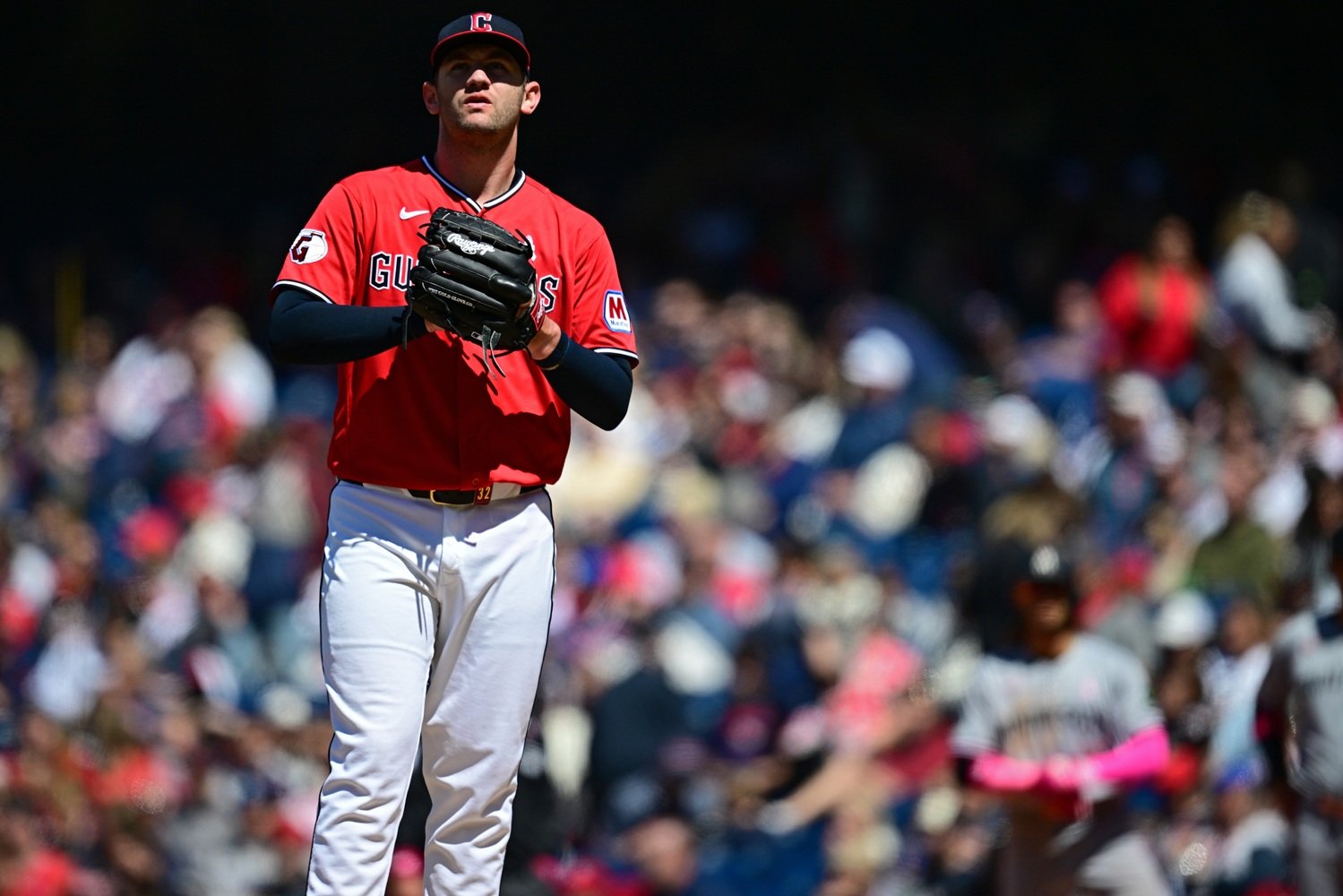 The AL Central has been widely regarded as a poor overall division in the past. 2021 through 2023 saw the division champion be the only team above .500, while 2024 and 2025 had four and three teams respectively. The Guardians are the hottest as of late, winning three out of the last four division championships and have established themselves as the team to beat in the division, despite significantly better efforts from the Tigers and Royals in recent years. Now, shifting focus to 2026, the Guardians lead the way in the standings once again. The other clubs trail behind, searching for consistency in a wide-open American League this year. With the season beginning to take shape with the summer months upon us, here is how the A.L. Central teams stack up so far this year, and maybe a thing of two the Twins can learn from their competitors. No. 1 - Cleveland Guardians (34-26) Pythagorean Record- 31-29 (+3) RS/G – 4.08, RA/G – 3.98 The Guardians currently lead the division by two games. While two-time All-Star Steven Kwan (71 OPS+) is struggling, young players such as Travis Bazzana, Brayan Rocchio, Chase DeLauter, and Angel Martinez have all stepped up, each with above average OPS marks. Cleveland made a notable trade already as well, acquiring Patrick Bailey from San Francisco for his defensive ability behind the plate. Gavin Williams (3.07 ERA, 3.31 FIP) and Parker Messick (2.24 ERA, 3.03 FIP) are the key arms in the rotation, while the ever-reliable Cade Smith leads MLB in saves with a 2.70 ERA (1.19 FIP). Cleveland has something that the Twins currently don’t: young hitters performing at the MLB level. Bazzana, Rocchio, DeLauter, and Martinez have provided energy into a Cleveland lineup that desperately needed it, and the Twins could use that from Kaelen Culpepper, Walker Jenkins, Gabriel Gonzalez, and more of their in the lower ranks. Nevertheless, expect Cleveland to be in the hunt for the division title once again if they aren’t already leading come the later months. No. 2 – Chicago White Sox (31-27) Pythagorean Record – 30-28 (+1) RS/G – 4.71, RA/G – 4.59 One of the great surprises in baseball this year, the White Sox currently hold the second wild card spot. Free agent signee Munetaka Murakami leads the way with a .947 OPS, good for fifth in the league. The slugger is in the 93rd percentile or above in xSLG, average exit velocity, barrel percentage, hard hit percentage, and walk percentage, while being in the 5th percentile in strikeout rate. Murakami is a Three True Outcome hitter and the deal he signed this past offseason is only looking better as the season progresses. However, Murakami could miss the next four-to-six weeks with a hamstring injury. Miguel Vargas’ presence as an offensive contributor has been welcomed as well after a few down years, rocking a 133 OPS+ going into Friday’s action. The Twins could learn something from Murakami and the White Sox in that it is okay to spend a little money in free agency and take a chance. Players such as Josh Bell and Victor Caratini are pretty known commodities at this point in their careers, and a bat like Murakami would be nice to slot in at first base daily. On the pitching side, Davis Martin is off to a great start with a 2.00 ERA (2.30 FIP) over 67 2/3 innings of work while striking out 71. These excellent results are largely due to three pitches: his changeup, sinker, and slider, each of which have a run value of 4. Left-handed reliever Bryan Hudson (1.37 ERA, 2.57 FIP) and 26-year-old starter Sean Burke (3.90 ERA, 3.40 FIP) have been good as well. The White Sox could be a formidable force by the end of the year; however, they’ll likely need to work on their walk problems (pitchers have walked 215 batters so far, sixth worst in the league) and perhaps another bat to replace Andrew Benintendi in the DH spot (77 OPS+ so far in 2026). Still, Murakami has made the White Sox a fun team to watch so far in 2026, and they’ll hope to catch the Guardians to win their first division title since 2021. No. 3 – Minnesota Twins (27-32) Pythagorean Record – 28-31 (-1) RS/G – 4.61, RA/G – 4.86 The Twins sit just a game back of a wild card spot entering Friday’s games, a spot most fans and analysts didn’t expect them to be. Performances from All-Stars Byron Buxton (147 OPS+) and Joe Ryan (2.94 ERA, 2.58 FIP) lead the way, while players such as Austin Martin (119 OPS+) and Taj Bradley (2.77 ERA, 3.26 FIP) have provided value where little was expected. Still, an injury to Ryan Jeffers and struggles and eventual demotions to Royce Lewis and Matt Wallner has left the lineup thin. Nevertheless, this team goes as Buxton and Ryan go, and if they are both still on the team after the trade deadline it wouldn’t be surprising to see this team in contention for a wild card spot come August, though it isn’t likely the postseason will be a part of the Twins’ season. Performances from the franchise players, as well as younger players like Martin and Brooks Lee (in the clutch), are making this team fun to watch at least. No. 4 – Detroit Tigers (22-37) Pythagorean Record – 25-34 (-3) RS/G – 3.77, RA/G – 4.41 A playoff team last year, the Tigers spent big in the offseason, signing Framber Valdez to a three year, 115-million-dollar deal while bringing in other arms such as Justin Verlander, Kyle Finnegan, and Kenley Jansen. Gleyber Torres accepted his qualifying offer to come back to Detroit after being an All-Star in 2025. Even with those additions, the Tigers haven’t performed up to par in 2026, currently second to last in all of MLB ahead of just the Rockies. 2025 Cy Young winner Tarik Skubal is on the IL due to a surgery to get a loose body out of his elbow while Verlander had just one start before going to the IL as well. Valdez’s pitching has been mediocre, with a 4.28 ERA (4.08 FIP) and has spent more time in the news for hitting Trevor Story after giving up back-to-back homers than for the positives of his game. Casey Mize has been a bright spot for this pitching staff, worth 2.2 bWAR with a 2.27 ERA (2.37 FIP). Offensively, injuries have continued to remove Tigers from the lineup, with Torres, Kerry Carpenter, and Javier Baez all on the injured list. Struggles from Spencer Torkelson (99 OPS+), Colt Keith, (96 OPS+) and Zach McKinstry (32 OPS+) haven’t helped either. Riley Greene leads the way with a 136 OPS+ for this group, though 21-year-old rookie Kevin McGonigle follows close behind (131 OPS+) and leads the team in bWAR currently. The Tigers have a big decision to make. The way their season is going, they could sell off some or their larger pieces, such as Skubal, to get a haul at the deadline, or they could wait it out, get healthy, and try to make a playoff push later in the year. Detroit must hope they can find some of the magic they had last year soon, otherwise they could be a big seller come August 3rd. No. 5 – Kansas City Royals (22-36) Pythagorean Record – 23-35 (-2) RS/G – 3.76, RA/G – 4.72 An above .500 team a year ago, the Royals sit second to last in the division. Only two of their qualified hitters have an OPS above .700, one of which being superstar shortstop Bobby Witt Jr. (137 OPS+) with the other being third baseman Maikel Garcia (100 OPS+). Besides those two, struggles to Vinnie Pasquantino, Salvador Perez, and Isaac Collins, among others, has led to the 2nd lowest runs scored per game in MLB, better then only the Giants. On the mound, Seth Lugo (3.74 ERA, 3.07 FIP) and Michael Wacha (2.69 ERA, 3.90 FIP) have led the way for a rotation currently without lefties Kris Bubic and Cole Ragans. The Royals should use this season as a reminder of how good their franchise shortstop is, and with their record well on the wrong side of .500, need to do everything in their power in building a competitive team around him in 2027. The A.L. Central has been criticized over the years for being an overall bad division, but it has been more competitive as of late. Cleveland still leads the way, while Chicago and Minnesota follow closely in hopes of making it a race come August and September. Detroit and Kansas City sit at the bottom, both 10 or more games back from Cleveland entering June. As the summer unfolds, the hope is that the Twins can be competitive in this division, but only time will tell as they have overperformed expectations so far. With plenty of baseball still left to play, the AL Central remains a division filled with stars and teams searching for answers to how to move forward, and that likely won’t change at the end of this season. So how would you rank the five AL Central teams?
- 5 comments
-
- 2
-
-
- al central
- brooks lee
- (and 4 more)
-
Image courtesy of Nathan Ray Seebeck-Imagn Images The Minnesota Twins had limited options to choose from on the 40-man to replace Tristan Gray as he moves onto the paternity list for a short while. Royce Lewis and Matt Wallner had both been recently sent down, while outfield prospects Alan Roden and Emanuel Rodriguez are both injured. That left Hendry Mendez, recently called up to St. Paul from Wichita, and Gabriel Gonzalez, whom the Twins eventually called up. Gonzalez made his major-league debut on Friday night at Fenway, batting fifth in left field. Even though this figures to be a brief introduction, fans should be excited for the #10 prospect in the Twins system to hopefully provide some pop from the right-handed side of the plate, now and going forward. The 22-year-old played for three levels in the minor league system last year, moving from High-A to Triple-A with his longest stint being with Wichita in the middle of the chain. Gonzalez slashed .319/.378/.529 in 156 plate appearances at High-A before being promoted to Wichita, where he performed better, hitting .344/.429/.509 in 245 plate appearances. He wrapped up the year by earning another promotion to St. Paul, finishing with a slash line of .316/.358/.504 in 148 plate appearances with the Saints. Twins Daily’s Minor League Hitter of the Year for his overall performance last year, Gonzalez has begun 2026 with some struggles, earning a line of .216/.294/.392. He has been better as of late, riding a six-game hitting streak before his promotion. A few underlying metrics can be observed about Gonzalez to provide more context. His BABIP this season is very low at .231, so some bad luck may be involved. However, Gonzalez is also smacking the ball into the ground, possessing a GB rate of 48.5%. In addition to that, he is popping the ball up on the infield at a 17.8% rate. Lower those two numbers, and his overall production should start to tick back up to what we saw last year from the promising young Venezuelan. Flashing back a little further, Gonzalez was part of the Jorge Polanco trade with the Seattle Mariners in which the Twins also acquired the recently DFA’d Justin Topa, starter Anthony DeSclafani, and pitching prospect Darren Bowen. Topa was solid last year for the Twins, possessing a 3.90 ERA (3.04 FIP) in 60.0 innings pitched before blowing up this year to a tune of an 8.05 ERA (6.47 FIP). DeSclafani never pitched a game for the Twins due to injury and eventually moved on to the Diamondbacks last year. Bowen is now 25 and is down in Wichita, pitching to a 3.74 ERA through 21 ⅔ innings so far this year as a reliever. Despite the lackluster results from the rest of the package, Gonzalez has a legitimate chance to “win” this trade for the Twins. Given that Polanco was a pending free agent when he was traded and hit the open market (even though he resigned with the Mariners), he accounted for 1.3 bWAR in his first year in Seattle. Topa is the only player to crack the major league roster so far, and he’s been worth -0.1 bWAR over his three seasons. From that perspective, Gonzalez would only need 1.4 bWAR for the Twins to “break even”, and given his offensive production from last season, there are hopes he can do that with purely his bat. Gonzalez doesn’t play plus defense, but he can handle the corners and has been mixing in at first base this year as well, giving him another spot he could fit in if the Twins move on from a veteran near the deadline. While his initial run with the team may be short, Gonzalez has the talent to contribute strongly in the near future. While he struggled early at Triple-A this season, Gonzalez had been heating up before his promotion, and the underlying numbers suggest there is still plenty of reason for optimism. His combination of bat-to-ball skills and emerging power gives the Twins another young, intriguing option that can come up and play multiple positions. For a team that has struggled this year at first base and in right field when Wallner was there, Gonzalez could play himself into a more consistent big-league role later in the year if he performs in his first chance with the Twins. No matter how long the call-up lasts for, fans should view Gonzalez as one of the important young hitters in the organization and the key piece to achieving the perceived value obtained for Jorge Polanco back in 2024. View full article
-
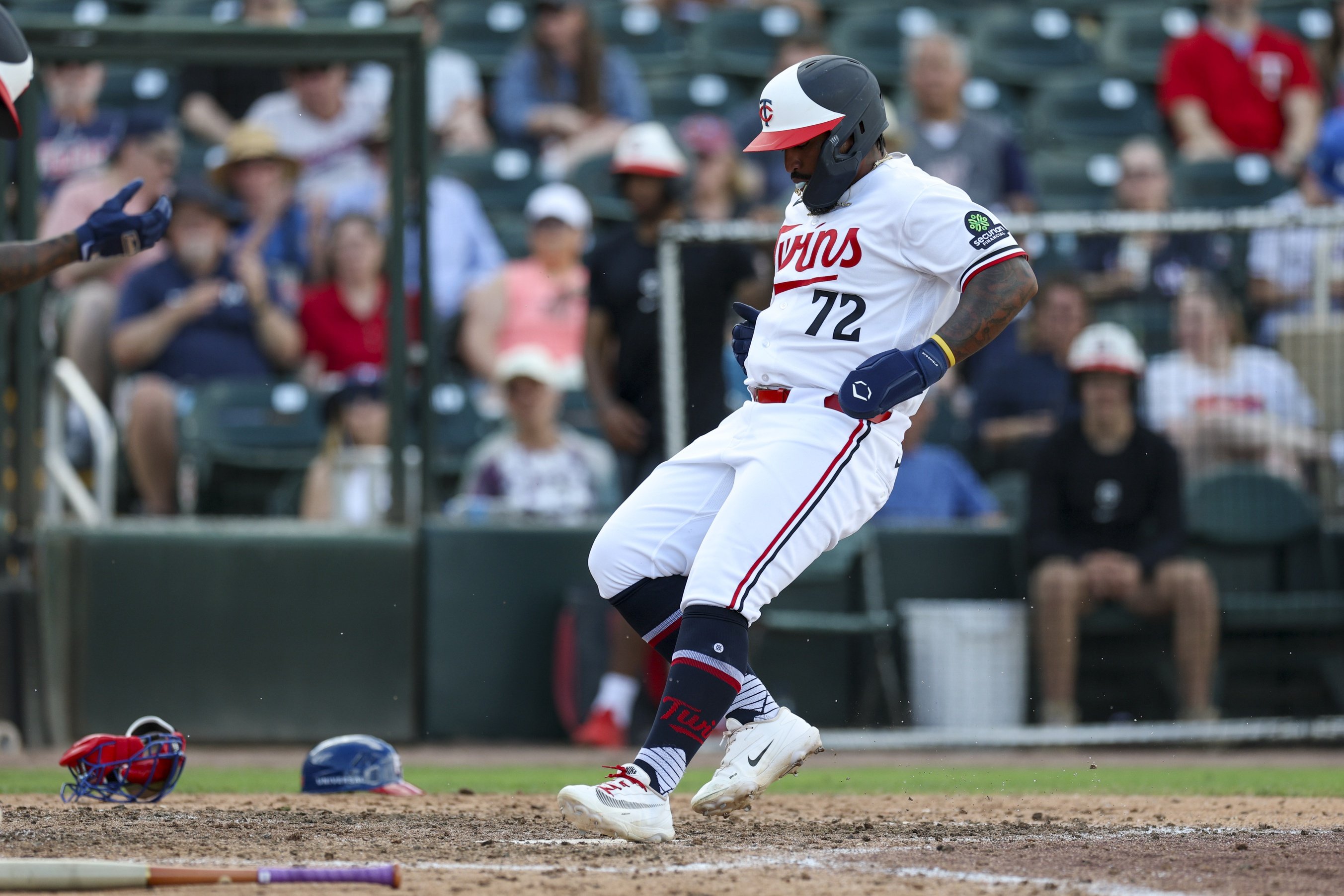 The Minnesota Twins had limited options to choose from on the 40-man to replace Tristan Gray as he moves onto the paternity list for a short while. Royce Lewis and Matt Wallner had both been recently sent down, while outfield prospects Alan Roden and Emanuel Rodriguez are both injured. That left Hendry Mendez, recently called up to St. Paul from Wichita, and Gabriel Gonzalez, whom the Twins eventually called up. Gonzalez made his major-league debut on Friday night at Fenway, batting fifth in left field. Even though this figures to be a brief introduction, fans should be excited for the #10 prospect in the Twins system to hopefully provide some pop from the right-handed side of the plate, now and going forward. The 22-year-old played for three levels in the minor league system last year, moving from High-A to Triple-A with his longest stint being with Wichita in the middle of the chain. Gonzalez slashed .319/.378/.529 in 156 plate appearances at High-A before being promoted to Wichita, where he performed better, hitting .344/.429/.509 in 245 plate appearances. He wrapped up the year by earning another promotion to St. Paul, finishing with a slash line of .316/.358/.504 in 148 plate appearances with the Saints. Twins Daily’s Minor League Hitter of the Year for his overall performance last year, Gonzalez has begun 2026 with some struggles, earning a line of .216/.294/.392. He has been better as of late, riding a six-game hitting streak before his promotion. A few underlying metrics can be observed about Gonzalez to provide more context. His BABIP this season is very low at .231, so some bad luck may be involved. However, Gonzalez is also smacking the ball into the ground, possessing a GB rate of 48.5%. In addition to that, he is popping the ball up on the infield at a 17.8% rate. Lower those two numbers, and his overall production should start to tick back up to what we saw last year from the promising young Venezuelan. Flashing back a little further, Gonzalez was part of the Jorge Polanco trade with the Seattle Mariners in which the Twins also acquired the recently DFA’d Justin Topa, starter Anthony DeSclafani, and pitching prospect Darren Bowen. Topa was solid last year for the Twins, possessing a 3.90 ERA (3.04 FIP) in 60.0 innings pitched before blowing up this year to a tune of an 8.05 ERA (6.47 FIP). DeSclafani never pitched a game for the Twins due to injury and eventually moved on to the Diamondbacks last year. Bowen is now 25 and is down in Wichita, pitching to a 3.74 ERA through 21 ⅔ innings so far this year as a reliever. Despite the lackluster results from the rest of the package, Gonzalez has a legitimate chance to “win” this trade for the Twins. Given that Polanco was a pending free agent when he was traded and hit the open market (even though he resigned with the Mariners), he accounted for 1.3 bWAR in his first year in Seattle. Topa is the only player to crack the major league roster so far, and he’s been worth -0.1 bWAR over his three seasons. From that perspective, Gonzalez would only need 1.4 bWAR for the Twins to “break even”, and given his offensive production from last season, there are hopes he can do that with purely his bat. Gonzalez doesn’t play plus defense, but he can handle the corners and has been mixing in at first base this year as well, giving him another spot he could fit in if the Twins move on from a veteran near the deadline. While his initial run with the team may be short, Gonzalez has the talent to contribute strongly in the near future. While he struggled early at Triple-A this season, Gonzalez had been heating up before his promotion, and the underlying numbers suggest there is still plenty of reason for optimism. His combination of bat-to-ball skills and emerging power gives the Twins another young, intriguing option that can come up and play multiple positions. For a team that has struggled this year at first base and in right field when Wallner was there, Gonzalez could play himself into a more consistent big-league role later in the year if he performs in his first chance with the Twins. No matter how long the call-up lasts for, fans should view Gonzalez as one of the important young hitters in the organization and the key piece to achieving the perceived value obtained for Jorge Polanco back in 2024.
 -
What Should the Twins Do at First Base?
Ray Stuedemann posted a topic in Twins Daily Front Page News
Image courtesy of © Matt Blewett-Imagn Images Coming out of the 2025 season, first base looked like one of the weaker positions on the Twins’ roster. The front office added veteran bats in Victor Caratini and Josh Bell to provide depth and offensive production, while also hoping to solidify the designated hitter role. Despite that, the position has become another question mark for a team searching for consistency early in the season. While the free agent additions have largely underperformed, a bright spot has emerged in Kody Clemens, whose strong two-way play has given the Twins stability both offensively and defensively. With prospects beginning to heat up in St. Paul and pressure mounting to improve the lineup, the Twins now face important decisions about how to handle first base moving forward. Clemens leads the way for this first base group. In 128 plate appearances, he's batting .245/.345/.441, with 14 extra-base hits. He's been worth 3 runs above average at the plate and a whopping 5 in the field, according to Baseball Reference. Advanced metrics back up Clemens’s raw numbers, too. He hits the ball hard in the air at a solidly above-average rate; that's a sustainable way to generate above-average offense. He's continued (and even improved upon) his performance from last season. He should be the starter moving forward, as he has been most of the season. The main issue with that, at the moment, is the two free-agent signings the Twins made who have made starts at first base this season. Victor Caratini was signed as the backup catcher this offseason and has played first base 13 times so far. Caratini has been around a league-average bat the past few seasons, but so far this year, the same can’t be said. He’s currently slashing .192/.294/.231 in 126 plate appearances. A little bit of that is bad luck—he has the same .329 xwOBA he had last season, but last year, his actual wOBA was .318, and this year, it's .249. However, we're also seeing the risks of signing a switch-hitter away from Houston, one of the best parks in the league for finding extra-base hits down the lines. Here are Caratini's batted balls so far this year, mapped onto his new home park in Minnesota. Now, here are the same batted balls overlaid onto the dimensions of Daikin Park in Houston, which Caratini called home for the last two years. Four balls that have been flyouts this season would clearly have been extra-base hits of some kind had he hit them in Houston. Factor in weather, and another three or four might have been, too. That's the difference between Caratini's more productive recent past and his current dreadfulness, right there. He's still controlling the strike zone reasonably well, and the weather will be more conducive to hitting as the weather warms, so Caratini also belongs in the mix. In all likelihood, though, he'll spend a good chunk of that time at catcher. Josh Bell is another story. The 33-year-old slugger has been 11 runs below average so far in 2026, according to Baseball Reference, and his advanced numbers back that up. He’s slashing .210/.275/.315, with 3 home runs in 178 plate appearances. Signed in December, Bell hasn’t been great defensively and hasn’t been the past few seasons either, but it appears the Twins know that and are using him there sparingly: he only has 8 appearances at the position so far, compared to 34 at DH. Given that his deal is a one-year contract worth $7 million (with a mutual option for 2027), Bell is the most likely candidate to be moved on from at some point this season. There are two prospects in St. Paul who’ve been spending time at first base, though neither is knocking very loudly on the door to the majors. Aaron Sabato has been especially hot of late, slashing .319/.396/.830 so far in May, bringing his slash line this year to .281/.343/.652 with 8 homers. Sabato was the Twins’ first-round pick back in 2020 out of the University of North Carolina, and the 26-year-old could see some time with the big-league club this year if he continues hitting (though it's a long shot). Gabriel Gonzalez hasn’t been nearly as good at the plate, slashing .207/.280/.396 in 182 plate appearances. First base is a new experience for the 22-year-old, who didn’t appear in a game at the position before this season. Acquired in the Jorge Polanco trade with the Mariners, Gonzalez will look to get back to his offensive numbers from last year to factor into the first base conversation this year. Although the Twins entered the season expecting their veteran additions to strengthen the lineup, the results at first base have largely fallen short of expectations. Clemens has certainly earned the opportunity to remain the everyday starter, thanks to his strong defense, improving offensive profile, and encouraging underlying metrics. Caratini’s struggles may not be permanent, but his new home park will never permit him to put up the numbers he managed in Houston. Bell’s continued decline makes him the most likely candidate to lose playing time or eventually be moved. Ultimately, the Twins’ best path forward may be trusting Clemens at first base, while remaining flexible with the rest of the position as the summer months rapidly approach. View full article -
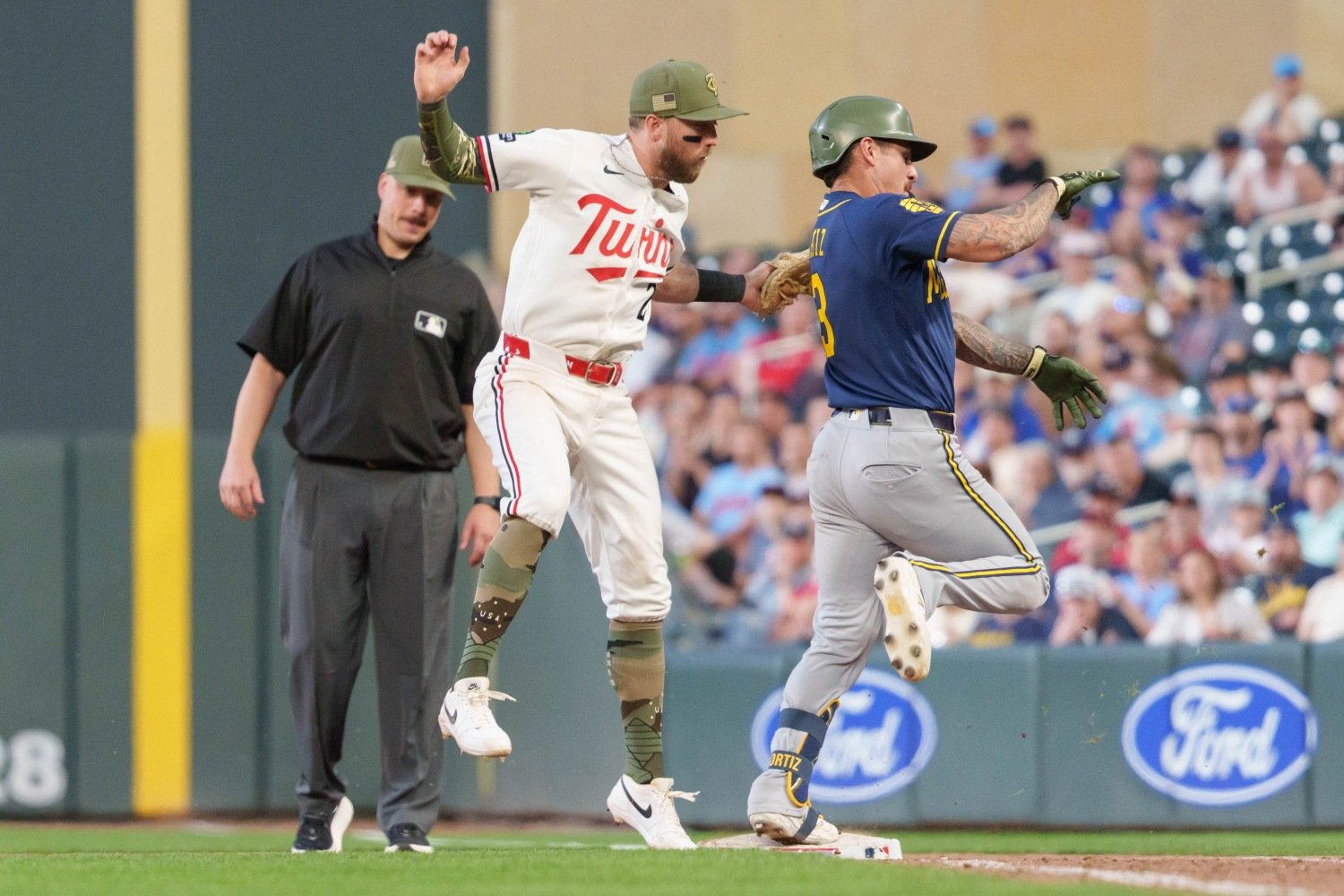 Coming out of the 2025 season, first base looked like one of the weaker positions on the Twins’ roster. The front office added veteran bats in Victor Caratini and Josh Bell to provide depth and offensive production, while also hoping to solidify the designated hitter role. Despite that, the position has become another question mark for a team searching for consistency early in the season. While the free agent additions have largely underperformed, a bright spot has emerged in Kody Clemens, whose strong two-way play has given the Twins stability both offensively and defensively. With prospects beginning to heat up in St. Paul and pressure mounting to improve the lineup, the Twins now face important decisions about how to handle first base moving forward. Clemens leads the way for this first base group. In 128 plate appearances, he's batting .245/.345/.441, with 14 extra-base hits. He's been worth 3 runs above average at the plate and a whopping 5 in the field, according to Baseball Reference. Advanced metrics back up Clemens’s raw numbers, too. He hits the ball hard in the air at a solidly above-average rate; that's a sustainable way to generate above-average offense. He's continued (and even improved upon) his performance from last season. He should be the starter moving forward, as he has been most of the season. The main issue with that, at the moment, is the two free-agent signings the Twins made who have made starts at first base this season. Victor Caratini was signed as the backup catcher this offseason and has played first base 13 times so far. Caratini has been around a league-average bat the past few seasons, but so far this year, the same can’t be said. He’s currently slashing .192/.294/.231 in 126 plate appearances. A little bit of that is bad luck—he has the same .329 xwOBA he had last season, but last year, his actual wOBA was .318, and this year, it's .249. However, we're also seeing the risks of signing a switch-hitter away from Houston, one of the best parks in the league for finding extra-base hits down the lines. Here are Caratini's batted balls so far this year, mapped onto his new home park in Minnesota. Now, here are the same batted balls overlaid onto the dimensions of Daikin Park in Houston, which Caratini called home for the last two years. Four balls that have been flyouts this season would clearly have been extra-base hits of some kind had he hit them in Houston. Factor in weather, and another three or four might have been, too. That's the difference between Caratini's more productive recent past and his current dreadfulness, right there. He's still controlling the strike zone reasonably well, and the weather will be more conducive to hitting as the weather warms, so Caratini also belongs in the mix. In all likelihood, though, he'll spend a good chunk of that time at catcher. Josh Bell is another story. The 33-year-old slugger has been 11 runs below average so far in 2026, according to Baseball Reference, and his advanced numbers back that up. He’s slashing .210/.275/.315, with 3 home runs in 178 plate appearances. Signed in December, Bell hasn’t been great defensively and hasn’t been the past few seasons either, but it appears the Twins know that and are using him there sparingly: he only has 8 appearances at the position so far, compared to 34 at DH. Given that his deal is a one-year contract worth $7 million (with a mutual option for 2027), Bell is the most likely candidate to be moved on from at some point this season. There are two prospects in St. Paul who’ve been spending time at first base, though neither is knocking very loudly on the door to the majors. Aaron Sabato has been especially hot of late, slashing .319/.396/.830 so far in May, bringing his slash line this year to .281/.343/.652 with 8 homers. Sabato was the Twins’ first-round pick back in 2020 out of the University of North Carolina, and the 26-year-old could see some time with the big-league club this year if he continues hitting (though it's a long shot). Gabriel Gonzalez hasn’t been nearly as good at the plate, slashing .207/.280/.396 in 182 plate appearances. First base is a new experience for the 22-year-old, who didn’t appear in a game at the position before this season. Acquired in the Jorge Polanco trade with the Mariners, Gonzalez will look to get back to his offensive numbers from last year to factor into the first base conversation this year. Although the Twins entered the season expecting their veteran additions to strengthen the lineup, the results at first base have largely fallen short of expectations. Clemens has certainly earned the opportunity to remain the everyday starter, thanks to his strong defense, improving offensive profile, and encouraging underlying metrics. Caratini’s struggles may not be permanent, but his new home park will never permit him to put up the numbers he managed in Houston. Bell’s continued decline makes him the most likely candidate to lose playing time or eventually be moved. Ultimately, the Twins’ best path forward may be trusting Clemens at first base, while remaining flexible with the rest of the position as the summer months rapidly approach.
- 84 comments
-
- 3
-
-
- kody clemens
- victor caratini
- (and 1 more)
-
Walker JenkinsEmmanuel RodriguezKaelen CulpepperConnor PrielippEduardo TaitDasan HillGabriel GonzalezKendry RojasRiley QuickMarek HoustonCharlee SotoAndrew MorrisBrandon WinokurHendry MendezMarco RayaQuentin YoungKyle DeBargeCJ CulpepperKhadim DiawJohn Klein
