



Cody Christie
-
Posts
7,515 -
Joined
-
Last visited
-
Days Won
5
Content Type
Profiles
News
Minnesota Twins Videos
2026 Minnesota Twins Top Prospects Ranking
2022 Minnesota Twins Draft Picks
Minnesota Twins Free Agent & Trade Rumors, Notes, & Tidbits
Guides & Resources
2023 Minnesota Twins Draft Picks
The Minnesota Twins Players Project
2024 Minnesota Twins Draft Picks
2025 Minnesota Twins Draft Pick Tracker
2026 Minnesota Twins Draft Tracker: Picks & Bonuses
Forums
Blogs
Events
Store
Downloads
Gallery
Everything posted by Cody Christie
-
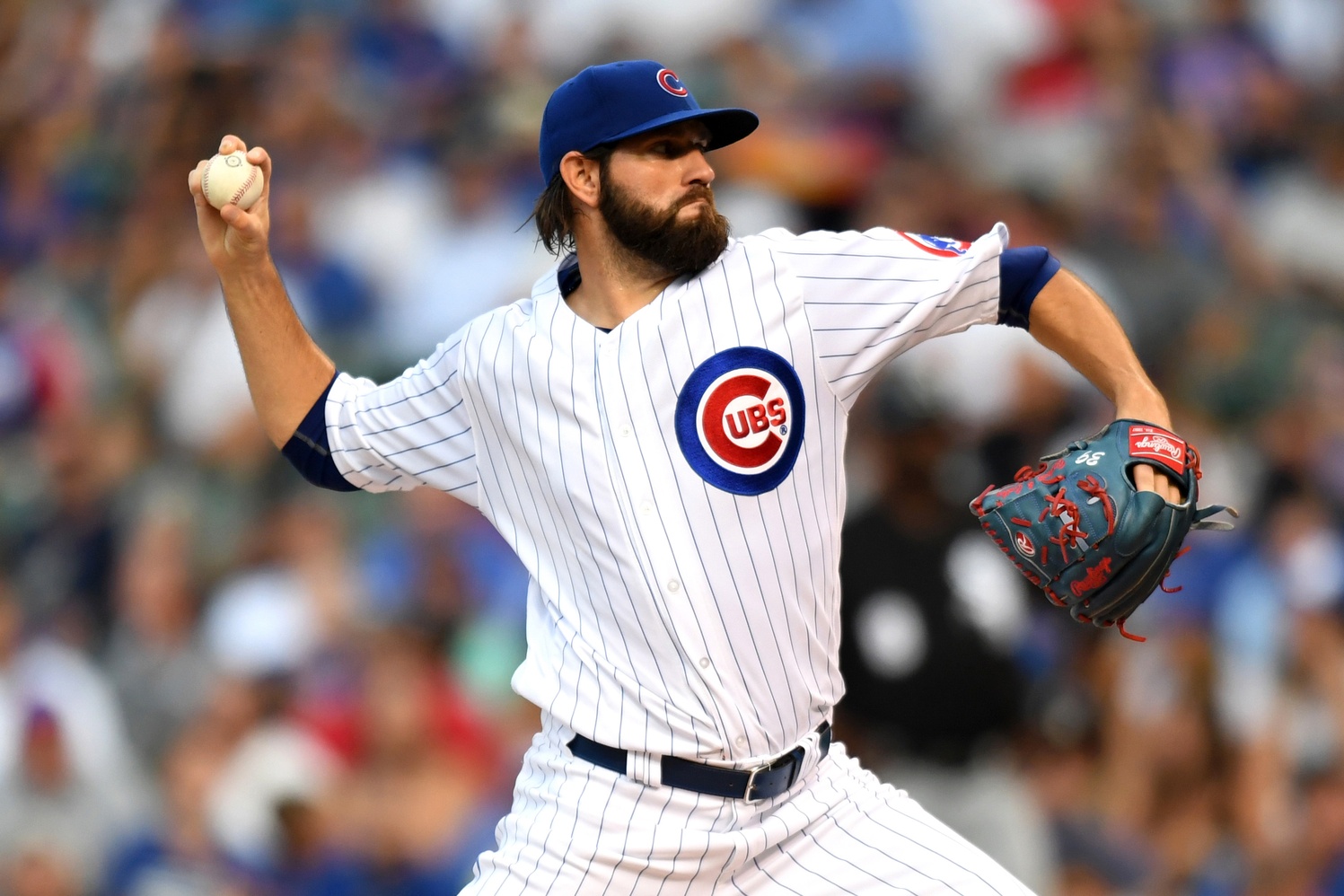 Jason Hammel, RHP Hammel posted a 3.68 ERA and a 1.16 WHIP over the last three seasons in Chicago and Oakland. With other Cubs’ starters ahead of him, the team could afford to let him go. The Twins need more pitching and he would slide into the rotation nicely. He might be a good candidate to sign to a one- or two-year deal so he could recoup some value. At the start of next season, he will already be 34-years old so he will not have many more opportunities to be a free agent. Doug Fister, RHP Fister is only two-years removed from a terrific season in Washington where he threw for a 2.41 ERA and a 1.08 WHIP. He has posted ERA totals greater than 4.15 in each of the last two seasons. Fister is younger than Hammel and he has pitched 237 fewer big league innings. He has pitched over 160 innings in each of the last four seasons where he was used exclusively as a starter. Like Hammel, there is an opportunity for him to produce a bounce back season. Scott Feldman, RHP Feldman was one of the players I targeted when completing my 2016 Twins offseason blueprint. I would offer him a two-year deal with some incentives since he has shown some positive signs since joining the bullpen. Minnesota’s bullpen has been overused in recent years so a new arm could add some life to a worn-out group. If he continues to make strides in the right direction, the Twins might be able to deal him for prospects at the trade deadline. Stephen Drew, 2B/3B/SS Drew will be entering his 12th big league season and he has shown the ability to play multiple positions around the infield. He could provide some insurance with young players like Miguel Sano and Jorge Polanco scheduled to start. He got on base almost 34% of the time last year. His .864 OPS was his highest total since his rookie season. Drew could take over the role vacated by Eduardo Nunez while providing a veteran voice in the clubhouse. Austin Jackson, OF Minnesota is scheduled to start the year with Byron Buxton, Max Kepler, Eddie Rosario, and Robbie Grossman as the team’s outfielders. The young trio of Buxton, Kepler, and Rosario all have things to prove. Jackson would add a veteran bat who can play all three outfield positions. If any of the young core needs more seasoning in Rochester, Jackson could take over the starting duties. Derek Falvey, the Twins Chief Baseball Officer, told the Minneapolis Star-Tribune, “The reality is, we’re standing here today with players still available in free agency that I don’t think any of us would have predicted in October. Things change.” Regardless of whether the front office pursues any of the names listed above, it looks like the Twins are incredible longshots to make it to the World Series. Mytopsportsbooks.com, which already has MLB Futures odds posted, lists them at 200-1 right now. While the odds seem to be against a World Series run, it seems likely for the Twins to head to Fort Myers with a player or players who are not currently on the roster. Who would be a good fit with the club’s current direction? Leave a COMMENT and start the discussion.
 -
 This part of the deep offseason can be full of a lot of downtime for baseball fans. Lucky enough for readers of this site, I have been offering up profiles of some of the worst players in the history of the Twins franchise. So far, the series has covered Butch Huskey, Rondell White, and Scott Klingenbeck. Huskey offered some entertaining moments in his brief Twins tenure. White had an All-Star career but his time in Minnesota was lacking. Klingenbeck showed some positive signs in the minor leagues before bottoming out at the big league level. In all three of the previous posts in this series, I have asked for readers to chime in with their picks for the worst Twins of all-time. This week's featured player got plenty of votes over the last couple weeks and it made it tough to ignore his terrible time with the Twins. Introducing, the latest installment in the "Worst Twins of All-Time Series"... Matt WalbeckWalbeck was drafted into the Chicago Cubs organization in 1987 as an eighth round pick. The California native joined the professional baseball ranks straight out of high school. For his first season in the minor leagues, he was only 17-years old and he did well in the rookie leagues. Over the next three seasons, he tried to find his swing at the Low-A level. After playing over 90 games in 1988 and 1989, he missed a chunk of time in 1990. An injury-plagued season meant he made it into only 25 contests but he was now 20-years old and it was time to move up. The Cubs consistently moved him for the next three seasons and he made his MLB debut in 1993. In 11 games with the Cubs, he hit .200/.226/.367 with one home run and two doubles. He had put together decent numbers in back-to-back years in the minors so there was some hope for the future. The Twins liked what they saw in his minor league numbers and they traded for Walbeck and Dave Stevens in exchange for Willie Banks. Walbeck became the team's primary catcher over the next two seasons by playing in 97 and 115 games. There were some struggles at the plate as he tried to adjust to being a full-time player at the big league level. In 1994, Walbeck hit .204/.246/.284 with 17 extra-base hits over 359 plate appearances. Not exactly the best start for the Twins' new backstop. He made some adjustments for the 1995 season and he compiled some of his best numbers as a professional. His 115 games played were a career high and he batted .257/.302/.316. It was the only season of his career where he compiled over 100 hits. The 1996 season was the last for Walbeck in a Twins uniform. He lost the designation as the primary catcher to Greg Myers and he still struggled to make consistent contact. At the end of that season, he was hitting .223/.252/.298 and it was time for the Twins to part ways with Walbeck. During the offseason, the Twins sent Walbeck to the Tigers for Brent Stentz. It was an interesting journey for Walbeck during the rest of his career. The Tigers used him sparingly during the '97 season before being sent to the Angels in a deal that included future Twins player Phil Nevin. He made it into over 100 games in the next two seasons and put up numbers that were higher than his career average. His career ended in 2003 after spending his last two professional seasons back with the Detroit Tigers. There were plenty of problems in those last couple years for a catcher with a lot of miles on his knees. His last season he batted .174/.197/.239 with six extra-base hits in 144 at-bats. Walbeck makes this list of all-time worst Twins because of his ineptitude in the batter's box. He had a negative WAR in all three seasons with Minnesota and this added up to a -2.0 WAR for his Twins tenure. In all three seasons, he hit .230/.271/.300 but there were some positives on the defensive side of the ball. He had a positive defensive WAR in each of his three years and he led the AL in base runners caught in 1994. Since his retirement, Walbeck has turned his attention to being a manager. He got his first job with the Low-A Tigers affiliate and he guided them to the 2004 Midwest League title. His team would again win the Midwest League in 2006 and it was time for a promotion. He was bumped up to the Tigers Double-A affiliate, the Erie SeaWolves, in 2007 and things really took off from there. The Eastern League named him Manager of the Year for 2007, a great honor for the former catcher. He was also named 2007 Minor League Manager of the Year by Baseball America. Following that season, the Texas Rangers hired him as third base coach. This job would be short-lived, as the club fired him after one season in the position. He landed back on his feet with the Pirates organization 2009. He was sent back to a familiar league, the Eastern League, to resume his managerial career. He drove the Altoona Curve to the 2010 championship and he was named EL Manager of the Year for the second time. In a surprise move, the club fired him after the season. It seemed there were some disagreements about his managerial style. His most recent coaching job was with the Rome Braves, an affiliate of the Atlanta Braves organization. He led them to a terrible first half record and he was fired in the middle of the season. This was the first time the Rome Braves had made a midseason change at manager. Walbeck now runs the Walbeck Baseball Academy in California. With only a few more weeks until pitchers and catchers report, who else do you want to see profiled? Leave a COMMENT and start the discussion. Click here to view the article
- 11 replies
-
- 1
-

-
- matt walbeck
- greg myers
- (and 2 more)
-
 Walbeck was drafted into the Chicago Cubs organization in 1987 as an eighth round pick. The California native joined the professional baseball ranks straight out of high school. For his first season in the minor leagues, he was only 17-years old and he did well in the rookie leagues. Over the next three seasons, he tried to find his swing at the Low-A level. After playing over 90 games in 1988 and 1989, he missed a chunk of time in 1990. An injury-plagued season meant he made it into only 25 contests but he was now 20-years old and it was time to move up. The Cubs consistently moved him for the next three seasons and he made his MLB debut in 1993. In 11 games with the Cubs, he hit .200/.226/.367 with one home run and two doubles. He had put together decent numbers in back-to-back years in the minors so there was some hope for the future. The Twins liked what they saw in his minor league numbers and they traded for Walbeck and Dave Stevens in exchange for Willie Banks. Walbeck became the team's primary catcher over the next two seasons by playing in 97 and 115 games. There were some struggles at the plate as he tried to adjust to being a full-time player at the big league level. In 1994, Walbeck hit .204/.246/.284 with 17 extra-base hits over 359 plate appearances. Not exactly the best start for the Twins' new backstop. He made some adjustments for the 1995 season and he compiled some of his best numbers as a professional. His 115 games played were a career high and he batted .257/.302/.316. It was the only season of his career where he compiled over 100 hits. The 1996 season was the last for Walbeck in a Twins uniform. He lost the designation as the primary catcher to Greg Myers and he still struggled to make consistent contact. At the end of that season, he was hitting .223/.252/.298 and it was time for the Twins to part ways with Walbeck. During the offseason, the Twins sent Walbeck to the Tigers for Brent Stentz. It was an interesting journey for Walbeck during the rest of his career. The Tigers used him sparingly during the '97 season before being sent to the Angels in a deal that included future Twins player Phil Nevin. He made it into over 100 games in the next two seasons and put up numbers that were higher than his career average. His career ended in 2003 after spending his last two professional seasons back with the Detroit Tigers. There were plenty of problems in those last couple years for a catcher with a lot of miles on his knees. His last season he batted .174/.197/.239 with six extra-base hits in 144 at-bats. Walbeck makes this list of all-time worst Twins because of his ineptitude in the batter's box. He had a negative WAR in all three seasons with Minnesota and this added up to a -2.0 WAR for his Twins tenure. In all three seasons, he hit .230/.271/.300 but there were some positives on the defensive side of the ball. He had a positive defensive WAR in each of his three years and he led the AL in base runners caught in 1994. Since his retirement, Walbeck has turned his attention to being a manager. He got his first job with the Low-A Tigers affiliate and he guided them to the 2004 Midwest League title. His team would again win the Midwest League in 2006 and it was time for a promotion. He was bumped up to the Tigers Double-A affiliate, the Erie SeaWolves, in 2007 and things really took off from there. The Eastern League named him Manager of the Year for 2007, a great honor for the former catcher. He was also named 2007 Minor League Manager of the Year by Baseball America. Following that season, the Texas Rangers hired him as third base coach. This job would be short-lived, as the club fired him after one season in the position. He landed back on his feet with the Pirates organization 2009. He was sent back to a familiar league, the Eastern League, to resume his managerial career. He drove the Altoona Curve to the 2010 championship and he was named EL Manager of the Year for the second time. In a surprise move, the club fired him after the season. It seemed there were some disagreements about his managerial style. His most recent coaching job was with the Rome Braves, an affiliate of the Atlanta Braves organization. He led them to a terrible first half record and he was fired in the middle of the season. This was the first time the Rome Braves had made a midseason change at manager. Walbeck now runs the Walbeck Baseball Academy in California. With only a few more weeks until pitchers and catchers report, who else do you want to see profiled? Leave a COMMENT and start the discussion.
 -
Article: Running Down The Hall (Of Fame Ballot)
Cody Christie replied to Cody Christie's topic in Twins Daily Front Page News
The HOF announcement is tonight. Who's getting in? It looks like Bagwell and Raines will be locks. Pudge, Hoffman, and Vlad all have a shot. -
When the Twins signed Joe Mauer to the largest contract in team history, fans were excited to see what the future could hold. He was coming off an MVP season where he rewrote the record books when it comes to offense from the catching position. Minnesota was annually in the playoff hunt and optimism was running high. Flash forward six seasons and that optimism has run out. Mauer is no longer behind the plate and Minnesota is in the midst of one of the franchise's worst stretches. So what can fans expect from Mauer with two years left on his monster deal?Mauer will turn 34-years old during the first month of the coming season. He's slowly moving out of his prime and many Twins fans might argue that he's already past his prime. There are still two years remaining with Mauer in a Minnesota jersey and there have been glimmers of hope when it comes to the offensive side of the ball. During last March/April, Mauer got off to a fast start as he hit .321/.453/.440 with seven extra-base hits and a 20 to 9 strikeout-to-walk ratio. By the end of April, he hit for five home runs and posted a .741 OPS. The season was off to a strong start. The season's middle months didn't go so well and a quad injury bothered Mauer starting at the middle of August. He still ended that month hitting .337/.419/.533 with 13 extra-base hits. However, the injury continued to bother him into the season's final month. He posted a .111 batting average and a .468 OPS while being limited to 12 games during September/October. There was good in 2016, like Mauer sharing co-American League Player of the Week honors with rookie teammate Max Kepler. There was bad like the month of June where he hit .223/.308/.287 with 22 strikeouts and 12 walks. There was ugly as he tried to fight through the final month of the season and posted the number mentioned above. When Mauer's quad injury was originally reported, he was hitting .284/.384/417. Those are numbers most fans could handle especially since his defense at first base ranked among the best in the American League. So what version of Mauer will show up in 2017? Over the last three seasons Mauer has combined to bat .267 with a .733 OPS while averaging 40 extra-base hits per season. FanGraph's ZiPS 2017 Projections predict Mauer will hit .262/.350/.378 with nine home runs and 23 doubles. Injuries will tell the tale of Mauer's future. If Mauer has other nagging injuries, those numbers seem accurate. If he can stay healthier in 2017, I'd expect those numbers to be higher. Mauer's final year under contract will be an interesting one. Is he going to want to continue to play? Does he want to finish his career in Minnesota? Do the Twins want to keep him around into his late-30's? Earlier this off-season, I projected the 2020 Twins line-up and it didn't include Mauer in the picture. In fact, another current member of the roster has taken over for him at first base. Trying to make predictions can be a murky proposition especially in the baseball world. Mauer was one of the best hitters in the game before concussions and injuries took something away from him. Even if these are his final two years in Minnesota, I am going to continue to appreciate him every time he steps up to the plate. He's one of the best players in team history and he deserves fans' respect especially if his tenure with the Twins is concluding. What are your expectations for Mauer over the next two seasons? Leave a COMMENT and start the discussion. Click here to view the article
-
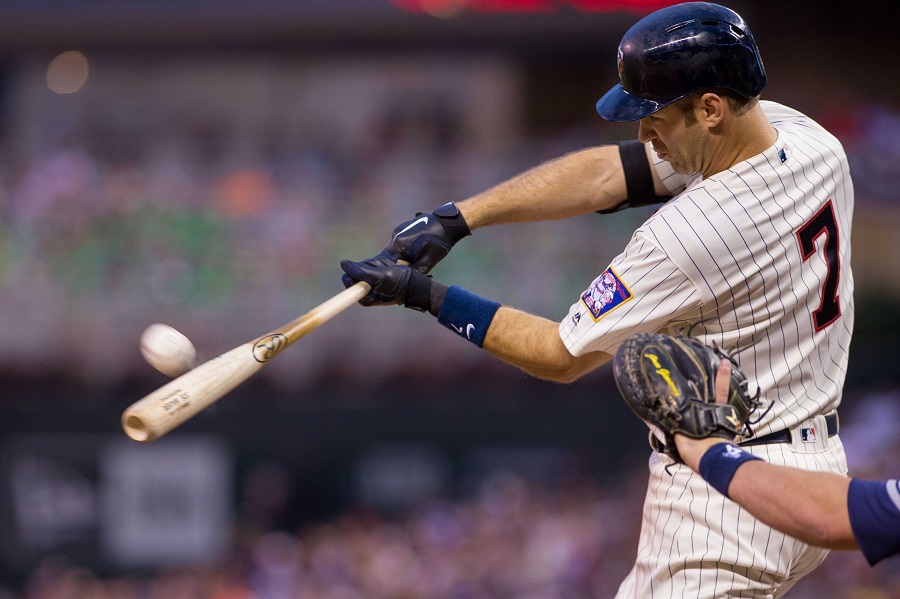 Mauer will turn 34-years old during the first month of the coming season. He's slowly moving out of his prime and many Twins fans might argue that he's already past his prime. There are still two years remaining with Mauer in a Minnesota jersey and there have been glimmers of hope when it comes to the offensive side of the ball. During last March/April, Mauer got off to a fast start as he hit .321/.453/.440 with seven extra-base hits and a 20 to 9 strikeout-to-walk ratio. By the end of April, he hit for five home runs and posted a .741 OPS. The season was off to a strong start. The season's middle months didn't go so well and a quad injury bothered Mauer starting at the middle of August. He still ended that month hitting .337/.419/.533 with 13 extra-base hits. However, the injury continued to bother him into the season's final month. He posted a .111 batting average and a .468 OPS while being limited to 12 games during September/October. There was good in 2016, like Mauer sharing co-American League Player of the Week honors with rookie teammate Max Kepler. There was bad like the month of June where he hit .223/.308/.287 with 22 strikeouts and 12 walks. There was ugly as he tried to fight through the final month of the season and posted the number mentioned above. When Mauer's quad injury was originally reported, he was hitting .284/.384/417. Those are numbers most fans could handle especially since his defense at first base ranked among the best in the American League. So what version of Mauer will show up in 2017? Over the last three seasons Mauer has combined to bat .267 with a .733 OPS while averaging 40 extra-base hits per season. FanGraph's ZiPS 2017 Projections predict Mauer will hit .262/.350/.378 with nine home runs and 23 doubles. Injuries will tell the tale of Mauer's future. If Mauer has other nagging injuries, those numbers seem accurate. If he can stay healthier in 2017, I'd expect those numbers to be higher. Mauer's final year under contract will be an interesting one. Is he going to want to continue to play? Does he want to finish his career in Minnesota? Do the Twins want to keep him around into his late-30's? Earlier this off-season, I projected the 2020 Twins line-up and it didn't include Mauer in the picture. In fact, another current member of the roster has taken over for him at first base. Trying to make predictions can be a murky proposition especially in the baseball world. Mauer was one of the best hitters in the game before concussions and injuries took something away from him. Even if these are his final two years in Minnesota, I am going to continue to appreciate him every time he steps up to the plate. He's one of the best players in team history and he deserves fans' respect especially if his tenure with the Twins is concluding. What are your expectations for Mauer over the next two seasons? Leave a COMMENT and start the discussion.
 -
While the Hot Stove has cooled down on any Brian Dozier rumblings, news out of the Twin Cities has the Twins interested in adding other depth to their roster. MLB.com's Rhett Bollinger is reporting the Twins have touched base with multiple agents for position players and this includes former Blue Jays slugger Jose Bautista. A conflicting report from the Star Tribune's LaVelle E. Neal III says the speculation surrounding Bautista needs to cool down. He's "hearing the Twins aren't interested in him." So which report is correct and does signing a free agent slugger fit with the Twins' current direction?For a rebuilding organization, it might seem like a bold strategy to add a veteran player. Last winter, reports had Bautista seeking a contract extension of over five years and $150 million. The 36-year old made multiple DL stints this year as he battled toe and knee issues. He played in 116 games but he saw a decline in his power and his defensive skills continue to be an issue. This was the third time in the last five seasons where Bautista failed to play over 118 games. Back in 2011, he led all of baseball in slugging percentage (.608) and OPS (1.056). However, those totals have dropped in recent years as he batted .234/.366/.452 in 2016. It seems more likely for Bautista to stay with an AL squad where he can spend some of his time as a designated hitter. Minnesota already has the likes of Miguel Sano, Joe Mauer, Kennys Vargas and Byung-Ho Park potentially getting at-bats at DH. Adding Bautista to this mix could make this a little crowded. Minnesota's current outfield projects to include Byron Buxton, Eddie Rosario and Max Kepler. All of these players are young and there's no telling what kind of performance the team will coax from their young core. Bautista could provide some insurance in the corner outfield and a veteran voice in the locker room. KSTP's Chris Long interviewed Derek Falvey about the possibility of adding Bautista to a rebuilding organization. "We'll continue to monitor all potential avenues for players, whether it's free agents or trades," he said. "I wouldn't shut the door on any player out there right now, even if it was slightly unconventional." In recent years, players like Nelson Cruz and Dexter Fowler have been open to unconventional deals. Both of them signed one-year contracts to increase their value before becoming a free agent again. It sounds like Bautista would be open to this idea but he'd want the one-year deal to be worth more than the $17.2 million qualifying offer he turned down. Since he rejected Toronto's qualifying offer, Bautista also comes tied to a loss of a draft pick. Minnesota's first overall pick is protected but the Twins would be forced to surrender their next highest pick. That pick would be the fifth pick of the competitive balance round between the first and second round. Under the old regime, Minnesota was willing to do this when signing Ervin Santana. Conventional wisdom would have to think Bautista is searching for a big payday. After an unconventional path to the big leagues, it took him until late into his 20's and early 30's to establish himself as a consistent MLB regular. As an aging slugger, this could be one of his last opportunities to sign a multi-year free agent contract. For Twins fans, Bautista has been a nemesis since Target Field opened. He's hit .349/.429/.895 with 14 home runs and five doubles in 21 games. His 1.324 OPS at Target Field is his highest mark at any ballpark where he's played more than five games. It doesn't seem like Bautista would be a perfect fit in Minnesota, even on a one-year deal. With a draft pick tied to him and Bautista continuing to age, it would certainly seem unconventional considering the Twins current state of affairs. What are your thoughts on a potential Bautista signing? Do the Twins need more veteran players? Is he worth giving up a draft pick? Leave a COMMENT and start the discussion. Click here to view the article
- 41 replies
-
- 2
-
-
- jose bautista
- brian dozier
- (and 3 more)
-
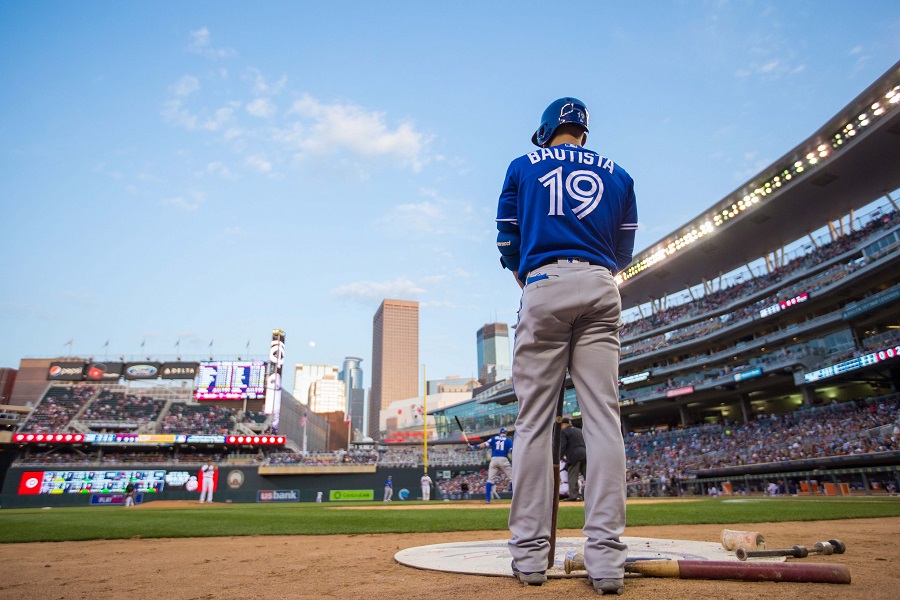 For a rebuilding organization, it might seem like a bold strategy to add a veteran player. Last winter, reports had Bautista seeking a contract extension of over five years and $150 million. The 36-year old made multiple DL stints this year as he battled toe and knee issues. He played in 116 games but he saw a decline in his power and his defensive skills continue to be an issue. This was the third time in the last five seasons where Bautista failed to play over 118 games. Back in 2011, he led all of baseball in slugging percentage (.608) and OPS (1.056). However, those totals have dropped in recent years as he batted .234/.366/.452 in 2016. It seems more likely for Bautista to stay with an AL squad where he can spend some of his time as a designated hitter. Minnesota already has the likes of Miguel Sano, Joe Mauer, Kennys Vargas and Byung-Ho Park potentially getting at-bats at DH. Adding Bautista to this mix could make this a little crowded. Minnesota's current outfield projects to include Byron Buxton, Eddie Rosario and Max Kepler. All of these players are young and there's no telling what kind of performance the team will coax from their young core. Bautista could provide some insurance in the corner outfield and a veteran voice in the locker room. KSTP's Chris Long interviewed Derek Falvey about the possibility of adding Bautista to a rebuilding organization. "We'll continue to monitor all potential avenues for players, whether it's free agents or trades," he said. "I wouldn't shut the door on any player out there right now, even if it was slightly unconventional." In recent years, players like Nelson Cruz and Dexter Fowler have been open to unconventional deals. Both of them signed one-year contracts to increase their value before becoming a free agent again. It sounds like Bautista would be open to this idea but he'd want the one-year deal to be worth more than the $17.2 million qualifying offer he turned down. Since he rejected Toronto's qualifying offer, Bautista also comes tied to a loss of a draft pick. Minnesota's first overall pick is protected but the Twins would be forced to surrender their next highest pick. That pick would be the fifth pick of the competitive balance round between the first and second round. Under the old regime, Minnesota was willing to do this when signing Ervin Santana. Conventional wisdom would have to think Bautista is searching for a big payday. After an unconventional path to the big leagues, it took him until late into his 20's and early 30's to establish himself as a consistent MLB regular. As an aging slugger, this could be one of his last opportunities to sign a multi-year free agent contract. For Twins fans, Bautista has been a nemesis since Target Field opened. He's hit .349/.429/.895 with 14 home runs and five doubles in 21 games. His 1.324 OPS at Target Field is his highest mark at any ballpark where he's played more than five games. It doesn't seem like Bautista would be a perfect fit in Minnesota, even on a one-year deal. With a draft pick tied to him and Bautista continuing to age, it would certainly seem unconventional considering the Twins current state of affairs. What are your thoughts on a potential Bautista signing? Do the Twins need more veteran players? Is he worth giving up a draft pick? Leave a COMMENT and start the discussion.
 -
It's no secret that Minnesota's pitching was poor last season. Twins' starters ranked last in ERA and K/9, with a -13.95 win probability added. However, there may be an even deeper problem at the heart of the Twins issues Even with pitchers performing poorly, the Twins also had trouble on the defensive side of the ball. Miguel Sano struggled during his time in the outfield while other players played below average at their natural positions. So what's at the heart of Minnesota's defensive woes?Defensive metrics have come a long way over the last decade. With organizations and other private companies tracking every batted ball, the amount of information available to fans is at an all-time high. The Society for American Baseball Research (SABR) has developed the SABR Defensive Index (SDI). According to SABR's website, the SDI "draws on and aggregates two types of existing defensive metrics: those derived from batted ball location-based data and those collected from play-by-play accounts." Here's a look at how Twins' players stacked up in the final 2016 SDI rankings. Pitcher: Ervin Santana Final SDI Ranking: -0.7 (32nd in the AL) Santana was the lone pitcher to accumulate enough innings to appear on the SDI rankings. Defensively, pitchers have very little reaction time and sometimes it is best for them to just stay out of the way. Santana only scored better than 12 pitchers that qualified for the SDI and he's the first of many Twins on this list to score in the negative range. Catcher: Kurt Suzuki Final SDI Ranking: -7.2 (12th in the AL) Suzuki isn't exactly known for his defensive prowess. He struggled to throw out runners along with other defensive aspects (pitch framing, etc.). The only AL catcher he scored better than was Dioner Navarro of the White Sox. Newly signed catcher Jason Castro had an SDI score of -0.7 which ranked him seventh in the American League. First Base: Joe Mauer Final SDI Ranking: 1.6 (4th in the AL) Around the All-Star Game, Mauer only trailed Mitch Moreland in the AL SDI rankings for first base. By August, he would drop to fourth place and that's where he finished the season. This was a vast improvement over the 2015 season when he posted a -0.1 SDI. Only three first baseman scored lower than him during that campaign. If he can continue to make strides, he might be able to sneak into next year's top three. Second Base: Brian Dozier Final SDI Ranking: -1.3 (6th in the AL) I've been critical of Dozier's defense since last off-season but he began to make some improvements during the second half of 2016. At the mid-season mark, only Johnny Giavotella of the Angels ranked lower than Dozier with a -4.5 SDI. That came on the heels of finishing with a -6.1 SDI in 2015. Dozier improved his SDI by 3.2 points in the second half to finish sixth in the AL but he was 8.1 points behind a power four (Cano, Kipnis, Kinsler, Pedroia) at the top of the rankings. Shortstop: Eduardo Nunez Final SDI Ranking: -1.2 (9th in the AL) Nunez did not finish the year in a Twins uniform but he still compiled enough innings at shortstop to appear in the rankings. It's no secret that he was below average at shortstop but the Twins were able to deal him at the deadline. Now the Giants can use Nunez at other positions since Brandon Crawford is scheduled to be their everyday shortstop. Left field: Eddie Rosario Final SDI Ranking: -0.6 (5th in the AL) During his minor league years, Rosario played all over the field including all three outfield positions and one season playing second base. With Rosario's skill set, I expected him to score better on the SDI. His quickness helps him to track down balls and his arm is fairly good. This is a far cry from the Delmon Young and Josh Willingham days. I wouldn't be surprised to see his ranking improve in 2017 if he is given the opportunity to be a full-time player. Right field: Max Kepler Final SDI Ranking: 1.4 (7th in the AL) Kepler compiled the Twins' second highest SDI score as he trailed only Mauer by 0.2 points. The AL right field rankings had quite the duo at the top with Adam Eaton (21.4 SDI) and Mookie Betts (19.3 SDI). Kepler was one of nine AL right fielders to score positive in the SDI. He did all of this while starting only 100 games in right field including 97 complete games. Much like Rosario, I expect his SDI total to increase in 2017 with more playing time. Luckily, multiple players on this list won't be on Minnesota's roster for this coming season. Suzuki and Nunez are already gone and Dozier could be on his way out the door. This would leave the Twins with an entirely new middle infield for 2017. With the switch, there will hopefully be some defensive improvements. Who's ranking surprised you? Who will have improved defensive seasons in 2017? Leave a COMMENT and start the discussion. Click here to view the article
-
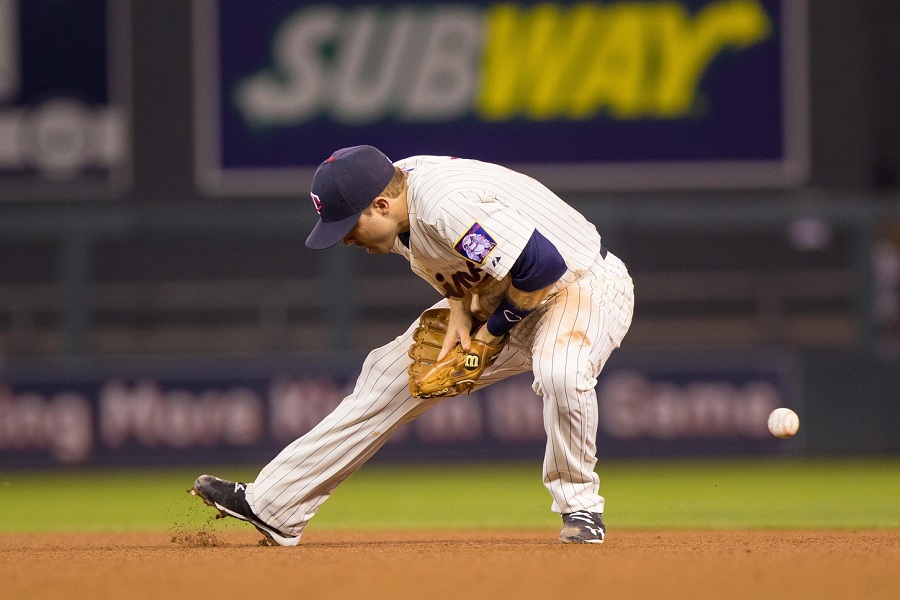 Defensive metrics have come a long way over the last decade. With organizations and other private companies tracking every batted ball, the amount of information available to fans is at an all-time high. The Society for American Baseball Research (SABR) has developed the SABR Defensive Index (SDI). According to SABR's website, the SDI "draws on and aggregates two types of existing defensive metrics: those derived from batted ball location-based data and those collected from play-by-play accounts." Here's a look at how Twins' players stacked up in the final 2016 SDI rankings. Pitcher: Ervin Santana Final SDI Ranking: -0.7 (32nd in the AL) Santana was the lone pitcher to accumulate enough innings to appear on the SDI rankings. Defensively, pitchers have very little reaction time and sometimes it is best for them to just stay out of the way. Santana only scored better than 12 pitchers that qualified for the SDI and he's the first of many Twins on this list to score in the negative range. Catcher: Kurt Suzuki Final SDI Ranking: -7.2 (12th in the AL) Suzuki isn't exactly known for his defensive prowess. He struggled to throw out runners along with other defensive aspects (pitch framing, etc.). The only AL catcher he scored better than was Dioner Navarro of the White Sox. Newly signed catcher Jason Castro had an SDI score of -0.7 which ranked him seventh in the American League. First Base: Joe Mauer Final SDI Ranking: 1.6 (4th in the AL) Around the All-Star Game, Mauer only trailed Mitch Moreland in the AL SDI rankings for first base. By August, he would drop to fourth place and that's where he finished the season. This was a vast improvement over the 2015 season when he posted a -0.1 SDI. Only three first baseman scored lower than him during that campaign. If he can continue to make strides, he might be able to sneak into next year's top three. Second Base: Brian Dozier Final SDI Ranking: -1.3 (6th in the AL) I've been critical of Dozier's defense since last off-season but he began to make some improvements during the second half of 2016. At the mid-season mark, only Johnny Giavotella of the Angels ranked lower than Dozier with a -4.5 SDI. That came on the heels of finishing with a -6.1 SDI in 2015. Dozier improved his SDI by 3.2 points in the second half to finish sixth in the AL but he was 8.1 points behind a power four (Cano, Kipnis, Kinsler, Pedroia) at the top of the rankings. Shortstop: Eduardo Nunez Final SDI Ranking: -1.2 (9th in the AL) Nunez did not finish the year in a Twins uniform but he still compiled enough innings at shortstop to appear in the rankings. It's no secret that he was below average at shortstop but the Twins were able to deal him at the deadline. Now the Giants can use Nunez at other positions since Brandon Crawford is scheduled to be their everyday shortstop. Left field: Eddie Rosario Final SDI Ranking: -0.6 (5th in the AL) During his minor league years, Rosario played all over the field including all three outfield positions and one season playing second base. With Rosario's skill set, I expected him to score better on the SDI. His quickness helps him to track down balls and his arm is fairly good. This is a far cry from the Delmon Young and Josh Willingham days. I wouldn't be surprised to see his ranking improve in 2017 if he is given the opportunity to be a full-time player. Right field: Max Kepler Final SDI Ranking: 1.4 (7th in the AL) Kepler compiled the Twins' second highest SDI score as he trailed only Mauer by 0.2 points. The AL right field rankings had quite the duo at the top with Adam Eaton (21.4 SDI) and Mookie Betts (19.3 SDI). Kepler was one of nine AL right fielders to score positive in the SDI. He did all of this while starting only 100 games in right field including 97 complete games. Much like Rosario, I expect his SDI total to increase in 2017 with more playing time. Luckily, multiple players on this list won't be on Minnesota's roster for this coming season. Suzuki and Nunez are already gone and Dozier could be on his way out the door. This would leave the Twins with an entirely new middle infield for 2017. With the switch, there will hopefully be some defensive improvements. Who's ranking surprised you? Who will have improved defensive seasons in 2017? Leave a COMMENT and start the discussion.
 -
There have been plenty of great players in the history of the Twins franchise and there have also been plenty of duds. In my on-going offseason series, I have been taking a look at some of the worst players to ever wear a Twins uniform. So far the series has covered Butch Huskey and Rondell White. Huskey struggled as a designated hitter for the Twins and his was an interesting career to follow. White was an All-Star career but his time in Minnesota was lacking. These are just two names in a long list of Twins players' futility. Next on the list of all-time worst, Mr. Scott Klingenbeck...The Baltimore Orioles drafted Scott Klingenbeck in the fifth round of the 1992 amateur draft. His college experience helped him to travel quickly through their farm system. He pitched well in the low minor leagues and he made his debut during the 1994 season. In that game, he threw seven innings and allowed three earned runs to earn the victory. Klingenbeck had a strong start to the 1995 season at the Triple-A level for the Orioles. He posted a 2.72 ERA and a 3-1 record. This left the club little choice but to call him up during the middle months of the season. There were a few bumps in the road on his return to the big leagues. His ERA jumped to 4.88 and he posted a 1.596 WHIP over five starts. This was only be the beginning of the bad. The Twins traded for Klingenbeck at the beginning of July in the deal that sent Scott Erickson to the Orioles. Erickson hadn't been able to regain his form from the first couple of years in the big leagues. He was only 27-years old but the Twins wanted to get some younger prospects for him. Klingenbeck had looked good during his minor league career but things would quickly go south in Minnesota. He made 18 appearances with the Twins in 1995 including four starts for the club. His ERA was a hefty 8.57 with an ugly 1.924 WHIP. He didn't exactly have control of his pitches as he walked 24 batters, hit four batters, and had five wild pitches over 48.1 innings. It was beginning to look like the Twins had given up a king's ransom to acquire a lackluster pitcher. For the start of the 1996 season, the Twins sent Klingenbeck back to the minor leagues to try to find himself. He improved by posting a 3.11 ERA and a 9-3 record over 22 starts. By the middle of the season, the Twins needed some help at the big league level and Klingenbeck was the guy. He struggled again with the transition and posted a 7.85 ERA and a 1.814 WHIP. This was his last trip to the big leagues with the Twins. At the start of the next season, Klingenbeck was sent back to the Triple-A. The Twins dumped him on Cincinnati, his hometown team, as part of a conditional deal. He got one more brief taste of the majors in 1998 and he looked a little better with an ERA close to 6.00 and a 1.456 WHIP. The next year was his last in professional baseball before retiring in 1999. Klingenbeck's numbers in the minor leagues made it seem that he could be able to transition into at least a back of the rotation starter. That was one of the reasons the Twins traded for him but this hope never came to fruition. His time in the Twins organization translated to a 1-3 record, an 8.30 ERA, and a 1.883 WHIP. He also put together a -1.7 WAR in his Twins tenure. Following his professional baseball career, Klingenbeck opened a sports bar and grill in Cincinnati. That venue is no longer open but it sounds like it was a decent place to eat. In the end, Klingenbeck will be more remembered as the man the Twins got back for Scott Erickson because his time in a Twins uniform was very unmemorable... What other players should be featured in this series? Leave a COMMENT and start the discussion. Click here to view the article
-
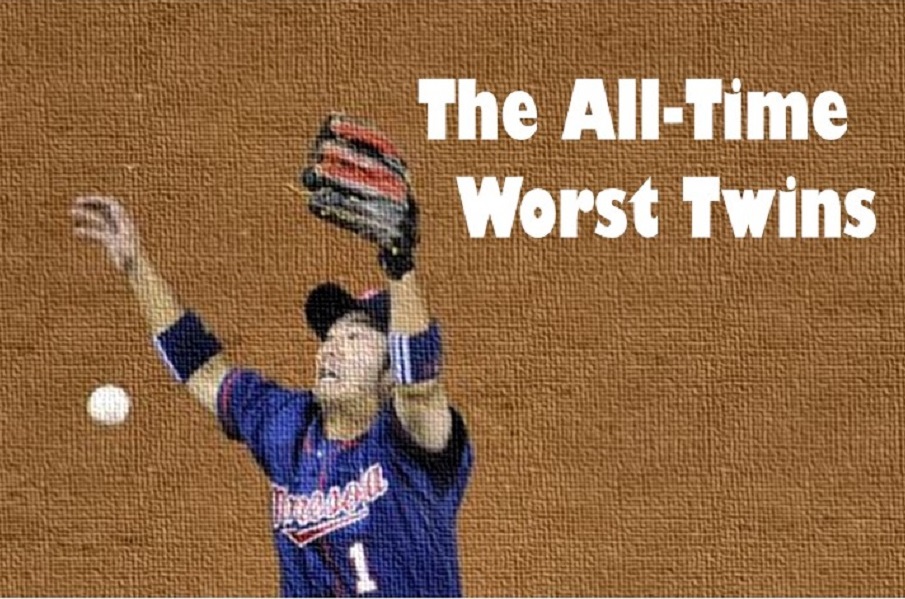 The Baltimore Orioles drafted Scott Klingenbeck in the fifth round of the 1992 amateur draft. His college experience helped him to travel quickly through their farm system. He pitched well in the low minor leagues and he made his debut during the 1994 season. In that game, he threw seven innings and allowed three earned runs to earn the victory. Klingenbeck had a strong start to the 1995 season at the Triple-A level for the Orioles. He posted a 2.72 ERA and a 3-1 record. This left the club little choice but to call him up during the middle months of the season. There were a few bumps in the road on his return to the big leagues. His ERA jumped to 4.88 and he posted a 1.596 WHIP over five starts. This was only be the beginning of the bad. The Twins traded for Klingenbeck at the beginning of July in the deal that sent Scott Erickson to the Orioles. Erickson hadn't been able to regain his form from the first couple of years in the big leagues. He was only 27-years old but the Twins wanted to get some younger prospects for him. Klingenbeck had looked good during his minor league career but things would quickly go south in Minnesota. He made 18 appearances with the Twins in 1995 including four starts for the club. His ERA was a hefty 8.57 with an ugly 1.924 WHIP. He didn't exactly have control of his pitches as he walked 24 batters, hit four batters, and had five wild pitches over 48.1 innings. It was beginning to look like the Twins had given up a king's ransom to acquire a lackluster pitcher. For the start of the 1996 season, the Twins sent Klingenbeck back to the minor leagues to try to find himself. He improved by posting a 3.11 ERA and a 9-3 record over 22 starts. By the middle of the season, the Twins needed some help at the big league level and Klingenbeck was the guy. He struggled again with the transition and posted a 7.85 ERA and a 1.814 WHIP. This was his last trip to the big leagues with the Twins. At the start of the next season, Klingenbeck was sent back to the Triple-A. The Twins dumped him on Cincinnati, his hometown team, as part of a conditional deal. He got one more brief taste of the majors in 1998 and he looked a little better with an ERA close to 6.00 and a 1.456 WHIP. The next year was his last in professional baseball before retiring in 1999. Klingenbeck's numbers in the minor leagues made it seem that he could be able to transition into at least a back of the rotation starter. That was one of the reasons the Twins traded for him but this hope never came to fruition. His time in the Twins organization translated to a 1-3 record, an 8.30 ERA, and a 1.883 WHIP. He also put together a -1.7 WAR in his Twins tenure. Following his professional baseball career, Klingenbeck opened a sports bar and grill in Cincinnati. That venue is no longer open but it sounds like it was a decent place to eat. In the end, Klingenbeck will be more remembered as the man the Twins got back for Scott Erickson because his time in a Twins uniform was very unmemorable... What other players should be featured in this series? Leave a COMMENT and start the discussion.
 -
Article: Running Down The Hall (Of Fame Ballot)
Cody Christie replied to Cody Christie's topic in Twins Daily Front Page News
Everyone should follow @NotMrTibbs on Twitter. He tracks HOF ballots as they are released https://twitter.com/NotMrTibbs- 114 replies
-
- 1
-
-
- barry bonds
- jeff bagwell
- (and 3 more)
-
The winds of change are blowing through the hallowed grounds of Cooperstown. Debate has swirled over which players, if any, from the steroids era should be elected. Mike Piazza was elected as part of the class of 2016 and there were steroid rumors surrounding him. Other top players from the steroid era, like Barry Bonds and Roger Clemens, have been forced to wait their turn. Within the last few months, it was announced that former MLB commissioner Bud Selig will be enshrined in Cooperstown. This is the man who oversaw the growth of baseball to the level that it is today. He also allowed the steroid era to continue longer than it should have gone on. If the architect of the steroid era is being let into the Hall, players of that culture will soon follow suit.There needs to be a fine line drawn and each person is going to put that line in different spots. When baseball started testing/suspensions for steroids in 2005, players continued to break the rules. Rafael Palmeiro, Manny Ramirez and Alex Rodriguez broke the rules and won't be on this ballot or any future ballot. Here are the ten names I would pencil in if I had a ballot: Class of 2017 Jeff Bagwell: It was close last year but Bagwell's 71.6% of the vote fell just short of the 75% needed for induction. There are some who have questioned his candidacy because he was a power hitter in the midst of the steroids era. Bagwell is tied with Ty Cobb for the third most seasons with a .420+OBP, .540+SLG, and 15+ stolen bases. Only Ed Delahanty and Barry Bonds are higher on the list. Tim Raines: Raines enters his tenth and final year on the ballot with a full head of steam. He finished last year with almost 70% of the vote and the ballots released so far this year show he should easily make it. He is one of the best lead-off hitters of all time. He's fifth in stolen bases, 13th in stolen base percentage and 46th in win probability added. Ivan Rodriguez: It took Mike Piazza, the best offensive catcher of all time, four tries to be elected to the Hall. With Piazza breaking down the door, it looks like Ivan Rodriguez will get to follow on his coat-tails. The 14-time All-Star won the AL MVP in 1999 and was NLCS MVP in 2003. He played more games at catcher than anyone in history and he has 13 Gold Gloves to show for all this time behind the plate. Future Inductions Vladimir Guerrero: Guerrero is an interesting case and I think voters will be more open to his election in the years to come. He was a career .318/.379/.553 hitter while ranking in the top five in the MVP voting four times including winning the 2004 AL MVP. His .318 average and 449 home runs have only been matched by Babe Ruth, Stan Musial, Lou Gehrig, Ted Williams, and Jimmie Foxx. That's some rare company. Trevor Hoffman: For a few seasons, he held the all-time record for career saves before being passed by Mariano Rivera. Even as a relief pitcher, he finished second in the Cy Young voting twice and had two other top six finishes. He was the first pitcher to reach 500 saves and one of two players to have reached the 600 save mark. Relief pitchers have a tough time getting in but he was a trailblazer at the position. May Never Get In (But Still On My Ballot) Barry Bonds, Roger Clemens, Edgar Martinez, Mike Mussina, Curt Schilling Bonds and Clemens are two of the greatest players of all-time but the steroid cloud continues to haunt them. They are each making big jumps on the 2017 ballot so it will be interesting to see what will happen in the years to come. Martinez is one of the best designated hitters in history but the voters also seems to be holding his lack of defense against him. Mussina has been one of the last names on my ballot in each of the last two seasons. He was a good pitcher for a very long time but it might not be enough to find a place in Cooperstown. Schilling is losing votes very quickly. His outspoken nature since he has retired have hurt his chances. He is still one of the best post-season pitchers in history so I would put him on my ballot strictly for his play on the field. So who do you think gets in? Who else should have been on my ballot? Who should have been left off? Leave a COMMENT and start the discussion. Here is the official list of players available to be voted for by the BBWAA . Who makes your list? Click here to view the article
-
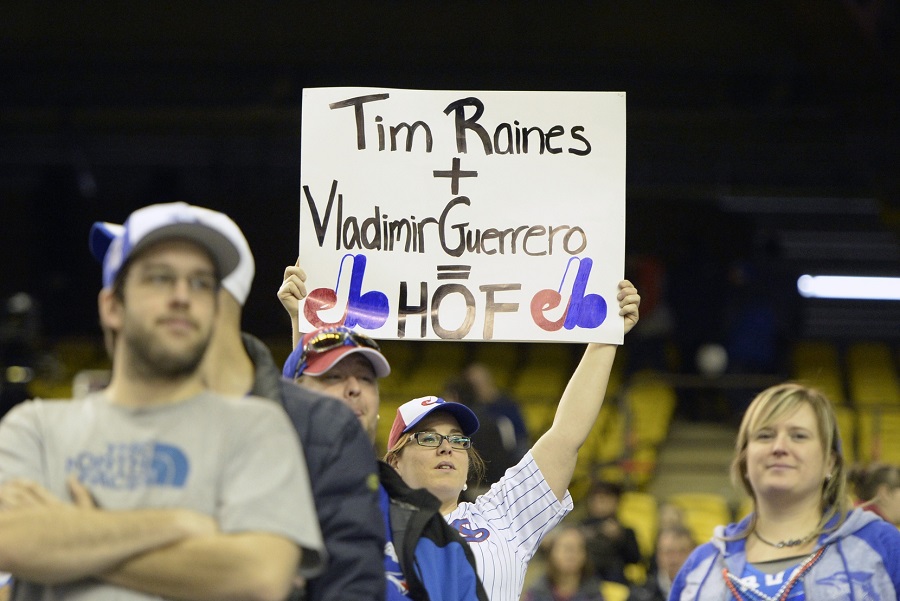 There needs to be a fine line drawn and each person is going to put that line in different spots. When baseball started testing/suspensions for steroids in 2005, players continued to break the rules. Rafael Palmeiro, Manny Ramirez and Alex Rodriguez broke the rules and won't be on this ballot or any future ballot. Here are the ten names I would pencil in if I had a ballot: Class of 2017 Jeff Bagwell: It was close last year but Bagwell's 71.6% of the vote fell just short of the 75% needed for induction. There are some who have questioned his candidacy because he was a power hitter in the midst of the steroids era. Bagwell is tied with Ty Cobb for the third most seasons with a .420+OBP, .540+SLG, and 15+ stolen bases. Only Ed Delahanty and Barry Bonds are higher on the list. Tim Raines: Raines enters his tenth and final year on the ballot with a full head of steam. He finished last year with almost 70% of the vote and the ballots released so far this year show he should easily make it. He is one of the best lead-off hitters of all time. He's fifth in stolen bases, 13th in stolen base percentage and 46th in win probability added. Ivan Rodriguez: It took Mike Piazza, the best offensive catcher of all time, four tries to be elected to the Hall. With Piazza breaking down the door, it looks like Ivan Rodriguez will get to follow on his coat-tails. The 14-time All-Star won the AL MVP in 1999 and was NLCS MVP in 2003. He played more games at catcher than anyone in history and he has 13 Gold Gloves to show for all this time behind the plate. Future Inductions Vladimir Guerrero: Guerrero is an interesting case and I think voters will be more open to his election in the years to come. He was a career .318/.379/.553 hitter while ranking in the top five in the MVP voting four times including winning the 2004 AL MVP. His .318 average and 449 home runs have only been matched by Babe Ruth, Stan Musial, Lou Gehrig, Ted Williams, and Jimmie Foxx. That's some rare company. Trevor Hoffman: For a few seasons, he held the all-time record for career saves before being passed by Mariano Rivera. Even as a relief pitcher, he finished second in the Cy Young voting twice and had two other top six finishes. He was the first pitcher to reach 500 saves and one of two players to have reached the 600 save mark. Relief pitchers have a tough time getting in but he was a trailblazer at the position. May Never Get In (But Still On My Ballot) Barry Bonds, Roger Clemens, Edgar Martinez, Mike Mussina, Curt Schilling Bonds and Clemens are two of the greatest players of all-time but the steroid cloud continues to haunt them. They are each making big jumps on the 2017 ballot so it will be interesting to see what will happen in the years to come. Martinez is one of the best designated hitters in history but the voters also seems to be holding his lack of defense against him. Mussina has been one of the last names on my ballot in each of the last two seasons. He was a good pitcher for a very long time but it might not be enough to find a place in Cooperstown. Schilling is losing votes very quickly. His outspoken nature since he has retired have hurt his chances. He is still one of the best post-season pitchers in history so I would put him on my ballot strictly for his play on the field. So who do you think gets in? Who else should have been on my ballot? Who should have been left off? Leave a COMMENT and start the discussion. Here is the official list of players available to be voted for by the BBWAA . Who makes your list?
 -
White clearly had success in the big leagues. He was an All-Star. His time in Minnesota at the end of his career was poor. The point of the series is to look at players that were bad in Minnesota.
-
The Twins want some roster clarity as the calendar flips to 2017. According to a report from the Star Tribune's La Velle E. Neal III, "The club would like interested teams to step up with their best offer in the coming days, or they plan to prepare for the 2017 season with Dozier as their second baseman." Trade rumors have been swirling around the Twins' face of the franchise after a monster season where he belted over 40 home runs. With two-years remaining on his contract at a team friendly price, there are multiple teams interested in acquiring the second baseman. Here's a recap where things are when it comes to a Dozier deal.The Dodgers continue to be the team most likely best-suited to acquire Dozier. Los Angeles has a surplus of pitching prospects and a desire to win now. Jose De Leon's name is the one that has been most associated with the Twins. The right-handed pitching prospect was a top-25 prospect entering last season while making his MLB debut at age-23. According to Neal, the Dodgers have been pushing for a straight Dozier for De Leon trade. The Twins have wanted the addition of another top prospect like first baseman Cody Bellinger or right-handed pitcher Yadier Alvarez. Los Angeles hasn't budged in their offer. Other teams rumored to be interested are the Giants, Cardinals, and Braves. If the Giants want to work a deal, they would likely need to bring in a third team because their farm system doesn't have as many high caliber prospects. They also have Joe Panik to play second base so Dozier could need to move to third base, a position he has little experience playing. Chatter surrounding the Cardinals interest in Dozier peaked last week when KSTP's Darren Wolfson reported that the Cardinals are "very much in it." However, the Cardinals might be hesitant to include their top prospects like right-handed pitcher Alex Reyes or catcher Carson Kelly. Some believe the Cardinals reported interest in Dozier was a ploy from the organization to get more value squeezed out of the Dodgers. Washington was aggressive this off-season by trading multiple prospects to the White Sox to acquire Adam Eaton. This might leave them little in the tank when it comes to dealing for Dozier. Chelsea Janes of the Washington Post said the Nationals "haven't made any serious inquiries on Twins' Dozier." She went on to say that there was "no natural fit there." Atlanta has been working on their own rebuild so it doesn't seem likely that they would want to trade away top prospects for the remaining years on Dozier's contract. Dozier would help their current squad make strides in the right direction but their organization is built to win in the future, not in the present. While the Dodger continue to seem to be the most likely fit, Los Angeles is going to have to up their offer for the Twins to take a deal. With multiple years remaining on his contract, the Twins could wait until the trade deadline and hope there are more teams willing to deal away their top talent. This would also require Dozier to continue to play the way he did in the second half. Time might be running out on a Dozier deal. Click here to view the article
- 146 replies
-
- 1
-
-
- brian dozier
- jose de leon
- (and 3 more)
-
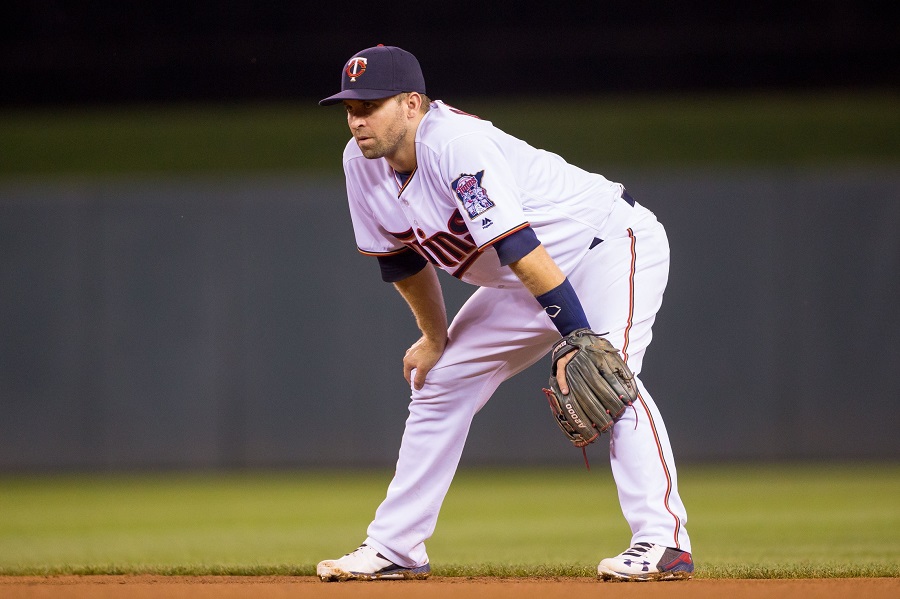 The Dodgers continue to be the team most likely best-suited to acquire Dozier. Los Angeles has a surplus of pitching prospects and a desire to win now. Jose De Leon's name is the one that has been most associated with the Twins. The right-handed pitching prospect was a top-25 prospect entering last season while making his MLB debut at age-23. According to Neal, the Dodgers have been pushing for a straight Dozier for De Leon trade. The Twins have wanted the addition of another top prospect like first baseman Cody Bellinger or right-handed pitcher Yadier Alvarez. Los Angeles hasn't budged in their offer. Other teams rumored to be interested are the Giants, Cardinals, and Braves. If the Giants want to work a deal, they would likely need to bring in a third team because their farm system doesn't have as many high caliber prospects. They also have Joe Panik to play second base so Dozier could need to move to third base, a position he has little experience playing. Chatter surrounding the Cardinals interest in Dozier peaked last week when KSTP's Darren Wolfson reported that the Cardinals are "very much in it." However, the Cardinals might be hesitant to include their top prospects like right-handed pitcher Alex Reyes or catcher Carson Kelly. Some believe the Cardinals reported interest in Dozier was a ploy from the organization to get more value squeezed out of the Dodgers. Washington was aggressive this off-season by trading multiple prospects to the White Sox to acquire Adam Eaton. This might leave them little in the tank when it comes to dealing for Dozier. Chelsea Janes of the Washington Post said the Nationals "haven't made any serious inquiries on Twins' Dozier." She went on to say that there was "no natural fit there." Atlanta has been working on their own rebuild so it doesn't seem likely that they would want to trade away top prospects for the remaining years on Dozier's contract. Dozier would help their current squad make strides in the right direction but their organization is built to win in the future, not in the present. While the Dodger continue to seem to be the most likely fit, Los Angeles is going to have to up their offer for the Twins to take a deal. With multiple years remaining on his contract, the Twins could wait until the trade deadline and hope there are more teams willing to deal away their top talent. This would also require Dozier to continue to play the way he did in the second half. Time might be running out on a Dozier deal.
 -
Last week, I wrote about Butch Huskey and his dubious tenure in a Twins uniform. There have been plenty of other players to struggle during their time in Minnesota. For a team considered small market and owners that have been cautious with their money, there have been some rough moves made to save a dollar or two. This week's candidate might fit into that category. He played parts of two seasons with the Twins at the end of a 15-year career. He did hit a postseason home run for the club but it wasn't enough to take him away from making this list.Rondell White began his career with plenty of promise. The power-hitting outfielder was taken 24th overall in the first round of the 1990 amateur draft by the Montreal Expos, a pick from the Angels as compensation for free agent Mark Langston. Out of the first round picks that year, White has the fourth highest career WAR behind Chipper Jones (1st overall pick), Mike Mussina (20th overall pick), and Alex Fernandez (4th overall pick). White was ranked as a top 15 prospect by Baseball America in all four years in the minors (1991-94). He averaged double digits in home runs in each of his full minor league seasons and he showed the ability to draw walks by getting on base almost 37% of the time. He did this while being multiple years younger than the competition in each full season league. At age 21, White made his professional debut as a September call-up. In his first taste of the big leagues, he showed a little bit of power and continued to get on base over 32% of the time. The next season saw White go back and forth between Triple-A and the big leagues before finally sticking as a regular in 1995. There were multiple stops on the Rondell White Express before he ended up as a Minnesota Twin. On the trade deadline in 2000, he was dealt from the Expos to the Cubs for Scott Downs. He would sign as a free agent with the Yankees in 2001 and a couple years later be dealt to the Padres. His last two stops before Minnesota were in Kansas City and Detroit. Up to that point in his career, he was a .289/.343/.472 hitter and he'd been selected to the 2003 All-Star team. White had suffered multiple injuries during his career so when the Twins came calling prior to the 2006 season, the idea of becoming an everyday designated hitter sounded good. "I'm really, really excited about [being] in a DH role," said White. Jacque Jones had just left the Twins to sign with the Cubs so the Twins needed to replace his bat in the line-up. The Twins also considered signing Mike Piazza and Frank Thomas. During his first season in Minnesota, White played in 99 games and collected over 350 plate appearances. He posted the second worst batting average of his career to that point (.246) and got on base less than 28% of the time. For his career, he averaged a .799 OPS but this year he'd be held to a .641 OPS. Even though he'd been signed to play as DH, he played over 280 innings in the outfield in 2006. FanGraphs calculated his Total Zone rating (TZ) to be 2 runs below average. He saw 161 fewer innings in the outfield in 2007 but he posted the same TZ rating of -2. Over those two seasons he combined for a -1.0 defensive WAR. White finished the 2006 season strong as he batted .417 with a .750 slugging percentage in the team's ALDS match-up with the Oakland A's. This might have been enough to bring him back for a second trip with the club. The 2007 season was disastrous as he was limited to 38 games and hit .174/.235/.321. White's time in Minnesota was far from stellar but he wouldn't have made it 15 years in the big leagues without some positive play on the field. Baseball Reference gives him a 28.1 career WAR while FanGraphs is a little less at 24.1. His three best seasons were 1995, 1997, 1998 with WAR marks above 3.0 in all three seasons. In December 2007 after retiring, White's name came out in the Mitchell Report. It claimed that he used performance-enhancing drugs to try to overcome injuries and stay in the game. He was the only member of the Twins mentioned in the report who had played on the team in 2007. The allegations in the report regarding White all involve conduct before he played in Minnesota. What memories do you have about Mr. White? Who should be next in the All-Time Worst Twins series? Leave a COMMENT and start the discussion. Click here to view the article
-
 Rondell White began his career with plenty of promise. The power-hitting outfielder was taken 24th overall in the first round of the 1990 amateur draft by the Montreal Expos, a pick from the Angels as compensation for free agent Mark Langston. Out of the first round picks that year, White has the fourth highest career WAR behind Chipper Jones (1st overall pick), Mike Mussina (20th overall pick), and Alex Fernandez (4th overall pick). White was ranked as a top 15 prospect by Baseball America in all four years in the minors (1991-94). He averaged double digits in home runs in each of his full minor league seasons and he showed the ability to draw walks by getting on base almost 37% of the time. He did this while being multiple years younger than the competition in each full season league. At age 21, White made his professional debut as a September call-up. In his first taste of the big leagues, he showed a little bit of power and continued to get on base over 32% of the time. The next season saw White go back and forth between Triple-A and the big leagues before finally sticking as a regular in 1995. There were multiple stops on the Rondell White Express before he ended up as a Minnesota Twin. On the trade deadline in 2000, he was dealt from the Expos to the Cubs for Scott Downs. He would sign as a free agent with the Yankees in 2001 and a couple years later be dealt to the Padres. His last two stops before Minnesota were in Kansas City and Detroit. Up to that point in his career, he was a .289/.343/.472 hitter and he'd been selected to the 2003 All-Star team. White had suffered multiple injuries during his career so when the Twins came calling prior to the 2006 season, the idea of becoming an everyday designated hitter sounded good. "I'm really, really excited about [being] in a DH role," said White. Jacque Jones had just left the Twins to sign with the Cubs so the Twins needed to replace his bat in the line-up. The Twins also considered signing Mike Piazza and Frank Thomas. During his first season in Minnesota, White played in 99 games and collected over 350 plate appearances. He posted the second worst batting average of his career to that point (.246) and got on base less than 28% of the time. For his career, he averaged a .799 OPS but this year he'd be held to a .641 OPS. Even though he'd been signed to play as DH, he played over 280 innings in the outfield in 2006. FanGraphs calculated his Total Zone rating (TZ) to be 2 runs below average. He saw 161 fewer innings in the outfield in 2007 but he posted the same TZ rating of -2. Over those two seasons he combined for a -1.0 defensive WAR. White finished the 2006 season strong as he batted .417 with a .750 slugging percentage in the team's ALDS match-up with the Oakland A's. This might have been enough to bring him back for a second trip with the club. The 2007 season was disastrous as he was limited to 38 games and hit .174/.235/.321. White's time in Minnesota was far from stellar but he wouldn't have made it 15 years in the big leagues without some positive play on the field. Baseball Reference gives him a 28.1 career WAR while FanGraphs is a little less at 24.1. His three best seasons were 1995, 1997, 1998 with WAR marks above 3.0 in all three seasons. In December 2007 after retiring, White's name came out in the Mitchell Report. It claimed that he used performance-enhancing drugs to try to overcome injuries and stay in the game. He was the only member of the Twins mentioned in the report who had played on the team in 2007. The allegations in the report regarding White all involve conduct before he played in Minnesota. What memories do you have about Mr. White? Who should be next in the All-Time Worst Twins series? Leave a COMMENT and start the discussion.
 -
As Seth, Jeremy and I put the final touches on the 2017 Minnesota Twins Prospect Handbook, it's always fun to look to the future. There are plenty of changes that could be coming with the new baseball operations department. The future is still a little cloudy with the trades of Brian Dozier and Ervin Santana looming. The players on this list are subject to change. Minnesota could always add players on the free agent market or trade for other players that would be a better fit in the line-up. For now, here is a look at how the Twins could come together for the 2020 season.C: Mitch Garver The Twins recently signed Jason Castro to a three-year deal that runs through the 2019 season. Garver will be given every opportunity to evolve into a starter during the duration of the Castro contract. He ended this season at Rochester and hit .329/.381/.434 with six extra-base hits in 21 games. His defense and game management is praised by pitchers and coaches throughout the system. 1B: Miguel Sano Joe Mauer's contract will expire at the end of the 2018 season. This could give the Twins the opportunity to move Miguel Sano to a less demanding defensive position. At first base, he can worry less about his defense and concentrate on hitting the ball over the fence. Other players might fit into the first base picture with Sano getting some DH at-bats. 2B: Travis Blakenhorn When the Twins took Travis Blakenhorn with a third-round pick, there were high expectations for his future. This season he was 2.5 years younger than the competition in the Midwest League. He combined for an .850 OPS between two levels. He was originally drafted as a third baseman but he played more second base this season. It will take him time to adjust to a new position but he should be ready to go by 2020. 3B: Jorge Polanco With Sano shifting off of third base, the Twins will need to find another option at third base. Polanco has made big league appearances in each of the last three seasons. Last year in 69 games, he hit .282/.332/.424 with 23 extra-base hits. His defensive time at shortstop left a little something to be desired as he committed 11 errors in 189 chances. Many believe he will eventually end up being shifted to a different position especially in the wake of Dozier being dealt. He could end up at second base or third base. SS: Nick Gordon Minnesota took Gordon with the fifth overall pick in 2014 with every intention of him being the team's future shortstop. There are still questions about his ability to stick at the position in the long-term. Offensively, he continues to show an advanced approach at the plate. Like the other infielders on this list, he might eventually need to move to another defensive spot. However, he has the best chance of staying at SS. RF: Eddie Rosario Out of all the players on this list, Rosario is one of the first that would move out of a starting spot. It seems likely for him to move into a fourth outfielder role. At this point, there weren't any other prospects in the Twins system that are knocking down the door in the outfield. If the Twins can get an outfielder from the Dodgers in a Dozier trade, he might be a better fit for the Twins in the long-term. CF: Byron Buxton Buxton finally seemed to put it all together during last September. He hit .287/.357/.653 with nine home runs, six doubles and two triples. His defense continues to be outstanding in center field. Many Twins fans hope Buxton has become an All-Star caliber player by 2020. He can help to turn the franchise around by becoming one of the best players in baseball. LF: Max Kepler Kepler showed some positive signs during his rookie campaign but he also left some room for improvement. In 24 games from June 10 to July 5, he hit .284/.347/.580 with six home runs and eight doubles. Throughout the rest of the season, his average dipped to .228 but he still got on base over 30% of the time. If he can continue to mature at the plate and make more consistent contact, he should be a solid MLB regular. DH: Daniel Palka During his first season in the Twins organization, Palka showed the prestigious power he'd shown through most of his professional career. He surpassed the 30 home run mark for the first time in his career and he had an OPS over .845 for the second consecutive season. He's played corner outfield spots and first base so he could split time at first base with Sano or take over a corner spot from Rosario. Change will be a common theme in the years to come. The next wave of prospects is getting closer to Target Field. Who do you think will fit into the Twins long-term plans? Leave a COMMENT and start the discussion. Click here to view the article
- 40 replies
-
- 2
-
-
- miguel sano
- byron buxton
- (and 3 more)
-
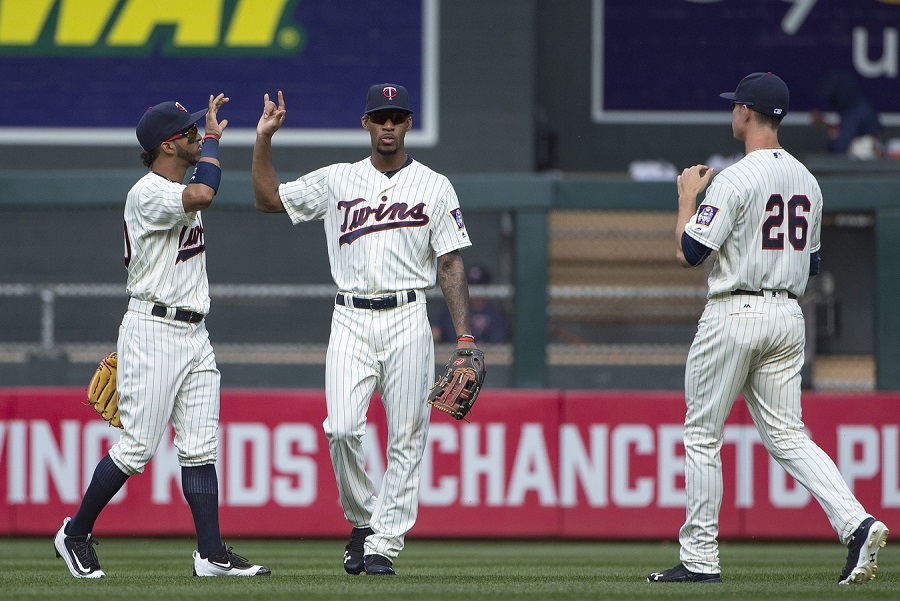 C: Mitch Garver The Twins recently signed Jason Castro to a three-year deal that runs through the 2019 season. Garver will be given every opportunity to evolve into a starter during the duration of the Castro contract. He ended this season at Rochester and hit .329/.381/.434 with six extra-base hits in 21 games. His defense and game management is praised by pitchers and coaches throughout the system. 1B: Miguel Sano Joe Mauer's contract will expire at the end of the 2018 season. This could give the Twins the opportunity to move Miguel Sano to a less demanding defensive position. At first base, he can worry less about his defense and concentrate on hitting the ball over the fence. Other players might fit into the first base picture with Sano getting some DH at-bats. 2B: Travis Blakenhorn When the Twins took Travis Blakenhorn with a third-round pick, there were high expectations for his future. This season he was 2.5 years younger than the competition in the Midwest League. He combined for an .850 OPS between two levels. He was originally drafted as a third baseman but he played more second base this season. It will take him time to adjust to a new position but he should be ready to go by 2020. 3B: Jorge Polanco With Sano shifting off of third base, the Twins will need to find another option at third base. Polanco has made big league appearances in each of the last three seasons. Last year in 69 games, he hit .282/.332/.424 with 23 extra-base hits. His defensive time at shortstop left a little something to be desired as he committed 11 errors in 189 chances. Many believe he will eventually end up being shifted to a different position especially in the wake of Dozier being dealt. He could end up at second base or third base. SS: Nick Gordon Minnesota took Gordon with the fifth overall pick in 2014 with every intention of him being the team's future shortstop. There are still questions about his ability to stick at the position in the long-term. Offensively, he continues to show an advanced approach at the plate. Like the other infielders on this list, he might eventually need to move to another defensive spot. However, he has the best chance of staying at SS. RF: Eddie Rosario Out of all the players on this list, Rosario is one of the first that would move out of a starting spot. It seems likely for him to move into a fourth outfielder role. At this point, there weren't any other prospects in the Twins system that are knocking down the door in the outfield. If the Twins can get an outfielder from the Dodgers in a Dozier trade, he might be a better fit for the Twins in the long-term. CF: Byron Buxton Buxton finally seemed to put it all together during last September. He hit .287/.357/.653 with nine home runs, six doubles and two triples. His defense continues to be outstanding in center field. Many Twins fans hope Buxton has become an All-Star caliber player by 2020. He can help to turn the franchise around by becoming one of the best players in baseball. LF: Max Kepler Kepler showed some positive signs during his rookie campaign but he also left some room for improvement. In 24 games from June 10 to July 5, he hit .284/.347/.580 with six home runs and eight doubles. Throughout the rest of the season, his average dipped to .228 but he still got on base over 30% of the time. If he can continue to mature at the plate and make more consistent contact, he should be a solid MLB regular. DH: Daniel Palka During his first season in the Twins organization, Palka showed the prestigious power he'd shown through most of his professional career. He surpassed the 30 home run mark for the first time in his career and he had an OPS over .845 for the second consecutive season. He's played corner outfield spots and first base so he could split time at first base with Sano or take over a corner spot from Rosario. Change will be a common theme in the years to come. The next wave of prospects is getting closer to Target Field. Who do you think will fit into the Twins long-term plans? Leave a COMMENT and start the discussion.
 -
There can be plenty debate about which player is the best in the history of the franchise. Arguments can be made for Kirby Puckett, Harmon Killebrew, Rod Carew, etc. Puckett brought World Series Championships to the Twins Cities, Killebrew hit mammoth home runs, and Carew might be the best pure-hitter in franchise history. Those debates can be fun and there really isn't a wrong answer because each player is an important part of Twins history. On the other side of the coin, there have been some players that didn't find success in a Twins uniform. It can be just as fun trying to pick out some of these players, as it can be to debate the best players in team history. To kick off the "Worst Twins of All-Time Series," Mr. Butch HuskeyBefore the start of the 2000 season, the Twins were looking to add a player with DH experience. They threw half a million dollars at Huskey and gave him the role. The 28-year old had spent multiple seasons with the Mets before coming to the AL to play with Seattle and Boston. The Twins had a young David Ortiz who would also be fighting for at-bats at DH but the experience factor mattered for Minnesota. Huskey was a career .268/.313/.437 hitter and he averaged 13 home runs a season before joining the Twins. He had a couple of seasons where he hit 20 home runs and the Mariners gave him a contract for over $1 million in 1999. He would last less than a season with Seattle before being dealt to the Red Sox. Huskey was traded for Robert Ramsay, a left-handed relief pitcher who would only pitch parts of two big league seasons. During the 2000 season, Huskey made it into 64 games for the Twins and he hit .223/.306/.353 in 215 at-bats. He had 13 doubles and five home runs while playing 36 games at DH, 15 games in RF, and nine games at first base. His best offensive performance might have been a 3-for-4 game on April 20th when he had a double, a home run, and two runs scored. This was in the middle of a seven game hitting streak for the DH. In his last ten games with the Twins, he didn't get a single hit and he ended his Twins tenure with a -1.1 WAR. As mentioned before, Huskey was brought in to serve as an experienced DH with the club. David Ortiz would actually finish the season as the Twins primary DH. On Opening Day, it was Huskey batting clean-up for the club with Ortiz not in the line-up. 2000 Opening Day Line-Up 1. Todd Walker, 2B 2. Christian Guzman, SS 3. Matt Lawton, RF 4. Butch Huskey, DH 5. Corey Koskie, 3B 6. Ron Coomer, 1B 7. Jacque Jones, LF 8. Matt LeCroy, C 9. Torii Hunter, CF In an interesting bit of trivia, Huskey would become one of the last players in franchise history to wear the number 42. Major League Baseball had retired the number to honor Jackie Robinson and his contributions to the game. All of the players that were already wearing the number got grandfathered in and they could continue to have the #42 on their backs. Huskey wore the number as a tribute to Robinson before having to switch away from it with the Rockies. With Ortiz starting to get more playing time at DH and Huskey not exactly performing well, the Twins sent him to the Rockies along with Todd Walker. The Twins got back Todd Sears and cash from Colorado to complete the deal. It was starting to look like the beginning of the end for Mr. Huskey. He finished out the rest of his MLB career with the Rockies during the last few months of the 2000 campaign. Huskey improved his batting numbers to .348/.432/.565 along with 12 extra-base hits in 45 games. In 2001, he spent the entire year at the Triple-A level for the Rockies before deciding to call it a career. One of the more entertaining moments in the career of Butch Huskey happened at the Metrodome. Pay special attention to the futuristic jerseys that each club is wearing. Sorry for the quality of the video but it was the best that is available. While Huskey's Twins tenure was lacking length, there is no shortage of other players who have struggled for longer (and shorter) times for the Twins. Leave a COMMENT and start the discussion about who else should be covered in this series. Click here to view the article
-
 Before the start of the 2000 season, the Twins were looking to add a player with DH experience. They threw half a million dollars at Huskey and gave him the role. The 28-year old had spent multiple seasons with the Mets before coming to the AL to play with Seattle and Boston. The Twins had a young David Ortiz who would also be fighting for at-bats at DH but the experience factor mattered for Minnesota. Huskey was a career .268/.313/.437 hitter and he averaged 13 home runs a season before joining the Twins. He had a couple of seasons where he hit 20 home runs and the Mariners gave him a contract for over $1 million in 1999. He would last less than a season with Seattle before being dealt to the Red Sox. Huskey was traded for Robert Ramsay, a left-handed relief pitcher who would only pitch parts of two big league seasons. During the 2000 season, Huskey made it into 64 games for the Twins and he hit .223/.306/.353 in 215 at-bats. He had 13 doubles and five home runs while playing 36 games at DH, 15 games in RF, and nine games at first base. His best offensive performance might have been a 3-for-4 game on April 20th when he had a double, a home run, and two runs scored. This was in the middle of a seven game hitting streak for the DH. In his last ten games with the Twins, he didn't get a single hit and he ended his Twins tenure with a -1.1 WAR. As mentioned before, Huskey was brought in to serve as an experienced DH with the club. David Ortiz would actually finish the season as the Twins primary DH. On Opening Day, it was Huskey batting clean-up for the club with Ortiz not in the line-up. 2000 Opening Day Line-Up 1. Todd Walker, 2B 2. Christian Guzman, SS 3. Matt Lawton, RF 4. Butch Huskey, DH 5. Corey Koskie, 3B 6. Ron Coomer, 1B 7. Jacque Jones, LF 8. Matt LeCroy, C 9. Torii Hunter, CF In an interesting bit of trivia, Huskey would become one of the last players in franchise history to wear the number 42. Major League Baseball had retired the number to honor Jackie Robinson and his contributions to the game. All of the players that were already wearing the number got grandfathered in and they could continue to have the #42 on their backs. Huskey wore the number as a tribute to Robinson before having to switch away from it with the Rockies. With Ortiz starting to get more playing time at DH and Huskey not exactly performing well, the Twins sent him to the Rockies along with Todd Walker. The Twins got back Todd Sears and cash from Colorado to complete the deal. It was starting to look like the beginning of the end for Mr. Huskey. He finished out the rest of his MLB career with the Rockies during the last few months of the 2000 campaign. Huskey improved his batting numbers to .348/.432/.565 along with 12 extra-base hits in 45 games. In 2001, he spent the entire year at the Triple-A level for the Rockies before deciding to call it a career. One of the more entertaining moments in the career of Butch Huskey happened at the Metrodome. Pay special attention to the futuristic jerseys that each club is wearing. Sorry for the quality of the video but it was the best that is available.While Huskey's Twins tenure was lacking length, there is no shortage of other players who have struggled for longer (and shorter) times for the Twins. Leave a COMMENT and start the discussion about who else should be covered in this series.
 -
Bullpen usage is one of the most scrutinized parts of a managers job. This scrutiny is only heightened in the stress of the playoffs. With pitchers like Andrew Miller, Cody Allen, and Aroldis Chapman being used for multiple innings, a new era for bullpens has been thrust on the baseball world.One of the most important pieces to Cleveland's playoff run was relief pitcher Andrew Miller, the ALCS MVP. He was once a starting pitching prospect before finding his home as a bullpen arm. Now he might be one of the most valuable assets in baseball. Miller was the sixth overall pick by the Detroit Tigers in 2006. He debuted with the club later that same season after making only three minor league appearances. His stay in Detroit was short as he was one of the key prospects sent to the Marlins for Miguel Cabrera. He bounced around to the Red Sox and Orioles organizations before finding himself in Yankee pinstripes. After arriving in the Big Apple, he posted a 1.90 ERA with 100 strikeouts in 61.2 IP during the 2015 season,. Opponents hit .151/.237/.239 against him. It was hard to build off that season but the 2016 campaign was even better. He lowered his ERA to 1.45 and increased his SO/9 from 14.6 to 14.9. As Miller was dominating the American League, Minnesota's bullpen compiled the league's worst ERA while providing a -2.66 win probability added. Ryan Pressly pitched the most relief innings while Brandon Kintzler had the most saves. Trevor May (12.66 K/9) and Michael Tonkin (10.05 K/9) both posted K/9 totals over 10.0. These small positive signs were overshadowed by a major injury to Glen Perkins and ineffective play from Kevin Jepsen. May is an interesting figure in the Twins bullpen. Expectations were high for him heading into last year. He underwhelmed to the tune of a 5.27 ERA and a 1.31 WHIP. Under the previous front office, there was talk of turning May back into a starter but another year in the bullpen could give him the chance to adjust to being a full-time reliever. Miller's first full season as a reliever came in 2012, his age-27 season. May turned 27 in September and is just coming off his first year without making a start. One of May's biggest issues has always been his command. He walked 17 batters in 42.2 innings pitched (3.6 BB/9). Miller walks almost no one as he issued nine walks in 32 more innings than May. Besides the control issues, May would need to continue to miss bats. Miller strikes out batters at a higher rate than May and he makes it tough for batters to reach base. The Twins are clearly in rebuilding mode so May won't likely be recording any big outs in the playoffs anytime soon. This type of environment can allow bullpen arms to develop as they start to figure out their craft in an environment with less pressure. Can May be the next Miller? It's a lofty goal and 2017 will be a critical for whatever future role May will fill. What kind of role do you think May should fill? Leave a COMMENT and start the discussion. Click here to view the article
