



Cody Christie
-
Posts
7,515 -
Joined
-
Last visited
-
Days Won
5
Content Type
Profiles
News
Minnesota Twins Videos
2026 Minnesota Twins Top Prospects Ranking
2022 Minnesota Twins Draft Picks
Minnesota Twins Free Agent & Trade Rumors, Notes, & Tidbits
Guides & Resources
2023 Minnesota Twins Draft Picks
The Minnesota Twins Players Project
2024 Minnesota Twins Draft Picks
2025 Minnesota Twins Draft Pick Tracker
2026 Minnesota Twins Draft Tracker: Picks & Bonuses
Forums
Blogs
Events
Store
Downloads
Gallery
Everything posted by Cody Christie
-

Twins Minor League Report (5/7): Berrios On The Brink
Cody Christie posted an article in Minor Leagues
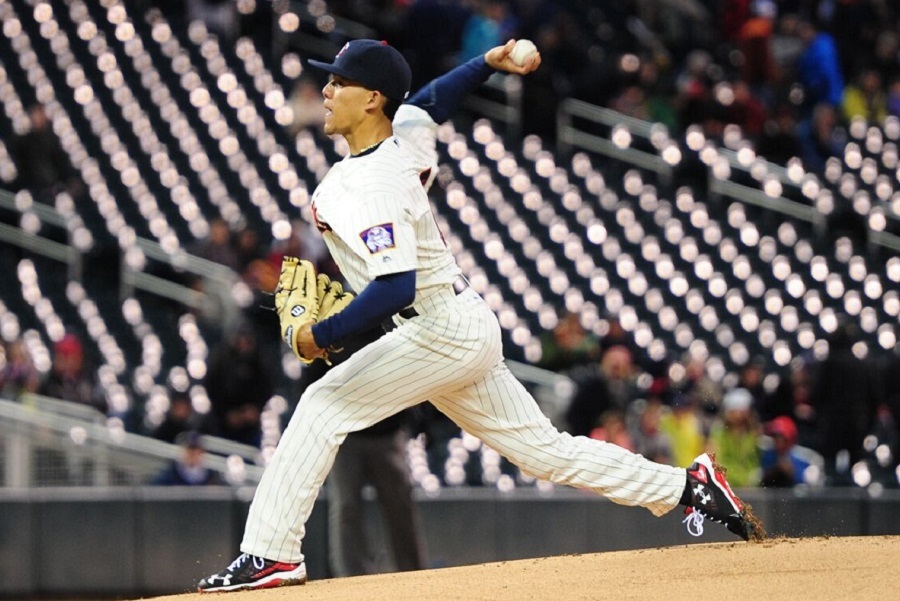 RED WINGS REPORT Rochester 3, Pawtucket 1 Box Score For the second straight Sunday, Jose Berrios was on the mound as he continued his masterful start to the season. The only trouble he faced in the game came with two outs in the top of the first. He allowed back-to-back doubles that pushed across the lone Pawtucket run of the game. Berrios pitched 6.2 innings while allowing one earned run on six hits. He struck out four and walked none. Minnesota could call him up to make his next start at the big league level. Rochester responded quickly in the bottom of the first. Zack Granite and JB Shuck led off the inning with singles. Tommy Field drove in both runners with his eighth double of the season. Rochester wouldn't trail for the rest of the game. Granite created the next run for the Red Wings as well. He started the third with a single, stole second, and Field drove him him with a single. With little margin for error, the bullpen played an important role in this game. Buddy Boshers relieved Berrios in the seventh. He was able to strand a runner at second while keeping Rochester up two. Trevor Hildenberger allowed one hit during his inning of work but a big strikeout helped him leave a runner in scorning position. Alex Wimmers struck out the first two batters of the ninth before a walk and a single put the tying run on base. A groundout ended the threat and Wimmers earned his third save. CHATTANOOGA CHATTER Chattanooga 4, Pensacola 2 (Game 1- seven Innings) Box Score Nick Gordon started this game with a bang for the Lookouts. His first inning triple put Chattanooga in position to tie this game in the early going. Engelb Vielma drove him in with a single. From there, the team's bats went cold until a big sixth inning. In that sixth frame, all the damage was done with two outs. Jonathan Rodriguez singled and was followed by a LaMonte Wade double. Travis Harrison plated two runs with a single. He wasn't on base very long as the next batter, Ryan Walker, tripled to score Harrison. Gordon ended the game 2-for-3 with two extra-base hits and a run scored. Kohl Stewart started for Chattanooga but couldn't make it out of the fifth inning. In 4.2 innings, he allowed two earned runs on seven hits with three strikeouts and two walks. He has a 5.63 ERA for the season. Todd Van Steensel earned his third victory out of the bullpen. He didn't allow a base runner over the last 2.1 innings while striking out two. Chattanooga 3, Pensacola 2 (Game 2- eight Innings) Box Score For the second straight game, Nick Gordon helped the Lookouts get off to a fast start. He led off the first inning with a walk. Levi Michael and Edgar Corcino followed with singles put Chattanooga out to an early 1-0 lead. Ryan Eades got the start and didn't run into any trouble until the top of the fifth inning. A pair of singles and a triple pushed across a pair of runs as Pensacola took a 2-1 lead. That lead would be short lived as Chattanooga used a Jonathan Rodriguez double and a fielding error to tie up the game in the bottom of the frame. After Eades exited, the bullpen put up zeros the rest of the way. John Curtiss pitched two scoreless innings and he has yet to allow a run this year. Nick Burdi saw two base runners reach against him but put the team in position to win. This game headed to extra-innings as it was scheduled to be two seven-inning contests. In the bottom of the eighth, Corcino lead-off with a walk. Jonathan Rodriguez followed with a single that moved Corcino all the way to third. LaMonte Wade got to play the hero with a walk-off single over an outfield that was playing in. MIRACLE MATTERS Fort Myers 6, St. Lucie 0 Box Score Fort Myers and starting pitcher Dereck Rodriguez found themselves in the middle of quite the pitchers duel. Rodriguez had limited the Mets to two hits in seven innings of work but the offense didn't decide to show up until the last two innings. Rodriguez didn't allow a run and struck out three on the way to his second victory. St. Lucie removed their starter in the eighth and Fort Myers was able to break through. With one out, Max Murphy was hit by a pitch. Nelson Molina cracked a two-run shot. Two batters latter Zander Wiel knocked his third home run of the season, a two-run shot that pushed the lead to 4-0. In the top of the ninth, Fort Myers was able to add some insurance runs. Max Murphy started it again with a single to center. Nelson Molina doubled and Murphy came all the way around to score. Chris Paul followed Molina's double with a single to add one more run. Williams Ramirez replaced Rodriguez and allowed one runner in both of his innings of work. In the eighth, a batter reached with a one out walk. In the ninth, a batter reached with a one-out single. Over two shutout innings, he struck out three. KERNELS NUGGETS Cedar Rapids 4, Fort Wayne 1 Box Score Clark Beeker won his fourth consecutive start on Sunday after tossing six strong innings. It was his fourth quality start as he limited the TinCaps to one earned run. He retired eight straight batters at one point in the contest and he allowed only one runner to get into scoring position. Beeker struck out six and walked one. The first big hit of the game came in the second inning off the bat of Christian Cavaness. Travis Blankenhorn and Ariel Montesino reached base with walks before Cavaness belted a two-run double. In the fifth frame, Aaron Whitfield led off the inning with a single and scored on a Lewin Diaz one-out double. Blankenhorn brought in Diaz with a two-out single to push the lead to 4-0. Max Cordy took over for Beeker and pitched three scoreless innings. He struck out three and walked one. It was his longest outing of the season and he leads the team with three saves. TWINS DAILY PLAYERS OF THE DAY Pitcher of the Day – Dereck Rodriguez, Fort Myers Miracle (7 IP, 0 ER, 2 H, 3 K) Hitter of the Day – Nick Gordon, Chattanooga Lookouts (2-for-5, 2B, 3B, 2R, 2 BB) MONDAY’S PROBABLE STARTERS Rochester @ Lehigh Valley (6:05 CST)- TBD Chattanooga @ Montgomery (7:05 CST) - TBD Fort Myers vs. Palm Beach (5:35 CST) - RHP Cody Stashak (0-3, 4.00 ERA) Cedar Rapids @ Dayton (6:00 CST)- RHP Eduardo Del Rosario (2-1, 3.04 ERA) Please feel free to ask any questions and discuss Sunday’s games.
 -
Joe Mauer struggled through the worst April of his career. While the Twins have young players populating the majority of their roster, Mauer plays the role of aged veteran. His future playing career is tied to his time in Minnesota. He will be a free agent following the 2018 season and for some Twins fans that day can't come soon enough. With two seasons of Mauer left on the horizon, the Twins need to decide what the correct direction is with the hometown star and former MVP.Platoon Plan During spring training, I wrote about the possibility of a Mauer platoon. During the 2016 campaign, Mauer hit .272/.383/.410 against right-handed pitching. His numbers dipped against southpaws as he hit 48 points lower and got on base 29% of the time. This was a stiff drop-off from his .267/.327/.393 slashline against left-handed pitching in 2015. Mauer's numbers against lefties have dropped even lower this year. Through the end of April, he had gone 5-for-23 (.217 BA) with one extra-base hit and a .250 OBP. Batting switch-hitters like Robbie Grossman and Kennys Vargas might be better options. When facing lefties, Grossman has an .809 OPS this season while Vargas has a career .816 OPS. Shifting Focus With more statistical information available to organizations, baseball is making a literal and figurative shift. Teams have figured out what Mauer wants to do with the ball. "I know his numbers don't show it, but he's swung the bat probably better than anyone has," outfielder Robbie Grossman told the Pioneer Press. "If they weren't shifting him a certain way, or don't catch the ball, he's right there at the top with anyone." When looking at Mauer's batted ball spray chart, it's easy to see what other team's should do to defend him. If he hits the ball to the outfield, it's likely to go to the opposite field. If he hits the ball on the ground, it's going to be pulled. Teams can shift their center fielder into left-center and move an extra infielder to the right side of second base. Graphic courtesy of FanGraphs Patience Is A Virtue Mauer suffered through some bad luck in the season's first month. He posted a .241 BABIP which is likely to improve in the months ahead. For his career, Mauer has a .339 BABIP and he posted a .301 BABIP during the 2016 campaign. In fact, he's never ended the season with a BABIP under .300 during his entire 14-year career. Over the last three seasons, Mauer has averaged over 100 strikeouts which included strikeout rates north of 16.5%. Through 94 plate appearances in 2017, he has only struck out seven times and his strikeout percentage has dipped to 7.4%. That would put him on pace for record numbers in both of those categories for his career. April was rough for Mauer but there is plenty of baseball left to be played. Some of the numbers show he might be trending in the right direction even after the rough start. What should fans expect from Mauer for the rest of 2017? Leave a COMMENT and start the discussion. Click here to view the article
- 104 replies
-
- 2
-

-
- joe mauer
- robbie grossman
- (and 1 more)
-
 Platoon Plan During spring training, I wrote about the possibility of a Mauer platoon. During the 2016 campaign, Mauer hit .272/.383/.410 against right-handed pitching. His numbers dipped against southpaws as he hit 48 points lower and got on base 29% of the time. This was a stiff drop-off from his .267/.327/.393 slashline against left-handed pitching in 2015. Mauer's numbers against lefties have dropped even lower this year. Through the end of April, he had gone 5-for-23 (.217 BA) with one extra-base hit and a .250 OBP. Batting switch-hitters like Robbie Grossman and Kennys Vargas might be better options. When facing lefties, Grossman has an .809 OPS this season while Vargas has a career .816 OPS. Shifting Focus With more statistical information available to organizations, baseball is making a literal and figurative shift. Teams have figured out what Mauer wants to do with the ball. "I know his numbers don't show it, but he's swung the bat probably better than anyone has," outfielder Robbie Grossman told the Pioneer Press. "If they weren't shifting him a certain way, or don't catch the ball, he's right there at the top with anyone." When looking at Mauer's batted ball spray chart, it's easy to see what other team's should do to defend him. If he hits the ball to the outfield, it's likely to go to the opposite field. If he hits the ball on the ground, it's going to be pulled. Teams can shift their center fielder into left-center and move an extra infielder to the right side of second base. Graphic courtesy of FanGraphs Patience Is A Virtue Mauer suffered through some bad luck in the season's first month. He posted a .241 BABIP which is likely to improve in the months ahead. For his career, Mauer has a .339 BABIP and he posted a .301 BABIP during the 2016 campaign. In fact, he's never ended the season with a BABIP under .300 during his entire 14-year career. Over the last three seasons, Mauer has averaged over 100 strikeouts which included strikeout rates north of 16.5%. Through 94 plate appearances in 2017, he has only struck out seven times and his strikeout percentage has dipped to 7.4%. That would put him on pace for record numbers in both of those categories for his career. April was rough for Mauer but there is plenty of baseball left to be played. Some of the numbers show he might be trending in the right direction even after the rough start. What should fans expect from Mauer for the rest of 2017? Leave a COMMENT and start the discussion.
 -
Article: AL Central Marked By Mediocrity
Cody Christie posted a topic in Twins Daily Front Page News
April has come and gone. With the calendar flipping to May, there have been plenty of story-lines to follow across the baseball world. Bryce Harper seems to have found his swing again. Aaron Judge is making himself known as a Bronx Bomber. Even Eric Thames is having a resurgence in Milwaukee. Teams in the AL Central have been making headlines of their own. The four top teams are separated by two games. Meanwhile, the Royals are the lone team with an under .500 record. What's been going well for each AL Central squad? What needs to improve in the coming months? Let's dive in.Cleveland Indians (April Record 14-10) What's Gone Right Following their World Series run, the Indians might have come out of the gate a little slower than they would like. Francisco Lindor is continuing his strong performance from last year's postseason. He leads all shortstops in home runs, slugging percentage and WAR. Jose Ramirez is also proving he can hold his own. Through April, he hitting .330/.388/.593 with six home runs, the second highest total on the team. Cleveland's pitching staff continues to be one of it's strengths. Indians pitchers have compiled the highest WAR total in all of baseball. Both their starters and relievers rank in the top six in WAR. Their 9.97 K/9 ranks as the best in baseball while their 2.79 BB/9 is the second lowest mark. Cleveland's strong pitching helped the club to sweep three-game series from the Twins and Rangers during the season's first month. Room For Improvement Edwin Encarnacion was the team's big free agent acquisition and he has't exactly gotten off to a hot start. Through April's action, he was hitting .200/343/.353 with one home run. Those averages are all below his career production. Jason Kipnis has been limited to nine games and his production has suffered when he's been on the field. Josh Tomlin and Trevor Bauer have both struggled at the back of the Indians rotation. Tomlin has posted an 8.87 ERA, the club's worst mark, while averaging less than five innings per start. Bauer's ERA is slightly better at 6.26 and he's been close to six innings per appearance. Cleveland was only swept by one team in April, the Arizona Diamondbacks, and both Tomlin and Bauer made starts in that series. Chicago White Sox (April Record 13-10) What's Gone Right The White Sox were supposed to be in the midst of a rebuild but they find themselves a half game out of first place after the season's first month. Avisail Garcia is batting .368/.409/.621 and he leads the team with 10 extra-base hits. Matt Davidson joins Garcia in the .600 slugging percentage club and he's also been getting on base over 33% of the time. Miguel Gonzalez and Derek Holland have been quiet surprises in the White Sox rotation. Gonzalez leads the team with three wins and he's posted a 3.27 ERA with 21 strikeouts. Holland's ERA is better at 2.17 and he's second on the team in strikeouts. Even former Twins Anthony Swarzak has been good out of the bullpen as he has yet to allow a run in over 12 innings. Improvement Areas Veterans on the team like Todd Frazier and Melky Cabrera haven't started strong. Frazier is hitting under .185 while getting on base less than 29% of the time. Cabrera's .260 average is 25 points lower than his career mark. His .668 SLG would also be his lowest total since the 2014 campaign. Jose Quintana, the team's best starter a year ago, has struggled out of the gate. His ERA is north of 5.00 for April and his WHIP is over 1.46. James Shields was brought in as a veteran starter and he has been limited to three starts while currently being on the 10-day DL. Former Twin Mike Pelfrey has made a pair of starts so you know you're in desperation mode when you turn to Big Pelf. Detroit Tigers (April Record 12-12) What's Gone Right The Tigers took advantage of six games with the Twins as 25% of their victories have come against Minnesota. Justin Upton has provided the most value to the Tigers as he has gotten on base over 40% of the time while compiling a .968 OPS. Both of those totals, if sustained, would be career-best marks. Ian Kinsler and Alex Avial have also had good starts to the year. Detroit's pitching has been a mixture of good and bad. Michael Fulmer has put together the most consistent starts as he has a staff leading 3.19 ERA with 26 strikeouts over 31 innings. Justin Wilson and Shane Green have also limited damage out of the bullpen. Improvement Areas Former Triple Crown winner Miguel Cabrera has been limited to five extra-base hits and a .268 average. He currently is on the 10-day DL. Veteran slugger Victor Martinez has been limited in his time at DH. He has combined to hit .218/.281/.276 with only three extra-base hits in over 96 plate appearances. Justin Verlander and Jordan Zimmermann are supposed to be the anchors of this starting staff. Verlander, the 2016 runner-up for Cy Young, has a 4.60 ERA and a 1.40 WHIP. Zimmermann has a 1.62 WHIP and and ERA of over 6.00. Francisco Rodriguez has also struggled as the closer as he has allowed 14 hits (3 home runs) and six earned runs in less than 10 innings. Kansas City Royals (7-16) What's Gone Right Not much has gone right for the 2016 World Series champions. Lorenzo Cain leads the team in WAR and over half of his value comes on the defensive side of the ball. Salvador Perez and Mike Moustakas have combined for 13 home runs with each having OPS over .835. Other than that, there hasn't been much to write home about. The Royals top three starters (Danny Duffy, Ian Kennedy, and Jason Vargas) all have ERA totals under 3.00. Kennedy and Vargas have a WHIP under 1.00. Because of the strong start by the Royals starters, the club ranks first in the AL for WAR from their starting staff. Kansas City's lone sweep in the first month came in a three-game homestand versus the Angels. Improvement Areas Positive signs on the offensive side of the ball have been few and far between. The Royals rank at the bottom of the AL in many offensive categories. Their .210 batting average is 10 points lower than any team in the league. Slugging percentage doesn't rank them any better as they are in last by 14 points. While the front end of the rotation has been strong, the bullpen has been a weakness for Kansas City. The team's relief core has the third worst ERA in the AL while posting a negative WAR total. Relief pitchers Matt Strahm and Travis Wood both have ERA marks north of 11.50. Nate Karns and Jason Hammel have also struggled in the back end of the rotation. A lot of pitching help will be needed to turn things around in KC. What will May entail for the AL Central? Will anyone be able to separate themselves from the pack? Leave a COMMENT and start the discussion. Click here to view the article- 20 replies
-
- 1
-
-
- todd frazier
- francisco lindor
- (and 3 more)
-
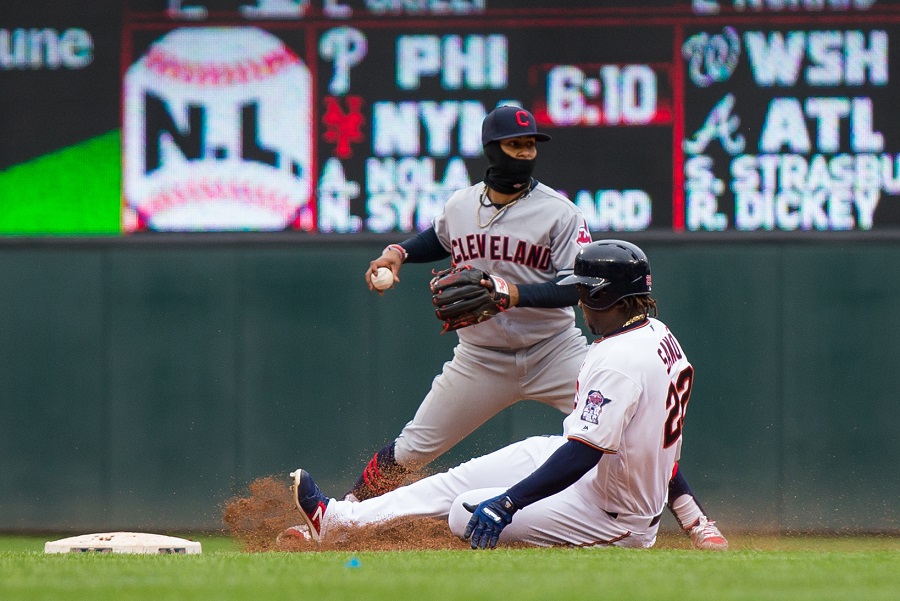 Cleveland Indians (April Record 14-10) What's Gone Right Following their World Series run, the Indians might have come out of the gate a little slower than they would like. Francisco Lindor is continuing his strong performance from last year's postseason. He leads all shortstops in home runs, slugging percentage and WAR. Jose Ramirez is also proving he can hold his own. Through April, he hitting .330/.388/.593 with six home runs, the second highest total on the team. Cleveland's pitching staff continues to be one of it's strengths. Indians pitchers have compiled the highest WAR total in all of baseball. Both their starters and relievers rank in the top six in WAR. Their 9.97 K/9 ranks as the best in baseball while their 2.79 BB/9 is the second lowest mark. Cleveland's strong pitching helped the club to sweep three-game series from the Twins and Rangers during the season's first month. Room For Improvement Edwin Encarnacion was the team's big free agent acquisition and he has't exactly gotten off to a hot start. Through April's action, he was hitting .200/343/.353 with one home run. Those averages are all below his career production. Jason Kipnis has been limited to nine games and his production has suffered when he's been on the field. Josh Tomlin and Trevor Bauer have both struggled at the back of the Indians rotation. Tomlin has posted an 8.87 ERA, the club's worst mark, while averaging less than five innings per start. Bauer's ERA is slightly better at 6.26 and he's been close to six innings per appearance. Cleveland was only swept by one team in April, the Arizona Diamondbacks, and both Tomlin and Bauer made starts in that series. Chicago White Sox (April Record 13-10) What's Gone Right The White Sox were supposed to be in the midst of a rebuild but they find themselves a half game out of first place after the season's first month. Avisail Garcia is batting .368/.409/.621 and he leads the team with 10 extra-base hits. Matt Davidson joins Garcia in the .600 slugging percentage club and he's also been getting on base over 33% of the time. Miguel Gonzalez and Derek Holland have been quiet surprises in the White Sox rotation. Gonzalez leads the team with three wins and he's posted a 3.27 ERA with 21 strikeouts. Holland's ERA is better at 2.17 and he's second on the team in strikeouts. Even former Twins Anthony Swarzak has been good out of the bullpen as he has yet to allow a run in over 12 innings. Improvement Areas Veterans on the team like Todd Frazier and Melky Cabrera haven't started strong. Frazier is hitting under .185 while getting on base less than 29% of the time. Cabrera's .260 average is 25 points lower than his career mark. His .668 SLG would also be his lowest total since the 2014 campaign. Jose Quintana, the team's best starter a year ago, has struggled out of the gate. His ERA is north of 5.00 for April and his WHIP is over 1.46. James Shields was brought in as a veteran starter and he has been limited to three starts while currently being on the 10-day DL. Former Twin Mike Pelfrey has made a pair of starts so you know you're in desperation mode when you turn to Big Pelf. Detroit Tigers (April Record 12-12) What's Gone Right The Tigers took advantage of six games with the Twins as 25% of their victories have come against Minnesota. Justin Upton has provided the most value to the Tigers as he has gotten on base over 40% of the time while compiling a .968 OPS. Both of those totals, if sustained, would be career-best marks. Ian Kinsler and Alex Avial have also had good starts to the year. Detroit's pitching has been a mixture of good and bad. Michael Fulmer has put together the most consistent starts as he has a staff leading 3.19 ERA with 26 strikeouts over 31 innings. Justin Wilson and Shane Green have also limited damage out of the bullpen. Improvement Areas Former Triple Crown winner Miguel Cabrera has been limited to five extra-base hits and a .268 average. He currently is on the 10-day DL. Veteran slugger Victor Martinez has been limited in his time at DH. He has combined to hit .218/.281/.276 with only three extra-base hits in over 96 plate appearances. Justin Verlander and Jordan Zimmermann are supposed to be the anchors of this starting staff. Verlander, the 2016 runner-up for Cy Young, has a 4.60 ERA and a 1.40 WHIP. Zimmermann has a 1.62 WHIP and and ERA of over 6.00. Francisco Rodriguez has also struggled as the closer as he has allowed 14 hits (3 home runs) and six earned runs in less than 10 innings. Kansas City Royals (7-16) What's Gone Right Not much has gone right for the 2016 World Series champions. Lorenzo Cain leads the team in WAR and over half of his value comes on the defensive side of the ball. Salvador Perez and Mike Moustakas have combined for 13 home runs with each having OPS over .835. Other than that, there hasn't been much to write home about. The Royals top three starters (Danny Duffy, Ian Kennedy, and Jason Vargas) all have ERA totals under 3.00. Kennedy and Vargas have a WHIP under 1.00. Because of the strong start by the Royals starters, the club ranks first in the AL for WAR from their starting staff. Kansas City's lone sweep in the first month came in a three-game homestand versus the Angels. Improvement Areas Positive signs on the offensive side of the ball have been few and far between. The Royals rank at the bottom of the AL in many offensive categories. Their .210 batting average is 10 points lower than any team in the league. Slugging percentage doesn't rank them any better as they are in last by 14 points. While the front end of the rotation has been strong, the bullpen has been a weakness for Kansas City. The team's relief core has the third worst ERA in the AL while posting a negative WAR total. Relief pitchers Matt Strahm and Travis Wood both have ERA marks north of 11.50. Nate Karns and Jason Hammel have also struggled in the back end of the rotation. A lot of pitching help will be needed to turn things around in KC. What will May entail for the AL Central? Will anyone be able to separate themselves from the pack? Leave a COMMENT and start the discussion.
 -
Jose Berrios is making it known that he doesn't want to be in Rochester for much longer. He entered play on Sunday with a 1.44 ERA and a 0.88 WHIP. Opponents were hitting .180 against him with a 28 to 6 strikeout to walk ratio. It's hard to believe but those numbers would improve on Sunday. Minnesota doesn't need a fifth starter until later this week. One has to wonder if Berrios will be getting the call. His MLB time has been disappointing but it's hard to imagine him putting up better numbers at Triple-A. It might be time to throw him into the fire at the big league level.RED WINGS REPORT Rochester 4, Louisville 1 Box Score Jose Berrios was outstanding over eight shutout innings. He allow one runner to reach scoring position and that happened in the second inning. Overall, he allowed two hits, both singles, while striking out seven and walking two. His season ERA dropped to 1.09 following his outstanding pitching performance. Berrios found himself in a pitchers duel with Rochester failing to get on the board until the seventh frame. Matt Hauge started the frame with his third home run of the season. Following a Daniel Palka walk, Niko Goodrum cracked a two-run shot. With two outs in the frame, John Ryan Murphy would collected his first home run to push the lead to 4-0. In the bottom of the eighth, the Wings loaded the bases with a pair of singles and a hit by pitch. Eventually, Niko Goodrum drew a bases-loaded walk to add an insurance run. Drew Rucinski came in to pitch the bottom of the ninth. The first batter collected a double and eventually came around to score. He coaxed a double play to end the game. CHATTANOOGA CHATTER Chattanooga 9, Jackson 3 Box Score Top pitching prospect Fernando Romero made his fifth Double-A appearance on Sunday. For the third consecutive start, he pitched into the sixth inning and allowed one earned run or less. In this outing, he scattered seven hits over six innings while striking out six. Following this strong start, his ERA dropped to under 3.00 for the first time this season. Chattanooga scored a first inning run after Nick Gordon tripled to start the game. The scoring picked up again in the fourth. Jonathan Rodriguez singled before scoring on a LaMonte Wade double. Wade was driven in by a Dan Gamache triple. Ryan Walker drove in Gamache with a sacrifice fly and the Lookouts were up 4-0. Gamache came up with another big hit in the fifth inning. His two-out double plated two runs. In the sixth, the first three batters collected hits as the Lookouts extended their lead to 8-1. Gamache wasn't done as he doubled to start the seventh and set up another scoring opportunity. Of the last three games, he's had multiple hits in two of them. Ryan Eades ran into a little trouble out of the bullpen. He allowed three runs in the bottom of the seventh as Jackson tried to claw closer. John Curtiss struck out the side to close out the ninth. MIRACLE MATTERS Fort Myers 8, Dunedin 6 Box Score Before starting on the comeback trail against Dunedin things were looking bleak for Fort Myers as they were looking at a five run deficit, 6-1, after the top half of the second inning. Max Murphy punched his first two home runs of the season to help the comeback. He started the scoring in the first with a solo shot and added another solo shot in the third. The big inning for Fort Myers came in the bottom of the eighth when the team plated three runs to take the lead. Zack Granite came up with the biggest hit, a run-scoring double. The Miracle also scored a pair of runs on a sacrifice fly and a throwing error by the center fielder. Chris Anderson was making his organizational debut on the mound and it didn't go well. He allowed six earned runs on five hits. Anthony McIver and Sam Clay both pitched three shutout innings. McIver struck out three and walked two while Clay had two strikeouts and two walks. Jonny Drozd earned his second save with a perfect ninth frame. KERNELS NUGGETS Cedar Rapids 1, Peoria 0 (6 Innings) Box Score Weather got in the way again for the Kernels. They were scheduled to play a double-header on Sunday but rain forced an early completion to their first game. The second game was postponed. Clark Beeker was the story of this game. He tossed five shutout innings, allowing one hit. He struck out three and walked none. Beeker, a 2016 33rd round pick is now 3-1 on the season with a tidy 1.69 ERA. This is his first start all season where he's failed to pitch seven innings and only the rain put an end to that streak. Offensively, Cedar Rapids could string together only three hits. In the fourth frame, Lewin Diaz started the inning by being hit by a pitch. Jaylin Davis, the next batter, singled to move Diaz into scoring position. Caleb Hamilton came up with the big hit, a one-out RBI double. This would be the lone run of the game. TWINS DAILY PLAYERS OF THE DAY Pitcher of the Day – Jose Berrios, Rochester Red Wings Hitter of the Day – Max Murphy, Fort Myers Miracle MONDAY’S PROBABLE STARTERS Rochester- Scheduled Off Day Chattanooga @ Jackson (11:05 CST) - RHP Felix Jorge Fort Myers vs. Dayton (5:35 CST) - RHP Dereck Rodriguez (0-2, 3.24 ERA) Cedar Rapids- Scheduled Off Day Please feel free to ask any questions and discuss Sunday’s games. Click here to view the article
- 22 replies
-
- 1
-
-
- jose berrios
- max murphy
- (and 3 more)
-
Twins Minor League Report (4/30): Nearly A Pair Of No-Nos
Cody Christie posted an article in Minor Leagues
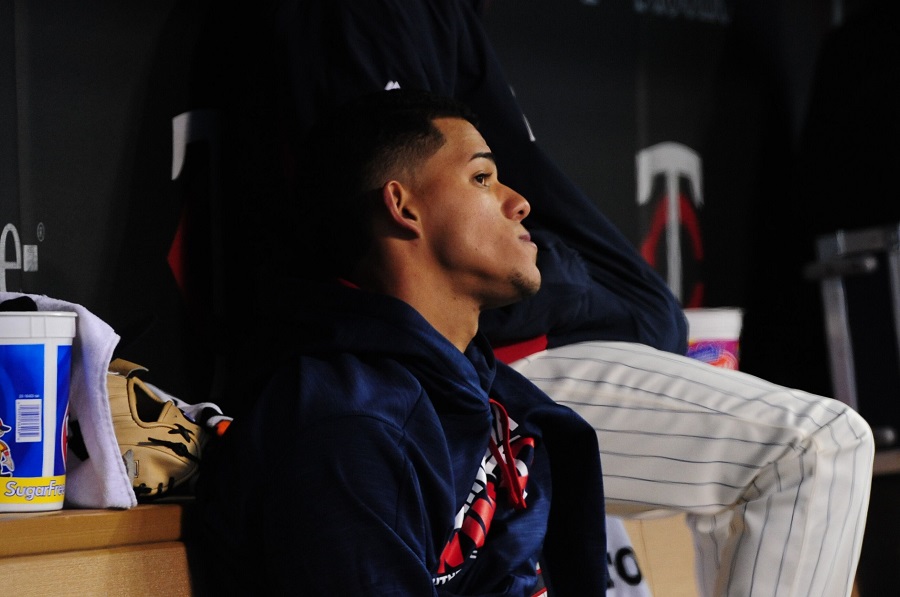 RED WINGS REPORT Rochester 4, Louisville 1 Box Score Jose Berrios was outstanding over eight shutout innings. He allow one runner to reach scoring position and that happened in the second inning. Overall, he allowed two hits, both singles, while striking out seven and walking two. His season ERA dropped to 1.09 following his outstanding pitching performance. Berrios found himself in a pitchers duel with Rochester failing to get on the board until the seventh frame. Matt Hauge started the frame with his third home run of the season. Following a Daniel Palka walk, Niko Goodrum cracked a two-run shot. With two outs in the frame, John Ryan Murphy would collected his first home run to push the lead to 4-0. In the bottom of the eighth, the Wings loaded the bases with a pair of singles and a hit by pitch. Eventually, Niko Goodrum drew a bases-loaded walk to add an insurance run. Drew Rucinski came in to pitch the bottom of the ninth. The first batter collected a double and eventually came around to score. He coaxed a double play to end the game. CHATTANOOGA CHATTER Chattanooga 9, Jackson 3 Box Score Top pitching prospect Fernando Romero made his fifth Double-A appearance on Sunday. For the third consecutive start, he pitched into the sixth inning and allowed one earned run or less. In this outing, he scattered seven hits over six innings while striking out six. Following this strong start, his ERA dropped to under 3.00 for the first time this season. Chattanooga scored a first inning run after Nick Gordon tripled to start the game. The scoring picked up again in the fourth. Jonathan Rodriguez singled before scoring on a LaMonte Wade double. Wade was driven in by a Dan Gamache triple. Ryan Walker drove in Gamache with a sacrifice fly and the Lookouts were up 4-0. Gamache came up with another big hit in the fifth inning. His two-out double plated two runs. In the sixth, the first three batters collected hits as the Lookouts extended their lead to 8-1. Gamache wasn't done as he doubled to start the seventh and set up another scoring opportunity. Of the last three games, he's had multiple hits in two of them. Ryan Eades ran into a little trouble out of the bullpen. He allowed three runs in the bottom of the seventh as Jackson tried to claw closer. John Curtiss struck out the side to close out the ninth. MIRACLE MATTERS Fort Myers 8, Dunedin 6 Box Score Before starting on the comeback trail against Dunedin things were looking bleak for Fort Myers as they were looking at a five run deficit, 6-1, after the top half of the second inning. Max Murphy punched his first two home runs of the season to help the comeback. He started the scoring in the first with a solo shot and added another solo shot in the third. The big inning for Fort Myers came in the bottom of the eighth when the team plated three runs to take the lead. Zack Granite came up with the biggest hit, a run-scoring double. The Miracle also scored a pair of runs on a sacrifice fly and a throwing error by the center fielder. Chris Anderson was making his organizational debut on the mound and it didn't go well. He allowed six earned runs on five hits. Anthony McIver and Sam Clay both pitched three shutout innings. McIver struck out three and walked two while Clay had two strikeouts and two walks. Jonny Drozd earned his second save with a perfect ninth frame. KERNELS NUGGETS Cedar Rapids 1, Peoria 0 (6 Innings) Box Score Weather got in the way again for the Kernels. They were scheduled to play a double-header on Sunday but rain forced an early completion to their first game. The second game was postponed. Clark Beeker was the story of this game. He tossed five shutout innings, allowing one hit. He struck out three and walked none. Beeker, a 2016 33rd round pick is now 3-1 on the season with a tidy 1.69 ERA. This is his first start all season where he's failed to pitch seven innings and only the rain put an end to that streak. Offensively, Cedar Rapids could string together only three hits. In the fourth frame, Lewin Diaz started the inning by being hit by a pitch. Jaylin Davis, the next batter, singled to move Diaz into scoring position. Caleb Hamilton came up with the big hit, a one-out RBI double. This would be the lone run of the game. TWINS DAILY PLAYERS OF THE DAY Pitcher of the Day – Jose Berrios, Rochester Red Wings Hitter of the Day – Max Murphy, Fort Myers Miracle MONDAY’S PROBABLE STARTERS Rochester- Scheduled Off Day Chattanooga @ Jackson (11:05 CST) - RHP Felix Jorge Fort Myers vs. Dayton (5:35 CST) - RHP Dereck Rodriguez (0-2, 3.24 ERA) Cedar Rapids- Scheduled Off Day Please feel free to ask any questions and discuss Sunday’s games.
 -
Shortstop is becoming a position of strength across baseball. Names like Francisco Lindor, Carlos Correa and Corey Seager are becoming household names. These budding infielders are leading the next generation of baseball stars. It is truly seems like the sky could be the limit for each of them. The sky has not been the limit for the Twins when it comes to the shortstop position. In fact, the position has become a revolving door in recent years. While other organizations are building their franchise around a star shortstop, Minnesota has struggled to fill the void. Even in midst of a young season, Jorge Polanco is providing poise at one of baseball's hardest positions.Doubling Down On Defense Polanco's biggest question marks as a prospect were on the defensive side of the ball. The Twins blundered a little with his development last season as he didn't play a single inning at shortstop in the minors. Twins manager Paul Molitor was asked about how the organization handled Polanco during spring. "I wish I had a better explanation for you. But I think myself, a lot of other people, realized we didn't handle it the right way." Even with this organizational blunder, Polanco seems to have overcome some of these defensive faults. According to FanGraphs, he currently leads the American League in defensive runs saved (3). The only player with a better DRS mark this season is the Cubs' Addison Russell. Polanco also ranks in the top-10 across baseball in RZR, UZR, and defensive WAR. Looking For Lumber Being a two-way player is what separates many of the young shortstops mentioned above. Polanco was never expected to be an elite hitter but he showed positive signs as a prospect. So far this season, he ranks third in the American League in shortstop WAR. He has the third fewest strikeouts and the fourth highest OBP. This puts him ahead of players like Carlos Correa, Troy Tulowitzki, and Elvis Andrus. Much of Polanco's offensive success has come against left-handed pitching. He has hit .364/.391/.591 (.982 OPS) against southpaws with three extra-base hits in 22 at-bats. His OBP is almost 100 points lower against righties and this has come in 21 more plate appearances. He does have an impressive 6 to 5 strikeout to walk ratio versus right-handed hurlers. Waiting In The Wings The Twins have other young shortstop prospects waiting in the wings. Former first round pick Nick Gordon is off to a hot start at Double-A. Through 14 games, he is hitting .339/.397/.464 with four extra-base hits in 56 at-bats. After playing every game in 2016 at shortstop, Gordon has started four games at second base this season. Gordon's time at shortstop is being challenged by Engelb Vielma. When it comes to shortstop, Vielma is widely considered the better defender. Vielma has started six games at shortstop and seven at second base. There have been questions about Vielma's offensive in the past but he is hitting .340/.365/.400 to start the year. While shortstop might have been a weakness in recent years, the Twins look poised to stop their revolving door. Polanco is emerging as a very viable shortstop candidate. If he can't keep up his hot start, Gordon and Vielma are waiting for their own opportunity. Who will be the Twins shortstop by 2018? What about 2020? Leave a COMMENT and start the discussion. Click here to view the article
-
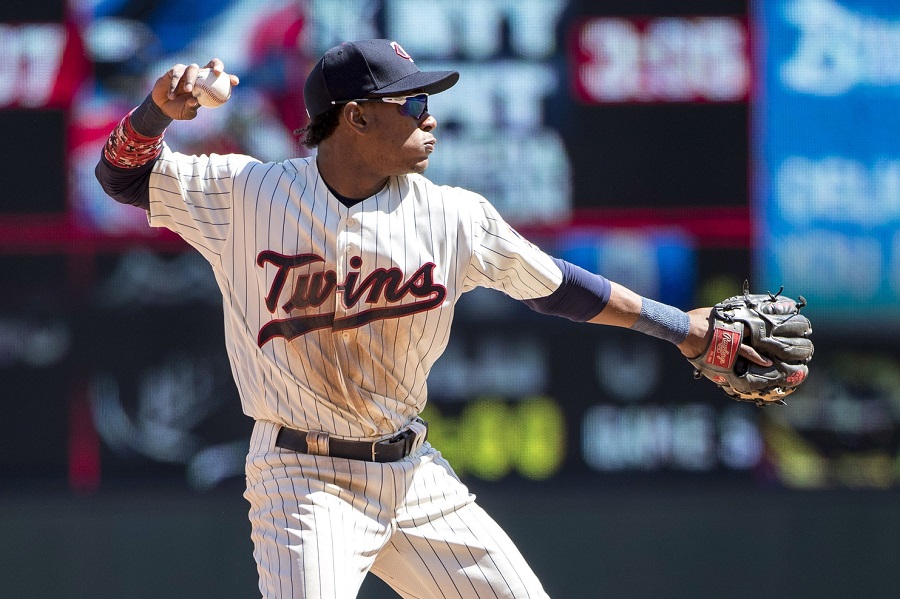 Doubling Down On Defense Polanco's biggest question marks as a prospect were on the defensive side of the ball. The Twins blundered a little with his development last season as he didn't play a single inning at shortstop in the minors. Twins manager Paul Molitor was asked about how the organization handled Polanco during spring. "I wish I had a better explanation for you. But I think myself, a lot of other people, realized we didn't handle it the right way." Even with this organizational blunder, Polanco seems to have overcome some of these defensive faults. According to FanGraphs, he currently leads the American League in defensive runs saved (3). The only player with a better DRS mark this season is the Cubs' Addison Russell. Polanco also ranks in the top-10 across baseball in RZR, UZR, and defensive WAR. Looking For Lumber Being a two-way player is what separates many of the young shortstops mentioned above. Polanco was never expected to be an elite hitter but he showed positive signs as a prospect. So far this season, he ranks third in the American League in shortstop WAR. He has the third fewest strikeouts and the fourth highest OBP. This puts him ahead of players like Carlos Correa, Troy Tulowitzki, and Elvis Andrus. Much of Polanco's offensive success has come against left-handed pitching. He has hit .364/.391/.591 (.982 OPS) against southpaws with three extra-base hits in 22 at-bats. His OBP is almost 100 points lower against righties and this has come in 21 more plate appearances. He does have an impressive 6 to 5 strikeout to walk ratio versus right-handed hurlers. Waiting In The Wings The Twins have other young shortstop prospects waiting in the wings. Former first round pick Nick Gordon is off to a hot start at Double-A. Through 14 games, he is hitting .339/.397/.464 with four extra-base hits in 56 at-bats. After playing every game in 2016 at shortstop, Gordon has started four games at second base this season. Gordon's time at shortstop is being challenged by Engelb Vielma. When it comes to shortstop, Vielma is widely considered the better defender. Vielma has started six games at shortstop and seven at second base. There have been questions about Vielma's offensive in the past but he is hitting .340/.365/.400 to start the year. While shortstop might have been a weakness in recent years, the Twins look poised to stop their revolving door. Polanco is emerging as a very viable shortstop candidate. If he can't keep up his hot start, Gordon and Vielma are waiting for their own opportunity. Who will be the Twins shortstop by 2018? What about 2020? Leave a COMMENT and start the discussion.
 -
Minnesota had stuck with their Opening Day roster through the team's first 17 games. That changed on Sunday as first baseman Kennys Vargas and left-handed reliever Buddy Boshers were recalled from Rochester. To make room for them on the roster, the Twins placed right-hander Justin Haley on the disabled list and optioned left-hander Adalberto Mejia to Triple-A. Rain was the main headline on Sunday. Both the Red Wings and the Lookouts were washed out including a double-header in Chattanooga. This left the Kernels and the Miracle to carry the load. Who would shine? Who would struggle?RED WINGS REPORT Rochester --, Charlotte -- Rochester and Charlotte were postponed on Sunday due to inclement weather. The game will be made-up as part of a doubleheader when the Knights play a three-game series in Rochester near the middle of July. Rochester has an off-day on Monday before starting a six-game homestand. With Sunday's game not being played, they went 2-3 on their six-game road trip. The Red Wings are tied for second place in the International League North as they trail first place Buffalo by 2.5 games. CHATTANOOGA CHATTER Chattanooga --, Tennessee -- Chattanooga was scheduled to play a double-header on Sunday to make-up for Saturday night's postponed game. However, the weather didn't cooperate again as inclement weather, unplayable field conditions and the forecast got in the way. The Lookouts will make up these games as part of two double-headers, one on Monday and one on Tuesday. With an 8-7 record, the Lookouts are tied with three other teams for second place in the Southern League North. Each team trails Jackson by two games. MIRACLE MATTERS Fort Myers 1, Dunedin 7 Box Score Lachlan Wells ran into he buzz-saw that was the Dunedin offense. In three innings of work, he allowed five hits with four of those hits being home runs. He walked two and struck out three. Williams Ramirez took over in the fourth and pitched two shutout innings. He limited the Blue Jays to two hits. Anthony McIver pitched two frames and struck out two. Brady Anderson pitched the eighth and allowed one run, a solo home run. There wasn't much excitement on the offensive side of the ball. Fort Myers went 1-for-11 with runners in scoring position. Chris Paul went 2-for-4 and Casey Scoggins reached base three times including a multi-hit game. Alex Perez scored the team's lone run. With the loss, Fort Myers drops two games under .500 on the season (8-10 record). The Miracle had won four straight games before Sunday's loss. They currently sit two games out of first place in the Florida State League South. KERNELS NUGGETS Cedar Rapids 11, Kane County 2 Box Score While the Miracle lacked some offensive pop there was plenty of action in the Kernels line-up. Mitchell Kranson went 4-for-5 including a solo home run and Jermaine Palacios drove in five runs as the Kernels routed the Cougars. Kanson finished a triple shy of the cycle. Cedar Rapids tied their season high with four home runs. Besides Kranson and Palacios, Jaylin Davis and Caleb Hamilton each had a homer. Hamilton scored twice and drove in a pair as part of a multi-hit day. Aaron Whitefield went 2-for-4 with a triple and a run scored. Ariel Montesino and Lewin Diaz were the lone batters not to reach base for the Kernels. Not to be outdone by the hitters, Clark Beeker put together a very strong performance on the mound. He pitched seven strong innings by allowing one earned run on eight hits with five strikeouts and no walks. It marks the first time in his career that he has won back-to-back starts and it was his third straight quality start. Hector Lujan didn't allow a runner in the final two frames while striking out three. TWINS DAILY PLAYERS OF THE DAY Pitcher of the Day – Clark Beeker, Cedar Rapids Kernels Hitter of the Day – Mitchell Kranson, Cedar Rapids Kernels MONDAY’S PROBABLE STARTERS Rochester - Scheduled Off-Day Chattanooga vs. Tennessee (4:15 CST) - TBD Chattanooga vs. Tennessee (Game 2) - TBD Fort Myers - Scheduled Off-Day Cedar Rapids vs. Burlington (6:35 CST) - RHP Tyler Beardsley (2-0, 0.82 ERA) Please feel free to ask any questions and discuss Sunday’s games. Click here to view the article
- 4 replies
-
- 1
-
-
- clark beeker
- mitchell kranson
- (and 3 more)
-
Twins Minor League Report (4/23): Kranson Cranks, Beeker Deals
Cody Christie posted an article in Twins
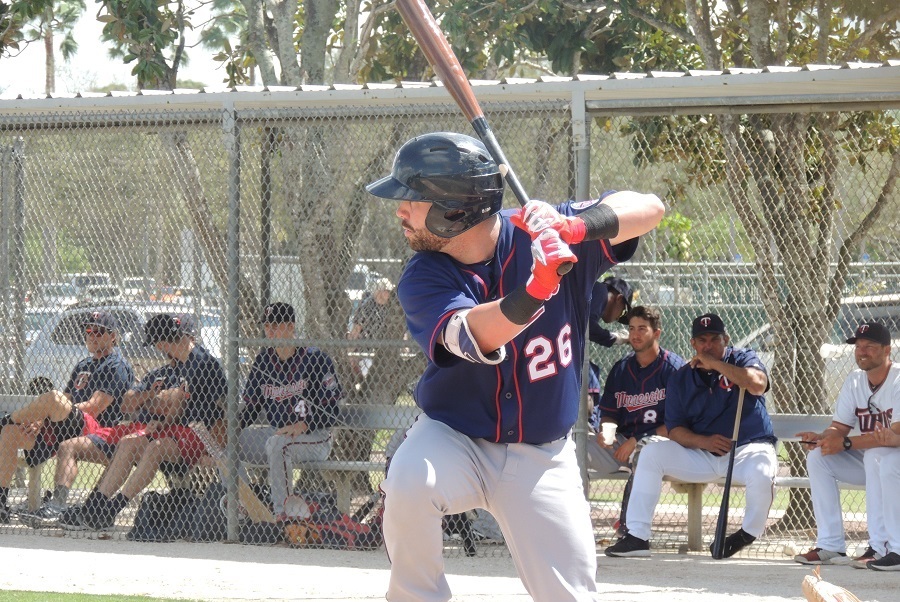 RED WINGS REPORT Rochester --, Charlotte -- Rochester and Charlotte were postponed on Sunday due to inclement weather. The game will be made-up as part of a doubleheader when the Knights play a three-game series in Rochester near the middle of July. Rochester has an off-day on Monday before starting a six-game homestand. With Sunday's game not being played, they went 2-3 on their six-game road trip. The Red Wings are tied for second place in the International League North as they trail first place Buffalo by 2.5 games. CHATTANOOGA CHATTER Chattanooga --, Tennessee -- Chattanooga was scheduled to play a double-header on Sunday to make-up for Saturday night's postponed game. However, the weather didn't cooperate again as inclement weather, unplayable field conditions and the forecast got in the way. The Lookouts will make up these games as part of two double-headers, one on Monday and one on Tuesday. With an 8-7 record, the Lookouts are tied with three other teams for second place in the Southern League North. Each team trails Jackson by two games. MIRACLE MATTERS Fort Myers 1, Dunedin 7 Box Score Lachlan Wells ran into he buzz-saw that was the Dunedin offense. In three innings of work, he allowed five hits with four of those hits being home runs. He walked two and struck out three. Williams Ramirez took over in the fourth and pitched two shutout innings. He limited the Blue Jays to two hits. Anthony McIver pitched two frames and struck out two. Brady Anderson pitched the eighth and allowed one run, a solo home run. There wasn't much excitement on the offensive side of the ball. Fort Myers went 1-for-11 with runners in scoring position. Chris Paul went 2-for-4 and Casey Scoggins reached base three times including a multi-hit game. Alex Perez scored the team's lone run. With the loss, Fort Myers drops two games under .500 on the season (8-10 record). The Miracle had won four straight games before Sunday's loss. They currently sit two games out of first place in the Florida State League South. KERNELS NUGGETS Cedar Rapids 11, Kane County 2 Box Score While the Miracle lacked some offensive pop there was plenty of action in the Kernels line-up. Mitchell Kranson went 4-for-5 including a solo home run and Jermaine Palacios drove in five runs as the Kernels routed the Cougars. Kanson finished a triple shy of the cycle. Cedar Rapids tied their season high with four home runs. Besides Kranson and Palacios, Jaylin Davis and Caleb Hamilton each had a homer. Hamilton scored twice and drove in a pair as part of a multi-hit day. Aaron Whitefield went 2-for-4 with a triple and a run scored. Ariel Montesino and Lewin Diaz were the lone batters not to reach base for the Kernels. Not to be outdone by the hitters, Clark Beeker put together a very strong performance on the mound. He pitched seven strong innings by allowing one earned run on eight hits with five strikeouts and no walks. It marks the first time in his career that he has won back-to-back starts and it was his third straight quality start. Hector Lujan didn't allow a runner in the final two frames while striking out three. TWINS DAILY PLAYERS OF THE DAY Pitcher of the Day – Clark Beeker, Cedar Rapids Kernels Hitter of the Day – Mitchell Kranson, Cedar Rapids Kernels MONDAY’S PROBABLE STARTERS Rochester - Scheduled Off-Day Chattanooga vs. Tennessee (4:15 CST) - TBD Chattanooga vs. Tennessee (Game 2) - TBD Fort Myers - Scheduled Off-Day Cedar Rapids vs. Burlington (6:35 CST) - RHP Tyler Beardsley (2-0, 0.82 ERA) Please feel free to ask any questions and discuss Sunday’s games.
 -
Article: Santiago Starting To Turn Heads
Cody Christie posted a topic in Twins Daily Front Page News
As Nick wrote earlier in the week, Ervin Santana has been a legitimate threat in the Twins rotation. Santana is off to a tremendous start to the season and it's easy to see why the Twins decided to hang on to the veteran right-handed hurler. What might be more of a surprise than Santana's start are the outings put together by Hector Santiago. For those who have forgotten, Santiago and Alan Busenitz were the two players acquired from the Angels last season in exchange for Alex Meyer and Ricky Nolasco. Santiago, the former 30th round pick by the White Sox, could be on the cusp of a breakout season.Another All-Star First Half Santiago has shown flashes of this type of pitching in the past. During the 2015 campaign, he got the season off to a great start and was named an American League All-Star. In the season's first half, he posted a 2.33 ERA with a 98 to 33 strikeout to walk ratio. In those 18 games, batters hit .213/.281/.356 against him. Following his All-Star first half, things fell apart in the second half of the season. His ERA rose to 5.47 and his WHIP rose from 1.10 to 1.49. Batters OPS also rose by over 200 points. Minnesota is seeing glimpses of Santiago's all-star abilities but there's no evidence of him being able to sustain this level for an entire season. What's Up, Pitches? Opponents have struggled this season with making consistent contact against Santiago's sinker. For his career, batters have hit .217 against him when he throws this pitch. So far this season, opponents have been limited to a .135 average with two extra-base hits. His velocity has dipped a little with this pitch but he seems to be using it more effectively. He has yet to surrender an extra-base hit with his secondary pitches but he throws these less than 40% of the time. When throwing his change-up, batters have been limited to a .200 average which is almost 60 points lower than his career mark. His cut fastball has yielded a .750 opponent's batting average, the highest of any pitch he throws. The Jason Castro Factor During the entire off-season, Twins fans heard rave reviews about Jason Castro and his ability to coax umpires into calling strikes. This might not have been more evident than on Sunday afternoon when "Castro had the best day of any backstop at getting his pitchers extra strikes." For seven innings on Sunday, Santiago was the beneficiary of Castro's catching abilities. Fangraphs showed multiple pitches from Santiago that ended up being called strikes. Castro is clearly factoring into the Twins early season pitching success. It's been a small sample size and there is plenty of season still ahead. Santiago needs to prove that he can sustain these numbers over the course of an entire season. He's shown flashes of this type of pitching in the past but the league will adjust. Can he make the types of changes necessary to sustain this success? Leave a COMMENT and start the discussion. Click here to view the article -
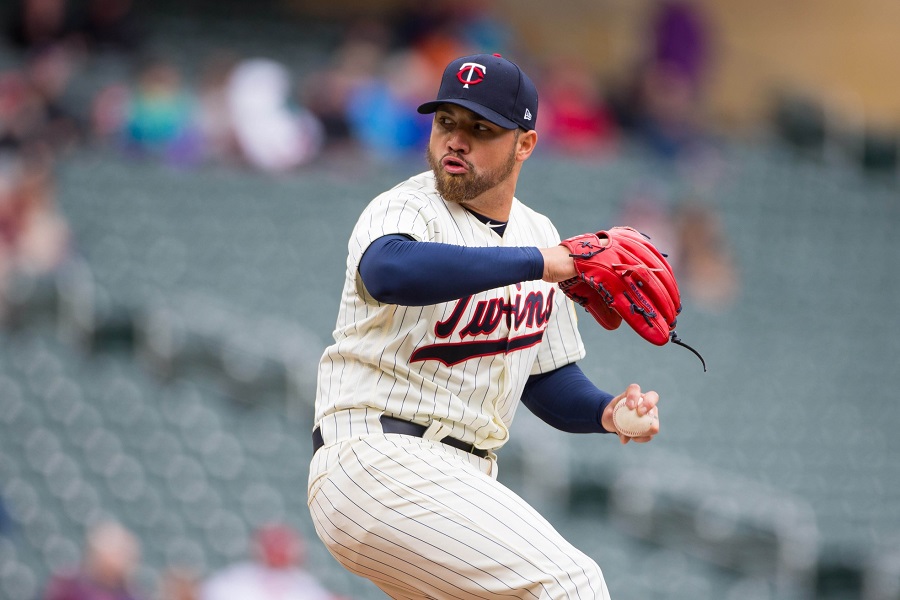 Another All-Star First Half Santiago has shown flashes of this type of pitching in the past. During the 2015 campaign, he got the season off to a great start and was named an American League All-Star. In the season's first half, he posted a 2.33 ERA with a 98 to 33 strikeout to walk ratio. In those 18 games, batters hit .213/.281/.356 against him. Following his All-Star first half, things fell apart in the second half of the season. His ERA rose to 5.47 and his WHIP rose from 1.10 to 1.49. Batters OPS also rose by over 200 points. Minnesota is seeing glimpses of Santiago's all-star abilities but there's no evidence of him being able to sustain this level for an entire season. What's Up, Pitches? Opponents have struggled this season with making consistent contact against Santiago's sinker. For his career, batters have hit .217 against him when he throws this pitch. So far this season, opponents have been limited to a .135 average with two extra-base hits. His velocity has dipped a little with this pitch but he seems to be using it more effectively. He has yet to surrender an extra-base hit with his secondary pitches but he throws these less than 40% of the time. When throwing his change-up, batters have been limited to a .200 average which is almost 60 points lower than his career mark. His cut fastball has yielded a .750 opponent's batting average, the highest of any pitch he throws. The Jason Castro Factor During the entire off-season, Twins fans heard rave reviews about Jason Castro and his ability to coax umpires into calling strikes. This might not have been more evident than on Sunday afternoon when "Castro had the best day of any backstop at getting his pitchers extra strikes." For seven innings on Sunday, Santiago was the beneficiary of Castro's catching abilities. Fangraphs showed multiple pitches from Santiago that ended up being called strikes. Castro is clearly factoring into the Twins early season pitching success. It's been a small sample size and there is plenty of season still ahead. Santiago needs to prove that he can sustain these numbers over the course of an entire season. He's shown flashes of this type of pitching in the past but the league will adjust. Can he make the types of changes necessary to sustain this success? Leave a COMMENT and start the discussion.
 -
As Easter weekend comes to a close, many of the Twins minor league affiliates are starting to settle into an early season groove. With the weather continuing to warm up, pitchers and batters can be more comfortable and play up to their full potential. Even though there were only three affiliates playing on Easter Sunday, there was still plenty of action. Big name players hit home run. There were also some strong pitching performances. Who stood out above the crowd? Read on to find out.RED WINGS REPORT Rochester 10, Syracuse 6 (Game 1- 7 Innings) Box Score Rochester exploded for multiple runs in three of the first four innings to outpace Syracuse in game one of the double-header. The Red Wings got things off to a good start by plating four runs in the first frame. Ben Paulsen had the big hit in the inning as his two-out double drove in three runs. Tommy Field cracked a two-run home run in the second inning to push the lead to 6-1. In the bottom of the fourth, Kennys Vargas helped to extend the lead by knocking a three-run shot, his second of the year. Every batter in the Red Wings lineup reached base and Matt Hague was the lone hitter not to record a hit but he drew a walk and scored a run. Jason Wheeler started and allowed three earned runs over five innings of work. He gave up seven hits while striking out four and walking two. Alan Busenitz walked three batters in the sixth frame as he allowed three earned runs to make the game closer than it needed to be. Trevor Hildenberger closed out the game with a perfect ninth including two strikeouts. Rochester 6, Syracuse 7 (Game 2- 7 Innings) Box Score Syracuse got revenge in the second game as they jumped on Aaron Slegers early for four runs in the first inning. Slegers wouldn't make it out of the fourth inning as he allowed five runs on 11 hits. He struck out six batters and only gave up one walk. Buddy Boshers finished off the fourth for Slegers but the damage had already been done. Rochester did their best to claw back into the game. Daniel Palka drove in a run with a second inning double. Niko Goodrum continued the scoring with a sacrifice fly. Palka would add to the scoring as he led off the fourth inning with his third home run of the year. Palka finished the game 4-for-4 with two home runs, a double, three RBI and four runs. Raul Fernandez ran into some late inning trouble as he surrendered two home runs in his 1.2 innings of work. Alex Wimmers collected the last four outs without allowing a runner and striking out one. Former Twins closer Joe Nathan earned his second save even though he allowed Palka's second home run. CHATTANOOGA CHATTER Chattanooga 1, Jacksonville 0 Box Score In a tightly contested pitchers duel, the Lookouts were able to find a way to scratch out a win. Paul Clemens started for Chattanooga and pitched into the sixth frame. He scattered five hits and struck out four while walking one. After pitching 1.2 scoreless frames, Todd Van Steensel earned his first victory of the year. Mason Melotakis picked up his first save after tossing two perfect frames. The hits were few and far between for both clubs. Jonathan Rodriguez picked up the game's biggest hit as he smashed a solo home run with one out in the seventh. Engelb Vielma finished 1-for-4. Ryan Walker and Jose Gonzalez each picked up a hit. Levi Michael and Nick Gordon were the only Lookouts hitters who didn't strike out in the game. With the win, Chattanooga won the rubber game of the three-game set with Jacksonville. The Lookouts moved to 5-5 on the season. MIRACLE MATTERS Fort Myers 5, Daytona 0 Box Score Randy LeBlanc was the story of this game. He tossed seven scoreless innings for the second straight start. He limited the Tortugas to three hits with four strikeouts and two walks. Nick Anderson completed the shutout with two innings of work. He allowed two base runners and struck out a pair of batters. Daytona went on an error spree in this game to help Fort Myers separate themselves. The Tortugas combined for four errors which led to three unearned runs. Zander Wiel drove in a pair of runs with his first home run of the year. Chris Paul and Brian Navarreto each knocked a double and Navarreto drove in a run. After losing five straight games by one run, the Miracle have won two of their last three including a pair of shutouts. Fort Myers now sits with a 3-8 record on the season. TWINS DAILY PLAYERS OF THE DAY Pitcher of the Day – Randy LeBlanc, Fort Myers Miracle Hitter of the Day – Daniel Palka, Rochester Red Wings WEDNESDAY’S PROBABLE STARTERS Rochester- Scheduled Off Day Chattanooga vs. Biloxi (6:15 CST) - TBD Fort Myers vs. Florida (5:35 CST) - LHP Lachlan Wells (0-1, 1.29 ERA) Cedar Rapids @ Peoria (6:30 CST) - RHP Clark Beeker Please feel free to ask any questions and discuss Sunday’s games. Click here to view the article
-
Twins Minor League Report (4/16): Palka Power, Dueling Shutouts
Cody Christie posted an article in Minor Leagues
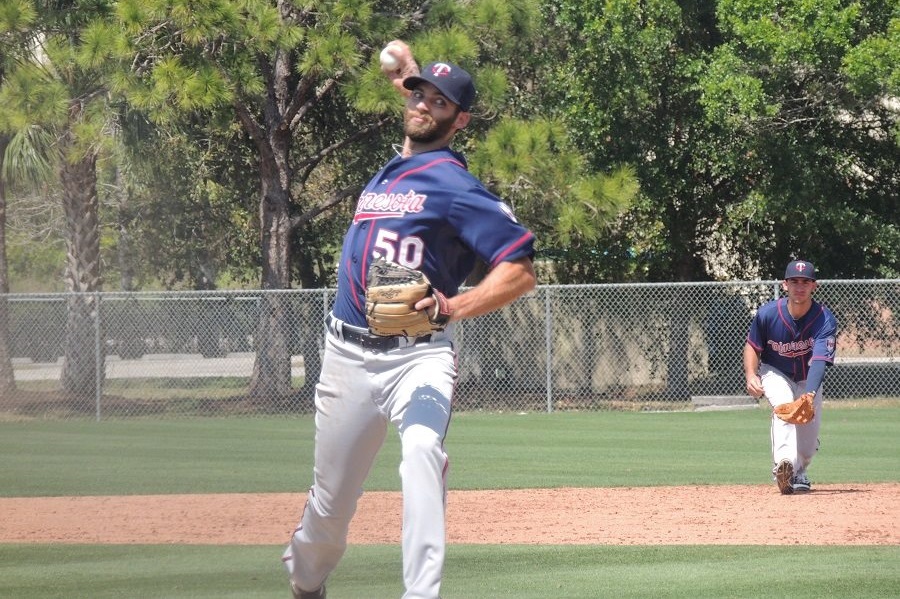 RED WINGS REPORT Rochester 10, Syracuse 6 (Game 1- 7 Innings) Box Score Rochester exploded for multiple runs in three of the first four innings to outpace Syracuse in game one of the double-header. The Red Wings got things off to a good start by plating four runs in the first frame. Ben Paulsen had the big hit in the inning as his two-out double drove in three runs. Tommy Field cracked a two-run home run in the second inning to push the lead to 6-1. In the bottom of the fourth, Kennys Vargas helped to extend the lead by knocking a three-run shot, his second of the year. Every batter in the Red Wings lineup reached base and Matt Hague was the lone hitter not to record a hit but he drew a walk and scored a run. Jason Wheeler started and allowed three earned runs over five innings of work. He gave up seven hits while striking out four and walking two. Alan Busenitz walked three batters in the sixth frame as he allowed three earned runs to make the game closer than it needed to be. Trevor Hildenberger closed out the game with a perfect ninth including two strikeouts. Rochester 6, Syracuse 7 (Game 2- 7 Innings) Box Score Syracuse got revenge in the second game as they jumped on Aaron Slegers early for four runs in the first inning. Slegers wouldn't make it out of the fourth inning as he allowed five runs on 11 hits. He struck out six batters and only gave up one walk. Buddy Boshers finished off the fourth for Slegers but the damage had already been done. Rochester did their best to claw back into the game. Daniel Palka drove in a run with a second inning double. Niko Goodrum continued the scoring with a sacrifice fly. Palka would add to the scoring as he led off the fourth inning with his third home run of the year. Palka finished the game 4-for-4 with two home runs, a double, three RBI and four runs. Raul Fernandez ran into some late inning trouble as he surrendered two home runs in his 1.2 innings of work. Alex Wimmers collected the last four outs without allowing a runner and striking out one. Former Twins closer Joe Nathan earned his second save even though he allowed Palka's second home run. CHATTANOOGA CHATTER Chattanooga 1, Jacksonville 0 Box Score In a tightly contested pitchers duel, the Lookouts were able to find a way to scratch out a win. Paul Clemens started for Chattanooga and pitched into the sixth frame. He scattered five hits and struck out four while walking one. After pitching 1.2 scoreless frames, Todd Van Steensel earned his first victory of the year. Mason Melotakis picked up his first save after tossing two perfect frames. The hits were few and far between for both clubs. Jonathan Rodriguez picked up the game's biggest hit as he smashed a solo home run with one out in the seventh. Engelb Vielma finished 1-for-4. Ryan Walker and Jose Gonzalez each picked up a hit. Levi Michael and Nick Gordon were the only Lookouts hitters who didn't strike out in the game. With the win, Chattanooga won the rubber game of the three-game set with Jacksonville. The Lookouts moved to 5-5 on the season. MIRACLE MATTERS Fort Myers 5, Daytona 0 Box Score Randy LeBlanc was the story of this game. He tossed seven scoreless innings for the second straight start. He limited the Tortugas to three hits with four strikeouts and two walks. Nick Anderson completed the shutout with two innings of work. He allowed two base runners and struck out a pair of batters. Daytona went on an error spree in this game to help Fort Myers separate themselves. The Tortugas combined for four errors which led to three unearned runs. Zander Wiel drove in a pair of runs with his first home run of the year. Chris Paul and Brian Navarreto each knocked a double and Navarreto drove in a run. After losing five straight games by one run, the Miracle have won two of their last three including a pair of shutouts. Fort Myers now sits with a 3-8 record on the season. TWINS DAILY PLAYERS OF THE DAY Pitcher of the Day – Randy LeBlanc, Fort Myers Miracle Hitter of the Day – Daniel Palka, Rochester Red Wings WEDNESDAY’S PROBABLE STARTERS Rochester- Scheduled Off Day Chattanooga vs. Biloxi (6:15 CST) - TBD Fort Myers vs. Florida (5:35 CST) - LHP Lachlan Wells (0-1, 1.29 ERA) Cedar Rapids @ Peoria (6:30 CST) - RHP Clark Beeker Please feel free to ask any questions and discuss Sunday’s games.
 -
Minnesota's defense has shown some flaws in recent years. Putting Miguel Sano in the outfield was an unmitigated disaster. Other players like Danny Santana have been asked to play a posiition different than their natural position. Brian Dozier has also been below average at second base. With all of these issues, it's hard to know what to expect in 2017. The new front office made minimal off-season roster moves. This leaves the Twins with a lot of familiar faces around the diamond. How much can Minnesota's defense improve?Outfield Byron Buxton, Max Kepler, and Eddie Rosario have all played center field at some point during their professional careers. Buxton's five-star ability was on full display during the season's first week. According to MLB.com, Buxton made the first five- star catch of the 2017 season with his Opening Day dive. "Us outfielders have this thing where nothing falls but raindrops," Buxton said. "We take that to heart and want to be the best outfield out there. We're trying to be aggressive to every line drive and foul ball we can be. We know we'll have backup, so it allows us to play freely." This young trio is trying to reverse a recent Minnesota outfield trend. Over the last five seasons, the Twins outfield has accounted for a -30 defensive runs saved mark, the third worst mark in baseball. With a pitching staff that gives up a lot of balls in play, it's critical for the defense behind them to be strong. Infield Joe Mauer was one of the lone Twins fielders to rank well as a defender in 2016. The entire rest of the infield projects to be below average. As I mentioned before, Dozier struggles on defense. He makes some great diving stops but that's usually the result of him not being able to get to a ball. These would be routine plays for a better defender. Miguel Sano and Jorge Polanco compose a left-side of the infield with plenty of questions. Sano's arm strength is very good but his large body size raises questions about his ability to get to balls. Questions about Polanco's defense at shortstop have followed him throughout his professional career. As the season progresses, it will be interesting to see how these two rank as the innings begin to pile up. Even if the outfield sees improved defense, it's hard to imagine the infield helping out the pitching staff on a regular basis. They have the ability to make routine plays but there will be plenty of holes on plays with a higher difficulty. Catcher Jason Castro was brought to Minnesota because of his defensive reputation. As I wrote this spring, it's going to take the better part of the season to fully see what Castro is able to do with the pitching staff. No matter how much he is able to coax strikes from umpires, the pitchers still need to make pitches. In regard to SABR's Defensive Index (SDI), former catcher Kurt Suzuki ranked second from the bottom in the American League. Castro still posted a negative SDI total but he ranked seventh in the AL. This was a steep drop-off from the 2015 season where he ranked second in the AL and he was a finalist for a Gold Glove. If the Twins end up with a catcher who is somewhere between the 2015 and 2016 version of Castro, things will be working out very well for the club. So what do you think? How much can Minnesota's defense improve? Leave a COMMENT and start the discussion. Click here to view the article
-
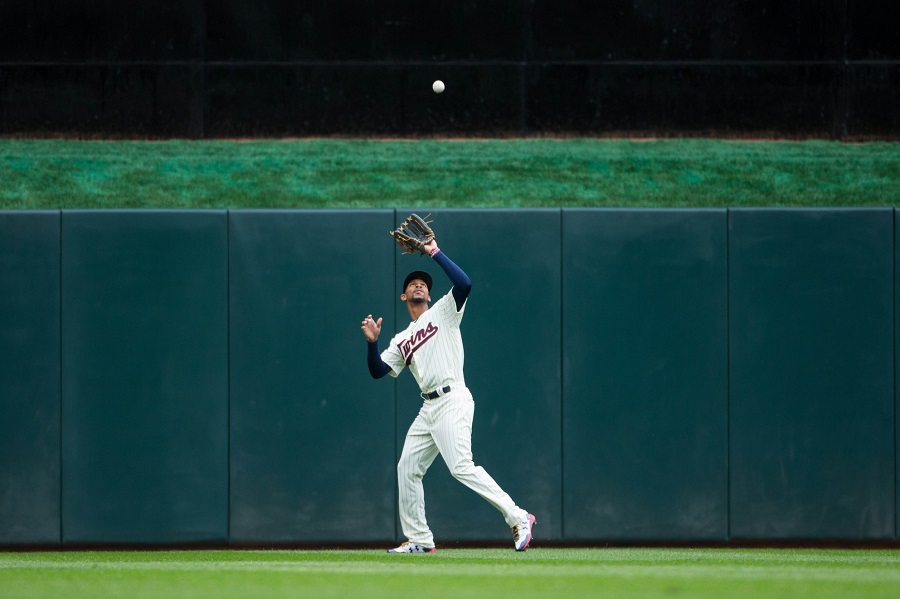 Outfield Byron Buxton, Max Kepler, and Eddie Rosario have all played center field at some point during their professional careers. Buxton's five-star ability was on full display during the season's first week. According to MLB.com, Buxton made the first five- star catch of the 2017 season with his Opening Day dive. "Us outfielders have this thing where nothing falls but raindrops," Buxton said. "We take that to heart and want to be the best outfield out there. We're trying to be aggressive to every line drive and foul ball we can be. We know we'll have backup, so it allows us to play freely." This young trio is trying to reverse a recent Minnesota outfield trend. Over the last five seasons, the Twins outfield has accounted for a -30 defensive runs saved mark, the third worst mark in baseball. With a pitching staff that gives up a lot of balls in play, it's critical for the defense behind them to be strong. Infield Joe Mauer was one of the lone Twins fielders to rank well as a defender in 2016. The entire rest of the infield projects to be below average. As I mentioned before, Dozier struggles on defense. He makes some great diving stops but that's usually the result of him not being able to get to a ball. These would be routine plays for a better defender. Miguel Sano and Jorge Polanco compose a left-side of the infield with plenty of questions. Sano's arm strength is very good but his large body size raises questions about his ability to get to balls. Questions about Polanco's defense at shortstop have followed him throughout his professional career. As the season progresses, it will be interesting to see how these two rank as the innings begin to pile up. Even if the outfield sees improved defense, it's hard to imagine the infield helping out the pitching staff on a regular basis. They have the ability to make routine plays but there will be plenty of holes on plays with a higher difficulty. Catcher Jason Castro was brought to Minnesota because of his defensive reputation. As I wrote this spring, it's going to take the better part of the season to fully see what Castro is able to do with the pitching staff. No matter how much he is able to coax strikes from umpires, the pitchers still need to make pitches. In regard to SABR's Defensive Index (SDI), former catcher Kurt Suzuki ranked second from the bottom in the American League. Castro still posted a negative SDI total but he ranked seventh in the AL. This was a steep drop-off from the 2015 season where he ranked second in the AL and he was a finalist for a Gold Glove. If the Twins end up with a catcher who is somewhere between the 2015 and 2016 version of Castro, things will be working out very well for the club. So what do you think? How much can Minnesota's defense improve? Leave a COMMENT and start the discussion.
 -
It's early in the minor league season and there are plenty of games left to be played. However, it's great to see some of the Twins affiliates playing well to start the year. Nick Gordon is hot to start the season and he looked to continue that streak. Rochester was scheduled to play two games due to some early season weather problems. Would Gordon stay hot? Could the Red Wings sweep their twin-bill? Read on to find out all about Sunday's results.RED WINGS REPORT Rochester 6, Syracuse 2 (Game 2- 7 Innings) Box Score Nick Tepesch made his debut in the Twins organization on Sunday by starting the first game of a double-header. He allowed two runs on six hits while striking out two and walking two. His first inning was all over the board. He allowed two hits, two walks, and struck out two. He settled in from there before turning things over to the bullpen. With the Wings down 2-0, Tommy Field got things started in the fourth inning. He doubled to start the frame before Kennys Vargas drove him in with a two-out single. The next two batters walked but Ben Paulsen left the bases loaded. Paulsen would get another opportunity. In the sixth inning, Matt Hague singled before ByungHo Park struck out and Vargas grounded out. Daniel Palka and Mitch Garver collected back-to-back singles before Paulsen smacked a three-run shot. Trevor Hildenberger in his Triple-A debut struck out the side in the sixth to keep the game at 5-2. After tacking on another run in the top of the seventh on a Vargas double, Hildenberger faced one over the minimum in the ninth for his first save. Rochester 10, Syracuse 4 (Game 2- 7 Innings) Box Score Rochester pounded out four home runs including Daniel Palka's first two home runs of the year (see video of both below) to defeat Syracuse in game two. It was a tight game until the fifth and sixth frames when the Red Wings lit up the scoreboard for eight runs. The two through six hitters all combined for multiple hits. Paulsen homered for the second straight game. Drew Rucinski started for Rochester and pitched well. In four innings of work, he limited the Chiefs to one run, a home run, on three hits. He struck out five and failed to walk a batter. Alex Busenitz pitched two scoreless innings and was credited with the win. Alex Wimmers had a rough final frame as he allowed three solo home runs. CHATTANOOGA CHATTER Chattanooga 5, Mobile 4 Box Score For the second time in three games, the Lookouts were walk-off winners against the BayBears. Edgar Corcino started the 10th inning with a single. After two fly outs, a wild pitch moved Corcino to second. With first base open, Jonathan Rodriguez walked. LaMonte Wade followed with a walk to load the bases. This left Dan Rohlfing to play the hero as he drew the walk to win the game. Friday night's hero, Nick Gordon, got the game off to a fast start as he cranked his first home run of the year. He finished the day 3-for-4 with two RBI and two runs scored. He has seven hits in the team's first four games including two three-hit efforts. Felix Jorge made his first start of the year. In four innings of work, he allowed two runs on six hits with three strikeouts. Todd Van Steensel and Nick Burdi combined for three shutout innings. Raul Fernandez struggled with control in the ninth as he allowed three walks and took the blown save. Luke Bard earned the win as he allowed one hit and struck out one. MIRACLE MATTERS Fort Myers 2, Jupiter 3 Box Score Keaton Steele cruised through four innings before running into some trouble in the fifth. The first four batters of the frame reached base and two runs would eventually cross the plate. Randy Rosario and Michael Theofanopoulos combined to allow one earned run and struck out four over the final four frames. The seventh inning is where the Miracle missed their opportunity. Daniel Kihle plated a run with an RBI single. With one out, Fort Myers loaded the bases. Sean Miller struck out and Nelson Molina grounded out to end the frame. Kihle and Miller both finished the game with multiple hits including their second doubles of the year. Fort Myers scored a ninth inning run to cut the lead to one but that was the end of their luck. The Miracle begin a seven-game road trip on Monday. KERNELS NUGGETS Cedar Rapids 6, Beloit 1 Box Score Alex Schick tied his career high with seven strikeouts and pitched a career-high seven innings on the way to his first victory of the year. He struck out at least one batter in each of the first six innings. Max Cordy took over for Schick and struck out the side as part of a perfect eighth inning. Alex Robinson finished the game with a perfect frame while striking out one. Travis Blakenhorn and Jermaine Palacios combined for six hits and four runs scored. Blankenhorn knocked his second home run, his second home run in as many days. Brandon Lopez joined the hit parade with three hits of his own. Mitchell Kranson went 2-for-4 with a double. TWINS DAILY PLAYERS OF THE DAY Pitcher of the Day – Alex Schick, Cedar Rapids Kernels Hitter of the Day – Ben Paulsen, Rochester Red Wings WEDNESDAY’S PROBABLE STARTERS Rochester at Buffalo (12:05 CST) - LHP Jason Wheeler (0-0, 0.00 ERA) Chattanooga vs. Mobile (6:15 CST) - RHP Paul Clemens (0-0, 0.00 ERA) Fort Myers @ Tampa (6:00 CST) - RHP Randy LeBlanc (0-0, 0.00 ERA) Cedar Rapids @ Kane County (6:30 CST) - RHP Clark Beeker (0-0, 0.00 ERA) Please feel free to ask any questions and discuss Sunday’s games. Click here to view the article
- 13 replies
-
- 2
-
-
- nick gordon
- ben paulsen
- (and 3 more)
-
Twins Minor League Report (4/9): Schick Stymies, Gordon Stays Hot
Cody Christie posted an article in Minor Leagues
 RED WINGS REPORT Rochester 6, Syracuse 2 (Game 2- 7 Innings) Box Score Nick Tepesch made his debut in the Twins organization on Sunday by starting the first game of a double-header. He allowed two runs on six hits while striking out two and walking two. His first inning was all over the board. He allowed two hits, two walks, and struck out two. He settled in from there before turning things over to the bullpen. With the Wings down 2-0, Tommy Field got things started in the fourth inning. He doubled to start the frame before Kennys Vargas drove him in with a two-out single. The next two batters walked but Ben Paulsen left the bases loaded. Paulsen would get another opportunity. In the sixth inning, Matt Hague singled before ByungHo Park struck out and Vargas grounded out. Daniel Palka and Mitch Garver collected back-to-back singles before Paulsen smacked a three-run shot. Trevor Hildenberger in his Triple-A debut struck out the side in the sixth to keep the game at 5-2. After tacking on another run in the top of the seventh on a Vargas double, Hildenberger faced one over the minimum in the ninth for his first save. Rochester 10, Syracuse 4 (Game 2- 7 Innings) Box Score Rochester pounded out four home runs including Daniel Palka's first two home runs of the year (see video of both below) to defeat Syracuse in game two. It was a tight game until the fifth and sixth frames when the Red Wings lit up the scoreboard for eight runs. The two through six hitters all combined for multiple hits. Paulsen homered for the second straight game. https://twitter.com/BaseballByTom/status/851231489756979200 Drew Rucinski started for Rochester and pitched well. In four innings of work, he limited the Chiefs to one run, a home run, on three hits. He struck out five and failed to walk a batter. Alex Busenitz pitched two scoreless innings and was credited with the win. Alex Wimmers had a rough final frame as he allowed three solo home runs. CHATTANOOGA CHATTER Chattanooga 5, Mobile 4 Box Score For the second time in three games, the Lookouts were walk-off winners against the BayBears. Edgar Corcino started the 10th inning with a single. After two fly outs, a wild pitch moved Corcino to second. With first base open, Jonathan Rodriguez walked. LaMonte Wade followed with a walk to load the bases. This left Dan Rohlfing to play the hero as he drew the walk to win the game. Friday night's hero, Nick Gordon, got the game off to a fast start as he cranked his first home run of the year. He finished the day 3-for-4 with two RBI and two runs scored. He has seven hits in the team's first four games including two three-hit efforts. Felix Jorge made his first start of the year. In four innings of work, he allowed two runs on six hits with three strikeouts. Todd Van Steensel and Nick Burdi combined for three shutout innings. Raul Fernandez struggled with control in the ninth as he allowed three walks and took the blown save. Luke Bard earned the win as he allowed one hit and struck out one. MIRACLE MATTERS Fort Myers 2, Jupiter 3 Box Score Keaton Steele cruised through four innings before running into some trouble in the fifth. The first four batters of the frame reached base and two runs would eventually cross the plate. Randy Rosario and Michael Theofanopoulos combined to allow one earned run and struck out four over the final four frames. The seventh inning is where the Miracle missed their opportunity. Daniel Kihle plated a run with an RBI single. With one out, Fort Myers loaded the bases. Sean Miller struck out and Nelson Molina grounded out to end the frame. Kihle and Miller both finished the game with multiple hits including their second doubles of the year. Fort Myers scored a ninth inning run to cut the lead to one but that was the end of their luck. The Miracle begin a seven-game road trip on Monday. KERNELS NUGGETS Cedar Rapids 6, Beloit 1 Box Score Alex Schick tied his career high with seven strikeouts and pitched a career-high seven innings on the way to his first victory of the year. He struck out at least one batter in each of the first six innings. Max Cordy took over for Schick and struck out the side as part of a perfect eighth inning. Alex Robinson finished the game with a perfect frame while striking out one. Travis Blakenhorn and Jermaine Palacios combined for six hits and four runs scored. Blankenhorn knocked his second home run, his second home run in as many days. Brandon Lopez joined the hit parade with three hits of his own. Mitchell Kranson went 2-for-4 with a double. TWINS DAILY PLAYERS OF THE DAY Pitcher of the Day – Alex Schick, Cedar Rapids Kernels Hitter of the Day – Ben Paulsen, Rochester Red Wings WEDNESDAY’S PROBABLE STARTERS Rochester at Buffalo (12:05 CST) - LHP Jason Wheeler (0-0, 0.00 ERA) Chattanooga vs. Mobile (6:15 CST) - RHP Paul Clemens (0-0, 0.00 ERA) Fort Myers @ Tampa (6:00 CST) - RHP Randy LeBlanc (0-0, 0.00 ERA) Cedar Rapids @ Kane County (6:30 CST) - RHP Clark Beeker (0-0, 0.00 ERA) Please feel free to ask any questions and discuss Sunday’s games.
 -
Another regular season is upon us and that means that it is prediction time for a lot of writers across the inter-web. There will be surprise teams, surprise players, and even some other surprises along the way. The unknown and unpredictability of baseball is one of the most enduring qualities of "America's Pastime." The Twins have an interesting year ahead. Who will stand out? Who will take the next step? It's time to predict who will shine for the 2017 version of the Twins.Each of the awards below has been named after someone that optimizes that award for the Twins organization. There are legends from the past and all have had a significant place in Twins lore. Harmon Killebrew MVP: Brian Dozier, 2B Ideally, the Twins hope there is a young core of players that battle Brian Dozier for the team's top award. Byron Buxton, Miguel Sano, or Max Kepler could all take big steps to put themselves in the end of the year discussion. That being said, Dozier is coming off a monster year and he has the opportunity to show that these numbers weren't a fluke. It's hard to imagine him clubbing 40+ home runs for the second straight year and he has been prone to offensive slumps in the past. I've also been critical of Dozier's defense in recent years. All of these things could hurt his chances. If there was a betting line in Las Vegas for this award, the money would be on Dozier to win. Johan Santana Pitcher of the Year: Kyle Gibson, RHP Two years ago, Gibson looked ready to be a mainstay in the Twins rotation. Last season, he took a step back while dealing with multiple injuries. To counteract some of these issues, Gibson took on a unique throwing plan this off-season. Reports out of Fort Myers have his slider looking great and this pitch could help him to reach the next level. There will be other pitchers in the discussion as well. Ervin Santana was the team's best pitcher a year ago by posting his best ERA in three seasons. He's 34-years old and there's no guarantees that he will be on the roster after the July trade deadline. It would also be great to see Phil Hughes return to form or Jose Berrios have a breakout season but my money is on Gibson. Rick Aguilera Relief Pitcher of the Year: JT Chargois, RHP The Twins bullpen is thoroughly unimpressive to start the season. Minnesota is bringing 13 pitchers north and JT Chargois isn't one of them. This still doesn't mean he can't be the team's best relief arm by season's end. Chargois has been dominant in the minor leagues even though he hasn't found a lot of big league success. I think he's ready to take a big jump while being used in high leverage situations. Brandon Kintzler will start the year as the team's closer but he hardly has a strangle-hold on the position. The hope is to get former All-Star Glen Perkins back at some point this season but it's hard to know what he will look like when he returns. Rule-5 pick Justin Haley could provide some value and Taylor Rogers is another name to watch this year. Rod Carew Rookie of the Year: Daniel Palka, OF/DH Minnesota has seen a lot of big names use up their rookie eligibility over the last two seasons. This leaves a wide-open race for the 2017 Rookie of the Year. Palka destroyed the ball in the minor leagues last season and he could battle his way into the Twins long-term plans. This would likely mean an injury to one of the club's corner outfielders but a lot of things happen in a long baseball season. Tyler Jay's shift to the bullpen could mean he ends up in Minnesota at some point this summer. If he has a big impact on the team's second half, he could end up in the discussion as well. With a lackluster bullpen to start the year, there will be other names that could slide into the conversation. Other top prospects are a little further away from Target Field so Palka has a good chance to make his mark in 2017. Who would be your pre-season picks? Leave a COMMENT and start the discussion. Click here to view the article
-
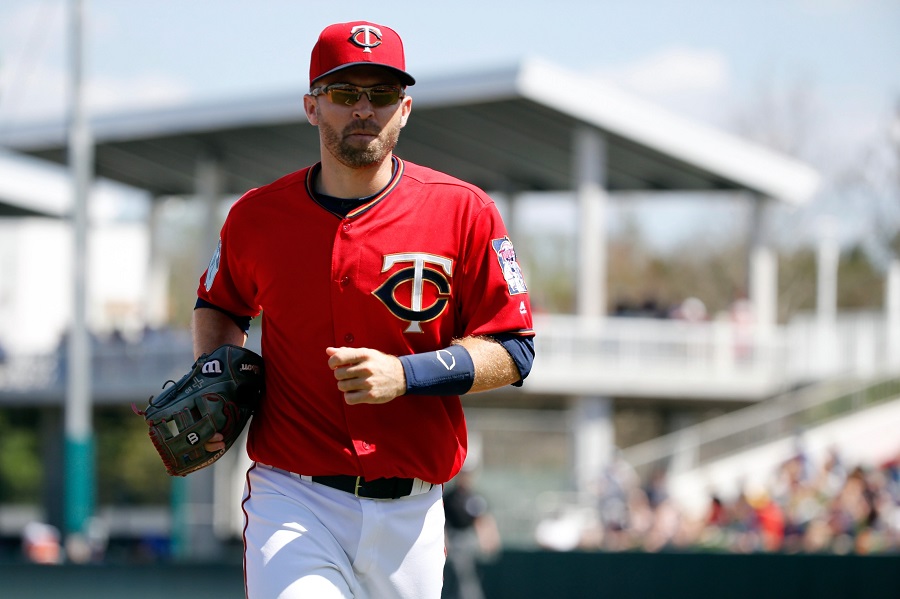 Each of the awards below has been named after someone that optimizes that award for the Twins organization. There are legends from the past and all have had a significant place in Twins lore. Harmon Killebrew MVP: Brian Dozier, 2B Ideally, the Twins hope there is a young core of players that battle Brian Dozier for the team's top award. Byron Buxton, Miguel Sano, or Max Kepler could all take big steps to put themselves in the end of the year discussion. That being said, Dozier is coming off a monster year and he has the opportunity to show that these numbers weren't a fluke. It's hard to imagine him clubbing 40+ home runs for the second straight year and he has been prone to offensive slumps in the past. I've also been critical of Dozier's defense in recent years. All of these things could hurt his chances. If there was a betting line in Las Vegas for this award, the money would be on Dozier to win. Johan Santana Pitcher of the Year: Kyle Gibson, RHP Two years ago, Gibson looked ready to be a mainstay in the Twins rotation. Last season, he took a step back while dealing with multiple injuries. To counteract some of these issues, Gibson took on a unique throwing plan this off-season. Reports out of Fort Myers have his slider looking great and this pitch could help him to reach the next level. There will be other pitchers in the discussion as well. Ervin Santana was the team's best pitcher a year ago by posting his best ERA in three seasons. He's 34-years old and there's no guarantees that he will be on the roster after the July trade deadline. It would also be great to see Phil Hughes return to form or Jose Berrios have a breakout season but my money is on Gibson. Rick Aguilera Relief Pitcher of the Year: JT Chargois, RHP The Twins bullpen is thoroughly unimpressive to start the season. Minnesota is bringing 13 pitchers north and JT Chargois isn't one of them. This still doesn't mean he can't be the team's best relief arm by season's end. Chargois has been dominant in the minor leagues even though he hasn't found a lot of big league success. I think he's ready to take a big jump while being used in high leverage situations. Brandon Kintzler will start the year as the team's closer but he hardly has a strangle-hold on the position. The hope is to get former All-Star Glen Perkins back at some point this season but it's hard to know what he will look like when he returns. Rule-5 pick Justin Haley could provide some value and Taylor Rogers is another name to watch this year. Rod Carew Rookie of the Year: Daniel Palka, OF/DH Minnesota has seen a lot of big names use up their rookie eligibility over the last two seasons. This leaves a wide-open race for the 2017 Rookie of the Year. Palka destroyed the ball in the minor leagues last season and he could battle his way into the Twins long-term plans. This would likely mean an injury to one of the club's corner outfielders but a lot of things happen in a long baseball season. Tyler Jay's shift to the bullpen could mean he ends up in Minnesota at some point this summer. If he has a big impact on the team's second half, he could end up in the discussion as well. With a lackluster bullpen to start the year, there will be other names that could slide into the conversation. Other top prospects are a little further away from Target Field so Palka has a good chance to make his mark in 2017. Who would be your pre-season picks? Leave a COMMENT and start the discussion.
 -
Baseball is finally back... well almost. Twins fans are eager to put memories of last year's 103-loss season behind them. Building off a young core, Minnesota hopes many players take the next step. There will be many factors that contribute to the team's 2017 campaign but a fast start could help the team avoid a repeat of last year's poor performance. Most of the first month of the season is filled with battles against AL Central foes. In fact, the club only has three games outside of the division. These contests will be critical to understanding where Minnesota fits in the divisional pecking order.Kansas City Royals Home Series: 4/3, 4/5-4/6: Road Series: 4/28-4/30 The Twins struggled against the Royals last season with a combined 4-15 record. Three of their four wins against Kansas City came at Target Field. Minnesota pitchers allowed 124 runs against the 2015 World Series Champions. Minnesota's 65 runs scored was also their lowest total against any inter-divisional opponent. Minnesota will see the Royals top three starters (Danny Duffy, Ian Kennedy, and Jason Hammel) in the first series. Ervin Santana gets the Opening Day nod as he posted a 4.55 ERA and a 1.27 WHIP against Kansas City last year. Hector Santiago fared even worse than Santana. He had a 10.93 ERA in three starts. Kyle Gibson faced the Royals three times and had a 6.75 ERA with a 1.85 WHIP. Chicago White Sox Road Series: 4/7-4/9: Home Series: 4/14-4/16 Minnesota's first road series of the year will come on the south-side of Chicago. The Twins went 7-12 against the White Sox last year including three road victories. Twins batters were outscored by 12 runs in those games (86 to 98) but that was the team's second highest run total in inter-divisional games. Chicago went into rebuilding mode this off-season by trading away Chris Sale and Adam Eaton for a boat full of prospects. Lucas Giolito and Yoan Moncada will be names to watch in the years to come. For now, the Twins will have to hope their young core can find a way to win against one of the team's biggest rivals. Detroit Tigers Road Series: 4/11-4/13: Home Series: 4/21-4/23 The Tigers held Minnesota a 4-15 record during the 2016 campaign. All four of Minnesota's wins came in Detroit so the Twins will need to find a way to beat the Tigers at Target Field. Detroit scored 107-runs against Twins pitchers and Minnesota only saw 69 runs scored. Six of the team's first 22 games come against Detroit so the Twins will need to solve Detroit's curse in a hurry. Detroit saw a rebound year in 2016 from many players in their core. Miguel Cabrera, Ian Kinsler, and Justin Verlander all looked like they were back to their old tricks. They finished in second place in the division and they have a chance to make a big step forward this year. It probably won't be enough to catch Cleveland but weirder things have happened in the baseball world. Cleveland Indians Home Series: 4/17-4/20 The defending AL Champions are the only divisional team the Twins play once in the season's first month. However, it is their longest series of the month (four games) and it does come at Target Field. Even with Cleveland running through the Central last season, Minnesota posted a 9-10 record against the Tribe while matching them in runs scored. Cleveland rode tremendous pitching to being within a game of winning the World Series. This could result in a couple different directions for the coming season. The team could have a chip on their should and ride this momentum back to baseball's highest level. On the other hand, the team might not be able to overcome their October collapse and end up not living up to this year's lofty expectations. Texas Rangers Road Series: 4/24-4/26 Minnesota played two series against Texas in 2016 and won both of them. They finished with a 5-2 record and their .714 winning percentage, their highest total against any team. The Twins averaged almost nine runs per game while allowing less than 4.5 runs per game. Minnesota had their two highest run producing games (17 and 15 runs) against Texas. Even though the Rangers struggled against Minnesota, the club won 95 games and finished in first place in the AL West. Texas did this while struggling in multiple areas of the game. Only the Twins and Athletic allowed more runs. It seems likely for the Rangers to regress in 2017 and the Twins will need to take advantage this fall back to the back. Minnesota finished 7-17 during last April. How will the club fare in the season's first month? Leave a COMMENT and start the discussion. Click here to view the article
-
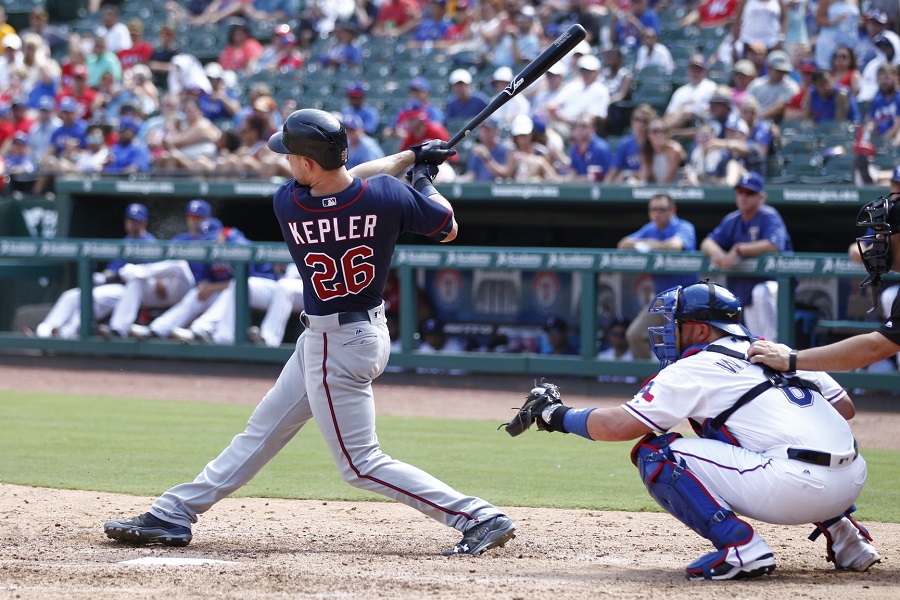 Kansas City Royals Home Series: 4/3, 4/5-4/6: Road Series: 4/28-4/30 The Twins struggled against the Royals last season with a combined 4-15 record. Three of their four wins against Kansas City came at Target Field. Minnesota pitchers allowed 124 runs against the 2015 World Series Champions. Minnesota's 65 runs scored was also their lowest total against any inter-divisional opponent. Minnesota will see the Royals top three starters (Danny Duffy, Ian Kennedy, and Jason Hammel) in the first series. Ervin Santana gets the Opening Day nod as he posted a 4.55 ERA and a 1.27 WHIP against Kansas City last year. Hector Santiago fared even worse than Santana. He had a 10.93 ERA in three starts. Kyle Gibson faced the Royals three times and had a 6.75 ERA with a 1.85 WHIP. Chicago White Sox Road Series: 4/7-4/9: Home Series: 4/14-4/16 Minnesota's first road series of the year will come on the south-side of Chicago. The Twins went 7-12 against the White Sox last year including three road victories. Twins batters were outscored by 12 runs in those games (86 to 98) but that was the team's second highest run total in inter-divisional games. Chicago went into rebuilding mode this off-season by trading away Chris Sale and Adam Eaton for a boat full of prospects. Lucas Giolito and Yoan Moncada will be names to watch in the years to come. For now, the Twins will have to hope their young core can find a way to win against one of the team's biggest rivals. Detroit Tigers Road Series: 4/11-4/13: Home Series: 4/21-4/23 The Tigers held Minnesota a 4-15 record during the 2016 campaign. All four of Minnesota's wins came in Detroit so the Twins will need to find a way to beat the Tigers at Target Field. Detroit scored 107-runs against Twins pitchers and Minnesota only saw 69 runs scored. Six of the team's first 22 games come against Detroit so the Twins will need to solve Detroit's curse in a hurry. Detroit saw a rebound year in 2016 from many players in their core. Miguel Cabrera, Ian Kinsler, and Justin Verlander all looked like they were back to their old tricks. They finished in second place in the division and they have a chance to make a big step forward this year. It probably won't be enough to catch Cleveland but weirder things have happened in the baseball world. Cleveland Indians Home Series: 4/17-4/20 The defending AL Champions are the only divisional team the Twins play once in the season's first month. However, it is their longest series of the month (four games) and it does come at Target Field. Even with Cleveland running through the Central last season, Minnesota posted a 9-10 record against the Tribe while matching them in runs scored. Cleveland rode tremendous pitching to being within a game of winning the World Series. This could result in a couple different directions for the coming season. The team could have a chip on their should and ride this momentum back to baseball's highest level. On the other hand, the team might not be able to overcome their October collapse and end up not living up to this year's lofty expectations. Texas Rangers Road Series: 4/24-4/26 Minnesota played two series against Texas in 2016 and won both of them. They finished with a 5-2 record and their .714 winning percentage, their highest total against any team. The Twins averaged almost nine runs per game while allowing less than 4.5 runs per game. Minnesota had their two highest run producing games (17 and 15 runs) against Texas. Even though the Rangers struggled against Minnesota, the club won 95 games and finished in first place in the AL West. Texas did this while struggling in multiple areas of the game. Only the Twins and Athletic allowed more runs. It seems likely for the Rangers to regress in 2017 and the Twins will need to take advantage this fall back to the back. Minnesota finished 7-17 during last April. How will the club fare in the season's first month? Leave a COMMENT and start the discussion.
 -
Twins fans were recently hit with the news that former first round pick Tyler Jay will be moved to the bullpen. This is disappointing news for many as the team used a high draft pick on a player they hoped could be become a strong starting pitcher. Even with Jay shifting away from starting pitching, there might be a small ray of light at the end of the tunnel. Baseball's use of relief pitchers has begun to shift in recent years. During last year's postseason fans saw the importance of dominant relief pitchers like Andrew Miller and Aroldis Chapman.At the end of January, I wrote about the disappearance of the 200 inning starting pitcher. Managers have pulled starters earlier in games to use team's reliable bullpen arms. Batters are forced to adjust to a new pitcher with a different pitching repertoire. This can be one of the reasons for scoring decreasing across baseball. Trevor May was a player I hoped could become the Twins version of Andrew Miller. May and Miller both began their careers as starters before being shifted to the bullpen. Unfortunately, May underwent Tommy John surgery last week and he will miss all of the 2017 campaign. This was devastating news for a young player still looking to establish himself. With May out for the season, Jay has the potential to fill an even more important role in the organiztion. Miller and Jay have many things in common. Both pitchers attended college, throw left-handed, and were selected with the sixth pick in the draft. Miller, like Jay, is more comfortable in a relief pitcher role. The move also means Jay could make his way to Minnesota as soon as this summer. Jay's "more comfortable in the pen, his stuff plays up and it could put him on the fast track," said Brice Zimmerman, the former radio voice of the Fort Myers Miracle. Perhaps Minnesota's new baseball operations will utilize a more progressive approach to bullpen usage in the years to come. FanGraphs explains one part of the shift like this: A team's best pitcher is usually their closer but some teams and managers only use their closer in the ninth inning. What good does it do to leave your best relief arm in the bullpen? (Ask Orioles fans about Zach Britton use in last year's AL Wild Card game) If the opposition has the heart of their line-up coming up in the eighth inning of a one-run game, it makes sense to have your best pitching option on the mound to face their best hitters. Tyler Jay has the ability and skills to be a high-leverage pitcher. Fans can expect to see his fastball move back up into the mid-90s and his slider could end up being a devastating pitch. He ceiling could be very similar to what fans saw with Glen Perkins during his All-Star seasons. No one knows if he will be the next Andrew Miller but baseball is changing. Bullpens are evolving and Tyler Jay can still end up being one of the most important pieces of Minnesota's march back to respectability. Click here to view the article
-
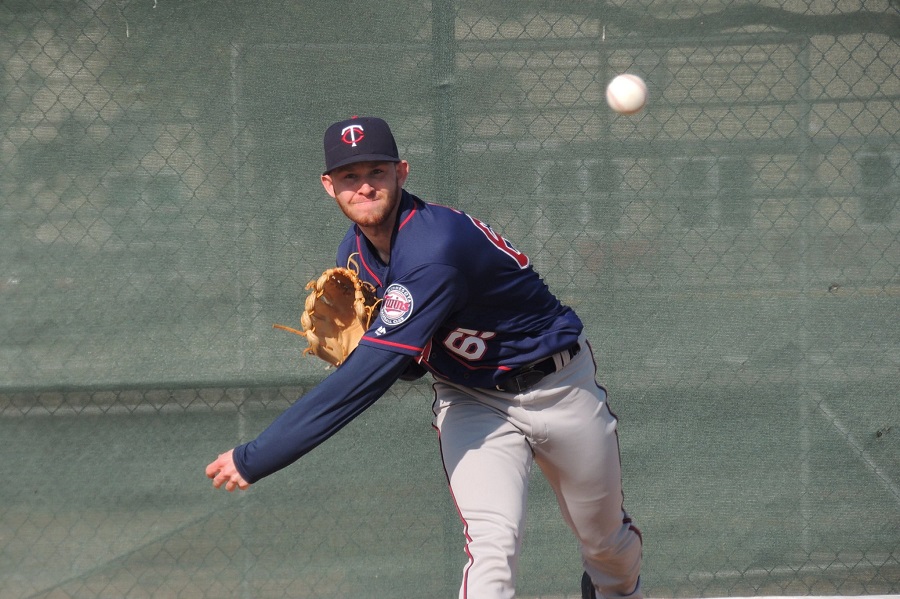 At the end of January, I wrote about the disappearance of the 200 inning starting pitcher. Managers have pulled starters earlier in games to use team's reliable bullpen arms. Batters are forced to adjust to a new pitcher with a different pitching repertoire. This can be one of the reasons for scoring decreasing across baseball. Trevor May was a player I hoped could become the Twins version of Andrew Miller. May and Miller both began their careers as starters before being shifted to the bullpen. Unfortunately, May underwent Tommy John surgery last week and he will miss all of the 2017 campaign. This was devastating news for a young player still looking to establish himself. With May out for the season, Jay has the potential to fill an even more important role in the organiztion. Miller and Jay have many things in common. Both pitchers attended college, throw left-handed, and were selected with the sixth pick in the draft. Miller, like Jay, is more comfortable in a relief pitcher role. The move also means Jay could make his way to Minnesota as soon as this summer. Jay's "more comfortable in the pen, his stuff plays up and it could put him on the fast track," said Brice Zimmerman, the former radio voice of the Fort Myers Miracle. Perhaps Minnesota's new baseball operations will utilize a more progressive approach to bullpen usage in the years to come. FanGraphs explains one part of the shift like this: A team's best pitcher is usually their closer but some teams and managers only use their closer in the ninth inning. What good does it do to leave your best relief arm in the bullpen? (Ask Orioles fans about Zach Britton use in last year's AL Wild Card game) If the opposition has the heart of their line-up coming up in the eighth inning of a one-run game, it makes sense to have your best pitching option on the mound to face their best hitters. Tyler Jay has the ability and skills to be a high-leverage pitcher. Fans can expect to see his fastball move back up into the mid-90s and his slider could end up being a devastating pitch. He ceiling could be very similar to what fans saw with Glen Perkins during his All-Star seasons. No one knows if he will be the next Andrew Miller but baseball is changing. Bullpens are evolving and Tyler Jay can still end up being one of the most important pieces of Minnesota's march back to respectability.

