



Cody Christie
-
Posts
7,515 -
Joined
-
Last visited
-
Days Won
5
Content Type
Profiles
News
Minnesota Twins Videos
2026 Minnesota Twins Top Prospects Ranking
2022 Minnesota Twins Draft Picks
Minnesota Twins Free Agent & Trade Rumors, Notes, & Tidbits
Guides & Resources
2023 Minnesota Twins Draft Picks
The Minnesota Twins Players Project
2024 Minnesota Twins Draft Picks
2025 Minnesota Twins Draft Pick Tracker
2026 Minnesota Twins Draft Tracker: Picks & Bonuses
Forums
Blogs
Events
Store
Downloads
Gallery
Everything posted by Cody Christie
-
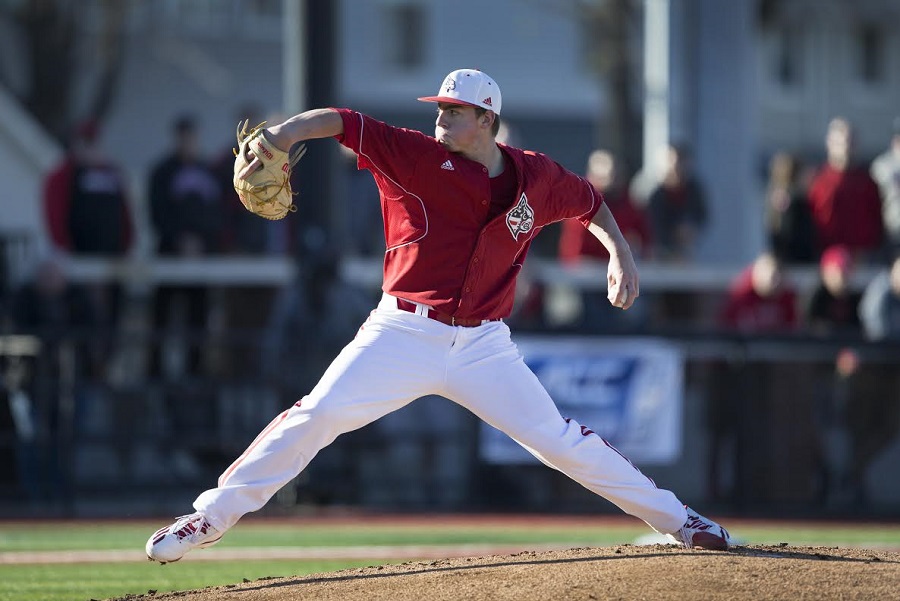 WHO IS HE? McKay is a left-handed pitcher and first baseman from the University of Louisville. He was originally drafted in the 34th round of the 2014 draft by the San Diego Padres. His commitment to Louisville was strong and that decision seems to have paid off. McKay is 6-2, 220 pounds and was born on December 18, 1995. WHY THE TWINS WILL DRAFT HIM McKay has been a legitimate two-way threat during his collegiate career. As a freshman, he hit .308/.418/.431. He followed that up by hitting .333/.415/.513 as a sophomore. On the mound, he was even more impressive. Over 97 innings during his first year, he posted a 1.77 ERA with a 117 to 34 strikeout to walk ratio. He avoided a sophomore slump with a 2.30 ERA and a 128 to 42 strikeout to walk ratio over 110 innings. During his junior campaign, McKay has made huge strides at the plate. He's combined for a 1.159 OPS and 17 home runs which is more homers than his first two seasons combined. On the mound, he ranks in the NCAA's top-10 for strikeouts despite having pitched fewer innings than all but one the other pitchers in the top-10. MLB.com columnist Jim Callis told USA Today that he doesn't believe there has been a prospect who was equally highly regarded as both a pitcher and a hitter as McKay since Dave Winfield out of the University of Minnesota in 1973. Winfield, a Minnesota native, went on to a Hall of Fame career as a hitter and that comparison could make the Twins want to pull the trigger on McKay. WHY THE TWINS WON'T DRAFT HIM As the season has stretched on, McKay has seen some wear and tear from playing on both sides of the ball. His fastball has dropped to 88-91 mph but he has also been working on adding a cut fastball. He hasn't been able to refine pitching or hitting since he has been spending time doing both. His velocity isn't overwhelming and it's not hard for big league teams to find a first baseman/DH who can hit for power. McKay's stock has definitely dropped as the spring has progressed. He doesn't have the athletic ability of some other top college picks from recent years like Kris Bryant or Dansby Swanson. If McKay's future is on the mound, there are better pitchers the Twins will look at before taking McKay. Baseball America also thinks McKay would be better suited to be part of a National League organization. This would allow him to continue to pitch and hit on a regular basis. Even with a slow end to his spring, McKay is still one of the first names Commissioner Manfred will announce on June 12. Will he be trading in a Cardinals jersey for new Twins digs? Other draft-related articles: Twins Daily Draft Preview Royce Lewis Pavin Smith 10-Round Mock Draft
 -
 He's played over 100 innings at second base for the first time in his career. Three of the errors are at second. He might still be learning some of the nuances of a different spot on the field. There are different angles to the ball and things like that. There have been questions about him sticking at short. The hope is he can stay there. Engelb Vielma is a stronger defender at short. A future infield with Vielma and Gordon up the middle could be fun to watch.
 -
You are correct, fine sir. After a little more research, I see the Miracle were down 0-2 before they scored late in the game.
-
I agree. If the pitcher makes the mistake, it should count against the pitcher in some capacity. I guess it could lead to them getting the "loss" but wins and losses are dumb. For example, look at Thorpe's numbers.
-
Thorpe's game logs 05/19/2017 4.0 IP, 2 H, 1 ER, 0 BB, 3 SO 05/25/2017 4.0 IP, 3 H, 1 ER, 2 BB, 6 SO (Loss) 05/31/2017 5.0 IP, 1 H, 0 ER, 2 BB, 7 SO (Loss) Not sure how he got the loss in the 5/25 game. He only allowed one earned run and then Williams Ramirez gave up an earned run in relief. Team lost 2-1. In the 5/31 game, the Miracle got shutout. The only run came after a throwing error by Thorpe on a pick-off attempt.
- 11 replies
-
- 1
-

-
- fernando romero
- travis blankenhorn
- (and 3 more)
-
It's hard to believe the calendar has already turned to June. Cedar Rapids and Fort Myers need to make runs at first half playoff spots in the weeks to come. Rochester and Chattanooga need to continue to fight for their own playoff positions even though their leagues don't hand out first half playoff spots. Would any teams be able to gain some separation on Sunday? Which players would shine? Read on to find out.RED WINGS REPORT Rochester 2, Norfolk 1 Box Score It took awhile for Rochester's offense to wake up in this contest. With the team trailing 1-0 late in the game, Tommy Field finally got things rolling. He started the seventh with a single and than moved to third on a JR Murphy single. Zack Granite came up with the go-ahead, a triple, to put Rochester on top by one. Adam Wilk started and allowed one earned run, a home run, on six hits over four innings. He struck out one and didn't walk a batter. Ryan Eades improved to 2-0 on the season as he tossed three shutout innings with four strikeouts and one walk. His season ERA dropped to 1.13. Ryan Pressly picked up his first save, a two-inning affair, as he only allowed two base runners. CHATTANOOGA CHATTER Chattanooga 6, Jackson 5 Box Score Chattanooga jumped out to any early 3-0 lead in the first inning. Three of the first four batters reached without recording a hit as Jackson committed an error, walked a batter and hit a batter. Dan Gamache took advantage with a one-out single to plate a pair of runs. Levi Michael capped the inning with a run-scoring single as things were looking good for the Lookouts. Top pitching prospect Fernando Romero pitched seven innings and saw five runs scored while he was on the mound. Lucky for him, only two of the runs were earned as he struck out eight and didn't allow a walk. Nick Gordon and Gamache each had an error in the fourth which allowed three unearned runs to score. Luke Bard and Mason Melotakis combined to allow one base runner over the final two frames. Bard struck out the side in the eighth. Trailing by one in the bottom of the ninth, LaMonte Wade and Travis Harrison started the inning with doubles. Gamache was intentionally walked before Levi Michael advanced the runners with a bunt. Ryan Walker played the hero as he doubled in the winning run. MIRACLE MATTERS Fort Myers 0, Palm Beach 5 Box Score It's tough to win many games when a team is limited to three hits. Fort Myers was shut out on Sunday. Zander Wiel, Tanner English and Trey Vavra all went 1-for-3 as English and Vavra both collected doubles. The Miracle didn't collect a walk in the game and only one batter stepped into the plate with a runner in scoring position. Lachlan Wells lost two full count battles in the bottom of the first before giving up a three-run home run. He went five innings, allowing four earned runs on five hits with three strikeouts and two walks. Tom Hackimer pitched two scoreless innings with a couple of strikeouts. Sam Clay finished the game with a scoreless eighth. KERNELS NUGGETS Cedar Rapids 11, Burlington 6 Box Score The Kernels exploded for five runs in the second inning and they still needed a four-run eighth frame to separate themselves from the Bees. All of the Kernels second inning damage came with two outs. Caleb Hamilton and Christian Cavaness walked before a Brandon Lopez triple brought them home. Aaron Whitefield walked and stole second in front of a two-run single from Travis Blankenhorn. Jarmaine Palacios capped the inning with a run-scoring double. Hamilton played a key role later in the game as his two-run homer helped to separate Cedar Rapids. A couple of batters later, Travis Blankenhorm popped his sixth home run of the season to bust open the game. Blankenhorn finished with three hits and four RBI. On the defensive side of the ball, Cavaness threw out a runner at home in the seventh to keep the Kernels up one. Eduardo Del Rosario didn't have his best stuff but he was able to earn his fifth win. He struck out one and walked two while allowing four earned runs over five innings. Zack Tillery struggled a little as well. He walked three batters and saw a run scored without giving up a hit. Logan Lombana pitched 1.1 innings and gave up one earned run on three hits. Ryan Mason pitched two shutout innings to close out the game. TWINS DAILY PLAYERS OF THE DAY Pitcher of the Day – Fernando Romero, Chattanooga Lookouts (7 IP, 2 ER, 8 K, 0 BB) Hitter of the Day – Travis Blankenhorn, Cedar Rapids Kernels (3-for-5, HR, 4 RBI, 2 R) MONDAY’S PROBABLE STARTERS Rochester vs. Scanton/WB (6:05 CST) - TBD Chattanooga vs. Jackson (6:15 CST) - LHP Stephen Gonsalves (0-2, 3.18 ERA) Fort Myers @ Palm Beach (5:30 CST) - LHP Lewis Thorpe (0-2, 1.38 ERA) Cedar Rapids - Scheduled Off-Day Please feel free to ask any questions and discuss Sunday’s games. Click here to view the article
- 11 replies
-
- 1
-
-
- fernando romero
- travis blankenhorn
- (and 3 more)
-
Twins Minor League Report (6/4): Blankenhorn Blasts, Romero Romps
Cody Christie posted an article in Minor Leagues
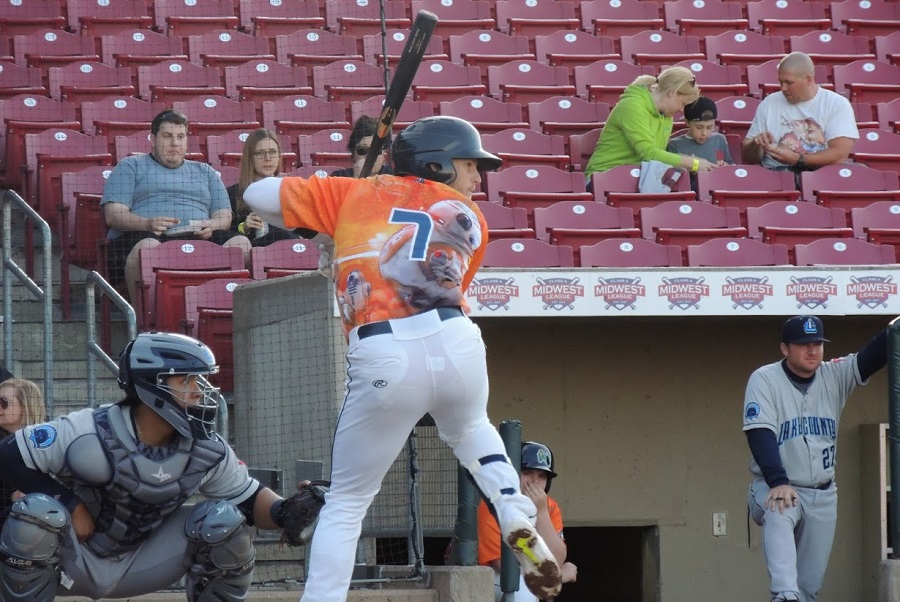 RED WINGS REPORT Rochester 2, Norfolk 1 Box Score It took awhile for Rochester's offense to wake up in this contest. With the team trailing 1-0 late in the game, Tommy Field finally got things rolling. He started the seventh with a single and than moved to third on a JR Murphy single. Zack Granite came up with the go-ahead, a triple, to put Rochester on top by one. Adam Wilk started and allowed one earned run, a home run, on six hits over four innings. He struck out one and didn't walk a batter. Ryan Eades improved to 2-0 on the season as he tossed three shutout innings with four strikeouts and one walk. His season ERA dropped to 1.13. Ryan Pressly picked up his first save, a two-inning affair, as he only allowed two base runners. CHATTANOOGA CHATTER Chattanooga 6, Jackson 5 Box Score Chattanooga jumped out to any early 3-0 lead in the first inning. Three of the first four batters reached without recording a hit as Jackson committed an error, walked a batter and hit a batter. Dan Gamache took advantage with a one-out single to plate a pair of runs. Levi Michael capped the inning with a run-scoring single as things were looking good for the Lookouts. Top pitching prospect Fernando Romero pitched seven innings and saw five runs scored while he was on the mound. Lucky for him, only two of the runs were earned as he struck out eight and didn't allow a walk. Nick Gordon and Gamache each had an error in the fourth which allowed three unearned runs to score. Luke Bard and Mason Melotakis combined to allow one base runner over the final two frames. Bard struck out the side in the eighth. Trailing by one in the bottom of the ninth, LaMonte Wade and Travis Harrison started the inning with doubles. Gamache was intentionally walked before Levi Michael advanced the runners with a bunt. Ryan Walker played the hero as he doubled in the winning run. MIRACLE MATTERS Fort Myers 0, Palm Beach 5 Box Score It's tough to win many games when a team is limited to three hits. Fort Myers was shut out on Sunday. Zander Wiel, Tanner English and Trey Vavra all went 1-for-3 as English and Vavra both collected doubles. The Miracle didn't collect a walk in the game and only one batter stepped into the plate with a runner in scoring position. Lachlan Wells lost two full count battles in the bottom of the first before giving up a three-run home run. He went five innings, allowing four earned runs on five hits with three strikeouts and two walks. Tom Hackimer pitched two scoreless innings with a couple of strikeouts. Sam Clay finished the game with a scoreless eighth. KERNELS NUGGETS Cedar Rapids 11, Burlington 6 Box Score The Kernels exploded for five runs in the second inning and they still needed a four-run eighth frame to separate themselves from the Bees. All of the Kernels second inning damage came with two outs. Caleb Hamilton and Christian Cavaness walked before a Brandon Lopez triple brought them home. Aaron Whitefield walked and stole second in front of a two-run single from Travis Blankenhorn. Jarmaine Palacios capped the inning with a run-scoring double. Hamilton played a key role later in the game as his two-run homer helped to separate Cedar Rapids. A couple of batters later, Travis Blankenhorm popped his sixth home run of the season to bust open the game. Blankenhorn finished with three hits and four RBI. On the defensive side of the ball, Cavaness threw out a runner at home in the seventh to keep the Kernels up one. Eduardo Del Rosario didn't have his best stuff but he was able to earn his fifth win. He struck out one and walked two while allowing four earned runs over five innings. Zack Tillery struggled a little as well. He walked three batters and saw a run scored without giving up a hit. Logan Lombana pitched 1.1 innings and gave up one earned run on three hits. Ryan Mason pitched two shutout innings to close out the game. TWINS DAILY PLAYERS OF THE DAY Pitcher of the Day – Fernando Romero, Chattanooga Lookouts (7 IP, 2 ER, 8 K, 0 BB) Hitter of the Day – Travis Blankenhorn, Cedar Rapids Kernels (3-for-5, HR, 4 RBI, 2 R) MONDAY’S PROBABLE STARTERS Rochester vs. Scanton/WB (6:05 CST) - TBD Chattanooga vs. Jackson (6:15 CST) - LHP Stephen Gonsalves (0-2, 3.18 ERA) Fort Myers @ Palm Beach (5:30 CST) - LHP Lewis Thorpe (0-2, 1.38 ERA) Cedar Rapids - Scheduled Off-Day Please feel free to ask any questions and discuss Sunday’s games.
 -
As the season began, I asked an important question, "How Much Can Minnesota's Defense Improve?" The Twins have answered that question loud and clear. While their offense and pitching staff are putting together similar numbers, the club's defense has been elite so far this year. One of the biggest reasons the team is near the top of the Central Division is because of this defensive shift. Three players have been key figures in the Twins's defensive turnaround. While each player has a different skill set, all three have made improvements and each ranks as one of the best defenders at his position.Byron Buxton, CF Buxton was known for his defensive wizardry while moving through the prospect rankings. While his bat still hasn't lived up to the hype, he might be the best defensive center fielder in baseball. Fans might feel like this is a stretch but baseball's new defensive metrics help to make the case in regards to Buxton. This spring MLB Advanced Media introduced a new Statcast metric called Catch Probability, which measures how likely a fielder is to catch a given ball in play based on its distance and hang time. Buxton leads MLB in "four-star outs" as he has gone 10-for-11 in those opportunities.Four-star opportunities have a 26-50% chance of being caught. No other player has more than eight four-star plays. There have been some scary moments with Buxton crashing into walls to make some tremendous plays. He was also injured multiple times in the minor leagues while making diving plays. One has to wonder if Buxton's all-out attitude will catch up with him after seeing the career of Ken Griffey Jr shortened because of injury. Joe Mauer, 1B Some fans might scoff at the idea of Mauer as an elite defensive player. I mean... How much can a first baseman really improve your defense? Isn't that where team's hide their overweight, power-hitting bats. In previous eras this might be the case but fans ought consider the entire picture when it comes to Mauer. Minnesota has inexperienced players on the left-side of the infield. Miguel Sano and Jorge Polanco have some defensive flaws and Mauer's athleticism at first has helped to alleviate some of their growing pains. According to FanGraphs' Ultimate Zone Rating, Mauer is 2.4 runs better than the average first baseman. That mark is highest in the AL while Brandon Belt and Joey Votto are the lone NL starters with a higher total. Twins Manager Paul Molitor, a former infielder has taken notice. "You're supposed to be able to pick the ball out of the dirt, but I don't think he's missed one," he told the Star Tribune. "Even some ones that have been really tough --- they throw with side spin, they hit the cut of grass, they skim low, they skim high, and he just seems to be able to corral those throws. Max Kepler, RF While Buxton gets much of the praise for the outfield, Kepler has been quietly among baseball's best outfield defenders. Buxton ranks sixth among AL outfielders in defensive runs saved and Kepler is eighth. Only two AL teams (Seattle and Boston) have teammates who combine to rank higher than the Twins duo of Kepler and Buxton. Like Buxton, Kepler has made some strong defensive plays. When it comes to catch probability, Kepler has made five "3-star outs" which have a 51-75% chance of being caught. This ties Buxton for the team lead and only 12 MLB players have made more "3-star outs." Kepler and Buxton have helped the Twins pitching staff compared to last year's outfielders. During the 2016 campaign, Minnesota ranked 28th in defensive efficiency on fly balls and 29th in defensive efficiency on line drives. With their defensive upgrades, the Twins now rank in the top five in each of these categories. Minnesota's bats might go cold and their pitching staff is still a mystery. Even when these things obtain, the Twins can rely on their newly revamped defensive prowess. How much can Minnesota's defense improve? Right now, the sky is the limit. What other players would you add in with this trio? Leave a COMMENT and start the discussion. Click here to view the article
-
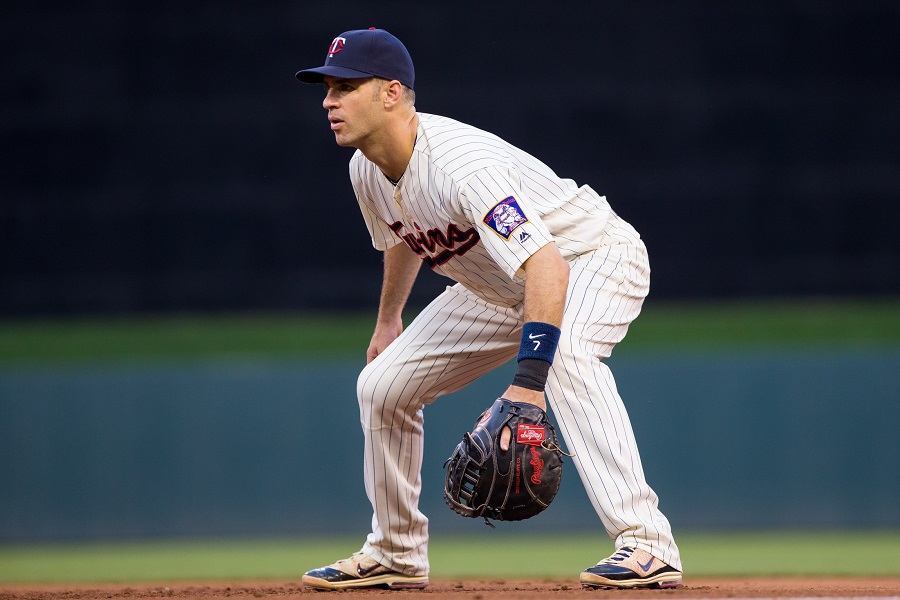 Byron Buxton, CF Buxton was known for his defensive wizardry while moving through the prospect rankings. While his bat still hasn't lived up to the hype, he might be the best defensive center fielder in baseball. Fans might feel like this is a stretch but baseball's new defensive metrics help to make the case in regards to Buxton. This spring MLB Advanced Media introduced a new Statcast metric called Catch Probability, which measures how likely a fielder is to catch a given ball in play based on its distance and hang time. Buxton leads MLB in "four-star outs" as he has gone 10-for-11 in those opportunities. Four-star opportunities have a 26-50% chance of being caught. No other player has more than eight four-star plays. There have been some scary moments with Buxton crashing into walls to make some tremendous plays. He was also injured multiple times in the minor leagues while making diving plays. One has to wonder if Buxton's all-out attitude will catch up with him after seeing the career of Ken Griffey Jr shortened because of injury. Joe Mauer, 1B Some fans might scoff at the idea of Mauer as an elite defensive player. I mean... How much can a first baseman really improve your defense? Isn't that where team's hide their overweight, power-hitting bats. In previous eras this might be the case but fans ought consider the entire picture when it comes to Mauer. Minnesota has inexperienced players on the left-side of the infield. Miguel Sano and Jorge Polanco have some defensive flaws and Mauer's athleticism at first has helped to alleviate some of their growing pains. According to FanGraphs' Ultimate Zone Rating, Mauer is 2.4 runs better than the average first baseman. That mark is highest in the AL while Brandon Belt and Joey Votto are the lone NL starters with a higher total. Twins Manager Paul Molitor, a former infielder has taken notice. "You're supposed to be able to pick the ball out of the dirt, but I don't think he's missed one," he told the Star Tribune. "Even some ones that have been really tough --- they throw with side spin, they hit the cut of grass, they skim low, they skim high, and he just seems to be able to corral those throws. Max Kepler, RF While Buxton gets much of the praise for the outfield, Kepler has been quietly among baseball's best outfield defenders. Buxton ranks sixth among AL outfielders in defensive runs saved and Kepler is eighth. Only two AL teams (Seattle and Boston) have teammates who combine to rank higher than the Twins duo of Kepler and Buxton. Like Buxton, Kepler has made some strong defensive plays. When it comes to catch probability, Kepler has made five "3-star outs" which have a 51-75% chance of being caught. This ties Buxton for the team lead and only 12 MLB players have made more "3-star outs." Kepler and Buxton have helped the Twins pitching staff compared to last year's outfielders. During the 2016 campaign, Minnesota ranked 28th in defensive efficiency on fly balls and 29th in defensive efficiency on line drives. With their defensive upgrades, the Twins now rank in the top five in each of these categories. Minnesota's bats might go cold and their pitching staff is still a mystery. Even when these things obtain, the Twins can rely on their newly revamped defensive prowess. How much can Minnesota's defense improve? Right now, the sky is the limit. What other players would you add in with this trio? Leave a COMMENT and start the discussion.
 -
While the Twins were in the midst of the longest game in Target Field history, the Twins minor leagues were in the middle of a busy day. Only two teams have games on Memorial Day so Sunday became a critical day as multiple affiliates float around the .500 mark. What teams could shine? What players would struggle? Who would help their team to win? Read on to find out.RED WINGS REPORT Rochester 1, Indianapolis 2 Box Score Only three Red Wings batters were able to collect hits as the team was held to four total hits. Niko Goodrum had the team's lone extra-base hit as he came around to score on a Tommy Field single. Field led the team with a 2-for-3 effort. Leonardo Reginatto went 1-for-3. David Hurlbut started and made it through five frames. He allowed two earned runs on six hits with a strikeout and a walk. It was his third loss of the season and he hasn't allowed more than two earned runs in any of those decisions. Alan Busenitz and Alex Wimmers kept the game close for Rochester. Busenitz pitched two scoreless innings by allowing only a pair of singles. The final two innings from Wimmers were perfect and he struck out one. The loss drops the team to one game under .500. Rochester has gone 4-6 over the last ten games as the club sits 9.5 games out of first place in the International League North Division. CHATTANOOGA CHATTER Chattanooga 9, Montgomery 2 Box Score Chattanooa powered past Montgomery with a pair of four-run innings. In the bottom of the second inning Travis Harrison and Dan Gamache led off the inning with doubles. With two outs in the frame, Dan Rohlfing walked before a trio of singles. Ryan Walker, Nick Gordon and Levi Michael joined the hit parade and pushed the lead to 4-0. In the bottom of the third, TJ White walked with two outs. Kevin Garcia and Dan Rohlfing singled to score another run. Walker came up with the biggest hit of the inning, a three-run home run. When the dust cleared, the Lookouts held an 8-0 lead. Felix Jorge improved to 5-1 on the season. Over seven shutout innings, he limited the Biscuits to five hits while striking out one and walking one. Raul Fernandez allowed two earned runs on three hits over the final two frames. He struck out one and didn't have a walk. MIRACLE MATTERS Fort Myers 1, Charlotte 6 Box Score Fort Myers jumped out to an early first inning lead. Bradley Strong reached base on a throwing error and than stole second. Chris Paul cracked a ground-rule double which would score Strong. The Miracle offense went cold from there as the team was shut out the rest of the way. They finished 2-for-10 with runners in scoring position and left 10 men on base. Paul reached base three times in the game while Max Murphy and Strong both collected doubles. David Fischer took the loss for the Miracle even though he limited the Stone Crabs to two runs on four hits. He pitched five innings while striking out four and walking two. Williams Ramirez had a rough inning as he walked three batters and allowed a pair of runs. Sam Clay and Alex Muren both allowed a run in their inning of work with each pitcher collecting a strikeout. With the loss, the Miracle fall one game below .500. They currently sit 4.5 games out of first place in the Florida State League South Division. KERNELS NUGGETS Cedar Rapids 5, Kane County 2 (10 Innings) Box Score Cedar Rapids seemed to be off to a good start. Lewin Diaz singled in front of a Jaylin Davis double to get an early 1-0 lead. Kane County quickly countered to take a 2-1 lead in the bottom half of the frame. Cedar Rapids was quiet until the fifth inning when Caleb Hamilton led off the inning with a single. Aaron Whitefield drove him in with a double to tie the game. The Kernels finally found a way to get back on the board in extra innings. Travis Blankenhorn was hit by a pitch and advanced to second on a balk. Kane County's manager didn't like the call and he was ejected from the game. With two outs, the Cougars walked the bases loaded. Aaron Whitefield was hit by a pitch to drive in a run. Ariel Montesino singled to drive in two more. Domenick Carlini kept the game close for the Kernels. He allowed two earned runs on four hits. He struck out two and walked one. Colton Davis and Alex Robinson combined for three shutout innings. Tom Hackimer picked up his third win after two shutout innings allowing one base runner and he struck out three. He has not been tagged for an earned run in his last 21.0 IP. TWINS DAILY PLAYERS OF THE DAY Pitcher of the Day – Felix Jorge, Chattanooga Lookouts (7 IP, 0 ER, 5 H) Hitter of the Day – Ryan Walker, Chattanooga Lookouts (2-for-3, HR, 3 RBI, 2 R, BB) MONDAY’S PROBABLE STARTERS Rochester vs. Indianapolis (12:35 CST) - LHP Jason Wheeler (4-1, 4.50 ERA Chattanooga - Scheduled Off Day Fort Myers - Scheduled Off Day Cedar Rapids @ Kane County (1:00 CST)- RHP Clark Beeker (5-2, 2.61 ERA) Please feel free to ask any questions and discuss Sunday’s games. Click here to view the article
- 3 replies
-
- 1
-
-
- felix jorge
- ryan walker
- (and 3 more)
-
Twins Minor League Report (5/28): Jorge, Today Is Your Day!
Cody Christie posted an article in Minor Leagues
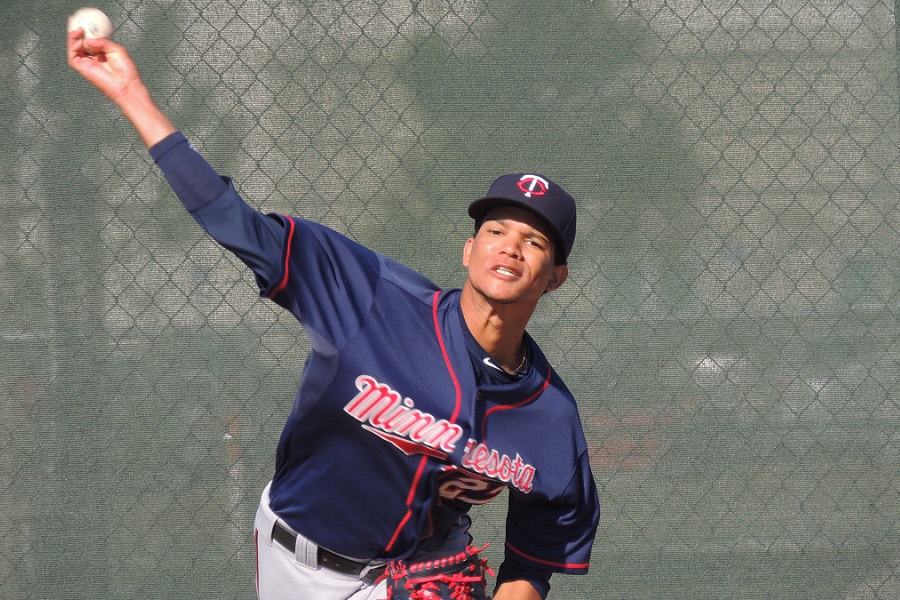 RED WINGS REPORT Rochester 1, Indianapolis 2 Box Score Only three Red Wings batters were able to collect hits as the team was held to four total hits. Niko Goodrum had the team's lone extra-base hit as he came around to score on a Tommy Field single. Field led the team with a 2-for-3 effort. Leonardo Reginatto went 1-for-3. David Hurlbut started and made it through five frames. He allowed two earned runs on six hits with a strikeout and a walk. It was his third loss of the season and he hasn't allowed more than two earned runs in any of those decisions. Alan Busenitz and Alex Wimmers kept the game close for Rochester. Busenitz pitched two scoreless innings by allowing only a pair of singles. The final two innings from Wimmers were perfect and he struck out one. The loss drops the team to one game under .500. Rochester has gone 4-6 over the last ten games as the club sits 9.5 games out of first place in the International League North Division. CHATTANOOGA CHATTER Chattanooga 9, Montgomery 2 Box Score Chattanooa powered past Montgomery with a pair of four-run innings. In the bottom of the second inning Travis Harrison and Dan Gamache led off the inning with doubles. With two outs in the frame, Dan Rohlfing walked before a trio of singles. Ryan Walker, Nick Gordon and Levi Michael joined the hit parade and pushed the lead to 4-0. In the bottom of the third, TJ White walked with two outs. Kevin Garcia and Dan Rohlfing singled to score another run. Walker came up with the biggest hit of the inning, a three-run home run. When the dust cleared, the Lookouts held an 8-0 lead. Felix Jorge improved to 5-1 on the season. Over seven shutout innings, he limited the Biscuits to five hits while striking out one and walking one. Raul Fernandez allowed two earned runs on three hits over the final two frames. He struck out one and didn't have a walk. MIRACLE MATTERS Fort Myers 1, Charlotte 6 Box Score Fort Myers jumped out to an early first inning lead. Bradley Strong reached base on a throwing error and than stole second. Chris Paul cracked a ground-rule double which would score Strong. The Miracle offense went cold from there as the team was shut out the rest of the way. They finished 2-for-10 with runners in scoring position and left 10 men on base. Paul reached base three times in the game while Max Murphy and Strong both collected doubles. David Fischer took the loss for the Miracle even though he limited the Stone Crabs to two runs on four hits. He pitched five innings while striking out four and walking two. Williams Ramirez had a rough inning as he walked three batters and allowed a pair of runs. Sam Clay and Alex Muren both allowed a run in their inning of work with each pitcher collecting a strikeout. With the loss, the Miracle fall one game below .500. They currently sit 4.5 games out of first place in the Florida State League South Division. KERNELS NUGGETS Cedar Rapids 5, Kane County 2 (10 Innings) Box Score Cedar Rapids seemed to be off to a good start. Lewin Diaz singled in front of a Jaylin Davis double to get an early 1-0 lead. Kane County quickly countered to take a 2-1 lead in the bottom half of the frame. Cedar Rapids was quiet until the fifth inning when Caleb Hamilton led off the inning with a single. Aaron Whitefield drove him in with a double to tie the game. The Kernels finally found a way to get back on the board in extra innings. Travis Blankenhorn was hit by a pitch and advanced to second on a balk. Kane County's manager didn't like the call and he was ejected from the game. With two outs, the Cougars walked the bases loaded. Aaron Whitefield was hit by a pitch to drive in a run. Ariel Montesino singled to drive in two more. Domenick Carlini kept the game close for the Kernels. He allowed two earned runs on four hits. He struck out two and walked one. Colton Davis and Alex Robinson combined for three shutout innings. Tom Hackimer picked up his third win after two shutout innings allowing one base runner and he struck out three. He has not been tagged for an earned run in his last 21.0 IP. TWINS DAILY PLAYERS OF THE DAY Pitcher of the Day – Felix Jorge, Chattanooga Lookouts (7 IP, 0 ER, 5 H) Hitter of the Day – Ryan Walker, Chattanooga Lookouts (2-for-3, HR, 3 RBI, 2 R, BB) MONDAY’S PROBABLE STARTERS Rochester vs. Indianapolis (12:35 CST) - LHP Jason Wheeler (4-1, 4.50 ERA Chattanooga - Scheduled Off Day Fort Myers - Scheduled Off Day Cedar Rapids @ Kane County (1:00 CST)- RHP Clark Beeker (5-2, 2.61 ERA) Please feel free to ask any questions and discuss Sunday’s games.
 -
It's hard to believe but baseball has already passed the quarter-mark of the season. What might be even harder for Twins fans to believe is that Minnesota finds themselves in contention. This is a welcome surprise after a tough to watch 2016 season. There will be some questions facing the Twins in the weeks ahead as there will be plenty of tough decisions left to be made. The future of the franchise could tilt with the first overall pick. However, that player likely won't be making his Target Field debut in 2017. So what other questions will the new front office have to answer?Were the 2016 Twins a fluke? Things certainly couldn't have gone much worse for the Twins in 2016. Following a 2015 seasons where Minnesota was in contention until the final weekend, the wheels came off. Young players like Byron Buxton, Miguel Sano and Jose Berrios struggled to make adjustments at baseball's highest level. Even with those players struggling, the Twins' pitching was their most noticeable flaw. Only Arizona could match the Twins' 5.09 team ERA and Minnesota had the third worst WAR total from their pitchers. The 2017 version of the Twins look much more comparable to the 2015 squad. Sano has been a dominant force at the plate. Buxton might be the best defensive center fielder in baseball. Ervin Santana might be developing into an ace. Even Berrios has looked like a completely new pitcher. It's hard to know if it will last but it's been a fun ride so far. What can the Twins do to improve their bullpen? Brandon Kintzler has been effective so far by converting 11 of his first 12 save opportunities. The Twins were able to pick up the win in his only blown save of the season but it still seems like the team is playing with fire. Besides Kintzler, Tyler Duffey and Matt Belisle have tossed the most innings. Only veteran Craig Breslow and Tyler Duffey have ERA's under 3.00. Rochester doesn't exactly have a plethora of top-tier relief pitching options. At the end of the last two seasons, Trevor Hildenberger has been named the Twins Daily Minor League Relief Pitcher of the Year. He has a 3.07 ERA and a 16 to 6 strikeout to walk ratio in 12 appearances. Other 40-man options include Buddy Boshers, Drew Rucinski, and Nick Tepesch but none of these guys are breaking down the door to the big leagues. Can the Twins contend in an wide-open AL Central? Many national sports outlets expected Cleveland, the defending AL Central champs, to run away with the division. Cleveland's best pitcher, Corey Kluber, is on the disabled list and they've played below .500 at home. The rest of the division also has plenty of questions. Chicago is in the midst of a rebuild. Kansas City's offense has struggled to start the year. Detroit seems to have pitching struggles every year. The Twins have started 15-11 in the division which has been bolstered by a 7-1 record versus the Royals. Minnesota has 2-4 record against the Tigers and the Indians. If the Twins want to contend in the division, the club will need to improve against the teams in the division. Are there any prospects fans can expect to see? With things going well in Minnesota, it's hard to know when the team will need to dig into the minors for some extra help. An injury to an everyday player or a slumping bat could signal the start to any of these player's big league career. Zach Granite was the organization's minor league player of the year and he is already at Triple-A. It's quite possible for Granite to follow in Brian Dozier's footsteps. Infielders Engelb Vielma and Nick Gordon have a chance to debut this season as well. Vielma was recently promoted to Rochester and he is the best defensive infielder in the organization. Gordon, a former first-round pick, is off to a hot start with his bat which could lead to a September call-up. Will the Twins be buyers or sellers at the trade deadline? With a new front office and a team surprisingly in contention, July could become an interesting month. No one expected the Twins to contend but the new regime will need to add some pieces if they are serious about making a playoff run. There are holes in the bullpen and the team has been rotating through starters in the rotation. Falvey and Levine shouldn't mortgage the farm but some extra pieces will be needed for the stretch run. What questions do you think the Twins need to answer in the weeks ahead? Leave a COMMENT and start the discussion. Click here to view the article
- 44 replies
-
- 2
-
-
- ervin santana
- byron buxton
- (and 3 more)
-
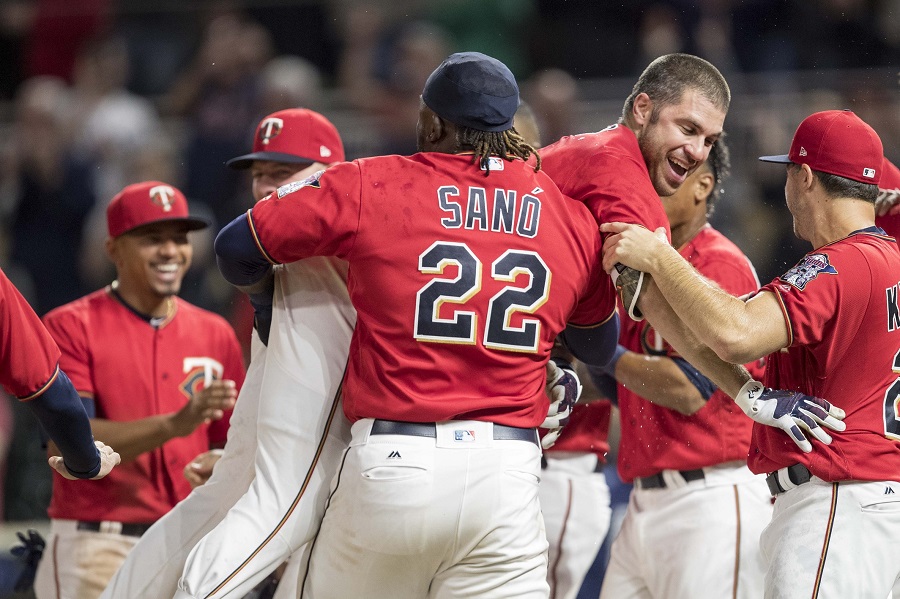 Were the 2016 Twins a fluke? Things certainly couldn't have gone much worse for the Twins in 2016. Following a 2015 seasons where Minnesota was in contention until the final weekend, the wheels came off. Young players like Byron Buxton, Miguel Sano and Jose Berrios struggled to make adjustments at baseball's highest level. Even with those players struggling, the Twins' pitching was their most noticeable flaw. Only Arizona could match the Twins' 5.09 team ERA and Minnesota had the third worst WAR total from their pitchers. The 2017 version of the Twins look much more comparable to the 2015 squad. Sano has been a dominant force at the plate. Buxton might be the best defensive center fielder in baseball. Ervin Santana might be developing into an ace. Even Berrios has looked like a completely new pitcher. It's hard to know if it will last but it's been a fun ride so far. What can the Twins do to improve their bullpen? Brandon Kintzler has been effective so far by converting 11 of his first 12 save opportunities. The Twins were able to pick up the win in his only blown save of the season but it still seems like the team is playing with fire. Besides Kintzler, Tyler Duffey and Matt Belisle have tossed the most innings. Only veteran Craig Breslow and Tyler Duffey have ERA's under 3.00. Rochester doesn't exactly have a plethora of top-tier relief pitching options. At the end of the last two seasons, Trevor Hildenberger has been named the Twins Daily Minor League Relief Pitcher of the Year. He has a 3.07 ERA and a 16 to 6 strikeout to walk ratio in 12 appearances. Other 40-man options include Buddy Boshers, Drew Rucinski, and Nick Tepesch but none of these guys are breaking down the door to the big leagues. Can the Twins contend in an wide-open AL Central? Many national sports outlets expected Cleveland, the defending AL Central champs, to run away with the division. Cleveland's best pitcher, Corey Kluber, is on the disabled list and they've played below .500 at home. The rest of the division also has plenty of questions. Chicago is in the midst of a rebuild. Kansas City's offense has struggled to start the year. Detroit seems to have pitching struggles every year. The Twins have started 15-11 in the division which has been bolstered by a 7-1 record versus the Royals. Minnesota has 2-4 record against the Tigers and the Indians. If the Twins want to contend in the division, the club will need to improve against the teams in the division. Are there any prospects fans can expect to see? With things going well in Minnesota, it's hard to know when the team will need to dig into the minors for some extra help. An injury to an everyday player or a slumping bat could signal the start to any of these player's big league career. Zach Granite was the organization's minor league player of the year and he is already at Triple-A. It's quite possible for Granite to follow in Brian Dozier's footsteps. Infielders Engelb Vielma and Nick Gordon have a chance to debut this season as well. Vielma was recently promoted to Rochester and he is the best defensive infielder in the organization. Gordon, a former first-round pick, is off to a hot start with his bat which could lead to a September call-up. Will the Twins be buyers or sellers at the trade deadline? With a new front office and a team surprisingly in contention, July could become an interesting month. No one expected the Twins to contend but the new regime will need to add some pieces if they are serious about making a playoff run. There are holes in the bullpen and the team has been rotating through starters in the rotation. Falvey and Levine shouldn't mortgage the farm but some extra pieces will be needed for the stretch run. What questions do you think the Twins need to answer in the weeks ahead? Leave a COMMENT and start the discussion.
 -
MLB's 2017 draft is a little over two weeks away. Minnesota has known they have the first overall pick since last fall and the new regime will be doing their due diligence as draft day approaches. With Derek Falvey and Thad Levine overseeing their first draft, there is a lot of pressure for the club to make the right pick. The Twins have narrowed their list to a handful of players but it seems more likely that the club will be picking from a trio that includes college players Brenden McKay and Kyle Wright and two-way high school player Hunter Greene. McKay and Wright might be the safer picks because of their collegiate experience. Greene could be a once in a generation player on the mound. At this point, it seems more likely for the Twins to select one of the safer college options. This leaves Greene, a player Sports Illustrated called "the star baseball needs," still on the board. Will passing on Greene haunt the Twins in the years to come?Taking A Chance There has never been a right-handed high school pitcher taken with the first overall pick. Greene could become the first but there are so many factors that come into developing a high school arm. He is a raw product whose edges would need to be refined over the next 4-5 seasons in the Twins farm system. Organizationally, the Twins haven't had the best track record when it comes to developing pitchers. Kohl Stewart and Tyler Jay have both been taken with high first round picks since 2013. Jay was supposed to develop into a top flight starter but the Twins have already moved him to the bullpen. Stewart has shown flashes of being strong but his ERA is north of 5.00 at Double-A. One of the reasons Falvey was hired by the Twins was to revamp the pitching staff. "He made it his, probably his passion, to understand pitching and the delivery," Indians manager Terry Francona told the Star Tribune."We go to him a lot with questions. If he doesn't have the answer, he'll go find it." When asked if there was a temptation of taking Greene, Falvey said, "We want to line it up and take the best player that has the best possibility to affect us long term, and sometimes that will be a high school player and sometimes it will be a college player." Falvey could want the challenge of developing Greene or he might have seen enough of him this spring to know that taking a chance isn't the right move. West Coast Kid Greene has grown up and played almost exclusively on the West Coast. With the Padres sitting with the number three pick, rumors have been swirling about Greene wanting to stay close to home. Baseball America reported,"The rumors of he and his family attempting to maneuver his way to the No. 3 pick with the Padres are a poorly kept secret." Baseball America also stated, "The Padres' throwing program is more in line with Greene's program." Every young kid is going to want play near his friends and family. The weather in southern California would be a little more pleasant than the in the upper midwest. He'd also be part of a National League organization where he'd still have the opportunity to bat on a regular basis. If Greene's family really doesn't want him playing in Minnesota, they could pressure the Twins with some high demands that might persuade the club into taking a college option. Weighing The Cost Because the Twins have the first pick and other high picks, they have the largest bonus pool in the draft. The Twins' top draft slot is set at $7,770,700 which is roughly $1.25 million less than what the Philles were slotted for with the top pick in last year's draft. Baseball switched over to the current slotting rules five years ago. Dansby Swanson has been the only top pick to receive the highest signing bonus. In 2012, the Twins gave out the highest bonus to Byron Buxton after the Astros worked a deal with Carlos Correa. Houston was able to use the savings to take Lance McCullers and Rio Ruiz with some of their other early picks. Since he is a high school player, Greene is going to want the highest bonus in the draft. Minnesota could do something similar to what Houston did in 2012. By signing McKay or Wright to a smaller bonus than Greene, the Twins could use that savings to go over slot on the 35th and 37th picks. However, the Twins might believe Greene is the best available player and take him no matter the cost. What are your feelings as the draft moves closer? Is Greene going to haunt the Twins? Leave a COMMENT and start the discussion. Click here to view the article
-
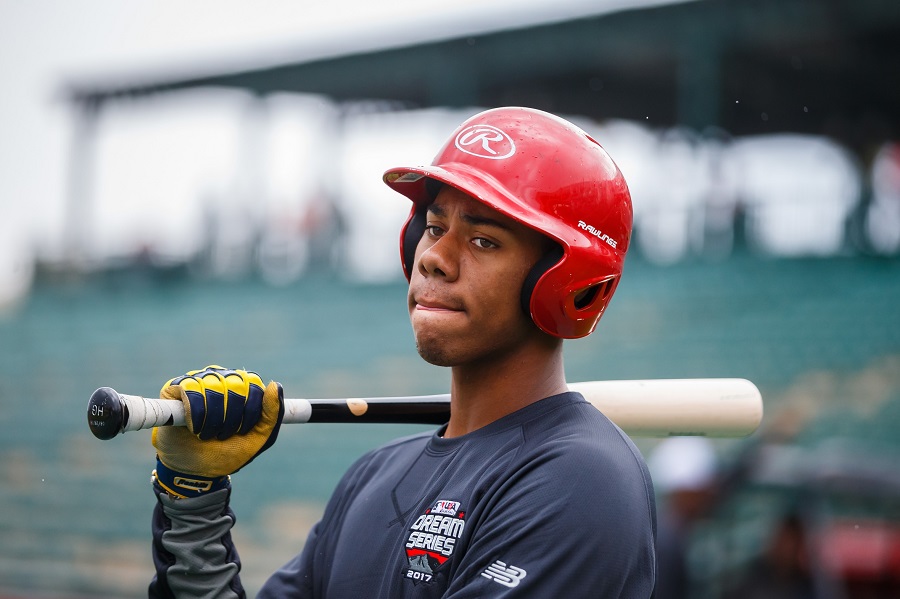 Taking A Chance There has never been a right-handed high school pitcher taken with the first overall pick. Greene could become the first but there are so many factors that come into developing a high school arm. He is a raw product whose edges would need to be refined over the next 4-5 seasons in the Twins farm system. Organizationally, the Twins haven't had the best track record when it comes to developing pitchers. Kohl Stewart and Tyler Jay have both been taken with high first round picks since 2013. Jay was supposed to develop into a top flight starter but the Twins have already moved him to the bullpen. Stewart has shown flashes of being strong but his ERA is north of 5.00 at Double-A. One of the reasons Falvey was hired by the Twins was to revamp the pitching staff. "He made it his, probably his passion, to understand pitching and the delivery," Indians manager Terry Francona told the Star Tribune. "We go to him a lot with questions. If he doesn't have the answer, he'll go find it." When asked if there was a temptation of taking Greene, Falvey said, "We want to line it up and take the best player that has the best possibility to affect us long term, and sometimes that will be a high school player and sometimes it will be a college player." Falvey could want the challenge of developing Greene or he might have seen enough of him this spring to know that taking a chance isn't the right move. West Coast Kid Greene has grown up and played almost exclusively on the West Coast. With the Padres sitting with the number three pick, rumors have been swirling about Greene wanting to stay close to home. Baseball America reported, "The rumors of he and his family attempting to maneuver his way to the No. 3 pick with the Padres are a poorly kept secret." Baseball America also stated, "The Padres' throwing program is more in line with Greene's program." Every young kid is going to want play near his friends and family. The weather in southern California would be a little more pleasant than the in the upper midwest. He'd also be part of a National League organization where he'd still have the opportunity to bat on a regular basis. If Greene's family really doesn't want him playing in Minnesota, they could pressure the Twins with some high demands that might persuade the club into taking a college option. Weighing The Cost Because the Twins have the first pick and other high picks, they have the largest bonus pool in the draft. The Twins' top draft slot is set at $7,770,700 which is roughly $1.25 million less than what the Philles were slotted for with the top pick in last year's draft. Baseball switched over to the current slotting rules five years ago. Dansby Swanson has been the only top pick to receive the highest signing bonus. In 2012, the Twins gave out the highest bonus to Byron Buxton after the Astros worked a deal with Carlos Correa. Houston was able to use the savings to take Lance McCullers and Rio Ruiz with some of their other early picks. Since he is a high school player, Greene is going to want the highest bonus in the draft. Minnesota could do something similar to what Houston did in 2012. By signing McKay or Wright to a smaller bonus than Greene, the Twins could use that savings to go over slot on the 35th and 37th picks. However, the Twins might believe Greene is the best available player and take him no matter the cost. What are your feelings as the draft moves closer? Is Greene going to haunt the Twins? Leave a COMMENT and start the discussion.
 -
Most pitchers got knocked around. I was going to pick a relief pitcher but thought that Turley settled in and had a nice game after a rough start.
- 15 replies
-
- 1
-
-
- travis blankenhorn
- nick gordon
- (and 3 more)
-
Losing games isn't any fun for anyone. Three of the four Twins affiliates held leads on Sunday but none of them were able to pull out the win. Even in the midst of all the losing there were some strong performances. Multiple big name prospects had good days at the plate and some relief arms were thrust into the spotlight. While losing isn't fun for anyone, a lot of the minor leagues is about developing players. Who performed well in the middle of all the losing? You'll have to read on to find out.RED WINGS REPORT Rochester 4, Scranton/Wilkes Barre 5 (11 Innings) Box Score After trailing 3-0 after two innings, Rochester plated four runs in the top of the third to take a 4-3 lead. All of the team's damage came with two outs in the frame. Daniel Palka singled and Zack Granite came all the way around for first to score. Back-to-back home runs from ByungHo Park and Tommy Field capped a big Red Wings inning but the team was shut out the rest of the way. Every hitter in the line-up except JR Murphy collected at least one hit. Field finished the day 3-for-5. Nik Turley saw three early runs scored against him but he settled in nicely to make it through five innings. Overall, he allowed three earned runs on three hits with three strikeouts and two walks. Alan Busenitz pitched two scoreless frames with a pair of strikeouts. Kevin Chapman started the eighth by allowing a double which was followed by a passed ball. Drew Rucinski came in with a man on third and no outs. He made it through 1.2 innings by allowing only the inherited runner to score. Both of the outs Buddy Boshers collected were by strikeout. Michael Tonkin collected the final out of the 10th and the first out of the 11th before he ran into trouble. Top Yankees prospect Clint Frazier walked before a single moved him all the way to third. The game ended on an interesting play as Frazier scored on a sacrifice bunt. CHATTANOOGA CHATTER Chattanooga 4, Biloxi 5 (10 Innings) Box Score Much like Rochester, Chattanooga jumped out to an early lead before watching the opposition collect a walk-off win. Nick Gordon led off the game with a double and a wild pitch moved him to third. Ryan Strausborger brought in Gordon with a single giving the Lookouts an early 1-0 lead. In the top of the fifth inning, things got a little wild for Biloxi. Jose Gonzalez and Ryan Walker started the inning with a single and a walk. While Gordon was batting, there were two wild pitches which allowed Gonzalez to score. Gordon eventually walked and then he stole second. LaMonte Wade plated both runners with a two-out double as Chattanooga was staked to a 4-0 lead. Nick Gordon finished the game 2-for-4 with two doubles, two runs and a walk. Matt Tracy had a no-hitter entering the fifth inning but he allowed a walk and a single to start the frame. He had a shutout into the sixth before back-to-back singles put a runner in scoring position with no outs. Biloxi scored one in the inning to cut the lead to 4-1. Tracy ran out of steam in the seventh as he was charged with three more hits and three runs to see the team's lead evaporate. With two outs in the seventh, Nick Burdi allowed the big hit, a two-run single. Both of these runs were charged to Tracy. Burdi pitched a scoreless eighth inning. Raul Fernandez came on in the ninth and took the loss as he allowed three singles and a hit by pitch in the 10th. MIRACLE MATTERS Fort Myers 5, Bradenton 6 Box Score Fort Myers looked to sweep the series with Bradenton on Sunday but the Marauders stormed back from an early 5-1 deficit. After Bradenton scored in the first, Fort Myers answered back with back-to-back homers in the bottom of the inning. It was the second homer of the year for Bradley Strong and the third for Chris Paul. Fort Myers went on a hit parade in the second as they used four singles and a walk to push across three runs. Cody Stashak ran into some trouble in the third and fourth frames as he saw the Miracle lead evaporate. He pitched four innings, allowing five earned runs on eight hits. Anthony McIver pitched two scoreless innings with a strikeout. Williams Ramirez was perfect in his inning of work and struck out a pair. Alex Muren took the loss as a fielding error by Rafael Valera allowed a run to score in the eighth. Strong and Paul each reached base three times. Zander Wiel had a multi-hit game including his 13th double. Max Murphy was the only Miracle batter to be held without a hit. Fort Myers had three lead-off doubles in innings four through seven but the runners never made it past third. The team went 2-for-12 with runners in scoring position and left nine men on base. KERNELS NUGGETS Cedar Rapids 7, Wisconsin 12 Box Score Cedar Rapids found themselves in a 12-2 hole before trying to mount a comeback. Tyler Beardsley got knocked around for nine earned runs on 12 hits, a career high, including two home runs. Zach Tillery didn't stop the bleeding much as he was charged with three runs after allowing five walks and one hit. Hector Lujan, Alex Robinson and Logan Lombana combined for 3.2 scoreless innings to end the game. Lujan struck out two and didn't allow a hit (1.2 IP). Travis Blankenhorn crushed a two-run blast in the fifth following a Jaylin Davis double. Lewin Diaz cranked his sixth home run, a solo shot, in the sixth. The Kernels used four straight hits and a sacrifice fly to pull within five runs but that's where the comeback ended. Blankenhorn finished the day 2-for-4 with two extra-base hits, three RBI, and two runs scored. Davis had a multi-hit game and scored twice. Davis reached base three times with his homer and a pair of walks. TWINS DAILY PLAYERS OF THE DAY Pitcher of the Day – Nik Turley, Rochester Red Wings (5 IP, 3 ER, 3 H, 3 K, 2 BB) Hitter of the Day – Travis Blankenhorn, Cedar Rapids Kernels (2-for-4, HR, 2B, 3 RBI, 2 R) MONDAY’S PROBABLE STARTERS Rochester - Scheduled Off Day Chattanooga @ Biloxi (6:35 CST) - RHP Felix Jorge Fort Myers @ Dunedin (5:30 CST) - RHP David Fischer (2-2, 3.58 ERA) Cedar Rapids @ Clinton (6:35 CST)- RHP Sean Poppen (2-1, 2.38 ERA) Please feel free to ask any questions and discuss Sunday’s games. Click here to view the article
- 15 replies
-
- 2
-
-
- travis blankenhorn
- nick gordon
- (and 3 more)
-
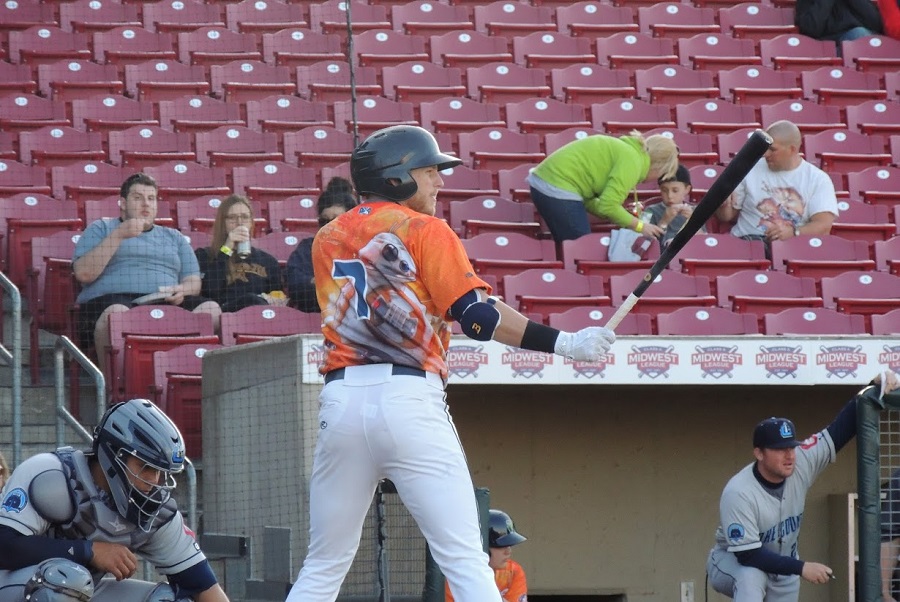 RED WINGS REPORT Rochester 4, Scranton/Wilkes Barre 5 (11 Innings) Box Score After trailing 3-0 after two innings, Rochester plated four runs in the top of the third to take a 4-3 lead. All of the team's damage came with two outs in the frame. Daniel Palka singled and Zack Granite came all the way around for first to score. Back-to-back home runs from ByungHo Park and Tommy Field capped a big Red Wings inning but the team was shut out the rest of the way. Every hitter in the line-up except JR Murphy collected at least one hit. Field finished the day 3-for-5. Nik Turley saw three early runs scored against him but he settled in nicely to make it through five innings. Overall, he allowed three earned runs on three hits with three strikeouts and two walks. Alan Busenitz pitched two scoreless frames with a pair of strikeouts. Kevin Chapman started the eighth by allowing a double which was followed by a passed ball. Drew Rucinski came in with a man on third and no outs. He made it through 1.2 innings by allowing only the inherited runner to score. Both of the outs Buddy Boshers collected were by strikeout. Michael Tonkin collected the final out of the 10th and the first out of the 11th before he ran into trouble. Top Yankees prospect Clint Frazier walked before a single moved him all the way to third. The game ended on an interesting play as Frazier scored on a sacrifice bunt. CHATTANOOGA CHATTER Chattanooga 4, Biloxi 5 (10 Innings) Box Score Much like Rochester, Chattanooga jumped out to an early lead before watching the opposition collect a walk-off win. Nick Gordon led off the game with a double and a wild pitch moved him to third. Ryan Strausborger brought in Gordon with a single giving the Lookouts an early 1-0 lead. In the top of the fifth inning, things got a little wild for Biloxi. Jose Gonzalez and Ryan Walker started the inning with a single and a walk. While Gordon was batting, there were two wild pitches which allowed Gonzalez to score. Gordon eventually walked and then he stole second. LaMonte Wade plated both runners with a two-out double as Chattanooga was staked to a 4-0 lead. Nick Gordon finished the game 2-for-4 with two doubles, two runs and a walk. Matt Tracy had a no-hitter entering the fifth inning but he allowed a walk and a single to start the frame. He had a shutout into the sixth before back-to-back singles put a runner in scoring position with no outs. Biloxi scored one in the inning to cut the lead to 4-1. Tracy ran out of steam in the seventh as he was charged with three more hits and three runs to see the team's lead evaporate. With two outs in the seventh, Nick Burdi allowed the big hit, a two-run single. Both of these runs were charged to Tracy. Burdi pitched a scoreless eighth inning. Raul Fernandez came on in the ninth and took the loss as he allowed three singles and a hit by pitch in the 10th. MIRACLE MATTERS Fort Myers 5, Bradenton 6 Box Score Fort Myers looked to sweep the series with Bradenton on Sunday but the Marauders stormed back from an early 5-1 deficit. After Bradenton scored in the first, Fort Myers answered back with back-to-back homers in the bottom of the inning. It was the second homer of the year for Bradley Strong and the third for Chris Paul. Fort Myers went on a hit parade in the second as they used four singles and a walk to push across three runs. Cody Stashak ran into some trouble in the third and fourth frames as he saw the Miracle lead evaporate. He pitched four innings, allowing five earned runs on eight hits. Anthony McIver pitched two scoreless innings with a strikeout. Williams Ramirez was perfect in his inning of work and struck out a pair. Alex Muren took the loss as a fielding error by Rafael Valera allowed a run to score in the eighth. Strong and Paul each reached base three times. Zander Wiel had a multi-hit game including his 13th double. Max Murphy was the only Miracle batter to be held without a hit. Fort Myers had three lead-off doubles in innings four through seven but the runners never made it past third. The team went 2-for-12 with runners in scoring position and left nine men on base. KERNELS NUGGETS Cedar Rapids 7, Wisconsin 12 Box Score Cedar Rapids found themselves in a 12-2 hole before trying to mount a comeback. Tyler Beardsley got knocked around for nine earned runs on 12 hits, a career high, including two home runs. Zach Tillery didn't stop the bleeding much as he was charged with three runs after allowing five walks and one hit. Hector Lujan, Alex Robinson and Logan Lombana combined for 3.2 scoreless innings to end the game. Lujan struck out two and didn't allow a hit (1.2 IP). Travis Blankenhorn crushed a two-run blast in the fifth following a Jaylin Davis double. Lewin Diaz cranked his sixth home run, a solo shot, in the sixth. The Kernels used four straight hits and a sacrifice fly to pull within five runs but that's where the comeback ended. Blankenhorn finished the day 2-for-4 with two extra-base hits, three RBI, and two runs scored. Davis had a multi-hit game and scored twice. Davis reached base three times with his homer and a pair of walks. TWINS DAILY PLAYERS OF THE DAY Pitcher of the Day – Nik Turley, Rochester Red Wings (5 IP, 3 ER, 3 H, 3 K, 2 BB) Hitter of the Day – Travis Blankenhorn, Cedar Rapids Kernels (2-for-4, HR, 2B, 3 RBI, 2 R) MONDAY’S PROBABLE STARTERS Rochester - Scheduled Off Day Chattanooga @ Biloxi (6:35 CST) - RHP Felix Jorge Fort Myers @ Dunedin (5:30 CST) - RHP David Fischer (2-2, 3.58 ERA) Cedar Rapids @ Clinton (6:35 CST)- RHP Sean Poppen (2-1, 2.38 ERA) Please feel free to ask any questions and discuss Sunday’s games.
 -
Teams are always looking for the one pitcher who can be their rock. The pitcher who always ends a team's losing streak. The pitcher who will pitch late into a game. The pitcher who lets the bullpen take the night off. The pitcher who is in contention for the Cy Young Award. The Ace... Unfortunately, there aren't exactly a plethora of aces lying around for teams to scoop up. It's been many years since the Twins have been able to call someone their ace. Johan Santana comes to mind but he hasn't put on a Twins jersey in close to a decade. In fact since Santana left, only two pitchers have led the Twins in WAR, Scott Baker and Kyle Gibson. A spirited debate was circling Twitter over the weekend. Should Ervin Santana be considered an ace? He's off to a tremendous start but does he fit the criteria for being an ace.What Is An Ace? Sporting News compiled a few different theorieswhen it comes to identifying an ace. Theory one was the best starting pitcher on each team. Santana clearly fits into this category as he leads the Twins staff in virtually every statistic. This theory has some holes as there are clearly teams who don't have an ace pitcher and their best starter shouldn't be considered an ace. Theory two states that an ace should be among the top 30 starters in the league. Santana would fail into this category again as his fast start has him near the top of the league in multiple categories. However, 30 aces seems like a lot especially when combining both leagues to get to 60 pitchers. There aren't 60 aces across the baseball world. Theory three says an ace should be better than a number one starter and theory four states that an ace should be higher than a chosen statistical threshold. Santana could meet both of those criteria this year but he clearly doesn't have the history to fit into the mold of an ace pitcher. Santana's History Santana has one lone All-Star selection in his career. That same season he finished sixth in the Cy Young voting and it was the only year he has received a vote. He only has one season where he has finished in the top-10 in WAR for pitchers. There have been two seasons where he finished in the top-10 for ERA and three seasons where he was in the top-10 for WHIP. He's done some good things during his career but his resume doesn't exactly scream ace. This season he is on pace to finish the year near the top of the leader-board. Last week, I wrote about how it seems more likely for Santana to come back down to earth in the weeks ahead. His only hiccup has been against the Red Sox last Sunday. Based on his history, it seems like regression is on the horizon for Santana instead of the Twins planning a Cy Young press conference for the off-season. The Curious Case of Rick Porcello Last season, Rick Porcello came out of nowhere to win the AL Cy Young. He'd hardly shown up on any major leader-board through out his career. He'd never been an All-Star. In fact, he'd only posted a positive WAR in three of his first seven seasons. At the end of the season, he was awarded one of baseball's highest honors but there are very few people who would call Porcello an ace even with last year's hardware over his mantel. Porcello seems to have morphed back into his true self this season. His ERA is north of 4.00 and he leads all of baseball in losses and hits allowed. His WHIP has moved back over 1.33 which is much closer to his career mark than the 1.01 WHIP he compiled in 2016. Baseball is a weird game and pitchers can have great seasons but that shouldn't qualify them as an ace. Less Is More While the theories discussed above show some ways to select baseball's aces, there are still plenty of flaws. If I am creating a list of aces in baseball, the list isn't going to be very long. To me, an ace needs to be a player who has shown consistency for multiple seasons while being a top pitcher in all of baseball. Here are the pitchers I would consider aces from both leagues (in alphabetical order): Jake Arrieta, Madison Bumgarner, Zack Greinke, Felix Hernandez, Clayton Kershaw, Corey Kluber, David Price, Chris Sale, Max Scherzer, Justin Verlander There are only ten players on my list of aces. Ervin Santana is nowhere near making the cut. He could end up having a Porcello-like season and be in contention for the Cy Young but that wouldn't change my mind about it. He's not an ace. Do you think Ervin Santana is an ace? Who would make your list of current aces in baseball? Leave a COMMENT and start the discussion. Click here to view the article
- 55 replies
-
- 2
-
-
- ervin santana
- johan santana
- (and 3 more)
-
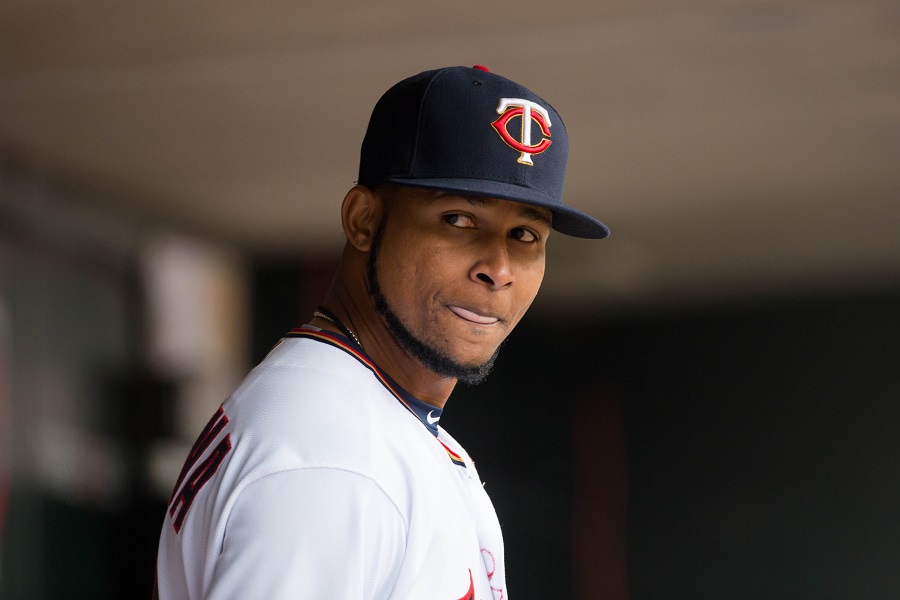 What Is An Ace? Sporting News compiled a few different theories when it comes to identifying an ace. Theory one was the best starting pitcher on each team. Santana clearly fits into this category as he leads the Twins staff in virtually every statistic. This theory has some holes as there are clearly teams who don't have an ace pitcher and their best starter shouldn't be considered an ace. Theory two states that an ace should be among the top 30 starters in the league. Santana would fail into this category again as his fast start has him near the top of the league in multiple categories. However, 30 aces seems like a lot especially when combining both leagues to get to 60 pitchers. There aren't 60 aces across the baseball world. Theory three says an ace should be better than a number one starter and theory four states that an ace should be higher than a chosen statistical threshold. Santana could meet both of those criteria this year but he clearly doesn't have the history to fit into the mold of an ace pitcher. Santana's History Santana has one lone All-Star selection in his career. That same season he finished sixth in the Cy Young voting and it was the only year he has received a vote. He only has one season where he has finished in the top-10 in WAR for pitchers. There have been two seasons where he finished in the top-10 for ERA and three seasons where he was in the top-10 for WHIP. He's done some good things during his career but his resume doesn't exactly scream ace. This season he is on pace to finish the year near the top of the leader-board. Last week, I wrote about how it seems more likely for Santana to come back down to earth in the weeks ahead. His only hiccup has been against the Red Sox last Sunday. Based on his history, it seems like regression is on the horizon for Santana instead of the Twins planning a Cy Young press conference for the off-season. The Curious Case of Rick Porcello Last season, Rick Porcello came out of nowhere to win the AL Cy Young. He'd hardly shown up on any major leader-board through out his career. He'd never been an All-Star. In fact, he'd only posted a positive WAR in three of his first seven seasons. At the end of the season, he was awarded one of baseball's highest honors but there are very few people who would call Porcello an ace even with last year's hardware over his mantel. Porcello seems to have morphed back into his true self this season. His ERA is north of 4.00 and he leads all of baseball in losses and hits allowed. His WHIP has moved back over 1.33 which is much closer to his career mark than the 1.01 WHIP he compiled in 2016. Baseball is a weird game and pitchers can have great seasons but that shouldn't qualify them as an ace. Less Is More While the theories discussed above show some ways to select baseball's aces, there are still plenty of flaws. If I am creating a list of aces in baseball, the list isn't going to be very long. To me, an ace needs to be a player who has shown consistency for multiple seasons while being a top pitcher in all of baseball. Here are the pitchers I would consider aces from both leagues (in alphabetical order): Jake Arrieta, Madison Bumgarner, Zack Greinke, Felix Hernandez, Clayton Kershaw, Corey Kluber, David Price, Chris Sale, Max Scherzer, Justin Verlander There are only ten players on my list of aces. Ervin Santana is nowhere near making the cut. He could end up having a Porcello-like season and be in contention for the Cy Young but that wouldn't change my mind about it. He's not an ace. Do you think Ervin Santana is an ace? Who would make your list of current aces in baseball? Leave a COMMENT and start the discussion.
 -
Happy Mother's Day to all the moms out there. The baseball world helps to celebrate the weekend by powering their uniforms and bats in pink. Not only can players honor their mothers but they can also help raise money for breast cancer awareness as many of the items will be auctioned off for charity. It was a muted Mother's Day in the Twins farm system as only two teams were scheduled to play. After a rain-out for Rochester, the Lookouts were the lone team to play. Who would make his mom proud? Read on to find out...RED WINGS REPORT Rochester --, Pawtucket -- (Postponed) Rain and wet grounds meant the Red Wings' game was postponed on Sunday. Rochester was looking to sweep the four-game series after being swept by Lehigh Valley earlier in the week.The game will be made up as part of a doubleheader on Saturday, June 17 starting at 3:35 pm CST. Sunday marked the eighth time Rochester has been postponed this season. The Red Wings are currently tied with the Buffalo Bisons for second place in the International League North. Lehigh Valley sits atop the division and they are currently three games ahead of Rochester and Buffalo. CHATTANOOGA CHATTER Chattanooga 5, Birmingham 4 Box Score Chattanooga was getting no-hit into the sixth inning but their bats finally came alive over the course of the final frames. Lookouts' right hander Paul Clemens matched zeros with the Barons as he didn't allow a run in his five innings of work. However, Birmingham would strike first with a solo home run in the top of the sixth. The Lookouts wasted little time answering back as Ryan Walker ended the no-hitter and the shutout with one swing of the bat. He led off the bottom of the sixth with a long ball to tie the game at 1-1. Chattanooga wasn't done as they strung together a walk and three straight singles to push the lead to 3-1. The game continued to be back and forth with Birmingham scoring two in the top of the seventh to tie the game. Walker got things going again in the seventh. He and Nick Gordon singled to start the frame. Engelb Vielma bunted them over before LaMonte Wade connected for a clutch two-run single that turned out to be the the tie-breaking hit. Raul Fernandez allowed four earned runs over 2.2 innings in relief of Clemens. It was still enough to "earn" his first victory of the year. John Curtiss was asked to get an out in the eighth before collecting the final three outs in the ninth. He didn't allow a run and struck out two on the way to his sixth save. MIRACLE MATTERS Following an off-day on Sunday, the Miracle will start a six-game home stand as they look to dig out of a recent slump. Fort Myers has lost four of their last five contests and they have only won one series in the month of May. This week will go a long way to deciding if the Miracle can contend for a first half playoff spot. This up-coming home stand includes series versus the first place teams in the FSL South and North Divisions, Clearwater and Bradenton. Currently, the Miracle are in fourth place in the FSL South as they trail Bradenton by seven games. KERNELS NUGGETS Cedar Rapids entered Sunday with a 20-15 record as they sit near the top of the MWL Western Division. They are percentage points behind Kane County for the overall top spot but they have played two more games than the Cougars. Over the last week, the Kernels went 4-3. Over the next three days they will play four games against Peoria to make-up for a rainout at the end of last month. The Chiefs are nine games under .500 and sit seven games back of the Kernels. Next weekend, Cedar Rapids has a big series at Wisconsin, the second-place team in the MWL Western Division. TWINS DAILY PLAYERS OF THE DAY Pitcher of the Day – Paul Clemens, Chattanooga Lookouts (5 IP, 0 ER, 2 H, 3 K) Hitter of the Day – Ryan Walker, Chattanooga Lookouts (2-for-3, 2 R, HR, RBI) MONDAY’S PROBABLE STARTERS Rochester vs. Lehigh Valley (6:05 CST)- LHP David Hurlbut (2-2, 1.59 ERA) Chattanooga vs. Birmingham (6:15 CST) - TBD Fort Myers vs. Clearwater (5:35 CST) - RHP Cody Stashak (0-3, 3.94 ERA) Cedar Rapids vs. Peoria (5:30 CST)- RHP Eduardo Del Rosario (2-2, 3.95 ERA) Cedar Rapids vs. Peoria (Game 2- Makeup of 4/29)- TBD Please feel free to ask any questions and discuss Sunday’s games. Click here to view the article
- 4 replies
-
- 1
-
-
- ryan walker
- paul clemens
- (and 3 more)
-
Twins Minor League Report (5/14): Chattanooga Flying Solo
Cody Christie posted an article in Minor Leagues
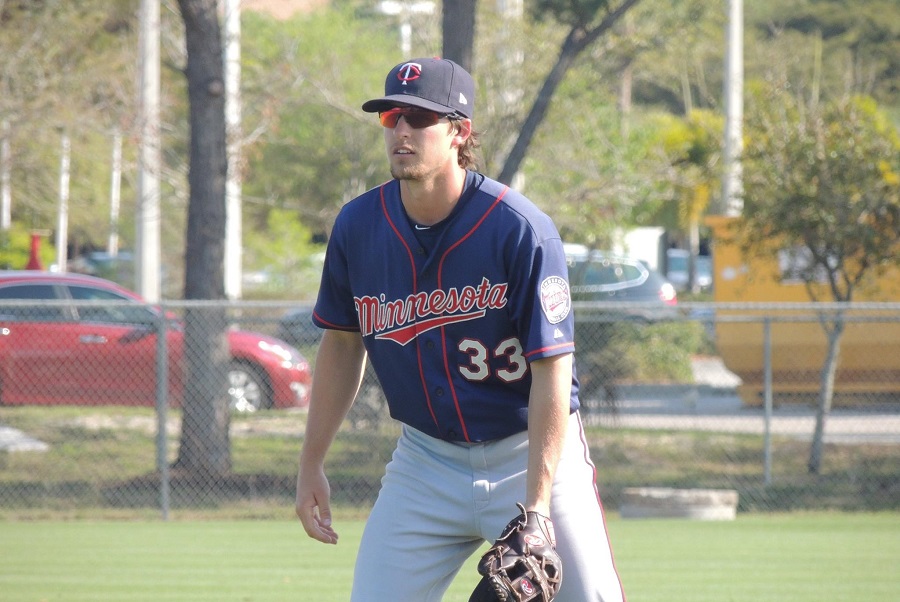 RED WINGS REPORT Rochester --, Pawtucket -- (Postponed) Rain and wet grounds meant the Red Wings' game was postponed on Sunday. Rochester was looking to sweep the four-game series after being swept by Lehigh Valley earlier in the week.The game will be made up as part of a doubleheader on Saturday, June 17 starting at 3:35 pm CST. Sunday marked the eighth time Rochester has been postponed this season. The Red Wings are currently tied with the Buffalo Bisons for second place in the International League North. Lehigh Valley sits atop the division and they are currently three games ahead of Rochester and Buffalo. CHATTANOOGA CHATTER Chattanooga 5, Birmingham 4 Box Score Chattanooga was getting no-hit into the sixth inning but their bats finally came alive over the course of the final frames. Lookouts' right hander Paul Clemens matched zeros with the Barons as he didn't allow a run in his five innings of work. However, Birmingham would strike first with a solo home run in the top of the sixth. The Lookouts wasted little time answering back as Ryan Walker ended the no-hitter and the shutout with one swing of the bat. He led off the bottom of the sixth with a long ball to tie the game at 1-1. Chattanooga wasn't done as they strung together a walk and three straight singles to push the lead to 3-1. The game continued to be back and forth with Birmingham scoring two in the top of the seventh to tie the game. Walker got things going again in the seventh. He and Nick Gordon singled to start the frame. Engelb Vielma bunted them over before LaMonte Wade connected for a clutch two-run single that turned out to be the the tie-breaking hit. Raul Fernandez allowed four earned runs over 2.2 innings in relief of Clemens. It was still enough to "earn" his first victory of the year. John Curtiss was asked to get an out in the eighth before collecting the final three outs in the ninth. He didn't allow a run and struck out two on the way to his sixth save. MIRACLE MATTERS Following an off-day on Sunday, the Miracle will start a six-game home stand as they look to dig out of a recent slump. Fort Myers has lost four of their last five contests and they have only won one series in the month of May. This week will go a long way to deciding if the Miracle can contend for a first half playoff spot. This up-coming home stand includes series versus the first place teams in the FSL South and North Divisions, Clearwater and Bradenton. Currently, the Miracle are in fourth place in the FSL South as they trail Bradenton by seven games. KERNELS NUGGETS Cedar Rapids entered Sunday with a 20-15 record as they sit near the top of the MWL Western Division. They are percentage points behind Kane County for the overall top spot but they have played two more games than the Cougars. Over the last week, the Kernels went 4-3. Over the next three days they will play four games against Peoria to make-up for a rainout at the end of last month. The Chiefs are nine games under .500 and sit seven games back of the Kernels. Next weekend, Cedar Rapids has a big series at Wisconsin, the second-place team in the MWL Western Division. TWINS DAILY PLAYERS OF THE DAY Pitcher of the Day – Paul Clemens, Chattanooga Lookouts (5 IP, 0 ER, 2 H, 3 K) Hitter of the Day – Ryan Walker, Chattanooga Lookouts (2-for-3, 2 R, HR, RBI) MONDAY’S PROBABLE STARTERS Rochester vs. Lehigh Valley (6:05 CST)- LHP David Hurlbut (2-2, 1.59 ERA) Chattanooga vs. Birmingham (6:15 CST) - TBD Fort Myers vs. Clearwater (5:35 CST) - RHP Cody Stashak (0-3, 3.94 ERA) Cedar Rapids vs. Peoria (5:30 CST)- RHP Eduardo Del Rosario (2-2, 3.95 ERA) Cedar Rapids vs. Peoria (Game 2- Makeup of 4/29)- TBD Please feel free to ask any questions and discuss Sunday’s games.
 -
It seems like the baseball season just began. But by the end of the week, the Twins will have completed over 20% of their schedule. Following Monday's off-day, the Twins sit in a cluster at the top of the AL Central. Besides Kansas City, the rest of the division is separated by a mere 2.0 games. Cleveland might start to separate itself from the pack but for the most part, the AL Central was mired in mediocrity throughout April. If the Twins are going to stay in the playoff race, there are plenty of pieces that will need to fall into place. Each player mentioned below is going to need to decide if he is really playing up to his full potential or pretending to be something he can't sustain. So you make the call... Are they real or pretenders?Miguel Sano Sano is off to a torrid start at the plate and he has shown some strong defensive skills at third base. Entering play on Monday, he only trailed Mike Trout and Aaron Judge in the American League WAR standings. He's also hitting the ball with authority. According to MLB's Statcast data, Sano is leading the big leagues in average exit velocity. One has to worry about the Sano that slumped during his sophomore season. He wasn't able to draw as many walks and his power wasn't as regular as his rookie campaign. However, the 24-year old slugger seems primed to make his mark this season. RESULT: REAL Ervin Santana Santana ran into his first hiccup on Sunday after nearly a perfect month of April. Even after allowing a season high six runs, his ERA only rose to 1.72. It seems highly unlikely for Santana to be able to sustain this level of the course of an entire season. His best ERA total for any season was 3.24 and he has a career ERA north of 4.00. He leads both leagues with a 0.79 WHIP while allowing 4.0 hits per nine. His career hits per nine average is more than twice his total this season and he has a career 1.27 WHIP. Santana might not turn into a pumpkin at the stroke of midnight but there's no way he can be this good for all of 2017. RESULT: PRETENDER Brian Dozier After a record-breaking 2016 season, Dozier hasn't exactly set the world on fire to start 2017. His batting average is down to .229 but he is getting on base over 32% of the time. Dozier ranks second on the team with four home runs and he has a team leading six stolen bases. He ranks in the bottom half of AL when it comes to WAR for second basemen. There's nothing stopping Dozier from going on another hot streak as the season progresses. However, it seems more likely that he will be back to the .245/.320/.440 career hitter while averaging 23 home runs. This is the real version of Dozier even after his monster 2016 season. RESULT: REAL Hector Santiago While Santana has been getting a lot of pitching headlines, Santiago is quietly off to a great start. He ranks 13th in the AL in ERA and 16th in WHIP. He's pitched his entire seven year career in the AL and never posted an ERA under 3.33. He's striking out fewer batters per nine innings but he's also walking fewer batters and keeping the ball in the park. As a 29-year old, he has been part of three different organizations and he has been traded twice. He might be a veteran coming into his own or he could be taking advantage of some early struggles from opposing hitters. RESULT: THE JURY IS STILL OUT So who gets your vote for being real or being a pretender? Leave a COMMENT and start the discussion. Click here to view the article
- 137 replies
-
- 1
-
-
- brian dozier
- miguel sano
- (and 2 more)
-
 Miguel Sano Sano is off to a torrid start at the plate and he has shown some strong defensive skills at third base. Entering play on Monday, he only trailed Mike Trout and Aaron Judge in the American League WAR standings. He's also hitting the ball with authority. According to MLB's Statcast data, Sano is leading the big leagues in average exit velocity. One has to worry about the Sano that slumped during his sophomore season. He wasn't able to draw as many walks and his power wasn't as regular as his rookie campaign. However, the 24-year old slugger seems primed to make his mark this season. RESULT: REAL Ervin Santana Santana ran into his first hiccup on Sunday after nearly a perfect month of April. Even after allowing a season high six runs, his ERA only rose to 1.72. It seems highly unlikely for Santana to be able to sustain this level of the course of an entire season. His best ERA total for any season was 3.24 and he has a career ERA north of 4.00. He leads both leagues with a 0.79 WHIP while allowing 4.0 hits per nine. His career hits per nine average is more than twice his total this season and he has a career 1.27 WHIP. Santana might not turn into a pumpkin at the stroke of midnight but there's no way he can be this good for all of 2017. RESULT: PRETENDER Brian Dozier After a record-breaking 2016 season, Dozier hasn't exactly set the world on fire to start 2017. His batting average is down to .229 but he is getting on base over 32% of the time. Dozier ranks second on the team with four home runs and he has a team leading six stolen bases. He ranks in the bottom half of AL when it comes to WAR for second basemen. There's nothing stopping Dozier from going on another hot streak as the season progresses. However, it seems more likely that he will be back to the .245/.320/.440 career hitter while averaging 23 home runs. This is the real version of Dozier even after his monster 2016 season. RESULT: REAL Hector Santiago While Santana has been getting a lot of pitching headlines, Santiago is quietly off to a great start. He ranks 13th in the AL in ERA and 16th in WHIP. He's pitched his entire seven year career in the AL and never posted an ERA under 3.33. He's striking out fewer batters per nine innings but he's also walking fewer batters and keeping the ball in the park. As a 29-year old, he has been part of three different organizations and he has been traded twice. He might be a veteran coming into his own or he could be taking advantage of some early struggles from opposing hitters. RESULT: THE JURY IS STILL OUT So who gets your vote for being real or being a pretender? Leave a COMMENT and start the discussion.
 -
The tryout period is over. Minnesota's new front office has busy over the last few days. Buddy Boshers and Kyle Gibson were both optioned to Rochester. Danny Santana and Michael Tonkin were both designated for assignment which means they could end up in different uniforms before the end of the week. With new faces heading to Rochester, a few names had to be added back to the big league squad. Infielder Ehire Adrianza and relief pitcher Justin Haley were both reinstated from the 10-day disabled list. Haley pitched one scoreless inning in Rochester while striking out two. Adrianza was hitting .310/.383/.357 in 42 minor league at-bats this season. Even with all the roster moving and shaking. There were still games to be played. SPOILER ALERT: There were some great performances on Sunday afternoon.RED WINGS REPORT Rochester 3, Pawtucket 1 Box Score For the second straight Sunday, Jose Berrios was on the mound as he continued his masterful start to the season. The only trouble he faced in the game came with two outs in the top of the first. He allowed back-to-back doubles that pushed across the lone Pawtucket run of the game. Berrios pitched 6.2 innings while allowing one earned run on six hits. He struck out four and walked none. Minnesota could call him up to make his next start at the big league level. Rochester responded quickly in the bottom of the first. Zack Granite and JB Shuck led off the inning with singles. Tommy Field drove in both runners with his eighth double of the season. Rochester wouldn't trail for the rest of the game. Granite created the next run for the Red Wings as well. He started the third with a single, stole second, and Field drove him him with a single. With little margin for error, the bullpen played an important role in this game. Buddy Boshers relieved Berrios in the seventh. He was able to strand a runner at second while keeping Rochester up two. Trevor Hildenberger allowed one hit during his inning of work but a big strikeout helped him leave a runner in scorning position. Alex Wimmers struck out the first two batters of the ninth before a walk and a single put the tying run on base. A groundout ended the threat and Wimmers earned his third save. CHATTANOOGA CHATTER Chattanooga 4, Pensacola 2 (Game 1- seven Innings) Box Score Nick Gordon started this game with a bang for the Lookouts. His first inning triple put Chattanooga in position to tie this game in the early going. Engelb Vielma drove him in with a single. From there, the team's bats went cold until a big sixth inning. In that sixth frame, all the damage was done with two outs. Jonathan Rodriguez singled and was followed by a LaMonte Wade double. Travis Harrison plated two runs with a single. He wasn't on base very long as the next batter, Ryan Walker, tripled to score Harrison. Gordon ended the game 2-for-3 with two extra-base hits and a run scored. Kohl Stewart started for Chattanooga but couldn't make it out of the fifth inning. In 4.2 innings, he allowed two earned runs on seven hits with three strikeouts and two walks. He has a 5.63 ERA for the season. Todd Van Steensel earned his third victory out of the bullpen. He didn't allow a base runner over the last 2.1 innings while striking out two. Chattanooga 3, Pensacola 2 (Game 2- eight Innings) Box Score For the second straight game, Nick Gordon helped the Lookouts get off to a fast start. He led off the first inning with a walk. Levi Michael and Edgar Corcino followed with singles put Chattanooga out to an early 1-0 lead. Ryan Eades got the start and didn't run into any trouble until the top of the fifth inning. A pair of singles and a triple pushed across a pair of runs as Pensacola took a 2-1 lead. That lead would be short lived as Chattanooga used a Jonathan Rodriguez double and a fielding error to tie up the game in the bottom of the frame. After Eades exited, the bullpen put up zeros the rest of the way. John Curtiss pitched two scoreless innings and he has yet to allow a run this year. Nick Burdi saw two base runners reach against him but put the team in position to win. This game headed to extra-innings as it was scheduled to be two seven-inning contests. In the bottom of the eighth, Corcino lead-off with a walk. Jonathan Rodriguez followed with a single that moved Corcino all the way to third. LaMonte Wade got to play the hero with a walk-off single over an outfield that was playing in. MIRACLE MATTERS Fort Myers 6, St. Lucie 0 Box Score Fort Myers and starting pitcher Dereck Rodriguez found themselves in the middle of quite the pitchers duel. Rodriguez had limited the Mets to two hits in seven innings of work but the offense didn't decide to show up until the last two innings. Rodriguez didn't allow a run and struck out three on the way to his second victory. St. Lucie removed their starter in the eighth and Fort Myers was able to break through. With one out, Max Murphy was hit by a pitch. Nelson Molina cracked a two-run shot. Two batters latter Zander Wiel knocked his third home run of the season, a two-run shot that pushed the lead to 4-0. In the top of the ninth, Fort Myers was able to add some insurance runs. Max Murphy started it again with a single to center. Nelson Molina doubled and Murphy came all the way around to score. Chris Paul followed Molina's double with a single to add one more run. Williams Ramirez replaced Rodriguez and allowed one runner in both of his innings of work. In the eighth, a batter reached with a one out walk. In the ninth, a batter reached with a one-out single. Over two shutout innings, he struck out three. KERNELS NUGGETS Cedar Rapids 4, Fort Wayne 1 Box Score Clark Beeker won his fourth consecutive start on Sunday after tossing six strong innings. It was his fourth quality start as he limited the TinCaps to one earned run. He retired eight straight batters at one point in the contest and he allowed only one runner to get into scoring position. Beeker struck out six and walked one. The first big hit of the game came in the second inning off the bat of Christian Cavaness. Travis Blankenhorn and Ariel Montesino reached base with walks before Cavaness belted a two-run double. In the fifth frame, Aaron Whitfield led off the inning with a single and scored on a Lewin Diaz one-out double. Blankenhorn brought in Diaz with a two-out single to push the lead to 4-0. Max Cordy took over for Beeker and pitched three scoreless innings. He struck out three and walked one. It was his longest outing of the season and he leads the team with three saves. TWINS DAILY PLAYERS OF THE DAY Pitcher of the Day – Dereck Rodriguez, Fort Myers Miracle (7 IP, 0 ER, 2 H, 3 K) Hitter of the Day – Nick Gordon, Chattanooga Lookouts (2-for-5, 2B, 3B, 2R, 2 BB) MONDAY’S PROBABLE STARTERS Rochester @ Lehigh Valley (6:05 CST)- TBD Chattanooga @ Montgomery (7:05 CST) - TBD Fort Myers vs. Palm Beach (5:35 CST) - RHP Cody Stashak (0-3, 4.00 ERA) Cedar Rapids @ Dayton (6:00 CST)- RHP Eduardo Del Rosario (2-1, 3.04 ERA) Please feel free to ask any questions and discuss Sunday’s games. Click here to view the article
- 73 replies
-
- 3
-
-
- dereck rodriguez
- nick gordon
- (and 3 more)
