



Cody Christie
-
Posts
7,515 -
Joined
-
Last visited
-
Days Won
5
Content Type
Profiles
News
Minnesota Twins Videos
2026 Minnesota Twins Top Prospects Ranking
2022 Minnesota Twins Draft Picks
Minnesota Twins Free Agent & Trade Rumors, Notes, & Tidbits
Guides & Resources
2023 Minnesota Twins Draft Picks
The Minnesota Twins Players Project
2024 Minnesota Twins Draft Picks
2025 Minnesota Twins Draft Pick Tracker
2026 Minnesota Twins Draft Tracker: Picks & Bonuses
Forums
Blogs
Events
Store
Downloads
Gallery
Everything posted by Cody Christie
-

Three-Bagger: Darvish Meeting, Sano Fallout, Ice Cold Stove
Cody Christie posted an article in Twins
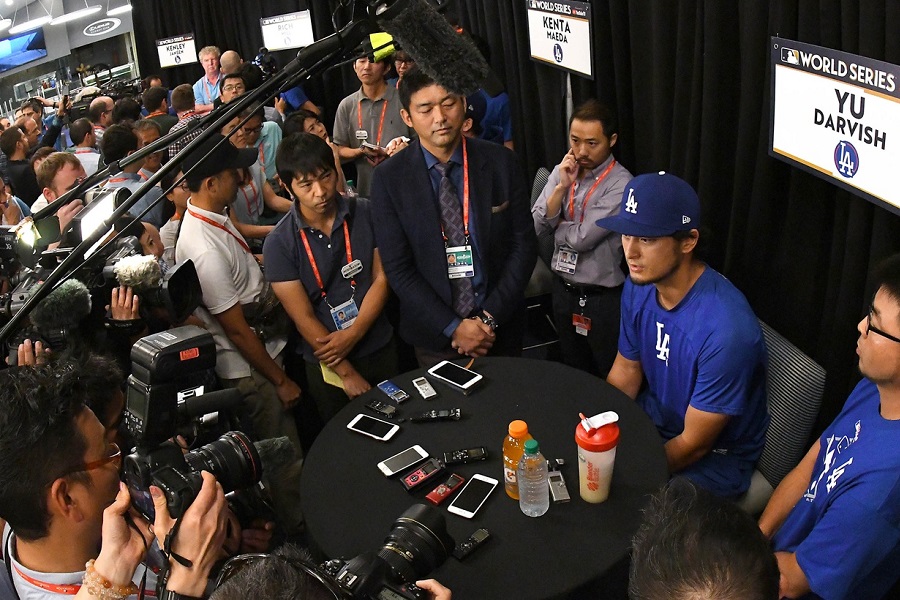 Minnesota Meeting With Darvish https://twitter.com/JonHeyman/status/948756578777354241 Yu Darvish and his team certainly seem to be doing their due diligence. The top free agent pitcher on the market has already met with multiple clubs as he looks for his next team. Minnesota has not been one of those organizations. It’s hard to know if he is avoiding the Twins or if he’s actually familiar with the organization’s front office so a meeting isn’t necessary. He might also be trying to avoid the cold in Minnesota. https://twitter.com/LaVelleNeal/status/948759484213743616 For those worried about Darvish not coming to the Twin Cities, local baseball writers have also chimed in. It sounds like he might already know everything he needs about Minnesota. This might be enough to sway his decision. In the meantime, fans will have to sit back and wait for more news from the Darvish camp. Sano Fallout Miguel Sano was in the news for all of the wrong reasons last week. Major League Baseball started its review process of the situation as soon as the allegations were brought to their attention. It’s hard to know how long the process will take. This is the first major allegation against an MLB player since the #MeToo movement has come to light. https://twitter.com/MikeBerardino/status/948669512890634240 In 2016, Yankees closer Aroldis Chapman was suspended 30 games for allegedly choking his 22-year-old girlfriend and firing eight shots in the garage of his home. He was never prosecuted by law because there were conflicting account and not enough evidence. Will the Chapman suspension be the baseline for Sano’s potential punishment? Ice Cold Stove https://twitter.com/CespedesBBQ/status/947975422284849154 There hasn’t been much action on the free agent market so far this year. In fact, it’s the coldest “hot stove” over the last half of a decade. Eric Hosmer, a former AL Central foe, has been offered seven year deals by the Padres and the Royals. The St. Louis Cardinals are also rumored to be interested in Hosmer’s services. As one of the top available free agent bats, his signing could set-off a series of other signings. The Rockies have been busy signing multiple pieces for their bullpen. A “super bullpen” might be the wave of the future. One has to wonder if the Twins will be able to improve some of their relief pieces for 2018. Young players like Trevor Hildenberger and John Curtiss could figure prominently in Minnesota’s plans. Tyler Jay continues to lurk in the minors and could be the team’s wild card in the second half of 2018. Do the Twins need to meet with Darvish? How fast will the Sano situation be resolved? Will the hot stove ever heat up? Leave a COMMENT and start the discussion.
 -
If you haven’t heard yet, the 2018 version of the Minnesota Twins Prospect Handbook is now available. It’s hard not to get overwhelmed when we are compiling over 160 profiles on almost every player in the Twins farms system. That being said, it fun to pick out players to focus on for the up-coming season. Some players might be coming back from injury. Some players might be new to the organization. Here are three players I will be watching in 2018 with a little background on what I think they can accomplish in the coming year.Brusdar Graterol, RHP Graterol has seen a bumpy start to his professional career. As a 16-year old in 2015, he made his professional debut in the Dominican Summer League. He was limited to four starts and was forced to undergo Tommy John surgery. It cost him the rest of 2015 and all of 2016. Last season, he returned to action in the GCL and the Appy League, where he was still over 2.5 years younger than the competition. In the GCL, he posted a 1.40 ERA and a 0.72 WHIP while averaging 9.8 K/9. With the E-Twins, he saw increases to both his ERA (3.92) and WHIP (1.21). However, he was Elizabethton’s youngest pitcher this season and his K/9 increased to 10.5. Looking ahead to 2018, it’s not hard to imagine that Graterol could make appearances with Cedar Rapids before he turns 20 in late August. His fastball can consistently hit in the high 90’s and he has shown the ability to rear back and hit triple digits. If he can continue to develop his secondary pitches, his stock could continue to rise in 2018. Jacob Pearson, OF Minnesota acquired Pearson this off-season in a deal that sent international bonus money to the Los Angeles Angels. Pearson was taken by the Angels in the third round of the 2017 MLB Draft. He signed for $1 million, an over-slot deal, to keep him from committing to LSU. Pearson made his professional debut in the Arizona Rookie League and saw some ups and downs. Over 155 at-bats, he hit .226/.302/.284 with eight extra-base hits and five steals in 40 games. He ended the year with hits in eight of his final ten games including a .317 OBP. All but 30 of his plate appearances came against older pitchers so there are still some adjustments to be made as a pro. As a sophomore in high school, Pearson had labrum surgery on his throwing shoulder. This currently means his arm is below average but he could strengthen it as he works through the Twins system. Baseball America touted Pearson’s quiet confidence and work ethic in an article this past November. He could eventually be a 20-20 type of player. He will start 2018 in extended spring training but he could make his way to Cedar Rapids before season’s end. Lewis Thorpe, LHP Thorpe burst on the scene as a 17-year old in the GCL back in 2013. He dominated hitters with a 2.05 ERA, a 0.86 WHIP, and 64 strikeouts in 44.0 innings. Baseball Prospectus even included him in their top-101 prospects leading into 2014 and 2015. Thorpe did not pitch in 2015 and 2016 as he recovered from Tommy John surgery and then from mononucleosis. He’d return in 2017 with the Miracle where he posted a 2.69 ERA while striking out nearly 10 batters per nine. In late August, he made a spot start with the Lookouts and picked up the victory. He allowed four runs, struck out seven and pitched through the sixth frame. It was a big year back for Mr. Thorpe. Since he is multiple years removed from TJ surgery, 2018 could end up being an important year in Thorpe’s development. He will likely pitch the entire year in Chattanooga but he will still be roughly two years younger than the competition. With an arsenal that includes three pitches, he has the opportunity to prove he should be reconsidered as one of the best pitching prospects in the Twins system. What minor league players will you be focused on during the coming season? Leave a COMMENT and start the discussion. Make sure to pick up a copy of the 2018 Twins Prospect Handbook if you'd like to identify your own prospects to follow in the Twins farm system. Click here to view the article
-
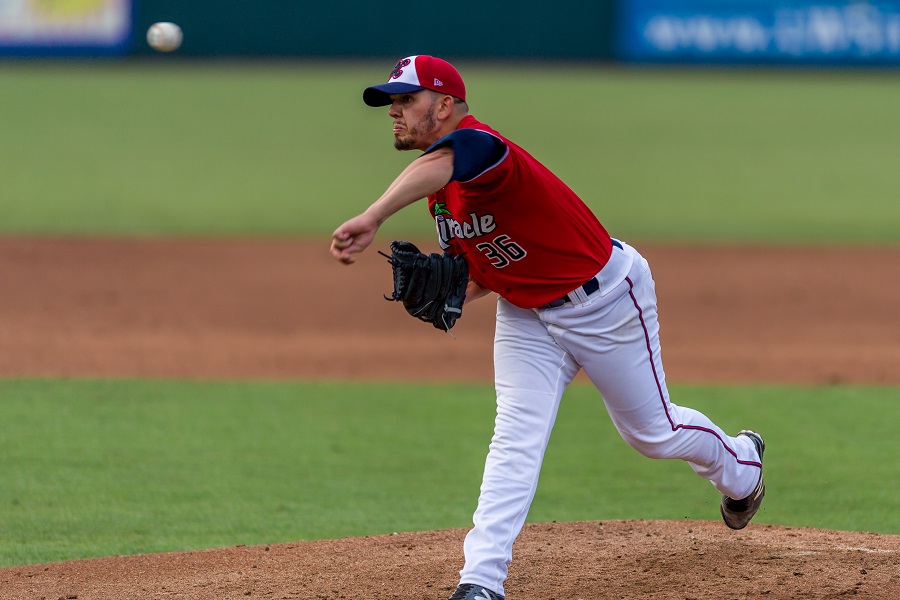 Brusdar Graterol, RHP Graterol has seen a bumpy start to his professional career. As a 16-year old in 2015, he made his professional debut in the Dominican Summer League. He was limited to four starts and was forced to undergo Tommy John surgery. It cost him the rest of 2015 and all of 2016. Last season, he returned to action in the GCL and the Appy League, where he was still over 2.5 years younger than the competition. In the GCL, he posted a 1.40 ERA and a 0.72 WHIP while averaging 9.8 K/9. With the E-Twins, he saw increases to both his ERA (3.92) and WHIP (1.21). However, he was Elizabethton’s youngest pitcher this season and his K/9 increased to 10.5. Looking ahead to 2018, it’s not hard to imagine that Graterol could make appearances with Cedar Rapids before he turns 20 in late August. His fastball can consistently hit in the high 90’s and he has shown the ability to rear back and hit triple digits. If he can continue to develop his secondary pitches, his stock could continue to rise in 2018. Jacob Pearson, OF Minnesota acquired Pearson this off-season in a deal that sent international bonus money to the Los Angeles Angels. Pearson was taken by the Angels in the third round of the 2017 MLB Draft. He signed for $1 million, an over-slot deal, to keep him from committing to LSU. Pearson made his professional debut in the Arizona Rookie League and saw some ups and downs. Over 155 at-bats, he hit .226/.302/.284 with eight extra-base hits and five steals in 40 games. He ended the year with hits in eight of his final ten games including a .317 OBP. All but 30 of his plate appearances came against older pitchers so there are still some adjustments to be made as a pro. As a sophomore in high school, Pearson had labrum surgery on his throwing shoulder. This currently means his arm is below average but he could strengthen it as he works through the Twins system. Baseball America touted Pearson’s quiet confidence and work ethic in an article this past November. He could eventually be a 20-20 type of player. He will start 2018 in extended spring training but he could make his way to Cedar Rapids before season’s end. Lewis Thorpe, LHP Thorpe burst on the scene as a 17-year old in the GCL back in 2013. He dominated hitters with a 2.05 ERA, a 0.86 WHIP, and 64 strikeouts in 44.0 innings. Baseball Prospectus even included him in their top-101 prospects leading into 2014 and 2015. Thorpe did not pitch in 2015 and 2016 as he recovered from Tommy John surgery and then from mononucleosis. He’d return in 2017 with the Miracle where he posted a 2.69 ERA while striking out nearly 10 batters per nine. In late August, he made a spot start with the Lookouts and picked up the victory. He allowed four runs, struck out seven and pitched through the sixth frame. It was a big year back for Mr. Thorpe. Since he is multiple years removed from TJ surgery, 2018 could end up being an important year in Thorpe’s development. He will likely pitch the entire year in Chattanooga but he will still be roughly two years younger than the competition. With an arsenal that includes three pitches, he has the opportunity to prove he should be reconsidered as one of the best pitching prospects in the Twins system. What minor league players will you be focused on during the coming season? Leave a COMMENT and start the discussion. Make sure to pick up a copy of the 2018 Twins Prospect Handbook if you'd like to identify your own prospects to follow in the Twins farm system.
 -
Article: Five Twins Players’ Resolutions
Cody Christie posted a topic in Twins Daily Front Page News
The beginning of a new year means a chance to reflect on 2017 and look for improvement for 2018. You and your loved ones might have sat down over the long weekend to plot out your own resolutions. Maybe you want to lose some weight. Perhaps you want to plan a vacation. Or maybe you want to try and get to Target Field as much as possible in 2018. How can the Twins improve on their playoff appearance in 2017? Here are five Twins players who have some resolutions for 2018.Jose Berrios Resolution: Increased strikeout rate in 2018 Berrios has pitched over 200 innings at the big league level. During his five minor league seasons, he posted a 9.6 strikeout per nine rate. At the MLB level, that total has dipped to 8.3 strikeouts per nine. His base on balls has also increased from 2.5 to 3.7 and his hits per nine has gone from 7.3 to 9.0. Berrios has shown flashes of dominance in the big leagues but he needs to find some more consistency. If he is able to find a consistent out-pitch, he should see some improvement in all of his numbers in 2018. Byron Buxton Resolution: Avoid a slow start As a Georgia native, Buxton might not get along with the cold Minnesota springs. His struggles at the beginning of last season were well documented as he was striking out at a historic rate. After hitting under .250 through the season’s first three months, Buxton hit over .320 in July and August while averaging a .973 OPS. For the entire second half, he hit .300/.347/.546 with 24 extra-base hits. It might be tough to keep that pace to start 2018 but it should be easier for Buxton to avoid duplicating his slow start from 2017. Stephen Gonsalves Resolution: Earn a rotation spot Gonsalves was close to making his debut in 2017 but he wasn’t on the 40-man roster. One hurdle is over as he was add to the 40-man this off-season. There’s plenty of rumors swirling about the Twins looking at adding a top of the rotation starter. Plenty of players sit ahead of Gonsalves on the team’s current depth chart. If he has an impressive spring, he could make it hard to send him to Rochester. Gonsalves will debut in 2018 and he has the opportunity to win a rotation spot. Joe Mauer Resolution: Go win that Gold Glove Mauer watched Byron Buxton and Brian Dozier walk away with the hardware in 2017. Mauer was robbed of even being a finalist when his numbers clearly put him near the top of the American League. Mauer’s defense was strong and his offensive numbers also improved in 2017. He hit over .300 and had an OPS above .800 for the first time since 2013. Only two players, Darin Erstad and Placido Polanco, have won a Gold Glove at multiple positions. Mauer should join that small group in 2018. Jorge Polanco Resolution: Solve Minnesota’s revolving door at shortstop It’s been a long time since Minnesota has seen some consistency at shortstop. The position has seemed to be a revolving door dating all the way back to the Metrodome days. In 133 games, Polanco batted .256/.313/.410 with 13 home runs and 30 doubles. As a prospect, there were questions about his defense but he seemed to be able to hold his own at the big league level. Other prospects like Nick Gordon and Royce Lewis are moving towards Target Field. Polanco needs to show his value to the club. What other players have resolutions for 2018? Do you have a resolution for the Twins? Leave a COMMENT and start the discussion. Click here to view the article- 20 replies
-
- 1
-

-
- jorge polanco
- joe mauer
- (and 3 more)
-
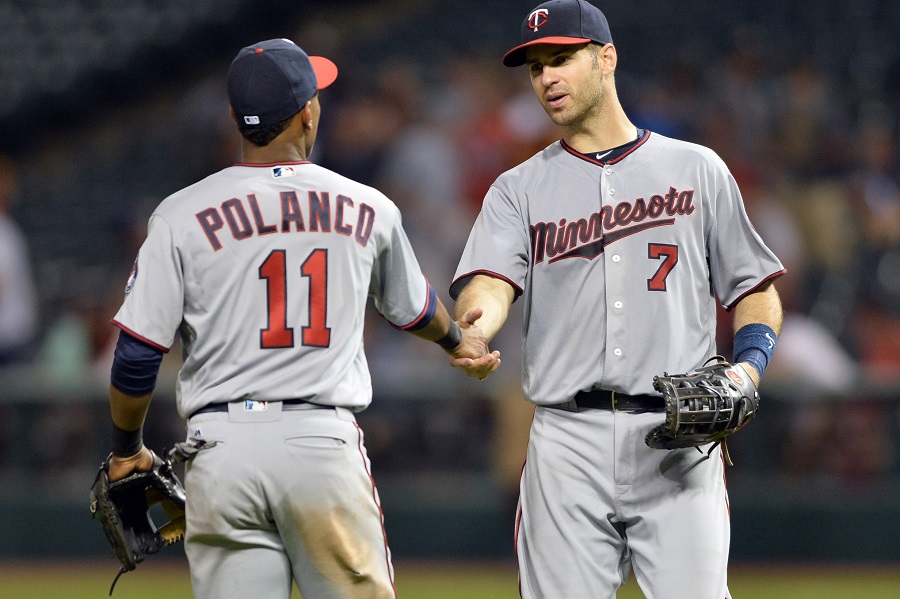 Jose Berrios Resolution: Increased strikeout rate in 2018 Berrios has pitched over 200 innings at the big league level. During his five minor league seasons, he posted a 9.6 strikeout per nine rate. At the MLB level, that total has dipped to 8.3 strikeouts per nine. His base on balls has also increased from 2.5 to 3.7 and his hits per nine has gone from 7.3 to 9.0. Berrios has shown flashes of dominance in the big leagues but he needs to find some more consistency. If he is able to find a consistent out-pitch, he should see some improvement in all of his numbers in 2018. Byron Buxton Resolution: Avoid a slow start As a Georgia native, Buxton might not get along with the cold Minnesota springs. His struggles at the beginning of last season were well documented as he was striking out at a historic rate. After hitting under .250 through the season’s first three months, Buxton hit over .320 in July and August while averaging a .973 OPS. For the entire second half, he hit .300/.347/.546 with 24 extra-base hits. It might be tough to keep that pace to start 2018 but it should be easier for Buxton to avoid duplicating his slow start from 2017. Stephen Gonsalves Resolution: Earn a rotation spot Gonsalves was close to making his debut in 2017 but he wasn’t on the 40-man roster. One hurdle is over as he was add to the 40-man this off-season. There’s plenty of rumors swirling about the Twins looking at adding a top of the rotation starter. Plenty of players sit ahead of Gonsalves on the team’s current depth chart. If he has an impressive spring, he could make it hard to send him to Rochester. Gonsalves will debut in 2018 and he has the opportunity to win a rotation spot. Joe Mauer Resolution: Go win that Gold Glove Mauer watched Byron Buxton and Brian Dozier walk away with the hardware in 2017. Mauer was robbed of even being a finalist when his numbers clearly put him near the top of the American League. Mauer’s defense was strong and his offensive numbers also improved in 2017. He hit over .300 and had an OPS above .800 for the first time since 2013. Only two players, Darin Erstad and Placido Polanco, have won a Gold Glove at multiple positions. Mauer should join that small group in 2018. Jorge Polanco Resolution: Solve Minnesota’s revolving door at shortstop It’s been a long time since Minnesota has seen some consistency at shortstop. The position has seemed to be a revolving door dating all the way back to the Metrodome days. In 133 games, Polanco batted .256/.313/.410 with 13 home runs and 30 doubles. As a prospect, there were questions about his defense but he seemed to be able to hold his own at the big league level. Other prospects like Nick Gordon and Royce Lewis are moving towards Target Field. Polanco needs to show his value to the club. What other players have resolutions for 2018? Do you have a resolution for the Twins? Leave a COMMENT and start the discussion.
 -
When a team has the number one overall pick, it’s imperative to make an organizational shifting selection. This might seem like an obvious statement but teams are rarely in position to select at the top of the draft. If the front office makes a wrong choice at the top, there can be reverberating effects for multiple years into the future. Minnesota’s minor league system has been strong for multiple years but many top players have graduated from the prospect ranks in recent years. Minnesota needed an influx of talent to give the farm system a shot in the arm. Lucky for Twins fans, the early returns are in and the results are quite promising.Make sure to order a copy of the 2018 MINNESOTA TWINS PROSPECT HANDBOOK if you want to know more about Minnesota’s recent draftees and other players in the minor leagues. This book provides over 170 profiles on players throughout the Twins’ farm system. It is a must own for any baseball fan. New Front Office As the Twins were searching for a new regime, the ability to draft at the beginning of every round in the 2017 draft had to be an intriguing selling point. After being hired, Derek Falvey and Thad Levine had to be licking their chops to dive into the draft process. There is also pressure on the front office to make the right pick. It will be multiple years before the Twins know the results of the 2017 draft. Prospects can have lots of bumps in the road before becoming regular at the big league level. Not every prospect is Mike Trout or Bryce Harper. Even recent top Twins prospects like Byron Buxton and Jose Berrios went through some growing pains. The new front office entered the draft process and made their best selections. Top Picks Royce Lewis wasn’t the consensus number one pick but there might not have been a consensus top prospect as the draft approached. Lewis quickly made an impact in his professional debut. In fact, he cracked a home run in his first professional at-bat. In 42 games between the GCL and the MWL, he hit .279/.381/.407 with 15 extra-base hits. He was over three years younger than the competition in the MWL. With their second pick in the draft, the Twins selected a familiar name. Brent Rooker had been the team’s 38th round pick in 2016 as a redshirt sophomore. He returned to Mississippi State and the decision paid off. Rooker split time between the Appalachian League and the Florida State League while combining for a .930 OPS. Other top draft choices like Landon Leach, Blayne Enlow, Charlie Barnes and Andrew Bechtold are also going to figure into Twins top prospect lists this offseason. Be Aggressive Prospects can be a fickle bunch. Not every prospect is going to live up to the hype that is bestowed on him at such a young age. However, there are players in every organization who will blossom into the next wave of talent. John Mirabelli, the Cleveland Indians Senior Director of Scouting Operations, said, “If you have a core of guys on the cusp, it’s important to get that next group and move them along as quick as you can. If you can see that coming… When you see that coming, it’s imperative to be aggressive to get them seasoned.” The Twins were aggressive with Lewis and Rooker in their first professional season and that trend will likely continue. There are plenty of young pieces ready to contribute at the big league level. Other pieces from the 2017 draft could make it to Target Field as early as the 2018 season. Drafting top talent is important but drafting the right pieces, that fit an organization, can make a world of difference. Don’t forget to pick up your copy of the 2018 MINNESOTA TWINS PROSPECT HANDBOOK. Click here to view the article
- 20 replies
-
- 2
-
-
- royce lewis
- brent rooker
- (and 3 more)
-
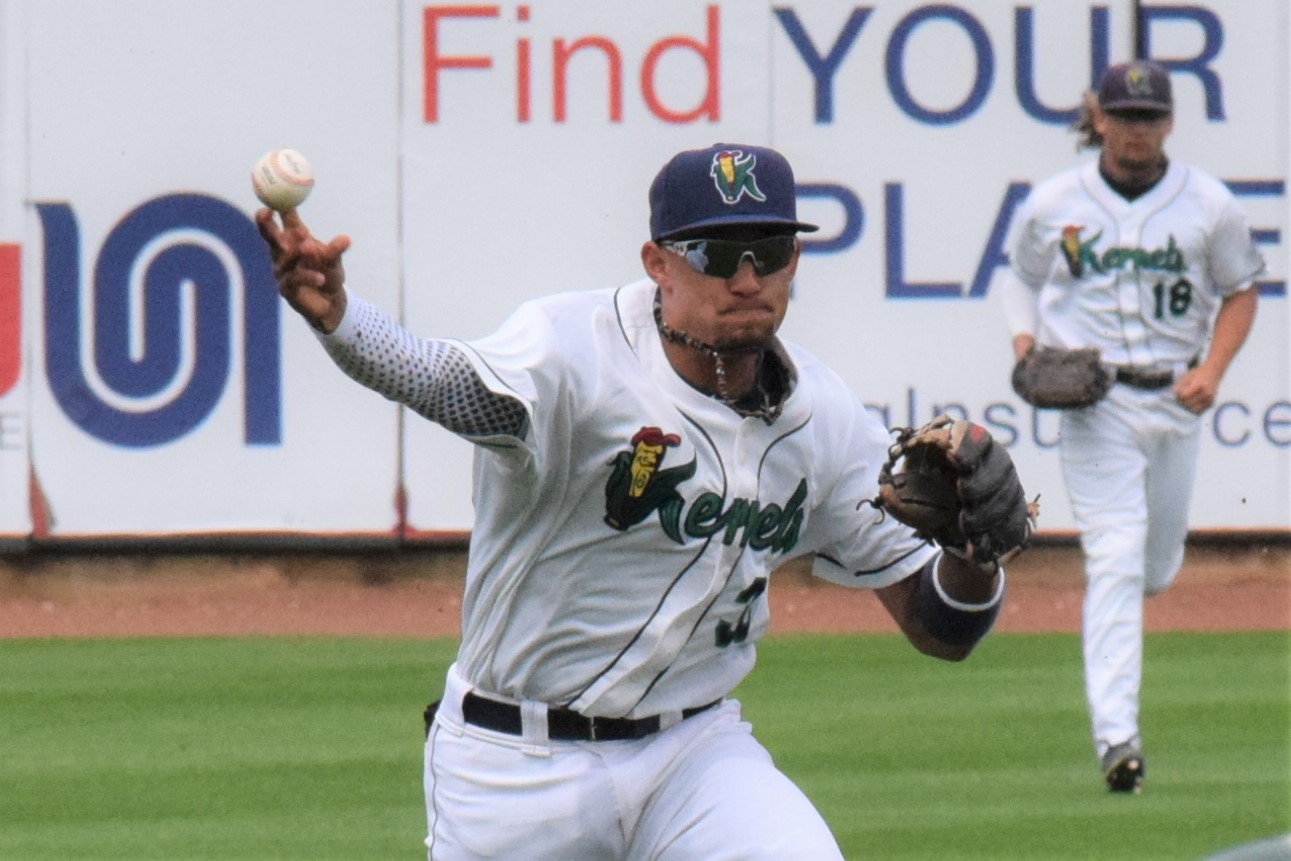 Make sure to order a copy of the 2018 MINNESOTA TWINS PROSPECT HANDBOOK if you want to know more about Minnesota’s recent draftees and other players in the minor leagues. This book provides over 170 profiles on players throughout the Twins’ farm system. It is a must own for any baseball fan. New Front Office As the Twins were searching for a new regime, the ability to draft at the beginning of every round in the 2017 draft had to be an intriguing selling point. After being hired, Derek Falvey and Thad Levine had to be licking their chops to dive into the draft process. There is also pressure on the front office to make the right pick. It will be multiple years before the Twins know the results of the 2017 draft. Prospects can have lots of bumps in the road before becoming regular at the big league level. Not every prospect is Mike Trout or Bryce Harper. Even recent top Twins prospects like Byron Buxton and Jose Berrios went through some growing pains. The new front office entered the draft process and made their best selections. Top Picks Royce Lewis wasn’t the consensus number one pick but there might not have been a consensus top prospect as the draft approached. Lewis quickly made an impact in his professional debut. In fact, he cracked a home run in his first professional at-bat. In 42 games between the GCL and the MWL, he hit .279/.381/.407 with 15 extra-base hits. He was over three years younger than the competition in the MWL. With their second pick in the draft, the Twins selected a familiar name. Brent Rooker had been the team’s 38th round pick in 2016 as a redshirt sophomore. He returned to Mississippi State and the decision paid off. Rooker split time between the Appalachian League and the Florida State League while combining for a .930 OPS. Other top draft choices like Landon Leach, Blayne Enlow, Charlie Barnes and Andrew Bechtold are also going to figure into Twins top prospect lists this offseason. Be Aggressive Prospects can be a fickle bunch. Not every prospect is going to live up to the hype that is bestowed on him at such a young age. However, there are players in every organization who will blossom into the next wave of talent. John Mirabelli, the Cleveland Indians Senior Director of Scouting Operations, said, “If you have a core of guys on the cusp, it’s important to get that next group and move them along as quick as you can. If you can see that coming… When you see that coming, it’s imperative to be aggressive to get them seasoned.” The Twins were aggressive with Lewis and Rooker in their first professional season and that trend will likely continue. There are plenty of young pieces ready to contribute at the big league level. Other pieces from the 2017 draft could make it to Target Field as early as the 2018 season. Drafting top talent is important but drafting the right pieces, that fit an organization, can make a world of difference. Don’t forget to pick up your copy of the 2018 MINNESOTA TWINS PROSPECT HANDBOOK.
 -
Article: Mike Napoli: The Missing Piece?
Cody Christie posted a topic in Twins Daily Front Page News
Every team is looking for that one piece that will push them to the next level. It can be an ace pitcher at the front of the rotation or a relief pitcher to help solidify the back-end of the bullpen. Other veteran players can provide a voice in the locker room that might have been missing in previous years. Minnesota is rumored to be interested in veteran first baseman and designated hitter Mike Napoli. Could he be Minnesota’s missing piece in 2018?The Napoli Connection Derek Falvey and Thad Levine both got to know Napoli during his time in Cleveland and Texas. There were rumors of the Twins being interested last off-season but he decided to return to Texas. During the 2017 campaign, he hit .193/.285/.428 with 29 home runs in 124 games. While these numbers don’t exactly stand out, Napoli is known for more than his offensive production. The Star Tribune was told by a source that “the Twins’ interest in him extends nearly as much to the clubhouse as to the batter’s box.” If Napoli were to come to Minnesota, he would serve as a part-time first baseman and designated hitter. Current players Joe Mauer and Miguel Sano will both see time at designated hitter so Napoli could help to bolster the bench. Current Veteran Pieces Minnesota currently has Brian Dozier and Joe Mauer to serve in a leadership role. Dozier has clearly become the team’s vocal leader in recent years. Mauer’s quiet nature often makes fans call for him to take on more of a leadership role. Napoli has been part of winning team’s throughout his career. This gives him a different perspective than the Dozier-Mauer combo. During the 2015 campaign, Torii Hunter returned to Minnesota and helped the club back to respectability. In manager Paul Molitor’s first year on the job, Hunter provided a veteran voice as the club was surprisingly in the playoff race until the season’s last weekend. Napoli might not provide the same kind of fire (see Hunter ripping his jersey off on the field) but he could still fill a role sinilar to Hunter's in 2015. Houston’s Blueprint As the Astros were heading toward their first World Series title, it was clear they had found the right mix of veteran pieces to complement their young core. Players like Brian McCann, Josh Reddick,and Carlos Beltran were added to the Astros roster to provide a voice and leadership in the locker room. There’s no doubt that young players like Carlos Correa, Alex Bregman and Lance McCullers Jr. all relied on those veteran pieces at some point in the season. In Houston, it took multiple veteran pieces to bolster the roster. Like Napoli, Beltran wasn’t an every day player by the end of his career. In fact, the Astros’ players had a funeral for Beltran’s glove during the 2017 season. Napoli might just be the first veteran piece of the puzzle to help Minnesota in 2018. Can Napoli be the missing piece for the Twins? What do you think he can add to the locker room? Leave a COMMENT and start the discussion. Click here to view the article- 45 replies
-
- 2
-
-
- mike napoli
- torii hunter
- (and 3 more)
-
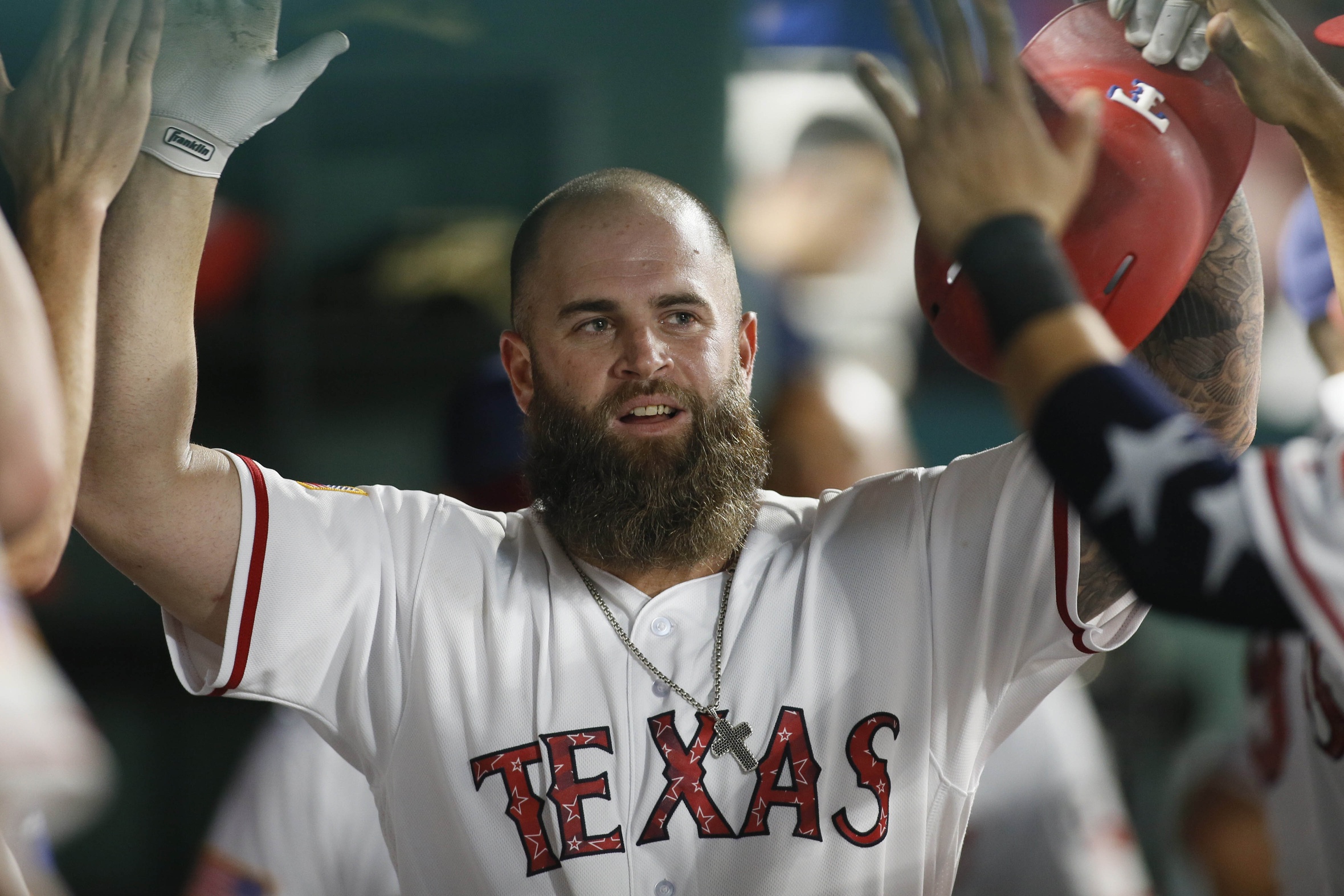 The Napoli Connection Derek Falvey and Thad Levine both got to know Napoli during his time in Cleveland and Texas. There were rumors of the Twins being interested last off-season but he decided to return to Texas. During the 2017 campaign, he hit .193/.285/.428 with 29 home runs in 124 games. While these numbers don’t exactly stand out, Napoli is known for more than his offensive production. The Star Tribune was told by a source that “the Twins’ interest in him extends nearly as much to the clubhouse as to the batter’s box.” If Napoli were to come to Minnesota, he would serve as a part-time first baseman and designated hitter. Current players Joe Mauer and Miguel Sano will both see time at designated hitter so Napoli could help to bolster the bench. Current Veteran Pieces Minnesota currently has Brian Dozier and Joe Mauer to serve in a leadership role. Dozier has clearly become the team’s vocal leader in recent years. Mauer’s quiet nature often makes fans call for him to take on more of a leadership role. Napoli has been part of winning team’s throughout his career. This gives him a different perspective than the Dozier-Mauer combo. During the 2015 campaign, Torii Hunter returned to Minnesota and helped the club back to respectability. In manager Paul Molitor’s first year on the job, Hunter provided a veteran voice as the club was surprisingly in the playoff race until the season’s last weekend. Napoli might not provide the same kind of fire (see Hunter ripping his jersey off on the field) but he could still fill a role sinilar to Hunter's in 2015. Houston’s Blueprint As the Astros were heading toward their first World Series title, it was clear they had found the right mix of veteran pieces to complement their young core. Players like Brian McCann, Josh Reddick,and Carlos Beltran were added to the Astros roster to provide a voice and leadership in the locker room. There’s no doubt that young players like Carlos Correa, Alex Bregman and Lance McCullers Jr. all relied on those veteran pieces at some point in the season. In Houston, it took multiple veteran pieces to bolster the roster. Like Napoli, Beltran wasn’t an every day player by the end of his career. In fact, the Astros’ players had a funeral for Beltran’s glove during the 2017 season. Napoli might just be the first veteran piece of the puzzle to help Minnesota in 2018. Can Napoli be the missing piece for the Twins? What do you think he can add to the locker room? Leave a COMMENT and start the discussion.
 -
Earlier this week, Tampa Bay made an organization-altering trade. Evan Longoria has been the face of the Rays organization for the majority of the last decade. The Rays dealt Longoria to the Giants as he enters his age-32 season. It will be weird to see him in different colors than Tampa’s but the Rays seem to be shifting toward a new direction. Could Minnesota take advantage of Tampa’s need to part with higher-paid players?Marc Topkin ofThe Tampa Bay Times reported that the Rays are “open to trading most of their higher-paid players.” Those players would include former All-Star Chris Archer, a starting pitcher, and closer Alex Colome. Both of these players are going to come at a high cost. There are other options in Tampa though and those might be the players Minnesota should target. Archer is under team control for four more years for only $34 million. He has a decent track record and he’s under 30-years old. Colome was an All-Star in 2016 and he is arbitration eligible for the first time in 2018. That means he can be a free agent until 2021. That being said, it is going to take a king’s ransom to pry either of them out of Tampa. Another trade target for Minnesota could be right-handed pitcher Jake Odorizzi. Over the last three seasons, he’s pitched over 500 innings with a 3.71 ERA and a 1.19 WHIP. Compared to the players above, he has fewer years of team control as he will be a free agent in 2020. He could come at a cheaper cost based on his years of control and his 2017 performance. At the Winter Meetings, the Rays were not in much of a hurry to deal away any assets. However, things have changed with Longoria being dealt. If Tampa wants to capitalize on Odorizzi’s value, this off-season might be the opportunity to trade him. Tampa might run out of options as Odorizzi moves closer to free agency. If the Twins are serious about dealing with Tampa, Odorizzi seems like the most likely target. Archer would instantly become the Twins’ ace but the Twins might not have the prospects to strike a deal. My guess is Royce Lewis would need to be included and Minnesota is unlikely to part with their top prospect. Colome could help the Twins to get closer to a “super bullpen” but he would also come at quite the cost. Tampa isn’t going to be trading away their top assets for peanuts. Small market organization like Tampa are built on being smart with their assets and trading away pieces with value to rebuild. The Rays are open to trades and Minnesota needs to be smart about this opportunity. If the right deal can be struck, Minnesota should pounce on the opportunity. Otherwise, it might be better to look for other available options on the starting pitching market. Should Minnesota target any of Tampa’s trade assets? Leave a COMMENT and start the discussion. Click here to view the article
-
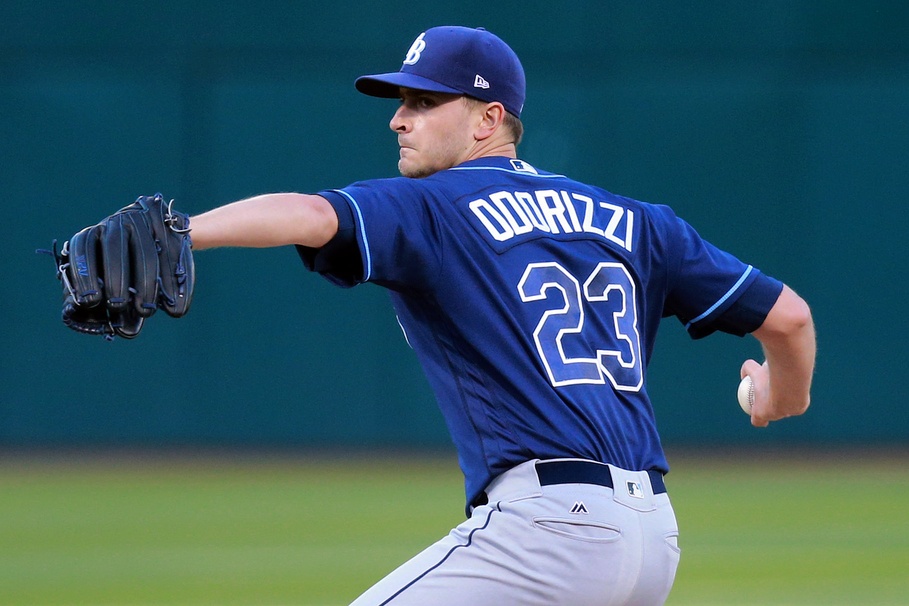 Marc Topkin of The Tampa Bay Times reported that the Rays are “open to trading most of their higher-paid players.” Those players would include former All-Star Chris Archer, a starting pitcher, and closer Alex Colome. Both of these players are going to come at a high cost. There are other options in Tampa though and those might be the players Minnesota should target. Archer is under team control for four more years for only $34 million. He has a decent track record and he’s under 30-years old. Colome was an All-Star in 2016 and he is arbitration eligible for the first time in 2018. That means he can be a free agent until 2021. That being said, it is going to take a king’s ransom to pry either of them out of Tampa. https://twitter.com/Ken_Rosenthal/status/943917621732397056 Another trade target for Minnesota could be right-handed pitcher Jake Odorizzi. Over the last three seasons, he’s pitched over 500 innings with a 3.71 ERA and a 1.19 WHIP. Compared to the players above, he has fewer years of team control as he will be a free agent in 2020. He could come at a cheaper cost based on his years of control and his 2017 performance. https://twitter.com/MikeBerardino/status/942167855633707011 At the Winter Meetings, the Rays were not in much of a hurry to deal away any assets. However, things have changed with Longoria being dealt. If Tampa wants to capitalize on Odorizzi’s value, this off-season might be the opportunity to trade him. Tampa might run out of options as Odorizzi moves closer to free agency. If the Twins are serious about dealing with Tampa, Odorizzi seems like the most likely target. Archer would instantly become the Twins’ ace but the Twins might not have the prospects to strike a deal. My guess is Royce Lewis would need to be included and Minnesota is unlikely to part with their top prospect. Colome could help the Twins to get closer to a “super bullpen” but he would also come at quite the cost. Tampa isn’t going to be trading away their top assets for peanuts. Small market organization like Tampa are built on being smart with their assets and trading away pieces with value to rebuild. The Rays are open to trades and Minnesota needs to be smart about this opportunity. If the right deal can be struck, Minnesota should pounce on the opportunity. Otherwise, it might be better to look for other available options on the starting pitching market. Should Minnesota target any of Tampa’s trade assets? Leave a COMMENT and start the discussion.
 -
Bullpens have continued to evolve in recent years. Gone are the days of starters pitching eight or nine innings on a regular basis. This means bullpens are forced to pitch more often and for more innings. Late inning pitchers might be asked to pitch more than one inning. Some teams are ahead of others when it comes to the bullpen evolution. Minnesota’s bullpen has gone through some ups and downs in recent years. If the team wants to be in contention in 2018, things might need to change at the back end of games. How could the Twins build a “super bullpen?”What Makes A Super Bullpen? The Rockies have been aggressive with their bullpen plan this offseason. Bryan Shaw and Jake McGee have both already been added in free agency. Greg Holland served as the team’s closer in 2017 and he could still return to Colorado. Adding other names like Addison Reed and Wade Davis could make them a force in late inning situations. In recent years, contending teams have tried their best to compile a “super bullpen.” The Yankees compiled the highest fWAR total in 2017. Their back-end was bolstered by Aroldis Chapman, Dellin Betances and David Robertson. Cleveland used the likes of Andrew Miller, Bryan Shaw and Cody Allen on their way to over 100 wins. Other teams, like Houston and Los Angeles, relied heavily on their bullpen on the way to the World Series. If a team is going to contend, there must be reliable bullpen options. Planning Minnesota’s 2018 Bullpen Minnesota has already added Fernando Rodney this off-season. He will likely serve as the team’s closer but other pieces will need to be added around him to build Minnesota’s “super bullpen.” Derek Falvey and Thad Levine obviously see something in Tyler Kinley, the team’s Rule 5 Draft pick, because they allowed the likes of Nick Burdi and Luke Bard to be selected by other organizations. Some other young pieces also figure into the Twins plans this season. Trevor Hildenberger made his debut in 2017 and actually ended up leading the team in fWAR. Tyler Duffey, Taylor Rogers and Ryan Pressly will look to build off of positives from last season. Even with all of these players, it would be hard to call Minnesota’s bullpen a “super bullpen.” Some other options could figure into the equation for 2018. JT Chargois spent most of 2017 recovering from different arm injuries including a stress reaction on the outside of his elbow. Tyler Jay, a former first round pick, moved from starter to relief pitcher in 2017. He could debut in 2018 and be a piece that helps Minnesota’s bullpen become closer to being considered “super.” Wait And See Approach Free agent relief pitchers have been faring very well so far this off-season. This is probably why the Favley-Levine team has been waiting for the market to cool a little. Bullpen arms can be found in lots of different ways. Brandon Kintzler was able to become an All-Star in Minnesota and the club never paid him more than $3 million in a season. Relief pitchers can have a breakout season at any time. It’s up to the front office to identify the players who are ready to take the next step. Is the wait and see approach right for the front office? Who would you like to see the Twins add to the bullpen? Can they have a “super bullpen” in 2018? Leave a COMMENT and start the discussion. Click here to view the article
- 53 replies
-
- 1
-
-
- fernando rodney
- trevor hildenberger
- (and 3 more)
-
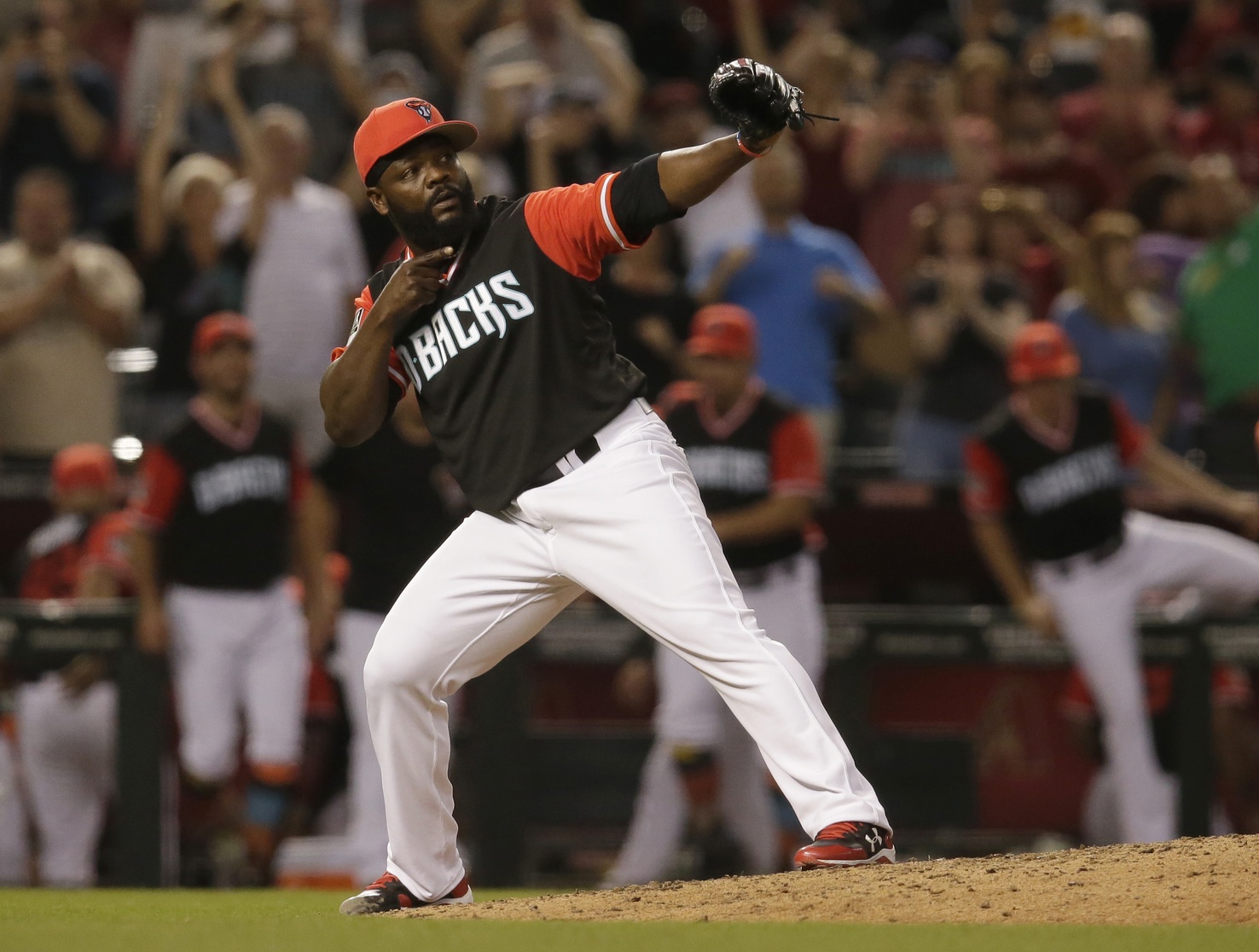 What Makes A Super Bullpen? https://twitter.com/JonHeyman/status/943632267708157957 The Rockies have been aggressive with their bullpen plan this offseason. Bryan Shaw and Jake McGee have both already been added in free agency. Greg Holland served as the team’s closer in 2017 and he could still return to Colorado. Adding other names like Addison Reed and Wade Davis could make them a force in late inning situations. In recent years, contending teams have tried their best to compile a “super bullpen.” The Yankees compiled the highest fWAR total in 2017. Their back-end was bolstered by Aroldis Chapman, Dellin Betances and David Robertson. Cleveland used the likes of Andrew Miller, Bryan Shaw and Cody Allen on their way to over 100 wins. Other teams, like Houston and Los Angeles, relied heavily on their bullpen on the way to the World Series. If a team is going to contend, there must be reliable bullpen options. Planning Minnesota’s 2018 Bullpen Minnesota has already added Fernando Rodney this off-season. He will likely serve as the team’s closer but other pieces will need to be added around him to build Minnesota’s “super bullpen.” Derek Falvey and Thad Levine obviously see something in Tyler Kinley, the team’s Rule 5 Draft pick, because they allowed the likes of Nick Burdi and Luke Bard to be selected by other organizations. Some other young pieces also figure into the Twins plans this season. Trevor Hildenberger made his debut in 2017 and actually ended up leading the team in fWAR. Tyler Duffey, Taylor Rogers and Ryan Pressly will look to build off of positives from last season. Even with all of these players, it would be hard to call Minnesota’s bullpen a “super bullpen.” Some other options could figure into the equation for 2018. JT Chargois spent most of 2017 recovering from different arm injuries including a stress reaction on the outside of his elbow. Tyler Jay, a former first round pick, moved from starter to relief pitcher in 2017. He could debut in 2018 and be a piece that helps Minnesota’s bullpen become closer to being considered “super.” Wait And See Approach Free agent relief pitchers have been faring very well so far this off-season. This is probably why the Favley-Levine team has been waiting for the market to cool a little. Bullpen arms can be found in lots of different ways. Brandon Kintzler was able to become an All-Star in Minnesota and the club never paid him more than $3 million in a season. Relief pitchers can have a breakout season at any time. It’s up to the front office to identify the players who are ready to take the next step. Is the wait and see approach right for the front office? Who would you like to see the Twins add to the bullpen? Can they have a “super bullpen” in 2018? Leave a COMMENT and start the discussion.
 -
Over the last handful of weeks, I have made a clear case for Johan Santana’s inclusion in Cooperstown. If I had a ballot, his would be one of the ten names I would pencil in. He might not survive his first trip through the Hall of Fame process but others in this year’s class will be enshrined. Debating the resumes of Hall candidates has become contentious in recent years. The steroid era clouded the results of this hallowed ground. Two players, Barry Bonds and Roger Clemens, might have been the all-time best hitter and pitcher. Neither has gotten the call from Cooperstown. This year’s class is shaping up to be a big one.If you missed any of the series on Johan Santana’s Cooperstown Case, there were three parts to the series. The first post looked at the Kirby Puckett Clause and how it can be applied to Santana. The second article touched on the similarities in careers between Santana and the great Sandy Koufax. The third and final piece touched on his missing third Cy Young. Class of 2018 Vladimir Guerrero: In his first year on the ballot, Guerrero garnered 71.7% of the vote and finished a mere 15 votes shy of induction. He will most certainly get the call this season. Across 16 big league seasons, he hit .318/.379/.553 with 449 home runs, 477 doubles and 2,590 hits. He ranked in the top five in the MVP voting four times and took home the 2004 AL MVP. His .318 average and 449 home runs have only been matched by Babe Ruth, Stan Musial, Lou Gehrig, Ted Williams and Jimmie Foxx. Trevor Hoffman: Much like Guerrero, Hoffman fell just votes shy of being elected last year. He received 74% of the vote and only needed five more votes to be inducted. He held the all-time record for career saves before Mariano Rivera took over the lead. Even as a relief pitcher, he finished second in the Cy Young voting twice and had two other top six finishes. He was the first pitcher to reach 500 saves and he is one of two players to reach the 600-save mark. Chipper Jones: The long-time Braves third baseman is making his first appearance on the ballot and he should easily make it to Cooperstown. During his 19-year career, he hit .303 while combining 468 home runs with a .930 OPS. He took home the 1999 NL MVP Award. He is one of five players to compile a .300 batting average, .400 on-base percentage, .500 slugging percentage, at least 450 home runs and at least 2,700 hits over a career. The other players are Babe Ruth, Lou Gehrig, Stan Musial and Mel Ott. Jim Thome: Twins fans are well aware of the legend of Jim Thome. From home runs off the top of the flag pole to his devastating Game 163 bomb, Twins Territory has seen the good and the bad of Thome’s career. Thome smashed over 600 home runs, got on base over 40% of the time and compiled a career .956 OPS. Beside his performance on the field, he was known as one of baseball’s great ambassadors for his contributions off the field. Because of a log-jam on the ballot, he might be close in his first year but I still think he makes it. Future Inductions Omar Vizquel: Vizquel is an interesting case in that nearly all of his value came on the defensive side of the ball. He slashed .272/.336/.352 including only two seasons with a 100-plus OPS+ in his 24-year career. He was a defensive wizard who won 11 Gold Glove awards. Many compare him to Ozzie Smith, a first ballot Hall of Famer, who didn’t provide a lot of offensive value. With a loaded ballot, I’m guessing Vizquel won’t be elected in 2018 but he will gain some support in the years to come. Edgar Martinez: I continue to push for Edgar Martinez since he is one of the best designated hitters in history. Unfortunately, voters continue to hold his lack of defensive value against him. It’s shaping up to be a very close race for him. Out of the almost 60 public ballots, he is polling at over 80%. This would be good enough to get in but there are still plenty of unknown ballots to be counted. May Never Get In (But Still On My Ballot) Barry Bonds, Roger Clemens, Mike Mussina, Johan Santana Bonds and Clemens are two of the greatest players of all time but their connection to the steroid era has kept them out of Cooperstown. Mussina continues to make it on to my ballot and I think he might start to pick up some voters in the years to come. He was a very good pitcher for a long time but it might not be enough to find a place in Cooperstown. I built Santana’s Cooperstown case in multiple posts. I think he deserves to get in. To be transparent, little has changed in my ballot from last year to this year. I correctly predicted the three players who would be elected last year (Bagwell, Raines and Rodriguez) and I dropped Curt Schilling from the end of my ballot. I have replaced those four players on this year’s ballot with four first-time nominees (Jones, Thomes, Vizquel and Santana). Here is the official list of players available to be voted for by the BBWAA. Who makes your list? Leave a COMMENT and start the discussion. Click here to view the article
-
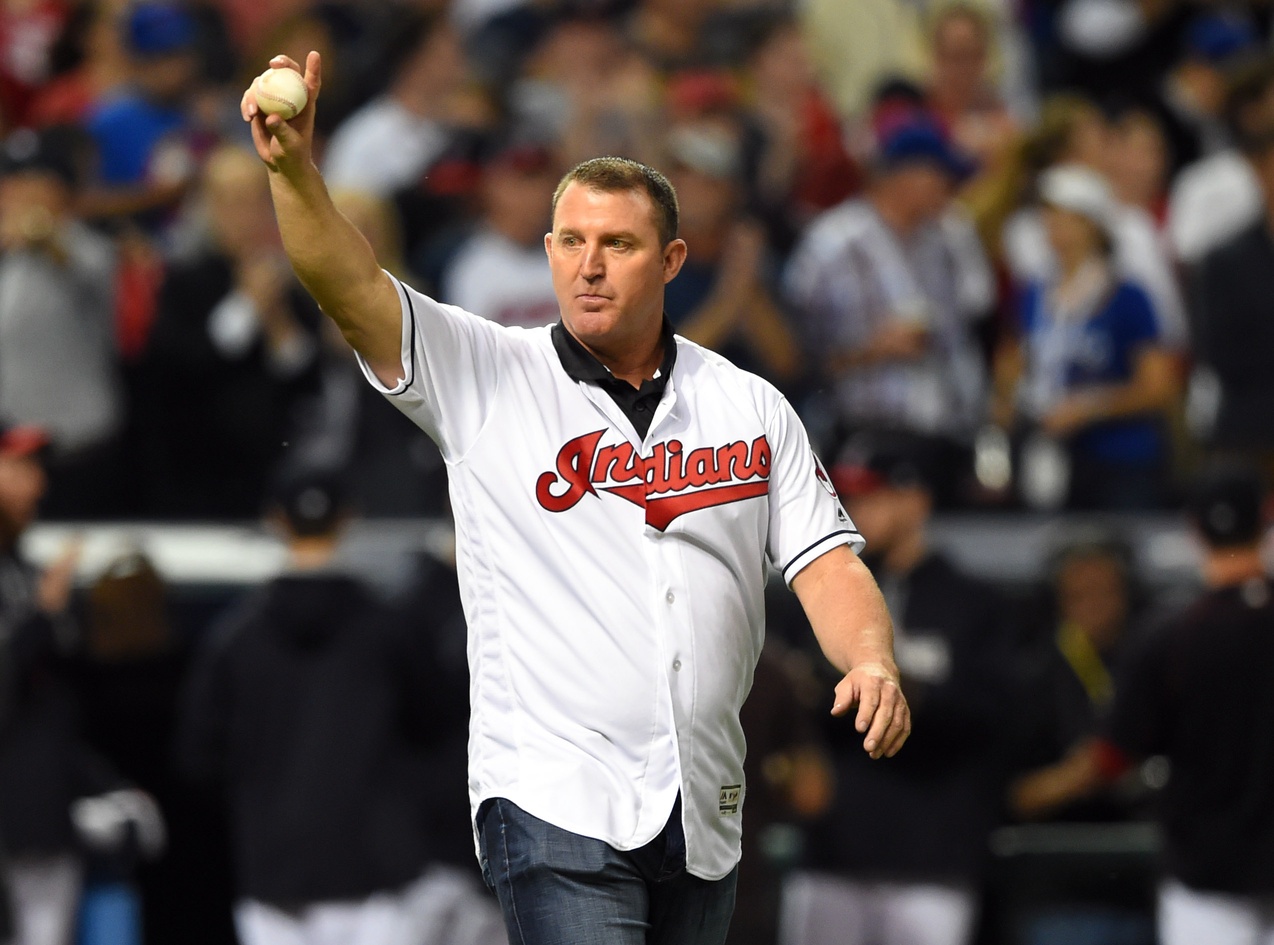 If you missed any of the series on Johan Santana’s Cooperstown Case, there were three parts to the series. The first post looked at the Kirby Puckett Clause and how it can be applied to Santana. The second article touched on the similarities in careers between Santana and the great Sandy Koufax. The third and final piece touched on his missing third Cy Young. Class of 2018 Vladimir Guerrero: In his first year on the ballot, Guerrero garnered 71.7% of the vote and finished a mere 15 votes shy of induction. He will most certainly get the call this season. Across 16 big league seasons, he hit .318/.379/.553 with 449 home runs, 477 doubles and 2,590 hits. He ranked in the top five in the MVP voting four times and took home the 2004 AL MVP. His .318 average and 449 home runs have only been matched by Babe Ruth, Stan Musial, Lou Gehrig, Ted Williams and Jimmie Foxx. Trevor Hoffman: Much like Guerrero, Hoffman fell just votes shy of being elected last year. He received 74% of the vote and only needed five more votes to be inducted. He held the all-time record for career saves before Mariano Rivera took over the lead. Even as a relief pitcher, he finished second in the Cy Young voting twice and had two other top six finishes. He was the first pitcher to reach 500 saves and he is one of two players to reach the 600-save mark. Chipper Jones: The long-time Braves third baseman is making his first appearance on the ballot and he should easily make it to Cooperstown. During his 19-year career, he hit .303 while combining 468 home runs with a .930 OPS. He took home the 1999 NL MVP Award. He is one of five players to compile a .300 batting average, .400 on-base percentage, .500 slugging percentage, at least 450 home runs and at least 2,700 hits over a career. The other players are Babe Ruth, Lou Gehrig, Stan Musial and Mel Ott. Jim Thome: Twins fans are well aware of the legend of Jim Thome. From home runs off the top of the flag pole to his devastating Game 163 bomb, Twins Territory has seen the good and the bad of Thome’s career. Thome smashed over 600 home runs, got on base over 40% of the time and compiled a career .956 OPS. Beside his performance on the field, he was known as one of baseball’s great ambassadors for his contributions off the field. Because of a log-jam on the ballot, he might be close in his first year but I still think he makes it. Future Inductions Omar Vizquel: Vizquel is an interesting case in that nearly all of his value came on the defensive side of the ball. He slashed .272/.336/.352 including only two seasons with a 100-plus OPS+ in his 24-year career. He was a defensive wizard who won 11 Gold Glove awards. Many compare him to Ozzie Smith, a first ballot Hall of Famer, who didn’t provide a lot of offensive value. With a loaded ballot, I’m guessing Vizquel won’t be elected in 2018 but he will gain some support in the years to come. Edgar Martinez: I continue to push for Edgar Martinez since he is one of the best designated hitters in history. Unfortunately, voters continue to hold his lack of defensive value against him. It’s shaping up to be a very close race for him. Out of the almost 60 public ballots, he is polling at over 80%. This would be good enough to get in but there are still plenty of unknown ballots to be counted. May Never Get In (But Still On My Ballot) Barry Bonds, Roger Clemens, Mike Mussina, Johan Santana Bonds and Clemens are two of the greatest players of all time but their connection to the steroid era has kept them out of Cooperstown. Mussina continues to make it on to my ballot and I think he might start to pick up some voters in the years to come. He was a very good pitcher for a long time but it might not be enough to find a place in Cooperstown. I built Santana’s Cooperstown case in multiple posts. I think he deserves to get in. To be transparent, little has changed in my ballot from last year to this year. I correctly predicted the three players who would be elected last year (Bagwell, Raines and Rodriguez) and I dropped Curt Schilling from the end of my ballot. I have replaced those four players on this year’s ballot with four first-time nominees (Jones, Thomes, Vizquel and Santana). Here is the official list of players available to be voted for by the BBWAA. Who makes your list? Leave a COMMENT and start the discussion.
 -
In the spring of 2004, Johan Santana left his native Venezuela as one of baseball’s brightest stars. He would return to a hero’s welcome the next fall after being named the first Venezuelan-born Cy Young winner. He went on national TV with the country’s president, he received medals and honors, and his hometown held a parade in his honor. He was a living legend in his homeland. In a perfect world, Santana would have pitched into his late 30’s or early 40’s while continuing to be one of the best in the game. That ideal world didn’t play out and he never pitched a big league game after the age of 33. At the height of his career, there is no doubt that he was the best pitcher on the planet. This year will mark his first chance at being elected to the National Baseball Hall of Fame. In this series, I will build up Santana’s case for enshrinement. The following is a paean to the career of the southpaw from Venezuela. A man who should and can be elected into the hallowed grounds of Cooperstown.Part 1: The Puckett Clause Part 2: The Koufax Argument Part 3: The Missing Cy Young The Cy Young Award is baseball’s highest pitching honor. Some pitchers are in the conversation for the award on a regular basis. For current baseball fans, names like Clayton Kershaw, Max Scherzer and Justin Verlander are regulars on the year-end balloting. In his prime, Johan Santana was in this elite group. When the 2018 Hall of Fame Ballot was released, one of the first items I noted was Santana’s high ranking on Baseball Reference’s Cy Young Award Share scale. His 2.72 shares rank him 13th all-time. This sandwiches him between Sandy Koufax and Justin Verlander. The only players in front of him who aren’t in the Hall of Fame are Roger Clemens (7.66 shares), Clayton Kershaw (4.56), Roy Halladay (3.50), and Max Scherzer (3.14). There’s a chance that all of those men eventually have a plaque in Cooperstown. Santana’s biggest resume flaw might be the Cy Young that was taken away from him. During the 2004 season, he posted a 20-6 record with a 2.61 ERA, 265 strikeouts and an 8.6 WAR on the way to his first Cy Young Award. He was nearly as good during second Cy Young season (2006) when he went 19-6 with a 2.77 ERA, 245 strikeouts and a 7.5 WAR. The season between his two Cy Youngs is the trophy that was stolen from him. Bartolo Colon was named the 2005 Cy Young Award winner. He went 21-8 that year with a 3.48 ERA, 157 strikeouts and a 4.0 WAR. Santana couldn’t match Colon’s win-loss record but he bested him in every other category. He finished that season with a 16-7 record including a 2.87 ERA, 238 strikeouts and a 7.2 WAR. Winning a third Cy Young is an elite resume item. There are ten three-time Cy Young winners and all of them are likely to eventually end up in the Hall. The list includes Roger Clemens, Randy Johnson, Greg Maddux, Clayton Kershaw, Steve Carlton, Pedro Martinez, Tom Seaver, Jim Palmer, Max Scherzer and Sandy Koufax. Had the voters picked the correct winner in 2005, Santana would have joined this elite group and even furthered his Hall of Fame resume. Ryan Romano at Beyond the Box Score wrote a piece in 2015 called “Cliff Lee and Johan Santana belong in the Hall of Fame.” He examined the peak value of these two players by looking at their WAR per 200 innings pitched and seasons of 5+ WAR. Santana ranks 10th all-time ahead of players like Greg Maddux, John Smoltz, and Bert Blyleven. This is just another measurement that puts Santana into elite company. Is Santana likely to be a first ballot Hall of Famer? The answer is no but there are very compelling arguments as to why he should eventually be enshrined. If the voters applied the Kirby Puckett Clause, Santana’s case gains some steam. After comparing Santana to Sandy Koufax, it’s easy to see how their peaks were similar. Lastly, his missing Cy Young would have lofted him into the elite group of sure-fire Hall of Fame pitchers. He was a master on the mound. A once in a generation pitcher. A pitcher who deserves his place in Cooperstown. Case closed. Click here to view the article
-
 Part 1: The Puckett Clause Part 2: The Koufax Argument Part 3: The Missing Cy Young The Cy Young Award is baseball’s highest pitching honor. Some pitchers are in the conversation for the award on a regular basis. For current baseball fans, names like Clayton Kershaw, Max Scherzer and Justin Verlander are regulars on the year-end balloting. In his prime, Johan Santana was in this elite group. When the 2018 Hall of Fame Ballot was released, one of the first items I noted was Santana’s high ranking on Baseball Reference’s Cy Young Award Share scale. His 2.72 shares rank him 13th all-time. This sandwiches him between Sandy Koufax and Justin Verlander. The only players in front of him who aren’t in the Hall of Fame are Roger Clemens (7.66 shares), Clayton Kershaw (4.56), Roy Halladay (3.50), and Max Scherzer (3.14). There’s a chance that all of those men eventually have a plaque in Cooperstown. Santana’s biggest resume flaw might be the Cy Young that was taken away from him. During the 2004 season, he posted a 20-6 record with a 2.61 ERA, 265 strikeouts and an 8.6 WAR on the way to his first Cy Young Award. He was nearly as good during second Cy Young season (2006) when he went 19-6 with a 2.77 ERA, 245 strikeouts and a 7.5 WAR. The season between his two Cy Youngs is the trophy that was stolen from him. Bartolo Colon was named the 2005 Cy Young Award winner. He went 21-8 that year with a 3.48 ERA, 157 strikeouts and a 4.0 WAR. Santana couldn’t match Colon’s win-loss record but he bested him in every other category. He finished that season with a 16-7 record including a 2.87 ERA, 238 strikeouts and a 7.2 WAR. Winning a third Cy Young is an elite resume item. There are ten three-time Cy Young winners and all of them are likely to eventually end up in the Hall. The list includes Roger Clemens, Randy Johnson, Greg Maddux, Clayton Kershaw, Steve Carlton, Pedro Martinez, Tom Seaver, Jim Palmer, Max Scherzer and Sandy Koufax. Had the voters picked the correct winner in 2005, Santana would have joined this elite group and even furthered his Hall of Fame resume. Ryan Romano at Beyond the Box Score wrote a piece in 2015 called “Cliff Lee and Johan Santana belong in the Hall of Fame.” He examined the peak value of these two players by looking at their WAR per 200 innings pitched and seasons of 5+ WAR. Santana ranks 10th all-time ahead of players like Greg Maddux, John Smoltz, and Bert Blyleven. This is just another measurement that puts Santana into elite company. Is Santana likely to be a first ballot Hall of Famer? The answer is no but there are very compelling arguments as to why he should eventually be enshrined. If the voters applied the Kirby Puckett Clause, Santana’s case gains some steam. After comparing Santana to Sandy Koufax, it’s easy to see how their peaks were similar. Lastly, his missing Cy Young would have lofted him into the elite group of sure-fire Hall of Fame pitchers. He was a master on the mound. A once in a generation pitcher. A pitcher who deserves his place in Cooperstown. Case closed.
 -
Minnesota missed out on the Shohei Ohtani sweepstakes but there might be some good news on the horizon. There are multiple teams still in the race for Ohtani and they need international slot money to spend on the two-way Japanese star. On Wednesday night, the Twins struck two deals to send money to teams still in the race for Ohtani. What prospects did the Twins receive? How did Minnesota have this money? Who will get some of their international slot money?Marte Money Jelfry Marte had been signed by the Twins to a $3 million deal this summer. However, an issue found on his physical exam meant the deal was voided. With Marte’s money back in their international pool, Minnesota had $3.245 million to try and lure Ohtani to the Midwest. Last weekend, he informed the Twins that he wouldn’t be signing with them. This allowed the club to trade away some of their pool money to eager Ohtani suitors. Mariners Trade Catcher David Banuelos, a 21-year old Ontario, CA native, was drafted this year by Seattle in the fifth round out of Long Beach State. He spent all of this season in the Northwest League (Short-A) where he hit .236/.331/.394 with four home runs and eight doubles in 36 games. He made 26 starts behind the plate with a .982 fielding percentage. He threw out 18 potential runners and allowed 30 stolen bases. With his college experience, he is considered a strong defender. He shows the ability to get on base and he has some power from the right-side of the plate. He could develop into a big league catcher in the years to come. Angels Trade Outfielder Jacob Pearson, a 19-year old, was drafted this year by the Angels in the third round. Los Angeles had to go overslot and offer him a $1 million to lure him away from his LSU commitment. He spent all of last season in the Arizona League (Rookie) where he hit .226/.302/.284 with seven doubles and a triple in 40 games. He played center field and left field during his professional debut but 31 of his 40 starts came in left. His defensive skills are a weak spot at this point in his career but he’s still a teenager. The Twins hope he can continue to develop the right kind of speed and power combination to make him a legitimate threat at the plate. So how did the Twins do? Leave a COMMENT and start the discussion. Click here to view the article
- 140 replies
-
- 1
-
-
- david banuelos
- shohei ohtani
- (and 2 more)
-
 Marte Money Jelfry Marte had been signed by the Twins to a $3 million deal this summer. However, an issue found on his physical exam meant the deal was voided. With Marte’s money back in their international pool, Minnesota had $3.245 million to try and lure Ohtani to the Midwest. Last weekend, he informed the Twins that he wouldn’t be signing with them. This allowed the club to trade away some of their pool money to eager Ohtani suitors. Mariners Trade https://twitter.com/Feinsand/status/938591497712267264 Catcher David Banuelos, a 21-year old Ontario, CA native, was drafted this year by Seattle in the fifth round out of Long Beach State. He spent all of this season in the Northwest League (Short-A) where he hit .236/.331/.394 with four home runs and eight doubles in 36 games. He made 26 starts behind the plate with a .982 fielding percentage. He threw out 18 potential runners and allowed 30 stolen bases. With his college experience, he is considered a strong defender. He shows the ability to get on base and he has some power from the right-side of the plate. He could develop into a big league catcher in the years to come. Angels Trade https://twitter.com/Ken_Rosenthal/status/938592436816941056 Outfielder Jacob Pearson, a 19-year old, was drafted this year by the Angels in the third round. Los Angeles had to go overslot and offer him a $1 million to lure him away from his LSU commitment. He spent all of last season in the Arizona League (Rookie) where he hit .226/.302/.284 with seven doubles and a triple in 40 games. He played center field and left field during his professional debut but 31 of his 40 starts came in left. His defensive skills are a weak spot at this point in his career but he’s still a teenager. The Twins hope he can continue to develop the right kind of speed and power combination to make him a legitimate threat at the plate. So how did the Twins do? Leave a COMMENT and start the discussion.
 -
With MLB’s Winter Meetings on the horizon, thing have continued to be relatively cold when it comes to the off-season hot stove. Shohei Ohtani has been getting most of the headlines as he has narrowed his list down to a handful of teams. Unfortunately, one of those teams is not the Minnesota Twins. While we wait for the hot stove to actually star heating up, you asked me questions on Twitter and I’m going to take the time to answer them. Here’s a look into the Twins Daily Mailbag.Kohl Stewart Not Added to 40-Man It was a little surprising not to see Kohl Stewart’s name on the team’s list of additions to the 40-man roster. Stewart, the former fourth overall pick, signed for $4.544 million when he was selected in the 2013 Draft. That’s a lot of money invested in a player who could end up being selected by another organization in the Rule 5 Draft. However, he was picked under the previous front office regime. As a pitching prospect, Stewart has yet to put it all together. In high school, he was a two-sport star with a Division I scholarship to play quarterback. He has been over two years younger than the competition at every minor league stop, so he has been facing older players. That being said, his strikeouts haven’t ever shown up and he still has things to prove. If a team wants to take a flyer on him in the Rule 5 Draft, they could try to hide him in their big league bullpen. He’s only made three relief appearances in his entire professional career. Even if a team picks him, I think he will end up back in the Twins organization. Stewart isn’t ready to be on a big league roster for the entire season. Joe Mauer Extension Here at Twins Daily, there has been a lot of talk about who the Twins should offer extensions to this off-season. There is a young core of players who are going to get expensive. Joe Mauer and Brian Dozier both will see their contracts expire at the end of 2018. This leaves the front office with some decisions to make about the veteran leadership around their young core. I believe Mauer will finish his career in a Twins uniform. At this point in his career, I don’t know if it make sense to sign him to a four-year deal. I also don’t know if he is going to want to play for another four seasons. He has a young family and a life outside of baseball and there are other opportunities he could pursue. On Twitter, I wondered out loud if he would be open to a Tim Wakefield-type of contract. Keep him on one-year contracts as long as the team and the player agree with him playing. When it comes to the 3,000 hit mark, Mauer is going to need to have quite the stretch. Since 2014, he’s averaged 143 hits per season. At that rate, he wouldn’t crack the 3,000 hit mark for another seven years. He would be in his age-42 season so that seems like it will be an uphill climb. Free Agent DH Options Eric Hosmer and JD Martinez are the two players who are going to make a lot of money this off-season. MLB Trade Rumors ranks Martinez as the second best free agent with an estimated six-year, $150 million contract. Hosmer ranks as the number three free agent with an estimated six-year, $132 million deal. I think if the Twins are going to spend that kind of money it would be in the club’s best interest to spend their funds on pitching. There is another tier of designated hitter-type players who could fit better with the Twins. Carlos Santana is a name that has been thrown around but plenty of other teams would be interested in his services as well. According to MLB Trade Rumors, he could sign in the $45 million range on a three-year contract. Some of the market will begin to unfold after Ohtani picks the club where he is going to sign. Adding More Pitching Spending money on free agent pitchers isn’t always the smartest investment. Pitchers like Yu Darvish and Jake Arrieta are going to command multi-year contracts for north of $100 million. Both players are in their early 30’s which would put them in their late 30’s before their contract would expire. This usually results in some dead money at the end of the deal. As players age further into their 30’s, they lose some effectiveness. Falvey and Levine were a little surprised by the Twins being in contention during their first year on the job. With that being said, I think they want to make a splash this off-season. They are going to go hard after Darvish to try to lure him to Minnesota. If that doesn’t work out, I could see them packaging multiple prospects to go after the likes of Jake Odorizzi or Gerrit Cole. Nick Gordon would likely need to be a centerpiece of that kind of trade. The front office might be fine with dealing him after Jorge Polanco’s emergence in 2017. Was leaving Stewart off the 40-man a mistake? Should Mauer get an extension? What DH could the Twins sign? Do free agent pitchers make sense for the Twins? Leave a COMMENT and start the discussion. Click here to view the article
- 54 replies
-
- 1
-
-
- joe mauer
- yu darvish
- (and 3 more)
-
 Kohl Stewart Not Added to 40-Man https://twitter.com/RodneyE77330908/status/936985378304745472 It was a little surprising not to see Kohl Stewart’s name on the team’s list of additions to the 40-man roster. Stewart, the former fourth overall pick, signed for $4.544 million when he was selected in the 2013 Draft. That’s a lot of money invested in a player who could end up being selected by another organization in the Rule 5 Draft. However, he was picked under the previous front office regime. As a pitching prospect, Stewart has yet to put it all together. In high school, he was a two-sport star with a Division I scholarship to play quarterback. He has been over two years younger than the competition at every minor league stop, so he has been facing older players. That being said, his strikeouts haven’t ever shown up and he still has things to prove. If a team wants to take a flyer on him in the Rule 5 Draft, they could try to hide him in their big league bullpen. He’s only made three relief appearances in his entire professional career. Even if a team picks him, I think he will end up back in the Twins organization. Stewart isn’t ready to be on a big league roster for the entire season. Joe Mauer Extension https://twitter.com/StevoFromSD/status/937866011184914432 Here at Twins Daily, there has been a lot of talk about who the Twins should offer extensions to this off-season. There is a young core of players who are going to get expensive. Joe Mauer and Brian Dozier both will see their contracts expire at the end of 2018. This leaves the front office with some decisions to make about the veteran leadership around their young core. I believe Mauer will finish his career in a Twins uniform. At this point in his career, I don’t know if it make sense to sign him to a four-year deal. I also don’t know if he is going to want to play for another four seasons. He has a young family and a life outside of baseball and there are other opportunities he could pursue. On Twitter, I wondered out loud if he would be open to a Tim Wakefield-type of contract. Keep him on one-year contracts as long as the team and the player agree with him playing. When it comes to the 3,000 hit mark, Mauer is going to need to have quite the stretch. Since 2014, he’s averaged 143 hits per season. At that rate, he wouldn’t crack the 3,000 hit mark for another seven years. He would be in his age-42 season so that seems like it will be an uphill climb. Free Agent DH Options https://twitter.com/neilnagle22/status/938231800157044737 Eric Hosmer and JD Martinez are the two players who are going to make a lot of money this off-season. MLB Trade Rumors ranks Martinez as the second best free agent with an estimated six-year, $150 million contract. Hosmer ranks as the number three free agent with an estimated six-year, $132 million deal. I think if the Twins are going to spend that kind of money it would be in the club’s best interest to spend their funds on pitching. There is another tier of designated hitter-type players who could fit better with the Twins. Carlos Santana is a name that has been thrown around but plenty of other teams would be interested in his services as well. According to MLB Trade Rumors, he could sign in the $45 million range on a three-year contract. Some of the market will begin to unfold after Ohtani picks the club where he is going to sign. Adding More Pitching https://twitter.com/jzenk42/status/938546916245278722 Spending money on free agent pitchers isn’t always the smartest investment. Pitchers like Yu Darvish and Jake Arrieta are going to command multi-year contracts for north of $100 million. Both players are in their early 30’s which would put them in their late 30’s before their contract would expire. This usually results in some dead money at the end of the deal. As players age further into their 30’s, they lose some effectiveness. Falvey and Levine were a little surprised by the Twins being in contention during their first year on the job. With that being said, I think they want to make a splash this off-season. They are going to go hard after Darvish to try to lure him to Minnesota. If that doesn’t work out, I could see them packaging multiple prospects to go after the likes of Jake Odorizzi or Gerrit Cole. Nick Gordon would likely need to be a centerpiece of that kind of trade. The front office might be fine with dealing him after Jorge Polanco’s emergence in 2017. Was leaving Stewart off the 40-man a mistake? Should Mauer get an extension? What DH could the Twins sign? Do free agent pitchers make sense for the Twins? Leave a COMMENT and start the discussion.
 -
Met’s manager Terry Collins wanted to limit Johan Santana to 110-115 pitches but that wouldn’t be the case on this night. With 133 pitches already taxing his surgically repaired shoulder, Santana reared back for a 3-2 change-up. David Freese swung and missed. Across the baseball world, grown men felt tears build up in their eyes. It took over 8,000 games but the New York Mets had the first no-hitter in franchise history. In a perfect world, Santana would have pitched into his late 30’s or early 40’s while continuing to be one of the best in the game. That ideal world didn’t play out and he never pitched a big league game after the age of 33. At the height of his career, there is no doubt that he was the best pitcher on the planet. This year will mark his first chance at being elected to the National Baseball Hall of Fame. In this series, I will build up Santana’s case for enshrinement. The following is an opus to the career of the southpaw from Venezuela. A man who should and can be elected into the hallowed grounds of Cooperstown.Part 1: Johan Santana's Cooperstown Case: The Puckett Clause At the end of the 1960 season, Sandy Koufax had pitched almost 700 innings at the big league level. He had a 4.10 ERA with a 1.43 WHIP. He was not a Hall of Fame pitcher but he was only 24-years old. Over the next six seasons, Koufax would dominate on the mound like few had done before. During that stretch, Koufax posted a 2.19 ERA with a 0.97 WHIP while striking out more than a batter an inning. He had punched his ticket to the Hall. Koufax became the youngest ever inductee to the National Baseball Hall of Fame. He was able to accomplish this feat because he retired at the height of his pitching prowess. Following his age-30 season, he stepped away from the game. Elbow problems and arthritis caused him worry about his golden left arm. He rode off into the sunset with a Hall of Fame resume. Like Koufax, Santana took some time to reach “ace” status as a starting pitcher. Minnesota acquired Santana as part of the 1999 Rule 5 Draft. This meant Santana was required to stay on the Twins 40-man roster for the entire 2000 season. Between 2000 and 2001, he pitched 129.1 innings out of the Twins bullpen to the tune of a 5.90 ERA and a 1.71 ERA. His change-up wasn’t full developed and it was hard to imagine the type of starter he would become over the next decade. While Koufax walked away from the game on his own terms, Santana didn’t step away from the game so lightly. Santana tried multiple comebacks with organizations like Baltimore and Toronto before finally calling it a career. As I mentioned in the first piece in this series, many trace the beginning of the end for Santana to his no-hitter in 2012. Many comparisons have been written about the similarities between Koufax and Santana. Pitching at Dodger Stadium in the 1960’s was much different than pitching at the Metrodome in the early 2000s. Baseball is an ever-changing game and it’s lazy to look at simple numbers like ERA, innings pitched and strikeouts to try and get a full picture of a pitcher. Baseball Reference has the ability to neutralize pitcher’s numbers to align with different eras. Santana pitching at Dodger Stadium in the 1960’s would result in some statistical numbers that are usually only seen in video games. While Koufax pitched in an era of pitching dominance, Santana’s era was known for offensive dominance. Since the expansion era (post-1993), Santana’s 136 ERA+ ranks sixth among starting pitchers. Take a look at the names ahead of him: Clayton Kershaw, Pedro Martinez, Roger Clemens, Brandon Webb, and Chris Sale. Martinez is already in the Hall. Kershaw and Sale look well on their way. ERA+ has Santana ranked higher than Randy Johnson and Greg Maddux, two recent Hall of Fame inductees. Jay Jaffe literally wrote the book on who should and shouldn’t get into Cooperstown. His JAWS (Jaffe WAR Score system) takes a player’s career WAR averaged with their 7-year peak WAR. Using this system, Santana ranks 85th which is three spots higher than Koufax. Santana’s JAWS is higher than 15 enshrined starters in Cooperstown. At age 31, Santana was headed to the Hall. His shoulder gave out, he was forced under the knife, and his career took a different path. However, his WAR through his age-31 season ranks in the top-40 all-time. Only 24 Hall of Fame pitchers rank higher than Santana with Koufax coming in at number 30. Does the Santana and Koufax comparison hold up? Should the same logic that was applied to Koufax be applied to Santana? Leave a COMMENT and start the discussion. Click here to view the article
-
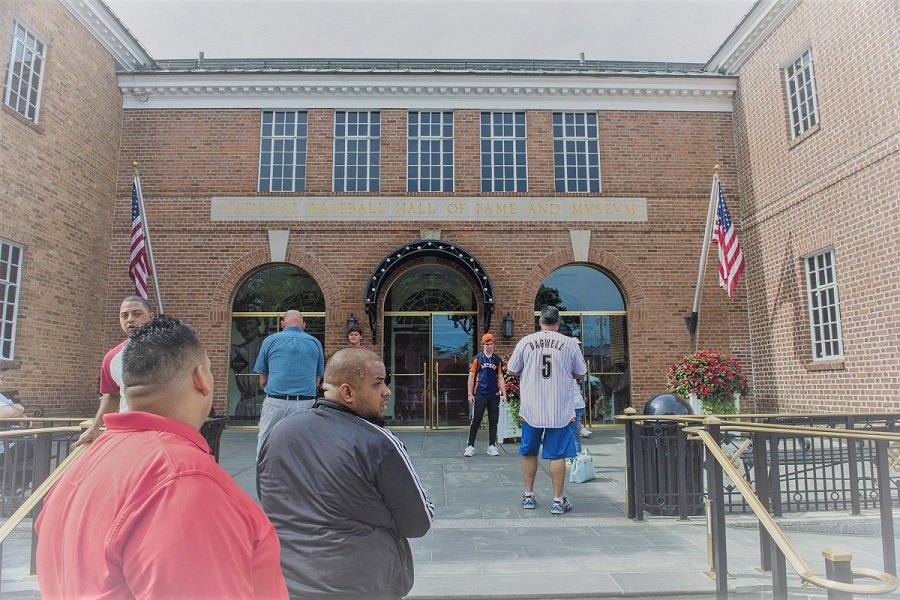 Part 1: Johan Santana's Cooperstown Case: The Puckett Clause At the end of the 1960 season, Sandy Koufax had pitched almost 700 innings at the big league level. He had a 4.10 ERA with a 1.43 WHIP. He was not a Hall of Fame pitcher but he was only 24-years old. Over the next six seasons, Koufax would dominate on the mound like few had done before. During that stretch, Koufax posted a 2.19 ERA with a 0.97 WHIP while striking out more than a batter an inning. He had punched his ticket to the Hall. Koufax became the youngest ever inductee to the National Baseball Hall of Fame. He was able to accomplish this feat because he retired at the height of his pitching prowess. Following his age-30 season, he stepped away from the game. Elbow problems and arthritis caused him worry about his golden left arm. He rode off into the sunset with a Hall of Fame resume. Like Koufax, Santana took some time to reach “ace” status as a starting pitcher. Minnesota acquired Santana as part of the 1999 Rule 5 Draft. This meant Santana was required to stay on the Twins 40-man roster for the entire 2000 season. Between 2000 and 2001, he pitched 129.1 innings out of the Twins bullpen to the tune of a 5.90 ERA and a 1.71 ERA. His change-up wasn’t full developed and it was hard to imagine the type of starter he would become over the next decade. While Koufax walked away from the game on his own terms, Santana didn’t step away from the game so lightly. Santana tried multiple comebacks with organizations like Baltimore and Toronto before finally calling it a career. As I mentioned in the first piece in this series, many trace the beginning of the end for Santana to his no-hitter in 2012. Many comparisons have been written about the similarities between Koufax and Santana. Pitching at Dodger Stadium in the 1960’s was much different than pitching at the Metrodome in the early 2000s. Baseball is an ever-changing game and it’s lazy to look at simple numbers like ERA, innings pitched and strikeouts to try and get a full picture of a pitcher. Baseball Reference has the ability to neutralize pitcher’s numbers to align with different eras. Santana pitching at Dodger Stadium in the 1960’s would result in some statistical numbers that are usually only seen in video games. https://twitter.com/NoDakTwinsFan/status/937720911200968704 While Koufax pitched in an era of pitching dominance, Santana’s era was known for offensive dominance. Since the expansion era (post-1993), Santana’s 136 ERA+ ranks sixth among starting pitchers. Take a look at the names ahead of him: Clayton Kershaw, Pedro Martinez, Roger Clemens, Brandon Webb, and Chris Sale. Martinez is already in the Hall. Kershaw and Sale look well on their way. ERA+ has Santana ranked higher than Randy Johnson and Greg Maddux, two recent Hall of Fame inductees. Jay Jaffe literally wrote the book on who should and shouldn’t get into Cooperstown. His JAWS (Jaffe WAR Score system) takes a player’s career WAR averaged with their 7-year peak WAR. Using this system, Santana ranks 85th which is three spots higher than Koufax. Santana’s JAWS is higher than 15 enshrined starters in Cooperstown. At age 31, Santana was headed to the Hall. His shoulder gave out, he was forced under the knife, and his career took a different path. However, his WAR through his age-31 season ranks in the top-40 all-time. Only 24 Hall of Fame pitchers rank higher than Santana with Koufax coming in at number 30. Does the Santana and Koufax comparison hold up? Should the same logic that was applied to Koufax be applied to Santana? Leave a COMMENT and start the discussion.
 -
Shohei Ohtani is close to picking his first big league team. Unfortunately for Twins fans, that team won’t be in Minnesota. Ohtani, the Japanese two-way player, informed the Twins on Sunday that they had been eliminated from contention. Besides the Twins, the list of rejected teams included the Yankees, Red Sox, Athletics, Brewers, Pirates, Blue Jays, Diamondbacks and Mets.At one point during Sunday afternoon, MLB Insider Jon Heyman had reported that Ohtani was “telling teams he prefers a smaller market.” This sounded great to Twins fans with a smaller market in the Midwest calling Ohtani’s name. Not very long afterward, he brought Twins Territory back down to earth: Mike Beradino at the Pioneer Press reported that Ohtani and Nex Balelo, his agent, didn’t give any reason as to why the Twins had been eliminated. According to him, they told the Twins they were “very appreciative of the interest and the pitch.” Ohtani is meeting with teams in Los Angeles and his finalists include a lot of West Coast teams. This includes the Seattle Mariners, San Francisco Giants, San Diego Padres, Los Angeles Dodgers and Los Angeles Angels. Another team like the Chicago Cubs or Texas Rangers could sweep in and get him but he seems destined for the West Coast. During the 2017 campaign, Ohtani fought through a quadriceps and ankle injury. However in 2016, he slashed .322/.416/.588 with 22 home runs. On the mound, he was even more impressive with a 1.86 ERA including 174 strikeouts in 140 innings. The Twins struck out on Ohtani so now maybe the focus can turn to signing a different frontline starter like Ohtani’s countryman Yu Darvish. Were you disappointed with the news? Leave a COMMENT and start the discussion. Click here to view the article
-
 At one point during Sunday afternoon, MLB Insider Jon Heyman had reported that Ohtani was “telling teams he prefers a smaller market.” This sounded great to Twins fans with a smaller market in the Midwest calling Ohtani’s name. Not very long afterward, he brought Twins Territory back down to earth: https://twitter.com/JonHeyman/status/937463233023225856 Mike Beradino at the Pioneer Press reported that Ohtani and Nex Balelo, his agent, didn’t give any reason as to why the Twins had been eliminated. According to him, they told the Twins they were “very appreciative of the interest and the pitch.” Ohtani is meeting with teams in Los Angeles and his finalists include a lot of West Coast teams. This includes the Seattle Mariners, San Francisco Giants, San Diego Padres, Los Angeles Dodgers and Los Angeles Angels. Another team like the Chicago Cubs or Texas Rangers could sweep in and get him but he seems destined for the West Coast. During the 2017 campaign, Ohtani fought through a quadriceps and ankle injury. However in 2016, he slashed .322/.416/.588 with 22 home runs. On the mound, he was even more impressive with a 1.86 ERA including 174 strikeouts in 140 innings. The Twins struck out on Ohtani so now maybe the focus can turn to signing a different frontline starter like Ohtani’s countryman Yu Darvish. Were you disappointed with the news? Leave a COMMENT and start the discussion.
