



Cody Christie
-
Posts
7,515 -
Joined
-
Last visited
-
Days Won
5
Content Type
Profiles
News
Minnesota Twins Videos
2026 Minnesota Twins Top Prospects Ranking
2022 Minnesota Twins Draft Picks
Minnesota Twins Free Agent & Trade Rumors, Notes, & Tidbits
Guides & Resources
2023 Minnesota Twins Draft Picks
The Minnesota Twins Players Project
2024 Minnesota Twins Draft Picks
2025 Minnesota Twins Draft Pick Tracker
2026 Minnesota Twins Draft Tracker: Picks & Bonuses
Forums
Blogs
Events
Store
Downloads
Gallery
Everything posted by Cody Christie
-
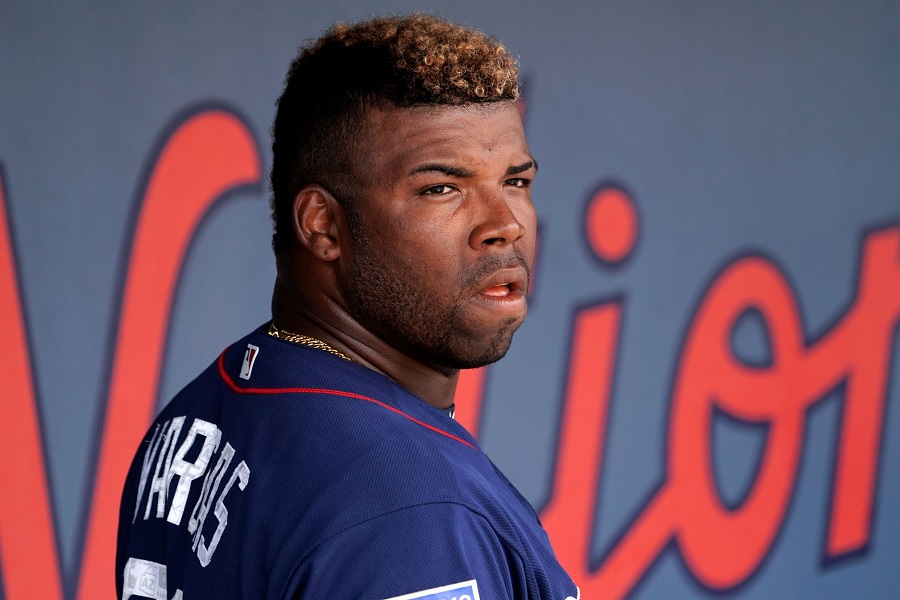 Starting Pitcher Effect Ervin Santana is going to start the year on the disabled list but there was still other arms vying for a role in the rotation. Jose Berrios and Kyle Gibson seemed like locks and both players should still be in the rotation on Opening Day. Beyond those two players, the rest of the rotation has been impacted by the additions of Jake Odorizzi and Lance Lynn. Adalberto Mejia was penciled into the back-end of the rotation as spring training began. However, he now seems destined for Rochester to join a stacked rotation with many of the team’s top pitching prospects. Phil Hughes also had a chance at a rotation role. With the current roster, it seems like he will be shifted to the bullpen. Anibal Sanchez saw his Twins tenure come to an end on Sunday even if it was a long-shot for him to make the rotation. Pre Off-Season Rotation: Ervin Santana, Jose Berrios, Kyle Gibson, Adalberto Mejia, Phil Hughes Current Rotation: Ervin Santana, Jose Berrios, Lance Lynn, Jake Odorizzi, Kyle Gibson Relief Pitcher Effect Minnesota’s bullpen had some bright spots last season but there were still some question marks as the offseason began. There was very little late-inning experience and it was hard to know who would be called upon for some of the biggest outs in the game. Adding pieces like Fernando Rodney, Addison Reed and Zach Duke might have shifted the bullpen into one of the team’s strengths. Some less experienced players are going to find themselves in the minors to start the year. Tyler Kinely was selected in the Rule 5 Draft but the bullpen is already crowded. The Twins could work out a deal with Miami to keep him in the minors. Hughes is going to have to take the place of another arm. Names like Alan Busenitz, John Curtiss and Gabriel Moya are going to have to continue to prove themselves in the minors as they wait for their opportunity. Pre Off-Season Bullpen: Trevor Hildenberger, Ryan Pressly, Taylor Rogers, Tyler Duffey, Alan Busenitz, John Curtiss, Jake Reed Current Bullpen: Fernando Rodney, Addison Reed, Trevor Hildenberger, Ryan Pressly, Zack Duke, Taylor Rogers, Phil Hughes Designated Hitter Effect Even after having offseason surgery, Miguel Sano will continue to get time on the defensive side of the ball. There may be a time in his career where he is relegated to a designated hitter role. Over the last two seasons, Joe Mauer has averaged 23 starts at DH. Other names like Kennys Vargas and Robbie Grossman entered camp with a chance to earn some time as the designated hitter. Logan Morrison’s signing changed some of those plans. Kennys Vargas seems like the odd-man out in the new DH equation. His lack of defensive position makes him more replaceable than someone like Robbie Grossman. Minnesota can put Grossman on the bench and have him serve in a fourth outfielder role. Vargas seems redundant with more proven hitters like Morrison, Sano and Mauer ahead of him on the DH depth chart. Pre Off-Season DH Options: Robbie Grossman, Kennys Vargas, Miguel Sano, Joe Mauer Current DH Options: Logan Morrison, Robbie Grossman, Miguel Sano, Joe Mauer Who has been impacted the most by the moves of this off-season? Leave a COMMENT and start the discussion.
 -
 Derek Falvey and Thad Levine are in the midst of a pretty good offseason. They’ve rebuilt the bullpen, added a starting pitcher, and bolstered the line-up with a powerful left-handed bat. In fact last week, I wondered if the addition of Logan Morrison might have fixed Minnesota’s biggest flaw. It’s under three weeks until Opening Day and the Twins might not be done adding pieces. Is the front office pitching to add some more pitching?Change of Heart? When the Twins traded for Jake Odorizzi, the message from the front office was pretty clear. It didn’t sound like the Twins were happy having only Ervin Santana, Jose Berrios and Jake Odorizzi leading the rotation. Santana will miss the first month of the following surgery on his finger. This means the rotation would currently be rounded out with the likes of Kyle Gibson, Phil Hughes, and Adalberto Mejia. With extra off-days built into the early schedule, the Twins only need a fifth starter a handful of times while Santana is on the DL. With some of the best free agent pitchers still unemployed, the Twins front office might have had a change of heart in recent weeks. Lowballing Lance Lynn Mike Beradino of the Pioneer Press is reporting the Twins made Lance Lynn a 2-year, $20 million deal. This is seems like a lowball offer from Minnesota as the front office continues to try and be “opportunistic.” Beradino makes it sound like the deal didn’t gain any traction and rightfully so if you’re in Lynn’s shoes. Lynn missed all of 2016 following Tommy John surgery. In his first year back, he had a 3.42 ERA and a 124 ERA+. Those numbers were a little higher than his career 3.38 ERA but that can be expected coming off major elbow surgery. With expected improvements in his second year removed from surgery, Lynn could slide into the back of Minnesota’s rotation and add some depth to the rotation. Show Me The Money Coming off a playoff appearance, the Twins are currently set to open the year with a club-record $118 million payroll. Minnesota lost out on the Yu Darvish sweepstakes but they were rumored to have offered him a contract worth over $100 million. This could mean the team still has money in the bank to put towards adding other pieces. With big contracts from Joe Mauer and Brian Dozier coming off the books, the club has little invested in guaranteed money beyond next season. Phil Hughes, Addison Reed, Michael Pineda and Jason Castro are the only players with guaranteed money for 2019. There is currently no guaranteed money for 2020. Obviously, young players like Byron Buxton, Miguel Sano and Jose Berrios will start to get more expensive. Buxton might already be in the beginnings stages of a long-term deal. Young talent is cheap but it doesn’t stay cheap forever. Do the Twins need to add another starting pitcher? Will Lynn even negotiate with the Twins after they lowballed him? Leave a COMMENT and start the discussion. Click here to view the article
- 39 replies
-
- 2
-

-
- lance lynn
- thad levine
- (and 3 more)
-
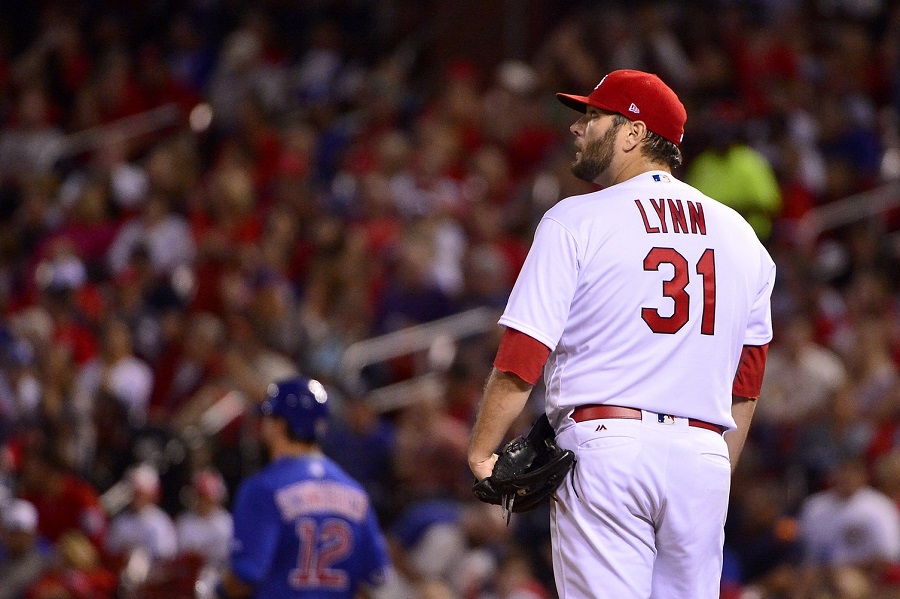 Change of Heart? When the Twins traded for Jake Odorizzi, the message from the front office was pretty clear. It didn’t sound like the Twins were happy having only Ervin Santana, Jose Berrios and Jake Odorizzi leading the rotation. https://twitter.com/DerekWetmore/status/965240120256417793 Santana will miss the first month of the following surgery on his finger. This means the rotation would currently be rounded out with the likes of Kyle Gibson, Phil Hughes, and Adalberto Mejia. With extra off-days built into the early schedule, the Twins only need a fifth starter a handful of times while Santana is on the DL. With some of the best free agent pitchers still unemployed, the Twins front office might have had a change of heart in recent weeks. Lowballing Lance Lynn Mike Beradino of the Pioneer Press is reporting the Twins made Lance Lynn a 2-year, $20 million deal. This is seems like a lowball offer from Minnesota as the front office continues to try and be “opportunistic.” Beradino makes it sound like the deal didn’t gain any traction and rightfully so if you’re in Lynn’s shoes. https://twitter.com/MikeBerardino/status/971148035920158721 Lynn missed all of 2016 following Tommy John surgery. In his first year back, he had a 3.42 ERA and a 124 ERA+. Those numbers were a little higher than his career 3.38 ERA but that can be expected coming off major elbow surgery. With expected improvements in his second year removed from surgery, Lynn could slide into the back of Minnesota’s rotation and add some depth to the rotation. Show Me The Money Coming off a playoff appearance, the Twins are currently set to open the year with a club-record $118 million payroll. Minnesota lost out on the Yu Darvish sweepstakes but they were rumored to have offered him a contract worth over $100 million. This could mean the team still has money in the bank to put towards adding other pieces. With big contracts from Joe Mauer and Brian Dozier coming off the books, the club has little invested in guaranteed money beyond next season. Phil Hughes, Addison Reed, Michael Pineda and Jason Castro are the only players with guaranteed money for 2019. There is currently no guaranteed money for 2020. Obviously, young players like Byron Buxton, Miguel Sano and Jose Berrios will start to get more expensive. Buxton might already be in the beginnings stages of a long-term deal. Young talent is cheap but it doesn’t stay cheap forever. Do the Twins need to add another starting pitcher? Will Lynn even negotiate with the Twins after they lowballed him? Leave a COMMENT and start the discussion.
 -
Brian Dozier has been part of some bad Minnesota Twins teams. However, Dozier has also been part of a rebuild that seems to be headed into a new era of Twins baseball. At season’s end, Dozier seems destined to hit the free agent market. Minnesota hasn’t approached him about a contract extension and Dozier is excited to see what free agency could bring for him and his family. After this year’s free agent period, should Dozier be looking forward to the process? Are the Twins already prepared to move on from the Dozier era?“I’ll Be A Free Agent” Dozier made it clear to the assembled media last week that he is heading into free agency. When the Twins signed Dozier, it was certainly a unique contract. He signed a four-year contract for $20 million that bought out the remainder of his arbitration years. For the Twins, it created some cost certainty. For Dozier, it allowed him some financial stability, he got to avoid the messy arbitration process, and he knew he could enter free agency in his early 30’s. This offseason’s free agency period has been strange to say the least. Yu Darvish, the biggest name on the free agent market, took his time in selecting a new home. Even after his signing, the market has been moving slowly despite spring training being well underway. While the free agent class wasn’t one of the best classes in recent memory, there were some names that should have drawn interest. There were very few second baseman on the free agent market and not many of them were of the same caliber as Dozier. Players like Neil Walker and Brandon Phillips aren’t exactly going to be huge difference makers for a team. Former Twin Eduardo Nunez is the lone second baseman to sign. A year after hitting .313/.341/.460, Nunez was able to sign only a one-year, $4 million deal. According to FanGraphs, Brian Dozier has been worth 14.2 WAR over the last three seasons. That means he’s been worth roughly $113 million over that span. Nunez has been worth 5.9 WAR and $47.4 million during the same time period. Dozier is one of the best offensive players at his position and he won his first Gold Glove last season. Since 2006, there have been few second basemen who have been able to score big free agent contracts. Baseball Prospectus found five second basemen to get more than $25 million as free agents. Only Ben Zobrist (4 years, $56 million) and Robinson Cano (10 years, $240 million) brought in over $40 million. It’s clear to see Dozier’s value but his age going to start playing a factor. Better With Age? Dozier fits the definition of a late-bloomer. His breakout season came at Double-A when he was 24 years old. He wouldn’t make his big league debut until age 25 and he wouldn’t play a full big league season until he was 26. He hit under .245 in each of his first three big league seasons and never had an OPS higher than .762. Over the last two seasons, his OPS has jumped to .886 (2016) and .856 (2017) while averaging 38 home runs per year. I’ve been critical of Dozier’s defense in the past but his defense made remarkable strides last season. According to SABR’s Defensive Index, only Ian Kinsler ranked better than Dozier among AL second basemen. Moving On Many of Minnesota’s top prospects currently play shortstop and Jorge Polanco is coming off a strong second half. Royce Lewis, Nick Gordon and Wander Javier all could shift to second base if Dozier finds another home for 2019. If Polanco can continue to play well this year, a starting middle infield of Nick Gordon and Jorge Polanco seems a likely scenario for next season. Considering Dozier’s age, and other options in the system, it seems likely for the Twins to say goodbye to Mr. Dozier. Younger players are going to be ready for the big league level. I believe Dozier’s veteran presence is something that also can’t be overlooked. A team trying to contend can’t be made of all young and unproven players. However, the front-office still has a difficult Dozier decision. Do you think it’s time for the Twins to say bye-bye to Brian Dozier? Leave a COMMENT and start the discussion. Click here to view the article
-
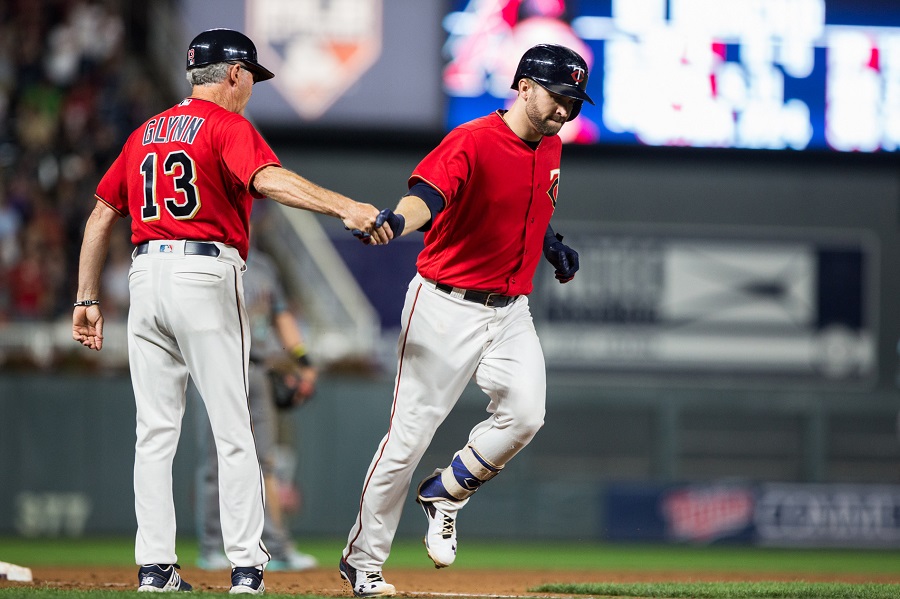 “I’ll Be A Free Agent” Dozier made it clear to the assembled media last week that he is heading into free agency. When the Twins signed Dozier, it was certainly a unique contract. He signed a four-year contract for $20 million that bought out the remainder of his arbitration years. For the Twins, it created some cost certainty. For Dozier, it allowed him some financial stability, he got to avoid the messy arbitration process, and he knew he could enter free agency in his early 30’s. This offseason’s free agency period has been strange to say the least. Yu Darvish, the biggest name on the free agent market, took his time in selecting a new home. Even after his signing, the market has been moving slowly despite spring training being well underway. While the free agent class wasn’t one of the best classes in recent memory, there were some names that should have drawn interest. There were very few second baseman on the free agent market and not many of them were of the same caliber as Dozier. Players like Neil Walker and Brandon Phillips aren’t exactly going to be huge difference makers for a team. Former Twin Eduardo Nunez is the lone second baseman to sign. A year after hitting .313/.341/.460, Nunez was able to sign only a one-year, $4 million deal. According to FanGraphs, Brian Dozier has been worth 14.2 WAR over the last three seasons. That means he’s been worth roughly $113 million over that span. Nunez has been worth 5.9 WAR and $47.4 million during the same time period. Dozier is one of the best offensive players at his position and he won his first Gold Glove last season. Since 2006, there have been few second basemen who have been able to score big free agent contracts. Baseball Prospectus found five second basemen to get more than $25 million as free agents. Only Ben Zobrist (4 years, $56 million) and Robinson Cano (10 years, $240 million) brought in over $40 million. It’s clear to see Dozier’s value but his age going to start playing a factor. Better With Age? Dozier fits the definition of a late-bloomer. His breakout season came at Double-A when he was 24 years old. He wouldn’t make his big league debut until age 25 and he wouldn’t play a full big league season until he was 26. He hit under .245 in each of his first three big league seasons and never had an OPS higher than .762. Over the last two seasons, his OPS has jumped to .886 (2016) and .856 (2017) while averaging 38 home runs per year. I’ve been critical of Dozier’s defense in the past but his defense made remarkable strides last season. According to SABR’s Defensive Index, only Ian Kinsler ranked better than Dozier among AL second basemen. Moving On Many of Minnesota’s top prospects currently play shortstop and Jorge Polanco is coming off a strong second half. Royce Lewis, Nick Gordon and Wander Javier all could shift to second base if Dozier finds another home for 2019. If Polanco can continue to play well this year, a starting middle infield of Nick Gordon and Jorge Polanco seems a likely scenario for next season. Considering Dozier’s age, and other options in the system, it seems likely for the Twins to say goodbye to Mr. Dozier. Younger players are going to be ready for the big league level. I believe Dozier’s veteran presence is something that also can’t be overlooked. A team trying to contend can’t be made of all young and unproven players. However, the front-office still has a difficult Dozier decision. Do you think it’s time for the Twins to say bye-bye to Brian Dozier? Leave a COMMENT and start the discussion.
 -
Questions have circled Miguel Sano throughout most of the off-season. Will he be suspended following assault allegations? Will he start the year on the DL after off-season surgery on his leg? Can he be an All-Star caliber slugger like fans saw in the first half of 2018? Many of those questions remain unanswered. With a less than a month until Opening Day, Sano and the Twins are still uncertain about what the future will bring.Last week, Miguel Sano spent four hours being interviewed by investigators from Major League Baseball. This comes two months after Sano was accused of unwanted advances by photographer Betsy Bissen. The incident in question allegedly occurred after an autograph signing back in 2015. Sano has denied the allegations from the beginning and there’s still little known about when MLB will make any final decision about a possible punishment for Sano. Many believe Sano’s interview was the final step in the investigation process. This may indicate that the commissioner’s office is ready to make a decision in the coming days. The two-year-old policy covers domestic violence, sexual assault and child abuse. Previous punishments under this policy have included suspension, fines and/or sensitivity training. However, police reports have usually been included in those previous cases. For example, Yankees closer Arolids Chapman was suspended 30 games in 2016 after he allegedly choked his girlfriend and fired eight shots in the garage of his home. He was never prosecuted because there were conflicting accounts of the events and not enough evidence. Other questions have also followed Sano this off-season. He had a roughly 18-inch titanium rod placed in his left-leg back in the middle of November. This meant there was part of the off-season where he was immobilized and this could have led him to packing on a few more pounds than the team wanted to see from their budding slugger. Sano’s play on the field so far this spring has continued the trend of uncertainty. He’s started two games at third base but he has yet to record a hit. He is 0-for-8 with 3 Ks including a pair of three-pitch strikeouts on Sunday afternoon. On the defensive side of the ball, there have been limited chances for Sano. In his first play at third base, he was slow to field a chopper and then missed a throw to Joe Mauer. The play was ruled an infield hit. Later in that first game, he had to charge a ball and make a barehanded play. In Sunday’s game, his only defensive opportunity came on a pop-out to third. It's hard to read a lot into two spring training starts for Sano. He’s working his way back from injury and there is still a month for him to get his bat back into shape for the 2018 season. With that being said, uncertainty continues to follow Sano. The organization and Sano have no idea when Commissioner Rob Manfred will make the final ruling in his assault case. Until that time, Sano is going to continue to try to figure things out on the field. Are you worried about Sano’s start so far this spring? Leave a COMMENT and start the discussion. Click here to view the article
- 28 replies
-
- 2
-
-
- miguel sano
- aroldis chapman
- (and 1 more)
-
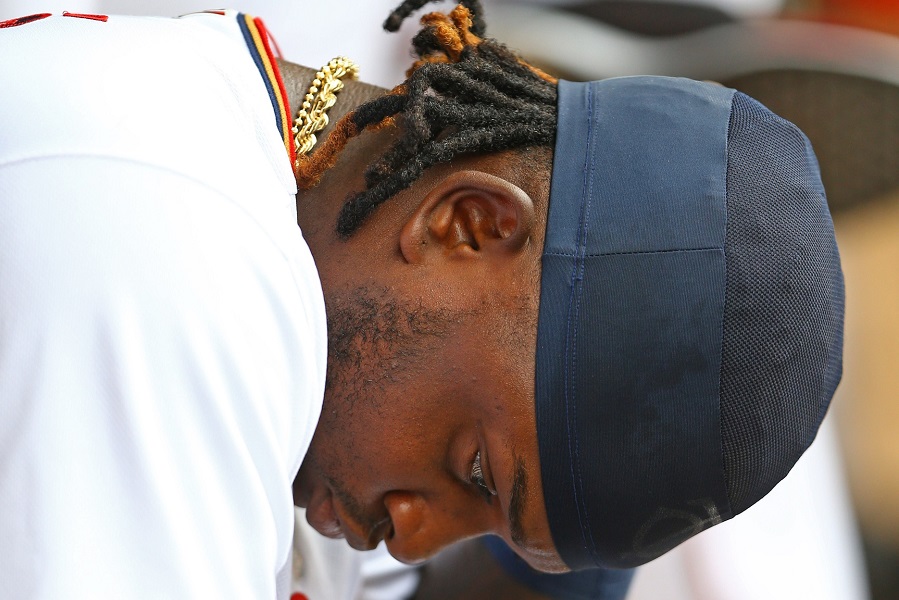 Last week, Miguel Sano spent four hours being interviewed by investigators from Major League Baseball. This comes two months after Sano was accused of unwanted advances by photographer Betsy Bissen. The incident in question allegedly occurred after an autograph signing back in 2015. Sano has denied the allegations from the beginning and there’s still little known about when MLB will make any final decision about a possible punishment for Sano. Many believe Sano’s interview was the final step in the investigation process. This may indicate that the commissioner’s office is ready to make a decision in the coming days. The two-year-old policy covers domestic violence, sexual assault and child abuse. Previous punishments under this policy have included suspension, fines and/or sensitivity training. However, police reports have usually been included in those previous cases. For example, Yankees closer Arolids Chapman was suspended 30 games in 2016 after he allegedly choked his girlfriend and fired eight shots in the garage of his home. He was never prosecuted because there were conflicting accounts of the events and not enough evidence. Other questions have also followed Sano this off-season. He had a roughly 18-inch titanium rod placed in his left-leg back in the middle of November. This meant there was part of the off-season where he was immobilized and this could have led him to packing on a few more pounds than the team wanted to see from their budding slugger. Sano’s play on the field so far this spring has continued the trend of uncertainty. He’s started two games at third base but he has yet to record a hit. He is 0-for-8 with 3 Ks including a pair of three-pitch strikeouts on Sunday afternoon. On the defensive side of the ball, there have been limited chances for Sano. In his first play at third base, he was slow to field a chopper and then missed a throw to Joe Mauer. The play was ruled an infield hit. Later in that first game, he had to charge a ball and make a barehanded play. In Sunday’s game, his only defensive opportunity came on a pop-out to third. It's hard to read a lot into two spring training starts for Sano. He’s working his way back from injury and there is still a month for him to get his bat back into shape for the 2018 season. With that being said, uncertainty continues to follow Sano. The organization and Sano have no idea when Commissioner Rob Manfred will make the final ruling in his assault case. Until that time, Sano is going to continue to try to figure things out on the field. Are you worried about Sano’s start so far this spring? Leave a COMMENT and start the discussion.
 -
Pitching, pitching, and more pitching had been the story of Minnesota’s offseason. The bullpen was bolstered with multiple pieces including closer Fernando Rodney and set-up men Addison Reed and Zack Duke. Minnesota traded for Jake Odorizzi last week to help solidify the starting rotation. There have also been rumors of the Twins adding another pitching piece before Opening Day. Logan Morrison signed over the weekend to help solidify Minnesota on the offensive side of the ball. Even with his signing, there are plenty of question marks surrounding the Twins and their offensive players.Infield Veterans Joe Mauer and Brian Dozier have plenty to prove as they both are set to hit free agency at season’s end. Dozier is coming off some of the best seasons of his career and he seems to be hitting free agency at a good point in his career. Mauer has admitted this spring that he would like to finish out his career in a Twins uniform. Both of them still need to help lead the offense in 2018. Dozier’s strikeout rate stayed steady last season at 20 percent but he improved his walk rate from 8.8 percent in 2016 to 11.1 in 2017. He posted a career-high .271 average that was boosted there because of a .300 BABIP. He’s averaged 38 home runs over the last two seasons and he’s continued to improve his batted-ball profile. Mauer’s offensive output struggled after suffering multiple concussions. Last season, Mauer started to look more like the pre-concussion Mauer. He hit over .300 for the first time since 2013, the year his concussion occurred. His strikeout rate had been increasing at an alarming rate as he averaged over 100 strikeouts from 2014-2016. Mauer was also one of the best players in the American League at avoiding pitches out of the zone. Newly signed designated hitter Logan Morrison is coming off a breakout season. His 38 home runs helped him to finish in the top-10. He also changed his swing mechanics as he increased his launch angle from 12.1 degrees in 2016 to 17.4 degrees in 2017. As a lefty, left-handed pitchers held him to a .233 average and only six of his homers came against lefties. Morrison is going to need to prove that 2017 wasn’t a fluke. Dozier, Morrison and Mauer will need to continue these recent trends to help the Twins offense. Inexperienced Infield Jorge Polanco showed his inexperience during the first half of last season. He struggled by hitting .224 with a .596 OPS. He was benched near the end of July and this seemed to wake him up. From August 1 to season’s end, he hit .316 with a .931 OPS and 10 home runs. He’s shown the ability to limit strikeouts. Sano’s power tool has been touted throughout his professional career. Last season, he seemed to put it all together before a shin injury forced him to miss the season’s last two months. He was elected to the All-Star Game in Miami after slugging 21 homers and compiling a .906 OPS in the first half. As a big swinger, he strikes out in over a third of his plate appearances but he has a 12.3 percent walk rate. There are also reports of Sano showing up to camp out of shape. He’s always been a bigger player but this season is important to show he can be an elite power-hitting threat. So which versions of Polanco and Sano will surface in 2018? Inexperienced Outfield Buxton’s poor start to 2017 was well documented. Through the season’s first month, he was striking out at an alarming rate (37% of his plate appearances). May turned into a transition time for Buxton as he got rid of his leg kick and rebuilt his swing. In the season’s second half, he hit .300 with an .893 OPS and 11 home runs. This was a great finish but Buxton’s pitch recognition needs to improve to cut back on his strikeouts and draw more walks. In his sophomore season, Max Kepler struggled mightily against lefties with a .453 OPS. Paul Molitor even went so far as to bench Kepler against some left-handed pitchers. He showed the ability to hit off of lefties during his minor league career so he needs to figure it out at the big league level in 2018. He could continue to grow in multiple areas including his power hitting. Over the last two seasons, Eddie Rosario has cut his strikeout rate from 25.7 to 18 percent. His career-high .289 batting average allowed him to get on base almost 31% of the time. Rosario has a career .325 BABIP but he only posted a .312 BABIP last season. This could be a sign that he was unlucky last year. This outfield trio might let only raindrops fall on the defensive side of the ball but there are plenty of questions about their contributions on the offensive side of the ball. Which offensive player has the most to prove in 2018? Leave a COMMENT and start the discussion. Click here to view the article
-
That’s Offensive: Did Morrison’s Signing Fix Minnesota’s Biggest Flaw?
Cody Christie posted an article in Twins
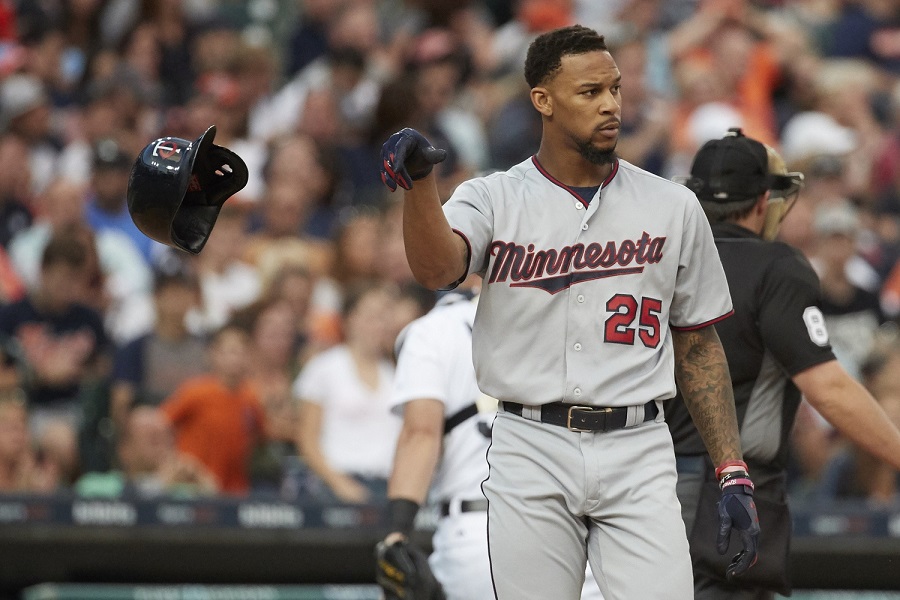 Infield Veterans Joe Mauer and Brian Dozier have plenty to prove as they both are set to hit free agency at season’s end. Dozier is coming off some of the best seasons of his career and he seems to be hitting free agency at a good point in his career. Mauer has admitted this spring that he would like to finish out his career in a Twins uniform. Both of them still need to help lead the offense in 2018. Dozier’s strikeout rate stayed steady last season at 20 percent but he improved his walk rate from 8.8 percent in 2016 to 11.1 in 2017. He posted a career-high .271 average that was boosted there because of a .300 BABIP. He’s averaged 38 home runs over the last two seasons and he’s continued to improve his batted-ball profile. Mauer’s offensive output struggled after suffering multiple concussions. Last season, Mauer started to look more like the pre-concussion Mauer. He hit over .300 for the first time since 2013, the year his concussion occurred. His strikeout rate had been increasing at an alarming rate as he averaged over 100 strikeouts from 2014-2016. Mauer was also one of the best players in the American League at avoiding pitches out of the zone. Newly signed designated hitter Logan Morrison is coming off a breakout season. His 38 home runs helped him to finish in the top-10. He also changed his swing mechanics as he increased his launch angle from 12.1 degrees in 2016 to 17.4 degrees in 2017. As a lefty, left-handed pitchers held him to a .233 average and only six of his homers came against lefties. Morrison is going to need to prove that 2017 wasn’t a fluke. Dozier, Morrison and Mauer will need to continue these recent trends to help the Twins offense. Inexperienced Infield Jorge Polanco showed his inexperience during the first half of last season. He struggled by hitting .224 with a .596 OPS. He was benched near the end of July and this seemed to wake him up. From August 1 to season’s end, he hit .316 with a .931 OPS and 10 home runs. He’s shown the ability to limit strikeouts. Sano’s power tool has been touted throughout his professional career. Last season, he seemed to put it all together before a shin injury forced him to miss the season’s last two months. He was elected to the All-Star Game in Miami after slugging 21 homers and compiling a .906 OPS in the first half. As a big swinger, he strikes out in over a third of his plate appearances but he has a 12.3 percent walk rate. There are also reports of Sano showing up to camp out of shape. He’s always been a bigger player but this season is important to show he can be an elite power-hitting threat. So which versions of Polanco and Sano will surface in 2018? Inexperienced Outfield Buxton’s poor start to 2017 was well documented. Through the season’s first month, he was striking out at an alarming rate (37% of his plate appearances). May turned into a transition time for Buxton as he got rid of his leg kick and rebuilt his swing. In the season’s second half, he hit .300 with an .893 OPS and 11 home runs. This was a great finish but Buxton’s pitch recognition needs to improve to cut back on his strikeouts and draw more walks. In his sophomore season, Max Kepler struggled mightily against lefties with a .453 OPS. Paul Molitor even went so far as to bench Kepler against some left-handed pitchers. He showed the ability to hit off of lefties during his minor league career so he needs to figure it out at the big league level in 2018. He could continue to grow in multiple areas including his power hitting. Over the last two seasons, Eddie Rosario has cut his strikeout rate from 25.7 to 18 percent. His career-high .289 batting average allowed him to get on base almost 31% of the time. Rosario has a career .325 BABIP but he only posted a .312 BABIP last season. This could be a sign that he was unlucky last year. This outfield trio might let only raindrops fall on the defensive side of the ball but there are plenty of questions about their contributions on the offensive side of the ball. Which offensive player has the most to prove in 2018? Leave a COMMENT and start the discussion.
 -
Minnesota’s new front office regime has not been shy about making adjustments to the back-end of the 40-man roster. In their first year on the job, they have exposed multiple players to the waiver system. Some in hopes of sneaking them through to the minor leagues, while others were left available in the Rule 5 Draft. Over the weekend, Jamie wondered if the Twins front office would regret losing the likes of Luke Bard, Nick Burdi, and JT Chargois. Including these players, who all has been lost and where are they now? I’m glad you asked…Luke Bard, Right-Handed Pitcher Bard never pitched a game above Triple-A in the Twins system and he spent the majority of his age-26 season in the Lookouts bullpen. He was almost two years older than the competition in the Southern League and he didn’t really blow away the competition. For the year, he posted a 2.76 ERA with a 1.33 WHIP. His 99 strikeouts in 65.1 innings were impressive and that’s probably why the Los Angeles Angles were willing to take a chance on him in the Rule 5 Draft. Minnesota’s bullpen looks strong this year and Bard hasn’t found enough success in the upper-levels of the minor leagues. Nick Burdi, Right-Handed Pitcher Burdi has been on quite the journey over the last calendar year. He underwent Tommy John surgery last May. He’s on track to be throwing off the mound near the conclusion of spring training. Burdi was left unprotected during the Rule 5 Draft. The Phillies selected him and then he was traded to the Pirates. Burdi was dominant last season before his elbow injury. In 17 innings at Double-A, he posted a 0.53 ERA with a 0.77 WHIP and a 20 to 4 strikeout to walk ratio. Burdi will start the season on the 60-day DL and he will get time to make some rehab appearances before he needs to appear in a Pirates game. JT Chargois, Right-Handed Pitcher Chargois was a second-round pick back in 2012 and he quickly established himself as one of the best relief pitchers in the Twins system. He hasn’t been able to stay healthy as he has pitched just over 100 innings in his professional career. Essentially, he has missed almost three of the last five seasons. In what some considered a strange move, Minnesota placed him on waivers last week only to see him claimed by the Dodgers, the team with the final waiver pick based on last season’s records. He has one option remaining and he could be a dangerous relief option if he is healthy. The Dodgers were willing to take that chance. Daniel Palka, Outfielder One year after being named the Twins Daily Minor League Hitter of the Year, Palka is no longer part of the organization. Palka, a 26-year old slugger, has a chance to break camp with the White Sox in a designated hitter and outfield role. Last season, he hit .274/.329/.431 with 27 extra-base hits in 84 Triple-A games. This was a far cry from the .848 OPS he compiled between Double-A and Triple-A in 2016. Palka’s lack of a defensive position and his age all factored into him ending up with a new organization. Randy Rosario, Left-Handed Pitcher Rosario pitched over 100 minor league games in the Twins system and posted a 3.37 ERA. The 2017 season marked his first as a full-time reliever. Last year, he made 34 appearances between High-A and Double-A and posted a 3.84 ERA and a 1.37 WHIP. Those numbers might not exactly jump off the page but he was able to hold left-handed batters to a .169 average during his Double-A appearances. As the old adage goes, Rosario is “left-handed and he has a pulse” so the Cubs might find a spot for him out of the bullpen this year. Nik Turley, Left-Handed Pitcher Turley only made 10 appearances in a Twins uniform as he allowed 22 earned runs in 17.2 innings. In the minors, he fared much better with a 2.00 ERA and a 1.02 WHIP in almost 110 innings. The Pirates selected Turley off of waivers in November but they will have to wait a while for him to pitch in a game for their organization. At the end of January, Turley was suspended for 80 games after testing positive for the performance-enhancing substance Ipamorelin. Engelb Vielma, Shortstop The last half of a year has been a crazy ride for Mr. Vielma. Over the last six months, he is now with his fifth different organization. He enters Orioles camp with a chance to compete for a utility spot at the big league level. In 87 Triple-A games last season, he hit .206 with 17 RBI but his defense has always been his calling card. The 23-year old was the best defensive infielder in the Twins system when they let him go. Minnesota currently has plenty of depth at the shortstop position with other players ranking higher than Vielma. Which player or players will the Twins miss the most in the coming season? Leave a COMMENT and start the discussion. Click here to view the article
-
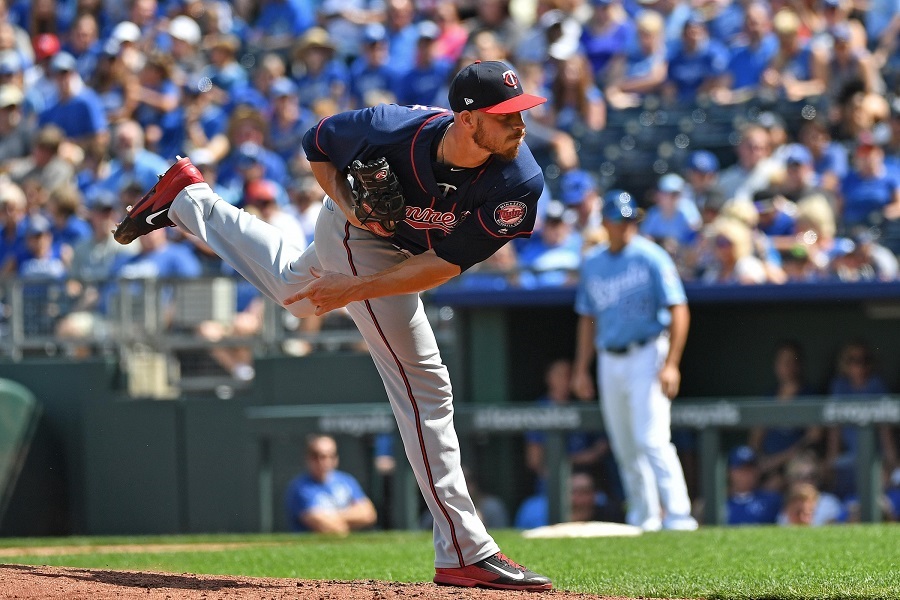 Luke Bard, Right-Handed Pitcher Bard never pitched a game above Triple-A in the Twins system and he spent the majority of his age-26 season in the Lookouts bullpen. He was almost two years older than the competition in the Southern League and he didn’t really blow away the competition. For the year, he posted a 2.76 ERA with a 1.33 WHIP. His 99 strikeouts in 65.1 innings were impressive and that’s probably why the Los Angeles Angles were willing to take a chance on him in the Rule 5 Draft. Minnesota’s bullpen looks strong this year and Bard hasn’t found enough success in the upper-levels of the minor leagues. Nick Burdi, Right-Handed Pitcher Burdi has been on quite the journey over the last calendar year. He underwent Tommy John surgery last May. He’s on track to be throwing off the mound near the conclusion of spring training. Burdi was left unprotected during the Rule 5 Draft. The Phillies selected him and then he was traded to the Pirates. Burdi was dominant last season before his elbow injury. In 17 innings at Double-A, he posted a 0.53 ERA with a 0.77 WHIP and a 20 to 4 strikeout to walk ratio. Burdi will start the season on the 60-day DL and he will get time to make some rehab appearances before he needs to appear in a Pirates game. JT Chargois, Right-Handed Pitcher Chargois was a second-round pick back in 2012 and he quickly established himself as one of the best relief pitchers in the Twins system. He hasn’t been able to stay healthy as he has pitched just over 100 innings in his professional career. Essentially, he has missed almost three of the last five seasons. In what some considered a strange move, Minnesota placed him on waivers last week only to see him claimed by the Dodgers, the team with the final waiver pick based on last season’s records. He has one option remaining and he could be a dangerous relief option if he is healthy. The Dodgers were willing to take that chance. Daniel Palka, Outfielder One year after being named the Twins Daily Minor League Hitter of the Year, Palka is no longer part of the organization. Palka, a 26-year old slugger, has a chance to break camp with the White Sox in a designated hitter and outfield role. Last season, he hit .274/.329/.431 with 27 extra-base hits in 84 Triple-A games. This was a far cry from the .848 OPS he compiled between Double-A and Triple-A in 2016. Palka’s lack of a defensive position and his age all factored into him ending up with a new organization. Randy Rosario, Left-Handed Pitcher Rosario pitched over 100 minor league games in the Twins system and posted a 3.37 ERA. The 2017 season marked his first as a full-time reliever. Last year, he made 34 appearances between High-A and Double-A and posted a 3.84 ERA and a 1.37 WHIP. Those numbers might not exactly jump off the page but he was able to hold left-handed batters to a .169 average during his Double-A appearances. As the old adage goes, Rosario is “left-handed and he has a pulse” so the Cubs might find a spot for him out of the bullpen this year. Nik Turley, Left-Handed Pitcher Turley only made 10 appearances in a Twins uniform as he allowed 22 earned runs in 17.2 innings. In the minors, he fared much better with a 2.00 ERA and a 1.02 WHIP in almost 110 innings. The Pirates selected Turley off of waivers in November but they will have to wait a while for him to pitch in a game for their organization. At the end of January, Turley was suspended for 80 games after testing positive for the performance-enhancing substance Ipamorelin. Engelb Vielma, Shortstop The last half of a year has been a crazy ride for Mr. Vielma. Over the last six months, he is now with his fifth different organization. He enters Orioles camp with a chance to compete for a utility spot at the big league level. In 87 Triple-A games last season, he hit .206 with 17 RBI but his defense has always been his calling card. The 23-year old was the best defensive infielder in the Twins system when they let him go. Minnesota currently has plenty of depth at the shortstop position with other players ranking higher than Vielma. Which player or players will the Twins miss the most in the coming season? Leave a COMMENT and start the discussion.
 -
Throughout this offseason, there have been rumors of the Twins searching for a veteran bat. The free agent market has been slow this year and there are multiple pieces still available to sign as spring training games have already begun. Mike Napoli was one name tied to Minnesota as the offseason started but nothing came to fruition. Now a different veteran bat is heading to the Twins. What will Logan Morrison add to the Twins line-up? Was his breakout 2017 campaign a fluke?According to the Pioneer Press, Jake Odorizzi was trying to recruit Logan Morrison and Alex Cobb to the Twins. The story also said, “according to a person with direct knowledge, the Twins are showing interest in Morrison, a 30-year old first baseman coming off a 38-homer breakout season with the Rays.” Things escalated quickly from there this afternoon as the Twins have agreed to sign Morrison. According to multiple reports, the Twins have an agreement with Morrison. He will get $6.5 million in 2018 with the potential for the deal to be worth $16.5 million over the next two years. As a left-handed slugger, Morrison could impact Minnesota in multiple ways. Morrison’s career year in 2017 led to a lot of positive numbers. He finished in the top 10 in home runs and Statcast ranked him in the top-30 for barrels per plate appearance. Morrison has a career .330 on-base percentage and he raised his walk rate to 13.5 percent last year. Left-handed pitchers held Morrison to hitting .233/.342/.419 with six home runs. Obviously, righties are where he did the bulk of his damage with a .905 OPS and 49 extra-base hits including 32 home runs. Changes in swing mechanics were also at the heart of Morrison's 2017 breakout. Adding Morrison will impact the line-up in multiple ways. As spring training started, players like Kennys Vargas and Robbie Grossman were vying to serve in a designated hitter role. Morrison will fit in nicely against right-handed pitchers but that will leave Vargas and/or Grossman on the outside looking in. Those aren't the only two players impacted by this deal. No one knows how much Miguel Sano is going to be able to play in the field after he returns from his shin injury. The club has also been worried about his fitness as spring training begins. Joe Mauer also needs some at-bats at designated hitter throughout the season. So where does Morrison fit into the line-up? A potential Twins line-up including Morrison and a healthy Sano could look like this: 1. Brian Dozier- 2B 2. Joe Mauer- 1B 3. Miguel Sano- 3B 4. Logan Morrison- DH 5. Byron Buxton- CF 6. Eddie Rosario- LF 7. Max Kepler- RF 8. Jorge Polanco- SS 9. Jason Castro- C On paper, that seems like a line-up that could cause some damage in the American League. It seems like the right mixture of veterans and young core players. Last season, Houston used a combination of young players from their organization and added in some veteran pieces. Everything clicked with their mixture of players and the club fought their way to the first title in franchise history. It takes the right combination of veterans and young players but Morrison adds another veteran voice in the clubhouse to go along with Mauer and Dozier. Minnesota has money to spend after losing out in the Yu Darvish sweepstakes. It now seems like Morrison will be getting some of those funds. He seems like a good fit for the Twins but what do you think? Leave a COMMENT and start the discussion. Click here to view the article
-
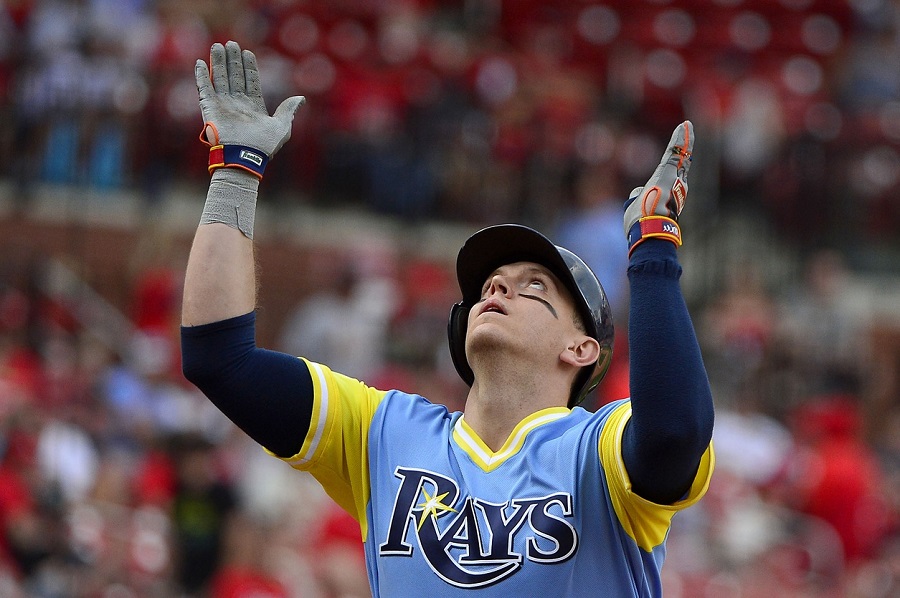 According to the Pioneer Press, Jake Odorizzi was trying to recruit Logan Morrison and Alex Cobb to the Twins. The story also said, “according to a person with direct knowledge, the Twins are showing interest in Morrison, a 30-year old first baseman coming off a 38-homer breakout season with the Rays.” Things escalated quickly from there this afternoon as the Twins have agreed to sign Morrison. According to multiple reports, the Twins have an agreement with Morrison. He will get $6.5 million in 2018 with the potential for the deal to be worth $16.5 million over the next two years. As a left-handed slugger, Morrison could impact Minnesota in multiple ways. Morrison’s career year in 2017 led to a lot of positive numbers. He finished in the top 10 in home runs and Statcast ranked him in the top-30 for barrels per plate appearance. Morrison has a career .330 on-base percentage and he raised his walk rate to 13.5 percent last year. Left-handed pitchers held Morrison to hitting .233/.342/.419 with six home runs. Obviously, righties are where he did the bulk of his damage with a .905 OPS and 49 extra-base hits including 32 home runs. Changes in swing mechanics were also at the heart of Morrison's 2017 breakout. https://twitter.com/RhettBollinger/status/967839261310574592 Adding Morrison will impact the line-up in multiple ways. As spring training started, players like Kennys Vargas and Robbie Grossman were vying to serve in a designated hitter role. Morrison will fit in nicely against right-handed pitchers but that will leave Vargas and/or Grossman on the outside looking in. Those aren't the only two players impacted by this deal. No one knows how much Miguel Sano is going to be able to play in the field after he returns from his shin injury. The club has also been worried about his fitness as spring training begins. Joe Mauer also needs some at-bats at designated hitter throughout the season. So where does Morrison fit into the line-up? A potential Twins line-up including Morrison and a healthy Sano could look like this: 1. Brian Dozier- 2B 2. Joe Mauer- 1B 3. Miguel Sano- 3B 4. Logan Morrison- DH 5. Byron Buxton- CF 6. Eddie Rosario- LF 7. Max Kepler- RF 8. Jorge Polanco- SS 9. Jason Castro- C On paper, that seems like a line-up that could cause some damage in the American League. It seems like the right mixture of veterans and young core players. Last season, Houston used a combination of young players from their organization and added in some veteran pieces. Everything clicked with their mixture of players and the club fought their way to the first title in franchise history. It takes the right combination of veterans and young players but Morrison adds another veteran voice in the clubhouse to go along with Mauer and Dozier. Minnesota has money to spend after losing out in the Yu Darvish sweepstakes. It now seems like Morrison will be getting some of those funds. He seems like a good fit for the Twins but what do you think? Leave a COMMENT and start the discussion.
 -
Do you smell that? No, it isn’t Ervin Santana and his patented “smell baseball” routine. Minnesota made a splash on the trade market over the weekend to help fill in for Santana while he starts the year on the DL. However, new Twins pitcher Jake Odorizzi struggled through different parts of 2017. Can the Twins find a way to get rid of the bad Odor? It might be Izzi…It’s no secret that the beginning of the 2017 campaign was rough for Mr. Odorizzi. Through the end of July, his ERA was almost 4.50 and batters were getting on base over 30% of the time against him. By season’s end, his FIP was 5.43 and his walk rate jumped from 7.0 percent to 10.1 percent. He was also allowing more fly balls as he allowed 30 home runs for the first time in his career. His ground ball rate (30.6 percent) was also below league average. His third time through the order was usually when some fatigue would set in. Odorizzi allowed a 7.52 ERA when facing an order for the third time in a game. Something wasn’t quite right. Starting last spring training, a back injury bothered him and this followed him throughout a large chunk of the season. This wasn’t the only injury he fought through as a hamstring issue also caused him to miss some time. He’d make two different trips to the DL but his performance on the field also suffered because of the injuries. As those with back injuries can attest, range of motion can be tough when dealing with a back issue. Scientific research has been conducted to look at pitching biomechanics in relation to injury risk and performance. A lot of things can go wrong from the time a pitcher starts his wind-up until he releases the ball, especially if a pitcher isn’t healthy. He's even admitted that his back ailment impacted his fastball control last year. After a second stint on the DL, a different version of Odorizzi emerged. During the month of September, he allowed three earned runs over 26.1 IP. He posted a 30 to 9 strikeout to walk rate and opponents hit .116/.198/.221. Even with the rough season, the right-handed pitcher was able to hold lefties to a .205 batting average while only getting on base 28.5% of the time. Minnesota also has a newly hired Odorizzi expert in the front office. Josh Kalk, the Minnesota Twins new pitching analytics expert, joined the Twins from the Rays organization. One has to think Derek Falvey and Thad Levine relied on Kalk’s insight to make this trade. According to FanGraphs, Odorizzi has relied heavily on a four-seam fastball high in the zone. Batters started to figure that out in 2017 and it led to a career high 30 home runs allowed in under 150 innings. One adjustment he could make in Minnesota is to use more of the strike zone when throwing his fastball. The article also notes the difference in Odorizzi’s release point. This could be attributed to his injuries in 2017 and it could be an easy fix for Twins coaches. It might also help to pitch in front of quite possibly the best defensive centerfielder in the game. Plus it helps to have two other strong defenders in the other corner outfield spot. With a couple of small tweaks, the bad Odor might be Izzi to remove. What are your thoughts on the new Twins acquisition? Leave a COMMENT and start the discussion. Click here to view the article
-
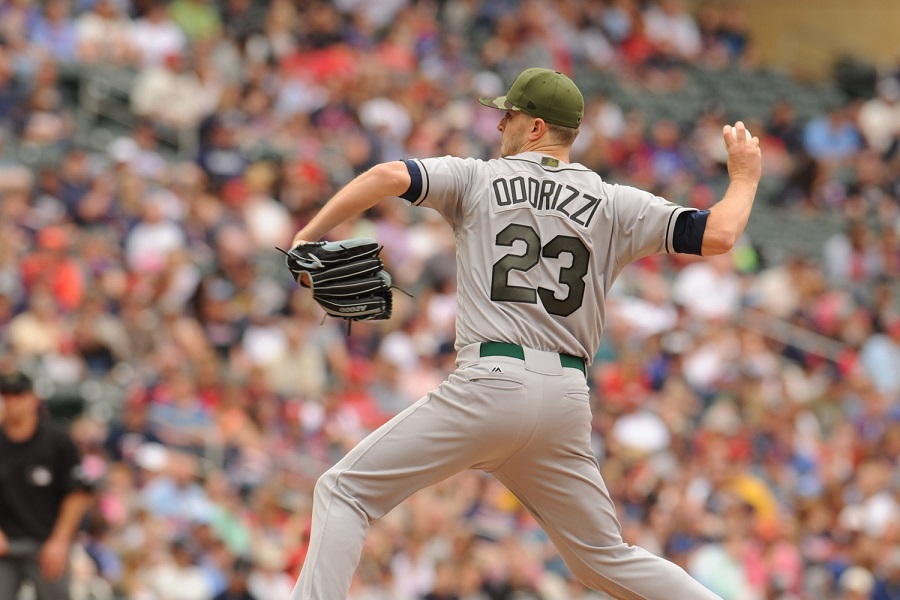 It’s no secret that the beginning of the 2017 campaign was rough for Mr. Odorizzi. Through the end of July, his ERA was almost 4.50 and batters were getting on base over 30% of the time against him. By season’s end, his FIP was 5.43 and his walk rate jumped from 7.0 percent to 10.1 percent. He was also allowing more fly balls as he allowed 30 home runs for the first time in his career. His ground ball rate (30.6 percent) was also below league average. His third time through the order was usually when some fatigue would set in. Odorizzi allowed a 7.52 ERA when facing an order for the third time in a game. Something wasn’t quite right. Starting last spring training, a back injury bothered him and this followed him throughout a large chunk of the season. This wasn’t the only injury he fought through as a hamstring issue also caused him to miss some time. He’d make two different trips to the DL but his performance on the field also suffered because of the injuries. As those with back injuries can attest, range of motion can be tough when dealing with a back issue. Scientific research has been conducted to look at pitching biomechanics in relation to injury risk and performance. A lot of things can go wrong from the time a pitcher starts his wind-up until he releases the ball, especially if a pitcher isn’t healthy. He's even admitted that his back ailment impacted his fastball control last year. After a second stint on the DL, a different version of Odorizzi emerged. During the month of September, he allowed three earned runs over 26.1 IP. He posted a 30 to 9 strikeout to walk rate and opponents hit .116/.198/.221. Even with the rough season, the right-handed pitcher was able to hold lefties to a .205 batting average while only getting on base 28.5% of the time. Minnesota also has a newly hired Odorizzi expert in the front office. Josh Kalk, the Minnesota Twins new pitching analytics expert, joined the Twins from the Rays organization. One has to think Derek Falvey and Thad Levine relied on Kalk’s insight to make this trade. According to FanGraphs, Odorizzi has relied heavily on a four-seam fastball high in the zone. Batters started to figure that out in 2017 and it led to a career high 30 home runs allowed in under 150 innings. One adjustment he could make in Minnesota is to use more of the strike zone when throwing his fastball. The article also notes the difference in Odorizzi’s release point. This could be attributed to his injuries in 2017 and it could be an easy fix for Twins coaches. It might also help to pitch in front of quite possibly the best defensive centerfielder in the game. Plus it helps to have two other strong defenders in the other corner outfield spot. With a couple of small tweaks, the bad Odor might be Izzi to remove. What are your thoughts on the new Twins acquisition? Leave a COMMENT and start the discussion.
 -
Nick Gordon might be one of the most polarizing prospects in the Minnesota Twins system. All of the national prospect rankings have him in their top-100 lists but he comes in all over the board. Two of the rankings have him at 80 or lower. Meanwhile, two other rankings have him in the top-40. Gordon hit very well in the season’s first half but he struggled in the closing months of the year. Earlier this off-season, Tom wondered if Gordon’s second half turned him from a prospect to a suspect. When it comes to Twins’ prospects, Gordon is still one of the best in the organization but why are there such differing opinions on the former first round pick?Age: 22 (DOB: 10/24/1995) 2017 Stats (AA): .270/.341/.408 (.749), 9 HR, 29 2B, 8 3B, 13/20 in stolen base attempts ETA: 2019 2017 Ranking: 4 National Top 100 Rankings BA: 93 | MLB : 80 | ESPN: 37 | BP: 35 What’s To Like Gordon headed to the Arizona Fall League last off-season and got his off-season started on the right foot. In over 90 plate appearances, he slashed .346/.418/.444 while playing over 165 innings at shortstop. He ranked sixth in the league in batting average and on-base percentage. There was only one player younger than Gordon in the top-10 for either of those categories. During last spring, Nick’s brother Dee Gordon was able to make some predictions about his coming season. “He’s going to be strong. He’s already a lot bigger and stronger than me when I was 21,” he told the Star Tribune. “He’s got a good eye, and you can already see he’s going to develop some power.” Gordon was able to transition his success in the AFL to the season’s early months. From April through June, he hit .308/.379/.481 with six home runs, 21 doubles and six triples. Twins manager Paul Molitor took notice of Gordon’s offensive abilities. Molitor told the Pioneer Press, “Not surprisingly reports are his bat is still very advanced. We’re trying to make sure the rest of his game catches up, and I think he is making progress in that regard.” His hot hitting in the season’s early months led to some mid-season awards. Gordon represented the Twins at the Futures Game in Miami and he was a Southern League all-star. By season’s end he had set career highs in home runs (9), doubles (29), triples (8) and slugging percentage (.408). For the first time in his professional career, Gordon was three years younger than the competition at his level. He only faced off against younger pitchers in 55 at-bats. In those at-bats, he compiled a .955 OPS with eight extra-base hits. As a lefty, hitting against righties was also a strength for him. All nine of his home runs came against right-handed pitching which helped him to post an .822 OPS. What’s Left To Work On Defense has always been an area in need of improvement for Gordon. Since the Twins drafted him, there have been questions about whether he would be able to stick at shortstop. A veteran scout watched Gordon in Chattanooga last year and he doesn’t think Gordon can stay at short long-term. “You know how the best fielders always seem to get the good hop?” the scout asked. “Watching Gordon, he never seemed to get the good hop. For him, it was always the in-between hop. That’s instincts. That’s footwork. That’s hands.” Gordon hasn’t been shy about his defensive future. “The Twins know what they need, they know what they want,” he said. “Whatever they need me to do, whatever they want me to do, I’m going to do it to the best of my ability. It doesn’t matter to me. I just want to play.” Left-handed pitchers also presented some issues for Gordon. In over 139 plate appearances against lefties, he hit .174/.273/.240 (.513). These totals were very similar to those in his first taste of full season ball in 2016. In those 129 appearances against lefties, he hit .220/.276/.254 (.530). Gordon will need to improve those totals if he wants to break into the big leagues over the next couple of seasons. Since the Twins signed him, he’s added close to 20 pounds. This has helped him to add some power but not sacrificing speed. He knows the strike zone fairly well but he could continue to improve in this area. What’s Next Gordon has yet to repeat a level so that could ticket him to play all of 2018 at Rochester. However, he only turned 22 in October and his hitting decreased significantly at the end of the year. It wouldn’t be a surprise if the Twins send him back to the Southern League to get his bat going at the start of 2018. A hot-hitting Gordon could be a prospect to watch in 2018, especially if the Twins fall out of contention. TD Top Prospects: 16-20 TD Top Prospects: 11-15 TD Top Prospect: #10 Akil Baddoo TD Top Prospect: #9 Brusdar Graterol TD Top Prospects: #8 Blayne Enlow TD Top Prospects: #7 Brent Rooker TD Top Prospects: #6 Wander Javier TD Top Prospects: #5 Alex Kirilloff TD Top Prospects: #4 Stephen Gonsalves TD Top Prospects: #3 Nick Gordon TD Top Prospects: #2 Coming Soon... Click here to view the article
-
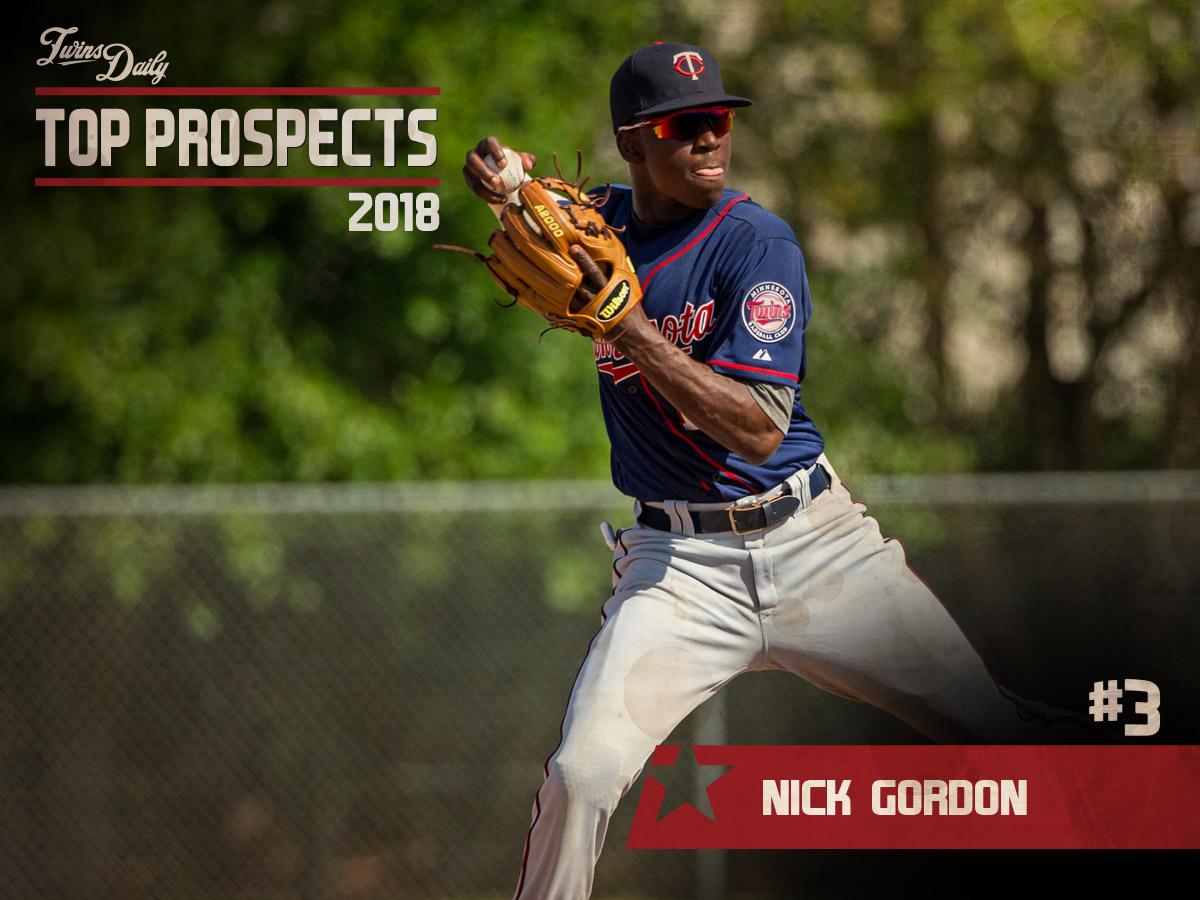 Age: 22 (DOB: 10/24/1995) 2017 Stats (AA): .270/.341/.408 (.749), 9 HR, 29 2B, 8 3B, 13/20 in stolen base attempts ETA: 2019 2017 Ranking: 4 National Top 100 Rankings BA: 93 | MLB : 80 | ESPN: 37 | BP: 35 What’s To Like Gordon headed to the Arizona Fall League last off-season and got his off-season started on the right foot. In over 90 plate appearances, he slashed .346/.418/.444 while playing over 165 innings at shortstop. He ranked sixth in the league in batting average and on-base percentage. There was only one player younger than Gordon in the top-10 for either of those categories. During last spring, Nick’s brother Dee Gordon was able to make some predictions about his coming season. “He’s going to be strong. He’s already a lot bigger and stronger than me when I was 21,” he told the Star Tribune. “He’s got a good eye, and you can already see he’s going to develop some power.” Gordon was able to transition his success in the AFL to the season’s early months. From April through June, he hit .308/.379/.481 with six home runs, 21 doubles and six triples. Twins manager Paul Molitor took notice of Gordon’s offensive abilities. Molitor told the Pioneer Press, “Not surprisingly reports are his bat is still very advanced. We’re trying to make sure the rest of his game catches up, and I think he is making progress in that regard.” His hot hitting in the season’s early months led to some mid-season awards. Gordon represented the Twins at the Futures Game in Miami and he was a Southern League all-star. By season’s end he had set career highs in home runs (9), doubles (29), triples (8) and slugging percentage (.408). For the first time in his professional career, Gordon was three years younger than the competition at his level. He only faced off against younger pitchers in 55 at-bats. In those at-bats, he compiled a .955 OPS with eight extra-base hits. As a lefty, hitting against righties was also a strength for him. All nine of his home runs came against right-handed pitching which helped him to post an .822 OPS. What’s Left To Work On Defense has always been an area in need of improvement for Gordon. Since the Twins drafted him, there have been questions about whether he would be able to stick at shortstop. A veteran scout watched Gordon in Chattanooga last year and he doesn’t think Gordon can stay at short long-term. “You know how the best fielders always seem to get the good hop?” the scout asked. “Watching Gordon, he never seemed to get the good hop. For him, it was always the in-between hop. That’s instincts. That’s footwork. That’s hands.” Gordon hasn’t been shy about his defensive future. “The Twins know what they need, they know what they want,” he said. “Whatever they need me to do, whatever they want me to do, I’m going to do it to the best of my ability. It doesn’t matter to me. I just want to play.” Left-handed pitchers also presented some issues for Gordon. In over 139 plate appearances against lefties, he hit .174/.273/.240 (.513). These totals were very similar to those in his first taste of full season ball in 2016. In those 129 appearances against lefties, he hit .220/.276/.254 (.530). Gordon will need to improve those totals if he wants to break into the big leagues over the next couple of seasons. Since the Twins signed him, he’s added close to 20 pounds. This has helped him to add some power but not sacrificing speed. He knows the strike zone fairly well but he could continue to improve in this area. What’s Next Gordon has yet to repeat a level so that could ticket him to play all of 2018 at Rochester. However, he only turned 22 in October and his hitting decreased significantly at the end of the year. It wouldn’t be a surprise if the Twins send him back to the Southern League to get his bat going at the start of 2018. A hot-hitting Gordon could be a prospect to watch in 2018, especially if the Twins fall out of contention. TD Top Prospects: 16-20 TD Top Prospects: 11-15 TD Top Prospect: #10 Akil Baddoo TD Top Prospect: #9 Brusdar Graterol TD Top Prospects: #8 Blayne Enlow TD Top Prospects: #7 Brent Rooker TD Top Prospects: #6 Wander Javier TD Top Prospects: #5 Alex Kirilloff TD Top Prospects: #4 Stephen Gonsalves TD Top Prospects: #3 Nick Gordon TD Top Prospects: #2 Coming Soon...
 -
Tommy John surgery can be a scary proposition especially for young players going under the knife. Luckily, the Twins have seen players successfully return from surgery and have a major impact at the big league level. One needs to look no further than Miguel Sano to find a Twins position player who was able to rehab and return with a vengeance. Minnesota’s top pick from the 2016 MLB Draft will be looking to follow a similar path. Alex Kirilloff has multiple hoops to jump through but Tommy John surgery might have allowed him to become an even better player. That being said, he has a lot to prove in his age-20 season. What’s next for Mr. Kirilloff? I’m glad you asked…Age: 20 (DOB: 11/9/1997) 2017 Stats: Did Not Play- Tommy John surgery ETA: 2021 2017 Ranking: 3 National Top 100 Rankings BA: NA | MLB : NA | ESPN: NA | BP: NA What’s To Like Kirilloff’s bat and approach at the plate have always been his ticket to the big leagues. During his professional debut, the Twins had him skip the GCL and head straight to the Appalachian League. Across 216 at-bats, he hit .306/.341/.454 with 17 extra-base hits and a 32 to 11 strikeout to walk ratio. He was able to put up these kind of numbers while being 2.5 years younger than the competition in the Appy League. In fact, he never faced a pitcher younger than himself in over 230 plate appearances. On the defensive side of the ball, Kirilloff has shown the ability to play all three outfield positions. The majority of his time was spent in right field as he projects as a corner outfielder at the big league level. In just over 400 professional innings, he has seven outfield assists. Overall, he has the tools and athleticism to handle either corner outfield position. Kirilloff’s has been praised for his high baseball IQ and his strong work ethic. His father instructs youth on hitting so Kirilloff has been raised around the game of baseball. Being off the field for over a year might have been a good thing for Kirilloff as there are rumors of him adding 25-30 pounds since he last suited up. What’s Left To Work On For players drafted out of high school, there are always questions about how they will grow into their bodies. When the Twins drafted Kirilloff, he was already 6’2” and 195 pounds. Seth recently had Kiriloff on his podcast and he asked him about the rumors that he’s added 30 pounds of weight. For a player that hasn’t seen game action in quite some time, there will likely be some rust to shake off during spring training. More power should come if he has added 15-20 pounds. Like he told Seth, he feels stronger now and that could be dangerous for pitchers in the Midwest League. Some teams might want to rush a player after missing an entire year. Minnesota isn’t in a hurry with Kirilloff. “I don’t think you need to rush him too much,” Twins chief baseball officer Derek Falvey told MLB.com. “We’re not too worried about the timeline. We’ll just make sure he’s in a good place physically to hit the ground running. But he feels good and just wants to get going. It’s hard when a guy misses a year like that and has to hit the reset button.” What’s Next Kirilloff has a positive attitude as he heads into the 2018 campaign. “I’d never had a significant injury like that before to cause me to miss that much time so it was hard at first,” Kirilloff said at TwinsFest. “But there were two ways to look at it. You can look at it as a lost year and be down on yourself the whole time or look at it as a new challenge to get better. So that’s what I tried to do. My body feels a lot stronger and I’m excited for 2018.” He should start the year at Cedar Rapids, unless there is some rust to work off and then he could stay in extended spring training. He could end up in the same line-up as last year’s top pick Royce Lewis. Minnesota doesn’t have any plans to move Kirilloff faster because of his missed time in 2017. TD Top Prospects: #20-16 TD Top Prospects: #15-11 TD Top Prospects #10: Akil Baddoo TD Top Prospects #9: Brusdar Graterol TD Top Prospects #8: Blayne Enlow TD Top Prospects #7: Brent Rooker TD Top Prospects #6: Wander Javier TD Top Prospects: #1-4 (Coming Soon) Click here to view the article
-
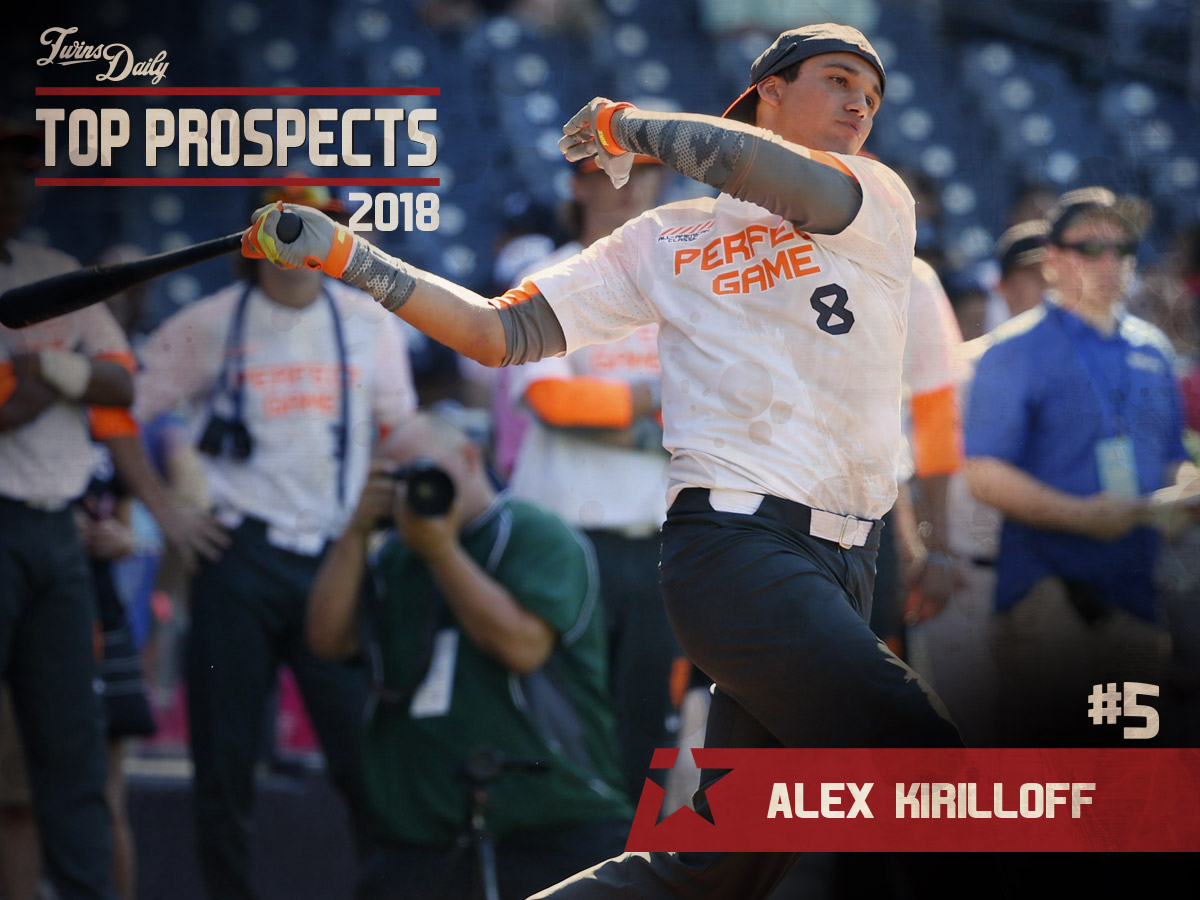 Age: 20 (DOB: 11/9/1997) 2017 Stats: Did Not Play- Tommy John surgery ETA: 2021 2017 Ranking: 3 National Top 100 Rankings BA: NA | MLB : NA | ESPN: NA | BP: NA What’s To Like Kirilloff’s bat and approach at the plate have always been his ticket to the big leagues. During his professional debut, the Twins had him skip the GCL and head straight to the Appalachian League. Across 216 at-bats, he hit .306/.341/.454 with 17 extra-base hits and a 32 to 11 strikeout to walk ratio. He was able to put up these kind of numbers while being 2.5 years younger than the competition in the Appy League. In fact, he never faced a pitcher younger than himself in over 230 plate appearances. On the defensive side of the ball, Kirilloff has shown the ability to play all three outfield positions. The majority of his time was spent in right field as he projects as a corner outfielder at the big league level. In just over 400 professional innings, he has seven outfield assists. Overall, he has the tools and athleticism to handle either corner outfield position. Kirilloff’s has been praised for his high baseball IQ and his strong work ethic. His father instructs youth on hitting so Kirilloff has been raised around the game of baseball. Being off the field for over a year might have been a good thing for Kirilloff as there are rumors of him adding 25-30 pounds since he last suited up. What’s Left To Work On For players drafted out of high school, there are always questions about how they will grow into their bodies. When the Twins drafted Kirilloff, he was already 6’2” and 195 pounds. Seth recently had Kiriloff on his podcast and he asked him about the rumors that he’s added 30 pounds of weight. https://twitter.com/SethTweets/status/953111958751993857 For a player that hasn’t seen game action in quite some time, there will likely be some rust to shake off during spring training. More power should come if he has added 15-20 pounds. Like he told Seth, he feels stronger now and that could be dangerous for pitchers in the Midwest League. Some teams might want to rush a player after missing an entire year. Minnesota isn’t in a hurry with Kirilloff. “I don’t think you need to rush him too much,” Twins chief baseball officer Derek Falvey told MLB.com. “We’re not too worried about the timeline. We’ll just make sure he’s in a good place physically to hit the ground running. But he feels good and just wants to get going. It’s hard when a guy misses a year like that and has to hit the reset button.” What’s Next Kirilloff has a positive attitude as he heads into the 2018 campaign. “I’d never had a significant injury like that before to cause me to miss that much time so it was hard at first,” Kirilloff said at TwinsFest. “But there were two ways to look at it. You can look at it as a lost year and be down on yourself the whole time or look at it as a new challenge to get better. So that’s what I tried to do. My body feels a lot stronger and I’m excited for 2018.” He should start the year at Cedar Rapids, unless there is some rust to work off and then he could stay in extended spring training. He could end up in the same line-up as last year’s top pick Royce Lewis. Minnesota doesn’t have any plans to move Kirilloff faster because of his missed time in 2017. TD Top Prospects: #20-16 TD Top Prospects: #15-11 TD Top Prospects #10: Akil Baddoo TD Top Prospects #9: Brusdar Graterol TD Top Prospects #8: Blayne Enlow TD Top Prospects #7: Brent Rooker TD Top Prospects #6: Wander Javier TD Top Prospects: #1-4 (Coming Soon)
 -
After months of speculation about free agency, baseball is back. Minnesota’s pitchers and catchers report for their first official workout on Wednesday. As with any spring training, there are plenty of questions surrounding the Twins after the team reports to Fort Myers. Let’s dive into some of the questions surrounding the team’s pitchers and catchers…Who leads the rotation? Ervin Santana is out for the first month of the season. This will give an opportunity for other pitchers to step up and lead the rotation. Jose Berrios could be poised for a breakout season. He dominated at multiple levels in the minor leagues and he’s shown flashes of brilliance at the big league level. It seems like 2018 could be his coming out party and the Santana injury might allow him to take his rightful spot at the top of the rotation. Even though the Twins missed out on Yu Darvish, the front office has a plan in place moving forward. Other free agents like Alex Cobb and Lance Lynn have been in regular contact with the Twins. The Star Tribune is reporting that Minnesota has offered a trade to Tampa Bay for former All-Star Chris Archer. This trade would likely revolve around Max Kepler and multiple prospects. Jake Odorizzi is another potential trade target from Tampa and his price tag would likely be lower than Archer's. Who fills in while Santana is out? If Minnesota adds one of the names listed above, there will still be parts of the rotation to sort out during spring training. The Twins will certainly be testing the mantra, “There’s no such thing as too much pitching.” There are likely three rotation locks, Jose Berrios, Kyle Gibson and Adalberto Mejia. This leaves one spot open if the team adds another pitcher or two spots if they stay with the current roster. There are a variety of players in contention for the rotation's final spot. Aaron Slegers, Dietrich Enns, Felix Jorge, Tyler Duffey, Trevor May and Phil Hughes could all see time in the rotation this year. Situations like options remaining and contracts likely factor into the team’s final roster construction. Who winds up in the bullpen? Much like the rotation, there are some locks for the bullpen. Fernando Rodney figures to get the bulk of the save opportunities. Addison Reed, Zach Duke and Trevor Hildenberger will get plenty of late inning opportunities. Some of the players that miss out on a rotation spot will also end up in the bullpen. May, Hughes and Duffey could all be candidates for a long-relief role. Other players in consideration will be Taylor Rogers, Ryan Pressly, Alan Busenitz, Tyler Kinley, John Curtiss, J.T. Chargois and Gabriel Moya. If the pitching staff was being created today, here’s how I’d see things coming together. Starting Rotation: Jose Berrios, Kyle Gibson, Adalberto Mejia, Phil Hughes, Tyler Duffey Bullpen: Fernando Rodney, Addison Reed, Zach Duke, Trevor Hildenberger, Taylor Rogers, Ryan Pressly, Alan Busenitz Who earns the back-up catcher role? Chris Gimenez took his talents to Chicago and might have had a role in luring Yu Darvish the Cubs. This means the Twins have an opening at the back-up catcher role. Mitch Garver posted a .928 OPS at Triple-A in 2018. In 110 Triple-A games, he has hit .298/.386/.520 with 18 home runs and 34 doubles. He seems ready to take over the back-up catcher role. If the Twins want him to be starting every day, he could end up back in Rochester. This could leave an opportunity for a player like Bobby Wilson to earn the back-up catcher position. What storylines will you follow with pitchers and catchers this spring? Leave a comment and start the discussion. Click here to view the article
- 75 replies
-
- 1
-
-
- jose berrios
- ervin santana
- (and 3 more)
-
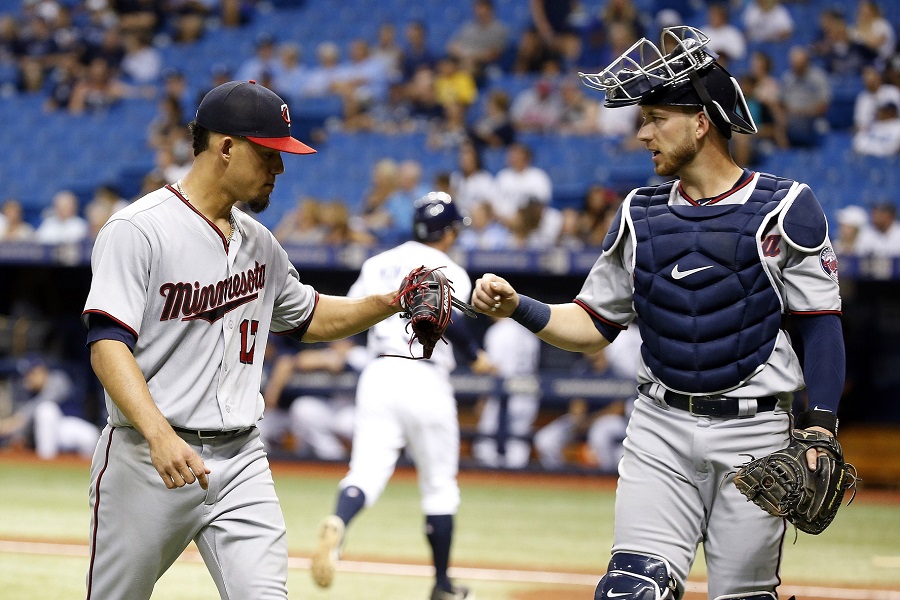 Who leads the rotation? Ervin Santana is out for the first month of the season. This will give an opportunity for other pitchers to step up and lead the rotation. Jose Berrios could be poised for a breakout season. He dominated at multiple levels in the minor leagues and he’s shown flashes of brilliance at the big league level. It seems like 2018 could be his coming out party and the Santana injury might allow him to take his rightful spot at the top of the rotation. Even though the Twins missed out on Yu Darvish, the front office has a plan in place moving forward. Other free agents like Alex Cobb and Lance Lynn have been in regular contact with the Twins. The Star Tribune is reporting that Minnesota has offered a trade to Tampa Bay for former All-Star Chris Archer. This trade would likely revolve around Max Kepler and multiple prospects. Jake Odorizzi is another potential trade target from Tampa and his price tag would likely be lower than Archer's. Who fills in while Santana is out? If Minnesota adds one of the names listed above, there will still be parts of the rotation to sort out during spring training. The Twins will certainly be testing the mantra, “There’s no such thing as too much pitching.” There are likely three rotation locks, Jose Berrios, Kyle Gibson and Adalberto Mejia. This leaves one spot open if the team adds another pitcher or two spots if they stay with the current roster. There are a variety of players in contention for the rotation's final spot. Aaron Slegers, Dietrich Enns, Felix Jorge, Tyler Duffey, Trevor May and Phil Hughes could all see time in the rotation this year. Situations like options remaining and contracts likely factor into the team’s final roster construction. Who winds up in the bullpen? Much like the rotation, there are some locks for the bullpen. Fernando Rodney figures to get the bulk of the save opportunities. Addison Reed, Zach Duke and Trevor Hildenberger will get plenty of late inning opportunities. Some of the players that miss out on a rotation spot will also end up in the bullpen. May, Hughes and Duffey could all be candidates for a long-relief role. Other players in consideration will be Taylor Rogers, Ryan Pressly, Alan Busenitz, Tyler Kinley, John Curtiss, J.T. Chargois and Gabriel Moya. If the pitching staff was being created today, here’s how I’d see things coming together. Starting Rotation: Jose Berrios, Kyle Gibson, Adalberto Mejia, Phil Hughes, Tyler Duffey Bullpen: Fernando Rodney, Addison Reed, Zach Duke, Trevor Hildenberger, Taylor Rogers, Ryan Pressly, Alan Busenitz Who earns the back-up catcher role? Chris Gimenez took his talents to Chicago and might have had a role in luring Yu Darvish the Cubs. This means the Twins have an opening at the back-up catcher role. Mitch Garver posted a .928 OPS at Triple-A in 2018. In 110 Triple-A games, he has hit .298/.386/.520 with 18 home runs and 34 doubles. He seems ready to take over the back-up catcher role. If the Twins want him to be starting every day, he could end up back in Rochester. This could leave an opportunity for a player like Bobby Wilson to earn the back-up catcher position. What storylines will you follow with pitchers and catchers this spring? Leave a comment and start the discussion.
 -
Twins fans might not want to hear it but Yu Darvish is heading to the Chicago Cubs on a six-year deal that could be worth up to $150 million. Minnesota had made a formal offer to the top free agent pitcher but Darvish’s camp wanted clubs to stretch the deal to six years. The Cubs were willing to make that jump. Now that Darvish picked another club, Minnesota’s front office is going to have to act fast. There will likely be a domino effect with the first big name comimg off the board. That being said, there are a couple of different paths the Twins could take to solidify their rotation.Other Free Agent Options The second tier options for free agency include names like Alex Cobb and Lance Lynn. National baseball writer Jon Heyman reported that “Alex Cobb is believed to be [the Twins] fallback choice for the rotation” after Darvish passes. Minnesota is reluctant to go past four or five years for any free agent pitcher so that also changes their approach with other free agent arms. Minnesota has been in contact with the other free agent pitchers but MLB.com’s Rhett Bollinger says “their interest in Cobb has been a bit overstated.” Plenty of other teams have expressed interest in signing Lynn but most clubs believe his asking price is too high at this point. There may be some other options to add depth to the back-end of Minnesota’s starting rotation. Chris Tillman is coming off of shoulder surgery and could be a strong bounce-back candidate. Another option would be reuniting with Jaime Garcia, who made one start for the Twins last season before being dealt to the Yankees. Searching The Trade Market The Twins are considering a variety of options with Darvish off the market. 1500 ESPN’s Darren Wolfson gave fans an update on the Darvish situation. In his podcast, he mentions the Twins are “maintaining regular trade talk” with the Rays. Tampa Bay has multiple pitchers who could be dealt and each one is going to come at a different cost. Chris Archer is the most coveted Rays pitcher. The former All-Star is signed to a team-friendly deal through 2019 with team options for 2020-21. He won’t turn 30 until next September so Tampa isn’t exactly in a hurry to have him pack his bags. Minnesota might have to deal multiple top prospects and maybe some young major league assets to acquire Archer. Another option could be Tampa’s Jake Odorizzi who has compiled a 3.71 ERA and a 1.19 WHIP over the last three seasons. He is in his second year of arbitration eligibility so that means he won’t be a free agent until 2020. According to Wolfson, the Rays have a lot of interest in outfielder Max Kepler. Kepler turned 25 this weekend and he could be poised for a breakout season in 2018. With Darvish heading to Chicago, what’s the team’s next best option? Another free agent pitcher? Making a trade with Tampa Bay? Leave a COMMENT and start the discussion. Click here to view the article
-
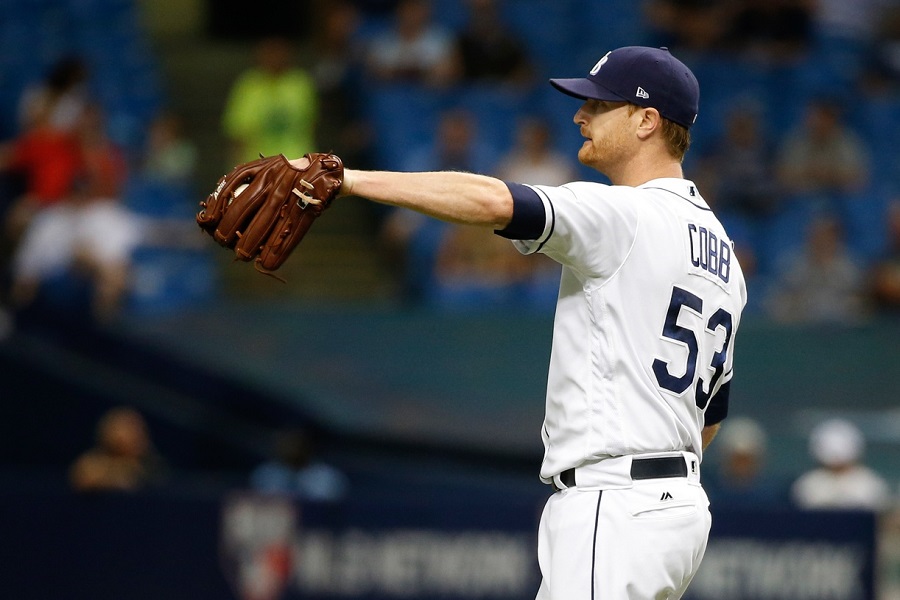 Other Free Agent Options The second tier options for free agency include names like Alex Cobb and Lance Lynn. National baseball writer Jon Heyman reported that “Alex Cobb is believed to be [the Twins] fallback choice for the rotation” after Darvish passes. Minnesota is reluctant to go past four or five years for any free agent pitcher so that also changes their approach with other free agent arms. Minnesota has been in contact with the other free agent pitchers but MLB.com’s Rhett Bollinger says “their interest in Cobb has been a bit overstated.” Plenty of other teams have expressed interest in signing Lynn but most clubs believe his asking price is too high at this point. There may be some other options to add depth to the back-end of Minnesota’s starting rotation. Chris Tillman is coming off of shoulder surgery and could be a strong bounce-back candidate. Another option would be reuniting with Jaime Garcia, who made one start for the Twins last season before being dealt to the Yankees. Searching The Trade Market The Twins are considering a variety of options with Darvish off the market. 1500 ESPN’s Darren Wolfson gave fans an update on the Darvish situation. In his podcast, he mentions the Twins are “maintaining regular trade talk” with the Rays. Tampa Bay has multiple pitchers who could be dealt and each one is going to come at a different cost. Chris Archer is the most coveted Rays pitcher. The former All-Star is signed to a team-friendly deal through 2019 with team options for 2020-21. He won’t turn 30 until next September so Tampa isn’t exactly in a hurry to have him pack his bags. Minnesota might have to deal multiple top prospects and maybe some young major league assets to acquire Archer. Another option could be Tampa’s Jake Odorizzi who has compiled a 3.71 ERA and a 1.19 WHIP over the last three seasons. He is in his second year of arbitration eligibility so that means he won’t be a free agent until 2020. According to Wolfson, the Rays have a lot of interest in outfielder Max Kepler. Kepler turned 25 this weekend and he could be poised for a breakout season in 2018. With Darvish heading to Chicago, what’s the team’s next best option? Another free agent pitcher? Making a trade with Tampa Bay? Leave a COMMENT and start the discussion.
 -
In recent drafts, Georgia has provided some strong prospects for the Twins organization. Byron Buxton was the number two overall pick out of Georgia. Fans saw his ability to impact both sides of the ball in 2017. Now the Twins have another center fielder from Georgia who is making his way to Target Field. Akil Baddoo was taken by the Twins with the 74th pick of the 2016 MLB Draft. As a 17-year old, he struggled during his professional debut, hitting .178/.299/.271 with a 36 to 18 strikeout-to-walk ratio. He was almost three years younger than the competition in the GCL so he’d start there again in 2017. That’s where one of the organization’s best seasons would begin to unfold…Age: 19 (DOB: 8/16/1998) 2017 Stats (Rookie): .323/.436/.527, 19 2B, 5 3B, 4 HR, 9-for-13 in stolen base attempts ETA: 2021 2017 Ranking: NR National Top 100 Rankings BA: NR | MLB : NR | ESPN: NR | BP: NR What’s To Like Baddoo broke out in 2017. A year after struggling to a .570 OPS in the GCL, the 18-year old mashed the ball for both rookie league teams. In his second stint in the GCL, he hit .267/.360/.440 with eight extra-base hits in 75 at-bats. He caught fire after being promoted to Elizabethton where he hit .357/.478/.579 with 20 extra-base hits in 126 at-bats. He also showed a very advanced approach at the plate with a 32 to 36 strikeout to walk ratio. Baddoo’s OPS ranked second in the Appalachian League. Only 15 of his plate appearances came against younger pitchers and he posted a .954 OPS when facing older competition. Defensively, Baddoo has the athleticism to play all three outfield positions but the majority of his starts come in center field. During the 2017 campaign, he didn’t commit an error in over 300 inning in center. Ray Smith, the manager of the E-Twins, had glowing reviews when asked about Baddoo’s impact on the team. “Our club seemed to kick it into a higher gear once Akil arrived. Deep in counts, would get on base via walks, base hits, etc. All while showing extra-base pop and occasional home run power. [He] covered ground defensively... ran bases aggressively and showed up every day.” In the E-Twins’ Appy League Finals-clinching victory, Baddoo went 2-for-4 with a double, a triple and a walk. Following his outstanding season, Baddoo was named the Twins Daily Short Season Hitter of the Year. What’s Left To Work On Leading into last season, Baddoo added 15 pounds and continued to show speed on the base paths. He entered last season at 5’11 and 195 pounds. Since he is still a teenager, there could be room to improve his strength and add more power. For him to continue to trend toward being a five-tool player, he needs to find the right balance of adding strength and not sacrificing speed. Obviously, he will need to show that 2017’s performance at the plate wasn’t a fluke. Almost all of Baddoo’s power came against right-handed pitching where he compiled a 1.013 OPS. His numbers were still strong against lefties (.328/.426/.414) but he only collected five extra-base hits. With more experience, he will hopefully be able to hit for more power against southpaws. While his defensive skills have been strong, his arm continues to be an area needing improvement. Throughout his minor league career, he’s only had one outfield assist and it came when he was playing right field. He might need to shift to a corner outfield spot if his arm doesn’t improve. What’s Next Baddoo should get his first taste of full season action during 2018 especially based on his time with the E-Twins. If he continues to hit like he did in 2017, there is a chance he could crack into some top 100 prospect lists during next offseason. He could spend 2018 in Cedar Rapids with a chance to make it to Fort Myers in the second-half. Baddoo seems like he could be a similar player to former Twin Matt Lawton. TD Top Prospects: #20-16 TD Top Prospects: #15-11 TD Top Prospects: #1-9 (Coming Soon) Click here to view the article
-
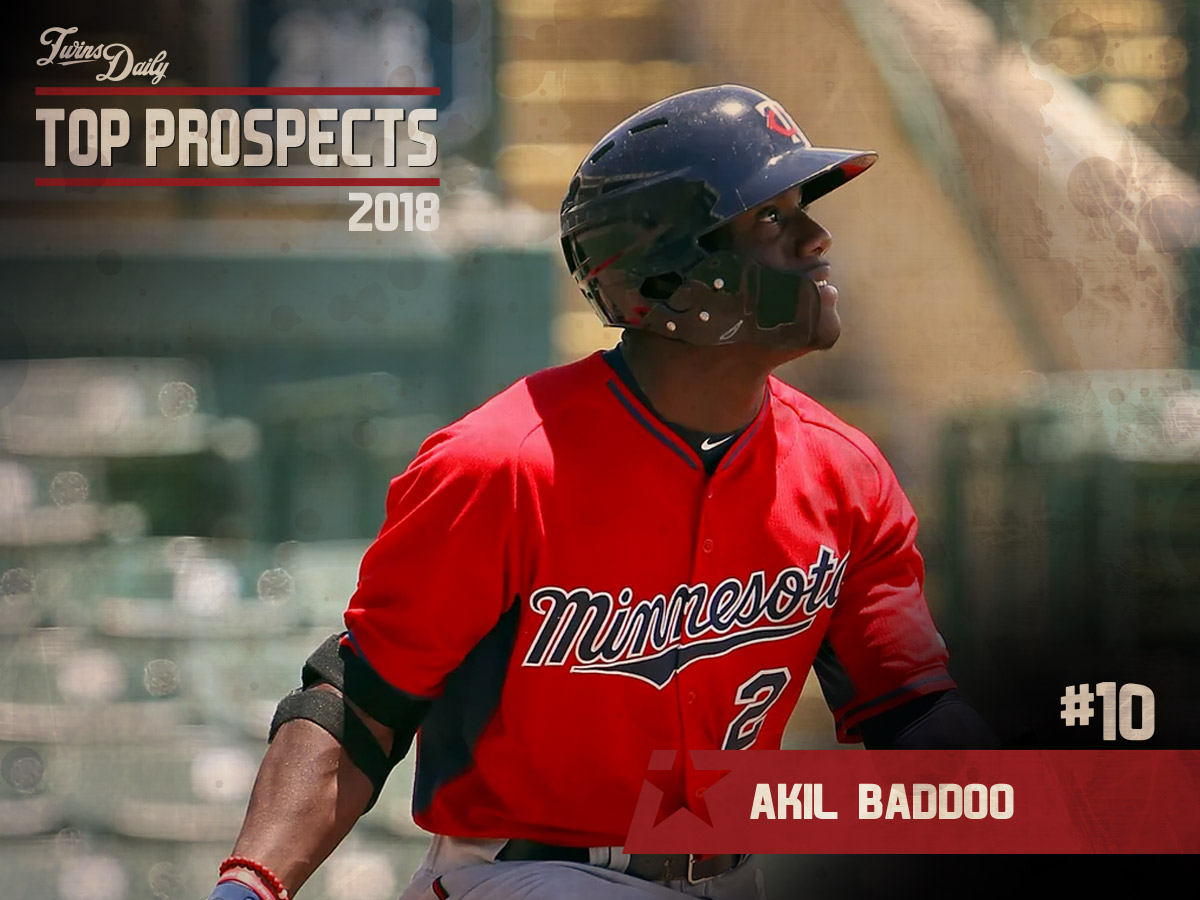 Age: 19 (DOB: 8/16/1998) 2017 Stats (Rookie): .323/.436/.527, 19 2B, 5 3B, 4 HR, 9-for-13 in stolen base attempts ETA: 2021 2017 Ranking: NR National Top 100 Rankings BA: NR | MLB : NR | ESPN: NR | BP: NR What’s To Like Baddoo broke out in 2017. A year after struggling to a .570 OPS in the GCL, the 18-year old mashed the ball for both rookie league teams. In his second stint in the GCL, he hit .267/.360/.440 with eight extra-base hits in 75 at-bats. He caught fire after being promoted to Elizabethton where he hit .357/.478/.579 with 20 extra-base hits in 126 at-bats. He also showed a very advanced approach at the plate with a 32 to 36 strikeout to walk ratio. Baddoo’s OPS ranked second in the Appalachian League. Only 15 of his plate appearances came against younger pitchers and he posted a .954 OPS when facing older competition. Defensively, Baddoo has the athleticism to play all three outfield positions but the majority of his starts come in center field. During the 2017 campaign, he didn’t commit an error in over 300 inning in center. Ray Smith, the manager of the E-Twins, had glowing reviews when asked about Baddoo’s impact on the team. “Our club seemed to kick it into a higher gear once Akil arrived. Deep in counts, would get on base via walks, base hits, etc. All while showing extra-base pop and occasional home run power. [He] covered ground defensively... ran bases aggressively and showed up every day.” In the E-Twins’ Appy League Finals-clinching victory, Baddoo went 2-for-4 with a double, a triple and a walk. Following his outstanding season, Baddoo was named the Twins Daily Short Season Hitter of the Year. What’s Left To Work On Leading into last season, Baddoo added 15 pounds and continued to show speed on the base paths. He entered last season at 5’11 and 195 pounds. Since he is still a teenager, there could be room to improve his strength and add more power. For him to continue to trend toward being a five-tool player, he needs to find the right balance of adding strength and not sacrificing speed. Obviously, he will need to show that 2017’s performance at the plate wasn’t a fluke. Almost all of Baddoo’s power came against right-handed pitching where he compiled a 1.013 OPS. His numbers were still strong against lefties (.328/.426/.414) but he only collected five extra-base hits. With more experience, he will hopefully be able to hit for more power against southpaws. While his defensive skills have been strong, his arm continues to be an area needing improvement. Throughout his minor league career, he’s only had one outfield assist and it came when he was playing right field. He might need to shift to a corner outfield spot if his arm doesn’t improve. What’s Next Baddoo should get his first taste of full season action during 2018 especially based on his time with the E-Twins. If he continues to hit like he did in 2017, there is a chance he could crack into some top 100 prospect lists during next offseason. He could spend 2018 in Cedar Rapids with a chance to make it to Fort Myers in the second-half. Baddoo seems like he could be a similar player to former Twin Matt Lawton. TD Top Prospects: #20-16 TD Top Prospects: #15-11 TD Top Prospects: #1-9 (Coming Soon)
