Cody Christie
-
Posts
7,794 -
Joined
-
Last visited
-
Days Won
5
Content Type
Profiles
News
Minnesota Twins Videos
2026 Minnesota Twins Top Prospects Ranking
2022 Minnesota Twins Draft Picks
Minnesota Twins Free Agent & Trade Rumors, Notes, & Tidbits
Guides & Resources
2023 Minnesota Twins Draft Picks
The Minnesota Twins Players Project
2024 Minnesota Twins Draft Picks
2025 Minnesota Twins Draft Pick Tracker
2026 Minnesota Twins Draft Tracker: Picks & Bonuses
Forums
Blogs
Events
Store
Downloads
Gallery
Everything posted by Cody Christie
-

Local Man Already Accuses Vahn Lackey of Being Overrated
Cody Christie posted an article in Just For Fun
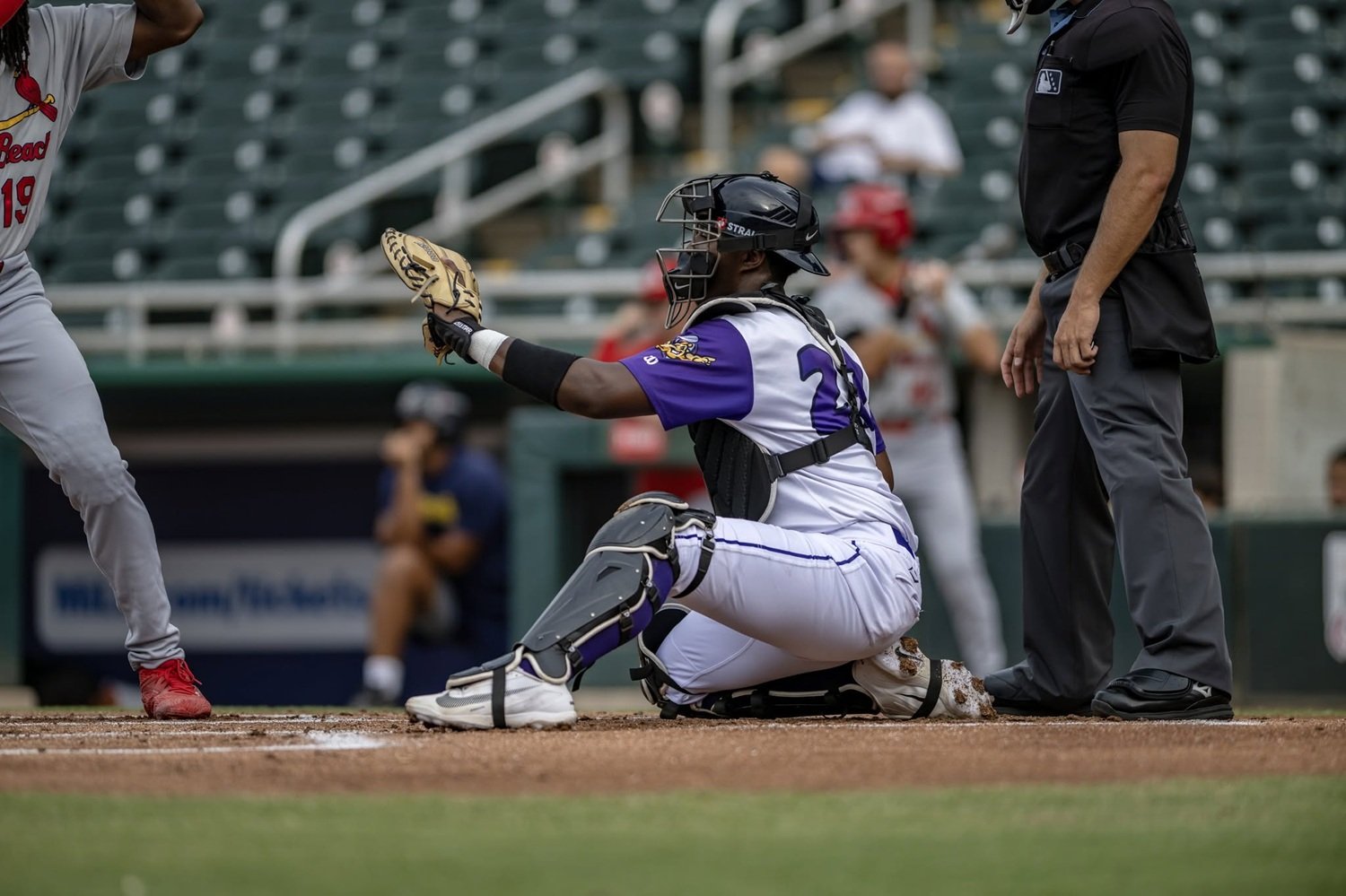 The Minnesota Twins selected Vahn Lackey with the third overall pick in the 2026 MLB Draft, handing the organization one of the most talented college hitters in recent memory. Scouts praised his advanced approach, athleticism, and all-around offensive upside. Unfortunately, none of that mattered to 43-year-old Brainerd resident Randy Swenson, who has apparently seen enough. "I've been patient," Swenson said while refreshing Lackey's game log for the ninth time before breakfast. "But the guy was supposed to be the next Joe Mauer, and now he can't even hit home runs against teenagers in the Florida State League. I don't know what else there is to say." When reminded that Lackey is, in fact, only a few games into his professional career after signing only a few weeks ago, Swenson remained unconvinced. "Excuses," he replied. "Joe Mauer would've hit three home runs by now. Probably four. Honestly, I expected him to force a promotion to Double-A by the end of the month." Swenson admitted he has not actually watched a single plate appearance. Instead, he has formed his opinion almost entirely by checking the box score every morning and comparing Lackey's home run total to players who have several hundred more professional games under their belts. "If I'm looking at a first-round pick and there's not at least one ball in the parking lot by now, something's wrong," Swenson explained. "You don't draft a guy third overall to go out there and... develop." His frustration stems from what he describes as "false advertising." "They kept saying he has an advanced hit tool," Swenson said. "That's great. Where are the moonshots? I was promised Joe Mauer, except with more power. Right now, I'm seeing a guy who's getting on base instead of hitting 500-foot home runs every night." The reaction has not surprised those closest to him. "Oh, this is pretty standard," said his wife, Melissa. "He declared Byron Buxton a bust after his first Spring Training because he struck out twice. Two years later, he was telling everyone he'd believed in Buxton all along." His uncle, Dennis, remembers similar behavior stretching back decades. "When Joe Ryan gave up a homer in his first Grapefruit League outing, Randy wanted to trade him for 'literally any veteran,'" Dennis recalled. "Then Joe became an All-Star, and Randy started wearing his jersey like none of that happened." Even Swenson's 16-year-old daughter, Emma, has grown accustomed to the cycle. "Dad once called a prospect untouchable after a three-hit game," she said. "The next week the same player went 1-for-16, and suddenly he wanted him DFA'd. I don't think he fully understands how the whole thing works." Despite Lackey owning just a handful of professional games on his résumé, Swenson believes enough evidence has accumulated. "I'm just saying," he insisted. "The third overall pick should be batting at least .450 by now. If you're still 'adjusting to pro ball' after a week, are you really a generational talent?" Scouts continue to praise Lackey's plate discipline, swing decisions, and ability to make consistent hard contact. Twins officials have repeatedly emphasized that player development is measured over years—not days. Swenson disagrees. "Prospects are like avocados," he explained confidently. "If they're not perfect immediately, you've waited too long." As of Thursday afternoon, Swenson had moved on to criticizing the Twins' newest international signing for "only" posting a .417 on-base percentage in his first week of professional baseball. Family members expect he'll eventually come around on Lackey—roughly two weeks after the catcher reaches the majors and starts hitting. Until then, Minnesota's newest top prospect can take comfort in one thing: if Randy Swenson already thinks you're overrated, history suggests you're probably on the right track.
 -
Joe Ryan's return to the Minnesota Twins rotation took another step forward Tuesday afternoon. Nearly two weeks after being placed on the injured list with a mild left glute strain, Ryan climbed back onto the mound at Target Field for his first bullpen session since the injury. The session was brief — just 25 pitches — but it represented a meaningful checkpoint for a Twins rotation that desperately needs reinforcements. Ryan left the Twins shortly after his August 4 start against the Kansas City Royals to undergo an MRI. The examination revealed the glute strain, which has kept him sidelined since. While he has been cautious about the injury, Ryan said he has continued throwing regularly because he wanted to keep his arm moving. Tuesday marked the first time he tested the injured area from a pitching mound. “It’s a step in the right direction for sure,” Ryan said. For the Twins, that was exactly what they wanted to see. “Very encouraging,” manager Derek Shelton said before Tuesday's game against Atlanta. “He looked free and easy. He’s a very important part of our team. To see him out there and be healthy — (it’s the) first step in the progression to getting him back.” Ryan Tests the Glute Ryan's bullpen was intentionally limited. He threw 25 pitches, all fastballs and sinkers, as the Twins continued to ease him through the recovery process. The goal wasn't to recreate a normal bullpen session. It was to see how Ryan's body responded to pitching off the mound. So far, so good. “I think it’s good to get off the mound and see how we feel,” Ryan said. “Just check in that area and, yeah, just do my job out there.” Shelton emphasized that Ryan still has several steps to complete before the Twins can consider activating him. The next bullpen session should include breaking pitches, adding another layer to the physical test. “I think anytime a guy’s dealing with an injury, to be able to cross hurdles like that, it’s extremely important,” Shelton said. “We diagnose what we think the situation is. And then we treat it and then we take the step of him getting out on the mound.” A Much-Needed Rotation Boost Ryan has struggled since returning from the All-Star Game, posting a stretch that included three consecutive losses before the injury. In his final three starts before landing on the IL, he surrendered seven home runs and 16 earned runs across 15 1/3 innings. Now, the Twins are hoping the time away allows him to get healthy and return to something closer to the pitcher who earned All-Star honors in both 2025 and 2026. Ryan has gone 6-8 with a 3.65 ERA this season. He also represented the American League in this year's All-Star Game in Philadelphia, throwing a scoreless inning while allowing one hit and striking out two batters in the AL's 4-0 victory. Minnesota's rotation has not exactly provided much stability since the All-Star break. Entering Tuesday, Twins starters had posted a 5.81 ERA across 29 games since the break. That ranked 29th in baseball during that stretch. The rotation had also allowed 24 home runs while issuing 59 walks. Those numbers make Ryan's progression particularly important. The Twins remain in a crowded American League Wild Card race, and every quality starting pitcher becomes increasingly valuable as the schedule moves toward September. Minnesota doesn't need Ryan to return simply because he's one of its best starters. It needs him because the current rotation needs another reliable arm. Ryan's return won't solve every problem facing the Twins, but getting a healthy two-time All-Star back into the rotation could dramatically change their outlook. The first step is now complete. The next few will determine just how quickly Minnesota can get its ace back on a big-league mound. View full rumor
-
Joe Ryan Takes Important Step Toward Twins Return
Cody Christie posted a rumor in Major League Notes
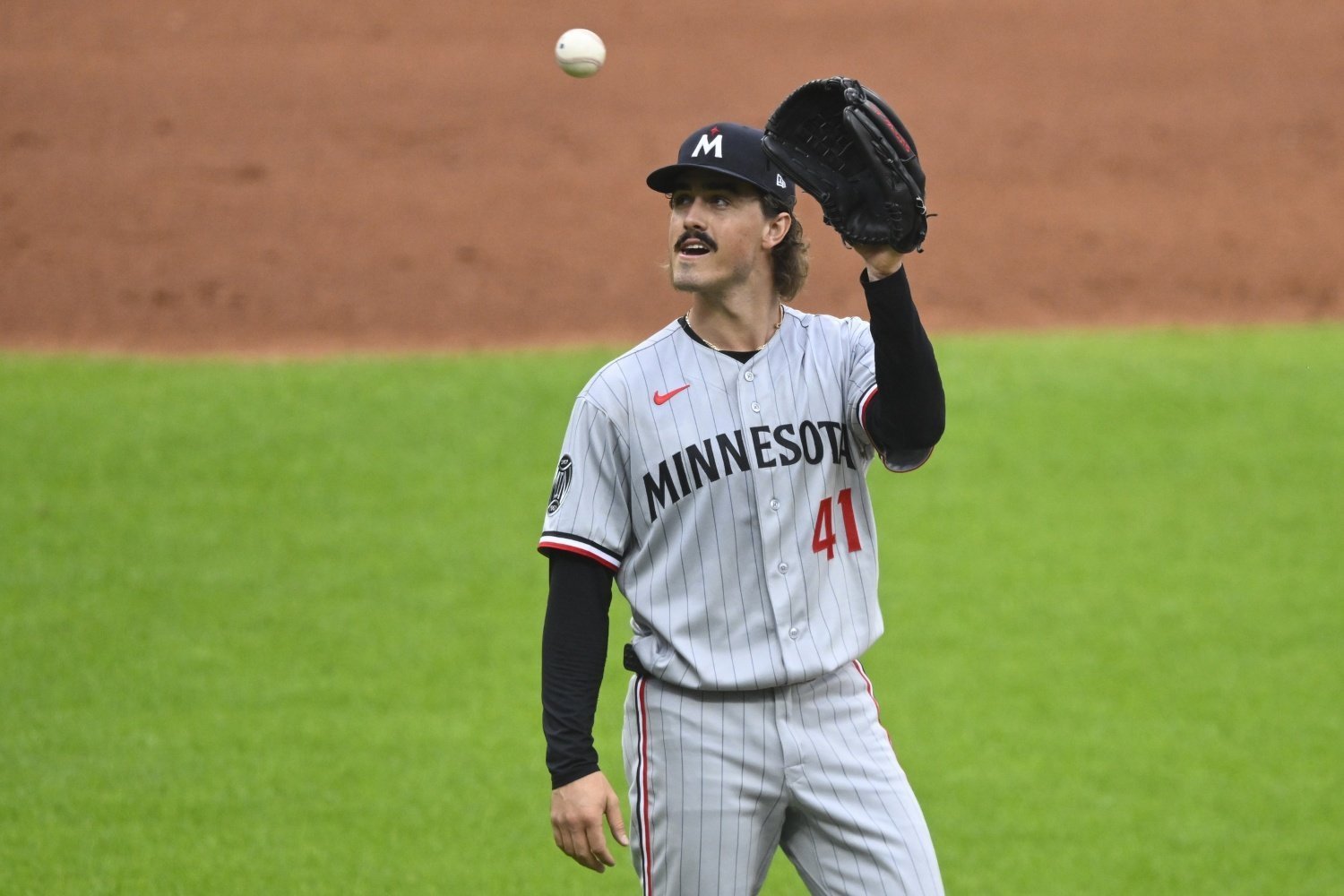 Joe Ryan's return to the Minnesota Twins rotation took another step forward Tuesday afternoon. Nearly two weeks after being placed on the injured list with a mild left glute strain, Ryan climbed back onto the mound at Target Field for his first bullpen session since the injury. The session was brief — just 25 pitches — but it represented a meaningful checkpoint for a Twins rotation that desperately needs reinforcements. Ryan left the Twins shortly after his August 4 start against the Kansas City Royals to undergo an MRI. The examination revealed the glute strain, which has kept him sidelined since. While he has been cautious about the injury, Ryan said he has continued throwing regularly because he wanted to keep his arm moving. Tuesday marked the first time he tested the injured area from a pitching mound. “It’s a step in the right direction for sure,” Ryan said. For the Twins, that was exactly what they wanted to see. “Very encouraging,” manager Derek Shelton said before Tuesday's game against Atlanta. “He looked free and easy. He’s a very important part of our team. To see him out there and be healthy — (it’s the) first step in the progression to getting him back.” Ryan Tests the Glute Ryan's bullpen was intentionally limited. He threw 25 pitches, all fastballs and sinkers, as the Twins continued to ease him through the recovery process. The goal wasn't to recreate a normal bullpen session. It was to see how Ryan's body responded to pitching off the mound. So far, so good. “I think it’s good to get off the mound and see how we feel,” Ryan said. “Just check in that area and, yeah, just do my job out there.” Shelton emphasized that Ryan still has several steps to complete before the Twins can consider activating him. The next bullpen session should include breaking pitches, adding another layer to the physical test. “I think anytime a guy’s dealing with an injury, to be able to cross hurdles like that, it’s extremely important,” Shelton said. “We diagnose what we think the situation is. And then we treat it and then we take the step of him getting out on the mound.” A Much-Needed Rotation Boost Ryan has struggled since returning from the All-Star Game, posting a stretch that included three consecutive losses before the injury. In his final three starts before landing on the IL, he surrendered seven home runs and 16 earned runs across 15 1/3 innings. Now, the Twins are hoping the time away allows him to get healthy and return to something closer to the pitcher who earned All-Star honors in both 2025 and 2026. Ryan has gone 6-8 with a 3.65 ERA this season. He also represented the American League in this year's All-Star Game in Philadelphia, throwing a scoreless inning while allowing one hit and striking out two batters in the AL's 4-0 victory. Minnesota's rotation has not exactly provided much stability since the All-Star break. Entering Tuesday, Twins starters had posted a 5.81 ERA across 29 games since the break. That ranked 29th in baseball during that stretch. The rotation had also allowed 24 home runs while issuing 59 walks. Those numbers make Ryan's progression particularly important. The Twins remain in a crowded American League Wild Card race, and every quality starting pitcher becomes increasingly valuable as the schedule moves toward September. Minnesota doesn't need Ryan to return simply because he's one of its best starters. It needs him because the current rotation needs another reliable arm. Ryan's return won't solve every problem facing the Twins, but getting a healthy two-time All-Star back into the rotation could dramatically change their outlook. The first step is now complete. The next few will determine just how quickly Minnesota can get its ace back on a big-league mound.
 -
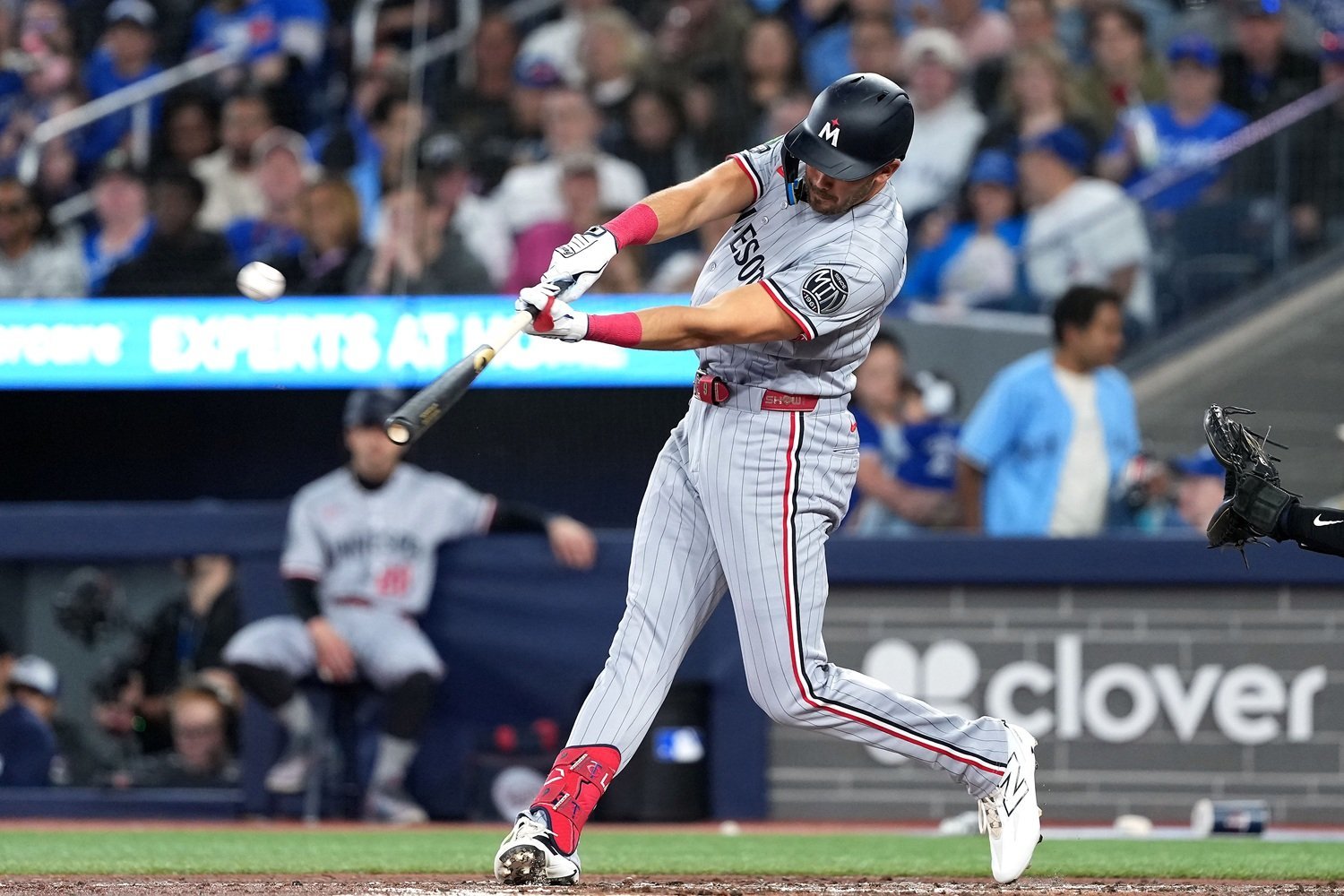 The Minnesota Twins are going to have difficult decisions to make this winter. Some of those decisions will involve players who have struggled. Others could involve players who have actually performed well enough to make their futures more complicated. That's the situation with two of their longest-tenured players: Trevor Larnach and Bailey Ober. The two players are having very different seasons. Larnach is putting together arguably the best offensive campaign of his career, while Ober has continued to struggle to find the form that once made him one of Minnesota's most dependable starters. Yet, their situations have one important thing in common. Both players are entering their final year of team control, and the Twins have to determine whether they still fit into the organization's plans for 2027. Insofar as he can control the situation, Larnach has earned another opportunity with the Twins. Through 101 games, he's hitting .272 with 19 doubles, 10 home runs, 42 RBIs and a .788 OPS. He's become one of the more reliable offensive pieces in Minnesota's lineup, helping them remain in the playoff picture. As has been widely reported, though, the team all but traded him at the deadline, in a move nixed by Astros ownership at the last moment. That makes his situation particularly interesting. Larnach is making $4.475 million this season in his second year of arbitration. FanGraphs has valued his 2026 production at roughly $16 million, illustrating just how much value the Twins have received from him relative to his salary. On the surface, moving on from a productive 28-year-old outfielder doesn't make much sense. The problem is that the Twins may not have an obvious place for his skill set. Minnesota controls Larnach for one more season, and his strong 2026 campaign should result in another raise through arbitration. The Twins could certainly keep him around, but that would mean committing additional money to a player who could become redundant as their top prospects matriculate. Medium-marked teams can't afford to pay market rate for all their production, and Larnach's progress toward free agency is eroding his marginal value. Emmanuel Rodriguez is out of options and will have to be on the Opening Day roster next season (although, of course, he could instead be traded this offseason). Walker Jenkins is nearing his MLB debut and should be a major part of Minnesota's plans moving forward. Alan Roden, acquired at last year's trade deadline, does at least some of what Larnach does, and he's younger and cheaper. That creates a legitimate roster crunch. The Twins don't necessarily need to decide that Larnach isn't good enough. They may instead have to decide whether there is enough playing time available for him, given their medium-term goals and plans. It's been a much less successful campaign for Ober. He entered the season hoping to rebound from a disappointing 2025, and there have been some signs of improvement. His 4.64 ERA and 4.78 FIP (before his start Monday night against Atlanta) are both better than the 5.10 ERA and 4.90 FIP he posted last season. But the overall numbers still aren't where Minnesota needs them to be. Ober has a 91 ERA+, a 16.1% strikeout rate and a 6.0% walk rate. More concerning is the direction his season has taken. Since throwing a complete-game shutout in May and before a short but solid outing Monday, Ober had made nine starts with an ERA approaching 6.00. His velocity has also become a major concern. Ober's average four-seam fastball velocity dropped from 91.7 mph in 2024 to 90.3 mph in 2025 and is just 88.1 mph this season. At those velocities, he has very little margin for error. Opposing hitters are taking advantage. His four-seam fastball has been slugged at a .542 clip this season. Two years ago, Ober generated a 22.2% whiff rate with that pitch. That number has fallen all the way to 14.8% this season. He's never been especially reliant on missing bats with his heater, but the less batters have to worry about that, the harder it is for him to induce whiffs or defensive swings with his secondary offerings. Ober is also heading toward his final year of team control. He's making $5.2 million this season, and FanGraphs has valued his production at $7.8 million. The Twins would probably still have to pay somewhere near that latter figure through arbitration next season, even if his struggles continue. That makes the decision more complicated than simply asking whether Ober can be useful. The Twins have to determine whether he's worth the salary and roster spot that comes with another season of control. This might ultimately be the biggest issue facing Ober. Minnesota already has several pitchers who should have strong claims to rotation spots next season. Taj Bradley, Joe Ryan, Connor Prielipp and Dean Kremer are currently in the rotation, and could remain there. Pablo López and Mick Abel are expected to return as well, assuming their recoveries progress as hoped. Then there's Kendry Rojas, who's likely to continue developing as a starter. David Festa and Zebby Matthews remain part of the equation, though health (Festa) and performance (Matthews) have forced them to the periphery of the picture. Suddenly, there are a lot of names competing for a limited number of spots. The Twins could decide they need another veteran starter. They could also decide that one of their younger pitchers is ready to take on a larger role. Either scenario makes it more difficult to justify holding onto a struggling Ober simply because he has been a longtime member of the organization. Two Different Players, One Difficult Decision Larnach and Ober represent two very different types of offseason decisions. With Larnach, the Twins could be moving on from a player who's finally putting everything together. His production is legitimate, his value is strong, and he’s in his prime. But Minnesota may have younger and more highly regarded left-handed outfielders who need opportunities. With Ober, the concern is almost the opposite. The Twins could be moving on because his performance no longer matches the expectations that come with his salary and roster spot. Neither decision would be easy. The Twins are approaching another important offseason, and the organization needs to figure out what its roster will look like beyond 2026. That means making difficult choices about players who have been around for a long time, even when those players have provided plenty of value. Of course, they don't have to commit themselves to anything now, but every game is another datum in the file, and the decision point has begun to loom large on the horizon. Will Larnach or Ober be on the 2027 Twins roster? Leave a comment and start the discussion.
 -
Image courtesy of William Parmeter The Minnesota Twins selected Vahn Lackey with the third overall pick in the 2026 MLB Draft, handing the organization one of the most talented college hitters in recent memory. Scouts praised his advanced approach, athleticism, and all-around offensive upside. Unfortunately, none of that mattered to 43-year-old Brainerd resident Randy Swenson, who had apparently seen enough. "I've been patient," Swenson said while refreshing Lackey's game log for the ninth time before breakfast. "But the guy was supposed to be the next Joe Mauer, and now he can't even hit home runs against teenagers in the Florida State League. I don't know what else there is to say." When reminded that Lackey is, in fact, only a few games into his professional career after signing only a few weeks ago, Swenson remained unconvinced. "Excuses," he replied. "Joe Mauer would've hit three home runs by now. Probably four. Honestly, I expected him to force a promotion to Double-A by the end of the month." Swenson admitted he has not actually watched a single plate appearance. Instead, he has formed his opinion almost entirely by checking the box score every morning and comparing Lackey's home run total to players who have several hundred more professional games under their belts. "If I'm looking at a first-round pick and there's not at least one ball in the parking lot by now, something's wrong," Swenson explained. "You don't draft a guy third overall to go out there and... develop." His frustration stems from what he describes as "false advertising." "They kept saying he has an advanced hit tool," Swenson said. "That's great. Where are the moonshots? I was promised Joe Mauer, except with more power. Right now, I'm seeing a guy who's getting on base instead of hitting 500-foot home runs every night." The reaction has not surprised those closest to him. "Oh, this is pretty standard," said his wife, Melissa. "He declared Byron Buxton a bust after his first Spring Training because he struck out twice. Two years later he was telling everyone he'd believed in Buxton all along." His uncle, Dennis, remembers similar behavior stretching back decades. "When Joe Ryan gave up a homer in his first Grapefruit League outing, Randy wanted to trade him for 'literally any veteran,'" Dennis recalled. "Then Joe became an All-Star, and Randy started wearing his jersey like none of that happened." Even Swenson's 16-year-old daughter, Emma, has grown accustomed to the cycle. "Dad once called a prospect untouchable after a three-hit game," she said. "The next week the same player went 1-for-16, and suddenly he wanted him DFA'd. I don't think he fully understands that prospects are allowed to have bad weeks." Despite Lackey owning just a handful of professional games on his résumé, Swenson believes enough evidence has accumulated. "I'm just saying," he insisted. "The third overall pick should be batting at least .450 by now. If you're still 'adjusting to pro ball' after a week, are you really a generational talent?" Scouts continue to praise Lackey's plate discipline, swing decisions, and ability to make consistent hard contact. Twins officials have repeatedly emphasized that player development is measured over years—not days. Swenson disagrees. "Prospects are like avocados," he explained confidently. "If they're not perfect immediately, you've waited too long." As of Thursday afternoon, Swenson had moved on to criticizing the Twins' newest international signing for "only" posting a .417 on-base percentage in his first week of professional baseball. Family members expect he'll eventually come around on Lackey—roughly two weeks after the catcher reaches the majors and starts hitting. Until then, Minnesota's newest top prospect can take comfort in one thing: if Randy Swenson already thinks you're overrated, history suggests you're probably on the right track. View full article
-
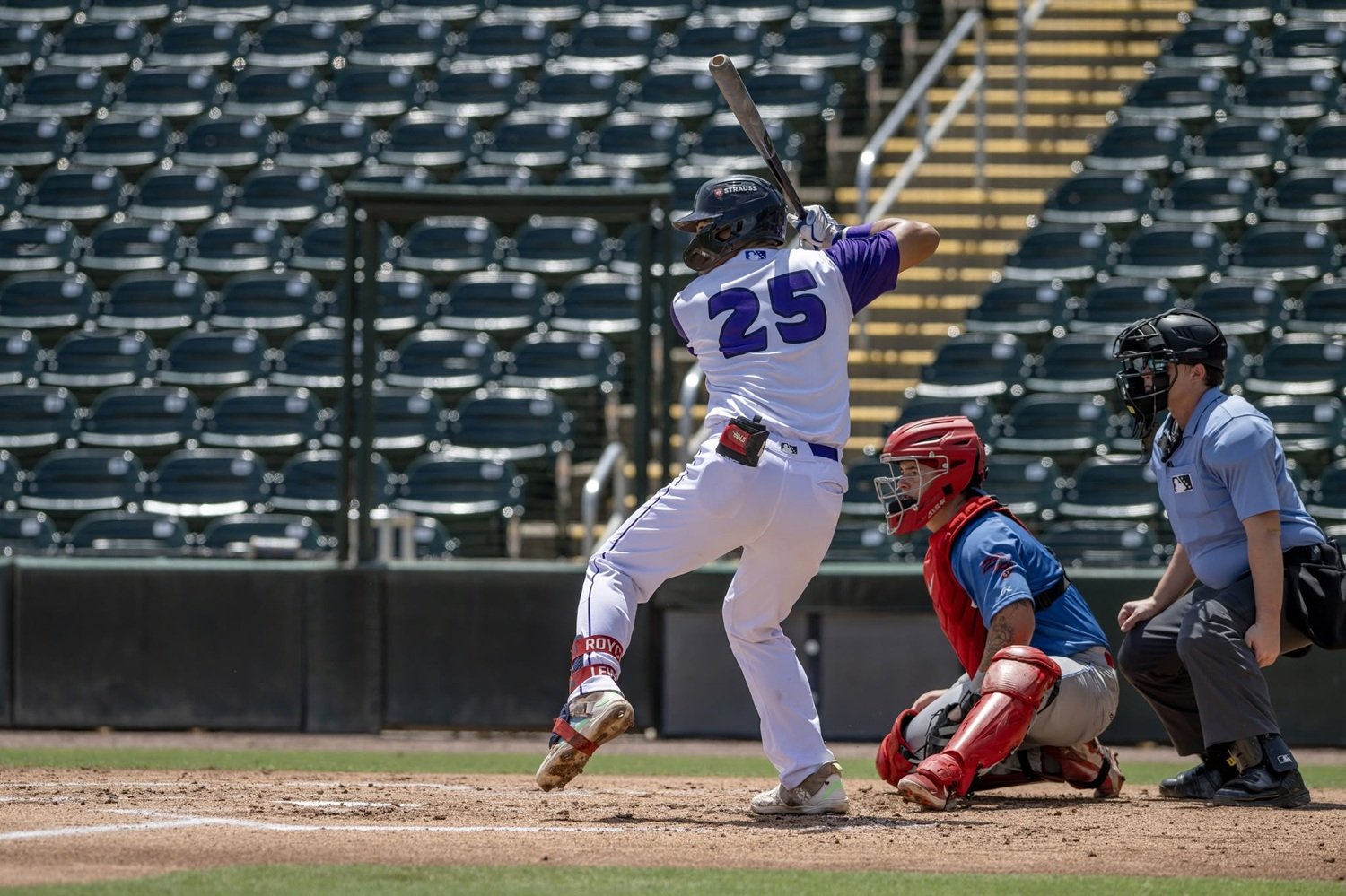 The minor-league season is entering its final stretch, which means there is little time left for prospects to make an impression. For some players, that can create pressure. For others, it provides an opportunity to finish the season with a flourish. This week’s Twins Prospect Hot Sheet features three players doing exactly that. Kendry Rojas is continuing to show why Minnesota believes he can be a starting pitcher, while Luis Fragoza has emerged as one of the most productive hitters in the Florida State League. Meanwhile, Merphy Hernandez is turning his speed into a historic season for the Fort Myers Mighty Mussels. Each prospect is taking a different path, but all three are giving the organization plenty to be excited about. LHP Kendry Rojas — Saint Paul Saints How He Got Here: Rojas consistently moved through the Blue Jays system after signing in 2021. He came to the Twins in last season’s trade for Louie Varland, because Minnesota believed in his upside as a starting pitcher. The transition was not especially smooth after the trade. Rojas struggled in his first taste of Triple-A, but he was only 22 years old and facing some of the best hitters of his professional career. The second time around has been a different story. Rojas has settled in at Triple-A this season, posting a 3.27 ERA while also helping the Twins in a multi-inning role. Hitting the Hot Button: For the second time in a week, Rojas got a start against the Iowa Cubs. He danced around small jams through the first three innings, allowing the leadoff hitter to reach on a single in each inning. Rojas stranded two runners in the first and one in each of the next two innings before retiring the side in order in the fourth. He finished with four scoreless innings, allowing four hits while walking one and striking out five. He needed only 52 pitches to complete those four innings, throwing 40 for strikes. Even more encouraging, Rojas generated 13 swings and misses on 34 swings. Since being demoted at the beginning of August, Rojas has started three games and pitched 11 innings while allowing just one earned run. He's struck out 11 while walking only two, holding opposing hitters to a .180/.220/.256 slash line. That's the kind of stretch that can change the conversation surrounding a young pitcher. Rojas is still just 23 years old, and his ability to handle Triple-A hitters while maintaining starting-pitcher upside makes him an intriguing piece of Minnesota’s pitching puzzle. INF/OF Luis Fragoza — Fort Myers Mighty Mussels How He Got Here: Fragoza received just $77,500 to sign with the Twins in January 2024. A solid debut in the Dominican Summer League at age 17 (where he posted a .784 OPS) brought him Stateside for the Florida Complex League in 2025. That season was more of a struggle. Fragoza posted a .646 OPS while trying to find consistency at the plate. He returned to the FCL in 2026 but quickly earned a promotion to full-season Loa-A Fort Myers. Once he arrived with the Mighty Mussels, Fragoza quickly established himself as one of the most dangerous hitters in the lineup. Hitting the Hot Button: Fragoza was named the Florida State League Player of the Week for the week of August 10, and it's easy to understand why. He led the league with a ridiculous .667/.800/1.583 slash line while producing a 2.383 OPS across five games. He ranked second in the league in home runs (3), walks (7), extra-base hits (5), runs (9), stolen bases (7), and total bases (19) during the week. Nor was that a mere hot five-game stretch. Fragoza has been one of Fort Myers's best hitters throughout the season. Across 59 games, he leads the Mighty Mussels in batting average (.322), slugging percentage (.607), OPS (1.005), and RBIs (51). Fragoza has gone from an intriguing international signing to one of the more productive young hitters in the Twins' lower levels. There's still plenty of development ahead, but his offensive performance this season has made him much harder to overlook. OF Merphy Hernandez — Fort Myers Mighty Mussels How He Got Here: Hernandez was also part of the Twins' 2024 international signing class. He played 49 games in the Dominican Summer League that year, hitting .276/.390/.417 with 36 stolen bases and 12 extra-base hits. His first full taste of Stateside baseball did not go nearly as smoothly. Hernandez played just 16 games in 2025 and struggled at the plate, posting a .589 OPS. Minnesota sent him back to the FCL to begin the 2026 season. That decision appears to have paid off. Hernandez posted a .934 OPS in 10 games before earning a promotion to Low-A Fort Myers. Since then, the speed has become one of the defining aspects of his game. Hitting the Hot Button: Hernandez stole his 40th base of the season earlier this week. That may sound like just another stolen base for one of the organization's fastest players, but it put Hernandez in some pretty impressive company. He became the first Mighty Mussel-era player, dating back to 2020, to reach 40 steals in a season. Only four players in franchise history (since 1992) had previously reached that mark. The most recent was Ben Revere, who stole 45 bases in 2009. Hernandez isn't just collecting stolen bases, either. He's been swinging a hot bat lately, hitting .368/.429/.500 over his last 11 games with three extra-base hits and 14 stolen bases. The combination of speed and improved offensive production makes Hernandez an intriguing player to watch as he continues moving through the system. After struggling during his first Stateside opportunity, he's shown significant growth this season. Rojas, Fragoza, and Hernandez are at very different points in their development, but that's part of what makes this trio so interesting. Rojas is showing that his first Triple-A struggles may have been more about experience than ability. Fragoza has developed into one of the Florida State League's most productive hitters. Hernandez is combining an improving offensive game with game-changing speed and has already put his name in the Fort Myers record book. None of these players is guaranteed to become a major-league contributor. But each is doing something right now that deserves attention. As the minor-league season winds down, these are exactly the types of performances worth watching. What stands out about this trio? Leave a comment and start the discussion.
- 6 comments
-
- 6
-

-

-
- kendry rojas
- merphy hernandez
- (and 1 more)
-
Image courtesy of William Parmeter The minor-league season is entering its final stretch, which means there is little time left for prospects to make an impression. For some players, that can create pressure. For others, it provides an opportunity to finish the season with a flourish. This week’s Twins Prospect Hot Sheet features three players doing exactly that. Kendry Rojas is continuing to show why Minnesota believes he can be a starting pitcher, while Luis Fragoza has emerged as one of the most productive hitters in the Florida State League. Meanwhile, Merphy Hernandez is turning his speed into a historic season for the Fort Myers Mighty Mussels. Each prospect is taking a different path, but all three are giving the organization plenty to be excited about. LHP Kendry Rojas — Saint Paul Saints How He Got Here: Rojas consistently moved through the Blue Jays system after signing in 2021. He came to the Twins in last season’s trade for Louie Varland, because Minnesota believed in his upside as a starting pitcher. The transition was not especially smooth after the trade. Rojas struggled in his first taste of Triple-A, but he was only 22 years old and facing some of the best hitters of his professional career. The second time around has been a different story. Rojas has settled in at Triple-A this season, posting a 3.27 ERA while also helping the Twins in a multi-inning role. Hitting the Hot Button: For the second time in a week, Rojas got a start against the Iowa Cubs. He danced around small jams through the first three innings, allowing the leadoff hitter to reach on a single in each inning. Rojas stranded two runners in the first and one in each of the next two innings before retiring the side in order in the fourth. He finished with four scoreless innings, allowing four hits while walking one and striking out five. He needed only 52 pitches to complete those four innings, throwing 40 for strikes. Even more encouraging, Rojas generated 13 swings and misses on 34 swings. Since being demoted at the beginning of August, Rojas has started three games and pitched 11 innings while allowing just one earned run. He's struck out 11 while walking only two, holding opposing hitters to a .180/.220/.256 slash line. That's the kind of stretch that can change the conversation surrounding a young pitcher. Rojas is still just 23 years old, and his ability to handle Triple-A hitters while maintaining starting-pitcher upside makes him an intriguing piece of Minnesota’s pitching puzzle. INF/OF Luis Fragoza — Fort Myers Mighty Mussels How He Got Here: Fragoza received just $77,500 to sign with the Twins in January 2024. A solid debut in the Dominican Summer League at age 17 (where he posted a .784 OPS) brought him Stateside for the Florida Complex League in 2025. That season was more of a struggle. Fragoza posted a .646 OPS while trying to find consistency at the plate. He returned to the FCL in 2026 but quickly earned a promotion to full-season Loa-A Fort Myers. Once he arrived with the Mighty Mussels, Fragoza quickly established himself as one of the most dangerous hitters in the lineup. Hitting the Hot Button: Fragoza was named the Florida State League Player of the Week for the week of August 10, and it's easy to understand why. He led the league with a ridiculous .667/.800/1.583 slash line while producing a 2.383 OPS across five games. He ranked second in the league in home runs (3), walks (7), extra-base hits (5), runs (9), stolen bases (7), and total bases (19) during the week. Nor was that a mere hot five-game stretch. Fragoza has been one of Fort Myers's best hitters throughout the season. Across 59 games, he leads the Mighty Mussels in batting average (.322), slugging percentage (.607), OPS (1.005), and RBIs (51). Fragoza has gone from an intriguing international signing to one of the more productive young hitters in the Twins' lower levels. There's still plenty of development ahead, but his offensive performance this season has made him much harder to overlook. OF Merphy Hernandez — Fort Myers Mighty Mussels How He Got Here: Hernandez was also part of the Twins' 2024 international signing class. He played 49 games in the Dominican Summer League that year, hitting .276/.390/.417 with 36 stolen bases and 12 extra-base hits. His first full taste of Stateside baseball did not go nearly as smoothly. Hernandez played just 16 games in 2025 and struggled at the plate, posting a .589 OPS. Minnesota sent him back to the FCL to begin the 2026 season. That decision appears to have paid off. Hernandez posted a .934 OPS in 10 games before earning a promotion to Low-A Fort Myers. Since then, the speed has become one of the defining aspects of his game. Hitting the Hot Button: Hernandez stole his 40th base of the season earlier this week. That may sound like just another stolen base for one of the organization's fastest players, but it put Hernandez in some pretty impressive company. He became the first Mighty Mussel-era player, dating back to 2020, to reach 40 steals in a season. Only four players in franchise history (since 1992) had previously reached that mark. The most recent was Ben Revere, who stole 45 bases in 2009. Hernandez isn't just collecting stolen bases, either. He's been swinging a hot bat lately, hitting .368/.429/.500 over his last 11 games with three extra-base hits and 14 stolen bases. The combination of speed and improved offensive production makes Hernandez an intriguing player to watch as he continues moving through the system. After struggling during his first Stateside opportunity, he's shown significant growth this season. Rojas, Fragoza, and Hernandez are at very different points in their development, but that's part of what makes this trio so interesting. Rojas is showing that his first Triple-A struggles may have been more about experience than ability. Fragoza has developed into one of the Florida State League's most productive hitters. Hernandez is combining an improving offensive game with game-changing speed and has already put his name in the Fort Myers record book. None of these players is guaranteed to become a major-league contributor. But each is doing something right now that deserves attention. As the minor-league season winds down, these are exactly the types of performances worth watching. What stands out about this trio? Leave a comment and start the discussion. View full article
-
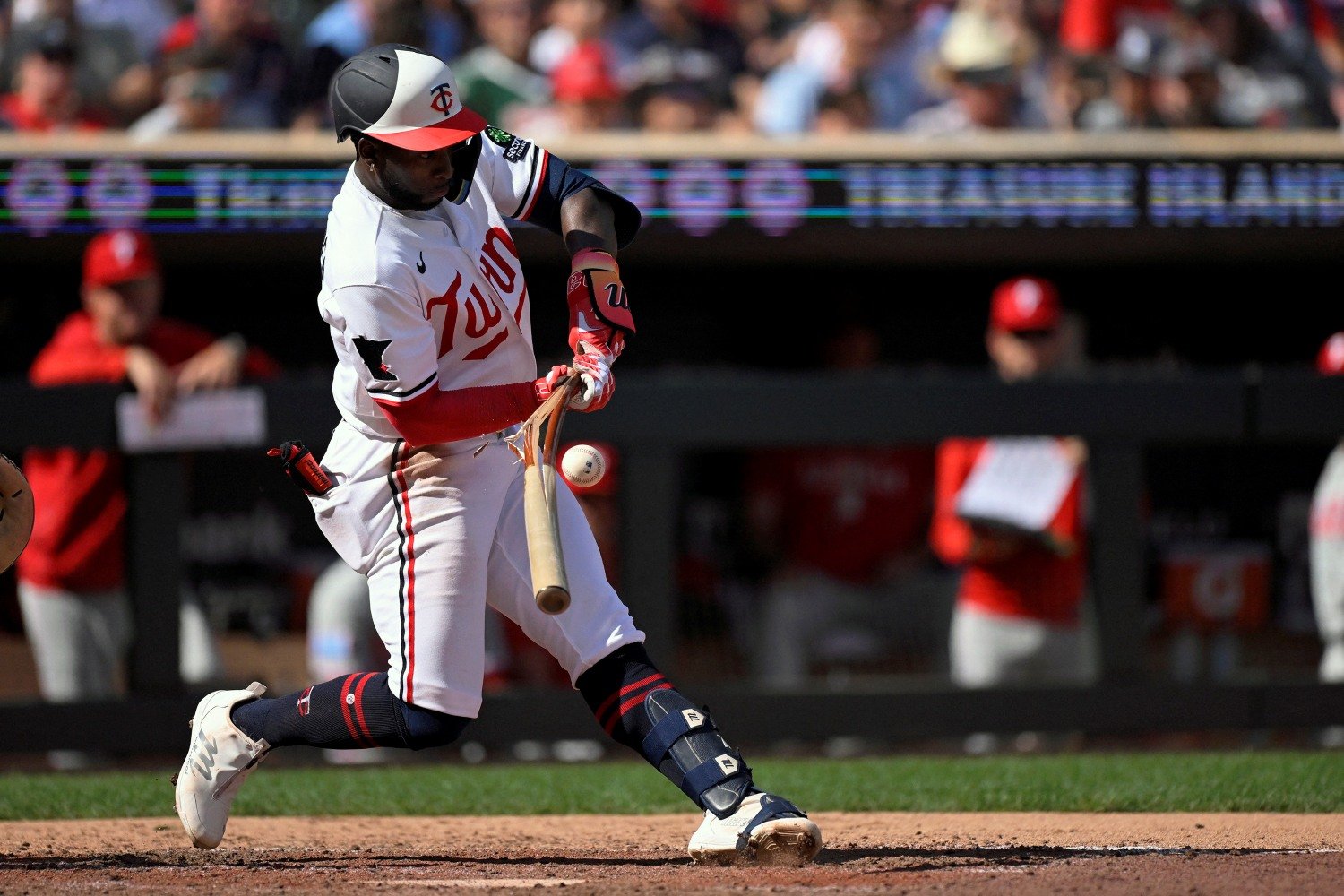 On Sunday, the Twins had watched a five-run lead disappear, and they were staring at a two-run deficit in the bottom of the ninth inning. Waiting on the mound was All-Star and former Twin Jhoan Duran, making Minnesota’s path back into the game even more difficult. With one out, Victor Caratini coaxed a six-pitch walk to bring the tying run to the plate. Kaelen Culpepper was the next man up, and the rookie had at least a little recent history with Duran to draw from. Culpepper faced him in Thursday's Field of Dreams Game and lined a single into the outfield. Maybe that familiarity helped. Whatever the reason, Culpepper looked completely comfortable, in a spot where plenty of hitters would have been overwhelmed. This was not a quick at-bat. It was not a mistake from Duran that handed Culpepper an easy opportunity. In a full-fledged battle, the rookie refused to give in. Duran opened the at-bat with exactly what everyone expected: velocity. His first pitch was a 98.1-MPH splinker; Culpepper fouled it away. Duran then dropped a 90.3-MPH knuckle-curve into the dirt, but Culpepper did not chase, evening the count at 1-1. The third pitch was another splinker, this one at 97.7 MPH. Culpepper swung through it, putting himself in a difficult 1-2 hole. Against most pitchers, that might have been the beginning of the end. Against Duran, it is an especially dangerous position. Opponents are 7-for-49 with 34 strikeouts after falling behind 1-2 against Duran this season. Culpepper, however, had no interest in making the at-bat easy. Duran went back to his splinker on pitch No. 4, throwing it 99.1 MPH. Culpepper got a piece of it and fouled it away. Duran tried the same pitch again on pitch No. 5, this time at 98. Another foul ball. Pitch No. 6 was another splinker at 98.8, and once again, Culpepper spoiled it. Three straight pitches. Three straight fouls. At that point, Culpepper had turned a 1-2 count into a battle of attrition. Duran was throwing some of the hardest pitches any hitter will see, and the rookie was simply staying alive. The burly righty finally changed speeds. The seventh pitch was a 90.9-MPH sweeper, well below the velocity Culpepper had just been battling. But it also strayed outside the strike zone, and Culpepper correctly laid off. The count was now even at 2-2. Duran went right back to the splinker on pitch No. 8, this one at 99.2 MPH. Culpepper fouled it off again. That was four consecutive foul balls after falling behind 1-2, and five foul balls overall in the at-bat. Duran had thrown everything at him. Culpepper kept finding a way to stay in the box. By the ninth pitch, there was little mystery about what Duran was going to try to do. He went back to his splinker and unleashed it at 99.7 MPH. Culpepper finally won the battle. He got the barrel on the pitch, but the result was hardly clean. The rookie broke his bat, but the resulting ground ball snuck through the infield, giving Culpepper a hard-earned single and putting two runners on base. The Twins suddenly had a legitimate chance to tie the game. It was an impressive conclusion to perhaps the best at-bat of Culpepper's young career. The rookie didn't beat Duran on a glaring mistake. He just pulled the hands in and got enough lumber on a two-strike pitch to stir some trouble. Short of learning about the speed of the game defensively during his Aug. 7 debut, Culpepper has not looked out of place since being promoted to Minnesota. There will undoubtedly be adjustments ahead, particularly with his 31.0% strikeout rate, but he continues to show flashes of why the Twins viewed him as an important part of their future. Culpepper reached base twice more Sunday and is now batting .250/.345/.417. The ninth-inning at-bat against Duran was particularly encouraging because of how much was required from him, and because of the stakes. According to win probability, the at-bat raised Minnesota's chances of winning by 10%. It also put two runners on base for Ryan Jeffers and Byron Buxton. Neither could finish the comeback, as both hitters struck out to end the game. Still, Culpepper's at-bat provided something the Twins desperately needed in that moment: a reason to believe. After watching a five-run lead disappear and then facing one of baseball's most overpowering relievers, the rookie kept battling until he finally found a way to reach base. "We're just kind of looking for that spark right now," Josh Bell said after the loss, in a dejected clubhouse in which Bell and others nonetheless insisted that the vibes remain good. For the Twins, Culpepper's fight against Duran could be the kind of moment that sparks something better moving forward. What stood out about Culpepper’s at-bat? What are realistic expectations for him during the remainder of the season? Leave a comment and start the discussion.
 -
Image courtesy of Nick Wosika-Imagn Images On Sunday, the Twins had watched a five-run lead disappear, and they were staring at a two-run deficit in the bottom of the ninth inning. Waiting on the mound was All-Star and former Twin Jhoan Duran, making Minnesota’s path back into the game even more difficult. With one out, Victor Caratini coaxed a six-pitch walk to bring the tying run to the plate. Kaelen Culpepper was the next man up, and the rookie had at least a little recent history with Duran to draw from. Culpepper faced him in Thursday's Field of Dreams Game and lined a single into the outfield. Maybe that familiarity helped. Whatever the reason, Culpepper looked completely comfortable, in a spot where plenty of hitters would have been overwhelmed. This was not a quick at-bat. It was not a mistake from Duran that handed Culpepper an easy opportunity. In a full-fledged battle, the rookie refused to give in. Duran opened the at-bat with exactly what everyone expected: velocity. His first pitch was a 98.1-MPH splinker; Culpepper fouled it away. Duran then dropped a 90.3-MPH knuckle-curve into the dirt, but Culpepper did not chase, evening the count at 1-1. The third pitch was another splinker, this one at 97.7 MPH. Culpepper swung through it, putting himself in a difficult 1-2 hole. Against most pitchers, that might have been the beginning of the end. Against Duran, it is an especially dangerous position. Opponents are 7-for-49 with 34 strikeouts after falling behind 1-2 against Duran this season. Culpepper, however, had no interest in making the at-bat easy. Duran went back to his splinker on pitch No. 4, throwing it 99.1 MPH. Culpepper got a piece of it and fouled it away. Duran tried the same pitch again on pitch No. 5, this time at 98. Another foul ball. Pitch No. 6 was another splinker at 98.8, and once again, Culpepper spoiled it. Three straight pitches. Three straight fouls. At that point, Culpepper had turned a 1-2 count into a battle of attrition. Duran was throwing some of the hardest pitches any hitter will see, and the rookie was simply staying alive. The burly righty finally changed speeds. The seventh pitch was a 90.9-MPH sweeper, well below the velocity Culpepper had just been battling. But it also strayed outside the strike zone, and Culpepper correctly laid off. The count was now even at 2-2. Duran went right back to the splinker on pitch No. 8, this one at 99.2 MPH. Culpepper fouled it off again. That was four consecutive foul balls after falling behind 1-2, and five foul balls overall in the at-bat. Duran had thrown everything at him. Culpepper kept finding a way to stay in the box. By the ninth pitch, there was little mystery about what Duran was going to try to do. He went back to his splinker and unleashed it at 99.7 MPH. Culpepper finally won the battle. He got the barrel on the pitch, but the result was hardly clean. The rookie broke his bat, but the resulting ground ball snuck through the infield, giving Culpepper a hard-earned single and putting two runners on base. The Twins suddenly had a legitimate chance to tie the game. It was an impressive conclusion to perhaps the best at-bat of Culpepper's young career. The rookie didn't beat Duran on a glaring mistake. He just pulled the hands in and got enough lumber on a two-strike pitch to stir some trouble. Short of learning about the speed of the game defensively during his Aug. 7 debut, Culpepper has not looked out of place since being promoted to Minnesota. There will undoubtedly be adjustments ahead, particularly with his 31.0% strikeout rate, but he continues to show flashes of why the Twins viewed him as an important part of their future. Culpepper reached base twice more Sunday and is now batting .250/.345/.417. The ninth-inning at-bat against Duran was particularly encouraging because of how much was required from him, and because of the stakes. According to win probability, the at-bat raised Minnesota's chances of winning by 10%. It also put two runners on base for Ryan Jeffers and Byron Buxton. Neither could finish the comeback, as both hitters struck out to end the game. Still, Culpepper's at-bat provided something the Twins desperately needed in that moment: a reason to believe. After watching a five-run lead disappear and then facing one of baseball's most overpowering relievers, the rookie kept battling until he finally found a way to reach base. "We're just kind of looking for that spark right now," Josh Bell said after the loss, in a dejected clubhouse in which Bell and others nonetheless insisted that the vibes remain good. For the Twins, Culpepper's fight against Duran could be the kind of moment that sparks something better moving forward. What stood out about Culpepper’s at-bat? What are realistic expectations for him during the remainder of the season? Leave a comment and start the discussion. View full article
-
Image courtesy of © Nick Turchiaro-Imagn Images The Minnesota Twins are going to have plenty of difficult decisions to make this winter. Some of those decisions will involve players who have struggled. Others could involve players who have actually performed well enough to make their futures more complicated. That is the situation the Twins could face with two of their longest-tenured players: Trevor Larnach and Bailey Ober. The two players are having very different seasons. Larnach is putting together arguably the best offensive campaign of his career, while Ober has continued to struggle to find the form that once made him one of Minnesota's more dependable starters. Yet their situations have one important thing in common. Both players are entering the final year of team control, and the Twins have to determine whether they still fit into the organization's plans for 2027. Larnach Is Having His Best Season at an Awkward Time It would be difficult to argue that Larnach hasn't earned another opportunity with the Twins. Through 101 games, he is hitting .272 with 19 doubles, 10 home runs, 42 RBI and a .788 OPS. He has become one of the more reliable offensive pieces in Minnesota's lineup while helping the Twins remain in the playoff picture. Even if the club did try to trade him to the Astros at the MLB trade deadline. That makes his situation particularly interesting. Larnach is making $4.475 million this season in his second year of arbitration. FanGraphs has valued his 2026 production at roughly $16 million, illustrating just how much value the Twins have received from him relative to his salary. On the surface, moving on from a productive 28-year-old outfielder doesn't make much sense. The problem is that the Twins may not have an obvious place for his skill set. Minnesota controls Larnach for one more season, and his strong 2026 campaign should result in another raise through arbitration. The Twins could certainly keep him around, but that would mean committing additional money to a player who could become increasingly difficult to fit into a crowded outfield. Outfield Roster Crunch Emmanuel Rodriguez is out of options and will have to be on the Opening Day roster next season. Walker Jenkins is nearing his MLB debut and should be a major part of Minnesota's plans moving forward. Alan Roden, acquired at last year's trade deadline, also needs an opportunity to establish himself. That creates a legitimate roster crunch. The Twins don't necessarily need to decide that Larnach isn't good enough. They may instead have to decide whether there is enough playing time available for him. And that's an entirely different question. Ober's Situation Is Much More Concerning Ober's situation doesn't come with the same level of success. He entered the season hoping to rebound from a disappointing 2025 campaign, and there have been some signs of improvement. His 4.64 ERA and 4.78 FIP are both better than the 5.10 ERA and 4.90 FIP he posted last season. But the overall numbers still aren't where Minnesota needs them to be. Ober has a 91 ERA+, a 16.1% strikeout rate and a 6.0% walk rate. More concerning is the direction his season has taken. Since throwing a complete-game shutout in May, Ober has made nine starts with an ERA approaching 6.00. His velocity has also become a major concern. Ober's average four-seam fastball velocity has dropped from 91.7 mph in 2024 to 90.3 mph in 2025 and now just 88.1 mph this season. At those velocities, he has very little margin for error. Opposing hitters are taking advantage. His four-seam fastball has been slugged at a .542 clip this season. Two years ago, Ober generated a 22.2% whiff rate with that pitch. That number has fallen all the way to 14.8% this season. For a pitcher who has never been known for overpowering velocity, losing some of the effectiveness of his fastball is a significant problem. Ober is also entering the final year of team control. He is making $5.2 million this season, and FanGraphs has valued his production at $7.8 million. The Twins would probably still have to pay more than that through arbitration next season, even if his struggles continue through the end of 2026. That makes the decision more complicated than simply asking whether Ober can be useful. The Twins have to determine whether he is worth the salary and roster spot that comes with another season of control. The Rotation Isn't Going to Get Any Less Crowded This might ultimately be the biggest issue facing Ober. Minnesota already has several pitchers who should have strong claims to rotation spots next season. Taj Bradley, Joe Ryan, Connor Prielipp and Dean Kremer are currently part of the rotation and could remain there. Pablo López and Mick Abel are expected to return as well, assuming their recoveries progress as hoped. Then there is Kendry Rojas, who is likely to continue developing as a starter. David Festa and Zebby Matthews also remain part of the equation. Their futures are less certain because of their respective injuries this season, but both could eventually factor into the pitching staff in some capacity. If they aren't starting, the bullpen could be an option. Suddenly, there are a lot of names competing for a limited number of spots. The Twins could decide they need another veteran starter. They could also decide that one of their younger pitchers is ready to take a larger role. Either scenario makes it more difficult to justify holding onto a struggling Ober simply because he has been a longtime member of the organization. Two Different Players, One Difficult Decision Larnach and Ober represent two very different types of offseason decisions. With Larnach, the Twins would potentially be moving on from a player who is finally putting everything together. His production is legitimate, his value is strong and he’s in the middle of his prime. But Minnesota may have younger and more highly regarded left-handed outfielders who need opportunities. With Ober, the concern is almost the opposite. The Twins could be moving on because his performance no longer matches the expectations that come with his salary and roster spot. Neither decision would be easy. The Twins are entering another important offseason, and the organization needs to figure out what its roster is going to look like beyond 2026. That means making difficult choices about players who have been around for a long time, even when those players have provided plenty of value. The next chapter of the Twins is going to be younger. It is going to be built around the organization's emerging talent. And sometimes, making room for that future means saying goodbye to players who have been part of the organization for a long time. For Larnach and Ober, this winter could be when the Twins finally have to make that call. Will Larnach or Ober be on the 2027 Twins roster? Leave a comment and start the discussion. View full article
-
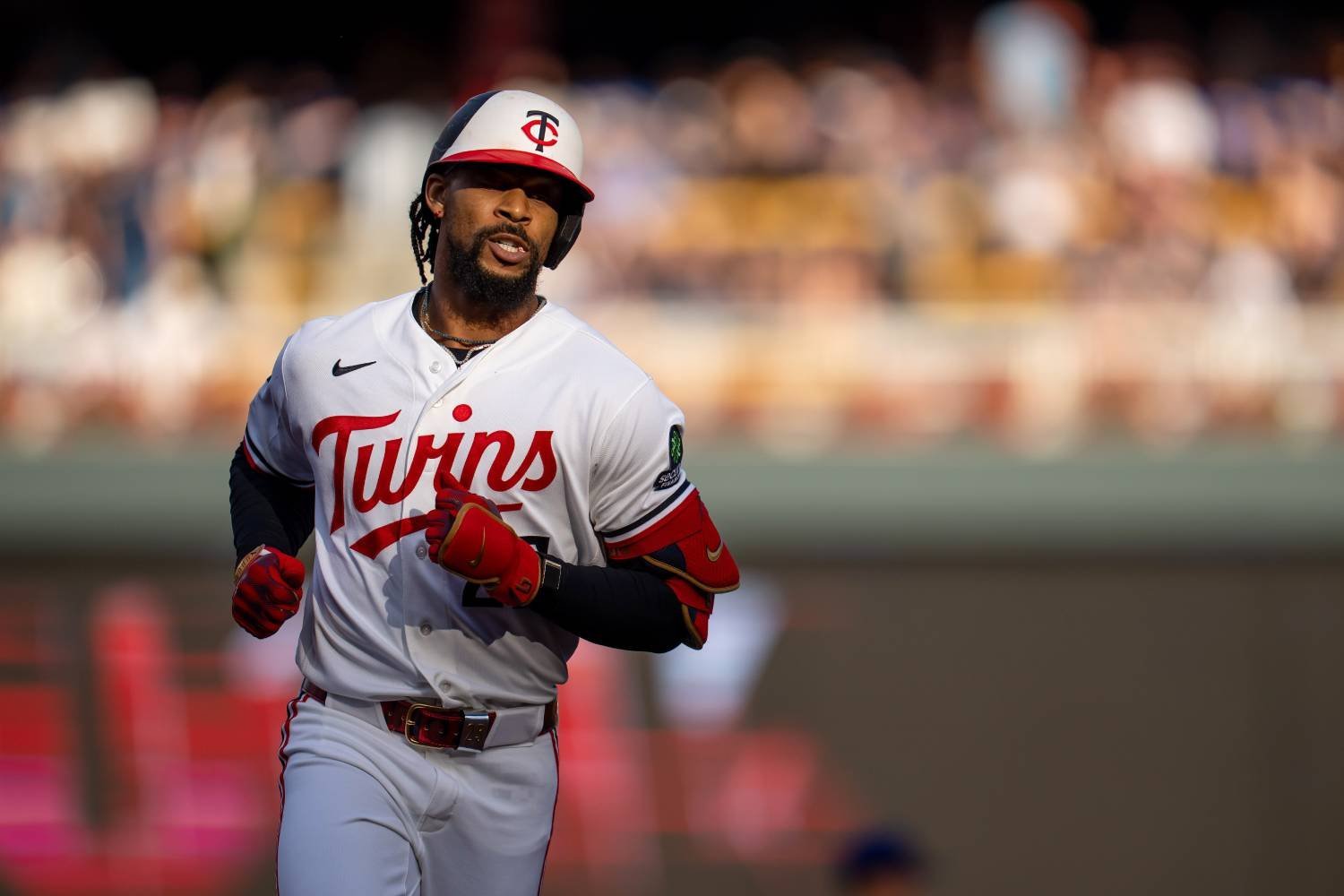 The Minnesota Twins have retired eight player uniform numbers. Kent Hrbek is the lone player in that group who is not in the National Baseball Hall of Fame. Harmon Killebrew, Kirby Puckett, Rod Carew, and Joe Mauer were locks; they got through the gates to baseball immortality relatively easily. Tony Oliva, Bert Blyleven and Jim Kaat all eventually reached Cooperstown. Hrbek's case never even generated much discussion, though. In his lone season on the ballot, he got just 1.0% of the vote. This certainly does not diminish what Hrbek meant to the Twins. From 1981 through 1994, he established himself as one of the most important players in franchise history. He was an All-Star and a key member of two World Series championship teams. His No. 14 now adorns the facing of the second deck in the left-field corner at Target Field alongside those Hall of Famers, because his career represented something bigger than individual statistics. That raises an interesting question when looking at Byron Buxton. Buxton is not on a Hall of Fame trajectory, either. Injuries have limited his playing time, which has made it difficult for him to build the kind of career totals typically associated with Cooperstown. But that doesn't mean his overall body of work should be dismissed. In fact, comparing Buxton's numbers to Hrbek's shows that the gap between the two is not quite as wide as their career totals might suggest. The biggest difference is obvious: Hrbek played nearly twice as many games. But when the comparison shifts toward rate statistics, defensive value and the areas in which Buxton has been elite, the conversation becomes much more interesting. There's no real argument when it comes to career volume. Hrbek appeared in 1,747 games, compared to 981 for Buxton. He accumulated 7,137 plate appearances to Buxton's 3,783, and Hrbek finished with 1,749 hits, 293 home runs and 1,086 RBIs. Buxton's current totals are 856 hits, 193 homers and 481 RBIs. That difference in longevity has a major impact on virtually every counting statistic. Hrbek also owns the edge in batting average, on-base percentage and OPS. He hit .282 with a .367 on-base percentage and a .481 slugging average, compared to Buxton's .249/.309/.492 line. Hrbek's 128 OPS+ also tops Buxton's 117. That is an important distinction. Buxton has produced tremendous power, but Hrbek was the more complete offensive player over a much larger sample. The same can be seen in WAR. Hrbek finished his career with 38.6 WAR, compared to 32.9 for Buxton. Hrbek also accumulated 37.5 offensive WAR, while Buxton sits at 25.7. However, Buxton has time to pass Hrbek in WAR with the remaining time in his career. Opportunity has been, perhaps, the most important separator between the two. Hrbek played through age 34 and spent 14 seasons building his résumé. Buxton's comparison currently stops at age 32. That leaves Buxton with a significant amount of ground to make up, especially in the statistics most often used to define franchise legends. Hrbek also has a substantial edge in postseason résumé. He was part of two Twins championship teams, something Buxton has not yet experienced. If Buxton's career ended today, Hrbek would still have the stronger overall résumé as a framchise icon. That part is not particularly close. Where Buxton Has the Advantage The most obvious advantage for Buxton is that he has created considerably more value with his legs. Buxton has 124 stolen bases compared to Hrbek's 37, and his career stolen-base percentage is an MLB-record 90.5% compared to Hrbek's 58.7%. Buxton has produced 36 runs of baserunning value, while Hrbek sits at -1. That's not a small difference. For all of Hrbek's offensive accomplishments, he was a first baseman whose value came overwhelmingly from his bat. Buxton has been a much more multidimensional player. The defensive comparison is even more striking. Buxton has accumulated 8.3 defensive WAR, compared to -7.7 for Hrbek. (Virtually every center fielder has a positive defensive WAR, since FanGraphs includes a positional adjustment in that statistic. Every first baseman has a negative defensive WAR. Both players' performance pushed their numbers toward the extremes, though, rather than toward the center at 0.) Buxton's fielding contribution is credited at 70 runs above average, while Hrbek's sits at 16. That makes sense when considering how Buxton has built his reputation. At his best, he has been one of the most dynamic center fielders in baseball. Hrbek was a good defensive first baseman at different points in his career, but he was never going to change a game defensively in the same way Buxton could. Buxton also has more home runs per game played. He has hit 193 home runs in 981 games, while Hrbek hit 293 in 1,747 games. Hrbek's longevity gives him a large edge in total home runs, but Buxton's rate of nearly 20 homers per 100 games is impressive. Buxton’s .244 isolated power mark is significantly higher compared to Hrbek's .198. This is where the "what if" surrounding Buxton becomes so important. He has never had the opportunity to put together a long, uninterrupted stretch of seasons like Hrbek did. Despite playing 766 fewer games, Buxton has already accumulated a WAR total approaching Hrbek's career number. Of course, WAR also isn't the only robust way to capture and weigh players' contributions. Hrbek got considerable value from availability, which baseball people have always venerated as the best ability. But through the prism of runs above average (RAA), Buxton is much better than Hrbek, even over a much smaller sample. He's been worth 196 RAA in his career, versus just 138 for Hrbek. Aguably, it's the ability to do each of the key things on a diamond—batting, baserunning and fielding—better than an average player that makes a guy a cornerstone for a winning team. Buxton does that much better than Hrbek did. This is where the Hrbek comparison gets interesting for the Twins. No one should pretend Buxton has already matched Hrbek's career. He has not. Hrbek has the advantage in games, plate appearances, hits, RBI, total home runs, batting average, on-base percentage, OPS, OPS+ and WAR. But Buxton has already built a résumé that is difficult to ignore. His combination of power, speed and defense makes his career profile unique in Twins history. It does make the idea of Buxton eventually reaching the same historical territory much more realistic. The next few seasons will determine whether that becomes a legitimate conversation. If Buxton can stay healthy enough to add several more productive seasons, pass Hrbek in WAR and continue climbing the Twins' home run rankings, his argument for a retired number becomes far more compelling. There is also something worth remembering about the standard for a retired number in Minnesota. The Twins do not strictly reserve that honor for Hall of Famers. They reserve it for players who became synonymous with the franchise. Hrbek did that. Buxton has a chance to do the same. The career paths are completely different. Hrbek was the dependable middle-of-the-order cornerstone who played 14 seasons and helped bring two championships to Minnesota. Buxton has been the spectacular, oft-injured center fielder whose peak has been among the most exciting stretches any Twins player has produced. Buxton has always held the promise of being the main guy on a pennant-winning team, if he could stay healthy enough. Hrbek was never on that level. Hrbek had better teammates and better health, though, and has gotten to bask in the glow of each. He's also a native Minnesotan, which gave him a leg up on being beloved. Buxton's demonstrated loyalty to his adopted home should go far in that regard, too, but it might never be worth as much to the fan base as the accident of Hrbek being born and bred here. Buxton still has work to do before he reaches the Kent Hrbek threshold. But based on the numbers, he's already much closer than the simple career totals would suggest. And for the Twins, that makes the question worth asking now, rather than years from now. Can Buxton reach the Hrbek threshold? Should the Twins retire Buxton’s number? Leave a comment and start the discussion.
 -
Image courtesy of © Jesse Johnson-Imagn Images The Minnesota Twins have retired eight player uniform numbers. Kent Hrbek is the lone player in that group who is not in the National Baseball Hall of Fame. Harmon Killebrew, Kirby Puckett, Rod Carew, and Joe Mauer were locks; they got through the gates to baseball immortality relatively easily. Tony Oliva, Bert Blyleven and Jim Kaat all eventually reached Cooperstown. Hrbek's case never even generated much discussion, though. In his lone season on the ballot, he got just 1.0% of the vote. This certainly does not diminish what Hrbek meant to the Twins. From 1981 through 1994, he established himself as one of the most important players in franchise history. He was an All-Star and a key member of two World Series championship teams. His No. 14 now adorns the facing of the second deck in the left-field corner at Target Field alongside those Hall of Famers, because his career represented something bigger than individual statistics. That raises an interesting question when looking at Byron Buxton. Buxton is not on a Hall of Fame trajectory, either. Injuries have limited his playing time, which has made it difficult for him to build the kind of career totals typically associated with Cooperstown. But that doesn't mean his overall body of work should be dismissed. In fact, comparing Buxton's numbers to Hrbek's shows that the gap between the two is not quite as wide as their career totals might suggest. The biggest difference is obvious: Hrbek played nearly twice as many games. But when the comparison shifts toward rate statistics, defensive value and the areas in which Buxton has been elite, the conversation becomes much more interesting. There's no real argument when it comes to career volume. Hrbek appeared in 1,747 games, compared to 981 for Buxton. He accumulated 7,137 plate appearances to Buxton's 3,783, and Hrbek finished with 1,749 hits, 293 home runs and 1,086 RBIs. Buxton's current totals are 856 hits, 193 homers and 481 RBIs. That difference in longevity has a major impact on virtually every counting statistic. Hrbek also owns the edge in batting average, on-base percentage and OPS. He hit .282 with a .367 on-base percentage and a .481 slugging average, compared to Buxton's .249/.309/.492 line. Hrbek's 128 OPS+ also tops Buxton's 117. That is an important distinction. Buxton has produced tremendous power, but Hrbek was the more complete offensive player over a much larger sample. The same can be seen in WAR. Hrbek finished his career with 38.6 WAR, compared to 32.9 for Buxton. Hrbek also accumulated 37.5 offensive WAR, while Buxton sits at 25.7. However, Buxton has time to pass Hrbek in WAR with the remaining time in his career. Opportunity has been, perhaps, the most important separator between the two. Hrbek played through age 34 and spent 14 seasons building his résumé. Buxton's comparison currently stops at age 32. That leaves Buxton with a significant amount of ground to make up, especially in the statistics most often used to define franchise legends. Hrbek also has a substantial edge in postseason résumé. He was part of two Twins championship teams, something Buxton has not yet experienced. If Buxton's career ended today, Hrbek would still have the stronger overall résumé as a framchise icon. That part is not particularly close. Where Buxton Has the Advantage The most obvious advantage for Buxton is that he has created considerably more value with his legs. Buxton has 124 stolen bases compared to Hrbek's 37, and his career stolen-base percentage is an MLB-record 90.5% compared to Hrbek's 58.7%. Buxton has produced 36 runs of baserunning value, while Hrbek sits at -1. That's not a small difference. For all of Hrbek's offensive accomplishments, he was a first baseman whose value came overwhelmingly from his bat. Buxton has been a much more multidimensional player. The defensive comparison is even more striking. Buxton has accumulated 8.3 defensive WAR, compared to -7.7 for Hrbek. (Virtually every center fielder has a positive defensive WAR, since FanGraphs includes a positional adjustment in that statistic. Every first baseman has a negative defensive WAR. Both players' performance pushed their numbers toward the extremes, though, rather than toward the center at 0.) Buxton's fielding contribution is credited at 70 runs above average, while Hrbek's sits at 16. That makes sense when considering how Buxton has built his reputation. At his best, he has been one of the most dynamic center fielders in baseball. Hrbek was a good defensive first baseman at different points in his career, but he was never going to change a game defensively in the same way Buxton could. Buxton also has more home runs per game played. He has hit 193 home runs in 981 games, while Hrbek hit 293 in 1,747 games. Hrbek's longevity gives him a large edge in total home runs, but Buxton's rate of nearly 20 homers per 100 games is impressive. Buxton’s .244 isolated power mark is significantly higher compared to Hrbek's .198. This is where the "what if" surrounding Buxton becomes so important. He has never had the opportunity to put together a long, uninterrupted stretch of seasons like Hrbek did. Despite playing 766 fewer games, Buxton has already accumulated a WAR total approaching Hrbek's career number. Of course, WAR also isn't the only robust way to capture and weigh players' contributions. Hrbek got considerable value from availability, which baseball people have always venerated as the best ability. But through the prism of runs above average (RAA), Buxton is much better than Hrbek, even over a much smaller sample. He's been worth 196 RAA in his career, versus just 138 for Hrbek. Aguably, it's the ability to do each of the key things on a diamond—batting, baserunning and fielding—better than an average player that makes a guy a cornerstone for a winning team. Buxton does that much better than Hrbek did. This is where the Hrbek comparison gets interesting for the Twins. No one should pretend Buxton has already matched Hrbek's career. He has not. Hrbek has the advantage in games, plate appearances, hits, RBI, total home runs, batting average, on-base percentage, OPS, OPS+ and WAR. But Buxton has already built a résumé that is difficult to ignore. His combination of power, speed and defense makes his career profile unique in Twins history. It does make the idea of Buxton eventually reaching the same historical territory much more realistic. The next few seasons will determine whether that becomes a legitimate conversation. If Buxton can stay healthy enough to add several more productive seasons, pass Hrbek in WAR and continue climbing the Twins' home run rankings, his argument for a retired number becomes far more compelling. There is also something worth remembering about the standard for a retired number in Minnesota. The Twins do not strictly reserve that honor for Hall of Famers. They reserve it for players who became synonymous with the franchise. Hrbek did that. Buxton has a chance to do the same. The career paths are completely different. Hrbek was the dependable middle-of-the-order cornerstone who played 14 seasons and helped bring two championships to Minnesota. Buxton has been the spectacular, oft-injured center fielder whose peak has been among the most exciting stretches any Twins player has produced. Buxton has always held the promise of being the main guy on a pennant-winning team, if he could stay healthy enough. Hrbek was never on that level. Hrbek had better teammates and better health, though, and has gotten to bask in the glow of each. He's also a native Minnesotan, which gave him a leg up on being beloved. Buxton's demonstrated loyalty to his adopted home should go far in that regard, too, but it might never be worth as much to the fan base as the accident of Hrbek being born and bred here. Buxton still has work to do before he reaches the Kent Hrbek threshold. But based on the numbers, he's already much closer than the simple career totals would suggest. And for the Twins, that makes the question worth asking now, rather than years from now. Can Buxton reach the Hrbek threshold? Should the Twins retire Buxton’s number? Leave a comment and start the discussion. View full article
-
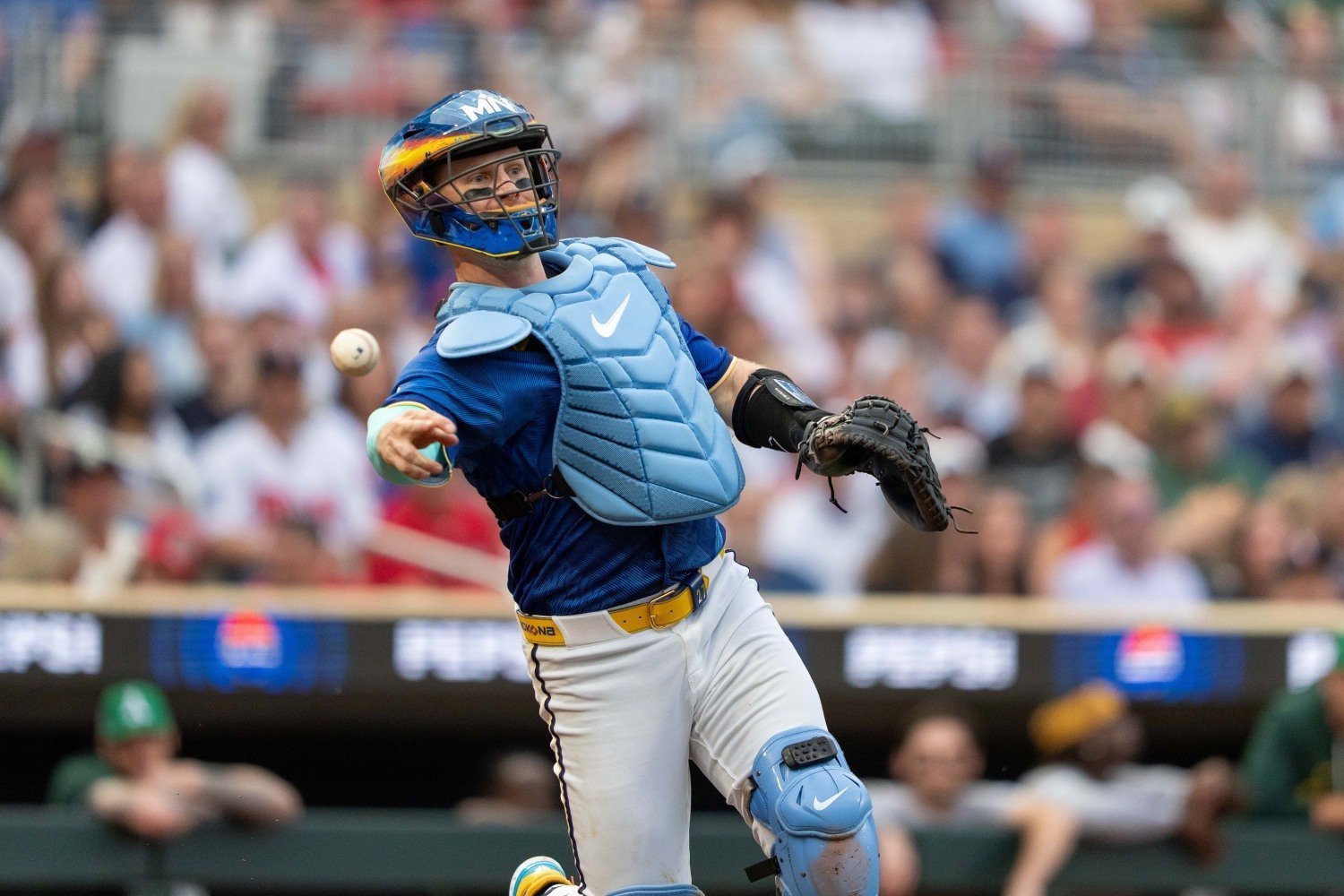 The MLB Trade Deadline has come and gone, and Ryan Jeffers is still wearing a Minnesota Twins uniform. That wasn't necessarily the expected outcome a few weeks ago. Jeffers generated plenty of interest leading up to the deadline, with several contenders reportedly looking for help behind the plate. The Twins had an opportunity to turn their veteran catcher into pitching or another piece that could help the organization now or in the future. Instead, Minnesota ultimately decided to buy at the deadline. Jeffers stayed put. That decision doesn't have to mean the Twins will lose one of their most productive offensive players for nothing, though. There is still a path for Minnesota to get something in return for Jeffers, even if he isn't traded during the regular season. That path is the qualifying offer. The Qualifying Offer Gives the Twins Another Option Free agency isn't usually something teams are thinking about immediately after the trade deadline. There are still two months of baseball to play, and plenty can happen between now and November. But some of the decisions made at the deadline (including the decisions that weren't made) can have consequences well into the offseason. Jeffers is one of those situations. The Twins can extend him a qualifying offer after the season, giving the catcher a one-year contract worth the average salary of MLB's 125 highest-paid players. The value of that offer changes annually, and it was $22.025 million last offseason. This year's figure will be determined later in the year, but will likely be near $24 million. That would be a significant one-year commitment for Minnesota. It would also give the Twins some protection against losing Jeffers for absolutely nothing. If Jeffers accepts the offer, the team gets him back for another season without having to make a long-term commitment. If he declines and signs with another team, the Twins would receive draft-pick compensation. For a player who has established himself as one of baseball's better offensive catchers, that is a pretty appealing safety net. There are some important rules attached to the qualifying offer. A player can only receive one during his career, and he must have spent the entire preceding season with the same organization. Because Jeffers has remained with Minnesota throughout 2026, he would be eligible for the offer. The expiring Collective Bargaining Agreement shouldn't create an issue here, either. The current qualifying-offer rules are already established under the 2022-26 CBA. Jeffers Is Exactly the Type of Player Who Could Receive One The biggest question isn't whether Jeffers is eligible. It's whether the Twins are willing to risk roughly $24 million (or whatever the eventual qualifying-offer value becomes) on one season. There is certainly some risk involved. A qualifying offer is not a small financial commitment. Minnesota would be betting that Jeffers can continue to provide enough offensive production and defensive value to justify a salary that would put him among the more expensive catchers in baseball. For reference, FanGraphs says that Jeffers has been worth over $18 million this season despite missing time on the IL. But the Twins wouldn't necessarily be signing Jeffers because they expect him to be their catcher for the next five years. They'd be buying another year. That's an important distinction. Jeffers has been one of baseball's better-hitting catchers over the past four seasons. His offensive production has made him a valuable player at a position where offense can be difficult to find. If the Twins believe that production is sustainable, bringing him back for one more season could make sense. And if they don't want to pay that price? It isn’t a guarantee. Jeffers can reject the qualifying offer and test free agency. If another team signs him, Minnesota would receive draft compensation in return. There have been multiple reports over the last month that say Jeffers would reject the qualifying offer. Suddenly, the decision to hold onto Jeffers at the trade deadline doesn't look quite as costly. The Twins Still Have Time to Make This Work Minnesota's decision to keep Jeffers could ultimately look different depending on what happens over the final two months of the season. If Jeffers continues producing offensively, his free-agent market could become even stronger. That would make a qualifying offer more likely to be rejected, which is exactly what the Twins would want if they are confident they can collect draft compensation. If his production declines, Minnesota could still make the offer and potentially get him back on a one-year deal. That's what makes the qualifying offer so interesting. The Twins essentially get two paths that can work in their favor. Jeffers accepts: Minnesota gets an established offensive catcher for another season without making a long-term commitment. Jeffers declines: Minnesota gets draft compensation if he signs elsewhere. There is obviously a third possibility where Jeffers accepts the offer and the contract becomes a poor investment. That's the risk the Twins would have to weigh. Still, paying a premium for one season can be preferable to handing out a much longer contract to a player entering his next stage of free agency. The Twins have already seen Jeffers' value on the trade market. Contenders were interested in him before the deadline, but Minnesota couldn't find a deal it liked enough to make. That doesn't mean the value disappeared when the deadline passed. It simply changed forms. The qualifying offer is essentially Minnesota's final opportunity to make sure that doesn't turn into an offseason where the Twins get absolutely nothing in return. After holding onto Jeffers at the Trade Deadline, the qualifying offer should be an easy decision. Minnesota has already determined that Jeffers is valuable enough to keep around for the stretch run. The next step should be making sure that value doesn't simply walk out the door this winter. Should the Twins make Jeffers the qualifying offer? Leave a comment and start the discussion.
 -
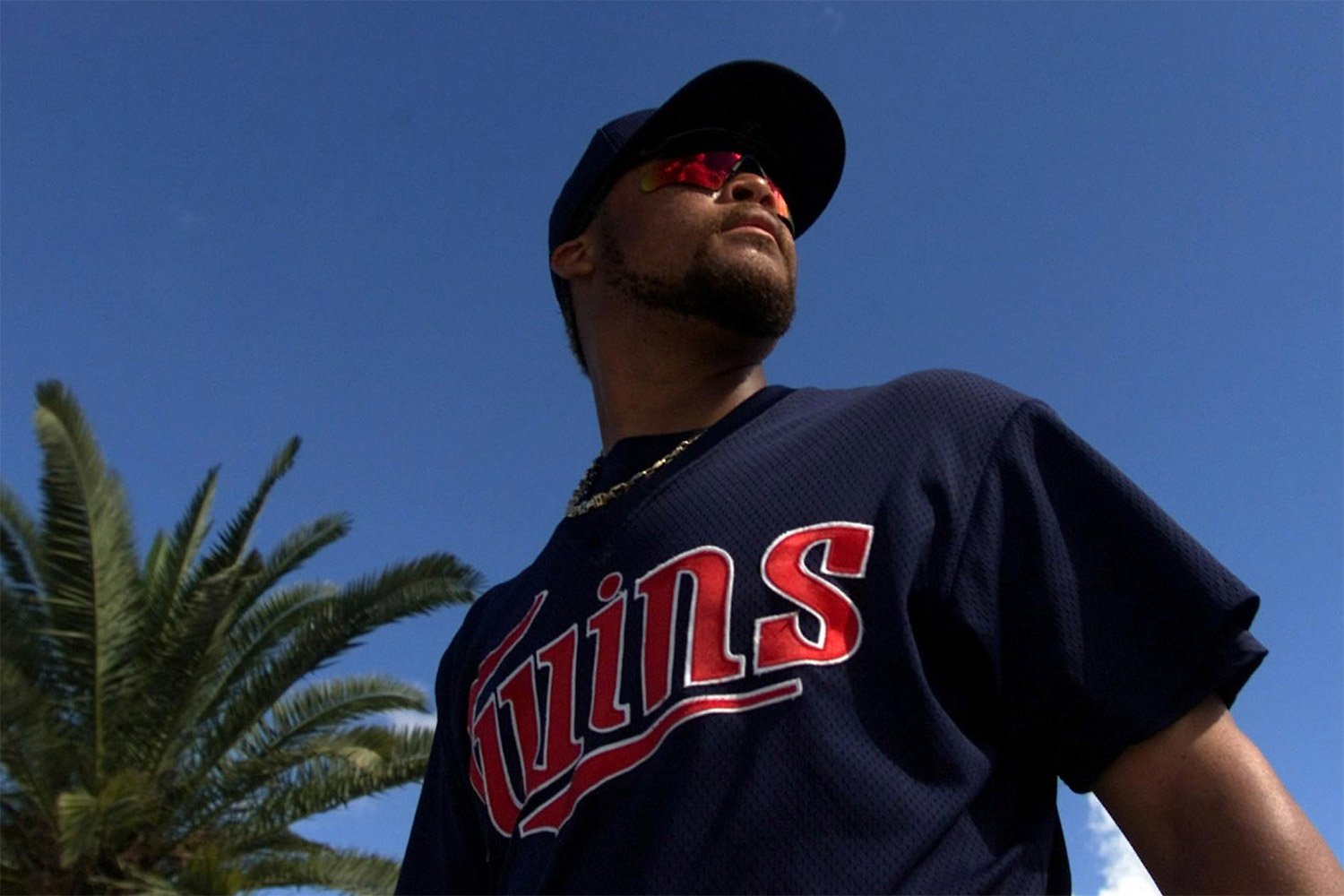 Butch Huskey, who spent parts of seven seasons in the majors and played his last season with Minnesota in 2000, has died at the age of 54. The New York Mets announced his death Friday. A cause of death was not included in the team's announcement, though Mets vice president of alumni relations Jay Horwitz told The Athletic's Tyler Kepner that Huskey died from a blood clot in his lung. A seventh-round selection by the Mets in the 1989 MLB Draft, Huskey reached the majors in 1993 and spent five seasons with New York. He also played for the Seattle Mariners, Boston Red Sox, Twins and Colorado Rockies. Over his seven-year career, Huskey compiled a .267/.318/.442 slash line with 86 home runs, 98 doubles and 336 RBI. He was a versatile player who saw time at third base, first base and both corner outfield positions. His final season came with Minnesota. Huskey appeared in 64 games for the Twins in 2000, hitting .223/.306/.353 with five home runs and 13 doubles. In July, Minnesota traded him and Todd Walker to Colorado in July for Todd Sears and cash. The move to Colorado gave Huskey an opportunity to finish his career on an impressive note. He played 47 games for the Rockies and posted a remarkable .998 OPS before his major-league career came to an end. Wearing Jackie Robinson's Number Huskey is perhaps best remembered for being one of the final players to wear No. 42 after Major League Baseball retired the number across the sport in honor of Jackie Robinson. When Huskey began his major-league career, he wore No. 10. In 1995, however, he switched to No. 42 as a tribute to Robinson, a number he continued to wear with the Mets, Mariners and Twins. Then, on April 15, 1997, commissioner Bud Selig made one of baseball's most significant announcements at Shea Stadium. Robinson's No. 42 would be retired throughout Major League Baseball. Players already wearing the number were allowed to keep it for the remainder of their careers. That group included Yankees Hall of Famer Mariano Rivera, but Huskey was another prominent player who continued wearing Robinson's number during the transition. His decision to wear No. 42 wasn't something he took lightly. Huskey had learned about Robinson while he was in high school and made a promise to himself. "I told myself if I ever got a chance to play professional baseball, I would wear his number," he told the New York Daily News in 1997. "I think about it quite often … It means a lot to me just to be put in the same sentence with him." Huskey's Final Connection to the Twins Huskey wasn't the last player to wear No. 42 for Minnesota, either. Mike Jackson, a veteran relief pitcher who spent 17 seasons in the majors, wore the number during his time with the Twins in 2002. Jackson appeared in 58 games that season and posted a 3.27 ERA while contributing 1.2 rWAR to a Minnesota team that reached the ALCS. Huskey’s time in Minnesota was relatively short, but his seven-year major-league career provided plenty of memorable moments. Huskey was a powerful, versatile player who carved out a role across several positions, and his decision to wear Robinson's number gave his career an added historical significance. That makes Huskey's name a memorable one in both Mets and Twins history, even more than two decades after his final major-league appearance.
 -
Butch Huskey, who spent parts of seven seasons in the majors and played his last season with Minnesota in 2000, has died at the age of 54. The New York Mets announced his death Friday. A cause of death was not included in the team's announcement, though Mets vice president of alumni relations Jay Horwitz told The Athletic's Tyler Kepner that Huskey died from a blood clot in his lung. A seventh-round selection by the Mets in the 1989 MLB Draft, Huskey reached the majors in 1993 and spent five seasons with New York. He also played for the Seattle Mariners, Boston Red Sox, Twins and Colorado Rockies. Over his seven-year career, Huskey compiled a .267/.318/.442 slash line with 86 home runs, 98 doubles and 336 RBI. He was a versatile player who saw time at third base, first base and both corner outfield positions. His final season came with Minnesota. Huskey appeared in 64 games for the Twins in 2000, hitting .223/.306/.353 with five home runs and 13 doubles. In July, Minnesota traded him and Todd Walker to Colorado in July for Todd Sears and cash. The move to Colorado gave Huskey an opportunity to finish his career on an impressive note. He played 47 games for the Rockies and posted a remarkable .998 OPS before his major-league career came to an end. Wearing Jackie Robinson's Number Huskey is perhaps best remembered for being one of the final players to wear No. 42 after Major League Baseball retired the number across the sport in honor of Jackie Robinson. When Huskey began his major-league career, he wore No. 10. In 1995, however, he switched to No. 42 as a tribute to Robinson, a number he continued to wear with the Mets, Mariners and Twins. Then, on April 15, 1997, commissioner Bud Selig made one of baseball's most significant announcements at Shea Stadium. Robinson's No. 42 would be retired throughout Major League Baseball. Players already wearing the number were allowed to keep it for the remainder of their careers. That group included Yankees Hall of Famer Mariano Rivera, but Huskey was another prominent player who continued wearing Robinson's number during the transition. His decision to wear No. 42 wasn't something he took lightly. Huskey had learned about Robinson while he was in high school and made a promise to himself. "I told myself if I ever got a chance to play professional baseball, I would wear his number," he told the New York Daily News in 1997. "I think about it quite often … It means a lot to me just to be put in the same sentence with him." Huskey's Final Connection to the Twins Huskey wasn't the last player to wear No. 42 for Minnesota, either. Mike Jackson, a veteran relief pitcher who spent 17 seasons in the majors, wore the number during his time with the Twins in 2002. Jackson appeared in 58 games that season and posted a 3.27 ERA while contributing 1.2 rWAR to a Minnesota team that reached the ALCS. Huskey’s time in Minnesota was relatively short, but his seven-year major-league career provided plenty of memorable moments. Huskey was a powerful, versatile player who carved out a role across several positions, and his decision to wear Robinson's number gave his career an added historical significance. That makes Huskey's name a memorable one in both Mets and Twins history, even more than two decades after his final major-league appearance. View full rumor
-
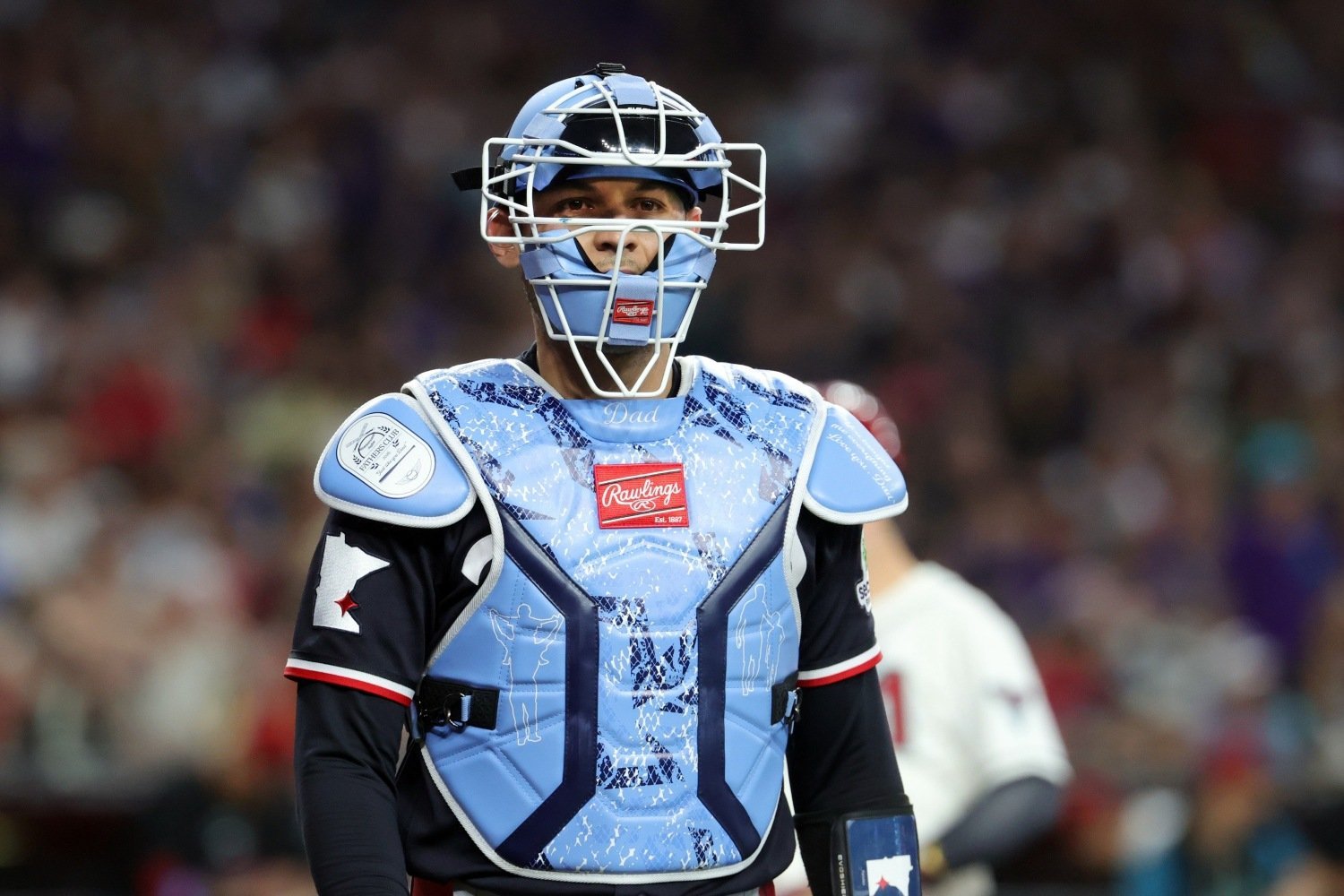 The Minnesota Twins had an unusual roster decision to make following Thursday’s Field of Dreams Game, and the solution was a familiar one. The club designated third catcher Alex Jackson for assignment, bringing its 40-man roster down to 39 players. The timing of the move was dictated by the unique circumstances surrounding Thursday’s matchup with the Philadelphia Phillies. Both teams were allowed to carry a 27th player for the game, essentially giving them the same roster flexibility they would have during a doubleheader. Minnesota used that extra spot to activate Byron Buxton from the 10-day injured list. That temporary roster advantage disappears Friday. The Twins needed to get back to a standard 26-man roster, and Jackson was the player caught in the numbers game. Because he is out of minor-league options, Minnesota could not simply send him back to Triple-A St. Paul without first exposing him to waivers. In many ways, this move has been coming for quite some time. Jackson was called up in May after Ryan Jeffers suffered a hamate fracture. He provided depth behind Victor Caratini while Jeffers recovered, giving Minnesota three catchers on the roster for a stretch of the season. Once Jeffers returned around the All-Star break, however, Jackson's role became increasingly difficult to justify. The Twins have a strong catching tandem with Jeffers and Caratini, and this is a team attempting to maximize every available roster spot during a playoff push. Jackson had not started a game since July 30 and had only one plate appearance in August before Thursday. There simply wasn't much opportunity available. Jackson's surface-level numbers this season were actually respectable. He hit .303 with one home run across 69 plate appearances, but the underlying numbers tell a much different story. He struck out 23 times while drawing just one walk, highlighting the same plate-discipline concerns that have followed him throughout his professional career. The former sixth overall pick has now appeared in parts of seven MLB seasons, but he has never been able to establish himself offensively. Across 189 career games, Jackson owns a .174/.252/.305 slash line and has struck out in nearly 40% of his plate appearances. That makes it difficult for a contender to carry him as a third catcher when there are only so many opportunities to get him into the lineup. The next step will be placing Jackson on waivers, which should happen within the next couple of days. There is a chance he goes unclaimed and returns to Triple-A St. Paul. However, catching depth wears thin at this late point in the season and another team could need a veteran backup option. It would be great for Jackson to stick in the organization as depth, but the big-league roster was suffering with him collecting dust on the bench.
 -
The Minnesota Twins had an unusual roster decision to make following Thursday’s Field of Dreams Game, and the solution was a familiar one. The club designated third catcher Alex Jackson for assignment, bringing its 40-man roster down to 39 players. The timing of the move was dictated by the unique circumstances surrounding Thursday’s matchup with the Philadelphia Phillies. Both teams were allowed to carry a 27th player for the game, essentially giving them the same roster flexibility they would have during a doubleheader. Minnesota used that extra spot to activate Byron Buxton from the 10-day injured list. That temporary roster advantage disappears Friday. The Twins needed to get back to a standard 26-man roster, and Jackson was the player caught in the numbers game. Because he is out of minor-league options, Minnesota could not simply send him back to Triple-A St. Paul without first exposing him to waivers. In many ways, this move has been coming for quite some time. Jackson was called up in May after Ryan Jeffers suffered a hamate fracture. He provided depth behind Victor Caratini while Jeffers recovered, giving Minnesota three catchers on the roster for a stretch of the season. Once Jeffers returned around the All-Star break, however, Jackson's role became increasingly difficult to justify. The Twins have a strong catching tandem with Jeffers and Caratini, and this is a team attempting to maximize every available roster spot during a playoff push. Jackson had not started a game since July 30 and had only one plate appearance in August before Thursday. There simply wasn't much opportunity available. Jackson's surface-level numbers this season were actually respectable. He hit .303 with one home run across 69 plate appearances, but the underlying numbers tell a much different story. He struck out 23 times while drawing just one walk, highlighting the same plate-discipline concerns that have followed him throughout his professional career. The former sixth overall pick has now appeared in parts of seven MLB seasons, but he has never been able to establish himself offensively. Across 189 career games, Jackson owns a .174/.252/.305 slash line and has struck out in nearly 40% of his plate appearances. That makes it difficult for a contender to carry him as a third catcher when there are only so many opportunities to get him into the lineup. The next step will be placing Jackson on waivers, which should happen within the next couple of days. There is a chance he goes unclaimed and returns to Triple-A St. Paul. However, catching depth wears thin at this late point in the season and another team could need a veteran backup option. It would be great for Jackson to stick in the organization as depth, but the big-league roster was suffering with him collecting dust on the bench. View full rumor
-
The Right-Handed Triple-A Bat the Twins Are Ignoring
Cody Christie posted an article in Minor Leagues
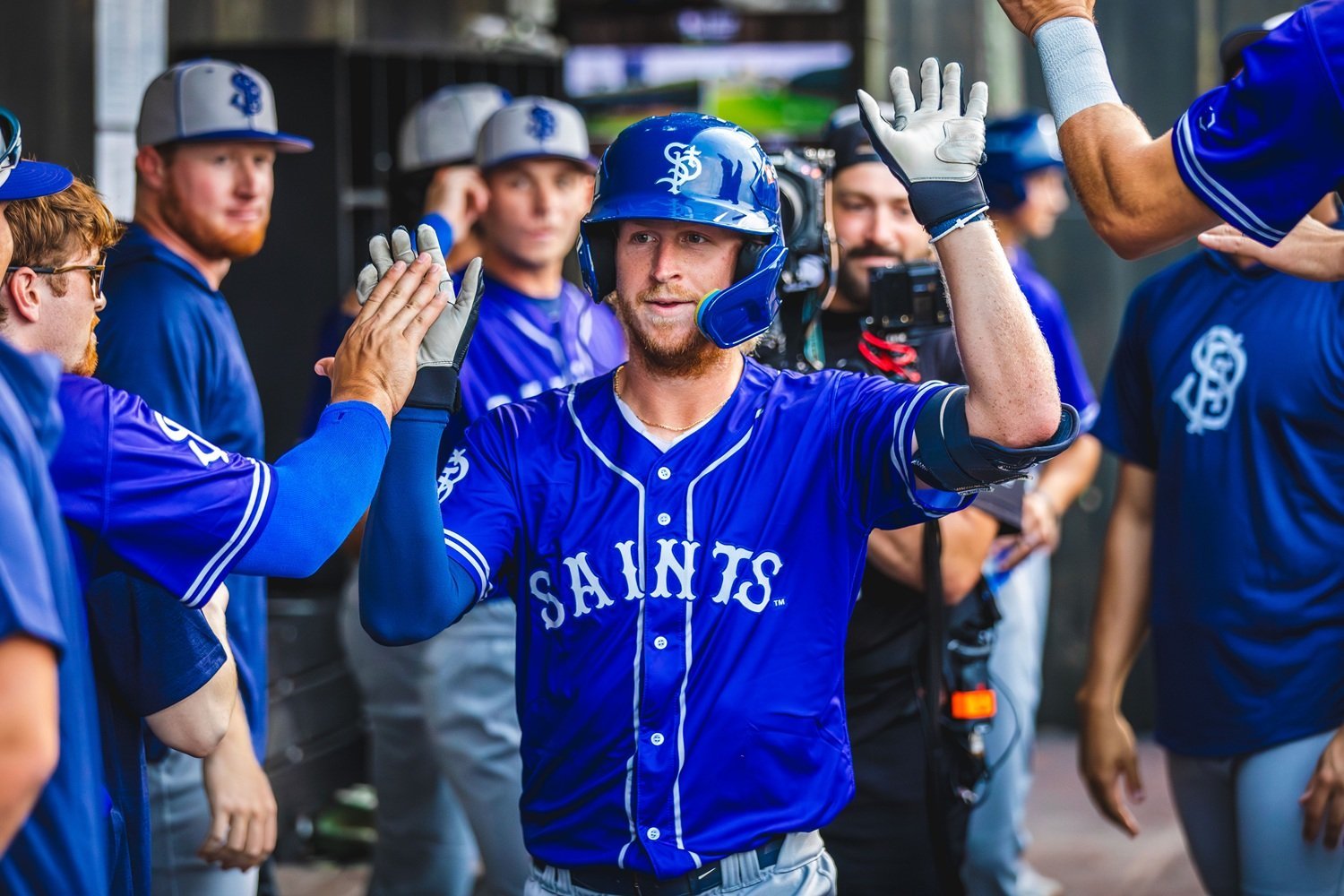 The Twins have plenty of young position players pushing toward the big leagues, but not every prospect receives the same level of attention. Sometimes, a player has to spend years grinding through the organization before putting himself firmly into the conversation. Ben Ross is one of those players. The right-handed hitter has spent most of the past few seasons working to turn his intriguing collection of tools into a more consistent overall package. After struggling at times in Double-A, Ross finally began putting everything together late in 2025. That momentum carried into 2026, when he opened the year by dominating the competition and earning a promotion to Triple-A. Now, he has continued to show that his breakout might be more than a small-sample-size fluke. With the ability to play multiple positions and provide some right-handed pop, Ross has developed into a player who could have legitimate value for Minnesota's big-league roster. A Long Road Through the Twins' System Ross didn't enter professional baseball with the same hype surrounding many of the organization's top prospects. After going largely overlooked coming out of high school in Ohio, he continued his career at Division II Notre Dame College near Cleveland. He quickly established himself there, becoming the first two-time All-American in school history. That performance eventually caught Minnesota's attention, and the Twins selected Ross in the fifth round of the 2022 MLB Draft. He signed for $220,000, coming in below his assigned slot value. The early portion of his professional career was anything but spectacular. Ross showed flashes of the tools that made him an interesting draft selection, but he struggled to produce consistently while moving through the organization. He spent more than a full season at Double-A, where the results didn't always match his underlying potential. That changed as 2025 came to a close. Ross finished that season by hitting .286/.328/.518 (.846) over his final 15 games, collecting three home runs, 12 RBI and five stolen bases. The Twins sent him back to Double-A to begin 2026, and Ross exploded out of the gates, hitting .424/.528/.797 (1.325) in 16 games with the Wind Surge. He added five home runs and 16 RBI while walking in 16.7% of his plate appearances and striking out just 13.9% of the time. That performance forced Minnesota's hand. Ross earned his promotion to Triple-A in late April. The Breakout Has Continued Ross' success didn't disappear when he moved up a level. Through 89 games with the St. Paul Saints, he has hit .258/.367/.475 (.842), and has collected 20 doubles and 13 home runs while posting a 14.3% walk rate. The strikeout rate remains something to monitor at 26.3%, but there are encouraging signs in the overall offensive profile. Ross is showing an ability to impact the baseball while consistently working his way into favorable counts. He's also been heating up again recently. Over his last 12 games, Ross is 14-for-44 with four home runs, three stolen bases and a .954 OPS. That stretch is another reminder that his offensive development hasn't stalled after his promotion from Double-A. More Than Just a Utility Player Calling Ross a utility player is accurate, but it can also undersell what he brings to the table. He's an above-average runner with enough athleticism to move around the diamond. His ability to play multiple positions gives the Twins plenty of flexibility, but there is legitimate offensive potential underneath that versatility. Ross has shown an ability to hit the ball hard (36.8 Hard-Hit%) to all fields and produce extra-base hits. He's also begun tapping into his pull-side power more consistently, which has helped turn some of his hard contact into home runs. His line drive percentage is up 3.7% and his HR/FB rate has increased by 3%. Fastballs have been particularly friendly to him. The challenge will be continuing to handle softer stuff and breaking pitches as he faces increasingly advanced pitching, especially if he eventually earns a regular opportunity in the majors. Still, the offensive profile is considerably more interesting than it was a couple of years ago. Ross has gone from a player trying to establish himself at Double-A to someone who has demonstrated that he can make an impact in Triple-A. That's a significant development for a player who entered the organization without much fanfare. An Opportunity for the Twins The biggest question now is whether the Twins will give Ross a chance to show what he can do in Minnesota. He's already spent significant time developing within the organization. He's experienced the struggles that come with being challenged at Double-A, found a way to adjust, and carried that success into Triple-A. That's exactly the type of developmental progression an organization hopes to see. Ross may never become a star, and the Twins don't need to project him that way. His value could come from becoming a reliable, right-handed bat who can play several positions, provide some power and steal a few bases. Those players can be extremely useful over the course of a 162-game season. With his recent offensive production and defensive versatility, Ross has put himself in position to become more than organizational depth. Whether that opportunity comes later in 2026 or becomes part of Minnesota's plans for 2027 and beyond, the Twins have a player worth keeping an eye on. For years, Ross was working to prove he belonged. Now, he's starting to make a case that the Twins should find a place for him. Should the Twins give Ross a chance at the big-league level? Leave a comment and start the discussion.
 -
Image courtesy of Rob Thompson, St. Paul Saints The Twins have plenty of young position players pushing toward the big leagues, but not every prospect receives the same level of attention. Sometimes, a player has to spend years grinding through the organization before putting himself firmly into the conversation. Ben Ross is one of those players. The right-handed hitter has spent most of the past few seasons working to turn his intriguing collection of tools into a more consistent overall package. After struggling at times in Double-A, Ross finally began putting everything together late in 2025. That momentum carried into 2026, when he opened the year by dominating the competition and earning a promotion to Triple-A. Now, he has continued to show that his breakout might be more than a small-sample-size fluke. With the ability to play multiple positions and provide some right-handed pop, Ross has developed into a player who could have legitimate value for Minnesota's big-league roster. A Long Road Through the Twins' System Ross didn't enter professional baseball with the same hype surrounding many of the organization's top prospects. After going largely overlooked coming out of high school in Ohio, he continued his career at Division II Notre Dame College near Cleveland. He quickly established himself there, becoming the first two-time All-American in school history. That performance eventually caught Minnesota's attention, and the Twins selected Ross in the fifth round of the 2022 MLB Draft. He signed for $220,000, coming in below his assigned slot value. The early portion of his professional career was anything but spectacular. Ross showed flashes of the tools that made him an interesting draft selection, but he struggled to produce consistently while moving through the organization. He spent more than a full season at Double-A, where the results didn't always match his underlying potential. That changed as 2025 came to a close. Ross finished that season by hitting .286/.328/.518 (.846) over his final 15 games, collecting three home runs, 12 RBI and five stolen bases. The Twins sent him back to Double-A to begin 2026, and Ross exploded out of the gates, hitting .424/.528/.797 (1.325) in 16 games with the Wind Surge. He added five home runs and 16 RBI while walking in 16.7% of his plate appearances and striking out just 13.9% of the time. That performance forced Minnesota's hand. Ross earned his promotion to Triple-A in late April. The Breakout Has Continued Ross' success didn't disappear when he moved up a level. Through 89 games with the St. Paul Saints, he has hit .258/.367/.475 (.842), and has collected 20 doubles and 13 home runs while posting a 14.3% walk rate. The strikeout rate remains something to monitor at 26.3%, but there are encouraging signs in the overall offensive profile. Ross is showing an ability to impact the baseball while consistently working his way into favorable counts. He's also been heating up again recently. Over his last 12 games, Ross is 14-for-44 with four home runs, three stolen bases and a .954 OPS. That stretch is another reminder that his offensive development hasn't stalled after his promotion from Double-A. More Than Just a Utility Player Calling Ross a utility player is accurate, but it can also undersell what he brings to the table. He's an above-average runner with enough athleticism to move around the diamond. His ability to play multiple positions gives the Twins plenty of flexibility, but there is legitimate offensive potential underneath that versatility. Ross has shown an ability to hit the ball hard (36.8 Hard-Hit%) to all fields and produce extra-base hits. He's also begun tapping into his pull-side power more consistently, which has helped turn some of his hard contact into home runs. His line drive percentage is up 3.7% and his HR/FB rate has increased by 3%. Fastballs have been particularly friendly to him. The challenge will be continuing to handle softer stuff and breaking pitches as he faces increasingly advanced pitching, especially if he eventually earns a regular opportunity in the majors. Still, the offensive profile is considerably more interesting than it was a couple of years ago. Ross has gone from a player trying to establish himself at Double-A to someone who has demonstrated that he can make an impact in Triple-A. That's a significant development for a player who entered the organization without much fanfare. An Opportunity for the Twins The biggest question now is whether the Twins will give Ross a chance to show what he can do in Minnesota. He's already spent significant time developing within the organization. He's experienced the struggles that come with being challenged at Double-A, found a way to adjust, and carried that success into Triple-A. That's exactly the type of developmental progression an organization hopes to see. Ross may never become a star, and the Twins don't need to project him that way. His value could come from becoming a reliable, right-handed bat who can play several positions, provide some power and steal a few bases. Those players can be extremely useful over the course of a 162-game season. With his recent offensive production and defensive versatility, Ross has put himself in position to become more than organizational depth. Whether that opportunity comes later in 2026 or becomes part of Minnesota's plans for 2027 and beyond, the Twins have a player worth keeping an eye on. For years, Ross was working to prove he belonged. Now, he's starting to make a case that the Twins should find a place for him. Should the Twins give Ross a chance at the big-league level? Leave a comment and start the discussion. View full article
-
Image courtesy of © Jordan Johnson-Imagn Images The MLB Trade Deadline has come and gone, and Ryan Jeffers is still wearing a Minnesota Twins uniform. That wasn't necessarily the expected outcome a few weeks ago. Jeffers generated plenty of interest leading up to the deadline, with several contenders reportedly looking for help behind the plate. The Twins had an opportunity to turn their veteran catcher into pitching or another piece that could help the organization now or in the future. Instead, Minnesota ultimately decided to buy at the deadline. Jeffers stayed put. That decision doesn't have to mean the Twins will lose one of their most productive offensive players for nothing, though. There is still a path for Minnesota to get something in return for Jeffers, even if he isn't traded during the regular season. That path is the qualifying offer. The Qualifying Offer Gives the Twins Another Option Free agency isn't usually something teams are thinking about immediately after the trade deadline. There are still two months of baseball to play, and plenty can happen between now and November. But some of the decisions made at the deadline (including the decisions that weren't made) can have consequences well into the offseason. Jeffers is one of those situations. The Twins can extend him a qualifying offer after the season, giving the catcher a one-year contract worth the average salary of MLB's 125 highest-paid players. The value of that offer changes annually, and it was $22.025 million last offseason. This year's figure will be determined later in the year, but will likely be near $24 million. That would be a significant one-year commitment for Minnesota. It would also give the Twins some protection against losing Jeffers for absolutely nothing. If Jeffers accepts the offer, the team gets him back for another season without having to make a long-term commitment. If he declines and signs with another team, the Twins would receive draft-pick compensation. For a player who has established himself as one of baseball's better offensive catchers, that is a pretty appealing safety net. There are some important rules attached to the qualifying offer. A player can only receive one during his career, and he must have spent the entire preceding season with the same organization. Because Jeffers has remained with Minnesota throughout 2026, he would be eligible for the offer. The expiring Collective Bargaining Agreement shouldn't create an issue here, either. The current qualifying-offer rules are already established under the 2022-26 CBA. Jeffers Is Exactly the Type of Player Who Could Receive One The biggest question isn't whether Jeffers is eligible. It's whether the Twins are willing to risk roughly $24 million (or whatever the eventual qualifying-offer value becomes) on one season. There is certainly some risk involved. A qualifying offer is not a small financial commitment. Minnesota would be betting that Jeffers can continue to provide enough offensive production and defensive value to justify a salary that would put him among the more expensive catchers in baseball. For reference, FanGraphs says that Jeffers has been worth over $18 million this season despite missing time on the IL. But the Twins wouldn't necessarily be signing Jeffers because they expect him to be their catcher for the next five years. They'd be buying another year. That's an important distinction. Jeffers has been one of baseball's better-hitting catchers over the past four seasons. His offensive production has made him a valuable player at a position where offense can be difficult to find. If the Twins believe that production is sustainable, bringing him back for one more season could make sense. And if they don't want to pay that price? It isn’t a guarantee. Jeffers can reject the qualifying offer and test free agency. If another team signs him, Minnesota would receive draft compensation in return. There have been multiple reports over the last month that say Jeffers would reject the qualifying offer. Suddenly, the decision to hold onto Jeffers at the trade deadline doesn't look quite as costly. The Twins Still Have Time to Make This Work Minnesota's decision to keep Jeffers could ultimately look different depending on what happens over the final two months of the season. If Jeffers continues producing offensively, his free-agent market could become even stronger. That would make a qualifying offer more likely to be rejected, which is exactly what the Twins would want if they are confident they can collect draft compensation. If his production declines, Minnesota could still make the offer and potentially get him back on a one-year deal. That's what makes the qualifying offer so interesting. The Twins essentially get two paths that can work in their favor. Jeffers accepts: Minnesota gets an established offensive catcher for another season without making a long-term commitment. Jeffers declines: Minnesota gets draft compensation if he signs elsewhere. There is obviously a third possibility where Jeffers accepts the offer and the contract becomes a poor investment. That's the risk the Twins would have to weigh. Still, paying a premium for one season can be preferable to handing out a much longer contract to a player entering his next stage of free agency. The Twins have already seen Jeffers' value on the trade market. Contenders were interested in him before the deadline, but Minnesota couldn't find a deal it liked enough to make. That doesn't mean the value disappeared when the deadline passed. It simply changed forms. The qualifying offer is essentially Minnesota's final opportunity to make sure that doesn't turn into an offseason where the Twins get absolutely nothing in return. After holding onto Jeffers at the Trade Deadline, the qualifying offer should be an easy decision. Minnesota has already determined that Jeffers is valuable enough to keep around for the stretch run. The next step should be making sure that value doesn't simply walk out the door this winter. Should the Twins make Jeffers the qualifying offer? Leave a comment and start the discussion. View full article
-
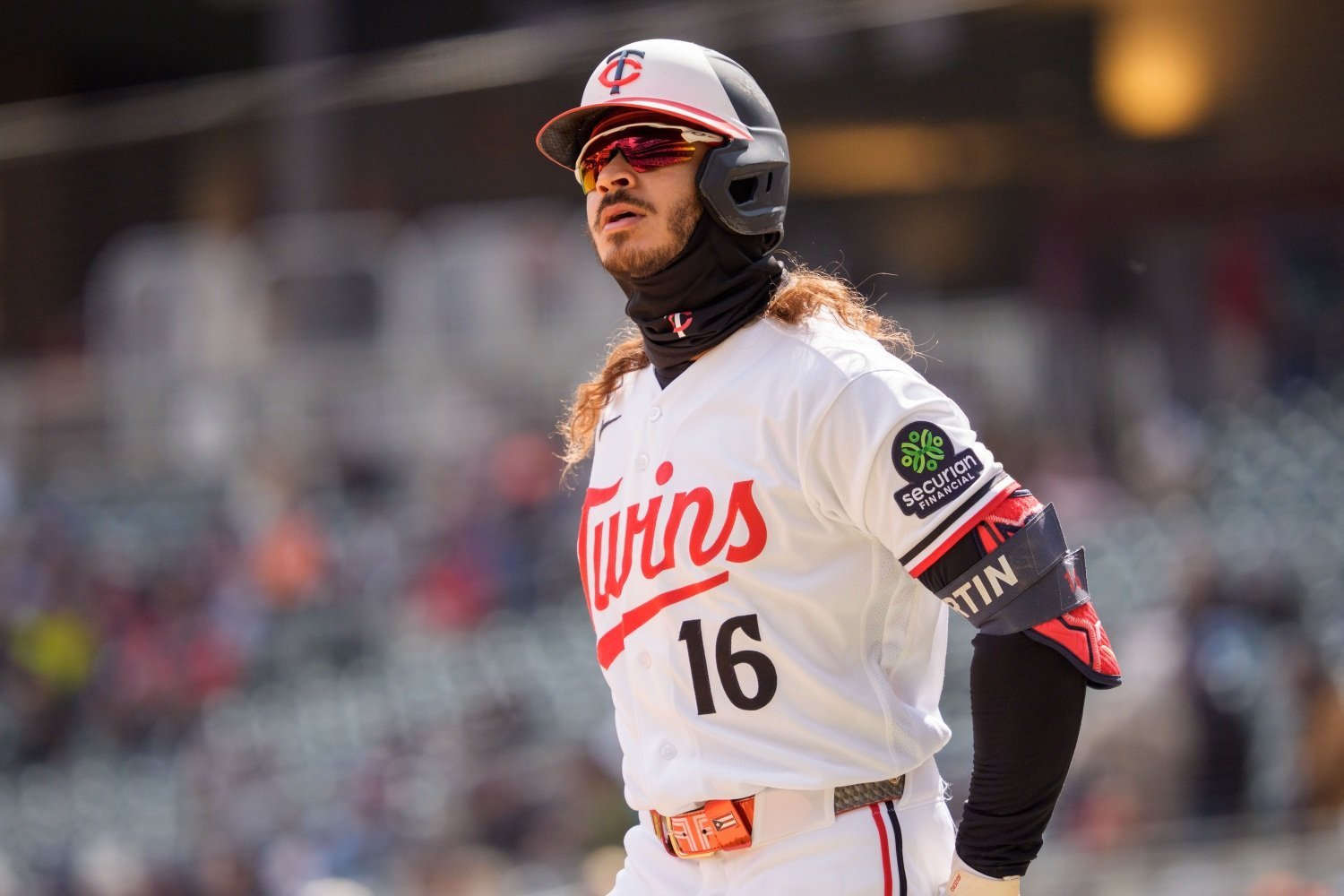 Austin Martin may have played the best game of his Twins career on Monday night against the Baltimore Orioles. He went 4-for-5 with a double, a home run, three runs scored, and a stolen base, putting together the kind of performance that reminded everyone why Minnesota was so excited to acquire him at the 2021 trade deadline. Martin was the top prospect coming back to the Twins in the Jose Berrios trade, and Monday provided a glimpse of the player the organization hoped he could eventually become. Unfortunately, one excellent game doesn’t erase what has been a prolonged stretch of poor offensive performance. For the first six weeks or so of the season, Martin looked like he was finally becoming the hitter the Twins envisioned when they acquired him. He was never expected to provide much power, but he was making up for it by leaning into the strengths that had always defined his offensive game. Martin was making consistent contact, showing impressive strike-zone awareness, and finding his way onto the bases with regularity. Through May 14, he owned a .333 batting average and a remarkable .454 on-base percentage, while drawing more walks than strikeouts. His 155 wRC+ during that span suggested Minnesota had found a legitimate high-level contact bat. At the end of April, Twins Daily named Martin the team’s Hitter of the Month, which was especially encouraging based on his strong finish to 2025 (108 OPS+ in 50 games). That early-season success made Martin's subsequent collapse even more difficult to understand. Since May 14, he is batting just .186/.290/.273 for a .563 OPS over 200 plate appearances. His strikeout-to-walk ratio during that stretch is 40-to-20, and he has been worth -0.83 WPA. Over a 162-game pace, that comes out to roughly -2.0 WPA. Those aren't numbers that simply suggest a player is going through a minor slump. They're the kind of numbers that make it difficult for a team trying to remain competitive to justify keeping a player in the lineup. The Twins have also tried to put Martin in situations where he can succeed. He has received some protection from right-handed pitching because the platoon numbers are so different. Martin owns a .587 OPS against right-handed pitchers compared to a much better .809 OPS against lefties. Still, some of those positive numbers versus southpaws came in the season’s early weeks. The problem is that opponents have also figured out that there isn't much reason to fear Martin's power. His .337 slugging percentage against fastballs is nearly 40 points lower than it was in 2025, while his contact against breaking and offspeed pitches has been particularly problematic. He is batting below .175 against those pitch types, making it increasingly difficult for him to consistently reach base the way he did earlier in the season. That's where the roster fit becomes especially difficult to defend. Martin's best traits are supposed to be his ability to make contact and get on base, but when neither of those things is happening consistently, there isn't much else to carry his offensive profile. He isn't providing enough power to make up for a low batting average, and the current version of Martin isn't getting on base at a high enough clip to justify sacrificing offense elsewhere in the lineup. The Twins also have a fairly easy solution available if they decide it's time for a reset. Martin has one minor league option remaining, meaning Minnesota can send him to Triple-A without having to expose him to waivers and potentially lose him for nothing. There is precedent for taking this approach with a talented player who has struggled at the big-league level, as the Twins did with Royce Lewis earlier this season. A trip to the minors could give Martin an opportunity to get regular at-bats, work through his swing, and rediscover the approach that made him so effective during the first six weeks of the season. Monday's performance should not be ignored, either. Going 4-for-5 with a home run, double, three runs, and a stolen base is exactly the type of game that can remind a player and an organization what is possible. But the Twins can't make roster decisions based on one night, especially when the previous 200 plate appearances have been this poor. Martin still has time to change the narrative surrounding his Twins career. The organization invested heavily in his potential when it acquired him as part of the Berríos trade, and his early-season production showed that there may still be a legitimate big-league hitter somewhere in there. Right now, though, the Twins need production more than they need potential, and Martin hasn't provided enough of it for nearly half a season. Does Martin need a reset at Triple-A? Leave a comment and start the discussion.
 -
Image courtesy of © Matt Blewett-Imagn Images Austin Martin may have played the best game of his Twins career on Monday night against the Baltimore Orioles. He went 4-for-5 with a double, a home run, three runs scored, and a stolen base, putting together the kind of performance that reminded everyone why Minnesota was so excited to acquire him at the 2021 trade deadline. Martin was the top prospect coming back to the Twins in the Jose Berrios trade, and Monday provided a glimpse of the player the organization hoped he could eventually become. Unfortunately, one excellent game doesn’t erase what has been a prolonged stretch of poor offensive performance. For the first six weeks or so of the season, Martin looked like he was finally becoming the hitter the Twins envisioned when they acquired him. He was never expected to provide much power, but he was making up for it by leaning into the strengths that had always defined his offensive game. Martin was making consistent contact, showing impressive strike-zone awareness, and finding his way onto the bases with regularity. Through May 14, he owned a .333 batting average and a remarkable .454 on-base percentage, while drawing more walks than strikeouts. His 155 wRC+ during that span suggested Minnesota had found a legitimate high-level contact bat. At the end of April, Twins Daily named Martin the team’s Hitter of the Month, which was especially encouraging based on his strong finish to 2025 (108 OPS+ in 50 games). That early-season success made Martin's subsequent collapse even more difficult to understand. Since May 14, he is batting just .186/.290/.273 for a .563 OPS over 200 plate appearances. His strikeout-to-walk ratio during that stretch is 40-to-20, and he has been worth -0.83 WPA. Over a 162-game pace, that comes out to roughly -2.0 WPA. Those aren't numbers that simply suggest a player is going through a minor slump. They're the kind of numbers that make it difficult for a team trying to remain competitive to justify keeping a player in the lineup. The Twins have also tried to put Martin in situations where he can succeed. He has received some protection from right-handed pitching because the platoon numbers are so different. Martin owns a .587 OPS against right-handed pitchers compared to a much better .809 OPS against lefties. Still, some of those positive numbers versus southpaws came in the season’s early weeks. The problem is that opponents have also figured out that there isn't much reason to fear Martin's power. His .337 slugging percentage against fastballs is nearly 40 points lower than it was in 2025, while his contact against breaking and offspeed pitches has been particularly problematic. He is batting below .175 against those pitch types, making it increasingly difficult for him to consistently reach base the way he did earlier in the season. That's where the roster fit becomes especially difficult to defend. Martin's best traits are supposed to be his ability to make contact and get on base, but when neither of those things is happening consistently, there isn't much else to carry his offensive profile. He isn't providing enough power to make up for a low batting average, and the current version of Martin isn't getting on base at a high enough clip to justify sacrificing offense elsewhere in the lineup. The Twins also have a fairly easy solution available if they decide it's time for a reset. Martin has one minor league option remaining, meaning Minnesota can send him to Triple-A without having to expose him to waivers and potentially lose him for nothing. There is precedent for taking this approach with a talented player who has struggled at the big-league level, as the Twins did with Royce Lewis earlier this season. A trip to the minors could give Martin an opportunity to get regular at-bats, work through his swing, and rediscover the approach that made him so effective during the first six weeks of the season. Monday's performance should not be ignored, either. Going 4-for-5 with a home run, double, three runs, and a stolen base is exactly the type of game that can remind a player and an organization what is possible. But the Twins can't make roster decisions based on one night, especially when the previous 200 plate appearances have been this poor. Martin still has time to change the narrative surrounding his Twins career. The organization invested heavily in his potential when it acquired him as part of the Berríos trade, and his early-season production showed that there may still be a legitimate big-league hitter somewhere in there. Right now, though, the Twins need production more than they need potential, and Martin hasn't provided enough of it for nearly half a season. Does Martin need a reset at Triple-A? Leave a comment and start the discussion. View full article
-
Image courtesy of William Parmeter (Lackey), Ed Bailey (Houston) The Minnesota Twins have already seen a handful of their top prospects make their big-league debuts during the 2026 season. Kaelen Culpepper and Gabriel Gonzalez have officially cracked the majors, and Culpepper even looks likely to lose rookie eligibility and prospect status this season, as Connor Prielipp and Andrew Morris have already done. That leaves the organization with a new question to answer: Who will be the next top prospect to make the jump to the majors? There is an obvious answer sitting in Triple-A. Walker Jenkins has been one of the hottest hitters in the Twins organization since returning from his shoulder injury, and his production at St. Paul has made it increasingly difficult to justify keeping him in the minors. But Jenkins isn't the only prospect whose timeline is becoming clearer. Minnesota has several young players moving through the system at different speeds. Some could arrive before the end of 2026, while others aren't likely to see Target Field for several more years. Here is an updated look at the projected MLB ETAs for Twins Daily’s top 10 prospects. OF Walker Jenkins — St. Paul Saints ETA: August 2026 At this point, there doesn't seem to be much left for Jenkins to prove in the minor leagues. The former first-round pick has been tearing the cover off the ball at Triple-A, with a .512 slugging average since June 23. His performance has put him on the doorstep of the major leagues. The Twins could use another impact bat. Jenkins's arrival would give Minnesota another potential middle-of-the-order presence and provide a glimpse at one of the most important pieces of the organization's future. Arguably, though, he would be an even bigger upgrade for the team on defense, where he profiles as a plus defensive outfielder. On a nightly basis, the team is feeling the pain of Luke Keaschall's struggles to field any position. Jenkins's debut isn't just possible. It feels imminent. C Vahn Lackey — Fort Myers Mighty Mussels ETA: May 2028 Lackey represents a much longer-term investment. Some fans may want to see the Twins move their newest top prospect through the system quickly, but there are several reasons to take a more patient approach. Catchers generally take longer to develop than many other position players because of the demands of the position, both physically—the grind of a professional season is unlike anything one can experience in college, especially at catcher—and off the field, where the ability to work with pitchers and to clearly understand the organization's methods of preparing for opposing offenses are vital. There is also the possibility of a lockout next offseason, which could shorten the big-league season and not allow the necessary runway for player call-ups. Lackey has plenty of time. If Minnesota takes the conservative approach, his path could include multiple seasons of development—including at least one full season in the minors—before he is ready to take over behind the plate in the majors. SS Marek Houston — Wichita Wind Surge ETA: July 2027 Houston has answered plenty of questions during his first full professional season. The shortstop has been excellent defensively, while also showing that he can more than hold his own offensively (124 wRC+). That combination has made him one of the most intriguing prospects in the organization and one possible answer to Minnesota's long-term shortstop problem. Houston doesn't need to be rushed, but he's passed some crucial tests already. If he continues progressing at his current pace, a 2027 debut is becoming a realistic possibility. Culpepper is getting an opportunity now, but the Twins could move Culpepper to second or third base to accommodate Houston by this time next year. RHP Riley Quick — Wichita Wind Surge ETA: September 2027 Quick is currently Minnesota's top pitching prospect, but that doesn't mean the Twins need to accelerate his timeline. The organization can afford to let him finish the 2026 season at Double-A and begin next year at the same level. If he continues to perform, a move to Triple-A around the middle of the 2027 season would make sense. From there, Quick could become a September call-up. That timeline would allow him to build up innings and experience without putting unnecessary pressure on a young pitcher to immediately become a major-league starter. On the other hand, as we've seen, the organization likes to avoid wasting bullets in the minors. If Quick stays healthy and continues to thrive, a fast-track debut akin to those of Zebby Matthews or Connor Prielipp could be in play. OF Emmanuel Rodriguez — St. Paul Saints ETA: September 2026 Rodriguez is perhaps the most complicated player on this list. His talent has never really been the question. His health has been the biggest obstacle, and that has prevented him from making his major-league debut despite spending parts of three seasons at Triple-A. However, because he's played just enough in each of five professional seasons to qualify those campaigns as complete, Rodriguez will be out of minor-league options heading into next season. The Twins need to determine whether he can be an everyday player in 2027, and that means he needs an opportunity to establish himself at the major-league level—or, failing that, to be showcased as trade bait. A September debut would give Minnesota a chance to evaluate Rodriguez before making decisions about next year's roster. There's still plenty of upside here. It could be the possibility of promoting Rodriguez instead that has led the team to take it slow with Jenkins. OF Hendry Mendez — St. Paul Saints ETA: June 2027 Mendez has been one of the organization's biggest risers this season, with a 114 wRC+ in the upper minors. He has moved all the way to Triple-A and has put himself firmly into the conversation for a future major-league role. The problem is that Minnesota has plenty of left-handed corner outfielders competing for similar opportunities, including Jenkins, Rodriguez, and Alan Roden. That organizational depth could make Mendez an interesting trade candidate this winter. If he remains with the Twins, a 2027 debut is realistic. But the front office could also view Mendez as a valuable trade chip, as it attempts to address other areas of need on the roster. C Eduardo Tait — Cedar Rapids Kernels ETA: August 2028 Tait is still one of the youngest players in the organization, so there's no reason for Minnesota to rush his development. He will probably spend 2027 at Double-A, with an opportunity to reach Triple-A at some point. Even if he spends all of 2028 at Triple-A, he could still reach the majors in his early 20s. That's a perfectly reasonable development path for a 19-year-old catcher. The Twins can afford to be patient with Tait. His ETA may be further away than some of the other prospects on this list, but that doesn't diminish his long-term importance to the organization. RHP Charlee Soto — Cedar Rapids Kernels ETA: September 2029 Soto has the longest projected timeline among Minnesota's top prospects, and there are good reasons for that. Injuries have limited him throughout his professional career. He's thrown just 15 2/3 innings over the last two seasons, making it difficult to establish a normal development progression. He's also only 20 years old. There's no reason for the Twins to push Soto through the system simply because he's a highly regarded prospect. A healthy 2027 season at High-A, followed by Double-A in 2028 and Triple-A in 2029, would give him plenty of time to rebuild his workload and continue developing. If everything goes according to plan, Soto could make his major-league debut during the 2029 season. As with Quick, he could also debut much sooner—but unlike Quick, right now, there seems to be a great deal of development left to do, in addition to building innings and avoiding injury. The Twins' prospect timeline is about to get very interesting. Jenkins is the clear next man up, and it would be surprising if he isn't wearing a Minnesota uniform before the end of August. Rodriguez could follow later this season, giving the organization another important evaluation before the offseason. The next wave isn't far behind. If the team gets their scouting and development right, this season should be the start of a lengthy window of competitiveness. Do you agree with the ETAs listed above? Whose would you change? Leave a comment and start the discussion. View full article
-
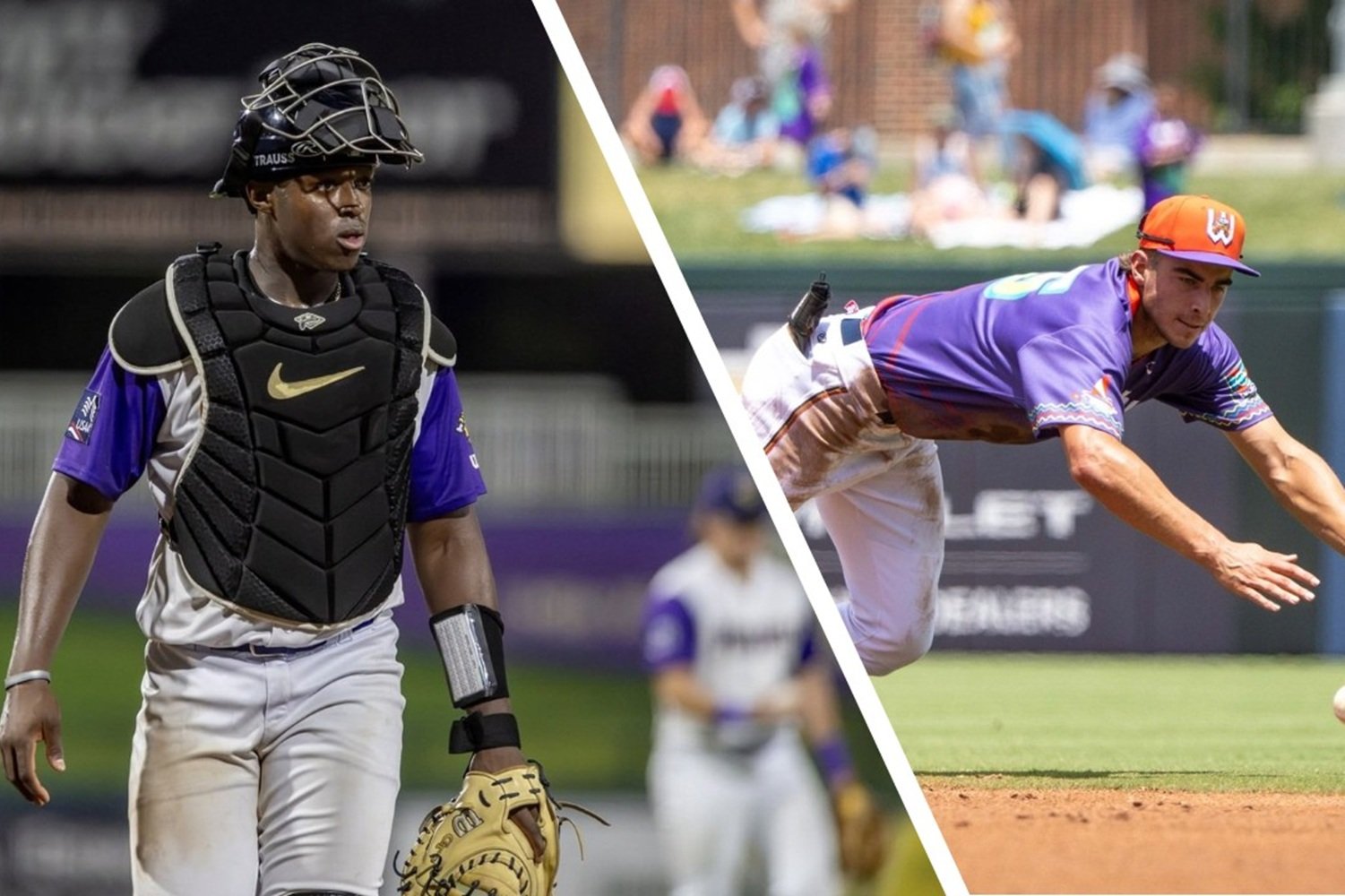 The Minnesota Twins have already seen a handful of their top prospects make their big-league debuts during the 2026 season. Kaelen Culpepper and Gabriel Gonzalez have officially cracked the majors, and Culpepper even looks likely to lose rookie eligibility and prospect status this season, as Connor Prielipp and Andrew Morris have already done. That leaves the organization with a new question to answer: Who will be the next top prospect to make the jump to the majors? There is an obvious answer sitting in Triple-A. Walker Jenkins has been one of the hottest hitters in the Twins organization since returning from his shoulder injury, and his production at St. Paul has made it increasingly difficult to justify keeping him in the minors. But Jenkins isn't the only prospect whose timeline is becoming clearer. Minnesota has several young players moving through the system at different speeds. Some could arrive before the end of 2026, while others aren't likely to see Target Field for several more years. Here is an updated look at the projected MLB ETAs for Twins Daily’s top 10 prospects. OF Walker Jenkins — St. Paul Saints ETA: August 2026 At this point, there doesn't seem to be much left for Jenkins to prove in the minor leagues. The former first-round pick has been tearing the cover off the ball at Triple-A, with a .512 slugging average since June 23. His performance has put him on the doorstep of the major leagues. The Twins could use another impact bat. Jenkins's arrival would give Minnesota another potential middle-of-the-order presence and provide a glimpse at one of the most important pieces of the organization's future. Arguably, though, he would be an even bigger upgrade for the team on defense, where he profiles as a plus defensive outfielder. On a nightly basis, the team is feeling the pain of Luke Keaschall's struggles to field any position. Jenkins's debut isn't just possible. It feels imminent. C Vahn Lackey — Fort Myers Mighty Mussels ETA: May 2028 Lackey represents a much longer-term investment. Some fans may want to see the Twins move their newest top prospect through the system quickly, but there are several reasons to take a more patient approach. Catchers generally take longer to develop than many other position players because of the demands of the position, both physically—the grind of a professional season is unlike anything one can experience in college, especially at catcher—and off the field, where the ability to work with pitchers and to clearly understand the organization's methods of preparing for opposing offenses are vital. There is also the possibility of a lockout next offseason, which could shorten the big-league season and not allow the necessary runway for player call-ups. Lackey has plenty of time. If Minnesota takes the conservative approach, his path could include multiple seasons of development—including at least one full season in the minors—before he is ready to take over behind the plate in the majors. SS Marek Houston — Wichita Wind Surge ETA: July 2027 Houston has answered plenty of questions during his first full professional season. The shortstop has been excellent defensively, while also showing that he can more than hold his own offensively (124 wRC+). That combination has made him one of the most intriguing prospects in the organization and one possible answer to Minnesota's long-term shortstop problem. Houston doesn't need to be rushed, but he's passed some crucial tests already. If he continues progressing at his current pace, a 2027 debut is becoming a realistic possibility. Culpepper is getting an opportunity now, but the Twins could move Culpepper to second or third base to accommodate Houston by this time next year. RHP Riley Quick — Wichita Wind Surge ETA: September 2027 Quick is currently Minnesota's top pitching prospect, but that doesn't mean the Twins need to accelerate his timeline. The organization can afford to let him finish the 2026 season at Double-A and begin next year at the same level. If he continues to perform, a move to Triple-A around the middle of the 2027 season would make sense. From there, Quick could become a September call-up. That timeline would allow him to build up innings and experience without putting unnecessary pressure on a young pitcher to immediately become a major-league starter. On the other hand, as we've seen, the organization likes to avoid wasting bullets in the minors. If Quick stays healthy and continues to thrive, a fast-track debut akin to those of Zebby Matthews or Connor Prielipp could be in play. OF Emmanuel Rodriguez — St. Paul Saints ETA: September 2026 Rodriguez is perhaps the most complicated player on this list. His talent has never really been the question. His health has been the biggest obstacle, and that has prevented him from making his major-league debut despite spending parts of three seasons at Triple-A. However, because he's played just enough in each of five professional seasons to qualify those campaigns as complete, Rodriguez will be out of minor-league options heading into next season. The Twins need to determine whether he can be an everyday player in 2027, and that means he needs an opportunity to establish himself at the major-league level—or, failing that, to be showcased as trade bait. A September debut would give Minnesota a chance to evaluate Rodriguez before making decisions about next year's roster. There's still plenty of upside here. It could be the possibility of promoting Rodriguez instead that has led the team to take it slow with Jenkins. OF Hendry Mendez — St. Paul Saints ETA: June 2027 Mendez has been one of the organization's biggest risers this season, with a 114 wRC+ in the upper minors. He has moved all the way to Triple-A and has put himself firmly into the conversation for a future major-league role. The problem is that Minnesota has plenty of left-handed corner outfielders competing for similar opportunities, including Jenkins, Rodriguez, and Alan Roden. That organizational depth could make Mendez an interesting trade candidate this winter. If he remains with the Twins, a 2027 debut is realistic. But the front office could also view Mendez as a valuable trade chip, as it attempts to address other areas of need on the roster. C Eduardo Tait — Cedar Rapids Kernels ETA: August 2028 Tait is still one of the youngest players in the organization, so there's no reason for Minnesota to rush his development. He will probably spend 2027 at Double-A, with an opportunity to reach Triple-A at some point. Even if he spends all of 2028 at Triple-A, he could still reach the majors in his early 20s. That's a perfectly reasonable development path for a 19-year-old catcher. The Twins can afford to be patient with Tait. His ETA may be further away than some of the other prospects on this list, but that doesn't diminish his long-term importance to the organization. RHP Charlee Soto — Cedar Rapids Kernels ETA: September 2029 Soto has the longest projected timeline among Minnesota's top prospects, and there are good reasons for that. Injuries have limited him throughout his professional career. He's thrown just 15 2/3 innings over the last two seasons, making it difficult to establish a normal development progression. He's also only 20 years old. There's no reason for the Twins to push Soto through the system simply because he's a highly regarded prospect. A healthy 2027 season at High-A, followed by Double-A in 2028 and Triple-A in 2029, would give him plenty of time to rebuild his workload and continue developing. If everything goes according to plan, Soto could make his major-league debut during the 2029 season. As with Quick, he could also debut much sooner—but unlike Quick, right now, there seems to be a great deal of development left to do, in addition to building innings and avoiding injury. The Twins' prospect timeline is about to get very interesting. Jenkins is the clear next man up, and it would be surprising if he isn't wearing a Minnesota uniform before the end of August. Rodriguez could follow later this season, giving the organization another important evaluation before the offseason. The next wave isn't far behind. If the team gets their scouting and development right, this season should be the start of a lengthy window of competitiveness. Do you agree with the ETAs listed above? Whose would you change? Leave a comment and start the discussion.
- 31 comments
-
- 7
-
-
-
- walker jenkins
- vahn lackey
- (and 6 more)
-
Image courtesy of © John E. Sokolowski-Imagn Images The Minnesota Twins are heading to one of baseball’s most recognizable settings this week, but the distinctive site will come with a rule change that could have a bigger impact on them than their opponent. The Twins will face the Philadelphia Phillies on Thursday night at the Field of Dreams site in Dyersville, Iowa. The matchup brings plenty of attention because of the unique venue, but Minnesota will also have to adjust to playing without one of the tools it has leaned on throughout the 2026 season. Major League Baseball’s Automated Ball-Strike system will not be available for the game. That means neither team will have the opportunity to challenge ball-and-strike calls, creating a significant departure from the way games have been played throughout the regular season. For the Twins, that is more than just an interesting wrinkle. Minnesota has been one of the most aggressive teams in baseball when it comes to using the ABS challenge system. The Twins have frequently relied on their ability to challenge borderline pitches, both at the plate and behind it, to turn questionable calls into favorable ones. In fact, FanGraphs crunched the numbers and the Twins have benefited more than any other team when it comes to ABS. On the offensive side, the Twins have made 143 challenges this season, the second-most in baseball behind only the New York Mets. Luke Keaschall leads the team with 12 challenges won, but he’s also been wrong 13 times (48.0 Won%). Austin Martin is second on the team with 10 challenges won in 19 attempts (53 Won%). Trevor Larnach has only challenged 12 pitches, but his 4.4 overturns versus expected leads the team. On defense, Minnesota has been even more active. The Twins lead MLB with 189 challenges from the field and have won 115 of those challenges. Victor Caratini ranks third in baseball with 61 challenges on the defensive side with a 65.0 Won%. He also ranks fifth overall in overturns versus expected (12.6). Ryan Jeffers has gone 38-for-63 in challenges for a 60.0 Won%. That makes Thursday’s game a particularly interesting adjustment for Minnesota. Instead, Minnesota will have to live with borderline calls. That could put additional emphasis on the way the Twins approach the strike zone throughout the game. Pitchers will need to understand that they might not get a call overturned if a borderline pitch goes against them, while hitters will need to be even more disciplined when dealing with pitches near the edges of the zone. Interestingly, the Phillies aren't nearly as dependent on the challenge system. Philadelphia entered Sunday with the fewest catcher-initiated challenges in baseball at 96. J.T. Realmuto has gone 41-for-59 (69.0 Won%) and Rafael Marchan has gone 18-for-33 (55 Won%). The Phillies have also been highly successful when they do decide to challenge, ranking second in the majors in overturn rate. So, while both teams will be playing without ABS, the change could represent a much bigger adjustment for Minnesota. There is also an element of unpredictability that comes with playing at the Field of Dreams site. This isn't a typical regular-season environment, and the absence of ABS adds another variable to a game that already comes with plenty of them. MLB is giving both teams an extra position player for the contest, adding to another rule change to the game. For the Twins, though, the biggest adjustment might happen before the first pitch. They have spent an entire season taking advantage of the ABS system. Now, they'll have to play a game without it. That doesn't necessarily mean the lack of challenges will decide the outcome. But considering how frequently Minnesota has used the system (and how successful the Twins have been when doing so) it is a wrinkle worth watching closely. At a venue built around nostalgia, the Twins will get a brief return to baseball without one of the more modern additions to the game. And for a team that has embraced ABS more than almost anyone, that could make Thursday night's matchup a little more challenging (pun intended) than expected. Should Twins fans worry about there being no ABS for one game? Leave a comment and start the discussion. View full article