



Melissa Berman
-
Posts
500 -
Joined
-
Last visited
-
Days Won
2
Content Type
Profiles
News
Minnesota Twins Videos
2026 Minnesota Twins Top Prospects Ranking
2022 Minnesota Twins Draft Picks
Minnesota Twins Free Agent & Trade Rumors, Notes, & Tidbits
Guides & Resources
2023 Minnesota Twins Draft Picks
The Minnesota Twins Players Project
2024 Minnesota Twins Draft Picks
2025 Minnesota Twins Draft Pick Tracker
2026 Minnesota Twins Draft Tracker: Picks & Bonuses
Forums
Blogs
Events
Store
Downloads
Gallery
Everything posted by Melissa Berman
-
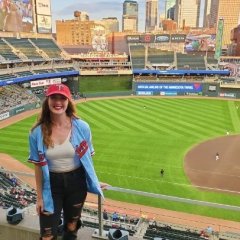 *plenty* of opportunities left? I'm at today's game and it's much more pleasant
 -
Thanks for the kind words! That must have been Breakfast on the Plaza you saw! I got down to the area early too (not as early as that though), but hung out at KFAN's live shows at Brothers Bar nearby. I was so happy to be back at the stadium and thankful for sun and no rain! It'll be a fun season! Thanks for getting fans and others around safely!
-
Four Opening Day Overreactions
Melissa Berman replied to renabanena's topic in Twins Daily Front Page News
As the saying goes, "winning fixes all problems." We were 3 ft from winning that one and if we did, people would be a lot more calm The bats will wake up- we'll be ok!- 25 replies
-
- 6
-

-
- alex kirilloff
- jhoan duran
- (and 3 more)
-
Braving the spring Minnesota cold, for the first time since 2019, Twins fans streamed through the Target Field gates and were welcomed to a “normal” Opening Day experience- no zip-tied seats, mask regulations, or limited ticket sales. Though Opening Day was pushed back one day from Thursday, April 7 to Friday, April 8 due to rain, snow, sleet, high winds, and just about everything in between, the lingering Friday cold did not keep a group of hardy fans away from Target Field. Attendance was announced at 35,462 in the 2-1 loss to the Seattle Mariners, though the actual number appeared to be smaller. Even though the day’s high in Minneapolis reached a higher-than-originally-forecasted 46 degrees, wind gusts of up to 22 miles per hour kept many fans on the cool side, especially those in the shade. By the end of the game, that was everyone except those in the sunny outfield. “We were in 210, which was in the shade. It was a struggle; it was windy,” said Kyle Nelson, who attended the game with some frozen friends. “I don’t think any of us were bundled up great. I didn’t bring gloves, which I regretted. My hands were cold the whole game,” he said. Friday’s Home Opener, though chilly, was not the coldest opening game in Target Field History- 2013’s Home Opener holds that crown. That day only reached 36 degrees. Target Field’s warmest Home Opener to date was in 2010, the first year of the stadium, and was a downright balmy 68 degrees. Friday was certainly not. “I was in the shade the whole time- there’s not a lot of opportunity for warmth,” said Shayla Houser. “The warmest part of my day was being on the field with the flag. There was no wind for a little bit of that, and it was right in the sunshine,” she said. Houser was part of a group of season ticket holders who were invited on the field before the game to unfurl a giant American flag for the Star Spangled Banner, making her one of the first fans to set foot on Target Field’s new grass since it was replaced in March. It was the first time the playing ground has been replaced since the stadium's opening season in 2010. For many fans attending the game, a little cold was not about to keep them from carrying on their tradition of attending Opening Day. Megan Knops has been to all but two Home Openers since 2006. Houser has not missed one since 2014. And the cold was not going to keep Nathan Timm away either. Friday’s game was not even the coldest Twins game Timm has attended; he recalled going to both games of a split doubleheader vs the Miami Marlins on April 23, 2013 on what was a brisk mid-30s and cloudy day. Timm got his picture taken with Jim Kaat, who alongside Tony Oliva, threw out the game's first pitches to Kent Hrbek and Tom Kelly in celebration of Kaat and Oliva's upcoming Baseball Hall of Fame inductions. When the Twins announced early Wednesday morning that Opening Day was delayed until Friday, it was met with mixed reactions. While some lamented that moving the game now prevented them from going due to work or other obligations, others supported the decision. “I’m glad they made that choice, it is worth it to wait an extra day to not have to play on a day like yesterday. Because at least today we had sunshine and it was dry,” Houser said. Twins fans unable to attend Friday’s rescheduled game were given the opportunity to exchange their tickets for any 2022 home game. Among Twins fans attending Opening Day, the Carlos Correa signing was a common source of excitement- and even a bit of disbelief- for Opening Day. “Once the lockout ended and we started making some moves, I knew baseball was really coming back. I was really excited,” said Knops. “I couldn’t believe we signed Carlos Correa until he stepped in the batter’s box today. I was like ‘wow, he’s really here,’” she said. Houser views the Correa signing as a turning point in the franchise and something fans should be excited about. “I was excited regardless [for the season], but that’s me. But I was in a state of shock for probably like 12 hours or so until I processed it, and actually seeing him on the scoreboard and in a Twins uniform today was pretty wild,” Houser said. "I think the fact that they actually pulled the trigger on that and did something that costs money shut up the whole, ‘the front office doesn’t spend money thing,’ and the fact they’re kind of shutting that narrative down should be a reason for people to be excited in itself," Houser said. For Nelson, the Correa signing completely changed his perspective on the season. “I was not really that excited at all for the year until the Correa singing, It showed we were really trying to win this year,” he said. While these fans toughed it out (and still had fun, according to all of them), other fans opted to not dawn their heavy parkas and hand warmers to attend the game and are instead looking forward to some pleasant summer nights to cheer on the Twins- sans the layers of clothing. Ryan Stanzel, a New York native residing in the Twin Cities who describes himself as both a Yankees and a Twins fan, said that his ideal temperature to attend Twins games is 76 degrees, “but not more than 82.” He noted that the long baseball season provides ample opportunities for fans to get to a game. “There are 81 other chances to go, and the Masters are on TV.” Stanzel said. Twins fans will not have to wait long for more game opportunities; the Twins play three more games vs the Mariners, followed by a two-game series vs the Los Angeles Dodgers beginning on Tuesday. Despite the Opening Day loss, optimism for the upcoming season and happiness to just be back at the ballpark again was a common theme. “I am a very optimistic person, so I think we can make the playoffs and maybe win the division," Knops said, "I’m just really excited- I think the group could be very special." And for Timm, even on chilly days, and even when the Twins do not quite come away with a win, there is no better place to spend the day than at Target Field. "A day at the ballpark is better than any other kind of day," he said. View full article
-
Twins Fans Brave the Cold at Opener, Look Forward to New Season
Melissa Berman posted an article in Twins
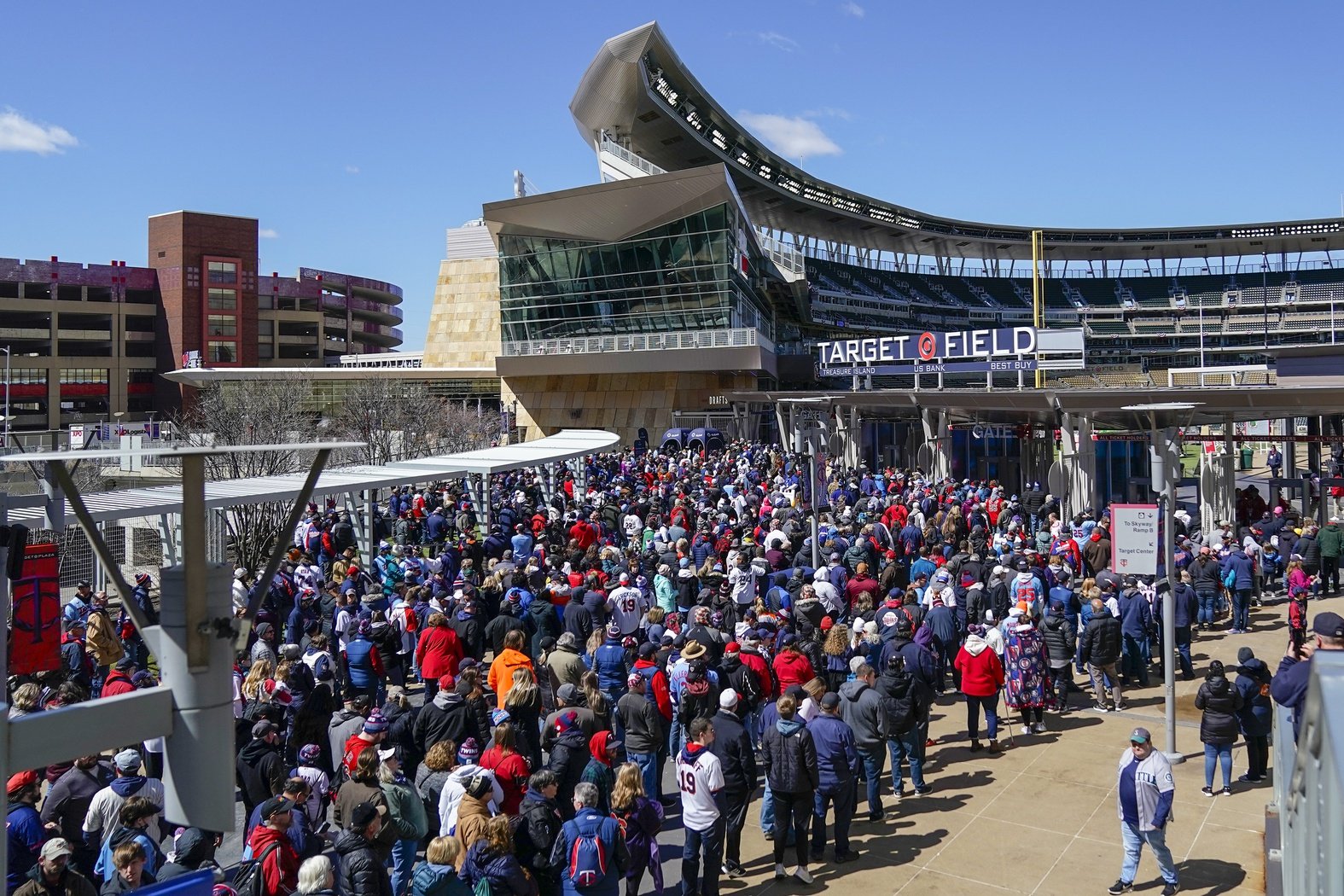 Though Opening Day was pushed back one day from Thursday, April 7 to Friday, April 8 due to rain, snow, sleet, high winds, and just about everything in between, the lingering Friday cold did not keep a group of hardy fans away from Target Field. Attendance was announced at 35,462 in the 2-1 loss to the Seattle Mariners, though the actual number appeared to be smaller. Even though the day’s high in Minneapolis reached a higher-than-originally-forecasted 46 degrees, wind gusts of up to 22 miles per hour kept many fans on the cool side, especially those in the shade. By the end of the game, that was everyone except those in the sunny outfield. “We were in 210, which was in the shade. It was a struggle; it was windy,” said Kyle Nelson, who attended the game with some frozen friends. “I don’t think any of us were bundled up great. I didn’t bring gloves, which I regretted. My hands were cold the whole game,” he said. Friday’s Home Opener, though chilly, was not the coldest opening game in Target Field History- 2013’s Home Opener holds that crown. That day only reached 36 degrees. Target Field’s warmest Home Opener to date was in 2010, the first year of the stadium, and was a downright balmy 68 degrees. Friday was certainly not. “I was in the shade the whole time- there’s not a lot of opportunity for warmth,” said Shayla Houser. “The warmest part of my day was being on the field with the flag. There was no wind for a little bit of that, and it was right in the sunshine,” she said. Houser was part of a group of season ticket holders who were invited on the field before the game to unfurl a giant American flag for the Star Spangled Banner, making her one of the first fans to set foot on Target Field’s new grass since it was replaced in March. It was the first time the playing ground has been replaced since the stadium's opening season in 2010. For many fans attending the game, a little cold was not about to keep them from carrying on their tradition of attending Opening Day. Megan Knops has been to all but two Home Openers since 2006. Houser has not missed one since 2014. And the cold was not going to keep Nathan Timm away either. Friday’s game was not even the coldest Twins game Timm has attended; he recalled going to both games of a split doubleheader vs the Miami Marlins on April 23, 2013 on what was a brisk mid-30s and cloudy day. Timm got his picture taken with Jim Kaat, who alongside Tony Oliva, threw out the game's first pitches to Kent Hrbek and Tom Kelly in celebration of Kaat and Oliva's upcoming Baseball Hall of Fame inductions. When the Twins announced early Wednesday morning that Opening Day was delayed until Friday, it was met with mixed reactions. While some lamented that moving the game now prevented them from going due to work or other obligations, others supported the decision. “I’m glad they made that choice, it is worth it to wait an extra day to not have to play on a day like yesterday. Because at least today we had sunshine and it was dry,” Houser said. Twins fans unable to attend Friday’s rescheduled game were given the opportunity to exchange their tickets for any 2022 home game. Among Twins fans attending Opening Day, the Carlos Correa signing was a common source of excitement- and even a bit of disbelief- for Opening Day. “Once the lockout ended and we started making some moves, I knew baseball was really coming back. I was really excited,” said Knops. “I couldn’t believe we signed Carlos Correa until he stepped in the batter’s box today. I was like ‘wow, he’s really here,’” she said. Houser views the Correa signing as a turning point in the franchise and something fans should be excited about. “I was excited regardless [for the season], but that’s me. But I was in a state of shock for probably like 12 hours or so until I processed it, and actually seeing him on the scoreboard and in a Twins uniform today was pretty wild,” Houser said. "I think the fact that they actually pulled the trigger on that and did something that costs money shut up the whole, ‘the front office doesn’t spend money thing,’ and the fact they’re kind of shutting that narrative down should be a reason for people to be excited in itself," Houser said. For Nelson, the Correa signing completely changed his perspective on the season. “I was not really that excited at all for the year until the Correa singing, It showed we were really trying to win this year,” he said. While these fans toughed it out (and still had fun, according to all of them), other fans opted to not dawn their heavy parkas and hand warmers to attend the game and are instead looking forward to some pleasant summer nights to cheer on the Twins- sans the layers of clothing. Ryan Stanzel, a New York native residing in the Twin Cities who describes himself as both a Yankees and a Twins fan, said that his ideal temperature to attend Twins games is 76 degrees, “but not more than 82.” He noted that the long baseball season provides ample opportunities for fans to get to a game. “There are 81 other chances to go, and the Masters are on TV.” Stanzel said. Twins fans will not have to wait long for more game opportunities; the Twins play three more games vs the Mariners, followed by a two-game series vs the Los Angeles Dodgers beginning on Tuesday. Despite the Opening Day loss, optimism for the upcoming season and happiness to just be back at the ballpark again was a common theme. “I am a very optimistic person, so I think we can make the playoffs and maybe win the division," Knops said, "I’m just really excited- I think the group could be very special." And for Timm, even on chilly days, and even when the Twins do not quite come away with a win, there is no better place to spend the day than at Target Field. "A day at the ballpark is better than any other kind of day," he said.
 -
Happy Opening Week- An Ode to Target Field
Melissa Berman commented on Melissa Berman's blog entry in The Hot Corner
You're definitely due for a trip back! 1987 is a pretty amazing year to have gotten to a game, needless to say. But Target Field is beautiful, and nothing beats sitting outside on a comfortable summer night- though I sure loved the Dome too. -
Here we are finally- Opening Day! Who would have thought a couple months ago during that lockout purgatory that we would be playing early April baseball? But here we are, and I am grateful for it. Opening Day is special to a lot of people- players, fans, and staff alike. Baseball runs deep within families and holds many cherished memories for fans dating back to childhood. A lot of people have sacred Opening Day traditions or people who they attend it with. Tomorrow I'm excited to carry on my tradition of attending Opening Day with my brother, Matthew. At all Minnesota sporting events, we are essentially a combo deal- we attend nearly every Vikings, Timberwolves, Twins, and some Wild games together (it hasn't been too easy over the years to find someone who also wants to go to every single Wolves game). He is by far the biggest, most well-rounded Minnesota sports fan I've ever met, and I'm not just saying that because it's my brother. He's my best friend and has been since we were kids both playing travel baseball and softball. But Opening Day is different from all these games- it is cherished, much-anticipated, and represents a blank slate of hope. There is just no way we're not going to go. We've been talking about this Opening Day game for months, and after the Correa trade was announced, our shared excitement only intensified. I hope that as we continue in life, we continue to make attending Opening Day together a priority. I know we will. We always make sure we get there early enough to get the cool Opening Day giveaway item (this year a jacket), to see the Twins lineup announced with all its inaugural fanfare, and we make sure to get a picture together too. This year we will be bundling up, unlike last year's Opening Day, also on April 8, where my brother wore shorts! Masks were also mandatory at all times inside the stadium and a large portion of seats were zip-tied. I was so grateful we were able to get tickets; I remember we both set alarms and jumped on separate computers to grab tickets due to the limited supply. Amazing what a difference a year makes, but the tradition lived on. We've been to much colder games together, including the 2016 TCF Bank Stadium "Wide Left" game that was -8° at kickoff, and Vikings vs Packers at Lambeau recently on January 2, 2022 which was I believe 7° air temperature So Happy Opening Day wherever you're watching from in Twins Territory! Let's hope for a great season full of happy memories made with family and friends. Baseball is best when watched with people you care about. Go Twins! A MUCH warmer Opening Day, 2021 2019, also a much warmer day. Matthew is wearing the cool giveaway jacket they handed out that year 2018- I'll be wearing the same hat for Opening Day 2022! 2017
-
Happy Opening Week- An Ode to Target Field
Melissa Berman commented on Melissa Berman's blog entry in The Hot Corner
NO WAY!! Awesome picture! I bet those are a blast to shoot. Launch one my way next time! ? -
Happy Opening Week- An Ode to Target Field
Melissa Berman commented on Melissa Berman's blog entry in The Hot Corner
Yes!! Have such happy memories running the Dome bases and so glad they continued the tradition at Target Field! It's something kids will remember their whole lives -
Happy Opening Week! As a Twins fan who was a kid during the Metrodome era of the aughts, I have fond, cherished memories of being swept away by the wind when the Metrodome doors were opened after games, the giant milk jug down the first baseline, the outfield curtain, Dome Dogs, and uncountable other quirks and joys. Though I have strong nostalgia for our beloved Dome, there is no question that Target Field is one of the most beautiful, scenic stadiums in the MLB. Nothing can compare to sitting out at a a game with your friends on a perfect 70-some degree evening, and Target Field certainly is a great place to do it. In celebration of our beloved team taking the field this week, here are some of my favorite things about Target Field: 1. The view of the city skyline from the 3rd baseline- I’ve gone to uncountable Twins games since Target Field opened, but I think I can count the number of times I’ve sat down the first baseline or in the outfield on two hands. There’s nothing wrong with sitting elsewhere in the park- they just don’t offer the same sweeping views of the downtown skyline. No, Target Field does not have giant tailgate lots like the Brewers or White Sox, but the stadium's location smack-dab in the middle of downtown Minneapolis makes up for it. The giant Target dog Bullseye wagging his tail in right field is also pretty cute. If you’re looking for something to do in between innings, try counting the number of times he wags his tail in a minute, then extrapolate that into month, year, etc. 2. Club Rayne during rain delays- There is nothing quite as groan-inducing as when the clouds roll in and the Target Field grounds crew descends upon the field with a tarp. However, rain delays are made much more tolerable- and even entertaining- due to the Twins opening up “Club Rayne” during each rain delay- a bit where the Twins throw a rain delay dance party and show fans dancing on the jumbotron to somewhat chaotic party music ranging from intense electronic music you might hear at a club to Michael Jackson. Last year during a rain delay my brother got extended screentime on the jumbotron by doing the Thriller dance. The Twins also find other ways to pass the time during rain delays; last year’s Home Opener was briefly stopped by a rain delay and Target Field played part of the NCAA hockey tournament that was happening concurrently. It looks like Club Rayne dates back to Target Field’s early days, so Twins fans have been dancing in the rain for almost a decade. I'm hoping for few rain delays this year, but if the clouds do open up, I'm ready to get down. 3. The real organist- Target Field-goers may or may not be aware that the stadium has its own organ player- Sue Nelson- who has been the Twins’ full-time organist since 1999! Look for her upbeat stylings in the 2 Gingers Pub located near sections 214-216. In a game that's constantly evolving, having an organ played live is a sweet nod to the game's longstanding traditions- similar to the players wearing button-up shirts, fans singing "Take Me Out to the Ballgame," and coaches wearing baseball uniforms just like the players. Today, about 50% of MLB ballparks have a live organ player, so Nelson is one of the many reasons why Target Field is so special and unique. 4. Friday night fireworks- The Twins light up the downtown skyline with postgame fireworks every Friday night game from June to August. They are impressive shows that are accompanied by music- often tying in with the game’s theme (Star Wars songs for Star Wars night, for example). The downtown skyline and the Minne and Paul sign are simply a gorgeous backdrop to the show. The St. Paul Saints also do Fireworks Fridays too. It feels a little strange following up a Twins or Saints loss with fireworks, but the show must go on! Going to these Friday games is one of my favorite summer things to do with my friends because the show is a perfect, multicolor cherry on top to a beautiful evening. 5. Minnie and Paul shaking hands after a win- Adorable and unique. I really enjoy how Target Field ties in both tradition with modernity (now to get the Twins to start wearing the “M” hats again). Now that the Saints are over across the river, our favorite centerfield staples seem even more applicable. I also love how they play the same song after every win- 'On Top of the World' by Imagine Dragons. 6. Artwork outside the stadium- It is clear that the stadium was planned with painstaking detail; even the outside is lovely and unique too. The outside of the stadium is lined with murals and is surrounded with sculptures ranging from Kirby Puckett's iconic homerun trot to the giant glove that fans commonly sit inside to take pictures. Next time you're early for a game, take a lap around the outside of the stadium- I realized at one point that because I always park in the same spot and go in the same entrance, I didn't even quite know all that was there! 7. Cool giveaways- Though the Twins run a lot of special theme night packages, they still have some cool fan giveaways. The Twins always treat Opening Day fans right by giving away quality items like a Twins puffer vest or hooded zip-up sweatshirt. My siblings in particular love going to bobblehead days. Last year I showed up way early to get a baby blue giveaway jersey. Albeit thin material, it is a quality giveaway and will look great with a little ironing. It even has buttons and the patches! rs 8. The Mascot Race- I love the Mascot Race and taking harmless bets with my buddies on who is going to win (I usually pick Bullseye- the Twins gotta uphold that Target sponsorship so the odds should be good, ya know?) I like Gracie the Gray Duck probably the best though. On Sundays the mascot race is run by cute kinds who rather than wearing the full mascot costume are just wearing mini versions of the mascot heads. The best was when the Twins had fans text in their pick for the race and if they won, they would get a coupon for something free like sunscreen or Oreos at Target. Let's bring that back, eh Twins? 9. Twingo and the Pick 3 Game- I have never won either but have come close. These are fun ways to be even more invested in the game and pay attention to the game's happenings. My Pick 3 strategy is to pick players who others are not likely to pick. Everyone is going to pick Buxton, so I gotta gain an edge somewhere, right? Then again, like I said I have never won, so proceed with my advice with caution. 10. Dollar Dog Night- Nothing beats getting dinner- or following dinner up- with a dollar dog (or two or several). My friends and I enjoy going to these Dollar Dog games and buying round of hotdogs like people do with drinks at bars. They are delicious but not filling, so the amount of Dollar Dogs I could put away if I wanted is dangerous. Last year on a couple occasions I remember the Twins even toasted the inside of the hotdog bun! Not bad for a buck. That's it for now! I can't wait for another season of games at this beautiful stadium. What are some of your favorite things about Target Field?
-
Agreed. I'm sure we will make a move at some point, especially if anyone gets banged up. We're not in the position to be desperate enough to sell the farm to Oakland. Their asking price must be ridiculous because likely they simply do not want to part ways
-
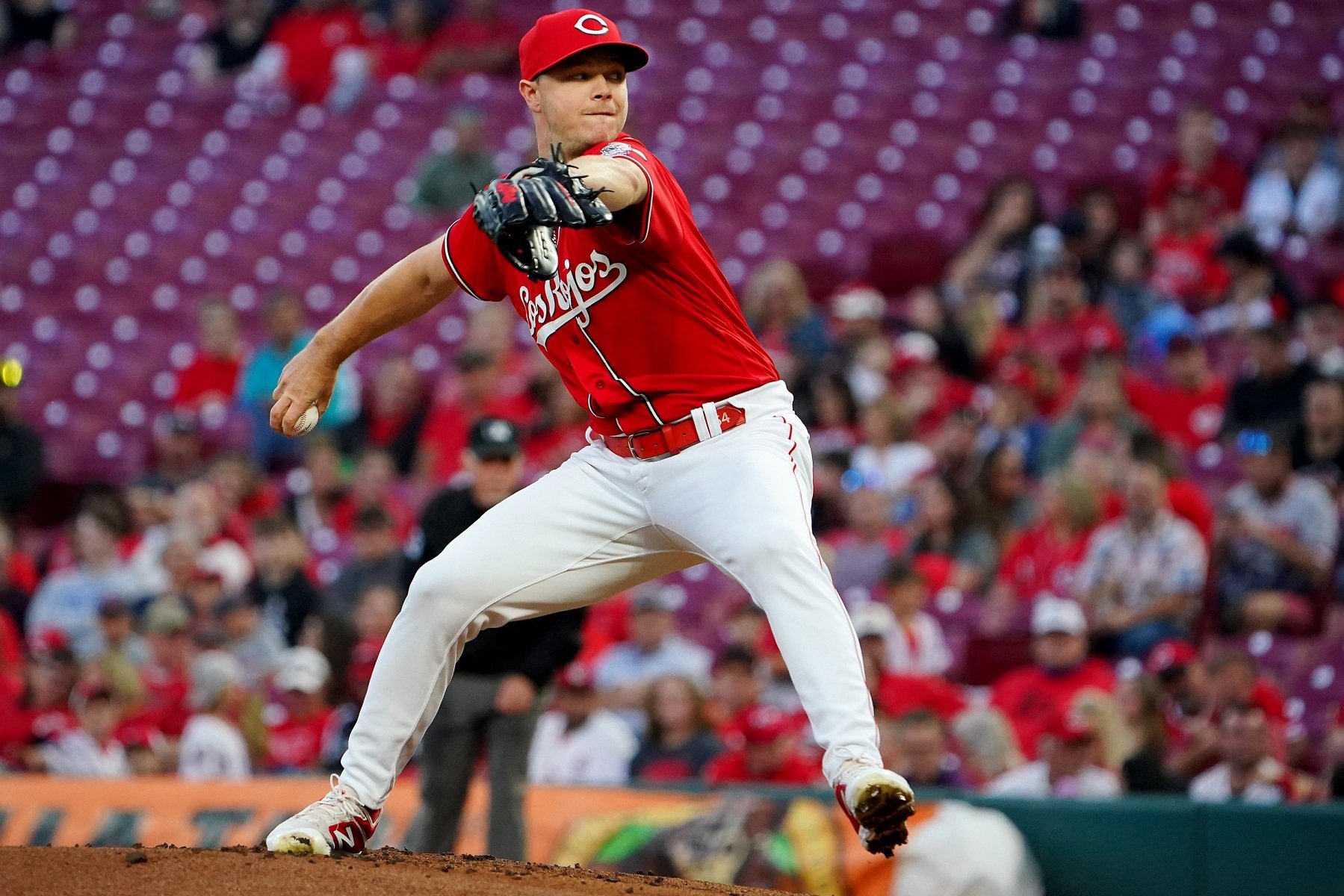 On March 29, Twins President of Baseball of Operations Derek Falvey seemed to suggest that although the Twins making a trade for another starting pitcher is not off the table yet, Opening Day might be drawing too close to realistically get a deal done. This sentiment has resulted in some mixed feelings from Twins fans- namely frustration at a Front Office traditionally hesitant to spend on top tier starting pitching, and one that seemingly has done it again. We're out of time, they seem to be saying. Should fans buy this excuse? When free agency opened last fall, despite the lockout looming and a depleted starting rotation that was 25th out of the 30 MLB teams in ERA, the Twins only signed starting pitcher Dylan Bundy to a one-year, $4 million guarantee. While establishing a floor on the starting rotation, Bundy's 6.06 2021 ERA did not exactly whip pitching-hungry Twins fans into a frenzy. Other teams were plenty active during this pre-lockout time- many of the top-regarded starting pitcher free agents in this strong class were claimed, some of whom include: Max Scherzer, Kevin Gausman, Robbie Ray, Marcus Stroman, Noah Syndergaard, Eduardo Rodríguez, Justin Verlander, Jon Gray, Anthony DeSclafani, Alex Wood, Steven Matz, Corey Kluber and Alex Cobb. Of the top-regarded starters, only Carlos Rodón and Clayton Kershaw remained. Kershaw was regarded as unlikely to sign with Minnesota, anyway, so really, that just left Rodón. If the Twins planned to rebuild their rotation through free agency, they missed their chance pre-lockout. Once the MLB lockout ended on March 10, the Twins joined the league-wide free agent and trading frenzy and made a sizeable pitching move. Credit needs to given where it is due: on March 13, the Twins traded 2021 first round pick Chase Petty to the Cincinnati Reds for starting pitcher Sonny Gray, and part II of the offseason seemed to be off to a promising start. The Twins had a pressing need to numerically round out their starting rotation, and at 18 years old, Petty would not be ready to pitch for the Twins for at least five years. Because high quality free agents were no longer an option, the trade seemed to make sense. Gray has performed well in spring training and is primed to be the ace of the Twins rotation (though he might not be a top of the rotation guy elsewhere). However, it was obvious that one more arm was needed to round out the rotation in light of the Twins trading Jose Berrios and losing Kenta Maeda to injury last season- a rotation that already included Bundy, Bailey Ober and Joe Ryan- so Twins fans kept waiting. More had to be coming. But as the remaining top free agents, and then the third and fourth starters, disappeared off the board one by one and the days ticked by, the Twins rotation remained at four. According to this list, the Twins, arguably one of the most in-need of starting pitching teams in the MLB, signed exactly one of the top 25 free agent pitchers, Bundy, ranked 20th. With the free agent market now even more bare, it was evident that a trade now was needed to complete this rotation. But time kept passing. Articles were even written about how long the Twins could get by without a fifth starter. Rumored potential Twins trades involving Oakland Athletics pitchers Frankie Montas and Sean Manaea still have not panned out at the time of this writing. Twins beat reporters are swamped with memes in response to nearly every one of their tweets questioning the whereabouts of a certain Athletics pitcher. Finally, on March 28, the Twins announced they had signed free agent pitcher Chris Archer to a 1-year deal. A fifth starter at long last. Archer has a high ceiling as a former two-time All Star with the Tampa Bay Rays, but he underwent surgery in 2020 for Thoracic Outlet Syndrome and has played little since (19.1 innings in 2021), so it is difficult to predict his future success. He essentially fills the role left by former Twins pitcher Michael Pineda, who was a free agent this offseason too and seemed like a low-risk, high floor move for a rotation still in flux. However, the Twins made the conscious decision to move on from Pineda and did not contact him during free agency before he signed with the Detroit Tigers. Archer’s contract is only worth $3.5 million plus incentives, which leaves the Twins in a good financial position to make another signing. Archer's signing was met with mixed reactions from Twins fans. When he signed, a common sentiment was that that he could not possibly be the final missing piece to the 2022 starting rotation, right? Though the starting rotation has now been numerically rounded-out with the Archer signing, it is hard not to feel that there is still something missing, especially in light of the addition of Carlos Correa, a clear signal that the Twins intend on competing in 2022. But then came Falvey’s quote. Falvey’s sentiment, which seems to suggest that there is not enough time to make moves to bolster the starting rotation in this “late stage” did not sit quite right with some Twins fans- me included. Yes, we are in the "late stage" of the offseason- we are about a week away from Opening Day. That is about as close to the 11th hour as you can get. But to be clear, the Twins are in a self-inflicted time crunch. They have no one to blame but themselves. Free agency began last fall and the Twins knew well where they stood at that time. The Twins front office throwing their hands up now and seemingly saying, “well, it’s too late now!” seems like a bit of a hollow excuse for fans, especially in light of the Correa signing that produced so much hope for the 2022 season’s success- not to mention ticket sales.The Correa signing resulted in a massive amount of tickets sold- over 100,000 from March 19 when the signing was announced until March 23. It was thought by some that this signing was practically conditioned on the fact that the Twins would be making some more big starting pitching moves- a starting rotation filled with firepower to complement a young, highly talented Twins batting lineup that appears to be top-to-bottom strong. To put it humorously, as I wrote in a blog post in the immediate aftermath of the Correa signing, “[m]ore pitching moves have to be coming. Having this starting rotation with Correa on your roster is like having Ikea furniture in your Lake Minnetonka mansion. Time to upgrade.” None of this is intended as a knock on the non-Sonny Gray members of the rotation- Ober, Ryan and Bundy have experienced success during spring training and Archer is yet to debut for the Twins. The rotation on paper and as a whole just seems a bit lackluster given what was available on the free agent market months ago, and there are valid questions that can be asked regarding how some members of the rotation will perform over the course of an entire season. Ober and Ryan have not yet experienced a full season's starting pitcher workload in the MLB (In 2021, Ryan went 26.2 innings and Ober went 92.1). Archer is a wildcard both performance and durability-wise due to his injury history. More depth is needed in case any of the starting rotation members end up on the IL. There is very little room for error health-wise with the current rotation. It’s true that a signing might still come and that Falvey would not necessarily show his hand if a trade was imminent, but considering one has not occurred and other teams are trying to nail down their Opening Day rotations as well, I am skeptical. And if the Twins do still make a trade before Opening Day, it shouldn’t be a “I told you so” moment- Twins fans have a right to be wary based on the team's past track record in regards to acquiring (or not) starting pitching. Fans have every right to expect more out of the team they love and financially support. So should Twins fans accept the front office’s excuse that they just ran out of time? I recognize that I am not in the negotiating war room, Maybe they tried extremely hard but just could not pry Montas and Manaea from the Athletics’ clutches despite giving great offers, and maybe they just could not land any of those free agents for the same reason, Maybe they just had bad luck. But history suggests otherwise. Out of time? I am not so sure we should let the front office off that easily. So yes, where Frankie?
 -
During the post-MLB lockout period, Twins fans have been embroiled in a bit of a waiting game for the front office to add some more starting pitching depth. But now, with Opening Day about a week away, it seems time might be running out in the eyes of both fans and the Twins front office. Or is it? On March 29, Twins President of Baseball of Operations Derek Falvey seemed to suggest that although the Twins making a trade for another starting pitcher is not off the table yet, Opening Day might be drawing too close to realistically get a deal done. This sentiment has resulted in some mixed feelings from Twins fans- namely frustration at a Front Office traditionally hesitant to spend on top tier starting pitching, and one that seemingly has done it again. We're out of time, they seem to be saying. Should fans buy this excuse? When free agency opened last fall, despite the lockout looming and a depleted starting rotation that was 25th out of the 30 MLB teams in ERA, the Twins only signed starting pitcher Dylan Bundy to a one-year, $4 million guarantee. While establishing a floor on the starting rotation, Bundy's 6.06 2021 ERA did not exactly whip pitching-hungry Twins fans into a frenzy. Other teams were plenty active during this pre-lockout time- many of the top-regarded starting pitcher free agents in this strong class were claimed, some of whom include: Max Scherzer, Kevin Gausman, Robbie Ray, Marcus Stroman, Noah Syndergaard, Eduardo Rodríguez, Justin Verlander, Jon Gray, Anthony DeSclafani, Alex Wood, Steven Matz, Corey Kluber and Alex Cobb. Of the top-regarded starters, only Carlos Rodón and Clayton Kershaw remained. Kershaw was regarded as unlikely to sign with Minnesota, anyway, so really, that just left Rodón. If the Twins planned to rebuild their rotation through free agency, they missed their chance pre-lockout. Once the MLB lockout ended on March 10, the Twins joined the league-wide free agent and trading frenzy and made a sizeable pitching move. Credit needs to given where it is due: on March 13, the Twins traded 2021 first round pick Chase Petty to the Cincinnati Reds for starting pitcher Sonny Gray, and part II of the offseason seemed to be off to a promising start. The Twins had a pressing need to numerically round out their starting rotation, and at 18 years old, Petty would not be ready to pitch for the Twins for at least five years. Because high quality free agents were no longer an option, the trade seemed to make sense. Gray has performed well in spring training and is primed to be the ace of the Twins rotation (though he might not be a top of the rotation guy elsewhere). However, it was obvious that one more arm was needed to round out the rotation in light of the Twins trading Jose Berrios and losing Kenta Maeda to injury last season- a rotation that already included Bundy, Bailey Ober and Joe Ryan- so Twins fans kept waiting. More had to be coming. But as the remaining top free agents, and then the third and fourth starters, disappeared off the board one by one and the days ticked by, the Twins rotation remained at four. According to this list, the Twins, arguably one of the most in-need of starting pitching teams in the MLB, signed exactly one of the top 25 free agent pitchers, Bundy, ranked 20th. With the free agent market now even more bare, it was evident that a trade now was needed to complete this rotation. But time kept passing. Articles were even written about how long the Twins could get by without a fifth starter. Rumored potential Twins trades involving Oakland Athletics pitchers Frankie Montas and Sean Manaea still have not panned out at the time of this writing. Twins beat reporters are swamped with memes in response to nearly every one of their tweets questioning the whereabouts of a certain Athletics pitcher. Finally, on March 28, the Twins announced they had signed free agent pitcher Chris Archer to a 1-year deal. A fifth starter at long last. Archer has a high ceiling as a former two-time All Star with the Tampa Bay Rays, but he underwent surgery in 2020 for Thoracic Outlet Syndrome and has played little since (19.1 innings in 2021), so it is difficult to predict his future success. He essentially fills the role left by former Twins pitcher Michael Pineda, who was a free agent this offseason too and seemed like a low-risk, high floor move for a rotation still in flux. However, the Twins made the conscious decision to move on from Pineda and did not contact him during free agency before he signed with the Detroit Tigers. Archer’s contract is only worth $3.5 million plus incentives, which leaves the Twins in a good financial position to make another signing. Archer's signing was met with mixed reactions from Twins fans. When he signed, a common sentiment was that that he could not possibly be the final missing piece to the 2022 starting rotation, right? Though the starting rotation has now been numerically rounded-out with the Archer signing, it is hard not to feel that there is still something missing, especially in light of the addition of Carlos Correa, a clear signal that the Twins intend on competing in 2022. But then came Falvey’s quote. Falvey’s sentiment, which seems to suggest that there is not enough time to make moves to bolster the starting rotation in this “late stage” did not sit quite right with some Twins fans- me included. Yes, we are in the "late stage" of the offseason- we are about a week away from Opening Day. That is about as close to the 11th hour as you can get. But to be clear, the Twins are in a self-inflicted time crunch. They have no one to blame but themselves. Free agency began last fall and the Twins knew well where they stood at that time. The Twins front office throwing their hands up now and seemingly saying, “well, it’s too late now!” seems like a bit of a hollow excuse for fans, especially in light of the Correa signing that produced so much hope for the 2022 season’s success- not to mention ticket sales.The Correa signing resulted in a massive amount of tickets sold- over 100,000 from March 19 when the signing was announced until March 23. It was thought by some that this signing was practically conditioned on the fact that the Twins would be making some more big starting pitching moves- a starting rotation filled with firepower to complement a young, highly talented Twins batting lineup that appears to be top-to-bottom strong. To put it humorously, as I wrote in a blog post in the immediate aftermath of the Correa signing, “[m]ore pitching moves have to be coming. Having this starting rotation with Correa on your roster is like having Ikea furniture in your Lake Minnetonka mansion. Time to upgrade.” None of this is intended as a knock on the non-Sonny Gray members of the rotation- Ober, Ryan and Bundy have experienced success during spring training and Archer is yet to debut for the Twins. The rotation on paper and as a whole just seems a bit lackluster given what was available on the free agent market months ago, and there are valid questions that can be asked regarding how some members of the rotation will perform over the course of an entire season. Ober and Ryan have not yet experienced a full season's starting pitcher workload in the MLB (In 2021, Ryan went 26.2 innings and Ober went 92.1). Archer is a wildcard both performance and durability-wise due to his injury history. More depth is needed in case any of the starting rotation members end up on the IL. There is very little room for error health-wise with the current rotation. It’s true that a signing might still come and that Falvey would not necessarily show his hand if a trade was imminent, but considering one has not occurred and other teams are trying to nail down their Opening Day rotations as well, I am skeptical. And if the Twins do still make a trade before Opening Day, it shouldn’t be a “I told you so” moment- Twins fans have a right to be wary based on the team's past track record in regards to acquiring (or not) starting pitching. Fans have every right to expect more out of the team they love and financially support. So should Twins fans accept the front office’s excuse that they just ran out of time? I recognize that I am not in the negotiating war room, Maybe they tried extremely hard but just could not pry Montas and Manaea from the Athletics’ clutches despite giving great offers, and maybe they just could not land any of those free agents for the same reason, Maybe they just had bad luck. But history suggests otherwise. Out of time? I am not so sure we should let the front office off that easily. So yes, where Frankie? View full article
-
Ghost Runner Rule Back to Haunt in 2022
Melissa Berman replied to Melissa Berman's topic in Twins Daily Front Page News
Because the majority of the time it is successful in ending the game the very inning it is imposed, there's no reason why it needs to take effect in the 10th. The game just ended!! Agreed with the 12th or 18th or never ? -
Laughed out loud ?
-
Ghost Runner Rule Back to Haunt in 2022
Melissa Berman replied to Melissa Berman's topic in Twins Daily Front Page News
Agree on the name. I had fun making all those ghost puns though! -
Ghost Runner Rule Back to Haunt in 2022
Melissa Berman replied to Melissa Berman's topic in Twins Daily Front Page News
The "runner on first" idea is interesting- I hadn't thought about that. The 19-inning games do get painful for all involved at a certain point, I agree. Luckily those really monster games don't happen too overly often -
Ghost Runner Rule Back to Haunt in 2022
Melissa Berman replied to Melissa Berman's topic in Twins Daily Front Page News
Agreed. This year they had an excuse to bring it back because of spring training, but assuming everything next year is totally normal (there's no reason it shouldn't be) that should be the tell-tale of it's going to stick around -
Hey, I feel similarly lol. I think the challenge form of the robo umps is a cool idea. Having the robo umps call *all* the balls and strikes. in my mind, isn't necessary. Just get rid of the egregious calls and I'm happy
-
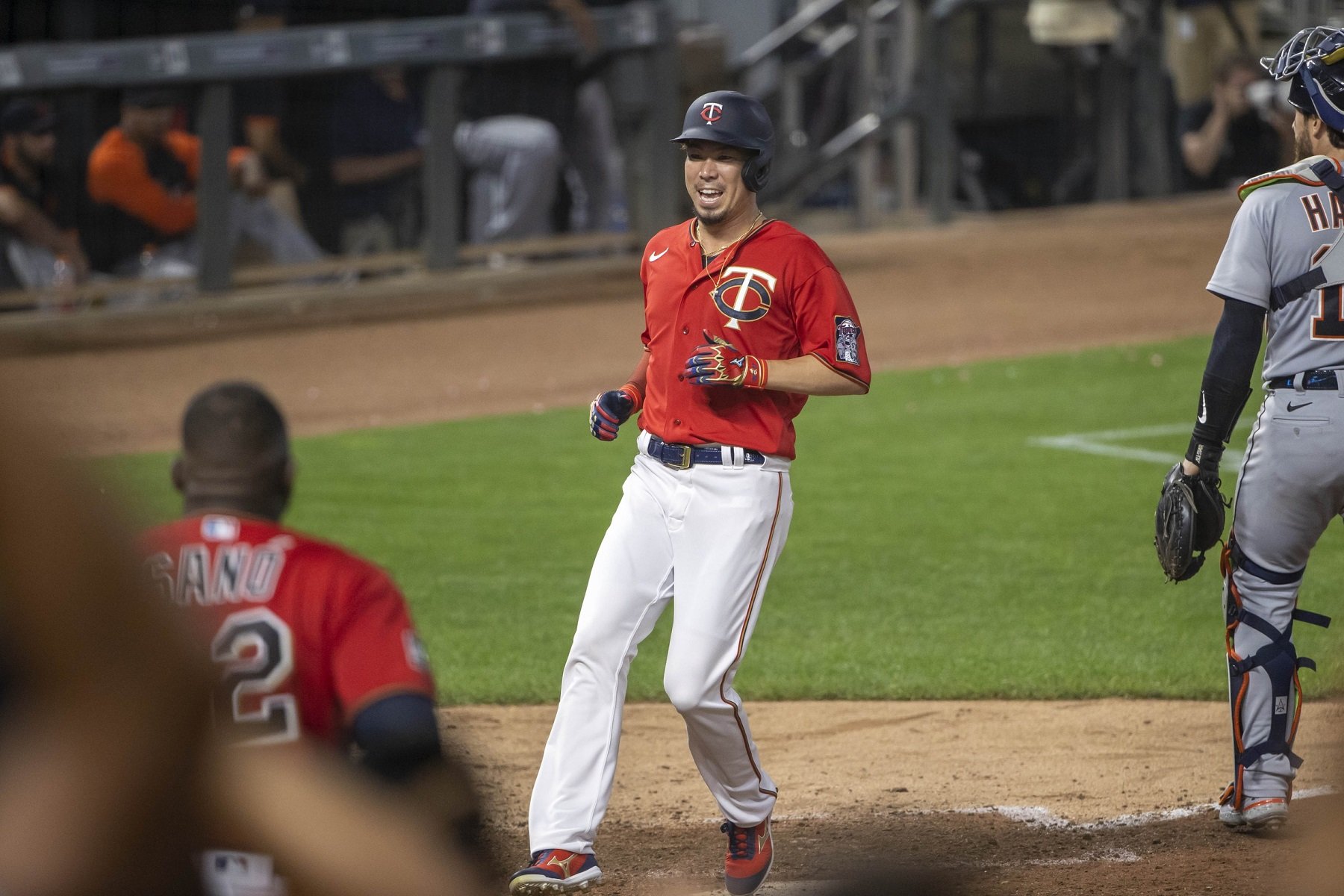 On March 22, Major League Baseball and the MLB Players Association (MLBPA) announced a tentative agreement on several rules for the 2022 season, two of which are a result of the expedited 3-1/2 week spring training that is currently underway due to the MLB lockout cutting into the spring training schedule. Under these agreed-upon rules, MLB teams will be allowed to expand their rosters from the typical 26 players to 28 players through May 1 to compensate for the shortened spring training period. This will theoretically allow players, especially pitchers, to have some more rest built-in at the start of the season due to their lessened ramp-up time. In addition, MLB and the MLBPA agreed to implement the aptly nicknamed “Shohei Ohtani Rule” which states that a pitcher can remain the DH after he’s done pitching for the day. Double-headers this year will return to a traditional nine-inning format as opposed to the seven-inning games that took place during 2020 and 2021. And everyone’s favorite rule- the ghost runner- has been resurrected from its grave. Without a doubt, the most notable, and controversial, rule MLB and MLBPA agreed on is the return of the runner-on-second in extra-innings rule, also referred to as a “ghost runner,” "designated runner," and "automatic runner." No matter its name, the rule, which has been used in the minors since 2018, was introduced to MLB in 2020 during the 60-game shortened season and states that “all half-innings after the ninth will begin with a runner on second base.” Given that the 2020 schedule was so tight with very few off-days built-in, the goal of the rule was to expedite the ending of games that reach extras to avoid teams having to deplete their bullpen and shuffle players around in the wake of a monster game. The rule also endeavored to increase game action for fans and prevent games from stretching late into the night. Despite differing opinions on if the rule should exist at all, it has without a doubt been a success in shortening the length of extra-inning games. In 2019 before the rule was implemented in the majors, the longest game went 19 innings with 24 pitchers used. In 2020 and 2021, only one game went longer than 13 innings- a 5 1/2 hour gauntlet between the Dodgers and Padres on August 25, 2021 that took 16 innings to decide. But this game was by far an anomaly. In 2019, 44 percent of extra-inning games ended in the 10th inning. This percent skyrocketed after the implementation of the runner-on-second rule- as of midway through the 2021 season, 72 percent of extra-inning games in 2020 and 2021 were decided in the 10th inning. Last season, the ghost runner rule was scarier than a haunted house for many Twins fans. Though the Twins ended up finishing the 2021 season 11-12 in games reaching extras, they started out 0-8 in these games before finally winning in the 10th inning vs Cleveland on May 23. For the most part, their struggles were due to simply not executing at the plate in the form of popouts, grandouts and strikeouts.. Another reason why the Twins may have struggled with this rule is the team’s lack of bunting and sacrifice plays. In 2021, the Twins were tied for last in the MLB in sacrifice hits per game. Bunts and sacrifice flies enable runners to advance along the base paths in exchange for the batter “sacrificing” himself as an out. The runner-on-second rule introduces an entirely new strategy into the game, and teams who are able to execute sacrifice plays to advance the second base runner to scoring position at third are at an advantage. When the Twins started out the season 5-3 last year, undefeated in nine-inning games at the time but winless in their three extra-inning games, Twins manager Rocco Baldelli relayed confidence in the team's ability to win games by swinging away in extras. "There will be particular situations where we could make something happen, more in the light of a sacrifice bunt or going down that road," Baldelli said on April 10, 2021. "But most of the time, I think our best chance to win is sending good hitters up there and letting them take a crack at the at-bat. I would bet we do see it at some point this year." The bats did eventually wake up, with the Twins winning 5 extra-inning games in a row starting with that May 23 win and finishing the season just under .500 in extra-inning games. But at the time, the frustration was palpable. The ghost runner rule led to one particularly memorable moment for Twins fans last season when pitcher and automatic runner Kenta Maeda scored the winning run in a 10th inning victory over the Detroit Tigers on July 26. It is important to note that the ghost runner rule only applies to the 2022 regular season, and the rule will not be in effect in this year's postseason. MLB and MLBPA have not made any statements about the rule's usage in 2023 and beyond. However, given this season will be the third in a row the rule has been implemented and that the MLBPA agreed to bring it back, thus signifying its members’ approval, one has to wonder if the rule might stick around. Last season, Commissioner Rob Manfred said that he did not see the extra-runner rule continuing on post-pandemic, only to later walk back his comments. In fact, the MLB’s own (outdated) glossary still states, “This rule will not be in place for the 2020 postseason or the 2021 campaign,” signifying that the rule has stuck around longer than MLB was anticipating. Though the rule may be back in 2022 due in part to the shortened spring training period, the rule has appeared to grow on many managers and players. “I actually think it’s kind of fun,” Cleveland Manager Terry Francona told The Athletic. The Twins lost in extras vs the Seattle Mariners on April 10, 2021, which gave pitcher Taylor Rodgers a loss on his record despite only allowing one hit in his outing. But even in the wake of this frustration, he expressed understanding of the rule from an injury and roster standpoint. "Trying to look bigger picture, that's something [where] we didn't play 17 innings, and we don't need to make two [roster] moves in the bullpen for that type of stuff," Rogers said. "So, bigger picture, I think that's probably the best move. But right now, it kind of stings." Anyone else familiar with the phrase commonly heard among college baseball players “anything but extras?” Many other players are likely all in favor of a rule that will get them off the field and into an ice bath sooner. Meanwhile, many fans have not had as warm of a reception to the rule's return. Opponents of the rule have deemed it antithetical to baseball and “bush league,” in addition to many other colorful descriptors. Some have suggested that the rule should not take effect right away in the 10th inning but perhaps later, like in the 12th inning. Some even took issue of the name of the rule itself, expressing disdain that many were referring to it as a “ghost runner.” Fans of the Metrodome will remember fondly the light-up video board message proclaiming that Walks will Haunt (and they certainly always do). Will the runner-on-second rule return to be a specter in the eyes of Twins fans in 2022? MY TAKE With such a shortened ramp-up time for pitchers during spring training, I know that one marathon-length game could have big bullpen ramifications and necessitate a lot of roster shuffling. Thus, at the most, the automatic runner rule should be used in the 2022 regular season in the name of injury prevention but then never again in a regular-length season with a normal spring training. But if MLB was so concerned about wear and tear on its players, couldn't they just shorten the season (not that we want that, but it does make sense if we're strictly talking from an injury standpoint if the assertion is that players didn't get enough spring training work) or allow rosters to be expanded by more than two spots? I am a believer that baseball games should have the chance to resolve themselves naturally, even if it takes a handful of extras to do so. If you think about it, MLB wanting to desperately cut down game times, both with pace of play measures like pitch clocks and the ghost runner rule, seems a bit counterintuitive- they want to provide less of their product to fans. What is their incentive to prevent long extra-inning games- to get people to keep watching? Those who have stuck around for the whole game will probably stick around once extras hit anyway. To me, the length of extra innings doesn't matter, whether it's one inning or four, I'm going to stick around and see what happens regardless of how long it takes. MLB's quest to shorten games seems a bit misplaced to me in general. It goes back to a point I expressed in my piece about pitch clocks- baseball is inherently a slower-paced sport. Some people will be bored with the game regardless of how long they last. MLB can introduce all the pace of play measures it wants, but it will still not be hockey with its constant high-speed movement and players crashing into the boards or basketball with its nonstop scoring. Those who think baseball is boring or do not care about what happens in extra innings probably won't find the automatic runner rule that exciting either. It's not a hockey shootout. And those who love baseball will enjoy extra innings without needing the manufactured drama of the automatic runner. There is also a certain legendary lore about long extra-inning battles that we would rarely witness with about 3/4 of games ending in the 10th inning under the rule. Implementing the ghost runner rule to cut down on burdens on pitching staffs makes sense. Implementing it solely because fans get sleepy or disinterested watching extra innings does not. At the very most, if the rule must be used, it should not take effect right away in the 10th inning. The 12th inning seems like a good compromise to me, and based on stats showing the number of games currently ending in the 10th inning with an automatic runner, the game would probably end here in the 12th too. 12 innings is long but not egregiously so. Fans of this approach would say this gives the game about an extra hour to resolve itself, but if not, the buck stops here before things get miserable. But I'd prefer the ghost to just return to its grave. What’s your take on the return of the runner-on-second rule? Leave a COMMENT below.
 -
Ghost Runner Rule Back to Haunt in 2022
Melissa Berman posted a topic in Twins Daily Front Page News
The Field of Dreams is not the only field with ghosts on it anymore. Look for a ghost runner haunting second base in extra innings at MLB ballparks again in 2022. But instead of Shoeless Joe and Chick Gandil, Target Field's ghosts will be drawn from its current lineup of very much alive players. On March 22, Major League Baseball and the MLB Players Association (MLBPA) announced a tentative agreement on several rules for the 2022 season, two of which are a result of the expedited 3-1/2 week spring training that is currently underway due to the MLB lockout cutting into the spring training schedule. Under these agreed-upon rules, MLB teams will be allowed to expand their rosters from the typical 26 players to 28 players through May 1 to compensate for the shortened spring training period. This will theoretically allow players, especially pitchers, to have some more rest built-in at the start of the season due to their lessened ramp-up time. In addition, MLB and the MLBPA agreed to implement the aptly nicknamed “Shohei Ohtani Rule” which states that a pitcher can remain the DH after he’s done pitching for the day. Double-headers this year will return to a traditional nine-inning format as opposed to the seven-inning games that took place during 2020 and 2021. And everyone’s favorite rule- the ghost runner- has been resurrected from its grave. Without a doubt, the most notable, and controversial, rule MLB and MLBPA agreed on is the return of the runner-on-second in extra-innings rule, also referred to as a “ghost runner,” "designated runner," and "automatic runner." No matter its name, the rule, which has been used in the minors since 2018, was introduced to MLB in 2020 during the 60-game shortened season and states that “all half-innings after the ninth will begin with a runner on second base.” Given that the 2020 schedule was so tight with very few off-days built-in, the goal of the rule was to expedite the ending of games that reach extras to avoid teams having to deplete their bullpen and shuffle players around in the wake of a monster game. The rule also endeavored to increase game action for fans and prevent games from stretching late into the night. Despite differing opinions on if the rule should exist at all, it has without a doubt been a success in shortening the length of extra-inning games. In 2019 before the rule was implemented in the majors, the longest game went 19 innings with 24 pitchers used. In 2020 and 2021, only one game went longer than 13 innings- a 5 1/2 hour gauntlet between the Dodgers and Padres on August 25, 2021 that took 16 innings to decide. But this game was by far an anomaly. In 2019, 44 percent of extra-inning games ended in the 10th inning. This percent skyrocketed after the implementation of the runner-on-second rule- as of midway through the 2021 season, 72 percent of extra-inning games in 2020 and 2021 were decided in the 10th inning. Last season, the ghost runner rule was scarier than a haunted house for many Twins fans. Though the Twins ended up finishing the 2021 season 11-12 in games reaching extras, they started out 0-8 in these games before finally winning in the 10th inning vs Cleveland on May 23. For the most part, their struggles were due to simply not executing at the plate in the form of popouts, grandouts and strikeouts.. Another reason why the Twins may have struggled with this rule is the team’s lack of bunting and sacrifice plays. In 2021, the Twins were tied for last in the MLB in sacrifice hits per game. Bunts and sacrifice flies enable runners to advance along the base paths in exchange for the batter “sacrificing” himself as an out. The runner-on-second rule introduces an entirely new strategy into the game, and teams who are able to execute sacrifice plays to advance the second base runner to scoring position at third are at an advantage. When the Twins started out the season 5-3 last year, undefeated in nine-inning games at the time but winless in their three extra-inning games, Twins manager Rocco Baldelli relayed confidence in the team's ability to win games by swinging away in extras. "There will be particular situations where we could make something happen, more in the light of a sacrifice bunt or going down that road," Baldelli said on April 10, 2021. "But most of the time, I think our best chance to win is sending good hitters up there and letting them take a crack at the at-bat. I would bet we do see it at some point this year." The bats did eventually wake up, with the Twins winning 5 extra-inning games in a row starting with that May 23 win and finishing the season just under .500 in extra-inning games. But at the time, the frustration was palpable. The ghost runner rule led to one particularly memorable moment for Twins fans last season when pitcher and automatic runner Kenta Maeda scored the winning run in a 10th inning victory over the Detroit Tigers on July 26. It is important to note that the ghost runner rule only applies to the 2022 regular season, and the rule will not be in effect in this year's postseason. MLB and MLBPA have not made any statements about the rule's usage in 2023 and beyond. However, given this season will be the third in a row the rule has been implemented and that the MLBPA agreed to bring it back, thus signifying its members’ approval, one has to wonder if the rule might stick around. Last season, Commissioner Rob Manfred said that he did not see the extra-runner rule continuing on post-pandemic, only to later walk back his comments. In fact, the MLB’s own (outdated) glossary still states, “This rule will not be in place for the 2020 postseason or the 2021 campaign,” signifying that the rule has stuck around longer than MLB was anticipating. Though the rule may be back in 2022 due in part to the shortened spring training period, the rule has appeared to grow on many managers and players. “I actually think it’s kind of fun,” Cleveland Manager Terry Francona told The Athletic. The Twins lost in extras vs the Seattle Mariners on April 10, 2021, which gave pitcher Taylor Rodgers a loss on his record despite only allowing one hit in his outing. But even in the wake of this frustration, he expressed understanding of the rule from an injury and roster standpoint. "Trying to look bigger picture, that's something [where] we didn't play 17 innings, and we don't need to make two [roster] moves in the bullpen for that type of stuff," Rogers said. "So, bigger picture, I think that's probably the best move. But right now, it kind of stings." Anyone else familiar with the phrase commonly heard among college baseball players “anything but extras?” Many other players are likely all in favor of a rule that will get them off the field and into an ice bath sooner. Meanwhile, many fans have not had as warm of a reception to the rule's return. Opponents of the rule have deemed it antithetical to baseball and “bush league,” in addition to many other colorful descriptors. Some have suggested that the rule should not take effect right away in the 10th inning but perhaps later, like in the 12th inning. Some even took issue of the name of the rule itself, expressing disdain that many were referring to it as a “ghost runner.” Fans of the Metrodome will remember fondly the light-up video board message proclaiming that Walks will Haunt (and they certainly always do). Will the runner-on-second rule return to be a specter in the eyes of Twins fans in 2022? MY TAKE With such a shortened ramp-up time for pitchers during spring training, I know that one marathon-length game could have big bullpen ramifications and necessitate a lot of roster shuffling. Thus, at the most, the automatic runner rule should be used in the 2022 regular season in the name of injury prevention but then never again in a regular-length season with a normal spring training. But if MLB was so concerned about wear and tear on its players, couldn't they just shorten the season (not that we want that, but it does make sense if we're strictly talking from an injury standpoint if the assertion is that players didn't get enough spring training work) or allow rosters to be expanded by more than two spots? I am a believer that baseball games should have the chance to resolve themselves naturally, even if it takes a handful of extras to do so. If you think about it, MLB wanting to desperately cut down game times, both with pace of play measures like pitch clocks and the ghost runner rule, seems a bit counterintuitive- they want to provide less of their product to fans. What is their incentive to prevent long extra-inning games- to get people to keep watching? Those who have stuck around for the whole game will probably stick around once extras hit anyway. To me, the length of extra innings doesn't matter, whether it's one inning or four, I'm going to stick around and see what happens regardless of how long it takes. MLB's quest to shorten games seems a bit misplaced to me in general. It goes back to a point I expressed in my piece about pitch clocks- baseball is inherently a slower-paced sport. Some people will be bored with the game regardless of how long they last. MLB can introduce all the pace of play measures it wants, but it will still not be hockey with its constant high-speed movement and players crashing into the boards or basketball with its nonstop scoring. Those who think baseball is boring or do not care about what happens in extra innings probably won't find the automatic runner rule that exciting either. It's not a hockey shootout. And those who love baseball will enjoy extra innings without needing the manufactured drama of the automatic runner. There is also a certain legendary lore about long extra-inning battles that we would rarely witness with about 3/4 of games ending in the 10th inning under the rule. Implementing the ghost runner rule to cut down on burdens on pitching staffs makes sense. Implementing it solely because fans get sleepy or disinterested watching extra innings does not. At the very most, if the rule must be used, it should not take effect right away in the 10th inning. The 12th inning seems like a good compromise to me, and based on stats showing the number of games currently ending in the 10th inning with an automatic runner, the game would probably end here in the 12th too. 12 innings is long but not egregiously so. Fans of this approach would say this gives the game about an extra hour to resolve itself, but if not, the buck stops here before things get miserable. But I'd prefer the ghost to just return to its grave. What’s your take on the return of the runner-on-second rule? Leave a COMMENT below. View full article -
These are super good points- I didn't even consider the possible strategy involved with the challenge system. I tend to think the robo umps or some sort of electronic will make it to the MLB before too long. Because the actual ball and strike calling robo umps are what are being imposed in AAA, I'm guessing that is what will eventually be called up, though we have seen some rules go straight from other affiliates like AA > the majors (ie banning the shift). I'm definitely on the "baseball purist" side of things, so I think I like the challenge system better- mostly still the same balls and strikes calling we know now (which works most of the time I'd say) with the ability to get rid of the egregious mistake calls using technology.
-
MLB Announces 2022 Minor League Experimental Rules
Melissa Berman posted an article in Minor Leagues
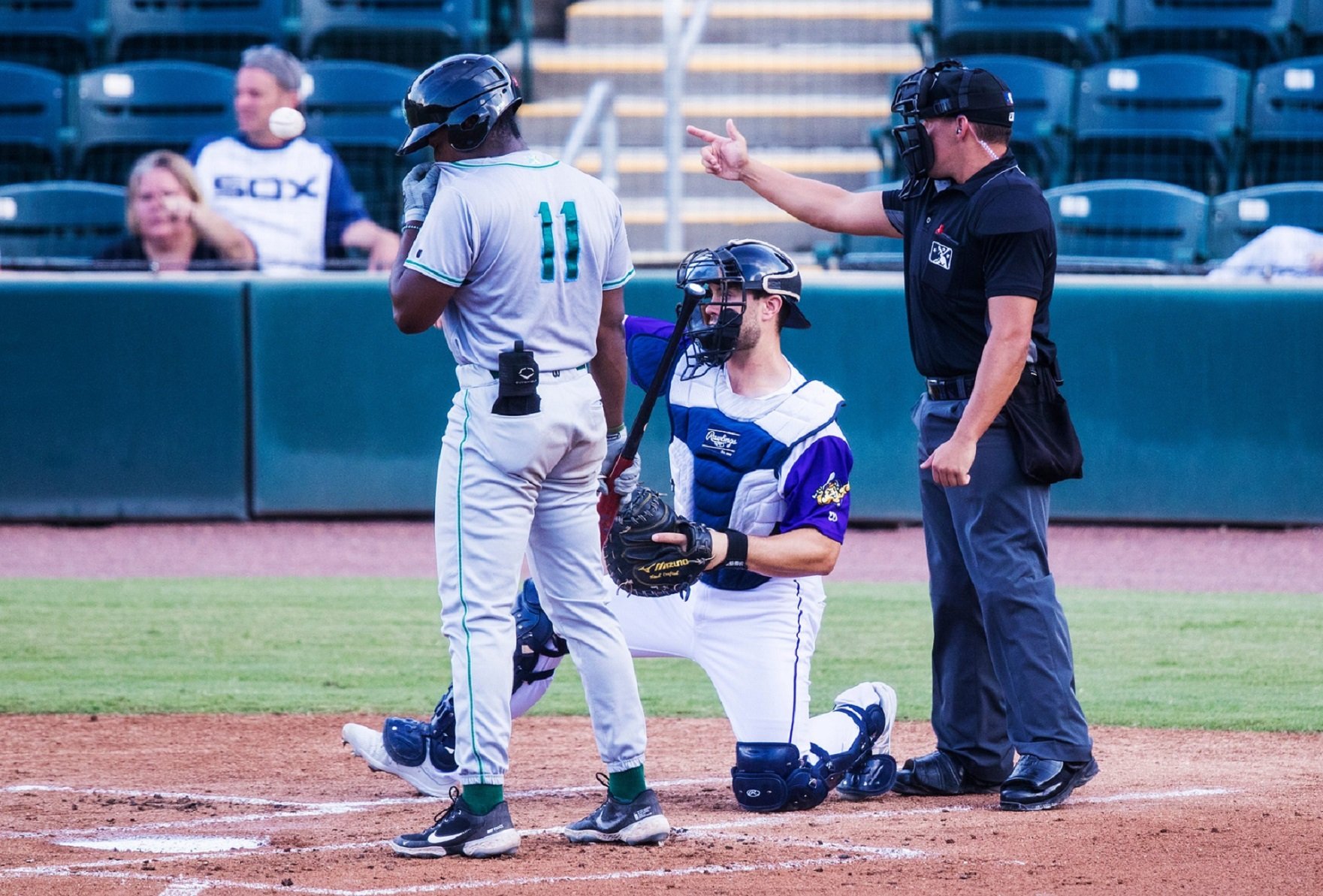 Major League Baseball (MLB) recently introduced a host of new and expanded rules it will be trying out during the 2022 Minor League season. A common thread connecting these changes, and others, is MLB's goals of making the game faster and improving player safety. Seeing rule trials at the Minor League level is nothing new; MLB has traditionally used its Minor Leagues as a testing ground for on-field rule changes it is considering for future MLB implementation. In the new Collective Bargaining Agreement (CBA), the MLB Players Association and MLB agreed to the defensive position requirement (otherwise known as banning the shift) to implement a pitch clock and to make bases larger effective the 2023 season. Each of these rules was tested and deemed successful at the Minor League Level during the 2021 season- the shift was banned in Double-A, a pitch clock was used in Low-A, and base size was increased at the Triple-A level. Here is a roundup of the new and expanded rules that baseball fans will see in the Minors in 2022: 1. Expanded pitch clock (all full-season leagues) 2. Expanded use of larger bases (all full-season leagues) 3. Expanded use of the defensive position requirement (Double-A and both Class A levels) 4. Expanded automatic ball-strike system with challenge, otherwise known as “robot umpires” (Triple-A and Low-A Southeast) Expanded pitch clock The amount of time that St. Paul Saints fans spend goofing around with the ushertainers at CHS Field is about to lessen (pro tip- do not let Coach catch you buried in your phone during the game). After being used in various capacities since 2015, the new season will feature pitch clocks being used universally across all Minor League levels, including at CHS Field. When bases are empty, at all full-season levels, pitchers will be required to deliver the pitch within 14 seconds. When runners are on base, pitchers will be given more time, and this time will slightly differ by league: pitchers will be required to deliver the pitch within 19 seconds at Triple-A and 18 seconds at all other levels. Hitters will not be allowed to be asleep at the plate either; at all levels, the hitter must be in the batter’s box and attentive to the pitcher with nine seconds left on the timer. MLB’s goal in implementing a pitch clock is to increase the pace of play. In 2021, a pitch clock experiment in Low-A cut game times by 20 minutes using 15-second and 17-second clocks. MLB decided slightly more time was needed when runners were on base and slightly less with bases empty and adjusted the clock times accordingly. Additionally, all Minor League pitchers will be limited to two pickoff attempts or step-offs per plate appearance. If a pitcher takes a third, it will effectively function as a balk (sans chicken clucking noises from jeering fans) and allow all baserunners to advance. Larger bases The size of first, second, and third base will be increased from 15 inches by 15 inches to 18x18 for all full-season affiliates in 2022. MLB’s stated goal of using the larger bases is to reduce player injuries on the base paths. Larger bases were used in the Arizona Fall League and at the Triple-A level in 2021, and MLB found that they not only reduced injuries but contributed to an increase in stolen base rates due to the slightly shortened base paths and the larger base size making it more difficult to overslide the base. Additionally, the larger bases will be composed of material that is expected to perform better in wet conditions, which will provide runners an easier-to-grip surface to slide into, which furthers MLB's goal of reducing injuries. Defensive position requirement In 2021, MLB imposed a limit on defensive shifts at the Double-A level. In 2022, MLB is further expanding this rule. This year, teams in Double-A and both Class A levels will be required to have at least four players on the infield when the pitcher delivers, with two on either side of second base. According to MLB, this restriction on defensive positioning is intended to increase the batting average on balls in play. Defensive shifts have been around for years, but in recent years, MLB shifts have gotten more and more bold, thus leading to these experimental crackdowns. Banning the shift relates to MLB's goal of stimulating offense and increasing in-game excitement. Robot umpires No, this is not a dystopian movie where robots take over the world, it’s baseball in 2022, and robot umpires may soon be coming to an MLB field near you. For now, though, MLB’s experiment with an automated balls-and-strikes system (ABS) will remain confined to the Minors. Previously limited to use in the Low-A Southeast, the system is expanding to also include Triple-A in 2022. The goal is to use technology to improve the accuracy of called balls and strikes and reduce controversy. In Triple-A, a home-plate umpire will relay ball or strike calls generated by Hawk-Eye tracking technology, which recalibrates the top and bottom of the strike zone based on each hitter’s height. The human umpire will still make calls like check swings, interference, and plays at the plate. Automated calling begins May 17 in the Triple-A West, now known as the Pacific Coast League, with the Triple-A returning to its historic names in 2022. Throughout the season, it will be used in all Triple-A East (now called the International League) games played in Charlotte. The St. Paul Saints are in the International League and do not play the Charlotte Knights during the regular season. At the Low-A Southeast level, MLB is exploring an alternate form of ABS calling, otherwise known as a “Challenge System.” Here, human umpires will still make balls and strike calls. However, in select Challenge Games, the pitcher, catcher, and batter can appeal the umpire’s call to the ABS system. Each team will receive three appeals in Challenge Games, with successful appeals retained for future use. The 2022 Minor League Season will look a little different than fans are used to, but with several of these changes headed to MLB in 2023, it seems time for rules to be standardized across all Minor League affiliates. Time will tell if the robot umpires receive a promotion to the Big Leagues. Do you think robot umpires will make it to the majors? Should they? Leave a COMMENT below.
 -
As Minnesota’s very own Bob Dylan said, "The Times They Are A-Changin'," and our national pastime is no exception. But baseball purists take heart, though the new year is bringing some experimental rule changes to Minor League Baseball, many of them are not totally new to the minors, and some are even due for a major league call up in 2023. Major League Baseball (MLB) recently introduced a host of new and expanded rules it will be trying out during the 2022 Minor League season. A common thread connecting these changes, and others, is MLB's goals of making the game faster and improving player safety. Seeing rule trials at the Minor League level is nothing new; MLB has traditionally used its Minor Leagues as a testing ground for on-field rule changes it is considering for future MLB implementation. In the new Collective Bargaining Agreement (CBA), the MLB Players Association and MLB agreed to the defensive position requirement (otherwise known as banning the shift) to implement a pitch clock and to make bases larger effective the 2023 season. Each of these rules was tested and deemed successful at the Minor League Level during the 2021 season- the shift was banned in Double-A, a pitch clock was used in Low-A, and base size was increased at the Triple-A level. Here is a roundup of the new and expanded rules that baseball fans will see in the Minors in 2022: 1. Expanded pitch clock (all full-season leagues) 2. Expanded use of larger bases (all full-season leagues) 3. Expanded use of the defensive position requirement (Double-A and both Class A levels) 4. Expanded automatic ball-strike system with challenge, otherwise known as “robot umpires” (Triple-A and Low-A Southeast) Expanded pitch clock The amount of time that St. Paul Saints fans spend goofing around with the ushertainers at CHS Field is about to lessen (pro tip- do not let Coach catch you buried in your phone during the game). After being used in various capacities since 2015, the new season will feature pitch clocks being used universally across all Minor League levels, including at CHS Field. When bases are empty, at all full-season levels, pitchers will be required to deliver the pitch within 14 seconds. When runners are on base, pitchers will be given more time, and this time will slightly differ by league: pitchers will be required to deliver the pitch within 19 seconds at Triple-A and 18 seconds at all other levels. Hitters will not be allowed to be asleep at the plate either; at all levels, the hitter must be in the batter’s box and attentive to the pitcher with nine seconds left on the timer. MLB’s goal in implementing a pitch clock is to increase the pace of play. In 2021, a pitch clock experiment in Low-A cut game times by 20 minutes using 15-second and 17-second clocks. MLB decided slightly more time was needed when runners were on base and slightly less with bases empty and adjusted the clock times accordingly. Additionally, all Minor League pitchers will be limited to two pickoff attempts or step-offs per plate appearance. If a pitcher takes a third, it will effectively function as a balk (sans chicken clucking noises from jeering fans) and allow all baserunners to advance. Larger bases The size of first, second, and third base will be increased from 15 inches by 15 inches to 18x18 for all full-season affiliates in 2022. MLB’s stated goal of using the larger bases is to reduce player injuries on the base paths. Larger bases were used in the Arizona Fall League and at the Triple-A level in 2021, and MLB found that they not only reduced injuries but contributed to an increase in stolen base rates due to the slightly shortened base paths and the larger base size making it more difficult to overslide the base. Additionally, the larger bases will be composed of material that is expected to perform better in wet conditions, which will provide runners an easier-to-grip surface to slide into, which furthers MLB's goal of reducing injuries. Defensive position requirement In 2021, MLB imposed a limit on defensive shifts at the Double-A level. In 2022, MLB is further expanding this rule. This year, teams in Double-A and both Class A levels will be required to have at least four players on the infield when the pitcher delivers, with two on either side of second base. According to MLB, this restriction on defensive positioning is intended to increase the batting average on balls in play. Defensive shifts have been around for years, but in recent years, MLB shifts have gotten more and more bold, thus leading to these experimental crackdowns. Banning the shift relates to MLB's goal of stimulating offense and increasing in-game excitement. Robot umpires No, this is not a dystopian movie where robots take over the world, it’s baseball in 2022, and robot umpires may soon be coming to an MLB field near you. For now, though, MLB’s experiment with an automated balls-and-strikes system (ABS) will remain confined to the Minors. Previously limited to use in the Low-A Southeast, the system is expanding to also include Triple-A in 2022. The goal is to use technology to improve the accuracy of called balls and strikes and reduce controversy. In Triple-A, a home-plate umpire will relay ball or strike calls generated by Hawk-Eye tracking technology, which recalibrates the top and bottom of the strike zone based on each hitter’s height. The human umpire will still make calls like check swings, interference, and plays at the plate. Automated calling begins May 17 in the Triple-A West, now known as the Pacific Coast League, with the Triple-A returning to its historic names in 2022. Throughout the season, it will be used in all Triple-A East (now called the International League) games played in Charlotte. The St. Paul Saints are in the International League and do not play the Charlotte Knights during the regular season. At the Low-A Southeast level, MLB is exploring an alternate form of ABS calling, otherwise known as a “Challenge System.” Here, human umpires will still make balls and strike calls. However, in select Challenge Games, the pitcher, catcher, and batter can appeal the umpire’s call to the ABS system. Each team will receive three appeals in Challenge Games, with successful appeals retained for future use. The 2022 Minor League Season will look a little different than fans are used to, but with several of these changes headed to MLB in 2023, it seems time for rules to be standardized across all Minor League affiliates. Time will tell if the robot umpires receive a promotion to the Big Leagues. Do you think robot umpires will make it to the majors? Should they? Leave a COMMENT below. View full article
-
Melissa's Musings on the Correa Signing
Melissa Berman commented on Melissa Berman's blog entry in The Hot Corner
Wow, Facebook breaking the news! There's a first time for everything! And LOL, no comment on the next part!
