



Melissa Berman
-
Posts
500 -
Joined
-
Last visited
-
Days Won
2
Content Type
Profiles
News
Minnesota Twins Videos
2026 Minnesota Twins Top Prospects Ranking
2022 Minnesota Twins Draft Picks
Minnesota Twins Free Agent & Trade Rumors, Notes, & Tidbits
Guides & Resources
2023 Minnesota Twins Draft Picks
The Minnesota Twins Players Project
2024 Minnesota Twins Draft Picks
2025 Minnesota Twins Draft Pick Tracker
2026 Minnesota Twins Draft Tracker: Picks & Bonuses
Forums
Blogs
Events
Store
Downloads
Gallery
Everything posted by Melissa Berman
-
 Awesome piece, Theo. Love the corresponding pictures too. Looks like that such a cool event to be at
 -
Thanks so much, I appreciate you a lot ? It was so fun to write. I'll be looking for those microphones now!
- 13 replies
-
- 1
-

-
- target field
- bally sports
- (and 2 more)
-
Thanks so much, I learned a ton and hopefully readers did too ?
- 13 replies
-
- 1
-

-
- target field
- bally sports
- (and 2 more)
-
Thanks so much for the very kind compliment ? It was super fun to learn about what goes on behind the scenes to make these broadcasts happen
- 13 replies
-
- 1
-
-
- target field
- bally sports
- (and 2 more)
-
Thanks so much, I learned a lot and hopefully readers do too! ?
- 13 replies
-
- 2
-
-
- target field
- bally sports
- (and 2 more)
-
Thank you so much for the kind words I had a blast writing it and interviewing him + I learned a lot! It was my goal to pass on what I learned!
- 13 replies
-
- 1
-
-
- target field
- bally sports
- (and 2 more)
-
It’s the top of the first inning on August 4, the Twins’ series opener vs. the Toronto Blue Jays. Toronto’s Teoscar Hernández hits a hard grounder to third base. Gio Urshela scoops up the ball and tosses it to first. As the throw sails towards first base, back in a 53” semi-trailer sitting behind Target Field, Chris Tveitbakk opens up the first base microphone by sliding up a fader on his audio board labeled “1st.” The satisfying pop of the ball hitting Jose Miranda’s glove sounds over televisions across Twins Territory. Three away. If you have watched a Twins home game television broadcast over the last 18 years, an audio engineer from Thief River Falls, Minnesota, almost assuredly brought you the sounds of that game. Tveitbakk, known to his coworkers as “Tweeter” is a freelance audio engineer whose main gig today is for Bally Sports North. His job is to bring the sounds of Target Field (or the Xcel Energy Center, Target Center, or Mariucci Arena, to name a few) into your living room. Beginnings After moving to Minneapolis in 1994, Tveitbakk attended a technical school called Music Tech, where he learned about recording engineering and the ins and outs of being a live sound engineer that records bands. “And then I found out quickly that a lot of bands don't make any money,” Tveitbakk said with a laugh. So, he got into the production side of things instead. At the time, a company he was working for was building TV trucks for sporting events (like the one he works in today). Even though he had no previous experience with sports television, he made the switch and started as a broadcast “utility,” an entry-level jack of all trades on a production set. His first utility job was for a Monday Night Football broadcast. Because he had an audio background, he then learned to be an audio assistant or an “A2" (A2s assist the A1 audio engineer, Tveitbakk, in his current role). Then he learned how to mix sound for sports broadcasts, and he has been an A1 ever since. The first sporting event he mixed was a Gopher women’s basketball game in 2002. He mixed his first Twins game on May 8, 2003, at the Metrodome for the visiting Tampa Bay Devil Rays broadcast. He mixed his first Twins home broadcast in 2004. Tveitbakk did not know about the world of sound mixing and sports broadcasting before he started. "Just like a lot of people, you turn on your TV, and it magically appears on the screen, and you don't think about how it gets there," he said. A day in the life Tveitbakk and the other broadcast staff arrive at the stadium well in advance of first pitch- about six hours before the game- to start preparing for the day’s broadcast, and if they have to set up the truck and equipment, they arrive even earlier. Whether or not they have to set up depends on what happened the night before and the time of year. The Bally Sports production truck, a 53” standard semi-trailer, is a “mobile production studio” that moves around to different sporting events. TV networks found out it is much more cost-efficient to roll the production studio to different arenas rather than install a permanent one in every stadium. This particular truck, which Bally Sports subcontracts from a company called Mobile Television Group, typically stays in the Twin Cities. April is both the truck and Tveitbakk’s busiest month because the NHL, NBA, and MLB are all happening concurrently. The truck might be at Target Field for a Twins day game, then pack up and move over to St. Paul for a Wild game the next day. But once the Wild and Timberwolves seasons end, the truck tends to sit at Target Field, which means there is less setup involved. But even if the Twins play the next day, if there is rain in the overnight forecast, they will place tarps over the cameras and load the audio equipment into tubs and put it away overnight. At the end of a homestand, the crew will also put all the equipment away. Once at the stadium, Tveitbakk’s first order of business is to test all the Target Field microphones with the assistance of his A2s. Tveitbakk has two A2s who assist him at Twins games, and they are the ones running all over the stadium helping set up and test the microphones while he stays in his audio room onboard the truck. “We run through every single mic to make sure no squirrels ate the wires overnight and that nothing got unplugged,” he said. While this testing does not often uncover a significant issue like a wire-hungry squirrel who struck overnight, things get unplugged or break occasionally. It is essential to catch them well before the live broadcast. Tveitbakk and his team will run through the microphones in the announcer booth and the pregame/postgame set, check the wireless sideline reporter microphone (today Audra Martin) and check other headsets, like the one located inside the Twins dugout that players sometimes use for an in-game interview. He will also assist the rest of the Bally Sports production staff with pre-producing elements for the broadcast. Pre-producing includes adding music to video montages, placing graphics onto video clips, and sometimes pre-recording segments to play back later during the broadcast. During the game, he is also responsible for the music that plays before the game cuts to a commercial. Tveitbakk works every Twins home game broadcast. During the rest of the year, he works Wild visitor feeds, home Timberwolves feeds, Gopher hockey broadcasts, and other non-Bally events like a recent skateboard competition in Iowa. Generally, Bally Sports uses freelance audio technicians based in other cities when the Twins are on the road (so if the Twins are traveling to Chicago this weekend, Bally Sports will typically use a Chicago-based audio engineer). However, Tveitbakk is traveling with the team to Houston for the Astros-Twins series on August 23-25 to mix those games. Microphone magic During Twins games, Tveitbakk watches the game broadcast and opens up a series of effects microphones all over Target Field to bring the sounds of the stadium into fans’ homes. “If you just had the announcer mics by themselves, it would be a very boring broadcast. That's why you bring in the ambiance, the crowd, and the crack out of the bat,” Tveitbakk said. There are a number effects microphones all over Target Field: Five in the outfield wall (left field, left center, center, right center, and right field) Two in the bullpen. These microphones are on the dividing wall that separates the two teams' bullpens so that Tveitbakk can pick up both teams. One mic is located near the bullpen catcher, and the other is near the bullpen pitcher). A microphone pointed towards third base. A microphone pointed towards first base. A mic in the entrance of the Twins and visitor dugouts. This dugout entrance area is action-packed, according to Tvietbakk, and he tries to pick up sounds such as players celebrating or a player slamming his helmet or bat after a frustrating at-bat using these microphones. New this year, the head umpire wears a wireless microphone which the umpire can turn on with a switch when he announces a replay review. During the game, these effects microphones all remain off by default until a play happens near one of them. For example, if a fly ball is hit to Max Kepler in right field, Tveitbakk will open up the “RGT FLD” microphone on his Calrec Artemis audio board just as Kepler is going to catch the ball. If Kepler is close enough to the mic, fans watching the TV broadcast will hear the pop of his mitt. Then Tveitbakk will turn that microphone off again. When he opens up the on-field effects microphones, Tveitbakk does not want to boost the sound so much that it sounds unnatural. “You want people to feel like they’re at the ballpark. That’s our goal with the broadcast,” he said. Not every play happens within earshot of a microphone: there is a “dead zone” of sound in the shallow outfield where it is difficult to pick up sound. According to Tveitbakk, networks put wireless microphones in the ground during the World Series to pick up more game sounds. Whereas these effects microphones stay off until Tvietbakk uses them, four microphones remain on most of the time during the broadcast: the two (or sometimes more if there is a guest) in-booth announcer microphones, the crowd ambiance mics, and the bat crack mics. Dick Bremer and his co-commentator have a couple of ways of muting their microphones during a broadcast by using a talkback box sitting on the desk in front of them: if they have to cough, they can push an aptly titled “cough” button on the box, which will mute their microphone. Suppose Bremer or Morneau (or Roy Smalley or LaTroy Hawkins) wishes to speak with his on-air producer or director. In that case, he can push the “talkback” button, which will mute his mic, and then the commentator can speak directly with production while still live on air. Each commentator wears an earpiece so that he can hear the producer, director, or Tveitbakk talk to them as well. Tvietbakk watches the commentators, and if one of them gets up to leave the booth, he will mute their microphones so fans do not hear the rustling of his departure. Knowing when to talk and when to let a play “breathe” so that the TV audience can hear the game sounds are a couple of the skills a commentator develops. Commentators often stop talking right as a pitcher is about to deliver the pitch so that the TV audience can hear the pop of the catcher’s mitt, the crack of the bat, or the strike or ball call from the umpire, courtesy of the bat crack mic. Another microphone that is almost always on is the crowd ambiance mic. The crowd mic is located on the first base line and is pointed towards the first base crowd. It picks up on the general chatter and murmur of the crowd. Some bigger productions like the World Series set up multiple crowd mics all over the stadium. According to Tveitbakk, the most important microphones he works with are the bat crack mics: the fader is front and center on his audio board. There are two bat crack microphones in the form of two parabolic dishes pointed towards home plate (hidden inside the “TC” logo boxes against the backstop). With these microphones, the TV audience can hear not only the crack of the bat but whatever else happens at home plate: a slide into home plate, the catcher, the umpire yelling “strike!” or a batter slamming his bat in the dirt. Sometimes a batter uses colorful language, which gets picked up by the bat crack mic. The broadcast is not on any tape delay, so if the mic picks it up before it is muted, it goes onto the broadcast. When mixing sound for Twins games, Tveitbakk listens to the broadcast's overall sound and makes adjustments to what his ears hear, and he uses technology to aid him as well. An example of an on-the-fly adjustment he might make occurs if there is a big play and an announcer gets particularly excited and raises his voice. Tviietbakk might have to temporarily decrease the sound output of that announcer’s mic. He has two meters to aid him with this: a stereo program meter and a loudness meter. These meters ensure the broadcast remains compliant with FCC regulations about where the sound of programs should be. Because he is so focused on the overall sound quality of the broadcast, and he is busy communicating with his producer and director, Tveitbakk is not always able to listen to the content of the broadcast. “Sometimes I'll have a friend text me, ‘What did Justin [Morneau] just say?’ and I’ll be like, ‘I don’t even know what he said, what happened?’” Tveitbakk said with a laugh. The fanless, Covid-19 shortened season in 2020 presented unique challenges for Tveitbakk. “It was different. You know, there's this artificial crowd noise that was pumped into the stadium, but also, you get really good sounds because there weren’t fans. So that was interesting. But you're still kind of fighting the artificial sounds, so it really wasn’t ideal.” he said. Tveitbakk says there is a difference between doing sound in front of a small crowd and a sold-out house. But even when it is a little more challenging to pick up the game sounds like the pop of a glove, the exciting, raucous atmosphere makes up for it. “When the stadium is full, it's definitely more challenging to get more sounds out of the game. But also just the atmosphere itself is kind of fun. You know, having that extra loudness.” According to Tveitbakk, the most challenging part of his job is the live aspect of the game. “You're always on, and every move you have to make sure of before you do it because you could make a mistake, and it goes on the air,” Tveitbakk said. The Elements Just like weather can sometimes throw a wrench into a baseball game, it can affect the broadcast too. Microphones do not work when they are wet, so if there is going to be a rainy broadcast, Tveitbakk's A2s wrap the mics with plastic to try to keep the mics dry and pull them off if it is raining too much. Sometimes it is the players who humorously cause the elements. During an Apple TV broadcast of a game on July 13, Jose Miranda hit a walk-off home run vs. the Milwaukee Brewers. The crew put a headset on Miranda for a postgame interview, and then he was doused with water. Boom- the headset did not work anymore. The crew had to scrabble and get a different one for him, which took three or four minutes, “an eternity in live television.” Miranda graciously waited for the crew to bring him another headset, and then the crew could carry on with the interview. "Something that people at home enjoy" Even after all these years, Tvetibakk loves mixing sound, especially for baseball broadcasts, which he finds are different from any other sport. “Baseball is the most fun to mix because it's not a linear sport. It's not back and forth, you know, like basketball, hockey, soccer. Baseball is here and there and here, and now we’ll go down to the dugout, then we'll go to the bullpen- so it's more fun,” Tveitbakk said. Mixing Twins games has brought him some fond memories during his career. He has mixed a triple play and some of the longest games at Target Field. At the Metrodome, he remembers mixing some Twins playoff runs and working during game 163 in 2009. He has even won two team Emmys for his sound work. For fans who grew up watching games during the 2000s, his mixing brought the sweet sounds of Johan Santana’s pitches and Joe Mauer’s hits to your living room. He says his favorite part of his job is being at the stadium and helping bring something fans enjoy into their homes. Baseball brings people joy. “Sometimes when I meet a teacher or a nurse, I'll be like, ‘well, your job is significant because you're helping people,’ and then they'll correct me and say, ‘well, you're providing entertainment. That's important, too,’” Tveitbakk said. View full article
- 13 replies
-
- 2
-
-
- target field
- bally sports
- (and 2 more)
-
.jpg.fa49b3852366bd85bb38915acc55be5e.jpg) If you have watched a Twins home game television broadcast over the last 18 years, an audio engineer from Thief River Falls, Minnesota, almost assuredly brought you the sounds of that game. Tveitbakk, known to his coworkers as “Tweeter” is a freelance audio engineer whose main gig today is for Bally Sports North. His job is to bring the sounds of Target Field (or the Xcel Energy Center, Target Center, or Mariucci Arena, to name a few) into your living room. Beginnings After moving to Minneapolis in 1994, Tveitbakk attended a technical school called Music Tech, where he learned about recording engineering and the ins and outs of being a live sound engineer that records bands. “And then I found out quickly that a lot of bands don't make any money,” Tveitbakk said with a laugh. So, he got into the production side of things instead. At the time, a company he was working for was building TV trucks for sporting events (like the one he works in today). Even though he had no previous experience with sports television, he made the switch and started as a broadcast “utility,” an entry-level jack of all trades on a production set. His first utility job was for a Monday Night Football broadcast. Because he had an audio background, he then learned to be an audio assistant or an “A2" (A2s assist the A1 audio engineer, Tveitbakk, in his current role). Then he learned how to mix sound for sports broadcasts, and he has been an A1 ever since. The first sporting event he mixed was a Gopher women’s basketball game in 2002. He mixed his first Twins game on May 8, 2003, at the Metrodome for the visiting Tampa Bay Devil Rays broadcast. He mixed his first Twins home broadcast in 2004. Tveitbakk did not know about the world of sound mixing and sports broadcasting before he started. "Just like a lot of people, you turn on your TV, and it magically appears on the screen, and you don't think about how it gets there," he said. A day in the life Tveitbakk and the other broadcast staff arrive at the stadium well in advance of first pitch- about six hours before the game- to start preparing for the day’s broadcast, and if they have to set up the truck and equipment, they arrive even earlier. Whether or not they have to set up depends on what happened the night before and the time of year. The Bally Sports production truck, a 53” standard semi-trailer, is a “mobile production studio” that moves around to different sporting events. TV networks found out it is much more cost-efficient to roll the production studio to different arenas rather than install a permanent one in every stadium. This particular truck, which Bally Sports subcontracts from a company called Mobile Television Group, typically stays in the Twin Cities. April is both the truck and Tveitbakk’s busiest month because the NHL, NBA, and MLB are all happening concurrently. The truck might be at Target Field for a Twins day game, then pack up and move over to St. Paul for a Wild game the next day. But once the Wild and Timberwolves seasons end, the truck tends to sit at Target Field, which means there is less setup involved. But even if the Twins play the next day, if there is rain in the overnight forecast, they will place tarps over the cameras and load the audio equipment into tubs and put it away overnight. At the end of a homestand, the crew will also put all the equipment away. Once at the stadium, Tveitbakk’s first order of business is to test all the Target Field microphones with the assistance of his A2s. Tveitbakk has two A2s who assist him at Twins games, and they are the ones running all over the stadium helping set up and test the microphones while he stays in his audio room onboard the truck. “We run through every single mic to make sure no squirrels ate the wires overnight and that nothing got unplugged,” he said. While this testing does not often uncover a significant issue like a wire-hungry squirrel who struck overnight, things get unplugged or break occasionally. It is essential to catch them well before the live broadcast. Tveitbakk and his team will run through the microphones in the announcer booth and the pregame/postgame set, check the wireless sideline reporter microphone (today Audra Martin) and check other headsets, like the one located inside the Twins dugout that players sometimes use for an in-game interview. He will also assist the rest of the Bally Sports production staff with pre-producing elements for the broadcast. Pre-producing includes adding music to video montages, placing graphics onto video clips, and sometimes pre-recording segments to play back later during the broadcast. During the game, he is also responsible for the music that plays before the game cuts to a commercial. Tveitbakk works every Twins home game broadcast. During the rest of the year, he works Wild visitor feeds, home Timberwolves feeds, Gopher hockey broadcasts, and other non-Bally events like a recent skateboard competition in Iowa. Generally, Bally Sports uses freelance audio technicians based in other cities when the Twins are on the road (so if the Twins are traveling to Chicago this weekend, Bally Sports will typically use a Chicago-based audio engineer). However, Tveitbakk is traveling with the team to Houston for the Astros-Twins series on August 23-25 to mix those games. Microphone magic During Twins games, Tveitbakk watches the game broadcast and opens up a series of effects microphones all over Target Field to bring the sounds of the stadium into fans’ homes. “If you just had the announcer mics by themselves, it would be a very boring broadcast. That's why you bring in the ambiance, the crowd, and the crack out of the bat,” Tveitbakk said. There are a number effects microphones all over Target Field: Five in the outfield wall (left field, left center, center, right center, and right field) Two in the bullpen. These microphones are on the dividing wall that separates the two teams' bullpens so that Tveitbakk can pick up both teams. One mic is located near the bullpen catcher, and the other is near the bullpen pitcher). A microphone pointed towards third base. A microphone pointed towards first base. A mic in the entrance of the Twins and visitor dugouts. This dugout entrance area is action-packed, according to Tvietbakk, and he tries to pick up sounds such as players celebrating or a player slamming his helmet or bat after a frustrating at-bat using these microphones. New this year, the head umpire wears a wireless microphone which the umpire can turn on with a switch when he announces a replay review. During the game, these effects microphones all remain off by default until a play happens near one of them. For example, if a fly ball is hit to Max Kepler in right field, Tveitbakk will open up the “RGT FLD” microphone on his Calrec Artemis audio board just as Kepler is going to catch the ball. If Kepler is close enough to the mic, fans watching the TV broadcast will hear the pop of his mitt. Then Tveitbakk will turn that microphone off again. When he opens up the on-field effects microphones, Tveitbakk does not want to boost the sound so much that it sounds unnatural. “You want people to feel like they’re at the ballpark. That’s our goal with the broadcast,” he said. Not every play happens within earshot of a microphone: there is a “dead zone” of sound in the shallow outfield where it is difficult to pick up sound. According to Tveitbakk, networks put wireless microphones in the ground during the World Series to pick up more game sounds. Whereas these effects microphones stay off until Tvietbakk uses them, four microphones remain on most of the time during the broadcast: the two (or sometimes more if there is a guest) in-booth announcer microphones, the crowd ambiance mics, and the bat crack mics. Dick Bremer and his co-commentator have a couple of ways of muting their microphones during a broadcast by using a talkback box sitting on the desk in front of them: if they have to cough, they can push an aptly titled “cough” button on the box, which will mute their microphone. Suppose Bremer or Morneau (or Roy Smalley or LaTroy Hawkins) wishes to speak with his on-air producer or director. In that case, he can push the “talkback” button, which will mute his mic, and then the commentator can speak directly with production while still live on air. Each commentator wears an earpiece so that he can hear the producer, director, or Tveitbakk talk to them as well. Tvietbakk watches the commentators, and if one of them gets up to leave the booth, he will mute their microphones so fans do not hear the rustling of his departure. Knowing when to talk and when to let a play “breathe” so that the TV audience can hear the game sounds are a couple of the skills a commentator develops. Commentators often stop talking right as a pitcher is about to deliver the pitch so that the TV audience can hear the pop of the catcher’s mitt, the crack of the bat, or the strike or ball call from the umpire, courtesy of the bat crack mic. Another microphone that is almost always on is the crowd ambiance mic. The crowd mic is located on the first base line and is pointed towards the first base crowd. It picks up on the general chatter and murmur of the crowd. Some bigger productions like the World Series set up multiple crowd mics all over the stadium. According to Tveitbakk, the most important microphones he works with are the bat crack mics: the fader is front and center on his audio board. There are two bat crack microphones in the form of two parabolic dishes pointed towards home plate (hidden inside the “TC” logo boxes against the backstop). With these microphones, the TV audience can hear not only the crack of the bat but whatever else happens at home plate: a slide into home plate, the catcher, the umpire yelling “strike!” or a batter slamming his bat in the dirt. Sometimes a batter uses colorful language, which gets picked up by the bat crack mic. The broadcast is not on any tape delay, so if the mic picks it up before it is muted, it goes onto the broadcast. When mixing sound for Twins games, Tveitbakk listens to the broadcast's overall sound and makes adjustments to what his ears hear, and he uses technology to aid him as well. An example of an on-the-fly adjustment he might make occurs if there is a big play and an announcer gets particularly excited and raises his voice. Tviietbakk might have to temporarily decrease the sound output of that announcer’s mic. He has two meters to aid him with this: a stereo program meter and a loudness meter. These meters ensure the broadcast remains compliant with FCC regulations about where the sound of programs should be. Because he is so focused on the overall sound quality of the broadcast, and he is busy communicating with his producer and director, Tveitbakk is not always able to listen to the content of the broadcast. “Sometimes I'll have a friend text me, ‘What did Justin [Morneau] just say?’ and I’ll be like, ‘I don’t even know what he said, what happened?’” Tveitbakk said with a laugh. The fanless, Covid-19 shortened season in 2020 presented unique challenges for Tveitbakk. “It was different. You know, there's this artificial crowd noise that was pumped into the stadium, but also, you get really good sounds because there weren’t fans. So that was interesting. But you're still kind of fighting the artificial sounds, so it really wasn’t ideal.” he said. Tveitbakk says there is a difference between doing sound in front of a small crowd and a sold-out house. But even when it is a little more challenging to pick up the game sounds like the pop of a glove, the exciting, raucous atmosphere makes up for it. “When the stadium is full, it's definitely more challenging to get more sounds out of the game. But also just the atmosphere itself is kind of fun. You know, having that extra loudness.” According to Tveitbakk, the most challenging part of his job is the live aspect of the game. “You're always on, and every move you have to make sure of before you do it because you could make a mistake, and it goes on the air,” Tveitbakk said. The Elements Just like weather can sometimes throw a wrench into a baseball game, it can affect the broadcast too. Microphones do not work when they are wet, so if there is going to be a rainy broadcast, Tveitbakk's A2s wrap the mics with plastic to try to keep the mics dry and pull them off if it is raining too much. Sometimes it is the players who humorously cause the elements. During an Apple TV broadcast of a game on July 13, Jose Miranda hit a walk-off home run vs. the Milwaukee Brewers. The crew put a headset on Miranda for a postgame interview, and then he was doused with water. Boom- the headset did not work anymore. The crew had to scrabble and get a different one for him, which took three or four minutes, “an eternity in live television.” Miranda graciously waited for the crew to bring him another headset, and then the crew could carry on with the interview. "Something that people at home enjoy" Even after all these years, Tvetibakk loves mixing sound, especially for baseball broadcasts, which he finds are different from any other sport. “Baseball is the most fun to mix because it's not a linear sport. It's not back and forth, you know, like basketball, hockey, soccer. Baseball is here and there and here, and now we’ll go down to the dugout, then we'll go to the bullpen- so it's more fun,” Tveitbakk said. Mixing Twins games has brought him some fond memories during his career. He has mixed a triple play and some of the longest games at Target Field. At the Metrodome, he remembers mixing some Twins playoff runs and working during game 163 in 2009. He has even won two team Emmys for his sound work. For fans who grew up watching games during the 2000s, his mixing brought the sweet sounds of Johan Santana’s pitches and Joe Mauer’s hits to your living room. He says his favorite part of his job is being at the stadium and helping bring something fans enjoy into their homes. Baseball brings people joy. “Sometimes when I meet a teacher or a nurse, I'll be like, ‘well, your job is significant because you're helping people,’ and then they'll correct me and say, ‘well, you're providing entertainment. That's important, too,’” Tveitbakk said.
If you have watched a Twins home game television broadcast over the last 18 years, an audio engineer from Thief River Falls, Minnesota, almost assuredly brought you the sounds of that game. Tveitbakk, known to his coworkers as “Tweeter” is a freelance audio engineer whose main gig today is for Bally Sports North. His job is to bring the sounds of Target Field (or the Xcel Energy Center, Target Center, or Mariucci Arena, to name a few) into your living room. Beginnings After moving to Minneapolis in 1994, Tveitbakk attended a technical school called Music Tech, where he learned about recording engineering and the ins and outs of being a live sound engineer that records bands. “And then I found out quickly that a lot of bands don't make any money,” Tveitbakk said with a laugh. So, he got into the production side of things instead. At the time, a company he was working for was building TV trucks for sporting events (like the one he works in today). Even though he had no previous experience with sports television, he made the switch and started as a broadcast “utility,” an entry-level jack of all trades on a production set. His first utility job was for a Monday Night Football broadcast. Because he had an audio background, he then learned to be an audio assistant or an “A2" (A2s assist the A1 audio engineer, Tveitbakk, in his current role). Then he learned how to mix sound for sports broadcasts, and he has been an A1 ever since. The first sporting event he mixed was a Gopher women’s basketball game in 2002. He mixed his first Twins game on May 8, 2003, at the Metrodome for the visiting Tampa Bay Devil Rays broadcast. He mixed his first Twins home broadcast in 2004. Tveitbakk did not know about the world of sound mixing and sports broadcasting before he started. "Just like a lot of people, you turn on your TV, and it magically appears on the screen, and you don't think about how it gets there," he said. A day in the life Tveitbakk and the other broadcast staff arrive at the stadium well in advance of first pitch- about six hours before the game- to start preparing for the day’s broadcast, and if they have to set up the truck and equipment, they arrive even earlier. Whether or not they have to set up depends on what happened the night before and the time of year. The Bally Sports production truck, a 53” standard semi-trailer, is a “mobile production studio” that moves around to different sporting events. TV networks found out it is much more cost-efficient to roll the production studio to different arenas rather than install a permanent one in every stadium. This particular truck, which Bally Sports subcontracts from a company called Mobile Television Group, typically stays in the Twin Cities. April is both the truck and Tveitbakk’s busiest month because the NHL, NBA, and MLB are all happening concurrently. The truck might be at Target Field for a Twins day game, then pack up and move over to St. Paul for a Wild game the next day. But once the Wild and Timberwolves seasons end, the truck tends to sit at Target Field, which means there is less setup involved. But even if the Twins play the next day, if there is rain in the overnight forecast, they will place tarps over the cameras and load the audio equipment into tubs and put it away overnight. At the end of a homestand, the crew will also put all the equipment away. Once at the stadium, Tveitbakk’s first order of business is to test all the Target Field microphones with the assistance of his A2s. Tveitbakk has two A2s who assist him at Twins games, and they are the ones running all over the stadium helping set up and test the microphones while he stays in his audio room onboard the truck. “We run through every single mic to make sure no squirrels ate the wires overnight and that nothing got unplugged,” he said. While this testing does not often uncover a significant issue like a wire-hungry squirrel who struck overnight, things get unplugged or break occasionally. It is essential to catch them well before the live broadcast. Tveitbakk and his team will run through the microphones in the announcer booth and the pregame/postgame set, check the wireless sideline reporter microphone (today Audra Martin) and check other headsets, like the one located inside the Twins dugout that players sometimes use for an in-game interview. He will also assist the rest of the Bally Sports production staff with pre-producing elements for the broadcast. Pre-producing includes adding music to video montages, placing graphics onto video clips, and sometimes pre-recording segments to play back later during the broadcast. During the game, he is also responsible for the music that plays before the game cuts to a commercial. Tveitbakk works every Twins home game broadcast. During the rest of the year, he works Wild visitor feeds, home Timberwolves feeds, Gopher hockey broadcasts, and other non-Bally events like a recent skateboard competition in Iowa. Generally, Bally Sports uses freelance audio technicians based in other cities when the Twins are on the road (so if the Twins are traveling to Chicago this weekend, Bally Sports will typically use a Chicago-based audio engineer). However, Tveitbakk is traveling with the team to Houston for the Astros-Twins series on August 23-25 to mix those games. Microphone magic During Twins games, Tveitbakk watches the game broadcast and opens up a series of effects microphones all over Target Field to bring the sounds of the stadium into fans’ homes. “If you just had the announcer mics by themselves, it would be a very boring broadcast. That's why you bring in the ambiance, the crowd, and the crack out of the bat,” Tveitbakk said. There are a number effects microphones all over Target Field: Five in the outfield wall (left field, left center, center, right center, and right field) Two in the bullpen. These microphones are on the dividing wall that separates the two teams' bullpens so that Tveitbakk can pick up both teams. One mic is located near the bullpen catcher, and the other is near the bullpen pitcher). A microphone pointed towards third base. A microphone pointed towards first base. A mic in the entrance of the Twins and visitor dugouts. This dugout entrance area is action-packed, according to Tvietbakk, and he tries to pick up sounds such as players celebrating or a player slamming his helmet or bat after a frustrating at-bat using these microphones. New this year, the head umpire wears a wireless microphone which the umpire can turn on with a switch when he announces a replay review. During the game, these effects microphones all remain off by default until a play happens near one of them. For example, if a fly ball is hit to Max Kepler in right field, Tveitbakk will open up the “RGT FLD” microphone on his Calrec Artemis audio board just as Kepler is going to catch the ball. If Kepler is close enough to the mic, fans watching the TV broadcast will hear the pop of his mitt. Then Tveitbakk will turn that microphone off again. When he opens up the on-field effects microphones, Tveitbakk does not want to boost the sound so much that it sounds unnatural. “You want people to feel like they’re at the ballpark. That’s our goal with the broadcast,” he said. Not every play happens within earshot of a microphone: there is a “dead zone” of sound in the shallow outfield where it is difficult to pick up sound. According to Tveitbakk, networks put wireless microphones in the ground during the World Series to pick up more game sounds. Whereas these effects microphones stay off until Tvietbakk uses them, four microphones remain on most of the time during the broadcast: the two (or sometimes more if there is a guest) in-booth announcer microphones, the crowd ambiance mics, and the bat crack mics. Dick Bremer and his co-commentator have a couple of ways of muting their microphones during a broadcast by using a talkback box sitting on the desk in front of them: if they have to cough, they can push an aptly titled “cough” button on the box, which will mute their microphone. Suppose Bremer or Morneau (or Roy Smalley or LaTroy Hawkins) wishes to speak with his on-air producer or director. In that case, he can push the “talkback” button, which will mute his mic, and then the commentator can speak directly with production while still live on air. Each commentator wears an earpiece so that he can hear the producer, director, or Tveitbakk talk to them as well. Tvietbakk watches the commentators, and if one of them gets up to leave the booth, he will mute their microphones so fans do not hear the rustling of his departure. Knowing when to talk and when to let a play “breathe” so that the TV audience can hear the game sounds are a couple of the skills a commentator develops. Commentators often stop talking right as a pitcher is about to deliver the pitch so that the TV audience can hear the pop of the catcher’s mitt, the crack of the bat, or the strike or ball call from the umpire, courtesy of the bat crack mic. Another microphone that is almost always on is the crowd ambiance mic. The crowd mic is located on the first base line and is pointed towards the first base crowd. It picks up on the general chatter and murmur of the crowd. Some bigger productions like the World Series set up multiple crowd mics all over the stadium. According to Tveitbakk, the most important microphones he works with are the bat crack mics: the fader is front and center on his audio board. There are two bat crack microphones in the form of two parabolic dishes pointed towards home plate (hidden inside the “TC” logo boxes against the backstop). With these microphones, the TV audience can hear not only the crack of the bat but whatever else happens at home plate: a slide into home plate, the catcher, the umpire yelling “strike!” or a batter slamming his bat in the dirt. Sometimes a batter uses colorful language, which gets picked up by the bat crack mic. The broadcast is not on any tape delay, so if the mic picks it up before it is muted, it goes onto the broadcast. When mixing sound for Twins games, Tveitbakk listens to the broadcast's overall sound and makes adjustments to what his ears hear, and he uses technology to aid him as well. An example of an on-the-fly adjustment he might make occurs if there is a big play and an announcer gets particularly excited and raises his voice. Tviietbakk might have to temporarily decrease the sound output of that announcer’s mic. He has two meters to aid him with this: a stereo program meter and a loudness meter. These meters ensure the broadcast remains compliant with FCC regulations about where the sound of programs should be. Because he is so focused on the overall sound quality of the broadcast, and he is busy communicating with his producer and director, Tveitbakk is not always able to listen to the content of the broadcast. “Sometimes I'll have a friend text me, ‘What did Justin [Morneau] just say?’ and I’ll be like, ‘I don’t even know what he said, what happened?’” Tveitbakk said with a laugh. The fanless, Covid-19 shortened season in 2020 presented unique challenges for Tveitbakk. “It was different. You know, there's this artificial crowd noise that was pumped into the stadium, but also, you get really good sounds because there weren’t fans. So that was interesting. But you're still kind of fighting the artificial sounds, so it really wasn’t ideal.” he said. Tveitbakk says there is a difference between doing sound in front of a small crowd and a sold-out house. But even when it is a little more challenging to pick up the game sounds like the pop of a glove, the exciting, raucous atmosphere makes up for it. “When the stadium is full, it's definitely more challenging to get more sounds out of the game. But also just the atmosphere itself is kind of fun. You know, having that extra loudness.” According to Tveitbakk, the most challenging part of his job is the live aspect of the game. “You're always on, and every move you have to make sure of before you do it because you could make a mistake, and it goes on the air,” Tveitbakk said. The Elements Just like weather can sometimes throw a wrench into a baseball game, it can affect the broadcast too. Microphones do not work when they are wet, so if there is going to be a rainy broadcast, Tveitbakk's A2s wrap the mics with plastic to try to keep the mics dry and pull them off if it is raining too much. Sometimes it is the players who humorously cause the elements. During an Apple TV broadcast of a game on July 13, Jose Miranda hit a walk-off home run vs. the Milwaukee Brewers. The crew put a headset on Miranda for a postgame interview, and then he was doused with water. Boom- the headset did not work anymore. The crew had to scrabble and get a different one for him, which took three or four minutes, “an eternity in live television.” Miranda graciously waited for the crew to bring him another headset, and then the crew could carry on with the interview. "Something that people at home enjoy" Even after all these years, Tvetibakk loves mixing sound, especially for baseball broadcasts, which he finds are different from any other sport. “Baseball is the most fun to mix because it's not a linear sport. It's not back and forth, you know, like basketball, hockey, soccer. Baseball is here and there and here, and now we’ll go down to the dugout, then we'll go to the bullpen- so it's more fun,” Tveitbakk said. Mixing Twins games has brought him some fond memories during his career. He has mixed a triple play and some of the longest games at Target Field. At the Metrodome, he remembers mixing some Twins playoff runs and working during game 163 in 2009. He has even won two team Emmys for his sound work. For fans who grew up watching games during the 2000s, his mixing brought the sweet sounds of Johan Santana’s pitches and Joe Mauer’s hits to your living room. He says his favorite part of his job is being at the stadium and helping bring something fans enjoy into their homes. Baseball brings people joy. “Sometimes when I meet a teacher or a nurse, I'll be like, ‘well, your job is significant because you're helping people,’ and then they'll correct me and say, ‘well, you're providing entertainment. That's important, too,’” Tveitbakk said.- 13 comments
-
- 6
-
-
- target field
- bally sports
- (and 2 more)
-
There were definitely a lot of people who were clearly there for the postgame concert and not the game. I'll be at the rest of the games this series too. While it's the weekend and the Blue Jays are a World Series contender, there is no way the crowd will be like last night.
-
I definitely raised my eyebrows when I heard this was taking place on a Thursday, not a Friday or Sat. I'm not a big country fan either, but I like going to a lot of concerts, so I can't say no to a free one! Swindell put on a great show. I'm pretty sleepy today too- these are the days I'm grateful I work from home ?
- 10 replies
-
- 3
-

-
-
-
- target field
- cole swindell
- (and 1 more)
-
Thanks so much, I love covering the fun stuff like this! ?
- 10 replies
-
- 2
-
-
- target field
- cole swindell
- (and 1 more)
-
Fans Enjoy "Chillin' It" at Target Field's First-Ever Postgame Concert
Melissa Berman posted an article in Twins
.jpg.3964471597f02fc1421ff3fadff5282d.jpg) Following the Twins' 9-2 series opener loss to the Toronto Blue Jays, the team hosted country music artist Cole Swindell. The vast majority of the game’s sellout crowd stuck around for the show, free for fans who had a ticket to the game. Fans who bought a special ticket package watched the concert from the infield dirt directly in front of the stage, located in the grass behind second base. Target Field staff set up flooring so that fans walking onto the field from the third baseline did not trample the grass, and fencing kept the fans off the infield and outfield grass. To pull this concert off, staff had to spring into action moments after the last out. The Twins said the concert would start 15 minutes after the game. Almost immediately after the last pitch, the left field gate opened up, and out rolled a readymade stage. The Blue Jays bullpen was still walking across the field to leave when a grounds crew cart and a team of staff members began to move the stage across the field. Though the stage was pre-assembled and instruments like the drum set and keyboard were already sitting on top, stagehands had some more setup to do once the stage was actually in place. By the time the show started, it was 10:45 p.m., about 30 minutes after the game ended. The fans did not seem to mind. Just as the Twins promised, Swindell played a 75-minute set, mixing in his older hits with newer ones from his most recent album “Stereotype,” which came out in April. He also played several songs he wrote for other artists, like Florida Georgia Line's "This Is How We Roll," which he co-wrote with country music artist Luke Bryan. Fans swayed and put their cell phone lights in the air when Swindell performed "You Should Be Here." Perhaps the biggest cheers of the night came when he played "Chillin' It," one of his top hits. Swindell joked to the crowd that even though he didn’t “make it in baseball,” he can "still play at baseball stadiums." He noted that this was his first time back at Target Field since he opened for country music star Kenny Chesney in 2015. Swindell's keyboard player, a Minneapolis-native according to Swindell, performed in a baby blue Kent Hrbek jersey. Twins Daily writer David Youngs watched the concert from the stands above the first baseline and appreciated the Twins' desire to bring new fans to the stadium. "I think it's great to see the Twins incorporate things outside of baseball to draw people to Target Field," Youngs said. “There is a historic relationship between baseball and country music, and it's great to see the Twins incorporate it." The postgame concert brought a couple of changes to the Twins game. The Twins kept the beer flowing for the entire game rather than ceasing alcohol sales in the 7th inning like a normal night. Fans erupted with cheers when the public address announcer relayed this to the crowd. Sales continued during the concert as well. Another noted change was that the Twins almost exclusively played country music during the game. Even though the game itself did not turn out in Twins fans’ favor, those who stuck around felt the concert more than made up for it. 'I thought: 'there is going to be a save situation tonight: Cole Swindell is going to save the day and put on a great show for Twins Territory," Twins fan Jared Saue said. Several fans remarked that they hoped the Twins would host more postgame concerts in the future. They did not seem to mind that the concert took place on what for many is a work night. Though some fans trickled out during the show, most of the crowd stayed until end. After the show ended at the stroke of midnight, fans mingled in the concourse and took group pictures in the stands before dancing off into the Minneapolis summer night. Did you stick around for the postgame concert? What was your experience like? Let us know in the comments below.
Following the Twins' 9-2 series opener loss to the Toronto Blue Jays, the team hosted country music artist Cole Swindell. The vast majority of the game’s sellout crowd stuck around for the show, free for fans who had a ticket to the game. Fans who bought a special ticket package watched the concert from the infield dirt directly in front of the stage, located in the grass behind second base. Target Field staff set up flooring so that fans walking onto the field from the third baseline did not trample the grass, and fencing kept the fans off the infield and outfield grass. To pull this concert off, staff had to spring into action moments after the last out. The Twins said the concert would start 15 minutes after the game. Almost immediately after the last pitch, the left field gate opened up, and out rolled a readymade stage. The Blue Jays bullpen was still walking across the field to leave when a grounds crew cart and a team of staff members began to move the stage across the field. Though the stage was pre-assembled and instruments like the drum set and keyboard were already sitting on top, stagehands had some more setup to do once the stage was actually in place. By the time the show started, it was 10:45 p.m., about 30 minutes after the game ended. The fans did not seem to mind. Just as the Twins promised, Swindell played a 75-minute set, mixing in his older hits with newer ones from his most recent album “Stereotype,” which came out in April. He also played several songs he wrote for other artists, like Florida Georgia Line's "This Is How We Roll," which he co-wrote with country music artist Luke Bryan. Fans swayed and put their cell phone lights in the air when Swindell performed "You Should Be Here." Perhaps the biggest cheers of the night came when he played "Chillin' It," one of his top hits. Swindell joked to the crowd that even though he didn’t “make it in baseball,” he can "still play at baseball stadiums." He noted that this was his first time back at Target Field since he opened for country music star Kenny Chesney in 2015. Swindell's keyboard player, a Minneapolis-native according to Swindell, performed in a baby blue Kent Hrbek jersey. Twins Daily writer David Youngs watched the concert from the stands above the first baseline and appreciated the Twins' desire to bring new fans to the stadium. "I think it's great to see the Twins incorporate things outside of baseball to draw people to Target Field," Youngs said. “There is a historic relationship between baseball and country music, and it's great to see the Twins incorporate it." The postgame concert brought a couple of changes to the Twins game. The Twins kept the beer flowing for the entire game rather than ceasing alcohol sales in the 7th inning like a normal night. Fans erupted with cheers when the public address announcer relayed this to the crowd. Sales continued during the concert as well. Another noted change was that the Twins almost exclusively played country music during the game. Even though the game itself did not turn out in Twins fans’ favor, those who stuck around felt the concert more than made up for it. 'I thought: 'there is going to be a save situation tonight: Cole Swindell is going to save the day and put on a great show for Twins Territory," Twins fan Jared Saue said. Several fans remarked that they hoped the Twins would host more postgame concerts in the future. They did not seem to mind that the concert took place on what for many is a work night. Though some fans trickled out during the show, most of the crowd stayed until end. After the show ended at the stroke of midnight, fans mingled in the concourse and took group pictures in the stands before dancing off into the Minneapolis summer night. Did you stick around for the postgame concert? What was your experience like? Let us know in the comments below.- 10 comments
-
- 3
-
-
- target field
- cole swindell
- (and 1 more)
-
Fans donning cowboy hats packed Target Field on Thursday night and danced, sang, swayed, and bought plenty of beer at the stadium’s first-ever postgame concert. Following the Twins' 9-2 series opener loss to the Toronto Blue Jays, the team hosted country music artist Cole Swindell. The vast majority of the game’s sellout crowd stuck around for the show, free for fans who had a ticket to the game. Fans who bought a special ticket package watched the concert from the infield dirt directly in front of the stage, located in the grass behind second base. Target Field staff set up flooring so that fans walking onto the field from the third baseline did not trample the grass, and fencing kept the fans off the infield and outfield grass. To pull this concert off, staff had to spring into action moments after the last out. The Twins said the concert would start 15 minutes after the game. Almost immediately after the last pitch, the left field gate opened up, and out rolled a readymade stage. The Blue Jays bullpen was still walking across the field to leave when a grounds crew cart and a team of staff members began to move the stage across the field. Though the stage was pre-assembled and instruments like the drum set and keyboard were already sitting on top, stagehands had some more setup to do once the stage was actually in place. By the time the show started, it was 10:45 p.m., about 30 minutes after the game ended. The fans did not seem to mind. Just as the Twins promised, Swindell played a 75-minute set, mixing in his older hits with newer ones from his most recent album “Stereotype,” which came out in April. He also played several songs he wrote for other artists, like Florida Georgia Line's "This Is How We Roll," which he co-wrote with country music artist Luke Bryan. Fans swayed and put their cell phone lights in the air when Swindell performed "You Should Be Here." Perhaps the biggest cheers of the night came when he played "Chillin' It," one of his top hits. Swindell joked to the crowd that even though he didn’t “make it in baseball,” he can "still play at baseball stadiums." He noted that this was his first time back at Target Field since he opened for country music star Kenny Chesney in 2015. Swindell's keyboard player, a Minneapolis-native according to Swindell, performed in a baby blue Kent Hrbek jersey. Twins Daily writer David Youngs watched the concert from the stands above the first baseline and appreciated the Twins' desire to bring new fans to the stadium. "I think it's great to see the Twins incorporate things outside of baseball to draw people to Target Field," Youngs said. “There is a historic relationship between baseball and country music, and it's great to see the Twins incorporate it." The postgame concert brought a couple of changes to the Twins game. The Twins kept the beer flowing for the entire game rather than ceasing alcohol sales in the 7th inning like a normal night. Fans erupted with cheers when the public address announcer relayed this to the crowd. Sales continued during the concert as well. Another noted change was that the Twins almost exclusively played country music during the game. Even though the game itself did not turn out in Twins fans’ favor, those who stuck around felt the concert more than made up for it. 'I thought: 'there is going to be a save situation tonight: Cole Swindell is going to save the day and put on a great show for Twins Territory," Twins fan Jared Saue said. Several fans remarked that they hoped the Twins would host more postgame concerts in the future. They did not seem to mind that the concert took place on what for many is a work night. Though some fans trickled out during the show, most of the crowd stayed until end. After the show ended at the stroke of midnight, fans mingled in the concourse and took group pictures in the stands before dancing off into the Minneapolis summer night. Did you stick around for the postgame concert? What was your experience like? Let us know in the comments below. View full article
-
Thanks so much-updated!! I wrote this a couple days ago and it went out today ?
- 19 replies
-
- 1
-
-
- white sox
- central division
- (and 1 more)
-
Super great point about the schedule. It will be interesting to see what happens this weekend too with the White Sox vs Guardians series. Not even quite sure who to pull for in that one
- 19 replies
-
- 1
-
-
- white sox
- central division
- (and 1 more)
-
In Second Half, Buckle Up for Closest AL Central Race Since 2017
Melissa Berman posted an article in Twins
.jpg.05c32fca13cc2aafbe8fafab192dfbac.jpg) Though the Twins have mostly continued to sit atop the AL Central standings, after some injuries and a few tough series, culminating with an ugly “blowup series” vs the White Sox right before the All-Star Break, the Twins now have a 1.5-game lead over the Guardians and a 3.5-game lead over the White Sox. For the first time in years, the AL Central has a bona fide three-team division race on its hands at the All-Star Break. Even further, currently, the AL Central features the closest division race in baseball by far; there are no other divisions that, as of now, feature a viable three-team race. In three other divisions, the second place team trails by double digits. To get an idea of just how competitive this year's division is, I dug into the AL Central division's standings, working backwards until I found another season that featured a similarly-competitive race at the halfway point. At the 2021 All-Star Break, the White Sox were atop the division, followed by Cleveland at 8.0 games back, and the Tigers and Twins were tied for 3rd in the division at 15 games back, (but no need to speak any more of the 2021 Twins). 2020 was the 60-game season with no All Star Break, and over the course of such a short season, it was difficult for teams across the league to get far apart in the division standings, even at the year's end. At the 2019 All Star Break, the Twins led the division, followed by Cleveland 5.5 games back, then the White Sox at 12.5 games back. In 2018, Cleveland led, followed by the Twins and Tigers at 7.5 and 12.5 games respectively. Finally, a close AL Central race can be found in 2017, where Cleveland was on top, followed by the Twins 1.5 games back, the Royals at 3.0, and the Tigers at 6.0. A four-horse race! This season, could the Twins (God forbid), White Sox or Guardians fade and finish the season 12 games back? Certainly; year-end standings often feature two division teams within a few games of each other but very rarely are there three teams that finish within a few games (last year in 2021, there no were such instances of this). But for now, in the AL Central, all three of these top teams remain very much alive. Perhaps the most entertaining AL Central storyline to follow so far has been the saga of the White Sox. White Sox fans have gone from proclaiming that the “season’s over” in June and chanting “Fire Tony” at games to experiencing a rebirth of sorts. They are now nipping at the Twins and Guardians' heels, much to the relief of their fans, who entered this season with high expectations following a 2021 season in which the White Sox won the division with their most wins as a franchise since 2005. For now, the on-field errors have become less numerous and the Tony La Russa criticism has quieted. You know the old adage of "winning solves everything?" Tigers and Royals, well, we know how being in your position feels; both teams have steadily been about 12 games back of the division lead almost the whole season. If nothing else, they are consistent. We’ll see you next year. But for the rest of the teams, it should be a fun second half of the season. As much as I, a Twins fan, would love to see the Twins run away with the division, until then it is fun to watch a competitive race and to "scoreboard watch" what the Guardians and White Sox are doing every night. Buckle up, here we go!
Though the Twins have mostly continued to sit atop the AL Central standings, after some injuries and a few tough series, culminating with an ugly “blowup series” vs the White Sox right before the All-Star Break, the Twins now have a 1.5-game lead over the Guardians and a 3.5-game lead over the White Sox. For the first time in years, the AL Central has a bona fide three-team division race on its hands at the All-Star Break. Even further, currently, the AL Central features the closest division race in baseball by far; there are no other divisions that, as of now, feature a viable three-team race. In three other divisions, the second place team trails by double digits. To get an idea of just how competitive this year's division is, I dug into the AL Central division's standings, working backwards until I found another season that featured a similarly-competitive race at the halfway point. At the 2021 All-Star Break, the White Sox were atop the division, followed by Cleveland at 8.0 games back, and the Tigers and Twins were tied for 3rd in the division at 15 games back, (but no need to speak any more of the 2021 Twins). 2020 was the 60-game season with no All Star Break, and over the course of such a short season, it was difficult for teams across the league to get far apart in the division standings, even at the year's end. At the 2019 All Star Break, the Twins led the division, followed by Cleveland 5.5 games back, then the White Sox at 12.5 games back. In 2018, Cleveland led, followed by the Twins and Tigers at 7.5 and 12.5 games respectively. Finally, a close AL Central race can be found in 2017, where Cleveland was on top, followed by the Twins 1.5 games back, the Royals at 3.0, and the Tigers at 6.0. A four-horse race! This season, could the Twins (God forbid), White Sox or Guardians fade and finish the season 12 games back? Certainly; year-end standings often feature two division teams within a few games of each other but very rarely are there three teams that finish within a few games (last year in 2021, there no were such instances of this). But for now, in the AL Central, all three of these top teams remain very much alive. Perhaps the most entertaining AL Central storyline to follow so far has been the saga of the White Sox. White Sox fans have gone from proclaiming that the “season’s over” in June and chanting “Fire Tony” at games to experiencing a rebirth of sorts. They are now nipping at the Twins and Guardians' heels, much to the relief of their fans, who entered this season with high expectations following a 2021 season in which the White Sox won the division with their most wins as a franchise since 2005. For now, the on-field errors have become less numerous and the Tony La Russa criticism has quieted. You know the old adage of "winning solves everything?" Tigers and Royals, well, we know how being in your position feels; both teams have steadily been about 12 games back of the division lead almost the whole season. If nothing else, they are consistent. We’ll see you next year. But for the rest of the teams, it should be a fun second half of the season. As much as I, a Twins fan, would love to see the Twins run away with the division, until then it is fun to watch a competitive race and to "scoreboard watch" what the Guardians and White Sox are doing every night. Buckle up, here we go!- 19 comments
-
- 1
-
-
- white sox
- central division
- (and 1 more)
-
You didn’t really think it was going to be that easy, did you? Early on in the season, the Twins sat comfortably atop the division, and it looked like they were primed to run away with the lead. In late May, the Twins led the AL Central by as many as 5.5 games over the Chicago White Sox and 7.0 games over the Cleveland Guardians. But that was many Dollar Dog Nights ago, and there was almost a whole season’s worth of baseball left. Though the Twins have mostly continued to sit atop the AL Central standings, after some injuries and a few tough series, culminating with an ugly “blowup series” vs the White Sox right before the All-Star Break, the Twins now have a 1.5-game lead over the Guardians and a 3.5-game lead over the White Sox. For the first time in years, the AL Central has a bona fide three-team division race on its hands at the All-Star Break. Even further, currently, the AL Central features the closest division race in baseball by far; there are no other divisions that, as of now, feature a viable three-team race. In three other divisions, the second place team trails by double digits. To get an idea of just how competitive this year's division is, I dug into the AL Central division's standings, working backwards until I found another season that featured a similarly-competitive race at the halfway point. At the 2021 All-Star Break, the White Sox were atop the division, followed by Cleveland at 8.0 games back, and the Tigers and Twins were tied for 3rd in the division at 15 games back, (but no need to speak any more of the 2021 Twins). 2020 was the 60-game season with no All Star Break, and over the course of such a short season, it was difficult for teams across the league to get far apart in the division standings, even at the year's end. At the 2019 All Star Break, the Twins led the division, followed by Cleveland 5.5 games back, then the White Sox at 12.5 games back. In 2018, Cleveland led, followed by the Twins and Tigers at 7.5 and 12.5 games respectively. Finally, a close AL Central race can be found in 2017, where Cleveland was on top, followed by the Twins 1.5 games back, the Royals at 3.0, and the Tigers at 6.0. A four-horse race! This season, could the Twins (God forbid), White Sox or Guardians fade and finish the season 12 games back? Certainly; year-end standings often feature two division teams within a few games of each other but very rarely are there three teams that finish within a few games (last year in 2021, there no were such instances of this). But for now, in the AL Central, all three of these top teams remain very much alive. Perhaps the most entertaining AL Central storyline to follow so far has been the saga of the White Sox. White Sox fans have gone from proclaiming that the “season’s over” in June and chanting “Fire Tony” at games to experiencing a rebirth of sorts. They are now nipping at the Twins and Guardians' heels, much to the relief of their fans, who entered this season with high expectations following a 2021 season in which the White Sox won the division with their most wins as a franchise since 2005. For now, the on-field errors have become less numerous and the Tony La Russa criticism has quieted. You know the old adage of "winning solves everything?" Tigers and Royals, well, we know how being in your position feels; both teams have steadily been about 12 games back of the division lead almost the whole season. If nothing else, they are consistent. We’ll see you next year. But for the rest of the teams, it should be a fun second half of the season. As much as I, a Twins fan, would love to see the Twins run away with the division, until then it is fun to watch a competitive race and to "scoreboard watch" what the Guardians and White Sox are doing every night. Buckle up, here we go! View full article
-
This is hilarious ?
-
Fans Pack the Park for Twins-Brewers Series
Melissa Berman replied to Melissa Berman's topic in Twins Daily Front Page News
Parking was super stressful for this series. In past years (pre-covid) I would avoid day games because of the exact reason you mention (downtown workers). I've been to a couple other day games this season and parking was super easy for those. The sheer amount of Brewers fans here for this series was just unbelievable. -
Fans Pack the Park for Twins-Brewers Series
Melissa Berman replied to Melissa Berman's topic in Twins Daily Front Page News
Biking to the game was VERY wise. For Tuesday's game, I checked all my usual parking haunts, and everything was full. It was pretty chaotic/ stressful. Yesterday Wednesday I learned from my mistakes, parked about 3/4 mi away on the street right off the bat, and that worked fine. I was in the upper deck behind home plate (shade, thankfully) and the section continued to fill up over the course of the game with people holding their newly-bought paper box office tickets. I'm sure eventually there were no more seats to sell, though I wonder if they could keep selling standing room tickets. -
Fans Pack the Park for Twins-Brewers Series
Melissa Berman replied to Melissa Berman's topic in Twins Daily Front Page News
Thanks for the kind words ? It was a fun series to be at. The crowds reminded me of 2019 -
The two-game Twins-Brewers series brought torrential rain and winds, dazzling daytime sunshine, walk-off home runs, and the best fan attendance of the season. Never mind that many of these fans happened to be wearing Brewers blue. Before Tuesday’s three rain delays hit Target Field, the Twins announced an attendance of 37,183 fans. Wednesday’s series finale drew 38,802 fans, the team’s first sellout of the year. Wednesday’s game was also the largest crowd at Target Field since September 21, 2019, when the Bomba Squad Twins played the Kansas City Royals in front of 37,750 fans. While some Twins games this season have drawn decent crowds, especially on Prince Night and the Yankees series in June, the sheer number of fans at the Twins-Brewers games was a bit of a foreign but welcome sight. The Twins have somewhat struggled to draw fans to the ballpark this season despite the solid on-the-field performance, bargain ticket deals, and their perch atop the AL Central standings. Through 44 home games, the Twins were ranked 20th out of 30 teams in attendance, with an average of 21,134 fans per game. Attendance was no issue this week. For the first time this season or even in recent memory, the lower level concourse was wall-to-wall fans, there was hardly any street or surface lot parking to be found around the stadium, concession stands were running out of Dollar Dogs, and fans occupied nearly every stadium seat. Though Twins fans certainly showed up for this series, give credit where it is due: Brewers fans travel remarkably well. At times, Target Field sounded like Miller Park, with “Let’s go Brew Crew!” chants thundering through the stadium and echoing off Target Field’s roof (Twins fans largely answered these chants back with boos). The stadium exploded with cheers with each Brewers hit. The large "Brew Crew" presence was especially felt late in the game on Tuesday, the triple rain delay night, when the hardy, mostly-Brewers crowd packed into the lower level for the remaining few innings of the game. The Twins also have their youngest fans to thank for the series blockbuster attendance: the upper deck during Wednesday's day game was almost completely youth summer camps wearing matching t-shirts. Their collective "Let's go Twins!" chants were both impressively loud and adorable. So why is the Brewers-Twins series the biggest of the year? For many Brewers fans, Target Field is a closer drive than Milwaukee, especially for those who live in western Wisconsin. A quick jaunt down i94 brings these fans to Twins Territory to see their favorite team play in "enemy territory." The Twins and Brewers typically only play each other twice in a season, with each team visiting the other once, so it is a somewhat uncommon, special occurrence. It also cannot be overstated how much Minnesota and Wisconsin love to compete in everything. No, it does not matter that the Twins are in the American League and the Brewers in the National League; the interstate rivalry is alive and well. With the Twins and Brewers walking away with a 1-1 series split, both fanbases left with something to feel good about. Other notes Wednesday's Twins game was MLB's Game of the Week, and KickliySports, the local artist who paints at every Twins game, was front and center. The YouTube TV crew interviewed Kickliy and showed live clips of him painting. After this weekend's Twins-White Sox series, next up for Kickliy is the 3M Open golf tournament in Blaine, where he has been given an all-access pass to paint. The weather at Tuesday's game was beyond belief. It seemed that no one in attendance had any idea it was even going to rain that evening, much less produce an apocalyptic-looking shelf cloud, high winds, and blowing rain. Fans were instructed to take shelter on the concourse, but with the strong winds blowing the rain from behind, the concourse and roof offered little respite. The concourse floor even began flooding. Apparently, there is a viral TikTok video of a Target Field Dippin' Dots cart that the wind sends flying. During the rain delay, fans crowded into stairwells, bathrooms, and anywhere else they could to wait out the elements. The experience was chaotic and unexpected, but memorable. A piece of advice for my fellow gal Twins fans: Try to not bring a purse for games you anticipate will draw huge crowds, or if you do bring one, arrive early to account for the extra time you will spend in line. Target Field has two types of security lines: a line for those with bags an "express" line for those without. For Tuesday's game, I showed up with a purse slightly before game time and did not get into the stadium until the second inning. The predominately-female purse security line stretched all the way down the light rail track, meanwhile, the express lines had no wait. I asked a Target Field employee if they could start checking purses at the empty express lines and he declined, but they eventually started doing that after I'd waited for about 20 minutes. Wednesday I learned from my mistakes and left my purse at home, and I breezed through the security line in less than a minute. It's been a while since I've been to a packed Target Field; even Opening Day this season did not at all compare to the attendance of these two games, so going forward, I'll try to leave my purse at home for massive games like this one, weekend games, and playoff games. Weekday games draw smaller crowds, so the lines will be less of an issue. Some of these small inconveniences (like tougher parking, lines for the concessions, and a crowded concourse) come along with having a great team that draws big crowds, but if that's the price I have to pay for a successful team, I'll take it. Were you at the Twins-Brewers series? What was your experience like from being at the stadium? Let us know in the comments below. View full article
-
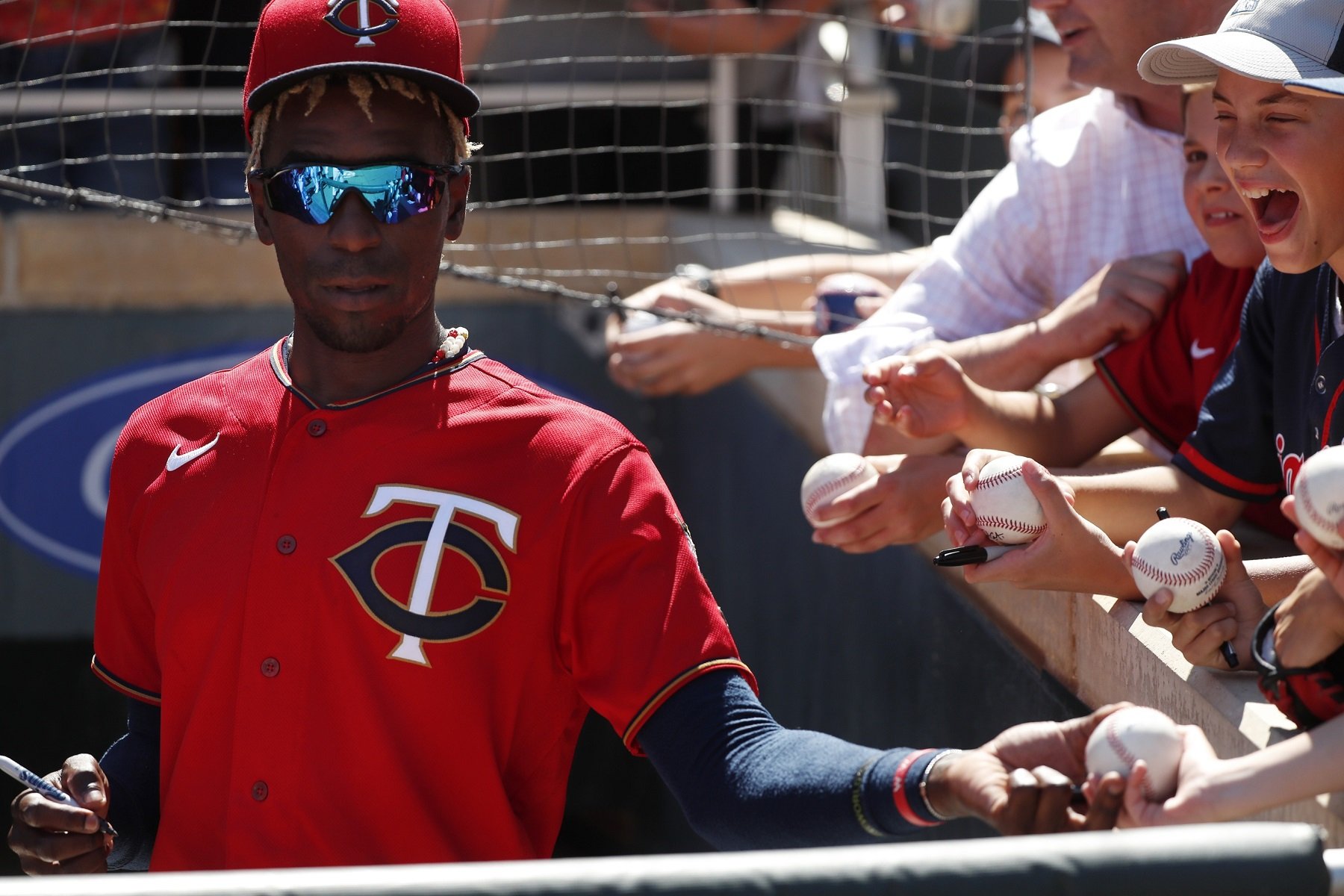 Before Tuesday’s three rain delays hit Target Field, the Twins announced an attendance of 37,183 fans. Wednesday’s series finale drew 38,802 fans, the team’s first sellout of the year. Wednesday’s game was also the largest crowd at Target Field since September 21, 2019, when the Bomba Squad Twins played the Kansas City Royals in front of 37,750 fans. While some Twins games this season have drawn decent crowds, especially on Prince Night and the Yankees series in June, the sheer number of fans at the Twins-Brewers games was a bit of a foreign but welcome sight. The Twins have somewhat struggled to draw fans to the ballpark this season despite the solid on-the-field performance, bargain ticket deals, and their perch atop the AL Central standings. Through 44 home games, the Twins were ranked 20th out of 30 teams in attendance, with an average of 21,134 fans per game. Attendance was no issue this week. For the first time this season or even in recent memory, the lower level concourse was wall-to-wall fans, there was hardly any street or surface lot parking to be found around the stadium, concession stands were running out of Dollar Dogs, and fans occupied nearly every stadium seat. Though Twins fans certainly showed up for this series, give credit where it is due: Brewers fans travel remarkably well. At times, Target Field sounded like Miller Park, with “Let’s go Brew Crew!” chants thundering through the stadium and echoing off Target Field’s roof (Twins fans largely answered these chants back with boos). The stadium exploded with cheers with each Brewers hit. The large "Brew Crew" presence was especially felt late in the game on Tuesday, the triple rain delay night, when the hardy, mostly-Brewers crowd packed into the lower level for the remaining few innings of the game. The Twins also have their youngest fans to thank for the series blockbuster attendance: the upper deck during Wednesday's day game was almost completely youth summer camps wearing matching t-shirts. Their collective "Let's go Twins!" chants were both impressively loud and adorable. So why is the Brewers-Twins series the biggest of the year? For many Brewers fans, Target Field is a closer drive than Milwaukee, especially for those who live in western Wisconsin. A quick jaunt down i94 brings these fans to Twins Territory to see their favorite team play in "enemy territory." The Twins and Brewers typically only play each other twice in a season, with each team visiting the other once, so it is a somewhat uncommon, special occurrence. It also cannot be overstated how much Minnesota and Wisconsin love to compete in everything. No, it does not matter that the Twins are in the American League and the Brewers in the National League; the interstate rivalry is alive and well. With the Twins and Brewers walking away with a 1-1 series split, both fanbases left with something to feel good about. Other notes Wednesday's Twins game was MLB's Game of the Week, and KickliySports, the local artist who paints at every Twins game, was front and center. The YouTube TV crew interviewed Kickliy and showed live clips of him painting. After this weekend's Twins-White Sox series, next up for Kickliy is the 3M Open golf tournament in Blaine, where he has been given an all-access pass to paint. The weather at Tuesday's game was beyond belief. It seemed that no one in attendance had any idea it was even going to rain that evening, much less produce an apocalyptic-looking shelf cloud, high winds, and blowing rain. Fans were instructed to take shelter on the concourse, but with the strong winds blowing the rain from behind, the concourse and roof offered little respite. The concourse floor even began flooding. Apparently, there is a viral TikTok video of a Target Field Dippin' Dots cart that the wind sends flying. During the rain delay, fans crowded into stairwells, bathrooms, and anywhere else they could to wait out the elements. The experience was chaotic and unexpected, but memorable. A piece of advice for my fellow gal Twins fans: Try to not bring a purse for games you anticipate will draw huge crowds, or if you do bring one, arrive early to account for the extra time you will spend in line. Target Field has two types of security lines: a line for those with bags an "express" line for those without. For Tuesday's game, I showed up with a purse slightly before game time and did not get into the stadium until the second inning. The predominately-female purse security line stretched all the way down the light rail track, meanwhile, the express lines had no wait. I asked a Target Field employee if they could start checking purses at the empty express lines and he declined, but they eventually started doing that after I'd waited for about 20 minutes. Wednesday I learned from my mistakes and left my purse at home, and I breezed through the security line in less than a minute. It's been a while since I've been to a packed Target Field; even Opening Day this season did not at all compare to the attendance of these two games, so going forward, I'll try to leave my purse at home for massive games like this one, weekend games, and playoff games. Weekday games draw smaller crowds, so the lines will be less of an issue. Some of these small inconveniences (like tougher parking, lines for the concessions, and a crowded concourse) come along with having a great team that draws big crowds, but if that's the price I have to pay for a successful team, I'll take it. Were you at the Twins-Brewers series? What was your experience like from being at the stadium? Let us know in the comments below.
 -
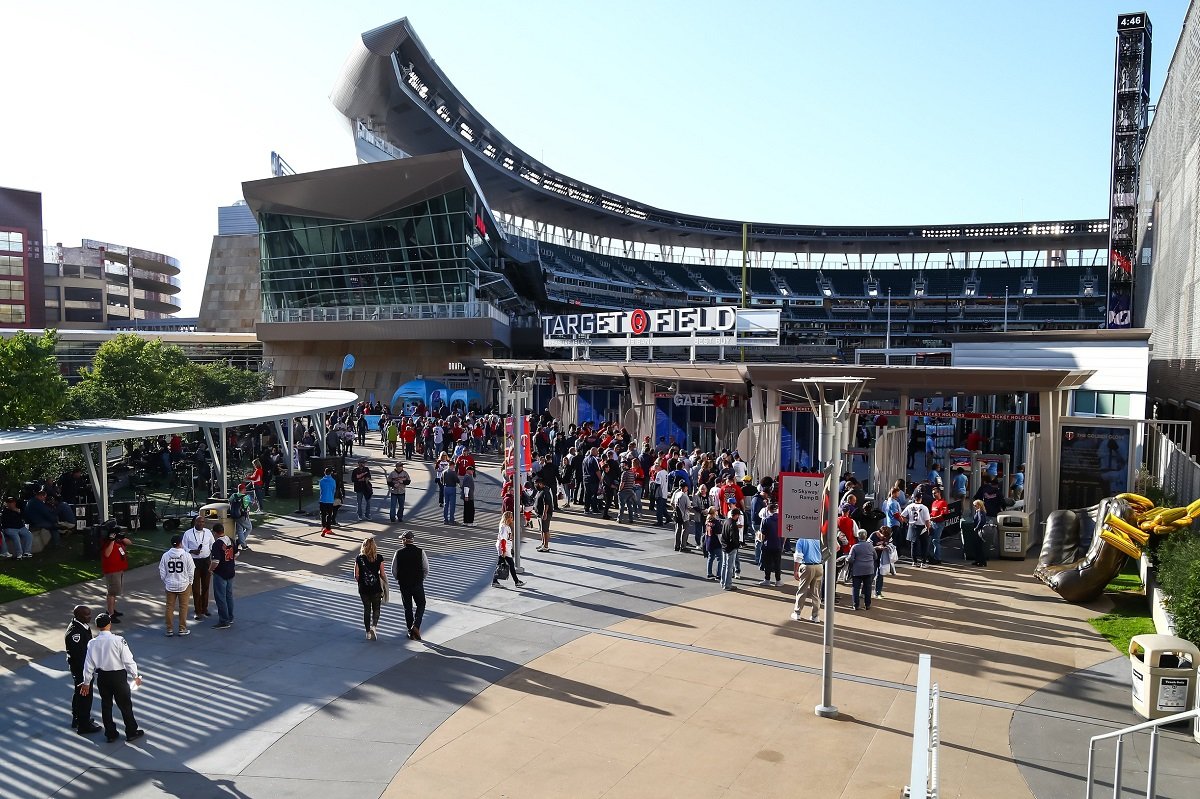 On August 4, following the Twins' 6:40 p.m. game vs. the Toronto Blue Jays, country music star Cole Swindell will be performing a full-length 75-minute concert for fans. The concert will begin about 15 minutes after the last pitch. Fans with a ticket to the game can stick around for the concert for free, or those wanting to get even closer to the action can buy a special ticket package that includes a Cole Swindell baseball cap, a ticket to the game, and a field access pass for the concert. All other fans will watch the concert from the stadium seats. “Twins baseball and country music on a summer evening at Target Field is a fantastic combination,” Twins President Dave St. Peter said in a statement. Swindell is not a newcomer to Target Field. He previously opened for country music superstar Kenny Chesney at his 2015 Target Field concert. Two of Swindell’s top hits include the songs “Chillin’ It” and “You Should Be Here.” His most recent album, “Stereotype,” debuted in April. Those unable to make it to the concert aren’t totally out of luck for postgame shows- the Twins and St Paul Saints each host Fireworks Friday shows following every Friday home game during the summer.
- 4 comments
-
- 1
-
-
- target field
- cole swindell
- (and 1 more)
-
In its 13-year history, Target Field has hosted various events, from subzero hockey games to college football games and even weddings. Though Target Field has held 17 different concerts or music festivals, they have all occurred during Twins road trips or MLB offseason. This summer, for the first time, the Twins will be hosting a postgame concert, and it will be free for game-attending fans to watch. On August 4, following the Twins' 6:40 p.m. game vs. the Toronto Blue Jays, country music star Cole Swindell will be performing a full-length 75-minute concert for fans. The concert will begin about 15 minutes after the last pitch. Fans with a ticket to the game can stick around for the concert for free, or those wanting to get even closer to the action can buy a special ticket package that includes a Cole Swindell baseball cap, a ticket to the game, and a field access pass for the concert. All other fans will watch the concert from the stadium seats. “Twins baseball and country music on a summer evening at Target Field is a fantastic combination,” Twins President Dave St. Peter said in a statement. Swindell is not a newcomer to Target Field. He previously opened for country music superstar Kenny Chesney at his 2015 Target Field concert. Two of Swindell’s top hits include the songs “Chillin’ It” and “You Should Be Here.” His most recent album, “Stereotype,” debuted in April. Those unable to make it to the concert aren’t totally out of luck for postgame shows- the Twins and St Paul Saints each host Fireworks Friday shows following every Friday home game during the summer. View full article
.jpg.fa49b3852366bd85bb38915acc55be5e.jpg)
.jpg.3964471597f02fc1421ff3fadff5282d.jpg)
.jpg.05c32fca13cc2aafbe8fafab192dfbac.jpg)
