



Seth Stohs
-
Posts
25,870 -
Joined
-
Last visited
-
Days Won
109
Content Type
Profiles
News
Minnesota Twins Videos
2026 Minnesota Twins Top Prospects Ranking
2022 Minnesota Twins Draft Picks
Minnesota Twins Free Agent & Trade Rumors, Notes, & Tidbits
Guides & Resources
2023 Minnesota Twins Draft Picks
The Minnesota Twins Players Project
2024 Minnesota Twins Draft Picks
2025 Minnesota Twins Draft Pick Tracker
2026 Minnesota Twins Draft Tracker: Picks & Bonuses
Forums
Blogs
Events
Store
Downloads
Gallery
Everything posted by Seth Stohs
-
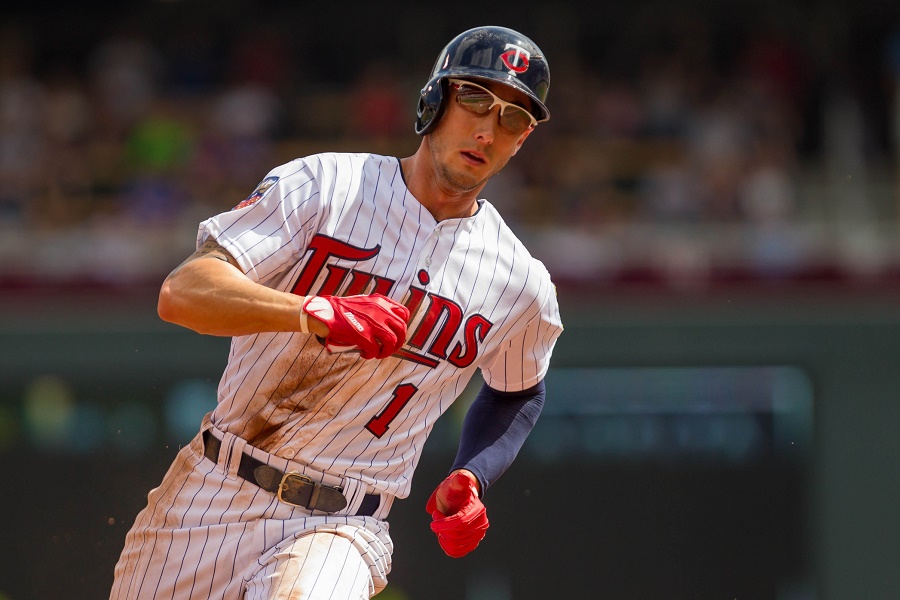 MINNESOTA TWINS – JORDAN SCHAFER Once a top prospect in all of baseball, Jordan Schafer has been through some personal demons. However, he got another chance with the Braves in 2013 and became a solid fourth outfielder. He began 2014 with the Braves. However, through the midway point in the season, he had just 93 plate appearances in 63 games played. He was basically just a late-innings defensive replacement and pinch runner. It would be difficult for anyone to put up decent numbers with that infrequent playing time. The Braves designated Schafer for assignment. The Twins had just traded outfielder Sam Fuld at the trade deadline and wanted another outfielder. Schafer fits the Sam Fuld mold, probably a fourth outfielder, but capable of starting for a period of time too. In the season’s final two months, he played most every day. In 41 games (and 147 plate appearances), he hit .285/.345/.362 (.707) with 30 stolen bases. Did playing every day allow him to play well, or should we only note that in his 1,398 total big league plate appearances, he has a .229/.311/.310 (.621) slash line? The reality is that it’s probably somewhere in the middle. Schafer is a different person, more mature and more experienced at age 28 than when he first came to the big leagues. What he did as a 23- or 24- or 25- year-old isn’t necessarily what he is today. And yes, playing every day should be better for him (or most anyone) than playing in one of two games and maybe getting four or five plate appearances each week. Our Twins Daily writers make their predictions: Seth – .268/.324/.351 (.675) with 16 doubles and 4 HR. Nick – .250/.315/.340 (.655) with 15 doubles and 3 HR. Parker – .260/.330/.350 (.690) with 10 doubles and 1 HR John – .250/.330/.340 (.690) with 18 doubles and 2 HR (and 30+ SB). AL CENTRAL CENTER FIELDERS Opponent – Player – 2015 Age – 2014 Statistics Chicago – Adam Eaton – 26 - .300/.362/.401 (.763) with 26 doubles, 1-HR Cleveland – Michael Bourn – 32 - .257/.314/.360 (.674) with 17 doubles, 3-HR Detroit – Anthony Gose – 24 - .226/.311/.293 (.604) with 8 doubles, 2-HR Kansas City – Lorenzo Cain – 29 - .301/.339/.412 (.751) with 29 doubles, 5-HR AL CENTRAL CENTER FIELD RANKINGS #1 – Adam Eaton - Chicago #2 – Lorenzo Cain – Kansas City #3 – Michael Bourn – Cleveland #4 – Jordan Schafer – Minnesota #5 – Anthony Gose – Detroit NOW IT’S YOUR TURN Give it a little thought and then go to the comments section below and post two things. First, make your statistical projection for Jordan in 2015. Second, how would you rank the AL Central center fielders? Then discuss your thoughts with the rest of the Twins Daily community on the Twins center field position. How will it play out throughout the season? Check back throughout this next week as we’ll do these same things for each of the positions. PREVIOUS PREDICTIONS AND RANKINGS Kurt Suzuki Joe Mauer Brian Dozier Trevor Plouffe Danny Santana Oswaldo Arcia
 -

Article: 2015 Projections and Rankings: Oswaldo Arcia
Seth Stohs replied to Seth Stohs's topic in Twins Daily Front Page News
It wasn't scientific, but it played a factor in the rankings, I guess. -
In the last few days, we reviewed and made predictions about the 2015 seasons of the Twins infielders. Today, we will be posting our projections and rankings of the Twins outfielders. Oswaldo Arcia is moving over to left field and his ability to take a step forward in his career is one of the keys to the Twins 2015 season.MINNESOTA TWINS – OSWALDO ARCIA Oswaldo Arcia sped through the Twins minor league system and made his major league debut at age 21 in early 2013. He hit 17 doubles and 14 home runs in that rookie season in just 97 games. In 2014, he played in just 103 games. He hit .231/.300/.452 (.752) with 16 doubles, 20 home runs and 57 RBI. So, what are those things that will determine whether or not Oswaldo Arcia can take a step forward in his career in 2015? He will need to make more contact. He struck out 127 times in 410 plate appearances. He’ll need to be able to control the strike zone better as he walked just 31 times. He hit right-handed pitching to the tune of an .848 OPS. However, against southpaws, he hit just .198/.261/.313 (.574). Of course, defense will also be a struggle for Arcia. He won’t have a ton of range, but more important, will he be able to take better routes than he did in right field last year? If he can show better plate discipline and make more contact, Arcia has all the potential in the world. He has 30-homer potential and will be able to drive in a lot of runs. If he doesn’t make a couple of adjustments, we could see Eddie Rosario getting his first opportunity with the Twins. Our Twins Daily writers made their predictions: Seth – .255/.312/.485 (.797) with 23 doubles and 27 HR. Nick – .265/.325/.515 (.840) with 25 doubles and 35 HR Parker – .250/.310/.470 (.780) with 20 doubles and 25 HR John – ..220/.290/.400 (.690) with 15 doubles and 12 HR AL CENTRAL LEFT FIELDERS Opponent – Player – 2015 Age – 2014 Statistics Chicago – Melky Cabrera – 30 - .301/.351/.458 (.808) with 35 doubles, 16-HR Cleveland – Michael Brantley – 28 - .327/.385/.506 (.890) with 45 doubles, 20-HR Detroit – Yoenis Cespedes – 29 - .260/.301/.450 (.751) with 36 doubles, 22-HR Kansas City – Alex Gordon – 31 - .266/.351/.432 (.783) with 34 doubles, 19-HR AL CENTRAL LEFT FIELD RANKINGS #1 – Alex Gordon – Kansas City #2 – Michael Brantley – Cleveland #3 – Melky Cabrera – Chicago #4 – Yoenis Cespedes – Detroit #5 – Oswaldo Arcia – Minnesota NOW IT’S YOUR TURN Give it a little thought and then go to the comments section below and post two things. First, make your statistical projection for Oswaldo Arcia in 2015. Second, how would you rank the AL Central left fielders? Then discuss your thoughts with the rest of the Twins Daily community. Check back throughout this next week as we’ll do these same things for each of the positions. PREVIOUS PREDICTIONS, PROJECTIONS AND RANKINGS Kurt Suzuki Joe Mauer Brian Dozier Trevor Plouffe Danny Santana Click here to view the article
-
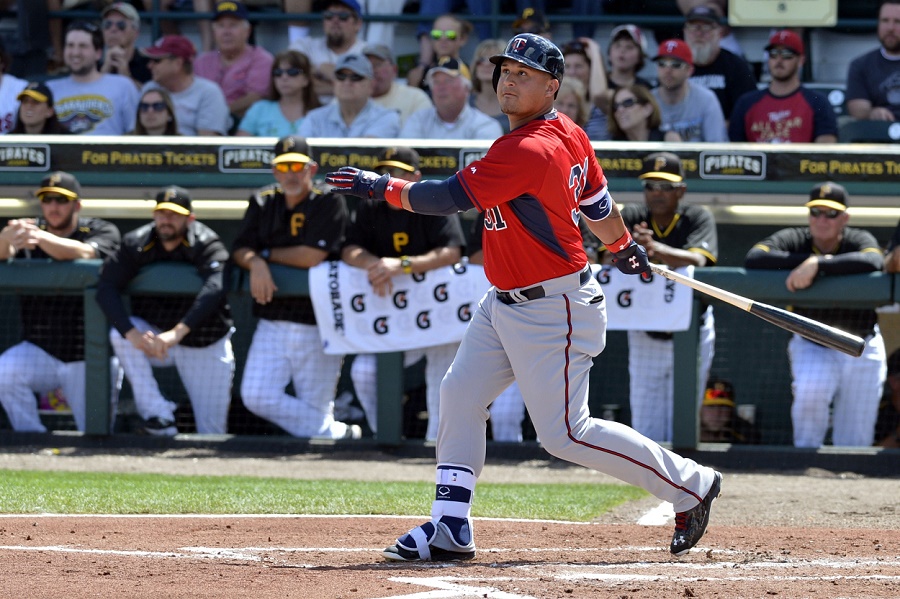 MINNESOTA TWINS – OSWALDO ARCIA Oswaldo Arcia sped through the Twins minor league system and made his major league debut at age 21 in early 2013. He hit 17 doubles and 14 home runs in that rookie season in just 97 games. In 2014, he played in just 103 games. He hit .231/.300/.452 (.752) with 16 doubles, 20 home runs and 57 RBI. So, what are those things that will determine whether or not Oswaldo Arcia can take a step forward in his career in 2015? He will need to make more contact. He struck out 127 times in 410 plate appearances. He’ll need to be able to control the strike zone better as he walked just 31 times. He hit right-handed pitching to the tune of an .848 OPS. However, against southpaws, he hit just .198/.261/.313 (.574). Of course, defense will also be a struggle for Arcia. He won’t have a ton of range, but more important, will he be able to take better routes than he did in right field last year? If he can show better plate discipline and make more contact, Arcia has all the potential in the world. He has 30-homer potential and will be able to drive in a lot of runs. If he doesn’t make a couple of adjustments, we could see Eddie Rosario getting his first opportunity with the Twins. Our Twins Daily writers made their predictions: Seth – .255/.312/.485 (.797) with 23 doubles and 27 HR. Nick – .265/.325/.515 (.840) with 25 doubles and 35 HR Parker – .250/.310/.470 (.780) with 20 doubles and 25 HR John – ..220/.290/.400 (.690) with 15 doubles and 12 HR AL CENTRAL LEFT FIELDERS Opponent – Player – 2015 Age – 2014 Statistics Chicago – Melky Cabrera – 30 - .301/.351/.458 (.808) with 35 doubles, 16-HR Cleveland – Michael Brantley – 28 - .327/.385/.506 (.890) with 45 doubles, 20-HR Detroit – Yoenis Cespedes – 29 - .260/.301/.450 (.751) with 36 doubles, 22-HR Kansas City – Alex Gordon – 31 - .266/.351/.432 (.783) with 34 doubles, 19-HR AL CENTRAL LEFT FIELD RANKINGS #1 – Alex Gordon – Kansas City #2 – Michael Brantley – Cleveland #3 – Melky Cabrera – Chicago #4 – Yoenis Cespedes – Detroit #5 – Oswaldo Arcia – Minnesota NOW IT’S YOUR TURN Give it a little thought and then go to the comments section below and post two things. First, make your statistical projection for Oswaldo Arcia in 2015. Second, how would you rank the AL Central left fielders? Then discuss your thoughts with the rest of the Twins Daily community. Check back throughout this next week as we’ll do these same things for each of the positions. PREVIOUS PREDICTIONS, PROJECTIONS AND RANKINGS Kurt Suzuki Joe Mauer Brian Dozier Trevor Plouffe Danny Santana
 -
Today we complete our projections, predictions and rankings for the Minnesota Twins infield by considering shortstop Danny Santana. My sense is that Santana might be the most polarizing in the series. We all know his 2014 rookie season with the Twins surpassed anything he had done in his seven minor league seasons, and he did it at a new position. What is in store for him in 2015?MINNESOTA TWINS – DANNY SANTANA Coming into 2014, Danny Santana had a lot to prove. He was an easy choice to be added to the Twins 40-man roster following 2013, but his shortstop defense was more than shaky. He has great speed and range and a very strong arm, but struggled most with routine plays. Offensively, his speed helps him to hit for average and he has extra base pop. However, he seemingly has an allergy to walking. So, in early May, shortly after he was a surprise call up to the Twins (he had played just 24 games in AAA), he found himself playing, and learning, centerfield. Before long, he was the Twins new starting centerfielder. Not only did he represent himself well in the field, he put up better offensive numbers with the Twins than he had at any level of the minor leagues. Although he didn’t walk much, he showed a good ability to take quality at-bats, swinging at strikes. He even showed surprising power. In 2015, he is being moved back to shortstop, where he remains a question mark defensively. Many also wonder whether he’ll be able to put up numbers anywhere near what he did as a rookie. Can he hit for average? Will he learn to take a few more walks? Can he maintain the power he showed in 2014? I have a feeling that the projections regarding Santana will be as polarizing as any Twins player. So, here are the projections of our Twins Daily writers: Seth – .284/.317/.423 (.740) with 38 doubles and 6 HR. Nick – .260/.300/.380 (.680) with 30 doubles and 5 HR. Parker – .270/.320/.400 (.720) with 32 doubles and 10 HR. John – .273/.319/.381 (.700) with 30 doubles and 6 HR AL CENTRAL SHORTSTOP Opponent – Player – 2015 Age – 2014 Statistics Chicago – Alexei Ramirez – 33 - .273/.305/.408 (.713) with 35 doubles, 15-HR Cleveland – Jose Ramirez – 22 - .262/.300/.346 (.646) with 10 doubles, 2-HR Detroit – Jose Iglesias – 25 - .303/.349/.386 (.735) with 16 doubles, 3-HR (2013 stats, missed 2014) Kansas City – Alcides Escobar – 28 - .285/.317/.377 (.694) with 34 doubles, 3-HR AL CENTRAL SHORTSTOP RANKINGS #1 – Alcides Escobar – Kansas City #2 – Danny Santana – Minnesota #3 – Alexei Ramirez – Chicago #4 – Jose Ramirez – Cleveland #5 – Jose Iglesius - Detroit NOW IT’S YOUR TURN Give it some thought and then go to the comments section below and post two things. First, make your statistical projection for Danny Santana in 2015. Second, how would you rank the AL Central shortstop? Of course, then discuss with the rest of the Twins Daily community. Finally, check back throughout this next week as we’ll do these same things for each of the positions. PREVIOUS PREDICTIONS, PROJECTIONS AND RANKINGS Kurt Suzuki Joe Mauer Brian Dozier Trevor Plouffe Click here to view the article
-
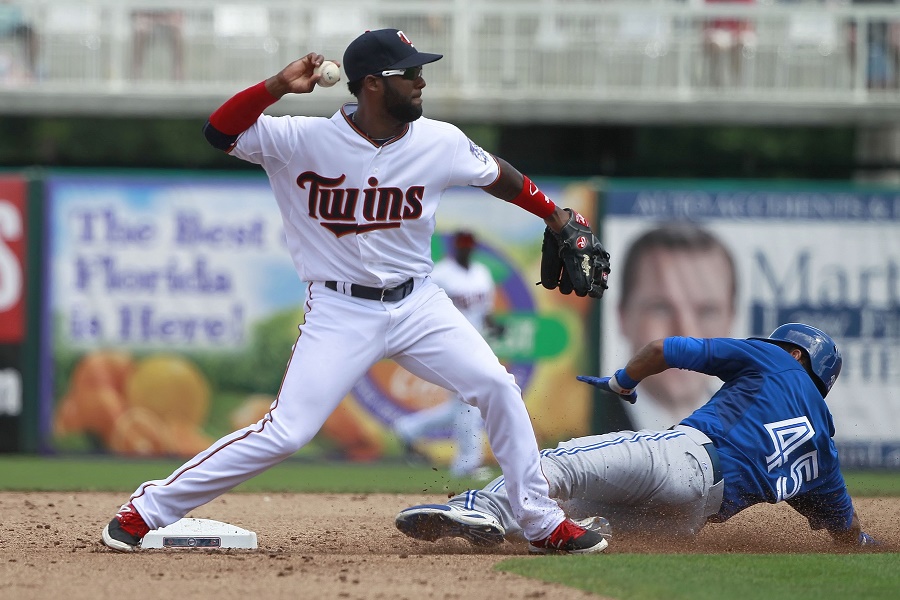 MINNESOTA TWINS – DANNY SANTANA Coming into 2014, Danny Santana had a lot to prove. He was an easy choice to be added to the Twins 40-man roster following 2013, but his shortstop defense was more than shaky. He has great speed and range and a very strong arm, but struggled most with routine plays. Offensively, his speed helps him to hit for average and he has extra base pop. However, he seemingly has an allergy to walking. So, in early May, shortly after he was a surprise call up to the Twins (he had played just 24 games in AAA), he found himself playing, and learning, centerfield. Before long, he was the Twins new starting centerfielder. Not only did he represent himself well in the field, he put up better offensive numbers with the Twins than he had at any level of the minor leagues. Although he didn’t walk much, he showed a good ability to take quality at-bats, swinging at strikes. He even showed surprising power. In 2015, he is being moved back to shortstop, where he remains a question mark defensively. Many also wonder whether he’ll be able to put up numbers anywhere near what he did as a rookie. Can he hit for average? Will he learn to take a few more walks? Can he maintain the power he showed in 2014? I have a feeling that the projections regarding Santana will be as polarizing as any Twins player. So, here are the projections of our Twins Daily writers: Seth – .284/.317/.423 (.740) with 38 doubles and 6 HR. Nick – .260/.300/.380 (.680) with 30 doubles and 5 HR. Parker – .270/.320/.400 (.720) with 32 doubles and 10 HR. John – .273/.319/.381 (.700) with 30 doubles and 6 HR AL CENTRAL SHORTSTOP Opponent – Player – 2015 Age – 2014 Statistics Chicago – Alexei Ramirez – 33 - .273/.305/.408 (.713) with 35 doubles, 15-HR Cleveland – Jose Ramirez – 22 - .262/.300/.346 (.646) with 10 doubles, 2-HR Detroit – Jose Iglesias – 25 - .303/.349/.386 (.735) with 16 doubles, 3-HR (2013 stats, missed 2014) Kansas City – Alcides Escobar – 28 - .285/.317/.377 (.694) with 34 doubles, 3-HR AL CENTRAL SHORTSTOP RANKINGS #1 – Alcides Escobar – Kansas City #2 – Danny Santana – Minnesota #3 – Alexei Ramirez – Chicago #4 – Jose Ramirez – Cleveland #5 – Jose Iglesius - Detroit NOW IT’S YOUR TURN Give it some thought and then go to the comments section below and post two things. First, make your statistical projection for Danny Santana in 2015. Second, how would you rank the AL Central shortstop? Of course, then discuss with the rest of the Twins Daily community. Finally, check back throughout this next week as we’ll do these same things for each of the positions. PREVIOUS PREDICTIONS, PROJECTIONS AND RANKINGS Kurt Suzuki Joe Mauer Brian Dozier Trevor Plouffe
 -
Article: Get To Know 'Em: Zaino Henriquez
Seth Stohs replied to Jeremy Nygaard's topic in Twins Daily Front Page News
The next Andrelton Simmons or Andruw Jones would be a good thing!! -
Fair point, but we all know that if the following scenario would have played out, there are some that would have complained either way. If the Twins went with Eddie Rosario, they would have been upset saying they didn't learn from the Aaron Hicks situation. And, since the Twins didn't go with Rosario, they will say that they are being too slow.
- 33 replies
-
- 1
-

-
- aaron gleeman
- alex meyer
- (and 3 more)
-
Well, it is a business, and they do need to sell hope and optimism in spring training. Even if there are those that choose to be negative regardless of the situation, not matter what. I think they do have a lot more talent. I predicted 73 wins for the Twins a couple of nights ago, and I think 76-77 is realistic. But I do think the division is tough.
-
I would agree. I think that Molitor and Ryan would agree. I think Milone was the decision coming into camp (and that was who I had in pre-spring and during-spring roster projections), and May would have had to have been perfect this spring. His missed time is probably a bigger factor than anything else. Also, relax, man!
- 33 replies
-
- 2
-
-
- aaron gleeman
- alex meyer
- (and 3 more)
-
I could probably answer each individual question. I do agree with John in his comment that the Twins still believe in Aaron Hicks enough to think he can get better and learn in AAA. May's MLB performance last year didn't scream promotion.Meyer's BB/9 rate and tough spring don't scream promotion. Both of them have a chance to be solid in time, but do have things to work on. Guys like Schafer and Robinson are short-term stopgaps allowing those other guys (including Buxton) to continue to develop. Rosario didn't hit last year. He didn't hit this spring. I don't think anyone should make an argument that he should have made the team. What he did last year was FAR less than what Aaron Hicks did at AA before he got promoted. What can Pelfrey do that Meyer can't at this point? Throw strikes. These moves are short-term. They're about the bigger picture.
-
Where I agree more with Aaron is that spring training stats shouldn't come in to play... however, spring training performance should... In other words, it's not about the numbers, it's about the process and some other things that are more visual than the randomness of 40 at bats or 8-12 innings.
- 33 replies
-
- 1
-
-
- aaron gleeman
- alex meyer
- (and 3 more)
-
I think people can say that May should be up, thought I don't think that's an easy, obviously choice. The rest of the moves just make sense. If there are 2-5 of the young guys up by the end of June, then I'll be annoyed.
-
After discussing Kurt Suzuki, Joe Mauer and Brian Dozier on Tuesday, today we’ll consider Trevor Plouffe and the other third basemen in the American League Central. Be sure to check back later when we finish up the infield with the shortstops. As the week goes on, we will continue through this series. Next up will be the outfielders We’ll continue to make projections and compare the Twins players to the rest of the American League Central.MINNESOTA TWINS – TREVOR PLOUFFE 2014 was a big season for Trevor Plouffe. With uber-prospect Miguel Sano looming, Plouffe put together his most productive season. He set career highs in most offensive categories. As important to Plouffe and the Twins, his defense at the hot corner was markedly improved. Plouffe considers his job with the Twins to be a run producer, and his 80 RBIs led the team in that category. Unfortunately his season ended a couple of games early with a fractured left forearm. Sano is healthy again and still seems to be part of the Twins future, but unlike a year ago, it does feel as though there is a good chance that Plouffe will remain in the Twins plans as well. What kind of numbers can be expected from Plouffe in 2015? One key for him is, and has been, his health. 2015 is a big year for Trevor Plouffe on the field, but also off the field. He and his wife are excited to welcome their first child this summer. Here are the projections of our Twins Daily writers: Seth – .267/.337/.443 (.780) with 37 doubles and 19 HR. Nick – .250/.335/.410 (.745) with 25 doubles and 15 HR Parker – .260/.330/.420 (.750) with 20 doubles and 20 HR John – AL CENTRAL THIRD BASEMEN Opponent – Player – 2015 Age – 2014 Statistics Chicago – Conor Gillaspie – 27 - .282/.336/.416 (.752) with 31 doubles, 7 HR Cleveland – Lonnie Chisenhall – 26 - .280/.343/.427 (.770) with 29 doubles, 13 HR Detroit – Nick Castellanos – 23 - .259/.306/.394 (.700) with 31 doubles, 11 HR Kansas City – Mike Moustakas – 26 - .212/.271/.361 (.632) with 21 doubles, 15 HR AL CENTRAL THIRD BASEMAN RANKINGS #1 – Trevor Plouffe - Minnesota #2 – Conor Gillaspie - Chicago #3 – Lonnie Chisenhall – Cleveland #4 – Mike Moustakas – Kansas City #5 – Nick Castellanos - Detroit NOW IT’S YOUR TURN Give it some thought and then go to the comments section below and post two things. First, make your statistical projection for Trevor Plouffe in 2015. Second, how would you rank the AL Central third basemen? Of course, then discuss with the rest of the Twins Daily community. Finally, check back throughout this next week as we’ll do these same things for each of the positions. Click here to view the article
-
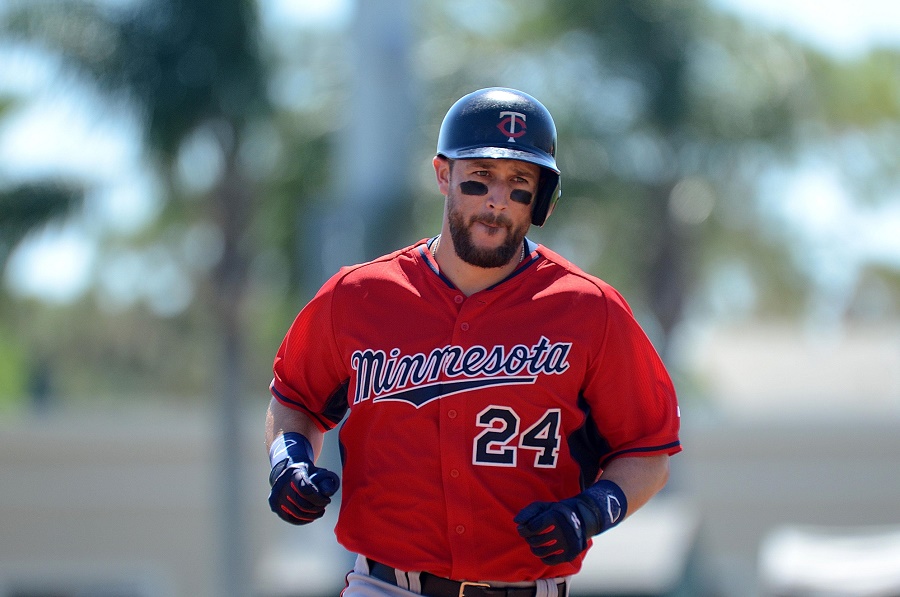 MINNESOTA TWINS – TREVOR PLOUFFE 2014 was a big season for Trevor Plouffe. With uber-prospect Miguel Sano looming, Plouffe put together his most productive season. He set career highs in most offensive categories. As important to Plouffe and the Twins, his defense at the hot corner was markedly improved. Plouffe considers his job with the Twins to be a run producer, and his 80 RBIs led the team in that category. Unfortunately his season ended a couple of games early with a fractured left forearm. Sano is healthy again and still seems to be part of the Twins future, but unlike a year ago, it does feel as though there is a good chance that Plouffe will remain in the Twins plans as well. What kind of numbers can be expected from Plouffe in 2015? One key for him is, and has been, his health. 2015 is a big year for Trevor Plouffe on the field, but also off the field. He and his wife are excited to welcome their first child this summer. Here are the projections of our Twins Daily writers: Seth – .267/.337/.443 (.780) with 37 doubles and 19 HR. Nick – .250/.335/.410 (.745) with 25 doubles and 15 HR Parker – .260/.330/.420 (.750) with 20 doubles and 20 HR John – AL CENTRAL THIRD BASEMEN Opponent – Player – 2015 Age – 2014 Statistics Chicago – Conor Gillaspie – 27 - .282/.336/.416 (.752) with 31 doubles, 7 HR Cleveland – Lonnie Chisenhall – 26 - .280/.343/.427 (.770) with 29 doubles, 13 HR Detroit – Nick Castellanos – 23 - .259/.306/.394 (.700) with 31 doubles, 11 HR Kansas City – Mike Moustakas – 26 - .212/.271/.361 (.632) with 21 doubles, 15 HR AL CENTRAL THIRD BASEMAN RANKINGS #1 – Trevor Plouffe - Minnesota #2 – Conor Gillaspie - Chicago #3 – Lonnie Chisenhall – Cleveland #4 – Mike Moustakas – Kansas City #5 – Nick Castellanos - Detroit NOW IT’S YOUR TURN Give it some thought and then go to the comments section below and post two things. First, make your statistical projection for Trevor Plouffe in 2015. Second, how would you rank the AL Central third basemen? Of course, then discuss with the rest of the Twins Daily community. Finally, check back throughout this next week as we’ll do these same things for each of the positions.
 -
Article: Get To Know: 1B Brock Peterson
Seth Stohs replied to Seth Stohs's topic in Twins Daily Front Page News
It wouldn't surprise me if he went into coaching at some level. -
Article: 2015 Projections and Rankings: Brian Dozier
Seth Stohs replied to Seth Stohs's topic in Twins Daily Front Page News
Might be the best (only?) reason to continue to bat Dozier 2nd and Mauer 3rd... Mauer's patience at the plate allows Santana and Dozier to steal more bases. -
Article: Which Righty Relievers Can Get Lefties Out?
Seth Stohs replied to Nick Nelson's topic in Twins Daily Front Page News
The Twins do have 5 starters right now that have a chance to complete 6 or even 7 innings most times out. That will help. If they can get to Duensing and Fien before Perkins, that would be helpful. Then of Boyer, Pelfrey and Stauffer, they just need one of them to become kind of a lock-down type. Maybe wishful thinking, but as mentioned above, the starters can really help the bullpen.- 19 replies
-
- 1
-
-
- casey fien
- blaine boyer
- (and 2 more)
-
Article: 2015 Projections and Rankings: Kurt Suzuki
Seth Stohs replied to Seth Stohs's topic in Twins Daily Front Page News
I'd definitely take that! The Twins would likely be thrilled with it too! -
That would be great!! The Twins do have a strong history of finding successful role players with minor league signings.
-
We’ve discussed Kurt Suzuki, Joe Mauer and the AL Central catchers and first basemen. Today, we continue to work our way around the infield with a look at Brian Dozier and the AL Central second basemen. As the week goes on, we continue through this series, reviewing the Twins roster. We’ll make some projections and compare the Twins players to the rest of the American League Central.MINNESOTA TWINS – BRIAN DOZIER Brian Dozier had a breakout season in 2014. After a frustrating debut in 2012, he struggled early in 2013 before a strong second half. In 2014, he became a more patient hitter and continued to show power. In fact, he was selected by Jose Bautista to represent the Twins and the American League in the All-Star Home Run Derby at Target Field in July. His ability to get on base, hit for power, steal bases and play very good defense - as well as his development as a team leader - made him a candidate for a contract extension. Last week, he was rewarded with a four year, $20 million contract. It will be interesting to see if Dozier is able to increase his batting average in 2015 without it affecting his on-base skills or slugging percentage. Can he take another step forward in 2015? What do you think? What are we projecting from Brian Dozier’s 2015 season? The projections of our Twins Daily writers: Seth – .277/.365/.457 (.822) with 43 doubles and 20 HR Nick – .260/.350/.420 (.770) with 35 doubles and 15 HR Parker – John – .260/.330/.410 (740) with 35 doubles and 20 HR AL CENTRAL SECOND BASEMEN Opponent – Player – 2015 Age – 2014 Statistics Chicago – Micah Johnson – 24 - .294/.351/.403 (.754) with 19 doubles, 5-HR (AA/AAA) Cleveland – Jason Kipnis – 28 - .240/.310/.330 (.640) with 25 doubles, 6-HR Detroit – Ian Kinsler – 33 - .275/.307/.420 (.727) with 40 doubles, 17-HR Kansas City – Omar Infante – 33 - .252/.295/.337 (.632) with 21 doubles, 6-HR AL CENTRAL SECOND BASEMAN RANKINGS #1 – Ian Kinsler - Detroit #2 – Brian Dozier - Minnesota #3 – Jason Kipnis – Cleveland #4 – Omar Infante – Kansas City #5 – Micah Johnson - Chicago NOW IT’S YOUR TURN Give it some thought and then go to the comments section below and post two things. First, make your statistical projection for Brian Dozier in 2015. Second, how would you rank the AL Central second basemen? Of course, then discuss with the rest of the Twins Daily community. Finally, check back throughout this next week as we’ll do these same things for each of the positions. Click here to view the article
-
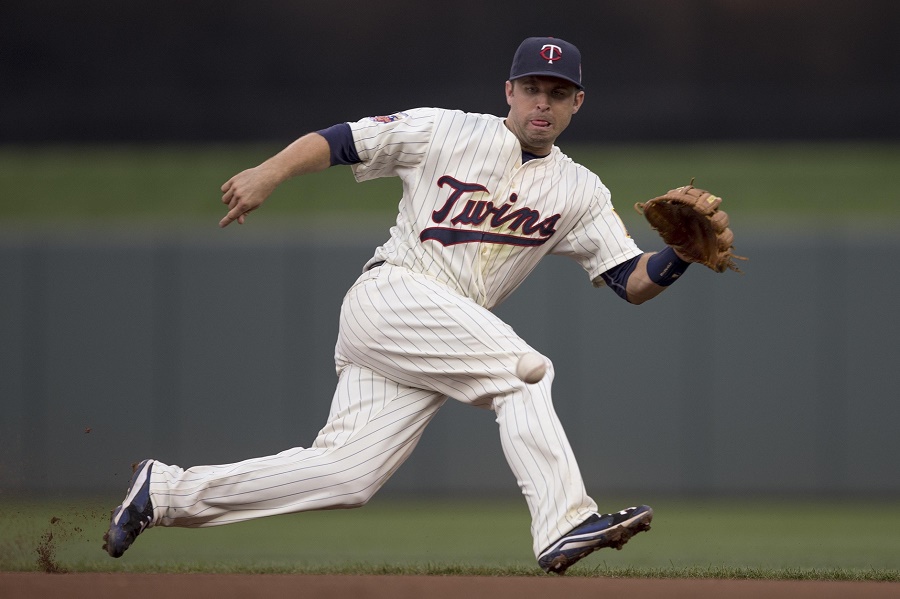 MINNESOTA TWINS – BRIAN DOZIER Brian Dozier had a breakout season in 2014. After a frustrating debut in 2012, he struggled early in 2013 before a strong second half. In 2014, he became a more patient hitter and continued to show power. In fact, he was selected by Jose Bautista to represent the Twins and the American League in the All-Star Home Run Derby at Target Field in July. His ability to get on base, hit for power, steal bases and play very good defense - as well as his development as a team leader - made him a candidate for a contract extension. Last week, he was rewarded with a four year, $20 million contract. It will be interesting to see if Dozier is able to increase his batting average in 2015 without it affecting his on-base skills or slugging percentage. Can he take another step forward in 2015? What do you think? What are we projecting from Brian Dozier’s 2015 season? The projections of our Twins Daily writers: Seth – .277/.365/.457 (.822) with 43 doubles and 20 HR Nick – .260/.350/.420 (.770) with 35 doubles and 15 HR Parker – John – .260/.330/.410 (740) with 35 doubles and 20 HR AL CENTRAL SECOND BASEMEN Opponent – Player – 2015 Age – 2014 Statistics Chicago – Micah Johnson – 24 - .294/.351/.403 (.754) with 19 doubles, 5-HR (AA/AAA) Cleveland – Jason Kipnis – 28 - .240/.310/.330 (.640) with 25 doubles, 6-HR Detroit – Ian Kinsler – 33 - .275/.307/.420 (.727) with 40 doubles, 17-HR Kansas City – Omar Infante – 33 - .252/.295/.337 (.632) with 21 doubles, 6-HR AL CENTRAL SECOND BASEMAN RANKINGS #1 – Ian Kinsler - Detroit #2 – Brian Dozier - Minnesota #3 – Jason Kipnis – Cleveland #4 – Omar Infante – Kansas City #5 – Micah Johnson - Chicago NOW IT’S YOUR TURN Give it some thought and then go to the comments section below and post two things. First, make your statistical projection for Brian Dozier in 2015. Second, how would you rank the AL Central second basemen? Of course, then discuss with the rest of the Twins Daily community. Finally, check back throughout this next week as we’ll do these same things for each of the positions.
 -
I've always thought that the changeup was the most important pitch a pitcher could throw. Velocity is nice, but if you can have a changeup that is 9-12 mph slower than your fastball, with the same arm motion, it doesn't matter if you top out at 99 or 89. Obviously control of that pitch and the fastball are also important. I like the philosophy! I would disagree that it's an easy pitch to master though. There are different grips and different movements created. It can take time.
-
Seems like a great guy. I listened to him tell his story at a postgame FCA picnic at Hammond Stadium when I was down there. His wife and two kids were there, and he definitely has his priorities in place, which is great to see. The other speakers at the event were Brian Dozier, Brian Duensing, Rod Carew and Tony Oliva.
-
Article: 2015 Projections and Rankings: Joe Mauer
Seth Stohs replied to Seth Stohs's topic in Twins Daily Front Page News
So, based on OPS, you'd agree most then with my .799 OPS prediction?
