Cody Pirkl
-
Posts
1,314 -
Joined
-
Last visited
-
Days Won
4
Content Type
Profiles
News
Minnesota Twins Videos
2026 Minnesota Twins Top Prospects Ranking
2022 Minnesota Twins Draft Picks
Minnesota Twins Free Agent & Trade Rumors, Notes, & Tidbits
Guides & Resources
2023 Minnesota Twins Draft Picks
The Minnesota Twins Players Project
2024 Minnesota Twins Draft Picks
2025 Minnesota Twins Draft Pick Tracker
2026 Minnesota Twins Draft Tracker: Picks & Bonuses
Forums
Blogs
Events
Store
Downloads
Gallery
Everything posted by Cody Pirkl
-
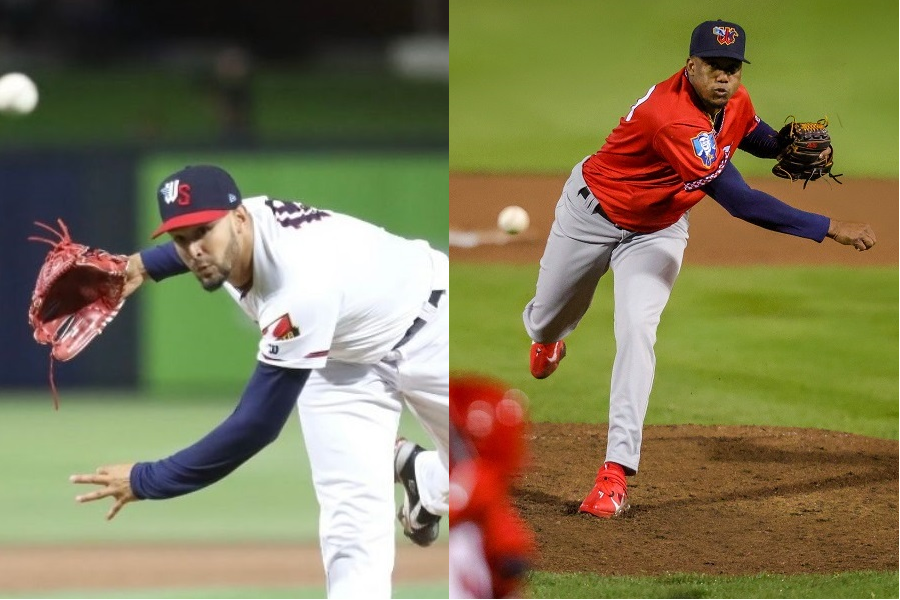 Some possible solutions to the rotation were found with the return from the Nelson Cruz trade on Thursday. Still, the front office has their work cut out for them to improve the pitching staff as a whole. More trades are surely on the way and a fair share of the available payroll will likely be spent on arms. There are three relievers at AAA however who we may see by season’s end that could put a massive patch in the sinking ship that is this pitching staff. Ian Hamilton Nick summarized just about every reason to have hope for Hamilton in one tweet. Hamilton was drafted in the 11th round in 2016 and quickly proved to be an exciting up and coming bullpen arm in the White Sox system. Unfortunately Hamilton’s career was thrown off course by two freak accidents. He struggled thereafter and eventually bounce around waiver claims before the Twins claimed him (and then successfully DFAd him) this spring. Hamilton has spent the entire season in St. Paul which is by no means an indicator of his effectiveness. Instead, it almost seems like the Twins are developing the 26-year-old as if he was a prospect as he weathers his first full season of professional baseball since 2018. This plan appears to have paid dividends, as Hamilton has posted a 34% K rate with a 0.58 HR/9 so far and has sorted out his early season walk issues. He should get a chance by season’s end to showcase his high 90s fastball at Target Field in an attempt to earn a place for 2022. Yennier Cano Signed in 2019 as an international free agent out of Cuba, Cano is a bit different than most prospects in the Twins top 30 as he’s 27 years old. Cano has moved a bit more slowly through the system than expected when he was signed, but he appears to be on the precipice of the Major Leagues after debuting at AA ball this year and getting called up to St. Paul a few weeks ago. Cano got hit around a bit in his AAA debut allowing three Earned Runs in 1 2/3 innings. He’s settled down since then, dropping his ERA to 4.50 with a 3.05 FIP. He’s struck out 28.4% of the hitters he’s faced. He has a pitch mix that profiles extremely well with a mid 90s fastball to go with a great slider and a splitter to equalize left-handed hitters. It’s honestly a bit surprising that Cano hasn’t received The Call already, but it’s easy to foresee him in Minneapolis very soon. Jovani Moran Moran was Cano’s partner in crime when it came to terrorizing opposing lineups out of the AA bullpen to start the year. Moran has long had the reputation of having nasty stuff but has struggled with control thus far in his career. After having 14% walk rates at both levels in 2019, it was encouraging even to see those numbers drop to 10% at AA to start the season. Moran is a left-handed pitcher with a low-to-mid 90s fastball, but his changeup is likely one of the best the Twins system has seen since Johan Santana as Lucas points out (tweet above). The pitch allows him not only to avoid big lefty/righty splits, but is also his go-to weapon for swings and misses. He seems to have the right idea, as he’s struck out 46% of AA hitters and 44.4% of AAA hitters thus far. His late arrival to AAA makes him a bit more questionable to debut with the Twins this season, but it’s certainly a possibility depending on how the trade deadline shakes out. Skepticism is warranted after this season, but it’s been a long time since the Twins in particular have developed arms with such high octane, can’t miss stuff. While far from a sure thing, we should get a look at at least a few of them this year. At the very least it’s a bit of excitement in what will be an inconsequential finish to 2021. At best, we just might get a glimpse into a more effective stable of arms for 2022. — Latest Twins coverage from our writers — Recent Twins discussion in our forums — Follow Twins Daily via Twitter, Facebook or email — Follow Cody Pirkl on Twitter here
- 30 comments
-
- 5
-

-
- jovani moran
- yennier cano
- (and 1 more)
-
It’s easy to feel hopeless about the Twins pitching staff and bullpen in particular after such an abysmal 2021. There may be help on the way, however. A trio of arms in St. Paul just might be worth holding out hope for 2022. Some possible solutions to the rotation were found with the return from the Nelson Cruz trade on Thursday. Still, the front office has their work cut out for them to improve the pitching staff as a whole. More trades are surely on the way and a fair share of the available payroll will likely be spent on arms. There are three relievers at AAA however who we may see by season’s end that could put a massive patch in the sinking ship that is this pitching staff. Ian Hamilton Nick summarized just about every reason to have hope for Hamilton in one tweet. Hamilton was drafted in the 11th round in 2016 and quickly proved to be an exciting up and coming bullpen arm in the White Sox system. Unfortunately Hamilton’s career was thrown off course by two freak accidents. He struggled thereafter and eventually bounce around waiver claims before the Twins claimed him (and then successfully DFAd him) this spring. Hamilton has spent the entire season in St. Paul which is by no means an indicator of his effectiveness. Instead, it almost seems like the Twins are developing the 26-year-old as if he was a prospect as he weathers his first full season of professional baseball since 2018. This plan appears to have paid dividends, as Hamilton has posted a 34% K rate with a 0.58 HR/9 so far and has sorted out his early season walk issues. He should get a chance by season’s end to showcase his high 90s fastball at Target Field in an attempt to earn a place for 2022. Yennier Cano Signed in 2019 as an international free agent out of Cuba, Cano is a bit different than most prospects in the Twins top 30 as he’s 27 years old. Cano has moved a bit more slowly through the system than expected when he was signed, but he appears to be on the precipice of the Major Leagues after debuting at AA ball this year and getting called up to St. Paul a few weeks ago. Cano got hit around a bit in his AAA debut allowing three Earned Runs in 1 2/3 innings. He’s settled down since then, dropping his ERA to 4.50 with a 3.05 FIP. He’s struck out 28.4% of the hitters he’s faced. He has a pitch mix that profiles extremely well with a mid 90s fastball to go with a great slider and a splitter to equalize left-handed hitters. It’s honestly a bit surprising that Cano hasn’t received The Call already, but it’s easy to foresee him in Minneapolis very soon. Jovani Moran Moran was Cano’s partner in crime when it came to terrorizing opposing lineups out of the AA bullpen to start the year. Moran has long had the reputation of having nasty stuff but has struggled with control thus far in his career. After having 14% walk rates at both levels in 2019, it was encouraging even to see those numbers drop to 10% at AA to start the season. Moran is a left-handed pitcher with a low-to-mid 90s fastball, but his changeup is likely one of the best the Twins system has seen since Johan Santana as Lucas points out (tweet above). The pitch allows him not only to avoid big lefty/righty splits, but is also his go-to weapon for swings and misses. He seems to have the right idea, as he’s struck out 46% of AA hitters and 44.4% of AAA hitters thus far. His late arrival to AAA makes him a bit more questionable to debut with the Twins this season, but it’s certainly a possibility depending on how the trade deadline shakes out. Skepticism is warranted after this season, but it’s been a long time since the Twins in particular have developed arms with such high octane, can’t miss stuff. While far from a sure thing, we should get a look at at least a few of them this year. At the very least it’s a bit of excitement in what will be an inconsequential finish to 2021. At best, we just might get a glimpse into a more effective stable of arms for 2022. — Latest Twins coverage from our writers — Recent Twins discussion in our forums — Follow Twins Daily via Twitter, Facebook or email — Follow Cody Pirkl on Twitter here View full article
- 30 replies
-
- 1
-
-
- jovani moran
- yennier cano
- (and 1 more)
-
Jorge Polanco looked to be on the precipice of irrelevancy through the first month or so of the 2021 season after a train wreck 2020. Once looking like a future cornerstone, the shortstop appeared to have tumbled into questionable territory. We may have been too quick to judge. In 2019, the Twins signed Jorge Polanco to a five-year $25.75 million deal with options for 2024 and 2025. Up to this point, Polanco was already well worth his team-friendly deal with his slash line of .275/.333/.434. Even coming back from an 80-game suspension for a banned substance, Polanco appeared to be a steady bat the Twins could rely on for the next five years. In 2019, however, Polanco rewarded the Twins' show of faith with more than they ever could have expected. Polanco was the starting shortstop in the All-Star Game for the American League. Polanco was a dynamic player in the best lineup in the AL and finished the season with a 120 wRC+. TwinsDaily cited Polanco as the Twins most valuable asset following the season, and for good reason. While questions lingered regarding Polanco’s long-term defense, he looked to be an offensive force for years to come. In retrospect, Polanco’s offseason ankle surgery probably shouldn’t have been taken so lightly. In a season where it became clear the Bomba Squad was a one-year deal, Polanco was simply putrid on offense. Slashing .258/.304/.354, Polanco was 20% below a league average hitter during the 2020 season. After being a lock near the top of the lineup, Polanco finished the season shoring up the bottom of the order. It was plenty easy to call the 2020 season a one off, but Polanco followed it up by actually being worse to begin 2021. Through the end of April, Polanco was hitting just .209/.267/.286. He was still regularly showing off the half-swing that indicated his ongoing ankle issues. Then came May. Since the turn of the calendar, Polanco has been even better than the All-Star version of himself. His .270/.337/.487 line was 24% above league average. His wRC+ has shot up from 53 to 105. In addition to his offensive rebound, Polanco also appears to be acclimating to his new second base role well. He’s pegged for -1 Outs Above Average per Statcast and has been worth 1 Defensive Run Saved per Fangraphs. After a bit of an adjustment period, Polanco has really appeared to settle into what will probably be the position he fills for the entirety of his Twins career. It would have been easy to say “It’s just 100 or so games” and call it a cold streak, but it was much more difficult to do so with Polanco’s years-long ankle injury. It was well in bounds to wonder at some point if Polanco was bound for a bench or platoon role which would have left the Twins looking for a future second baseman while already having to address so many issues after this season. That makes Polanco’s turnaround all the more incredible. Polanco may not be the most valuable of the Twins' assets anymore with Alex Kirilloff and Trevor Larnach looking like a formidable young duo. That being said, you can argue that Polanco has lifted himself back up to the top of the list of what many believed to be the Twins’ core headed into 2021. The Twins will need to address plenty this offseason from pitching to shortstop to center field depth. At second base, however, it appears the gamble they made two years ago on a steady hitter stretched at his shortstop position will continue paying off. — Latest Twins coverage from our writers — Recent Twins discussion in our forums — Follow Twins Daily via Twitter, Facebook or email — Follow Cody Pirkl on Twitter here View full article
-
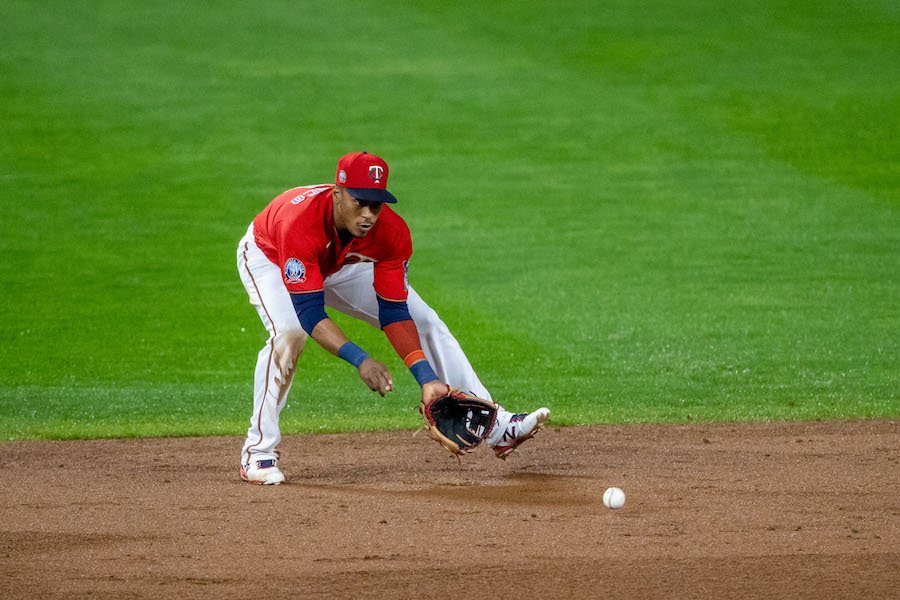 In 2019, the Twins signed Jorge Polanco to a five-year $25.75 million deal with options for 2024 and 2025. Up to this point, Polanco was already well worth his team-friendly deal with his slash line of .275/.333/.434. Even coming back from an 80-game suspension for a banned substance, Polanco appeared to be a steady bat the Twins could rely on for the next five years. In 2019, however, Polanco rewarded the Twins' show of faith with more than they ever could have expected. Polanco was the starting shortstop in the All-Star Game for the American League. Polanco was a dynamic player in the best lineup in the AL and finished the season with a 120 wRC+. TwinsDaily cited Polanco as the Twins most valuable asset following the season, and for good reason. While questions lingered regarding Polanco’s long-term defense, he looked to be an offensive force for years to come. In retrospect, Polanco’s offseason ankle surgery probably shouldn’t have been taken so lightly. In a season where it became clear the Bomba Squad was a one-year deal, Polanco was simply putrid on offense. Slashing .258/.304/.354, Polanco was 20% below a league average hitter during the 2020 season. After being a lock near the top of the lineup, Polanco finished the season shoring up the bottom of the order. It was plenty easy to call the 2020 season a one off, but Polanco followed it up by actually being worse to begin 2021. Through the end of April, Polanco was hitting just .209/.267/.286. He was still regularly showing off the half-swing that indicated his ongoing ankle issues. Then came May. Since the turn of the calendar, Polanco has been even better than the All-Star version of himself. His .270/.337/.487 line was 24% above league average. His wRC+ has shot up from 53 to 105. In addition to his offensive rebound, Polanco also appears to be acclimating to his new second base role well. He’s pegged for -1 Outs Above Average per Statcast and has been worth 1 Defensive Run Saved per Fangraphs. After a bit of an adjustment period, Polanco has really appeared to settle into what will probably be the position he fills for the entirety of his Twins career. It would have been easy to say “It’s just 100 or so games” and call it a cold streak, but it was much more difficult to do so with Polanco’s years-long ankle injury. It was well in bounds to wonder at some point if Polanco was bound for a bench or platoon role which would have left the Twins looking for a future second baseman while already having to address so many issues after this season. That makes Polanco’s turnaround all the more incredible. Polanco may not be the most valuable of the Twins' assets anymore with Alex Kirilloff and Trevor Larnach looking like a formidable young duo. That being said, you can argue that Polanco has lifted himself back up to the top of the list of what many believed to be the Twins’ core headed into 2021. The Twins will need to address plenty this offseason from pitching to shortstop to center field depth. At second base, however, it appears the gamble they made two years ago on a steady hitter stretched at his shortstop position will continue paying off. — Latest Twins coverage from our writers — Recent Twins discussion in our forums — Follow Twins Daily via Twitter, Facebook or email — Follow Cody Pirkl on Twitter here
 -
Jorge Alcala had steadily built up status after being acquired for Ryan Pressly and transitioning to the bullpen. Heading into 2021, he was expected to be one of the better relievers in the Twins bullpen. Unfortunately, it hasn’t worked out that way at all. The 6-foot-2 Jorge Alcala has fared reasonably well in his career in terms of results as he’s sporting a 3.70 ERA. Indicators don’t paint nearly as kind a picture, however, as his FIP is nearly a full run higher, signaling a bit of luck along the way. 2021 has been far from lucky as Alcala has been worth -0.4 Wins Above Replacement per Fangraphs. Despite his high-90s fastball and highly-touted slider, Alcala’s strikeout rate has dropped from 28.7% in 2020 to 22.4% in 2021 which has led to his indicators spiraling out of control. So what’s happened to the high-upside arm the Twins received in the Ryan Pressly trade? As is the case with all pitchers who come up, the league has likely put together a book on what Alcala has to offer. In his case, this includes largely a fastball-slider combo. Relievers in particular can sometimes get by with two pitches but doing so typically requires both of the pitches performing at an elite level. When it comes to Alcala, his slider is effective enough weighing in at a 2.8 pitch value per Fangraphs and garnering a 34.7% whiff rate. His fastball, however, has been a net negative on the season with a -0.6 pitch value. The pitch has allowed a 91 mph exit velocity on the 2021 season and has allowed four home runs. (five if you count what shows up as a two seamer on Baseball Savant). Fastball command seems to be a factor in Alcala’s fastball turning in negative value, as even though he’s decreased his walk rate in 2021, his heater clearly still finds the heart of the plate too often. The other factor at play is that his mistake pitches down the middle of the plate could possibly skate by more often if he had another offering. Luckily, Alcala has started showing a change up a bit more. Alcala’s used the pitch 13% of the time so far this year as he looks to add it as a regular part of his repertoire. Early returns aren’t too shabby. The pitch has only allowed a .200 batting average and .400 slugging percentage. Not only would further development of the pitch be big to throw any given batter off the trail of his struggling fastball, but it would be an equalizer against left handed hitters, who have an OPS of .839 against him on the year. 2021 has been a huge step back for Alcala as he’s had plenty of opportunity but failed to capitalize. That said, he’s still 25 years old and likely to get plenty of innings this season to build for 2022 and beyond. He's already showing some adjustments that could pay dividends with just a bit more exposure. Alcala was an arm the Twins thought of highly at the time of his acquisition, and he still has plenty of time to make good on their initial assessment. — Latest Twins coverage from our writers — Recent Twins discussion in our forums — Follow Twins Daily via Twitter, Facebook or email — Follow Cody Pirkl on Twitter here View full article
-
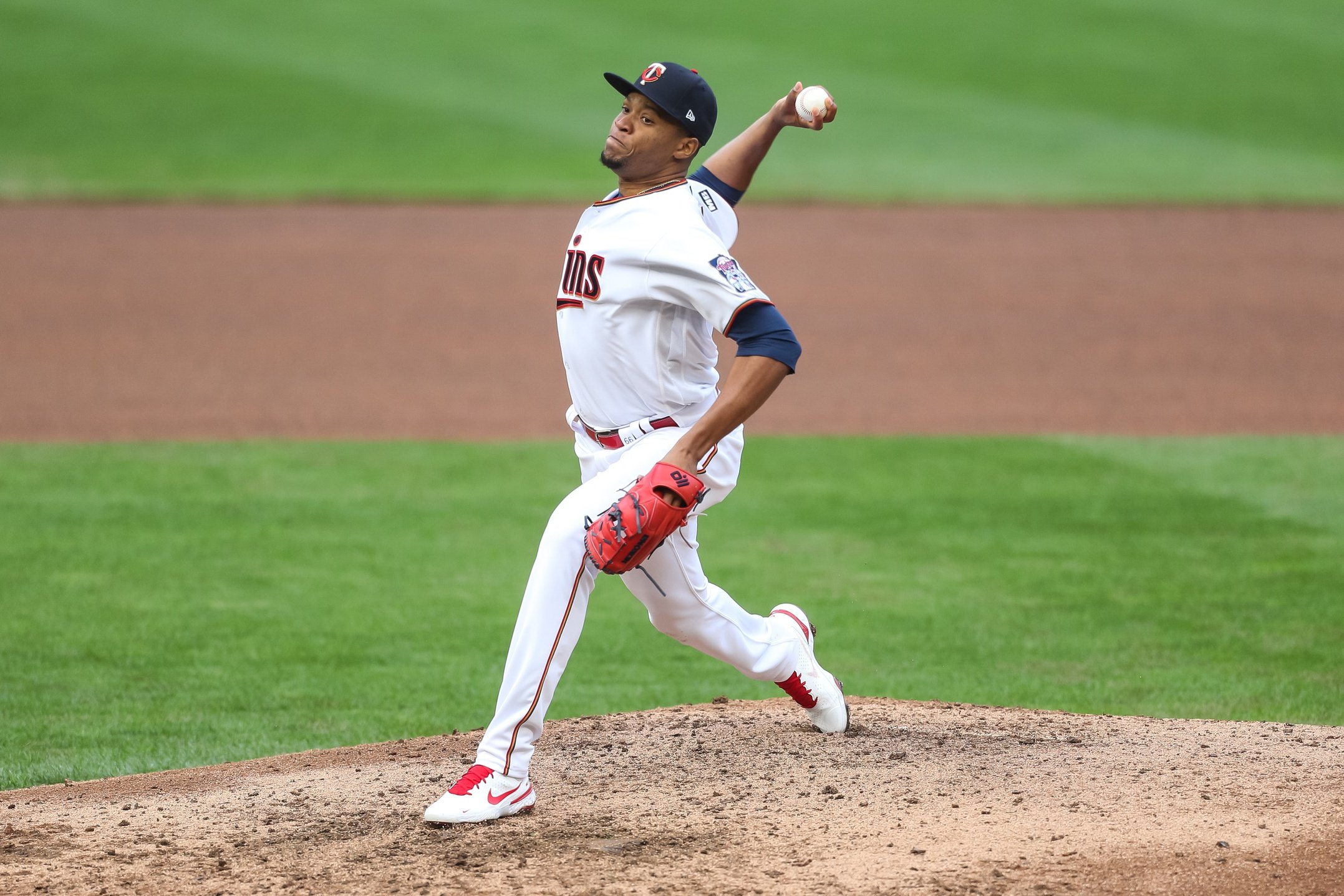 The 6-foot-2 Jorge Alcala has fared reasonably well in his career in terms of results as he’s sporting a 3.70 ERA. Indicators don’t paint nearly as kind a picture, however, as his FIP is nearly a full run higher, signaling a bit of luck along the way. 2021 has been far from lucky as Alcala has been worth -0.4 Wins Above Replacement per Fangraphs. Despite his high-90s fastball and highly-touted slider, Alcala’s strikeout rate has dropped from 28.7% in 2020 to 22.4% in 2021 which has led to his indicators spiraling out of control. So what’s happened to the high-upside arm the Twins received in the Ryan Pressly trade? As is the case with all pitchers who come up, the league has likely put together a book on what Alcala has to offer. In his case, this includes largely a fastball-slider combo. Relievers in particular can sometimes get by with two pitches but doing so typically requires both of the pitches performing at an elite level. When it comes to Alcala, his slider is effective enough weighing in at a 2.8 pitch value per Fangraphs and garnering a 34.7% whiff rate. His fastball, however, has been a net negative on the season with a -0.6 pitch value. The pitch has allowed a 91 mph exit velocity on the 2021 season and has allowed four home runs. (five if you count what shows up as a two seamer on Baseball Savant). Fastball command seems to be a factor in Alcala’s fastball turning in negative value, as even though he’s decreased his walk rate in 2021, his heater clearly still finds the heart of the plate too often. The other factor at play is that his mistake pitches down the middle of the plate could possibly skate by more often if he had another offering. Luckily, Alcala has started showing a change up a bit more. Alcala’s used the pitch 13% of the time so far this year as he looks to add it as a regular part of his repertoire. Early returns aren’t too shabby. The pitch has only allowed a .200 batting average and .400 slugging percentage. Not only would further development of the pitch be big to throw any given batter off the trail of his struggling fastball, but it would be an equalizer against left handed hitters, who have an OPS of .839 against him on the year. 2021 has been a huge step back for Alcala as he’s had plenty of opportunity but failed to capitalize. That said, he’s still 25 years old and likely to get plenty of innings this season to build for 2022 and beyond. He's already showing some adjustments that could pay dividends with just a bit more exposure. Alcala was an arm the Twins thought of highly at the time of his acquisition, and he still has plenty of time to make good on their initial assessment. — Latest Twins coverage from our writers — Recent Twins discussion in our forums — Follow Twins Daily via Twitter, Facebook or email — Follow Cody Pirkl on Twitter here
 -
Many thought Max Kepler reached a new baseline in a breakout 2019. Two disappointing years later however it’s become clear that 2019 was a mirage. The clock is ticking on the Twins right fielder. What does the future hold for Max Kepler? Kepler’s career can be split into three parts. One was his 2019 season where he led the Twins in fWAR and punished pitchers no matter their handedness. He slashed a fantastic .252/.336/.519. Unfortunately this stretch lasted all of 596 plate appearances. The other two parts are the near 2000 plate appearances of just not being anything too special surrounding that 2019. He was 7% above the league average hitter in 2020, but this was just the 2nd of his seven seasons in the MLB where he was even league average at the plate. Kepler has basically always held his own against right handed pitching, but it’s against lefties that really brings him down. In his career he’s slashed .214/.284/.359 against southpaws, 29% below league average. Also keep in mind that those numbers are significantly inflated by his one fantastic season in 2019 where he was 30% above league average against lefties. At this point we have about three years prior to that performance and plenty of data compiled since to say that Max Kepler is a terrible hitter against left handed pitching. Expecting anything other than an out every time he takes an at bat in those matchups is a mistake. So what can the Twins do with Max Kepler? He’s not a bad player but his usage everyday regardless of matchups significantly hurts his production and the team’s success. Find the Right Trade Kepler is still a good defender in the corner according to his 80th percentile rating in Outs Above Average. He’s also been 12% above league average against right handed pitching in his career. It’s entirely possible that there’s a team out there who sees these bright spots as well as his affordability and actually makes a decent offer on the trade market. Despite the amount of injuries the outfield has had this season, the Twins system as a whole has incredible depth in the corner outfield, especially of the left handed variety. On the big league club alone the Twins have Kirilloff, Larnach and Arraez. Kepler won’t bring in the haul he once would have, but finding a decent package based on what he still does well could be a great option for the Twins to try to shake up a roster that’s been incredibly disappointing. Move to a Platoon This season may be lost but the next time the Twins are looking to compete it’s really difficult to make a case that Kepler adds to those plans while he’s taking at bats against left handed pitching. They may give him the rest of the season but if they want to keep Kepler around it should come with the condition that a right handed hitting corner outfielder is brought in to platoon with him. So far Kirilloff and Larnach appear to be avoiding the biggest flaw in Kepler’s game, but the Twins are still very left handed heavy in the outfield. Bringing a right handed bat into the mix with the intention of sitting Kepler against lefties and occasionally one of the young left handers would likely be an all around better situation. I once found Kepler to be one of the most exciting players on the Twins when thinking about his future. At 28 years old however it’s become far too obvious that he’s not a future star and likely shouldn’t be thought of as one of the “core” pieces of the next great Twins team. He’s a solid player who can succeed in specific situations if you manage around his shortcomings to get him there. It’s time for big changes. Max Kepler is not an everyday difference maker in this Twins lineup, and it’s time they stop treating him that way. — Latest Twins coverage from our writers — Recent Twins discussion in our forums — Follow Twins Daily via Twitter, Facebook or email — Follow Cody Pirkl on Twitter here View full article
-
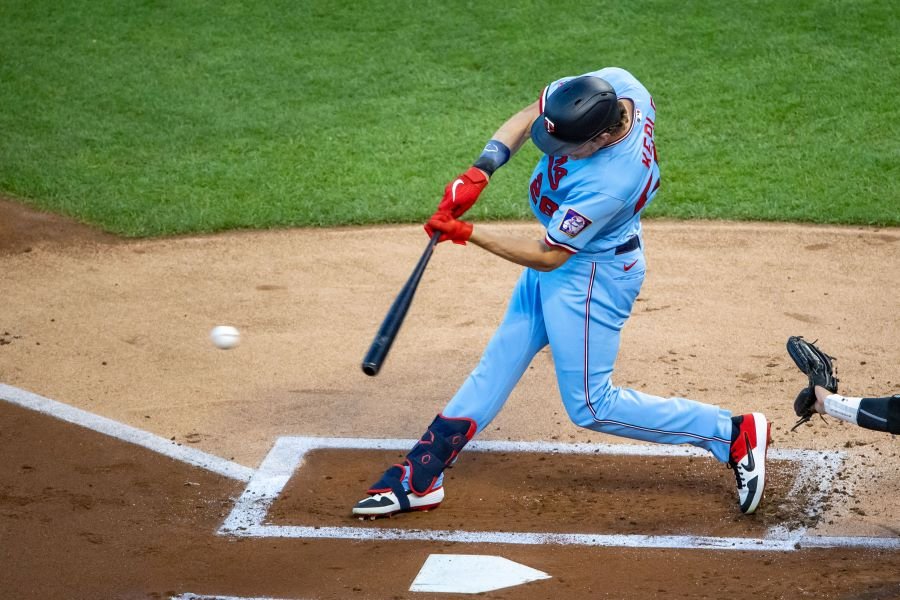 Kepler’s career can be split into three parts. One was his 2019 season where he led the Twins in fWAR and punished pitchers no matter their handedness. He slashed a fantastic .252/.336/.519. Unfortunately this stretch lasted all of 596 plate appearances. The other two parts are the near 2000 plate appearances of just not being anything too special surrounding that 2019. He was 7% above the league average hitter in 2020, but this was just the 2nd of his seven seasons in the MLB where he was even league average at the plate. Kepler has basically always held his own against right handed pitching, but it’s against lefties that really brings him down. In his career he’s slashed .214/.284/.359 against southpaws, 29% below league average. Also keep in mind that those numbers are significantly inflated by his one fantastic season in 2019 where he was 30% above league average against lefties. At this point we have about three years prior to that performance and plenty of data compiled since to say that Max Kepler is a terrible hitter against left handed pitching. Expecting anything other than an out every time he takes an at bat in those matchups is a mistake. So what can the Twins do with Max Kepler? He’s not a bad player but his usage everyday regardless of matchups significantly hurts his production and the team’s success. Find the Right Trade Kepler is still a good defender in the corner according to his 80th percentile rating in Outs Above Average. He’s also been 12% above league average against right handed pitching in his career. It’s entirely possible that there’s a team out there who sees these bright spots as well as his affordability and actually makes a decent offer on the trade market. Despite the amount of injuries the outfield has had this season, the Twins system as a whole has incredible depth in the corner outfield, especially of the left handed variety. On the big league club alone the Twins have Kirilloff, Larnach and Arraez. Kepler won’t bring in the haul he once would have, but finding a decent package based on what he still does well could be a great option for the Twins to try to shake up a roster that’s been incredibly disappointing. Move to a Platoon This season may be lost but the next time the Twins are looking to compete it’s really difficult to make a case that Kepler adds to those plans while he’s taking at bats against left handed pitching. They may give him the rest of the season but if they want to keep Kepler around it should come with the condition that a right handed hitting corner outfielder is brought in to platoon with him. So far Kirilloff and Larnach appear to be avoiding the biggest flaw in Kepler’s game, but the Twins are still very left handed heavy in the outfield. Bringing a right handed bat into the mix with the intention of sitting Kepler against lefties and occasionally one of the young left handers would likely be an all around better situation. I once found Kepler to be one of the most exciting players on the Twins when thinking about his future. At 28 years old however it’s become far too obvious that he’s not a future star and likely shouldn’t be thought of as one of the “core” pieces of the next great Twins team. He’s a solid player who can succeed in specific situations if you manage around his shortcomings to get him there. It’s time for big changes. Max Kepler is not an everyday difference maker in this Twins lineup, and it’s time they stop treating him that way. — Latest Twins coverage from our writers — Recent Twins discussion in our forums — Follow Twins Daily via Twitter, Facebook or email — Follow Cody Pirkl on Twitter here
 -
Could the Twins Trade Luis Arraez?
Cody Pirkl replied to Cody Pirkl's topic in Twins Daily Front Page News
I think it's easy to underrate how valuable Arraez is just because he is mostly one dimension. Regardless of how he gets it done he was roughly on a 3.5 win pace in '19, and '20. He probably won't eclipse that level of value because of his defense but it's hard to find a prospect of any pedigree to expect that from, especially in their first 2 seasons. -
Could the Twins Trade Luis Arraez?
Cody Pirkl replied to Cody Pirkl's topic in Twins Daily Front Page News
I agree that it'd have to be a haul with at least a top 100 prospect but I disagree that nobody would be willing to pay it. Arraez is a valuable player with a very unique skill set offensively. The only reason I think the Twins would even consider trading him is because they have a superior defensive 2B and plenty of corner options. Team could easily see him as a starting caliber 2B who can lead off everyday. That's absolutely worth a haul of prospects. -
Could the Twins Trade Luis Arraez?
Cody Pirkl replied to Cody Pirkl's topic in Twins Daily Front Page News
FWIW I don't necessarily think they should deal Arraez either. To deal Polanco would be super surprising though. They clearly don't think of Arraez as an everyday 2B otherwise Polanco would have been the one moved into a utility role because he could at least fill in at short. He's been good at 2B and rebounded at the plate. Could they get a haul for him? Probably. It'd cost them a player they already committed to and has the keys to an everyday position though which is more than we can say about Arraez. -
Selling at the trade deadline is very likely at this point as all eyes turn to the Twins front office to see how they’ll handle sell offs. People are understandably nervous to deal Berrios and Buxton, but there may be a surprising controllable piece that could be explored. Luis Arraez has been found money for the Twins system. While a solid prospect, his debut season posting a .334/.399/.439 slash line was not expected by any means. He probably takes the highest quality at bats on the team and has fantastic bat to ball skills that should always buoy a solid batting average. So why would the Twins look to trade him? https://twitter.com/CoopCarlson/status/1223675817470898176 Utilityman? Arraez essentially has no primary position at this point after Polanco took over second base. He’ll still make the occasional appearance in the middle infield but often finds himself in the corner outfield or filling in for an injured Donaldson at the hot corner. His shift off the position he played his entire minor league career has gone as well as we could have expected, although usually we don’t expect much in this scenario. Arraez is slightly below average across the board defensively. His flexibility on the diamond is valuable, though not as valuable as it could be. There’s no situation where the Twins would feel the least bit comfortable with dropping Arraez in at shortstop or center field which are two of the most valuable positions to be able to play. Corner spots are typically where you hide rough defenders and you can often find passable backups. It’s very likely somebody like Nick Gordon is nowhere near the offensive contributor that Arraez is, but his defensive range and what looks to be at least a solid bat could very well close the gap on Arraez as a future utilityman in the Twins eyes. Injury History It’s probably not crazy to say that Arraez’ defensive struggles have at least something to do with his injury history. At 24 years of age Arraez has had knee problems on both sides, one being a torn ACL and the other being tendonitis that hampered him significantly throughout 2020. Even after the issue had supposedly been resolved we still see Arraez run the bases gingerly on occasion while appearing to nurse an aching lower half. Knee injuries can often result in a brutal aging curve unfortunately, and there’s worries that a 24 year old Luis Arraez is already suffering from chronic issues. As he ages further we could see decline not only defensively, but offensively. He may be able to maintain his bat to ball skills and terrific plate discipline, but as we’ve seen this season in his .351 slugging %, if his power completely evaporates as it could with leg injuries then his value at the plate could really fall off. Arraez is due to become a free agent in 2026. Is it possible that his value could be at its peak? Should We Trade Him? As with most productive controllable players, whether we should trade Luis Arraez doesn’t have a simple yes or no answer. He’s an incredibly valuable player, and likely more valuable as a player on the Twins than a trade chip at this point due to his injuries and overall struggles this season. Still, Polanco has settled into second base nicely and appears to have rebounded at the plate. The next wave of outfielders are here with more on the way. While he would be a great stop gap for Donaldson’s IL trips, he’s probably not an everyday third baseman. Especially if he rebounds at the plate and shows he’s healthy over the next month, a contender could justify paying up for the 24 year old who’s controlled for four more years if they see him as an everyday starter. The Twins lineup would certainly miss him but he’s a player they could likely afford to lose more than Taylor Rogers or Jose Berrios while still getting a nice return that could help rebound in 2022. Arraez has become a quiet star and is surely one of my favorite players, but when teams crumble as the 2021 Twins have, all options have to be considered. Could Luis Arraez be the big move the Twins make to try to rebound from a surprisingly disappointing season? — Latest Twins coverage from our writers — Recent Twins discussion in our forums — Follow Twins Daily via Twitter, Facebook or email — Follow Cody Pirkl on Twitter here View full article
-
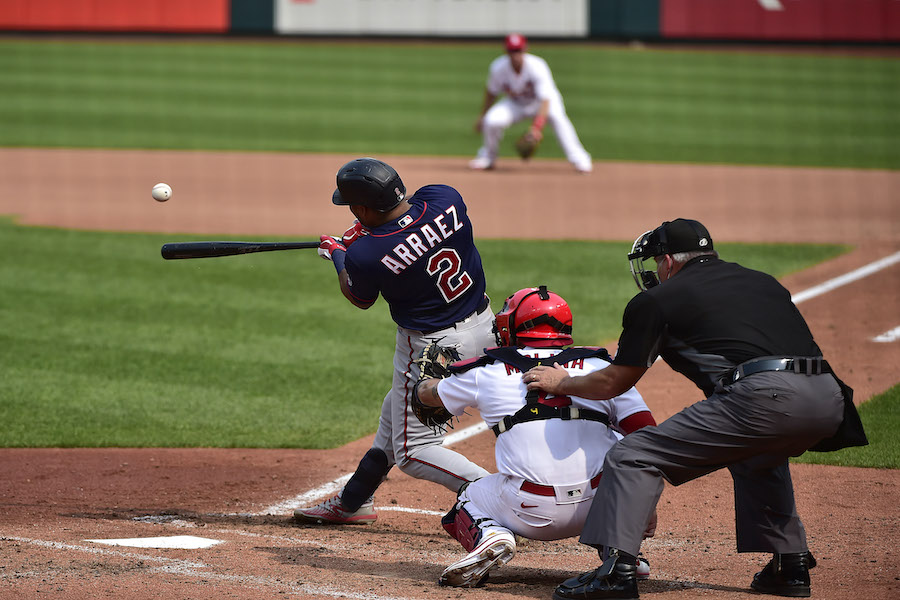 Luis Arraez has been found money for the Twins system. While a solid prospect, his debut season posting a .334/.399/.439 slash line was not expected by any means. He probably takes the highest quality at bats on the team and has fantastic bat to ball skills that should always buoy a solid batting average. So why would the Twins look to trade him? https://twitter.com/CoopCarlson/status/1223675817470898176 Utilityman? Arraez essentially has no primary position at this point after Polanco took over second base. He’ll still make the occasional appearance in the middle infield but often finds himself in the corner outfield or filling in for an injured Donaldson at the hot corner. His shift off the position he played his entire minor league career has gone as well as we could have expected, although usually we don’t expect much in this scenario. Arraez is slightly below average across the board defensively. His flexibility on the diamond is valuable, though not as valuable as it could be. There’s no situation where the Twins would feel the least bit comfortable with dropping Arraez in at shortstop or center field which are two of the most valuable positions to be able to play. Corner spots are typically where you hide rough defenders and you can often find passable backups. It’s very likely somebody like Nick Gordon is nowhere near the offensive contributor that Arraez is, but his defensive range and what looks to be at least a solid bat could very well close the gap on Arraez as a future utilityman in the Twins eyes. Injury History It’s probably not crazy to say that Arraez’ defensive struggles have at least something to do with his injury history. At 24 years of age Arraez has had knee problems on both sides, one being a torn ACL and the other being tendonitis that hampered him significantly throughout 2020. Even after the issue had supposedly been resolved we still see Arraez run the bases gingerly on occasion while appearing to nurse an aching lower half. Knee injuries can often result in a brutal aging curve unfortunately, and there’s worries that a 24 year old Luis Arraez is already suffering from chronic issues. As he ages further we could see decline not only defensively, but offensively. He may be able to maintain his bat to ball skills and terrific plate discipline, but as we’ve seen this season in his .351 slugging %, if his power completely evaporates as it could with leg injuries then his value at the plate could really fall off. Arraez is due to become a free agent in 2026. Is it possible that his value could be at its peak? Should We Trade Him? As with most productive controllable players, whether we should trade Luis Arraez doesn’t have a simple yes or no answer. He’s an incredibly valuable player, and likely more valuable as a player on the Twins than a trade chip at this point due to his injuries and overall struggles this season. Still, Polanco has settled into second base nicely and appears to have rebounded at the plate. The next wave of outfielders are here with more on the way. While he would be a great stop gap for Donaldson’s IL trips, he’s probably not an everyday third baseman. Especially if he rebounds at the plate and shows he’s healthy over the next month, a contender could justify paying up for the 24 year old who’s controlled for four more years if they see him as an everyday starter. The Twins lineup would certainly miss him but he’s a player they could likely afford to lose more than Taylor Rogers or Jose Berrios while still getting a nice return that could help rebound in 2022. Arraez has become a quiet star and is surely one of my favorite players, but when teams crumble as the 2021 Twins have, all options have to be considered. Could Luis Arraez be the big move the Twins make to try to rebound from a surprisingly disappointing season? — Latest Twins coverage from our writers — Recent Twins discussion in our forums — Follow Twins Daily via Twitter, Facebook or email — Follow Cody Pirkl on Twitter here
 -
On February 4th of this year the Twins made a relatively minor trade, cashing in some of their fringe outfield depth in LaMonte Wade Jr. for an arm they had identified as having potential in Shaun Anderson from the Giants. It couldn’t have gone more poorly. LaMonte Wade Jr. was an easy player to like. He slowly worked his way up through the minors over five years using his patient plate approach and solid outfield defense and found himself on the back end of a deep outfield rotation in 2019 and 2020. Nobody expected Wade to be a star player, but he seemed like the kind of solid contributor that fills out the edges of a competitive roster. He slashed .211/.336/.388 in a Twins uniform, played decent defense in the outfield, and even filled in at first base on occasion. It basically came down to a battle between Wade and Jake Cave for a roster spot last winter. To Cave’s and the Twins credit, he was fantastic, especially against righties prior to his disastrous 2020 season in which he was 18% below league average offensively. Cave’s prior play ultimately won him the roster spot as the Twins rightfully were planning on a rebound. Wade was eventually shipped to San Francisco for a high upside arm in Shaun Anderson. Now I like Shaun Anderson despite his struggles in a Twins uniform and I liked the trade at the time. He’s a high octane righty with a nasty slider that he struggles to locate. Plenty of adjustments that can be made. Unfortunately Anderson never figured it out in his brief time with the Twins, as he was claimed off waivers by Texas after posting a 9.35 ERA and 4.90 FIP in 8.2 innings. Meanwhile LaMonte Wade Jr. is slashing .257/.350/.443 with the Giants. No explanation is needed on Jake Cave’s performance. This wasn’t a noteworthy outcome in a vacuum, mistakes happen. I find it significant for two reasons however. First of all, this move symbolizes the entire offseason in my eyes. Was it an exciting move? No. You could make out what the Twins were trying to do however and it didn’t take much to get excited over someone they handpicked that was so under the radar. The same could be said for the signings of Robles, Happ, Shoemaker, Simmons and Colomé. Much like all of these but Robles however, it’s hard to imagine a scenario where the outcome could’ve been worse. Second, for whatever reason for all of the mistakes that were made this offseason, Shaun Anderson (who has minor league options and is 26 years old) is the first addition the front office has admitted failure on by placing him on waivers. Meanwhile J.A. Happ, Matt Shoemaker and Alexander Colomé continue to “eat innings” with absolutely zero chance of having any future on this team beyond 2021. It’s simply baffling. This move didn’t change the course of the Twins success in 2021, but it’s incredibly frustrating because it embodies the offseason perfectly. The majority of this winters acquisitions were sensible at the time but look absolutely horrible in retrospect as pretty much anything that could have gone wrong did. The result of such a string of lame duck acquisitions leaves Twins fans’ faith wavering, as all of the good will built up throughout 2019 and 2020 was undone in one fell swoop of atrocious pitching additions. The Twins will enter the 2021 offseason with ample money to spend and plenty of holes to fill. Can so many disastrous moves be chalked up to bad luck? Can Twins fans feel good about an upcoming offseason of acquisitions that will surely be relied upon to get back on track in 2022? — Latest Twins coverage from our writers — Recent Twins discussion in our forums — Follow Twins Daily via Twitter, Facebook or email — Follow Cody Pirkl on Twitter here View full article
-
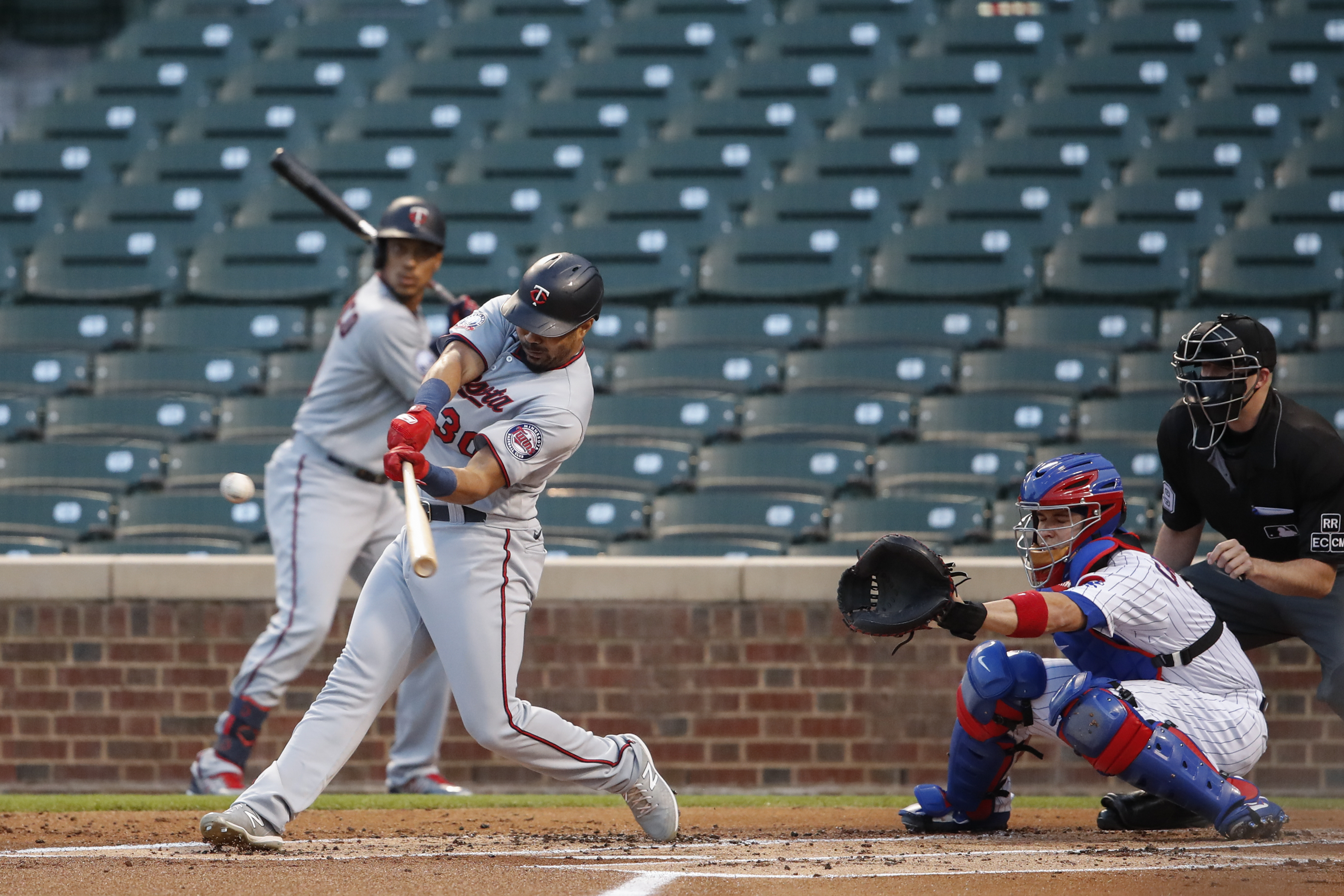 LaMonte Wade Jr. was an easy player to like. He slowly worked his way up through the minors over five years using his patient plate approach and solid outfield defense and found himself on the back end of a deep outfield rotation in 2019 and 2020. Nobody expected Wade to be a star player, but he seemed like the kind of solid contributor that fills out the edges of a competitive roster. He slashed .211/.336/.388 in a Twins uniform, played decent defense in the outfield, and even filled in at first base on occasion. It basically came down to a battle between Wade and Jake Cave for a roster spot last winter. To Cave’s and the Twins credit, he was fantastic, especially against righties prior to his disastrous 2020 season in which he was 18% below league average offensively. Cave’s prior play ultimately won him the roster spot as the Twins rightfully were planning on a rebound. Wade was eventually shipped to San Francisco for a high upside arm in Shaun Anderson. Now I like Shaun Anderson despite his struggles in a Twins uniform and I liked the trade at the time. He’s a high octane righty with a nasty slider that he struggles to locate. Plenty of adjustments that can be made. Unfortunately Anderson never figured it out in his brief time with the Twins, as he was claimed off waivers by Texas after posting a 9.35 ERA and 4.90 FIP in 8.2 innings. Meanwhile LaMonte Wade Jr. is slashing .257/.350/.443 with the Giants. No explanation is needed on Jake Cave’s performance. This wasn’t a noteworthy outcome in a vacuum, mistakes happen. I find it significant for two reasons however. First of all, this move symbolizes the entire offseason in my eyes. Was it an exciting move? No. You could make out what the Twins were trying to do however and it didn’t take much to get excited over someone they handpicked that was so under the radar. The same could be said for the signings of Robles, Happ, Shoemaker, Simmons and Colomé. Much like all of these but Robles however, it’s hard to imagine a scenario where the outcome could’ve been worse. Second, for whatever reason for all of the mistakes that were made this offseason, Shaun Anderson (who has minor league options and is 26 years old) is the first addition the front office has admitted failure on by placing him on waivers. Meanwhile J.A. Happ, Matt Shoemaker and Alexander Colomé continue to “eat innings” with absolutely zero chance of having any future on this team beyond 2021. It’s simply baffling. This move didn’t change the course of the Twins success in 2021, but it’s incredibly frustrating because it embodies the offseason perfectly. The majority of this winters acquisitions were sensible at the time but look absolutely horrible in retrospect as pretty much anything that could have gone wrong did. The result of such a string of lame duck acquisitions leaves Twins fans’ faith wavering, as all of the good will built up throughout 2019 and 2020 was undone in one fell swoop of atrocious pitching additions. The Twins will enter the 2021 offseason with ample money to spend and plenty of holes to fill. Can so many disastrous moves be chalked up to bad luck? Can Twins fans feel good about an upcoming offseason of acquisitions that will surely be relied upon to get back on track in 2022? — Latest Twins coverage from our writers — Recent Twins discussion in our forums — Follow Twins Daily via Twitter, Facebook or email — Follow Cody Pirkl on Twitter here
 -
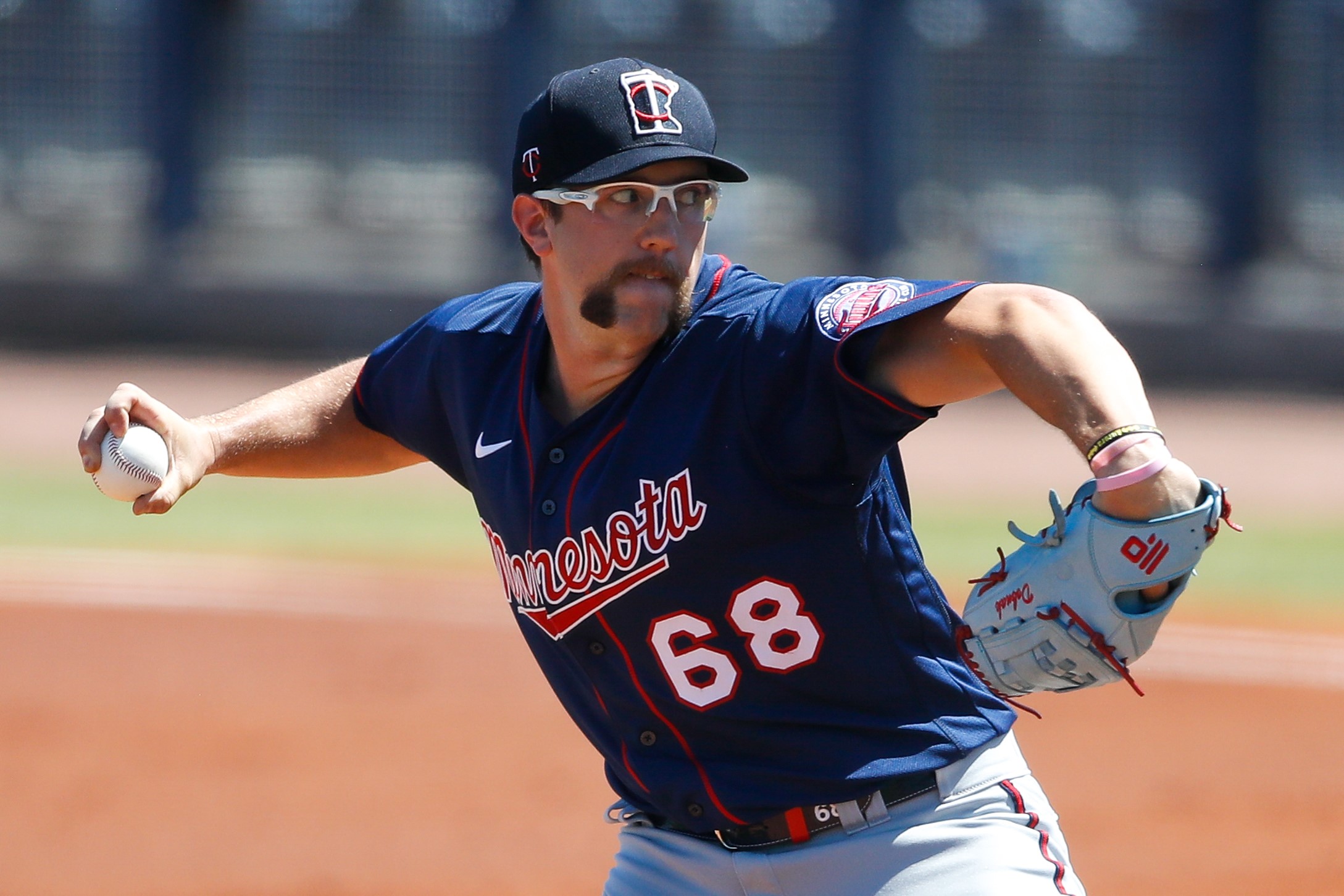 No player in baseball is immune to the league adjusting and Dobnak has proven to be no different. After posting a 1.59 ERA through 28.1 innings in his debut season, Dobnak took a bit of a tumble in 2020. He started out just as hot but eventually was optioned and finished the season with a 4.05 ERA. The league really appeared to finally figure him out as he tallied a 6.41 mark in his last 6 appearances. Since then the numbers speak for themselves. Through 36 innings this year Dobnak owns a 7.36 ERA and 7.95 FIP. He’s been worth -.4 fWAR, often allowing blowup performances that take the Twins out of the game before they even have a chance. So what happened to Randy Dobnak? Walks Will Haunt Dobnak by no means has what would be considered a walk problem by league standards. Unfortunately the bar is much higher for a pitcher with Dobnak’s skillset. In his rookie season he had a respectable 19.5% K rate and an incredible 4.2% walk rate. Unfortunately his K rate has dropped by over 6% over the last two seasons lowering his margin for error. It may not seem like much of a change, but his increase to a 6.5% walk rate since his rookie season means the tightrope Dobnak walks gets a little bit thinner. We’ve seen the “bad luck” starts from Dobnak in the past where seemingly every batted ball finds a hole. With little strikeout ability to fall back on, Dobnak relies too much on batted ball luck to really issue any free passes at all. Asking for no walks at all is a tall order, which is why the more obvious solution would be to try to increase whiffs. The Slipping Slider Dobnak and the Twins appear well aware of his dilemma which is why so much was made of his new slider grip this spring. Dobnak looked like a completely different pitcher in Spring Training by generating tons of swings and misses with the new pitch, but unfortunately those gains appear to have been short lived. Dobnak’s attempt to adjust to the league has simply turned out to be a disaster. To be fair the new slider has drawn a 4% increase in whiff rate thus far, but it’s hard to argue against the fact that the pitch is worse in pretty much every other measurable way. The path to consistent success was tough enough as a contact oriented control artist who leans heavily on two pitches. Without the slider it’s hard to see a light at the end of these struggles. So where can he go from here? These issues Dobnak has had obviously run deeper than this shallow explanation but it’ll be interesting to see what he can do to adjust. Perhaps the first step is a return to the slider that worked so well for him in his first year and a half. It was a bit surprising that the initial adjustment Dobnak made wasn’t a new pitch to add to his repertoire such as a cutter, perhaps something like this could still be in the cards for the right handed sinkerballer. One thing is for certain, Dobnak has a lot of work to do to restore faith in him as even a reliable back of the rotation starter for 2022. The Twins didn’t invest much into this extension but it certainly does run the risk of becoming a sunken cost if Dobnak can’t right the ship. Much like the Twins as a whole this year, Randy Dobnak is dealing with significant adversity. Can he overcome it? — Latest Twins coverage from our writers — Recent Twins discussion in our forums — Follow Twins Daily via Twitter, Facebook or email — Follow Cody Pirkl on Twitter here
 -
This winter the Twins showed their faith in Randy Dobnak by giving him a 5 year $9.5m extension. It was an unexpected move but a welcome one after the sinkerballer had been so successful in his first two years. Things have not gone according to plan since then however. No player in baseball is immune to the league adjusting and Dobnak has proven to be no different. After posting a 1.59 ERA through 28.1 innings in his debut season, Dobnak took a bit of a tumble in 2020. He started out just as hot but eventually was optioned and finished the season with a 4.05 ERA. The league really appeared to finally figure him out as he tallied a 6.41 mark in his last 6 appearances. Since then the numbers speak for themselves. Through 36 innings this year Dobnak owns a 7.36 ERA and 7.95 FIP. He’s been worth -.4 fWAR, often allowing blowup performances that take the Twins out of the game before they even have a chance. So what happened to Randy Dobnak? Walks Will Haunt Dobnak by no means has what would be considered a walk problem by league standards. Unfortunately the bar is much higher for a pitcher with Dobnak’s skillset. In his rookie season he had a respectable 19.5% K rate and an incredible 4.2% walk rate. Unfortunately his K rate has dropped by over 6% over the last two seasons lowering his margin for error. It may not seem like much of a change, but his increase to a 6.5% walk rate since his rookie season means the tightrope Dobnak walks gets a little bit thinner. We’ve seen the “bad luck” starts from Dobnak in the past where seemingly every batted ball finds a hole. With little strikeout ability to fall back on, Dobnak relies too much on batted ball luck to really issue any free passes at all. Asking for no walks at all is a tall order, which is why the more obvious solution would be to try to increase whiffs. The Slipping Slider Dobnak and the Twins appear well aware of his dilemma which is why so much was made of his new slider grip this spring. Dobnak looked like a completely different pitcher in Spring Training by generating tons of swings and misses with the new pitch, but unfortunately those gains appear to have been short lived. Dobnak’s attempt to adjust to the league has simply turned out to be a disaster. To be fair the new slider has drawn a 4% increase in whiff rate thus far, but it’s hard to argue against the fact that the pitch is worse in pretty much every other measurable way. The path to consistent success was tough enough as a contact oriented control artist who leans heavily on two pitches. Without the slider it’s hard to see a light at the end of these struggles. So where can he go from here? These issues Dobnak has had obviously run deeper than this shallow explanation but it’ll be interesting to see what he can do to adjust. Perhaps the first step is a return to the slider that worked so well for him in his first year and a half. It was a bit surprising that the initial adjustment Dobnak made wasn’t a new pitch to add to his repertoire such as a cutter, perhaps something like this could still be in the cards for the right handed sinkerballer. One thing is for certain, Dobnak has a lot of work to do to restore faith in him as even a reliable back of the rotation starter for 2022. The Twins didn’t invest much into this extension but it certainly does run the risk of becoming a sunken cost if Dobnak can’t right the ship. Much like the Twins as a whole this year, Randy Dobnak is dealing with significant adversity. Can he overcome it? — Latest Twins coverage from our writers — Recent Twins discussion in our forums — Follow Twins Daily via Twitter, Facebook or email — Follow Cody Pirkl on Twitter here View full article
-
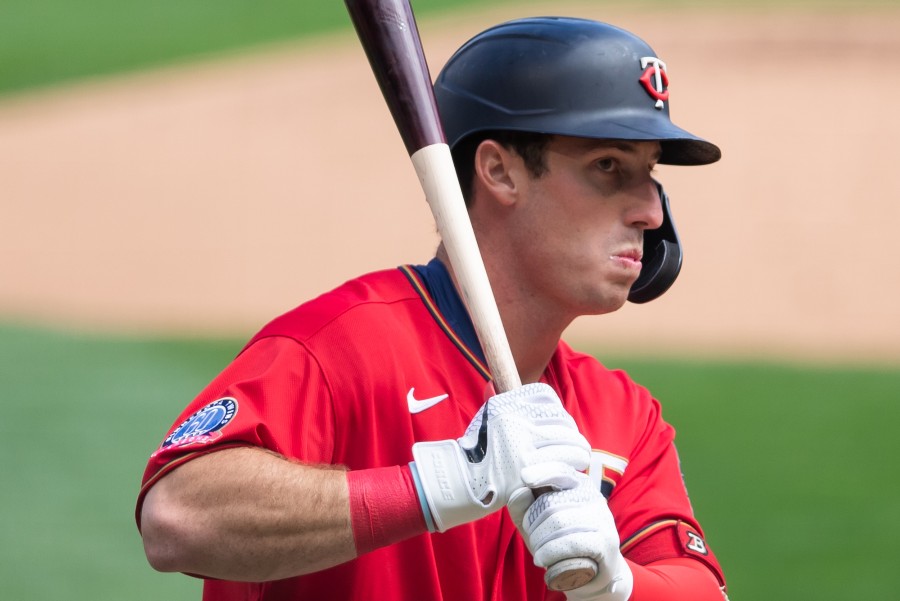 Bailey Ober Ober has surpassed Lewis Thorpe as a possible back of the rotation option for 2022 in my eyes. He’s dominated the Minors at every stop including AAA this year where he’s posted a 2.81 ERA and 20% K rate. He doesn’t have ace level stuff but he does have a high spin fastball that appears to play up higher than the 90-92 you see on the radar gun, and his control has been nothing short of impeccable. Ober has gotten just the one start for the Twins so far, but that should change. Happ and Shoemaker are arguably not even eating innings at this point and Ober could emerge as a back of the rotation arm for next season which would be incredibly valuable. The 6 foot 9 righty doesn’t have much left to prove in the Minor Leagues. It’s time for the Twins to see what they have. Nick Gordon Gordon’s main issue the last few years has been health, as he’s flashed his first round upside whenever he’s been able to stay on the field. Gordon absolutely dominated AAA slashing .393/.469/.571 and it appears there just isn’t much more for him to prove there. In the Majors he’s been far from overmatched, as he’s been 73% better than a league average hitter according to wRC+ Gordon’s staying power is a bit murkier, as he’s essentially up due to an injury to Arraez. The Twins are sure to find a team in need of a boost on defense to take Andrelton Simmons at the deadline however which would open a spot for Gordon for the rest of the season. The Twins have also discussed working on Gordon becoming more familiar with the outfield which would make him a much more valuable player. At 25 years old, Nick Gordon should finally get a chance to make good on his first round selection. Brent Rooker Rooker looked like a revelation when he was brought up in 2020 slashing .316/.381/.579 before a broken forearm on a hit by pitch derailed his and the Twins plans. He was quickly brought up in 2021 after failing to make the Opening Day roster but struggled to find his stride, slashing .103/.133/.241 with a 43.3% K rate. Rooker’s approach at the plate makes him a streaky hitter but his offensive profile makes him arguably the best pure power hitter in the Twins system. Rooker has no defensive position you feel good about, but we’re likely watching the last of Nelson Cruz in a Twins uniform this season. At the age of 26, it’s time to see if Rooker can approach anywhere near that magical 2020 debut which would put him in the running to at least mix into the DH spot in 2022. Like it or not, several veterans are likely on their way out in the coming months which creates plenty of opportunity. These three may be the first to get their shot but there are certainly several other young players who will be fighting for a look at the MLB level. Are there any you’re looking forward to? — Latest Twins coverage from our writers — Recent Twins discussion in our forums — Follow Twins Daily via Twitter, Facebook or email — Follow Cody Pirkl on Twitter here
 -
The time has come for the Twins to begin prioritizing their younger players over the struggling one year veterans they brought in. Three prospects in particular are in need of some playing time to see where they stand for 2022. Bailey Ober Ober has surpassed Lewis Thorpe as a possible back of the rotation option for 2022 in my eyes. He’s dominated the Minors at every stop including AAA this year where he’s posted a 2.81 ERA and 20% K rate. He doesn’t have ace level stuff but he does have a high spin fastball that appears to play up higher than the 90-92 you see on the radar gun, and his control has been nothing short of impeccable. Ober has gotten just the one start for the Twins so far, but that should change. Happ and Shoemaker are arguably not even eating innings at this point and Ober could emerge as a back of the rotation arm for next season which would be incredibly valuable. The 6 foot 9 righty doesn’t have much left to prove in the Minor Leagues. It’s time for the Twins to see what they have. Nick Gordon Gordon’s main issue the last few years has been health, as he’s flashed his first round upside whenever he’s been able to stay on the field. Gordon absolutely dominated AAA slashing .393/.469/.571 and it appears there just isn’t much more for him to prove there. In the Majors he’s been far from overmatched, as he’s been 73% better than a league average hitter according to wRC+ Gordon’s staying power is a bit murkier, as he’s essentially up due to an injury to Arraez. The Twins are sure to find a team in need of a boost on defense to take Andrelton Simmons at the deadline however which would open a spot for Gordon for the rest of the season. The Twins have also discussed working on Gordon becoming more familiar with the outfield which would make him a much more valuable player. At 25 years old, Nick Gordon should finally get a chance to make good on his first round selection. Brent Rooker Rooker looked like a revelation when he was brought up in 2020 slashing .316/.381/.579 before a broken forearm on a hit by pitch derailed his and the Twins plans. He was quickly brought up in 2021 after failing to make the Opening Day roster but struggled to find his stride, slashing .103/.133/.241 with a 43.3% K rate. Rooker’s approach at the plate makes him a streaky hitter but his offensive profile makes him arguably the best pure power hitter in the Twins system. Rooker has no defensive position you feel good about, but we’re likely watching the last of Nelson Cruz in a Twins uniform this season. At the age of 26, it’s time to see if Rooker can approach anywhere near that magical 2020 debut which would put him in the running to at least mix into the DH spot in 2022. Like it or not, several veterans are likely on their way out in the coming months which creates plenty of opportunity. These three may be the first to get their shot but there are certainly several other young players who will be fighting for a look at the MLB level. Are there any you’re looking forward to? — Latest Twins coverage from our writers — Recent Twins discussion in our forums — Follow Twins Daily via Twitter, Facebook or email — Follow Cody Pirkl on Twitter here View full article
-
Agree with all of the above information but I also need to mention some appreciation for Tom and everything he's done to keep the content flowing here at TwinsDaily. He does more behind the scenes than most of us will ever know and is truly just one of the nicest and most helpful dudes you could ask to work with as a new writer. You'll be missed Tom but I'm certainly looking forward to the increase in content!
-
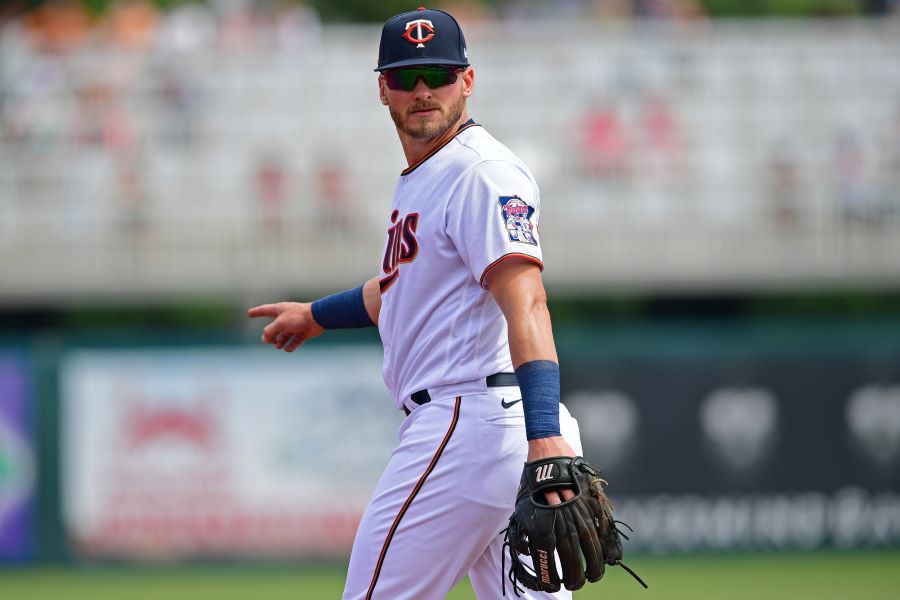 After inking Josh Donaldson to a 4 year $92 million contract, the Twins were surely disappointed in him missing 32 games of the 60 game season in 2020, not to mention the playoffs. Confidence crumbled even further when in the first at bat of his 2021 season, Donaldson laced a pitch into the gap only to pull up with a hamstring injury which led to an IL stint. After Donaldson slashed .222/.373/.469 (good for 29% above league average) in his shortened 2020, it appeared all the Twins could do was hope for good health. Since coming off the IL on April 14, Donaldson has had his longest stretch on the field in a Twins uniform. The Twins plans to rest him regularly essentially went out the window as the team struggled to pick up wins. To Donaldson’s credit, he’s avoided another IL trip despite the Twins aggressiveness in keeping him on the field. The Twins have largely gotten what they wanted from their largest free agent signing in franchise history, at least in terms of good health. At the time of writing this, new concerns over the remaining two and a half years left on Donaldson’s contract have exposed themselves. Donaldson has been far from bad at the plate, but it’s worth noting that this slash line of .236/.338/.415 is far from an MVP candidate. His being 10% above league average by wRC+ is buoyed by the fact that offense league wide was significantly suppressed for the first month of the season. Batting average is far from Donaldson’s game, but his .222 in 2020 and current .236 mark are both the lowest of his career going back to his rookie season in 2010. His current .338 OBP is his worst since 2014. His slugging % is his lowest since 2012. In addition to a down offensive year, Donaldson appears to have stepped back significantly on defense. The former Gold Glove caliber third baseman has been worth -3 Defensive Runs Saved, a mark that already matches Donaldson’s career worst. He also falls in the 36th percentile in Outs Above Average on defense. Defensive metrics are a finicky measurement but paired with the eye test, Donaldson appears to have made some major declines in the hot corner. Donaldson hasn’t been the caliber of player the Twins have needed in his age 35 season so far. With two and a half years left under contract, it’s not irrational to wonder if the injuries are finally catching up. That being said, it’s fair to point out that a lot of indicators are still favorable. It’s entirely possible and even likely that Donaldson has gotten unlucky so far. That’s a lot of red to still be putting up at 35 years old. That being said, the Twins are relying on luck or whatever else is going on straightening itself out if they have plans for a shocking resurgence. Can Donaldson return to being the game changing player he was signed to be two winters ago? — Latest Twins coverage from our writers — Recent Twins discussion in our forums — Follow Twins Daily via Twitter, Facebook or email — Follow Cody Pirkl on Twitter here
 -
The Twins are attempting to return to contention in historic fashion after a terrible start to the season. While their recent hot stretch has been propelled by recently struggling players such as Sano, Kepler and Polanco, one of their cornerstones hasn’t been as advertised. After inking Josh Donaldson to a 4 year $92 million contract, the Twins were surely disappointed in him missing 32 games of the 60 game season in 2020, not to mention the playoffs. Confidence crumbled even further when in the first at bat of his 2021 season, Donaldson laced a pitch into the gap only to pull up with a hamstring injury which led to an IL stint. After Donaldson slashed .222/.373/.469 (good for 29% above league average) in his shortened 2020, it appeared all the Twins could do was hope for good health. Since coming off the IL on April 14, Donaldson has had his longest stretch on the field in a Twins uniform. The Twins plans to rest him regularly essentially went out the window as the team struggled to pick up wins. To Donaldson’s credit, he’s avoided another IL trip despite the Twins aggressiveness in keeping him on the field. The Twins have largely gotten what they wanted from their largest free agent signing in franchise history, at least in terms of good health. At the time of writing this, new concerns over the remaining two and a half years left on Donaldson’s contract have exposed themselves. Donaldson has been far from bad at the plate, but it’s worth noting that this slash line of .236/.338/.415 is far from an MVP candidate. His being 10% above league average by wRC+ is buoyed by the fact that offense league wide was significantly suppressed for the first month of the season. Batting average is far from Donaldson’s game, but his .222 in 2020 and current .236 mark are both the lowest of his career going back to his rookie season in 2010. His current .338 OBP is his worst since 2014. His slugging % is his lowest since 2012. In addition to a down offensive year, Donaldson appears to have stepped back significantly on defense. The former Gold Glove caliber third baseman has been worth -3 Defensive Runs Saved, a mark that already matches Donaldson’s career worst. He also falls in the 36th percentile in Outs Above Average on defense. Defensive metrics are a finicky measurement but paired with the eye test, Donaldson appears to have made some major declines in the hot corner. Donaldson hasn’t been the caliber of player the Twins have needed in his age 35 season so far. With two and a half years left under contract, it’s not irrational to wonder if the injuries are finally catching up. That being said, it’s fair to point out that a lot of indicators are still favorable. It’s entirely possible and even likely that Donaldson has gotten unlucky so far. That’s a lot of red to still be putting up at 35 years old. That being said, the Twins are relying on luck or whatever else is going on straightening itself out if they have plans for a shocking resurgence. Can Donaldson return to being the game changing player he was signed to be two winters ago? — Latest Twins coverage from our writers — Recent Twins discussion in our forums — Follow Twins Daily via Twitter, Facebook or email — Follow Cody Pirkl on Twitter here View full article
-
Lewis Thorpe Should Be in the Bullpen
Cody Pirkl replied to Cody Pirkl's topic in Twins Daily Front Page News
Nope, not rotation. He's got a good sample size of not being able to maintain his velo in the rotation now. I just wouldn't be shocked if he flourished in the bullpen. -
Lewis Thorpe Should Be in the Bullpen
Cody Pirkl replied to Cody Pirkl's topic in Twins Daily Front Page News
He looked like a future piece and was a big prospect as recently as 2019 (the last time baseball was normal). He's been a valuable pitcher basically whenever he's been able to get to 91-93 consistently so why not see if he can get there in one inning appearances? I know he's been a disappointment but I'm surprised at how many people want to cut bait without trying everything after watching similar mistakes with guys like Nick Anderson. -
Lewis Thorpe Should Be in the Bullpen
Cody Pirkl replied to Cody Pirkl's topic in Twins Daily Front Page News
He'd have been there if he didn't have that extra option. At this point though I'm not sure they should even go the long relief route. I'm interested to see how his stuff plays up in a traditional one inning relief role. He could turn into a valuable guy in the middle to late innings.