



Al from SoDak
-
Posts
274 -
Joined
-
Last visited
Content Type
Profiles
News
Minnesota Twins Videos
2026 Minnesota Twins Top Prospects Ranking
2022 Minnesota Twins Draft Picks
Minnesota Twins Free Agent & Trade Rumors, Notes, & Tidbits
Guides & Resources
2023 Minnesota Twins Draft Picks
The Minnesota Twins Players Project
2024 Minnesota Twins Draft Picks
2025 Minnesota Twins Draft Pick Tracker
2026 Minnesota Twins Draft Tracker: Picks & Bonuses
Forums
Blogs
Events
Store
Downloads
Gallery
Everything posted by Al from SoDak
-
Billy Martin played for the New York Yankees in the 1950s and was part of five championship teams. From 1957 to 1961, he bounced from Kansas City Athletics to the Detroit Tigers, the Cleveland Indians, the Cincinnati Reds, the Milwaukee Braves, and then to Minnesota. Martin had an eight-year stay in Minnesota in the 1960s, first as a player in 1961 and then later as a scout, coach, and manager. After guiding the Twins, he managed the Tigers, Rangers, Yankees, and A’s at different points. He managed the Yankees five separate times. Alfred Manuel “Billy” Martin was born May 16, 1928, in Berkeley, California. His father abandoned the family when Billy was eight months old. His mother taught him to stick up for himself. Billy also spent time in amateur boxing in the San Francisco area. His mother’s feistiness and the youth boxing background stuck with him throughout his entire life, contributing to his combative nature. After high school, Martin played minor league ball on the West Coast, eventually working his way to the Oakland Oaks of the Pacific Coast League, where Hall of Famer Casey Stengel managed him. Martin played infield and was most often utilized as a second baseman, which was the case throughout his playing career. He was a good defensive infielder and could hit a little. After the 1949 season, Martin was sold to the New York Yankees (Stengel had been hired as manager of the Yankees in 1949). The Yankees of the 50s were a powerhouse with Hall of Famer players Yogi Berra, Mickey Mantle, and Whitey Ford. As stated above, Billy was part of five World Series-winning teams (1950, 1951, 1952, 1953, and 1956). He missed the 1954 season while serving in the military—Martin was an All-Star in 1953. After being traded from the Yankees and bouncing around with five other teams, Martin landed with the Twins after a June 1961 trade with the Milwaukee Braves. The Braves received infielder Billy Consolo. Martin finished the 1961 season with the Twins hitting .245/.275/.341 in 108 games. He had six home runs and 36 RBI. That was the end of Billy’s playing career, as the Twins released Martin just before the 1962 season. His career numbers were .257/.300/.369. He hit 64 home runs, had 333 RBI, and an OPS+ of 81. The Twins hired him as a scout, which he did through 1964, but that was not the proper fit for the feisty former player; he was meant to be a manager. He needed to be on the field. He served as third base coach from 1965 to May of 1968 when the Twins assigned him to manage their Triple-A ball club in Denver. In 1969, after the Twins had underperformed since the 1965 AL Championship season, the Twins dismissed Cal Ermer and hired Billy Martin as the team’s fourth manager. In addition to his feisty and fiery leadership, Martin was extremely aggressive as a manager and wanted his players to play that way. He emphasized the running game, taking the extra base, and stealing. He famously encouraged young Rod Carew to steal and taught Carew the art of stealing home. It was so successful that Carew stole home seven times in 1969, tying a Major League record set by Pete Reiser. That record still stands. Miscbasbeball.wordpress.com has a great excerpt from Rod Carew’s autobiography, Carew, about stealing home, some of which I used below. Baseball Almanac lists Carew’s 17 career steals of home as 14th most all-time. Almost all the players ahead of Carew on this list played the vast majority of their careers during the Deadball era (pre-1920), with the limited exceptions of Frankie Frisch and Jackie Robinson. Martin’s aggressiveness led to the Twins stealing 115 bases in 1969, their most since moving from Washington. However, the 1976 squad passed that number and has since been surpassed six more times. Billy Martin’s 1969 team had an excellent record, going 97-65 and finishing first in the newly formed American League West division. They went to the first American League Championship Series but were swept by the Baltimore Orioles. Despite the win-loss record and Division Championship, 1969 was tumultuous. I’m sure longtime fans know of Martin’s battles with players and management, which I won’t rehash here. Those battles, and probably just Martin’s abrasive attitude in general, led to his termination just after the playoff loss to Baltimore. After his Twins career, Martin was hired by Detroit in 1971. He managed three seasons and had a record of 248-203. The Tigers fired Martin late in the 1973 season after disagreements between Martin and the general manager. After Martin’s dismissal in Detroit, the owner of the Texas Rangers quickly jumped at the chance to hire him. Martin managed parts of three seasons in Texas starting in late 1973. He had a 137-141 record. By mid-1975, Texas had a new owner, some higher-priced free agents, and an underwhelming record. Martin was fired. On August 1, 1975, George Steinbrenner hired Billy Martin, starting a chaotic relationship. The Yankees lost the World Series in 1976 but won it all in 1977 for Martin’s one and only managerial championship. He was forced to resign in July of 1978 but was rehired in 1979. He was fired at the end of the 1979 season as the Yankees missed the playoffs. In 1980, Billy Martin returned home to lead the Oakland A’s. His aggressiveness, combined with Rickey Henderson’s ability, resulted in Henderson stealing bases at a ridiculous rate. Henderson broke the single-season stolen base mark with 130 steals in 1982. After some success in 1980 and 1981, Oakland played poorly in 1982, and Martin was fired. Billy returned to the Yankees in 1983 and served as manager again in 1985 and 1987. Steinbrenner fired Billy each of those three times. After his last dismissal, Martin stayed with the Yankees as a special consultant. Billy Martin died on Christmas Day 1989 in an automobile crash. Throughout his life, Billy Martin battled with alcohol. Alcohol was reported to be a factor in the accident, although it’s unclear whether Martin or his friend was the driver. Billy Martin was one of a kind. He was a fiery leader who quickly brought out the best in teams and players, but at the same time, his presence and influence seemed to burn out quickly as others tired of his abrasive personality. SABR summarized, “During his tenure as a major-league manager, Martin’s off-field exploits were legendary; he got into fights with team officials, bar patrons, a cab driver, a marshmallow salesman, various fans, and two of his pitchers.” Billy Martin’s chapter in Minnesota during the 1960s was like everywhere else – successful but short-lived and left fans wondering what could have been. View full player
-
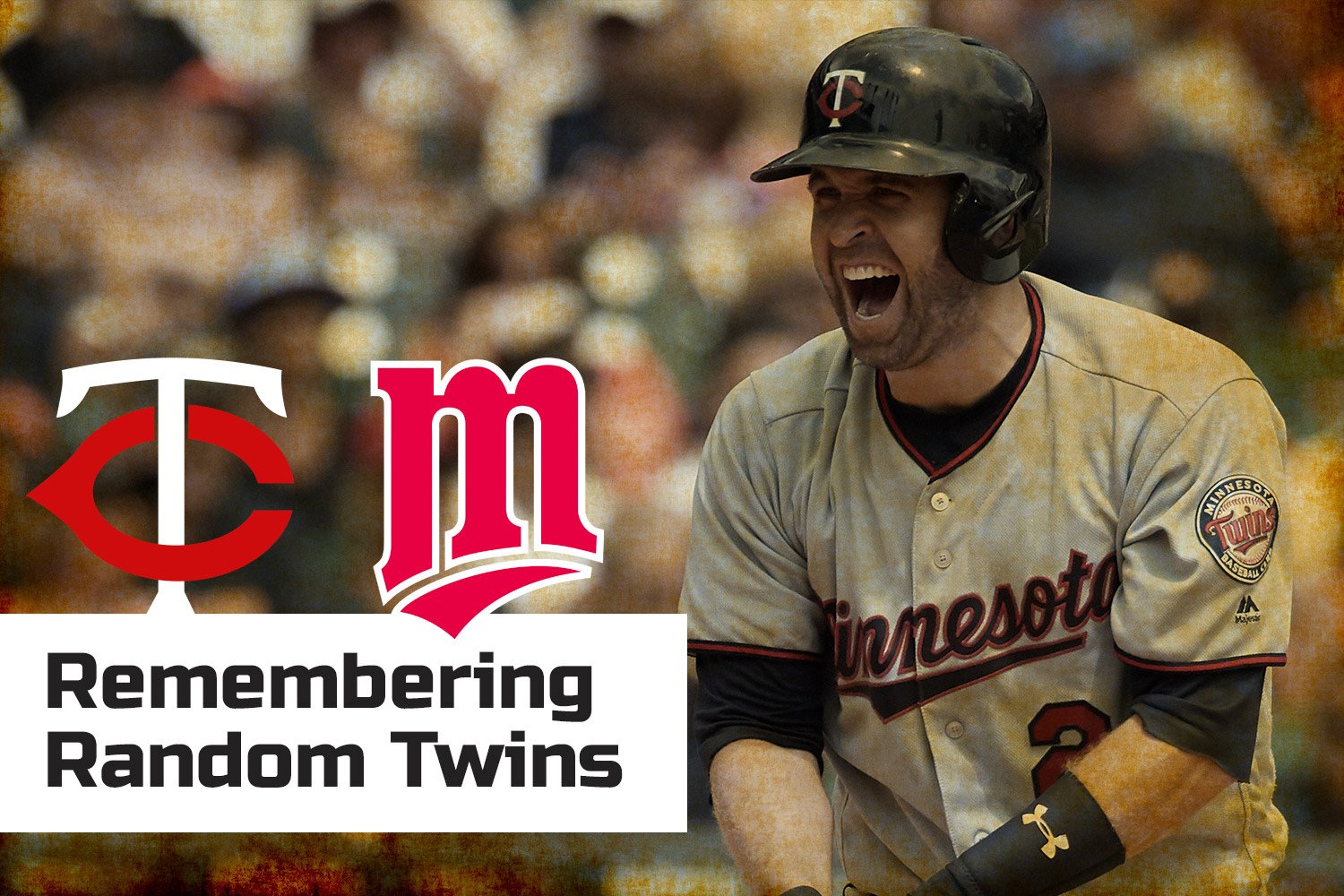
 Brian Dozier was a very productive player for a brief period. He seemed to come up with little fanfare, hit 20, 30, and then 40 home runs, and then disappear just as quickly. Did anybody see his period of greatness coming? I sure didn’t. In the series Remembering Random Twins, I have actually used a randomizer to select a player from a list, but I have overruled the resulting random player in a few circumstances. If the player played very briefly and I just can’t find anything interesting, I might skip that player. For example, I recently highlighted Erik Bennett, a pitcher who threw only 27 innings in his career. However, I discovered that his father and uncle had pitched in Major League Baseball, and Erik was the winning pitcher in the highest-scoring game in Twins history. I thought that was enough information to craft a story, so I went ahead. I have tried to avoid players whose careers were after 2000 because their exploits are a bit fresher in our minds. A little of what I try to do is educate or remind readers of players from decades ago. I might also overrule the randomizer if it selects a particularly famous player. I have reviewed a few All-Stars and fan favorites, but I have and will intentionally avoid franchise icons like Carew, Killebrew, Oliva, Blyleven, Puckett, Hrbek, etc. So much has already been written about these players, and readers already know so much about them; I don’t know what more I would add in a short 1,000-word article. Today, I will go against my second and third bullets above. My daughter has been requesting an article about Brian Dozier almost since I started writing for Remembering Random Twins. I don’t know if Dozier reached the status of franchise icon, but he is most definitely recent, so I usually pass on writing about him. But because of his repeated requests from a huge fan, I’m going against my normal ground rules. Let’s look back on Dozier’s career and see if we can find some unusual or forgotten facts about this fun-loving All-Star second baseman. Jason Brian Dozier was born May 15, 1987, in Tupelo, Mississippi, the same hometown as Elvis Presley. Dozier grew up near Fulton, Mississippi, where he attended Itawamba Agricultural High School. Dozier starred for the baseball team, twice earning All-State accolades. He also played football, golf, and basketball. After high school, Dozier went to the University of Southern Mississippi and played college baseball. In 224 games at Southern Miss, Dozier had a high batting average but showed little power (.355 average, 16 home runs) in 224 games. The Minnesota Twins drafted the five-foot-eleven, 200-pound Dozier in the eighth round of the 2009 Major League Baseball June Amateur Draft. The shortstop was sent for a short five-game stint in the Gulf Coast League before moving quickly to Elizabethton in the Appalachian League. From there, he progressed methodically through all minor league levels. He earned Twins Minor League Player of the Year in 2011 before reaching Triple-A Rochester in 2012. The Twins promoted Dozier to the major league team in May 2012 and installed him at shortstop, replacing Pedro Florimón. All his 2012 appearances were at shortstop. Dozier played his first game on May 7, 2012, versus the Los Angeles Angels, going 1-4, with a single and one run scored in an 8-3 loss. In the eighth inning, he singled, advanced to third on a Joe Mauer single, and scored on a Ryan Doumit sacrifice fly. His first of 192 career home runs came six days later against Toronto. The blast came in the third inning against Ricky Romero in a 4-3 Twins win. Dozier played regularly until being demoted in August to finish the minor league season. After 2012, Dozier would never play shortstop again. He started his stay at second base in 2013. He played 146 games as a second baseman and would stay there; he never appeared defensively at any other position for the rest of his career. Regardless of position, Dozier started to prove himself as a valuable player, especially on the offensive side. The young middle infielder led the Twins in home runs in 2013 with 18 round-trippers. Dozier continued his offensive improvement in 2014. In the game immediately preceding the All-Star Game, Dozier hit two home runs in his last two at-bats against Colorado. As a result of his strong power showing in the first half, Dozier was named to the 2014 Home Run Derby contest. This was a big benefit for Twins fans as the 2014 All-Star festivities were held at Target Field. Unfortunately for Dozier and Twins fans, he hit only two home runs in round one and was quickly eliminated. Nonetheless, 2014 was a good season for Dozier. He would slash .242/.345/.416. Despite his low batting average, Dozier always had a good on-base percentage because of a respectable number of walks. He finished 2014 with 23 home runs and 71 runs batted in. His 112 runs scored were the second most in the American League (Mike Trout had 115) and the most by a Twin since Chuck Knoblauch scored a franchise record 140 in 1996. 2015 saw more improvement, and Dozier was selected for his lone All-Star Game. He again had a signature moment leading up to the All-Star break. The Friday before the break, Dozier had a memorable walk-off grand slam against the Tigers. In the All-Star Game, Dozier pinch-hit in the eighth inning and hit a solo home run against Mark Melancon of the Pirates in the American League’s 6-3 victory. For the season, he set new personal highs for home runs (28) and runs batted in (77). He played well enough to earn MVP votes; he would be even better the following year. 2016 was unbelievable, but through May 31, he was only batting .202 with five home runs and 17 runs batted in. In June, he started heating up. By August, he was on fire; his 13 home runs in the month led all MLB players. September 2-6, Dozier hit a home run in five consecutive games, tying a team record originally set by Harmon Killebrew (three times, twice in 1970!) and later matched by Marty Cordova and Nelson Cruz. I remember watching some of those games during that hot streak, thinking, “Every time he hits the ball, it might go out.” He was that hot. Brian Dozier finished the season batting .268/.340/.546 with 42 home runs and 99 runs batted in. His 42 home runs included 40 as a second baseman, which set an American League record (since been surpassed by Marcus Semien). Incredibly, Dozier became only the third player in the (at that time) 116-year history of the Senators/Twins franchise to hit 40 home runs in a season. Only Roy Sievers (once) and Harmon Killebrew (eight times) had done it previously. He finished 13th in American League MVP despite Minnesota’s horrendous 59-103 record. Dozier’s 2017 season was solid again but tailed off a little from the incredible 2016 campaign. He won the only Gold Glove in his career. He hit 34 home runs and had 93 RBI. And he led the Twins to a very surprising Wild Card berth. In the one-game playoff against the Yankees, Dozier led off the game with a home run. That was soon followed by a two-run home run from Eddie Rosario, and Twins fans were riding high as it looked like the Twins might finally beat the Yankees. Alas, that 3-0 lead was erased immediately in the bottom of the first, and the Yankees went on to win 8-4. In 2018, the Twins were not great, and Dozier was in the final year of a contract, so he was traded to the Dodgers at the trade deadline for Logan Forsythe, Devin Smeltzer, and Luke Raley. The Dodgers made it to the World Series, where they lost five games to Boston. Dozier was mainly a part-time player. He had two hits and five walks in 22 plate appearances over 11 games. He had no home runs or RBI. After the 2018 season, Brian Dozier became a free agent. He chose the right team. He signed a one-year contract with Washington and was reunited with former Twin and 2014 All-Star teammate Kurt Suzuki. Dozier hit 20 home runs and 50 runs batted in for the Nationals. He appeared as a pitcher for the very first time in his career. He pitched one inning and gave up a two-run home run to former Twins teammate Eduardo Escobar in an 18-7 loss. But that low point didn’t prevent the Nationals from placing second in their division and securing a Wild Card appearance for the playoffs. From there, they went on a roll. They won the Wild Card game against the Brewers, beat the Dodgers in the Division Series, swept the Cardinals in the NLCS, and won the World Series in seven games against the Astros. For his part, Dozier had few opportunities as he was mostly a bench player with a couple of hitting opportunities. He ended up with one walk in seven plate appearances in the playoffs and World Series. I’m sure he would have wanted to contribute more, but he managed to get a World Series ring in his final full major league season. He signed a contract with San Diego in the winter but never played in a major league game. He was released and signed by the Mets, but he only played seven games in July and August before being released. He was done at 33 years of age. Finally, here’s a trivia nugget that I came across which is new to me. I wonder if some of you know this. Dozier was given the name “Lo Conner” by his friend and former Twins teammate Eduardo Escobar. This is because Dozier, according to Escobar, looks like Brian O’Conner (played by Paul Walker) in The Fast and The Furious movie franchise. Check out the Lo Conner video linked above; it’s funny. The funniest thing about this goofy nickname is that Dozier accepted it and used it during the 2019 Players’ Weekend, putting it on the back of his jersey. In my judgment, Brian Dozier was an overachiever. When he first came up, I thought he might be a useful player, but I never imagined he would develop the power he did. I never foresaw a Home Run Derby appearance, let alone a 42-home-run season. Kudos to him for that development. He finished with a career batting line of .244/.325/.441. His career OPS+ was 107. In addition to the 192 home runs, he had 561 runs batted in. He finished with 23.7 WAR. He hit more than 20 home runs six times, including one 30 and one 40 HR season. Dozier’s 167 home runs are the tenth most in Senators/Twins history. Well, did we learn anything new about fan favorite Brian Dozier? I didn’t know he shared a hometown with Elvis. I wasn’t aware of the “Lo Conner” nickname. I had forgotten his 40 home runs were a record for AL second basemen for a period. I didn’t know about his pitching appearance, where he gave up a round-tripper to former teammate Eduardo Escobar. I knew he hit many home runs, but I wouldn’t have guessed he hit the tenth most dingers in franchise history. Please provide your thoughts in the comment section below. If you like this type of writing about Twins history, check out my previous entries at Twins Daily History. Sources include Baseball Reference, Wikipedia, www.mlb.com, and www.imdb.com. View full article
 -
 In the series Remembering Random Twins, I have actually used a randomizer to select a player from a list, but I have overruled the resulting random player in a few circumstances. If the player played very briefly and I just can’t find anything interesting, I might skip that player. For example, I recently highlighted Erik Bennett, a pitcher who threw only 27 innings in his career. However, I discovered that his father and uncle had pitched in Major League Baseball, and Erik was the winning pitcher in the highest-scoring game in Twins history. I thought that was enough information to craft a story, so I went ahead. I have tried to avoid players whose careers were after 2000 because their exploits are a bit fresher in our minds. A little of what I try to do is educate or remind readers of players from decades ago. I might also overrule the randomizer if it selects a particularly famous player. I have reviewed a few All-Stars and fan favorites, but I have and will intentionally avoid franchise icons like Carew, Killebrew, Oliva, Blyleven, Puckett, Hrbek, etc. So much has already been written about these players, and readers already know so much about them; I don’t know what more I would add in a short 1,000-word article. Today, I will go against my second and third bullets above. My daughter has been requesting an article about Brian Dozier almost since I started writing for Remembering Random Twins. I don’t know if Dozier reached the status of franchise icon, but he is most definitely recent, so I usually pass on writing about him. But because of his repeated requests from a huge fan, I’m going against my normal ground rules. Let’s look back on Dozier’s career and see if we can find some unusual or forgotten facts about this fun-loving All-Star second baseman. Jason Brian Dozier was born May 15, 1987, in Tupelo, Mississippi, the same hometown as Elvis Presley. Dozier grew up near Fulton, Mississippi, where he attended Itawamba Agricultural High School. Dozier starred for the baseball team, twice earning All-State accolades. He also played football, golf, and basketball. After high school, Dozier went to the University of Southern Mississippi and played college baseball. In 224 games at Southern Miss, Dozier had a high batting average but showed little power (.355 average, 16 home runs) in 224 games. The Minnesota Twins drafted the five-foot-eleven, 200-pound Dozier in the eighth round of the 2009 Major League Baseball June Amateur Draft. The shortstop was sent for a short five-game stint in the Gulf Coast League before moving quickly to Elizabethton in the Appalachian League. From there, he progressed methodically through all minor league levels. He earned Twins Minor League Player of the Year in 2011 before reaching Triple-A Rochester in 2012. The Twins promoted Dozier to the major league team in May 2012 and installed him at shortstop, replacing Pedro Florimón. All his 2012 appearances were at shortstop. Dozier played his first game on May 7, 2012, versus the Los Angeles Angels, going 1-4, with a single and one run scored in an 8-3 loss. In the eighth inning, he singled, advanced to third on a Joe Mauer single, and scored on a Ryan Doumit sacrifice fly. His first of 192 career home runs came six days later against Toronto. The blast came in the third inning against Ricky Romero in a 4-3 Twins win. Dozier played regularly until being demoted in August to finish the minor league season. After 2012, Dozier would never play shortstop again. He started his stay at second base in 2013. He played 146 games as a second baseman and would stay there; he never appeared defensively at any other position for the rest of his career. Regardless of position, Dozier started to prove himself as a valuable player, especially on the offensive side. The young middle infielder led the Twins in home runs in 2013 with 18 round-trippers. Dozier continued his offensive improvement in 2014. In the game immediately preceding the All-Star Game, Dozier hit two home runs in his last two at-bats against Colorado. As a result of his strong power showing in the first half, Dozier was named to the 2014 Home Run Derby contest. This was a big benefit for Twins fans as the 2014 All-Star festivities were held at Target Field. Unfortunately for Dozier and Twins fans, he hit only two home runs in round one and was quickly eliminated. Nonetheless, 2014 was a good season for Dozier. He would slash .242/.345/.416. Despite his low batting average, Dozier always had a good on-base percentage because of a respectable number of walks. He finished 2014 with 23 home runs and 71 runs batted in. His 112 runs scored were the second most in the American League (Mike Trout had 115) and the most by a Twin since Chuck Knoblauch scored a franchise record 140 in 1996. 2015 saw more improvement, and Dozier was selected for his lone All-Star Game. He again had a signature moment leading up to the All-Star break. The Friday before the break, Dozier had a memorable walk-off grand slam against the Tigers. In the All-Star Game, Dozier pinch-hit in the eighth inning and hit a solo home run against Mark Melancon of the Pirates in the American League’s 6-3 victory. For the season, he set new personal highs for home runs (28) and runs batted in (77). He played well enough to earn MVP votes; he would be even better the following year. 2016 was unbelievable, but through May 31, he was only batting .202 with five home runs and 17 runs batted in. In June, he started heating up. By August, he was on fire; his 13 home runs in the month led all MLB players. September 2-6, Dozier hit a home run in five consecutive games, tying a team record originally set by Harmon Killebrew (three times, twice in 1970!) and later matched by Marty Cordova and Nelson Cruz. I remember watching some of those games during that hot streak, thinking, “Every time he hits the ball, it might go out.” He was that hot. Brian Dozier finished the season batting .268/.340/.546 with 42 home runs and 99 runs batted in. His 42 home runs included 40 as a second baseman, which set an American League record (since been surpassed by Marcus Semien). Incredibly, Dozier became only the third player in the (at that time) 116-year history of the Senators/Twins franchise to hit 40 home runs in a season. Only Roy Sievers (once) and Harmon Killebrew (eight times) had done it previously. He finished 13th in American League MVP despite Minnesota’s horrendous 59-103 record. Dozier’s 2017 season was solid again but tailed off a little from the incredible 2016 campaign. He won the only Gold Glove in his career. He hit 34 home runs and had 93 RBI. And he led the Twins to a very surprising Wild Card berth. In the one-game playoff against the Yankees, Dozier led off the game with a home run. That was soon followed by a two-run home run from Eddie Rosario, and Twins fans were riding high as it looked like the Twins might finally beat the Yankees. Alas, that 3-0 lead was erased immediately in the bottom of the first, and the Yankees went on to win 8-4. In 2018, the Twins were not great, and Dozier was in the final year of a contract, so he was traded to the Dodgers at the trade deadline for Logan Forsythe, Devin Smeltzer, and Luke Raley. The Dodgers made it to the World Series, where they lost five games to Boston. Dozier was mainly a part-time player. He had two hits and five walks in 22 plate appearances over 11 games. He had no home runs or RBI. After the 2018 season, Brian Dozier became a free agent. He chose the right team. He signed a one-year contract with Washington and was reunited with former Twin and 2014 All-Star teammate Kurt Suzuki. Dozier hit 20 home runs and 50 runs batted in for the Nationals. He appeared as a pitcher for the very first time in his career. He pitched one inning and gave up a two-run home run to former Twins teammate Eduardo Escobar in an 18-7 loss. But that low point didn’t prevent the Nationals from placing second in their division and securing a Wild Card appearance for the playoffs. From there, they went on a roll. They won the Wild Card game against the Brewers, beat the Dodgers in the Division Series, swept the Cardinals in the NLCS, and won the World Series in seven games against the Astros. For his part, Dozier had few opportunities as he was mostly a bench player with a couple of hitting opportunities. He ended up with one walk in seven plate appearances in the playoffs and World Series. I’m sure he would have wanted to contribute more, but he managed to get a World Series ring in his final full major league season. He signed a contract with San Diego in the winter but never played in a major league game. He was released and signed by the Mets, but he only played seven games in July and August before being released. He was done at 33 years of age. Finally, here’s a trivia nugget that I came across which is new to me. I wonder if some of you know this. Dozier was given the name “Lo Conner” by his friend and former Twins teammate Eduardo Escobar. This is because Dozier, according to Escobar, looks like Brian O’Conner (played by Paul Walker) in The Fast and The Furious movie franchise. Check out the Lo Conner video linked above; it’s funny. The funniest thing about this goofy nickname is that Dozier accepted it and used it during the 2019 Players’ Weekend, putting it on the back of his jersey. In my judgment, Brian Dozier was an overachiever. When he first came up, I thought he might be a useful player, but I never imagined he would develop the power he did. I never foresaw a Home Run Derby appearance, let alone a 42-home-run season. Kudos to him for that development. He finished with a career batting line of .244/.325/.441. His career OPS+ was 107. In addition to the 192 home runs, he had 561 runs batted in. He finished with 23.7 WAR. He hit more than 20 home runs six times, including one 30 and one 40 HR season. Dozier’s 167 home runs are the tenth most in Senators/Twins history. Well, did we learn anything new about fan favorite Brian Dozier? I didn’t know he shared a hometown with Elvis. I wasn’t aware of the “Lo Conner” nickname. I had forgotten his 40 home runs were a record for AL second basemen for a period. I didn’t know about his pitching appearance, where he gave up a round-tripper to former teammate Eduardo Escobar. I knew he hit many home runs, but I wouldn’t have guessed he hit the tenth most dingers in franchise history. Please provide your thoughts in the comment section below. If you like this type of writing about Twins history, check out my previous entries at Twins Daily History. Sources include Baseball Reference, Wikipedia, www.mlb.com, and www.imdb.com.
- 8 comments
-
- 3
-

-
- brian dozier
- remembering random twins
- (and 1 more)
-
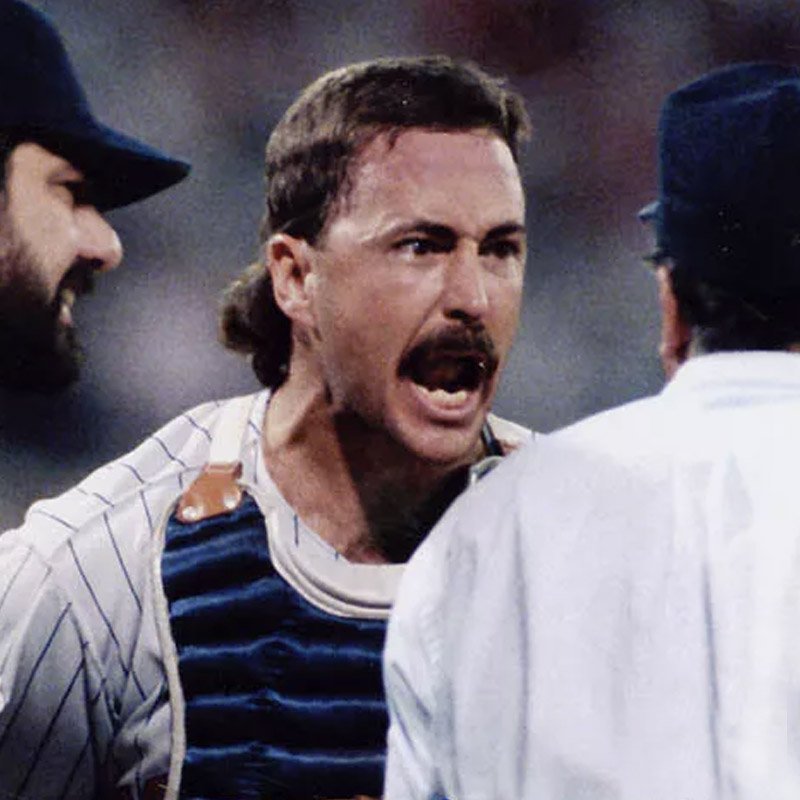 Some will dispute this, but I don’t hear enough people talking about Brian Harper. I agree with mikelink45’s blog about the best catchers in Twins history. It’s an excellent summary and list of the best Twins catchers. Earl Battey was with the early Twins and a five-time All-Star. Butch Wynegar placed second in the 1976 Rookie of the Year voting behind the phenomenon Mark “the Bird” Fidrych and was an All-Star his first two years. AJ Pierzynski made one All-Star team with the Twins and was part of their resurgence in the early 2000s. Of course, there’s Mauer. I also feel one-time All-Star Tim Laudner is remembered and admired more than Harper, probably because he played for the Twins longer, was the starter on the 1987 World Series team, and is a current member of their pre-and post-game shows on Bally Sports North, which keeps him fresh in Twins fans’ minds. I don’t want to slight any of those, but Brian Harper was a valuable player. The California Angels drafted Brian Harper in the fourth round of the 1977 amateur draft. In those days, the Angels invested heavily in big-dollar free agents. Despite Harper playing well in the minor leagues, he never received an extensive opportunity with the Angels. For instance, in 1981, he batted .350/.389/.618 for Triple-A Salt Lake City with 28 home runs and 122 runs batted in, but he only played in four games with the Angels. During that season, he played catcher, first base, and outfield. In 1981, the Angels had future Hall of Famer and former MVP and former Twin Rod Carew at first base, former MVP Fred Lynn, former MVP and future Twin Don Baylor, and former Twin Dan Ford in the outfield. In 1982, they signed four-time All-Star and seven-time Gold Glove catcher Bob Boone and future Hall of Famer outfielder Reggie Jackson. With a surplus at Harper’s positions, the Angels traded him to Pittsburgh in 1981, where he was mostly a pinch hitter and outfielder (he played two games as a catcher). He was later traded to St. Louis in 1984 when he received almost no opportunity. Detroit and Oakland subsequently signed him in relatively minor moves before signing with the Twins as a free agent on January 4, 1988. Harper did not make the opening day squad for the Twins in 1998. He started the season at Triple-A and was phenomenal for two months. He slashed .353/.403/.653 with 13 home runs and 42 batted in. The sizzling-hot Harper was called to the Twins on May 29, played 60 games, mostly at catcher, and batted .295/.344/.428. By 1989, he was the main catcher and continued in that role until 1993. During his six seasons in Minnesota, he hit .306/.342/.431 with 48 home runs and 346 runs batted in. His OPS+ was 110. During Harper’s tenure, the Twins went from worst to first and made it to the 1991 World Series. Brian Harper was excellent in that series. His statistics showed he hit .381/.435/.476 with two doubles. His defense was better than he was given credit for. He had a great play in Game Four, receiving a throw, blocking the plate, absorbing a freight train, and tagging out Lonnie Smith. Then, in the top of the 8th inning in the deciding game seven, Harper teamed up with first baseman Kent Hrbek when the bases were loaded with only one out to execute an outstanding and critical 3-2-3 double play. Ultimately, Harper and Smith acknowledged the hard-fought series, some say the best World Series ever, with a handshake before game seven. In his career, Brian Harper was nearly impossible to strike out. In 1990 and 1992, he struck less frequently than any other player in the American League and placed second on that list in 1993. His career at-bat per strikeout rate is currently 213th best in MLB history. 213th may not seem great, but more than 23,000 players have played in the major leagues, so he’s in the top one percent in strikeout rate of all players who ever played. Harper’s 16.76 at-bats per strikeout is almost exactly equal to the absolute immortal Ty Cobb (16.86). For context, a notable contemporary with a lower strikeout rate, but not by much, was Tony Gwynn (ranked 92nd), with one strikeout every 21.40 at-bats. It’s an interesting list to look at, and I encourage you to do so. Reviewing the list of those batters better than Harper in the strikeout frequency, almost all the players preceded Harper by 50 years or more. It was a different game then. For context, Harper’s at-bat per strikeout rate was much better than the Twins who led the AL in batting average Tony Oliva (9.77 at bats per strikeout), Rod Carew (9.06 at bats per strikeout), Kirby Puckett (not in the top 1,000), and Joe Mauer (also not in the top 1,000). Brian Harper also did not draw many walks. Somehow, he walked less often than he struck out, finishing his career with 133 walks (compared to 188 strikeouts) in 3386 plate appearances. We don’t see those kinds of numbers today. I wonder if he would have had a place in today’s game. My specific memory of Harper is that he would quickly get two strikes against him, but he then would fight off foul balls, take pitches to get deep into the count, and frequently end up with a hit. A decade later, AJ Pierzynski (904th on at bat per strikeout list) was similar to Harper. Likewise, Pierzynski rarely walked – only 308 times in his 19-year career. Brian Harper left the Twins after the 1993 season, signing as a free agent with Milwaukee, but he never achieved the same success anywhere else. He only played 64 games with the Brewers in the strike-shortened 1994 season with an 81 OPS+, then two games with Oakland in 1995. And that was it; his playing career was over. It’s fair to say Brian Harper is a player whose only good seasons were with the Minnesota Twins. After his playing career, Harper held various coaching and management positions for the Angels, Giants, Cubs, and Tigers. I always loved watching Brian Harper. As a batter, the way he battled and fouled off pitches until he got what he wanted was impressive. He was always known as a hitter, but I contend his defense was not horrendous. In 11 seasons as a catcher, his caught-stealing percentage was 31 percent when the league average was 34 percent. Harper came to the Twins in a brief down period but helped them rebound quickly and win the 1991 World Series. For that, he will always have a place in Twins history.
 -
Some will dispute this, but I don’t hear enough people talking about Brian Harper. I agree with mikelink45’s blog about the best catchers in Twins history. It’s an excellent summary and list of the best Twins catchers. Earl Battey was with the early Twins and a five-time All-Star. Butch Wynegar placed second in the 1976 Rookie of the Year voting behind the phenomenon Mark “the Bird” Fidrych and was an All-Star his first two years. AJ Pierzynski made one All-Star team with the Twins and was part of their resurgence in the early 2000s. Of course, there’s Mauer. I also feel one-time All-Star Tim Laudner is remembered and admired more than Harper, probably because he played for the Twins longer, was the starter on the 1987 World Series team, and is a current member of their pre-and post-game shows on Bally Sports North, which keeps him fresh in Twins fans’ minds. I don’t want to slight any of those, but Brian Harper was a valuable player. The California Angels drafted Brian Harper in the fourth round of the 1977 amateur draft. In those days, the Angels invested heavily in big-dollar free agents. Despite Harper playing well in the minor leagues, he never received an extensive opportunity with the Angels. For instance, in 1981, he batted .350/.389/.618 for Triple-A Salt Lake City with 28 home runs and 122 runs batted in, but he only played in four games with the Angels. During that season, he played catcher, first base, and outfield. In 1981, the Angels had future Hall of Famer and former MVP and former Twin Rod Carew at first base, former MVP Fred Lynn, former MVP and future Twin Don Baylor, and former Twin Dan Ford in the outfield. In 1982, they signed four-time All-Star and seven-time Gold Glove catcher Bob Boone and future Hall of Famer outfielder Reggie Jackson. With a surplus at Harper’s positions, the Angels traded him to Pittsburgh in 1981, where he was mostly a pinch hitter and outfielder (he played two games as a catcher). He was later traded to St. Louis in 1984 when he received almost no opportunity. Detroit and Oakland subsequently signed him in relatively minor moves before signing with the Twins as a free agent on January 4, 1988. Harper did not make the opening day squad for the Twins in 1998. He started the season at Triple-A and was phenomenal for two months. He slashed .353/.403/.653 with 13 home runs and 42 batted in. The sizzling-hot Harper was called to the Twins on May 29, played 60 games, mostly at catcher, and batted .295/.344/.428. By 1989, he was the main catcher and continued in that role until 1993. During his six seasons in Minnesota, he hit .306/.342/.431 with 48 home runs and 346 runs batted in. His OPS+ was 110. During Harper’s tenure, the Twins went from worst to first and made it to the 1991 World Series. Brian Harper was excellent in that series. His statistics showed he hit .381/.435/.476 with two doubles. His defense was better than he was given credit for. He had a great play in Game Four, receiving a throw, blocking the plate, absorbing a freight train, and tagging out Lonnie Smith. Then, in the top of the 8th inning in the deciding game seven, Harper teamed up with first baseman Kent Hrbek when the bases were loaded with only one out to execute an outstanding and critical 3-2-3 double play. Ultimately, Harper and Smith acknowledged the hard-fought series, some say the best World Series ever, with a handshake before game seven. In his career, Brian Harper was nearly impossible to strike out. In 1990 and 1992, he struck less frequently than any other player in the American League and placed second on that list in 1993. His career at-bat per strikeout rate is currently 213th best in MLB history. 213th may not seem great, but more than 23,000 players have played in the major leagues, so he’s in the top one percent in strikeout rate of all players who ever played. Harper’s 16.76 at-bats per strikeout is almost exactly equal to the absolute immortal Ty Cobb (16.86). For context, a notable contemporary with a lower strikeout rate, but not by much, was Tony Gwynn (ranked 92nd), with one strikeout every 21.40 at-bats. It’s an interesting list to look at, and I encourage you to do so. Reviewing the list of those batters better than Harper in the strikeout frequency, almost all the players preceded Harper by 50 years or more. It was a different game then. For context, Harper’s at-bat per strikeout rate was much better than the Twins who led the AL in batting average Tony Oliva (9.77 at bats per strikeout), Rod Carew (9.06 at bats per strikeout), Kirby Puckett (not in the top 1,000), and Joe Mauer (also not in the top 1,000). Brian Harper also did not draw many walks. Somehow, he walked less often than he struck out, finishing his career with 133 walks (compared to 188 strikeouts) in 3386 plate appearances. We don’t see those kinds of numbers today. I wonder if he would have had a place in today’s game. My specific memory of Harper is that he would quickly get two strikes against him, but he then would fight off foul balls, take pitches to get deep into the count, and frequently end up with a hit. A decade later, AJ Pierzynski (904th on at bat per strikeout list) was similar to Harper. Likewise, Pierzynski rarely walked – only 308 times in his 19-year career. Brian Harper left the Twins after the 1993 season, signing as a free agent with Milwaukee, but he never achieved the same success anywhere else. He only played 64 games with the Brewers in the strike-shortened 1994 season with an 81 OPS+, then two games with Oakland in 1995. And that was it; his playing career was over. It’s fair to say Brian Harper is a player whose only good seasons were with the Minnesota Twins. After his playing career, Harper held various coaching and management positions for the Angels, Giants, Cubs, and Tigers. I always loved watching Brian Harper. As a batter, the way he battled and fouled off pitches until he got what he wanted was impressive. He was always known as a hitter, but I contend his defense was not horrendous. In 11 seasons as a catcher, his caught-stealing percentage was 31 percent when the league average was 34 percent. Harper came to the Twins in a brief down period but helped them rebound quickly and win the 1991 World Series. For that, he will always have a place in Twins history. View full player
-
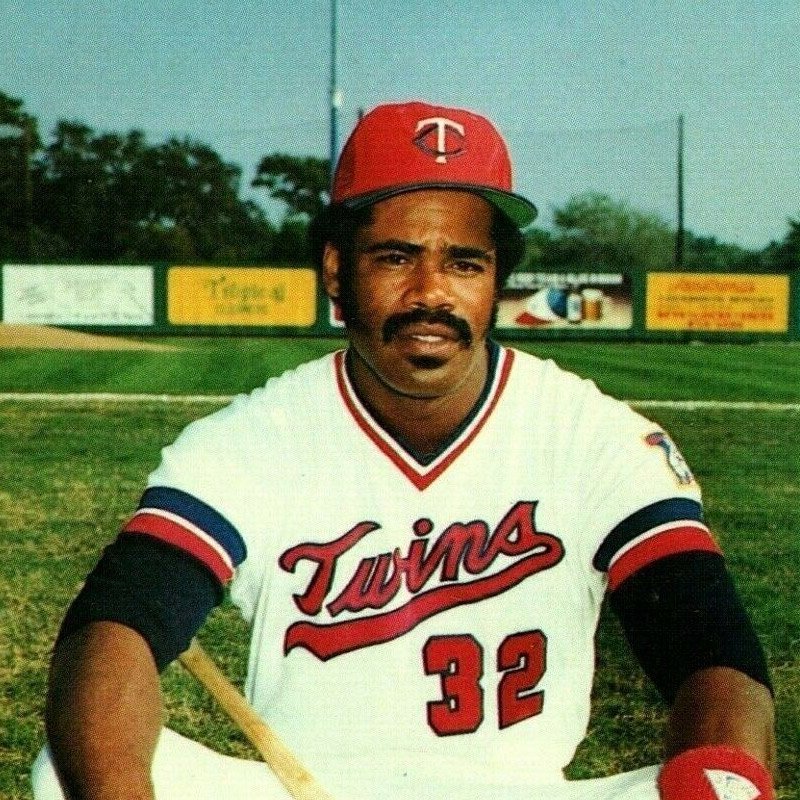 Gary Ward was born in Compton, California, on December 6, 1953. The Twins signed him in 1972 as an amateur free agent. His first year of minor league ball in 1973 was spent in Low-A Geneva, New York, where he showed immediate potential by being one of the better hitters on the team. From there, Ward began the slow progression up the minor league system with stops at Class-A Wisconsin Rapids, two years at Double-A Orlando, and three seasons at Triple-A, first at Tacoma and then Toledo. He always produced a modest batting average, a decent walk rate, and some power. Gary Ward debuted with the Twins on September 3, 1979, in a home game against the Kansas City Royals. He came in as a pinch runner at the bottom of the eighth inning but could not score, and the Twins ultimately lost 1-0. Ward’s first hit came on September 23 against the Milwaukee Brewers. He was used as a pinch hitter in the seventh inning and walked. His first hit came in the top of the ninth; it was a single. But that was the only base runner for the Twins in the ninth, and they lost 8-7. The 1980 season saw Ward get only 46 plate appearances with the Twins during a September call-up. Ward got his first home run on September 18 against the Brewers. The homer came against Mike Caldwell. But more noteworthy, that home run was part of Ward hitting for the cycle in only his 14th career game. He is the quickest player in MLB history ever to achieve this trivial rarity (in a game just four days earlier, Ward had a single, double, and triple but could not get the home run.). That September, Ward had a phenomenal 1.269 OPS in 46 plate appearances to put himself on the radar for 1981. In 1981, Ward was with the big club for the entire season. He hit .264/.325/.359. His season was good enough for him to place ninth in Rookie of the Year balloting. In 1982, Ward finally received full playing time, mostly in left field, and hit .284/343/.447. He also was selected as the American League Player of the Week twice that season. 1983 was the breakout season for Gary Ward. He started all 81 games before the All-Star break. At the break, he was hitting .289/.328/.488, good enough for a .816 OPS. He had 15 home runs and 52 RBI. It was a great first half and he was rewarded with an All-Star selection. Ward got one at-bat in the All-Star Game. Unfortunately for Ward and Twins fans, Ward went 0-1. He flew out to center field against Dave Dravecky in the fifth inning in the American League’s 13-3 win. Ward’s numbers slipped a little in the second half, but he finished the 1983 season with 4.2 bWAR, good enough for second on the team to John Castino. Ward’s defense was also very good, leading the American League left fielders in putouts and assists. His 24 assists were the most by an American League outfielder since 1944. By the end of 1983, the Twins had promising outfielders – Ward, Tom Brunansky, Mickey Hatcher, a collection of center fielders, and an intriguing minor league prospect named Kirby Puckett, who finished the season at Triple-A. One thing the Twins teams of the early 80s did not have enough of was quality pitching, specifically starting pitching. They had future ace Frank Viola but little else. So, they dealt from their outfield depth to acquire two legitimate Major League starters. All-Star Gary Ward was sent to the Texas Rangers for Mike Smithson and John Butcher. While they weren’t future Hall of Famers or All-Stars, they ate innings. They started 36 and 34 games in 1984 with ERA+ of 114 and 122. They both started 30+ games again in 1985, with Smithson doing so again in 1986. Again, nothing phenomenal, but it helped fill a gaping hole. Gary Ward’s career with the Twins lasted five seasons, with his most extensive playing time coming from 1981 to 1983. After the trade, he was an above-average major league hitter, posting a total OPS+ of 111 in three seasons in Texas. He also made his second All-Star team in 1985 (again going 0-1). He signed as a free agent with the New York Yankees after the 1986 season, then finished his career with the Detroit Tigers. Ward’s career slash line was .276/.328/.425. He had 130 home runs and 597 runs batted in. His career OPS+ was 105. Gary Ward had a son, Daryle, born in June of 1975, while Gary played for Double-A Orlando of the Southern League. Daryle Ward followed in his father’s footsteps and became a Major League Baseball player. Not only that, he, Daryle, also hit for the cycle in a game for Pittsburgh in 2004. The Wards were the first father-son tandem to hit for the cycle in MLB history. (They have since been joined by Hall of Famer Craig Biggio and his son, Cavan.) After baseball, Gary Ward served as a minor league coach for many seasons in the White Sox organization. Gary Ward was a quality player for the Minnesota Twins, earning an All-Star berth. But I also remember him fondly for the return he provided when traded. The Twins’ starting pitching was bad in 1983. Mike Smithson and John Butcher had their best seasons in Minnesota in 1984. They helped turn the corner and make the team more competitive. They did not help win the 1987 World Series, but it seemed like their arrival was a small signal that maybe things were improving. Mike Smithson played in 1987 but contributed little to the World Series championship (he threw 109.0 innings with a 5.94 ERA and was left off the postseason roster). John Butcher was traded in 1986, so not at all around for the championship season. Smithson’s ERA+ was 97 in four seasons. Butcher’s ERA+ was 96 in over two seasons. So, while neither was great, they were exactly what was needed at the time – just dependable major league pitchers. And we have Gary Ward to thank for them.
 -
Gary Ward was born in Compton, California, on December 6, 1953. The Twins signed him in 1972 as an amateur free agent. His first year of minor league ball in 1973 was spent in Low-A Geneva, New York, where he showed immediate potential by being one of the better hitters on the team. From there, Ward began the slow progression up the minor league system with stops at Class-A Wisconsin Rapids, two years at Double-A Orlando, and three seasons at Triple-A, first at Tacoma and then Toledo. He always produced a modest batting average, a decent walk rate, and some power. Gary Ward debuted with the Twins on September 3, 1979, in a home game against the Kansas City Royals. He came in as a pinch runner at the bottom of the eighth inning but could not score, and the Twins ultimately lost 1-0. Ward’s first hit came on September 23 against the Milwaukee Brewers. He was used as a pinch hitter in the seventh inning and walked. His first hit came in the top of the ninth; it was a single. But that was the only base runner for the Twins in the ninth, and they lost 8-7. The 1980 season saw Ward get only 46 plate appearances with the Twins during a September call-up. Ward got his first home run on September 18 against the Brewers. The homer came against Mike Caldwell. But more noteworthy, that home run was part of Ward hitting for the cycle in only his 14th career game. He is the quickest player in MLB history ever to achieve this trivial rarity (in a game just four days earlier, Ward had a single, double, and triple but could not get the home run.). That September, Ward had a phenomenal 1.269 OPS in 46 plate appearances to put himself on the radar for 1981. In 1981, Ward was with the big club for the entire season. He hit .264/.325/.359. His season was good enough for him to place ninth in Rookie of the Year balloting. In 1982, Ward finally received full playing time, mostly in left field, and hit .284/343/.447. He also was selected as the American League Player of the Week twice that season. 1983 was the breakout season for Gary Ward. He started all 81 games before the All-Star break. At the break, he was hitting .289/.328/.488, good enough for a .816 OPS. He had 15 home runs and 52 RBI. It was a great first half and he was rewarded with an All-Star selection. Ward got one at-bat in the All-Star Game. Unfortunately for Ward and Twins fans, Ward went 0-1. He flew out to center field against Dave Dravecky in the fifth inning in the American League’s 13-3 win. Ward’s numbers slipped a little in the second half, but he finished the 1983 season with 4.2 bWAR, good enough for second on the team to John Castino. Ward’s defense was also very good, leading the American League left fielders in putouts and assists. His 24 assists were the most by an American League outfielder since 1944. By the end of 1983, the Twins had promising outfielders – Ward, Tom Brunansky, Mickey Hatcher, a collection of center fielders, and an intriguing minor league prospect named Kirby Puckett, who finished the season at Triple-A. One thing the Twins teams of the early 80s did not have enough of was quality pitching, specifically starting pitching. They had future ace Frank Viola but little else. So, they dealt from their outfield depth to acquire two legitimate Major League starters. All-Star Gary Ward was sent to the Texas Rangers for Mike Smithson and John Butcher. While they weren’t future Hall of Famers or All-Stars, they ate innings. They started 36 and 34 games in 1984 with ERA+ of 114 and 122. They both started 30+ games again in 1985, with Smithson doing so again in 1986. Again, nothing phenomenal, but it helped fill a gaping hole. Gary Ward’s career with the Twins lasted five seasons, with his most extensive playing time coming from 1981 to 1983. After the trade, he was an above-average major league hitter, posting a total OPS+ of 111 in three seasons in Texas. He also made his second All-Star team in 1985 (again going 0-1). He signed as a free agent with the New York Yankees after the 1986 season, then finished his career with the Detroit Tigers. Ward’s career slash line was .276/.328/.425. He had 130 home runs and 597 runs batted in. His career OPS+ was 105. Gary Ward had a son, Daryle, born in June of 1975, while Gary played for Double-A Orlando of the Southern League. Daryle Ward followed in his father’s footsteps and became a Major League Baseball player. Not only that, he, Daryle, also hit for the cycle in a game for Pittsburgh in 2004. The Wards were the first father-son tandem to hit for the cycle in MLB history. (They have since been joined by Hall of Famer Craig Biggio and his son, Cavan.) After baseball, Gary Ward served as a minor league coach for many seasons in the White Sox organization. Gary Ward was a quality player for the Minnesota Twins, earning an All-Star berth. But I also remember him fondly for the return he provided when traded. The Twins’ starting pitching was bad in 1983. Mike Smithson and John Butcher had their best seasons in Minnesota in 1984. They helped turn the corner and make the team more competitive. They did not help win the 1987 World Series, but it seemed like their arrival was a small signal that maybe things were improving. Mike Smithson played in 1987 but contributed little to the World Series championship (he threw 109.0 innings with a 5.94 ERA and was left off the postseason roster). John Butcher was traded in 1986, so not at all around for the championship season. Smithson’s ERA+ was 97 in four seasons. Butcher’s ERA+ was 96 in over two seasons. So, while neither was great, they were exactly what was needed at the time – just dependable major league pitchers. And we have Gary Ward to thank for them. View full player
-
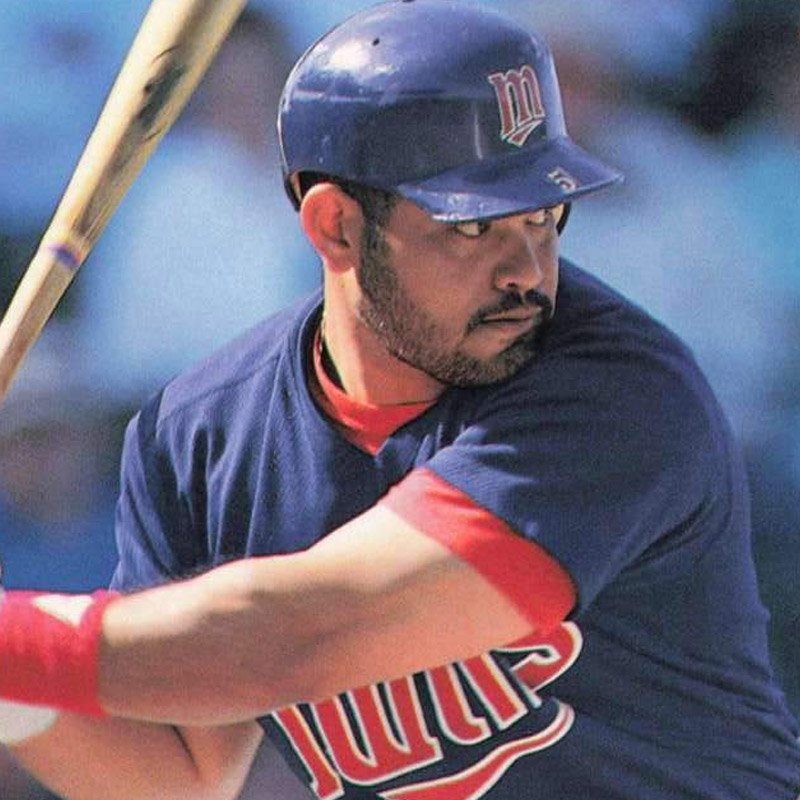 I believe all optimistic baseball fans do what I am about to describe. In the low points of a franchise’s history, the optimists want to hold out hope for something positive, cheer for the newest player, anything to give them reasons to hope or believe in a brighter future. I believe optimistic fans do so to the point that they convince themselves that an average player is better than his numbers suggest; a player might be perceived as good simply because there are too many subpar players surrounding him. That’s how I feel about Pedro Muñoz and his Minnesota Twins tenure. He was a supremely average player in his peak seasons of 1992-95 who seemed better than he really was solely because those Twins teams were on a downward spiral toward ineptitude at that time. Pedro Javier Muñoz Gonzalez was born September 19, 1968, in Ponce, Puerto Rico. He was signed as an undrafted free agent by the Toronto Blue Jays on May 31, 1985. Toronto was ahead of the curve in signing players from Latin America. They often seemed to have a stable supply of new, young Latin Americans coming through their development pipeline, including All-Stars Dámaso García, Alfredo Griffin, Tony Fernández, and 1987 AL MVP George Bell. Pedro Muñoz was another of those players signed from Latin America. For the whole Muñoz story, we need to look back at the 1990 offseason. The Twins had obtained lightning in a bottle by signing John Candelaria before the 1990 season for $500,000. For context, the minimum Major League Baseball salary for 1990 was $100,000. The left-handed pitcher was an excellent starting pitcher for Pittsburgh early in his career. He was an All-Star in his second full season with the Pirates and so good he earned Cy Young and Most Valuable Player votes. From 1975 to 1986, his ERA+ was greater than 100 in all but one season. From 1987 to 1989, his performance suffered from injuries, personal matters, and off-the-field issues. The Twins gambled and signed him on the cheap in 1990 and put him in the bullpen. He had a great half-season. His Twins career consisted of 34 games with only one start. His record was 7-3 with 44 strikeouts in 58.1 innings. His ERA+ was 123. With 1990 being a disastrous season for the Twins, they took the opportunity to cash in on their offseason find and traded Candelaria while he was hot. Near the trade deadline, on July 27, 1990, Candelaria was traded to Toronto for second baseman Nelson Liriano and outfielder Pedro Muñoz. 1990 was a bad season for the Minnesota Twins. They had little to no pitching. Their record was 47-52 on the day they acquired Pedro Muñoz. They were 6th in the American League West, 15 games behind Oakland. Things deteriorated even further with a nine-game losing streak in August, lowering them to last place and 24 games behind Oakland. With the season being a failure, September offered a chance to look at the youngsters with the expansion of rosters. Muñoz debuted on September 1, at 21, and mainly played every day in September, hitting .271/.281/.341. He showed little patience (two walks) and little power (five extra-base hits) in 90 plate appearances. We all know the 1991 Twins team was special, but they were a little slow getting going. The outfielders were Dan Gladden, Kirby Puckett, and Shane Mack, with Randy Bush and Gene Larkin providing depth. Later in the season, Jarvis Brown was often used as a pinch runner and defensive replacement. Because of the team’s slow start (14-15 through May 10) and Muñoz batting .408 at Triple-A Portland, he was called up on May 11, 1991, and the seldom-used Carmen Castillo was released. Very interestingly, the Star Tribune’s summary of the Pedro Muñoz call-up mentioned the likelihood that Gladden and Mack would be those whose playing time would be most affected. That did not prove to be accurate, as Gladden continued to play nearly every day. Mack also continued to play almost every day but was used as a defensive replacement in nine games from May 11 to June 13. However, a funny thing happened. During that month, Mack batted .310/.365/.466, proving his worth. Muñoz then became the part-time player and defensive replacement and then landed on the disabled list with a sprained thumb on July 15. Muñoz came back in September to lesser usage, often as a defensive replacement. For the season, he had 151 plate appearances and improved from the prior season to .283/.327/.500. He had 15 extra-base hits and an OPS+ of 121. Ultimately, that performance was not enough to force his way onto the postseason roster. He would have to watch the 1991 Fall Classic. After 1991, the continual budget constraints of the Minnesota Twins reared their head. Jack Morris opted out of his contract, making him a free agent who would ultimately sign with Toronto. More importantly for this article, the Twins released Gladden about two months after the World Series. Pedro Muñoz essentially replaced Gladden at the MLB minimum salary. Muñoz played in 127 games in 1992, getting 439 plate appearances. This was the most extensive action of his career. With this big opportunity, he hit .270/.298/.409 with 12 home runs and 71 RBI. He had an OPS+ of 96. Was this a promising start? Muñoz’s 1993 season was worse. In 354 plate appearances, his slash line was .233/.294/.393. His OPS+ dropped to 83. Muñoz’s 1994 and 1995 seasons were better, but the Twins were worse. The team hit a low point in 1995. Their winning percentage of .389 was their worst of the decade. During those two seasons, Muñoz hit a combined .298/.342/.497. He played only 179 games but had 29 home runs and 94 RBI. His combined OPS+ for those two seasons was 114. Muñoz signed as a free agent with Oakland in 1996. I would call this a salary dump as Terry Ryan said he wanted Muñoz back, but not at his 1995 salary. His Twins salary in 1995 was $725,000, and his Oakland salary in 1996 was $595,000. His 1996 season with Oakland was unremarkable. He signed a minor league deal with Detroit in 1997 but never reappeared in MLB or even the minor leagues. That was the last of Muñoz in American baseball. Muñoz’s career slash was .273/.315/.444. His cumulative WAR was -1.3, and his OPS+ was a completely average 100. His Minnesota years produced an OPS+ of 102, but he was never a significant star. In fact, I can’t find anything to make me recall why I thought he was anything better than an average player, even during the dark times of the mid-1990s. Thankfully, since Muñoz’s last season in 1995, the Twins have only recorded a worse winning percentage once, that being in 2016. The Twins were awfully bad during Muñoz’s career. I wish his tenure could have been better for Muñoz, the Twins, and their fans.
 -
I believe all optimistic baseball fans do what I am about to describe. In the low points of a franchise’s history, the optimists want to hold out hope for something positive, cheer for the newest player, anything to give them reasons to hope or believe in a brighter future. I believe optimistic fans do so to the point that they convince themselves that an average player is better than his numbers suggest; a player might be perceived as good simply because there are too many subpar players surrounding him. That’s how I feel about Pedro Muñoz and his Minnesota Twins tenure. He was a supremely average player in his peak seasons of 1992-95 who seemed better than he really was solely because those Twins teams were on a downward spiral toward ineptitude at that time. Pedro Javier Muñoz Gonzalez was born September 19, 1968, in Ponce, Puerto Rico. He was signed as an undrafted free agent by the Toronto Blue Jays on May 31, 1985. Toronto was ahead of the curve in signing players from Latin America. They often seemed to have a stable supply of new, young Latin Americans coming through their development pipeline, including All-Stars Dámaso García, Alfredo Griffin, Tony Fernández, and 1987 AL MVP George Bell. Pedro Muñoz was another of those players signed from Latin America. For the whole Muñoz story, we need to look back at the 1990 offseason. The Twins had obtained lightning in a bottle by signing John Candelaria before the 1990 season for $500,000. For context, the minimum Major League Baseball salary for 1990 was $100,000. The left-handed pitcher was an excellent starting pitcher for Pittsburgh early in his career. He was an All-Star in his second full season with the Pirates and so good he earned Cy Young and Most Valuable Player votes. From 1975 to 1986, his ERA+ was greater than 100 in all but one season. From 1987 to 1989, his performance suffered from injuries, personal matters, and off-the-field issues. The Twins gambled and signed him on the cheap in 1990 and put him in the bullpen. He had a great half-season. His Twins career consisted of 34 games with only one start. His record was 7-3 with 44 strikeouts in 58.1 innings. His ERA+ was 123. With 1990 being a disastrous season for the Twins, they took the opportunity to cash in on their offseason find and traded Candelaria while he was hot. Near the trade deadline, on July 27, 1990, Candelaria was traded to Toronto for second baseman Nelson Liriano and outfielder Pedro Muñoz. 1990 was a bad season for the Minnesota Twins. They had little to no pitching. Their record was 47-52 on the day they acquired Pedro Muñoz. They were 6th in the American League West, 15 games behind Oakland. Things deteriorated even further with a nine-game losing streak in August, lowering them to last place and 24 games behind Oakland. With the season being a failure, September offered a chance to look at the youngsters with the expansion of rosters. Muñoz debuted on September 1, at 21, and mainly played every day in September, hitting .271/.281/.341. He showed little patience (two walks) and little power (five extra-base hits) in 90 plate appearances. We all know the 1991 Twins team was special, but they were a little slow getting going. The outfielders were Dan Gladden, Kirby Puckett, and Shane Mack, with Randy Bush and Gene Larkin providing depth. Later in the season, Jarvis Brown was often used as a pinch runner and defensive replacement. Because of the team’s slow start (14-15 through May 10) and Muñoz batting .408 at Triple-A Portland, he was called up on May 11, 1991, and the seldom-used Carmen Castillo was released. Very interestingly, the Star Tribune’s summary of the Pedro Muñoz call-up mentioned the likelihood that Gladden and Mack would be those whose playing time would be most affected. That did not prove to be accurate, as Gladden continued to play nearly every day. Mack also continued to play almost every day but was used as a defensive replacement in nine games from May 11 to June 13. However, a funny thing happened. During that month, Mack batted .310/.365/.466, proving his worth. Muñoz then became the part-time player and defensive replacement and then landed on the disabled list with a sprained thumb on July 15. Muñoz came back in September to lesser usage, often as a defensive replacement. For the season, he had 151 plate appearances and improved from the prior season to .283/.327/.500. He had 15 extra-base hits and an OPS+ of 121. Ultimately, that performance was not enough to force his way onto the postseason roster. He would have to watch the 1991 Fall Classic. After 1991, the continual budget constraints of the Minnesota Twins reared their head. Jack Morris opted out of his contract, making him a free agent who would ultimately sign with Toronto. More importantly for this article, the Twins released Gladden about two months after the World Series. Pedro Muñoz essentially replaced Gladden at the MLB minimum salary. Muñoz played in 127 games in 1992, getting 439 plate appearances. This was the most extensive action of his career. With this big opportunity, he hit .270/.298/.409 with 12 home runs and 71 RBI. He had an OPS+ of 96. Was this a promising start? Muñoz’s 1993 season was worse. In 354 plate appearances, his slash line was .233/.294/.393. His OPS+ dropped to 83. Muñoz’s 1994 and 1995 seasons were better, but the Twins were worse. The team hit a low point in 1995. Their winning percentage of .389 was their worst of the decade. During those two seasons, Muñoz hit a combined .298/.342/.497. He played only 179 games but had 29 home runs and 94 RBI. His combined OPS+ for those two seasons was 114. Muñoz signed as a free agent with Oakland in 1996. I would call this a salary dump as Terry Ryan said he wanted Muñoz back, but not at his 1995 salary. His Twins salary in 1995 was $725,000, and his Oakland salary in 1996 was $595,000. His 1996 season with Oakland was unremarkable. He signed a minor league deal with Detroit in 1997 but never reappeared in MLB or even the minor leagues. That was the last of Muñoz in American baseball. Muñoz’s career slash was .273/.315/.444. His cumulative WAR was -1.3, and his OPS+ was a completely average 100. His Minnesota years produced an OPS+ of 102, but he was never a significant star. In fact, I can’t find anything to make me recall why I thought he was anything better than an average player, even during the dark times of the mid-1990s. Thankfully, since Muñoz’s last season in 1995, the Twins have only recorded a worse winning percentage once, that being in 2016. The Twins were awfully bad during Muñoz’s career. I wish his tenure could have been better for Muñoz, the Twins, and their fans. View full player
-
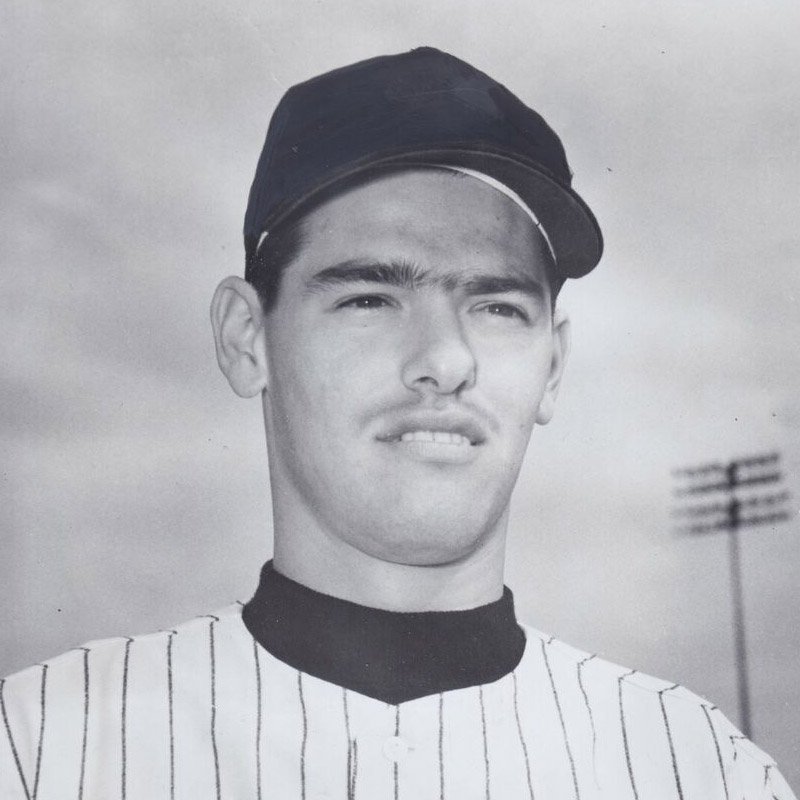 James Joseph Merritt was born December 9, 1943, in Altadena, California. He attended and played baseball for two different high schools in southern California – West Covina and Edgewood. Merritt was a huge Dodger fan after the team relocated from Brooklyn. SABR said, “Jim fulfilled every boy’s dream when the Dodgers hired him as batboy and clubhouse attendant. Though the job forced him to forgo his senior year of baseball, he enjoyed some added perks. ‘I used to listen [to pitchers] all I could when I worked for the Dodgers.’ He had up-close and personal conversations about pitching with hurlers like fellow lefties Sandy Koufax and Ron Perranoski, as well as Don Drysdale.” Merritt’s high school job must have shown something, or at least been positive, as he was signed by his favorite team and former employer, the Los Angeles Dodgers. But shortly after that, the Twins had to step in and alter his fairy tale. The Twins selected Merritt under the first-year draft rule of the 1961 Rule V draft. Merritt was great in the minor leagues, often leading or amongst the leaders of his league in wins, innings, and strikeouts. Merritt debuted for the Twins on August 2, 1965. His line was 8.2 innings pitched, eight hits, six strikeouts, and one walk, and he gave up five runs, four of which were earned. The one walk was a prelude to the career of an excellent control pitcher. The Twins won the game with a walk-off home run by Jimmie Hall off future Hall of Famer Jim Palmer, who was pitching in relief while just starting his career. Merritt won his next two starts, including a 10-hit complete game on August 12 against the Yankees. Jim Merritt appeared twice in the 1965 World Series in games 3 and 7 against his hometown Los Angeles Dodgers. Unfortunately for the Twins and their fans the Twins lost both those games. In game 3, he gave up one earned run in two innings, allowing the deficit to grow from 3-0. That did not hurt much as the final score stayed at 4-0. The Twins could never get anything going offensively, only getting five hits off Claude Osteen in his complete game. In game 7, Merritt gave up no runs in 1.1 innings, but that did not stop the Twins from dropping game 7 to the Dodgers and losing the tightly contested World Series. The Twins were shut out in three World Series games in 1965, and Merritt pitched in two of those losses. There’s not much a pitcher can do when an offense does not score. Merritt’s record with the Twins finished at only 37-41. He started 89 games and appeared in 33 more. But his other numbers paint a picture of a pretty valuable pitcher. 3.03 ERA and ERA+ of 112. He had six shutouts, walked only 1.8 per 9 innings, and had an extremely low WHIP of 1.046. His 0.993 WHIP in 1968, the year of the pitcher, was good for second-best in the American League. His 6.5 WAR in 1967 was the best in the American League for pitchers. After the 1968 season, Merritt was traded to the Cincinnati Reds for the slick-fielding shortstop Leo Cárdenas. Both players were exceptionally good for their new teams, each making an All-Star Game and receiving votes for major awards. According to Baseball Reference WAR, the Twins won the trade, with Cárdenas contributing 11.1 WAR for the Twins in three seasons to Merritt’s 2.8 WAR for the Reds in four seasons. Cárdenas finished 12th in 1969 voting for Most Valuable Player and was an All-Star in 1971. His slash line for the Twins was .263/.325/.394. He hit 39 home runs. After the 1971 season, Cárdenas was traded to the Angels. Merritt had a 39-32 record in four seasons with the Reds. He was great in 1969 and 1970, then fizzled out in his last two seasons with an apparent arm injury in late 1970. He went 17-9 in 1969 and was even better in 1970 when he won 20 games, was selected to the All-Star Game (he gave up only one hit in two innings; it was to former teammate Harmon Killebrew), and finished fourth in the voting for the Cy Young Award. He was later traded to the Texas Rangers, where he finished his career in 1975. Jim Merritt finished his career with 81 wins and 86 losses, a 3.65 ERA, 932 strikeouts, and only 322 walks in 1,483 innings. His ERA+ was 99. He was a very good pitcher for four years. From 1967-1970, he produced a 62-44 record while pitching 951 innings. He ran into arm problems late in 1970 and was never the same pitcher. He threw only 311 innings from 1971-1975 and was out of baseball after his age-32 season. With today’s medical knowledge and surgeries, who knows what his career could have been?
 -
James Joseph Merritt was born December 9, 1943, in Altadena, California. He attended and played baseball for two different high schools in southern California – West Covina and Edgewood. Merritt was a huge Dodger fan after the team relocated from Brooklyn. SABR said, “Jim fulfilled every boy’s dream when the Dodgers hired him as batboy and clubhouse attendant. Though the job forced him to forgo his senior year of baseball, he enjoyed some added perks. ‘I used to listen [to pitchers] all I could when I worked for the Dodgers.’ He had up-close and personal conversations about pitching with hurlers like fellow lefties Sandy Koufax and Ron Perranoski, as well as Don Drysdale.” Merritt’s high school job must have shown something, or at least been positive, as he was signed by his favorite team and former employer, the Los Angeles Dodgers. But shortly after that, the Twins had to step in and alter his fairy tale. The Twins selected Merritt under the first-year draft rule of the 1961 Rule V draft. Merritt was great in the minor leagues, often leading or amongst the leaders of his league in wins, innings, and strikeouts. Merritt debuted for the Twins on August 2, 1965. His line was 8.2 innings pitched, eight hits, six strikeouts, and one walk, and he gave up five runs, four of which were earned. The one walk was a prelude to the career of an excellent control pitcher. The Twins won the game with a walk-off home run by Jimmie Hall off future Hall of Famer Jim Palmer, who was pitching in relief while just starting his career. Merritt won his next two starts, including a 10-hit complete game on August 12 against the Yankees. Jim Merritt appeared twice in the 1965 World Series in games 3 and 7 against his hometown Los Angeles Dodgers. Unfortunately for the Twins and their fans the Twins lost both those games. In game 3, he gave up one earned run in two innings, allowing the deficit to grow from 3-0. That did not hurt much as the final score stayed at 4-0. The Twins could never get anything going offensively, only getting five hits off Claude Osteen in his complete game. In game 7, Merritt gave up no runs in 1.1 innings, but that did not stop the Twins from dropping game 7 to the Dodgers and losing the tightly contested World Series. The Twins were shut out in three World Series games in 1965, and Merritt pitched in two of those losses. There’s not much a pitcher can do when an offense does not score. Merritt’s record with the Twins finished at only 37-41. He started 89 games and appeared in 33 more. But his other numbers paint a picture of a pretty valuable pitcher. 3.03 ERA and ERA+ of 112. He had six shutouts, walked only 1.8 per 9 innings, and had an extremely low WHIP of 1.046. His 0.993 WHIP in 1968, the year of the pitcher, was good for second-best in the American League. His 6.5 WAR in 1967 was the best in the American League for pitchers. After the 1968 season, Merritt was traded to the Cincinnati Reds for the slick-fielding shortstop Leo Cárdenas. Both players were exceptionally good for their new teams, each making an All-Star Game and receiving votes for major awards. According to Baseball Reference WAR, the Twins won the trade, with Cárdenas contributing 11.1 WAR for the Twins in three seasons to Merritt’s 2.8 WAR for the Reds in four seasons. Cárdenas finished 12th in 1969 voting for Most Valuable Player and was an All-Star in 1971. His slash line for the Twins was .263/.325/.394. He hit 39 home runs. After the 1971 season, Cárdenas was traded to the Angels. Merritt had a 39-32 record in four seasons with the Reds. He was great in 1969 and 1970, then fizzled out in his last two seasons with an apparent arm injury in late 1970. He went 17-9 in 1969 and was even better in 1970 when he won 20 games, was selected to the All-Star Game (he gave up only one hit in two innings; it was to former teammate Harmon Killebrew), and finished fourth in the voting for the Cy Young Award. He was later traded to the Texas Rangers, where he finished his career in 1975. Jim Merritt finished his career with 81 wins and 86 losses, a 3.65 ERA, 932 strikeouts, and only 322 walks in 1,483 innings. His ERA+ was 99. He was a very good pitcher for four years. From 1967-1970, he produced a 62-44 record while pitching 951 innings. He ran into arm problems late in 1970 and was never the same pitcher. He threw only 311 innings from 1971-1975 and was out of baseball after his age-32 season. With today’s medical knowledge and surgeries, who knows what his career could have been? View full player
-
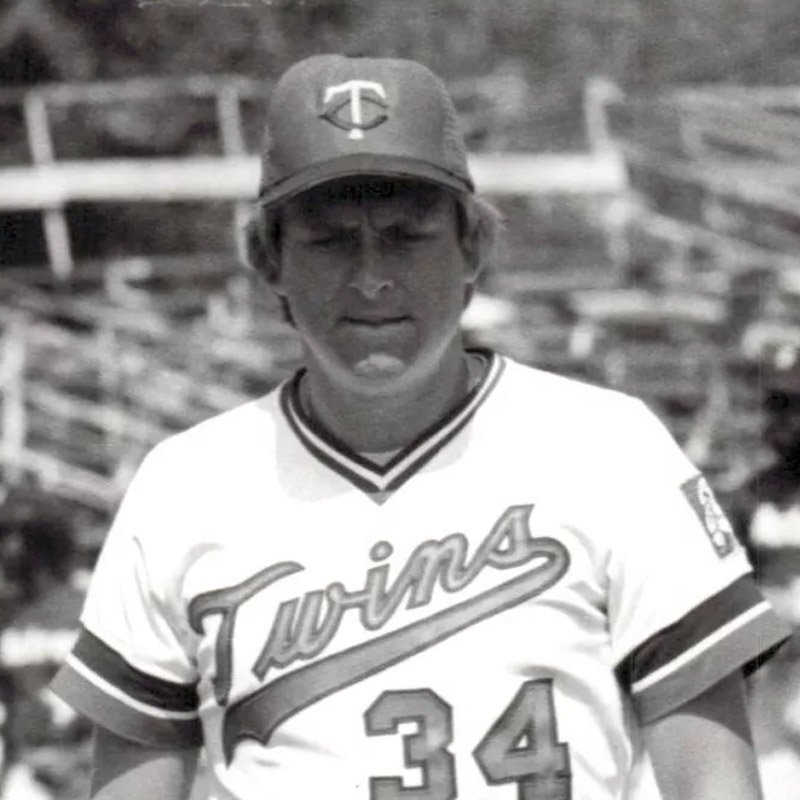 Don Cooper was born in New York City on January 15, 1956. From an early age, he always wanted to play baseball. Cooper was quoted, “My focus from the third grade up was that, ‘I’m playing Major League Baseball.’ That was my dream, and that’s what I always sought after. I was blessed enough to get that dream fulfilled.” He continued with that spirit and determination through high school in New York City and pitched collegiately at the New York Institute of Technology. After college, the New York Yankees drafted Cooper in the 17th round of the 1978 Major League Baseball Amateur Draft. He pitched in the Yankees' minor league system from 1978 to 1980, throwing a no-hitter in August 1978, only a couple of months after being drafted. The Twins obtained Cooper via the 1980 Rule 5 draft. He was primarily a relief pitcher during his MLB career, starting only three games. Cooper’s tenure with the Twins started in 1981. He logged a 1-5 record that season. His lone win came on September 2, 1981, a comeback victory against the Yankees. He entered the game in the 8th inning with the Twins trailing 3-2. Cooper got the final five outs while allowing one hit and no runs. In the bottom of the inning, the offense got to work, taking the lead by scoring two runs on a Mickey Hatcher RBI triple and a sacrifice bunt. After the 1981 season, Cooper only recorded one last MLB decision – a loss for the Twins in 1982. After the 1982 season, the Twins traded Cooper to Toronto for Dave Baker, an uninspiring third base prospect who played two seasons for the AAA Toledo Mud Hens but never impressed enough to appear in a game for the Twins. Cooper played sparingly for the Blue Jays one season and then finished his career in 1985 with his hometown New York Yankees. His career statistics include a 1-6 record, 5.27 ERA, and 47 strikeouts in 85.1 innings. Overall, he had a negative WAR of -0.3. So, what’s so great about Don Cooper that makes him worthy of this write-up? "I love being part of young people’s lives, helping them achieve the dreams they’re dreaming about. That’s what I’m into." - Don Cooper, 2018. In 1988, Don Cooper began a 32-year career with the Chicago White Sox organization. He made his way through their minor league system, serving as pitching coach at both levels of single A, then at AA and AAA, plus about eight years as the minor league pitching coordinator for the organization. In 2002, he returned to the big leagues, this time as a coach. He served as the White Sox pitching coach for an incredible 18+ seasons. He also served as interim manager for the last two games of the 2011 season after Ozzie Guillen was let go; he went 1-1. Cooper was pitching coach at the big-league level for four managers (Jerry Manuel, Ozzie Guillen, Robin Ventura, and Rick Renteria) and two general managers (Ken Williams and Rick Hahn). His total 32-year career at all levels of the organization includes two additional general managers of the White Sox organization (Larry Himes and Ron Schueler). That’s an incredible run. He must have been very well thought of to serve that many different major league field managers and organizational general managers. During his time as pitching coach with the White Sox, Don Cooper worked with all-star pitchers Mark Buehrle, Esteban Loaiza, Jon Garland, Bobby Jenks, Jose Contreras, Matt Thornton, Chris Sale, Jake Peavy, Jesse Crain (Twins legend), Jose Quintana, and Lucas Giolito. Of course, the Chicago White Sox ended their 87-year drought and won the 2005 World Series when they swept the Astros largely behind great starting pitching. Each starting pitcher threw at least seven innings. In addition, Buehrle and former Twins legend Philip Humber threw perfect games under Cooper’s tutelage. Buehrle had a regular no-hitter in 2007, and Giolito also threw a no-hitter in 2020. Cooper also helped Esteban Loaiza to a 20-win campaign in 2003. They say, “Find something you love to do, and you’ll never work a day in your life.” Don Cooper embodies that saying with a 10-year pitching career and then a 32-year coaching career in the White Sox organization. According to the saying, Cooper never worked a day in his life. Good for him. I’m sure we can all appreciate and admire that.
 -
Don Cooper was born in New York City on January 15, 1956. From an early age, he always wanted to play baseball. Cooper was quoted, “My focus from the third grade up was that, ‘I’m playing Major League Baseball.’ That was my dream, and that’s what I always sought after. I was blessed enough to get that dream fulfilled.” He continued with that spirit and determination through high school in New York City and pitched collegiately at the New York Institute of Technology. After college, the New York Yankees drafted Cooper in the 17th round of the 1978 Major League Baseball Amateur Draft. He pitched in the Yankees' minor league system from 1978 to 1980, throwing a no-hitter in August 1978, only a couple of months after being drafted. The Twins obtained Cooper via the 1980 Rule 5 draft. He was primarily a relief pitcher during his MLB career, starting only three games. Cooper’s tenure with the Twins started in 1981. He logged a 1-5 record that season. His lone win came on September 2, 1981, a comeback victory against the Yankees. He entered the game in the 8th inning with the Twins trailing 3-2. Cooper got the final five outs while allowing one hit and no runs. In the bottom of the inning, the offense got to work, taking the lead by scoring two runs on a Mickey Hatcher RBI triple and a sacrifice bunt. After the 1981 season, Cooper only recorded one last MLB decision – a loss for the Twins in 1982. After the 1982 season, the Twins traded Cooper to Toronto for Dave Baker, an uninspiring third base prospect who played two seasons for the AAA Toledo Mud Hens but never impressed enough to appear in a game for the Twins. Cooper played sparingly for the Blue Jays one season and then finished his career in 1985 with his hometown New York Yankees. His career statistics include a 1-6 record, 5.27 ERA, and 47 strikeouts in 85.1 innings. Overall, he had a negative WAR of -0.3. So, what’s so great about Don Cooper that makes him worthy of this write-up? "I love being part of young people’s lives, helping them achieve the dreams they’re dreaming about. That’s what I’m into." - Don Cooper, 2018. In 1988, Don Cooper began a 32-year career with the Chicago White Sox organization. He made his way through their minor league system, serving as pitching coach at both levels of single A, then at AA and AAA, plus about eight years as the minor league pitching coordinator for the organization. In 2002, he returned to the big leagues, this time as a coach. He served as the White Sox pitching coach for an incredible 18+ seasons. He also served as interim manager for the last two games of the 2011 season after Ozzie Guillen was let go; he went 1-1. Cooper was pitching coach at the big-league level for four managers (Jerry Manuel, Ozzie Guillen, Robin Ventura, and Rick Renteria) and two general managers (Ken Williams and Rick Hahn). His total 32-year career at all levels of the organization includes two additional general managers of the White Sox organization (Larry Himes and Ron Schueler). That’s an incredible run. He must have been very well thought of to serve that many different major league field managers and organizational general managers. During his time as pitching coach with the White Sox, Don Cooper worked with all-star pitchers Mark Buehrle, Esteban Loaiza, Jon Garland, Bobby Jenks, Jose Contreras, Matt Thornton, Chris Sale, Jake Peavy, Jesse Crain (Twins legend), Jose Quintana, and Lucas Giolito. Of course, the Chicago White Sox ended their 87-year drought and won the 2005 World Series when they swept the Astros largely behind great starting pitching. Each starting pitcher threw at least seven innings. In addition, Buehrle and former Twins legend Philip Humber threw perfect games under Cooper’s tutelage. Buehrle had a regular no-hitter in 2007, and Giolito also threw a no-hitter in 2020. Cooper also helped Esteban Loaiza to a 20-win campaign in 2003. They say, “Find something you love to do, and you’ll never work a day in your life.” Don Cooper embodies that saying with a 10-year pitching career and then a 32-year coaching career in the White Sox organization. According to the saying, Cooper never worked a day in his life. Good for him. I’m sure we can all appreciate and admire that. View full player
-
The mid-70s Twins could do one thing: score runs. Larry Hisle was a big reason why. Of course, the Minnesota Twins had some excellent batting teams and good offenses in the mid-1970s, led by Rod Carew. Some of these years also included the last couple of healthy and productive seasons from Tony Oliva. They scored a ton of runs in that era. But there were other contributors beyond those Hall of Famers, including a collection of talented outfielders. That group had lesser-known productive members such as Steve Braun and Bobby Darwin and well-known players such as Dan Ford and Lyman Bostock. The years in the table below coincide with All-Star Larry Hisle’s tenure in Minnesota. Let’s take a deeper look at Hisle’s story. YEAR RUNS SCORED RUNS SCORED LEAGUE RANK RUNS ALLOWED AL WEST DIVISION FINISH 1973 738 4th (tied) 692 3rd 1974 673 5th 669 3rd 1975 724 3rd 736 4th 1976 743 1st 704 3rd 1977 867 1st 776 4th Larry Eugene Hisle was born in Portsmouth, Ohio, on May 5, 1947. His mother, a big baseball fan, named him Larry after Larry Doby, the first African American to play in the American League. Sadly, both Hisle's parents died at an early age, and Larry lived with his aunt for a period before being adopted. He channeled his grief into sports. When he was tired of his training, he would remember his mother, who wanted him to give his best. The Philadelphia Phillies selected Hisle in the second round of the 1965 Major League Amateur Draft, the inaugural modern-day draft. As a youngster, Hisle was proficient in basketball and baseball but turned down a basketball scholarship offer from Ohio State to sign with the Phillies. He would later attend Ohio State but did not play sports there. After two minor league seasons, the six-foot-two, 190-pound Hisle debuted with the Phillies on April 10, 1968. He got two hits in his first MLB at-bat against Claude Osteen. He also scored a run in that debut game, a 2-0 Phillies win against the Los Angeles Dodgers. Despite that promising start, Hisle was sent to the minor leagues after only 12 plate appearances. In 1969, he got extensive playing time and finished fourth in National League Rookie of the Year voting. His first home run came on April 21, 1969, against Gary Gentry of the New York Mets. His rookie season statistics compared favorably to Willie Mays's 18 years earlier. Hisle had 20 home runs and 56 RBIs that season with a 124 OPS+. However, Hisle had a disappointing sophomore season in 1970, which resulted in him playing much of 1971 and all of 1972 in the minor leagues. He was traded three times in that difficult period. In October 1971, he was traded to the Dodgers, then a year later, in October 1972, to the Cardinals, then shortly after that, in November 1972, to the Twins, where he found a home. Larry Hisle had an immediate impact on the Twins. While with the Twins, the right-handed Hisle played all three outfield positions, primarily left field. His OPS+ was positive (meaning above the major league median, 100 being the median) in every season with the Twins. Hisle’s OPS+ numbers started at 114 in 1973, then proceeded to 131, 143, 111, and 144 in the next four seasons. His excellent 1977 season was his best with the Twins. He was selected to the All-Star team and finished 12th in voting for Most Valuable Player, while his 119 RBIs led the American League. That season, he hit .302/.369/.533 and had 28 home runs. Hisle’s Twins highlights include a five-hit game in 1973, three five-RBI games, and two four-run games in May 1976. But perhaps his most notable achievement was hitting for the cycle on June 4, 1976. Modern Twins fans might be interested to learn that Baseball Reference lists Jacque Jones and Eddie Rosario as two of the ten most similar players to Hisle. That comparison should give recent fans an idea of Hisle’s baseball abilities. After the 1977 season, a couple of the top Twins outfielders, Hisle and Lyman Bostock, were granted free agency. They left for greener pastures, leaving large shoes to fill the Twins lineup. For his part, Hisle signed with the Milwaukee Brewers. He had an All-Star season in 1978 when he hit .290/.374/.533 with 34 home runs and 115 RBIs. His MVP vote totals increased from the prior season; he finished third in 1978. After that success, he unfortunately suffered a significant rotator cuff injury in 1979. He played very little thereafter. 1982 ended up being his final season. After his playing career, Larry Hisle was the hitting coach for the Toronto Blue Jays from 1992 to 1995, which included their two World Series championship seasons of 1992 and 1993. During the 1993 season, Toronto batters (John Olerud, Paul Molitor, and Roberto Alomar) would finish 1-2-3 in batting average in the American League. As of 2019, Hisle was the Manager of Youth Outreach with the Milwaukee Brewers and the President of Major League Mentoring in Milwaukee. Larry Hisle was a talented player with two excellent seasons – 1977 and 1978. He finished his career with a respectable batting slash line of .273/.347/.452 and 166 home runs with 674 RBIs. His career OPS+ was an impressive 123, and he achieved a WAR of 25.0. Hisle was a splendid batter who contributed to the Twins' offensive success of the mid-1970s. With those great offenses in 1976 and 1977, it seems like they should have been more successful. Patrick Reusse surmised in Tales from the Minnesota Sport Beat that, at least in 1977, “They just couldn’t pitch." What are your memories of the 1970s Twins? Besides Carew, who was the offensive catalyst for those teams? Start the discussion below. For more Twins history, please check out my previous entries at Remembering Random Twins. Sources include www.baseball-reference.com, www.sabr.org, and www.wikipedia.org. View full article
-
 Of course, the Minnesota Twins had some excellent batting teams and good offenses in the mid-1970s, led by Rod Carew. Some of these years also included the last couple of healthy and productive seasons from Tony Oliva. They scored a ton of runs in that era. But there were other contributors beyond those Hall of Famers, including a collection of talented outfielders. That group had lesser-known productive members such as Steve Braun and Bobby Darwin and well-known players such as Dan Ford and Lyman Bostock. The years in the table below coincide with All-Star Larry Hisle’s tenure in Minnesota. Let’s take a deeper look at Hisle’s story. YEAR RUNS SCORED RUNS SCORED LEAGUE RANK RUNS ALLOWED AL WEST DIVISION FINISH 1973 738 4th (tied) 692 3rd 1974 673 5th 669 3rd 1975 724 3rd 736 4th 1976 743 1st 704 3rd 1977 867 1st 776 4th Larry Eugene Hisle was born in Portsmouth, Ohio, on May 5, 1947. His mother, a big baseball fan, named him Larry after Larry Doby, the first African American to play in the American League. Sadly, both Hisle's parents died at an early age, and Larry lived with his aunt for a period before being adopted. He channeled his grief into sports. When he was tired of his training, he would remember his mother, who wanted him to give his best. The Philadelphia Phillies selected Hisle in the second round of the 1965 Major League Amateur Draft, the inaugural modern-day draft. As a youngster, Hisle was proficient in basketball and baseball but turned down a basketball scholarship offer from Ohio State to sign with the Phillies. He would later attend Ohio State but did not play sports there. After two minor league seasons, the six-foot-two, 190-pound Hisle debuted with the Phillies on April 10, 1968. He got two hits in his first MLB at-bat against Claude Osteen. He also scored a run in that debut game, a 2-0 Phillies win against the Los Angeles Dodgers. Despite that promising start, Hisle was sent to the minor leagues after only 12 plate appearances. In 1969, he got extensive playing time and finished fourth in National League Rookie of the Year voting. His first home run came on April 21, 1969, against Gary Gentry of the New York Mets. His rookie season statistics compared favorably to Willie Mays's 18 years earlier. Hisle had 20 home runs and 56 RBIs that season with a 124 OPS+. However, Hisle had a disappointing sophomore season in 1970, which resulted in him playing much of 1971 and all of 1972 in the minor leagues. He was traded three times in that difficult period. In October 1971, he was traded to the Dodgers, then a year later, in October 1972, to the Cardinals, then shortly after that, in November 1972, to the Twins, where he found a home. Larry Hisle had an immediate impact on the Twins. While with the Twins, the right-handed Hisle played all three outfield positions, primarily left field. His OPS+ was positive (meaning above the major league median, 100 being the median) in every season with the Twins. Hisle’s OPS+ numbers started at 114 in 1973, then proceeded to 131, 143, 111, and 144 in the next four seasons. His excellent 1977 season was his best with the Twins. He was selected to the All-Star team and finished 12th in voting for Most Valuable Player, while his 119 RBIs led the American League. That season, he hit .302/.369/.533 and had 28 home runs. Hisle’s Twins highlights include a five-hit game in 1973, three five-RBI games, and two four-run games in May 1976. But perhaps his most notable achievement was hitting for the cycle on June 4, 1976. Modern Twins fans might be interested to learn that Baseball Reference lists Jacque Jones and Eddie Rosario as two of the ten most similar players to Hisle. That comparison should give recent fans an idea of Hisle’s baseball abilities. After the 1977 season, a couple of the top Twins outfielders, Hisle and Lyman Bostock, were granted free agency. They left for greener pastures, leaving large shoes to fill the Twins lineup. For his part, Hisle signed with the Milwaukee Brewers. He had an All-Star season in 1978 when he hit .290/.374/.533 with 34 home runs and 115 RBIs. His MVP vote totals increased from the prior season; he finished third in 1978. After that success, he unfortunately suffered a significant rotator cuff injury in 1979. He played very little thereafter. 1982 ended up being his final season. After his playing career, Larry Hisle was the hitting coach for the Toronto Blue Jays from 1992 to 1995, which included their two World Series championship seasons of 1992 and 1993. During the 1993 season, Toronto batters (John Olerud, Paul Molitor, and Roberto Alomar) would finish 1-2-3 in batting average in the American League. As of 2019, Hisle was the Manager of Youth Outreach with the Milwaukee Brewers and the President of Major League Mentoring in Milwaukee. Larry Hisle was a talented player with two excellent seasons – 1977 and 1978. He finished his career with a respectable batting slash line of .273/.347/.452 and 166 home runs with 674 RBIs. His career OPS+ was an impressive 123, and he achieved a WAR of 25.0. Hisle was a splendid batter who contributed to the Twins' offensive success of the mid-1970s. With those great offenses in 1976 and 1977, it seems like they should have been more successful. Patrick Reusse surmised in Tales from the Minnesota Sport Beat that, at least in 1977, “They just couldn’t pitch." What are your memories of the 1970s Twins? Besides Carew, who was the offensive catalyst for those teams? Start the discussion below. For more Twins history, please check out my previous entries at Remembering Random Twins. Sources include www.baseball-reference.com, www.sabr.org, and www.wikipedia.org.
 -
Carew said in the documentary, "It's doesn't cost anything to be nice." Harmon taught that to Carew, Oliva, and Kaat, and probably others.
-
Twins Daily Exclusive Interview With Hall Of Fame Pitcher Jim Kaat
Al from SoDak posted an article in History
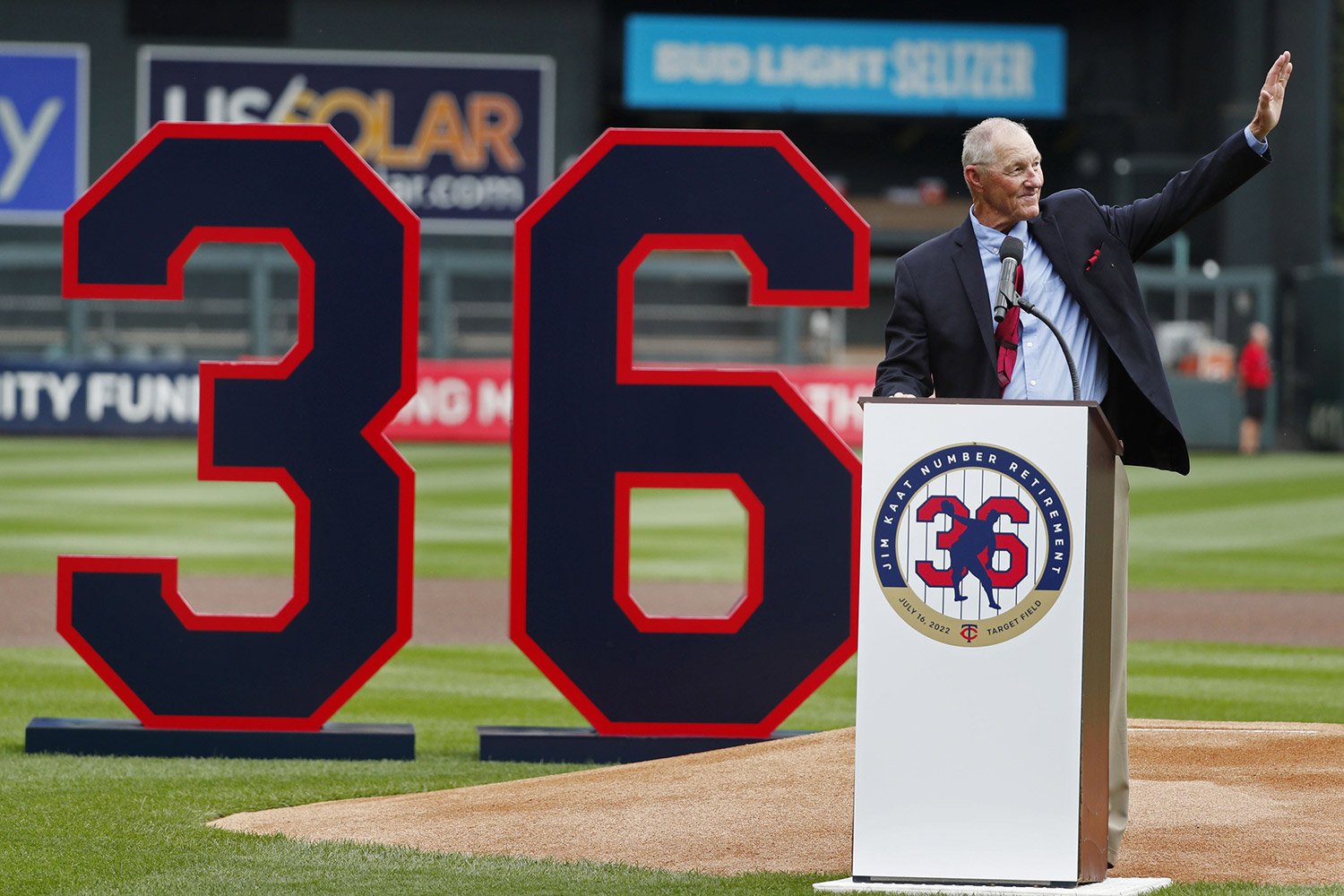 We want to thank Jim Kaat and Winter State Entertainment for allowing us to watch their new documentary film, Kitty to Cooperstown, and coordinating this interview with the legendary Twins pitcher. You can find the documentary on Amazon Prime by clicking here. Kitty to Cooperstown is a new documentary about 2022 Baseball Hall of Fame inductee Jim Kaat, now available on Amazon Prime. It includes commentary from Kaat himself, Twins teammate Tony Oliva, broadcast partner Bob Costas, teammate and fellow broadcaster Tim McCarver, Reds Manager Pete Rose, teammate Keith Hernandez, and many others. Former Twins broadcaster Dick Bremer provided the narration. Recently, I was fortunate to talk with Twins legend Jim Kaat about the movie and his career. This new 2024 documentary provides a 90-minute review of Jim’s life and career. I found it enjoyable and informative. I learned a lot about his upbringing and career as a player and broadcaster. I also learned—or maybe confirmed—that he just seems to be a good person. Winter State Entertainment from Owatonna, Minnesota, initiated and produced the documentary. Kaat explained that the project took two years of interviewing, filming, editing, etc., before completion. The idea began in the spring of 2022 after Kaat received the news of his election to the Hall of Fame, but it was before the induction, which took place later that summer. UPBRINGING AND PERSONAL DEVELOPMENT James Lee Kaat was born November 7, 1938, in Zeeland, Michigan. He grew up in a family with four children. His next closest sibling was nine years older. Jim was attracted to sports at an early age, playing baseball and basketball as a child. He also really enjoyed the history of baseball. Early in the documentary, Kaat talks about the Base Ball Guides his dad collected from the early 1900s. Jim studied those books, which gave him an almost encyclopedic knowledge of the game's history. This knowledge must have contributed to his successful post-playing career as a baseball analyst. Broadcasting games allowed Kaat to showcase his knowledge of baseball and its history while covering the game he loved. One of the documentary's highlights is Jim’s father – known to locals as John – and his parenting skills. Jim shared a story about a youth basketball game where he had maybe double the points he would usually score. The first thing his dad did after the game was talk about how many great passes Jim’s teammate had thrown Jim’s way. The father was instilling a lesson to give credit to your teammates in a team game; nobody can do it all themselves. That’s a great lesson for any kid to hear. There are other anecdotes about Jim’s father throughout the biopic. Jim’s dad meant a lot to him, and he must have mentioned him frequently to friends and teammates. Tim McCarver mentioned that he had never met Jim’s father but wished he had. Later in the film, there is a quote from Mike Schmidt, “All of the personality traits he (Jim) has, I wish I had them all.” What a compliment! I’m sure many of those personality traits are due to Jim’s upbringing. Jim explained that his mother was also vital to his upbringing and development. Jim made a point to explain to me: Kaat asserts that his mother only saw him pitch once, in the second game of the 1965 World Series. She never went to any of his games growing up. His father often attended those youth games, but it was always far down the line, far away from the action. Neither parent made a big deal of their son’s athletic ability. Back to baseball and Jim’s upbringing, Kaat finishes the documentary with a childhood memory of going to a Tigers game, his first professional game, when he was seven and a half years old. He was struck first by the green of the outfield walls, the green of the grass, and just the overall grandeur of the ballpark. He was seven years old, and it made a deep impression. From that day forward, he told people he would be a baseball player. After high school, Jim went five miles to Holland, Michigan, and Hope College where the left-handed pitcher joined the baseball team. He played a single season and gave up one single run all season. Around this point, Jim had grown from five-foot-ten to six-four-four, and professional scouts started to notice him. SIGNING AND MINOR LEAGUES After that first year in college, Jim was offered contracts from multiple major league teams. His largest offer of $25,000 was from the White Sox. Jim’s dad convinced him to decline that offer. Kaat told me that the offer was about five times what the elder Kaat received in annual pay. The Kaats declined the offer because it would have triggered the bonus baby rule in MLB at that time, whereby any player signed for a contract over $4,000 would have to be immediately placed on the active roster of the major league team for two full seasons. The problem is many of those players were too young and inexperienced to be able to jump right into MLB and succeed. At his dad’s urging, Kaat declined the offer and took Washington’s offer of $4,000, which allowed him to be assigned to the minor leagues. Kaat would spend 1957 to 1959 in the minor leagues. I am amazed at the father’s foresight to decline the White Sox offer. His ability to see the bigger picture was probably crucial to Jim’s development into a successful MLB pitcher. Conversely, Kaat’s future teammate, Harmon Killebrew, signed for an amount that triggered the rule. As a result, Harmon was immediately placed on Washington’s rosters, and for those two initial years (1954-55), he garnered only 104 plate appearances in 47 games. In two years! That cannot have been good for Killebrew’s development, but those were the rules. Then, in 1956-58, Killebrew played a majority of each season in the minor leagues because he was past the two-year requirement. Finally, in 1959, Harmon’s first complete MLB season where he was fully utilized, he hit 42 home runs, and that was the start of the career we all know. I asked Jim if he and Harmon ever talked about the bonus baby rule and signing and what effect they think it had on each of their careers. Kaat reported that signing for the lesser amount was best for him. Too many of the other guys went bust. Thankfully for Killebrew and Twins fans, Harmon eventually made it. THE MINNESOTA TWINS As we all know, Kaat had a long and successful career with the Twins, and I will not rehash it all here. It’s all there in the documentary. I did ask Kaat about a few years I thought were noteworthy. Of course, Kitty to Cooperstown covers the 1965 World Series and Kaat’s three showdowns against Sandy Koufax. I asked Kaat if there was anything the Twins could have done differently to win the 1965 series. Kaat speculated: I think it’s probable that they simply ran into tremendous pitching. The Twins scored only two runs in their four losses. Sandy Koufax shut them out twice and won World Series MVP honors. Sometimes, the other team just performs better. In 1967, the Twins were in a heated pennant race with the Red Sox and Tigers. Kaat started the second to last game in Boston. He had given up no runs into the third inning. However, he felt something in his elbow and had to come out of the game. Kaat said: It was a tear of the ulnar collateral ligament. In today’s day, he would have had the Tommy John surgery immediately and missed at least a year of action. In 1967, the prescribed treatment was to rest all winter and then go out and pitch in 1968. Kaat mentioned: Because of Kaat’s injury, the Twins lost that penultimate game, the next day’s season finale, thereby losing the American League by one game. Bruce Cornblatt is an MLB Network producer and, in 1967, was a young Red Sox fan. He was interviewed for the documentary. Cornblatt shared a story Kaat had relayed to Cornblatt when they first met about Jim playing golf with Red Sox great Carl Yastrzemski many years later. Yaz said to Kaat the Sox never would have scored in that 1967 game if Kaat’s elbow injury didn’t happen. He was pitching that well. In August of 1973, the Twins waived Kaat, and the Chicago White Sox claimed him. I asked him what happened there. Was that an example of Twins owner Calvin Griffith’s penny-pinching? Kaat responded: The White Sox not only picked him up but immediately gave him a raise for the following season. LATER CAREER After leaving the Twins, Kaat bounced around a little. As mentioned, he played for the White Sox. From there, he went to the Phillies. He reports in the documentary that those were some of his favorite years of his career. The team was good and improving; the players were tight with each other, and all got along. Unfortunately for Kaat, he was sold to the Yankees in 1979, missing the Phillies’ 1980 World Series Championship. Then he was sold to the Cardinals during the 1980 season, missing the Yankees’ 1981 World Series appearance. It appeared increasingly probable that Kaat would never win a World Series despite his illustrious career. That changed with the 1982 Cardinals. When asked about finally winning a World Series in 1982 with St. Louis, Kaat relayed to me two pieces of trivia. I think he seems proud of both, as they illustrate his perseverance, determination, and persistence. He holds the record for the longest period between World Series appearances, 17 years between 1965 and 1982. In addition, the 24 seasons he played before winning a championship is also a record for any of the four major sports in North America. I can’t imagine that record ever being broken. From the high to the low. Baseball-Reference reports that Kaat was released by the Cardinals on July 6, 1983, less than a year after the World Series victory. That was his 25th season. He was 44 years old. Kaat said he wanted to pitch until he was 50. It’s easy to see he was one of those players who would have to have the jersey ripped off their back rather than voluntarily retire. Some guys just love the game more. Bob Costas talked about the six degrees of Jim Kaat. Within six acquaintances, Costas believes you can connect Kaat to anyone in MLB history. I asked Kaat how many teammates he had. He didn’t know for sure, but Kaat reported Costas thought the number was around 580. I asked Kaat about his best or favorite teammate. He said: Kaat seems like a real people person who probably has a good relationship with almost everyone, whether they were teammates or people outside the game. Heck, he gave me 45 minutes of his time and couldn’t have been more pleasant! POST-PLAYING CAREER After his playing career, Cincinnati Reds manager Pete Rose hired Kaat as pitching coach. Kaat served in that capacity in 1984 and 1985 but turned quickly to television broadcasting. Dick Bremer mentioned Kaat as a big baseball history nut and that Kaat himself was a part of baseball history. When asked, Kaat said he turned to broadcasting because it required far fewer hours, and because of his interest in baseball history, probably going back to his father’s almanacs, he had tremendous historical recall of baseball events that he could interject into the conversation. I think Kaat is simply a natural storyteller and better suited for the television booth. He did that job for various teams and media outlets from 1986 until recently. BASEBALL TODAY Jim and I talked briefly about today’s game. It is so different than when Jim pitched. The pitchers pitch so many fewer innings. I mentioned, and he agreed there’s little accountability. When a pitcher gets in trouble, teams rarely allow the pitcher to try to work out of the jam. Kaat stated the obvious, that it’s a different game now, speculating: Kaat pitched so many innings in his day—totals we simply don’t see today. Look at the 1971 statistics. Kaat, Bert Blyleven, and Jim Perry all threw 260 innings or more, and the team allowed fewer runs than today. The MLB leader for innings pitched in 2024 had 208.2 innings, and only four pitchers in all of Major League Baseball threw more than 200 innings. HALL OF FAMER Bob Costas talked about Kaat’s and Oliva’s careers being opposite trajectories. Oliva came out of the gate very strong on a definite Hall of Fame track for his first eight years before injury hit. Kaat’s career may be without the peaks of Oliva, but it is very steady, very good, and very long. I think it’s almost humorous that after such a long time with such different careers, the one-time teammates were each selected to the Hall of Fame the same year. This might be a case where the tortoise and the hare made it to the finish line simultaneously. I asked Kaat what he thinks of the current finalists for this year’s Classic Baseball Era Committee vote, which is scheduled to be announced December 8, 2024, for the class of 2025. This committee was the one that elected Kaat. Kaat responded immediately: Kaat said the others he would choose are contemporaries, Steve Garvey and Dick Allen. Many former teammates in Kitty to Cooperstown say wonderful things about Kaat. Carew, Schmidt, McCarver, and Hernandez all said they thought the world of him. Kaat is grateful and validated by those types of comments. He also deflects credit and spreads it to teammates and coaches. He did that during his career, his Cooperstown induction speech, and his Twins jersey retirement. I bet the attitude goes back to his parents. REVIEW AND WRAP Kaat said when he broadcasted a game, he imagined being in a box seat behind the plate with a first-time fan, a lukewarm fan, and an avid fan. He said this thought process was the best way to analyze and comment on the game, providing a little something for everyone. That can also be said for the documentary on his life, Kitty to Cooperstown. If you know little or much about Kaat, I think you will learn something and increase your appreciation of his career and commitment to baseball. If you are interested in Jim Kaat, Twins history, or baseball history, please look at this documentary. It’s available to rent or buy on Amazon Prime. I enjoyed it immensely. Check it out.
 -
To celebrate the release of the documentary film Kitty To Cooperstown, Hall of Fame pitcher Jim Kaat talked to Twins Daily about his experiences in life and baseball. Image courtesy of © Bruce Kluckhohn-Imagn Images We want to thank Jim Kaat and Winter State Entertainment for allowing us to watch their new documentary film, Kitty to Cooperstown, and coordinating this interview with the legendary Twins pitcher. You can find the documentary on Amazon Prime by clicking here. Kitty to Cooperstown is a new documentary about 2022 Baseball Hall of Fame inductee Jim Kaat, now available on Amazon Prime. It includes commentary from Kaat himself, Twins teammate Tony Oliva, broadcast partner Bob Costas, teammate and fellow broadcaster Tim McCarver, Reds Manager Pete Rose, teammate Keith Hernandez, and many others. Former Twins broadcaster Dick Bremer provided the narration. Recently, I was fortunate to talk with Twins legend Jim Kaat about the movie and his career. This new 2024 documentary provides a 90-minute review of Jim’s life and career. I found it enjoyable and informative. I learned a lot about his upbringing and career as a player and broadcaster. I also learned—or maybe confirmed—that he just seems to be a good person. Winter State Entertainment from Owatonna, Minnesota, initiated and produced the documentary. Kaat explained that the project took two years of interviewing, filming, editing, etc., before completion. The idea began in the spring of 2022 after Kaat received the news of his election to the Hall of Fame, but it was before the induction, which took place later that summer. UPBRINGING AND PERSONAL DEVELOPMENT James Lee Kaat was born November 7, 1938, in Zeeland, Michigan. He grew up in a family with four children. His next closest sibling was nine years older. Jim was attracted to sports at an early age, playing baseball and basketball as a child. He also really enjoyed the history of baseball. Early in the documentary, Kaat talks about the Base Ball Guides his dad collected from the early 1900s. Jim studied those books, which gave him an almost encyclopedic knowledge of the game's history. This knowledge must have contributed to his successful post-playing career as a baseball analyst. Broadcasting games allowed Kaat to showcase his knowledge of baseball and its history while covering the game he loved. One of the documentary's highlights is Jim’s father – known to locals as John – and his parenting skills. Jim shared a story about a youth basketball game where he had maybe double the points he would usually score. The first thing his dad did after the game was talk about how many great passes Jim’s teammate had thrown Jim’s way. The father was instilling a lesson to give credit to your teammates in a team game; nobody can do it all themselves. That’s a great lesson for any kid to hear. There are other anecdotes about Jim’s father throughout the biopic. Jim’s dad meant a lot to him, and he must have mentioned him frequently to friends and teammates. Tim McCarver mentioned that he had never met Jim’s father but wished he had. Later in the film, there is a quote from Mike Schmidt, “All of the personality traits he (Jim) has, I wish I had them all.” What a compliment! I’m sure many of those personality traits are due to Jim’s upbringing. Jim explained that his mother was also vital to his upbringing and development. Jim made a point to explain to me: Kaat asserts that his mother only saw him pitch once, in the second game of the 1965 World Series. She never went to any of his games growing up. His father often attended those youth games, but it was always far down the line, far away from the action. Neither parent made a big deal of their son’s athletic ability. Back to baseball and Jim’s upbringing, Kaat finishes the documentary with a childhood memory of going to a Tigers game, his first professional game, when he was seven and a half years old. He was struck first by the green of the outfield walls, the green of the grass, and just the overall grandeur of the ballpark. He was seven years old, and it made a deep impression. From that day forward, he told people he would be a baseball player. After high school, Jim went five miles to Holland, Michigan, and Hope College where the left-handed pitcher joined the baseball team. He played a single season and gave up one single run all season. Around this point, Jim had grown from five-foot-ten to six-four-four, and professional scouts started to notice him. SIGNING AND MINOR LEAGUES After that first year in college, Jim was offered contracts from multiple major league teams. His largest offer of $25,000 was from the White Sox. Jim’s dad convinced him to decline that offer. Kaat told me that the offer was about five times what the elder Kaat received in annual pay. The Kaats declined the offer because it would have triggered the bonus baby rule in MLB at that time, whereby any player signed for a contract over $4,000 would have to be immediately placed on the active roster of the major league team for two full seasons. The problem is many of those players were too young and inexperienced to be able to jump right into MLB and succeed. At his dad’s urging, Kaat declined the offer and took Washington’s offer of $4,000, which allowed him to be assigned to the minor leagues. Kaat would spend 1957 to 1959 in the minor leagues. I am amazed at the father’s foresight to decline the White Sox offer. His ability to see the bigger picture was probably crucial to Jim’s development into a successful MLB pitcher. Conversely, Kaat’s future teammate, Harmon Killebrew, signed for an amount that triggered the rule. As a result, Harmon was immediately placed on Washington’s rosters, and for those two initial years (1954-55), he garnered only 104 plate appearances in 47 games. In two years! That cannot have been good for Killebrew’s development, but those were the rules. Then, in 1956-58, Killebrew played a majority of each season in the minor leagues because he was past the two-year requirement. Finally, in 1959, Harmon’s first complete MLB season where he was fully utilized, he hit 42 home runs, and that was the start of the career we all know. I asked Jim if he and Harmon ever talked about the bonus baby rule and signing and what effect they think it had on each of their careers. Kaat reported that signing for the lesser amount was best for him. Too many of the other guys went bust. Thankfully for Killebrew and Twins fans, Harmon eventually made it. THE MINNESOTA TWINS As we all know, Kaat had a long and successful career with the Twins, and I will not rehash it all here. It’s all there in the documentary. I did ask Kaat about a few years I thought were noteworthy. Of course, Kitty to Cooperstown covers the 1965 World Series and Kaat’s three showdowns against Sandy Koufax. I asked Kaat if there was anything the Twins could have done differently to win the 1965 series. Kaat speculated: I think it’s probable that they simply ran into tremendous pitching. The Twins scored only two runs in their four losses. Sandy Koufax shut them out twice and won World Series MVP honors. Sometimes, the other team just performs better. In 1967, the Twins were in a heated pennant race with the Red Sox and Tigers. Kaat started the second to last game in Boston. He had given up no runs into the third inning. However, he felt something in his elbow and had to come out of the game. Kaat said: It was a tear of the ulnar collateral ligament. In today’s day, he would have had the Tommy John surgery immediately and missed at least a year of action. In 1967, the prescribed treatment was to rest all winter and then go out and pitch in 1968. Kaat mentioned: Because of Kaat’s injury, the Twins lost that penultimate game, the next day’s season finale, thereby losing the American League by one game. Bruce Cornblatt is an MLB Network producer and, in 1967, was a young Red Sox fan. He was interviewed for the documentary. Cornblatt shared a story Kaat had relayed to Cornblatt when they first met about Jim playing golf with Red Sox great Carl Yastrzemski many years later. Yaz said to Kaat the Sox never would have scored in that 1967 game if Kaat’s elbow injury didn’t happen. He was pitching that well. In August of 1973, the Twins waived Kaat, and the Chicago White Sox claimed him. I asked him what happened there. Was that an example of Twins owner Calvin Griffith’s penny-pinching? Kaat responded: The White Sox not only picked him up but immediately gave him a raise for the following season. LATER CAREER After leaving the Twins, Kaat bounced around a little. As mentioned, he played for the White Sox. From there, he went to the Phillies. He reports in the documentary that those were some of his favorite years of his career. The team was good and improving; the players were tight with each other, and all got along. Unfortunately for Kaat, he was sold to the Yankees in 1979, missing the Phillies’ 1980 World Series Championship. Then he was sold to the Cardinals during the 1980 season, missing the Yankees’ 1981 World Series appearance. It appeared increasingly probable that Kaat would never win a World Series despite his illustrious career. That changed with the 1982 Cardinals. When asked about finally winning a World Series in 1982 with St. Louis, Kaat relayed to me two pieces of trivia. I think he seems proud of both, as they illustrate his perseverance, determination, and persistence. He holds the record for the longest period between World Series appearances, 17 years between 1965 and 1982. In addition, the 24 seasons he played before winning a championship is also a record for any of the four major sports in North America. I can’t imagine that record ever being broken. From the high to the low. Baseball-Reference reports that Kaat was released by the Cardinals on July 6, 1983, less than a year after the World Series victory. That was his 25th season. He was 44 years old. Kaat said he wanted to pitch until he was 50. It’s easy to see he was one of those players who would have to have the jersey ripped off their back rather than voluntarily retire. Some guys just love the game more. Bob Costas talked about the six degrees of Jim Kaat. Within six acquaintances, Costas believes you can connect Kaat to anyone in MLB history. I asked Kaat how many teammates he had. He didn’t know for sure, but Kaat reported Costas thought the number was around 580. I asked Kaat about his best or favorite teammate. He said: Kaat seems like a real people person who probably has a good relationship with almost everyone, whether they were teammates or people outside the game. Heck, he gave me 45 minutes of his time and couldn’t have been more pleasant! POST-PLAYING CAREER After his playing career, Cincinnati Reds manager Pete Rose hired Kaat as pitching coach. Kaat served in that capacity in 1984 and 1985 but turned quickly to television broadcasting. Dick Bremer mentioned Kaat as a big baseball history nut and that Kaat himself was a part of baseball history. When asked, Kaat said he turned to broadcasting because it required far fewer hours, and because of his interest in baseball history, probably going back to his father’s almanacs, he had tremendous historical recall of baseball events that he could interject into the conversation. I think Kaat is simply a natural storyteller and better suited for the television booth. He did that job for various teams and media outlets from 1986 until recently. BASEBALL TODAY Jim and I talked briefly about today’s game. It is so different than when Jim pitched. The pitchers pitch so many fewer innings. I mentioned, and he agreed there’s little accountability. When a pitcher gets in trouble, teams rarely allow the pitcher to try to work out of the jam. Kaat stated the obvious, that it’s a different game now, speculating: Kaat pitched so many innings in his day—totals we simply don’t see today. Look at the 1971 statistics. Kaat, Bert Blyleven, and Jim Perry all threw 260 innings or more, and the team allowed fewer runs than today. The MLB leader for innings pitched in 2024 had 208.2 innings, and only four pitchers in all of Major League Baseball threw more than 200 innings. HALL OF FAMER Bob Costas talked about Kaat’s and Oliva’s careers being opposite trajectories. Oliva came out of the gate very strong on a definite Hall of Fame track for his first eight years before injury hit. Kaat’s career may be without the peaks of Oliva, but it is very steady, very good, and very long. I think it’s almost humorous that after such a long time with such different careers, the one-time teammates were each selected to the Hall of Fame the same year. This might be a case where the tortoise and the hare made it to the finish line simultaneously. I asked Kaat what he thinks of the current finalists for this year’s Classic Baseball Era Committee vote, which is scheduled to be announced December 8, 2024, for the class of 2025. This committee was the one that elected Kaat. Kaat responded immediately: Kaat said the others he would choose are contemporaries, Steve Garvey and Dick Allen. Many former teammates in Kitty to Cooperstown say wonderful things about Kaat. Carew, Schmidt, McCarver, and Hernandez all said they thought the world of him. Kaat is grateful and validated by those types of comments. He also deflects credit and spreads it to teammates and coaches. He did that during his career, his Cooperstown induction speech, and his Twins jersey retirement. I bet the attitude goes back to his parents. REVIEW AND WRAP Kaat said when he broadcasted a game, he imagined being in a box seat behind the plate with a first-time fan, a lukewarm fan, and an avid fan. He said this thought process was the best way to analyze and comment on the game, providing a little something for everyone. That can also be said for the documentary on his life, Kitty to Cooperstown. If you know little or much about Kaat, I think you will learn something and increase your appreciation of his career and commitment to baseball. If you are interested in Jim Kaat, Twins history, or baseball history, please look at this documentary. It’s available to rent or buy on Amazon Prime. I enjoyed it immensely. Check it out. View full article
-
Today’s Random Twin is an exceptionally obscure player. He pitched only 27.2 innings in two seasons for two different teams. He came from a baseball family and participated in a record-setting game in Twins history. Let’s get to know right-handed pitcher Erik Bennett. Erik Hans Bennett was born on September 13, 1968, in Yreka, California, which is in the extreme northern part of the state 20 miles from Oregon. He attended Yreka High School and then Cal State Sacramento. In 1988, he went across the country to play in the Cape Cod League. Shortly after, the California Angels selected Bennett in the fourth round of the 1989 Major League Baseball Amateur Draft. Erik Bennett shared a middle name, high school alma mater, and baseball acumen with his father, David Hans Bennett. Father Dave had an even shorter MLB career than his son, Erik. Dave pitched one inning in one game in 1964 for the Philadelphia Phillies. Furthermore, Erik’s uncle and Dave’s brother, Dennis, also pitched for that 1964 Phillies team. (The 1964 Phillies are remembered for their epic meltdown that season. They were up 6.5 games as late as September 20 with only 12 games remaining. They would collapse and finish tied for second in the National League, one game behind the St. Louis Cardinals.) All three Bennetts were pitchers. Dennis had a longer career than our subject, Erik, and his father. Dennis pitched in 182 games over seven seasons. He achieved a 43-47 record. Back to Erik. After being drafted by the Angels, he pitched seven seasons in the Angels minor league system across all levels. He was a starter through 1993 but transitioned to a full-time reliever in 1994. It was as a reliever that he made it to the big leagues. Bennett’s major league debut came May 15, 1995, against our beloved Minnesota Twins. The six-foot-two pitcher threw 0.1 innings. He got the final out in a 9-6 loss to Minnesota by getting Matt Merullo to fly out to center—that single out encompassed Erik Bennett’s entire Angels career. After the 1995 season, the Twins (did they see something promising in that one-third of an inning?) signed Bennett. He made the team out of spring training as a multiple-inning bullpen arm. He started his Twins career pitching in seven consecutive losses (although he was not charged a loss in any of those games, those games were out of hand when he entered them). In late April, he had the week of his career. He had two career victories and his single career save within six days. I want to focus mainly on the first day of the stretch. On April 24, 1996, the Twins arrived in Detroit to face off against the Tigers in a short, two-game series opener. Frankie Rodriguez started that game for the Twins but had a rough go of it, to say the least, giving up six runs in two innings. He was replaced by Pat Mahomes, who gave up another two runs in 0.2 innings before giving way to our subject, Mr. Erik Bennett. Bennett put an end to the third inning by striking out Travis Fryman to end the inning. In the fourth inning, Bennett gave up a double and a home run. At this point, despite the terrible pitching, the Twins were not completely out of it. The Tigers’ lead was “only” three, 10-7, because the Twins batters had also started quickly. In the top of the fifth, the Twins took the lead on a bases-loaded double by Scott Stahoviak, who drove in three. Stahoviak was also allowed to score on an error. That gave the Twins an 11-10 lead. Bennett came out again in the bottom of the fifth, allowing a double to the leadoff hitter, and that was it for his day. Dan Naulty entered to get the side out in order, and the Twins maintained their lead. From that point onward, the Twins offense teed off, scoring three, two, five, and three runs in innings six through nine. We’ll go over the offensive details shortly. Twins pitchers gave up only one additional run in the bottom of the ninth. The Twins won 24-11. The runs scored by the Twins (24) are the most in franchise history. Erik Bennett benefitted from his first major league victory. He was awarded the win because the Twins took the lead while he was pitching, even though his outing (two runs in 1.1 innings, three extra-base hits allowed) was not particularly effective. But, hey, that’s the rule. Journeyman catcher Greg Myers was a big contributor to the Twins' record run total on that day. He had five hits (two doubles), five RBI, and three runs scored. Matt Lawton had four hits, four runs, one walk, and one RBI. Paul Molitor had two hits (a home run and a triple), one walk, five RBI, and five runs scored. Marty Cordova was 2-4 with three walks; he drove in one and scored three. The Twins had four doubles, a triple, and three home runs for the day. The Twins had 19 hits total. It seems like less than I would expect to score 24 runs. Maybe it was the 12 walks Detroit pitchers issued? Bennett’s career week continued with an extra-inning win against the Yankees a few days later. The Twins won 8-6 in ten innings despite Bennett giving up a run in the bottom of the tenth – the Twins had scored four in the top of the tenth to allow some breathing room. Bennett achieved his one and only save at home two days later against Kansas City. He came into a game with a 7-6 lead and pitched 1.1 innings, allowing no base runners. The Twins scored four runs in the bottom of the eighth to turn a close game into a bit of a laugher, helping Bennett achieve the save. That was the end of the highlights of Bennett’s Twins career. He continued pitching for the Twins through June 8. His performance worsened, and his ERA grew continuously for that month and a half, finishing at 7.90. His Twins career and MLB career were over. His final career numbers were two wins and zero losses over 27.1 innings and 25 games. His ERA was 7.84 (ERA+ was 65). He struck out 13 and walked 15. His WAR finished at -0.6. He played six more minor league seasons. Erik Bennett was a minor league pitching coach from 2002 to 2018. Does anyone else remember, or did you watch this 24-run game? I feel like I watched it, but it’s hard to say, as there was another 20-run game for the Twins at the Tigers in the 1990s. Maybe I’m getting them mixed up. Do you have any memories of this very obscure, random Twin who recorded the win that record-setting day? Please comment below. Check out my previous entries at Remembering Random Twins. Sources include www.baseball-reference.com. View full article
-
- 1
-
-
- remembering random twins
- erik bennett
- (and 5 more)
-
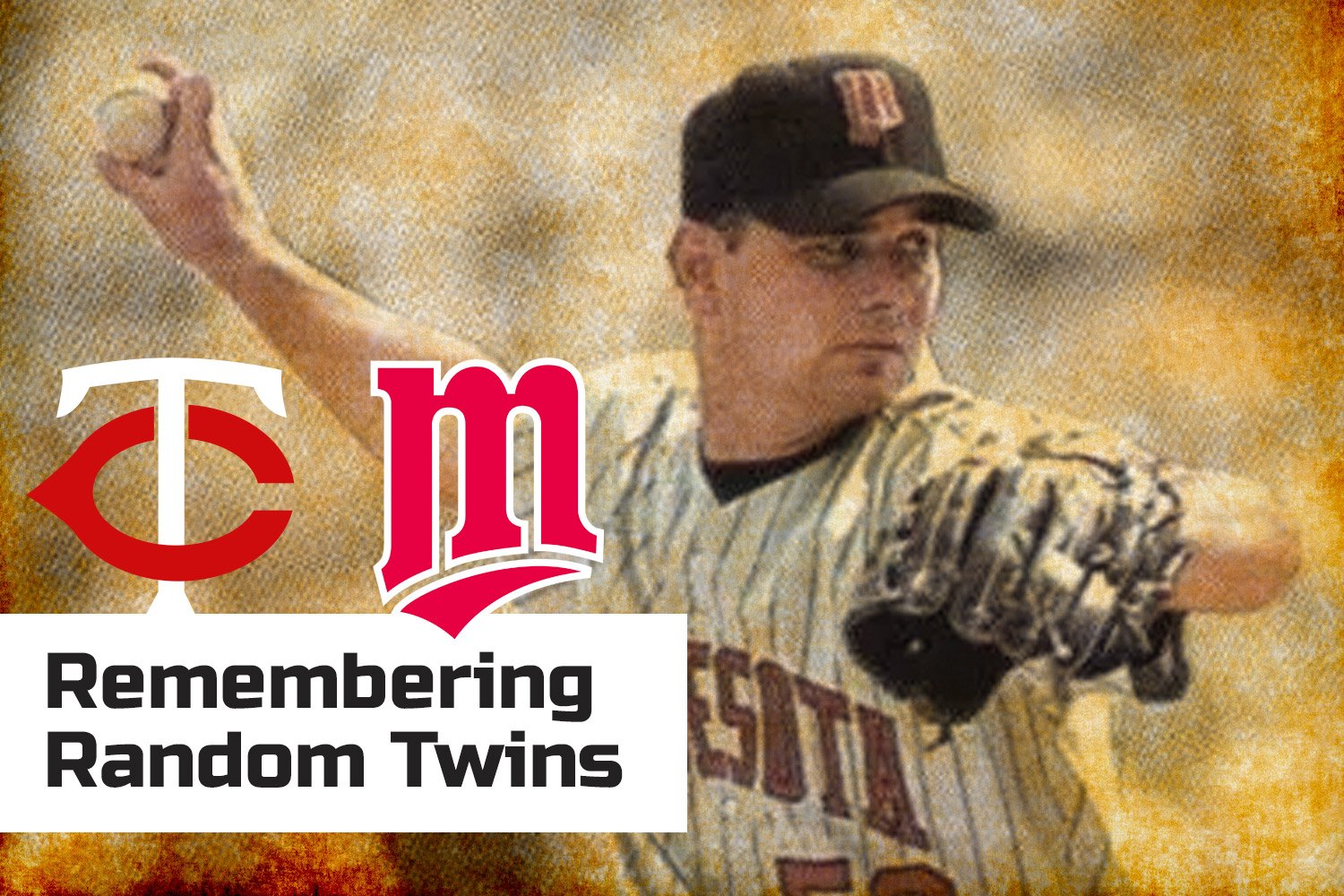 Erik Hans Bennett was born on September 13, 1968, in Yreka, California, which is in the extreme northern part of the state 20 miles from Oregon. He attended Yreka High School and then Cal State Sacramento. In 1988, he went across the country to play in the Cape Cod League. Shortly after, the California Angels selected Bennett in the fourth round of the 1989 Major League Baseball Amateur Draft. Erik Bennett shared a middle name, high school alma mater, and baseball acumen with his father, David Hans Bennett. Father Dave had an even shorter MLB career than his son, Erik. Dave pitched one inning in one game in 1964 for the Philadelphia Phillies. Furthermore, Erik’s uncle and Dave’s brother, Dennis, also pitched for that 1964 Phillies team. (The 1964 Phillies are remembered for their epic meltdown that season. They were up 6.5 games as late as September 20 with only 12 games remaining. They would collapse and finish tied for second in the National League, one game behind the St. Louis Cardinals.) All three Bennetts were pitchers. Dennis had a longer career than our subject, Erik, and his father. Dennis pitched in 182 games over seven seasons. He achieved a 43-47 record. Back to Erik. After being drafted by the Angels, he pitched seven seasons in the Angels minor league system across all levels. He was a starter through 1993 but transitioned to a full-time reliever in 1994. It was as a reliever that he made it to the big leagues. Bennett’s major league debut came May 15, 1995, against our beloved Minnesota Twins. The six-foot-two pitcher threw 0.1 innings. He got the final out in a 9-6 loss to Minnesota by getting Matt Merullo to fly out to center—that single out encompassed Erik Bennett’s entire Angels career. After the 1995 season, the Twins (did they see something promising in that one-third of an inning?) signed Bennett. He made the team out of spring training as a multiple-inning bullpen arm. He started his Twins career pitching in seven consecutive losses (although he was not charged a loss in any of those games, those games were out of hand when he entered them). In late April, he had the week of his career. He had two career victories and his single career save within six days. I want to focus mainly on the first day of the stretch. On April 24, 1996, the Twins arrived in Detroit to face off against the Tigers in a short, two-game series opener. Frankie Rodriguez started that game for the Twins but had a rough go of it, to say the least, giving up six runs in two innings. He was replaced by Pat Mahomes, who gave up another two runs in 0.2 innings before giving way to our subject, Mr. Erik Bennett. Bennett put an end to the third inning by striking out Travis Fryman to end the inning. In the fourth inning, Bennett gave up a double and a home run. At this point, despite the terrible pitching, the Twins were not completely out of it. The Tigers’ lead was “only” three, 10-7, because the Twins batters had also started quickly. In the top of the fifth, the Twins took the lead on a bases-loaded double by Scott Stahoviak, who drove in three. Stahoviak was also allowed to score on an error. That gave the Twins an 11-10 lead. Bennett came out again in the bottom of the fifth, allowing a double to the leadoff hitter, and that was it for his day. Dan Naulty entered to get the side out in order, and the Twins maintained their lead. From that point onward, the Twins offense teed off, scoring three, two, five, and three runs in innings six through nine. We’ll go over the offensive details shortly. Twins pitchers gave up only one additional run in the bottom of the ninth. The Twins won 24-11. The runs scored by the Twins (24) are the most in franchise history. Erik Bennett benefitted from his first major league victory. He was awarded the win because the Twins took the lead while he was pitching, even though his outing (two runs in 1.1 innings, three extra-base hits allowed) was not particularly effective. But, hey, that’s the rule. Journeyman catcher Greg Myers was a big contributor to the Twins' record run total on that day. He had five hits (two doubles), five RBI, and three runs scored. Matt Lawton had four hits, four runs, one walk, and one RBI. Paul Molitor had two hits (a home run and a triple), one walk, five RBI, and five runs scored. Marty Cordova was 2-4 with three walks; he drove in one and scored three. The Twins had four doubles, a triple, and three home runs for the day. The Twins had 19 hits total. It seems like less than I would expect to score 24 runs. Maybe it was the 12 walks Detroit pitchers issued? Bennett’s career week continued with an extra-inning win against the Yankees a few days later. The Twins won 8-6 in ten innings despite Bennett giving up a run in the bottom of the tenth – the Twins had scored four in the top of the tenth to allow some breathing room. Bennett achieved his one and only save at home two days later against Kansas City. He came into a game with a 7-6 lead and pitched 1.1 innings, allowing no base runners. The Twins scored four runs in the bottom of the eighth to turn a close game into a bit of a laugher, helping Bennett achieve the save. That was the end of the highlights of Bennett’s Twins career. He continued pitching for the Twins through June 8. His performance worsened, and his ERA grew continuously for that month and a half, finishing at 7.90. His Twins career and MLB career were over. His final career numbers were two wins and zero losses over 27.1 innings and 25 games. His ERA was 7.84 (ERA+ was 65). He struck out 13 and walked 15. His WAR finished at -0.6. He played six more minor league seasons. Erik Bennett was a minor league pitching coach from 2002 to 2018. Does anyone else remember, or did you watch this 24-run game? I feel like I watched it, but it’s hard to say, as there was another 20-run game for the Twins at the Tigers in the 1990s. Maybe I’m getting them mixed up. Do you have any memories of this very obscure, random Twin who recorded the win that record-setting day? Please comment below. Check out my previous entries at Remembering Random Twins. Sources include www.baseball-reference.com.
-
- 1
-
-
- remembering random twins
- erik bennett
- (and 5 more)
-
I like this article. I like the historical aspect of it.
- 27 replies
-
- 4
-
-
- willi castro
- vic power
- (and 3 more)
-
Steve Braun was a Twins player in the 1970s who would go on to greater personal and team success elsewhere in a long Major League Baseball career. Baseball Reference’s Bullpen page wrote, “Steve Braun played 15 seasons in the Major Leagues and ended his career as one of the more successful pinch hitters in history.” Let’s take a deeper look at Mr. Braun. Stephen Russell Braun was born May 8, 1948, in Trenton, New Jersey. He was the oldest of nine children. The family loved all sports. Steve’s first love was basketball, but it was baseball at which he would excel. The Minnesota Twins chose Steve Braun in the tenth round of the 1966 Major League Baseball June Amateur Draft from Hopewell Valley Central High School in Penington, New Jersey. He played two seasons in the minor leagues before being drafted into the United States Army during the Vietnam War, where he was stationed in Germany. Around that time, he obtained and studied a book called The Science of Hitting by Ted Williams. Braun said the book helped him develop into the hitter he became; after missing the entire 1968 while in the service, Braun returned to minor league baseball for 1969 and 1970. Braun’s first spring training was in 1971. Multiple sources talk about the wonderful welcome he received from Harmon Killebrew. Harmon was down to earth and told Braun he would do fine. This relaxed the young player to the point that he had a tremendous spring and made the Twin's Opening Day roster despite never having played above Class A. He debuted in the majors on April 6, 1971. The 5-foot 10-inch, 180-pound Braun pinch hit in the seventh inning on Opening Day but grounded into a fielder’s choice as the Twins lost to the Brewers, 7-2. After being used as a pinch hitter in his first five career games, Braun finally got his first start and first hit on April 16, 1971, against Dave LaRoche of the Angels. The Twins lost 4-1. Braun hit his first home run in a 10-1 Twins shellacking of the Oakland A’s on May 21. The home run was against pitcher Darold Knowles in the ninth inning. Braun followed that with another homer the very next day off Hall of Famer Catfish Hunter. Braun was a left-handed hitting and right-handed throwing player who contributed mainly as a third baseman and left fielder but was versatile enough to log innings at all positions except catcher and pitcher. Later in his career, he was almost strictly a pinch hitter. Braun scored a fair number of runs during his time in the Twins uniform because of his excellent on-base skills. In 1975 and 1976, Braun finished in the top ten in the American League in On-Base Percentage. In his six seasons in Minnesota, he walked more times than he struck out in five seasons. The only exception was his rookie season in 1971. In 1977, two expansion teams were added to the American League. Seattle chose Braun from the Twins in the expansion draft, making him their primary left fielder. Braun had asked to be exposed to the draft because he was sick of Twins tightwad owner Calvin Griffith. He was a replacement-level player for the Mariners for a season and a half before being traded to the Kansas City Royals, where he played for parts of three seasons. The Royals released him in June of 1980, but he was quickly picked up by the Toronto Blue Jays, where he finished the 1980 season. That offseason, Braun reached free agency and signed with the St. Louis Cardinals and his former Royals manager Whitey Herzog who was now leading the Cardinals. He would play five seasons in St. Louis to finish his career. By this point, Braun was almost exclusively a pinch hitter and had accepted that role. Pinch hitting was a valuable skill set in the National League, at least in those days prior to the universal designated hitter, because of opportunities provided by frequent double switches. Braun was noted for his determined preparation as a pinch hitter. He studied the opposing pitchers endlessly – not just starters, but the relievers he would likely face. After struggling a little in 1981, Braun hit his stride with three straight seasons with an OPS+ over 104. Braun was part of the 1982 World Series Champion St. Louis Cardinals alongside another former Twin, Jim Kaat. Braun appeared in three 1982 World Series games. His biggest and most lasting contribution was during a 5-4 Cardinals win in game two. In a tie game in the eighth inning, Braun pinch-hit for David Green with the bases loaded. Braun’s walk against Pete Ladd drove in the decisive run in the Cardinals' victory. That win evened the series after the Brewers clobbered the Cards 10-0 in the opening game. In game seven, Braun’s single drove in an insurance run in the eighth inning for the final run of a 6-3 Cardinals win. Safe to say, he didn’t win the World Series for the Cardinals, but he contributed to a couple of big wins in the hard-fought seven-game series to make St. Louis kings of the baseball world in 1982. Braun played three more seasons in St. Louis, mostly used as a pinch hitter. His final regular season game was on October 6, 1985. But that was not the end, as the Cardinals advanced to the National League Championship Series and ultimately the World Series against a former team and intra-state rival, Kansas City Royals. He provided neither a hit nor a walk in his two appearances in the NLCS. He grounded out in games two and six. Late in the sixth game, Braun’s teammate, Jack Clark, hit a three-run home run in the top of the ninth to send the Cardinals to the World Series. The Cardinals appeared on their way to winning their second World Series in four seasons. They were winning game six, which would have been the series clincher, but the ill-timed incorrect call by Don Denkinger at first base with the leadoff hitter Jorge Orta started a series of unfortunate events. His blown call jump-started the Royals, who won and forced a game seven, where they whipped the Cardinals 11-0. Braun’s only 1985 World Series appearance would occur as a pinch hitter in the blowout seventh game. He flew out in the seventh inning of a game that was already out of hand. He missed his shot at a second World Series victory. Steven Braun put together a lengthy, 15-year major league career. His final batting line was .271/.371/.367. One hundred points of isolated discipline! That’s a lot of walks. He walked more times than he struck out, 579 to 433. He had 52 home runs and 388 runs batted in. He amassed a career WAR of 17.4 and an OPS+ of 109. In his first seven seasons (six of which were with the Twins), he had at least 402 plate appearances. But then there was a shift in his usage. He transformed into almost a full-time pinch hitter in his last eight seasons, rarely playing in the field. His ability to draw walks was a huge part of his pinch-hitting success, but he could also hit. His 113 pinch hits are the 12th most in Major League history. Braun definitely made the most of his talent and opportunities. After his playing career, Braun carved out a second career as a coach in the Cardinals, Red Sox, and Yankees organizations. He later ran his own hitting school in his Trenton, New Jersey hometown. What are your memories of Mr. Braun and the 1970s Twins? Please consider checking out my previous entries at Remembering Random Twins. [Sources include www.baseball-reference.com, www.fangraphs.com, and www.sabr.org] View full article
-
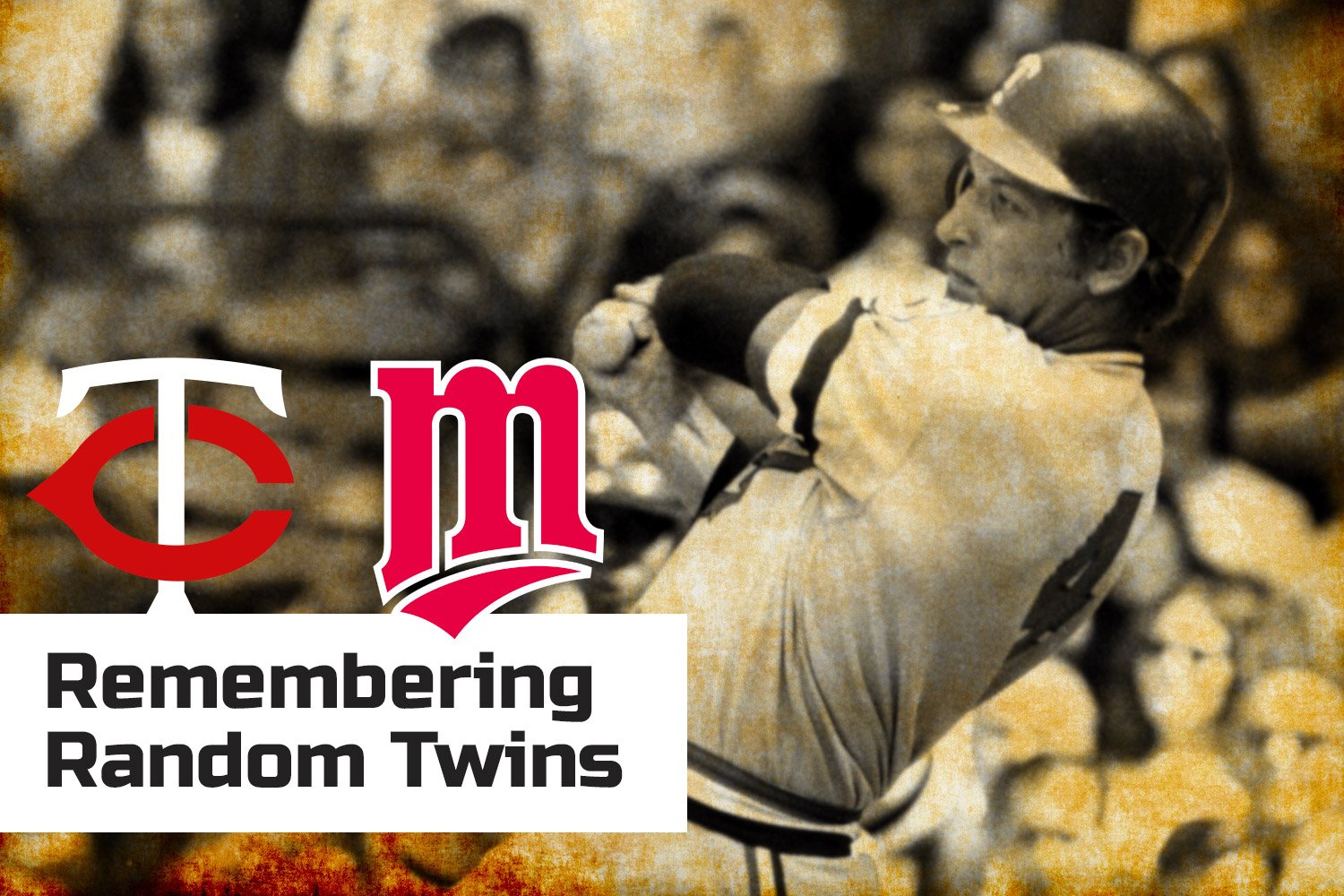 Stephen Russell Braun was born May 8, 1948, in Trenton, New Jersey. He was the oldest of nine children. The family loved all sports. Steve’s first love was basketball, but it was baseball at which he would excel. The Minnesota Twins chose Steve Braun in the tenth round of the 1966 Major League Baseball June Amateur Draft from Hopewell Valley Central High School in Penington, New Jersey. He played two seasons in the minor leagues before being drafted into the United States Army during the Vietnam War, where he was stationed in Germany. Around that time, he obtained and studied a book called The Science of Hitting by Ted Williams. Braun said the book helped him develop into the hitter he became; after missing the entire 1968 while in the service, Braun returned to minor league baseball for 1969 and 1970. Braun’s first spring training was in 1971. Multiple sources talk about the wonderful welcome he received from Harmon Killebrew. Harmon was down to earth and told Braun he would do fine. This relaxed the young player to the point that he had a tremendous spring and made the Twin's Opening Day roster despite never having played above Class A. He debuted in the majors on April 6, 1971. The 5-foot 10-inch, 180-pound Braun pinch hit in the seventh inning on Opening Day but grounded into a fielder’s choice as the Twins lost to the Brewers, 7-2. After being used as a pinch hitter in his first five career games, Braun finally got his first start and first hit on April 16, 1971, against Dave LaRoche of the Angels. The Twins lost 4-1. Braun hit his first home run in a 10-1 Twins shellacking of the Oakland A’s on May 21. The home run was against pitcher Darold Knowles in the ninth inning. Braun followed that with another homer the very next day off Hall of Famer Catfish Hunter. Braun was a left-handed hitting and right-handed throwing player who contributed mainly as a third baseman and left fielder but was versatile enough to log innings at all positions except catcher and pitcher. Later in his career, he was almost strictly a pinch hitter. Braun scored a fair number of runs during his time in the Twins uniform because of his excellent on-base skills. In 1975 and 1976, Braun finished in the top ten in the American League in On-Base Percentage. In his six seasons in Minnesota, he walked more times than he struck out in five seasons. The only exception was his rookie season in 1971. In 1977, two expansion teams were added to the American League. Seattle chose Braun from the Twins in the expansion draft, making him their primary left fielder. Braun had asked to be exposed to the draft because he was sick of Twins tightwad owner Calvin Griffith. He was a replacement-level player for the Mariners for a season and a half before being traded to the Kansas City Royals, where he played for parts of three seasons. The Royals released him in June of 1980, but he was quickly picked up by the Toronto Blue Jays, where he finished the 1980 season. That offseason, Braun reached free agency and signed with the St. Louis Cardinals and his former Royals manager Whitey Herzog who was now leading the Cardinals. He would play five seasons in St. Louis to finish his career. By this point, Braun was almost exclusively a pinch hitter and had accepted that role. Pinch hitting was a valuable skill set in the National League, at least in those days prior to the universal designated hitter, because of opportunities provided by frequent double switches. Braun was noted for his determined preparation as a pinch hitter. He studied the opposing pitchers endlessly – not just starters, but the relievers he would likely face. After struggling a little in 1981, Braun hit his stride with three straight seasons with an OPS+ over 104. Braun was part of the 1982 World Series Champion St. Louis Cardinals alongside another former Twin, Jim Kaat. Braun appeared in three 1982 World Series games. His biggest and most lasting contribution was during a 5-4 Cardinals win in game two. In a tie game in the eighth inning, Braun pinch-hit for David Green with the bases loaded. Braun’s walk against Pete Ladd drove in the decisive run in the Cardinals' victory. That win evened the series after the Brewers clobbered the Cards 10-0 in the opening game. In game seven, Braun’s single drove in an insurance run in the eighth inning for the final run of a 6-3 Cardinals win. Safe to say, he didn’t win the World Series for the Cardinals, but he contributed to a couple of big wins in the hard-fought seven-game series to make St. Louis kings of the baseball world in 1982. Braun played three more seasons in St. Louis, mostly used as a pinch hitter. His final regular season game was on October 6, 1985. But that was not the end, as the Cardinals advanced to the National League Championship Series and ultimately the World Series against a former team and intra-state rival, Kansas City Royals. He provided neither a hit nor a walk in his two appearances in the NLCS. He grounded out in games two and six. Late in the sixth game, Braun’s teammate, Jack Clark, hit a three-run home run in the top of the ninth to send the Cardinals to the World Series. The Cardinals appeared on their way to winning their second World Series in four seasons. They were winning game six, which would have been the series clincher, but the ill-timed incorrect call by Don Denkinger at first base with the leadoff hitter Jorge Orta started a series of unfortunate events. His blown call jump-started the Royals, who won and forced a game seven, where they whipped the Cardinals 11-0. Braun’s only 1985 World Series appearance would occur as a pinch hitter in the blowout seventh game. He flew out in the seventh inning of a game that was already out of hand. He missed his shot at a second World Series victory. Steven Braun put together a lengthy, 15-year major league career. His final batting line was .271/.371/.367. One hundred points of isolated discipline! That’s a lot of walks. He walked more times than he struck out, 579 to 433. He had 52 home runs and 388 runs batted in. He amassed a career WAR of 17.4 and an OPS+ of 109. In his first seven seasons (six of which were with the Twins), he had at least 402 plate appearances. But then there was a shift in his usage. He transformed into almost a full-time pinch hitter in his last eight seasons, rarely playing in the field. His ability to draw walks was a huge part of his pinch-hitting success, but he could also hit. His 113 pinch hits are the 12th most in Major League history. Braun definitely made the most of his talent and opportunities. After his playing career, Braun carved out a second career as a coach in the Cardinals, Red Sox, and Yankees organizations. He later ran his own hitting school in his Trenton, New Jersey hometown. What are your memories of Mr. Braun and the 1970s Twins? Please consider checking out my previous entries at Remembering Random Twins. [Sources include www.baseball-reference.com, www.fangraphs.com, and www.sabr.org]
 -
Al Worthington, The First Great Twins Reliever
Al from SoDak replied to Al from SoDak's topic in Twins Daily Front Page News
Whoops. Yes, typo. Born February 5, 1929 -
The Minnesota Twins have a long list of great relievers. Al Worthington was their first. In my judgment, the Minnesota Twins have a tradition of good relief pitchers/closers. The Twins have had notable All-Stars closers such as Jeff Reardon, Rick Aguilera, Eddie Guardado, Joe Nathan, and Glen Perkins, plus perhaps less memorable All-Star relievers such as Doug Corbett, Brandon Kintzler, and Taylor Rogers. Maybe Al Worthington started the tradition of good relief pitchers for Minnesota. Allan Fulton Worthington was born on February 5, 1929, in Birmingham, Alabama. He stayed home and played college baseball first at Samford University in Homewood, Alabama, then at the University of Alabama, where he played football for the Crimson Tide. The lanky right-hander – 6 foot 2 inches and 195 pounds – was initially signed by the Chicago Cubs in 1951 but was soon sent to the New York Giants. After three seasons in the minor leagues (including with the Giants’ Double-A affiliate, the Minneapolis Millers), Worthington debuted in July of 1953 with the Giants, and wow, what a start it was. His first two games were excellent, each starting a complete-game shutout. Worthington’s consecutive shutouts in his first two appearances equaled a major league record that only three other pitchers had achieved. The first start was a two-hitter against the Philadelphia Phillies. Big Al allowed only four hits against the Brooklyn Dodgers during his second start. He was used almost exclusively as a starting pitcher during his first three seasons (but was also up and down frequently to Minneapolis, where his 19 wins led the league in 1955). He continued with the Giants when they moved to San Francisco in 1958 and was primarily a reliever by then. He never started another game after 1959. Before the 1960 season, Worthington was traded to the Red Sox, then later to the White Sox in August. His 1960 season was less than stellar, posting a 6.35 ERA in only 17.0 innings between the two teams. He was walking too many batters – 7.9 per nine innings during that single season. In 1961 and 1962, he was back in the minor leagues working on this control. Languishing for the White Sox Triple-A affiliate, the Cincinnati Reds saw an opportunity and acquired Worthington after the 1962 season via the Rule 5 Draft. He made the major league team and pitched all of 1963 with the Reds. He pitched well enough in 1963 and 1964 that the Twins saw something and moved to acquire the big right-hander. The Twins purchased the rights to Worthington on June 26, 1964, and thus began the best stretch of his career despite his advanced age of 35. By this point, Worthington was a pitcher with a good curveball (slider?) and sinker who threw from a somewhat sidearm angle. Worthington pitched 72.1 innings after coming to Minnesota in 1964. His ERA was a fantastic 1.37 (264 ERA+), and his walks were under control—only 3.5 per nine innings. His WHIP was 1.037. During the World Series season of 1965, Worthington was the top reliever on the team. He threw 80.1 innings with a 2.13 ERA, ten wins, and a career-high 21 saves. Worthington did not allow an earned run in four innings in the World Series. However, he was on the mound in Game 4 when the Dodgers broke open the game. Mudcat Grant gave up a walk and a hit to start the sixth inning. Runners were on second and third. Manager Sam Mele made the call to Worthington, but things deteriorated quickly from there. The first batter hit a ground ball single through the SS/3B hole, with both runners scoring and the batter advancing to second base on a throw home. The next batter bunted, but catcher Earl Battey threw wildly to first, allowing the runner from second to score. Worthington allowed no further damage, but a 3-2 deficit quickly escalated to 6-2. The Dodgers would ultimately win the game 7-2 and even the Series at two games apiece. Worthington’s second World Series appearance came in the Game Seven loss. He appeared early. The Dodgers scored two runs off Jim Kaat to begin the fourth inning. Mele immediately brought in Worthington, who got out of the inning with no further harm. Unfortunately for Twins fans, the damage already done was all the Dodgers needed as Sandy Koufax was masterful, shutting out the Twins. Koufax allowed only three hits and three walks in nine innings and struck out ten. The Dodgers won the game 2-0 and the Series 4-3. Worthington continued to provide steady excellence from the Twins bullpen through the end of the 1960s. From 1966-68, his ERA was under 2.84 all three years. His ERA+ was better than the league average – exceeding 116 in all three years. He pitched more than 90 innings twice. Big Al led the league in saves in 1968. 1969 was not quite as good for Worthington, but he was still an important piece in the bullpen for the first winners of the inaugural American League West division. The Orioles swept the three-game American League Championship Series. The first two games were close, decided by only one run. Worthington appeared only in Game Three, which ended with an Orioles rout. He entered the game in the fifth inning with the Twins trailing 5-1. He pitched a perfect inning but then got roughed up in the sixth. He allowed a double and two singles, resulting in one run, before being replaced by Joe Grzenda. The Orioles continued their scoring, winning 11-2 and the series 3-0. This appearance in the deciding game of the inaugural ALCS proved to be the final pitches Al Worthington threw in Major League Baseball. At 40 years of age, Worthington was finally done. Worthington’s final statistics showed a record of 78-82. His career WAR was 16.2, and his career ERA was 3.39 (110 ERA+). In 1,246.2 innings, he struck out 834 and walked 527. He finished with 111 saves. He was the Twins' career leader in saves (88) until he was passed by the great Ron Davis in 1985. Worthington had a lowly .137 average as a batter but did have a single home run, coming in the penultimate game of the 1956 season off future Hall of Famer Robin Roberts. Post-playing career, Worthington sold insurance for a couple of years before becoming the Twins’ pitching coach for 1972 and 1973. In 1974, being a devout Christian, Worthington reached out to Jerry Falwell and started a baseball program at Liberty University, the Christian school in Lynchburg, Virginia. Worthington coached the program until 1986 and had only one losing season – the first. Worthington also served as Liberty’s Athletic Director leading them in transition to the NCAA Division 1 level in 1988. He is in the Liberty University Athletics Hall of Fame and the Alabama Sports Hall of Fame. Worthington is now 95 years old and living in Alabama. Relief pitching was doubtless different in the 1960s than it is now. Relievers were frequently used for multiple innings in a single game, but maybe in fewer games than today. Certainly, they recorded fewer saves because starters often finished games when they were pitching well (i.e., winning). Any way you look at it – 1960s or today – Al Worthington is one of the best relief pitchers in Twins’ history. What do you think? Was Al Worthington a top relief pitcher? Was he prominent enough to merit a place in the Twins Hall of Fame? Please let us know your thoughts and start the discussion below. [Sources include www.baseball-reference.com, www.wikipedia.org, and www.sabr.org] View full article

