



Matthew Lenz
-
Posts
1,465 -
Joined
-
Last visited
-
Days Won
3
Content Type
Profiles
News
Minnesota Twins Videos
2026 Minnesota Twins Top Prospects Ranking
2022 Minnesota Twins Draft Picks
Minnesota Twins Free Agent & Trade Rumors, Notes, & Tidbits
Guides & Resources
2023 Minnesota Twins Draft Picks
The Minnesota Twins Players Project
2024 Minnesota Twins Draft Picks
2025 Minnesota Twins Draft Pick Tracker
2026 Minnesota Twins Draft Tracker: Picks & Bonuses
Forums
Blogs
Events
Store
Downloads
Gallery
Everything posted by Matthew Lenz
-
 Recently, Byron Buxton said he was trying to play 100 games which people took as him being on a games limit. Putting opinions aside, his game played don't align with that interpretation and it wouldn't make sense for the Twins to play him more in April & May than in August & September. Do you agree? View full video
 -
Recently, Byron Buxton said he was trying to play 100 games which people took as him being on a games limit. Putting opinions aside, his game played don't align with that interpretation and it wouldn't make sense for the Twins to play him more in April & May than in August & September. Do you agree?
-
You won’t find Brent Headrick on any prospect lists (for now) but it's time to start noticing and appreciating what he's doing at high-A Cedar Rapids. Consider this your introduction to the up-and-coming Twins prospect. Image courtesy of Steve Buhr You won’t find Brent Headrick on any prospect lists (for now) but it's time to start noticing and appreciating what he's doing at high-A Cedar Rapids. Consider this your introduction to the up-and-coming Twins prospect. Headrick was drafted by the Twins in the 9th round of the 2019 draft out of Illinois State. Coming out of college, the southpaw had a 3.47 ERA striking out 115 batters over 96 innings pitched earning him Missouri Valley Conference Pitcher of the Year honors. The college Junior signed with the Twins just a few days later and was assigned to the Elizabethton Twins for his first cup of coffee in Minor League Baseball. Like many, he was a victim to the canceled Minor League season in 2020 but had a strong 2021 campaign with low-A Fort Myers striking out 86 batters over 61 1/3 innings and sporting a 3.82 ERA. Entering the 2022 season he was promoted to high-A Cedar Rapids and has started turning heads on one of the best pitching staffs across all of Minor League Baseball. When asked what he wants to continue improving on, Headrick spoke of building on what he's done in the two years he's been part of the Twins organization. Things like tinkering with his repertoire, adding velocity to his fastball, and staying healthy over the long minor league season. And for Headrick, part of staying healthy both physically and mentally is getting away from the ballpark with his teammates and hitting up the links for a round of golf. There’s no doubt that if Brent Headrick continues dominating the Midwest League, he’ll start showing up on some prospect lists. After all, what’s not to like about a 6’ 6” left-handed pitcher who can miss bats and limit walks? The future is bright for the former Redbird and it's time for Twins fans to start noticing. View full article
-
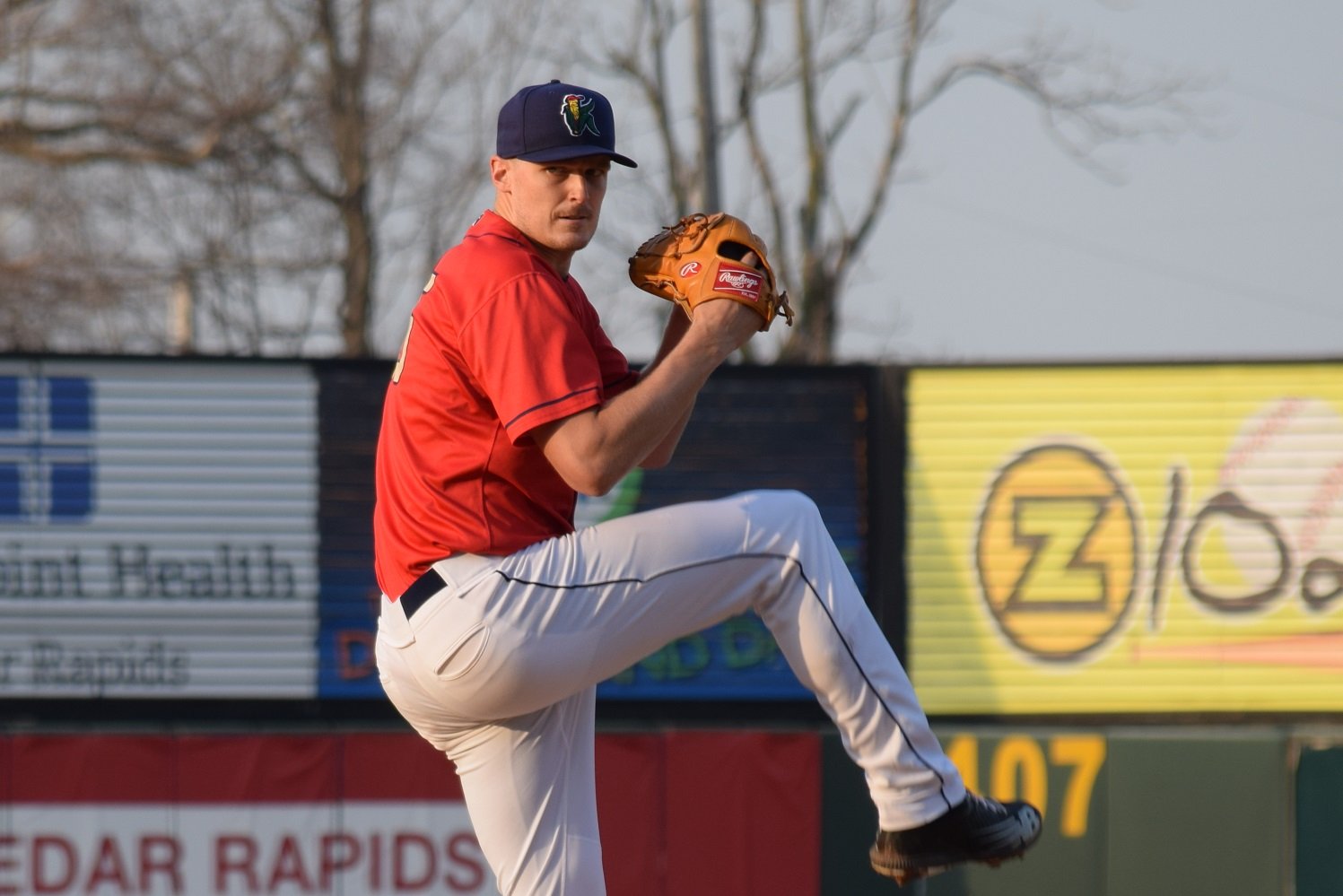 Headrick was drafted by the Twins in the 9th round of the 2019 draft out of Illinois State. Coming out of college, the southpaw had a 3.47 ERA striking out 115 batters over 96 innings pitched earning him Missouri Valley Conference Pitcher of the Year honors. The college Junior signed with the Twins just a few days later and was assigned to the Elizabethton Twins for his first cup of coffee in Minor League Baseball. Like many, he was a victim to the canceled Minor League season in 2020 but had a strong 2021 campaign with low-A Fort Myers striking out 86 batters over 61 1/3 innings and sporting a 3.82 ERA. Entering the 2022 season he was promoted to high-A Cedar Rapids and has started turning heads on one of the best pitching staffs across all of Minor League Baseball. When asked what he wants to continue improving on, Headrick spoke of building on what he's done in the two years he's been part of the Twins organization. Things like tinkering with his repertoire, adding velocity to his fastball, and staying healthy over the long minor league season. And for Headrick, part of staying healthy both physically and mentally is getting away from the ballpark with his teammates and hitting up the links for a round of golf. There’s no doubt that if Brent Headrick continues dominating the Midwest League, he’ll start showing up on some prospect lists. After all, what’s not to like about a 6’ 6” left-handed pitcher who can miss bats and limit walks? The future is bright for the former Redbird and it's time for Twins fans to start noticing.
 -
Matthew Lenz chats with Cedar Rapids Kernels lefty Brent Headrick about his improvement early in the 2022 season. View full video
-
Matthew Lenz chats with Cedar Rapids Kernels lefty Brent Headrick about his improvement early in the 2022 season.
-
Matt Wallner was a 1st round pick for the Minnesota Twins in the 2019 First Year Player Draft. Since joining the organization, the left-handed hitting outfielder keeps hitting. With an improved hard hit rate and walk rate in 2022, is he being overlooked by Twins fans? View full video
-
Matt Wallner was a 1st round pick for the Minnesota Twins in the 2019 First Year Player Draft. Since joining the organization, the left-handed hitting outfielder keeps hitting. With an improved hard hit rate and walk rate in 2022, is he being overlooked by Twins fans?
-
The Twins had their second-best start to a season in franchise history at 12-9. It was a month of surprises that saw them finishing 7-1, atop of the AL Central, and a myriad of unexpected performances from players at the plate and on the bump.
-
The Twins had their second-best start to a season in franchise history at 12-9. It was a month of surprises that saw them finishing 7-1, atop of the AL Central, and a myriad of unexpected performances from players at the plate and on the bump. View full video
-
Twins Daily Minnesota Twins Pitcher of the Month - April 2022
Matthew Lenz posted an article in Twins
.jpg.cd00760709238054b8f6d857d8818c8c.jpg) Every starter, aside from maybe Sonny Gray, had some question marks heading into the season. Could Bailey Ober and Joe Ryan at least maintain, if not build off, their successful campaigns in 2021? Can Dylan Bundy return to his 2020 form, or was that just the exception to his otherwise Mediocre career? What will we get out of Chris Archer, and who will get innings when he inevitably misses time? We don't have the answer to all of those questions, but we can start to get the answers to some of them, which is reflected in the voting. And all those questions existed before the Twins traded for Chris Paddack the day before the season started, which opened up questions about the bullpen. We undoubtedly need more time to answer all of those questions, but all that considered, I think we can be happy about the first month of the season. Without further ado, let's see how Twins Daily writers voted. Honorable Mention #2: Joe Smith Joe Smith had quietly been a great addition to the Twins bullpen. Raise your hand if you knew that Smith had a 0.00 ERA over 7 2/3 innings across nine outings. [Embarrassingly keeps hands at his side]... yeah, either did I. The bullpen took its lumps early, but the elder statesmen has been the model of consistency for the first month of the season, and his veteran presence could prove to benefit some of the younger arms in the bullpen. The 38-year-old knows what a playoff team looks like when he sees one. He's pitched in the postseason over five different seasons, including 2017-2019 with the Indians and Astros, where he appeared in the ALCS (2018) and World Series (2019). That experience can be invaluable to a pitching staff that lacks a postseason resume. Honorable Mention #1: Dylan Bundy Are we getting the 2020 version of Dylan Bundy? Of course, It's too early to say for sure, and he was roughed up in his final start of the month but otherwise was brilliant for the Twins in April. The key for him, well, really any pitcher but especially Bundy, will be to limit the free bases and home runs. He did just that in April with a 1.27 BB/9 and 0.84 HR/9 supplemented with an 8.02 K/9, and his 2.95 ERA ended up being 0.68 runs higher than his xERA. The early results are promising, but we need a more significant simple to see if the bing, the bang, and the boom are here to stay. Pitcher of the Month: Joe Ryan Can Joe Ryan build off his cup of coffee from 2021? Uh, yeah. The rookie right-hander fooled hitters all month to the tune of a 25:6 K: BB ratio and a 1.17 ERA over 23 innings across four starts. His 2.65 xERA suggests that regression is likely, but that's not surprising, and I think he would still be the winner if that were his actual ERA for April. But that’s not just a great month for a rookie; that's a great month for any starting pitcher, no matter how long they've been doing it. He accrued 0.6 fWAR, which was good enough for 19th in all of baseball among starters. It's been a fantastic start to the 25-year-olds Major League Baseball career. He’ll look to continue improving in the month of May, starting with an outing against the lowly Baltimore Orioles. If you were to rank your top 3 for the month of April, are these the three you would have ranked? In the same order?
Every starter, aside from maybe Sonny Gray, had some question marks heading into the season. Could Bailey Ober and Joe Ryan at least maintain, if not build off, their successful campaigns in 2021? Can Dylan Bundy return to his 2020 form, or was that just the exception to his otherwise Mediocre career? What will we get out of Chris Archer, and who will get innings when he inevitably misses time? We don't have the answer to all of those questions, but we can start to get the answers to some of them, which is reflected in the voting. And all those questions existed before the Twins traded for Chris Paddack the day before the season started, which opened up questions about the bullpen. We undoubtedly need more time to answer all of those questions, but all that considered, I think we can be happy about the first month of the season. Without further ado, let's see how Twins Daily writers voted. Honorable Mention #2: Joe Smith Joe Smith had quietly been a great addition to the Twins bullpen. Raise your hand if you knew that Smith had a 0.00 ERA over 7 2/3 innings across nine outings. [Embarrassingly keeps hands at his side]... yeah, either did I. The bullpen took its lumps early, but the elder statesmen has been the model of consistency for the first month of the season, and his veteran presence could prove to benefit some of the younger arms in the bullpen. The 38-year-old knows what a playoff team looks like when he sees one. He's pitched in the postseason over five different seasons, including 2017-2019 with the Indians and Astros, where he appeared in the ALCS (2018) and World Series (2019). That experience can be invaluable to a pitching staff that lacks a postseason resume. Honorable Mention #1: Dylan Bundy Are we getting the 2020 version of Dylan Bundy? Of course, It's too early to say for sure, and he was roughed up in his final start of the month but otherwise was brilliant for the Twins in April. The key for him, well, really any pitcher but especially Bundy, will be to limit the free bases and home runs. He did just that in April with a 1.27 BB/9 and 0.84 HR/9 supplemented with an 8.02 K/9, and his 2.95 ERA ended up being 0.68 runs higher than his xERA. The early results are promising, but we need a more significant simple to see if the bing, the bang, and the boom are here to stay. Pitcher of the Month: Joe Ryan Can Joe Ryan build off his cup of coffee from 2021? Uh, yeah. The rookie right-hander fooled hitters all month to the tune of a 25:6 K: BB ratio and a 1.17 ERA over 23 innings across four starts. His 2.65 xERA suggests that regression is likely, but that's not surprising, and I think he would still be the winner if that were his actual ERA for April. But that’s not just a great month for a rookie; that's a great month for any starting pitcher, no matter how long they've been doing it. He accrued 0.6 fWAR, which was good enough for 19th in all of baseball among starters. It's been a fantastic start to the 25-year-olds Major League Baseball career. He’ll look to continue improving in the month of May, starting with an outing against the lowly Baltimore Orioles. If you were to rank your top 3 for the month of April, are these the three you would have ranked? In the same order? -
The Twins pitching staff as a whole had a solid first month of the season, but the starting rotation really shined. Check out who the Twins Daily writers voted as the Twins Daily Minnesota Twins Pitcher of the Month. The Twins pitching staff as a whole had a solid first month of the season, but the starting rotation really shined. Check out who the Twins Daily writers voted as the Twins Daily Minnesota Twins Pitcher of the Month. Every starter, aside from maybe Sonny Gray, had some question marks heading into the season. Could Bailey Ober and Joe Ryan at least maintain, if not build off, their successful campaigns in 2021? Can Dylan Bundy return to his 2020 form, or was that just the exception to his otherwise Mediocre career? What will we get out of Chris Archer, and who will get innings when he inevitably misses time? We don't have the answer to all of those questions, but we can start to get the answers to some of them, which is reflected in the voting. And all those questions existed before the Twins traded for Chris Paddack the day before the season started, which opened up questions about the bullpen. We undoubtedly need more time to answer all of those questions, but all that considered, I think we can be happy about the first month of the season. Without further ado, let's see how Twins Daily writers voted. Honorable Mention #2: Joe Smith Joe Smith had quietly been a great addition to the Twins bullpen. Raise your hand if you knew that Smith had a 0.00 ERA over 7 2/3 innings across nine outings. [Embarrassingly keeps hands at his side]... yeah, either did I. The bullpen took its lumps early, but the elder statesmen has been the model of consistency for the first month of the season, and his veteran presence could prove to benefit some of the younger arms in the bullpen. The 38-year-old knows what a playoff team looks like when he sees one. He's pitched in the postseason over five different seasons, including 2017-2019 with the Indians and Astros, where he appeared in the ALCS (2018) and World Series (2019). That experience can be invaluable to a pitching staff that lacks a postseason resume. Honorable Mention #1: Dylan Bundy Are we getting the 2020 version of Dylan Bundy? Of course, It's too early to say for sure, and he was roughed up in his final start of the month but otherwise was brilliant for the Twins in April. The key for him, well, really any pitcher but especially Bundy, will be to limit the free bases and home runs. He did just that in April with a 1.27 BB/9 and 0.84 HR/9 supplemented with an 8.02 K/9, and his 2.95 ERA ended up being 0.68 runs higher than his xERA. The early results are promising, but we need a more significant simple to see if the bing, the bang, and the boom are here to stay. Pitcher of the Month: Joe Ryan Can Joe Ryan build off his cup of coffee from 2021? Uh, yeah. The rookie right-hander fooled hitters all month to the tune of a 25:6 K: BB ratio and a 1.17 ERA over 23 innings across four starts. His 2.65 xERA suggests that regression is likely, but that's not surprising, and I think he would still be the winner if that were his actual ERA for April. But that’s not just a great month for a rookie; that's a great month for any starting pitcher, no matter how long they've been doing it. He accrued 0.6 fWAR, which was good enough for 19th in all of baseball among starters. It's been a fantastic start to the 25-year-olds Major League Baseball career. He’ll look to continue improving in the month of May, starting with an outing against the lowly Baltimore Orioles. If you were to rank your top 3 for the month of April, are these the three you would have ranked? In the same order? View full article
-
Roster sizes for all MLB teams will be shrinking by two spots on May 2nd, limiting teams to 26 players until September. Yesterday, Theodore Tollefson looked at which hitters may be on the chopping block, and now I will look at a few pitchers on the fringe. Image courtesy of Paul Rutherford-USA TODAY Sports Roster sizes for all MLB teams will be shrinking by two spots on May 2nd, limiting teams to 26 players until September. Yesterday, Theodore Tollefson looked at which hitters may be on the chopping block, and now I will look at a few pitchers on the fringe. The Twins took advantage of the 28-man rosters by supplementing their bullpen with extra arms. Especially with a lockout-shortened Spring Training, this was crucial as it allowed for Twins starting pitchers to have a reasonable ramp-up period. Now that we are three weeks into the season and starters are beginning to reach their “Opening Day form,” I think we will see at least one bullpen pitcher be sent down to St. Paul and possibly two. With that said, let's look at the pitchers who might be on the outside looking in. Josh Winder I think this is the most obvious choice and would go as far as issuing a guarantee that he makes his way down to St. Paul. Winder is a promising 25-year-old prospect who has found success as a starter at every level, not to mention providing the Twins with some effective relief innings so far in 2022. The long-term picture for Winder is that of a mid-rotation arm, not a long reliever out of the pen, whose only “red flag” is being shut down in July last year due to a shoulder injury. While he should be the first to be sent down to St. Paul, he’s likely also the first to earn a spot start when the Twins have a need in the big league rotation. Griffin Jax Although he’s older than Winder, Jax is another one who needs to get innings, and I think it’s time to groom him as a reliever. In the last year or so, Jax has developed a slider that is now his best pitch and mixes that with a mid-90s fastball that seems to add a couple of ticks when he comes out of the pen. As noted by Nick, it’s a small sample, but the Twins have starting depth in their minors which provides them the flexibility to give Jax some run as a reliever. If the long-term plan is a reliever role, I could see him sticking in Minneapolis as he’s been one of the few non-starter bright spots in 2022. Cody Stashak He seems older than 27 because he’s pitched parts of four seasons at the Major League level. I’m conflicted with Stashak as I don’t see any upside to him taking a spot in St. Paul, but I don’t know how effective he can be in Minneapolis. He showed promise over 40 relief innings in 2019 and 2020, but the road has been rocky for Stashak since dealing with ineffective pitching and, of course, a strained bicep that cost him most of last season. So far, 2022 hasn’t been kind to Stashak, but I’d instead give him some time in Minneapolis in low leverage spots than any role across town with the Saints. If you are the Twins, who would your two roster cuts be next week? View full article
-
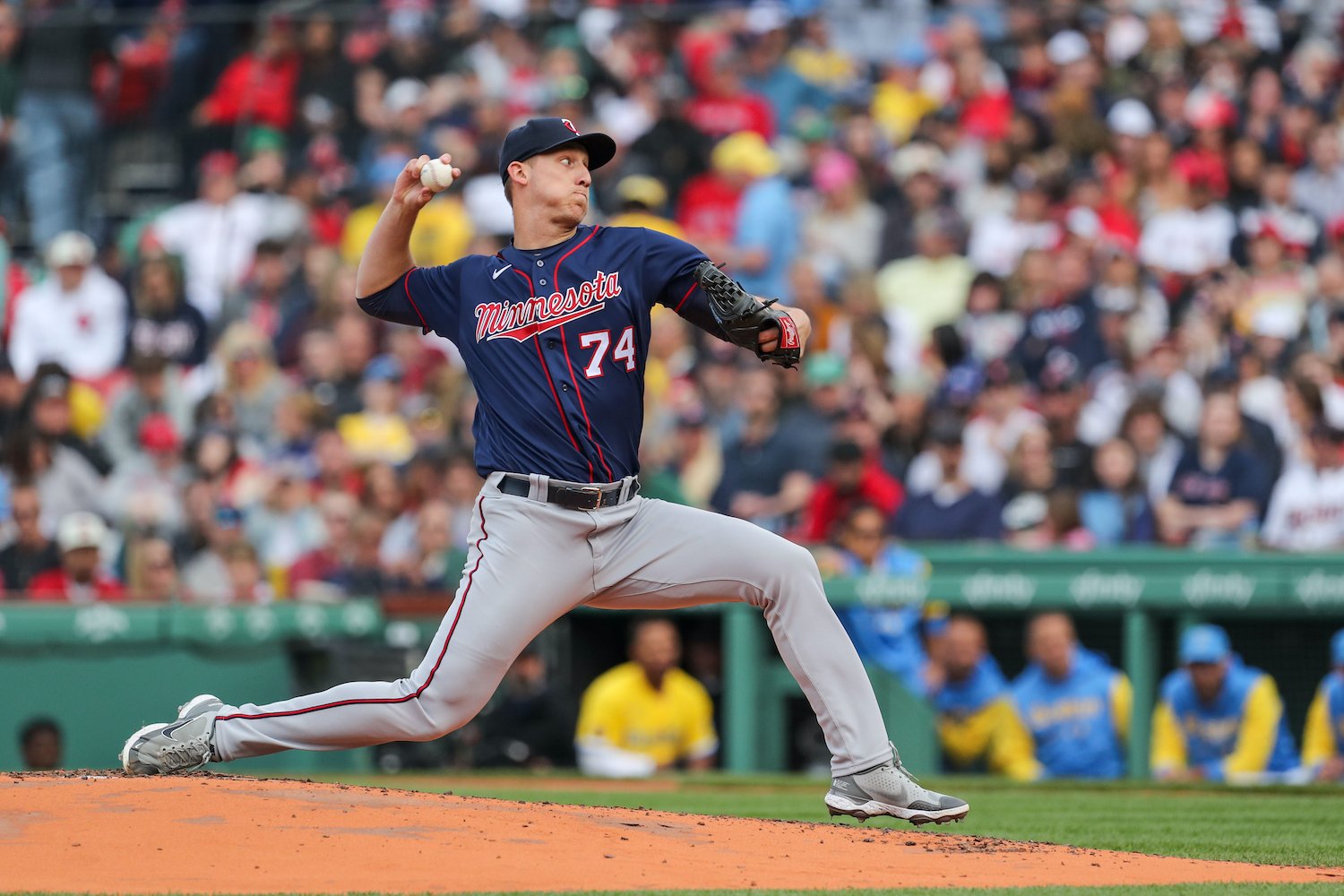 The Twins took advantage of the 28-man rosters by supplementing their bullpen with extra arms. Especially with a lockout-shortened Spring Training, this was crucial as it allowed for Twins starting pitchers to have a reasonable ramp-up period. Now that we are three weeks into the season and starters are beginning to reach their “Opening Day form,” I think we will see at least one bullpen pitcher be sent down to St. Paul and possibly two. With that said, let's look at the pitchers who might be on the outside looking in. Josh Winder I think this is the most obvious choice and would go as far as issuing a guarantee that he makes his way down to St. Paul. Winder is a promising 25-year-old prospect who has found success as a starter at every level, not to mention providing the Twins with some effective relief innings so far in 2022. The long-term picture for Winder is that of a mid-rotation arm, not a long reliever out of the pen, whose only “red flag” is being shut down in July last year due to a shoulder injury. While he should be the first to be sent down to St. Paul, he’s likely also the first to earn a spot start when the Twins have a need in the big league rotation. Griffin Jax Although he’s older than Winder, Jax is another one who needs to get innings, and I think it’s time to groom him as a reliever. In the last year or so, Jax has developed a slider that is now his best pitch and mixes that with a mid-90s fastball that seems to add a couple of ticks when he comes out of the pen. As noted by Nick, it’s a small sample, but the Twins have starting depth in their minors which provides them the flexibility to give Jax some run as a reliever. If the long-term plan is a reliever role, I could see him sticking in Minneapolis as he’s been one of the few non-starter bright spots in 2022. Cody Stashak He seems older than 27 because he’s pitched parts of four seasons at the Major League level. I’m conflicted with Stashak as I don’t see any upside to him taking a spot in St. Paul, but I don’t know how effective he can be in Minneapolis. He showed promise over 40 relief innings in 2019 and 2020, but the road has been rocky for Stashak since dealing with ineffective pitching and, of course, a strained bicep that cost him most of last season. So far, 2022 hasn’t been kind to Stashak, but I’d instead give him some time in Minneapolis in low leverage spots than any role across town with the Saints. If you are the Twins, who would your two roster cuts be next week?
- 25 comments
-
- 5
-

-
- josh winder
- griffin jax
- (and 1 more)
-
Carlos Correa has started the year with a sub .600 OPS which is about 250 points below his career norm. What is going on with the Twins biggest free agent acquisition since Ricky Nolasco? Can it really just be cold weather or are the Twins forever doomed at shortstop after trading away JJ Hardy? View full video
-
Carlos Correa has started the year with a sub .600 OPS which is about 250 points below his career norm. What is going on with the Twins biggest free agent acquisition since Ricky Nolasco? Can it really just be cold weather or are the Twins forever doomed at shortstop after trading away JJ Hardy?
-
PitchCom is a new tech-based, pitching calling system that will be used widely across MLB in 2022. The goal of the system is twofold: prevent sign stealing and increase pace of play. The complete impact of the PitchCom system on the game remains to be seen but undoubtedly will help move the game forward. View full video
-
PitchCom is a new tech-based, pitching calling system that will be used widely across MLB in 2022. The goal of the system is twofold: prevent sign stealing and increase pace of play. The complete impact of the PitchCom system on the game remains to be seen but undoubtedly will help move the game forward.
-
Three pitchers. Three different contracts. How do they all figure into the Twins future beyond this year? View full video
-
Tradition – the transmission of customs or beliefs from generation to generation, or the fact of being passed on this way. I find it very fitting that Opening Day 2022 falls on Masters week. The week that has the reputation for being the greatest week in sports with the conclusion of March Madness coupled with the beautiful images of Magnolia Lane at August National in preparation for the pinnacle of PGA golf tournaments. When you think of Masters week you think of the perfectly manicured grass and groomed sand (actually it’s quartz) traps, Tiger Woods’ Sunday red, and of course the trophies of all trophies…the coveted Green jacket. In short, you think of it as a tradition unlike any other. In most years Opening Day, which is actually the best week in sports, falls ahead of Masters week on the yearly sports calendar but this year is different. Thanks to a tumultuous 99-day lockout, the Major League Baseball season was pushed back a week and is now sharing the spotlight with March Madness and Masters week. The combination of college basketball players seeing their lifelong dreams come to life, Augusta National opening up to a record number of fans due to Woods’ return to the course, and now Major League Baseball celebrating their first “normal” Opening Day since 2019 there’s no arguing that this is the best week in sports. The topping on the cake is that, for the fourth time since it’s opening in 2010, Target Field will host Opening Day as our Twins take on the Seattle Mariners. And isn’t it so fitting that we woke up with snow in the ground and are anticipating “feels like” temperatures in the 30’s with blustery winds...true Minnesota Spring day. Target Field has seen two wins and one loss in it’s previous three games where the starters were Vance Worley (lol) in 2013, Ervin Santana in 2017, and Jose Berrios in 2019. I find a lot of parallels in this years Opening Day with March Madness and the Masters. As college basketball players are seeing all of their hard work pay off with cinderalla-esque march madness runs and championship banners, the Twins Joe Ryan will become just the second rookie in franchise history to start on Opening Day. Years of work and dedication to his craft has culminated in one of the most prestigious honors in sports..getting the “nod” on Opening Day. Like the pictures coming out of Augusta National, we’re accustomed to the perfectly groomed baseball diamond with striping in the grass and the dark brown tint of the freshly dampened dirt. The Masters will be forever tied to Tiger’s Sunday red while the Twins will be forever tied to “Twins Navy”, “Scarlet Red”, and “Kasota Gold” and on Saturday’s we’re treated to the power blue alternate jerseys. While our trophy is more traditional than the Green Jacket, there’s just something special about hoisting the commissioner’s trophy that has representation for all 30 teams in a unique circular design. While the Masters might be the “tradition” unlike any other, I’d argue that Opening Day is in the same realm. Is any other start to the season as celebrated as much Major League Baseball’s Opening Day? I don’t think so. Opening Day has brought people together for generations and will continue to do so moving forward. My family and I started our tradition last year in 2020, as my son (who is now 2) got to experience his first Major League Baseball game in mostly reasonably conditions. Okay to be honest, he enjoyed Cocomelon while we enjoyed the game. Now this year we had a 10 day old into the mix (yep, she’s going too) and continue that tradition with our newborn daughter. We have other traditions we have formed over the years, but nothing excites me more than spending quality time with the people I love watching the sport I love. What are your opening day traditions? What are your favorite memories from opening day?
- 350 replies
-
- 10
-
-
Do you have a source regarding your comments on Boras/Correa? Are you telling me that Boras called the Twins out of the blue?
-
And really that’s my biggest issue with the FO/coaching staff…IDK who is more to blame. Last year specifically I kind of liked the Happ and Shoemaker signings, but then they hung on way too long when it was clear it just wasn’t working out. Also, these are relievers. I don’t think they’ll be blocking any prospects from relieving in AAA.
-
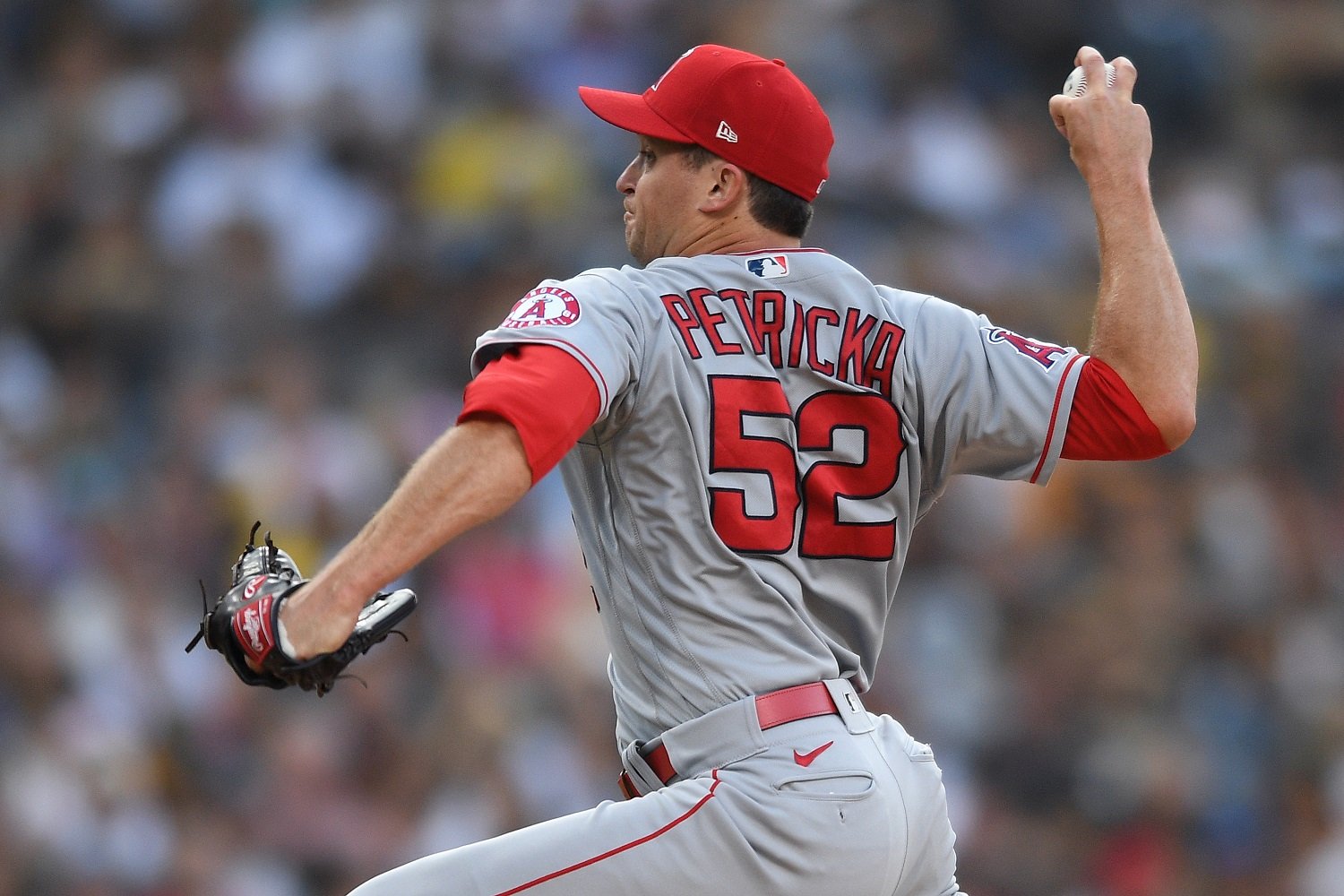 Each of the names mentioned above has varying amounts of Major League experience, although that comes with a considerable amount of time missed. Since the 2018 season, JC Ramirez and Jake Petricka have combined for just 84 1/3 innings, of which Petricka provided 45 2/3 in 2018. On the other hand, Bashlor has gone up and down between Triple-A and the big leagues since 2018, but he spent the entire 2021 season with Pittsburgh’s Triple-A affiliate. These signings are of the same ilk as Chi-Chi González. The Twins are taking a low-risk flier on guys with experience but aren’t fully committing to them past a minor-league deal. In other words, these signings are not in the same realm as “low-risk” signings from previous offseasons. As it stands now, the three will likely start in St. Paul and will need to earn their trip West on 94. Let’s look at what the three veterans could provide to one or both teams in the Twin Cities metro. Tyler Bashlor was drafted by the Mets in 2013 and was traded to the Pirates in the middle of the 2020 season but was sent to Pittsburgh’s alternate site before throwing 8 1/3 innings for the Pirates towards the end of the season. Although it was with their AAA affiliate, Bashlor had a successful 2021 season throwing 37 2/3 innings over 37 relief appearances and struck out 10.8 K/9 with a 2.39 ERA but also carried a 4.5 BB/9 which has been his Achilles heel throughout his career. His most recent Savant profile from those eight innings in 2021 shows a mid-90s fastball and slider mix with the occasional changeup. (Look at the curveballs in the below video and try not to think about Matt Wisler.) JC Ramirez has only thrown 14 2/3 relief innings since 2018 due to a combination of Tommy John Surgery, costing most of 2018 and 2019, and the cancellation of 2020 spring training due to COVID. According to MLB Trade Rumors, Ramirez has pitched in Mexico and China with some success over the last two seasons. However, the level of competition isn’t nearly what he faced stateside. His Savant profile from 2019 tells us he has a fastball that sits in the low-90s, although it’s worth noting it averaged 96 miles per hour in 2017, and a slider and curveball. Before his injury in 2018, he was just a passable back end of the rotation option, but sometimes those guys can reinvent themselves as effective relievers. I wouldn’t hold my breath but benefit from a minor league deal. A Northfield (MN) native, Jake Petricka might sound familiar as he was a good reliever for the Chicago White Sox from 2013 through 2015. He was with the White Sox until 2017 but has since bounced around the league with the Toronto Blue Jays, Milwaukee Brewers, and the Los Angeles Angels of Anaheim. He’s avoided Tommy John Surgery, but he also has a history of elbow and forearm injuries which could explain why his career has gone south since that three-year run ending in 2015. Most recently, he provided the Angels organization with some depth with their AAA affiliate so he isn’t as far removed from Major League Baseball as Ramirez and profiles similarly. He throws a low to mid 90’s fastball with a slider and changeup. These three moves won’t move the needle, and to be frank, minor-league deals shouldn’t especially those signed a week before the season starts. Last year, the Twins used a total of 35 pitchers. Depth is good. These pitchers can provide the organization with some relief depth, and, who knows, maybe one will rediscover himself and provide some effective innings in Minneapolis before the season is over.
- 13 comments
-
- 3
-
-
- jake petricka
- jc ramirez
- (and 1 more)
-
With the bullpen still in flux a week out from Opening Day, the Twins were busy on Thursday adding much-needed bullpen depth to the organization. The Twins signed veteran right-handed relievers Tyler Bashlor, JC Ramirez and Jake Petricka to minor-league deals. Image courtesy of Orlando Ramirez. USA TODAY Sports With the bullpen still in flux a week out from Opening Day, the Twins were busy on Thursday adding much-needed bullpen depth to the organization. The Twins signed veteran right-handed relievers Tyler Bashlor, JC Ramirez and Jake Petricka to minor-league deals. Each of the names mentioned above has varying amounts of Major League experience, although that comes with a considerable amount of time missed. Since the 2018 season, JC Ramirez and Jake Petricka have combined for just 84 1/3 innings, of which Petricka provided 45 2/3 in 2018. On the other hand, Bashlor has gone up and down between Triple-A and the big leagues since 2018, but he spent the entire 2021 season with Pittsburgh’s Triple-A affiliate. These signings are of the same ilk as Chi-Chi González. The Twins are taking a low-risk flier on guys with experience but aren’t fully committing to them past a minor-league deal. In other words, these signings are not in the same realm as “low-risk” signings from previous offseasons. As it stands now, the three will likely start in St. Paul and will need to earn their trip West on 94. Let’s look at what the three veterans could provide to one or both teams in the Twin Cities metro. Tyler Bashlor was drafted by the Mets in 2013 and was traded to the Pirates in the middle of the 2020 season but was sent to Pittsburgh’s alternate site before throwing 8 1/3 innings for the Pirates towards the end of the season. Although it was with their AAA affiliate, Bashlor had a successful 2021 season throwing 37 2/3 innings over 37 relief appearances and struck out 10.8 K/9 with a 2.39 ERA but also carried a 4.5 BB/9 which has been his Achilles heel throughout his career. His most recent Savant profile from those eight innings in 2021 shows a mid-90s fastball and slider mix with the occasional changeup. (Look at the curveballs in the below video and try not to think about Matt Wisler.) JC Ramirez has only thrown 14 2/3 relief innings since 2018 due to a combination of Tommy John Surgery, costing most of 2018 and 2019, and the cancellation of 2020 spring training due to COVID. According to MLB Trade Rumors, Ramirez has pitched in Mexico and China with some success over the last two seasons. However, the level of competition isn’t nearly what he faced stateside. His Savant profile from 2019 tells us he has a fastball that sits in the low-90s, although it’s worth noting it averaged 96 miles per hour in 2017, and a slider and curveball. Before his injury in 2018, he was just a passable back end of the rotation option, but sometimes those guys can reinvent themselves as effective relievers. I wouldn’t hold my breath but benefit from a minor league deal. A Northfield (MN) native, Jake Petricka might sound familiar as he was a good reliever for the Chicago White Sox from 2013 through 2015. He was with the White Sox until 2017 but has since bounced around the league with the Toronto Blue Jays, Milwaukee Brewers, and the Los Angeles Angels of Anaheim. He’s avoided Tommy John Surgery, but he also has a history of elbow and forearm injuries which could explain why his career has gone south since that three-year run ending in 2015. Most recently, he provided the Angels organization with some depth with their AAA affiliate so he isn’t as far removed from Major League Baseball as Ramirez and profiles similarly. He throws a low to mid 90’s fastball with a slider and changeup. These three moves won’t move the needle, and to be frank, minor-league deals shouldn’t especially those signed a week before the season starts. Last year, the Twins used a total of 35 pitchers. Depth is good. These pitchers can provide the organization with some relief depth, and, who knows, maybe one will rediscover himself and provide some effective innings in Minneapolis before the season is over. View full article
- 13 replies
-
- 1
-
-
- jake petricka
- jc ramirez
- (and 1 more)
-
Yea, considering all the “graduates” from last year, it’s impressive to see our farm system with so much talent that could be ready to contribute within the next year or two. I agree on Miller, but would take it as a bad thing if Palacios is our shortstop next year…does that mean Correa left and neither Royce Lewis or Austin Martin are ready? I guess a positive could be they were traded for a starter, but I think Palacios is realistically a solid utility depth piece.
.jpg.cd00760709238054b8f6d857d8818c8c.jpg)
