



Squirrel
-
Posts
34,832 -
Joined
-
Last visited
-
Days Won
167
Content Type
Profiles
News
Minnesota Twins Videos
2026 Minnesota Twins Top Prospects Ranking
2022 Minnesota Twins Draft Picks
Minnesota Twins Free Agent & Trade Rumors, Notes, & Tidbits
Guides & Resources
2023 Minnesota Twins Draft Picks
The Minnesota Twins Players Project
2024 Minnesota Twins Draft Picks
2025 Minnesota Twins Draft Pick Tracker
2026 Minnesota Twins Draft Tracker: Picks & Bonuses
Forums
Blogs
Events
Store
Downloads
Gallery
Everything posted by Squirrel
-

Article: Game Thread A's@Twins 5/4 7:10PM
Squirrel replied to Riverbrian's topic in Twins Daily Front Page News
omg ... the stress is killing me -
Article: Game Thread A's@Twins 5/4 7:10PM
Squirrel replied to Riverbrian's topic in Twins Daily Front Page News
My ancestors are. -
Article: Game Thread A's@Twins 5/4 7:10PM
Squirrel replied to Riverbrian's topic in Twins Daily Front Page News
And the fork eater gets it!!! -
Article: Game Thread A's@Twins 5/4 7:10PM
Squirrel replied to Riverbrian's topic in Twins Daily Front Page News
I guess Paul Pleiss' poll is over! -
Article: Game Thread A's@Twins 5/4 7:10PM
Squirrel replied to Riverbrian's topic in Twins Daily Front Page News
Yup ... no question about it ... caught ... hmmm, but who will come up when Schafer goes on the DL? Hicks or Buxton? -
Article: Game Thread A's@Twins 5/4 7:10PM
Squirrel replied to Riverbrian's topic in Twins Daily Front Page News
Oh boy ... here we go ... -
Article: Game Thread A's@Twins 5/4 7:10PM
Squirrel replied to Riverbrian's topic in Twins Daily Front Page News
Then again, who's favorite wasn't he? -
Article: Game Thread A's@Twins 5/4 7:10PM
Squirrel replied to Riverbrian's topic in Twins Daily Front Page News
My favorite player as a kid. -
Article: Game Thread A's@Twins 5/4 7:10PM
Squirrel replied to Riverbrian's topic in Twins Daily Front Page News
Lol ... don't get me started ... I bought some nice tile last summer ... to retile my kitchen floor and put in a backsplash ... I got a quote from a tiler (I didn't like it), called another who was too busy, then I got too busy with work and tour ... then I got to thinking, hmm, maybe I want to redo my kitchen cabinets and I should really do that before I put a new backsplash in ... so there I am. Looking for new cabinets. And the tile is still sitting there. -
Article: Game Thread A's@Twins 5/4 7:10PM
Squirrel replied to Riverbrian's topic in Twins Daily Front Page News
Lol ... yeah, because Rosario coming up really struck so much fear into Schafer that he was able to get that check swing infield hit. -
Article: Game Thread A's@Twins 5/4 7:10PM
Squirrel replied to Riverbrian's topic in Twins Daily Front Page News
Which color matches the curtains better? -
Article: Game Thread A's@Twins 5/4 7:10PM
Squirrel replied to Riverbrian's topic in Twins Daily Front Page News
Yeah, I think sticking that fork in him woke him up -
Article: Game Thread A's@Twins 5/4 7:10PM
Squirrel replied to Riverbrian's topic in Twins Daily Front Page News
YESSSSSSSSSSSSSSSSSSSSSSSSSSSSSS! HIGH 5S AROUND! -
Article: Game Thread A's@Twins 5/4 7:10PM
Squirrel replied to Riverbrian's topic in Twins Daily Front Page News
Woohoo! hehehehe ... I love it! -
Article: Game Thread A's@Twins 5/4 7:10PM
Squirrel replied to Riverbrian's topic in Twins Daily Front Page News
Getting a ladder home in my car would be easy. Just would have to hope for no rain.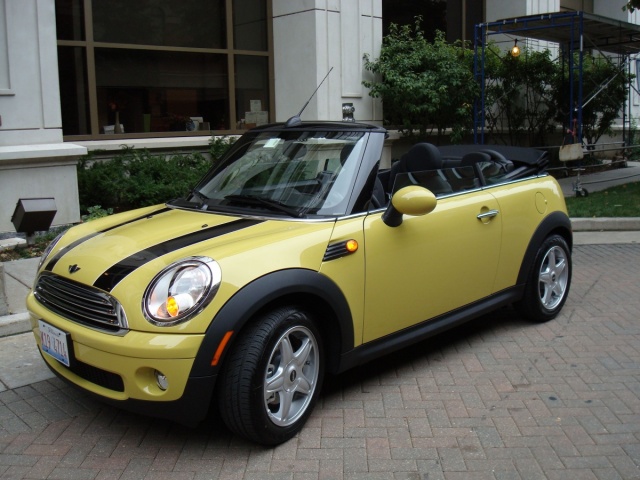
-
Article: Game Thread A's@Twins 5/4 7:10PM
Squirrel replied to Riverbrian's topic in Twins Daily Front Page News
That is so last year. Zombie night could be fun, though. -
Article: Game Thread A's@Twins 5/4 7:10PM
Squirrel replied to Riverbrian's topic in Twins Daily Front Page News
Well, since he's not wearing his hair flowingly these days, I'd say baseball prowess -
Article: Game Thread A's@Twins 5/4 7:10PM
Squirrel replied to Riverbrian's topic in Twins Daily Front Page News
meh, damn isn't so bad. Just the more egregious ... but let's not go through the list and test it out. (And as a moderator, I probably shouldn't be encouraging this kind of behavior ) -
Article: Game Thread A's@Twins 5/4 7:10PM
Squirrel replied to Riverbrian's topic in Twins Daily Front Page News
I'm glad that worked. But you can always resort to lesser versions ... Holy Poop! works just as well. -
Article: Game Thread A's@Twins 5/4 7:10PM
Squirrel replied to Riverbrian's topic in Twins Daily Front Page News
You know ... if you type out the whole word, it gets bleeped anyway. Er, I think it does. ****. -
Article: Game Thread A's@Twins 5/4 7:10PM
Squirrel replied to Riverbrian's topic in Twins Daily Front Page News
Wow! Dozier! I'm glad we have one of those! -
Article: Game Thread A's@Twins 5/4 7:10PM
Squirrel replied to Riverbrian's topic in Twins Daily Front Page News
Your cousins really do not know what's in store for them, do they? -
Article: Game Thread A's@Twins 5/4 7:10PM
Squirrel replied to Riverbrian's topic in Twins Daily Front Page News
Okay ... keep it up ... you're doing great! -
Article: Game Thread A's@Twins 5/4 7:10PM
Squirrel replied to Riverbrian's topic in Twins Daily Front Page News
I'd bet not, but who knows. I remember when Polanco came up last year for that brief bit and we all waited for him to be played. It'll be interesting to see if Mollie gets him in there sooner. -
Article: Game Thread A's@Twins 5/4 7:10PM
Squirrel replied to Riverbrian's topic in Twins Daily Front Page News
(It's just a game ... and I don't really even follow hockey that closely ... although living in Chicago, it's been the only winning team of late, so it's been fun to be a bandwagoner.)

