



Ted Schwerzler
-
Posts
5,149 -
Joined
-
Last visited
Content Type
Profiles
News
Minnesota Twins Videos
2026 Minnesota Twins Top Prospects Ranking
2022 Minnesota Twins Draft Picks
Minnesota Twins Free Agent & Trade Rumors, Notes, & Tidbits
Guides & Resources
2023 Minnesota Twins Draft Picks
The Minnesota Twins Players Project
2024 Minnesota Twins Draft Picks
2025 Minnesota Twins Draft Pick Tracker
2026 Minnesota Twins Draft Tracker: Picks & Bonuses
Forums
Blogs
Events
Store
Downloads
Gallery
Everything posted by Ted Schwerzler
-
Topps Series 1 Kicks of Baseball Season
Ted Schwerzler commented on Ted Schwerzler 's blog entry in Off The Baggy
Kepler's manufactured Sleeve Patch relic is a card I'm really interested in seeing this year! -
Topps Series 1 Kicks of Baseball Season
Ted Schwerzler commented on Ted Schwerzler 's blog entry in Off The Baggy
Yeah, I end up buying a master team set of the Twins, and then have a ton of dupes. Usually use them for giveaways on Twitter. Nothing I'm personally chasing from the Twins in Series 1, but always rip open a few hobby or jumbo boxes and then do some retail to make a fun night out of it. Grab the rookies, move onto the next product. -
Twins Rotation Provides Intriguing Depth
Ted Schwerzler commented on Ted Schwerzler 's blog entry in Off The Baggy
I'd agree that I think Lewis Thorpe is a breakout waiting to happen. Duran and Blazovic aren't going to be blocked when they force there way in. From there, it's up to Chacin and Bailey to show their worth early, with Hill and Pineda supplementing. I fully believe a deal is swung that adds to the Berrios/Odorizzi group by the time the Trade Deadline has passed. -
While we’re still a few days away from pitchers and catchers reporting to their respective Spring Training homes, baseball season gets underway with the release of 2020 Topps Series 1 on Wednesday. The first offering of the hobby for the 2020 season means baseball is around the corner. Kicking things off in a big way this year, Topps is hosting the Million Card Rip Party today at Jerry World. As group breaks have become more prominent within the hobby, the card company sought out a handful of popular breakers and gathered them all at AT&T Stadium. They’ll showcase the event live, and collectors will get some of their first looks at the new cards. 2020 Series 1 has a chance to go down as the best initial flagship offering ever. While it’s normally Series 2 or Update that highlights the sport’s best rookies, this season is somewhat unique. American League Rookie of the Year winner Yordan Alvarez will get his first rookie card, and the class also includes young stars like Gavin Lux and Bo Bichette. Deep and with plenty of star power, this group could have staying power for quite some time. Specifically, from the Twins, Lewis Thorpe is the lone rookie card in the set. However, Marwin Gonzalez gets a Minnesota card, as do Nelson Cruz and Taylor Rogers. Autographs are aplenty from the Twins, and they include everyone from Luis Arraez to Bert Blyleven. Max Kepler, Jorge Polanco, and Jake Odorizzi have some pretty big chase cards to search for, and there will be some chrome offerings of former Topps line Turkey Red littered into retail. Given Thorpe is the only rookie for Minnesota, and he’s not seen as a desired commodity in the hobby, it would really only be the hits that drive a decent return from Twins subjects. However, the manufactured relics including the Sleeve Patch and Rookie Retrospectives sets could wind up being some of the best-looking manufactured offerings we’ve seen in years. Another takeaway from Topps’ early season checklists is that the Twins will have some new names making signing appearances in 2020. It appears Trevor May, Mitch Garver, and Jorge Polanco will all be autographers in Topps product this year. With so much Rod Carew and Bert Blyleven focused content in the hobby of late, new names generating hype for Twins fans is a must. Hopefully more Joe Mauer cards will filter back into production at some point, but the Bomba Squad putting Minnesota back on the map is a great start. You can find hobby boxes of 2020 Topps Series 1 at your local card shop, and blaster boxes as well as other retail configurations will be available at Target, Walmart, and Walgreens. For more from Off The Baggy, click here. Follow @tlschwerz
-
Twins Rotation Provides Intriguing Depth
Ted Schwerzler commented on Ted Schwerzler 's blog entry in Off The Baggy
Here's the thing though, you can't appreciate a steak from Manny's unless you also are good with having Outback every once in a while. There's only so many premium options, and it's the quality of the whole that gets you to the Postseason and competes throughout the year. Minnesota can, and should, still add an arm. What they have done already is more than well-reasoned however. -
Twins Rotation Provides Intriguing Depth
Ted Schwerzler commented on Ted Schwerzler 's blog entry in Off The Baggy
I'm not sure that either Bailey of Chacin are trending down. Bailey finished 2019 really strong, and Chacin was great in 2018. Given what Minnesota has internally though, they're stacking up pitchers on the back end that should be more than capable of quality innings.- 8 comments
-
- 1
-

-
- minnesota twins
- jhoulys chacin
- (and 3 more)
-
Over the weekend the Minnesota Twins inked Jhoulys Chacin to a minor league deal that’s worth roughly $1.5 million if he makes the big-league club. With the non-roster invitees yet to be unveiled, and some chatter going around, he’s probably not the last arm to be brought in. Although the rotation didn’t experience a big jolt, Rocco Baldelli’s club is going to have some interesting options. A week ago, the assumed Opening Day rotation would have been Jose Berrios, Jake Odorizzi, Homer Bailey, Randy Dobnak, and Lewis Thorpe. With every new arm brought in, the thought is that the shift takes place from the bottom up. Now obviously a minor league deal is not guaranteed, and the reality is results must match some level of expectation during Spring Training. Assuming that happens though, Minnesota is putting themselves in a nice spot. Chacin was downright terrible in 2019. Pitching for the Brewers and Red Sox, he posted a 6.01 ERA 5.88 FIP and walked four per nine while allowing 2.2 HR/9. A slider first pitcher that was very good in 2018 however, there’s a lot to like here. Jhoulys is an 11-year veteran with a career 4.03 ERA and three sub 4.00 ERA seasons from 2015-2018. It’s a decent gamble that he could have a better 2020 than Bailey, who is on a guaranteed contract from the Twins. In 2019 Minnesota needed to get starts from just 10 different pitchers, and five guys made all but 16 of the initial trips to the mound. That’s extraordinary, reflective of strong performance, and more importantly indicative of superior health and good fortune. Rather than banking on that taking place again, Wes Johnson has been given an arsenal to utilize going forward. Randy Dobnak posted a 1.59 ERA and 2.90 FIP in his debut season en route to a Postseason start. Lewis Thorpe is a former top prospect that looks the part of a breakout arm. Devin Smeltzer has become somewhat of an afterthought despite being a key acquisition from the Dodgers and having a strong rookie season of his own. That’s all before we even touch on Jhoan Duran or Jordan Balazovic. Then you add in the Michael Pineda will be back after suspension and Rich Hill will be healthy down the stretch, it’s safe to see Minnesota is overflowing with arms. We don’t yet know what level all the options will perform at, but the Twins have both opportunity and the mounts to feed in the year ahead. Plugging in the right guys in the most opportune situations will be the task of Johnson and Baldelli. There’s probably opportunity to flip an asset or two, and there’s definitely a level of insurance built into the roster construction here. I have no idea which Chacin shows up in 2020, but it appears Johnson is intrigued enough to work on getting the 2018 guy to take the mound. If you throw Taijuan Walker or someone else into the mix as well, the rotation that didn’t get its impact arm has an inside track at being both very good as well as very well supplemented. Who makes starts when should be up in the air for the next month or so, but give it to Derek Falvey and Thad Levine, they’ve done work stocking the cupboard with plenty of ammunition. For more from Off The Baggy, click here. Follow @tlschwerz
- 8 comments
-
- 1
-
-
- minnesota twins
- jhoulys chacin
- (and 3 more)
-
After posting a .923 OPS in 2019 and parlaying that into a nice contract extension it’s hard to fathom what more could be done by Miguel Sano. The reality is that we may have just been scratching the surface, and a 2020 encore could provide numbers we haven’t seen in over 50 years.The Minnesota Twins are celebrating their 60th season and bringing back the powder blues in 2020. A slugger that wore those uniforms prior to them becoming throwbacks was none other than Harmon Killerbrew. Known as Killer, Harmon clubbed a ridiculous 573 career homers. Twice, in 1964 and 1969, he blasted 49 in a single season. As a no-doubt Hall of Famer it’s hard to fathom Sano reaching that rarified air, but matching him for a calendar year? Yeah, I can get behind that. During the 2019 season Sano played in just 105 games. He missed the beginning of the year after suffering a gash on his heel in a freak accident. After debuting in mid-May, the Dominican native posted an .853 OPS through his first 23 games. There were seven longballs hit in that stretch, but it was bookended by an ugly five-strikeout affair in a 0-for-7 performance against the Boston Red Sox. Working with the since departed James Rowson on a teardown and rebuild of his swing while facing Major League pitching, Miguel performed admirably. Given the determination he’d shown throughout the offseason, it shouldn’t be a surprise he’d work tirelessly to get this right. Over his final 82 games he tallied a .944 OPS and 27 homers. From July on that OPS was at .955, and in September alone it was a whopping 1.067. Owning a top five barrel rate and one of the best hard-hit rates in all of baseball, it’s not a surprise to see the pill leave the yard when Miguel makes contact. He’ll obviously whiff plenty, but even a 36% strikeout rate couldn’t keep him down a year ago. The mix tells us everything we need to know. This is a three true outcomes guy that recorded an insane 36% HR/FB rate. Now what happens if he’s on the field more? Moving over to first base could present some challenges for Miguel, and he’ll definitely need to grow into the new position. If he can continue to separate his play on the field from that in the batter’s box, the rigors of the role should put less of a strain on him, however. Also, barring some unfortunate development, he’ll be entering the year with a clean bill of health. Extrapolating Sano’s numbers over the course of a full season surpasses the 50-home run plateau. It’s something that Killebrew never did and reaching 43 would put him beyond Nelson Cruz’s number last year (41) as well as Brian Dozier’s in 2016 (42). For a guy that was sent down to Single-A less than two years ago to now be capable of the heights Miguel is achieving is nothing short of extraordinary. He’s put in the work, he’s committed to be the best version of himself, and in 2020 it could culminate into some chart-topping tallies. MORE FROM TWINS DAILY — Latest Twins coverage from our writers — Recent Twins discussion in our forums — Follow Twins Daily via Twitter, Facebook or email Click here to view the article
-
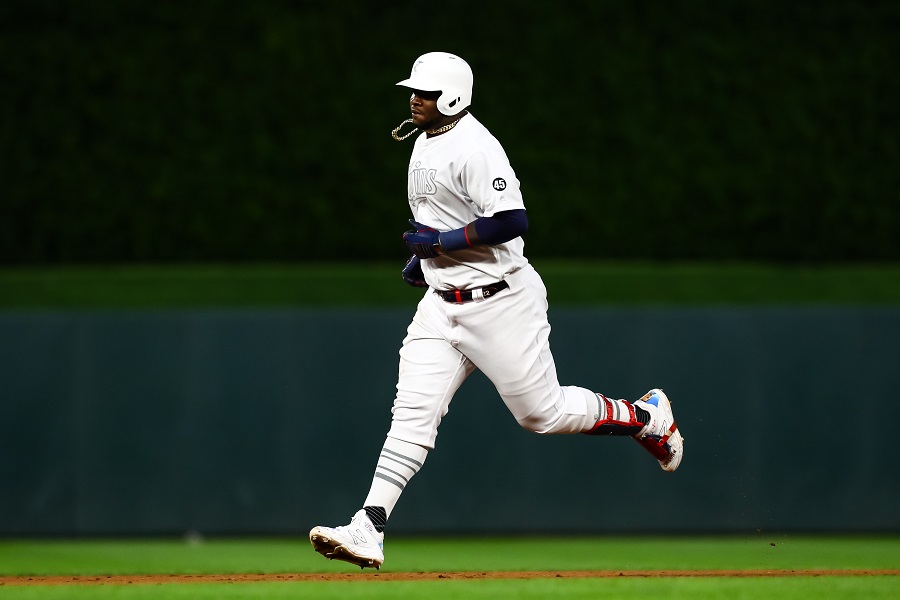 The Minnesota Twins are celebrating their 60th season and bringing back the powder blues in 2020. A slugger that wore those uniforms prior to them becoming throwbacks was none other than Harmon Killerbrew. Known as Killer, Harmon clubbed a ridiculous 573 career homers. Twice, in 1964 and 1969, he blasted 49 in a single season. As a no-doubt Hall of Famer it’s hard to fathom Sano reaching that rarified air, but matching him for a calendar year? Yeah, I can get behind that. During the 2019 season Sano played in just 105 games. He missed the beginning of the year after suffering a gash on his heel in a freak accident. After debuting in mid-May, the Dominican native posted an .853 OPS through his first 23 games. There were seven longballs hit in that stretch, but it was bookended by an ugly five-strikeout affair in a 0-for-7 performance against the Boston Red Sox. Working with the since departed James Rowson on a teardown and rebuild of his swing while facing Major League pitching, Miguel performed admirably. Given the determination he’d shown throughout the offseason, it shouldn’t be a surprise he’d work tirelessly to get this right. Over his final 82 games he tallied a .944 OPS and 27 homers. From July on that OPS was at .955, and in September alone it was a whopping 1.067. Owning a top five barrel rate and one of the best hard-hit rates in all of baseball, it’s not a surprise to see the pill leave the yard when Miguel makes contact. He’ll obviously whiff plenty, but even a 36% strikeout rate couldn’t keep him down a year ago. The mix tells us everything we need to know. This is a three true outcomes guy that recorded an insane 36% HR/FB rate. Now what happens if he’s on the field more? Moving over to first base could present some challenges for Miguel, and he’ll definitely need to grow into the new position. If he can continue to separate his play on the field from that in the batter’s box, the rigors of the role should put less of a strain on him, however. Also, barring some unfortunate development, he’ll be entering the year with a clean bill of health. Extrapolating Sano’s numbers over the course of a full season surpasses the 50-home run plateau. It’s something that Killebrew never did and reaching 43 would put him beyond Nelson Cruz’s number last year (41) as well as Brian Dozier’s in 2016 (42). For a guy that was sent down to Single-A less than two years ago to now be capable of the heights Miguel is achieving is nothing short of extraordinary. He’s put in the work, he’s committed to be the best version of himself, and in 2020 it could culminate into some chart-topping tallies. MORE FROM TWINS DAILY — Latest Twins coverage from our writers — Recent Twins discussion in our forums — Follow Twins Daily via Twitter, Facebook or email
 -
I guess I don't see the correlation? The Twins aren't cheating, and he isn't using PEDs, so what advantage would he bring?
-
The sign stealing allegations have ran rampant regarding the 2017 Houston Astros, and penalties have already been levied. Lurking in the background was Tony Adams, an Astros fan that did his own digging, and now we have some crosshairs right on how the Twins were impacted.Back in early January Nick Nelson wrote about how the Twins may have been impacted by cheaters. We know that Houston and Boston were involved, but we aren’t sure how far that reach expanded. Thanks to Tony, who Marc Carig did a great job speaking with over at The Athletic, we now can see a pretty direct picture of the tainted Twins happenings. Here’s the thing, it actually appears like the Astros started off the year relatively clean. Maybe they were feeling out their new system, or maybe it was around the time that A.J. Hinch went on his smashing spree. Nonetheless, it was in July that Minnesota traveled to Minute Maid Park, and it was game one that produced the second most egregious results of the regular season. During the three-game series in Texas, Twins pitchers threw 472 pitches. Of those, there were trash can bangs on 112 pitches, a whopping 24%. In game one, 48 of a total 179 (27%) pitches were tipped off. 84 total pitches thrown that day were not fastballs. That means Houston hitters knew, at a 57% clip, when they’d see a breaking pitch during that specific game. Not surprisingly, the results suggested this was the case as well. Houston scored 10 runs that day, hanging seven on starter Jose Berrios. Phil Hughes came on to get the final out in the second inning but was tagged for three runs on five hits while allowing two dingers on his own. The Astros grabbed 10 runs before Minnesota was able to record nine outs. Good day at the office to be sure, but certainly not as impressive when it’s coming in on a tee. The Twins fared better in game two and three, splitting the affairs, but 64 more Rubbermaid bangs were used over the course of that action. Hughes had opined when the original story broke that this was a game he thought back to. Knowing it was the one time he pitched against the Astros on the road, and proceeded to get lit up, it isn’t a surprise it would stick in his memory. His tweets today immediately pointed to that performance and give significant credibility to the advantages Houston had. More bad news is that it wasn’t just the 2017 Twins who felt the impact of these exploits. Matthew Trueblood recently wrote how Marwin Gonzalez likely benefitted from Houston’s scheme. He posted a career best OPS, and despite favorable numbers on the road, Nick Nelson pointed out a wOBA that jumped off the page in the friendly confines of Fresh Squeezed Park. What’s more, the analysis provided by Mr. Adams shows that Marwin didn’t only participate, but he may have been a ringleader. No Astros player was given more hints as to what was coming than Gonzalez received. If he knew breaking pitches were coming that often, it’s pretty apparent why he would have posted career bests across the board. There’s a ton to unpack here and heading over to signstealingscandal.com will allow you to dig to your hearts' content. It’s interesting that Jose Altuve was the batter at the plate the least when the garbage can rang out, but if he was wearing an electronic device as suggested then there’s probably less of a need to be involved. Former, and very short-term, New York Mets manager Carlos Beltran appears near the top of the leaderboard which isn’t a surprise given his named involvement. At the end of the day, this whole orchestration will go down as one of baseball’s greatest transgressions. A wild card-reaching Twins team was definitely exploited on the arms of Berrios and Hughes, and a current utility man will likely have question marks follow his production wherever he goes. This doesn’t change punishments or make any new ones more likely, but it definitely points to the negative impact on the Twins as being more drastic than on most other teams MORE FROM TWINS DAILY — Latest Twins coverage from our writers — Recent Twins discussion in our forums — Follow Twins Daily via Twitter, Facebook or email Click here to view the article
-
Marwin Gonzalez, the Twins, and How the Astros Cheated Minnesota
Ted Schwerzler posted an article in Twins
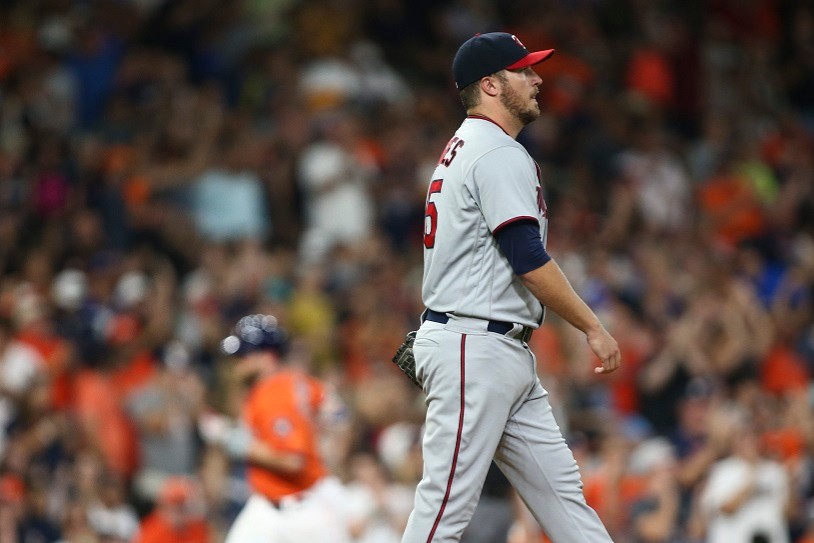 Back in early January Nick Nelson wrote about how the Twins may have been impacted by cheaters. We know that Houston and Boston were involved, but we aren’t sure how far that reach expanded. Thanks to Tony, who Marc Carig did a great job speaking with over at The Athletic, we now can see a pretty direct picture of the tainted Twins happenings. Here’s the thing, it actually appears like the Astros started off the year relatively clean. Maybe they were feeling out their new system, or maybe it was around the time that A.J. Hinch went on his smashing spree. Nonetheless, it was in July that Minnesota traveled to Minute Maid Park, and it was game one that produced the second most egregious results of the regular season. https://twitter.com/tlschwerz/status/1222576191036698627 During the three-game series in Texas, Twins pitchers threw 472 pitches. Of those, there were trash can bangs on 112 pitches, a whopping 24%. In game one, 48 of a total 179 (27%) pitches were tipped off. 84 total pitches thrown that day were not fastballs. That means Houston hitters knew, at a 57% clip, when they’d see a breaking pitch during that specific game. Not surprisingly, the results suggested this was the case as well. Houston scored 10 runs that day, hanging seven on starter Jose Berrios. Phil Hughes came on to get the final out in the second inning but was tagged for three runs on five hits while allowing two dingers on his own. The Astros grabbed 10 runs before Minnesota was able to record nine outs. Good day at the office to be sure, but certainly not as impressive when it’s coming in on a tee. The Twins fared better in game two and three, splitting the affairs, but 64 more Rubbermaid bangs were used over the course of that action. https://twitter.com/PJHughes45/status/1222623675796484096 Hughes had opined when the original story broke that this was a game he thought back to. Knowing it was the one time he pitched against the Astros on the road, and proceeded to get lit up, it isn’t a surprise it would stick in his memory. His tweets today immediately pointed to that performance and give significant credibility to the advantages Houston had. More bad news is that it wasn’t just the 2017 Twins who felt the impact of these exploits. Matthew Trueblood recently wrote how Marwin Gonzalez likely benefitted from Houston’s scheme. He posted a career best OPS, and despite favorable numbers on the road, Nick Nelson pointed out a wOBA that jumped off the page in the friendly confines of Fresh Squeezed Park. What’s more, the analysis provided by Mr. Adams shows that Marwin didn’t only participate, but he may have been a ringleader. No Astros player was given more hints as to what was coming than Gonzalez received. If he knew breaking pitches were coming that often, it’s pretty apparent why he would have posted career bests across the board. https://twitter.com/adams_at/status/1222506722276843527 There’s a ton to unpack here and heading over to signstealingscandal.com will allow you to dig to your hearts' content. It’s interesting that Jose Altuve was the batter at the plate the least when the garbage can rang out, but if he was wearing an electronic device as suggested then there’s probably less of a need to be involved. Former, and very short-term, New York Mets manager Carlos Beltran appears near the top of the leaderboard which isn’t a surprise given his named involvement. At the end of the day, this whole orchestration will go down as one of baseball’s greatest transgressions. A wild card-reaching Twins team was definitely exploited on the arms of Berrios and Hughes, and a current utility man will likely have question marks follow his production wherever he goes. This doesn’t change punishments or make any new ones more likely, but it definitely points to the negative impact on the Twins as being more drastic than on most other teams MORE FROM TWINS DAILY — Latest Twins coverage from our writers — Recent Twins discussion in our forums — Follow Twins Daily via Twitter, Facebook or email
 -
In case there was any question as to whether the Pittsburgh Pirates would compete in 2020, new General Manager Ben Cherington gave us a definitive answer. Starling Marte was dealt, Derek Shelton’s cupboard is now bare, and the payroll keeps dropping. Minnesota should step in to help the process a bit further.When Cherington sent Marte to the Arizona Diamondbacks for a pair of 19-year-olds, any questions regarding Pittsburgh’s intent were clearly answered. This team is bordering on a payroll lower than Mike Trout’s 2020 salary (sitting at roughly $43MM). In grabbing such young prospects in return, there’s a nice ceiling to dream of, but competition won’t be happening anytime soon. Still reeling from the Chris Archer deal with Tampa this is a club that Cherington needs to resurrect. So, with the major leaguer roster having more holes than a cannonballed Schooner, the former Twins bench coach might as well be given a complete rebuild to orchestrate. If that’s going to happen then names like Josh Bell, Gregory Polanco, Chris Archer, and Joe Musgrove should be on their way to the plank also. The Twins outfield is set, and first base is now covered, but those last two are guys they likely checked in on previously and could now grab as desirable booty. Chris Archer remains more name than ability at this point in his career. He hasn’t posted a sub-4.00 ERA since 2015, and while the FIP (save for 2019) was always strong, the results didn’t follow. Last year the Pirates hurler hopped back into the double-digit K/9 realm but did so while issuing a whopping 4.1 BB/9. It wasn’t there that he got burned however but instead, the longball hurt him to the tune of a 1.9 HR/9. Still sitting in the mid-90’s with his fastball velocity, Archer can remain a power pitcher at 31-years-old. He’s missing as many bats as he ever has, and his chase rates are on par with career averages. The 40% hard hit rate was a career worst, but it’s in line with an increase he’s survived in each of the previous two seasons. Where the numbers jump off the page is just how many fly balls left the yard. Generating ground balls over 44% of the time during his career, dropping all the way down to 36% last season and seeing the HR/FB rise all the way up to 20% did him in. Having an $11MM team option for 2021 and a $9MM salary in the year ahead, it’s a very comparable compensation assumption to what Arizona took on in Marte. Minnesota has some 19-year-olds of their own that could be added to the Pirates harbor. The more enticing option here however is Joe Musgrove. Just 27-years-old and not scheduled to hit free agency until 2023, the price tag will also be heftier. Pittsburgh certainly shouldn’t be overly motivated to move the former Houston Astro, but he doesn’t exactly fit into their window of competitiveness either. Nabbing some high-level prospects to cash in during the future may help make up for the loss of Austin Meadows, Tyler Glasnow, or Shane Baz. What’s there to like about Musgrove, a guy with a 4.37 career ERA and on his third organization? Well, everything. His FIP has generally outperformed his ERA, and he’s shown a strong ability to both command and control his pitchers. Although not a dominant strikeout guy, he racked up 157 in his first full year starting last season. Working in the low-to-mid-90’s Musgrove sees success predominantly as a fastball-slider guy. Last season his 12% whiff rat was a new career high, and he’s forced opposing batters to expand the zone over one-third of the time through his big-league career. Even in the juiced ball season that was, he largely avoided home run damage, and there wasn’t much of a spike in hard hit rate. Allowing yourself to dream on Musgrove is also betting on current infrastructure. You aren’t ponying up the pieces to get what he is today, as much as you are under the belief in what he could become. Twins Daily’s Nash Walker points out some similarities in numbers between Musgrove and Gerrit Cole over their last two seasons with the Pirates. Being of the belief that Minnesota, Wes Johnson, and the Derek Falvey brain trust could work their magic, this is some clay that could be worth molding. At the end of the day it still seems logical that the Twins make a trade for pitching. They were going to be hard pressed on the free agent market for that position anyway, and they have the assets to acquire almost anyone in the game. If Josh Kalk believes in Archer from his Tampa days, they could go that route. If Musgrove is a piece viewed as being on the cusp, he makes a good deal of sense. Maybe it’s neither and a different organization entirely. All I know is the Pirates have some booty, and you don’t even need to board the ship for them to be willing to pass it out. MORE FROM TWINS DAILY — Latest Twins coverage from our writers — Recent Twins discussion in our forums — Follow Twins Daily via Twitter, Facebook or email Click here to view the article
-
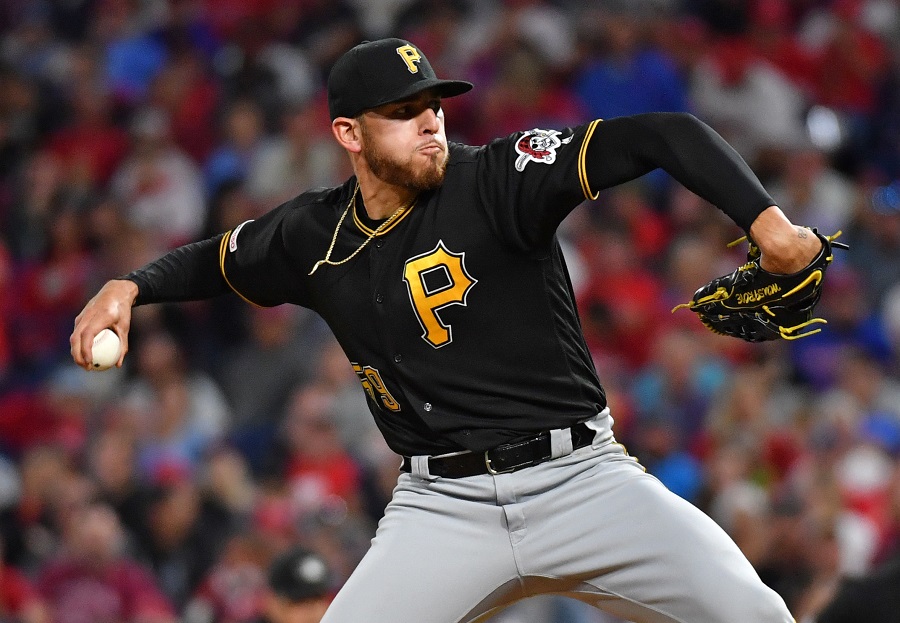 When Cherington sent Marte to the Arizona Diamondbacks for a pair of 19-year-olds, any questions regarding Pittsburgh’s intent were clearly answered. This team is bordering on a payroll lower than Mike Trout’s 2020 salary (sitting at roughly $43MM). In grabbing such young prospects in return, there’s a nice ceiling to dream of, but competition won’t be happening anytime soon. Still reeling from the Chris Archer deal with Tampa this is a club that Cherington needs to resurrect. So, with the major leaguer roster having more holes than a cannonballed Schooner, the former Twins bench coach might as well be given a complete rebuild to orchestrate. If that’s going to happen then names like Josh Bell, Gregory Polanco, Chris Archer, and Joe Musgrove should be on their way to the plank also. The Twins outfield is set, and first base is now covered, but those last two are guys they likely checked in on previously and could now grab as desirable booty. Chris Archer remains more name than ability at this point in his career. He hasn’t posted a sub-4.00 ERA since 2015, and while the FIP (save for 2019) was always strong, the results didn’t follow. Last year the Pirates hurler hopped back into the double-digit K/9 realm but did so while issuing a whopping 4.1 BB/9. It wasn’t there that he got burned however but instead, the longball hurt him to the tune of a 1.9 HR/9. Still sitting in the mid-90’s with his fastball velocity, Archer can remain a power pitcher at 31-years-old. He’s missing as many bats as he ever has, and his chase rates are on par with career averages. The 40% hard hit rate was a career worst, but it’s in line with an increase he’s survived in each of the previous two seasons. Where the numbers jump off the page is just how many fly balls left the yard. Generating ground balls over 44% of the time during his career, dropping all the way down to 36% last season and seeing the HR/FB rise all the way up to 20% did him in. Having an $11MM team option for 2021 and a $9MM salary in the year ahead, it’s a very comparable compensation assumption to what Arizona took on in Marte. Minnesota has some 19-year-olds of their own that could be added to the Pirates harbor. The more enticing option here however is Joe Musgrove. Just 27-years-old and not scheduled to hit free agency until 2023, the price tag will also be heftier. Pittsburgh certainly shouldn’t be overly motivated to move the former Houston Astro, but he doesn’t exactly fit into their window of competitiveness either. Nabbing some high-level prospects to cash in during the future may help make up for the loss of Austin Meadows, Tyler Glasnow, or Shane Baz. What’s there to like about Musgrove, a guy with a 4.37 career ERA and on his third organization? Well, everything. His FIP has generally outperformed his ERA, and he’s shown a strong ability to both command and control his pitchers. Although not a dominant strikeout guy, he racked up 157 in his first full year starting last season. Working in the low-to-mid-90’s Musgrove sees success predominantly as a fastball-slider guy. Last season his 12% whiff rat was a new career high, and he’s forced opposing batters to expand the zone over one-third of the time through his big-league career. Even in the juiced ball season that was, he largely avoided home run damage, and there wasn’t much of a spike in hard hit rate. https://twitter.com/Nashwalker9/status/1222184462424903680 Allowing yourself to dream on Musgrove is also betting on current infrastructure. You aren’t ponying up the pieces to get what he is today, as much as you are under the belief in what he could become. Twins Daily’s Nash Walker points out some similarities in numbers between Musgrove and Gerrit Cole over their last two seasons with the Pirates. Being of the belief that Minnesota, Wes Johnson, and the Derek Falvey brain trust could work their magic, this is some clay that could be worth molding. At the end of the day it still seems logical that the Twins make a trade for pitching. They were going to be hard pressed on the free agent market for that position anyway, and they have the assets to acquire almost anyone in the game. If Josh Kalk believes in Archer from his Tampa days, they could go that route. If Musgrove is a piece viewed as being on the cusp, he makes a good deal of sense. Maybe it’s neither and a different organization entirely. All I know is the Pirates have some booty, and you don’t even need to board the ship for them to be willing to pass it out. MORE FROM TWINS DAILY — Latest Twins coverage from our writers — Recent Twins discussion in our forums — Follow Twins Daily via Twitter, Facebook or email
 -
Trade Market Calling for the Twins
Ted Schwerzler commented on Ted Schwerzler 's blog entry in Off The Baggy
Archer has a big name and zero track record at this point. He’s also not incredibly cheap, and Pittsburgh would need to eat some of that salary to recoup better prospects. Musgrove is the much more desirable pitcher there right now. -
Kobe Was so Much More than Basketball
Ted Schwerzler commented on Ted Schwerzler 's blog entry in Off The Baggy
Correct, incredibly sad. -
Heroes get remembered but legends never die. That’s what we were told in that 1993 classic right? I have long been of the belief that idolizing celebrities or athletes almost certainly isn’t a good practice, but we can absolutely learn from them. At its core, I think that’s why the tragic passing of Kobe Bryant hit me so differently. The Black Mamba was an 18-year-old rookie that went on to play over 1,300 games, score over 33,000 points, and will go down among the inner-circle of greatest hoopers ever. During his career though, he wasn’t my guy. Despite being too young to really appreciate his greatness, I was Team Jordan. Kobe represented the villain. He was a dominating force that stopped at nothing to best his opponent. It wasn’t until years later that reflection set in for me. Baseball, basketball, or otherwise, the reality is that the athletes we see on a field of play are as flawed and fallible as the rest of us. It is in that reality where pedestals crumble and holding those we may never meet in such high regard can end up feeling empty. It’s also in that same vein that Kobe transcended what he was on the court inside of Staples Center. During summer of 2003 Kobe made arguably the worst decision of his life. At best he was an adulterer and cheater; at worst something substantially more reprehensible. What he was during those times though was human. At the top of the basketball world, he still faced the same trials, setbacks, and punishments that many others around the world could find themselves involved in. That’s not to dismiss the levity of what happened, or the terrible decision making that transpired, but it highlights how quickly stature can be dealt a blow. Sometime, and likely years later, that’s when I began to see it and turned towards emotions of respect for the man known by a single name. Attacking life with the same tenacity and mentality that he did on the basketball court, no one was going to outwork him. Bryant rebuilt his public image, but only after doing so in his own backyard. His marriage made it through that horrendous occurrence, and then again in 2011 when Vanessa filed for divorce. I can’t pretend to know the intimate details of their family, but my assumption would be that coming out on the other side in 2013 and establishing a family unit with ties that look deep, wrongs had been righted. We will never know what it’s like to win multiple NBA titles or score all those points. However, there isn’t a human alive that can’t associate with bad decisions, hurt, and forgiveness. That’s the story of Kobe Bryant that rocks me to my core. He was a man that, by his own doing, went through it all and came out for the better. Fortunately for so many of us simply labeled fans or onlookers, we got to see that better. From Vanessa blowing Kobe a kiss in that final 60-point performance (to which he gave her a quick smile and wink), or the way the Lakers great lit up when talking about any of his daughters. It was apparent that Gianna was the apple of his eye, and regardless of her determination to carry on the family legacy in the gym, it was her mentality that Kobe shined brightest in. Tragedies by nature will never be easy, but it’s hard not to look at this one and see people taken away that were destined to have a profound impact on the world. Kobe looked poised and positioned to have a greater impact in the next 40 years than he did in the first, and he had both the platform and resources to accomplish that feat. Gianna may have been the next trailblazer, WNBA superstar, and advocate for all things the matured Mamba had instilled in her. We’ll never know what could have been, but I finally lost it when ESPN’s Elle Duncan gave us some of the most-raw emotion we’ll ever see on TV. Kobe didn’t need boys, and he didn’t need basketball. He had a mindsight that would allow him to push, drive, and accomplish anything in this world. His family was better for it, his girls were better for it, and most importantly he was better for it. Kobe Bryant wasn’t an idol to me. He wasn’t someone I cared about on the Lakers. He wasn’t even someone I planned to tune into their Hall of Fame speech. Kobe Bryant was a flawed human being with exceptional traits and a desire to rise above, grow, and be better. That’s a father and man I can absolutely choose to emulate. For more from Off The Baggy, click here. Follow @tlschwerz
-
Today the Pittsburgh Pirates swapped Sterling Marte to the Arizona Diamondbacks for a pair of prospects. In completing that deal, it’s another reminder that the trade market has yet to truly take off, and it makes a good amount of sense that the Minnesota Twins be involved. We still have yet to see any organizations move a big pitcher. Nolan Arenado looks to be on his way out of Colorado, and Mookie Betts could certainly be headed somewhere else if Boston is ready to deal. Going into the offseason it appeared that the Twins were well positioned to make a move, and nothing has changed to suggest otherwise. Right now, there’s a decent level of redundancy in Minnesota’s farm system, and there’s a strong mix of impact prospects alongside depth talent. The organization is not only going to have a substantial amount of decisions to make on the 40-man roster prior to 2021, but there’s going to be more than a handful that are extremely difficult. Expecting the Twins to land either Gerrit Cole or Stephen Strasburg would have always been a pipe dream at best. Zack Wheeler and Hyun-Jin Ryu would have completed Derek Falvey’s quest for an impact arm, but one was an upside play while the other has significant injury concerns. Doling out cash on either could have went up in smoke, and the long-term effects may be more costly. This is where we should again begin thinking about the trade market. After Josh Donaldson was signed by Minnesota, it appeared to put a bow on their offseason. Realistically though, neither Rich Hill nor Homer Bailey represent the necessary addition to calm concern out of the gate. Bailey is more a Kyle Gibson replacement than anything, and Hill’s impact may not be felt until October. Just recently clearing the previous high in payroll, there should still be room to squeak out a few more dollars. We haven’t entered a scenario in which it becomes necessary to move either Royce Lewis or Alex Kirilloff but listening on offers and pursuing arms can be done knowing everything else is taken care of. Donaldson is more than an exciting addition on his own, but he wasn’t brought here for four years to sit back and carry the load. Minnesota made an aggressive move like that with the idea that talent can be supplemented as a whole and getting the entire 26-man help is a must. I have no idea if the Twins are content with the rotation as it stands today. It’s certainly not in shambles, but there’s also clear opportunities for growth. Maybe they’ll play a handful of games before deciding that something else needs to be done. What I do know is that making a trade remains a very sensible action, the assets are there, the timing is right, and the market is beginning to reveal itself. For more from Off The Baggy, click here. Follow @tlschwerz
- 11 comments
-
- 3
-
-
- minnesota twins
- starling marte
- (and 2 more)
-
Going into the offseason Derek Falvey and Thad Levine used the word impact. Specifically, they were talking about pitching. When that market went sideways on them, the refrain turned to making an impact on the roster overall, and it was the Bringer of Rain that saved their grade.Thad Levine has gone on record noting the Twins interest in Zack Wheeler. They were reportedly in on Hyun-Jin Ryu, and there was question about a few other arms that may make sense. Ultimately though, Minnesota never landed that big fish pitcher. When they decided that Plan A was no longer the preferred route, a shift in focus became necessary. In doing so, it cemented everything else they did, and helped to establish an offseason of success with 2020 square in their sights. Instead of giving just a singular grade to the work as a whole, let’s break things down individually: Backup Catcher- Alex Avila replaces Jason Castro In 2019 Mitch Garver emerged as one of the game’s best. He took massive steps forward behind the dish and was unquestionably the best with the bat. Needing a new battery mate, the decision was made to move on from Castro. Alex Avila posted a .775 OPS and was exactly average by OPS+ standards last year. He is an adequate defender and is just two years removed from a career season with the divisional for Tigers. This wasn’t flashy by any means, but it’s a fair swap by all measures. Grade C Corner Infielder- Josh Donaldson replaces C.J. Cron With Cron being non-tendered by Minnesota, it was time to decide if first or third base was the position being addressed. Once the pitching market shifted, the Twins best opportunity for impact came from one of the best players to hit the open market. Josh Donaldson significantly elevates the infield defense, Miguel Sano could arguably be better suited for first base, and Rocco Baldelli will now write out a lineup card that features the best nine in baseball. Donaldson is a star, and the richest Twins' free agent deal in history was more than well deserved. This one was as much a bomba as those he’ll hit this year at Target Field. Grade A+ Starting Pitcher- Jake Odorizzi and Michael Pineda retained. Homer Bailey and Rich Hill replace Kyle Gibson and Martin Perez These moves received plenty of consternation in the scope of the offseason as a whole, but viewed individually, they seem pretty great. Odorizzi was arguably Minnesota’s best pitcher last season, and Pineda was lights out down the stretch. Getting that duo back at what equates to less than market value is a good deal. Grade B Bailey isn’t a sexy name, but neither was Kyle Gibson. The longtime Reds ace posted a 4.57 ERA last year but had a 3.65 FIP with Oakland in his final 73.1 IP. As a third or fourth starter with an assist from Wes Johnson, I think you could do a lot worse. Grade C- Arguably the biggest win here is in the form of a guy who could definitely be considered “impact.” Despite a 15-year major league pitching career, Rich Hill has accumulated only 937 innings while making 156 starts. The bad is that he’s a 40-year-old with an extensive injury history. The good news though, is essentially everything else. Hill hasn’t seen a dip in his stuff, he mows down opposing hitters, and he’s got 12 postseason starts under his belt. The 4.10 FIP last year is reason for pause, but if he can go back to limiting the long ball, he’ll be great down the stretch. Grade B+ Relief Pitching- Sergio Romo retained. Tyler Clippard replaced Sam Dyson. At the trade deadline Minnesota made a swap with the Miami Marlins for the veteran righty. Now a slider specialist, Romo was having a plenty fine year for the fish. After producing to the tune of a 3.35 FIP and 10.7 K/9 in 22.2 IP, his presence in the clubhouse was one that made sense to welcome back. He gets a slight bump in pay with a team option for 2022. He’ll be 39, but he still looks the part of a guy that can contribute high-leverage innings. Grade C+ Coming over from a division rival in Cleveland, Clippard had his best year since 2014. The 2.90 ERA is sparkly, and the 3.89 FIP suggests it’s at least somewhat for real. He can rack up strikeouts, limits hits, and actually saw a slight decrease in the long ball a year ago. Sam Dyson was supposed to be a bit better based on his Giants numbers, but that blew up and his shoulder is done. Clippard provides plenty of reason to believe in a similar or better level of success. Grade C Overall: Minnesota needed pitching this offseason, and while they didn’t get the top-of-the-rotation arm, they did take steps forward. On top of that, the team found a way to improve an already lethal lineup and adding further run support is another avenue to success. Minnesota looked pretty dead in the water up until the Donaldson signing, even if it was enough to hold serve in the division. That should be a reminder that situations are consistently fluid, and the front office is actively trying to get better. They are soon closing the door on an opportunity to spend dollars, but they remain incredibly rich in prospect capital. Before the leaves fall and October baseball begins, the Twins have more work to do. Not only is there a need to win games and position themselves for postseason baseball, they’ll need a reinforcement or two in order to stack up. The top-tier pitcher is what holds the grade back, but it’s hard to be anything less than pleased by the overall result. Grade B+ MORE FROM TWINS DAILY — Latest Twins coverage from our writers — Recent Twins discussion in our forums — Follow Twins Daily via Twitter, Facebook or email Click here to view the article
-
 Thad Levine has gone on record noting the Twins interest in Zack Wheeler. They were reportedly in on Hyun-Jin Ryu, and there was question about a few other arms that may make sense. Ultimately though, Minnesota never landed that big fish pitcher. When they decided that Plan A was no longer the preferred route, a shift in focus became necessary. In doing so, it cemented everything else they did, and helped to establish an offseason of success with 2020 square in their sights. Instead of giving just a singular grade to the work as a whole, let’s break things down individually: Backup Catcher- Alex Avila replaces Jason Castro In 2019 Mitch Garver emerged as one of the game’s best. He took massive steps forward behind the dish and was unquestionably the best with the bat. Needing a new battery mate, the decision was made to move on from Castro. Alex Avila posted a .775 OPS and was exactly average by OPS+ standards last year. He is an adequate defender and is just two years removed from a career season with the divisional for Tigers. This wasn’t flashy by any means, but it’s a fair swap by all measures. Grade C Corner Infielder- Josh Donaldson replaces C.J. Cron With Cron being non-tendered by Minnesota, it was time to decide if first or third base was the position being addressed. Once the pitching market shifted, the Twins best opportunity for impact came from one of the best players to hit the open market. Josh Donaldson significantly elevates the infield defense, Miguel Sano could arguably be better suited for first base, and Rocco Baldelli will now write out a lineup card that features the best nine in baseball. Donaldson is a star, and the richest Twins' free agent deal in history was more than well deserved. This one was as much a bomba as those he’ll hit this year at Target Field. Grade A+ Starting Pitcher- Jake Odorizzi and Michael Pineda retained. Homer Bailey and Rich Hill replace Kyle Gibson and Martin Perez These moves received plenty of consternation in the scope of the offseason as a whole, but viewed individually, they seem pretty great. Odorizzi was arguably Minnesota’s best pitcher last season, and Pineda was lights out down the stretch. Getting that duo back at what equates to less than market value is a good deal. Grade B Bailey isn’t a sexy name, but neither was Kyle Gibson. The longtime Reds ace posted a 4.57 ERA last year but had a 3.65 FIP with Oakland in his final 73.1 IP. As a third or fourth starter with an assist from Wes Johnson, I think you could do a lot worse. Grade C- Arguably the biggest win here is in the form of a guy who could definitely be considered “impact.” Despite a 15-year major league pitching career, Rich Hill has accumulated only 937 innings while making 156 starts. The bad is that he’s a 40-year-old with an extensive injury history. The good news though, is essentially everything else. Hill hasn’t seen a dip in his stuff, he mows down opposing hitters, and he’s got 12 postseason starts under his belt. The 4.10 FIP last year is reason for pause, but if he can go back to limiting the long ball, he’ll be great down the stretch. Grade B+ Relief Pitching- Sergio Romo retained. Tyler Clippard replaced Sam Dyson. At the trade deadline Minnesota made a swap with the Miami Marlins for the veteran righty. Now a slider specialist, Romo was having a plenty fine year for the fish. After producing to the tune of a 3.35 FIP and 10.7 K/9 in 22.2 IP, his presence in the clubhouse was one that made sense to welcome back. He gets a slight bump in pay with a team option for 2022. He’ll be 39, but he still looks the part of a guy that can contribute high-leverage innings. Grade C+ Coming over from a division rival in Cleveland, Clippard had his best year since 2014. The 2.90 ERA is sparkly, and the 3.89 FIP suggests it’s at least somewhat for real. He can rack up strikeouts, limits hits, and actually saw a slight decrease in the long ball a year ago. Sam Dyson was supposed to be a bit better based on his Giants numbers, but that blew up and his shoulder is done. Clippard provides plenty of reason to believe in a similar or better level of success. Grade C Overall: Minnesota needed pitching this offseason, and while they didn’t get the top-of-the-rotation arm, they did take steps forward. On top of that, the team found a way to improve an already lethal lineup and adding further run support is another avenue to success. Minnesota looked pretty dead in the water up until the Donaldson signing, even if it was enough to hold serve in the division. That should be a reminder that situations are consistently fluid, and the front office is actively trying to get better. They are soon closing the door on an opportunity to spend dollars, but they remain incredibly rich in prospect capital. Before the leaves fall and October baseball begins, the Twins have more work to do. Not only is there a need to win games and position themselves for postseason baseball, they’ll need a reinforcement or two in order to stack up. The top-tier pitcher is what holds the grade back, but it’s hard to be anything less than pleased by the overall result. Grade B+ MORE FROM TWINS DAILY — Latest Twins coverage from our writers — Recent Twins discussion in our forums — Follow Twins Daily via Twitter, Facebook or email
 -
Projecting the Twins 2020 Opening Day Roster
Ted Schwerzler commented on Ted Schwerzler 's blog entry in Off The Baggy
The Graterol news did come out a few hours after I posted this, and was incorporated into the pen article I wrote on the front page. Romero does have an option left. -
Rewind a year and the talk around this time was how poor the Minnesota Twins bullpen looked going into 2019. The team was coming off a down year, and relievers looked capable of ceding leads. New pitching coach, new manager, many similar faces, then. The narrative is entirely different for 2020.When headed to Spring Training prior to the 2019 season, the Twins were coming off of two years in which they finished 24th and 18th as a bullpen respectively. Garvin Alston had been shown the door, and so too had skipper Paul Molitor. In an age where rotations had become simply a means to an end, it was the power bullpens that reigned supreme. Breaking camp to head north Rocco Baldelli and Wes Johnson took a relief corps that included Taylor Rogers, Adlaberto Mejia, Trevor May, Blake Parker, Trevor Hildenberger, and Ryne Harper. Just two of those names remain for the 2020 squad, and they’ve now been developed into absolute studs. Coming out of the 2019 season, Johnson and Baldelli had orchestrated a relief group that posted the third best fWAR (7.3) across baseball. Rogers and May were joined by Tyler Duffey in hitting career marks, and Zack Littell was groomed into a solid back end arm. Though this group may not have the names of some other top units, their creating household numbers on their own. Johnson helped Rogers to produce the 11th best single season reliever fWAR (2.1) in Twins history. It was the best single-season performance since 2006 when Joe Nathan recorded the second-best mark (3.1) in club history, and it was a step up from Taylor’s already impressive 2018 season. It isn’t just about what Johnson got out of an already good arm, however. Acquired in the Ben Revere trade with the Philadelphia Phillies, Trevor May never worked out as a starter. Injuries mounted, and after sorting out his back issues, relief work became the way to go. He posted a career best FIP in 2018 and ratcheted up the strikeout numbers. Last year though, he became a true shutdown type while posting 11.1 K/9, and career lows in both H/9 (6.0) and HR/9 (1.1). Joining May in taking a step forward was Tyler Duffey. The former Rice closer went down the starting path and we nearly cast aside after a disastrous 7.20 ERA in 2018. Over 57.2 IP a year ago, he turned in a 2.50 ERA, 12.8 K/9 (nearly double the 2018 number), and a 3.06 FIP. With one of the best curveballs on the staff, the guy known as Doof certainly can mow 'em down in big moments. Minnesota identified Sergio Romo in an astute trade during last year’s deadline, and the fan favorite was brought back this year after posting a 146 ERA+ and 10.6 K/9. Looking great in Cleveland a year ago, 35-year-old Tyler Clippard and his strong career numbers over 13 years were added to the veteran presence. Being able to add Littell, who posted a 0.88 ERA and 27/8 K/BB over his final 30.2 IP, was one of the Twins great accomplishments a season ago. Matt Wisler is a former Top-100 prospect that hasn’t seen big league success, but there’s no denying Johnson sees something he likes there. Minnesota gave him a guaranteed contract, and the slider is a pitch to work with. Then there’s phenom Brusdar Graterol. It’s hardly a death sentence to send a 21-year-old kid to the bullpen (ask Johan Santana). Still looking to develop a complete repertoire, Graterol’s triple-digit heater should be plenty useful when attacking the opposition. Baldelli being able to go there in earlier innings is something a luxury only a pen this good could afford. Maybe his role is tweaked down the line, but there’s something to be said about adding arguably the best available relief arm by simply picking from your own organization. Things never go according to plan, so being able to rest on depth like Cody Stashak and his nutty 25/1 debut K/BB, or Jorge Alcala and his big fastball are certainly realities new to the organization. When hired from the Indians organization it was consistently noted that Derek Falvey’s calling card was developing pitching. It’s not hard to see how powerful the infrastructure he’s blueprinted now is, and the fruit that it continues to bear. Minnesota was topped by the Rays (7.6 fWAR) and Yankees (7.5) last year. Jumping to that top spot isn't at all unlikely. This ain’t your grandad’s Minnesota Twins bullpen. They have to go out and perform, but this is a unit that is going to be an absolute problem in the best way possible. MORE FROM TWINS DAILY — Latest Twins coverage from our writers — Recent Twins discussion in our forums — Follow Twins Daily via Twitter, Facebook or email Click here to view the article
- 8 replies
-
- 1
-
-
- minnesota twins
- wes johnson
- (and 3 more)
-
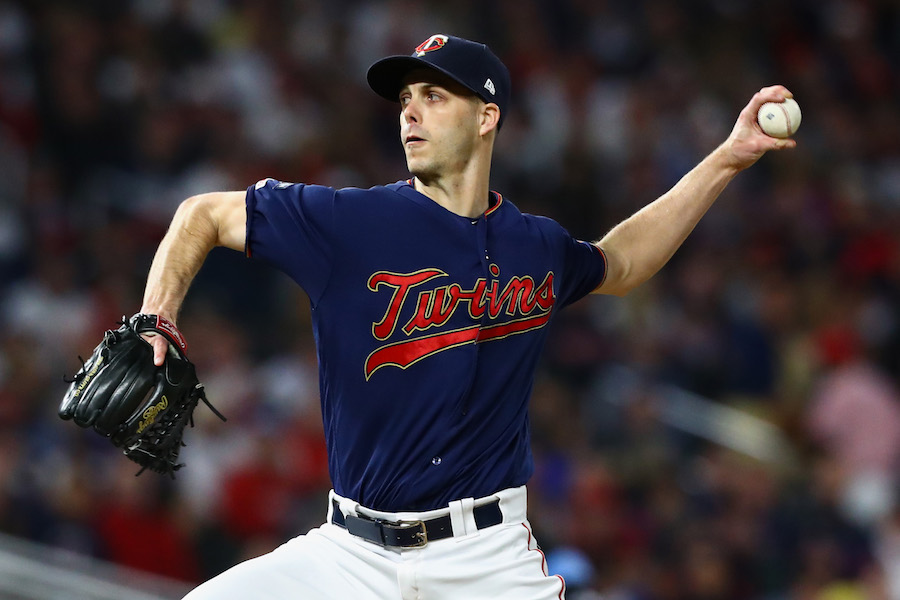 When headed to Spring Training prior to the 2019 season, the Twins were coming off of two years in which they finished 24th and 18th as a bullpen respectively. Garvin Alston had been shown the door, and so too had skipper Paul Molitor. In an age where rotations had become simply a means to an end, it was the power bullpens that reigned supreme. Breaking camp to head north Rocco Baldelli and Wes Johnson took a relief corps that included Taylor Rogers, Adlaberto Mejia, Trevor May, Blake Parker, Trevor Hildenberger, and Ryne Harper. Just two of those names remain for the 2020 squad, and they’ve now been developed into absolute studs. Coming out of the 2019 season, Johnson and Baldelli had orchestrated a relief group that posted the third best fWAR (7.3) across baseball. Rogers and May were joined by Tyler Duffey in hitting career marks, and Zack Littell was groomed into a solid back end arm. Though this group may not have the names of some other top units, their creating household numbers on their own. Johnson helped Rogers to produce the 11th best single season reliever fWAR (2.1) in Twins history. It was the best single-season performance since 2006 when Joe Nathan recorded the second-best mark (3.1) in club history, and it was a step up from Taylor’s already impressive 2018 season. It isn’t just about what Johnson got out of an already good arm, however. Acquired in the Ben Revere trade with the Philadelphia Phillies, Trevor May never worked out as a starter. Injuries mounted, and after sorting out his back issues, relief work became the way to go. He posted a career best FIP in 2018 and ratcheted up the strikeout numbers. Last year though, he became a true shutdown type while posting 11.1 K/9, and career lows in both H/9 (6.0) and HR/9 (1.1). Joining May in taking a step forward was Tyler Duffey. The former Rice closer went down the starting path and we nearly cast aside after a disastrous 7.20 ERA in 2018. Over 57.2 IP a year ago, he turned in a 2.50 ERA, 12.8 K/9 (nearly double the 2018 number), and a 3.06 FIP. With one of the best curveballs on the staff, the guy known as Doof certainly can mow 'em down in big moments. Minnesota identified Sergio Romo in an astute trade during last year’s deadline, and the fan favorite was brought back this year after posting a 146 ERA+ and 10.6 K/9. Looking great in Cleveland a year ago, 35-year-old Tyler Clippard and his strong career numbers over 13 years were added to the veteran presence. Being able to add Littell, who posted a 0.88 ERA and 27/8 K/BB over his final 30.2 IP, was one of the Twins great accomplishments a season ago. Matt Wisler is a former Top-100 prospect that hasn’t seen big league success, but there’s no denying Johnson sees something he likes there. Minnesota gave him a guaranteed contract, and the slider is a pitch to work with. Then there’s phenom Brusdar Graterol. It’s hardly a death sentence to send a 21-year-old kid to the bullpen (ask Johan Santana). Still looking to develop a complete repertoire, Graterol’s triple-digit heater should be plenty useful when attacking the opposition. Baldelli being able to go there in earlier innings is something a luxury only a pen this good could afford. Maybe his role is tweaked down the line, but there’s something to be said about adding arguably the best available relief arm by simply picking from your own organization. Things never go according to plan, so being able to rest on depth like Cody Stashak and his nutty 25/1 debut K/BB, or Jorge Alcala and his big fastball are certainly realities new to the organization. When hired from the Indians organization it was consistently noted that Derek Falvey’s calling card was developing pitching. It’s not hard to see how powerful the infrastructure he’s blueprinted now is, and the fruit that it continues to bear. Minnesota was topped by the Rays (7.6 fWAR) and Yankees (7.5) last year. Jumping to that top spot isn't at all unlikely. This ain’t your grandad’s Minnesota Twins bullpen. They have to go out and perform, but this is a unit that is going to be an absolute problem in the best way possible. MORE FROM TWINS DAILY — Latest Twins coverage from our writers — Recent Twins discussion in our forums — Follow Twins Daily via Twitter, Facebook or email
 -
Projecting the Twins 2020 Opening Day Roster
Ted Schwerzler commented on Ted Schwerzler 's blog entry in Off The Baggy
The thing that’s often glossed over with Astudillo is that his making contract is actually to his detriment. He swings at everything and can put anything in play. When so little of it is quality, and he’s below average everywhere defensively, the utility he brings isn’t all that valuable. -
Projecting the Twins 2020 Opening Day Roster
Ted Schwerzler commented on Ted Schwerzler 's blog entry in Off The Baggy
Was under that impression as well, but Jeremy Nygaard notes that Romero has been granted a final option year.
