



Ted Schwerzler
-
Posts
5,149 -
Joined
-
Last visited
Content Type
Profiles
News
Minnesota Twins Videos
2026 Minnesota Twins Top Prospects Ranking
2022 Minnesota Twins Draft Picks
Minnesota Twins Free Agent & Trade Rumors, Notes, & Tidbits
Guides & Resources
2023 Minnesota Twins Draft Picks
The Minnesota Twins Players Project
2024 Minnesota Twins Draft Picks
2025 Minnesota Twins Draft Pick Tracker
2026 Minnesota Twins Draft Tracker: Picks & Bonuses
Forums
Blogs
Events
Store
Downloads
Gallery
Everything posted by Ted Schwerzler
-
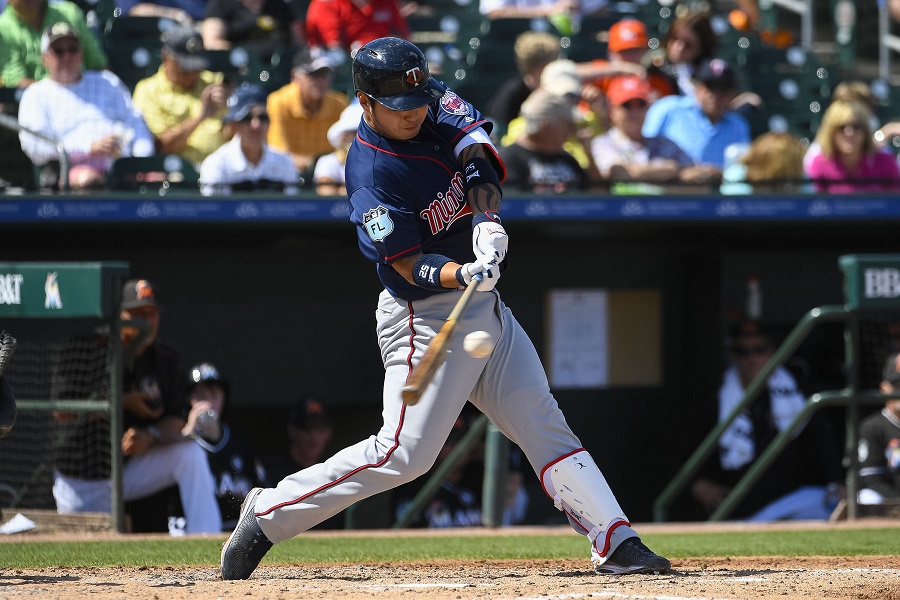 Back in December 2015 the Minnesota Twins paid just north of $12 million for exclusive rights to hammer out a contract with KBO superstar ByungHo Park. He then signed a four-year deal that would pay him $12 million in total. Unfortunately, he ended up playing in just 62 major league games and residing in American pro ball for just two seasons. After having watched him for nearly a decade, the Twins and Park went their separate ways with no real positives ever playing out. It was easy for fans to cherry pick an unrelated Asian signee in Tsuyoshi Nishioka as a reason why the Park deal went belly up. The reality is that neither player came from the same league, had a similar background, or were tied by any other means aside from their descent. Park had relocated to an entirely new country and was trying to acclimate in an entirely new environment. After being among the stars of the show in the KBO, he was just another face in the crowd for the Twins. Minnesota was coming off a 2nd place finish in the AL Central, and would be on their way to a disastrous 103-loss 2016. Park developed wrist issues early on in his first season with the club, and despite some time off, contended that it wasn’t an issue. Eventually in August he’d undergo further testing and cede to season ending surgery. In his first 32 Major League games Park posted a .917 OPS and 9 longballs. The power threat from the KBO had delivered out of the gate. As his malady nagged however, it became more difficult for him to continue producing. He’d post just a .444 OPS over his next 30 games, which turned out to be his last in the big leagues. Playing through injury is often commendable, but in this instance, likely cost him any future favor. Spring Training went well for Park in 2017 but he was ultimately sent to Triple-A Rochester where he dealt with a hamstring injury and posted just a .723 OPS in 111 games. Deciding the Twins weren’t the right fit for him, the final two years of his contract were forgone, and he returned home to Korea. Now back in the KBO for the past two seasons, the 33-year-old has picked up where he left off. Initially returning to the Nexen Heroes, Park Bang did exactly that. In 2018 he played in 113 games posting a ridiculous 1.174 OPS with 43 dingers. It wasn’t the 53 tally he launched in 2015 before signing stateside, but something had changed since his return from the big leagues. Park had an approach that posted a career best .457 OBP. After whiffing at a 2:1 K/BB clip in 2015, he’d dropped that number all the way down to 1.5. Repeating similar success in 2019, Park posted a .959 OPS with 33 homers and an identical 1.5 K/9. The largest knock on Park prior to entering the Majors was that his swing was long and an already strikeout prone hitter would whiff substantially for the Twins. His nearly 4.0 K/BB ratio with Minnesota proved that to be true, but again we never got to see what a healthy version of a man with his own home run song could do. Returning to Korea, it appears a level of plate discipline was learned and expanded upon only furthering his ability to produce as he rose in age. Now with the Kiwoom Heroes (same organization but a new sponsorship deal signed with Kiwoom Securities began in 2019) Park and former (albeit brief) Twin Taylor Motter will kick off the season together. Park is aging, but it doesn’t appear his abilities are going anywhere soon. We never got to see the best version of him stateside, and while this isn’t the same caliber of baseball, the guy that could have helped to transition towards the Bomba Squad may once again be on broadcasts in Twins Territory. In recent memory it’s Park that sticks out as a player that defines what could have been for me. We’ll never know, but now we can enjoy watching from afar. MORE FROM TWINS DAILY — Latest Twins coverage from our writers — Recent Twins discussion in our forums — Follow Twins Daily via Twitter, Facebook or email
 -
We’re now quickly approaching May 1, a time in which Major League Baseball originally was slated to resume for the 2020 season. COVID-19 has continued to disrupt those plans, and the lack of sports has become frustratingly difficult. However, when we do get resumption (and that remains inevitable), I can’t help but reflect on two big returns. As things stand, we still have no idea when baseball will be back. The Coronavirus pandemic has dealt body blows to our country and around the world. Continuing efforts to react and respond to the situation has left resumption of what was once normal everyday life a complete secondary goal. That being said it seems that May will be a pivotal month for baseball. Today Jeff Passan wrote about the return of Major League Baseball, some of the ideas in place, and most importantly that the reality is trending from an if to a when. May could be the month that lays groundwork for future answers. We’re still likely a ways from seeing plan put into action, but having actual blueprints drawn out is a very integral part of the process. We have seen baseball halted before, not like this, but invoking similar feelings. There have been wars, tragedies, and events that have reach far beyond the diamond. When trying to anticipate what it may be like when we hear “Play ball!” again, I’m quickly drawn back to a pair of East Coast experiences. If you think about the hurt that 9/11 brought to the country, there are few greater pains than a mass killing in the name of hatred. I was just 11 at the time, but I know when we further distanced from the actual event that September 21 night in Queens was a big one. Mike Piazza hit a home run to dead center that shook the entire nation. I’m not a New York fan and supporting either of the Major League franchises there will never happen. I do know however; the country needed that homer. Years later Boston was at the center of an attack. With bombs going off during one of the most prolific events in the world, not only did the Marathon come to a halt, but so too did a city. I remember tracking the news about a manhunt that had people shuttered in their homes and led to the eventual capture of a coward hiding in a boat. The surreal emotions brought on by the initial impact and days that followed were truly mind boggling. When we had resumption of sport in the Massachusetts epicenter there he was, former Twins castoff David Ortiz. By this time Big Papi had become Boston. He was a fan favorite and will go down as one of the best hitters to ever play the game. After honoring all the brave men and women that vowed to keep the city safe, Ortiz did as he often does and gave us the “This is our f****** city” level of emotion. I don’t think suggesting a worldwide pandemic is along the same lines of hatred these other two instances sought out to prove, but there’s a unifying factor when we experience something together. The nation, and world, are going through this same event in a very similar way. Sports provide a distraction that allow us to turn from everyday life, and we can come together through fandom that unites people from so many different backgrounds. Give me flags flying, flyovers causing chills, and maybe the pop of the mitt bringing a tear to an eye. We likely won’t be in the ballparks to witness it, but baseball will be back, and we’ll all be better for it. For more from Off The Baggy, click here. Follow @tlschwerz
-
Mining the Twins Top 5 Draft Gems
Ted Schwerzler replied to Ted Schwerzler 's topic in Twins Daily Front Page News
Dozier was an 8th round pick though. -
With the NFL Draft kicking off tonight (albeit virtually) it seemed only appropriate to stick with a similar theme here at Twins Daily. Selecting unproven talent is hard, and in baseball when dealing with high school kids, it gets even more complicated. What does the all-time success look like in the later rounds though?Drafting in baseball is a ridiculously nuanced practice. Not only are you trying to project future ability, but you’re doing so with athletes that have not yet even began to experience body maturation. On top of that you have the split between scouting acumen and analytical importance, and then add in a pool that spans 40 rounds. To say the practice is hard is putting it lightly. When looking back over the course of Twins history, there are certainly some gems that have stuck out, however. Excluding anyone taking before a double-digit round, and focusing entirely on hitters, here’re the top five gems ever uncovered by the Minnesota Twins: 5. Marty Cordova 4.8 fWAR (1989 10th round) Cordova was taken by the San Diego Padres in the eighth round out of high school but did not sign. After going to college and being eligible two years later, he fell to Minnesota in the 10th round. Cordova reached the big leagues in 1995 at the age of 25. Posting an .839 OPS in 137 games, he went on to win the American League Rookie of the Year edging out names like Garret Anderson, Andy Pettitte, and Troy Percival. Despite an even higher .849 OPS in 1996, Cordova’s 3.6 fWAR in his debut season was easily a career high. He went on to play for another eight seasons and compiled just 1.2 fWAR in that stretch. What began so promising eventually led to Cordova leaving Minnesota in 2000 after five relatively mediocre years. Kicking this list off with one of Minnesota's one-hit wonders should only highlight how hard drafting truly is. 4. Lyman Bostock 9.3 fWAR (1972 26th round) Taken in the 26th round Bostock burst onto the scene as an incredibly special talent. He debuted for the Twins at the age of 24 in 1975 and put up a .282 average. Although not a power hitter, he established himself as a very talented outfielder and earned MVP votes in 1977 thanks to an .897 OPS. Playing just three years for Minnesota, he became one of the first players to cash in on the new free agency opportunity and signed with the Angels for a cool $2 million. Sadly, he played just one season in California as his life was tragically ended at the age of 27. On a trip home to Gary Indiana he was in a car that was fired upon and the bullet damage ended up taking his life within a few hours. A few years ago, Twinkie Town did a nice story on the former Minnesota outfielder. 3. Matt Lawton 9.3 fWAR (1991 13th round) Taken by the Twins in the 13th round out of Community College, Lawton would make his big-league debut four years later. It was just a 21-game sample in 1995, but he posted a .317/.414/.467 slash line to kick off his major league career. Lawton wound up playing parts of seven seasons with the Twins and made his first All-Star appearance in 2000 as he posted a strong .865 OPS. Following the departure from Minnesota, Lawton went on to play for another six organizations. It was in Cleveland that he found another stable home, being there for three years from 2002-2004, and eventually made his second All-Star team. He posted 138 career long balls and tallied a .785 OPS over a 12-year Major League resume. 2. Corey Koskie 23.2 fWAR (1994 26th round) Taken in the 26th round out of Canada, Koskie went on to have a nine-year career that placed him 10th all-time among fWAR for Twins hitters. He spent his first seven seasons in Minnesota and is one of the most under-recognized stars in franchise history. In six full seasons he averaged an .840 OPS and never once posted a mark in the .700 range. Koskie earned MVP votes in 2001 and ripped 25 dingers in a season twice. For the early part of the 2000’s Koskie was among the most stable things in baseball. He was a staple at the hot corner for the Twins and was a big part of teams that ripped off three-straight AL Central Division titles. Still plenty active in the Minnesota baseball scene, Koskie is a strong contender as one of the best draft gem selections in baseball history. 1. Kent Hrbek 37.6 fWAR (1978 17th round) Just missing the top five in fWAR among hitters in Twins history, Kent Hrbek was the local kid that stayed home to make good. From Minneapolis and drafted out of Bloomington Kennedy High School, Hrbek was in The Show just three years after his pro debut. He was an All-Star during his rookie season and finished runner up in the Rookie of the Year voting to some guy named Cal. Kent finished just seven dingers shy of 300 for his career. He owned an .848 OPS and should have won the American League MVP in 1984 (Willie Hernandez grabbed both the Cy Young and MVP award that year). Hrbek is a two-time World Series champion, and there’s no doubt that he’ll tell you Ron Gant was out. MORE FROM TWINS DAILY — Latest Twins coverage from our writers — Recent Twins discussion in our forums — Follow Twins Daily via Twitter, Facebook or email Click here to view the article
-
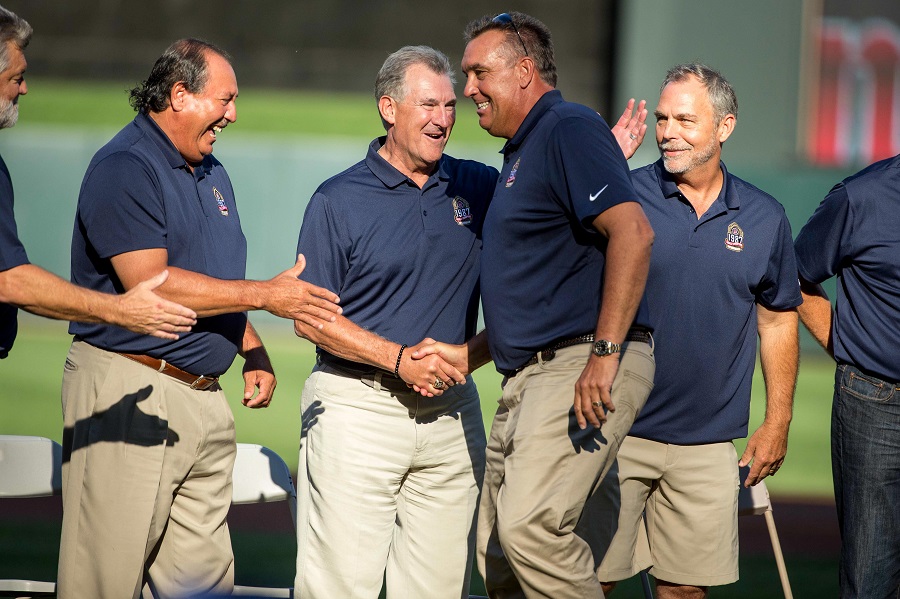 Drafting in baseball is a ridiculously nuanced practice. Not only are you trying to project future ability, but you’re doing so with athletes that have not yet even began to experience body maturation. On top of that you have the split between scouting acumen and analytical importance, and then add in a pool that spans 40 rounds. To say the practice is hard is putting it lightly. When looking back over the course of Twins history, there are certainly some gems that have stuck out, however. Excluding anyone taking before a double-digit round, and focusing entirely on hitters, here’re the top five gems ever uncovered by the Minnesota Twins: 5. Marty Cordova 4.8 fWAR (1989 10th round) Cordova was taken by the San Diego Padres in the eighth round out of high school but did not sign. After going to college and being eligible two years later, he fell to Minnesota in the 10th round. Cordova reached the big leagues in 1995 at the age of 25. Posting an .839 OPS in 137 games, he went on to win the American League Rookie of the Year edging out names like Garret Anderson, Andy Pettitte, and Troy Percival. Despite an even higher .849 OPS in 1996, Cordova’s 3.6 fWAR in his debut season was easily a career high. He went on to play for another eight seasons and compiled just 1.2 fWAR in that stretch. What began so promising eventually led to Cordova leaving Minnesota in 2000 after five relatively mediocre years. Kicking this list off with one of Minnesota's one-hit wonders should only highlight how hard drafting truly is. 4. Lyman Bostock 9.3 fWAR (1972 26th round) Taken in the 26th round Bostock burst onto the scene as an incredibly special talent. He debuted for the Twins at the age of 24 in 1975 and put up a .282 average. Although not a power hitter, he established himself as a very talented outfielder and earned MVP votes in 1977 thanks to an .897 OPS. Playing just three years for Minnesota, he became one of the first players to cash in on the new free agency opportunity and signed with the Angels for a cool $2 million. Sadly, he played just one season in California as his life was tragically ended at the age of 27. On a trip home to Gary Indiana he was in a car that was fired upon and the bullet damage ended up taking his life within a few hours. A few years ago, Twinkie Town did a nice story on the former Minnesota outfielder. 3. Matt Lawton 9.3 fWAR (1991 13th round) Taken by the Twins in the 13th round out of Community College, Lawton would make his big-league debut four years later. It was just a 21-game sample in 1995, but he posted a .317/.414/.467 slash line to kick off his major league career. Lawton wound up playing parts of seven seasons with the Twins and made his first All-Star appearance in 2000 as he posted a strong .865 OPS. Following the departure from Minnesota, Lawton went on to play for another six organizations. It was in Cleveland that he found another stable home, being there for three years from 2002-2004, and eventually made his second All-Star team. He posted 138 career long balls and tallied a .785 OPS over a 12-year Major League resume. 2. Corey Koskie 23.2 fWAR (1994 26th round) Taken in the 26th round out of Canada, Koskie went on to have a nine-year career that placed him 10th all-time among fWAR for Twins hitters. He spent his first seven seasons in Minnesota and is one of the most under-recognized stars in franchise history. In six full seasons he averaged an .840 OPS and never once posted a mark in the .700 range. Koskie earned MVP votes in 2001 and ripped 25 dingers in a season twice. For the early part of the 2000’s Koskie was among the most stable things in baseball. He was a staple at the hot corner for the Twins and was a big part of teams that ripped off three-straight AL Central Division titles. Still plenty active in the Minnesota baseball scene, Koskie is a strong contender as one of the best draft gem selections in baseball history. 1. Kent Hrbek 37.6 fWAR (1978 17th round) Just missing the top five in fWAR among hitters in Twins history, Kent Hrbek was the local kid that stayed home to make good. From Minneapolis and drafted out of Bloomington Kennedy High School, Hrbek was in The Show just three years after his pro debut. He was an All-Star during his rookie season and finished runner up in the Rookie of the Year voting to some guy named Cal. Kent finished just seven dingers shy of 300 for his career. He owned an .848 OPS and should have won the American League MVP in 1984 (Willie Hernandez grabbed both the Cy Young and MVP award that year). Hrbek is a two-time World Series champion, and there’s no doubt that he’ll tell you Ron Gant was out. MORE FROM TWINS DAILY — Latest Twins coverage from our writers — Recent Twins discussion in our forums — Follow Twins Daily via Twitter, Facebook or email
 -
Minnesota introduced us to Target Field in the 2010 season. Jim Thome quickly made the stadium feel small, and no time was more evident than when he crushed career dinger 596. Now after setting the single season home run record courtesy of the Bomba Squad, we’ve had more than a few tape measure shots in the past year. Let’s take a look back and count them down.The Twins have been no stranger to the deep fly. Thome’s massive launch was projected at 590 ft by the Twins (though that would seem a bit lofty given the landing spot and other projections). ByungHo Park reached Minnie and Paul’s, while Giancarlo Stanton nearly lefty the yard entirely during the 2014 Home Run Derby. Game action provided some massive shots last season and a trip down memory lane is certainly worthwhile. Not all of these came while playing at home, but the traveling efforts of the Bomba Squad didn’t leave the boomsticks packed away either. 5. 466 ft – Nelson Cruz 8/3 vs Royals Lefty Danny Duffy was on the bump for Kansas City in this one and the visitors were already down 6-2. An 80-mph slider was flipped into the zone, and Cruz used his patented upward trajectory to lift the ball into the third deck. He just missed sending it down a set of stairs onto the concourse, but there was no denying that this thing was absolutely mashed. It also was the middle contribution of a three-dinger game. 4. 467 ft – Jonathan Schoop 5/23 @ Angels Maybe most impressively about this blast was that it took place in May. Sure, it was in California, but the temperatures had not yet reached peak launching season. The Angels were hoping to reinvent Matt Harvey for a portion of 2019, but the experiment did not go well. He left a hanging curveball in the middle of the zone to Schoop and the ball was sent a long ways. If there’s a description of where and how not to throw a bender, this is it. 3. 469 ft – Nelson Cruz 6/29 @ White Sox The best part about this dinger is probably the announcer stating that “a ground ball would be mighty fine” literal seconds before Nelson Cruz found himself admiring the blast from the batter’s box. He sent this baseball over the greenery in center and deep up into the camera well. Going to the deepest part of the park isn’t something that everyone does, but it’s a spot Cruz has worn out for quite some time. 2. 473 ft – Nelson Cruz 7/25 @ White Sox Facing Lucas Giolito, Cruz turned this pitch around and immediately drew a smile from the Chicago starter. I’m assuming his thought process was something like “welp, what can I do?” This shot cleared the entire seating area and made it up onto the walkway. It appeared the fan attempting to make the catch dropped the ball, but can you really blame him where you’re trying to barehand an actual rocket? 1. 482 ft – Miguel Sano 9/17 vs White Sox This howitzer was the dinger that did it for the Twins. Sano’s 30th blast of 2019 cemented Minnesota as the only team in Major League history to have five separate players reached the 30-home run plateau. This sounded absolutely deafening off the bat, and upon a quick moment of admiration, the Twins third basemen dropped the lumber and began his trot. It’s not at all surprising to see Cruz and Sano highlight this list. They ranked 2nd and 3rd in average exit velocity per Statcast last season, and they were 1st and 5th in terms of barrels per plate appearance. Nomar Mazara of the Rangers was the only player to break the 500 ft mark last season, and Sano’s 482-foot blast was tied for the third-longest shot of the year. The 2020 Twins don’t need to be the reincarnation of the Bomba Squad, and I’m sure they’d appreciate creating their own identity. Whatever happens though, you can expect a lineup to produce a significant amount of pop once again. MORE FROM TWINS DAILY — Latest Twins coverage from our writers — Recent Twins discussion in our forums — Follow Twins Daily via Twitter, Facebook or email Click here to view the article
-
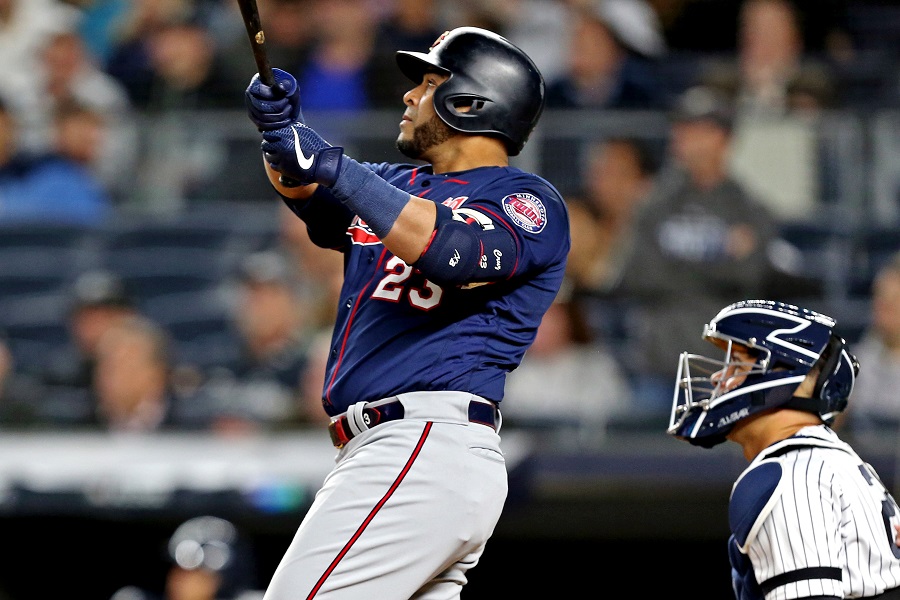 The Twins have been no stranger to the deep fly. Thome’s massive launch was projected at 590 ft by the Twins (though that would seem a bit lofty given the landing spot and other projections). ByungHo Park reached Minnie and Paul’s, while Giancarlo Stanton nearly lefty the yard entirely during the 2014 Home Run Derby. Game action provided some massive shots last season and a trip down memory lane is certainly worthwhile. Not all of these came while playing at home, but the traveling efforts of the Bomba Squad didn’t leave the boomsticks packed away either. 5. 466 ft – Nelson Cruz 8/3 vs Royals Lefty Danny Duffy was on the bump for Kansas City in this one and the visitors were already down 6-2. An 80-mph slider was flipped into the zone, and Cruz used his patented upward trajectory to lift the ball into the third deck. He just missed sending it down a set of stairs onto the concourse, but there was no denying that this thing was absolutely mashed. It also was the middle contribution of a three-dinger game. 4. 467 ft – Jonathan Schoop 5/23 @ Angels Maybe most impressively about this blast was that it took place in May. Sure, it was in California, but the temperatures had not yet reached peak launching season. The Angels were hoping to reinvent Matt Harvey for a portion of 2019, but the experiment did not go well. He left a hanging curveball in the middle of the zone to Schoop and the ball was sent a long ways. If there’s a description of where and how not to throw a bender, this is it. 3. 469 ft – Nelson Cruz 6/29 @ White Sox The best part about this dinger is probably the announcer stating that “a ground ball would be mighty fine” literal seconds before Nelson Cruz found himself admiring the blast from the batter’s box. He sent this baseball over the greenery in center and deep up into the camera well. Going to the deepest part of the park isn’t something that everyone does, but it’s a spot Cruz has worn out for quite some time. 2. 473 ft – Nelson Cruz 7/25 @ White Sox Facing Lucas Giolito, Cruz turned this pitch around and immediately drew a smile from the Chicago starter. I’m assuming his thought process was something like “welp, what can I do?” This shot cleared the entire seating area and made it up onto the walkway. It appeared the fan attempting to make the catch dropped the ball, but can you really blame him where you’re trying to barehand an actual rocket? 1. 482 ft – Miguel Sano 9/17 vs White Sox This howitzer was the dinger that did it for the Twins. Sano’s 30th blast of 2019 cemented Minnesota as the only team in Major League history to have five separate players reached the 30-home run plateau. This sounded absolutely deafening off the bat, and upon a quick moment of admiration, the Twins third basemen dropped the lumber and began his trot. It’s not at all surprising to see Cruz and Sano highlight this list. They ranked 2nd and 3rd in average exit velocity per Statcast last season, and they were 1st and 5th in terms of barrels per plate appearance. Nomar Mazara of the Rangers was the only player to break the 500 ft mark last season, and Sano’s 482-foot blast was tied for the third-longest shot of the year. The 2020 Twins don’t need to be the reincarnation of the Bomba Squad, and I’m sure they’d appreciate creating their own identity. Whatever happens though, you can expect a lineup to produce a significant amount of pop once again. MORE FROM TWINS DAILY — Latest Twins coverage from our writers — Recent Twins discussion in our forums — Follow Twins Daily via Twitter, Facebook or email
 -
I found myself thinking through recent Twins history today and considered how much volatility there has been in terms of consistency. The Twins have been mostly bad, but when good, the performances have came and went rather quickly. 2020 truly looks like an open window, but it is Brian Dozier that I latched onto as the pinnacle of the roller coaster. After debuting in 2012 as a shortstop, Dozier quickly flamed out at the position after just 84 games there in his opening salvo. He would relocate to second base and it wasn’t until 2015 that he began to make his mark. He was an 8th round pick, and despite an appearance in both the Home Run Derby (2014) and All-Star Game (2015), he didn’t crack an .800 OPS until 2016. That was the year, at age-29, that it seemingly all came together. Dozier reinvented himself into a dead-pull hitter that was determined to find the quickest way over the left field fence. His 42 homers that season were the most by any Twins player during a single year not named Harmon Killebrew. He became a slugger despite a smaller stature, and he had risen to be called one of the best second basemen in the game. It really wasn’t since peak Robinson Cano that baseball had seen someone like Dozier. Brian wasn’t the prototypical uber-prospect, and he certainly wasn’t a five-tool player either. Like Cano, he was an offensive stalwart at an otherwise starved position. Around the league second base had become a destination for poor armed shortstops and was generally a position that you could find someone sitting right at league average. The 2016 Twins were abysmal in every sense of the word. They won just 59 games and manager Paul Molitor couldn’t get any more out of that squad if he tried. Thanks to Dozier’s dinger derby, there was at least something to tune into on a nightly basis. Unfortunately, much of his accomplishment was lost nationally in the vein of his club being so bad. He’d go one to follow up that performance with 34 dingers in 2017, a year in which Minnesota made the Postseason. Now having played for both the Los Angeles Dodgers and Washington Nationals since, Dozier’s career has already begun a downturn. He did post a .771 OPS last season while playing in 135 games and eventually winning a World Series ring. He had to settle for a minor league deal heading into 2020, but the expectation would be that he’d make the San Diego Padres Opening Day roster. I’m not sure if we’ll see Brian reach that .800 OPS plateau again or not, but he was a late bloomer that gave us one of the highest peaks in Twins history. The unfortunate reality is that it came during a period of extreme lows and the contributions proved hollow in the grand scheme of things. Thankfully, Dozier was a fan favorite and will not soon be forgotten in Twins Territory. His career will likely come to an eventually end being a rather nondescript one, but the memories will remain among the fondest to take place at Target Field. It will be interesting to see what we get from him in those nice new Padres threads, and what there is yet to come in the future. It will not be a career that’s celebrated with substantial accolades when he hangs em up, but it’s incredible to think how good he was, even if it was for such a brief time. For more from Off The Baggy, click here. Follow @tlschwerz
-
Jake Odorizzi’s Impending Payday
Ted Schwerzler commented on Ted Schwerzler 's blog entry in Off The Baggy
I think his market was set to look much different for 2021 assuming any level of consistency. He had to make a quick decision with the QO and noted that the market wasn’t what they hoped, then mediocre guys got healthy paydays. It’ll be interesting to see how he’s viewed if there’s no season. -
We’re certainly in the midst of some uncertain times both in the world as a whole, and baseball in particular. However, there was another season that popped into my mind when considering “What if?” We don’t yet know if games will be played in 2020, but 2010 included just 81 and forever altered the career of a Minnesota fan favorite.The date is July 7, 2010. It’s the top of the eighth inning and Justin Morneau is playing in front of his home nation. After driving a single to center field off Scott Downs, Morneau finds himself a part of Jason Kubel’s 4-6-3 double play. Unfortunately, this one wasn’t routine. Justin slid into the bag and upon doing so took a knee to the head from Toronto second basemen John McDonald. As a former hockey player, it wasn’t his first concussion, but this one would definitely be the most memorable. Morneau went on to play another 597 games from that point forward. He did it in uniforms for the Twins, Pirates, Rockies, and White Sox. His .764 OPS was a lackluster one, and while he did win a batting title in Colorado during 2014, there was no denying the guy was never the same. It’s that moment during the 2010 season though that begs the question: What did we actually miss out on? Going into that year Morneau had played seven big league seasons. He owned an .851 OPS and had already won an MVP at the age of 25. He was a three-time All-Star and two-time Silver Slugger. To say that the Twins had a superstar first basemen to go along with their elite catcher was nothing short of obvious. In 2010 though, things had reached otherworldly levels. That season, the first of Target Field’s existence, Morneau played the first half like a man of legend. He owned a .345/.437/.618 slash line. In just 81 games he’d blasted 18 dingers and recorded 56 RBI. He was on pace for 50 doubles, which would have been a career high, and he was tracking toward surpassing 200 hits in a season for the only time in his career. To say the production at that point was unprecedented would be selling it short. It wasn’t like Morneau was impressive just among Twins hitters either. That 2010 team won 94 games, the AL Central, and appeared in the ALDS. Through those first 81 games Morneau compiled more than 300 plate appearances. His 183 wRC+ was first in the game, topping Hall of Fame teammate Jim Thome. His .448 wOBA bested superstar Josh Hamilton. Producing 5.0 fWAR to that point, he would’ve cleared Hamilton’s league leading 8.4 fWAR by more than a full win.. Looking back on some of those numbers since the year 2000, only 16 times have we seen a player surpass 183 wRC+. Six of those instances have been generated by either Barry Bonds (4) or Albert Pujols (2). In that same time we’ve gotten 10.0 fWAR seasons just 9 times, half of those from Bonds and another two from Mike Trout. That’s the company of numbers Justin Morneau was among. He was also compiling those while playing a defensively overlooked position and without the aid of any performance enhancers. You won’t find many (maybe any) fans around Twins Territory that don’t fondly remember Justin Morneau. It was weird seeing him in a White Sox uniform, and odd celebrating him winning that batting title with the Rockies. He’s become a mainstay in Minneapolis now, and his presence on Fox Sports North broadcast has immediately been celebrated. There’s nothing that could take away from his on-field production, and the unity as part of the M&M Boys with Joe Mauer are feelings that will never leave. None of that stands in comparison to how good 2010 could have been. Rod Carew gave the Twins 8.6 fWAR back in 1977. Joe Mauer produced 8.4 fWAR in 2009. They both went on to win MVP in each of those years. Justin was on track to do that and more in 2010 and we all had that taken away. It’s unfair to speculate on what could have been, but it’s foolish not to recognize what was. I’m certainly glad that the career of Justin Morneau didn’t end that July day in Canada. I’m also beyond disappointed that season was robbed from us and what was ahead became stunningly different from anything we could have expected. MORE FROM TWINS DAILY — Latest Twins coverage from our writers — Recent Twins discussion in our forums — Follow Twins Daily via Twitter, Facebook or email Click here to view the article
- 7 replies
-
- 1
-

-
- minnesota twins
- justin morneau
- (and 1 more)
-
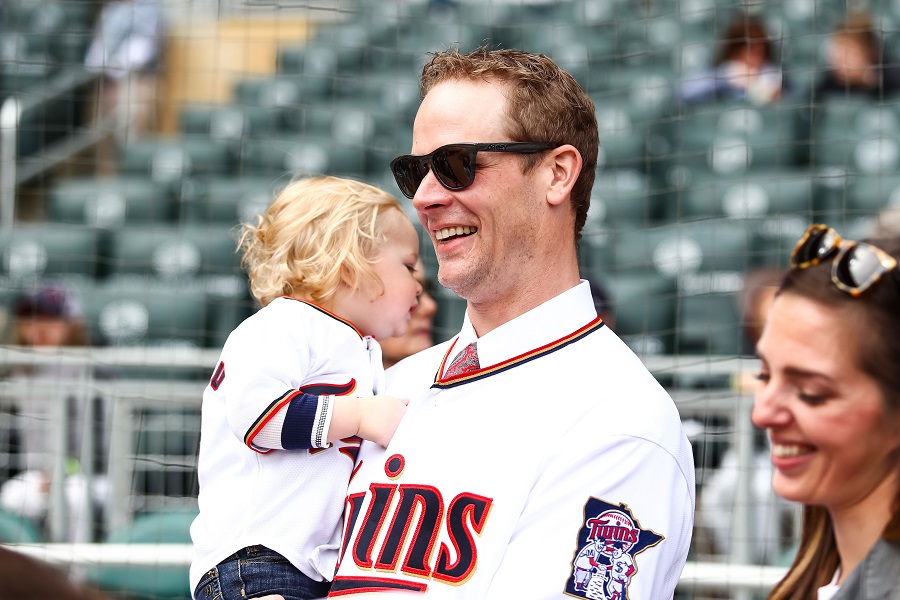 The date is July 7, 2010. It’s the top of the eighth inning and Justin Morneau is playing in front of his home nation. After driving a single to center field off Scott Downs, Morneau finds himself a part of Jason Kubel’s 4-6-3 double play. Unfortunately, this one wasn’t routine. Justin slid into the bag and upon doing so took a knee to the head from Toronto second basemen John McDonald. As a former hockey player, it wasn’t his first concussion, but this one would definitely be the most memorable. Morneau went on to play another 597 games from that point forward. He did it in uniforms for the Twins, Pirates, Rockies, and White Sox. His .764 OPS was a lackluster one, and while he did win a batting title in Colorado during 2014, there was no denying the guy was never the same. It’s that moment during the 2010 season though that begs the question: What did we actually miss out on? Going into that year Morneau had played seven big league seasons. He owned an .851 OPS and had already won an MVP at the age of 25. He was a three-time All-Star and two-time Silver Slugger. To say that the Twins had a superstar first basemen to go along with their elite catcher was nothing short of obvious. In 2010 though, things had reached otherworldly levels. That season, the first of Target Field’s existence, Morneau played the first half like a man of legend. He owned a .345/.437/.618 slash line. In just 81 games he’d blasted 18 dingers and recorded 56 RBI. He was on pace for 50 doubles, which would have been a career high, and he was tracking toward surpassing 200 hits in a season for the only time in his career. To say the production at that point was unprecedented would be selling it short. It wasn’t like Morneau was impressive just among Twins hitters either. That 2010 team won 94 games, the AL Central, and appeared in the ALDS. Through those first 81 games Morneau compiled more than 300 plate appearances. His 183 wRC+ was first in the game, topping Hall of Fame teammate Jim Thome. His .448 wOBA bested superstar Josh Hamilton. Producing 5.0 fWAR to that point, he would’ve cleared Hamilton’s league leading 8.4 fWAR by more than a full win.. Looking back on some of those numbers since the year 2000, only 16 times have we seen a player surpass 183 wRC+. Six of those instances have been generated by either Barry Bonds (4) or Albert Pujols (2). In that same time we’ve gotten 10.0 fWAR seasons just 9 times, half of those from Bonds and another two from Mike Trout. That’s the company of numbers Justin Morneau was among. He was also compiling those while playing a defensively overlooked position and without the aid of any performance enhancers. You won’t find many (maybe any) fans around Twins Territory that don’t fondly remember Justin Morneau. It was weird seeing him in a White Sox uniform, and odd celebrating him winning that batting title with the Rockies. He’s become a mainstay in Minneapolis now, and his presence on Fox Sports North broadcast has immediately been celebrated. There’s nothing that could take away from his on-field production, and the unity as part of the M&M Boys with Joe Mauer are feelings that will never leave. None of that stands in comparison to how good 2010 could have been. Rod Carew gave the Twins 8.6 fWAR back in 1977. Joe Mauer produced 8.4 fWAR in 2009. They both went on to win MVP in each of those years. Justin was on track to do that and more in 2010 and we all had that taken away. It’s unfair to speculate on what could have been, but it’s foolish not to recognize what was. I’m certainly glad that the career of Justin Morneau didn’t end that July day in Canada. I’m also beyond disappointed that season was robbed from us and what was ahead became stunningly different from anything we could have expected. MORE FROM TWINS DAILY — Latest Twins coverage from our writers — Recent Twins discussion in our forums — Follow Twins Daily via Twitter, Facebook or email
 -
There has been no point in my lifetime that I have ever experience a time period like this, and I’ll say hopefully that we’ll never see it again. With baseball, and sports as a whole shelved, finding avenues to consume competition is something we’ve all craved. For a Commissioner like Rob Manfred, maybe these thought processes will resonate into the future.For the past few years, it has seemed like Major League Baseball’s Commissioner is the only one convinced that the sport is poor in its current state. Maybe you can include certain broadcasters (I’m looking at you John Smoltz), but the decisions suggested and made often have a far-fetched alteration tied to them. Behind the veil defined as pace of play issues, there have been numerous instances in which unnecessary paths have been traversed. Now needing to band together for the greater good, we’re seeing baseball spread its wings. Early on when the shutdown of Major League Baseball was first imposed, Cincinnati Reds pitcher Trevor Bauer quickly pulled together a Sandlot-esque game. Intended initially to be more focused around the actual game, it turned into a whiffle ball form of deli. Still, it was broadcast and had participation from multiple players on multiple different teams. Just hours into a new normal, the crave of competition was highlighted. Now multiple weeks into a schedule that isn’t taking place Minnesota Twins Trevor May stepped up and assumed the role of virtual Commissioner. With Sony San Diego Studios and MLB The Show 20, May blazed the trail that has become the MLB Players League. Each club has a representative competing a few nights a week and will play each opponent one time. Games are broadcast on Twitch, MLB Network’s Robert Flores is commentating, and there’s a full league page hosted on MLB.com. If you’ve tuned into any of the streams, we’ve seen everything from players succeeding as their virtual selves, witty banter, and even in-depth breakdowns designed to translate the similarities between the game and real life. What was likely dreamt up as little more than a fun departure from the current monotony has turned into an outlet generating multiple forms of genuine creativity. I don’t know when baseball will return, and I’m still not convinced that it’ll happen in 2020. Outlined by John Bonnes earlier this week however, the capacity in which it does will be different. Rob Manfred is currently tasked with doing everything in his power to get creative and make sure the sport lives this season in some sense. While the parameters of play are just one aspect being discussed, it’s also the acceptance and inclusion of creativity born through this time that could breathe new life into the game. We still have regional blackouts in the sport. There are fines handed down for players wearing accessories and equipment that doesn’t directly follow certain color schemes. Major League Baseball imposes copyright on far reaching avenues that would otherwise have the opportunity to grow the fanbase in untapped markets. Whether directly or not, all these things come back to Manfred. It is currently his baby and he has the power to embrace individuality and utilize this creativity. From the guy that , we can only hope some of the lessons learned aren’t immediately forgotten when a return to relative normalcy is reached. An aside: Despite writing this today organically, I stumbled on this video from a few days ago. Trevor Bauer and one of YouTube's largest content creators, Fuzzy, put out a very cool video talking in depth about baseball and content creation. While much of it has to d specifically with the YouTube platform, the overarching theme is still about how far MLB has to go in terms of embracing individuality and engaging fans through creativity. It's most definitely worth a watch. MORE FROM TWINS DAILY — Latest Twins coverage from our writers — Recent Twins discussion in our forums — Follow Twins Daily via Twitter, Facebook or email Click here to view the article
-
Unfortunate Circumstances Driving Positive Creativity for MLB
Ted Schwerzler posted an article in Twins
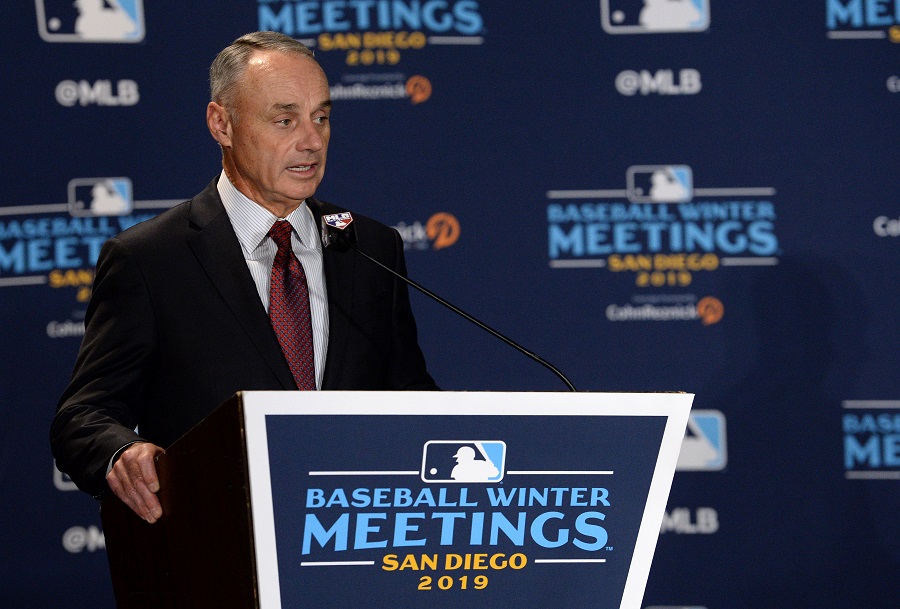 For the past few years, it has seemed like Major League Baseball’s Commissioner is the only one convinced that the sport is poor in its current state. Maybe you can include certain broadcasters (I’m looking at you John Smoltz), but the decisions suggested and made often have a far-fetched alteration tied to them. Behind the veil defined as pace of play issues, there have been numerous instances in which unnecessary paths have been traversed. Now needing to band together for the greater good, we’re seeing baseball spread its wings. Early on when the shutdown of Major League Baseball was first imposed, Cincinnati Reds pitcher Trevor Bauer quickly pulled together a Sandlot-esque game. Intended initially to be more focused around the actual game, it turned into a whiffle ball form of deli. Still, it was broadcast and had participation from multiple players on multiple different teams. Just hours into a new normal, the crave of competition was highlighted. Now multiple weeks into a schedule that isn’t taking place Minnesota Twins Trevor May stepped up and assumed the role of virtual Commissioner. With Sony San Diego Studios and MLB The Show 20, May blazed the trail that has become the MLB Players League. Each club has a representative competing a few nights a week and will play each opponent one time. Games are broadcast on Twitch, MLB Network’s Robert Flores is commentating, and there’s a full league page hosted on MLB.com. https://twitter.com/IamTrevorMay/status/1250063420604506123 If you’ve tuned into any of the streams, we’ve seen everything from players succeeding as their virtual selves, witty banter, and even in-depth breakdowns designed to translate the similarities between the game and real life. What was likely dreamt up as little more than a fun departure from the current monotony has turned into an outlet generating multiple forms of genuine creativity. https://twitter.com/Nationals/status/1250087668345491456 I don’t know when baseball will return, and I’m still not convinced that it’ll happen in 2020. Outlined by John Bonnes earlier this week however, the capacity in which it does will be different. Rob Manfred is currently tasked with doing everything in his power to get creative and make sure the sport lives this season in some sense. While the parameters of play are just one aspect being discussed, it’s also the acceptance and inclusion of creativity born through this time that could breathe new life into the game. We still have regional blackouts in the sport. There are fines handed down for players wearing accessories and equipment that doesn’t directly follow certain color schemes. Major League Baseball imposes copyright on far reaching avenues that would otherwise have the opportunity to grow the fanbase in untapped markets. Whether directly or not, all these things come back to Manfred. It is currently his baby and he has the power to embrace individuality and utilize this creativity. From the guy that , we can only hope some of the lessons learned aren’t immediately forgotten when a return to relative normalcy is reached.An aside: Despite writing this today organically, I stumbled on this video from a few days ago. Trevor Bauer and one of YouTube's largest content creators, Fuzzy, put out a very cool video talking in depth about baseball and content creation. While much of it has to d specifically with the YouTube platform, the overarching theme is still about how far MLB has to go in terms of embracing individuality and engaging fans through creativity. It's most definitely worth a watch. MORE FROM TWINS DAILY — Latest Twins coverage from our writers — Recent Twins discussion in our forums — Follow Twins Daily via Twitter, Facebook or email
 -
Jake Odorizzi’s Impending Payday
Ted Schwerzler commented on Ted Schwerzler 's blog entry in Off The Baggy
It's interesting because I don't see him getting much north of $20MM AAV either, but that seems like it would be a bit too rich for some. Given his floor, and what he showed in 2019, I'd have no problem going 4/$80 or so. -
Prior to the 2020 season the Minnesota Twins needed to shore up their starting rotation. Rather than giving Jake Odorizzi a multi-year contract they handed him a qualifying offer. Agreeing to the $17.8MM deal may have left something on the table, but new developments mean Odorizzi could be in an interesting spot. We have no idea what baseball is going to look like this year, or whether it will look like anything at all. Make no mistake, Major League Baseball will get creative to capture some of those revenues, but ultimately the season could be lost. With the agreement between the league and MLBPA that would mean Odorizzi becomes a free agent once again. Going into 2021 the Twins could not extend Jake a qualifying offer. He’d have no draft pick compensation tied to him, and he’d be free to negotiate with any other organization. It’s one thing to say he’d be coming off a 3.51 ERA 3.36 FIP and career best 10.1 K/9. That’s a bit disingenuous though given then numbers were posted back in 2019. The 2020 season is and was an opportunity for substantiation, and should it not be played it’d be fair to wonder what true value actually is. It would be foolish to suggest that Odo wasn’t an already solid pitcher prior to the season he had in making his first All-Star Game. In seven big league seasons he had posted a 3.95 ERA 4.22 FIP and 8.3 K/9. With a 102 ERA+, he was just slightly above average, but right in the general consensus of what you’d expect from a mid-rotation arm. You aren’t paying $20MM per season for what Jake Odorizzi was, but you’d certainly pay that for the 29-year-old’s performance, and what you hope lies ahead. Now he’ll be 31 in 2021 but that obviously comes with the caveat of a full season having been spared in terms of mileage. Projecting forward is definitely an exercise that teams will need to be both bought into and have a general consensus as to what expectations will be. I think Minnesota saw the qualifying offer as a likely acceptance from the former Rays arm, and it always made sense for them to go down that path first. They could have pursued a long-term deal had he denied it but saving themselves future risk made sense as a first course of action. Should they be pushed into a long-term scenario a few months from now, I’d also wager it’s a pact they’d likely make. Derek Falvey and Thad Levine have pushed the Twins chips into a win-now mode of sorts. Kenta Maeda and Josh Donaldson are both stars on the opposite side of 30. Failing to continue pairing them with an overall talent level near the top of the big leagues doesn’t seem indicative of the current direction. Odorizzi could certainly have a hefty price tag should he be able to renegotiate a lengthier deal, but Minnesota already has helped him to take the next step and keeping him hear to make an even greater one seems sensible. Maybe Odo will never receive the $17.8 million payday he agreed to for the season hanging in the balance. He should be in line for an even greater sum, and while there will be plenty of projecting it’s value, the Twins would seem wise to be a destination for him. For more from Off The Baggy, click here. Follow @tlschwerz
-
While we don’t presently have baseball, this sport is one of previous analysis anyways. Without the opportunity to dissect the action currently taking place, it seemed there may be no better time to look back. Some guys are great, and others are great sometimes. Here’s a look at some of the greatest outlier seasons in recent Twins history.When attempting to compile names for this list I couldn’t help but enjoy the trip down memory lane. I’m not big on re-watching previously completed sporting contests. The idea of the already known result isn’t all that exciting to me. Specific plays or portions can be fun, but much of the programming we’re being delivered doesn’t hit home here. Without needing to relive a full season, these snapshots provide pop up excellence amidst otherwise static careers. There really aren’t any specific parameters other than the season in question truly had to be an outlier. I utilized fWAR to designate that, but a bar to clear wasn’t a hard and fast rule. Before getting into the top five here’s a relatively recent honorable mention: 2014 Phil Hughes 6.3 fWAR (17.7 career) The first season in a Twins uniform was one for the ages when it comes to Hughes. The former Yankees top prospect and World Series winner entered Twins Territory and went on to set the All-Time MLB single-season strikeout-to-walk record. It was the only time he surpassed 200 innings in his career, and he posted a career best 3.52 ERA. With a 2.65 FIP Hughes was every bit as dominant as could be hoped for. The team wasn’t any good, but that didn’t stop him from getting serious steam in terms of Cy Young consideration. 5. 1995 Marty Cordova 3.6 fWAR (6.5 career) It’s not surprising that a Rookie of the Year winner would put up a good season, and it’s also not unfathomable they’d fall off from there. Cordova wasn’t otherworldly in his debut, but he was better than he’d ever be again and that’s why he makes this list. He trumped the 114 wRC+ in 2001 with the Indians, but the 24 longballs always remained a high-water mark. Within two years Cordova had turned into a negative asset for the Twins and he lasted just five with the big-league club. Bouncing around between three organizations in his final four major league seasons, the magic of that debut was never recaptured. 4. 2006 Nick Punto 3.6 fWAR (15.1 career) There has never been a team that Nick Punto was on and he didn’t provide value. The light hitting utility man was a swiss army knife that did little at the dish but was exceptional in the field. For a guy that owned a career .646 OPS and .245 average, the .725 and .290 marks in 2006 were amazing. He played five different positions that year and helped to propel Minnesota to a 96-win season capped off with an AL Central division title. More of a complimentary asset throughout his 14 years in the majors, Punto was absolutely a strong contributor on that Ron Gardenhire squad. 3. 2001 Cristian Guzman 3.9 fWAR (8.2 career) Debuting in 1999, things didn’t go well for the Twins new shortstop. He contributed -3.1 fWAR and there wasn’t value on either side of the diamond. Fast forward two years and the script had flipped entirely. Guzman made his first All-Star Game appearance and owned a .302/.337/.477 slash line. He led the league in triples (14) for the second straight season and launched a career best 10 dingers. He wouldn’t again eclipse 2.0 fWAR in his career until 2008 with the Nationals at the age of 30 and had made a career of being slightly above replacement level by then. The 2001 Twins paved the way for a great 2002 club, and Guzman’s performance arrived just a year too soon. 2. 2004 Lew Ford 3.4 fWAR (5.9 career) Owner of arguably the most interesting career in recently memory, Lew Ford just misses out on the top spot for this list. He played in the big leagues for just six years but had a five-year gap between year five and six. On top of that, the now 43-year-old is still playing professional ball with the Long Island Ducks and has 21 years under his belt. 2004 was Ford’s first full major league season and he contributed in a big way. The .299/.381/.446 slash line was easily a career best, and his 15 homers were 43% of his career total. He swiped 20 bases being thrown out just twice, and he posted an impressive 11 DRS. 1. 2002 Jacque Jones 5.0 fWAR (12.5 career) The best season of any hitter on this list, Jones easily had the largest outlier year of recent Twins memory back in 2002. A team that wins 94 games and goes to the ALCS needs stars, and Jones was one of them. His .852 OPS was a career best, and it was one of only two times in his career that he batted .300. The 27 homers were also a career best, and 132 of his 149 games came with him starting in the leadoff spot. His 11 outfield assists were a high career high, and he had completely embodied an offensive and defensive threat. At no point throughout his career did he ever surpass 2.0 fWAR in a single season aside from that magical 2002 run. What other one-year wonders can you think of in Twins history? Who do they come from further back in history? MORE FROM TWINS DAILY — Latest Twins coverage from our writers — Recent Twins discussion in our forums — Follow Twins Daily via Twitter, Facebook or email Click here to view the article
-
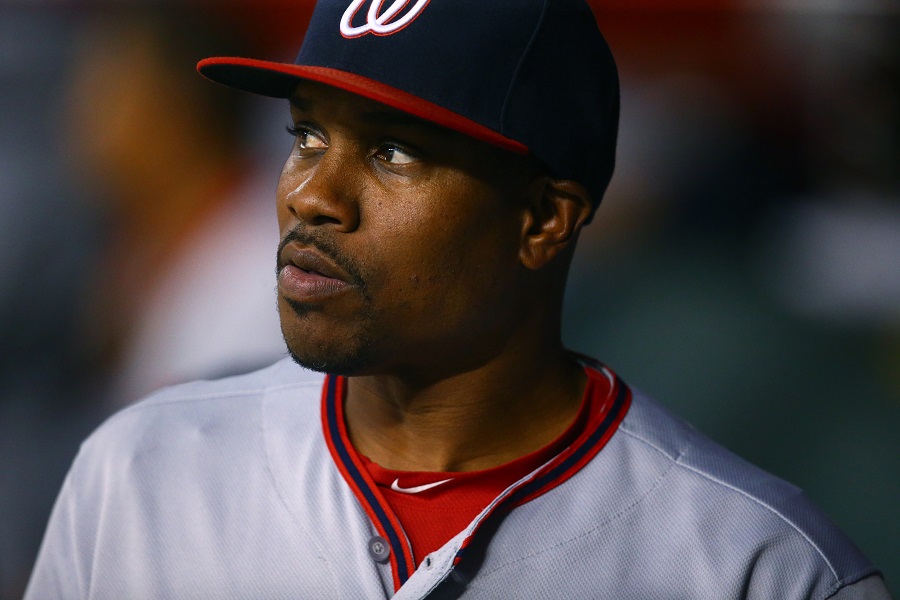 When attempting to compile names for this list I couldn’t help but enjoy the trip down memory lane. I’m not big on re-watching previously completed sporting contests. The idea of the already known result isn’t all that exciting to me. Specific plays or portions can be fun, but much of the programming we’re being delivered doesn’t hit home here. Without needing to relive a full season, these snapshots provide pop up excellence amidst otherwise static careers. There really aren’t any specific parameters other than the season in question truly had to be an outlier. I utilized fWAR to designate that, but a bar to clear wasn’t a hard and fast rule. Before getting into the top five here’s a relatively recent honorable mention: 2014 Phil Hughes 6.3 fWAR (17.7 career) The first season in a Twins uniform was one for the ages when it comes to Hughes. The former Yankees top prospect and World Series winner entered Twins Territory and went on to set the All-Time MLB single-season strikeout-to-walk record. It was the only time he surpassed 200 innings in his career, and he posted a career best 3.52 ERA. With a 2.65 FIP Hughes was every bit as dominant as could be hoped for. The team wasn’t any good, but that didn’t stop him from getting serious steam in terms of Cy Young consideration. 5. 1995 Marty Cordova 3.6 fWAR (6.5 career) It’s not surprising that a Rookie of the Year winner would put up a good season, and it’s also not unfathomable they’d fall off from there. Cordova wasn’t otherworldly in his debut, but he was better than he’d ever be again and that’s why he makes this list. He trumped the 114 wRC+ in 2001 with the Indians, but the 24 longballs always remained a high-water mark. Within two years Cordova had turned into a negative asset for the Twins and he lasted just five with the big-league club. Bouncing around between three organizations in his final four major league seasons, the magic of that debut was never recaptured. 4. 2006 Nick Punto 3.6 fWAR (15.1 career) There has never been a team that Nick Punto was on and he didn’t provide value. The light hitting utility man was a swiss army knife that did little at the dish but was exceptional in the field. For a guy that owned a career .646 OPS and .245 average, the .725 and .290 marks in 2006 were amazing. He played five different positions that year and helped to propel Minnesota to a 96-win season capped off with an AL Central division title. More of a complimentary asset throughout his 14 years in the majors, Punto was absolutely a strong contributor on that Ron Gardenhire squad. 3. 2001 Cristian Guzman 3.9 fWAR (8.2 career) Debuting in 1999, things didn’t go well for the Twins new shortstop. He contributed -3.1 fWAR and there wasn’t value on either side of the diamond. Fast forward two years and the script had flipped entirely. Guzman made his first All-Star Game appearance and owned a .302/.337/.477 slash line. He led the league in triples (14) for the second straight season and launched a career best 10 dingers. He wouldn’t again eclipse 2.0 fWAR in his career until 2008 with the Nationals at the age of 30 and had made a career of being slightly above replacement level by then. The 2001 Twins paved the way for a great 2002 club, and Guzman’s performance arrived just a year too soon. 2. 2004 Lew Ford 3.4 fWAR (5.9 career) Owner of arguably the most interesting career in recently memory, Lew Ford just misses out on the top spot for this list. He played in the big leagues for just six years but had a five-year gap between year five and six. On top of that, the now 43-year-old is still playing professional ball with the Long Island Ducks and has 21 years under his belt. 2004 was Ford’s first full major league season and he contributed in a big way. The .299/.381/.446 slash line was easily a career best, and his 15 homers were 43% of his career total. He swiped 20 bases being thrown out just twice, and he posted an impressive 11 DRS. 1. 2002 Jacque Jones 5.0 fWAR (12.5 career) The best season of any hitter on this list, Jones easily had the largest outlier year of recent Twins memory back in 2002. A team that wins 94 games and goes to the ALCS needs stars, and Jones was one of them. His .852 OPS was a career best, and it was one of only two times in his career that he batted .300. The 27 homers were also a career best, and 132 of his 149 games came with him starting in the leadoff spot. His 11 outfield assists were a high career high, and he had completely embodied an offensive and defensive threat. At no point throughout his career did he ever surpass 2.0 fWAR in a single season aside from that magical 2002 run. What other one-year wonders can you think of in Twins history? Who do they come from further back in history? MORE FROM TWINS DAILY — Latest Twins coverage from our writers — Recent Twins discussion in our forums — Follow Twins Daily via Twitter, Facebook or email
 -
Here’s the deal, we have no baseball right now and it’s not good. Eventually we will have baseball and it will be good. When we have baseball, it will probably be the goofiest season in Major League history. A shortened schedule probably hurts the Twins, but maybe a condensed version helps them.On Sunday night I hopped on Leading Off the Podcast with fellow Twins Daily writers Matthew Braun and Cooper Carlson. During the course of our discussion the Twins bullpen got brought up. In this space previously I wrote about how Minnesota may have the best bullpen in baseball. That’s still crazy to think about given where we were entering 2019, but it’s a very real possibility. What’s also plausible is that their pitching depth could serve them extremely well in what may materialize this year. When looking at the prospects of a shortened season it stands to reason that no division winner is better off. Their margin for error becomes less, and the nuance normally sorted out over the course of 162 games gets lost in the fray. If, however, Major League Baseball is set on increasing double-headers, lessening off days, and expanding rosters, well then Rocco Baldelli’s crew could be in luck. As things stood at the time of play stoppage, Jhoulys Chacin was locked in a battle with Randy Dobnak for the 5th starter spot. The veteran had performed far worse over the course of Spring Training, but the ALDS game two starter has options remaining. Chacin was awful in 2019 but was great the year prior. With weeks remaining prior to the scheduled Opening Day, a decision was bound to force itself. On top of figuring out who specifically would round out the rotation Minnesota would need to juggle things a little over one-month in, and then again mid-summer. Both Michael Pineda and Rich Hill have been expected to assume rotation spots although neither were destined to begin the year there. Given his exploits when healthy, and the impact prior to suspension in 2019, both Hill and Pineda respectively could be looked at as significantly impactful arms. Before ever assessing who slides in where, we can then take a further look down the line. Jordan Balazovic and Jhoan Duran, the Twins’ top two pitching prospects, were never likely to debut in the year ahead. However, both Devin Smeltzer and Lewis Thorpe had made strong contributions in 2019 and would be called upon to repeat those performances when the opportunity presented itself this season. So far what the year ahead looks like remains little more than a guessing game. Any suggestion of a single-site operation in Arizona would have to get unexpected buy-in from players, and then also address the numerous staff and operations people necessary solely to produce a televised contest. It’s certainly a nice thought to dream on, but until we have more concrete answers as to where we’re at with things, the pieces remain moving parts in a hypothetical bubble. No matter how the deployment of baseball in 2020 happens however, it should be fair to assume that the league will attempt to get in as many games as possible. Noted above, that likely includes significant condensation in the form of limited off days and doubleheaders. For an organization like the Twins, having something like 10-12 big league caliber starting arms on the 40-man roster suddenly becomes a substantial asset. All offseason it was the goal of Derek Falvey and Thad Levine to acquire an impact arm, someone capable of displacing Jose Berrios at the top of the staff. Now more than ever though, it may come down to their ability to assemble a stable that never begins the game as a significant underdog. A chief reason that a lesser schedule hurts the best teams is because the impact of the top players is felt less. Conversely that means that the ability of the floor, or the fringes of the roster, become that much more impactful. Depth is the key to sustenance over time, and when you shrink time, being able to realistically rely on more contributors is a must. Baseball is going to get weird this season if it gets going at all. Maybe the Twins can grab a weird World Series along the way. Virtual parade or otherwise, we’ll celebrate just the same. MORE FROM TWINS DAILY — Latest Twins coverage from our writers — Recent Twins discussion in our forums — Follow Twins Daily via Twitter, Facebook or email Click here to view the article
-
Here’s the deal, we have no baseball right now and it’s not good. Eventually we will have baseball and it will be good. When we have baseball, it will probably be the goofiest season in Major League history. A shortened schedule probably hurts the Twins, but maybe a condensed version helps them.On Sunday night I hopped on Leading Off the Podcast with fellow Twins Daily writers Matthew Braun and Cooper Carlson. During the course of our discussion the Twins bullpen got brought up. In this space previously I wrote about how Minnesota may have the best bullpen in baseball. That’s still crazy to think about given where we were entering 2019, but it’s a very real possibility. What’s also plausible is that their pitching depth could serve them extremely well in what may materialize this year. When looking at the prospects of a shortened season it stands to reason that no division winner is better off. Their margin for error becomes less, and the nuance normally sorted out over the course of 162 games gets lost in the fray. If, however, Major League Baseball is set on increasing double-headers, lessening off days, and expanding rosters, well then Rocco Baldelli’s crew could be in luck. As things stood at the time of play stoppage, Jhoulys Chacin was locked in a battle with Randy Dobnak for the 5th starter spot. The veteran had performed far worse over the course of Spring Training, but the ALDS game two starter has options remaining. Chacin was awful in 2019 but was great the year prior. With weeks remaining prior to the scheduled Opening Day, a decision was bound to force itself. On top of figuring out who specifically would round out the rotation Minnesota would need to juggle things a little over one-month in, and then again mid-summer. Both Michael Pineda and Rich Hill have been expected to assume rotation spots although neither were destined to begin the year there. Given his exploits when healthy, and the impact prior to suspension in 2019, both Hill and Pineda respectively could be looked at as significantly impactful arms. Before ever assessing who slides in where, we can then take a further look down the line. Jordan Balazovic and Jhoan Duran, the Twins’ top two pitching prospects, were never likely to debut in the year ahead. However, both Devin Smeltzer and Lewis Thorpe had made strong contributions in 2019 and would be called upon to repeat those performances when the opportunity presented itself this season. So far what the year ahead looks like remains little more than a guessing game. Any suggestion of a single-site operation in Arizona would have to get unexpected buy-in from players, and then also address the numerous staff and operations people necessary solely to produce a televised contest. It’s certainly a nice thought to dream on, but until we have more concrete answers as to where we’re at with things, the pieces remain moving parts in a hypothetical bubble. No matter how the deployment of baseball in 2020 happens however, it should be fair to assume that the league will attempt to get in as many games as possible. Noted above, that likely includes significant condensation in the form of limited off days and doubleheaders. For an organization like the Twins, having something like 10-12 big league caliber starting arms on the 40-man roster suddenly becomes a substantial asset. All offseason it was the goal of Derek Falvey and Thad Levine to acquire an impact arm, someone capable of displacing Jose Berrios at the top of the staff. Now more than ever though, it may come down to their ability to assemble a stable that never begins the game as a significant underdog. A chief reason that a lesser schedule hurts the best teams is because the impact of the top players is felt less. Conversely that means that the ability of the floor, or the fringes of the roster, become that much more impactful. Depth is the key to sustenance over time, and when you shrink time, being able to realistically rely on more contributors is a must. Baseball is going to get weird this season if it gets going at all. Maybe the Twins can grab a weird World Series along the way. Virtual parade or otherwise, we’ll celebrate just the same. MORE FROM TWINS DAILY — Latest Twins coverage from our writers — Recent Twins discussion in our forums — Follow Twins Daily via Twitter, Facebook or email Click here to view the article
-
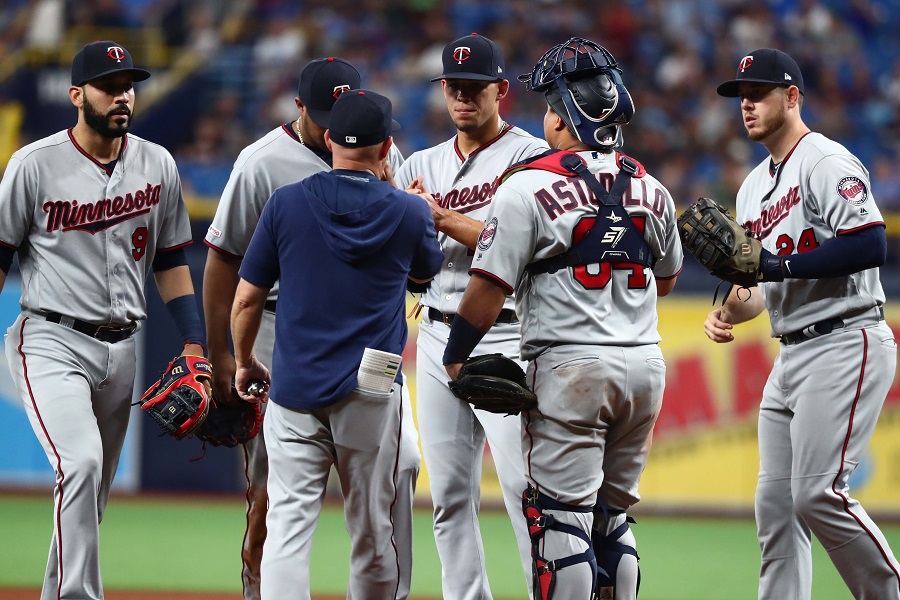 On Sunday night I hopped on Leading Off the Podcast with fellow Twins Daily writers Matthew Braun and Cooper Carlson. During the course of our discussion the Twins bullpen got brought up. In this space previously I wrote about how Minnesota may have the best bullpen in baseball. That’s still crazy to think about given where we were entering 2019, but it’s a very real possibility. What’s also plausible is that their pitching depth could serve them extremely well in what may materialize this year. https://twitter.com/matthew_btwins/status/1247179171236704259 When looking at the prospects of a shortened season it stands to reason that no division winner is better off. Their margin for error becomes less, and the nuance normally sorted out over the course of 162 games gets lost in the fray. If, however, Major League Baseball is set on increasing double-headers, lessening off days, and expanding rosters, well then Rocco Baldelli’s crew could be in luck. As things stood at the time of play stoppage, Jhoulys Chacin was locked in a battle with Randy Dobnak for the 5th starter spot. The veteran had performed far worse over the course of Spring Training, but the ALDS game two starter has options remaining. Chacin was awful in 2019 but was great the year prior. With weeks remaining prior to the scheduled Opening Day, a decision was bound to force itself. On top of figuring out who specifically would round out the rotation Minnesota would need to juggle things a little over one-month in, and then again mid-summer. Both Michael Pineda and Rich Hill have been expected to assume rotation spots although neither were destined to begin the year there. Given his exploits when healthy, and the impact prior to suspension in 2019, both Hill and Pineda respectively could be looked at as significantly impactful arms. Before ever assessing who slides in where, we can then take a further look down the line. Jordan Balazovic and Jhoan Duran, the Twins’ top two pitching prospects, were never likely to debut in the year ahead. However, both Devin Smeltzer and Lewis Thorpe had made strong contributions in 2019 and would be called upon to repeat those performances when the opportunity presented itself this season. https://twitter.com/JeffPassan/status/1247379673727799296 So far what the year ahead looks like remains little more than a guessing game. Any suggestion of a single-site operation in Arizona would have to get unexpected buy-in from players, and then also address the numerous staff and operations people necessary solely to produce a televised contest. It’s certainly a nice thought to dream on, but until we have more concrete answers as to where we’re at with things, the pieces remain moving parts in a hypothetical bubble. No matter how the deployment of baseball in 2020 happens however, it should be fair to assume that the league will attempt to get in as many games as possible. Noted above, that likely includes significant condensation in the form of limited off days and doubleheaders. For an organization like the Twins, having something like 10-12 big league caliber starting arms on the 40-man roster suddenly becomes a substantial asset. All offseason it was the goal of Derek Falvey and Thad Levine to acquire an impact arm, someone capable of displacing Jose Berrios at the top of the staff. Now more than ever though, it may come down to their ability to assemble a stable that never begins the game as a significant underdog. A chief reason that a lesser schedule hurts the best teams is because the impact of the top players is felt less. Conversely that means that the ability of the floor, or the fringes of the roster, become that much more impactful. Depth is the key to sustenance over time, and when you shrink time, being able to realistically rely on more contributors is a must. Baseball is going to get weird this season if it gets going at all. Maybe the Twins can grab a weird World Series along the way. Virtual parade or otherwise, we’ll celebrate just the same. MORE FROM TWINS DAILY — Latest Twins coverage from our writers — Recent Twins discussion in our forums — Follow Twins Daily via Twitter, Facebook or email
 -
I’m not exactly sure why I didn’t put something like this together in the past, but there’s definitely more time on all our hands as the world responds to a global pandemic. Baseball allows us to consume the sport in so many different avenues, and while I appreciate your readership both here and on Twitter @tlschwerz, there’s been more than a few great books on the game that have come out in recent years. With the analytical age being almost entirely focused on the consumption of information, we are now being provided content that can act as an avenue for knowledge advancement. Still rooted within the confines of the sport, there are literature works of art that challenge the way we think and push the boundaries for what is to come. These authors are well known within the baseball world, and some of them have worked directly on the biggest stages of the sport. In no particular order, here’s a list of some recommendations I would have: The Arm – Jeff Passan With the emergence of Tommy John regularity over the course of the past few seasons there has been no better depiction of what has taken place and why. Passan dives into doctoral recommendations and advice, while cataloging just how we got here. Smart Baseball – Keith Law Start with why bunting may be a dying art and add in how to squeeze the most out of the only finite parameter in the sport, your 27 outs. Law provides knew ways to think about execution and outlines solid arguments as to why they make sense. The Only Rule Is It Has To Work – Ben Lindbergh & Sam Miller What happens when you allow to analytically driven minds to completely architect and steer a professional team? This book has your answer. Two Baseball Prospectus minds are given the keys to do as they please and this blends real personalities with calculated decisions. The MVP Machine – Ben Lindberg & Travis Sawchik Much like Lindbergh’s previous entry on this list, The MVP Machine is a must for number crunching fans. While the book does highlight both the Astros and Red Sox World Series runs, the message is clear. It isn’t about finding the diamond in the rough as much as it is creating that player. Because of data, organizations now can do just that. The Inside Game- Keith Law Following a similar thread as the one explored in Smart Baseball, Law is out to find the why behind the what. Baseball produces decisions at a blistering pace, and some of them are more well received than others. Understanding why a choice was the correct one, why it wasn’t, and what drives it all is a fascinating case study that can reveal plenty about ourselves. Swing Kings – Jared Diamond After analytics paved the way as a new buzz word, it stepped back for launch angle to take over. As more balls than ever leave the yard Swing Kings is there to analyze the trend and what players are saying in regards to staying power. This isn’t as much of a wheel reinvention as it’s billed, and the positive results suggest there’s plenty of reason to buy in. If you’re looking for more of a biography or story based read, here are some of my favorites in that category: Papi – David Ortiz The Phenomenon – Rick Ankiel Juiced – Jose Canseco What are some of your favorites? For more from Off The Baggy, click here. Follow @tlschwerz
-
- 1
-
-
- keith law
- ben lindbergh
- (and 1 more)
-
Opening Day Hope Still Unites in Twins Territory
Ted Schwerzler replied to Ted Schwerzler 's topic in Twins Daily Front Page News
I keep envisioning David Ortiz when he took the mic in Boston following the Marathon Bombings. Everywhere in the country is dealing with this, and without sports we have no distraction or outlet. They matter to only a certain portion of the population, but man I think it will be an outpouring of love when they do return. -
Around Twins Territory a common refrain is heard today, “It wasn’t supposed to be like this.” No, no it wasn’t. Today was supposed to be Opening Day at Target Field. A time of hope has been replaced with one of uncertainty and despair. Baseball will be back though, and baseball remains a common thread uniting us all.You’re reading this, and are here at Twins Daily, because of baseball. This day matters because you invested time and emotion into a 2019 Bomba Squad that put up arguably the most legendary regular season performance in franchise history. Target Field would have been filled to the brim with fans because of what was, and the expectation of what is to come. Today we won’t have the opportunity of hitting up a local watering hole, and then grabbing that first roller grilled hot dog. There will be no pyrotechnics, and TC Bear will need to wait a while for his photo opportunities. All those things are saddening, and maybe even maddening, but the celebration can go on. It is because of what we are doing right now that has baseball on track to return. By joining together for the greater good, we are mitigating future disaster, improving the pace in which normal can return, and ultimately providing the quickest roadmap for the National Pastime to once again deliver a first pitch. While we do that there’s still no reason not to celebrate what was, and the expectation of what is to come. As I said before, think back on that 2019 squad, we may never see something like that again. A regular season home run record that could take substantial time to break. A win total that was outdone by just one other campaign in franchise history. A rookie manager that made his mark en route to a rookie Manager of the Year designation. Those are just some of the highlights, but the reel sharing all of them could’ve ran forever. You can bet that prior to first pitch from a Minnesota arm today, there would have been plenty of recaps involving that special 2019 team. Sure, the club would’ve played a road trip and had a few wins under their belt at this point, but one last hoorah to the groundwork that was laid for the year ahead seems more than fair. Then the jets fly over, fireworks pop, and the first pitch is delivered. In what was scheduled to be the first of 81 home games the journey towards what was to come begins. This Twins team was set up in a way we haven’t seen for over a decade. Derek Falvey and Thad Levine supplemented an already talented squad with some legit pitching additions and the largest free agent contract in team history. Already viewed as the AL Central division favorite, Minnesota had a legitimate shot to represent the American League in the World Series. We don’t know what the schedule will look like when play resumes. There could be significant changes to who is on the roster, or where the Twins ultimately find themselves. None of that takes away what was though, and the uncertainty of what is to come remains driven by a very strong and successful front office that has repeatedly shown a capability to win. Today we don’t get the home opener as desired. I go without a beer and bowl of potato soup from O’Donovans before entering Target Field. There are no free giveaways to all fans in attendance, and that first lap around the concourse will have to wait. None of us are alone in those realities though, and as much celebration at Twins Territory enjoys together, this too is a uniting moment and one that will ultimately lead to a glorious reunion when those first grass stains are brought back to us. Share your traditions for what the home opener day generally looks like. Talk through the disappointment of the void we are currently experiencing. Creating further anticipation for the story yet to unfold will only lead to thunderous roars when it is again inevitably upon us. MORE FROM TWINS DAILY — Latest Twins coverage from our writers — Recent Twins discussion in our forums — Follow Twins Daily via Twitter, Facebook or email Click here to view the article
-
 You’re reading this, and are here at Twins Daily, because of baseball. This day matters because you invested time and emotion into a 2019 Bomba Squad that put up arguably the most legendary regular season performance in franchise history. Target Field would have been filled to the brim with fans because of what was, and the expectation of what is to come. Today we won’t have the opportunity of hitting up a local watering hole, and then grabbing that first roller grilled hot dog. There will be no pyrotechnics, and TC Bear will need to wait a while for his photo opportunities. All those things are saddening, and maybe even maddening, but the celebration can go on. It is because of what we are doing right now that has baseball on track to return. By joining together for the greater good, we are mitigating future disaster, improving the pace in which normal can return, and ultimately providing the quickest roadmap for the National Pastime to once again deliver a first pitch. While we do that there’s still no reason not to celebrate what was, and the expectation of what is to come. As I said before, think back on that 2019 squad, we may never see something like that again. A regular season home run record that could take substantial time to break. A win total that was outdone by just one other campaign in franchise history. A rookie manager that made his mark en route to a rookie Manager of the Year designation. Those are just some of the highlights, but the reel sharing all of them could’ve ran forever. You can bet that prior to first pitch from a Minnesota arm today, there would have been plenty of recaps involving that special 2019 team. Sure, the club would’ve played a road trip and had a few wins under their belt at this point, but one last hoorah to the groundwork that was laid for the year ahead seems more than fair. Then the jets fly over, fireworks pop, and the first pitch is delivered. In what was scheduled to be the first of 81 home games the journey towards what was to come begins. This Twins team was set up in a way we haven’t seen for over a decade. Derek Falvey and Thad Levine supplemented an already talented squad with some legit pitching additions and the largest free agent contract in team history. Already viewed as the AL Central division favorite, Minnesota had a legitimate shot to represent the American League in the World Series. We don’t know what the schedule will look like when play resumes. There could be significant changes to who is on the roster, or where the Twins ultimately find themselves. None of that takes away what was though, and the uncertainty of what is to come remains driven by a very strong and successful front office that has repeatedly shown a capability to win. Today we don’t get the home opener as desired. I go without a beer and bowl of potato soup from O’Donovans before entering Target Field. There are no free giveaways to all fans in attendance, and that first lap around the concourse will have to wait. None of us are alone in those realities though, and as much celebration at Twins Territory enjoys together, this too is a uniting moment and one that will ultimately lead to a glorious reunion when those first grass stains are brought back to us. Share your traditions for what the home opener day generally looks like. Talk through the disappointment of the void we are currently experiencing. Creating further anticipation for the story yet to unfold will only lead to thunderous roars when it is again inevitably upon us. MORE FROM TWINS DAILY — Latest Twins coverage from our writers — Recent Twins discussion in our forums — Follow Twins Daily via Twitter, Facebook or email
 -
Providing some semblance of the sport last week, Major League Baseball gave us #OpeningDayAtHome. While COVID-19 has thwarted the 2020 season thus far, we were taken down the path of yesteryear. With the Twins and Tigers game 163 epic being shown, it was hard not to be in awe regarding the differences in respect to how the game is now played.The 2009 squad hit a grand total of 172 round-trippers. Only four guys launched more than 15 on the year, and in the decisive 6-5 walkoff victory just two balls left the park for the home team. One of them came from a traditional slugger in the form of Jason Kubel, while the other was deposited into the very first row of the left field seats by Orlando Cabrera. No, the 2009 Ron Gardenhire club was not a Bomba Squad in any right, and how they played would be seen as a massive outlier today. In watching the replay of that game, it became increasingly obvious just how much of an extinct skillset guys like those defined as Piranhas encapsulated. Nick Punto, Matt Tolbert, Brendan Harris, and Alex Casilla are all defined by that mold. Speedy, defense first, light hitting bats were littered throughout that Minnesota lineup. Although bunts weren’t entirely prevalent over the 12 innings played that evening, they were a staple of the season. The aforementioned Punto dropped down a whopping 13 sac bunts on his own in 2009. Denard Span was on his heels with 12, while Tolbert rounded out the top three reaching double digits with 10. Fast forward to the analytical age, and objectively the launch angle revolution that was 2019, and the decade couldn’t have produced a more opposite result. Last season Minnesota had a grand total of 10 sac bunts, and no one player owned more than two of them. Obviously, it makes little sense for the likes of Miguel Sano, Mitch Garver, or Nelson Cruz to cede and out in an at bat, but that doesn’t mean it wouldn’t have been encouraged in previous seasons. As a guy who’s always been viewed as a bomber, Cruz has a total of just two sac bunts to his credit in more than 6,900 career plate appearances. Sano has never been asked to drop one down in just north of 2,000 trips to the dish. Being shocked that home run hitters aren’t dropping down bunts is rather unimpressive. Where the trend is positive though comes through in a guy like Jorge Polanco. During his first full big-league season back in 2017 there we seven instances in which he gave up an out. That number dropped to three the next year and was just two in 2019. Obviously, Jorge has grown a substantial amount as a hitter, but the climb to a .773 and eventually an .841 OPS is reflective of a guy that should be swinging the lumber. If there’s a guy cut from a cloth that early-2000’s Ron Gardenhire would have salivated over, it’s definitely Byron Buxton. Although it’s clear he’s got pop in his bat, the speed profile and slow start would likely have caused him to be utilized differently. Buck’s largest total of sac bunts, five, came in the 2017 season under Paul Molitor. Since then, he’s been asked to drop down outs just three times in the past two campaigns. The takeaway here seems to be two-fold. One, it’s painfully obvious that there wasn’t a more drastically different set of Twins teams than the two separated by 10 years. The Bomba Squad became synonymous with pulverizing the baseball and beating teams into submission. The 163 group played 44 one-run games and nearly split them down the middle. Two, we can see that the sport has continued to move away from a station-to-station approach. You can effectively advanced bases in a multitude of ways, but by giving up the one finite commodity in the game to do so is a losing proposition. Thanks to Out of the Park Baseball 21 we're getting a glimpse of the 2019 and 1991 Twins squaring off. It'd be a pretty stark difference to see the style of the 2009 club thrown into the ring as well. Eras change how competition is handled, and it'll be interesting to look back after advancements take place ten years from now. MORE FROM TWINS DAILY — Latest Twins coverage from our writers — Recent Twins discussion in our forums — Follow Twins Daily via Twitter, Facebook or email Click here to view the article
