



jjswol
-
Posts
396 -
Joined
-
Last visited
Content Type
Profiles
News
Minnesota Twins Videos
2026 Minnesota Twins Top Prospects Ranking
2022 Minnesota Twins Draft Picks
Minnesota Twins Free Agent & Trade Rumors, Notes, & Tidbits
Guides & Resources
2023 Minnesota Twins Draft Picks
The Minnesota Twins Players Project
2024 Minnesota Twins Draft Picks
2025 Minnesota Twins Draft Pick Tracker
2026 Minnesota Twins Draft Tracker: Picks & Bonuses
Forums
Blogs
Events
Store
Downloads
Gallery
Everything posted by jjswol
-
Article: Catching Up With The Klaw: Part 2
jjswol replied to Seth Stohs's topic in Twins Daily Front Page News
Nice job Seth, a fun piece, I enjoyed it. I remember "The Klaw" when he was a Twin, there was a lot of buzz around him. -
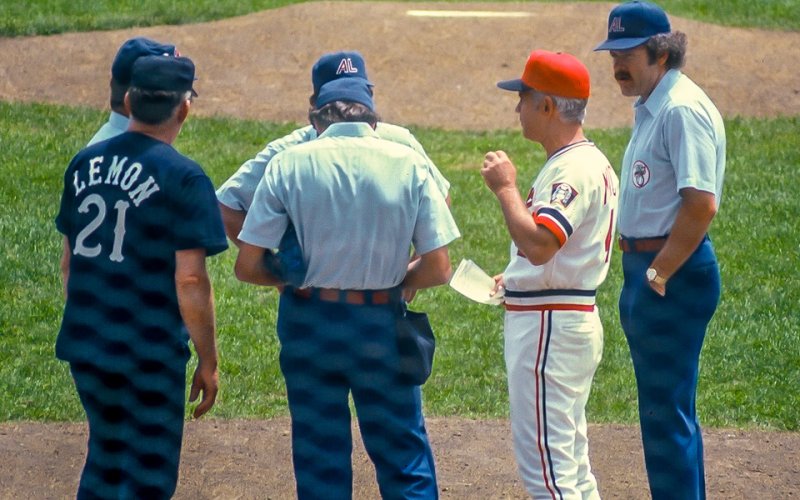 Enjoyed the story and the pictures, thanks for sharing.
 -
Article: Twins Research Team Won't Tip Their Pitches
jjswol replied to Parker Hageman's topic in Twins Daily Front Page News
Yesterday I attended part 3 of a 4 part Wayzata community education class called "Moneyball, Sabermerics, and the Science of Chance. At the session yesterday we had a guest speaker for the entire 1 1/2 hours and it was Andrew Ettel from the Twins Baseball Research department. It was an enjoyable session and the time went by all too quickly. Andrew did a nice presentation on how the Twins employ sabermetrics and answered many questions from the class members. It as a fun session and Andrew did a very nice job. -
Article: What Do You Want Out Of Twins Daily?
jjswol replied to John Bonnes's topic in Twins Daily Front Page News
With the traffic that this site has, a weekly poll of some type might be interesting. To make a poll viable it needs to have raffic and you guys are the only Twins blog that can pull it off. I think polls are fun and interesting and they might add something to your site. I think the one thing that your site has to "watch out for" is that it truly remains a Minnesota Twins blog site and des not become too much of a mainstream Minnesota Twins schill. By that I mean that it is easy to jump in the Twins bed and fall in love with the organization by becoming too close to it and its people. The Twins organization has many wonderful staff members and players and sometimes when you get too friendly, it becomes difficult to write objectively. Overall, you guys do a great job and have to be one of the top baseball blog site in the country, keep up the good work. -
The major league baseball season is a real grind. There are 162 games in about 185 days (give or take) and that includes travel time, not to mention spring training and the postseason. It's a marathon. Players need to keep chugging along, working through illness and injury while they strive for peak performance. Ability is critical, but if a team isn't durable, it's headed for a long season. Everyone knows that Baltimore Orioles Cal Ripken Jr. holds the major league record for consecutive games played with 2,632. But what is the Minnesota Twins record for most consecutive games played and who holds the record? The Twins record for consecutive games played stands at 319, less than two full season. You may be surprised to learn that the record holder is still playing for the Twins today. [PRBREAK][/PRBREAK]He's Justin Morneau, the same guy that has not played more than 135 games since 2008. Download attachment: Morneau_Justin_600_321.JPG Posted at www.twinstrivia.com on Sunday January 13, 2013 Let's take a look at the Twins six longest consecutive games played streaks and see who owns them. Some of the "gamers" on this list will probably surprise you. 319 games - Justin Morneau (1B/DH) - Streak started on June 29, 2007 and ended on June 20, 2009. 249 games - Harmon Killebrew (3B/1B, and OF) - Streak started on September 21, 1965 and ended on July 4, 1967. 245 games - Harmon Killebrew (3B/1B) - Streak started on September 23, 1968 and ended on July 7, 1970. 230 games - Gary Gaetti (3B/OF) - Streak started on September 29, 1983 and ended on June 22, 1985. 210 games - Roy Smalley (Shortstop) - Streak started on April 6, 1979 and ended on June 2, 1980. Smalley's streak would actually have stood at 254 and in second place on this list had he not chose to sit out the last day of the 1978 season. 203 games - Cesar Tovar (played all over) - Streak started on September 4, 1966 and ended on May 4, 1968.In the Twins 52 year history of the Twins, only five players have appeared in every game that the Twins played in a season, so it is a fairly rare occurrence with only one player accomplishing this feat twice. The most recent occurrence was Justin Morneau appearing in all 163 games in 2008 and that was 24 years after Gary Gaetti appeared in all 162 games in 1984. In 1979 Roy Smalley played in all 162 games, Harmon Killebrew did it twice playing in 162 games in 1966 and again in 1969 and Cesar Tovar played in all 164 games in 1967. The list of players that have led the Twins in games played over the years is an interesting list indeed. Who has led the Twins in games played the most frequently? That would be Kirby Puckett who did it eight times including five years in a row. 2012 - Joe Mauer played in 147 of a possible 162 games. 2011 - Danny Valencia played in 154 of a possible 162 games. 2010 - Michael Cuddyer played in 157 of a possible 162 games. 2009 - Michael Cuddyer played in 153 of a possible 163 games. 2008 - Justin Morneau played in all 163 games. 2007 - Torii Hunter played in 160 of a possible 162 games. 2006 - Justin Morneau played in 157 of a possible 162 games. 2005 - Lew Ford played in 147 of a possible 162 games. 2004 - Lew Ford played in 154 of a possible 162 games. 2003 - Torii Hunter played in 154 of a possible 162 games. 2002 - Jacque Jones played in 149 of a possible 161 games. 2001 - Luis Rivas & Corey Koskie played in 153 of a possible 162 games. 2000 - Cristian Guzman & Matt Lawton played in 156 o fa possible 162 games. 1999 - Todd Walker played in 143 of a possible 161 games. 1998 - Matt Lawton played in 152 of a possible 162 games. 1997 - Chuck Knoblauch played in 156 of a possible 162 games. 1996 - Paul Molitor played in 161 of a possible 162 games. 1995 - Karby Puckett & Marty Cordova played in 137 of a possible 144 games. 1994 - Chuck Knoblauch played in 109 of a possible 113 games. 1993 - Kirby Puckett played in 156 of a possible 162 games. 1992 - Kirby Puckett played in 160 of a possible 162 games. 1991 - Chili Davis played in 153 of a possible 162 games. 1990 - Gary Gaetti played in 154 of a possible 162 games. 1989 - Kirby Puckett played in 159 of a possible 162 games. 1988 - Kirby Puckett played in 158 of a possible 162 games. 1987 - Kirby Puckett played in 157 of a possible 162 games. 1986 - Kirby Puckett played in 161 of a possible 162 games. 1985 - Kirby Puckett played in 161 of a possible 162 games. 1984 - Gary Gaetti played in all 162 games. 1983 - Gary Gaettti and Gary Ward played in 157 of a possible 1962 games. 1982 - Gary Ward played in 152 of a possible 162 games. 1981 - John Castino played in 101 of a possible 110 games. 1980 - John Castino played in 150 of a possible 161 games. 1979 - Roy Smalley played in all 162 games. 1978 - Roy Smalley played in 158 of a possible 162 games. 1977 - Rod Carew played in 155 of a possible 161 games. 1976 - Rod Carew played in 156 of a possible 162 games. 1975 - Rod Carew played in 143 of a possible 159 games. 1974 - Rod Carew played in 153 of a possible 163 games. 1973 - Rod Carew played in 149 of a possible 162 games. 1972 - Bobby Darwin played in 145 of a possible 154 games. 1971 - Cesar Tovar played in 157 of a possible 160 games. 1970 - Cesar Tovar played in 161 of a possible 162 games. 1969 - Harmon Killebrew played in all 162 games. 1968 - Cesar Tovar played in 156 of a possible 162 games. 1967 - Cesar Tovar played in all 164 games. 1966 - Harmon Killebrew played in all 162 games. 1965 - Zoilo Versalles played in 160 of a possible 162 games. 1964 - Tony Oliva played in 161 of a possible 163 games. 1963 - Zoilo Versalles played in 159 of a possible 161 games. 1962 - Zoilo Versalles played in 160 of a possible 163 games. 1961 - Bob Allison played in 156 of a possible 162 games. When I looked back over the entire franchise history going back to 1901 for the Washington Senators I found that there was a true "iron man" who currently is ninth on the MLB all-time consecutive games played list with 829 games. Senators 3B Eddie Yost started his streak on August 30, 1949 and he played in every game through May 11, 1955. That is a lot of games. The current active MLB consecutive game streak is in the firm grasp of Detroit Tiger 1B Prince Fielder who stands at 343 and counting. Actually Fielder has missed just 1 game (September 13, 2010) since September 3, 2008 and if he had not skipped that game due to a stomach virus his streak would be at 669 today. The man has been in the big leagues since 2005 and full time since 2006. Since 2006 he has played in 157, 158, 159, 162, 161, 162, and 162 games. An amazing streak for a man his size. Click here to view the article
-
Download attachment: iQCgYonk.jpg Do you have plans to get away from the cold and snow and feel the sand between your toes, the sun on your back, and hopefully catch some Twins spring training baseball in Florida? What better way to forget your problems and get away from it all? Well, if you are going, you might want to raise your credit card limit and keep a tight grip on your wallet or purse, because MLB is looking to help themselves to your money. Even the Twins, who aren't raising spring training ticket prices this year have found a loophole. It's part of a trend. [PRBREAK][/PRBREAK]Originally posted at www.twinstrivia.com. For instance, the Detroit Tigers apparently have found a new way to gouge a few additional dollars from their most dedicated fans. The Tigers normally open the gates to Joker Marchant Stadium in Lakeland, Florida two hours prior to home games. However, by that time the Tigers have already completed their batting practice. Baseball fans enjoy watching the home team take batting practice so the Tigers have decided to allow fans to get in early for home batting practice but the fans will be limited to the left-field berm and will need to scratch up an extra $5 for the privilege. Tigers management take on it is that the fans requested it since they could not watch batting practice and now they will be able to do so, if they come up with the bucks. Way to push it on the fans, Detroit Tigers management. If the Tigers were really just doing a good deed they would not charge for the privilege or if they did, or any money they collect should go to charity or to the old-time baseball players pensions. But it is not just the Tigers. Other teams are also looking to take more money from the wallets of their fans. It seems to me that a fan should not be punished if he/she decides to go to a baseball on short notice, but that is not the case if you want to take in an Atlanta Braves game in Lake Buena Vista as their web site states that "A $5 Walk-Up fee will apply to Day-Of-Game purchases." Punish walk-up ticket sales? Calvin Griffith is rolling over in his grave this very moment. (Editors note: And Calvin was hardly opposed to additional bucks.) Other teams like the Pittsburgh Pirates (who have not played .500 ball for 20 years) have come up with a different plan. "Prior to the individual ticket on-sale, fans will have the opportunity to take part in an 'Early Bird' online only pre-sale from January 23-25. 'Early Bird' pricing is different than regular single game pricing and is an alternative purchase opportunity for fans who want to be guaranteed seats to high-demand games." This means that for three days the Pirates allow you to pay more for a spring training ticket that you normally would. I see this as just another way that baseball is looking at additional fees to take in more money from their fans. I sure hope this is not something that spreads like wildfire throughout baseball as spring training is one of the few places where fans get a chance to get close to their team. Now it just seems like baseball is going to make them pay. Fans that attend spring training are the true fan base of any team. They spend their hard earned money to travel to a destination to observe their favorite teams and they should be rewarded by their teams and not punished with extra fees. The Minnesota Twins have made it tougher to get close to some of the fields in spring training themselves and that is a trend that I see getting worse over the years. It probably won't be long before they start charging fans for watching the minor leaguers play their games on the back fields. Baseball should be looking for ways to encourage fans to go to spring training by making it affordable but that apparently is not the case. Look at the Twins spring training ticket prices for example, this is year two of "Value" and "Premium" pricing. The tickets range from $13 for a "value" lawn ticket to $43 for a "premium" Dugout Box seat. Last year 3 of the 16 (18.8%) home games were designated as "premium", this year 6 of the 18 (33.3%) of the home games are classified as "premium" games. So while 2013 is the first time in a number of years that the Twins have not raised their spring training ticket prices at Hammond Stadium from the previous season but they doubled the number of their "premium" games so yes, they will make more money off ticket sales. (YES, $43 is the value pricing. How in the world can the Twins, who are coming off of back-to-back 90+ loss seasons and dropping payroll, charge $43 to watch a team that will not even have big leaguers playing most of the time? The Twins average spring trainng attendance in 2012 was 7,344 which was a drop of a little over 9% from 8,091 in 2011. If you are going to have variable pricing why not come up with a plan that is more fair to the fans? For instance, charge less for these early spring training exhibition games than for games played later in March, because early games feature mostly minor league players with major league players making cameo appearances. Let's take a look at the "value" Twins spring training ticket prices since 2008. [TABLE=class: easy-table-creator tablesorter mceItemTable, width: 100%] [TH=align: center]Ticket type[/TH] [TH=align: center]2008[/TH] [TH=align: center]2009[/TH] [TH=align: center]2010[/TH] [TH=align: center]2011[/TH] [TH=align: center]2012*[/TH] [TH=align: center]2013**[/TH] [TD=align: center]Dugout Box[/TD] [TD=align: center]$38[/TD] [TD=align: center]n/a[/TD] [TD=align: center]$39[/TD] [TD=align: center]$39[/TD] [TD=align: center]$40/$43[/TD] [TD=align: center]$40/$43[/TD] [TD=align: center]Box[/TD] [TD=align: center]$22[/TD] [TD=align: center]$23[/TD] [TD=align: center]$24[/TD] [TD=align: center]$25[/TD] [TD=align: center]$26/$29[/TD] [TD=align: center]$26/$29[/TD] [TD=align: center]Reserved[/TD] [TD=align: center]$20[/TD] [TD=align: center]$21[/TD] [TD=align: center]$22[/TD] [TD=align: center]$23[/TD] [TD=align: center]$24/$27[/TD] [TD=align: center]$24/$27[/TD] [TD=align: center]Drink Rail[/TD] [TD=align: center]$20[/TD] [TD=align: center]$21[/TD] [TD=align: center]$22[/TD] [TD=align: center]$25[/TD] [TD=align: center]$26/$29[/TD] [TD=align: center]$26/$29[/TD] [TD=align: center]Lawn[/TD] [TD=align: center]$12[/TD] [TD=align: center]$12[/TD] [TD=align: center]$12[/TD] [TD=align: center]$13[/TD] [TD=align: center]$13/$16[/TD] [TD=align: center]$13/$16[/TD] [/TABLE] * - 3 premium games ** - 6 premium games Click here to view the article
-
Download attachment: Eddie_Bane.jpg One of the most hyped, and yet most overlooked, pitchers in Minnesota Twins history is Eddie Bane. Baine grew up in southern California and was offered a scholarship by Arizona State coach Bobby Winkles. Before he knew it he was pitching for the Arizona State Sun Devils. In his three years at ASU (1971-1973), he became a pitching legend. The left-handed Bane went 40-4 with a 1.64 ERA and is still regarded as one of the best collegiate pitchers of all time. He pitched the only perfect game in Sun Devil baseball history on March 2, 1973 against Cal State Northridge, led the nation in strikeouts in 1972 and 1973 and still holds the ASU career strikeout mark. He was named first team All-American in 1973, and in 1994 Baseball America named him to their All-Time college all-star team. In 2008 Bane was selected to the Collegiate Baseball Hall of Fame. Originally posted at www.twinstrivia.com With that track record, perhaps his rapid ascent, and the excitement that went with it, might have been anticipate. The Twins selected Bane with their first pick, eleventh overall in the 1973 amateur draft. A short time later Bane joined a very select group of only 20 players that were drafted and went on to play pro ball directly out of high school or college with no minor league experience. Amid a great deal of publicity and fan fare, Bane made his major league debut as a starter against the Kansas City Royals on July 4, 1973 at Met Stadium. Almost 46,000 fans attended for their first glimpse of the the first round pick pitch. Bane didn’t disappoint that day. He threw 7 innings allowing 3 hits, 3 walks and striking out 3, but manager Frank Quilici took him out after 7 innings with the Twins trailing 1-0. The Twins took a 3-1 lead in the bottom of the 8th inning but couldn’t hold on to the lead and ended up losing the game 5-4. But if the throng thought that was just a first taste of a larger feast, they were likely disappointed. It's probable that overly anticipated first game was the highlight of Bane's professional career. He stayed with the Twins for the rest of the season going 0-5 with a 4.92 ERA in 23 games that included 6 starts. He spent all of 1974 and most of 1975 in AAA Tacoma before getting a September call up by the Twins. He found himself in Tacoma once again as the 1976 season opened but the Twins brought him back to Minnesota in late June and Bane started 15 games and put up a 4-7 record with a 5.11 ERA. That was the last time that Eddie Bane pitched in a Twins uniform. He pitched in Tacoma in 1977. He became a free agent after that season and signed with the Chicago White Sox, but never pitched for them in the majors. In January of 1980 he was traded to the Kansas City Royals but didn't pitch in the majors. He spent time in the Cubs minor league system and pitched in Mexico in 1981 and Alaska in 1982, but his career as an active player was over. Bane's career in the front office had some highlights too. He worked his was through various coaching and scouting roles with multiple organizations in the 80s and 90s. He joined the Tampa Bay Devil Rays as an assistant to the GM from 1999-2003 before joining the Los Angeles Angels as their Scouting Director from 2004 to 2010. With the Angels, he drafted players like Mike Trumbo, Jered Weaver and Nick Adenhart in 2004, Jordan Walden and Hank Conger in 2006, and Mike Trout in 2009. Remarkably, in 4 of those 7 years the Angels didn’t even have a 1st round pick. Inexplicably, the Angels let Bane go after the 2010 season and he became a scout for the Detroit Tigers in 2011-2012. Later in 2012, Bane took the position of Assistant to Player Personnel with the Boston Red Sox where his son Jaymie ,who also attended ASU and pitched in the Angels minor league system, has been a scout since 2006. Eddie Bane had lots of praise for former teammate Tony Oliva. You can find the interview with Eddie Bane here. This interview is just one of the 39 interviews that we have done with former Twins players that you can find on our Interviews Archives page. Bane had a meteoric rise with the Twins and a special place in Twins history at a time when the organization was going through a rough phase. His career didn't have the impact that observers hoped, but that adds to, not subtracts, from his unique spot in Twins history. Click here to view the article
-
Download attachment: smalley_roy_uniform.jpg The history of Twins switch-hitters goes back to the first game the Twins played, but it was the last guy you would expect. In baseball, a switch-hitter is a batter who can bat from the right side or the left side, depending on whether the pitcher is right- or left-handed. Most curveballs break away from batters hitting from the same side as the opposing pitcher, so they're often harder to hit than those from the opposite side. History tells us that most right-handed batters hit better against lefty pitchers and left-handed batters hit better against right handers. This so-called platoon benefit is why managers use pinch-hitters and LOOGY's and why some players want to become switch-hitters.[PRBREAK][/PRBREAK] ~~~ Posted earlier at Twinstrivia.com | TWINS TRIVIA is hopefully a fun and informative site that will help you to better enjoy the Minnesota Twins and their wonderful history. ~~~ Switch-hitting at its best Switch-hitters have been around forever, it seems; yet according to sources that I have researched, only about 6% of baseball batters have been switch-hitters. You have to wonder why, if switch-hitting is such an advantage, haven't more of baseball's best hitters been switch-hitters? The best career batting average for a switch-hitter is .316 by Frankie Frisch, who currently ranks 71st in batting average all-time. Some of the best switch-hitters of our time are Chipper Jones, who hit .306 and Pete Rose who hit .303. Detroit Tigers DH Victor Martinez has a career average of .302 making him the highest active switch-hitter. In addition to the players I just mentioned, you have to add Mickey Mantle, Eddie Murray, Roberto Alomar, Bernie Williams, George Davis, Lance Berkman, Tim Raines and Chili Davis to the list of switch-hitting greats. Switch-hitting and the rulesA question often asked is "Can a batter switch from right to left or left to right during an at-bat?" The rule that seems to apply is 6.06( which states that "A batter is out for illegal action when he steps from one batter’s box to the other while the pitcher is in position ready to pitch." Based on that, it appears you can switch from one batter's box to the other as often as you want so long as you do it before the pitcher gets in to his pitching position. Twins switch-hitting history The Twins currently have four switch-hitters on their 25 man playing roster, C Ryan Doumit, SS Pedro Florimon, OF Aaron Hicks, and utility man Eduardo Escobar. In the Twins' 53 years of existence they have had 62 players who were switch-hitters but not all of them actually batted and we will touch more on that later. The Twins first switch-hitter was a pitcher, Pedro Ramos. Ramos pitched and batted (1 for 4 with 2 RBI) in the Twins very first game when he and the Twins shut out the New York Yankees 6-0 on April 11, 1961 at Yankee Stadium. The first Twins switch-hitting position player to appear in a game was SS Marty Martinez when he had an at-bat against the Yankees at Met Stadium on May 30, 1962 in game 2 of a doubleheader. Martinez actually appeared in 3 earlier games as a Twins but was used strictly as a pinch-runner by manager Sam Mele. It wasn't until 1976 that the Twins had a regular position player switch-hitting and that year they had two, rookie catcher Butch Wynegar and SS Roy Smalley. The Twins are playing their 53rd season and there has been only one year, 1973, that they have not had a switch-hitter step into the batters box. On the other hand, they had nine switch-hitters (Cristian Guzman was the only starter) at one time or another on their 1999 team that finished 63-97. Twins switch-hitting pitchers Looking at the Twins 62 switch-hitters, eleven of them were pitchers and claimed to be switch-hitters but only Pedro Ramos, Jim Perry, Dan Serafini, JC Romero, and Joe Mays actually set foot in the batters box. The other six, Stan Perzanowski, Darrell Jackson, Pete Filson, Jason Ryan, Pat Neshek, and Eric Hacker were switch-hitters only on the back of their baseball cards because they never batted in a Twins game. Jim Perry hit five home runs as a Twin. "Home Runs from Each Side of the Plate In One Game" Club The Twins switch-hitter with the most home runs is Roy Smalley. He hit 163 career home runs and 110 of them were when he was a Minnesota Twin. The "home runs from each side of the plate in one game" club is relatively exclusive but three of the members were Twins. Roy Smalley accomplished that rare feat twice, once against the Boston Red Sox at the Metrodome on May 30, 1986 and once earlier in his career as a New York Yankee in 1982. Chili Davis became the second Twin to join the club when he did it against the Royals on October 2, 1992. Ryan Doumit became the third Twin to do so when he too joined the exclusive fraternity against the Royals on July 22, 2012. Chili Davis hit a home run from each side of the plate 11 times in his illustrious 19 year playing career. Just for comparison's sake, Mickey Mantle did it on 10 occasions. Leaning Right One oddity that seems to stand out is how few of the switch-hitters employed by the Twins over the years were left-handed throwers. If you exclude the 11 switch-hitting pitchers from the list you are left with 51 switch-hitters and only one of the 51 threw left-handed; the other fifty were right-handed. Kind of strange. The lone left-handed position player was John Moses. But keep in mind that John Moses, an outfielder by trade, pitched in 3 games for the Twins. Twins best switch-hitters So let's take a look at the Twins top switch-hitters. There is no good way to rank them so I will list all the Twins switch-hitters that have 1,000 or more plate appearances in a Twins uniform. The chart also shows positions played, games played, home runs and batting average. All the numbers on this chart are their Twins career numbers. Many of these players played for other teams too, but those numbers are not included here. For this story I am only interested in their numbers as Minnesota Twins. [TABLE=class: easy-table-creator tablesorter mceItemTable, width: 100%] [/TH][TH]Name Positions PA Games HR AVG 1 Roy Smalley 6,5,3 4676 1148 110 .262 2 Cristian Guzman 6 3538 841 39 .266 3 Butch Wynegar 2,5 3188 794 37 .254 4 Nick Punto 5,4,6,8,3 2707 747 12 .248 5 Gene Larkin 3.9.5.4 2670 758 32 .266 6 Denny Hocking 4,6,8,5,3 2455 876 25 .252 7 Al Newman 6,4,5,8 1876 618 [/TD][TD].231 8 Alexi Casilla 4,6,5,8 1764 515 11 .250 9 Chili Davis DH,9,3 1163 291 41 .282 10 Luis Castillo 4 1036 227 3 .299 11 Matt Walbeck 2 1008 275 8 .230 [/TABLE] There are some interesting numbers and players on this chart. About half the players were starters and half were utility players. It is no surprise that Smalley is the leader in home runs or that Chili Davis is second on the list. The real surprise is that Christian Guzman ranks third on the list. Click here to view the article
-
Download attachment: 1961-Twins-ticket-rain-check-stub.jpg Today, February 16th the Twins began selling single-game tickets. The last couple of years the phone lines and web site was overrun and there were sometimes long delays in getting your tickets purchased. Based on the Twins poor showing the last two seasons and low expectations for 2013 I don't expect long waits to purchase your tickets this year. To me, the question is should you buy your single-game tickets when they go on sale on Saturday or do you wait? The current quoted price for single-game tickets is only good from February 16 through February 22 because on February 23 demand-based pricing kicks in. Haven't heard about demand-based pricing? The Twins started that policy in 2012 and here is how it plays out in 2013. [PRBREAK][/PRBREAK]Posted at www.twinstrivia.com earlier. Beginning February 23, single game ticket prices in all seating sections will be determined on a daily basis according to current market demand. Prices may fluctuate upward or downward based on real-time market conditions. So the question is, will one get better value by purchasing tickets now or once the season begins? I guess it all depends on how well the Twins play and what the weather is like. Personally; I just find it irritating that the published single-game ticket price is only good for 1 week before the first spring training game is even played. I guess I am old school. You can certainly argue that it is better to sell more tickets even if they are sold at a discount. The customer benefits because he gets to see the baseball game and the team benefits because they get the fan in the ballpark where it is likely he will spend additional dollars on food and possibly merchandise. Of course, it also mean that now going to a baseball game is like buying an airline ticket; each person on that flight is going to the same destination but each of them may have paid a different fare. I have a problem with that. The other issue I see is that in order to keep the season ticket holder base happy the team has to sell the demand-based tickets at a higher price than what the season ticket holders pay or that becomes a huge issue in itself. Thus, the demand-based tickets can only be lowered to a certain price base level. But on the other side, if all is going great, the team can jack up the price of the ticket to whatever the market will pay. I see little risk and high reward for the team with demand-base pricing and to me it is another gimmick that costs the fans. The Minnesota Twins have been here since 1961 and over 81 million fans (through 2012) have come through the turnstiles at the Met, the Metrodome and now Target Field. I thought it would be fun to take a look at Twins ticket prices going back to 1961 when the ballclub played their first game at Metropolitan Stadium. I did a lot of research on Twins ticket prices and here are some interesting nuggets that I found. In 1961 the Twins had 3 price categories, a box seat went for $3, reserved grandstand went for $2.50 and general admission was $1.50. In spite of owner Calvin Griffith's miserly reputation, he did not raise ticket prices until 1968. Even then, he only increased box seats by 50 cents and reserved grandstand by a quarter. Keep in mind that the Twins played in the 1965 World Series during this period and still did not raise ticket prices. Think that would happen in today's world? Not a chance. By the time the Twins were getting ready to move into the brand new Metrodome in 1982, they had completed 21 years at Met Stadium. The team had implemented ticket price increases just 8 times with the cheapest ticket going from $1.50 to $3.00 and the highest priced ticket jumped from $3 to $7. In the 23 full seasons that Griffith owned the Twins from 1961 to 1983 (1984 does not count as the team was sold mid-season) he raised ticket prices 9 times (39%) and kept ticket prices at the previous rate on 14 (61%) occasions. During Griffith's reign the average ticket price went from $2.33 to $6.00, an increase of 157.51%. The Twins were sold to the Pohlad family in mid-season in 1984. Pohlad's first full year as team owner was 1985 and his teams played in the Metrodome for 25 years from 1985 through 2009. During the Pohlad era in the Metrodome the Twins raised ticket prices 18 times or 72% of the time. They made no change to the ticket price 4 times (16%) and they lowered ticket prices on 3 occasions (12%). The first drop took place in 1987 when the ticket price dropped 4% as the average ticket price went from $6.25 to $6.00 based on a $1.00 drop in lower left field seats. The second average ticket price drop occurred as the team entered the 1996 season when the average ticket went from $10.86 to $8.67 - but this is kind of deceiving. The Twins added one new ticket category and dropped two high-priced categories, selling them as season tickets only. These category changes dropped the average ticket price when the ticket prices never actually changed. The third drop in average ticket price occurred as the Twins went into the 2002 season fresh off the "contraction" fiasco. However, there was an outrageous 53.58% average ticket price increase the year befor. Maybe the Twins realized that they over did it the year before, who knows? Bottom line, under the Pohlads, from 1985 through the 2009 season (and all in the Metrodome), the average Twins ticket price went from $5.50 in 1985 to $30.25 which is an increase of 450%. Between 1961 and 2005 the Twins had anywhere from 2 to 7 different pricing categories each season. Dynamic/variable pricing showed up in 2006 and the price categories jumped to 16, in 2009 it jumped to 24, in 2010 with the move to Target Field it more than doubled to 57 , in 2011 it crept up to 60 and in 2013 it jumps to 95. I set up a new page on my site called Twins Ticket Price History so if you want to see a year by year look at Twins ticket prices, some charts and tables showing ticketing information, and some ticket images including some interesting "phantom" tickets, stop by and check it out. Click here to view the article
-
8/8/1974 - The Royals - Twins game at Royals Stadium is briefly interrupted by President Nixon's resignation speech. The speech is broadcast after it begins and the next inning is delayed until the conclusion of the speech. The Twins prevail over the Download attachment: gooseinshorts.jpg host Royals‚ 3 - 2 in 14 innings when Tony Oliva's sacrifice fly drives home Rod Carew. Bill Campbell pitches 7 innings of relief for the win. 8/8/1976 - This has nothing to do with the Minnesota Twins but still it deserves to be remembered for its "strangeness". Thirty-seven years ago, on Aug. 8, 1976, the Chicago White Sox made sartorial history by wearing shorts in a win over the Royals. The Bermudas were the idea of—who else?—owner Bill Veeck. Here is what Sports Illustrated wrote. If you want to see an even better picture, go to This Day In Twins History ? August 8 | Twinstrivia.com ~~~ Originally posted earlier at This Day In Twins History ? August 8 | Twinstrivia.com ~~~ 8/8/1987 - The Twins beat the Oakland A's 9-2 at the Metrodome as Twins pitcher Steve Carlton wins the 329th and final game of his Hall of Fame career. Carlton pitches 8 2/3 innings giving up 2 runs while striking out two batters. 8/8/1988 - The Indians and the Twins were scoreless after 3 innings at the Metrodome with Allan Anderson on the mound for the local nine. In the top of the fourth inning with no one out, the Indians Ron Washington and Willie Upshaw singled to put runners on first and second and then Joe Carter smashed a long drive to the left field corner where Twins outfielder Dan Gladden snagged it for an out and wheeled and fired a strike to Steve Lombardozzi at 2B to nail Washington and then Lombo relayed the ball to Gene Larkin at first to get the runner there by at least 5 feet and completed the unusual 7-4-3 triple play. The Twins went on to win the game by a 7-2 score with Galdden going 3 for 5 with a run scored, a stolen base, and a RBI. Catcher Brian Harper was 4 for 4 but played second fiddle to Gladden on this day. 8/8/1998 - Paul Molitor stole his 500th base in Minnesota's 6-3 loss to Baltimore to become only the fifth player ever with 3,000 hits and 500 steals. Molitor joined Ty Cobb, Honus Wagner, Eddie Collins and Lou Brock. 8/8/2004 - The A's beat the Twins 6 - 5 in 18 innings. It is the second-longest game in the 23-year history of the Metrodome. With the score tied 3 to 3, the A's score 3 in the top of the 18th off Terry Mulholland to take a 6-3 lead. The Twins come back with 2 in the bottom of the 18th with a Morneau home run but leave Matthew LeCroy stranded on first when Koskie and Cuddyer flyout to end the rally and the Twins hope of a huge comeback victory. The game lasts 4 hours and 57 minutes. 8/8/2005 - One time Minnesota Twins manger (1976-1980) Gene Mauch passes away at the age of 79. Mauch was the seventh manager in Twins history. I think one of my favorite Gene Mauch quotes was "I'm not the manager because I am always right, but I am always right because I am the manager". 8/8/2009 - The Twins third manager, Cal Ermer passed away at the age of 85 in Chattanooga, Tenn. Ermer replaced the fired Sam Mele in June 1967 with the Twins in sixth place with a 25-25 record. The Twins went 66-46 the rest of the season but lost the American League pennant on the final day of the season. Ermer was fired after the Twins finished in seventh place in 1968 with a 79-83 record. Click here to view the article
-
Download attachment: 2014 draft logo.jpg The MLB First-Year Player Draft may not be as popular as the NFL draft but is is still a fun and entertaining event that many baseball fans wait for all year. In the NFL, the players drafted will be putting on that teams colors come fall, but in baseball a draftee might spend years in the minor leagues learning his craft before he ever gets a sniff of a big league clubhouse. History The first draft took place in 1965, it was introduced to prevent richer teams from negotiating wealthier contracts with top-level prospects and therefore, monopolizing the player market. Originally, three drafts were held each year. The first draft took place in June and involved high-school graduates and college seniors who had just finished their seasons. The second draft took place in January for high school and college players who had graduated in December. The third draft took place in August and was for players who participated in American amateur summer leagues. The August draft was eliminated after two years, and the January draft lasted until 1986. Rick Monday became MLB's first draft pick after being selected by the Kansas City Athletics. [/hr]Originally posted at http://wp.me/p1YQUj-2P5 [/hr]This Year MLB will hold day one of the 2014 First-Year Player Draft on June 5th at MLB Network’s Studio 42 in Secaucus, New Jersey. The Draft will be aired live on the MLB Network starting at 7:00 p.m. (ET). As is the case with most events of this type, the MLB talking heads will analyze the up-coming draft in a one hour pre-draft preview show. The selection order of the First-Year Player Draft is determined by the reverse order of finish at the close of the previous season. The Houston Astros will have the first overall selection of the 2014 Draft, marking the third consecutive year, and the fifth time in club history, that they hold the top selection (previous: 1976, 1992, 2012, 2013). It marks the first time ever that a club has the top pick in three consecutive years. In addition, the Astros are the third club in history to hold the top selection at least five times, joining the New York Mets and San Diego Padres (five each). Six clubs, the Toronto Blue Jays (9th and 11th), the Kansas City Royals (17th and 28th), the Cincinnati Reds (19th and 29th), the Cleveland Indians (21st and 31st), the Boston Red Sox (26th and 33rd) and the St. Louis Cardinals (27th and 34th) have two selections in the first round. The Indians, Miami Marlins and Royals each have a league high four selections within the first 68 picks during the opening day of the Draft. The Draft will once again feature competitive balance rounds, which were agreed upon as a part of the 2012-2016 Basic Agreement between MLB and the Major League Baseball Players Association. The competitive balance rounds give clubs with the lowest revenues and in the smallest markets the opportunity to obtain additional draft picks through a lottery, which was held last July. The 10 clubs with the lowest revenues and the 10 clubs in the smallest markets were entered into a lottery for the six selections immediately following the first round (picks 35-41; excluding pick 36, which Miami holds as compensation for an unsigned 2013 selection). The eligible clubs that did not receive one of the six selections after the first round, and all other payee clubs under the revenue sharing plan, were entered into a second lottery for the six picks immediately following the second round of the Draft (picks 69-74). The Draft will have 40 rounds, and a club may pass on its selection in any round and not forfeit its right to participate in other rounds. Like each of the previous five years, the 2014 Draft will span three days. For day one on June 5th, MLB Network and MLB.com will provide live pick-by-pick coverage during the first round, competitive balance round A, the second round and competitive balance round B. The intervals between selections will last four and a half minutes during the first round and one minute during Competitive Balance Round A, the second round and Competitive Balance Round B. The Draft will resume at 1:05 p.m. (ET) on both June 6th and June 7th via conference call from MLB headquarters in New York City. June 6th will cover rounds three through 10, and June 7th will cover rounds 11 through 40. Rounds three through 10 will have one minute between selections, and the remainder of the selections will be made without delays. According to MLB, of the 853 players who were on 2014 Opening Day 25-man rosters, disabled lists and restricted lists, a total of 650 players were selected in the MLB Draft. As could be expected, the earlier picks do show the highest returns of Major League players, as the 143 players chosen in the top 30 selections amounted to 22.0% of the those 650 players. Picks 31-60 generated 12.0% (78) of the players, and picks 61-90 turned out 10.0% (65). Picks 91-120 generated 6.9% (46) and picks 121-159 generated 8.6% (56) players. Kansas City’s outfielder Jarrod Dyson is the latest draft pick in the Major Leagues on Opening Day rosters. He was chosen in round 50 of the 2006 Draft by the Royals. The Twins have five picks in the top 140 owning the rights to the 5th, 46th, 79th, 110th and 140th selections. Twins Draft History The Minnesota Twins first selection ever (Round 1 - 9th over-all in 1965) was shortstop Eddie Leon from Arizona University but he chose not to sign with Minnesota. Leon went on to play for three big league teams but never hit it big playing in 601 games over 8 years hitting for a .236 batting average with 24 home runs. The Twins have had the first pick over-all twice, in 1983 when they selected RHP Tim Belcher from Mount Vernon Nazarene University and again in 2001 when they selected catcher Joe Mauer from Cretin-Derham Hall High School. Tim Belcher chose not to sign with Minnesota but went on to have a long 14 year big-league career with 7 different teams putting up a 146-140 won/lost record. Joe Mauer has been with the Twins since 2004. The current 25-man Minnesota roster has six players selected by the Twins in round one: RHP Kyle Gibson in 2009 was 21st overall, outfielder Aaron Hicks in 2008 was 14th overall, outfielder/Ib Chris Parmelee in 2006 was 20th overall, 3B Trevor Plouffe in 2004 was 20th overall, closer LHP Glen Perkins in 2004 was 22nd overall, and 1B Joe Mauer who the Twins picked number one overall in 2001. A number of Twins first round picks have moved on such as outfielder Ben Revere (28th overall - 2007), RHP Matt Garza (25th - 2005), outfielder Denard Span (20th - 2002), outfielder Michael Cuddyer (9th - 1997) and finally outfielder Torii Hunter who is still playing good ball with the Tigers. He was selected 20th overall back in 1993. Hunter is playing in his 18th big league season at the age of 38. How time flies.... The first player to be drafted in the first round by Minnesota and make the Twins roster was outfielder Steve Brye who the Twins selected number one and 17th overall in 1967. Brye debuted with Minnesota in September of 1970 and appeared in 697 games for the Twins between 1970 and 1978 hitting .258 with 30 home runs. Five Years Ago - 2009 draft The Twins selected Kyle Gibson in round 1, catcher Chris Herrmann in round 6, and 2B Brian Dozier in round 8. All were picked after spending time in college. No other players drafted by Minnesota that year have made it to the big leagues. Ten Years Ago - 2004 draft The Twins selected Trevor Plouffe (20th overall) and Glen Perkins (22nd) in round 1 along with RHP Kyle Waldrop) (25) and RHP Matt Fox (35). RHP Anthony Swarzak was chosen in round 2, infielder Matt Tolbert in round 16, and outfielder Rene Tosoni in round 34. Travis Lee Fiasco Travis Lee was a Jeff Moorad client and was initially drafted as the second pick overall in the 1996 Major League draft by the Minnesota Twins, but was declared a free agent by MLB through a loophole after the Twins failed to tender him a contract within fifteen days of the end of the draft. He then signed a four-year, $10 million contract with the Arizona Diamondbacks. Lee did not turn out to be the super-star everyone expected him to be but he did play in the big leagues from 1998 to 2006 appearing in 1,099 games hitting .256 with 115 home runs. Will this years Minnesota Twins first round pick be stud or a dud? It could be years before we know. Click here to view the article
-
Download attachment: Gardenhire_Anderson_Looking_US_720.jpg For many years the Minnesota Twins have had a reputation for protecting their starting pitchers and their method of choice for accomplishing this has been to limit the number of pitches their starters throw in a game. The Twins are not alone in counting pitches; all teams do it these days and 100 pitches per game seems to be the "gold standard" that most teams follow. Before pitch counts started to become prominent in the 1980s, ball clubs expected their starting pitcher to pitch a complete game unless he was injured during the game or just could not get anyone out. In days gone by, relievers were often starters who were past their prime and were finishing their careers. Being a reliever was looked upon as a step down from being a starter. In some ways it is not really that different today; hardly anyone comes out of high school or college hoping to be a reliever though there have been some exceptions over the last few years. For the most part, major league relievers are still failed starters, yet managers bring in these guys, who are in many cases not good enough to start, to bail out the starter after the starter gets in trouble or reaches his pitch limit. Originally posted at TwinsTrivia.com So what brought on this change? When I first started following baseball in the 1950's, teams usually had four starters and these starters were occasionally called on to pitch a few games in relief each season as needed. Baseball then evolved from four to five starters and the Twins joined that bandwagon in 1963. As baseball payrolls started to escalate and pitching talent became diluted due to expansion, starting pitchers became a more valuable commodity. I don't have good Twins payroll data prior to 1980 but it appears the Twins highest paid player was always a position player until 1986 when Bert Blyleven became the first Twins pitcher to lay claim to that title and to make over a million dollars a season, pocketing $1,450.000. In the last 28 years the Twins highest paid player has been a position player 16 times, a starting pitcher 11 times and a closer on one occasion. You can see the numbers and the names at http://wp.me/P1YQUj-22. I am not sure anyone knows for sure but somewhere along the line either the players' agents or team management (I doubt it was a player) decided starting pitchers needed to be protected and that limiting the number of pitches thrown was the best way to accomplish that goal. Counting pitches isn't very scientifically validated but it is easy to do and that might be why pitch counts were chosen as the tool of choice. The stress of the game, runners on base, the weather and many other variables are not taken into consideration when all you do is count pitches to determine how hard a pitcher worked on any given day. One way to make a case for pitch counts is to argue each pitcher has only so many "bullets" to throw before his arm or elbow gives out. I have always found the concept that pitch counts limit injuries to be a strange notion because when we want to strengthen a muscle what we do what? We exercise it and work it. After knee or arm or elbow surgery we do what? We exercise it to make it stronger and that just seems to go against the grain of limiting pitchers throwing. Have pitch count really limited injuries? I don't think anyone knows for sure but the use of pitch counts is becoming more entrenched than ever. Let's take a look at this from the Twins historical perspective. From 1994 through 2013 the Twins have played 3,173 games. In that time Tom Kelly/Dick Such and Ron Gardenhire/Rick Anderson have allowed their starting pitcher to throw 100 or more pitches 1,134 times or in 35.74% of the games the Twins have played. Over the last 20 years, Minnesota Twins managers and their pitching coaches have allowed their starters throw 100+ pitches fewer times than any team in the American League and it is not even close. Have Twins starters suffered fewer injuries than all the other teams? I don't think so. Heck, even the Tampa Rays have 1,259 games with 100 or more pitches and they have been in existence in only 16 of the 20 years this data covers. AL games with starter going 100 or more pitches 1994-2013 (Houston excluded since they have been in AL only one season) [TABLE=class: easy-table-creator tablesorter mceItemTable, width: 100%] [/TH][TH]Team Total Avg games per year 1 WSox 1711 85.55 2 Angels 1668 83.4 3 Yankees 1621 81.05 4 Mariners 1597 79.85 5 Rays 1259 78.69 6 BJays 1548 77.4 7 Orioles 1482 74.1 7 Indians 1482 74.1 9 Rangers 1476 73.8 10 RSox 1470 73.5 11 Tigers 1458 72.9 12 A's 1434 71.7 13 Royals 1403 70.15 14 Twins 1134 56.7 [/TABLE] So why the huge disparity between the Twins and their peers? The time period covers two different Twins managers along with their choices of pitching coaches. The Twins have not always had bad starting pitchers. With this large a discrepancy it has to be some type of organization philosophy to limit the starters' pitches. For the most part relievers are cheaper and more expendable than starters; would the Twins rather burn out the bullpen staff then their starting pitchers? It seems the Twins are sending a message and doing a disservice to their starters when they don't allow them to throw more pitches. Who wants to come to pitch in Minnesota for an organization that, relatively, pulls you at the first sign of trouble and does not allow you to work out of your own jams? Pitchers can only get better if they can learn how to extricate themselves from predicaments they find themselves in. For the most part Twins teams have had decent bullpens. It seems logical that they might be even better if not over-worked. What have the Twins gained by keeping the number of pitches down for their starters? Who knows? In the last 20 years the Twins have had the fewest 100+ pitched games by starters four times. As a matter of fact they have not once in the last 20 years reached even the AL average of starts with 100+ pitches. That is just plain amazing. The chart below shows in graphic form how the Twins starters compare to the AL league high, average and low in games that starters threw 100+ pitches. http://twinstrivia.com/wp-content/uploads/2013/12/100+-pitches-by-starters.jpg Download attachment: Radke, Brad 3.jpg In the past 20 years only four Twins starting pitchers have averaged 100+ pitches a game for an entire season: Brad Radke with 103.7 in 2000, Joe Mays with 100.2 in 2001, Johan Santana in 2004 with 100.8, in 2005 with 101.1, in 2006 with 101.5, in 2007 with 101.4 and Carl Pavano in 2011 with 102.5. Among these, their innings pitched was between 219 and 233.2 per season. The Twins leader in average pitches per game in 2013 was Samuel Deduno with 96.8 in 18 starts. The intent of this piece is not to say that the Twins starting pitching would have been better if Kelly and Gardenhire had allowed them to throw more pitches. It is more for pointing out the peculiarity of how the Twins handle their starters versus how the rest of the AL league does. Click here to view the article
-
-
The MLB First-Year Player Draft may not be as popular as the NFL draft but is is still a fun and entertaining event that many baseball fans wait for all year. In the NFL, the players drafted will be putting on that teams colors come fall, but in baseball a draftee might spend years in the minor leagues learning his craft before he ever gets a sniff of a big league clubhouse. History The first draft took place in 1965, it was introduced to prevent richer teams from negotiating wealthier contracts with top-level prospects and therefore, monopolizing the player market. Originally, three drafts were held each year. The first draft took place in June and involved high-school graduates and college seniors who had just finished their seasons. The second draft took place in January for high school and college players who had graduated in December. The third draft took place in August and was for players who participated in American amateur summer leagues. The August draft was eliminated after two years, and the January draft lasted until 1986. Rick Monday became MLB's first draft pick after being selected by the Kansas City Athletics. Originally posted at http://wp.me/p1YQUj-2P5 This YearMLB will hold day one of the 2014 First-Year Player Draft on June 5th at MLB Network’s Studio 42 in Secaucus, New Jersey. The Draft will be aired live on the MLB Network starting at 7:00 p.m. (ET). As is the case with most events of this type, the MLB talking heads will analyze the up-coming draft in a one hour pre-draft preview show. The selection order of the First-Year Player Draft is determined by the reverse order of finish at the close of the previous season. The Houston Astros will have the first overall selection of the 2014 Draft, marking the third consecutive year, and the fifth time in club history, that they hold the top selection (previous: 1976, 1992, 2012, 2013). It marks the first time ever that a club has the top pick in three consecutive years. In addition, the Astros are the third club in history to hold the top selection at least five times, joining the New York Mets and San Diego Padres (five each). Six clubs, the Toronto Blue Jays (9th and 11th), the Kansas City Royals (17th and 28th), the Cincinnati Reds (19th and 29th), the Cleveland Indians (21st and 31st), the Boston Red Sox (26th and 33rd) and the St. Louis Cardinals (27th and 34th) have two selections in the first round. The Indians, Miami Marlins and Royals each have a league high four selections within the first 68 picks during the opening day of the Draft. The Draft will once again feature competitive balance rounds, which were agreed upon as a part of the 2012-2016 Basic Agreement between MLB and the Major League Baseball Players Association. The competitive balance rounds give clubs with the lowest revenues and in the smallest markets the opportunity to obtain additional draft picks through a lottery, which was held last July. The 10 clubs with the lowest revenues and the 10 clubs in the smallest markets were entered into a lottery for the six selections immediately following the first round (picks 35-41; excluding pick 36, which Miami holds as compensation for an unsigned 2013 selection). The eligible clubs that did not receive one of the six selections after the first round, and all other payee clubs under the revenue sharing plan, were entered into a second lottery for the six picks immediately following the second round of the Draft (picks 69-74). The Draft will have 40 rounds, and a club may pass on its selection in any round and not forfeit its right to participate in other rounds. Like each of the previous five years, the 2014 Draft will span three days. For day one on June 5th, MLB Network and MLB.com will provide live pick-by-pick coverage during the first round, competitive balance round A, the second round and competitive balance round B. The intervals between selections will last four and a half minutes during the first round and one minute during Competitive Balance Round A, the second round and Competitive Balance Round B. The Draft will resume at 1:05 p.m. (ET) on both June 6th and June 7th via conference call from MLB headquarters in New York City. June 6th will cover rounds three through 10, and June 7th will cover rounds 11 through 40. Rounds three through 10 will have one minute between selections, and the remainder of the selections will be made without delays. According to MLB, of the 853 players who were on 2014 Opening Day 25-man rosters, disabled lists and restricted lists, a total of 650 players were selected in the MLB Draft. As could be expected, the earlier picks do show the highest returns of Major League players, as the 143 players chosen in the top 30 selections amounted to 22.0% of the those 650 players. Picks 31-60 generated 12.0% (78) of the players, and picks 61-90 turned out 10.0% (65). Picks 91-120 generated 6.9% (46) and picks 121-159 generated 8.6% (56) players. Kansas City’s outfielder Jarrod Dyson is the latest draft pick in the Major Leagues on Opening Day rosters. He was chosen in round 50 of the 2006 Draft by the Royals. The Twins have five picks in the top 140 owning the rights to the 5th, 46th, 79th, 110th and 140th selections. Twins Draft History The Minnesota Twins first selection ever (Round 1 - 9th over-all in 1965) was shortstop Eddie Leon from Arizona University but he chose not to sign with Minnesota. Leon went on to play for three big league teams but never hit it big playing in 601 games over 8 years hitting for a .236 batting average with 24 home runs. The Twins have had the first pick over-all twice, in 1983 when they selected RHP Tim Belcher from Mount Vernon Nazarene University and again in 2001 when they selected catcher Joe Mauer from Cretin-Derham Hall High School. Tim Belcher chose not to sign with Minnesota but went on to have a long 14 year big-league career with 7 different teams putting up a 146-140 won/lost record. Joe Mauer has been with the Twins since 2004. The current 25-man Minnesota roster has six players selected by the Twins in round one: RHP Kyle Gibson in 2009 was 21st overall, outfielder Aaron Hicks in 2008 was 14th overall, outfielder/Ib Chris Parmelee in 2006 was 20th overall, 3B Trevor Plouffe in 2004 was 20th overall, closer LHP Glen Perkins in 2004 was 22nd overall, and 1B Joe Mauer who the Twins picked number one overall in 2001. A number of Twins first round picks have moved on such as outfielder Ben Revere (28th overall - 2007), RHP Matt Garza (25th - 2005), outfielder Denard Span (20th - 2002), outfielder Michael Cuddyer (9th - 1997) and finally outfielder Torii Hunter who is still playing good ball with the Tigers. He was selected 20th overall back in 1993. Hunter is playing in his 18th big league season at the age of 38. How time flies.... The first player to be drafted in the first round by Minnesota and make the Twins roster was outfielder Steve Brye who the Twins selected number one and 17th overall in 1967. Brye debuted with Minnesota in September of 1970 and appeared in 697 games for the Twins between 1970 and 1978 hitting .258 with 30 home runs. Five Years Ago - 2009 draft The Twins selected Kyle Gibson in round 1, catcher Chris Herrmann in round 6, and 2B Brian Dozier in round 8. All were picked after spending time in college. No other players drafted by Minnesota that year have made it to the big leagues. Ten Years Ago - 2004 draft The Twins selected Trevor Plouffe (20th overall) and Glen Perkins (22nd) in round 1 along with RHP Kyle Waldrop) (25) and RHP Matt Fox (35). RHP Anthony Swarzak was chosen in round 2, infielder Matt Tolbert in round 16, and outfielder Rene Tosoni in round 34. Travis Lee Fiasco Travis Lee was a Jeff Moorad client and was initially drafted as the second pick overall in the 1996 Major League draft by the Minnesota Twins, but was declared a free agent by MLB through a loophole after the Twins failed to tender him a contract within fifteen days of the end of the draft. He then signed a four-year, $10 million contract with the Arizona Diamondbacks. Lee did not turn out to be the super-star everyone expected him to be but he did play in the big leagues from 1998 to 2006 appearing in 1,099 games hitting .256 with 115 home runs. Will this years Minnesota Twins first round pick be stud or a dud? It could be years before we know.
-
-
-
-
Previously posted at http://wp.me/p1YQUj-2Ja The Twins are in Chicago by now having left Florida and their spring training record of 9-16-3 in their wake. Earlier today the Twins won their final 2014 Grapefruit League outing by a score of 7-4. The Twins scored more than five runs in just five exhibition games and scored two or fewer runs on 10 occasions. The Twins ended spring training with a .360% winning percentage, the worst in the American league. All that being said, the team along with every other team in the American League stands at 0-0. With the regular season just around the corner, some teams have high expectations and others are left with hope and a prayer. The Twins who finished last season at 66-96 and booked their third straight 90+ loss season are part of that latter group and strangely enough this team does not have a single player on their opening day roster that qualifies as a rookie. How strange is that? So how many games will the Twins win in 2014? I see the Twins improving this year in spite of what has been a horrendous spring going back to when Terry Ryan announced he had cancer, to Miguel Sano's injured elbow that needs surgery, all the way through the spring training season where Twins players acted as if it was a crime to get more than two hits in an inning or that they would be sent to prison if they attempted to steal a base. The Twins can brag up the 2014 All-Star game all they want but many Twins fans have jumped off the band wagon and others are mystified as to how a team this bad for so long has no rookies on the roster while players like Jason Kubel and Jason Bartlett grace the roster. How about Chris Colabello who spent 2005-2011 playing in an independent league before the Twins gave him a shot? This team will improve as the season goes along but there are numerous players on this opening day roster that will not be wearing TWINS on their chest when the 2014 season comes to an end. I have no doubt in my mind that Byron Buxton will be playing centerfield in Target Field some time this summer and Aaron Hicks and Oswaldo Arcia will be his wingmen. So without further ado, here is what the Twins will do.... http://twinstrivia.com/wp-content/uploads/2014/03/Einstein-2014.jpgAccording to Mr. Einstein there will be no fourth straight 90+ loss season for the Twins and that there will actually be an 11 game improvement. Although not a SABR member, the man knows his numbers. The 2014 MLB season should be exciting once again and Twins Trivia has consulted with the experts, reviewed all the stats and more importantly shaken the old Magic 8-Ball and here is what will happen in 2014. NL West 1. Dodgers 2. Giants (wild card) 3. Diamondbacks 4. Rockies 5. Padres .. NL Central 1. Cardinals 2. Pirates (wild card) 3. Reds 4. Brewers 5. Cubs .. NL East 1. Nationals 2. Braves 3. Mets 4. Phillies 5. Marlins .. AL West 1. Rangers 2. A's 3. Mariners 4. Angels 5. Astros .. AL Central 1. Royals 2. Tigers (wild card) 3. Indians 4. Twins 5. White Sox .. AL East 1. Rays 2. Red Sox (wild card) 3. Orioles 4. Yankees 5. Blue Jays .. New blood in the Series folks! When the smoke and fog clears, the Magic 8-Ball and I see the Washington Nationals beating the Tampa Bay Rays 4 games to three in a very exciting World Series. (I know Twins fans don't want to hear this but the 26-year-old Wilson Ramos will finally stay healthy all year and have a break-out season and become one of baseball's top catchers)
-
Originally posted at http://wp.me/p1YQUj-2D6 Minnesota Twins pitchers have finished dead last in the American League in strikeouts the last three years and you all know where the team has finished in the standing during that time frame. When the Twins came into existence in 1961 the SO/9 average in the American League was 5.2 SO/9 and it slowly climbed to 6.1 SO/9 in 1967 but then started sliding down to under 5.0 SO/9 from 1974 to 1983. Since then it started climbing and for the first time in 2012 it went above 7.0 went it hit 7.4 SO/9 and in 2013 it hit 7.7 SO/9 which is a new high water mark. From 2006 through 2013 only one team in the AL has finished above the .500 mark in the standings when their pitching staff has had under 1,000 strikeouts and guess who that was? It was the 2008 Minnesota Twins team that finished second to the Chicago White Sox in 2008 when Gardy's boys went 88-75 and lost game 163 in Chicago. When Twins pitchers have 1,000 or more strikeouts the team won less than 79 games only once and that was the 2000 Twins when they finished the season with a 69-93 mark. Twins pitchers have struck 1,000 or more batters only 10 times in 53 seasons and peaked with 1,164 KO's in 2006 when the team had a franchise high 7.28 SO/9. The Twins can spew all the "pitch to contact" babble they want but striking out hitters and winning games goes together like peanut butter and jelly. We can only wait and see what the new Twins pitchers can do. Ricky Nolasco has a career 7.4 SO/9 and Phil Hughes is 7.6 SO/9 so they should help improve the Twins sad 2013 6.11 SO/9 team mark. So looking back all the way to 1961 what Twins pitchers have had the best SO/9 ratio in a given season? The table below shows the highest SO/9 ratio with a minimum of 50 innings. Not many starters on this list. http://twinstrivia.com/wp-content/uploads/2011/10/Nathan-2.jpg [TABLE=class: sr_share mceItemTable] [TH=class: tooltip ranker sort_default_asc show_partial_when_sorting, bgcolor: #DDDDDD]Rk[/TH] [TH=class: tooltip sort_default_asc show_partial_when_sorting, bgcolor: #DDDDDD]Player[/TH] [TH=class: tooltip hide_non_quals, bgcolor: #DDDDDD]SO/9[/TH] [TH=class: tooltip, bgcolor: #DDDDDD]IP[/TH] [TH=class: tooltip sort_default_asc show_partial_when_sorting, bgcolor: #DDDDDD]Year[/TH] [TH=class: tooltip, bgcolor: #DDDDDD]G[/TH] [TH=class: tooltip, bgcolor: #DDDDDD]GS[/TH] [TH=class: tooltip, bgcolor: #DDDDDD]W[/TH] [TH=class: tooltip, bgcolor: #DDDDDD]L[/TH] [TH=class: tooltip, bgcolor: #DDDDDD]SV[/TH] [TH=class: tooltip, bgcolor: #DDDDDD]SO[/TH] [TH=class: tooltip sort_default_asc hide_non_quals, bgcolor: #DDDDDD]ERA[/TH] [TD=align: center]1[/TD] [TD=align: center]Joe Nathan[/TD] [TD=class: highlight_text, align: center]12.51[/TD] [TD=align: center]68.1[/TD] [TD=align: center]2006[/TD] [TD=align: center]64[/TD] [TD=align: center]0[/TD] [TD=align: center]7[/TD] [TD=align: center]0[/TD] [TD=align: center]36[/TD] [TD=align: center]95[/TD] [TD=align: center]1.58[/TD] [TD=align: center]2[/TD] [TD=align: center]Joe Nathan[/TD] [TD=class: highlight_text, align: center]12.09[/TD] [TD=align: center]70.0[/TD] [TD=align: center]2005[/TD] [TD=align: center]69[/TD] [TD=align: center]0[/TD] [TD=align: center]7[/TD] [TD=align: center]4[/TD] [TD=align: center]43[/TD] [TD=align: center]94[/TD] [TD=align: center]2.70[/TD] [TD=align: center]3[/TD] [TD=align: center]Joe Nathan[/TD] [TD=class: highlight_text, align: center]11.67[/TD] [TD=align: center]68.2[/TD] [TD=align: center]2009[/TD] [TD=align: center]70[/TD] [TD=align: center]0[/TD] [TD=align: center]2[/TD] [TD=align: center]2[/TD] [TD=align: center]47[/TD] [TD=align: center]89[/TD] [TD=align: center]2.10[/TD] [TD=align: center]4[/TD] [TD=align: center]Juan Rincon[/TD] [TD=class: highlight_text, align: center]11.63[/TD] [TD=align: center]82.0[/TD] [TD=align: center]2004[/TD] [TD=align: center]77[/TD] [TD=align: center]0[/TD] [TD=align: center]11[/TD] [TD=align: center]6[/TD] [TD=align: center]2[/TD] [TD=align: center]106[/TD] [TD=align: center]2.63[/TD] [TD=align: center]5[/TD] [TD=align: center]Johan Santana[/TD] [TD=class: highlight_text, align: center]11.38[/TD] [TD=align: center]108.1[/TD] [TD=align: center]2002[/TD] [TD=align: center]27[/TD] [TD=align: center]14[/TD] [TD=align: center]8[/TD] [TD=align: center]6[/TD] [TD=align: center]1[/TD] [TD=align: center]137[/TD] [TD=align: center]2.99[/TD] [TD=align: center]6[/TD] [TD=align: center]Joe Nathan[/TD] [TD=class: highlight_text, align: center]11.07[/TD] [TD=align: center]72.1[/TD] [TD=align: center]2004[/TD] [TD=align: center]73[/TD] [TD=align: center]0[/TD] [TD=align: center]1[/TD] [TD=align: center]2[/TD] [TD=align: center]44[/TD] [TD=align: center]89[/TD] [TD=align: center]1.62[/TD] [TD=align: center]7[/TD] [TD=align: center]Glen Perkins[/TD] [TD=class: highlight_text, align: center]11.06[/TD] [TD=align: center]62.2[/TD] [TD=align: center]2013[/TD] [TD=align: center]61[/TD] [TD=align: center]0[/TD] [TD=align: center]2[/TD] [TD=align: center]0[/TD] [TD=align: center]36[/TD] [TD=align: center]77[/TD] [TD=align: center]2.30[/TD] [TD=align: center]8[/TD] [TD=align: center]Francisco Liriano[/TD] [TD=class: highlight_text, align: center]10.71[/TD] [TD=align: center]121.0[/TD] [TD=align: center]2006[/TD] [TD=align: center]28[/TD] [TD=align: center]16[/TD] [TD=align: center]12[/TD] [TD=align: center]3[/TD] [TD=align: center]1[/TD] [TD=align: center]144[/TD] [TD=align: center]2.16[/TD] [TD=align: center]9[/TD] [TD=align: center]Tom Hall[/TD] [TD=class: highlight_text, align: center]10.66[/TD] [TD=align: center]155.1[/TD] [TD=align: center]1970[/TD] [TD=align: center]52[/TD] [TD=align: center]11[/TD] [TD=align: center]11[/TD] [TD=align: center]6[/TD] [TD=align: center]4[/TD] [TD=align: center]184[/TD] [TD=align: center]2.55[/TD] [TD=align: center]10[/TD] [TD=align: center]Casey Fien[/TD] [TD=class: highlight_text, align: center]10.60[/TD] [TD=align: center]62.0[/TD] [TD=align: center]2013[/TD] [TD=align: center]73[/TD] [TD=align: center]0[/TD] [TD=align: center]5[/TD] [TD=align: center]2[/TD] [TD=align: center]0[/TD] [TD=align: center]73[/TD] [TD=align: center]3.92[/TD] [TD=align: center]11[/TD] [TD=align: center]Johan Santana[/TD] [TD=class: highlight_text, align: center]10.46[/TD] [TD=align: center]228.0[/TD] [TD=align: center]2004[/TD] [TD=align: center]34[/TD] [TD=align: center]34[/TD] [TD=align: center]20[/TD] [TD=align: center]6[/TD] [TD=align: center]0[/TD] [TD=align: center]265[/TD] [TD=align: center] 2.61[/TD] [TD=align: center]12[/TD] [TD=align: center]Ron Davis[/TD] [TD=class: highlight_text, align: center]10.02[/TD] [TD=align: center]64.2[/TD] [TD=align: center]1985[/TD] [TD=align: center]57[/TD] [TD=align: center]0[/TD] [TD=align: center]2[/TD] [TD=align: center]6[/TD] [TD=align: center]25[/TD] [TD=align: center]72[/TD] [TD=align: center]3.48[/TD] [TD=align: center]13[/TD] [TD=align: center]Glen Perkins[/TD] [TD=class: highlight_text, align: center]9.98[/TD] [TD=align: center]70.1[/TD] [TD=align: center]2012[/TD] [TD=align: center]70[/TD] [TD=align: center]0[/TD] [TD=align: center]3[/TD] [TD=align: center]1[/TD] [TD=align: center]16[/TD] [TD=align: center]78[/TD] [TD=align: center]2.56[/TD] [TD=align: center]14[/TD] [TD=align: center]Joe Nathan[/TD] [TD=class: highlight_text, align: center]9.84[/TD] [TD=align: center]67.2[/TD] [TD=align: center]2008[/TD] [TD=align: center]68[/TD] [TD=align: center]0[/TD] [TD=align: center]1[/TD] [TD=align: center]2[/TD] [TD=align: center]39[/TD] [TD=align: center]74[/TD] [TD=align: center]1.33[/TD] [TD=align: center]15[/TD] [TD=align: center]Juan Rincon[/TD] [TD=class: highlight_text, align: center]9.82[/TD] [TD=align: center]77.0[/TD] [TD=align: center]2005[/TD] [TD=align: center]75[/TD] [TD=align: center]0[/TD] [TD=align: center]6[/TD] [TD=align: center]6[/TD] [TD=align: center]0[/TD] [TD=align: center]84[/TD] [TD=align: center]2.45[/TD] [TD=align: center]16[/TD] [TD=align: center]Francisco Liriano[/TD] [TD=class: highlight_text, align: center]9.81[/TD] [TD=align: center]100.0[/TD] [TD=align: center]2012[/TD] [TD=align: center]22[/TD] [TD=align: center]17[/TD] [TD=align: center]3[/TD] [TD=align: center]10[/TD] [TD=align: center]0[/TD] [TD=align: center]109[/TD] [TD=align: center]5.31[/TD] [TD=align: center]17[/TD] [TD=align: center]Joe Nathan[/TD] [TD=class: highlight_text, align: center]9.67[/TD] [TD=align: center]71.2[/TD] [TD=align: center]2007[/TD] [TD=align: center]68[/TD] [TD=align: center]0[/TD] [TD=align: center]4[/TD] [TD=align: center]2[/TD] [TD=align: center]37[/TD] [TD=align: center]77[/TD] [TD=align: center]1.88[/TD] [TD=align: center]18[/TD] [TD=align: center]Johan Santana[/TD] [TD=class: highlight_text, align: center]9.66[/TD] [TD=align: center]219.0[/TD] [TD=align: center]2007[/TD] [TD=align: center]33[/TD] [TD=align: center]33[/TD] [TD=align: center]15[/TD] [TD=align: center]13[/TD] [TD=align: center]0[/TD] [TD=align: center]235[/TD] [TD=align: center]3.33[/TD] [TD=align: center]19[/TD] [TD=align: center]Johan Santana[/TD] [TD=class: highlight_text, align: center]9.61[/TD] [TD=align: center]158.1[/TD] [TD=align: center]2003[/TD] [TD=align: center]45[/TD] [TD=align: center]18[/TD] [TD=align: center]12[/TD] [TD=align: center]3[/TD] [TD=align: center]0[/TD] [TD=align: center]169[/TD] [TD=align: center]3.07[/TD] [TD=align: center]20[/TD] [TD=align: center]Tom Hall[/TD] [TD=class: highlight_text, align: center]9.51[/TD] [TD=align: center]129.2[/TD] [TD=align: center]1971[/TD] [TD=align: center]48[/TD] [TD=align: center]11[/TD] [TD=align: center]4[/TD] [TD=align: center]7[/TD] [TD=align: center]9[/TD] [TD=align: center]137[/TD] [TD=align: center]3.33[/TD] [/TABLE] Provided by Baseball-Reference.com: View Play Index Tool Used Generated 12/26/2013. Looking over the Twins history here the best Twins career SO/9 ratio's with a minimum of 100 innings pitched. How many of these pitchers were originally signed by the Twins? That would be eight. [TABLE=class: sr_share mceItemTable] [TH=class: tooltip ranker sort_default_asc show_partial_when_sorting, bgcolor: #DDDDDD]Rk[/TH] [TH=class: tooltip sort_default_asc show_partial_when_sorting, bgcolor: #DDDDDD]Player[/TH] [TH=class: tooltip hide_non_quals, bgcolor: #DDDDDD]SO/9[/TH] [TH=class: tooltip, bgcolor: #DDDDDD]IP[/TH] [TH=class: tooltip, bgcolor: #DDDDDD]G[/TH] [TH=class: tooltip, bgcolor: #DDDDDD]GS[/TH] [TH=class: tooltip, bgcolor: #DDDDDD]W[/TH] [TH=class: tooltip, bgcolor: #DDDDDD]L[/TH] [TH=class: tooltip hide_non_quals, bgcolor: #DDDDDD]W-L%[/TH] [TH=class: tooltip, bgcolor: #DDDDDD]SV[/TH] [TH=class: tooltip, bgcolor: #DDDDDD]SO[/TH] [TH=class: tooltip sort_default_asc hide_non_quals, bgcolor: #DDDDDD]ERA[/TH] [TH=class: tooltip hide_non_quals, bgcolor: #DDDDDD]BA[/TH] [TD=align: center]1[/TD] [TD=align: center]Joe Nathan[/TD] [TD=class: highlight_text, align: center]10.90[/TD] [TD=align: center]463.1[/TD] [TD=align: center]460[/TD] [TD=align: center]0[/TD] [TD=align: center]24[/TD] [TD=align: center]13[/TD] [TD=align: center].649[/TD] [TD=align: center]260[/TD] [TD=align: center]561[/TD] [TD=align: center]2.16[/TD] [TD=align: center].186[/TD] [TD=align: center]2[/TD] [TD=align: center]Pat Neshek[/TD] [TD=class: highlight_text, align: center]10.48[/TD] [TD=align: center]129.2[/TD] [TD=align: center]132[/TD] [TD=align: center]0[/TD] [TD=align: center]11[/TD] [TD=align: center]6[/TD] [TD=align: center].647[/TD] [TD=align: center]0[/TD] [TD=align: center]151[/TD] [TD=align: center]3.05[/TD] [TD=align: center].189[/TD] [TD=align: center]3[/TD] [TD=align: center]Johan Santana[/TD] [TD=class: highlight_text, align: center]9.50[/TD] [TD=align: center]1308.2[/TD] [TD=align: center]251[/TD] [TD=align: center]175[/TD] [TD=align: center]93[/TD] [TD=align: center]44[/TD] [TD=align: center].679[/TD] [TD=align: center]1[/TD] [TD=align: center]1381[/TD] [TD=align: center]3.22[/TD] [TD=align: center].221[/TD] [TD=align: center]4[/TD] [TD=align: center]Francisco Liriano[/TD] [TD=class: highlight_text, align: center]9.05[/TD] [TD=align: center]783.1[/TD] [TD=align: center]156[/TD] [TD=align: center]130[/TD] [TD=align: center]50[/TD] [TD=align: center]52[/TD] [TD=align: center].490[/TD] [TD=align: center]1[/TD] [TD=align: center]788[/TD] [TD=align: center]4.33[/TD] [TD=align: center].247[/TD] [TD=align: center]5[/TD] [TD=align: center]Tom Hall[/TD] [TD=class: highlight_text, align: center]8.52[/TD] [TD=align: center]455.1[/TD] [TD=align: center]139[/TD] [TD=align: center]44[/TD] [TD=align: center]25[/TD] [TD=align: center]21[/TD] [TD=align: center].543[/TD] [TD=align: center]13[/TD] [TD=align: center]431[/TD] [TD=align: center]3.00[/TD] [TD=align: center].212[/TD] [TD=align: center]6[/TD] [TD=align: center]Juan Rincon[/TD] [TD=class: highlight_text, align: center]8.41[/TD] [TD=align: center]441.0[/TD] [TD=align: center]386[/TD] [TD=align: center]3[/TD] [TD=align: center]30[/TD] [TD=align: center]26[/TD] [TD=align: center].536[/TD] [TD=align: center]3[/TD] [TD=align: center]412[/TD] [TD=align: center]3.69[/TD] [TD=align: center].248[/TD] [TD=align: center]7[/TD] [TD=align: center]Ron Davis[/TD] [TD=class: highlight_text, align: center]8.24[/TD] [TD=align: center]381.1[/TD] [TD=align: center]286[/TD] [TD=align: center]0[/TD] [TD=align: center]19[/TD] [TD=align: center]40[/TD] [TD=align: center].322[/TD] [TD=align: center]108[/TD] [TD=align: center]349[/TD] [TD=align: center]4.51[/TD] [TD=align: center].264[/TD] [TD=align: center]8[/TD] [TD=align: center]Jared Burton[/TD] [TD=class: highlight_text, align: center]8.16[/TD] [TD=align: center]128.0[/TD] [TD=align: center]135[/TD] [TD=align: center]0[/TD] [TD=align: center]5[/TD] [TD=align: center]11[/TD] [TD=align: center].313[/TD] [TD=align: center]7[/TD] [TD=align: center]116[/TD] [TD=align: center]3.02[/TD] [TD=align: center].216[/TD] [TD=align: center]9[/TD] [TD=align: center]Juan Berenguer[/TD] [TD=class: highlight_text, align: center]8.15[/TD] [TD=align: center]418.1[/TD] [TD=align: center]211[/TD] [TD=align: center]7[/TD] [TD=align: center]33[/TD] [TD=align: center]13[/TD] [TD=align: center].717[/TD] [TD=align: center]9[/TD] [TD=align: center]379[/TD] [TD=align: center]3.70[/TD] [TD=align: center].231[/TD] [TD=align: center]10[/TD] [TD=align: center]Ray Moore[/TD] [TD=class: highlight_text, align: center]7.95[/TD] [TD=align: center]159.2[/TD] [TD=align: center]126[/TD] [TD=align: center]1[/TD] [TD=align: center]13[/TD] [TD=align: center]10[/TD] [TD=align: center].565[/TD] [TD=align: center]25[/TD] [TD=align: center]141[/TD] [TD=align: center]4.90[/TD] [TD=align: center].252[/TD] [TD=align: center]11[/TD] [TD=align: center]Gerry Arrigo[/TD] [TD=class: highlight_text, align: center]7.93[/TD] [TD=align: center]131.2[/TD] [TD=align: center]54[/TD] [TD=align: center]15[/TD] [TD=align: center]8[/TD] [TD=align: center]7[/TD] [TD=align: center].533[/TD] [TD=align: center]1[/TD] [TD=align: center]116[/TD] [TD=align: center]4.31[/TD] [TD=align: center].245[/TD] [TD=align: center]12[/TD] [TD=align: center]Eddie Guardado[/TD] [TD=class: highlight_text, align: center]7.79[/TD] [TD=align: center]704.2[/TD] [TD=align: center]648[/TD] [TD=align: center]25[/TD] [TD=align: center]37[/TD] [TD=align: center]48[/TD] [TD=align: center].435[/TD] [TD=align: center]116[/TD] [TD=align: center]610[/TD] [TD=align: center]4.53[/TD] [TD=align: center].253[/TD] [TD=align: center]13[/TD] [TD=align: center]Dennys Reyes[/TD] [TD=class: highlight_text, align: center]7.77[/TD] [TD=align: center]126.1[/TD] [TD=align: center]191[/TD] [TD=align: center]0[/TD] [TD=align: center]10[/TD] [TD=align: center]1[/TD] [TD=align: center].909[/TD] [TD=align: center]0[/TD] [TD=align: center]109[/TD] [TD=align: center]2.14[/TD] [TD=align: center].238[/TD] [TD=align: center]14[/TD] [TD=align: center]Rick Aguilera[/TD] [TD=class: highlight_text, align: center]7.60[/TD] [TD=align: center]694.0[/TD] [TD=align: center]490[/TD] [TD=align: center]30[/TD] [TD=align: center]40[/TD] [TD=align: center]47[/TD] [TD=align: center].460[/TD] [TD=align: center]254[/TD] [TD=align: center]586[/TD] [TD=align: center]3.50[/TD] [TD=align: center].243[/TD] [TD=align: center]15[/TD] [TD=align: center]Dan Naulty[/TD] [TD=class: highlight_text, align: center]7.60[/TD] [TD=align: center]111.1[/TD] [TD=align: center]97[/TD] [TD=align: center]0[/TD] [TD=align: center]4[/TD] [TD=align: center]5[/TD] [TD=align: center].444[/TD] [TD=align: center]5[/TD] [TD=align: center]94[/TD] [TD=align: center]4.61[/TD] [TD=align: center].234[/TD] [TD=align: center]16[/TD] [TD=align: center]Al Worthington[/TD] [TD=class: highlight_text, align: center]7.59[/TD] [TD=align: center]473.1[/TD] [TD=align: center]327[/TD] [TD=align: center]0[/TD] [TD=align: center]37[/TD] [TD=align: center]31[/TD] [TD=align: center].544[/TD] [TD=align: center]88[/TD] [TD=align: center]399[/TD] [TD=align: center]2.62[/TD] [TD=align: center].221[/TD] [TD=align: center]17[/TD] [TD=align: center]Dick Stigman[/TD] [TD=class: highlight_text, align: center]7.52[/TD] [TD=align: center]643.2[/TD] [TD=align: center]138[/TD] [TD=align: center]85[/TD] [TD=align: center]37[/TD] [TD=align: center]37[/TD] [TD=align: center].500[/TD] [TD=align: center]7[/TD] [TD=align: center]538[/TD] [TD=align: center]3.69[/TD] [TD=align: center].229[/TD] [TD=align: center]18[/TD] [TD=align: center]Dave Boswell[/TD] [TD=class: highlight_text, align: center]7.51[/TD] [TD=align: center]1036.1[/TD] [TD=align: center]187[/TD] [TD=align: center]150[/TD] [TD=align: center]67[/TD] [TD=align: center]54[/TD] [TD=align: center].554[/TD] [TD=align: center]0[/TD] [TD=align: center]865[/TD] [TD=align: center]3.49[/TD] [TD=align: center].217[/TD] [TD=align: center]19[/TD] [TD=align: center]J.C. Romero[/TD] [TD=class: highlight_text, align: center]7.42[/TD] [TD=align: center]407.2[/TD] [TD=align: center]327[/TD] [TD=align: center]22[/TD] [TD=align: center]25[/TD] [TD=align: center]20[/TD] [TD=align: center].556[/TD] [TD=align: center]2[/TD] [TD=align: center]336[/TD] [TD=align: center]4.35[/TD] [TD=align: center].256[/TD] [TD=align: center]20[/TD] [TD=align: center]Mike Trombley[/TD] [TD=class: highlight_text, align: center]7.36[/TD] [TD=align: center]645.2[/TD] [TD=align: center]365[/TD] [TD=align: center]36[/TD] [TD=align: center]30[/TD] [TD=align: center]34[/TD] [TD=align: center].469[/TD] [TD=align: center]34[/TD] [TD=align: center]528[/TD] [TD=align: center]4.53[/TD] [TD=align: center].266[/TD] [/TABLE] Provided by Baseball-Reference.com: View Play Index Tool Used Generated 12/26/2013.
-
For many years the Minnesota Twins have had a reputation for protecting their starting pitchers and their method of choice for accomplishing this has been to limit the number of pitches their starters throw in a game. The Twins are not alone in counting pitches; all teams do it these days and 100 pitches per game seems to be the "gold standard" that most teams follow. Before pitch counts started to become prominent in the 1980s, ball clubs expected their starting pitcher to pitch a complete game unless he was injured during the game or just could not get anyone out. In days gone by, relievers were often starters who were past their prime and were finishing their careers. Being a reliever was looked upon as a step down from being a starter. In some ways it is not really that different today; hardly anyone comes out of high school or college hoping to be a reliever though there have been some exceptions over the last few years. For the most part, major league relievers are still failed starters, yet managers bring in these guys, who are in many cases not good enough to start, to bail out the starter after the starter gets in trouble or reaches his pitch limit. Originally posted at TwinsTrivia.com So what brought on this change? When I first started following baseball in the 1950's, teams usually had four starters and these starters were occasionally called on to pitch a few games in relief each season as needed. Baseball then evolved from four to five starters and the Twins joined that bandwagon in 1963. As baseball payrolls started to escalate and pitching talent became diluted due to expansion, starting pitchers became a more valuable commodity. I don't have good Twins payroll data prior to 1980 but it appears the Twins highest paid player was always a position player until 1986 when Bert Blyleven became the first Twins pitcher to lay claim to that title and to make over a million dollars a season, pocketing $1,450.000. In the last 28 years the Twins highest paid player has been a position player 16 times, a starting pitcher 11 times and a closer on one occasion. You can see the numbers and the names at http://wp.me/P1YQUj-22. I am not sure anyone knows for sure but somewhere along the line either the players' agents or team management (I doubt it was a player) decided starting pitchers needed to be protected and that limiting the number of pitches thrown was the best way to accomplish that goal. Counting pitches isn't very scientifically validated but it is easy to do and that might be why pitch counts were chosen as the tool of choice. The stress of the game, runners on base, the weather and many other variables are not taken into consideration when all you do is count pitches to determine how hard a pitcher worked on any given day. One way to make a case for pitch counts is to argue each pitcher has only so many "bullets" to throw before his arm or elbow gives out. I have always found the concept that pitch counts limit injuries to be a strange notion because when we want to strengthen a muscle what we do what? We exercise it and work it. After knee or arm or elbow surgery we do what? We exercise it to make it stronger and that just seems to go against the grain of limiting pitchers throwing. Have pitch count really limited injuries? I don't think anyone knows for sure but the use of pitch counts is becoming more entrenched than ever. Let's take a look at this from the Twins historical perspective. From 1994 through 2013 the Twins have played 3,173 games. In that time Tom Kelly/Dick Such and Ron Gardenhire/Rick Anderson have allowed their starting pitcher to throw 100 or more pitches 1,134 times or in 35.74% of the games the Twins have played. Over the last 20 years, Minnesota Twins managers and their pitching coaches have allowed their starters throw 100+ pitches fewer times than any team in the American League and it is not even close. Have Twins starters suffered fewer injuries than all the other teams? I don't think so. Heck, even the Tampa Rays have 1,259 games with 100 or more pitches and they have been in existence in only 16 of the 20 years this data covers. AL games with starter going 100 or more pitches 1994-2013 (Houston excluded since they have been in AL only one season) [TABLE=class: easy-table-creator tablesorter mceItemTable, width: 100%] [/TH][TH]Team Total Avg games per year 1 WSox 1711 85.55 2 Angels 1668 83.4 3 Yankees 1621 81.05 4 Mariners 1597 79.85 5 Rays 1259 78.69 6 BJays 1548 77.4 7 Orioles 1482 74.1 7 Indians 1482 74.1 9 Rangers 1476 73.8 10 RSox 1470 73.5 11 Tigers 1458 72.9 12 A's 1434 71.7 13 Royals 1403 70.15 14 Twins 1134 56.7 [/TABLE] So why the huge disparity between the Twins and their peers? The time period covers two different Twins managers along with their choices of pitching coaches. The Twins have not always had bad starting pitchers. With this large a discrepancy it has to be some type of organization philosophy to limit the starters' pitches. For the most part relievers are cheaper and more expendable than starters; would the Twins rather burn out the bullpen staff then their starting pitchers? It seems the Twins are sending a message and doing a disservice to their starters when they don't allow them to throw more pitches. Who wants to come to pitch in Minnesota for an organization that, relatively, pulls you at the first sign of trouble and does not allow you to work out of your own jams? Pitchers can only get better if they can learn how to extricate themselves from predicaments they find themselves in. For the most part Twins teams have had decent bullpens. It seems logical that they might be even better if not over-worked. What have the Twins gained by keeping the number of pitches down for their starters? Who knows? In the last 20 years the Twins have had the fewest 100+ pitched games by starters four times. As a matter of fact they have not once in the last 20 years reached even the AL average of starts with 100+ pitches. That is just plain amazing. The chart below shows in graphic form how the Twins starters compare to the AL league high, average and low in games that starters threw 100+ pitches. http://twinstrivia.com/wp-content/uploads/2013/12/100+-pitches-by-starters.jpg In the past 20 years only four Twins starting pitchers have averaged 100+ pitches a game for an entire season: Brad Radke with 103.7 in 2000, Joe Mays with 100.2 in 2001, Johan Santana in 2004 with 100.8, in 2005 with 101.1, in 2006 with 101.5, in 2007 with 101.4 and Carl Pavano in 2011 with 102.5. Among these, their innings pitched was between 219 and 233.2 per season. The Twins leader in average pitches per game in 2013 was Samuel Deduno with 96.8 in 18 starts.The intent of this piece is not to say that the Twins starting pitching would have been better if Kelly and Gardenhire had allowed them to throw more pitches. It is more for pointing out the peculiarity of how the Twins handle their starters versus how the rest of the AL league does.
-
-
Right on Mr. Willihammer, Congratulations!
-
I think you have it Wilihammer, tell the folks.
-
Another hint or two - This utility player played every position for the Twins except pitcher and catcher. This players wife gave birth to fraternal twins, making him the first player in Twins franchise history to become the father of a set of twins.
-
He was not a lead-off hitter but he did hit lead off now and then. This native Californian called the Metrodome home for over 10 years.

