



John Bonnes
-
Posts
6,784 -
Joined
-
Last visited
-
Days Won
4
Content Type
Profiles
News
Minnesota Twins Videos
2026 Minnesota Twins Top Prospects Ranking
2022 Minnesota Twins Draft Picks
Minnesota Twins Free Agent & Trade Rumors, Notes, & Tidbits
Guides & Resources
2023 Minnesota Twins Draft Picks
The Minnesota Twins Players Project
2024 Minnesota Twins Draft Picks
2025 Minnesota Twins Draft Pick Tracker
2026 Minnesota Twins Draft Tracker: Picks & Bonuses
Forums
Blogs
Events
Store
Downloads
Gallery
Everything posted by John Bonnes
-
 At the beginning of the 2016 season, we asked Twins Daily members to give us their thoughts on each of the American League teams, but we asked that they do so by comparing their expectations to Vegas' over/under numbers. Below are the results, and the person from each thread who was picked at random from those with the correct answer. If you won, you should have a message from me in your Twins Daily inbox with a link so you can send me your address for your free razor kit. And if you didn't, thank you for playing and feel free to click around on the stories and threads below so you can mock those that got it just as wrong.... AL EAST Baltimore Orioles Tampa Bay Rays New York Yankees Boston Red Sox Toronto Blue Jays AL WEST The Oakland A's Los Angeles Angels Houston Astros Seattle Mariners Texas Rangers AL CENTRAL Chicago White Sox Kansas City Royals Detroit Tigers Cleveland Indians Minnesota Twins
 -
Can you give me a screen print of it? I'll work on getting it fixed.
-
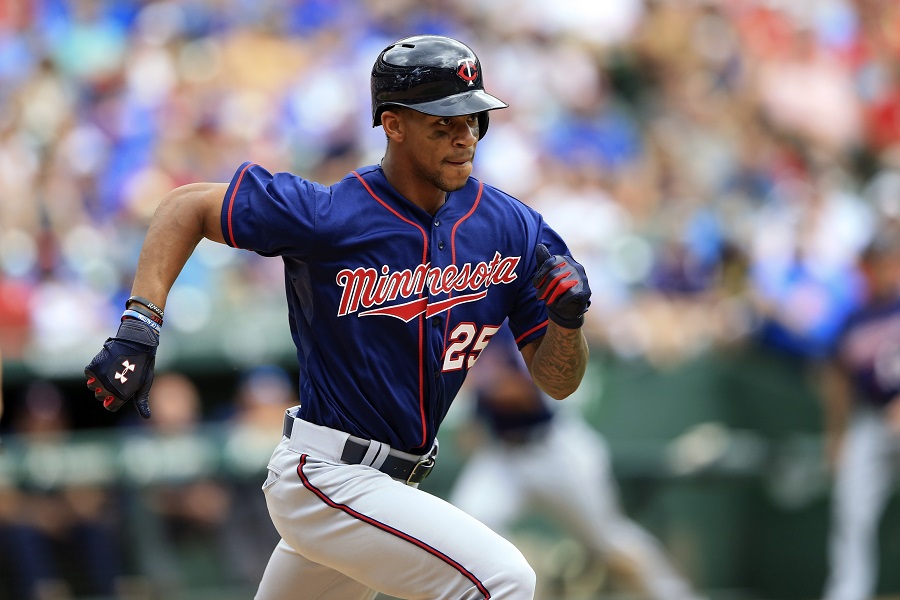
 Aaron and John talk about the Twins hiring Indians assistant general manager Derek Falvey to replace Terry Ryan, Byron Buxton's monster September, drinking beer and talking Red Sox at Fair State Brewing, guest Brandi Brown on stand-up comedy and being anti-baseball, and the worst season in Twins history mercifully coming to an end. You can listen by downloading us from iTunes, Stitcher or find it at GleemanAndTheGeek.com. Or just click on the Play button below. Click here to view the article
 -
 http://traffic.libsyn.com/gleemangeek/Ep_279_The_Derek_Falvey_Era.mp3
 -
From the outside and at a high level, there's a lot to like about this hire: 1) The Twins biggest obvious concern is pitching, and Cleveland has one of the best reputations for developing pitching in MLB. 2) Cleveland also has a reputation as an analytical and even adventurous culture, running counter to the Twins more traditional and non-analytical reputation. 3) CLE also has a newer model than the Twins in terms of how the organization is structured, which I'm assuming (maybe incorrectly) is an expanded model that the Twins could learn from. Those are very high-level views and mostly about the organization he comes from. None of them are worth anything if he can't manage the position, but that's what the search process and firm are for, and we do know that he's young, hungry and smart. He certainly rocketed up their organizational ranks, which shows something all by itself. and he was also clearly respected by the Korn-Ferry search firm, to tag him in the first place. There's a lot to like here. I'll be very interested in seeing what happens next.
-
Aaron and John, recovering from the Touch 'Em All Pub Crawl, discuss the Twins impending choice of a leader of baseball operations with Twins Daily's Parker Hageman and Robers Kasak of 612 Brew. You can listen by downloading us from iTunes, Stitcher or find it at GleemanAndTheGeek.com. Or just click the Play button below. Click here to view the article
-
 http://traffic.libsyn.com/gleemangeek/Ep_278_Crawling_To_A_Hire.mp3
 -
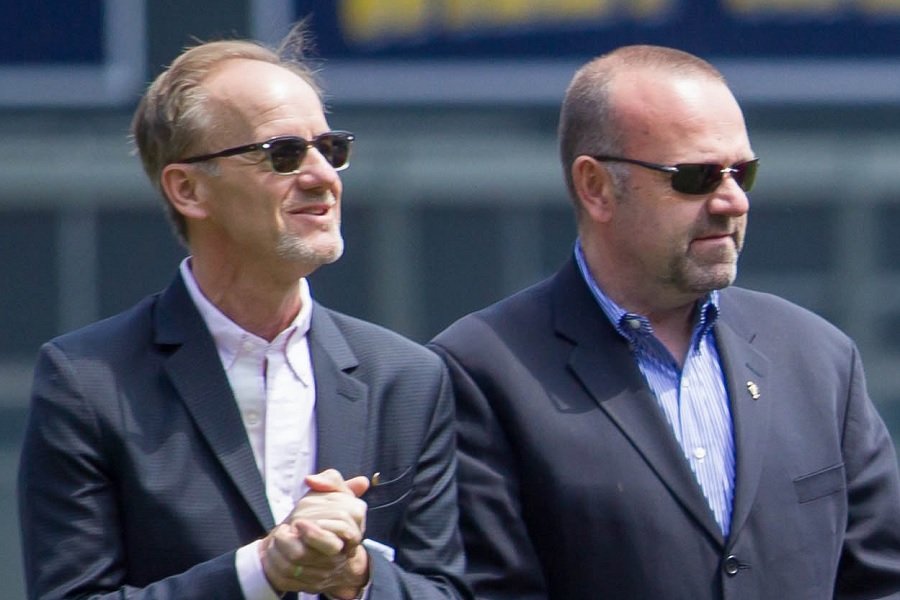
Aaron and John talk about the Twins' ongoing front office search and break down the reported candidates, wonder about the value of Jim Pohlad's vote of confidence for Paul Molitor, dig into Jose Berrios tipping his pitches, reminisce about running into each other at the Iron Door Pub, look ahead to a top-two pick in the draft, wonder about a possible Joe Mauer-Kennys Vargas platoon, and try (and mostly fail) not to get overly excited about Byron Buxton's hot streak. You can listen by downloading us from iTunes, Stitcher or find it at GleemanAndTheGeek.com. Or just click the Play button below. Click here to view the article
-
 http://traffic.libsyn.com/gleemangeek/Episode_277_Front_Office_Bosses.mp3
 -
Article: Last Chance! Sales Stop Today!
John Bonnes replied to John Bonnes's topic in Twins Daily Front Page News
I actually feel a little stupid about how militant I am about this at these events. Everyone must wear nametags and the include your real name and your TD handle/Twitter name. I'm not kidding. I demand it of people. -
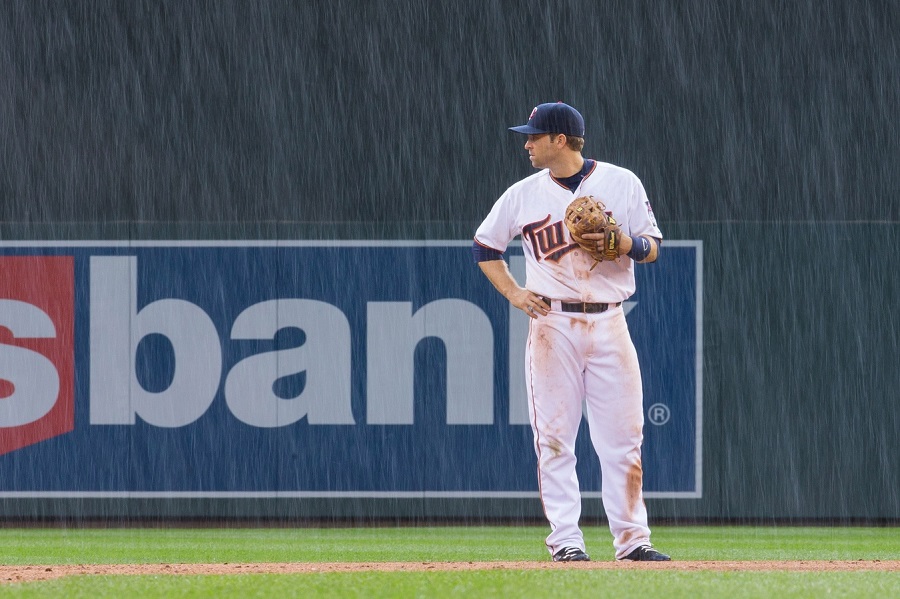
Aaron is at Wesslemania, so John is joined by Nick Nelson and Parker Hageman of TwinsDaily.com at the Summit Backyard Bash. They ask each other questions to frame the Twins offseason, including: 5:00 – What should the priority be for finding a catcher? 16 – How can the Twins improve the starting rotation this offseason? 36 – Why do the Twins Daily guys need to use Harry’s Razors? 39 – Should the new GM concentrate on patching the roster or starting over? 47 – Who are the best possible trade partners for Brian Dozier? 73 – What plans does John have for a local music podcast? 76 – Should Miguel Sano be at third base next year? 79 – Who closes games next year? 82 – What is the Twins rotation next year? And a whole lot more.... You can listen by downloading us from iTunes, Stitcher or find it at GleemanAndTheGeek.com. Or just click the Play button below the picture. Click here to view the article
-
Gleeman & The Geek, Ep 276: Trading Dozier & Offseason Questions
John Bonnes posted an article in Twins
 http://traffic.libsyn.com/gleemangeek/Ep_276_Offseason_Questions_v2.mp3
 -
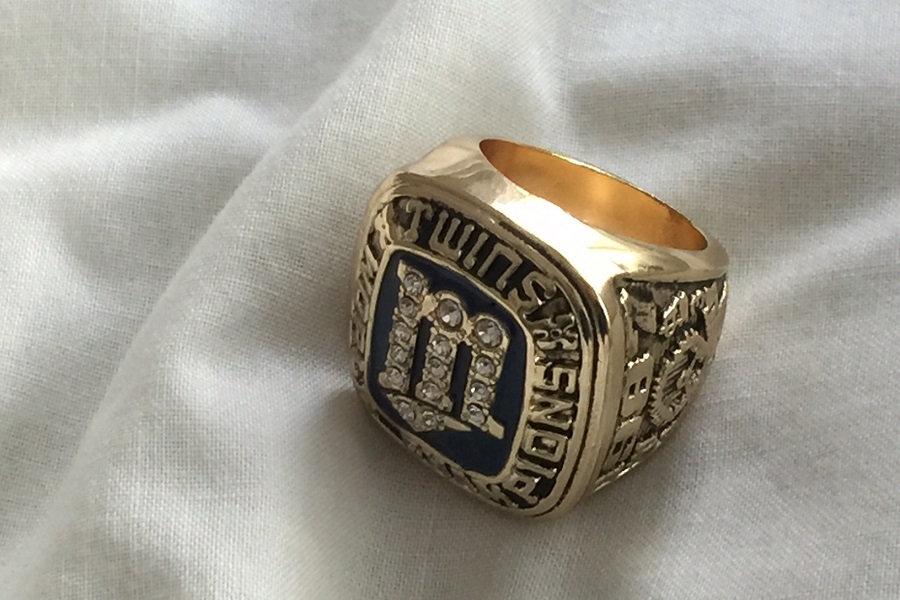
I hope you’ve gathered your friends and such because we’ll post the link tomorrow morning at 8AM for the Pub Crawl and we have one last legendary announcement to make. This is over $50 worth of stuff – game ticket, parking, t-shirt, beer, brewery tour plus prizes – for only $30. Oh, and we’re running the mascot race at the game.That’s right, you’ll be able to cheer on your favorite member of the Twins Daily crew as they race in the mascot race at Target Field. We do not know which mascots each of us will be, which brings us to the contest portion of the event… During the crawl, each person will get to pick who (the mascot, not the Twins Daily member) will win. During the race, you’ll have something real to cheer for, because from we'll give this 1987 World Series Championship replica ring to someone who picks the winner! Download attachment: RING_1987_WS_900.jpg Again, get you tickets fast. They go on sale at 8AM, we routinely sell out, and in any case the offer ends Monday. It is Saturday, 9/24, a beautiful September Minneapolis Saturday afternoon, from noon to late. And you get: 1. A high-quality men’s/women’s triblend Twins Daily Pub Crawl t-shirt (value $15) with our official tongue-in-cheek “Crawl to 100 Losses” logo (below). 2. A free brewery tour (value $6) at Modist Brewery (1st stop, noon-2:00 PM) at 12:30, 1:00, or 1:30. 3. Free parking (value ($10) at The Freehouse (2nd stop, 2:00-4:00) for the duration of the event and game. 4. A free craft 612 Brew (value $6) at Darby's (3rd stop, 4:00-6:00) 5. Entrance into our raffle of Twins sports memorabilia (value ~$200) from AME Sports, including player plaques and a replica 1987 World Series ring! 6. A ticket to the 6:00 Twins game (value $14), where you’ll watch the Twins Daily gang race in the mascot race. We are also offering a package where you get everything except the Twins ticket (if you have your own) for $15 and a package where you get just the t-shirt ($20, includes shipping). The link will be posted in this story first thing tomorrow morning. We’ll see you then AND on the 24th. Click here to view the article
-
Here's your link! Best of luck on getting your tickets before they sell out! This is over $50 worth of stuff – game ticket, parking, t-shirt, beer, brewery tour plus prizes – for only $30, plus we just got several sweet 612 Brew sweatshirts to give away! Oh, PLUS we’re running the mascot race at the game. That’s right, you’ll be able to cheer on your favorite member of the Twins Daily crew as they race in the mascot race at Target Field. We do not know which mascots each of us will be, which brings us to the contest portion of the event…During the crawl, each person will get to pick who (the mascot, not the Twins Daily member) will win. During the race, you’ll have something real to cheer for, because from we'll give this 1987 World Series Championship replica ring to someone who picks the winner! Download attachment: RING_1987_WS_900.jpg Again, get you tickets fast. They went on sale at 8AM, we routinely sell out, and in any case the offer ends Monday. It is Saturday, 9/24, a beautiful September Minneapolis Saturday afternoon, from noon to late. And you get: 1. A high-quality men’s/women’s triblend Twins Daily Pub Crawl t-shirt (value $15) with our official tongue-in-cheek “Crawl to 100 Losses” logo (below). 2. A free brewery tour (value $6) at Modist Brewery (1st stop, noon-2:00 PM) at 12:30, 1:00, or 1:30. 3. Free parking (value ($10) at The Freehouse (2nd stop, 2:00-4:00) for the duration of the event and game. 4. A free craft 612 Brew (value $6) at Darby's (3rd stop, 4:00-6:00) 5. Entrance into our raffle of Twins sports memorabilia (value ~$200) from AME Sports, including player plaques and a replica 1987 World Series ring! 6. A ticket to the 6:00 Twins game (value $14), where you’ll watch the Twins Daily gang race in the mascot race. We are also offering a package where you get everything except the Twins ticket (if you have your own) for $15 and a package where you get just the t-shirt ($20, includes shipping). The link will be posted in this story first thing tomorrow morning. We’ll see you then AND on the 24th. Click here to view the article
-
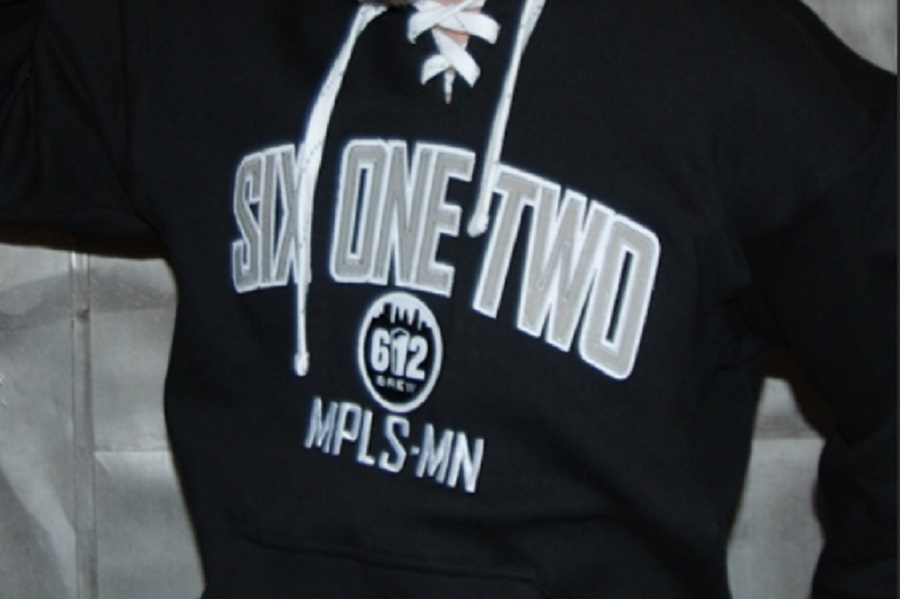 During the crawl, each person will get to pick who (the mascot, not the Twins Daily member) will win. During the race, you’ll have something real to cheer for, because from we'll give this 1987 World Series Championship replica ring to someone who picks the winner! Again, get you tickets fast. They went on sale at 8AM, we routinely sell out, and in any case the offer ends Monday. It is Saturday, 9/24, a beautiful September Minneapolis Saturday afternoon, from noon to late. And you get: 1. A high-quality men’s/women’s triblend Twins Daily Pub Crawl t-shirt (value $15) with our official tongue-in-cheek “Crawl to 100 Losses” logo (below). 2. A free brewery tour (value $6) at Modist Brewery (1st stop, noon-2:00 PM) at 12:30, 1:00, or 1:30. 3. Free parking (value ($10) at The Freehouse (2nd stop, 2:00-4:00) for the duration of the event and game. 4. A free craft 612 Brew (value $6) at Darby's (3rd stop, 4:00-6:00) 5. Entrance into our raffle of Twins sports memorabilia (value ~$200) from AME Sports, including player plaques and a replica 1987 World Series ring! 6. A ticket to the 6:00 Twins game (value $14), where you’ll watch the Twins Daily gang race in the mascot race. We are also offering a package where you get everything except the Twins ticket (if you have your own) for $15 and a package where you get just the t-shirt ($20, includes shipping). The link will be posted in this story first thing tomorrow morning. We’ll see you then AND on the 24th.
 -
Article: Pub Crawl Tickets On Sale Friday!
John Bonnes posted a topic in Twins Daily Front Page News
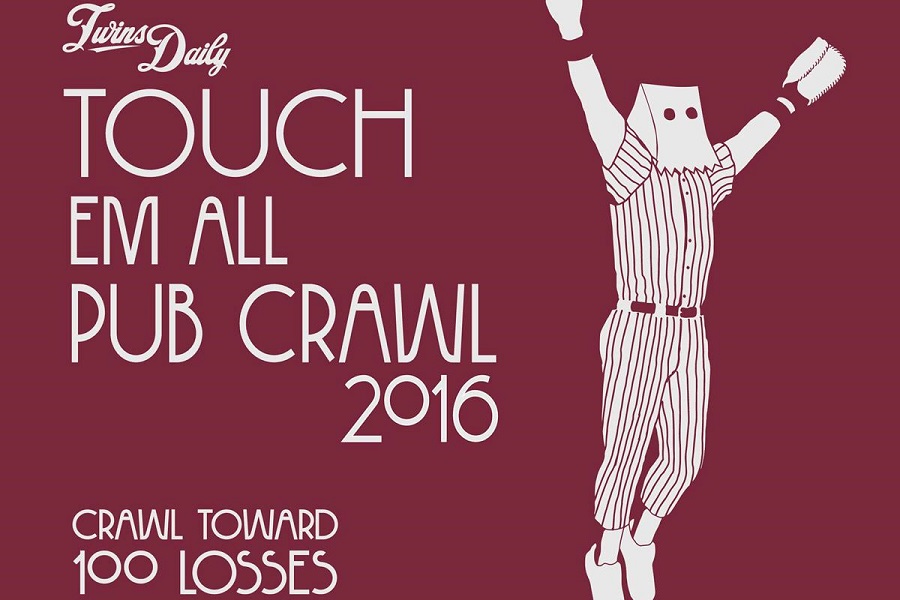
Friday is the day! At 8:00 AM, limited tickets will be released for the Twins Daily Touch Em All Pub Crawl, and today we get to announce the final stop and giveaway, plus the great prizes you can win and the crazy price. Our final stop will be Darby’s Pub, just one block from the stadium, who will be providing each attendee with a free craft 612 Brew (a $6 value). We’re also very happy to announce that AME Sports is providing great raffle prizes at each stop, including plaques gorgeous plaques of some of your favorite Twins players AND a replica 1987 World Series Champion ring!So just to recap, here are all the things included: 1. A high-quality men’s/women’s triblend Twins Daily Pub Crawl t-shirt (value $15) with our official tongue-in-cheek “Crawl to 100 Losses” logo (below). 2. A free brewery tour (value $6) at Modist Brewery (1st stop, noon-2:00 PM) at 12:30, 1:00, or 1:30. 3. Free parking (value ($10) at The Freehouse (2nd stop, 2:00-4:00) for the duration of the event and game. 4. A free craft 612 Brew (value $6) at Darby's (3rd stop, 4:00-6:00) 5. Entrance into our raffle of Twins sports memorabilia (value ~$200) from AME Sports, including player plaques and a replica 1987 World Series ring! 6. A ticket to the 6:00 Twins game (value $14), where you’ll see a special event that we’ll announce tomorrow. We care about getting everyone together, so we've negotiated all this for $30 (or $15 if you don’t need the Twins ticket). But tickets are only available through Monday night, and may not last that long given you’re getting about $50 worth of stuff for $30. Plus, of course, you’ll get to meet a ton of great Twins fans and writers and drown our sorrows in our beers together. Darby’s is an especially great place to gather before the game when the weather is nice, as they have an enormous hidden deck just a block from the ballpark. They’re going to be providing a keg of 612 Brew, which has supported several of the Twins Daily events, for our group. And AME sports is providing plaques like the one below featuring Harmon Killebrew, Miguel Sano and Brian Dozier. We’ll raffle one off at each stop. Download attachment: plaque_Killebrew_Harmon_900.jpg Finally, we have a 1987 World Series Champion replica ring that will be awarded to the attendee that … well, you’ll need to check early tomorrow to get in on that action. We’ll see you tomorrow and hopefully on September 24th. Download attachment: 2016 T-Shirt Logo.jpg Click here to view the article -
 So just to recap, here are all the things included: 1. A high-quality men’s/women’s triblend Twins Daily Pub Crawl t-shirt (value $15) with our official tongue-in-cheek “Crawl to 100 Losses” logo (below). 2. A free brewery tour (value $6) at Modist Brewery (1st stop, noon-2:00 PM) at 12:30, 1:00, or 1:30. 3. Free parking (value ($10) at The Freehouse (2nd stop, 2:00-4:00) for the duration of the event and game. 4. A free craft 612 Brew (value $6) at Darby's (3rd stop, 4:00-6:00) 5. Entrance into our raffle of Twins sports memorabilia (value ~$200) from AME Sports, including player plaques and a replica 1987 World Series ring! 6. A ticket to the 6:00 Twins game (value $14), where you’ll see a special event that we’ll announce tomorrow. We care about getting everyone together, so we've negotiated all this for $30 (or $15 if you don’t need the Twins ticket). But tickets are only available through Monday night, and may not last that long given you’re getting about $50 worth of stuff for $30. Plus, of course, you’ll get to meet a ton of great Twins fans and writers and drown our sorrows in our beers together. Darby’s is an especially great place to gather before the game when the weather is nice, as they have an enormous hidden deck just a block from the ballpark. They’re going to be providing a keg of 612 Brew, which has supported several of the Twins Daily events, for our group. And AME sports is providing plaques like the one below featuring Harmon Killebrew, Miguel Sano and Brian Dozier. We’ll raffle one off at each stop. Finally, we have a 1987 World Series Champion replica ring that will be awarded to the attendee that … well, you’ll need to check early tomorrow to get in on that action. We’ll see you tomorrow and hopefully on September 24th.
 -
Article: Touch Em All Pub Crawl T-Shirt Unveiled
John Bonnes replied to John Bonnes's topic in Twins Daily Front Page News
Geez, have a little faith, wontchya? -
Sometimes, things get so bad that you either have to laugh or cry. We’re choosing the former for our logo and T-shirts for our 2016 Twins Daily Touch Em All Pub Crawl. The complimentary T-shirts will be high-quality triblend Bella + Canvas, in both men’s and women’s styles, perfect for wearing ironically during the Twins 2017 postseason run. You can only get them at the Pub Crawl, which we announced yesterday will by 9/24. Remember, tickets go on sale this Friday, 9/9 at 8:00 AM. Order immediately, since they’ll no longer be on sale after Monday the 12th, and may sell out before that.Our first stop, announced yesterday, will be Modist Brewing, who will provide free brewery tours (a $6 value) to our attendees at 12:30, 1:00 and 1:30. Today we’re happy to announce our second stop will be The Freehouse, who will provide us FREE parking (~$15 value) throughout the day, during the game and even overnight. Plus, they have an excellent mix of craft beer and food, including The Voice of Reason's favorite: Roto-bird. Tomorrow we’ll announce our third participating sponsor, along with some fantastic raffle prizes and an unbelievable price. And let’s not forget the game itself. Friday morning, we’ll have a very special announcement about Twins Daily and the Twins game that you are not going to want to miss. Hint: our T-shirt’s Herbie isn’t going to be the only one hiding their face. So that’s free parking, free brewery tours, another freebie from the third bar, a high-quality, timeless T-shirt, awesome raffle prizes and a ticket to the game all for…. stop by tomorrow to find out. (You might want to start contacting friends and set your alarm for 8 AM Friday.) Click here to view the article
-
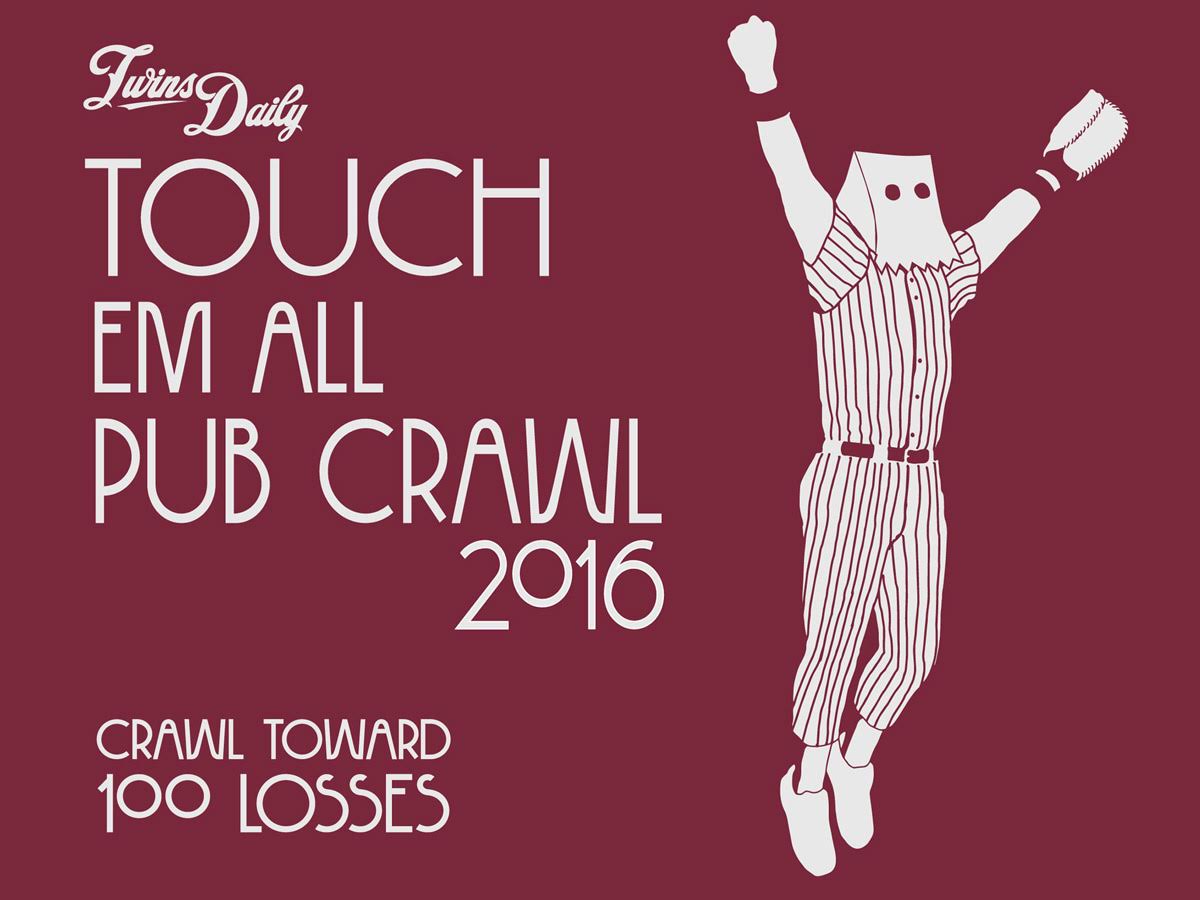 Our first stop, announced yesterday, will be Modist Brewing, who will provide free brewery tours (a $6 value) to our attendees at 12:30, 1:00 and 1:30. Today we’re happy to announce our second stop will be The Freehouse, who will provide us FREE parking (~$15 value) throughout the day, during the game and even overnight. Plus, they have an excellent mix of craft beer and food, including The Voice of Reason's favorite: Roto-bird. Tomorrow we’ll announce our third participating sponsor, along with some fantastic raffle prizes and an unbelievable price. And let’s not forget the game itself. Friday morning, we’ll have a very special announcement about Twins Daily and the Twins game that you are not going to want to miss. Hint: our T-shirt’s Herbie isn’t going to be the only one hiding their face. So that’s free parking, free brewery tours, another freebie from the third bar, a high-quality, timeless T-shirt, awesome raffle prizes and a ticket to the game all for…. stop by tomorrow to find out. (You might want to start contacting friends and set your alarm for 8 AM Friday.)
 -
I just saw Brock's final design for the t-shirt. I'm so excited about this. We're going to have people begging us to mail them to them even if they can't attend the pub crawl.
-
Lots more coming this week by the way.... Wednesday - the 2nd stop and t-shirt details. You're going to love them both. Thursday - 3rd stop, price and raffle prizes Friday - A last very special addition and tickets are on sale.
-
What will be the first stop on our Crawl To … 100 Losses? The Twins Daily Fourth Annual Touch-Em-All Pub Crawl will be September 24th, with tickets available Friday, 9/9. I don’t need to tell you that this has traditionally sold out, or the legendary stories of having a round bought by Twins closer Glen Perkins and … well, you’ll need to check-in on Friday to see this year’s momentous announcement. But for now, let’s reveal the first stop…We’ll be starting this year’s pub crawl at the brand new Modist Brewery taproom. For anyone wearing the Crawl’s designer t-shift (the design of which will be displayed later this week) there will be a free brewery tour (usually $6) at 12:30, 1:00 or 1:30. Modist has an array of beers, including some special infusions that you can only get at their taproom. The Voice of Reason’s™ favorite is the blond coffee lager, First Call. Check back tomorrow for the second stop, including more details. And set an alarm right now for Friday morning so you don’t miss out on tickets for The Crawl…. Click here to view the article
-
 We’ll be starting this year’s pub crawl at the brand new Modist Brewery taproom. For anyone wearing the Crawl’s designer t-shift (the design of which will be displayed later this week) there will be a free brewery tour (usually $6) at 12:30, 1:00 or 1:30. Modist has an array of beers, including some special infusions that you can only get at their taproom. The Voice of Reason’s™ favorite is the blond coffee lager, First Call. Check back tomorrow for the second stop, including more details. And set an alarm right now for Friday morning so you don’t miss out on tickets for The Crawl….
 -
Aaron and John talk about Byron Buxton's spectacular return weekend, Brian Dozier's spectacular three months, Paul Molitor changing his mind on Jorge Polanco, why the pitching staff remains the biggest problem, the upside and downside of finishing a book, Trevor Plouffe's future hanging on the balance, saying goodbye to KFAN for the season, and re-watching the 1987 and 1991 World Series. You can listen by downloading us from iTunes, Stitcher or find it at GleemanAndTheGeek.com. Or just click the Play button below. Click here to view the article

