



John Bonnes
-
Posts
6,784 -
Joined
-
Last visited
-
Days Won
4
Content Type
Profiles
News
Minnesota Twins Videos
2026 Minnesota Twins Top Prospects Ranking
2022 Minnesota Twins Draft Picks
Minnesota Twins Free Agent & Trade Rumors, Notes, & Tidbits
Guides & Resources
2023 Minnesota Twins Draft Picks
The Minnesota Twins Players Project
2024 Minnesota Twins Draft Picks
2025 Minnesota Twins Draft Pick Tracker
2026 Minnesota Twins Draft Tracker: Picks & Bonuses
Forums
Blogs
Events
Store
Downloads
Gallery
Everything posted by John Bonnes
-
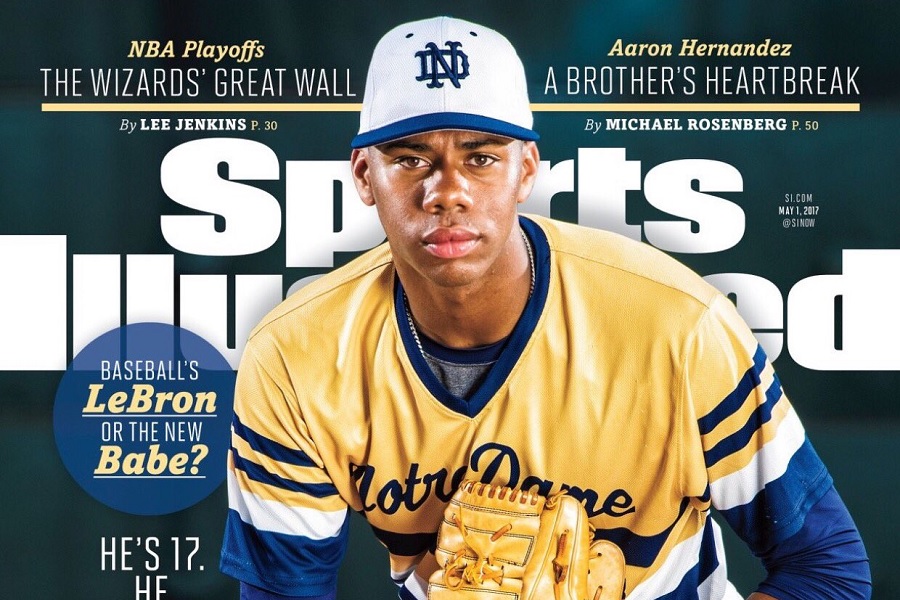
 Aaron and John talk about the Twins trying to decide on Hunter Greene, Brendan McKay, or Kyle Wright for the no. 1 pick, Nik Turley's debut, Eddie Rosario walking onto thin ice, the bullpen being both bad and not as bad as it looks, and Ervin Santana and Jose Berrios versus the rest of the rotation. You can listen by downloading us from iTunes, Stitcher or find it at GleemanAndTheGeek.com. Or just click this link.http://traffic.libsy...3?dest-id=74590 Click here to view the article
 -
 http://traffic.libsyn.com/gleemangeek/FINAL_611.mp3?dest-id=74590
 -
SORRY FOLKS. SALES ARE CLOSED. THANK YOU AND WE'LL SEE YOU ON FRIDAY! Twins Daily is offering an event for the whole family: a pre-game picnic in the Saints ballpark outfield, a ticket to the game, craft beer corner, post-game fireworks, a chance to win a set of replica World Series rings, and an after party at Tin Whiskers. It's all happening the night of Friday, July 14th and it's only $20/adult and $10/kids under 18. You can find all the details below and buy tickets right here. We'll see you there!We will not want our Picnic With The Saints party to end, so we’ve including an exclusive 'After Party' at Tin Whiskers Brewing, just a few minutes walk from CHS Field. Tin Whiskers will provide special beer pricing to Twins Daily attendees AND is extending their hours until midnight to accommodate us. So to recap: pregame buffet picnic in the outfield, Saints game, postgame fireworks, Saints zaniness, craft beer corner, World Series rings, AWESOME PEOPLE and Tin Whiskers After Party, all for just $20/person and $10/kid. Tickets go on sale TOMORROW (Fri) at 8 AM on this very page. They are limited. If you haven’t already asked your family and friends to join you, do so tonight, so you can make sure to get yours before they sell out. You can get all the details for this July 14th event below. Or, if you have any questions, put them in the comments section below. See you there! Win Replica World Series Rings! So far, we’ve revealed a buffet picnic in the outfield, a Saints game and fireworks all for just $20 (and $10 for kids). Now we're adding one of our coolest giveaways: a replica 1987 and 1991 World Series ring set. One lucky attendee will get to take the rings home, but everyone will get a chance to wear them and have their picture taken with them. Download attachment: Rings.jpg In fact, you need to in order to win them.At the game, we’ll have a Twitter contest during the pregame picnic where you, your family and your friends can have your picture taken with the rings. Post the pictures on Twitter with a special hashtag and you’ll be entered to win the rings. The more you post, the better will be your chances of winning. So add that to the list of reasons you should be back here on Friday morning at 8:00. And I’ll add one more: you’re going to be getting together with a great group of people. And I’ll add another – tomorrow, when we talk about the After Party….. Unbelievable Family-Friendly Price! Yesterday we announced our Picnic With The Saints, including a buffet-style picnic in the outfield, a Saints game and postgame fireworks, but we only teased the price. Today, I’m happy to announce we’ll be selling the tickets for just $20 for adults and $10 for kids 17 and under. Why so low? Because Twins Daily is all about gathering. It’s a core value, and we want you, your family and your friends to meet and talk baseball in a beautiful setting doing awesome stuff. To refresh your memory, here are the details: It is Friday night, July 14th.Before the game we’ll all gather for a pregame buffet- style picnic in the outfield. By itself, this is a $17 value.We will sit down the left field line and watch the Saints beat up the Fargo-Moorhead Red Hawks.After the game, there will be fireworks as part of Xcel Energy Friday Night Fireworks.There will be a giveaway (announced Wednesday) that you and your kids are going to love. Even if you don’t win it, you’re going to want to experience it.You’ll also get entry to an exclusive After Party (announced Thursday) at a local taproom to unwind after the game.There will also be all kinds of other Saints fun, like their in-game craziness and the Beer Dabbler Craft Beer Corner which is coincidentally near our seats.(Ron Howard voice: “It was no coincidence.”)Tickets go on sale this Friday (the 16th) on this page and will likely sell out.The minor leagues are traditionally about affordable entertainment. The Saints are all about fun. Twins Daily is all about coming together. And Minnesota is all about being outdoors. So please get this on your calendar and on your friends’ calendars, and we’ll see you Friday morning when tickets are available. Picnic In The Saints Outfield! It’s time to watch some baseball! And the whole family is invited! Friday July 14th is Picnic With The Saints, the Twins Daily community’s trip to CHS Field. For a special price (and even a more special price for kids under 18), 200+ of us will invade CHS, picnic in the Saints outfield and witness the Saints beat up the Fargo-Moorhead RedHawks before watching postgame fireworks. Here are the details: Before the game we’ll all gather for a pregame buffet- style picnic in the outfield. We did this same event two years ago and I guarantee you nobody will come away hungry. (That may not stop your kids from asking for ice cream in the 7th inning. But you probably know that.)After the game, there will be fireworks as part of Xcel Energy Friday Night Fireworks.During the game, you might want to check out the Beer Dabbler Craft Beer Corner which has something like 40 local craft beers for you and your adult friends.The special Twins Daily price (announced tomorrow) will reflect Twins Daily’s core mission to build community and make this one of THE events for Minnesota baseball fans and their families. We are far more interested in selling this out than breaking even.There will be a giveaway (announced Wednesday) that you and your kids are going to love. Even if you don’t win it, you’re going to want to experience it.You’ll get entry to an exclusive After Party (announced Thursday) at a local taproom to unwind after the game.Tickets go on sale this Friday at 8:00 AM on this page on Twins Daily.So reserve July 14th on your family calendar, send this link to your friends and set an alarm for Friday morning. We only have 200 tickets, they cannot be bought at the ballpark, and (especially after you see the price tomorrow) there is a high likelihood of a sellout.It’ll be really great to see everyone again. See you then and stop by all week for more details. Click here to view the article
-
The Twins claimed right-handed starting pitcher Chris Heston from the Dodgers this afternoon, making room on the 40-man roster by releasing pitcher Nick Tepesch. Heston will be placed on the major league roster and join the team in Seattle. Update: The Twins announced they have placed Hector Santiago on the disabled list to make room for Heston on the 25-man roster. Heston is not really a prospect. He’s 29 years old and this will be his fourth organization since the end of last year. The good news is that he started 31 games in the big leagues with the Giants in 2015, sporting a 3.95 ERA and threw a no-hitter. The bad news is that AT&T ballpark is pretty forgiving and the Giants didn’t feel compelled to leave room in their rotation for him the following year. He spend 2016 in AAA for the Giants, where he was initially not particularly effective (4.25 ERA) and then succumbed to an oblique injury in July before returning in mid-August. He started this year in Seattle, was designated for assignment and picked up by the Dodgers and now is with the Twins. He has spent most of the year in AAA, mostly starting, and has a 3.89 ERA and 32 strikeouts in 34.2 IP. I don’t see anything in his minor league game log that suggests he has turned any corner. He was drafted by the Twins back in 2007, albeit in the 47th round, and didn’t sign, but it is not uncommon that the Twins are a little extra interested in guys they have followed for a long time. There also isn’t anything in Heston’s AAA work this year that suggests he should be promoted to the majors, but with catcher Chris Gimenez already making his fourth appearance on the mound this year, this could be just another attempt to add a live (in the literal, not figurative sense of the word) arm. Click here to view the article
- 52 replies
-
- 2
-

-
- chris heston
- nick tepesch
- (and 1 more)
-
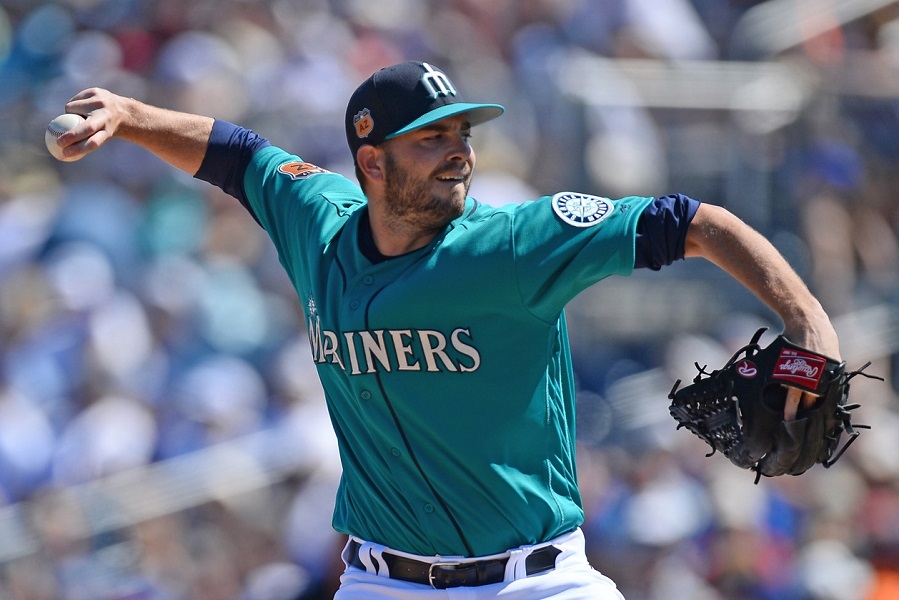 Heston is not really a prospect. He’s 29 years old and this will be his fourth organization since the end of last year. The good news is that he started 31 games in the big leagues with the Giants in 2015, sporting a 3.95 ERA and threw a no-hitter. The bad news is that AT&T ballpark is pretty forgiving and the Giants didn’t feel compelled to leave room in their rotation for him the following year. He spend 2016 in AAA for the Giants, where he was initially not particularly effective (4.25 ERA) and then succumbed to an oblique injury in July before returning in mid-August. He started this year in Seattle, was designated for assignment and picked up by the Dodgers and now is with the Twins. He has spent most of the year in AAA, mostly starting, and has a 3.89 ERA and 32 strikeouts in 34.2 IP. I don’t see anything in his minor league game log that suggests he has turned any corner. He was drafted by the Twins back in 2007, albeit in the 47th round, and didn’t sign, but it is not uncommon that the Twins are a little extra interested in guys they have followed for a long time. There also isn’t anything in Heston’s AAA work this year that suggests he should be promoted to the majors, but with catcher Chris Gimenez already making his fourth appearance on the mound this year, this could be just another attempt to add a live (in the literal, not figurative sense of the word) arm.
 -
Tom, I want to marry this story. (But I should probably check with Chrissie first.)
-
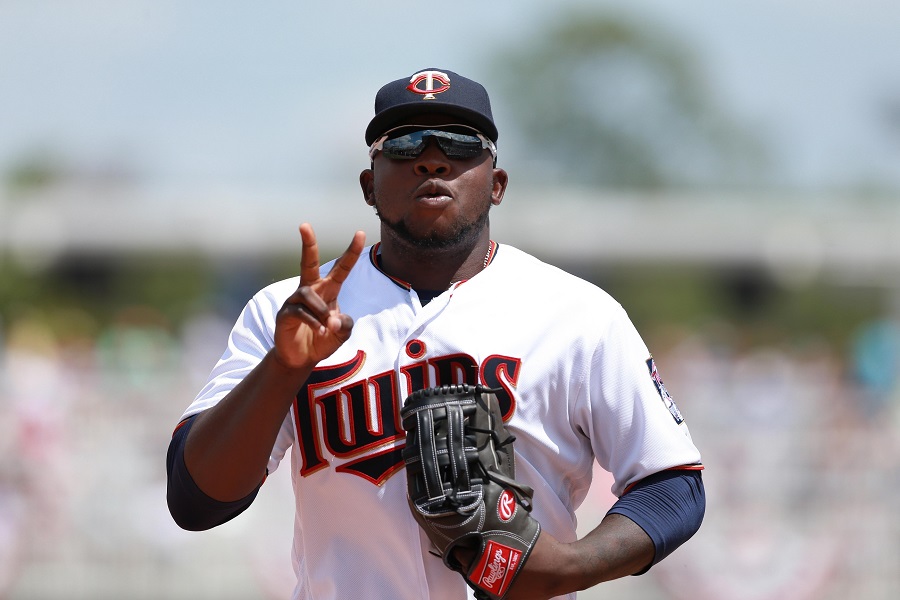
Aaron and John talk about the state of the Twins' bullpen and their future options, Kennys Vargas' demotion and Robbie Grossman's ascension, the five-year anniversary of the 2012 draft, Glen Perkins' comeback status, skipping Kyle Gibson, using 'VOTESANO' at PickAndShovelWear.com, and mailbag questions from listeners. You can listen by downloading us from iTunes, Stitcher or find it at GleemanAndTheGeek.com. Or just click this link. http://traffic.libsy...3?dest-id=74590 Click here to view the article
-
 http://traffic.libsyn.com/gleemangeek/FINAL_64.mp3?dest-id=74590
 -
1. PROMOTION DESCRIPTION: The TWINS DAILY “THANK YOU” SWEEPSTAKES (\"Sweepstakes\") begins on 7/23/2017 at Midnight and ends on 8/4/2017 at 11:59 PM (the \"Promotion Period\"). The sponsor of this Sweepstakes is TWINSCENTRIC, LLC ("Sponsor"). By participating in the Sweepstakes, each Entrant unconditionally accepts and agrees to comply with and abide by these Official Rules and the decisions of Sponsor, which shall be final and binding in all respects. Sponsor is responsible for the collection, submission or processing of Entries and the overall administration of the Sweepstakes. Entrants should look solely to Sponsor with any questions, comments or problems related to the Sweepstakes. Sponsor may be reached by email at TWINSCENTRIC@GMAIL.COM during the Promotion Period. 2. ELIGIBILITY: Open to legal residents of the 50 United States and the District of Columbia who are 18 YEARS OF AGE OR OLDER (the \"Entrant\"). Sponsor, and their respective parents, subsidiaries, affiliates, distributors, retailers, sales representatives, advertising and promotion agencies and each of their respective officers, directors and employees (the \"Promotion Entities\"), are ineligible to enter the Sweepstakes or win a prize. Household Members and Immediate Family Members of such individuals are also not eligible to enter or win. "Household Members" shall mean those people who share the same residence at least three months a year. "Immediate Family Members" shall mean parents, step-parents, legal guardians, children, step-children, siblings, step-siblings, or spouses. This Sweepstakes is subject to all applicable federal, state and local laws and regulations and is void where prohibited or restricted by law. 3. PRIZES: Different prizes will be given away each day. Prizes include: 10 winners will receive a copy of Out Of the Ballpark 18 (5 on each date). 2 winner will receive a '87 Batting Stance Shirt from Pick and Shove. 2 winners will receive a MN Beer Passport from beerpassports.com 2 winners will win a t-shirt from 'Sota Stick. 2 winners (21 and older) will win a free beer from 612 Brew, North Gate Brewing, Tin Whiskers Brewing & Fair State Brewing. As additional prizes are identified, we will update them on the sweepstakes page at: TwinsDaily.com/2017-ThankYou-Giveaway Only one prize per person and per household will be awarded. Gift cards and gift certificates are subject to the terms and conditions of the issuer. Prizes cannot be transferred, redeemed for cash or substituted by winner. Sponsor reserves the right in its sole and absolute discretion to award a substitute prize of equal or greater value if a prize described in these Official Rules is unavailable or cannot be awarded, in whole or in part, for any reason. The ARV of the prize represents Sponsor's good faith determination. That determination is final and binding and cannot be appealed. If the actual value of the prize turns out to be less than the stated ARV, the difference will not be awarded in cash. Sponsor makes no representation or warranty concerning the appearance, safety or performance of any prize awarded. Restrictions, conditions, and limitations may apply. Sponsor will not replace any lost or stolen prize items. This Sweepstakes is open to legal residents of the 50 United States and the District of Columbia and Prize will only be awarded and/or delivered to addresses within said locations. All federal, state and/or local taxes, fees, and surcharges are the sole responsibility of the prize winner. Failure to comply with the Official Rules will result in forfeiture of the prize. 4. HOW TO ENTER: Enter the Sweepstakes during the Promotion Period online by visiting the entry form, which can be found on the following website atTwinsDaily.com/thankyou2017. Different prizes will be given away each day, and each day requires separate entry by entrant. Automated or robotic Entries submitted by individuals or organizations will be disqualified. Internet entry must be made by the Entrant. Any attempt by Entrant to obtain more than the stated number of Entries by using multiple/different email addresses, identities, registrations, logins or any other methods, including, but not limited to, commercial contest/sweepstakes subscription notification and/or entering services, will void Entrant's Entries and that Entrant may be disqualified. Final eligibility for the award of any prize is subject to eligibility verification as set forth below. All Entries must be posted by the end of the Promotion Period in order to participate. Sponsor's database clock will be the official timekeeper for this Sweepstakes. 5. WINNER SELECTION: The Winner(s) of the Sweepstakes will be selected in a random drawing from among all eligible Entries received throughout the Promotion Period. The random drawing will be conducted the day after each giveaway by the Promotion Period by Sponsor or its designated representatives, whose decisions are final. Odds of winning will vary depending on the number of eligible Entries received. 6. WINNER NOTIFICATION: Winner will be notified by email at the email address provided in the Entry Information approximately the day after the random drawing. Potential Winner must accept a prize by email as directed by Sponsor within one week of notification. Sponsor is not responsible for any delay or failure to receive notification for any reason, including inactive email account(s), technical difficulties associated therewith, or Winner’s failure to adequately monitor any email account. Any winner notification not responded to or returned as undeliverable may result in prize forfeiture. The potential prize winner may be required to sign and return an affidavit of eligibility and release of liability, and a Publicity Release (collectively \"the Prize Claim Documents\"). No substitution or transfer of a prize is permitted except by Sponsor. 7. PRIVACY: Any personal information supplied by you will be subject to the privacy policy of the Sponsor posted at http://twinsdaily.com/privacypolicy. By entering the Sweepstakes, you grant Sponsor permission to share your email address and any other personally identifiable information with the other Sweepstakes Entities for the purpose of administration and prize fulfillment, including use in a publicly available Winners list. 8. LIMITATION OF LIABILITY: Sponsor assumes no responsibility or liability for (a) any incorrect or inaccurate entry information, or for any faulty or failed electronic data transmissions; (any unauthorized access to, or theft, destruction or alteration of entries at any point in the operation of this Sweepstakes; © any technical malfunction, failure, error, omission, interruption, deletion, defect, delay in operation or communications line failure, regardless of cause, with regard to any equipment, systems, networks, lines, satellites, servers, camera, computers or providers utilized in any aspect of the operation of the Sweepstakes; (d) inaccessibility or unavailability of any network or wireless service, the Internet or website or any combination thereof; (e) suspended or discontinued Internet, wireless or landline phone service; or (f) any injury or damage to participant's or to any other person’s computer or mobile device which may be related to or resulting from any attempt to participate in the Sweepstakes or download of any materials in the Sweepstakes. If, for any reason, the Sweepstakes is not capable of running as planned for reasons which may include without limitation, infection by computer virus, tampering, unauthorized intervention, fraud, technical failures, or any other causes which may corrupt or affect the administration, security, fairness, integrity or proper conduct of this Sweepstakes, the Sponsor reserves the right at its sole discretion to cancel, terminate, modify or suspend the Sweepstakes in whole or in part. In such event, Sponsor shall immediately suspend all drawings and prize awards, and Sponsor reserves the right to award any remaining prizes (up to the total ARV as set forth in these Official Rules) in a manner deemed fair and equitable by Sponsor. Sponsor and Released Parties shall not have any further liability to any participant in connection with the Sweepstakes. 9. SOCIAL NETWORK DISCLAIMER This promotion is in no way sponsored, endorsed or administered by, or associated with Facebook. If you used Facebook to entery, you understand that you are providing your information to the owner of this Facebook page and not to Facebook. This promotion is in no way sponsored, endorsed or administered by, or associated with Facebook. You understand that you are providing your information to the Sponsor and not to Facebook. By participating via the Facebook platform, participants are also subject to Facebook’s data policy and terms of use, which can be found at https://www.facebook.com/about/privacy and https://www.facebook.com/legal/terms/update. 10. WINNER LIST/OFFICIAL RULES: To obtain a copy of the Winner List or a copy of these Official Rules, send your request along with a stamped, self-addressed envelope to TwinsCentric, LLC, cc: Twins Daily “Thank You” Sweepstakes, 5333 Fremont Ave. S., Mpls, MN 55419. Requests for the names of the winners must be received no later than 8/31/2017 after the Promotion Period has ended. For accessing a Winner List online, visit TwinsDaily.com/ThankYou2017. The winner list will be posted after winner confirmation is complete. 11. SPONSOR: TwinsCentric, LLC, 5333 Fremont Ave. S., Mpls, MN 55419, twinscentric@gmail.com
-
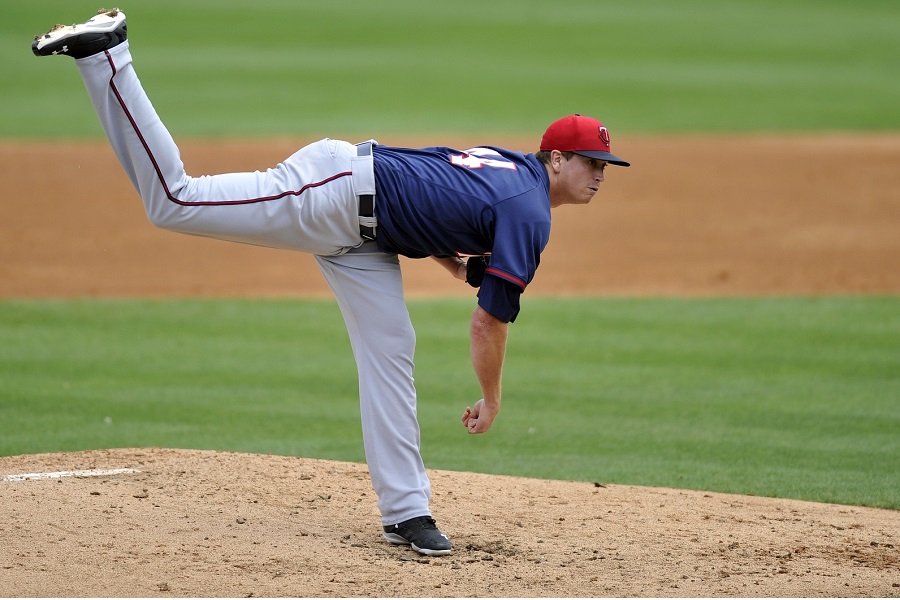
Aaron and John talk about the Twins' view from atop the AL Central division, the increasingly shaky back of the rotation with Phil Hughes hurt and Kyle Gibson struggling again, debating whether Tyler Duffey deserves another shot to start, weird Ervin Santana trade rumors, Miguel Sano's cold stretch, Nick Burdi and J.T. Chargois falling off the bullpen radar, and more Hunter Greene vs. Brendan McKay draft speculation. You can listen by downloading us from iTunes, Stitcher or find it at GleemanAndTheGeek.com. Or just click this link.http://traffic.libsy...3?dest-id=74590 Click here to view the article
-
 http://traffic.libsyn.com/gleemangeek/GATG_052817_FINAL.mp3?dest-id=74590
 -
Aaron and John sip beer at 612 Brew and talk about Jose Berrios' dominant 11-strikeout start, rainouts and doubleheaders making life difficult for the Twins' pitching staff, Robbie Grossman's on-base skills and overall role, Kennys Vargas' pinch-hit homer, the Twins' young lineup and prospect breakthroughs, how to save $20 on Twins tickets with SeatGeek, what is now a three-way battle for the no. 1 pick, and why Miguel Sano's batting average on balls in play is both good and bad. You can listen by downloading us from iTunes, Stitcher or find it at GleemanAndTheGeek.com. Or just click this link.http://traffic.libsy...3?dest-id=74590 Click here to view the article
-
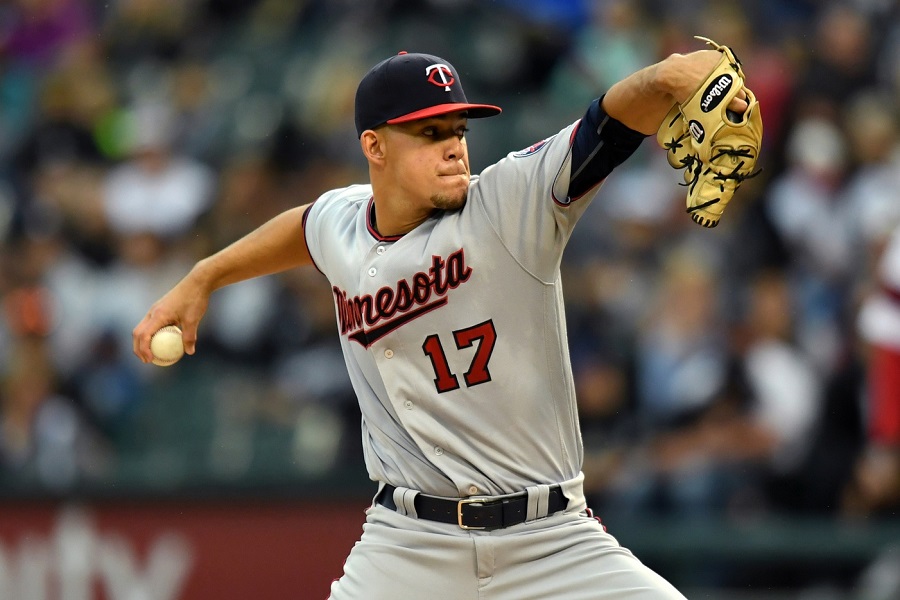 http://traffic.libsyn.com/gleemangeek/Ep_311_Rain_Rain_Go_Away.mp3?dest-id=74590
 -
It feels like we're not talking enough about how one of the local kids could be one of the top pitching prospects in this draft. Any other year, we would be wondering if the Twins wouldn't be focusing on him. In fact, I'll do a little speculation here: Could Carlson be the kind of player the Twins target to spend leftover #1 overall bonus money on? He seems like he would be in the right range for that.
-
Thank you for taking the time to do this interview and write it up Seth. BTW, Moon Palace books is a great little indy book store in SE Mpls. You'll love that event if you visit this site. There are a few other interesting authors speaking as well. Sounds like Law isn't especially bullish on the Twins yet, and I don't blame him. But so far, so good.
- 30 replies
-
- 4
-
-
- keith law
- byron buxton
- (and 2 more)
-
Aaron and John talk about Jose Berrios' excellent return to the Twins' rotation, Danny Santana going to Atlanta, Michael Tonkin sticking around at Triple-A, over-working Brandon Kintzler because of a shaky setup corps, upgrading our wardrobe with Bombfell, John Bonnes and Miguel Sano both celebrating birthdays, and the state of superhero movies. You can listen by downloading us from iTunes, Stitcher or find it at GleemanAndTheGeek.com. Or just click this link.http://traffic.libsy...3?dest-id=74590 Click here to view the article
-
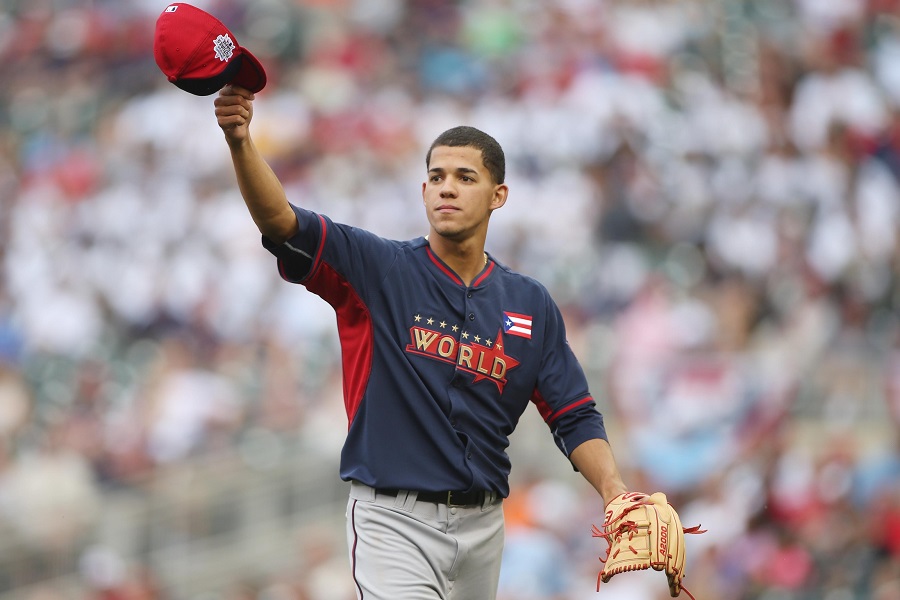 http://traffic.libsyn.com/gleemangeek/GTAG_050724_FINAL.mp3?dest-id=74590
 -
Article: Twins Claim LHP Adam Wilk From Mets
John Bonnes replied to Seth Stohs's topic in Twins Daily Front Page News
The most entertaining thing about this move is why they Mets released Wilk: they had to make room for Tommy Milone. Who, of course is left-handed and started for the Twins. I cannot figure out why this team is so damn determined to keep Berrios in AAA. -
Twins Daily is very happy to announce that Jeremy Nygaard will be providing occasional insider news/rumors on the Twins deliberations in the upcoming MLB Draft. The first was last Friday which we're copying below. But that won't often be the case; to be sure to get them sign up for the Twins Daily email list at the bottom of this story or in the upper-right hand corner of this page. As most national media publications have started to release their mock drafts, there’s been a lot of momentum in the direction of Brendan McKay from Louisville. That’s probably a fair place to be five weeks from the draft, but I’ve been told that the organization has “cast a wide net” in their search for the top overall selection. College first baseman Pavin Smith of Virginia and prep right-handed hurler Shane Baz of Texas remain in consideration as well as other prominent names such as Hunter Greene, Royce Lewis and Kyle Wright.McKay is an interesting case. At the beginning of the season, the preference for McKay was as a left-handed pitcher. A “bigger Ted Lilly” one scout called him, saying he’d be, at worst, a “solid #3” for a long time. McKay, who should win his third straight John Olerud Two-Way Player of the Year Award, has done nothing but raise expectations this season. As a pitcher, he’s thrown 67.0 innings and struck out 95. Opponents have hit only .172 and his WHIP is 0.84. While other top college throwers came out of the gates slowly, McKay had performed at a very high level all season until giving up nine earned runs over his last two starts. How much should be made of those two starts? McKay has still struck out more than a batter an inning and given up less than a hit and walk per inning pitched. If it’s me - and nothing alarming has happened with his velocity or delivery, and by all accounts, it hasn’t - I’m putting very little stock into two less-than-ideal starts. The thing that makes McKay so intriguing is that along with being arguably the best pitcher in college baseball, he is also arguably the best hitter in college baseball. Everyone knew he could hit - he hit .326 for the Collegiate National Team last summer and hit over .300 in both seasons at Louisville - but he took it to another level this spring. Currently slashing .390/.511/.747 (1.258), McKay has evaluators reconsidering what his long-term positional home should be. Sorry guys, it won’t be as a two-way player. But you’re not getting this exclusive newsletter in your email to tell you that. You’ve read national media that says they’d take McKay as a first baseman. Others say pitcher. It’s conceivable that the Twins select Brendan McKay next month as a “pitcher/first baseman” and truly mean it. You can bump McKay up as a pitcher because if that doesn’t work, he can be a big-league hitter. You can bump McKay up as a hitter because if that doesn’t work, he can be a big-league pitcher. Or as one Twins source told me, it’s “kind of like having a chip on red and black.” The Twins have long had a philosophy of trying to take the best player regardless of position. This is a case where Brendan McKay might just be the best player in the draft regardless of his position. If that’s what the organization truly decides, they will take Brendan McKay, best player available, and figure out the rest later. Click here to view the article
-
Aaron and John talk about an up and down week for the Twins, pushing Kyle Gibson, Danny Santana, and Michael Tonkin off the roster, what the time is for Jose Berrios to get a chance, a new rumored name in the MLB draft, Joe Mauer's clutch hitting, how you can win a Michael Cuddyer autographed official baseball from PickAndShovelWear.com and to whom the Twins will turn next for their rotation. You can listen by downloading us from iTunes, Stitcher or find it at GleemanAndTheGeek.com. Or just click this link.http://traffic.libsy...3?dest-id=74590 Click here to view the article
-
 http://traffic.libsyn.com/gleemangeek/GTAG_050717_COMPLETE.mp3?dest-id=74590
 -
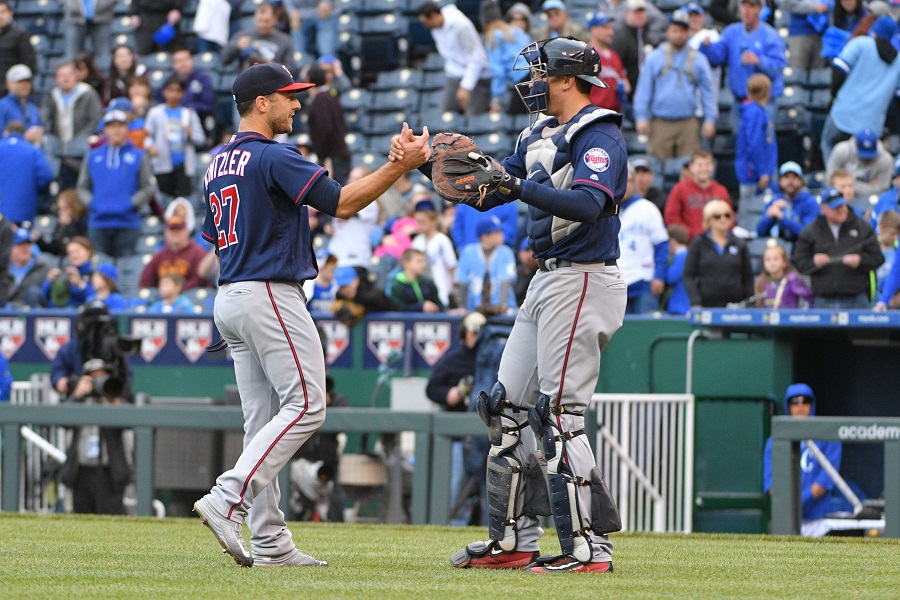
Aaron and John talk about the Twins' winning April, Miguel Sano's breakout season, Byron Buxton's small steps in the right direction, Joe Mauer's ongoing decline, the impact of a vastly improved defense, class-action concussion lawsuits with Tracy Tool and Bob Parsons of Bye, Goff and Rhode, recapping the first Tuesday Taproom Tour event, and putting J.T. Chargois call-up plans on hold, all presented by the Minnesota Corn Growers. You can listen by downloading us from iTunes, Stitcher or find it at GleemanAndTheGeek.com. Or just click this link.http://traffic.libsy...3?dest-id=74590 Click here to view the article
-
 http://traffic.libsyn.com/gleemangeek/GG430Combined.mp3?dest-id=74590
 -
It was great. Hopefully the podcast gives a sense of the how social the crowd was. They seemed to really have a good time and I think a lot of them met new people. The next one should be even better.
- 4 replies
-
- 1
-
-
- aaron gleeman
- ervin santana
- (and 2 more)
-
Aaron and John are joined by 100 listeners at Northgate Brewing to watch the Twins thump the Rangers, answer Twins questions and generally mess around. Whether you attended the event or just listened to the podcast, we would love your feedback on this episode. You can listen by downloading us from iTunes, Stitcher or find it at GleemanAndTheGeek.com. Or just click this link.http://traffic.libsy...3?dest-id=74590 Click here to view the article
