



John Bonnes
-
Posts
6,784 -
Joined
-
Last visited
-
Days Won
4
Content Type
Profiles
News
Minnesota Twins Videos
2026 Minnesota Twins Top Prospects Ranking
2022 Minnesota Twins Draft Picks
Minnesota Twins Free Agent & Trade Rumors, Notes, & Tidbits
Guides & Resources
2023 Minnesota Twins Draft Picks
The Minnesota Twins Players Project
2024 Minnesota Twins Draft Picks
2025 Minnesota Twins Draft Pick Tracker
2026 Minnesota Twins Draft Tracker: Picks & Bonuses
Forums
Blogs
Events
Store
Downloads
Gallery
Everything posted by John Bonnes
-
 1) If you ordered tickets, you just need to show up with ID. We'll check you in. 2) Guests should be announced the first week January.
 -
If you’re panicked about what to buy the Twins fan on your holiday list (or your friends or family is panicking on what to buy you), here are some gift ideas from some folks that have supported Twins Daily in one way or another this year. Tickets to this year’s Winter Meltdown make a great stocking stuffer, and are at an unbelievable price for this week only.Speaking of the Winter Meltdown, AME Sports, who provided the Migueal Sano-signed bat for our 2017 Winter Meltdown, has a variety of great signed memorabilia for Twins fans, including a signed Jack Morris 1991 World Series Replica Jersey. They also have locations in Rosedale and Southdale, if you want to spend a lunch hour perusing…Sota Stick Co and Pick and Shovel both make great t-shirts for all Minnesota sports fans. I love Sota Stick’s Metropolitan Stadium tee and I also dig Pick and Shovel’s Batting Stance T-shirts. Click through to the sites and fall in love with some T-shirts that are a little more clever than your average sports team garb.In a similar vein, S Preston’s minimalist ballpark designs are some of my favorite baseball related art. At MLBShop, you can find this triptych poster set of Target Field, the Metrodome and Metropolitan Stadium. Or stop by his site for much more, and you can also sign up for his email list and get a free cell phone wallpaper of your favorite ballpark.Finally, Fan HQ has a ton of Twins autographed baseballs for sale online. They also have lots of events coming up at their Ridgedale and Eden Prairie Center locations.On behalf of everyone at Twins Daily, we hope you have a fantastic time with friends and family this holiday season. Click here to view the article
-
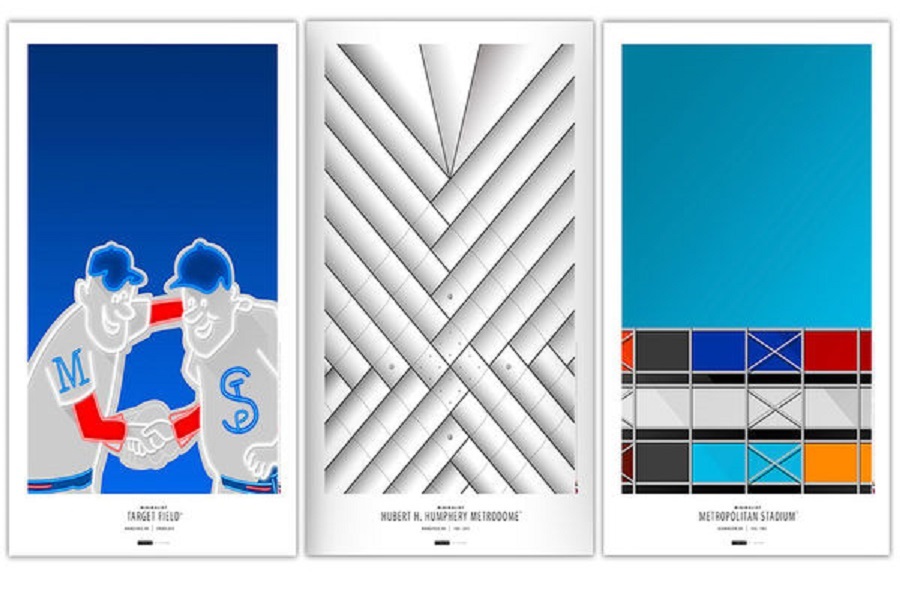 Speaking of the Winter Meltdown, AME Sports, who provided the Migueal Sano-signed bat for our 2017 Winter Meltdown, has a variety of great signed memorabilia for Twins fans, including a signed Jack Morris 1991 World Series Replica Jersey. They also have locations in Rosedale and Southdale, if you want to spend a lunch hour perusing… Sota Stick Co and Pick and Shovel both make great t-shirts for all Minnesota sports fans. I love Sota Stick’s Metropolitan Stadium tee and I also dig Pick and Shovel’s Batting Stance T-shirts. Click through to the sites and fall in love with some T-shirts that are a little more clever than your average sports team garb. In a similar vein, S Preston’s minimalist ballpark designs are some of my favorite baseball related art. At MLBShop, you can find this triptych poster set of Target Field, the Metrodome and Metropolitan Stadium. Or stop by his site for much more, and you can also sign up for his email list and get a free cell phone wallpaper of your favorite ballpark. Finally, Fan HQ has a ton of Twins autographed baseballs for sale online. They also have lots of events coming up at their Ridgedale and Eden Prairie Center locations. On behalf of everyone at Twins Daily, we hope you have a fantastic time with friends and family this holiday season.
 -
Aaron and John talk about the Twins optimism surrounding signing Yu Darvish, a summer of the Fernando Rodney Experience, the future-oriented baseball deal for Michael Pineda, the Twins gains and losses in MLB Rule 5 draft and their secret admirers in the Nippon Ham Fighters front office. Sponsored by Sota Stick Co. You can listen by downloading us from iTunes, Stitcher or find it at GleemanAndTheGeek.com. Or just click this link. Click here to view the article
-
Gleeman & The Geek, Ep 348: Fernando Rodney Is Friday Night Pizza
John Bonnes posted an article in Twins
 http://traffic.libsyn.com/gleemangeek/Ep_348_Fernando_Rodney_Is_Friday_Night_Pizza.mp3
 -
Twins fans, Twins writers, Twins executives, Twins prospects and Twins players all have joined Twins Daily's Winter Meltdown. And thru Christmas Eve you can reserve your spot for, well, kinda for free. This week only, through 12/24, you can buy presale tickets to January 20th's Winter Meltdown at Brothers Bar & Grill (4:30-7:30 PM). It's the Saturday of Twins Fest, so you can just walk over; it's only two blocks from Target Field. This week ONLY, we charge $15, but it's basically free. That's because the $15 is just a prepayment on two 612 Brew craft beers and the Winter Meltdown pint glass you'll get at the event. (We have to charge something up front, because we need to know how many people are really coming.) This deal ends this week and this event has sold out every year. When we offer tickets again in 2018, along with details of who our guests are, the cost will be $30. But we are offering this deal to people that visit the site in the dead of winter, or follow us on email or Twitter. That's our tribe.Besides the pint glass and two free 612 Brew beers, we have a Twins player come join us. We're not letting the cat out of the bag yet who our special guests are this year until after the new year, but in the past they've included LaTroy Hawkins, Tim Laudner, Scott Erickson, Jacque Jones and Mike Pagliarulo. There will also be some sweet raffle and door prizes, plus lots of time to talk Hot Stove and order some of Brothers great food. Warning: These sell out. They have every year. So even if your holiday shopping is done, you might want to grab some ASAP. Or let your family know THIS is what you really want. Or buy a pack and give your friends, family and coworkers a night to remember in the dead of winter. We'll see you there. BUY HERE NOW. Click here to view the article
-
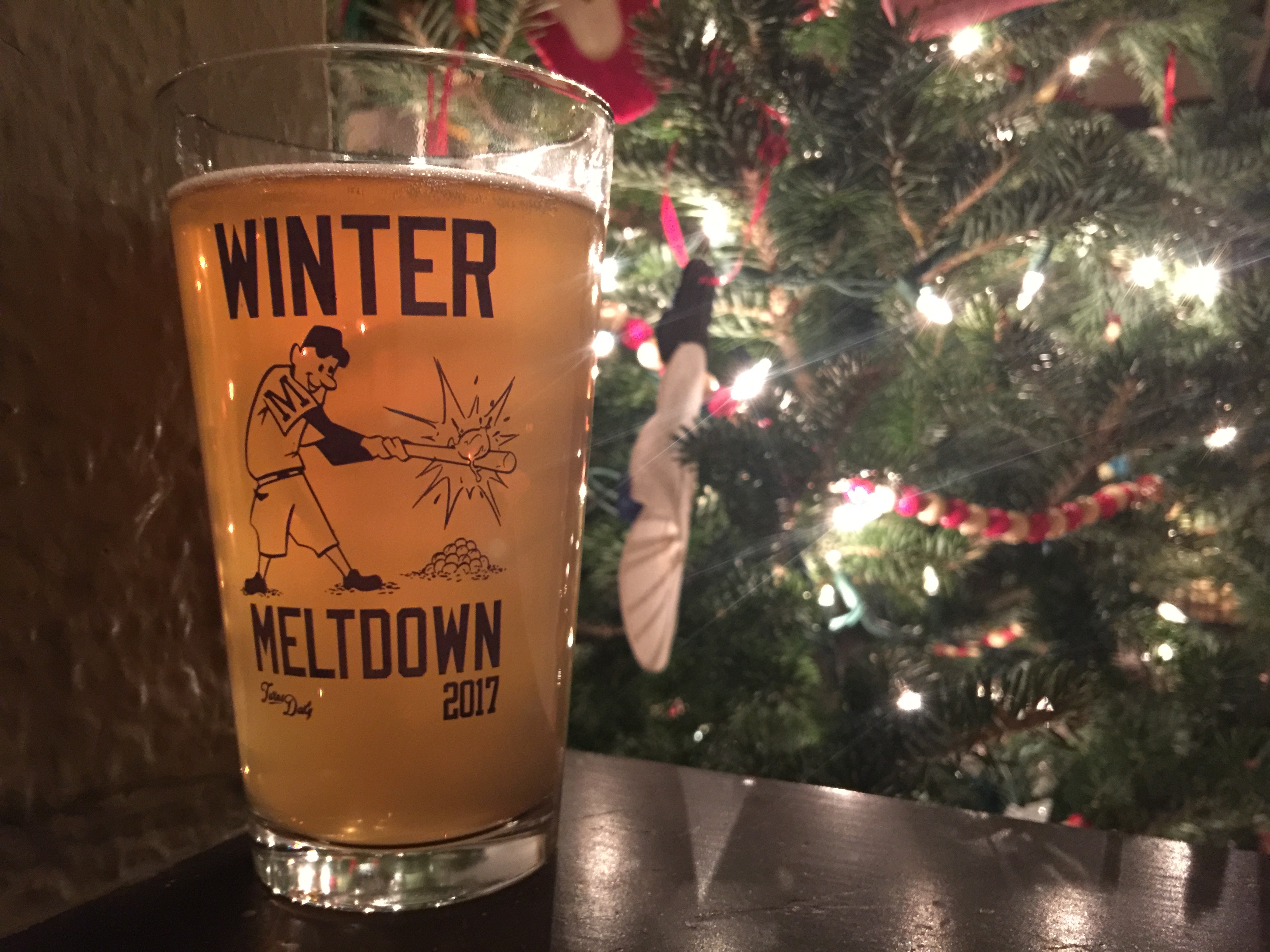 Besides the pint glass and two free 612 Brew beers, we have a Twins player come join us. We're not letting the cat out of the bag yet who our special guests are this year until after the new year, but in the past they've included LaTroy Hawkins, Tim Laudner, Scott Erickson, Jacque Jones and Mike Pagliarulo. There will also be some sweet raffle and door prizes, plus lots of time to talk Hot Stove and order some of Brothers great food. Warning: These sell out. They have every year. So even if your holiday shopping is done, you might want to grab some ASAP. Or let your family know THIS is what you really want. Or buy a pack and give your friends, family and coworkers a night to remember in the dead of winter. We'll see you there. BUY HERE NOW.
 -
'Baseball research' in modern circles tends to be seen solely in the analytical sense. However, the group for which sabermetrics was named (by Bill James), the Society of American Baseball Research (SABR), is so much more than analytics. In fact, they are a research society focused on every aspect of baseball research which includes committees ranging from ballparks and the Black Sox to statistical analysis and Women in Baseball. Not currently researching anything or not really planning on researching anything? No worries, most of us are just there because we enjoy talking about baseball. You don't need to be a researcher to be a member and take part.The Halsey Hall Chapter of SABR is based in the Twin Cities and welcomes everyone interested in baseball to come to any of our events. We meet semiannually at our chapter meetings (in the fall and the spring) and have a number of research presentations as well as guest speakers. At our most recent meeting in November, we had former Twins pitcher Dick Stigman and Gulf Coast League umpire Emma Charlesworth-Seiler. We have a number of events upcoming in the new year, including: Halsey Hall will have a table at TwinsFest, January 19th-21st. Stop by and say "hi"!We will be having our spring chapter meeting in April (specific date TBD)Our research committee meeting is Monday, December 18th at 7PM at the Hennepin County Southdale Library, 7001 York Avenue South, Edina. It is continuing its work on an exhibit displaying the names of Hall of Famers who played in Minnesota prior to the arrival of the Twins.The next Fred Souba Hot Stove Saturday Morning, an informal breakfast gathering for the purpose of talking baseball, will be at 9:00 AM on Saturday, January 6 at Bunny’s Northeast, 34 13th Avenue NE, Minneapolis 55413In addition, the national organization has its Analytics Conference in Phoenix from March 9th-11th and its National Convention is in Pittsburgh on June 20th-24th. If you are interested in keeping track of what we are doing and want to know when our next event is, you can also follow us on Facebook and Twitter (HalseyHallSABR). For more details about joining SABR or attending Halsey Hall Chapter events, feel free to contact me, Hans Van Slooten. We look forward to seeing you at our next event! Hans Van Slooten is the Membership Committee Chair for the Halsey Hall Chapter of SABR as well as the Manager of Baseball Operations at Sports Reference Click here to view the article
-
 The Halsey Hall Chapter of SABR is based in the Twin Cities and welcomes everyone interested in baseball to come to any of our events. We meet semiannually at our chapter meetings (in the fall and the spring) and have a number of research presentations as well as guest speakers. At our most recent meeting in November, we had former Twins pitcher Dick Stigman and Gulf Coast League umpire Emma Charlesworth-Seiler. We have a number of events upcoming in the new year, including: Halsey Hall will have a table at TwinsFest, January 19th-21st. Stop by and say "hi"! We will be having our spring chapter meeting in April (specific date TBD) Our research committee meeting is Monday, December 18th at 7PM at the Hennepin County Southdale Library, 7001 York Avenue South, Edina. It is continuing its work on an exhibit displaying the names of Hall of Famers who played in Minnesota prior to the arrival of the Twins. The next Fred Souba Hot Stove Saturday Morning, an informal breakfast gathering for the purpose of talking baseball, will be at 9:00 AM on Saturday, January 6 at Bunny’s Northeast, 34 13th Avenue NE, Minneapolis 55413 In addition, the national organization has its Analytics Conference in Phoenix from March 9th-11th and its National Convention is in Pittsburgh on June 20th-24th. If you are interested in keeping track of what we are doing and want to know when our next event is, you can also follow us on Facebook and Twitter (HalseyHallSABR). For more details about joining SABR or attending Halsey Hall Chapter events, feel free to contact me, Hans Van Slooten. We look forward to seeing you at our next event! Hans Van Slooten is the Membership Committee Chair for the Halsey Hall Chapter of SABR as well as the Manager of Baseball Operations at Sports Reference
 -
Aaron and John are at Tin Whiskers and talk about the Minnesota Twins' latest front office addition Josh Kalk, trading spending room for baseball prospects Jacob Pearson and David Banuelos, signing Yunior Severino for $2.5 million, Giancarlo Stanton to the Yankees, Shohei Ohtani to the Angels, the court battle over sports gambling, Thad Levine being true to this word, and the first batch of MLB free agent pitcher signings. You can listen by downloading us from iTunes, Stitcher or find it at GleemanAndTheGeek.com. Or just click this link.http://traffic.libsy...3?dest-id=74590 Click here to view the article
-
 http://traffic.libsyn.com/gleemangeek/Episode_347_-_Zero_to_100_Real_Quick.mp3?dest-id=74590
 -
Please join me in thanking our moderators for all their work in the Twins Daily forums. Twins Daily has a number of unique aspects that separates its coverage from other media entities, and among them is the caring community that provides information, insight and thoughtful opinions in our comments. Our moderators make all this possible. And it is NOT easy.About six months after Twins Daily launched, we were close to shutting the forums and comments down. We faced the same challenges that other social media face, and we were losing the battles. We were determined to make this a place where "Don't read the comments" did NOT apply, and would rather lose the ability for feedback than cave to constant trolls and bickering. Glunn was our first moderator, and has been the leader of the group since then. They wrestle daily with establishing fuzzy boundaries, considering historical reputations, and converting difficult commentators to become some of the most valued in the community. The job is constant, it is tireless, it is nebulous and it is often thankless. Today, let's change that last one. Thank you, Glunn, ashburyjohn, ChiTownTwinsFan, snepp, string bell, twinsnorth49, Riverbrian, nicksaviking, diehardtwinsfan and USAChief for all your efforts. You make this a place we all want to come to every day. We could not appreciate you more. Earnestly, Everyone Click here to view the article
- 46 replies
-
- 16
-

-
 About six months after Twins Daily launched, we were close to shutting the forums and comments down. We faced the same challenges that other social media face, and we were losing the battles. We were determined to make this a place where "Don't read the comments" did NOT apply, and would rather lose the ability for feedback than cave to constant trolls and bickering. Glunn was our first moderator, and has been the leader of the group since then. They wrestle daily with establishing fuzzy boundaries, considering historical reputations, and converting difficult commentators to become some of the most valued in the community. The job is constant, it is tireless, it is nebulous and it is often thankless. Today, let's change that last one. Thank you, Glunn, ashburyjohn, ChiTownTwinsFan, snepp, string bell, twinsnorth49, Riverbrian, nicksaviking, diehardtwinsfan and USAChief for all your efforts. You make this a place we all want to come to every day. We could not appreciate you more. Earnestly, Everyone
 -
So, for those of us who maybe obsess about the payroll moves this team does or doesn't make, I thought of something.... At the trade deadline, the Twins picked up Jamie Garcia's balance of $4M to get two prospects from the Yankees. Yesterday, they do the opposite. They save $2.2M - this is cap money that they can't spend - and also pick up two more prospects. So they end up gaining four prospects for $1.8M by doing nothing more than getting a little flexibility in their budget midseason. I'm a Terry Ryan fan, but I can't imagine him pulling those levers.
-
I kind of like that these guys are both 2017 draft picks for two reasons. 1) To build a sustained period of success, the Twins are going to need another group of prospects to take the places of this group once they graduate to free agency. We got to experience that in the '00s years, when Mientkiewicz, Koskie, Jones, etc were replace by Mauer, Morneau, Cuddyer, Kubel. With some high end talent banging around in the lower minors right now, like Royce Lewis, there's hope that the Twins could see a similar handoff from this group to another group. This adds to that chance. 2) So far, this front office looks pretty astute at gauging draft prospects (knock, knock). Royce Lewis looks tremendous. Rooker is obviously pretty exciting. It stands to reason these were guys that they liked but missed out on and have continued to target.
- 140 replies
-
- 12
-
-
- david banuelos
- shohei ohtani
- (and 2 more)
-
Aaron and John talk about - The slow start of the MLB offseason & why we blame Derek Jeter (5:00) - Minnesota Twins chances of signing Shohei Ohtani (17) - the Twins pursuit of top free agent starting pitchers (34) - The departure of Byung-Ho Park (42) - Arbitration non-decisions (63) - A few (very) minor league signings (71) - Minor league coaching musical chairs (79) - The 10 year anniversary of training for Delmon Young (92) - Terminator: both the movie and the Twins closer (99) - How the Wolves won a customer for life (104). You can listen by downloading us from iTunes, Stitcher or find it at GleemanAndTheGeek.com. Or just click this link. Click here to view the article
-
 http://traffic.libsyn.com/gleemangeek/Episode_346_The_Shohei_Show.mp3
 -
One of the most valuable features of Twins Daily's Offseason Handbook is Seth's complete listing of each position within the Twins organization. It's a fantastic reference, not just for the offseason, but for the rest of the year. You can check it out and name your own price right here. Here is a sample of some of the summaries, and it also includes complete lists:CATCHERS Jason Castro is signed through the 2019 season, so he’ll be around. He had his best offensive season since 2013 and his pitch framing statistics matched his reputation. Chris Gimenez didn’t have great numbers, but everyone loves having him on the roster. He’s a free agent and with Mitch Garver ready, it’s hard to think Gimenez would be back. Closest to the Big Leagues: Mitch Garver Twins Daily’s Hitter of the Year in 2014 and 2017, Garver had a very nice year at the plate. He took a bunch of walks and showed really good power in terms of both doubles and home runs in Rochester. He made his big-league debut in August and is certainly ready for a bigger role in the majors. Top Prospect: Ben Rortvedt Rortvedt was one of the youngest regulars in the Midwest League in 2017. While he struggled immensely at the plate in the first couple of months, he showed improvement as the season went along. Defensively, Rortvedt is already very good and can get better. He’s got the athleticism and a strong, accurate arm. Sleeper: Mitchell Kranson While Brian Navarreto got to AA late in the season due to his advanced defense and cannon of an arm, Kranson has become one to watch as well. He actually did more catching when he moved up to Ft. Myers at the season’s midway point. He’s got some work to do behind the plate, but he’s got a strong, left-handed swing that could generate power in time. FIRST BASE Joe Mauer is in the final year of his eight-year contract in 2018. He’s coming off of his best season since 2013. Could he come back for 2019 and beyond? Certainly. There isn’t an heir apparent near the big leagues, but there is talent in the pipeline. Closest to the Big Leagues: Brent Rooker The Twins drafted Rooker in the 38th round of the 2016 draft following his junior year at Mississippi State. He returned for his senior season and won the Triple Crown in the SEC. Good decision. The Twins used their supplemental first-round pick this year to draft the 22-year-old again. He reached Ft. Myers this season, hitting a combined 18 home runs over 62 games in his pro debut, and could move up quickly in 2018. Rooker has been working some in the outfield, but if circumstances dictate, he could be playing first base for the Twins as soon as 2019. Top Prospect: Lewin Diaz Diaz received a big signing bonus out of the Dominican Republic in 2013. He’s a big man (6-3, 250) with a ton of power potential. But he can also hit for average and use the whole field. As a 20-year-old in Cedar Rapids in 2017, he hit .292 with 33 doubles and 12 home runs. Sleeper: Zander Wiel The 24-year-old was Minnesota’s 12th-round draft pick in 2015 out of Vanderbilt. This year with the Miracle, he hit .250 but got on base over 34% of the time and added 30 doubles, six triples and 13 home runs (which is good for the Florida State League). If he were to get to the big leagues, it would be on the strength of his bat. This is part two of a five-part series of excerpts from the Twins Daily Offseason Handbook we published earlier this year. You can also check out Part 1, Part 2, Part 3, Part 4 or just download the Handbook at whatever price you deem fair. Click here to view the article
-
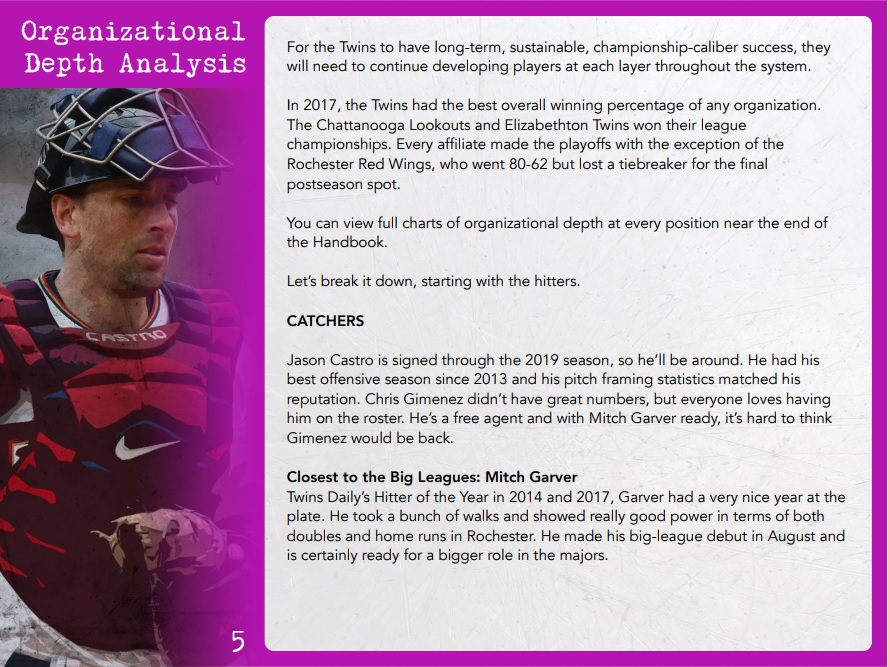 CATCHERS Jason Castro is signed through the 2019 season, so he’ll be around. He had his best offensive season since 2013 and his pitch framing statistics matched his reputation. Chris Gimenez didn’t have great numbers, but everyone loves having him on the roster. He’s a free agent and with Mitch Garver ready, it’s hard to think Gimenez would be back. Closest to the Big Leagues: Mitch Garver Twins Daily’s Hitter of the Year in 2014 and 2017, Garver had a very nice year at the plate. He took a bunch of walks and showed really good power in terms of both doubles and home runs in Rochester. He made his big-league debut in August and is certainly ready for a bigger role in the majors. Top Prospect: Ben Rortvedt Rortvedt was one of the youngest regulars in the Midwest League in 2017. While he struggled immensely at the plate in the first couple of months, he showed improvement as the season went along. Defensively, Rortvedt is already very good and can get better. He’s got the athleticism and a strong, accurate arm. Sleeper: Mitchell Kranson While Brian Navarreto got to AA late in the season due to his advanced defense and cannon of an arm, Kranson has become one to watch as well. He actually did more catching when he moved up to Ft. Myers at the season’s midway point. He’s got some work to do behind the plate, but he’s got a strong, left-handed swing that could generate power in time. FIRST BASE Joe Mauer is in the final year of his eight-year contract in 2018. He’s coming off of his best season since 2013. Could he come back for 2019 and beyond? Certainly. There isn’t an heir apparent near the big leagues, but there is talent in the pipeline. Closest to the Big Leagues: Brent Rooker The Twins drafted Rooker in the 38th round of the 2016 draft following his junior year at Mississippi State. He returned for his senior season and won the Triple Crown in the SEC. Good decision. The Twins used their supplemental first-round pick this year to draft the 22-year-old again. He reached Ft. Myers this season, hitting a combined 18 home runs over 62 games in his pro debut, and could move up quickly in 2018. Rooker has been working some in the outfield, but if circumstances dictate, he could be playing first base for the Twins as soon as 2019. Top Prospect: Lewin Diaz Diaz received a big signing bonus out of the Dominican Republic in 2013. He’s a big man (6-3, 250) with a ton of power potential. But he can also hit for average and use the whole field. As a 20-year-old in Cedar Rapids in 2017, he hit .292 with 33 doubles and 12 home runs. Sleeper: Zander Wiel The 24-year-old was Minnesota’s 12th-round draft pick in 2015 out of Vanderbilt. This year with the Miracle, he hit .250 but got on base over 34% of the time and added 30 doubles, six triples and 13 home runs (which is good for the Florida State League). If he were to get to the big leagues, it would be on the strength of his bat. This is part two of a five-part series of excerpts from the Twins Daily Offseason Handbook we published earlier this year. You can also check out Part 1, Part 2, Part 3, Part 4 or just download the Handbook at whatever price you deem fair. [hr}
 -
This offseason has a loaded class of free agent relievers, exactly when the Twins need bullpen help. The Twins Daily Offseason Handbook profiles 21 options and give you the tools to pick which one you think fits best. Over 700 readers have downloaded the Handbook and you can be next, at whatever price you think is fair. Here are a few samples of free agent relievers from the Handbook. The Twins bullpen was an area of concern heading into the 2017 season, and occasionally a costly weakness, but overall the unit acquitted itself nicely. There are a number of hurlers who did enough to make cases for jobs next year, including Taylor Rogers, Trevor Hildenberger, Tyler Duffey, Alan Busenitz and Ryan Pressly. Yet, for the first time in memory, the team is heading into November without a closer. The guy who entered 2017 with the gig is available, and so is the guy who held it down in the final two months. Whether or not they target someone with closer experience, the Twins need to add some serious firepower to the back end. Wade Davis, RHP Age: 32 | Previous Team: Cubs 2017 Stats: 58.2 IP, 2.30 ERA, 1.14 WHIP, 79/28 K/BB He’s the one name in free agency that perfectly lines up with Minnesota’s ostensible need: an experienced closer capable of shutting down games. To that end, he’s a good bet. As Cubs closer, Davis didn’t blow a save this year until September and is one of the game’s most dominant arms. But he’s also a heavily-used high-effort thrower with a history of elbow scares. Are you ready to put up Chapman type money for him? Estimated Contract: 5 years, $80 million Steve Cishek, RHP Age: 31 | Previous Team: Rays 2017 Stats: 44.2 IP, 2.01 ERA, 0.90 WHIP, 41/14 K/BB Cishek has history as a closer and as a setup man. He’s been successful at both. The sidearm sinkerballer is very much in the same mold as Trevor Hildenberger, but it doesn’t hurt to have two such reliable options on hand. He’s been an above-average reliever each of his six seasons in the league – the definition of steady. Estimated Contract: 3 years, $30 million Pat Neshek, RHP Age: 37 | Previous Team: Rockies 2017 Stats: 62.1 IP, 1.59 ERA, 0.87 WHIP, 69/6 K/BB Time for a homecoming? The Brooklyn Park native came up with the Twins originally but has been away since 2010. He was at his best in 2017, making the All Star game and finishing with a ridiculous 69-to-6 K/BB ratio in 62 innings. On a short-term deal, he could help bridge to the next generation of young bullpen arms. Estimated Contract: 2 years, $17 million Brandon Kintzler, RHP Age: 33 | Previous Team: Nationals 2017 Stats: 71.1 IP, 3.03 ERA, 1.15 WHIP, 39/16 K/BB We all know the story. The Twins went into seller mode just ahead of the deadline, and dealt their All Star closer to Washington. They did so knowing they’d have a chance to re-sign him a few months later. Now, Kintzler is on the table, and his heavy sinker still looks appealing after it continued to silence bats after the trade. His ability to induce whiffs continued to dwindle, though, so if he loses any of that sink... Estimated Contract: 2 years, $15 million Other Options: Brandon Morrow (33): Finally stayed healthy after a series if injury-ravaged years, and he was phenomenal out of the Dodgers bullpen. High-risk, high-reward. Juan Nicasio, RHP (31): He was outstanding in his first year of full-time relief duty, pumping 95 MPH fastballs and nasty sliders. Anthony Swarzak, RHP (32): If there’s no bad blood, Swarzak would make sense in the late innings for the team that originally drafted and developed him, provided you believe in his 2016 breakout. This is part two of a five-part series of excerpts from the Twins Daily Offseason Handbook we published earlier this year. You can also check out Part 1, Part 2 or just download the Handbook at whatever price you deem fair. Click here to view the article
-
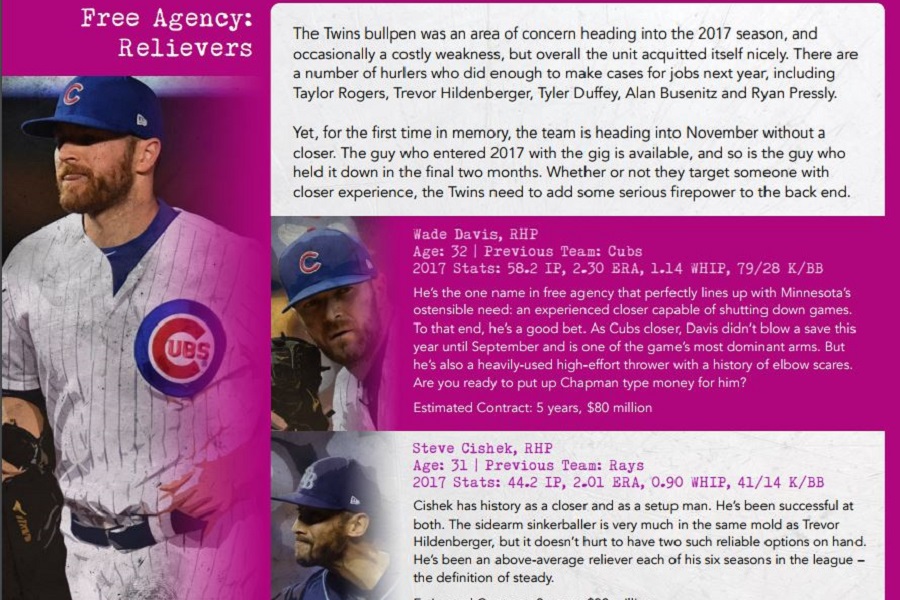 The Twins bullpen was an area of concern heading into the 2017 season, and occasionally a costly weakness, but overall the unit acquitted itself nicely. There are a number of hurlers who did enough to make cases for jobs next year, including Taylor Rogers, Trevor Hildenberger, Tyler Duffey, Alan Busenitz and Ryan Pressly. Yet, for the first time in memory, the team is heading into November without a closer. The guy who entered 2017 with the gig is available, and so is the guy who held it down in the final two months. Whether or not they target someone with closer experience, the Twins need to add some serious firepower to the back end. Wade Davis, RHP Age: 32 | Previous Team: Cubs 2017 Stats: 58.2 IP, 2.30 ERA, 1.14 WHIP, 79/28 K/BB He’s the one name in free agency that perfectly lines up with Minnesota’s ostensible need: an experienced closer capable of shutting down games. To that end, he’s a good bet. As Cubs closer, Davis didn’t blow a save this year until September and is one of the game’s most dominant arms. But he’s also a heavily-used high-effort thrower with a history of elbow scares. Are you ready to put up Chapman type money for him? Estimated Contract: 5 years, $80 million Steve Cishek, RHP Age: 31 | Previous Team: Rays 2017 Stats: 44.2 IP, 2.01 ERA, 0.90 WHIP, 41/14 K/BB Cishek has history as a closer and as a setup man. He’s been successful at both. The sidearm sinkerballer is very much in the same mold as Trevor Hildenberger, but it doesn’t hurt to have two such reliable options on hand. He’s been an above-average reliever each of his six seasons in the league – the definition of steady. Estimated Contract: 3 years, $30 million Pat Neshek, RHP Age: 37 | Previous Team: Rockies 2017 Stats: 62.1 IP, 1.59 ERA, 0.87 WHIP, 69/6 K/BB Time for a homecoming? The Brooklyn Park native came up with the Twins originally but has been away since 2010. He was at his best in 2017, making the All Star game and finishing with a ridiculous 69-to-6 K/BB ratio in 62 innings. On a short-term deal, he could help bridge to the next generation of young bullpen arms. Estimated Contract: 2 years, $17 million Brandon Kintzler, RHP Age: 33 | Previous Team: Nationals 2017 Stats: 71.1 IP, 3.03 ERA, 1.15 WHIP, 39/16 K/BB We all know the story. The Twins went into seller mode just ahead of the deadline, and dealt their All Star closer to Washington. They did so knowing they’d have a chance to re-sign him a few months later. Now, Kintzler is on the table, and his heavy sinker still looks appealing after it continued to silence bats after the trade. His ability to induce whiffs continued to dwindle, though, so if he loses any of that sink... Estimated Contract: 2 years, $15 million Other Options: Brandon Morrow (33): Finally stayed healthy after a series if injury-ravaged years, and he was phenomenal out of the Dodgers bullpen. High-risk, high-reward. Juan Nicasio, RHP (31): He was outstanding in his first year of full-time relief duty, pumping 95 MPH fastballs and nasty sliders. Anthony Swarzak, RHP (32): If there’s no bad blood, Swarzak would make sense in the late innings for the team that originally drafted and developed him, provided you believe in his 2016 breakout. This is part two of a five-part series of excerpts from the Twins Daily Offseason Handbook we published earlier this year. You can also check out Part 1, Part 2 or just download the Handbook at whatever price you deem fair.
 -
Aaron and John talk about 40-man roster additions and unprotected prospects, a couple of juicy baseball trade rumors for young aces, the Minnesota Twins' history in the Rule 5 MLB draft, targeting contract extensions for Byron Buxton, Miguel Sano, and more, what to do with Brian Dozier and Joe Mauer after next season, payroll optimism and pessimism, Jason Castro one year later, and remembering Terry Doyle. You can listen by downloading us from iTunes, Stitcher or find it at GleemanAndTheGeek.com. Or just click this link. Click here to view the article
-
Gleeman & The Geek, Ep 345: Protected Prospects & Extension Candidates
John Bonnes posted an article in Twins
 http://traffic.libsyn.com/gleemangeek/Ep_345_Protected_Prospects_and_Extension_Candidates.mp3
 -
Every year we've published the Twins Daily Offseason Handbook, we've included a payroll analysis for the Minnesota Twins, along with salaries of likely free agents so you can build your own 2018 roster. Even with recent speculation that the Twins purse strings will be loosened, we're publishing this year's story. You can read a lot more by downloading your own copy at your own price, right here. “Wait ‘Til Next Year!” has been the refrain of optimistic Twins fans for – well, pretty much the entire decade. The hope was that the next year would bring fewer injuries (2011) or new coaching (2014) or new management (2016) or breakthrough young talent (2012-2017). Eventually, we’ve seen all of those, but there is one piece we have not seen: aggressive spending on free agents. We’ve seen a couple of significant signings – some good (Ervin Santana) and some bad (Ricky Nolasco) – but the Twins’ payroll has been at or below the same level since they moved into Target Field.With a competitive team on the upswing, and a new management team in place, could this be the year that the Twins leverage the free agent market for their ultimate push to a championship level team? An analysis of the Twins’ committed payroll suggests... probably not. 1. We don’t know exactly how much they’ll spend, but payroll likely won’t increase much. Per Cot’s Baseball Contracts, the Twins opening day payroll has been stuck in the $105-108M range for spending the last three years. Plus, the MOST this franchise has ever spent was $113M, back in 2011. Also, Twins General Manager Thad Levine has already told us not to expect a sudden change in payroll. This August, at Baseball Prospectus’ event at Target Field, Levine said, “We all know where Minnesota’s payroll ranks among the 30 clubs. We’re not going to be in the top 10, and we’re fine with that.” Yes, they should see their revenues increase next year, so maybe they’ll be able to increase payroll a bit, but there is no indication that they will significantly. Forbes estimates that even in the midst of this decade of futility, the Twins gross revenues increased from $223M to $247M from 2015 through 2017. But we didn’t see any movement in payroll during that time. In fact, maintaining their same level of payroll moved the Twins downwards in spending compared to other teams as markets inflated. I’ll be optimistic and predict a very moderate increase of $110-$115M next year. 2. That doesn’t give them a lot of payroll room this offseason; perhaps an additional $15-20M. The Twins have about $96M committed to their 2018 roster, even if they don’t sign anyone as a free agent. The estimates are in the table after the story. Despite having many young and cost-controlled players, they have six commitments that account for over $72M of that $95M. $23M of that is the much-lamented Joe Mauer deal, but another $19.2M looks even worse: Phil Hughes is owed $13.2M and Byung-Ho Park has guaranteed money (for both him and his Korean team) of about $6M. And both of those deals will be in force in 2019, too, unlike Mauer’s contract which expires next year. 3. Speaking of bad contracts expiring, wait ‘til next year. (Maybe.) This is the offseason before two consecutive big years of expiring contracts. Next year, the Twins could have as many as $45.5M come off the books when Mauer’s contract and two others expire. Unfortunately, those two belong to Brian Dozier and Ervin Santana (if they decline his 2019 option), but the good news is that $45.5M can add a lot of talent to replace them. Eduardo Escobar’s $5 million will also come off the books unless you extend him or re-sign him as a free agent. Similarly, after 2019, the Twins could have as many as four contracts expire. Hughes’ and Park’s terrible contracts will come off the books, Jason Castro’s deal will end, and Kyle Gibson (if the Twins continue to offer him arbitration) will become a free agent. This year those four players are responsible for ~$31.7M in contracts. Add them all up, and of the $95.2M that we estimate is committed for 2018, $82.2M could be freed up for the 2019-20 offseason. If you’re pumped about this offseason, that is little consolation. But it should free up the new management team to be more aggressive in the future on the free agent market, even more so if ownership unties the purse strings a bit more. But all of that is unlikely to take place this offseason. The Twins late season surge gave fans a glimpse of what their team will look like for the next five years. But the familiar mantra – “Wait ‘til next year” – will likely apply regarding the team’s offseason spending, unless you get creative or get the uncharacteristic go-ahead on a big increase. This is part two of a five-part series of excerpts from the Twins Daily Offseason Handbook we published earlier this year. You can also check out Part 1 or just download the Handbook at whatever price you deem fair. Click here to view the article
-
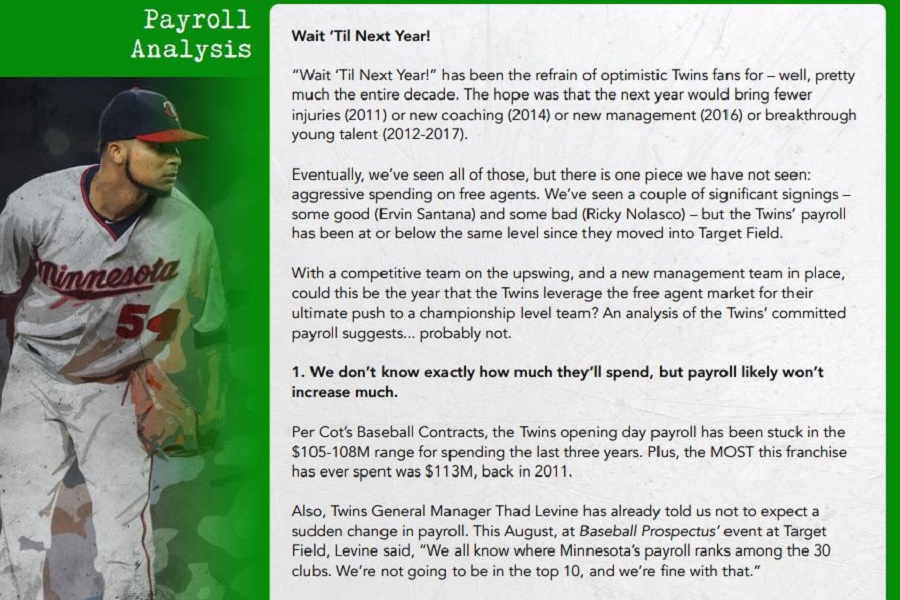 With a competitive team on the upswing, and a new management team in place, could this be the year that the Twins leverage the free agent market for their ultimate push to a championship level team? An analysis of the Twins’ committed payroll suggests... probably not. 1. We don’t know exactly how much they’ll spend, but payroll likely won’t increase much. Per Cot’s Baseball Contracts, the Twins opening day payroll has been stuck in the $105-108M range for spending the last three years. Plus, the MOST this franchise has ever spent was $113M, back in 2011. Also, Twins General Manager Thad Levine has already told us not to expect a sudden change in payroll. This August, at Baseball Prospectus’ event at Target Field, Levine said, “We all know where Minnesota’s payroll ranks among the 30 clubs. We’re not going to be in the top 10, and we’re fine with that.” Yes, they should see their revenues increase next year, so maybe they’ll be able to increase payroll a bit, but there is no indication that they will significantly. Forbes estimates that even in the midst of this decade of futility, the Twins gross revenues increased from $223M to $247M from 2015 through 2017. But we didn’t see any movement in payroll during that time. In fact, maintaining their same level of payroll moved the Twins downwards in spending compared to other teams as markets inflated. I’ll be optimistic and predict a very moderate increase of $110-$115M next year. 2. That doesn’t give them a lot of payroll room this offseason; perhaps an additional $15-20M. The Twins have about $96M committed to their 2018 roster, even if they don’t sign anyone as a free agent. The estimates are in the table after the story. Despite having many young and cost-controlled players, they have six commitments that account for over $72M of that $95M. $23M of that is the much-lamented Joe Mauer deal, but another $19.2M looks even worse: Phil Hughes is owed $13.2M and Byung-Ho Park has guaranteed money (for both him and his Korean team) of about $6M. And both of those deals will be in force in 2019, too, unlike Mauer’s contract which expires next year. 3. Speaking of bad contracts expiring, wait ‘til next year. (Maybe.) This is the offseason before two consecutive big years of expiring contracts. Next year, the Twins could have as many as $45.5M come off the books when Mauer’s contract and two others expire. Unfortunately, those two belong to Brian Dozier and Ervin Santana (if they decline his 2019 option), but the good news is that $45.5M can add a lot of talent to replace them. Eduardo Escobar’s $5 million will also come off the books unless you extend him or re-sign him as a free agent. Similarly, after 2019, the Twins could have as many as four contracts expire. Hughes’ and Park’s terrible contracts will come off the books, Jason Castro’s deal will end, and Kyle Gibson (if the Twins continue to offer him arbitration) will become a free agent. This year those four players are responsible for ~$31.7M in contracts. Add them all up, and of the $95.2M that we estimate is committed for 2018, $82.2M could be freed up for the 2019-20 offseason. If you’re pumped about this offseason, that is little consolation. But it should free up the new management team to be more aggressive in the future on the free agent market, even more so if ownership unties the purse strings a bit more. But all of that is unlikely to take place this offseason. The Twins late season surge gave fans a glimpse of what their team will look like for the next five years. But the familiar mantra – “Wait ‘til next year” – will likely apply regarding the team’s offseason spending, unless you get creative or get the uncharacteristic go-ahead on a big increase. This is part two of a five-part series of excerpts from the Twins Daily Offseason Handbook we published earlier this year. You can also check out Part 1 or just download the Handbook at whatever price you deem fair.
