



John Bonnes
-
Posts
6,794 -
Joined
-
Last visited
-
Days Won
4
Content Type
Profiles
Minnesota Twins News, Rumors & Analysis
Minnesota Twins Videos
2026 Minnesota Twins Top Prospect Rankings
2022 Minnesota Twins Draft Picks & Signing Bonuses
Minnesota Twins Trade & Free Agent Rumors
Minnesota Twins Fan Guides & Resources
2023 Minnesota Twins Draft Picks & Signing Bonuses
The Minnesota Twins Players Project
2024 Minnesota Twins Draft Picks & Signing Bonuses
2025 Minnesota Twins Draft Picks & Signing Bonuses
2026 Minnesota Twins Draft Picks & Signing Bonuses
Forums
Blogs
Events
Store
Downloads
Gallery
Everything posted by John Bonnes
-
 You can listen by downloading us from iTunes, Spotify, YouTube, iHeartRadio, Stitcher, GleemanAndTheGeek.com, click this link, or you can listen to it or watch it below.
-

Payroll 101: Where the Twins’ 2026 Budget Starts (and Could Go)
John Bonnes posted an article in Twins
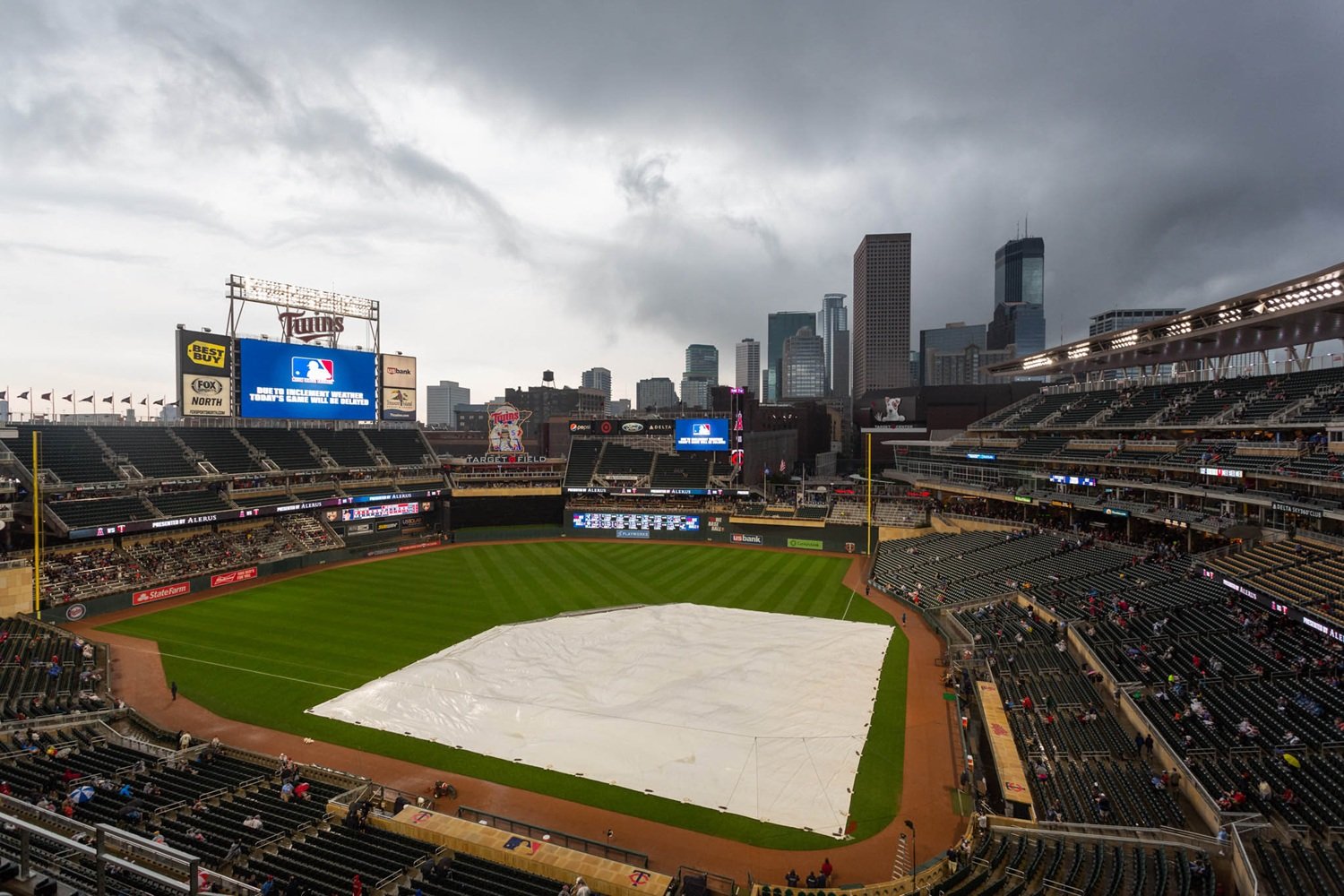 Payroll isn’t just a Twins problem—it’s the primary factor shaping every MLB team’s roster, even without a salary cap. You might feel that’s unwarranted, and if so, feel free to vent in the comments of the dozens of stories we’ve had on ownership. But our focus is going to be more practical. Given that payroll is an important factor for the Twins, what are the hard numbers for 2026 and what do they mean? To do that, we’re going to do some back-of-the-napkin figuring, approximating the numbers the front office will also be using as this offseason begins. But first, here is some context about the Twins' payroll. Payroll for this year's 26-man roster is approximately $115 million. It started at around $140 million, but about $25 million of that was traded away during the fire sale. Last year’s payroll was closer to $130M. So the Twins went into this year raising payroll about $10-15M, but when they failed to compete, they lowered it by another $10-15M. The year before that, the Twins had a payroll of over $150 million. It was “right-sized” by ownership following that 2023 season. That remains the high-water mark of payroll in the Twins' history. The median payroll for an MLB team in 2026 will likely be around $170M. So where do things sit? To figure that out, we’ll look at the Twins’ team as they enter the offseason. Essentially, we’re assuming they won’t bring back any free agents, make rational decisions on players under arbitration, and must pay MLB’s minimum salary (~$800K) to someone for each roster spot. We call it our “back-of-the-napkin” figuring because some of these estimates are imprecise: we generally know how much players are likely to earn in arbitration, but the exact numbers may not be known until the offseason is over. Doing all that, the answer is ... (drumroll, please): The baseline Twins payroll is about $95M. Here are the back-of-the-napkin figures: It’s essential to note that this is a starting point, not an endpoint. If the Twins add some free agents, they will add to that number, as they did last year when adding Harrison Bader, Danny Coulombe, and Ty France for $10.25M. Of course, they could also trade away some of these guys, too, as they did the year before when they traded away Jorge Polanco to free up additional money. A glance at the numbers above shows why there is so much speculation about whether the Twins might trade away pitchers like Pablo Lopez or Joe Ryan: doing so could lower their payroll to $65M. All of which leaves us short one very important number: what is the Twins’ payroll budget for 2026? That is something the team has been increasingly less willing to share, which makes it harder for fans and media to see the context around the offseason moves they make. The difference between an $85M payroll, a $115M payroll, and a $145M payroll becomes obvious when looking at the details. At $85M, the Twins likely need to cut further. At $115M, they can tread water, making modest additions. At $145M, they’d have up to $50M to shop, enough to chase one premium free agent or even multiple difference makers. Without that piece of information, it is very difficult for us to evaluate what the Twins will be up to this offseason. However, that information tends to leak out during the offseason as they engage in meetings with free agents and other teams. When it does, we’ll see whether the Twins plan to scrape by, tread water, or reload in earnest. Let us know in the comments what you think will happen and what you think should happen.
- 87 comments
-
- 8
-

-
- pablo lopez
- joe ryan
- (and 1 more)
-
Image courtesy of © Harrison Barden-Imagn Images Payroll isn’t just a Twins problem—it’s the primary factor shaping every MLB team’s roster, even without a salary cap. You might feel that’s unwarranted, and if so, feel free to vent in the comments of the dozens of stories we’ve had on ownership. But our focus is going to be more practical. Given that payroll is an important factor for the Twins, what are the hard numbers for 2026 and what do they mean? To do that, we’re going to do some back-of-the-napkin figuring, approximating the numbers the front office will also be using as this offseason begins. But first, here is some context about the Twins' payroll. Payroll for this year's 26-man roster is approximately $115 million. It started at around $140 million, but about $25 million of that was traded away during the fire sale. Last year’s payroll was closer to $130M. So the Twins went into this year raising payroll about $10-15M, but when they failed to compete, they lowered it by another $10-15M. The year before that, the Twins had a payroll of over $150 million. It was “right-sized” by ownership following that 2023 season. That remains the high-water mark of payroll in the Twins' history. The median payroll for an MLB team in 2026 will likely be around $170M. So where do things sit? To figure that out, we’ll look at the Twins’ team as they enter the offseason. Essentially, we’re assuming they won’t bring back any free agents, make rational decisions on players under arbitration, and must pay MLB’s minimum salary (~$800K) to someone for each roster spot. We call it our “back-of-the-napkin” figuring because some of these estimates are imprecise: we generally know how much players are likely to earn in arbitration, but the exact numbers may not be known until the offseason is over. Doing all that, the answer is ... (drumroll, please): The baseline Twins payroll is about $95M. Here are the back-of-the-napkin figures: It’s essential to note that this is a starting point, not an endpoint. If the Twins add some free agents, they will add to that number, as they did last year when adding Harrison Bader, Danny Coulombe, and Ty France for $10.25M. Of course, they could also trade away some of these guys, too, as they did the year before when they traded away Jorge Polanco to free up additional money. A glance at the numbers above shows why there is so much speculation about whether the Twins might trade away pitchers like Pablo Lopez or Joe Ryan: doing so could lower their payroll to $65M. All of which leaves us short one very important number: what is the Twins’ payroll budget for 2026? That is something the team has been increasingly less willing to share, which makes it harder for fans and media to see the context around the offseason moves they make. The difference between an $85M payroll, a $115M payroll, and a $145M payroll becomes obvious when looking at the details. At $85M, the Twins likely need to cut further. At $115M, they can tread water, making modest additions. At $145M, they’d have up to $50M to shop, enough to chase one premium free agent or even multiple difference makers. Without that piece of information, it is very difficult for us to evaluate what the Twins will be up to this offseason. However, that information tends to leak out during the offseason as they engage in meetings with free agents and other teams. When it does, we’ll see whether the Twins plan to scrape by, tread water, or reload in earnest. Let us know in the comments what you think will happen and what you think should happen. View full article
-
 You can listen by downloading us from iTunes, Spotify, YouTube, iHeartRadio, Stitcher, GleemanAndTheGeek.com, click this link, or you can listen to it or watch it below.
-
You can listen by downloading us from iTunes, Spotify, YouTube, iHeartRadio, Stitcher, GleemanAndTheGeek.com, click this link, or you can listen to it or watch it below. View full article
-
Gleeman & the Geek: Buxton, Jenkins, and the Twins' March to 90 Losses
John Bonnes posted an article in Podcasts
 You can listen by downloading us from iTunes, Spotify, YouTube, iHeartRadio, Stitcher, GleemanAndTheGeek.com, click this link or you can listen to it or watch it below.
-
You can listen by downloading us from iTunes, Spotify, YouTube, iHeartRadio, Stitcher, GleemanAndTheGeek.com, click this link or you can listen to it or watch it below. View full article
-
 You can listen by downloading us from iTunes, Spotify, YouTube, iHeartRadio, Stitcher, GleemanAndTheGeek.com, click this link or you can listen to it or watch it below.
-
Gleeman & The Geek: Back to (Bad) Baseball
John Bonnes posted a topic in Twins Daily Front Page News
You can listen by downloading us from iTunes, Spotify, YouTube, iHeartRadio, Stitcher, GleemanAndTheGeek.com, click this link or you can listen to it or watch it below. View full article -
You can listen by downloading us from iTunes, Spotify, YouTube, iHeartRadio, Stitcher, GleemanAndTheGeek.com, click this link or you can listen to it or watch it below. View full article
-
Gleeman & The Geek: Sorry Twins Fans, the Pohlads Aren't Selling
John Bonnes posted an article in Podcasts
 You can listen by downloading us from iTunes, Spotify, YouTube, iHeartRadio, Stitcher, GleemanAndTheGeek.com, click this link or you can listen to it or watch it below.
-
You can listen by downloading us from iTunes, Spotify, YouTube, iHeartRadio, Stitcher, GleemanAndTheGeek.com, click this link or you can listen to it or watch it below. View full article
-
 You can listen by downloading us from iTunes, Spotify, YouTube, iHeartRadio, Stitcher, GleemanAndTheGeek.com, click this link or you can listen to it or watch it below.
-
You can listen by downloading us from iTunes, Spotify, YouTube, iHeartRadio, Stitcher, GleemanAndTheGeek.com, click this link or you can listen to it or watch it below. View full article
-
 You can listen by downloading us from iTunes, Spotify, YouTube, iHeartRadio, Stitcher, GleemanAndTheGeek.com, click this link or you can listen to it or watch it below.
-
Aaron and John talk about the Twins looking like trade deadline sellers, why they'll be tempted to move core pieces like Griffin Jax or Jhoan Duran along with impending free agents, reason to hope Royce Lewis is finally turning things around, and another injury hit to the starting rotation. You can listen by downloading us from iTunes, Spotify, YouTube, iHeartRadio, Stitcher, GleemanAndTheGeek.com, click this link or you can listen to it or watch it below. View full article
-
 Aaron and John talk about the Twins looking like trade deadline sellers, why they'll be tempted to move core pieces like Griffin Jax or Jhoan Duran along with impending free agents, reason to hope Royce Lewis is finally turning things around, and another injury hit to the starting rotation. You can listen by downloading us from iTunes, Spotify, YouTube, iHeartRadio, Stitcher, GleemanAndTheGeek.com, click this link or you can listen to it or watch it below.
-
Aaron and John talk about the Twins' trade deadline scenarios, Byron Buxton and Joe Ryan at the All-Star Game, commissioner Rob Manfred's comments about the Pohlads' sale efforts, midseason prospect rankings, and a Patreon clip with Thad Levine. You can listen by downloading us from iTunes, Spotify, YouTube, iHeartRadio, Stitcher, GleemanAndTheGeek.com, click this link or you can listen to it or watch it below. View full article
-
 Aaron and John talk about the Twins' trade deadline scenarios, Byron Buxton and Joe Ryan at the All-Star Game, commissioner Rob Manfred's comments about the Pohlads' sale efforts, midseason prospect rankings, and a Patreon clip with Thad Levine. You can listen by downloading us from iTunes, Spotify, YouTube, iHeartRadio, Stitcher, GleemanAndTheGeek.com, click this link or you can listen to it or watch it below.
-
The Twins open the second half of their 2025 season with a road series against the Colorado Rockies, and judging from anecdotal evidence, it’ll essentially feel like a home game. Twins Territory has settled on this being THE road trip this year. Twins Territory is right. Whether you’re already booked, still thinking about it, or having regrets, read on for five quick tips based on my recent visit in May. 1. Keep The Logistics Simple One advantage Denver has over other cities is that the logistics for catching a game at Coors Field are very straightforward. Both Minneapolis and Denver are major hubs, making flights plentiful and affordable. There’s a train from the airport to downtown that’s just $10, or Ubers run about $40-50 but can be economical if you share with a group. Coors Field is located downtown, so hotel options are plentiful, and though they can be pricey, you won’t need to pay for a rental car. And tickets to the game are even more plentiful. Speaking of tickets… 2. Get Seats Along the Third Base Line (Especially for a Night Game) If attending a night game, seats along the first baseline (home side) can have direct sun exposure until late evening. Consider choosing the visitor’s side along the third baseline to avoid squinting. For day games, know that there isn’t a “shady” or “sunny” side. Virtually the whole stadium will be in the sun, unless you’re under cover. (Aim for the back of the lower seats.) If you’re price-sensitive when it comes to the tickets, see the next tip. 3. PREGAME AT THE STADIUM AT LEAST ONCE! (Caps are intended. I’m shouting at you.) Coors Field’s absolute best feature is its awesome two-level rooftop bar in right field, which offers $3 Coors and Coors Light drafts until first pitch. Gates open two hours early; arrive early to beat the crowds and enjoy stunning views of downtown and the mountains. (The picture above was taken from there.) This area also doubles as a great place to socialize while watching the game if you purchase cheap tickets. They have rails that overlook the game (albeit from the upper deck), a full bar, and a selection of beers beyond the macro brews. But if you’re really interested in trying beers.... 4. Explore Craft Beer Outside the Stadium Funny, when your stadium is named “Coors,” the options within tend to be dominated by Coors products. Within the stadium, you can find a few exceptions, and I’d suggest you check out "The Sandlot" brewery in center field, where the original Blue Moon was brewed before it was named that. But even better, visit nearby spots like Westbound and Down (in an alley near the stadium), Our Mutual Friend Brewery (Rhino district), or Tap 14 (Blake Street), which isn’t a brewery but boasts dozens of local taps and rooftop seating. 5. Postgame on Blake Street After the game, the action moves to Blake Street, directly adjacent to the ballpark on the downtown side. The most popular spots include Jackson’s and McGregor Square, but there is no shortage of other places, and many offer rooftop views. You may even see one flying a Twins flag—Swanky’s—but the truth is that they change their team flag depending on the visiting club. (It’s really a Wisconsin bar, so close enough?) Bonnes tip: Play Coors Field’s Split the Pot Hardly anyone participates in the "Split the Pot" at Coors Field. I’ve seen pots multiple times larger at spring training games. Therefore, your odds of winning there are comparatively fantastic. My wife won over $1,600 with her $20 entry in May, which covered our trip—plus more. Bottom line: you’re in for a memorable few days if you join the throng of Minnesotans this weekend. Enjoy your trip, cheer loud, and Win Twins! View full article
-
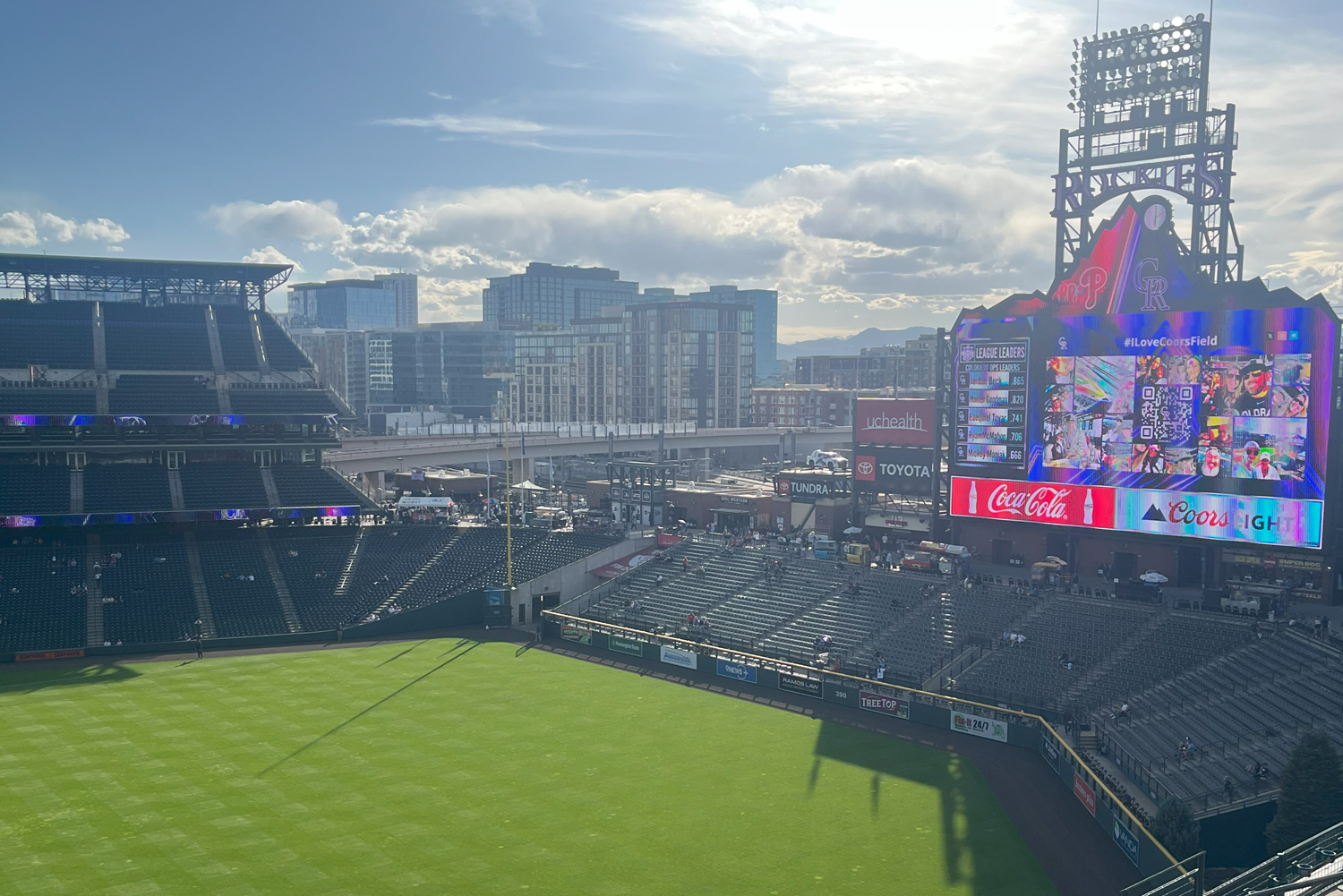 The Twins open the second half of their 2025 season with a road series against the Colorado Rockies, and judging from anecdotal evidence, it’ll essentially feel like a home game. Twins Territory has settled on this being THE road trip this year. Twins Territory is right. Whether you’re already booked, still thinking about it, or having regrets, read on for five quick tips based on my recent visit in May. 1. Keep The Logistics Simple One advantage Denver has over other cities is that the logistics for catching a game at Coors Field are very straightforward. Both Minneapolis and Denver are major hubs, making flights plentiful and affordable. There’s a train from the airport to downtown that’s just $10, or Ubers run about $40-50 but can be economical if you share with a group. Coors Field is located downtown, so hotel options are plentiful, and though they can be pricey, you won’t need to pay for a rental car. And tickets to the game are even more plentiful. Speaking of tickets… 2. Get Seats Along the Third Base Line (Especially for a Night Game) If attending a night game, seats along the first baseline (home side) can have direct sun exposure until late evening. Consider choosing the visitor’s side along the third baseline to avoid squinting. For day games, know that there isn’t a “shady” or “sunny” side. Virtually the whole stadium will be in the sun, unless you’re under cover. (Aim for the back of the lower seats.) If you’re price-sensitive when it comes to the tickets, see the next tip. 3. PREGAME AT THE STADIUM AT LEAST ONCE! (Caps are intended. I’m shouting at you.) Coors Field’s absolute best feature is its awesome two-level rooftop bar in right field, which offers $3 Coors and Coors Light drafts until first pitch. Gates open two hours early; arrive early to beat the crowds and enjoy stunning views of downtown and the mountains. (The picture above was taken from there.) This area also doubles as a great place to socialize while watching the game if you purchase cheap tickets. They have rails that overlook the game (albeit from the upper deck), a full bar, and a selection of beers beyond the macro brews. But if you’re really interested in trying beers.... 4. Explore Craft Beer Outside the Stadium Funny, when your stadium is named “Coors,” the options within tend to be dominated by Coors products. Within the stadium, you can find a few exceptions, and I’d suggest you check out "The Sandlot" brewery in center field, where the original Blue Moon was brewed before it was named that. But even better, visit nearby spots like Westbound and Down (in an alley near the stadium), Our Mutual Friend Brewery (Rhino district), or Tap 14 (Blake Street), which isn’t a brewery but boasts dozens of local taps and rooftop seating. 5. Postgame on Blake Street After the game, the action moves to Blake Street, directly adjacent to the ballpark on the downtown side. The most popular spots include Jackson’s and McGregor Square, but there is no shortage of other places, and many offer rooftop views. You may even see one flying a Twins flag—Swanky’s—but the truth is that they change their team flag depending on the visiting club. (It’s really a Wisconsin bar, so close enough?) Bonnes tip: Play Coors Field’s Split the Pot Hardly anyone participates in the "Split the Pot" at Coors Field. I’ve seen pots multiple times larger at spring training games. Therefore, your odds of winning there are comparatively fantastic. My wife won over $1,600 with her $20 entry in May, which covered our trip—plus more. Bottom line: you’re in for a memorable few days if you join the throng of Minnesotans this weekend. Enjoy your trip, cheer loud, and Win Twins!
-
The Minnesota Twins have been embracing a new aggressive style, and it isn't by accident. Manager Rocco Baldelli insists he's simply playing to win, not seeking aggression for its own sake. But that hides a deeper truth: that this new style is an acknowledgment of who this team is, and how different that is from the team they expected. Consider examples from just the latest homestand: Simeon Woods Richardson (who had thrown just 61 pitches) getting pulled after five innings against the Cubs. Louis Varland and Jhoan Duran pitching multiple innings in relief. Pinch-hitting for a #3 hitter. Double steals, suicide squeezes, and stolen bases. Contrast this with the earlier homestand, where the Brewers dictated the pace and aggressiveness in three blowout losses. Baldelli, when asked directly about this shift, acknowledged the perception: "If you want to label it as aggressive, I wouldn't say that's wrong or unfair," Baldelli replied when asked about the Twins' recent play. "But we're not operating like that, and I'm not making decisions for the sake of being aggressive. We're trying to win a game." However, that aggressiveness is based on the team he has. “A lot of what you do is going to be dictated by the players you have, their skills, what they're capable of doing,” explained Baldelli. He’s right. Baldelli’s moves are deeply reflective of this roster's reality. With an offense that's struggled to produce consistently, limited speed options, and thin bench depth, the Twins have adapted strategically. On the pitching side, the rotation often navigates lineups only twice effectively, while the bullpen has reliably held late leads. This has resulted in tactical shifts. With the cornerstone bats of Carlos Correa, Royce Lewis and Matt Wallner struggling, Baldelli has juggled the batting order frequently. When rare pinch-hitting opportunities have arisen, status and ego have taken a back seat to a more fortunate matchup as we saw this week when Harrison Bader pinch-hit for #3 hitter Trevor Larnach – and delivered a game-tying home run. The Twins roster is mostly bereft of speed, but the four players who can be trusted stealing (Byron Buxton, Willi Castro, Harrison Bader, and Dashawn Keirsey Jr) have all stolen bases during this homestand. The rest of the lineup has been asked to sacrifice themselves on double steals or sacrifice bunts. Or to chance a play at home with creative slides. The same is happening on the pitching side. After a strong start, the rotation has been varying degrees of injured, inconsistent, and inexperienced. Baldelli has responded with a quick hook on starters after two turns through the order and relied on his luxury of high-leverage bullpen arms to close out games. The pitching staff’s reality has impacted the offense too; the lineup is more likely to play to push across single runs than swing away for a big inning, knowing the bullpen's firepower comes into play with an early lead. A typical Twins victory in 2025 now follows a clear script: get a decent, if short, start, scrape together just enough offense, and trust the bullpen to lock down the narrow lead. This 2025 Twins team doesn’t have the power bats they expected. They don’t have the veteran rotation. Their bullpen is the only area that has exceeded expectations. Ultimately, the Twins' recent play and the shift in Baldelli's management style are mirroring a team coming to terms with its true identity, rather than what fans and perhaps the front office initially imagined. Criticism inevitably follows when such aggressive decisions backfire. But I wonder to what extent the criticism of a manager’s decisions is really just frustration over the team's limitations or our own expectations? Perhaps Baldelli's moves are less about managing aggressively and more about managing realistically, given the players at his disposal. Image courtesy of © Matt Blewett-Imagn Images View full article
-
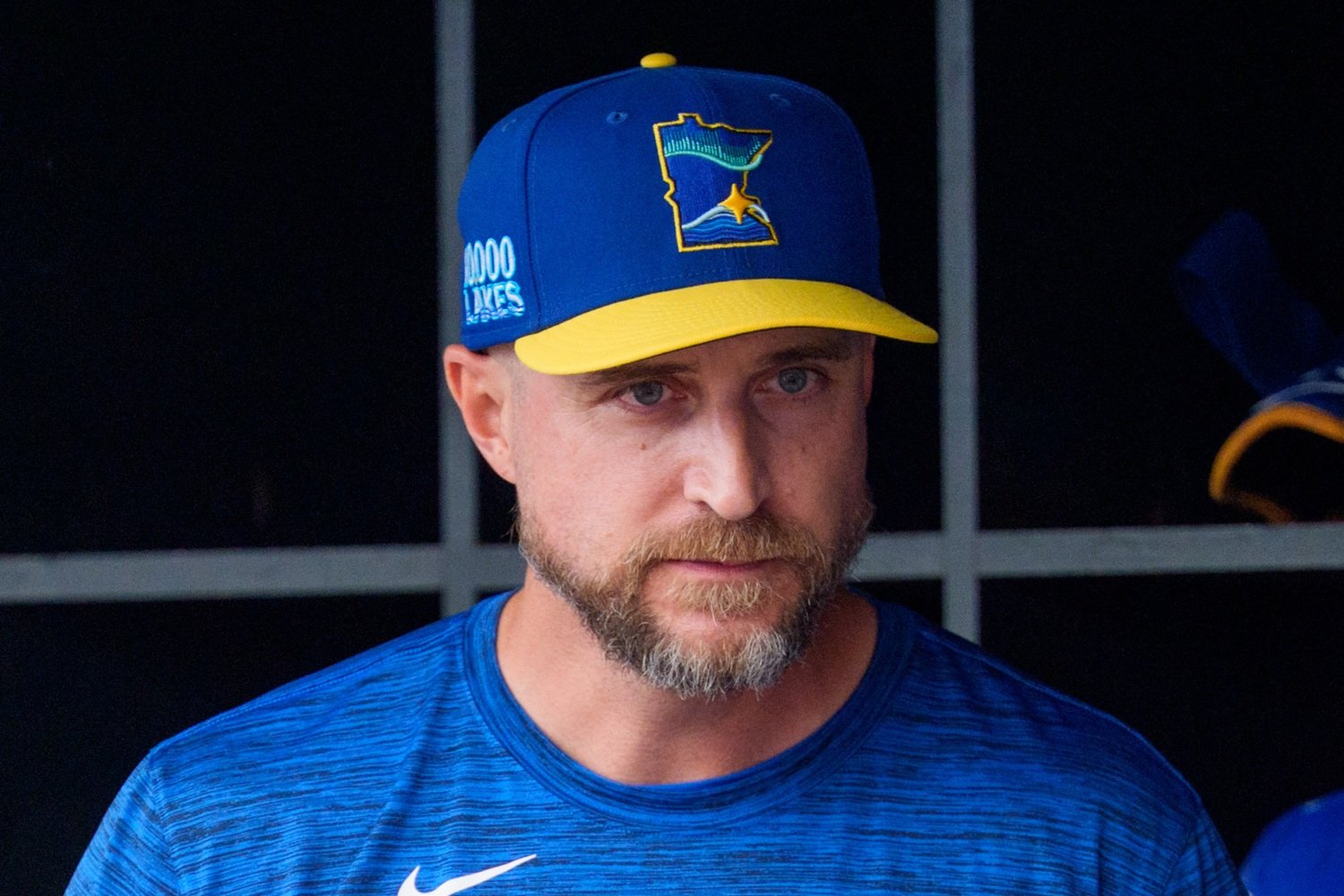 The Minnesota Twins have been embracing a new aggressive style, and it isn't by accident. Manager Rocco Baldelli insists he's simply playing to win, not seeking aggression for its own sake. But that hides a deeper truth: that this new style is an acknowledgment of who this team is, and how different that is from the team they expected. Consider examples from just the latest homestand: Simeon Woods Richardson (who had thrown just 61 pitches) getting pulled after five innings against the Cubs. Louis Varland and Jhoan Duran pitching multiple innings in relief. Pinch-hitting for a #3 hitter. Double steals, suicide squeezes, and stolen bases. Contrast this with the earlier homestand, where the Brewers dictated the pace and aggressiveness in three blowout losses. Baldelli, when asked directly about this shift, acknowledged the perception: "If you want to label it as aggressive, I wouldn't say that's wrong or unfair," Baldelli replied when asked about the Twins' recent play. "But we're not operating like that, and I'm not making decisions for the sake of being aggressive. We're trying to win a game." However, that aggressiveness is based on the team he has. “A lot of what you do is going to be dictated by the players you have, their skills, what they're capable of doing,” explained Baldelli. He’s right. Baldelli’s moves are deeply reflective of this roster's reality. With an offense that's struggled to produce consistently, limited speed options, and thin bench depth, the Twins have adapted strategically. On the pitching side, the rotation often navigates lineups only twice effectively, while the bullpen has reliably held late leads. This has resulted in tactical shifts. With the cornerstone bats of Carlos Correa, Royce Lewis and Matt Wallner struggling, Baldelli has juggled the batting order frequently. When rare pinch-hitting opportunities have arisen, status and ego have taken a back seat to a more fortunate matchup as we saw this week when Harrison Bader pinch-hit for #3 hitter Trevor Larnach – and delivered a game-tying home run. The Twins roster is mostly bereft of speed, but the four players who can be trusted stealing (Byron Buxton, Willi Castro, Harrison Bader, and Dashawn Keirsey Jr) have all stolen bases during this homestand. The rest of the lineup has been asked to sacrifice themselves on double steals or sacrifice bunts. Or to chance a play at home with creative slides. The same is happening on the pitching side. After a strong start, the rotation has been varying degrees of injured, inconsistent, and inexperienced. Baldelli has responded with a quick hook on starters after two turns through the order and relied on his luxury of high-leverage bullpen arms to close out games. The pitching staff’s reality has impacted the offense too; the lineup is more likely to play to push across single runs than swing away for a big inning, knowing the bullpen's firepower comes into play with an early lead. A typical Twins victory in 2025 now follows a clear script: get a decent, if short, start, scrape together just enough offense, and trust the bullpen to lock down the narrow lead. This 2025 Twins team doesn’t have the power bats they expected. They don’t have the veteran rotation. Their bullpen is the only area that has exceeded expectations. Ultimately, the Twins' recent play and the shift in Baldelli's management style are mirroring a team coming to terms with its true identity, rather than what fans and perhaps the front office initially imagined. Criticism inevitably follows when such aggressive decisions backfire. But I wonder to what extent the criticism of a manager’s decisions is really just frustration over the team's limitations or our own expectations? Perhaps Baldelli's moves are less about managing aggressively and more about managing realistically, given the players at his disposal.
- 9 comments
-
- 7
-
-
- rocco baldelli
- simeon woods richardson
- (and 3 more)
-
Gleeman & The Geek: All-Stars, Trade Paths, and Double Steals
John Bonnes posted an article in Podcasts
 Aaron and John talk about the Twins showing some fight vs. the Cubs and Rays, Byron Buxton and (eventually) Joe Ryan being All-Stars, Rocco Baldelli getting aggressive, Luke Keaschall on the comeback trail, and the five trade deadline paths. You can listen by downloading us from iTunes, Spotify, YouTube, iHeartRadio, Stitcher, or find it at GleemanAndTheGeek.com. Or just click this link.
-
Aaron and John talk about the Twins showing some fight vs. the Cubs and Rays, Byron Buxton and (eventually) Joe Ryan being All-Stars, Rocco Baldelli getting aggressive, Luke Keaschall on the comeback trail, and the five trade deadline paths. You can listen by downloading us from iTunes, Spotify, YouTube, iHeartRadio, Stitcher, or find it at GleemanAndTheGeek.com. Or just click this link. View full article
