



Sam Caulder
-
Posts
666 -
Joined
-
Last visited
Content Type
Profiles
Minnesota Twins News, Rumors & Analysis
Minnesota Twins Videos
2026 Minnesota Twins Top Prospect Rankings
2022 Minnesota Twins Draft Picks & Signing Bonuses
Minnesota Twins Trade & Free Agent Rumors
Minnesota Twins Fan Guides & Resources
2023 Minnesota Twins Draft Picks & Signing Bonuses
The Minnesota Twins Players Project
2024 Minnesota Twins Draft Picks & Signing Bonuses
2025 Minnesota Twins Draft Picks & Signing Bonuses
2026 Minnesota Twins Draft Picks & Signing Bonuses
Forums
Blogs
Events
Store
Downloads
Gallery
Everything posted by Sam Caulder
-
The early returns from the Twins' offseason moves are already impactful, as Josh Bell, Victor Caratini, and Taylor Rogers have wasted no time making their presence felt. With contributions from Tristan Gray and Eric Orze as well, this new group is quickly giving the Minnesota Twins exactly what they needed.
-
The early returns from the Twins' offseason moves are already impactful, as Josh Bell, Victor Caratini, and Taylor Rogers have wasted no time making their presence felt. With contributions from Tristan Gray and Eric Orze as well, this new group is quickly giving the Minnesota Twins exactly what they needed. View full video
-
It might be time for Kaelen Culpepper, as the young shortstop continues to show he’s ready for the next step. With his all-around production and steady play, the Minnesota Twins could have a real spark waiting in the minors. View full video
-
It might be time for Kaelen Culpepper, as the young shortstop continues to show he’s ready for the next step. With his all-around production and steady play, the Minnesota Twins could have a real spark waiting in the minors.
-
There have been some walks, and since splitters are generally tough to command consistently, that’s not super surprising. But the damage has been minimal. He’s allowing very few hits, keeping the ball on the ground, and stranding runners when needed. Like Rogers, his value comes from limiting quality contact rather than overpowering hitters, and so far, it’s working. Then there’s Tristan Gray, who’s carved out a role despite limited opportunities. Gray has just a fraction of the at-bats compared to everyday players, yet he ranks second on the team with eight RBIs, trailing only Bell. Six of those RBIs have come with the bases loaded, highlighting just how impactful he's been. In high-leverage situations, Gray has been one of the team’s most productive hitters. His ability to deliver in those moments has given the Twins the clutch hitting they’ve desperately needed. Defensively, he’s been steady on the left side of the infield, providing reliable play at both shortstop and third base. That versatility only adds to his value, especially considering the defensive performances of Royce Lewis and Brooks Lee up to this point. Individually, none of these moves dominated headlines over the winter. But collectively, the impact has been clear, and the numbers back it up. Bell has provided elite production in the middle of the order, while Caratini has brought consistency and contact. Rogers and Orze have helped stabilize the bullpen, and Gray has delivered in big moments despite limited playing time. It’s a good reminder that building a winning roster doesn’t always require massive moves. Sometimes, it’s about identifying the right pieces and putting them in positions to succeed. Through the first stretch of the season, the Twins have done exactly that. And it’s a big reason why they currently find themselves above .500. View full article
-
The Twins’ Under-the-Radar Offseason Moves Are Already Paying Off
Sam Caulder posted an article in Twins
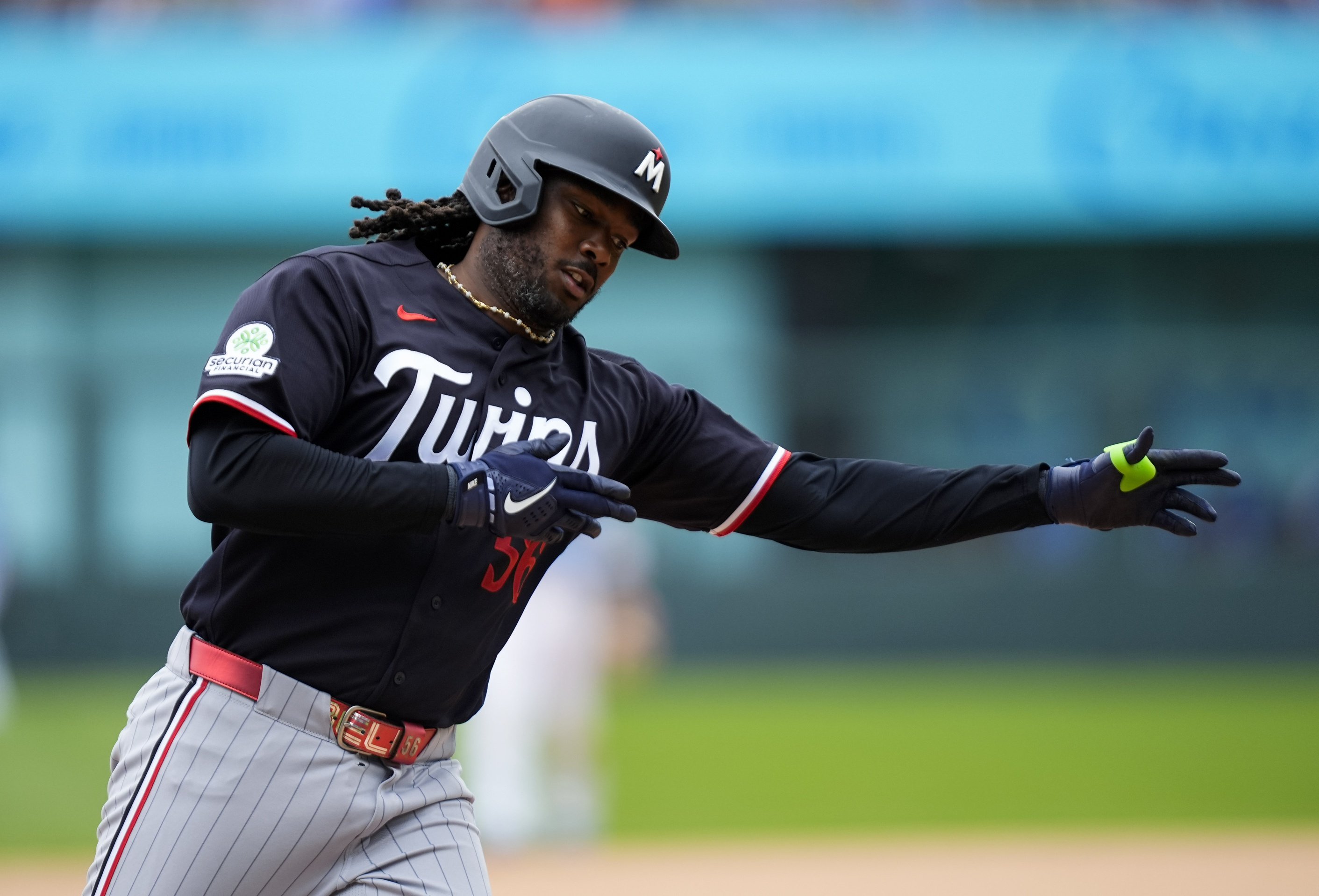 While the Minnesota Twins didn’t make any blockbuster trades or hand out massive contracts this past offseason, the moves they did make are already paying off in a very real, measurable way early in 2026. The front office targeted specific needs and filled them with experienced, complementary pieces. A couple of weeks into the season, the numbers are already backing up that approach. The most impactful additions so far have been veteran free agents Josh Bell and Victor Caratini, both of whom have stepped in and immediately elevated the lineup. Starting with Bell, he’s been exactly what this offense was missing in the middle of the order. Entering Friday, he’s slashing .317/.431/.634 with an OPS over 1.000. He leads the team in hits, doubles, OPS and RBIs, while also tied for the team lead in homers. There have been some walks, and since splitters are generally tough to command consistently, that’s not super surprising. But the damage has been minimal. He’s allowing very few hits, keeping the ball on the ground, and stranding runners when needed. Like Rogers, his value comes from limiting quality contact rather than overpowering hitters, and so far, it’s working. Then there’s Tristan Gray, who’s carved out a role despite limited opportunities. Gray has just a fraction of the at-bats compared to everyday players, yet he ranks second on the team with eight RBIs, trailing only Bell. Six of those RBIs have come with the bases loaded, highlighting just how impactful he's been. In high-leverage situations, Gray has been one of the team’s most productive hitters. His ability to deliver in those moments has given the Twins the clutch hitting they’ve desperately needed. Defensively, he’s been steady on the left side of the infield, providing reliable play at both shortstop and third base. That versatility only adds to his value, especially considering the defensive performances of Royce Lewis and Brooks Lee up to this point. Individually, none of these moves dominated headlines over the winter. But collectively, the impact has been clear, and the numbers back it up. Bell has provided elite production in the middle of the order, while Caratini has brought consistency and contact. Rogers and Orze have helped stabilize the bullpen, and Gray has delivered in big moments despite limited playing time. It’s a good reminder that building a winning roster doesn’t always require massive moves. Sometimes, it’s about identifying the right pieces and putting them in positions to succeed. Through the first stretch of the season, the Twins have done exactly that. And it’s a big reason why they currently find themselves above .500.
-
Taj Bradley isn’t just off to a strong start; he’s showing signs of becoming a true difference-maker in the Twins’ rotation. With elite swing-and-miss stuff and improving command, he might be exactly what Minnesota has been missing. View full video
-
Taj Bradley isn’t just off to a strong start; he’s showing signs of becoming a true difference-maker in the Twins’ rotation. With elite swing-and-miss stuff and improving command, he might be exactly what Minnesota has been missing.
-
Twins 3, Tigers 1: Mick Abel Shoves, Brooks Lee Delivers Late to Seal Sweep
Sam Caulder posted an article in Twins
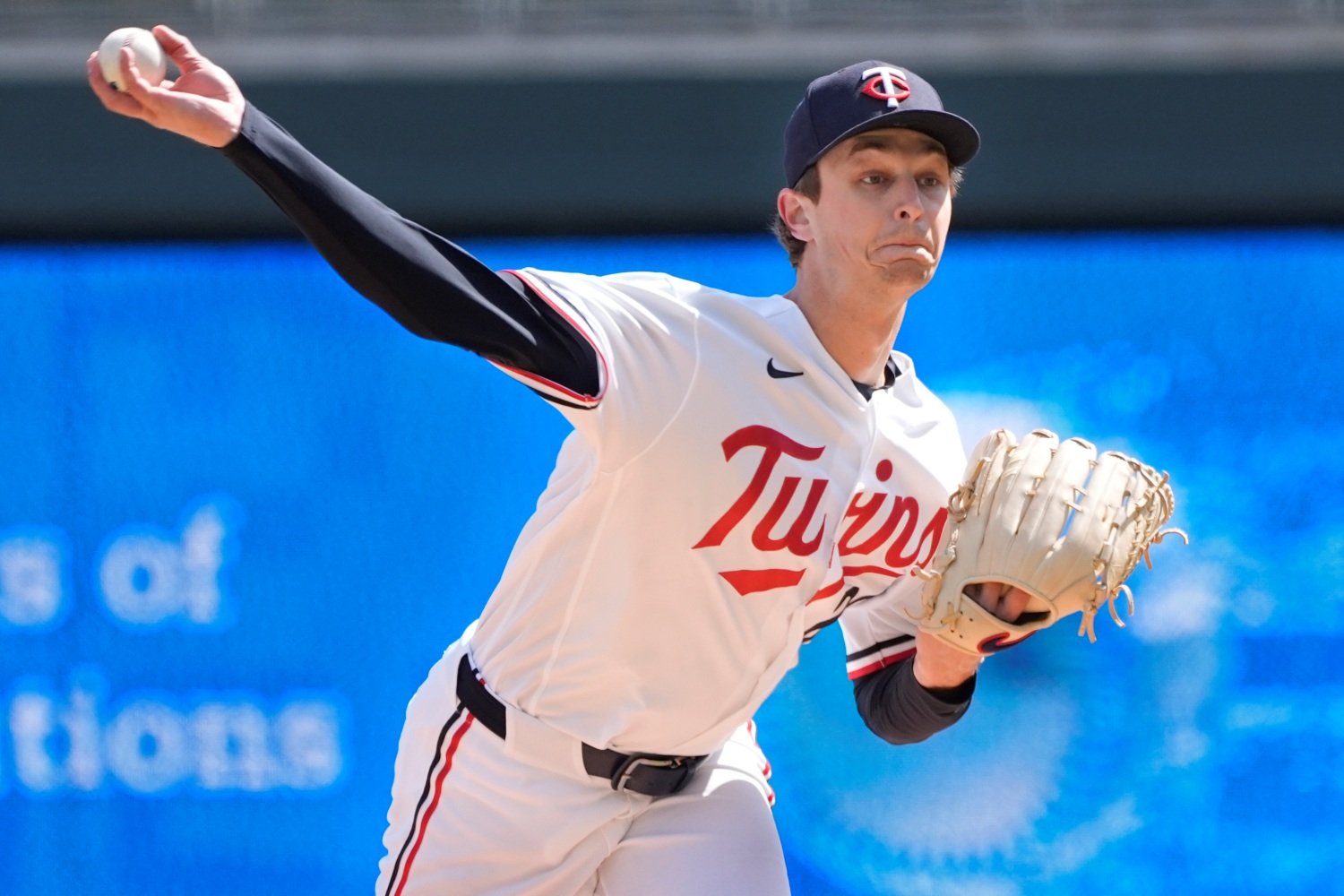 Box Score Starting Pitcher: Mick Abel - 6 IP, 4 H, 0 R, 3 BB, 6K (102 pitches, 70 strikes (69% strikes)) Home Runs: Josh Bell Top 3 WPA: Mick Abel (0.37), Brooks Lee (0.31), Josh Bell (0.17) Win Probability Chart (via Baseball Savant): The Twins came into Thursday afternoon riding a three-game winning streak, with a chance to finish off a four-game sweep of the Tigers—who started the season as the favorites to win the AL Central. Behind a bounce-back effort from their starter and a late offensive breakthrough, they did exactly that, grinding out a 3-1 win to wrap up the series. They didn’t dominate from start to finish. But they pitched, they adjusted, and when the moment finally came late, they delivered. MICK ABEL RESPONDS After a tough start to his season, Mick Abel really needed a clean outing. It didn’t start easy, though. For much of the afternoon, Abel was pitching with traffic on the bases. Soft contact, long at-bats, and a couple of walks pushed his pitch count up early, forcing him to work through constant pressure. With any young pitcher, the risk is that mounting pressure will eventually burst the pipe. Happily, Abel never let it do so. He leaned on his fastball to generate whiffs and consistently got ahead in counts, throwing first-pitch strikes to 19 of the 25 batters he faced. Even when Detroit put runners in scoring position, which they did in five of his six innings, he found a way out every time. By the middle innings, things started to settle. A much more efficient third and fourth frame stabilized his pitch count, and from there, he was in control. He mixed all five pitches, generated swings and misses throughout the day, and kept hitters from ever connecting on a big swing—though there were a few long, loud fly balls, including a double by Javier Báez that dented the right-field wall. The final line tells part of the story: six scoreless innings while working around traffic in nearly every frame. But the bigger takeaway was how Abel handled adversity. Detroit went hitless in 11 at-bats with runners in scoring position, and Abel never looked uncomfortable. For a pitcher looking to reset his season, this was a big step in the right direction. QUIET EARLY, JUST ENOUGH TO STAY CLOSE The Twins had chances early, but couldn't break through against Jack Flaherty. They put together quality at-bats right away. Trevor Larnach worked a one-out walk in the first, and Josh Bell followed with a single. Matt Wallner smoked a ball 102 MPH, but right into a double play that killed the rally. That set the tone for much of the afternoon. There was traffic, and there was hard contact. But there wasn’t a run until the fourth inning. Bell changed that with one swing, jumping on a first-pitch slider and driving it out to right-center for a solo home run. It came off the bat at 106 MPH and traveled over 400 feet, giving the Twins a 1-0 lead in a game where every run felt massive. From there, it settled into a true pitcher’s duel. Flaherty matched Abel for most of the day, keeping the Twins from adding on and forcing them to wait for another opportunity. Meanwhile, they came back to knot things up 1-1 as soon as Abel left, in the seventh. BROOKS LEE DELIVERS THE MOMENT The game finally cracked open in the eighth, and it came down to one at-bat. After a Wallner walk and a Victor Caratini base hit, Royce Lewis fought through visible discomfort to reach base and load them, and the Twins had their shot. Two outs, tie game, bases loaded. Brooks Lee stepped in. He worked the count full, giving himself a chance to live out every young baseball player’s dream, and he delivered. Lee ripped a single through the right side, scoring two and turning a 1-1 game into a 3-1 lead. After a slow start to his season, that swing felt significant—not just for the game, but for the embattled Lee, who hadn't started the game and erupted with uncharacteristic emotion when he came up with the game-winning hit. BULLPEN HOLDS ON The tablesetter for that feast was an uncomfortable stint from the bullpen. Newly acquired reliever Garrett Acton made his Twins debut in the seventh and immediately ran into trouble. A hit batter and a ground ball through the infield set up Detroit’s first real breakthrough, and a sacrifice fly tied the game at 1-1. It wasn’t clean, and the inning took 23 pitches—not ideal for a bullpen that had already been heavily used in recent days. But Acton bounced back. After the stressful seventh, he went back out in the eighth and needed just 12 pitches to retire the side in order. That quick inning ended up being massive, keeping the game tied and giving the offense a chance to respond. Once the Twins grabbed the lead in the bottom half, it was up to Eric Orze, and he delivered. Despite a couple of balls in play to start the inning (including one that looked like it might fall for a hit; Byron Buxton made a great play), the defense held up. Orze finished it off with a strikeout, locking down the save and sealing the sweep. The bullpen bent, but it didn’t break. That group deserves some credit, especially in the context of the series as a whole. With four different relievers recording a save in this series (Cody Laweryson, Justin Topa, Kody Funderburk, and Eric Orze), the Twins leaned on a mix of arms to navigate tight games and protect leads throughout. It’s a sign of both the workload they’ve taken on and the trust the staff has in different options late in games. What’s Next The Twins will head north of the border tomorrow to start a three-game series with the reigning American League champions, the Toronto Blue Jays. Simeon Woods Richardson will take the hill for the Twins, with left-hander Patrick Corbin throwing for Toronto. First pitch is set for 6:07 PM CT. Postgame Interviews Coming soon! Bullpen Usage Chart SUN MON TUE WED THU TOT Rogers 18 0 12 0 0 30 Funderburk 3 20 0 20 0 43 Sands 21 0 12 9 0 42 Topa 15 0 14 10 0 39 Laweryson 0 14 0 25 0 39 Banda 0 17 0 0 0 17 Orze 0 12 19 0 14 45 Acton 0 0 0 0 35 35
- 87 comments
-
- 9
-

-
- mick abel
- brooks lee
- (and 1 more)
-
Image courtesy of © Bruce Kluckhohn-Imagn Images Box Score Starting Pitcher: Mick Abel - 6 IP, 4 H, 0 R, 3 BB, 6K (102 pitches, 70 strikes (69% strikes)) Home Runs: Josh Bell Top 3 WPA: Mick Abel (0.37), Brooks Lee (0.31), Josh Bell (0.17) Win Probability Chart (via Baseball Savant): The Twins came into Thursday afternoon riding a three-game winning streak, with a chance to finish off a four-game sweep of the Tigers—who started the season as the favorites to win the AL Central. Behind a bounce-back effort from their starter and a late offensive breakthrough, they did exactly that, grinding out a 3-1 win to wrap up the series. They didn’t dominate from start to finish. But they pitched, they adjusted, and when the moment finally came late, they delivered. MICK ABEL RESPONDS After a tough start to his season, Mick Abel really needed a clean outing. It didn’t start easy, though. For much of the afternoon, Abel was pitching with traffic on the bases. Soft contact, long at-bats, and a couple of walks pushed his pitch count up early, forcing him to work through constant pressure. With any young pitcher, the risk is that mounting pressure will eventually burst the pipe. Happily, Abel never let it do so. He leaned on his fastball to generate whiffs and consistently got ahead in counts, throwing first-pitch strikes to 19 of the 25 batters he faced. Even when Detroit put runners in scoring position, which they did in five of his six innings, he found a way out every time. By the middle innings, things started to settle. A much more efficient third and fourth frame stabilized his pitch count, and from there, he was in control. He mixed all five pitches, generated swings and misses throughout the day, and kept hitters from ever connecting on a big swing—though there were a few long, loud fly balls, including a double by Javier Báez that dented the right-field wall. The final line tells part of the story: six scoreless innings while working around traffic in nearly every frame. But the bigger takeaway was how Abel handled adversity. Detroit went hitless in 11 at-bats with runners in scoring position, and Abel never looked uncomfortable. For a pitcher looking to reset his season, this was a big step in the right direction. QUIET EARLY, JUST ENOUGH TO STAY CLOSE The Twins had chances early, but couldn't break through against Jack Flaherty. They put together quality at-bats right away. Trevor Larnach worked a one-out walk in the first, and Josh Bell followed with a single. Matt Wallner smoked a ball 102 MPH, but right into a double play that killed the rally. That set the tone for much of the afternoon. There was traffic, and there was hard contact. But there wasn’t a run until the fourth inning. Bell changed that with one swing, jumping on a first-pitch slider and driving it out to right-center for a solo home run. It came off the bat at 106 MPH and traveled over 400 feet, giving the Twins a 1-0 lead in a game where every run felt massive. From there, it settled into a true pitcher’s duel. Flaherty matched Abel for most of the day, keeping the Twins from adding on and forcing them to wait for another opportunity. Meanwhile, they came back to knot things up 1-1 as soon as Abel left, in the seventh. BROOKS LEE DELIVERS THE MOMENT The game finally cracked open in the eighth, and it came down to one at-bat. After a Wallner walk and a Victor Caratini base hit, Royce Lewis fought through visible discomfort to reach base and load them, and the Twins had their shot. Two outs, tie game, bases loaded. Brooks Lee stepped in. He worked the count full, giving himself a chance to live out every young baseball player’s dream, and he delivered. Lee ripped a single through the right side, scoring two and turning a 1-1 game into a 3-1 lead. After a slow start to his season, that swing felt significant—not just for the game, but for the embattled Lee, who hadn't started the game and erupted with uncharacteristic emotion when he came up with the game-winning hit. BULLPEN HOLDS ON The tablesetter for that feast was an uncomfortable stint from the bullpen. Newly acquired reliever Garrett Acton made his Twins debut in the seventh and immediately ran into trouble. A hit batter and a ground ball through the infield set up Detroit’s first real breakthrough, and a sacrifice fly tied the game at 1-1. It wasn’t clean, and the inning took 23 pitches—not ideal for a bullpen that had already been heavily used in recent days. But Acton bounced back. After the stressful seventh, he went back out in the eighth and needed just 12 pitches to retire the side in order. That quick inning ended up being massive, keeping the game tied and giving the offense a chance to respond. Once the Twins grabbed the lead in the bottom half, it was up to Eric Orze, and he delivered. Despite a couple of balls in play to start the inning (including one that looked like it might fall for a hit; Byron Buxton made a great play), the defense held up. Orze finished it off with a strikeout, locking down the save and sealing the sweep. The bullpen bent, but it didn’t break. That group deserves some credit, especially in the context of the series as a whole. With four different relievers recording a save in this series (Cody Laweryson, Justin Topa, Kody Funderburk, and Eric Orze), the Twins leaned on a mix of arms to navigate tight games and protect leads throughout. It’s a sign of both the workload they’ve taken on and the trust the staff has in different options late in games. What’s Next The Twins will head north of the border tomorrow to start a three-game series with the reigning American League champions, the Toronto Blue Jays. Simeon Woods Richardson will take the hill for the Twins, with left-hander Patrick Corbin throwing for Toronto. First pitch is set for 6:07 PM CT. Postgame Interviews Coming soon! Bullpen Usage Chart SUN MON TUE WED THU TOT Rogers 18 0 12 0 0 30 Funderburk 3 20 0 20 0 43 Sands 21 0 12 9 0 42 Topa 15 0 14 10 0 39 Laweryson 0 14 0 25 0 39 Banda 0 17 0 0 0 17 Orze 0 12 19 0 14 45 Acton 0 0 0 0 35 35 View full article
-
Image courtesy of © Denny Medley-Imagn Images A couple of weeks isn’t enough time for the standings to mean much, but it is enough time for early narratives to start forming. When it comes to Byron Buxton, the early numbers describe a hitter who is searching for answers. Through his first stretch of games, the production simply hasn’t been there. He snapped an 0-for-20 slide on Monday night, but entering Wednesday, he’s hitting just .158, with a .233 on-base percentage. His OPS (.496) is worse than all but two stretches of this length from 2025: one after he came off the injured list in mid-August, and another in mid-September, long after the season was lost. He's mired in a significant slump. That doesn’t sound much like Byron Buxton. And in some ways, it hasn’t been. While the results have been rough, the underlying metrics tell a very different story about how he’s actually swung the bat to open the year. Start with the quality of contact. Buxton owns a hard hit rate of exactly 50%, meaning half of the balls he’s put in play have come off the bat at 95 miles per hour or harder. That's a strong number in any context, and typically the kind of mark you would expect from a hitter producing far better results. Of course, exit velocity alone does not tell the full story. It doesn’t account for launch angle, and that’s where things start to get a bit more complicated. Buxton’s average launch angle sits at 32°, which is extremely high and helps explain the early struggles. An angle that high on average means a hitter is hitting too many routine fly balls or pop-ups, and that’s definitely been true for Buxton. Buxton has simply gotten too far under pitches, limiting the damage he’s capable of doing. But even with that in mind, there are strong signs that luck has not been on his side. His barrel rate currently sits at 10.7%, which places him in the 66th percentile across Major League Baseball. A barrel is a batted ball that combines ideal exit velocity and launch angle, generally at least 98 MPH off the bat with a launch angle between 25° and 31°. That’s the type of contact most often associated with extra-base hits. Buxton has recorded three barrels so far this season. He does not have a hit on any of them. That, alone, is a strong indicator that the results have not lined up with the process. When hitters are consistently producing that class of contact, the outcomes tend to follow. In Buxton’s case, they simply haven’t yet—although the nature of analyzing small samples like this is such that we can't quite say he's consistently barreling the ball, either. Because of who he is, the hard contact feels more like a signal, and the poor results feel like noise. It could turn out to be the other way around. That’s where the bigger picture comes into focus. Buxton hasn’t been perfect at the plate. The elevated launch angle is something to watch, and there are adjustments he can make to turn more of those fly balls into line drives. His BABIP is just .214, but it's hard to label that as bad luck while he's hitting so many fly balls. As Twins fans learned the hard way over long years with Max Kepler, hitting it in the air at an extreme rate is good for power production but bad for BABIP. He can and will refine his process, to get back to hitting the ball on lower lines. He's catching the ball farther out in front of his body and getting around it more this year, despite a lower swing speed. It's no wonder he's producing some suboptimal flies. This isn’t a case of a hitter who looks overmatched. It’s a hitter who’s hitting the ball hard, producing a solid rate of barrels, and maintaining a strong presence in the sweet spot, all while seeing very little to show for it in the box score. That combination usually doesn’t last very long, and indeed, even the numbers that corroborate the poor results hint at an opportunity to unlock big value with a relatively minor set of adjustments. Over the course of a 162-game season, those underlying metrics have a way of winning out. Balls that are currently finding gloves will start to drop in; well-struck fly balls will begin to carry a bit farther (especially as the weather warms up); and line drives will start to split gaps instead of being caught. When that shift happens, the stat line can change in a hurry. When he’s on, Buxton is one of the most exciting hitters in the game, capable of changing a lineup with both power and elite speed. That version of him didn’t just disappear overnight; the underlying data still shows the raw talent. Right now, the results have not matched the process. But over time, they usually do. It’s not a matter of if Buxton turns things around, but when. View full article
-
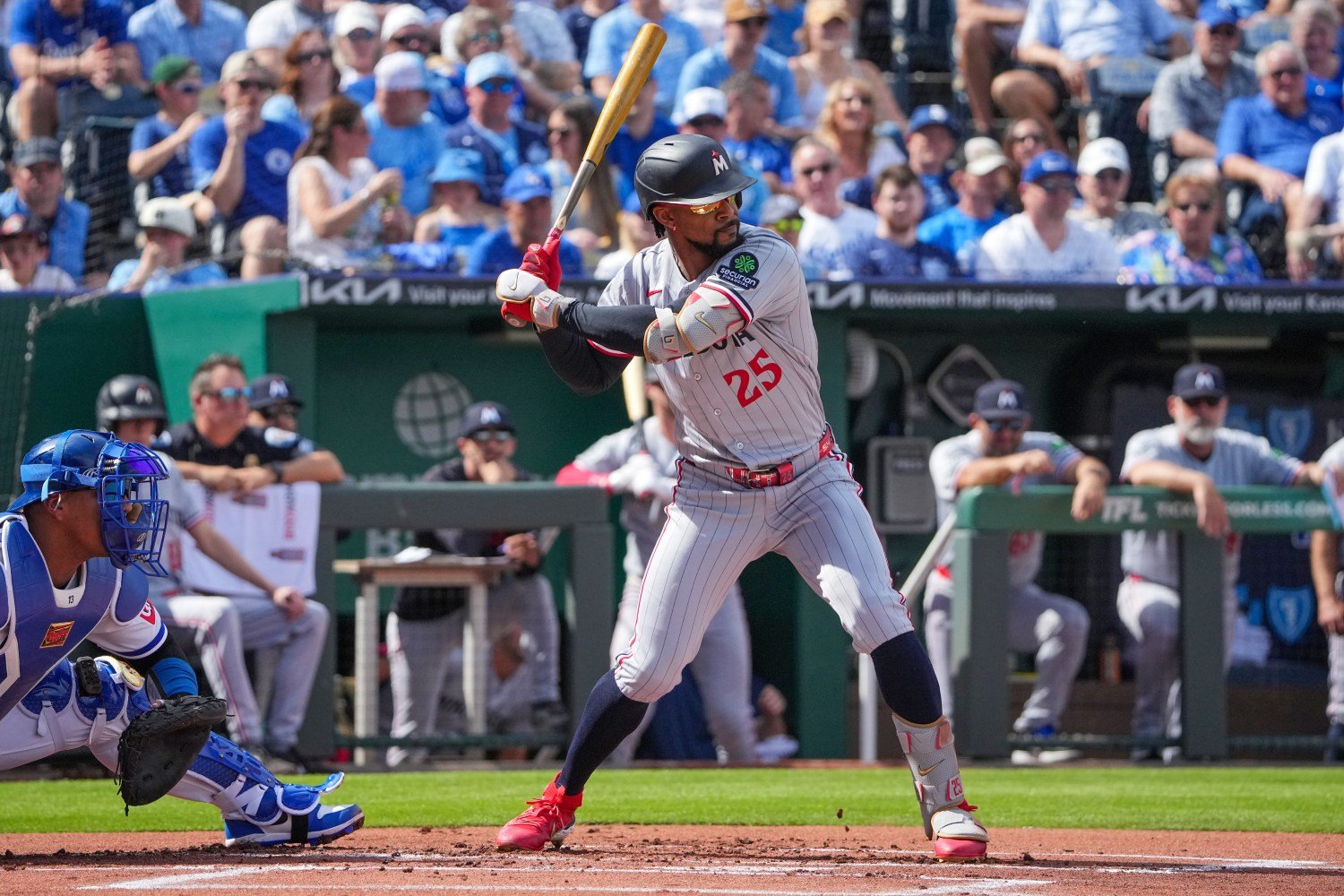 A couple of weeks isn’t enough time for the standings to mean much, but it is enough time for early narratives to start forming. When it comes to Byron Buxton, the early numbers describe a hitter who is searching for answers. Through his first stretch of games, the production simply hasn’t been there. He snapped an 0-for-20 slide on Monday night, but entering Wednesday, he’s hitting just .158, with a .233 on-base percentage. His OPS (.496) is worse than all but two stretches of this length from 2025: one after he came off the injured list in mid-August, and another in mid-September, long after the season was lost. He's mired in a significant slump. That doesn’t sound much like Byron Buxton. And in some ways, it hasn’t been. While the results have been rough, the underlying metrics tell a very different story about how he’s actually swung the bat to open the year. Start with the quality of contact. Buxton owns a hard hit rate of exactly 50%, meaning half of the balls he’s put in play have come off the bat at 95 miles per hour or harder. That's a strong number in any context, and typically the kind of mark you would expect from a hitter producing far better results. Of course, exit velocity alone does not tell the full story. It doesn’t account for launch angle, and that’s where things start to get a bit more complicated. Buxton’s average launch angle sits at 32°, which is extremely high and helps explain the early struggles. An angle that high on average means a hitter is hitting too many routine fly balls or pop-ups, and that’s definitely been true for Buxton. Buxton has simply gotten too far under pitches, limiting the damage he’s capable of doing. But even with that in mind, there are strong signs that luck has not been on his side. His barrel rate currently sits at 10.7%, which places him in the 66th percentile across Major League Baseball. A barrel is a batted ball that combines ideal exit velocity and launch angle, generally at least 98 MPH off the bat with a launch angle between 25° and 31°. That’s the type of contact most often associated with extra-base hits. Buxton has recorded three barrels so far this season. He does not have a hit on any of them. That, alone, is a strong indicator that the results have not lined up with the process. When hitters are consistently producing that class of contact, the outcomes tend to follow. In Buxton’s case, they simply haven’t yet—although the nature of analyzing small samples like this is such that we can't quite say he's consistently barreling the ball, either. Because of who he is, the hard contact feels more like a signal, and the poor results feel like noise. It could turn out to be the other way around. That’s where the bigger picture comes into focus. Buxton hasn’t been perfect at the plate. The elevated launch angle is something to watch, and there are adjustments he can make to turn more of those fly balls into line drives. His BABIP is just .214, but it's hard to label that as bad luck while he's hitting so many fly balls. As Twins fans learned the hard way over long years with Max Kepler, hitting it in the air at an extreme rate is good for power production but bad for BABIP. He can and will refine his process, to get back to hitting the ball on lower lines. He's catching the ball farther out in front of his body and getting around it more this year, despite a lower swing speed. It's no wonder he's producing some suboptimal flies. This isn’t a case of a hitter who looks overmatched. It’s a hitter who’s hitting the ball hard, producing a solid rate of barrels, and maintaining a strong presence in the sweet spot, all while seeing very little to show for it in the box score. That combination usually doesn’t last very long, and indeed, even the numbers that corroborate the poor results hint at an opportunity to unlock big value with a relatively minor set of adjustments. Over the course of a 162-game season, those underlying metrics have a way of winning out. Balls that are currently finding gloves will start to drop in; well-struck fly balls will begin to carry a bit farther (especially as the weather warms up); and line drives will start to split gaps instead of being caught. When that shift happens, the stat line can change in a hurry. When he’s on, Buxton is one of the most exciting hitters in the game, capable of changing a lineup with both power and elite speed. That version of him didn’t just disappear overnight; the underlying data still shows the raw talent. Right now, the results have not matched the process. But over time, they usually do. It’s not a matter of if Buxton turns things around, but when.
-
Joe Ryan has shown a little bit of everything in his first three starts: flashes of dominance mixed with inefficiency and bad luck. A closer look at his underlying performance shows a story that doesn’t necessarily match the surface-level numbers.
-
Joe Ryan has shown a little bit of everything in his first three starts: flashes of dominance mixed with inefficiency and bad luck. A closer look at his underlying performance shows a story that doesn’t necessarily match the surface-level numbers. View full video
-
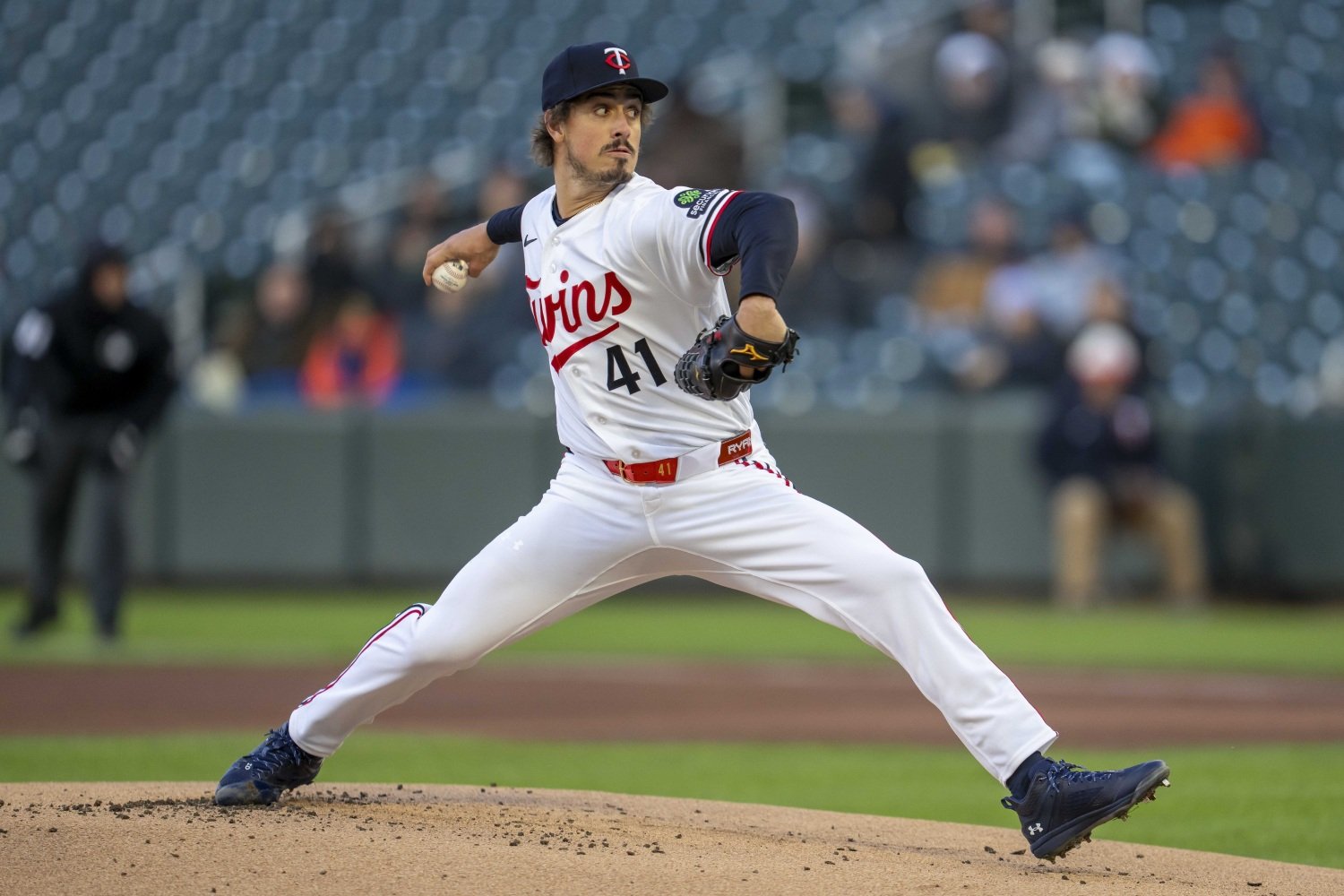 It’s still early in the season, but patterns are already starting to emerge. Through three starts—roughly 10% of a typical starter’s workload—Joe Ryan has shown a little bit of everything. At times, he’s looked like the ace we know he can be. At others, he’s struggled to find the same rhythm that made him so dominant last year. Looking at the full picture, it feels less like a clear story, and more like a push-and-pull between the surface-level results and what the underlying numbers are telling us. Each start has played into that mix differently. His outing on Opening Day was easily his best, as he worked 5 1/3 shutout innings with seven strikeouts and an impressive display of swing-and-miss stuff. His next two starts weren’t nearly as clean. More traffic appeared on the bases; pitch counts climbed faster than expected; and he wasn’t able to work as deep into games, even if his stuff still flashed at times. On the surface, his numbers look underwhelming. The 4.40 ERA and 1.26 WHIP are both clear steps back from last year, and they reflect more baserunners, longer innings, and fewer chances to settle in. His early workload also stands out. Should Ryan make 30 starts but work only as deep into games as he's averaged so far, he'd compile just 143 innings. That’s well below what you’d expect from a starter of his caliber, and it points back to the inefficiency that has shown up. But once you dig a little deeper, his data tells a different story. Despite the inflated ERA, his FIP sits way down at 2.06. That gap suggests his performance has been far better than the results indicate. Strikeout numbers reinforce the same idea: his strikeout rate sits at 27.9%, nearly identical to last year’s 28.2%, showing that the swing-and-miss ability that makes him such a high-end starter hasn’t gone anywhere. His walk rate is up, but the sample is too small to assume that's signal, rather than noise. A big part of the disconnect between process and results comes from balls in play. His BABIP currently sits at .342, a huge jump from .268 last season. Over just three starts, that difference can swing results quickly, turning manageable innings into extended ones and pushing pitch counts higher than expected. This issue isn't even Ryan's fault, but it will be his problem. His defense has been bad; the Twins' defense will be bad all year. There are also signs that Ryan is making adjustments. He’s leaned much more heavily on his curveball than in previous seasons, giving hitters another look alongside his fastball mix. When it’s working, it creates more swing-and-miss opportunities and adds a different dimension to his approach. At the same time, any change like that can come with growing pains. Command can wobble early, which naturally can show up as walks or deeper counts, and those little inconsistencies add up to shorter appearances. He's stretching to extremes of movement, with his sweeper, his splitter, his fastball and that curve, and the strike zone is only so big. Through three starts, Ryan sits in an interesting spot. The surface numbers suggest a slight step back, while advanced metrics indicate he’s still performing at a high level. That gap comes down largely to efficiency and some bad luck on balls in play. If his BABIP normalizes and his walk rate settles closer to last year’s numbers, his ERA and WHIP should start to better reflect what he’s actually doing on the mound. It’s also worth remembering just how small a sample three starts really is. Even for a proven top-of-the-rotation guy like Ryan, early-season fluctuations aren’t unusual. Strikeout rates and his underlying performance show he’s still capable of dominating. But until the surface-level results catch up, inefficiency and some misfortune have left his line looking worse than the process might suggest. Nor can we discount the impact of weather. Ryan pitched through heavy rain in Kansas City last week and in stunningly cold conditions Monday night. Baseball played in that kind of weather gets weird and ugly, and Ryan could have mitigated that a bit better, but there was no way to truly avoid the effects. For now, his first three turns through the rotation have been a mix of encouraging flashes and lingering questions. When he’s on, there’s little doubt that he’s the best pitcher in the Twins’ system. When he’s not, walks and a high BABIP can make it look rougher than it really is. The story is far from over, but the early trends give fans something to watch: can he convert the underlying numbers into consistent results, or will these mixed outings continue to shape his season? His talent is still there, and the stuff is still there. Once efficiency starts to line up with performance, the results should follow. Until then, we’ll be trying to figure out which version of Joe Ryan will show up next.
-
Image courtesy of © Jesse Johnson-Imagn Images It’s still early in the season, but patterns are already starting to emerge. Through three starts—roughly 10% of a typical starter’s workload—Joe Ryan has shown a little bit of everything. At times, he’s looked like the ace we know he can be. At others, he’s struggled to find the same rhythm that made him so dominant last year. Looking at the full picture, it feels less like a clear story, and more like a push-and-pull between the surface-level results and what the underlying numbers are telling us. Each start has played into that mix differently. His outing on Opening Day was easily his best, as he worked 5 1/3 shutout innings with seven strikeouts and an impressive display of swing-and-miss stuff. His next two starts weren’t nearly as clean. More traffic appeared on the bases; pitch counts climbed faster than expected; and he wasn’t able to work as deep into games, even if his stuff still flashed at times. On the surface, his numbers look underwhelming. The 4.40 ERA and 1.26 WHIP are both clear steps back from last year, and they reflect more baserunners, longer innings, and fewer chances to settle in. His early workload also stands out. Should Ryan make 30 starts but work only as deep into games as he's averaged so far, he'd compile just 143 innings. That’s well below what you’d expect from a starter of his caliber, and it points back to the inefficiency that has shown up. But once you dig a little deeper, his data tells a different story. Despite the inflated ERA, his FIP sits way down at 2.06. That gap suggests his performance has been far better than the results indicate. Strikeout numbers reinforce the same idea: his strikeout rate sits at 27.9%, nearly identical to last year’s 28.2%, showing that the swing-and-miss ability that makes him such a high-end starter hasn’t gone anywhere. His walk rate is up, but the sample is too small to assume that's signal, rather than noise. A big part of the disconnect between process and results comes from balls in play. His BABIP currently sits at .342, a huge jump from .268 last season. Over just three starts, that difference can swing results quickly, turning manageable innings into extended ones and pushing pitch counts higher than expected. This issue isn't even Ryan's fault, but it will be his problem. His defense has been bad; the Twins' defense will be bad all year. There are also signs that Ryan is making adjustments. He’s leaned much more heavily on his curveball than in previous seasons, giving hitters another look alongside his fastball mix. When it’s working, it creates more swing-and-miss opportunities and adds a different dimension to his approach. At the same time, any change like that can come with growing pains. Command can wobble early, which naturally can show up as walks or deeper counts, and those little inconsistencies add up to shorter appearances. He's stretching to extremes of movement, with his sweeper, his splitter, his fastball and that curve, and the strike zone is only so big. Through three starts, Ryan sits in an interesting spot. The surface numbers suggest a slight step back, while advanced metrics indicate he’s still performing at a high level. That gap comes down largely to efficiency and some bad luck on balls in play. If his BABIP normalizes and his walk rate settles closer to last year’s numbers, his ERA and WHIP should start to better reflect what he’s actually doing on the mound. It’s also worth remembering just how small a sample three starts really is. Even for a proven top-of-the-rotation guy like Ryan, early-season fluctuations aren’t unusual. Strikeout rates and his underlying performance show he’s still capable of dominating. But until the surface-level results catch up, inefficiency and some misfortune have left his line looking worse than the process might suggest. Nor can we discount the impact of weather. Ryan pitched through heavy rain in Kansas City last week and in stunningly cold conditions Monday night. Baseball played in that kind of weather gets weird and ugly, and Ryan could have mitigated that a bit better, but there was no way to truly avoid the effects. For now, his first three turns through the rotation have been a mix of encouraging flashes and lingering questions. When he’s on, there’s little doubt that he’s the best pitcher in the Twins’ system. When he’s not, walks and a high BABIP can make it look rougher than it really is. The story is far from over, but the early trends give fans something to watch: can he convert the underlying numbers into consistent results, or will these mixed outings continue to shape his season? His talent is still there, and the stuff is still there. Once efficiency starts to line up with performance, the results should follow. Until then, we’ll be trying to figure out which version of Joe Ryan will show up next. View full article
-
If it wasn't an issue for the last few years as well, I'd agree with you. But when you're getting at most five innings from your starters night in and night out, it's an issue, regardless of where in the season you are.
- 23 replies
-
- 2
-

-
-
- taj bradley
- bailey ober
- (and 2 more)
-
Image courtesy of © Daniel Kucin Jr.-Imagn Images It’s still very early in the season, but it doesn’t take long for certain patterns to start showing up. And for the Minnesota Twins, one of those patterns is already becoming pretty clear. The starting rotation has struggled to work efficiently through lineups, and as a result, they are not pitching deep into games. That’s something we’ve seen from this team in previous seasons and now appears to be carrying over into the early part of this year. So far, Taj Bradley’s outing on Thursday stands out for one simple reason, as it was the first time a Twins starter has completed six innings. Even that came with some context that is worth paying attention to. Bradley needed 100 pitches to get through those six innings, and what makes that number even more notable is how his outing finished, as he threw just 21 pitches combined across his final two innings. So while he was able to give the Twins some length, it was not exactly efficient length, and that distinction matters. When you zoom out and look at the rest of the rotation, the trend becomes even more noticeable. Joe Ryan went four innings on Wednesday, Bradley, in his first start, made it through just four and a third, and Bailey Ober also gave the team four innings in each of his two starts. Mick Abel, who wasn’t technically making a start, still serves as another good example. He needed 81 pitches to record just 10 outs out of the bullpen, which further reinforces the point that this has been a group-wide issue rather than a one-off performance. Individually, those outings might not raise too many alarms, especially this early in the season when pitch counts are still being built up and teams are generally cautious with their starters. But collectively, it starts to paint a much more concerning picture. Right now, the Twins have been able to manage it because their early schedule has included a couple of off days, which has helped keep the bullpen relatively fresh. That cushion isn’t going to last much longer, with no off day now until April 16th. That’s where this starts to become a real concern, because a lack of efficiency from your starting pitchers doesn’t just affect their individual outings, it has a ripple effect across the entire pitching staff. If your starters are consistently giving you four or five innings instead of six, you’re asking your relievers to cover at least four innings on a regular basis, and over the course of a long season, that kind of workload adds up quickly. Even in the short term, it can start to create problems. Relievers need rest and time between outings to stay sharp and healthy. If they're being used heavily night after night, you either run out of available arms or you end up putting pitchers into situations where they are not at their best. Neither of those outcomes is ideal, especially for a bullpen that already has some question marks. It’s also important to point out that this issue doesn’t fall entirely on the starting rotation. Defense plays a significant role in all of this, and when routine plays are not converted into outs, innings get extended, which leads to more pitches, longer at-bats, and ultimately shorter outings for your starter. Wednesday night in Kansas City provided a clear example of how quickly that can spiral. There was a tailor-made double play ball hit right to Victor Caratini at first base. It should have resulted in two quick outs and an inning that was firmly under control. Instead, there was a throwing error, and rather than having two outs and nobody on, the Twins suddenly found themselves with no outs and two runners on base. From there, things continued to unravel. A walk followed, and then a strikeout that should have ended the inning if the double play had been turned. But instead, the inning stayed alive. Bases loaded with one out, and the next at-bat resulted in a grand slam. The Twins lost that game by four. Moments like that highlight just how costly inefficiency can be, even when it is not entirely self-inflicted by the pitcher. One missed play can turn into an extended inning, that extended inning turns into a higher pitch count, and that higher pitch count leads to an earlier exit, which then forces the bullpen to cover even more ground. That’s where everything starts to connect. The rotation needs to be more efficient, not just for their own sake, but to protect the rest of the pitching staff. There are areas where the starters themselves can improve, such as getting ahead in counts, putting hitters away more quickly, and avoiding unnecessary walks, all of which can help keep pitch counts down and allow them to work deeper into games. At the same time, the defense needs to support them by making routine plays and avoiding mistakes that extend innings. Those small moments can have a much larger impact over the course of a game. Right now, it’s a combination of factors, with some of it falling on the pitchers and some of it not. But the end result is the same: the Twins are not getting enough length from their starting rotation. And while it may not feel like a major issue just yet, it’s the kind of trend that can become a problem in a hurry, especially as the schedule tightens and the games start to stack up. If the Twins can’t start getting deeper outings from their starters, the strain on the bullpen will only increase. Over the course of a long season, that’s not a path that usually leads to success. View full article
-
Short Starts, Long Nights: The Twins Have An Efficiency Issue
Sam Caulder posted an article in Twins
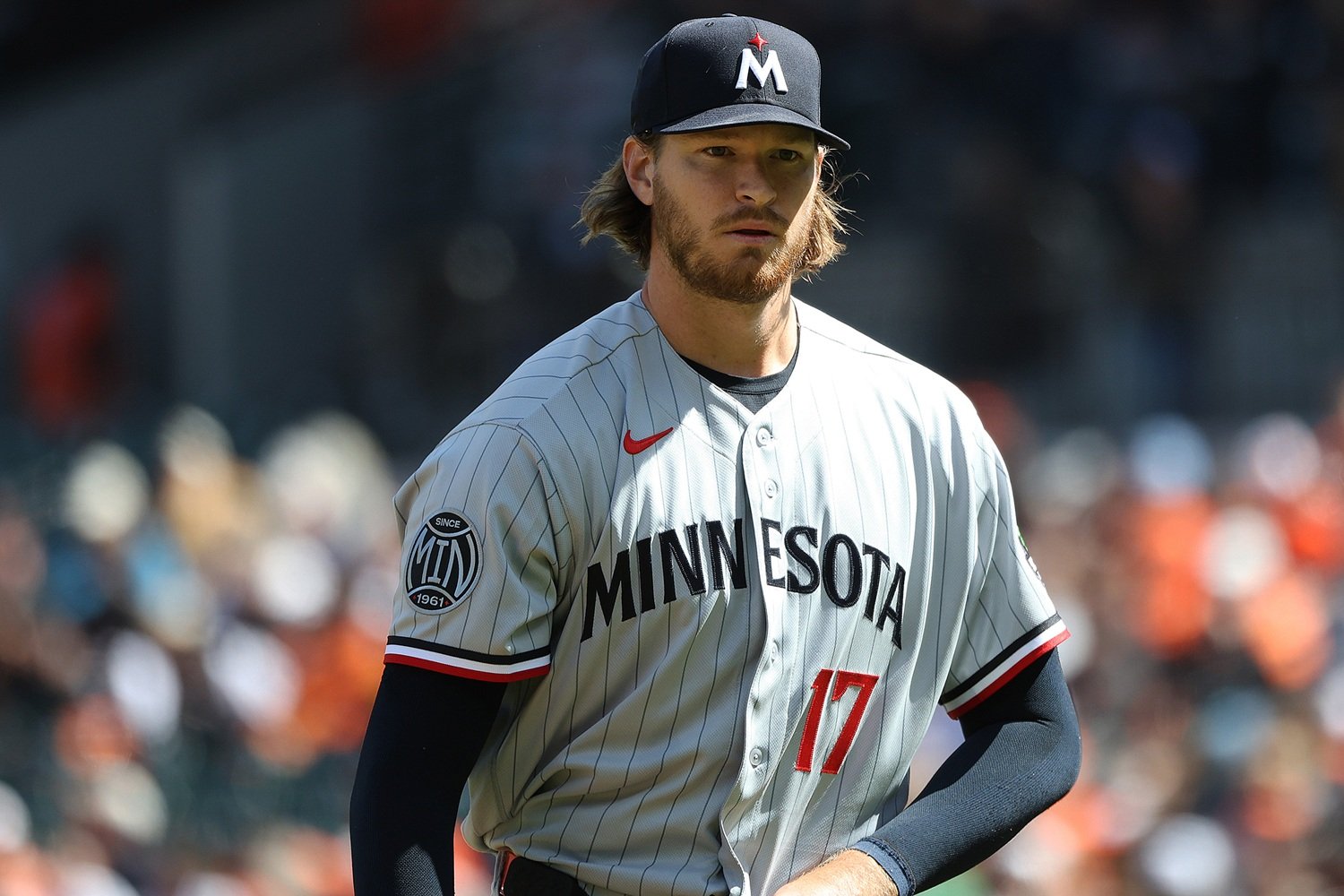 It’s still very early in the season, but it doesn’t take long for certain patterns to start showing up. And for the Minnesota Twins, one of those patterns is already becoming pretty clear. The starting rotation has struggled to work efficiently through lineups, and as a result, they are not pitching deep into games. That’s something we’ve seen from this team in previous seasons and now appears to be carrying over into the early part of this year. So far, Taj Bradley’s outing on Thursday stands out for one simple reason, as it was the first time a Twins starter has completed six innings. Even that came with some context that is worth paying attention to. Bradley needed 100 pitches to get through those six innings, and what makes that number even more notable is how his outing finished, as he threw just 21 pitches combined across his final two innings. So while he was able to give the Twins some length, it was not exactly efficient length, and that distinction matters. When you zoom out and look at the rest of the rotation, the trend becomes even more noticeable. Joe Ryan went four innings on Wednesday, Bradley, in his first start, made it through just four and a third, and Bailey Ober also gave the team four innings in each of his two starts. Mick Abel, who wasn’t technically making a start, still serves as another good example. He needed 81 pitches to record just 10 outs out of the bullpen, which further reinforces the point that this has been a group-wide issue rather than a one-off performance. Individually, those outings might not raise too many alarms, especially this early in the season when pitch counts are still being built up and teams are generally cautious with their starters. But collectively, it starts to paint a much more concerning picture. Right now, the Twins have been able to manage it because their early schedule has included a couple of off days, which has helped keep the bullpen relatively fresh. That cushion isn’t going to last much longer, with no off day now until April 16th. That’s where this starts to become a real concern, because a lack of efficiency from your starting pitchers doesn’t just affect their individual outings, it has a ripple effect across the entire pitching staff. If your starters are consistently giving you four or five innings instead of six, you’re asking your relievers to cover at least four innings on a regular basis, and over the course of a long season, that kind of workload adds up quickly. Even in the short term, it can start to create problems. Relievers need rest and time between outings to stay sharp and healthy. If they're being used heavily night after night, you either run out of available arms or you end up putting pitchers into situations where they are not at their best. Neither of those outcomes is ideal, especially for a bullpen that already has some question marks. It’s also important to point out that this issue doesn’t fall entirely on the starting rotation. Defense plays a significant role in all of this, and when routine plays are not converted into outs, innings get extended, which leads to more pitches, longer at-bats, and ultimately shorter outings for your starter. Wednesday night in Kansas City provided a clear example of how quickly that can spiral. There was a tailor-made double play ball hit right to Victor Caratini at first base. It should have resulted in two quick outs and an inning that was firmly under control. Instead, there was a throwing error, and rather than having two outs and nobody on, the Twins suddenly found themselves with no outs and two runners on base. From there, things continued to unravel. A walk followed, and then a strikeout that should have ended the inning if the double play had been turned. But instead, the inning stayed alive. Bases loaded with one out, and the next at-bat resulted in a grand slam. The Twins lost that game by four. Moments like that highlight just how costly inefficiency can be, even when it is not entirely self-inflicted by the pitcher. One missed play can turn into an extended inning, that extended inning turns into a higher pitch count, and that higher pitch count leads to an earlier exit, which then forces the bullpen to cover even more ground. That’s where everything starts to connect. The rotation needs to be more efficient, not just for their own sake, but to protect the rest of the pitching staff. There are areas where the starters themselves can improve, such as getting ahead in counts, putting hitters away more quickly, and avoiding unnecessary walks, all of which can help keep pitch counts down and allow them to work deeper into games. At the same time, the defense needs to support them by making routine plays and avoiding mistakes that extend innings. Those small moments can have a much larger impact over the course of a game. Right now, it’s a combination of factors, with some of it falling on the pitchers and some of it not. But the end result is the same: the Twins are not getting enough length from their starting rotation. And while it may not feel like a major issue just yet, it’s the kind of trend that can become a problem in a hurry, especially as the schedule tightens and the games start to stack up. If the Twins can’t start getting deeper outings from their starters, the strain on the bullpen will only increase. Over the course of a long season, that’s not a path that usually leads to success.
- 23 comments
-
- 6
-
-

-
- taj bradley
- bailey ober
- (and 2 more)
-
The Twins' rotation isn’t going deep into games, and it’s already starting to put pressure on the bullpen. With outings from Joe Ryan, Bailey Ober, Taj Bradley, and Mick Abel falling short on length, this is a trend that could become a real problem if it continues.
-
The Twins' rotation isn’t going deep into games, and it’s already starting to put pressure on the bullpen. With outings from Joe Ryan, Bailey Ober, Taj Bradley, and Mick Abel falling short on length, this is a trend that could become a real problem if it continues. View full video
-
Image courtesy of © Peter Ackerman / USA TODAY NETWORK via Imagn Images The Minnesota Twins may have found something pretty special behind the plate—not this year, and maybe not even in the next year or two. But when you start looking at the long-term picture, it’s hard not to keep coming back to one name: Eduardo Tait. Ranked as the Twins’ No. 4 prospect according to Twins Daily, Tait has quickly become one of the most exciting pieces in the organization. Alongside Mick Abel, he was acquired from the Philadelphia Phillies at last summer’s trade deadline in the deal that sent Jhoan Duran the other way. It was a move that raised some eyebrows at the time, but the early returns are giving the Twins plenty of reasons to feel good about it. While he might not be the flashiest catching prospect in baseball, Tait has quietly put together a skillset that checks a lot of boxes. Let’s start with his bat. Tait isn’t ranked this highly because he projects to hit 35 to 40 home runs at the major-league level; he’s not Cal Raleigh. But that doesn’t mean there isn’t power here. In fact, we saw him rip a ball 112 MPH off the bat in the Twins’ Spring Breakout game against his former team, so his ability to impact the ball is very real. The interesting part is how his power shows up. Up to this point, it hasn’t come from consistently lifting the ball in the air. Instead, it’s been more about hard contact, line drives, and a hit tool that’s advanced well beyond his years. That brings us to, arguably, the most impressive part of his profile: his age relative to his performance. Most 18-year-olds are finishing their senior year of high school. Tait, at 18, was hitting .250 at High-A. At first glance, that might not jump off the page. But to put it into context, Marek Houston—the Twins’ first round pick from last summer—hit just .152 at High-A as a 21-year-old after being drafted. That’s a massive difference in both age and production. Overall, across Low-A and High-A in 2025, Tait slashed .253/.311/.427, with 32 doubles, a triple, and 14 home runs. It’s a well-rounded stat line that reflects exactly what he is right now: a balanced offensive player with room to grow. If there’s one area to keep an eye on, though, it’s his plate discipline. Tait has extremely strong bat-to-ball skills, and sometimes that can be a double-edged sword. Because he’s so good at making contact, there were some stretches (especially after his promotion to High-A) wherein he expanded the zone more than you’d like to see. In 37 games at that level between the Phillies and Twins organizations, he drew just six walks. That’s a noticeable drop from the 30 walks he posted in 75 games at Low-A. It’s not uncommon for young hitters to go through that adjustment phase, especially when they know they can put the bat on the ball. But as he continues to develop, becoming more selective and more willing to take pitches will be key. It should also help boost his on-base percentage, which dipped to .286 at High-A. Defensively, there’s also a lot to like. Tait has a strong arm and a solid presence behind the plate, with MLB Pipeline grading his arm as a 60 on the 20-80 scale. The tools are there for him to develop into a solid defensive catcher, and the foundation is already in place. That said, there’s still some refinement needed. After posting a respectable 32% caught stealing rate at Low-A, that number dropped to below 10% once he reached High-A. That’s a pretty significant shift, but again, it speaks more to where he is in his development than to any long-term concern. The arm strength is there, and the frame is there. Now it’s about consistency, mechanics, and continuing to grow into the position. That’s really the theme with Tait, as a whole: there’s a lot to like, and a lot to be optimistic about. But it’s also important to keep everything in perspective; he’s only 19 years old. Realistically, he’s probably not going to be major league-ready until 2027 or 2028, and even that might be an aggressive timeline. More likely, you’re looking at 2029 before he’s fully established at the big-league level, assuming everything continues trending in the right direction. A lot can change in that time. Prospects develop, some stall out, and others take unexpected leaps. But if Tait keeps progressing the way he has so far, his ceiling is pretty clear. This is someone who could realistically develop into the Twins’ starting catcher for the next decade or longer once he arrives, and that’s what makes him so interesting. He might not have the headline-grabbing power, but he does a little bit of everything. And at his age, that’s exactly what you want to see. As the season gets underway, he’s absolutely a name worth keeping an eye on. Because the Twins’ catcher of the future may very well be in the system already. View full article
-
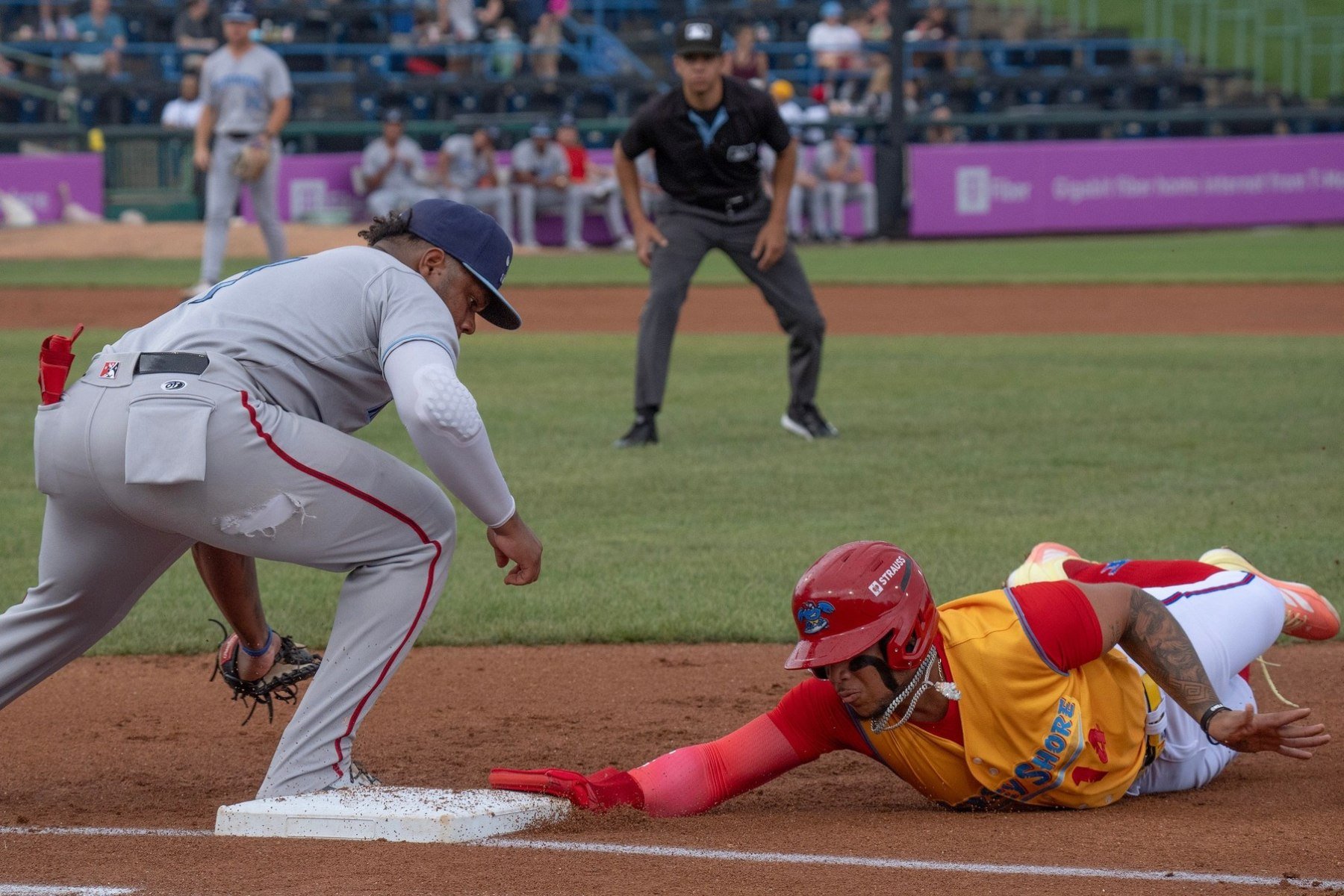 The Minnesota Twins may have found something pretty special behind the plate—not this year, and maybe not even in the next year or two. But when you start looking at the long-term picture, it’s hard not to keep coming back to one name: Eduardo Tait. Ranked as the Twins’ No. 4 prospect according to Twins Daily, Tait has quickly become one of the most exciting pieces in the organization. Alongside Mick Abel, he was acquired from the Philadelphia Phillies at last summer’s trade deadline in the deal that sent Jhoan Duran the other way. It was a move that raised some eyebrows at the time, but the early returns are giving the Twins plenty of reasons to feel good about it. While he might not be the flashiest catching prospect in baseball, Tait has quietly put together a skillset that checks a lot of boxes. Let’s start with his bat. Tait isn’t ranked this highly because he projects to hit 35 to 40 home runs at the major-league level; he’s not Cal Raleigh. But that doesn’t mean there isn’t power here. In fact, we saw him rip a ball 112 MPH off the bat in the Twins’ Spring Breakout game against his former team, so his ability to impact the ball is very real. The interesting part is how his power shows up. Up to this point, it hasn’t come from consistently lifting the ball in the air. Instead, it’s been more about hard contact, line drives, and a hit tool that’s advanced well beyond his years. That brings us to, arguably, the most impressive part of his profile: his age relative to his performance. Most 18-year-olds are finishing their senior year of high school. Tait, at 18, was hitting .250 at High-A. At first glance, that might not jump off the page. But to put it into context, Marek Houston—the Twins’ first round pick from last summer—hit just .152 at High-A as a 21-year-old after being drafted. That’s a massive difference in both age and production. Overall, across Low-A and High-A in 2025, Tait slashed .253/.311/.427, with 32 doubles, a triple, and 14 home runs. It’s a well-rounded stat line that reflects exactly what he is right now: a balanced offensive player with room to grow. If there’s one area to keep an eye on, though, it’s his plate discipline. Tait has extremely strong bat-to-ball skills, and sometimes that can be a double-edged sword. Because he’s so good at making contact, there were some stretches (especially after his promotion to High-A) wherein he expanded the zone more than you’d like to see. In 37 games at that level between the Phillies and Twins organizations, he drew just six walks. That’s a noticeable drop from the 30 walks he posted in 75 games at Low-A. It’s not uncommon for young hitters to go through that adjustment phase, especially when they know they can put the bat on the ball. But as he continues to develop, becoming more selective and more willing to take pitches will be key. It should also help boost his on-base percentage, which dipped to .286 at High-A. Defensively, there’s also a lot to like. Tait has a strong arm and a solid presence behind the plate, with MLB Pipeline grading his arm as a 60 on the 20-80 scale. The tools are there for him to develop into a solid defensive catcher, and the foundation is already in place. That said, there’s still some refinement needed. After posting a respectable 32% caught stealing rate at Low-A, that number dropped to below 10% once he reached High-A. That’s a pretty significant shift, but again, it speaks more to where he is in his development than to any long-term concern. The arm strength is there, and the frame is there. Now it’s about consistency, mechanics, and continuing to grow into the position. That’s really the theme with Tait, as a whole: there’s a lot to like, and a lot to be optimistic about. But it’s also important to keep everything in perspective; he’s only 19 years old. Realistically, he’s probably not going to be major league-ready until 2027 or 2028, and even that might be an aggressive timeline. More likely, you’re looking at 2029 before he’s fully established at the big-league level, assuming everything continues trending in the right direction. A lot can change in that time. Prospects develop, some stall out, and others take unexpected leaps. But if Tait keeps progressing the way he has so far, his ceiling is pretty clear. This is someone who could realistically develop into the Twins’ starting catcher for the next decade or longer once he arrives, and that’s what makes him so interesting. He might not have the headline-grabbing power, but he does a little bit of everything. And at his age, that’s exactly what you want to see. As the season gets underway, he’s absolutely a name worth keeping an eye on. Because the Twins’ catcher of the future may very well be in the system already.
-
Image courtesy of © Jay Biggerstaff-Imagn Images Box Score SP: Taj Bradley - 6 IP, 5 H, 0 R, 1 BB, 3 K. 100 pitches, 65 strikes (65%) Home Runs: Matt Wallner, Kody Clemens, Royce Lewis Top 3 WPA: Taj Bradley (0.40), Kody Clemens (0.12), Kody Funderburk (0.11) Win Probability Chart (via FanGraphs) The Twins wrapped up their series with the Royals on Thursday, playing a 1:10 PM finale after a late finish the night before. With a different-looking lineup and a quick turnaround, the focus was simple: get more length from Taj Bradley and find just enough offense. They got both. BRADLEY SETTLES IN After an inefficient first outing that saw his pitch count climb quickly, Taj Bradley looked much more in control this time around. He worked six scoreless innings, allowing five hits and just one walk while striking out three. More than the line, though, was how he got there. Bradley was far more efficient early, needing just 27 pitches to get through two innings. He mixed in his cutter effectively and did a better job getting ahead, even if his first-pitch strike rate still wasn’t perfect. When he ran into trouble, he adjusted. The fourth inning was his biggest test, as he loaded the bases with two outs. But he reached back and got a swing-and-miss on a cutter out of the zone to escape. It wasn’t as dominant as his first start from a pure stuff standpoint. He generated fewer whiffs and gave up plenty of hard contact. But this was a different kind of outing; one built on navigating traffic, limiting damage, and giving the Twins exactly what they needed after getting just four innings from Joe Ryan the day before. And this time, it held up. SCRATCHING EARLY, BREAKING THROUGH LATE The Twins didn’t exactly jump on Royals starter Cole Ragans, but they made him work. A 24-pitch first inning set the tone, and multiple long at-bats followed, even if the runs didn't pile up. Their first run came in an unusual way. In the second inning, Kody Clemens reached base and eventually scored on a failed pickoff attempt by Salvador Perez, who threw the ball into center field. It wasn’t pretty, but any runs in a game like this matter. From there, chances were limited. There was some traffic, but nothing consistent enough to break things open. It felt like a one-run game that could flip at any moment—until the endgame. A Josh Bell walk, a Royce Lewis double and a Byron Buxton sacrifice fly got a run home in the top of the eighth, and after the bullpen avoided letting the lead slip away in a nervous bottom of the eighth, the offense gave them some breathing room in the top of the ninth. Matt Wallner got things started with a missile to right-center, a 405-foot drive that came off the bat at 107 MPH. A few batters later, Clemens jumped on a backdoor slider and sent it into the bullpen in left. Then Bell made it three in the inning, launching a hanging slider into the seats in right field. Just like that, a tight game turned into a comfortable one. BULLPEN SLAMS THE DOOR With Bradley through six, the Twins turned it over to the bullpen, and they delivered. Kody Funderburk handled the seventh cleanly, working around a loud foul ball to post a zero. Cole Sands ran into some trouble in the eighth, allowing a run on a sacrifice fly, but limited the damage and avoided a bigger inning. Taylor Rogers came in to finish the frame, stranding a runner and picking up a key strikeout, and Justin Topa closed things out in the ninth. Even with a little traffic to start the inning, Topa induced a double play and ended the game with a strikeout. It wasn’t flawless, but the bullpen was effective. Despite some iffy defense, they held the lead. There were a few smaller moments that stood out along the way. Victor Caratini was active behind the plate, successfully challenging multiple calls early in the game. Luke Keaschall made one key, unorthodox defensive play, picking a low throw as he arrived at the keystone for a pivotal out in the eighth. And while the lineup wasn’t the usual group, it found a way to produce when it mattered most. That’s what this one came down to. What’s Next? The Twins head to Minneapolis for their home opener tomorrow, where they’ll open up a three-game series against the Tampa Bay Rays. Bailey Ober is set to make his second start of the year, and Joe Boyle will take the hill for the Rays, with the action getting going (after some season-opening pomp and circumstance) at 3:10 PM CT or so. Postgame Interviews Coming Soon! Bullpen Usage Chart SAT SUN MON TUE WED THU TOT Abel 0 81 0 0 0 0 81 Kent 0 0 0 0 47 0 47 Funderburk 13 0 26 0 0 15 54 Laweryson 0 0 0 0 36 0 36 Banda 15 3 0 0 12 0 30 Topa 12 0 10 0 0 13 35 Orze 21 0 0 0 0 0 21 Sands 16 0 0 0 0 11 27 Rogers 0 0 14 0 0 4 18 View full article
-
Twins 5, Royals 1: Late Home Runs Back Taj Bradley’s Strong Outing
Sam Caulder posted an article in Twins
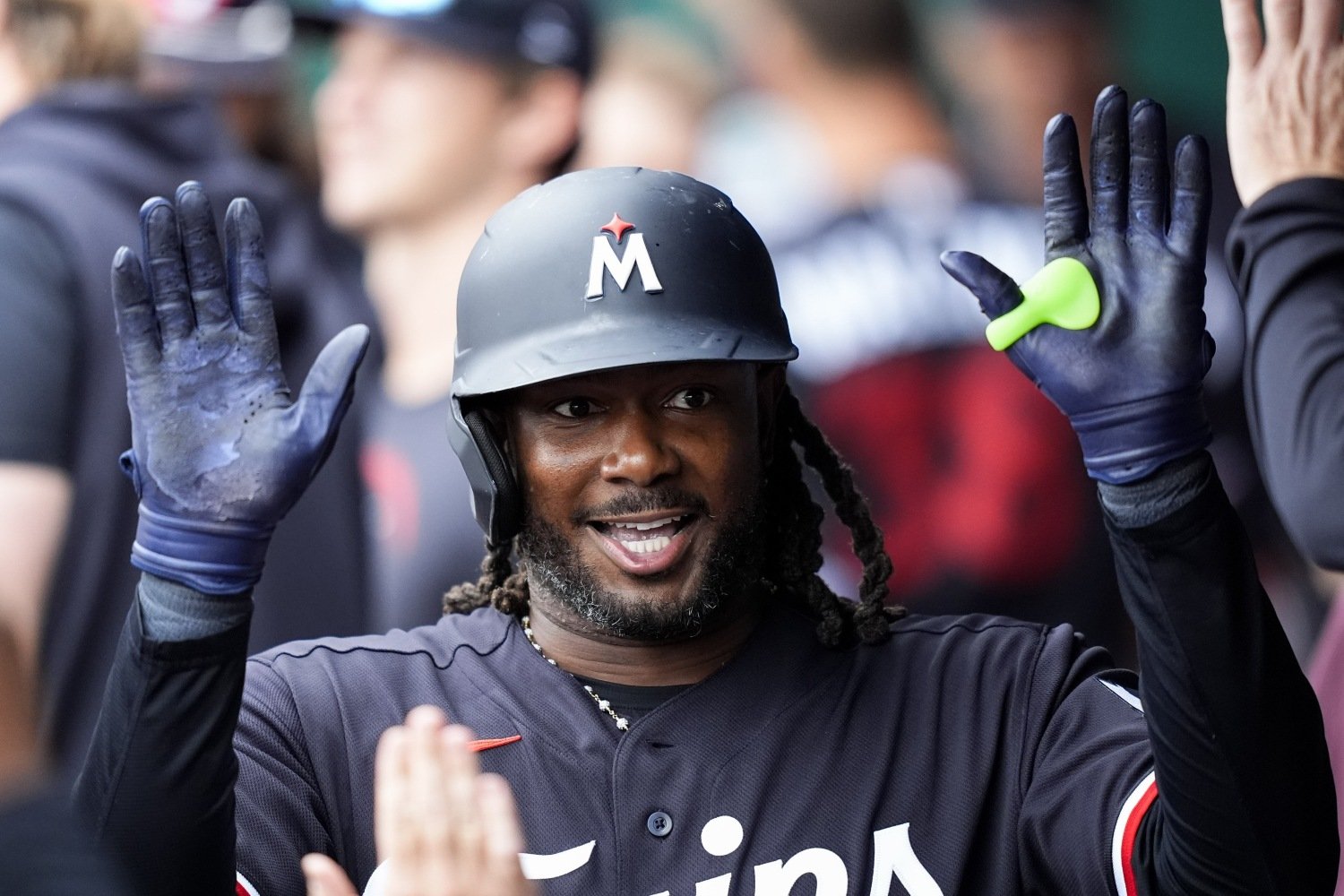 Box Score SP: Taj Bradley - 6 IP, 5 H, 0 R, 1 BB, 3 K. 100 pitches, 65 strikes (65%) Home Runs: Matt Wallner, Kody Clemens, Royce Lewis Top 3 WPA: Taj Bradley (0.40), Kody Clemens (0.12), Kody Funderburk (0.11) Win Probability Chart (via FanGraphs) The Twins wrapped up their series with the Royals on Thursday, playing a 1:10 PM finale after a late finish the night before. With a different-looking lineup and a quick turnaround, the focus was simple: get more length from Taj Bradley and find just enough offense. They got both. BRADLEY SETTLES IN After an inefficient first outing that saw his pitch count climb quickly, Taj Bradley looked much more in control this time around. He worked six scoreless innings, allowing five hits and just one walk while striking out three. More than the line, though, was how he got there. Bradley was far more efficient early, needing just 27 pitches to get through two innings. He mixed in his cutter effectively and did a better job getting ahead, even if his first-pitch strike rate still wasn’t perfect. When he ran into trouble, he adjusted. The fourth inning was his biggest test, as he loaded the bases with two outs. But he reached back and got a swing-and-miss on a cutter out of the zone to escape. It wasn’t as dominant as his first start from a pure stuff standpoint. He generated fewer whiffs and gave up plenty of hard contact. But this was a different kind of outing; one built on navigating traffic, limiting damage, and giving the Twins exactly what they needed after getting just four innings from Joe Ryan the day before. And this time, it held up. SCRATCHING EARLY, BREAKING THROUGH LATE The Twins didn’t exactly jump on Royals starter Cole Ragans, but they made him work. A 24-pitch first inning set the tone, and multiple long at-bats followed, even if the runs didn't pile up. Their first run came in an unusual way. In the second inning, Kody Clemens reached base and eventually scored on a failed pickoff attempt by Salvador Perez, who threw the ball into center field. It wasn’t pretty, but any runs in a game like this matter. From there, chances were limited. There was some traffic, but nothing consistent enough to break things open. It felt like a one-run game that could flip at any moment—until the endgame. A Josh Bell walk, a Royce Lewis double and a Byron Buxton sacrifice fly got a run home in the top of the eighth, and after the bullpen avoided letting the lead slip away in a nervous bottom of the eighth, the offense gave them some breathing room in the top of the ninth. Matt Wallner got things started with a missile to right-center, a 405-foot drive that came off the bat at 107 MPH. A few batters later, Clemens jumped on a backdoor slider and sent it into the bullpen in left. Then Bell made it three in the inning, launching a hanging slider into the seats in right field. Just like that, a tight game turned into a comfortable one. BULLPEN SLAMS THE DOOR With Bradley through six, the Twins turned it over to the bullpen, and they delivered. Kody Funderburk handled the seventh cleanly, working around a loud foul ball to post a zero. Cole Sands ran into some trouble in the eighth, allowing a run on a sacrifice fly, but limited the damage and avoided a bigger inning. Taylor Rogers came in to finish the frame, stranding a runner and picking up a key strikeout, and Justin Topa closed things out in the ninth. Even with a little traffic to start the inning, Topa induced a double play and ended the game with a strikeout. It wasn’t flawless, but the bullpen was effective. Despite some iffy defense, they held the lead. There were a few smaller moments that stood out along the way. Victor Caratini was active behind the plate, successfully challenging multiple calls early in the game. Luke Keaschall made one key, unorthodox defensive play, picking a low throw as he arrived at the keystone for a pivotal out in the eighth. And while the lineup wasn’t the usual group, it found a way to produce when it mattered most. That’s what this one came down to. What’s Next? The Twins head to Minneapolis for their home opener tomorrow, where they’ll open up a three-game series against the Tampa Bay Rays. Bailey Ober is set to make his second start of the year, and Joe Boyle will take the hill for the Rays, with the action getting going (after some season-opening pomp and circumstance) at 3:10 PM CT or so. Postgame Interviews Coming Soon! Bullpen Usage Chart SAT SUN MON TUE WED THU TOT Abel 0 81 0 0 0 0 81 Kent 0 0 0 0 47 0 47 Funderburk 13 0 26 0 0 15 54 Laweryson 0 0 0 0 36 0 36 Banda 15 3 0 0 12 0 30 Topa 12 0 10 0 0 13 35 Orze 21 0 0 0 0 0 21 Sands 16 0 0 0 0 11 27 Rogers 0 0 14 0 0 4 18
- 36 comments
-
- 7
-
-
- taj bradley
- matt wallner
- (and 4 more)

