



Sam Caulder
-
Posts
650 -
Joined
-
Last visited
Content Type
Profiles
News
Minnesota Twins Videos
2026 Minnesota Twins Top Prospects Ranking
2022 Minnesota Twins Draft Picks
Minnesota Twins Free Agent & Trade Rumors, Notes, & Tidbits
Guides & Resources
2023 Minnesota Twins Draft Picks
The Minnesota Twins Players Project
2024 Minnesota Twins Draft Picks
2025 Minnesota Twins Draft Pick Tracker
2026 Minnesota Twins Draft Tracker: Picks & Bonuses
Forums
Blogs
Events
Store
Downloads
Gallery
Everything posted by Sam Caulder
-
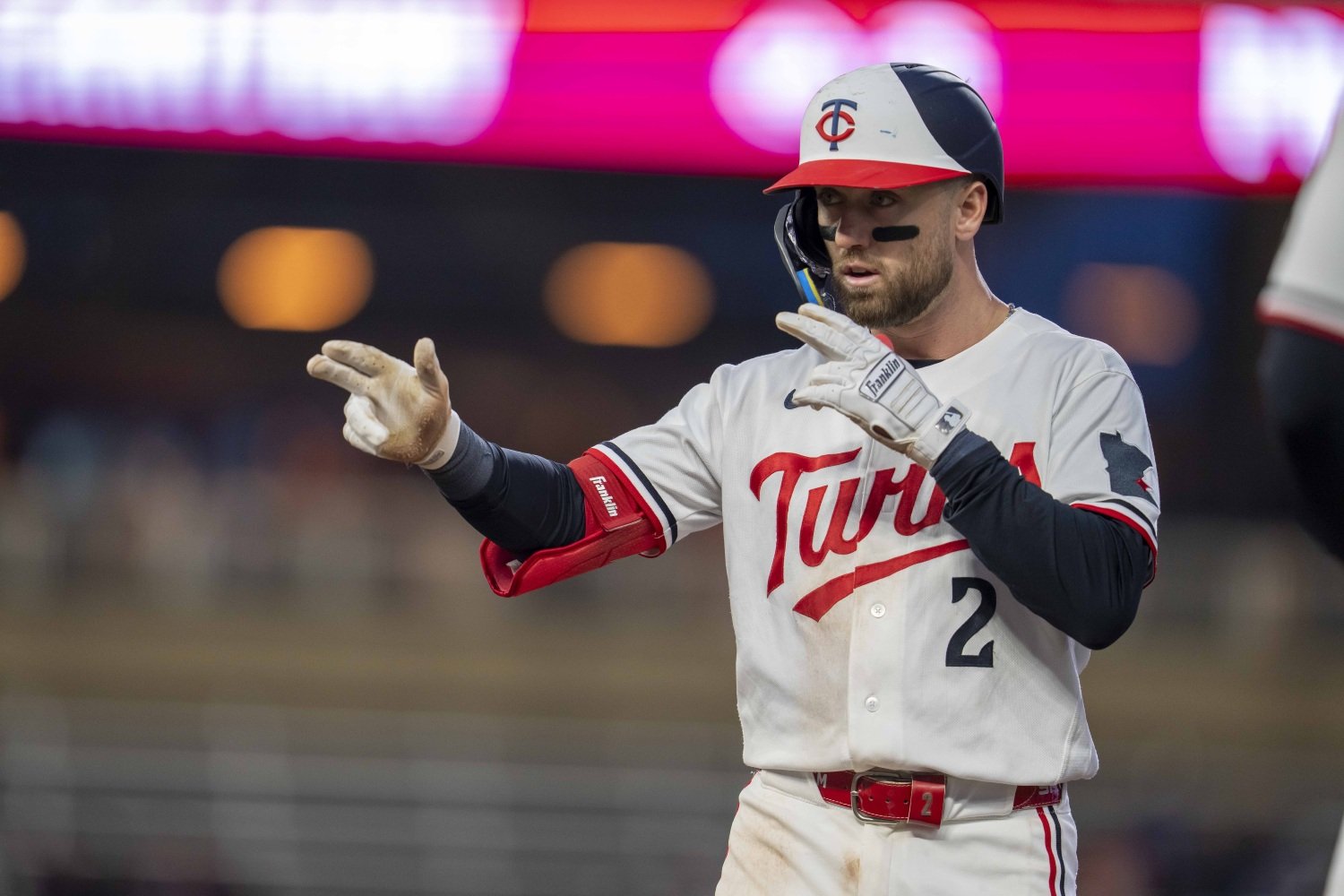 For much of the 2026 season, the Twins have been searching for consistency in the middle of their lineup. Injuries, cold streaks, and underperforming veterans have all played a role in the team’s uneven offensive production. But while much of the attention has gone elsewhere, one player has quietly emerged as one of the most important pieces on the roster: Kody Clemens. Not only has Clemens become a steady contributor offensively, but he’s also provided the Twins with strong defense and lineup flexibility—two things every contending team needs over the course of a long season. After a sluggish start to the year, Clemens has found another level offensively over the last few weeks. He’s now slashing .245/.341/.445, while adding 14 extra-base hits and five stolen bases. Among those are a team-leading 10 doubles, highlighting just how consistently he’s been driving the baseball. In May, Clemens is hitting .333 with eight extra-base hits, looking every bit like a hitter who has fully settled into a groove. His confidence is noticeable. He’s driving the ball with authority and showing a level of comfort that simply wasn’t there during the opening weeks of the season, when manager Derek Shelton identified him as the hitter "who maybe suffered the most" from the disruption of a bizarrely lefty-heavy stretch of the team's schedule. Yes, the strikeouts remain somewhat concerning. Clemens is punching out at roughly a 26% clip, which is certainly higher than you’d like from an everyday player. But the overall quality of contact more than makes up for some swing-and-miss issues. In fact, the underlying metrics paint the picture of a player who has been significantly better than many fans probably realize. Clemens currently owns a 92.4 MPH average exit velocity, which not only leads all Twins hitters, but also ranks in the 90th percentile league-wide. His equally strong barrel rate indicates that there's even more power upside here. Even when the traditional numbers looked modest earlier in the year, the expected stats suggested that better production was coming. Now, we’re starting to see those results. Perhaps most importantly, Clemens is proving that he deserves everyday at-bats, regardless of the opposing pitcher. Historically, he’s been viewed as more of a platoon option, due to questions surrounding his production against left-handed pitching. But so far in 2026, Clemens has done nothing but silence those concerns. In a small but encouraging sample of 20 plate appearances against lefties, he’s hitting .438 with three extra-base hits and a pair of walks. While that number will obviously regress over time, it’s still an important development for both Clemens and the Twins. Shelton can and should try Clemens out against more lefties, even if the schedule turns against him again, to keep him in rhythm. Right now, there’s a very legitimate argument that he should simply be the team’s everyday first baseman. With both Josh Bell and Victor Caratini struggling offensively in recent weeks, Clemens has clearly earned the opportunity for more consistent playing time. The production is there, the advanced metrics support it, and frankly, the eye test does too. Bell appears to be pulling out of what was a prolonged, nightmarish slump, but he can serve as the regular designated hitter. Caratini, meanwhile, will be essentially full-time at catcher while Ryan Jeffers is on the injured list. Then there’s the defensive side of the equation, and Clemens has quietly become very reliable in the field. The Twins’ infield defense is a weakness, but Clemens has stood out as a clear exception. According to Statcast, he currently ranks in the 78th percentile in Outs Above Average, an impressive mark for a player who entered the year without an everyday role. Now, is Clemens going to maintain an OPS near .800 for the entire season? Probably not. There will likely be some regression offensively, particularly as pitchers begin adjusting to the hot streak he’s currently enjoying. But even if he settles into the range of a .730 to .750 OPS hitter, that represents a highly valuable player, when paired with above-average defense and (at least theoretically) positional flexibility. Clemens is certainly not a superstar. He’ll never headline the Twins’ roster or dominate national conversations. But winning teams need players exactly like this: dependable contributors who impact games in multiple ways and consistently outperform expectations.
 -
Image courtesy of © Jesse Johnson-Imagn Images For much of the 2026 season, the Twins have been searching for consistency in the middle of their lineup. Injuries, cold streaks, and underperforming veterans have all played a role in the team’s uneven offensive production. But while much of the attention has gone elsewhere, one player has quietly emerged as one of the most important pieces on the roster: Kody Clemens. Not only has Clemens become a steady contributor offensively, but he’s also provided the Twins with strong defense and lineup flexibility—two things every contending team needs over the course of a long season. After a sluggish start to the year, Clemens has found another level offensively over the last few weeks. He’s now slashing .245/.341/.445, while adding 14 extra-base hits and five stolen bases. Among those are a team-leading 10 doubles, highlighting just how consistently he’s been driving the baseball. In May, Clemens is hitting .333 with eight extra-base hits, looking every bit like a hitter who has fully settled into a groove. His confidence is noticeable. He’s driving the ball with authority and showing a level of comfort that simply wasn’t there during the opening weeks of the season, when manager Derek Shelton identified him as the hitter "who maybe suffered the most" from the disruption of a bizarrely lefty-heavy stretch of the team's schedule. Yes, the strikeouts remain somewhat concerning. Clemens is punching out at roughly a 26% clip, which is certainly higher than you’d like from an everyday player. But the overall quality of contact more than makes up for some swing-and-miss issues. In fact, the underlying metrics paint the picture of a player who has been significantly better than many fans probably realize. Clemens currently owns a 92.4 MPH average exit velocity, which not only leads all Twins hitters, but also ranks in the 90th percentile league-wide. His equally strong barrel rate indicates that there's even more power upside here. Even when the traditional numbers looked modest earlier in the year, the expected stats suggested that better production was coming. Now, we’re starting to see those results. Perhaps most importantly, Clemens is proving that he deserves everyday at-bats, regardless of the opposing pitcher. Historically, he’s been viewed as more of a platoon option, due to questions surrounding his production against left-handed pitching. But so far in 2026, Clemens has done nothing but silence those concerns. In a small but encouraging sample of 20 plate appearances against lefties, he’s hitting .438 with three extra-base hits and a pair of walks. While that number will obviously regress over time, it’s still an important development for both Clemens and the Twins. Shelton can and should try Clemens out against more lefties, even if the schedule turns against him again, to keep him in rhythm. Right now, there’s a very legitimate argument that he should simply be the team’s everyday first baseman. With both Josh Bell and Victor Caratini struggling offensively in recent weeks, Clemens has clearly earned the opportunity for more consistent playing time. The production is there, the advanced metrics support it, and frankly, the eye test does too. Bell appears to be pulling out of what was a prolonged, nightmarish slump, but he can serve as the regular designated hitter. Caratini, meanwhile, will be essentially full-time at catcher while Ryan Jeffers is on the injured list. Then there’s the defensive side of the equation, and Clemens has quietly become very reliable in the field. The Twins’ infield defense is a weakness, but Clemens has stood out as a clear exception. According to Statcast, he currently ranks in the 78th percentile in Outs Above Average, an impressive mark for a player who entered the year without an everyday role. Now, is Clemens going to maintain an OPS near .800 for the entire season? Probably not. There will likely be some regression offensively, particularly as pitchers begin adjusting to the hot streak he’s currently enjoying. But even if he settles into the range of a .730 to .750 OPS hitter, that represents a highly valuable player, when paired with above-average defense and (at least theoretically) positional flexibility. Clemens is certainly not a superstar. He’ll never headline the Twins’ roster or dominate national conversations. But winning teams need players exactly like this: dependable contributors who impact games in multiple ways and consistently outperform expectations. View full article
-
Through his first five starts, Connor Prielipp has been all Twins fans could've hoped for. The timing of his emergence couldn't have been any better, either. View full video
-
Through his first five starts, Connor Prielipp has been all Twins fans could've hoped for. The timing of his emergence couldn't have been any better, either.
-
Top prospects Kaelen Culpepper and Emmanuel Rodriguez continue to push for their shot in Minnesota, while Ryan Gallagher is rapidly forcing his way into the conversation as well. Which Twins prospect is actually closest to getting the next call-up? View full video
-
Top prospects Kaelen Culpepper and Emmanuel Rodriguez continue to push for their shot in Minnesota, while Ryan Gallagher is rapidly forcing his way into the conversation as well. Which Twins prospect is actually closest to getting the next call-up?
-
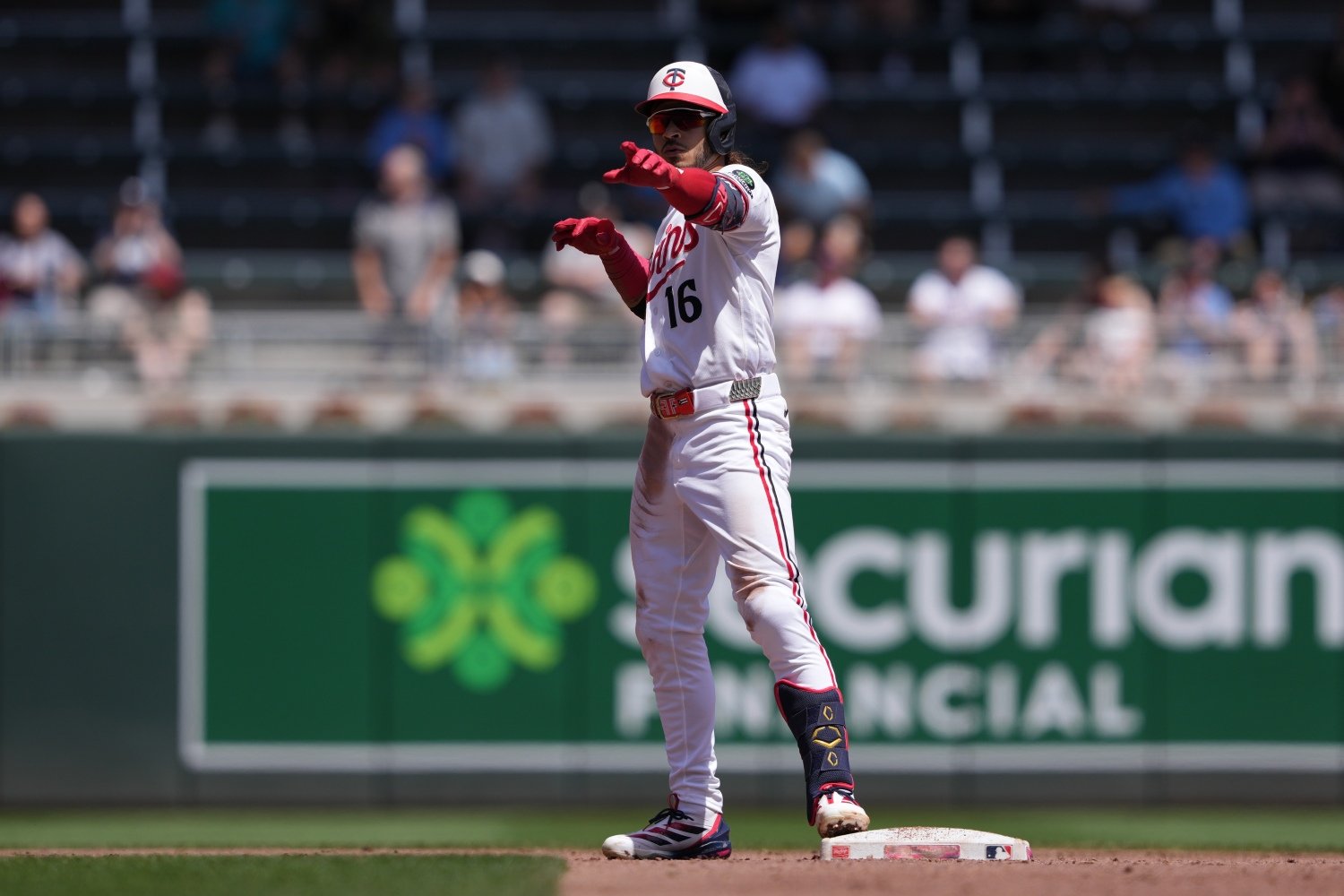 Box Score SP: Zebby Matthews - 7 IP, 4 H, 0 R, 1 BB, 5 K (83 pitches, 56 strikes (67% strikes)) Home Runs: None Top 3 WPA: Zebby Matthews (0.18), Austin Martin (0.18), James Outman (0.09) The Twins entered Thursday’s rubber match against Miami looking to secure the series after splitting the first two games. Behind a brilliant season debut from Zebby Matthews and a much more opportunistic offensive performance, they did exactly that. Minnesota jumped on the Marlins early, backed Matthews with plenty of run support, and cruised to a comfortable 9-1 victory at Target Field. The win secured the series for the Twins and improved them to 20-24 on the season. ZEBBY MATTHEWS SHINES IN SEASON DEBUT Making his first major league start of the season after being called up earlier in the day to replace Travis Adams, Zebby Matthews looked completely in control for most of the afternoon. Miami put a pair of runners on base in the opening inning after singles from Liam Hicks and Otto Lopez, but Matthews stayed composed and escaped the frame without damage. He needed just 12 pitches to get through the inning, throwing nine strikes and immediately showing an aggressive approach in the zone. From there, he only got sharper. Matthews struck out Jakob Marsee and Owen Caissie in a dominant second inning, and through two frames had thrown only 25 pitches, 19 of them for strikes. He continued to pound the zone throughout the afternoon, mixing his fastball and changeup effectively while consistently getting ahead in counts. By the middle innings, Miami had no answers. Matthews retired the side in order in the third, worked around a two-out double from Christopher Morel in the fourth, and erased a fifth-inning single with an inning-ending double play. Through six innings, the Marlins still hadn’t had a leadoff hitter reach base. The only bit of trouble came in the seventh, when Kyle Stowers drew a leadoff walk, but Matthews calmly worked around it to finish off seven scoreless innings. In total, Matthews allowed just three hits across seven shutout innings while striking out five. He threw 83 pitches in the outing and looked every bit like a pitcher capable of giving the Twins rotation a significant boost moving forward. THE TWINS CAPITALIZE AFTER EARLY FRUSTRATION Minnesota threatened immediately against Miami left-hander Braxton Garrett, but nearly let a golden opportunity slip away. Austin Martin opened the bottom of the first with a four-pitch walk and quickly stole second base. Brooks Lee followed with a double off the wall in left field, and Ryan Jeffers worked a walk to load the bases with nobody out. What followed felt painfully familiar. Josh Bell, Victor Caratini, and Luke Keaschall all struck out swinging, allowing Garrett to escape the inning completely unscathed despite needing 34 pitches to get through it. This time, though, the Twins responded instead of spiraling. Royce Lewis opened the second inning with a walk, Ryan Kreidler singled in his first start since being called up earlier in the day, and James Outman drew another walk to once again load the bases with nobody out. Martin made sure this opportunity didn’t go to waste. The Twins outfielder ripped a two-run double down the left field line to give Minnesota a 2-0 lead, and after Brooks Lee grounded out, Bell delivered a huge bounce-back moment. The veteran first baseman chopped a ball off third base that brought home two more runs and gave the Twins a 4-0 advantage, while also recording the 700th RBI of his career. Caratini later added an RBI groundout, and just like that, the Twins had turned an inning of frustration into a five-run outburst. THE OFFENSE KEEPS ADDING ON The Twins didn’t stop there. In the third inning, Kreidler reached again on a sharply hit ball that deflected off Otto Lopez’s glove, then advanced to second after a throwing error from reliever Calvin Faucher on a pickoff attempt. Moments later, Outman lined a two-strike single into right field to score Kreidler and extend the lead to 6-0. Outman wasn’t done contributing. After Miami finally broke through for its first run against Kendry Rojas in the eighth inning, the Twins immediately answered in the bottom half. Keaschall singled through the right side and later stole second base, his tenth stolen base of the season, before Kreidler worked a walk. Outman then ripped a double into the left-center field gap, scoring both runners and pushing the lead to 8-1. Martin followed with another RBI single to cap off the scoring and finish off a huge afternoon offensively for the Twins lineup. After entering the game without an RBI on the season, Outman finished with three RBIs, while Martin reached base three times and drove in three runs of his own. A MUCH-NEEDED COMPLETE PERFORMANCE For a team that’s struggled to put together complete games this season consistently, Thursday looked much closer to the formula the Twins envisioned coming into the year. The offense capitalized with runners on base after an ugly first inning, the defense played clean baseball throughout most of the afternoon, and Matthews gave Minnesota exactly the efficient, stabilizing start the rotation desperately needed. Even with another shaky inning from Kendry Rojas in relief, the outcome never truly felt in doubt. The Twins controlled the game from the second inning on and closed out an emphatic 9-1 win to take the series from Miami. What’s Next? The Twins will kick off a three-game weekend series at Target Field against the Brewers, starting tomorrow. Neither pitcher for the series opener has been announced. First pitch is scheduled for 6:10 PM. Postgame Interviews Coming Soon! Bullpen Availability Chart
- 43 comments
-
- 8
-

-
- game recap
- zebby matthews
- (and 2 more)
-
Image courtesy of Jordan Johnson-Imagn Images Box Score SP: Zebby Matthews - 7 IP, 4 H, 0 R, 1 BB, 5 K (83 pitches, 56 strikes (67% strikes)) Home Runs: None Top 3 WPA: Zebby Matthews (0.18), Austin Martin (0.18), James Outman (0.09) The Twins entered Thursday’s rubber match against Miami looking to secure the series after splitting the first two games. Behind a brilliant season debut from Zebby Matthews and a much more opportunistic offensive performance, they did exactly that. Minnesota jumped on the Marlins early, backed Matthews with plenty of run support, and cruised to a comfortable 9-1 victory at Target Field. The win secured the series for the Twins and improved them to 20-24 on the season. ZEBBY MATTHEWS SHINES IN SEASON DEBUT Making his first major league start of the season after being called up earlier in the day to replace Travis Adams, Zebby Matthews looked completely in control for most of the afternoon. Miami put a pair of runners on base in the opening inning after singles from Liam Hicks and Otto Lopez, but Matthews stayed composed and escaped the frame without damage. He needed just 12 pitches to get through the inning, throwing nine strikes and immediately showing an aggressive approach in the zone. From there, he only got sharper. Matthews struck out Jakob Marsee and Owen Caissie in a dominant second inning, and through two frames had thrown only 25 pitches, 19 of them for strikes. He continued to pound the zone throughout the afternoon, mixing his fastball and changeup effectively while consistently getting ahead in counts. By the middle innings, Miami had no answers. Matthews retired the side in order in the third, worked around a two-out double from Christopher Morel in the fourth, and erased a fifth-inning single with an inning-ending double play. Through six innings, the Marlins still hadn’t had a leadoff hitter reach base. The only bit of trouble came in the seventh, when Kyle Stowers drew a leadoff walk, but Matthews calmly worked around it to finish off seven scoreless innings. In total, Matthews allowed just three hits across seven shutout innings while striking out five. He threw 83 pitches in the outing and looked every bit like a pitcher capable of giving the Twins rotation a significant boost moving forward. THE TWINS CAPITALIZE AFTER EARLY FRUSTRATION Minnesota threatened immediately against Miami left-hander Braxton Garrett, but nearly let a golden opportunity slip away. Austin Martin opened the bottom of the first with a four-pitch walk and quickly stole second base. Brooks Lee followed with a double off the wall in left field, and Ryan Jeffers worked a walk to load the bases with nobody out. What followed felt painfully familiar. Josh Bell, Victor Caratini, and Luke Keaschall all struck out swinging, allowing Garrett to escape the inning completely unscathed despite needing 34 pitches to get through it. This time, though, the Twins responded instead of spiraling. Royce Lewis opened the second inning with a walk, Ryan Kreidler singled in his first start since being called up earlier in the day, and James Outman drew another walk to once again load the bases with nobody out. Martin made sure this opportunity didn’t go to waste. The Twins outfielder ripped a two-run double down the left field line to give Minnesota a 2-0 lead, and after Brooks Lee grounded out, Bell delivered a huge bounce-back moment. The veteran first baseman chopped a ball off third base that brought home two more runs and gave the Twins a 4-0 advantage, while also recording the 700th RBI of his career. Caratini later added an RBI groundout, and just like that, the Twins had turned an inning of frustration into a five-run outburst. THE OFFENSE KEEPS ADDING ON The Twins didn’t stop there. In the third inning, Kreidler reached again on a sharply hit ball that deflected off Otto Lopez’s glove, then advanced to second after a throwing error from reliever Calvin Faucher on a pickoff attempt. Moments later, Outman lined a two-strike single into right field to score Kreidler and extend the lead to 6-0. Outman wasn’t done contributing. After Miami finally broke through for its first run against Kendry Rojas in the eighth inning, the Twins immediately answered in the bottom half. Keaschall singled through the right side and later stole second base, his tenth stolen base of the season, before Kreidler worked a walk. Outman then ripped a double into the left-center field gap, scoring both runners and pushing the lead to 8-1. Martin followed with another RBI single to cap off the scoring and finish off a huge afternoon offensively for the Twins lineup. After entering the game without an RBI on the season, Outman finished with three RBIs, while Martin reached base three times and drove in three runs of his own. A MUCH-NEEDED COMPLETE PERFORMANCE For a team that’s struggled to put together complete games this season consistently, Thursday looked much closer to the formula the Twins envisioned coming into the year. The offense capitalized with runners on base after an ugly first inning, the defense played clean baseball throughout most of the afternoon, and Matthews gave Minnesota exactly the efficient, stabilizing start the rotation desperately needed. Even with another shaky inning from Kendry Rojas in relief, the outcome never truly felt in doubt. The Twins controlled the game from the second inning on and closed out an emphatic 9-1 win to take the series from Miami. What’s Next? The Twins will kick off a three-game weekend series at Target Field against the Brewers, starting tomorrow. Neither pitcher for the series opener has been announced. First pitch is scheduled for 6:10 PM. Postgame Interviews Coming Soon! Bullpen Availability Chart View full article
-
Ryan Jeffers has been phenomenal to start the season, emerging as one of the best all-around catchers in baseball. Right now, he looks every bit like a truly elite backstop. View full video
-
Ryan Jeffers has been phenomenal to start the season, emerging as one of the best all-around catchers in baseball. Right now, he looks every bit like a truly elite backstop.
-
Left-hander Kendry Rojas has struggled with command to begin his major league career, and it's starting to seem like a serious issue the Twins will have to correct. View full video
-
Left-hander Kendry Rojas has struggled with command to begin his major league career, and it's starting to seem like a serious issue the Twins will have to correct.
-
Image courtesy of © Brad Penner-Imagn Images There’s been a noticeable shift in the narrative around Twins pitching prospect (Twins Daily’s No. 8 prospect) Kendry Rojas. At this time last year, Rojas looked like the type of pitcher you could realistically envision slotting into the middle of a major-league rotation in a couple years. The 6-foot-2 left-hander has the frame and swing-and-miss ability teams covet in modern starters, and we saw plenty of that during the first half of 2025. But there’s also some fine-tuning that needs to happen first, and right now, that part of the equation is becoming harder to ignore. Before being acquired from Toronto at last year’s trade deadline, Rojas was carving up minor-league hitters like he was a butcher at a meat shop. Hitters simply had no answers for him. Across 31 2/3 innings between Single-A and Double-A in the Blue Jays organization, Rojas allowed just eight earned runs while striking out 58 batters and walking only five. That works out to an absurd 11.6 strikeout-to-walk ratio, with a walk rate sitting just north of 4%. He looked like a man amongst boys. Because of that success, Rojas quickly emerged as one of Toronto’s top pitching prospects. Then, at last year’s trade deadline, he was dealt to Minnesota alongside Alan Roden in the package for Louis Varland and Ty France. That acquisition looked like exactly the kind of upside swing the Twins needed to take at the time. But things changed once Rojas reached Triple-A. After a three-month stretch of dominance to begin the year, he very much struggled in St. Paul. In 27 1/3 innings with the Saints last season, his ERA ballooned to 6.59, but more concerning than the run prevention (or lack thereof) was his command (or lack thereof). For the first time in his professional career, there were legitimate concerns surrounding Rojas’s ability to consistently throw strikes. His walk rate climbed all the way to 16%, and suddenly, his profile looked a lot different than the one we had seen earlier in the year. Instead of a polished strike-thrower with electric stuff, Rojas began to look more like a talented arm still searching for consistency. Now, to be fair, there were a lot of moving parts involved. A midseason trade and a jump to Triple-A. New coaches, new catchers, a new organization: it was a different environment entirely. Heading into 2026, the hope was that a fresh start (along with some sharper command) would quickly put a lot of those concerns to bed. While his walk numbers in the minors have improved this year, injuries and an inconsistent bullpen opened the door for Rojas to make his debut earlier than the Twins probably envisioned. Through his first 5 1/3 innings with the Twins—which, of course, is an extremely small sample—the results have been pretty concerning. Rojas has walked six batters, giving him a frightening 24% walk rate at the major-league level. To make matters worse, hitters are punishing the mistakes he does leave over the plate. Opposing hitters already have seven hits against him, along with a 50% hard-hit rate. Technically, he's allowed just one earned run, but the expected metrics paint a far uglier picture. His 7.06 expected ERA feels significantly more representative of how he’s actually pitched than the traditional ERA does. When Rojas misses out of the zone, it’s often not even close, and major-league hitters simply are not chasing those pitches. But when he does come back into the zone, the contact quality against him has been loud. That’s not exactly a sustainable formula for success. It’s fair to wonder if there’s a velocity component playing a role here. Rojas’s fastball and slider, his two primary pitches, are both sitting roughly 1.5 MPH harder than they did a season ago. Added velocity is usually a positive in the bigger picture, but it can sometimes create temporary command issues while pitchers learn how to repeat their mechanics at that new level of effort. That’s not uncommon at all. But at the same time, that explanation only goes so far when you factor in the command problems we already saw during his Triple-A stint last season. The concerns aren’t brand new anymore, and that’s what makes the rest of this year so important for him. Rojas absolutely still has the size and raw stuff to become an effective major-league pitcher. Left-handers with this kind of talent don’t grow on trees, and there’s still very real upside here if he can harness everything consistently. But a 24% walk rate is simply unplayable at the major league level. Even if that number were cut in half, that would still be considered quite high for a starting pitcher. Can pitchers survive with elevated walk rates? Sure. But if that’s going to happen, everything else in their profile has to play up. The strikeout numbers need to be elite; the contact suppression needs to be elite; and the stuff needs to completely overpower hitters. More often than not, that skill set tends to align more naturally with a reliever working shorter outings, rather than a starter trying to turn a lineup over multiple times. The rest of 2026 could be the year we learn what his long-term role is. His upside is undeniable, but if the command never takes the step forward the Twins need it to, there’s arguably just as much downside attached to his profile. It’s far too early to say with certainty, but right now we’re seeing a lot more of the downside scenario. View full article
-
Kendry Rojas Brings Huge Upside, and Serious Command Questions
Sam Caulder posted an article in Twins
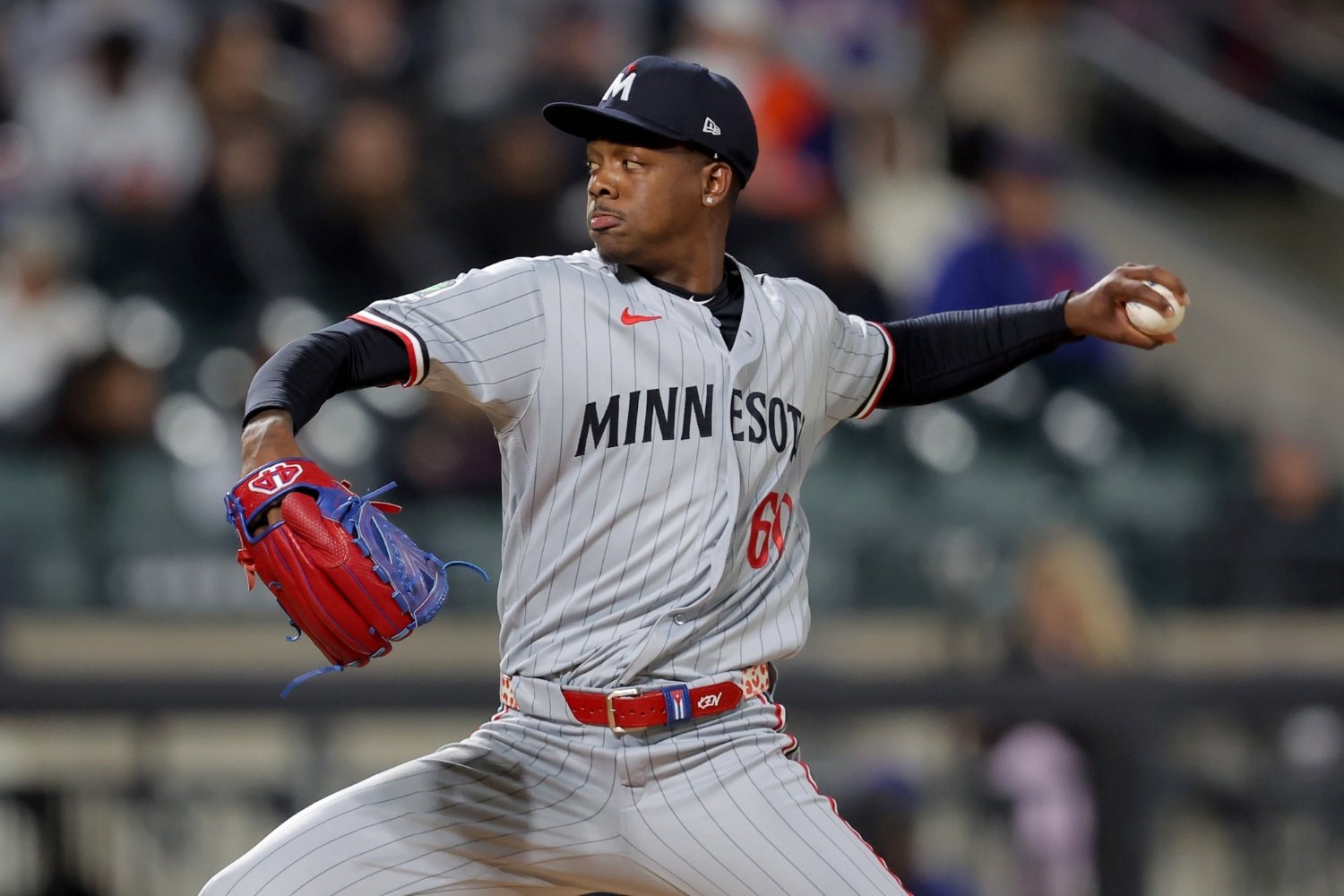 There’s been a noticeable shift in the narrative around Twins pitching prospect (Twins Daily’s No. 8 prospect) Kendry Rojas. At this time last year, Rojas looked like the type of pitcher you could realistically envision slotting into the middle of a major-league rotation in a couple years. The 6-foot-2 left-hander has the frame and swing-and-miss ability teams covet in modern starters, and we saw plenty of that during the first half of 2025. But there’s also some fine-tuning that needs to happen first, and right now, that part of the equation is becoming harder to ignore. Before being acquired from Toronto at last year’s trade deadline, Rojas was carving up minor-league hitters like he was a butcher at a meat shop. Hitters simply had no answers for him. Across 31 2/3 innings between Single-A and Double-A in the Blue Jays organization, Rojas allowed just eight earned runs while striking out 58 batters and walking only five. That works out to an absurd 11.6 strikeout-to-walk ratio, with a walk rate sitting just north of 4%. He looked like a man amongst boys. Because of that success, Rojas quickly emerged as one of Toronto’s top pitching prospects. Then, at last year’s trade deadline, he was dealt to Minnesota alongside Alan Roden in the package for Louis Varland and Ty France. That acquisition looked like exactly the kind of upside swing the Twins needed to take at the time. But things changed once Rojas reached Triple-A. After a three-month stretch of dominance to begin the year, he very much struggled in St. Paul. In 27 1/3 innings with the Saints last season, his ERA ballooned to 6.59, but more concerning than the run prevention (or lack thereof) was his command (or lack thereof). For the first time in his professional career, there were legitimate concerns surrounding Rojas’s ability to consistently throw strikes. His walk rate climbed all the way to 16%, and suddenly, his profile looked a lot different than the one we had seen earlier in the year. Instead of a polished strike-thrower with electric stuff, Rojas began to look more like a talented arm still searching for consistency. Now, to be fair, there were a lot of moving parts involved. A midseason trade and a jump to Triple-A. New coaches, new catchers, a new organization: it was a different environment entirely. Heading into 2026, the hope was that a fresh start (along with some sharper command) would quickly put a lot of those concerns to bed. While his walk numbers in the minors have improved this year, injuries and an inconsistent bullpen opened the door for Rojas to make his debut earlier than the Twins probably envisioned. Through his first 5 1/3 innings with the Twins—which, of course, is an extremely small sample—the results have been pretty concerning. Rojas has walked six batters, giving him a frightening 24% walk rate at the major-league level. To make matters worse, hitters are punishing the mistakes he does leave over the plate. Opposing hitters already have seven hits against him, along with a 50% hard-hit rate. Technically, he's allowed just one earned run, but the expected metrics paint a far uglier picture. His 7.06 expected ERA feels significantly more representative of how he’s actually pitched than the traditional ERA does. When Rojas misses out of the zone, it’s often not even close, and major-league hitters simply are not chasing those pitches. But when he does come back into the zone, the contact quality against him has been loud. That’s not exactly a sustainable formula for success. It’s fair to wonder if there’s a velocity component playing a role here. Rojas’s fastball and slider, his two primary pitches, are both sitting roughly 1.5 MPH harder than they did a season ago. Added velocity is usually a positive in the bigger picture, but it can sometimes create temporary command issues while pitchers learn how to repeat their mechanics at that new level of effort. That’s not uncommon at all. But at the same time, that explanation only goes so far when you factor in the command problems we already saw during his Triple-A stint last season. The concerns aren’t brand new anymore, and that’s what makes the rest of this year so important for him. Rojas absolutely still has the size and raw stuff to become an effective major-league pitcher. Left-handers with this kind of talent don’t grow on trees, and there’s still very real upside here if he can harness everything consistently. But a 24% walk rate is simply unplayable at the major league level. Even if that number were cut in half, that would still be considered quite high for a starting pitcher. Can pitchers survive with elevated walk rates? Sure. But if that’s going to happen, everything else in their profile has to play up. The strikeout numbers need to be elite; the contact suppression needs to be elite; and the stuff needs to completely overpower hitters. More often than not, that skill set tends to align more naturally with a reliever working shorter outings, rather than a starter trying to turn a lineup over multiple times. The rest of 2026 could be the year we learn what his long-term role is. His upside is undeniable, but if the command never takes the step forward the Twins need it to, there’s arguably just as much downside attached to his profile. It’s far too early to say with certainty, but right now we’re seeing a lot more of the downside scenario.
 -
After two inconsistent seasons, plenty of people were starting to question whether Brooks Lee would ever live up to the hype. Now in year three, the former first-round pick is beginning to prove a lot of doubters wrong. View full video
-
After two inconsistent seasons, plenty of people were starting to question whether Brooks Lee would ever live up to the hype. Now in year three, the former first-round pick is beginning to prove a lot of doubters wrong.
-
Image courtesy of © Andrew West / USA TODAY NETWORK via Imagn Images For a Twins farm system still searching for a true, no-doubt, top-of-the-rotation pitching prospect, 2026 loomed as a pivotal year for Dasan Hill . The 6-foot-5 left-hander, and Twins Daily’s #6 prospect, has flashed the kind of upside that could eventually vault him into that conversation. As a 19-year-old in Low-A Fort Myers, he posted a 2.77 ERA with 68 strikeouts in 52 IP (albeit with 33 walks) before a late-season promotion to High-A Cedar Rapids. But through his first five starts at Cedar Rapids this year, the early results have been anything but encouraging. Hill owns an 8.44 ERA across 16 innings, along with a 1.88 WHIP. He’s struck out 24 hitters, which on its own is an excellent sign, but that’s been overshadowed by 13 walks and 17 hits allowed. That combination has created constant traffic on the bases, and it’s made it difficult for him to string together clean, efficient outings. For a pitcher expected to take a step forward this season, it’s been quite the opposite so far. The Twins don't currently have a clear-cut, top-100 caliber pitching prospect in their system. Hill has shown flashes of dominance, and his frame and ability to overpower and confuse hitters give him the potential to change that. Instead, he’s spent the first few weeks trying to find his footing. The biggest issue thus far, and the one driving most of the struggles, is command. Hill’s walk rate sits at 17.1%, a number that’s simply too high to sustain success at any level. When nearly one out of every five hitters reaches via walk, everything else becomes exponentially more difficult. Pitch counts climb quickly, innings get extended, and even minor mistakes can turn into big innings. The margin for error becomes extremely small, and for Hill, it’s been almost nonexistent. Even with his ability to miss bats, that kind of inefficiency is hard to overcome. To his credit, there have been signs of life in that department recently. Over his last couple of starts, the command has looked sharper, and the results have followed. Hill has racked up 14 strikeouts to just three walks over his last eight innings, a stretch that much more closely resembles the dominance we’ve been waiting to see. It’s a small sample within a small sample, but it’s at least a step in the right direction. It hasn’t been all negative, either. Beneath the surface, there are indicators suggesting he’s been better than his ERA would imply. For one, his BABIP currently sits at a preposterously high .421. That number is hardly sustainable over multiple starts, let alone a full season, and will come down. That’s especially notable when paired with his batted-ball profile. Hill has done an excellent job generating ground balls, posting a 58% ground ball rate so far this season. That’s a significant jump from the 40.6% mark he posted last year, and typically, that kind of improvement leads to better run prevention. Ground balls are generally less damaging than fly balls, but so far, the results haven’t matched the process. That disconnect shows up when looking at his FIP, which sits at 4.11. While that’s still not dominant, it’s a far cry from an ERA north of eight. The gap suggests that while Hill hasn’t pitched well overall, his performance hasn’t been nearly as disastrous as the surface numbers indicate. Still, it would be a mistake to chalk this up primarily to bad luck. The inflated BABIP and improved ground ball rate offer some optimism, but the command issues are real, and they’re doing the bulk of the damage. Too many walks, combined with too many hitters reaching base in general, have consistently put Hill in difficult situations. Even with better luck on balls in play, that’s not a sustainable formula for success. Of course, it’s important to zoom out. We’re talking about five starts and 16 innings. That’s not nearly enough of a sample to draw firm conclusions about a pitcher’s trajectory, especially at the minor league level. Development is rarely linear, and early-season stat lines can look dramatically different a month or two down the road. But that doesn’t mean what we’re seeing should be ignored, either. For a pitcher with Hill’s upside, expectations are naturally higher. This is a season where progress matters, not just in flashes, but in consistency. The recent uptick in strikeouts and improved command is encouraging, but it needs to become the norm rather than the exception. If that happens, his outlook could change quickly. The swing-and-miss ability is clearly still there, and the jump in his ground ball rate is perhaps the strongest area of improvement from 2025. Clean up the walks, and suddenly you’re looking at a very different stat line, and a very different conversation. Until then, though, the results are what they are. And for those hoping to see Hill force an early promotion to Double-A, that timeline appears to be on hold. View full article
-
The Walks Are Real: Dasan Hill's Slow Start in Cedar Rapids
Sam Caulder posted an article in Minor Leagues
 For a Twins farm system still searching for a true, no-doubt, top-of-the-rotation pitching prospect, 2026 loomed as a pivotal year for Dasan Hill . The 6-foot-5 left-hander, and Twins Daily’s #6 prospect, has flashed the kind of upside that could eventually vault him into that conversation. As a 19-year-old in Low-A Fort Myers, he posted a 2.77 ERA with 68 strikeouts in 52 IP (albeit with 33 walks) before a late-season promotion to High-A Cedar Rapids. But through his first five starts at Cedar Rapids this year, the early results have been anything but encouraging. Hill owns an 8.44 ERA across 16 innings, along with a 1.88 WHIP. He’s struck out 24 hitters, which on its own is an excellent sign, but that’s been overshadowed by 13 walks and 17 hits allowed. That combination has created constant traffic on the bases, and it’s made it difficult for him to string together clean, efficient outings. For a pitcher expected to take a step forward this season, it’s been quite the opposite so far. The Twins don't currently have a clear-cut, top-100 caliber pitching prospect in their system. Hill has shown flashes of dominance, and his frame and ability to overpower and confuse hitters give him the potential to change that. Instead, he’s spent the first few weeks trying to find his footing. The biggest issue thus far, and the one driving most of the struggles, is command. Hill’s walk rate sits at 17.1%, a number that’s simply too high to sustain success at any level. When nearly one out of every five hitters reaches via walk, everything else becomes exponentially more difficult. Pitch counts climb quickly, innings get extended, and even minor mistakes can turn into big innings. The margin for error becomes extremely small, and for Hill, it’s been almost nonexistent. Even with his ability to miss bats, that kind of inefficiency is hard to overcome. To his credit, there have been signs of life in that department recently. Over his last couple of starts, the command has looked sharper, and the results have followed. Hill has racked up 14 strikeouts to just three walks over his last eight innings, a stretch that much more closely resembles the dominance we’ve been waiting to see. It’s a small sample within a small sample, but it’s at least a step in the right direction. It hasn’t been all negative, either. Beneath the surface, there are indicators suggesting he’s been better than his ERA would imply. For one, his BABIP currently sits at a preposterously high .421. That number is hardly sustainable over multiple starts, let alone a full season, and will come down. That’s especially notable when paired with his batted-ball profile. Hill has done an excellent job generating ground balls, posting a 58% ground ball rate so far this season. That’s a significant jump from the 40.6% mark he posted last year, and typically, that kind of improvement leads to better run prevention. Ground balls are generally less damaging than fly balls, but so far, the results haven’t matched the process. That disconnect shows up when looking at his FIP, which sits at 4.11. While that’s still not dominant, it’s a far cry from an ERA north of eight. The gap suggests that while Hill hasn’t pitched well overall, his performance hasn’t been nearly as disastrous as the surface numbers indicate. Still, it would be a mistake to chalk this up primarily to bad luck. The inflated BABIP and improved ground ball rate offer some optimism, but the command issues are real, and they’re doing the bulk of the damage. Too many walks, combined with too many hitters reaching base in general, have consistently put Hill in difficult situations. Even with better luck on balls in play, that’s not a sustainable formula for success. Of course, it’s important to zoom out. We’re talking about five starts and 16 innings. That’s not nearly enough of a sample to draw firm conclusions about a pitcher’s trajectory, especially at the minor league level. Development is rarely linear, and early-season stat lines can look dramatically different a month or two down the road. But that doesn’t mean what we’re seeing should be ignored, either. For a pitcher with Hill’s upside, expectations are naturally higher. This is a season where progress matters, not just in flashes, but in consistency. The recent uptick in strikeouts and improved command is encouraging, but it needs to become the norm rather than the exception. If that happens, his outlook could change quickly. The swing-and-miss ability is clearly still there, and the jump in his ground ball rate is perhaps the strongest area of improvement from 2025. Clean up the walks, and suddenly you’re looking at a very different stat line, and a very different conversation. Until then, though, the results are what they are. And for those hoping to see Hill force an early promotion to Double-A, that timeline appears to be on hold.
 -
Marek Houston is off to a phenomenal start to the 2026 season and has made strides in every facet of his game. The Wake Forest product has the makings of a future star. View full video
-
Marek Houston is off to a phenomenal start to the 2026 season and has made strides in every facet of his game. The Wake Forest product has the makings of a future star.
-
Walker JenkinsEmmanuel RodriguezKaelen CulpepperEduardo TaitMarek HoustonConnor PrielippDasan HillRiley QuickGabriel GonzalezHendry MendezKendry RojasAndrew MorrisCharlee SotoBrandon WinokurKhadim DiawRyan GallagherQuentin YoungMarco RayaKyle DeBargeKyler Fedko
-
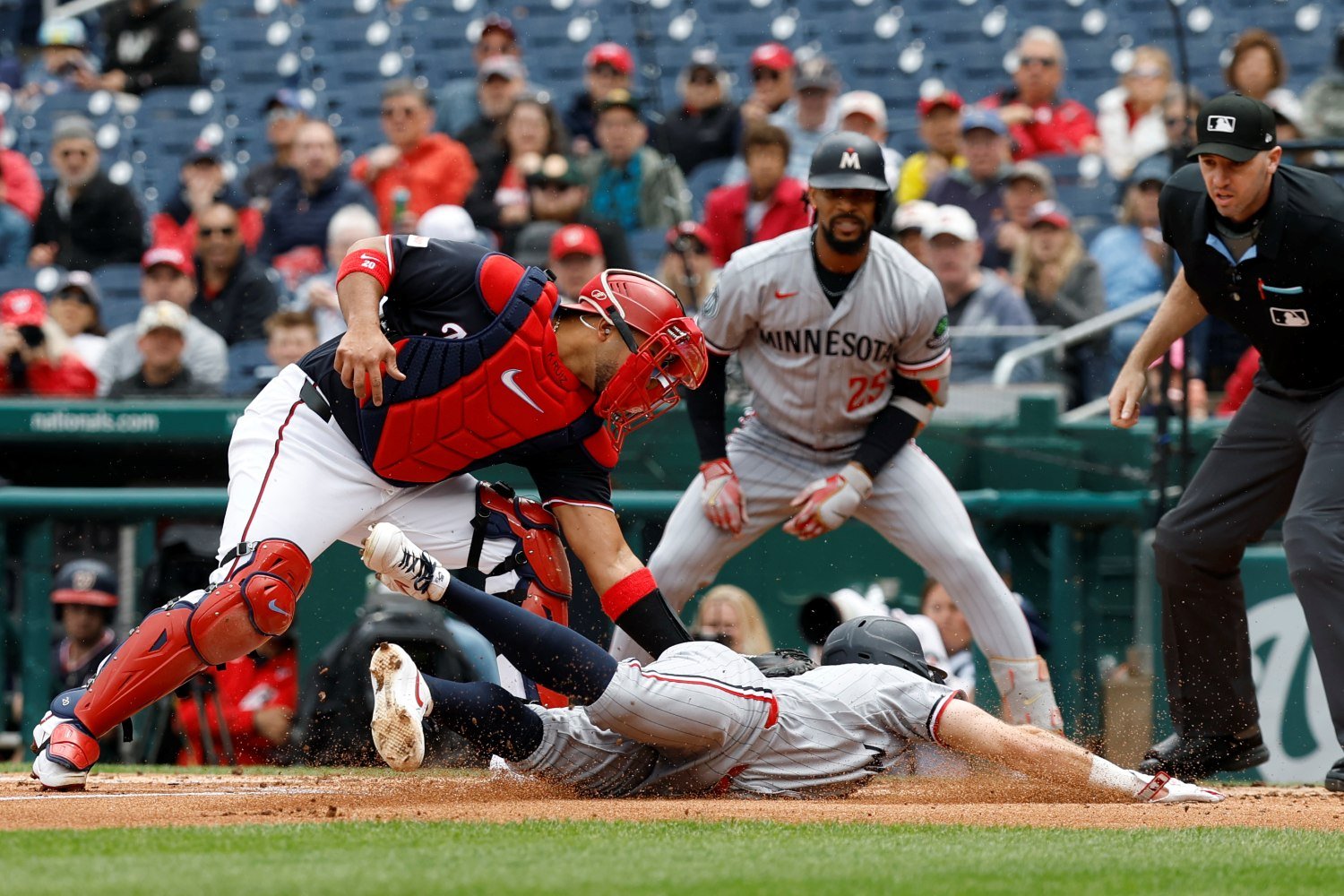 Box Score SP: Simeon Woods Richardson - 4 1/3 IP, 4 H, 5 R, 2 BB, 2 K (61 pitches, 34 strikes (56% strikes)) Home Runs: Ryan Jeffers Bottom 3 WPA: Simeon Woods Richardson (-0.36), Austin Martin (-0.19), Byron Buxton (-0.18) Win Probability Chart The Twins entered Thursday’s rubber match against Washington with a chance to secure the series and build some momentum after a rocky start to the season. Instead, they let another winnable game slip away. Despite multiple offensive contributions and several chances to swing the game in their favor, the Twins couldn’t overcome another uneven pitching performance and a handful of costly mistakes in a 7-5 loss. Minnesota battled back more than once and briefly erased a late deficit, but every answer they had was quickly matched by Washington. In the end, the Nationals took the series, while the Twins fell to 16-22 on the year. BROOKS LEE BREAKS THROUGH EARLY The Twins wasted little time putting pressure on the Nationals’ starting pitcher, Bloomington, Minn. native Jake Irvin. After Irvin cruised through a quick first inning, Minnesota broke through in the second. Ryan Jeffers opened the frame with an eight-pitch walk, Luke Keaschall followed with an infield single, and Kody Clemens was hit by a pitch to load the bases. That brought up Brooks Lee, who continued what’s becoming a trend this season in big spots. Behind in the count with two strikes, Lee ripped a ground ball through the left side to score Jeffers and Keaschall, giving the Twins an early 2-0 lead. Heads-up baserunning from Clemens allowed him to move to third on the play, though the inning eventually ended with him getting tagged out at the plate trying to score on a shallow fly ball. Lee wasn’t done. After Washington tied the game in the third, Lee delivered again in the fifth with a leadoff double, smoked 105 MPH off the bat. Moments later, Tristan Gray punched a single into shallow center, allowing Lee to score from second and briefly restore Minnesota’s lead. By the middle innings, Lee had accounted for all three Twins runs, continuing a hot stretch at the plate and once again coming through in clutch situations. WOODS RICHARDSON CAN’T ESCAPE THE FIFTH For four innings, Simeon Woods Richardson looked like he might finally be settling in. Despite some shaky command early, he worked efficiently throughout the afternoon. Through four innings, Woods Richardson had thrown just 46 pitches and allowed only two runs. Aided by a pair of double plays and some solid defensive moments behind him, including a diving catch from Austin Martin in left field that robbed James Wood of extra bases, it was looking like the outing he desperately needed. But the fifth inning unraveled quickly. José Tena drew a leadoff walk, Jacob Young was hit by a pitch, and Keibert Ruiz came through with a two-run double to put Washington ahead 4-3. After a sacrifice bunt moved Ruiz to third, Woods Richardson’s day came to an end after just 4 1/3 innings. It marked his sixth straight start allowing at least three earned runs, and once again, he failed to make it through five innings. Things only got worse after Anthony Banda entered the game. Banda walked James Wood and hit Daylen Lile to load the bases, and a miscommunication between Matt Wallner and Keaschall on a routine pop-up allowed another run to score. Washington pushed its lead to 5-3 before the inning finally came to an end. The ugly fifth inning erased what had been a relatively encouraging outing up to that point. THE TWINS KEEP FIGHTING BACK To their credit, the Twins didn’t go away quietly. Ryan Jeffers immediately answered in the sixth inning, hammering a leadoff homer 432 feet to left field off an elevated sinker from Irvin. It was his fifth homer of the season and trimmed the deficit to one. Minnesota had a golden opportunity to do even more damage after Wallner reached via hit-by-pitch and Keaschall worked a walk. Clemens moved both runners over with a sacrifice bunt, putting the tying and go-ahead runs in scoring position with one out. But after the Nationals intentionally walked Lee, Tristan Gray struck out, and Byron Buxton came up empty in a huge spot, striking out on a full count to end the threat. An inning later, the Twins clawed back again. Jeffers picked up his third extra-base hit of the game with a cheap double down the right-field line, and Josh Bell, facing his former team, delivered off the bench with a game-tying RBI double off the wall in left field. Suddenly, the game was tied at 5-5, and the momentum had swung back toward Minnesota. Unfortunately for the Twins, it didn’t last long. WASHINGTON RESPONDS IMMEDIATELY The Nationals answered right away in the bottom of the seventh. Keibert Ruiz, who tormented Twins pitching all afternoon, launched a leadoff homer off John Klein to put Washington back in front. It was the first run allowed in Klein’s big-league career. Moments later, James Wood ripped a ground-rule double, Daylen Lile reached on a swinging bunt that appeared to beat, and Curtis Mead added an RBI single to extend the lead to 7-5. That proved to be enough. The Twins managed just one baserunner over the final two innings. Byron Buxton singled in the eighth to bring the tying run to the plate, but Trevor Larnach popped out to end the inning, and the top of the ninth went down quietly against Gus Varland (brother of Louie). It was another frustrating loss for a Twins team that had opportunities throughout the afternoon but couldn’t capitalize enough when it mattered most. They battled back multiple times, but defensive mistakes, missed chances, and another short outing from the starting rotation ultimately proved too much to overcome. What’s Next? The Twins will travel to Cleveland to start a three-game weekend series tomorrow against the AL Central-leading Guardians. We’ve got a battle of young, talented left-handers tomorrow with Connor Prielipp on the hill for the Twins and Parker Messick throwing for Cleveland. First pitch is set for 6:15 PM. Postgame Interviews Coming Soon! Bullpen Usage Chart SUN MON TUE WED THU TOT Orze 24 0 16 0 0 40 Morris 57 0 0 14 0 71 Rogers 32 0 0 0 26 58 Garcia 0 0 13 14 0 27 Banda 0 0 19 0 20 39 Topa 17 0 0 32 0 49 Funderburk 3 0 0 17 0 20 Klein 0 0 0 0 31 31
- 56 comments
-
- 3
-
-
- simeon woods richardson
- austin martin
- (and 2 more)
-
Image courtesy of © Geoff Burke-Imagn Images Box Score SP: Simeon Woods Richardson - 4 1/3 IP, 4 H, 5 R, 2 BB, 2 K (61 pitches, 34 strikes (56% strikes)) Home Runs: Ryan Jeffers Bottom 3 WPA: Simeon Woods Richardson (-0.36), Austin Martin (-0.19), Byron Buxton (-0.18) Win Probability Chart The Twins entered Thursday’s rubber match against Washington with a chance to secure the series and build some momentum after a rocky start to the season. Instead, they let another winnable game slip away. Despite multiple offensive contributions and several chances to swing the game in their favor, the Twins couldn’t overcome another uneven pitching performance and a handful of costly mistakes in a 7-5 loss. Minnesota battled back more than once and briefly erased a late deficit, but every answer they had was quickly matched by Washington. In the end, the Nationals took the series, while the Twins fell to 16-22 on the year. BROOKS LEE BREAKS THROUGH EARLY The Twins wasted little time putting pressure on the Nationals’ starting pitcher, Bloomington, Minn. native Jake Irvin. After Irvin cruised through a quick first inning, Minnesota broke through in the second. Ryan Jeffers opened the frame with an eight-pitch walk, Luke Keaschall followed with an infield single, and Kody Clemens was hit by a pitch to load the bases. That brought up Brooks Lee, who continued what’s becoming a trend this season in big spots. Behind in the count with two strikes, Lee ripped a ground ball through the left side to score Jeffers and Keaschall, giving the Twins an early 2-0 lead. Heads-up baserunning from Clemens allowed him to move to third on the play, though the inning eventually ended with him getting tagged out at the plate trying to score on a shallow fly ball. Lee wasn’t done. After Washington tied the game in the third, Lee delivered again in the fifth with a leadoff double, smoked 105 MPH off the bat. Moments later, Tristan Gray punched a single into shallow center, allowing Lee to score from second and briefly restore Minnesota’s lead. By the middle innings, Lee had accounted for all three Twins runs, continuing a hot stretch at the plate and once again coming through in clutch situations. WOODS RICHARDSON CAN’T ESCAPE THE FIFTH For four innings, Simeon Woods Richardson looked like he might finally be settling in. Despite some shaky command early, he worked efficiently throughout the afternoon. Through four innings, Woods Richardson had thrown just 46 pitches and allowed only two runs. Aided by a pair of double plays and some solid defensive moments behind him, including a diving catch from Austin Martin in left field that robbed James Wood of extra bases, it was looking like the outing he desperately needed. But the fifth inning unraveled quickly. José Tena drew a leadoff walk, Jacob Young was hit by a pitch, and Keibert Ruiz came through with a two-run double to put Washington ahead 4-3. After a sacrifice bunt moved Ruiz to third, Woods Richardson’s day came to an end after just 4 1/3 innings. It marked his sixth straight start allowing at least three earned runs, and once again, he failed to make it through five innings. Things only got worse after Anthony Banda entered the game. Banda walked James Wood and hit Daylen Lile to load the bases, and a miscommunication between Matt Wallner and Keaschall on a routine pop-up allowed another run to score. Washington pushed its lead to 5-3 before the inning finally came to an end. The ugly fifth inning erased what had been a relatively encouraging outing up to that point. THE TWINS KEEP FIGHTING BACK To their credit, the Twins didn’t go away quietly. Ryan Jeffers immediately answered in the sixth inning, hammering a leadoff homer 432 feet to left field off an elevated sinker from Irvin. It was his fifth homer of the season and trimmed the deficit to one. Minnesota had a golden opportunity to do even more damage after Wallner reached via hit-by-pitch and Keaschall worked a walk. Clemens moved both runners over with a sacrifice bunt, putting the tying and go-ahead runs in scoring position with one out. But after the Nationals intentionally walked Lee, Tristan Gray struck out, and Byron Buxton came up empty in a huge spot, striking out on a full count to end the threat. An inning later, the Twins clawed back again. Jeffers picked up his third extra-base hit of the game with a cheap double down the right-field line, and Josh Bell, facing his former team, delivered off the bench with a game-tying RBI double off the wall in left field. Suddenly, the game was tied at 5-5, and the momentum had swung back toward Minnesota. Unfortunately for the Twins, it didn’t last long. WASHINGTON RESPONDS IMMEDIATELY The Nationals answered right away in the bottom of the seventh. Keibert Ruiz, who tormented Twins pitching all afternoon, launched a leadoff homer off John Klein to put Washington back in front. It was the first run allowed in Klein’s big-league career. Moments later, James Wood ripped a ground-rule double, Daylen Lile reached on a swinging bunt that appeared to beat, and Curtis Mead added an RBI single to extend the lead to 7-5. That proved to be enough. The Twins managed just one baserunner over the final two innings. Byron Buxton singled in the eighth to bring the tying run to the plate, but Trevor Larnach popped out to end the inning, and the top of the ninth went down quietly against Gus Varland (brother of Louie). It was another frustrating loss for a Twins team that had opportunities throughout the afternoon but couldn’t capitalize enough when it mattered most. They battled back multiple times, but defensive mistakes, missed chances, and another short outing from the starting rotation ultimately proved too much to overcome. What’s Next? The Twins will travel to Cleveland to start a three-game weekend series tomorrow against the AL Central-leading Guardians. We’ve got a battle of young, talented left-handers tomorrow with Connor Prielipp on the hill for the Twins and Parker Messick throwing for Cleveland. First pitch is set for 6:15 PM. Postgame Interviews Coming Soon! Bullpen Usage Chart SUN MON TUE WED THU TOT Orze 24 0 16 0 0 40 Morris 57 0 0 14 0 71 Rogers 32 0 0 0 26 58 Garcia 0 0 13 14 0 27 Banda 0 0 19 0 20 39 Topa 17 0 0 32 0 49 Funderburk 3 0 0 17 0 20 Klein 0 0 0 0 31 31 View full article
-
Royce Lewis once looked like a future superstar. Now, his future with the Twins feels far less certain. View full video
-
Royce Lewis once looked like a future superstar. Now, his future with the Twins feels far less certain.


