



Cody Christie
-
Posts
7,515 -
Joined
-
Last visited
-
Days Won
5
Content Type
Profiles
News
Minnesota Twins Videos
2026 Minnesota Twins Top Prospects Ranking
2022 Minnesota Twins Draft Picks
Minnesota Twins Free Agent & Trade Rumors, Notes, & Tidbits
Guides & Resources
2023 Minnesota Twins Draft Picks
The Minnesota Twins Players Project
2024 Minnesota Twins Draft Picks
2025 Minnesota Twins Draft Pick Tracker
2026 Minnesota Twins Draft Tracker: Picks & Bonuses
Forums
Blogs
Events
Store
Downloads
Gallery
Everything posted by Cody Christie
-
 Throughout recent months, fans have been able to track this year’s MLB Hall of Fame election results thanks to Ryan Thibodaux and his HOF Tracker team. Through his work, it’s easy to follow the results as they are released in real time. There are still four more years before Joe Mauer will be eligible for the ballot and there is plenty of time to debate his case, but is there another Hall of Fame player on the current Twins roster?Hall of Fame players are not one-size fits all and, for many, the path to the Hall includes excellence over a long period of time. Nelson Cruz’s play over the last decade is certainly going to warrant some consideration for the Hall, but there could be some obstacle awaiting him on his path to enshrinement. Obstacles Facing Cruz Designated hitters have struggled to be elected by the baseball writers and Cruz has been a DH for a large chunk of his career. Entering the 2020 campaign, he has played 970 games in the outfield and he has been a DH for 696 games. Minnesota will likely use him as a DH for over 100 games this season and that could put those numbers even closer together. Cruz was also a late bloomer in terms of MLB players and that will hurt his career numbers because of his lack of longevity. At the onset of his big-league career, it seemed almost impossible for him to hit over 400 home runs, but he crossed that mark last season. He didn’t debut until age 24, his first home run came at age-26, and he wouldn’t be a full-time player until age 28. The other elephant in the room is the fact Cruz was part of the largest mass suspension in baseball history. Back in 2013, he was part of the Biogenesis drug case and he was forced to miss 50 games. His excuse for taking a banned substance was an “error in judgment.” He had lost 40 pounds due to a stomach infection and he was trying to get ready for the 2012 season. JAWS and Peak Performance One way to measure a player’s Hall of Fame worthiness is the scoring system known as JAWS. According to Baseball Reference, a player’s JAWS is their career WAR averaged with their 7-year peak WAR. To examine Cruz, one must compare him to other players at his primary position, right field. There are 26 Hall of Fame players at this position, the most of any non-pitching position, and their averages are a career WAR of 71.5, a seven-year peak WAR of 42.1, and a JAWS of 56.8. Cruz falls well below all those numbers because of his late debut. He has a career WAR of 37.9, a seven-year peak WAR of 30.0, and a JAWS score of 33.9. JAWS ranks him closely to Juan Gonzalez, Kirk Gibson, David Justice and Roger Maris. During the 2010’s, it’s hard to argue with the numbers compiled by Cruz. MLB.com named him as the DH on the All-Decade Team. Among players over 30, he has the 10th most home runs all-time and the list includes some of the game’s most prolific home runs hitters like Bonds, Ruth, Aaron and Mays. Cruz was the best player at his position for most of a decade, but his late arrival as a full-time player likely means his Hall of Fame chances are slim. He might continue his late-career renaissance and play well into his 40s and that would still likely leave him on the outside of the Hall. MORE FROM TWINS DAILY — Latest Twins coverage from our writers — Recent Twins discussion in our forums — Follow Twins Daily via Twitter, Facebook or email Click here to view the article
- 15 replies
-
- 1
-

-
- nelson cruz
- joe mauer
- (and 3 more)
-
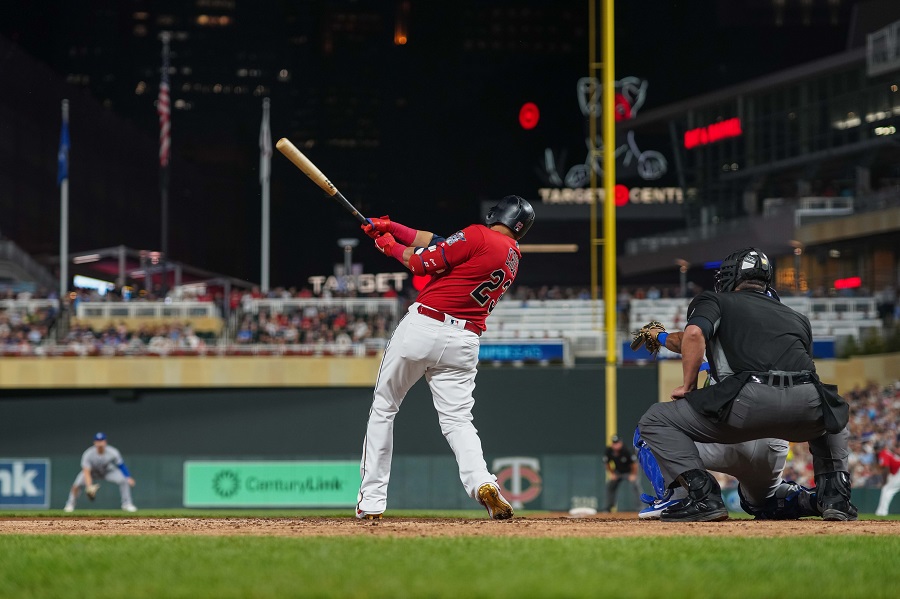 Hall of Fame players are not one-size fits all and, for many, the path to the Hall includes excellence over a long period of time. Nelson Cruz’s play over the last decade is certainly going to warrant some consideration for the Hall, but there could be some obstacle awaiting him on his path to enshrinement. Obstacles Facing Cruz Designated hitters have struggled to be elected by the baseball writers and Cruz has been a DH for a large chunk of his career. Entering the 2020 campaign, he has played 970 games in the outfield and he has been a DH for 696 games. Minnesota will likely use him as a DH for over 100 games this season and that could put those numbers even closer together. Cruz was also a late bloomer in terms of MLB players and that will hurt his career numbers because of his lack of longevity. At the onset of his big-league career, it seemed almost impossible for him to hit over 400 home runs, but he crossed that mark last season. He didn’t debut until age 24, his first home run came at age-26, and he wouldn’t be a full-time player until age 28. The other elephant in the room is the fact Cruz was part of the largest mass suspension in baseball history. Back in 2013, he was part of the Biogenesis drug case and he was forced to miss 50 games. His excuse for taking a banned substance was an “error in judgment.” He had lost 40 pounds due to a stomach infection and he was trying to get ready for the 2012 season. JAWS and Peak Performance One way to measure a player’s Hall of Fame worthiness is the scoring system known as JAWS. According to Baseball Reference, a player’s JAWS is their career WAR averaged with their 7-year peak WAR. To examine Cruz, one must compare him to other players at his primary position, right field. There are 26 Hall of Fame players at this position, the most of any non-pitching position, and their averages are a career WAR of 71.5, a seven-year peak WAR of 42.1, and a JAWS of 56.8. Cruz falls well below all those numbers because of his late debut. He has a career WAR of 37.9, a seven-year peak WAR of 30.0, and a JAWS score of 33.9. JAWS ranks him closely to Juan Gonzalez, Kirk Gibson, David Justice and Roger Maris. During the 2010’s, it’s hard to argue with the numbers compiled by Cruz. MLB.com named him as the DH on the All-Decade Team. Among players over 30, he has the 10th most home runs all-time and the list includes some of the game’s most prolific home runs hitters like Bonds, Ruth, Aaron and Mays. Cruz was the best player at his position for most of a decade, but his late arrival as a full-time player likely means his Hall of Fame chances are slim. He might continue his late-career renaissance and play well into his 40s and that would still likely leave him on the outside of the Hall. MORE FROM TWINS DAILY — Latest Twins coverage from our writers — Recent Twins discussion in our forums — Follow Twins Daily via Twitter, Facebook or email
 -
During every offseason organizations have time to re-evaluate the talent in their own organization. Minnesota’s championship window could be open and minor league talent can help to keep that window open. There’s also an opportunity to bolster the current roster by trading away prospects for MLB-ready talent.Here are four prospects to watch in 2021 for different reasons. One player could be a contributor in 2020, one was a rising prospect this season, one prospect saw his stock decline, and another has a chance to be jump on the radar next year. 2020 Contributor: Alex Kirilloff, OF/1B Late in spring training, he suffered what was called a minor wrist injury and it would keep him out of action until May and then he missed more time in June. He was limited to 94 games and saw his OPS drop to .756 as he had for 29 extra-base hits. As the season progressed, he showed signs of the player he was in 2018. During the month of August, he hit .311/.351/.500 (.851) with five home runs and five doubles. The five home runs were more than double the total he had in any other month of the season. Minnesota’s starting first baseman from last season, C.J. Cron, was non-tendered earlier this off-season and this could be an opportunity for Kirilloff to take over at first base. The Twins drafted Kirilloff as a corner outfielder, but he played over 300 innings at first base last season. He was charged with five errors in 266 chances for a .981 fielding percentage. While Minnesota might give Kirilloff a long look in spring training, it seems more likely for the club to use another internal option at first base like Miguel Sano, Mitch Garver and/or Marwin Gonzalez. Riser: Jhoan Duran, RHP Duran pitched most of 2019 at High-A and he was able to make seven Double-A starts where he was, on average, over three years younger than the competition. The 2020 season will be important for Duran to prove he can be a long-term starter as some are starting to look to him as a relief pitching option. His delivery can be inconsistent, but he threw strikes on 64.7% of his pitches. Even with these concerns, he struck out more than 10 batters per nine innings for the second straight season. He was added to the Twins 40-man roster this off-season so there is a chance he could make his debut in 2020. Faller: Wander Javier, SS Javier originally signed with the Twins back in 2015 for $4 million and he has been slowly working his way through the Twins system. He spent 2016 in the Dominican Summer League and jumped to Elizabethton in 2017. He underwent Tommy John surgery and missed all the 2018 season. Last year he played the entire year at Cedar Rapids and hit .177/.278/.323 (.601) with 21 extra-base hits. Minnesota left him off their 40-man roster and exposed him to the Rule 5 Draft. He wasn’t selected and this means he will stay in the organization. Now, he will have plenty to prove next season and he still has plenty of promise. One to watch: Misael Urbina, CF Urbina signed with the Twins during the international signing period back in 2018. He made his professional debut in the Dominican Summer League and hit .279/.382/.443 (.825) in 50 games. He has great speed and was able to show that with five triples and 19 stolen bases last season. On the defensive side, he uses his speed to be a good to be a strong defender in center field and he continues to improve with his arm. It will be interesting to see how aggressive the Twins are with Urbina. Will they move him to Elizabethton like they did with Javier? What prospects will you be keeping an eye on this coming season? Leave a COMMENT and start the discussion. MORE FROM TWINS DAILY — Latest Twins coverage from our writers — Recent Twins discussion in our forums — Follow Twins Daily via Twitter, Facebook or email Click here to view the article
- 32 replies
-
- 1
-
-
- jhoan duran
- alex kirilloff
- (and 2 more)
-
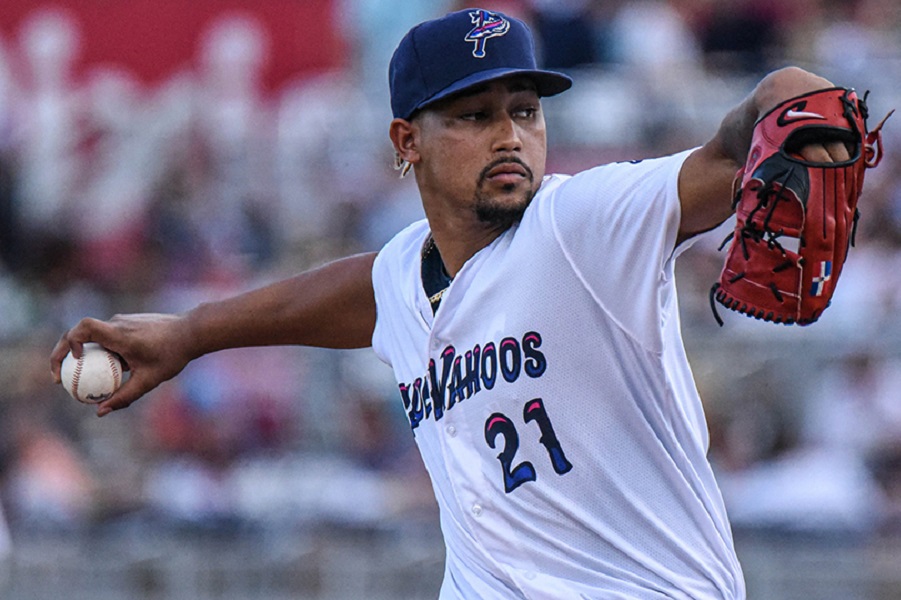 Here are four prospects to watch in 2021 for different reasons. One player could be a contributor in 2020, one was a rising prospect this season, one prospect saw his stock decline, and another has a chance to be jump on the radar next year. 2020 Contributor: Alex Kirilloff, OF/1B Late in spring training, he suffered what was called a minor wrist injury and it would keep him out of action until May and then he missed more time in June. He was limited to 94 games and saw his OPS drop to .756 as he had for 29 extra-base hits. As the season progressed, he showed signs of the player he was in 2018. During the month of August, he hit .311/.351/.500 (.851) with five home runs and five doubles. The five home runs were more than double the total he had in any other month of the season. Minnesota’s starting first baseman from last season, C.J. Cron, was non-tendered earlier this off-season and this could be an opportunity for Kirilloff to take over at first base. The Twins drafted Kirilloff as a corner outfielder, but he played over 300 innings at first base last season. He was charged with five errors in 266 chances for a .981 fielding percentage. While Minnesota might give Kirilloff a long look in spring training, it seems more likely for the club to use another internal option at first base like Miguel Sano, Mitch Garver and/or Marwin Gonzalez. Riser: Jhoan Duran, RHP Duran pitched most of 2019 at High-A and he was able to make seven Double-A starts where he was, on average, over three years younger than the competition. The 2020 season will be important for Duran to prove he can be a long-term starter as some are starting to look to him as a relief pitching option. His delivery can be inconsistent, but he threw strikes on 64.7% of his pitches. Even with these concerns, he struck out more than 10 batters per nine innings for the second straight season. He was added to the Twins 40-man roster this off-season so there is a chance he could make his debut in 2020. Faller: Wander Javier, SS Javier originally signed with the Twins back in 2015 for $4 million and he has been slowly working his way through the Twins system. He spent 2016 in the Dominican Summer League and jumped to Elizabethton in 2017. He underwent Tommy John surgery and missed all the 2018 season. Last year he played the entire year at Cedar Rapids and hit .177/.278/.323 (.601) with 21 extra-base hits. Minnesota left him off their 40-man roster and exposed him to the Rule 5 Draft. He wasn’t selected and this means he will stay in the organization. Now, he will have plenty to prove next season and he still has plenty of promise. One to watch: Misael Urbina, CF Urbina signed with the Twins during the international signing period back in 2018. He made his professional debut in the Dominican Summer League and hit .279/.382/.443 (.825) in 50 games. He has great speed and was able to show that with five triples and 19 stolen bases last season. On the defensive side, he uses his speed to be a good to be a strong defender in center field and he continues to improve with his arm. It will be interesting to see how aggressive the Twins are with Urbina. Will they move him to Elizabethton like they did with Javier? What prospects will you be keeping an eye on this coming season? Leave a COMMENT and start the discussion. MORE FROM TWINS DAILY — Latest Twins coverage from our writers — Recent Twins discussion in our forums — Follow Twins Daily via Twitter, Facebook or email
 -
Twins fans have been waiting for the club to add the impact starting-pitching the front office mentioned at the beginning of the offseason. However, adding Homer Bailey and Rich Hill left fans feeling underwhelmed. Hill will turn 40 in March and he won’t be able to take the mound until June after elbow surgery. Can the Twins ride Hill into the playoffs and turn him into their own Mr. October?Previous Playoff Experience Hill is no stranger to the playoffs as he has pitched for the Dodgers in each of the last four postseasons. This includes multiple World Series starts even though Los Angeles ended up falling short in both appearances. This still takes nothing away from what Hill has been able to do in October. Hill has made 12 career postseason starts and 13 appearances overall. For his career, he has a 3.06 ERA with a 1.38 WHIP and a 65 to 32 strikeout to walk ratio. His 11.0 SO/9 is higher than his career mark of 9.6 SO/9 and he has given up fewer hits and home runs per nine innings in the playoffs. His 53-playoff innings isn’t exactly a large sample size, but it is a lot of innings when compared to other pitchers currently on the Twins staff. His age could be a concern but using the first half of the season to rehab could keep him healthy and performing well into October. 40-Year Old Pitchers Few pitchers find success into their age-40 season and the pitchers at the top of the WAR list are a who’s who of baseball’s best pitchers. According to FanGraphs, the top age-40 seasons for pitchers have been from Randy Johnson, Nolan Ryan, Cy Young, John Smoltz, Dutch Leonard, Roger Clemens and Greg Maddux. Hill isn’t exactly in the same category as those players. Those players also found minimal playoff success in their age-40 season. In fact, Clemens and Maddux were the only players in the group to make the playoffs. Maddux made one start in the 2006 NLDS against the Mets and allowed four earned runs in four innings. Clemens made four starts in the 2003 playoffs as the Yankees went all the way to the World Series. His best start in those playoffs came against the Twins as he allowed one earned run on five hits across seven innings. Hill is a wild card in the Twins ultimate plan to win back-to-back AL Central titles. When he has been healthy, he has been very good, but those opportunities have been few and far between. Hill could provide a boost to the club in the second half, but it seems unlikely for him to be a the impact pitcher the Twins will need in October. What are your expectations for Hill? Will he provide anything for the Twins in the playoffs? Leave a COMMENT and start the discussion. MORE FROM TWINS DAILY — Latest Twins coverage from our writers — Recent Twins discussion in our forums — Follow Twins Daily via Twitter, Facebook or email Click here to view the article
-
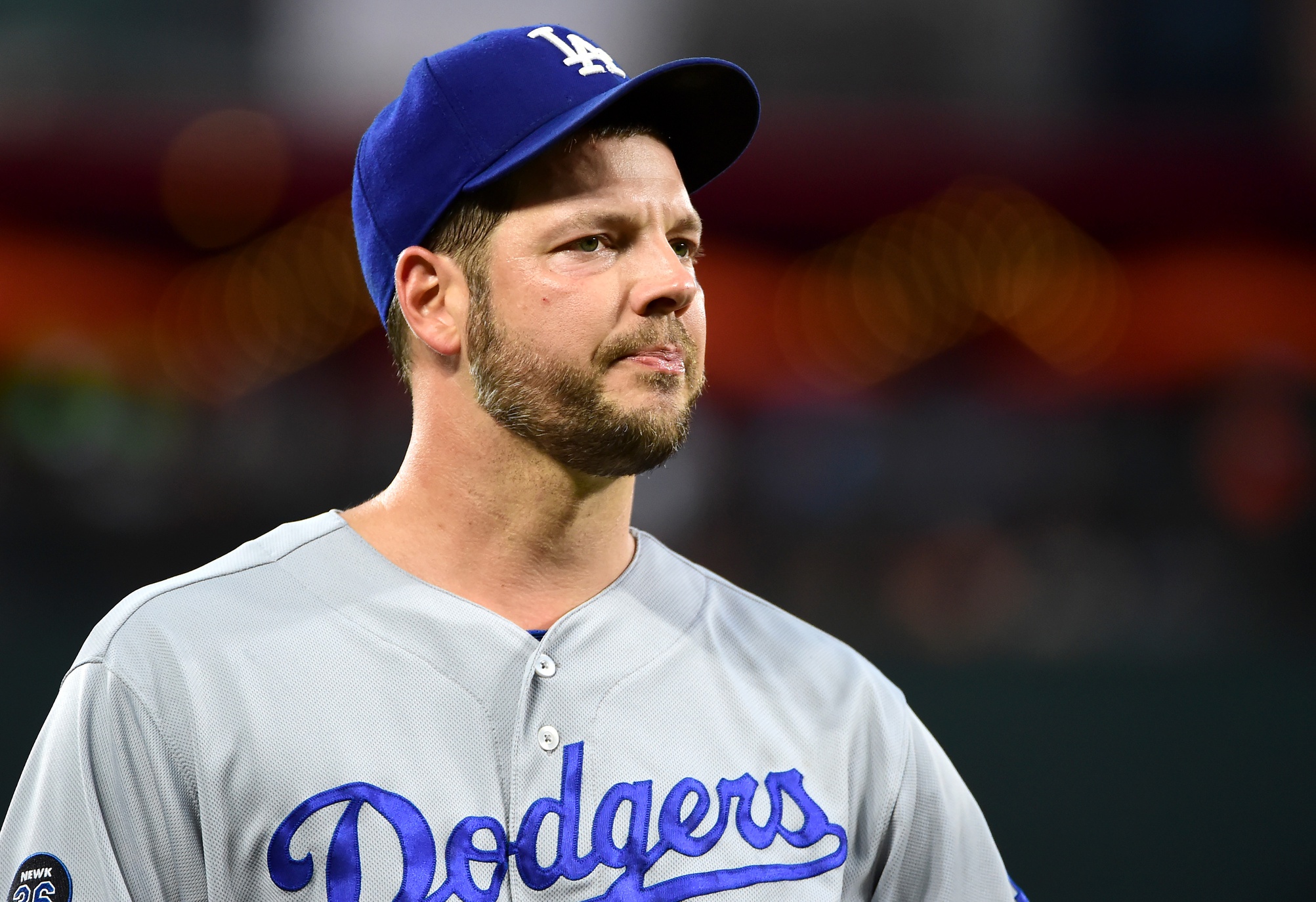 Previous Playoff Experience Hill is no stranger to the playoffs as he has pitched for the Dodgers in each of the last four postseasons. This includes multiple World Series starts even though Los Angeles ended up falling short in both appearances. This still takes nothing away from what Hill has been able to do in October. Hill has made 12 career postseason starts and 13 appearances overall. For his career, he has a 3.06 ERA with a 1.38 WHIP and a 65 to 32 strikeout to walk ratio. His 11.0 SO/9 is higher than his career mark of 9.6 SO/9 and he has given up fewer hits and home runs per nine innings in the playoffs. His 53-playoff innings isn’t exactly a large sample size, but it is a lot of innings when compared to other pitchers currently on the Twins staff. His age could be a concern but using the first half of the season to rehab could keep him healthy and performing well into October. 40-Year Old Pitchers Few pitchers find success into their age-40 season and the pitchers at the top of the WAR list are a who’s who of baseball’s best pitchers. According to FanGraphs, the top age-40 seasons for pitchers have been from Randy Johnson, Nolan Ryan, Cy Young, John Smoltz, Dutch Leonard, Roger Clemens and Greg Maddux. Hill isn’t exactly in the same category as those players. Those players also found minimal playoff success in their age-40 season. In fact, Clemens and Maddux were the only players in the group to make the playoffs. Maddux made one start in the 2006 NLDS against the Mets and allowed four earned runs in four innings. Clemens made four starts in the 2003 playoffs as the Yankees went all the way to the World Series. His best start in those playoffs came against the Twins as he allowed one earned run on five hits across seven innings. Hill is a wild card in the Twins ultimate plan to win back-to-back AL Central titles. When he has been healthy, he has been very good, but those opportunities have been few and far between. Hill could provide a boost to the club in the second half, but it seems unlikely for him to be a the impact pitcher the Twins will need in October. What are your expectations for Hill? Will he provide anything for the Twins in the playoffs? Leave a COMMENT and start the discussion. MORE FROM TWINS DAILY — Latest Twins coverage from our writers — Recent Twins discussion in our forums — Follow Twins Daily via Twitter, Facebook or email
 -
Every MLB organization starts the season with the same end goal, to win the World Series. Obviously, some teams are better equipped than others to make a deep run through October. When a team has the pieces in place, it is imperative for them to take advantage of their championship window. The Twins saw the window open last year and now there are only a few years to take advantage of that window being open.“Windows Close Very, Very Quickly” The Chicago Cubs and the Boston Red Sox are both in similar situations. Each team has won a title since 2016 and now they are facing some uncertainty. Rumors have swirled about the Cubs fielding offers for Kris Bryant and the Red Sox entertaining the thought of a Mookie Betts trade. These players were cheaper when each club won their title and now it might be time to move onto a less expensive player or prospect. “The two most important commodities in the game are payroll flexibility, No. 1, and young, controllable talent. Even if you’re a large-market team and have no payroll flexibility, you’re a small-market team,” said former Rockies general manager Dan O’Dowd. “Windows close very, very quickly within the game. Everybody wants to build a Bill Belichick model [of sustainability], but with guaranteed contracts and the way our sport works, it’s very, very difficult to do that.” Forbes baseball writer Maury Brown believes MLB expects windows to be open for roughly five years. Low revenue clubs can expect to be a little shorter and higher revenue clubs can expect to be a little longer. Multiple prospects need to hit at the same time and the organization needs to make appropriate supplemental moves, but he feels confident the league likes to tout five years as a bit of a “standard.” Minnesota’s Window Last off-season, Minnesota was able to sign Jorge Polanco and Max Kepler to very team-friendly deals. Deals like these will help the Twins to keep their window open longer, but there are plenty of other players that still need long-term contracts. Jose Berrios, Byron Buxton and Miguel Sano are all part of Minnesota’s young core and all three could be out of a Twins uniform by the time of the 2023 off-season. When it comes to revenue, Minnesota ranks near the bottom of MLB, so this likely means their window of opportunity will be less than five years. This makes sense when considering the core players mentioned above. Minnesota has one of baseball’s top-ranked farm systems and these up-and-coming players could help to keep Minnesota’s window open a little longer, but there’s no guarantees that prospects will pan out at the big-league level. Another option for the front office is to supplement the roster by trading away prospects. If Minnesota’s window is going to be less than five seasons, it makes sense to take full opportunity of the window being open. The 2019 season showed the front office a lot of things and last off-season they had a clear message to fans. “The best moves are made not when you’re trying to open the window to contend, but when the window is wide open,” said General Manager Thad Levine. “We’re very eagerly waiting for this window to be opened, and when it is, we plan on striking.” Many fans would agree that the window is now open and it’s up to the front office to take advantage of the opportunity. How long do you feel the window is for the Twins to win a championship? Can the front office do anything to extend the window? Leave a COMMENT and start the discussion. MORE FROM TWINS DAILY — Latest Twins coverage from our writers — Recent Twins discussion in our forums — Follow Twins Daily via Twitter, Facebook or email Click here to view the article
-
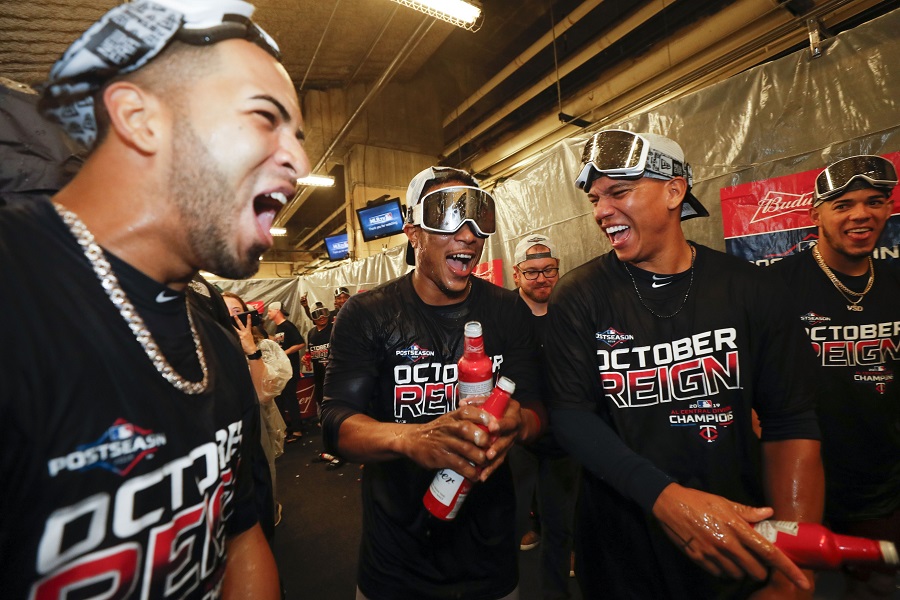 “Windows Close Very, Very Quickly” The Chicago Cubs and the Boston Red Sox are both in similar situations. Each team has won a title since 2016 and now they are facing some uncertainty. Rumors have swirled about the Cubs fielding offers for Kris Bryant and the Red Sox entertaining the thought of a Mookie Betts trade. These players were cheaper when each club won their title and now it might be time to move onto a less expensive player or prospect. “The two most important commodities in the game are payroll flexibility, No. 1, and young, controllable talent. Even if you’re a large-market team and have no payroll flexibility, you’re a small-market team,” said former Rockies general manager Dan O’Dowd. “Windows close very, very quickly within the game. Everybody wants to build a Bill Belichick model [of sustainability], but with guaranteed contracts and the way our sport works, it’s very, very difficult to do that.” Forbes baseball writer Maury Brown believes MLB expects windows to be open for roughly five years. Low revenue clubs can expect to be a little shorter and higher revenue clubs can expect to be a little longer. Multiple prospects need to hit at the same time and the organization needs to make appropriate supplemental moves, but he feels confident the league likes to tout five years as a bit of a “standard.” Minnesota’s Window Last off-season, Minnesota was able to sign Jorge Polanco and Max Kepler to very team-friendly deals. Deals like these will help the Twins to keep their window open longer, but there are plenty of other players that still need long-term contracts. Jose Berrios, Byron Buxton and Miguel Sano are all part of Minnesota’s young core and all three could be out of a Twins uniform by the time of the 2023 off-season. When it comes to revenue, Minnesota ranks near the bottom of MLB, so this likely means their window of opportunity will be less than five years. This makes sense when considering the core players mentioned above. Minnesota has one of baseball’s top-ranked farm systems and these up-and-coming players could help to keep Minnesota’s window open a little longer, but there’s no guarantees that prospects will pan out at the big-league level. Another option for the front office is to supplement the roster by trading away prospects. If Minnesota’s window is going to be less than five seasons, it makes sense to take full opportunity of the window being open. The 2019 season showed the front office a lot of things and last off-season they had a clear message to fans. “The best moves are made not when you’re trying to open the window to contend, but when the window is wide open,” said General Manager Thad Levine. “We’re very eagerly waiting for this window to be opened, and when it is, we plan on striking.” Many fans would agree that the window is now open and it’s up to the front office to take advantage of the opportunity. How long do you feel the window is for the Twins to win a championship? Can the front office do anything to extend the window? Leave a COMMENT and start the discussion. MORE FROM TWINS DAILY — Latest Twins coverage from our writers — Recent Twins discussion in our forums — Follow Twins Daily via Twitter, Facebook or email
 -
Looking into the future can be an exercise in futility, but every year I try and predict which players will be occupying Minnesota’s line-up four years in the future. There can be plenty that changes over the course of those four years and prospects can rise or fade out. For now, let’s look into the crystal ball and see who could be part of the Twins long-term plans.C: Mitch Garver Garver has been my pick for starting catcher in each of the last three years (see links below) and he did nothing to change those projections this season. By 2023, he will be 32-years old, so it will be interesting to see how his body handles the rigors of catching. The Twins are in search of a first baseman and there’s a chance Garver could spend more time at this position. This would keep Garver in the line-up on a more regular basis and it could help him keep his legs fresh. First Base: Alex Kirilloff Kirilloff started playing more time at first base last season. This will give him more defensive flexibility and allow him to reach the big leagues sooner. He has one of the best hit tools in the Twins system, but he saw his numbers dip a little last season after putting together a monster 2018 campaign. He has a good chance to make his big-league debut in 2020 and by 2023 he should be well entrenched as a regular in the Twins line-up. Second Base: Luis Arraez Arraez is one of the easiest picks for any future Twins line-up. The 22-year old burst on the scene last year and hit .334/.399/.439 (.838) across 92 games. He was a revelation in the batter’s box as he seemed to know the strike zone like a 10-year veteran. One of his most memorable at-bats came after he was a pinch hitter and entered the game with an 0-2 count. Arraez is never going to have huge power numbers, but he has been able to hit at every level where he has played. Third Base: Royce Lewis Royce Lewis was drafted by the Twins as a shortstop, but there are some that question whether he will be able to stick at that position long-term. To move to third base, Lewis is going to have to make some changes on the offensive side of the ball. He has a big leg kick and a lot of unnecessary movement with his hands. Minnesota has some time to tweak his swing before he debuts, and Lewis is athletic enough to make the changes. Shortstop: Jorge Polanco Polanco was the starting shortstop for the American League in the All-Star Game and he is under contract through at least 2023. That being said, he had a negative ranking according to SABR’s Defensive Index, which ranked him eighth among qualifying AL shortstops. He made improvements last year, but he will be 29-years old in 2023. Will he have lost a step by that point? Would the Twins be able to move him to another defensive position? Left Field: Trevor Larnach Larnach had one of the strongest seasons among Twins top prospects. Between High-A and Double-A, he hit .309/.384/.458 (.842) with 44 extra-base hits. Because of his college experience, he is actually older than Alex Kirilloff and he is the same age as Luis Arraez. Like Kirilloff, he has an opportunity to debut in 2020, but it would likely have to be the result of an injury to one of the regular outfielders. Center Field: Byron Buxton Buxton will be in an interesting spot by 2023. Can he find a way to stay healthy for an entire season? Will last year’s offensive improvements continue? He has a lot to prove during the 2020 season, but fans can hope he clears up any doubts before 2023. He would be entering his age-29 season, which should put him at the peak of his value. Speed is a big part of his game and he will need to show that he can adjust as Father Time starts to slow him down. Right Field: Max Kepler Kepler was given the opportunity to be the Twins lead-off hitter last season and he certainly proved the team made the right choice. He compiled an .855 OPS on the way to cracking 36 home runs and 32 doubles. By 2023, Kepler could be one of the team’s leaders on and off the field especially after the team signed him to an extension last off-season. His contract does have a team option for 2024, so Kepler could be amid a contract year in the 2023 season. Designated Hitter: Miguel Sano Sano has seen some ups and downs throughout his Twins tenure and it’s interesting to think about what the future could hold for the burly third baseman. There’s a chance the 2020 season will be his last season on the defensive side of the ball. Nelson Cruz is under contract for one more year and then Sano is the likely choice to take over the DH role. There is no guarantee he will be with the Twins in 2023 since he can be a free agent in 2022. Could someone like Polanco take over this spot if Sano doesn’t re-sign with the club? What do you think the 2023 line-up will look like in Minnesota? Leave a COMMENT and start the discussion. PREVIOUS YEAR’S PREDICTIONS 2020 Line-Up 2021 Line-Up 2022 Line-Up MORE FROM TWINS DAILY — Latest Twins coverage from our writers — Recent Twins discussion in our forums — Follow Twins Daily via Twitter, Facebook or email Click here to view the article
-
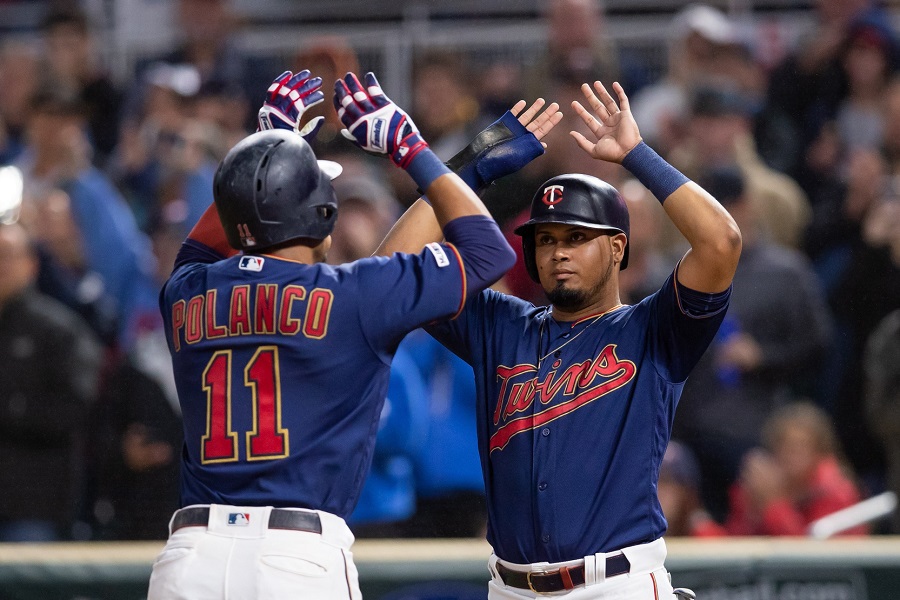 C: Mitch Garver Garver has been my pick for starting catcher in each of the last three years (see links below) and he did nothing to change those projections this season. By 2023, he will be 32-years old, so it will be interesting to see how his body handles the rigors of catching. The Twins are in search of a first baseman and there’s a chance Garver could spend more time at this position. This would keep Garver in the line-up on a more regular basis and it could help him keep his legs fresh. First Base: Alex Kirilloff Kirilloff started playing more time at first base last season. This will give him more defensive flexibility and allow him to reach the big leagues sooner. He has one of the best hit tools in the Twins system, but he saw his numbers dip a little last season after putting together a monster 2018 campaign. He has a good chance to make his big-league debut in 2020 and by 2023 he should be well entrenched as a regular in the Twins line-up. Second Base: Luis Arraez Arraez is one of the easiest picks for any future Twins line-up. The 22-year old burst on the scene last year and hit .334/.399/.439 (.838) across 92 games. He was a revelation in the batter’s box as he seemed to know the strike zone like a 10-year veteran. One of his most memorable at-bats came after he was a pinch hitter and entered the game with an 0-2 count. Arraez is never going to have huge power numbers, but he has been able to hit at every level where he has played. Third Base: Royce Lewis Royce Lewis was drafted by the Twins as a shortstop, but there are some that question whether he will be able to stick at that position long-term. To move to third base, Lewis is going to have to make some changes on the offensive side of the ball. He has a big leg kick and a lot of unnecessary movement with his hands. Minnesota has some time to tweak his swing before he debuts, and Lewis is athletic enough to make the changes. Shortstop: Jorge Polanco Polanco was the starting shortstop for the American League in the All-Star Game and he is under contract through at least 2023. That being said, he had a negative ranking according to SABR’s Defensive Index, which ranked him eighth among qualifying AL shortstops. He made improvements last year, but he will be 29-years old in 2023. Will he have lost a step by that point? Would the Twins be able to move him to another defensive position? Left Field: Trevor Larnach Larnach had one of the strongest seasons among Twins top prospects. Between High-A and Double-A, he hit .309/.384/.458 (.842) with 44 extra-base hits. Because of his college experience, he is actually older than Alex Kirilloff and he is the same age as Luis Arraez. Like Kirilloff, he has an opportunity to debut in 2020, but it would likely have to be the result of an injury to one of the regular outfielders. Center Field: Byron Buxton Buxton will be in an interesting spot by 2023. Can he find a way to stay healthy for an entire season? Will last year’s offensive improvements continue? He has a lot to prove during the 2020 season, but fans can hope he clears up any doubts before 2023. He would be entering his age-29 season, which should put him at the peak of his value. Speed is a big part of his game and he will need to show that he can adjust as Father Time starts to slow him down. Right Field: Max Kepler Kepler was given the opportunity to be the Twins lead-off hitter last season and he certainly proved the team made the right choice. He compiled an .855 OPS on the way to cracking 36 home runs and 32 doubles. By 2023, Kepler could be one of the team’s leaders on and off the field especially after the team signed him to an extension last off-season. His contract does have a team option for 2024, so Kepler could be amid a contract year in the 2023 season. Designated Hitter: Miguel Sano Sano has seen some ups and downs throughout his Twins tenure and it’s interesting to think about what the future could hold for the burly third baseman. There’s a chance the 2020 season will be his last season on the defensive side of the ball. Nelson Cruz is under contract for one more year and then Sano is the likely choice to take over the DH role. There is no guarantee he will be with the Twins in 2023 since he can be a free agent in 2022. Could someone like Polanco take over this spot if Sano doesn’t re-sign with the club? What do you think the 2023 line-up will look like in Minnesota? Leave a COMMENT and start the discussion. PREVIOUS YEAR’S PREDICTIONS 2020 Line-Up 2021 Line-Up 2022 Line-Up MORE FROM TWINS DAILY — Latest Twins coverage from our writers — Recent Twins discussion in our forums — Follow Twins Daily via Twitter, Facebook or email
 -
The Twins seem to have money to spend this offseason, and so far, the club has signed Michael Pineda, Sergio Romo and Tyler Clippard. ESPN examined free agency over the last decade and Minnesota ranked in the bottom half for free agent dollars committed. What has free agency looked like over the last decade?Minnesota Over the Last Decade Ervin Santana’s four-year, $55 million contract represents the biggest free agent contract in franchise history. Over the life of the contract, Santana compiled a 3.68 ERA with a 1.22 WHIP in 525 1/3 innings. He was named an All-Star in 2017 as he finished the year with a 16-8 record and a 3.28 ERA with a league leading five complete games and three shutouts. The 2018 season saw him limited to five starts as he dealt with injuries and had a falling out with the club. Minnesota’s best free agent signing of the last decade was signed last off-season as the club took a chance on 38-year old Nelson Cruz, He went on to lead the Bomba Squad with 41 home runs while being named the DH on the inaugural All-MLB Team and being awarded a Silver Slugger. According to ESPN, Cruz has been responsible for three organization’s best free agent contracts in the last decade. Before Cruz, Jim Thome might have represented the organization’s best free agent signing of the decade. Prior to the 2010 season, he signed for $1.5 million and hit .283/.412/.627 (1.039) with 25 home runs. Minnesota would bring him back for 2011 on a $3 million deal on his way to crossing the 600-home run plateau. He’d be limited in his final big-league season, so his last productive season came in a Twins uniform. Not all of Minnesota’s deal have worked out in the team’s favor. Prior to Santana’s deal, Minnesota handed Ricky Nolasco a four-year, $49 million deal. He struggled to the tune of a 5.44 ERA with a 1.47 WHIP in parts of three seasons. The deal was so bad, the Twins wound up dealing him to the Angels in 2016 and he hasn’t pitched at the big-league level since 2017. Major Free Agent Teams When it comes to free agency, there are some of the usual suspects at the top of the spending list, but there are some other surprising teams. The Red Sox (1st), Yankees (2nd) and Cubs (4th) have all found success in the last decade and some of that success can be attributed to spending millions on the open market. Boston won multiple titles and the Cubs were able to end their own curse. Philadelphia and Detroit are the other top five teams. Detroit had strong teams near the beginning of the decade, and they spent money to help them to multiple AL Central titles. Philadelphia spent a third of all their free agent money last offseason on one player, Bryce Harper. Detroit currently seems to be a mess, but Philadelphia might be trending in the right direction. Result Free agency is a tough gamble for every team. Players are paid based on their previous performance when most of these players are in the prime of their careers. Prime years for a player are usually associated with their mid- to late-20s. When a player hits their 30s, there is usually a decline in performance and that is when they are getting paid the most money. Players like Albert Pujols, Jacoby Ellsbury, and Prince Fielder were paid a lot of money for some poor seasons. There are some ageless players that seem to find success into their 30s. Nelson Cruz has fit that mold for multiple clubs as he entered the 2010s at age 29 and hit a decade-leading 346 home runs. MLB.com just named him to the all-decade team as the club’s designated hitter. Cruz is more of the exception to the rule than the standard, but Minnesota certainly benefitted from his signing last year. How do you feel about Minnesota’s free agent choices over the last decade? Leave a COMMENT and start the discussion. MORE FROM TWINS DAILY — Latest Twins coverage from our writers — Recent Twins discussion in our forums — Follow Twins Daily via Twitter, Facebook or email Click here to view the article
-
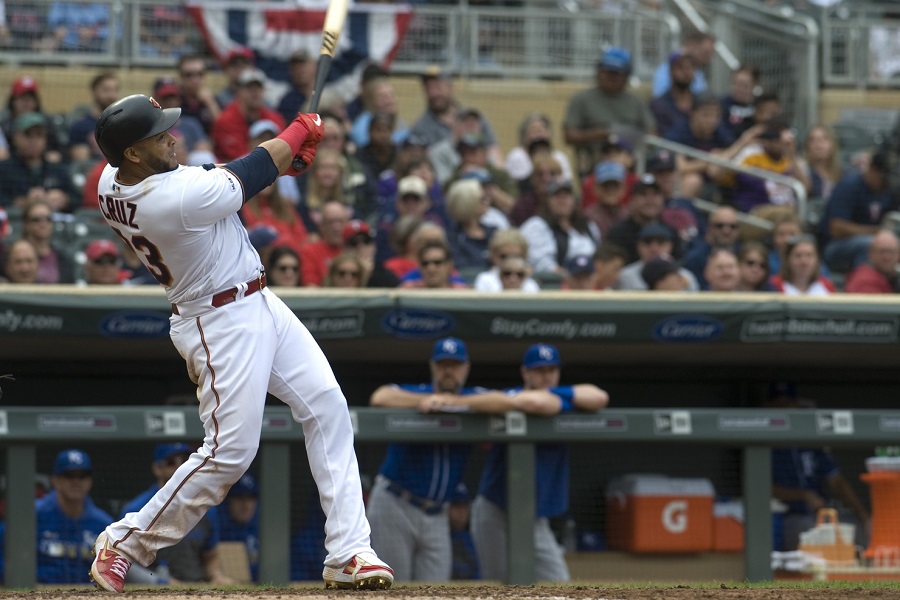 Minnesota Over the Last Decade Ervin Santana’s four-year, $55 million contract represents the biggest free agent contract in franchise history. Over the life of the contract, Santana compiled a 3.68 ERA with a 1.22 WHIP in 525 1/3 innings. He was named an All-Star in 2017 as he finished the year with a 16-8 record and a 3.28 ERA with a league leading five complete games and three shutouts. The 2018 season saw him limited to five starts as he dealt with injuries and had a falling out with the club. Minnesota’s best free agent signing of the last decade was signed last off-season as the club took a chance on 38-year old Nelson Cruz, He went on to lead the Bomba Squad with 41 home runs while being named the DH on the inaugural All-MLB Team and being awarded a Silver Slugger. According to ESPN, Cruz has been responsible for three organization’s best free agent contracts in the last decade. Before Cruz, Jim Thome might have represented the organization’s best free agent signing of the decade. Prior to the 2010 season, he signed for $1.5 million and hit .283/.412/.627 (1.039) with 25 home runs. Minnesota would bring him back for 2011 on a $3 million deal on his way to crossing the 600-home run plateau. He’d be limited in his final big-league season, so his last productive season came in a Twins uniform. Not all of Minnesota’s deal have worked out in the team’s favor. Prior to Santana’s deal, Minnesota handed Ricky Nolasco a four-year, $49 million deal. He struggled to the tune of a 5.44 ERA with a 1.47 WHIP in parts of three seasons. The deal was so bad, the Twins wound up dealing him to the Angels in 2016 and he hasn’t pitched at the big-league level since 2017. Major Free Agent Teams When it comes to free agency, there are some of the usual suspects at the top of the spending list, but there are some other surprising teams. The Red Sox (1st), Yankees (2nd) and Cubs (4th) have all found success in the last decade and some of that success can be attributed to spending millions on the open market. Boston won multiple titles and the Cubs were able to end their own curse. Philadelphia and Detroit are the other top five teams. Detroit had strong teams near the beginning of the decade, and they spent money to help them to multiple AL Central titles. Philadelphia spent a third of all their free agent money last offseason on one player, Bryce Harper. Detroit currently seems to be a mess, but Philadelphia might be trending in the right direction. Result Free agency is a tough gamble for every team. Players are paid based on their previous performance when most of these players are in the prime of their careers. Prime years for a player are usually associated with their mid- to late-20s. When a player hits their 30s, there is usually a decline in performance and that is when they are getting paid the most money. Players like Albert Pujols, Jacoby Ellsbury, and Prince Fielder were paid a lot of money for some poor seasons. There are some ageless players that seem to find success into their 30s. Nelson Cruz has fit that mold for multiple clubs as he entered the 2010s at age 29 and hit a decade-leading 346 home runs. MLB.com just named him to the all-decade team as the club’s designated hitter. Cruz is more of the exception to the rule than the standard, but Minnesota certainly benefitted from his signing last year. How do you feel about Minnesota’s free agent choices over the last decade? Leave a COMMENT and start the discussion. MORE FROM TWINS DAILY — Latest Twins coverage from our writers — Recent Twins discussion in our forums — Follow Twins Daily via Twitter, Facebook or email
 -
With free agents flying off the board, the Twins' front office could be left searching for other options, like trading for another starting pitcher. Minnesota has some depth in the farm system to make a deal, but if other clubs aren’t willing to trade, the Twins could be left to trust internal starting pitching options.Randy Dobnak Minnesota trusted Dobnak enough to start a playoff game at Yankee Stadium so he already might in line to get a starting rotation spot. Last week, Matthew Trueblood wrote that Dobnak might be better than people think. He pitched 58 big league innings last year and posted a 3.88 ERA with a 1.28 WHIP. It would be nice to see Dobnak more in the fifth starter role than higher in the rotation. Obviously, Michael Pineda’s suspension will play a role in that decision at the beginning of the year and it should give Dobnak the opportunity to prove he belongs in the rotation. Devin Smeltzer Smeltzer is another intriguing option after he compiled a 3.86 ERA and a 1.27 WHIP in 11 appearances (49 IP). He had an interesting start to his career as he only allowed seven earned runs in his first 27 2/3 innings and opponents were held to a .651 OPS. What was more remarkable was the fact that his fastball averaged under 90 mph, but his off-speed pitches kept batters off-balance. His final six games saw his ERA rise to nearly 6.00 as the team used him more out of the bullpen. Smeltzer seems like a player that could be coming back-and-forth between Rochester and Minneapolis. Lewis Thorpe Thorpe was once one of the team’s top prospects and he won the team’s 2018 Minor League Pitcher of the Year award. Thorpe made all but two of his appearances out of the bullpen since Taylor Rogers was the team’s lone left-handed relief pitcher. Over the last two seasons at Triple-A, Thorpe has amassed a 4.73 ERA with a 1.20 WHIP and an 11.1 SO/9. Those numbers could fit in the back half of a starting rotation if he can translate that to the big leagues. It seems likely for Thorpe to get more opportunities to be a starter with the Twins in 2020, but will he have to prove himself in Rochester first? Brusdar Graterol Graterol was an exciting call-up at season’s end last year and the Twins used him entirely out of the bullpen. The plan will most definitely be for him to return to the rotation to start 2020 and this could be with Rochester. As a 20-year old, he dominated in Pensacola last season although he only made 12 appearances with the Blue Wahoos. He was limited to four Triple-A relief appearances, so the club will likely want him to build up some innings at that level. He has never pitched more than 102 innings in a season, so this year will be critical for him to stay healthy and get stretched out. Likely all the names above will have some impact on the 2020 Twins. Out of this group, who do you trust the most to be in the rotation for the majority of the season? Leave a COMMENT and start the discussion. MORE FROM TWINS DAILY — Latest Twins coverage from our writers — Recent Twins discussion in our forums — Follow Twins Daily via Twitter, Facebook or email Click here to view the article
-
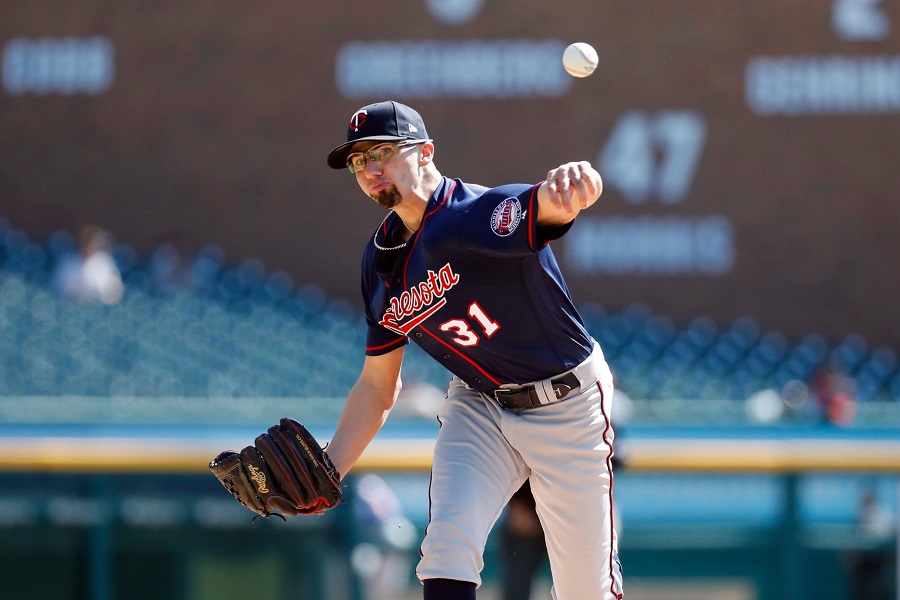 Randy Dobnak Minnesota trusted Dobnak enough to start a playoff game at Yankee Stadium so he already might in line to get a starting rotation spot. Last week, Matthew Trueblood wrote that Dobnak might be better than people think. He pitched 58 big league innings last year and posted a 3.88 ERA with a 1.28 WHIP. It would be nice to see Dobnak more in the fifth starter role than higher in the rotation. Obviously, Michael Pineda’s suspension will play a role in that decision at the beginning of the year and it should give Dobnak the opportunity to prove he belongs in the rotation. Devin Smeltzer Smeltzer is another intriguing option after he compiled a 3.86 ERA and a 1.27 WHIP in 11 appearances (49 IP). He had an interesting start to his career as he only allowed seven earned runs in his first 27 2/3 innings and opponents were held to a .651 OPS. What was more remarkable was the fact that his fastball averaged under 90 mph, but his off-speed pitches kept batters off-balance. His final six games saw his ERA rise to nearly 6.00 as the team used him more out of the bullpen. Smeltzer seems like a player that could be coming back-and-forth between Rochester and Minneapolis. Lewis Thorpe Thorpe was once one of the team’s top prospects and he won the team’s 2018 Minor League Pitcher of the Year award. Thorpe made all but two of his appearances out of the bullpen since Taylor Rogers was the team’s lone left-handed relief pitcher. Over the last two seasons at Triple-A, Thorpe has amassed a 4.73 ERA with a 1.20 WHIP and an 11.1 SO/9. Those numbers could fit in the back half of a starting rotation if he can translate that to the big leagues. It seems likely for Thorpe to get more opportunities to be a starter with the Twins in 2020, but will he have to prove himself in Rochester first? Brusdar Graterol Graterol was an exciting call-up at season’s end last year and the Twins used him entirely out of the bullpen. The plan will most definitely be for him to return to the rotation to start 2020 and this could be with Rochester. As a 20-year old, he dominated in Pensacola last season although he only made 12 appearances with the Blue Wahoos. He was limited to four Triple-A relief appearances, so the club will likely want him to build up some innings at that level. He has never pitched more than 102 innings in a season, so this year will be critical for him to stay healthy and get stretched out. Likely all the names above will have some impact on the 2020 Twins. Out of this group, who do you trust the most to be in the rotation for the majority of the season? Leave a COMMENT and start the discussion. MORE FROM TWINS DAILY — Latest Twins coverage from our writers — Recent Twins discussion in our forums — Follow Twins Daily via Twitter, Facebook or email
 -
Royce Lewis has been one of baseball’s top prospects since the Twins took him with the first overall pick back in 2017. He will continue to be ranked as the organization’s best prospect, but that certainly doesn’t mean he is without flaws. One of the biggest concerns might be with Lewis’ swing, so one must wonder if he can make adjustments in the minor leagues.Lewis spent time at High- and Double-A last season before ending the year in the Arizona Fall League. During the regular season, there were some ups and downs as he combined for a .661 OPS and 123 strikeouts in 127 games. He performed much better in the AFL by hitting .353/.411/.565 (.975) with 12 extra-base hits in 22 games. Here is a slow-motion view of Lewis’s swing during the AFL Fall Stars game. He starts with a high leg kick and then moves into a long stride. FanGraphs released their top Twins prospect list this week and they had plenty to say about Lewis's swing even though he is still their top Twins prospect. "Lewis still clearly had issues. His swing is cacophonous — the big leg kick, the messy, excessive movement in his hands — and it negatively impacts Lewis’ timing. He needs to start several elements of the swing early just to catch fastballs, and he’s often late anyway. This also causes him to lunge at breaking balls, which Lewis doesn’t seem to recognize very well, and after the advanced hit tool was a huge driver of his amateur profile, Lewis now looks like a guess hitter." In recent years, Minnesota has tried to work with Byron Buxton to adjust the leg kick he used in his swing. Buxton has gone through multiple swing renditions and last season he had almost no leg kick. For Buxton, there were positive results last season when he was on the field and healthy. In a recent chat, ESPN’s Keith Law was not optimistic about the performance put together by Lewis in the Arizona Fall League. When asked about Lewis’s swing adjustments, he said, “What swing adjustments? He looked exactly the same – huge leg kick, big hit – and did not hit at all during the regular season. Nothing is wrong with him physically, but I don’t think there’s a big leaguer who hits for average with a noisy approach like Lewis’s.” Besides his swing concerns, there are also concerns about Lewis’s defensive future. His bat is more important to his prospect stock because some see him below-average on defense as a shortstop. This could result in him moving to third base or even to the outfield. He played most of the AFL season at third base and even made a highlight reel catch in the outfield. "I think it's easy to forget how young he is," Twins director of Minor League operations Jeremy Zoll said during the AFL. "There were a number of hitters at Fort Myers that started slow. It's pretty well known that the [Florida State League] is a pitchers' league. But I think everyone came out of that slump at different speeds and anytime you're missing playing time in spring training, it's obviously something you think about -- the impact you may or may not be having. But it was good to see him work his way out of it and continue to make strides with his swing and produce nicely down the stretch." Minnesota is going to have to hope there are coaches that can work with some of his mechanics early in the spring. This would give him all of 2020 to work on his offensive approach to reduce some holes in his swing. The Twins have already been able to work with Buxton on adjusting his approach, so one can hope that Lewis will be the next player to alter his swing. What are your thoughts on Lewis’s approach at the plate? Leave a COMMENT and start the discussion. MORE FROM TWINS DAILY — Latest Twins coverage from our writers — Recent Twins discussion in our forums — Follow Twins Daily via Twitter, Facebook or email Click here to view the article
-
 Lewis spent time at High- and Double-A last season before ending the year in the Arizona Fall League. During the regular season, there were some ups and downs as he combined for a .661 OPS and 123 strikeouts in 127 games. He performed much better in the AFL by hitting .353/.411/.565 (.975) with 12 extra-base hits in 22 games. Here is a slow-motion view of Lewis’s swing during the AFL Fall Stars game. https://twitter.com/BaseballAmerica/status/1186286844792709120?s=20 He starts with a high leg kick and then moves into a long stride. FanGraphs released their top Twins prospect list this week and they had plenty to say about Lewis's swing even though he is still their top Twins prospect. "Lewis still clearly had issues. His swing is cacophonous — the big leg kick, the messy, excessive movement in his hands — and it negatively impacts Lewis’ timing. He needs to start several elements of the swing early just to catch fastballs, and he’s often late anyway. This also causes him to lunge at breaking balls, which Lewis doesn’t seem to recognize very well, and after the advanced hit tool was a huge driver of his amateur profile, Lewis now looks like a guess hitter." In recent years, Minnesota has tried to work with Byron Buxton to adjust the leg kick he used in his swing. Buxton has gone through multiple swing renditions and last season he had almost no leg kick. For Buxton, there were positive results last season when he was on the field and healthy. In a recent chat, ESPN’s Keith Law was not optimistic about the performance put together by Lewis in the Arizona Fall League. When asked about Lewis’s swing adjustments, he said, “What swing adjustments? He looked exactly the same – huge leg kick, big hit – and did not hit at all during the regular season. Nothing is wrong with him physically, but I don’t think there’s a big leaguer who hits for average with a noisy approach like Lewis’s.” Besides his swing concerns, there are also concerns about Lewis’s defensive future. His bat is more important to his prospect stock because some see him below-average on defense as a shortstop. This could result in him moving to third base or even to the outfield. He played most of the AFL season at third base and even made a highlight reel catch in the outfield. "I think it's easy to forget how young he is," Twins director of Minor League operations Jeremy Zoll said during the AFL. "There were a number of hitters at Fort Myers that started slow. It's pretty well known that the [Florida State League] is a pitchers' league. But I think everyone came out of that slump at different speeds and anytime you're missing playing time in spring training, it's obviously something you think about -- the impact you may or may not be having. But it was good to see him work his way out of it and continue to make strides with his swing and produce nicely down the stretch." Minnesota is going to have to hope there are coaches that can work with some of his mechanics early in the spring. This would give him all of 2020 to work on his offensive approach to reduce some holes in his swing. The Twins have already been able to work with Buxton on adjusting his approach, so one can hope that Lewis will be the next player to alter his swing. What are your thoughts on Lewis’s approach at the plate? Leave a COMMENT and start the discussion. MORE FROM TWINS DAILY — Latest Twins coverage from our writers — Recent Twins discussion in our forums — Follow Twins Daily via Twitter, Facebook or email
 -
While Minnesota’s top priority continues to be starting pitching, the club could also be looking to add to other parts of the roster. The Twins have been rumored to be interested in adding free agent third baseman Josh Donaldson, but there are questions about his age and the length of his contract. Would trading for a third baseman fit the team’s needs?Seattle’s Kyle Seager could be an option teams turn to if they lose our on the likes of free-agent Josh Donaldson or trading for another player like Kris Bryant. Seager will be entering his tenth big league season at age 32 and he has been remarkably healthy throughout the course of his career. Last season was the first time he played under 154 games since his rookie campaign. Part of Seager’s contract might hinder teams from making a deal. Currently, there is a $15 million club option for 2022 in his contract, but this will turn to a player option if he is traded. He is due to make $19.5 million in 2020 and $18.5 million in 2021. By adding in the additional $15 million, he could cost his acquiring team $53 million over the next three years. Ken Rosenthal of The Athletic is reporting that multiple teams are interested in trading for Seager. He also mentions that Seager might be in the process of amending the contract clause mentioned above. Seattle is in the midst of a rebuild and Seager might be looking to play for a contending club. Some other options mentioned by Rosenthal include Seager getting more money over the next two seasons or the Mariners sending cash or a prospect as part of the deal. As far as on-field production, Seager has seen a slight dip in his offensive production. Over the course of his career, he has hit .256/.324/.443 (.789) while averaging 32 doubles and 24 home runs. Seager’s batting average has dropped 20 points over the last three seasons and his OPS is down nearly 50 points. That’s even including last season when baseballs seemed to be flying all over the MLB parks. Defensively, Seager has won a Gold Glove at third base, but that came back 2014. SABR’s Defensive Index ranked Seager in the middle of the pack defensively last season with a -0.6 SDI. Minnesota’s Miguel Sano ranked third from the bottom with a -6.7 SDI, so Seager would be a defensive upgrade over Sano. Adding Seager would allow Sano to spend time at first base next year. Do you think Seager could be a fit in Minnesota? What would it take to get him? Leave a COMMENT and start the discussion. OTHER TRADE TARGET STORIES — Matt Chapman — David Price MORE FROM TWINS DAILY — Latest Twins coverage from our writers — Recent Twins discussion in our forums — Follow Twins Daily via Twitter, Facebook or email Click here to view the article
- 14 replies
-
- 1
-
-
- kyle seager
- miguel sano
- (and 1 more)
-
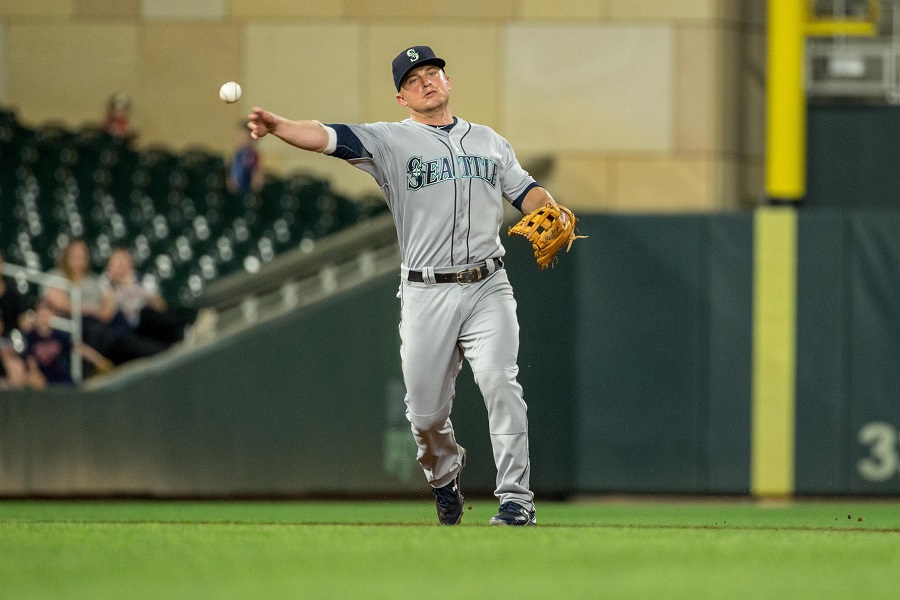 Seattle’s Kyle Seager could be an option teams turn to if they lose our on the likes of free-agent Josh Donaldson or trading for another player like Kris Bryant. Seager will be entering his tenth big league season at age 32 and he has been remarkably healthy throughout the course of his career. Last season was the first time he played under 154 games since his rookie campaign. Part of Seager’s contract might hinder teams from making a deal. Currently, there is a $15 million club option for 2022 in his contract, but this will turn to a player option if he is traded. He is due to make $19.5 million in 2020 and $18.5 million in 2021. By adding in the additional $15 million, he could cost his acquiring team $53 million over the next three years. Ken Rosenthal of The Athletic is reporting that multiple teams are interested in trading for Seager. He also mentions that Seager might be in the process of amending the contract clause mentioned above. Seattle is in the midst of a rebuild and Seager might be looking to play for a contending club. Some other options mentioned by Rosenthal include Seager getting more money over the next two seasons or the Mariners sending cash or a prospect as part of the deal. As far as on-field production, Seager has seen a slight dip in his offensive production. Over the course of his career, he has hit .256/.324/.443 (.789) while averaging 32 doubles and 24 home runs. Seager’s batting average has dropped 20 points over the last three seasons and his OPS is down nearly 50 points. That’s even including last season when baseballs seemed to be flying all over the MLB parks. Defensively, Seager has won a Gold Glove at third base, but that came back 2014. SABR’s Defensive Index ranked Seager in the middle of the pack defensively last season with a -0.6 SDI. Minnesota’s Miguel Sano ranked third from the bottom with a -6.7 SDI, so Seager would be a defensive upgrade over Sano. Adding Seager would allow Sano to spend time at first base next year. Do you think Seager could be a fit in Minnesota? What would it take to get him? Leave a COMMENT and start the discussion. OTHER TRADE TARGET STORIES — Matt Chapman — David Price MORE FROM TWINS DAILY — Latest Twins coverage from our writers — Recent Twins discussion in our forums — Follow Twins Daily via Twitter, Facebook or email
 -
Minnesota might have to get a little creative if the club fails to sign one of the top free agent pitchers. Gerrit Cole already signed a record-breaking free agent deal with the Yankees, which has left teams like the Dodgers and the Angels scrambling for other arms. If the Twins can’t land a free agent starter, plan B could be to look for a trade target.David Price is entering the fifth year of his seven-year, $217 million deal. In each of the next three seasons, he is guaranteed to make $32 million and he will be in his age-36 season at the end of the deal. The left-handed hurler has pitched over 2000 career innings, but he hasn’t had over 200 innings since the 2016 campaign. Since 2016, Price has averaged 119 innings with a 3.75 ERA and 1.20 WHIP. Last season, he posted a career high 10.7 SO/9, but it also came an increase in his BB/9 from under 8.0 to 9.1. Throughout his Red Sox tenure, there have been some health issues, but he has been able to post a 118 ERA+ with 609 strikeouts in 588 innings. Price is still a very good pitcher even if he isn’t the pitcher many fans will remember from when he was in contention for multiple Cy Youngs. His fastball is down a couple miles per hour from his career average (91.9 mph compared to 93.9 mph), but he can still top out at over 95 mph. This speed drop has meant he relies more on his change-up which he used 10% more than his career average last season. Price might still have some left in the tank. Since 2017, he is one of only 29 starters that have topped 350 innings with a strikeout-to-walk ratio over 3.00 and an ERA+ better than 110. There’s no guarantee that he will be able to keep up this pace over the next handful of seasons, but he has already shown the ability to adjust his pitching by relying more on his change-up. It’s no secret that Boston is trying to dump salary this off-season in an attempt to get under the luxury tax line. This will mean trading some of their more expensive players like Mookie Betts, JD Martinez, and/or Price. Betts could likely bring back a haul, but the 2018 MVP seems more likely to stick in Boston to lead their current core players. There are a few things Boston could do to make a deal happen. With the hefty amount remaining on Price’s deal, the Red Sox could agree to pay some of the remaining cost. Taking on a player with a higher salary would also be an option, but that wouldn’t help Boston to cut salary. The Red Sox could include another valuable piece to entice a trading team to take on more salary. If you were the Twins would you trade for Price? How much salary do you think the club would be willing to absorb? Leave a COMMENT and start the discussion. MORE FROM TWINS DAILY — Latest Twins coverage from our writers — Recent Twins discussion in our forums — Follow Twins Daily via Twitter, Facebook or email Click here to view the article
-
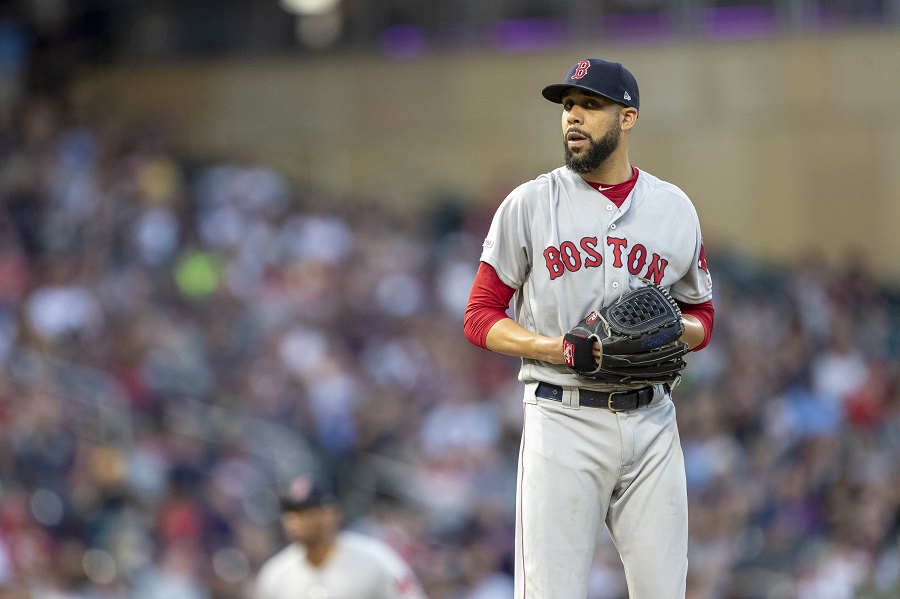 David Price is entering the fifth year of his seven-year, $217 million deal. In each of the next three seasons, he is guaranteed to make $32 million and he will be in his age-36 season at the end of the deal. The left-handed hurler has pitched over 2000 career innings, but he hasn’t had over 200 innings since the 2016 campaign. Since 2016, Price has averaged 119 innings with a 3.75 ERA and 1.20 WHIP. Last season, he posted a career high 10.7 SO/9, but it also came an increase in his BB/9 from under 8.0 to 9.1. Throughout his Red Sox tenure, there have been some health issues, but he has been able to post a 118 ERA+ with 609 strikeouts in 588 innings. Price is still a very good pitcher even if he isn’t the pitcher many fans will remember from when he was in contention for multiple Cy Youngs. His fastball is down a couple miles per hour from his career average (91.9 mph compared to 93.9 mph), but he can still top out at over 95 mph. This speed drop has meant he relies more on his change-up which he used 10% more than his career average last season. Price might still have some left in the tank. Since 2017, he is one of only 29 starters that have topped 350 innings with a strikeout-to-walk ratio over 3.00 and an ERA+ better than 110. There’s no guarantee that he will be able to keep up this pace over the next handful of seasons, but he has already shown the ability to adjust his pitching by relying more on his change-up. It’s no secret that Boston is trying to dump salary this off-season in an attempt to get under the luxury tax line. This will mean trading some of their more expensive players like Mookie Betts, JD Martinez, and/or Price. Betts could likely bring back a haul, but the 2018 MVP seems more likely to stick in Boston to lead their current core players. There are a few things Boston could do to make a deal happen. With the hefty amount remaining on Price’s deal, the Red Sox could agree to pay some of the remaining cost. Taking on a player with a higher salary would also be an option, but that wouldn’t help Boston to cut salary. The Red Sox could include another valuable piece to entice a trading team to take on more salary. If you were the Twins would you trade for Price? How much salary do you think the club would be willing to absorb? Leave a COMMENT and start the discussion. MORE FROM TWINS DAILY — Latest Twins coverage from our writers — Recent Twins discussion in our forums — Follow Twins Daily via Twitter, Facebook or email
 -
Fan safety has been a concern in recent years with many MLB organizations extending netting down both baselines. Some clubs have gone as far as to extend netting from foul pole to foul pole in an effort to give as much protection as possible to fans. Now the Twins and Target Field have announced plans to continue their efforts to put fan safety as a top priorityMinnesota will be making multiple changes to their safety netting prior to the start of the 2020 season. Besides extending netting down both foul lines, the height of the netting above the dugouts will also be raised. According to the Twins, the following Target Field seating areas will be covered by fan safety netting: · Dugout Box (Sections 1, 16 and 17) · Dugout Box Infield (Sections 2-6 and 11-15) · Thomson Reuters Champions Club (Sections 7-10) · Diamond Box (Sections 103-104 and 124-125) · Infield Box (Sections 105-108 and 120-123) · Home Plate Box (109-119) Extensions to the current netting will extend 85 more feet down the left field line and 65 feet further down the right field line. Minnesota had made previous netting changes before the 2016 and 2018 seasons. With the additions, netting now extends 255 feet down the right field line and 275 feet down the left field line. Four feet were added to the top of the dugouts to raise the height from 12 feet to 16 feet. Also, both foul lines added a minimum of seven feet in height at their tallest point. In a release to season ticket holders, the Twins said… “All Target Field fan safety netting uses state-of-the art technology, with thin strands and a knotless intersection to deliver a minimally obtrusive viewing experience. The netting is also composed of a combination of green hues, allowing it to blend with the playing field and provide greater visibility. Ensuring the unique baseball tradition of pregame player interaction remains part of the Target Field fan experience, the new netting is designed to be detached at the base and rolled up, providing a specific fan access point down each foul line during batting practice.” What are your thoughts on extending netting at Target Field? Please share your thoughts in the comments below. Not registered? Click here to create an account. To stay up to date, follow Twins Daily on Twitter and Facebook. MORE FROM TWINS DAILY — Just How Good is Blake Treinen, and Should the Twins Sign Him? — Twins High Impact Pitching Options Dwindling as Wheeler and Hamels Reach Agreements — Minnesota’s Internal First Base Options Click here to view the article
-
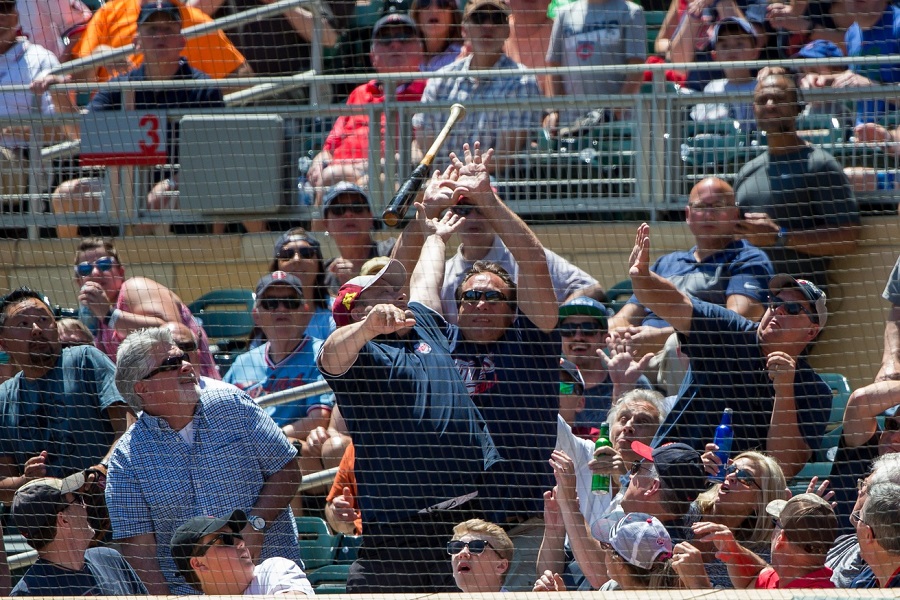 Minnesota will be making multiple changes to their safety netting prior to the start of the 2020 season. Besides extending netting down both foul lines, the height of the netting above the dugouts will also be raised. According to the Twins, the following Target Field seating areas will be covered by fan safety netting: · Dugout Box (Sections 1, 16 and 17) · Dugout Box Infield (Sections 2-6 and 11-15) · Thomson Reuters Champions Club (Sections 7-10) · Diamond Box (Sections 103-104 and 124-125) · Infield Box (Sections 105-108 and 120-123) · Home Plate Box (109-119) Extensions to the current netting will extend 85 more feet down the left field line and 65 feet further down the right field line. Minnesota had made previous netting changes before the 2016 and 2018 seasons. With the additions, netting now extends 255 feet down the right field line and 275 feet down the left field line. Four feet were added to the top of the dugouts to raise the height from 12 feet to 16 feet. Also, both foul lines added a minimum of seven feet in height at their tallest point. In a release to season ticket holders, the Twins said… “All Target Field fan safety netting uses state-of-the art technology, with thin strands and a knotless intersection to deliver a minimally obtrusive viewing experience. The netting is also composed of a combination of green hues, allowing it to blend with the playing field and provide greater visibility. Ensuring the unique baseball tradition of pregame player interaction remains part of the Target Field fan experience, the new netting is designed to be detached at the base and rolled up, providing a specific fan access point down each foul line during batting practice.” What are your thoughts on extending netting at Target Field? Please share your thoughts in the comments below. Not registered? Click here to create an account. To stay up to date, follow Twins Daily on Twitter and Facebook. MORE FROM TWINS DAILY — Just How Good is Blake Treinen, and Should the Twins Sign Him? — Twins High Impact Pitching Options Dwindling as Wheeler and Hamels Reach Agreements — Minnesota’s Internal First Base Options
 -
Minnesota made the decision to non-tender C.J. Cron and this leaves Minnesota in search of a different starting first baseman for the second straight offseason. Cron could be brought back on a cheaper deal but it could also mean the Twins will turn to an internal option for next season. What does the future look like for one of Minnesota’s important corner infield positions?Miguel Sano Over the last two seasons, Sano has played 20 games at first and he has logged 31 games at the position throughout his career. Sano has always had a strong arm at third base and that skill would be taken away with a move to first base. Besides his arm, he has struggled at the hot corner as he was the third lowest ranked AL third baseman according to SABR’s Defensive Index. Sano missed all of spring training last season due to an offseason injury and that could have hindered some defensive improvement. Mitch Garver Garver clocked 31 home runs last season and he was able to do this while being limited to 93 games. Health wasn’t an issue for Garver as the team used a rotation of Garver and Jason Castro behind the plate. Over the last three seasons, Garver has played parts of nine games at first, but he has made only four career starts at the position. If Minnesota could sign an underrated free agent like Alex Avila, it could open more time for Garver to move out from behind the plate. Marwin Gonzalez Gonzalez was signed last season because of his versatility and the veteran presence he would add to a young line-up. He’s played over 200 games at first base during his career and the Twins used him for over 160 innings last year at first. Minnesota was forced to use Gonzalez for 59 games in the outfield last season because of injuries to multiple players. If Gonzalez is penciled in as the everyday first baseman, that takes away some of his value because his versatility would be taken away. Alex Kirilloff Minnesota’s future at first base might be Alex Kirilloff, one of the team’s top-rated prospects. During his first two professional seasons, Kirilloff had played only in the outfield, but last season he accumulated over 300 innings at first base. His bat is his best tool so being able to play first base might be a way to fast-track him to the big leagues. He played all last season at Double-A and posted a .756 OPS, so it might be unlikely for him to play significant time at first for the 2020 Twins. Will any of these options be the Twins everyday first baseman next season? Please share your thoughts in the comments below. Not registered? Click here to create an account. To stay up to date, follow Twins Daily on Twitter and Facebook. MORE FROM TWINS DAILY — Non-Tendered Players that Could Interest the Minnesota Twins — The Three Biggest What-Ifs from the 2019 Season — One of the Greatest Trades in Twins History Click here to view the article
-
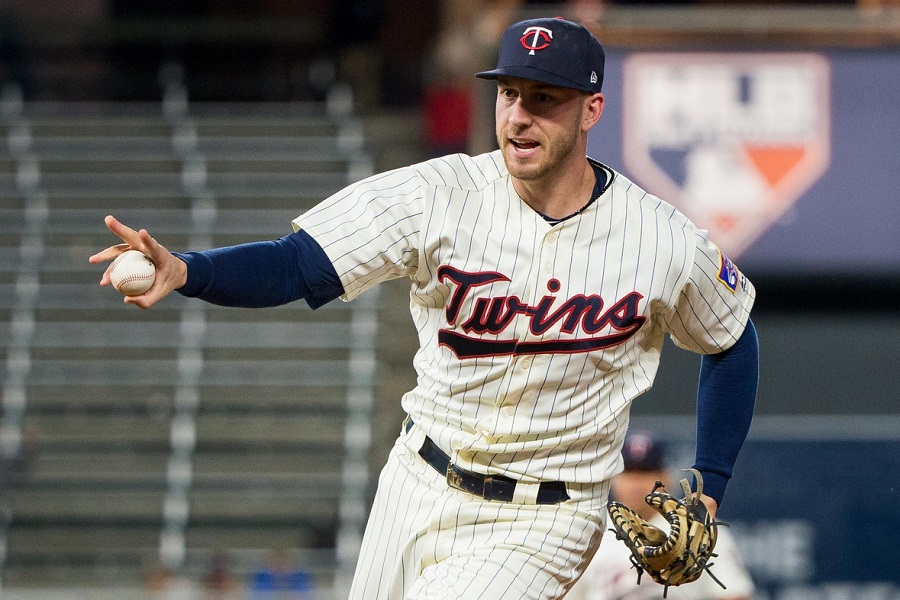 Miguel Sano Over the last two seasons, Sano has played 20 games at first and he has logged 31 games at the position throughout his career. Sano has always had a strong arm at third base and that skill would be taken away with a move to first base. Besides his arm, he has struggled at the hot corner as he was the third lowest ranked AL third baseman according to SABR’s Defensive Index. Sano missed all of spring training last season due to an offseason injury and that could have hindered some defensive improvement. Mitch Garver Garver clocked 31 home runs last season and he was able to do this while being limited to 93 games. Health wasn’t an issue for Garver as the team used a rotation of Garver and Jason Castro behind the plate. Over the last three seasons, Garver has played parts of nine games at first, but he has made only four career starts at the position. If Minnesota could sign an underrated free agent like Alex Avila, it could open more time for Garver to move out from behind the plate. Marwin Gonzalez Gonzalez was signed last season because of his versatility and the veteran presence he would add to a young line-up. He’s played over 200 games at first base during his career and the Twins used him for over 160 innings last year at first. Minnesota was forced to use Gonzalez for 59 games in the outfield last season because of injuries to multiple players. If Gonzalez is penciled in as the everyday first baseman, that takes away some of his value because his versatility would be taken away. Alex Kirilloff Minnesota’s future at first base might be Alex Kirilloff, one of the team’s top-rated prospects. During his first two professional seasons, Kirilloff had played only in the outfield, but last season he accumulated over 300 innings at first base. His bat is his best tool so being able to play first base might be a way to fast-track him to the big leagues. He played all last season at Double-A and posted a .756 OPS, so it might be unlikely for him to play significant time at first for the 2020 Twins. Will any of these options be the Twins everyday first baseman next season? Please share your thoughts in the comments below. Not registered? Click here to create an account. To stay up to date, follow Twins Daily on Twitter and Facebook. MORE FROM TWINS DAILY — Non-Tendered Players that Could Interest the Minnesota Twins — The Three Biggest What-Ifs from the 2019 Season — One of the Greatest Trades in Twins History
 -
Matt Chapmans is one of the best defensive players in the American League and his offense isn’t too shabby either. He certainly isn’t without flaws, but the Athletics are trying to cut payroll this winter and dealing Chapman could save them some money as he gets more expensive through the arbitration process. Would the Twins consider a franchise-altering move to add someone like Chapman?What would it take to get Chapman? Chapman was an All-Star in 2019 while hitting 36 home runs and 36 doubles with an .848 OPS. He won his second Gold Glove Award at third base and it might not have been close. Chapman is in a close conversation with Nolan Arenado as the best defensive third baseman in all of baseball and Chapman could be in the discussion as one of the league’s best overall defenders. Minnesota also has one of the league’s best defenders, but he has been injured over the last couple seasons. Byron Buxton won the Platinum Glove back in 2017, but injuries have kept him off the field over parts of the last two seasons. Could the giant Oakland outfield be a better home for the budding superstar? He has more service time than Chapman and he can be a free agent in 2023. Chapman is nearly a year older than Buxton, but they have nearly the same amount of games played at the big-league level thanks to Buxton’s DL stints. Chapman might fit with the Twins, but it will take more than Buxton to land Chapman in a Twins uniform. Minnesota would likely need to add a prospect or two to the equation to get Oakland to consider a deal. Minnesota’s Line-Up Ramifications Adding Chapman to the line-up would mean Miguel Sano would no longer be needed at third base. This would allow the Twins to shift him to first base and designated hitter on a more permanent rotation. Nelson Cruz and Marwin Gonzalez would continue to get at-bats at those positions next season, but this would allow for some positional depth at all those spots, especially since none of those players played a full-season last year. If Buxton was out of the equation, Max Kepler would continue to play center field during the 2020 campaign. Then in 2021, Royce Lewis would be given the opportunity to play there and Kepler could slide back to a corner outfield role. Lewis’ defensive future has been in question over the last couple offseasons and this year’s Arizona Fall League only brought that more to the forefront. One of Minnesota’s biggest defensive weaknesses this offseason might be third base. Adding Chapman would take away from an area of strength and add to an area of weakness. The cost of adding Chapman might be steep, but the Twins would have him for multiple years with the opportunity to offer him an extension. What do you think Chapman would be worth in a trade? Leave a COMMENT and start the discussion. Click here to view the article

